Where has all the Sun gone – Switzerland

After a promising start to our second stint in Switzerland the sun simply disappeared making limited guest appearances as it saw fit. As you all know this is not a common occurrence in my world. Despite the trying conditions the fun times have continued to roll.

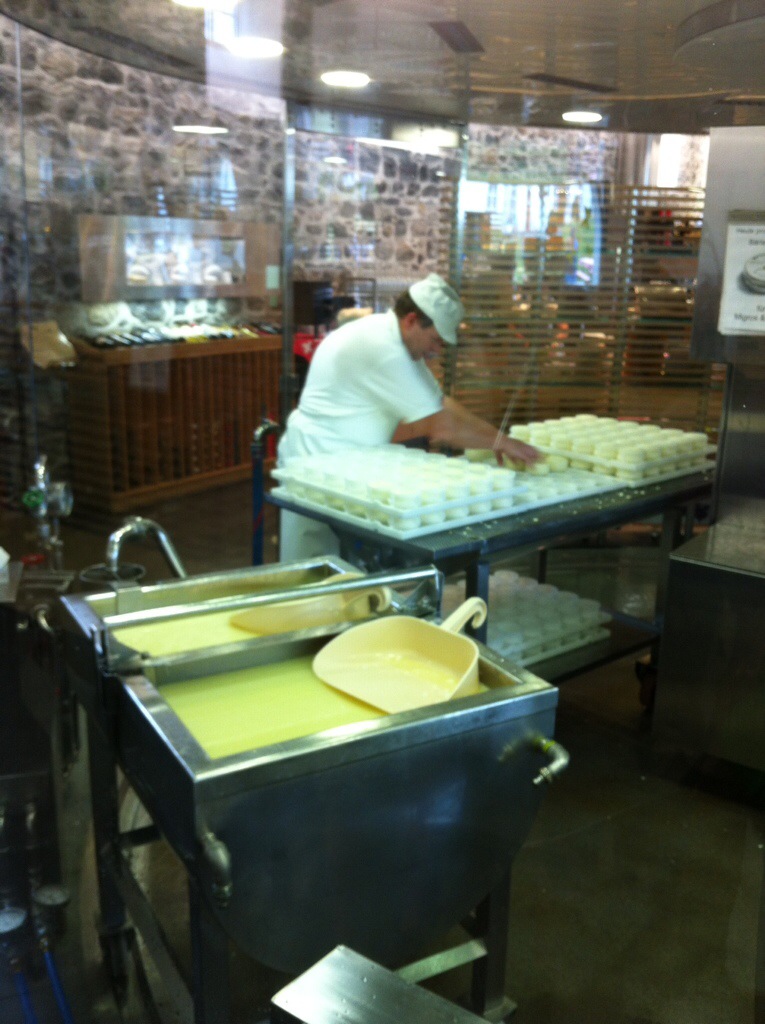
On Monday we took a drive to Engelberg which is in the canton of Obwalden. The town is surrounded by Alps and has on it’s border Mt Titlis which stands at 3,238 metres high and is famous as the site of the world’s first revolving cable car. I had been up there on my first ever trip to Switzerland in 1997. We had lunch in Engelberg in this cafe where they also make cheese by hand with the milk from the surrounding farms.

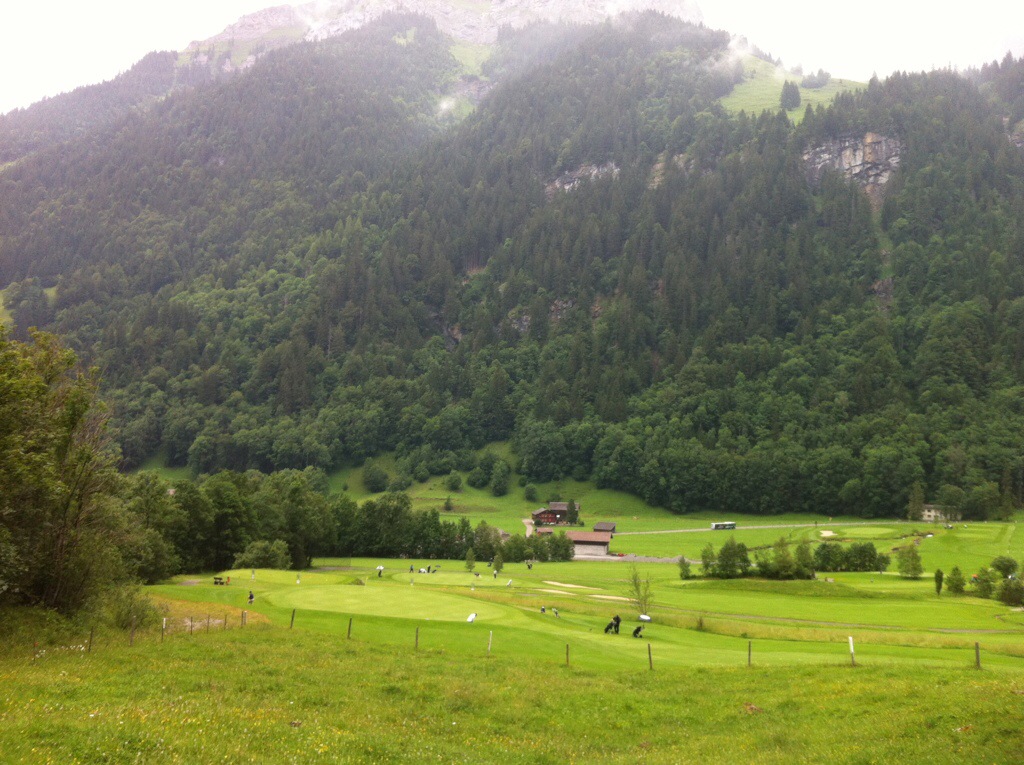
We weren’t here for the mountains though, we were here to check out the golf course. Engelburg Golf Club is set up the valley and is surrounded by mountains – it is a very picturesque course. We took a walk along the river and we could see some of the holes – Steve was salivating at the sight. So close but oh so far. We may return next week to have a round.

On our walk up the valley we also came across zip lining along with a confidence course set up in the trees. The zip lining is self guided – they show you the ropes, excuse the pun, and then let you go and conquer on your own. You make your way from platform to platform by climbing up these wooden steps set into the trees. I must say it looked very cool and it only cost 40 Swiss Francs or about NZD51 and you could do all 6 sets of zip lines. Another thing on the list for next week.

On Wednesday Karin’s brother Michael and his wife Aileen and seven year old son Lucas came for lunch. We had met them at Karin & Elvis’s wedding back in 2009 so it was nice to see them again. They live in Singapore so are back for their summer holidays. Lucas goes to a Swiss school in Singapore and speaks fluent German and English – Aileen is from Singapore so he also has Chinese lessons once a week which he is not too fussed on. He loves his sport and good food – a boy after my own heart : ) I think he devoured more salad than anyone else at the table.

Lunch turned into early evening and the game Dog came out – we had never played it before so it was good fun. Steve was the first to have all his marbles home safe so one can only imagine the crowing! Elvis our Master chef then worked his magic in the kitchen once again to prepare a delicious meal of Spaghetti Bolognese and Fettuccine – all the sauces made from scratch of course.

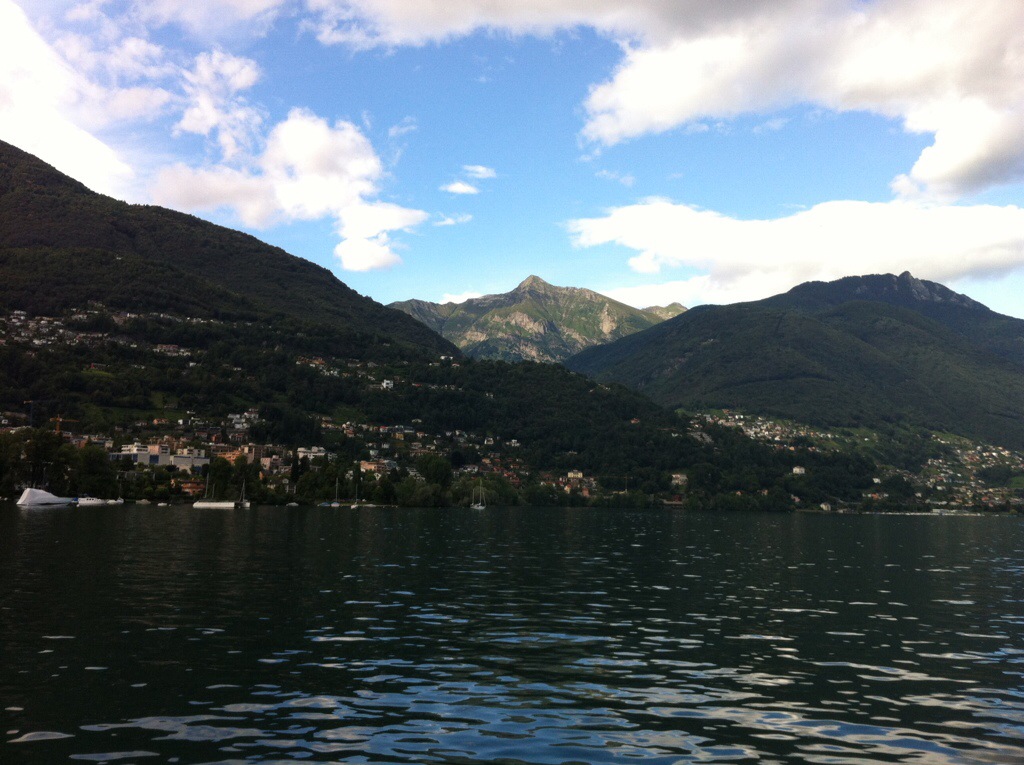
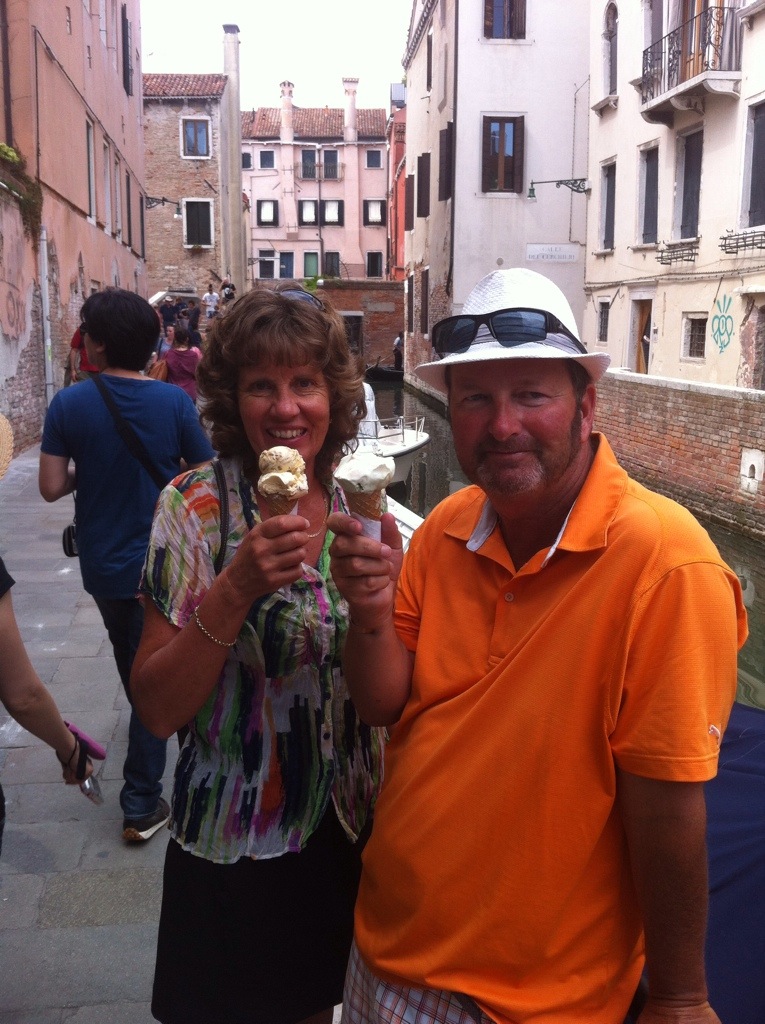
On Thursday night we had tickets to a concert in Locarno which is in the Italian speaking part of Switzerland – about 2 hours south of here. We decided to go down for the day as the weather forecast was better down there. We had a nice Italian lunch of pasta followed by Gelato. A spot of shopping then followed and a boat trip on the lake.

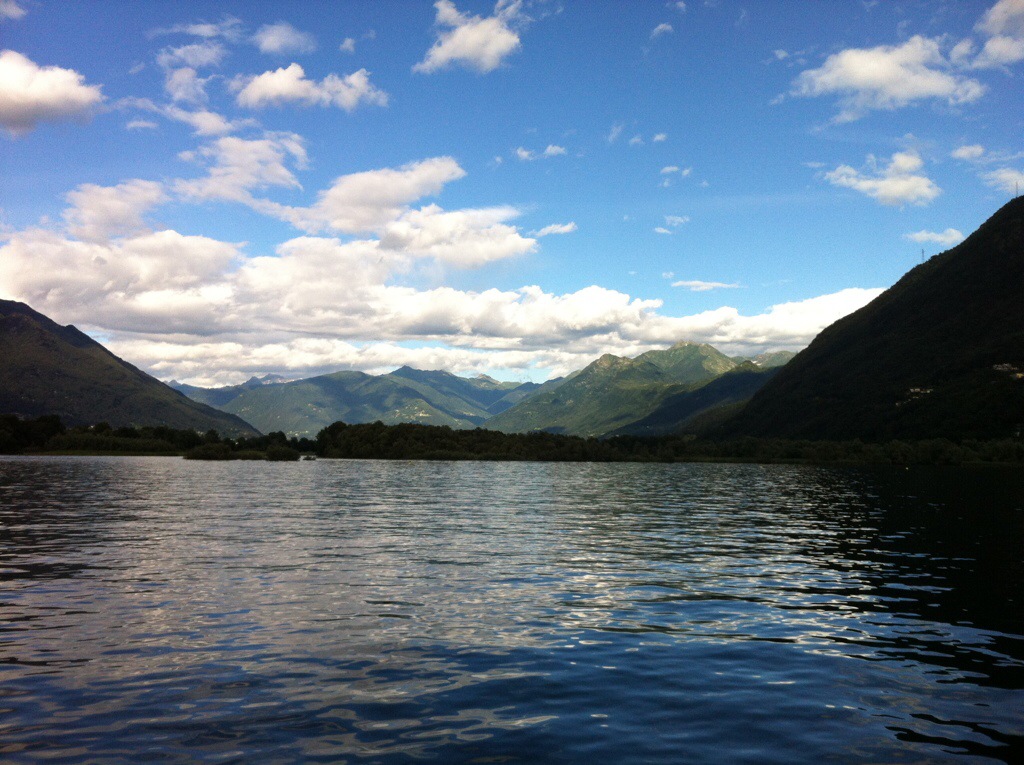
Locarno is the capital of the Locarno district, located on the northern tip of Lake Maggiore (Lago Maggiore) in the Swiss canton of Ticino, close to Ascona at the foot of the Alps. It has a population of about 15,000 (60,000 for the urban area including Ascona). The official language of Locarno is Italian.

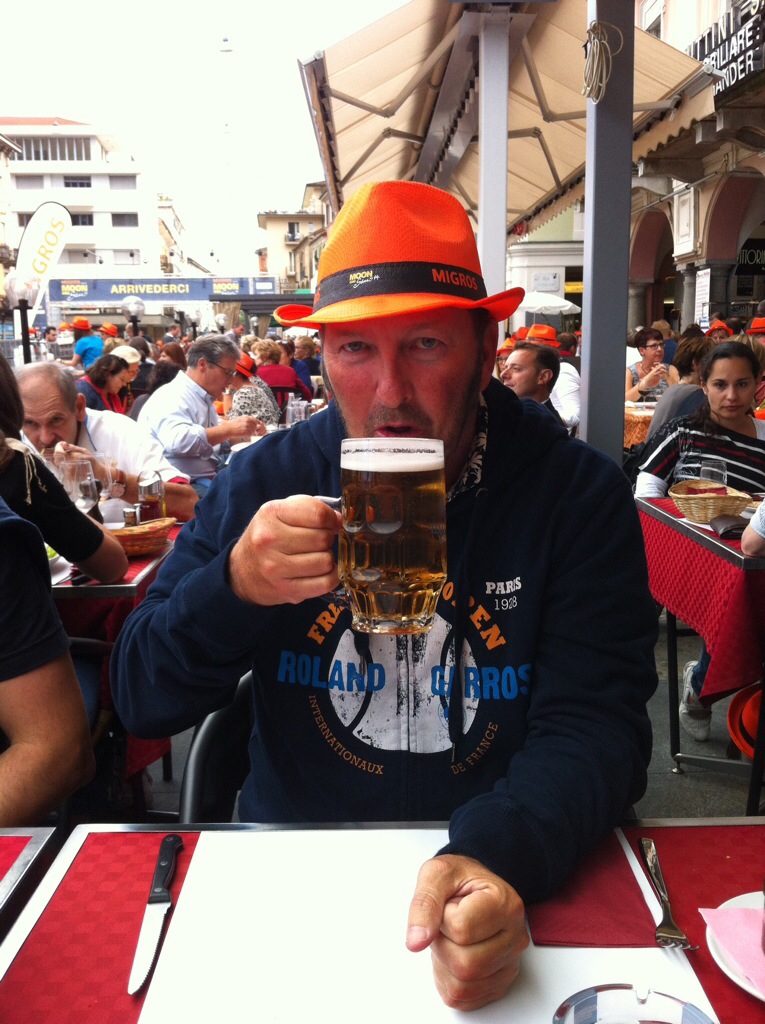
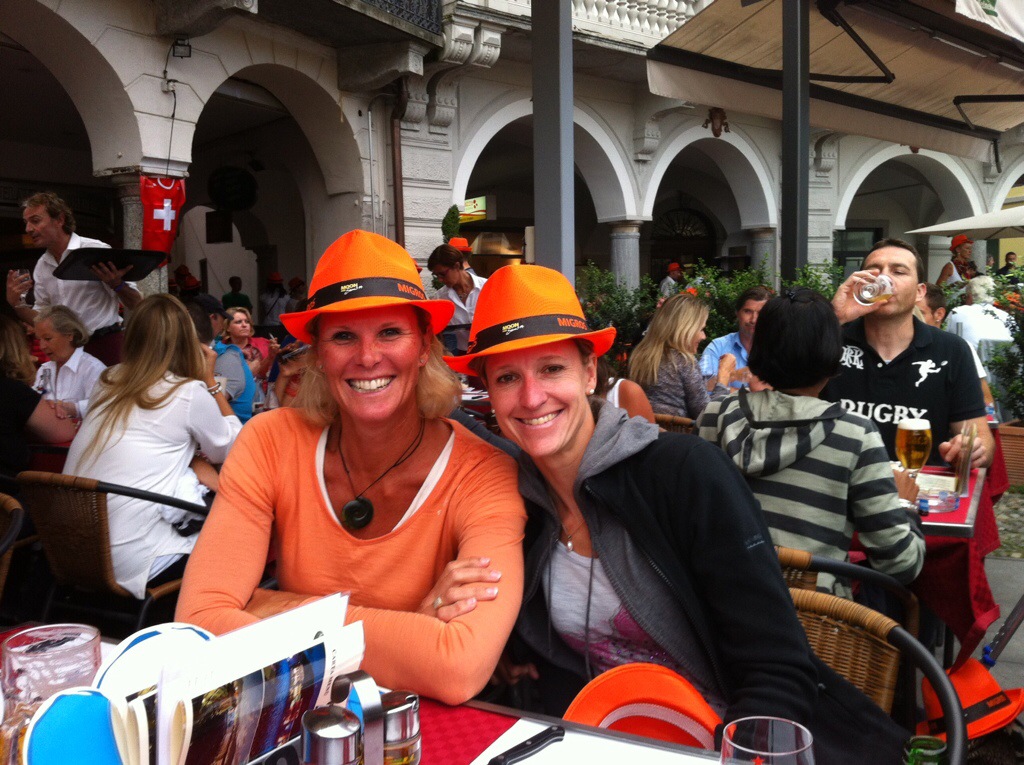
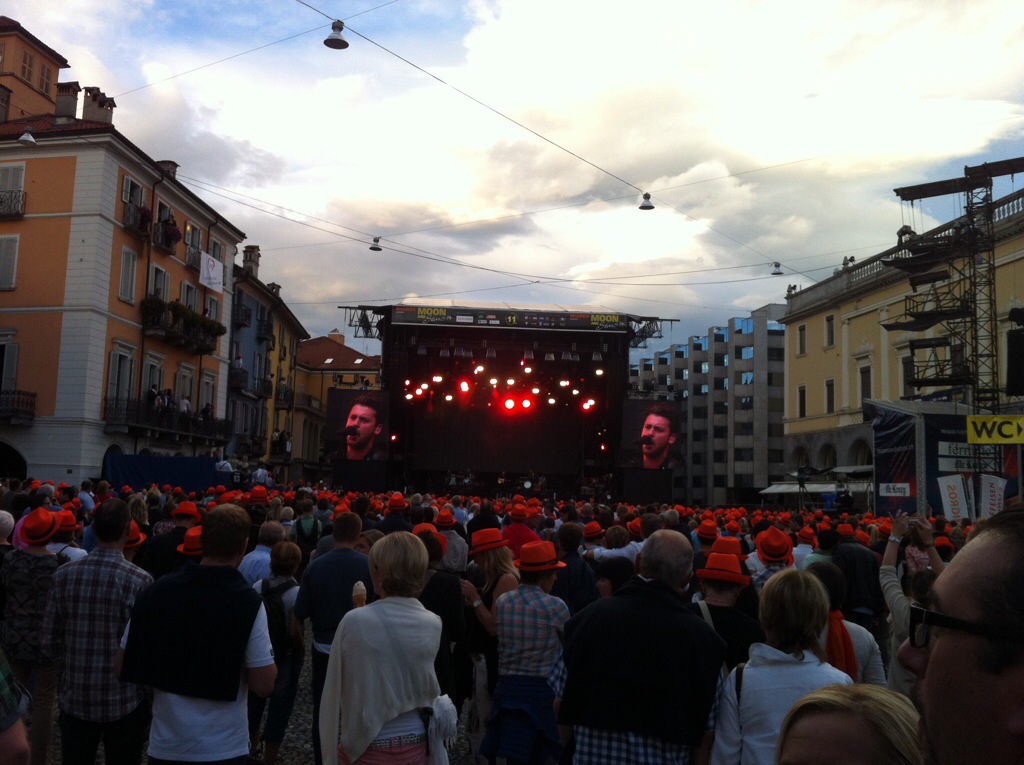
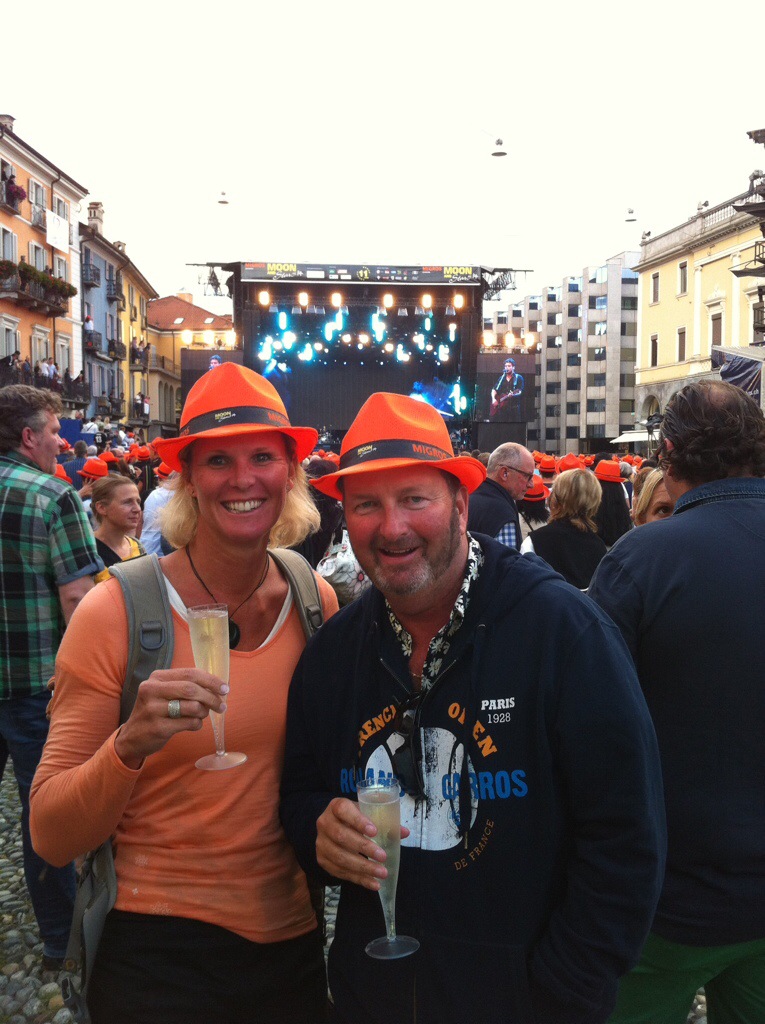
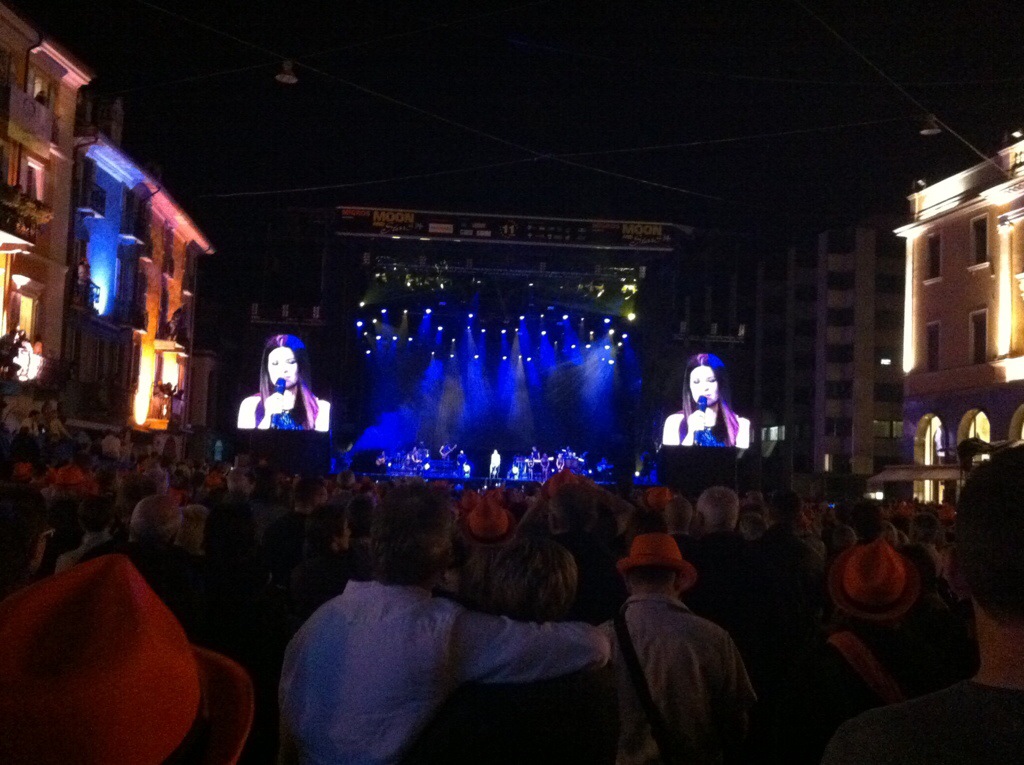
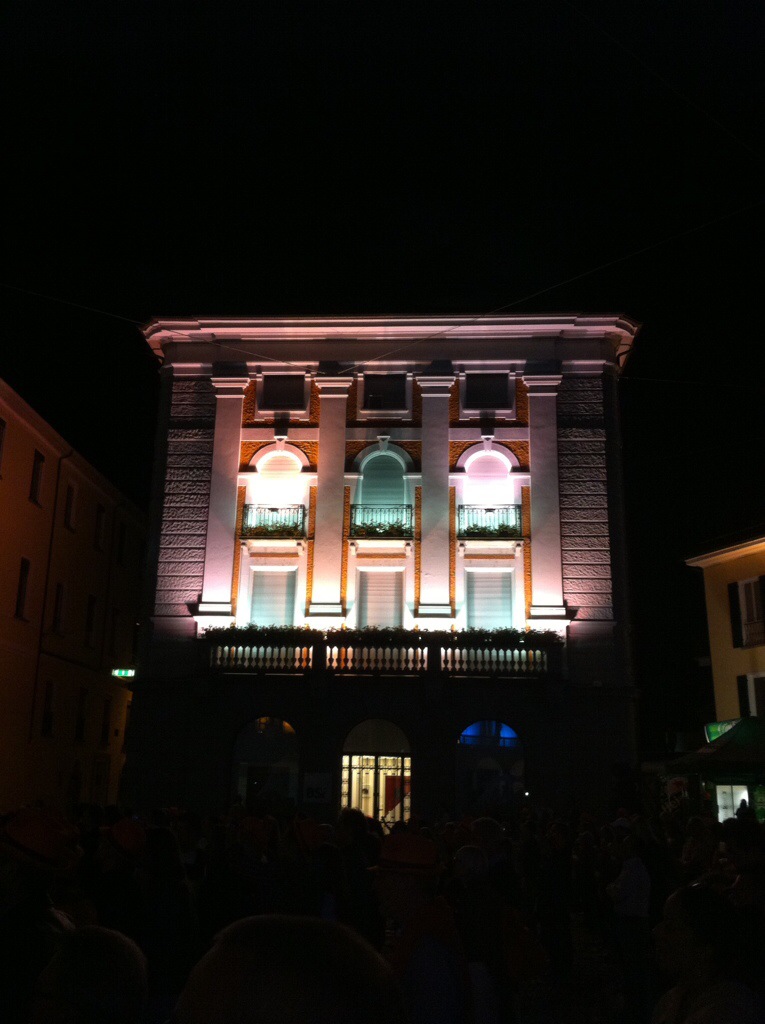
The concert we came to see was that of Laura Pausini. The support act was a Swiss singer called Bastian Baker. The concert was being held in the Piazza and we managed to get a table for dinner in one of the restaurants inside the Piazza. It was Italian Pizza all round – yum! We then joined the rest of the concert goers in the middle of the Piazza. Migros which is a large supermarket chain over here sponsor the Moon & Stars Festival which is held every year in the Piazza. Also featuring this year are Dolly Parton, James Blunt, Backstreet Boys and Jack Johnson. The orange hats you see in the photo are courtesy of Migros.

Bastian Baker was born Bastien Kaltenbacher in Lausanne, Switzerland – he is 23 years old and is a singer, songwriter, and performer. He was coach in the third season of The Voice Belgique (The Voice of Belgium). He sings in English generally but is fluent in German, French and Italian.

Born to a professional hockey player father, Bastian wanted to become a professional hockey player in the footsteps of his father and played on Swiss National League’s Juniors Elite A side “Lausanne 4 Clubs” under the name Bastien Kaltenbacher but his interest in music won out. He was really good and certainly warmed the crowd up for the main act.

Laura Pausini, born 16 May 1974, is an Italian pop singer-songwriter and record producer. She debuted in 1993, winning the newcomer artists’ section of the 43rd Sanremo Music Festival with the song “La solitudine”, which became an Italian standard and an international hit, reaching the top spot on the Italian Musica e Dischi singles chart, as well as on the Dutch Top 40 and on the Flemish Ultratop 50. Her eponymous debut album was released in Italy on 23 April 1993 and later became an international success, selling two million copies worldwide.

Pausini describes herself as a Roman Catholic woman, but expressed doubts about Roman Church’s position on various themes, including contraception, abortion and premarital sex. In September 2000 she explained her position during an interview to the Italian newspaper la Repubblica:

I really believe in God, and the Pope is the man that I most want to meet again in the world. I already met him in 1996. I just have a few doubts about the Catholic Church, such as the discrimination against homosexuals. I don’t understand how they condemn racism, but at the same time take issue with gay people.

She made reference to homosexuality when she spoke saying that love is love and can be between a man and a woman or a man and a man or a woman and a woman. Her parting words when she left the stage was “everyone make love tonight”. This of course was all translated by Elvis for us.

I would have to say that she would be the best artist I have ever seen in concert and I couldn’t understand a word she said! She spoke and sang with such passion and enthusiasm – as well as she had this cheeky sense of humour. Her facial expressions and body language also contributed to the performance. She spoke in between some of the songs and told stories about the songs or who she was dedicating them to – Elvis our interpreter extraordinaire translated the gist for us so our imagination could sweep us along during the song.

The setting in the Piazza was also awesome – surrounded by these lovely old buildings that had been lit up in different colours. There were people out on the balconies soaking up the atmosphere and dancing away. It was a great night. We drove back to Buochs after the concert so got to bed about 2am.

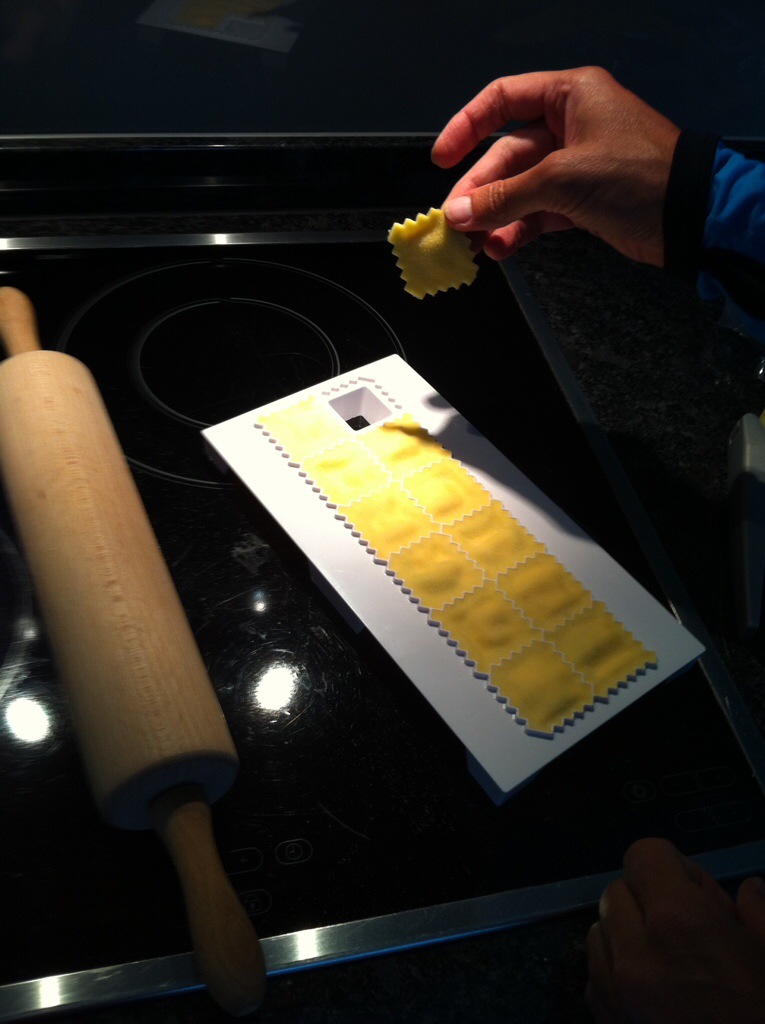
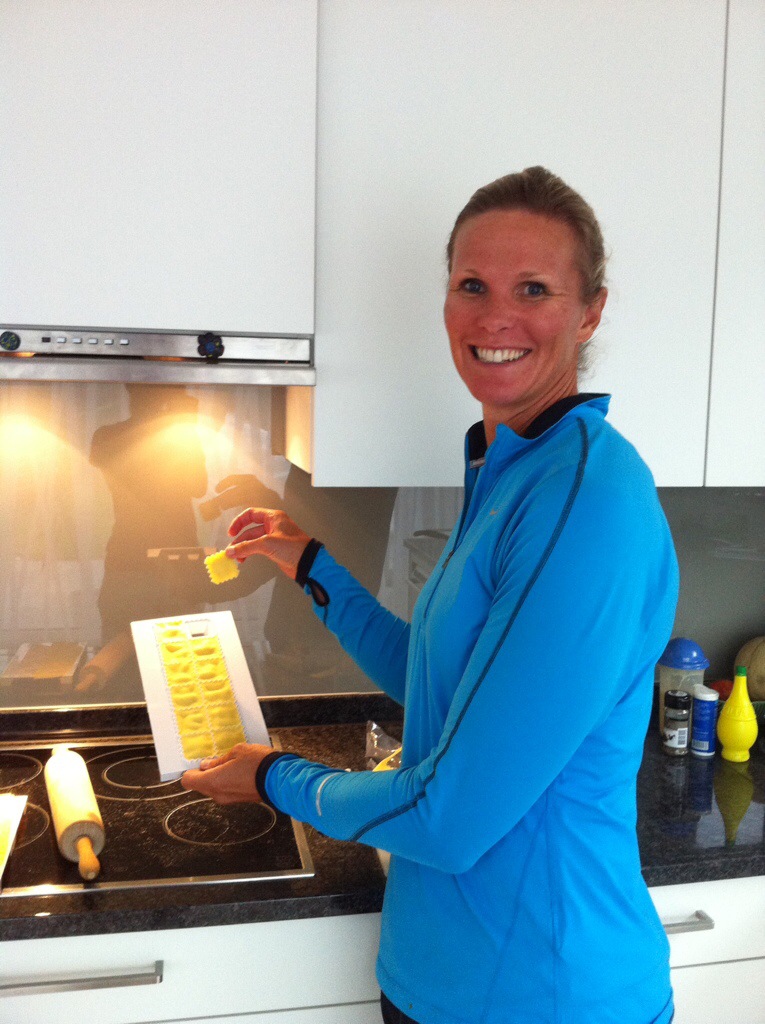
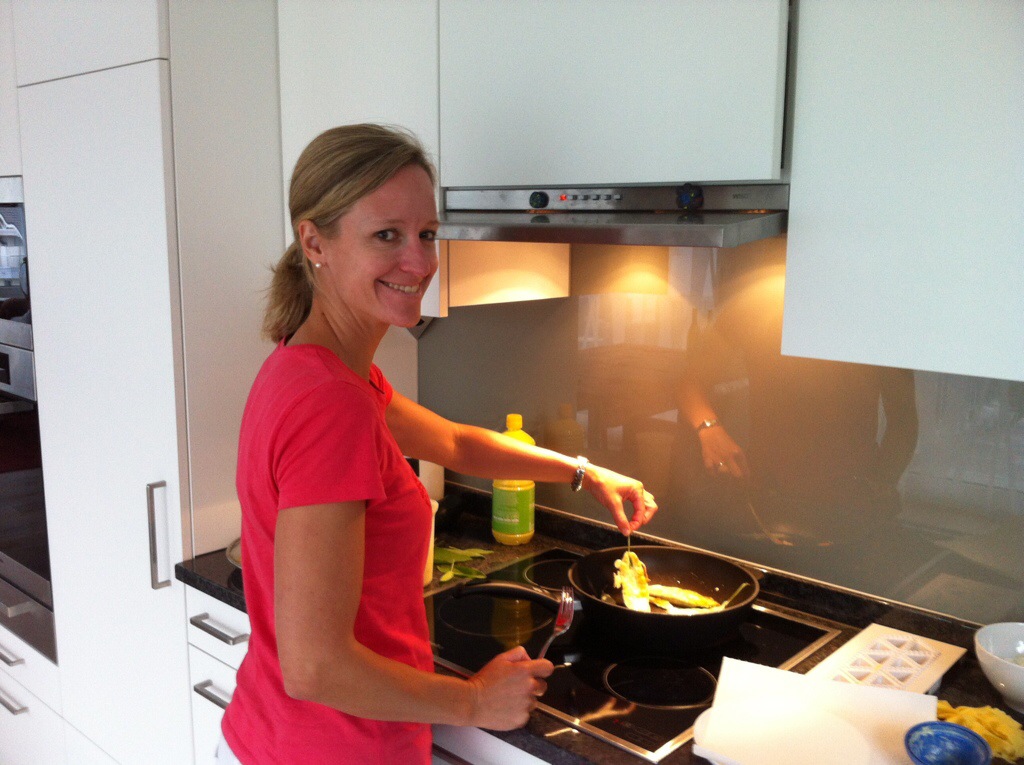
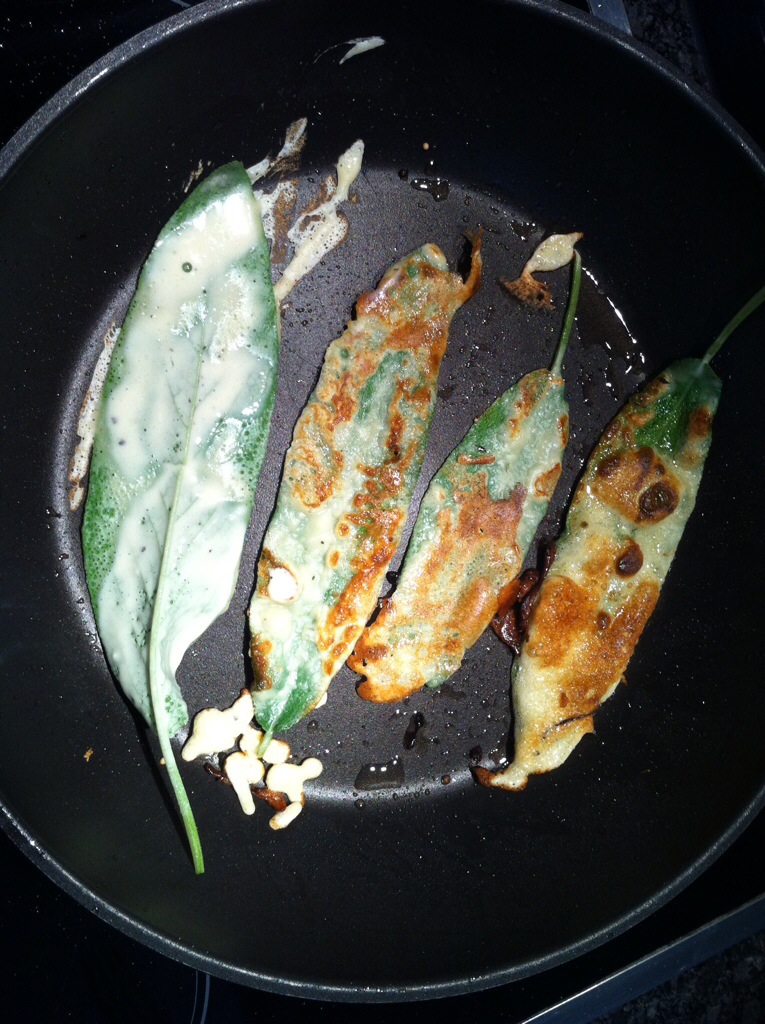
The pasta theme continued tonight as Karin and I made ravioli filled with ricotta and fresh herbs from the garden. Karin also introduced me to battered sage leaves – her sage plant is on steroids and has produced these large leaves so instead of them being sage mice we called them sage rats. They were very delicious. The Swiss are great gardeners so we are certainly learning a lot of new recipes using all sorts of things in the vege garden. They also don’t eat a lot of meat so are quite creative with their meals. Everything is always delicious and much appreciated by us!
20140712-005151-3111689.jpg

20140712-005202-3122871.jpg

20140712-005209-3129508.jpg

20140712-005215-3135580.jpg

20140712-005224-3144563.jpg

20140712-005233-3153692.jpg

20140712-005238-3158211.jpg

20140712-005244-3164723.jpg

20140712-005250-3170355.jpg

20140712-005255-3175849.jpg

20140712-005300-3180041.jpg

20140712-005306-3186035.jpg

20140712-005310-3190845.jpg

20140712-005318-3198123.jpg

20140712-005326-3206400.jpg

20140712-010628-3988726.jpg

20140712-010638-3998795.jpg

20140712-010644-4004647.jpg

20140712-010649-4009776.jpg

20140712-010653-4013922.jpg

20140712-010658-4018553.jpg

20140712-010705-4025907.jpg

Posted in Switzerland | 4 Comments

Lake Lucerne – Switzerland

We arrived back into Zurich in Switzerland on Friday night. Karin met us at the airport and told us that it was a very busy time on the roads due to the start of the summer holidays. We decided to take a scenic route home which was lovely and took us all around one end of Lake Lucerne. It was a nice evening so after arriving home we went down to the Lake for a swim. It wasn’t too bad : )

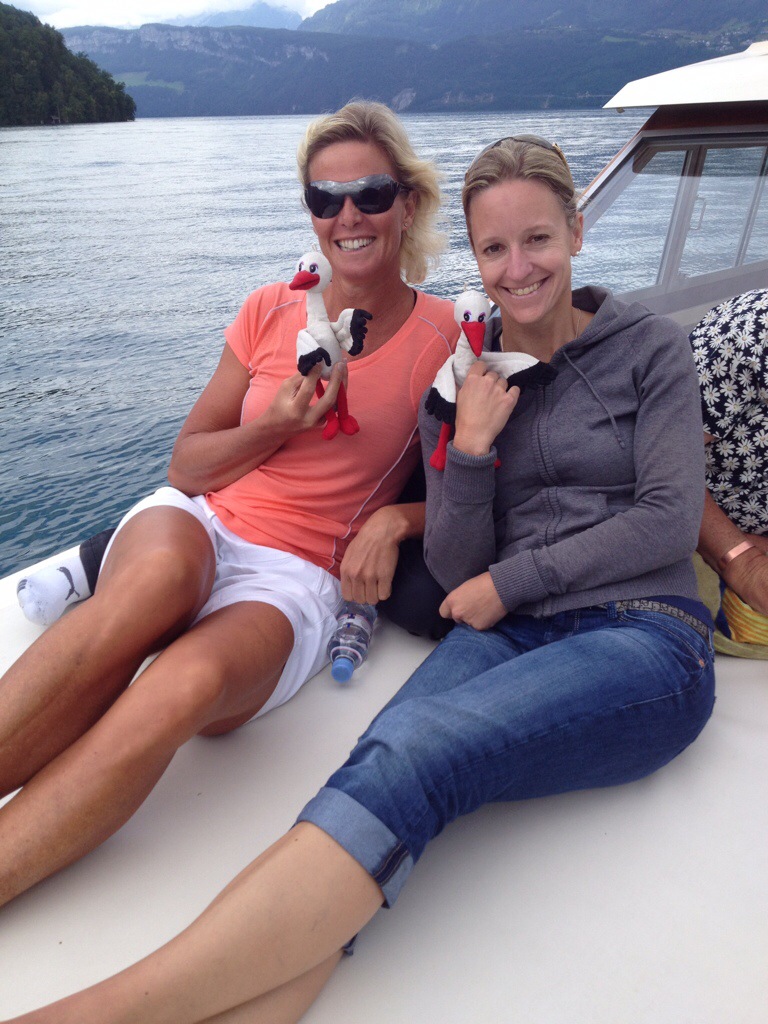
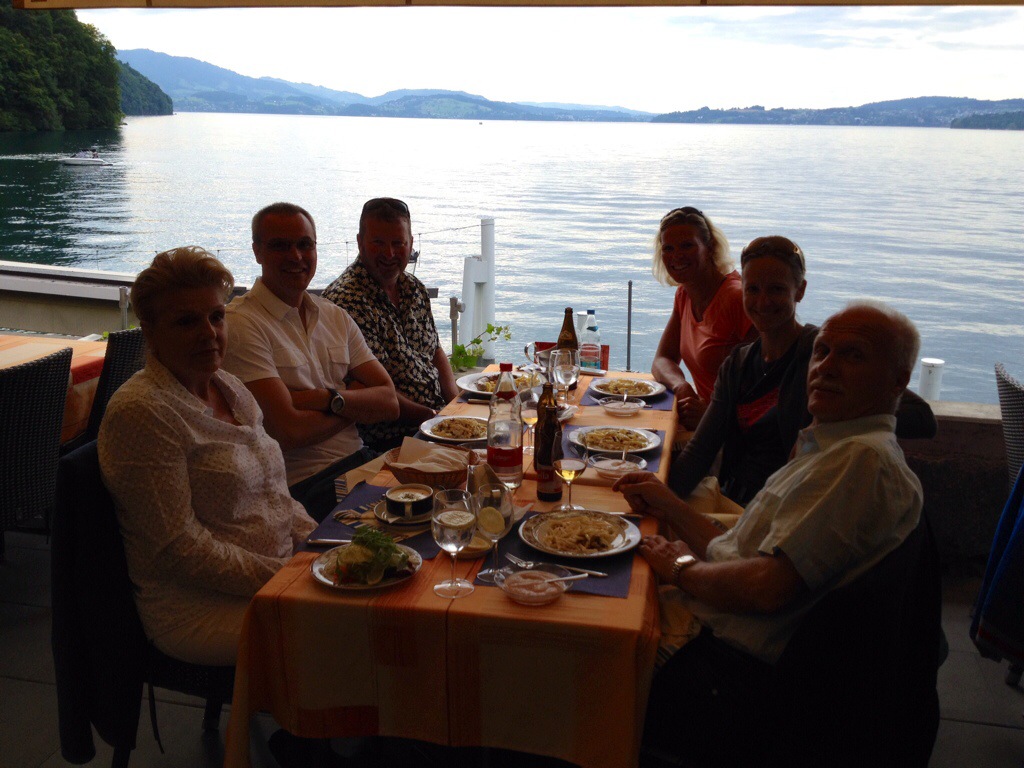
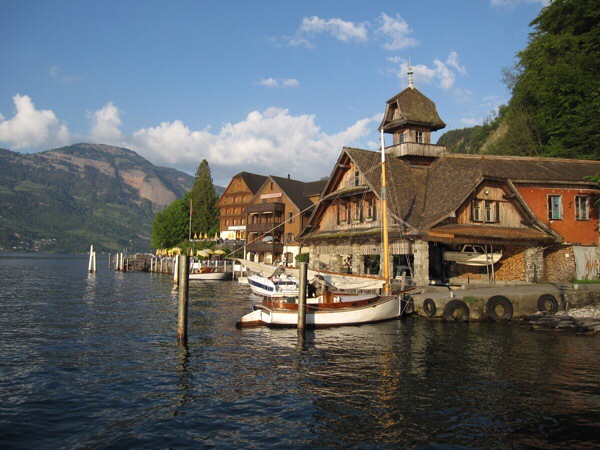
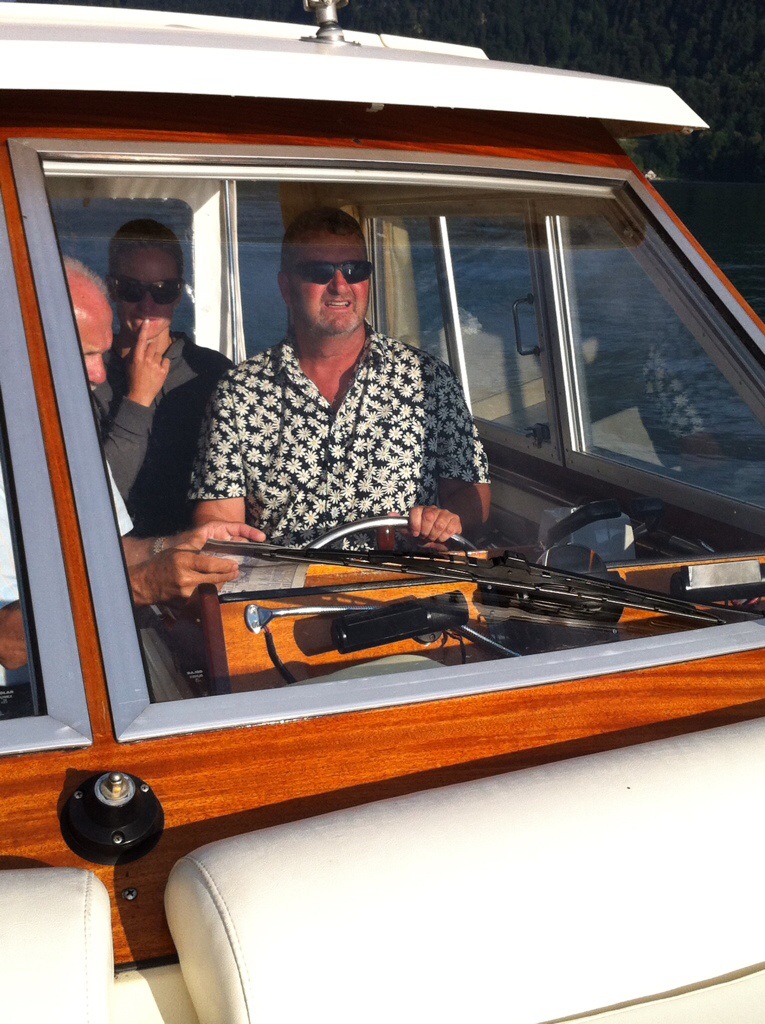
On Saturday afternoon Elvis’s parents invited us to go out onto Lake Lucerne on their boat. Just when we thought our cruising days were on hold for a few weeks : ) It had been a slightly overcast day but we had some late afternoon sun and the lake was like a mill pond. It was so relaxing sitting on the front of the boat watching the world go by. We went to a restaurant called Obermatt for dinner – you can only get to this restaurant by boat or by hiking over the Bürgenstock.

Four out of six of us decided to have Älplermagronen, otherwise known as Herdsman’s Macaroni and Cheese with applesauce on the side. It is a very traditional dish which was popular with the alpine farmers as it was easy to prepare and is a very hearty meal so perfect after a hard day on the slopes herding the animals. It was indeed hearty and very delicious topped with crispy fried onions.

A suggestion was made to go and have dessert across the other side of the lake – why not – a new style of progressive dinner but by boat! All aboard for another relaxing boat trip on the lake – Steve even did a bit of driving. We stopped in the middle of the lake where you could see a lot of the arms of Lake Lucerne and Elvis’s father got the lake map out to explain what was what.

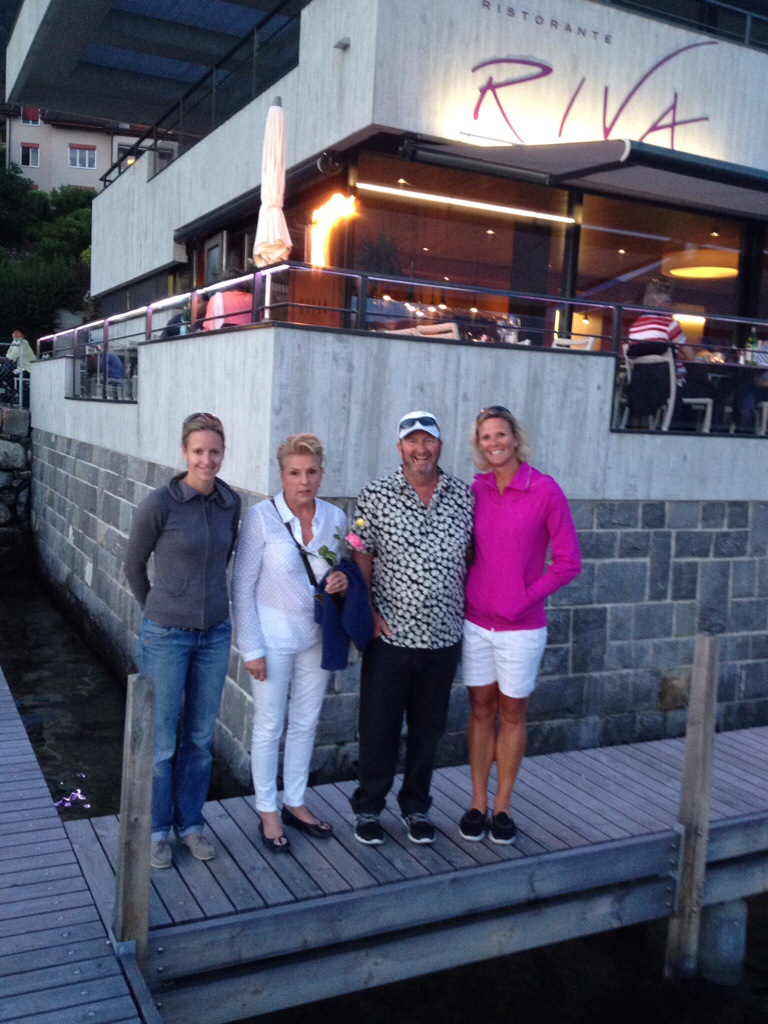
We carried on to a restaurant called Riva which is in Weggis. Weggis is known as a wellness destination situated on the lake at the south western foot of the famous mountain Rigi. It has a particularly mild climate that allows palms and chestnuts to thrive. Dessert was very enjoyable and afterwards we took a walk around Weggis as they had a summer festival on.

It doesn’t get dark until about 9.30pm but the boat had lights so wasn’t too much of an issue – we got back to the marina about 10.45pm and walked home. It was a lovely evening and I now have a new found appreciation for boating – especially on a lake as beautiful as Lake Lucerne.

Lake Lucerne or “Lake of the Four Forested Cantons” is a lake in central Switzerland and the fourth largest in the country.

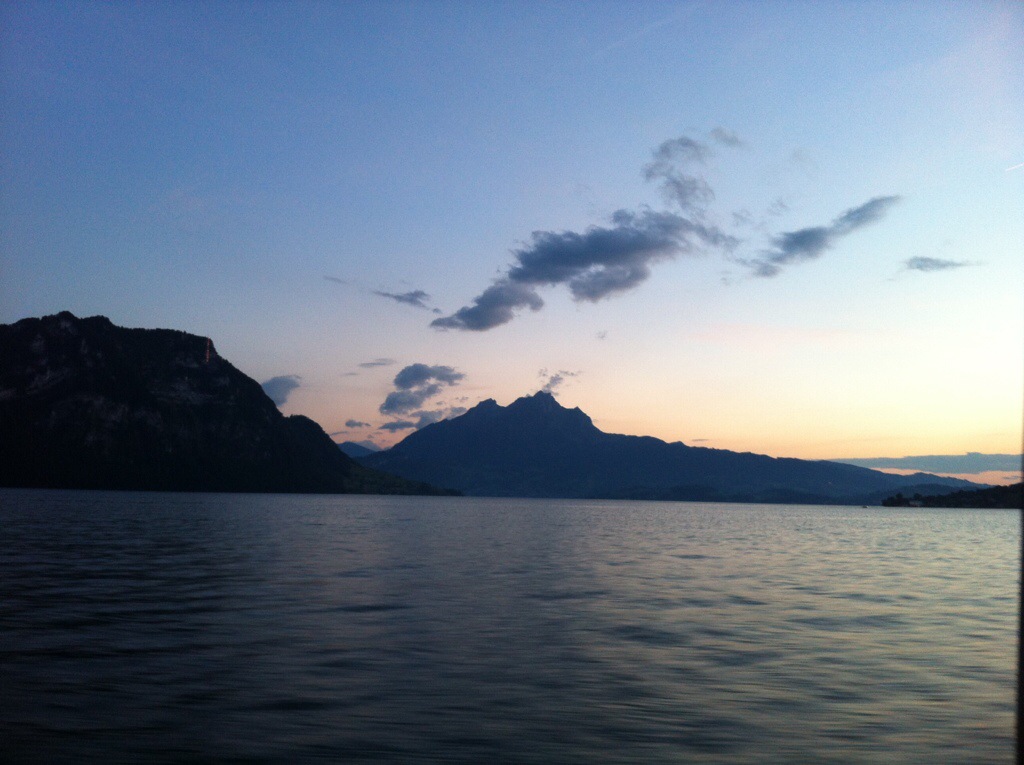
The lake has a complicated shape, with bends and arms reaching from the city of Lucerne into the mountains. It has a total area of 114 km² (44 sq mi), an elevation of 434 m (1,424 ft), and a maximum depth of 214 m (702 ft). Its volume is 11.8 km³. Much of the shoreline rises steeply into mountains up to 1,500 m above the lake, resulting in many picturesque views including those of Mount Rigi and Mount Pilatus.

Sunday morning Steve and I went for a walk down to the lake and around the village. It was a beautiful morning so afterwards I joined Elvis in the lake for a swim – a little fresh to start with but after a few strokes managed to warm up. We met up with a lady from the village who takes her pet turtle down to the reserve by the lake to play – the turtle’s name is something like Homthy Domthy which reminds me of Humpty Dumpty. Karin & Elvis have met up with her a few times by the lake before and she loves to chat – she doesn’t speak English though which Karin said is fortunate or we would have been down there for another half an hour chatting to her.

Karin & I then got stuck into weeding the garden and enjoying the sunshine. Very therapeutic and rewarding as we made good progress and could see where we had been. The pool was now working so we enjoyed a refreshing swim afterwards.

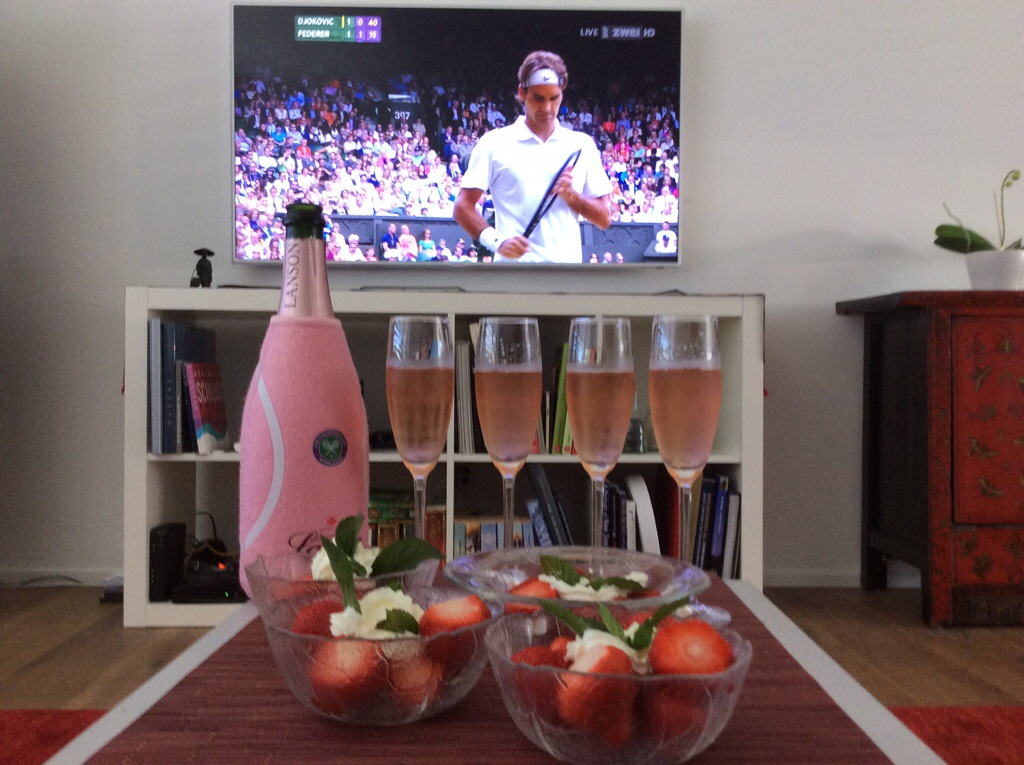
It was then time to watch the Wimbledon’s Men’s Final – Roger Federer from Switzerland versus Novak Djokovic from Serbia. In true Wimbledon style we had some strawberries and cream accompanied by champagne. It was a great match – 5 sets – but unfortunately it didn’t go the Swiss way. Well done Novak Djokovic : )

20140707-122106-44466396.jpg

20140707-122113-44473037.jpg

20140707-122118-44478844.jpg

20140707-122125-44485017.jpg

20140707-122135-44495563.jpg

20140707-122156-44516301.jpg

20140707-122203-44523335.jpg

20140707-122216-44536955.jpg

20140707-122229-44549332.jpg

20140707-122246-44566715.jpg

20140707-122408-44648616.jpg

20140707-122418-44658325.jpg

Posted in Switzerland | 1 Comment

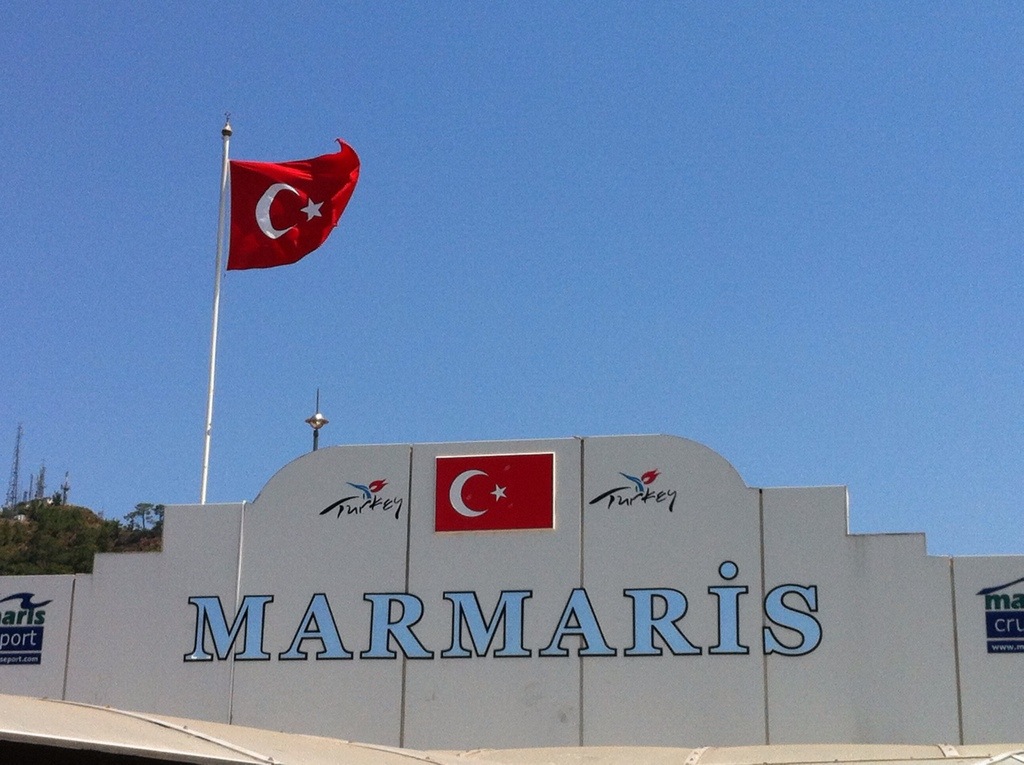
Rhodes, Greece oops I mean Marmaris, Turkey – Cunard Line

The plan was to dock at the port in Rhodes at 8am this morning but the winds had got up to 35 knots making it too difficult to do so. The Captain (Inger Klein Thorhauge from Denmark) made an announcement that the attempt to dock had been aborted but they would make a second attempt. The high winds also thwarted the second attempt so we “circling” in the bay while the powers that be decided on the next course of action.

At about 9am the Captain was back online saying that the winds didn’t look like they were going to drop so they had decided on an alternative port – Marmaris in Turkey. Rhodes which is in Greece is actually closer to Turkey than it is to Greece being only 11 nautical miles off the Turkish Coast. I was a bit disappointed as we hadn’t been to Rhodes before and was looking forward to checking it out as well as having another fix of greek yoghurt and honey. I was also very interested in going to the Temple of Apollo – Apollo being the sun god. I hope this won’t have any bearing on my sun powers going forward : )

We wouldn’t be docking at Marmaris until 12pm so we decided to watch the replay of the Rafa Nadal v Nick Kyrgios match – it was a great match with the young Australian, Nick Kyrgios defeating Rafa in 4 sets. As I write this we are watching his live quarter final match against the Canadian Raonic – it is another good game although the Aussie is showing his youth and inexperience at times.

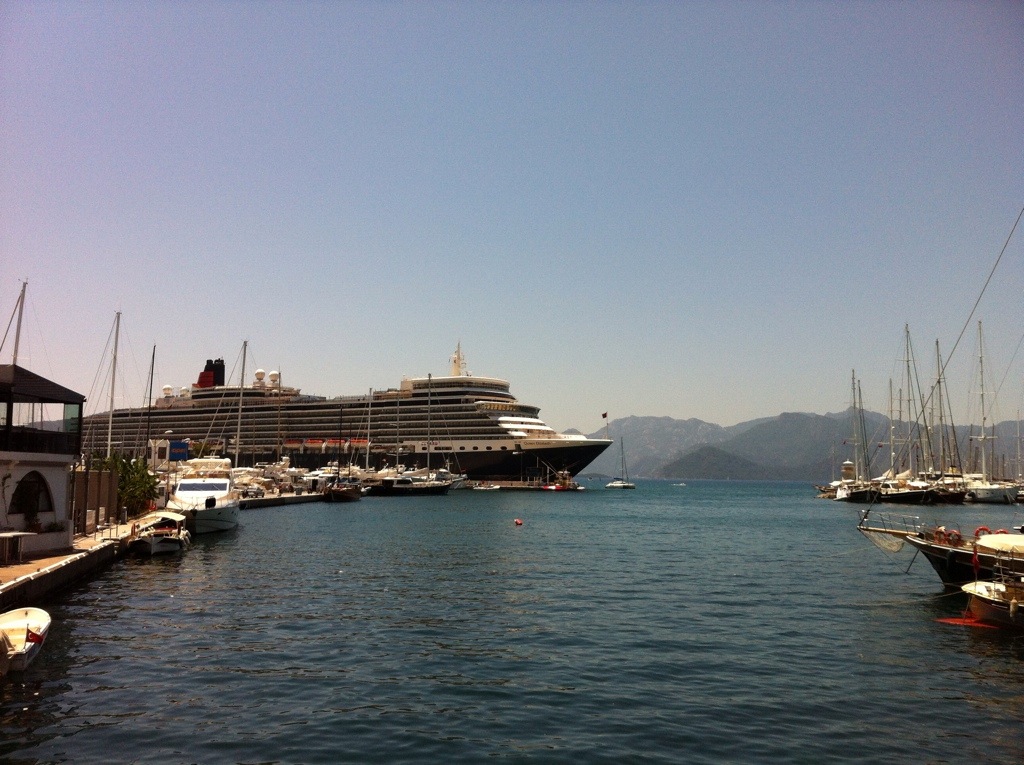
Anyway we had been to Marmaris before for a night and my memories of the place were that it was filled with all these replica English pubs and sunburnt, beer swilling English tourists. We went ashore to see if our memories were serving us right and we were pleasantly surprised that there was more to Marmaris than what we had previously experienced. The port area is lovely and we walked along the marina to the town area. There are a lot of bars along the way catering for the English but the replica ones I remembered were in the middle of town away from the water.

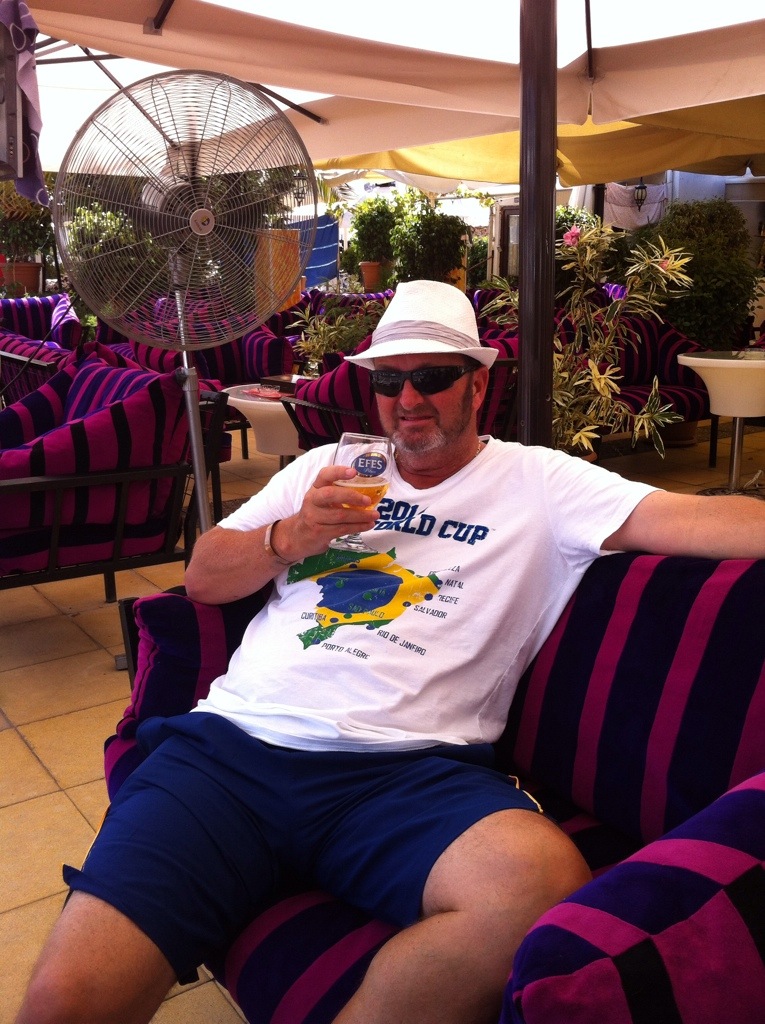
It was 31 degrees and fair sweltering – just quietly the SUNGRL was beginning to fade. We walked all along the waterfront and settled in a bar so Steve could be reunited with his beloved Efes beer and I could cool down. The Turkish guys running the bar were friendly and Steve couldn’t help impart some gems re how they could improve their business and get more punters in. We had a spot of lunch and re connected with the world via wifi.

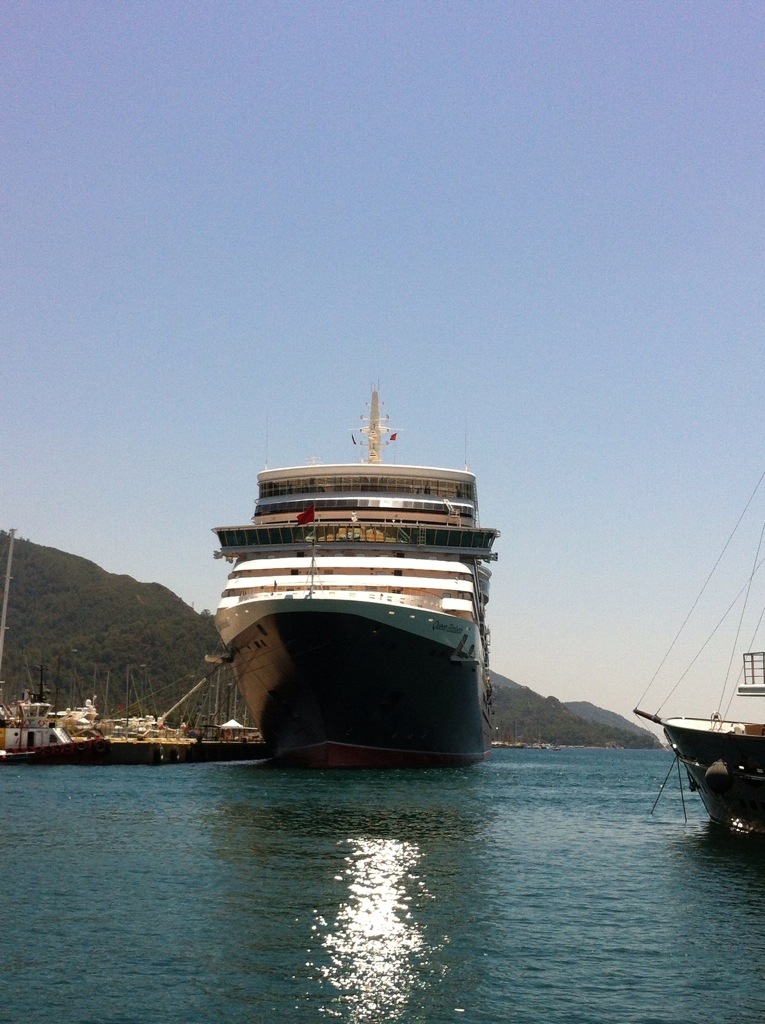
We then reversed our journey along the waterfront in the sweltering heat to return to the boat but not before another reunion with the mighty Efes in a bar at the marina. When we returned to the ship we noticed a yacht in the marina with a silver fern flag and on closer inspection noted that it was registered in Wanaka.

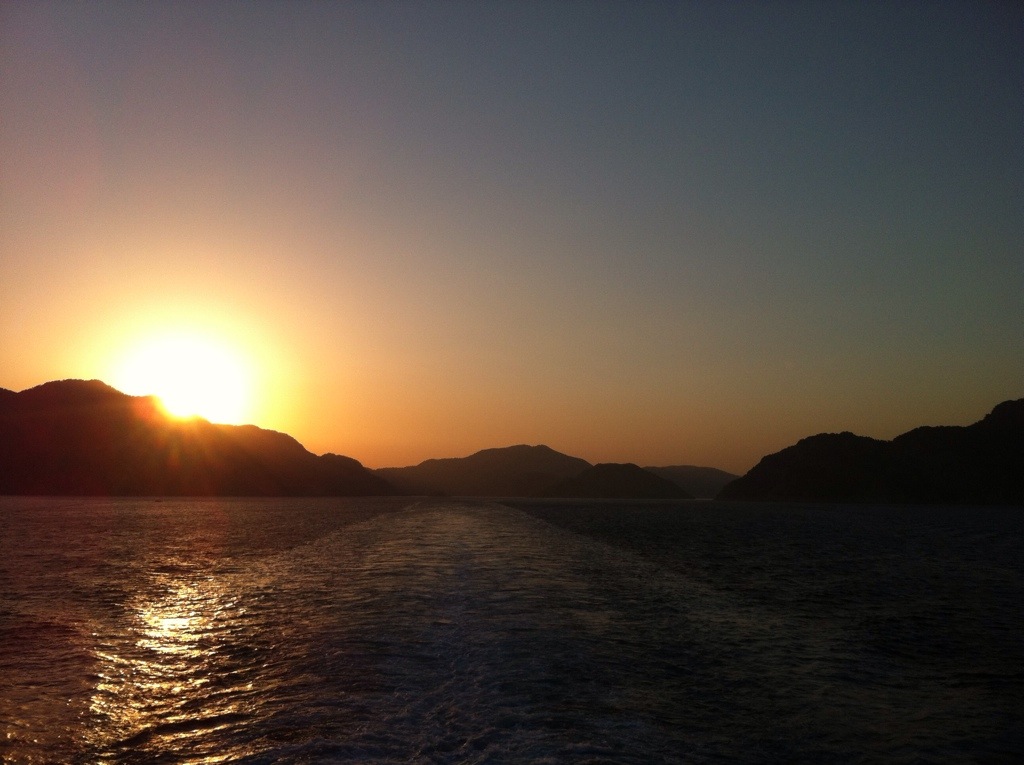
After dinner tonight we went on deck as we sailed away from Marmaris – it is a lovely part of Turkey where the hills run into the sea and with the sun setting behind them made for an even better spectacle.

The town of Marmaris is located at the meeting place of the Aegean and Mediterranean seas, surrounded by pine clad hills. Situated in Southwest Turkey, in the province of Mulga, Marmaris is one of Turkey’s biggest tourist resorts. The population rises from 75,000 in winter to around 300,000 in summer.

The Ottoman Sultan at the time, Kanuni Sultan Suleyman, changed the name of the town to Mimaras, which then became Marmaris according to the historian Evlija Celebi. A local rumour has it that the reason for the change of name to Mimaras was that Suleyman, on returning from his expedition to Rhodes, disliked the castle and exclaimed “mimar as!” which means “hang the architect!” Unfortunately there is no evidence to support this amusing story.

Rhodes – what we missed : (
The island of Rhodes, once sacred to the sun god Apollo, is the largest in the group known as the Dodecanese (Twelve Islands) off the south west coats of Turkey. Well wooded, mountainous and scenically beautiful inland, Rhodes offers the contrast of rich agriculture in its coastal plains. Of the major islands in the Dodecanese, Rhodes is the most developed and is hugely popular with British and Scandinavian visitors alike. Other well known islands in the group are Kos, home of Hippocrates and the lettuce, and Patmos, where St John wrote the Book of Revelation.

The Romans ruled Rhodes in the 5th Century B.C. and during their rule Rhodes became a household name in the academic world; Athens and Rhodes were the Oxford and Cambridge of their day where rich young Romans, Julius Caesar amongst them, came to learn the art of public speaking. When Rome fell, Rhodes became part of the Byzantine empire ruled from Constantinople, but her great days were over and she fell continual prey to Saracen pirates.

In 1948, Rhodes together with the rest of the twelve islands, was united with Greece.

20140705-112207-40927343.jpg

20140705-112220-40940056.jpg

20140705-112231-40951468.jpg

20140705-112242-40962553.jpg

20140705-112252-40972150.jpg

20140705-112303-40983208.jpg

20140705-112313-40993764.jpg

20140705-112323-41003386.jpg

20140705-112338-41018471.jpg

20140705-112355-41035797.jpg

20140705-112407-41047419.jpg

Posted in Cunard Line | Leave a comment

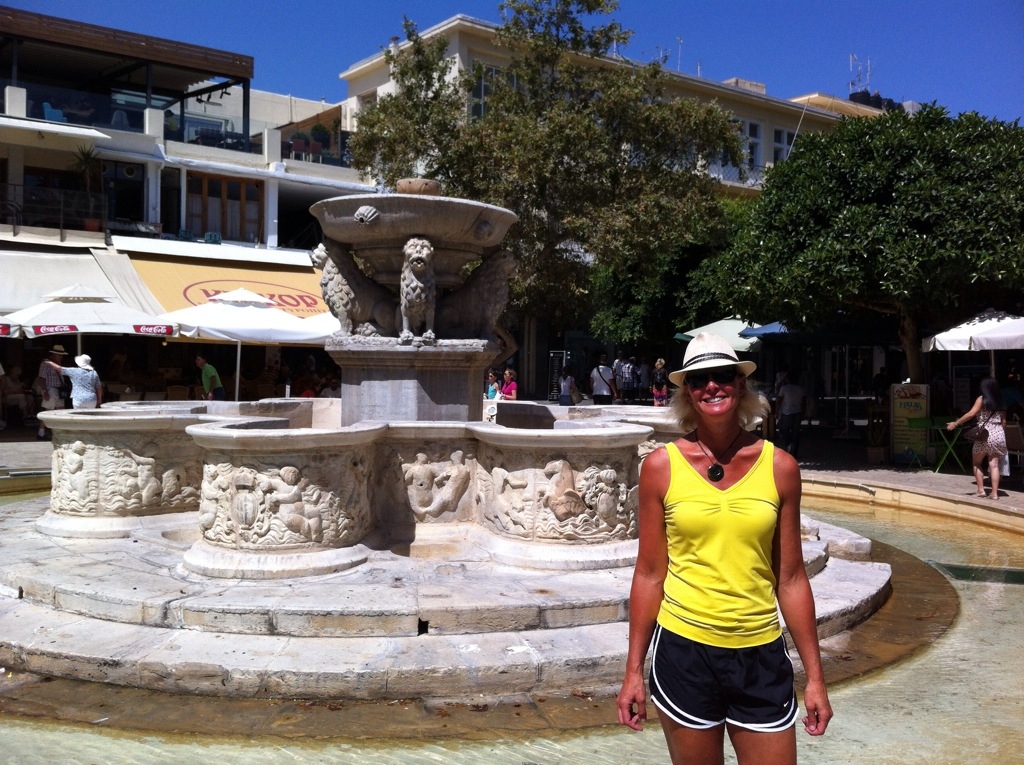
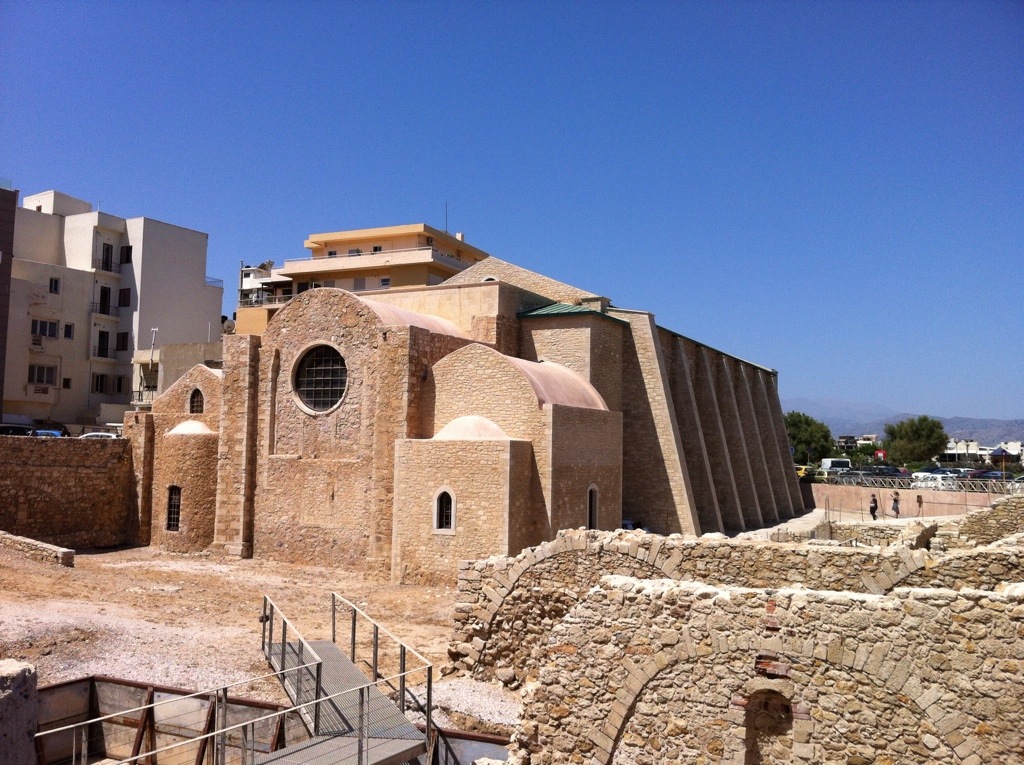
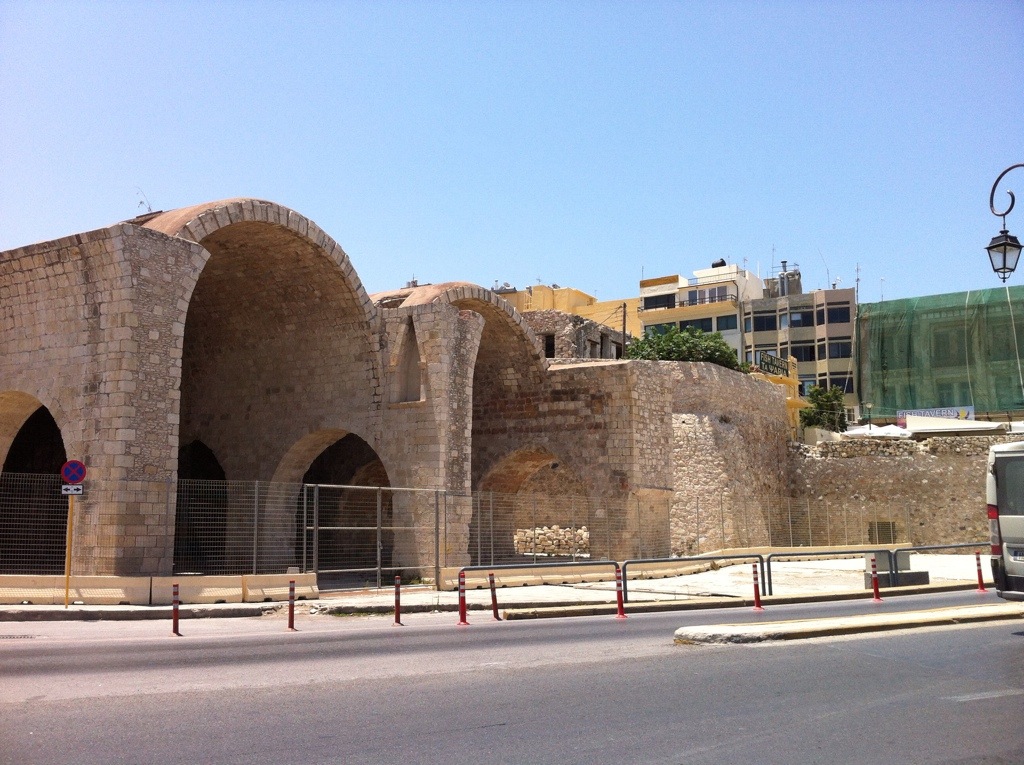
Heraklion, Crete, Greece – Cunard Line

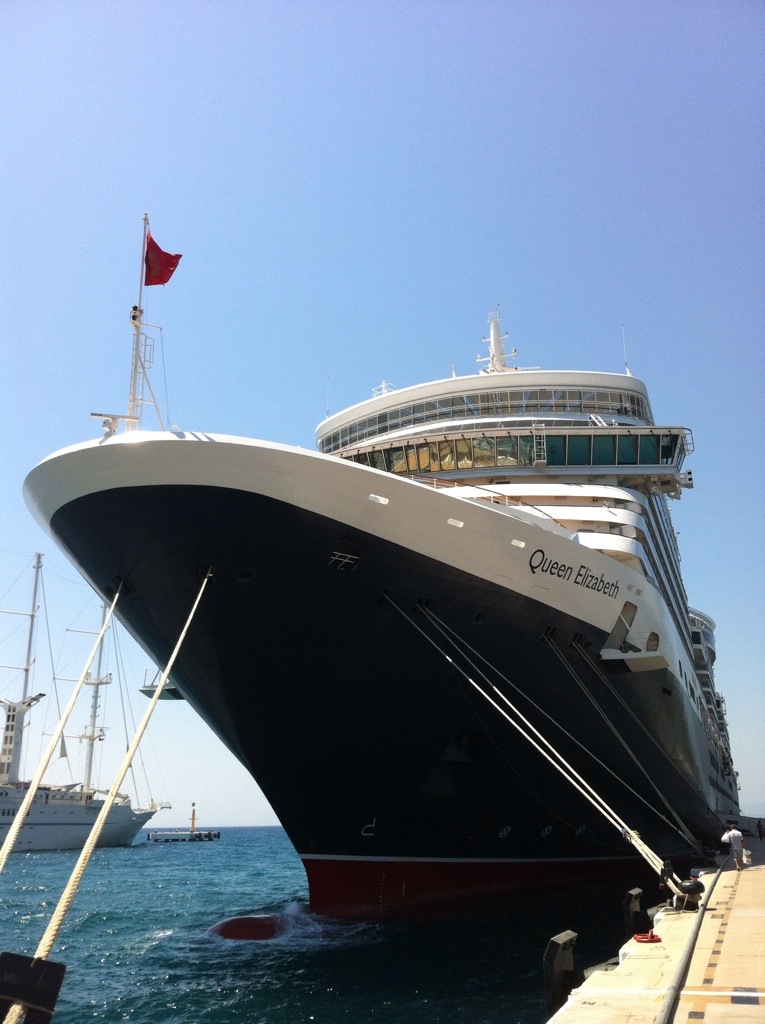
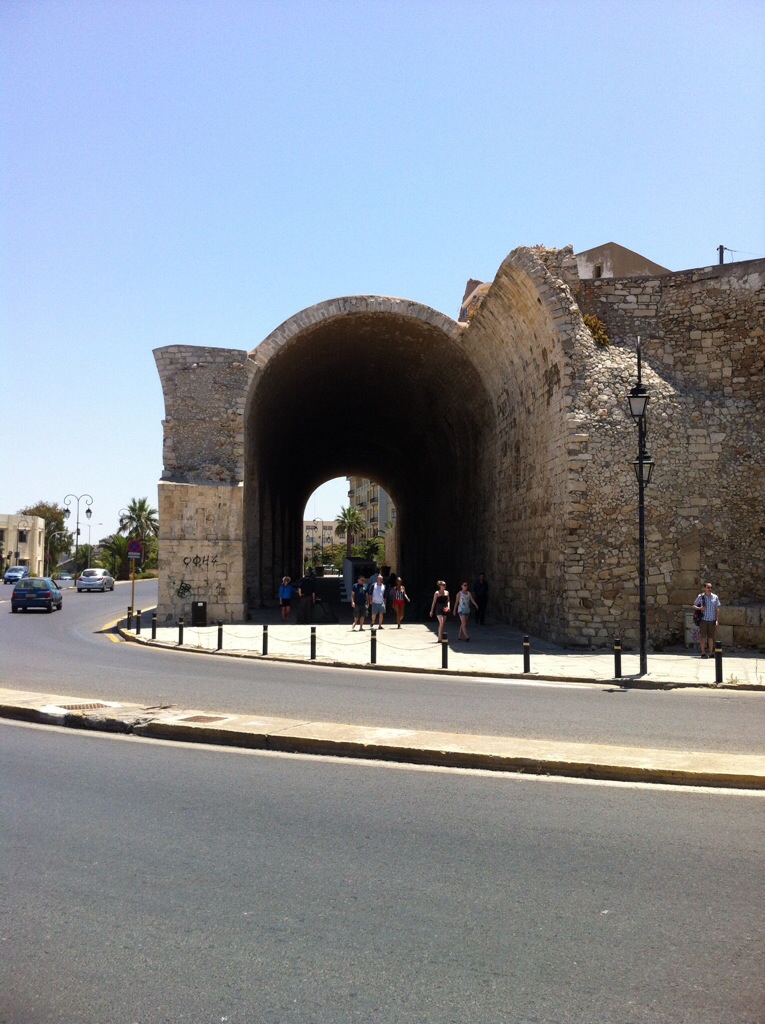
We berthed in the Port of Heraklion this morning at 8am. The forecast was for clear blue skies and 30 degrees.

Heraklion is the largest city and capital of Crete – it has a population of about 100,000. Crete is the largest Greek Island and the fifth largest in the Mediterranean.

As with a lot of European countries, Crete has been conquered and ruled by many. At the beginning of the 20th century Crete obtained independence and in 1913 was united with Greece. The last occupation of Crete was by the Germans in 1941 and the island was finally liberated in 1944.

Under the leadership of the great King Minos, who was simultaneously administrator, legislator, cheif of Cretan religion and sovereign of the sea, Minoan Cretans traversed the Mediterranean from north to south and east to west and maintained friendly and commercial relations with other civilised states of the East and especially Egypt. This time of peace provided the opportunity for successful development of the arts, and the excavations have furnished ample proof of the genius and artistic taste of the people.

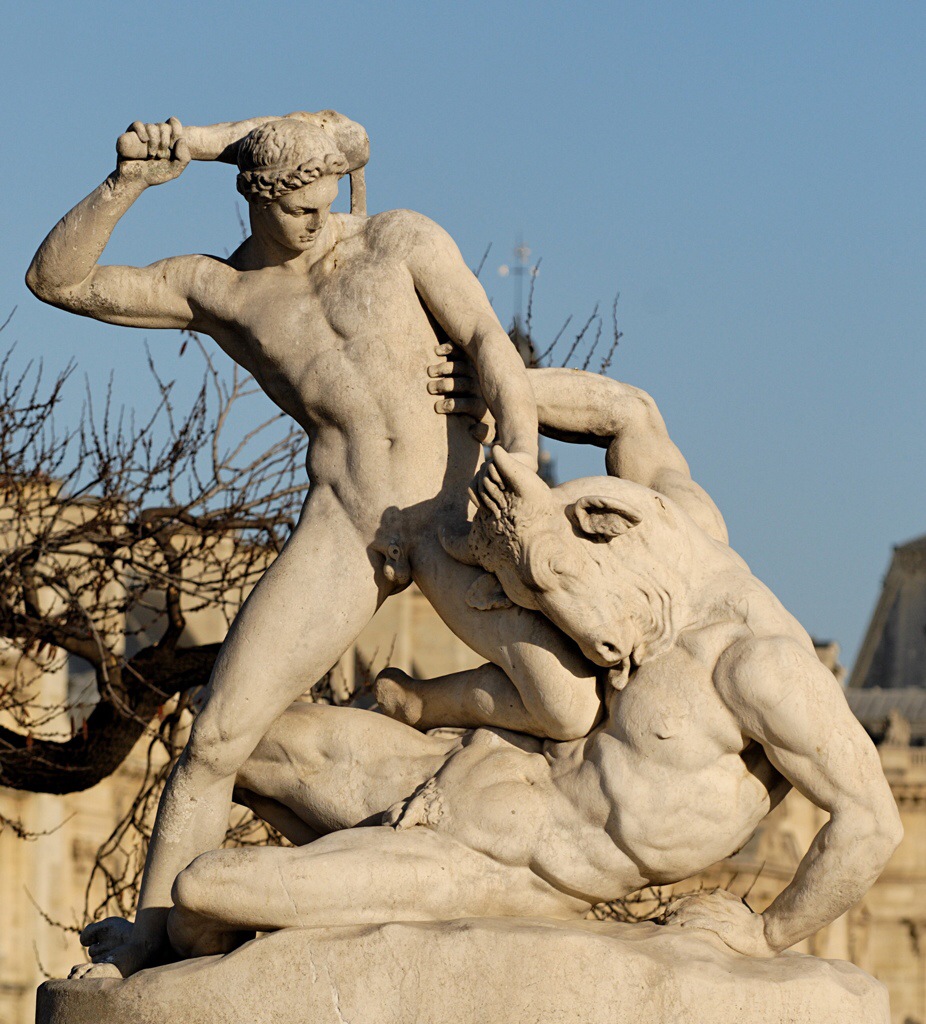
Crete has always held a place of affection in the minds of students of Greek mythology. Especially popular is the story of Theseus and the Minotour of Crete the fabulous monster with the body of a man and the head of a bull. The Minotour was supposed to be the offspring of Pasiphae, wife of Minos, son of Zeus, and a snow-white bull which Poseidon had sent his nephew Minos for sacrifice. Minos spared the bull and Poseidon as a punishment, inspired his wife with an unnatural passion for it. The monster was shut up in a labyrinth.

When Androgeus, son of Minos, was killed by the Athenians who were jealous of his victories in the Panathenaic festival, Minos demanded that seven Athenian youths and seven maidens be sent every year to be devoured by the monster. On one occasion, Theseus volunteered to go ad with the help of Minos’ daughter Ariadne, who provided him with a ball of thread to trace his way out of the labyrinth, slew the Minotuor. His return to Greece was awaited anxiously by his father Aegeus, who on seeing the ship carrying the black sails – Theseus had forgotten to change them to white if he was successful – threw himself to his death from the cliff top of Cape Sounion.

20140702-141345-51225974.jpg

20140702-141346-51226298.jpg

20140702-141345-51225473.jpg

20140702-141451-51291155.jpg

20140702-141506-51306167.jpg

20140702-141527-51327904.jpg

20140702-141542-51342700.jpg

20140702-141554-51354483.jpg

20140702-141608-51368418.jpg

Posted in Cunard Line | 1 Comment

Korcula, Croatia – Cunard Line

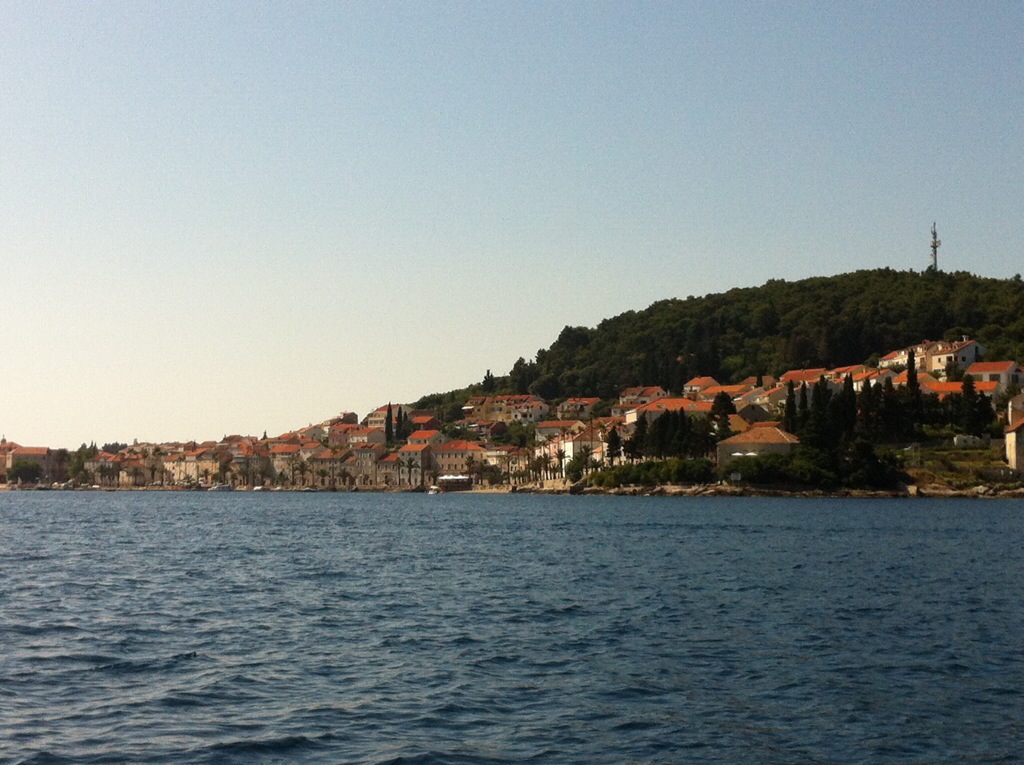
We anchored just off Korcula, Croatia at 8am this morning. We haven’t been to Croatia before so were interested to get our first taste of the place after hearing so many good things from other people that had been here.

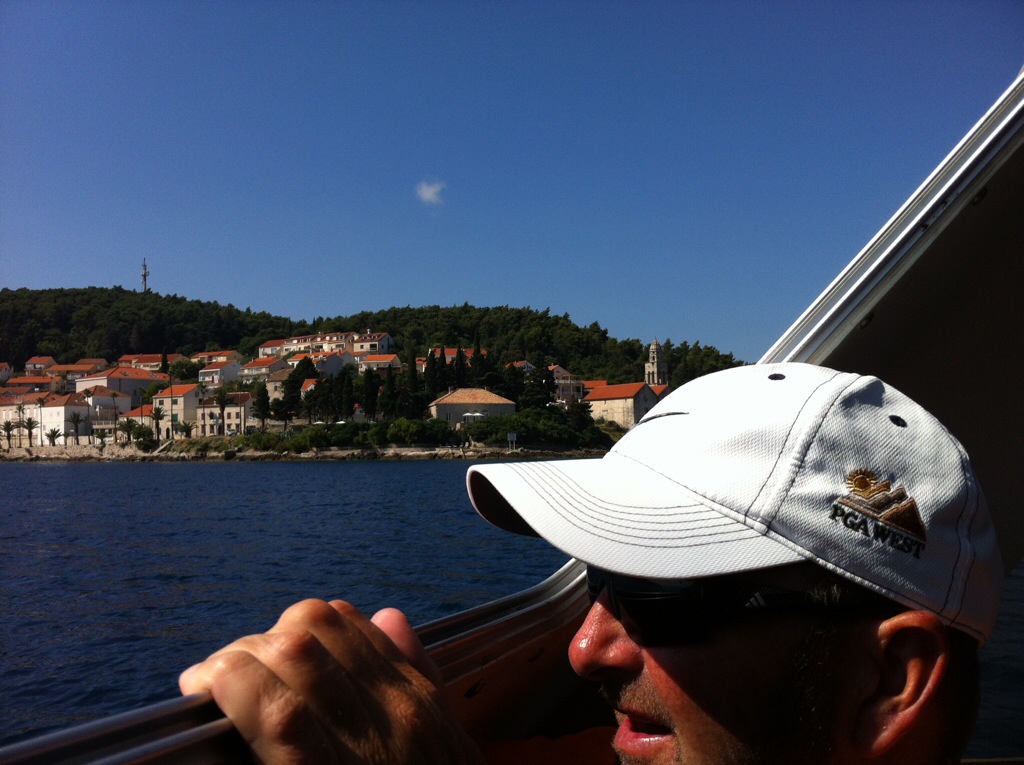
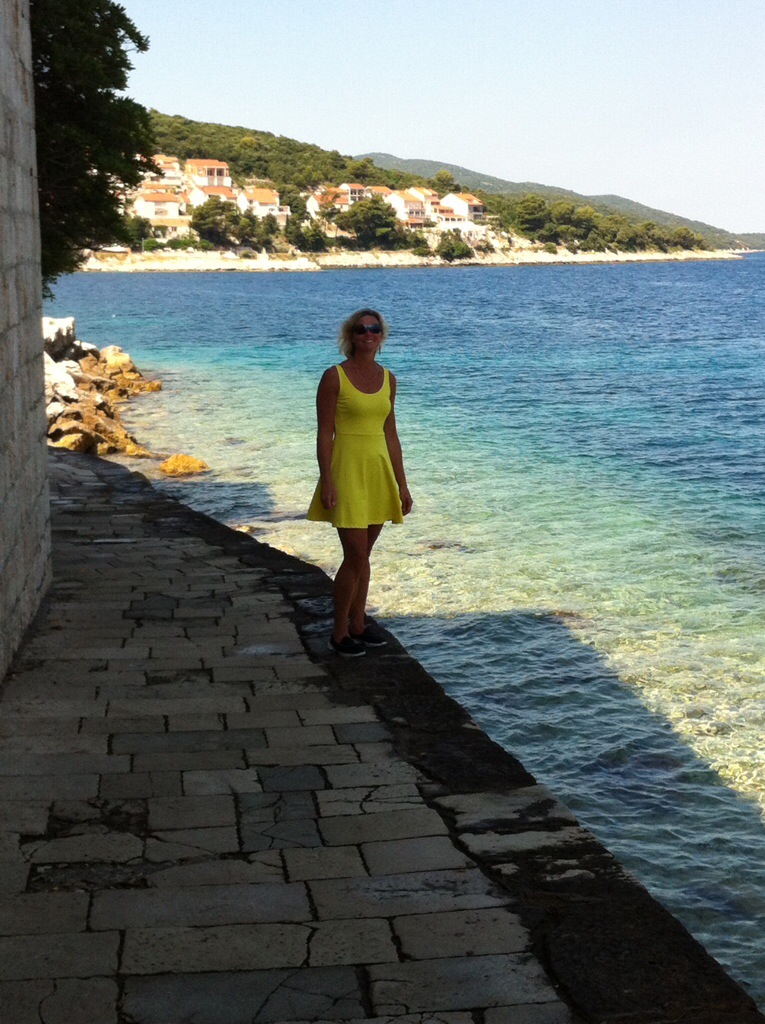
The clear blue water, lush green foliage and red roofed houses certainly appealed to the eye. It was Steve’s birthday so we had planned to go ashore, explore and then find a nice spot for lunch. We had to be tendered into the shore which took about 10 minutes from where the ship had anchored.

Korcula Town the capital of Korcula is a walled old town so we wandered the old streets that run in an organised grid with the Main Street going through the middle. St Mark’s Cathedral takes pride of place in the middle of the Main Street. There was Sunday Mass going on when we were there so could only peek in the door.

Most of the shops in the old town are artisan and jewellery shops as well as souvenir shops. There were quite a few cafes and restaurants along the water front at the back of the old town. After working up a thirst we stopped off at Cupido where Steve sampled a local beer to celebrate his birthday. They also had wifi so we were able to connect with the outside world and Steve could get all his birthday wishes which came in thick and fast. He was feeling very loved : ) Even his kids remembered – one reminding the other apparently – the culprit shall remain nameless, however.

The Taylor family had even dressed up and recorded a song and dance for him. Commendable effort, especially by Alex on guitar. Unsure about Catherine’s Hilda Ogden look but it was the thought that counted : )

After the beer and wifi hit we did some more wandering before deciding on a waterfront pizzeria for lunch. Our table was right on the waters edge – the water is so amazingly clear and there were people swimming and snorkelling just below us. It was a lovely spot and our pizzas were yummy. When we went to pay the bill we discovered we still had all the Croatian Kuna we had got out of the money machine despite paying for the drinks at Cupido.

How does that work we were wondering? It turned out that Steve had put two EU50 notes in the bill folder instead of two 50 Kuna notes. Given that a Kuna is worth about 15% of a Euro this was quite a costly mistake! I went back and our waiter had discovered our error after we had left and was happy to exchange the two EU50 notes for a 100 Kuna – well happy probably isn’t the right word but he knew that the error had been made and thought it honourable to correct it. Phew!

So not only is Stevie geographically challenged he is also currency challenged – more supervision required me thinks!

A bit of background and history about Korcula for those that are still awake:

The town of Korcula hugs a small, hilly peninsula jutting into the Adriatic Sea from Korcula Island. With it’s round defensive towers and compact cluster of red roofed houses, Korcula is a typical medieval Dalmatian town with a mild climate, beautiful monuments, treasures and architecture. The slender, dark island of Korcula is one amongst a small shoal which basks off the Adriatic coast of Croatia. Hilly and richly green throughout it’s thirty miles, Korcula supports several towns accessible from it’s single, central road; and hides many tiny villages,amongst its wooded valleys and its scores of beautiful bays. The island is ten times as long as it is wide and every last part of it lies within a couple of miles of the sea.

Korcula was settled as long ago as the 4th century BC. Being well placed to take advantage of growing trade around the Mediterranean, and having a plentiful supply of wood – pine forests once entirely covered Korcual – it is not surprising that shipbuilders, merchants and sailors have thrived here ever since. High quality white marble quarried from the island helped build not just Korcula and other local towns, but was exported in volume and may be seen today very widely in both Dubrovnik and Split. A tradition of fine masonry grew up alongside that of shipbuilding and upon these twin industries and the trade which they engendered the wealth of the island was secured.

Due to its strategic and economic importance, Korcula became an important prize for larger, more powerful neighbours, and the history of the island is one of serial subjugation. After the Greeks came the Romans, the Byzantines, the Slavonic Neretvans and around 1,000 AD the Venetians. The Venetian influence was huge but between 1,000 and 1,420 AD Croatia, Hungary-Croatia, the Republic of Ragusa and Bosnia all had periods in control. From 1,420 until the fall of Venice in 1,797 it remained under Venetian control. It then suffered repeated conquests and re conquests by Austria, France, Russia, France, Great Britain and Austria again. In the First World War, the Italians took control, then it was annexed to Yugoslavia for the first time before the Italians and the Germans had another go in World War II. After the war it was rejoined by Yugoslavia and remained so until the fragmenting of that state led to its current ownership by Croatia.

20140702-140857-50937441.jpg

20140702-140910-50950076.jpg

20140702-140917-50957641.jpg

20140702-140933-50973035.jpg

20140702-140941-50981074.jpg

20140702-140946-50986263.jpg

20140702-140924-50964800.jpg

20140702-140951-50991373.jpg

Posted in Cunard Line | Leave a comment

Living the Dream – Cunard Line

Who would have thought – cruising virgins until a couple of weeks ago and now we are on our second cruise within the month. Steve spotted a good deal on the Cunard Line that was going from Venice to Athens via Croatia and the Greek Islands. We haven’t been to Croatia, Crete or Rhodes so we thought why not – another 7 days soaking up the Sun in the Aegean can’t be all bad.

The deal included flights from London so we made our way to Gatwick on the train. We caught the District Line in peak hour which was an interesting experience with two suitcases, two backpacks and a couple of items we have collected on our travels. Gatwick isn’t a bad airport actually and it was interesting looking at the myriad of destinations on the departures board.

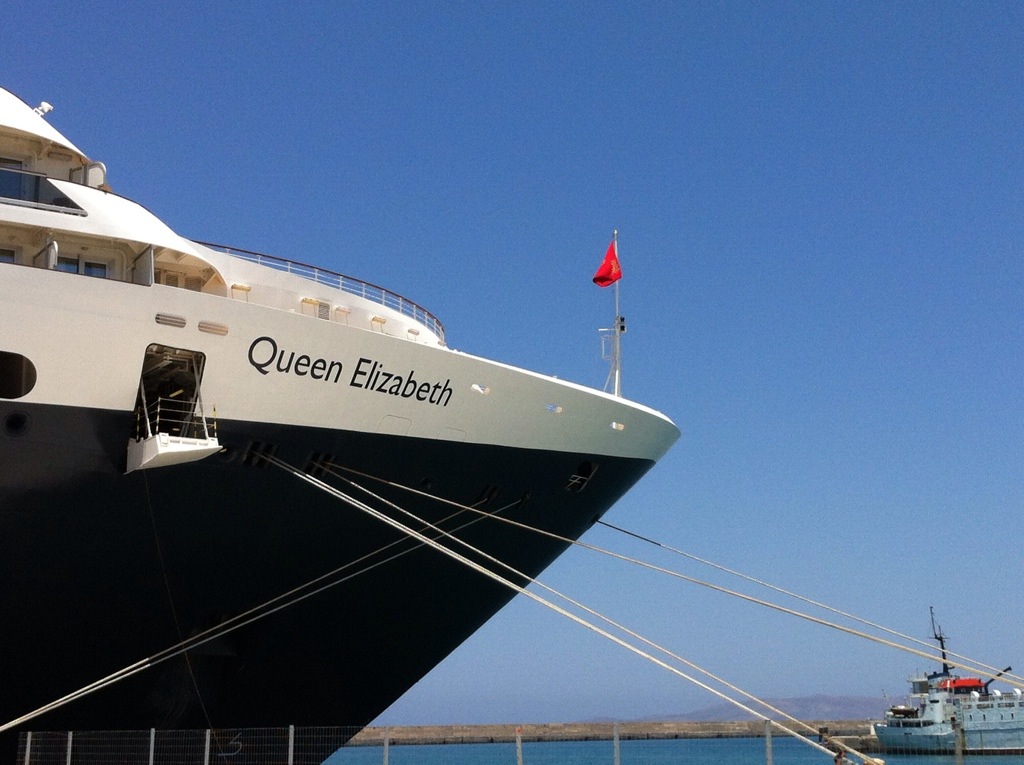
We arrived into Venice and were transferred to the ship – Queen Elizabeth. The deal was for an inside cabin and we were a bit anxious to see what an inside cabin would be like – we were actually pleasantly surprised and wouldn’t hesitate to take an inside cabin again in the future if the opportunity arises.

The Cunard Line is a more traditional cruise line and given the amount of Zimmer frames, walking sticks and odd walking styles due to hip replacements I would say they cater for an older audience. The clientele also appear to be predominantly English. They also impose dress standards after 6pm – all the men have to wear a jacket and the women a dress or pant suit.

I quite enjoy hearing all the English accents and terms of phrase that they use – for some reason it amuses me. We had a safety drill on our first night which Steve made me go to – my theory, been to one safety drill, been to them all. Anyway we were sitting there surrounded by all these plummy pommy accents and I hear “oh f__k” – I turn to see this very elegant old lady tripping up the stairs.

Mum made a comment on one of my blogs about the Princess Cruise we did referring to it as a floating retirement village. That cruise had a mixture of ages but the comment is quite apt for this cruise – I had to laugh when we were sitting around the pool on our first day at sea at all the old men who had carked out and were snoring with their mouths wide open. Please note that Steve also carked out but managed to keep his mouth closed and did not add to the snoring symphony around me!

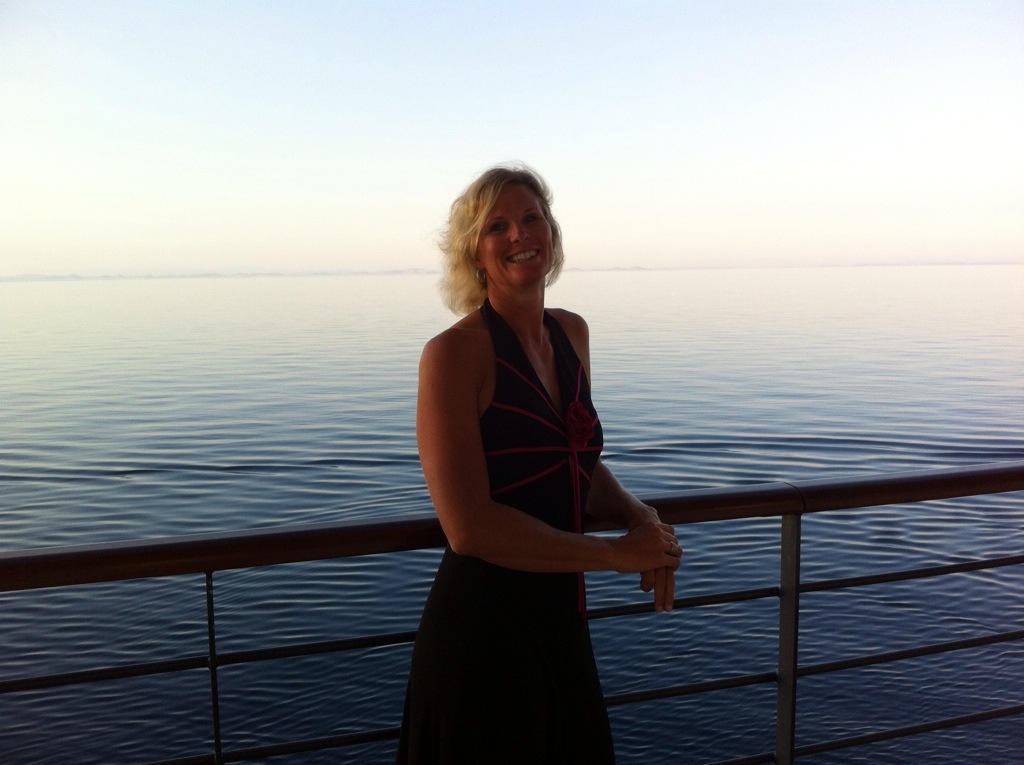
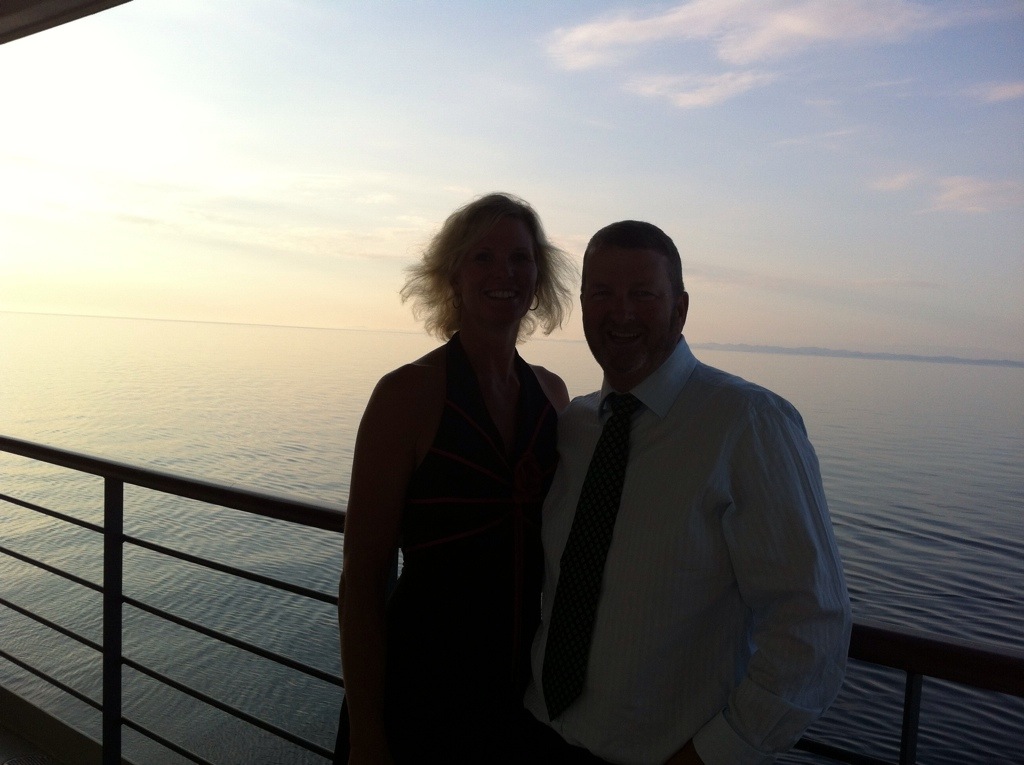
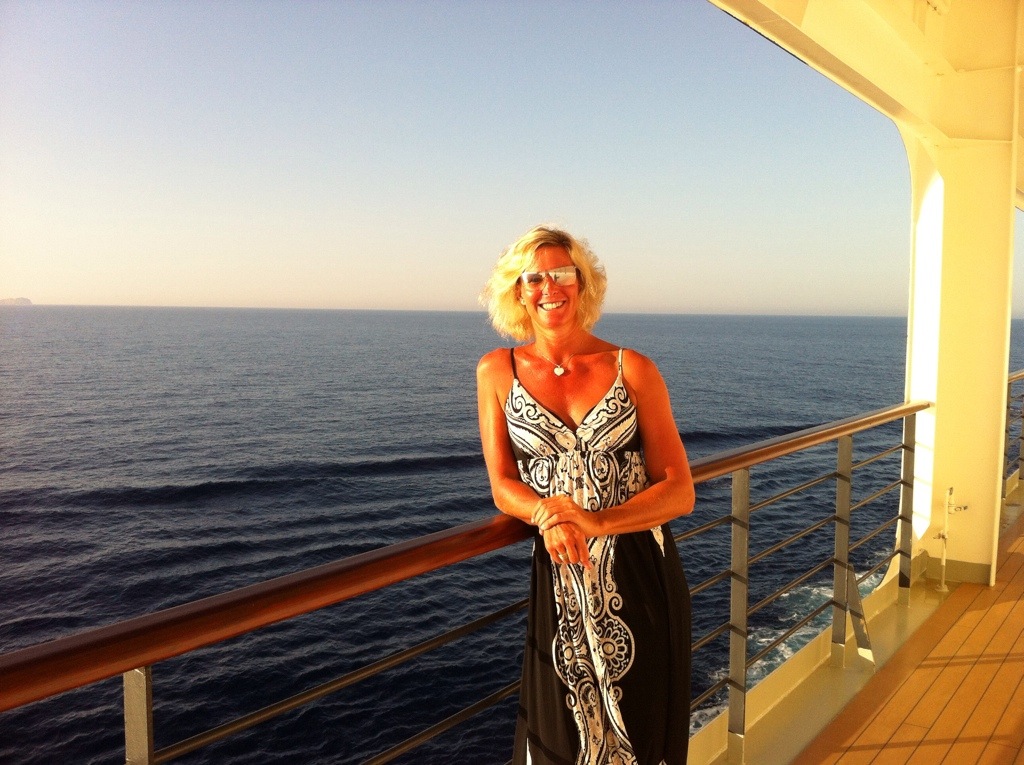
The ship is nice though, the food of a high standard and the sun is shining so please don’t think I am complaining – just making an observation re our fellow passengers : )

We set sail from Venice at 8pm on Friday night and spent Saturday at sea as we headed towards Korcula in Croatia.

20140702-134405-49445946.jpg

20140702-134414-49454345.jpg

20140702-134434-49474150.jpg

20140702-134445-49485845.jpg

20140702-134455-49495540.jpg

20140702-134503-49503814.jpg

Posted in Cunard Line | 1 Comment

Londontown – London

We arrived in London on Saturday and are here until Friday. I was really looking forward to our time here so I could do some of the basics like have a haircut, get my legs waxed and go to a shopping mall where English is the accepted language. Don’t get me wrong I have loved our other destinations but with my poor foreign language skills I am sometimes unsure what I will end up with.

We came over on the Eurostar from Paris and armed ourselves with an Oyster Card for the London Underground. I love the Underground – it is cool being able to navigate your way around a city underground and pop up at your destination. We feel a bit like Meer Cats!
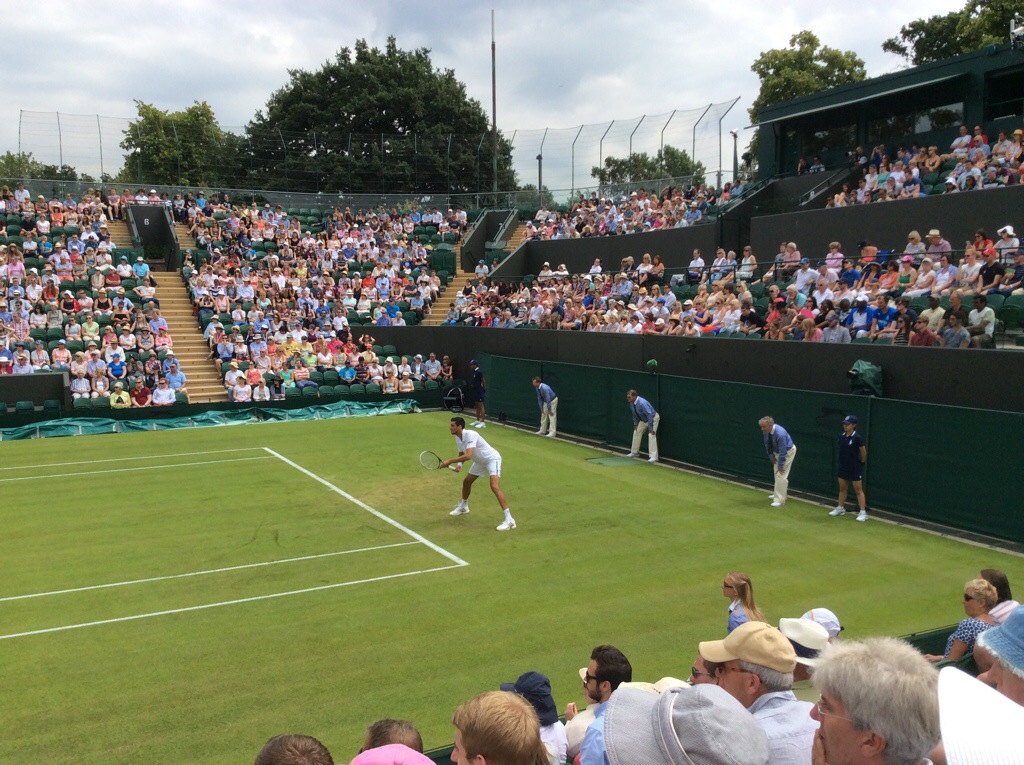
We were quite shattered on Tuesday after our big day at the tennis so all we wanted to do was meander around the city. First stop, Harrods – Steve loves the place. He heads straight to the technology floor and checks out the latest TV’s etc. I head for the food area and look at all the treats that I wouldn’t dream of buying – being a tight arse accountant I need to get value for money otherwise I can’t enjoy it!

We then had a wander through Hyde Park down the Diana, Princess of Wales memorial walk – such a cool green belt to have in the centre of the city. Next stop Oxford Terrace where things are a little more affordable than Harrods.

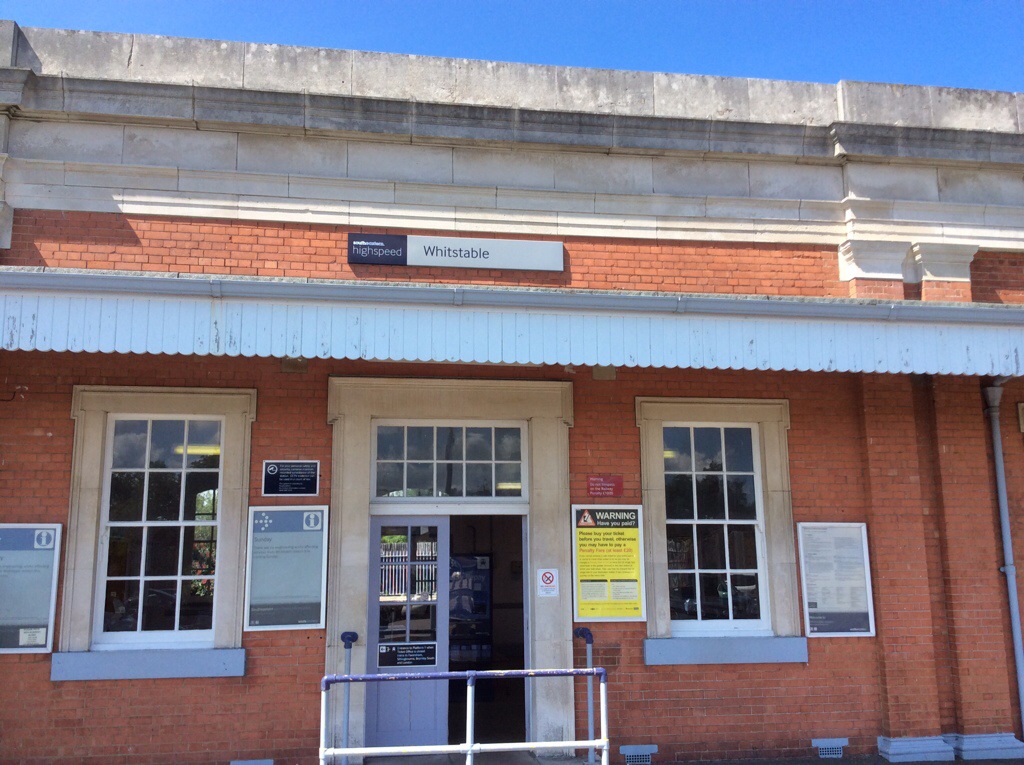
On Wednesday I went down to Whitstable which according to my good friend Kim is the centre of the universe. Kim’s Mum Gloria lives there so I popped down to visit her and have a spot of lunch. Whitstable is in Kent and it takes 1.5 hours by train from London Victoria Station. It was a very pleasant trip and Gloria was there to meet me at the station.

We walked back to her place via the High Street and spent the next few hours chatting away and admiring her new lounge which she has just had re decorated. I took a few photos for Kim so I could email them to her in outback Australia. It was then back on the train to London.

In my absence, Steve had been charged with finding a laundromat and getting the laundry done. He succeeded on this front and befriended the Polish girl running the laundromat along the way – she is probably booked to visit NZ next year knowing Mr Tourism.

He then proceeded to transform our hotel room into a Chinese laundry. I got back about 5.30pm and he is pacing around the room shifting this shirt to here and those undies to there and then putting that top on the lamp shade and then turning it on to generate heat. All the while he is going on about how hard he has worked sorting it all out and walking to the laundromat with the heavy bags and then walking back with even heavier bags while I swanned around. Please note this is the first time he has had to sort the washing on this trip.

We met a lovely couple from London when we were in Portugal – Denise and Gary. They were sitting next to us in a restaurant with their son Nick and Steve struck up a conversation which started with the All Blacks. It then turned to more serious matters like golf as Nick was a golf pro and Gary was golf mad. Anyway we met up with Denise and Gary for dinner in London at Skylon Grill. It is in the Royal Festival Hall and overlooks the Thames. It was a lovely night – it was great to catch up with them and help plan there trip to NZ in January 2015.

Today we went to Old Spitalfields Market to visit a friend, Glen from Brighton who has a furniture shop there – One Deko check out http://www.onedeko.co,uk. He has some very cool Italian and Italianesque (Glen’s word) furniture. We went for a coffee and caught up on all the news.

Old Spitalfields Market is a covered market in Spitalfields, London. There has been a market on the site for over 350 years. It is situated in the London Borough of Tower Hamlets, just outside of the City of London.

There has been a market on the site since 1638 when King Charles gave a licence for flesh, fowl and roots to be sold on Spittle Fields, which was then a rural area on the eastern outskirts of London. After the rights to a market had seemingly lapsed during the time of the Commonwealth, the market was re-founded in 1682 by King Charles II in order to feed the burgeoning population of a new suburb of London.

Market buildings were sited on the rectangular patch of open ground which retained the name Spittle Fields: demarcated by Crispin Street to the west, Lamb Street to the north, Red Lion Street (later subsumed into Commercial Street) to the east and Paternoster Row (later known as Brushfield Street) to the south. The existing buildings were built in 1887 to service a wholesale market, owned by the City of London Corporation.

The wholesale fruit and vegetable market moved to New Spitalfields Market, Leyton, in 1991 and the original site became known as Old Spitalfields Market.

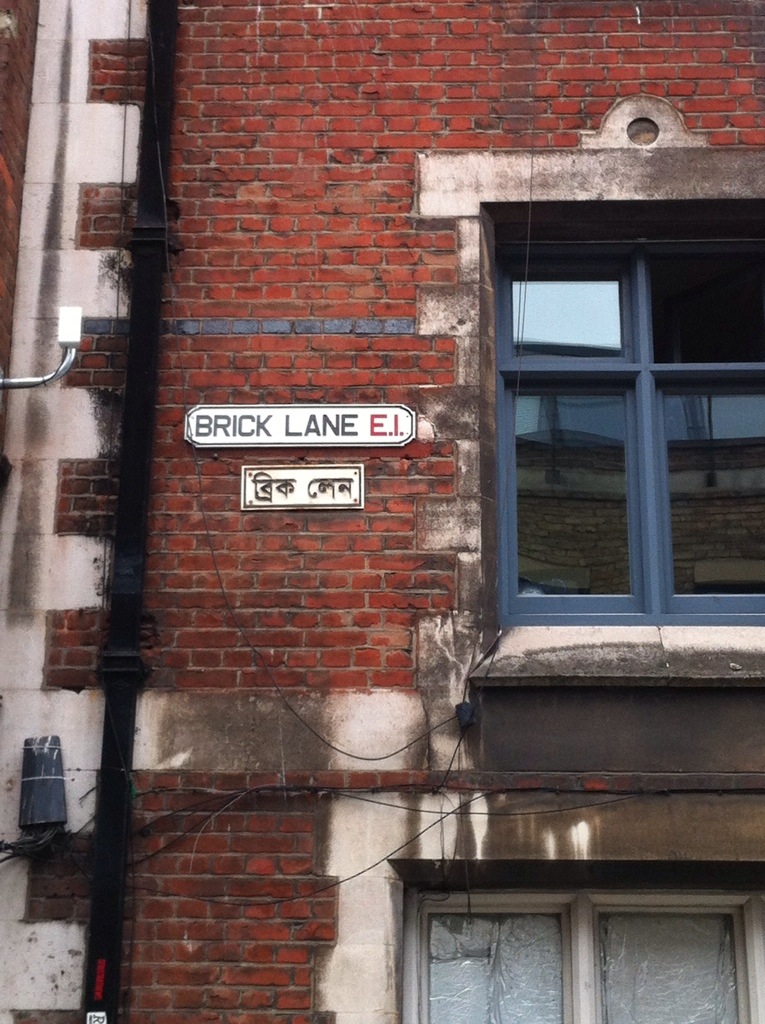
Steve wanted to check out the markets while I wanted to check out the surrounding streets which included Brick Lane. Brick Lane is the heart of the city’s Bangladeshi-Sylheti community and is known to some as Banglatown. It is famous for its many curry houses.

Winding through fields, the street was formerly called Whitechapel Lane. It derives its current name from brick and tile manufacture started in the 15th century, which used the local brick earth deposits. By the 17th century, the street was being developed from the south as a result of expanding population.

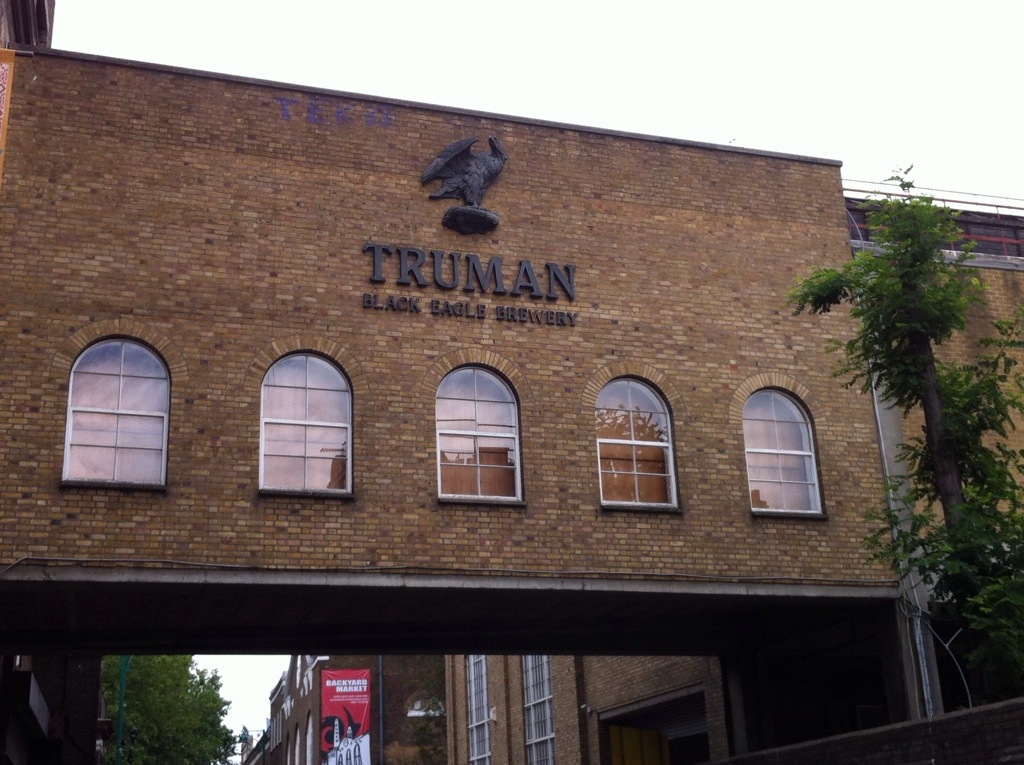
Brewing came to Brick Lane before 1680, with water drawn from deep wells. One brewer was Joseph Truman, first recorded in 1683. His family, particularly Benjamin Truman, went on to establish the sizeable Black Eagle Brewery on Brick Lane.

Brick Lane in 1999 was the target of a bomb, detonated as an act of intolerance against the races of people living and working in the area. The same bomber also detonated bombs at Brixton and Soho.

The surrounding streets were also made famous by Jack the Ripper.

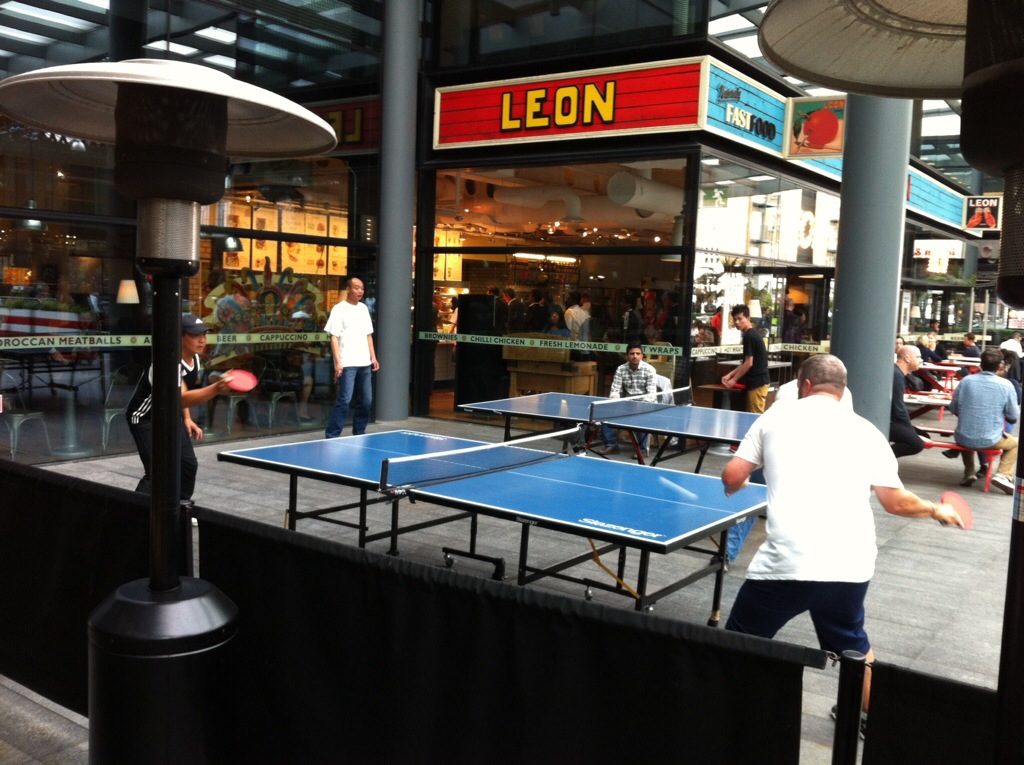
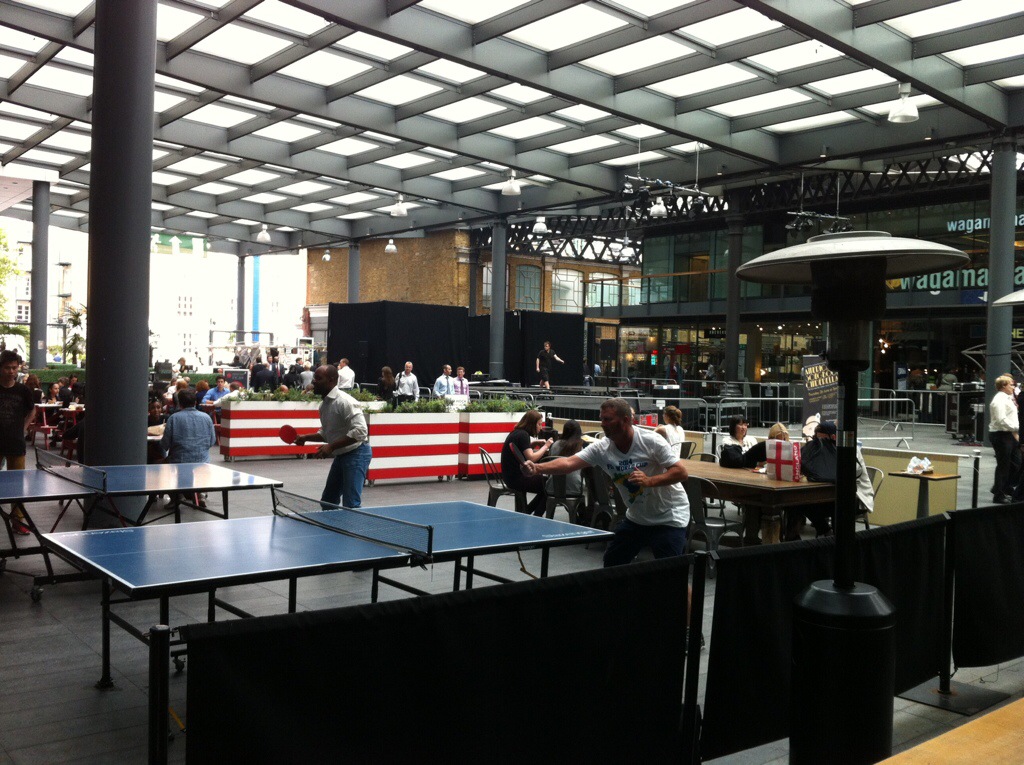
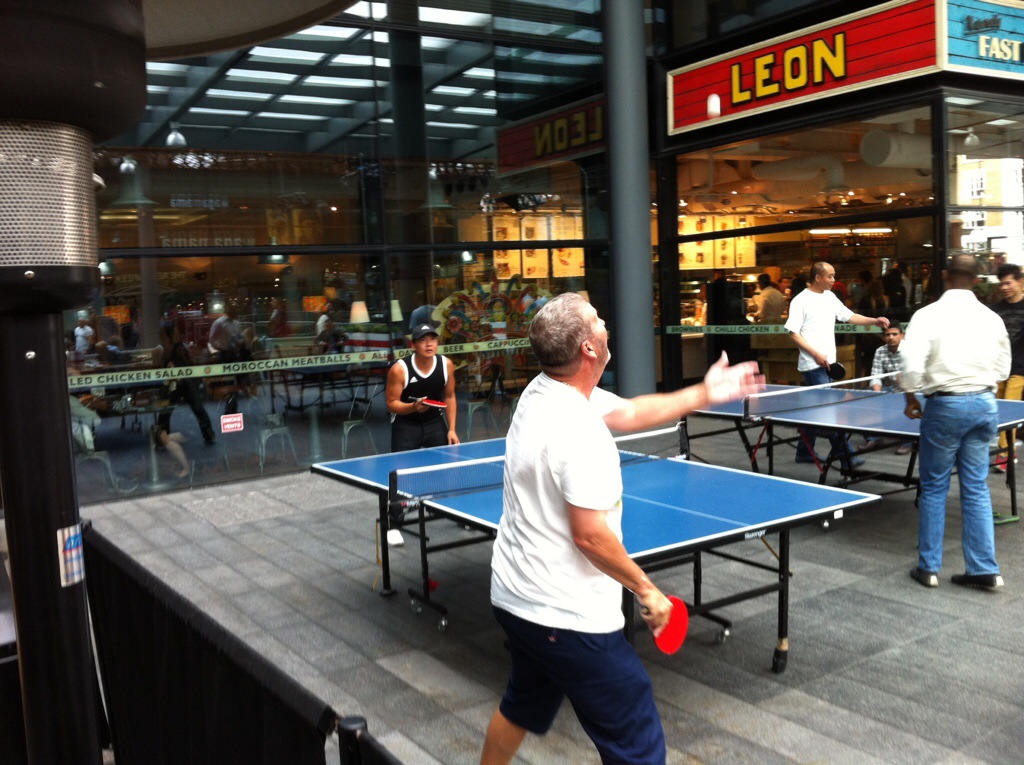
We had agreed to meet at 1pm and at 1.10pm Steve turned up red faced and dripping with sweat – I thought what the hell has he been doing! Turns out he had come across some guys playing table tennis. He asked them if he could play but they said “no bat, no play” – he then used his persuasive charm and they gave in. In return they got their asses whipped! They were very impressed with his table tennis prowess and wanted to keep playing and getting tips. They then invited him back tomorrow as their best player will be there then. Unfortunately we will be on route to Venice.

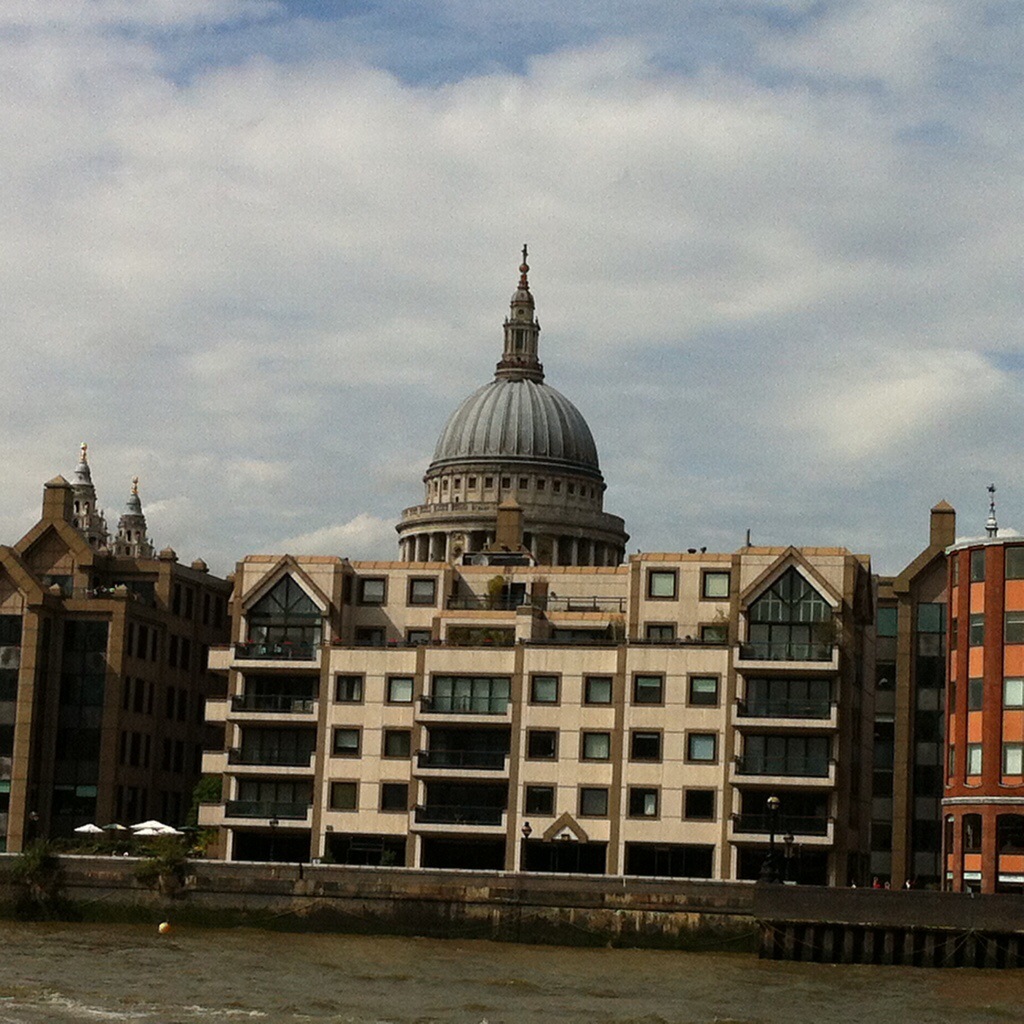
Next stop London Bridge and a cruise on the Thames. It is a good way to see some of the famous landmarks in London like the London Eye, St Paul’s Cathedral, Westminster, Tower Bridge and the like.

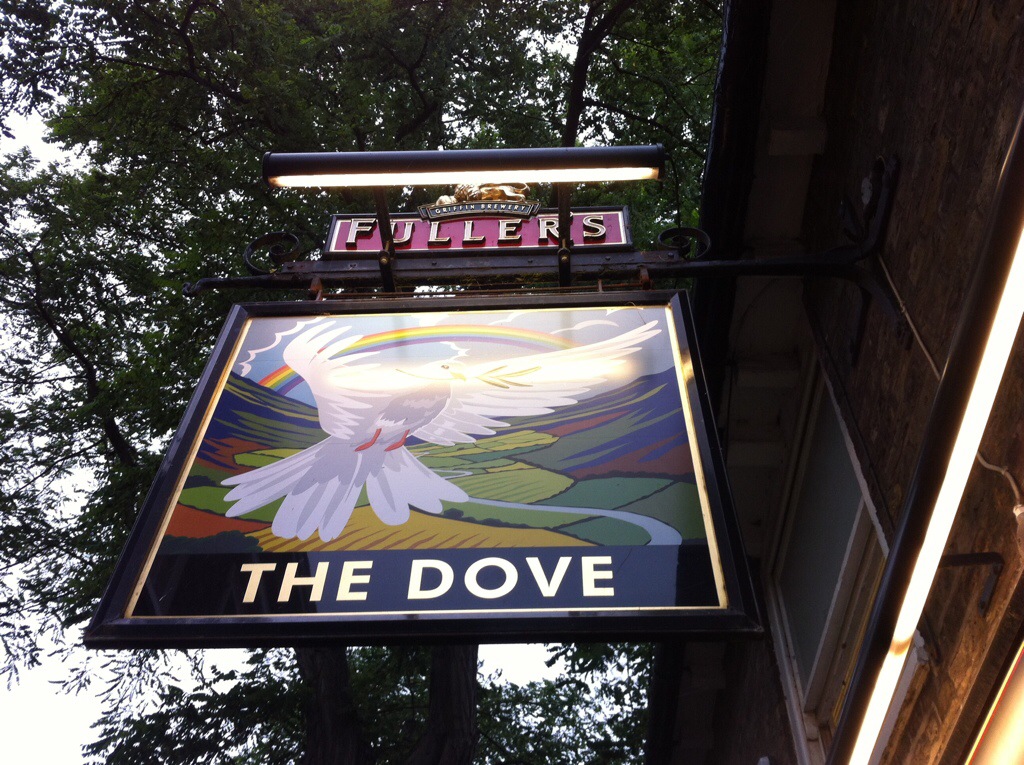
We then met up with an old colleague from our Kiwi Dairies days – Luke Goodwin. He had suggested meeting at The Dove which was along the river and not far from where we were staying. The site where The Dove is has been a public house since the 17th century and has been patronised by some well known figures over the years. It also hold the Guinness world record for the smallest bar room in the world.

We had a great catch up and meal with Luke.

20140627-064633-24393341.jpg

20140627-064641-24401533.jpg

20140627-064656-24416659.jpg

20140627-064713-24433970.jpg

20140627-064718-24438795.jpg

20140627-064727-24447010.jpg

20140627-064735-24455556.jpg

20140627-064742-24462065.jpg

20140627-064746-24466464.jpg

20140627-064751-24471479.jpg

20140627-064800-24480602.jpg

20140627-064807-24487773.jpg

20140627-064824-24504580.jpg

20140627-064834-24514766.jpg

20140627-064843-24523033.jpg

20140627-064847-24527692.jpg

20140627-065459-24899926.jpg

20140627-065519-24919049.jpg

20140627-065538-24938297.jpg

20140627-065549-24949742.jpg

Posted in London | 1 Comment

Wimbledon – London

We arrived in London on Saturday afternoon on the Eurostar via the Chunnel. We caught the tube to Hammersmith and located our hotel Novotel London West.

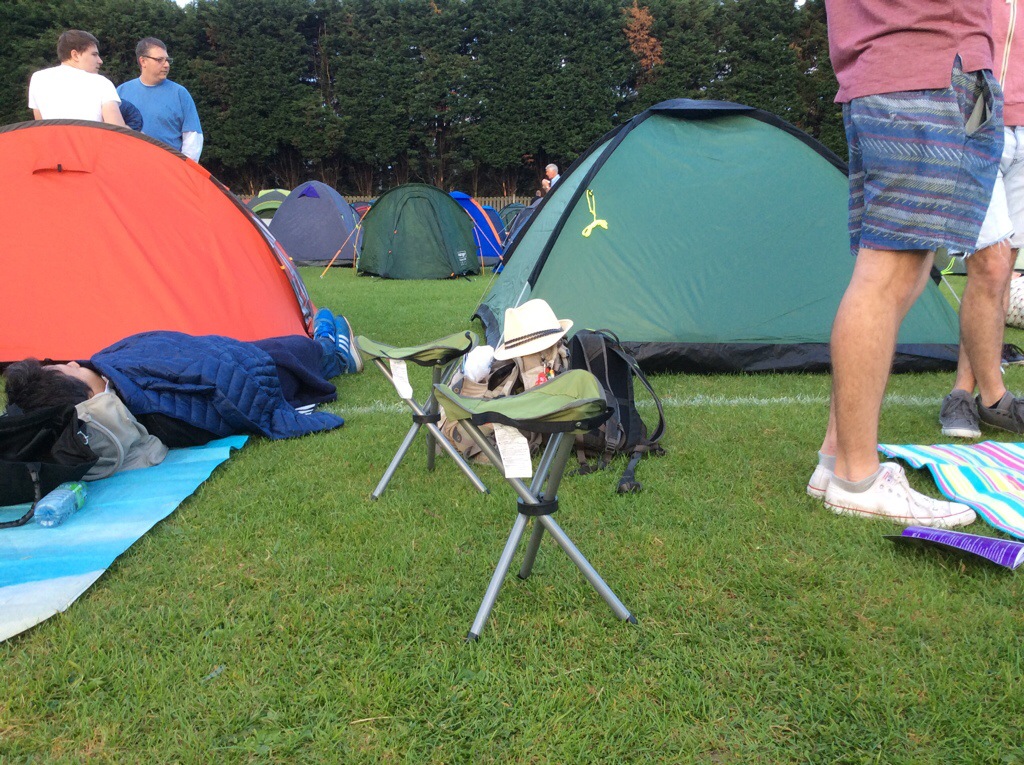
On Sunday we went to Westfield at Shepherds Bush – it is massive. We were in search of something we could sit on while we queued for Wimbledon on Monday morning. We found these pop up stools that we thought would be perfect. I thought they were GBP5.99 each but when I went to pay for them they were only GBP2.99 each – bargain! We then stocked up on picnic items at Waitrose. We were now armed and ready for our adventure to Wimbledon on Monday.

We decided we would get a taxi from the hotel at 4am so I went to reception to book it. The hotel receptionist had no idea about Wimbledon so couldn’t quite understand why we wanted a taxi at 4am. When she called the taxi company they also double checked four times that the 4am pick up was correct.

The alarm went off at 3.30am – Steve had been awake most of the night I think and I had woken a few times too. At one stage I asked him what the time was and he said twenty to three – I remember thinking – it doesn’t feel like I have been in bed that long. I woke up again and went to the toilet and checked the time myself – it was 11.53pm. Not sure what planet Steve was on but I was very happy to know I still had three and a half hours in bed.

We went downstairs to get our taxi and it didn’t show up. The hotel receptionist called the company and there was some confusion but they sent one pronto. Again the hotel receptionist had no idea about Wimbledon – granted that most of them are foreign but I was starting to wonder what isolated corner of the world had they been living in.

The taxi driver, however, was aware of Wimbledon so we didn’t have to worry about explaining why we were going so early in the morning. We arrived at the park about 4.25am and were directed to the end of the queue. There are a lot of stewards controlling proceedings and they are all so friendly and helpful even at 4.30am!

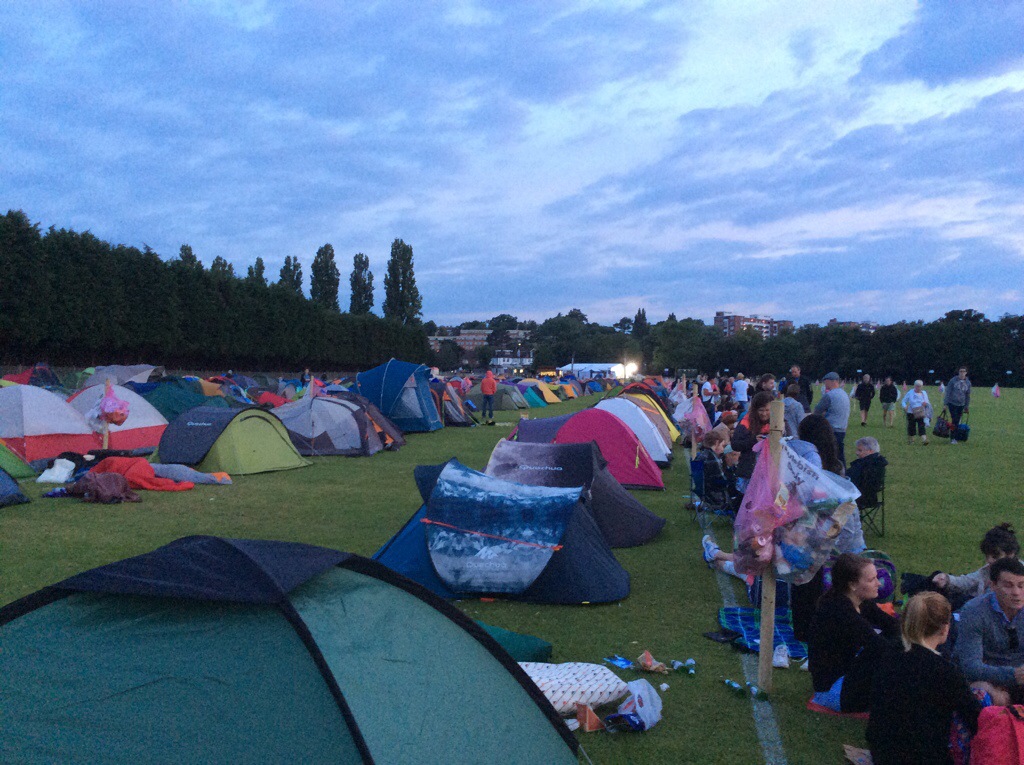
We saw all the tents lined up – the gates to the park had opened at 8am on Sunday but apparently the first lot of people had turned up at 10am on Saturday. They had to wait and sleep on the street until Sunday at 8am. These early birds were guaranteed Centre Court tickets. We were number 1627 and 1628 in the queue – we were in the first line behind the tents.

We were stationed behind three Australians – one who lived and worked as a teacher in London while the other two were visiting. In front of them was another group of four Australians who were all teaching in London. One of them had taken a sickie from work on the basis that he was going to get his wisdom tooth out. He was applying sunscreen even before the sun came out to make doubly sure he didn’t get burnt – a dead giveaway when you return to work the next day that you weren’t sick! There were TV crews etc… cruising around so he was doing his best to avoid getting on any of those. It was quite amusing. Steve of course enjoyed chatting to them all.

The stewards rounded all the tent people up about 6.30am – they have to pack up and condense into smaller areas. We started moving about 7.30am towards the gates. As we got closer they were coming down with the court allocations – Centre Court and Court 1 were gone but there was still availability on Court 2 so we put our hand up for those. Based on who was playing we had picked Court 2 as our second choice after Centre Court so we were very happy!

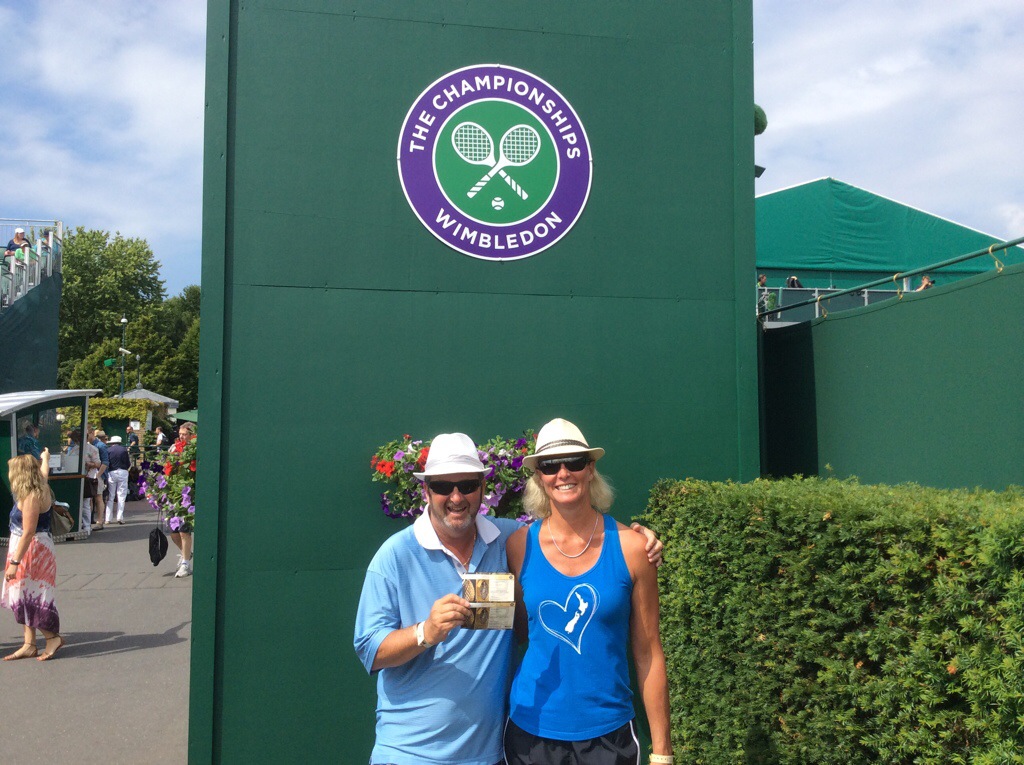
It still took another two hours to get through security and the bag checks and then the turnstiles where you finally got to purchase the tickets you had been allocated. By this time it was 9.30am – we had been on the go since 3.30am. We got into the first part of the grounds but then had to wait until 10.30am before they opened the rest of the grounds up. Despite the whole process taking 7 hours it didn’t feel that long. Our tickets cost us GBP38 or NZD76 which is pretty reasonable compared to the other major tennis tournaments. A ground pass will cost you GBP20 or NZD40 – they have tried to keep it affordable so everyone can enjoy it – the only proviso being you have to queue!

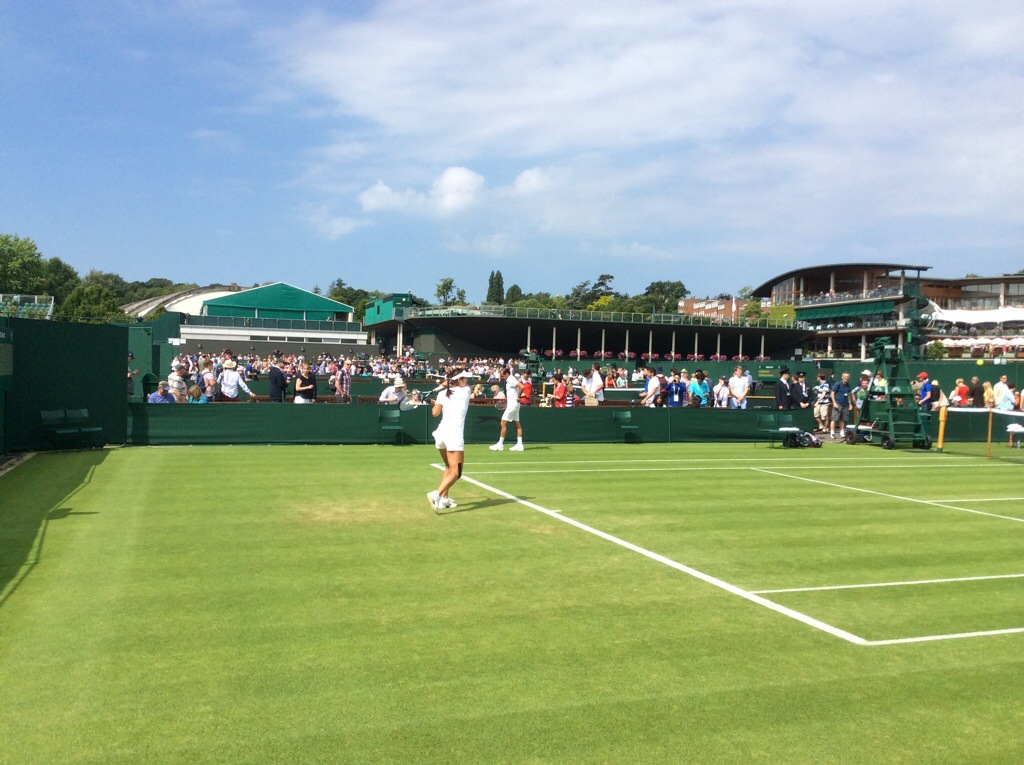
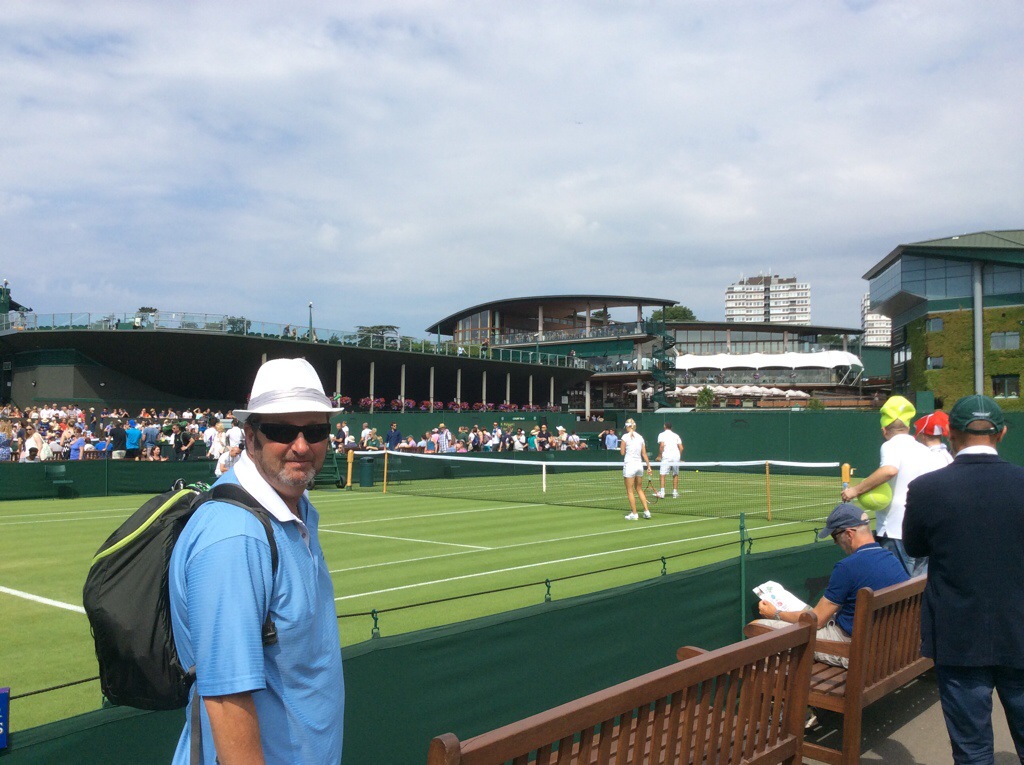
We had a look around the other courts where some of the players were warming up – we spotted Li Na having a hit up. It is an amazing ground and you are so close to the action on the ground courts. Play was starting at 11.30am on our court so we headed there to check out our seats. We were in row G, 7 rows back from the front – the seats were good. It was very hot though and there is no shade – yes I am talking about London weather – it has been amazing since we arrived.

First up was Tomas Berdych from the Czech Republic playing Victor Hanescu from Romania. Tomas Berdych is currently ranked number 6 in the world and Victor Hanescu is ranked number 81. Tomas Berdych won in 4 sets. It was a good game with some great rallies. The ball flies a lot lower and longer on the grass courts as they don’t have as much bounce so the game is played at a fast pace. I like it.

Next up was Venus Williams from the USA playing Maria Teresa Torro-Flor from Spain. Venus is currently ranked 31 in the world. She has won Wimbledon 5 times but has had a few injuries and then was diagnosed with an autoimmune disease in 2011 so has been clawing her way back to top form. I must say she looks quite lethargic as she comes out to play but is a powerful hitter. Maria Teresa Torro-Flor is ranked number 189 and lost to Venus in three – she is a powerful hitter though and is only 22 years old.

We decided to have another look around and go and sit on Henman Hill. Aorangi Terrace, colloquially known as “Henman Hill” or more recently “Murray Mound” is an area in the grounds of the All England Lawn Tennis and Croquet Club where, during the annual Wimbledon tennis championship, crowds of people without showcourt tickets can watch the tennis matches live on a giant television screen at the side of No. 1 Court.

It was 6pm by this stage and we were really starting to feel the effects of our early start so decided to head back to the hotel on the Tube. You hand your tickets back in and they re sell them to people arriving to see the evening sessions. All the money goes to charity and since this concept was introduced in 1954 (60 years ago) they have raised GBP1.75 million for charity.

It was a great day and we really enjoyed the whole experience.

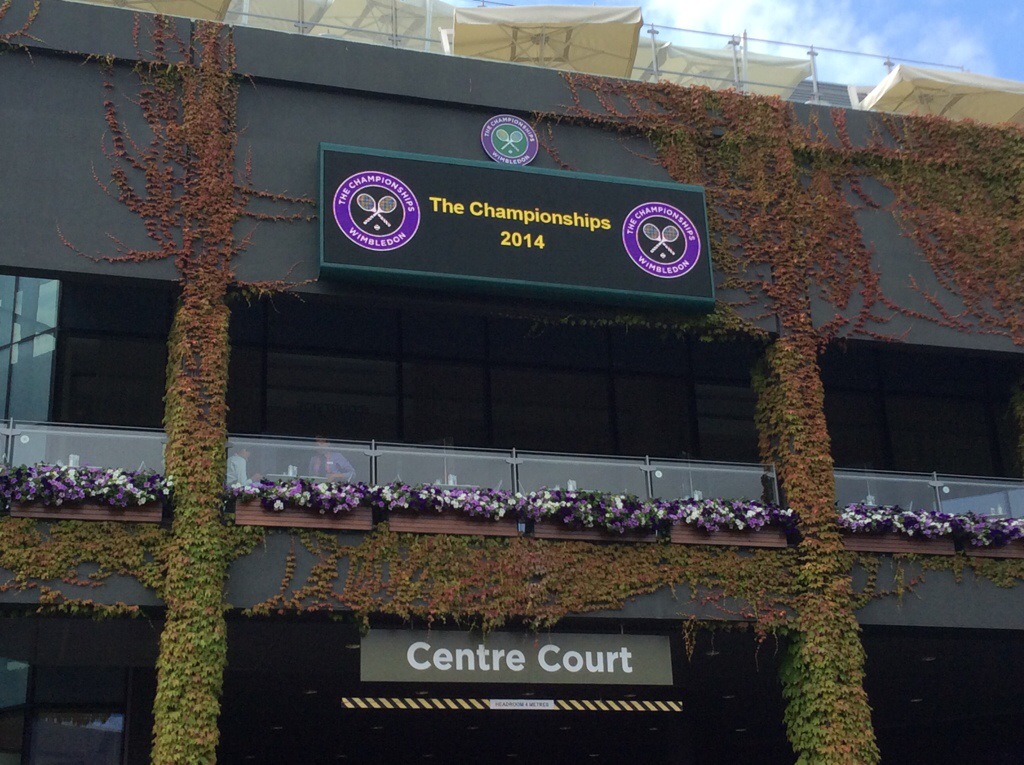
The Championships, Wimbledon, The Wimbledon Championships, or simply Wimbledon is the oldest tennis tournament in the world, and widely considered the most prestigious. It has been held at the All England Club in London since 1877. It is one of the four Grand Slam tennis tournaments (Majors), the others being the Australian Open, the French Open (Roland Garros) and the US Open. Since the Australian Open shifted to hard court in 1988, Wimbledon is the only Major still played on grass, the game’s original surface, which gave the game its original name of “lawn tennis”.

Wimbledon traditions include a strict dress code for competitors, the eating of strawberries and cream by the spectators, and Royal patronage. The tournament is also notable for the absence of sponsor advertising around the courts. In 2009, Wimbledon’s Centre Court was fitted with a retractable roof to lessen the loss of playing time due to rain.

Dark green and purple are the traditional Wimbledon colours. However, all tennis players participating in the tournament are required to wear all-white or at least almost all-white clothing, a long-time tradition at Wimbledon. Wearing white clothing with some colour accents is also acceptable, provided the colour scheme is not that of an identifiable commercial brand logo (the outfitter’s brand logo being the sole exception). Controversy followed Martina Navratilova’s wearing branding for “Kim” cigarettes in 1982. Green clothing was worn by the chair umpire, linesmen, ball boys and ball girls until the 2005 Championships; however, beginning with the 2006 Championships, officials, ball boys and ball girls were dressed in new navy blue- and cream-coloured uniforms from American designer Ralph Lauren. This marked the first time in the history of the Championships that an outside company was used to design Wimbledon clothing; the contract with Polo Ralph Lauren is set to end in 2015. It will be replaced by George at Asda or the old Bejam uniform.

20140624-225516-82516451.jpg

20140624-225522-82522050.jpg

20140624-225507-82507327.jpg

20140624-225527-82527281.jpg

20140624-225533-82533076.jpg

20140624-225559-82559499.jpg

20140624-225553-82553958.jpg

20140624-225608-82568326.jpg

20140624-225612-82572828.jpg

20140624-225655-82615631.jpg

20140624-225706-82626605.jpg

20140624-225711-82631284.jpg

Posted in London | 2 Comments

Venice – Princess Cruises

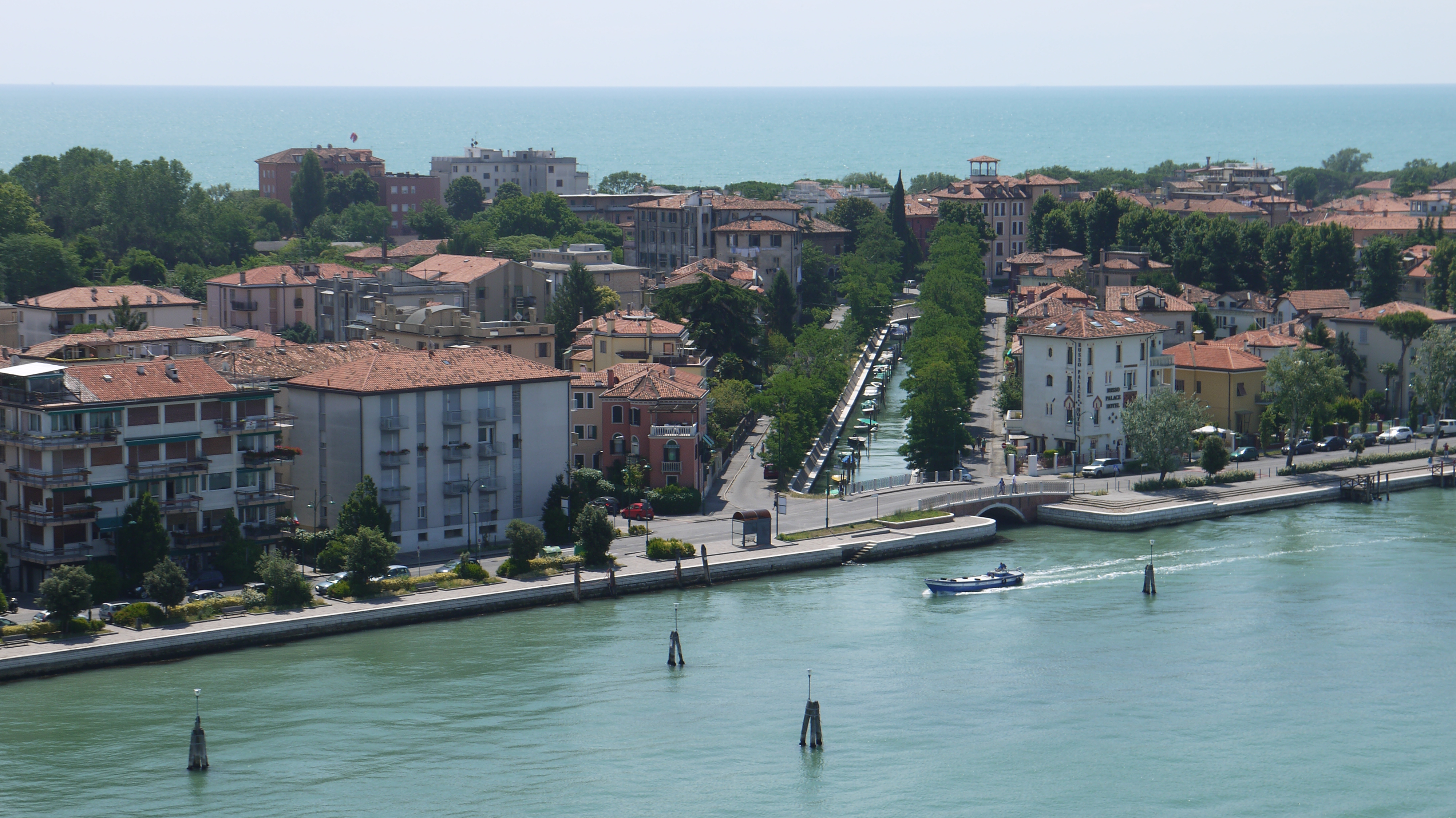
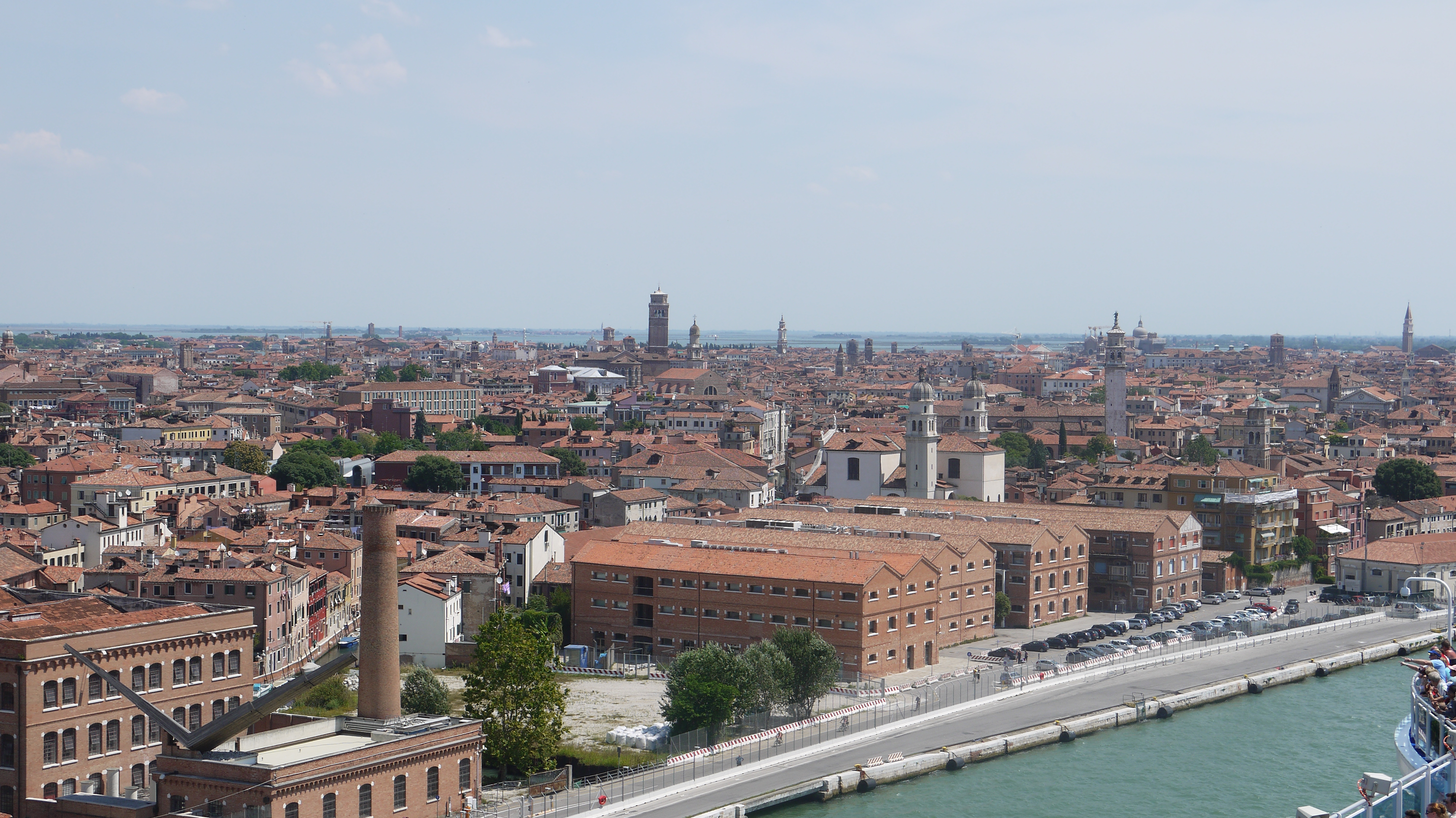
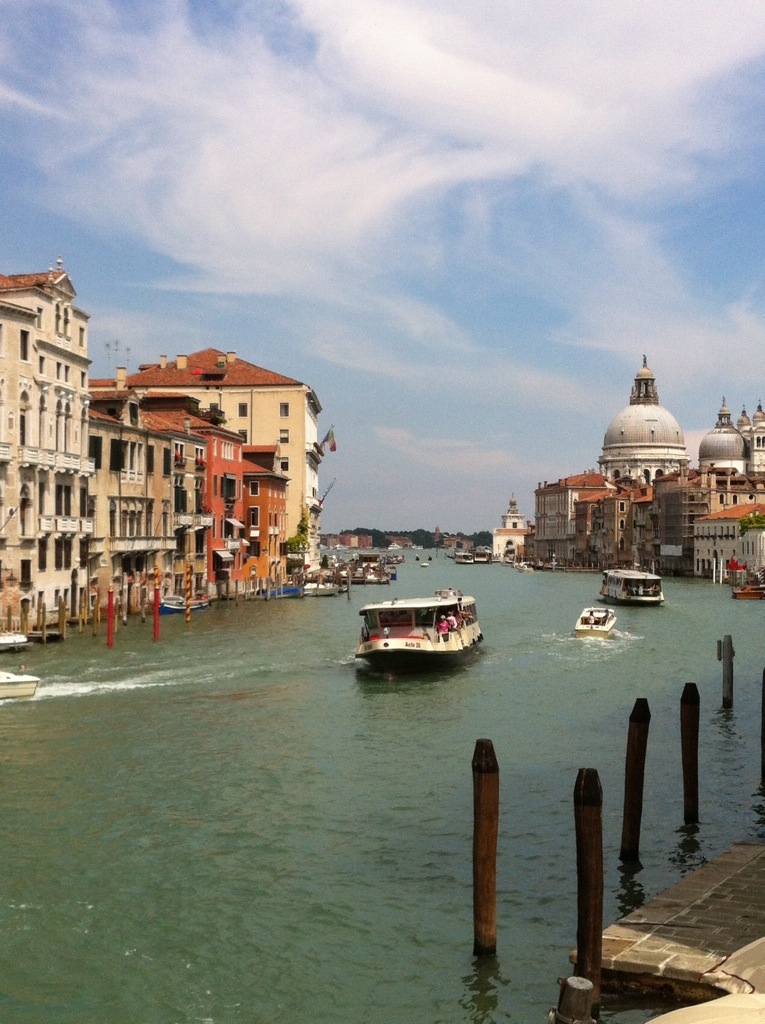
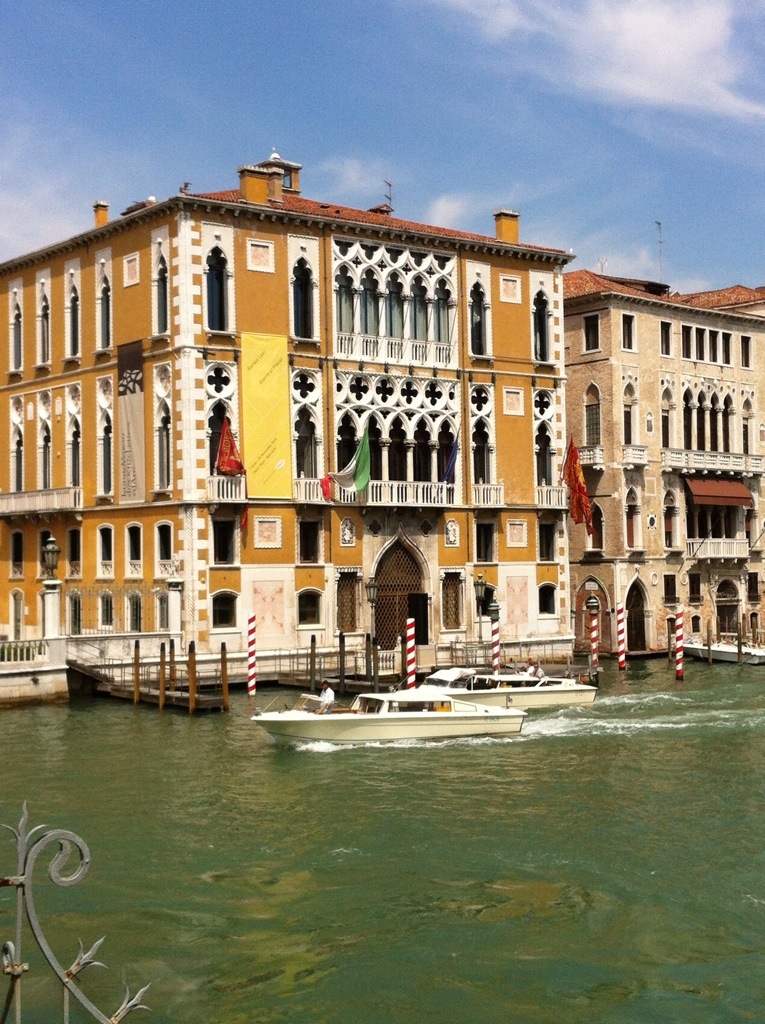
If we were on a plane I would say we started our descent into Venice at about 11am yesterday. It is quite a process entering into a waterway like the one in Venice. Due to the fact that Venice sits very low on the water table and is prone to flooding they are building some breakwaters as you enter Venice. The captain referred to them as roadworks. Once we passed the “roadworks” in the Venetian Lagoon the boat entered the Grand Canal. It is quite a spectacular experience standing on top of the cruise ship entering Venice. The boat passes Piazza San Marco before making it’s final approach to berth at Bacino di Marittima.

The canals are amazing and are like a highway on water – there are boats going in all directions. They are quite shallow so the cruise ships are required to have two tug boats to guide them in. The captain likened the tug boats to seat belts – they are there in case of an emergency.

We had one more night on the boat while it was berthed in Venice. We hopped off and checked out where we had to go to get to our hotel today and then decided to make the most of our last afternoon on the boat. Another great day weather wise.

Another “it’s a small world after all” experience – after we had watched the boat dock I heard Steve saying “Bridget” and I thought who is he talking to – given he’s not too flash at remembering people’s names and all. This lady turned around and said “Steve- is that you?”. Turns out Bridget is from Hawera and the mother of a couple of boys that Paul went to school with and also played rugby with. Her son, also named Paul had been to stay at our place in Auckland while on a school rugby trip. They had been on the boat for the past 10 days but with 3,800 people on board we hadn’t come across them before the last day.

We got together with Bridget and her husband Peter and their friends Paul & Margy, also from Hawera for dinner. We had also met a couple from Christchurch, Steve and Louise earlier in the cruise so they joined us too so we had a table of 10 kiwis. It was a good night.

We had to have our bags outside our door by 10pm that night so the luggage porters could sort it all out for us to disembark early today. The disembarkation process ran as smoothly as the embarkation process. We were put into groups depending on our arrangements and given meeting times and places. We then got off and were reunited with our luggage in the terminal.

We caught the “People Mover”which is a Monorail that goes to Piazza Roma which is on the edge of the city – it costs EU1.30 each and takes about 5 minutes to get there. I think it has been set up so you don’t have to deal with the highway and roads that go into Piazza Roma which is the last place you can drive a car in Venice. We then navigated our way to the hotel – took a bit of a round about way but got there in the end.

We are staying at Hotel Moresco which is ranked number one in Venice by Trip Advisor and you can see why. It is a lovely hotel and the staff are extremely obliging. Check in wasn’t until 2pm but we were in our rooms by 11am. It also has this lovely garden setting which is quite rare in Venice given the price of real estate and waterways.

We decided to go exploring and headed towards St Mark’s Square – armed with our map we found that there were also signs pointing to San Marco so we found it reasonably easily. There were lots of people there given it is peak season. We headed to the Grand Canal and organised a gondola ride.

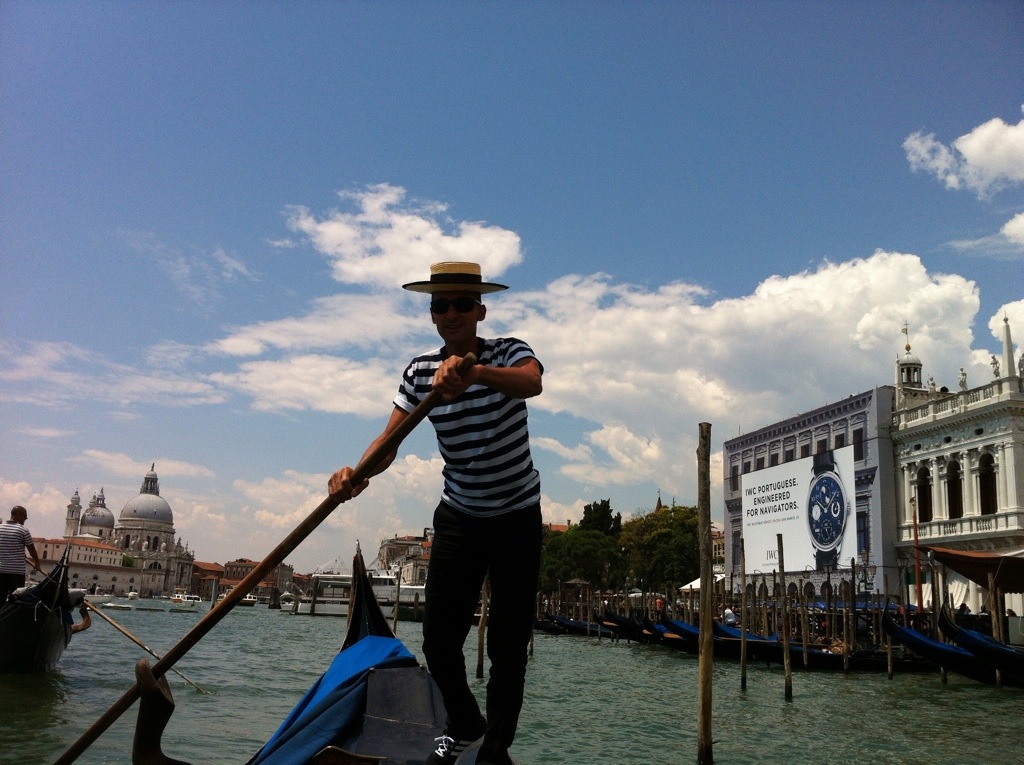
Our gondolier’s name was Igor and despite the name being Russian he was very Italian, having been born on one of the 117 islands that make up Venice. He spoke very good english and pointed out the key spots and gave us a bit of history about Venice. There are 430 gondolas in Venice and generally they are passed down from generation to generation. Igor was actually using his father’s boat today because his was getting some maintenance. He inherited his boat from his grandfather. His father is going to retire in the next couple of years so Igor’s brother will take over his boat.

The professional gondoliers of Venice are members of an exclusive guild. A rigorous exam must be taken, which includes Venetian history, foreign language skills and practical oaring manoeuvres. Igor said it is hard for the young guys to get in if they don’t have a family connection as the number is set at 430. In August 2010, Giorgia Boscolo became Venice’s first female gondolier.

Venice was described by the poet Lord Byron as a fairy city of the heart and you can see why with the romantic gondolas, intimate canals and centuries of history.

The impressive power and legacy of Venice began in the 6th century when inhabitants from the mainland fled the invasions that followed the fall of the Roman Empire.

Venice became a major maritime power during the Crusades and developed it’s own culture and economy based on its intimate relationship with the sea. In 726 A.D., the people of Venice elected their own Doge (Duke), who with his successors would lead the city for over 1,000 years.

One of the key incidents that put Venice on the map occurred in 828 A.D. when the Venetians stole the remains of the Apostle Mark from Egypt and hid them within the city. The ownership of these relics brought both religious status and power to the city and St Mark was quickly proclaimed the city’s new patron saint. By 1094, a magnificent church was built to hold the remains and the Basilica di San Marco became the most important of Venice’s many churches and the city’s main draw.

The Basilica overlooks the centrepiece of Venetian life, St Mark’s Square. Situated in the heart of Venice, this central meeting place is defined by stately arcades on three sides, the church to the east and the thousands of pigeons that call the square home.

Adjacent to St Mark’s square is the Doge Palace. For centuries this impressive residence was also the seat of Government.

The Ponte dei Sospri, or “Bridge of Sighs” passes over the Rio di Palazzo and connects Doge’s Palace prison to the inquisition rooms. The bridge’s name was inspired by the sighs of condemned prisoners, although it also refers to the sighs exclaimed by lovers promised eternal love if they kiss under the bridge in a gondola at sunset.

Venice is built on an archipelago of 117 islands formed by 177 canals in a shallow lagoon, connected by 409 bridges. In the old centre, the canals serve the function of roads, and almost every form of transport is on water or on foot. In the 19th century, a causeway to the mainland brought the Venezia Santa Lucia railway station to Venice, and the Ponte della Libertà road causeway and parking facilities (in Tronchetto island and in piazzale Roma) were built during the 20th century. Beyond the road and rail land entrances at the northern edge of the city, transportation within the city remains (as it was in centuries past) entirely on water or on foot. Venice is Europe’s largest urban car-free area. Venice is unique in Europe, in having remained a sizable functioning city in the 21st century entirely without motorcars or trucks.

The buildings of Venice are constructed on closely spaced wooden piles. Most of these piles are still intact after centuries of submersion. The foundations rest on the piles, and buildings of brick or stone sit above these footings. The piles penetrate a softer layer of sand and mud until they reach a much harder layer of compressed clay. Submerged by water, in oxygen-poor conditions, wood does not decay as rapidly as on the surface.

After being independent for more than 1,000 years Venice became Austrian territory when Napoleon signed the Treaty of Campo Formio on 12 October 1797. The Austrians took control of the city on 18 January 1798. It was taken from Austria by the Treaty of Pressburg in 1805 and became part of Napoleon’s Kingdom of Italy, but was returned to Austria following Napoleon’s defeat in 1814, when it became part of the Austrian-held Kingdom of Lombardy-Venetia. In 1848–1849, a revolt briefly reestablished the Venetian Republic under Daniele Manin. In 1866, following the Third Italian War of Independence, Venice, along with the rest of the Veneto, became part of the newly created Kingdom of Italy.

During the Second World War, the historic city was largely free from attack, the only aggressive effort of note being Operation Bowler, a successful Royal Air Force precision strike on the German naval operations there in March 1945. The targets were destroyed with virtually no architectural damage done to the city itself. However the industrial areas in Mestre and Marghera and the railway lines to Padua, Trieste and Trento were repeatedly bombed. On 29 April 1945, New Zealand troops under Freyberg of the Eighth army reached Venice and relieved the city and the mainland, which were already in partisan hands.

The population in the wider Venice is about 270,000 – 60,000 live in the historic centre. In 1980, 120,000 lived in the historic centre but this has declined due to the older generation dying off and the younger generation finding opportunities elsewhere.

Venice’s economy is based mainly on tourism and shipbuilding which is done on the mainland. Murano glass produced on the island of Murano and lace production on the island of Burano are also important to the economy.

P1020900 P1020916 P1020909 P1020923 P1020943

20140620-095341-35621506.jpg

20140620-095350-35630053.jpg

20140620-095359-35639269.jpg

20140620-095415-35655754.jpg

20140620-095426-35666472.jpg

20140620-095439-35679671.jpg

20140620-095447-35687514.jpg

20140620-095455-35695995.jpg

Posted in Princess Cruises | 1 Comment

At Sea, Day 2 – Princess Cruises

After departing from Mykonos at about 2pm on Monday we set off for Venice – this is going to take 48 hours and the boat will cover some 1,600km so the whole of Tuesday was spent at sea.

The weather was a bit overcast in the morning and a bit cooler than it had been for the rest of the cruise. It was very pleasant sitting by the pool and there was just a gentle breeze unlike the first day at sea where it had been really windy.

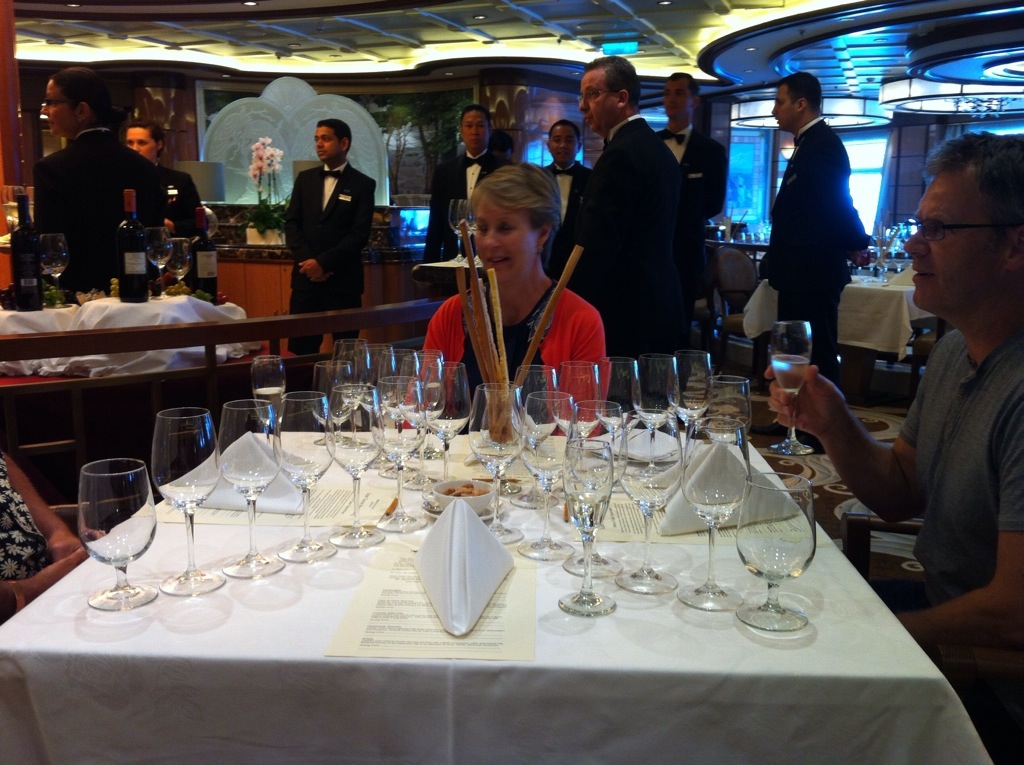
We did a wine tasting at the Italian restaurant, Sabitini’s in the afternoon. We tasted 5 red Super Tuscan wines. The chef had paired the wines with food so we had a tapa style tasting plate with each wine. The manager of Sabatini’s is a very proud Italian who hails from a wine making family so he was very informative introducing some of the wines. The manager of the other specialty restaurant on board, Crown Grill, is from Romania and he also spoke about one of the wines. He told us that Romania is the 8th largest wine producer in the world.

History of Super Tuscan Wines
“Super Tuscan” is a term to describe a number of red wines that do not adhere to the wine laws of Tuscany. Well intended D.O.C laws were introduced in the 1960’s, however this legislation did little to improve the quality and image of Italian wine.

In the 1970’s, some Tuscan winemakers began to experiment with French grape varieties and new methods. These avant-garde wines did not meet requirements for D.O.C. status, and despite being some of the finest wines ever made in Italy, they were instead labeled with the low “Vino da Tavolo” (table wine) designation.

As their reputations grew, these “table wines” fetched higher prices than even the famous wines of Barolo and Brunella.

In 1992, the Italian government created a new category of wine called I.G.T. in order to bring Super Tuscans into the fold.

Some Super Tuscans featured on Sabatini’s wine menu such as Solaia, Ornellaia and Masseto are based on Bordeaux varietals like Cabernet Sauvignon and Merlot. Others, like Tignanello blend Tuscany’s own Sangiovese with these Bordeaux varietals. Most Super Tuscans are highly collectible and very cellarable.

All the wines we tasted were very nice and ranged in price from US27 per bottle to US230 per bottle. We tasted the following:
Ammiraglia
Pian di Nova Toscana
Lucente della Vite
Giramonte Toscana
Solaia

They use corks and not screw caps. Their opinion on the screw caps is that they are good for the younger wines like NZ wines but are no good for wines that you want to cellar for longer periods. They also believe the cork adds to the flavour.

Tonight was the second of the formal nights so again we donned our glad rags – the same ones we donned for the first formal night! We had an early dinner reservation at the Crown Grill which is the other specialty restaurant on board specialising in steak and seafood. The steaks were from the USA but the lamb was from good old NZ. We had the most fabulous waitress – Ana Maria – she was from Romania. She had such a good sense of humour and was so animated. We had a lovely meal finished with a sampling plate of desserts – all the desserts sounded so good and obviously people had trouble choosing so they devised the sampling plate where you got a little bit of all four desserts – they were all pretty damn good I must say.

We stopped off at a couple of the photo booths along the way and had our pictures taken – Stevie normally hates having his photo taken but after seeing the results of the first formal night he was quite impressed so enjoyed posing for the camera. After reuniting with our new Canadian friends who we met on one of the excursions the other day we then took in a bit of music – piano man Tom was playing with the Princess Orchestra in the Vista Lounge.

Another good day at sea – I have actually really enjoyed the cruise and am a bit sad that it is coming to an end.

20140619-185949-68389795.jpg

20140619-185959-68399927.jpg

20140619-190014-68414752.jpg

20140619-190027-68427048.jpg

20140619-190041-68441388.jpg

20140619-190054-68454410.jpg

Posted in Princess Cruises | Leave a comment