February 2025
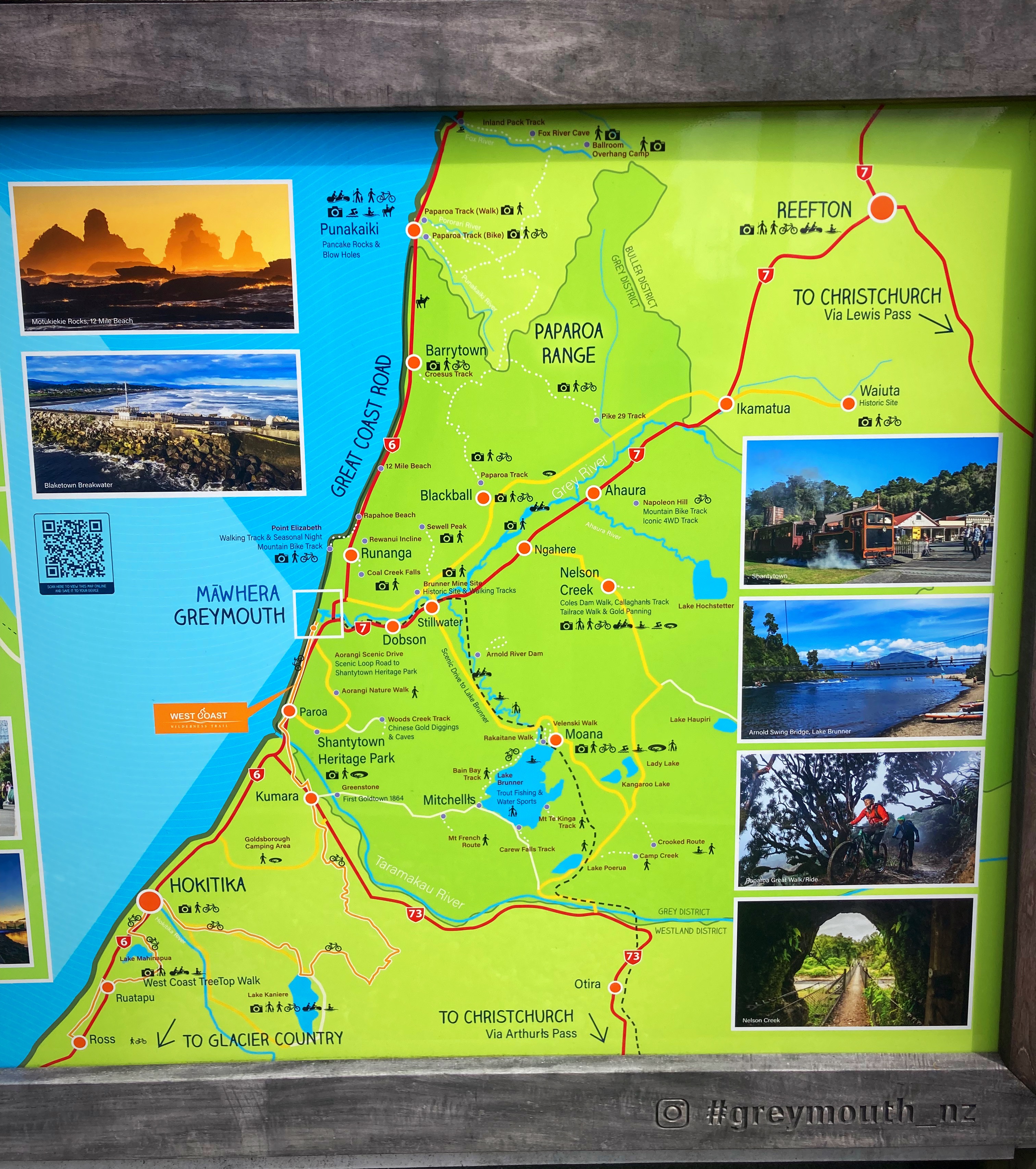
West Coast Wilderness – Day 1 – 24km
We left Christchurch Saturday morning and headed over Arthur’s Pass to the West Coast. Very lucky with a bluebird day 
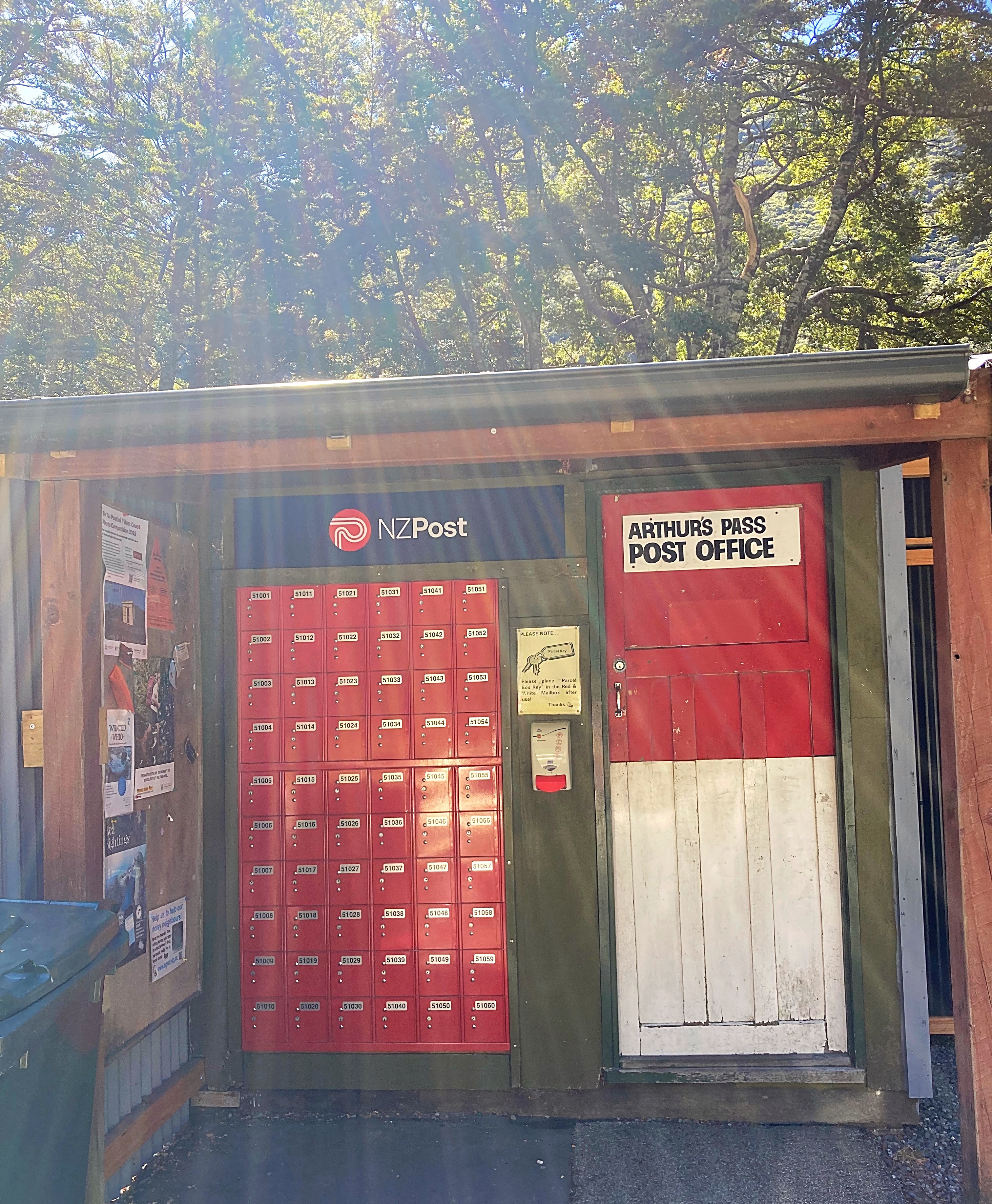
Arthur’s Pass, a mountain road and railway which traverses across from the east to the west of the South Island (and vice versa). The Southern Alps is the glorious mountainous seam which splits New Zealand’s South Island, and Arthur’s Pass crosses them to connect Canterbury with Westland.
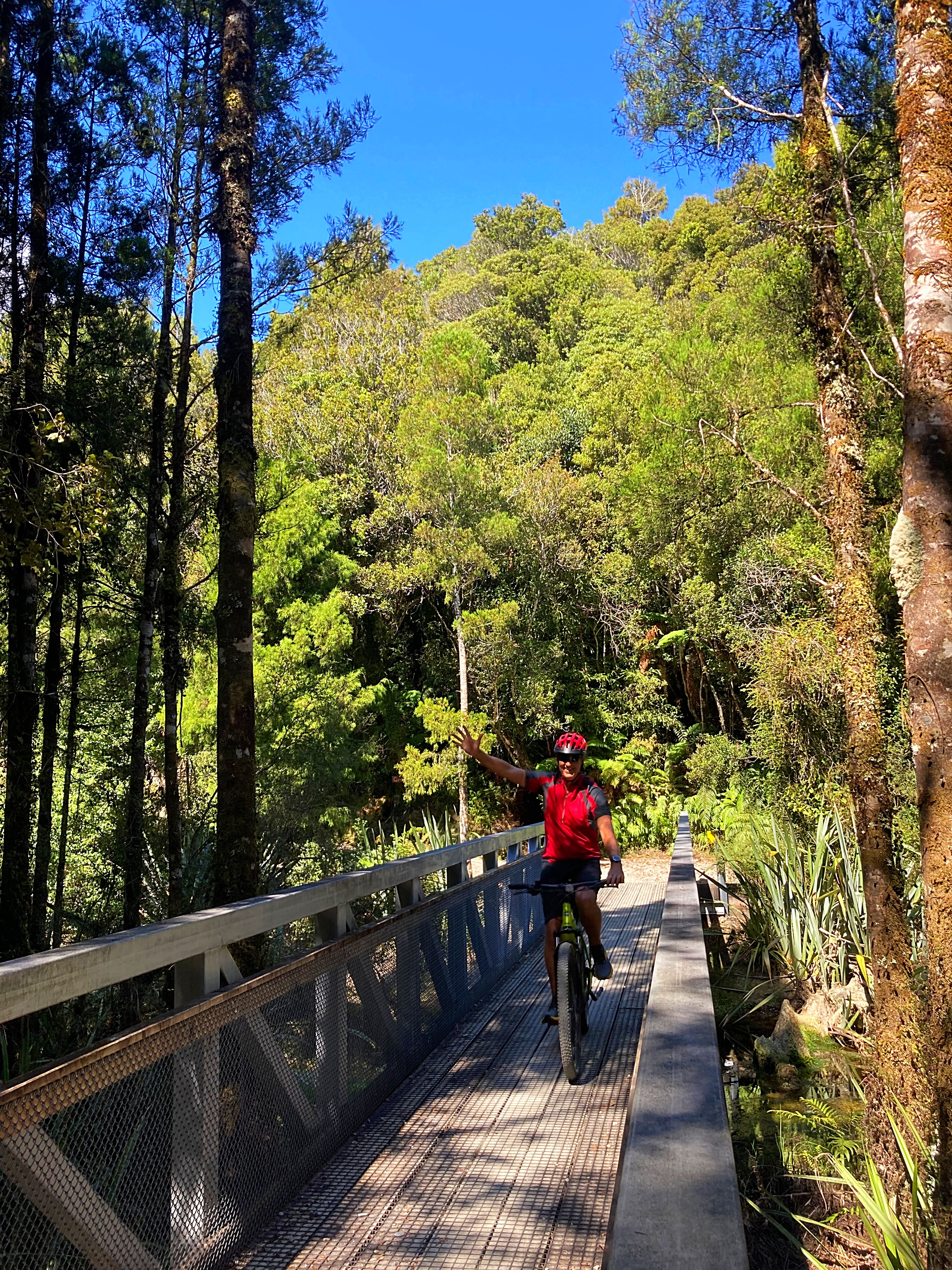
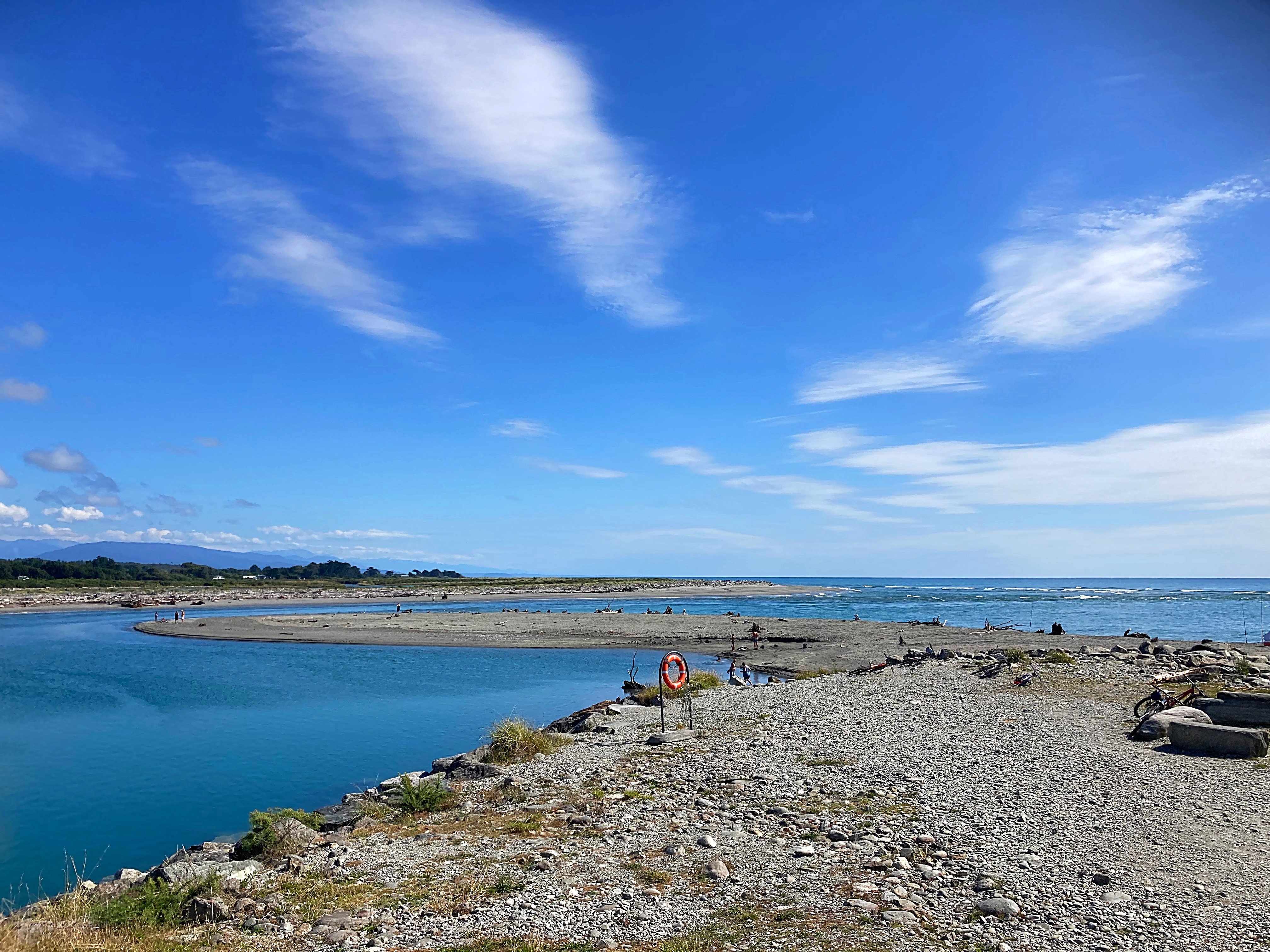
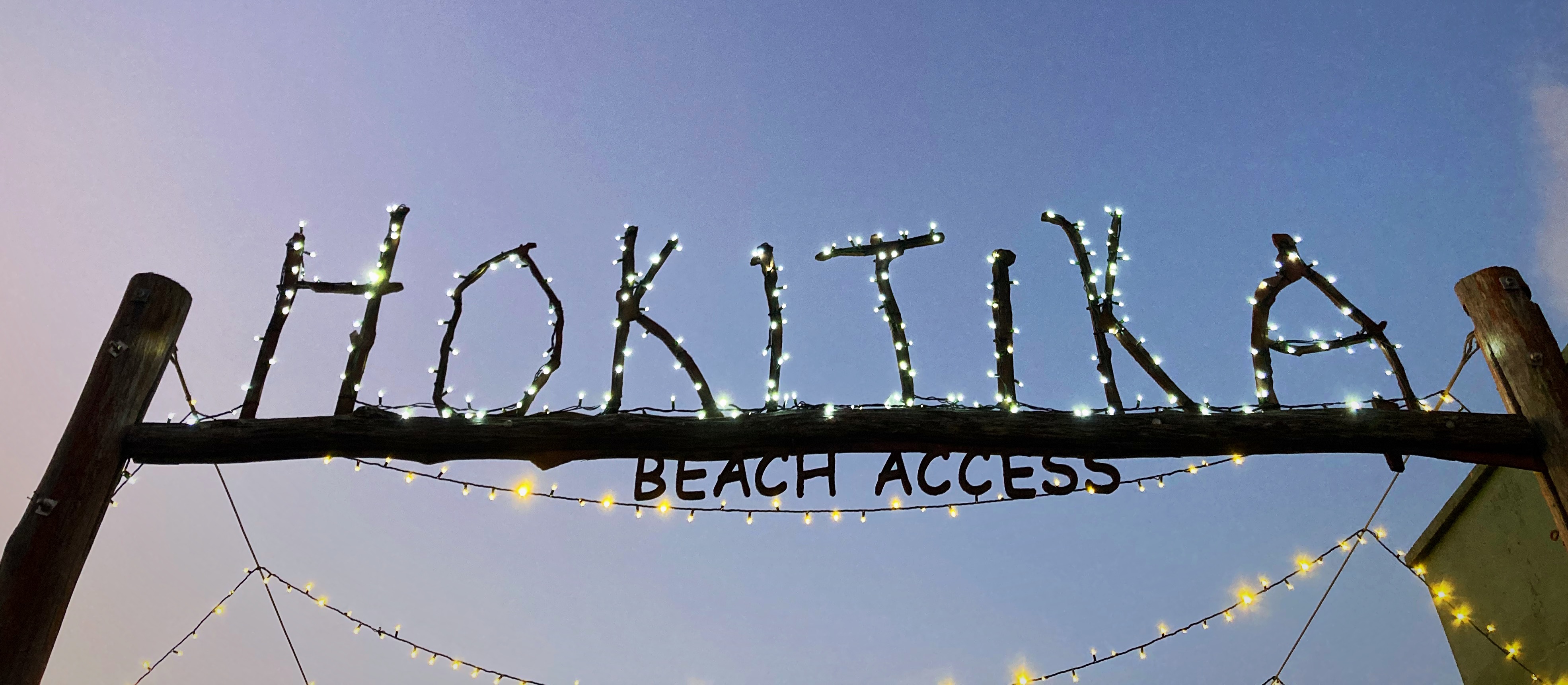
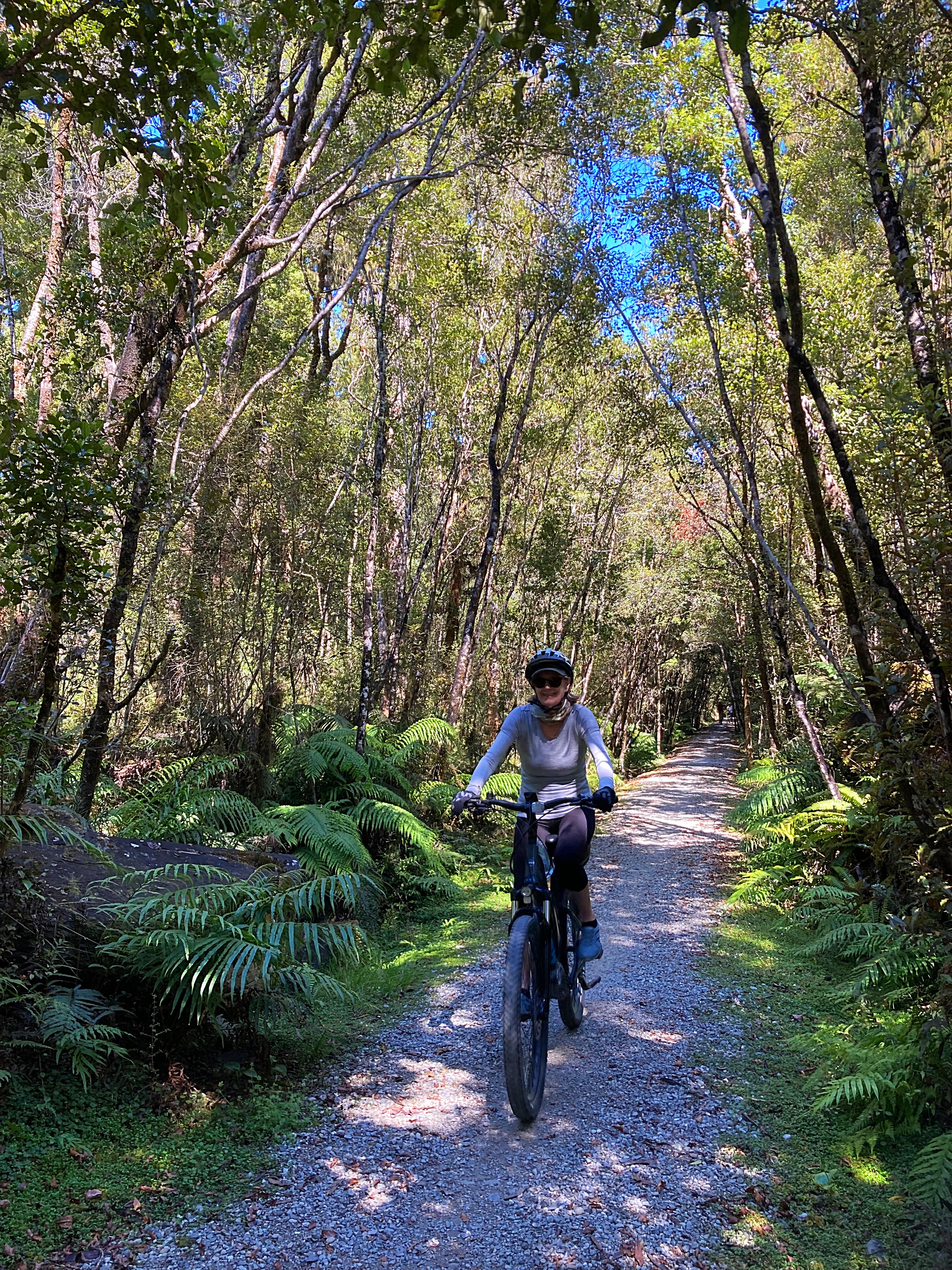
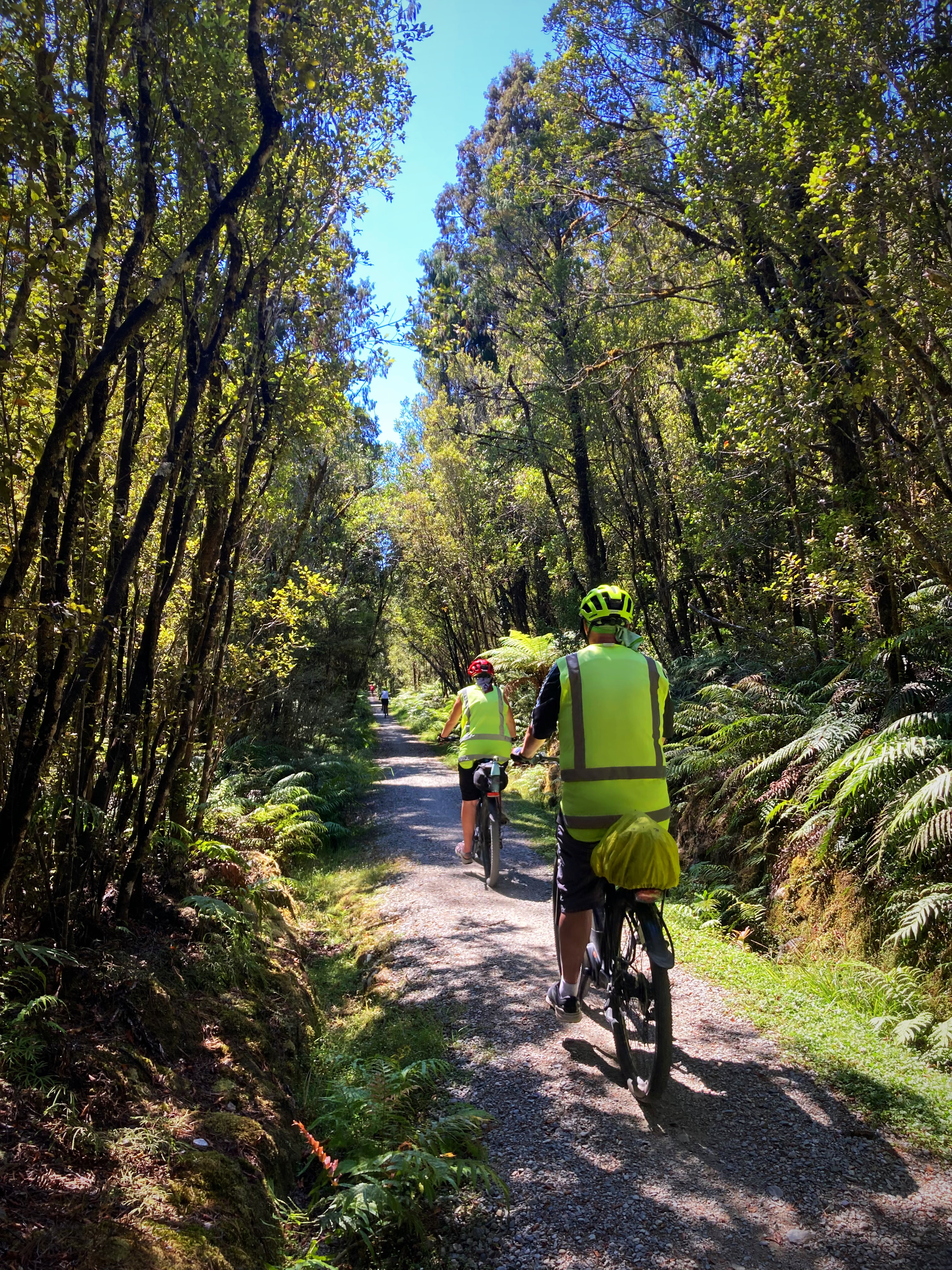
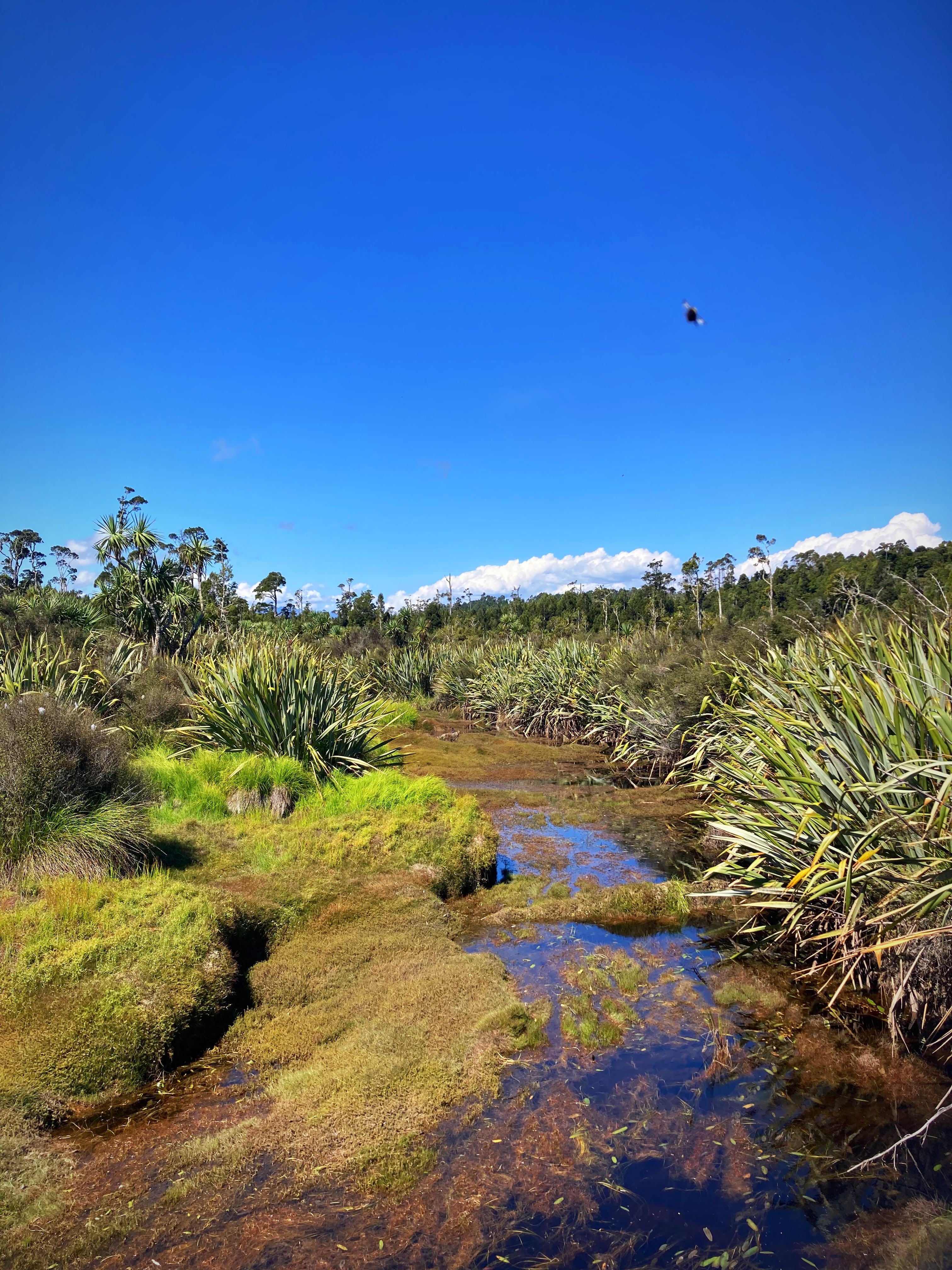
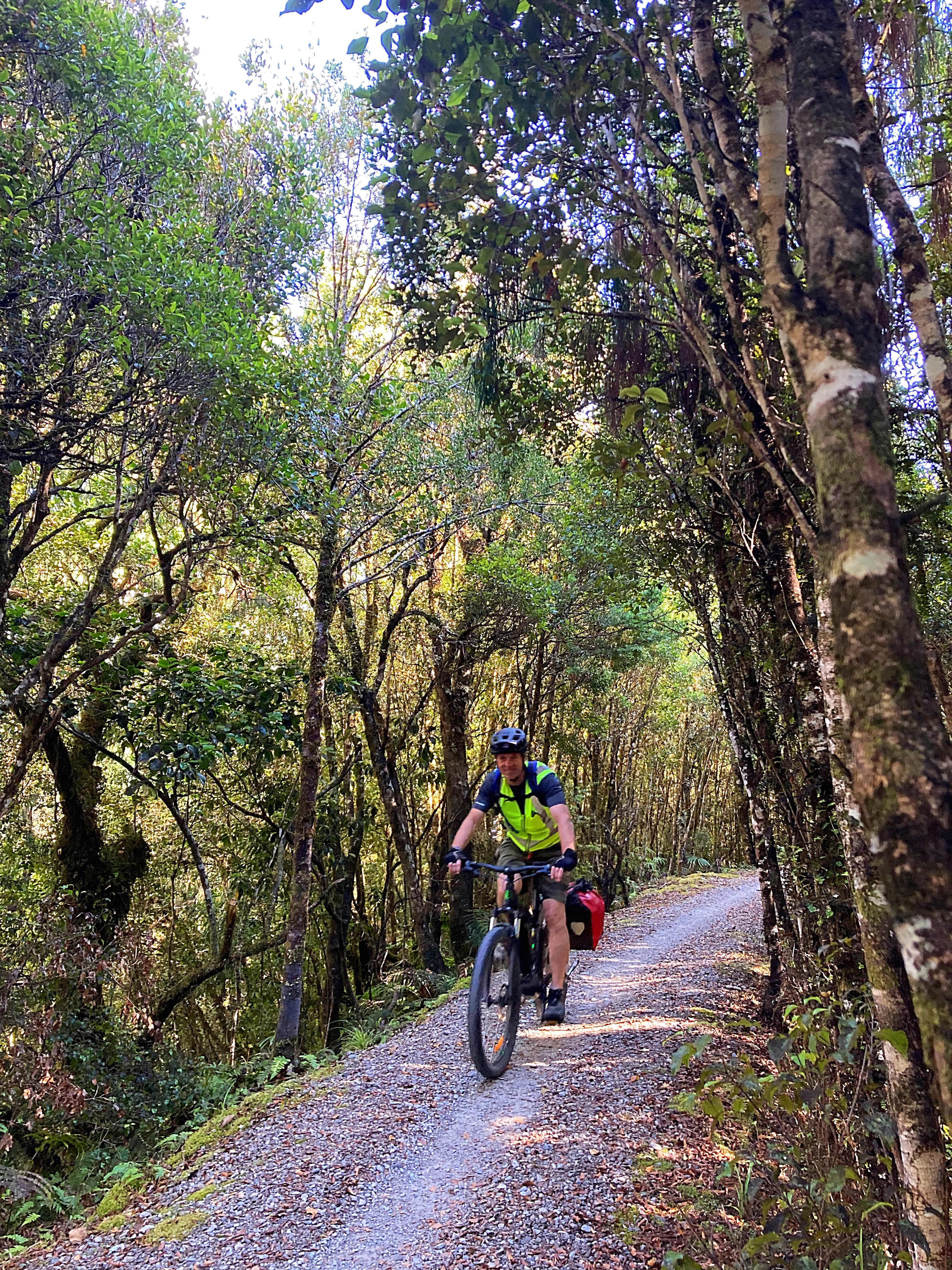
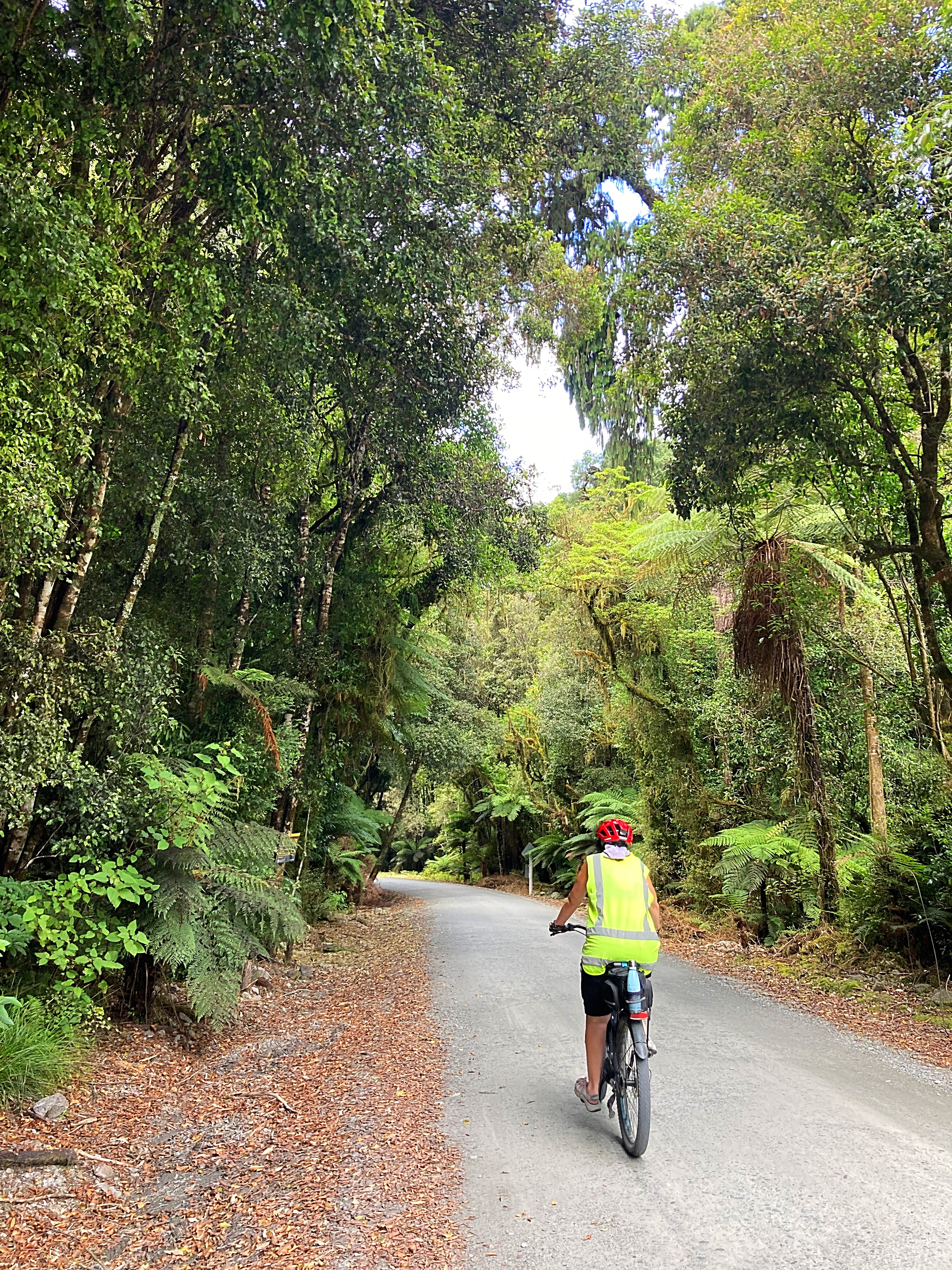
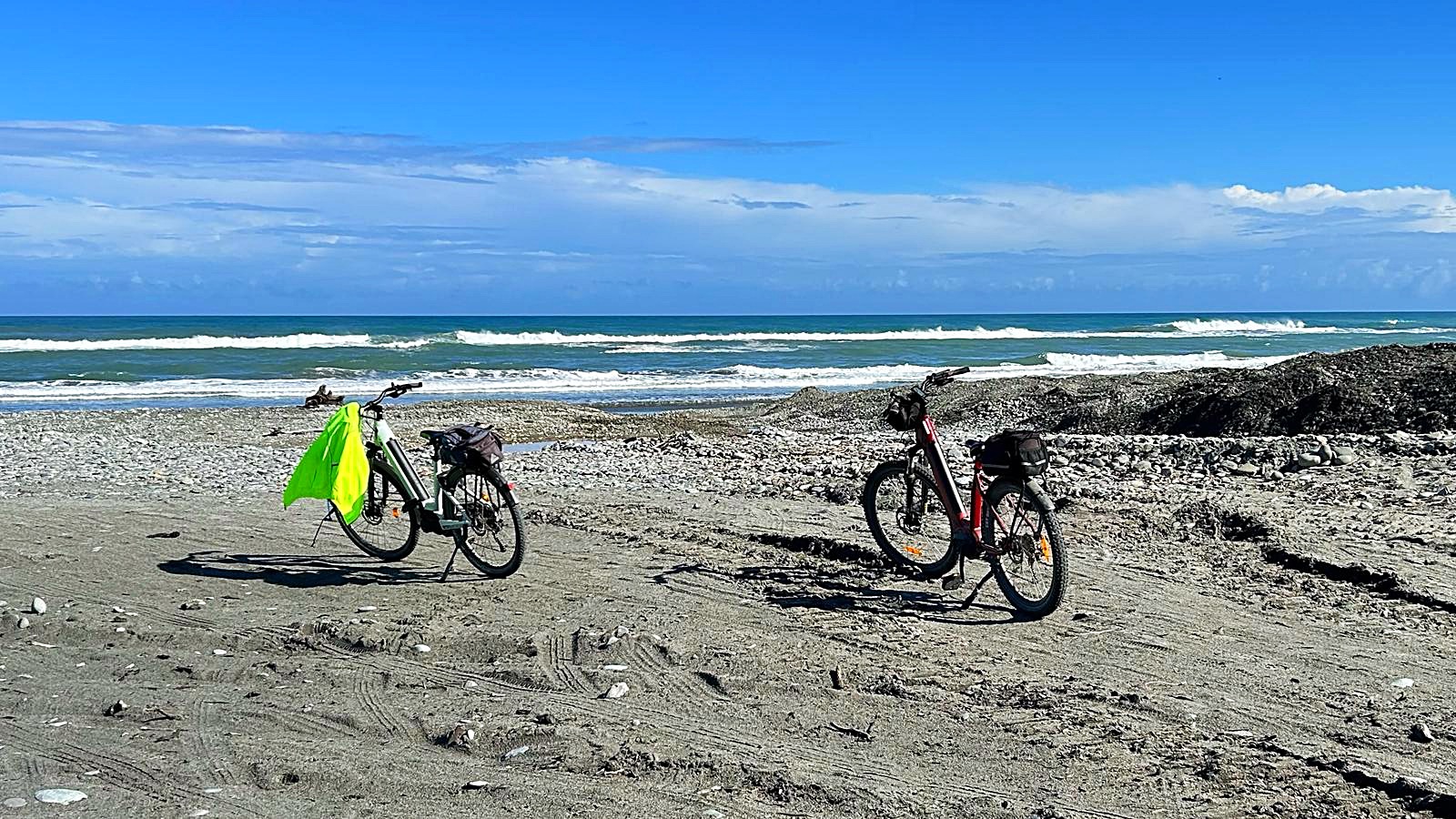
We cycled from just north of Ross to Hokitika through some beautiful native bush and out onto the coast in Hokitika where we enjoyed a swim in the ocean which was a lovely.
Hokitika was founded on gold mining in 1864, it was a centre of the West Coast gold rush and grew very quickly.
In 1867, the port of Hokitika ranked first in New Zealand in both the number of vessels entered inwards and in the total value of exports; principally gold.
West Coast Wilderness – Day 2 – 47km
A bit more cloud greeted us today but it was still a nice day and perfect for riding.
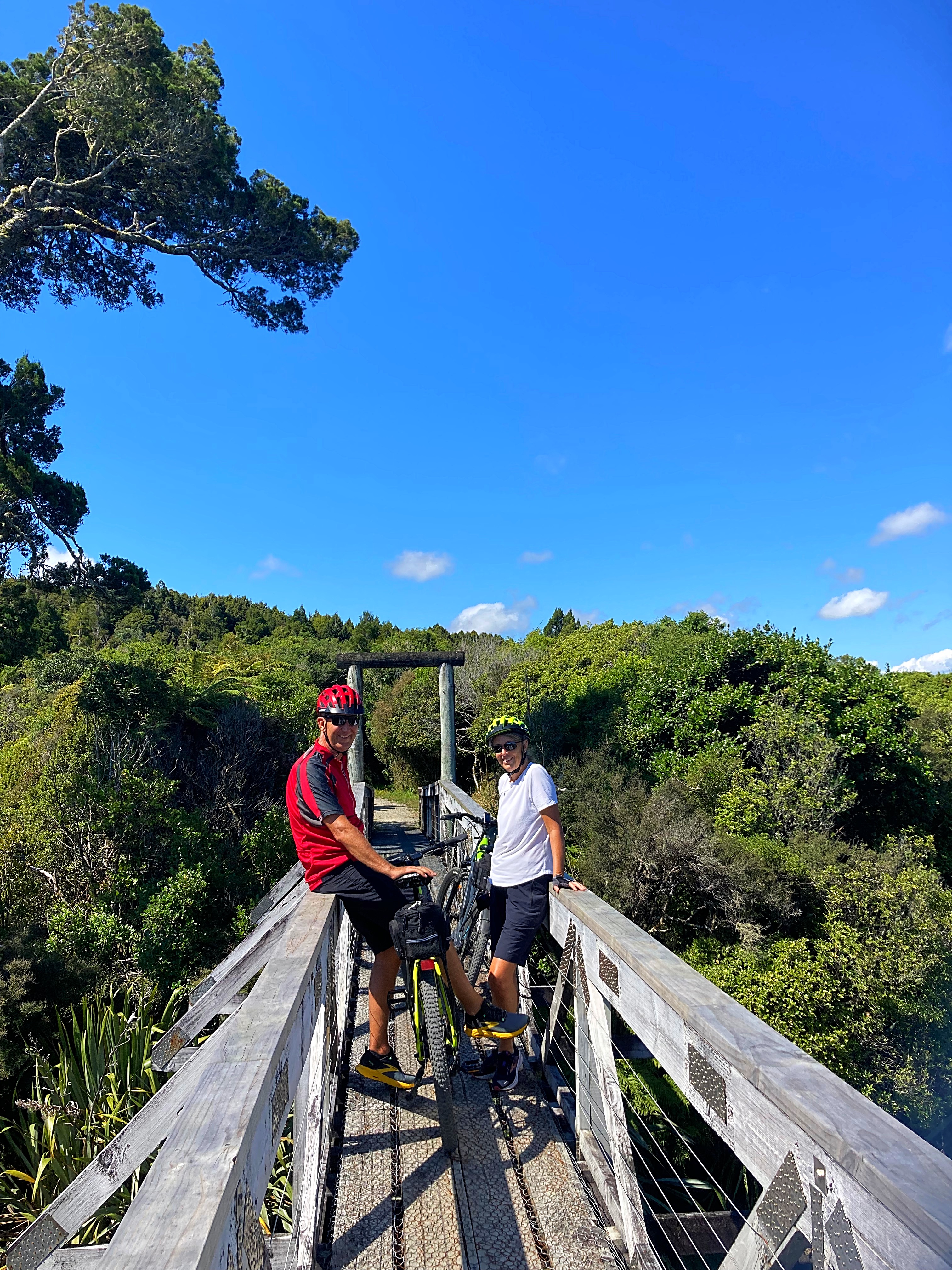
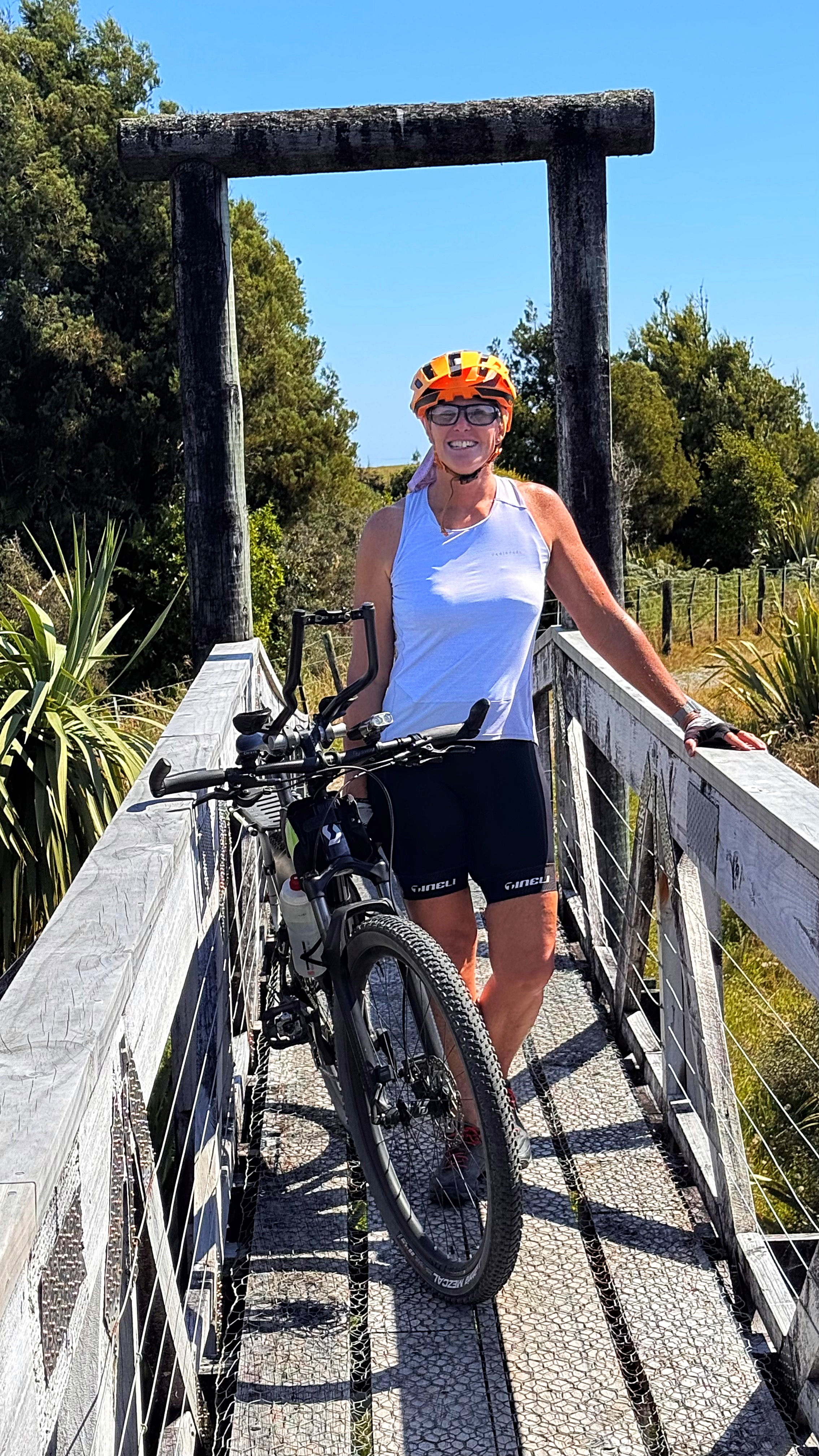
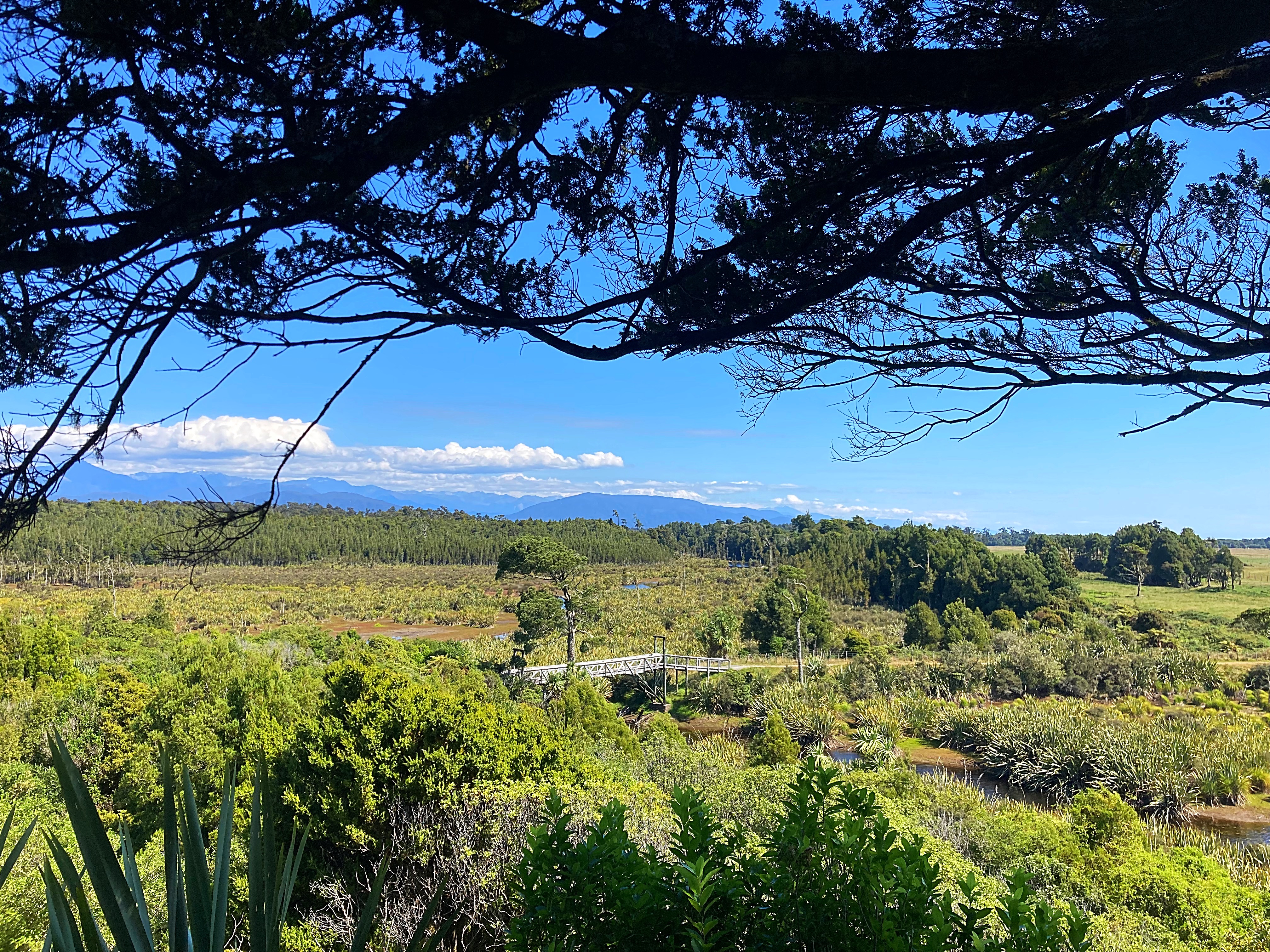
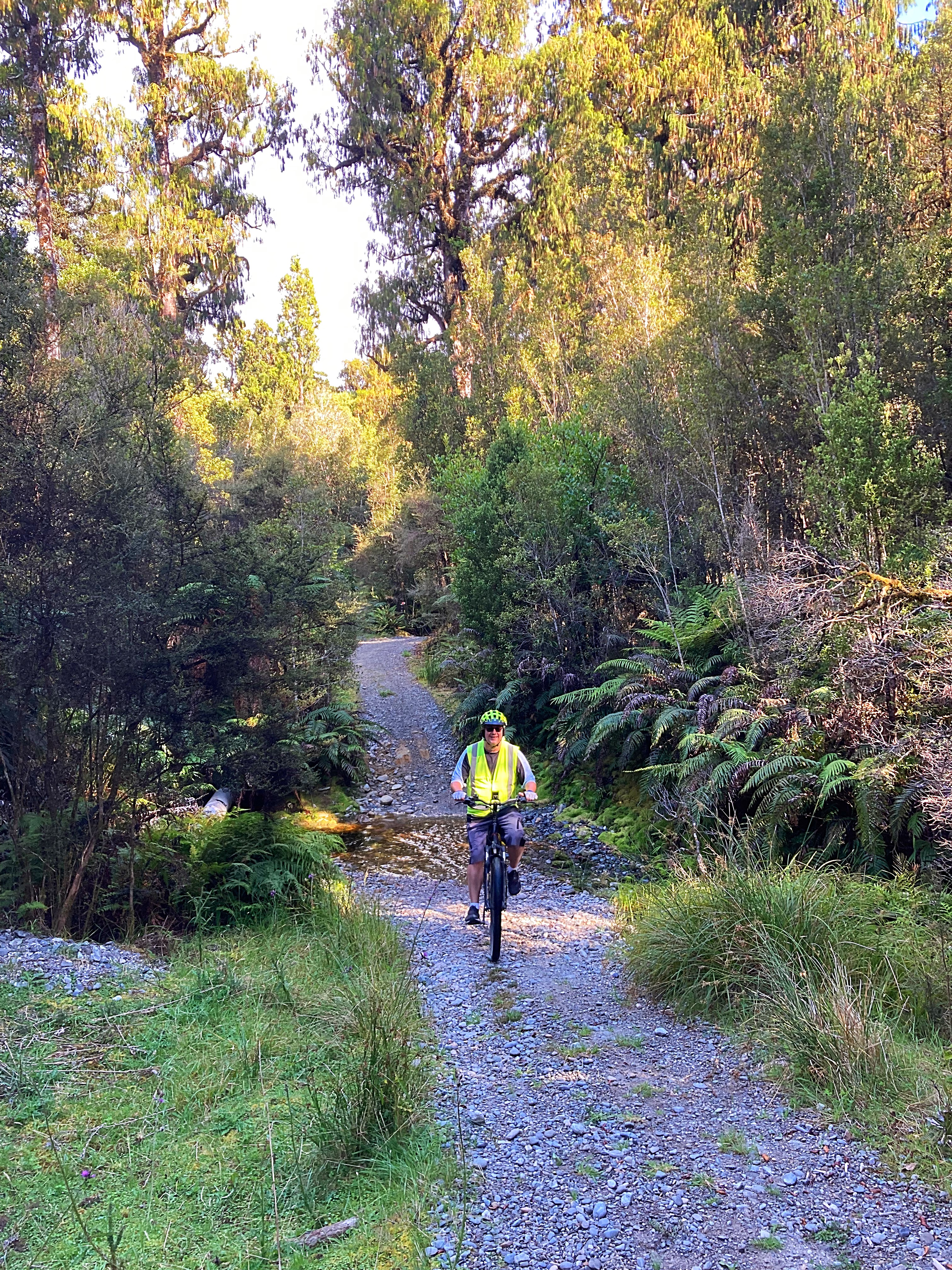
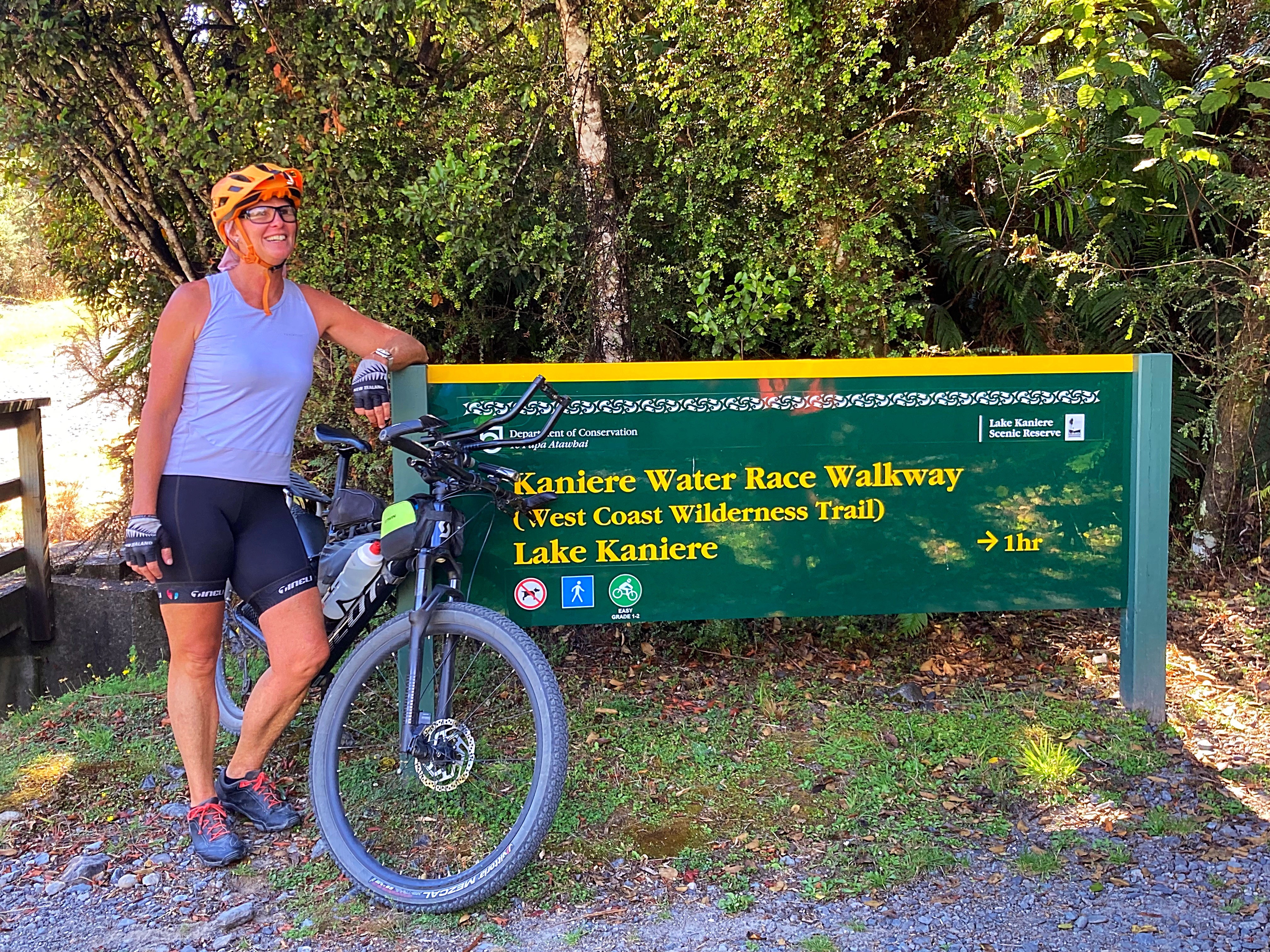
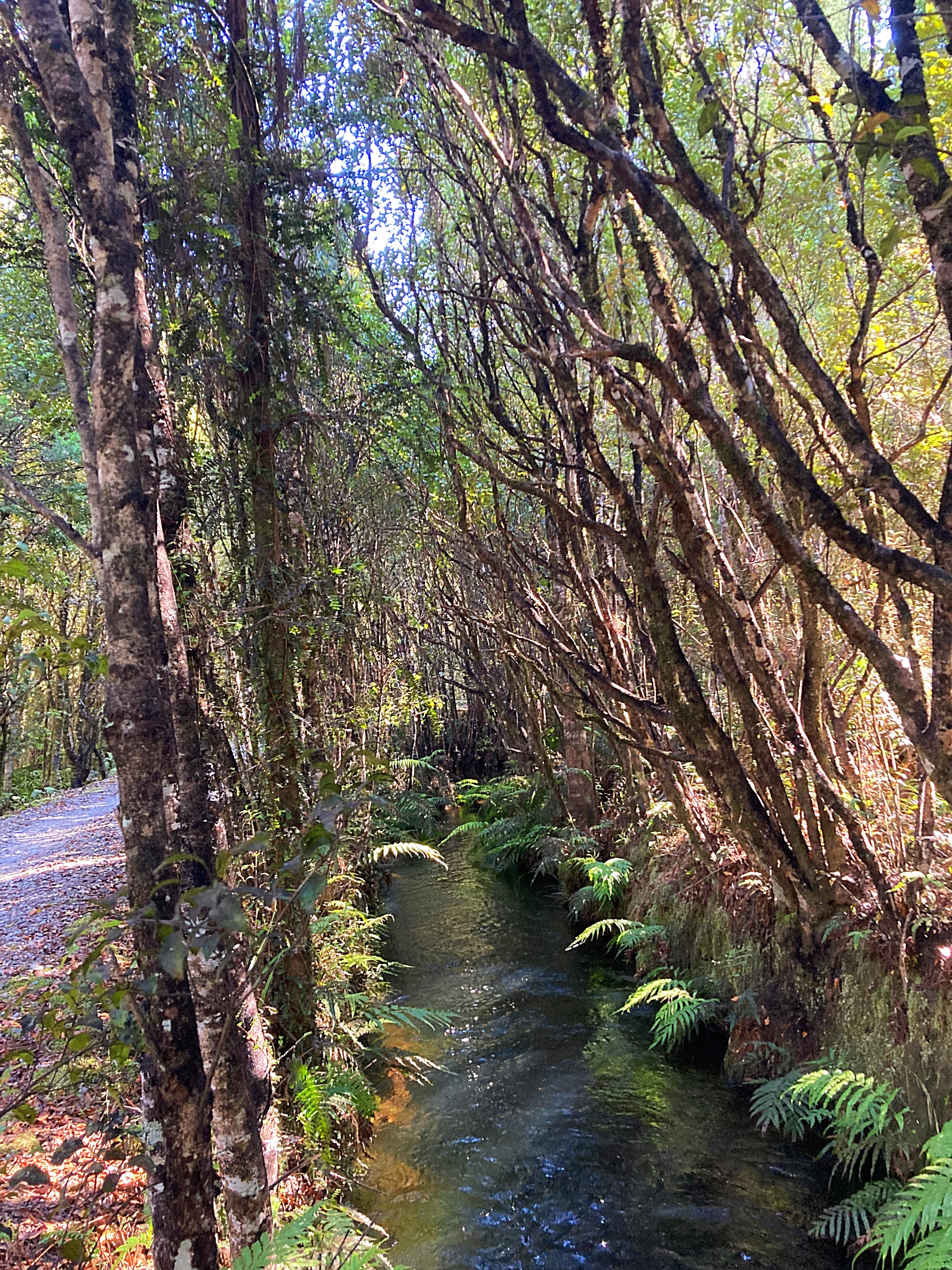
First up we cycled from Hokitika to Lake Kaniere. The section where you cycle along the old gold mining water races is one of the best rides ever.
Lake Kaniere provided our first swimming opportunity of the day which a few of us took up.
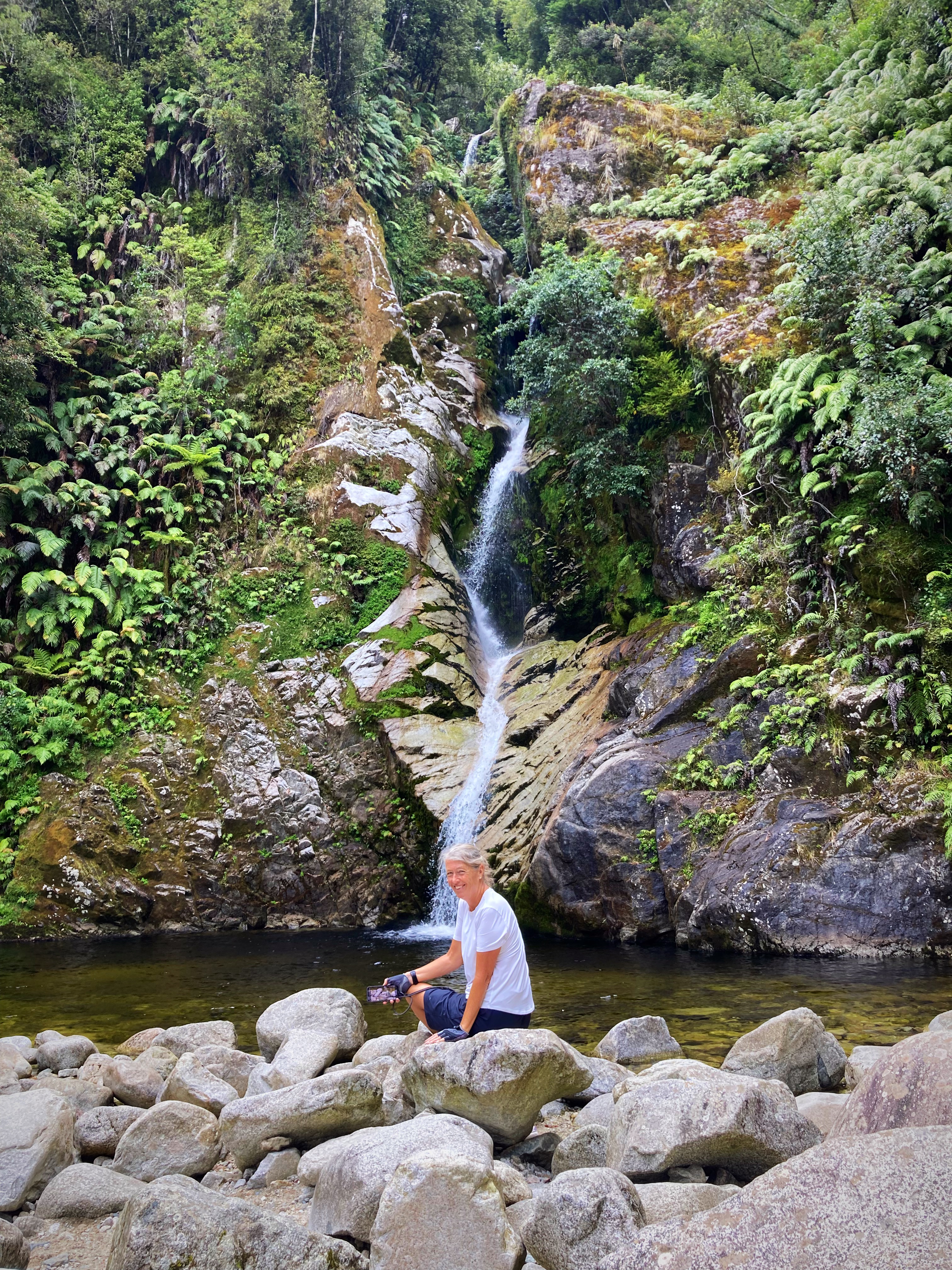
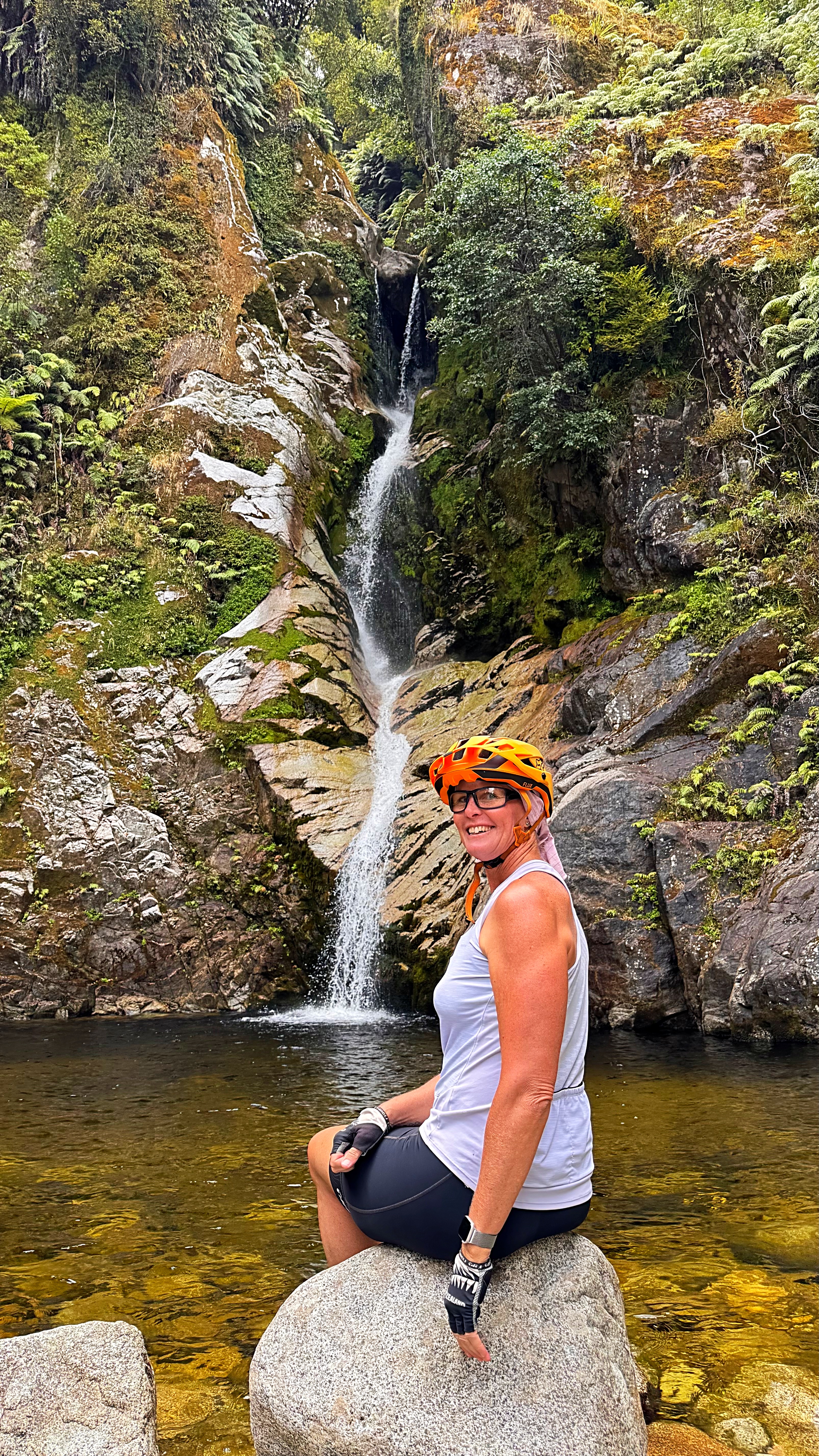
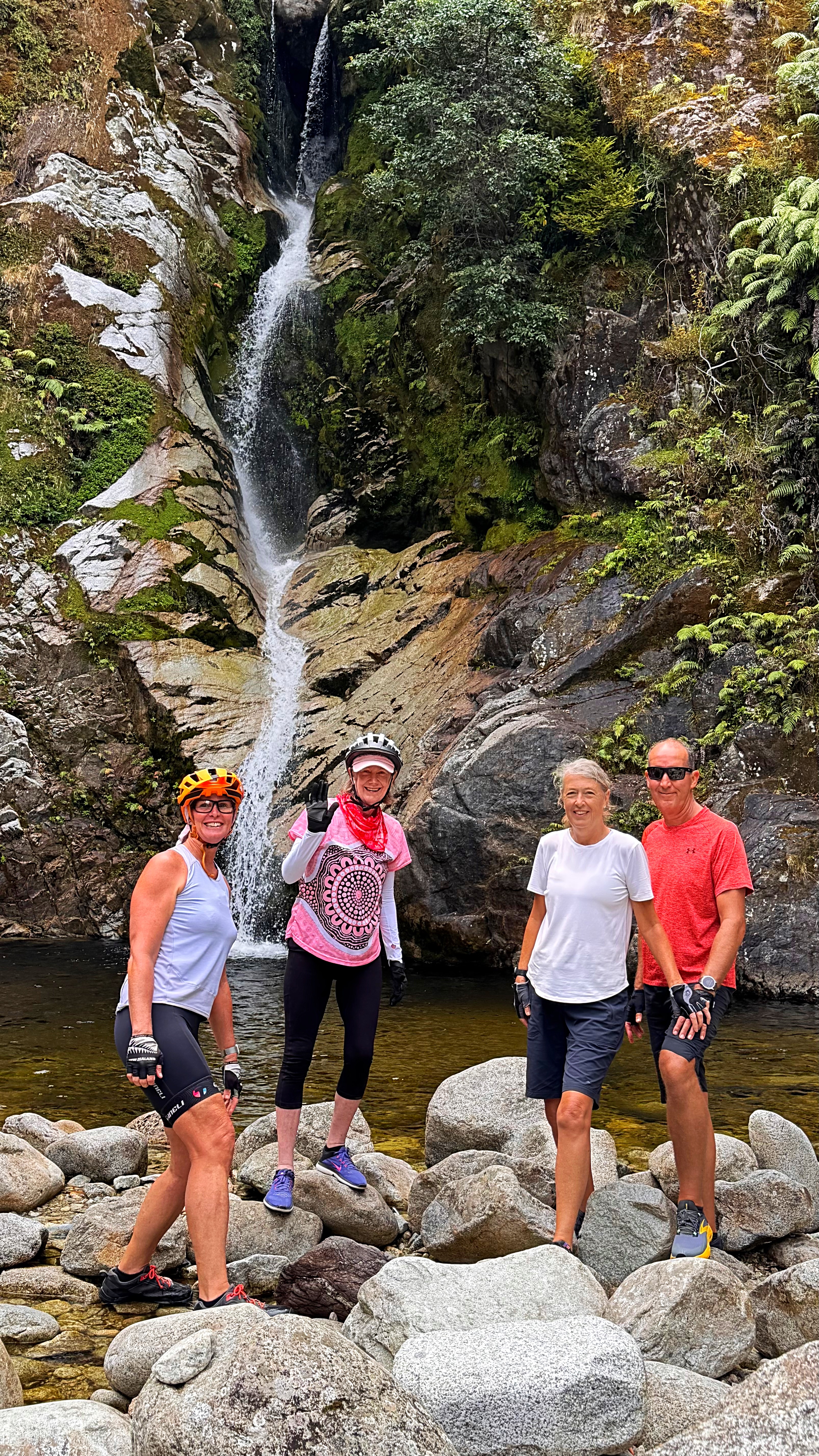
We then followed the lake up and stopped at Dorothy Falls before carrying on down to Kokatahi where we had lunch. The publican happened to be outside and opened specially for us (normal opening time 4pm). In exchange for buying a beverage or two we could enjoy our picnic lunch on his deck.
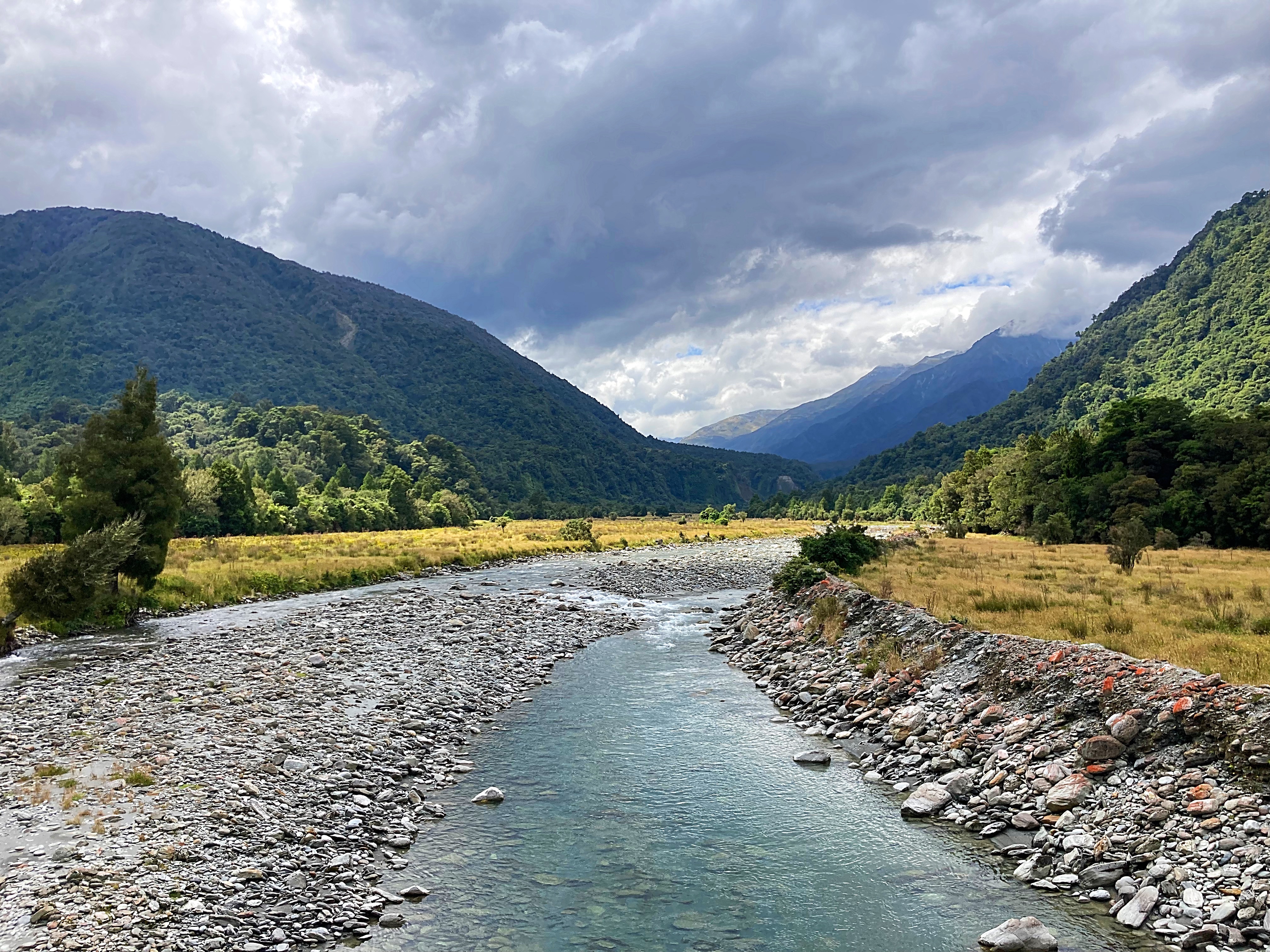
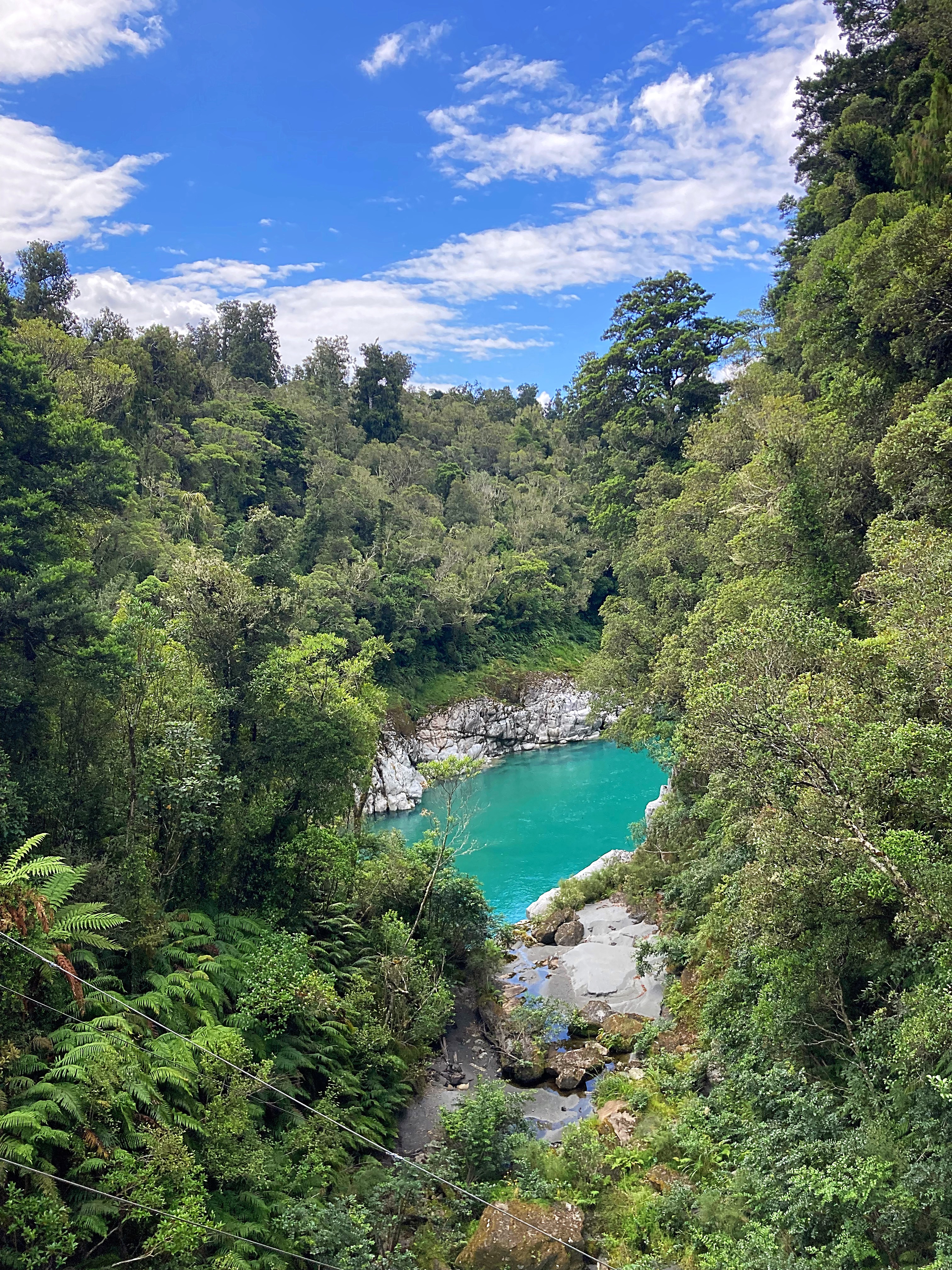
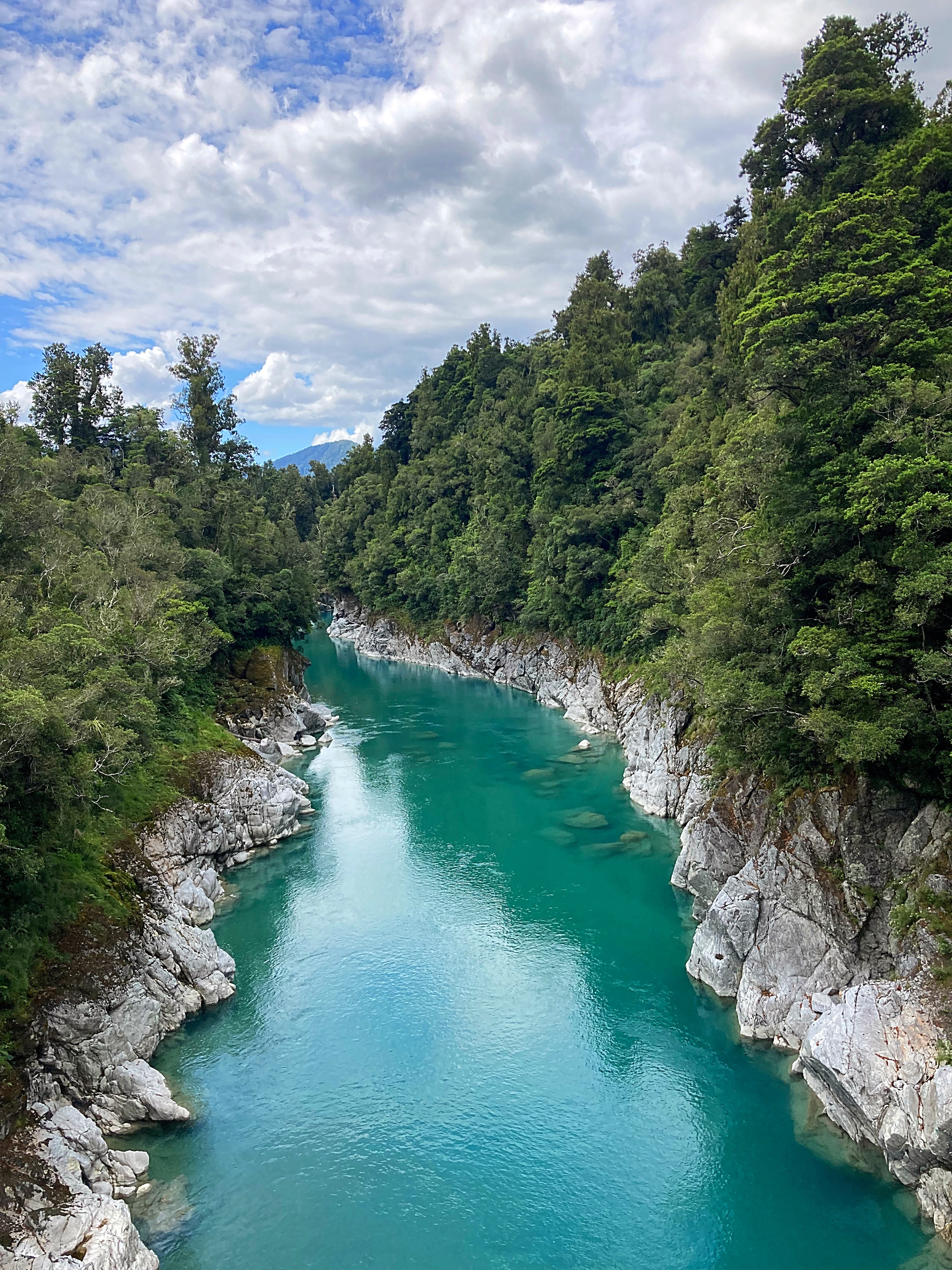
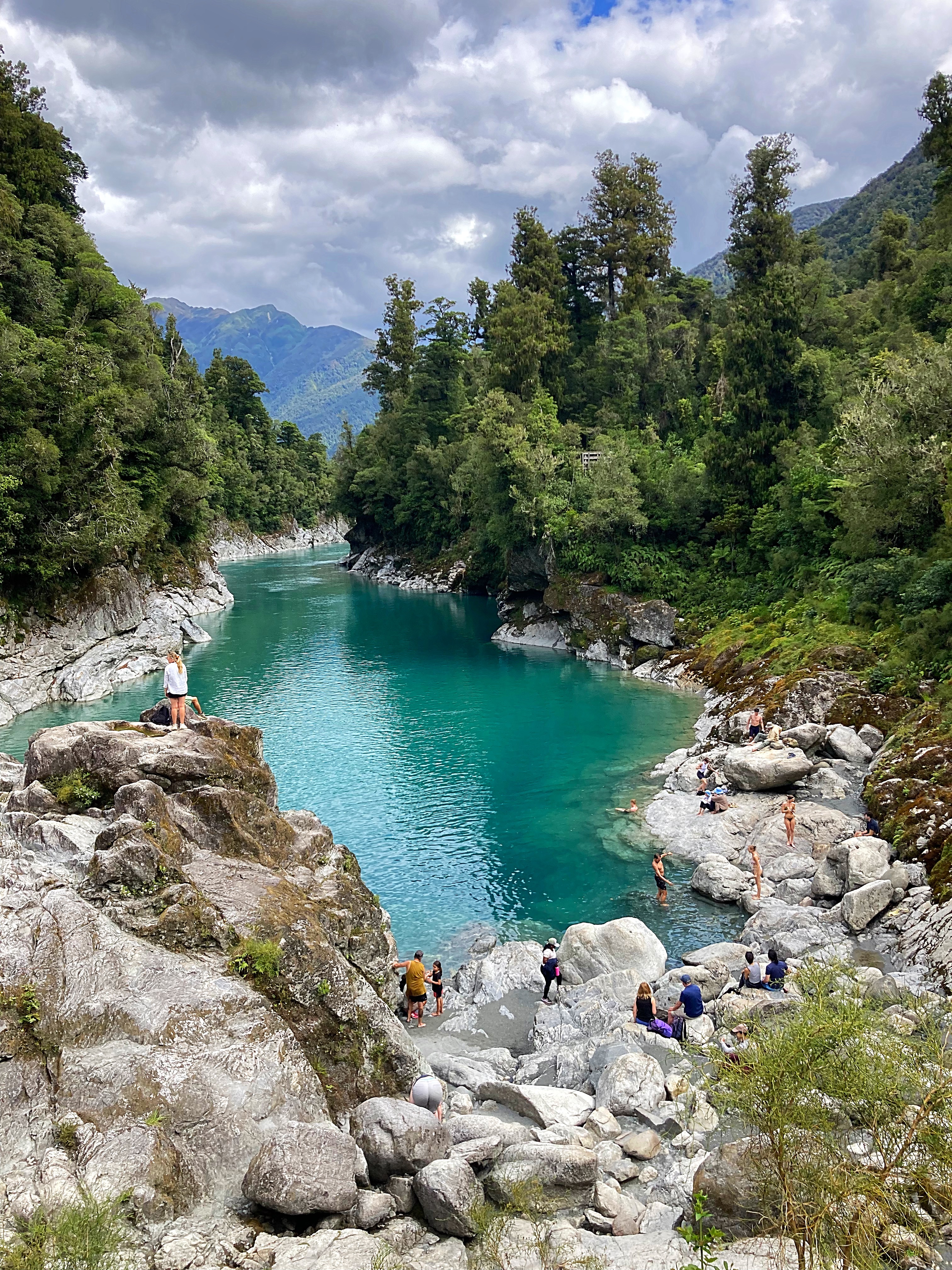
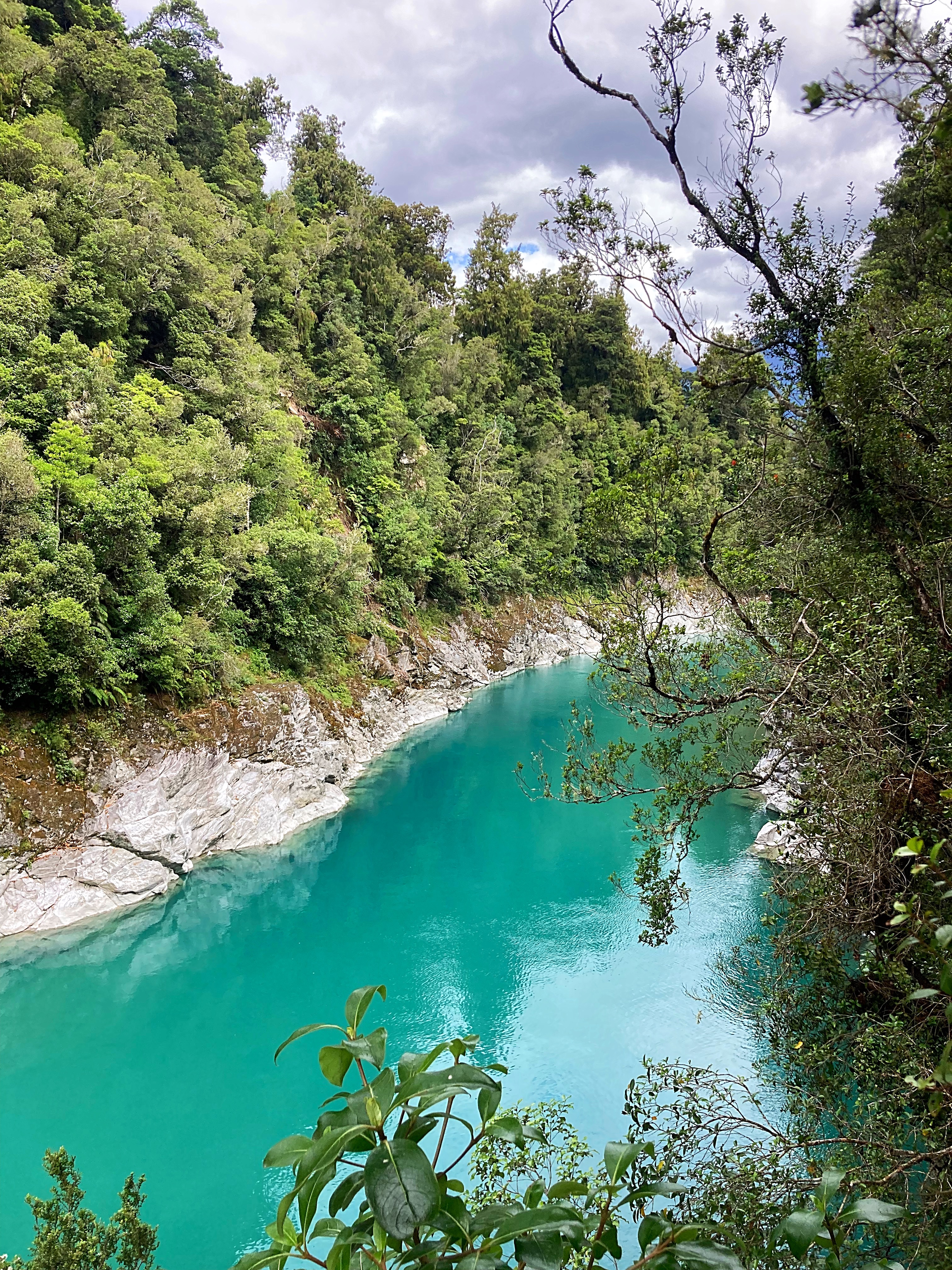
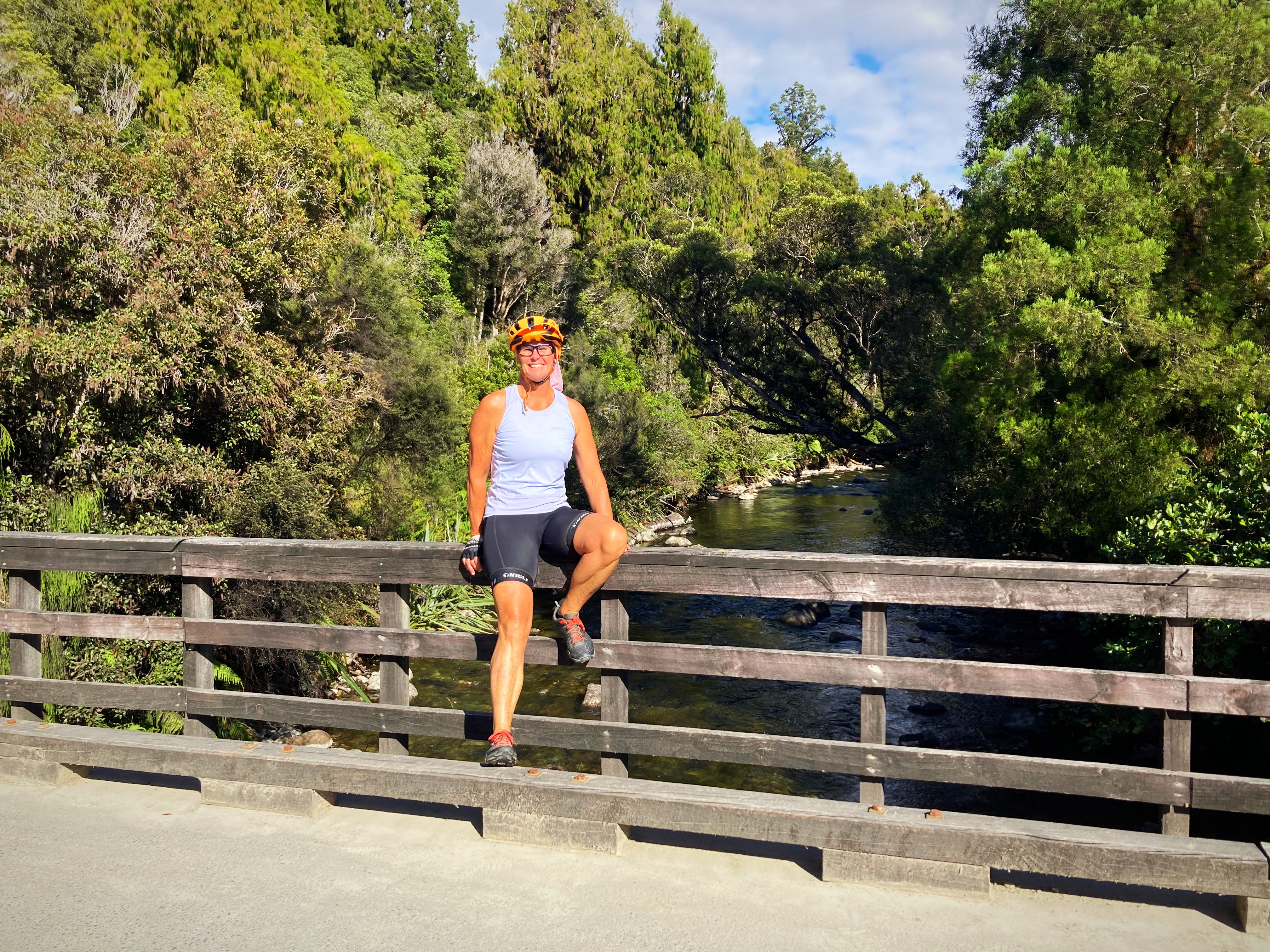
The bikes were then loaded up and we drove up the Hokitika Gorge where we did a walk to see the brilliant turquoise water fringed with stark white limestone cliffs and lush green rainforest.
Ice, water, rock and age-old natural forces helped create the visual beauty of the Hokitika Gorge. Glaciers ground the fine rock sediment that adds the essential element for highlighting the super blue-green water and helped work its way through the white granite bedrock.
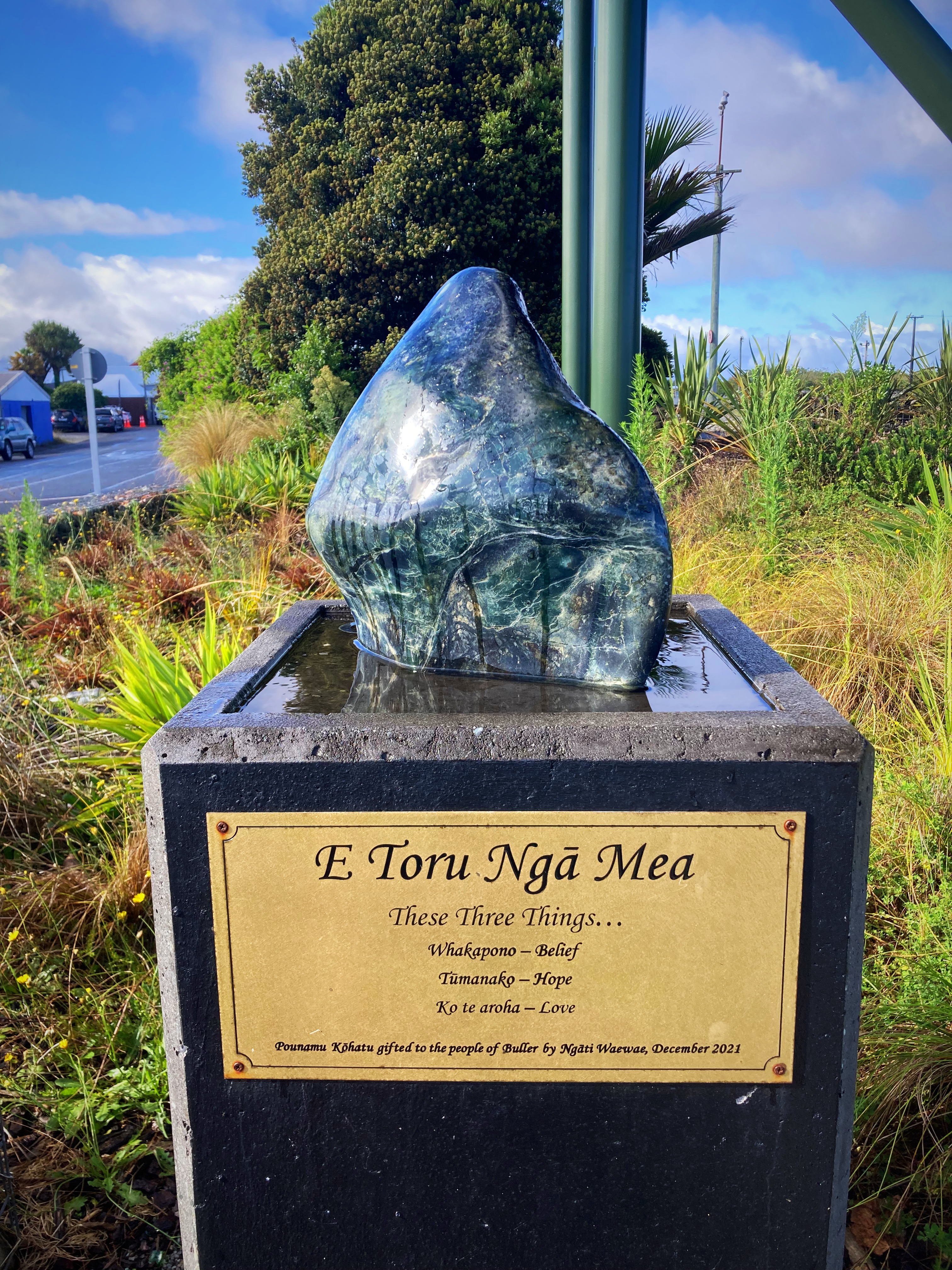
These same glacial waters also carry precious pounamu (New Zealand jade/greenstone) from the mountains down to the sea. It’s one of several river sources around Hokitika making this cool little town the pounamu capital of the world.
I couldn’t resist another swim so took a dip in the Hokitika Gorge – refreshingly cool.
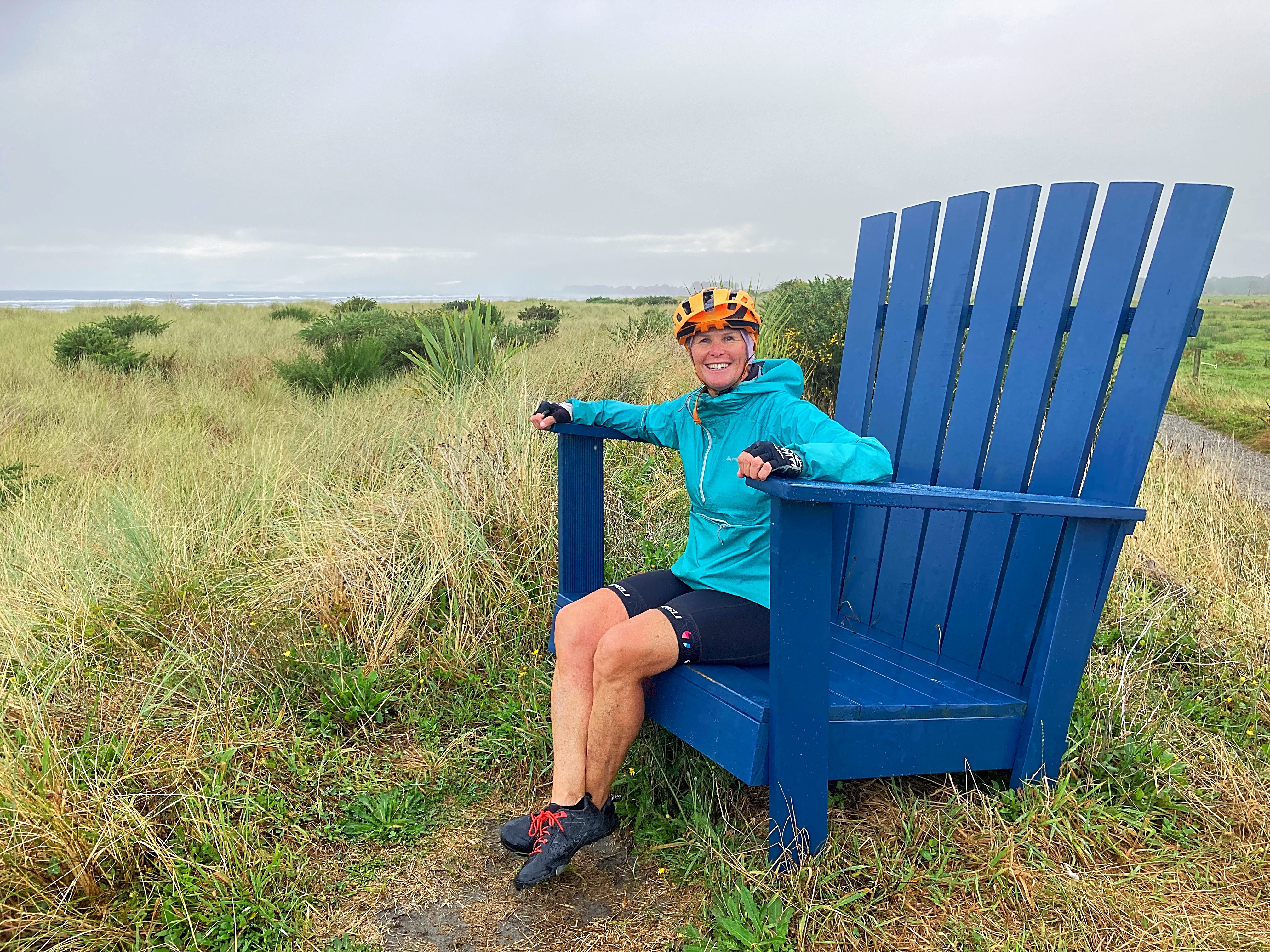
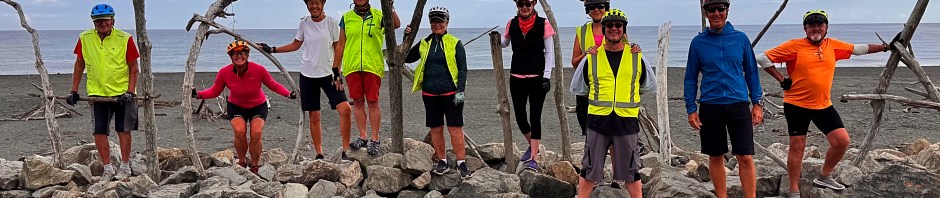
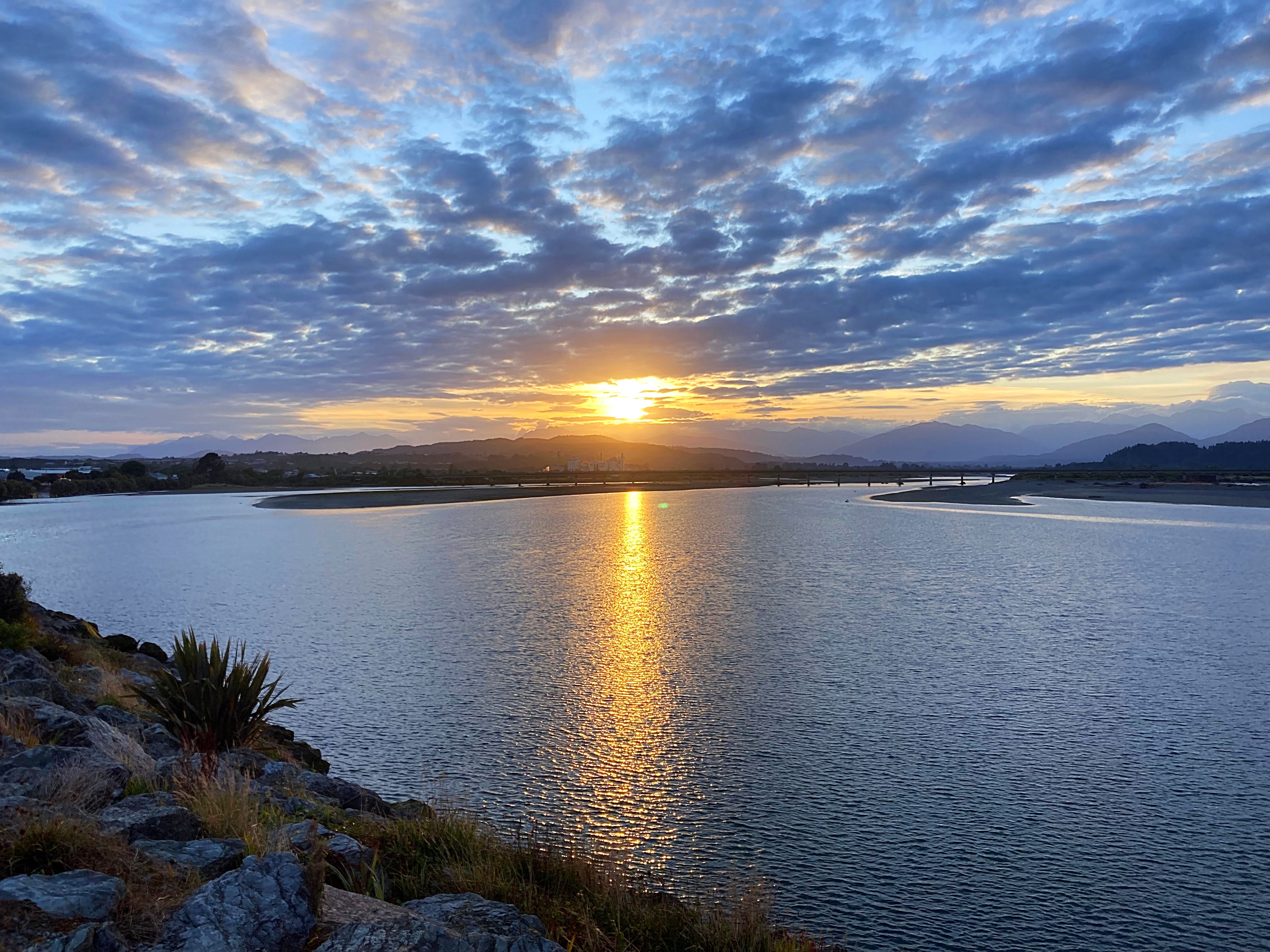
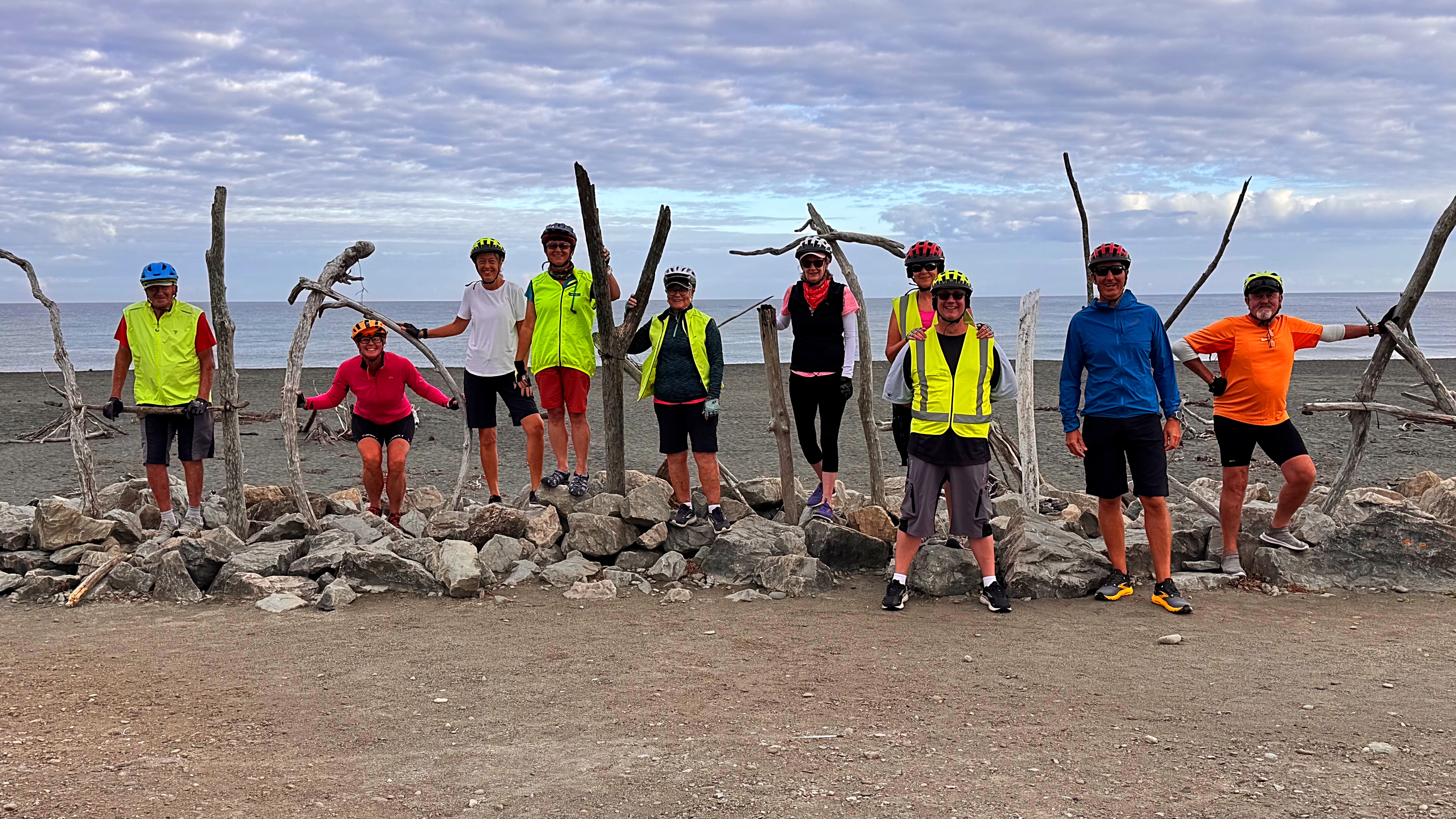
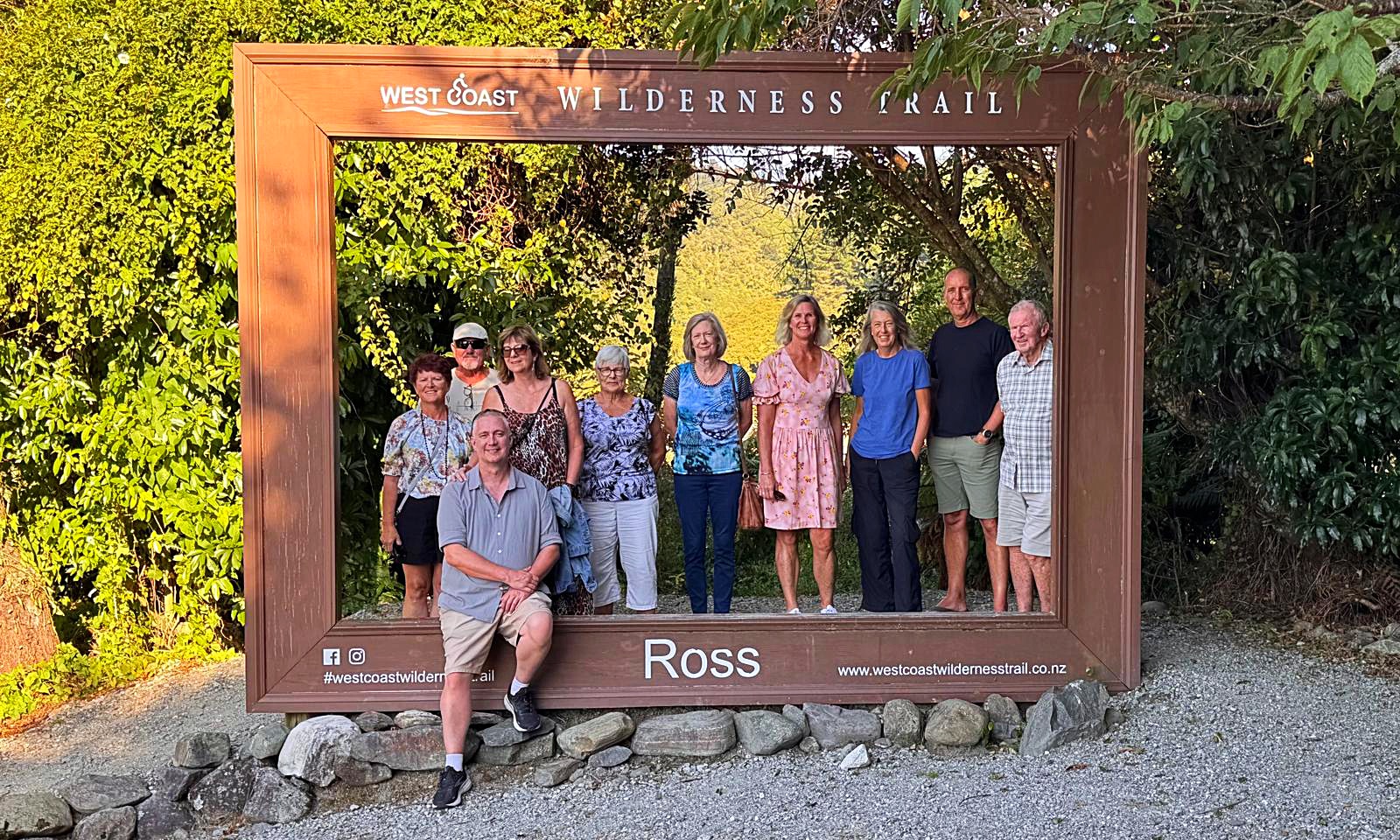
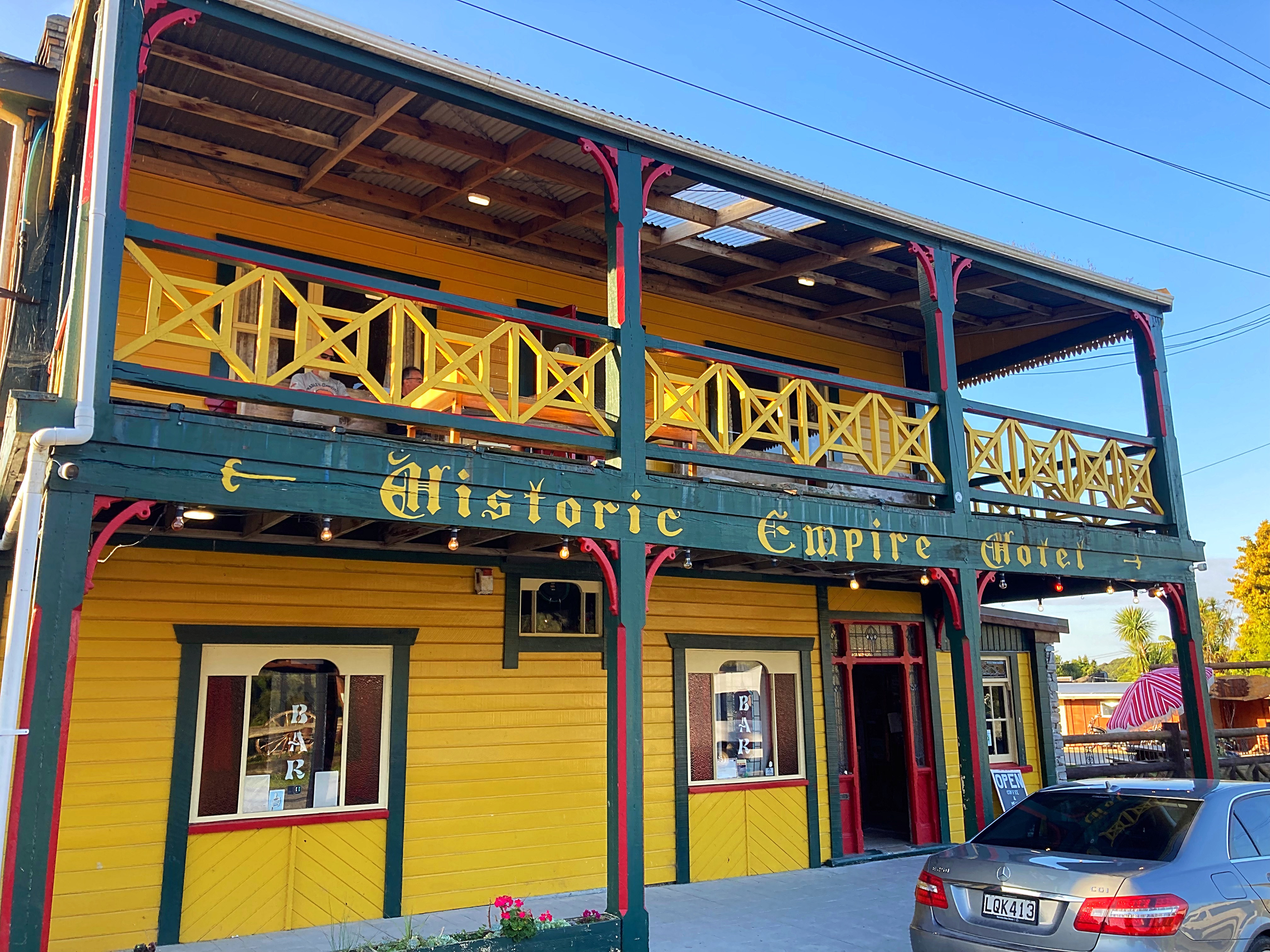
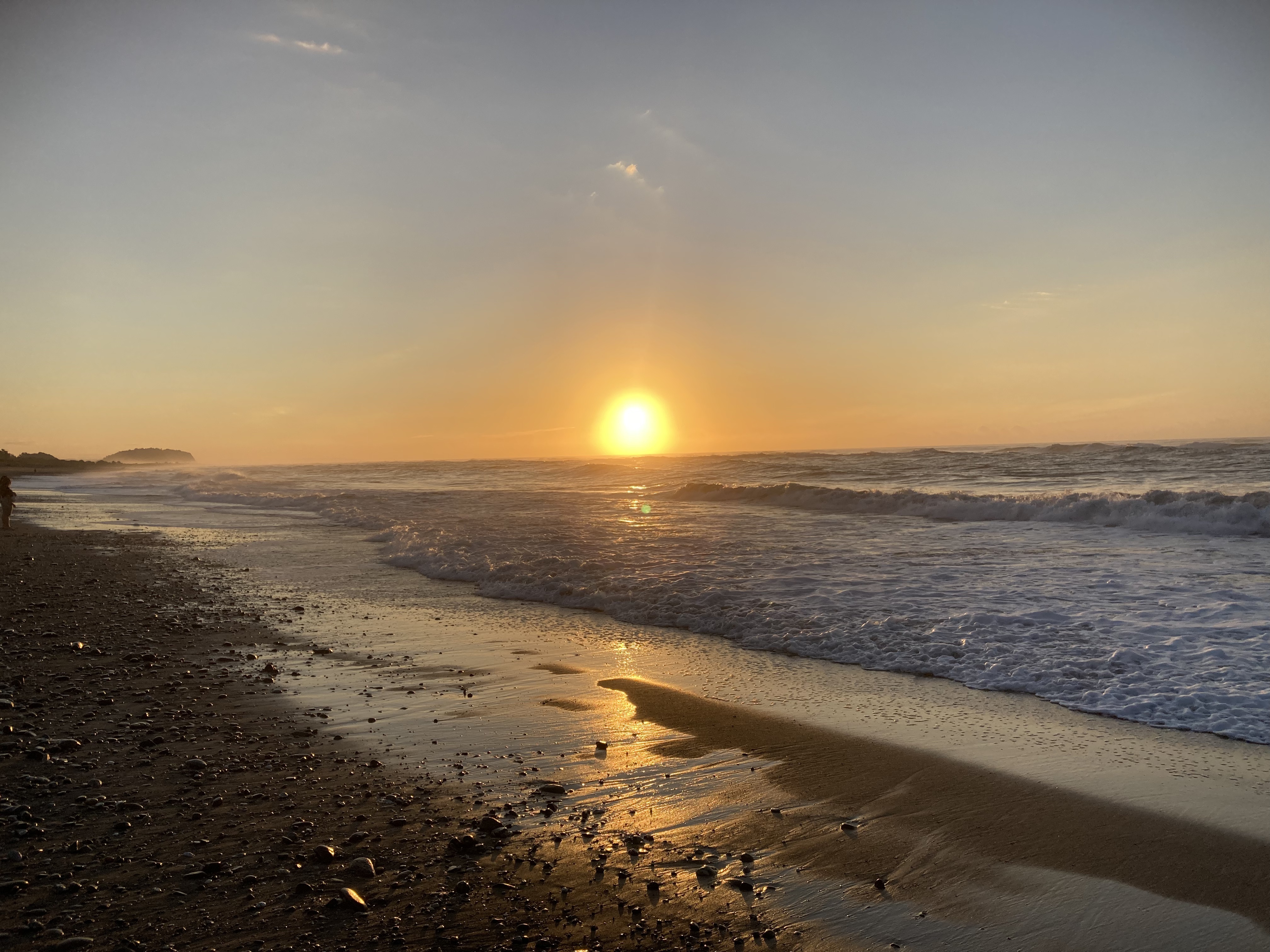
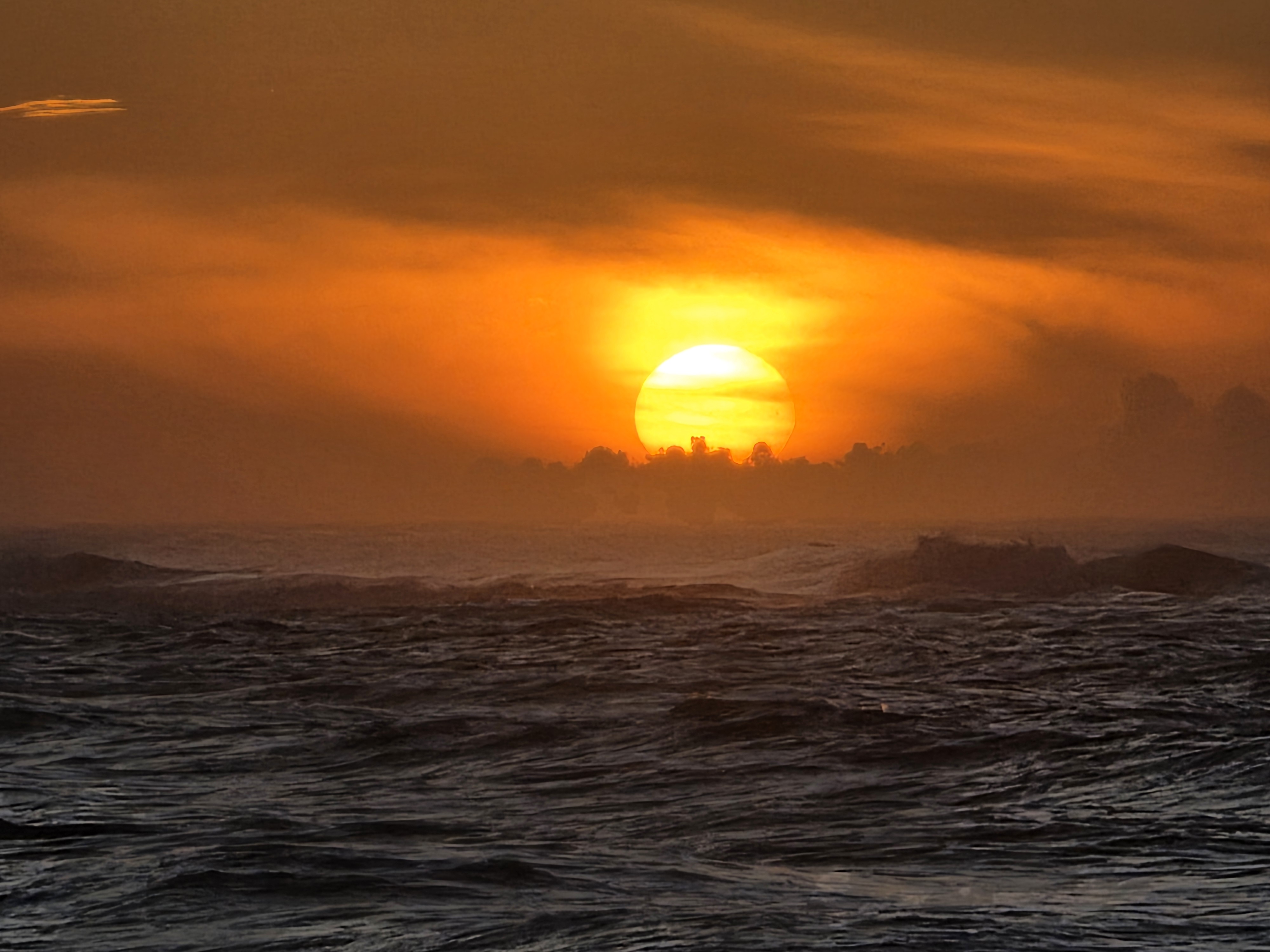
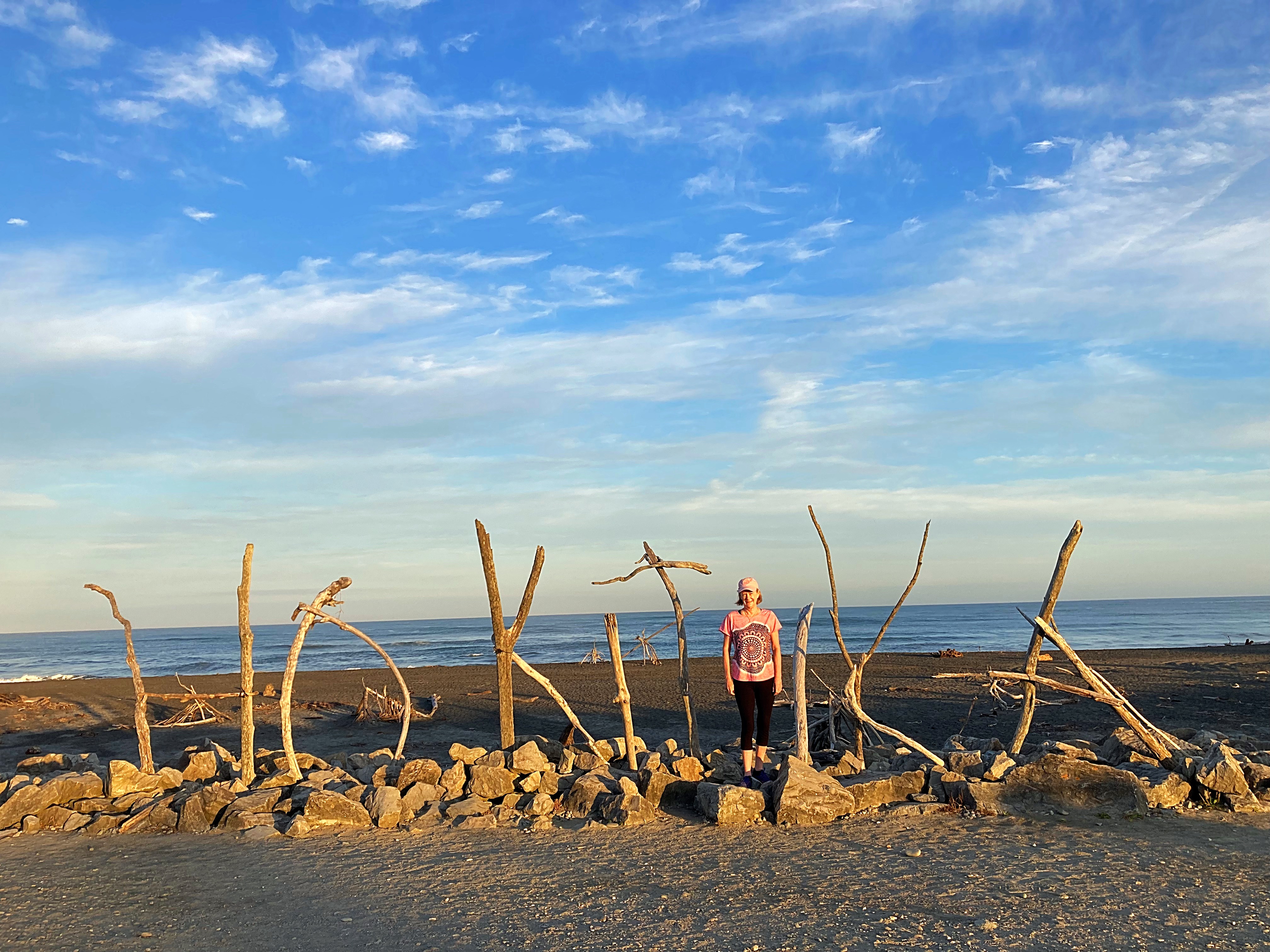
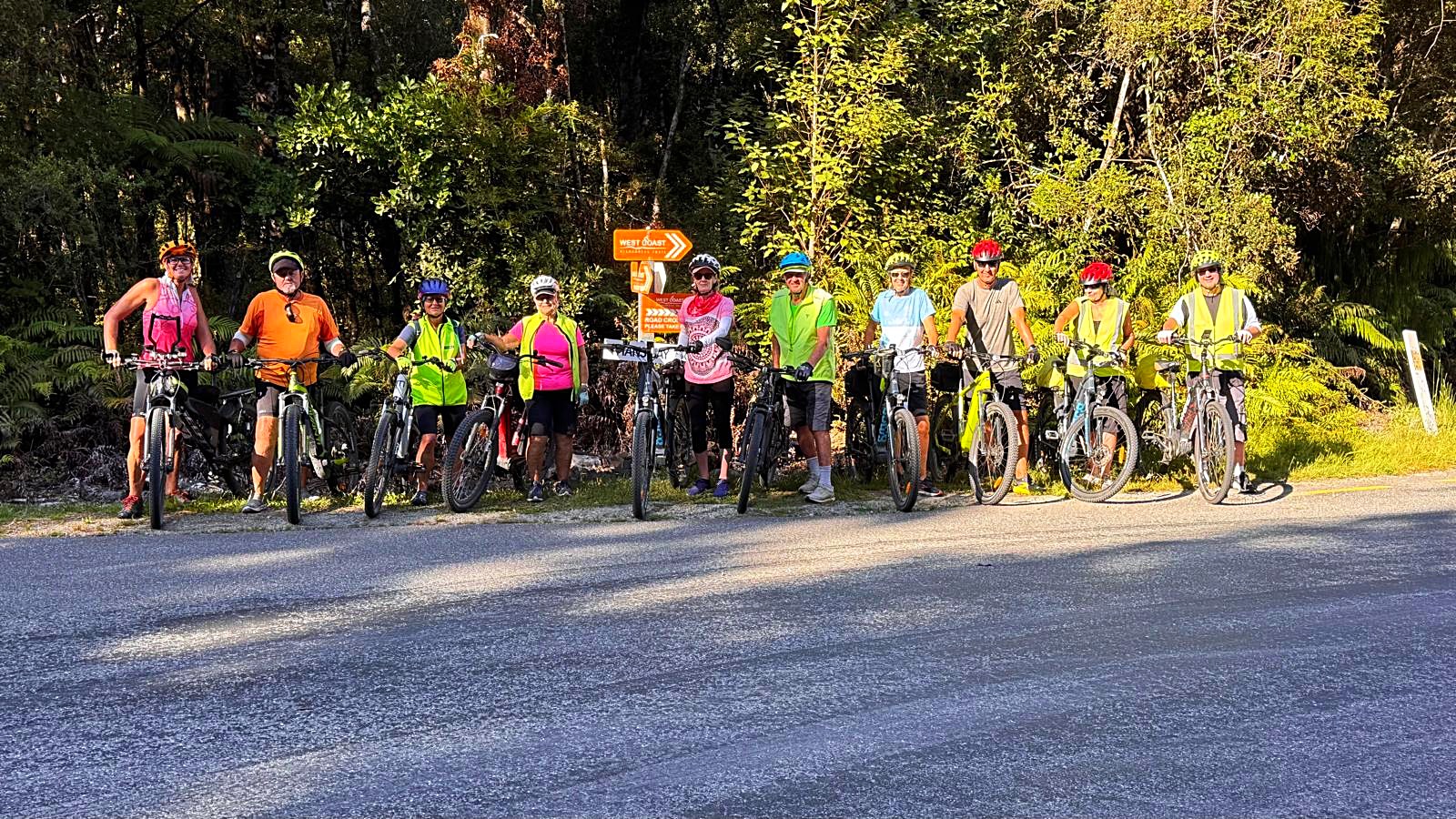
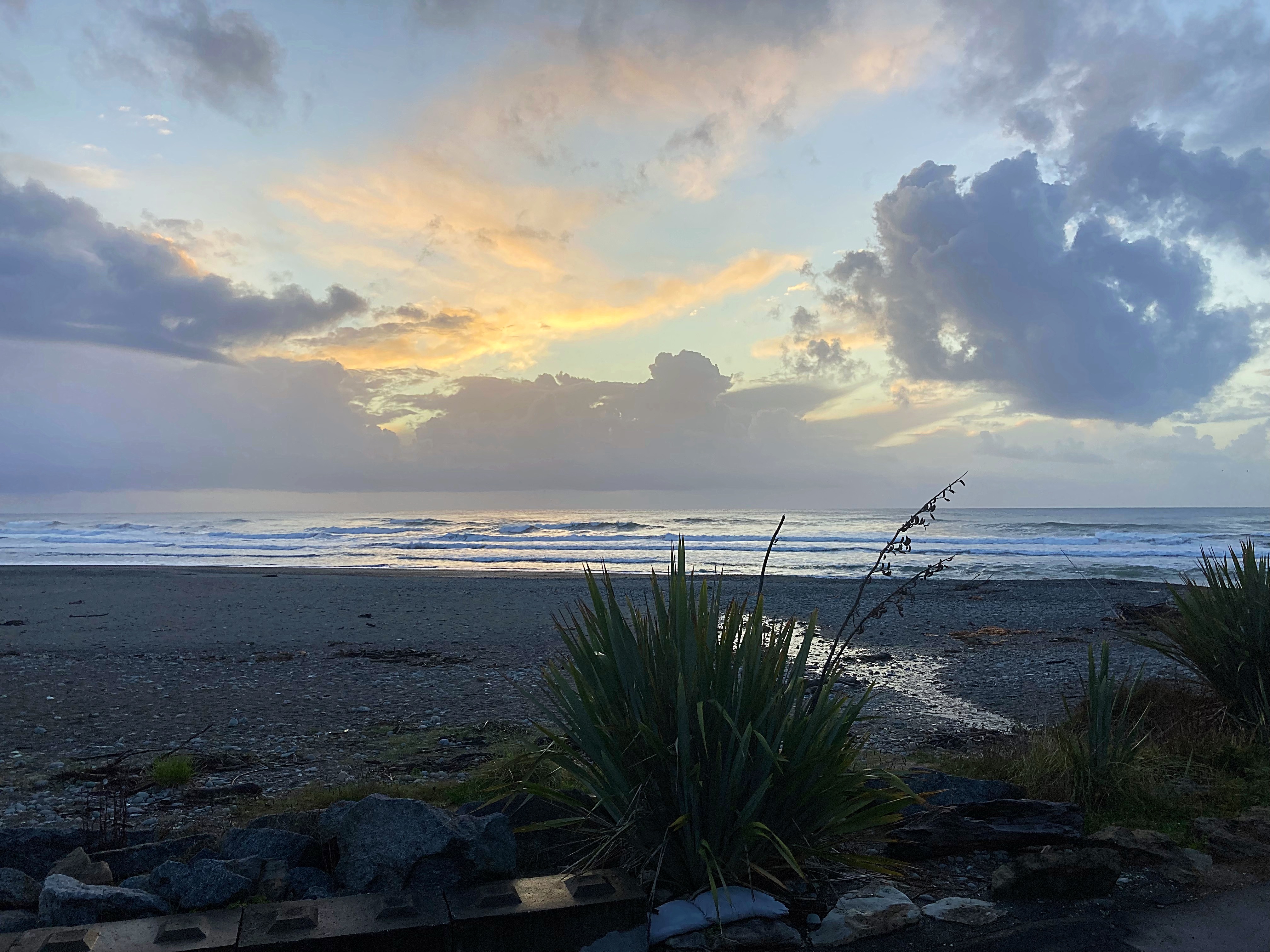
We finished the day with a lovely Sunday roast at The Empire Hotel in Ross before heading down to Ross Beach to watch the sun set. We also took a group photo at the official start of the West Coast Wilderness Trail.
How lucky are we 
West Coast Wilderness – Day 3 – 51km
We left Hokitika by van and returned to a spot near Lake Kaniere to start our ride to the Arahura River.
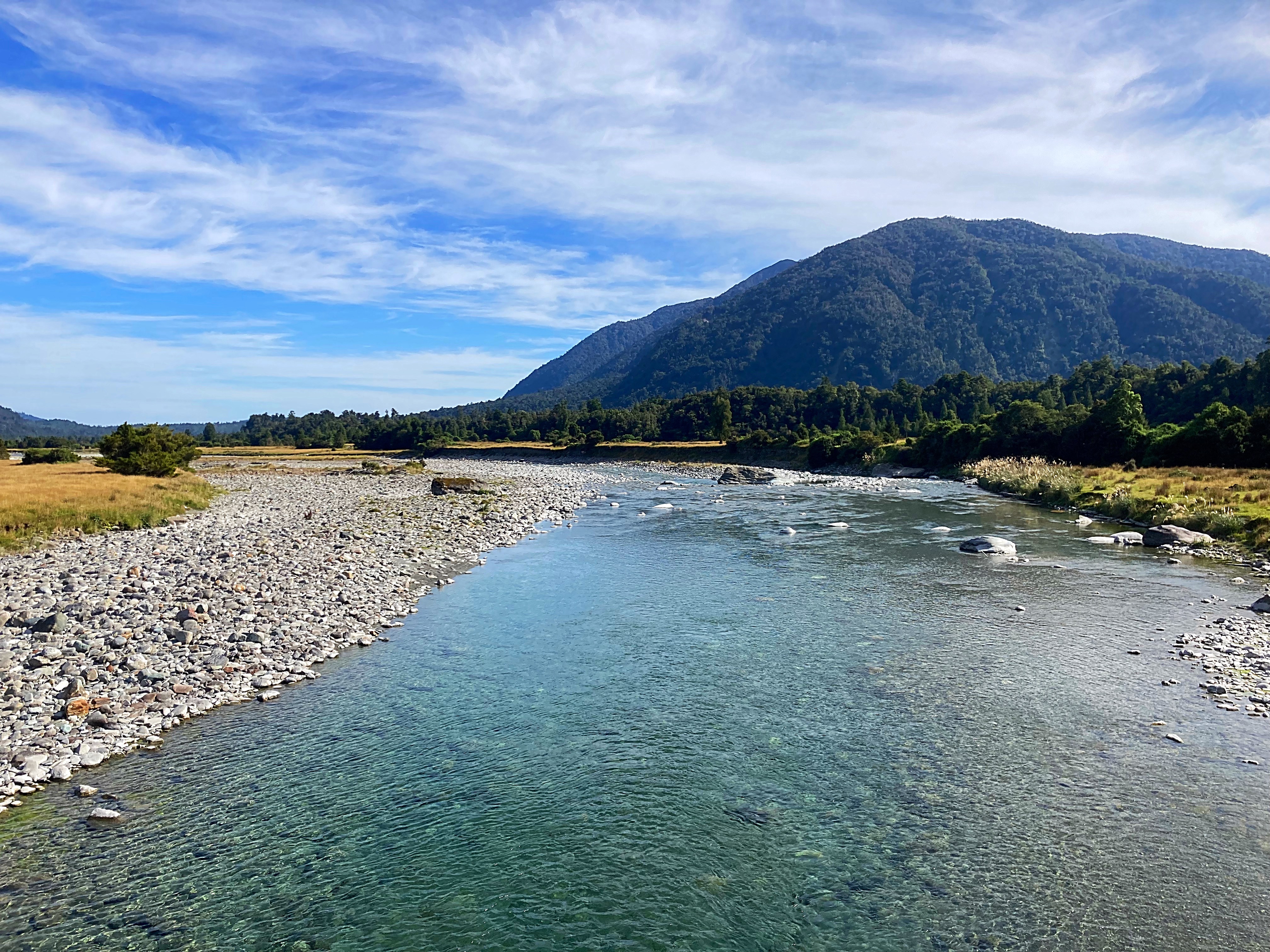
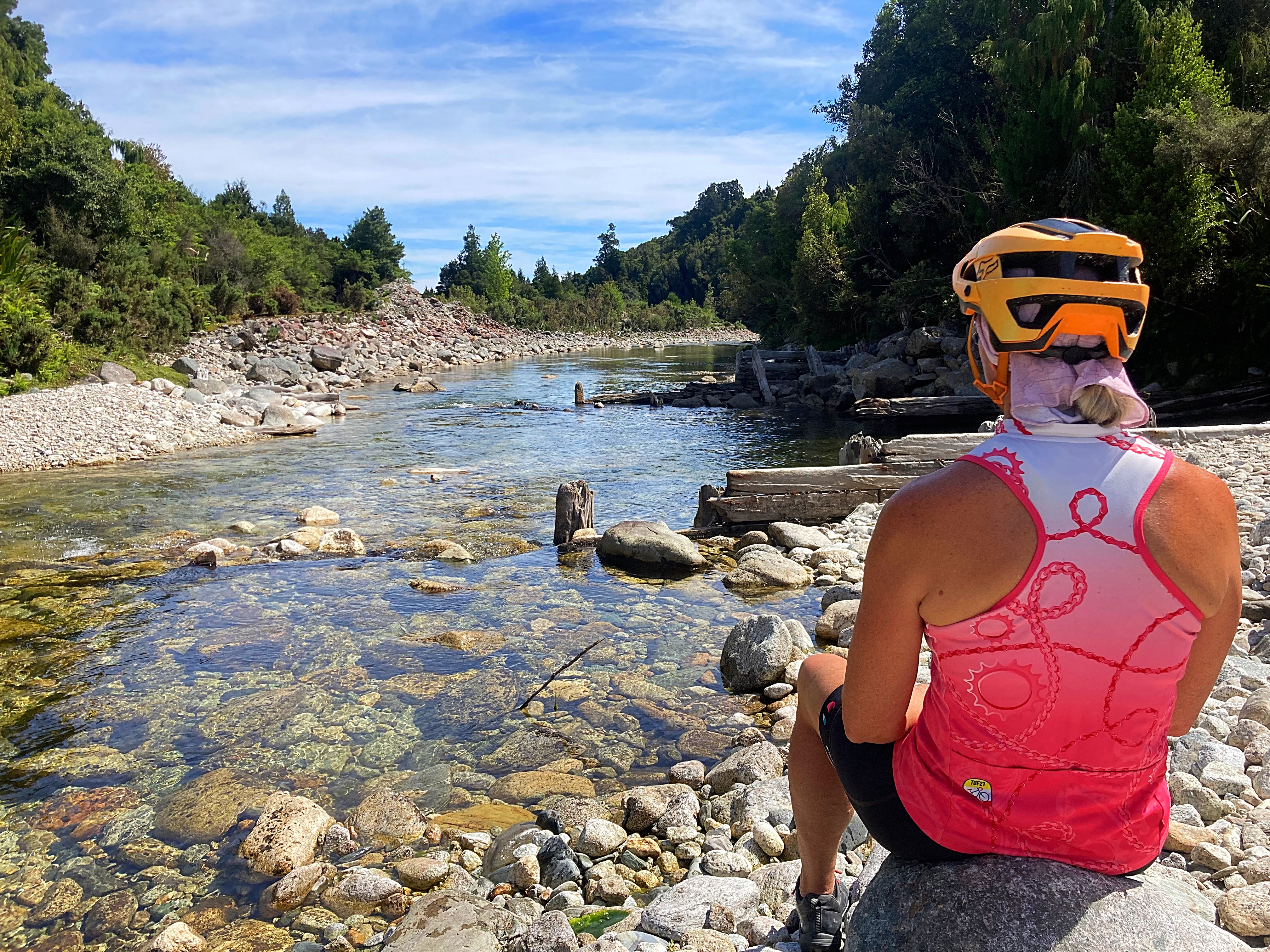
The Arahura River is known as the Ponamu River as it is a major source of pounamu (jade or greenstone), a taonga (treasure) for Mãori. There is a Maori myth about how this came to be and the South Island of New Zealand is known as Te Wai Pounamu, the waters of Pounamu.
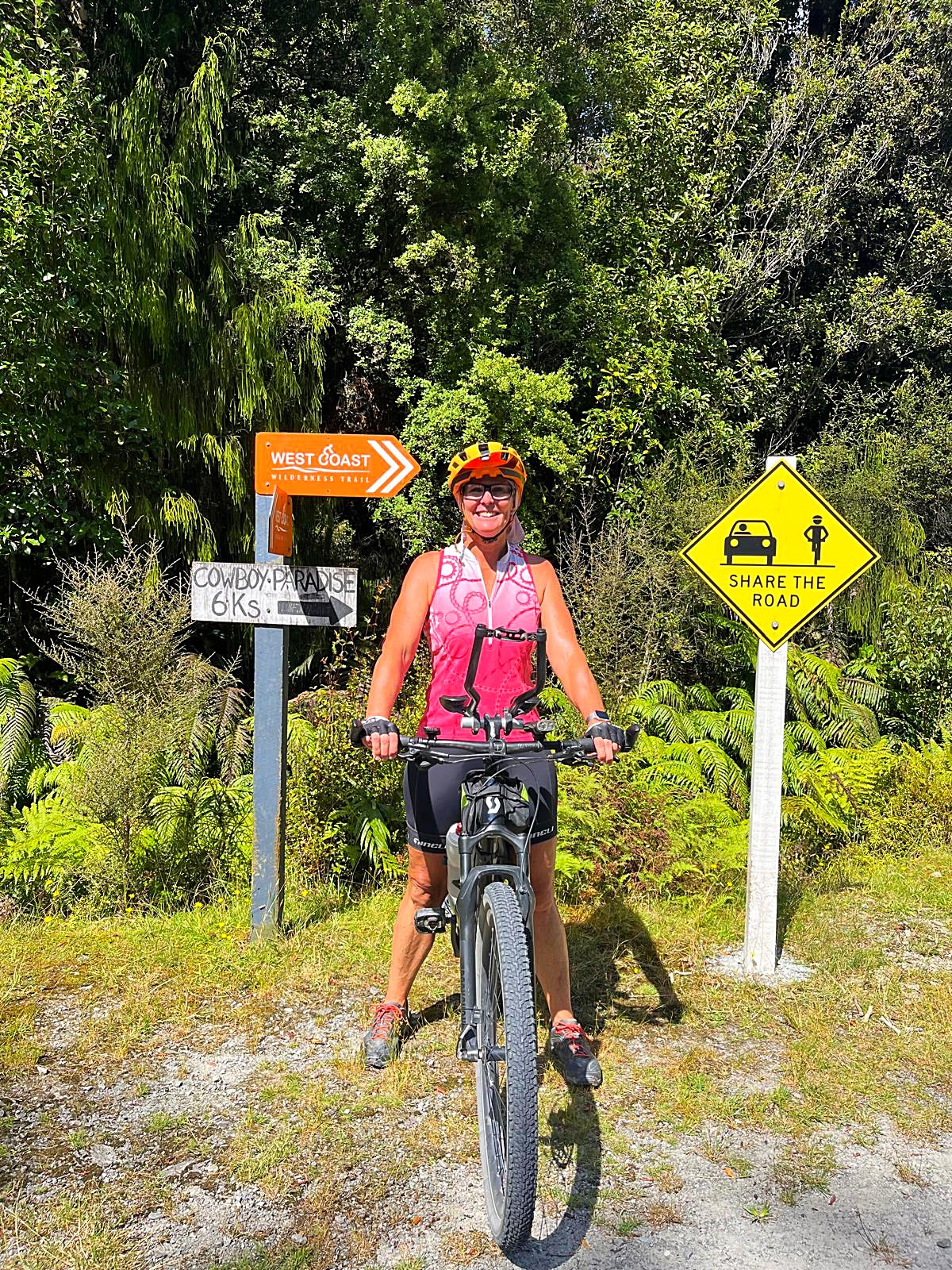
From here we climbed up to Cowboys Paradise which is a replica of a Wild West town. It is currently closed due to its owner’s participation in a number of illegal operations 
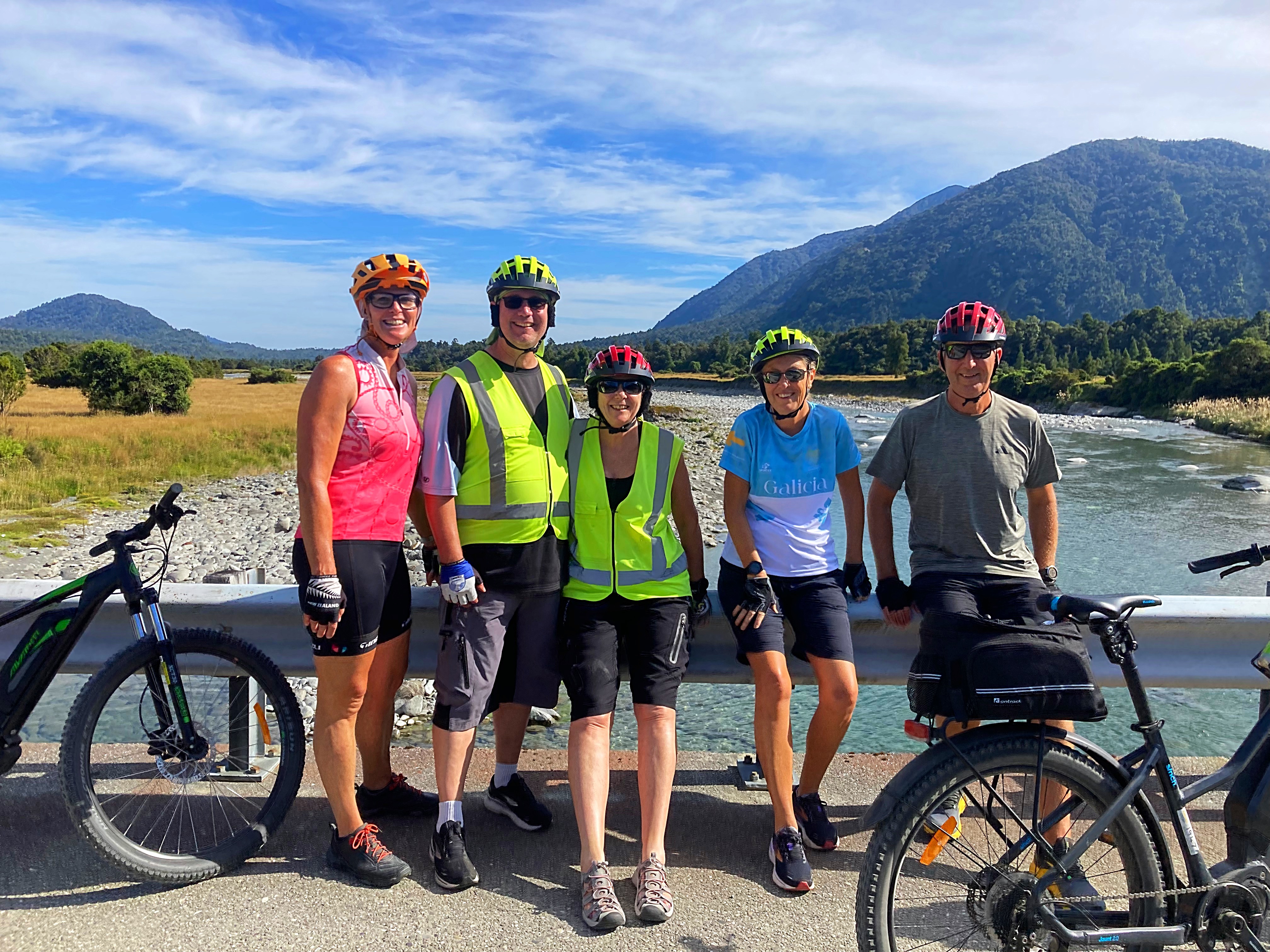
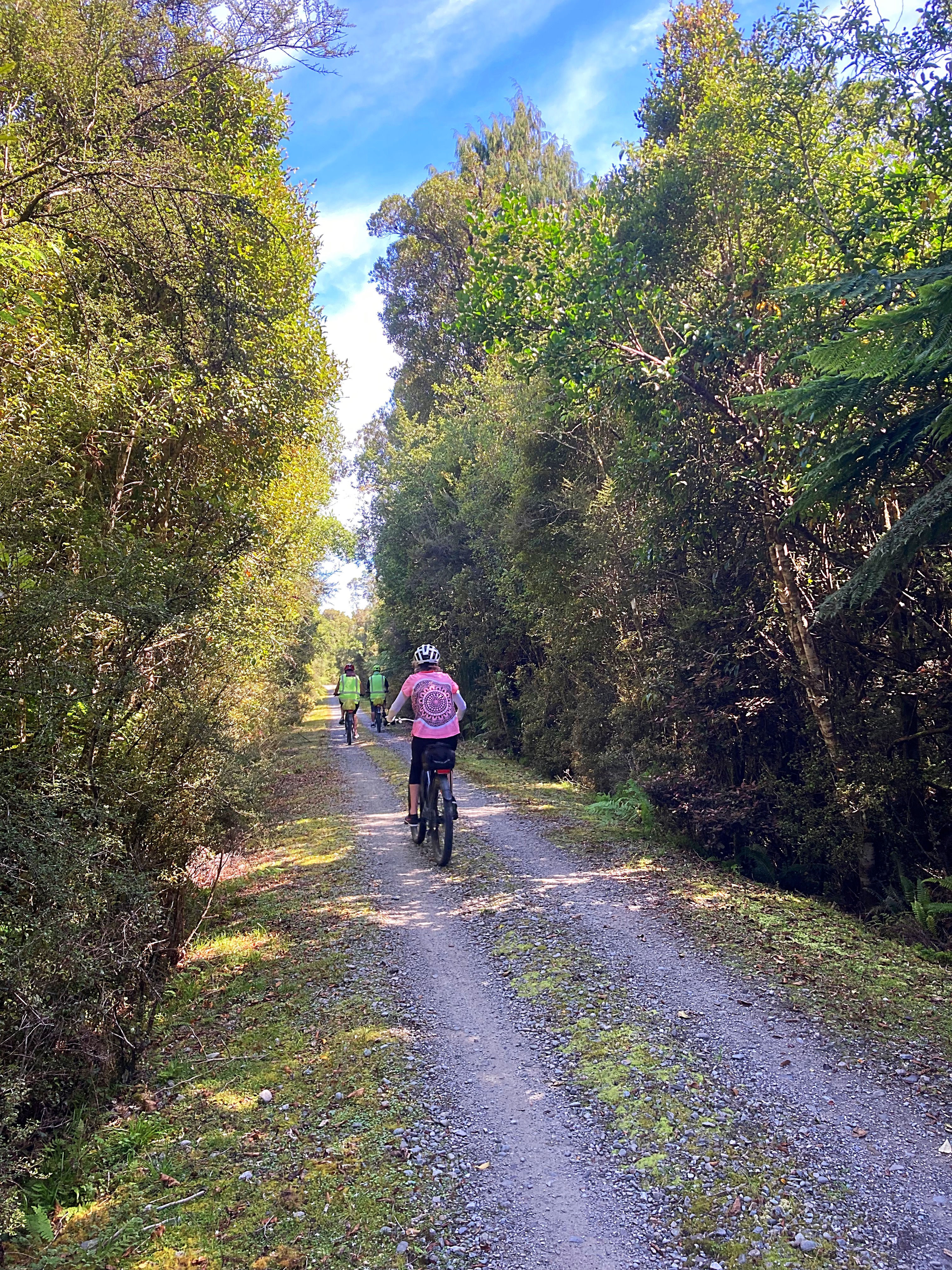
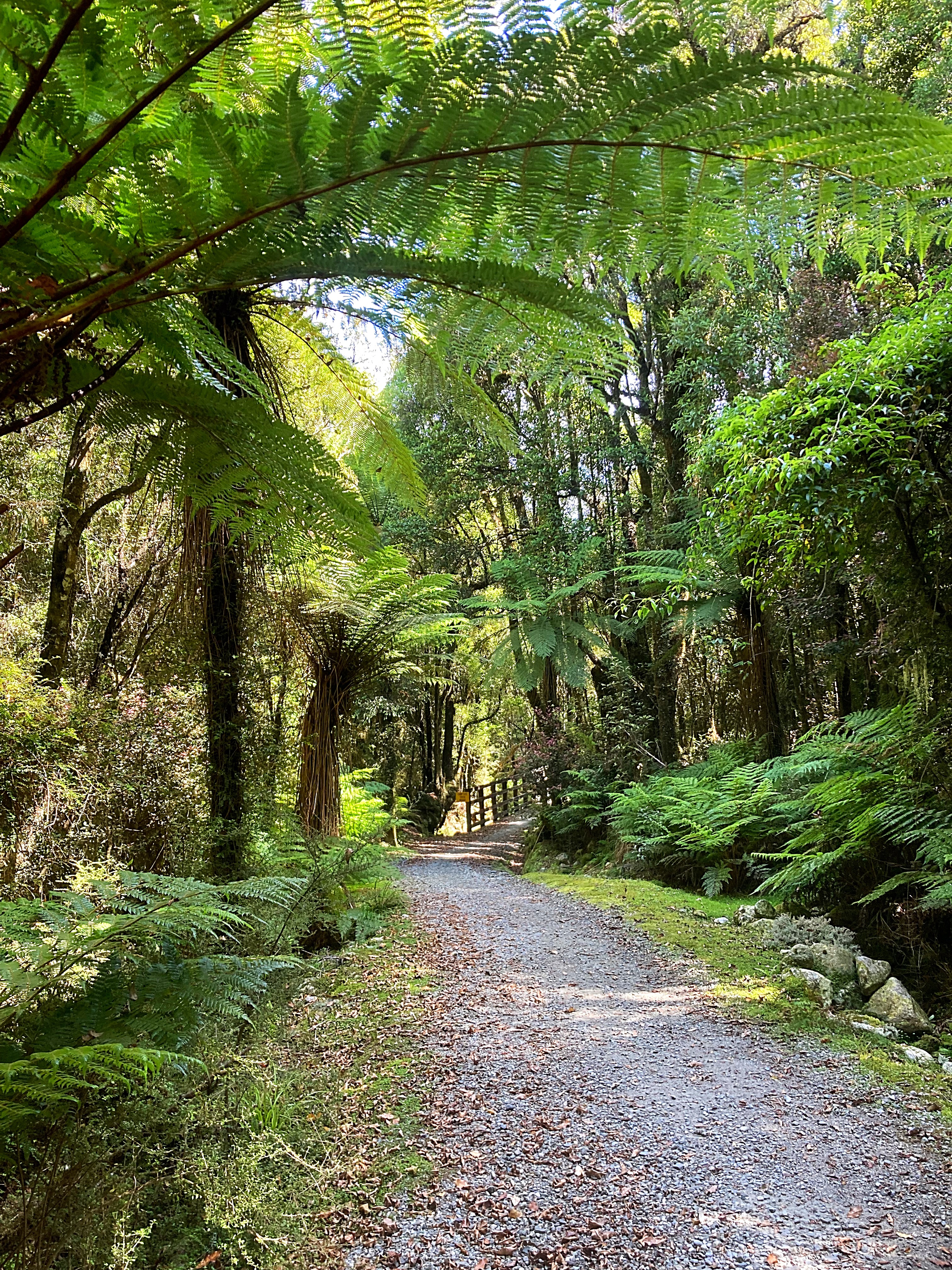
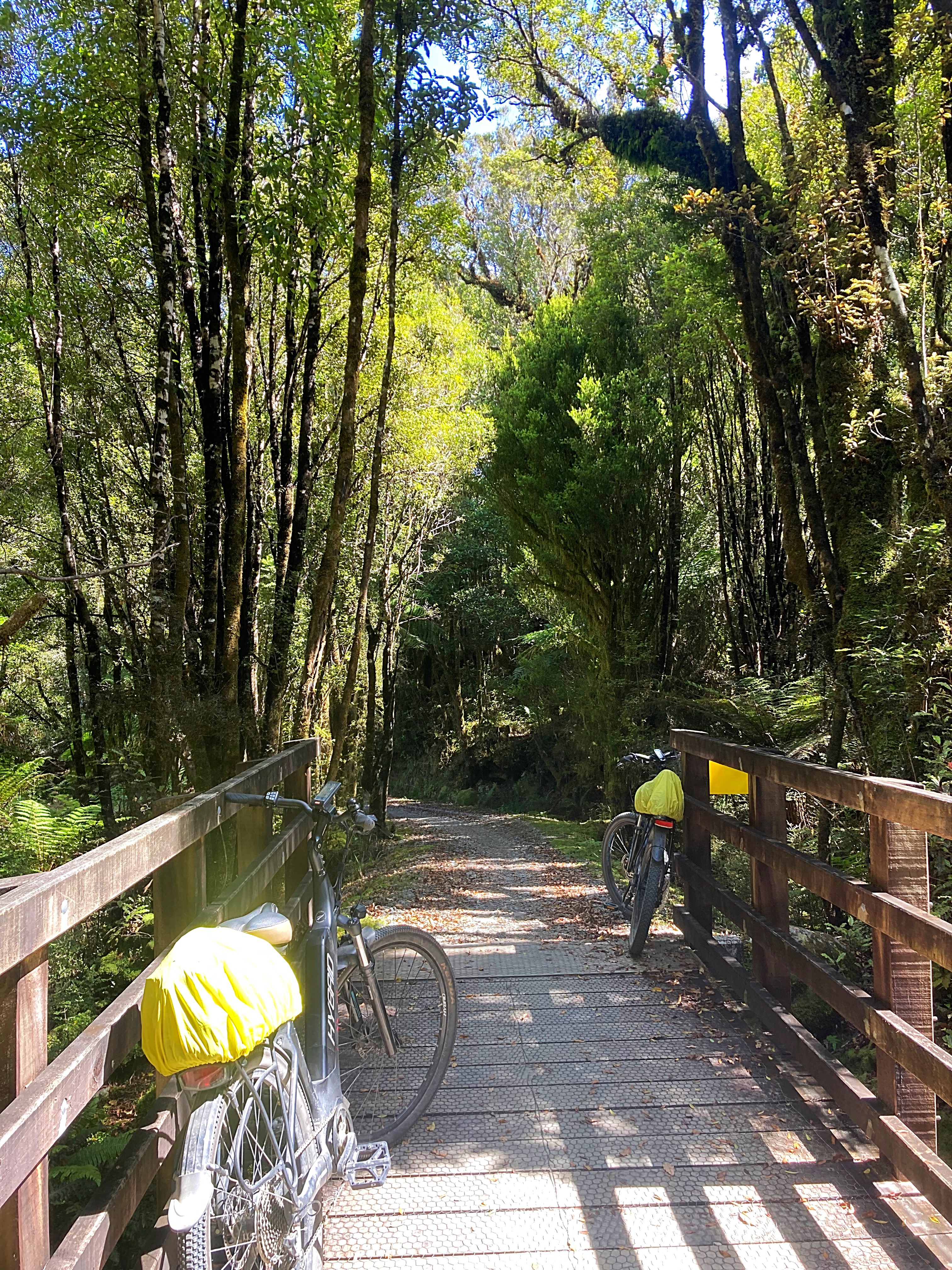
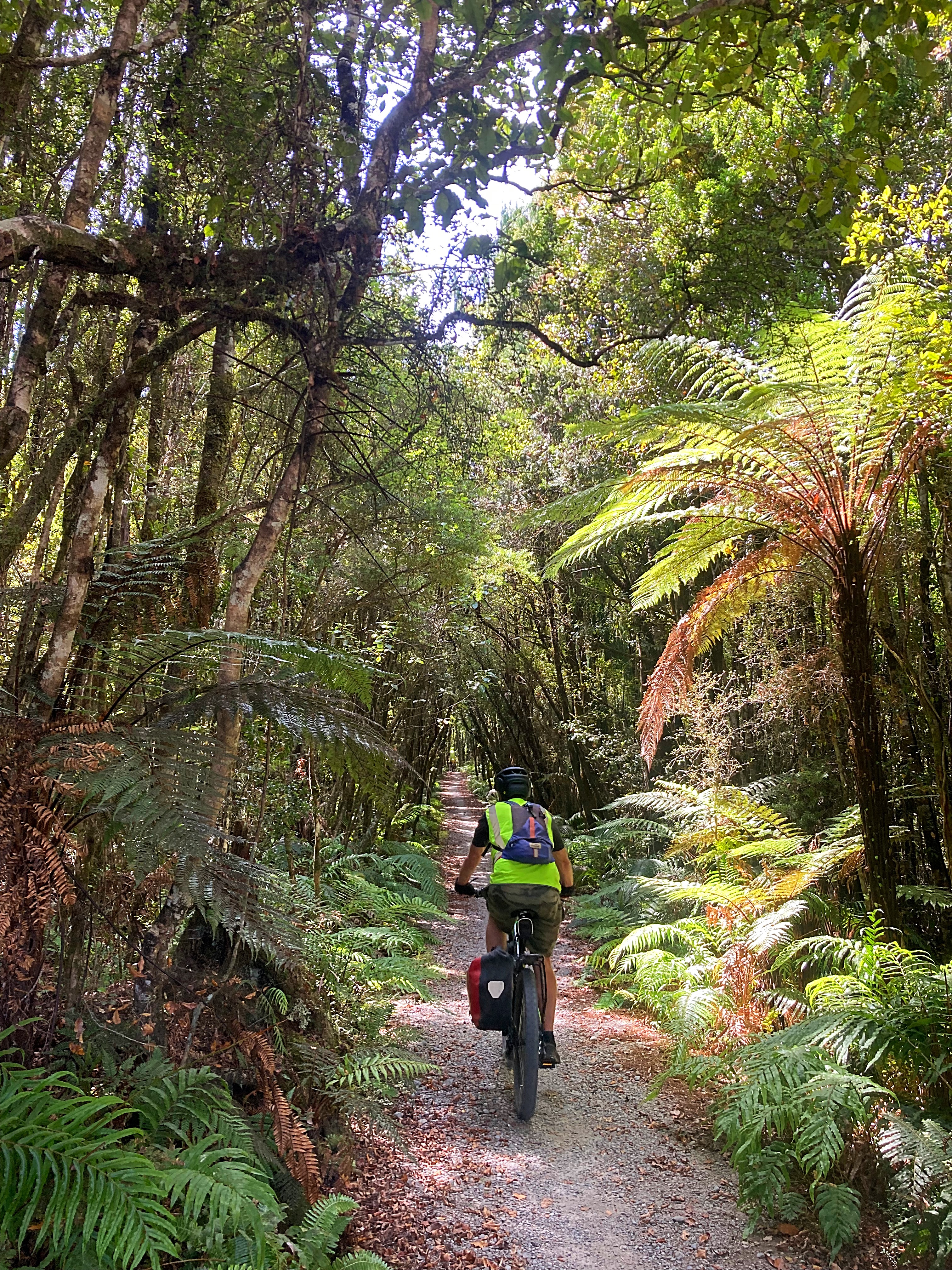
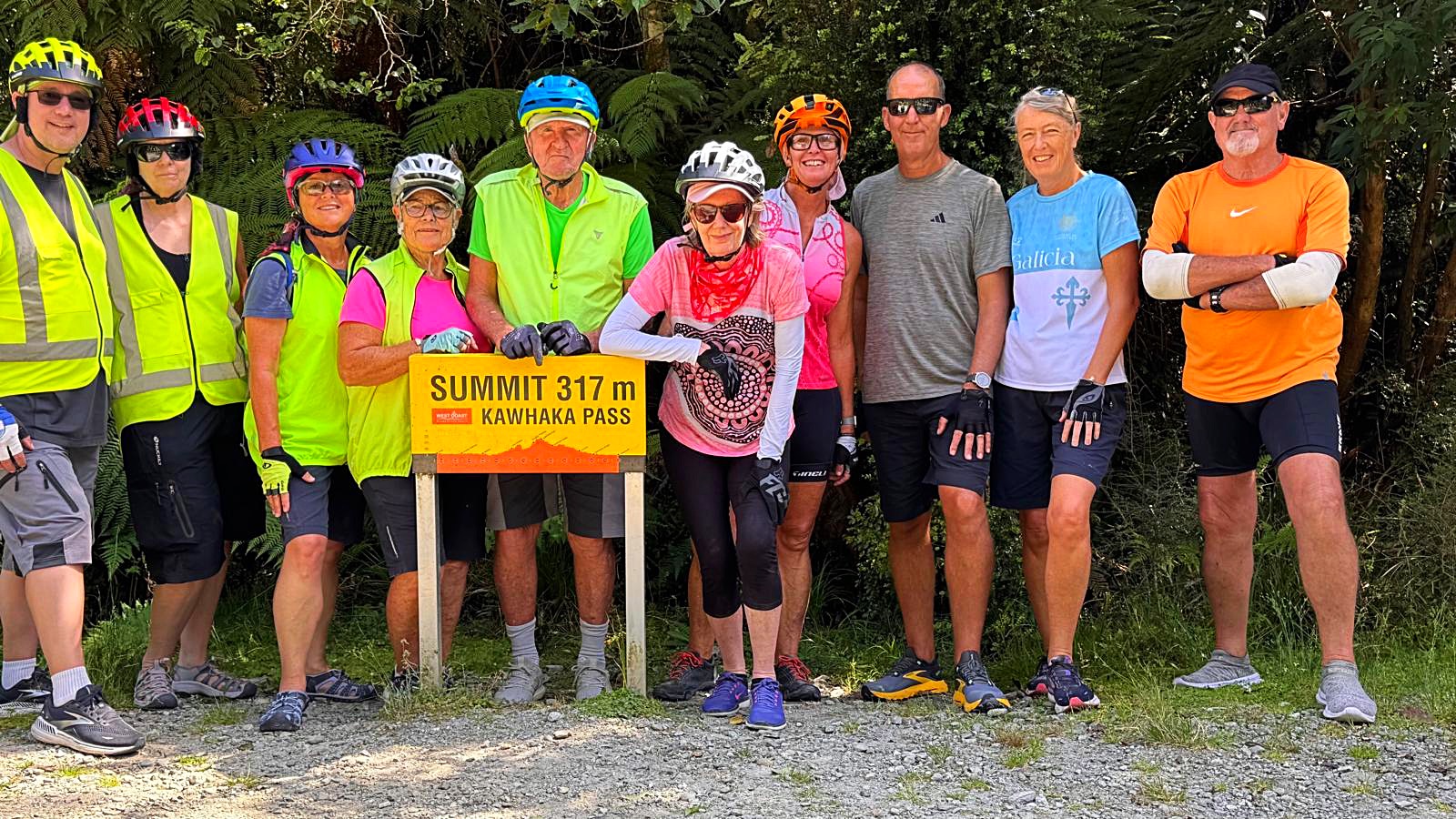
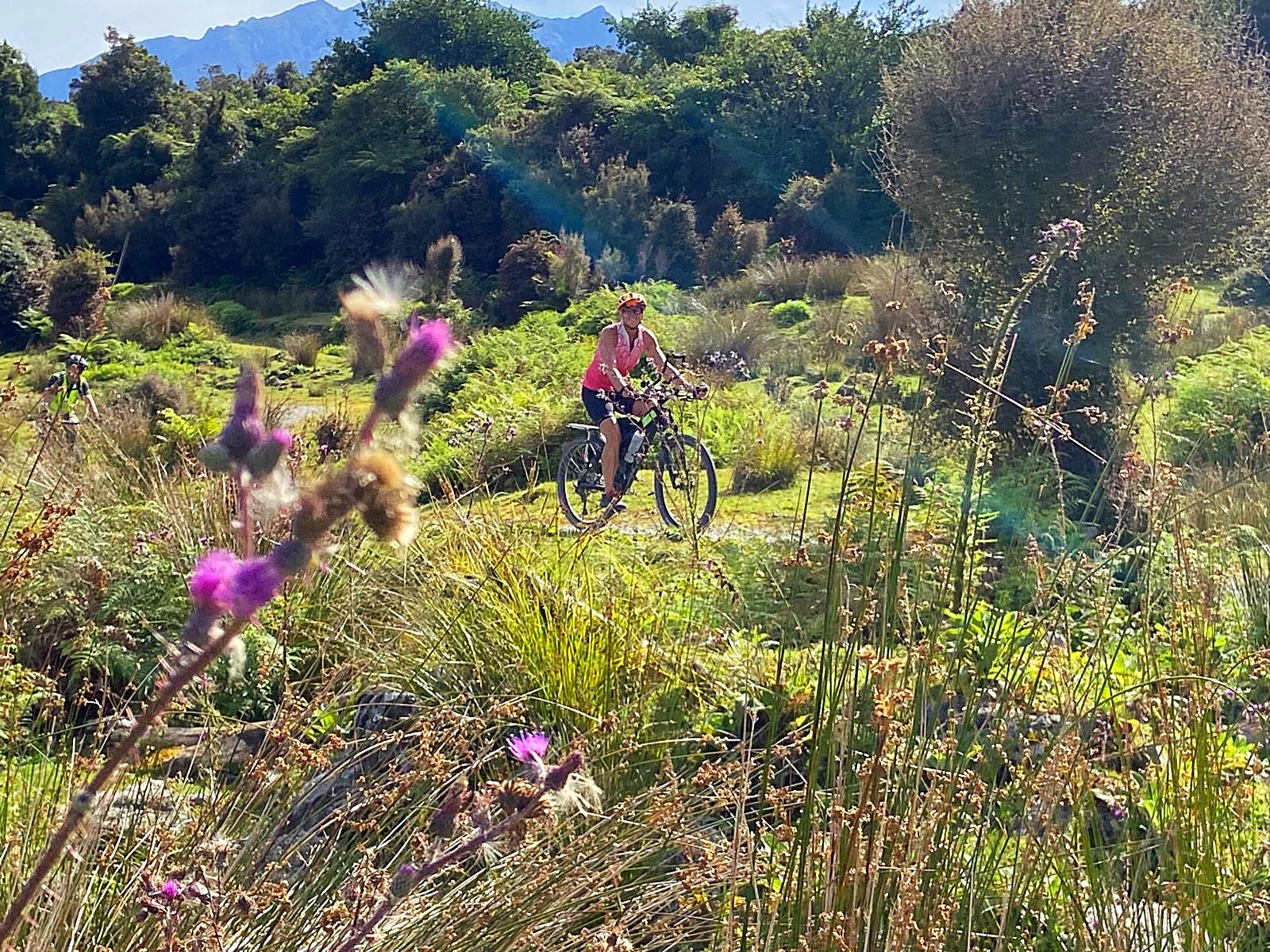
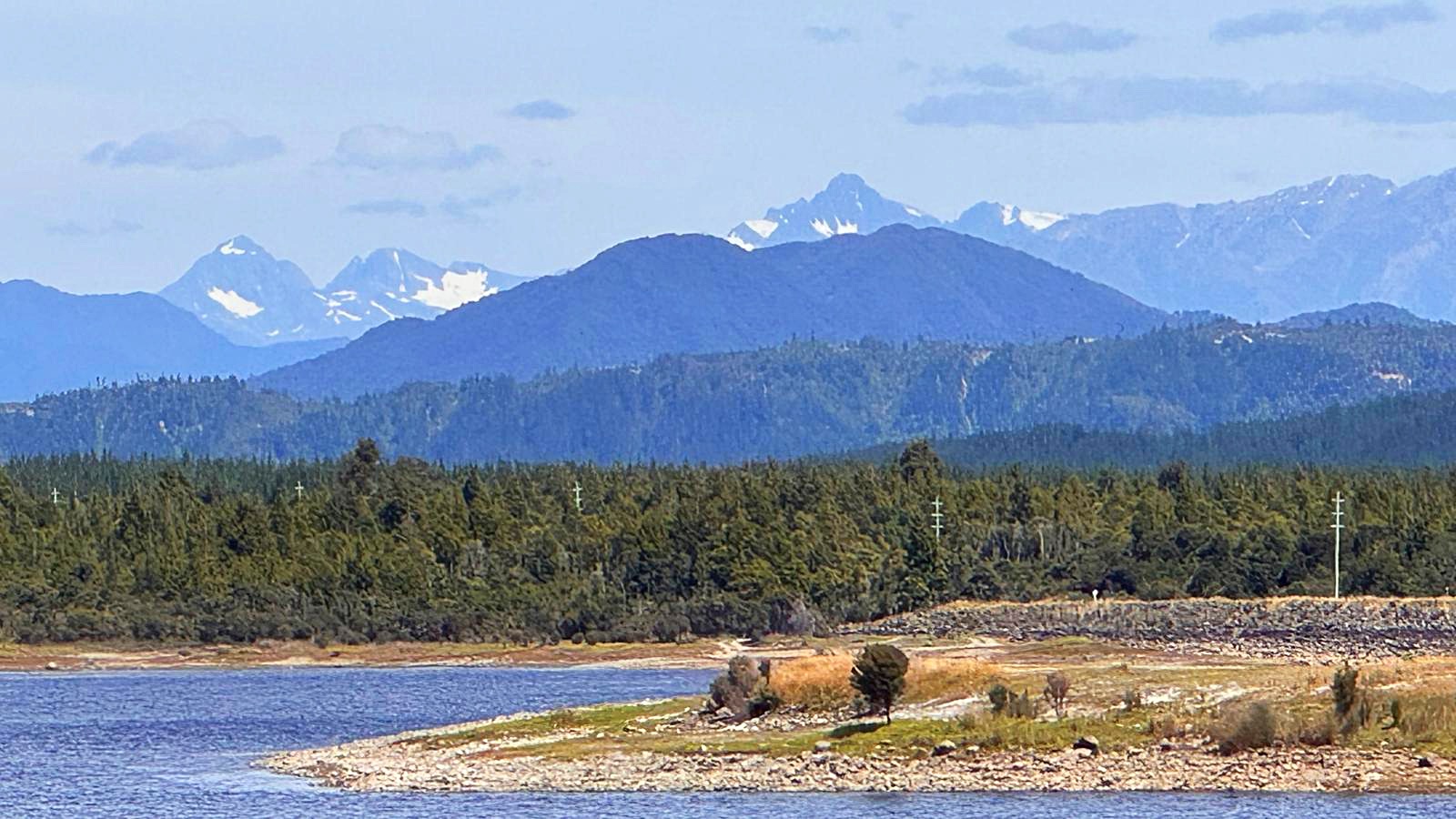
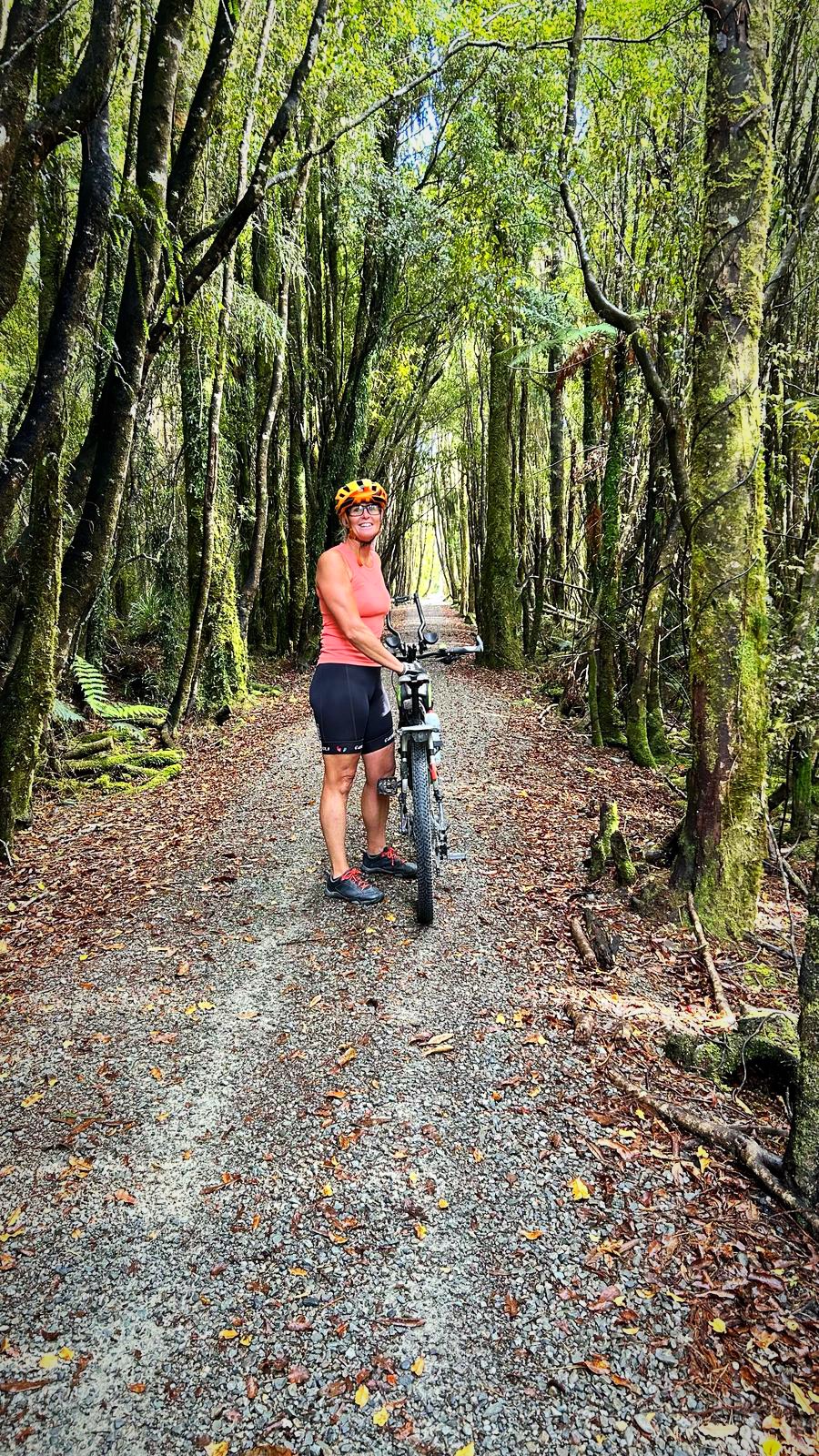
The trails flow through some beautiful native bush reaching a high point of 317m above sea level at Kawhaka Pass. There are some great views of the Southern Alps along the way and even Mt Cook in the distance.
Again there is a lot of gold mining history in here and remnants of water races and dams.
It was a super hot day and the water in the rivers looked so inviting but unfortunately there was no swimming today.
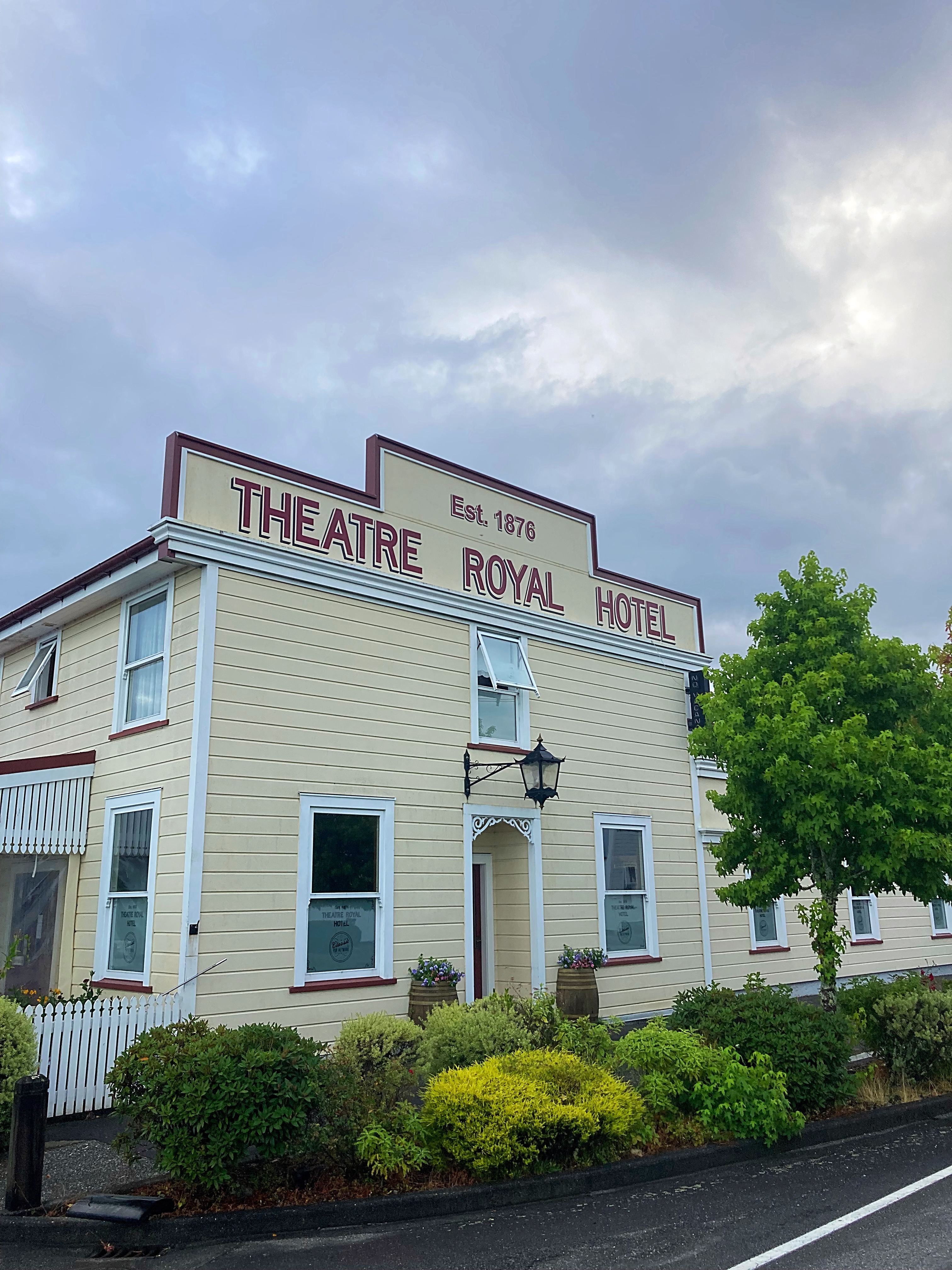
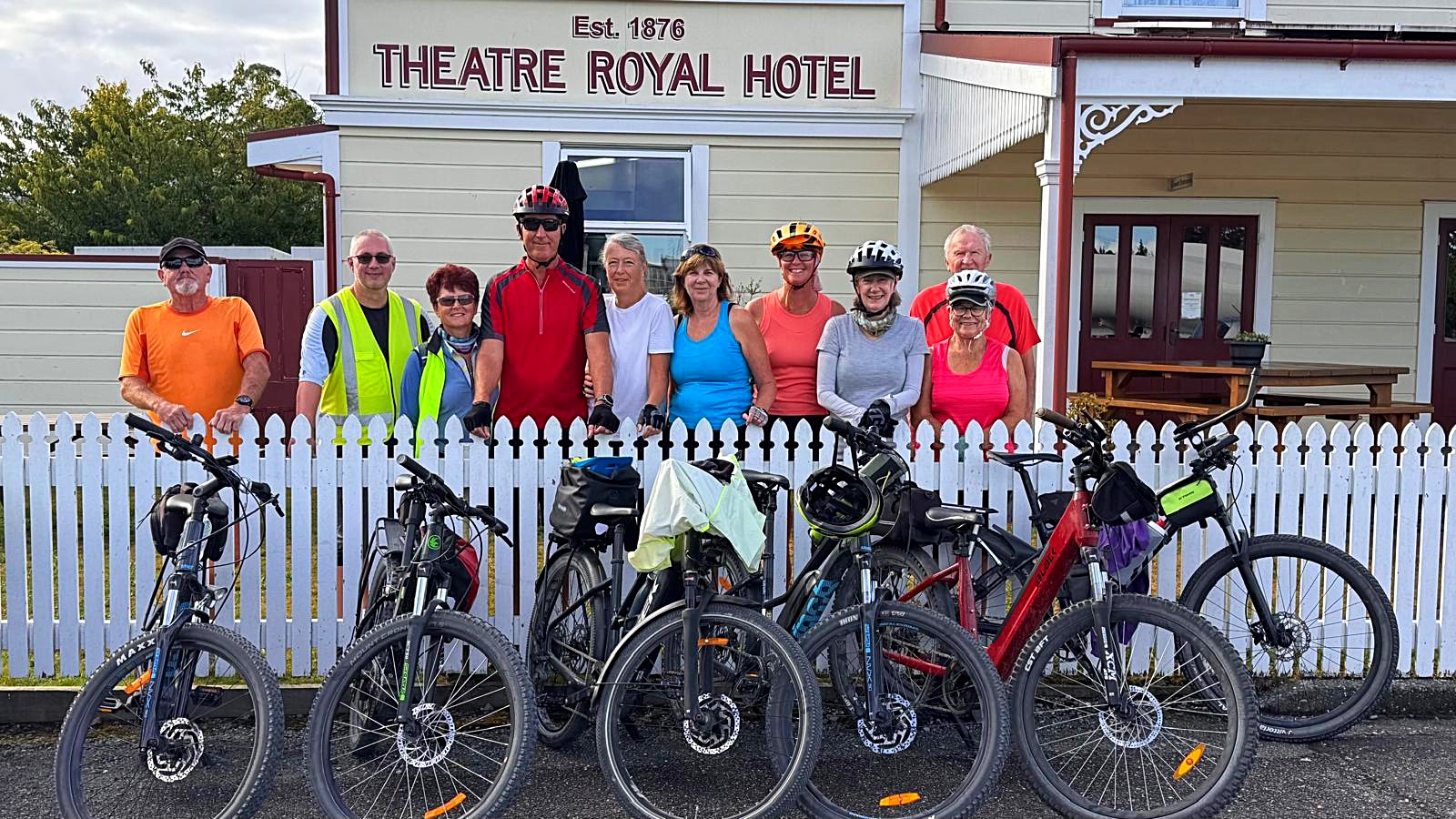
Tonight we are staying at the Theatre Royal Hotel which is the West Coast’s only fully restored gold miners’ hotel, and once world-renowned theatre in Kumara.
Kumara featured the Last Great Gold Rush and was the home of New Zealand’s longest serving Premier, Richard John Seddon.
West Coast Wilderness – Day 4 – 30km
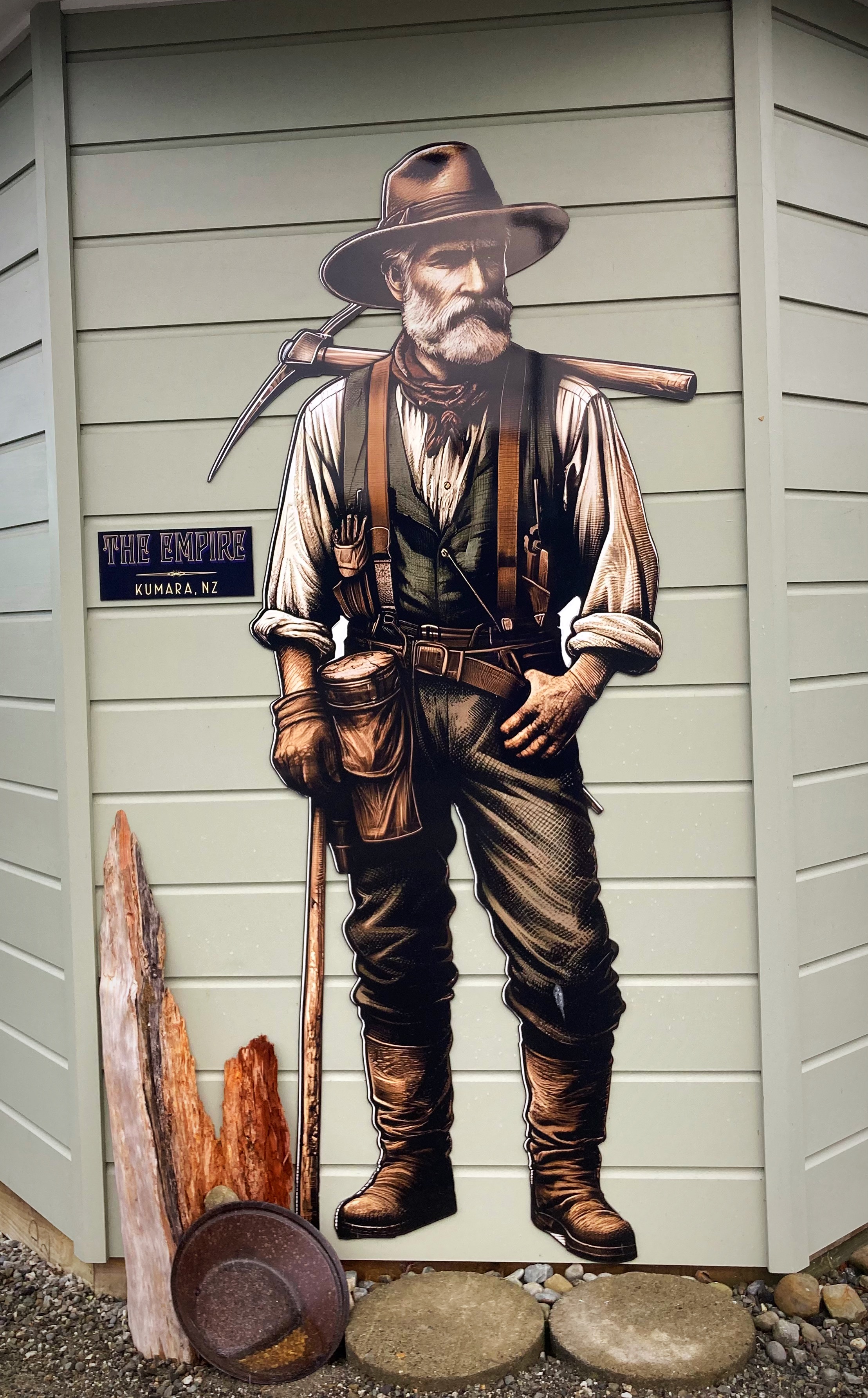
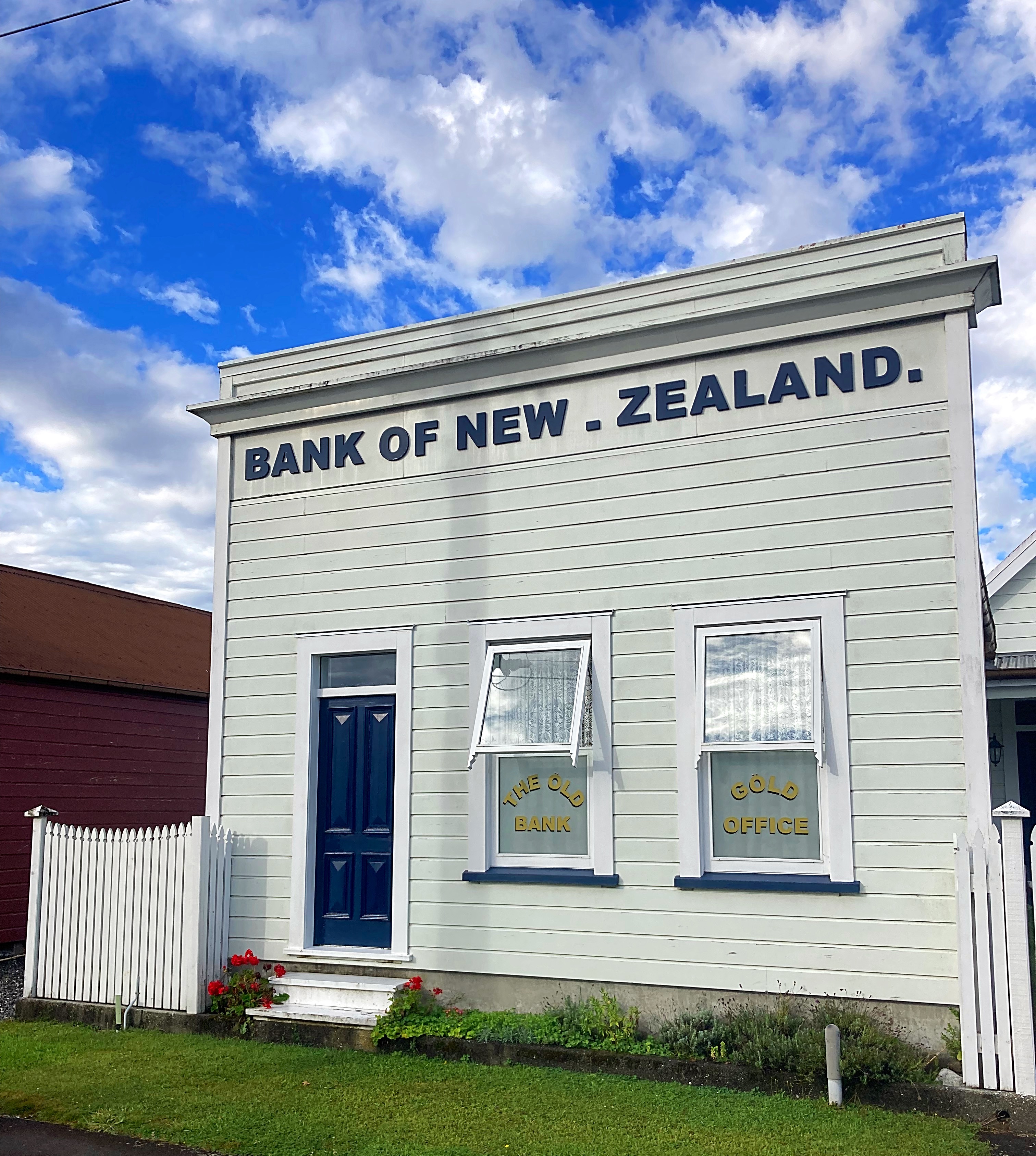
A walk around Kumara before breakfast took about 5 minutes so it was hard to imagine the town as a bustling place with 41 hotels at the time of the gold rush.
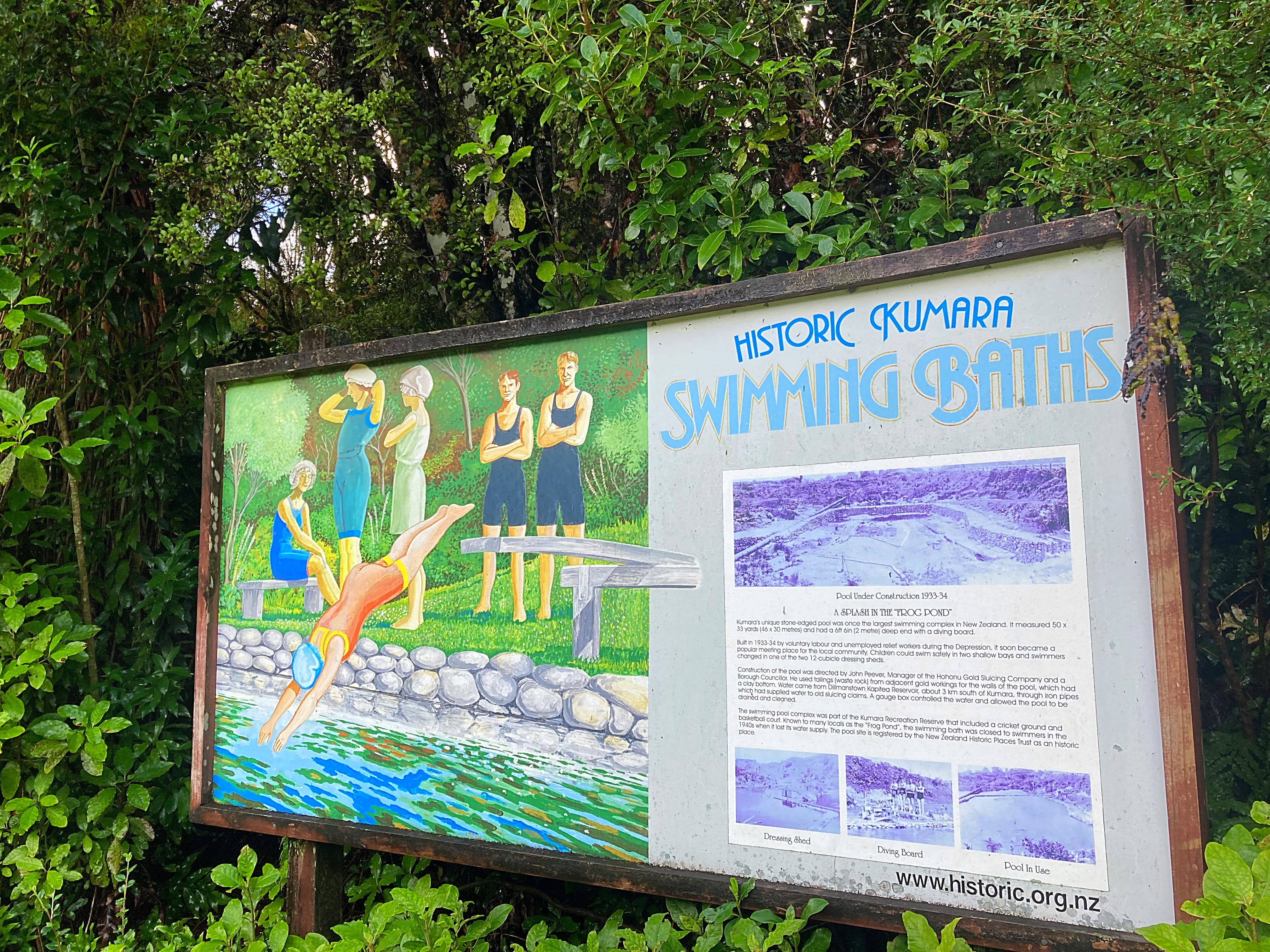
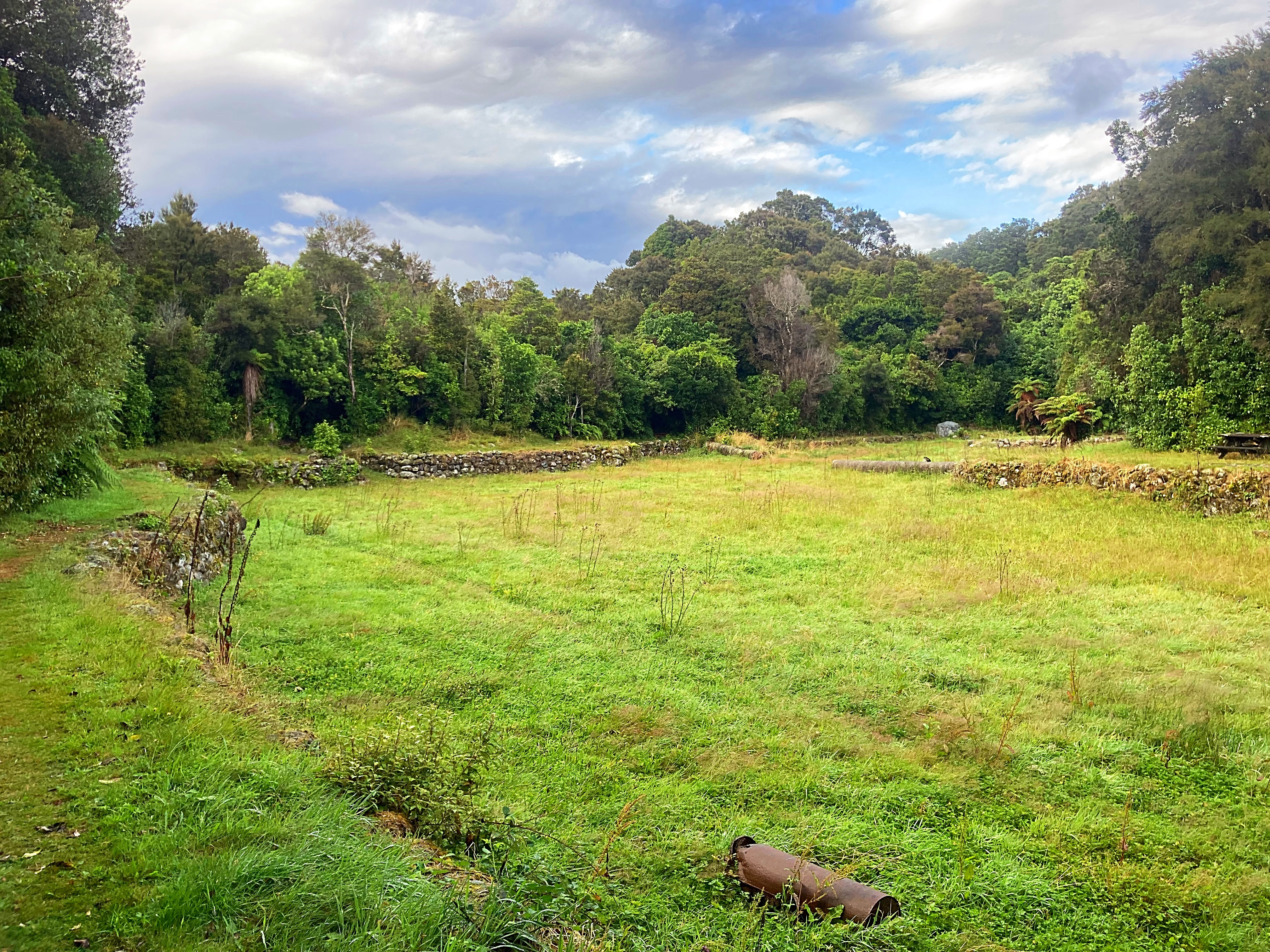
Before getting on the bikes we took a drive to see what was once NZ’s largest swimming pool measuring 46 X 30 metres. The deep end, complete with diving boards was 2 meters deep.
The pool, a Category 2 Historic Place, was built as a community project during the depression in the 1930’s. The left-over tailings from old gold workings were used to build the perimeter walls. The floor of the pool was clay and the water for the pool came from a reservoir formerly used for sluicing gold. It had several pools including two shallow bays for children and was furnished with two 12-person changing sheds. Locals called it “The Frog Pond”.
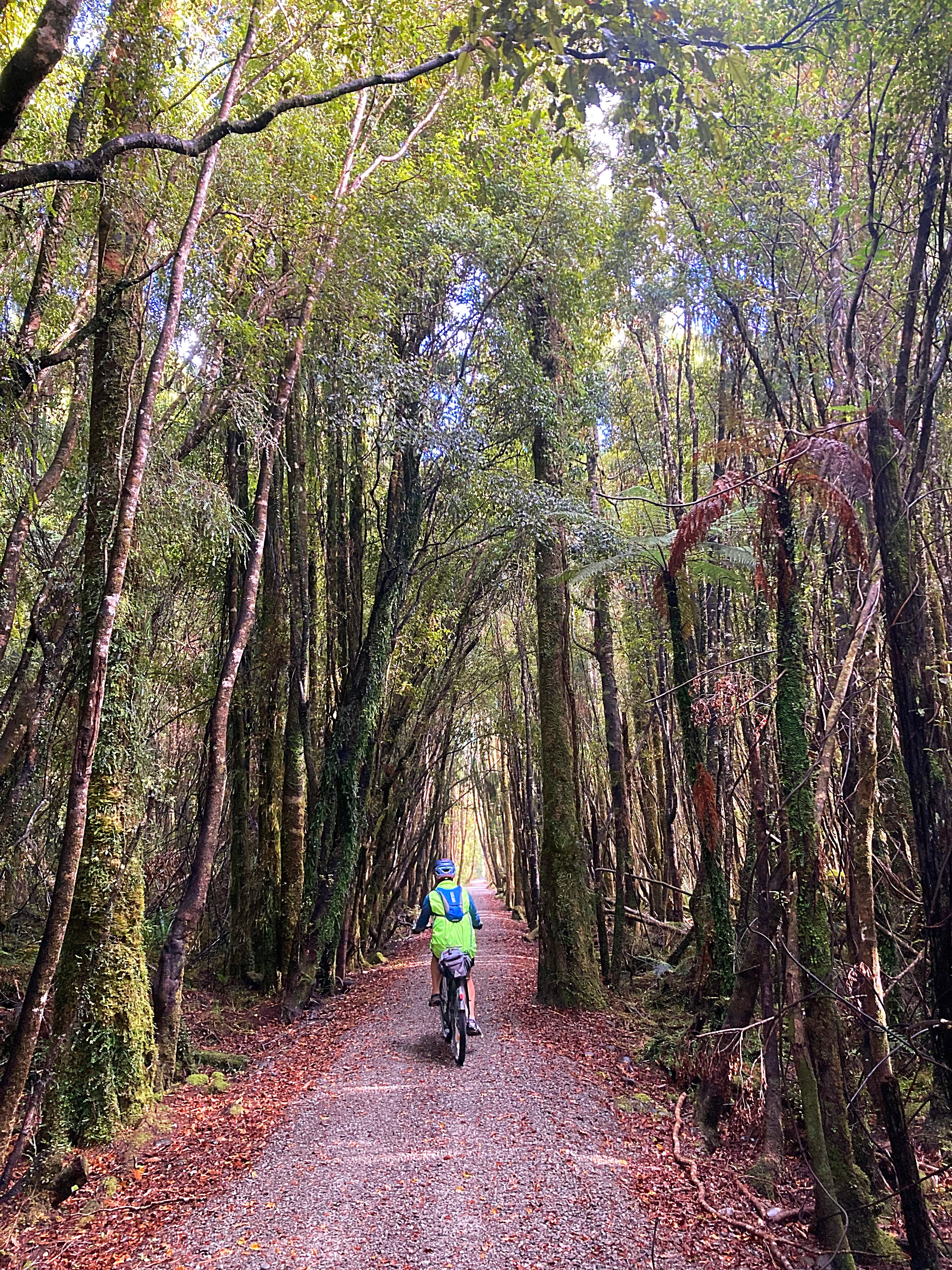
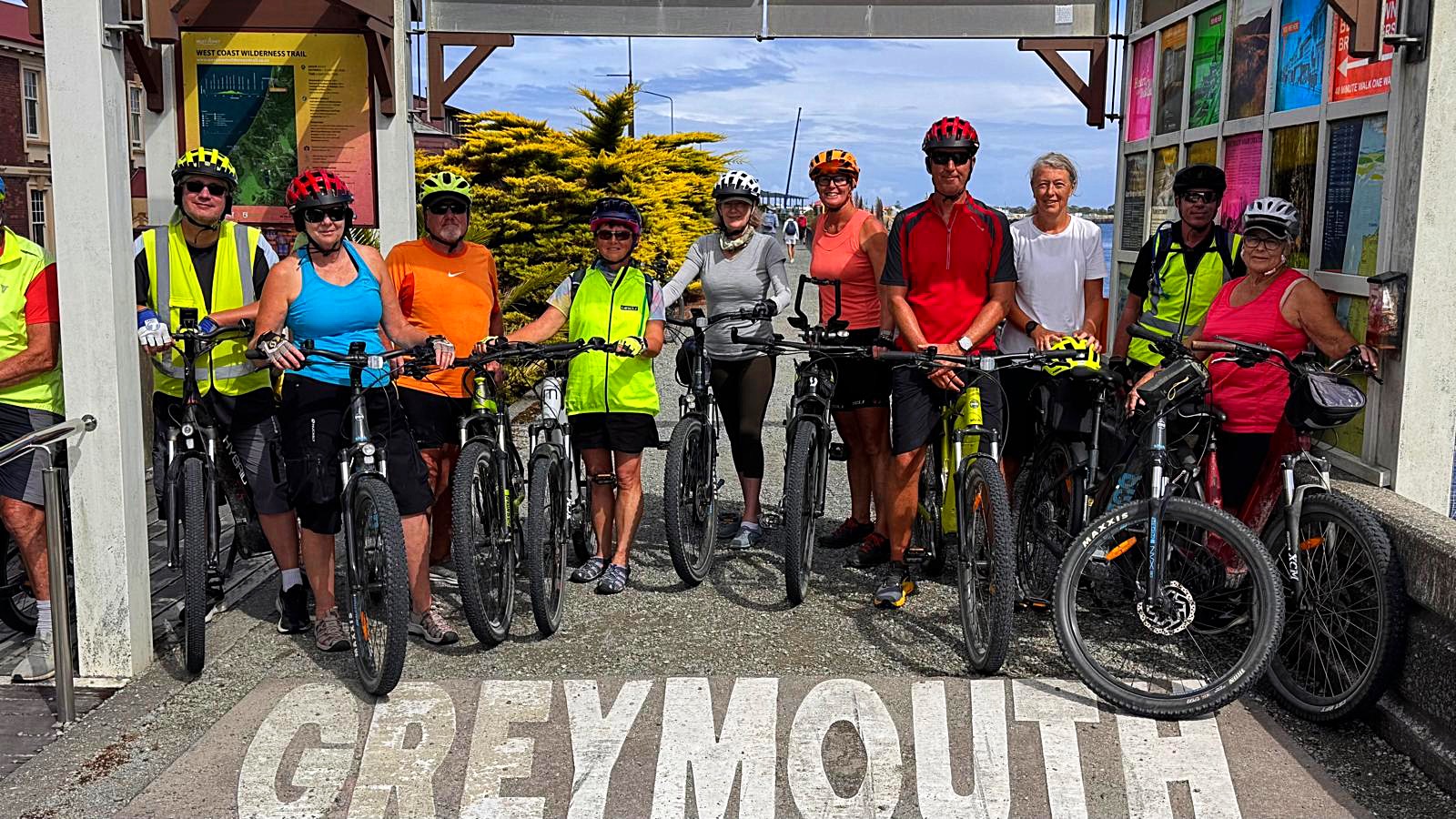
It was then time to saddle up for the 30km ride to Greymouth through bush trails and then a trail along the coast.
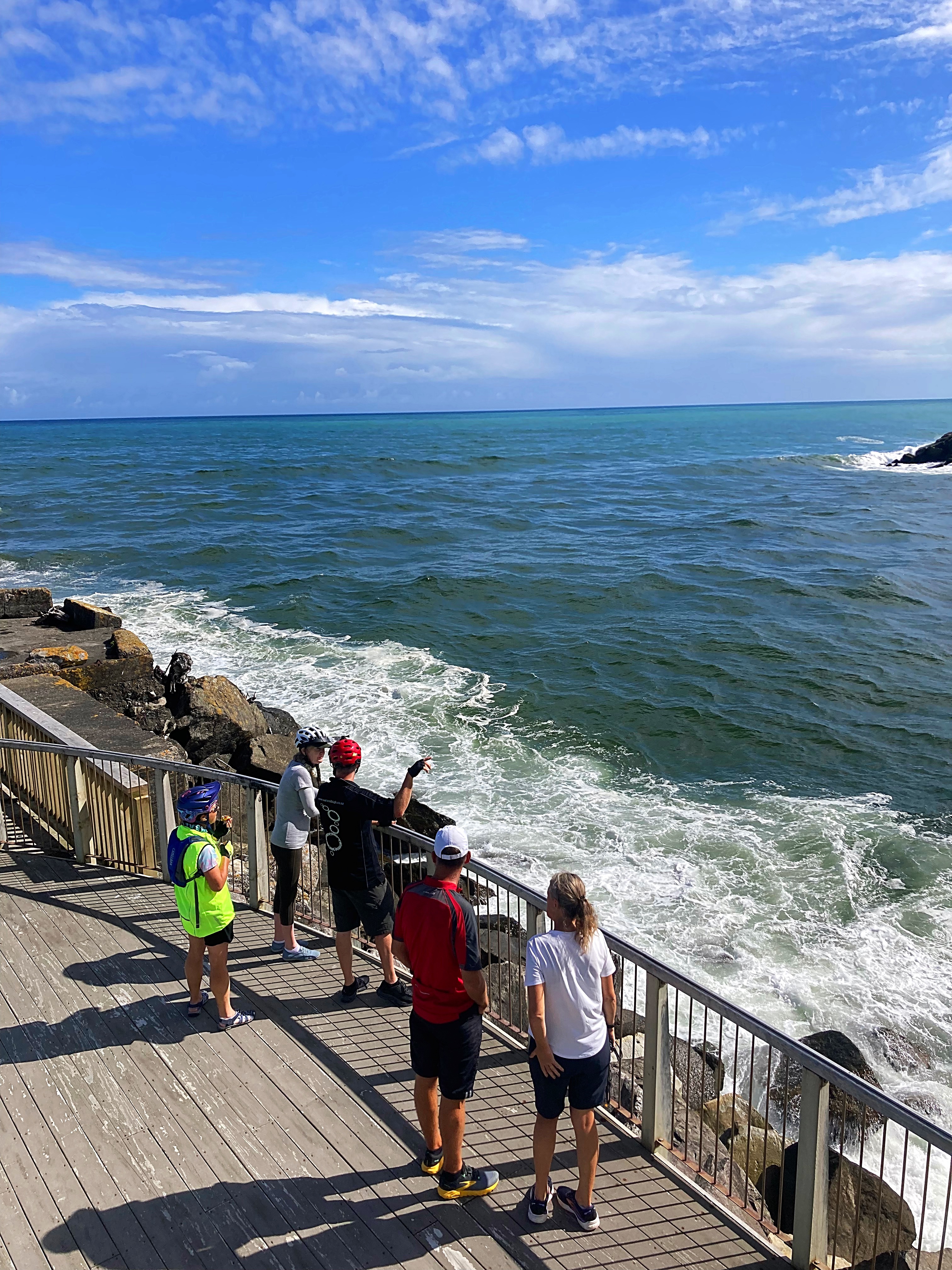
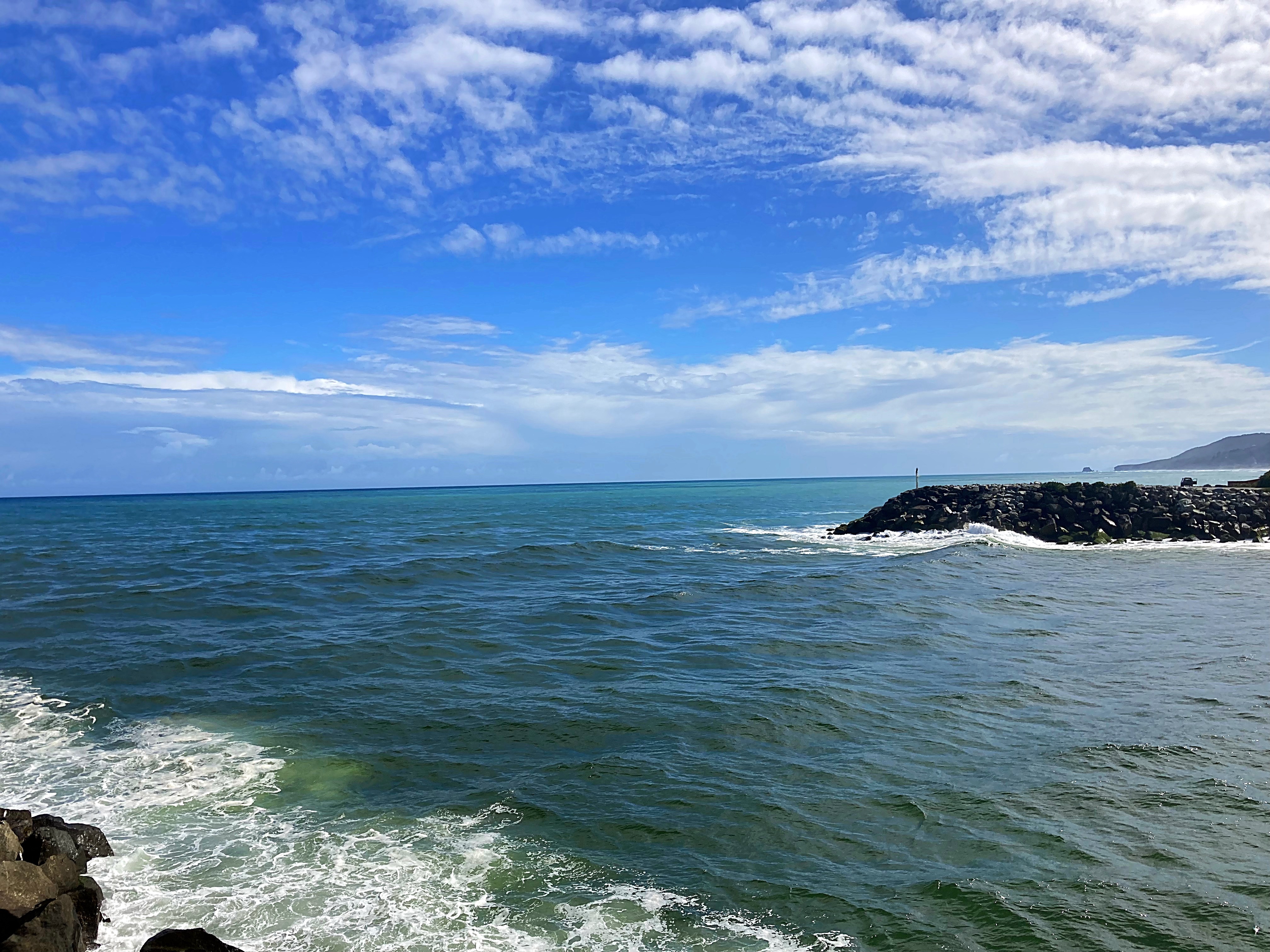
We stopped at the infamous Greymouth bar which is notorious and has claimed many a ship and sailor.
The Port of Greymouth was a busy town in 1870, with 55 hotels, grog shanties, stables, brothels and dance halls. The road to Canterbury opened in 1865, literally a horse track, and not until 1923 was there a rail ink. With the decline of of alluvial goldmining and the provision of better harbour facilities, an important coal export trade gradually grew and become the main basis for the subsequent prosperity of Greymouth.
Gold gave birth to the West Coast but it was “Old King Coal” that kept it living.
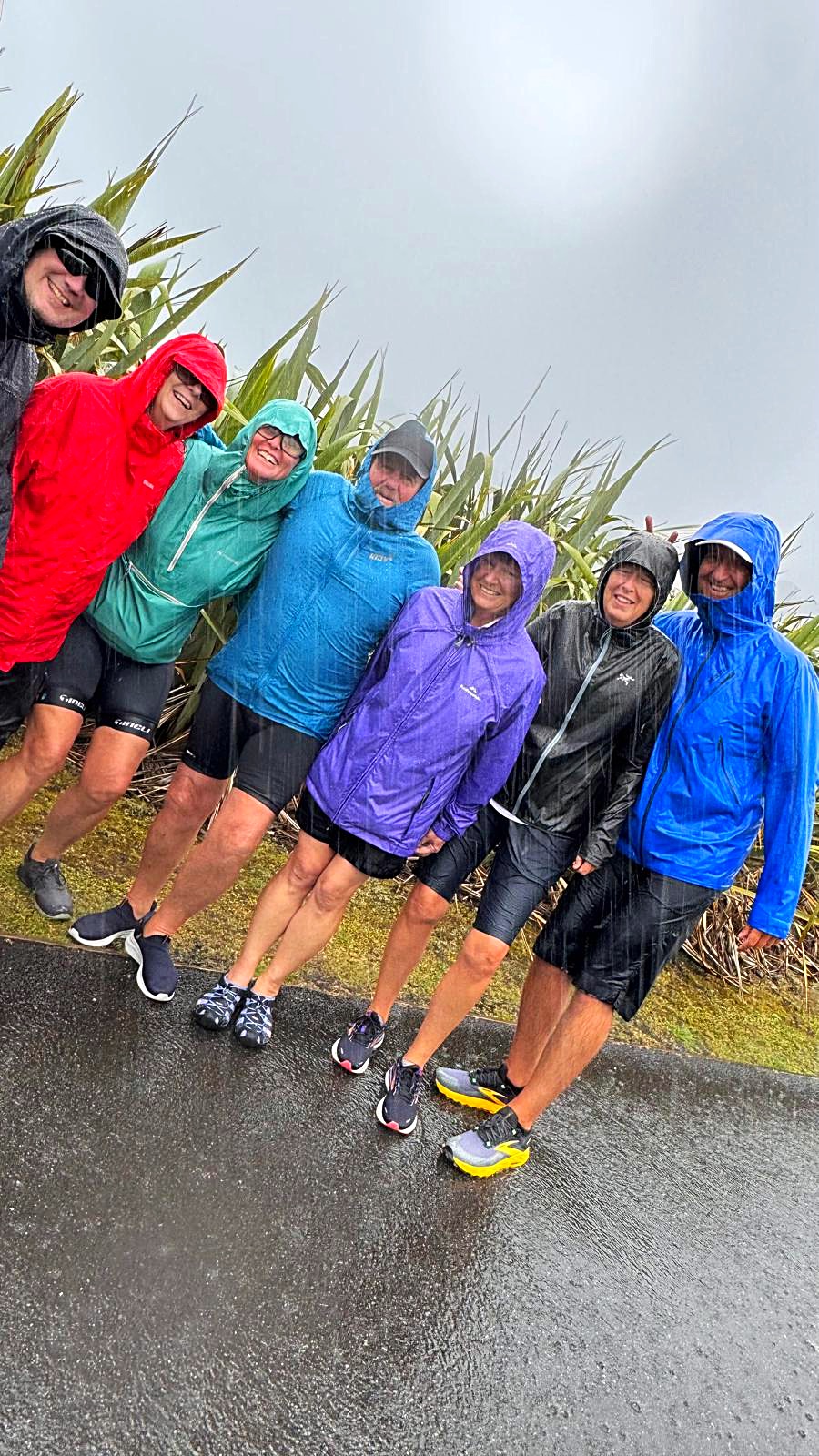
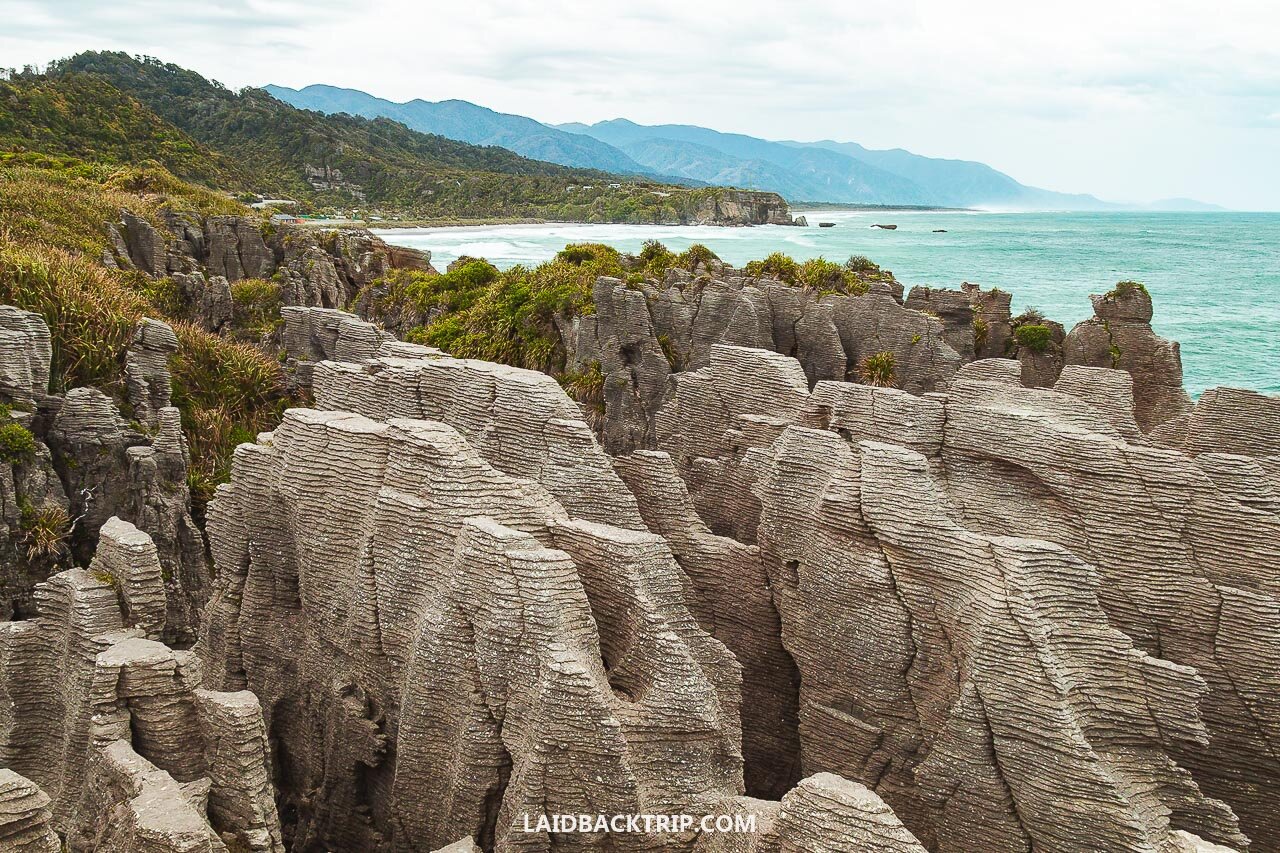
After lunch in Greymouth we drove up the coast to Punakaiki, home of the famous pancake rocks. Unfortunately, the weather took a turn for the worse so our walk out to see the rocks ended in sideways rain and not a lot of enthusiasm to hang around. I’ve included a photo from the internet to remind me of what I missed.
South Island Maori tell of the Polynesian hero Maui setting out from Hawaiki with members of his family in the waka Mahunui to explore the southern oceans.
Land was sighted on the West Coast of the South Island. Opinions were divided; some of the crew believed they were looking at the tops of a high range of mountains, Maui contended it was “he tiritiri o moana ” (a mirage of the ocean). It was no mirage.
As the waka drew near to Mahitahi (Bruce Bay), 150 km south of Greymouth, the snow capped tops of the Southern Alps could be clearly discerned, including Ao-raki and his brothers. The mountain range retained the name He Tiritiri o Moana, and these Southern Alps form the encircling eastern and southern vista from the Greymouth Harbour.
Abel Tasman first saw New Zealand from off the West Coast in 1642. James Cook followed in 1769. Neither landed on the West Coast, but they are commemorated by having their names applied to the mountains Aoraki (Mt. Cook) and Rarakiroa (Tasman Sea).
Tasman was blown east from Tasmania and discovered New Zealand by mistake, thinking it was part of Argentina, and naming it Staten Landt. Captain Cook arrived from Tahiti and mapped the complete coastline of New Zealand.
Kawatiri Coastal Trail – Day 5 – 21km
After a lot of rain overnight we woke to a dry morning so I decided to revisit the pancake rocks at Punakaiki before breakfast. It was great as I really hadn’t seen anything the day before.
Rising from the sea at Dolomite Point, the Pancake Rocks are part of a heavily eroded limestone area where the sea bursts through underwater channels and escapes via vertical blowholes.
These rocks, dating back some 30 million years, formed as layers on the sea bed which eventually rose under seismic action. Since then water, wind and salt spray have been constantly eroding the softer layers leaving a ‘pancake’ stack of harder limestone.
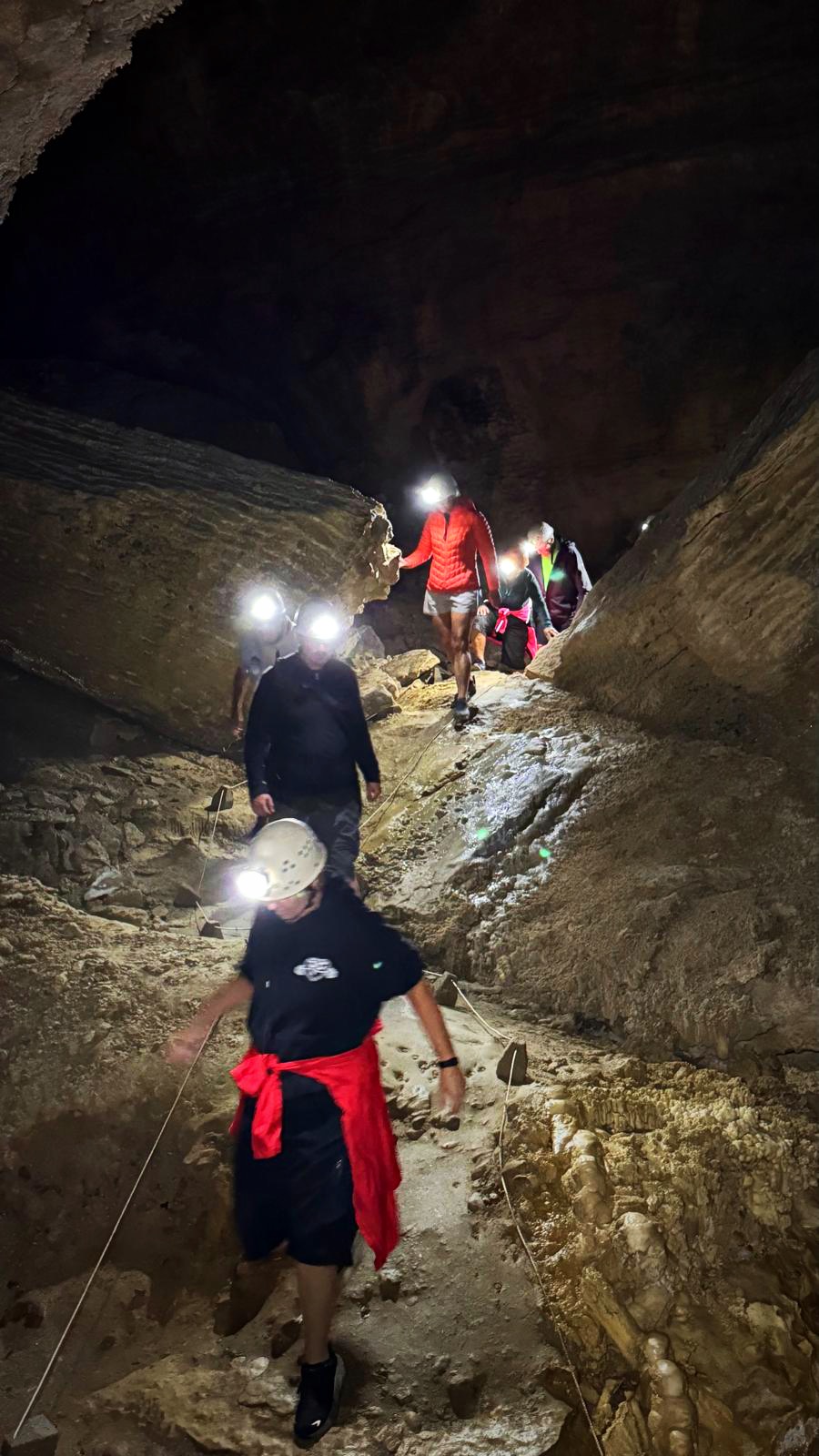
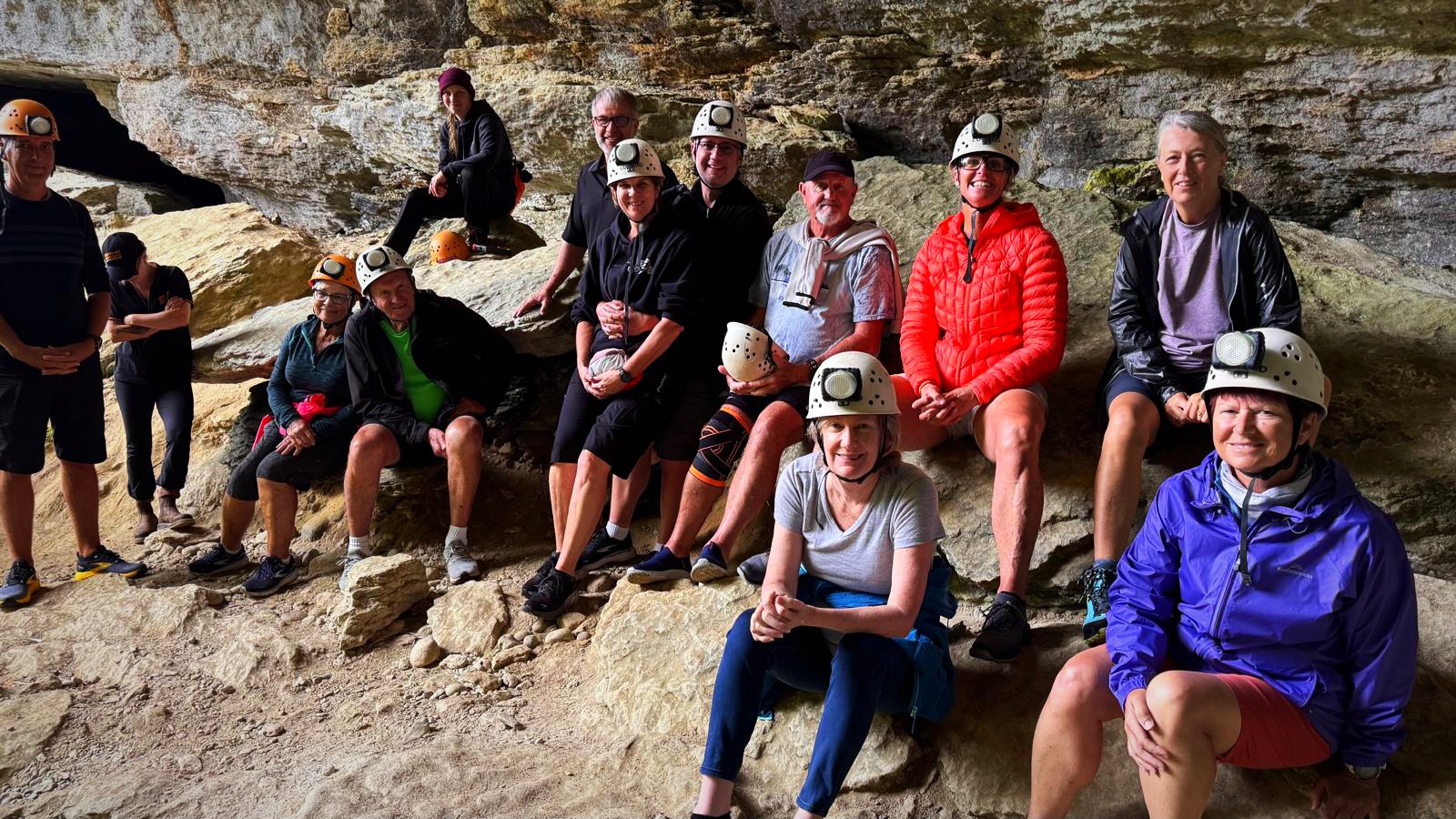
After breakfast we drove north to Charleston where we did a tour of the Te Ananui Caves. To get to the track leading into the cave we took the Nile Rainforest Train. They have two engines – Dorothy (a diesel powered engine) and Cecil (a petrol powered Morris 1100 engine). Dorothy took us through the rainforest before we descended the equivalent of 7 stories to the cave entrance.
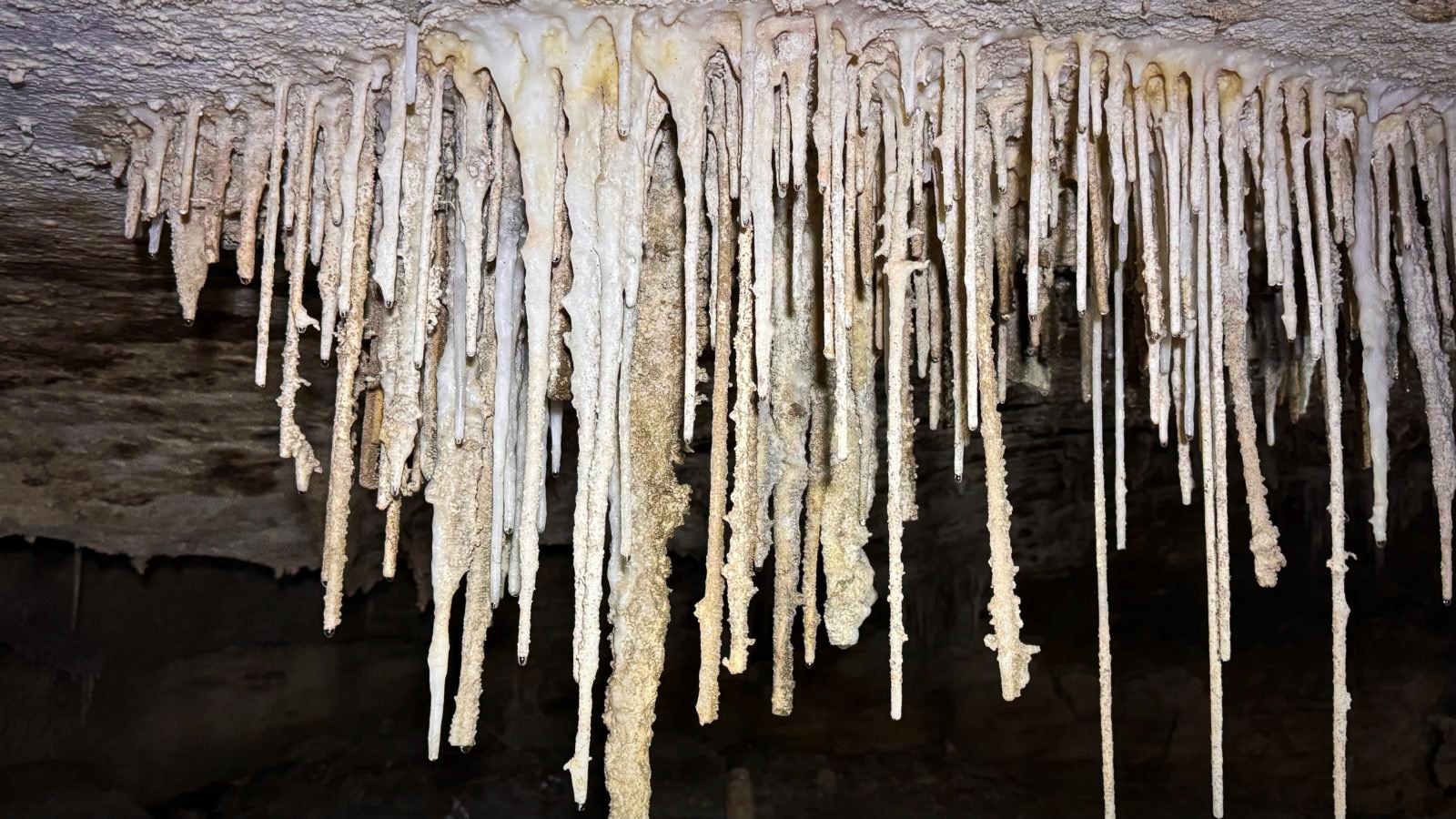
We went down three levels, ducking and diving through some impressive stalagmites and stalactites. Headlights off, we then experienced a very impressive display of glow worms.
There are 68 caves in this area with the Te Ananui cave being the only one accessible to the public via a commercial operation run by Underworld Adventures on Department of Conservation land. Information about the other caves is not available to the public to protect them.
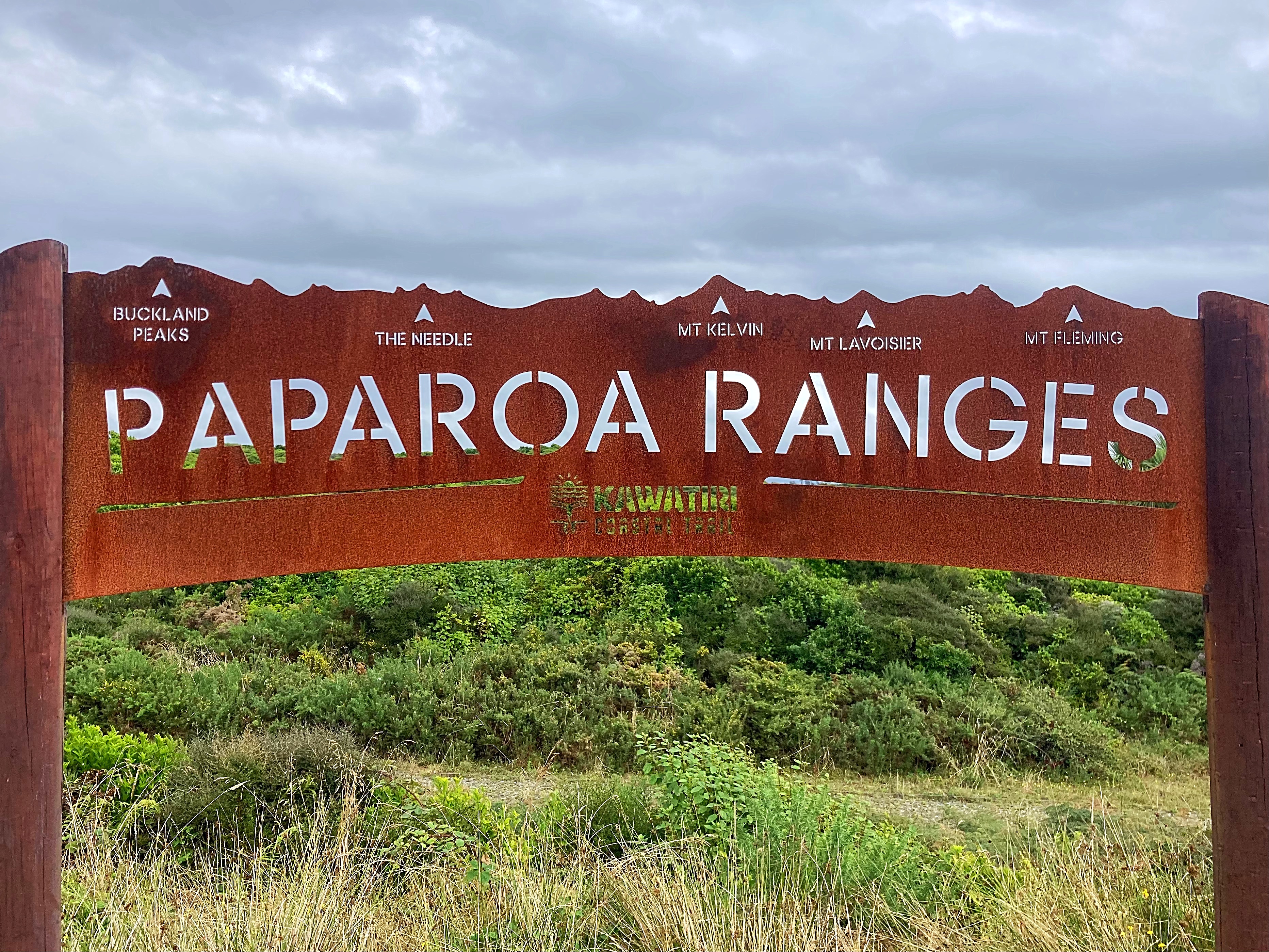
Our bike adventure for the day involved 6km in the pouring rain to get to section 6 of the new Kawatiri Coastal Trail that runs from Westport to Charleston. There are 8 sections but section 7 is still a couple of weeks from being finished. We were riding from South to North (sections 6 to 1). Check out https://kawatiricoastaltrail.co.nz/ for more information. Fortunately, the rain stopped as we joined the trail proper.
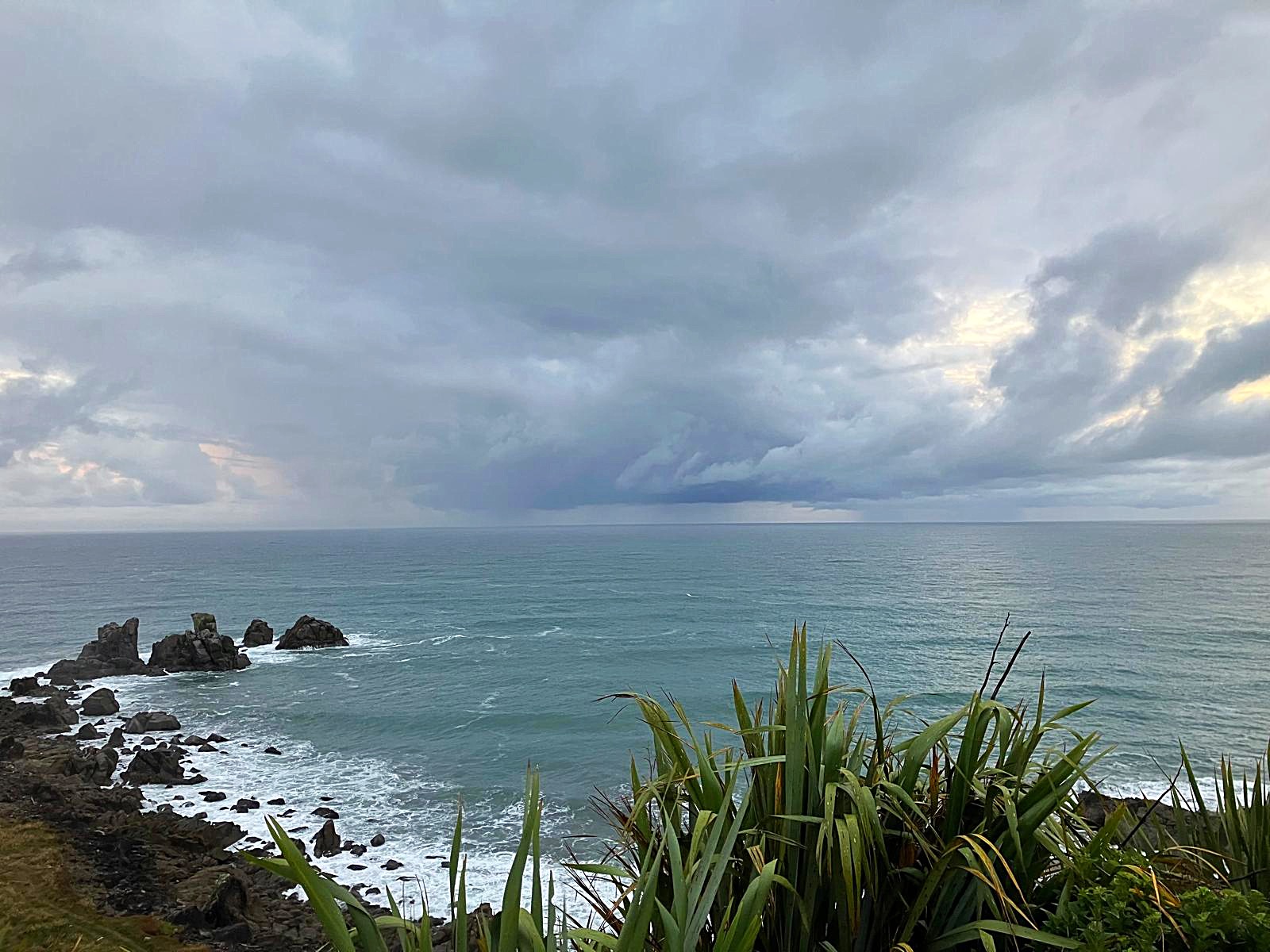
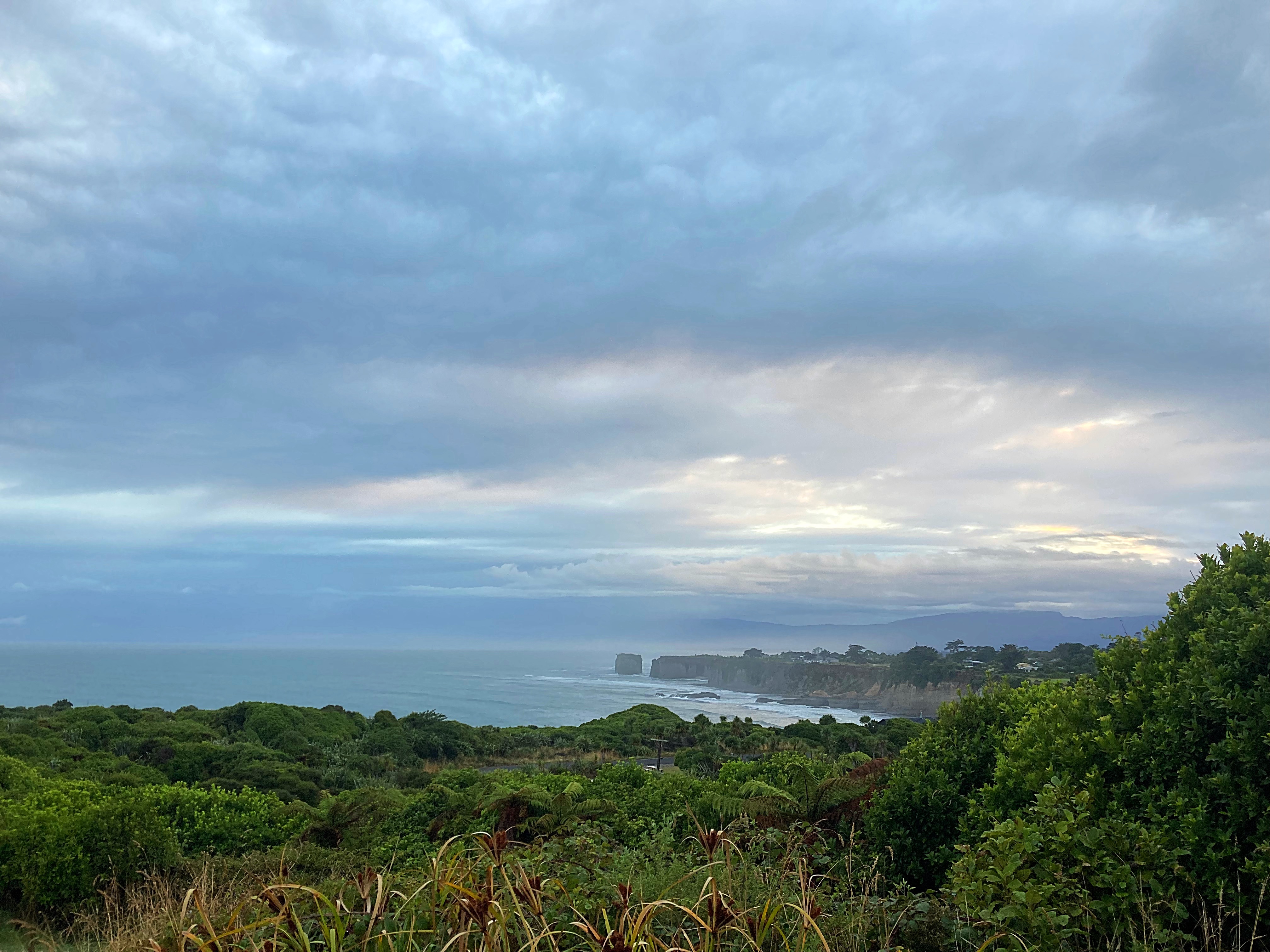
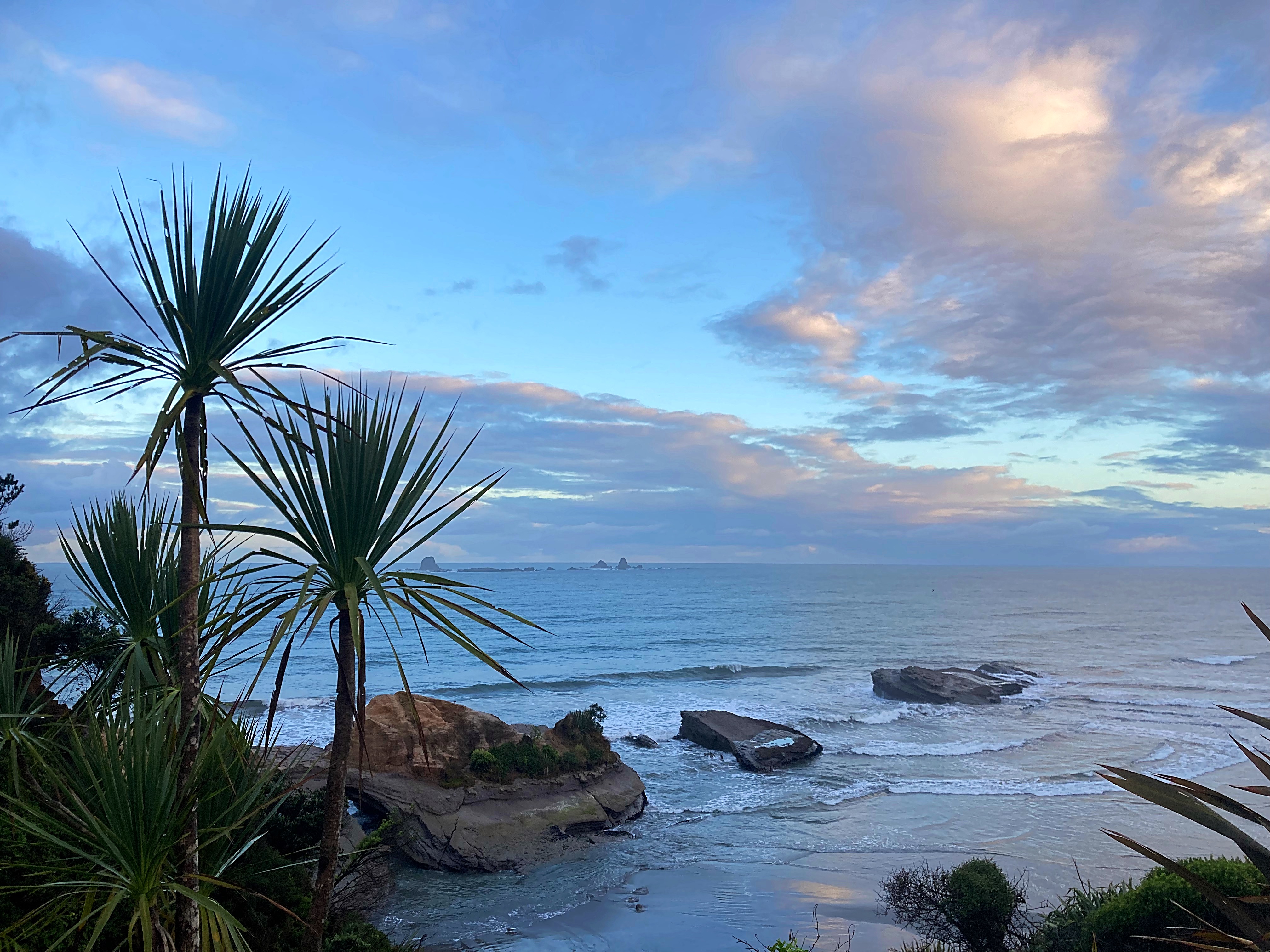
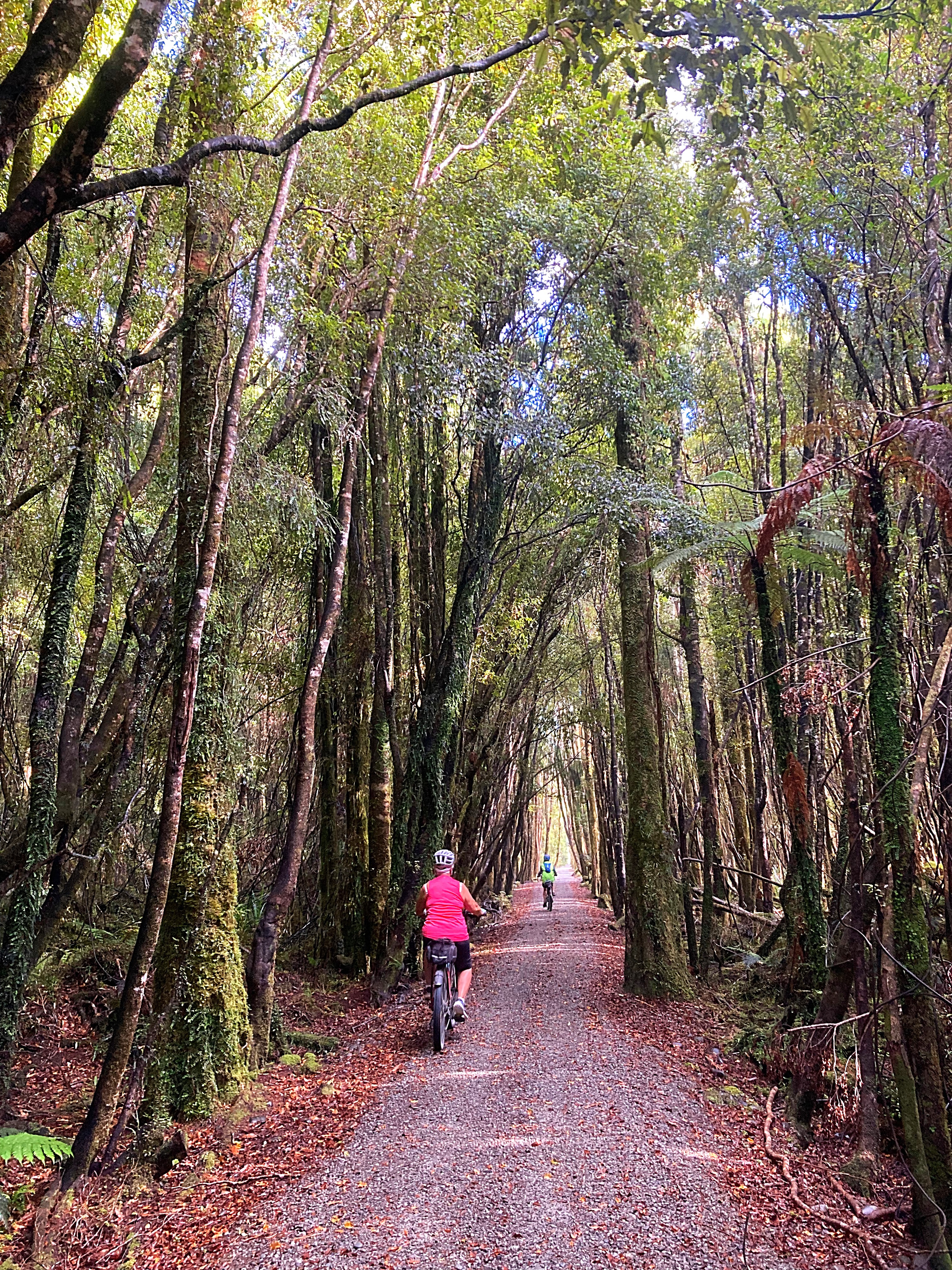
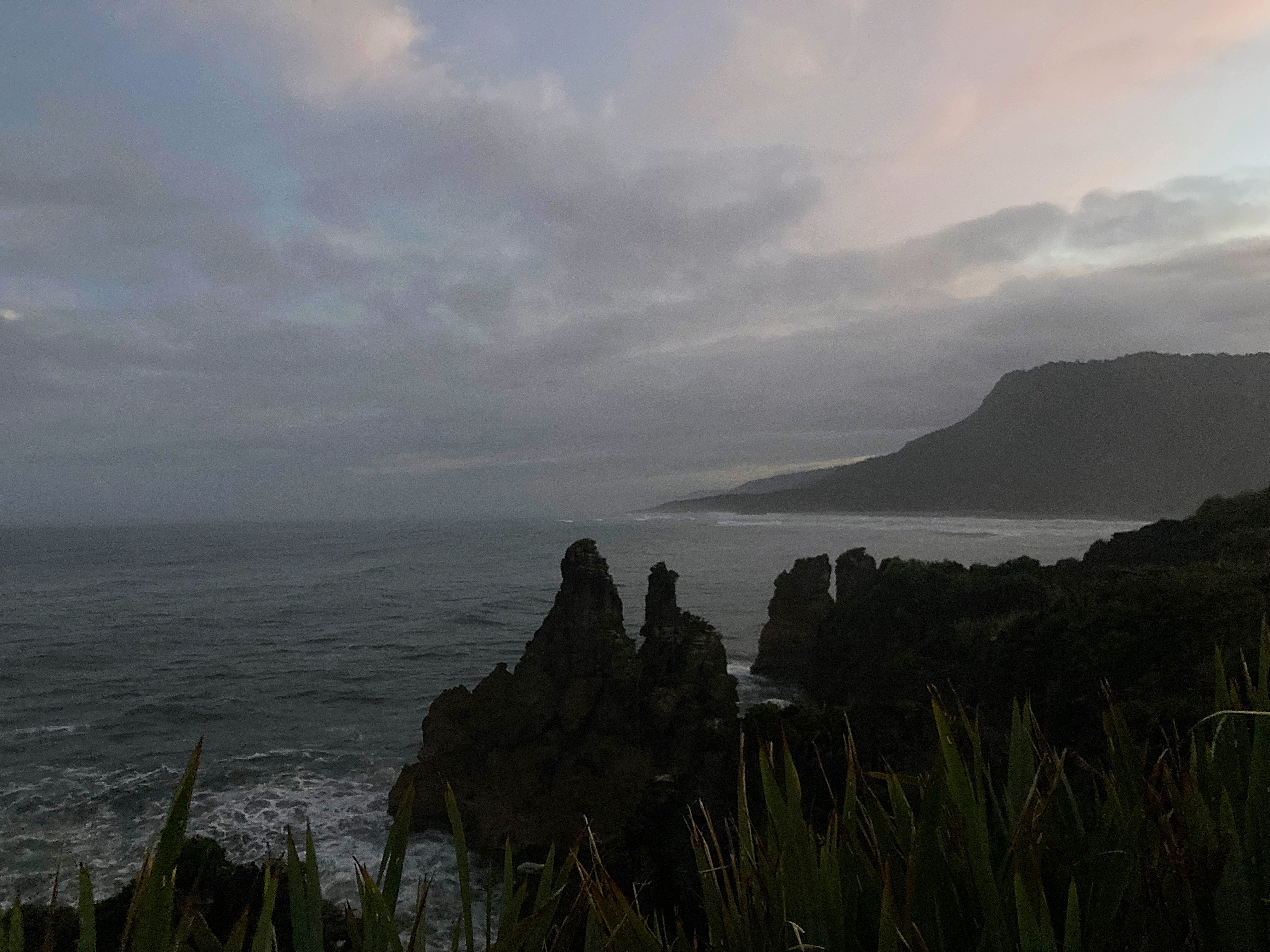
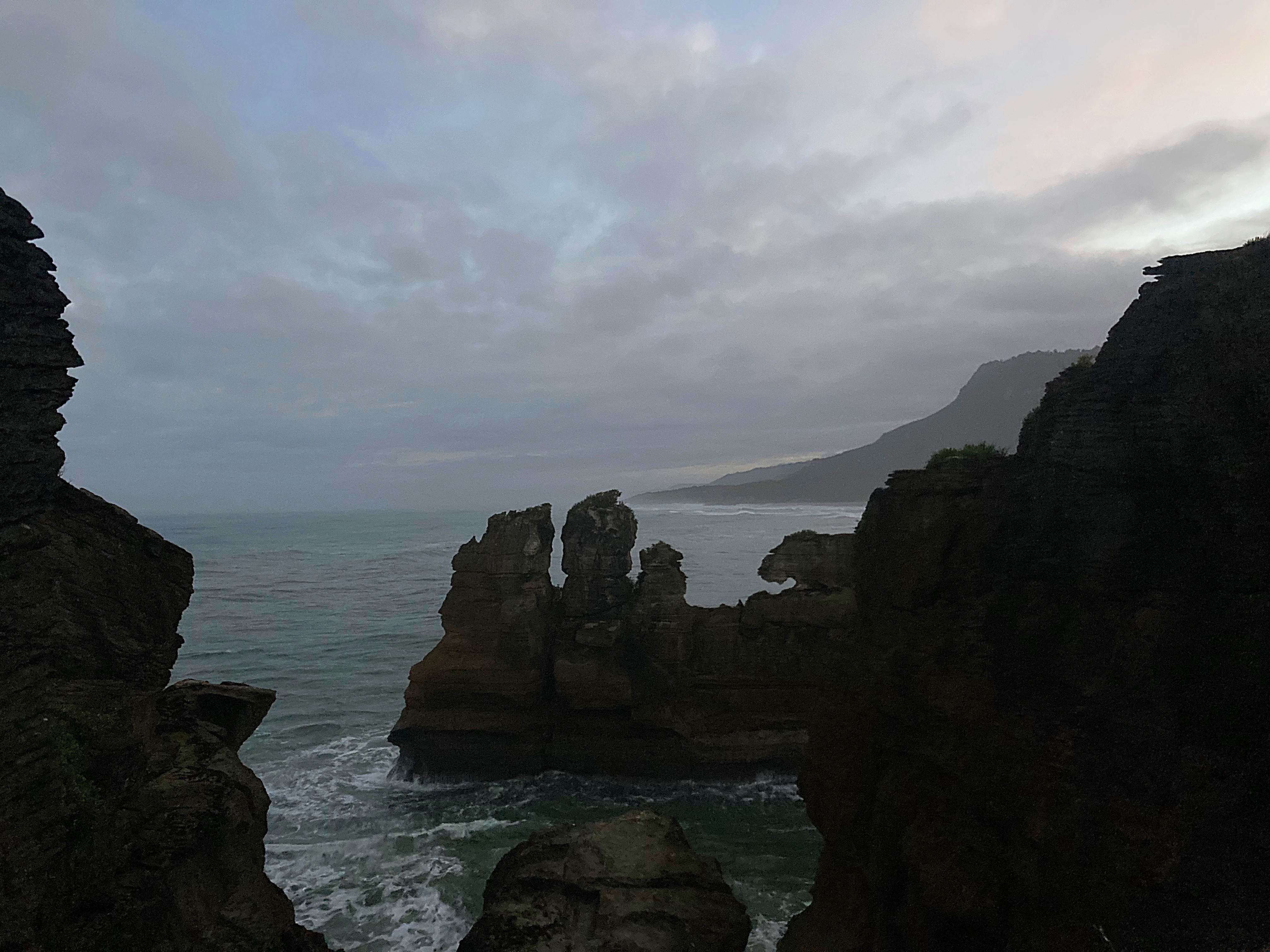
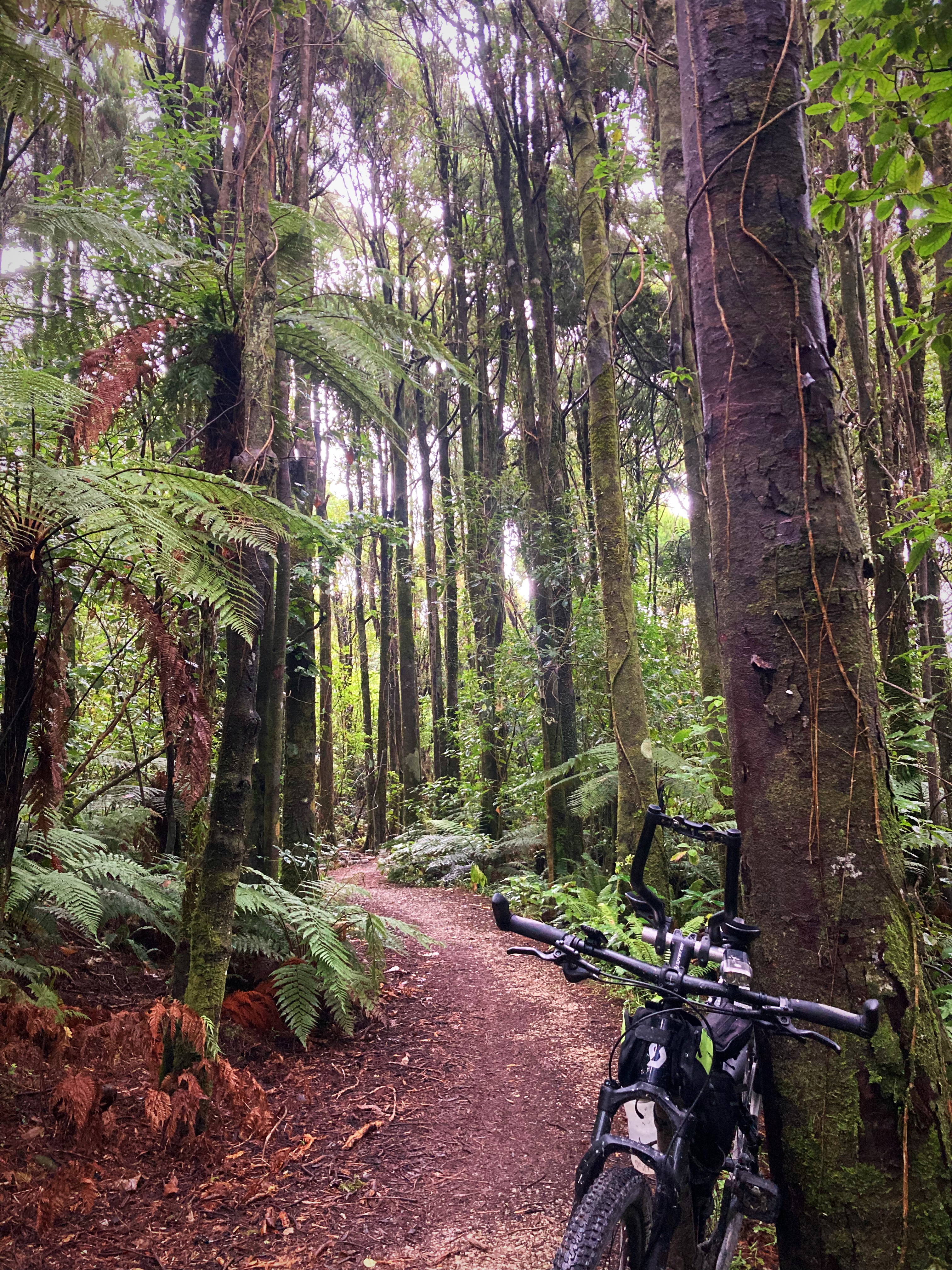
What an amazing new trail – beautiful tracks through the forest, farmland and then along the coastline. We finished up at Cape Foulwind – new territory for me but I was impressed by what I saw.
Sailing up the coast on his British barque Endeavour, Lieutenant James Cook was so battered by persistent rain and gales on 20 March 1770 that he recorded the headland here as ‘a cape of foul winds’. The name stuck as persistently as the storms.
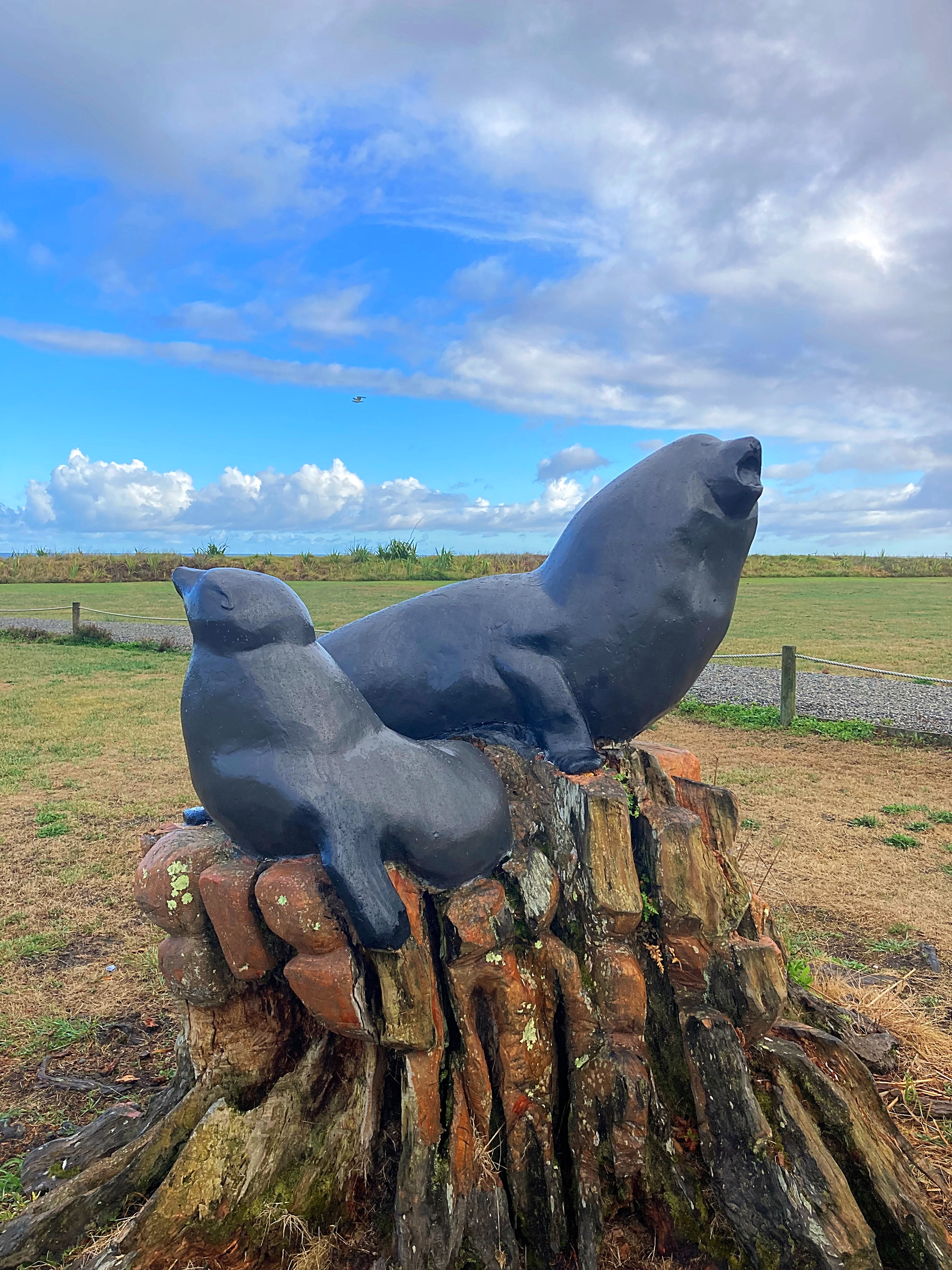
Wild weather does not appear to deter New Zealand Fur Seals that breed and haul out around the cape. They find protective shelter amongst the rocks and thrive on the food-rich ocean at their doorstep. They are known to be quite smelly too, giving the name Cape Foulwind a double meaning.
Kawatiri Coastal Trail – Day 6 – 14km
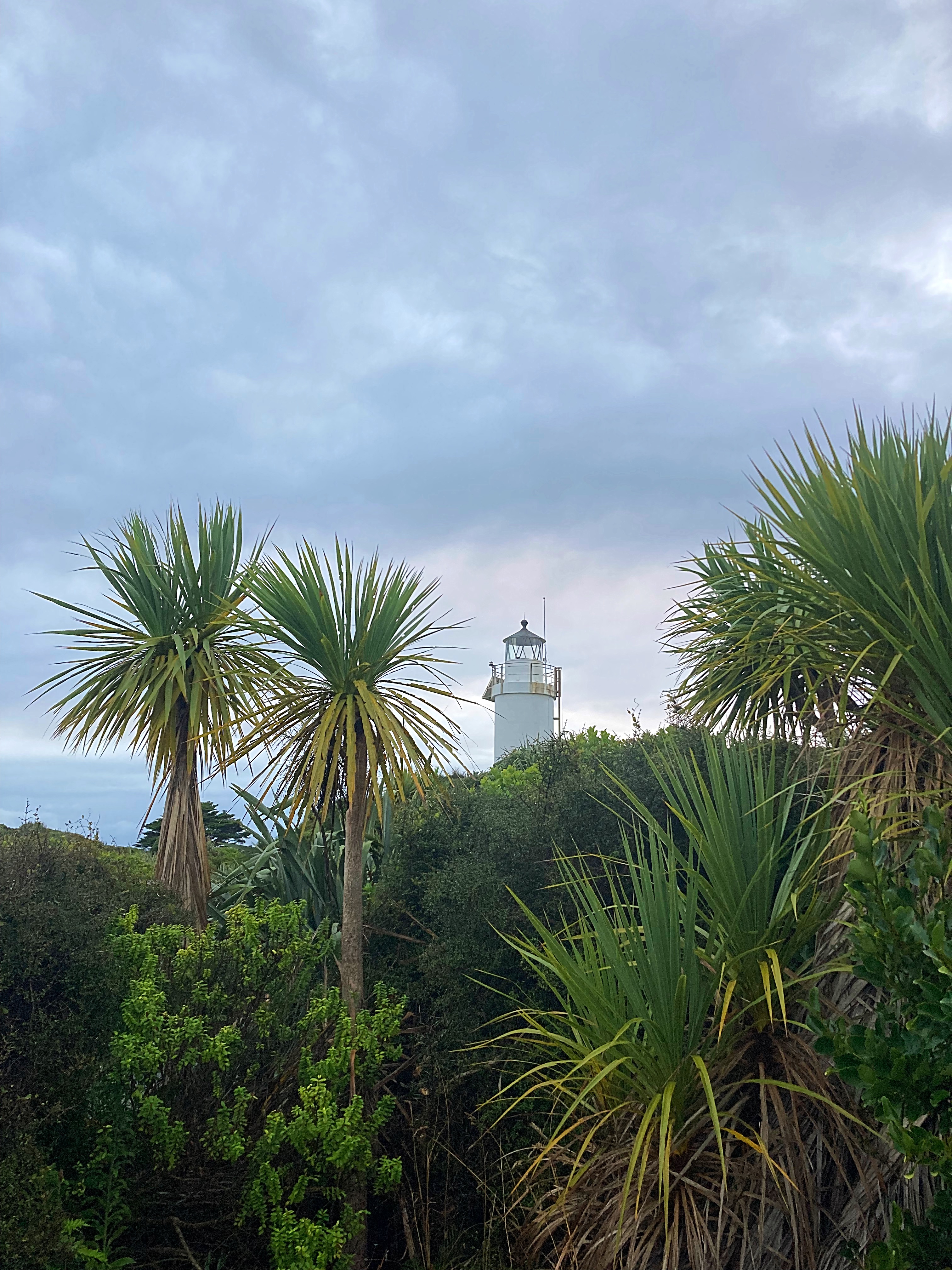
Another pre breakfast walk to check out the Lighthouse at Cape Foulwind. The original lighthouse was built in 1876 as part of a Government initiative to improve shipping safety around New Zealand’s coasts. The Cape’s lighthouse is the only one between Jackson Bay and Farewell Spit. The kerosene-fuelled lighthouse, requiring keepers, was replaced in the 1920s with the present day concrete tower and automatic lamp.
After breakfast we rode the remaining two sections of the Kawatiri Coastal Trail into Westport. The trail is fantastic and I highly recommend checking it out if you’re in this part of the world.
Time for a quick coffee before setting off to do a gin tasting in Reefton.
Reefton’s alluvial gold rush in the 1860’s helped to establish a rich heritage. Reefton is famous for being the first place in the Southern Hemisphere to generate and reticulate its own electricity for public use in 1888, even before the fashionable suburbs of London and New York.
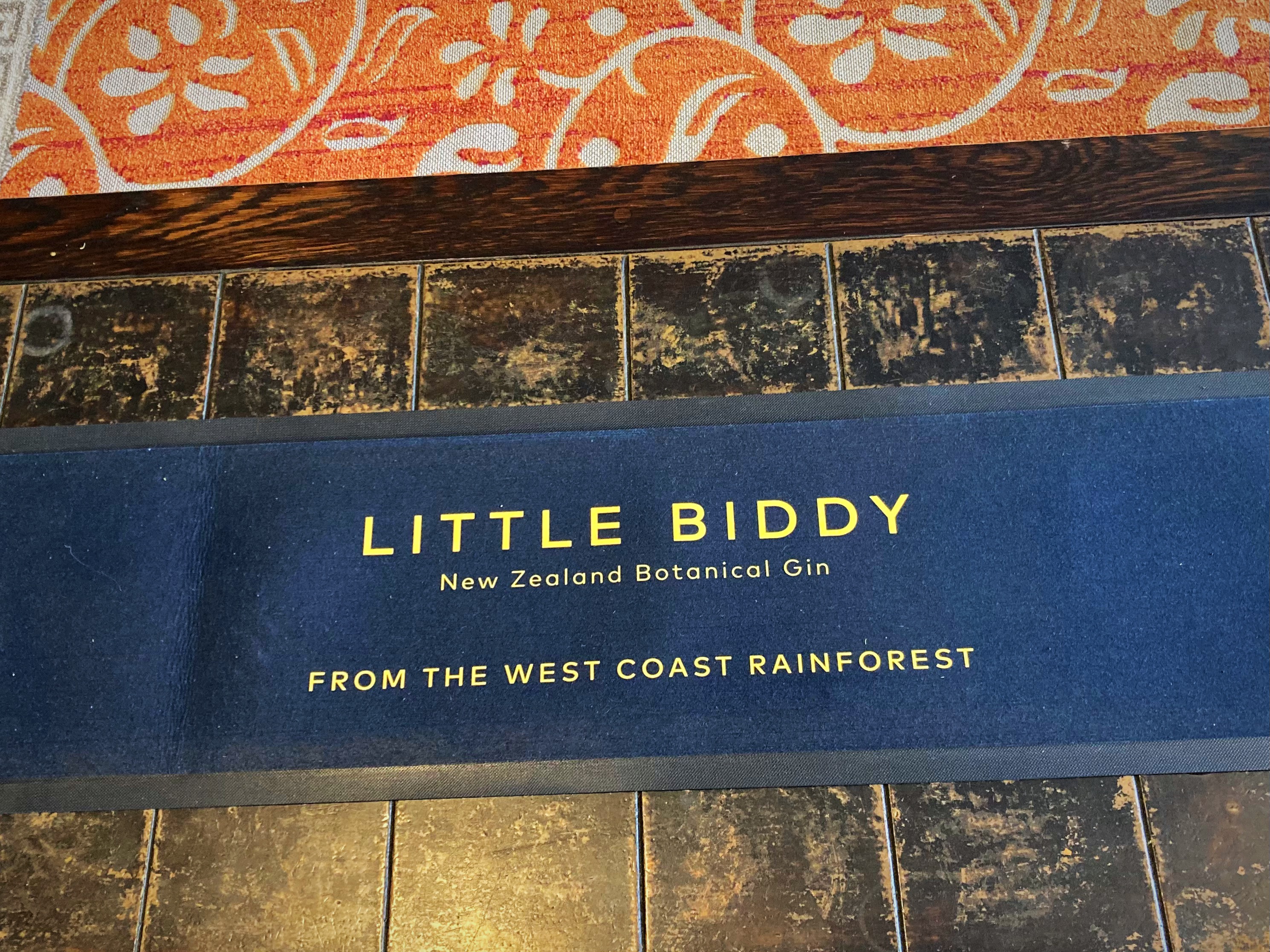
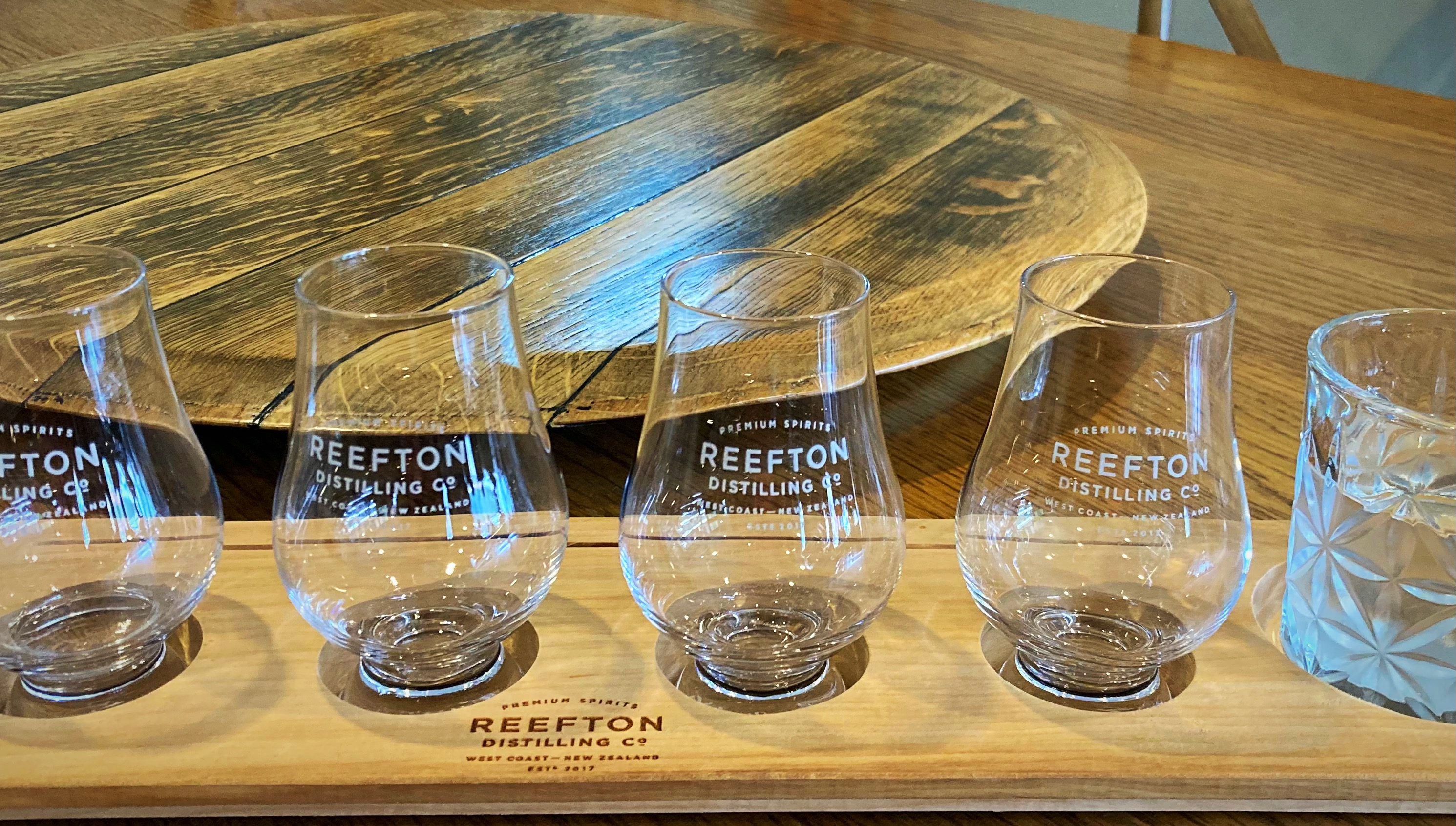
Reefton is now also famous for having the second largest gin distillery in New Zealand – Reefton Distilling Co. who produce a range of small batch products – Little Biddy Gin, Wild Rain Vodka and soon Moonlight Whiskey.
We enjoyed a very informative talk by the cellar door manager, Trudy, who told us about the vision and passion of the distillery’s founder, Patsy Bass. Patsy was born in Reefton and wanted to create something that would generate jobs for Reefton, develop a tourist attraction to encourage people to visit the town and give them a reason to stay. They currently employ 12 people. Reefton has a population of about 1000 people.
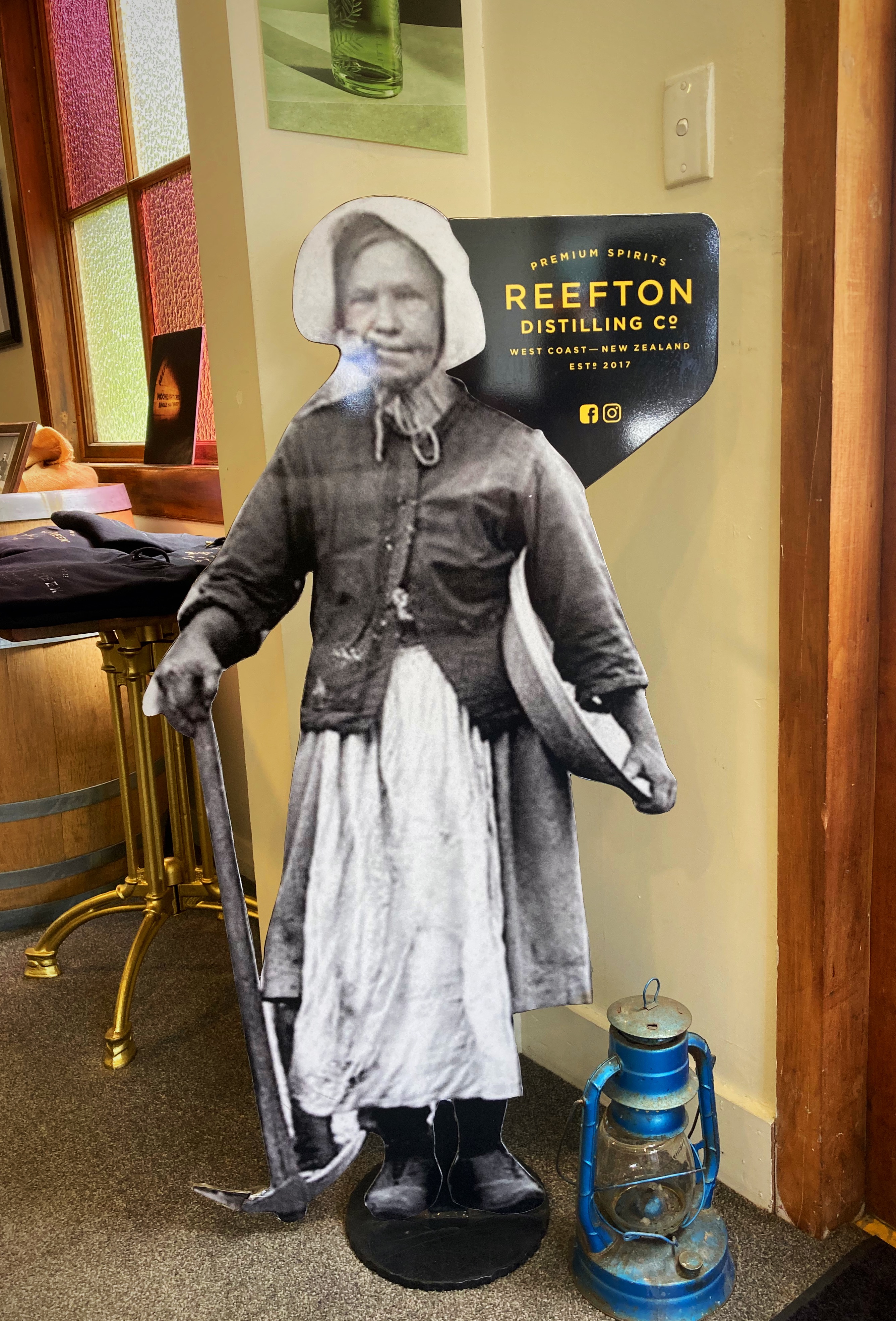
The name “Little Biddy” comes from a female gold miner who came to NZ for the gold rush in about 1880. She was born in Ireland, was only four foot tall but very capable of hard, physical work. She was quite a character by all accounts, and became well known on the West Coast as Little Biddy. Check out https://en.m.wikipedia.org/wiki/Bridget_Goodwin to appreciate what a character Little Biddy was.
It was then back in the van for a very scenic drive over the Lewis Pass back to Christchurch, where we all went our separate ways after a fantastic week exploring the West Coast. Big ups to Steve and Paul our organisers, tour guides and all round great humans from Natural High https://www.naturalhigh.co.nz/