As part of my “let’s explore at least one new place a year” and on a good recommendation, we came to Luang Prabang (LP) in Laos.
We arrived on an ATR-72 which is a twin-engine turbo prop plane that we are very familiar with in NZ.
Unfortunately, Typhoon Yagi decided to turn up to the party in China and northern Vietnam the day before we arrived which had a spin off for northern Asia. The first three days we were here it rained a lot of the time but we still managed to explore the town and eat a lot of yummy food and drink a lot of yummy cocktails.
LP reminded me a lot of Hoi An in Vietnam and has a strong French influence. The food has a strong Vietnamese influence which is my favourite Asian cuisine so there was really nothing to complain about. The people are really friendly and speak good English generally.
LP means “Royal Buddha Image” and the town is a UNESCO World Heritage Site. It was listed in 1995 for unique and “remarkably” well preserved architectural, religious and cultural heritage, a blend of the rural and urban developments over several centuries, including the French colonial influences during the 19th and 20th centuries.
The town has many beautiful buildings, but the streets are a little unkempt. We stayed at a hotel on what they call the ‘island” or ‘tongue’. It is surrounded on one side by the Nam Khan River which flows into the Mekong which is on the other side. Due to all the rain the rivers were flowing high and fast. There is actually a flood warning in place here due to all the rain that has fallen further north causing flooding upriver.
Typhoon Yagi is the strongest typhoon to make landfall in 10 years in the Chinese holiday island of Hainan and has claimed some lives and caused over a million people to be evacuated. We got off lightly and will be back in Hua Hin before any flooding issues hit LP.
We enjoyed watching the people go about their daily business and came across a number of schools. The kids were noisy, happy and very engaged in their learning. We were especially intrigued by them all turning up on motorbikes, both petrol and electric. They look way too young to be in control but can often be seen with two or more onboard. With the rain, the pillion passenger was usually holding the umbrella.
There were a number of zebra crossings in place around town, but I am unsure why – the locals certainly have no idea what they mean as they drive through them as you wait patiently on the side of them or sometimes in the middle of them. It is also left-hand drive here which also took a bit to get used to again.
Facts (thanks Wikipedia)
Laos is officially known as the Lao People’s Democratic Republic (LPDR).
It is the only landlocked country in Southeast Asia – it is surrounded by China, Vietnam, Thailand, Cambodia and Myanmar.
The capital city is Vientiane.
The population is approximately 7.8 million.
The country was under a French protectorate from 1893, occupied by the Japanese in World War II, recolonised by France until it won autonomy in 1949. It gained independence in 1953 as the Kingdom of Laos.
Laos’s strategies for development are based on generating electricity from rivers and selling it to its neighbours, namely Thailand, China and Vietnam. It has been referred to as one of South East Asia’s fastest growing economies despite being classified as one of the least developed.
As part of the Vietnam war between 1964 and 1973, the US dropped two million tonnes of bombs on Laos, nearly equal to the 2.1 million tonnes the US dropped on Europe and Asia during World War II, making Laos the most heavily bombed country in history relative to the size of it’s population.
Some 80 million bombs failed to explode and remain scattered throughout the country, rendering vast swathes of land impossible to cultivate.
The Lao PDR is one of the world’s few socialist states openly endorsing communism.
Human rights violations remain a significant concern in Laos.
China is the biggest foreign investor in Laos.
Subsistence agriculture still accounts for half of the GDP and provides 80% of employment. Rice dominates agriculture, with about 80% of arable land area used for growing rice.
The country’s most widely recognised product may be Beerlao, which in 2017 was exported to more than 20 countries worldwide. The Lao Brewing Company was originally state owned, but Carlsberg Group acquired 70% of the shares with the remaining 30% owned by the government.
As I mentioned earlier, there are lots of yummy food and drink options. The restaurants and cafes we went to had put a lot of thought into their menu’s, the quality and the presentation of the food. I would liken it to Bali but with a much more authentic vibe and real pride in what they were offering. Here are some of the places we ate at and highly recommend:
Bouang
A colourful, family run restaurant with yummy local dishes.
Saffron Coffee
I visited Saffron Coffee every day and enjoyed some great lunches there. I met one of the owners called Todd who was really interesting to talk to. They run as a social enterprise ensuring the people that they work with are equipped with the things they need to prosper.
Check out their website www.saffroncoffee.com for more information on their operation and methods.
Tangor
Tangor has been open since 2012 serving Asian fusion food with a French twist. Located on the main road it is a great spot to sit on the terrace and people watch.
Two Little Birds Cafe
This place was about one kilometer from town with a vegan focus. A little family-owned cafe that makes the most delicious smoothie bowls as well as traditional Laos dishes with a vegan or vegetarian twist. We went there for breakfast most days and enjoyed chatting with the owner. He is a tour guide for Contiki but when he is not guiding, he helps out in the cafe.
Popolo
Fantastic pizzas and salads. The pizza bases are made from sourdough that has been proving for 72 hours.
The Belle Rive
This restaurant is associated with the four-star Belle Rive Hotel down on the banks of the Mekong. A little more expensive but well worth it to enjoy the sunset over the Mekong. Unfortunately, the risk of flooding mentioned earlier, meant that the staff were busy shifting everything up to higher ground in case of flooding. Absolutely delicious food, drinks and service.
Sena
We didn’t eat here but enjoyed an after-dinner drink. Their cocktail named “Honeymoon” is an absolute must. It is lucky I only discovered it on our last night!
Laos has a number of social enterprises where the focus on the business is to educate, employ and empower the people involved. I walked out to Ock Pop Tok’s living craft centre, meaning “East Meets West” which is the perfect analogy for the meeting of British Jo and Laotian Veo, the two co-founders. Since the beginning, the artisan social enterprise, has been trying to bring two worlds together. Merging traditions from the east with innovation from the west has allowed them, since 2000, to elevate the profile of Lao textiles and contribute to its preservation. Check out their website for more info https://www.ockpoptok.com it is absolutely inspirational and so interesting.
Unfortunately, I arrived at lunchtime so there were no demonstrations or tours happening. You can do a self-guided audio tour or just walk around and read all the information boards. There was one woman working on her loom – wow is all I can say. Such intricacy using the traditional equipment and methods.
On the last morning I decided to walk up Phousi Hill – it was still a little cloudy after some more overnight rain but that just added to the mystical nature of it, with some clouds still lingering in the mountains.
Phou Si, which means “sacred hill” is about 100 meters high. There are about 300 steps to the top but it is worth the effort. From the top you will have great 360 degree views of Luang Prabang, the Mekong and Nam Khan rivers and the forested mountains.
Ancient legend tells of a powerful Naga (part human, part serpent deity in Buddhist and Hindu belief) who used to call the mountain home, and there are beautiful little temples and shrines dotted throughout the hill, their gilded rooftops just visible above the trees.
As my good friend Debs says, you must leave a little salt on the bread. Due to the rainy weather, we didn’t get to explore the Kuang Si waterfall or visit the Buffalo dairy farm. They are on the list for next time as we will definitely be back.
After two amazing weeks in Sicily it was time to start our journey home.
Sicily – Zurich – Singapore
We went from the dry heat of Sicily to the humid heat in Singapore for a couple of nights. Apart from Debs, none of us had been to Singapore before and Debs visit was many moons ago.
We stayed in Chinatown and enjoyed the culinary delights and hustle and bustle that has to offer.
We spent our only full day in Singapore zipping around on the MRT visiting the various sights – Little India, Orchard Rd and the Gardens by the Bay.
Gardens by the Bay is a nature park spanning 101 hectares (250 acres) and was part of the nation’s plans to transform its “Garden City” to a “City in a Garden”, with the aim of raising the quality of life by enhancing greenery and flora in the city. Its Flower Dome is the largest glass greenhouse in the world.
We finished off with a Singapore Sling at Raffles.
Ngiam Tong Boon was a talented Hainanese bartender in the 1900s helmed with years of experience managing bars, hotels and restaurants in Asia. After being hired by Raffles Hotel Singapore, he worked as a bartender in Long Bar, then located in Cad’s Alley. It was during this period that an undisputed legacy was born.
With a rose tint, tall Raffles glass and crisp pineapple and cherry garnish, the Singapore Sling continues to be a favourite among guests even after a century. The Singapore Sling elates guests with a perfect fusion of acidity, sweetness, and bitterness coupled with a dash of alcohol, while remaining aesthetically pleasing.
We went to the highly recommended restaurant, Artichoke, for dinner. Artichoke is a Middle Eastern-inspired New School Kebab and Mezze Bar in the heart of Singapore’s Arts and Heritage district, helmed by chef-owner Bjorn Shen. The food and service were top notch.
Singapore is a beautiful city that prides itself on its orderliness, cleanliness, efficiency and friendliness. Quite the contrast to Sicily
Today we went to the Botanic Gardens which are pretty amazing. The idea of a national garden in Singapore started in 1822 when Sir Stamford Raffles, the founder of modern Singapore and a keen naturalist, developed the first “Botanical and Experimental Garden” at Fort Canning. This garden closed in 1829 and it was not until 30 years later that the Singapore Botanic Gardens at its present site was founded by an Agri-Horticultural society. This oasis of beauty and greenery was soon handed over to the Government.
In the early years, the Gardens played an important role in fostering agricultural development in Singapore and the region through collecting, growing, experimenting and distributing potentially useful plants. One of the earliest and most important successes was the introduction, experimentation and promotion of Pará Rubber, Hevea brasiliensis from 1877.
This became a major crop that brought great prosperity to the Southeast Asian region. In the 1920s, the Gardens spearheaded orchid breeding and started its orchid hybridisation programme. In contemporary times, the Gardens also played a key role in Singapore’s Garden City programme through the continued introduction of plants of horticultural and botanical interest.
Today, the more than 80-hectare Gardens is home to over 10,000 kinds of plant life set in verdant landscapes. The Gardens has grown into one of the world’s finest tropical gardens and an important centre for botanical and horticultural research, education and conservation. It is also home to the National Orchid Garden, which features the world’s most extensive and comprehensive exposition of orchid culture.
It was then time to head to the airport – three Bella’s heading back to NZ with one heading to her home away from home in Thailand. A wonderful two weeks exploring, eating, drinking, chatting, laughing and enjoying each other’s company
From Bucharest I flew to Sicily to join my dear friends Jo, Kaye and Debs on a Sicilian sojourn. We are staying in a rustic villa near the village of Scopello. It is perfect for our first week in Sicily and has a lovely view out to the ocean and a beautiful beach about 500 metres away.
On our first day of exploring we went to the village of Erice. Unfortunately the weather was a bit hit and miss. Erice is a historic town and comune in the province of Trapani, Sicily, in southern Italy. It is a member of the I Borghi più belli d’Italia (“The most beautiful villages of Italy”) association.
In the northeastern portion of the city there are the remains of ancient Elymian and Phoenician walls (Cyclopean masonry) indicating different stages of settlement and occupation in antiquity.
There are two castles that remain in the city: Pepoli Castle, which dates from Saracen times, and the Castello di Venere (“Venus Castle”), dating from the Norman period, built on top of the ancient Temple of Venus, where Venus Ericina was worshipped.
During the Second World War a Luftwaffe Operations Centre (main support weapon of the German Army) was located on the slopes of Monte Erice from early 1943 until they were forced by Allied air raids to relocate.
Erice is about 750 metres above sea level up narrow and winding roads so it was a good introduction to driving and parking in Italy .
Bella’s on Tour – Sicily – Palermo
Italy is all about the food so what better way to spend half a day than doing a walking street food tour.
We navigated our way to Palermo and managed to find a carpark building – we weren’t keen on parking like the Italians which appears to be any which way but upside down
We met our guide, Justyna, who was so lovely. Our group consisted of the Bella’s, three American girls and an American couple. The three American girls were a real laugh and we enjoyed their company. They actually thought we were quite cool and told us they wanted to be like us when they grew up – the ultimate compliment
The food market, Mercato Ballaro, operates seven days a week from 7am to 2pm and has everything from fresh fish to pasta to cheese and olives.
Street food in Palermo goes back many centuries and is influenced by the many cultures that have occupied Sicily. We started off with Panelle (chickpea flour fritters), Arancina or Arancini (fried rice balls), Crocchè (potato fritters) and Caponata (chopped fried aubergine and other vegetables, seasoned with olive oil, tomato sauce, celery, olives, and capers, in an agrodolce sauce).
As you can imagine we were pretty full by then but wait there’s more.
Justyna pointed out the Bello Bello Sfincione food cart which has been going since the 1950’s. Sfincione is a fluffy Sicilian pizza traditionally made with thick dough that is left to rise for several hours or even overnight. The thicker crust, similar to focaccia, is typically topped with tomato sauce, onions, anchovies, oregano and caciocavallo cheese.
We then started making our way through the market stalls. As soon as we pointed at something, Justyna was getting us a sample – we were about to be rolling out of that place.
I especially liked the Pecorino cheeses which are hard Italian cheeses made from sheep’s milk. The name “pecorino” derives from pecora, which means sheep in Italian. There were also a lot of pistachio products – a creamy mixture used in sweet treats and a salty one used in pastas and the like.
We finished off with a Limoncello Spritz before heading into the shopping streets. Wow it was a busy place. We then stopped off for some Granita which is a semi-frozen dessert made from sugar, water and various flavorings. Originally from Sicily, it is available throughout Italy in varying forms. It is related to sorbet and Italian ice; however, in most of Sicily, it has a smoother, more crystalline texture.
We then visited Quattro Canti which is a baroque square which is officially known as Piazza Vigliena. It has a four corner building which has been perfectly created and decorated with statues of Spanish Kings and fountains.
Next stop was Piazza Pretoria Pretoria is regarded as probably, the most beautiful square in the whole of Palermo. The grand square features a magnificent fountain, with sixteen statues of nymphs, humans, mermaid, and other creatures. It was constructed during the time of the inquisition.
Justyna then went off to get us a cannolo.
The Sicilian cannolo or cannoli for plural is the King among Italian desserts. Famous worldwide, the only original and authentic cannolo comes from the island of Sicily.
This tube shaped fried crispy and flaky shell filled with classic sweet ricotta, garnished with candied orange peel or chopped pistachio. They are believed to have originated from the Palermo and Messina area before spreading to the rest of Italy and around the world.
Holy smoke, we were about to burst.
Thankfully our next stop was the Palermo Cathedral which was originally built in 1185. It is dedicated to the Assumption of the Virgin Mary. As an architectural complex, it is characterized by the presence of different styles, due to a long history of additions, alterations and restorations, the last of which occurred in the 18th century.
The statue out of the front of the Cathedral is that of Rosalia (1130–1166), nicknamed la Santuzza (“the Little Saint”), who is the patron saint of Palermo in Italy, Camargo in Chihuahua, and three towns in Venezuela: El Hatillo, Zuata and El Playón. She is especially important internationally as a saint invoked in times of plague. From 2020 onwards she has been invoked by some citizens of Palermo to protect the city from COVID-19.
Palermo is the capital of both the autonomous region of Sicily and the Metropolitan City of Palermo, the city’s surrounding metropolitan province. The city is noted for its history, culture, architecture and gastronomy, playing an important role throughout much of its existence; it is over 2,700 years old. Palermo is in the northwest of the island of Sicily, by the Gulf of Palermo in the Tyrrhenian Sea.
It has a population of about a million people and is one of the largest cities in the Mediterranean, and is now among the top tourist destinations in both Italy and Europe. It is widely known for its colourful fruit, vegetable and fish markets at the heart of Palermo, known as Vucciria, Ballarò and Capo. Roman Catholicism is highly important in Palermitan culture.
Bella’s on Tour – Sicily – Castellammare del Golfo and Scopello
There are so many villages and settlements on Sicily to explore.
We visited Castellammare del Golfo. The name can be translated as “Sea Fortress on the Gulf”, stemming from the medieval fortress in the harbor.
Fishing has been important in Castellammare del Golfo since ancient times. Today the town’s economy continues to be based on fishing with the addition of tourism.
The small town is also noted for having been the birthplace of many Sicilian-American Mafia figures. This is the origin of the Castellamarese war, fought by the Masseria clan against the Maranzano clan for control of the Underworld in New York City.
During the height of Italian immigration to the United States, many residents from Castellammare del Golfo immigrated to New York City. After World War II, this immigration continued but to different parts of New York City.
Debbie has a small obsession with the groups of old Italian men that seem to gather in the middle of these villages. I believe she’s looking for the Godfather .
We also visited Tonnara di Scopello which is one of the oldest and most important in Sicily. This complex contains a museum that is a historical testimony of the fishing economy (namely tuna) which for centuries has represented one of the main sources of income for the local people, still preserving intact today, all the equipment and tools used for tuna fishing.
The tonnara (tuna factory) was in operation from the 13th century until its closure in 1984. The complex was greatly developed in the 15th and 16th centuries. The museum was really interesting and included a lot of photos which put in context how hard these fishermen worked. It is now owned by the Florio family and has accomodation and a restaurant onsite. No photos were allowed to be taken inside the premises.
The Florio family is a prominent entrepreneurial Italian family who started many lucrative activities in Sicily involving the export of Sicilian products (such as Marsala wine) in the nineteenth century. The family extended its interests to shipping, shipbuilding, fisheries, mining, metallurgy and ceramics.
In 1906, Vincenzo Florio created the Targa Florio, one of the oldest car races in the world. The first Targa Florio covered 277 miles through multiple hairpin curves on treacherous mountain roads where severe changes in climate frequently occurred and racers even faced bandits and irate shepherds. The race passed through many small villages, and fans lined up along the roads with no protection from the race cars. It was suspended in 1978 because of safety concerns. Today, the race continues with a different circuit as a minor racing event.
We enjoyed a lovely afternoon on Cala Mazzo di Sciacca, the beach about 500 metres from our villa before heading into Scopello for dinner.
Bella’s on Tour – Sicily – Vini Cassara
We booked a wine tour at Vini Cassara expecting to turn up at a rustic vineyard where we would try a few wines in amongst the vines. We were all decked out in our pretty dresses looking the part.
When google maps told us we had reached our destination we thought there had been a mistake. We were sitting outside a very industrial looking winery. After driving down a few hairy roads around the vineyard we decided to go and ask for directions at the office.
We were greeted by the lovely Lucia who told us we were in the right place. OK, not quite what we expected but we rolled with it.
Lucia explained the history of the winery and proceeded to take us for a tour inside the production / bottling facility.
A dream in the Mediterranean that spans four generations. In 1860 Pietro Cassarà launched wine production and handed down the passion to Rocco and then to his nephew Nicolò who in the 1980s with his young son Antonello wrote a new page in the history of Sicilian wine.
In 2007 the most sophisticated technologies arrived in the modern company, allowing Antonello to create his own brand and start a larger production intended for the whole world. Only a few years later Cassarà wines delighted the palates in Japan, China, Australia and Canada.
After the tour, we then went back to the “office” where we were greeted by Lucia’s father, Antonello and Lydia, the office manager. They had organised some traditional Sicilian food and we sat down to try the wines. Antonello didn’t speak English but was very engaging and Lucia interpreted for him. Lydia’s parents were originally from Alcamo, where the winery is, but had immigrated to the US where she was born. She came back to Alcamo when she was 21 and has worked at the winery for 15 years. She spoke great English and we really enjoyed chatting to her.
Lucia is an only child and is helping with the marketing for the vineyard. She is a classical pianist with a degree in Pianoforte and Cinema Studies. She has also written a book – Mozart, Disney and Co. So, so interesting to talk to.
We tried their Sauvignon Blanc called Jacaranda. It is a lot more floral than the NZ Sauvignon Blanc which is more grassy. We then tried the Nero D’Avola called Solcanto. Absolutely delicious. The winemaker also joined us but had limited English.
They had also organised a Sicilian Cassata Cake for us – a visual masterpiece. It is made from sweetened ricotta, iced with marzipan and decorated with candied fruit. Very rich and sweet but a perfect finish to our visit.
Again, the best experiences come from the least expected things. We were welcomed so warmly by Antonello, Lucia and Lydia and given a genuine insight into their wines and how they operate as a family business.
They follow organic practices and most of their wine is exported. They also make some by-products – Mosto cotto, also called vino cotto or saba, is made by cooking the liquid that results from initial whole grape pressings — seeds, skin, stems and all. By reducing it down to a syrup, the complex flavors that give wine its unique, distinctive notes are amplified. The resulting product is a sweet, tangy addition to savory dishes as well as desserts. We tried some with pecorino cheese and it was a hit.
They are also one of the only wineries producing grape sugar which is a syrup obtained from grapes through the clarification, deionization — also known as rectification (RCM) — and final concentration of grape juice. This process removes non-sugar compounds from the liquid, resulting in simpler syrups that contain only water and grape sugars glucose and fructose, in roughly equal parts. More recently, RCM has found favor with food and beverage manufacturers, which use it in fruit juices and preserves, yogurts, baby foods and other products.
Rising interest in grape sugar is part of a broader trend toward greater use of sugars of fruit and plant origin, such as sweeteners obtained from apple, agave and maple plants. These sugars are a better fit with consumer demands for “natural” products than sugars extracted from sugarcane and corn, which dominated the market in the past.
They also produce olive oil from a different location.
Bella’s on Tour – Sicily – Favignana
Sicily is the largest and most populous island in the Mediterranean Sea and one of the 20 regions of Italy. Sicily itself is also surrounded by some smaller islands.
On Saturday we took a ferry from Trapani to Favignana (30 minutes) which is one of three islands in the Egadi Islands, Levanzo and Marettimo being the other two.
As you approach Favignana you see a fort perched high up on the hill. For centuries, Favignana was protected by the Fort of Santa Caterina. Originally built by the Arabs as a watchtower, subsequently enlarged by the Normans, and later used as a prison by the Bourbon Kings.
Ignazio Florio one of Italy’s richest and most powerful industrialists purchased the whole island in 1874, along with all commercial fishing rights. Florio quickly began work on enlarging and beautifying an existing tuna processing plant (tonnara).
The tonnara on Favignana was one of several owned by the Florios in Sicily, but arguably their most important, for it was here that they trialled and perfected new industrial processes, including a groundbreaking technique for preserving tuna in olive oil, and the invention of a key-opened tin can.
Long before the Florios came to exploit the island’s resources, Favignana had been a Roman outpost. During the First Punic War, several naval battles were fought off the coast of Favignana, including one sanguinary clash which turned the water red – hence the name of Cala Rossa, one of the island’s most picturesque bays. The spoils of the Roman victory included Favignana, which provided the Roman Empire with a rich source of tuff stone. Quarries were dug all over the island and these angular depressions are very much part of the topographical make-up of Favignana today.
Favignana measures 9km from east to west and the most popular form of transport is by bicycle so we hired some bikes at the port and set off to explore the island.
The bays and beaches have transparent and electric blue waters – so gorgeous. We had a swim halfway round before stopping for lunch. On the way back to the old town we stopped at Cala Rossa for a swim. Unfortunately it was a little difficult to actually get into the water without clambering over some sharp looking rocks. It was worth a visit though – the colour of the water was amazing.
We headed back to the old town for some lemon granita. While we were there we saw a wedding party – the bride and all her family were walking through the old town to the church. Everyone clapped as they walked past.
It was then back on the ferry to the mainland.
Bella’s on Tour – Sicily – Palermo revisited and Syracuse
On Sunday, after a lovely week on the western side of Sicily in Scopello we shifted to the eastern side closer to Catania.
Sicily is a big island and it was going to take us about three and a half hours to cross it. We decided to stop off at the markets in Palermo on the way. It was nice going back a second time as things felt familiar.
We had breakfast near the markets and then wandered down to the harbour. Limoncello tasting, a lovely coffee stop and some retail therapy were par for the course
We then set off on our road trip, missed a turn at a detour and added forty minutes to our journey . Our new home for the week was worth the wait though. We have a pool and great views over Mt Etna.
On Monday, we took a drive to Syracuse which is notable for its rich Greek and Roman history, culture, amphitheatres, architecture, and as the birthplace and home of the pre-eminent mathematician and engineer Archimedes. This 2,700-year-old city played a key role in ancient times, when it was one of the major powers of the Mediterranean world.
We checked out the Piazza Duomo, the cathedral, the Arethusa Spring, Castello Maniace and the Fountain of Diana.
A couple of the Bella’s also got some custom made sandals while they waited which they described as a special experience. It might have helped that the sandal maker was rather cute
It was then home to enjoy the pool and a limoncello spritzer
Bella’s on Tour – Sicily – Catania
When we did our food tour in Palermo, our guide Justyna told us about the fierce rivalry they have with Catania which is on the east coast of Sicily. She mentioned a number of times that the various street foods in Palermo were far superior to those in Catania. Given our love for Italian food we had to check it out for ourselves.
Catania is the second largest municipality in Sicily, after Palermo, both by area and by population. Despite its reputation as the second city of the island, Catania is the largest Sicilian conurbation (a region comprising a number of metropolises, cities, large towns, and other urban areas which through population growth and physical expansion, have merged to form one continuous urban or industrially developed area), among the largest in Italy, as evidenced also by the presence of important road and rail transport infrastructures as well as by the main airport in Sicily, fifth in Italy. It is located on Sicily’s east coast, at the base of the active volcano, Mount Etna, and it faces the Ionian Sea. The population of the city proper is about 312,000 while the population of the Metropolitan City of Catania is about 1.1 million.
We navigated our way through rush hour traffic before walking to the Piazza Duomo to meet our guide, Francesco. There were also an English couple, an English woman who has lived in Rome for forty years and her Irish friend. The Rugby World Cup was the first topic of conversation once she knew we were from NZ. Francesco was very interested in NZ and the pacific islands due to his interest in sailing.
On our way to the markets, we stopped to admire a river that flows under the Piazza. There was an immaculately dressed man standing there having his picture taken with whoever wanted – Debs was front and centre
We walked through the fish market which is a very lively place. Swordfish is very popular on the menus here.
We then went to a local restaurant in the market for some tastings. We had some cheese and salami. The ricotta was absolutely delicious.
Next up we had a choice of seafood or horse meat. Given the other three are seafood lovers and none of us were keen on eating horse, we went with the seafood option. One of the others in the group tried the horse meat and said it was super salty.
We then left the market and wandered past some churches and a convent. The buildings are dirty looking due to the ash from Mount Etna’s historic eruptions, the most recent being in August this year
Mount Etna is located above the convergent plate margin between the African Plate and the Eurasian Plate. It is one of the tallest active volcanoes in Europe, and the tallest peak in Italy south of the Alps with a current height (July 2021) of 3,357 m (11,014 ft), though this varies with summit eruptions. Over a six-month period in 2021, Etna erupted so much volcanic material that its height increased by approximately 100 ft (30 m), and the southeastern crater is now the tallest part of the volcano.
Mount Etna is one of the world’s most active volcanoes and is in an almost constant state of activity. The fertile volcanic soils produced from this activity support extensive agriculture, with vineyards and orchards spread across the lower slopes of the mountain and the broad Plain of Catania to the south. Due to its history of recent activity and nearby population, Mount Etna has been designated a Decade Volcano by the United Nations. In June 2013, it was added to the list of UNESCO World Heritage Sites.
We have a fabulous view of Mount Etna from where we are staying.
Next up on the tasting menu was Arancino given we were in Catania. The rivalry between Catania and Palermo extends to this yummy morsel. According to Palermitans there’s no doubt! It’s Arancina (Singular) and Arancine (Plural) and it has the shape of a ball. While according to Catanians it’s more correct to say Arancino (S) and Arancini (PL) and it has the shape of a cone!
But it’s not only a matter of vowels or shape but gender! In fact, according to the Italian grammar, the word arancina is feminine while arancino is masculine! Palermitans love to say “a’ arancina fimmina è!” (the arancina is a lady!”
We passed the area where they are uncovering the ruins of the Amphitheatre of Catania which was built in the Roman Imperial period, probably in the 2nd century AD.
Next up we had a Cipollina which refers to a type of small, somewhat flattened onion that has a thin skin and a sweet taste. This is typical of the province of Catania. The Cipollina is a crunchy box of puff pastry filled with stewed onions, tomato sauce, mozzarella and ham. Really, really delicious
We then went to a drinks kiosk to try a Seltz Limone e Sale which is sparkling water, juice of a lemon and a teaspoon of salt. This drink was offered for the first time in 1896 and is a good supplement of mineral salts and very refreshing after a day at the beach. They offered a mandarin version which I took – good choice as it was refreshing – the ones who chose the lemon version said it was too salty!
Next up was the Granita which we have become very well acquainted with on this trip. Granita is a semi-frozen liquid compound prepared with water, sugar and a fruit juice or other ingredient. I have had a pistachio one and a number of lemon ones. This time I went with chocolate and it was delicious – very creamy. Jo had the coffee one and was not impressed.
Two different food tours and two different experiences. We found Catania a lot more relaxed but the blackened buildings did give an impression of being a dirty city. The Sicilian food though was a hit in both places.
Bella’s on Tour – Sicily – Taormina
Today we headed to Taormina which is about an hour north of where we are staying on the east coast of the island.
Taormina is a historic town that sits 250 metres above sea level. A cable car connects the historic center of Taormina with its beach area of Mazzarò.
The history of Taormina dates back to before Ancient Greece established its first colony on Sicily in 734 BCE in Magna Graecia and it has been a tourist destination since the 19th century.
Taormina followed the history of Sicily in being ruled by successive foreign monarchs. After the Italian unification, Taormina began to attract well-off tourists from northern Europe, and it became known as a welcoming haven for gay men and artists.
We caught the cable car up to the town and the view on the way up was pretty special. We enjoyed a lovely coffee near the piazza before going exploring. It is a very upmarket town, well kept with lovely shops and greenery.
We visited the Villa Communale of Taormina which was originally the garden of the house of an English noblewoman who lived in Taormina in the nineteenth century: Lady Florence Trevelyan. The daughter of a cousin of Queen Victoria, Lady Florence arrived in Taormina in 1884, fleeing from a scandal at court. She was accused of having an affair with the Prince of Wales, the future King Edward VII, who was already married to Alexandra of Denmark. In Taormina, Lady Florence met the doctor Salvatore Cacciola, who was to become the mayor of Taormina and whom she married in 1890. Over the years the couple bought several pieces of land where they built their villa and around which the noblewoman began to create an English-style garden.
Until 1990, Florence Trevelyan also owned Isola Bella (also known as the Pearl of the Ionian Sea), a small island below Taormina, before it was bought by the Region of Sicily, being turned into a nature reserve, administered by the Italian branch of the World Wide Fund for Nature. There is a narrow path that often connects the island to the mainland beach.
After our explore we caught the cable car down again and drove along the coast to do a two hour boat tour to see Isola Bella and Grotto Azurra which had stunning light reflections creating a contrasting blue pool against the walls of the ancient cave.
Our captain also pointed out San Domenico Palace, A Four Seasons Hotel, which was the hotel used as the setting for season 2 of the hit HBO show The White Lotus. Located on a hillside overlooking the Ionian Sea, the building was once a once a convent back in the 14th century, and has been welcoming guests as a hotel since 1896.
We stopped to have a swim which was amazing – the water is so clear and warm. On the way back to the port the captain cranked up the music and a bit of dancing took place. The captain even put on a bit of a show and may or may not have had a little dance with one of the Bella’s . We met some lovely people on our tour from Wales, the UK, Scotland, Australia, Italy and Israel.
Parking is a bit of an issue in Italy. Most of the time the parking machines don’t work and the parking buildings on Google maps don’t exist or are closed. The Italians just seem to park wherever but we’re a little nervous to do this. Anyway, today we were attempting to use a parking machine when a guy on a push bike came along and told us to follow him to a parking lot. We went down a dusty alley and he told us it was EU5 to park for the day. Jo was suspicious that it was a scam but we were running late for the boat tour so we went with it. We were all a little nervous that either our car would be gone when we got back or they would demand a ransom.
We enjoyed a lovely lunch after the boat trip before nervously heading back to the car. After overshooting the entrance to the dusty alley and some confusion as to whether we were on the right street, we located the parking lot – another guy with his push bike was sitting there this time. Our car was also still there and no ransom was demanded .
On the way home we stopped at the supermarket for Prosecco and tonic supplies as well our first gelato on tour. It has been the best day, topped off by a convincing All Blacks win which we managed to watch on my laptop.
Bella’s on Tour – Sicily – Caltagirone & Valley of the Temples
A big day on the road for the Bella’s today.
First stop was the village of Caltagirone which is famous for its ceramics. Take one look at the landscape around Caltagirone, and you’ll understand why ceramics became the destiny of this hilltop town. For two millennia, the clay has meant a living for the people of Caltagirone. The word Caltagirone itself derives from the Arabic phrase Qal’at al Ghiran, or Rock of the Vases, which, according to legend, is the name its medieval inhabitants gave it.
Today, Caltagirone is the center of an uncomplicated, exuberant ceramics tradition. The designs are bold and brash, with a palette dominated by blues, greens and yellows and big, bold designs. This pottery exudes a sense of warmth and cheer that feel as if they could only exist on Sicily.
On Sicily, ceramic art is deeply rooted in time. The ancient Phoenicians and Greeks brought their artisanal traditions to the island, creating amphorae, kraters, kylixes, and other typical ancient wares using the ruddy earth and painted with styled black and red figures. The technique of laying bright, saturated colors against a white tin oxide background developed in the Middle Ages, and may have been introduced into Sicily during the Muslim conquest of the ninth through the eleventh centuries. These early artists left their masterpieces to bake in the hot Sicilian sun, and then left them behind, where they continue to inspire Sicily’s artisans today.
Caltagirone boasts a a set of world famous steps called Scalinata di Santa Maria del Monte which were built in 1606 in order to connect the ancient part of Caltagirone to the new city built in the upper part. The work required 10 years of work and was carried out under the direction of Giuseppe Giacalone. The original staircase had rest areas and a total of 150 steps. Since 1954, the steps leading to the church of Santa Maria del Monte have been entirely decorated with polychrome ceramic tiles, following the ancient local artisan tradition. The figurative themes of the ceramics are floral or geometric, and represent the Arab, Norman, Angevin-Aragonese, Spanish, Renaissance, Baroque, eighteenth-century, nineteenth-century and contemporary styles.
We met this group of cyclists on the stairs. They were all riding tandems and there were 17 of these tandems doing a 12 day cycle tour around Italy. It’s a volcanic island with many hills, crazy Italian drivers and it is very hot. And people thought I was mad cycling across Europe
Coffee, treats and a bit of retail therapy were enjoyed before we set off to the Valley of the Temples some two hours away.
The Valle dei Templi or Valley of the Temples, is an archaeological site in Agrigento (ancient Greek Akragas), Sicily. It is one of the most outstanding examples of ancient Greek art and architecture of Magna Graecia, and is one of the main attractions of Sicily. The term “valley” is a misnomer, the site being located on a ridge outside the town of Agrigento.
Since 1997, the entire area has been included in the UNESCO World Heritage List. The archaeological and landscape park of the Valle dei Templi, with its 1300 hectares, is the largest archaeological park in Europe and the Mediterranean basin.
The remains are in such good condition and it was amazing to get so close to them. The Valley includes the remains of seven temples, all in Doric style. Temple of Juno, Concord, Hercules, Olympic-Jupiter, Vulcano, Castor and Pollux.
We saw some GIrgentana goats which are endemic to the area. The Girgentana breed has its ancient origins in the Markhor or Falconeri goat (Capra falconeri), from the English naturalist Falconer, who first noticed it in northern Afghanistan and Balochistan. According to some authors the import of the first specimens of the goat is attributed to the Greeks, but other writers attributed it to the Arabs. It was bred and selected in Sicily, particularly in the south western area. Its name derives
from Girgenti (the name of the city Agrigento). It is a middle-sized goat with a long and thick white coat, sometimes with brownish markings. Its milk, renowned for its good ratio of lipids and proteins, is intended for direct consumption. This goat breed is threatened of extinction due to its small number of specimens and breeders.
We then had a two hour drive back to the west coast. We decided to go to a little seaside village called Brucoli for dinner on the way home. Unfortunately the restaurant we were going to go to was closed (although Google said it was open) so we ended up at a pretty fancy place called Al Castello.
We weren’t really dressed for such a nice restaurant but we were allowed in at 7.30pm and not a minute before, despite the staff sitting around playing cards. Most restaurants in Italy open between 7pm and 8pm. Despite the service being pretty officious the food was amazing – burrata ravioli in a tomato soup (Jo & I) and salmon steak with pistachio crust on cream of sweet potato and caramelised onion (Kaye & Debs).
Bella’s on Tour – Sicily – Serafico Terra Di Oilio e Vino
Our last full day on the beautiful island of Sicily. What an absolute treat it has been.
A relaxed start to the day with a return trip to Brucoli for a walk and coffee. It was nice to see it in the daylight and it was a hive of activity with the local fisherman bringing in their catches for the locals to come and buy on the side of the street. One such fisherman took quite a liking to Kaye and insisted on having a photo with her.
It was then back home for a swim before heading to Serafico for a late afternoon olive oil and wine tasting on the slopes of Mount Etna. The Serafico production plant / mill and tasting room / shop sit at about 800 metres above sea level. The company is family owned and has been operating since 1950.
The tradition of the cultivation of olive trees on Etna has its roots in history and legend: the first traces of olive cultivation in Sicily date back to the first millennium thanks to the Phoenicians and later to the Greeks. In this context the presence of the volcano, with its eruptive manifestations, has fed the myth of this crop: the Cyclops Polyphemus, personification of Etna with its only eye injected with the fire, is in fact blinded by Ulysses and companions with an olive trunk.
Overlooking the Gulf of Catania, admiring the Simeto Valley, in the territories of Nicolosi, Ragalna and Santa Maria Di Licodia up to 1,000 metres above sea level, Serafica’s olive groves of Nocellara etnea (olive variety), cultivar queen of the territory, give their extra virgin olive oil an articulated and rich taste.
We were met by our host Georgia who first took us to see a cave which showed three distinct layers of soil which were a result of the large eruptions over thousands of years. They have olive trees (40 hectares in total) and vines (15 hectares) at various levels above sea level which influences the taste of both the oil and wine.
Georgia took us through the olive oil process and showed us the traditional presses versus the new technology. They use both depending on who they are producing the oil for. There are some small growers they contract manufacture for who prefer the traditional press. Interestingly it takes 8 kilograms of olives to make a litre of olive oil. They also leave the nut in through the pressing process – the Nocellara etnea variant of olives are very delicate and the nut adds to the flavour.
The waste product from the pressing process looks a bit like cork and they sell this to the locals as a source of fuel for their stoves and fires.
The olive harvest period starts about mid October and goes through to December with the higher olive trees being the last to be harvested. They hand harvest the olives and they are pressed straight away to prevent them heating up.
We then went into the wine production area. They have 15 hectares of vines at between 650 and 900 metres above sea level. The grape varieties of Etna are Nerello Mascalese and Nerello Cappuccio (both red) and Carricante and Catarratto (both white). During the tasting we tried the Grotta del Gelo (red), Grotta dei Lamponi (rose made from the Nerello Mascalese) and the Grotta della Neve (white). I really liked them all – the noses on them were quite floral but they weren’t floral to taste. They were all quite dry and the mineral flavours came through. The red was the favorite for everyone.
They do some contract manufacturing for some of the smaller vineyards in the area too. They are just starting their harvest now.
On Sunday they are having a festival for the locals to mark the start of the harvest. They have some vines set aside for them to pick and do the traditional foot stomping. Georgia said they welcome a number of school groups through regularly to learn about what they do. You could see from the tasting area that they had a lot of educational stuff for the kids. As a company they appear very connected and invested in the community.
They even have a natural spring two hundred feet below the ground. They have set up a system to bring it up for the locals to come and buy – EU1 for 40 litres. We tried the water and it was good – it was lightly sparkling. It was a busy place with cars and people coming and going filling their bottles.
Georgia explained that the town water is not drinkable due to the state of disrepair of the infrastructure with lots of heavy metals detected in the water.
Georgia taught us how to taste the olive oil. We tried three – one from 400 metres, one from 600 metres and one from 1000 metres above sea level. They were all so delicate and smooth but the level of spiciness at the back of your throat increased the higher up the origin of the olives.
We then enjoyed some snacks where we could try the different oils. They also had some flavour infused ones – I loved the orange one. There was also a range of locally produced relishes / jams all using locally produced saffron. This local saffron producer does a lot of collaborations with other local producers of various products and sounds very innovative. Love these sorts of stories.
More special and informative memories made on the island of Sicily.
The full Euro Velo 6 cycle trail spans Europe between the Atlantic Ocean and the Black Sea. Due to a lack of cycle infrastructure and the fact that the route goes up near the Ukrainian border we decided to finish in Belgrade, Serbia.
However, the lure of the Black Sea saw us fly from Belgrade to Bucharest in Romania for a few days. We had originally planned a private tour to Constanta and the Black Sea but it fell through at the last minute so we decided to take the train and do a self guided tour. The train station in Bucharest is called Gara de Nord reflecting the French influence in the city.
The train trip (about three hours) was fun and very relaxing. The landscape started off very flat and brown before becoming a little greener closer to the coast. We saw many herdsman with their flocks of sheep, goats and cows. A very different scene to what we are used to in NZ. The landscape and buildings had an impoverished look about them.
We crossed the Danube–Black Sea Canal (Romanian: Canalul Dunăre–Marea Neagră) which is a navigable canal in Romania, which runs from Cernavodă on the Danube river, via two branches, to Constanța and Năvodari on the Black Sea. It is an important part of the waterway link between the North Sea and the Black Sea via the Rhine–Main–Danube Canal.
Although the idea of building a navigable canal between the Danube and the Black Sea is old, the first concrete attempt was made between 1949 and 1953, when the communist authorities of the time used this opportunity to eliminate political opponents, so the canal became notorious as the site of labor camps, when at any given time, between 5,000 and 20,000 detainees, mostly political prisoners, worked on its excavation. The total number of prisoners used as labor force during this period is unknown, with the total number of deaths being estimated at several tens of thousands. The construction works of the Danube–Black Sea Canal were to be resumed 20 years later, in different conditions.
Constanta is the country’s fourth largest city and principal port on the Black Sea coast. It is also the oldest continuously inhabited city in the region, founded around 600 BC, and among the oldest in Europe. It has a population of about 265,000.
We caught an Uber from the train station to the old town where we wandered down to the waterfront. Along the way we saw the museum of archaeology, the Grand Mosque of Constanta and the Casino which was under renovation. We climbed to the top of the minaret of the mosque for a great view over the Port of Constanta and the Black Sea.
The construction of the port began on October 16, 1896, when King Carol I set the first stepping stone for the construction and modernization of the port. After the opening of the canal the port grew exponentially. After the Romanian Revolution of 1989, the port faded in importance for the Romanian economy, traffic was dwindling and in 2000 the port registered its lowest traffic since World War II of 30 million tonnes of cargo. It is now back up to about 56 million tonnes of cargo annually.
We enjoyed a Lebanese lunch before heading to the beach. The water was clear and a lovely temperature. It was so good to be swimming again. We then spent a relaxing couple of hours on the beach before heading back to Bucharest on the train.
Day 53 – Romania – Peles Castle, Brasov & Bran Castle – 0km
On our second day in Bucharest we took a tour up to the north through the Carpathian Mountains to visit Peles and Bran Castles and the town of Brasov.
Our guide, Emmanuel, was extremely knowledgeable and passionate with a great sense of humour. He warned us that the traffic on our journey could be particularly bad due to various roadworks. We could relate to his humour / sarcasm when he described how productive these road workers actually were
Our first stop was Pele Castle which was the summer residence of the Romanian royal family. Commissioned by Carol I (1839-1914), independent Romania’s first king, Peles Castle was constructed between 1873 and 1883 and built in a neo-Renaissance style with Fachwerk facades. Carol had fallen in love with the superb scenery and so commissioned a royal hunting preserve and summer retreat. Peles Castle was the first ever European palace to be powered by electricity, created in its own power plant, and to have central heating.
King Carol II of Romania was born at the castle in 1893, giving meaning to the phrase “cradle of the dynasty, cradle of the nation” that Carol I bestowed upon Peleș Castle. Carol II lived in Foișor Villa for periods during his reign. Princess Maria died there in 1874.
After the forced abdication of King Michael I of Romania in 1947, Communist Romania seized all royal property, including Peleș Estate. The castle was opened as a tourist attraction for a short time. It also served as a recreation and resting place for Romanian cultural personalities. The castle was declared a museum in 1953. Nicolae Ceaușescu (general secretary of the Romanian Communist Party from 1965 to 1989, and the second and last communist leader of Romania) closed the entire estate between 1975 and 1990, during the last years of the Communist regime. The area was declared a “State Protocol Interest Area”, and the only persons permitted on the property were maintenance and military personnel.
In 2006, the Romanian government announced the restitution of the Royal Domain including all properties and land within the domain to the former monarch, King Michael I. Negotiations soon began between the king and the government of Romania, and were concluded in 2007. The castle is on lease from the royal family to the Romanian state.
There was a lot to see inside the castle with so many different styles and artefacts. There were a number of rooms inspired by different countries. There is a wealth of artwork in over 160 rooms, including thousands of paintings and sculptures. The armoury room was particularly impressive.
After Peles Castle we went to the town of Brasov for lunch, which is a city in Transylvania. Emmanuel recommended a local restaurant (La Ceaun) where we could have two of the local dishes – bean soup served in a bread bowl and cabbage rolls with rice and ham served with sour cream. Emmanuel also recommended having a shot of plum brandy with lunch, which we did – it was pretty strong and seemed to get stronger once we started eating
It was then time to meet Dracula at Bran Castle in Transylvania. The origins of this castle go back to 1212. The fortress is on the Transylvanian side of the historical border with Wallachia. Wallachia has always been part of the Romanian Empire whereas Transylvania was part of Hungary. With the 1920 Treaty of Trianon, Hungary lost Transylvania, and the castle became a royal residence within the Kingdom of Romania.
Although many castles of the time belonged to members of the nobility, it has been established that Bran Castle was built almost exclusively for fortification and protection of German colonists in Transylvania.
Bran Castle is not mentioned in the novel Dracula (author – Bram Stoker), and the novel’s description of the castle does not match Bran Castle. The claimed connection between the castle and the Dracula legend is tourism-driven.
During Stoker’s research on the region of Transylvania, he came across accounts of the atrocities committed by Vlad III, and used the Dracula name after reading on the subject; but his inspiration for Dracula was not solely based on the historical figure. It is largely due to American cinema that Vlad III is considered the inspiration for the Dracula character.
The Wallachian ruler Vlad Țepeș (Vlad the Impaler; 1448–1476) does not seem to have had a significant role in the history of the fortress, although he passed several times through the Bran Gorge.
Though many myths have been connected to him in connection with the Dracula myth, most historians agree that Vlad III Dracula, also known as Vlad the Impaler, never set foot in Castle Bran, which was neither a friendly place for him to visit nor under his rule.
Marie (born Princess Marie Alexandra Victoria of Edinburgh; 29 October 1875 – 18 July 1938) was the last queen of Romania as the wife of King Ferdinand I. The castle was inherited by her daughter Princess Ileana who ran a hospital there in World War II. It was later seized by the communist regime with the expulsion of the royal family in 1948.
After various legal proceedings, on the 18th May 2009, the administration of Bran Castle was transferred from the government to Princess Ileana’s children, Archduke Dominic and his sisters, Archduchess Maria Magdalena and Archduchess Elisabeth. On 1 June 2009, the Habsburgs opened the refurbished castle to the public as the first private museum in the country.
It was then time for our three hour trip back to Bucharest. We enjoyed a yummy Mexican dinner back in the city washed down with a few mango margaritas
Day 54 – Bucharest – 0km
We spent our last day in Romania doing a self guided walking tour of Bucharest. Bucharest has a population of 1.75 million and is extremely vibrant and busy with lots of tourists. We stayed in an AirBNB on the edge of the old city which is party central. A great location but extremely noisy with one of the bars nearby operating until 7am not ideal in the sleeping stakes.
Bucharest, the capital and cultural center of Romania, is one of the largest cities in Southeastern Europe.
First mentioned as the “Citadel of București” in 1459, the town became the permanent location of the Wallachian court during the reign of Vlad III the Impaler, in 1698. The medieval remnants from that period, still found in the Lipscani neighborhood, include Hanul lui Manuc (Manuc’s Inn), tiny Eastern Orthodox Stavropoleos Church, and the ruins of Curtea Veche (the Old Court).
In 1862, after Wallachia and Moldavia united into the Principality of Romania, Bucharest became the new nation’s capital city, and later, in 1881, that of the newly-proclaimed Kingdom of Romania. That period brought about a new phase in the urban development of Bucharest. Romanian Athenaeum, constructed from 1886 to 1888, is a living monument to that (part of the European Heritage since 2007) and a symbol of Romanian culture.
In between two world wars, the city’s elegant architecture and cosmopolitan sophistication of its elite earned Bucharest the titles “Little Paris” and “Paris of the East”, in which Calea Victoriei (Victory Avenue) was seen as its analogue to Champs-Élysées. Bucharest also has an Arcul de Triumf to commemorate Romania’s victory in the First World War and the coronation of King Ferdinand and his wife Marie. It is only 27 metres high compared to the Arc de Triomphe in Paris being 50 metres tall.
The city suffered heavy damage during World War II. After the establishment of Communism in Romania, Bucharest saw much of its historic center razed and built upon with new developments. One of the iconic landmarks of Socialist Realism, emerged in the 1980s under the dictatorship of Nicolae Ceaușescu, is the Palace of the Parliament, a massive government complex of 1,100 rooms.
Following the Romanian Revolution of 1989, and notably since 2000, the city has enjoyed continuous modernization prompted by both economic and cultural boom. In 2017, Bucharest was declared a European city with the highest growth of tourists staying overnight.
It is located in the south-east of Romania, on the banks of the Dâmbovița river, less than 60 km (37.3 mi) north of the Danube River and the border with Bulgaria. It is also one of the most populated cities of the European Union (EU) within city limits and the most populated capital in Southeastern Europe.
Our walking tour included:
1. The Palace of the Parliament
The Palace of the Parliament in Bucharest is a multi-purpose building which houses both chambers of the Romanian Parliament. According to the World Records Academy, the Palace is the world’s largest civilian building, most expensive administrative building, and heaviest construction. The Palace was designed and nearly completed under the Ceauşescu regime as the seat of political and administrative power. Nicolae Ceauşescu named it the House of the Republic, although many Romanians call it the People’s House.
Constructing the Palace and Civic Center required demolishing much of Bucharest’s historic district, including 19 Orthodox Christian churches, six Jewish synagogues, three Protestant churches (plus eight churches had to be relocated), and 30,000 residences. The construction began in 1983; the cornerstone was laid on 25 June 1984.
While the building was intended to house all four major state institutions (in a similar manner to the UK Houses of Parliament), Ceausescu opted to make the palace his personal residence and have the government operate in it.
2. Manuc’s Inn
Manuc’s Inn is the oldest operating hotel building in Bucharest. We had a coffee stop here.
The inn was built in 1808 as a khan, and originally owned by a wealthy and flamboyant Armenian entrepreneur, Emanuel Mârzaian, better known under his Turkish name Manuc Bei. By the middle of the 19th century, it was Bucharest’s most important commercial complex, with 15 wholesalers, 23 retail stores, 107 rooms for offices or living, two receiving rooms, and a pub.
3. Stavropoleos Convent
Stavropoleos Convent, also known – during the last century when the convent was dissolved – as Stavropoleos Church built in 1704, is an Eastern Orthodox nunnery in central Bucharest, Romania. Its church is built in Brâncovenesc style. The patrons of the church are St. Archangels Michael and Gabriel. The name Stavropoleos is a Romanian rendition of a Greek word, Stauropolis, meaning “The city of the Cross”. Among other things the convent is particularly famous for is Byzantine music; it has a choir and the largest collection of Byzantine music books in Romania.
4. Revolution Square and Memorial of Rebirth
Piaţa Revoluţiei (Revolution Square) was once known as Piaţa Palatului (Palace Square), and was renamed after the Romanian Revolution of 1989.
The former Royal Palace (currently, the National Museum of Art of Romania), the Athenaeum, the Athénée Palace Hotel, the University of Bucharest Library, and the Memorial of Rebirth are all found here. The square also houses the former Central Committee of the Romanian Communist Party headquarters from where dictator Nicolae Ceauşescu and his wife fled by helicopter on December 22, 1989. Three days later the Ceaușescus were executed at 4:00 p.m. local time at a military base outside Bucharest on 25 December 1989. The execution was carried out by a firing squad consisting of paratroop regiment soldiers. The main charge against them was genocide with over 60,000 deaths.
In 1990, the building became the seat of the Senate and since 2006 has accommodated the Ministry of the Interior and Administrative Reform.
From 1930 to 1948, an equestrian statue of King Carol I dominated the square before being destroyed by the Communists. In 2007, the Bucharest City Hall set out to recreate the statue based on the original blueprints kept by the sculptor’s (Meštrović) family.
The Memorial of Rebirth, inaugurated in August 2005, commemorates the struggle, which claimed nearly 1,500 lives and brought Communist era in Romania to its end. The memorial features a 25-meter marble pillar, upon which a metal “crown” is placed. The pillar stands amid a 600 m² plaza covered in marble and granite. Despite a commonly-acknowledged need for such monument, its design has been largely criticized as devoid of symbolism, too abstract, and not adequately reflecting the suffering and magnitude of the 1989 revolution.
5. Romanian Athenaeum
The Romanian Athenaeum is a concert hall in the center of Bucharest and an architectural landmark of the Romanian capital city. Opened in 1888, this ornate, domed, circular building is the city’s main concert hall and the home of the George Enescu Philharmonic and the George Enescu annual international music festival.
6. Fountains
The 44 fountains in downtown Bucharest are located at a 1.4-km distance between Alba Iulia Square and Constitution Square. The artesian fountains of Unirii Square, built during the communist period, were restored to life following an investment of 9 million Euros. Bucharest can now boast the first smart fountains in Europe designed 100% on a computer, with a fantastic show of color, music, and 3D projections on the water. In fact, Bucharest holds the Guinness Record for the longest choreographed fountain system in the world.
Unirii Square wasn’t always what it is now. Before the 1980s, there were a lot of houses and covered food markets where the fountains now lie. The entire capital used to gather here on market days to stock up. The square used to be pretty small, until they decided to enlarge it. With this vast modification of the square, also came the building of 44 fountains, along the Unirii Boulevard. The locals used to walk by the fountains on sunny days, and this hasn’t changed throughout time.
We were fortunate enough to see the show after dinner on our last night in Bucharest – it was uplifting and amazing – a great lasting impression of our few days in the city.
We had dinner at Fabrica – the red brick building was once a part of an industrial architectural complex dating back to 1898. For more than a century, it hosted a sock factory, Apollo. Yet, though it survived the transition to capitalism, the complex went bust in 2003. While some parts of the structure were demolished, with blocks of flats rising in their place, a part of Fabrica was saved and transformed into a bar, terrace, club, and arts centre — the first of its kind in Bucharest. The landmark has been added to city’s listed buildings giving it some protection.
A bittersweet moment at the airport on Sunday morning, after eight amazing weeks together. We said goodbye and went our separate ways with our hearts and memories full after a very special adventure together.
Due to being so hot when we arrived yesterday and only having the energy to go to Aqua Land we didn’t explore Ràckeve. This morning we went in search of coffee and found a bustling little town full of people going about their business. Found a lovely little cafe which even did a Matcha Latte.
We crossed the Árpád hid bridge to the east side of the Ráckevei-Duna. Immediately our visual senses were inspired again as we looked across the water at the reflections of the church and little holiday houses on the water. It was a gorgeous time of the morning and we really enjoyed that first twenty kilometres along the river.
At one of the photo stops, Graham spotted a largish sea snake and along the track I saw a small snake wriggling along. Any thoughts of swimming in the Danube are fast disappearing. We then came across a lady heading to the river for a swim – she spoke a little English and told us that we could swim in the river – it’s not too cold she said. It’s not the cold we’re worrying about
We then hit an unsurfaced track along the flood dyke. There was no shade so it was hot work in about 27 degree heat. There was a bit of a head wind which was both a hindrance and a help. We came across a herdsman moving his sheep, goats and a donkey along the riverside.
The road conditions in Hungary are pretty poor with lots of potholes which makes for interesting riding when we’re on the road sections.
We had a coffee stop in Dunavecse before being back on a cycle path next to the road. We are now traversing the great Hungarian plain which is flat as far as the eye can see.
Our lunch stop was in Solt before a thirteen kilometre cycle to Harta which is home for the night. There is nothing of great interest here but our quasi AirBNB is very nice. We biked down to a restaurant on the Danube for dinner. The setting was great but unfortunately the food was definitely not as good as we have been having.
It is getting darker earlier now so we ended up cycling home in the dark using our phones as lights.
Day 44 – Harta to Baja – 74km
Another blue sky day with temperatures in the late twenties. After leaving Harta we followed the Danube before going inland through some villages.
Andy spotted the statue of Ferenc Rákòczi II and his horse in Ordas, which is carved out of a tree. He was the leader of the 1703 to 1711 uprising against the Hapsburgs.
We were looking forward to visiting the town of Kalocsa but the directions got lost in translation and we ended up missing it. It is one of the oldest towns in Hungary. The countryside surrounding Kalocsa is Hungary’s main area for the cultivation of paprika peppers. We saw houses with strings of drying peppers and September is the month they have a paprika festival which brings thousands of visitors.
We were now on the flood dykes with very little shade and no coffee stop options in sight. We finally found a shady spot and checked Google for options. Wallah there was a cafe 150 meters away down by the river. We refuelled on coffee and burgers – I had a Camembert one
Back onto the flood dykes in full sun and a head wind. It was thirsty work. We came across a group of wooden statues which reminded us of the Maori pouwhenua. Unfortunately we couldn’t find any information about them so are unsure of their meaning and significance.
We arrived into Baja about 2pm and the guy who greeted us at the hotel was so lovely. He wanted to chat and was very interested in our NZ passports. We are staying in the centre of town which is quite bustling with a population of 38,000.
I needed a new cord for my laptop and I found a computer store. I asked the young guy if I could pay for the cable and then bring it back if it didn’t work. He said there was no need to pay, just take it and see how you go. I went back to pay for it and he said if I had any trouble just bring my laptop in and he would take a look. Great service and very trusting.
We enjoyed dinner at a Mexican restaurant down by the river which was nice. Tonight is our last night in Hungary. It has been interesting, the people have been friendly with a good level of English and we’ve enjoyed the food. The cycling has been the least favourite part with poor quality tracks and long, exposed stretches on flood dykes with very little time beside the Danube.
Hungary is a land locked country in Central Europe. It has a population of 9.7 million, mostly ethnic Hungarians and a significant Romani minority.
Hungary came under Habsburg rule at the turn of the 18th century, later joining with the Austrian Empire to form Austria-Hungary, a major power into the early 20th century.
Austria-Hungary collapsed after World War I, and the subsequent Treaty of Trianon established Hungary’s current borders, resulting in the loss of 71% of its territory, 58% of its population, and 32% of ethnic Hungarians. Following the tumultuous interwar period, Hungary joined the Axis powers in World War II, suffering significant damage and casualties. Postwar Hungary became a satellite state of the Soviet Union, leading to the establishment of the Hungarian People’s Republic. Following the failed 1956 revolution, Hungary became a comparatively freer, though still repressed, member of the Eastern Bloc. The removal of Hungary’s border fence with Austria accelerated the collapse of the Eastern Bloc and subsequently the Soviet Union. On 23 October 1989, Hungary again became a democratic parliamentary republic. Hungary joined the European Union in 2004 and has been part of the Schengen Area since 2007.
Hungary is an OECD high-income mixed economy with a very high human development index and skilled labour force. Major industries include food processing, pharmaceuticals, motor vehicles, information technology, chemicals, metallurgy, machinery, electrical goods, and tourism. Hungary is the largest electronics producer in Central and Eastern Europe. Electronics manufacturing and research are among the main drivers of innovation and economic growth in the country. In the past 20 years Hungary has also grown into a major centre for mobile technology, information security, and related hardware research.
Day 45 – Baja (Hungary) to Osijek (Croatia) – 123km
It was our biggest day on the pedals today so we got away at 7am. Baja was already buzzing with people going about their daily business.
After the first few kilometres we were then on the flood dyke heading for Újmohács to cross the Danube at the 34 kilometre mark. We all missed the turning resulting in a few extra kilometres on todays total. Back we went to find the turn and made it just in time to jump on the ferry to Mohács, which is the last town in Hungary on our trip.
Three kilometres after Mohács we hit the 3000 kilometre mark so had great fun trying to make a 3000 sign – I hope you’re all impressed with our efforts.
Another fourteen kilometres on and we crossed the border into Croatia or Republika Hrvatska which is our seventh country on the Euro Velo 6.
Just before the border we came across an old Iron Curtain watchtower.
We found a coffee shop in the village of Topolje. The proprietor didn’t speak English but there was a young guy (customer) in the shop who did, so he helped us out. His name was Mikey and Andy struck up a conversation with him. His mother had been displaced to Germany during the Yugoslav Civil War and that is where he had been born. After the war ended they were asked to leave Germany and return to Croatia. Mikey ended up going back to Germany to study but has just shifted back to Topolje where he said work is scarce. Mikey then went on his way.
We enjoyed our coffee on the terrace out the front and then I went in to pay the bill. The proprietor said ‘no Mikey paid”. What a lovely start to our stay in Croatia. I left a little brass kiwi with the proprietor to give to Mikey next time he’s in to thank him for his kindness to the five kiwis whose day he made.
This part of Croatia is an important wine growing region that suffered badly during the Yugoslav Civil War. This was very evident in the villages we went through with a lot of damaged, derelict and abandoned houses and buildings. Whole villages have been left in rack and ruin thirty years on.
The Yugoslav Wars were a series of separate but related ethnic conflicts, wars of independence, and insurgencies that took place in the SFR Yugoslavia from 1991 to 2001. The conflicts both led up to and resulted from the breakup of Yugoslavia, which began in mid-1991, into six independent countries matching the six entities known as republics which previously comprised Yugoslavia: Slovenia, Croatia, Bosnia and Herzegovina, Montenegro, Serbia, and North Macedonia (then named Macedonia). Yugoslavia’s constituent republics declared independence due to unresolved tensions between ethnic minorities in the new countries, which fuelled the wars. While most of the conflicts ended through peace accords that involved full international recognition of new states, they resulted in a massive number of deaths as well as severe economic damage to the region.
The afternoon’s cycling was mainly on rural roads. One road was under construction but a helpful local told us that we could get through on our bikes. The road workers were very friendly, saying hello, and threatening to hose us down. I’m sure in NZ we would have had to detour and there would have been 25,000 road cones in our way
The Euro Velo 6 overlapped in part with what they call the The Amazon of Europe which spans across almost 1 million hectares of highly valuable natural and cultural landscapes, where the 3 rivers Mura, Drava and Danube connect Austria, Slovenia, Croatia, Hungary and Serbia into the world’s first 5-country UNESCO biosphere reserve.
We arrived into Osijek at about 3.30pm. Fortunately it hadn’t been as hot as previous days but still hot enough to warrant a trip to the supermarket to get beers and snacks for the team before going about our usual tasks of showering and laundry.
Osijek has a population of 108,000 and sits beside the River Drava 25km above its confluence with the Danube.
During the 20th century Osijek became an important industrial city, the oil refinery being a particular target for heavy allied bombing during the Second World War.
Osijek held out against an attack by Serbian forces of the Yugoslav National Army during the civil war (1991 to 1995) when it is estimated that 6000 shells landed in the city. Many residents fled with those remaining sleeping in bomb shelters. Most of the damaged buildings have now been restored. About 800 people were killed by Serbian shelling and air strikes; while atrocities against Serbs by Croatian forces have led to five Croats, including the Croatian commander General Glavaš, being imprisoned for war crimes.
Day 46 – Osijek (Croatia) to Backa Palanka (Serbia) – 93km
Another early start to beat the heat which again wasn’t too bad, with a bit of cloud cover for good measure.
Our first 44 kilometres was almost entirely on the road and was through an area that was a heavily fought over front line during the Yugoslav Civil War. The guide book said we may see signs warning of possible land mines and unexploded ordinance which fortunately we didn’t. We certainly saw houses and buildings that had been damaged by shelling though.
We stopped in Dalj for coffee – the coffee shop served coffee, beer and wine only and was full of men (young and old) chewing the fat, enjoying a coffee or a beer or a wine all at 8.30am
The first part of the route today had many memorials to the people who lost their lives in the war. There was also a memorial to the 714 Croat survivors of Serbian concentration camps.
We entered Vukovar at the 44 kilometre mark which has a current population of 27,000 (pre the war this was 46,000). After the Turkish occupation (1526 to 1687) the land was repopulated by a mixture of nationalities including Germans, Slovaks, Ukrainians and Russians, in addition to returning Croats and Hungarians, thus establishing a situation that would contribute to the disaster which occurred some 300 years later.
When the war broke out in 1991, Vukovar was on the front line. Battle for control of the city lasted 87 days and it is estimated that Yugoslav and Serb forces fired up to 12,000 shells and rockets into the city per day, making it the fiercest European battle since the Second World War. The city was completely destroyed and most of the population fled, many never to return. Post war recovery has been slow and Vukovar remains an ethnically divided city where approximately equal numbers of Croats and Serbs remain wary of each other’s actions and intentions.
We visited the memorial (brac and pazin stone cross) erected in honour of all fallen defenders for Croatian freedom in October 1998 at the estuary of river Vuka. It was a gift from the Croatian Navy, military district Pula. The words “Navik on Zivi ki zgine posteno” (“Die Honourably, Live Forever”) are inscribed at the bottom of the Cross in the eldest Croatian script, the Glagolitic.
We also visited the shell marked and battered water tower that has been preserved as a symbol of the conflict.
One of the information boards had the following written on it which I thought was very poignant.
“Vukovar is a metaphor for life.
Life is never a straight line. Sorrow and joy, tears and laughter, rises and falls weave together all the time. “
After leaving town we stopped at the Vukovar war cemetery before descending and ascending on a plateau beside the Danube Valley. Our route has been so flat that this was a bit of a shock to the system but we all coped admirably.
Before crossing the border into Serbia we stopped at a Croatian winery called Ilocki Podrumi which is a large winery still preserving the Croatian winemaking tradition. I tried a Traminac which I would liken to a Pinot Gris.
JP and wine create a very entertaining combination and we were wondering if our visit to a winery just before crossing our first border check point was a good idea. Apparently she was going to be very “elequent” if questioned
First stop was the Croatian border control where we got our passports stamped. We were then in no man’s land for about 500 metres before queuing with the cars at the Serbian border control. We all gave our passports to Hilary (Mother Duck) so she could field any questions. All our passports scanned successfully (a little trouble with JP’s) and we were into Serbia – no questions asked.
Serbia is the eighth and final county we will enter on our bikes. My only knowledge / perception of Serbia is what I have seen on the news which has invariably been about war and conflict, so it was a little surreal to be entering this country.
We are staying just out of Backa Palanka (population 28,000), which is an amalgam of three towns – Stara Palanka (Old Palanka, mostly Serbs who survived Turkish occupation), Nova Palanka (New Palanka, new Serb settlers after the occupation) and Nemačka Palanka (German Palanka, new German settlers after the occupation). By the time they merged in the 20th century there was an overall German majority. In 1945 the German population was expelled and the city repopulated with ethnic Serbs from Bosnia. During the civil war, 5000 Serb refugees arrived from Croatia and Bosnia and many have stayed.
We are staying on the outskirts of town in what is an oasis compared to what we biked through (many damaged and derelict houses). The hotel, bar and restaurant are lovely. We had a fantastic waiter who made some great recommendations re local fare. I had Turkey with pastry and Gorgonzola cheese. Delicious
Today we had many interactions with the locals. We came across people biking, walking, in their front yards, shopkeepers, road workers and the majority engaged with us through a friendly wave, greeting or smile. Extremely welcoming and heartwarming.
Day 47 – Backa Palanka to Stari Slankamen – 73km
We had the biggest breakfast on tour this morning at the Grand Hotel which set us up for the day. It also turned out that the storm we had encountered in Brandon, France about a month ago also caused damage in Serbia. The Grand Hotel had a number of trees fall down with some of them still perched on the roof.
We spent the first twenty kilometres on the road with cars zipping past us at a rate of knots. The guide book had said that the off road flood dykes were rough which didn’t appeal. We then spotted people cycling on them from where we were on the road and they looked OK. We asked a farmer working his field how we could get up there and he let us cut across beside his rows of carrots.
It turned out to be a sealed bike path for the rest of the 24 kilometre ride into Novi Sad.
Novi Sad (translates to New Plantation) is the second biggest city in Serbia with a population of 208,000. Rapid post-war industrialisation more than doubled the population to 180,000 in 1991 and an influx of 50,000 Serb refugees from Bosnia and Croatia during the civil war expanded it further. NATO reprisal bombing raids during the Kosovo campaign (1999) destroyed all three bridges and severely damaged the city. The core city is surrounded by communist era housing developments.
We also passed a Soviet era helicopter that has ended up as part of a nightclub in Novi Sad.
The second half of today was also going to be on busy roads so we opted to catch the train to Beska where we then had an eighteen kilometre cycle on quieter roads to our accommodation for the night in the vineyards.
The eighteen kilometre cycle turned into a twenty four kilometre adventure as we tried to find our Airbnb. For some unknown reason the owner couldn’t drop us a pin on Google maps or give us an address. He had just sent a list of instructions directing us from a local restaurant in the village.
A few phone calls and pictures of hand drawn maps later (as well as a descent and then ascent through an apple orchard) we were met by a woman standing at the gate. She didn’t speak a word of English but showed us inside. The place ended up being about 4 kilometres from the village (not the 500 metres we were lead to believe) up and down some hills. Hilary then called the owner back to say that based on the original information, we had booked the restaurant back in the village for dinner but we were buggered if we were going to be biking back down there. He thought we had arrived by car so confusion reigned. In the end he organised for the neighbours to drive us to the restaurant and pick us up again.
JP, Graham and I opted for the Lada which was hilarious. Very soft back seats with absolutely no suspension. The old guys two dogs chased and out ran the car almost halfway to the village – he was laughing as he pointed at the speedo to show the dogs were doing 40 kilometres an hour. He spoke no English but grinned away as we were in fits of laughter.
We had a lovely dinner at Rustic, again sampling some local dishes paired with local wine. Our waiter was lovely (and rather handsome) making great recommendations and enjoying a laugh with us. He was actually from Croatia.
This area of Serbia is like a fruit bowl with many different crops being grown – apples, nectarines, peaches, watermelon, grapes, cabbages, potatoes, carrots. It is apple harvest time so we saw lots of crates of apples being transported around.
The Airbnb was also supposed to have a small pool per the pictures but no pool was to be found. I had been dreaming about that pool all day as the temperatures hit 30 degrees. To be fair, we were just happy to have found the place.
The views from the property are lovely as we look down on all the orchards and vineyards and we had a beautiful sunset as we sat out on the deck. We will always find the positives at the end of the day and we always end the day with lots of laughter.
Day 48 – Stari Slankamen to Belgrade – 32km
Today was our last day on the pedals – we have cycled over 3200 kilometres in the past 48 days from France to Serbia, experiencing eight different countries.
An absolute dream come true that exceeded all my expectations. The cycling was not hard (mostly) but to do it day in, day out, over an extended period takes an immense effort. Packing up each day and moving on, being in the moment and taking everything in, required resilience. We were on a journey together but also on our own individual journeys overcoming our own obstacles. I’m very proud of Hilary, Graham, JP, Andy and myself – this was an epic adventure, and we shouldn’t underestimate what we have just achieved. Thank you for helping to make my dream come true.
An especially big thank you to Hilary who did the lions share of the bookings and logistics – everything worked out so well and if it wasn’t quite on point we made the most of it anyway – another measure of the teams resilience and character.
The cycling infrastructure is now non existent so we made the decision to only cycle 20 kilometres today to Indija and then to catch the train into Belgrade central.
There wasn’t a big area on the train for bikes but we all managed to squeeze on. I ended up blocking the toilet door and when it opened these two woman appeared who had clearly been smoking in there (the trains are non smoking). They saw the door was blocked so stayed shut in there until the next stop. Once they left I just backed on in and stayed there for the rest of the journey which was about half an hour. The conductor came through and thought it was funny, even taking a picture of me standing in the toilet with my bike.
Meanwhile JP was making friends. Omar was quite a colourful character who spun a lot of yarns that were hard to believe. The guy sitting next to him, who we thought was his friend was grinning away. It turns out they had just met on the train – he was Russian but working remotely in Belgrade as an IT engineer. He had left Russia as a result of the war. JP aptly named him the Russian spy.
Omar then became interested in our bikes so JP was trying to broker a deal for Andy’s bike. Omar told Andy to message him at 9pm sharp that night re a deal – all very entertaining.
Once off the train, Andy navigated us across town to Decathlon (retail therapy was in order knowing we don’t have to carry it on our bikes now) – this involved nearly going onto a motorway off-ramp the wrong way, getting directions from the local police and cycling via the hospital which was pointing us towards the emergency department. Fortunately all ended well and we didn’t need to return to the emergency department.
We were wandering around the store and who should come up to JP but the Russian spy coincidence or not?
We cycled about 4 kilometres back to meet our Airbnb host Nina, who was delightful with lots of information to make our stay in Belgrade a good one.
The original plan had been to donate my bike to charity when I finished. A friend of Hilary’s who lives in Belgrade told her I could sell it, as the demand for second hand bikes is huge as they are hard to come by. She offered to advertise it on the expat electronic notice boards for me.
At 2pm she messaged to say she had someone interested and would put me in touch. We got into the Airbnb at 3pm, Andy helped me remove all the bits I wasn’t selling and by 4.30pm I was meeting Gywn and my bike was sold. It all happened so fast, I didn’t have time to be emotional. After 20,000 kilometres (give or take) I’m very happy she’s gone to a good home.
Gywn is an American just starting a two year stint with the US embassy here after spending the past ten years in Germany. She will use my bike for some commuting and an upcoming trip to Slovenia.
Graham’ brother Mike and his wife Sue turned up at the apartment – they are traveling in Europe and are going to ride Hilary and Graham’s bikes back to Vienna before taking them home to NZ.
We had a lovely dinner together in Skadarlija which is the main Bohemian quarter, similar to Montmarte in Paris. The streets cobblestones go back to the Roman era and it is full of traditional restaurants. The restaurants were all busy and each one had traditional bands playing.
We had dinner at Tri šešira, founded in 1864, which is the oldest, still operational kafana in Skadarlija and second overall in Belgrade. The food was really good.
We have three nights together in Belgrade before JP goes home and the rest of us go to Bucharest. I look forward to the reflections and celebrations over the coming days.
Well rested after our day off we were all happy to be back on our bikes – the cloudless blue sky certainly added a spring to our pedals.
Andy and Hilary expertly guided us out of Vienna in peak hour traffic – no mean feat in a city with a population of about 2 million. They do have a great network of cycle paths and lanes though. It was about 5km back to the route which resumed in the Prater Gardens.
Again the trail was amazing, following long straight flood dykes through the riparian wooded wetlands of the Donau-Auen National Park. Prior to getting to the National Park we spent some time on Donauinsel which is a 21km long, man made island between the Danube and Neue Donau rivers, which was created between 1972 and 1988 as part of the flood protection scheme.
The 93km square Donau-Auen national park was established in 1996 to protect the largest area of undeveloped wetland floodplain in Central Europe, after environmentalists had succeeded in blocking construction of a hydroelectric dam at Hainburg, that would have flooded the whole area. It is home to more than 30 species of mammals and 100 types of birds.
Just before Hainburg we struck a traffic jam on the suspension bridge – there was a large group of mainly Australian cyclists on a day trip in front of us. One of the woman in the group didn’t want to cycle so had got off her bike and was pushing it. Instead of squeezing over to let everyone pass she proceeded to walk, holding everyone up. Eventually one of her group got through to her and we got past. You can imagine the Aussie twang while they sorted themselves out
Hainburg occupies one of the most strategically important locations on the Danube, literally the point where east meets west as, for many centuries, it was the most easterly point of the Holy Roman Empire.
We crossed the Austrian-Slovak border or the old ‘Iron Curtain’ 62km from Vienna. There was an old border checkpoint and a blue gate on the track which is now permanently open. No signs or fanfare so if you weren’t aware of the blue gate you wouldn’t know you had crossed the border. We are now in country number five on our journey.
We passed an old Soviet isolated infantry casemate (bunker) B’S4 “Lany” which was built in 1937 as a part of the Czechoslovak border fortifications system, the most perfect European fortification system in the 30s of the 20th century.
Just before crossing the bridge into Bratislava we could see the Novy Most suspension bridge in Petrzalka where there is a viewing platform.
Bratislava was a revelation – soon after crossing the bridge we were in the old town with a gorgeous tree lined promenade with restaurants. I didn’t know what to expect but wow it is a vibrant and happening place. We found a restaurant serving traditional Slovakian food and settled in. I had sheep’s cheese gnocchi with bacon which I really enjoyed.
Bratislava has a population of 460,000 and was previously known as Pressburg (Germany) and before that as Pozsony (Hungarian). It has found a new purpose since the end of communism and the splitting of Slovakia from Czechoslovakia.
In 1919 the Austro-Hungarian Empire was broken up by the Trianon Treaty and the new country of Czechoslovakia was established. Pressburg, together with much of Hungary, north of the Danube became Czechoslovak; its name changed to Bratislava, the language of government changed to Czech and many of the Hungarian residents left. After the Second World War, the German speaking population were expelled, and Czechoslovakia came under Soviet control with a communist government. The old city became neglected and run down.
The end of communism in 1989 and Slovak independence in 1992 resulted in Bratislava becoming capital of the new country of Slovakia. Economic recovery was slow at first, but entry into the EU in 2004 and its close proximity to Western European markets attracted substantial investment in new industry. The city centre has been extensively renovated. In 2009, economic success led to Slovakia becoming the first ex Soviet block country to be admitted into the Euro currency zone.
We thoroughly enjoyed exploring the old town. It was full of people and there are many bars and restaurants. The people are friendly and most in the hospitality sector speak good English.
Day 37 – Bratislava to Gyor – 80km
Another perfect day for cycling – not a cloud in the sky but a gentle breeze to keep us cool.
We left the beautiful old town of Bratislava and headed back across the bridge. Although the trails are still paved or asphalt, the quality has declined. The first 20 odd kilometres to the Hungarian border was uneventful. The guide book had said there was no demarcation of the border so Hilary kept an eye out on Google maps. In fact the border was well marked. There was an old bollard gate that we shut to give the effect, took the photos and realised later on that we didn’t even get it in the picture . Hungary is our sixth country on the Euro Velo 6.
Not long after crossing the border I was admiring the new Hungarian Euro Velo signs and went in a pothole. The impact threw one of my panniers off and broke the strap that holds it to the bike rack. JP and Graham to the rescue with a bungy cord.
The first village we passed through in Hungary was called Rajka. There was a new subdivision being built and the houses looked similar in style to what we have in NZ. The biggest difference was that they were all concrete. At times I felt like we could have been cycling through a suburb in small town NZ.
Our first stop was in Mosonmagyarovar which has a population of 32,500. It was weird to look at the road signs and signs in the shop fronts with not an ounce of recognition. In France, Germany and Austria we could decipher some words as they were more familiar and made sense. These signs really were in a foreign language.
Mosonmagyarovar was an important medieval trading route between Hungary and Austria. The reopening of trading links since the fall of communism has led to a boom in dentistry. With 350 practitioners, the town has the highest number of dentists per head in the world. Clients are not only from nearby Austria, where dental treatment is considerably more expensive than in Hungary, but also from worldwide, flying in via Vienna and Bratislava.
We found a traditional Hungarian restaurant for lunch and after a few lost in translation moments managed a lovely rapport with the staff who were very sweet. Hungarian goulash, dumplings and scrambled eggs and vegetable dumplings were enjoyed all round. Food and drink is a lot cheaper than in the previous countries. My latte was $3.25 versus about $7 previously.
On the bikes again for what was a relatively boring cycle compared to our previous days – we really have been so spoilt with the scenery. We passed a lot of crops and harvested paddocks but even they looked a bit drab. Don’t get me wrong, there’s nowhere else I’d rather be than enjoying a blue sky day on my bike.
We arrived into Gyor (pronounced Gear) at about 2.30pm which is a beautiful town so our visual buds were back in their happy place.
Gyor has a population of 132,000 and sits on the confluence of the Mosoni Duna and Raba rivers and is the regional capital of north-west Hungary.
During the immediate post Second World War period with communists in power, many of the historic buildings were neglected. This changed in the 1970’s, so much so that in 1989 Gyor won a European award for its protection of historic monuments.
Post communist developments have seen Audi build a large car factory just east of the city, which produces two million car engines annually and assembles some Audi sports cars. Ninety percent of all Audi engines are made here, as well as some for Volkswagon and Lamborghini.
Day 38 – Gyor (Hungary) to Komarno (Slovakia) – 58km
After a lovely stay and breakfast at the Teatrum Hotel we navigated our way out of town and passed the vast Audi production site.
Today’s ride was much more interesting with gently rolling countryside. We had a mixture of field tracks, country roads and cycle tracks, with some stretches of main road without cycle lanes.
The guide book had us going through a village called Babolna but the Euro Velo signs bypassed it and there were no signs directing us there, which was a shame. A horse breeding and stud farm was established here in 1789, providing horses to the Hungarian army. In 1836 an Arabian stallion named Shagya was imported from Syria and this horse became the progenitor of a breed of thoroughbreds now recognised all over Europe.
In addition to the stud, a military riding academy was established and Bablona became a centre of equine activity. It is now the Hungarian National Stud with over 250 horses stabled there, including 19 breeding stallions.
It would have been great to see but we were 10km down the road before we realised we had missed it.
Andy clicked over 2000 kilometres today so we marked it out with some wild hemp plants found growing beside the track. Graham surprised Andy with a beer which was dutifully consumed We had to do a quick photoshoot as a car appeared on what we thought was the cycle track .
Not long after that we went through a village where we found a little kebab shop with a friendly man behind the counter. We all enjoyed a tasty chicken pita bread for lunch.
Just before entering Komarom we visited the Monostor fortress. Monostor, one of three military forts ringing Komarom, is the largest modern-era fortification in Central Europe, covering an area of over 70 hectares and possessing barracks for 8000 soldiers. Built between 1850 and 1871, during the period of the Austro-Hungarian Empire, its main purpose was to control shipping on the Danube.
Despite its impressive system of walls, ditches and casements, the fortress never saw military action and was mainly used as a training garrison. During the Soviet period it was used as a secret arsenal to store large quantities of Russian weapons and ammunition.
We then got our first glimpse of the Danube again after two days, as we crossed the bridge back to Slovakia where we are staying in Komarno which is the sister city to Komarom in Hungary.
Both cities were part of the Hungarian community prior to the breakup of the Austro-Hungarian Empire in 1919. From 1919 until 2007, customs and immigration checks slowed connections across the river, but since both Slovakia and Hungary signed the Schengen accord in 2007 all restrictions have been lifted. Even today, 60 percent of the population of Kormano are ethnically Hungarian.
Kormano’s main industry is shipbuilding, and it produces many of the vessels that ply the Danube.
We are staying in a gorgeous apartment on Europa square and enjoyed a lovely afternoon wandering around the village. Tonight, I had a traditional Hungarian dish called Paprikish Chicken with dumplings and cottage cheese. It was delicious. We were worried that the food in the Eastern European countries wouldn’t be up to much, but boy have we been wrong. It is definitely heavier, but the combinations and flavors are great.
Day 39 – Komarno (Slovakia) to Esztergom (Hungary) 57km
Another gorgeous day as we headed down the Danube.
The first village we came across had a loud speaker playing Berlin’s, Take my Breath Away, in Slovakian. JP did a little dance performance for the team. The song then stopped and a woman proceeded to speak. As we carried on through the village, new speakers kicked in. We were imagining these speakers spouting communist propaganda back in the day.
Not long after this we found the best coffee spot on our trip to date. A gorgeous little coffee and wine shop attached to a small hotel with a tasting room with full glass windows looking over the Danube. The girl in the shop told us that the speakers we had heard were broadcasting the news.
The next part of the ride was alongside the Danube where we weaved in and out of tree lined tracks. Although the water was glistening in the sunlight, we still thought it too murky to swim in. We had a paddle instead – our first in the Danube.
We climbed a lookout tower for an on high view up and down the Danube.
The last twenty odd kilometres weren’t as nice but we made it to Sturovo in time for lunch – we were still on the Slovakian side of the river.
After lunch we crossed the Maria Valeria bridge to Esztergom in Hungary, where we met our landlord for the night. We are staying in two gorgeous little apartments with a lovely courtyard and an underground wine cellar. There was great excitement as the cellar was stocked with local wines we could purchase so we made a plan to have dinner in the cellar.
JP and I biked off to the Tesco Hypermarket to get supplies. We enjoyed pre dinner drinks and nibbles in our courtyard before shifting to the cellar for dinner. The wines were delicious (bubbles, a white and two reds) and were from a vineyard 20 kilometres away. We left JP in the cellar with her glass of red and Spotify. She put on her own concert for one.
Meanwhile the rest of us attempted to watch the All Blacks v France game on YouTube but got blocked so ended up resorting to listening to it on Newstalk ZB. We all sat in Hilary and Graham’s bedroom – I imagine this is what it was like back in the day. Mum, Dad and the kids gathered around the wireless. One child had half an ear open, snoring intermittently, one was oblivious and singing to herself while the other was tuned in listening intently .
We didn’t get a lot of time to explore Esztergom as we wanted to enjoy our home for the night.
We couldn’t miss the basilica though which stands atop Castle Hill. It was built between 1822 and 1869 and is Hungary’s biggest church. Esztergom’s role as the seat of the Catholic primate and centre of the church in Hungary earned it the contrasting sobriquets “Hungary’s Rome”, from believers, and “city of reaction”, from communist authorities.
The city was badly damaged during the Second World War and the impressive Maria Valeria bridge, which connects Slovakia and Hungary, was destroyed. It remained in ruins until it was rebuilt and reopened in 2001.
Day 40 – Esztergom to Budapest – 71km
We got away at 8am this morning as we had a ferry to catch across the river 12km down the track at 8.50am. The point of the ferry was to avoid 12km on the main road. We got there about 8.30am and enjoyed some quiet time as we waited, and waited and waited…
No ferry so it was back up to the main road to Visegrád which turned out to be a very popular place with the local lycra brigade (mainly middle-aged men riding road bikes). We found a lovely cafe with a garden out the back. Hilary got chatting to a couple of the lycra brigade who were super friendly and gave us some good tips for our cycle to Budapest.
We stopped in Szentendre which is well known for its collection of craft workshops, studios and art galleries. The town was a centre of Serbian immigration into Hungary between the 17th and 19th centuries. They left Serbia to escape Turkish occupation. These Serbs bought Christian orthodox churches and colourful baroque merchant houses to Szentendre. After the Trianon Treaty most of Hungary’s Serbs immigrated to Yugoslavia and today there are less than 100 ethnic Serbs living in the town.
We enjoyed a Langos for lunch which is a traditional Hungarian dish made from deep-frying a yeasty dough. I had sour cream, sauerkraut and bacon bits on mine. The bread was delicious – the topping was a bit smokey for me. Traditionally they have a creamy garlic sauce topped with cheddar cheese.
We were then back on a cycle path headed for Budapest. Budapest has a population of about 1.8 million so it was pretty busy as we navigated our way to our central city AirBNB. First impressions is that it is a mix of modern and historical buildings with a busy tourism sector. We loved the vibe and will enjoy exploring more tomorrow on our day off.
After getting cleaned up, JP and I explored a little market she had been recommended. We also visited the synagogue which is the largest in Europe. The Jewish population had reached 250,000 pre the Second World War. The synagogue was severely damaged by Nazi supporters and many of its congregation died in concentration camps.
The synagogue was restored in the 1990s with a USD5 million donation from the Estée Lauder foundation and an Imre Varga sculpture of a weeping willow tree with the names of 400,000 Hungarian victims of the holocaust inscribed on its leaves.
We continued to explore and came across a lot of what we think are stag parties – groups of men roaming around drinking. We came across a group of men dressed in suits with pink flamingos on them so JP asked if she could take a photo.
We had a traditional dish of Letcho for dinner – Hungarian style ratatouille. JP had hers natural but I got mine with egg and sausage. It was delicious.
We are looking forward to exploring more of this interesting city tomorrow.
Day 41 – Budapest – 0km
Where do I even begin! We have had a fabulous day exploring, in what is, my new favorite city.
We treated ourselves to a yummy breakfast at a restaurant called TwentySix Degrees which was set in a tropical jungle setting.
Next up we did a Segway tour of the city. Our guide Argen, originally from Kyrgyzstan, was lovely. He explained the history of Budapest well and showed us the main sites. He has been here for two years studying media and communication and does the Segway tours on the side. He speaks four languages (Kyrgyzstan, Russian, German and English) but doesn’t speak Hungarian. He said this is one of the hardest languages to learn in the world.
Budapest was an imperial city with splendour to match that of Vienna. The catastrophe of the Second World War, followed by over 40 years of communism, left the city in a run down state, with many of its elegant buildings dirty and crumbling. Much work has been done since 1989 to bring the city’s architecture back to life, and the freshly cleaned honey-coloured Süttö limestone of Budapest’s principal buildings reflects a new optimism in the city.
The current city is a result of an amalgamation in 1872 of Óbuda and Buda – on a hillside west of the Danube – with Pest, on the flat floodplain to the east. Buda had developed as the Royal city, first of Hungarian kings and later of Hapsburg emperors.
We were staying on the Pest side and started our Segway tour there crossing over to the Buda side to admire St Matthias Church and Fishermen’s bastion on castle hill. There is a great view over Pest from up here. We also saw where the President of Hungary resides on the hill which is currently the first female President. The Prime Minister, Viktor Orban has been re-elected for his fourth term of four years. Argen said the results were dubious – the older generation adore him but the younger not so much. The younger generation want change but there is a lot of apathy when it comes to actually voting.
We also saw the 0 km statue which is the starting point for all distances from Budapest.
Buda is linked to Pest, the commercial and industrial heart of the city, by seven road bridges, all rebuilt after destruction in 1944 – 1945.
The oldest of these bridges, Széchenyi lanchid chain bridge (1849), originally built by British engineers, is a scaled up version of Marlow Bridge, which crosses the Thames in England. We were supposed to cross back over this bridge but it was closed for the Budapest marathon. We saw some of the front runners who were doing extremely well given it was about 30 degrees.
Instead we headed towards Margaret Bridge admiring the Hungarian parliament buildings (largest building in Hungary) across the river in Pest. These parliament buildings are the third largest in the world following Westminster in London and the Romanian parliamentary building in Bucharest.
We crossed back to Pest and went to visit the Shoes on the Danube which is a memorial erected on 16 April 2005. Conceived by film director Can Togay, he created it on the east bank of the Danube River with sculptor Gyula Pauer to honour the Jews who were massacred by fascist Hungarian militia belonging to the Arrow Cross Party in Budapest during the Second World War. They were ordered to take off their shoes (shoes were valuable and could be stolen and resold by the militia after the massacre), and were shot at the edge of the water so that their bodies fell into the river and were carried away. The memorial represents their shoes left behind on the bank. It bought tears to my eyes thinking about the atrocities of war.
Our last stop was to view St Stephen’s Basilica which is named in honour of Stephen, the first King of Hungary (c. 975–1038).
A thoroughly enjoyable morning and such a great way to cover a lot of ground without breaking a sweat.
The afternoon was spent wandering around the city which is full of life. We enjoyed a lovely dinner at a restaurant that had been recommended to us by some locals JP got chatting too. We had a lot of laughs coming up with some appropriate hand signals to indicate if we needed help or were OK if we found ourselves a little way from each other and something happened. You’d think after 40 odd days we would have had this sussed .
Day 42 – Budapest to Ràckeve – 49km
It was very sad to say goodbye to the beautiful city of Budapest this morning.
We had read on the forum that it could take a bit of time to get out of the city but through some good navigation by Andy we made it to the outskirts in about 45 minutes.
It was another hot day in Hungary and not the most exciting of cycle trails or scenery. We are now following the lower Danube and unlike the well developed tourist infrastructure of Germany and Austria, after Budapest we have entered a region where tourism is still in its infancy.
South of Budapest, the Danube divides into two arms, with the 48km long Csepel-sziget island between them which is set between the western arm of the Danube and the smaller eastern Ráckevei-Duna arm. It varies in width between 3km and 8km.
Legend says it was originally settled by Arpad’s tribe of Magyars, the island being named after Arpad’s horse Cespel. Frequent floods caused issues for centuries but major hydrological works in the 20th century finally controlled the Danube. The Ráckevei-Duna arm is now a navigable side steam much valued for water sports and fishing.
We cycled along the island to reach Rackeve. There was a lot of building and renovation going on and we got the impression that a lot of these houses were holiday homes.
We had a little pit stop once we got on the island to enjoy the shade and refuel.
Just before Rackeve, Andy’s tyre started to go down and JP had a small issue with her bike. Mike’s Bikes and Bytes (he fixes both bikes and computers) to the rescue where both bikes have had an overnight stay.
Andy, Graham and I biked out to Aqua-Land and spent a few hours luxuriating in the various pools they had on offer. Some pools had these massage jets in them which worked wonders on our shoulders and backs.
We had dinner at one of the four restaurants in town, Cadran Pizzeria Pub, which was really nice. The house we are staying in has an underground cellar (no wine) where we played Cabo for the first time since Dole in France.
2,000 kilometres take two – due to an unexplained app malfunction we mistakenly thought we hit 2,000 kilometres yesterday. After whipping up a quick spreadsheet last night (3 out of 5 of us are accountants after all) we discovered we were 66 kilometres short.
It was another rainy day and not a lot to take note of along the route, so we put our pedals to the metal and whipped out 50km by 11.15am.
We are now heading southeast along the Gauboden plain with the foothills of the Bayrischer Wald forest rising to the north. The Danube is really wide now and there is a lot more boat traffic.
Not far out of Regensburg we saw King Ludwig’s Walhalla which is a pantheon commemorating 195 ‘Germanic’ heroes.
It is a reproduction of the Athenian Parthenon and was commissioned by King Ludwig I as a pantheon for Germanic heroes. Leo von Klenze designed it, and it opened in 1842. Made of marble with 348 marble steps leading to the entrance, it contains 130 marble busts and 65 plaques commentating the great and good of Germanic speaking peoples – Beethoven, Bismarck, Goethe etc
The name Wahalla originated from the place where Wotan, leader of the gods in Nordic legend, welcomed new entrants into heaven.
We had an early lunch in Straubing in a lovely warm bakery / cafe. We lingered for quite a while before heading back out into the rain.
Sixteen kilometres after lunch we hit the 2,000 kilometre mark for real and marked it in our unique way.
We arrived into Deggendorf about 2.45pm where we are staying in a lovely hotel. It has a ‘spa’ which includes a sauna and roof top pool. The pool is supposedly 34 degrees but didn’t really feel it so I didn’t last long in there.
We had a wander around Deggendorf before dinner – it is quite a busy place with a population of 32,000. The town gained a place in infamy due to an anti -semitic program in 1337, when the entire Jewish community was destroyed by fire.
We are now two days out from Austria, so I warmed up with a Wiener schnitzel for dinner tonight
Day 30 – Deggendorf to Passau – 59km
The best breakfast on tour mantle previously awarded to Hotel Im Reid in Donauworth, has been passed to Gasthof Hotel Hoettl in Deggendorf. Meats, cheeses,make your own muesli, sausages, bacon, slice your own prosciutto, juice your own fruit & veges, alternative milks, vegan deserts, cakes, fruit, a huge selection of teas…..
We had a more leisurely start to the day and the rain had stopped with a shimmer of blue skies above. It still wasn’t particularly warm but no complaints after the last three days. We were dry!
The Danube was certainly showing the effects of the last two days of heavier rain as it was running very high. In some places you could see where it had come up and over the path. We had met a Dutch guy called Christian, along the route yesterday, who caught us up again this morning. Some parts of the track were flooded so he navigated us around them. He then proceeded to get a flat tyre which we helped him fix. It went flat again just as we reached Vilshofen for our coffee stop so he went in search of a bike shop. He was a lovely guy and very interesting to talk to.
We got to Passau at 2.30pm, couldn’t check in until 4pm so we went exploring.
Passau is dramatically positioned on a peninsula between the Danube and Inn rivers. As the river Ilz joins from the north at the same point, Passau is known as Dreiflussstadt (three river city) and the point at the tip of the peninsula where the rivers join as Dreiflusseeck (three river corner).
We went down to the peninsula to see this convergence but it was flooded. We came across sandbags and people cleaning up. Christian mentioned that it had been raining heavily for a few days in the Alps and that we would see the effects of that in Passau.
During our exploration we also came across a lone front bike wheel padlocked to a post. The lesson we took from this was, never just lock your front wheel to something as they can take the rest of your bike. JP and I have a system which has worked well so far but a good lesson all the same.
Most of the city’s architecture is in baroque style – the result of rebuilding following a devastating fire in 1662 that destroyed most of the old town.
The organ in the cathedral has five different manuals and nearly 18,000 pipes all played from one console, is the biggest in Europe.
We are staying north of the Danube at the Veste Oberhaus, formerly the bishops’ fortress and nowadays a youth hostel. It stands on a bluff overlooking the mouth of the Ilz. It was a bit of a climb up here I must say, but so worth it for the view.
The river Inn, at 517km long, is the greatest upper Danube tributary both in length and volume of water. Rising in the High Swiss Alps southwest of St. Moritz, it flows down through the Engadine valley into Austria. Turning north and away from the mountains into Germany, it reaches the Danube at Passau – where its contribution of water doubles the Danube’s flow. As much of this water originates in the High Alps, some from glacial meltwaters, it has a characteristic milky colour caused by dissolved limestone. We could see this from our vantage point at the youth hostel.
We had a lovely dinner overlooking the convergence of the rivers and even enjoyed a couple of beers – who even am I
Day 31 – Passau to Linz – 100km
We woke to a foggy morning from our accommodation on high, but it soon cleared to an overcast but dry day.
Four kilometres into our ride we crossed into Austria – our fourth country on the Euro Velo 6. The scenery seemed to change immediately as we crossed the border – we left what felt like an industrial landscape in Germany and crossed into a very green, rural and forested Austria.
We followed the very swollen and very brown Danube through a wooded gorge. At the twenty five kilometre mark in Engelhartszell, we were supposed to catch a ferry to the north side of the river but the ferry was not running due to the state of the river. The trail continues on the south side anyway so it wasn’t a major.
There was a very modern looking art gallery that JP was keen on visiting. We left her there and went in search of coffee. It was all looking a bit grim until we came across the cafe at the Trappist abbey.
Meanwhile JP was being shunned at the fancy art gallery for parking her bike out front. The chain grease on her fingers probably didn’t help either.
The abbey, founded in 1293 as a Cistercian abbey by the bishop of Passau, served as a summer residence for the Prince Bishop rulers of the city and as a refuge for travellers on this thinly populated part of the Danube, until its closure in 1786.
It reopened in 1925 as a monastic house for Trappist monks who had left German Alsace following its return to French control in 1919, becoming the only Trappist abbey in Austria.
Despite strict vows of silence and prayer and an ageing and declining brotherhood the monks found time to operate a small distillery and brewery, producing herbal liqueurs and strong beers. There were 73 Trappist monks there in 1939, 9 in 2009 and none now – the religious side of things was ordered to close in May 2023. The brewery and distillery continue to operate in modern facilities.
Not being able to catch the ferry meant we were able to check out the beers and spirits on offer. Andy, being the good bugger he is, took one for the team and had a beer at 11am (before having to ride another 60 odd kilometres). I purchased some little bottles which may come in handy when the going gets tough on the bike .
The riding after our coffee stop was fantastic – concrete paths with a slight downhill gradient right alongside the Danube with a forest backdrop on our right. Gorgeous.
We stopped just out of Aschach at a little Thai eatery for fried rice and chicken before heading to Ufer to catch a cable ferry across to Ottensheim on the north side of the river. The chain ferry is driven across the river by the strength of the current.
When the Ottensheim hydro-electric dam was built in the 1970’s, an old arm of the river became a backwater. This has been converted into an international standard 2km rowing lake, which held the World Rowing Championships in 2008.
We arrived into Linz about 4pm. Linz has a population of 191,000 and is Austria’s third largest city. It is a busy city with a mix of modern and old buildings, lots of tourists and some nice parks in the centre. We are going to explore the city a little more in the morning.
We are staying in our last youth hostel of the trip tonight. Unfortunately, they have not lived up to our expectations in terms of meeting and mingling with other cyclists. We thought they would be more like the backpacker hostels in NZ where it is a lot more communal with shared cooking facilities and spaces to hang out. You live and learn.
Day 32 – Linz to Grein – 73km
A little unexpected precipitation greeted us as we saddled up this morning to do a ride around Linz.
First stop was the Mariendom (new cathedral). Franz-Josef Rudigier was an ardent “brick and mortar” priest of the 19th century. He would proselytize by building. He laid plans for the largest church in Austria, then and now. Largest, but not the highest. By law it was not allowed to be taller then Saint Stephen’s Church in Vienna. The New Cathedral is a mere two meters shorter.
The cornerstone was laid in May, 1862 but was not officially finished and consecrated until 1904. The full name of the church was “Cathedral of the Immaculate Conception.”
The plans were drawn by Master Builder Vincenz Statz of Cologne in the French High Gothic style. The Cathedral can seat up to 20,000 souls. It is 130 meters in length and it covers 5,170 square meters of area. The stained glass windows were impressive.
We got side tracked by a market selling local produce. We came across a Mohnkuchen or poppy seed cake which is a local specialty – a perfect accompaniment with our coffee. We also acquired some bread and goats cheese.
We then visited the Holy Trinity Column. The city of Linz had been lucky in dealing with the fates. It had neatly dodged the last great plague, the Turkish Wars of 1683 and the War of the Spanish Succession of 1704. Foreign invasions had fizzled out and in 1712, a major fire had done the same. The Emperor, the estates and the people were grateful.
The Holy Trinity Column was created by Salzburg stonemason Sebastian Stumpfegger as designed by Antonio Beduzzi. It is almost 66 feet (20 meters) high. It is in the Baroque style, made of white Untersberg marble.
Adolf Hitler regarded Linz as his home and had plans to make it both cultural capital of the Third Reich and an industrial powerhouse. Industrial development was encouraged along the Danube, dominated by Austria’s largest steelworks and chemical works. This was evident as we left Linz.
We visited the Mauthausen concentration camp, where many original buildings remain as a gruesome but sobering memorial to victims of Nazi atrocities. This camp operated from 1938 to 1945. Initially most of the inmates were political prisoners from Austria and Germany who were used as slave labour in granite quarries producing building materials for use in Linz and Numberg. Later, large numbers of prisoners arrived from other countries invaded by Nazis. Approximately 100,000 prisoners died here.
It was a very sobering experience, and we didn’t feel good about photographing the camp itself. We visited the many memorials from the countries affected like Hungary, Poland, Slovenia, Italy, the US, the UK of which some were quite confronting. We did take photos of these. Despite the gruesome history, they have done a good job of preserving what must never ever be repeated again.
The sun came out again to lift our spirits. The guide book said we should take a ferry to the south side of the river which we duly did. We got talking to the ferry captain enroute and once he realised where we were headed, told us the guide book was wrong and that the best route was to stay on the north side for another 15km and then cross to the south. We had a lovely little jaunt across and back again chatting to the captain and another Austrian couple we picked up across the river.
Again I was in biking heaven as we whipped along right next to the Danube. We crossed over where the captain had recommended and enjoyed the final 20 odd kilometres between gentle rolling hills and the fertile agricultural land of the Mostviertel (cider quarter) before coming alongside the Danube again. We knew what we would be sampling tonight.
Tonight we are staying in Grein which has a population of 3,100. It developed during medieval times, its importance coming from being positioned at the entrance to the Strudengau gorge. Here barges were unloaded to transport cargoes past the rapids and this attracted merchants, traders and river pilots.
We saw lots of river boat cruises today and enjoyed having a drink down by the river as they enjoyed their sunset journey upriver.
Day 33 – Grein to Rossatz – 83km
A beautiful bluebird day greeted us as we went down to the river to catch the ferry to Wiesen on the south side of the Danube. Again the paths alongside the river through the Strudengau gorge were amazing with a slight downhill gradient.
Our first stop of the day was in Ybbs where we visited the Fahrradmuseum or cycle museum. It had a large collection of bikes from the original dandy horse through to the racing bikes of today. It was interesting to see how the bike revolutionised people’s freedom.
In June 1894 Anna Kopchovsky aka Annie Londonderry decided to leave Boston behind and bicycle around the world with just one change of clothes and a pearl-handled pistol. Thanks to the newly invented and easily accessible “safety bikes” women began to literally elevate to higher gears. From 1880 onwards women started to celebrate their freedom cycling around dismissing etiquette and strict clothing rules.
To conclude, bikes were not just responsible for jolly weekends, firm legs and a well-balanced digestion – they also rolled around equality of the sexes and first steps of women’s emancipation. On a revolutionary note: women started to wear pants!
Next stop was Melk which is a very popular spot with the river boat tourists. There is a very large Benedictine abbey that sits on a rocky bluff 50m above the town – you can see this a few kilometres out as you bike down the Danube.
We stopped in Melk for lunch. While JP ordered I said I would try and find an ATM. I got as far as the apricot liqueur tasting shop next door – oops . We were about to enter the Wachau, which is extensively planted with orchards (predominantly apricot) and vineyards. The apricot baileys was devine but transportation by bike is getting tricky given I already have a good mini bar on board. I settled for a little sampler pack to add to said mini bar
The ride from Melk to Durnstein was amazing – orchard and vineyard after vineyard – a visual sensory overload.
We stopped in Willendorf to see a replica of the Willendorf Venus, an 11cm limestone effigy of a plump female figure, which was discovered in 1908 during excavations for a new railway line. It is believed to be a Palaeolithic (Stone Age) female fertility symbol, the most realistic object from this period discovered in Europe. The original is in a museum in Vienna but an oversized version stands on the site where it was discovered.
Next stop was to admire the Tausendeimerberg vineyard in Spitz which is said to produce 1000 buckets of wine in a good year – 50,000 bottles. The positioning of the vines on the hill means they are all picked by hand.
Weissenkirchen is the principal wine village of the Wachau. It is said to be the original home of the Riesling grape.
We came across a little cave filled with all sorts of wine and spirits which again were so tempting. You had to ring the bell for service but we resisted knowing that we would be easy targets for a good salesperson.
At Durnstein we had to cross the river by ferry to our home for the night in Rossatz – due to the levels of the Danube the ferry was restricted on how many bikes and people it could take. Hilary and Graham went on one, Andy on another and then JP and I on a separate trip. I decided to sample some of my purchases while waiting – Saturday night, a beautiful evening on the Danube, why not
We finally got to our accommodation about 6pm – a long, busy, beautiful day.
Next problem was dinner – Hilary and Andy went on a scoping mission and discovered a festival in the town square. A number of food and drink options – the drink options being the wine from the famous Wachau. It was a fundraising event for a number of community organisations. They had an Austrian brass band playing too. We couldn’t have picked it better. The locals welcomed us with open arms and were very friendly.
We ate a variety of local dishes which were all delicious. We also tried some Sturm which is a young wine that is basically fermented freshly pressed grape juice. And that’s exactly what it tastes and feels like you’re drinking – carbonated grape juice. So even though the alcohol content tends to be rather low, (beginning at 1%), you tend to drink more than you would a wine. It was delicious and I could easily have kept drinking it. Instead I moved onto the sparkling wine made with the Grüner Veltliner grape which accounts for 32% of Austria’s wine production. Along the Danube to the west of Vienna, in Wachau, Kremstal and Kamptal, it grows with Riesling in terraces on slopes so steep they can barely retain any soil. The result is a very pure, mineral wine capable of long aging.
We were then joined by three brothers from the neighboring village – 2 were winemakers on a 9-hectare family vineyard and one was a chef. They spoke great English and were so interesting to talk to. They all played an instrument in a brass band too so were singing along to the traditional songs. An excellent night and the reason this post is a day late
Day 34 – Rossatz to Vienna – 90km
We decided to get away early today so we could get to Vienna at a reasonable hour – I was a little slow after such a big day yesterday and the festivities last night.
We planned to have breakfast enroute which proved a little tricky with very few villages to start with and it being a Sunday. We finally found a very welcome sight at the 36km mark near Zwentendorf – needless to say we were all pretty hungry.
The trail ran alongside the river and across the very flat Tullnerfeld plain. This area is the energy powerhouse of Austria, with hydroelectric, nuclear and thermal power stations along the route.
Zwentendorf, where we had breakfast, was planned to be Austria’s first nuclear power station. Work ceased in 1979 after a referendum voted against nuclear power so it remains abandoned.
Refuelled, we passed by the village of Tulln which was the site of a Roman cavalry camp.
We had a lunch stop in Klosterneuburg which was also once a Roman settlement.
We arrived into Vienna at 2.15pm – we had blitzed the 90km – it was an overcast day with only a few things to see.
We had a lovely salad for dinner prepared by JP before JP, Andy and I worked out the underground train system to go into town to the film festival. It was the last night of the festival. It wasn’t quite what we expected but we listened to some good live music beforehand.
Vienna is a visual feast with so many amazing buildings. We look forward to exploring on our day off the bikes
Day 35 – Vienna – 0km
Today was a rest day – our second in 35 days. I’m lucky enough to have been to Vienna a couple of times so I took the opportunity to do a bit of life admin (IYKYK).
Tonight, JP and I went to St Charles Church (Karlskirche) to listen to Vivaldi’s Four Seasons concert. It was absolutely mesmerizing and I never appreciated how physical it is for the musicians. I was also surprised how young they were – so very talented. The Harmonia Ensemble Vienna performs Vivaldi’s Four Seasons with 5 Musicians, a solo Violinist and a String Quartet.
Karlskirche is one of the most important sacred buildings in Central Europe and a symbol of Vienna. It is the last great work of the eminent Baroque architect Johann Bernhard Fischer von Erlach. Completed in 1739, it was built by virtue of a vow made by Emperor Charles VI during a plague. The church is dedicated to the Habsburg emperor’s namesake, St. Karl Borromäus. His life and works are depicted on the two giant columns (47 meters tall) next to the entrance portal. The lavish dome frescoes by Johannes Michael Rottmayr cover 1,250 m² of magnificent color.
The Four Seasons (Italian: Le quattro stagioni) is a group of four violin concertos by Italian composer Antonio Vivaldi, each of which gives musical expression to a season of the year. These were composed around 1718−1720, when Vivaldi was the court chapel master in Mantua.
The Four Seasons is the best known of Vivaldi’s works.
They were a revolution in musical conception: in them Vivaldi represented flowing creeks, singing birds (of different species, each specifically characterized), a shepherd and his barking dog, buzzing flies, storms, drunken dancers, hunting parties from both the hunters’ and the prey’s point of view, frozen landscapes, and warm winter fires.
Antonio Lucio Vivaldi (4 March 1678 – 28 July 1741) was an Italian composer, virtuoso violinist and impresario of Baroque music. Along with Johann Sebastian Bach and George Frideric Handel, Vivaldi ranks amongst the greatest Baroque composers and his influence during his lifetime was widespread across Europe, giving origin to many imitators and admirers. He pioneered many developments in orchestration, violin technique and programmatic music.
After meeting the Emperor Charles VI, Vivaldi moved to Vienna, hoping for royal support. However, the Emperor died soon after Vivaldi’s arrival, and Vivaldi himself died in poverty less than a year later.
A fitting end to our visit to the city of music and culture.
We are currently experiencing a heatwave where we are so we were on our bikes at 7am to get some kilometres under our belts before it got too hot.
After a few kilometres along the still and misty Rhine we headed through an industrial landscape of factories separated by various crops. It all looked very tidy and orderly.
We also passed the Leibstadt Nuclear Power Plant which is located near Leibstadt, canton of Aargau, Switzerland, on the Rhine River and close to the border to Germany. Commissioned in 1984, it is the youngest and most powerful of the country’s four operating reactors.
We then found ourselves back in Switzerland cycling through farms and villages. Again we criss crossed the German / Swiss border a number of times that we lost count and quite often didn’t know what country we were in.
Our first real stop of the day was at the Rhine Falls which are in Switzerland. The Rhine Falls is the most powerful waterfall in Europe. The falls are located on the High Rhine on the border between the cantons of Schaffhausen (SH) and Zürich (ZH). It was pretty busy with tourists but made a nice lunch spot.
We then spent most of the afternoon along the Rhine. It was so hot that we couldn’t wait to find a good swimming spot. In fact we had two swims before getting to Radolfzell where we are staying tonight.
Radolfzell am Bodensee is a town in Germany at the western end of Lake Constance.
It was a big day on the pedals, but the many drinking fountains and two swims kept us going. I drank about 5 litres of water / electrolytes today and still felt dehydrated.
Day 23 – Radolfzell to Fridingen – 68km
Today we were exclusively in Germany although the confusion levels are still high when it comes to greetings, thank you and coffee orders – bonjour, guten tag, Grüezi, merci, danke, cafe-o-lait and milchkaffee are all still coming out randomly in the wrong places .
Although we were still on the Euro Velo 6 route today, we have now connected into the Danube Cycleway. We said goodbye to the Rhine yesterday, went north today and connected with the Danube or Donau in Tuttlingen where we stopped for lunch.
The Danube is the second-longest river in Europe, after the Volga in Russia. It flows through much of Central and Southeastern Europe, from the Black Forest into the Black Sea. A large and historically important river, it was once a frontier of the Roman Empire and today connects ten European countries, running through their territories or being a border. Originating in Germany, the Danube flows southeast for 2,850 km (1,770 mi), passing through or bordering Austria, Slovakia, Hungary, Croatia, Serbia, Romania, Bulgaria, Moldova, and Ukraine. Among the many cities on the river are four national capitals: Vienna, Bratislava, Budapest, and Belgrade. We will visit all of these capitals on our journey.
Our first sighting of the Danube in Tuttlingen was very underwhelming but we are hoping for bigger and better the further down river we get.
Today was our biggest climbing day on the trip – 850m over 68km. It was also one of our hottest days – not a good combination with no river in sight for a cooling dip.
I actually enjoyed the change of scenery and the different forest areas we went through – the smell of pine trees reminded me of NZ.
We are staying in Fridingen tonight which is a very quaint little place with a population of 3.100.
Day 24 – Fridingen to Riedlingen – 75km
For me, this morning was heaven on earth bike riding . The backdrop is one of stunning karst scenery, following the Danube as it cuts the narrow Donautal gorge through the forested limestone hills of the Swabische Alp
There were a number of small villages along the floor of the gorge and castles perched on the cliffs above. The whole area is part of the Obere Donau Nature Park, which is home to a number of rare mammals including lynx and chamois inhabiting the hills and beaver in the river.
We did not see any of these rare mammals but we did see a squirrel, deer, horses and Jerusalem donkeys.
The bible says that Mary rode a donkey into Bethlehem before giving birth to the baby Jesus. Then, on Palm Sunday Jesus rode into Jerusalem for the last time on a donkey. The religious significance of the donkey is expressed in Christianity, Judaism and Islam. The King, riding the lowly donkey, is seen as a symbol of peace and salvation.
The legend of the Jerusalem donkey goes something like this – after he brought Jesus into Jerusalem the donkey was troubled because he knew what Jesus was about to go through with his trial, suffering and death on the cross. The donkey seeing the sad treatment of Jesus wished he had been able to carry the cross; after all, it was his job to carry man’s burdens. The donkey could not bear to watch and turned away but in his concern stayed nearby as Jesus endured his torture. God saw this and caused the shadow of the cross to fall across the little donkey’s back and he has carried the sign of the cross ever since as a symbol of God’s love.
Speaking of Jerusalem, my learned friend JP explained that the fields of small yellow daisy like flowers are Jerusalem artichokes.
Such a contrast in scenery from where we had come from and we were all loving it.
We stopped in Beuron which is the site of a major Benedictine abbey. Originally founded as an Augustinian abbey in 1077, it was destroyed during the Thirty Years’ War, then rebuilt, before being suppressed in 1802 during the Napoleonic Wars. The Benedictines took over in 1863 and today 60 monks live and work here. With over 400,000 books, the abbey holds the largest monastic library in Germany.
Andy stopped to talk to a guy from a forestry company who explained that they were there planning for future felling and planting. He said they are encouraging the building of more wooden houses and that they count their carbon credits by the number of wooden houses rather than the number of trees.
Our lunch stop was in Sigmaringen which is dominated by the huge Schloss Sigmaringen, the ancestral home (since 1535) to the Hohenzollern-Sigmaringen – the junior branch of a family whose senior branch provided the kings of Prussia and the kaisers of Imperial Germany.
Our afternoon riding was not a patch on the mornings and the sun had come out with a vengeance. The trails were still fantastic and we made it to Riedlingen, our home for the night, just before 3pm.
Riedlingen has a population of 10,000 and is a medieval town dating back to 1247. It has many buildings from the 16th to 18th centuries. The most notable is Schone Steiger (1556) which now houses the town museum.
Interestingly we also came across a Maori tattoo and piercing studio – I couldn’t find any information about it on the internet so I was left wondering about the connection to NZ.
We enjoyed a nice dinner down on the Danube where we watched these young boys jumping off the bridge. This has given us hope for future swim spots which unfortunately didn’t make an appearance on our ride today – the river was pretty shallow along the trail.
Janine and I went to listen to a local band – the female vocalist was awesome. A thunderstorm had threatened while we were having dinner and made itself known while we walked home. Fortunately it didn’t unleash fully until we got back. It has stopped raining now but there is still lightening in the sky.
We have now done just over 1,600km’s so we are halfway to Belgrade, which is our finish point.
Day 25 – Riedlingen to Ulm – 82km
After last nights thunder and lightning we woke to a warm but overcast day – perfect cycling conditions. We did have a little bit of rain too but it didn’t amount to much.
The boys were very excited as our first planned stop of the day was in Ehingen which is known as the Bierkulturstadt or beer culture city. This is due to the existence of four independent breweries that produce 43 different beers. They even had their drinking shirts on but alas when we got there they were closed. Boys day has been postponed
Andy had clocked up his 1,000 kilometres this morning and was keen to celebrate with a beer. He settled for a sausage instead. We did toast him at dinner tonight though.
We left Ehingen and went up the Schmiech Valley to Blaubueren to visit the Blautopf blue water lagoon, source of the Blau River. The lagoon is 21 metres deep and is fed by water from a karst spring that runs blue due to natural chemical impurities in the water. It is one of Germany’s largest springs.
Tonight we are staying in Ulm – population 170,000. In 1377, construction of a huge cathedral began, financed by local traders and guilds rather than Catholic authorities. Due to economic conditions and wars, construction ceased from the 16th to the 18th century with the cathedral being completed in 1890.
The spire was originally planned to be shorter but it was later increased to 161.5 metres so as to be 4 metres taller than the Koln cathedral and become the tallest spire in the world.
Eighty percent of the medieval buildings in Ulm were destroyed by bombings in December 1944.
Albert Einstein was born in Ulm in 1879.
We explored the city centre where the cathedral is, as well as the fisherman’s quarter which is a maze of cobbled streets and half wooden houses.
We also visited the “Schiefes Haus“, or crooked house, which is the most frequently photographed former town house in Ulm and dates all the way back to the year 1406. It has had some renovations over the years and is now a hotel.
We had a lovely dinner at Gaststätte Wilder Mann where they served some Bavarian dishes which were delicious. Ulm is made up of twin settlements, Ulm in Baden- Württemberg and Neu Elm across the Danube in Bavaria.
We are staying in our first youth hostel tonight – the idea was to connect with some fellow cyclists of which we have seen none!
Day 26 – Ulm to Donauworth – 94km
This morning we crossed from Baden-Württemberg into Barvaria. The morning’s cycling was nice and flat through long stretches of riparian forests. The weather has also cooled so we seem to be whizzing along.
Just prior to lunch we stopped to look at the restored remains of Apollo Grannus (god of healing), the largest Roman temple discovered north of the Alps.
We had a lunch stop in Lauingen on the Marktplatz which is overlooked by a 54m high Schimmelturm tower which was built in 1478.
The cycling after lunch was through a wide agricultural valley. We passed through Blindheim (Blenheim in English) where the nearby battle of Blindheim took place on the 13th August 1704.
This was a decisive battle during the war of the Spanish Succession (1701 to 1714). It was between 48,000 French and Bavarian troops commanded by the Duke of Tallard, who were marching east to attack Vienna, and 51,000 allied troops (English, Dutch, Prussian and Savoyard) commanded by the Duke of Marlborough and Prince Eugene of Savoy. The two armies met on the open plain north-west of Blindheim. The result was a conclusive victory for the Alliance and a rout for France, who lost 30,000 troops (killed, wounded, missing) as well as all their artillery and stores. 6,000 were killed and 6,500 wounded on the Alliance side.
At the end of the fighting there were over 20,000 bodies on the battlefield and, 300 years later, farmers still unearth remains. In England, a grateful Queen Anne rewarded Marlborough with a stately home, Blenheim palace, named after the battle.
We arrived into Donauworth at 3pm just before the heavens opened up. We were greeted by the most delightful receptionist. The hotel is in the centre of town. After getting sorted we had a drink at an Asian fusion restaurant and bar, before moving to the Indian restaurant for dinner.
The hotel we are staying in is owned by an Italian family and there is an Italian restaurant attached. We went and had a post dinner drink there and met a couple of locals who were up for a chat. It was really busy so it was fun watching the passionate Italian owner and staff dealing with each other and the customers.
Donauworth has a population of 18,250 and is situated at the confluence of the Danube and Wornitz rivers and was the point where the imperial road from Nuremberg to Augsburg crossed the Danube.
We are staying in the oldest part on Ried Island. Due to the rain we haven’t had a chance to explore yet.
Day 27 – Donauworth to Ingolstadt – 62km
The drought has been broken We woke to light rain which was forecast to stick around all day. We had a shorter day today so decided to spend a bit of time enjoying a lovely leisurely breakfast (best one on tour so far) and looking around Donauworth before heading off about 10.45am.
Donauwörth is a cool spot with lots of colourful buildings. We walked down to see the convergence of the Wornitz and Danube rivers. The Danube has got quite wide now and was flowing really fast.
Rain jackets on, and off we went. We started off by the main roads before undulating through the foothills of the Frankische Alb. Again the riding through the forests and along the river was great despite the rain.
Our first stop was in the renaissance town of Neuburg. Neuburg is dominated by the Italianite-style Residenzschloss palace. There is also the oldest Protestant church in Bavaria, Schlosskapelle (1543) which is nicknamed ‘the Bavarian Sistine’ – an illusion to its highly decorated ceiling frescoes, which are said to rival those in Rime’s Sistine chapel. Unfortunately we didn’t get to see inside the church.
After lunch it was head down, bum up for the last 20km as it was still raining.
We saw a number of maypoles in the villages we passed through today. On 1 May, a beautifully decorated tree trunk is raised in a prominent place in the community. The raising of the maypole is held in high esteem, especially in Bavaria, Baden-Württemberg and Austria. The maypole itself is a proud, delimbed and debarked tree trunk, usually decorated with a top left green and a wreath, and especially in Bavaria it is often painted in the national colours of blue and white. This magnificent piece is often handcrafted and decorated with all kinds of symbols and signs that are typical of the respective region or municipality.
The tradition of raising the maypole dates back to pagan times, when the tree symbolized the power of spring and the return of life.
We are in another Youth Hostel tonight which has again failed to meet expectations – it is deathly quiet with no other cyclists in sight. The youth hostel itself is an old medieval fortress and very close to the historic centre of town.
JP had an incident in the shower tonight – the lock broke on the inside of her cubicle so she couldn’t get out the door. We got the manager who couldn’t sort it so JP had to do some climbing up the wall and over the top. We sent the manager away to get a ladder, which he did, but she still needed to hop onto Andy’s shoulders before being able to reach the ladder. She was fully clothed during these antics and there is no photographic evidence of her gymnastic abilities.
One of the locals last night told us of a beer festival going on in Ingolstadt this weekend so once again the boys got excited. We were all going to go and check it out but couldn’t get an Uber or taxi – so two boys wait….
Ingolstadt has a population of 127,000 and is one of Germany’s most dynamic and prosperous modern cities. It is a University city and the old school of anatomy within the university was chosen by Mary Shelley as the setting for her best selling novel Frankenstein.
The city’s modern prosperity arises from its two oil refineries as well as it being the headquarters of the car manufacturer Audi.
There are also four breweries, and local beer connoisseurs take pride in the fact that in 1516 a decree was issued in Ingolstadt that governed the purity of beer in Bavaria. This was eventually adopted by the whole of Germany and us still in force today.
Day 28 – Ingolstadt to Regensburg – 90km
Life is not all beer and skittles and our first 50km today was in the rain. It was also along a lot of limestone paths which had become a bit slushy with the rain, making it even harder work. Everyone went into head down, bum up mode and we got it done.
Our first stop was in Weltenburg where we had to catch a ferry 4.5km up the river. While was waited for the ferry we had a traditional Bavarian potato soup (vegan) and it was just perfect – we were cold and hungry. The much anticipated (by Graham in particular) Apfelstrudel was also on offer so some of the team also indulged in this – apparently it did not disappoint
In Weltenburg you will find a Kloster which was founded in AD 620 and is considered the oldest abbey in Bavaria. Its baroque cloisters surround St Georgenkirche church, a masterpiece built by the Assam brothers from 1716 to 1739. The abbeys first foundation was dissolved in 1803 during the Napoleonic War. It became a fully independent Benedictine abbey in 1913.
Within the abbey is a brewery that has operated since 1050, making it the oldest monastic brewery in the world. A range of beers is still produced, the best known being a dark beer called Kloster Barock dunkel.
Between Weltenburg and Kelheim the Danube flows through the Donaudurchbruch, a rugged gorge with neither roads nor tracks following the river. This is why we had to catch the ferry.
In the gorge the river is only 80 metres wide and depending on the water level up to 20 metres deep. This is the narrowest and deepest part of the Bavarian Danube. The flow velocity is at about 25 metres per second. The rocks are limestone going back to the Jurassic period. The course of the Danube was further north but over millions of years has worked its way through this limestone and the gorge came into being without human intervention or blasting – just through the forces of nature.
The ferry ride took about 25 minutes and when we disembarked the rain had cleared and we even had a glimmer of sunshine. This made the remaining 40km into Regensburg much nicer.
Six kilometres after leaving the ferry we hit the 2,000km mark on our journey and marked it in our own style.
Tonight we are in Regensburg which has a population of 127,000. We were pretty worn out after todays efforts. We cleaned the bikes (they were filthy), ourselves (equally filthy) and then did our washing. It was then an easy dinner before roaming around the supermarket – one of my favourite things in a foreign country – the simple things.
After posting the above I have discovered we have not reached our 2,000 kilometre mark – we are 68.2 kilometres short! We will sort that tomorrow.
The SUNGRL’s powers took a break this morning and we started our cycle in the rain . There was also some confusion as to how far we we had to go. Google maps by bike said 71km and Euro Velo 6 app said 95km – it was probably a no brainer that it was going to be 95km but we did a sweepstakes anyway and JP won.
We started off on the Saone and then switched to following the Doubs River which is a left bank tributary of the Saone.
Today is a public holiday in France – it is The Feast of the Assumption of Mary (L’Assomption de Marie) which celebrates the Catholic belief that the Virgin Mary’s spirit and body was assumed to heaven. It is an important occasion for village and church festivals. Forty seven percent of the country are catholic.
We stopped for a coffee and pastry in Abbeley and the weather was starting to clear up.
Today’s landscapes included lots of vast open fields planted with crops including corn, soy (edamame) and hemp. When we rode along the rivers they were just below the bike path level. It was definitely cooler today only getting to about 28 degrees.
We had another hike a bike experience after taking a shortcut through a paddock . We had a picnic lunch by the river before celebrating the 1,000km mark – we are just under a third of the way to Belgrade.
I was able to try out my new baguette holder today too.
We are staying in Dole tonight and there are no pineapples or bananas in sight .
Day 16 – Dole to Besancon – 66km
Due to our big day yesterday, getting in a bit later and staying out of the centre we decided to have breakfast in the city and do a little explore before heading off.
Finding a cafe in France that does anything resembling what we consider breakfast is impossible, so it was a pastry and sub par coffee at the boulangerie. When in France…
However, Dole would have to be the prettiest town we have come across. What a gem. It has a population of about 24,000 and one of its famous residents was Louis Pasteur.
Louis Pasteur was a French chemist and microbiologist renowned for his discoveries of the principles of vaccination, microbial fermentation, and pasteurization, the last of which was named after him. He is also regarded as one of the fathers of germ theory of diseases, which was a minor medical concept at the time. His many experiments showed that diseases could be prevented by killing or stopping germs, thereby directly supporting the germ theory and its application in clinical medicine. He is best known to the general public for his invention of the technique of treating milk and wine to stop bacterial contamination, a process now called pasteurization.
We had a wander round and visited the house where Louis Pasteur grew up.
It was a blue sky day and the cycling today was magical – we spent a lot of it along the Canal du Rhône au Rhin. The landscapes have changed from rolling pastures, to high cliffs and bush along the rivers and canals. We are getting closer to the Swiss border now.
The Canal du Rhône au Rhin, built between 1784 and 1833, is a magnificently scenic route through the Jura, with wooded cliffs and blueish ranges of hills in the background. The two historic towns, Dole and Besançon, both have spectacular settings. It is used by large numbers of boats heading south from Germany and Switzerland to the Mediterranean, but it is also a cruising waterway in its own right, especially in the picturesque valley of the Doubs.
There was a lot of activity in the skies too with fighter jets flying backwards and forwards. We couldn’t always see them but there were jet streams all over the place.
We had a lunch stop at a makeshift beach spot where people paid EU4.50 to swim in the lake. It was super busy but not on our agenda to pay to go for a swim.
Tonight we are in Bescanon where we are staying for two nights – tomorrow we are having a rest day so everyone is looking forward to resting their derrière
Day 17 – Besancon – 0km
Today our bikes remained stationary but after a home cooked breakfast of poached eggs and avocado we walked into the city to explore.
Besancon has a population of about 120,000 and 280,000 in the wider area. It is the historical capital of watchmaking in France. This has led it to become a centre for innovative companies in the fields of microtechnology, micromechanics, and biomedical engineering. The University of Franche-Comté, founded in 1423, enrolls nearly 30,000 students each year, including around 4,000 trainees from all over the world within its Centre for Applied Linguistics (CLA). It is the greenest city in France.
After yesterday’s beautiful weather, the day started off grey with a few showers. This kept us cool as we climbed up to the citadel.
The Citadel of Besançon is a 17th-century fortress in Franche-Comté, France. It is one of the finest masterpieces of military architecture designed by Sébastien Le Prestre de Vauban. The Citadel occupies 11 hectares (27 acres) on Mount Saint-Etienne, one of the seven hills that protect Besançon, the capital of Franche-Comté. Mount Saint-Etienne occupies the neck of an oxbow formed by the river Doubs, giving the site a strategic importance that Julius Caesar recognised as early as 58 BC. The Citadel overlooks the old quarter of the city, which is located within the oxbow, and has views of the city and its surroundings.
On 7 July 2008, UNESCO listed the Citadel, together with nearby Fort Griffon, as a World Heritage Site for its testimony to Vauban’s work and its influence in the design of military fortifications and strategy from the 17th through 20th centuries.
Sébastien Le Prestre de Vauban, Seigneur de Vauban, later Marquis de Vauban (baptised 15 May 1633 – 30 March 1707), commonly referred to as Vauban, was a French military engineer and Marshal of France who worked under Louis XIV. He is generally considered the greatest engineer of his time, and one of the most important in European military history.
We came back down to the city for some lunch and a wander around before visiting the Musée du Temps (Museum of Time).
Measuring the passing of time involves identifying the rhythms and regularities in natural phenomena. Following the apparent movement of the heavenly bodies, of the sun, as well as the moon and stars, people marked out time on the basis of astronomy. The sundial divides up the days, the calendar fixes the rhythm of the years.
Time can we watched and can also be made. The birth of clockmaking from the Middle Ages led to the appearance of time created by man; mechanical time. “The sun lies, the clock tells the truth” became the watchmakers motto.
In the 1970’s, the arrival of quartz and outsourcing to Asia triggered a collapse of a large part of the regional industry, which is however still present in Besancon.
We climbed up to the palace tower to see the Foucault pendulum. It is 13 metres high and reproduces the experiment carried out by Leon Foucault at the Pantheon in Paris in 1851 to make the Earth’s rotation visible.
A little wander back through the streets before coming home to help prepare a delicious home cooked meal in the backyard.
Day 18 – Besancon to Montbeliard – 100km
We had a big day ahead so we left Besancon at 8am – clear blue skies. We cycled past the citadel and up the valley. We started off along the Doubs with cliffs and bush on both sides – it actually reminded us of home – a little bit like the Wanganui River.
Again the trails were fantastic. We met a lady and a couple pushing their religious wares just before Baumé-les-Dames who pointed us in the direction of coffee and treats which happened to be in the Super U supermarket. The lady told me I was only the second person from NZ she had met. The coffee was on point – finally.
Our lunch stop today was in L’isle-sur-le-Doubs where we had a picnic by the river – my raisin baguette, goats cheese and honey was heavenly . We saw a family swimming in the river and we wanted a part of the action – it was pretty hot. It was so refreshing.
We cycled back through town after lunch and the temperature on the pharmacy sign said 40 degrees but we think it was only about 33 degrees – still very hot.
We were back along the Canal du Rhône au Rhin heading for Montbeliard. My Swiss friend, Karin, met us about 20km from Montbeliard. She had driven, biked, trained and biked again from her home near Lucerne.
We are staying in the centre of Montbeliard which is a very pretty city. It has a population of 26,000 and is only 13km from the Swiss border.
We got cleaned up and had a walk around. JP, Karin and I walked to the park which has gardens, sculptures and a maze.
We then met the others for dinner at Chez Marcus. Marcus, the owner appeared to be a one man band, taking orders, preparing drinks, cooking the food. He was hilarious and told us he spoke all sorts of languages – it just depended on what he was drinking at the time . When Hilary had gone to book us a table she used her best French – when she had finished, Marcus said ‘for a moment then I thought you were trying to speak French’
Another delicious dinner and lovely to have Karin as part of the crew for the next two days.
PS according to Hilary we only did 99.6km but all good accountants round up
Day 19 – Mountbeliard to Mulhouse – 59km
An easier day today. We enjoyed a nice breakfast at the hotel before visiting the Decathalon store for more supplies.
Another beautiful hot day mostly spent alongside the Canal du Rhône au Rhin. We came across the Staircase locks of Valdieu-Lutran. This is a succession of locks on the canal, in which at least one door is used for both upstream and down stream locks. There were about 12 of them and I think it would take all day to make your way up or down.
We had a lovely coffee stop in Dannemarie alongside the canal. There was a sign showing we had another 1,570km to Budapest . There was an interesting sign in the toilets at the cafe too – especially the last illustration
We came across the College Episcopal of Zillisheim. It hosted the first pupils on the 26th of October 1869. As an academic and Catholic institution it hosts boys and girls from the last year of primary school to the French baccalaureate. For 150 years it has been a real breeding-ground for the diocese: it has trained several generations of pupils including more than 1000 priests and bishops.
As we stopped to take a photo, a father and son were walking along. They stopped to chat and it turned out that the father had been the chef at the school for 19 years – cooking three meals a day for 700 students!
We arrived into Mulhouse at 2.30pm so parked up the bikes and went exploring.
Mulhouse has a population of about 110,000 and is famous for its many museums. The town’s development was stimulated first by the expansion of the textile industry and tanning, and subsequently by chemical and Engineering industries from the mid 18th century. Mulhouse was for a long time called the French Manchester. Consequently, the town has enduring links with Louisiana, from which it imported cotton, and also with the Levant.
In 1515 Mulhouse joined the Swiss Confederation, in 1798 it was under French rule, after the Franco Prussian war in 1870 – 1871 it became part of the German empire. After World War I ended in 1918, French troops entered Alsace, and Germany ceded the region to France under the Treaty of Versailles. After the Battle of France in 1940, it was occupied by German forces until its return to French control at the end of World War II in May 1945.
Tonight is our last night in France. This trip was dreamed up to celebrate my 50th birthday in July 2021 but had to be delayed. The team wanted to do a belated celebration and honoured my request for a picnic in the park with champagne. They even managed a little cake. Lovely to celebrate with a such a special group of friends in what has become a very special place to me. France you have exceeded all my expectations.
Day 20 – Mulhouse to Basel – 44km
One of our best days on tour yet. A gentle 44km from France to Germany to Switzerland along the Canal du Rhône au Rhin and out onto the Rhine River.
We said goodbye to France as we crossed the world’s longest pedestrian and cyclist suspension bridge that links Huningue in Alsace, France with the German town of Weil am Rhein in southern Baden. The Dreiländerbrücke (Three Countries Bridge) is 248 metres long.
We had breakfast in France and lunched in Germany just under the bridge at an Italian restaurant. We were covering all bases today. After lunch we biked 5 or so minutes to enter Switzerland.
A certain point in the Rhine marks the point where the three countries meet. While it is hard to get there without a boat, there is a landmark you can visit by bike.
The tri-border point, or Dreiländereck as it is called in German, marks the point where Germany, France, and Switzerland intersect. The marker itself is built to resemble a futuristic rocket, with one of the three country flags on each of the wings. It is located on a piece of Swiss land approximately 150 meters (495 feet) southeast of the actual point where the three borders intersect.
What makes this tri-border point rare compared to most is that there are no passports or visas needed to cross it, or any other border in that location, given that all three countries have a free travel agreement.
We took a number of photos here and made some videos of us riding around three countries in three seconds – if only.
We then headed into Basel. Basel is Switzerland’s third-most-populous city (after Zürich and Geneva), with 165,000 inhabitants within the city municipality limits. Basel is commonly considered to be the cultural capital of Switzerland and the city is famous for its many museums. The University of Basel, Switzerland’s oldest university (founded in 1460), and the city’s centuries-long commitment to humanism, have made Basel a safe haven at times of political unrest in other parts of Europe.
It was 32 degrees and as we biked to our hotel we saw hundreds of people floating down the Rhine and that’s exactly where we wanted to be. After securing our bikes at the hotel we walked up river for 1.2km, jumped in and then floated down river. OMG it was so good and so much fun.
Karin then took us on a walking tour around Basel which is a beautiful and vibrant place. We got some refreshments at the supermarket and came back to the hotel for a picnic dinner in the garden.
It was then back to the Rhine for a sunset float back down the river. One of those special experiences hard to explain but captured in your mind and soul.
Unfortunately we said goodbye to Karin after our sunset float as she headed back home . She was an excellent tour guide and linguist helping us with our French and German. JP also left us this morning on her own little adventure to visit some friends in Germany. She’ll be back with us tomorrow night for our first night in Germany.
Day 21 – Basel to Laufenburg – 52km
We had a lovely cool nights sleep at Hotel Rochat last night, followed by an expensive but very nice latte before going in search of a wicklefisch.
A wicklefisch is a dry bag you can put your belongings in to take with you as you float down the river. It all began in the late 1980s, when a serious chemical accident turned the Rhine in Basel into a sewer.
In subsequent years, much work was undertaken to make the water clean once again and provide a habitat for fish. Some fantastic projects were launched, including Wickelfisch creator, Tilo Ahmels’s, idea to equip Basel’s swimmers with a swimming bag designed for use in the Rhine.
Together with local energy operator IWB, the idea for the first Wickelfisch bags was thus developed. They were carefully crafted from fabric and needed to be light yet tear-resistant. A distinctive design with a sealing system that also needed to be secure and absolutely waterproof – and quick and easy to use.
And so the Wickelfisch was born! An original Basel invention, and a registered trademark since 2010.
I bought one I can colour in, which will make it a one of a kind.
Not long after leaving Basel, we crossed into Germany. All in all today I crossed the border 4 times. The border being the middle of the Rhine.
It was quite an industrial landscape after we left Basel before getting into rural Germany. We spent quite a bit of time along the Rhine. It was a super hot day – 31 degrees but feeling like 34
We had lunch in Bad Säckingen, had a dip in the Rhine to cool off and then walked over the Holzbrücke Bad Säckingen (German name) or Säckingerbrücke (Swiss name) which is a bridge over the Rhine. It connects the German city of Bad Säckingen with the village Stein in Switzerland. The covered bridge spans 203.7 metres (668 ft) over the Hochrhein and is the longest roofed wooden bridge in Europe. The bridge is listed as a national registered monument in Switzerland.
The bridge was built in 1272 and was destroyed several times (1570, 1633, 1678). The current bridge was completed in 1700. Originally a road bridge, the bridge is now only open for pedestrians.
Ten kilometres on we reached Laufenburg, our home for the night. Laufenburg is a town in Baden-Württemberg, Germany, part of the Waldshut district. It has approximately 4300 inhabitants. Laufenburg is separated from a Swiss city with the same name by the river Rhine.
Graham and I went for another swim in the river before dinner. It is still very hot and these temperatures are set to stick around until early next week .
After dinner, JP and I walked across the bridge to Laufenburg in Switzerland. The two sister towns that form Laufenburg are quite exceptional. Napoleon split the town in two over 200 years ago, but joint cross-border festivals are still an essential part of life in Laufenburg.
Another day of beautiful trails and the hottest day we’ve had so far at about 26 degrees. Definitely getting some great tan lines
First stop was the largest chateau on the Loire – Château de Chambord. The Chateau took 28 years to build (1519 to 1547) and was originally constructed as a hunting lodge for the King of France, Francis I. It has a very distinctive French Renaissance architecture, which blends traditional French medieval forms with classical Renaissance structures.
We were nearing the 50km mark and we hadn’t seen a boulangerie so hunger and pain au chocolat withdrawal symptoms were kicking in. What we are learning is that the early bird catches the worm with the pain au chocolat so today was a fail. Never fear we did find some equally delicious treats to satisfy ourselves – this is the land of treats after all.
We had an after lunch coffee stop in Beaugency. When we told the waitress that we only wanted coffee and wouldn’t be eating she frowned then looked around the number of empty tables and then said ‘OK, yes this is possible’. We’re still getting our heads around acceptable French food and drink etiquette.
We went past the Saint-Laurent Nuclear Power Station. Interestingly the water in the river got clearer after that or was I just imagining things?
Tonight we are in Orleans – city population 120,000 and wider metropolitan population about 450,000.
The city owes its development from antiquity to the commercial exchanges resulting from the river. An important river trade port, it was the headquarters of the community of merchants frequenting the Loire. It was the capital of the Kingdom of France during the Merovingian period and played an important role in the Hundred Years’ War, particularly known for the role of Joan of Arc during the siege of Orléans.
Joan of Arc (Jeanne d’Arc) was born in 1413. She heard voices from God which led to assist with the reclaiming of France during the 100 year war. In 1430 she was captured by the English and after a trial was burnt at the stake in 1431. Some believed she was a witch because she heard voices.
Joan of Arc was finally canonised in 1920 and proclaimed the second patron Saint of France in 1922 (the Blessed Virgin being the first, and Saint Teresa of the Child of Jesus being a secondary patroness alongside Joan of Arc).
The First World War had reconciled the French of all sides around the figure of Joan of Arc as a symbol of resistance to occupying forces.
After checking into our accommodation we wandered down to the centre of town to see the many tributes to Joan of Arc as well as the Cathedral of Orleans.
It was originally built from 1278 to 1329. It was partially destroyed in 1568 by the Huguenots during the French Wars of Religion, but was rebuilt between 1601 and 1829. The edifice is in the Gothic architectural style.
During the Siege of Orléans, the cathedral was visited frequently by Joan of Arc. The cathedral’s stained glass windows now depict the story of Joan’s actions that contributed to the lifting of the siege.
Day 9 – Orleans to Sully-sur-Loire – 56km
Disclaimer – at the end of the day, we all go through our photos and share the good ones so I cannot take credit for all the photos that I am posting.
We cycled back through the historic centre of Orleans before getting back on the river trail. I cannot rave enough about how good the trails are.
JP stopped a couple of local ladies out for a walk who directed us into the village of Jargeau where we found a thriving village square. There was a constant queue outside the Boulangerie which we took as a good sign.
I got a cappuccino which looked better than it tasted but it was fun sitting there with the locals partaking in their morning routine.
We visited the marine museum in Chateauneuf-sur-Loire which was interesting. The Loire river is the longest river in France at 1,006km’s long. The Loire Valley has been called the “Garden of France” and is studded with over a thousand chateaux which were originally created as feudal strongholds, over centuries past, in the strategic divide between northern and southern France; now many are privately owned.
In 1700 the port of Nantes numbered more inland waterway craft than any other port in France. Navigation on the river was tricky due to the shallow draft and the railways rapidly killed off the traffic from the 1850’s. As of 2017 there are only 4 navigable sections of the river which equates to about 500km or half the length of the river.
We enjoyed a picnic by the river before the final 20km’s to our home for the night – Sully-sur-Loire.
Another day, another chateau. The chateau in Sully-sur-Loire is a chateau-fort, a true castle, built to control one of the few sites where the Loire can be forded. Forded meaning that the river could be crossed, hence the moat around the castle.
We finished off our day with a walk around the town, a home cooked meal by JP and a game of Cabo.
Day 10 – Sully-sur-Loire to Sancerre – 88km
They say time flys when you’re having fun – can’t believe we’re 10 days and over 500kms in on our adventure.
We set off a bit earlier today to get a head start on the heat. This morning’s cycling was heaven on earth – beautiful paths, scenery and conditions.
The second half of the day we did a lot of cycling along the canals which was a nice change. These canals were created to link up the various rivers.
Built in the 16th, 17th and 18th century, the canals represented a time when roads were primitive and a good day’s travel was measured in the tens of miles. These historic waterways were largely abandoned in the late 18th century when railroads became the primary means of transport, and lay almost forgotten until the 1960s when they were “discovered” by young British travel entrepreneurs. Since that time, the concept of barging has changed from carrying freight to welcoming passengers from around the world on modern vessels that could be more appropriately named “canal yachts.”
Although the barges now carry passengers, much has remained the same on these living antique waterways. They are still bisected by locks (which raises or lowers the barges between the different levels of land), and many old locks are still attended by lock keepers; passing through them is part of the experience.
We watched a couple of boats come across the canal bridge at Briare – this bridge of water crosses over the Loire.
Completed in 1624, the Canal de Briare served as the water route transporting wine and other important cargo to Paris. A two-hour drive south from the City of Light, the Canal de Briare is a desirable barging destination, with such close proximity to Paris.
After lunch it got really hot so we stopped to put our feet in the canal which was very refreshing. We timed our stop well as we watched a couple of boats come into the lock.
We then had an uphill climb into the village of Sancerre, home for the night. Well worth the climb. Sancerre is famous for its Sauvignon Blanc. Tomas our guide from Caves Ambacia said it is the best Sauvignon Blanc in the world followed by NZ. Apparently it has won 4 out of the last 5 years at the world wine awards with NZ winning the other year.
We had a great wander around, lots of little wine shops. Our 5th ‘pyscholist’, Andy has joined us tonight for dinner which was delicious
Day 11 – Sancerre to Chateau de Maucouvent, Challuy – 67km
A clear blue sky morning made the 4km descent down from Sancerre this morning just magical – the sun hitting the vines and sunflower fields just perfectly. An image that couldn’t be captured in a photo but captured vividly in our minds.
None of us slept particularly well last night so we were all a bit jaded after our big day yesterday. The scenery wasn’t as special after we left Sancerre as it had been, so it was pedals to the metal. We came across an irrigator that was watering more path than corn field so decided to have a bit of fun with that.
We had a couple of sustenance stops but nothing to write home about. We saw goats, horses, a wild deer and an escargot farm.
It got hotter and hotter as the day went on and we got back onto the canal paths which are so picturesque. We were all hoping for a spot to have a swim and just after our lunch stop we found it.
We all jumped in with our cycling clothes on – heaven. The last 8km to our accommodation in wet clothes kept us cool.
Tonight we are staying in a chateau called Chateau de Maucouvent which is about 5km from Nevers. It was built in 1875 and owned privately by a family for over a century. It was occupied by the Germans in World War II.
Our host, Natalie, said they bought the place in 2011 and did it up over Covid, doing most of the work themselves. It has three rooms so we have the place to ourselves.
We treated ourselves to a three course meal cooked by Natalie’s husband. Absolutely delicious.
Day 12 – Chateau de Maucouvent, Challuy to Bourbon Lancy – 86km
After a beautiful and traditional French breakfast at our chateau we headed back to the trail
We were back along the canals which were quite still, reflecting the trees and buildings beautifully.
We stopped in Decize to check out a bike shop that no longer existed. Instead we found a bar full of mostly French men cheering on the French women’s soccer team who were in a penalty shootout with our neighbour’s, the Matilda’s. It was a tricky decision as to who we should be supporting so we remained neutral. The emotions were running high for the French and it was great to watch. Unfortunately they fell short and the atmosphere in the bar went flat. That was a right time, right place moment.
We had a picnic lunch just before leaving the canals to go inland. The last 40km was on rural roads where we saw a lot of Charolais cattle (we had been served this for dinner at the Chateau).
The Charolais or Charolaise is a French breed of taurine beef cattle. It originates in, and is named for, the Charolais area surrounding Charolles, in the Saône-et-Loire department, in the Bourgogne-Franche-Comté region of eastern France.
They are raised for meat and are among the heaviest of cattle breeds: bulls weigh from 1000 to 1650 kg (2200 to 3600 lb), and cows from 700 to 1200 kg (1500 to 2600 lb). The coat ranges from white to cream-coloured; the nose is uniformly pink.
Andy took some very up close and personal photos of these animals
JP had the second bike malfunction of the trip with a flat back tyre and a slow leak in the front. This may or may not have happened when her and Graham go up close and personal with the blackberry bushes. There were loads of berries on the side of the roads which are delicious. JP gave us some good advice – never pick below the level of a peeing dog
We are in Bourbon-Lancy tonight which is a rural town on the river Loire with a walled medieval area on the dominant hill. It has an authentic medieval belfry, wooden frame houses and fortifications which date from 1495.
We didn’t find a good swimming spot today so we went to the local pools when we arrived to cool off and do our yoga stretches – we only got a few strange looks from the locals.
Tonight we wandered into the centre of town where we managed to get a table at one of the more popular spots. Again the French delivered
Day 13 – Bourbon-Lancy to Brandon – 92km
After our swim yesterday we were looking at our plans for today, only to discover that the accommodation we had booked was 50km off the Euro Velo 6 route – oops . We can’t quite work out how that happened but decided an adventure on the road less travelled can’t be all bad.
We spent the first 40km on the Euro Velo 6 route which was along the same canal we have been following for the past couple of days – Canal latéral à la Loire which translates to canal parallel to the Loire.
We then had to fire up Google maps to navigate our way to Brandon. It took us on all the D roads which are mainly rural. Graham was in charge of navigation and he did a great job.
We had a picnic lunch stop at Charolles and arrived just as all the locals were coming out of the church dressed in their Sunday best with the bells tolling.
We had a small hiccup at the end when the map took us under the highway through a disused underpass. It did the trick though and got us under the highway.
We were a little concerned that Brandon even existed as we only saw a sign to it about 6km out. By the time we reached Brandon we had all run out of water and were so hot it was a relief to finally be here.
Our accommodation – Bourgeoise @ Brandon, was a welcome sight and the pool an even better one.
Our host, Jonathan, is an absolute delight. He is English but before coming to Brandon 4 years ago, lived in Melbourne for 28 years. The Villa is beautiful and he has done a great job on the renovation.
He only put the pool in this year and we were very thankful. He had a cold beer for each of us – I don’t even drink beer but I made short work of it .
He has a menagerie of animals – 2 Great Danes (Freya and Skyla), 4 goats (Hansel, Gretel, Marie Antoinette and Louis) and 4 chickens (Barbara, Margaret, Mary and Victoria). There were 5 chickens but Elizabeth got eaten by a fox. All the animals are super friendly.
Jonathan booked us a table at the only restaurant in the village – Moulin de Brandon. It is run by a Flemish couple, Sarah and Joeri. They only seat 16 people a night and it is just the two of them. Sarah is front of house and Joeri is the chef. He cooks on a vertical BBQ using vine wood.
Jonathan had mentioned we might get a thunderstorm due to how hot it had been. It was hard to believe but when we walked the kilometre down the road the sky in the distance was getting blacker and blacker and there was rolling thunder.
We got to the restaurant and Sarah and Joeri greeted us and said we could perhaps have a drink outside but should eat inside. We had only taken a sip when the rain came and we rushed inside. What followed was crazy – horizontal rain, huge hail stones that I thought were going to break the windows, lightening and more thunder. It went on for about half an hour and the tables and umbrellas got blown everywhere and were damaged. They said they have never experienced that before. The power then went out but they got it going again.
Meanwhile hail had come down the chimney putting the BBQ out. After the storm passed they proceeded to cook and serve us the most delicious meal in between dealing with a couple more power outages. I had quail to start, pork flambés and nougat Icecream. We loved the personal service and very homely atmosphere. A night we won’t forget in a hurry.
Just goes to show, every cloud has a silver lining (and a few hail stones).
Day 14 – Brandon to Charlon-sur-Saone – 72km
Jonathan provided a delicious and typical French breakfast of baguettes, pastries, cold meats and cheese accompanied by his lively banter and Freya and Skyla mooching about. Another spot that was hard to leave but cycle on we must.
The morning was very foggy and misty and the extent of last nights storm became more and more evident as we cycled on – lots of leaves and trees down.
Andy had our third bike malfunction with a puncture. Our tube supplies were getting low so our focus today was on finding a bike shop to replenish supplies.
I then got a bee sting on my neck which fortunately, after the initial fright and sting didn’t come to much.
Twelve kilometres from Brandon we stopped in Cluny to see the abbey which is a former Benedictine monastery dedicated to St Peter. It was established in 910 and disestablished in 1790.
The town of Cluny was born from the Abbey. In 910, according to the traditions, twelve monks from the Jura mountains settled in a Carolingian villa (rural estate), at the request of William the Pious, Duke of Aquatine. Their observance of the Benedictine rule set an example to be followed from Spain to Poland, from England to Italy and as far as Jerusalem. The number of Cluniac monks at the peak of the order, is estimated at more than 10,000.
Another silver lining today was that there is a rail trail from Cluny to Charlon-sur-Saone called the Voie Verte or the green line. Rail trails are never steep so it was a beautiful flat ride.
We set off from Cluny only to find numerous trees down across the track – some were a little more navigable than others. Twice we had to take our panniers off and form a chain gang to get them across the trees.
We stopped in Saint-Gengoux-le-National for lunch. The sun had broken through and it was pretty hot. Our after lunch treat was a banana split, JP style, a banana stuffed with dark chocolate. A real energy booster.
After lunch we came across a guy playing an electric guitar just off the track next to a corn field. At first we thought the music was coming from this little old lady coming towards us on her bike but when we looked up we saw this guy playing away. JP climbed up the bank to get a closer look, Hilary and I had a little boogie on the track. The sights you see.
We discovered that Charlon-sur-Saone had a Decathlon store (a sports store on steroids) so that was our first port of call to replenish some bike supplies. Luckily we don’t have a lot of space for shopping because it is the sort of shop you can spend hours in and come out with many things you potentially don’t need.
We then headed to our accommodation in the historic centre – a three level apartment. No bike storage unfortunately, but luckily a good amount of storage in the lounge which is on the ground floor. We also got our first glimpse of the Saone river – the second main river on the Euro Velo 6.
After a G & T, we had a little wander round town – the river is definitely its best feature. JP then whipped us up one of her famous salads washed down with a second G & T. We will definitely sleep well tonight, it has been an adventurous and hot couple of days. I am also developing some very interesting tan lines


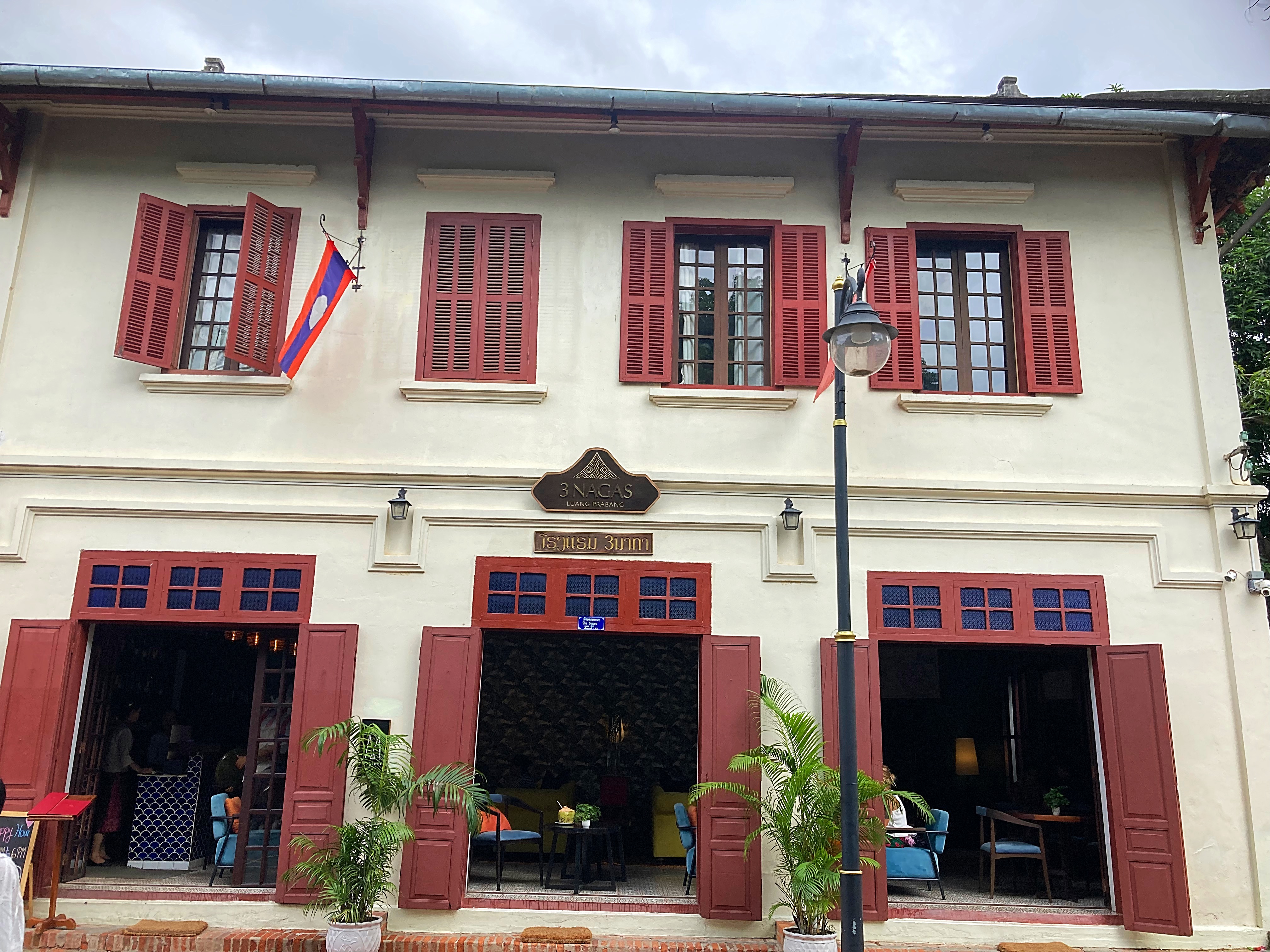



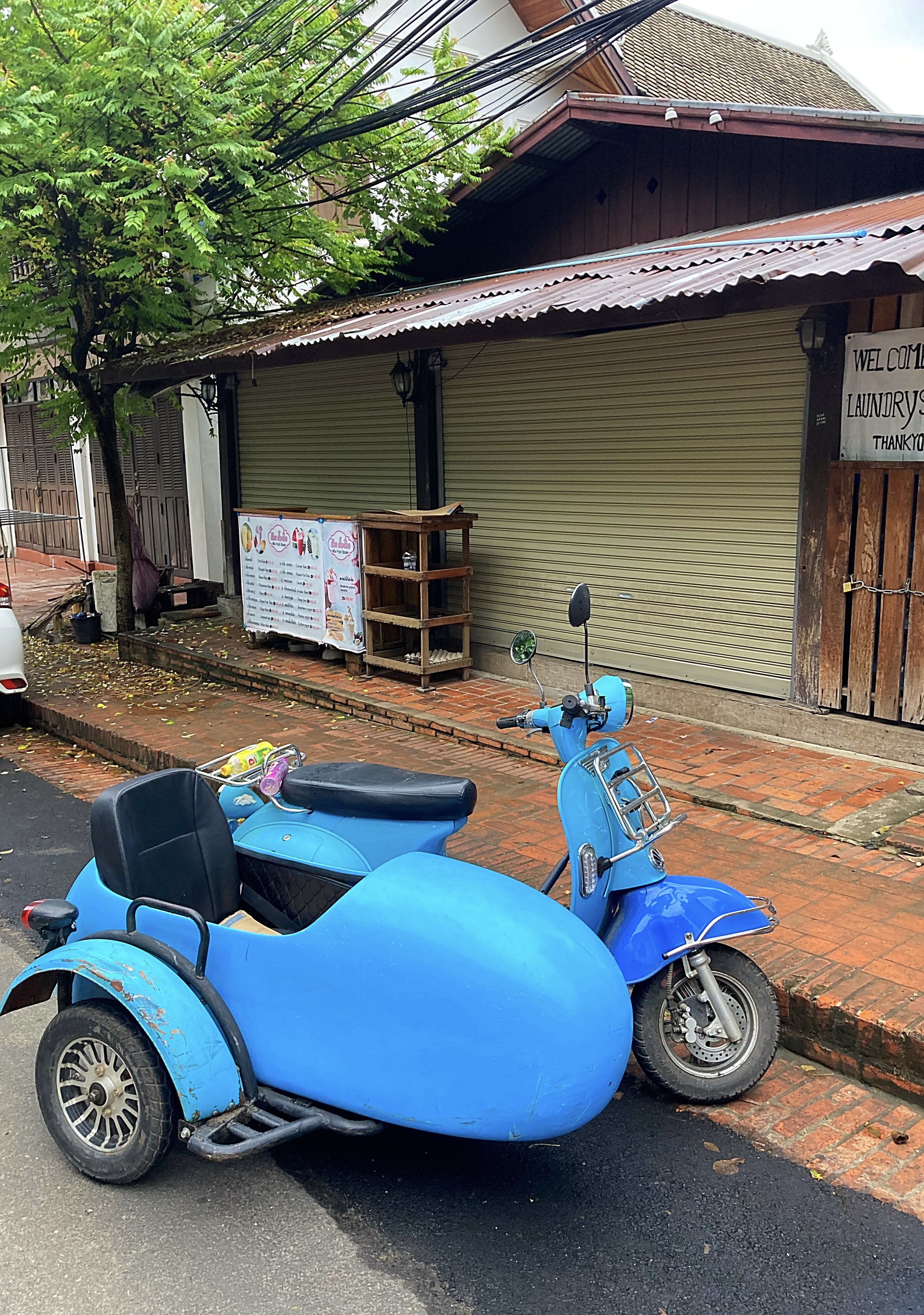
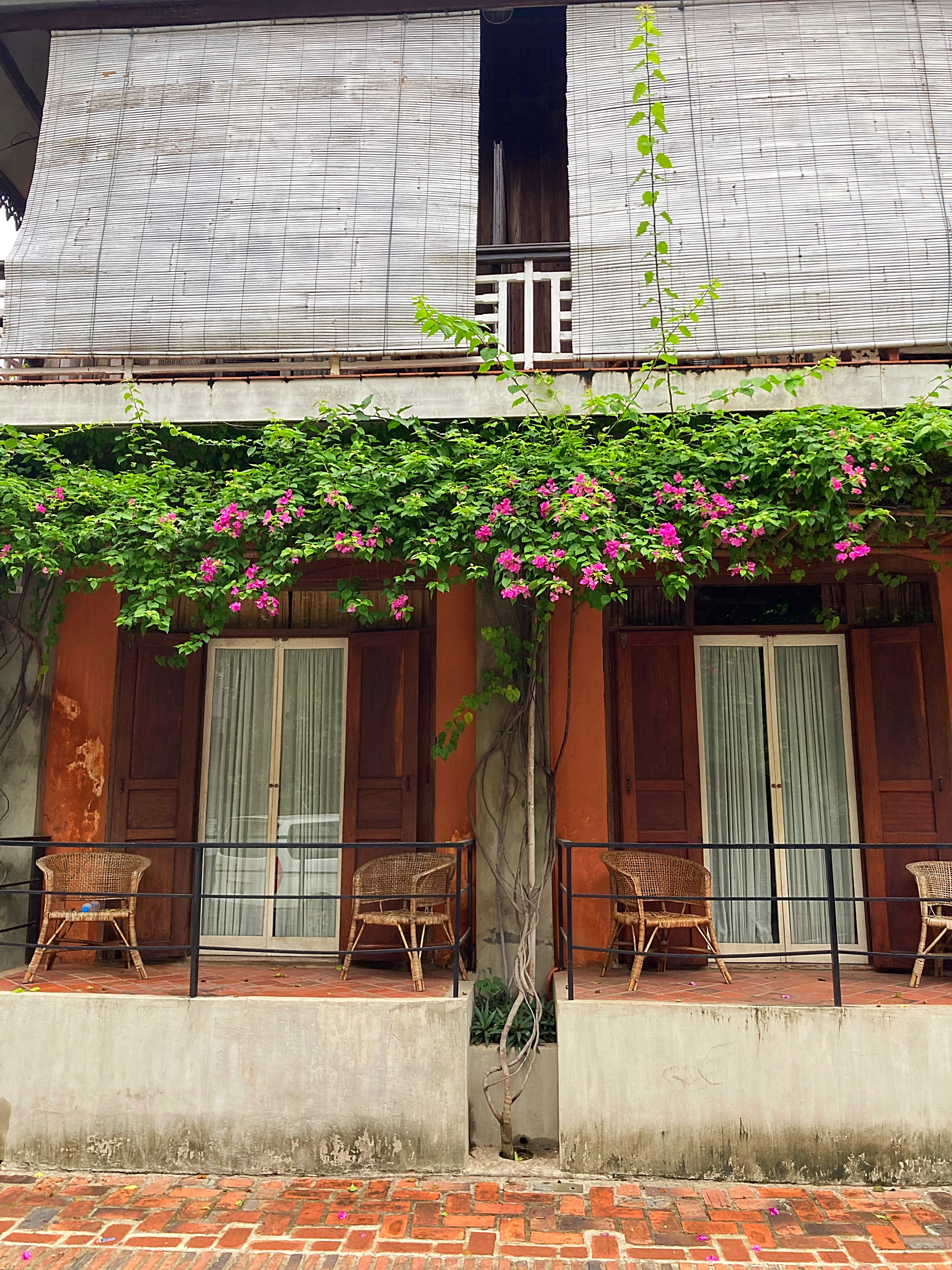

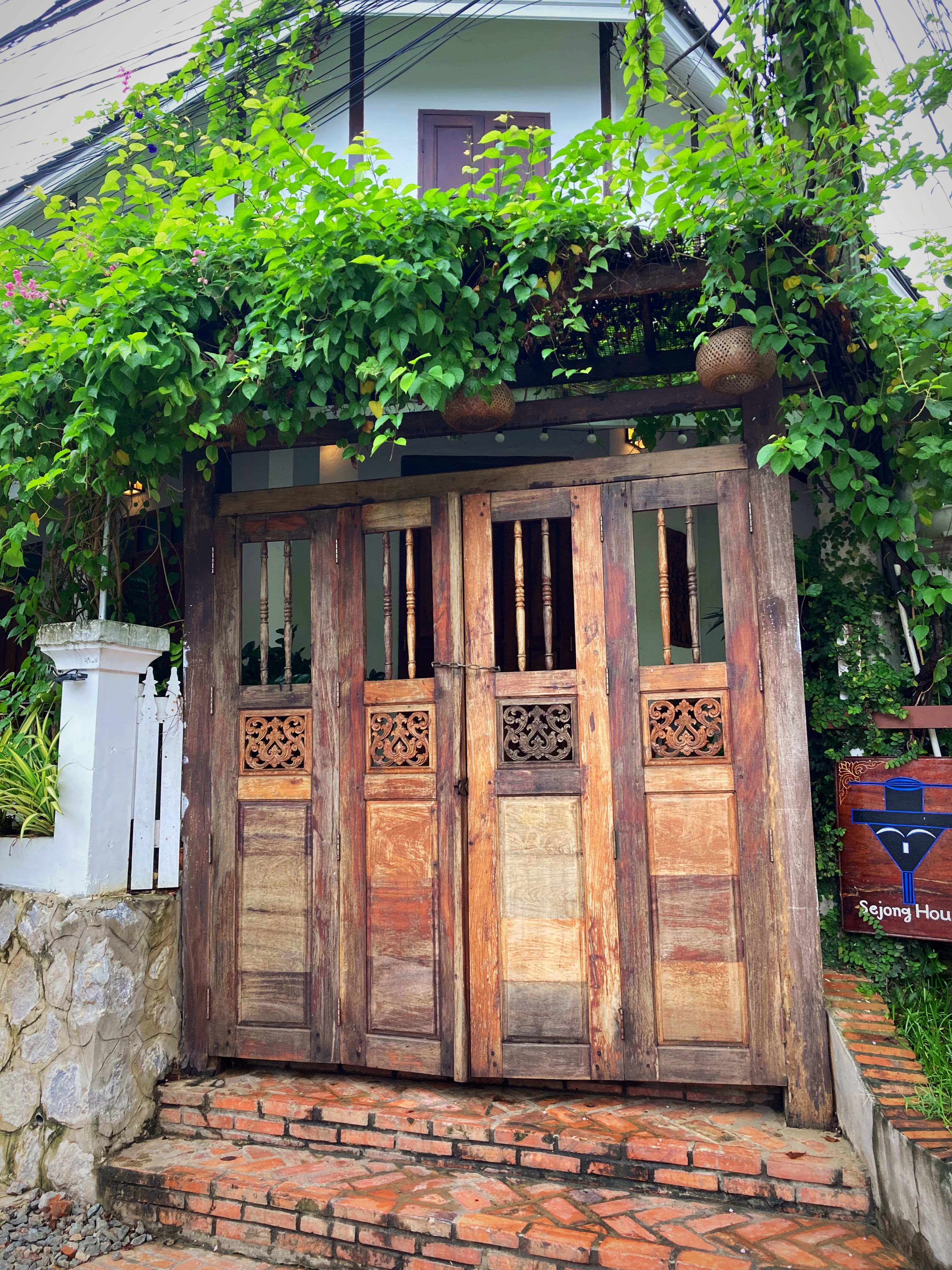


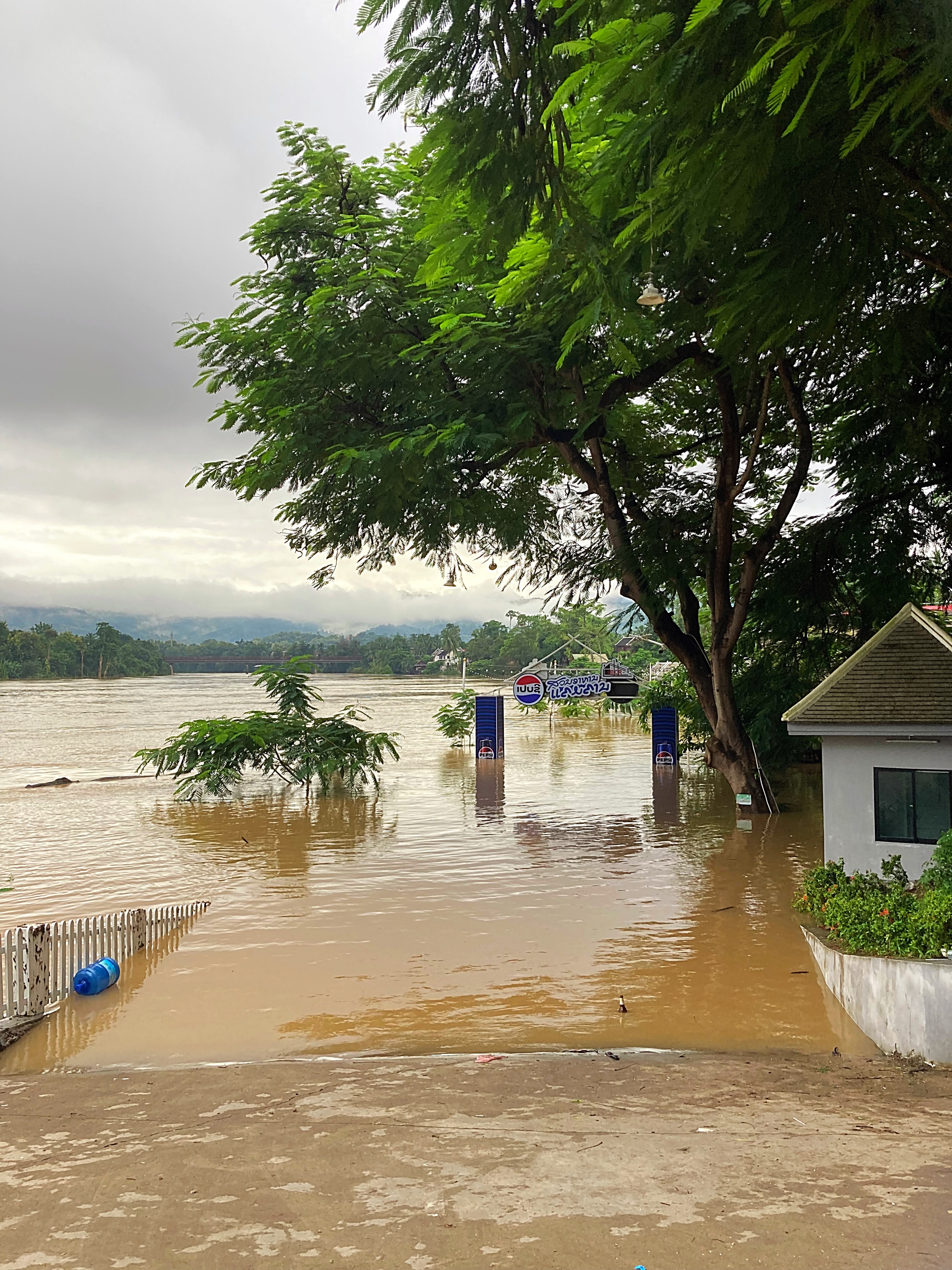




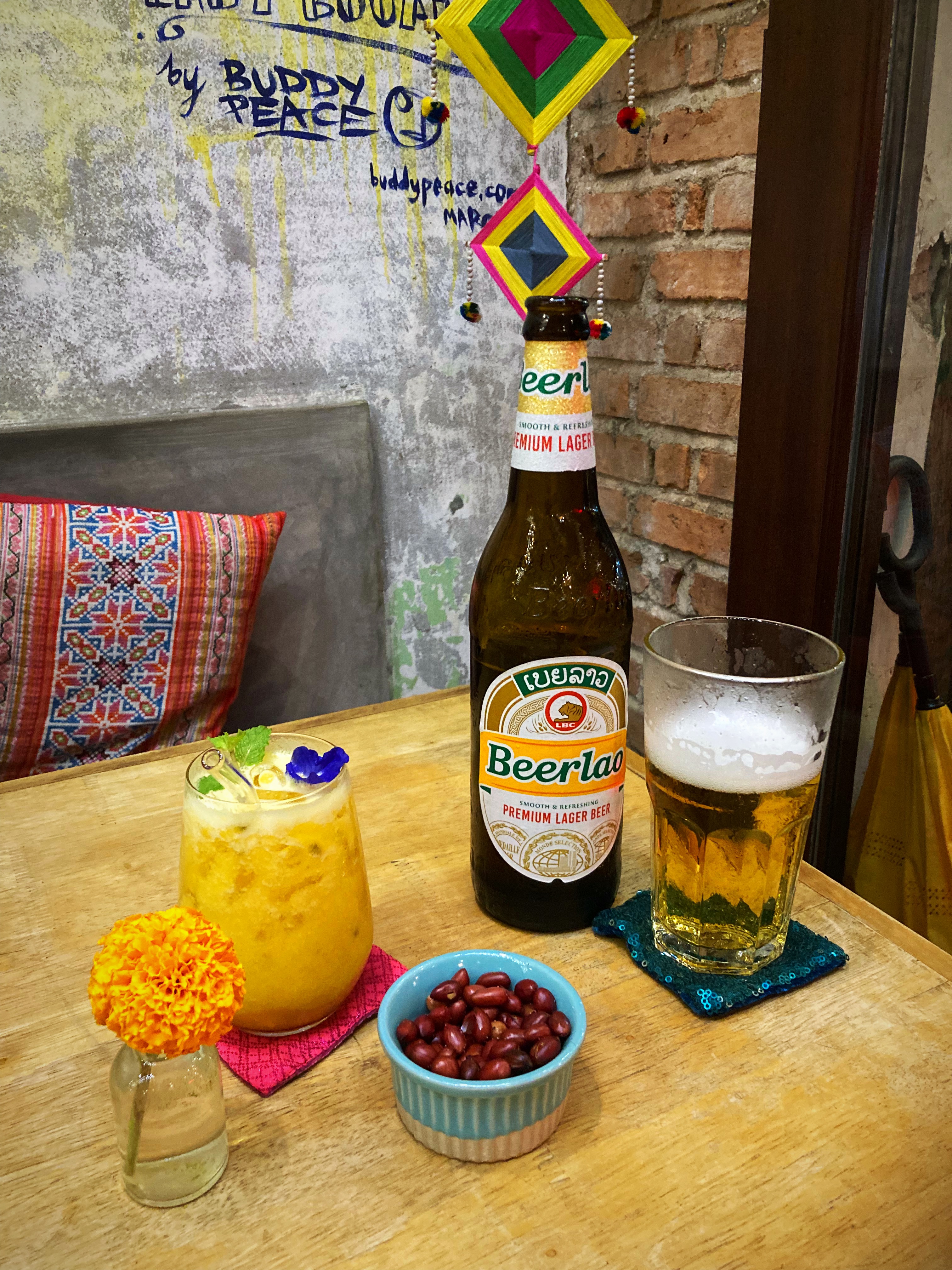
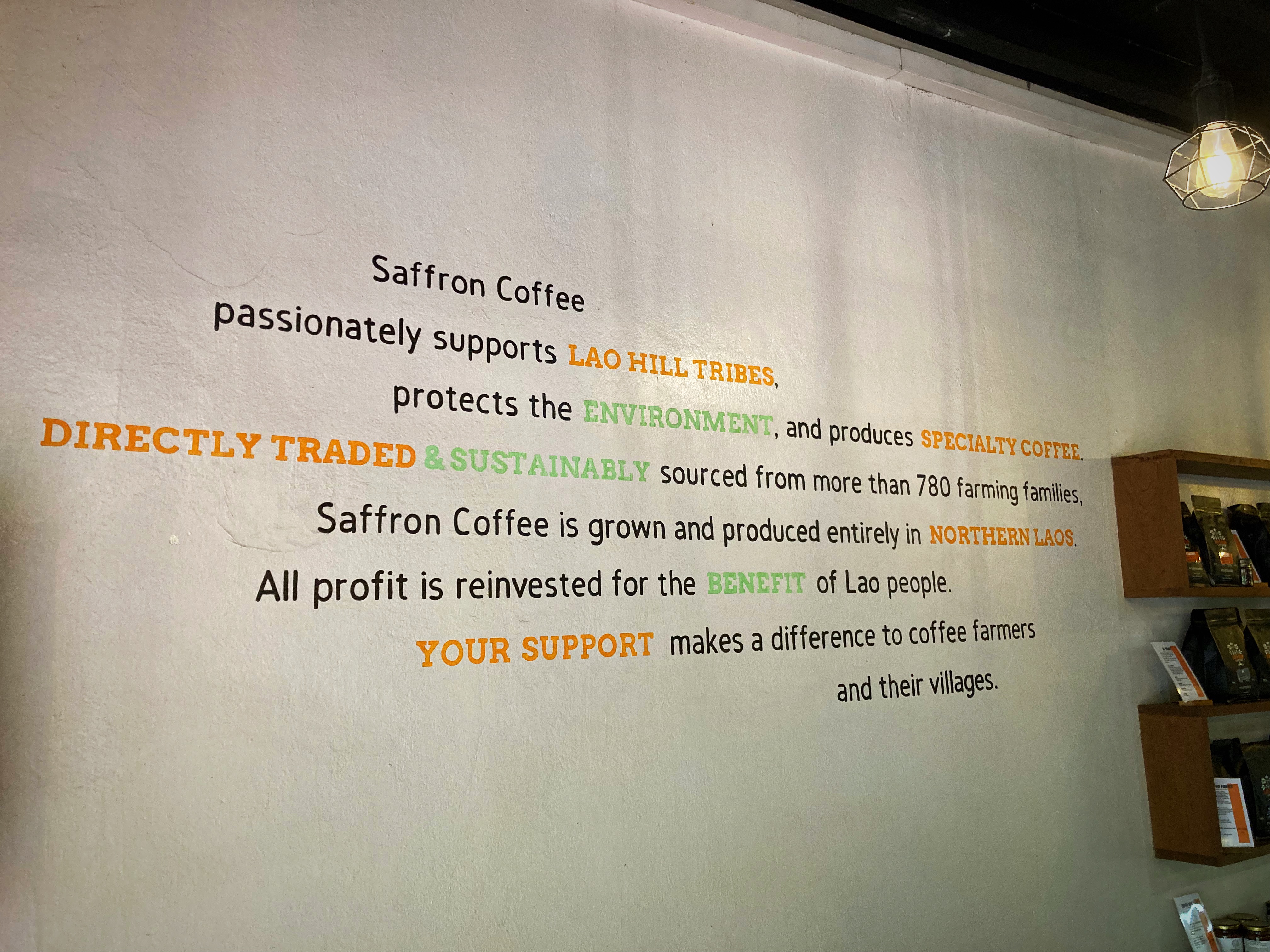
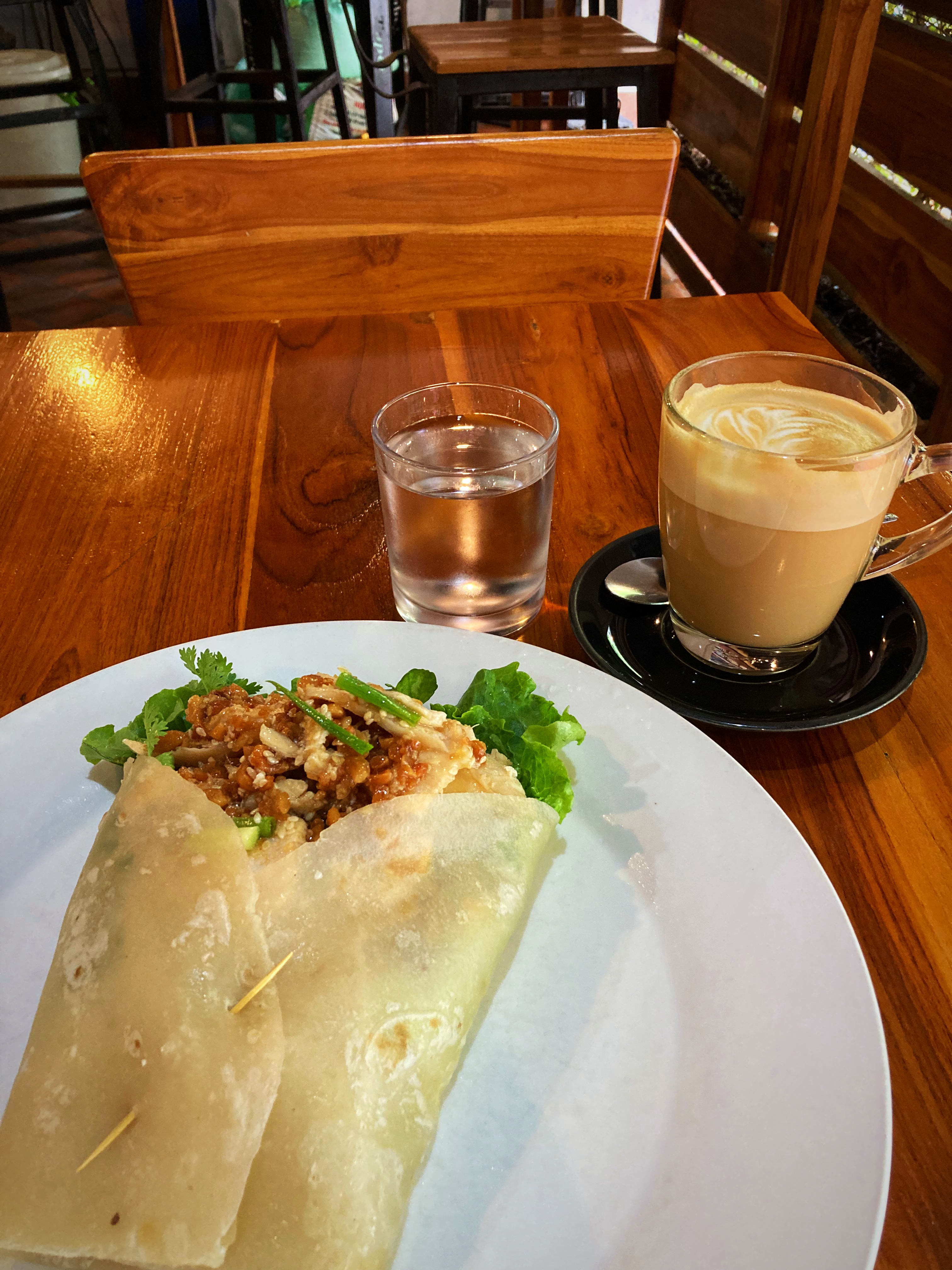


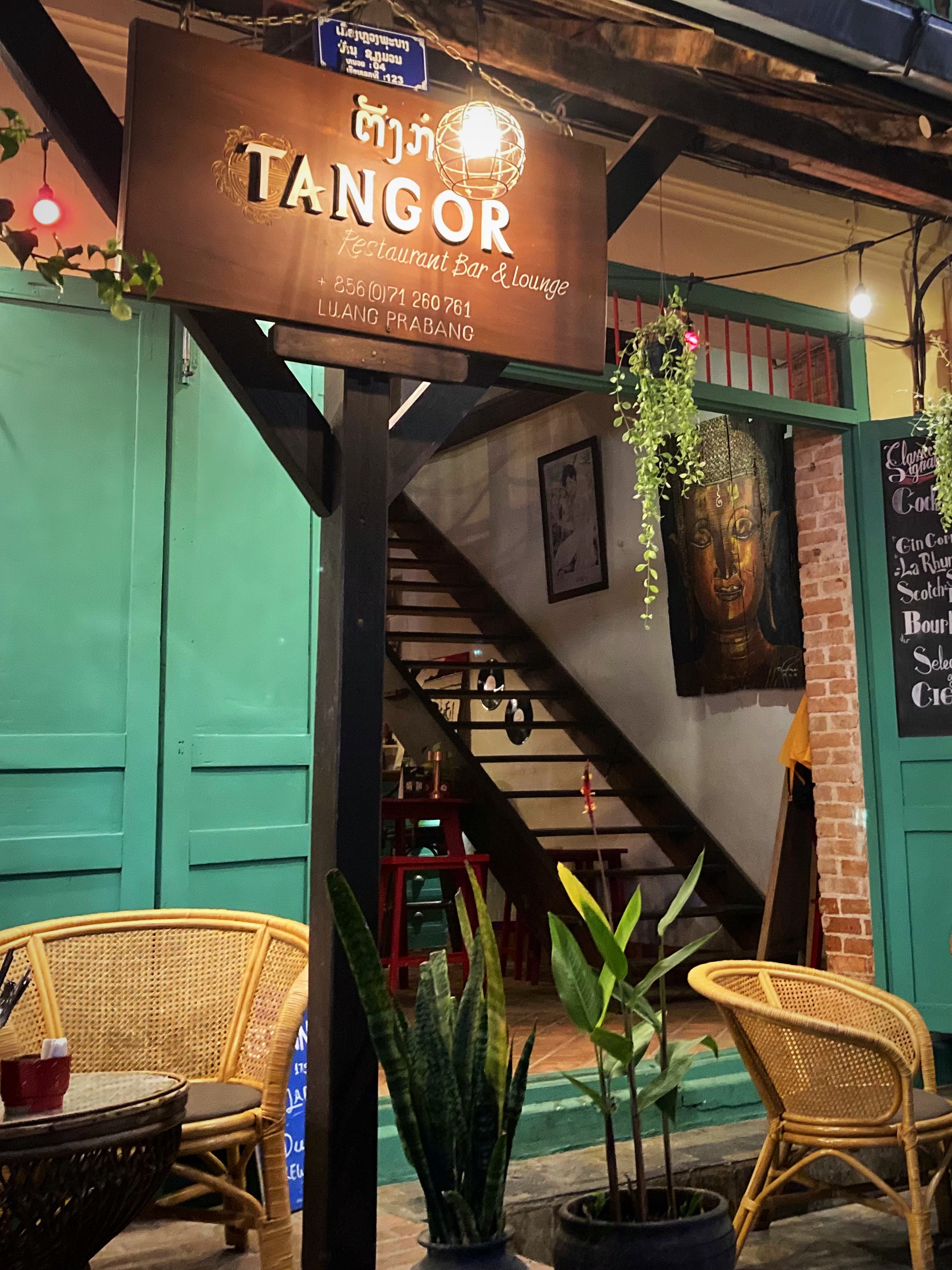


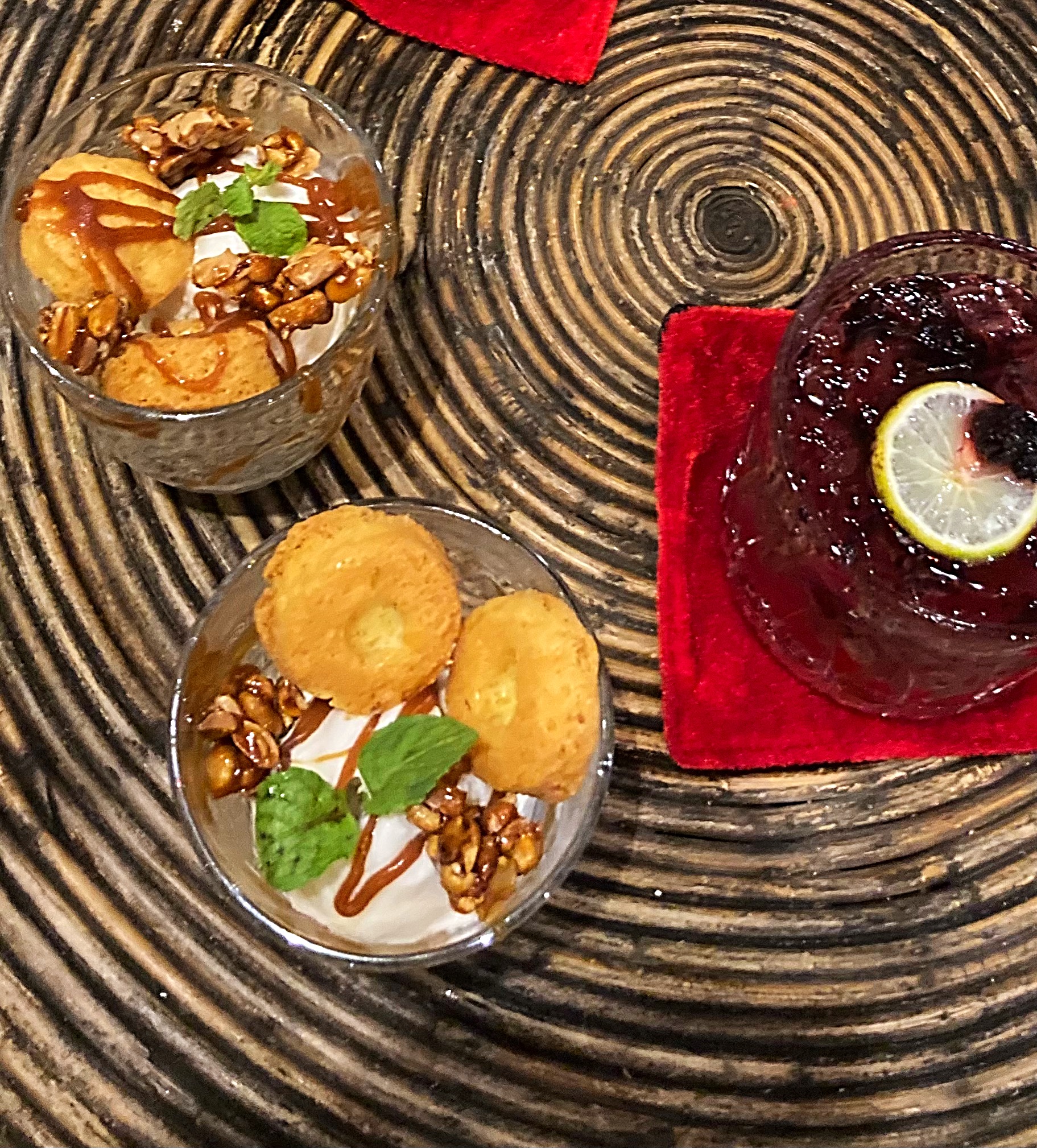

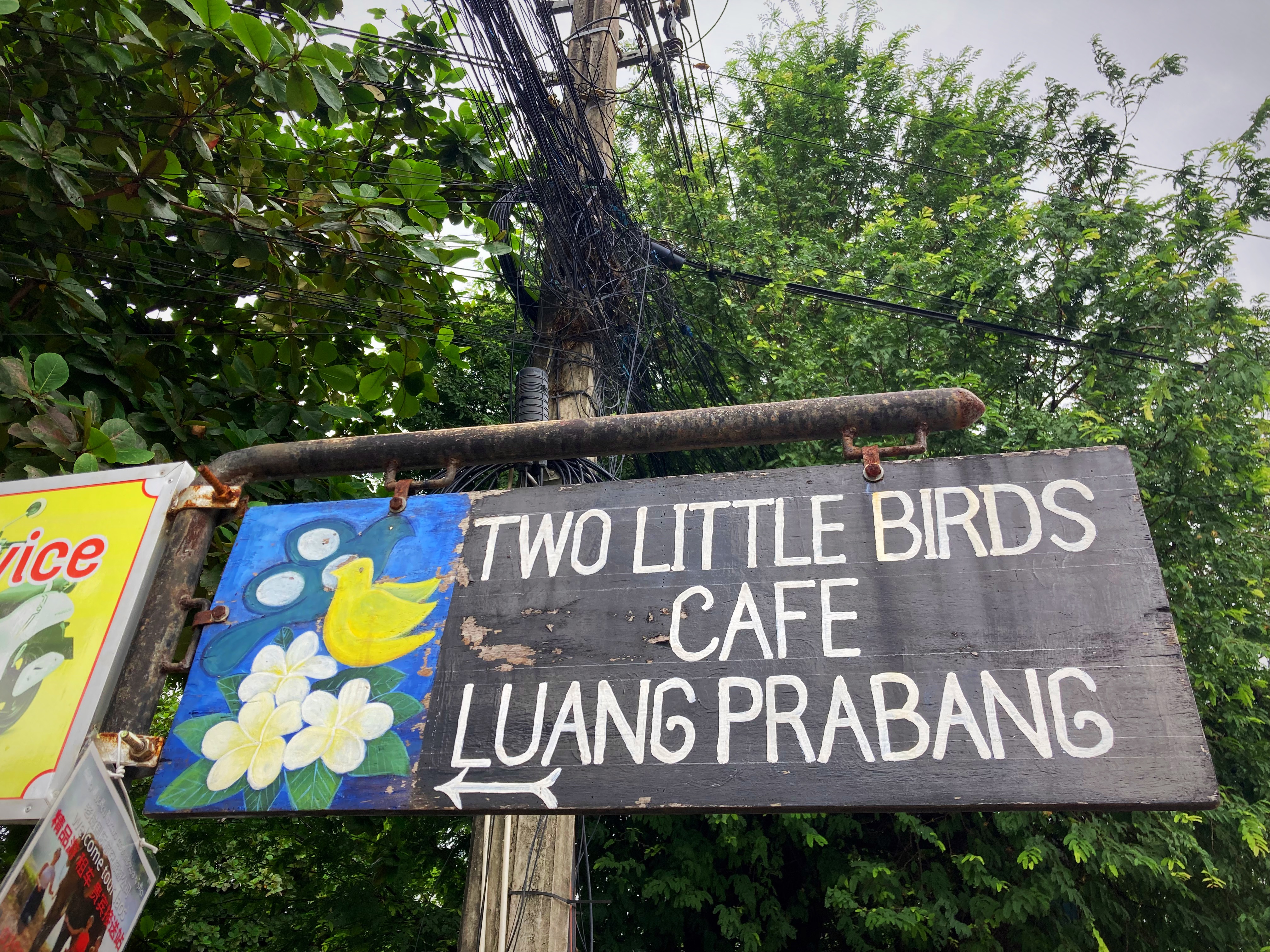


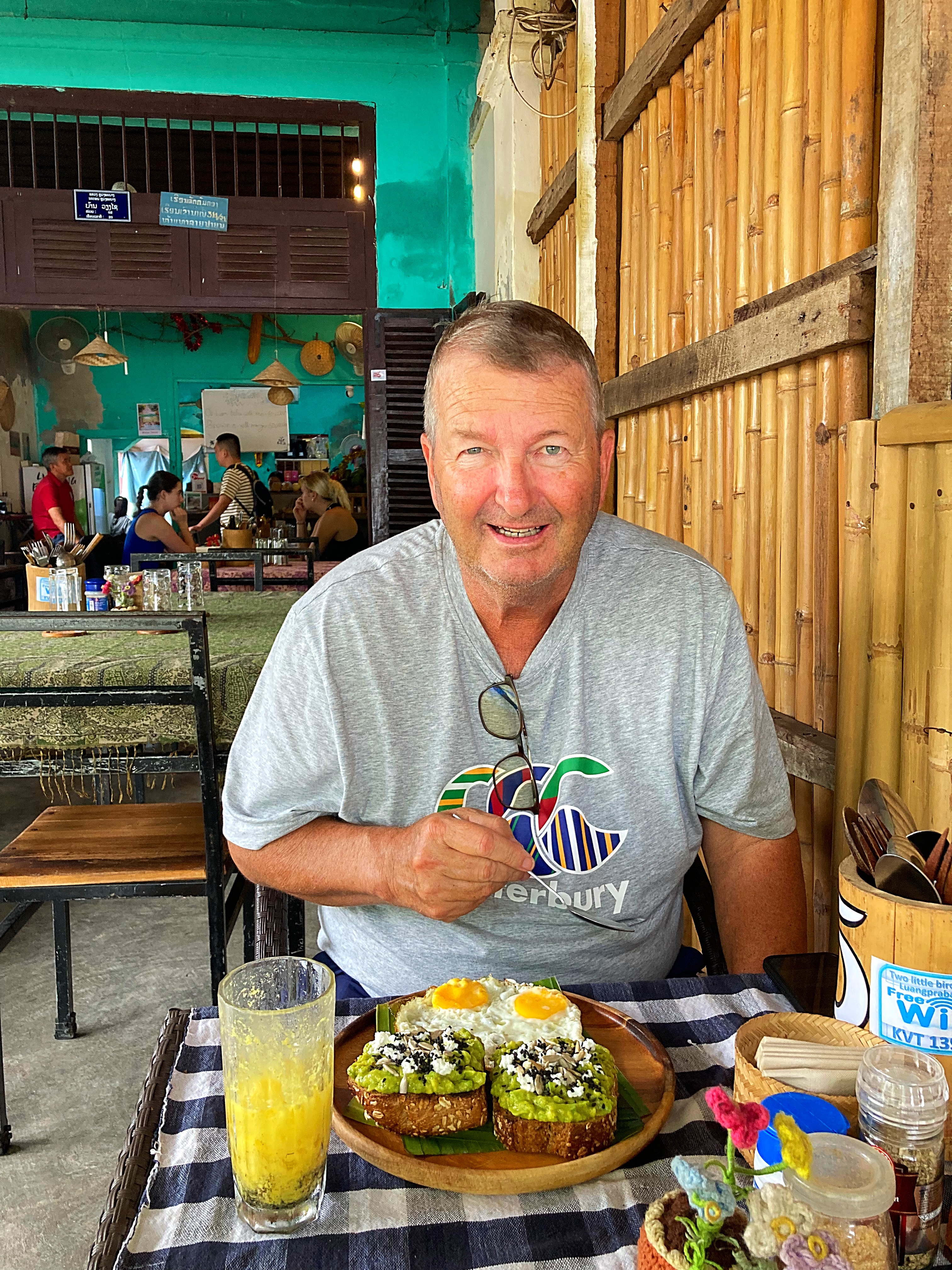
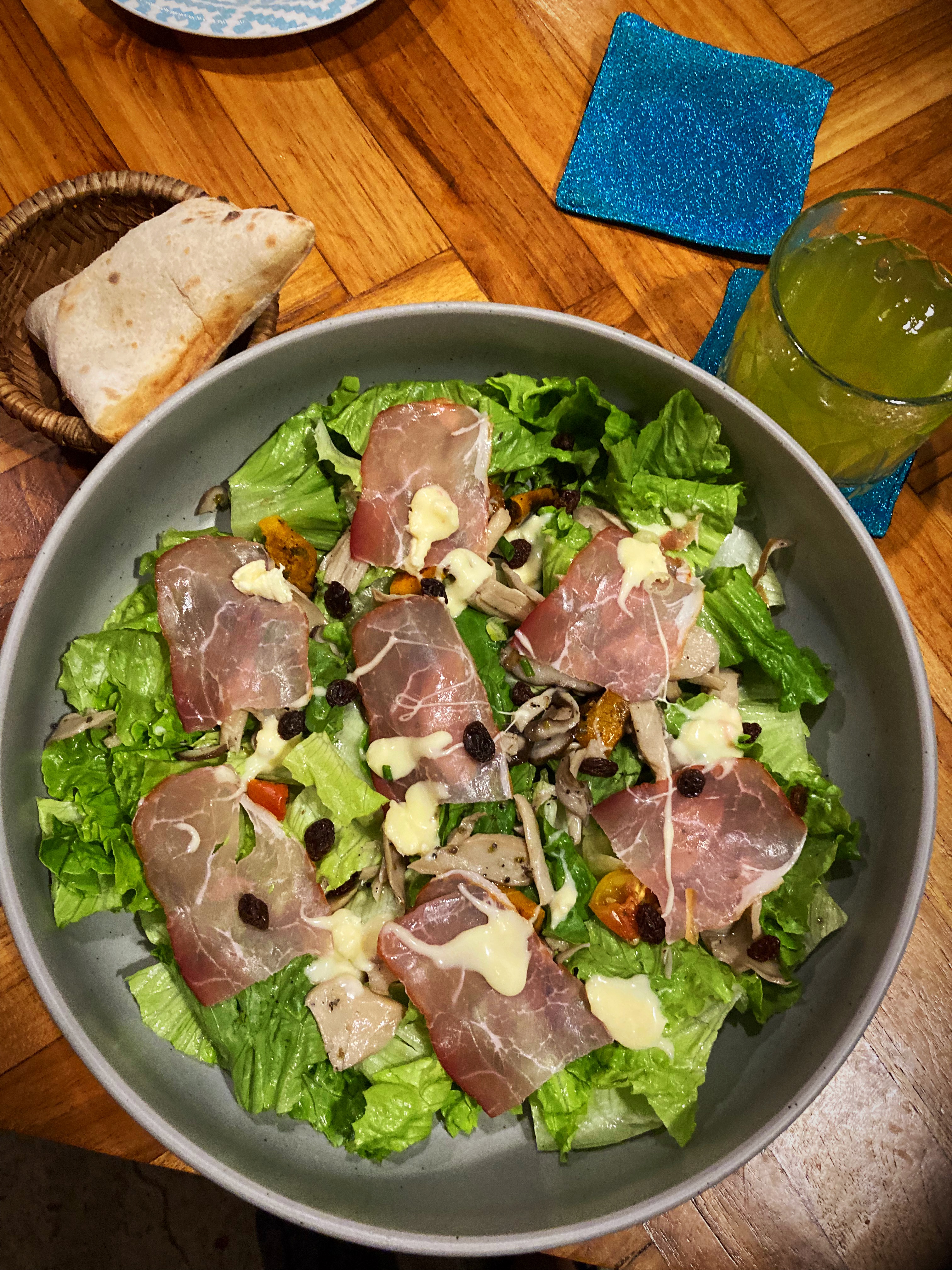
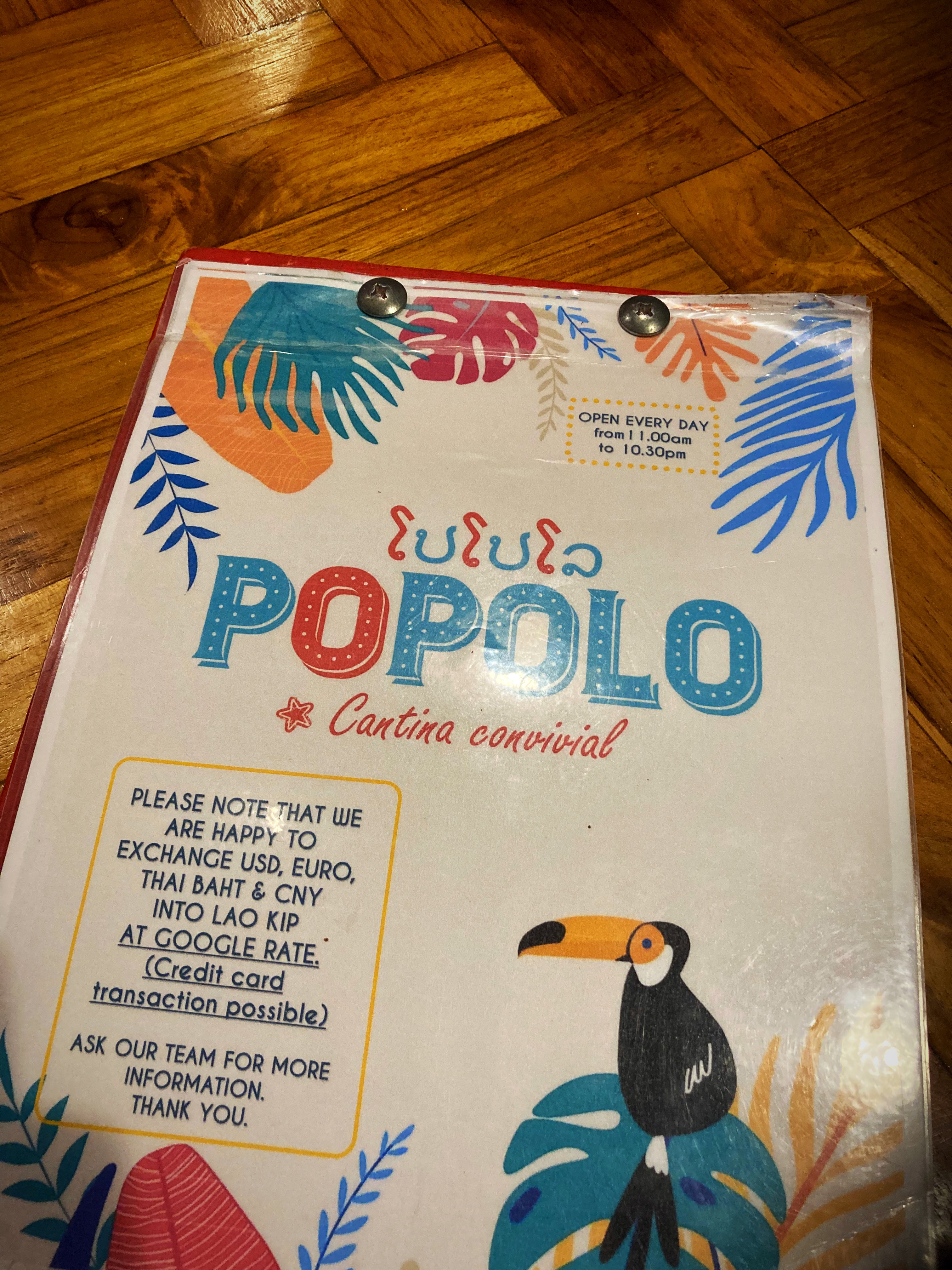


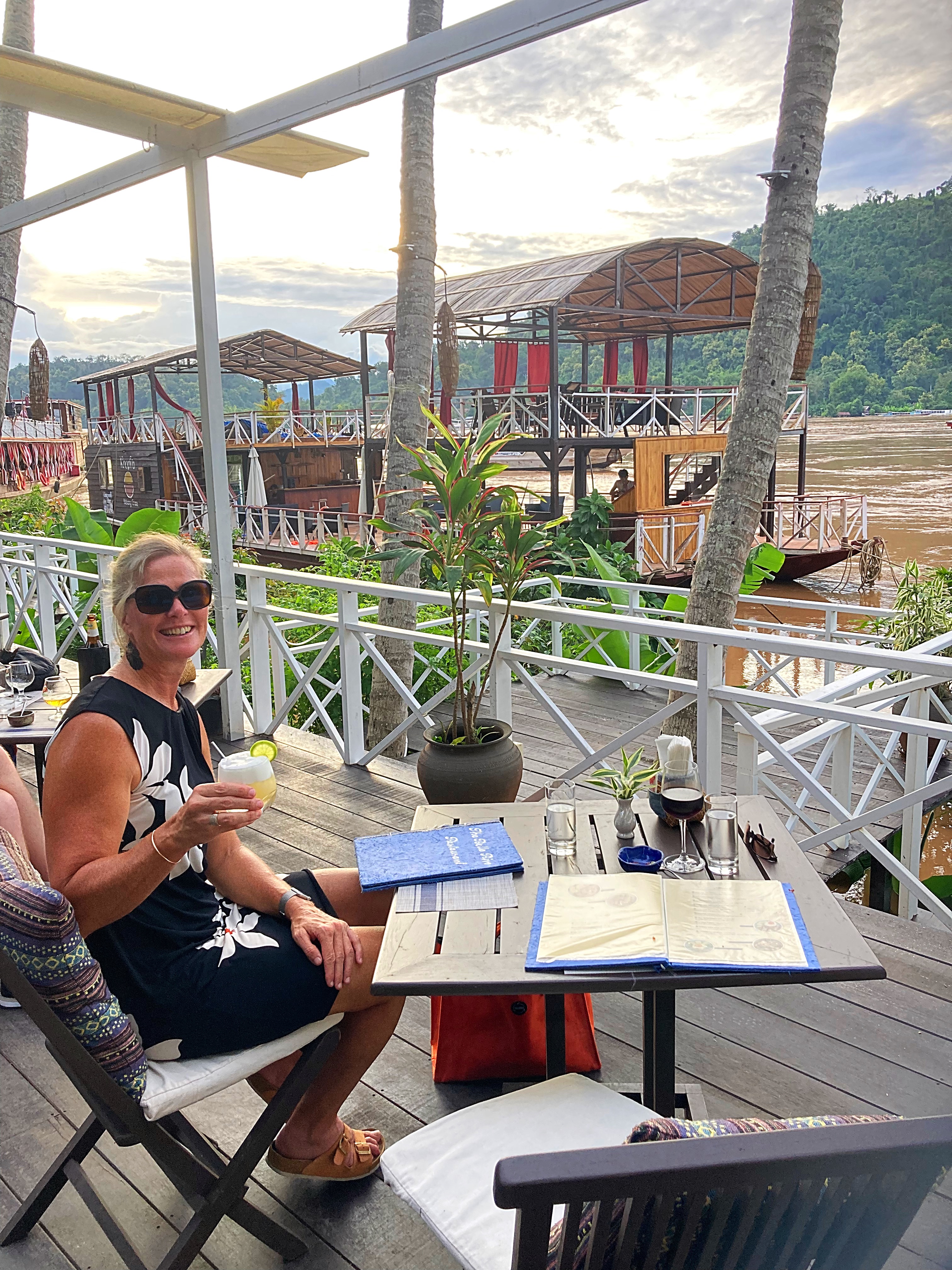
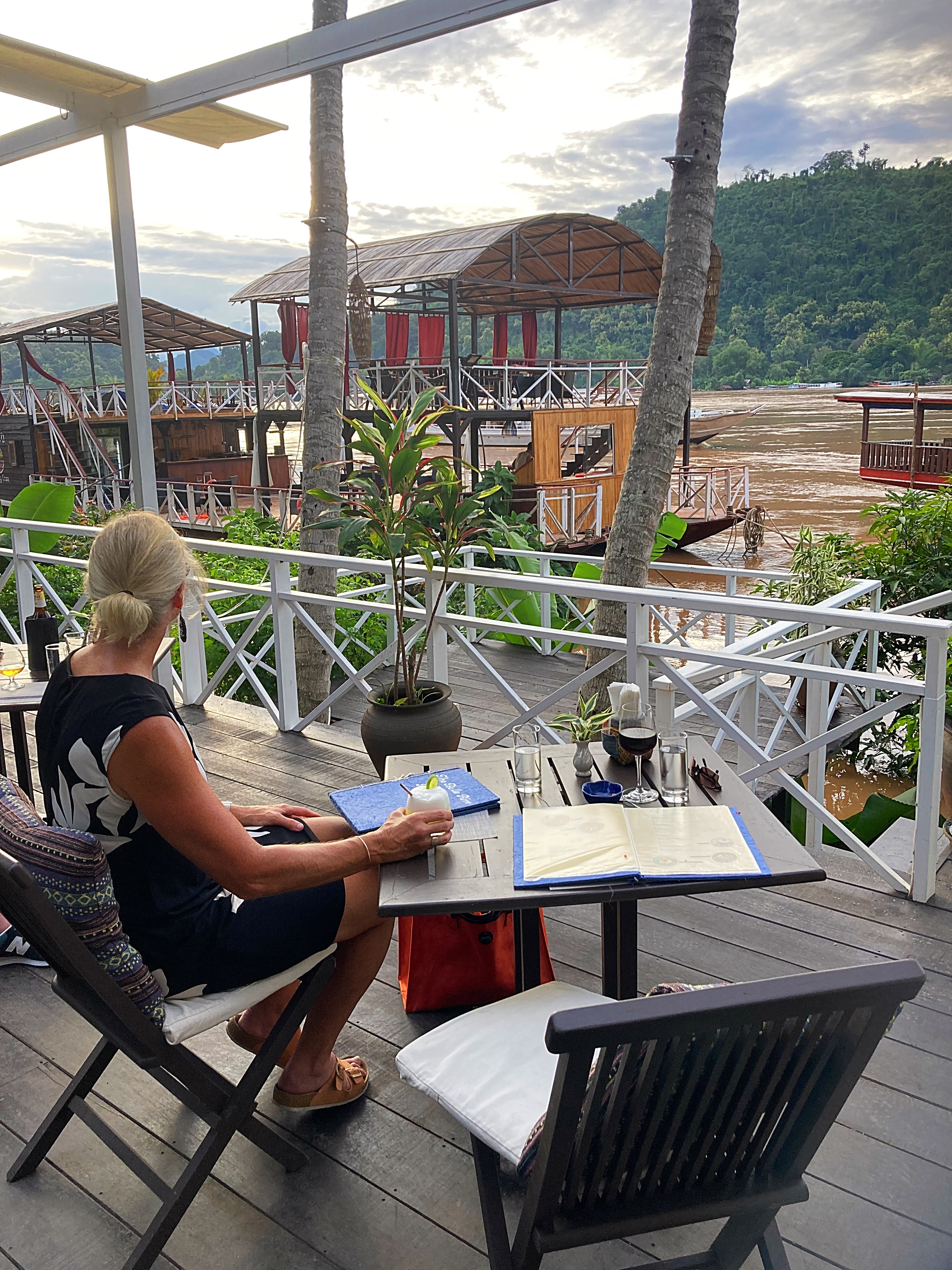
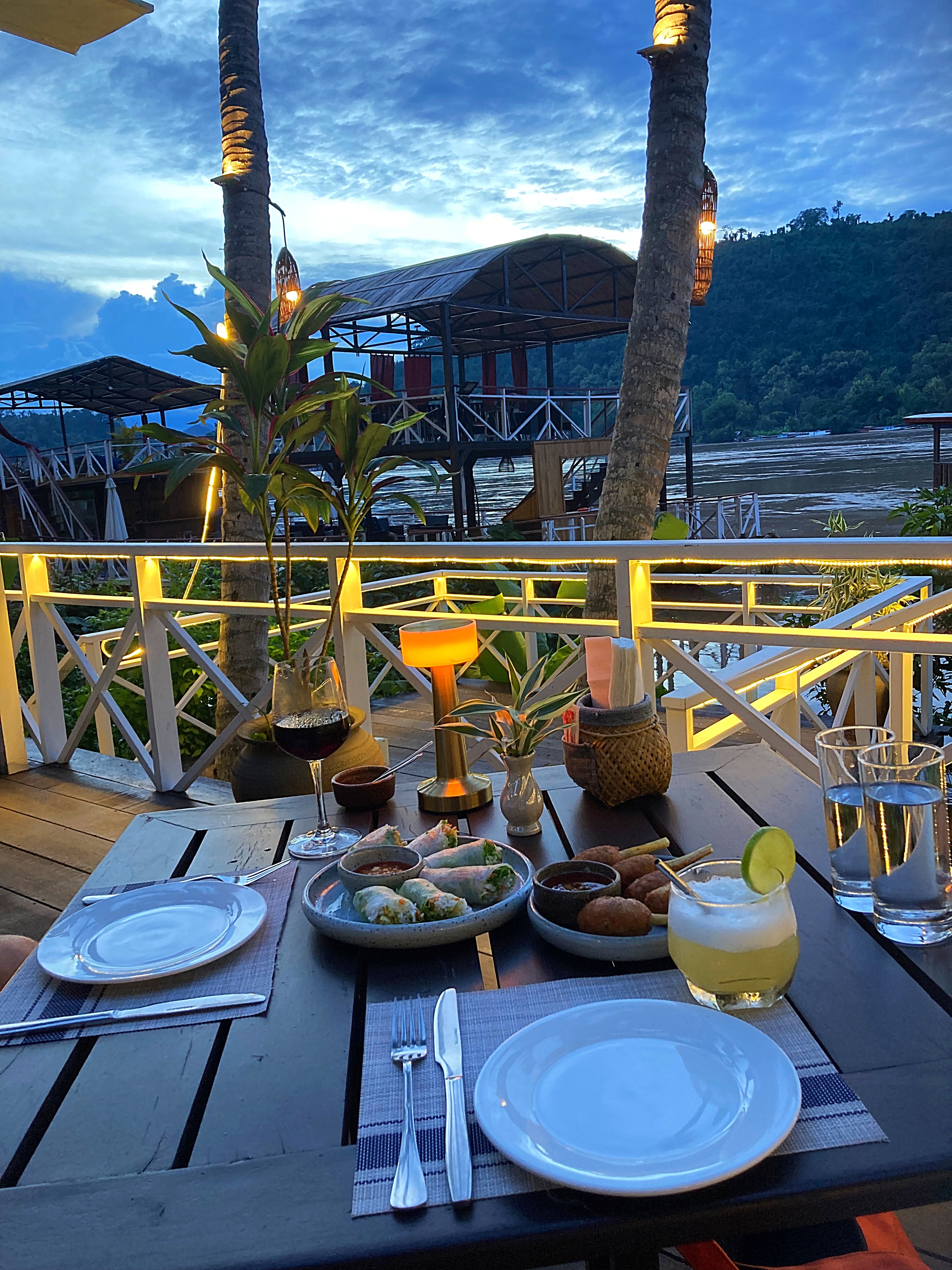


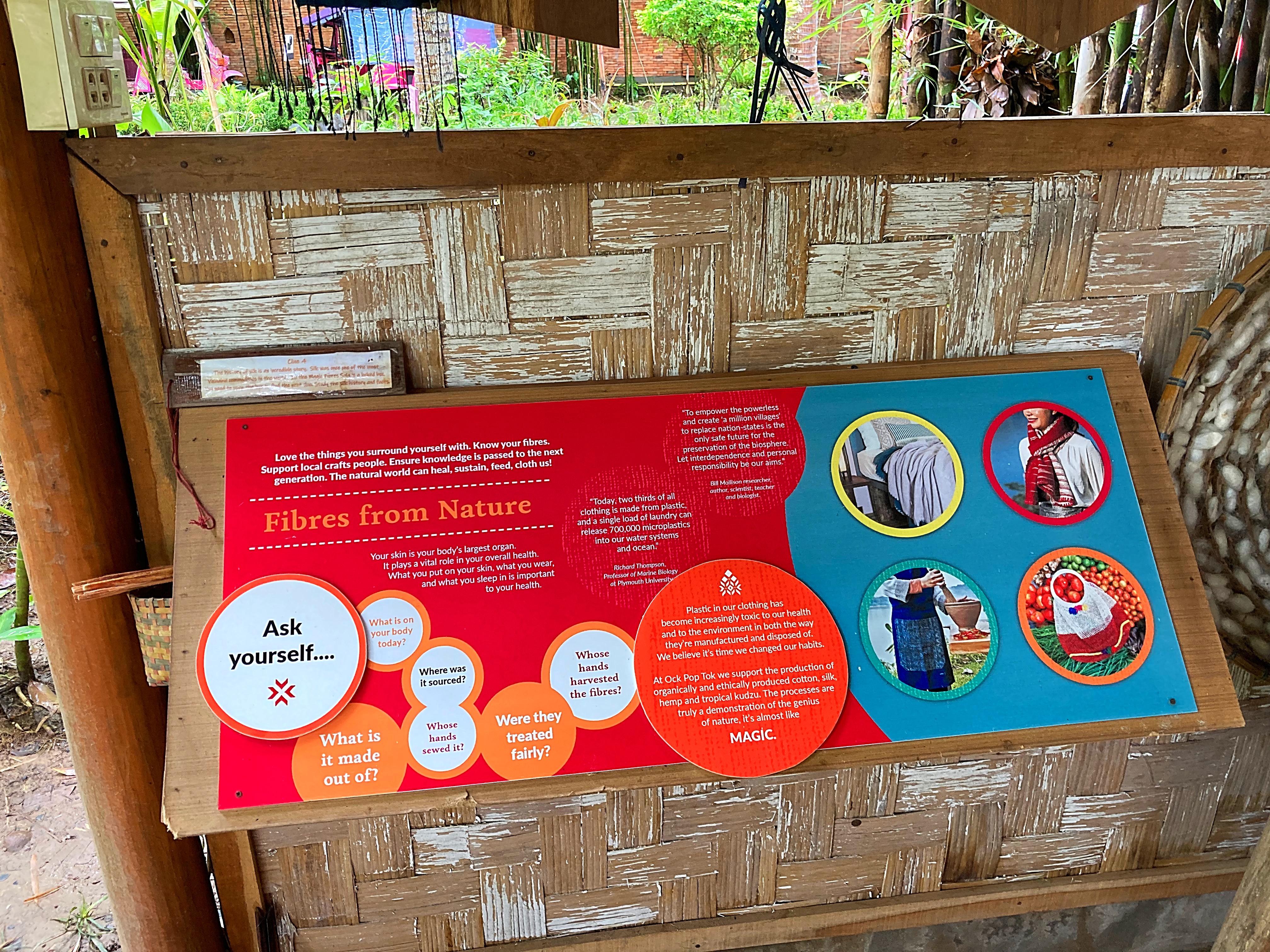
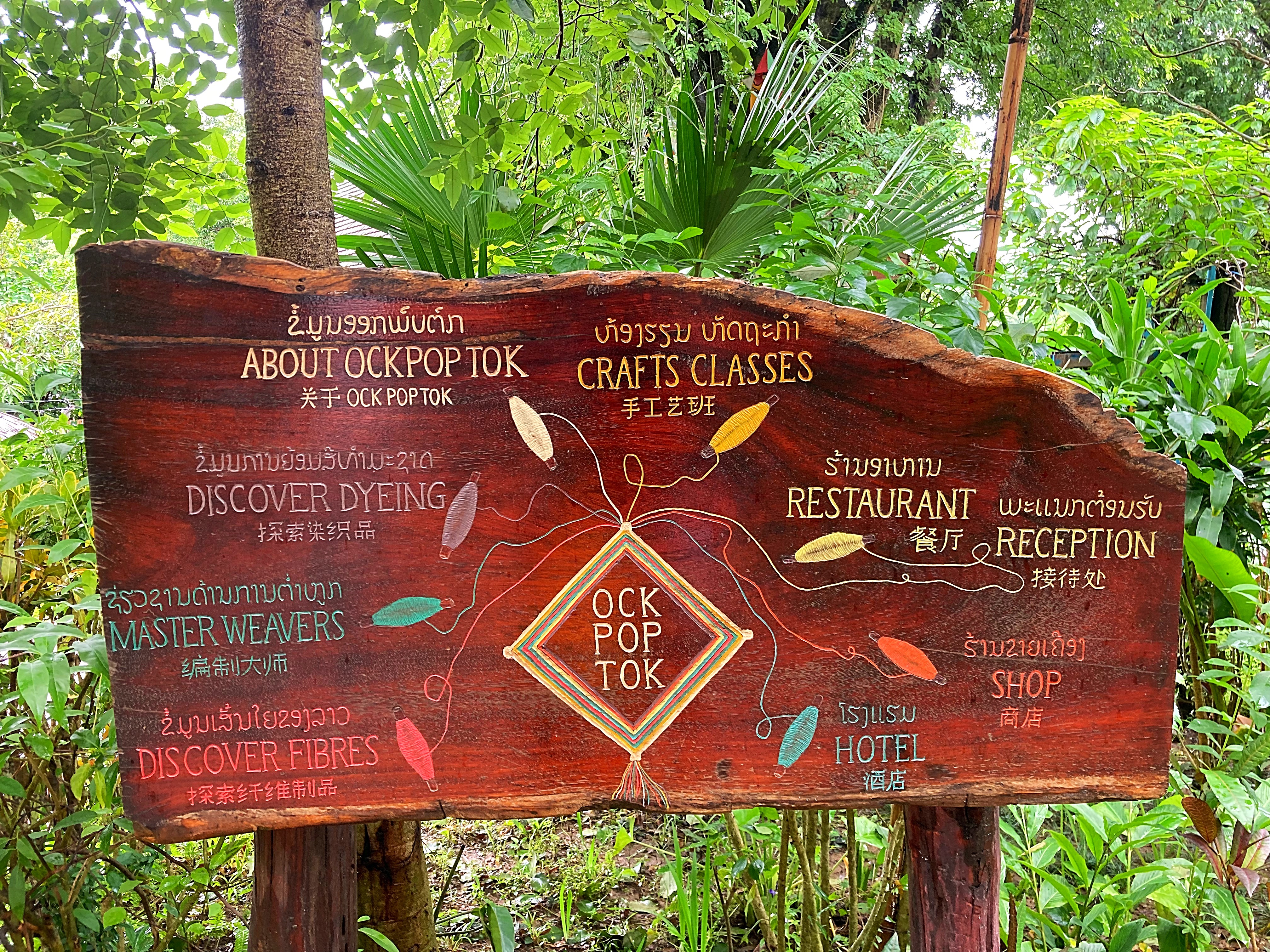


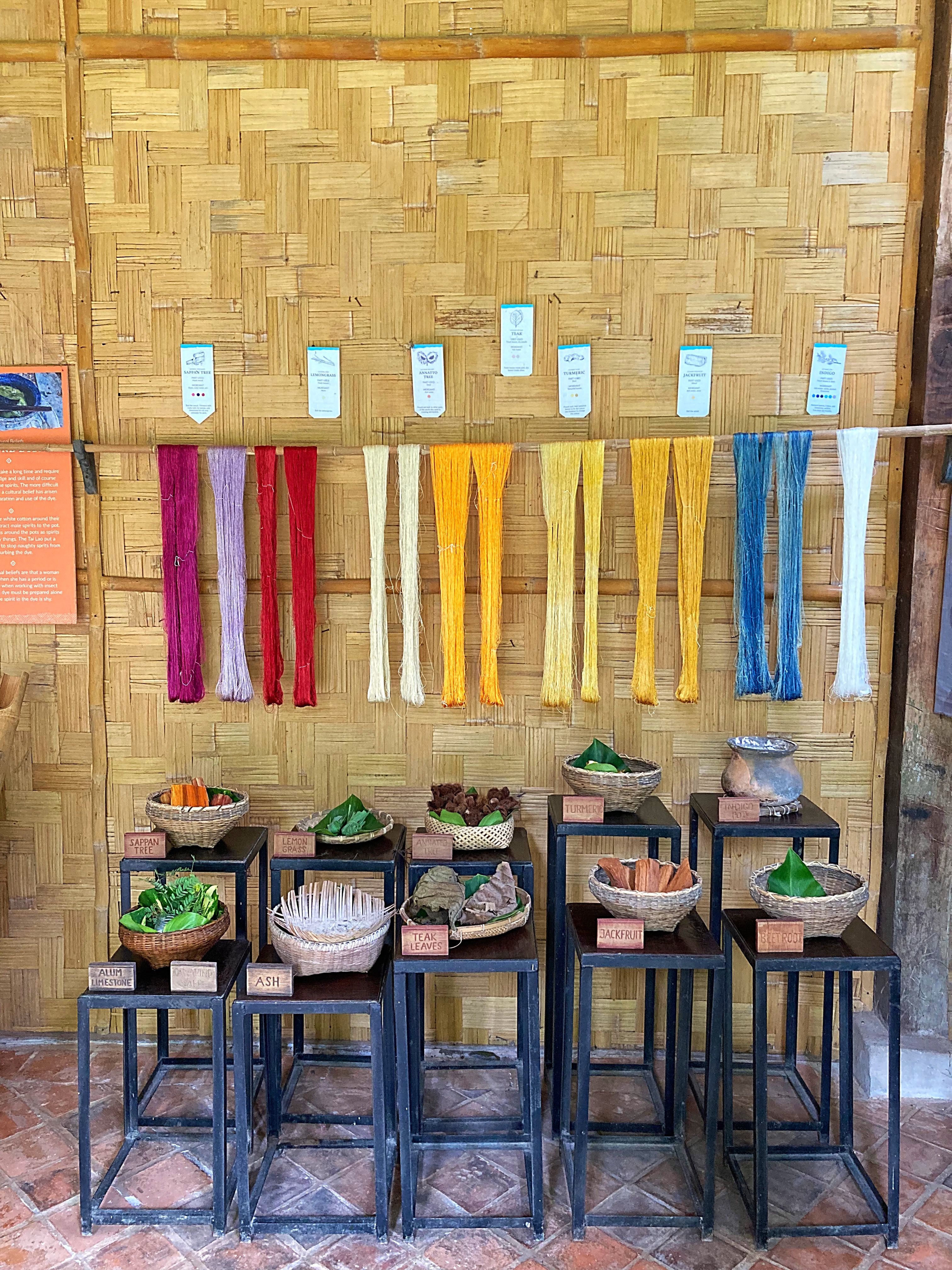
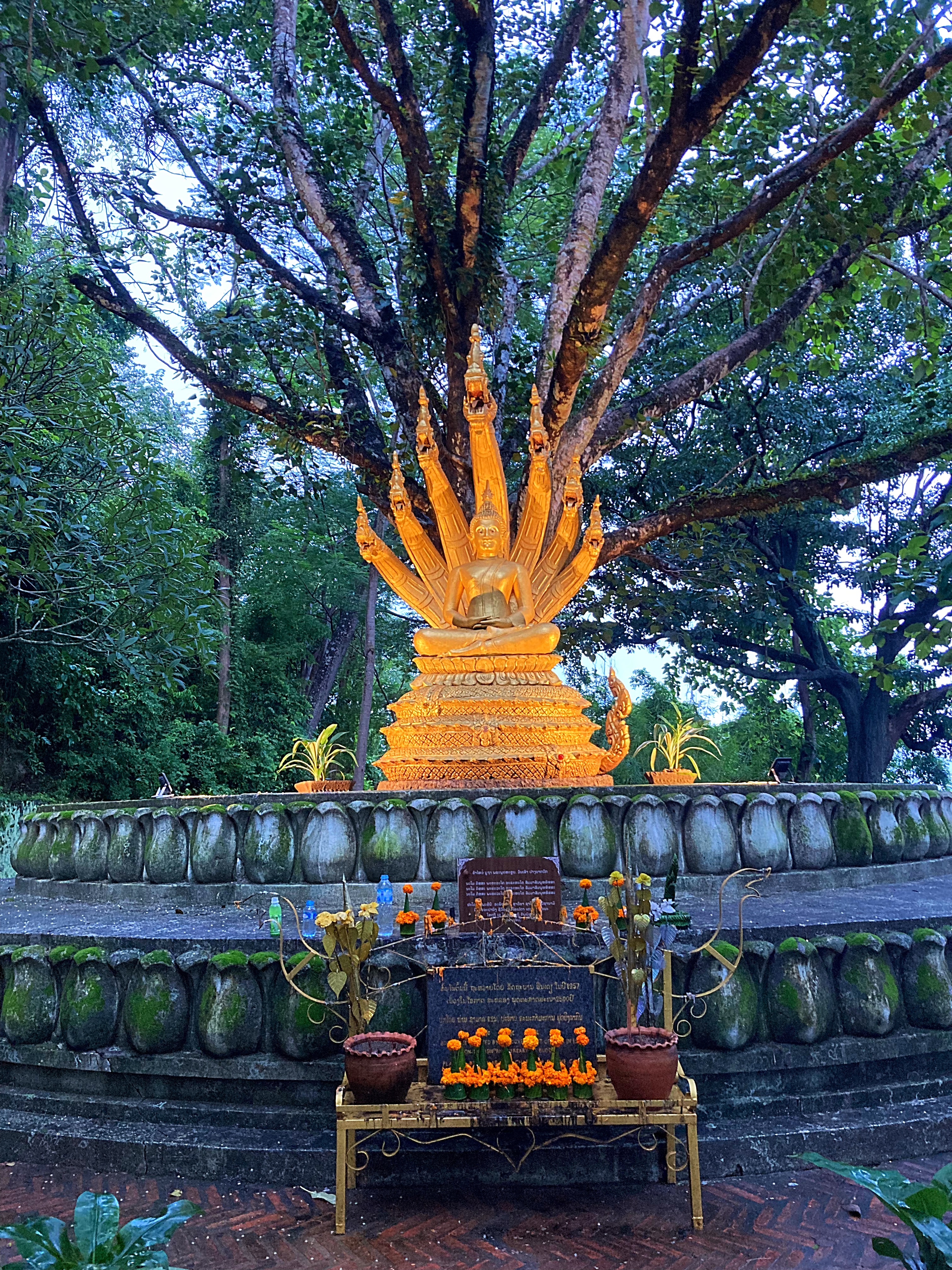

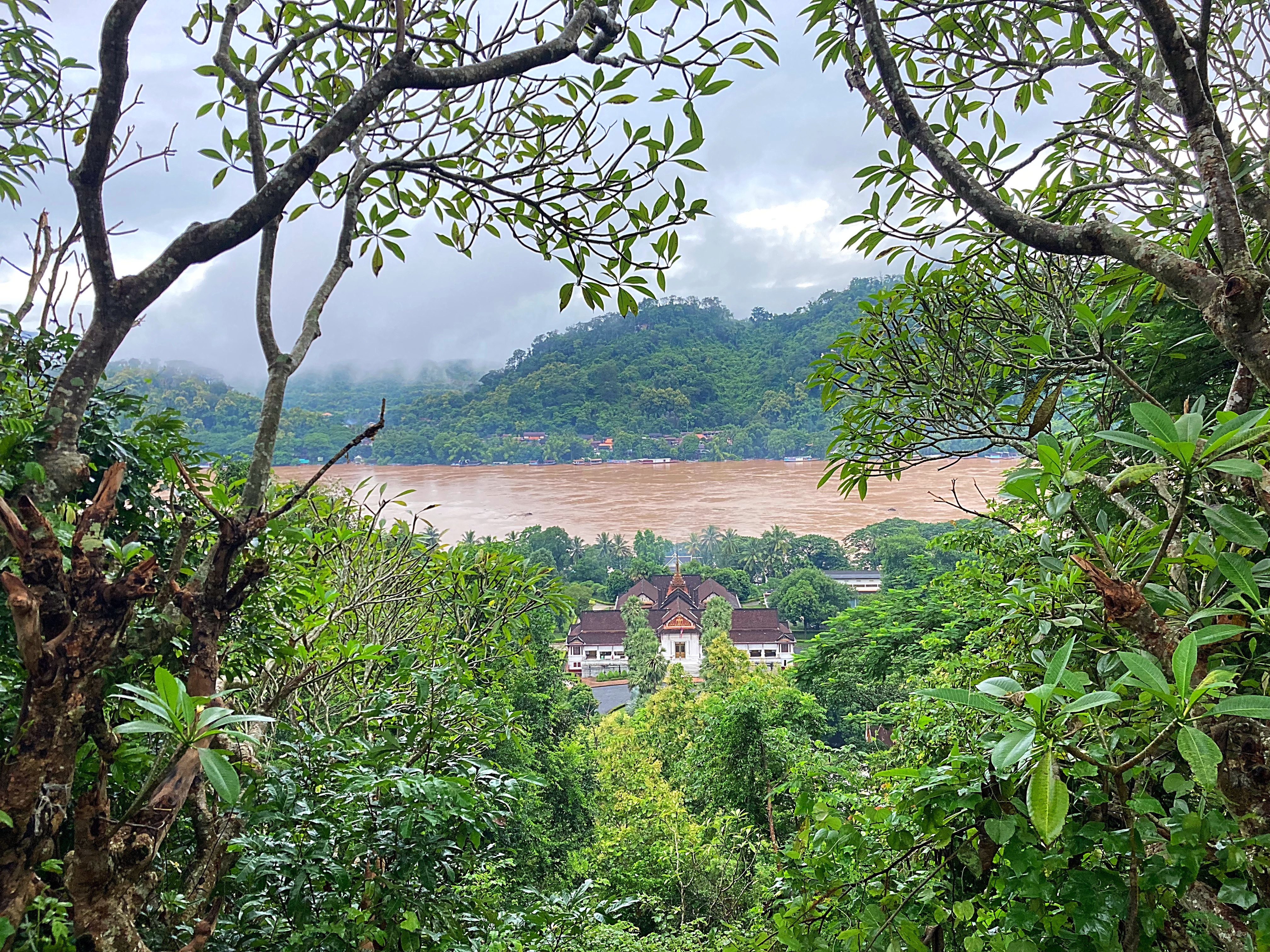


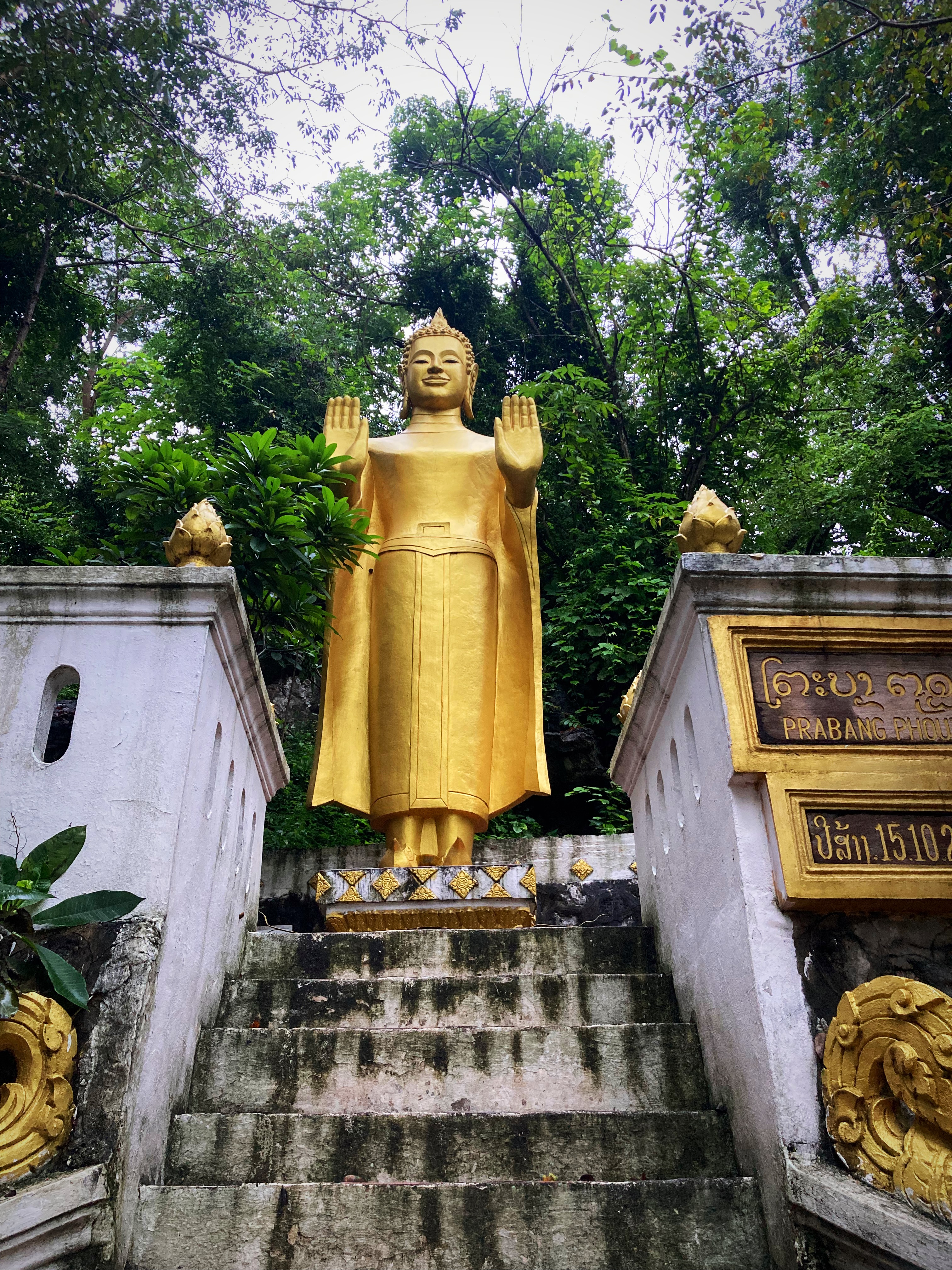


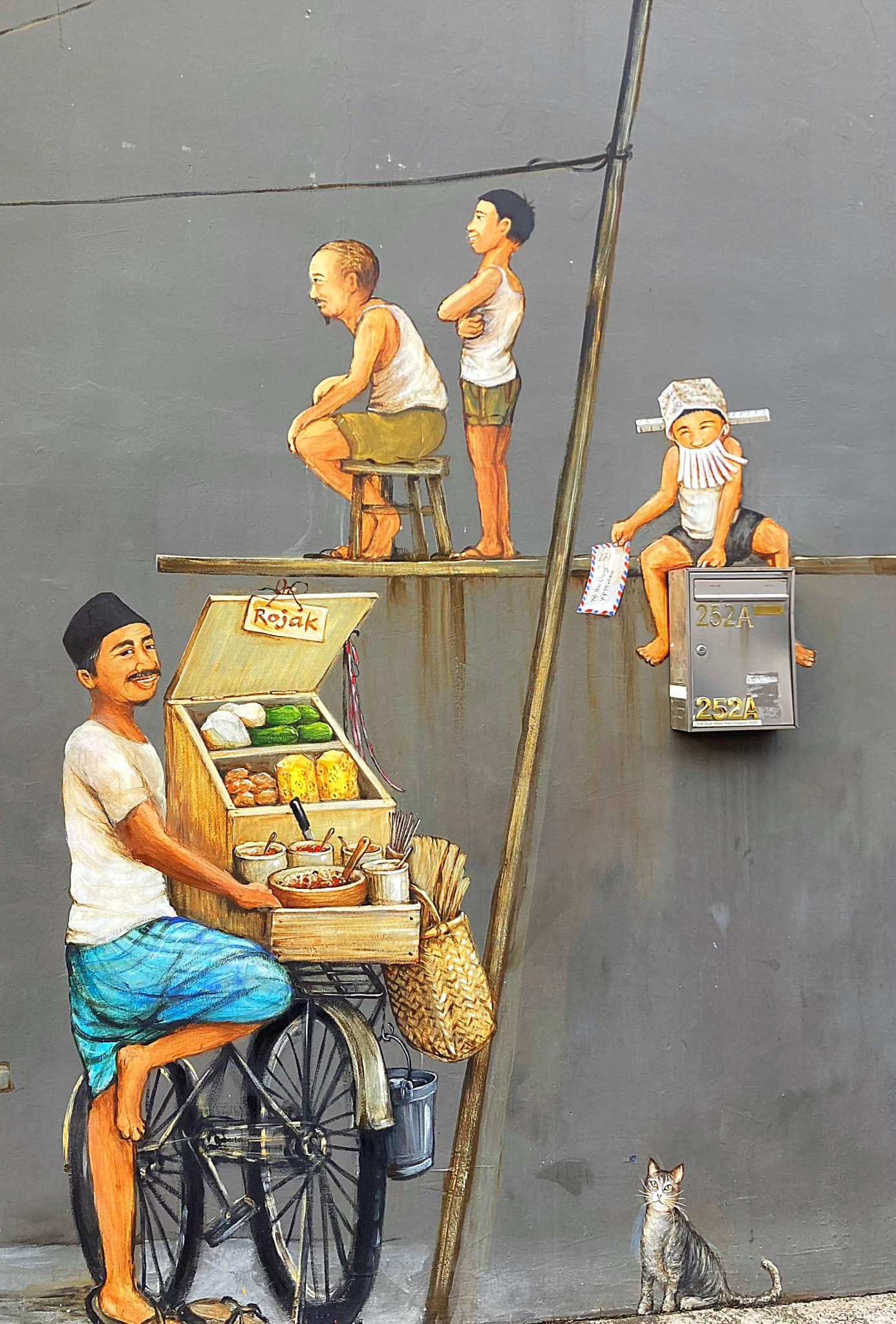


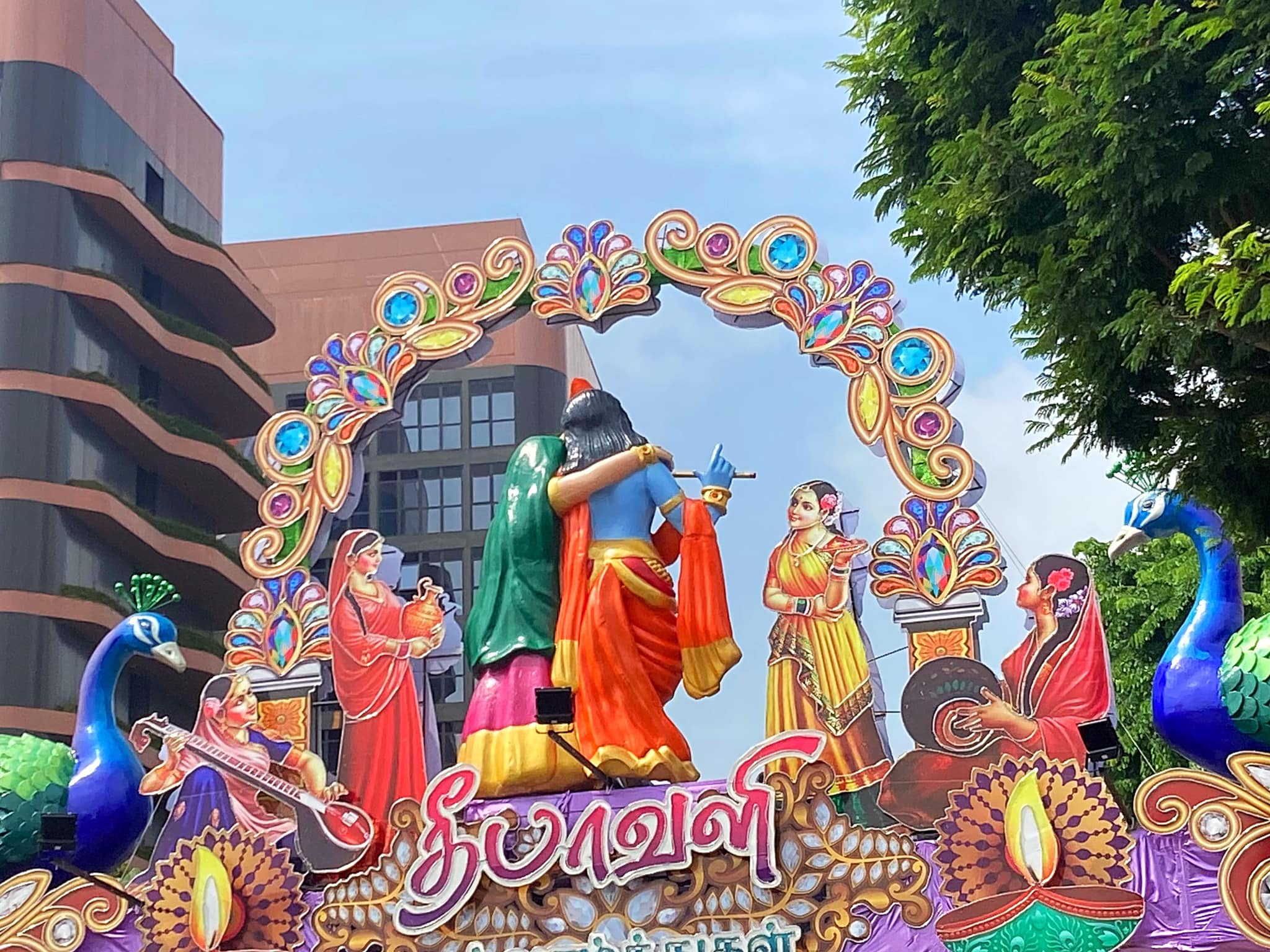
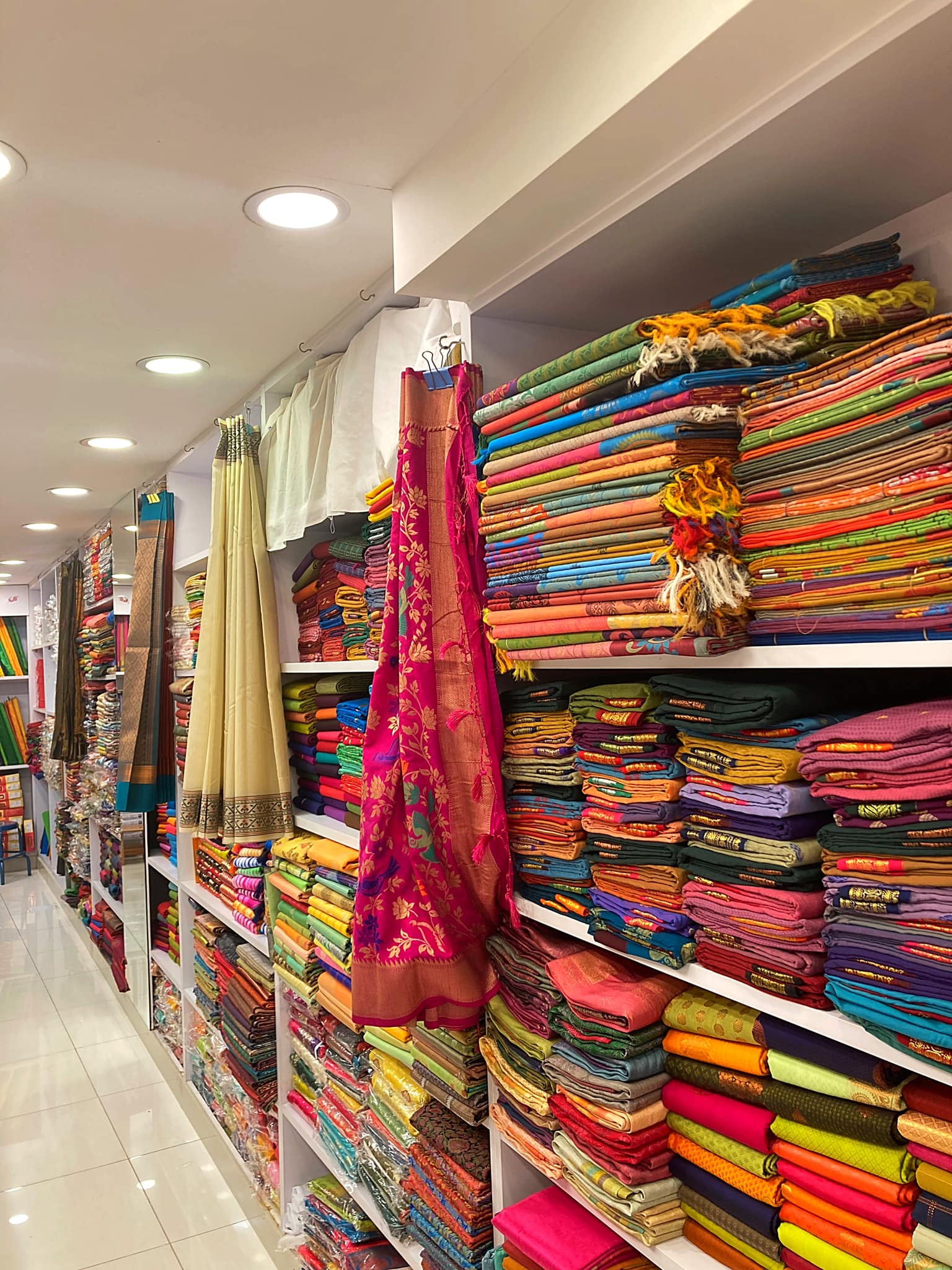


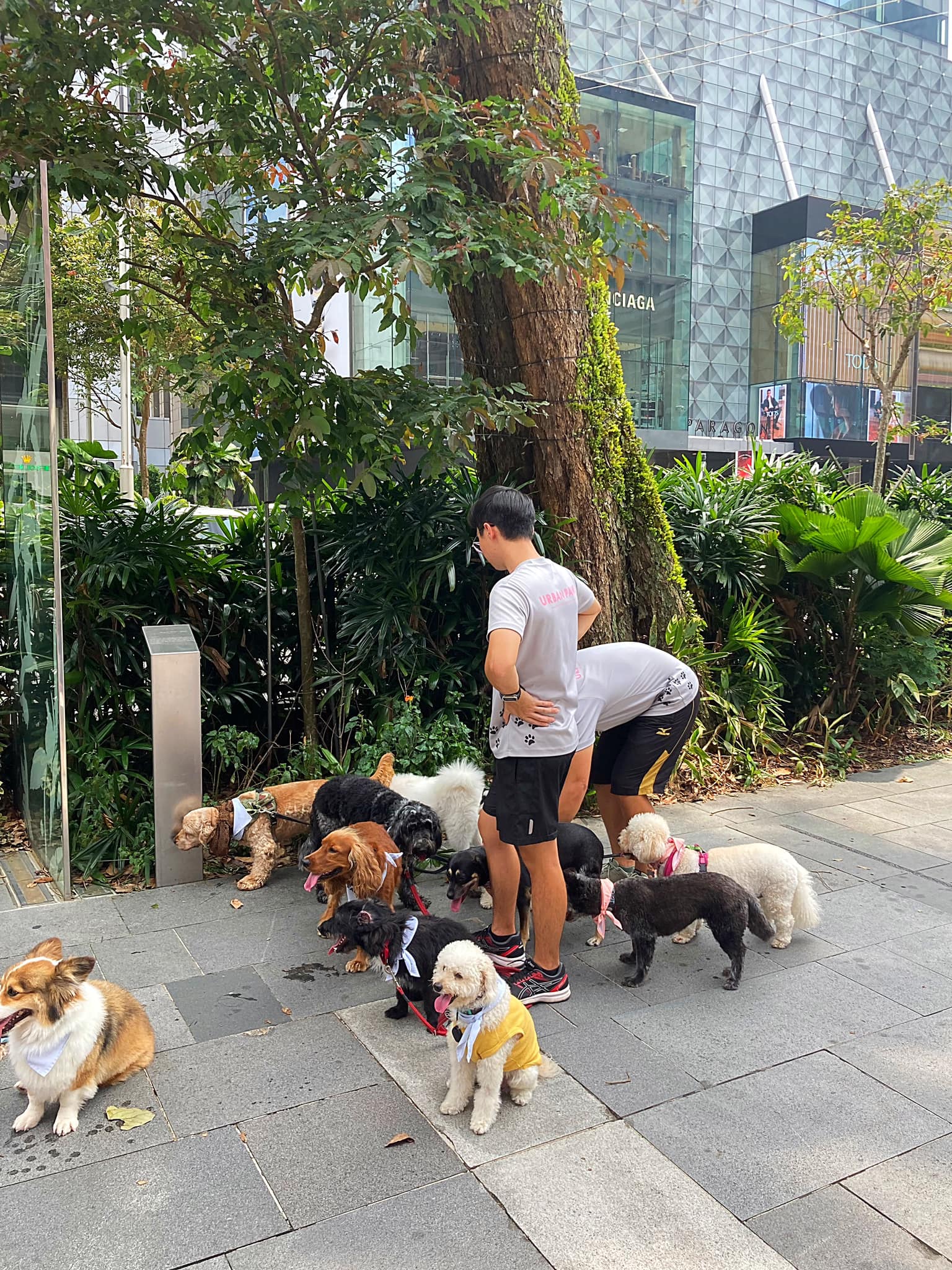

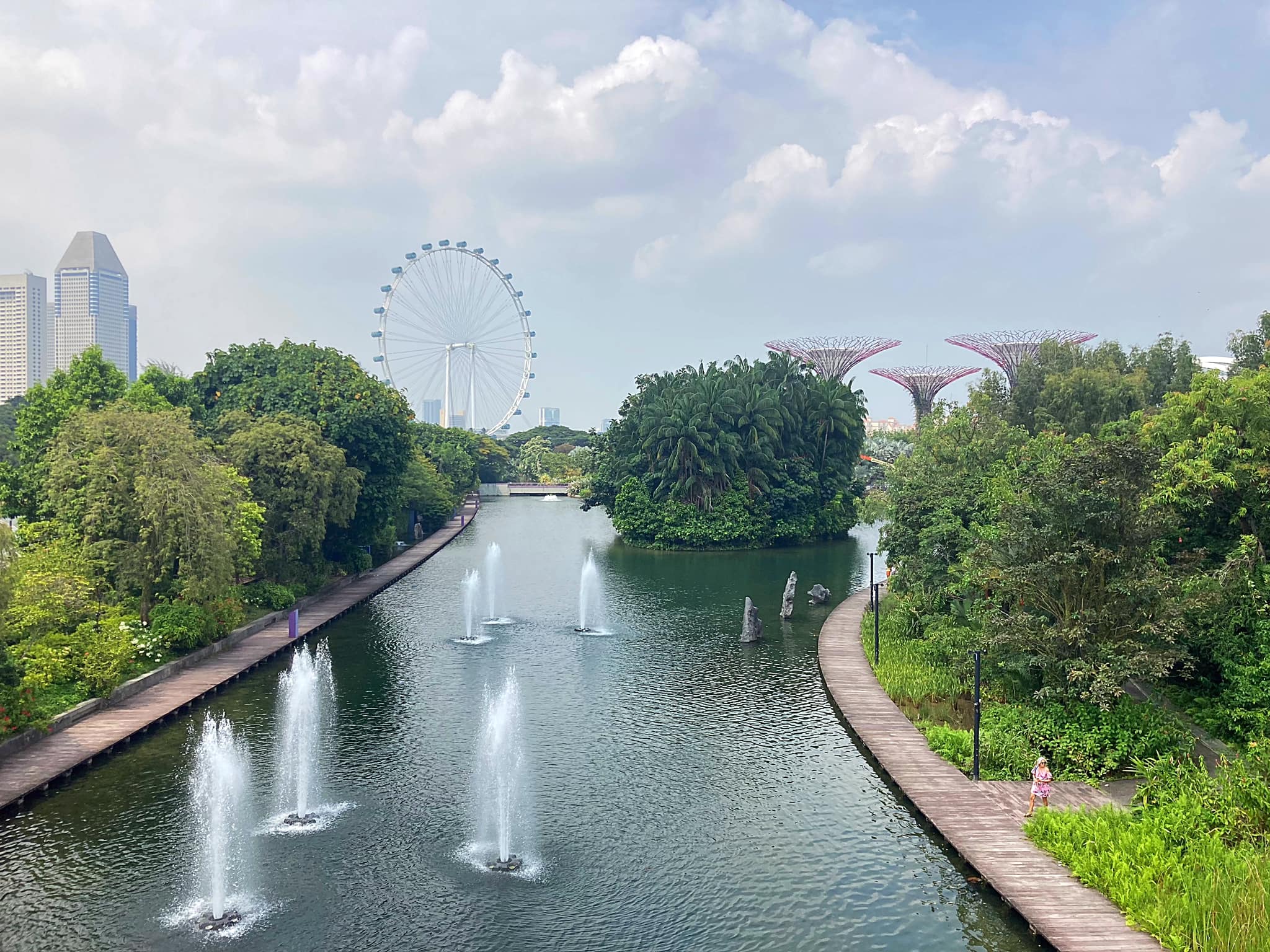


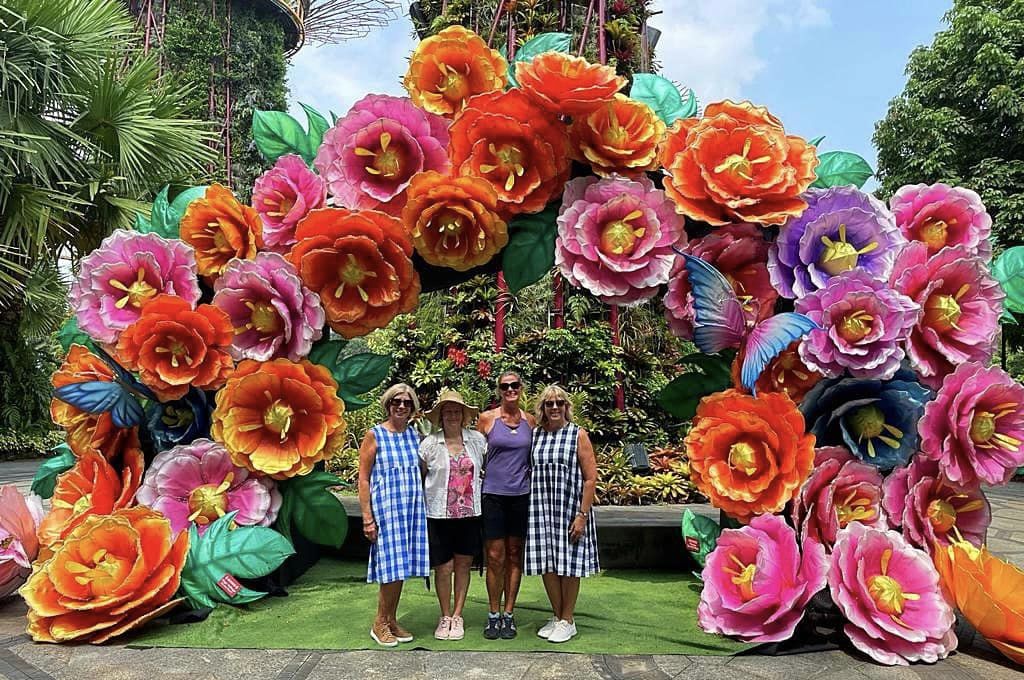

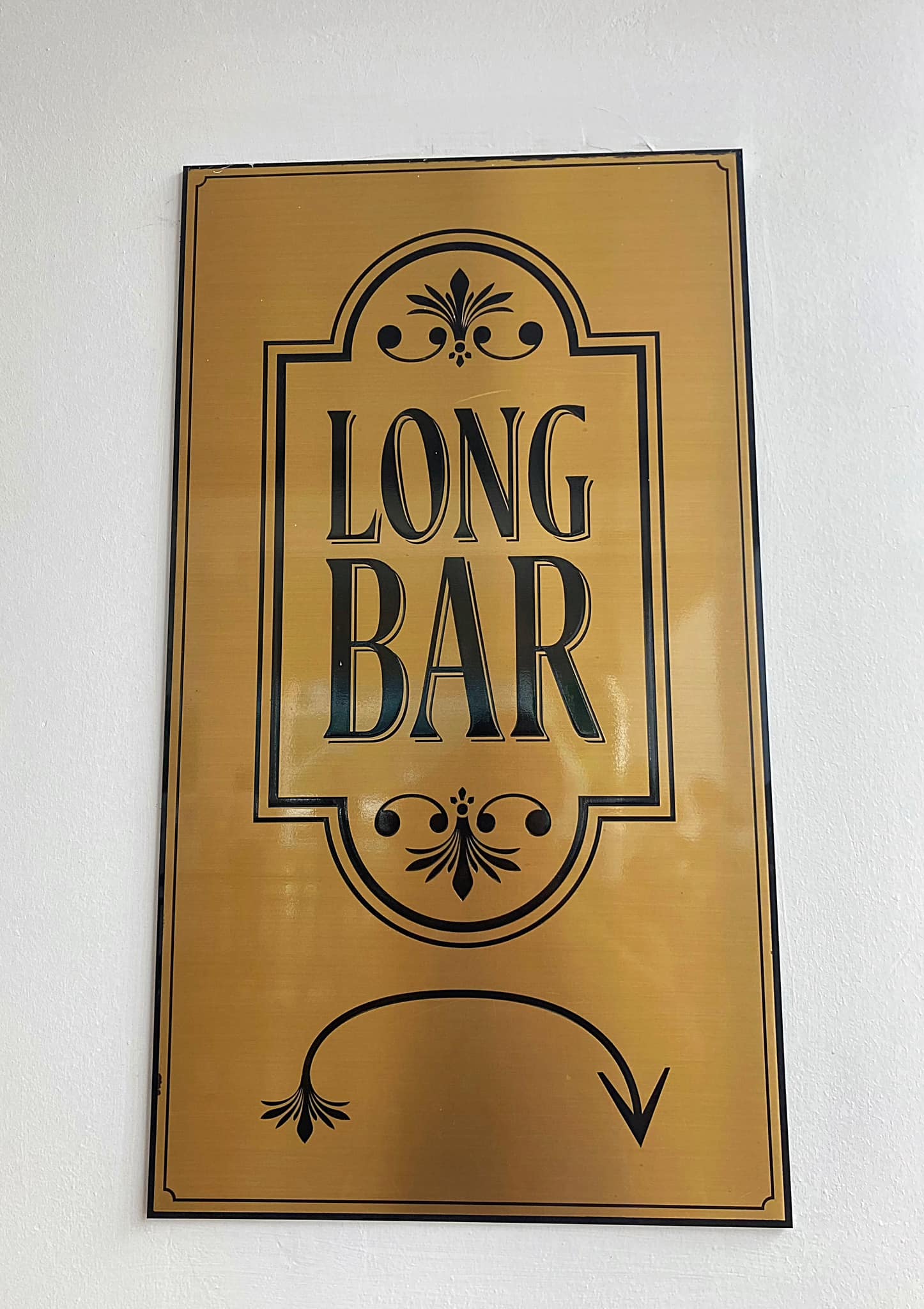
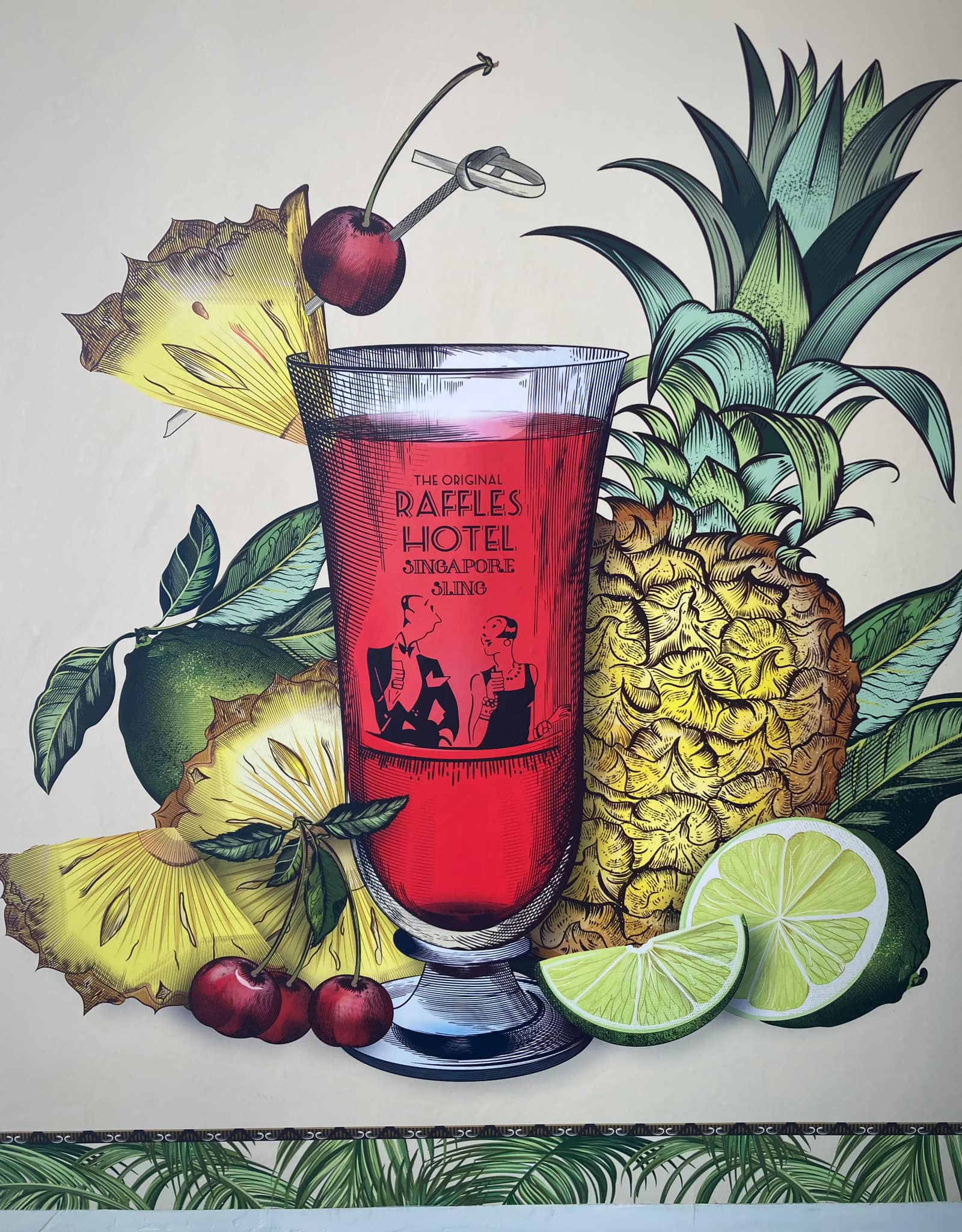

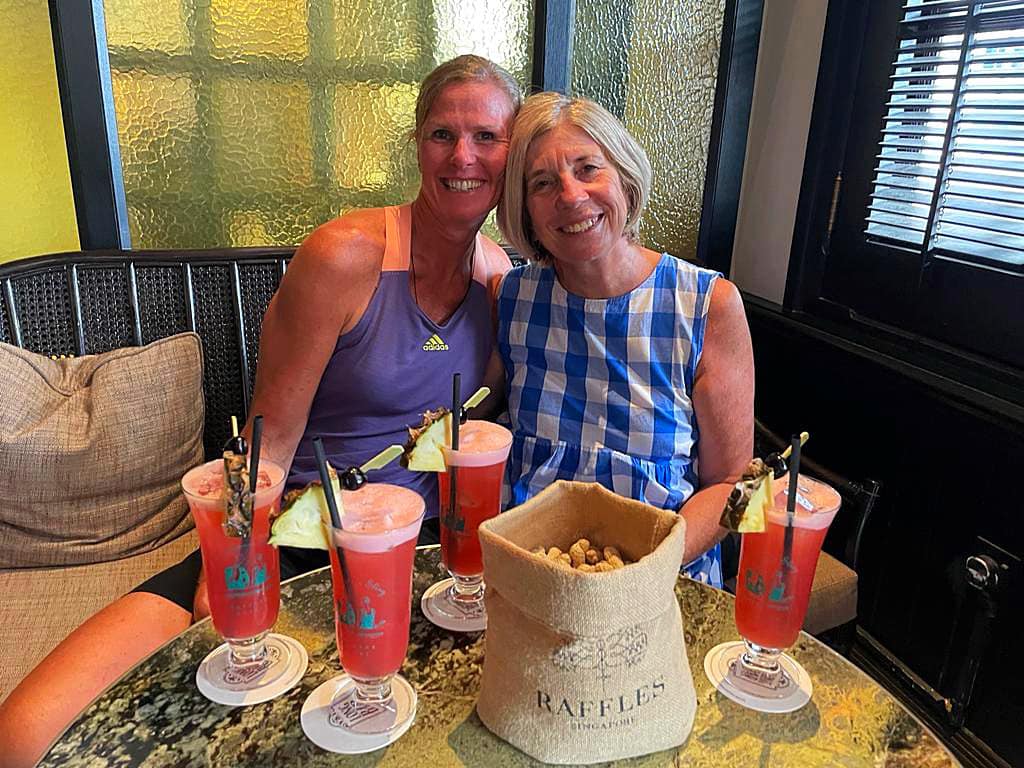

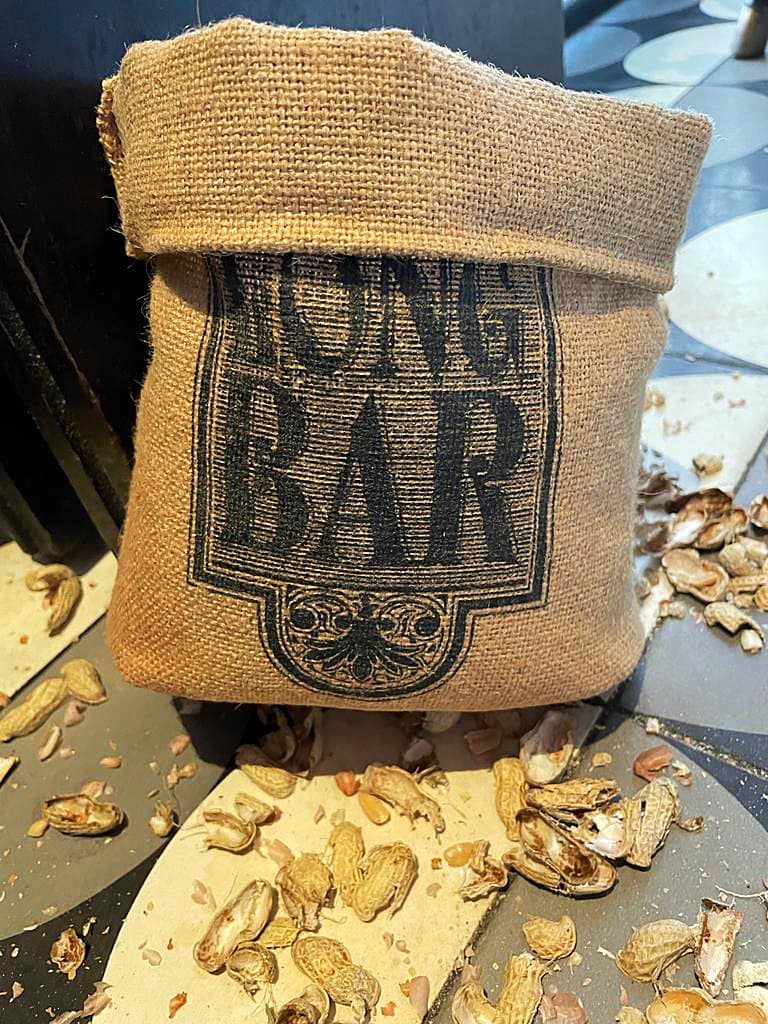
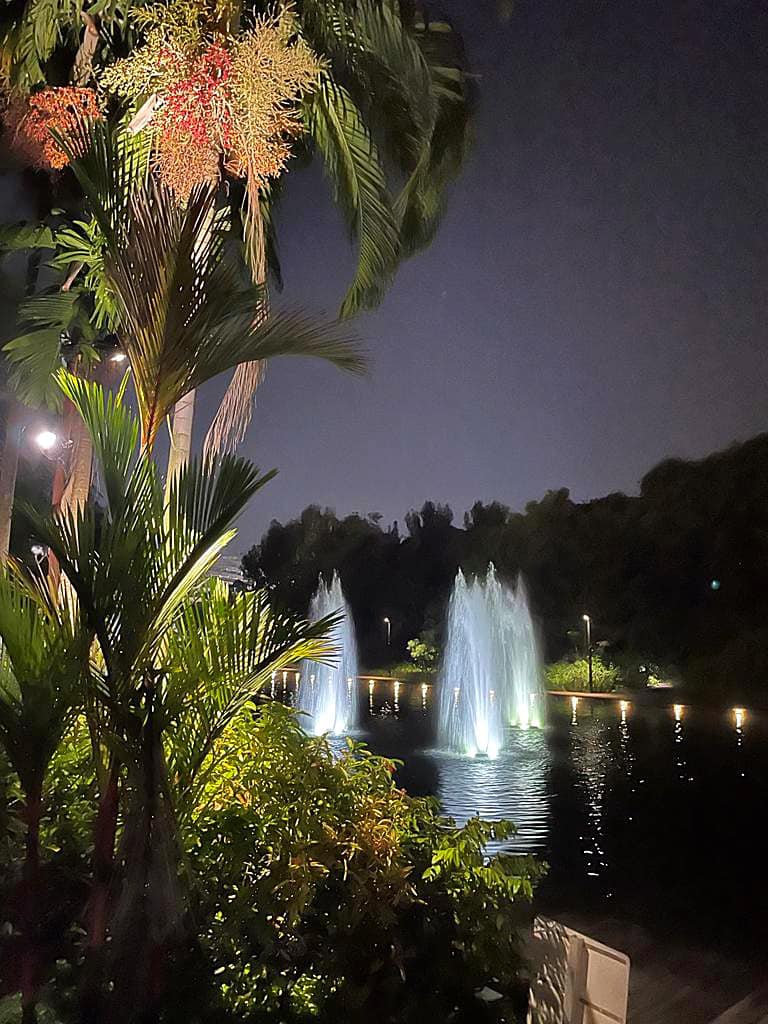
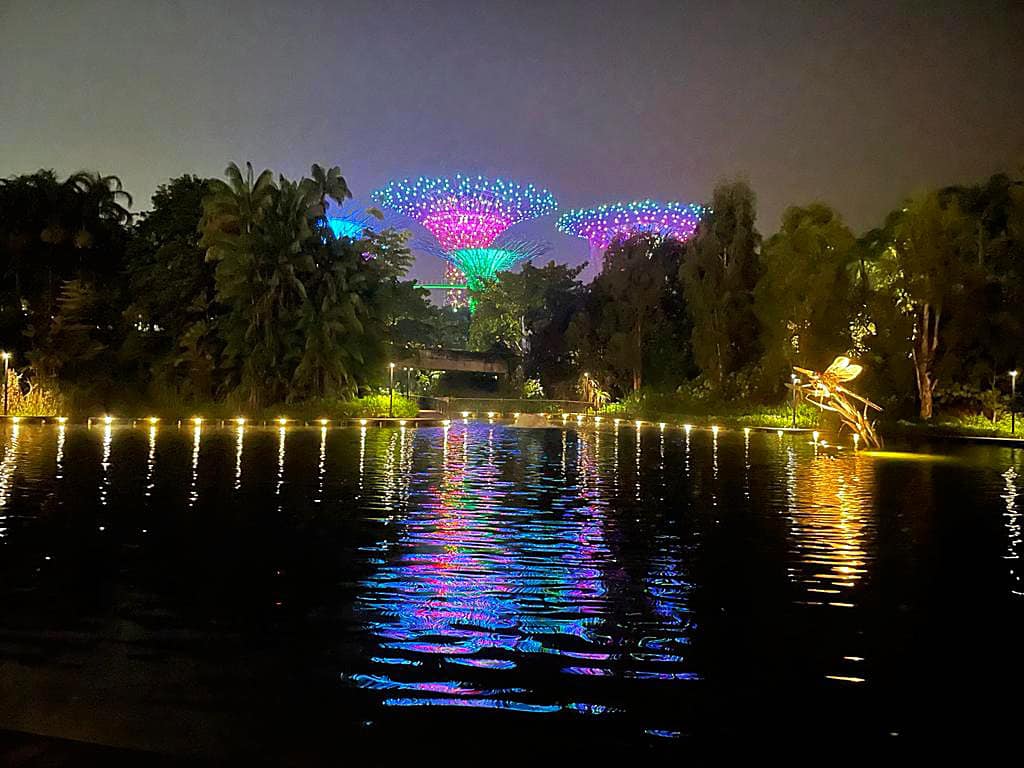
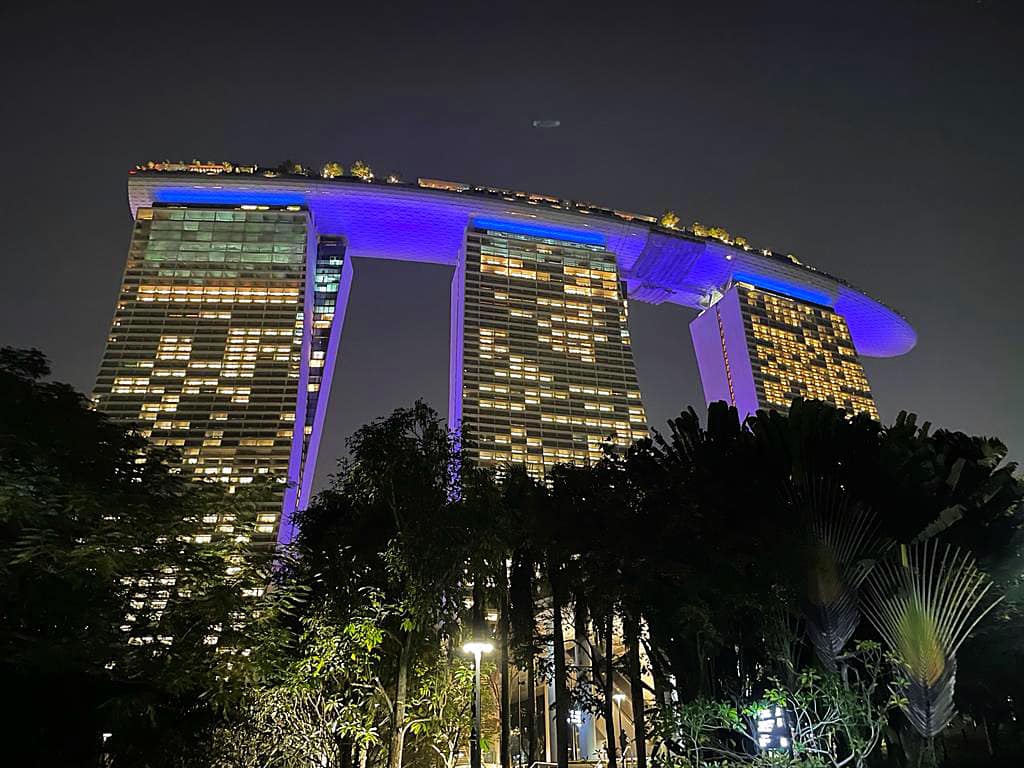

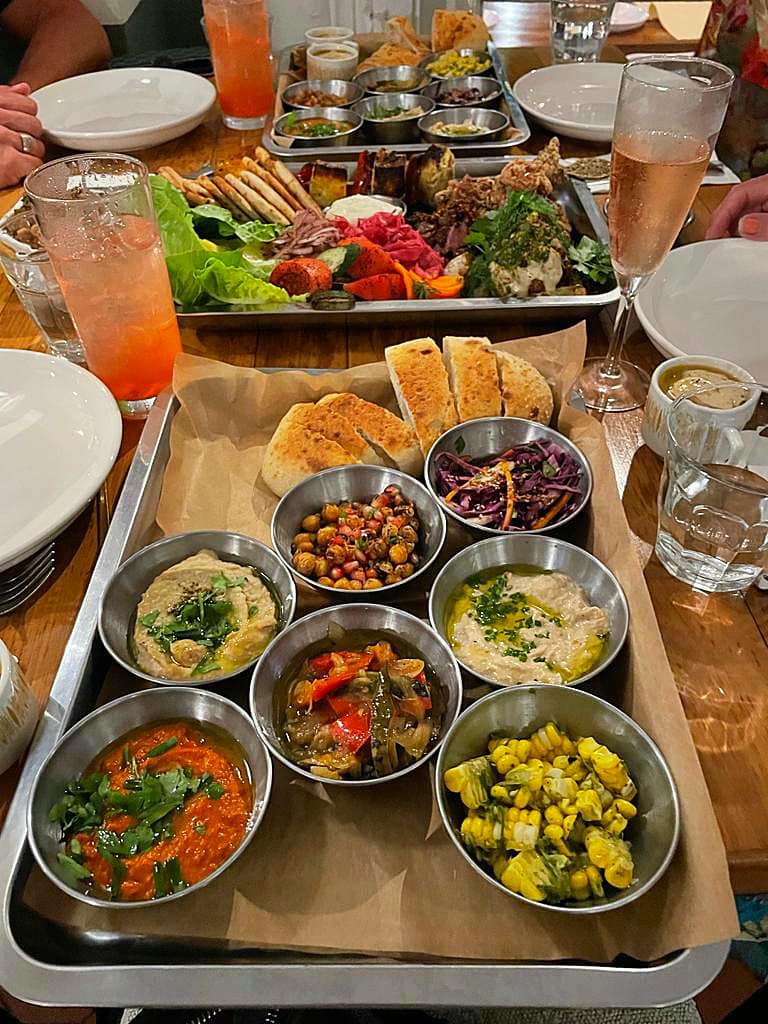
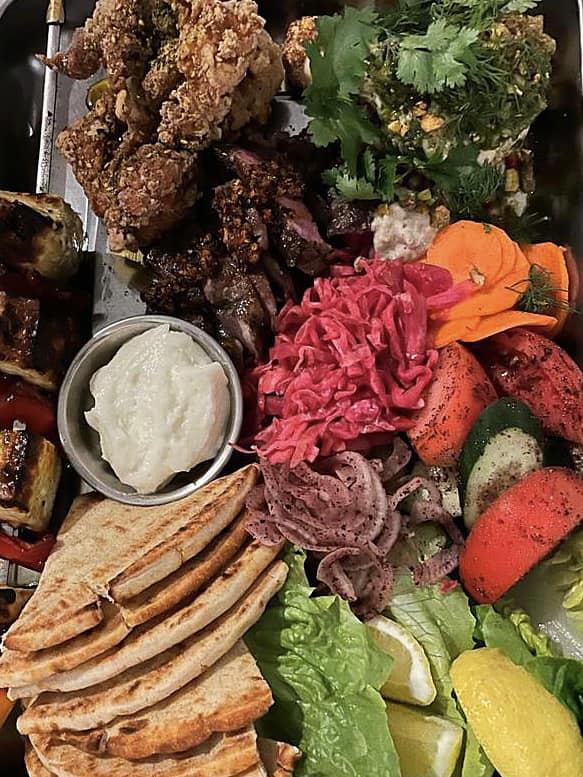


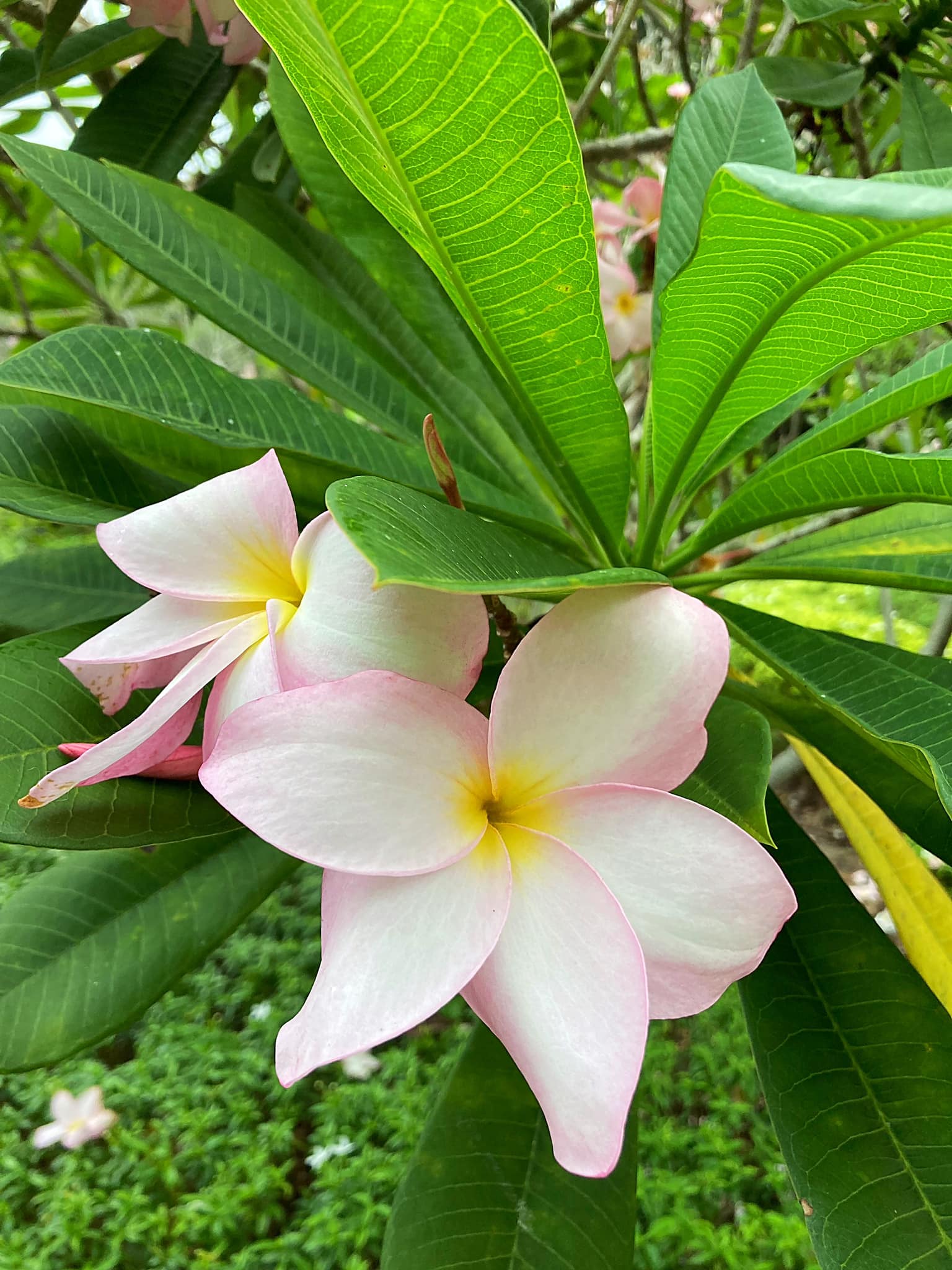


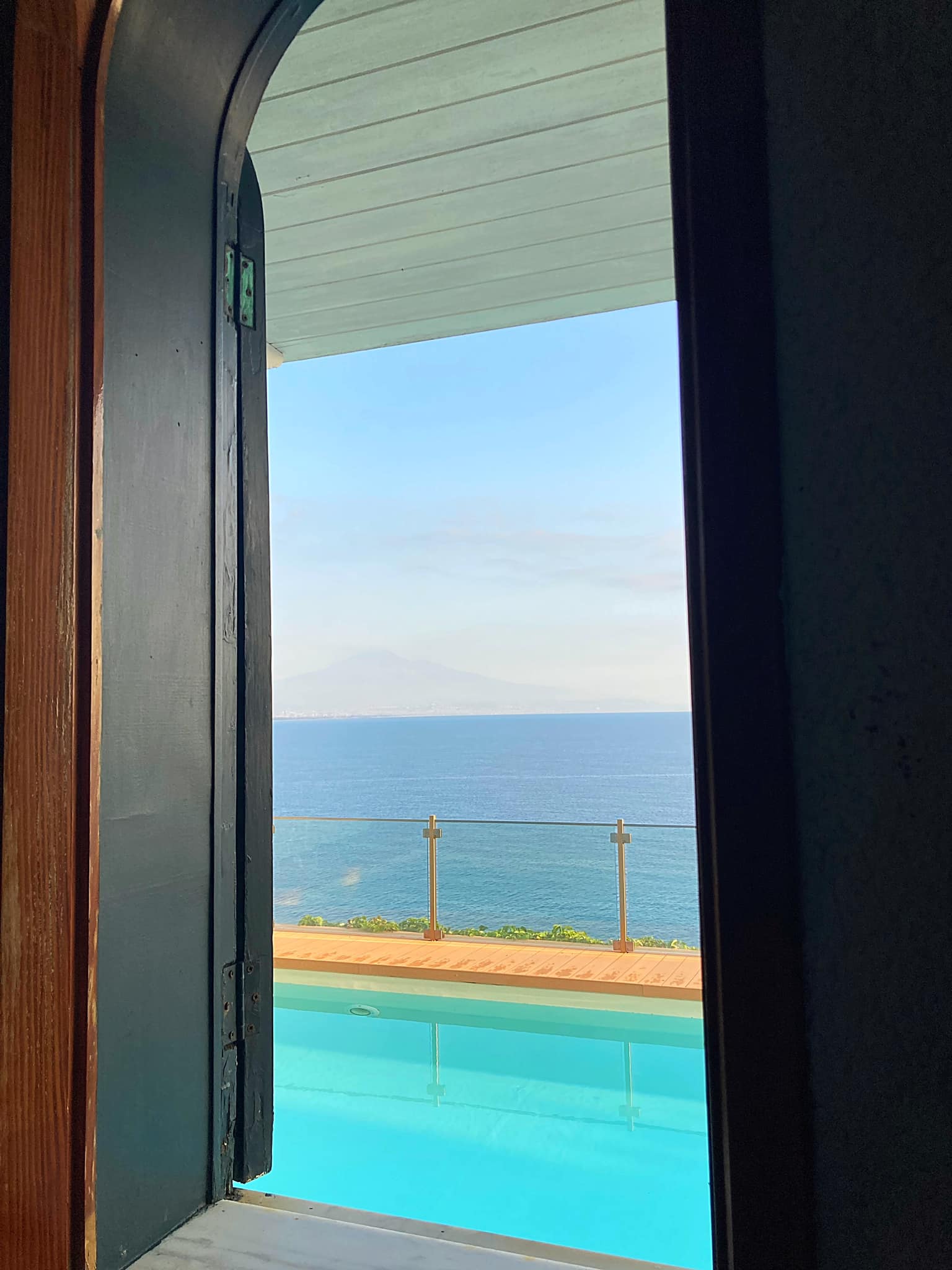
 .
.
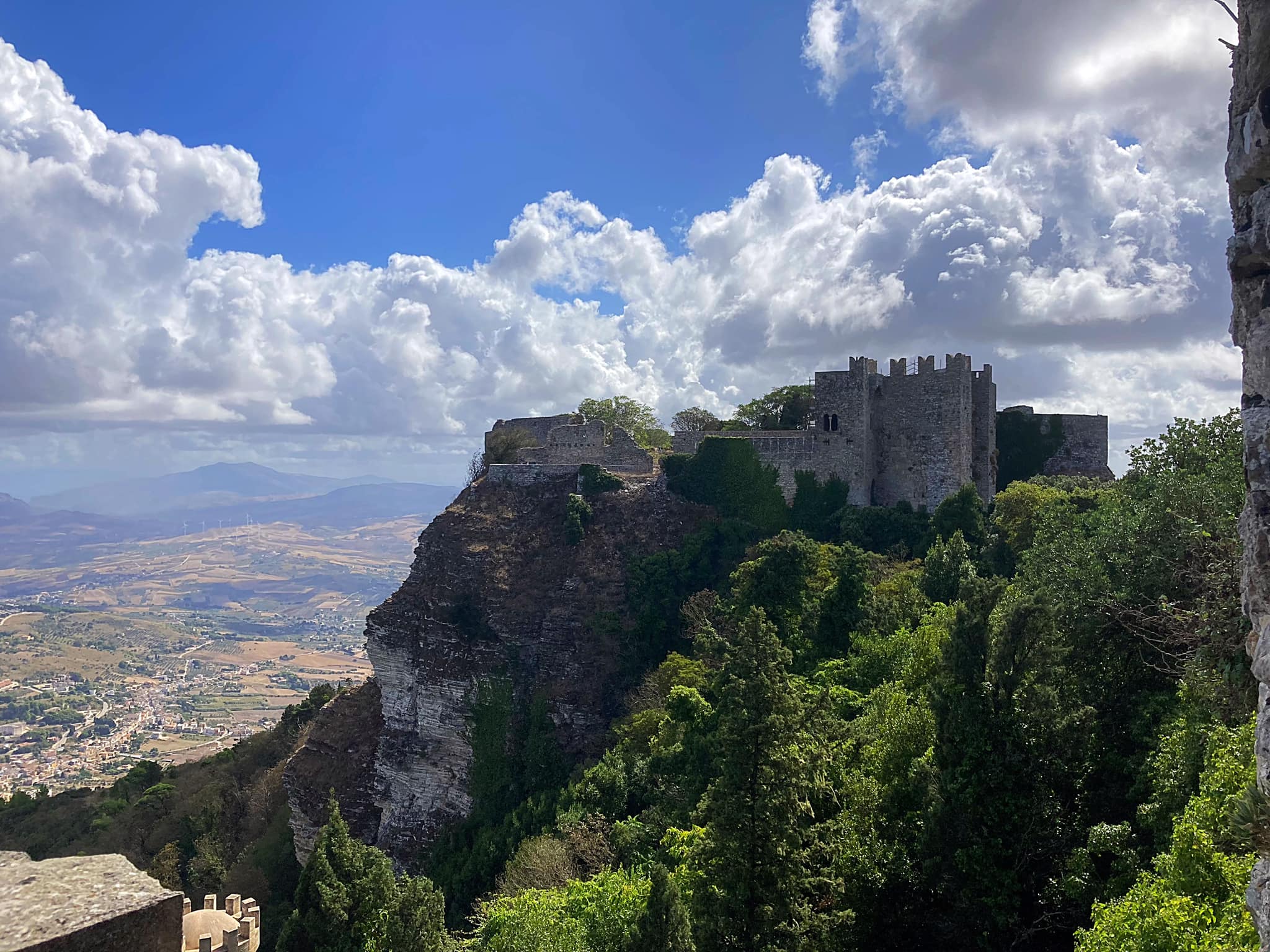

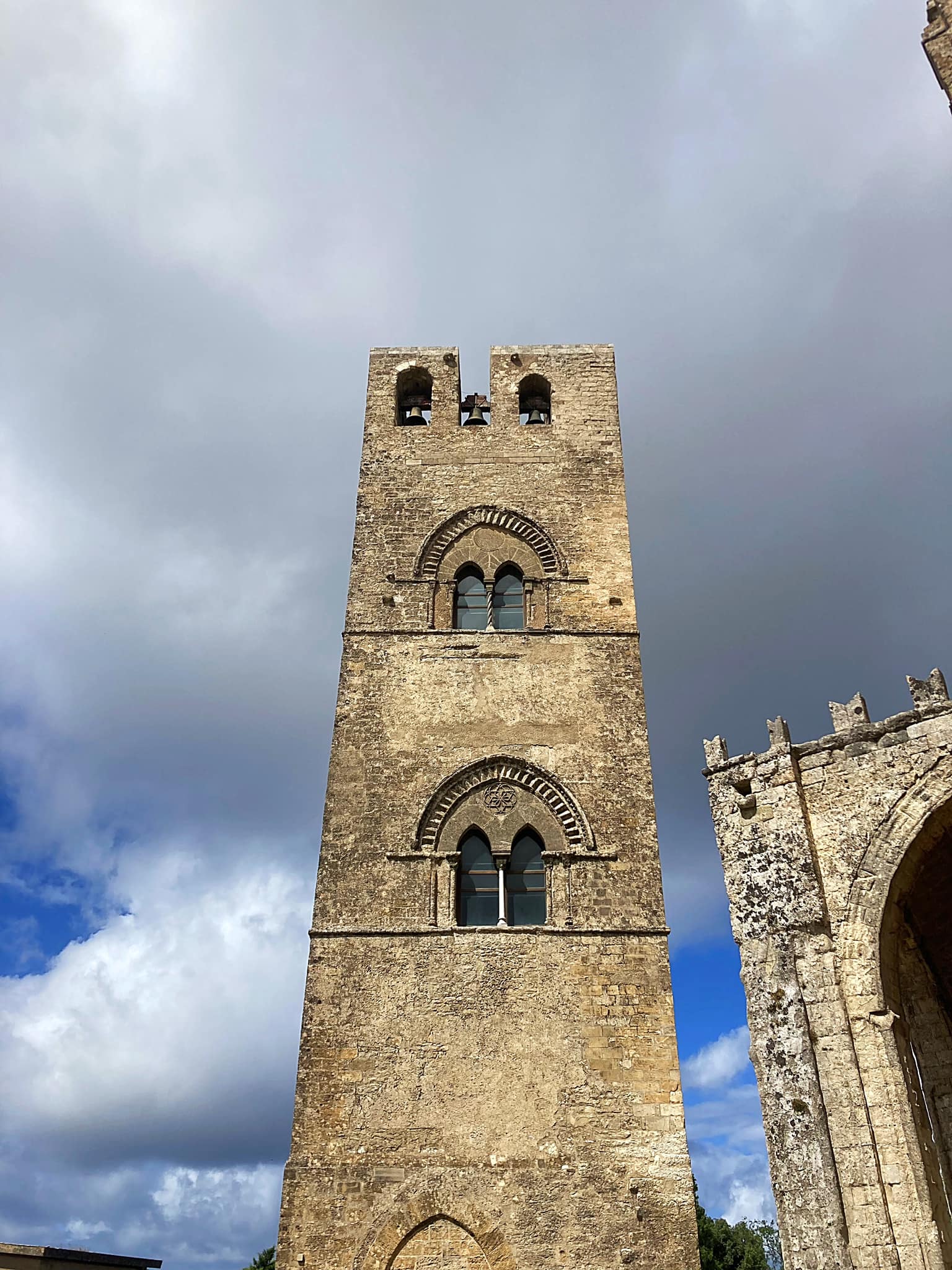
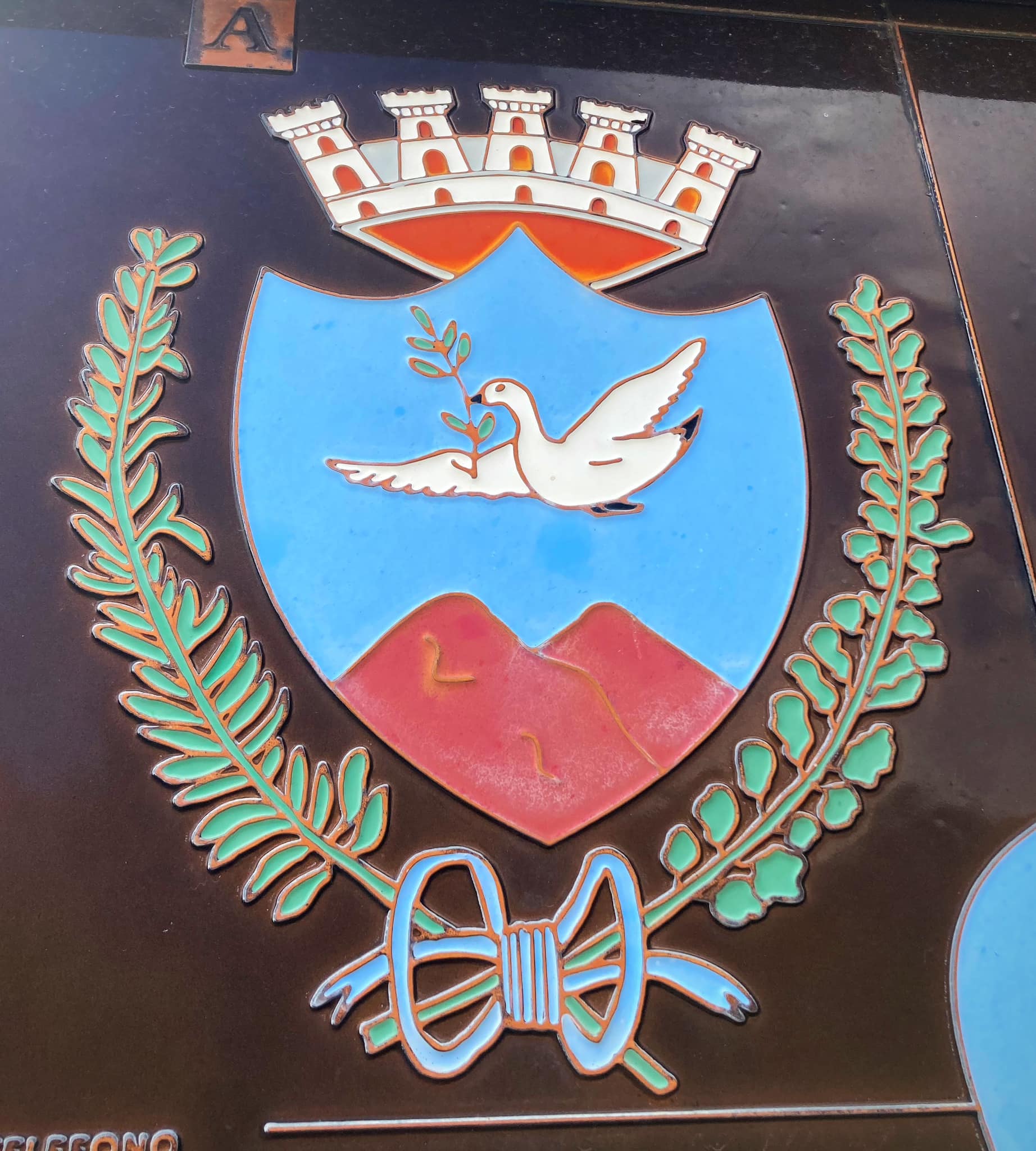


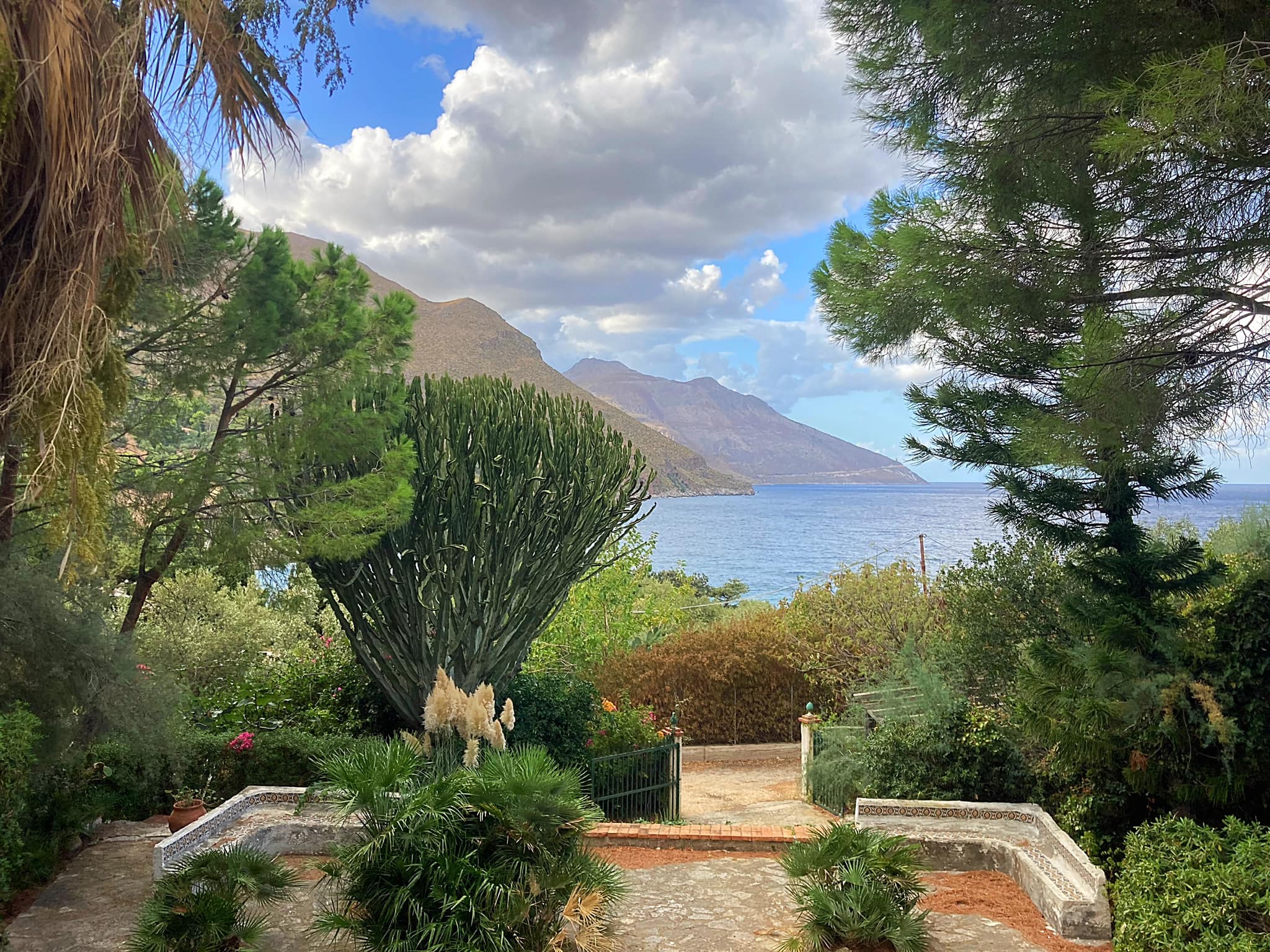


 before heading into the shopping streets. Wow it was a busy place. We then stopped off for some Granita which is a semi-frozen dessert made from sugar, water and various flavorings. Originally from Sicily, it is available throughout Italy in varying forms. It is related to sorbet and Italian ice; however, in most of Sicily, it has a smoother, more crystalline texture.


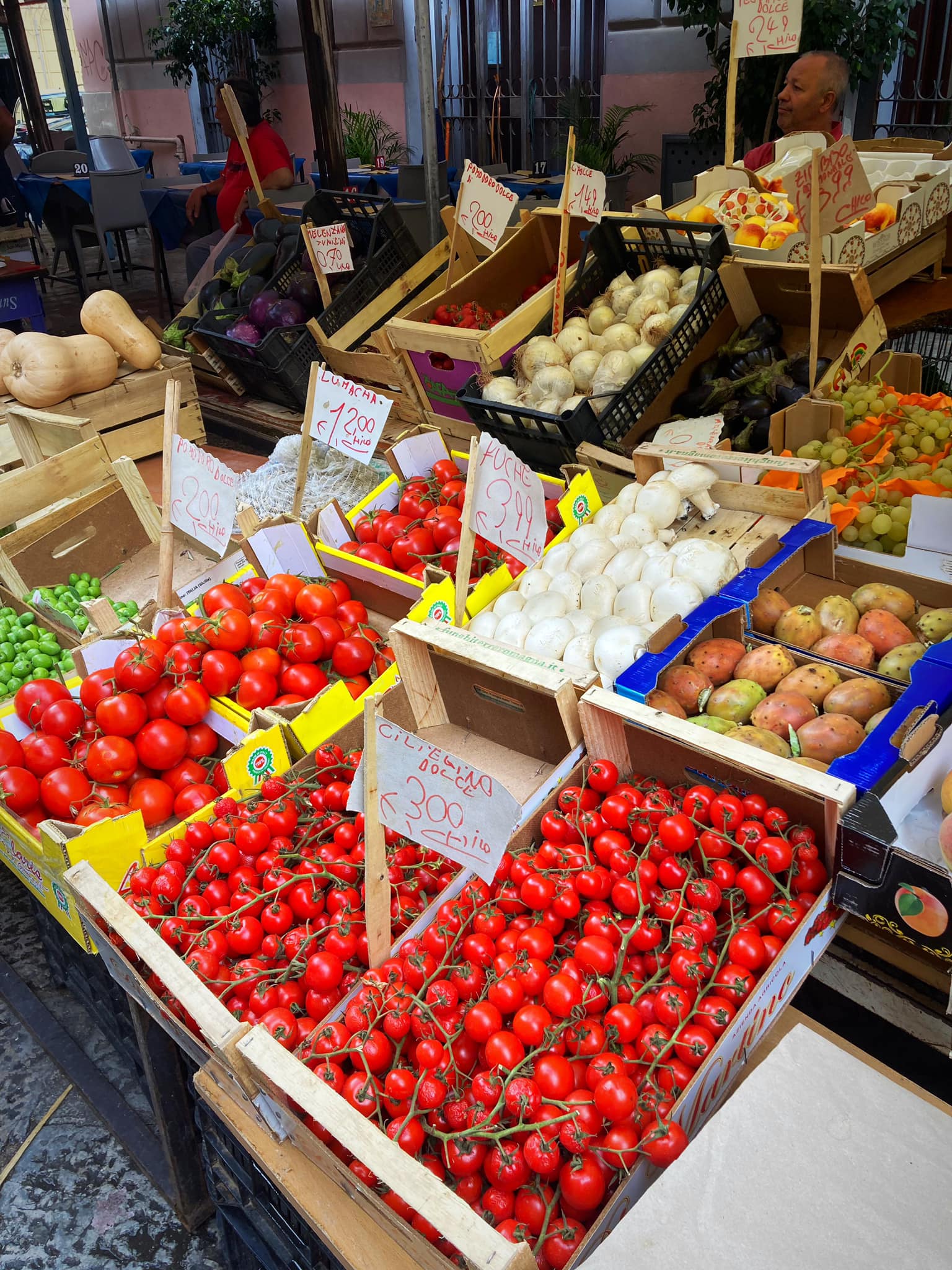
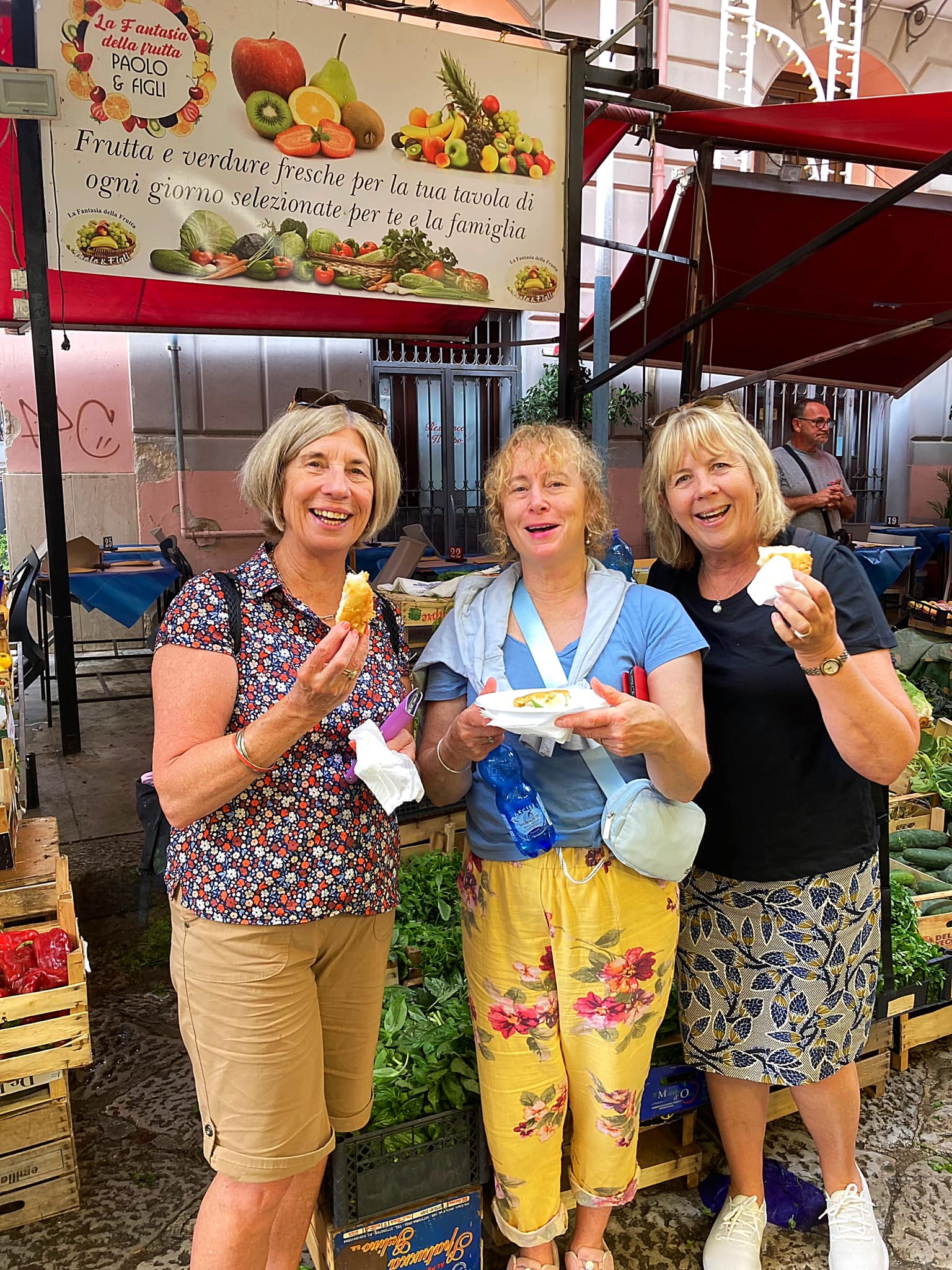

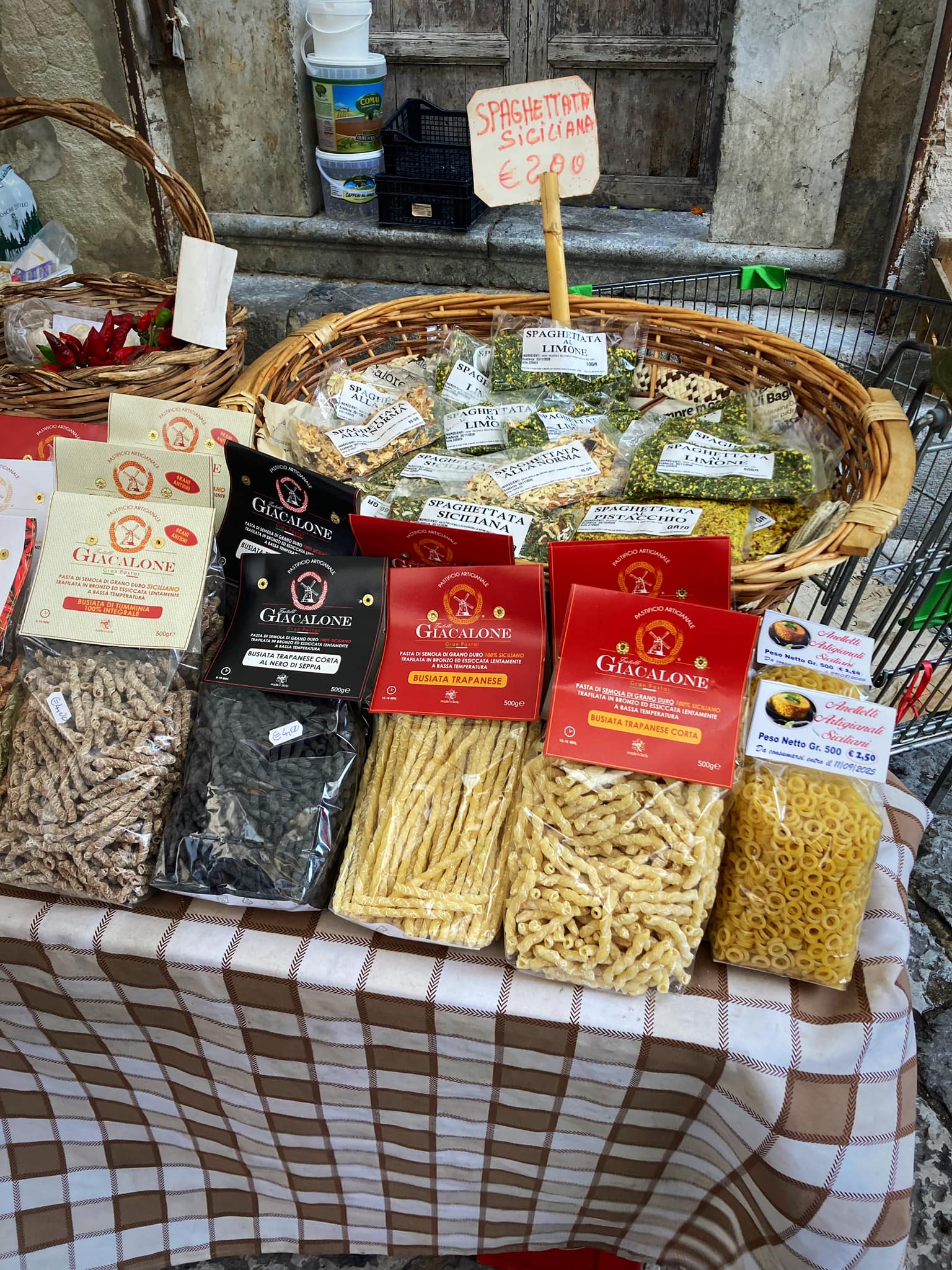

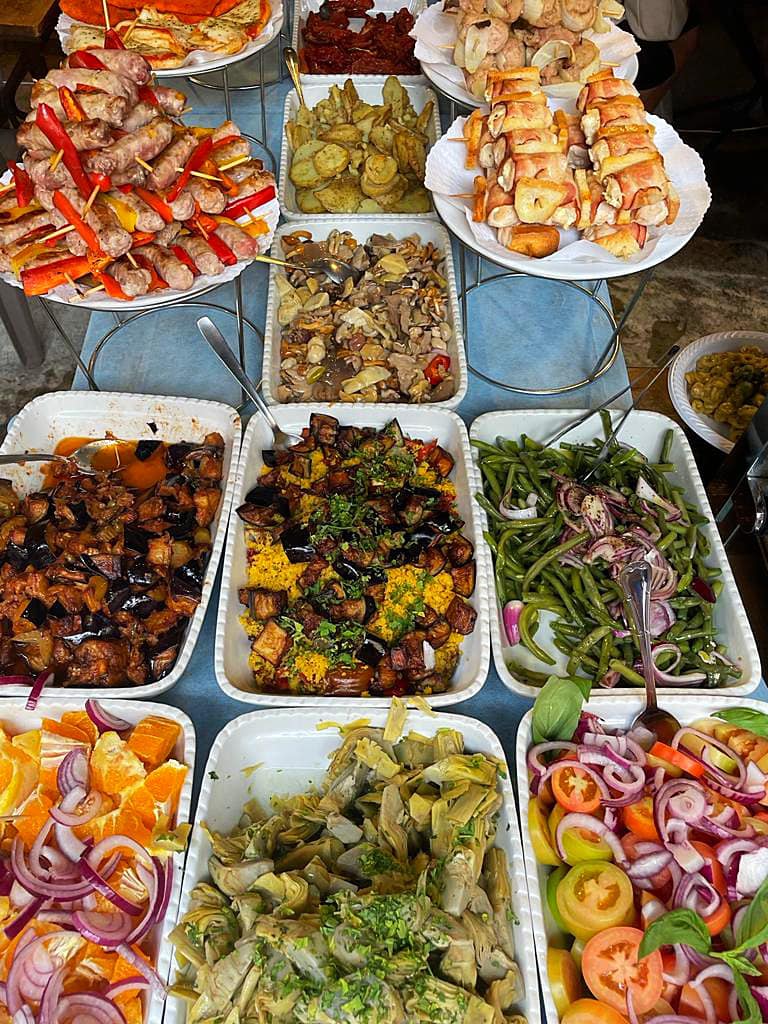


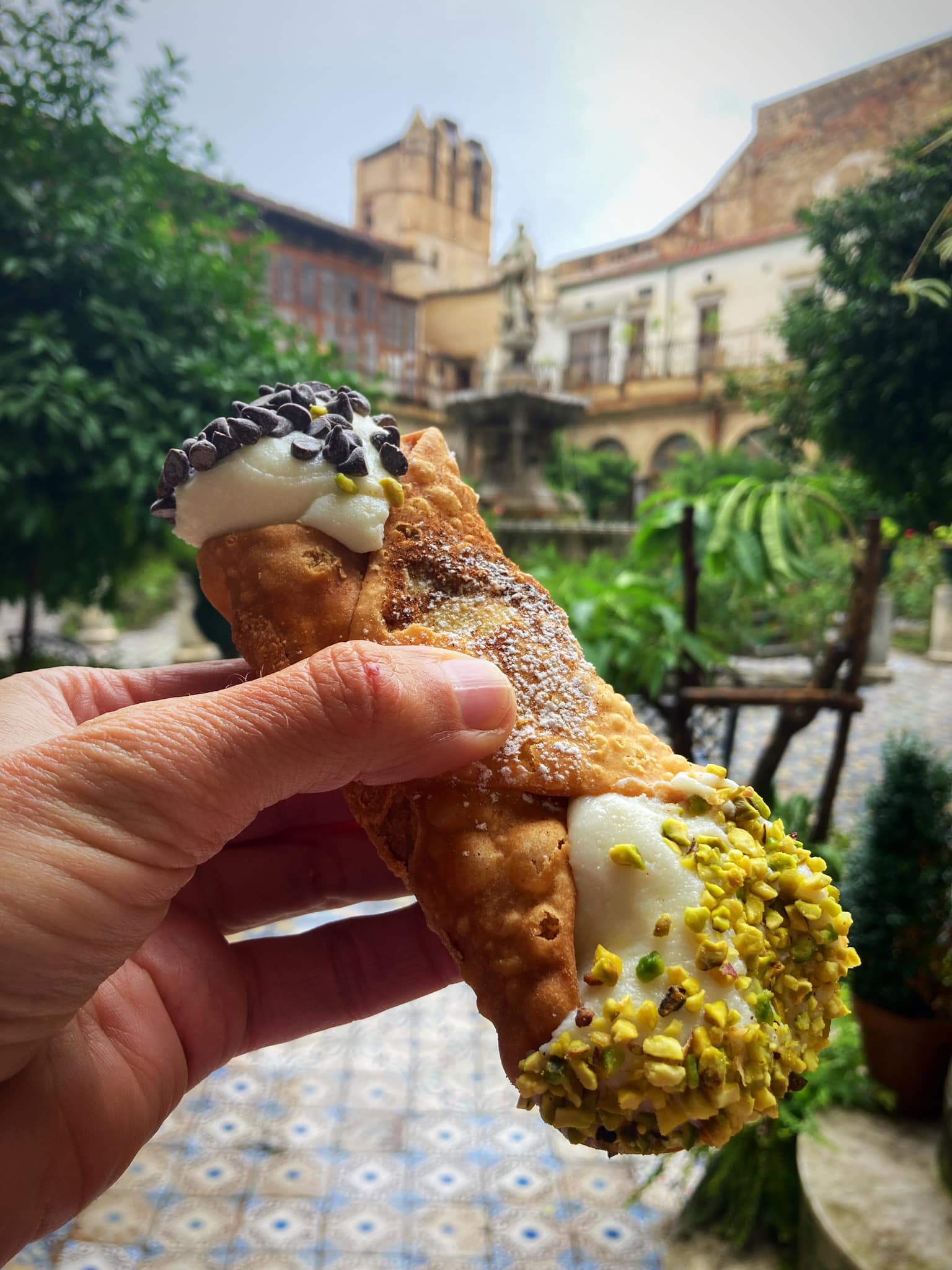


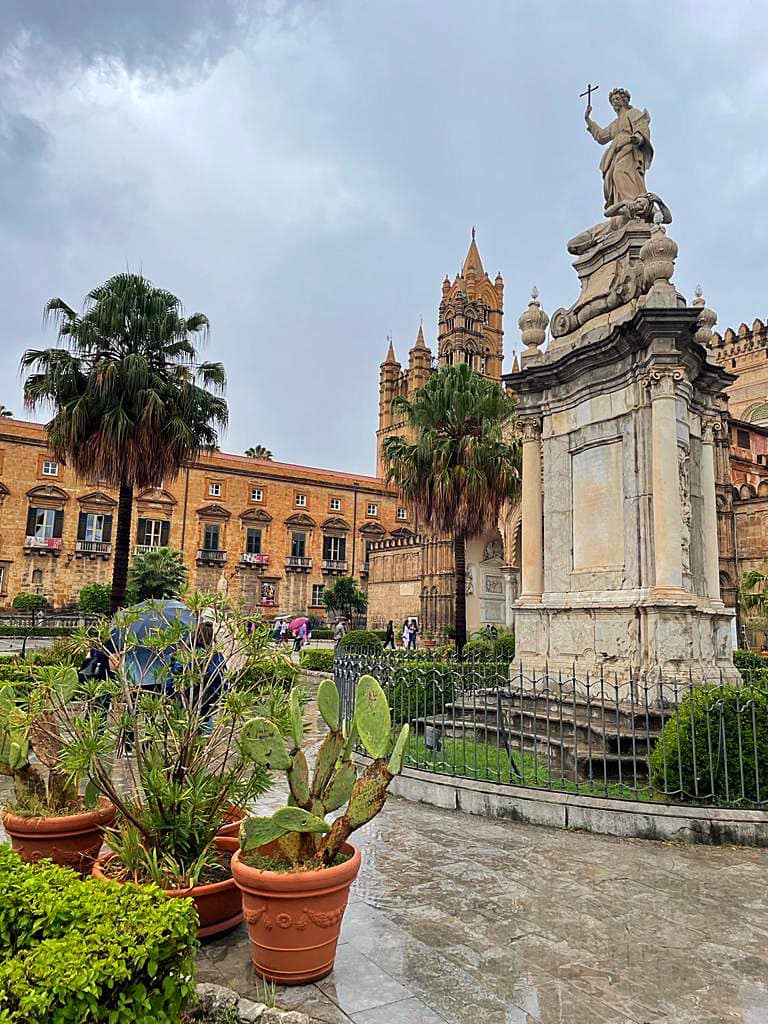


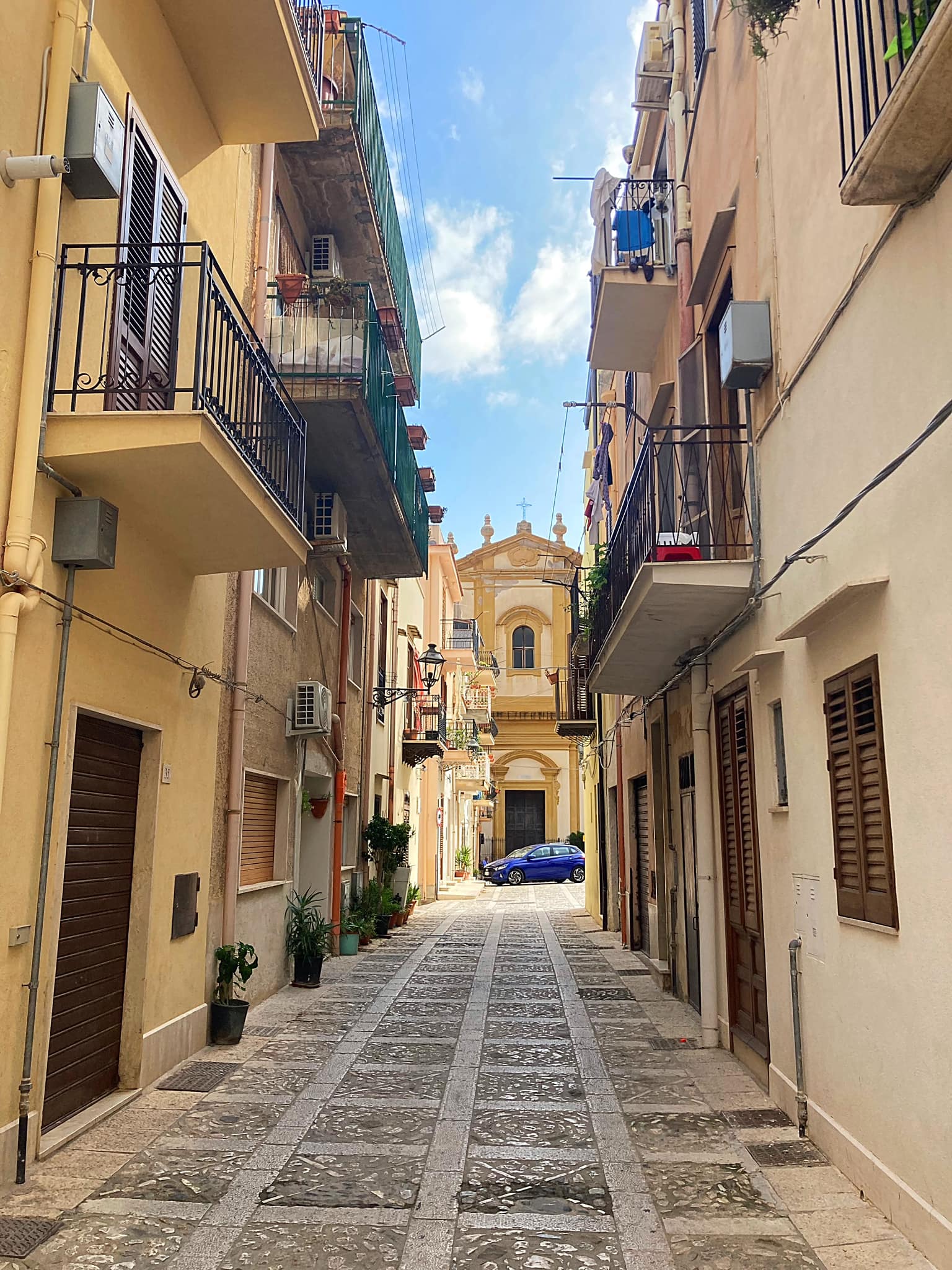
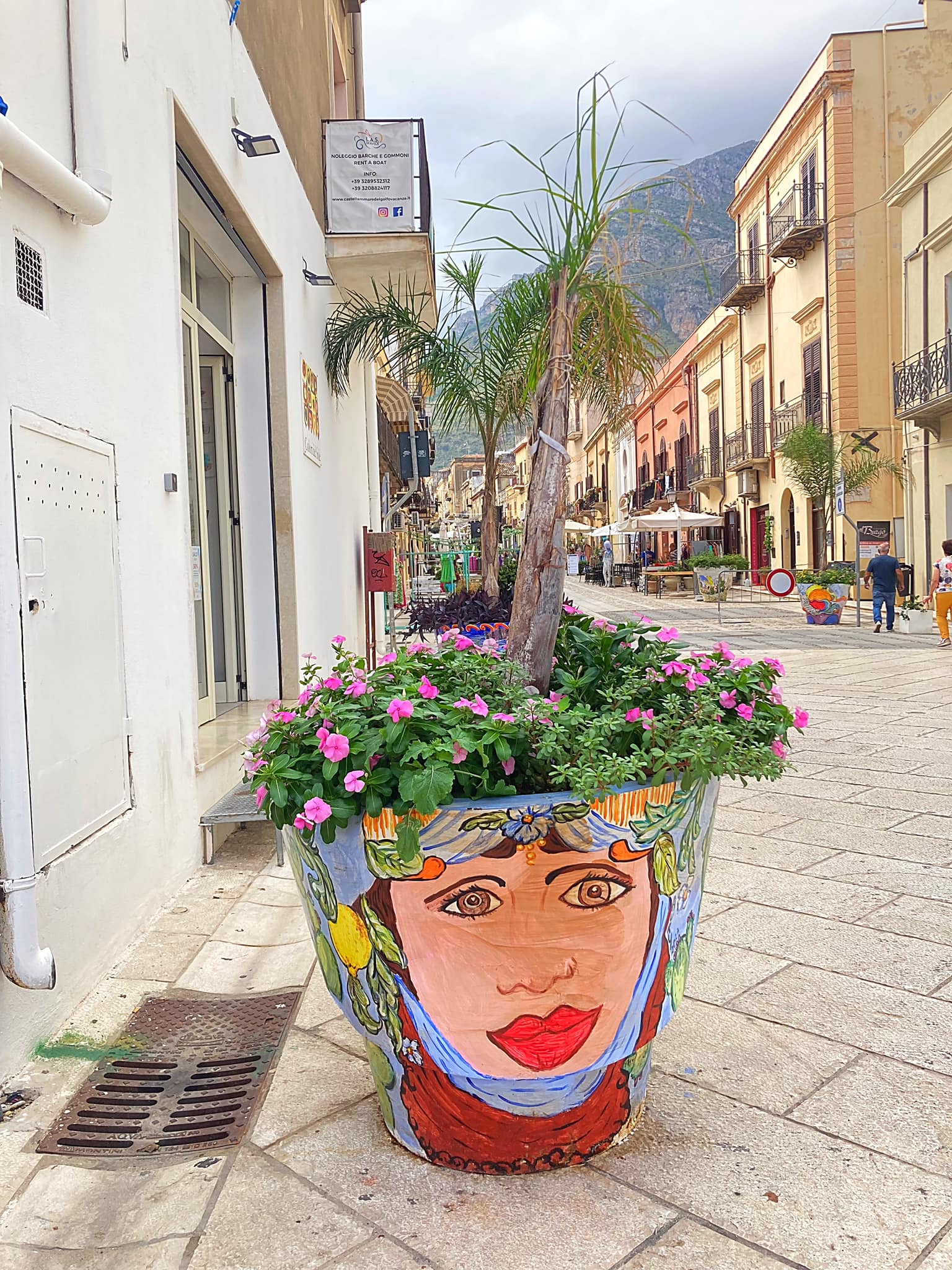


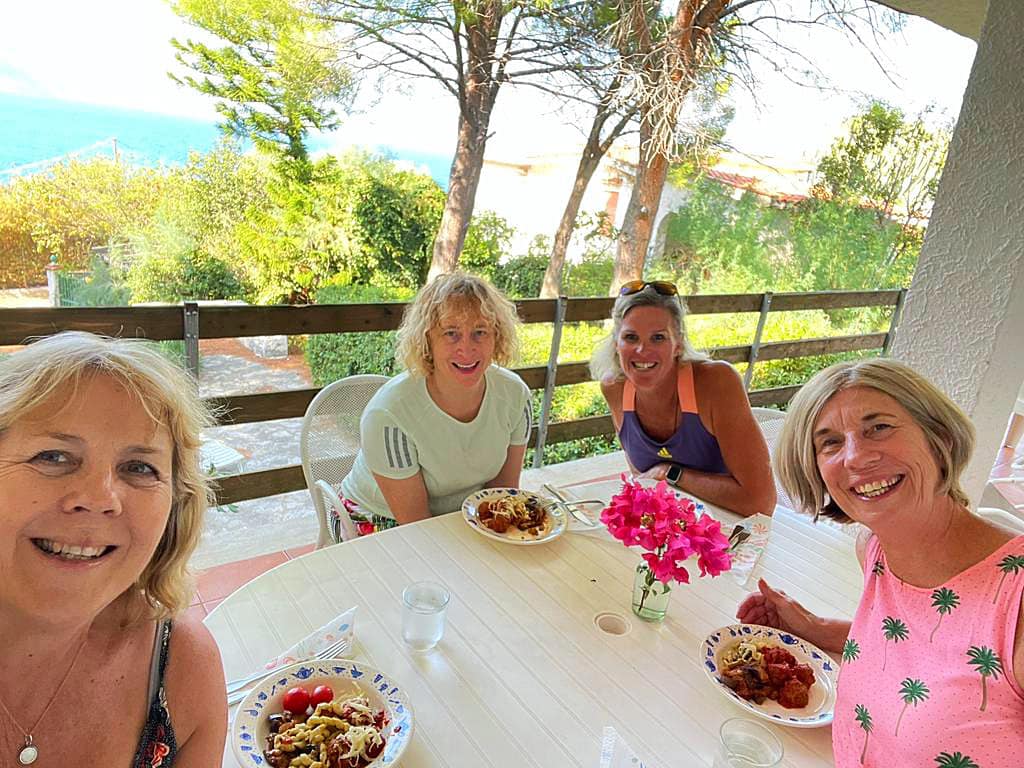
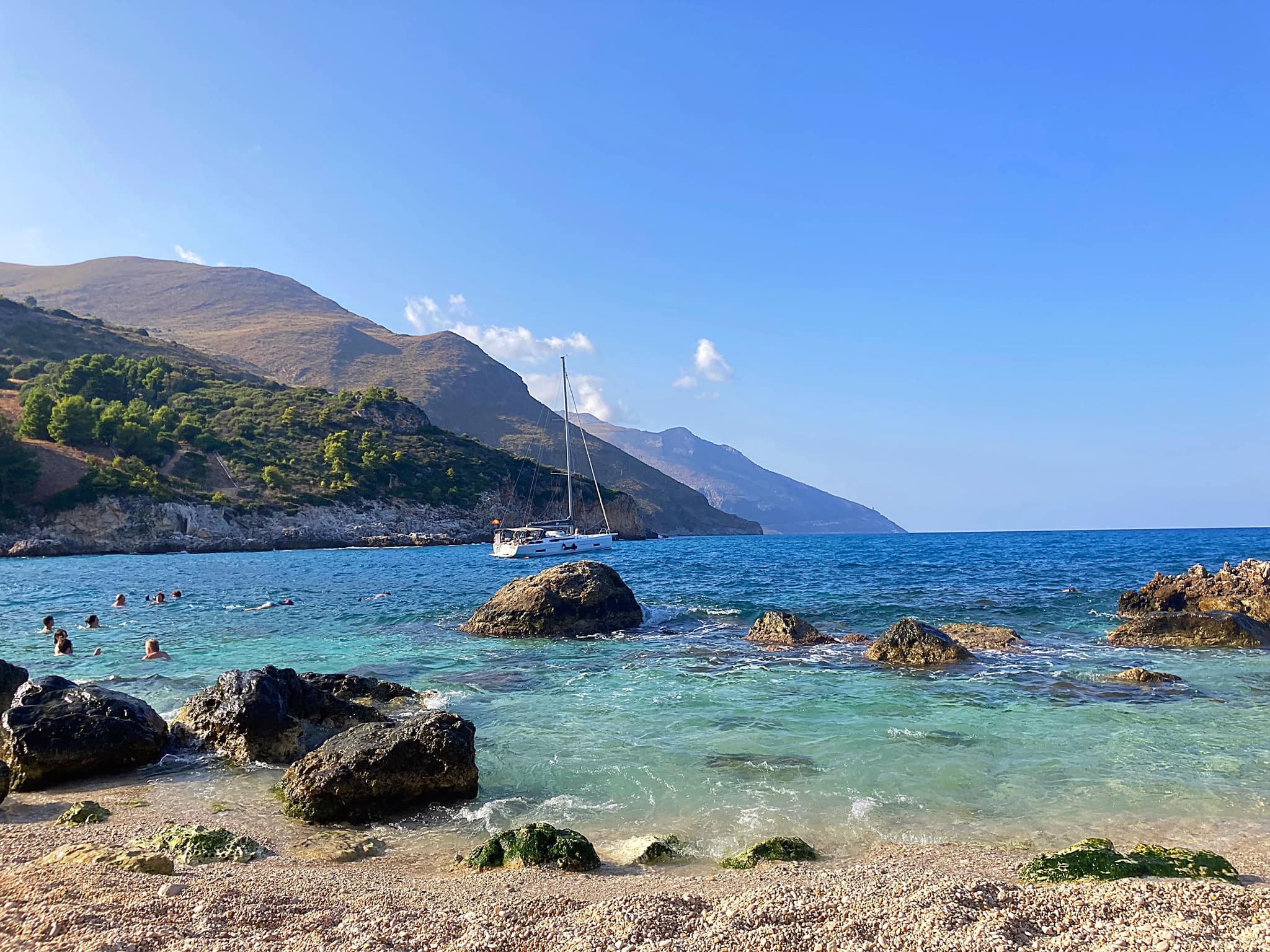
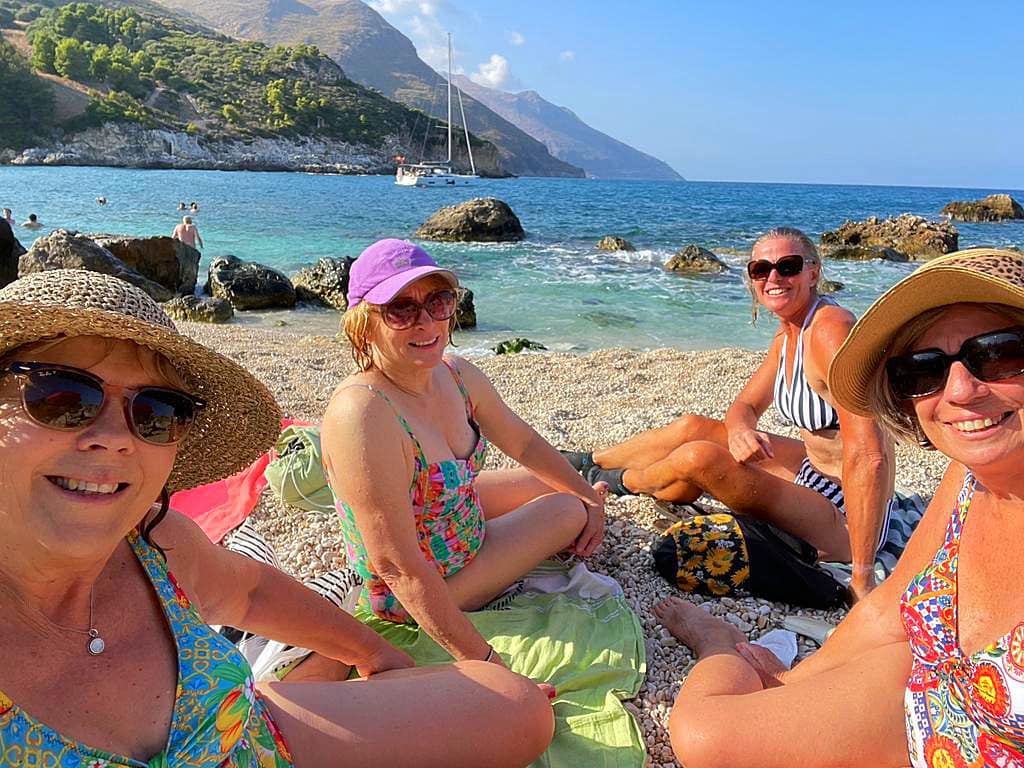
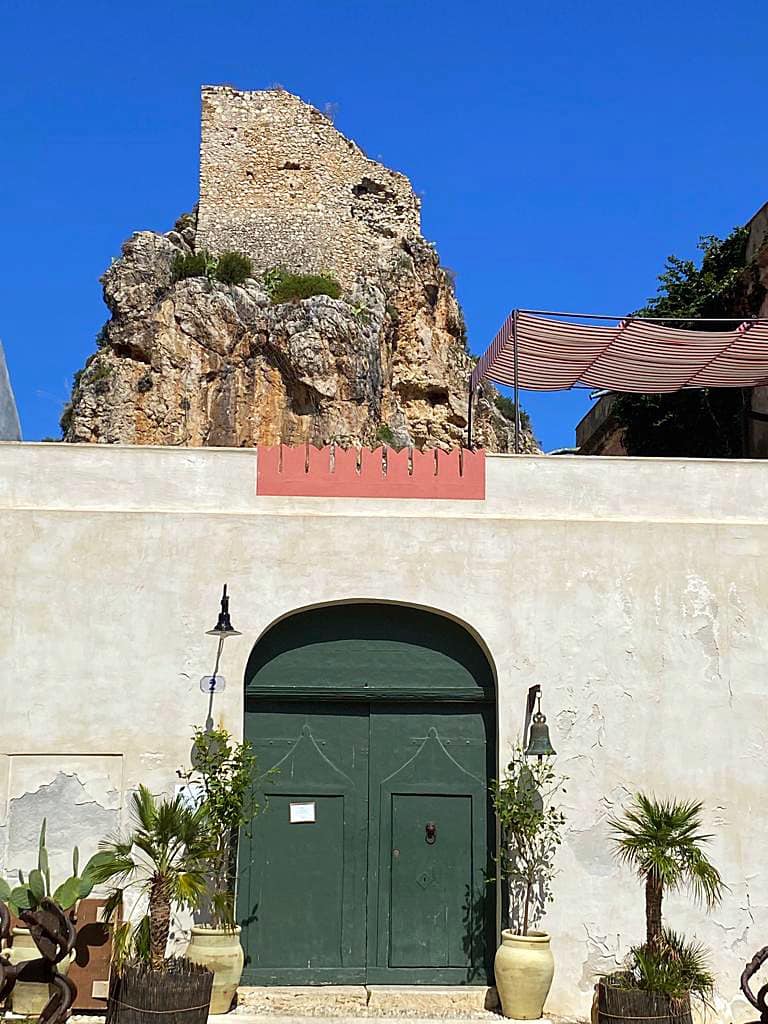
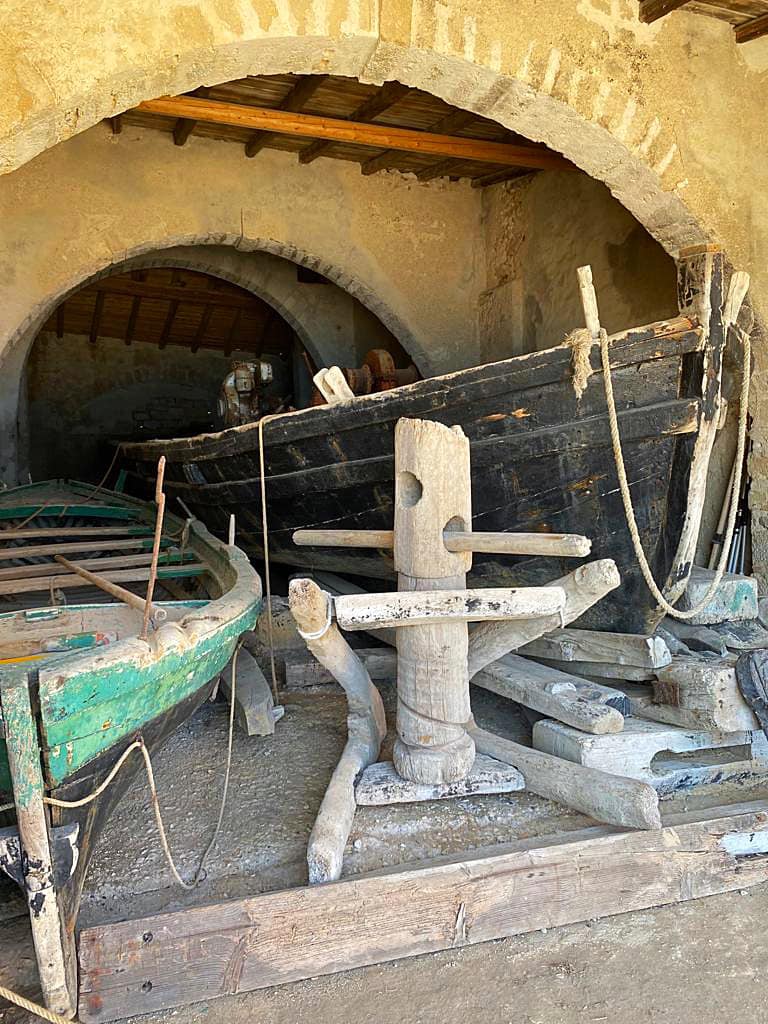
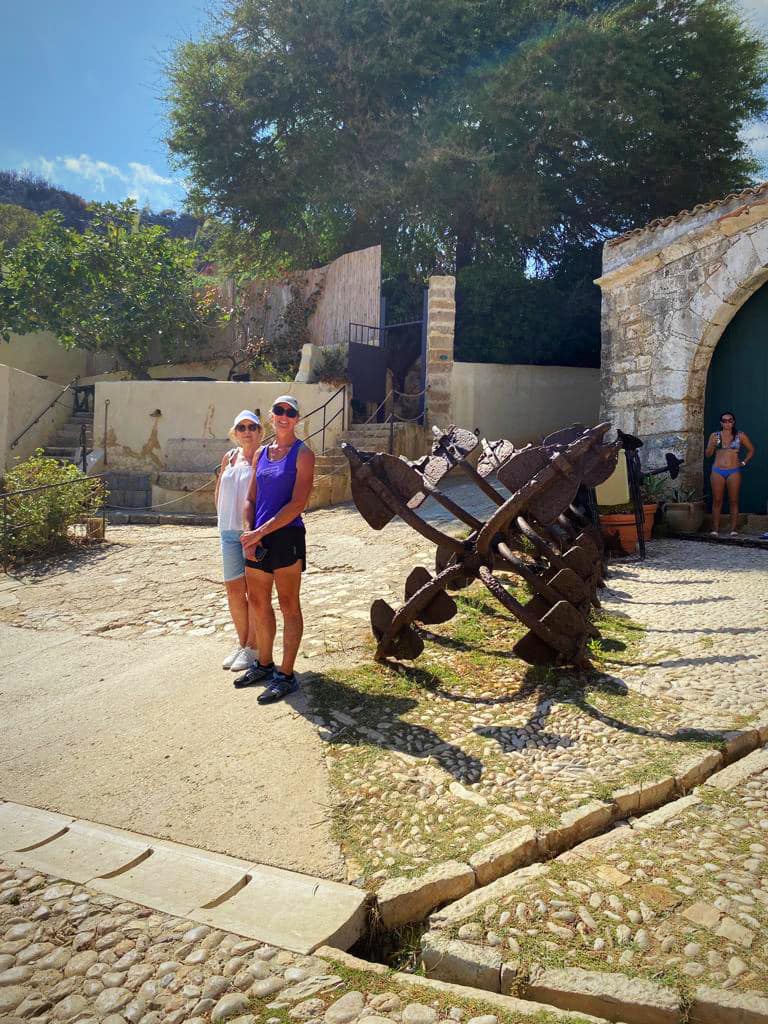
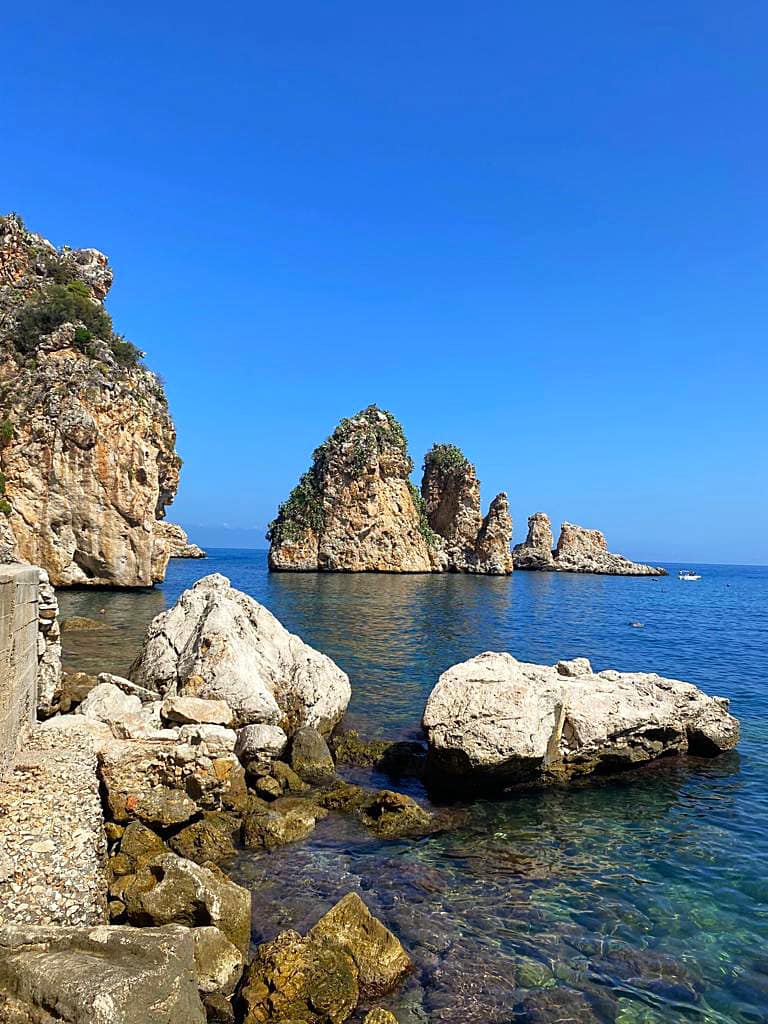
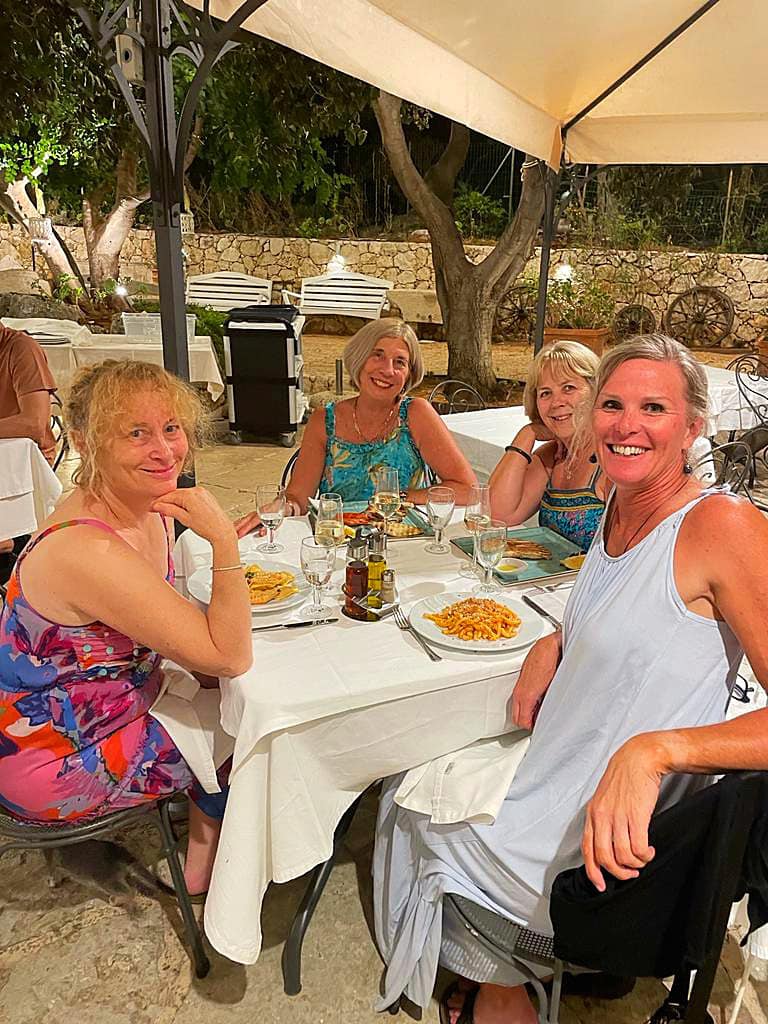
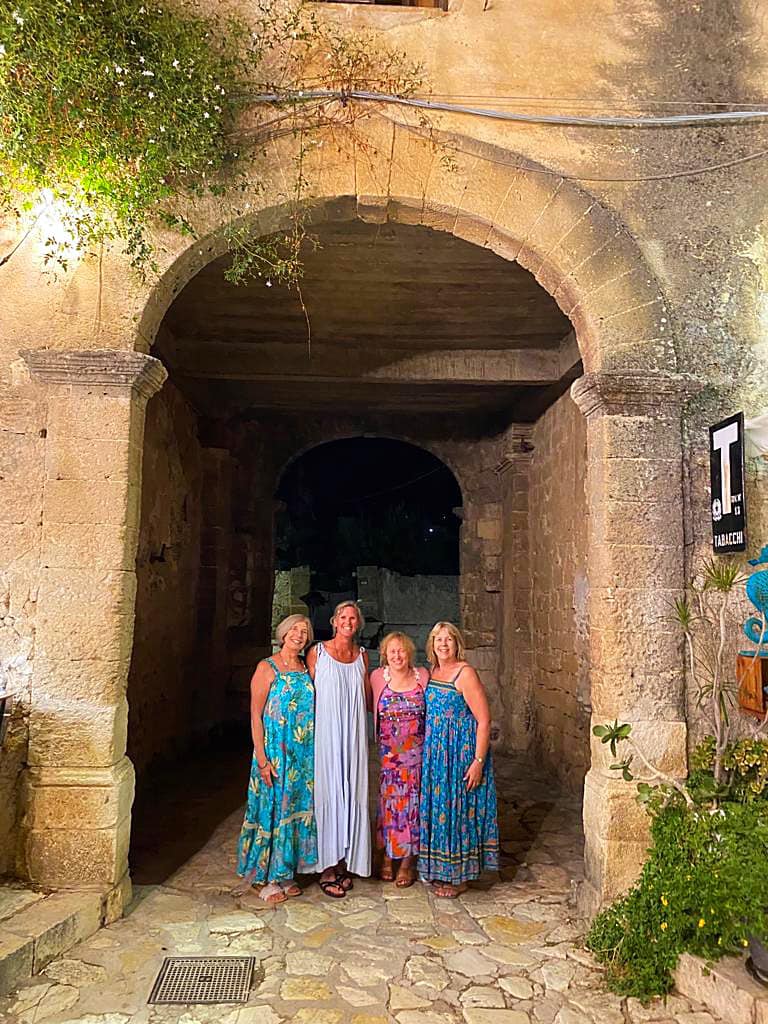


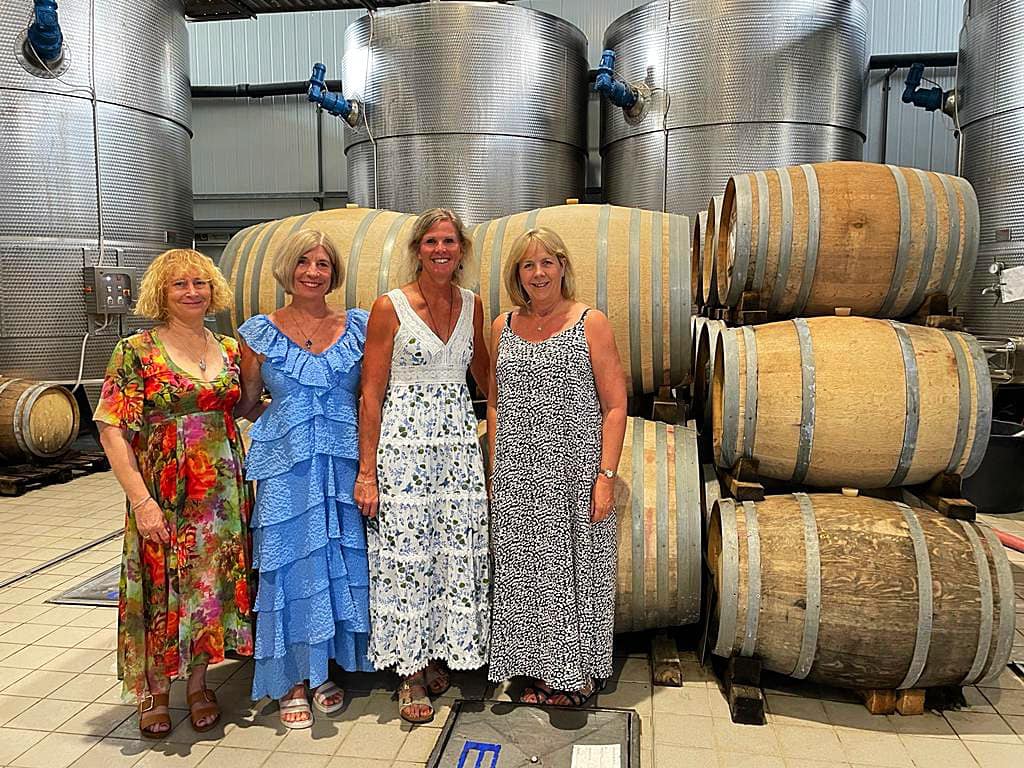
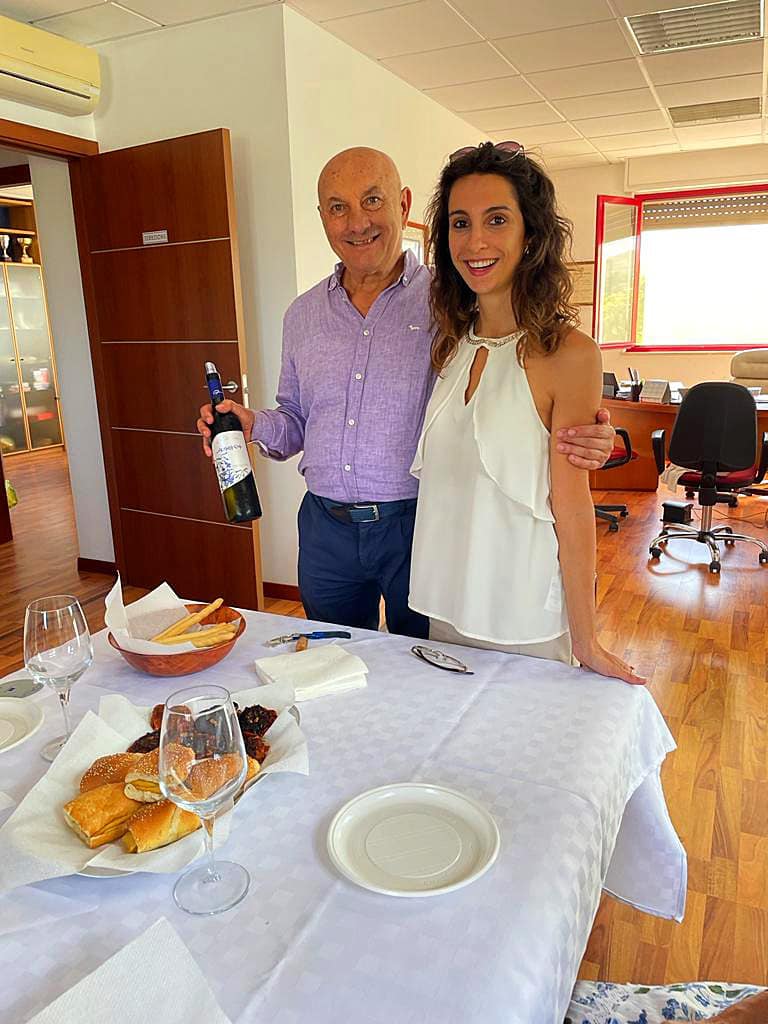


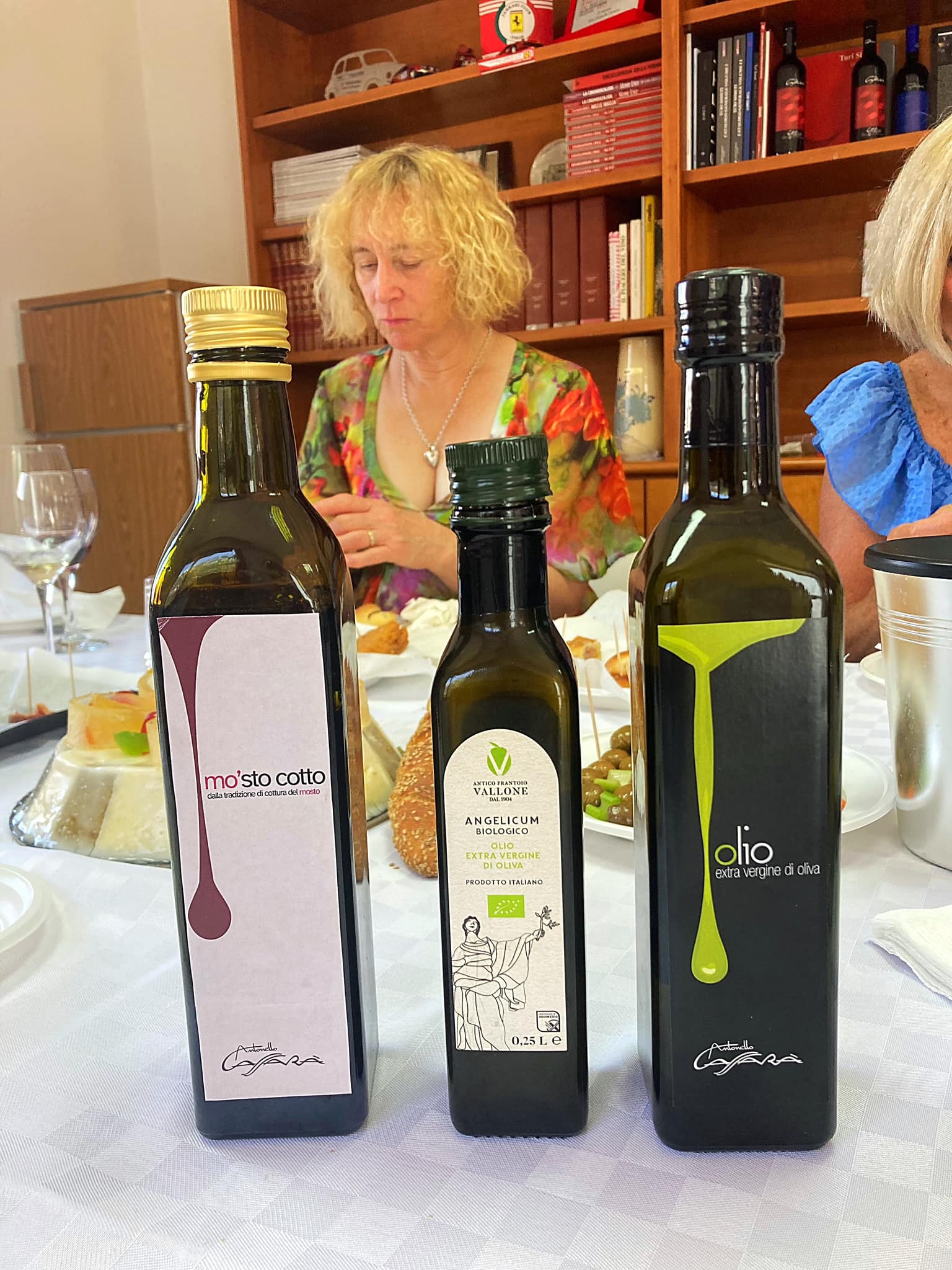

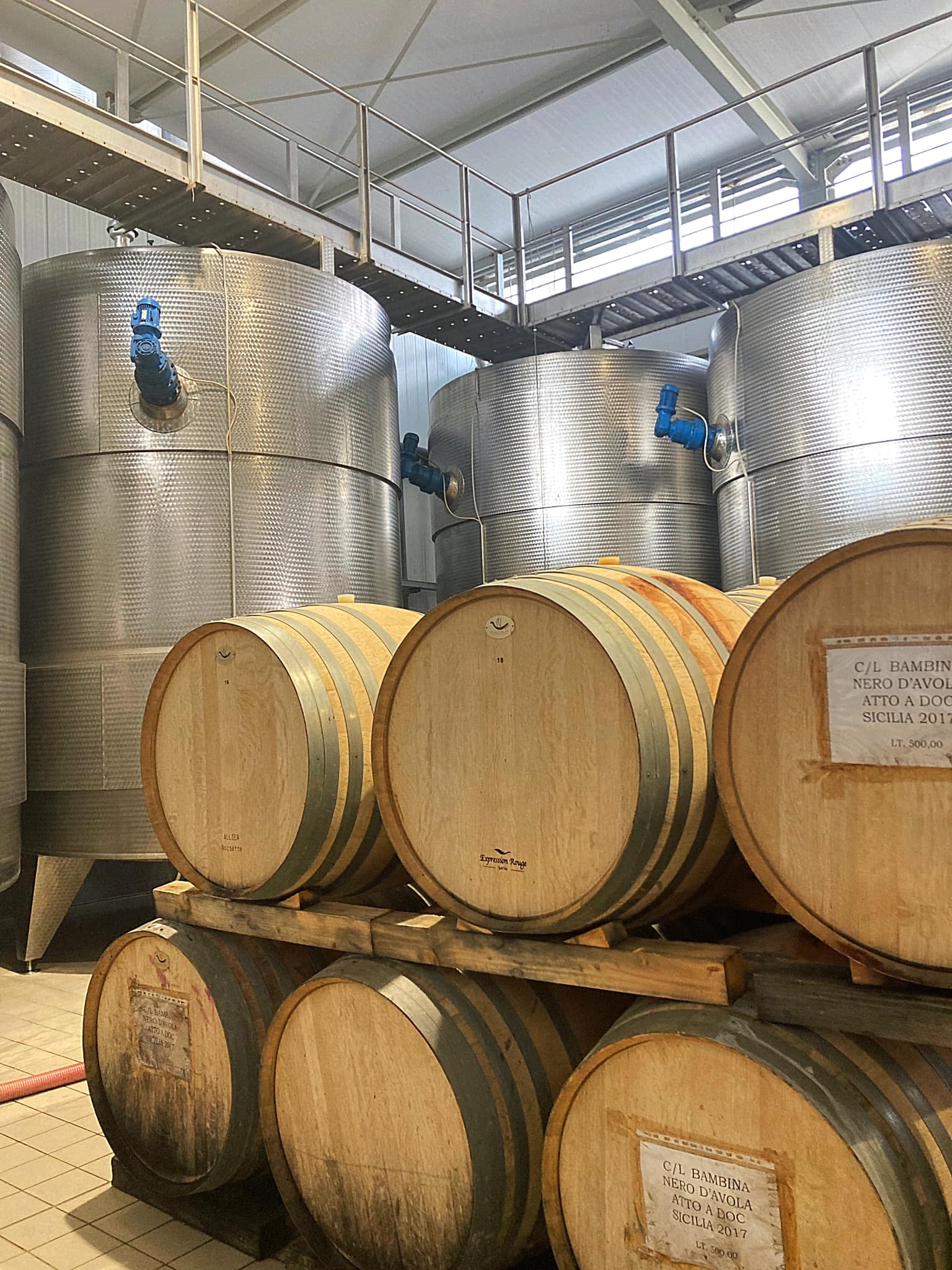
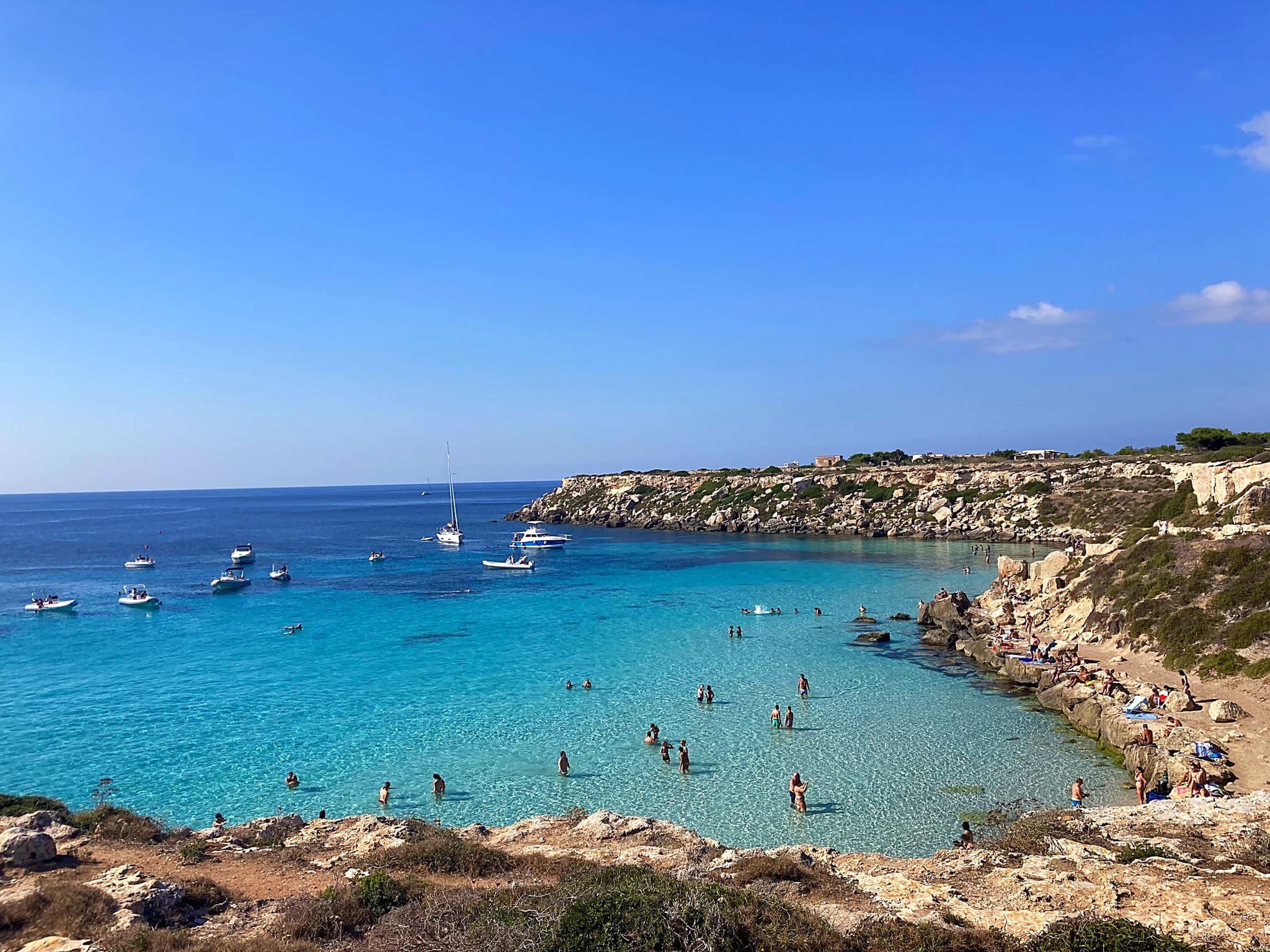

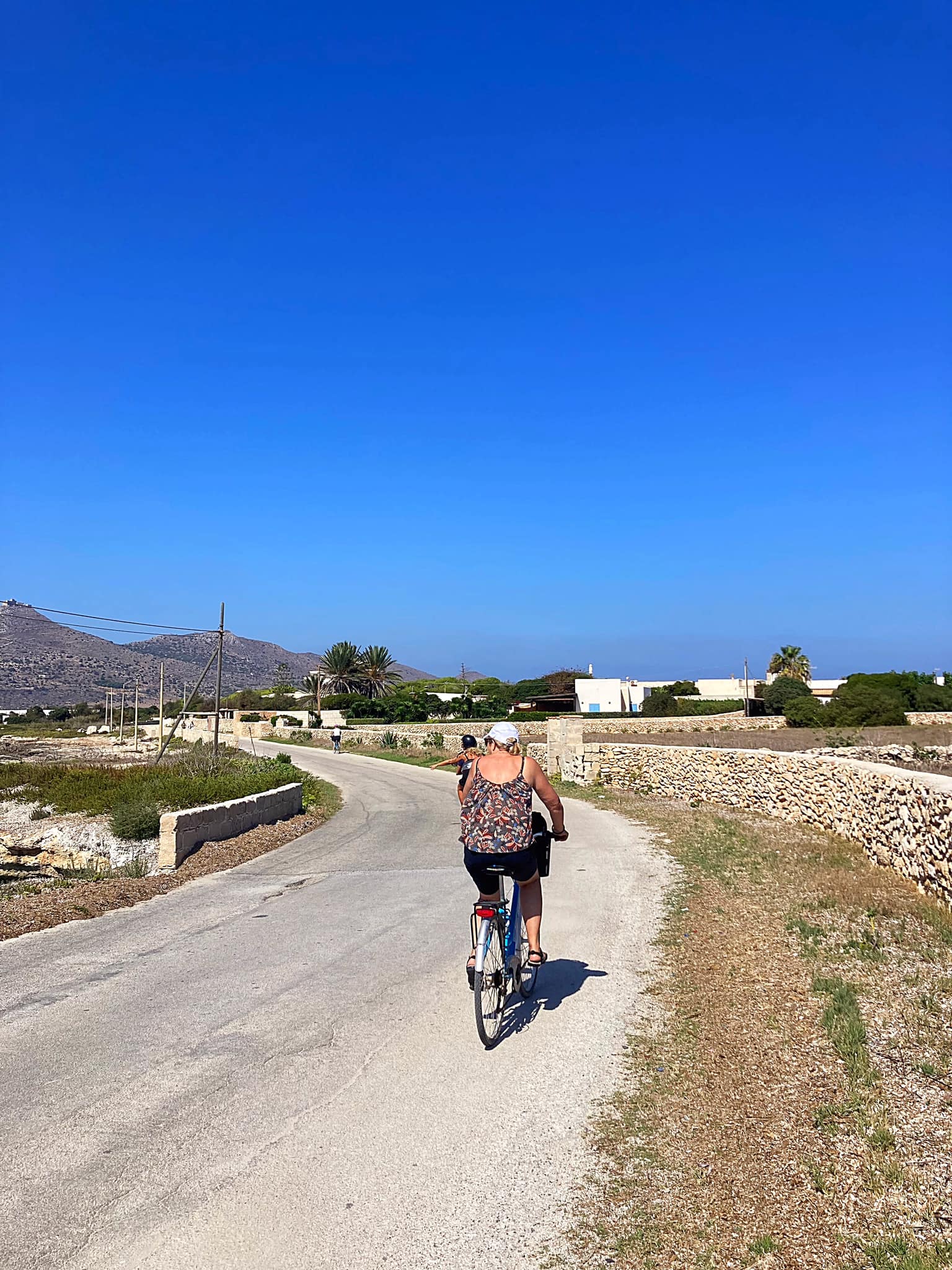

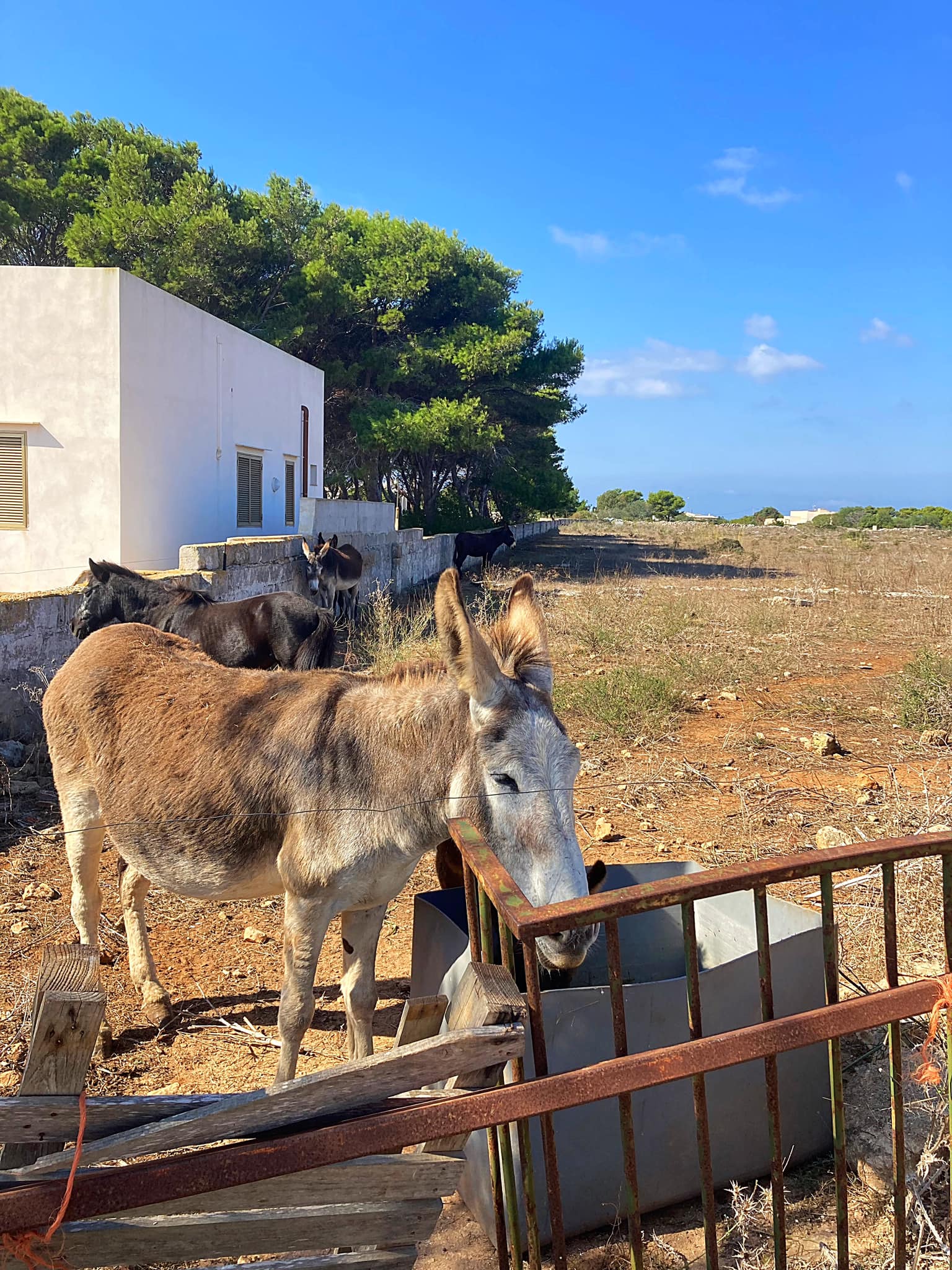

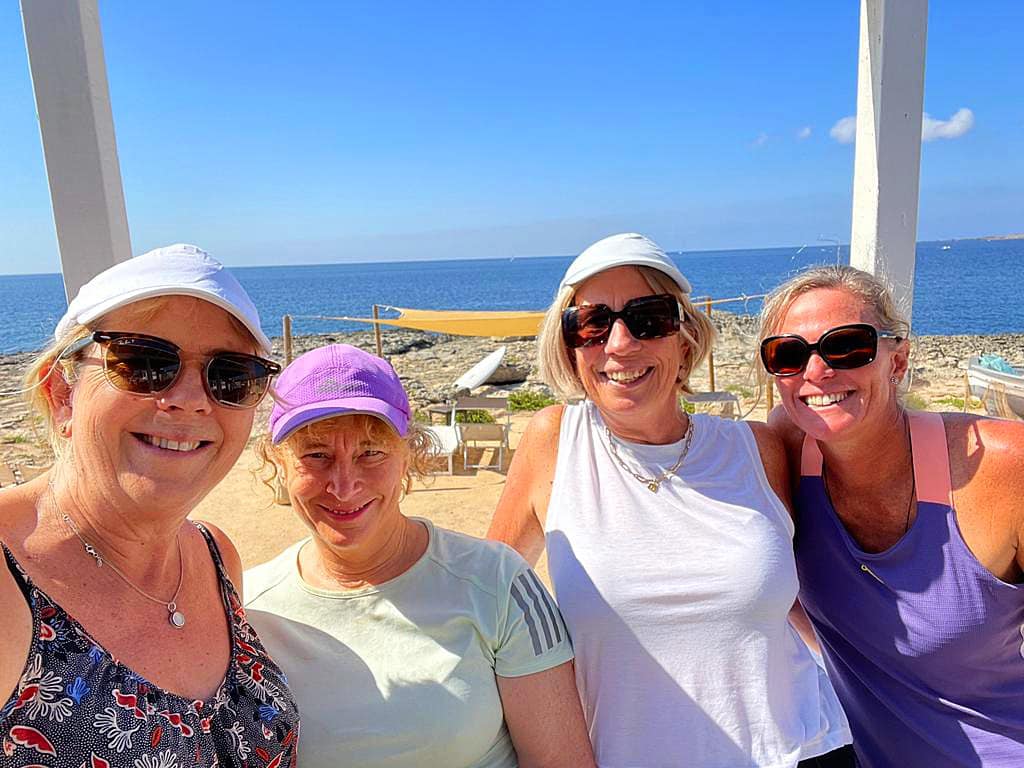

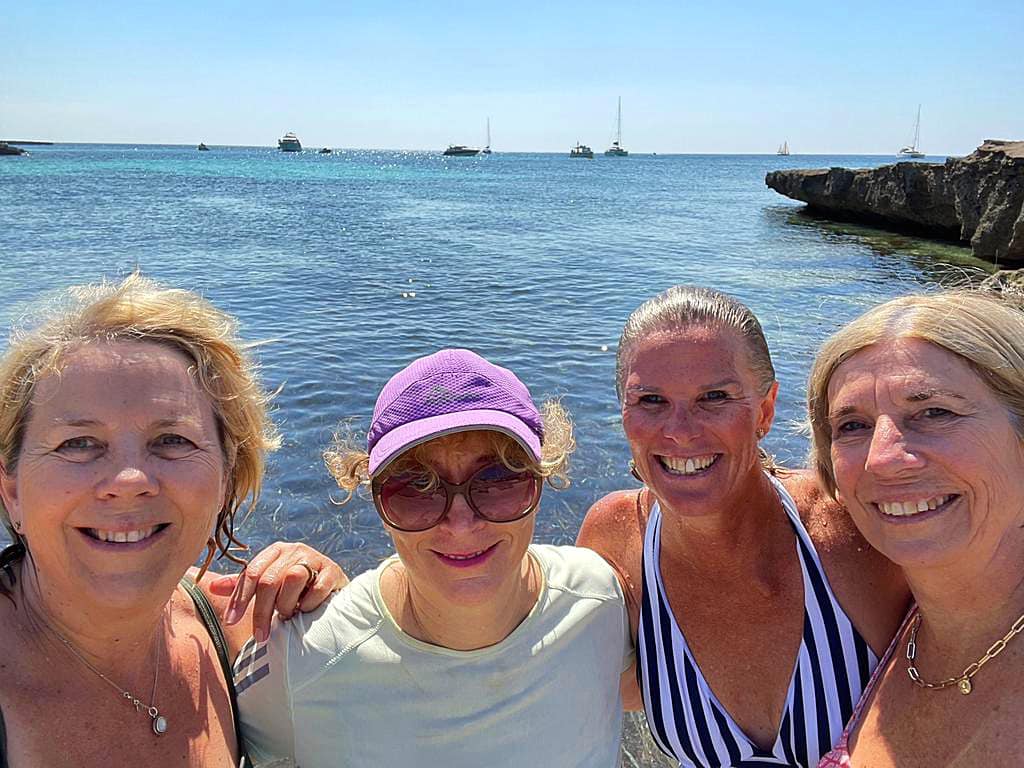
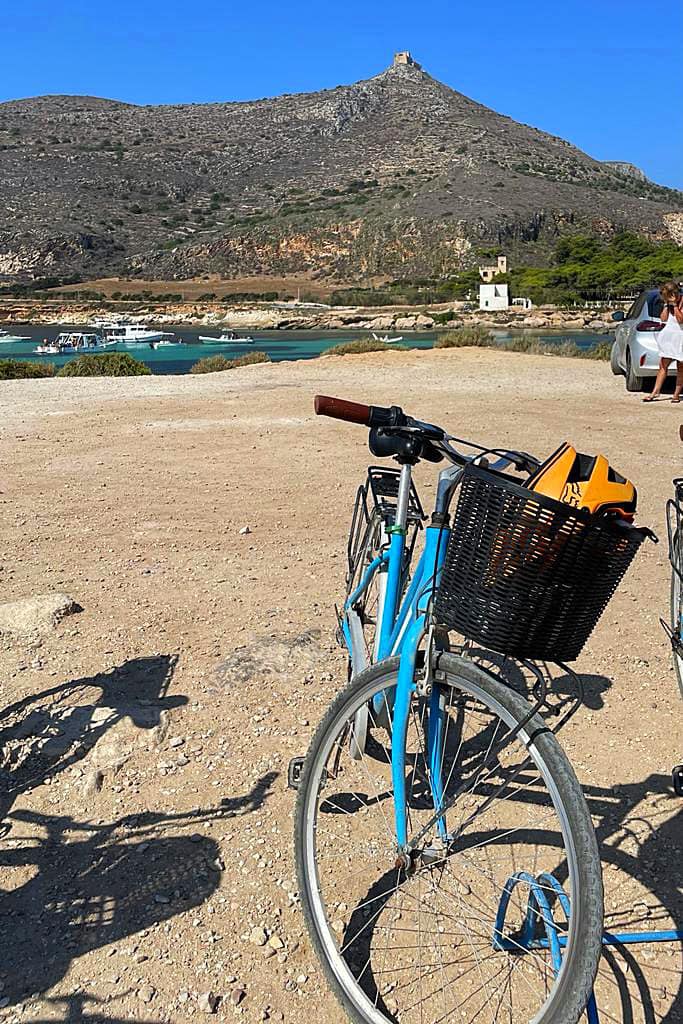

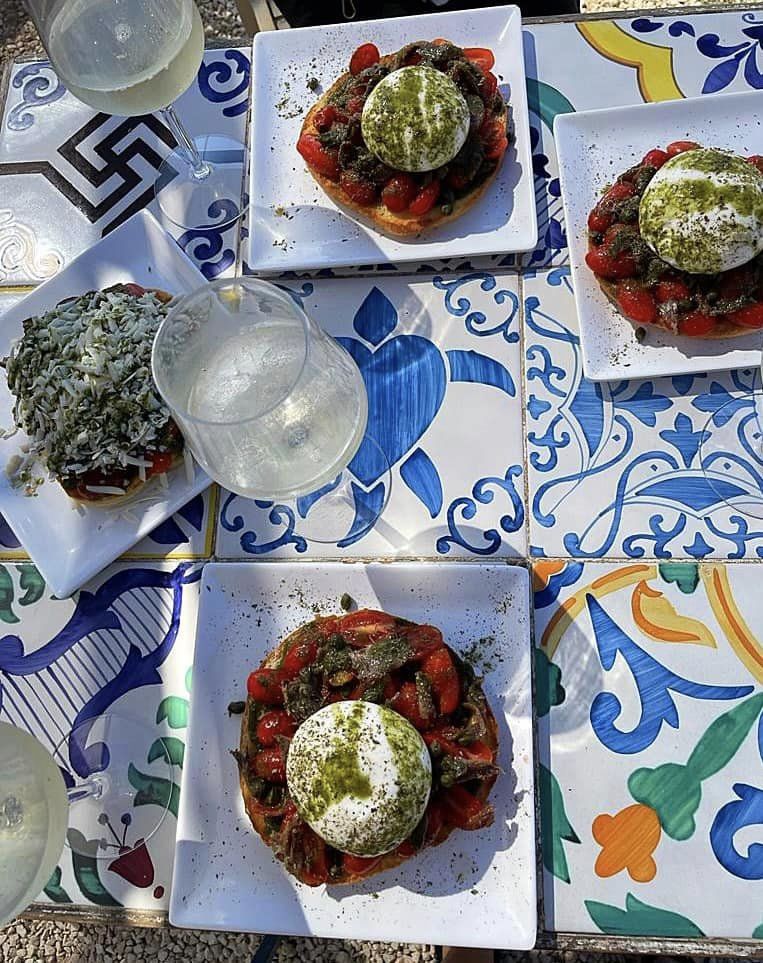



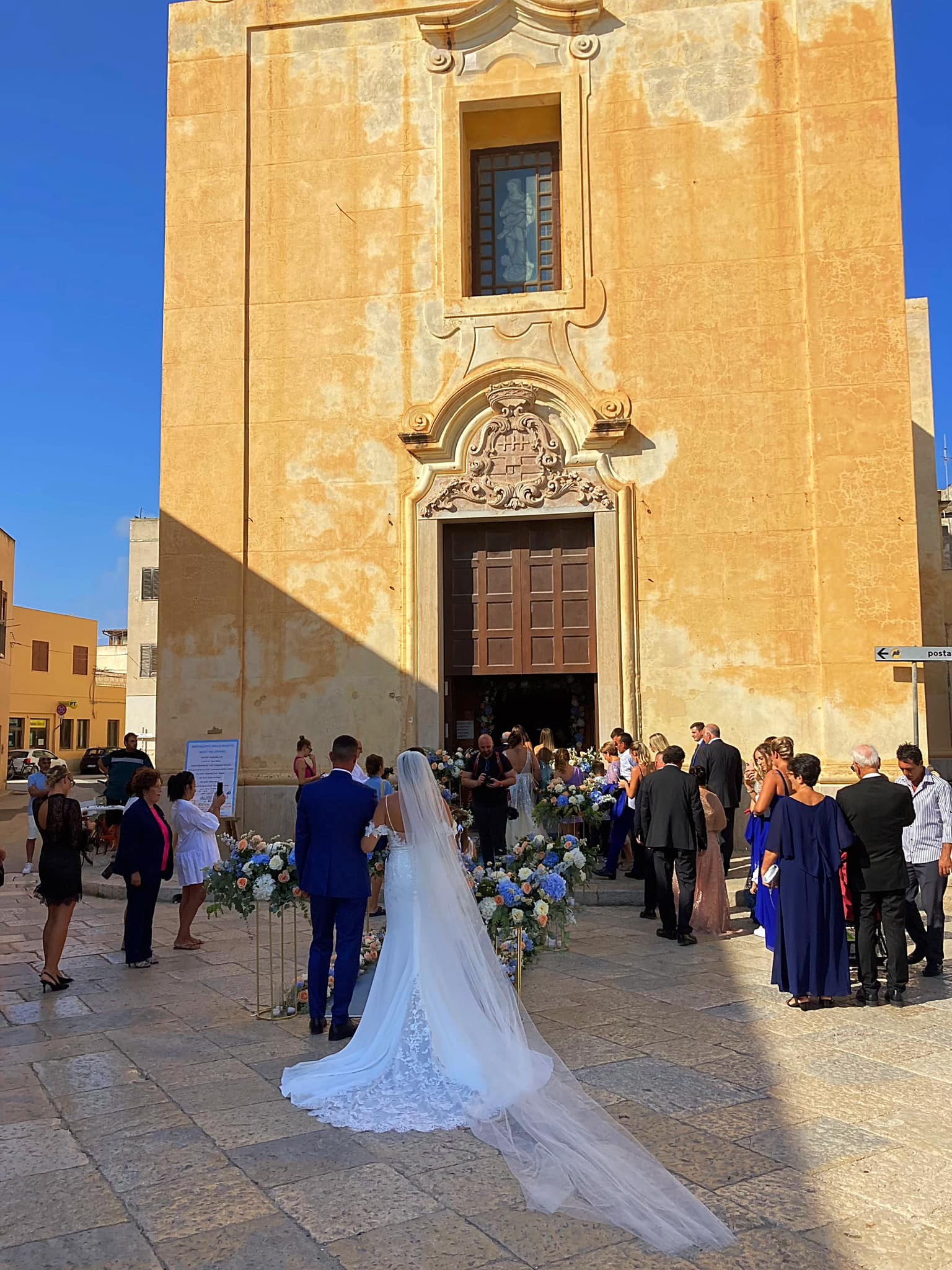
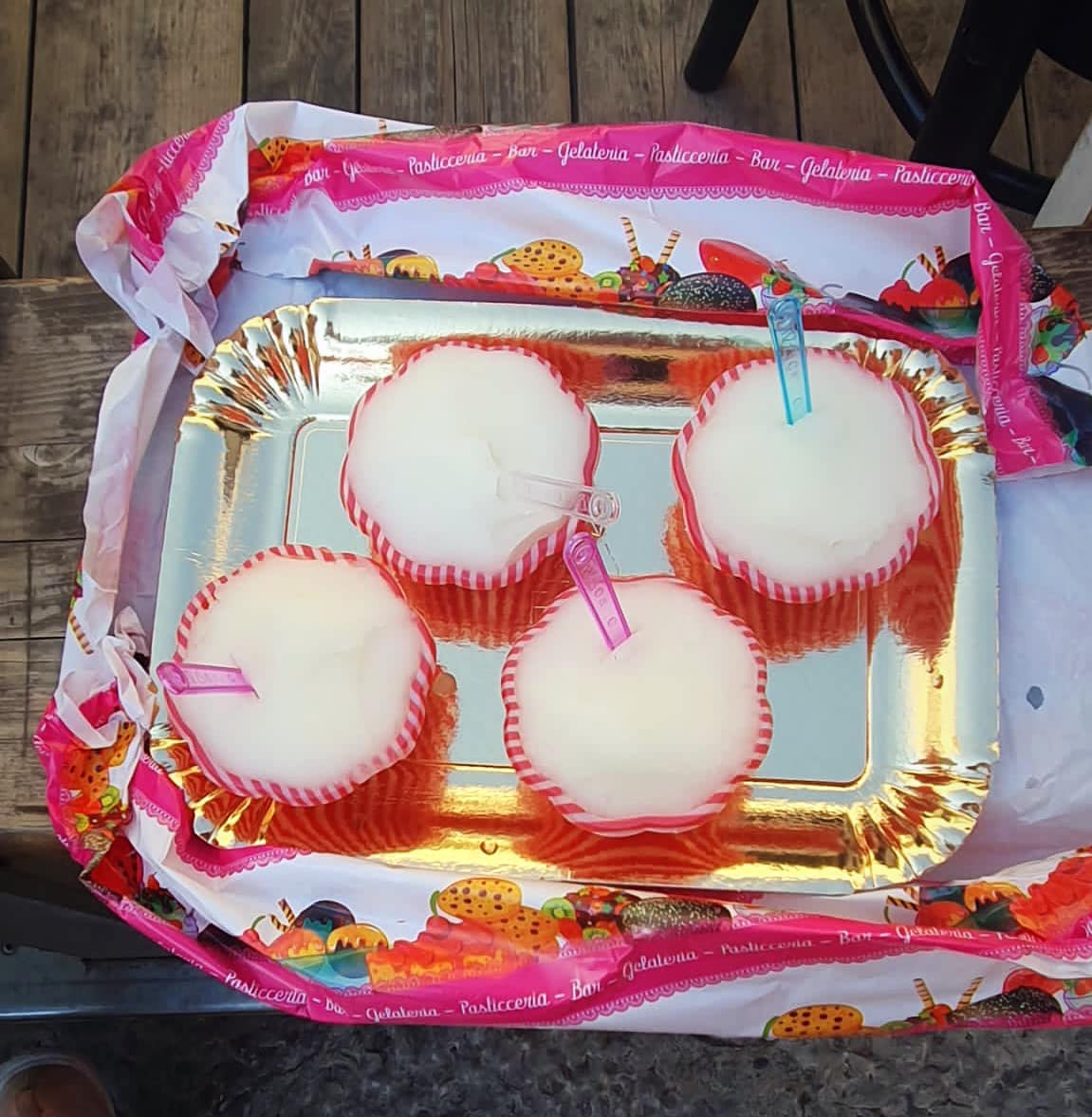
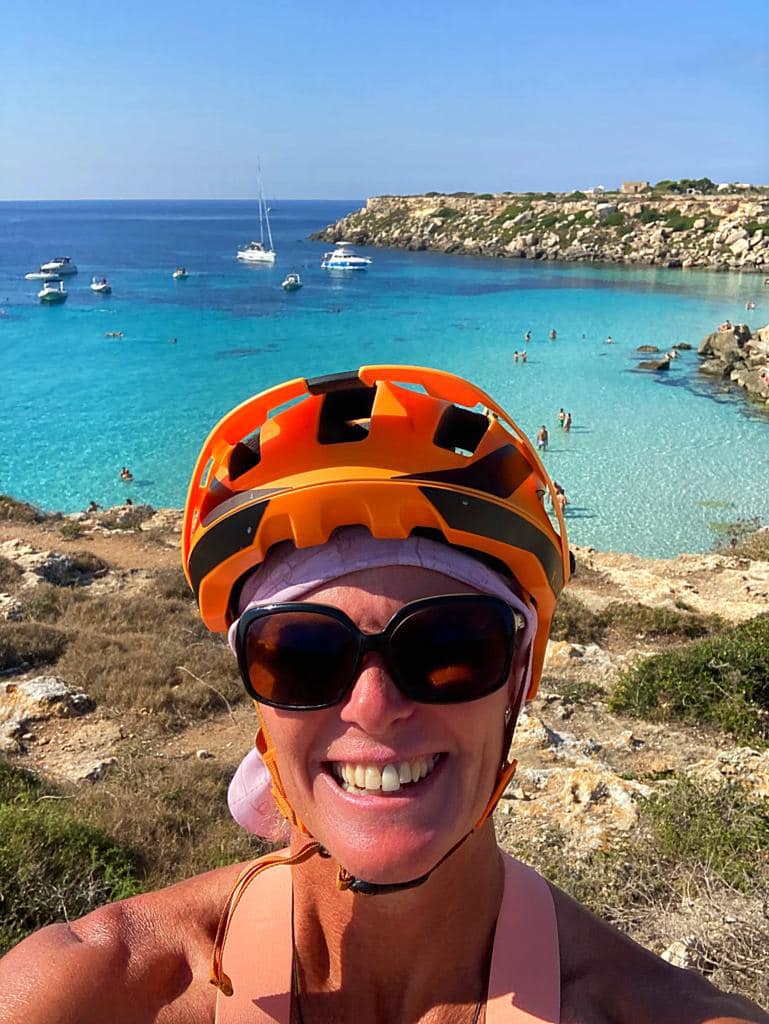
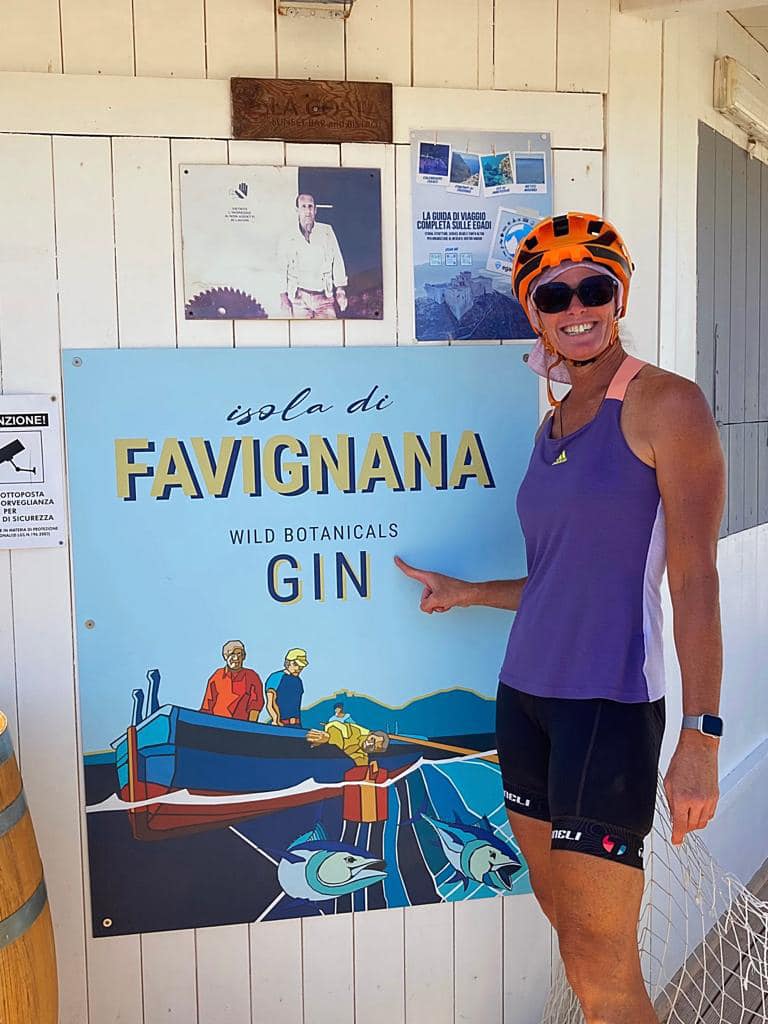

 . Our new home for the week was worth the wait though. We have a pool and great views over Mt Etna.
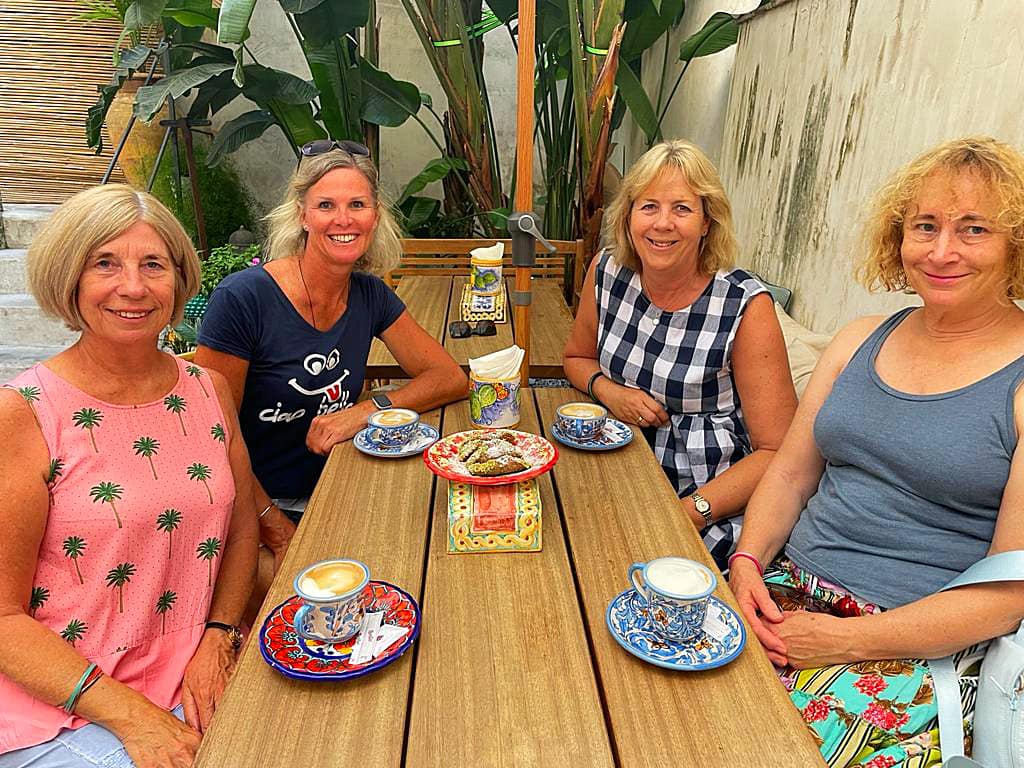


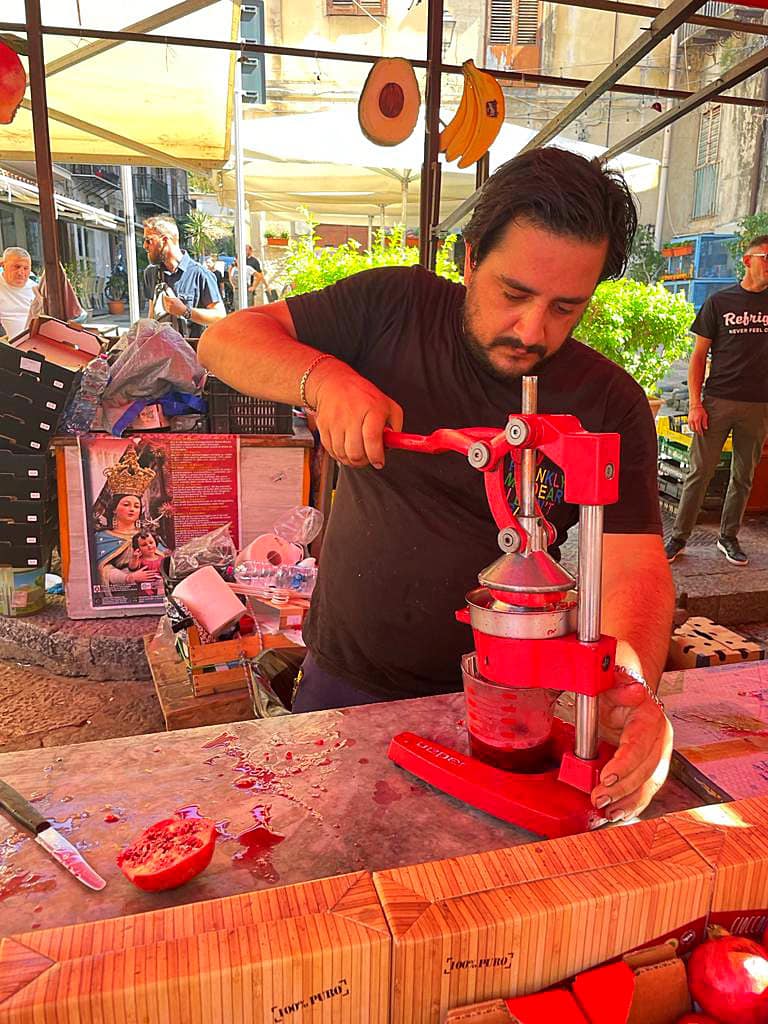
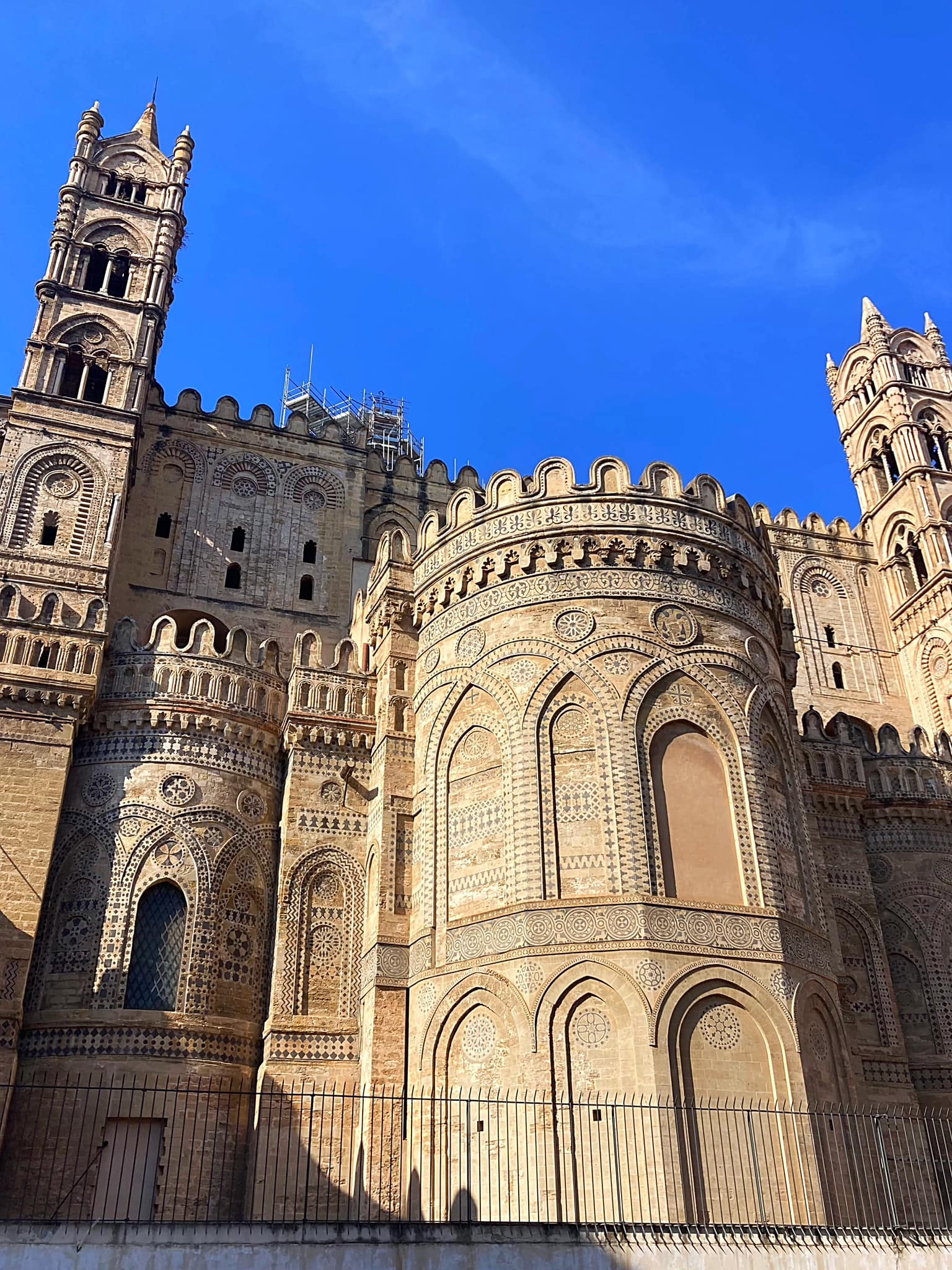


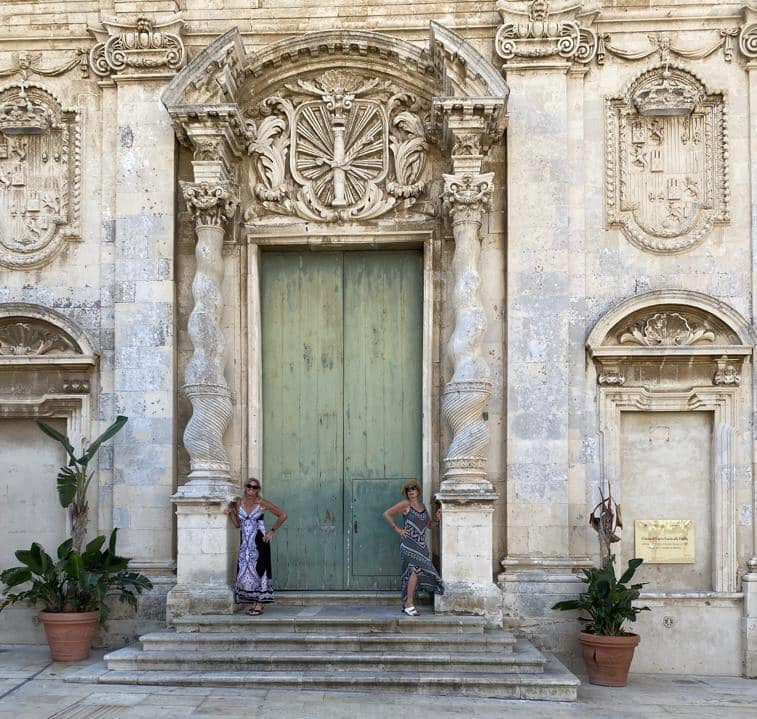


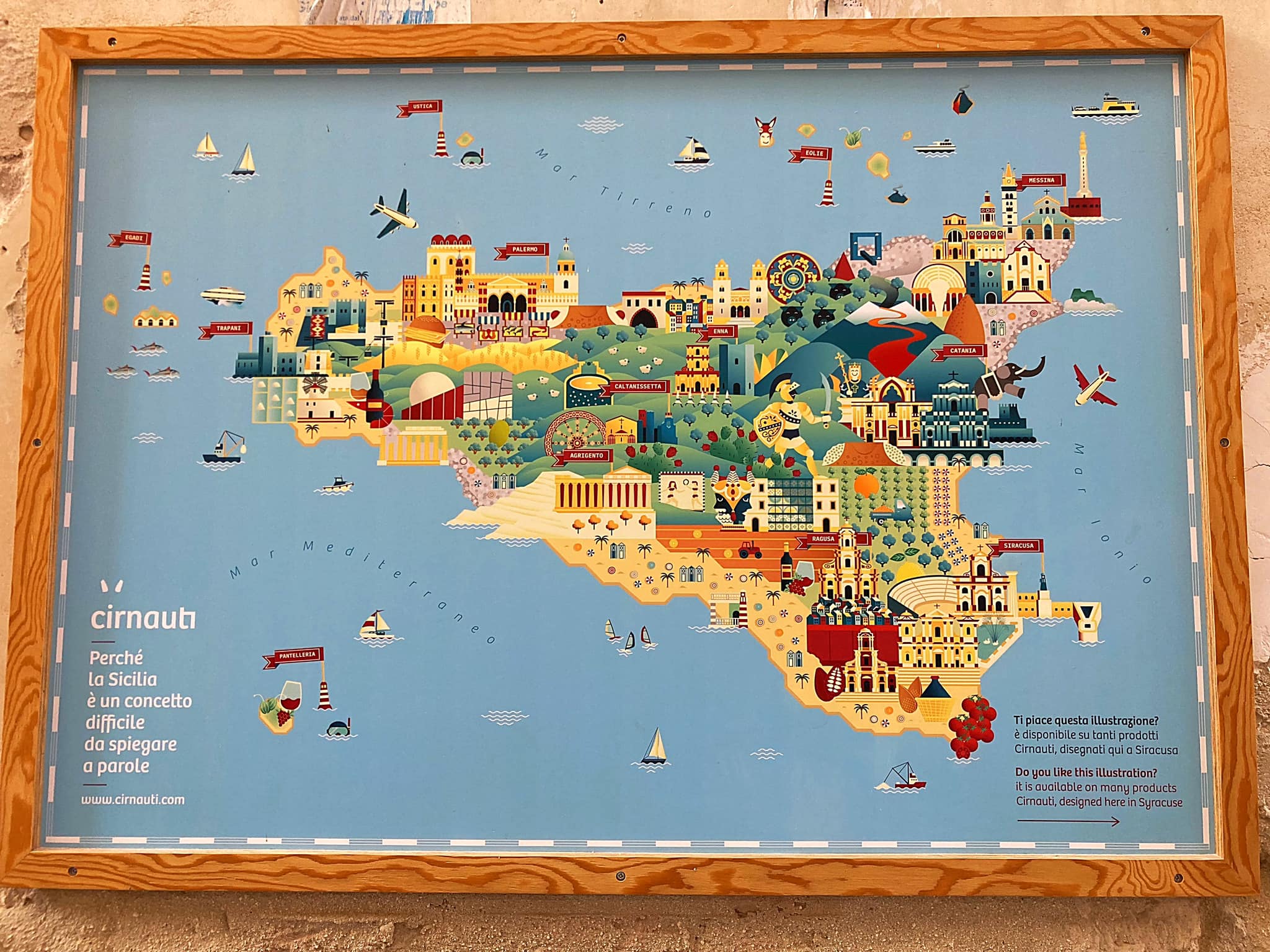


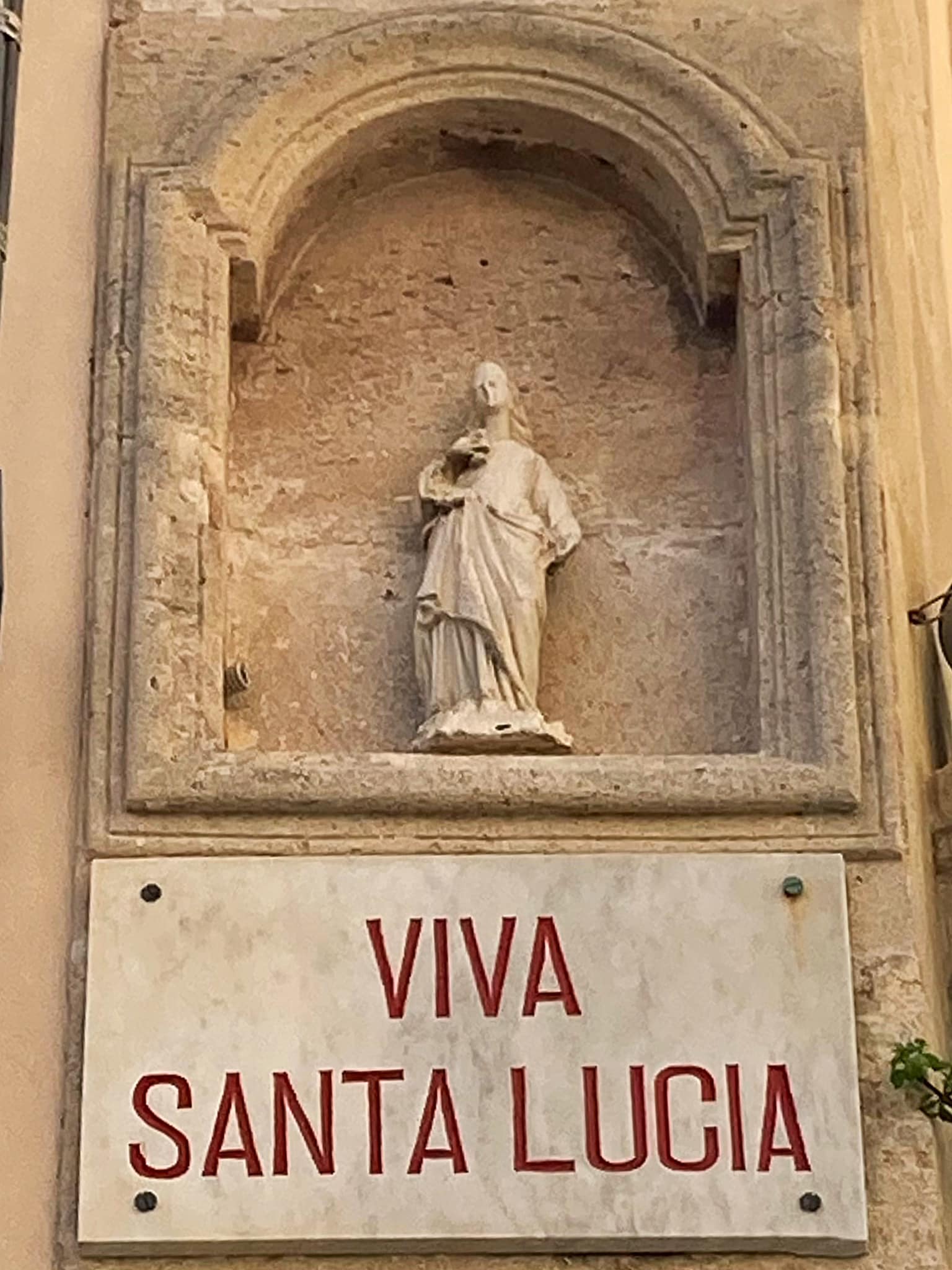

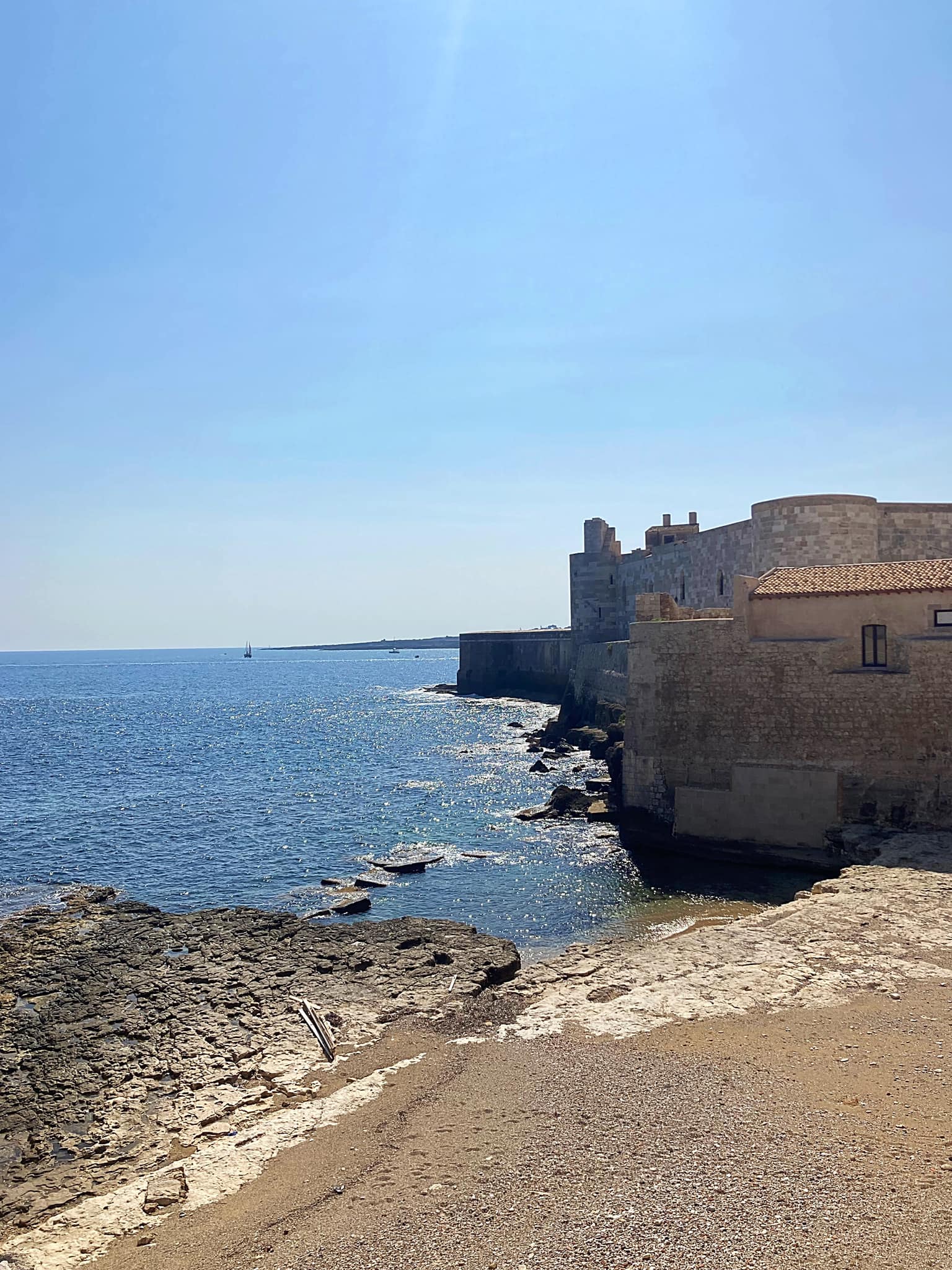


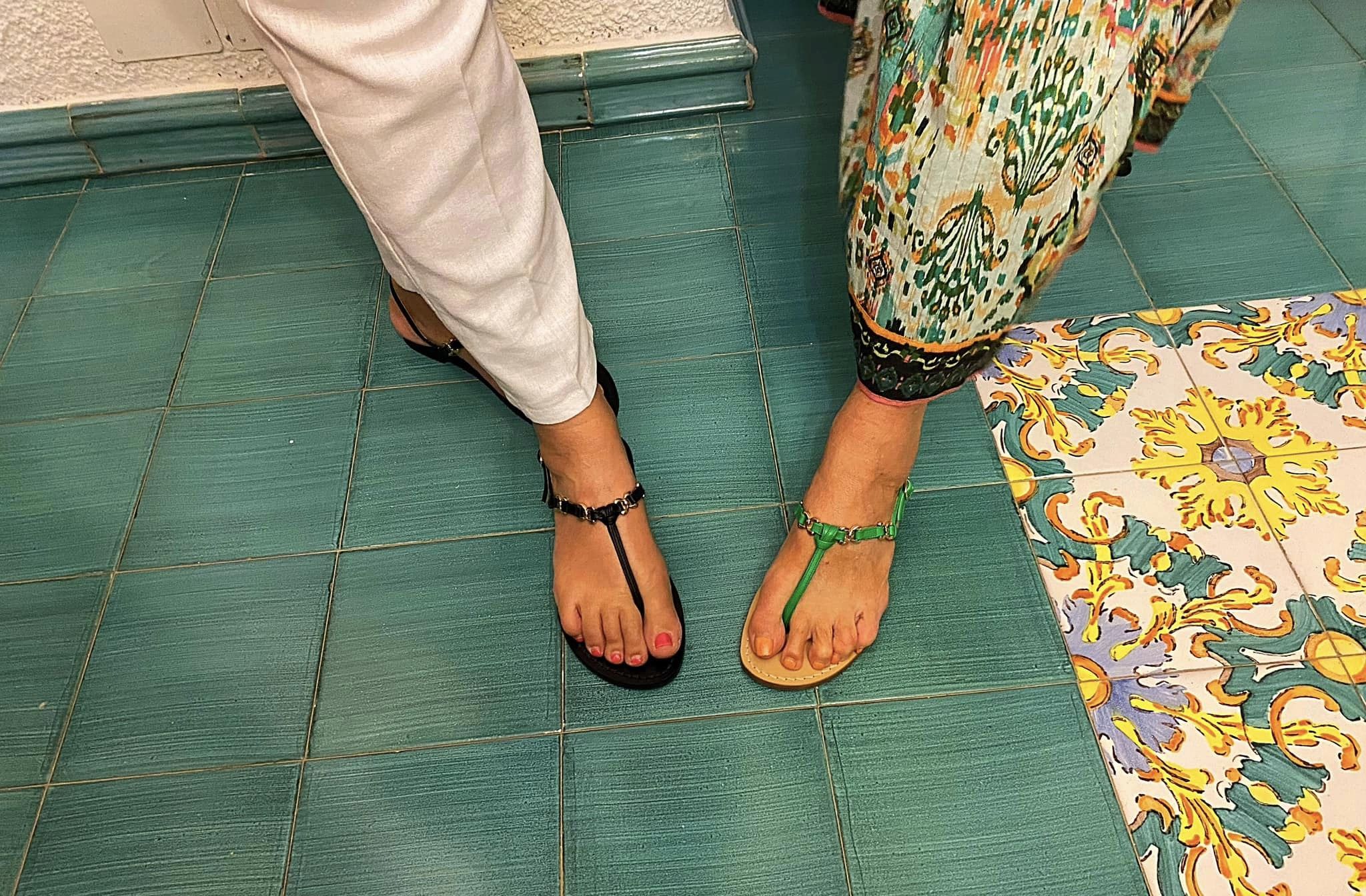
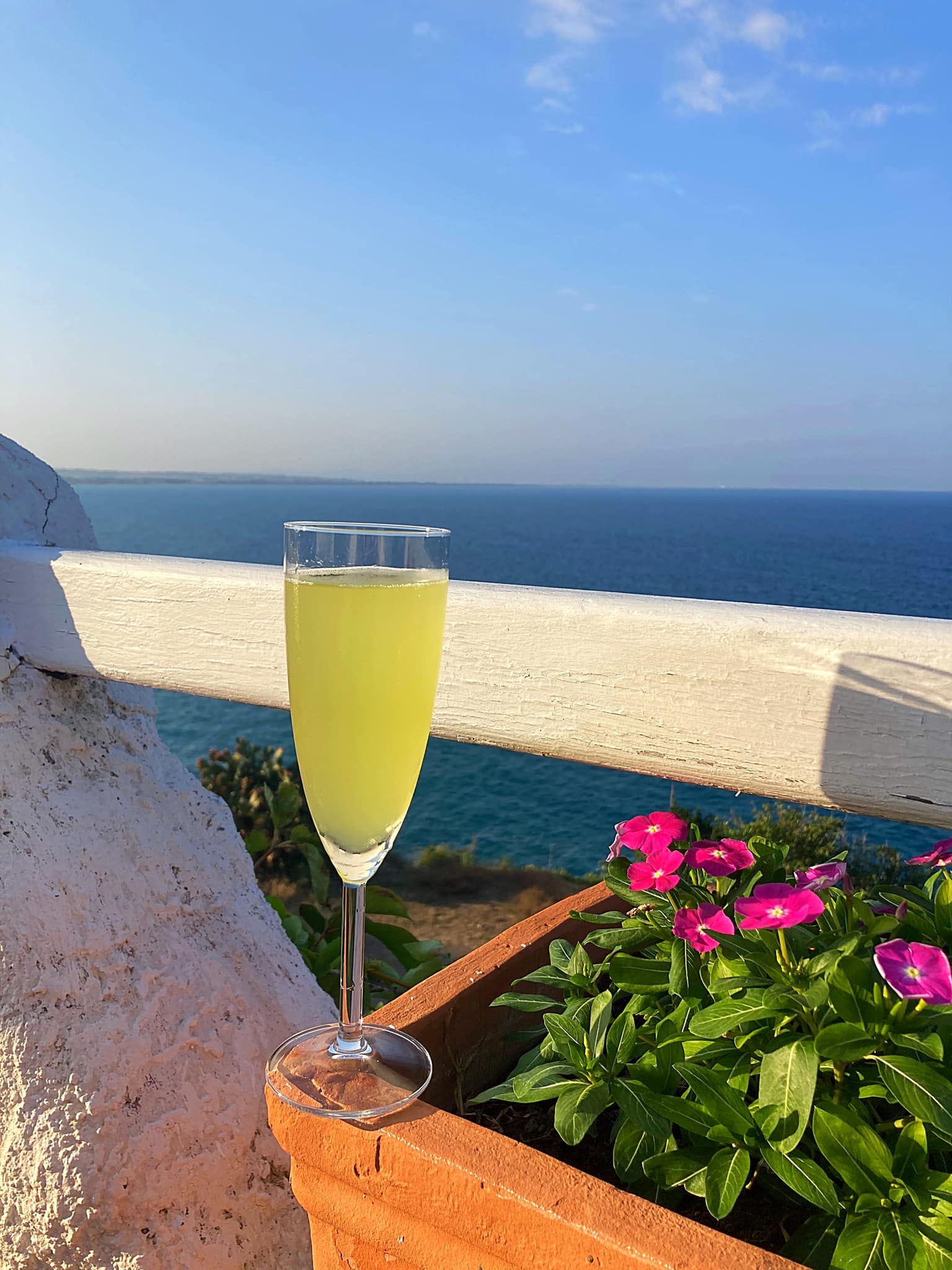
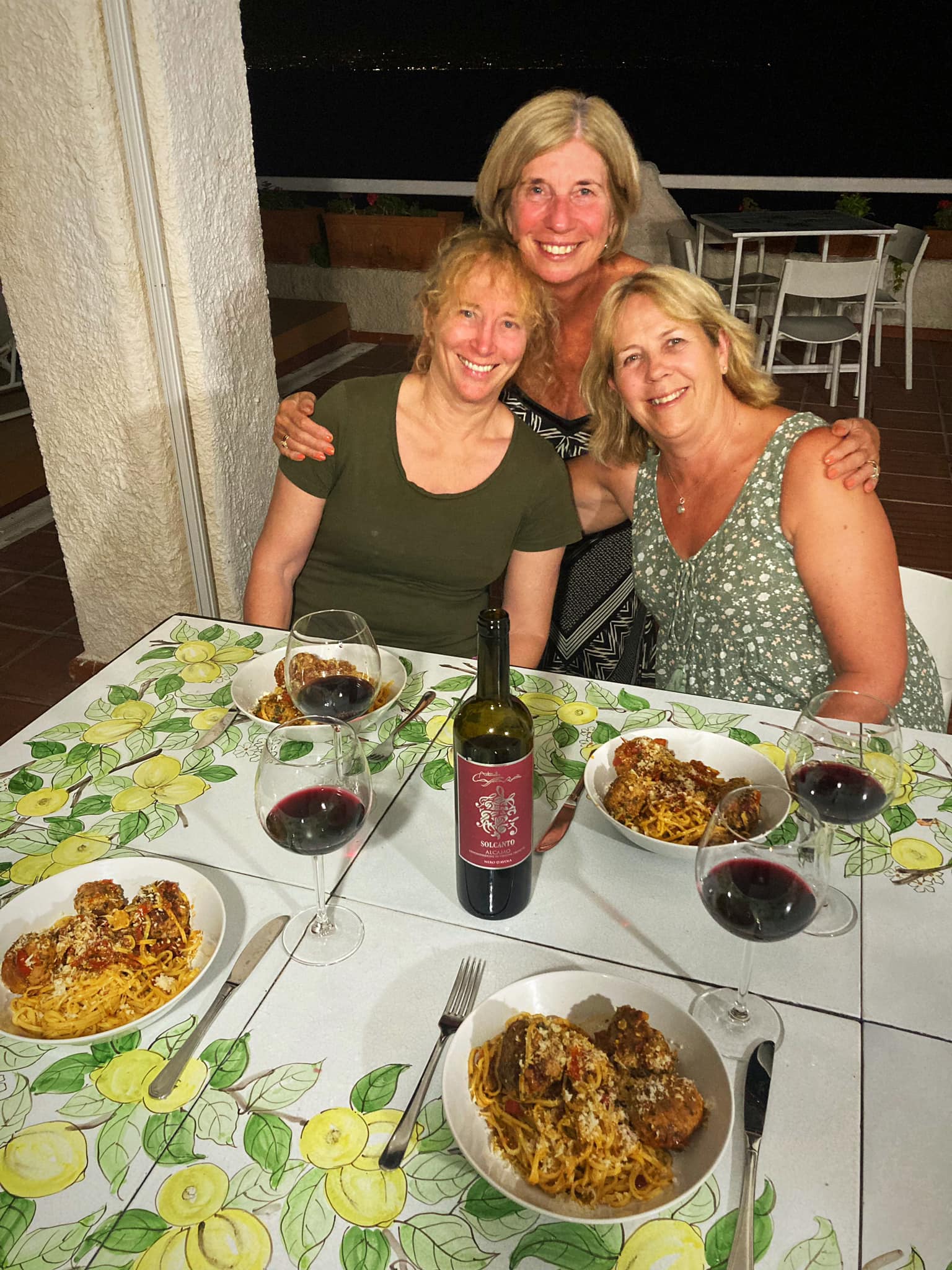
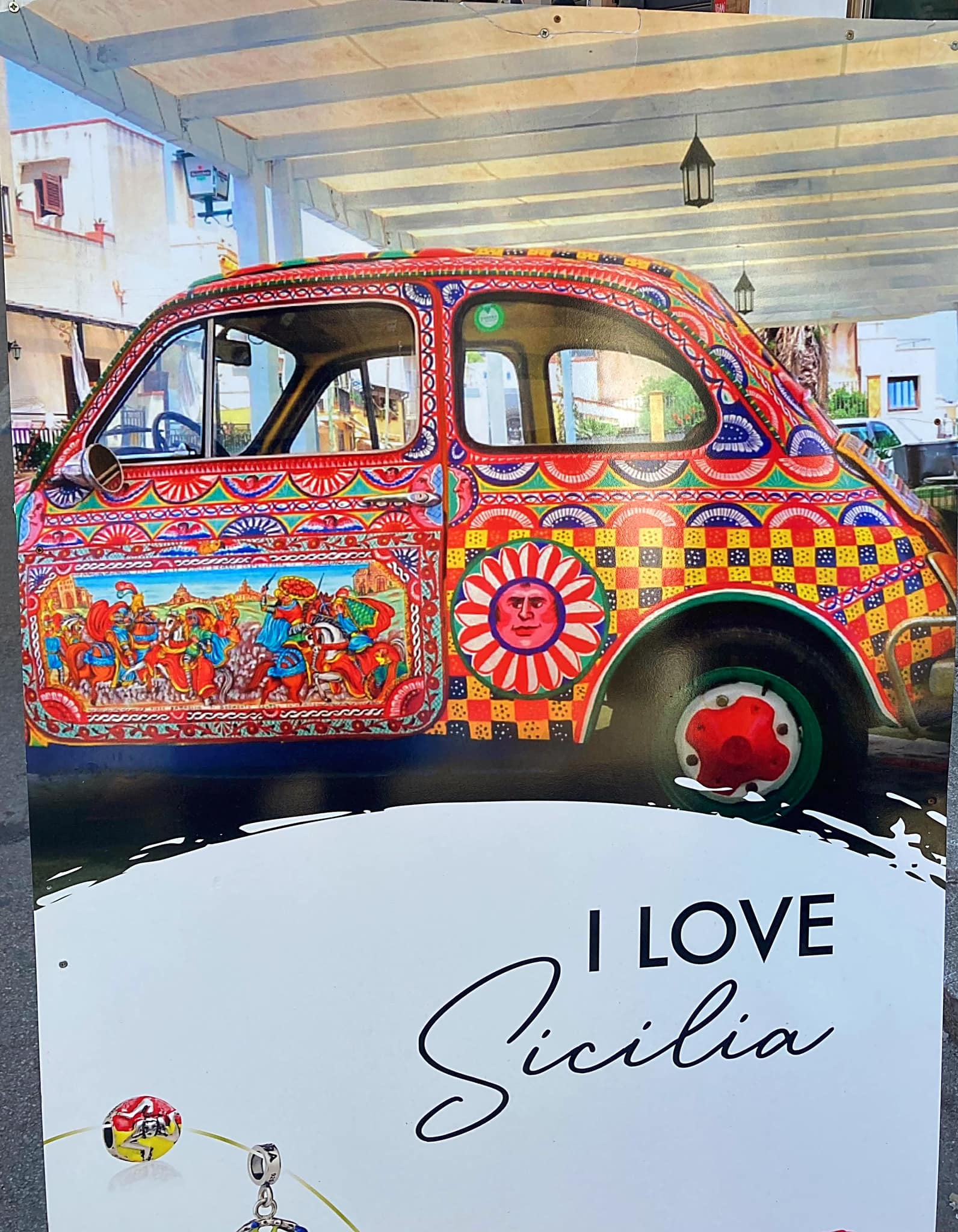


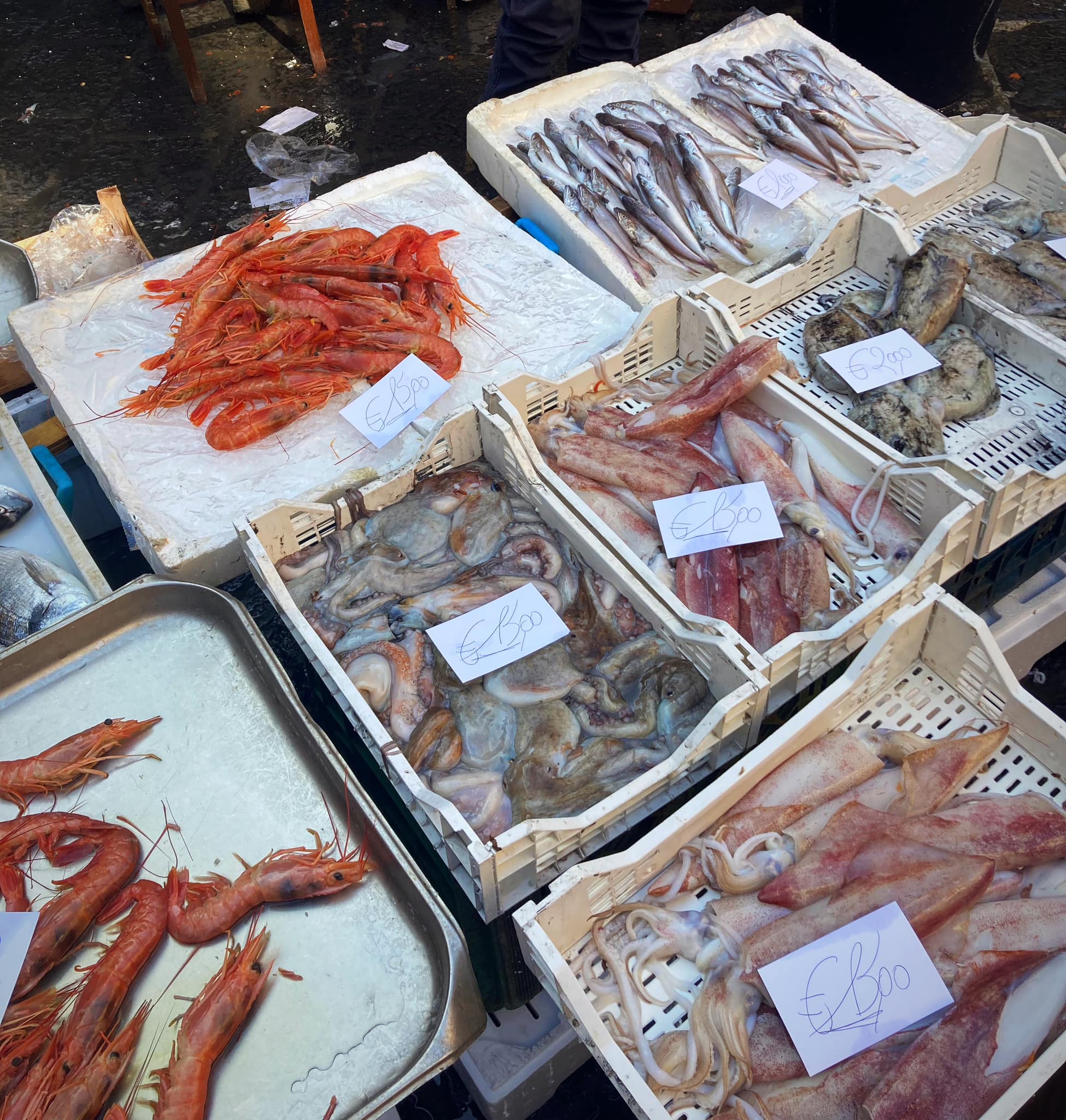


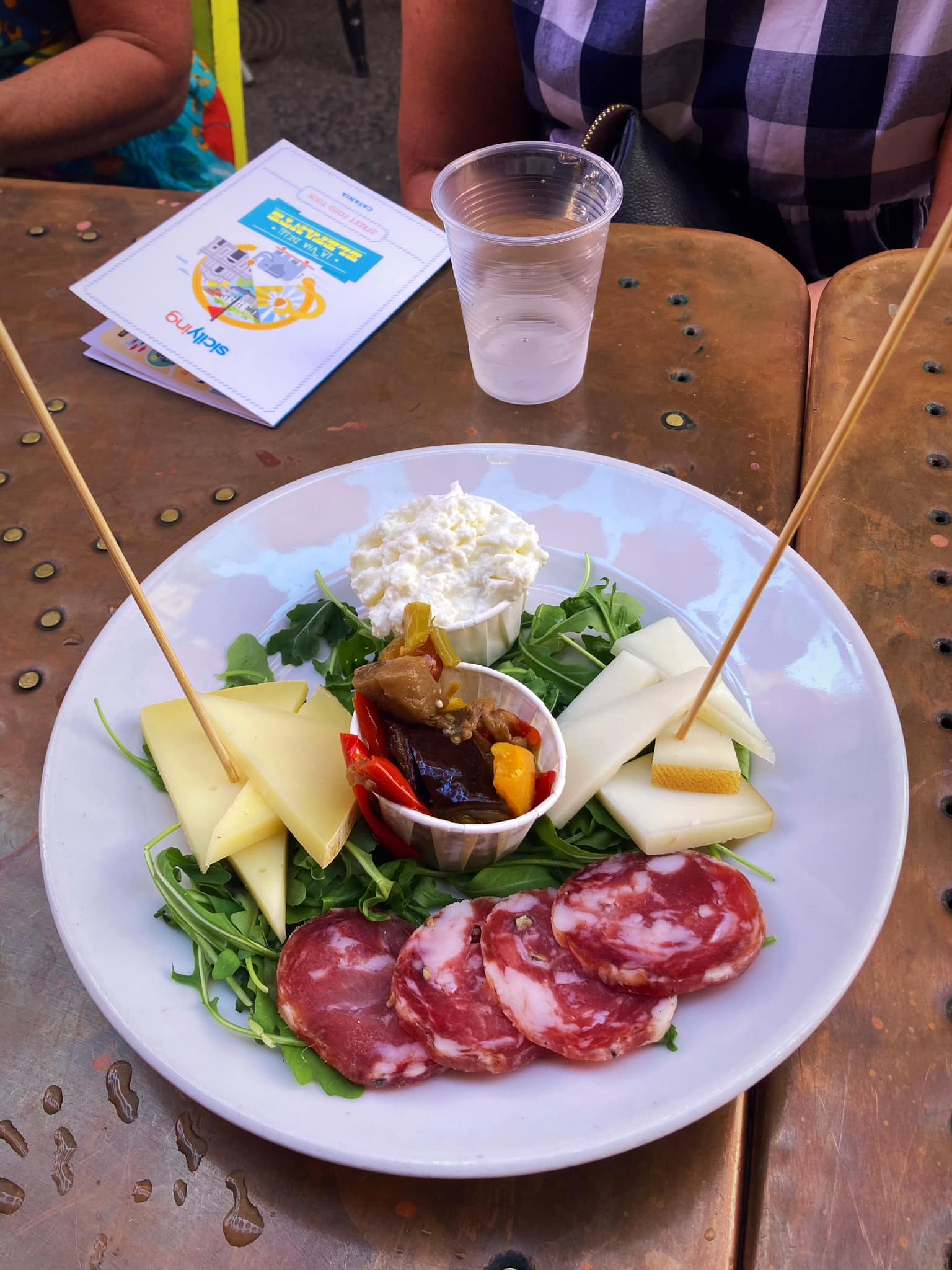


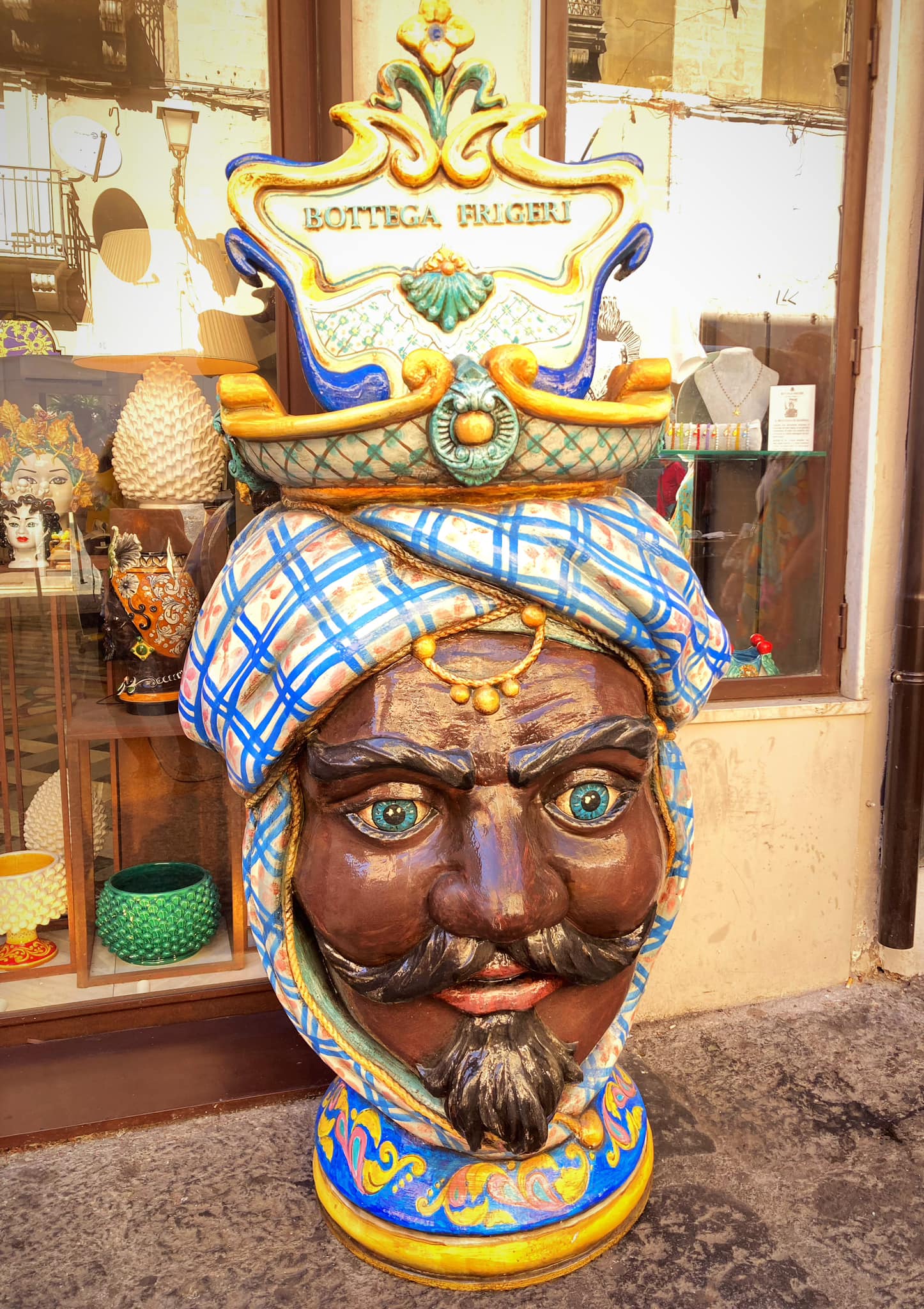
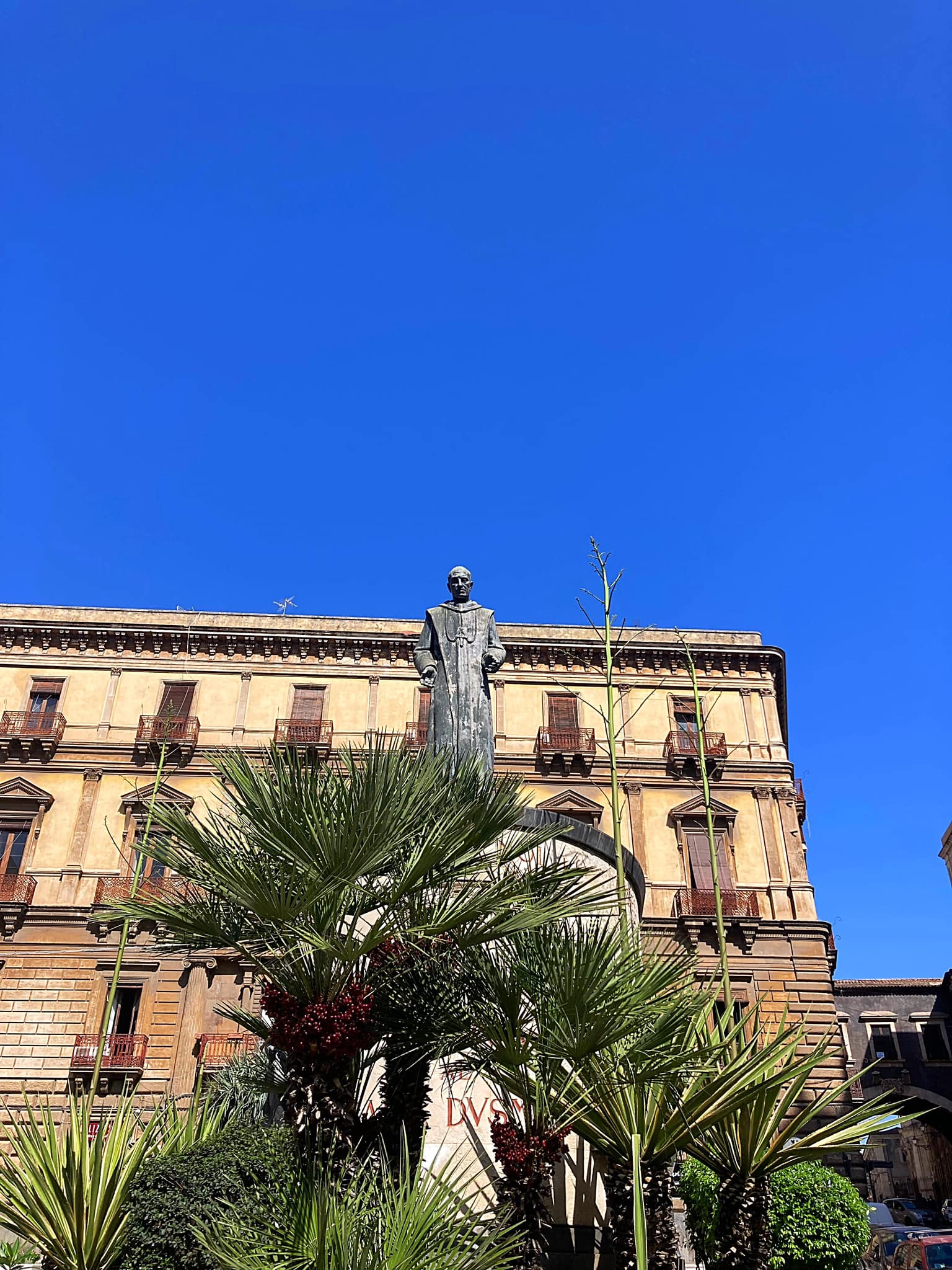
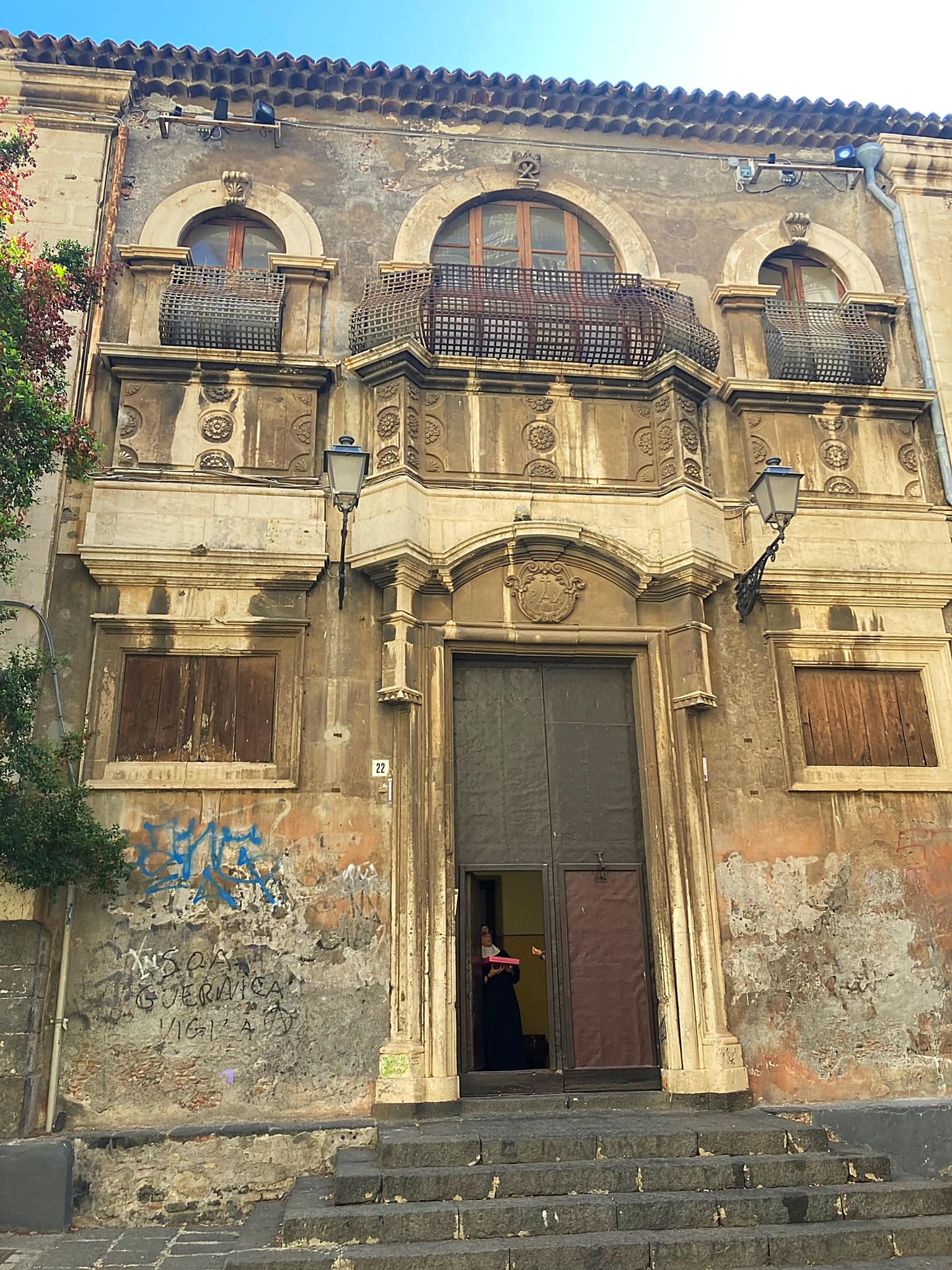


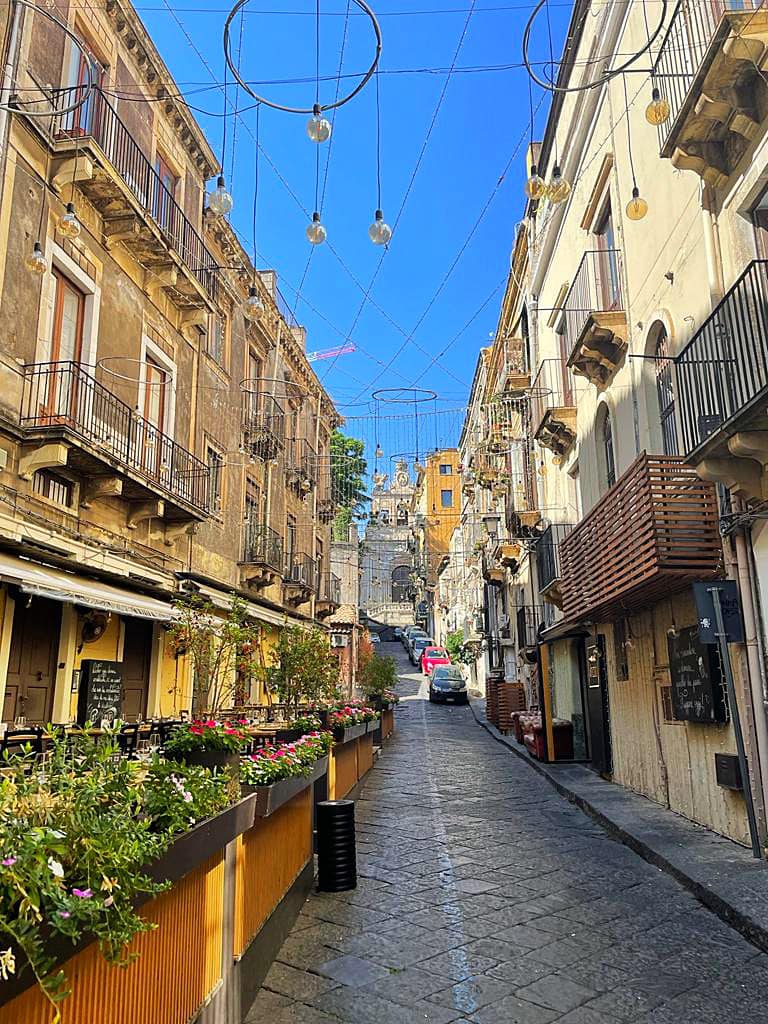



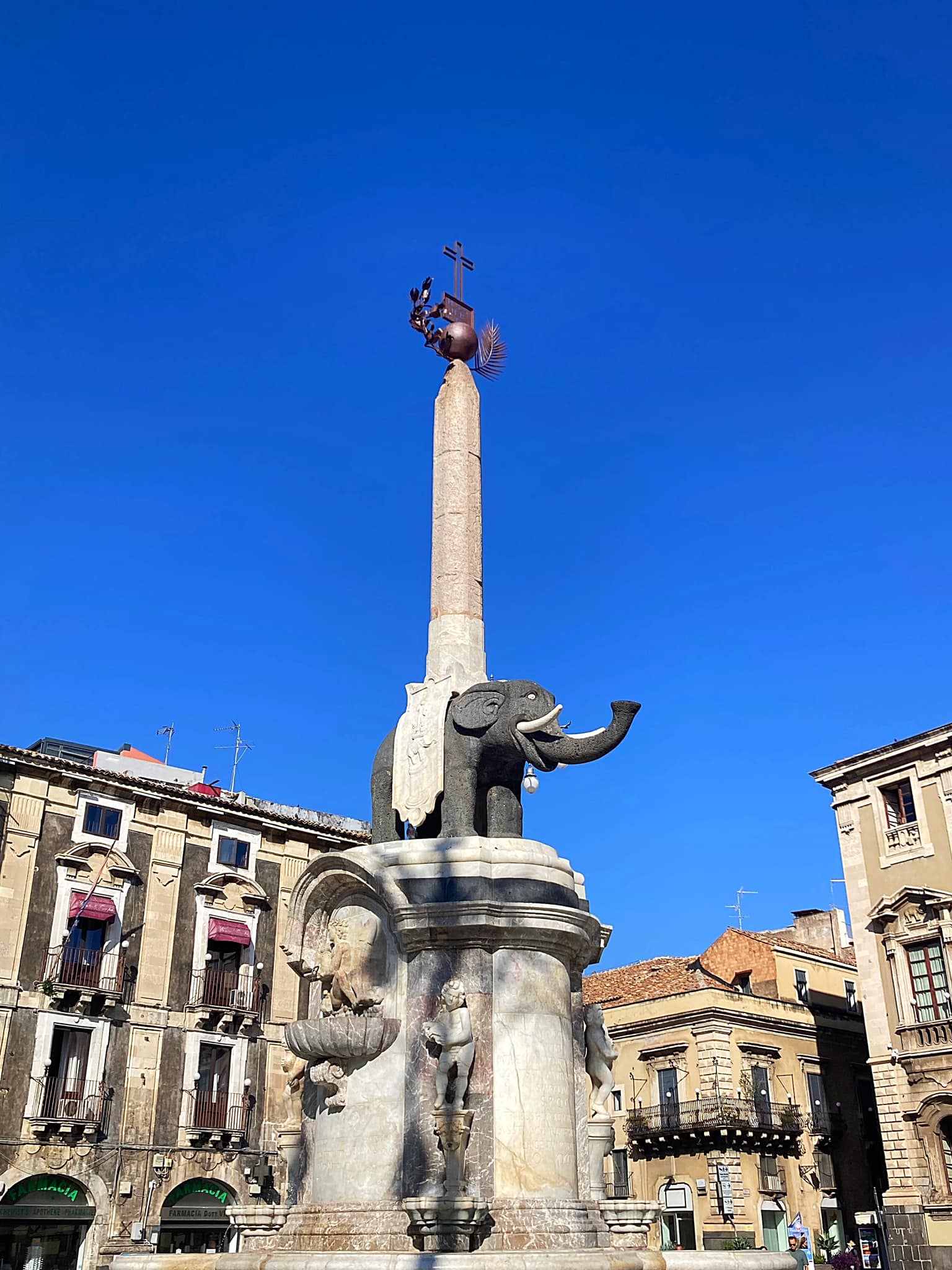
 .
.
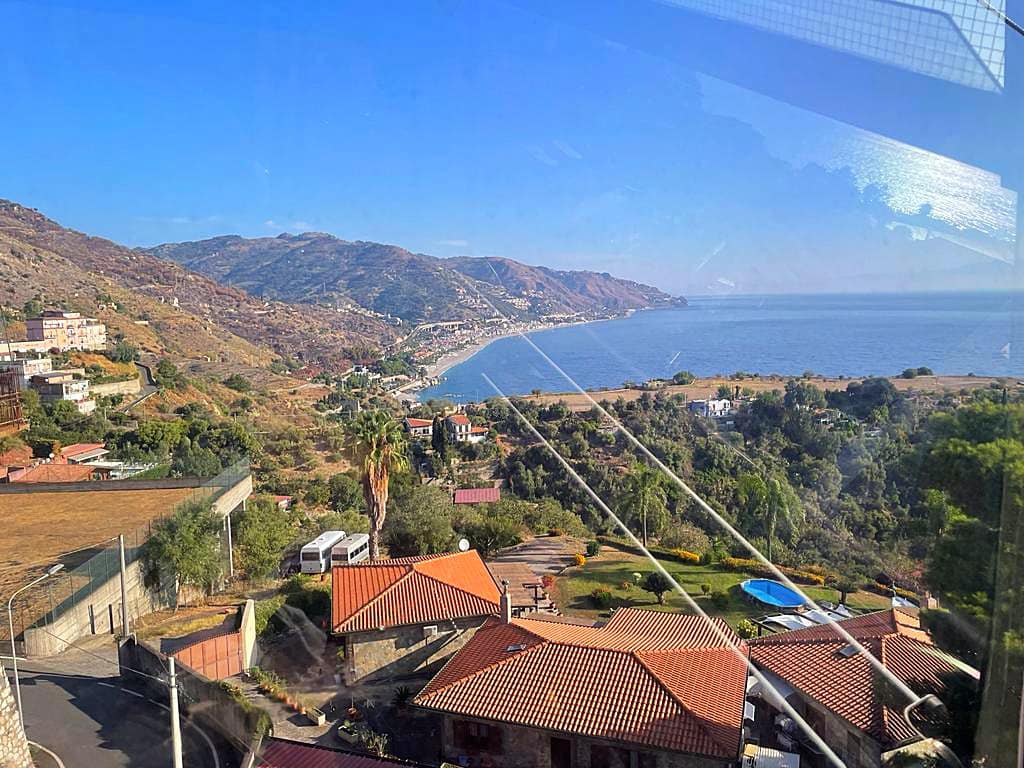
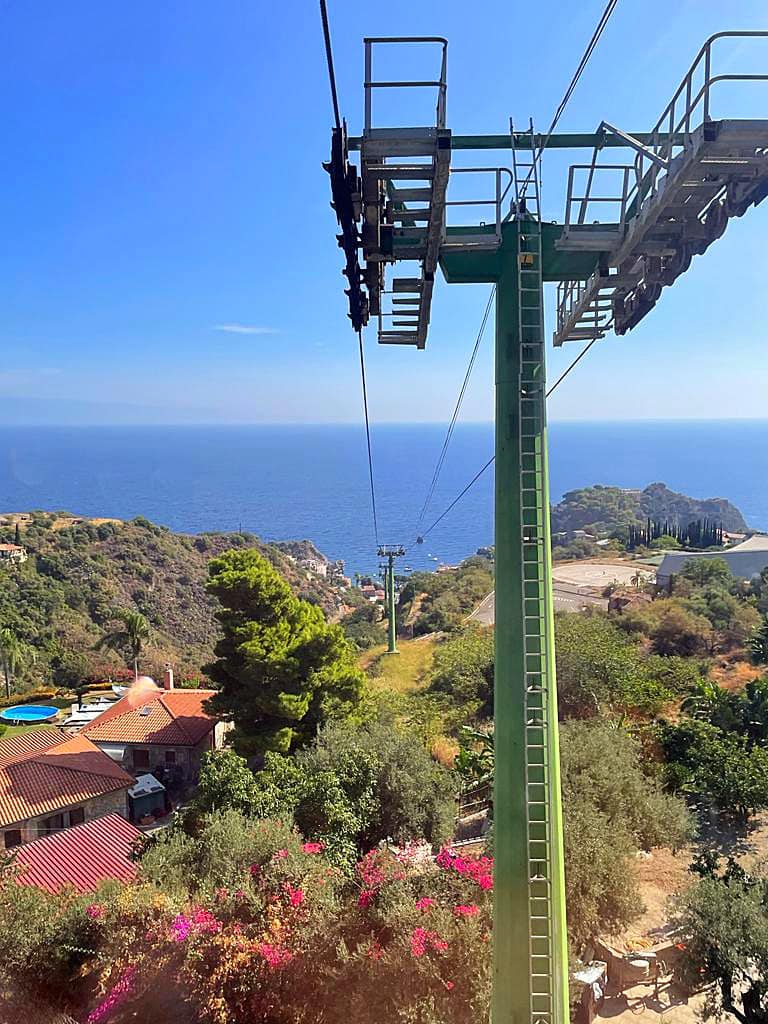

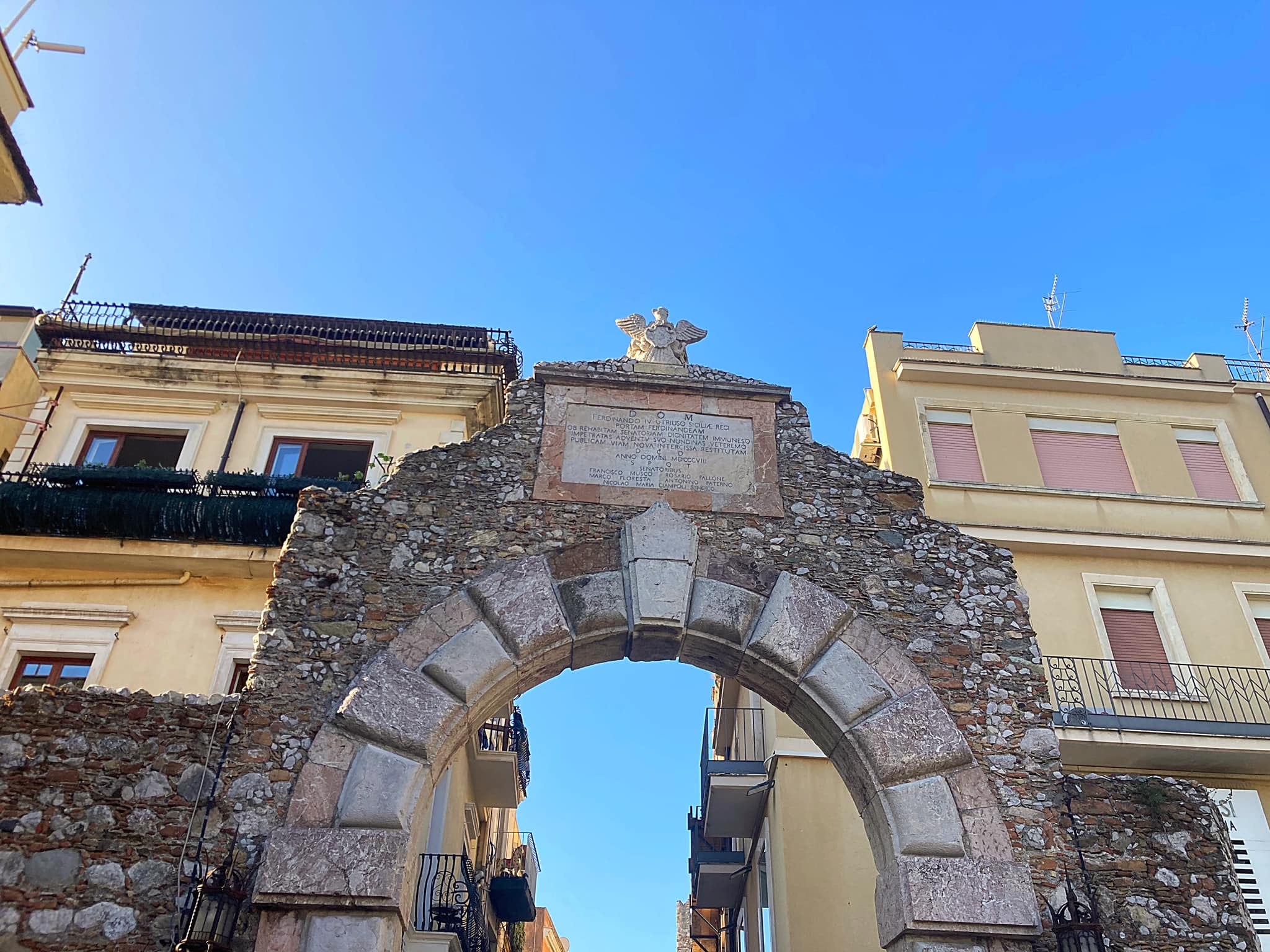
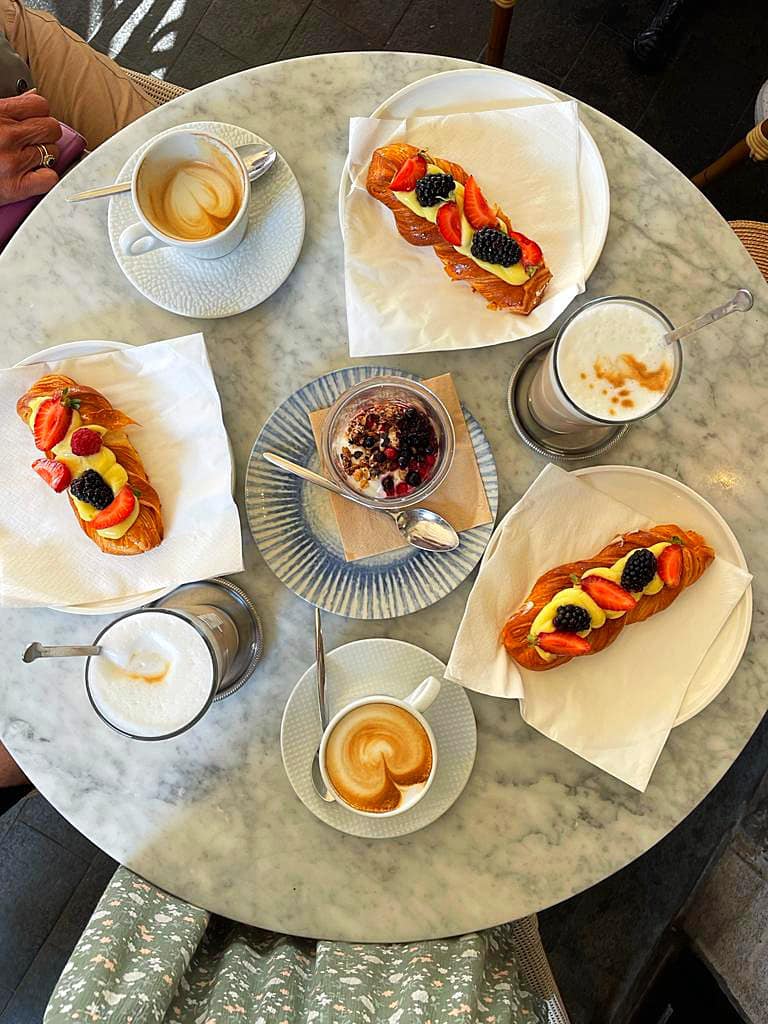

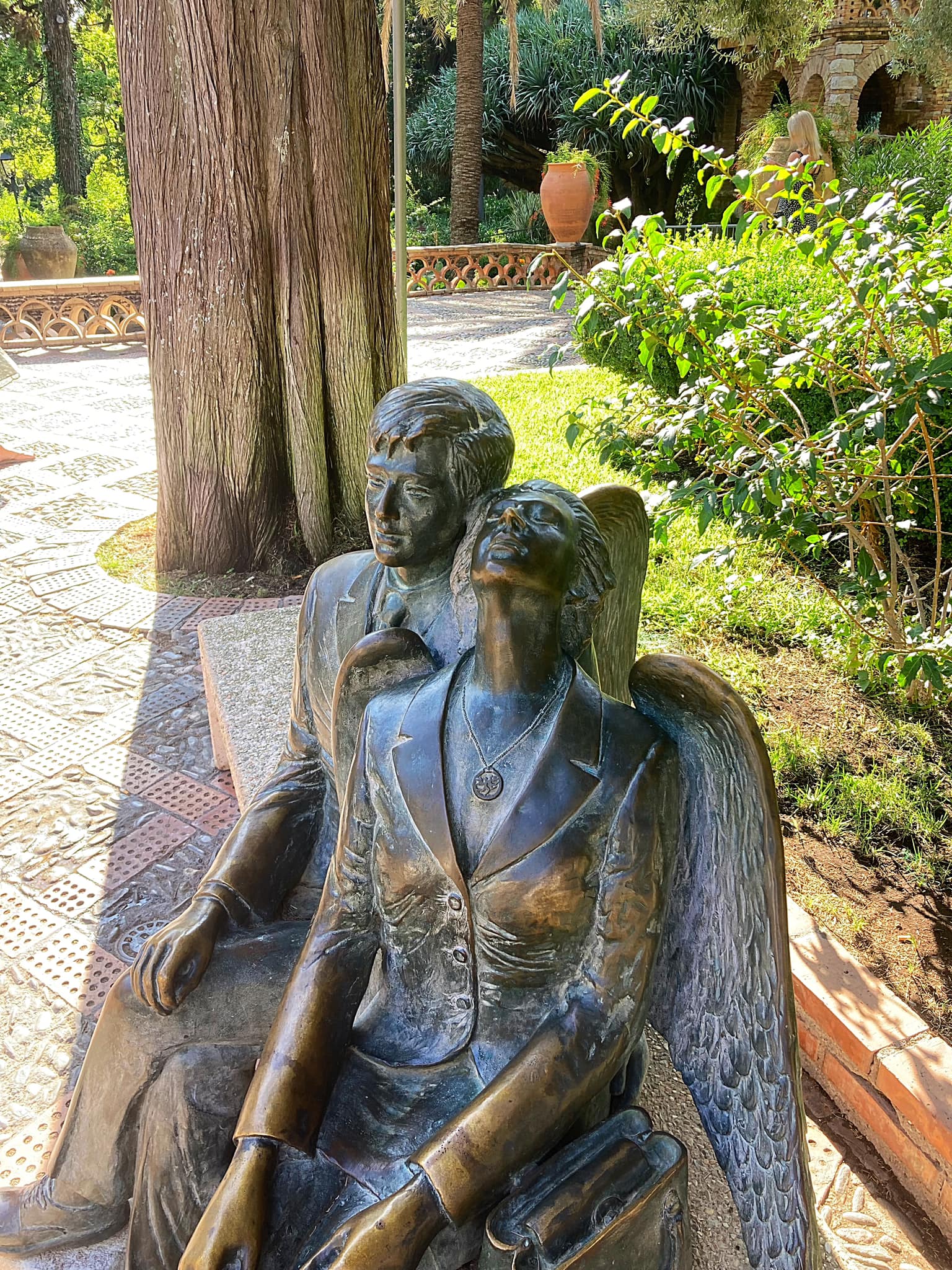

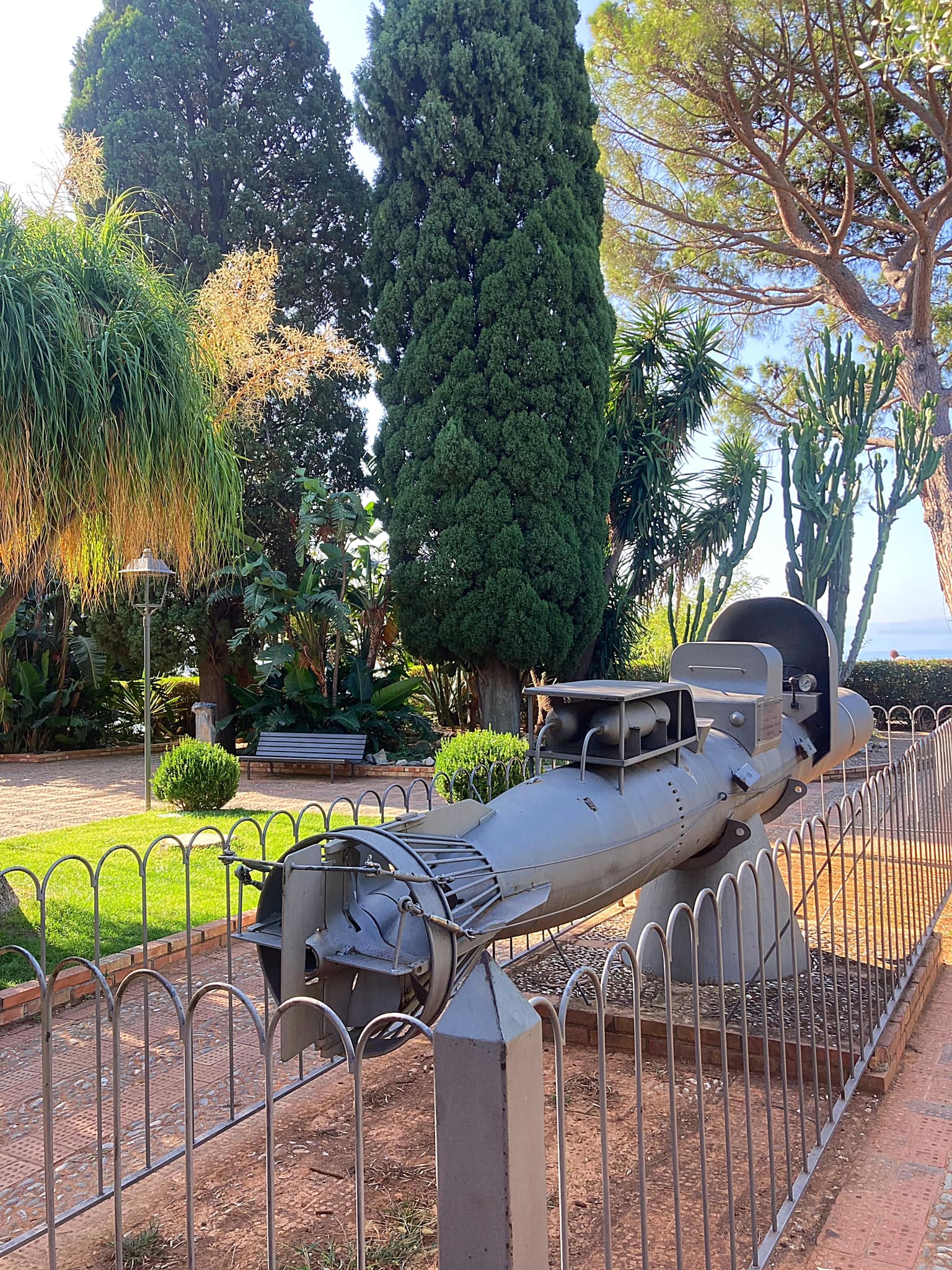
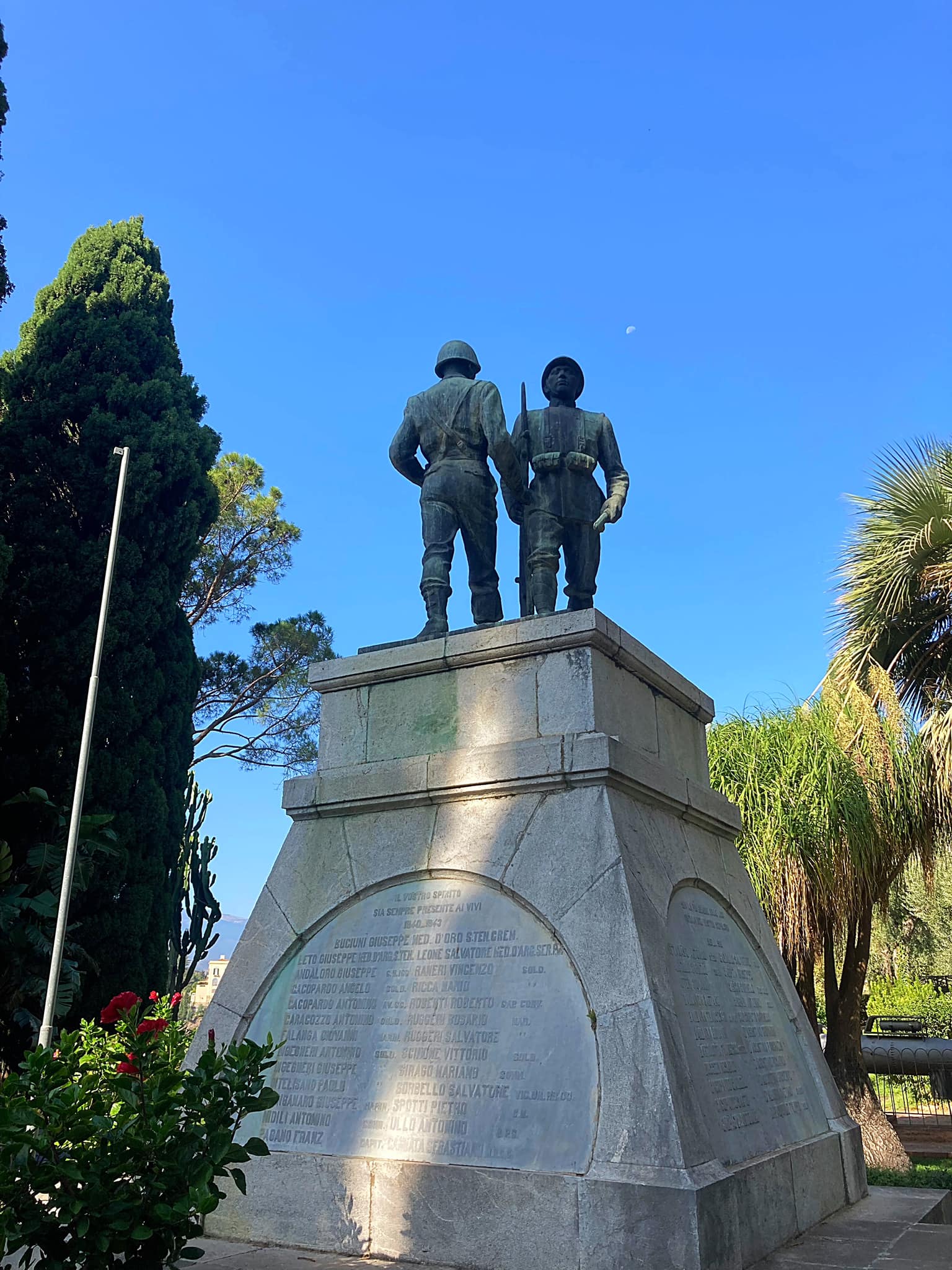


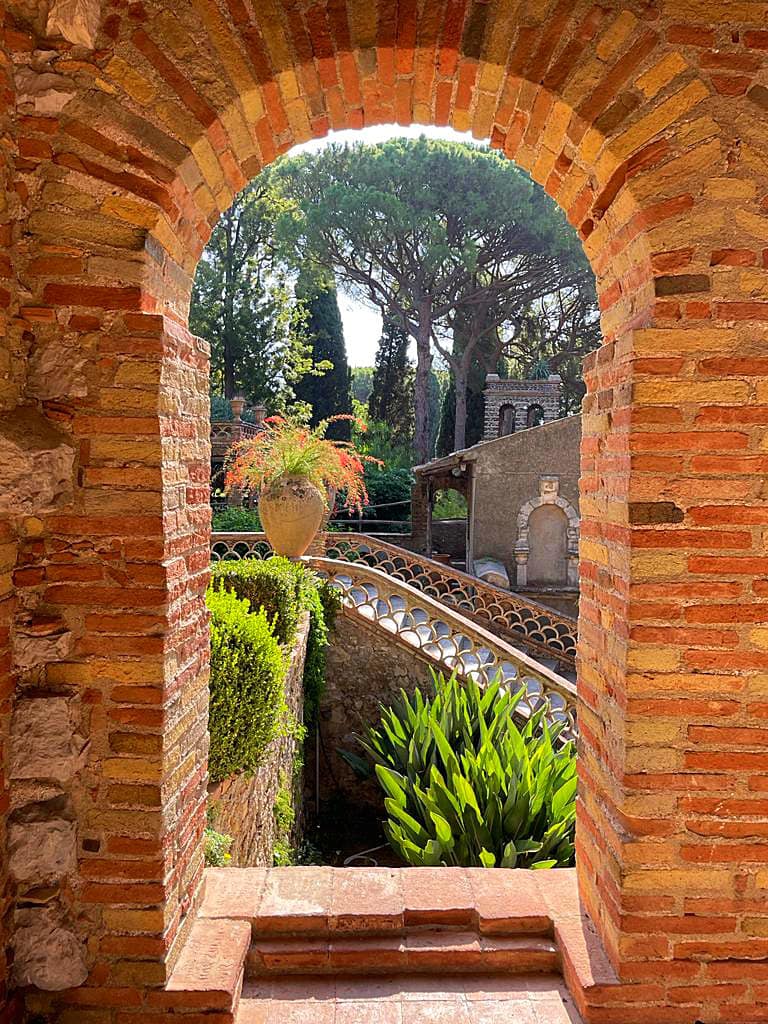


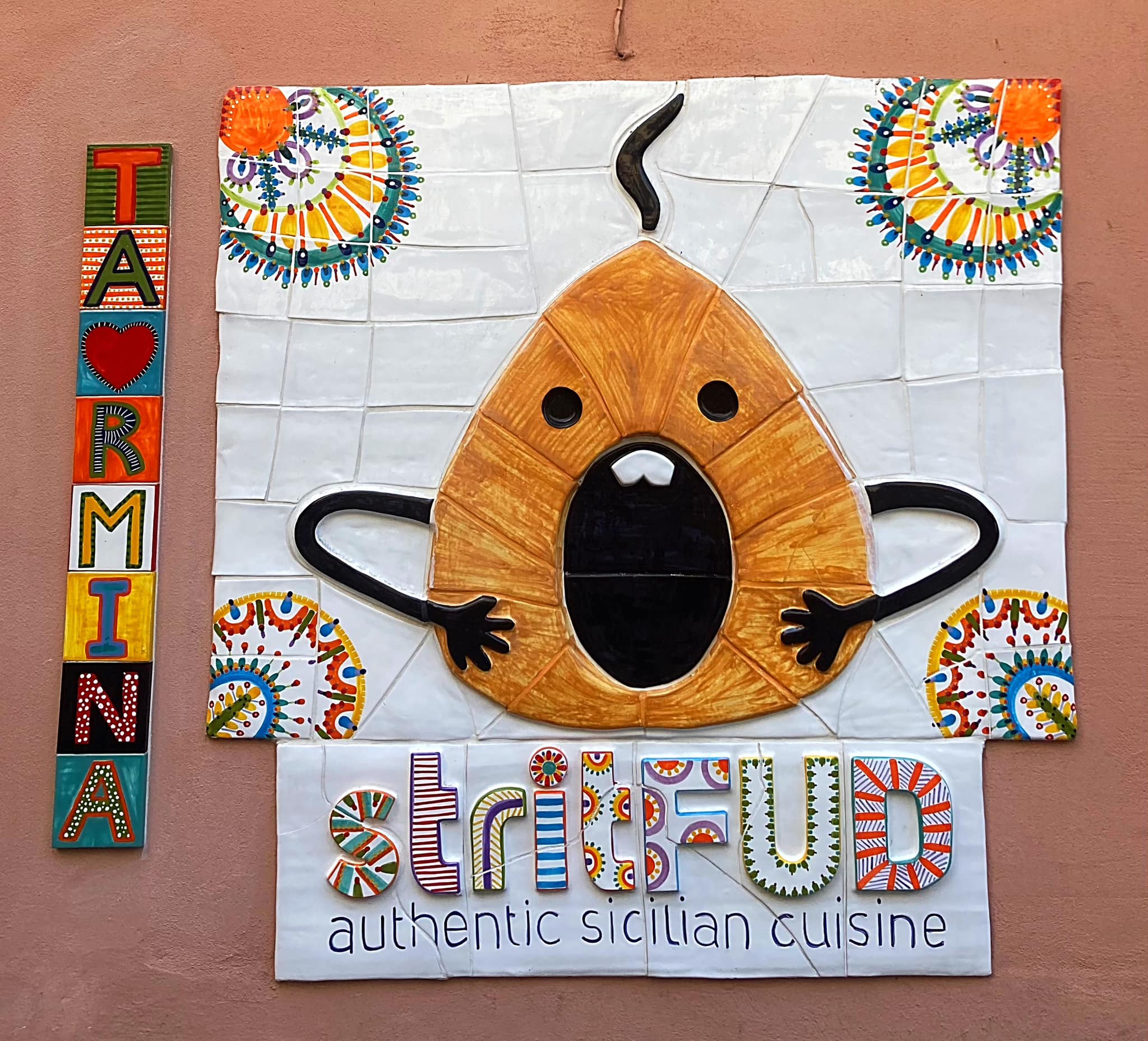


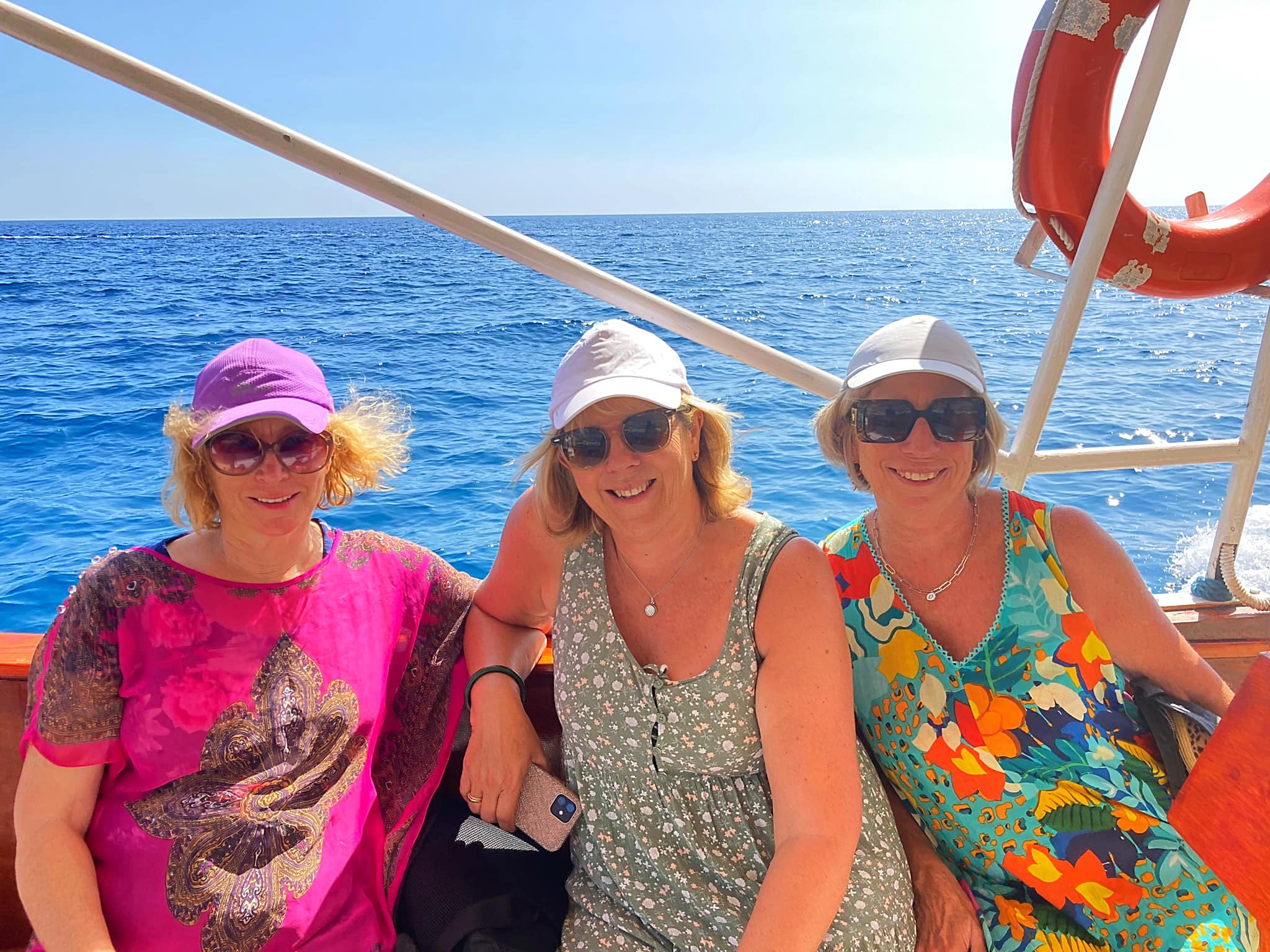

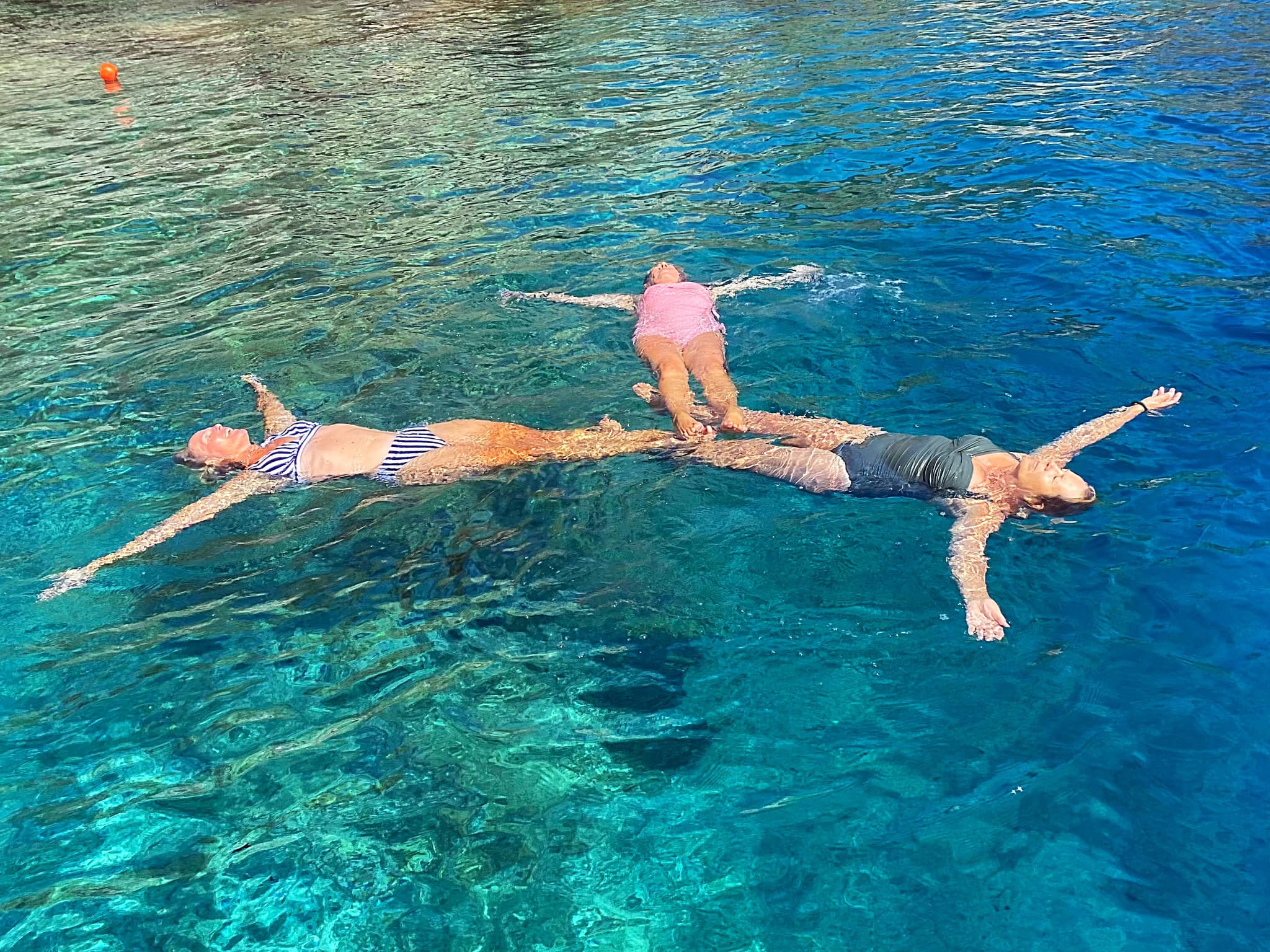


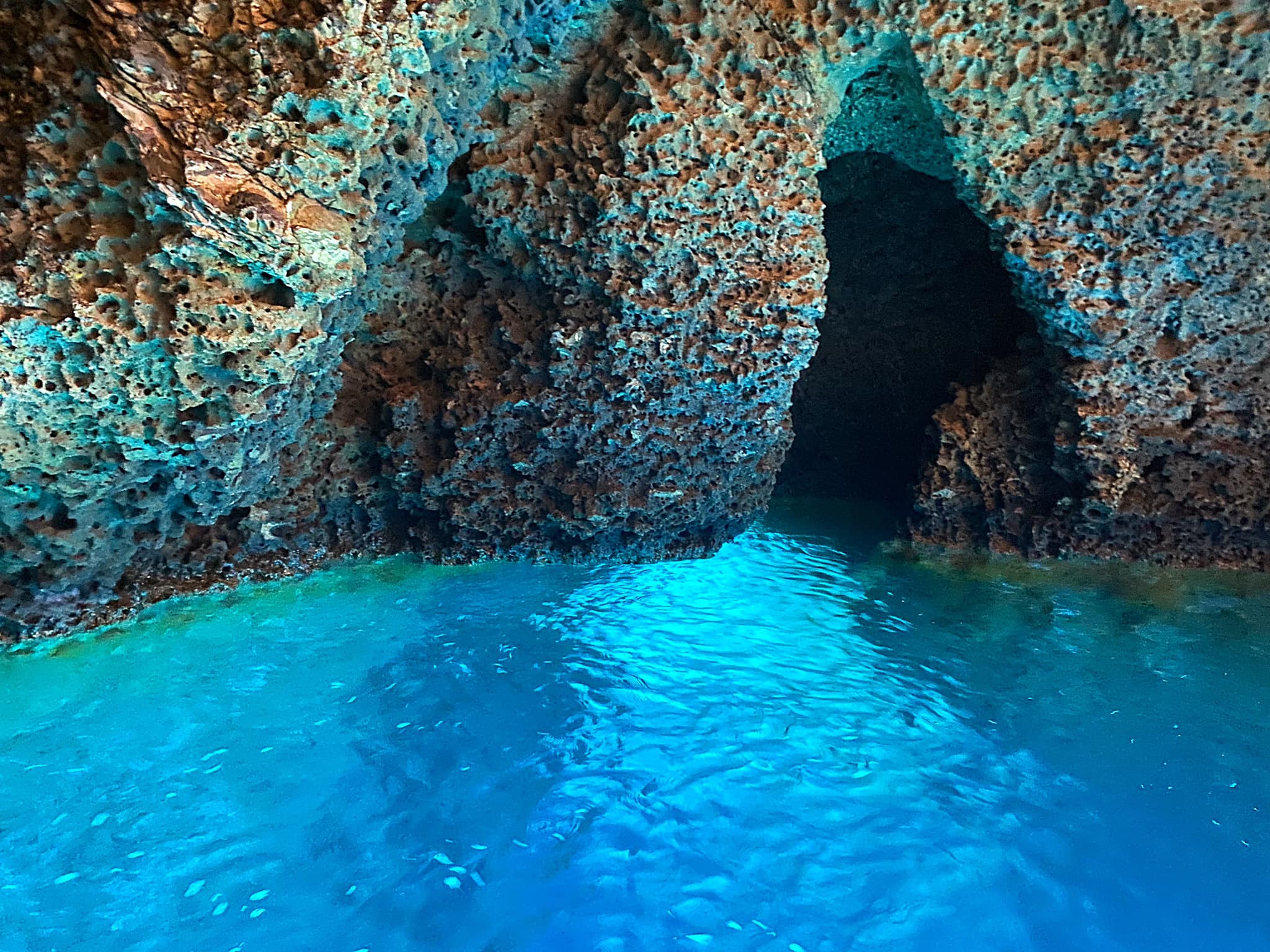
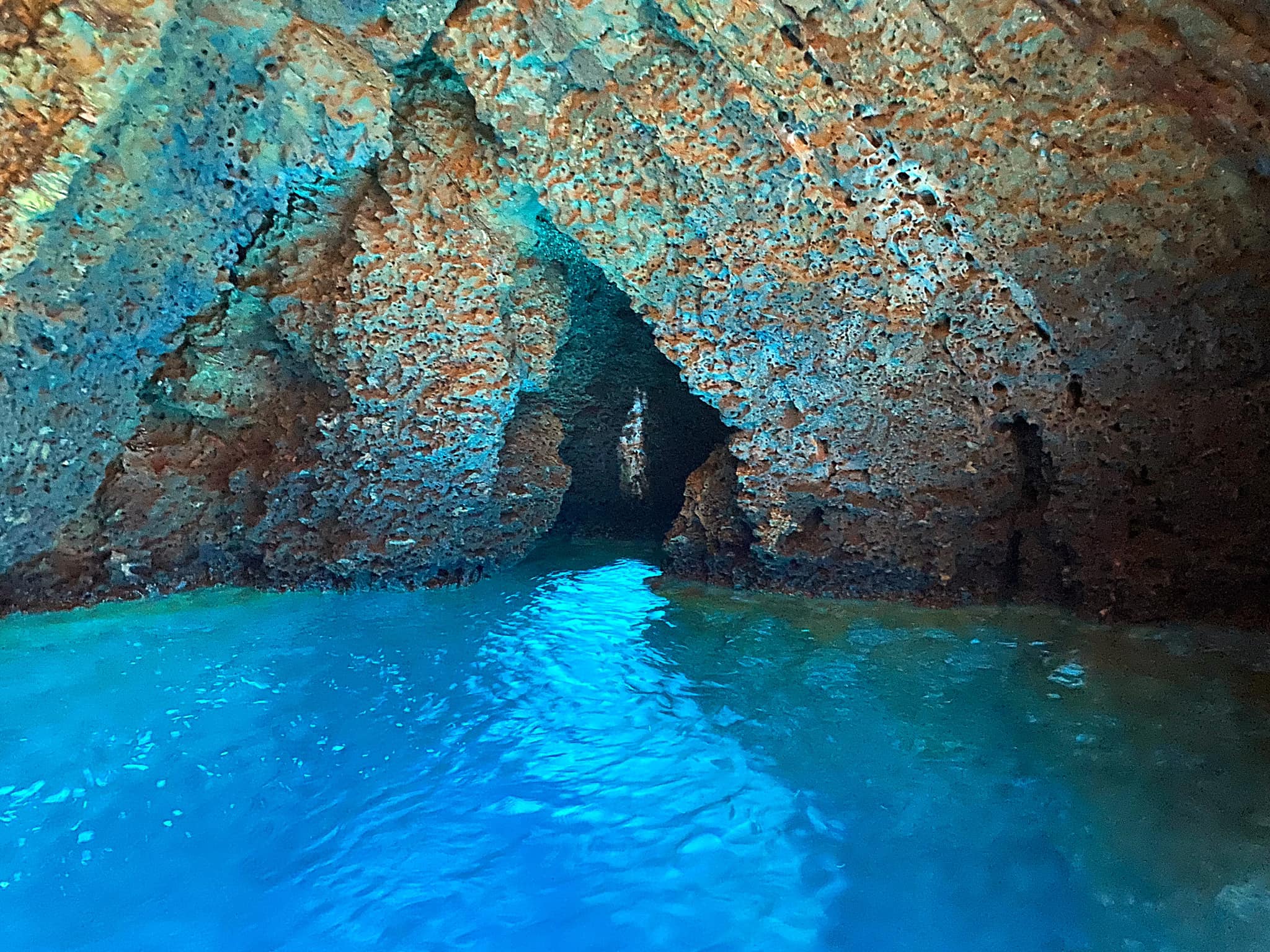

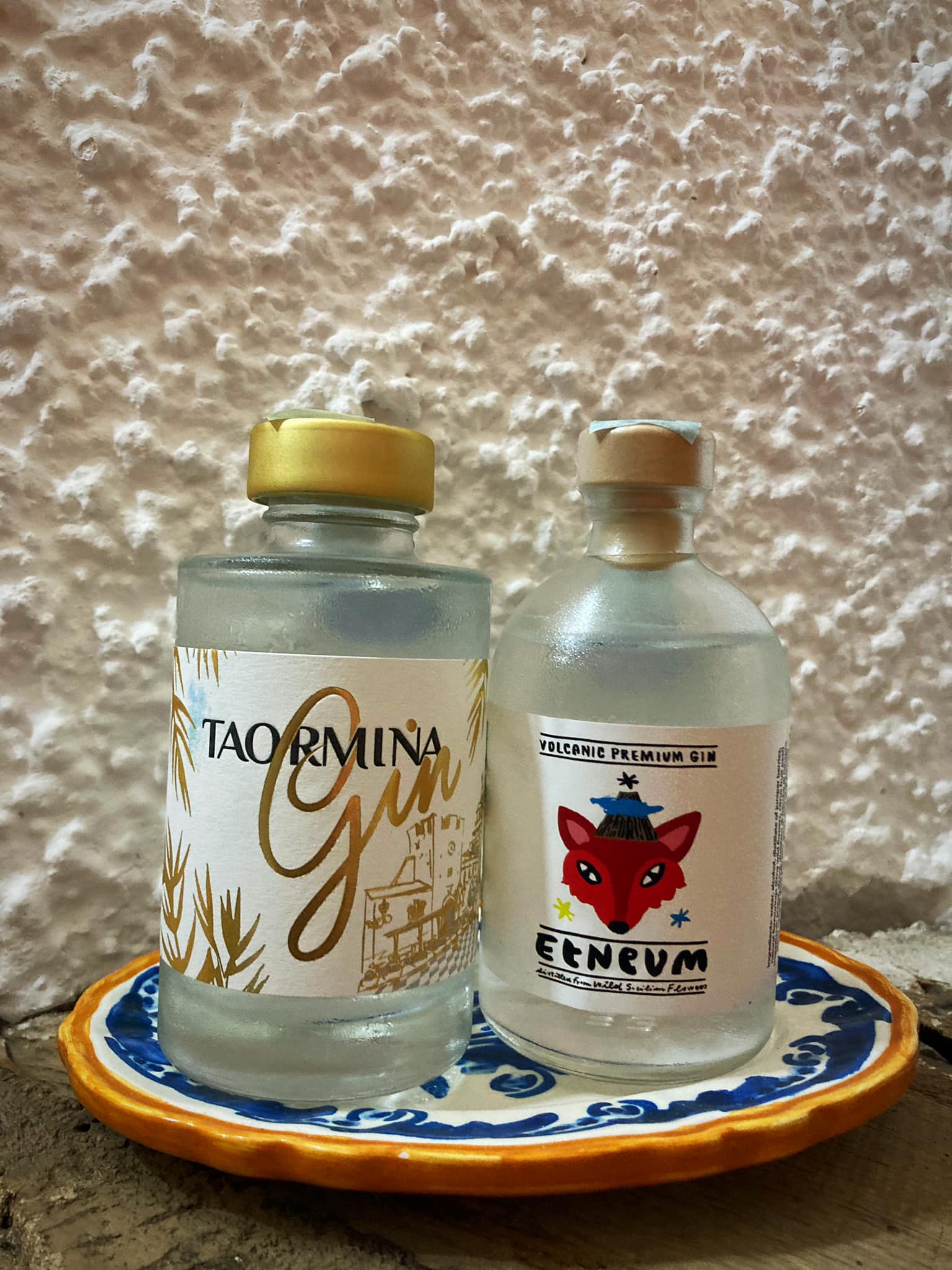

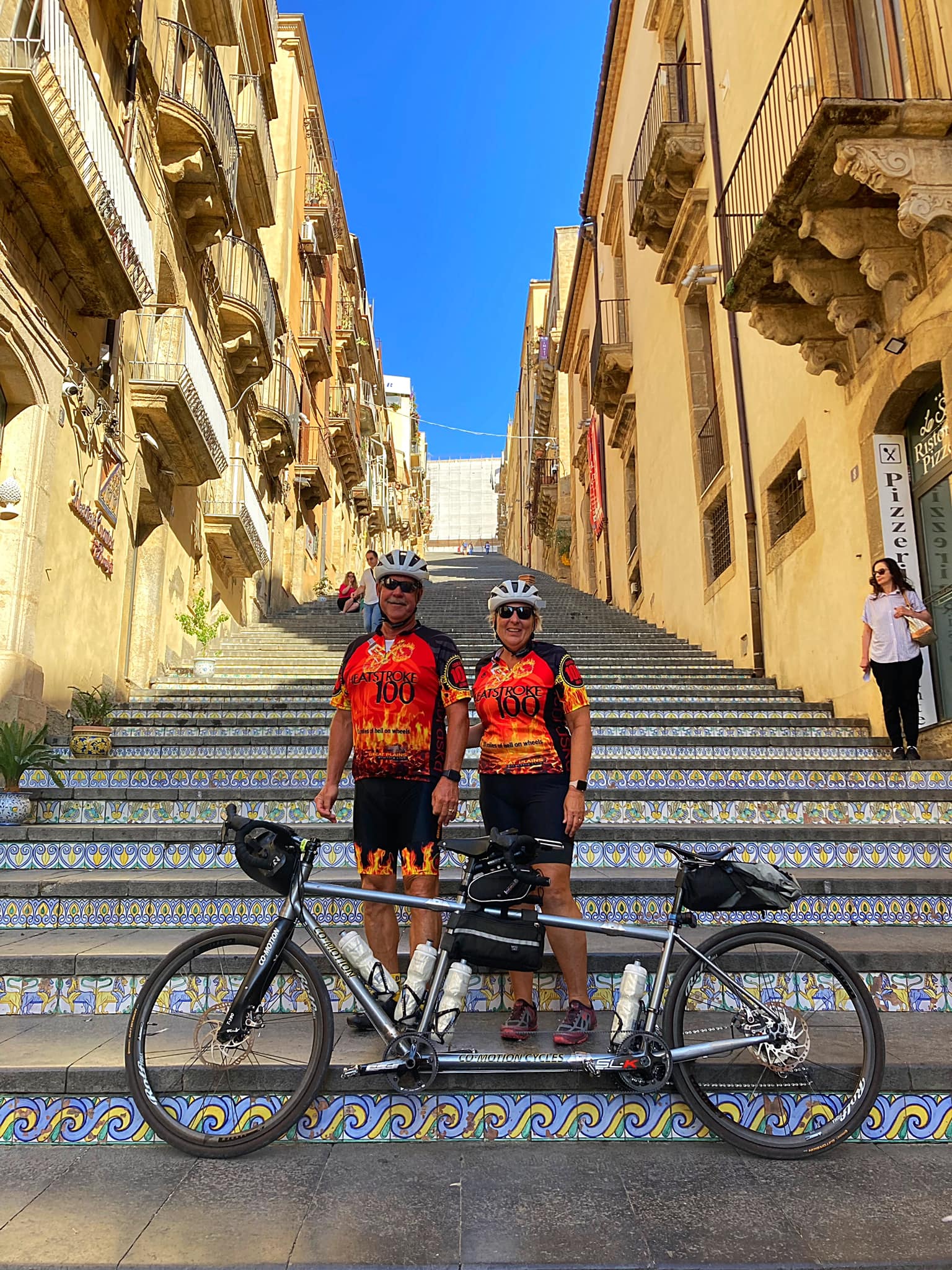
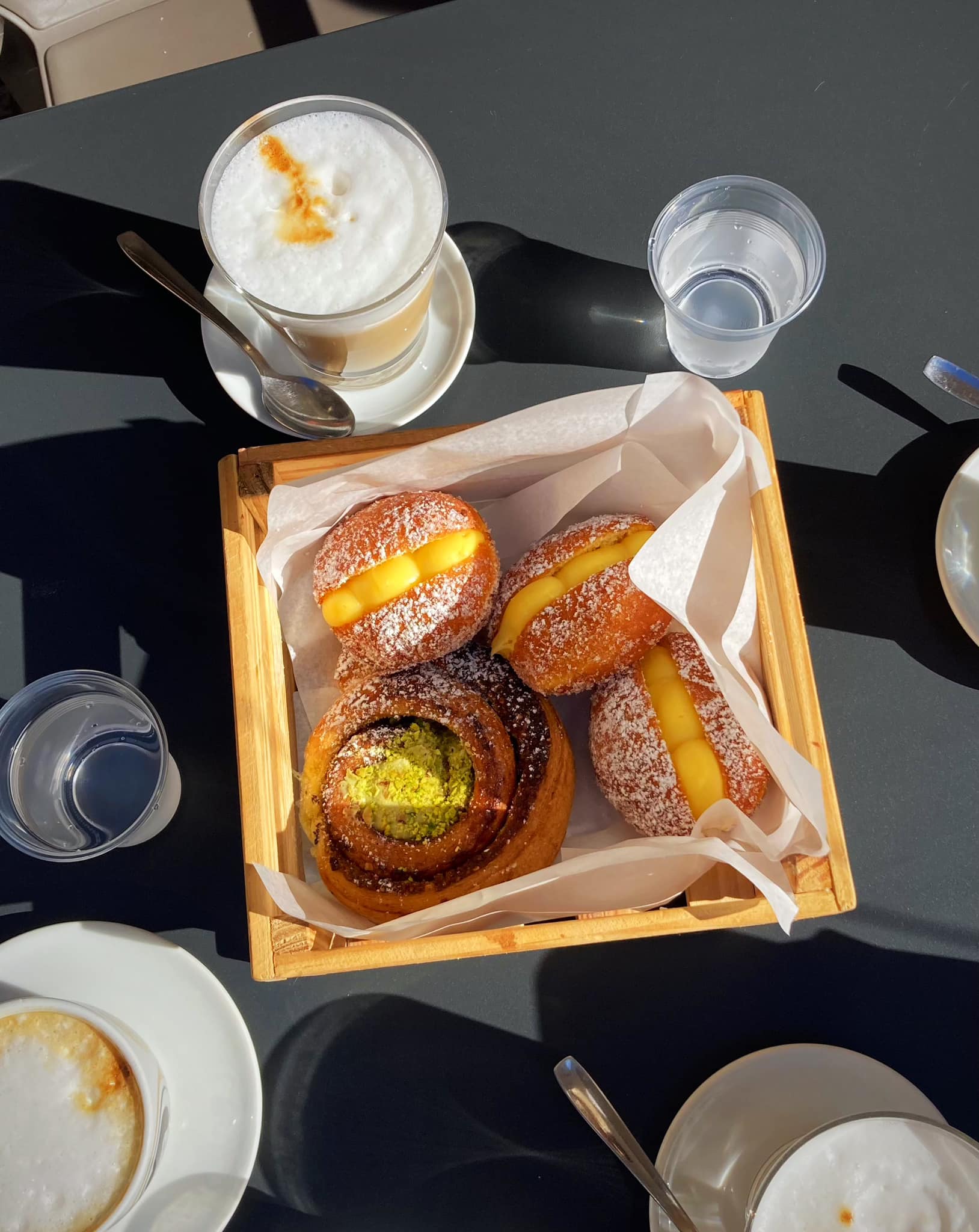


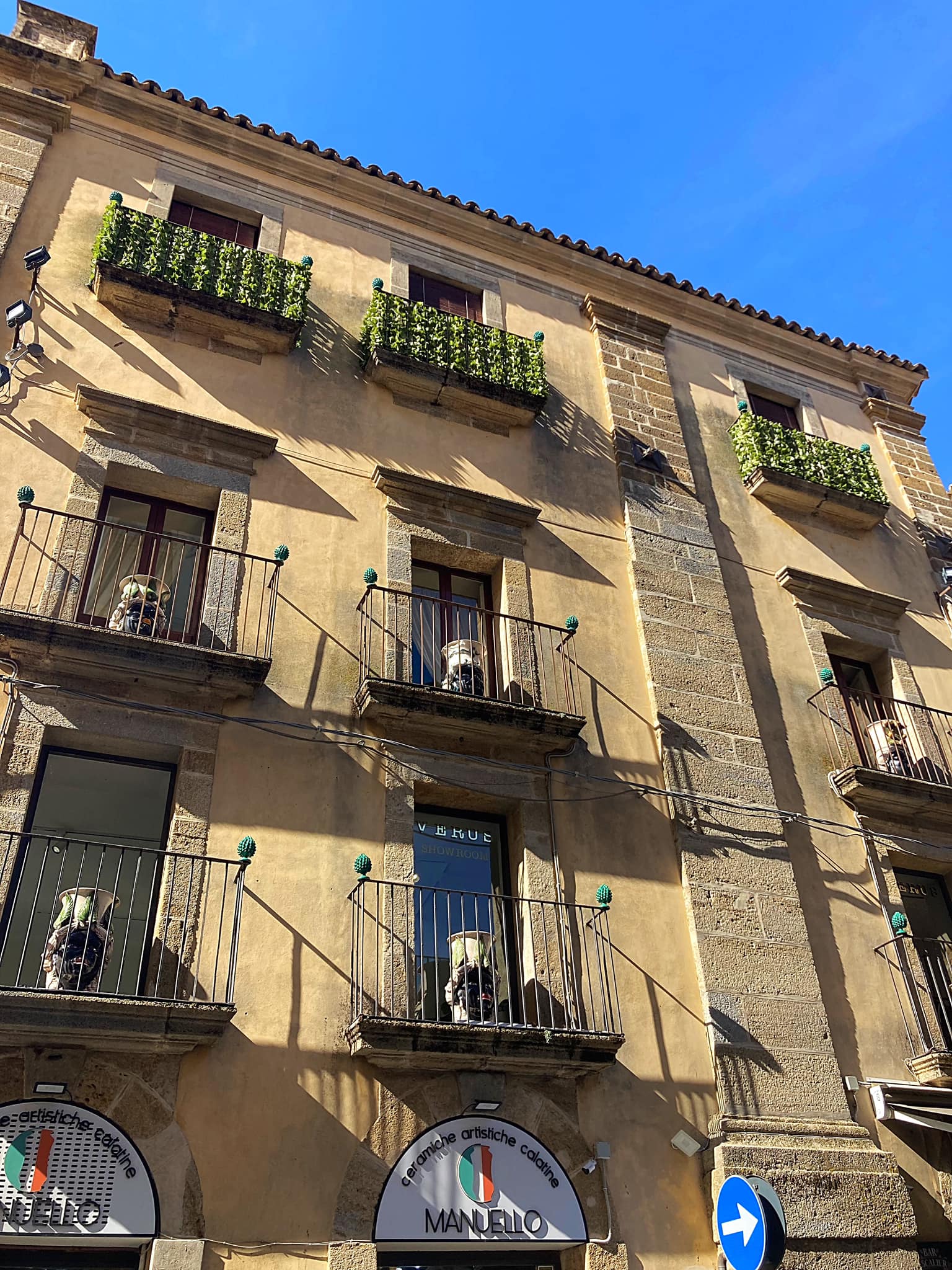


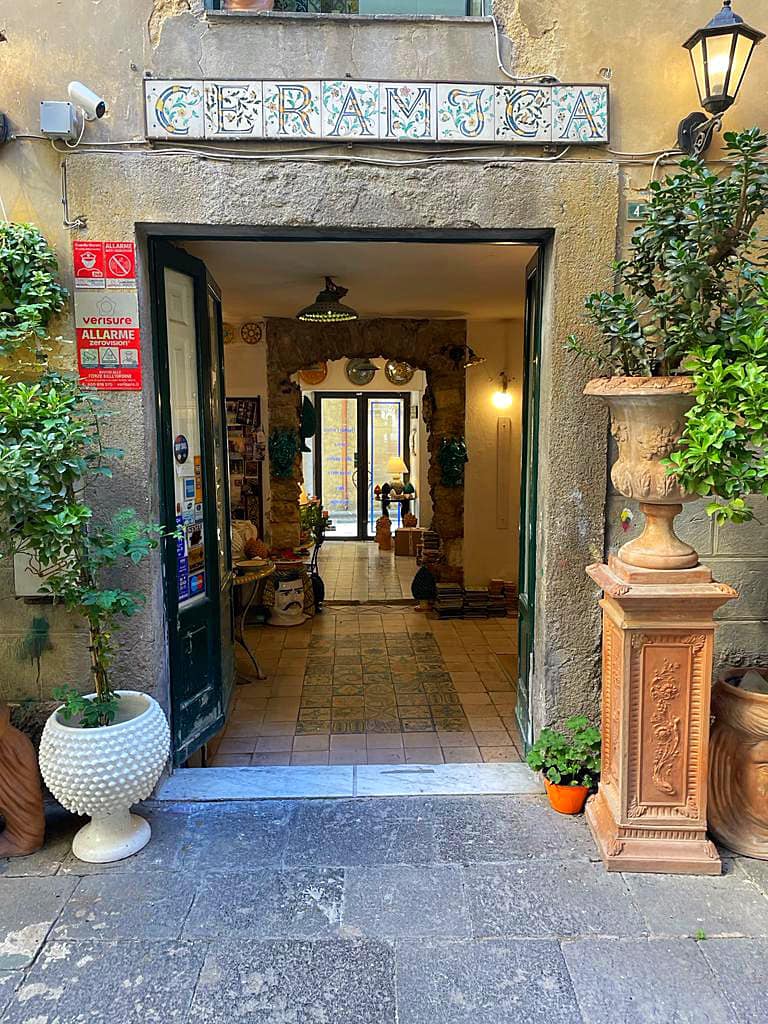

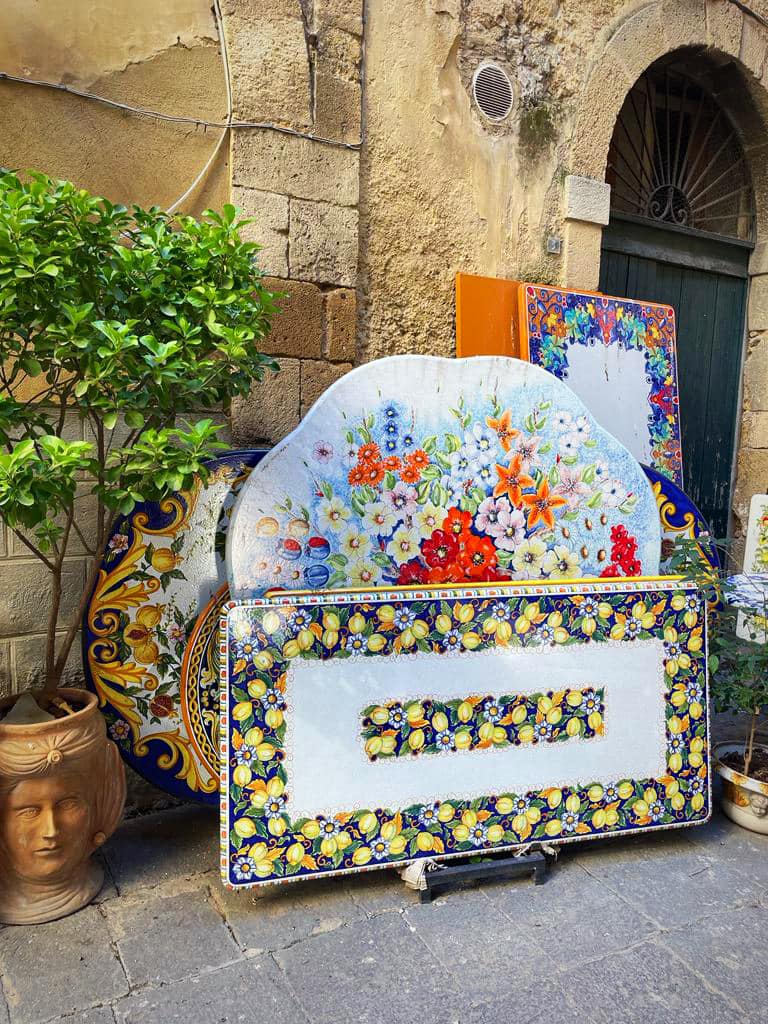
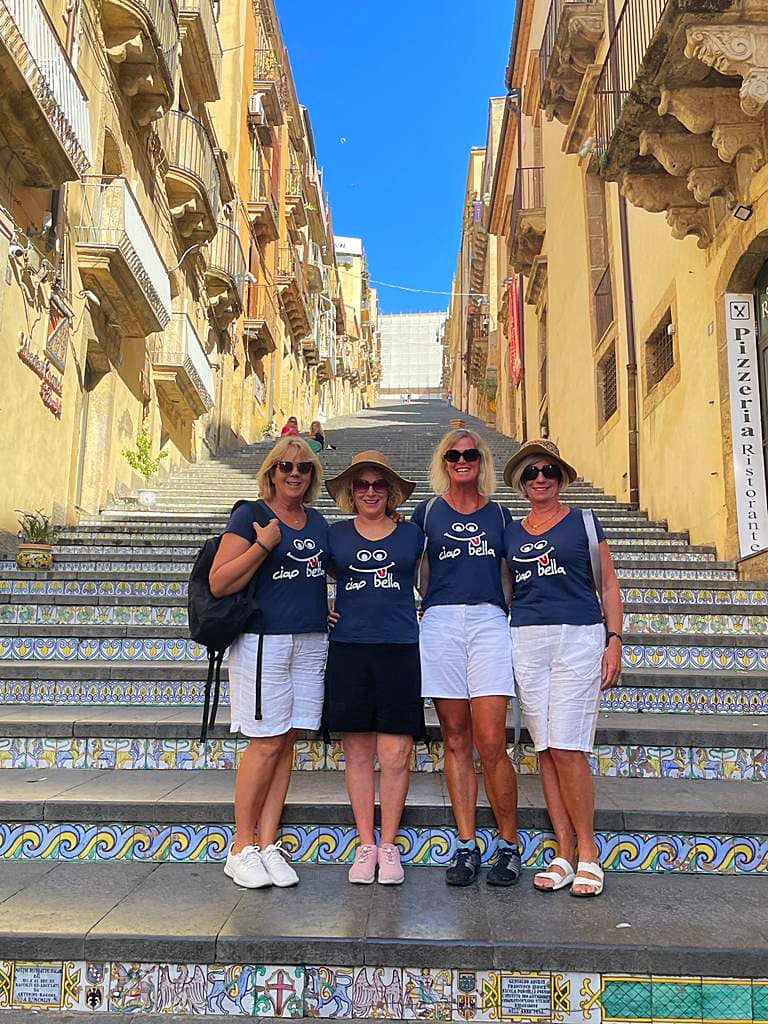
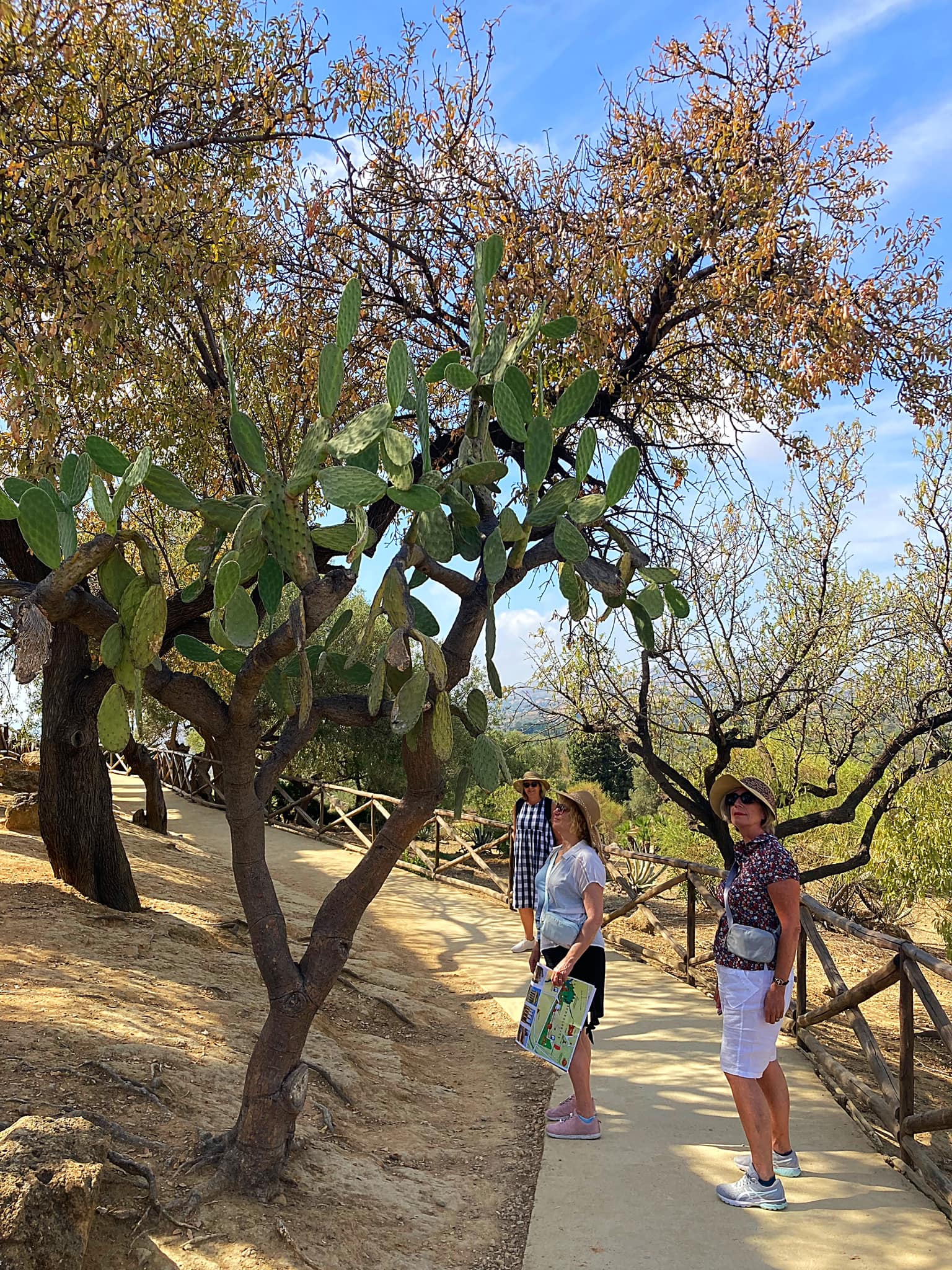


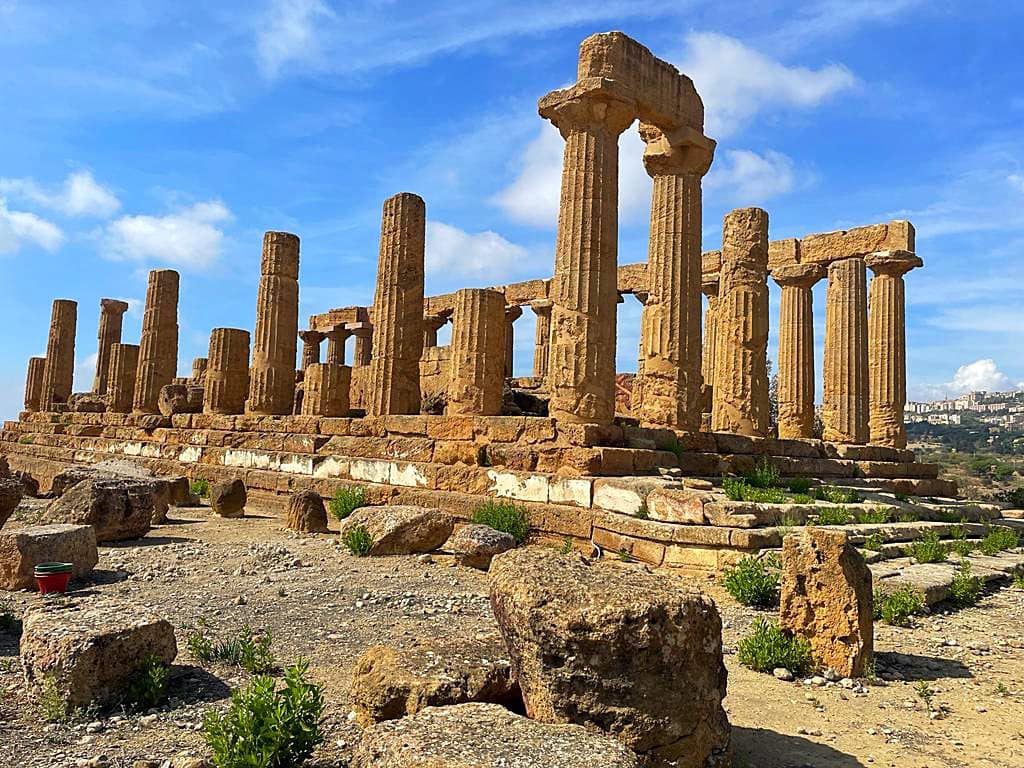

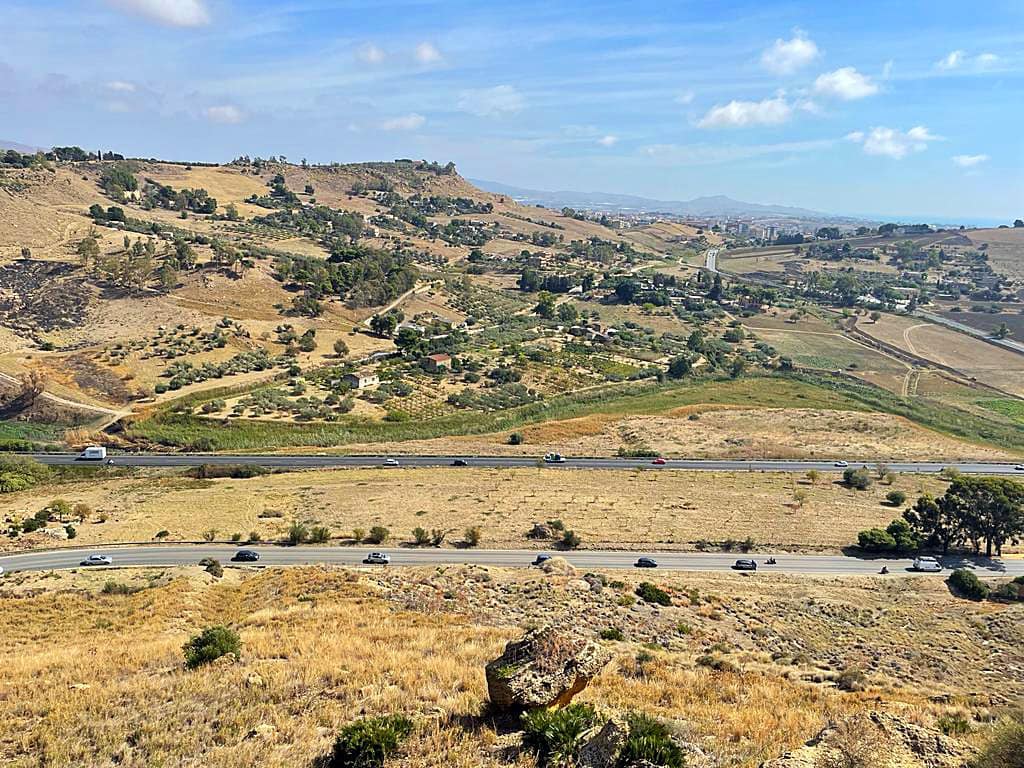
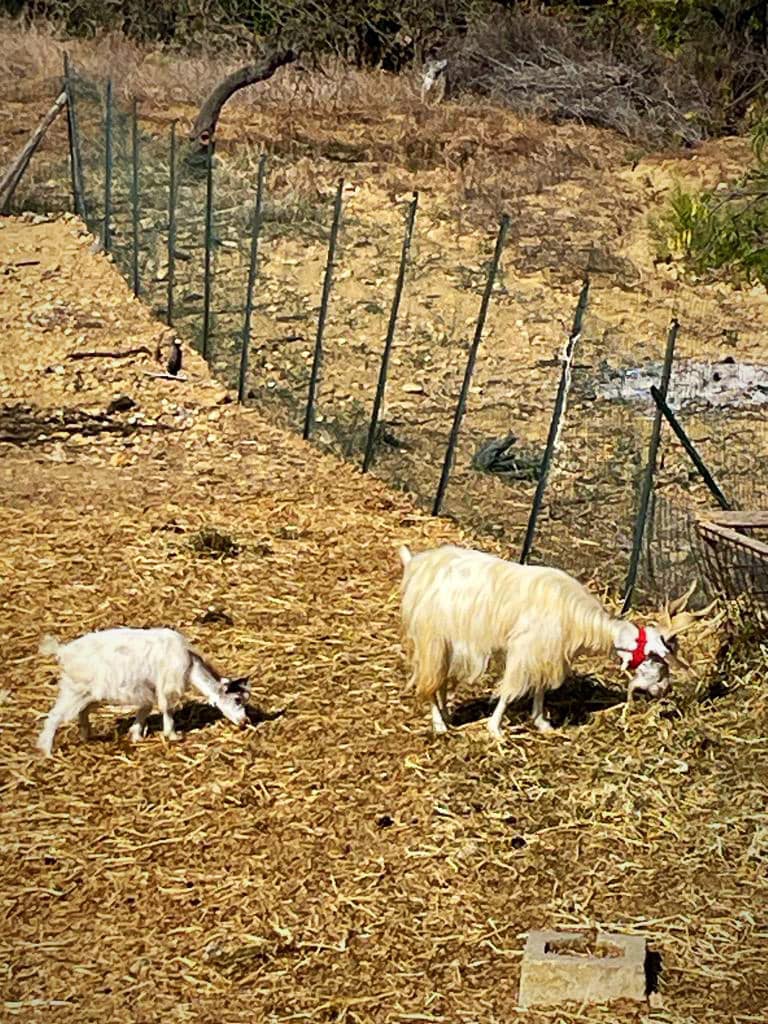

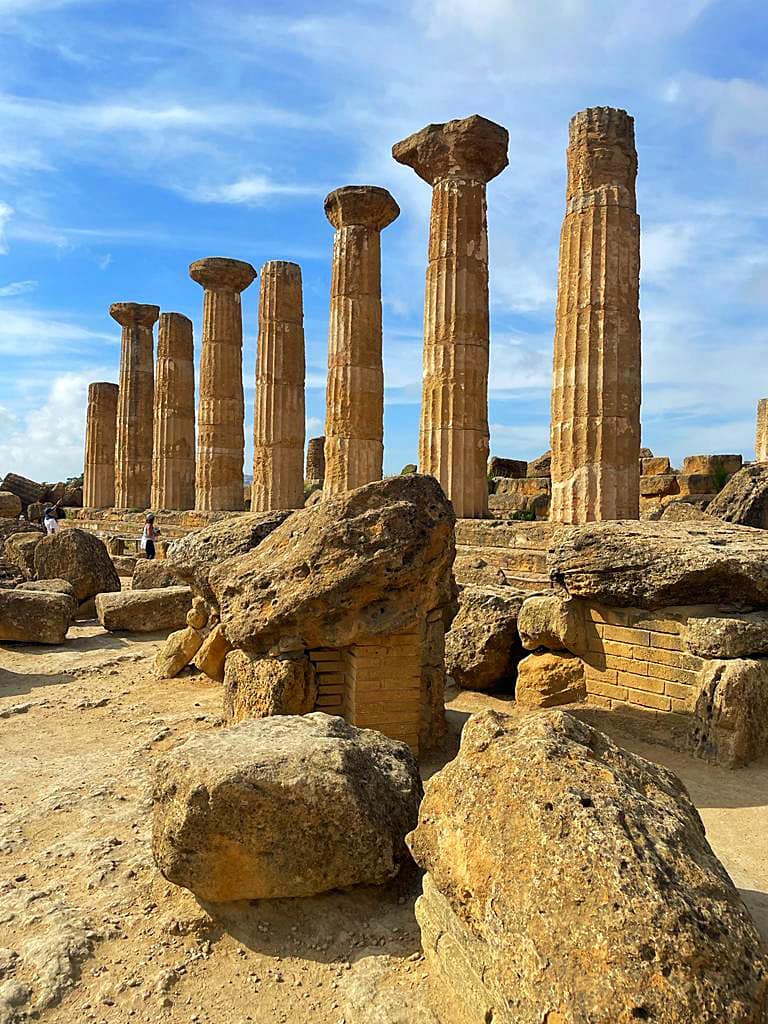

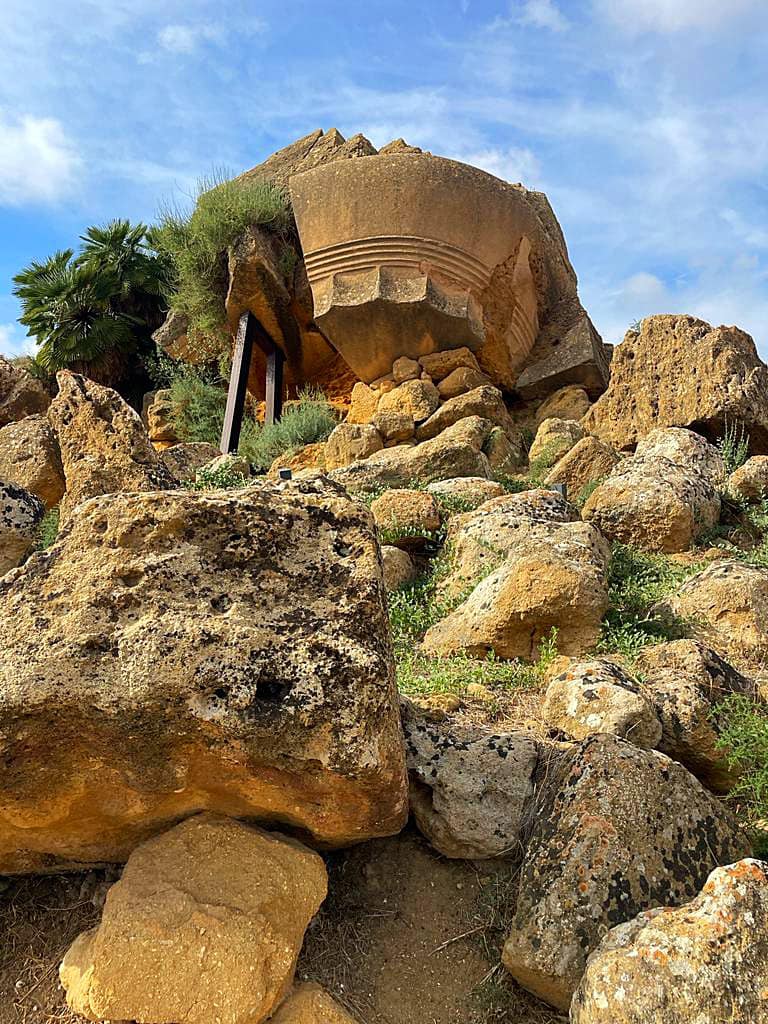
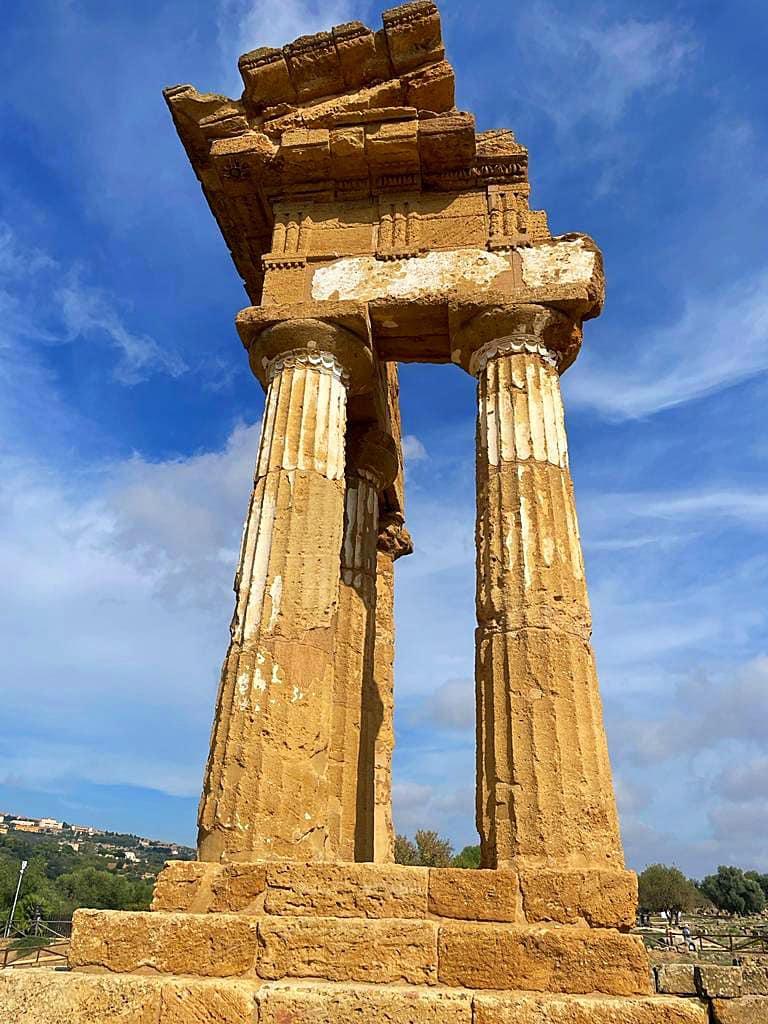
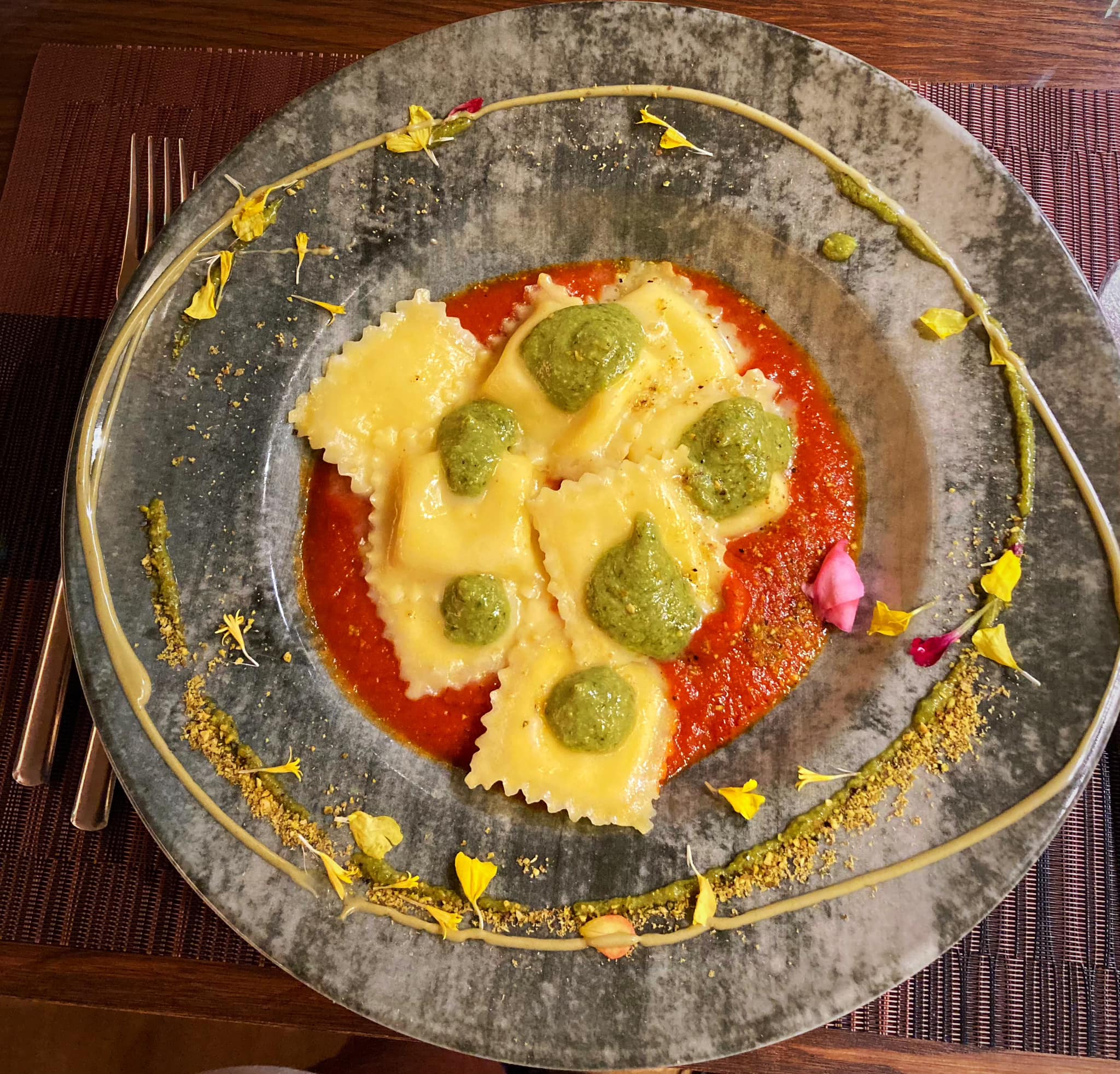

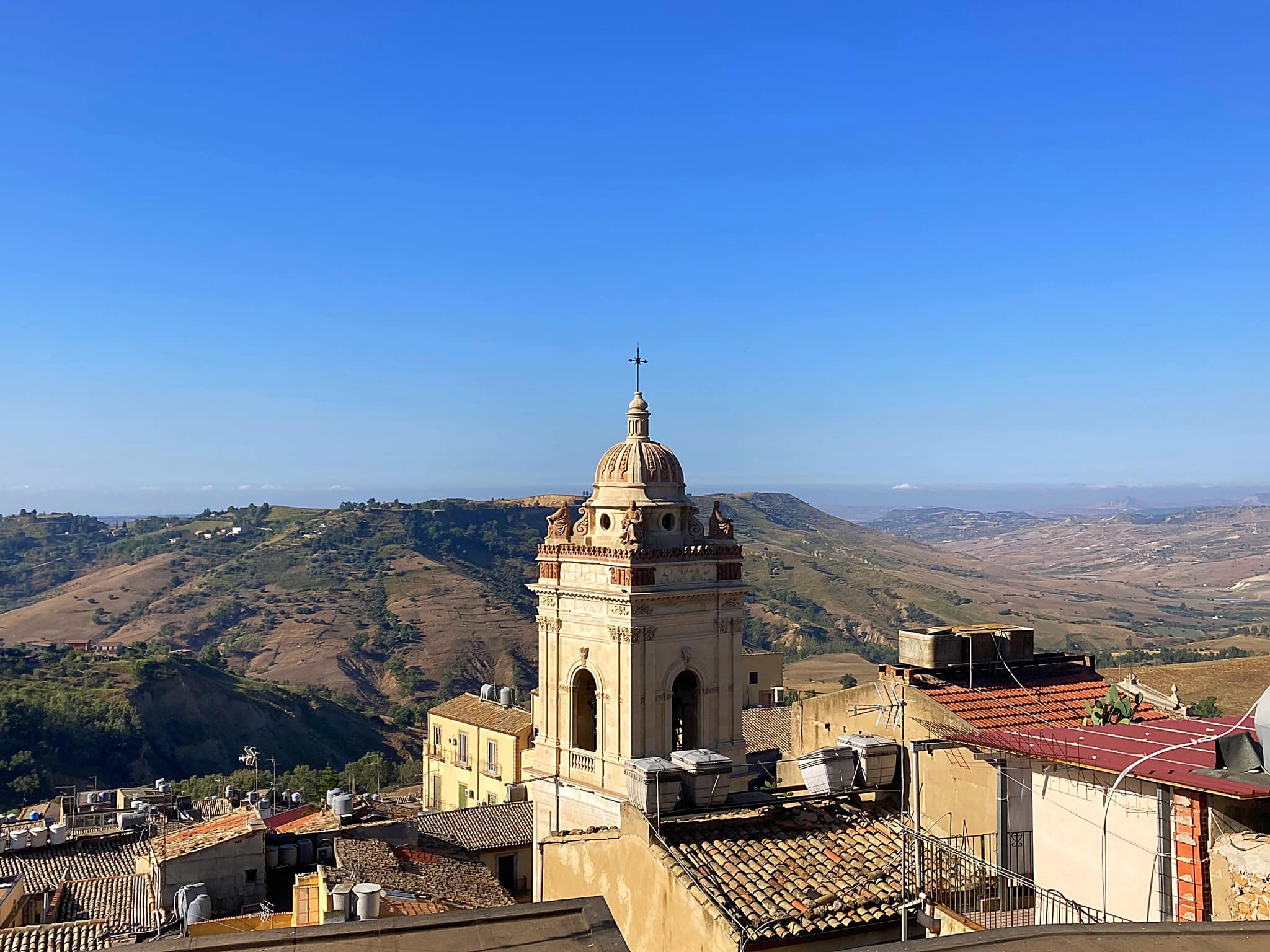

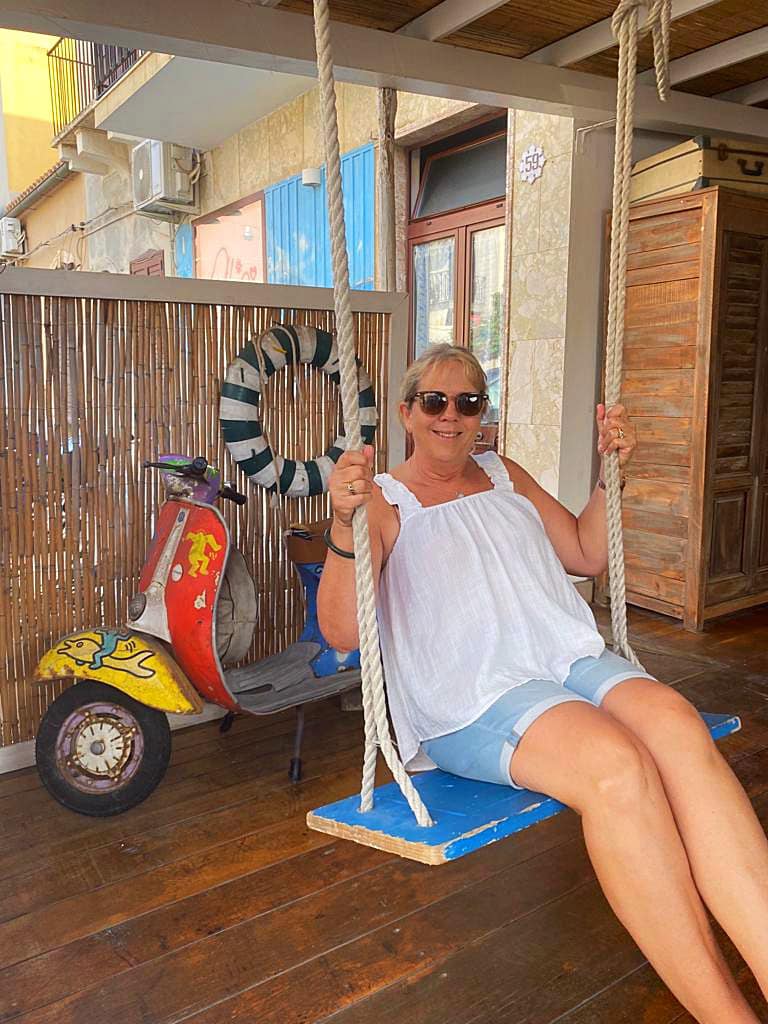

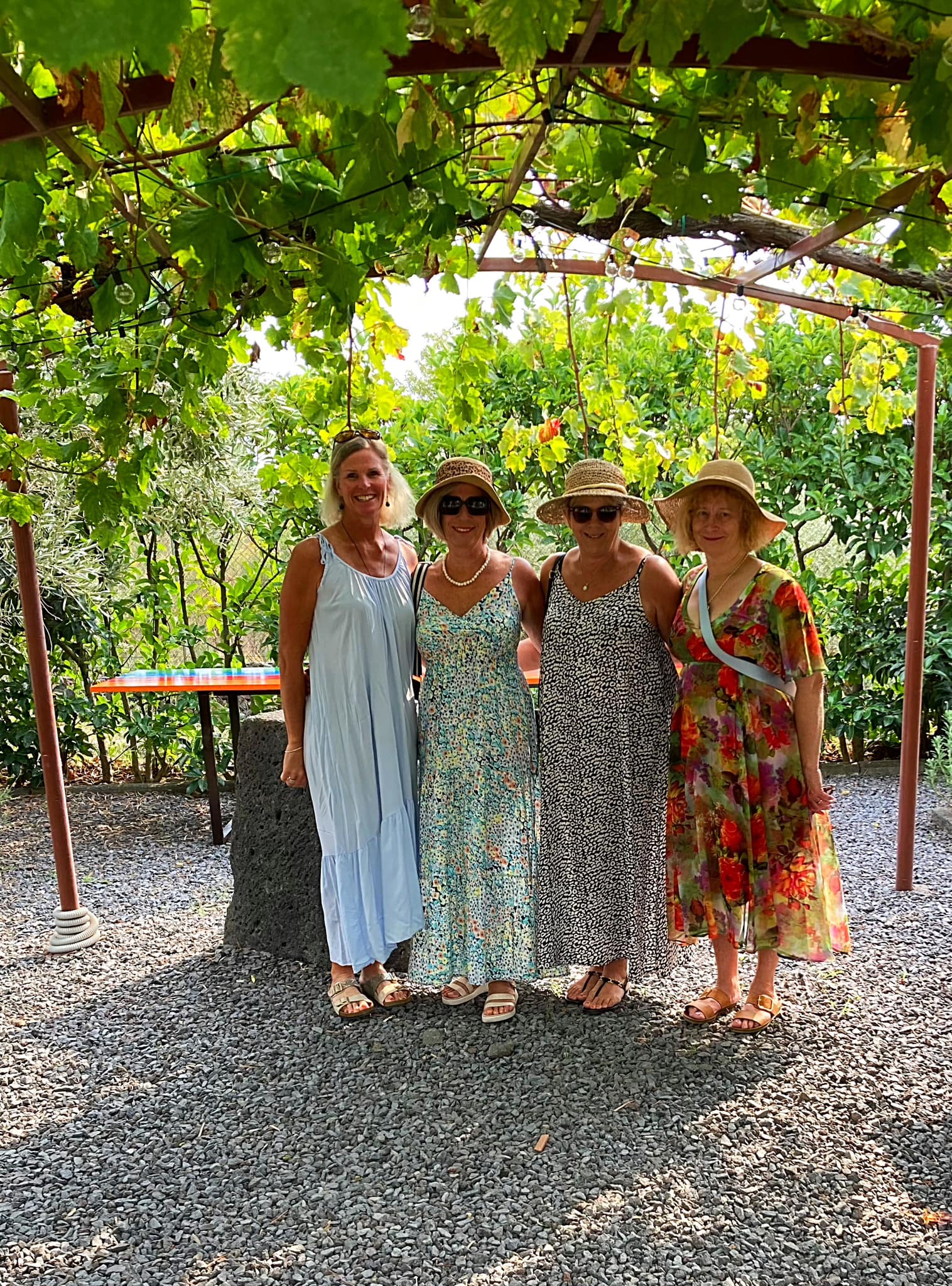
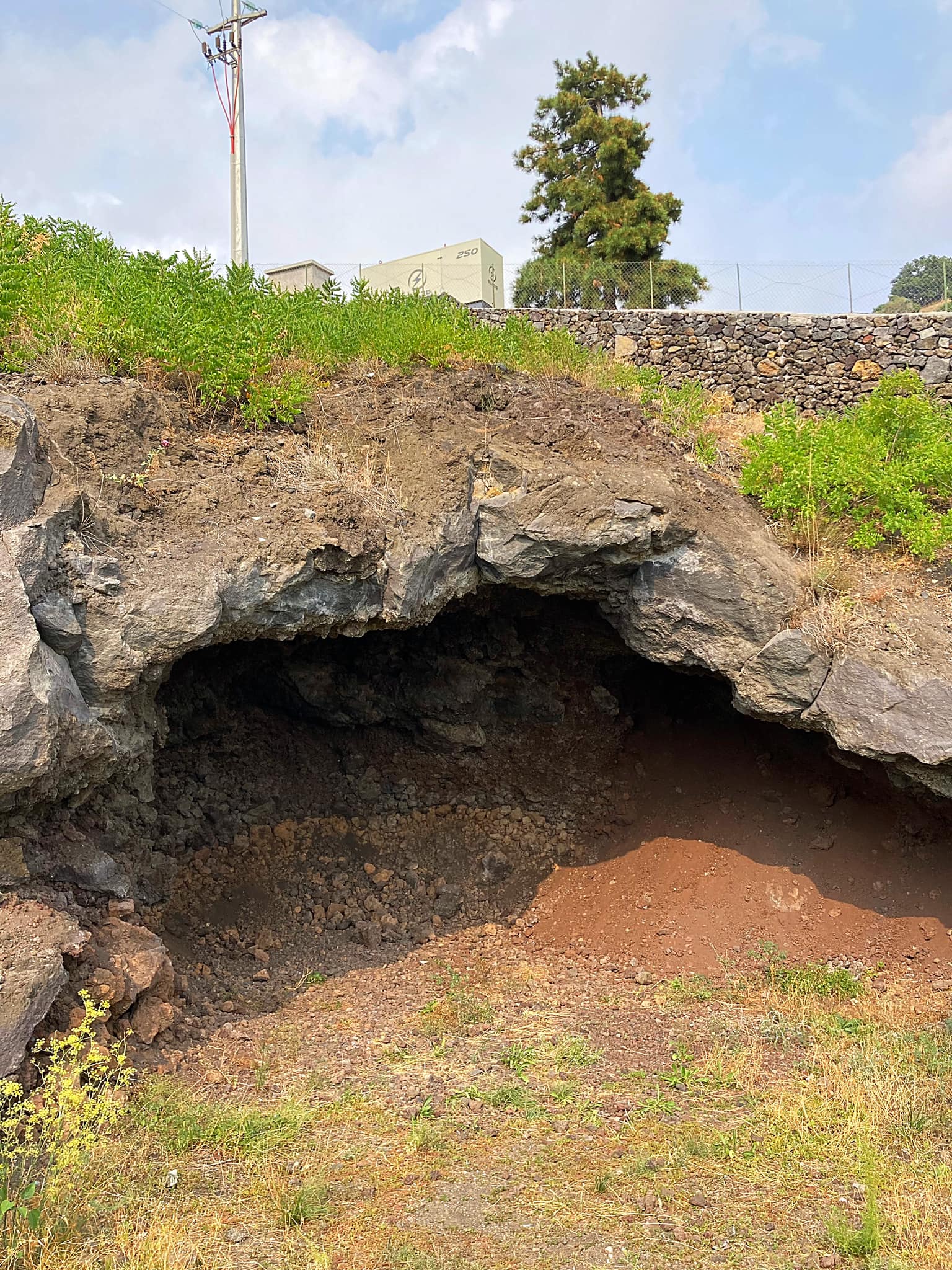

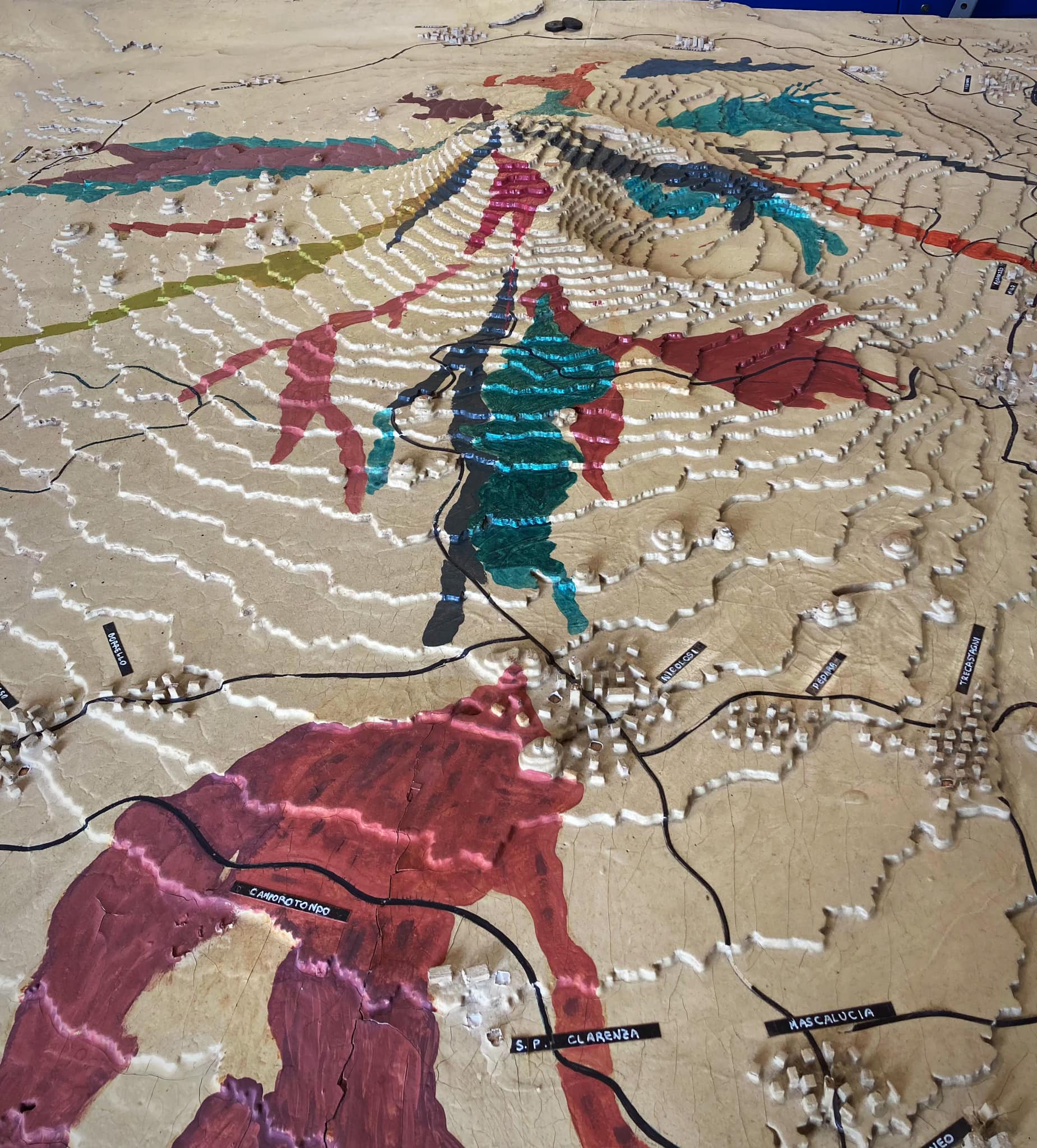
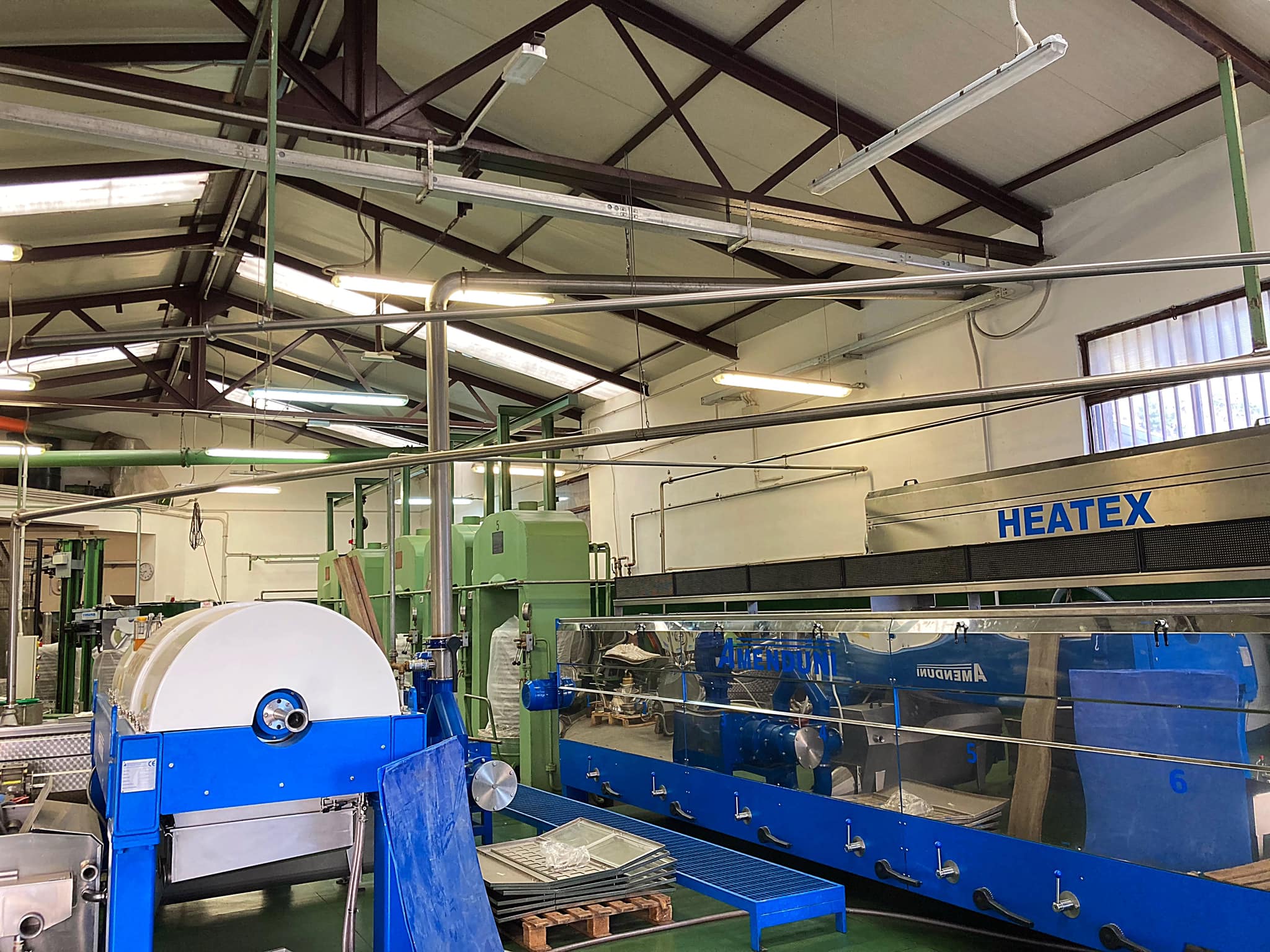
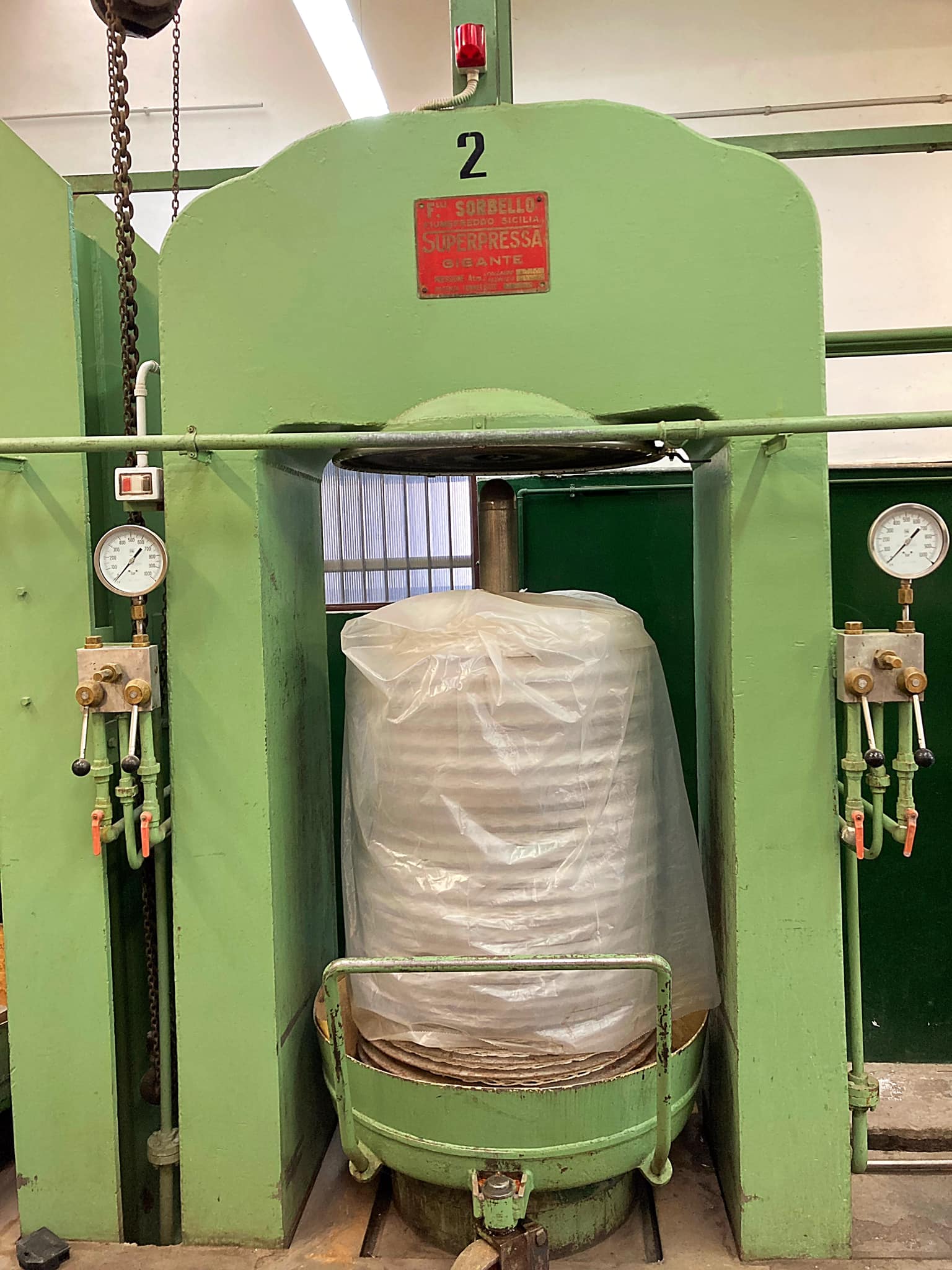

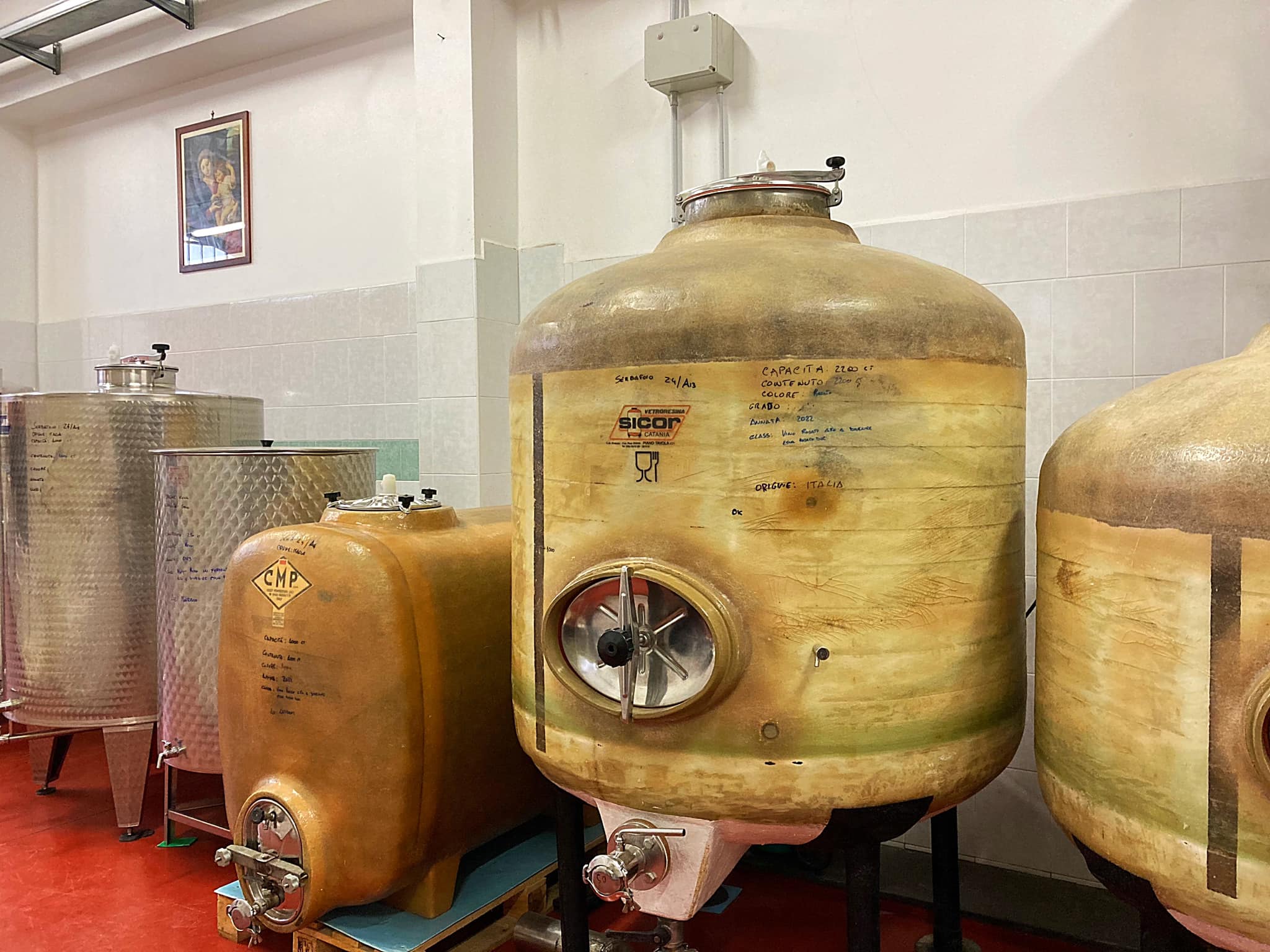
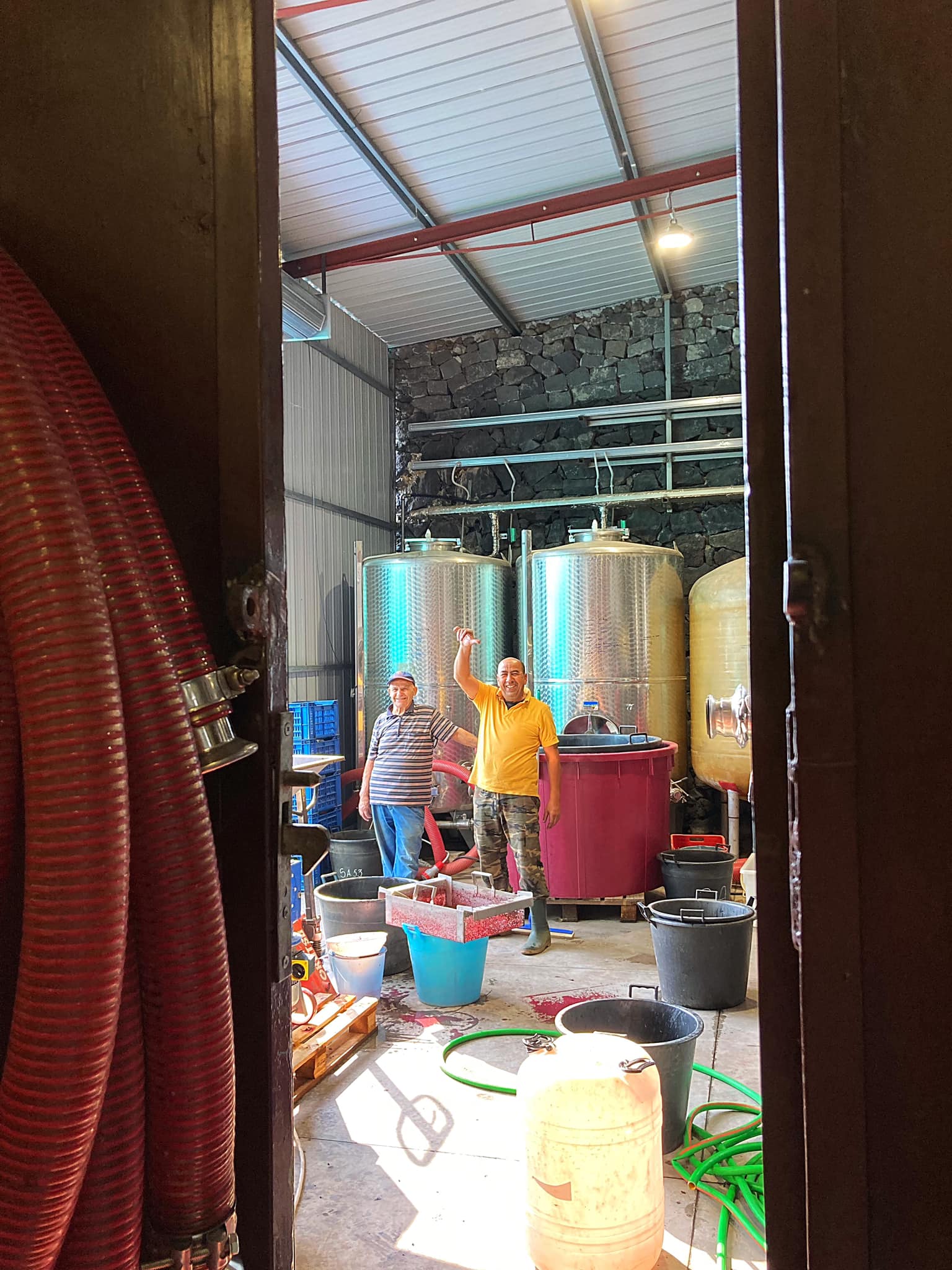
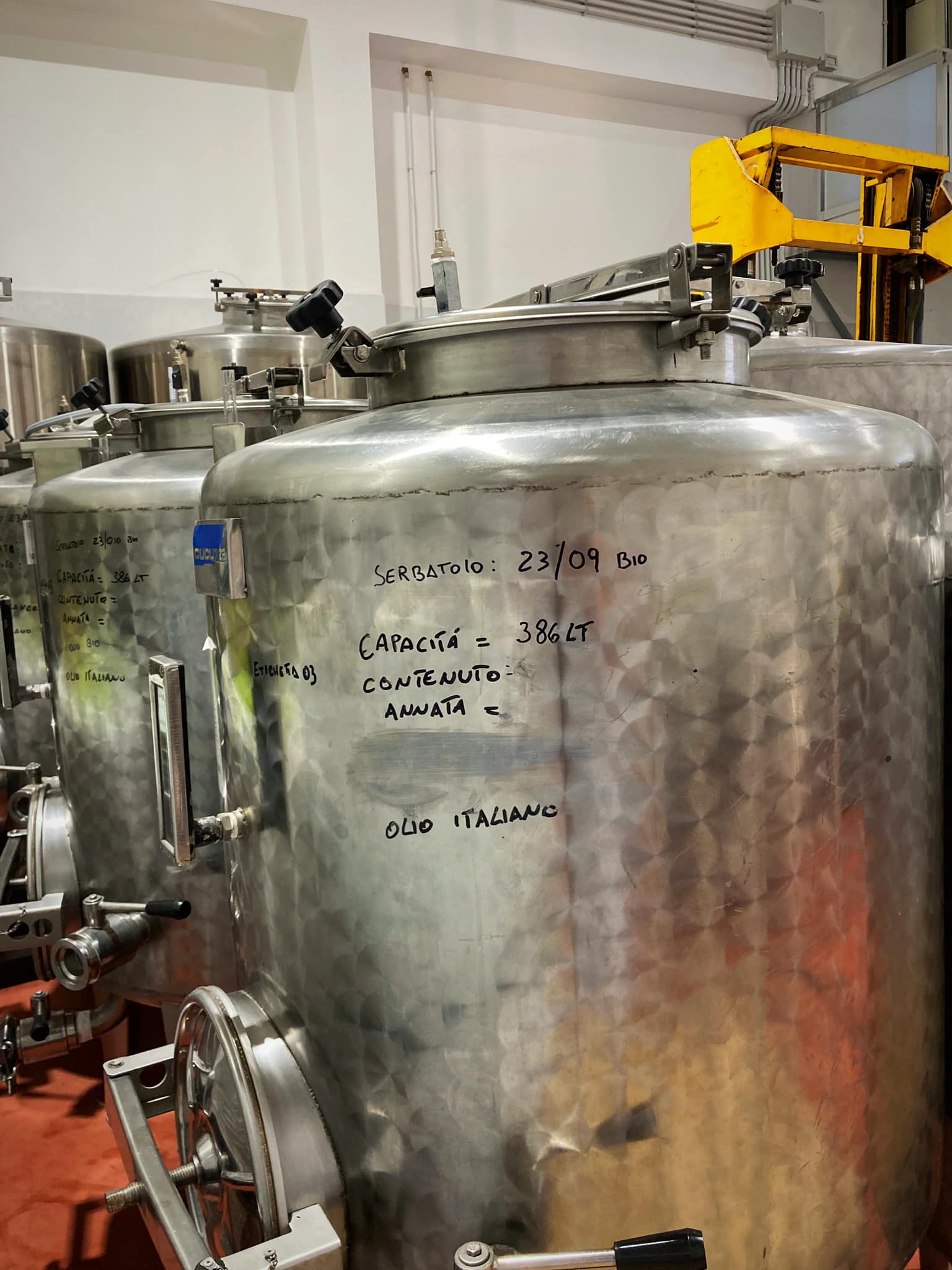


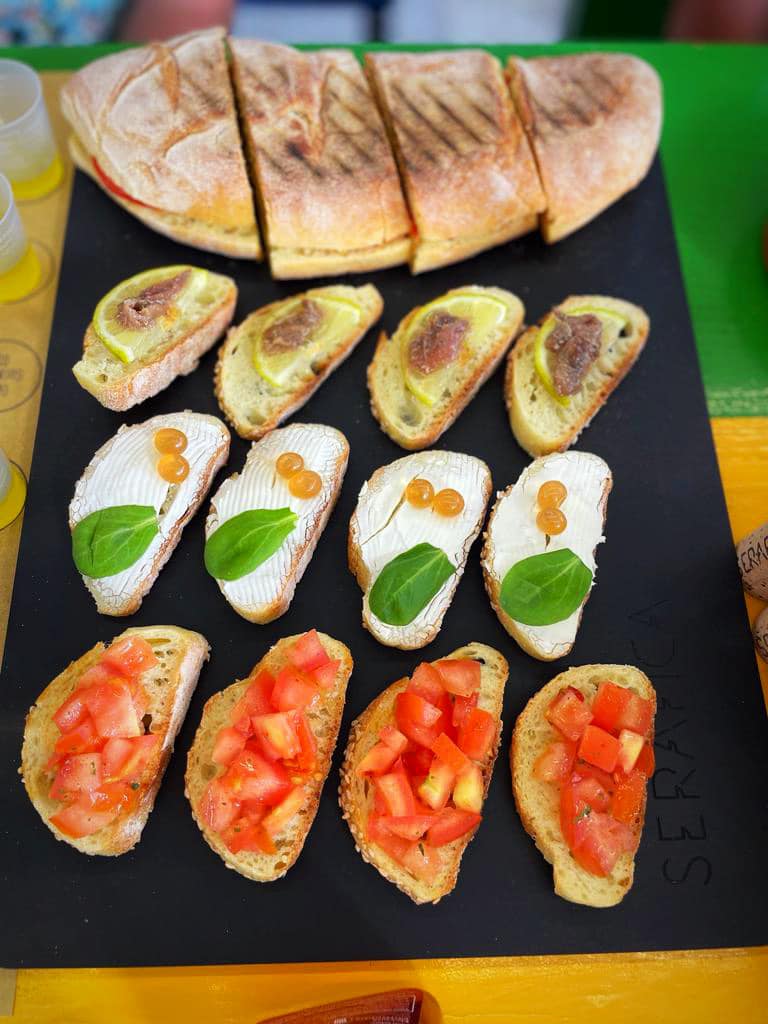
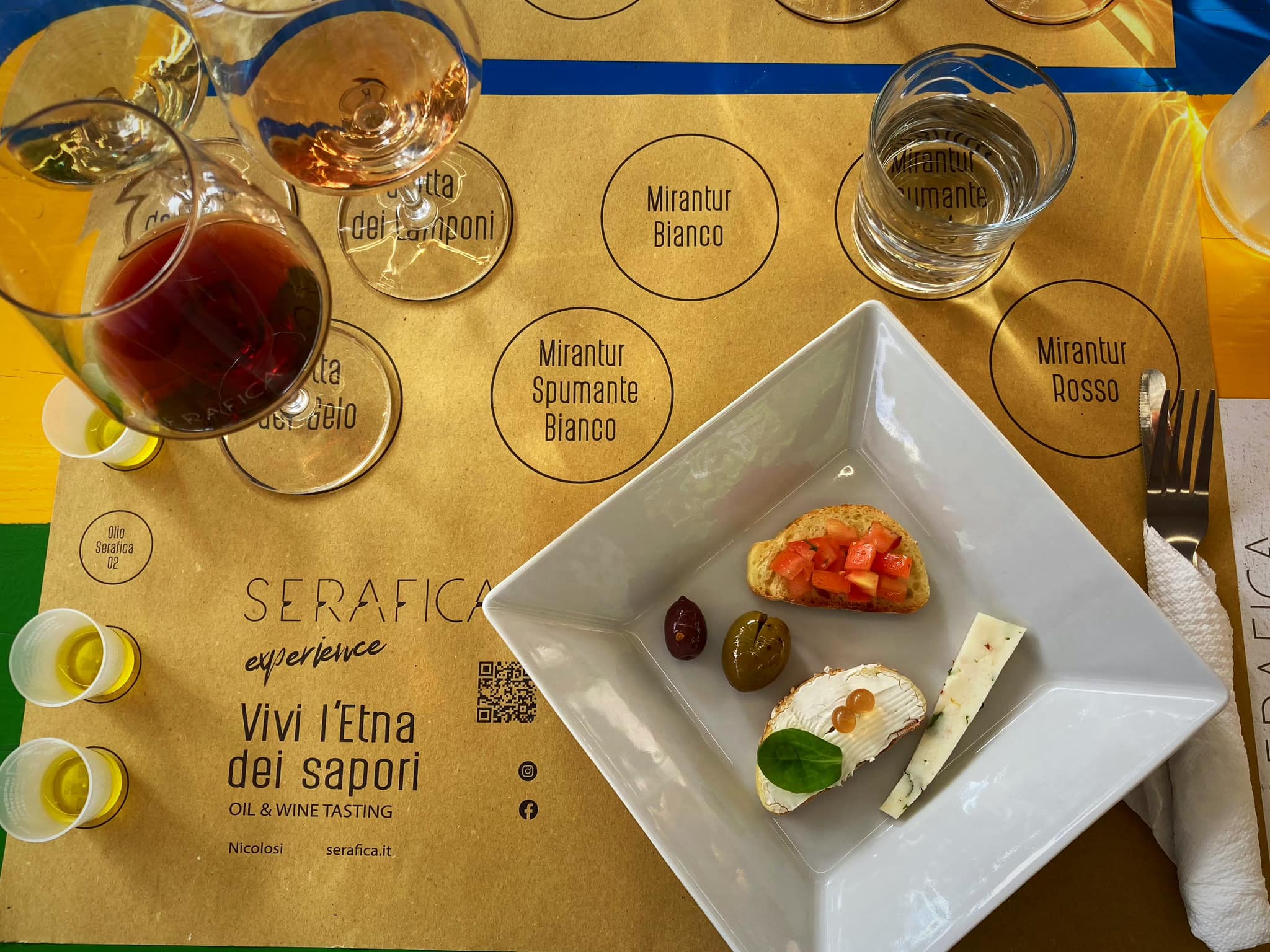

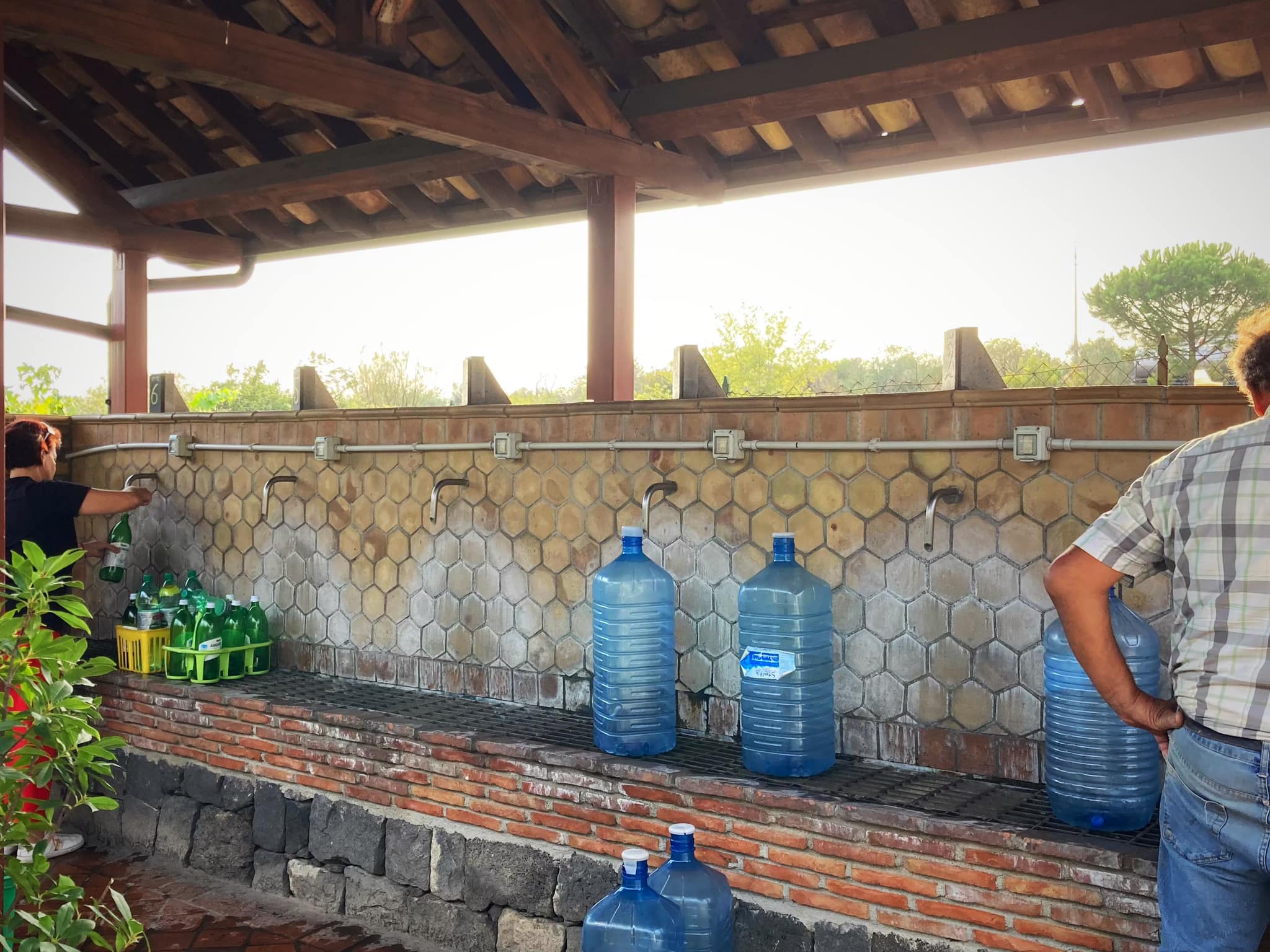
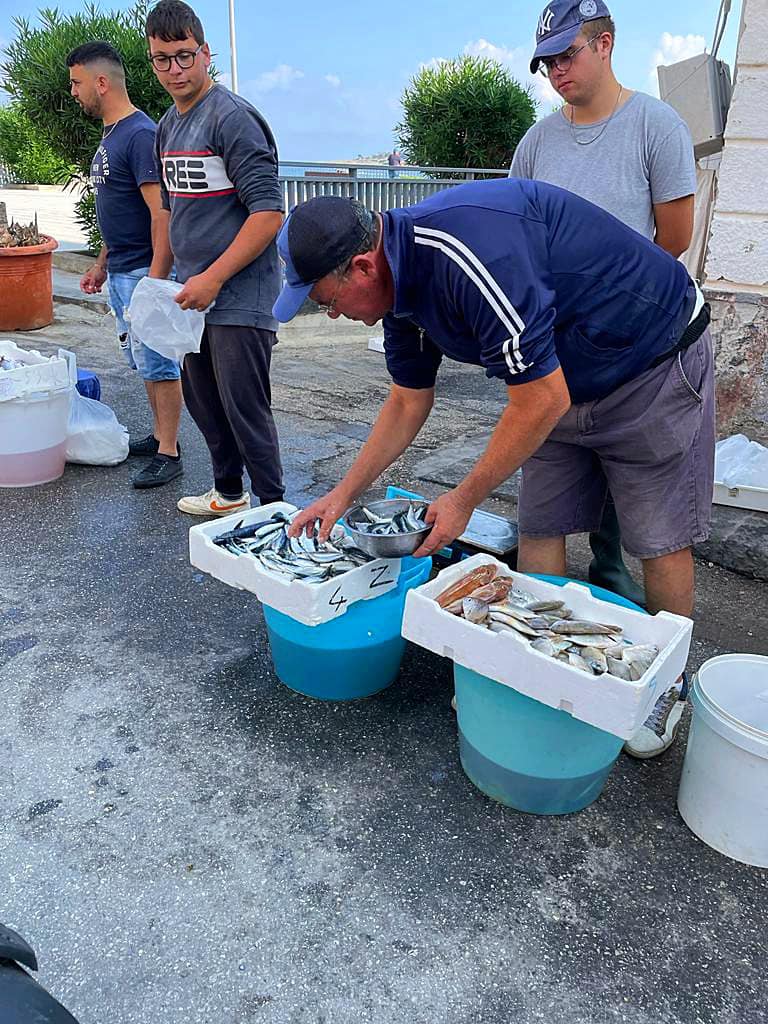

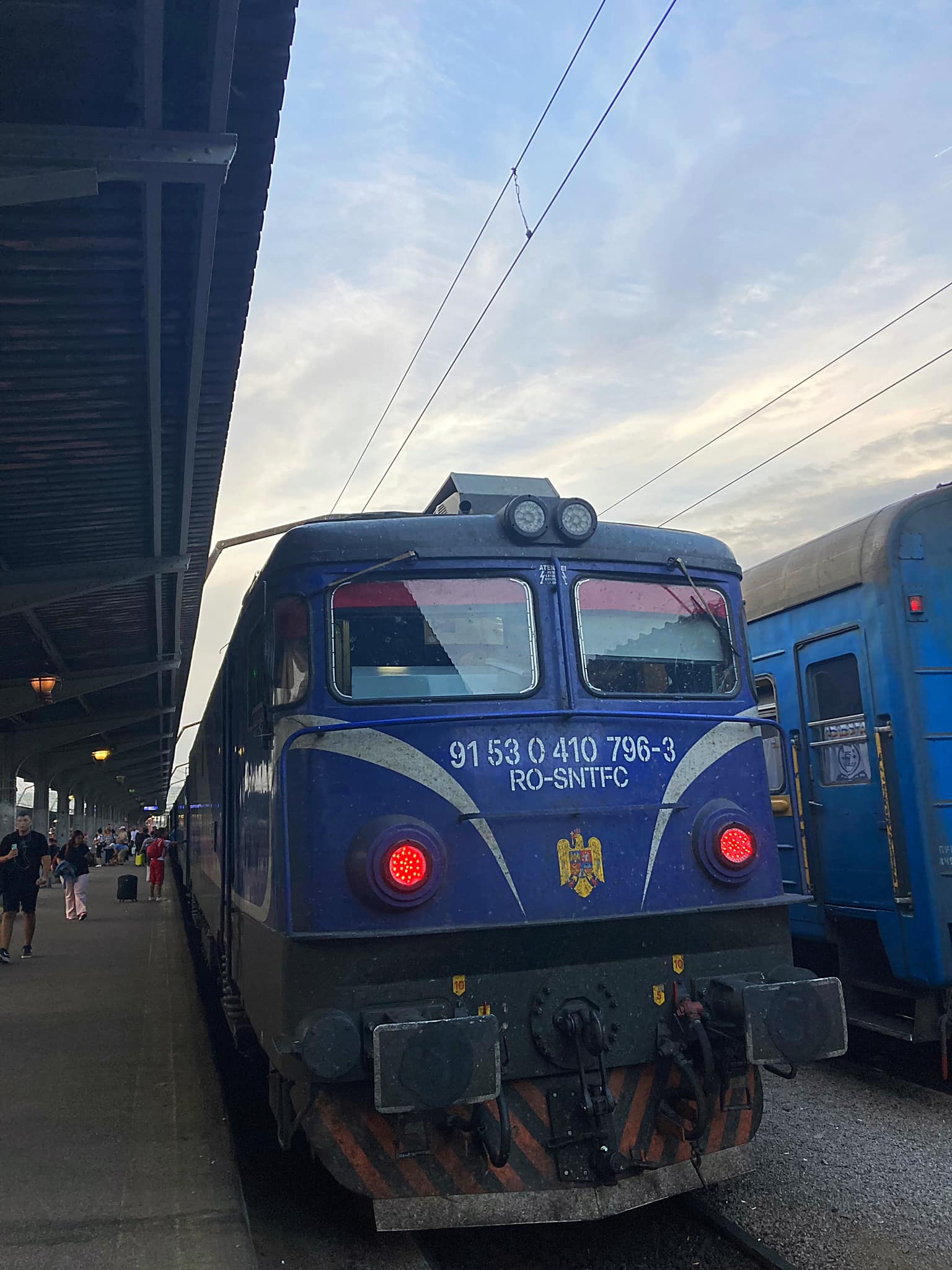
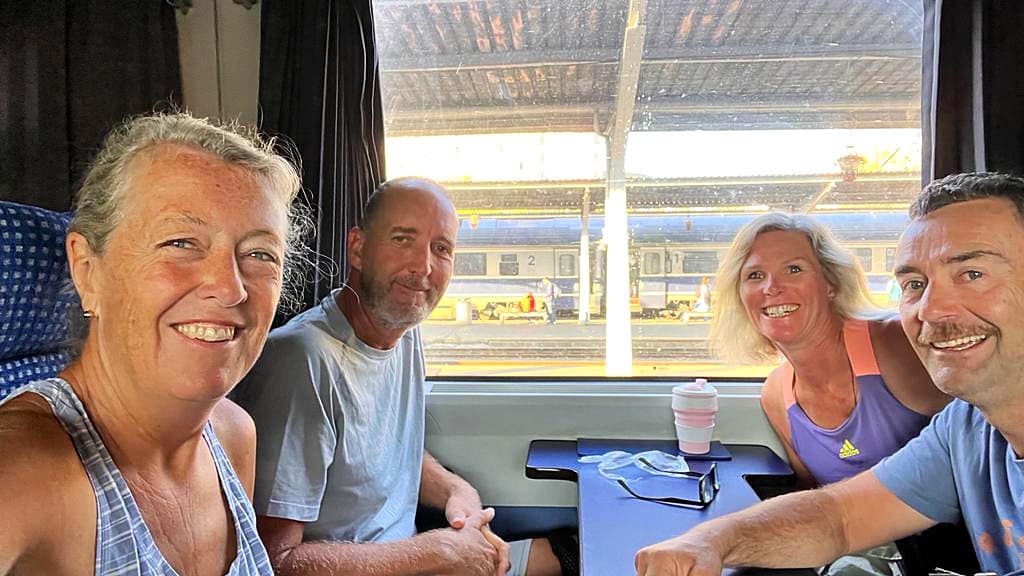

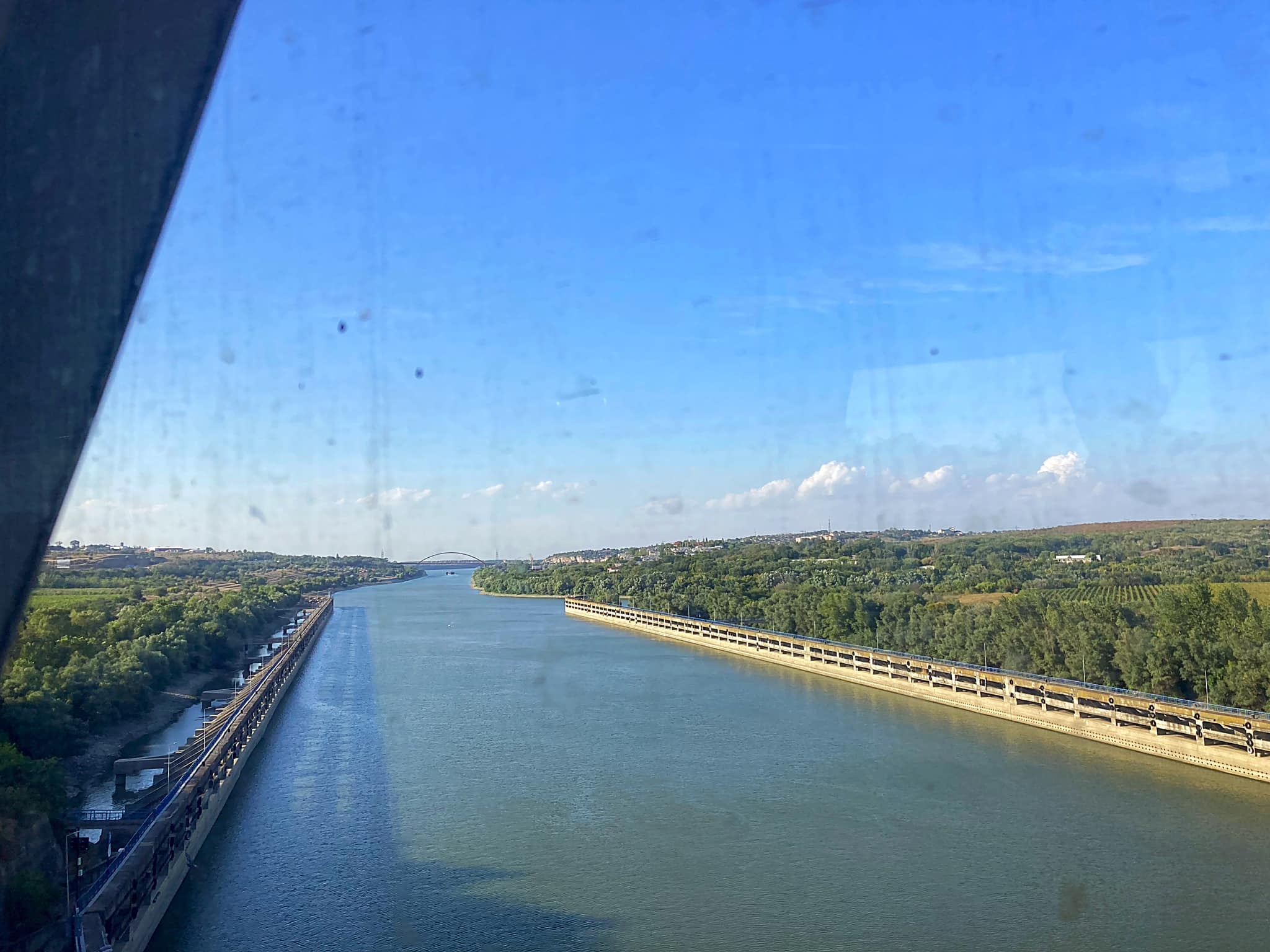

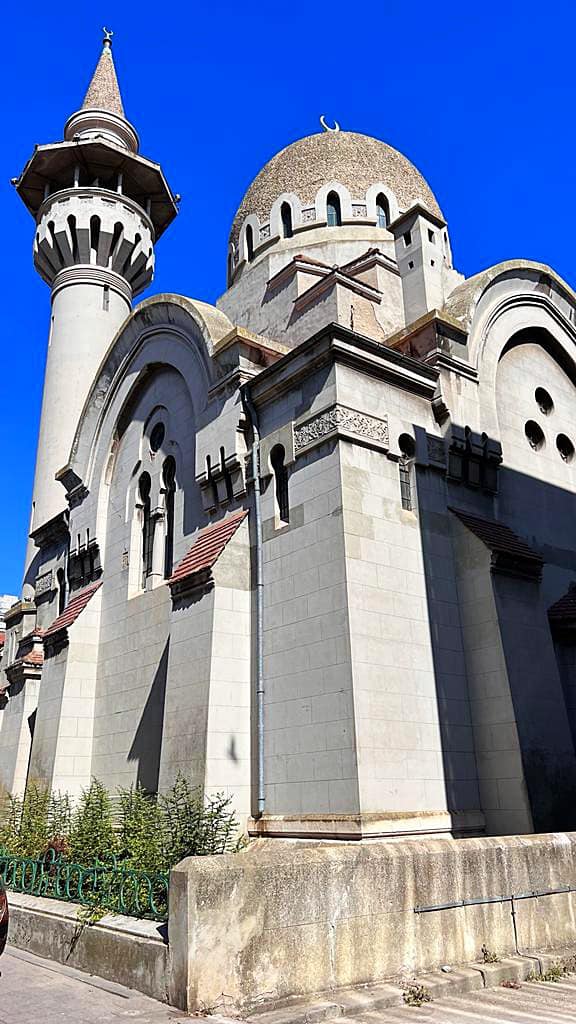
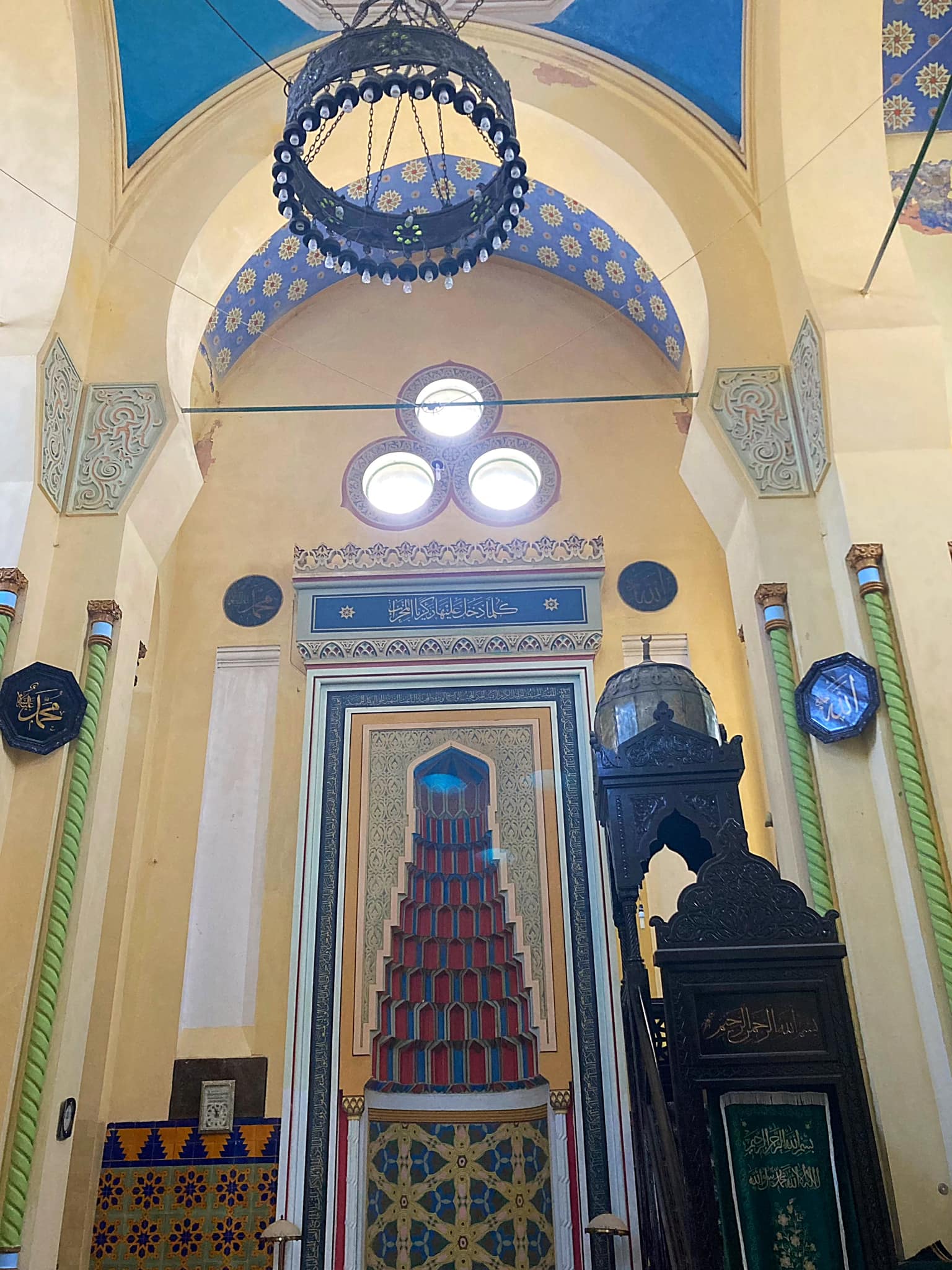
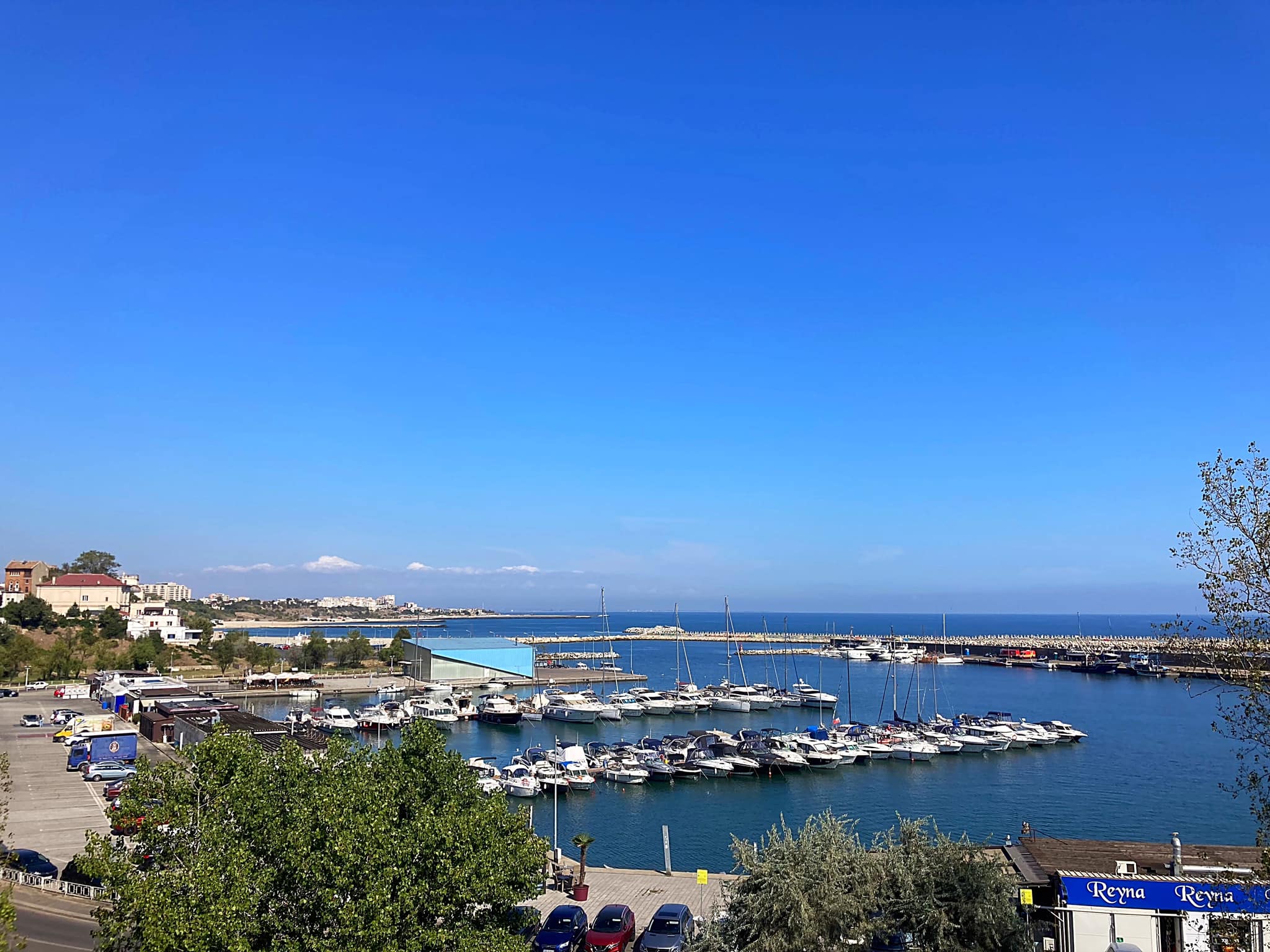
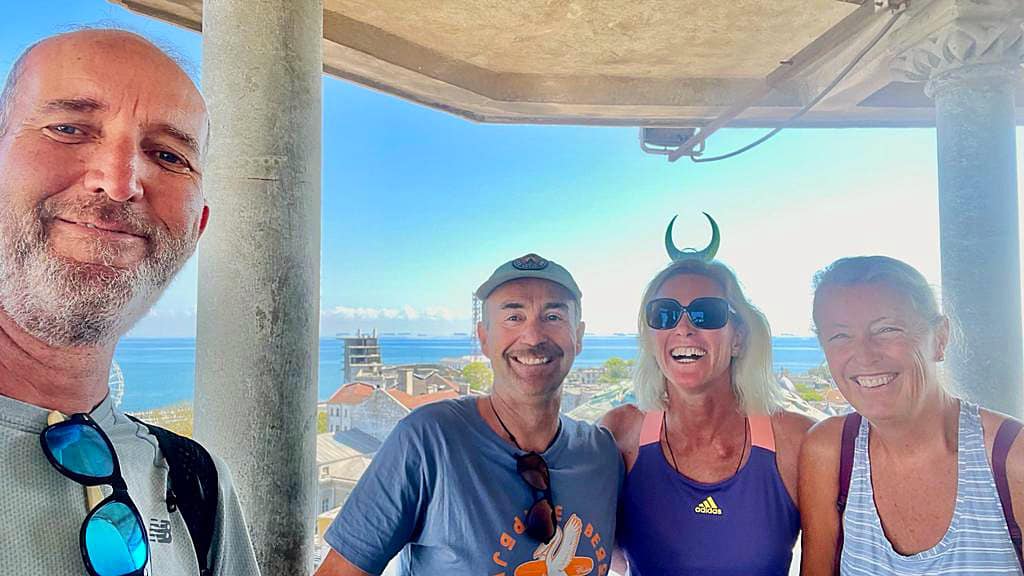
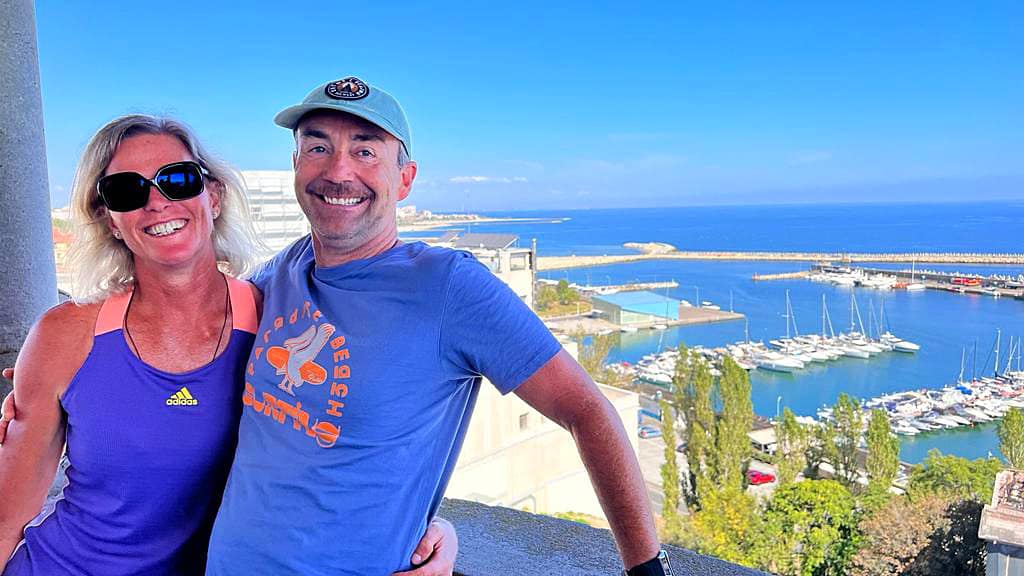
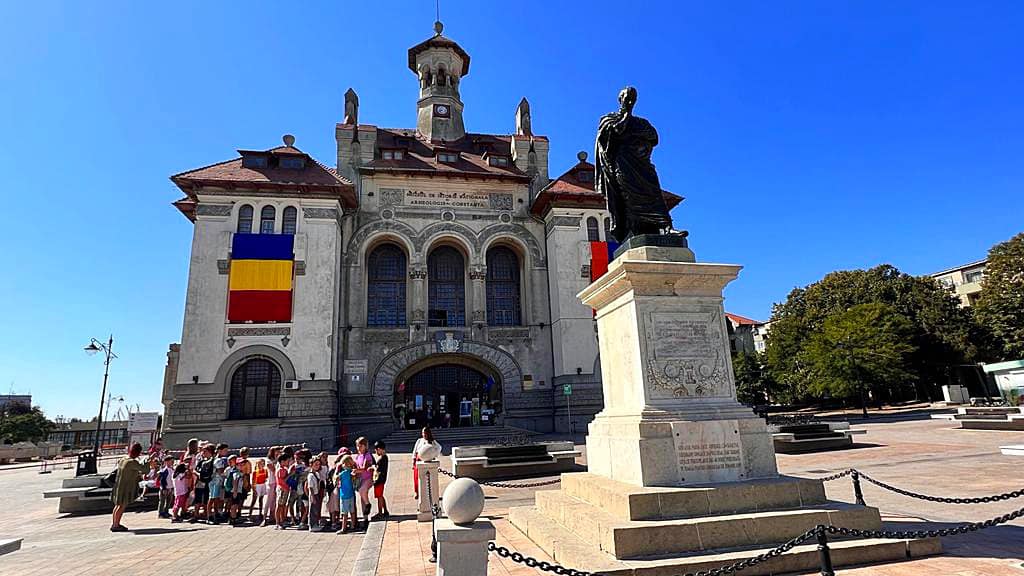


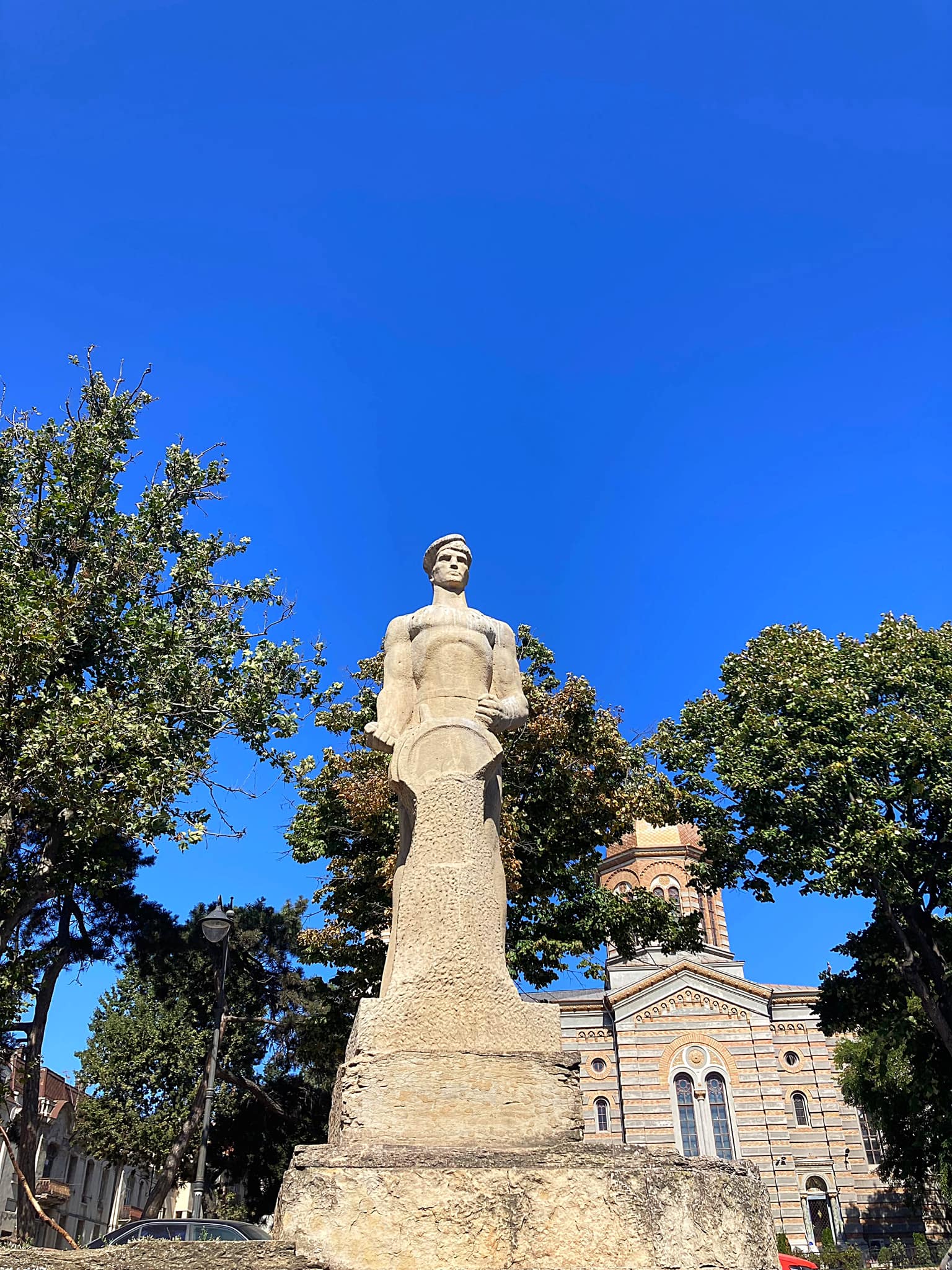
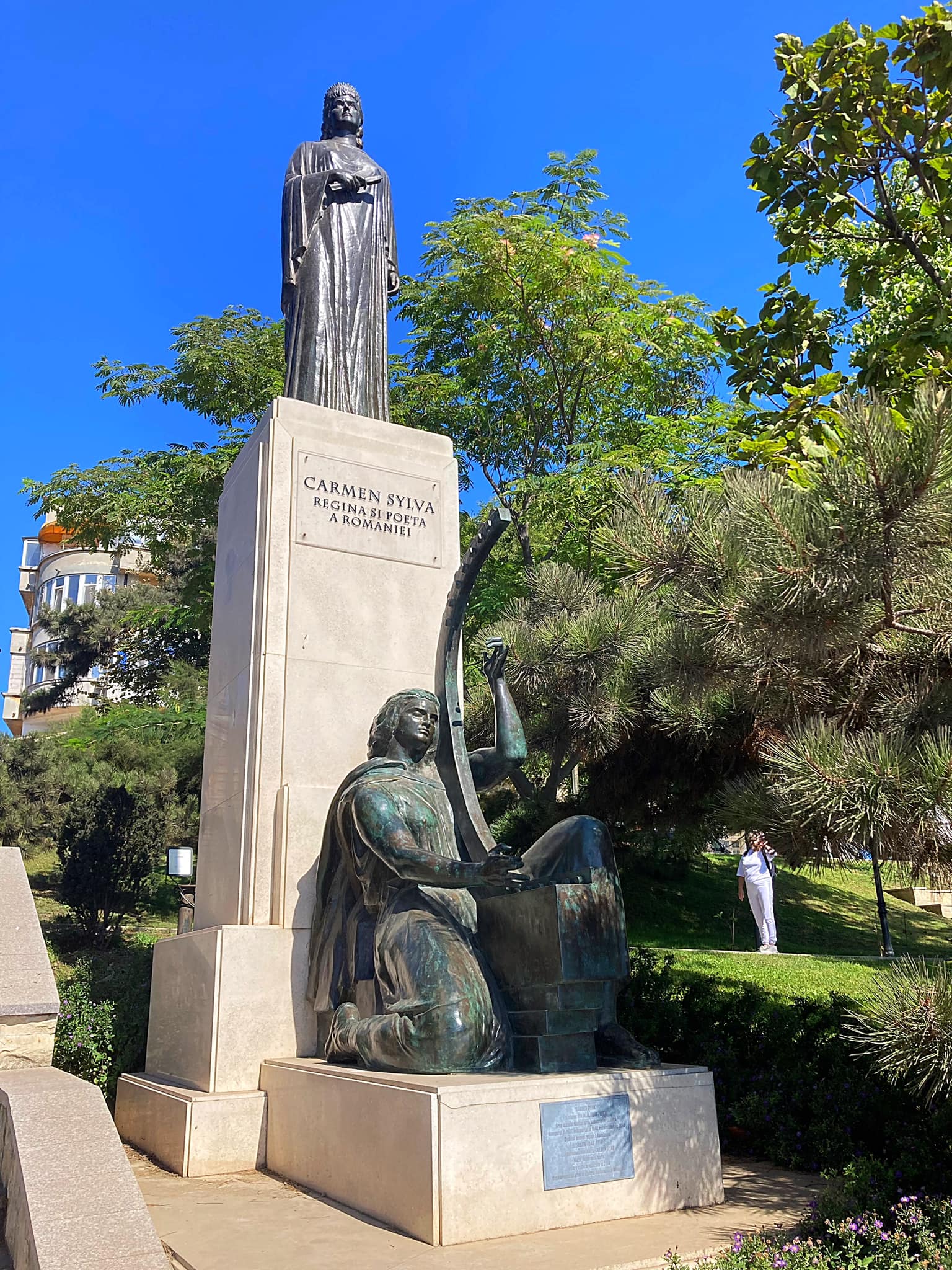
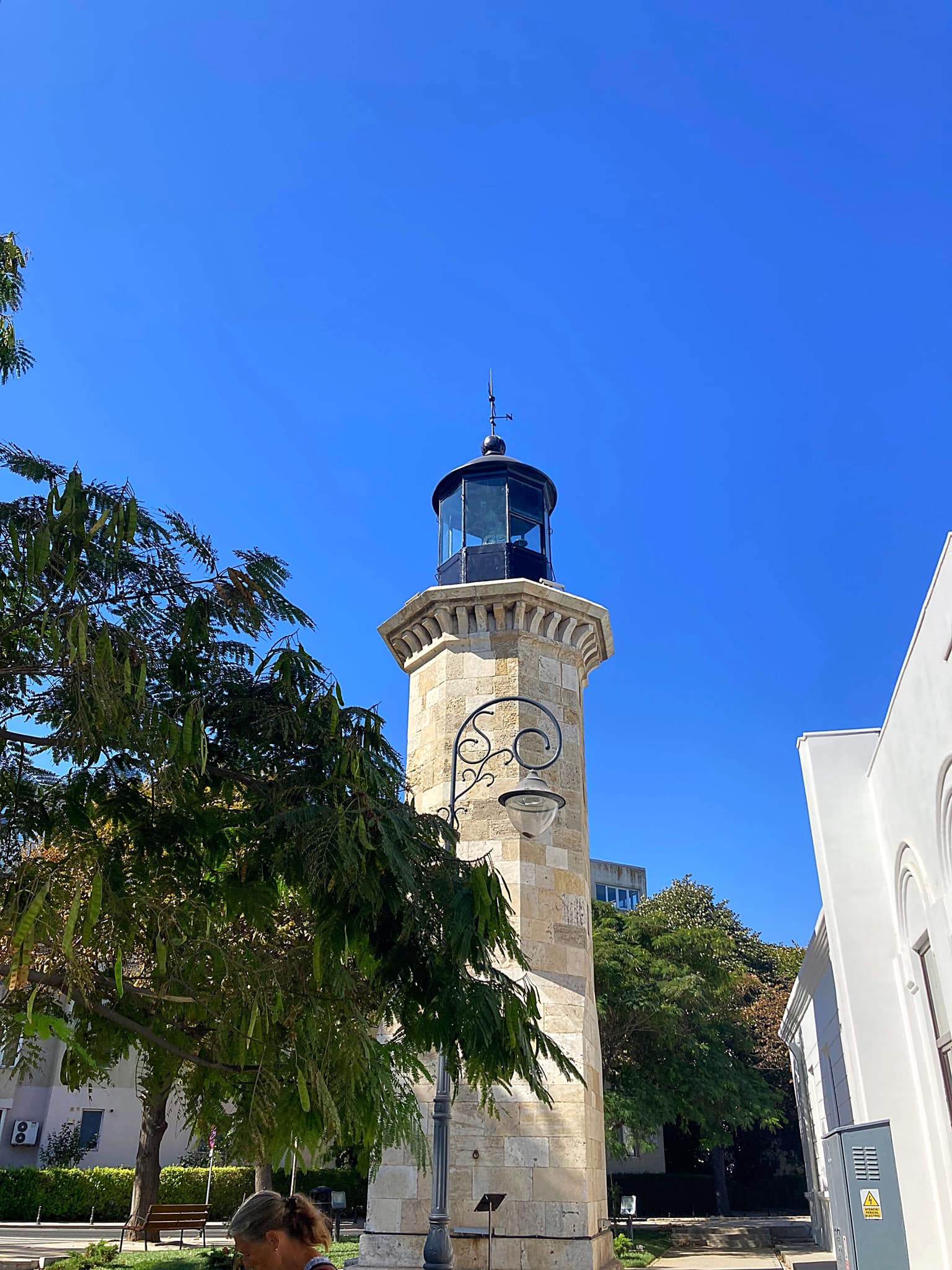


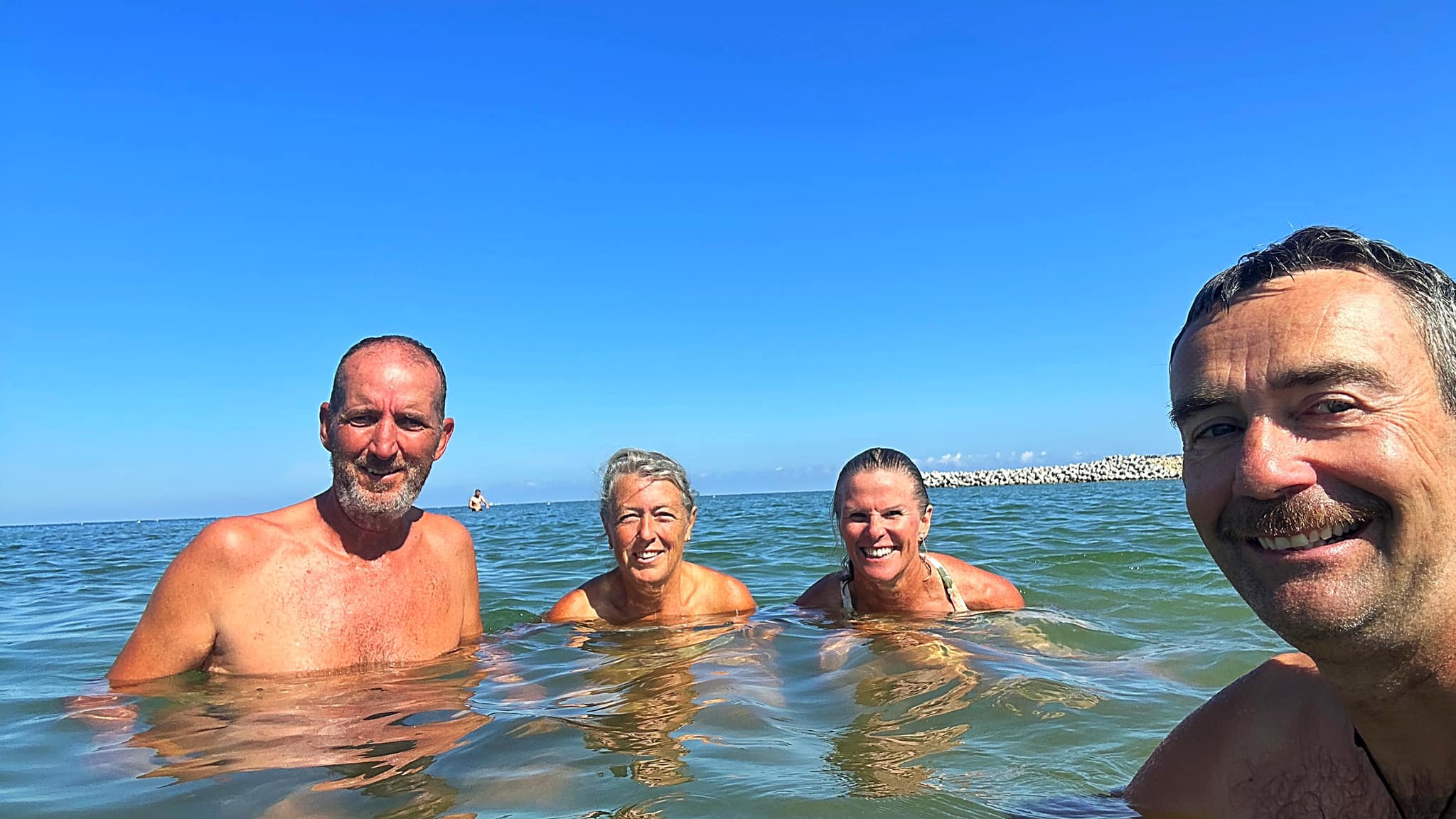

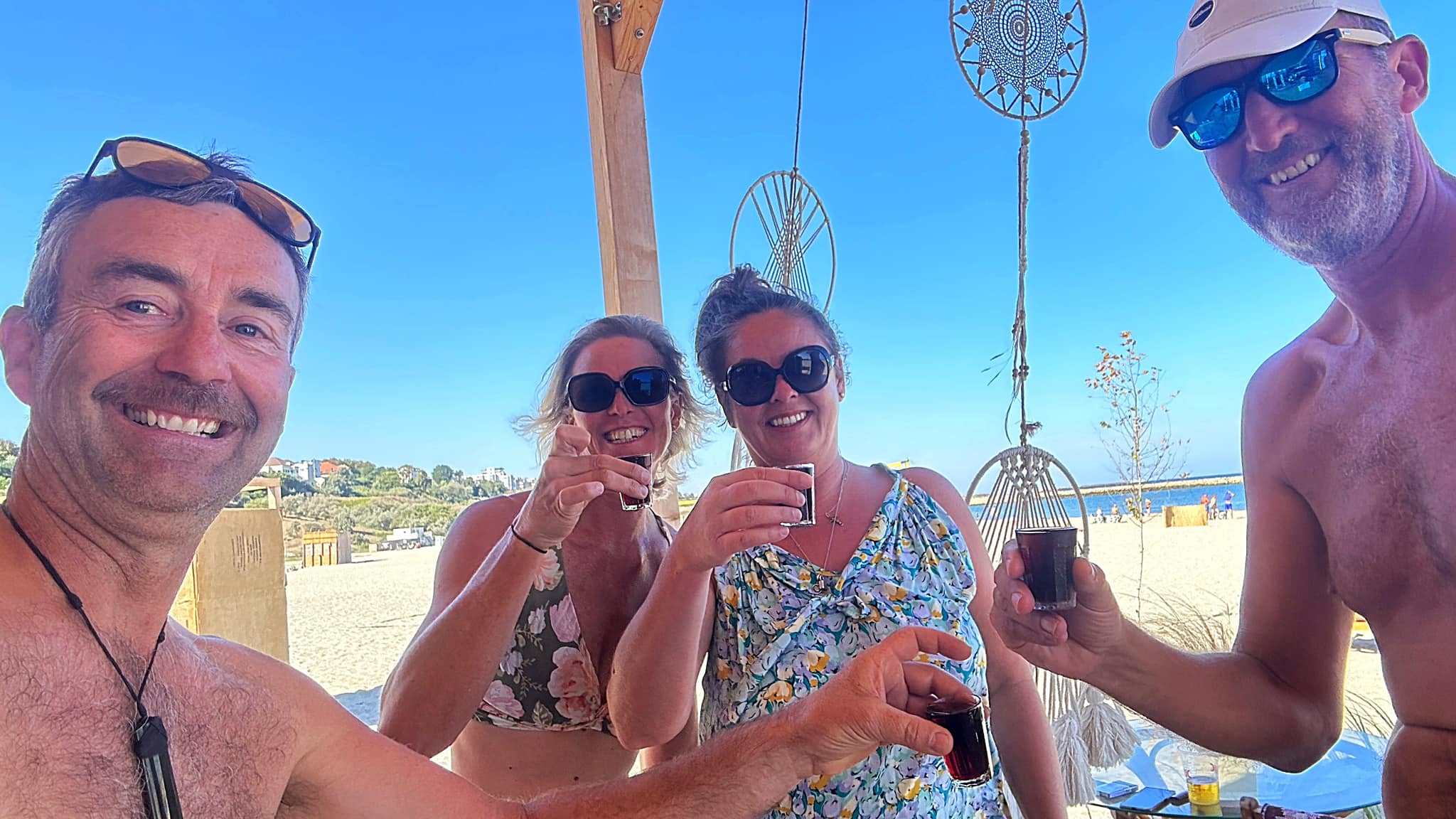


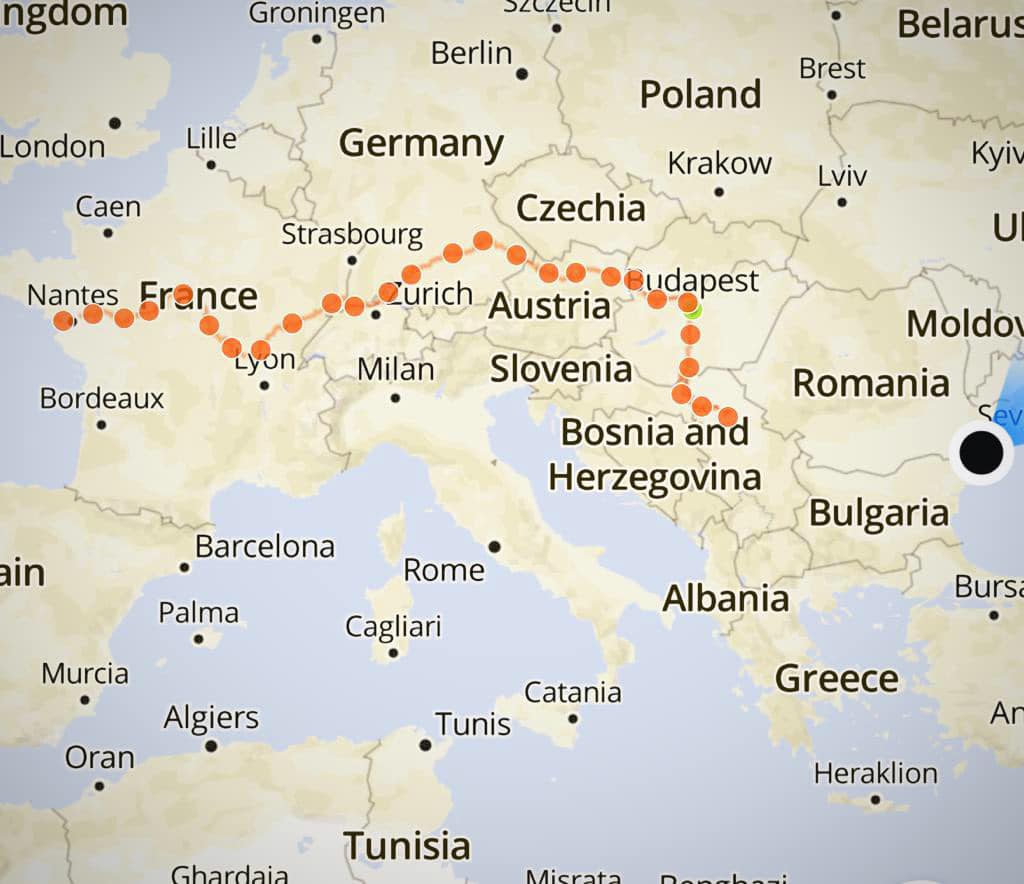
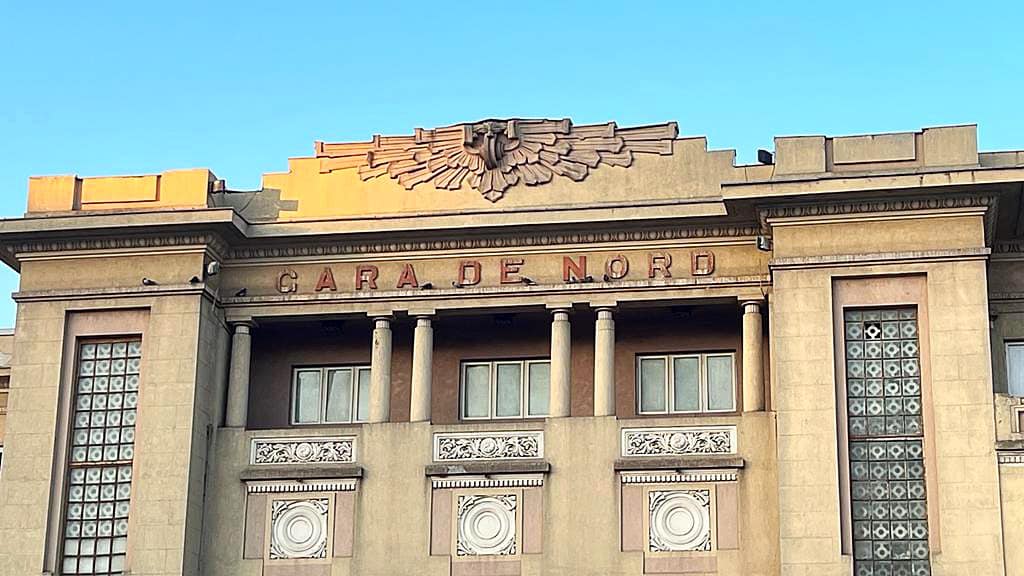
 at Bran Castle in Transylvania. The origins of this castle go back to 1212. The fortress is on the Transylvanian side of the historical border with Wallachia. Wallachia has always been part of the Romanian Empire whereas Transylvania was part of Hungary. With the 1920 Treaty of Trianon, Hungary lost Transylvania, and the castle became a royal residence within the Kingdom of Romania.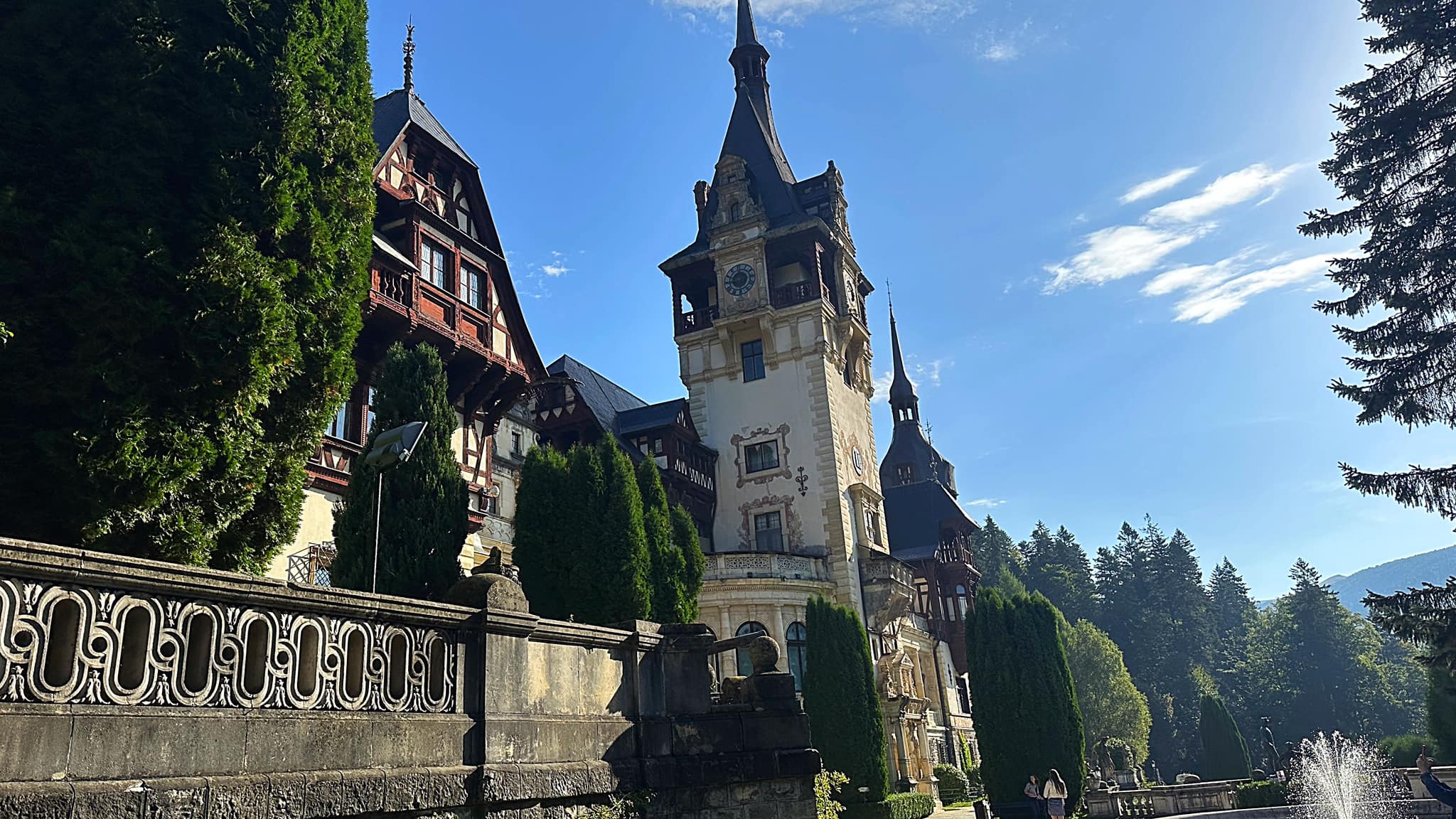
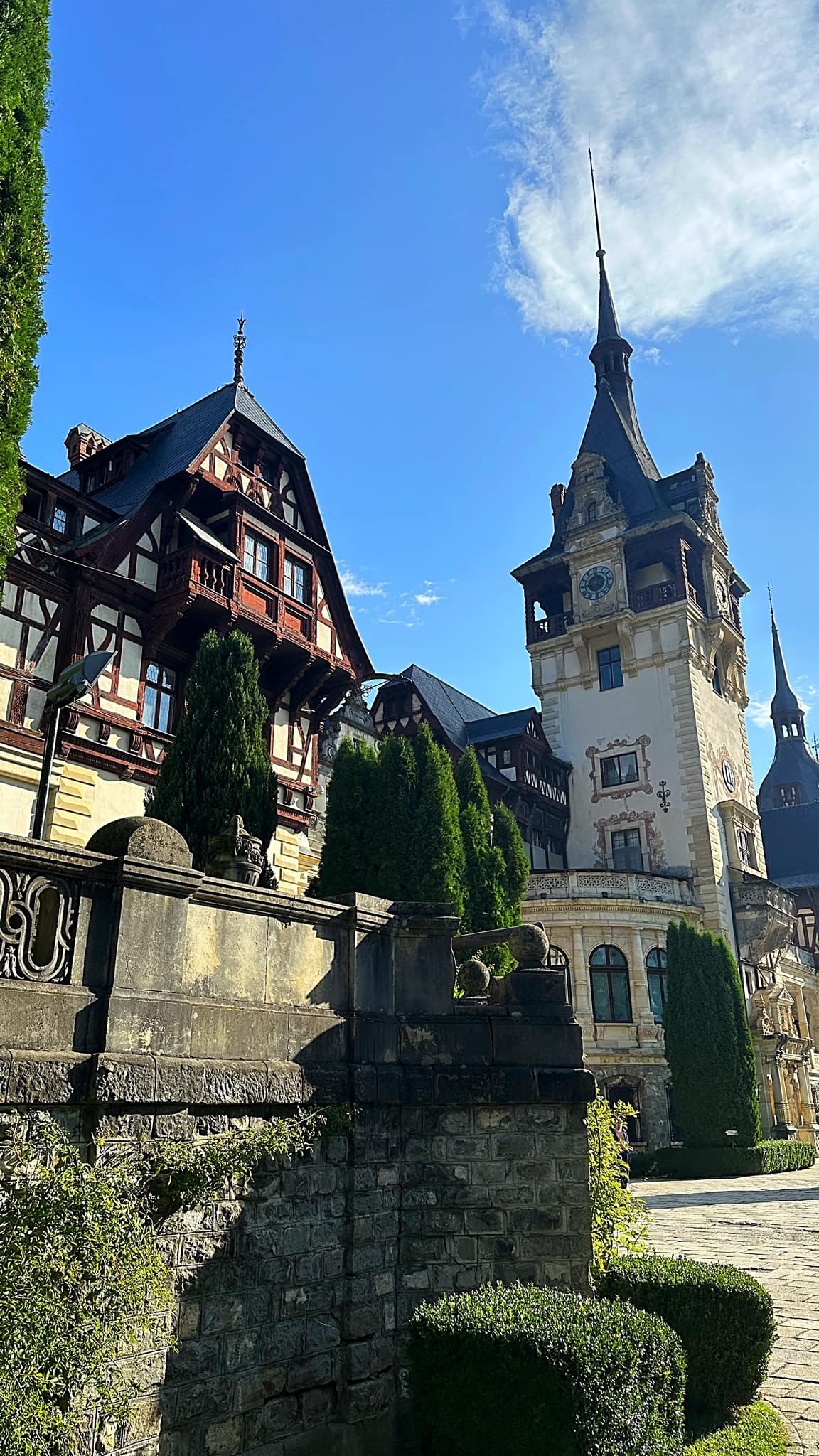


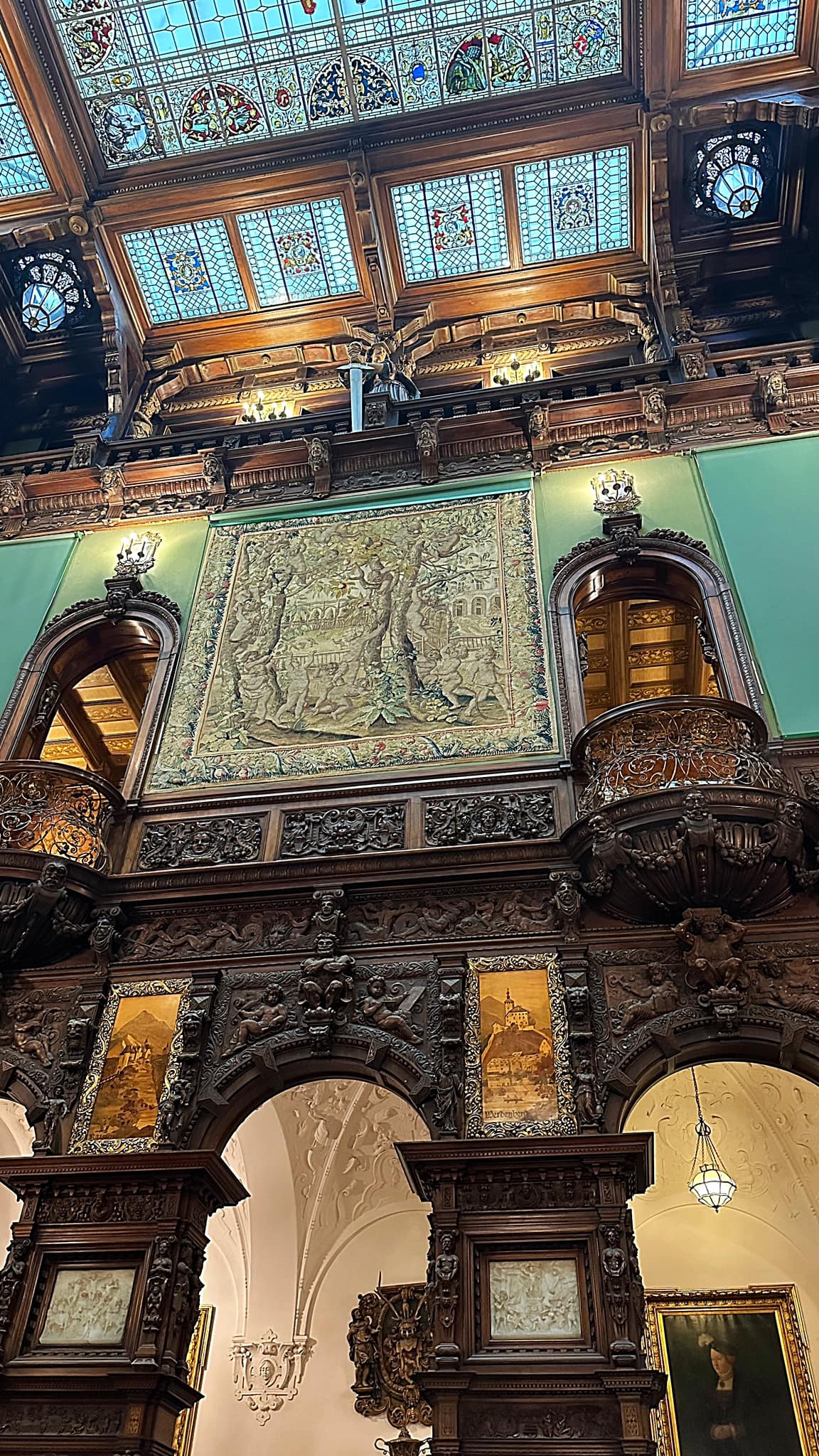
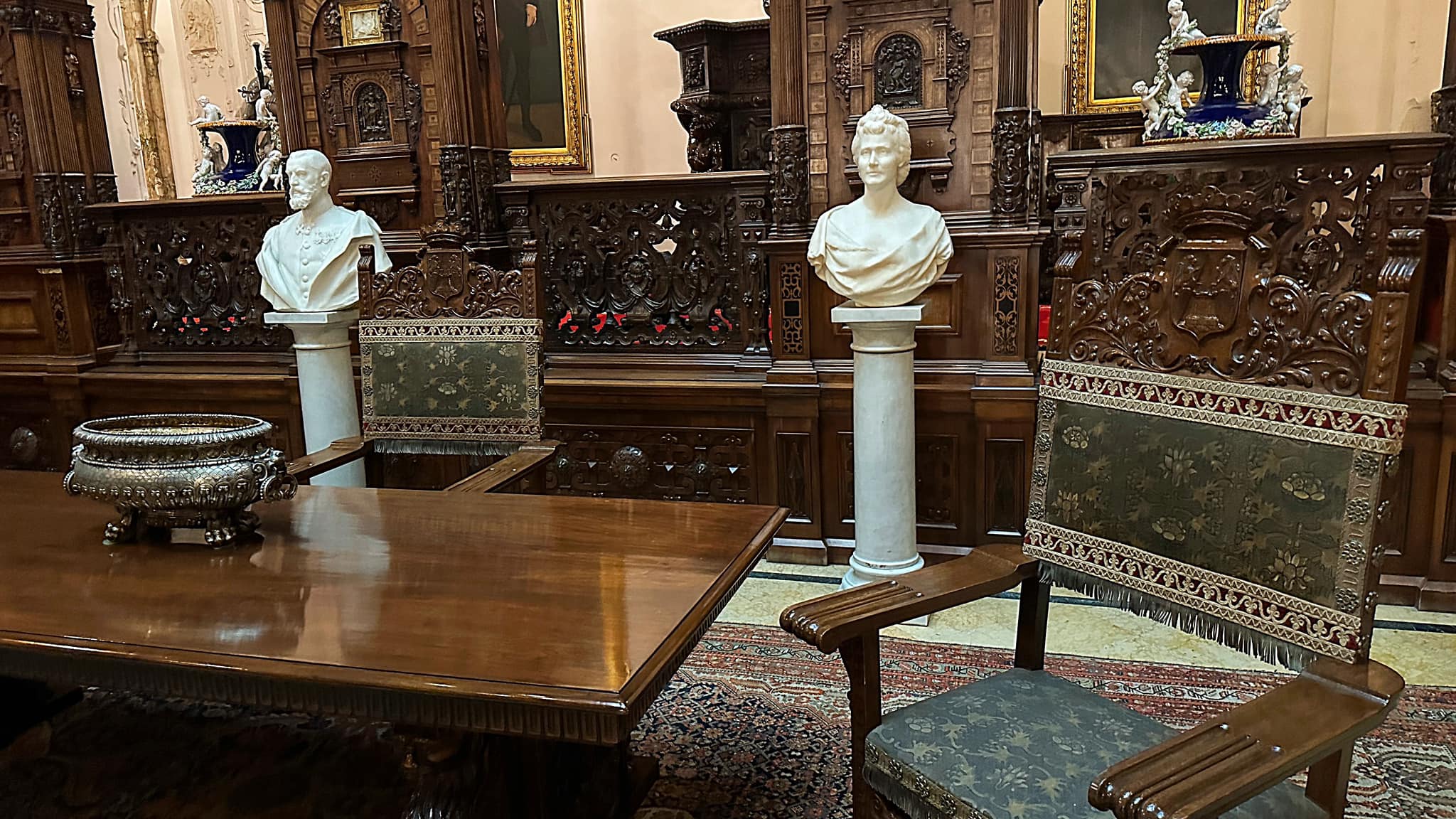


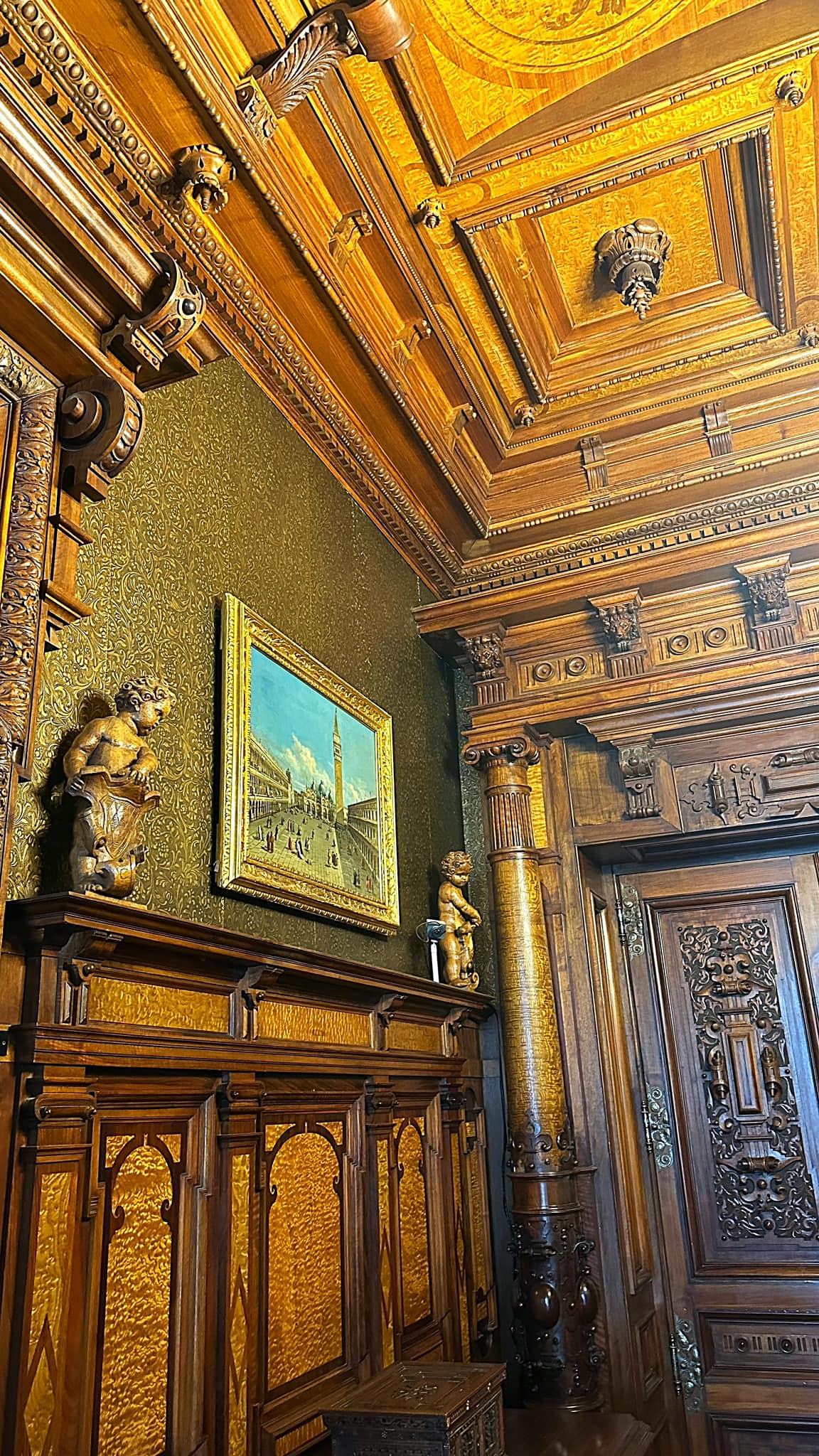

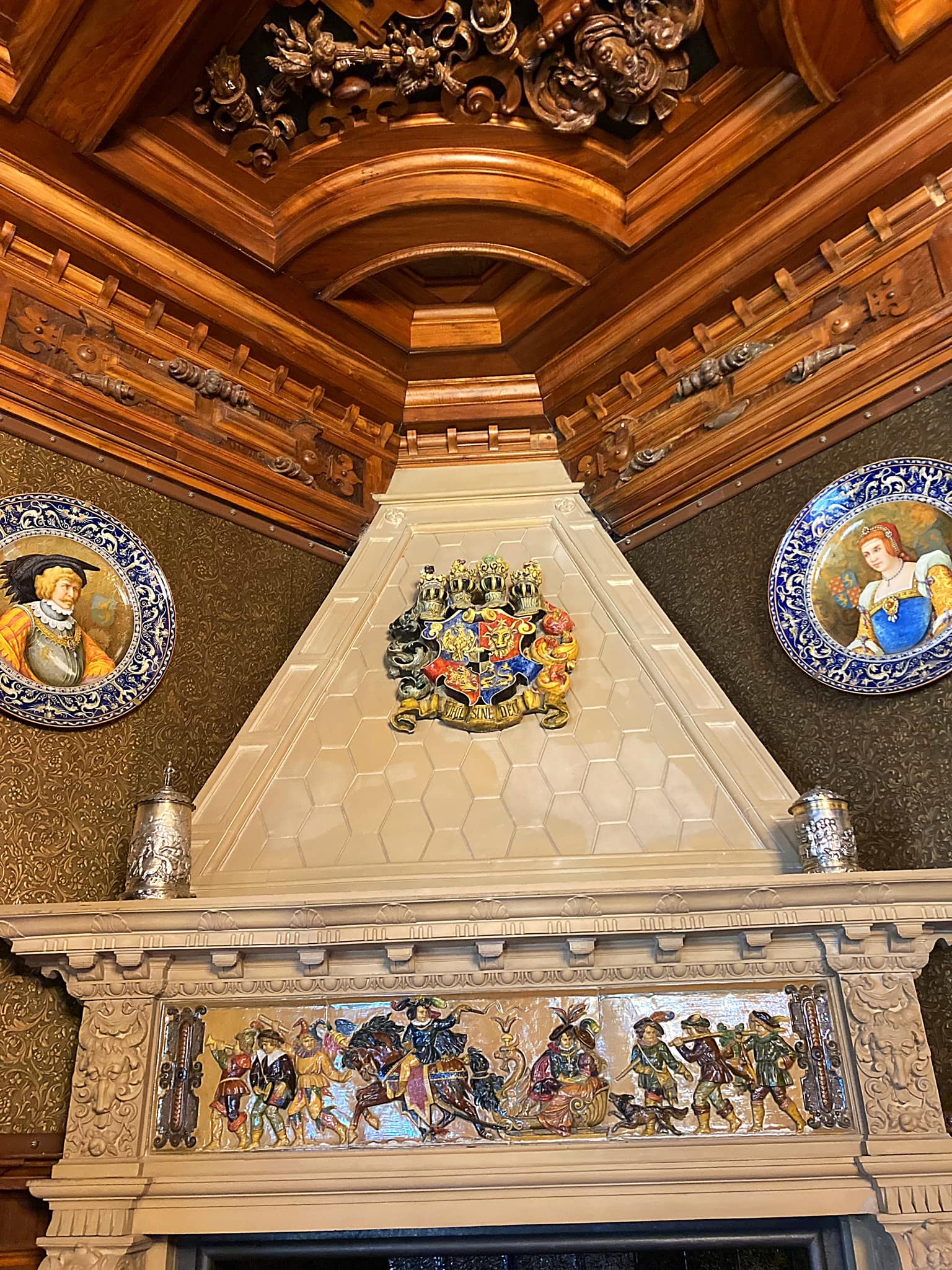

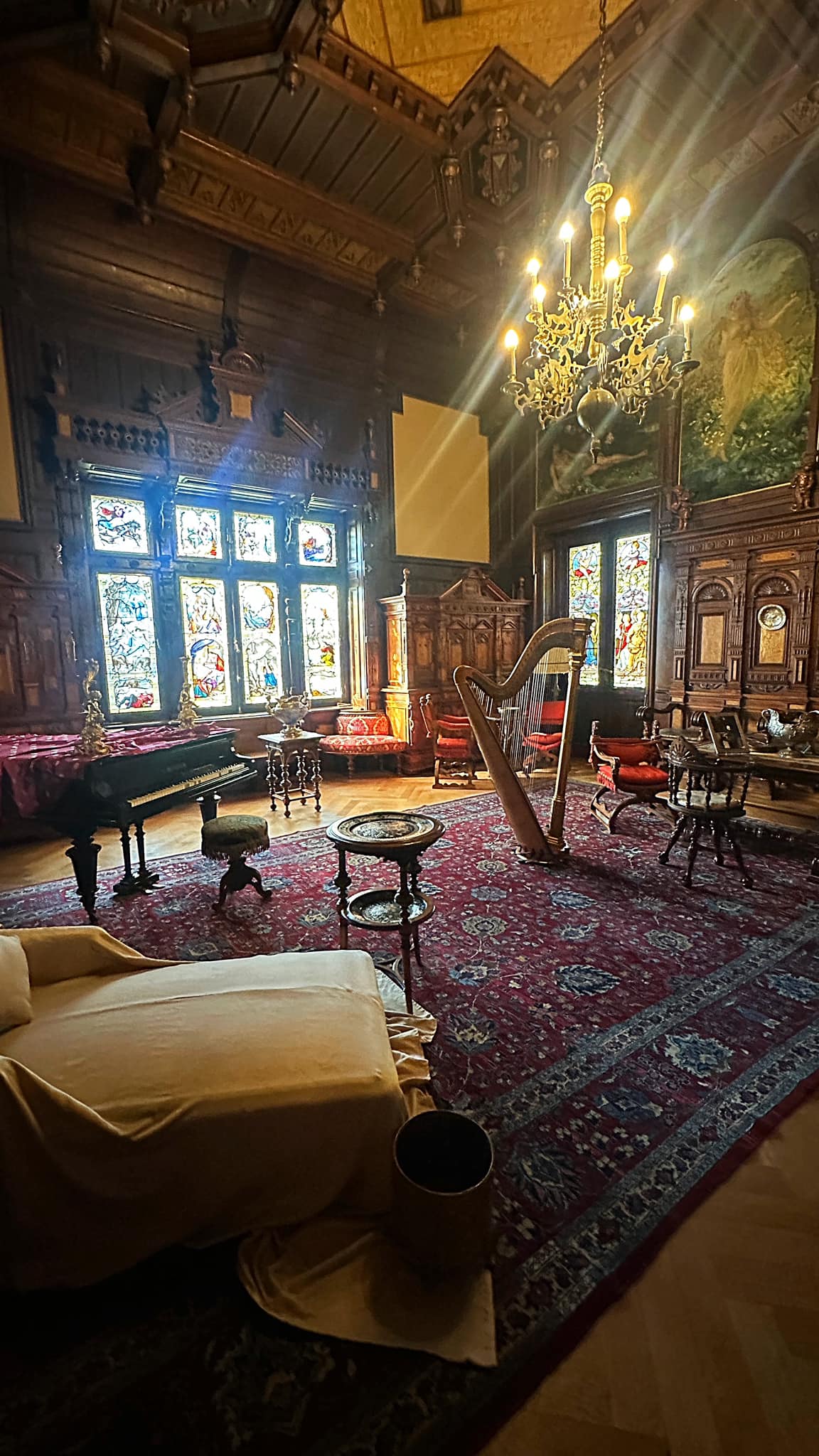


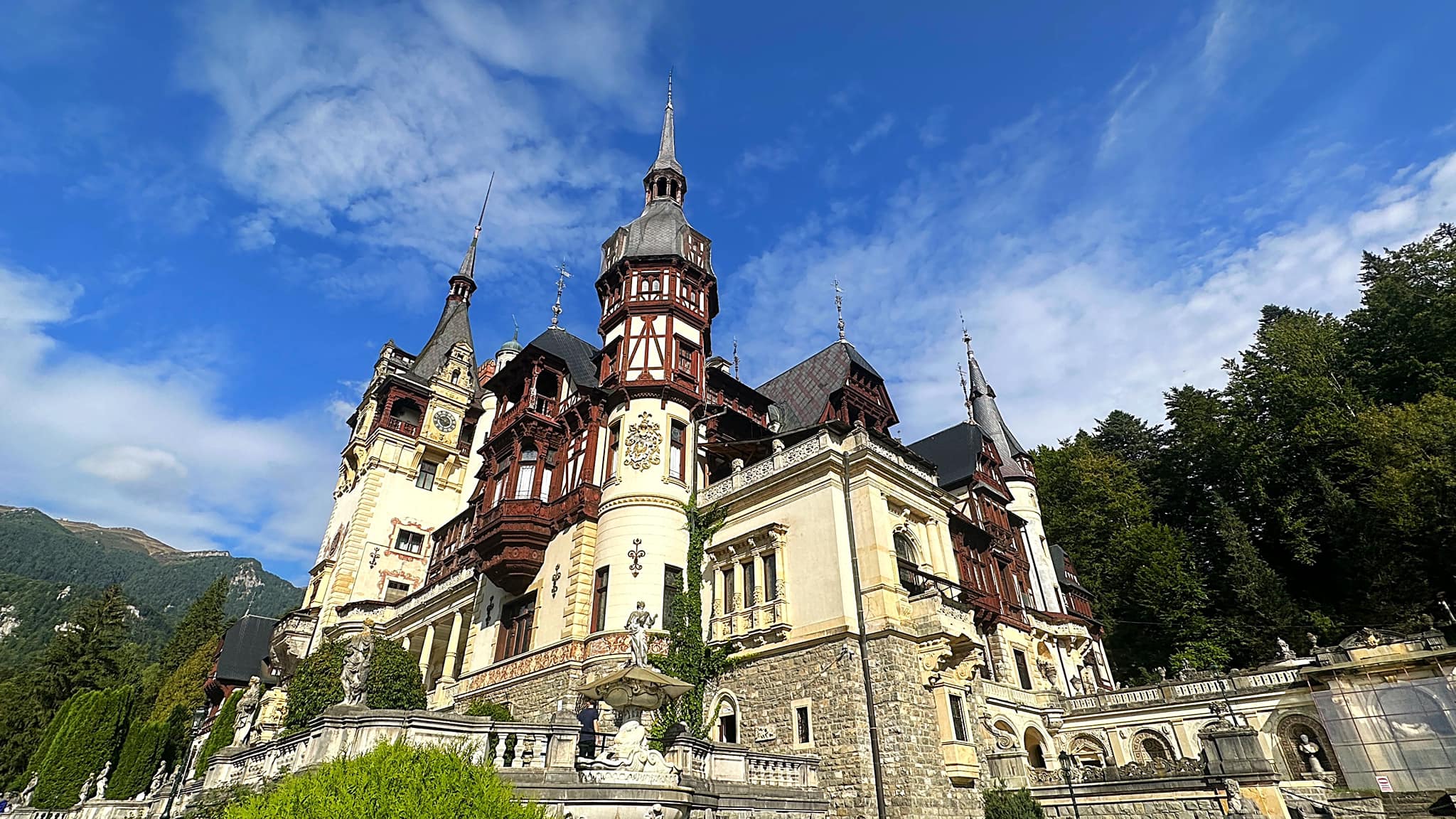
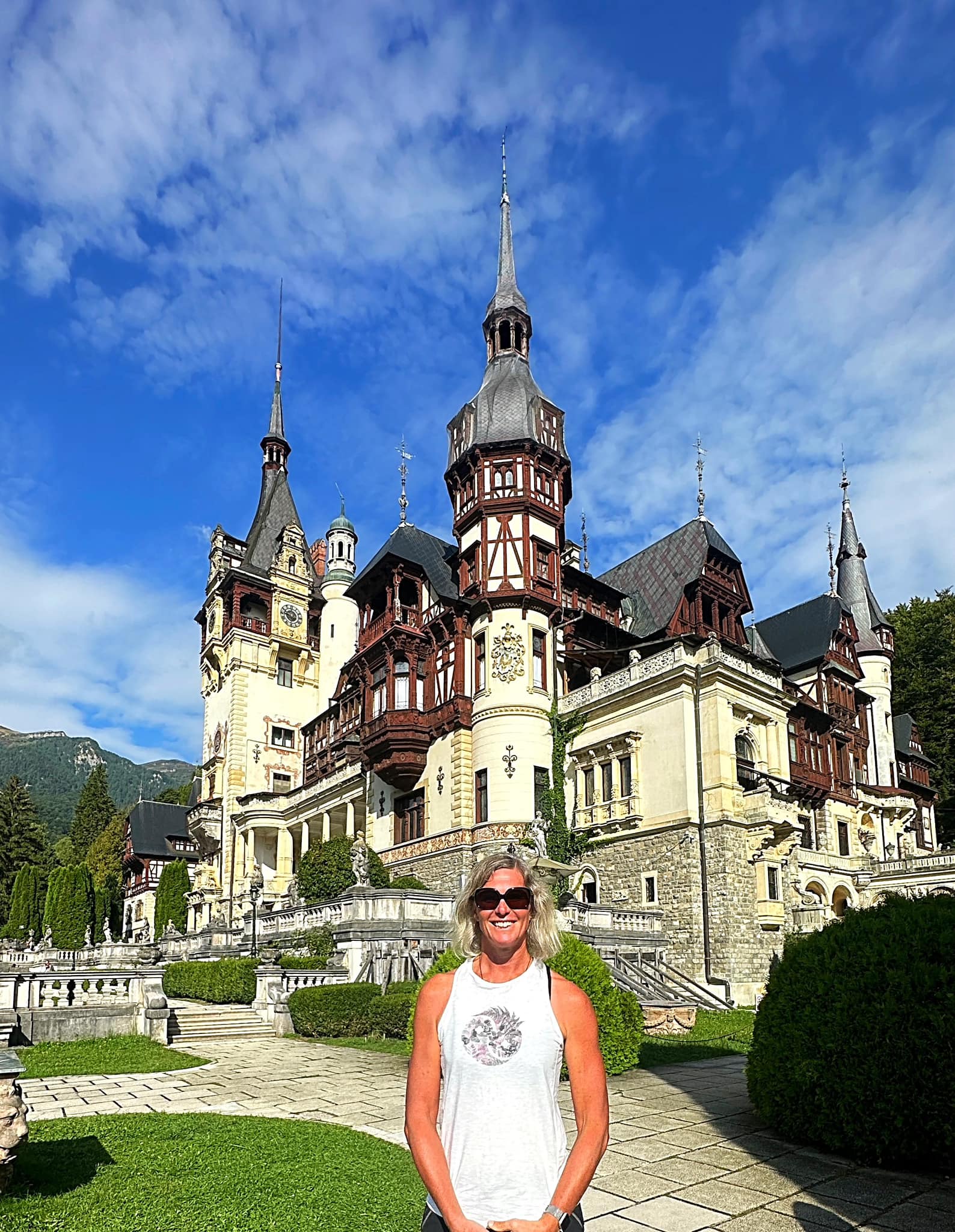


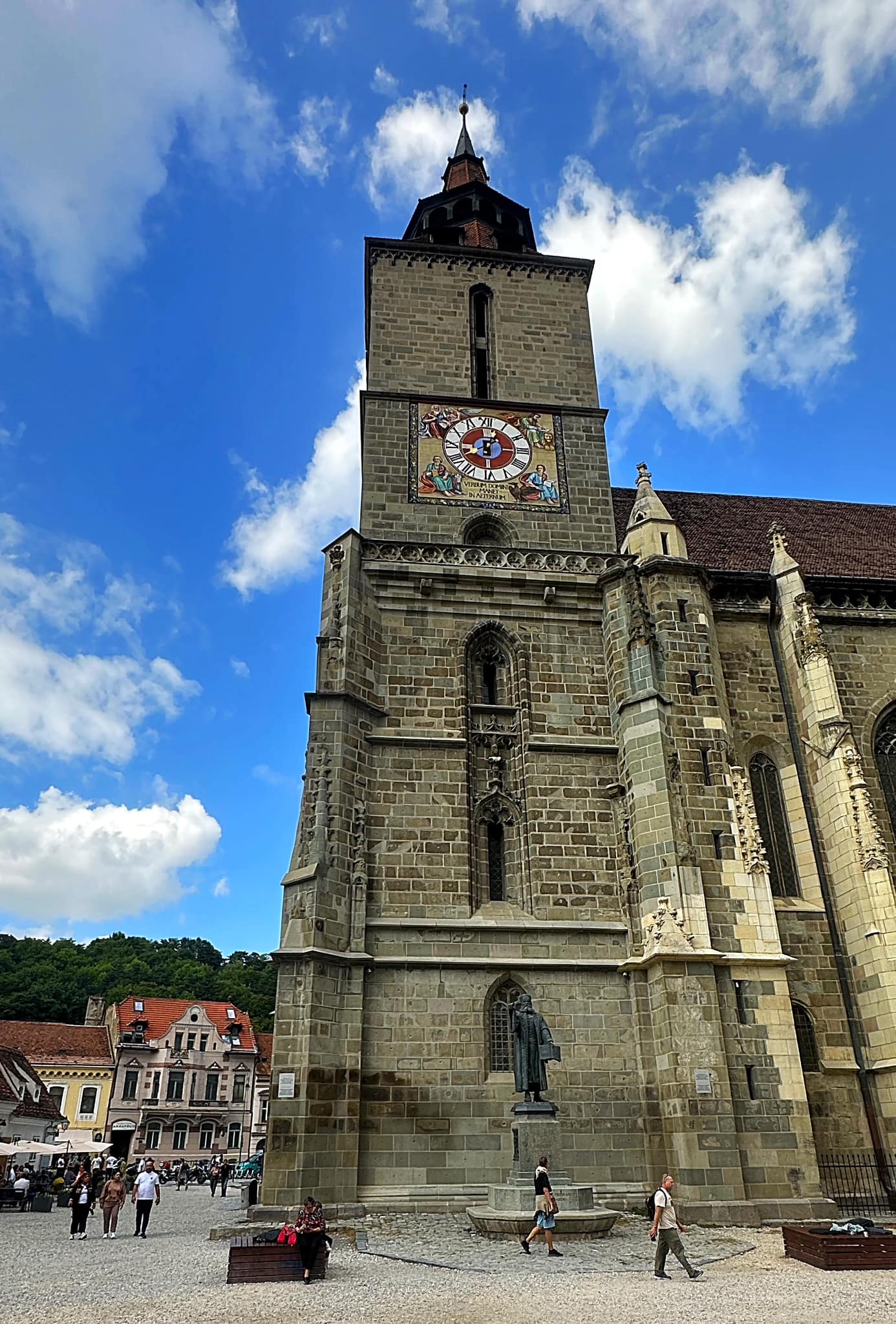

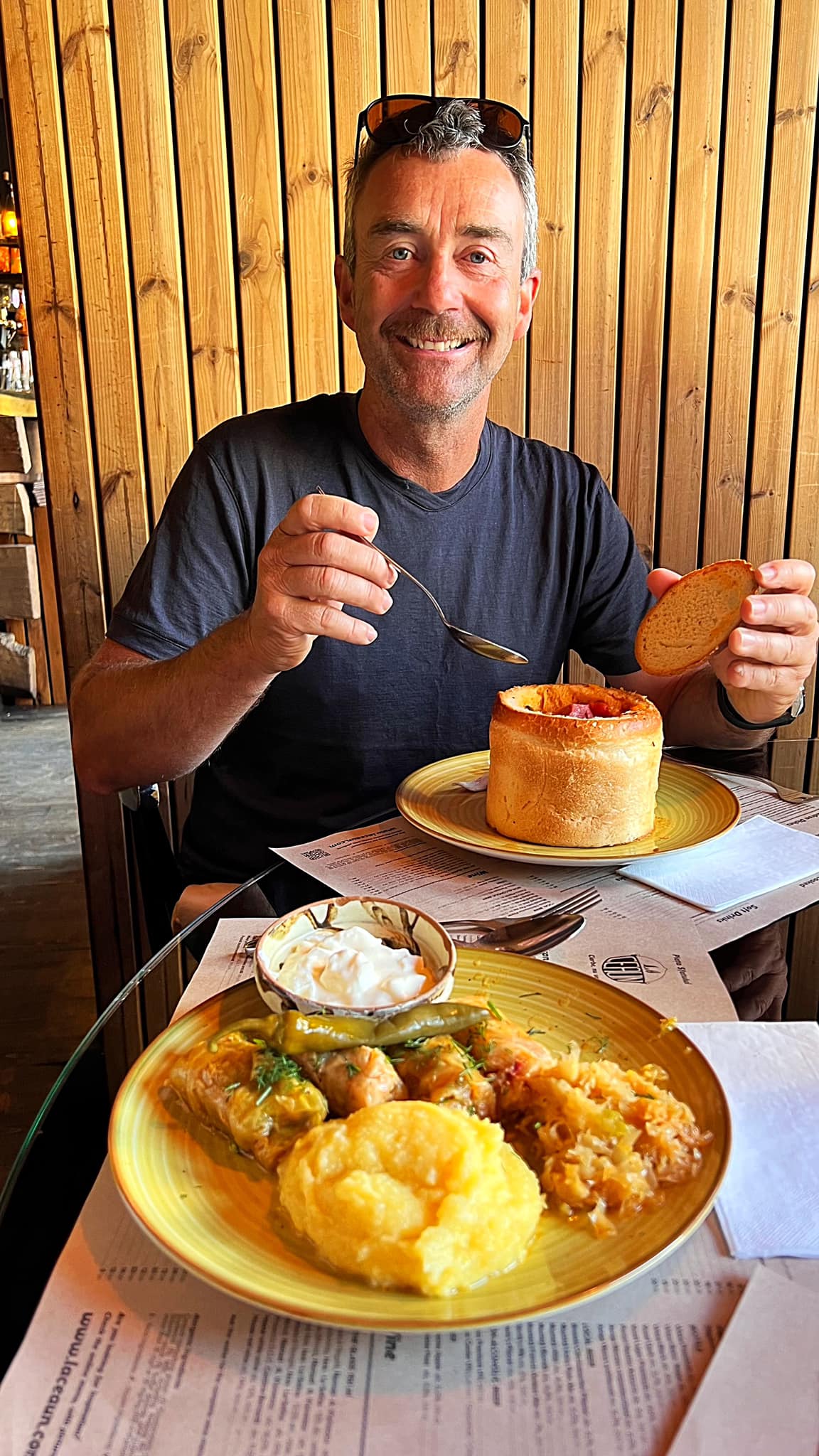


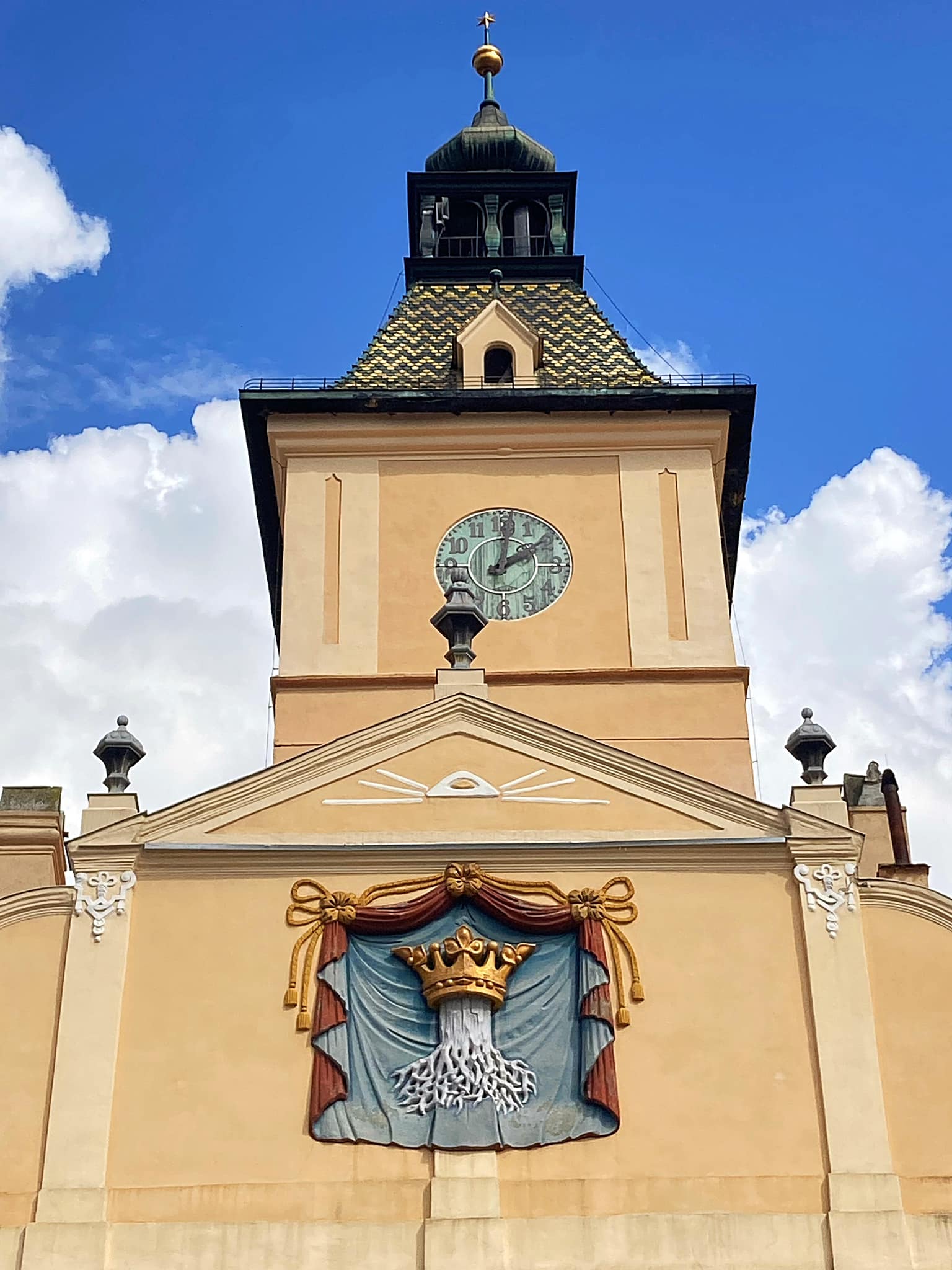

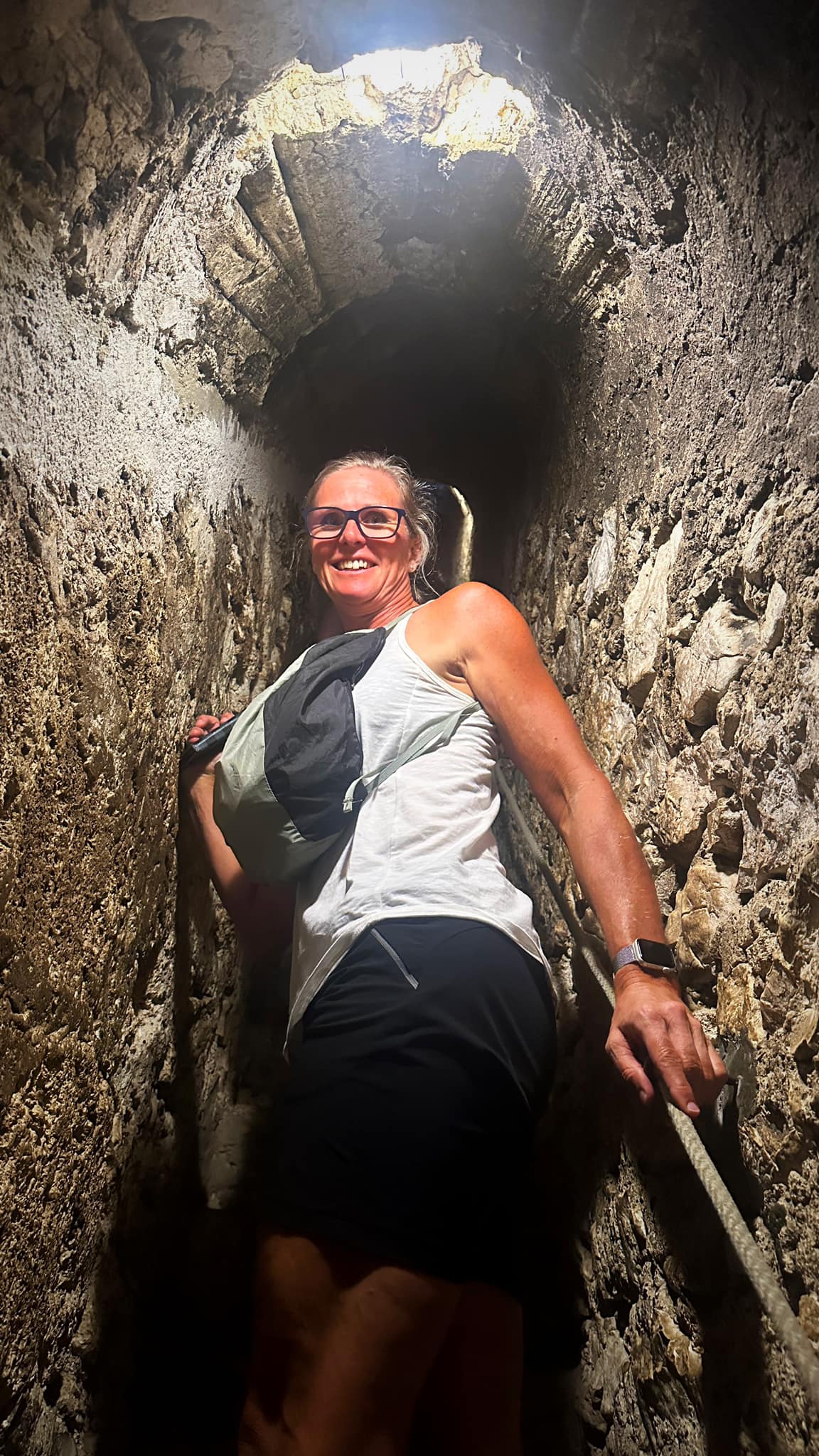


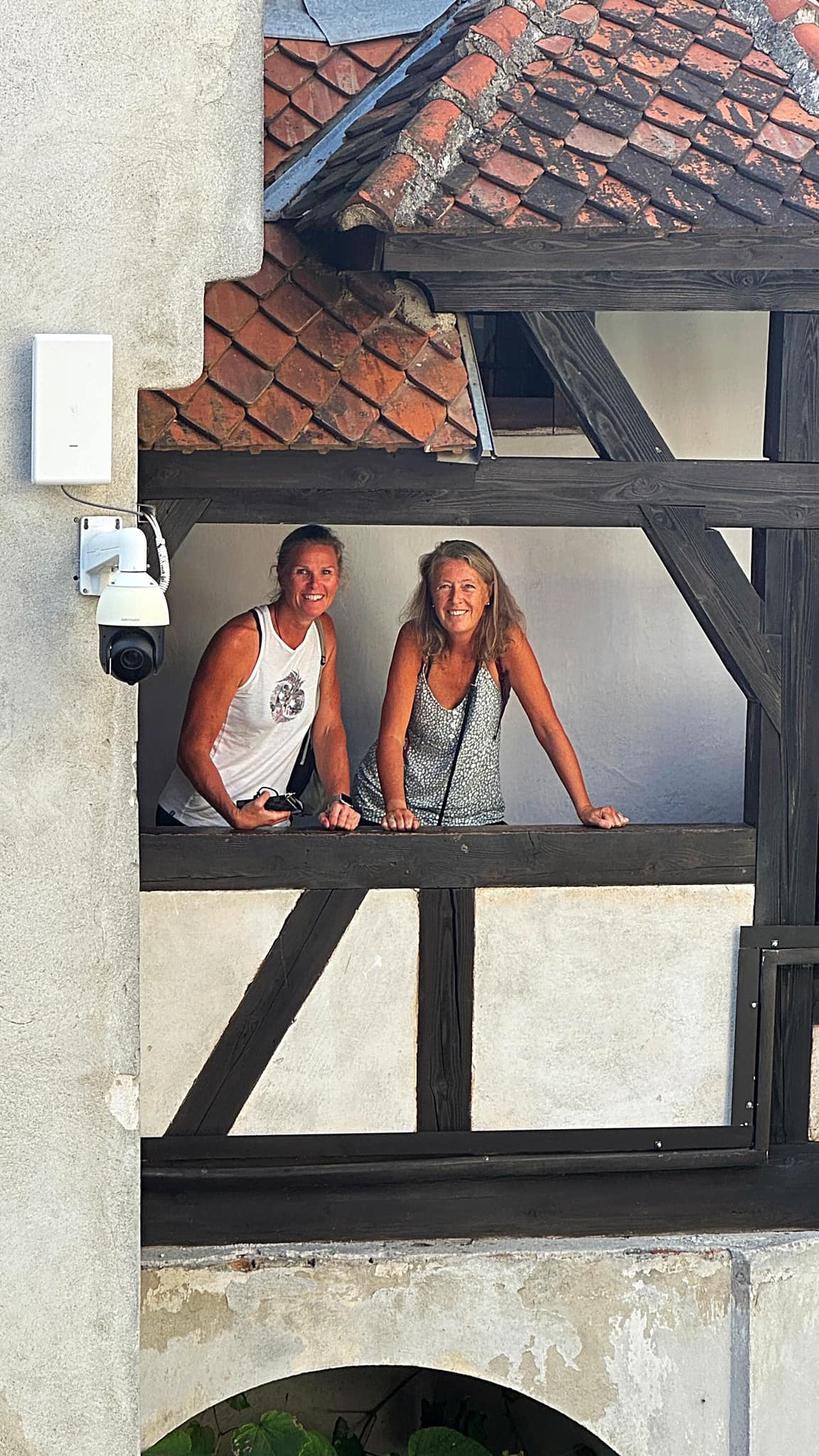
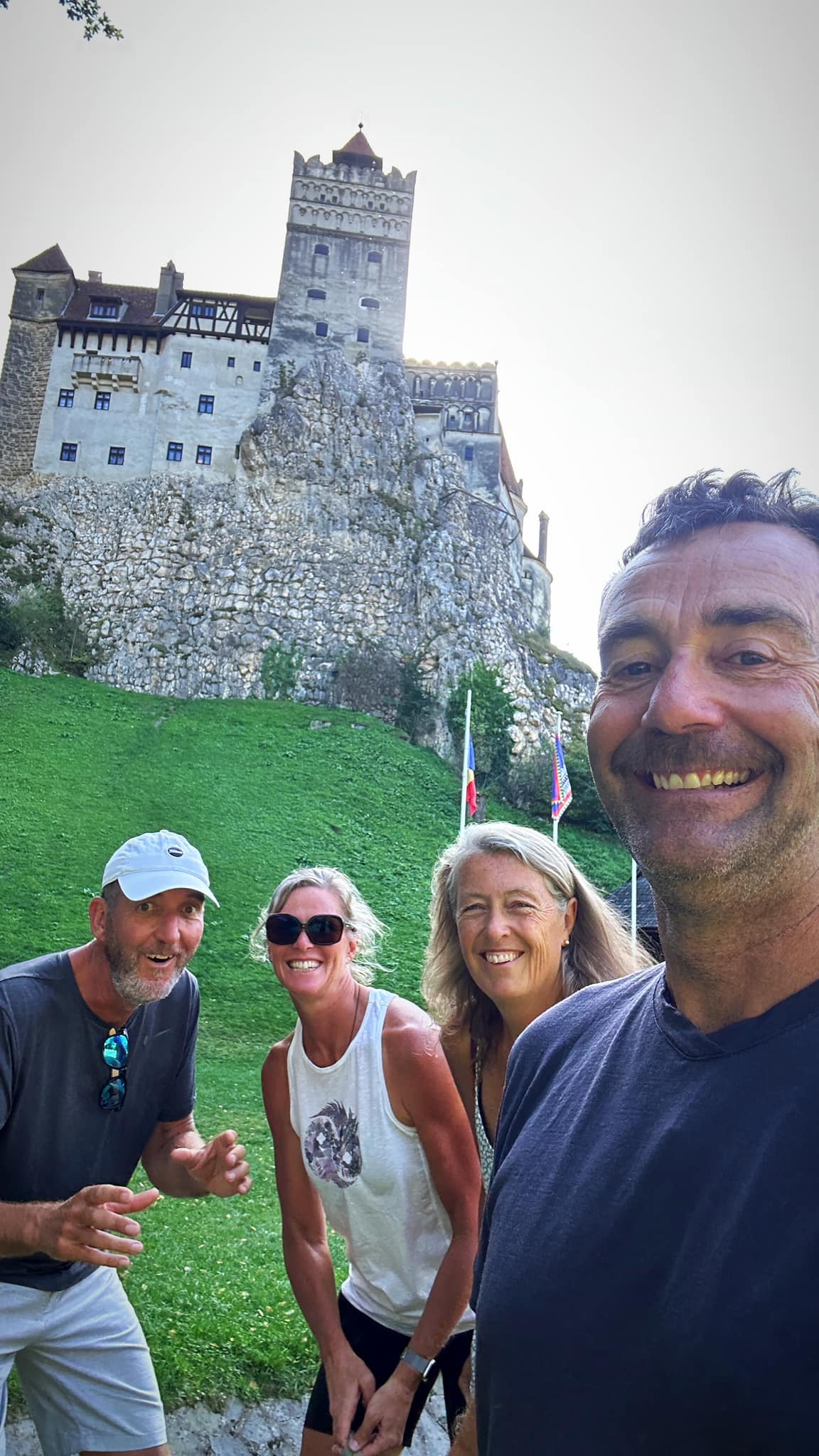

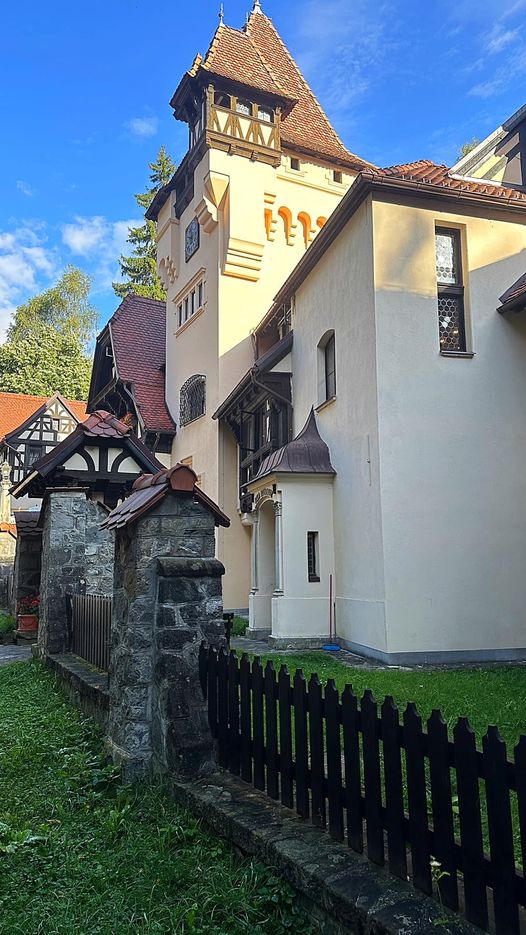

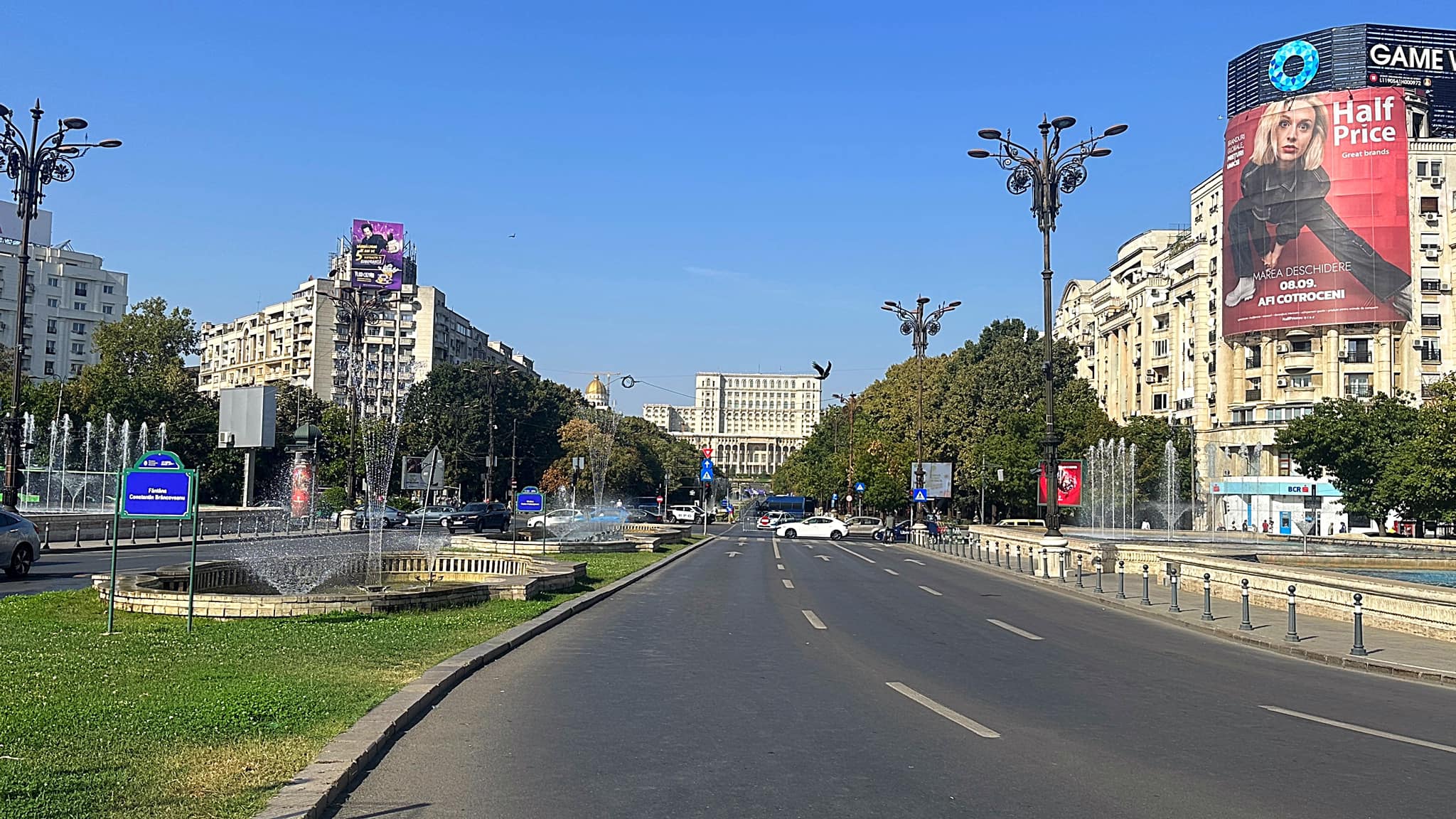
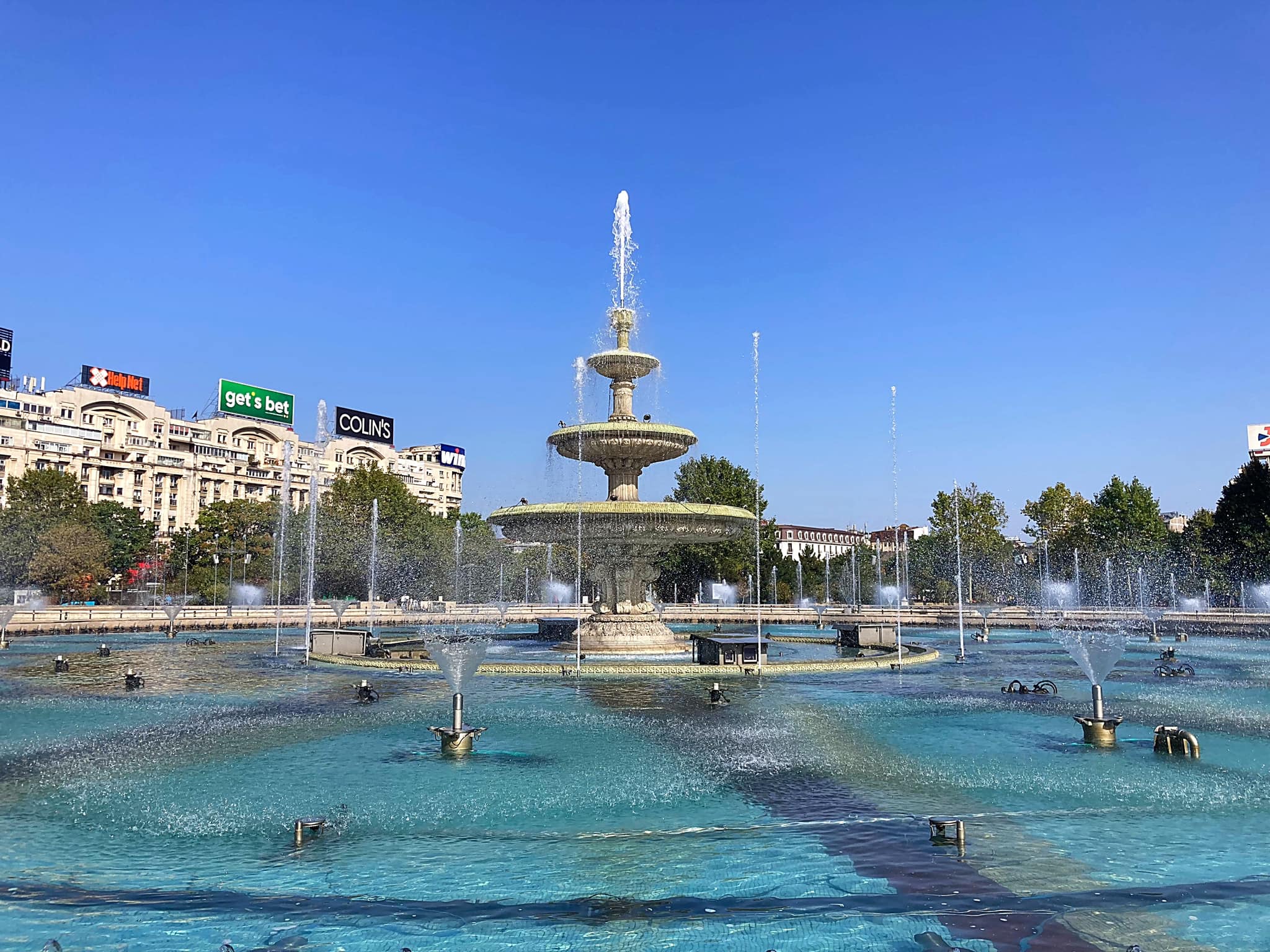

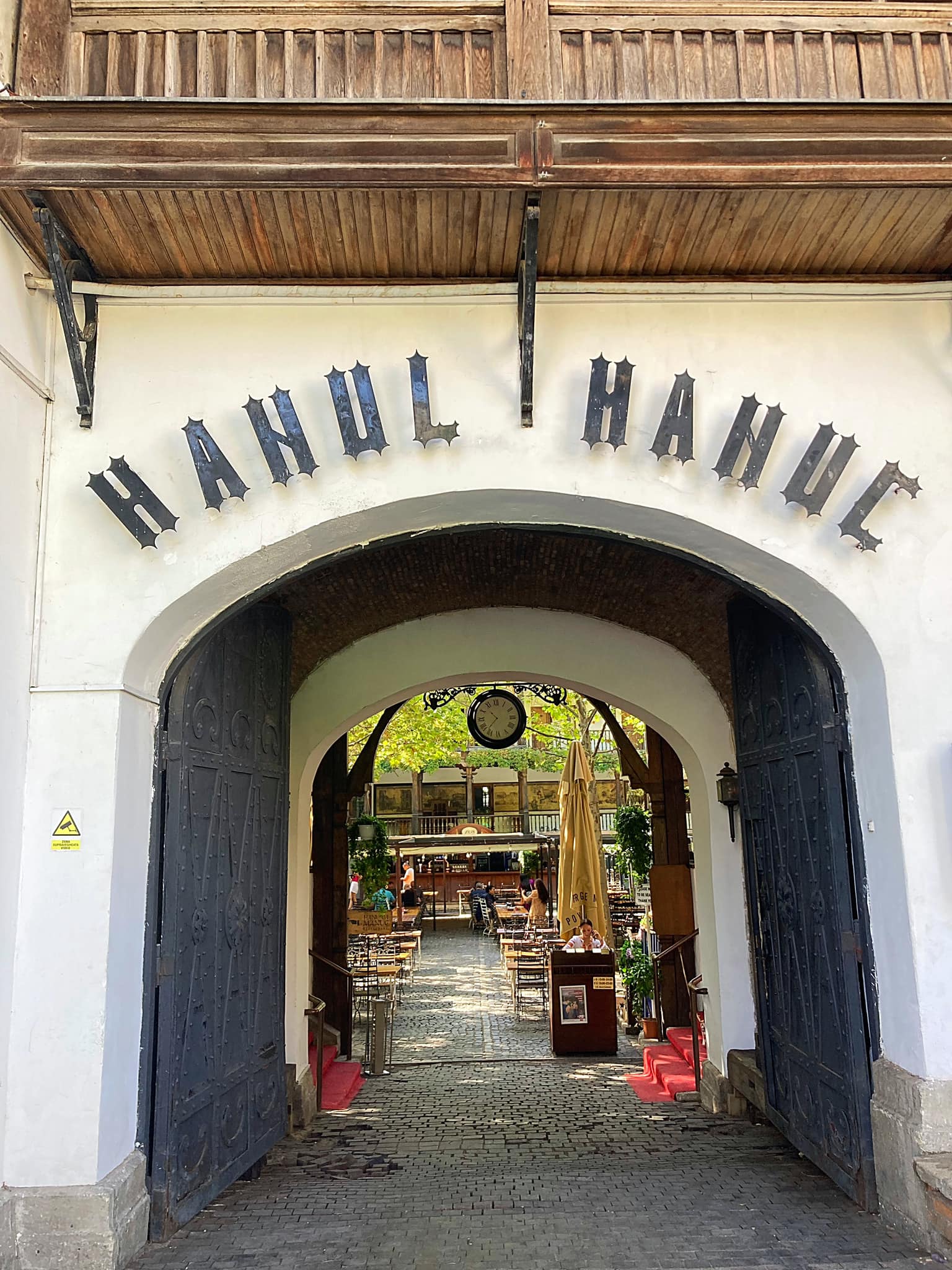

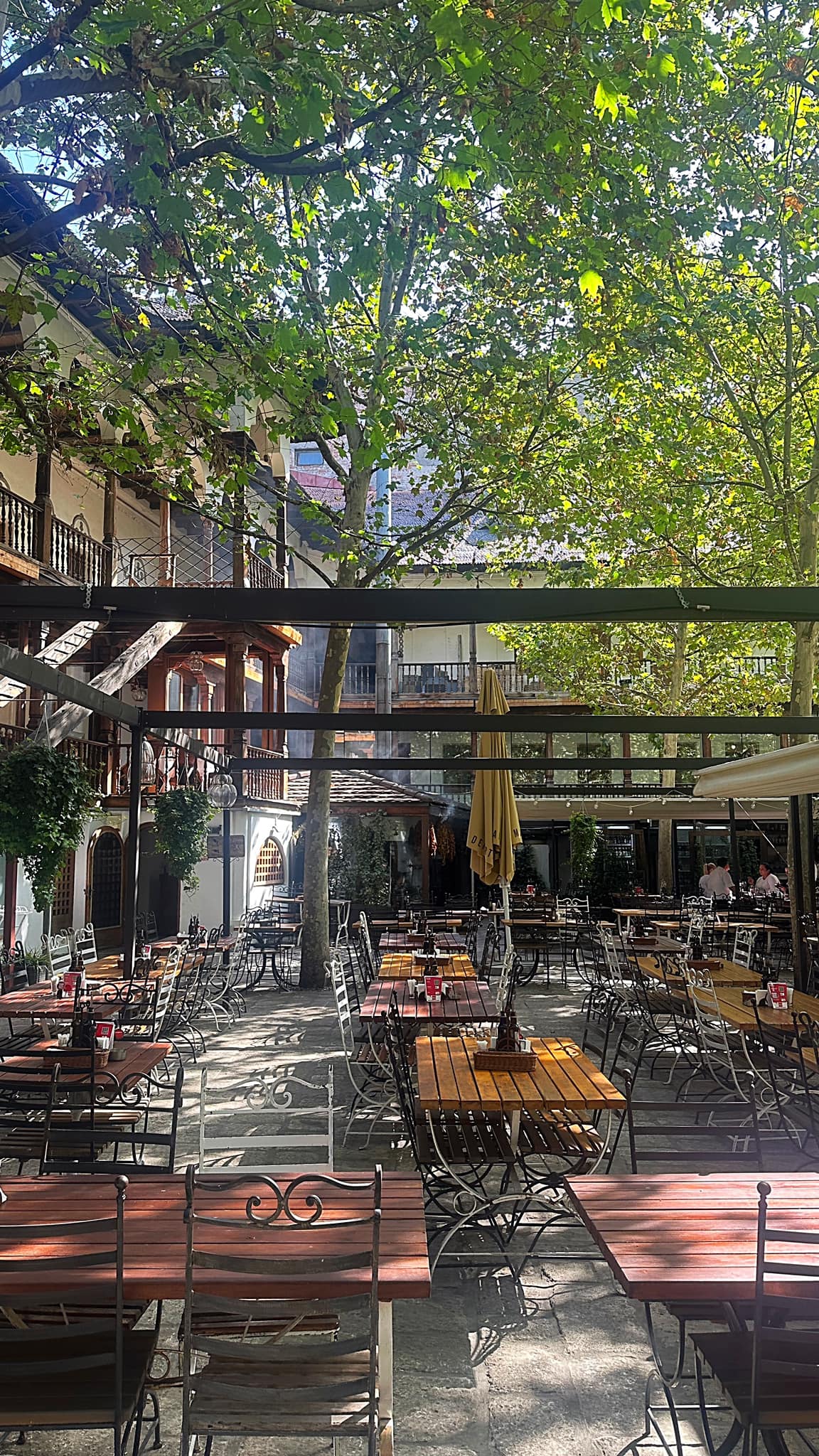



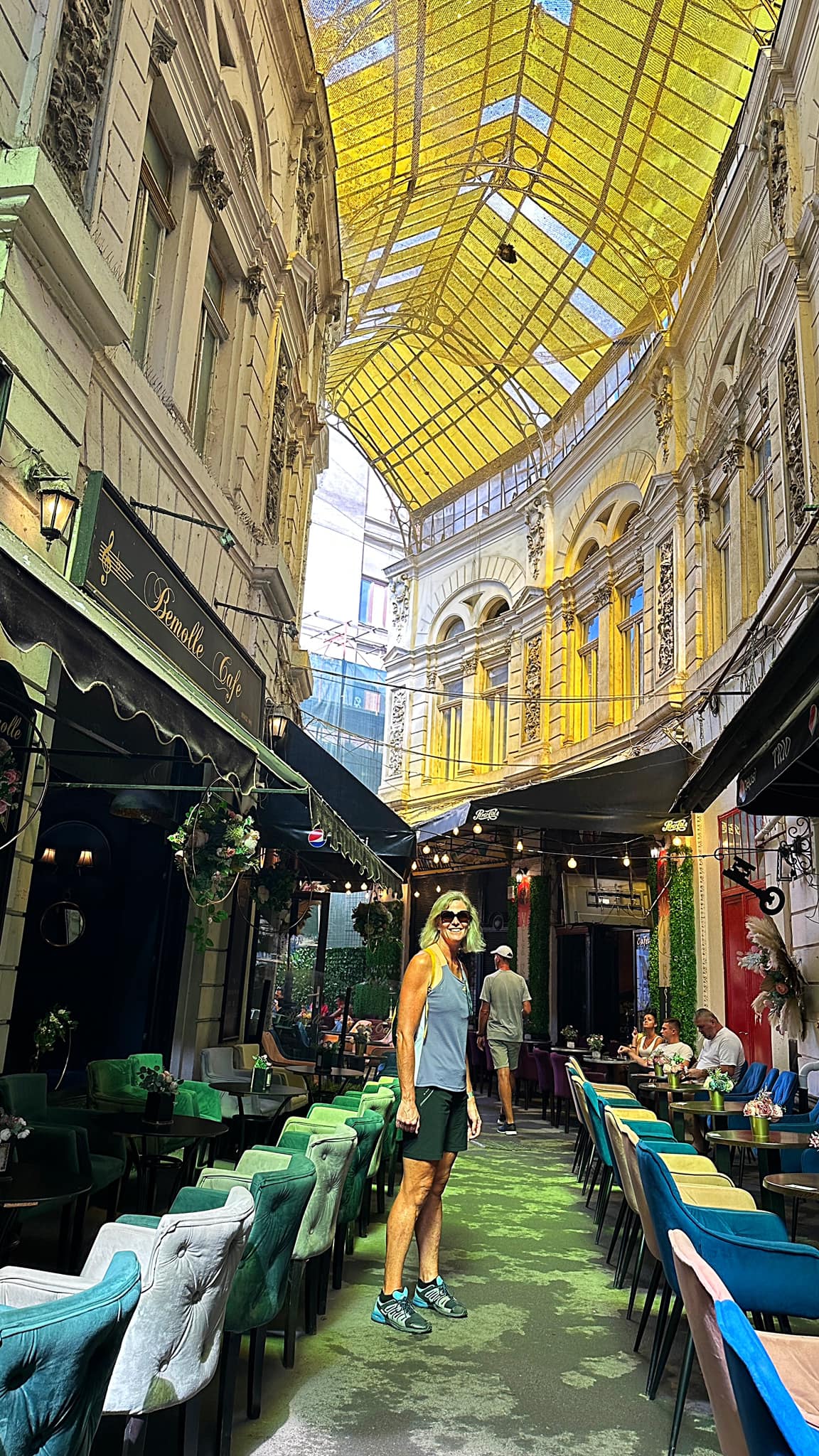
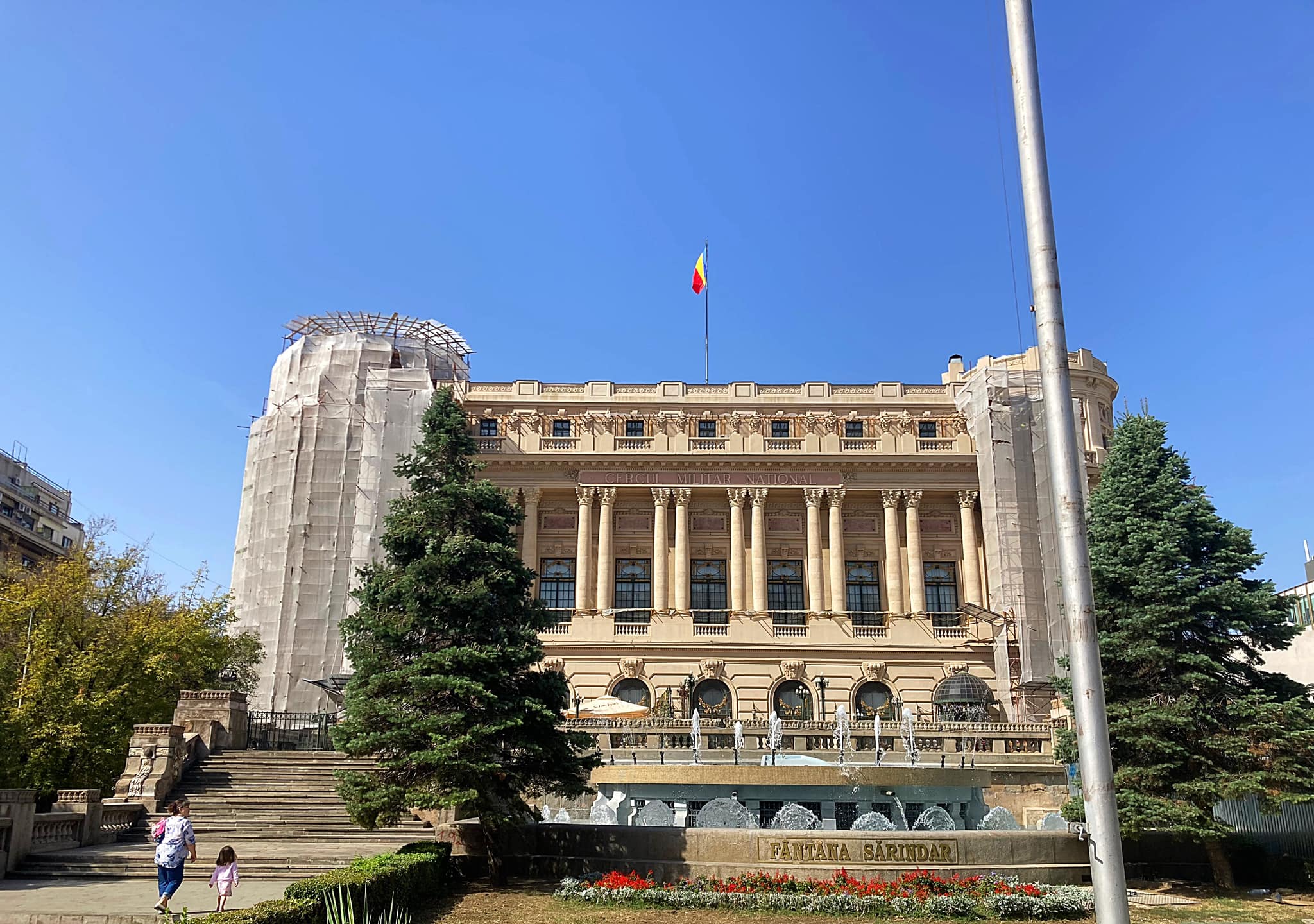
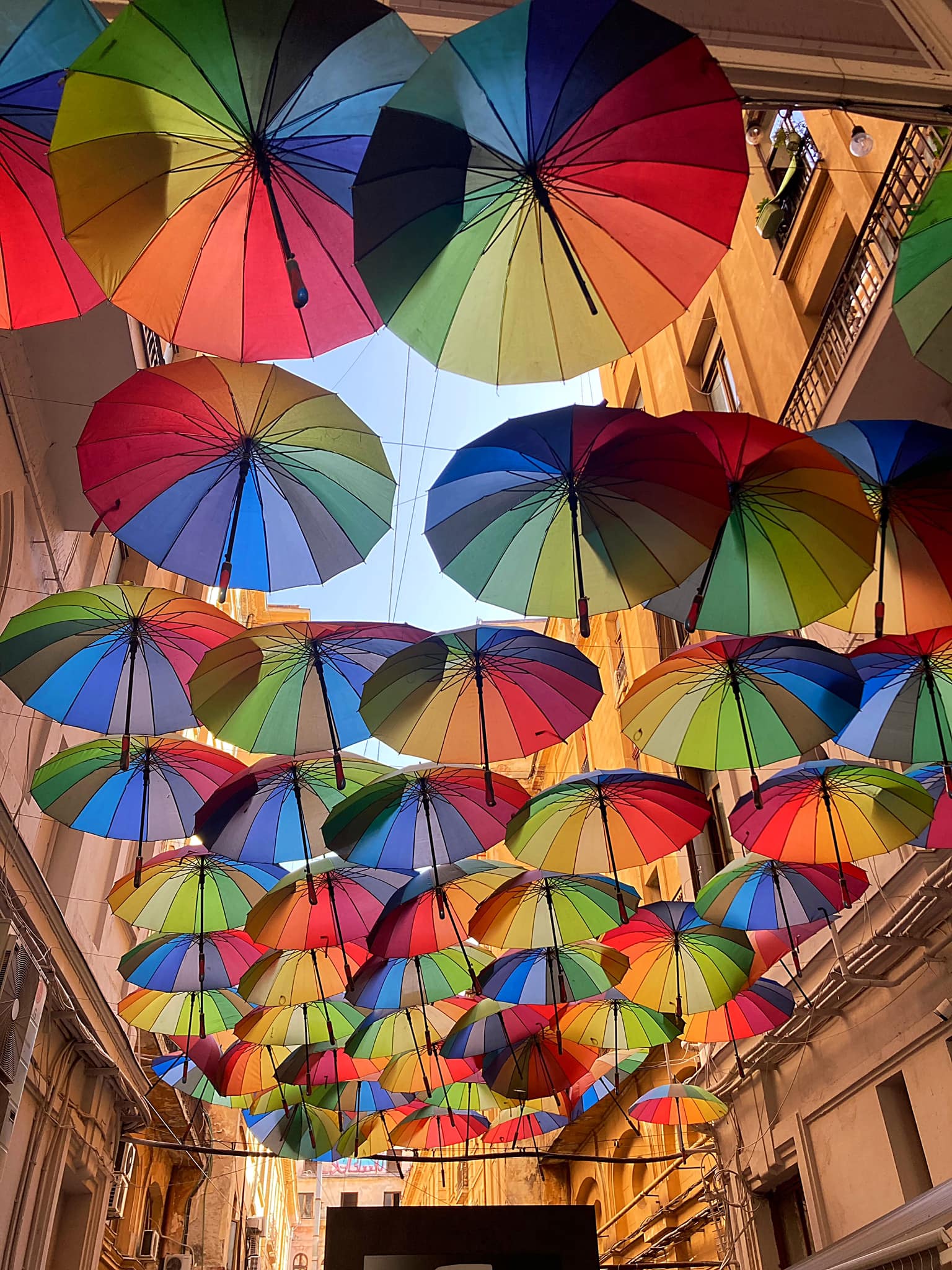

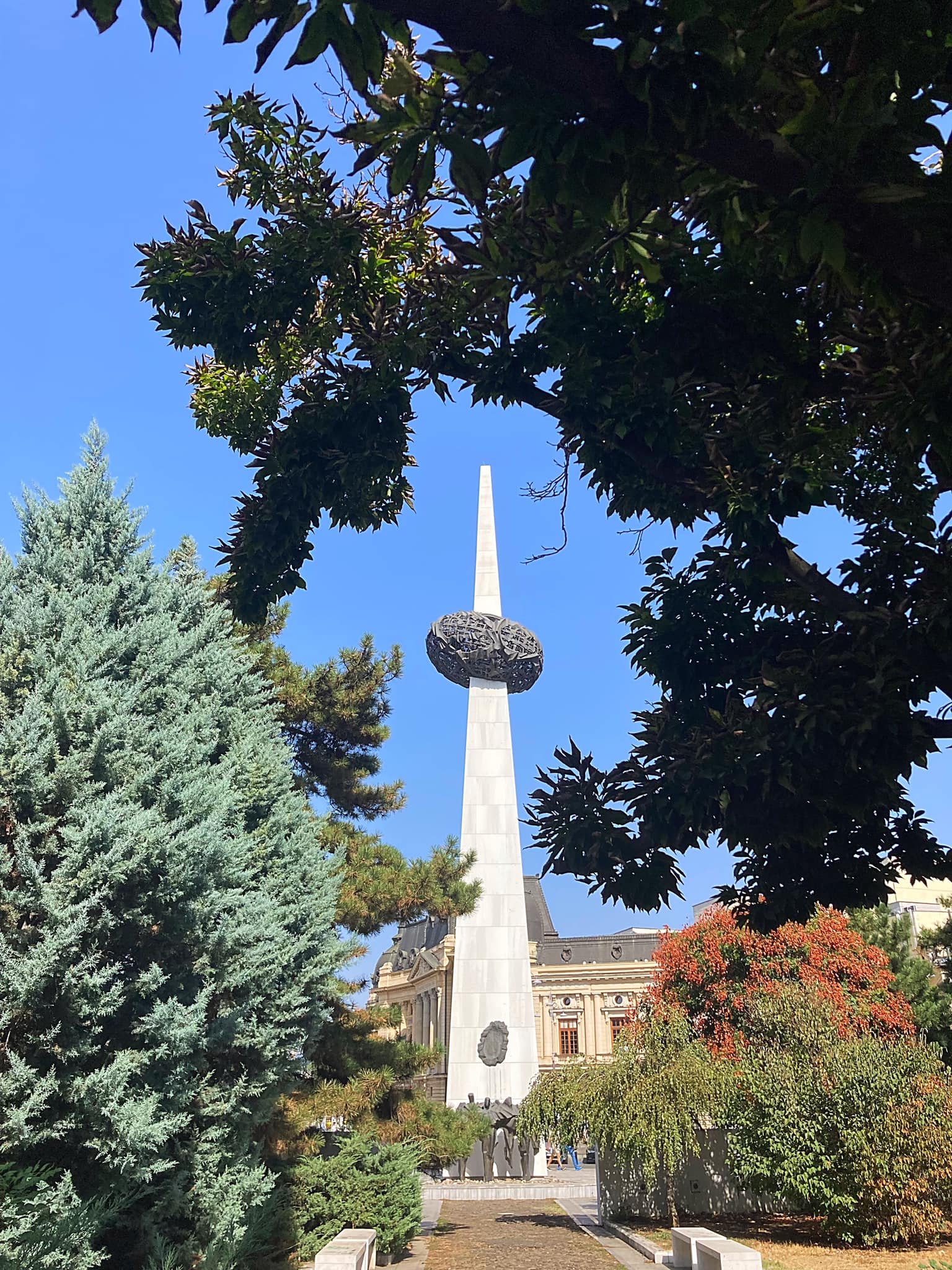
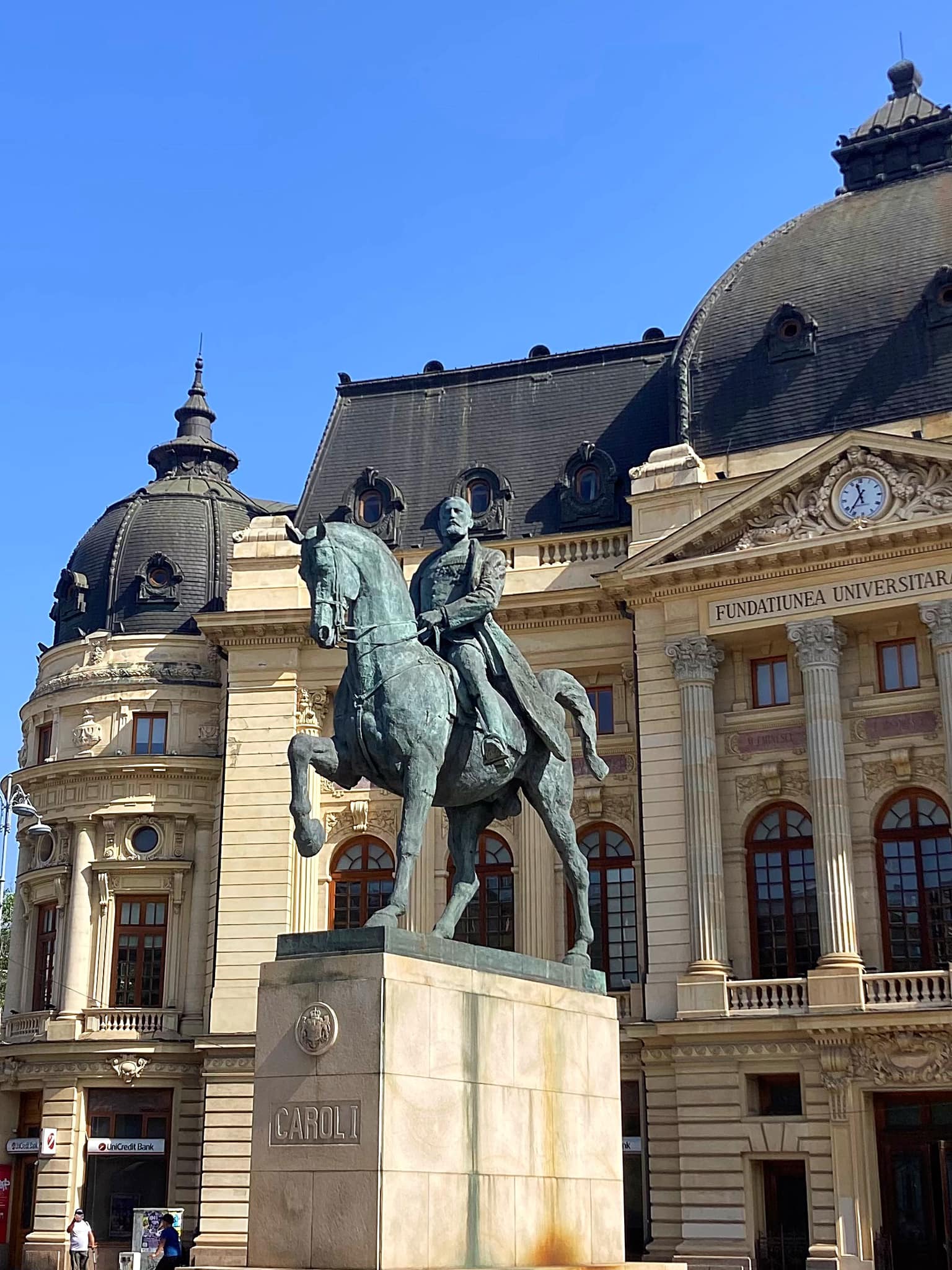


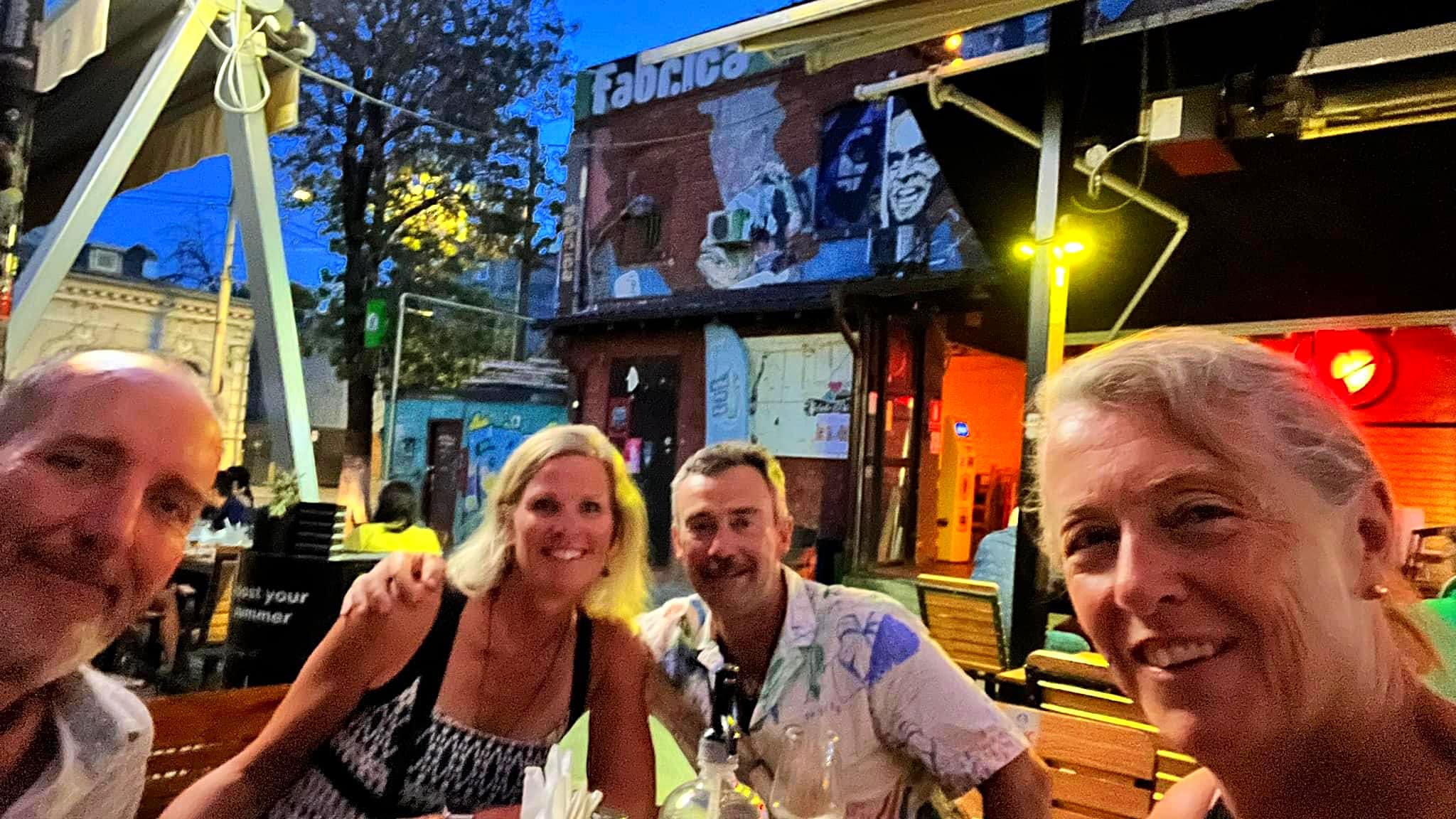
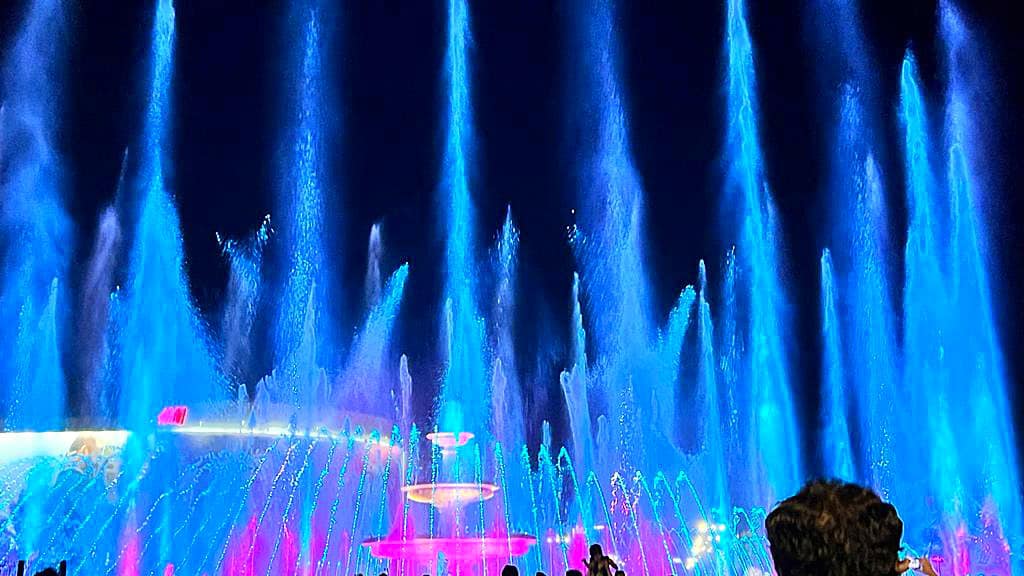
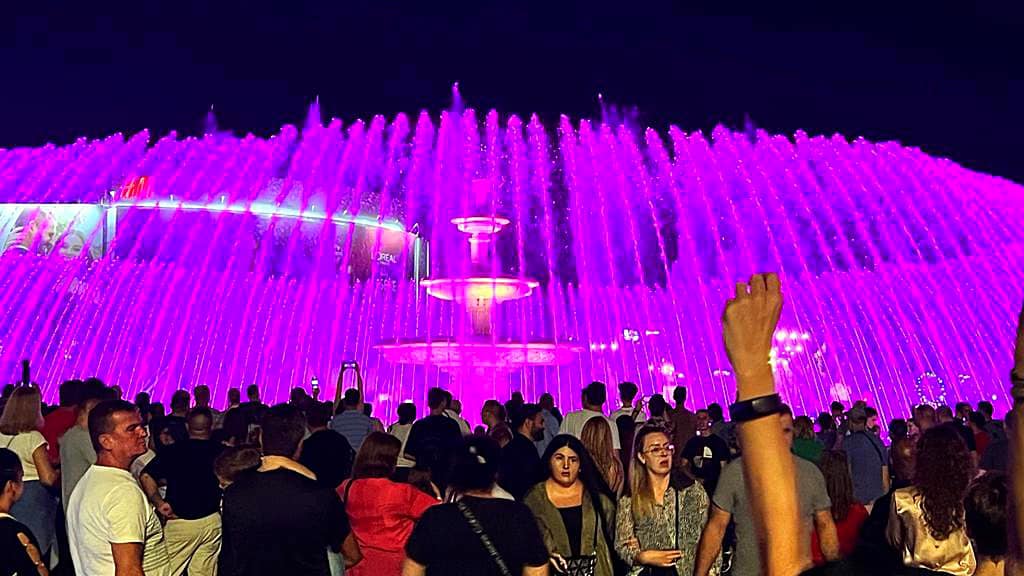
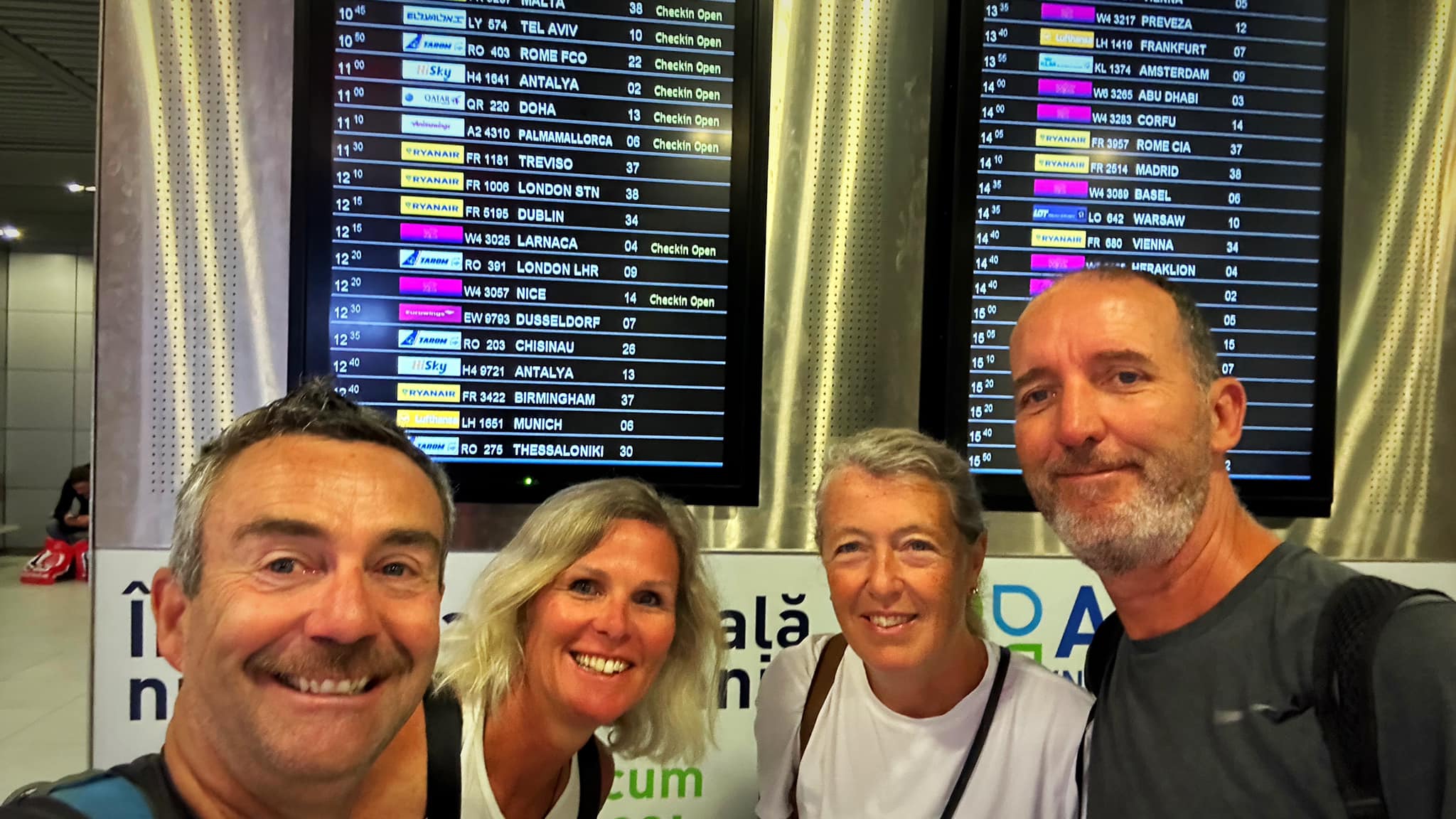


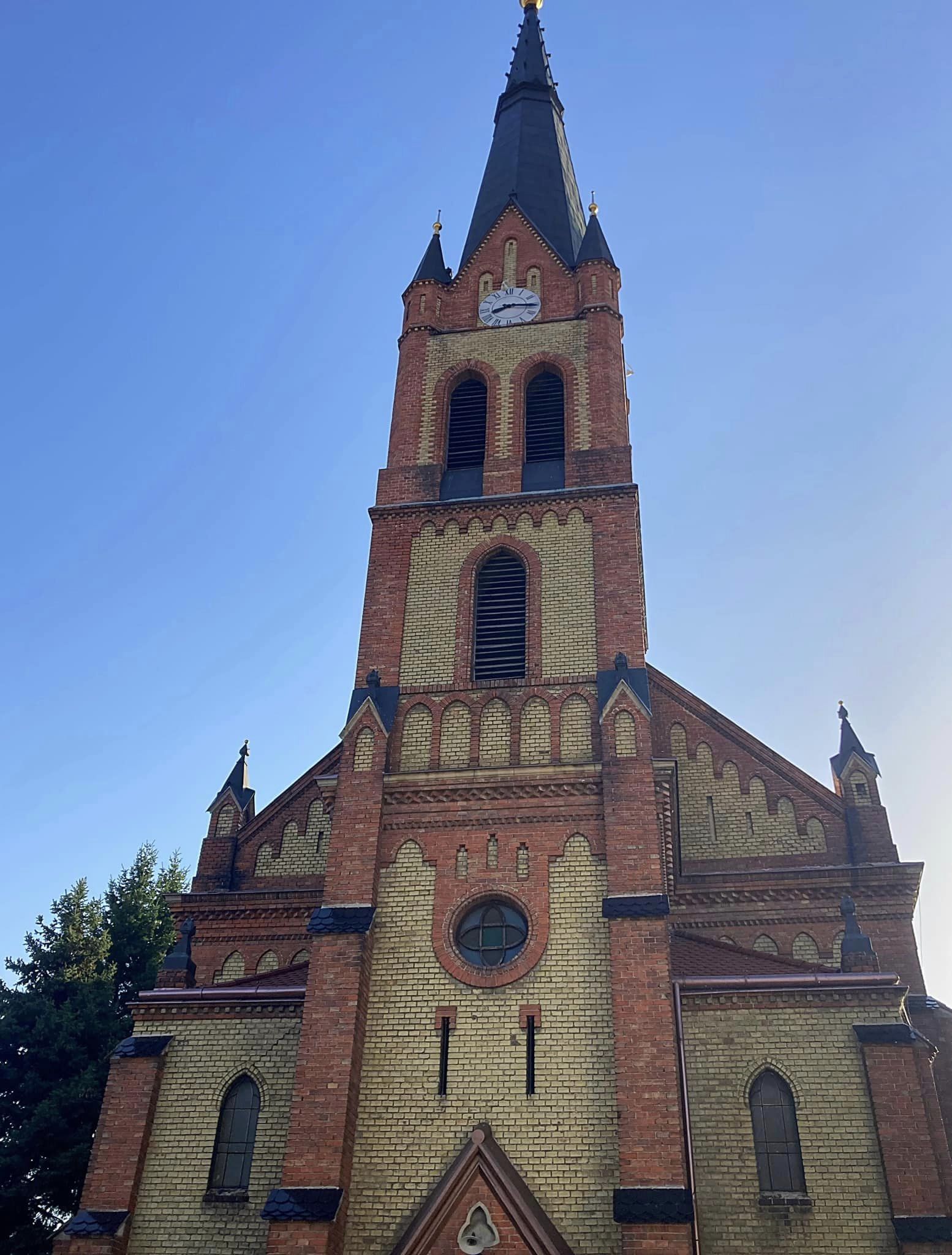

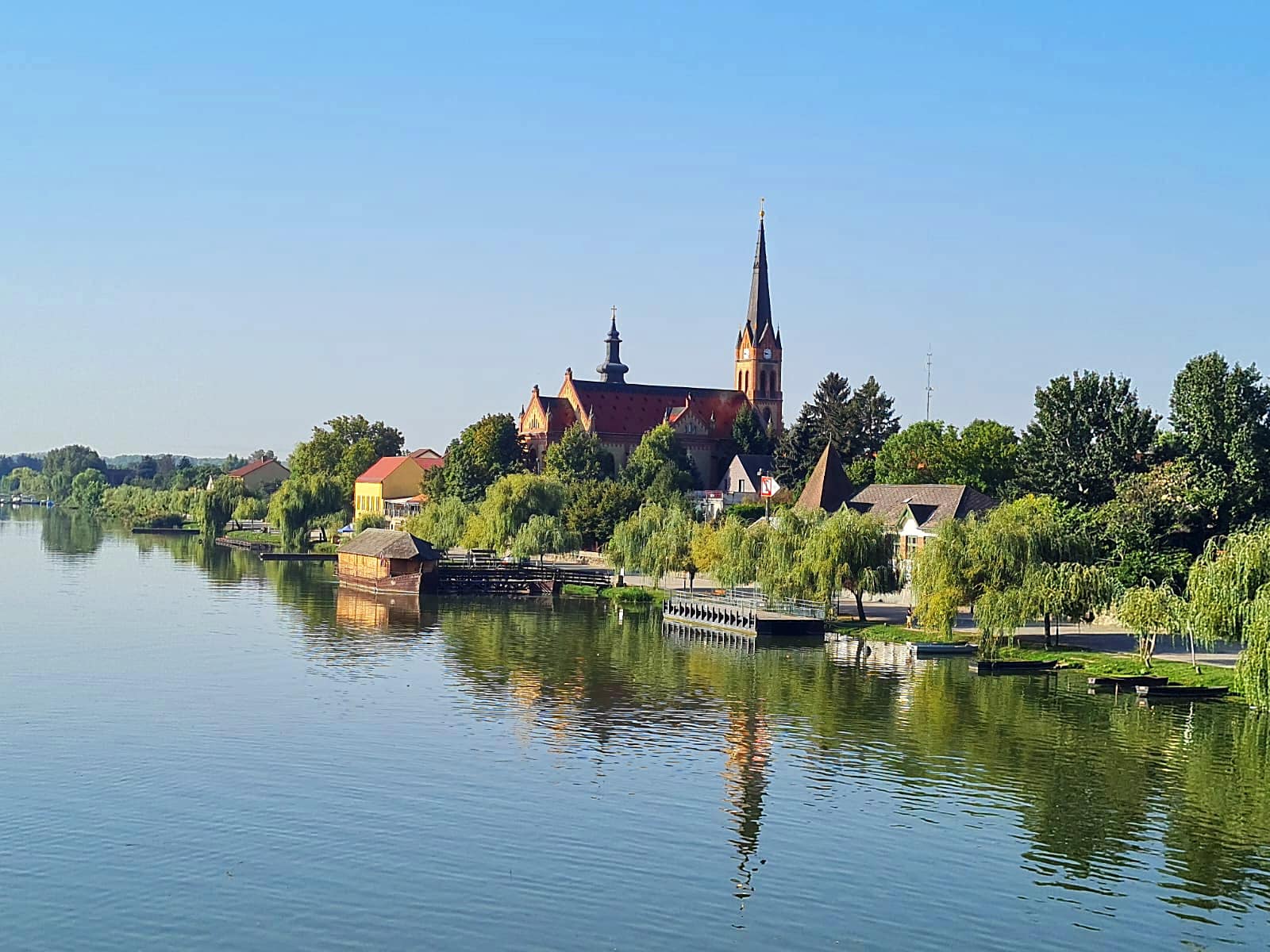




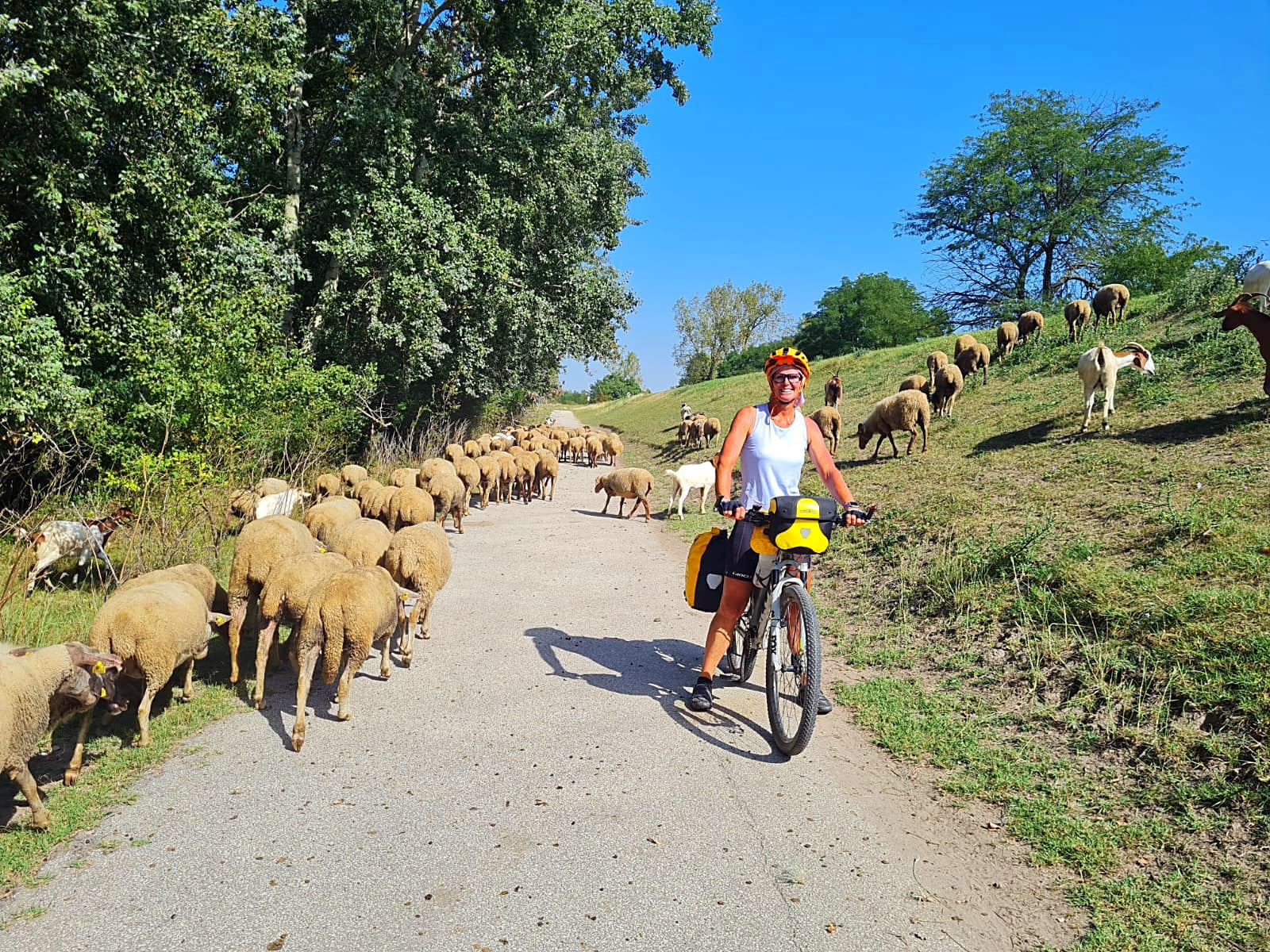
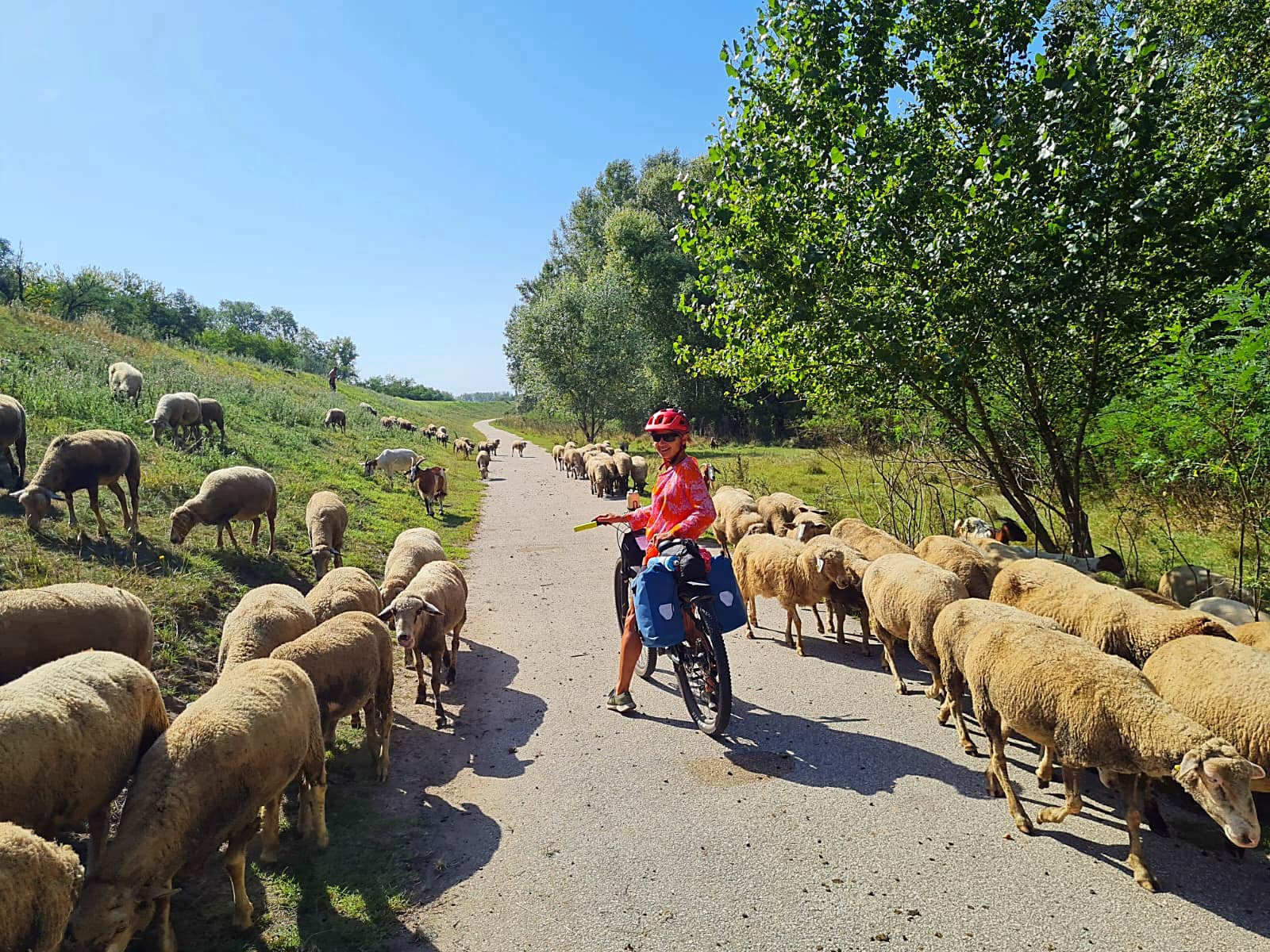
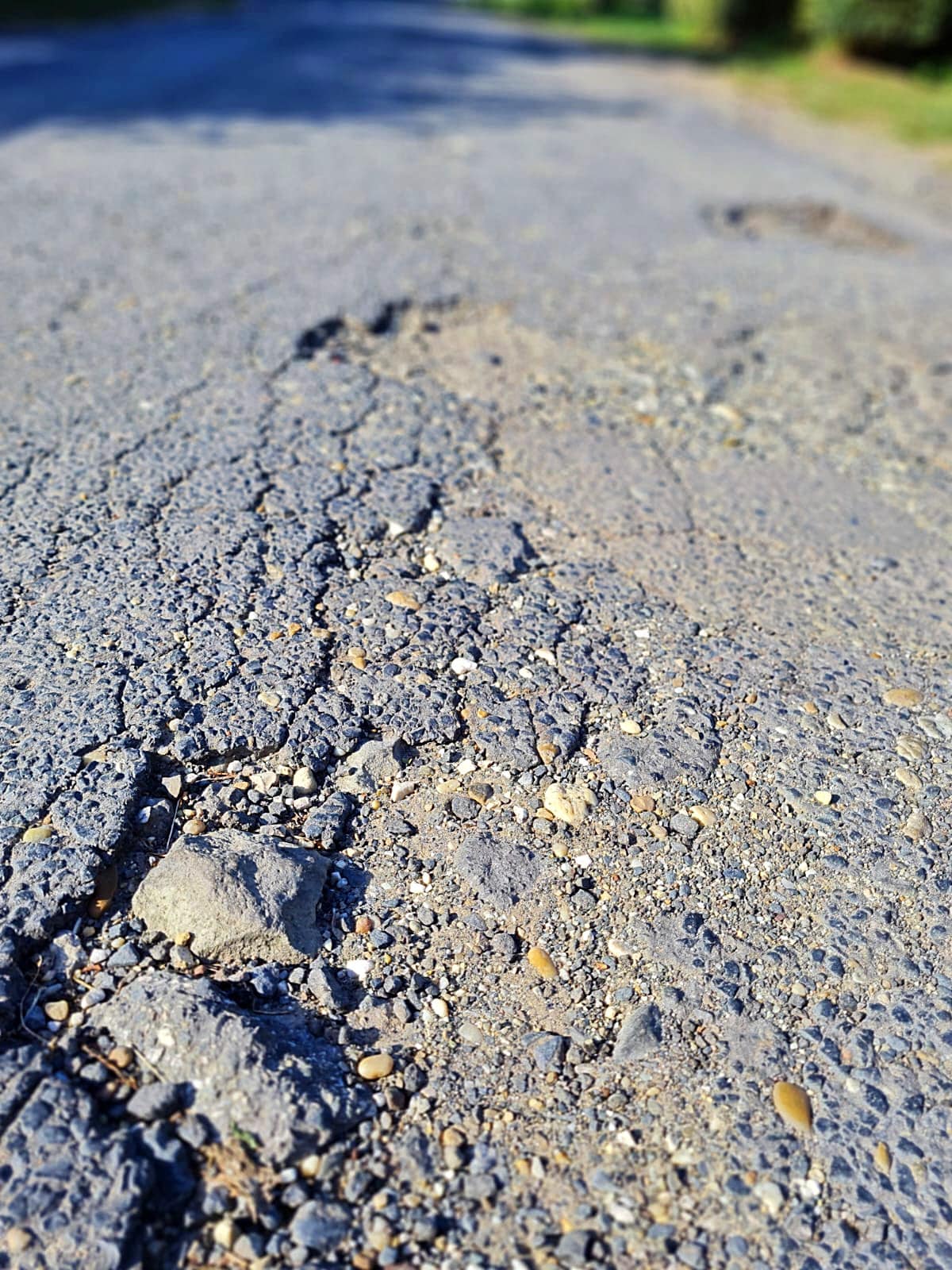
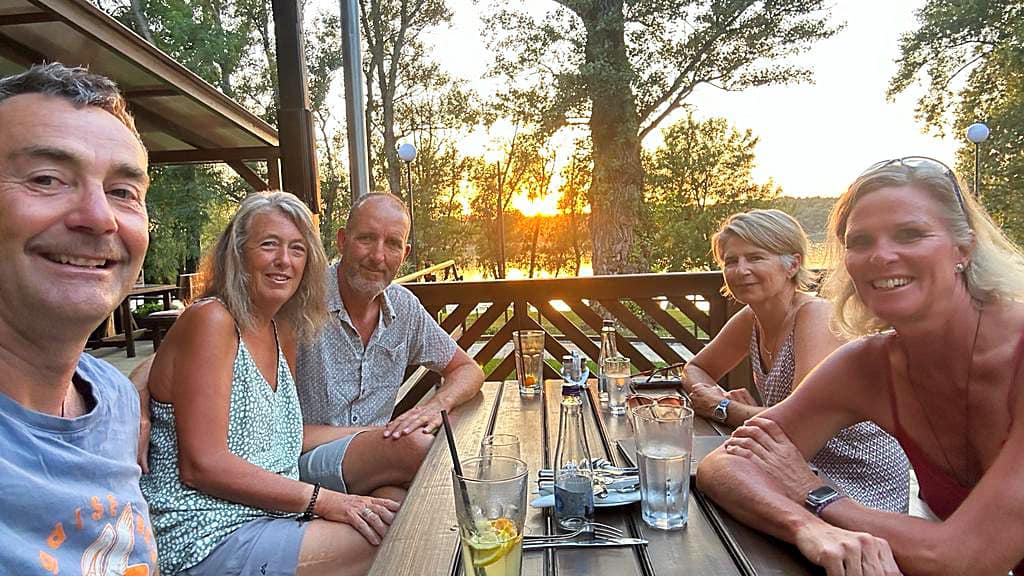


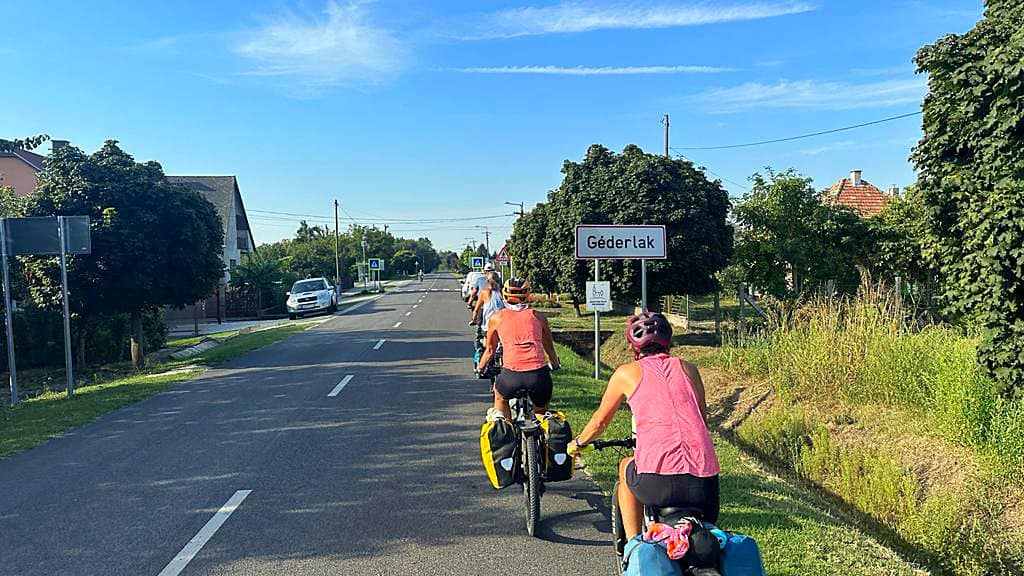
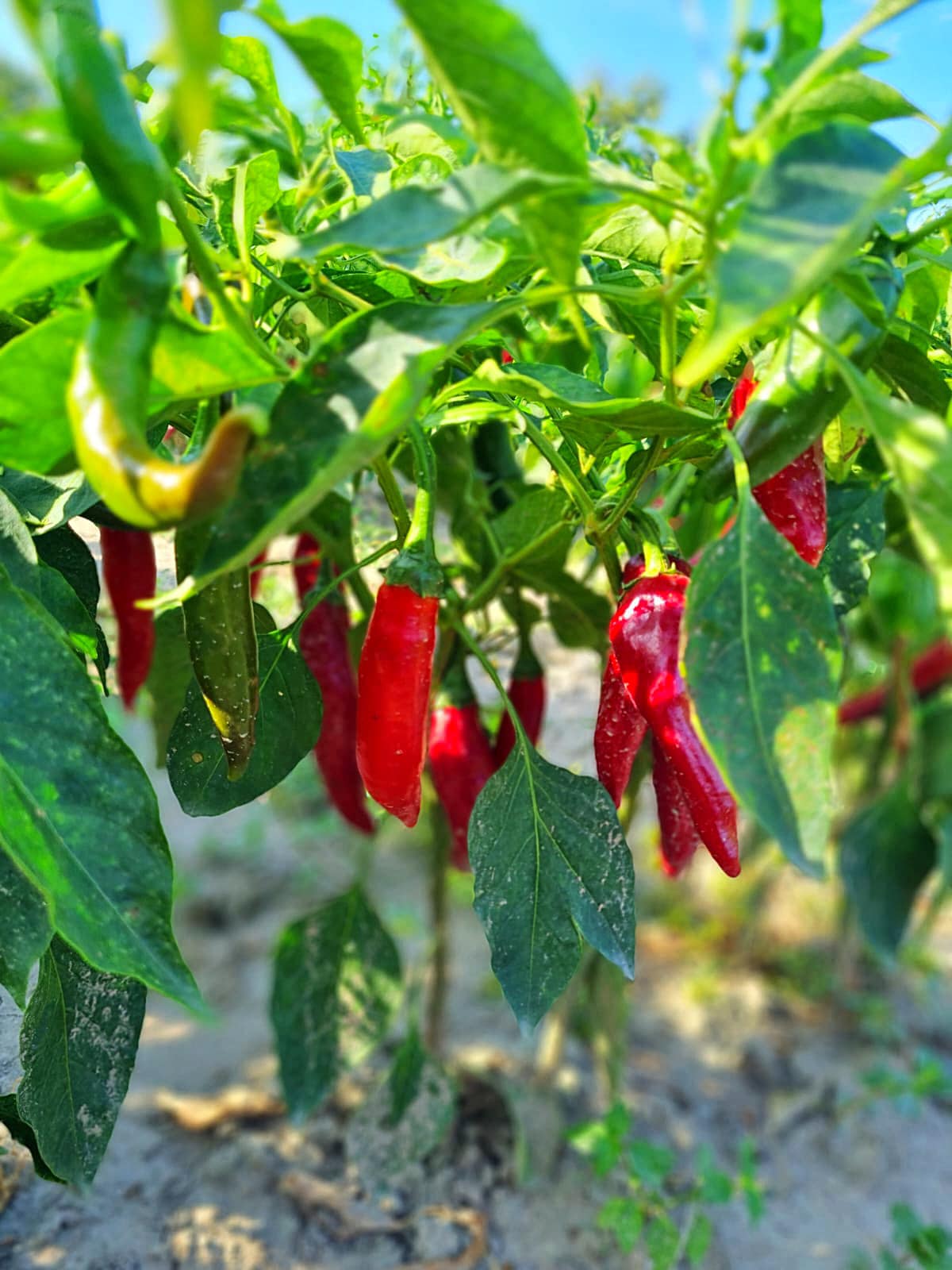
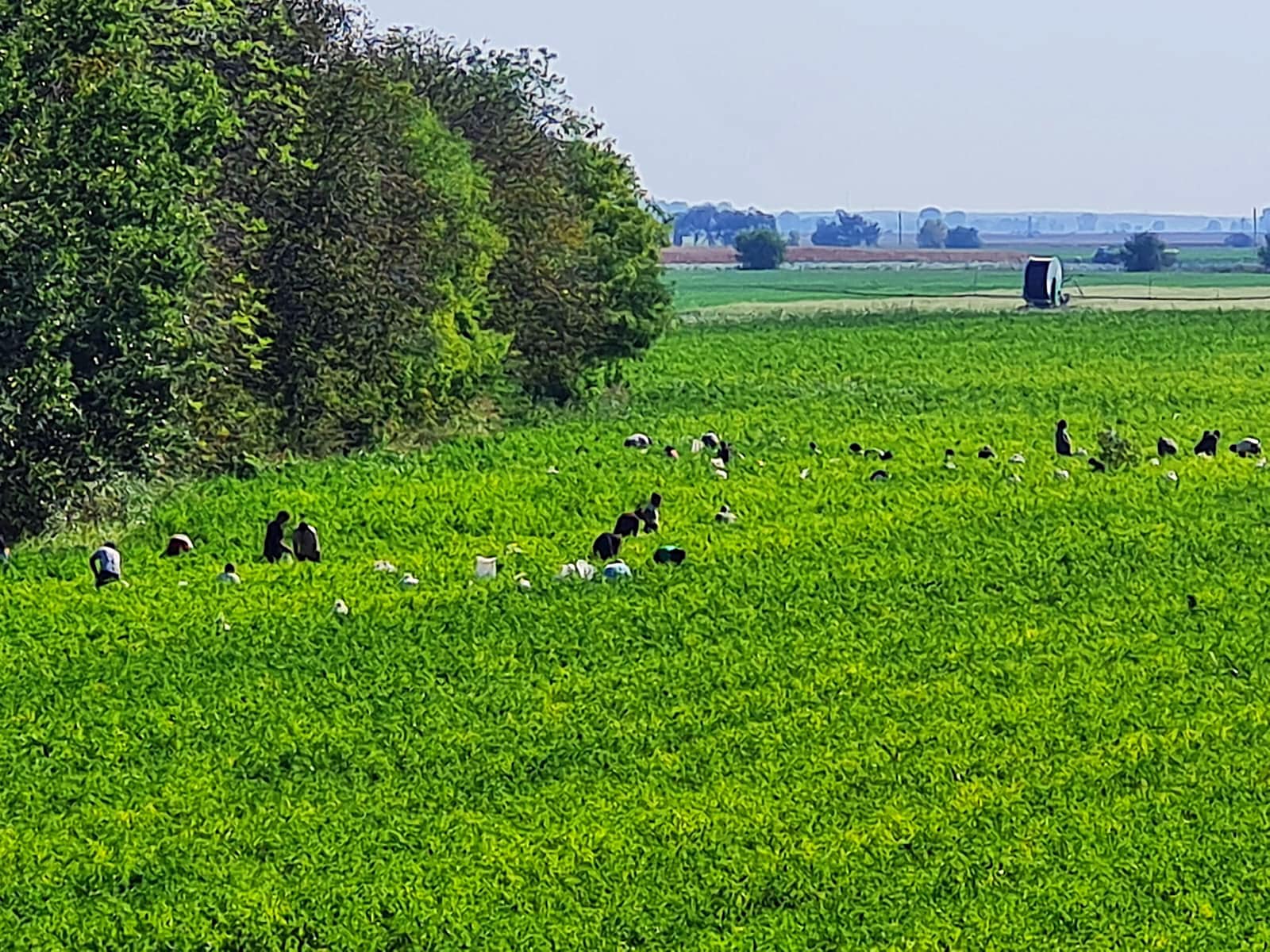
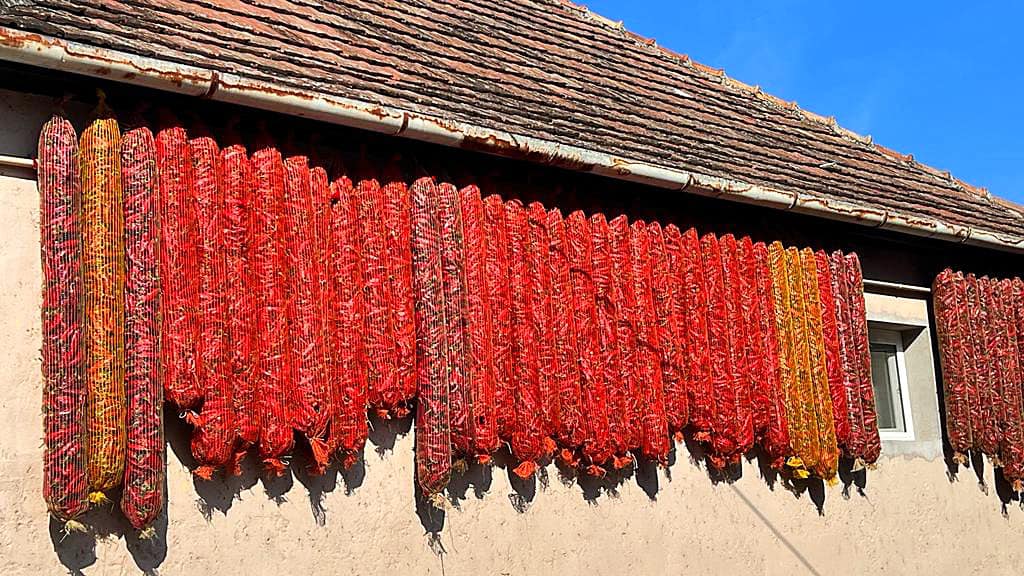
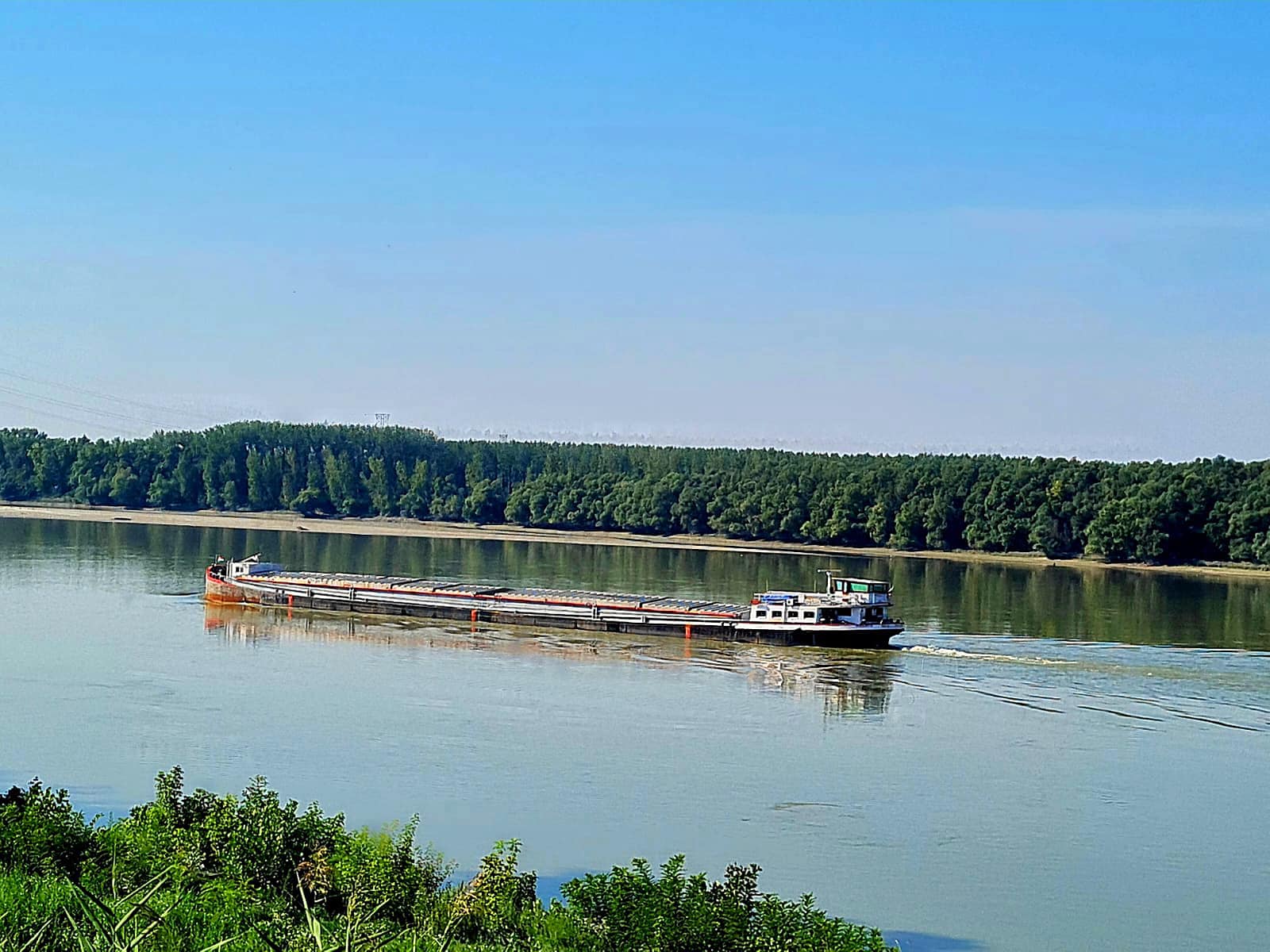

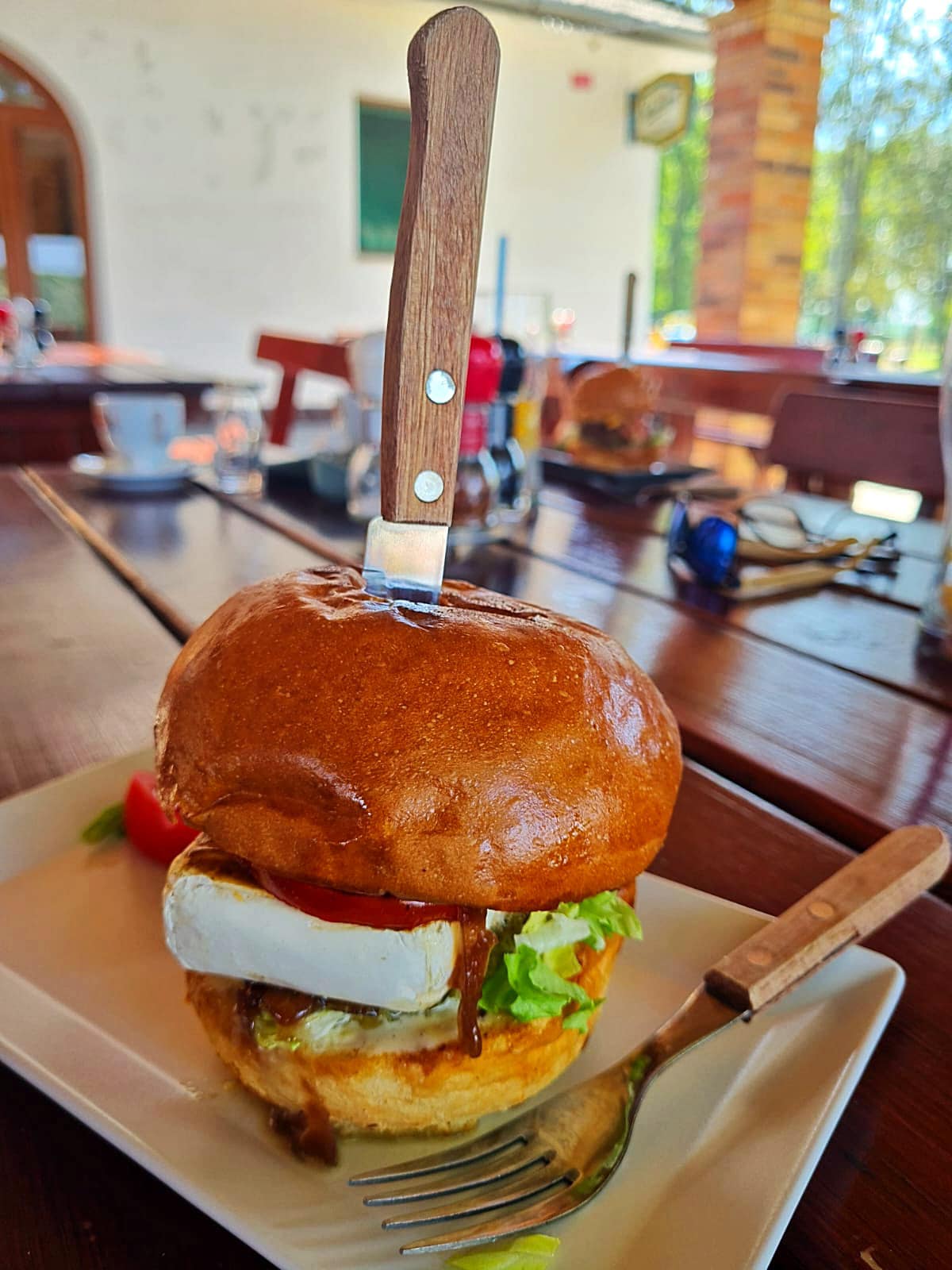
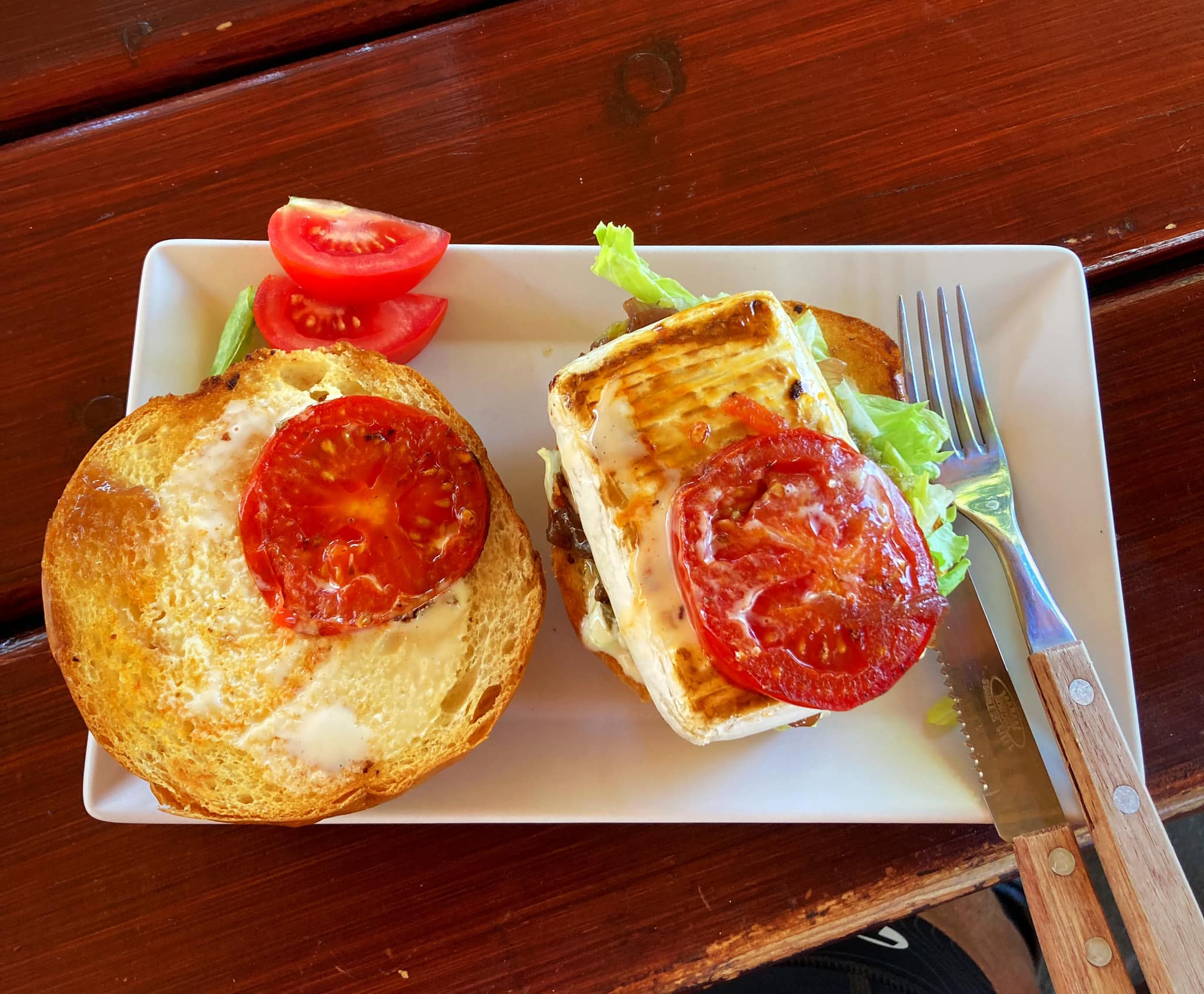
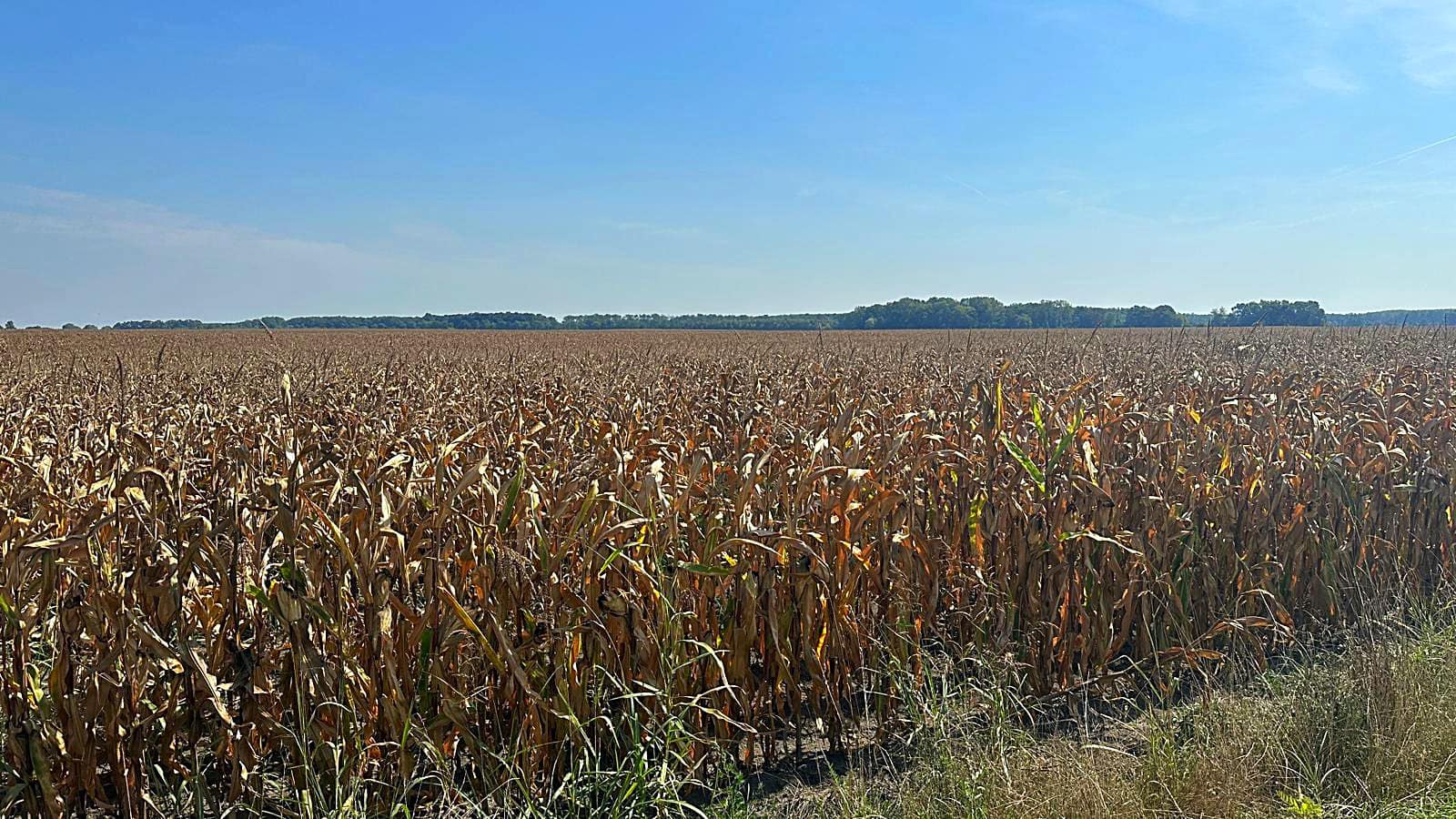
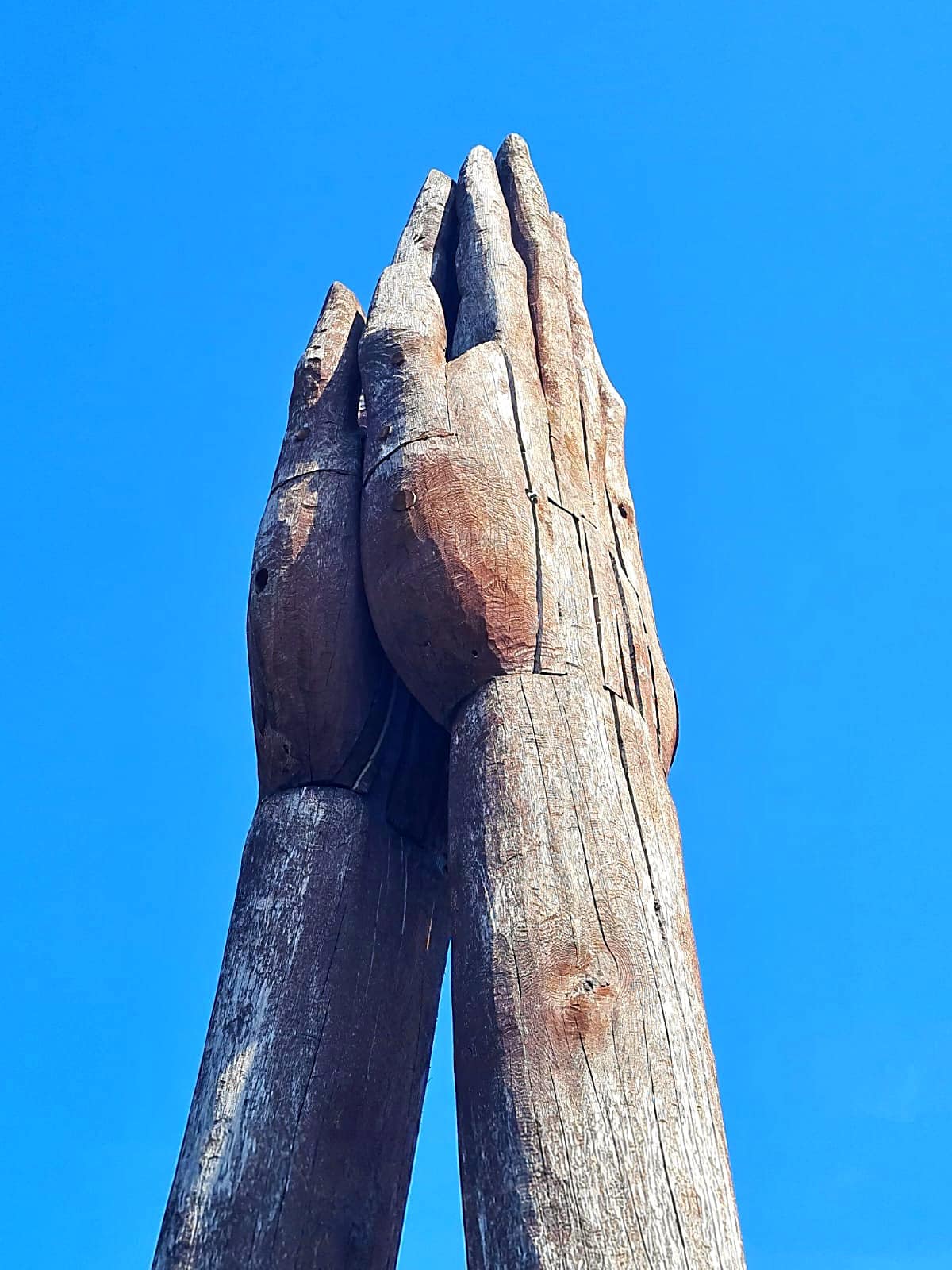
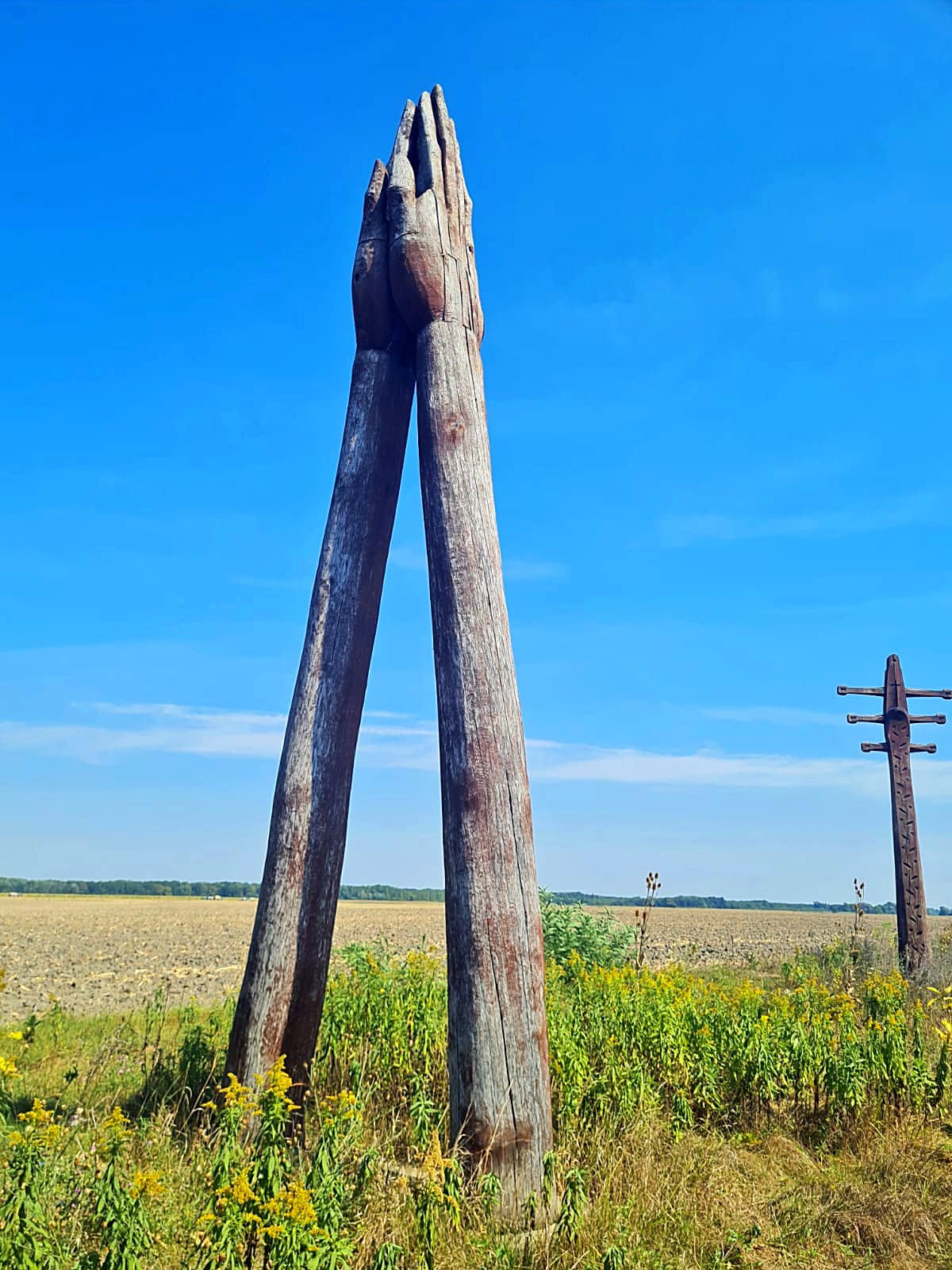


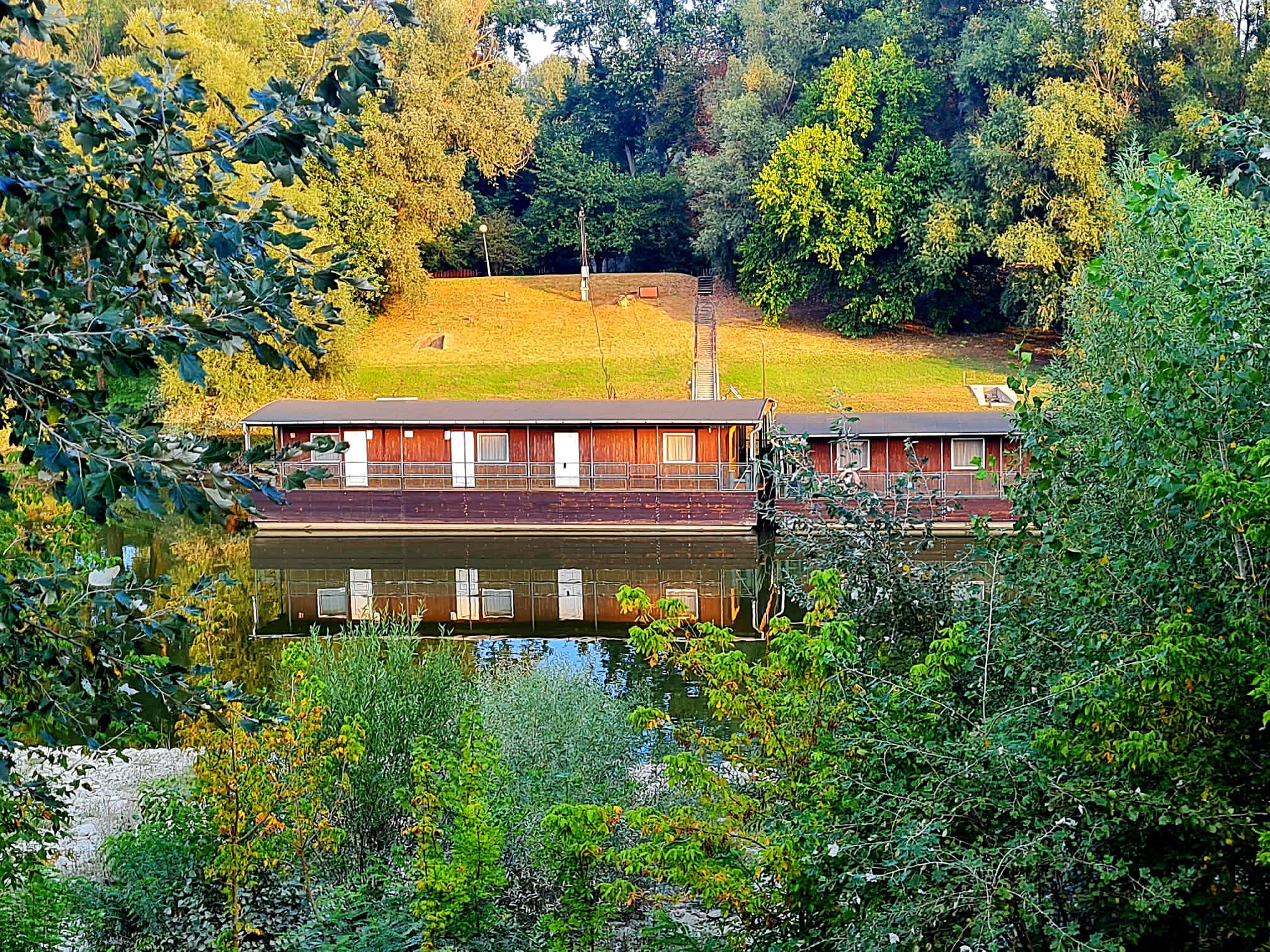


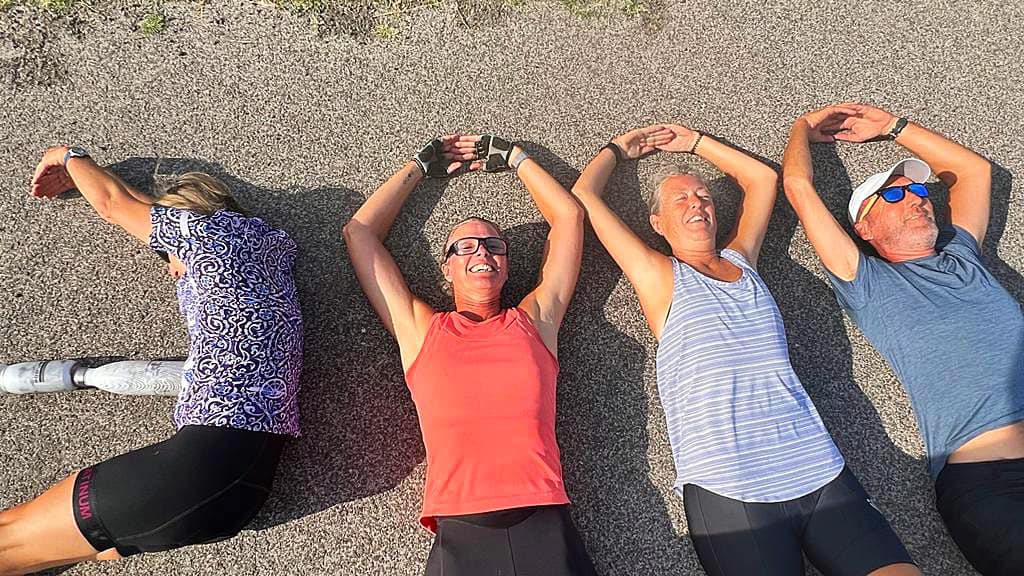
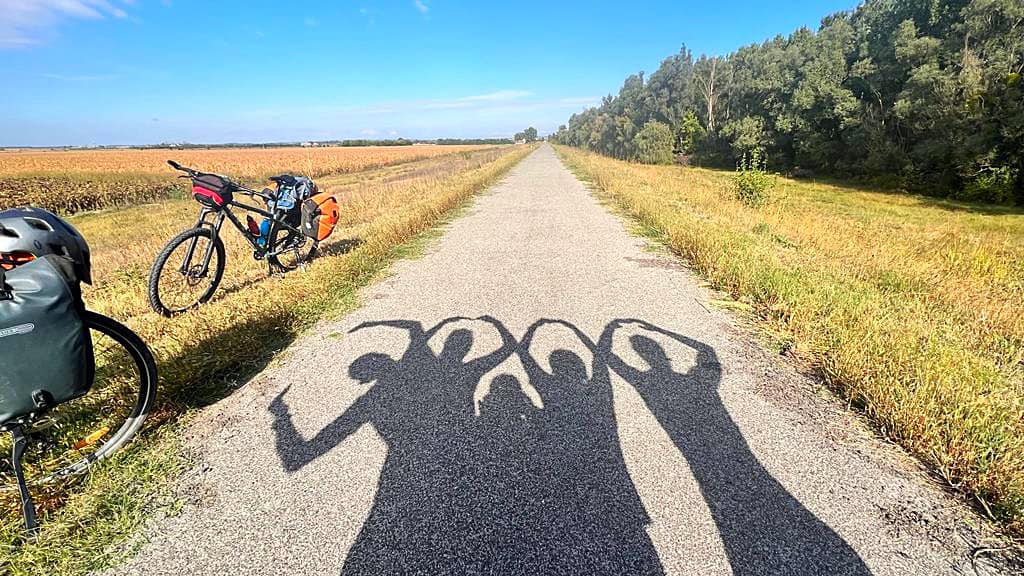


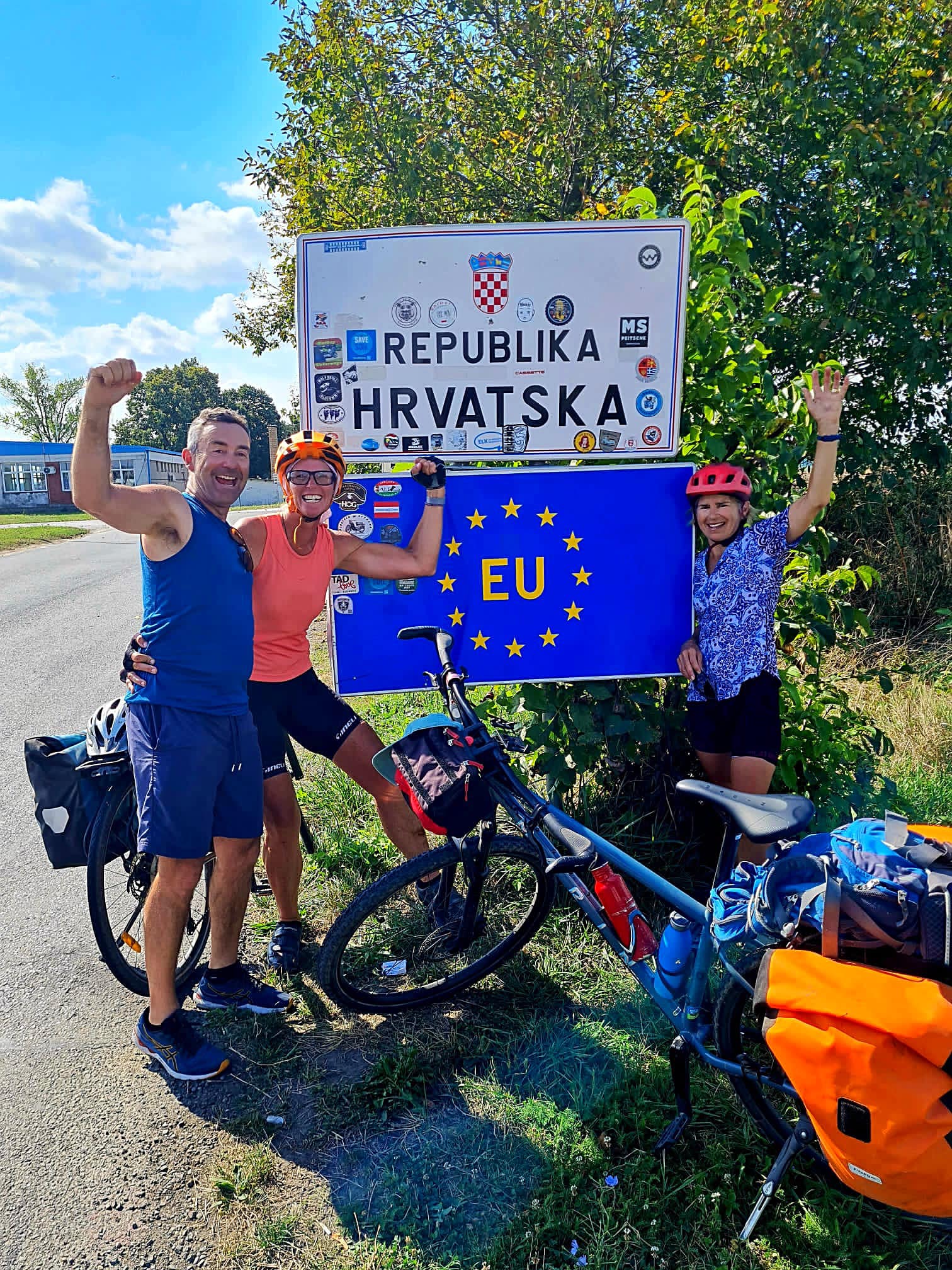
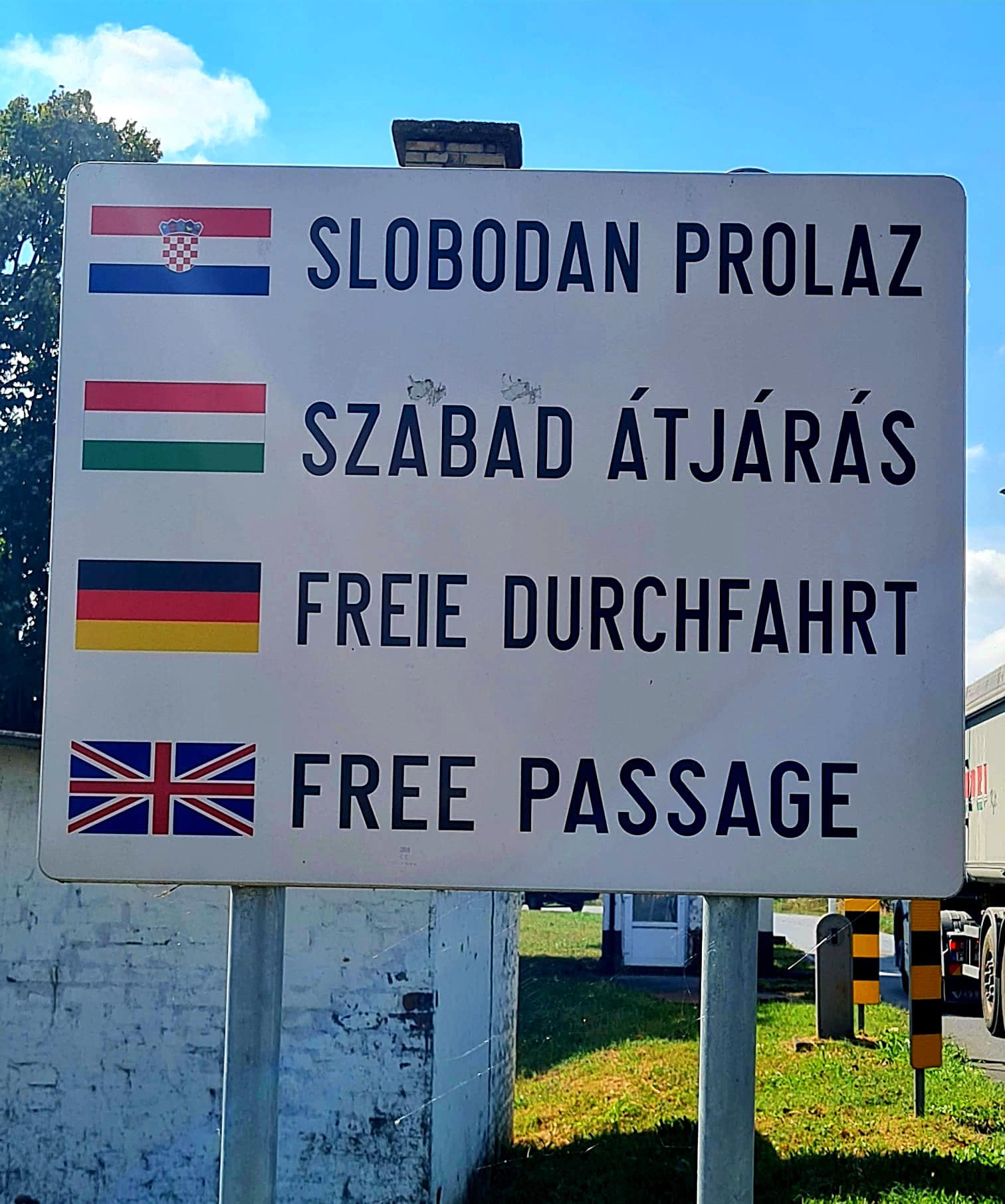
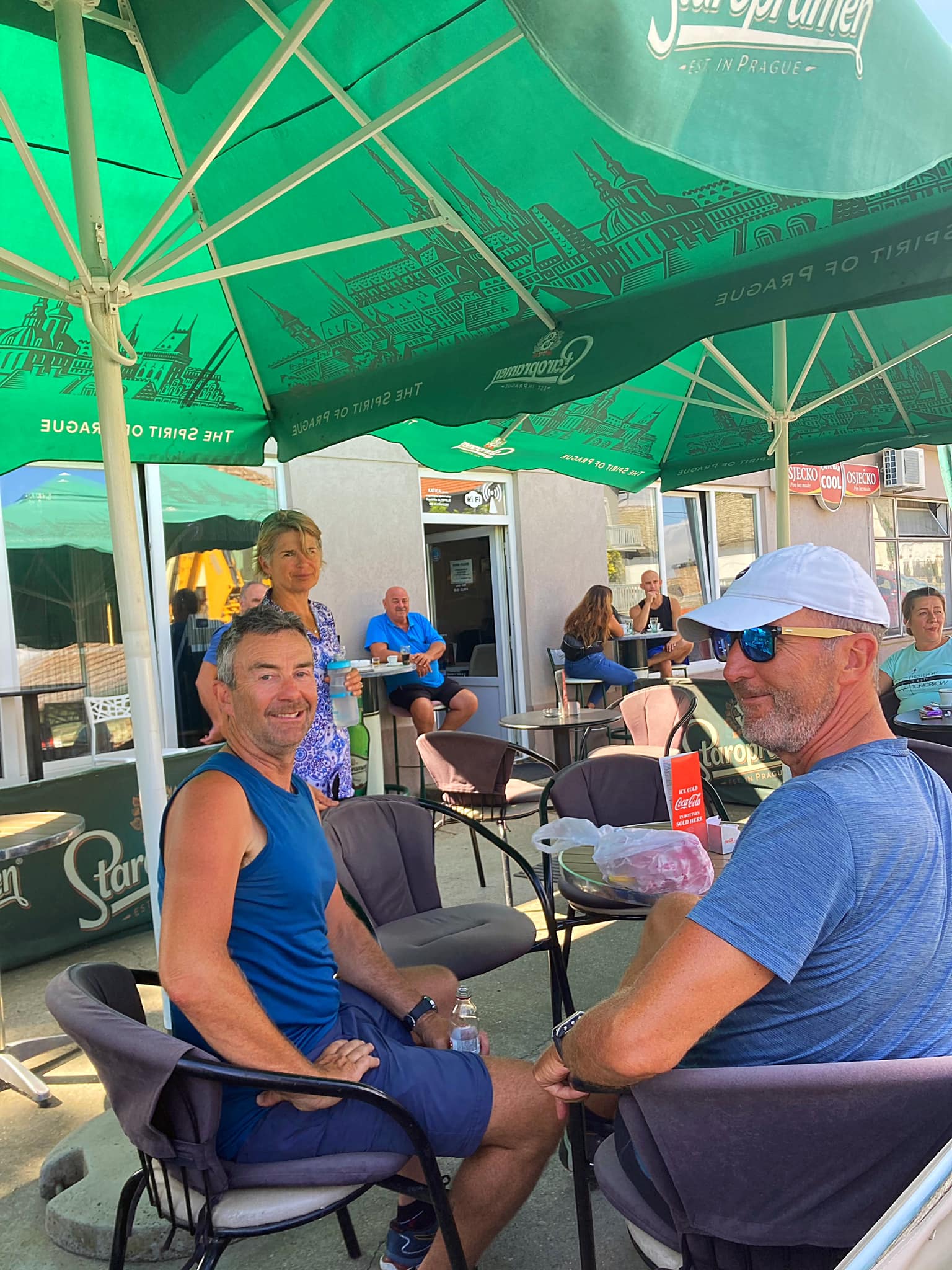


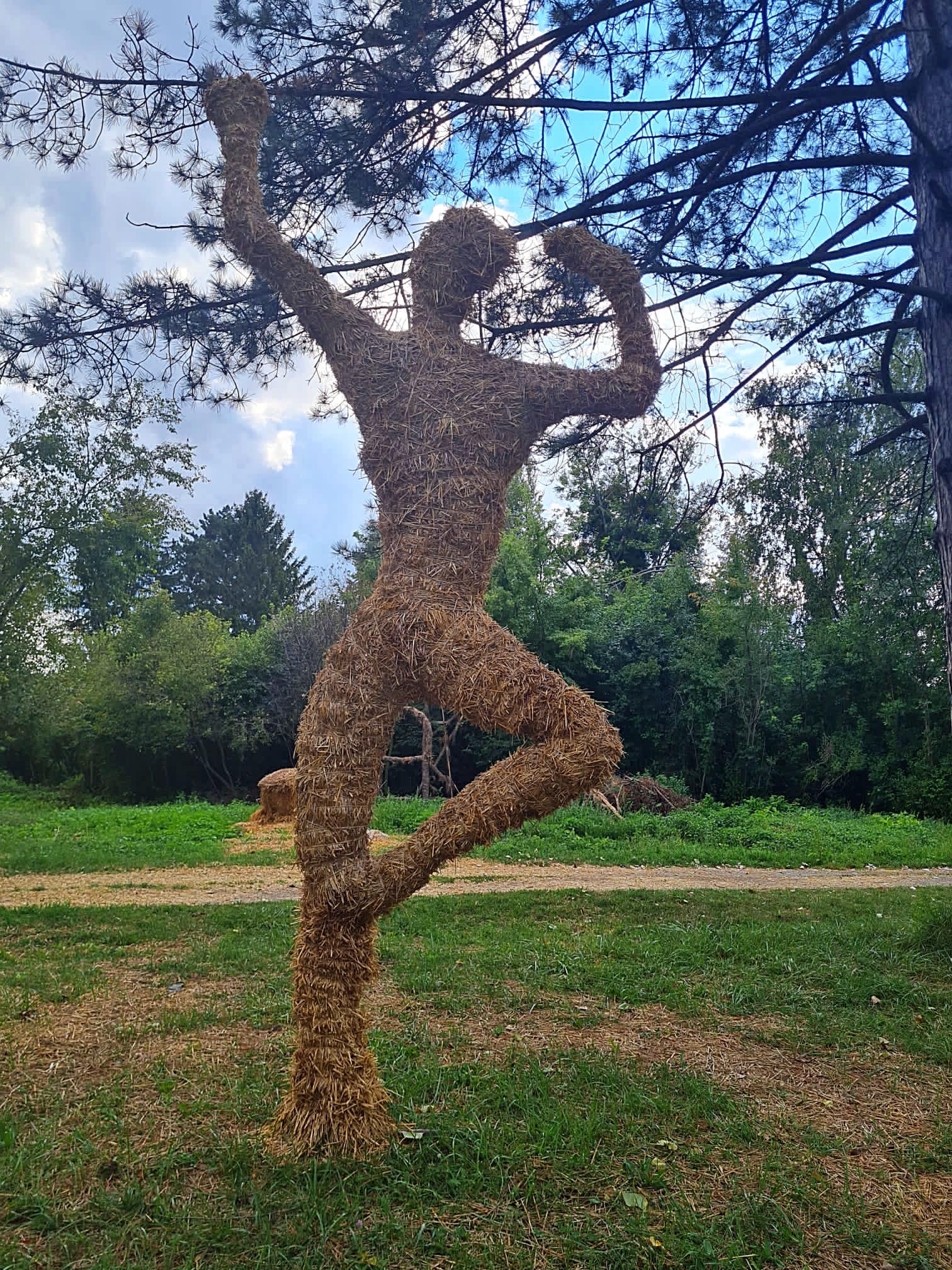
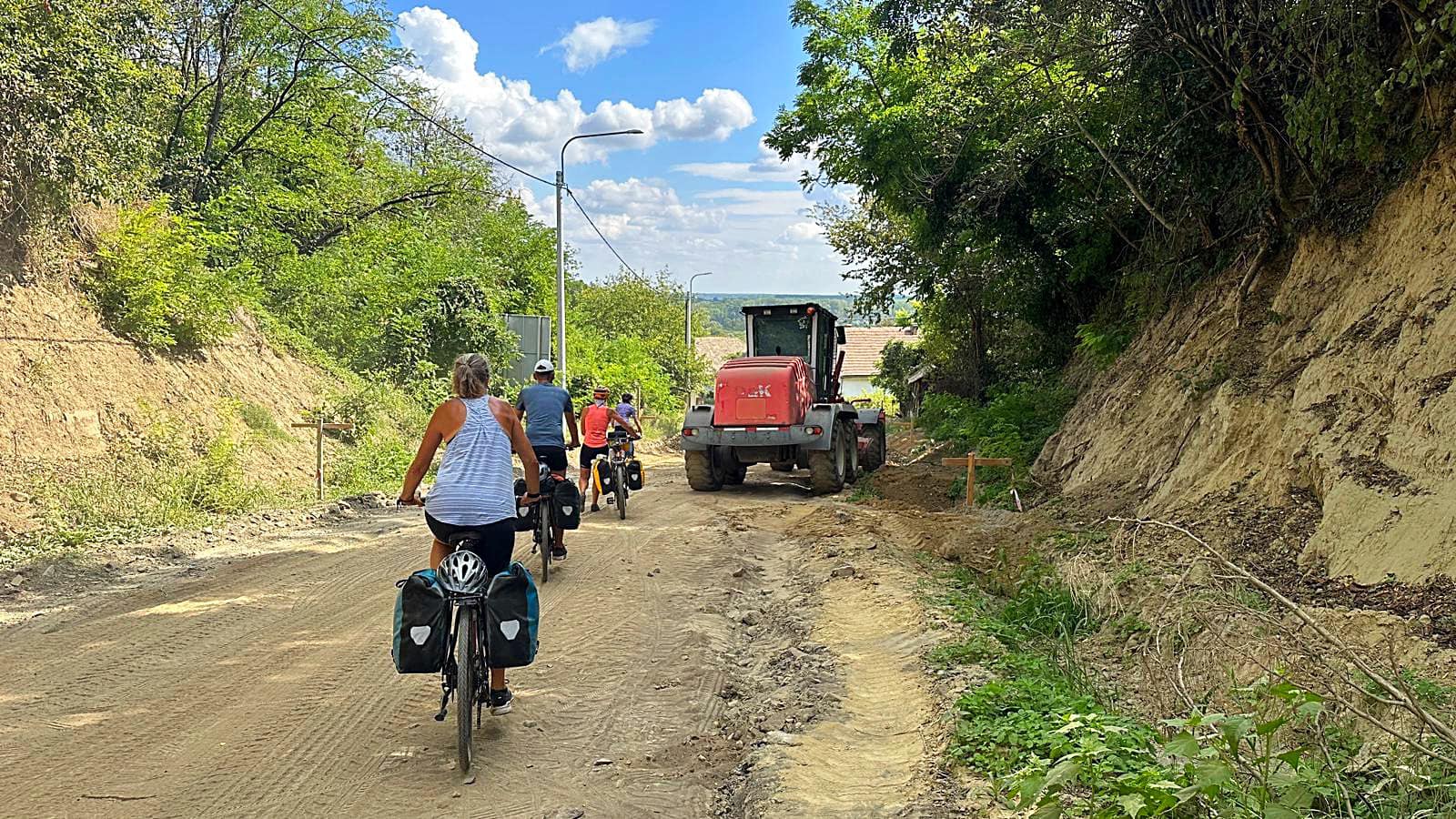


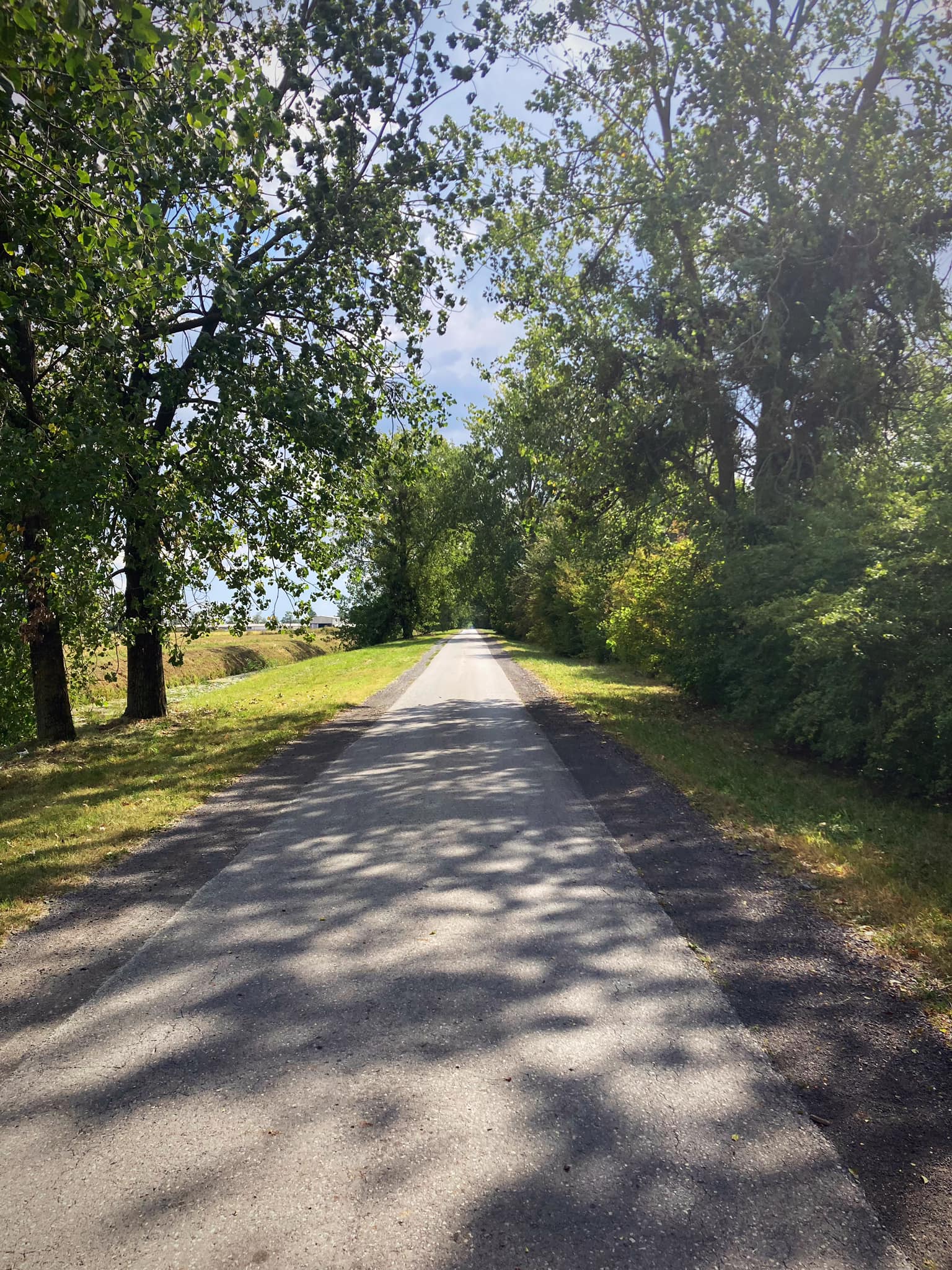




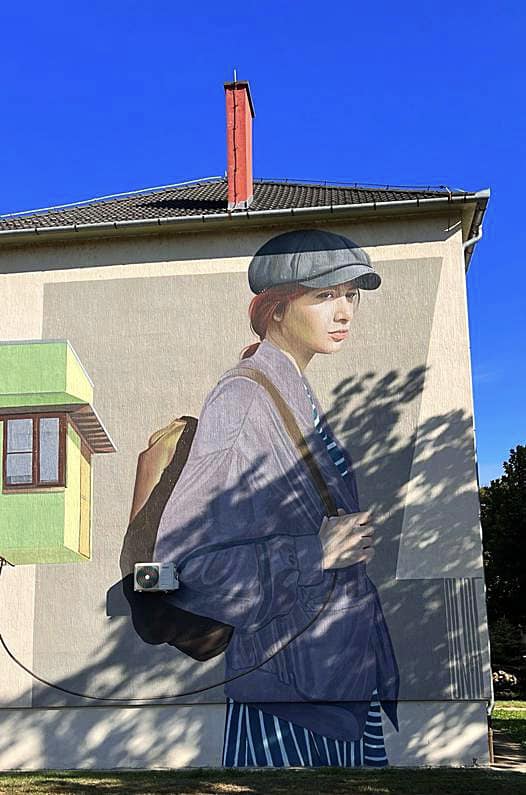


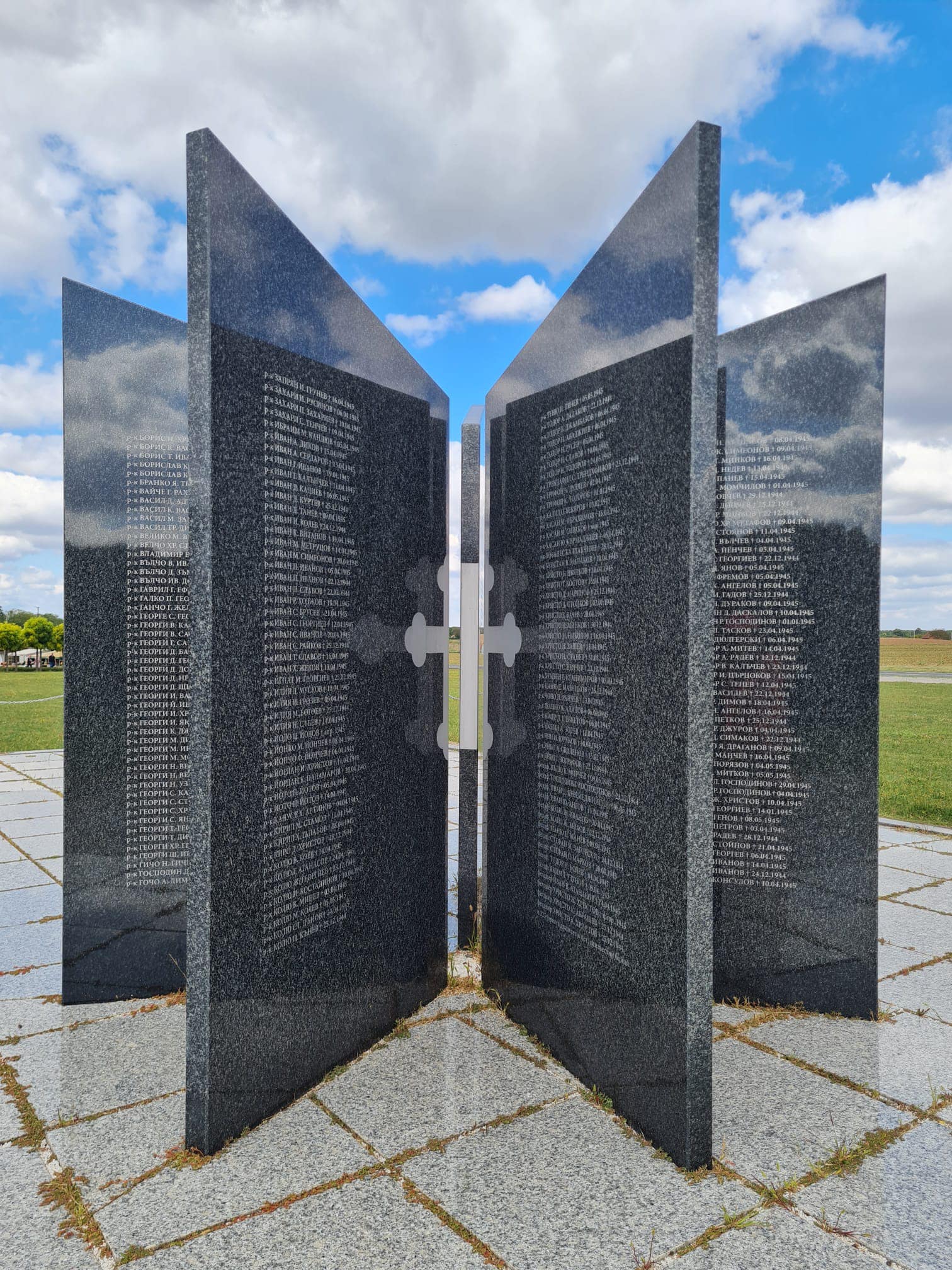
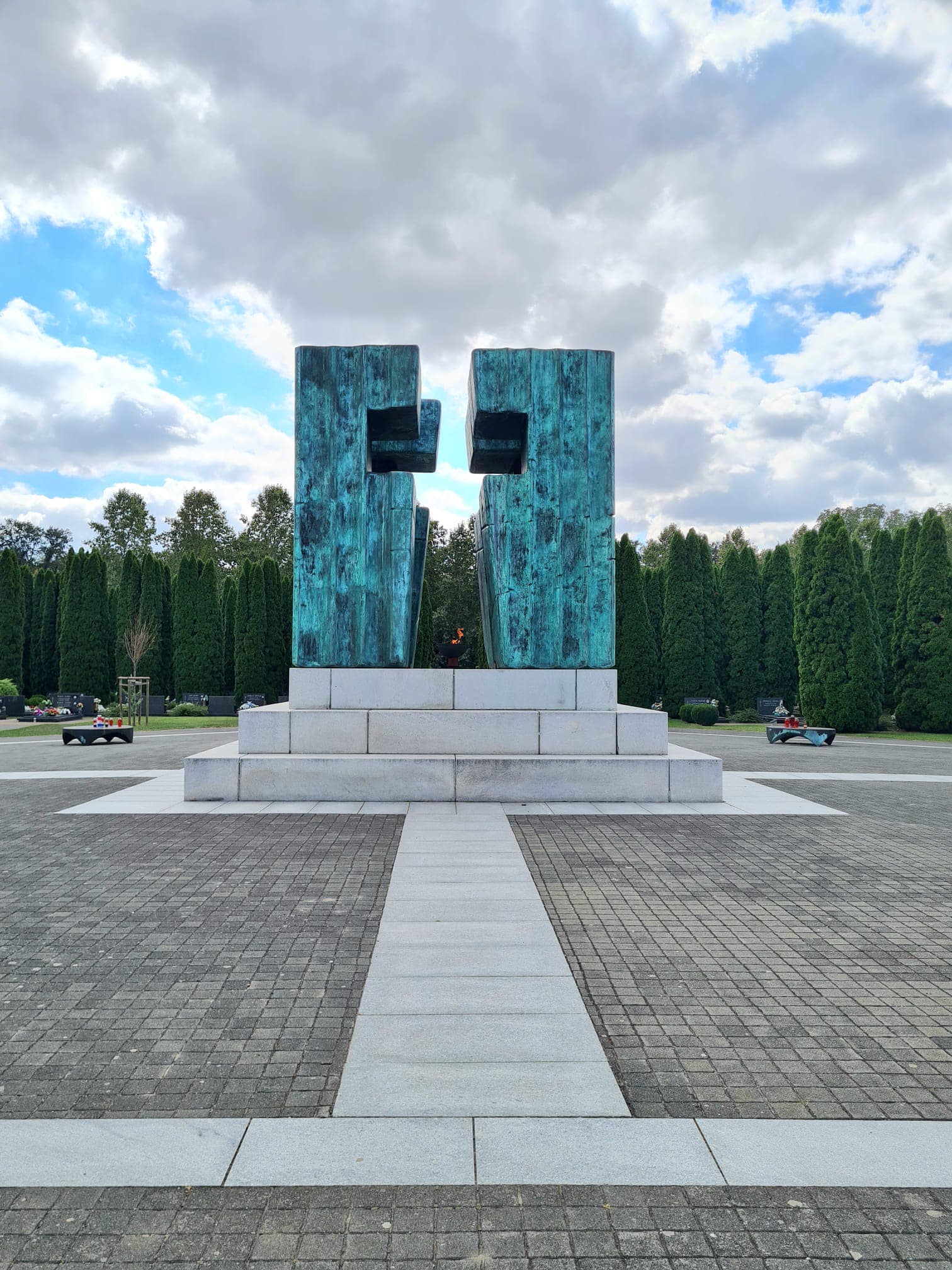
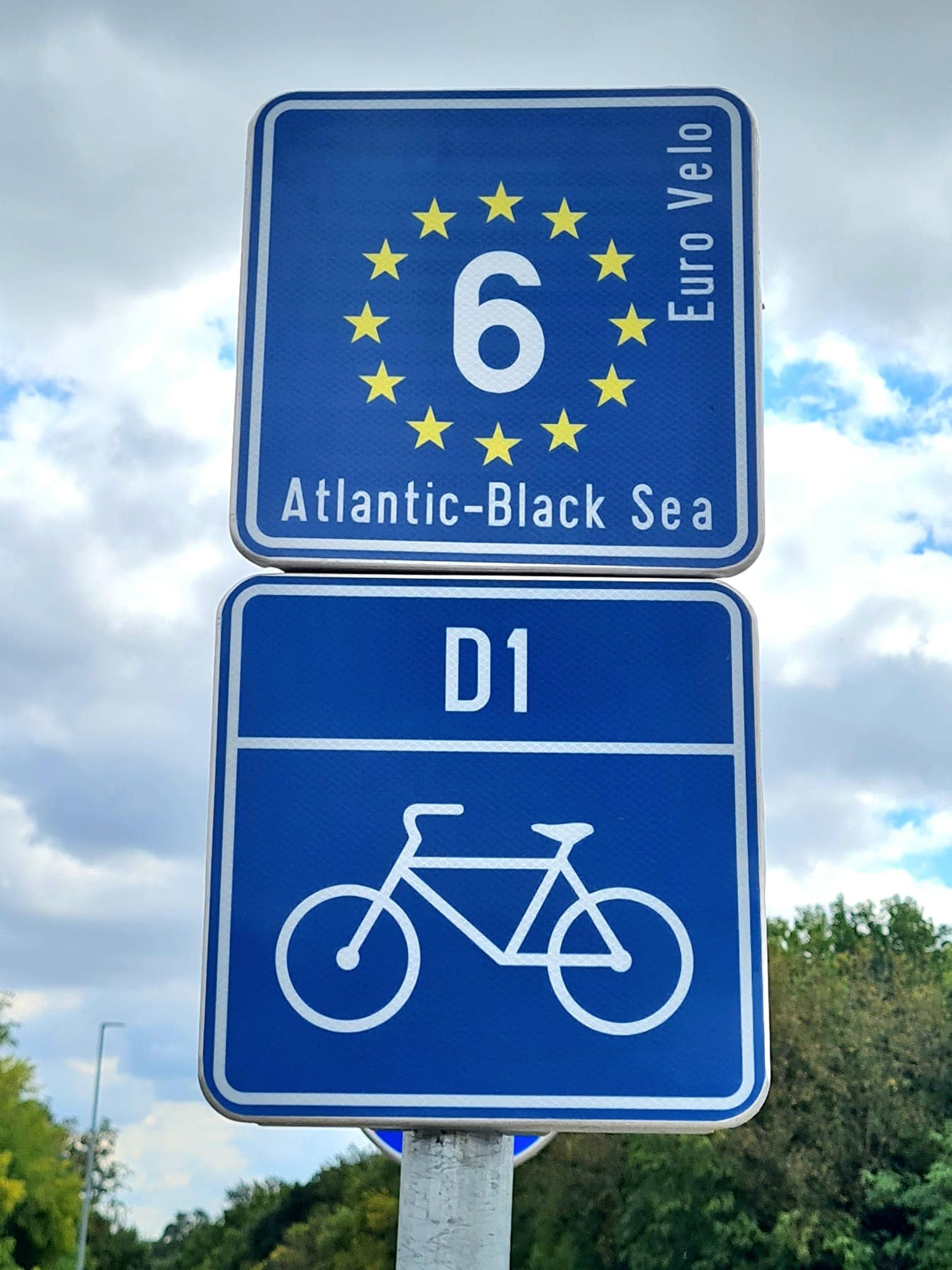

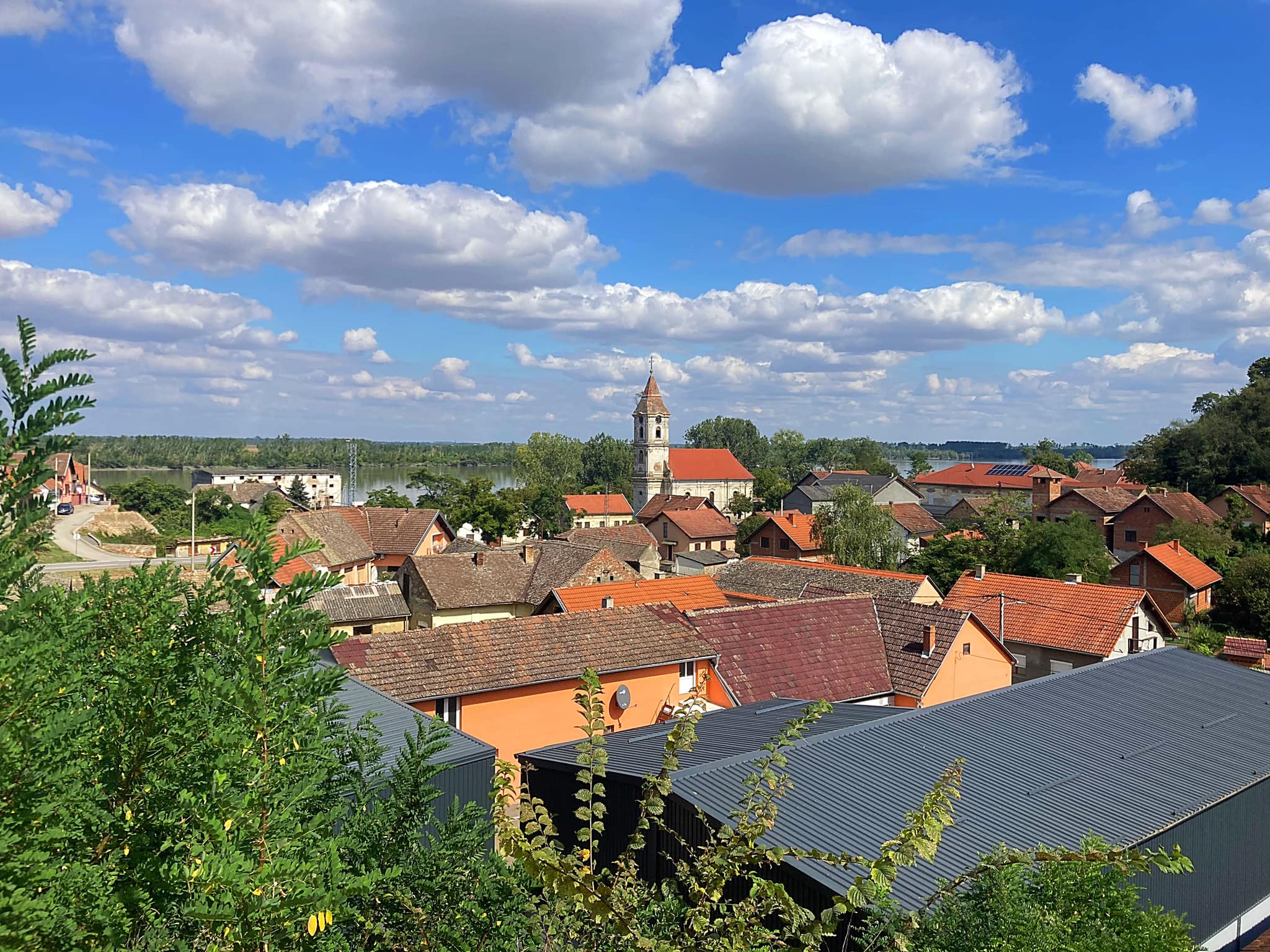
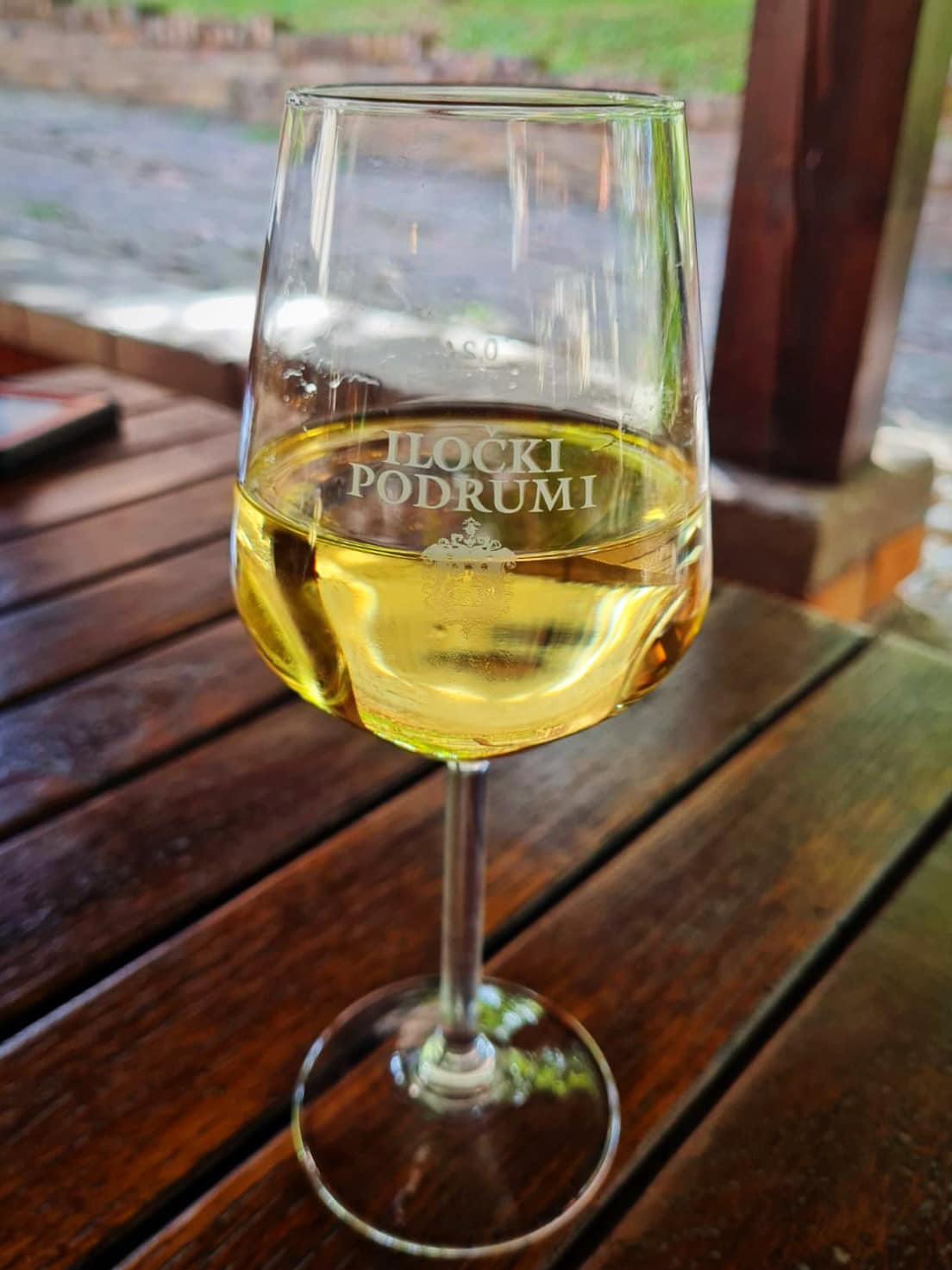
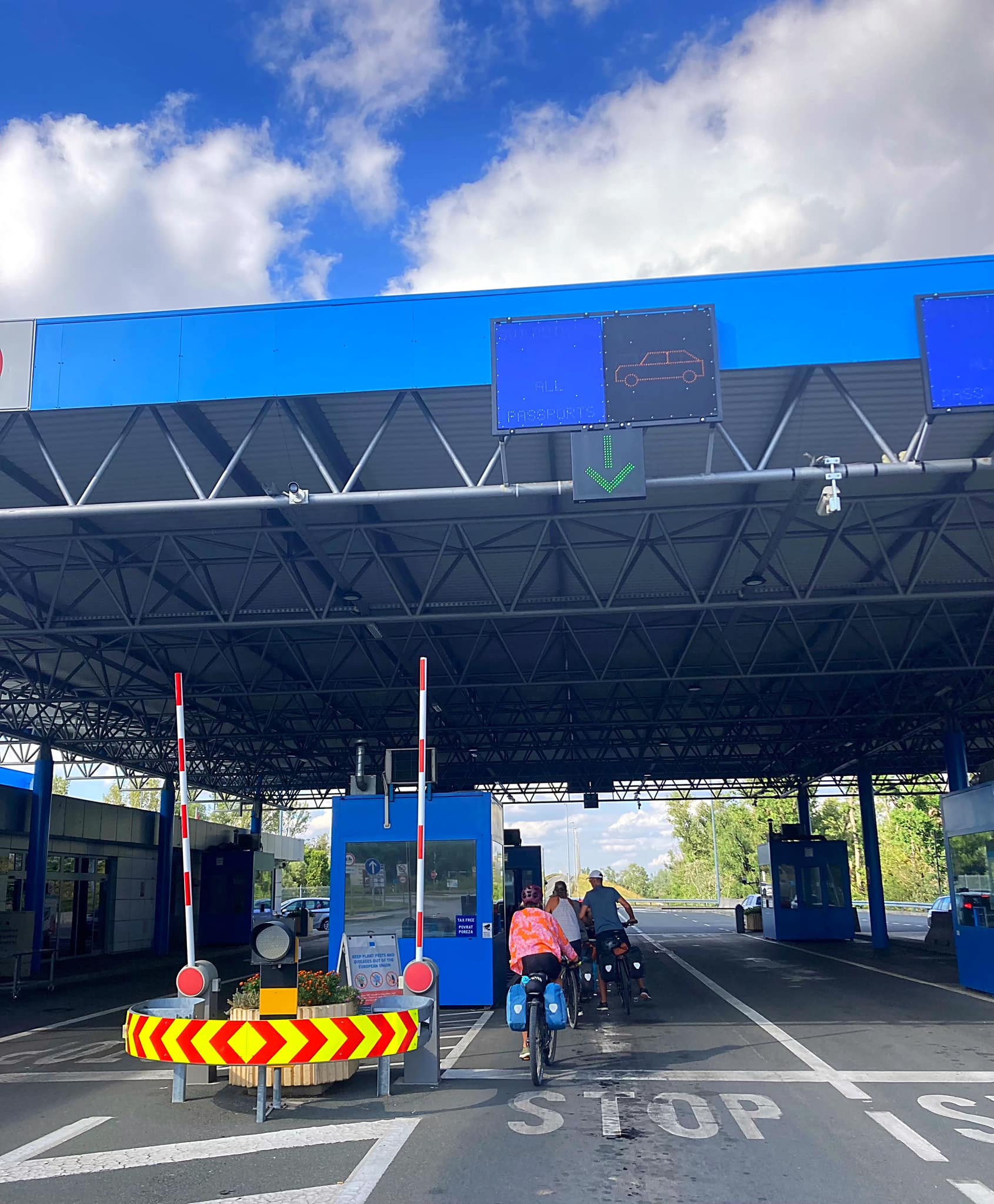


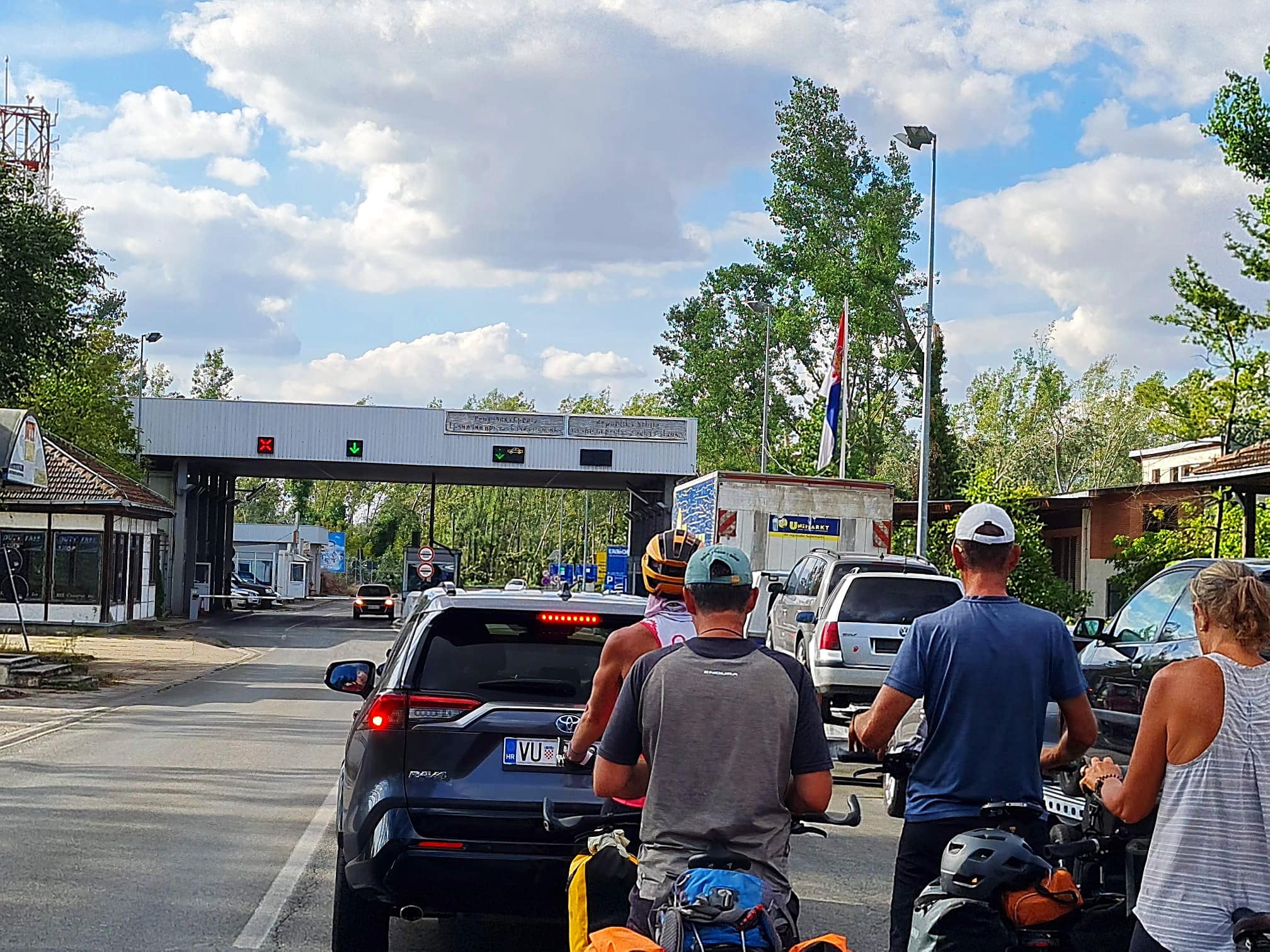
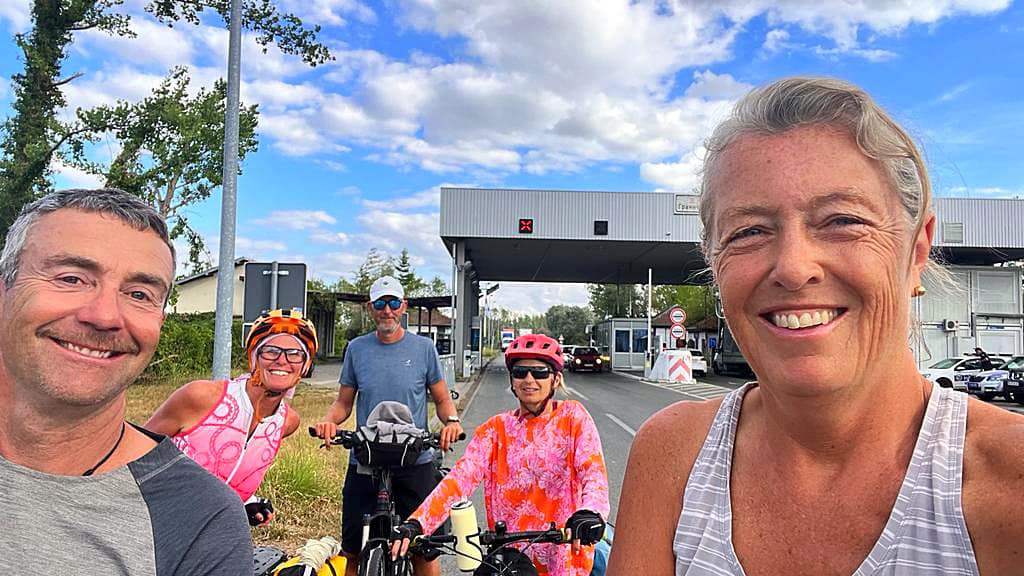




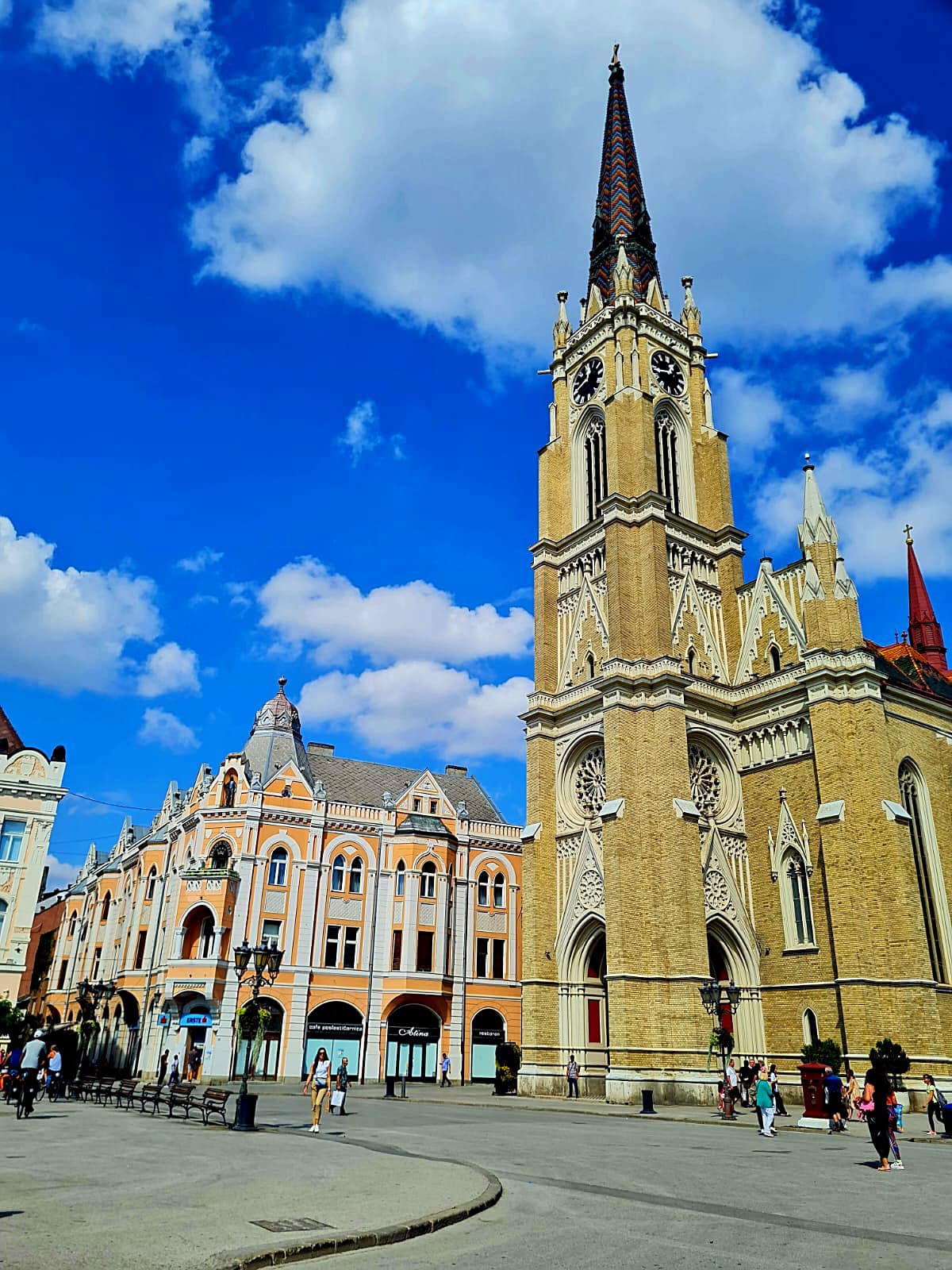


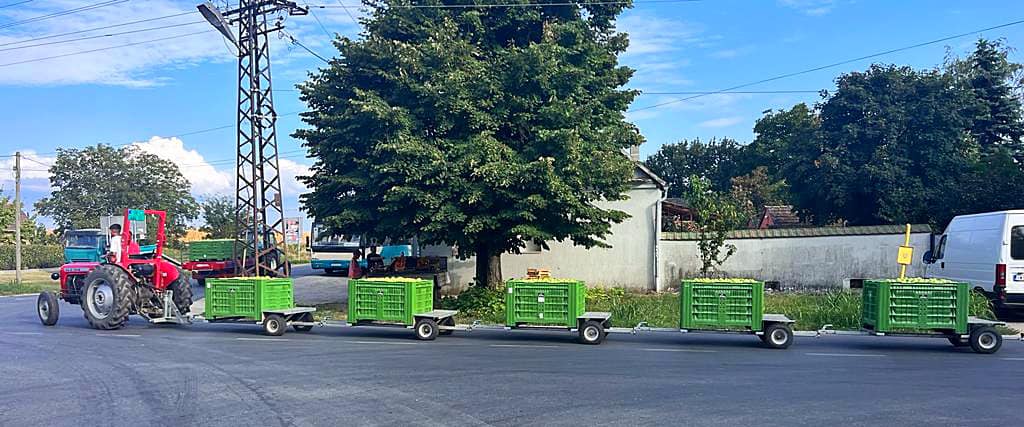
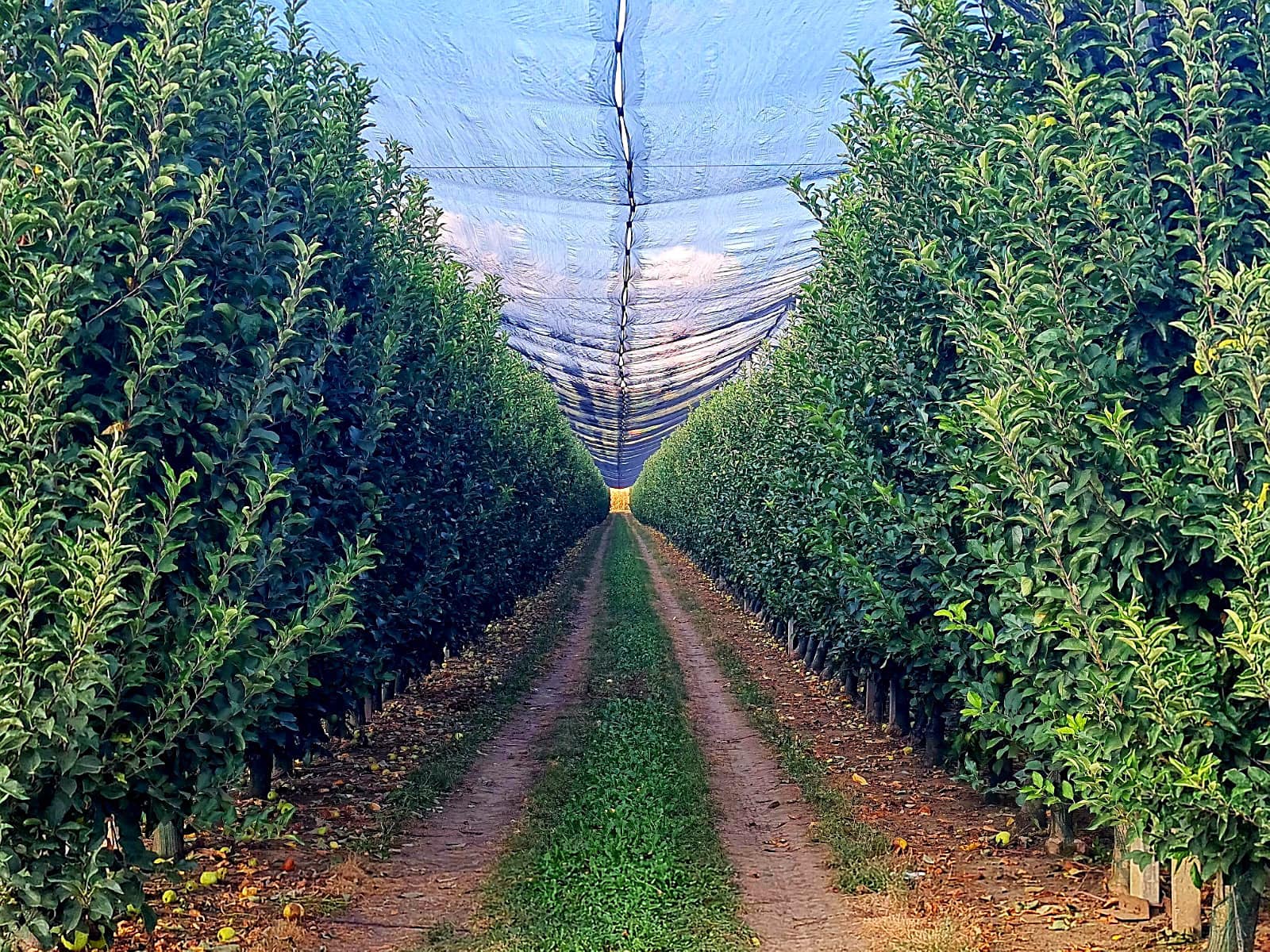
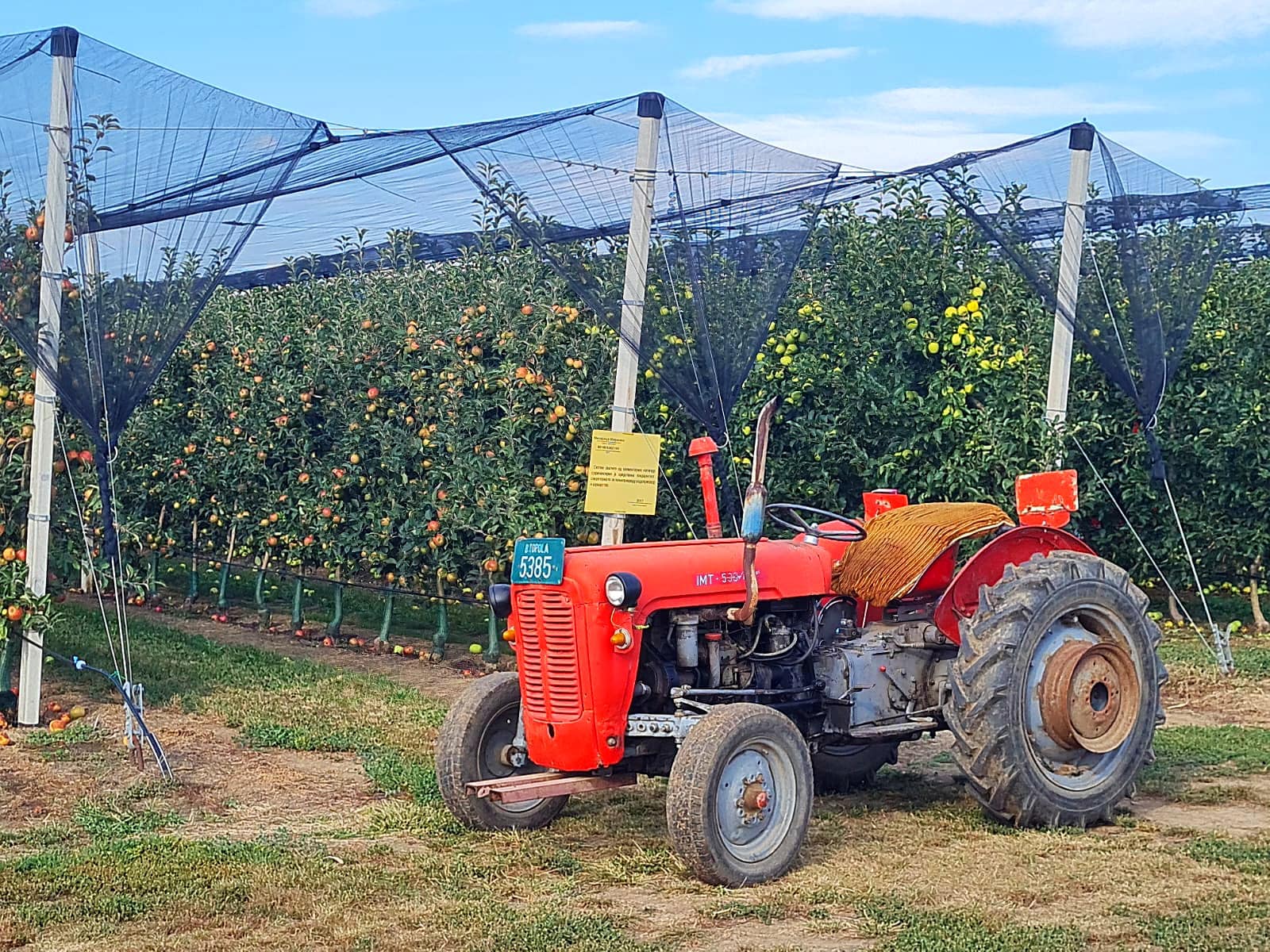
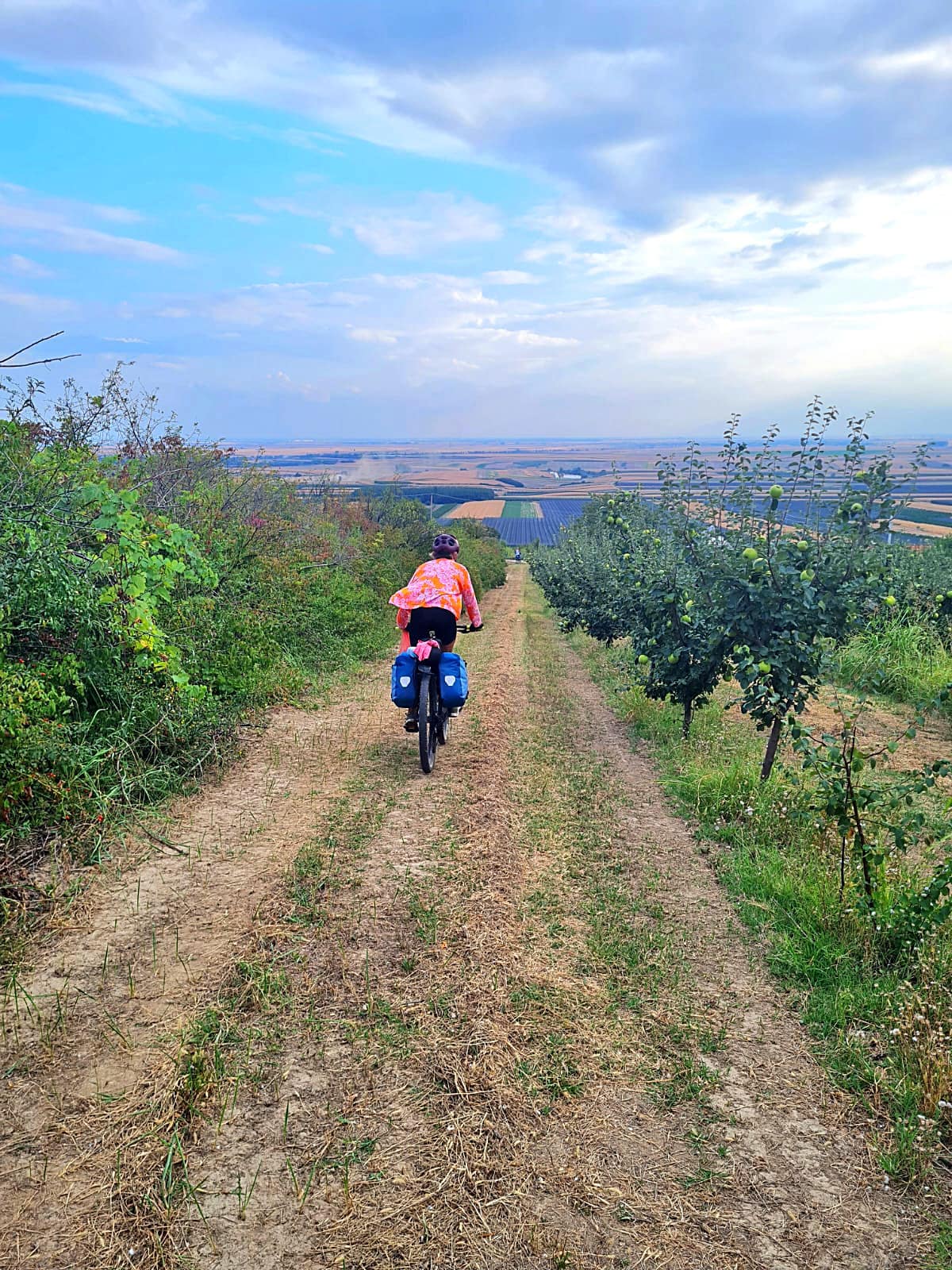


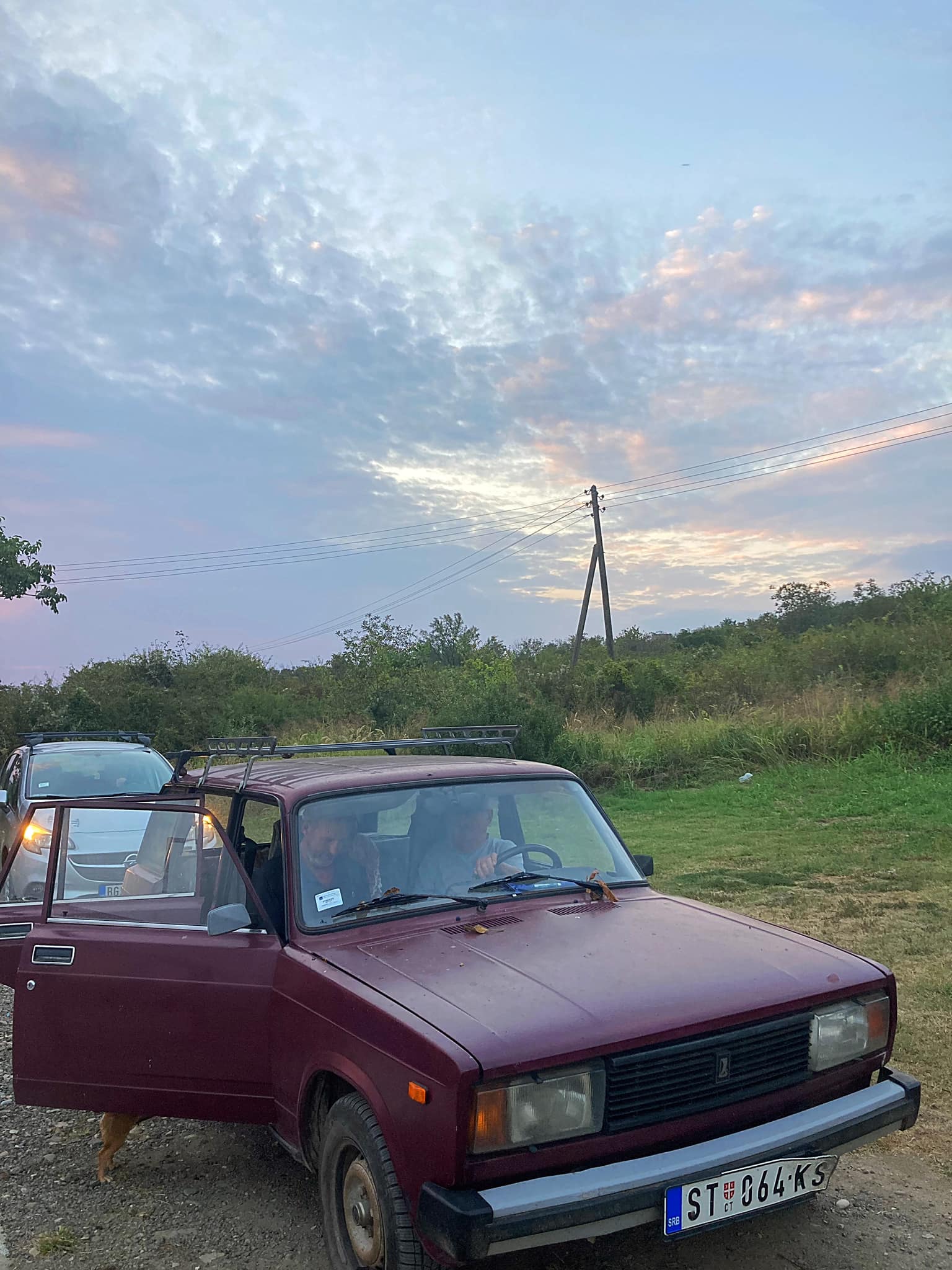
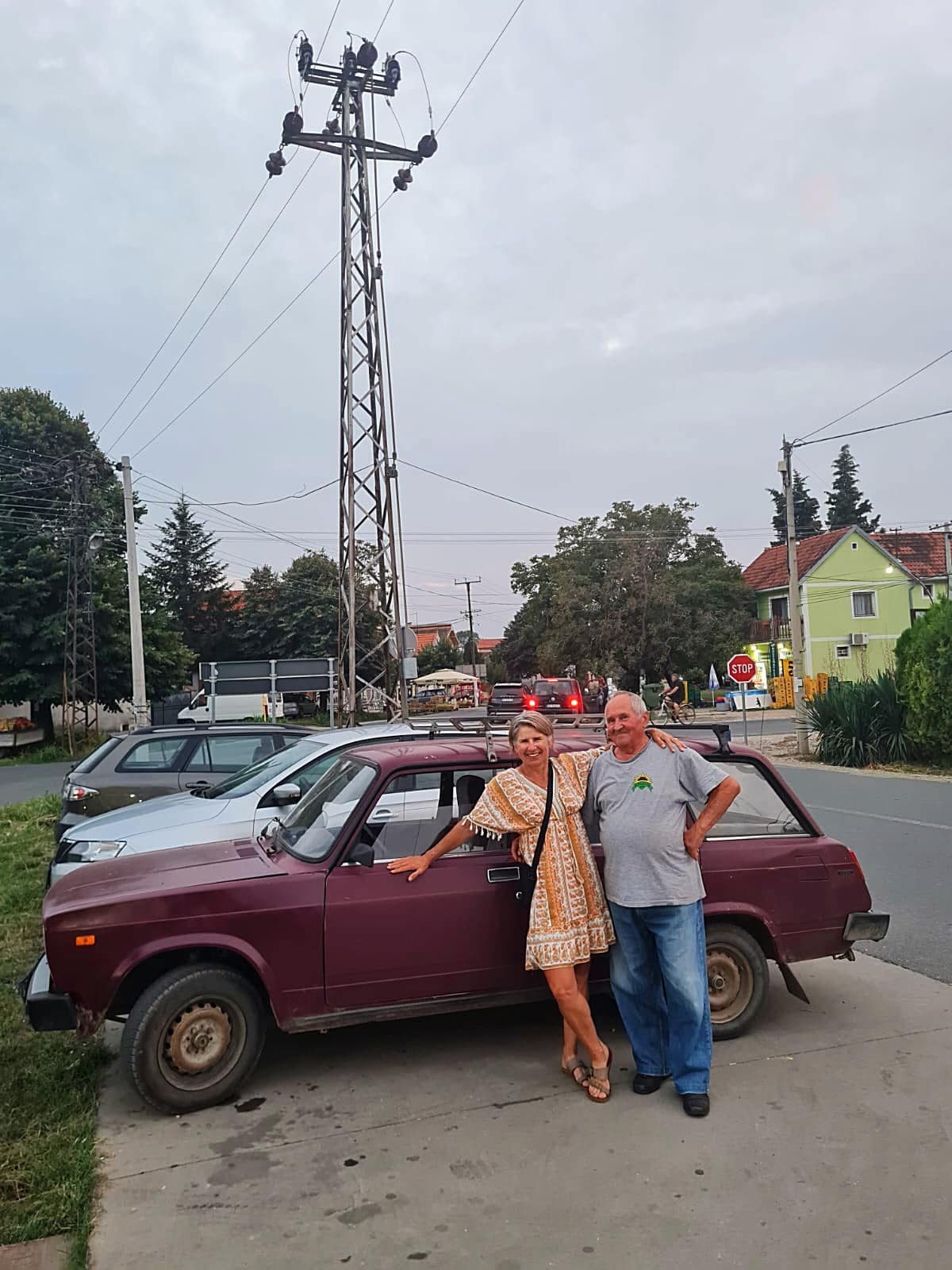

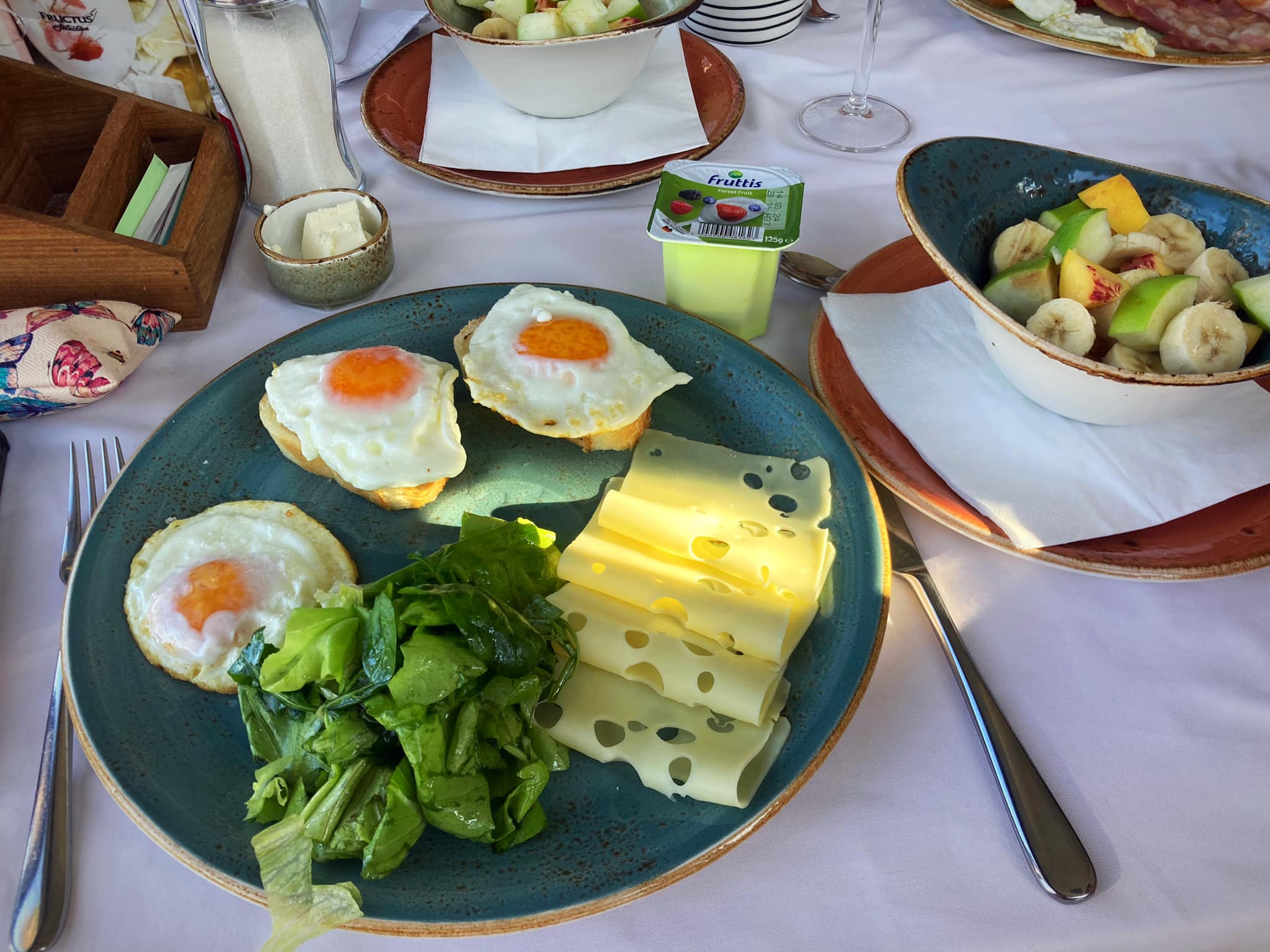
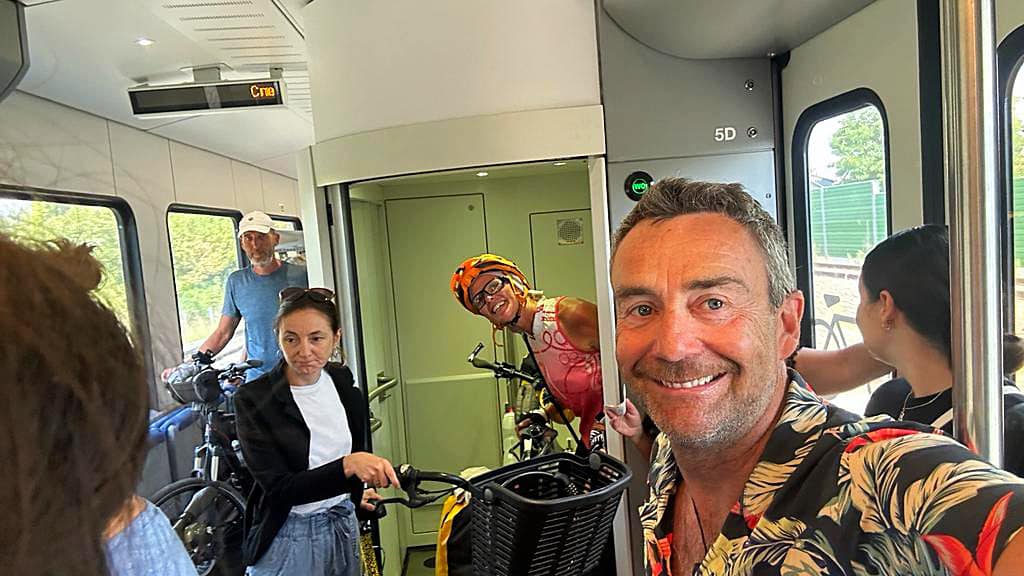

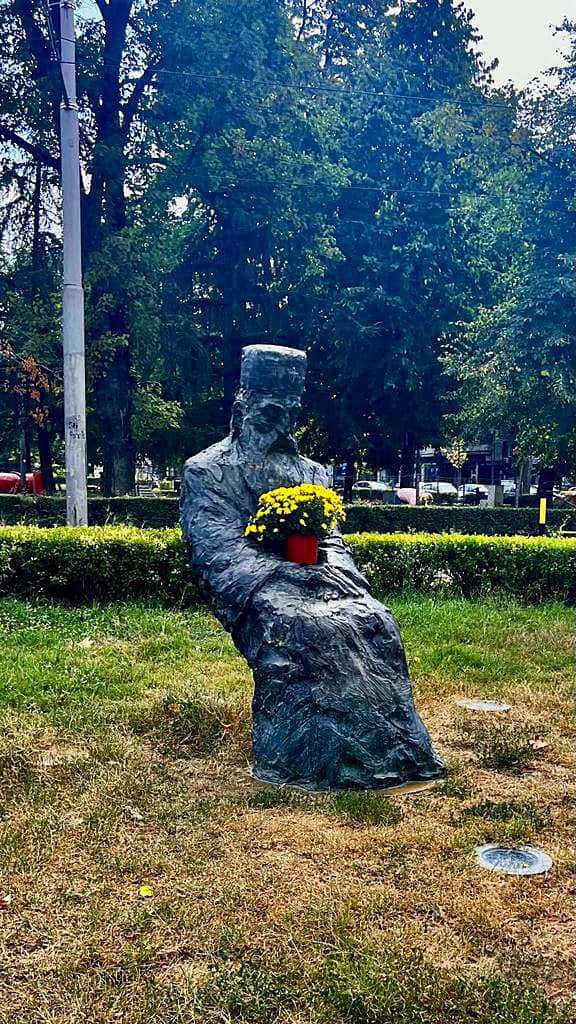


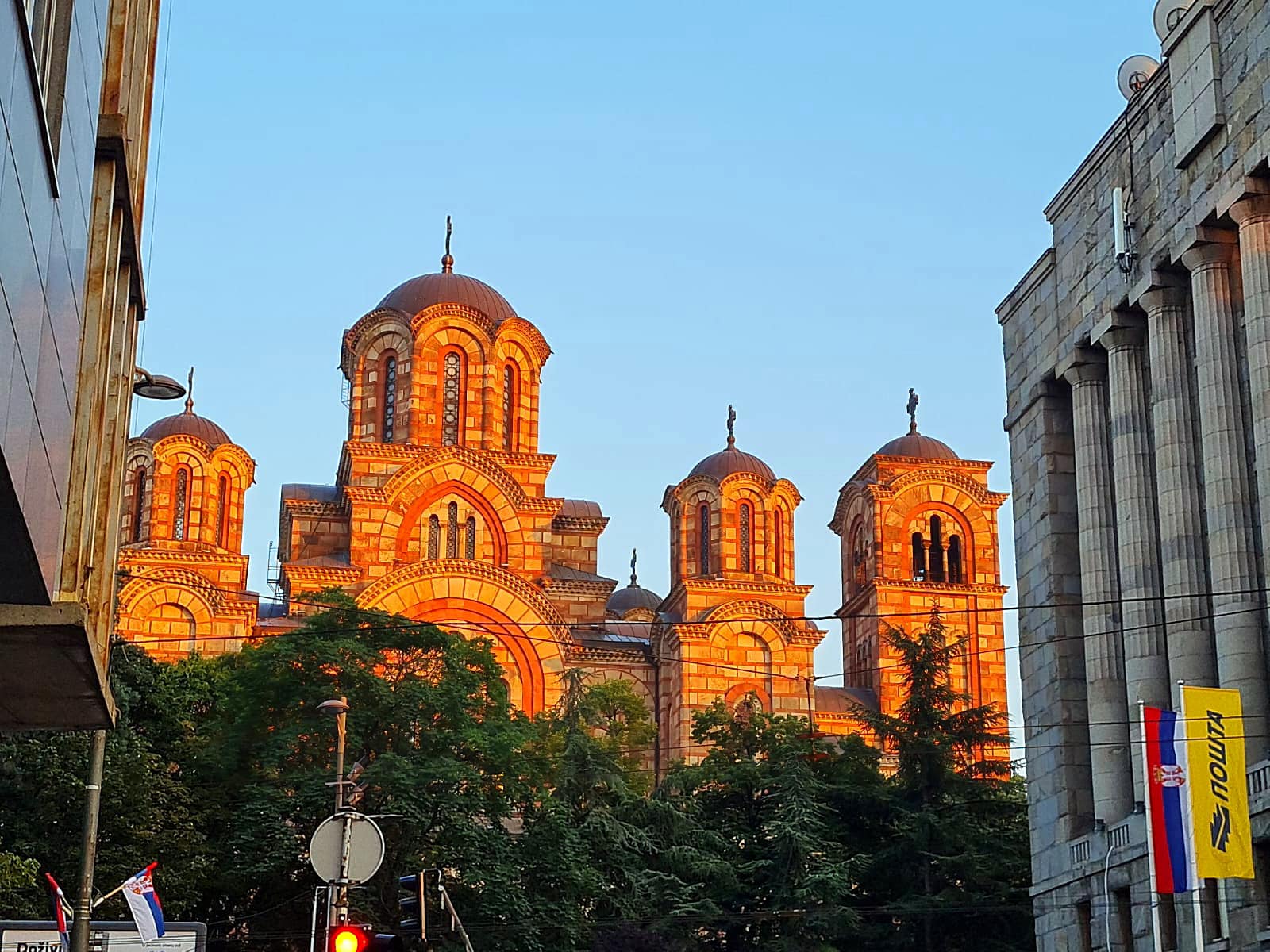
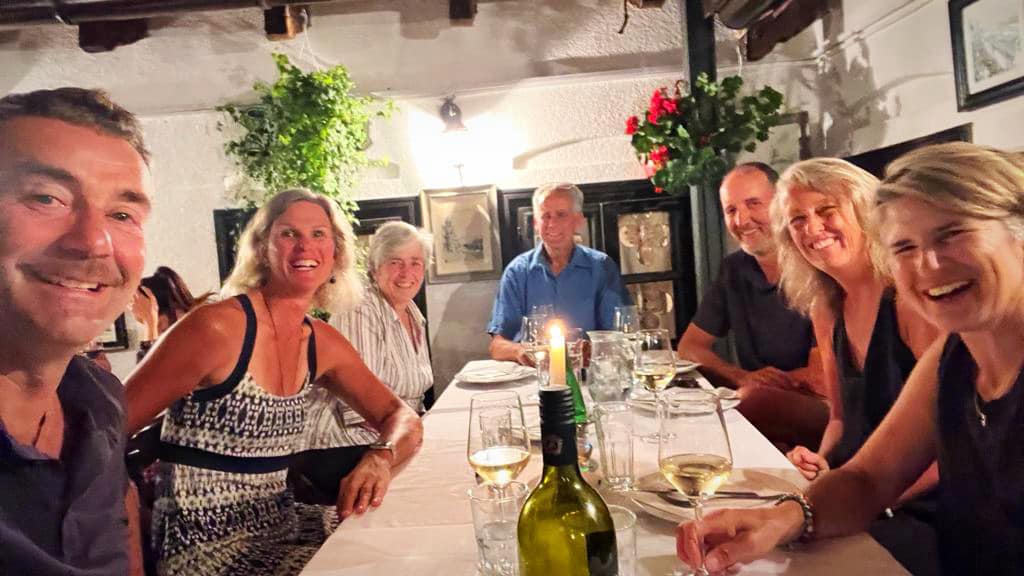
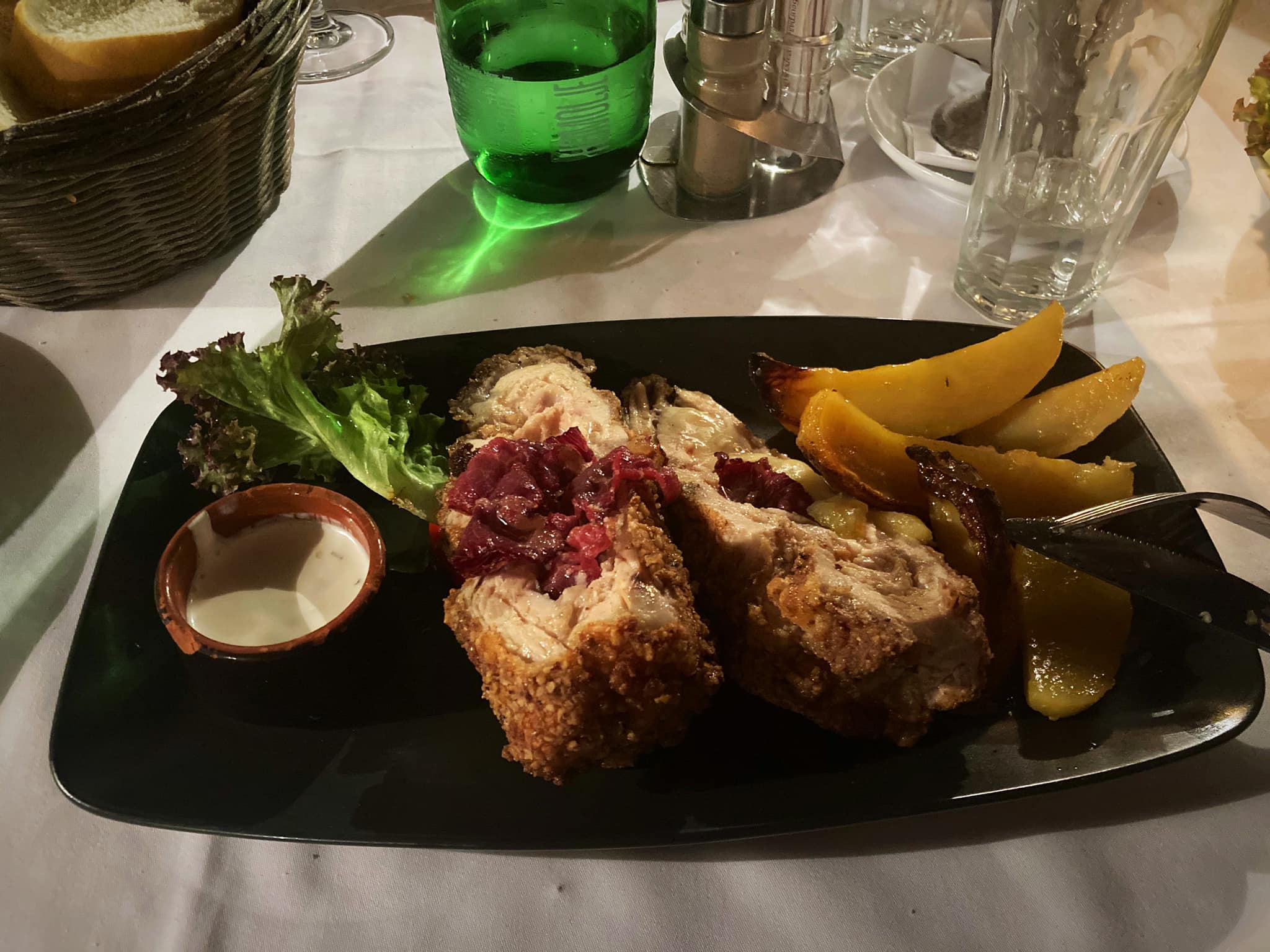
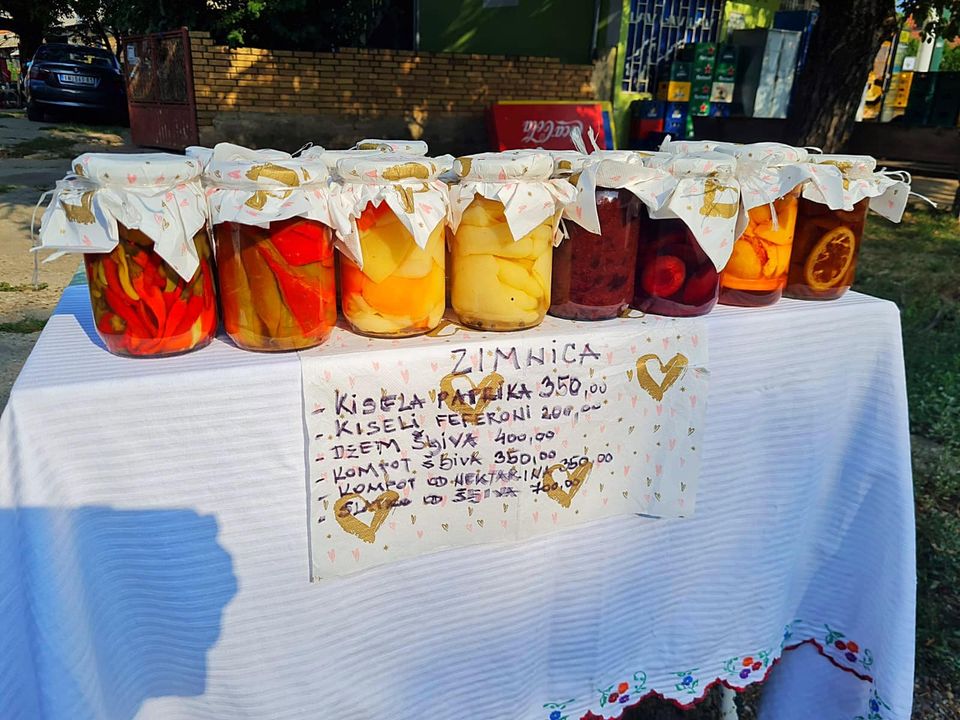
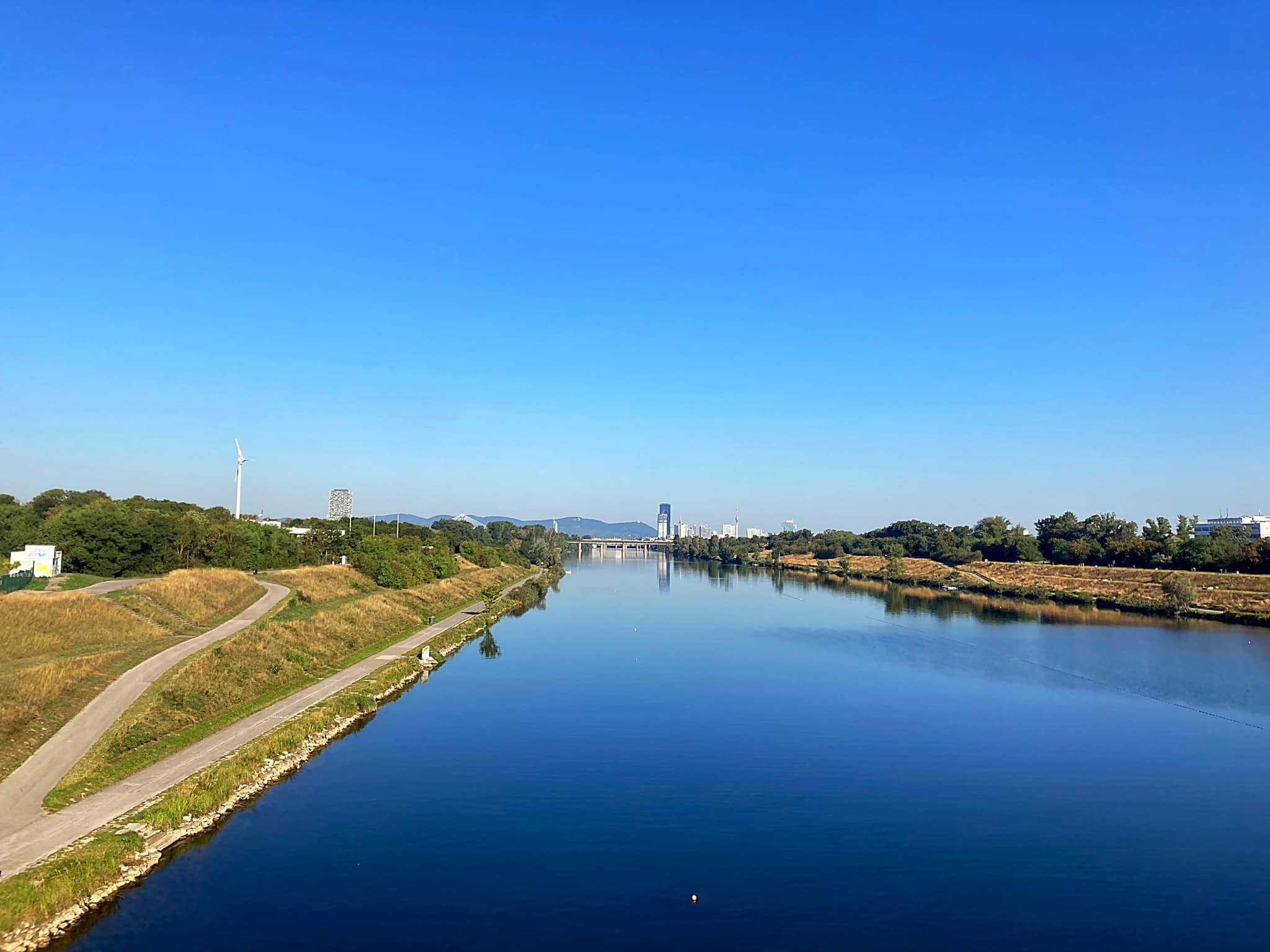

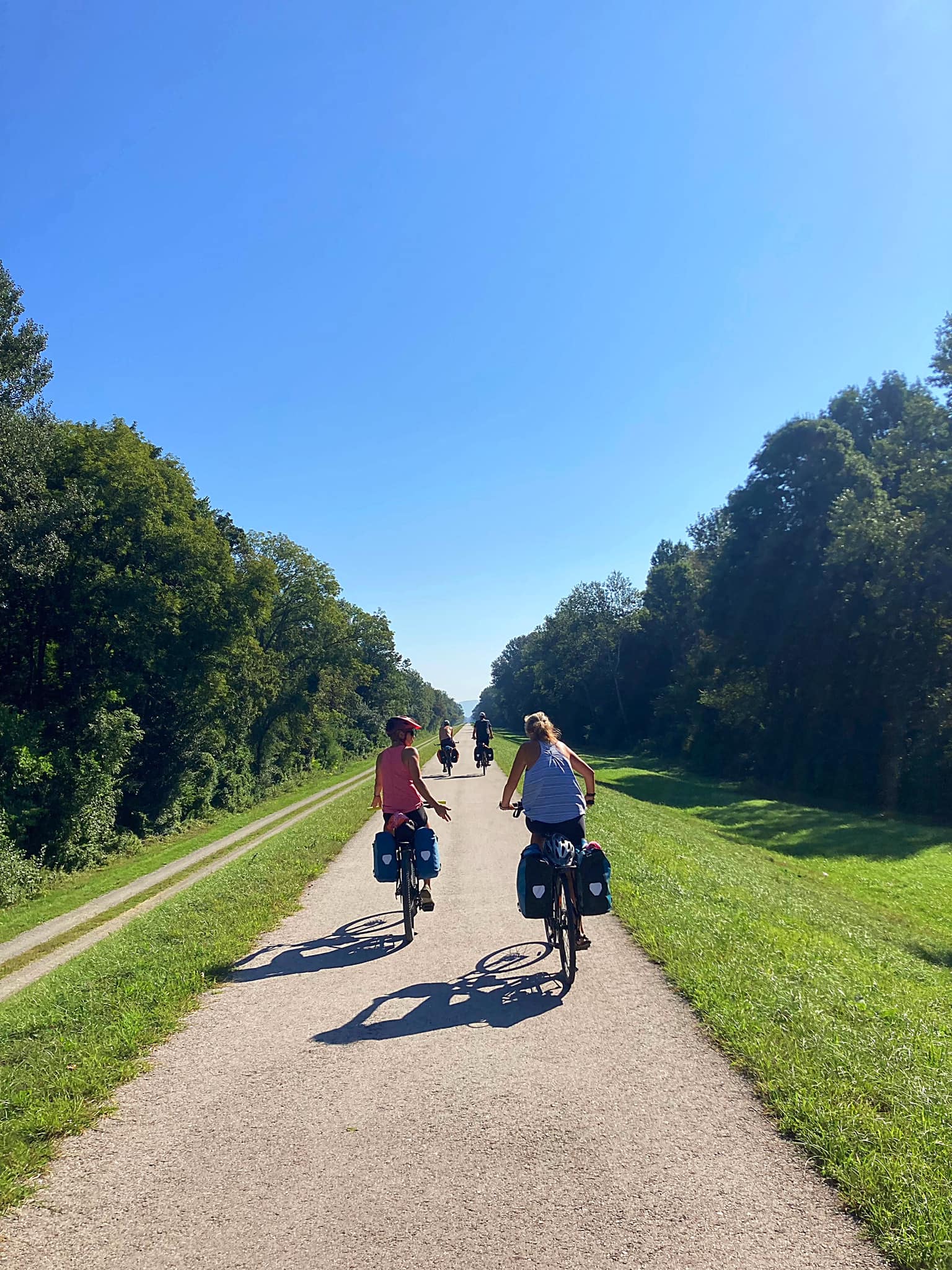
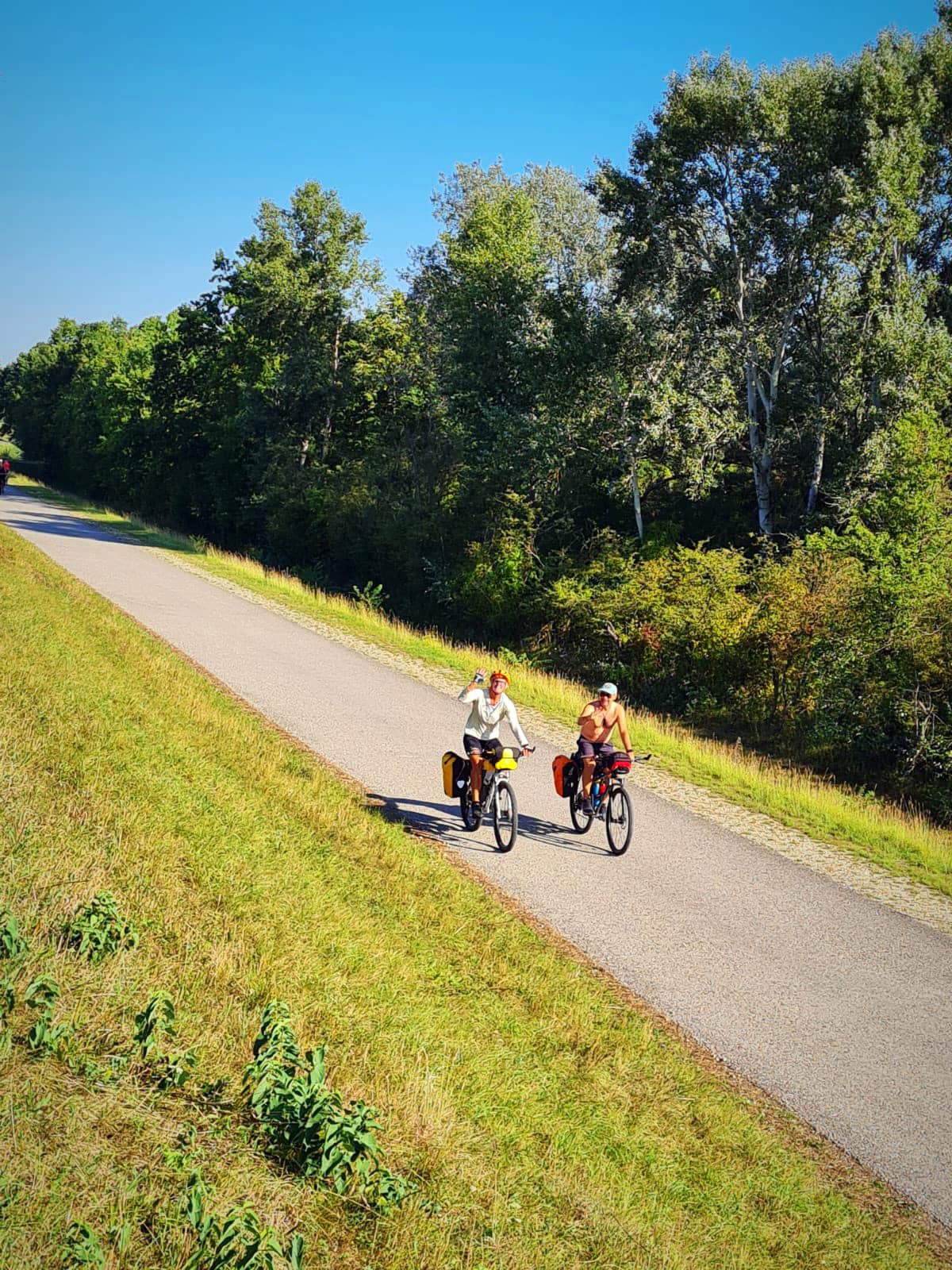
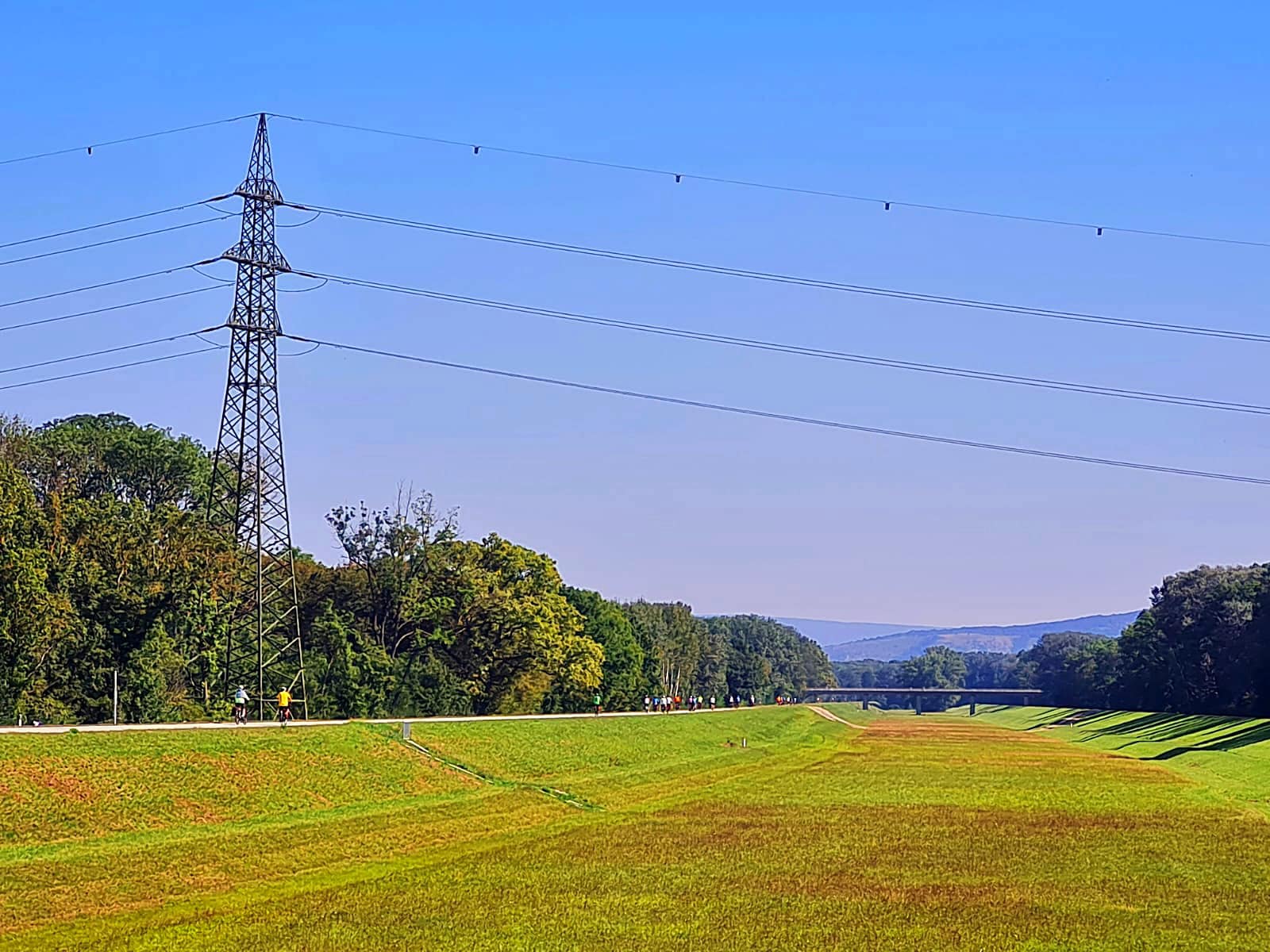


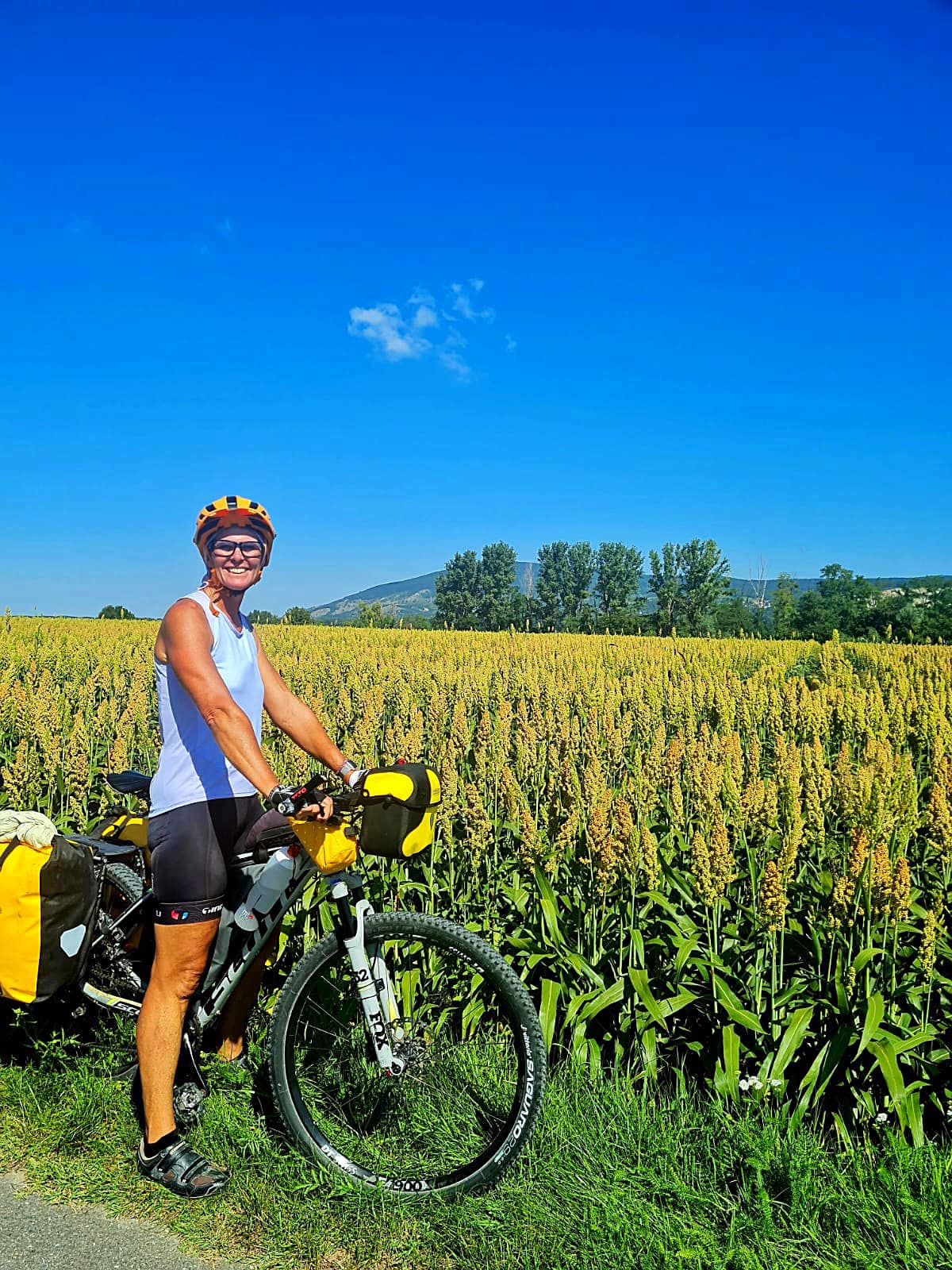


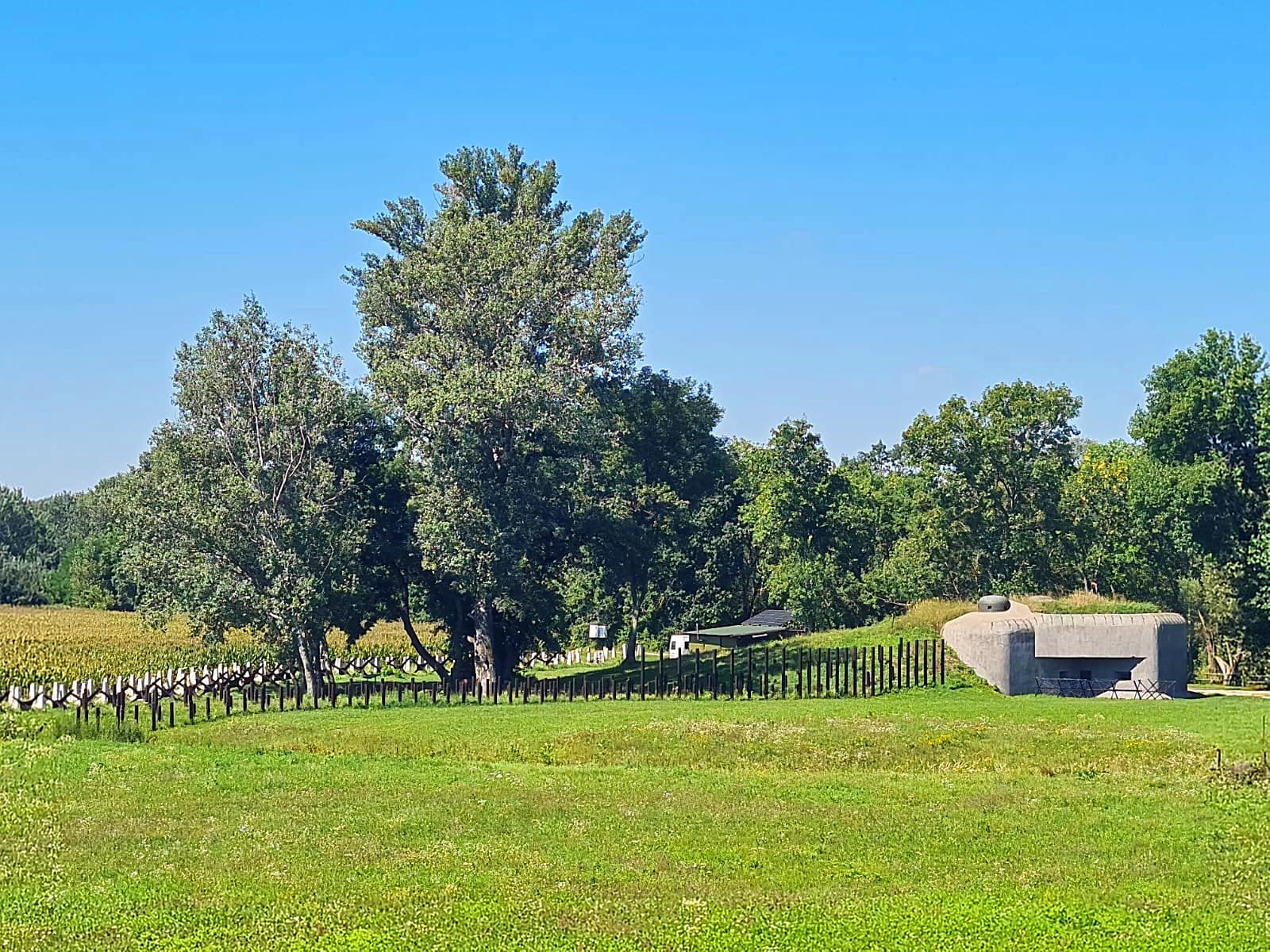
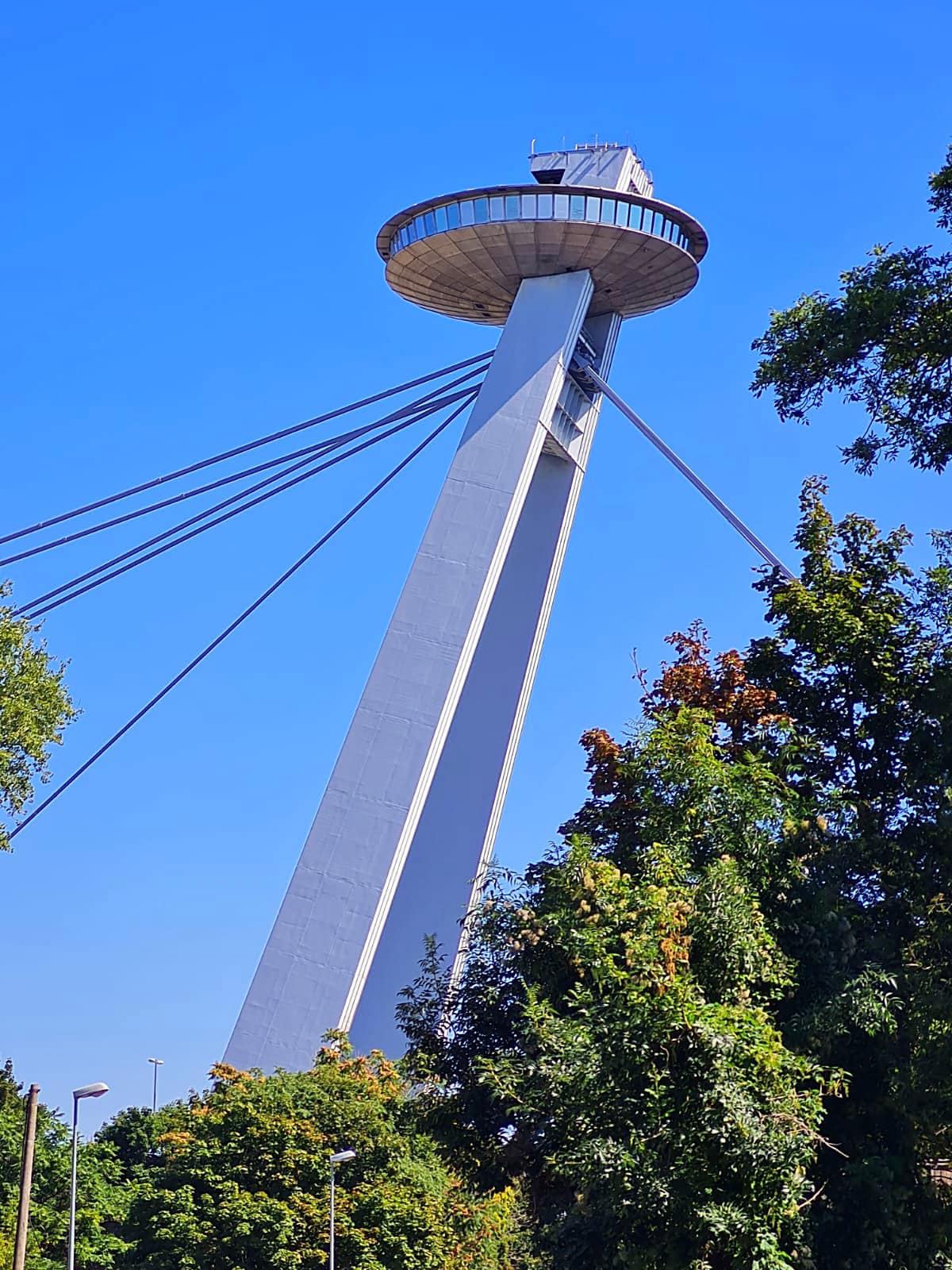

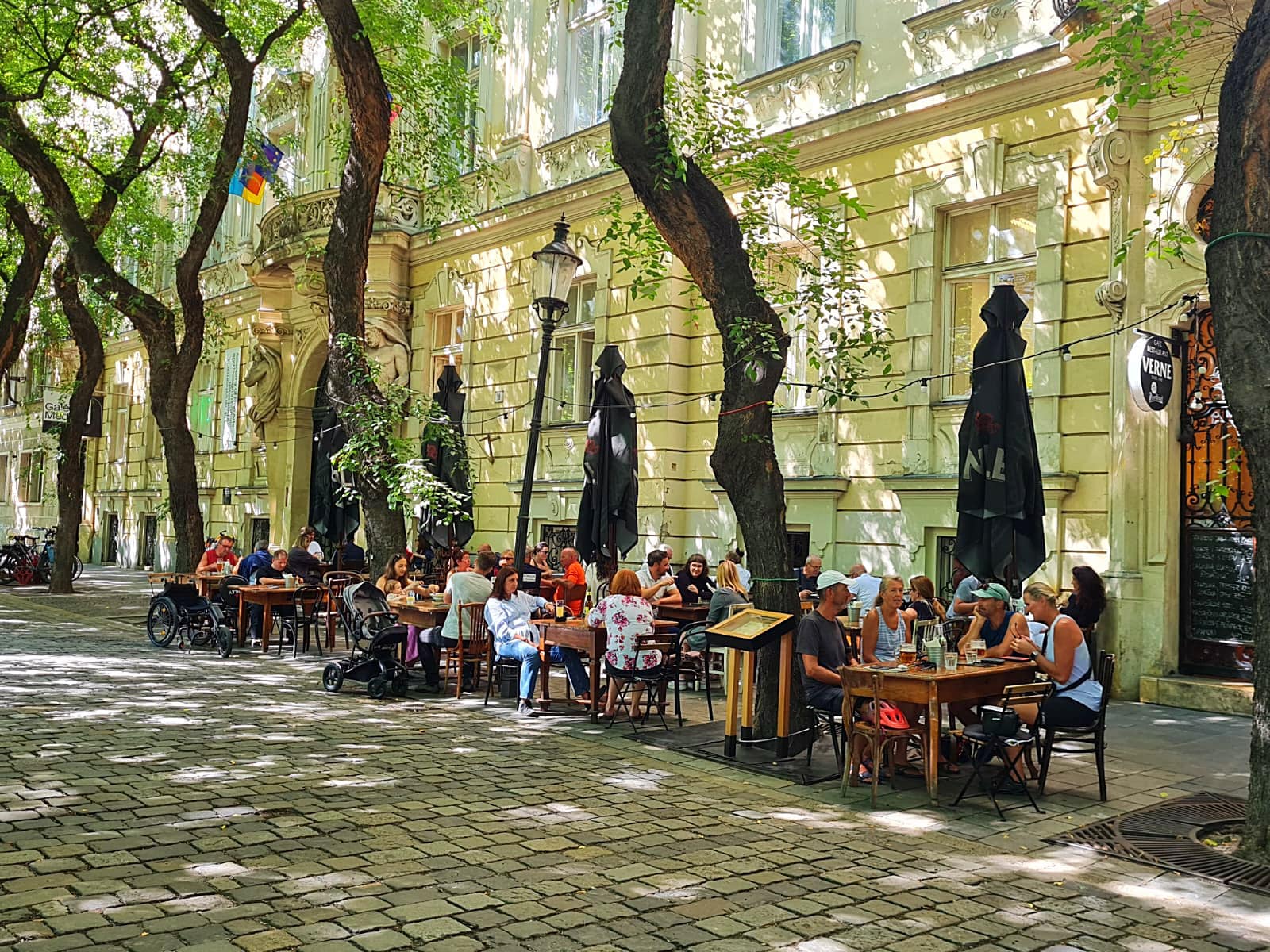

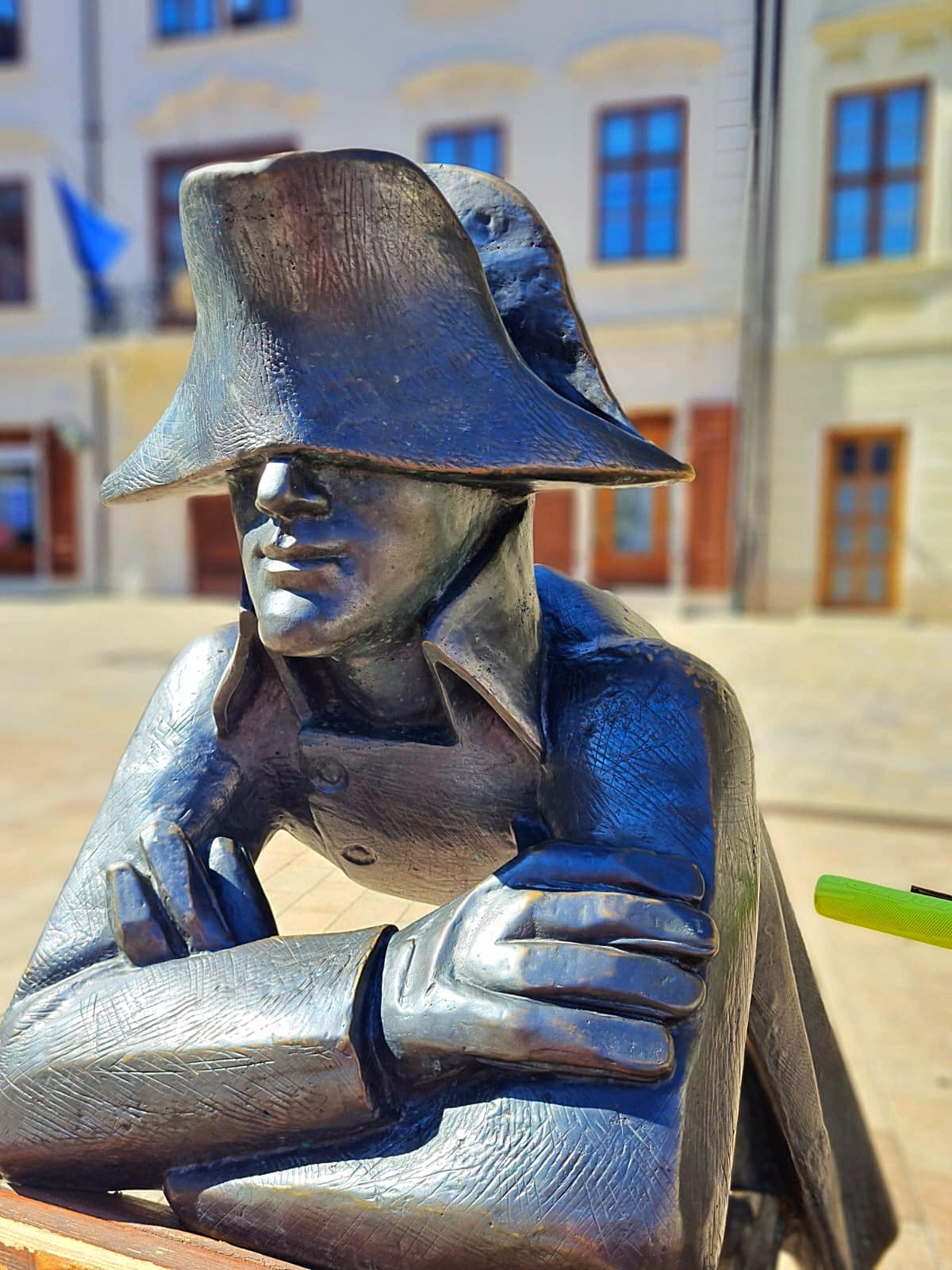
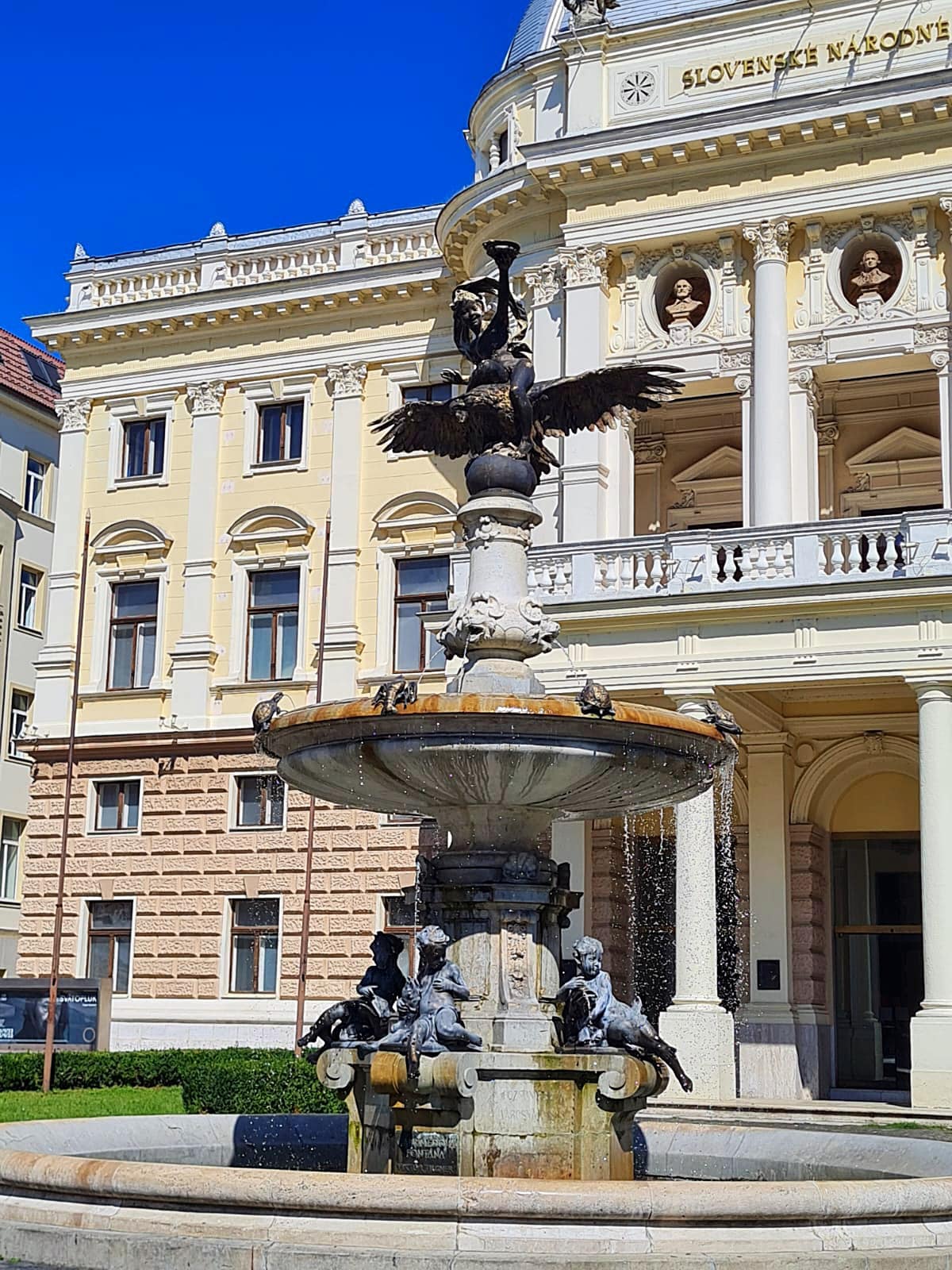


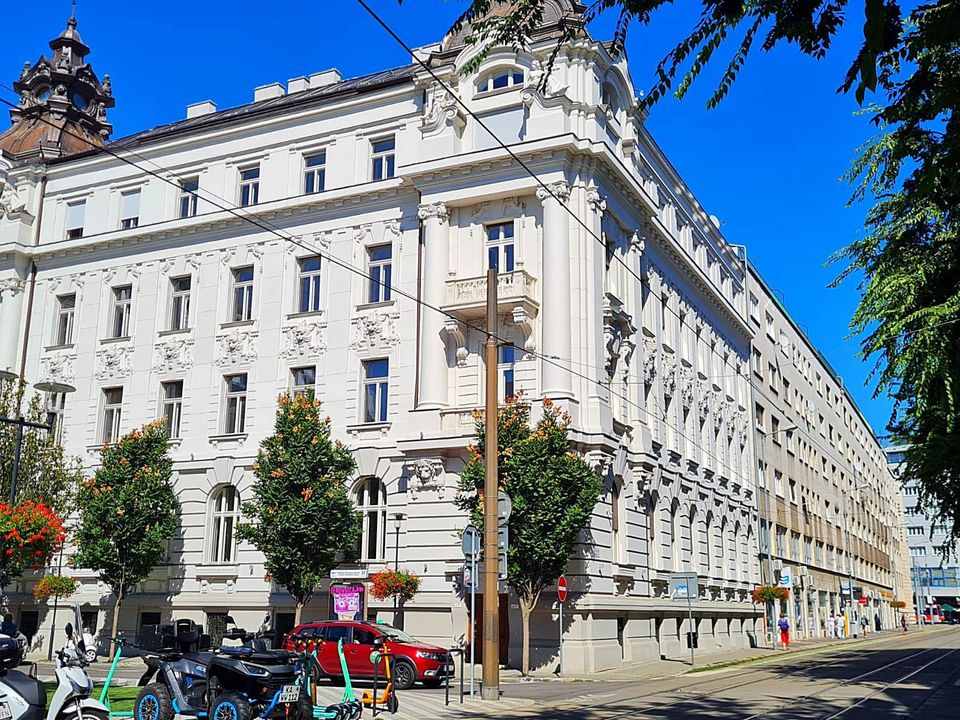
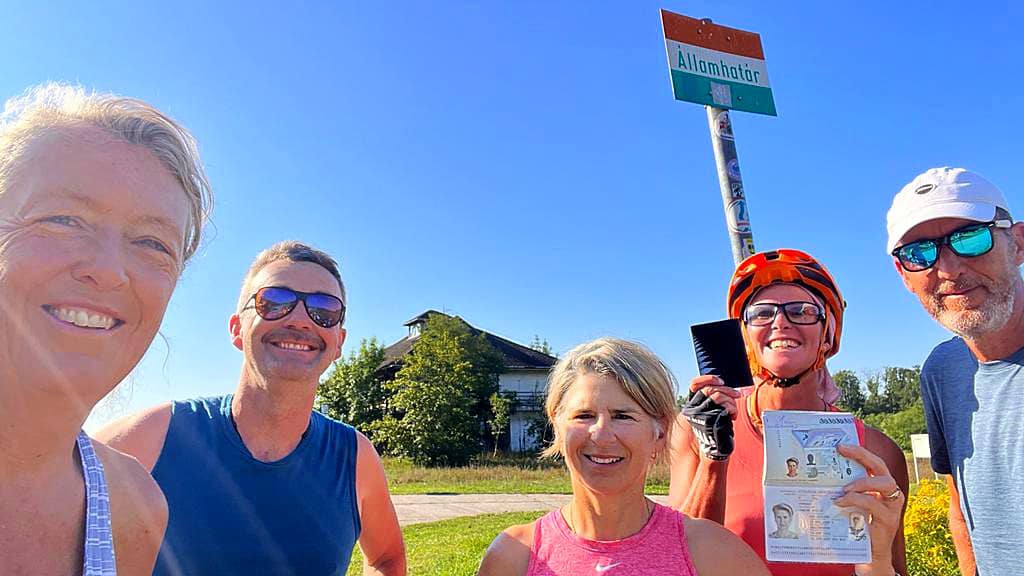


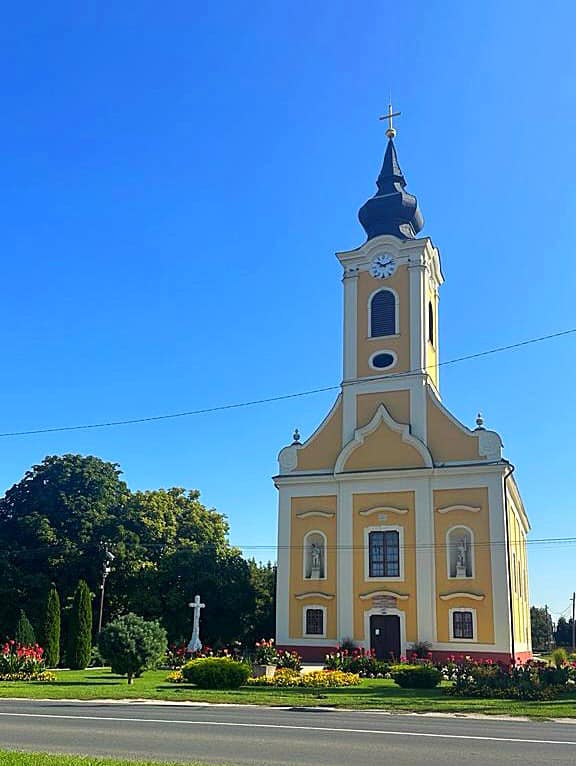



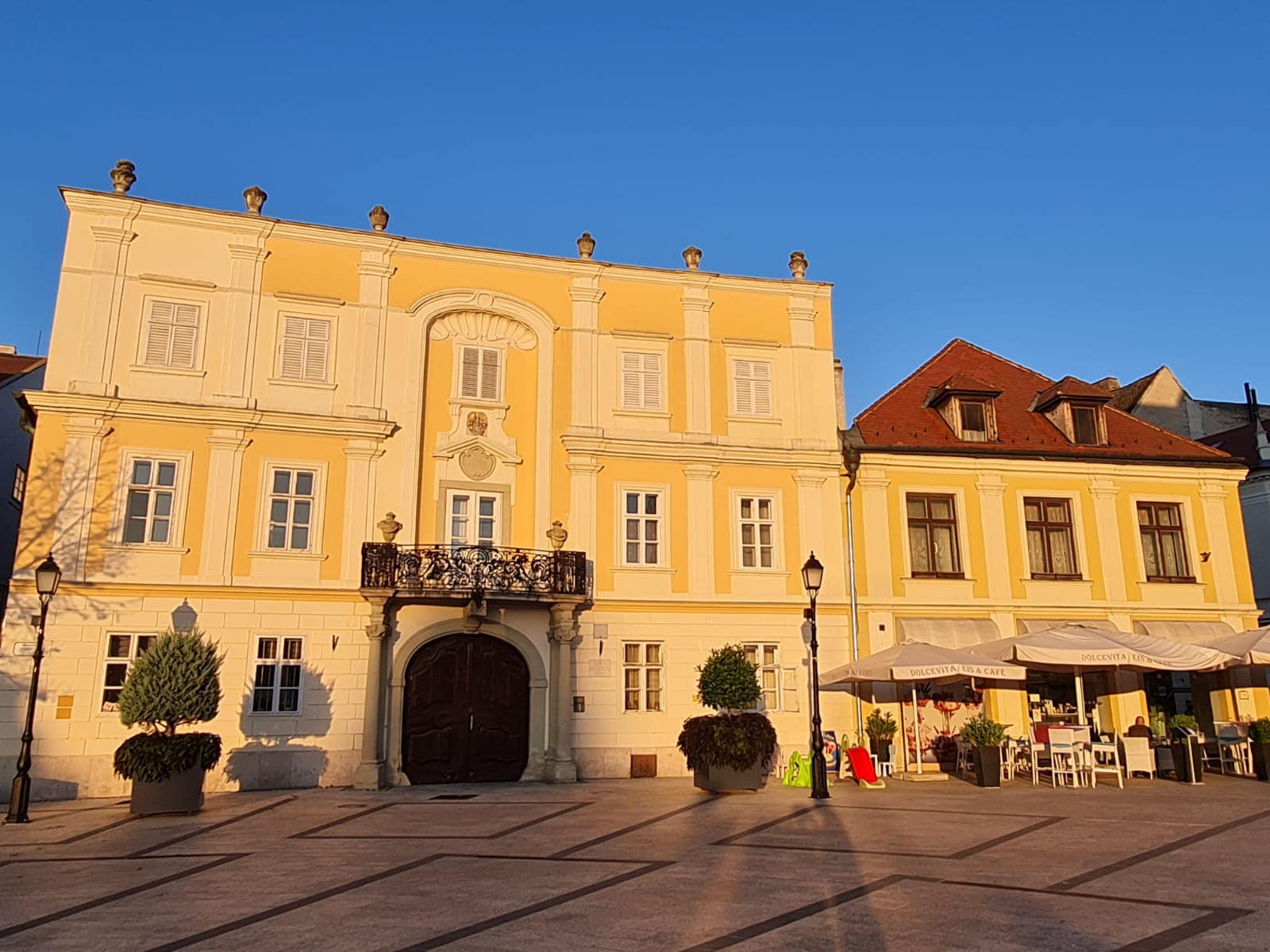

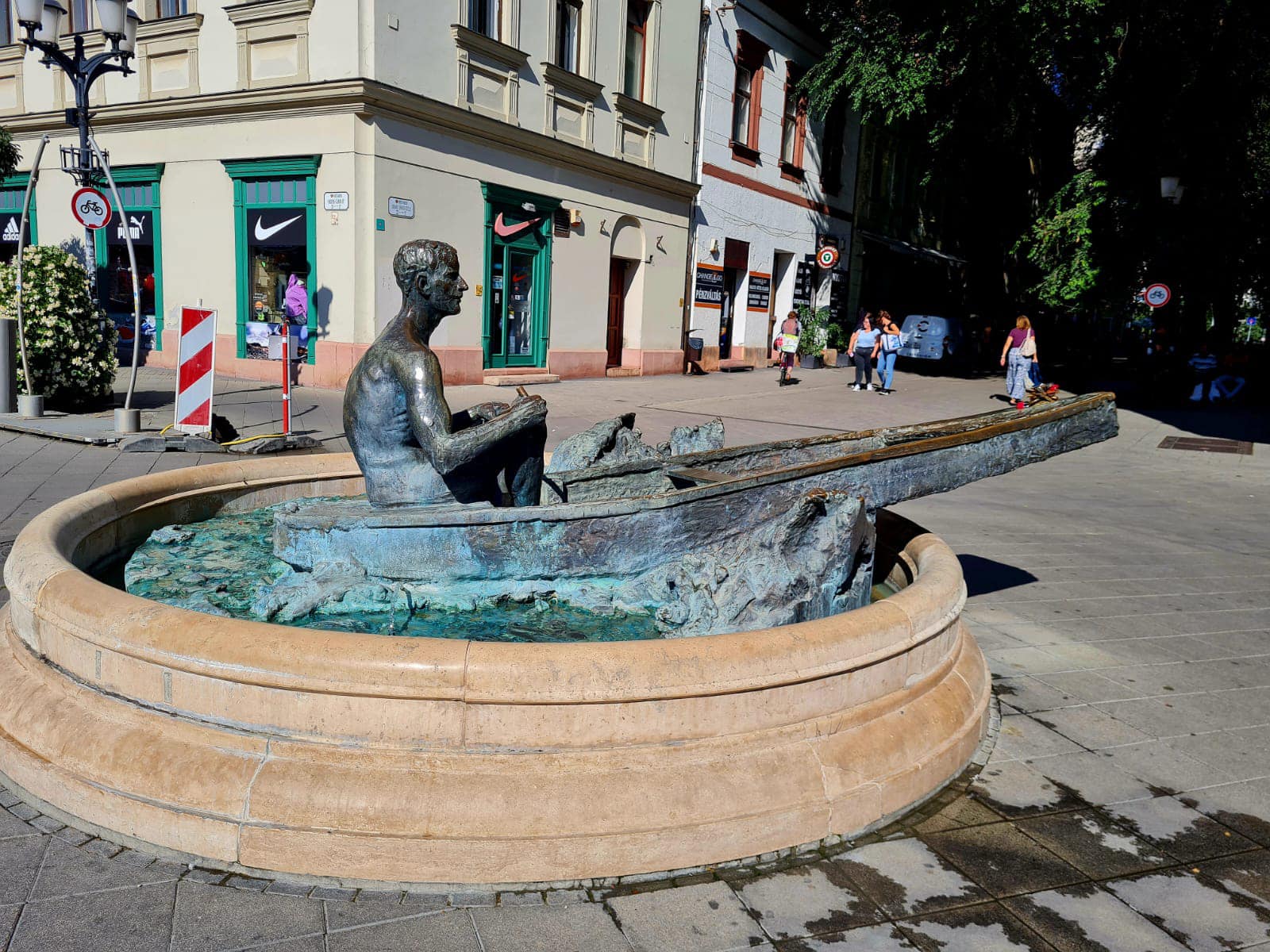

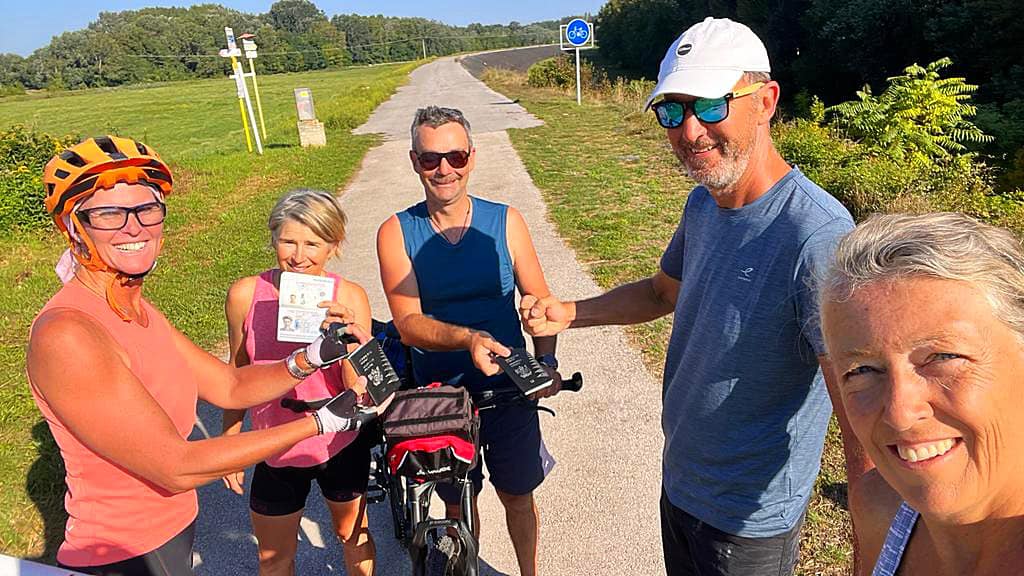
 We had to do a quick photoshoot as a car appeared on what we thought was the cycle track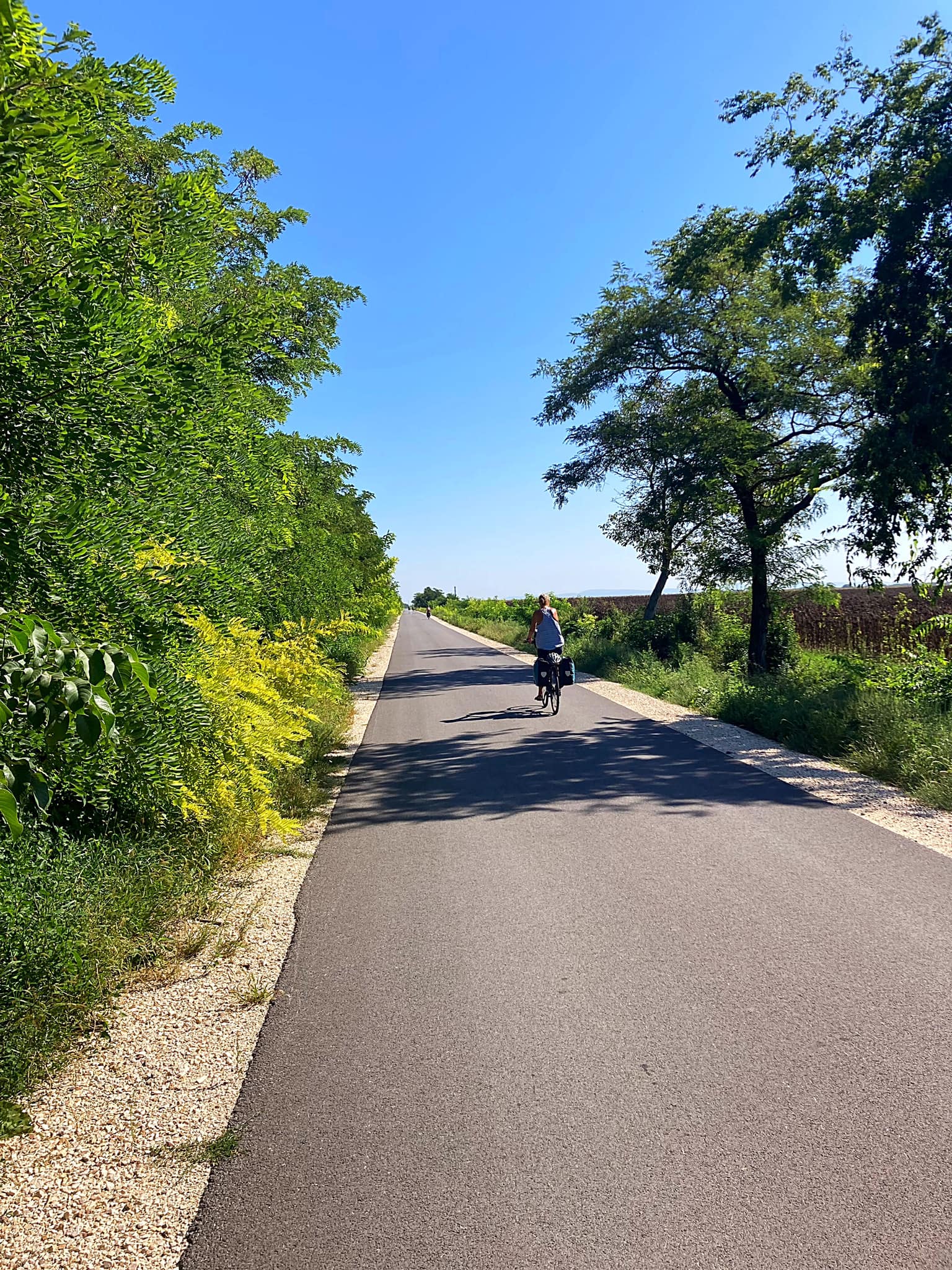
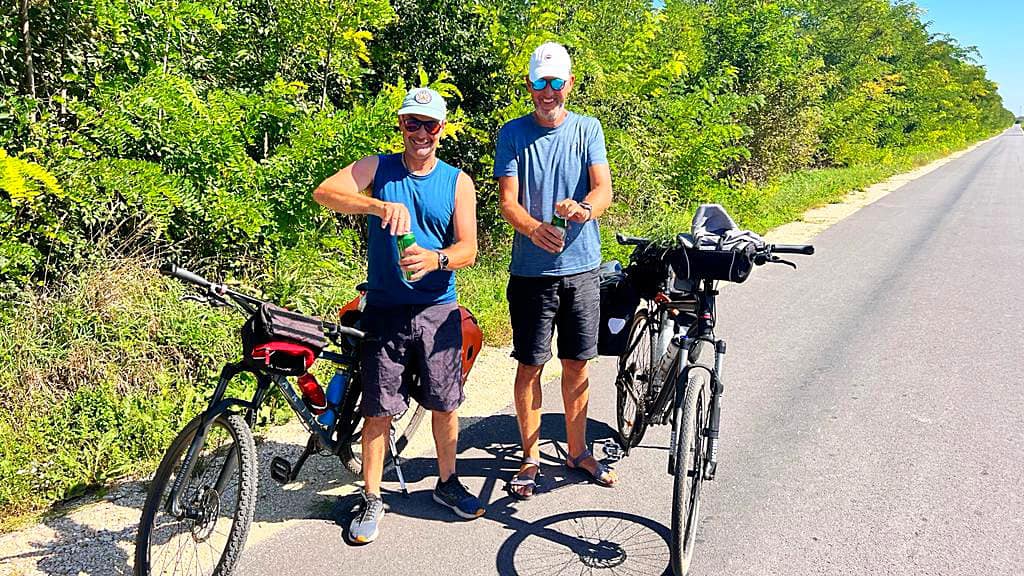


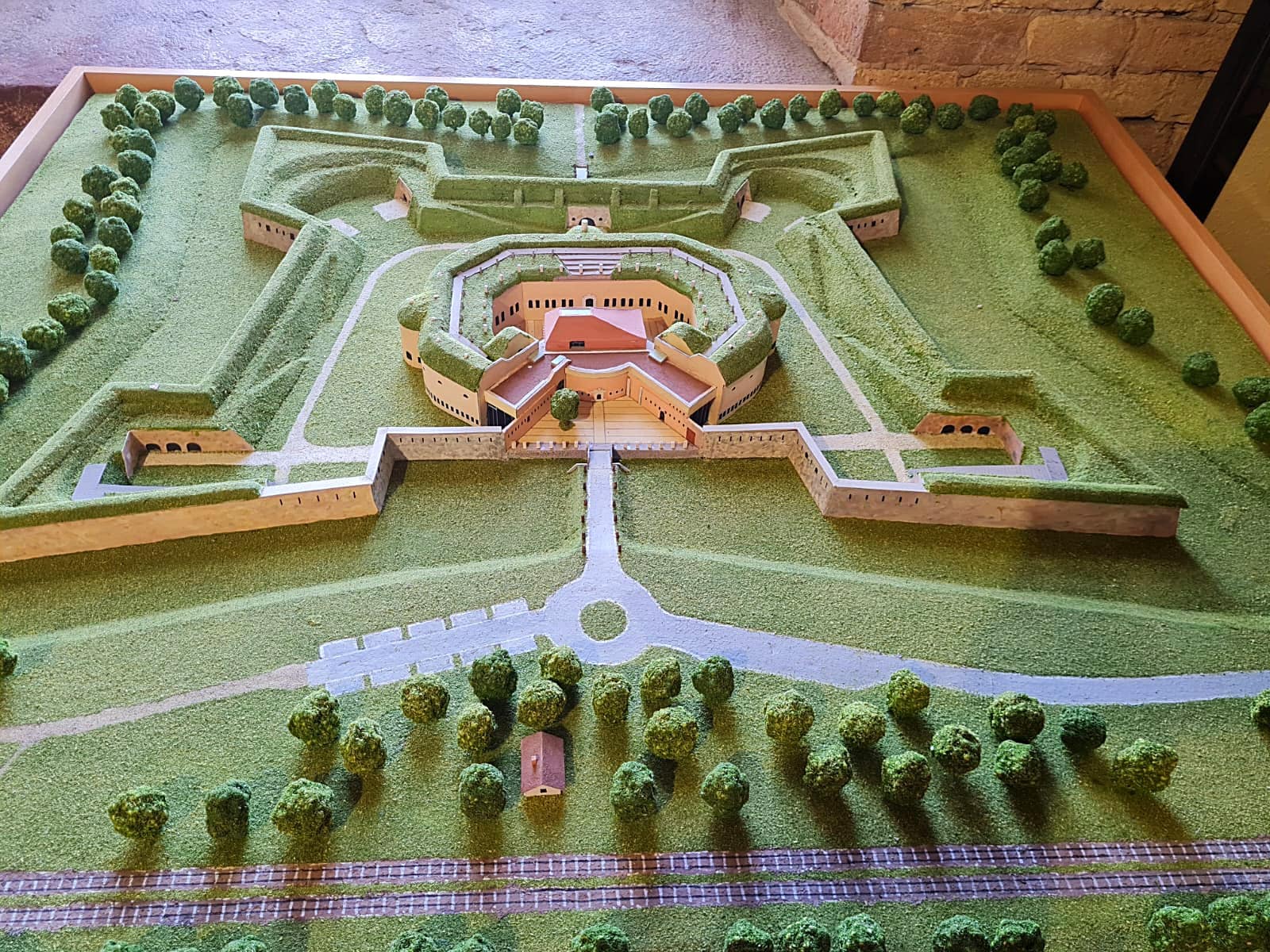
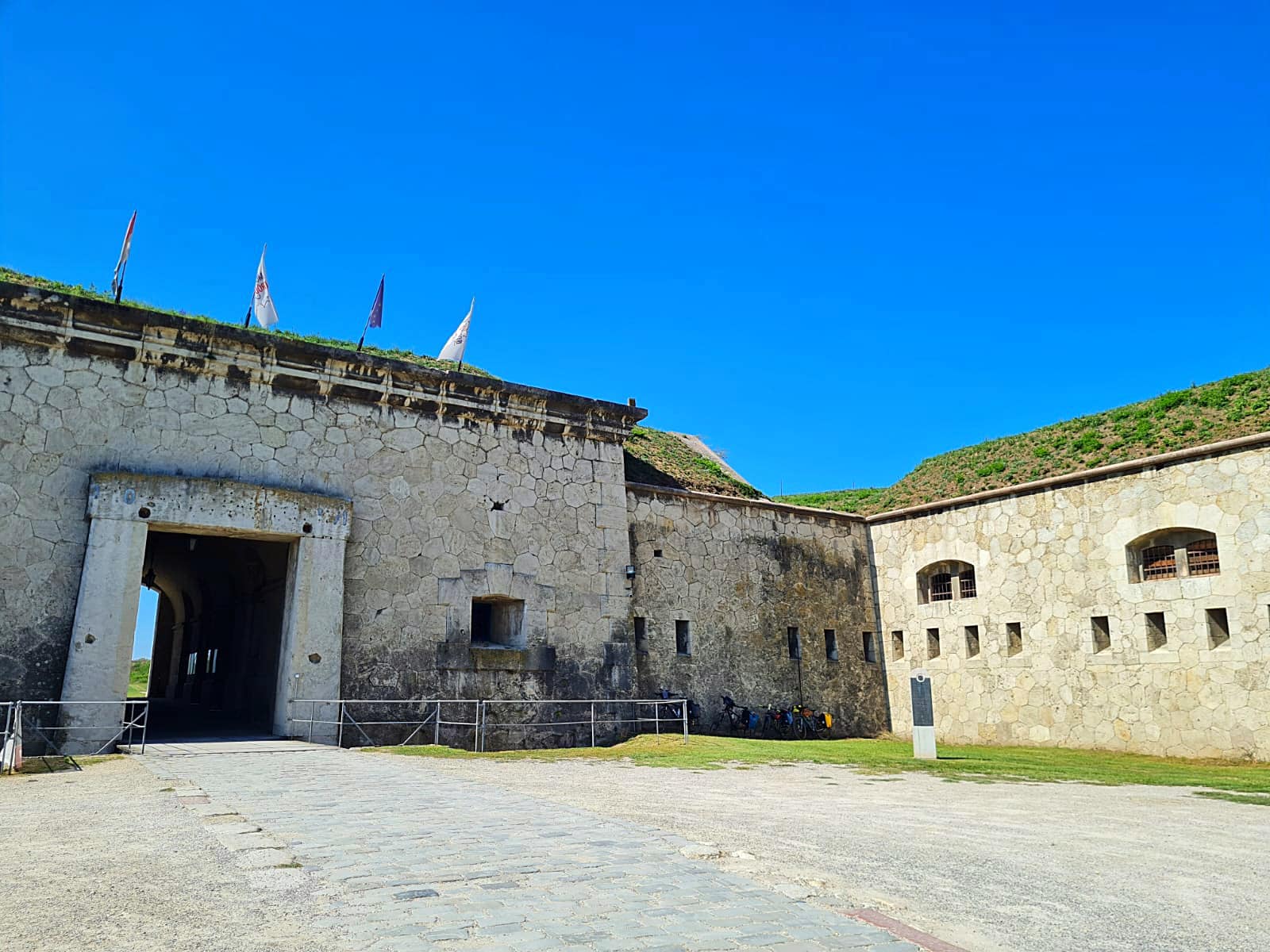


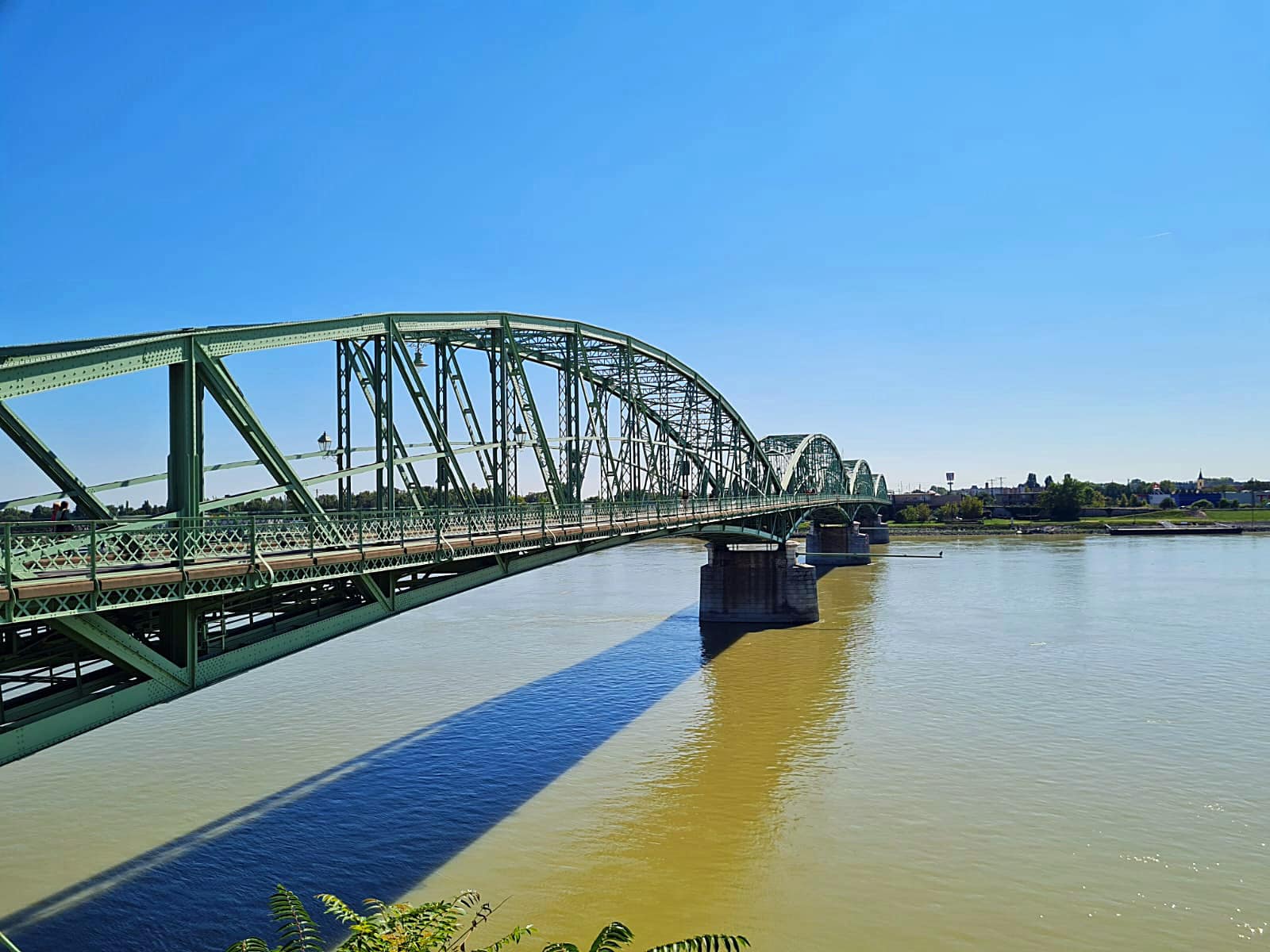
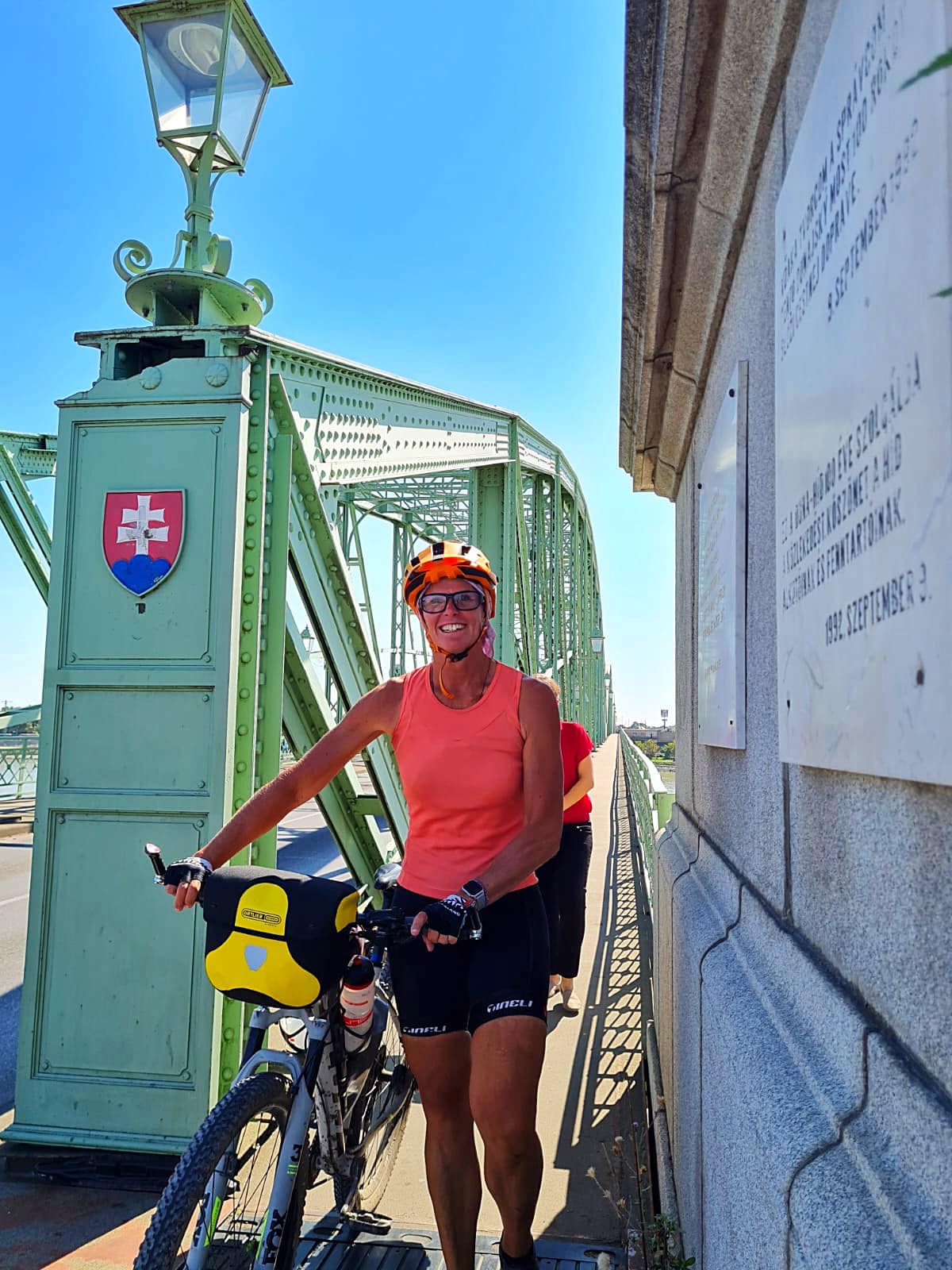

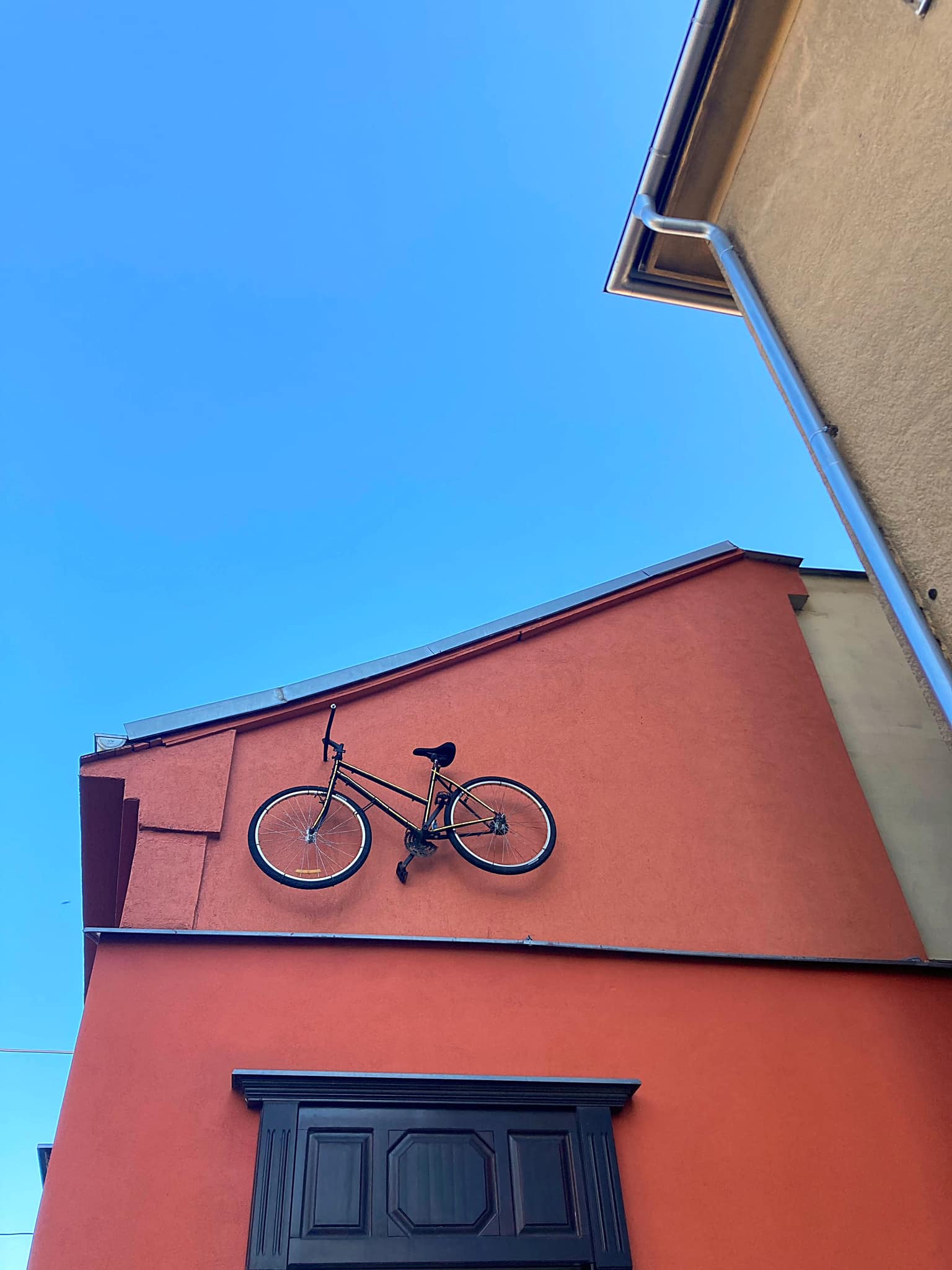


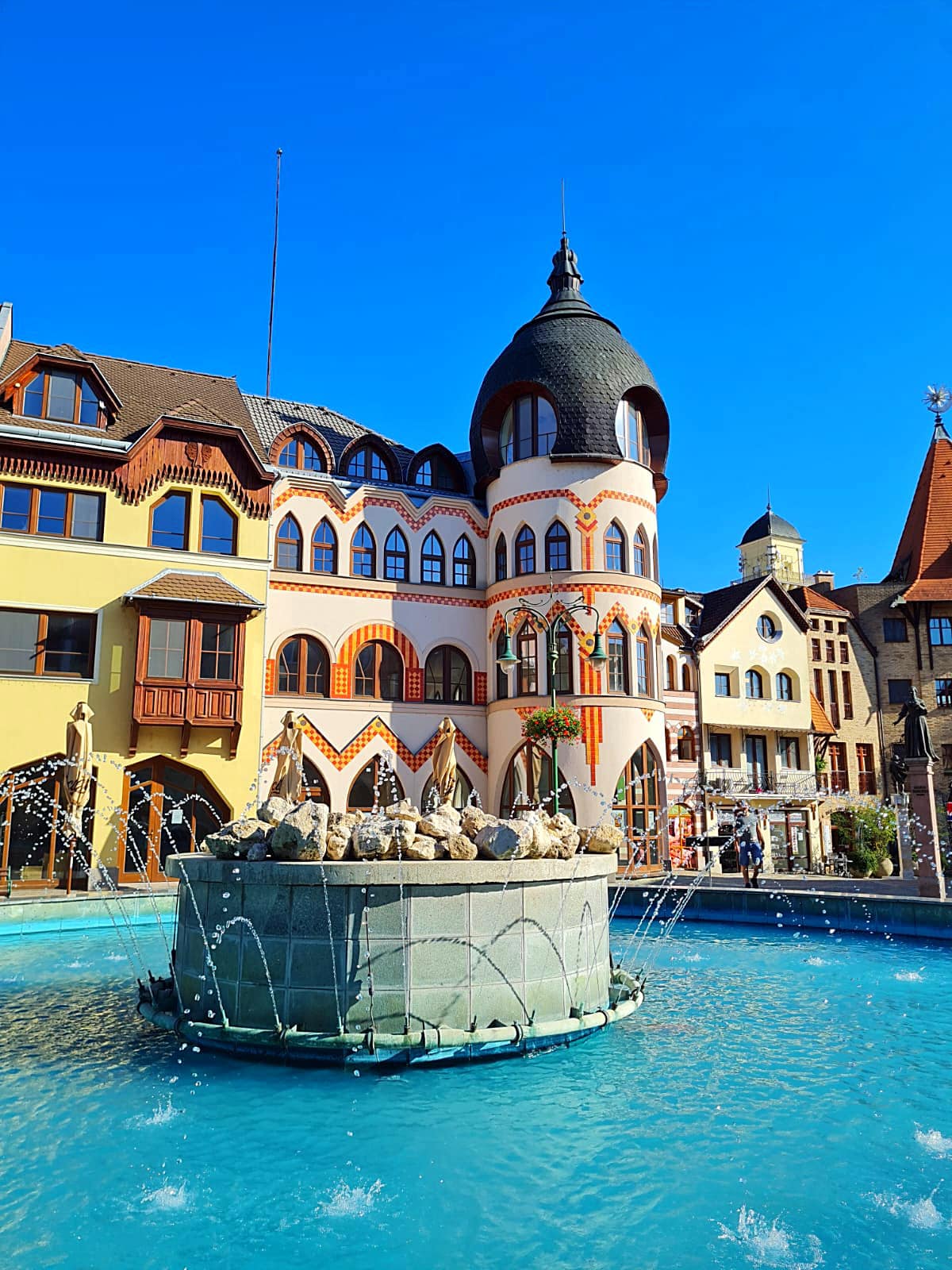


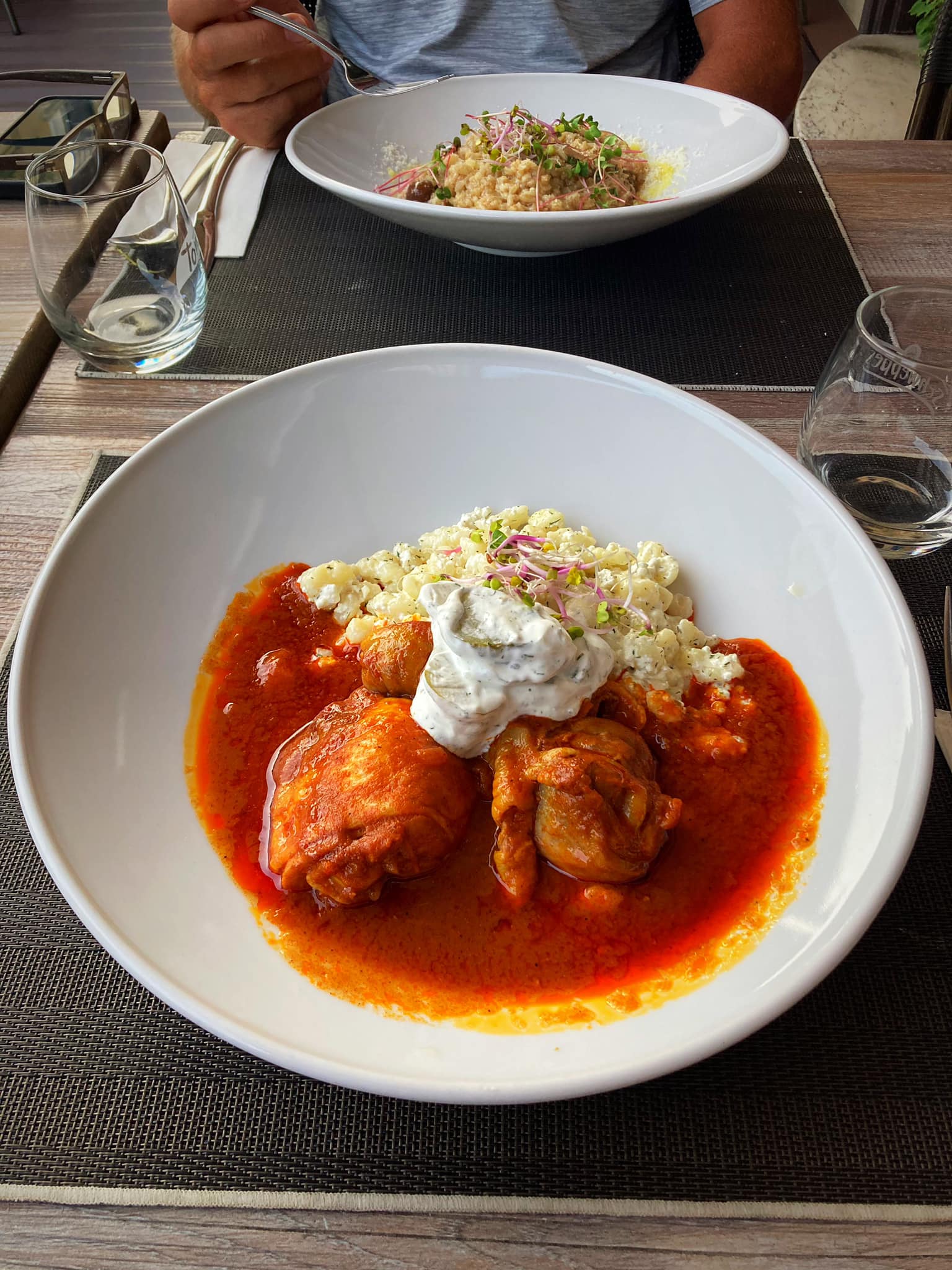

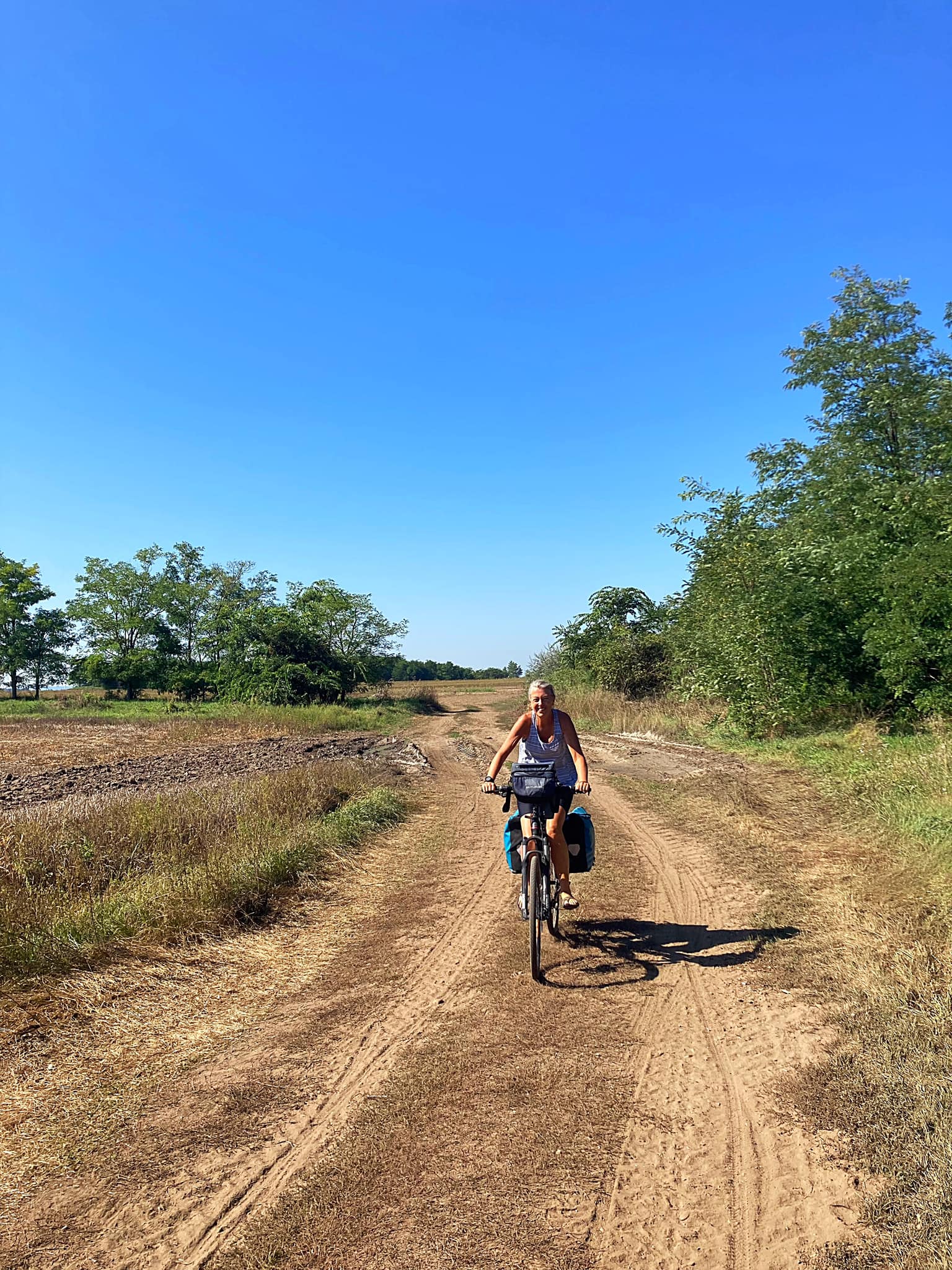


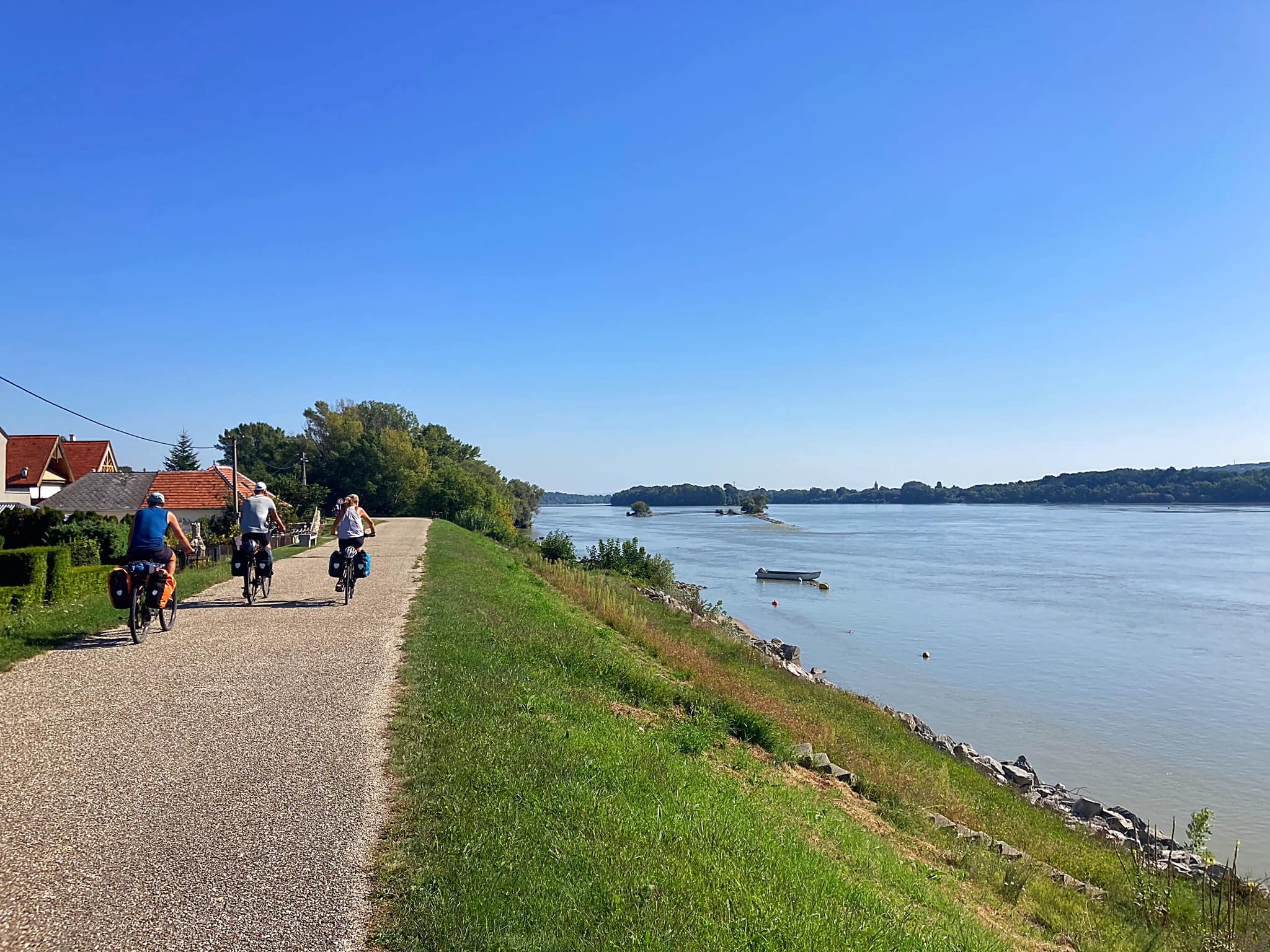
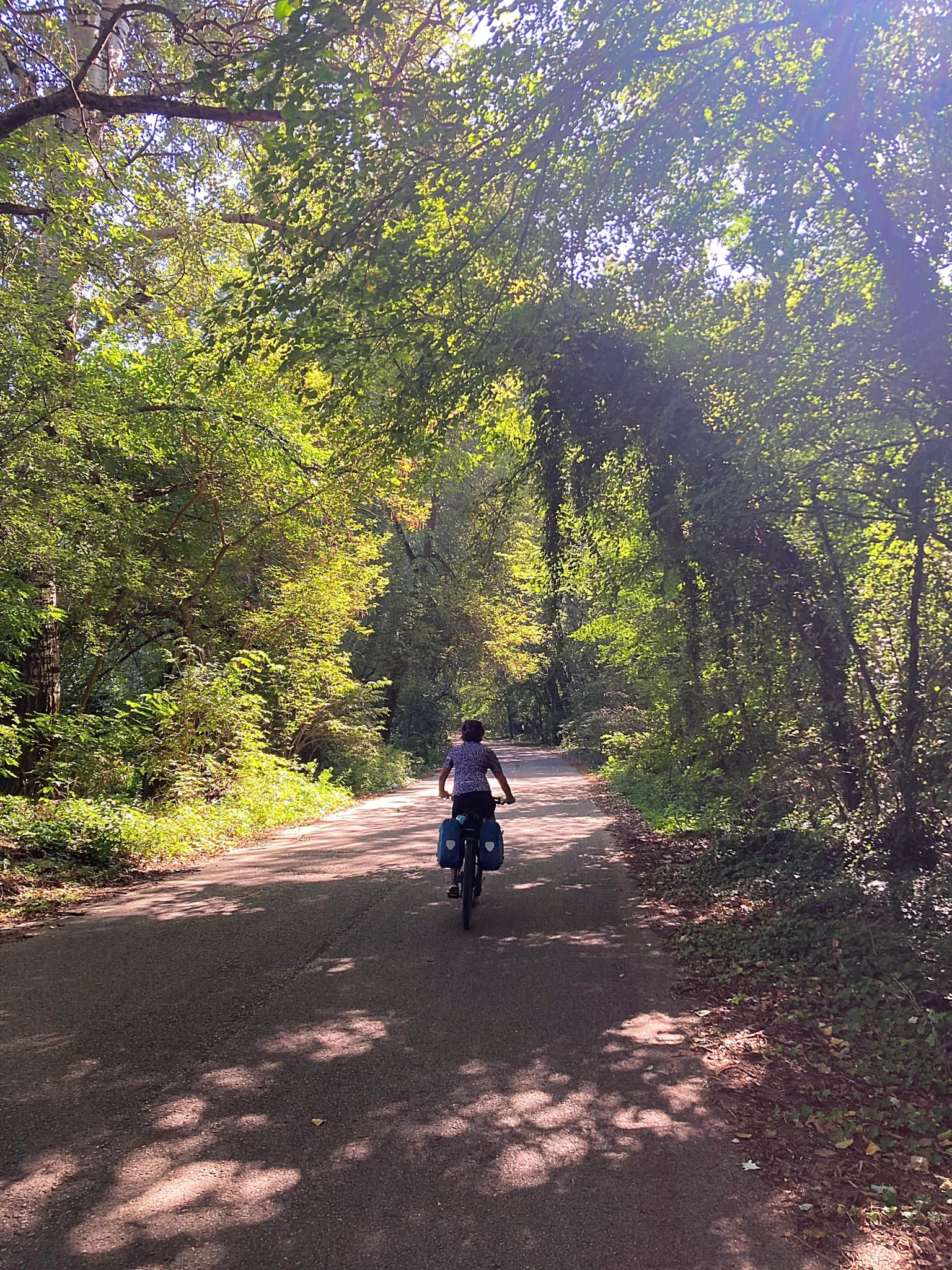


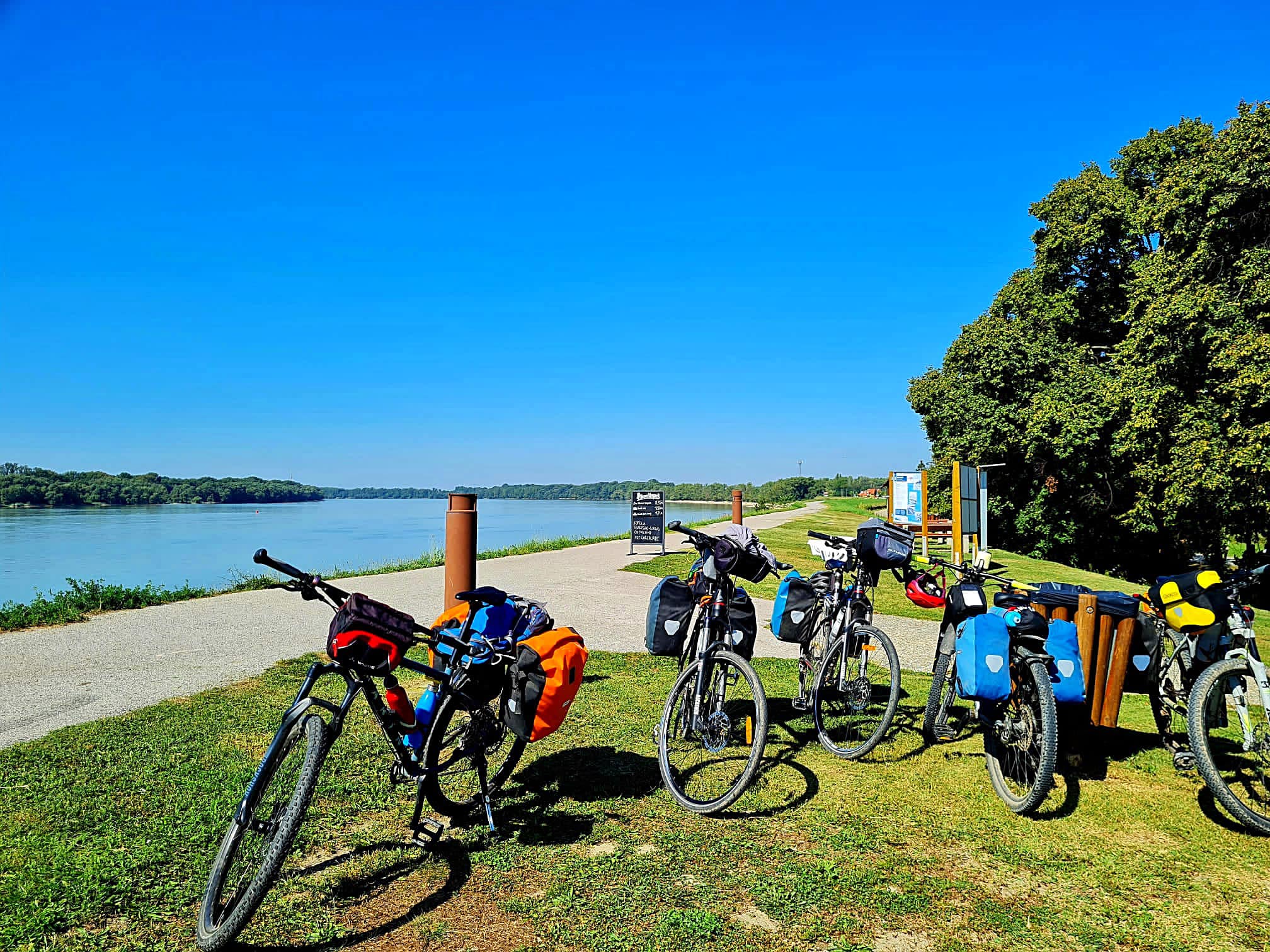

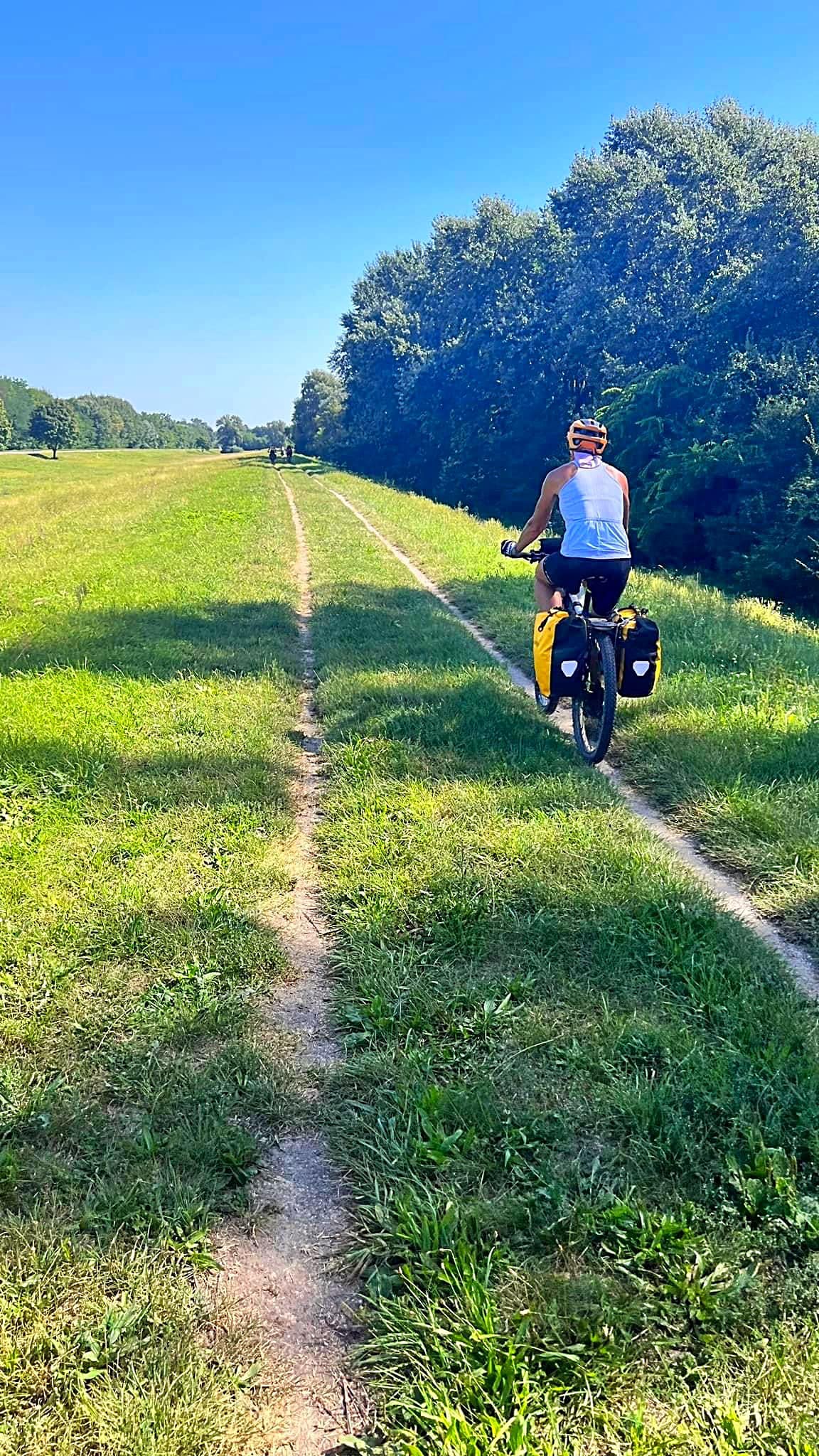

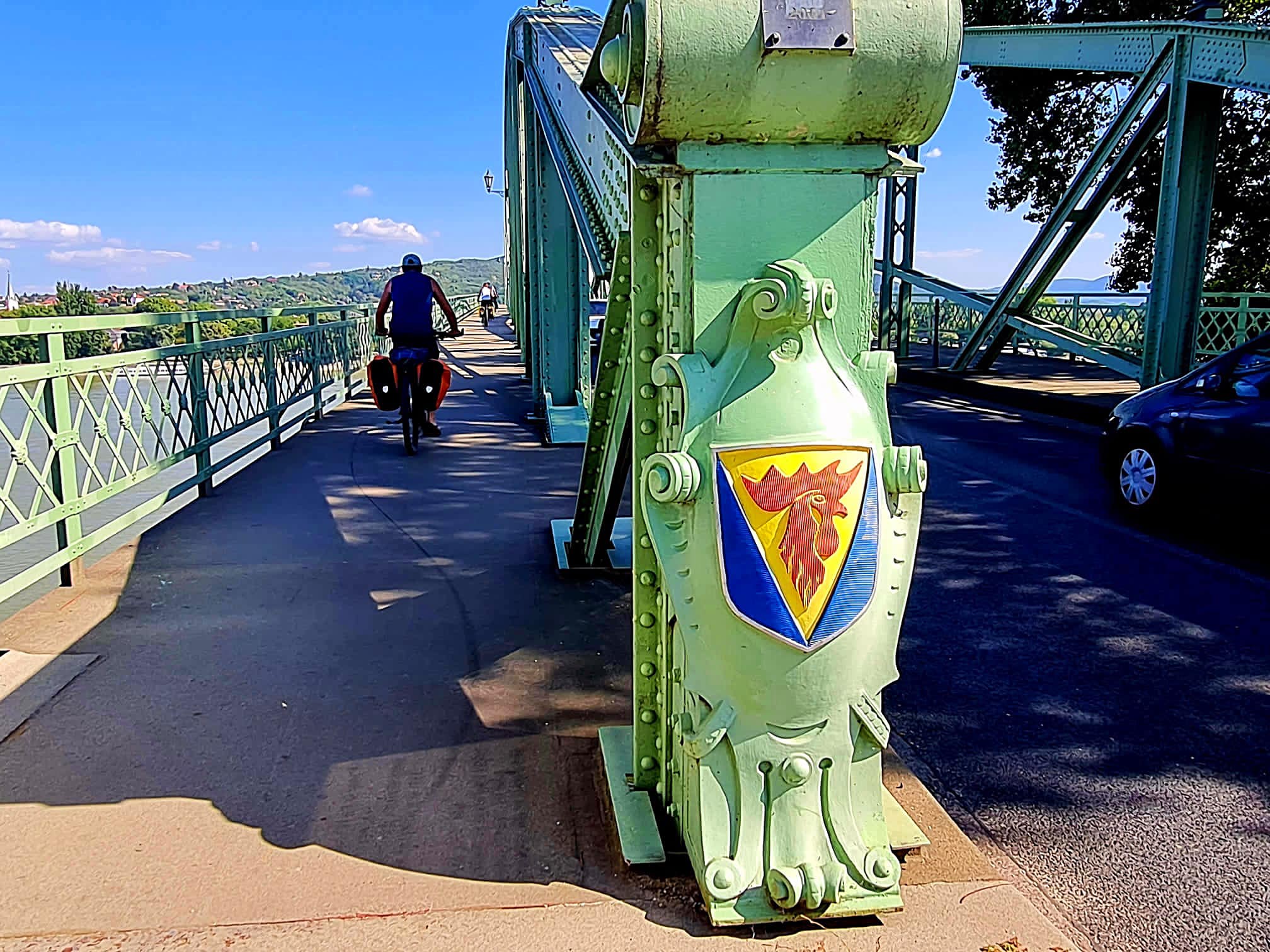
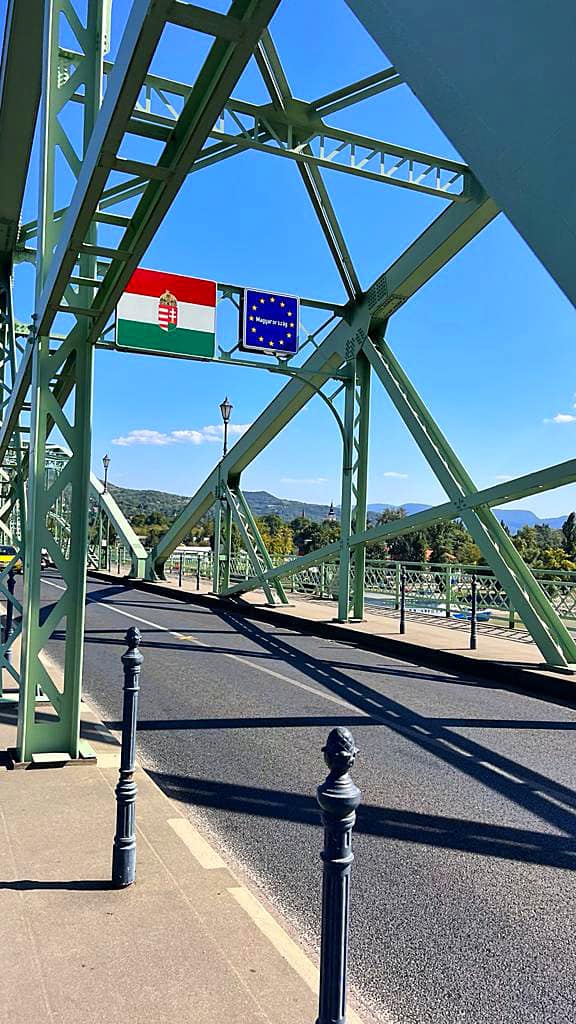

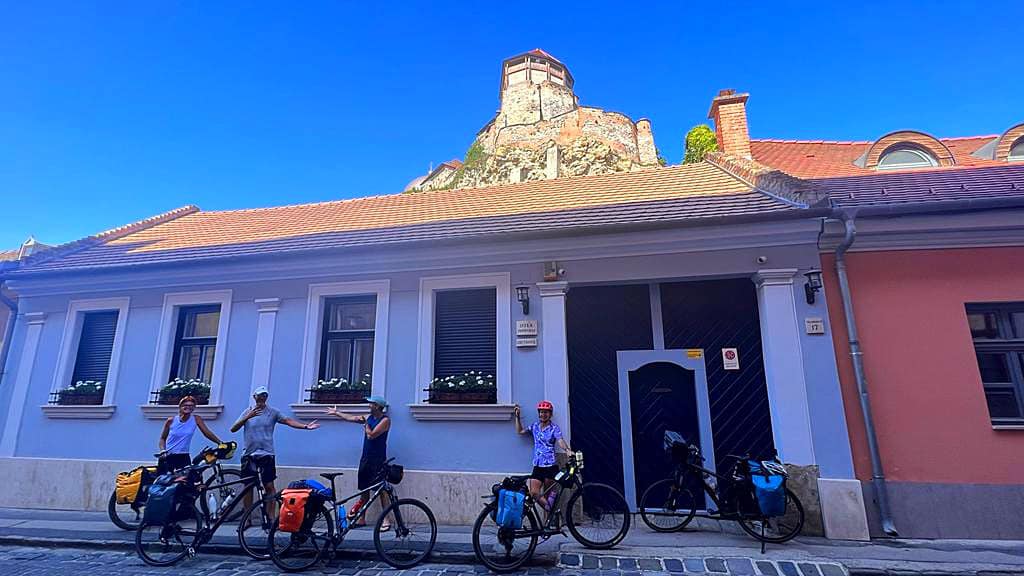
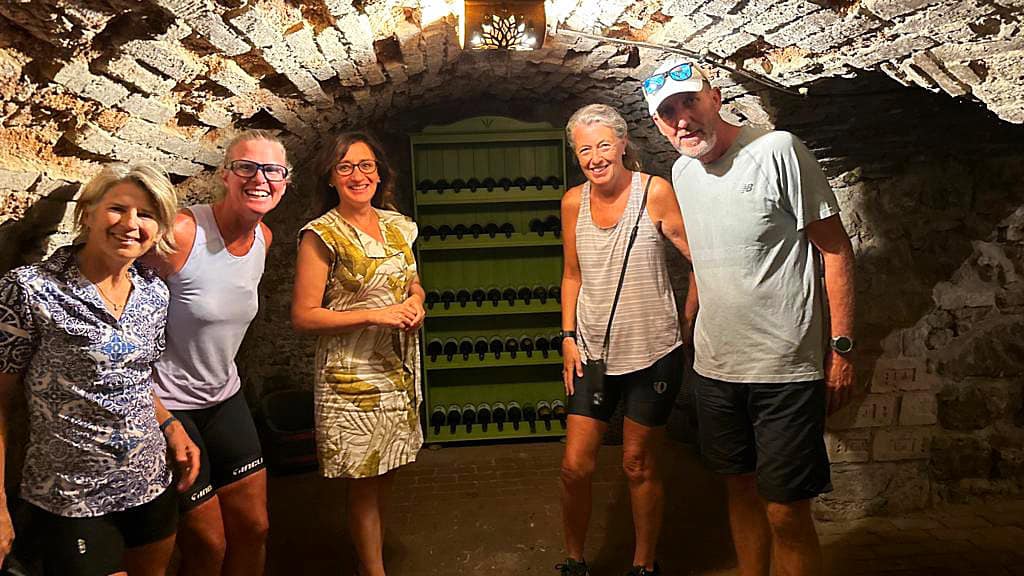


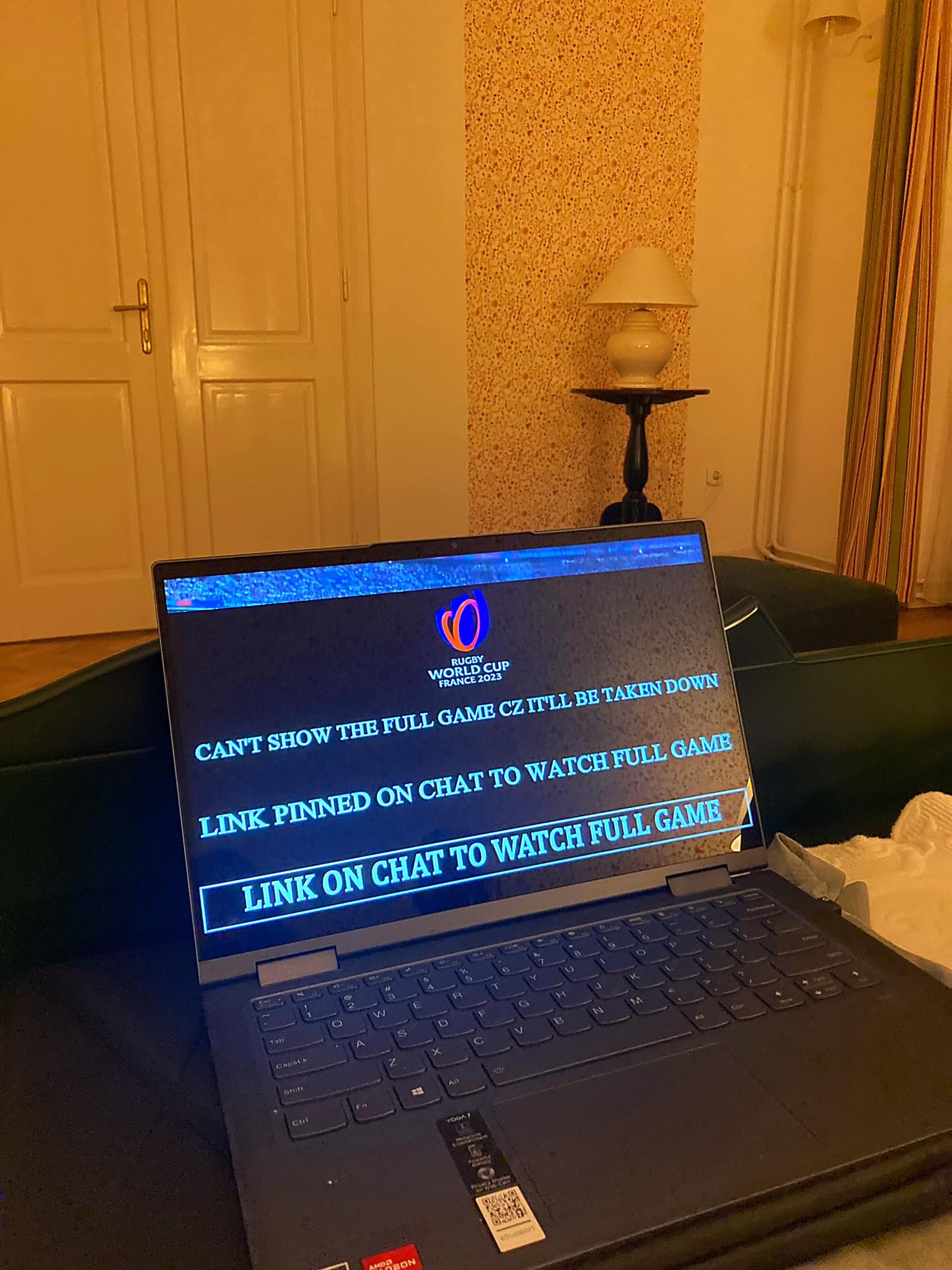

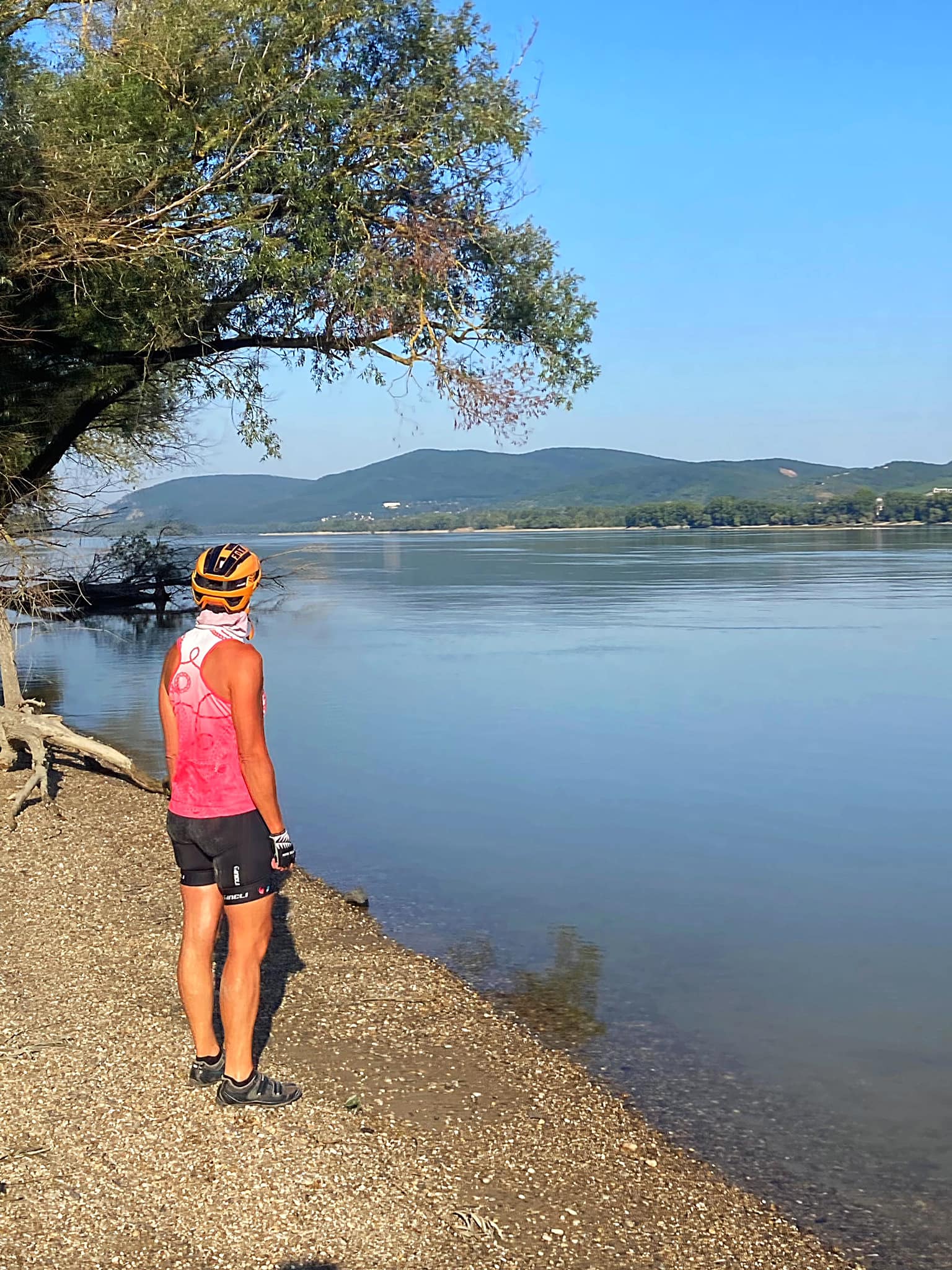
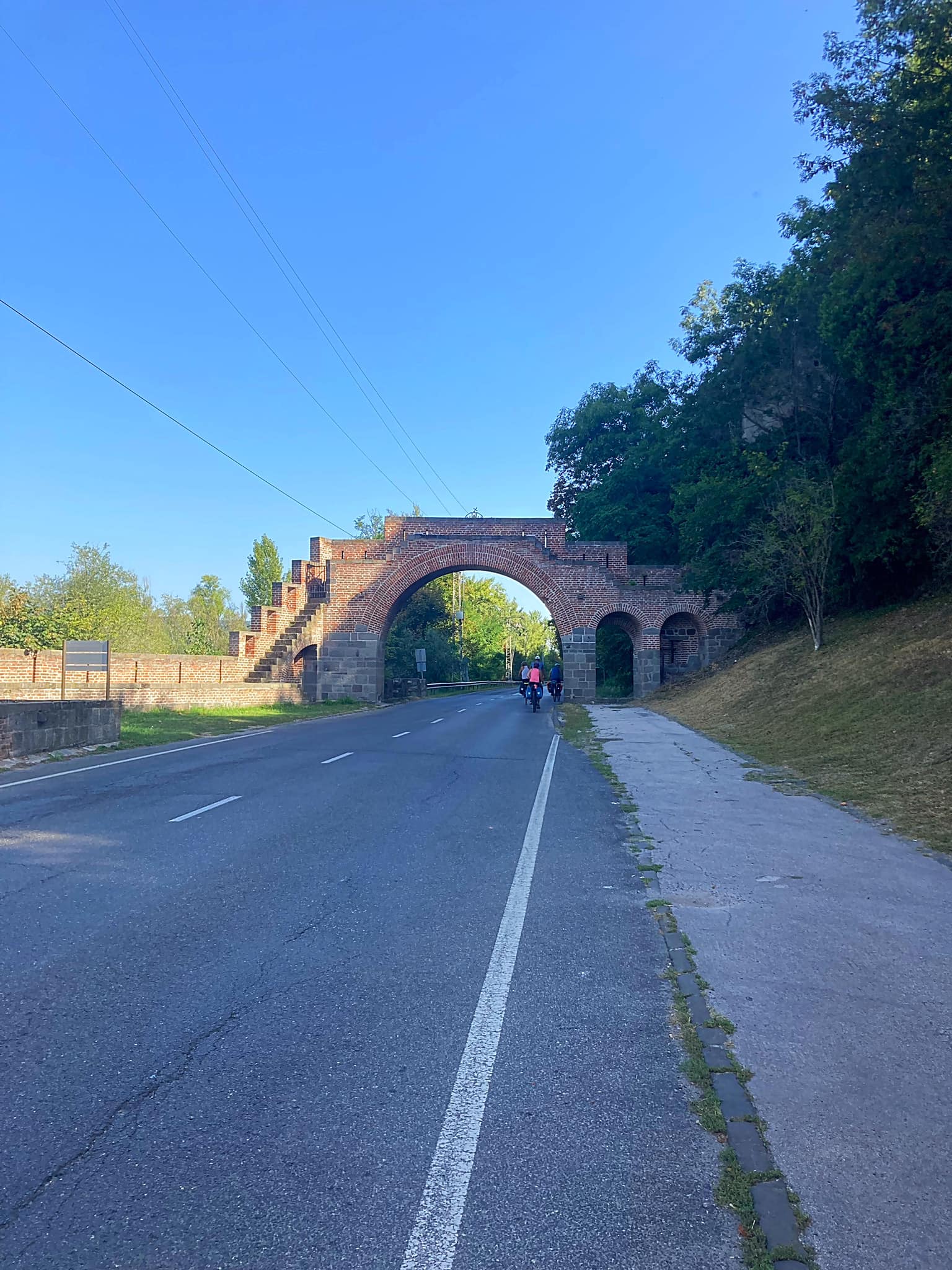


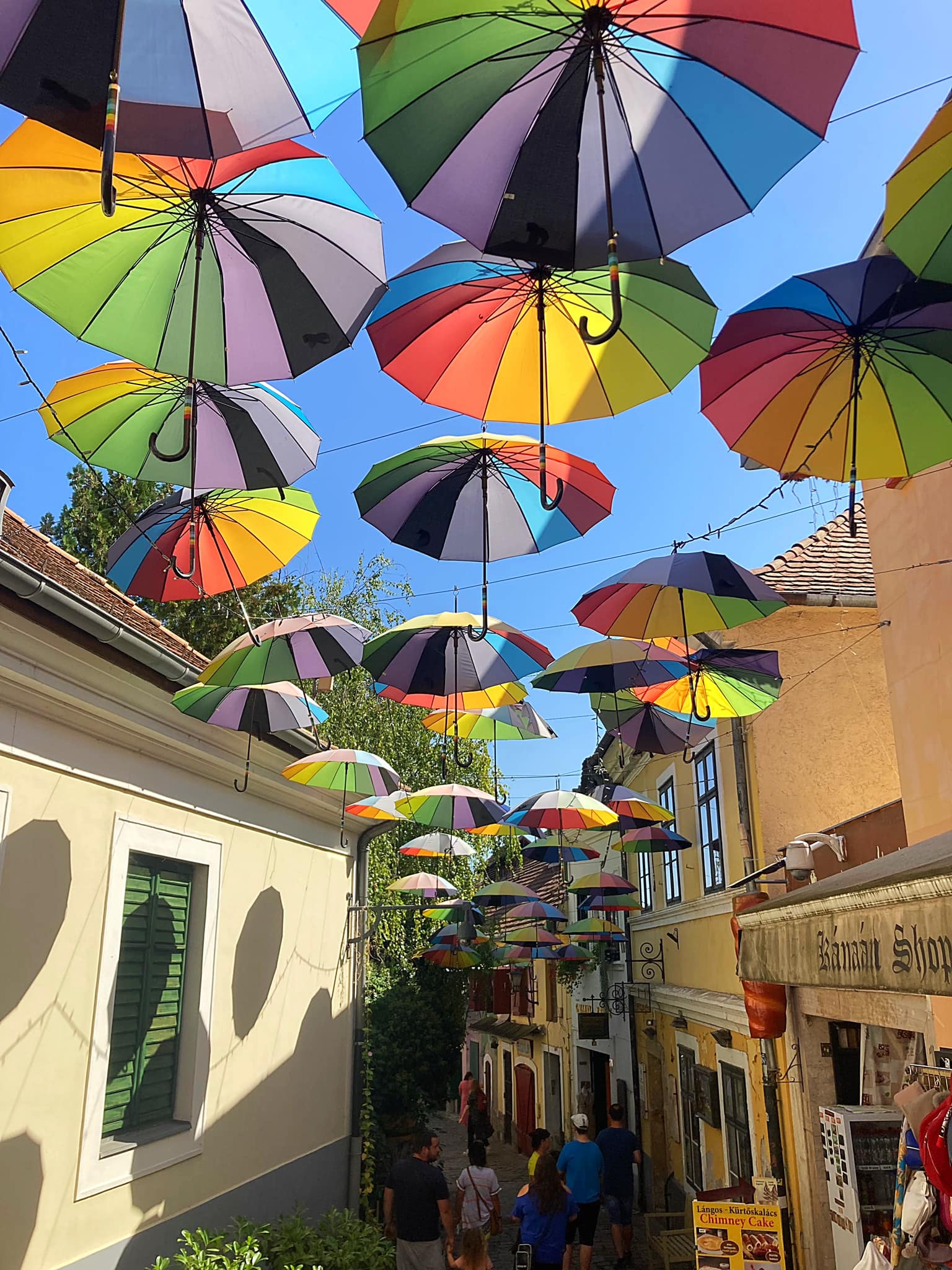





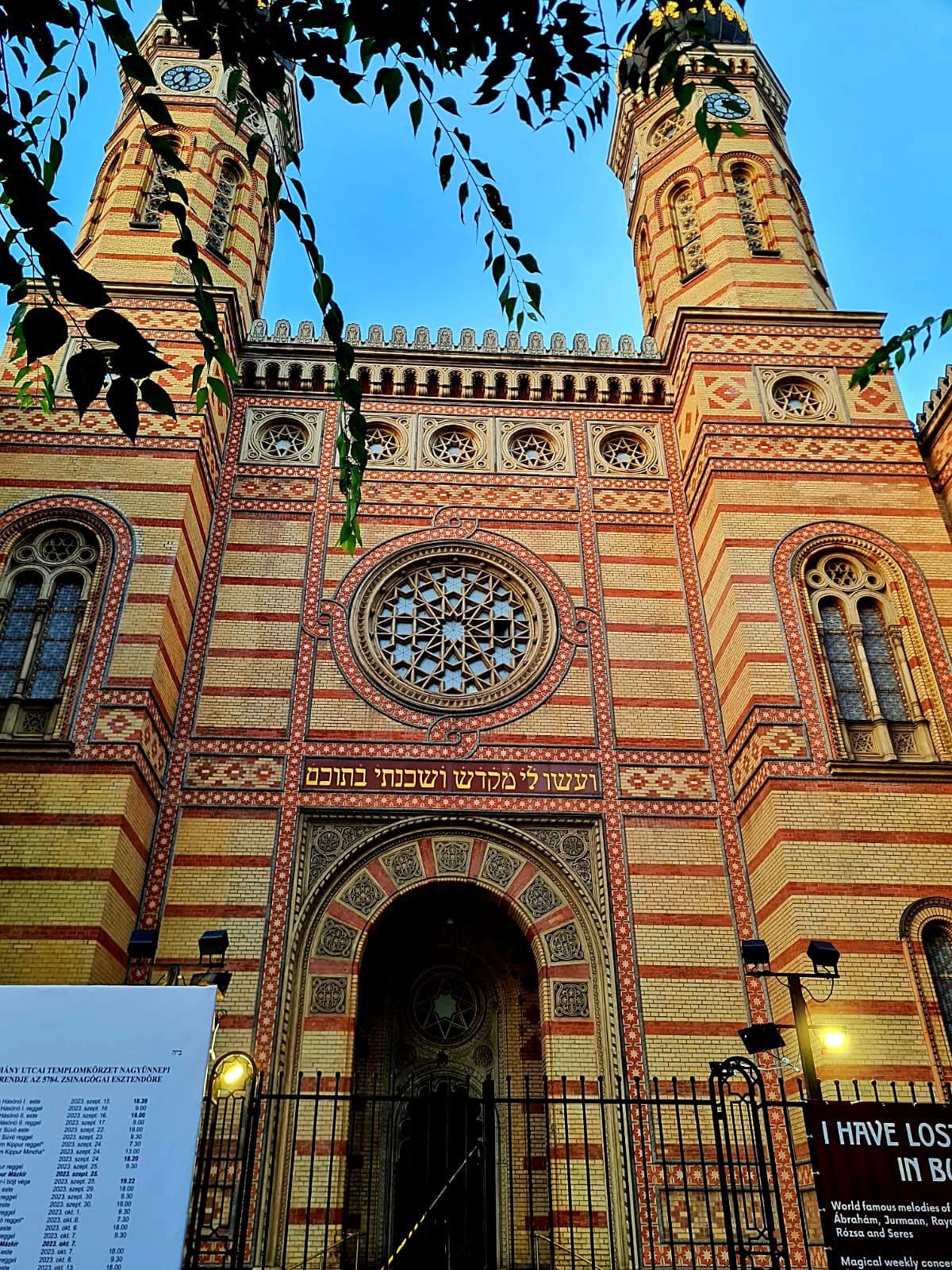


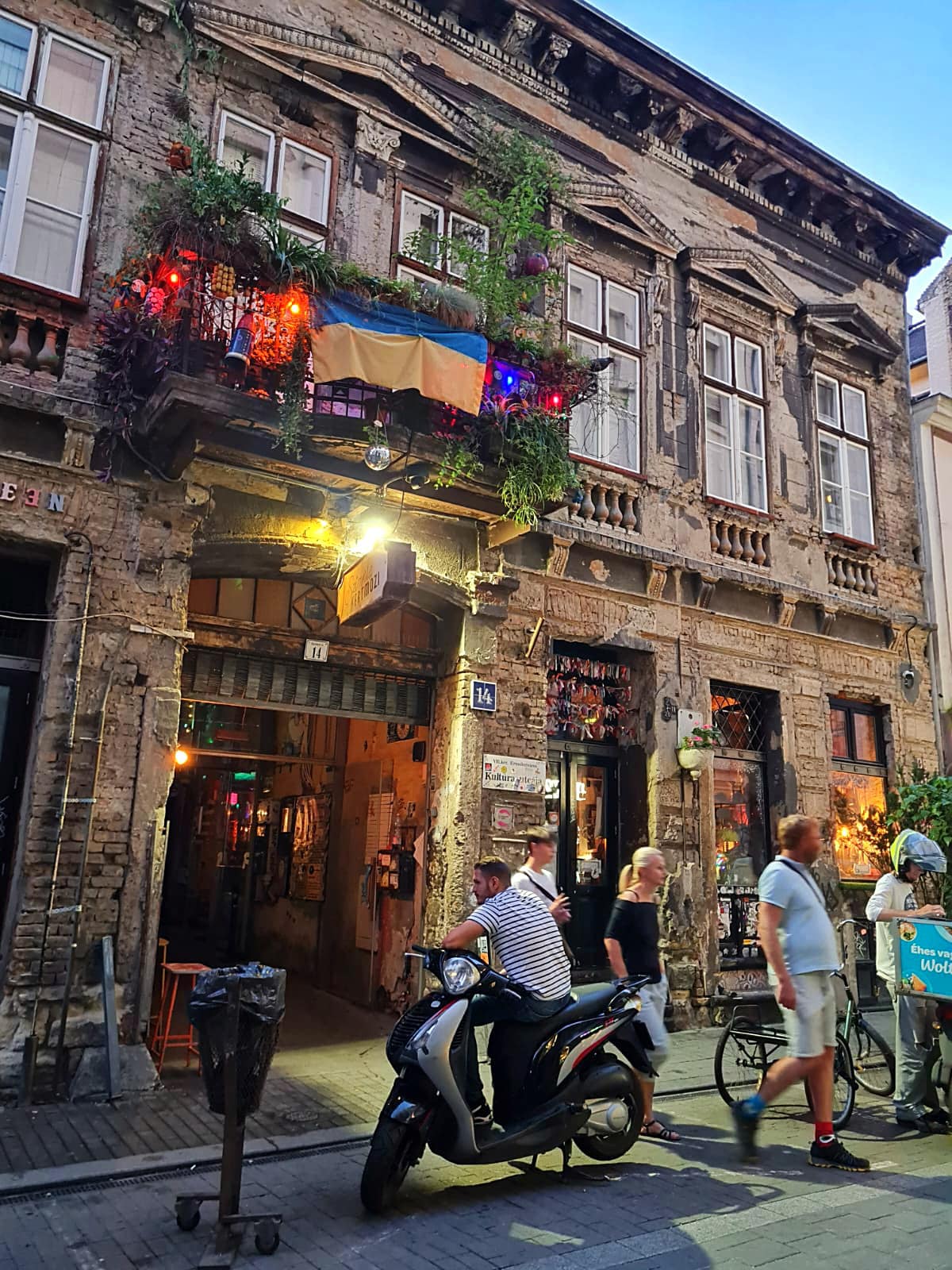


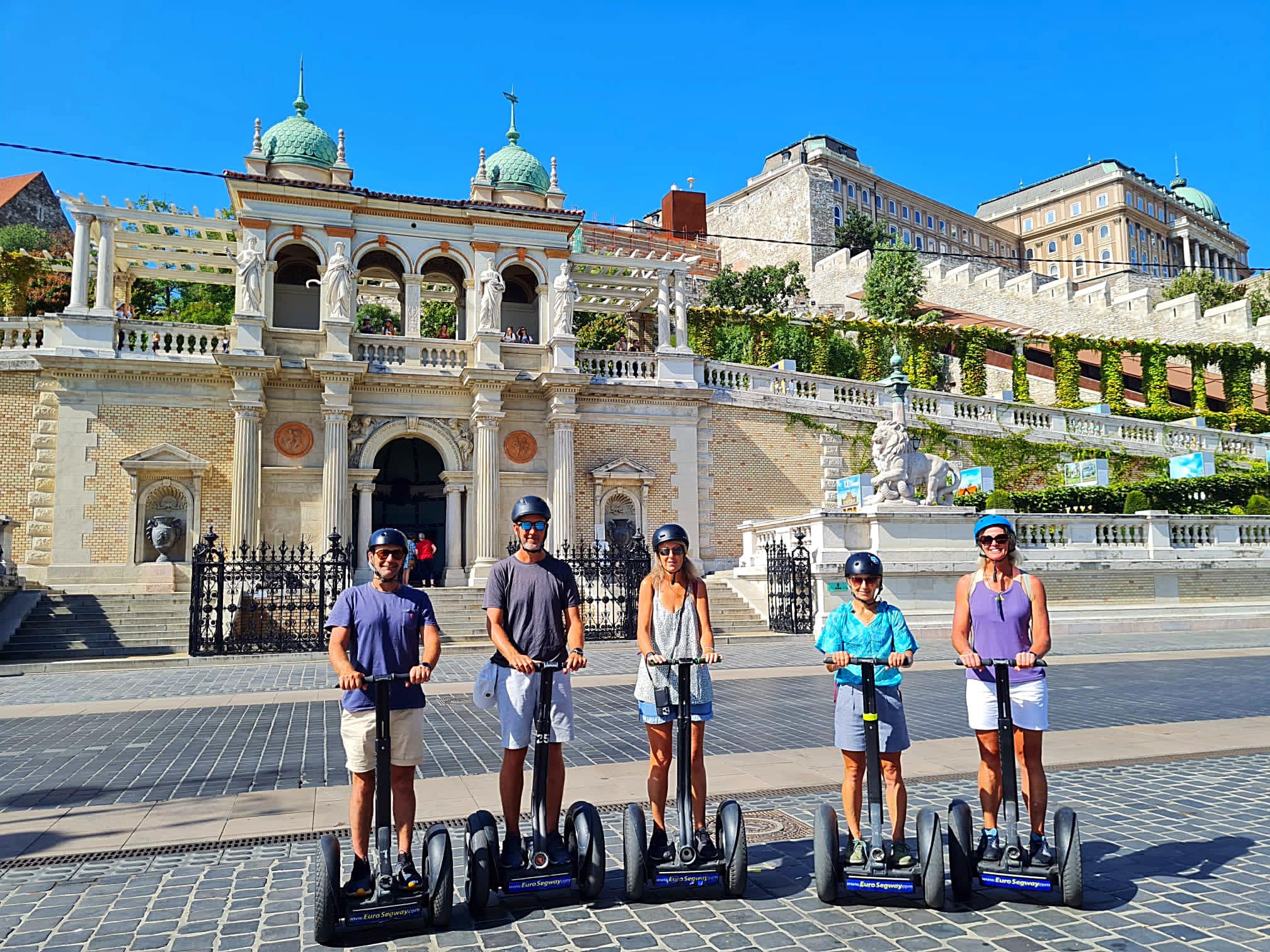
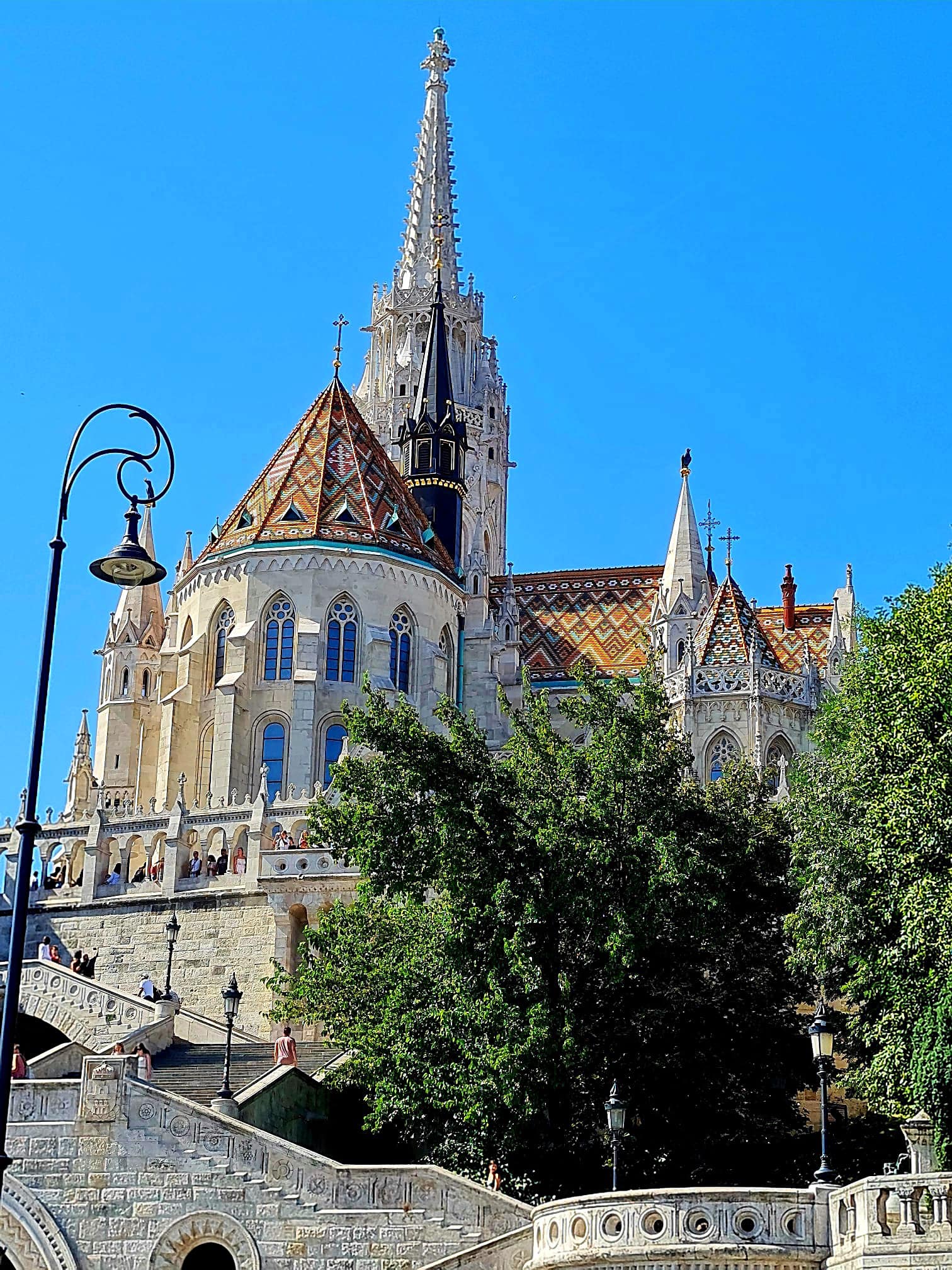
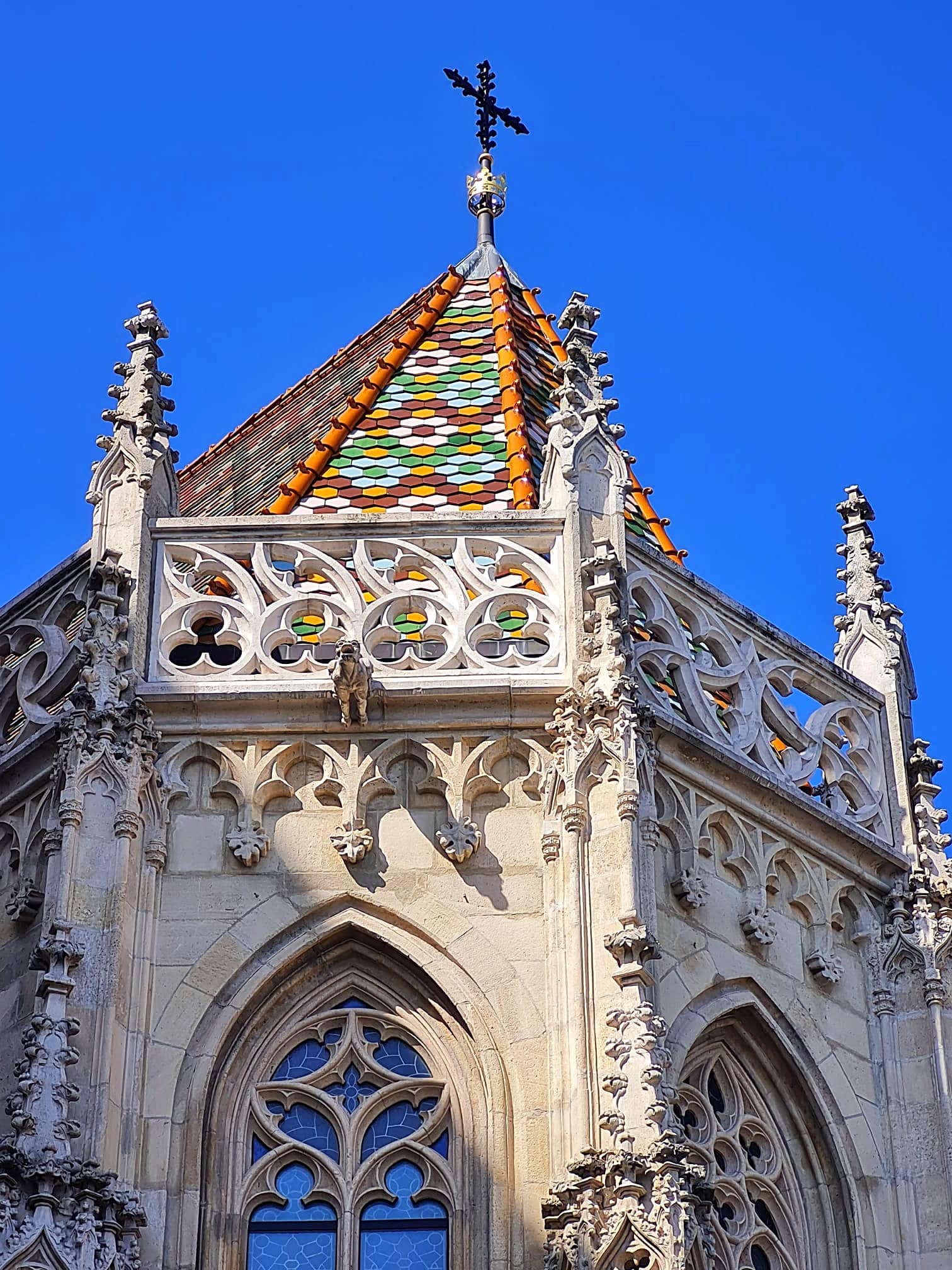


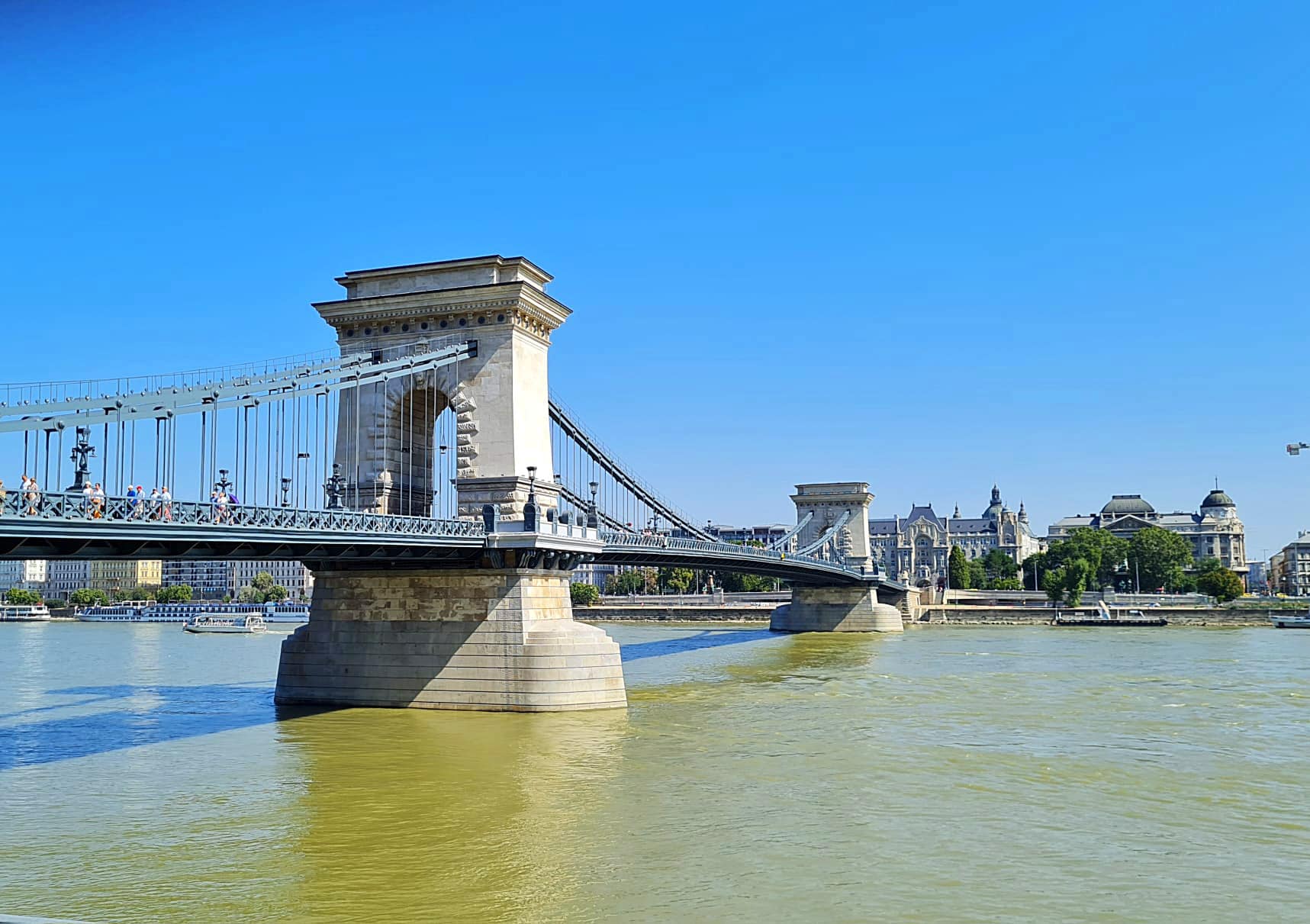

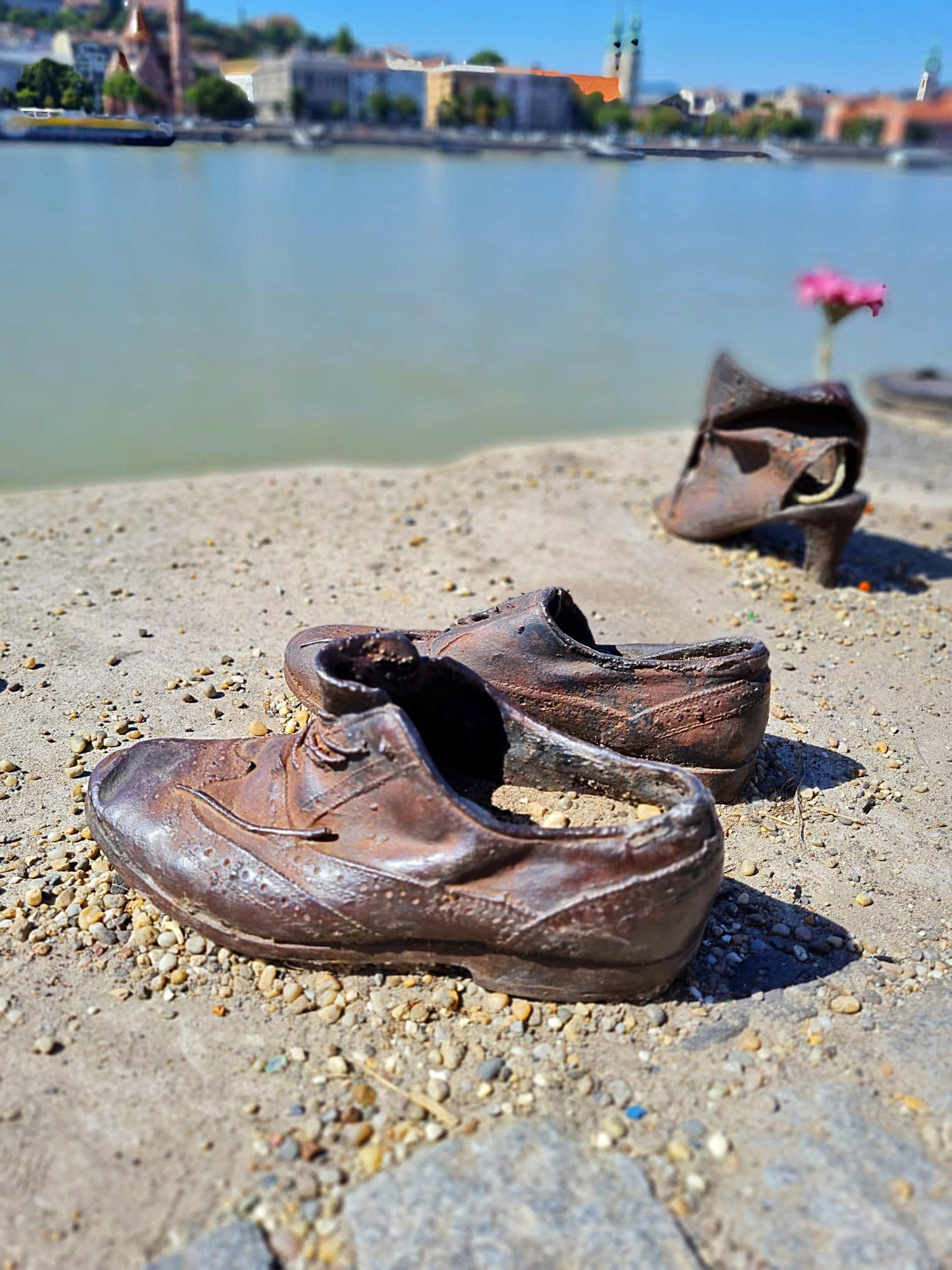


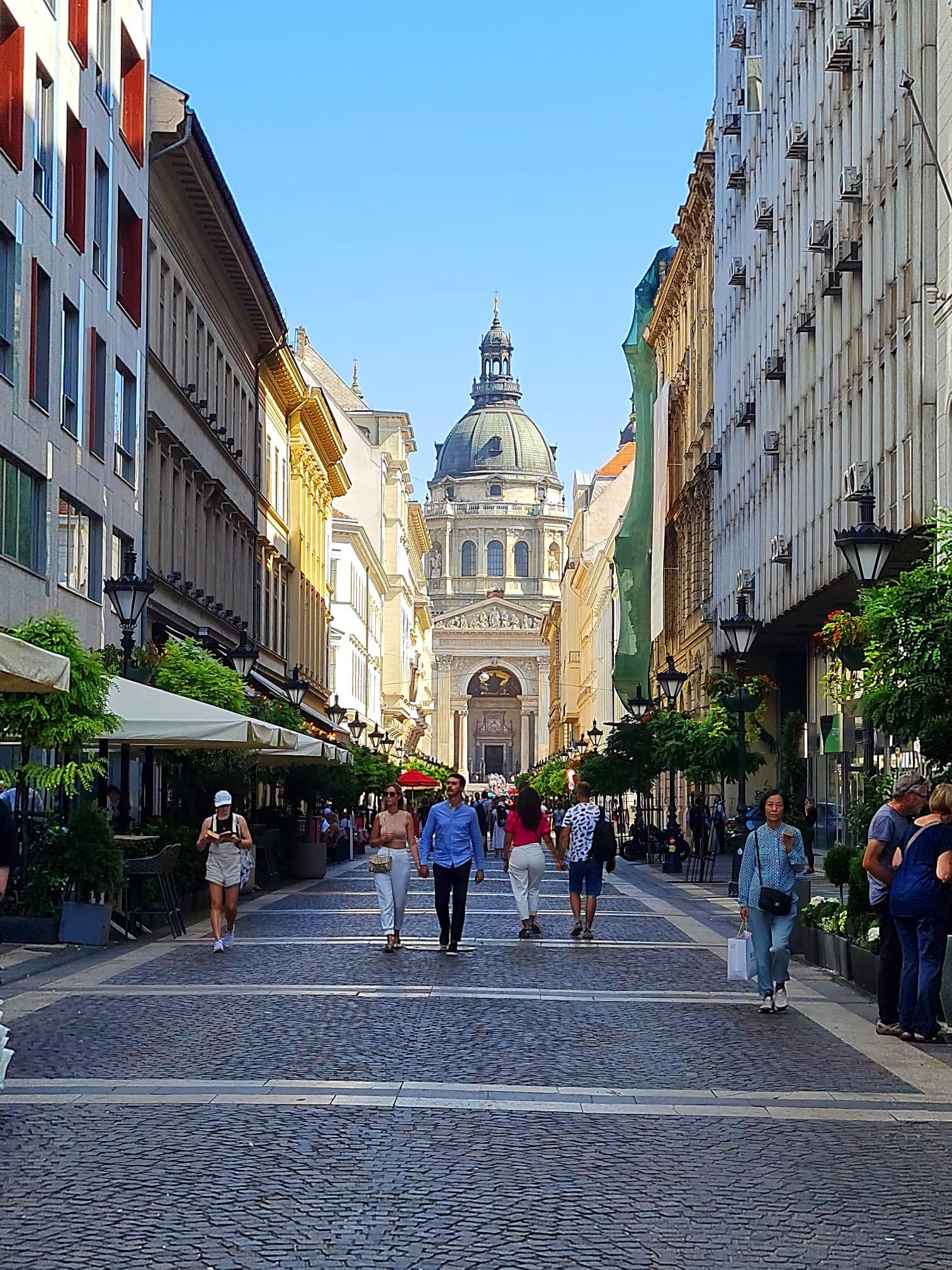

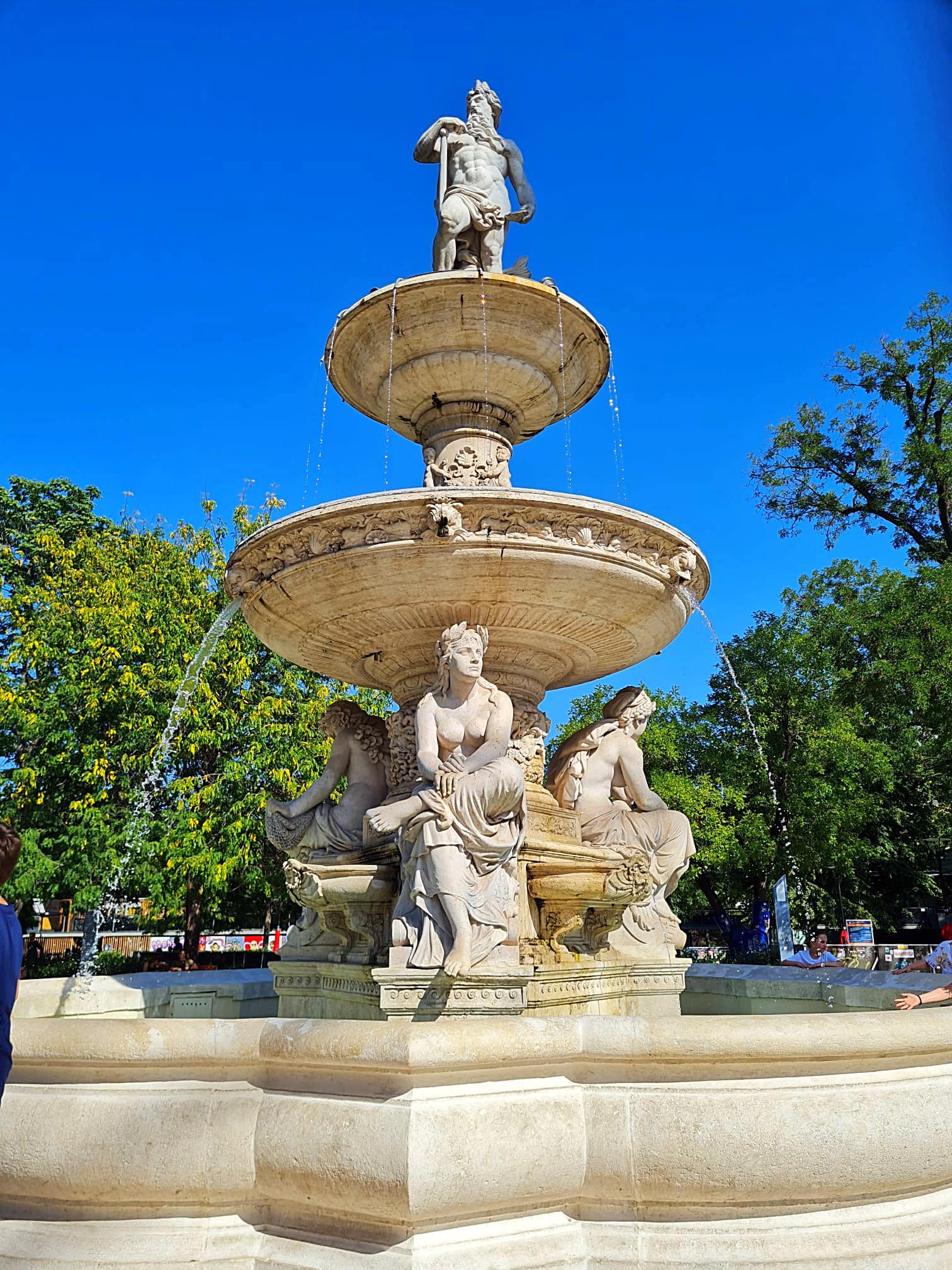

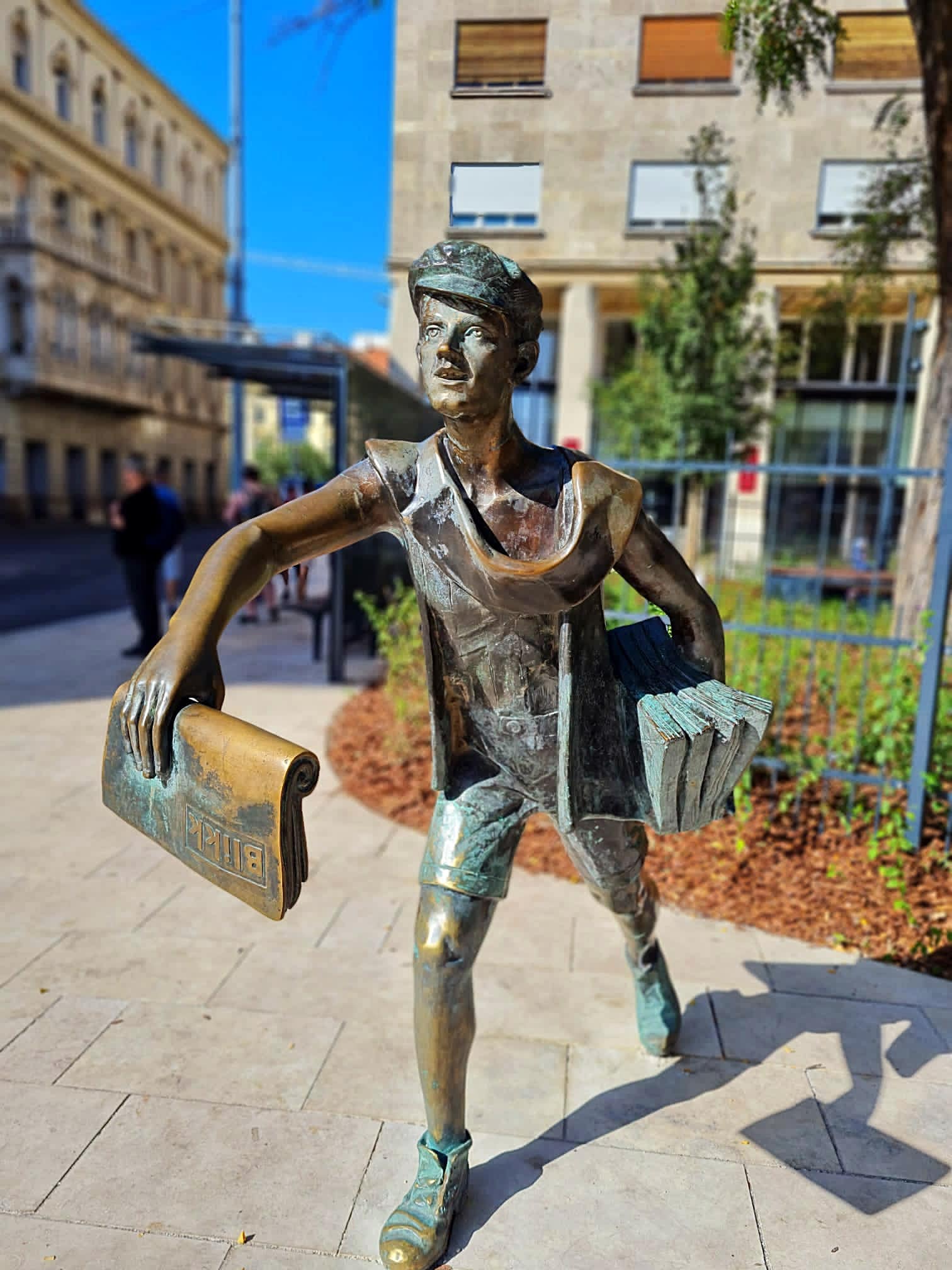


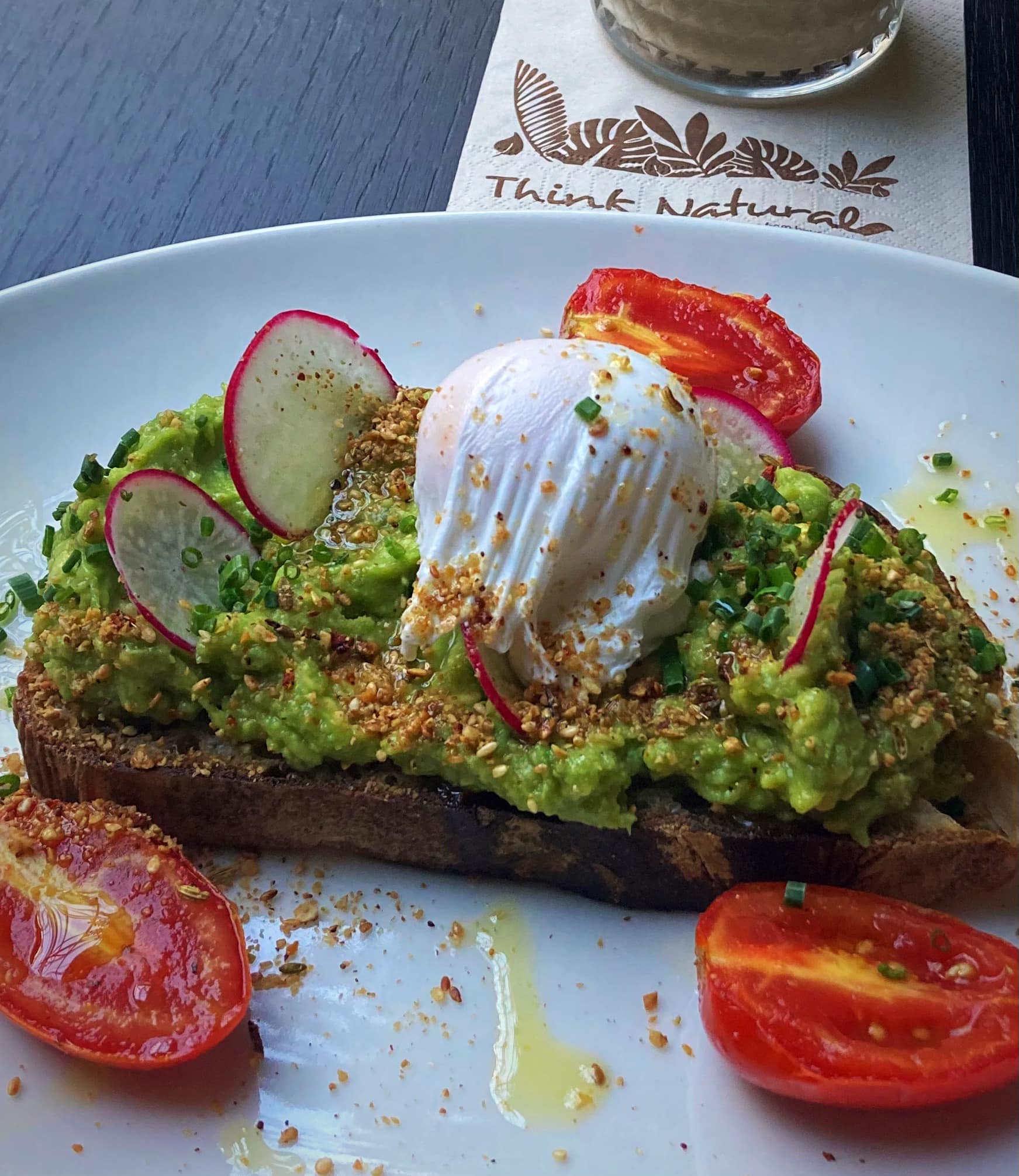
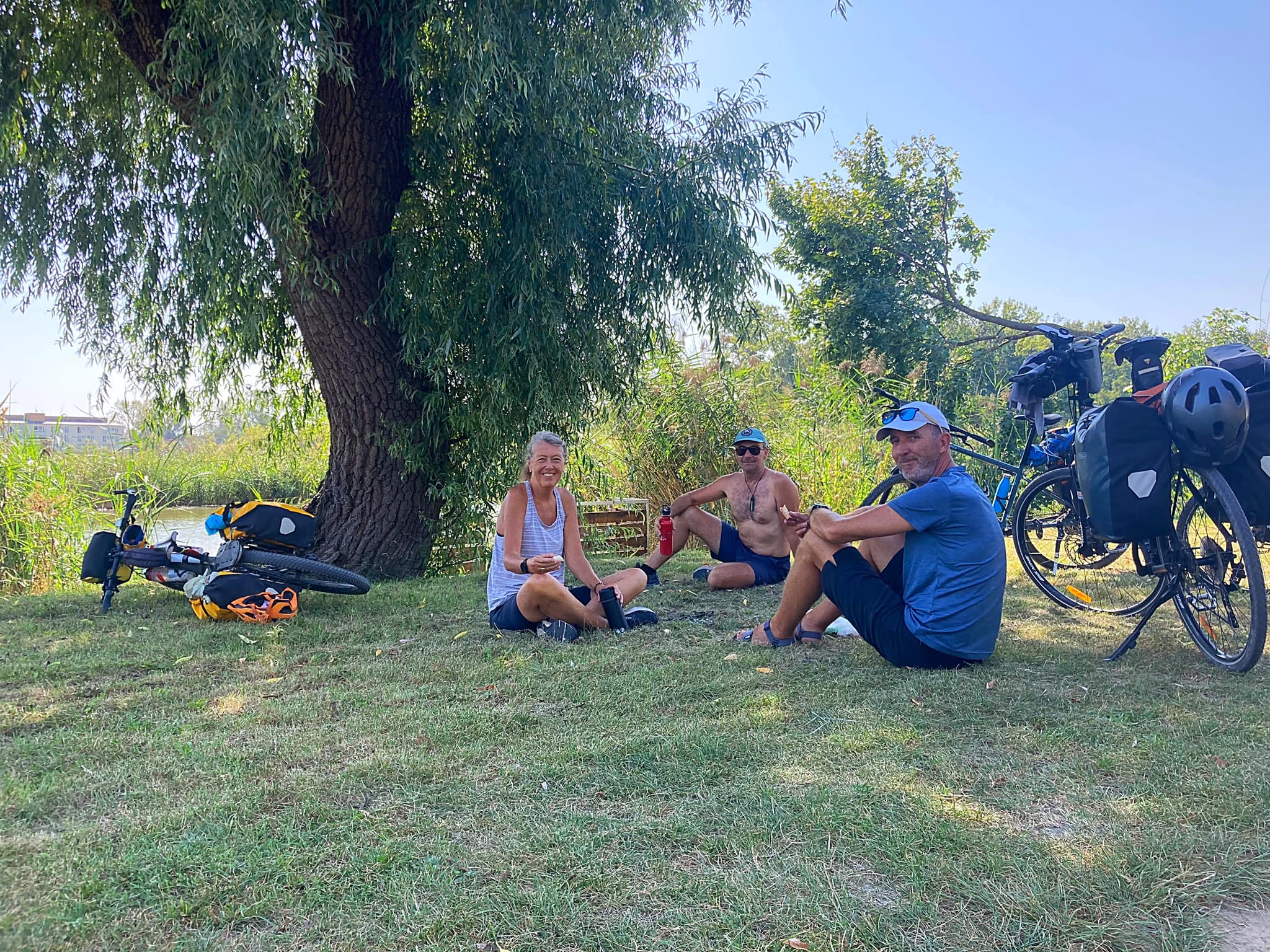



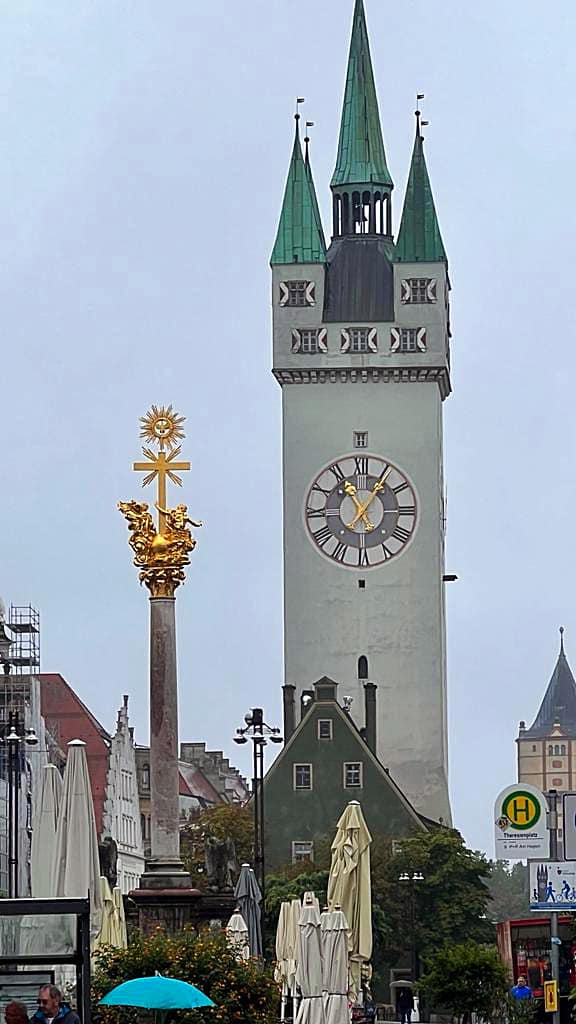

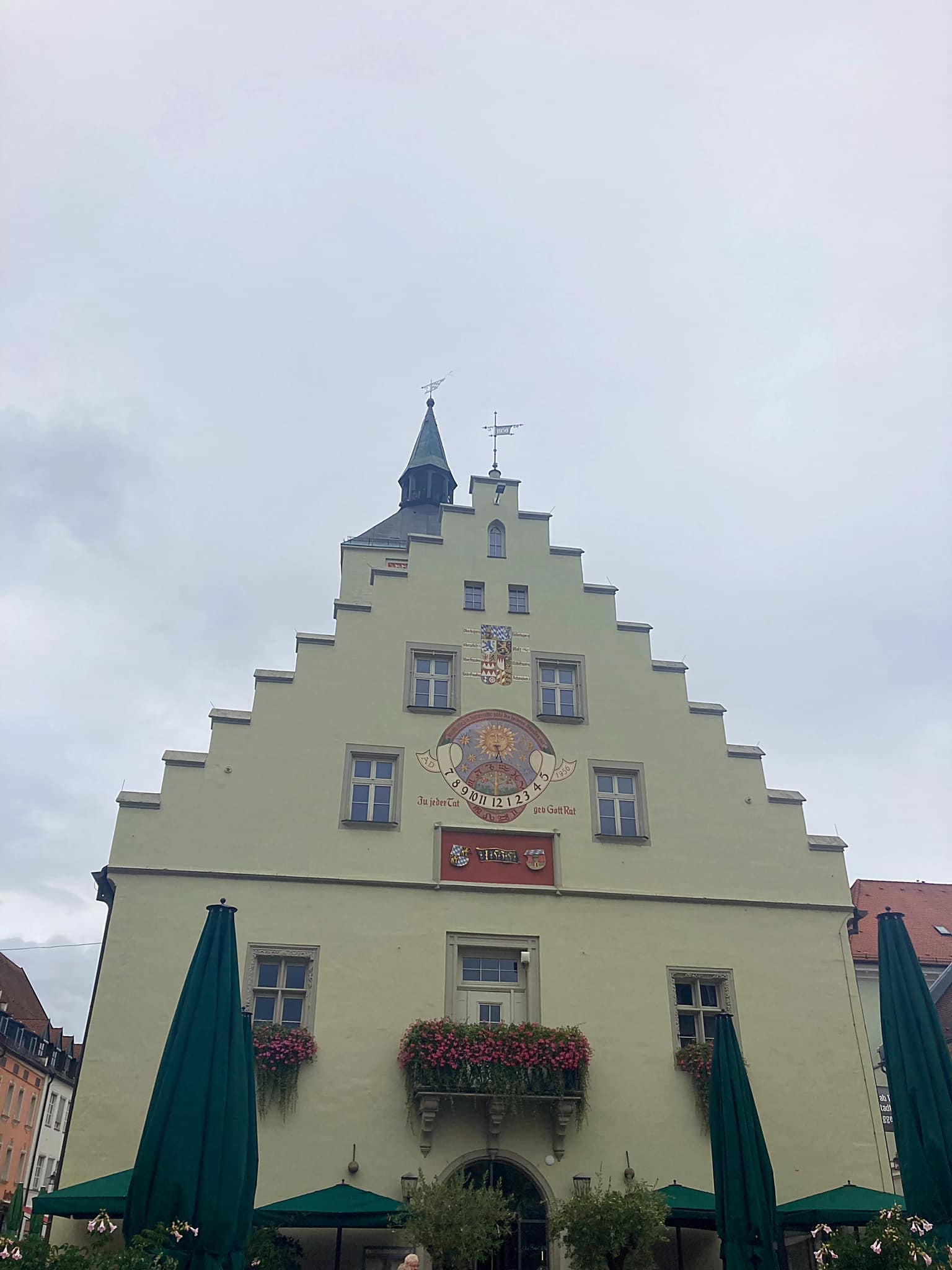


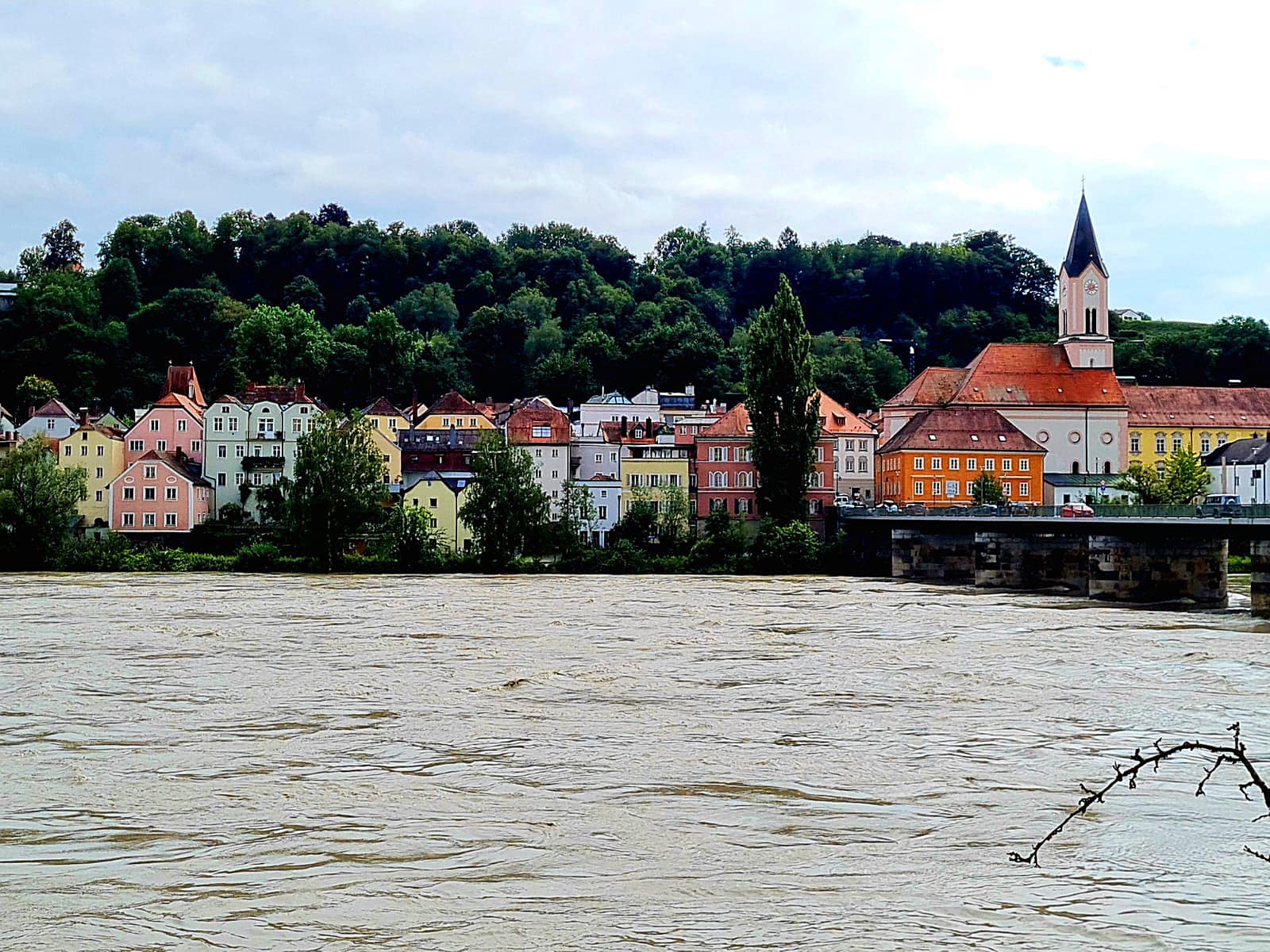
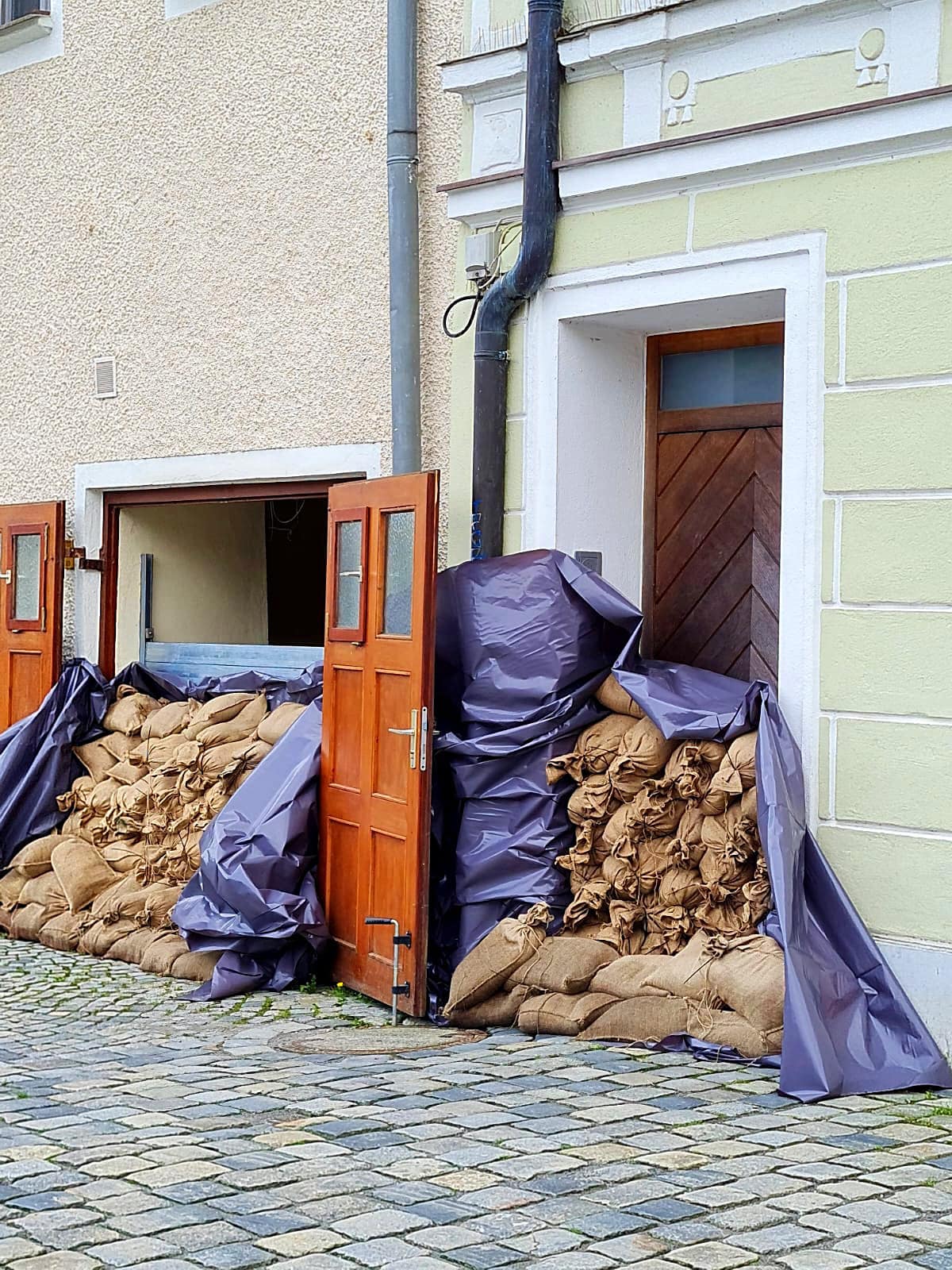
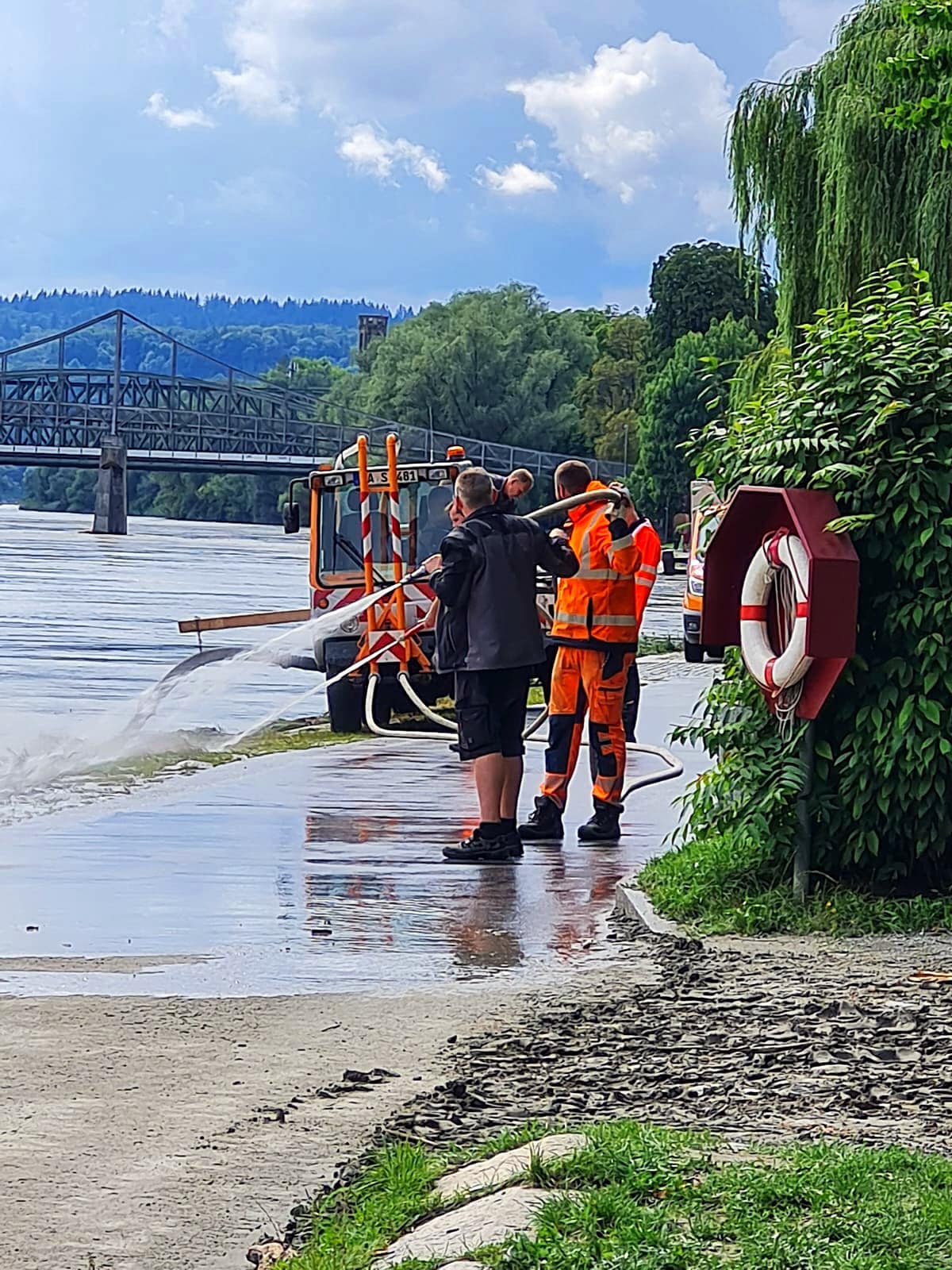


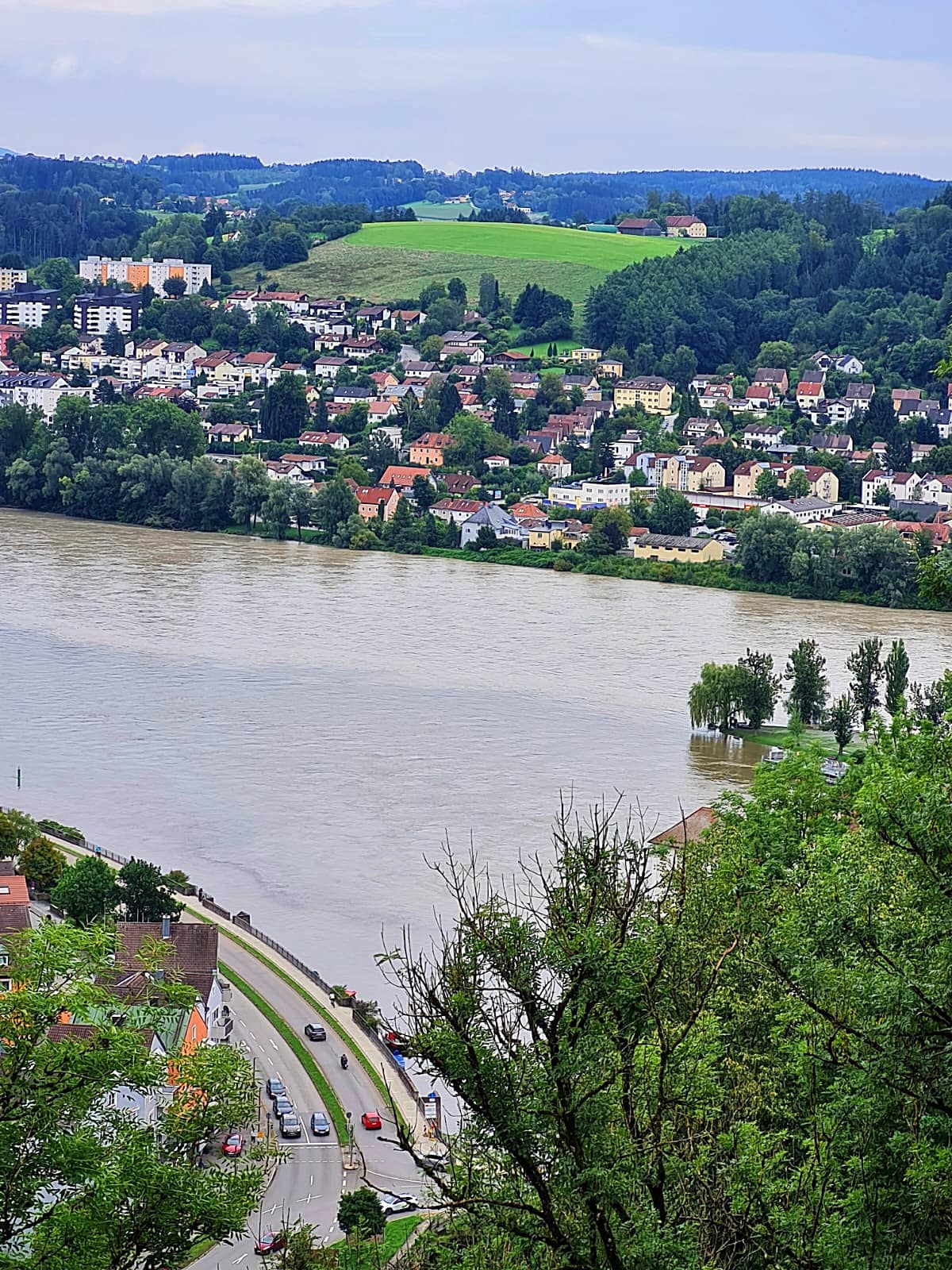
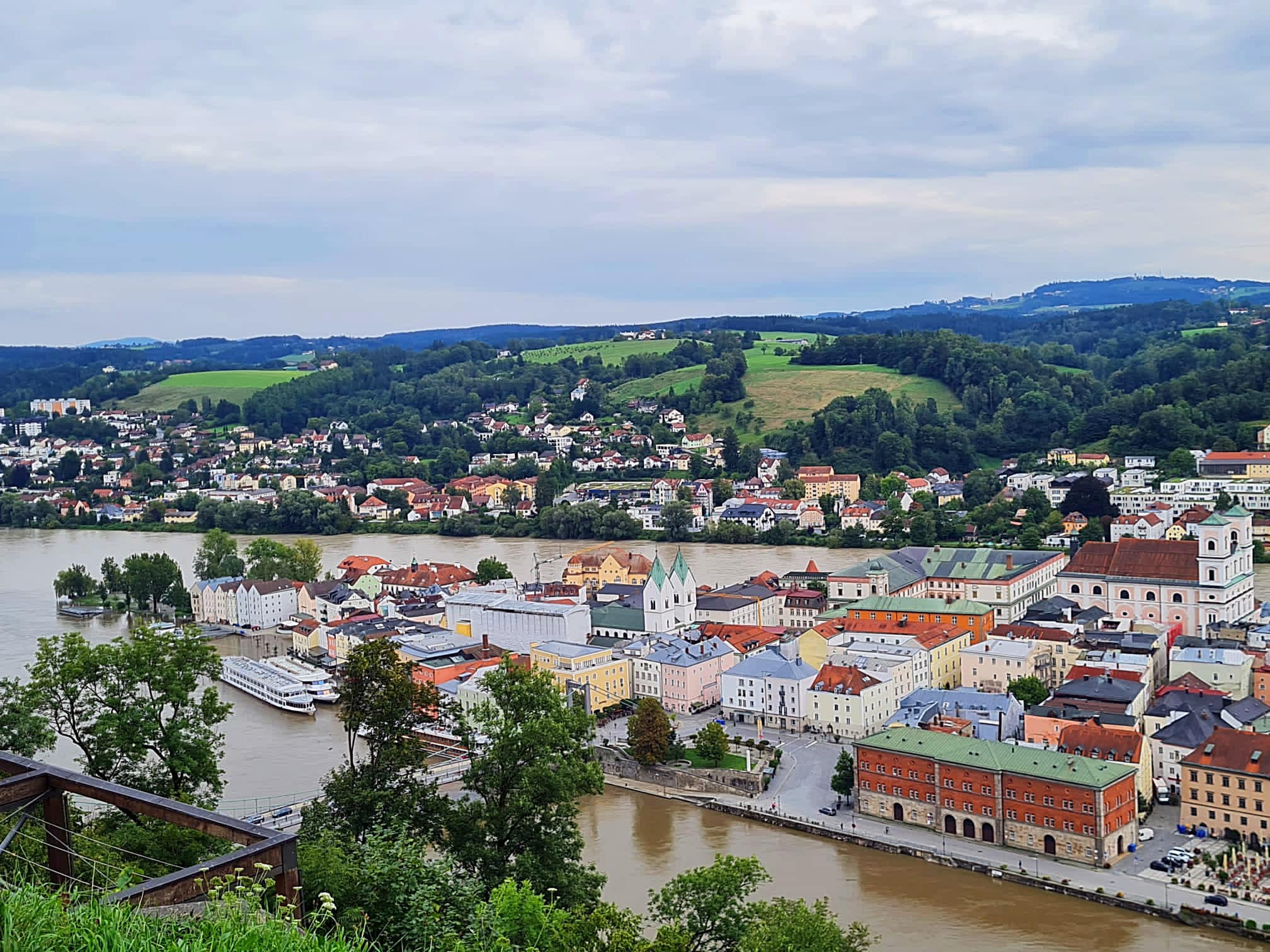
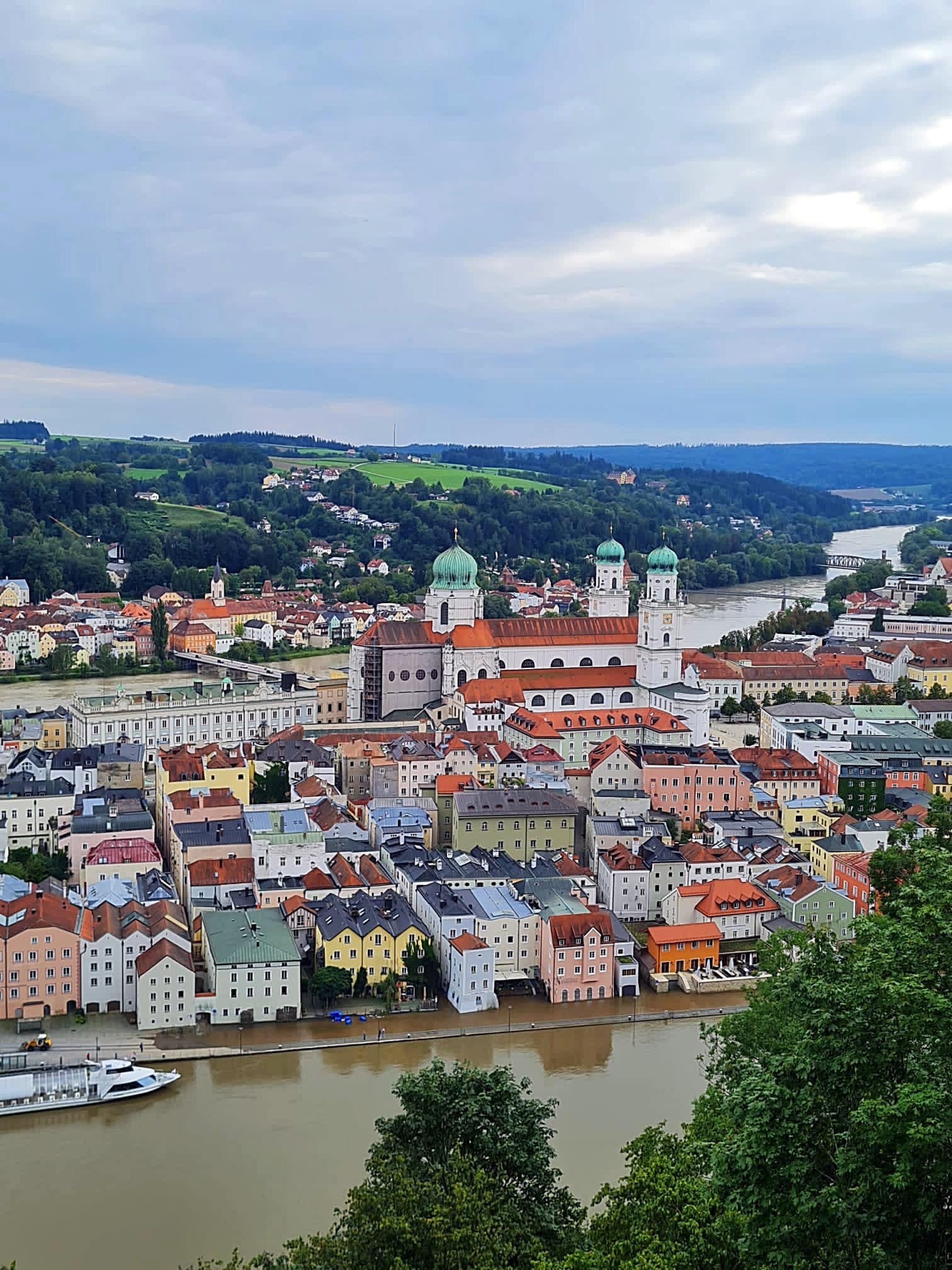


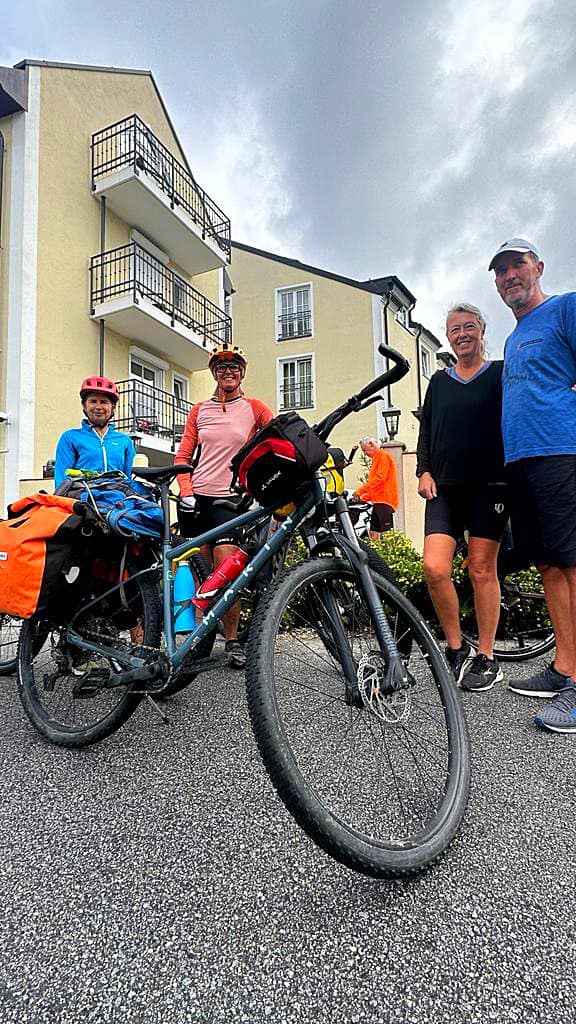

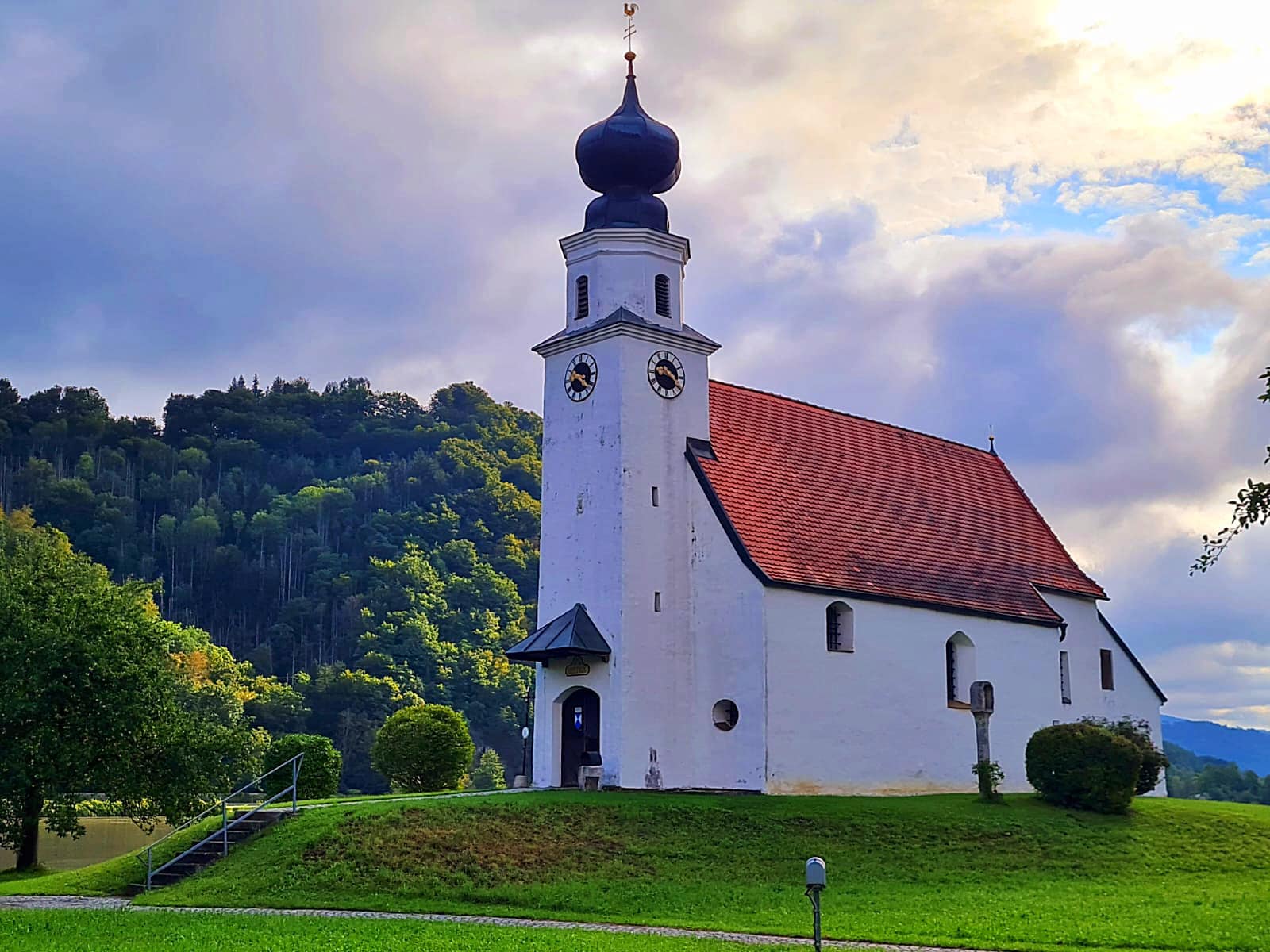


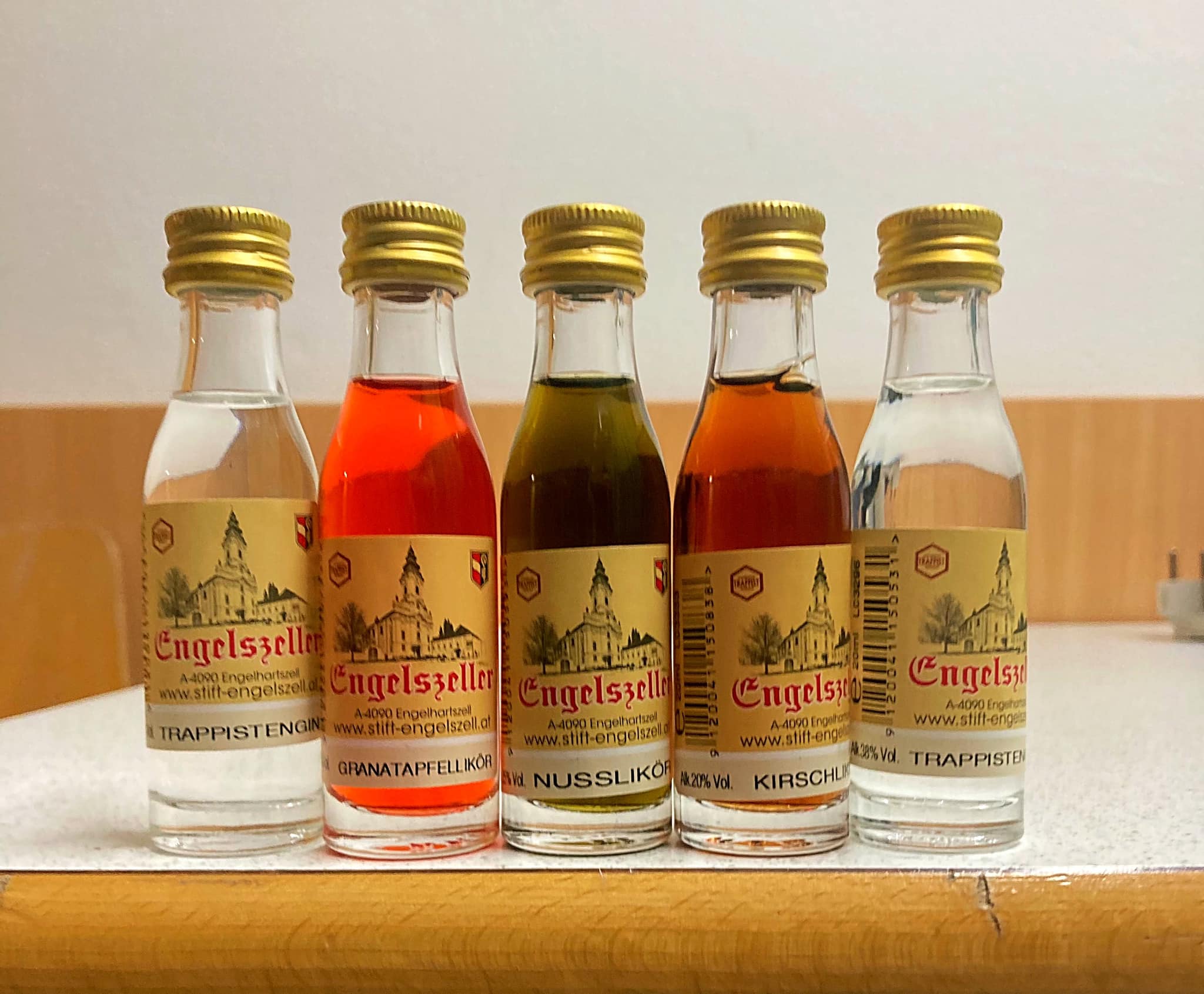

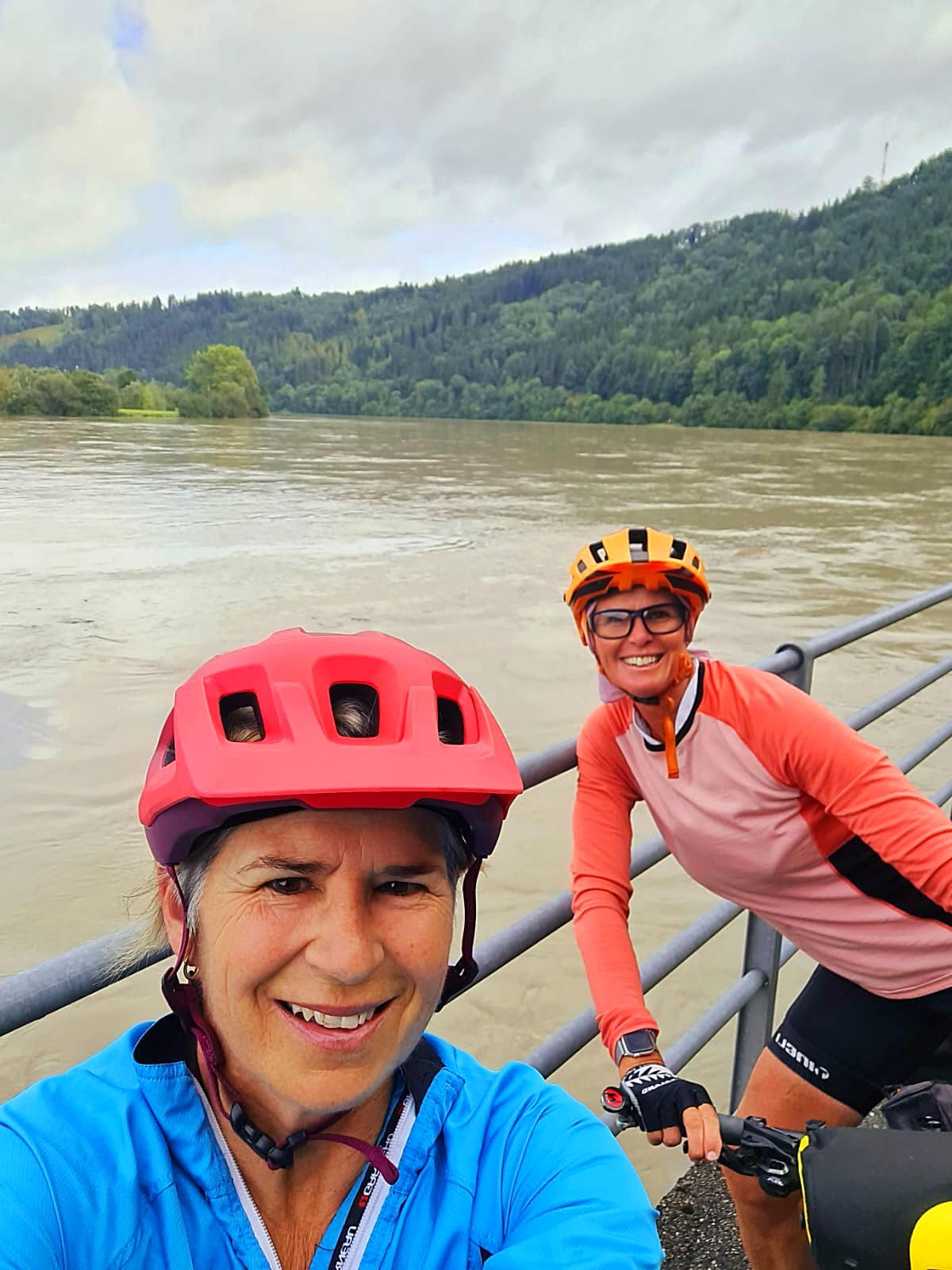
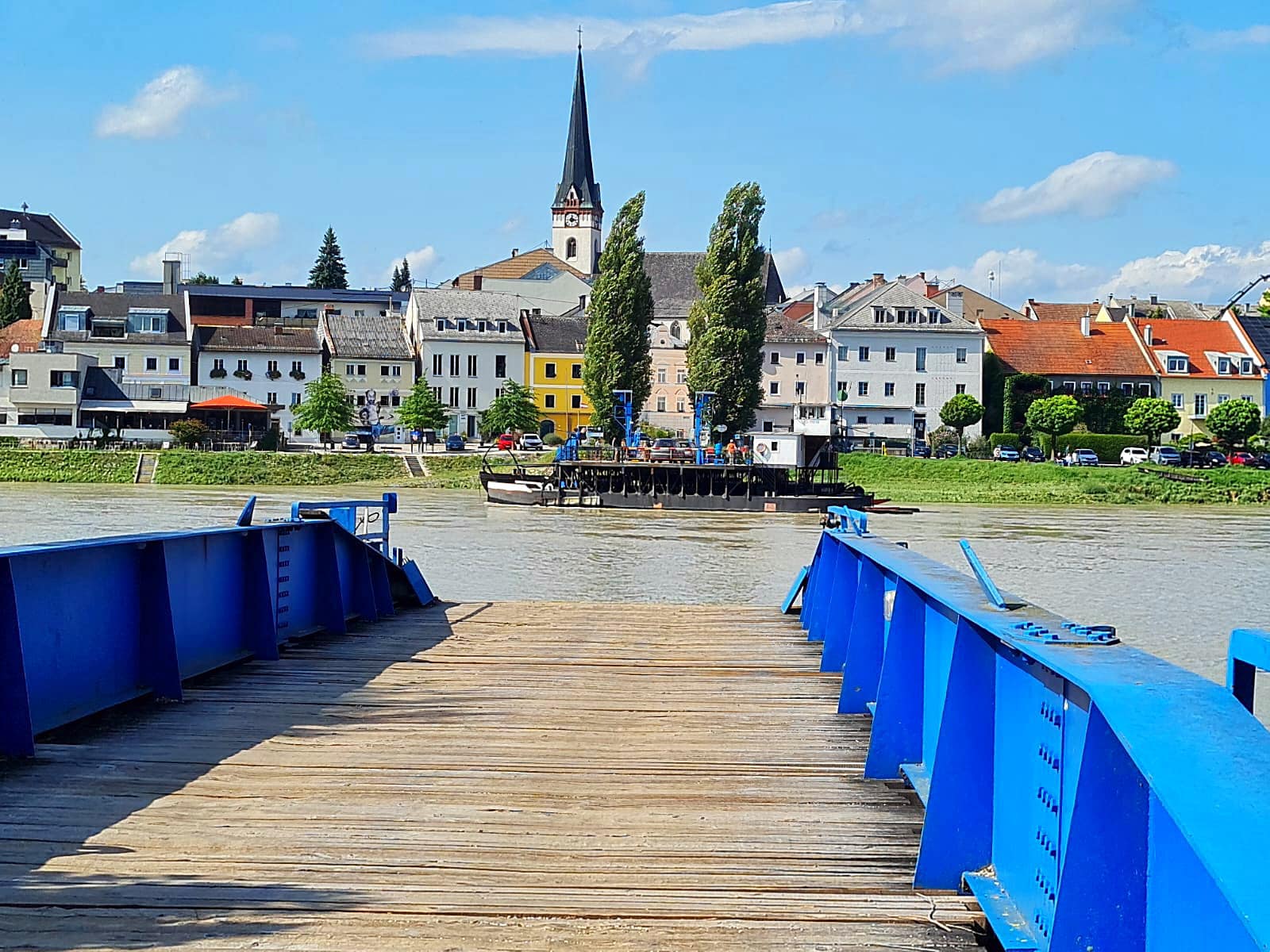
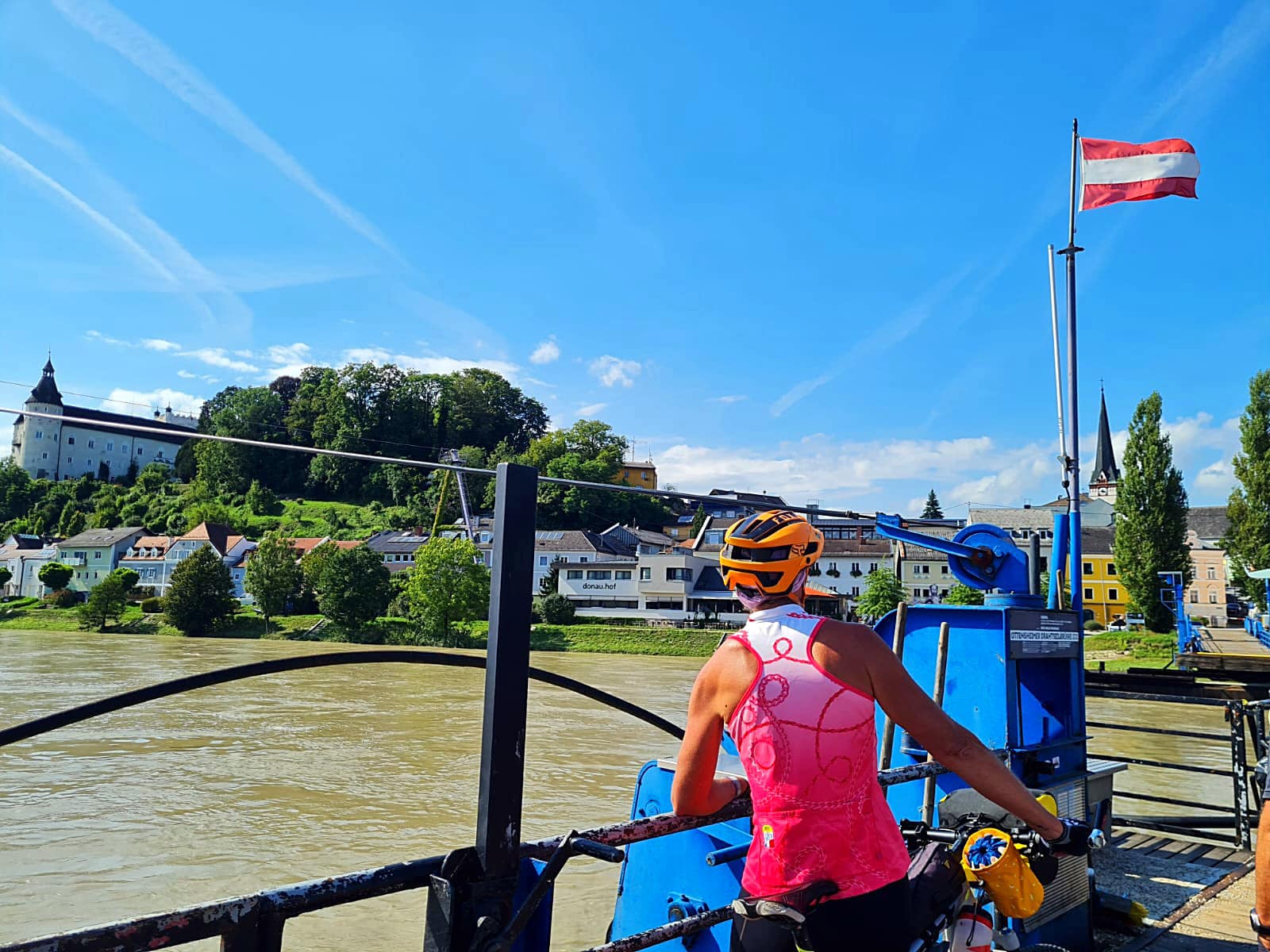


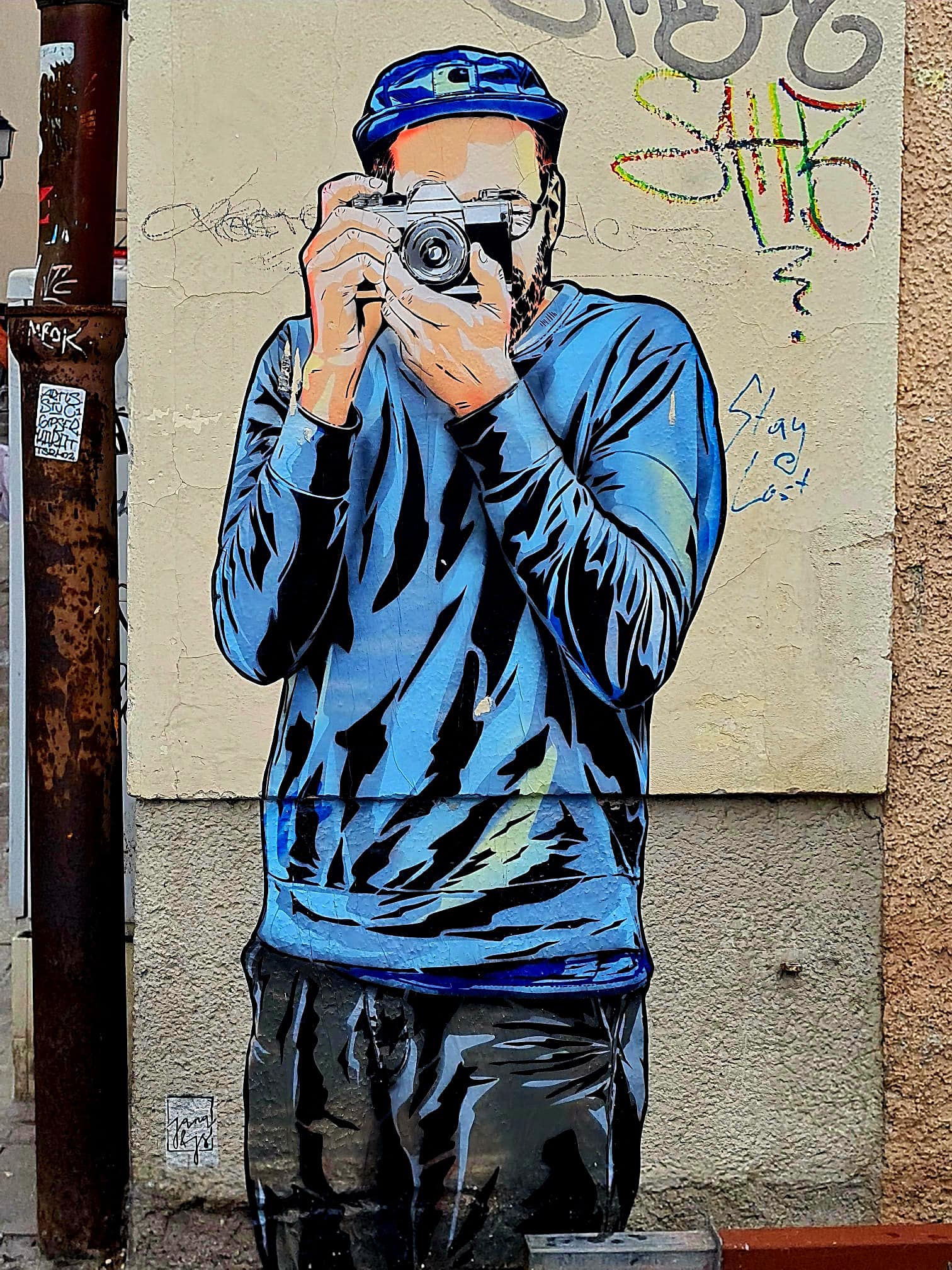

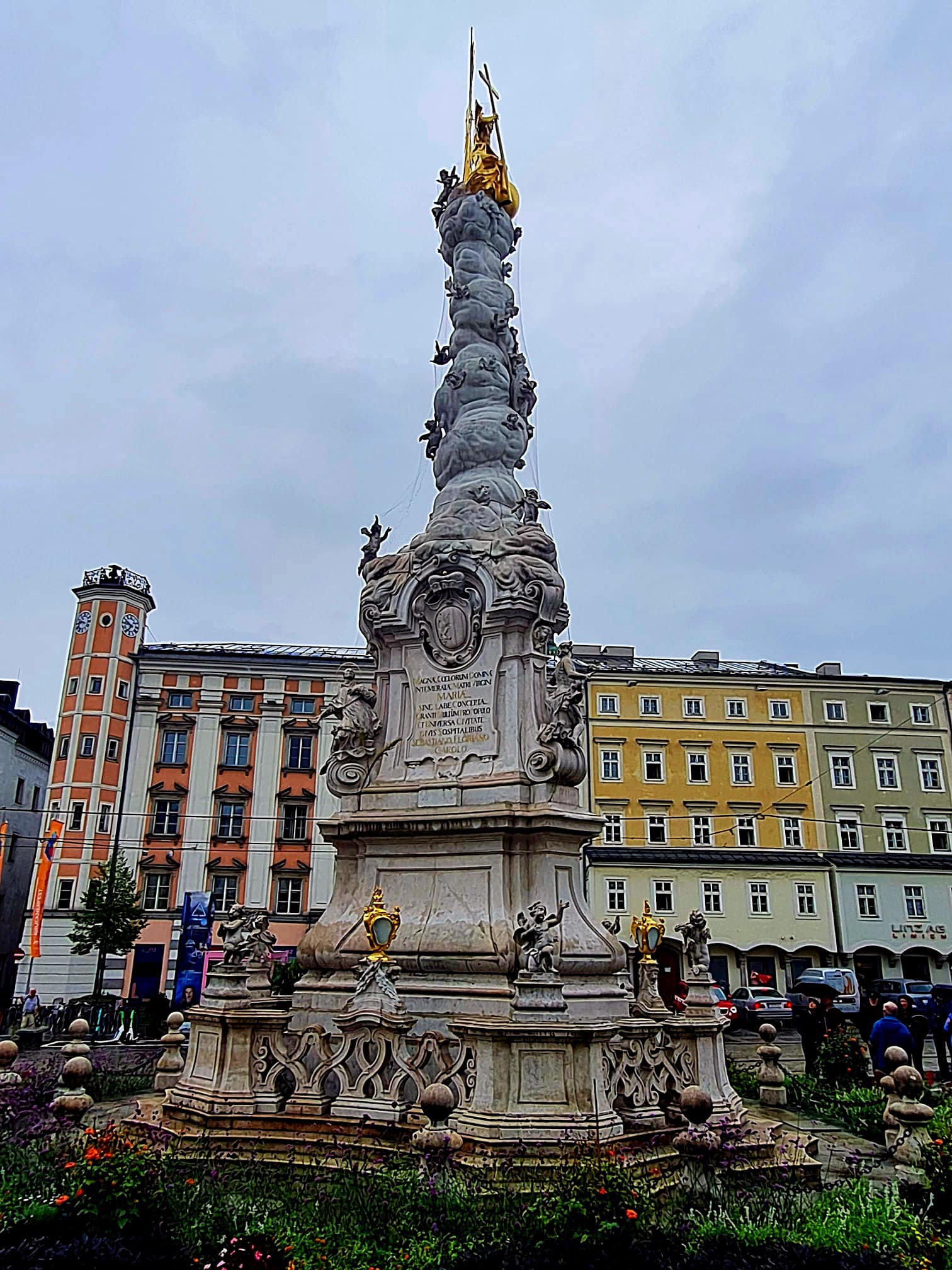
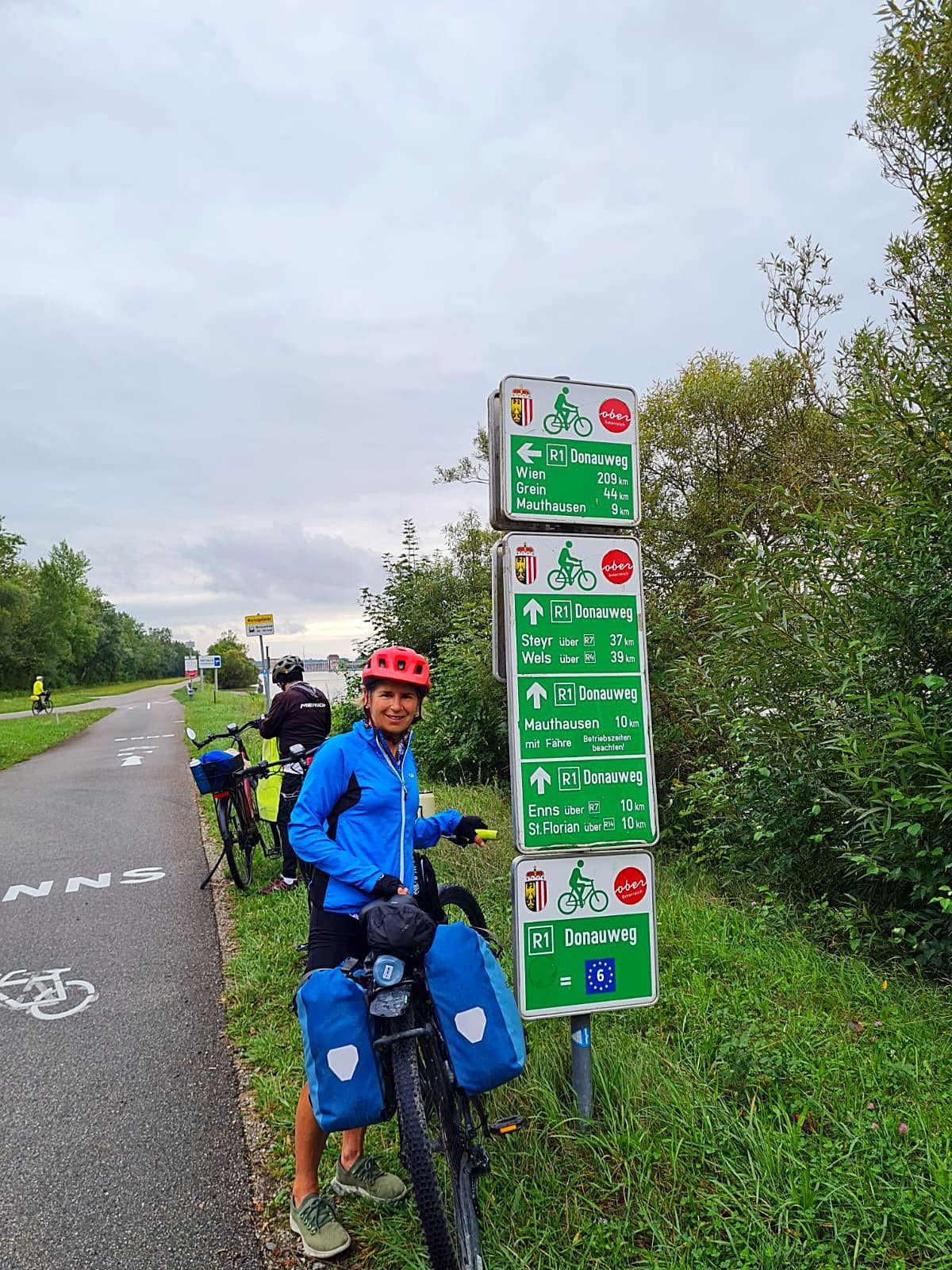
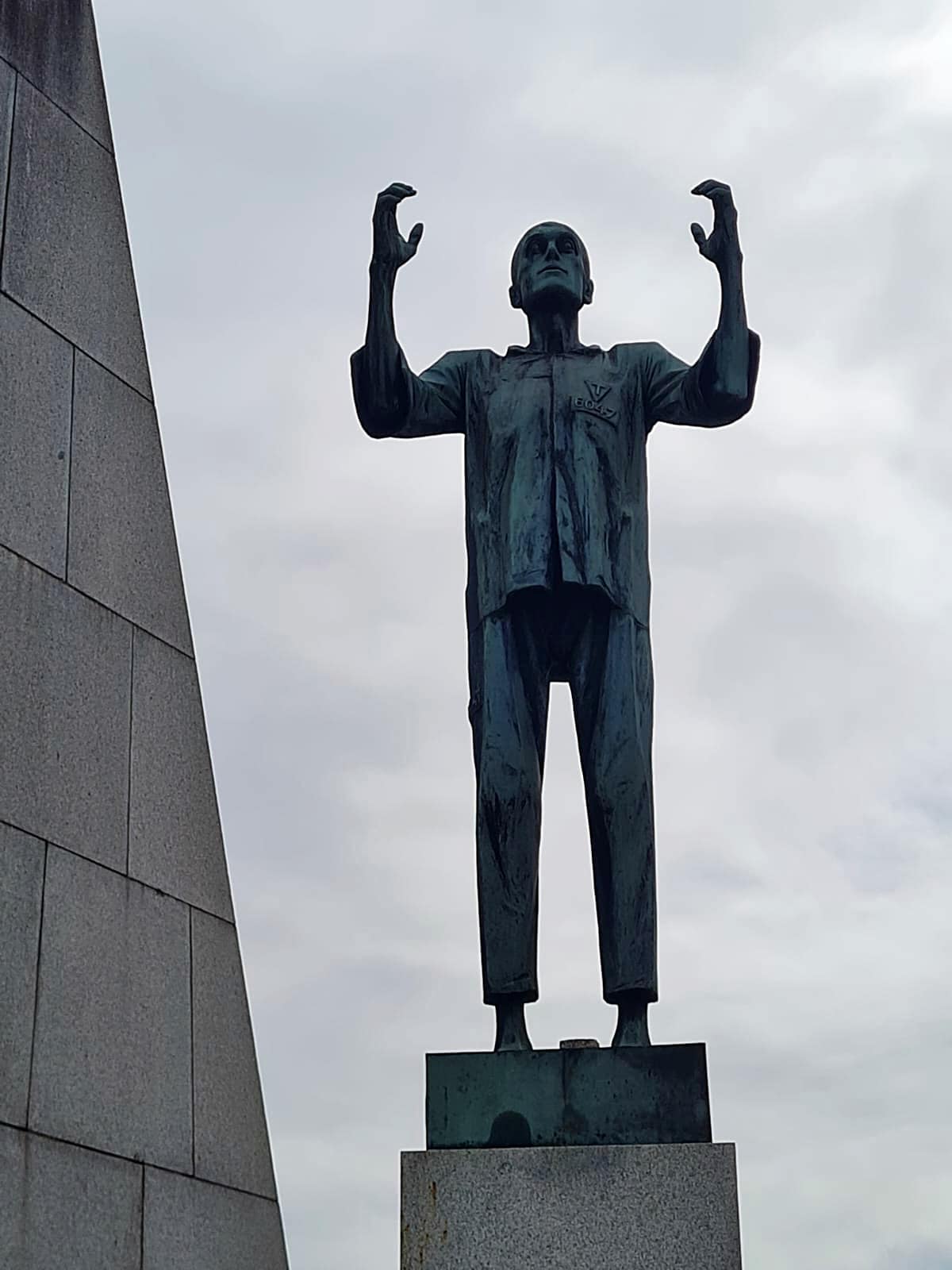


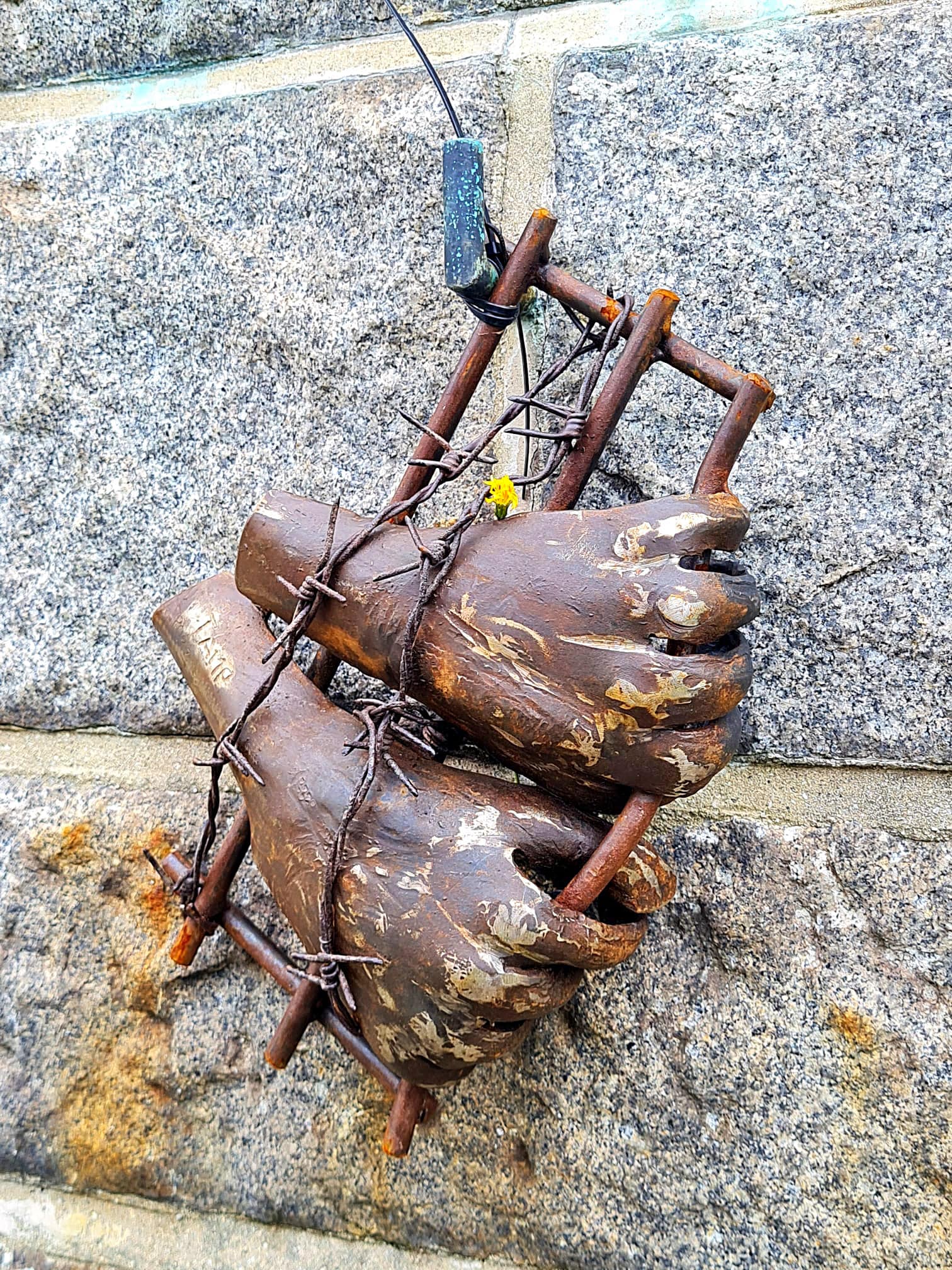
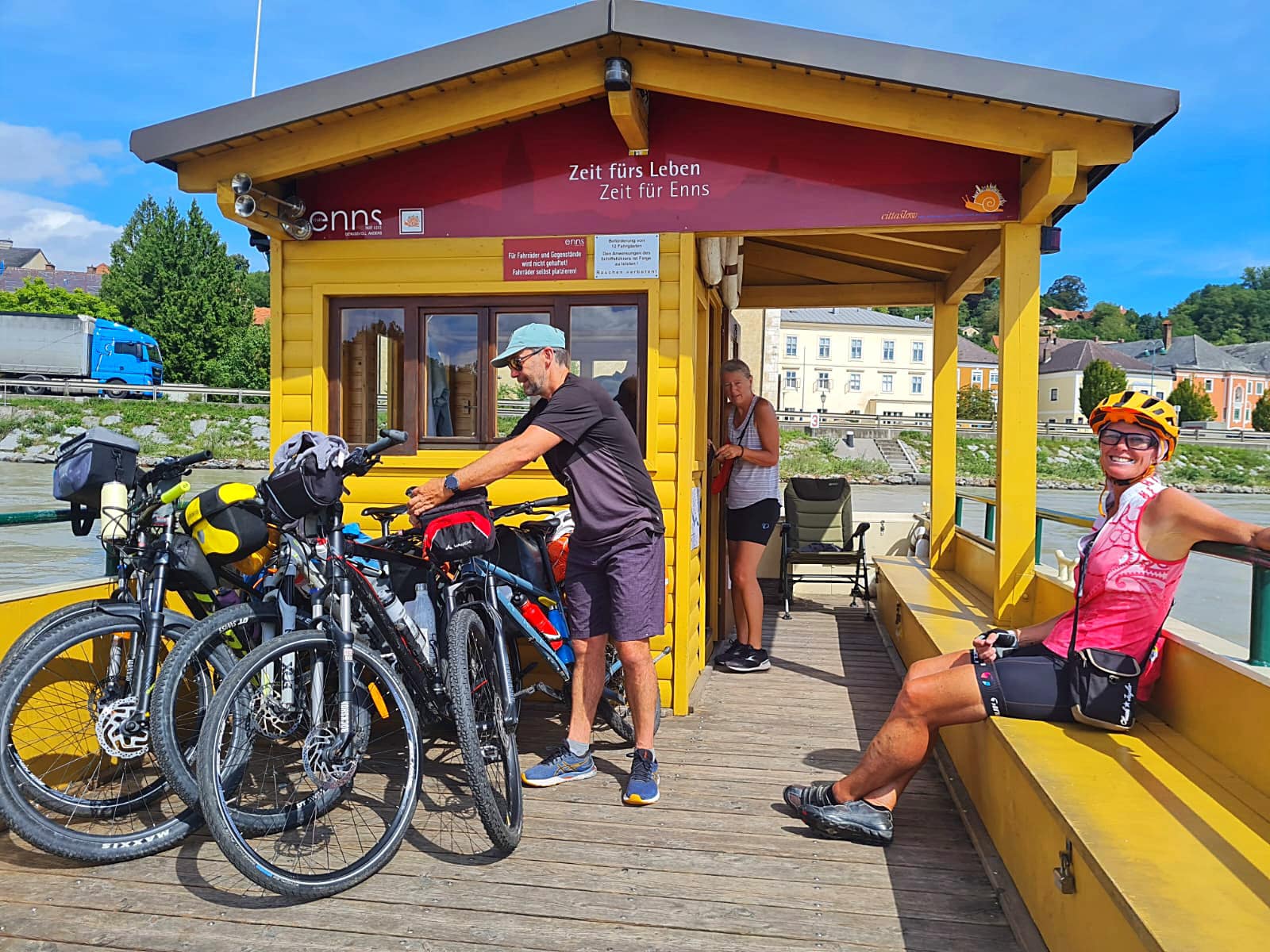

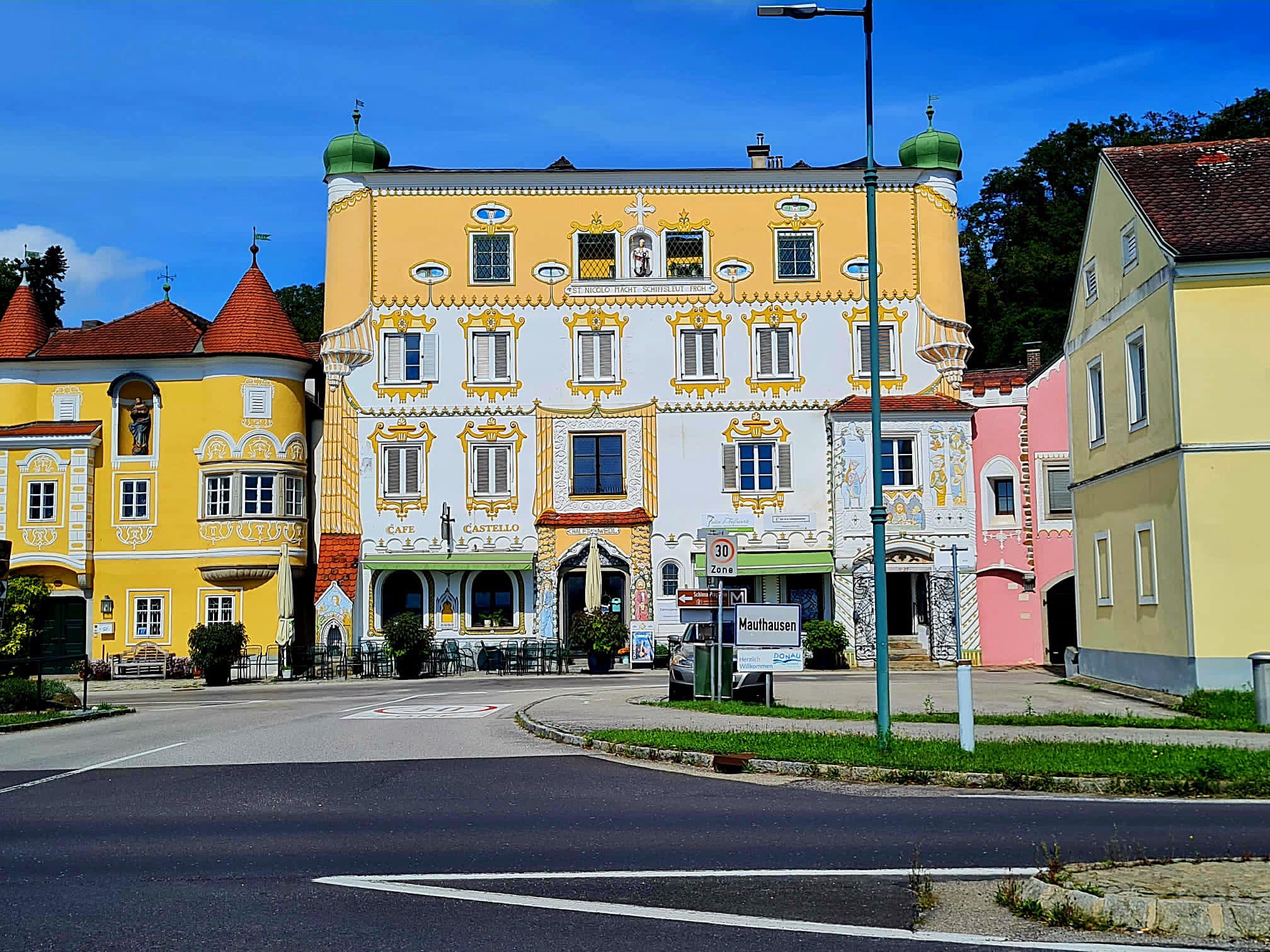
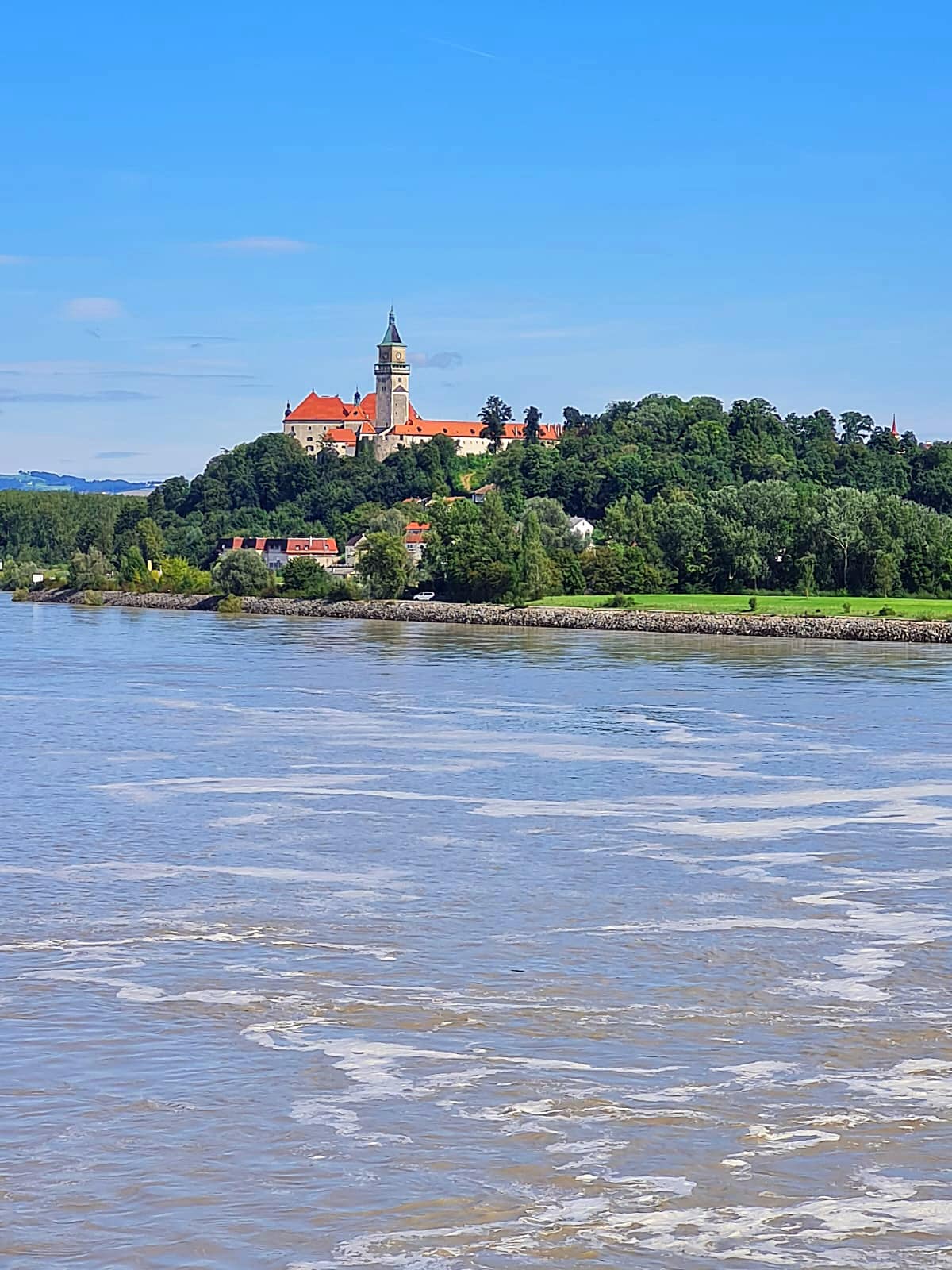


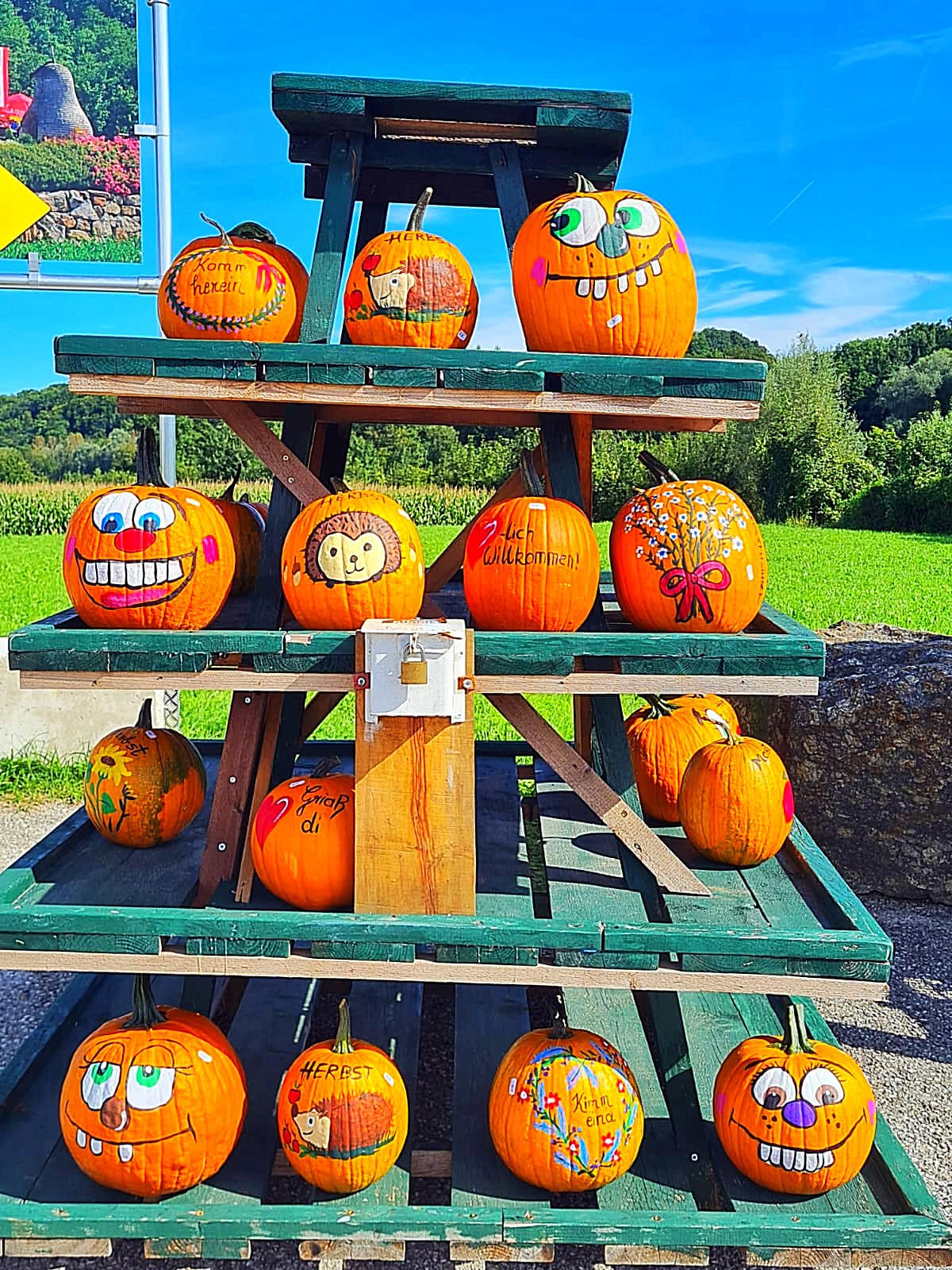

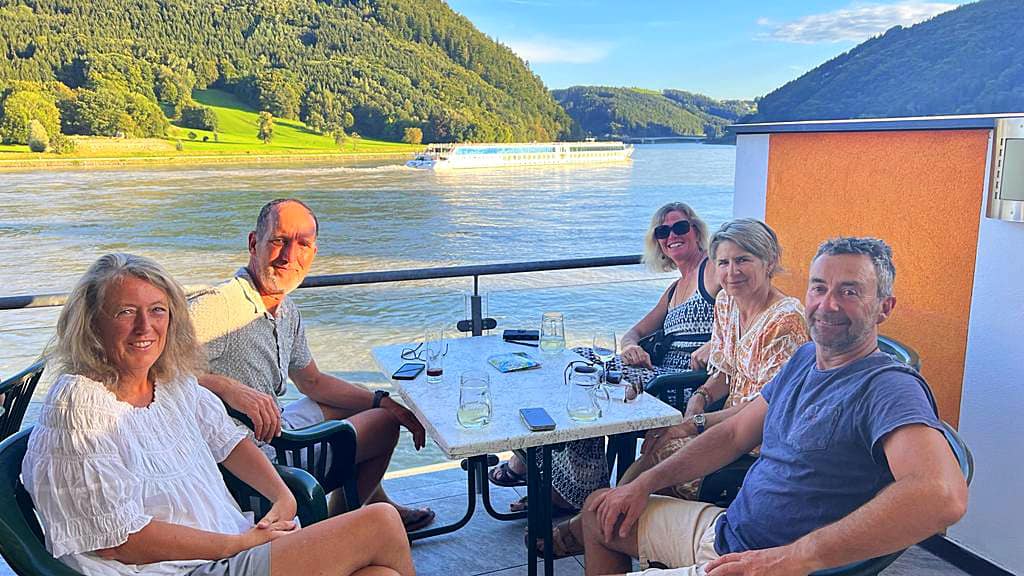


 . We were about to enter the Wachau, which is extensively planted with orchards (predominantly apricot) and vineyards. The apricot baileys was devine but transportation by bike is getting tricky given I already have a good mini bar on board. I settled for a little sampler pack to add to said mini bar



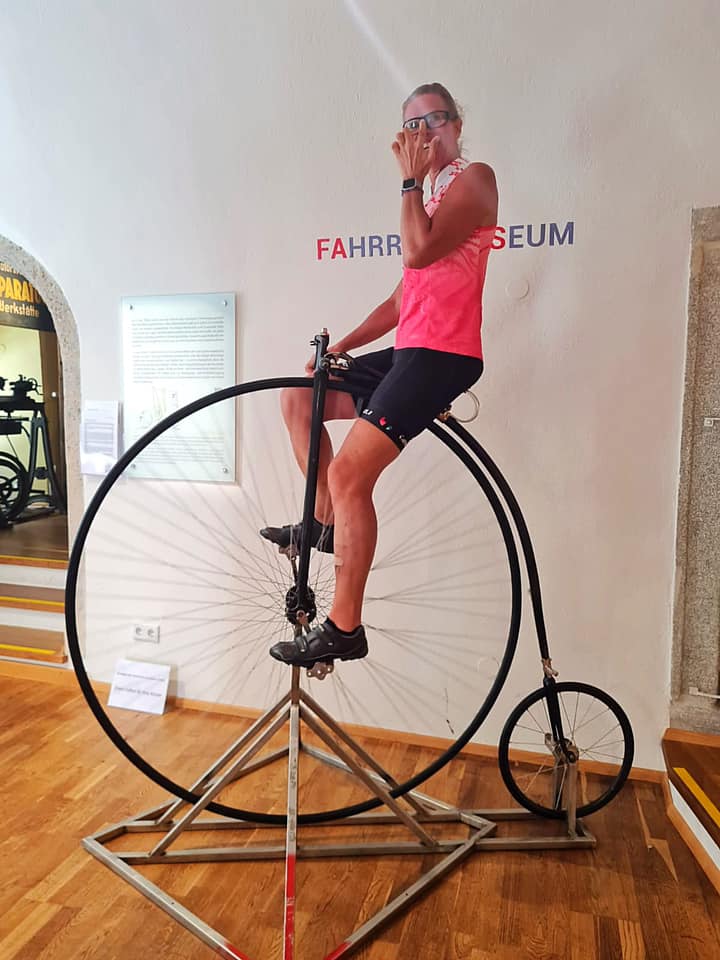



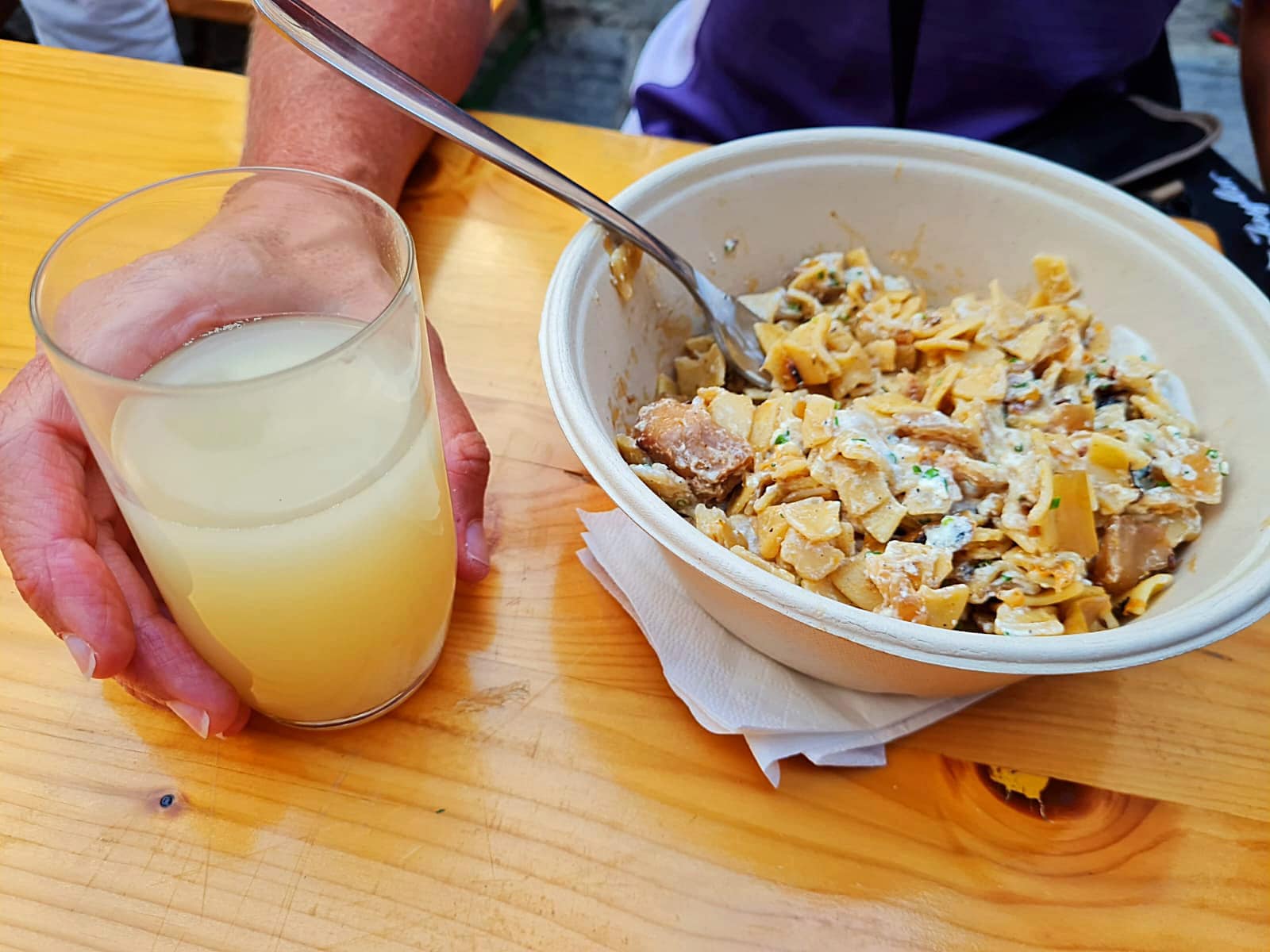



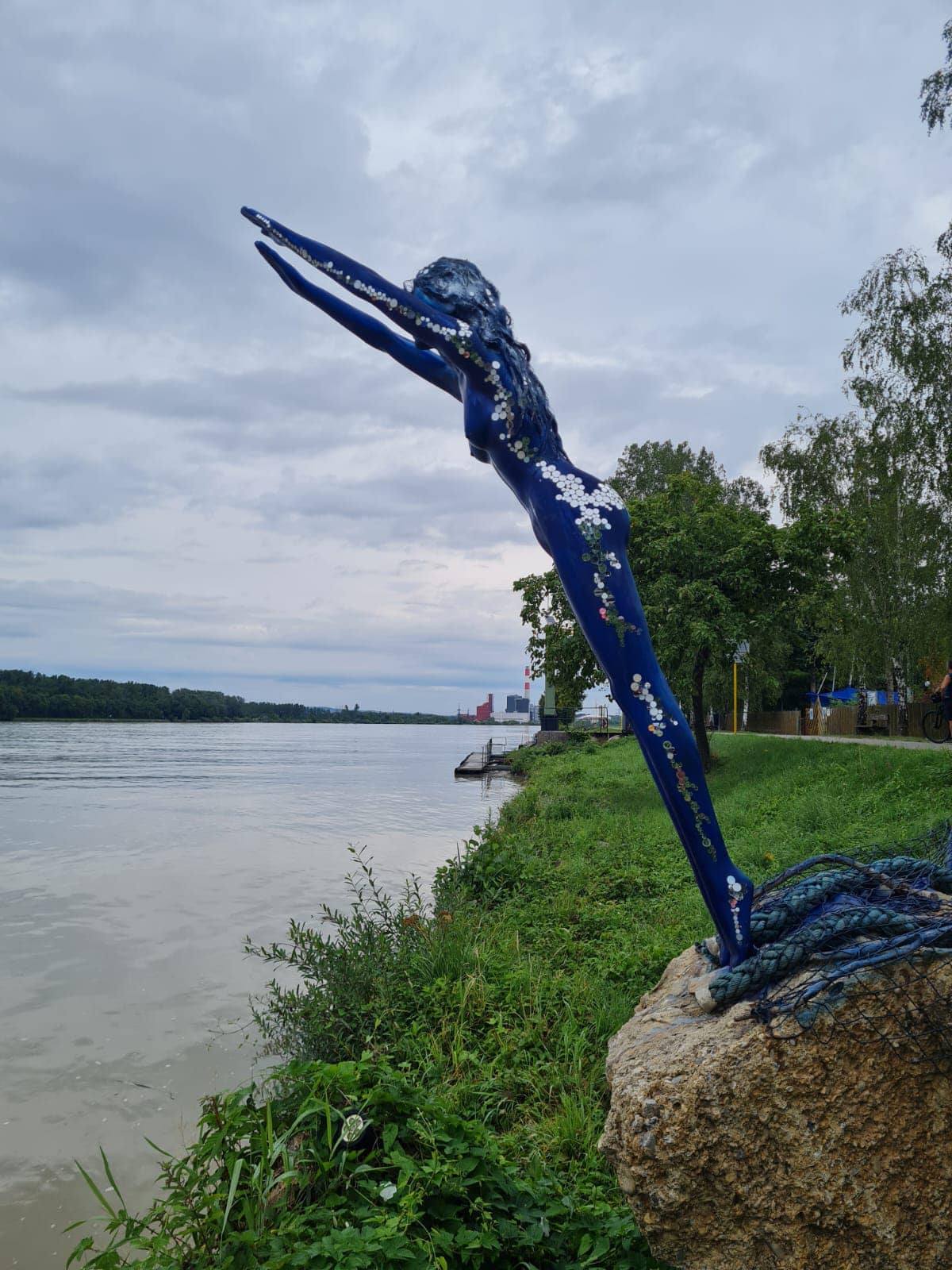
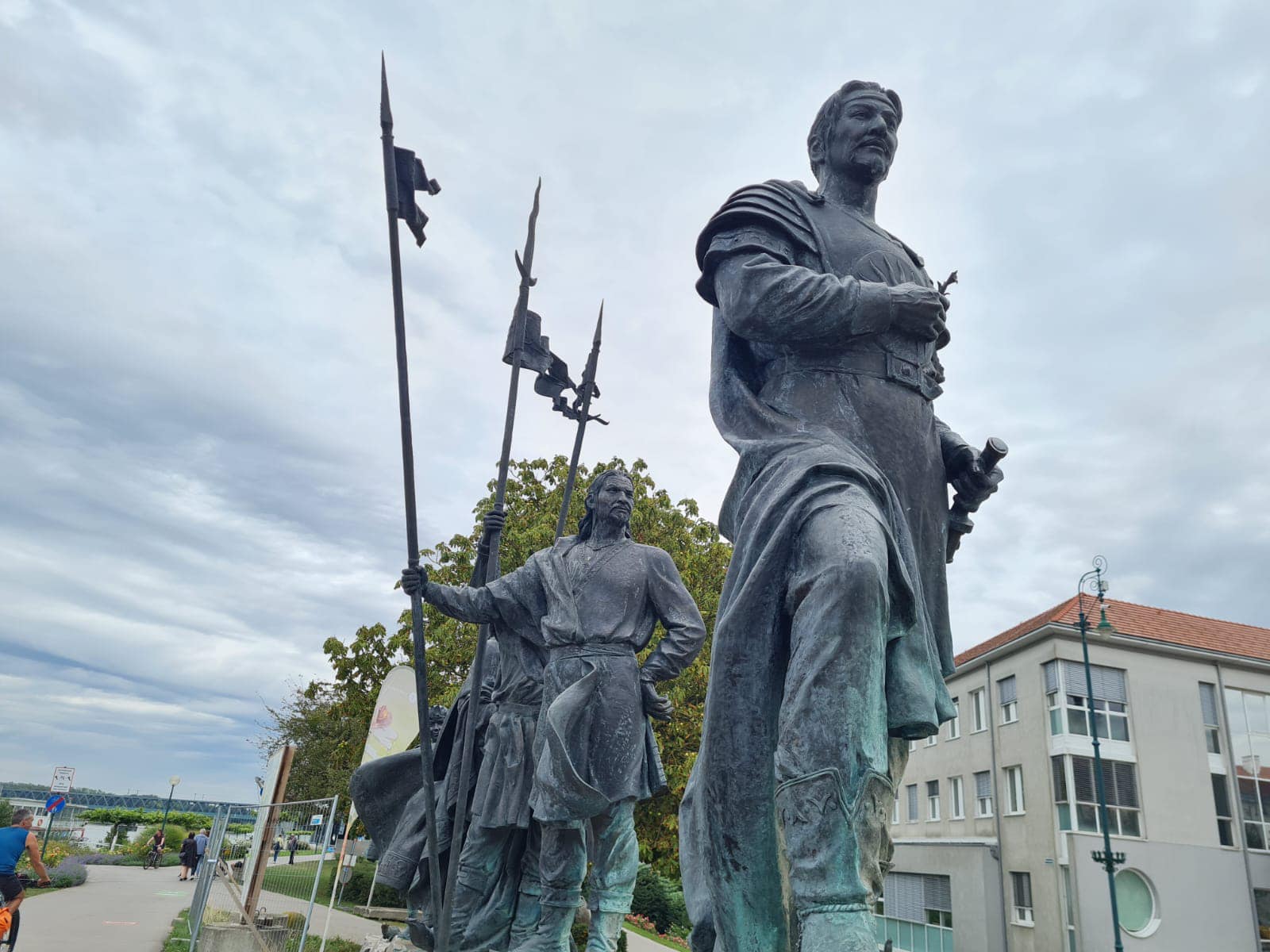


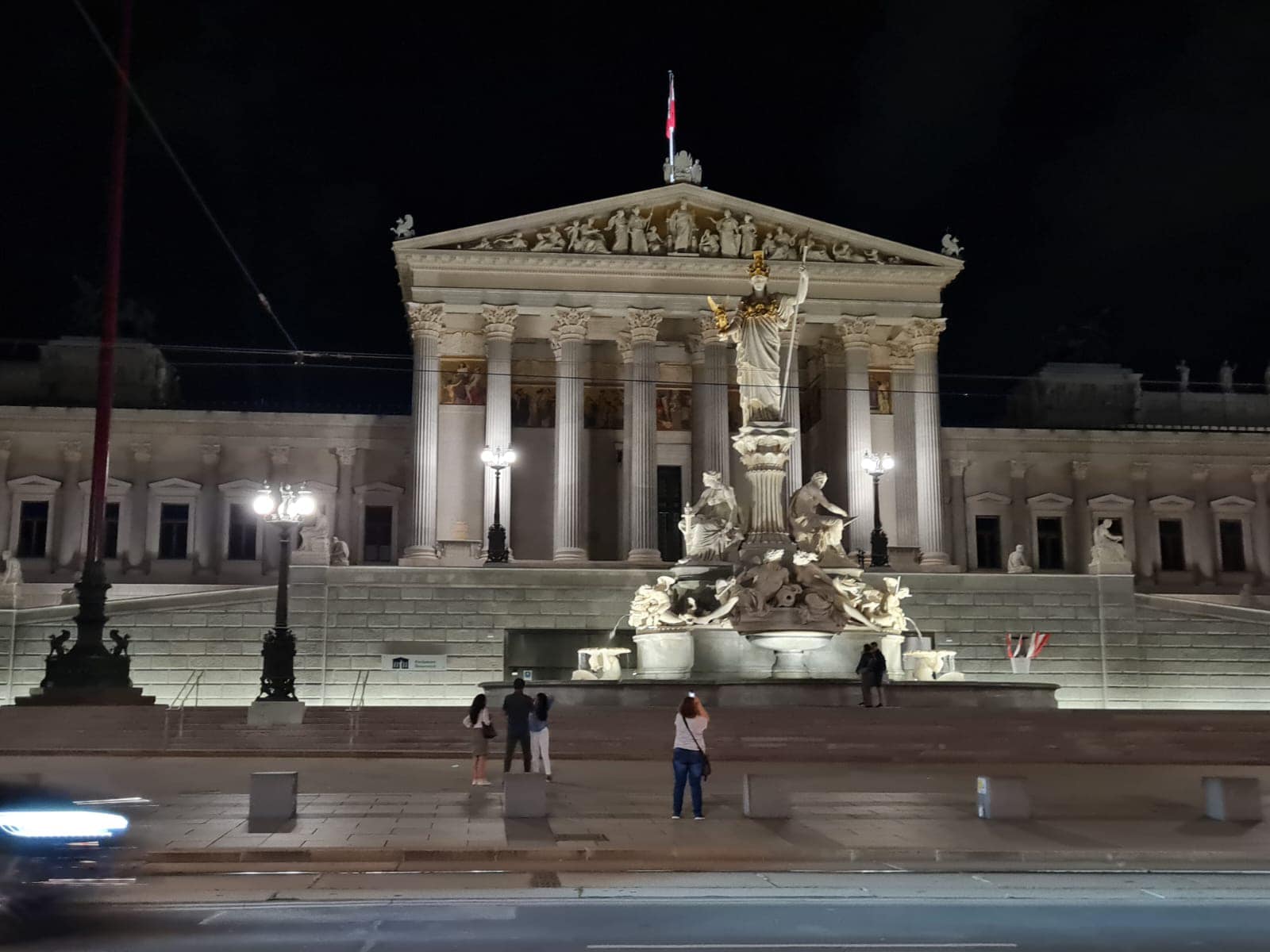



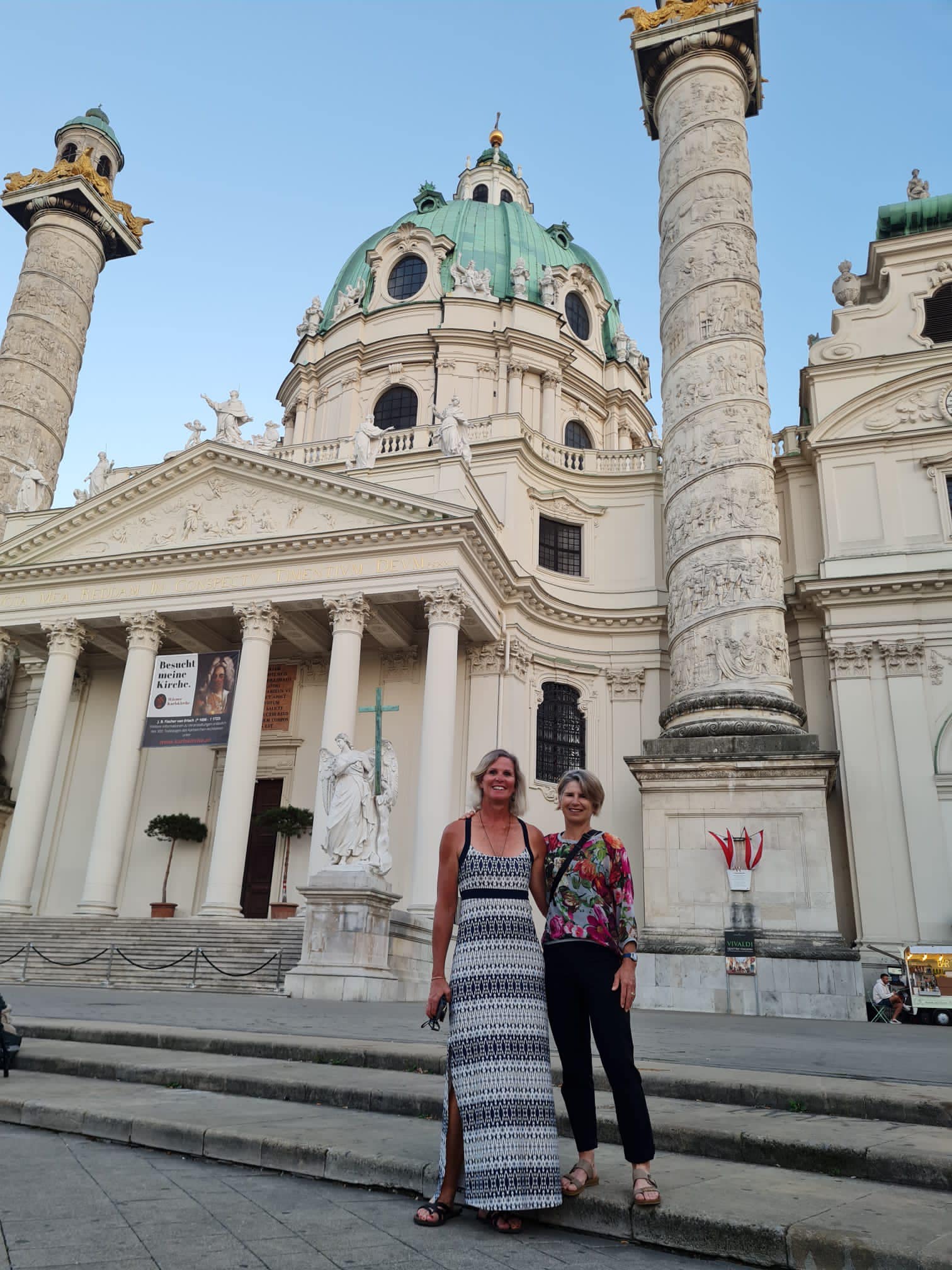

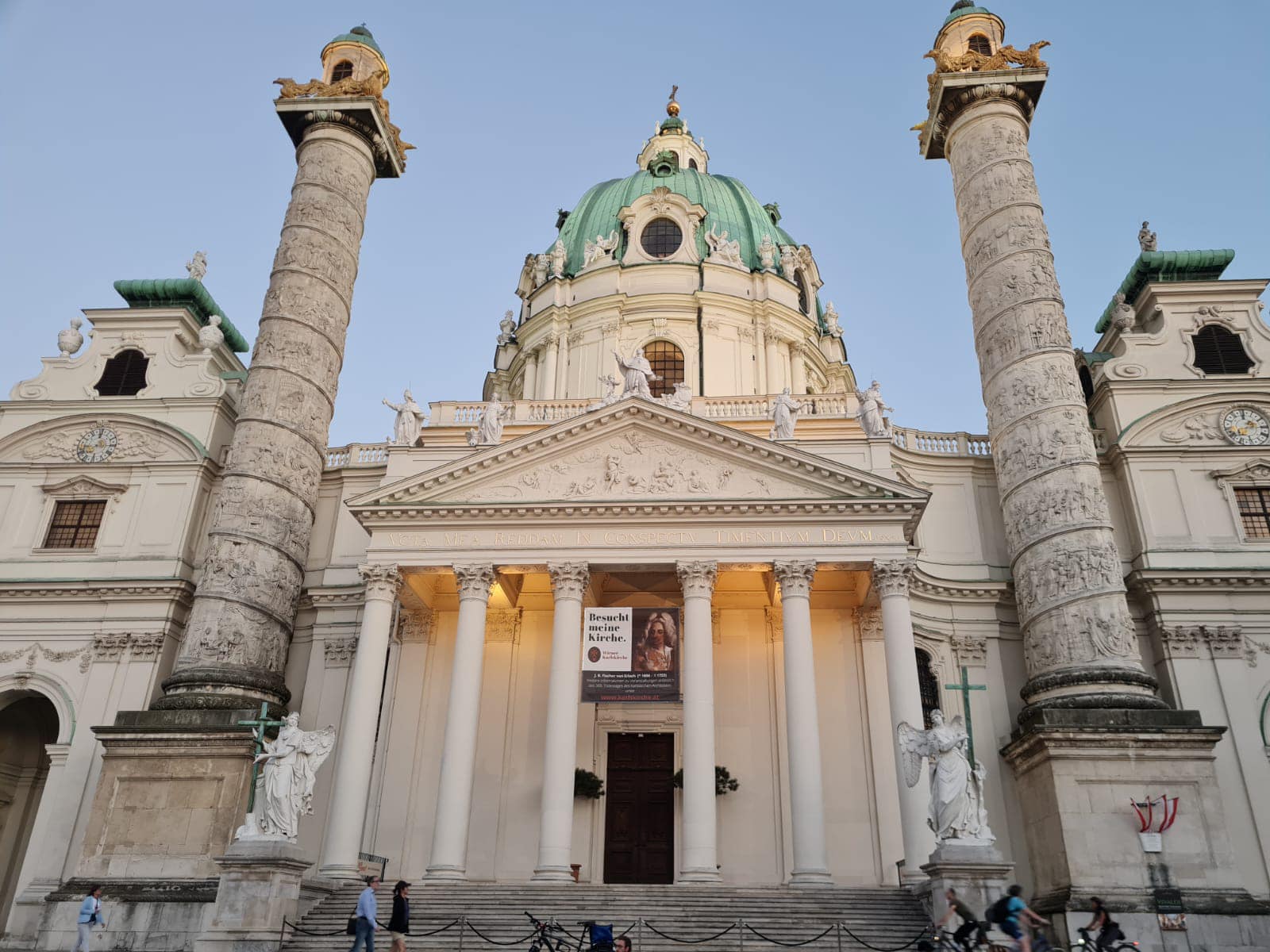
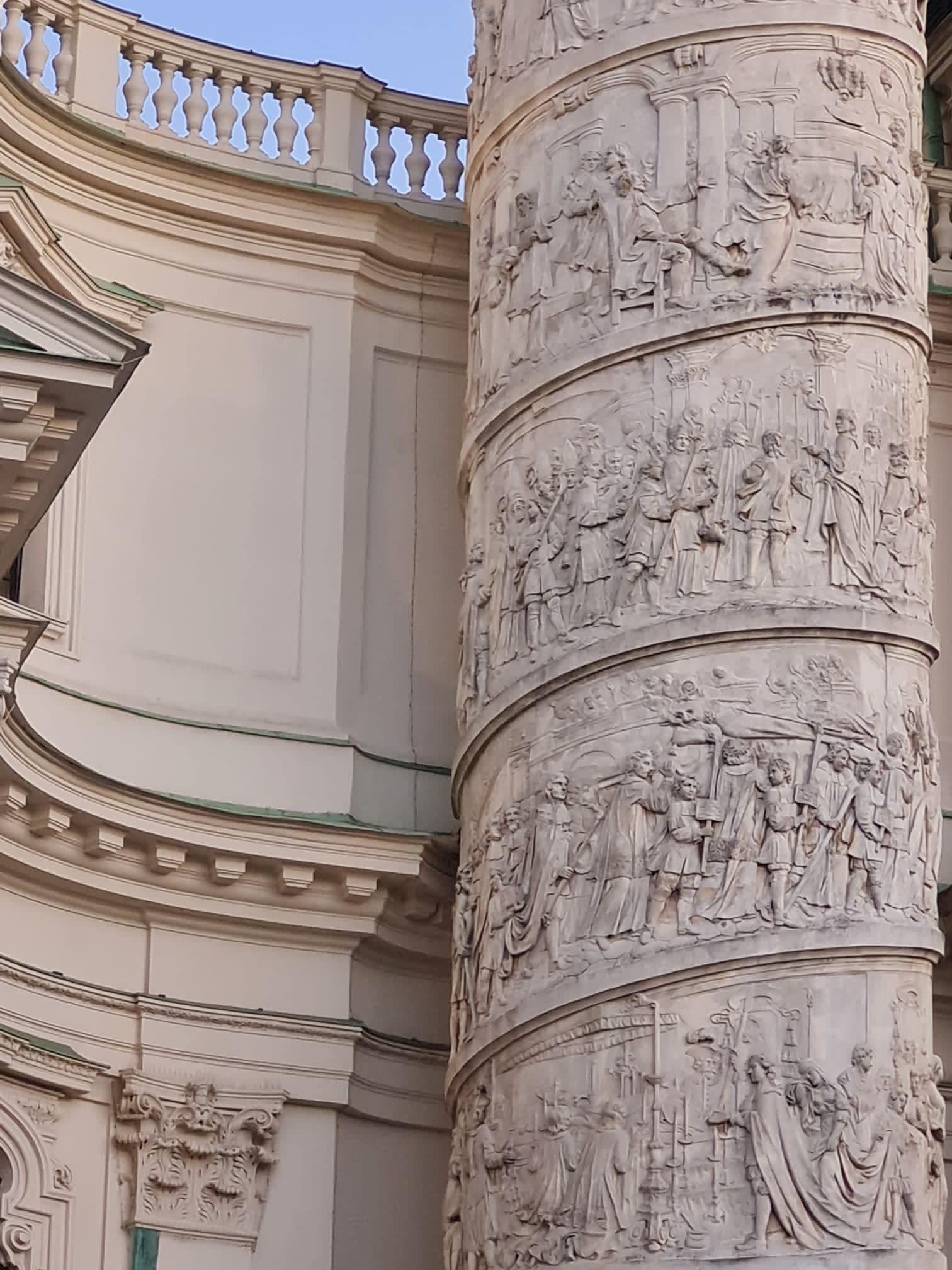
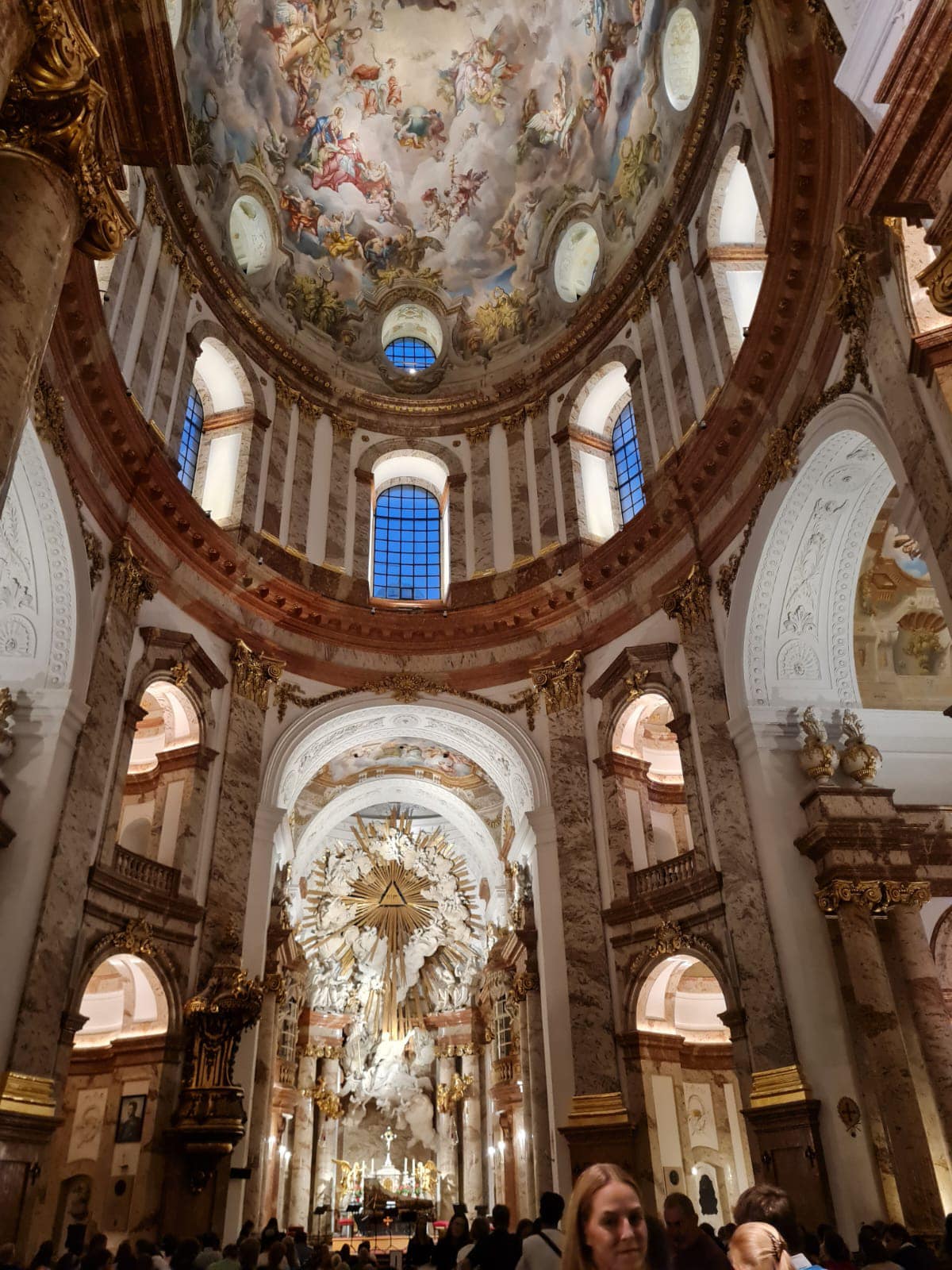
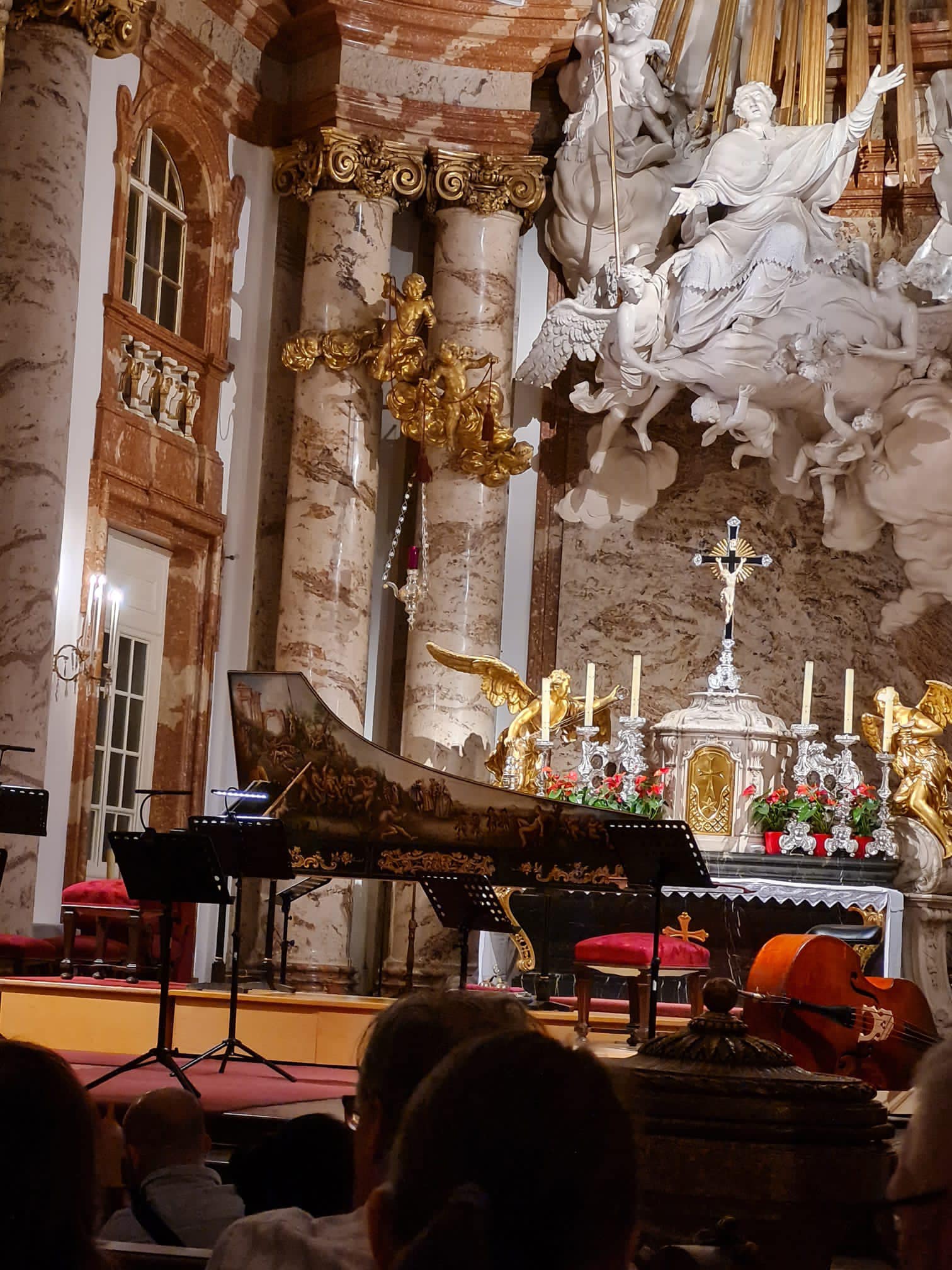
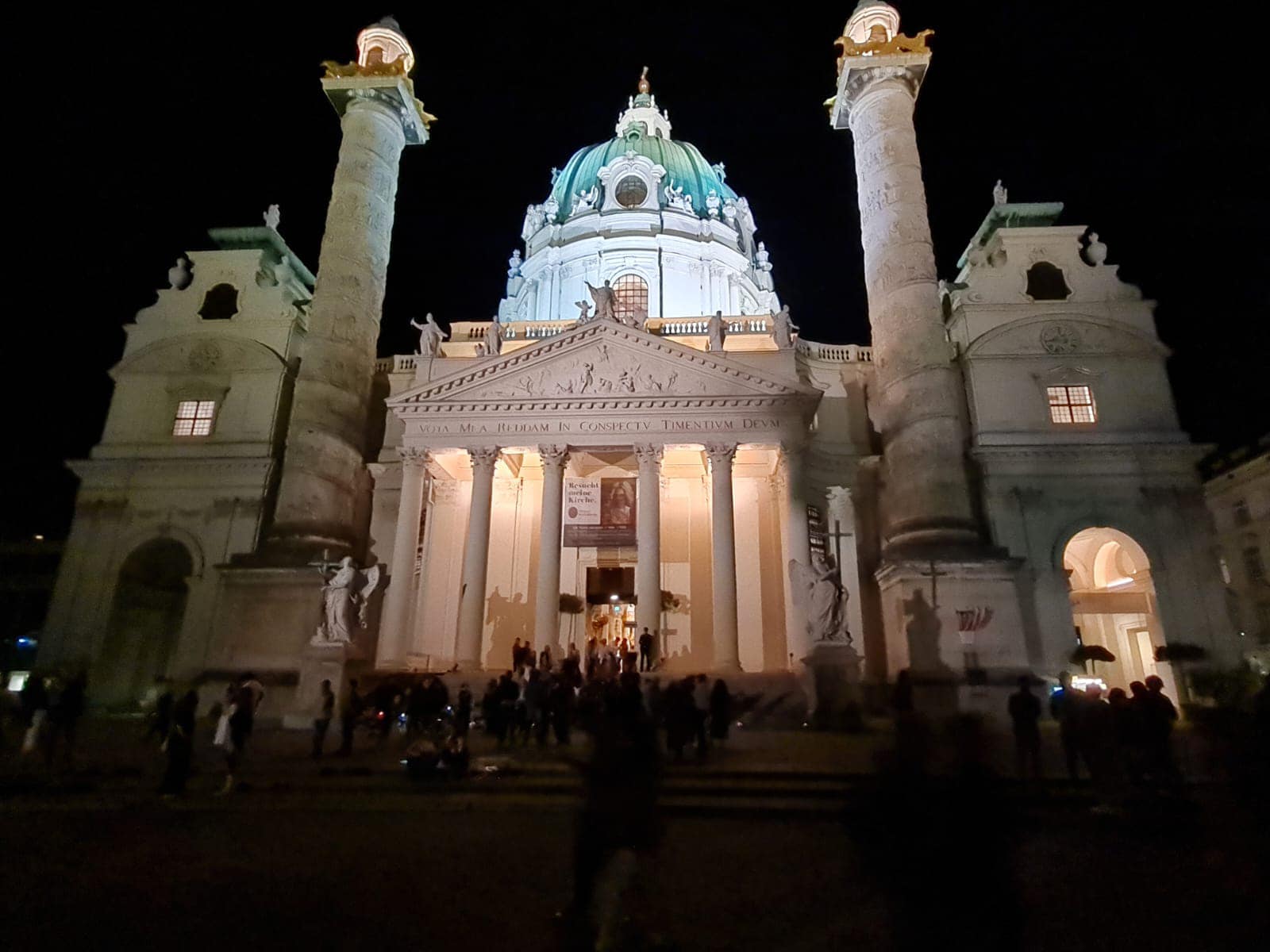

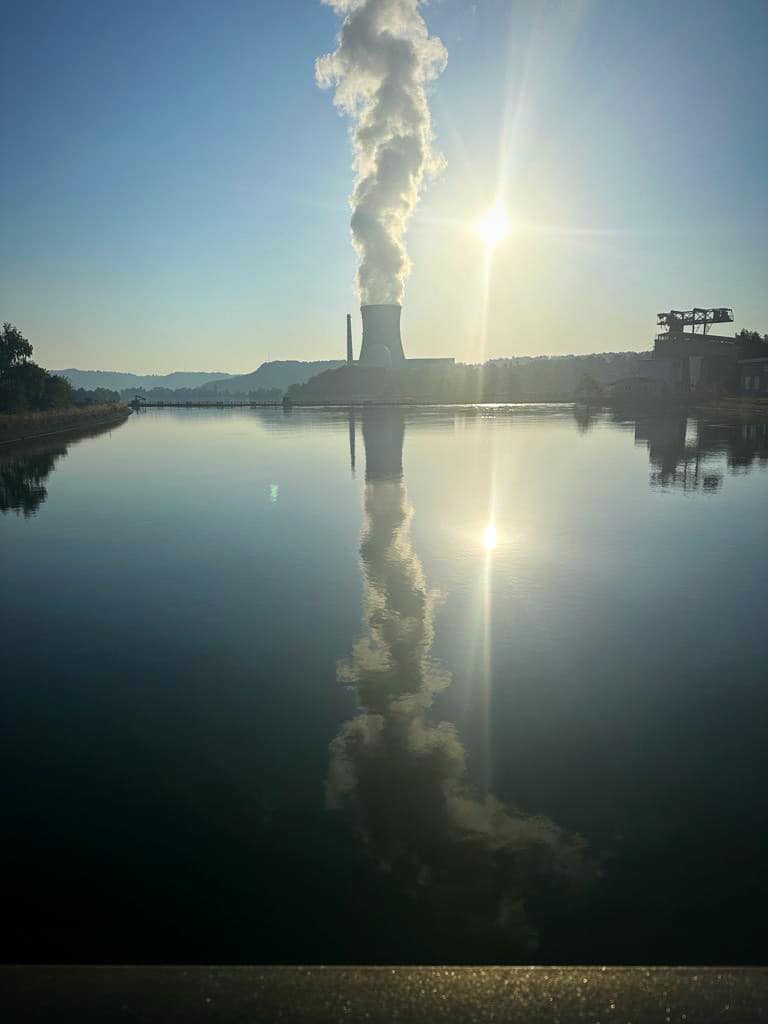


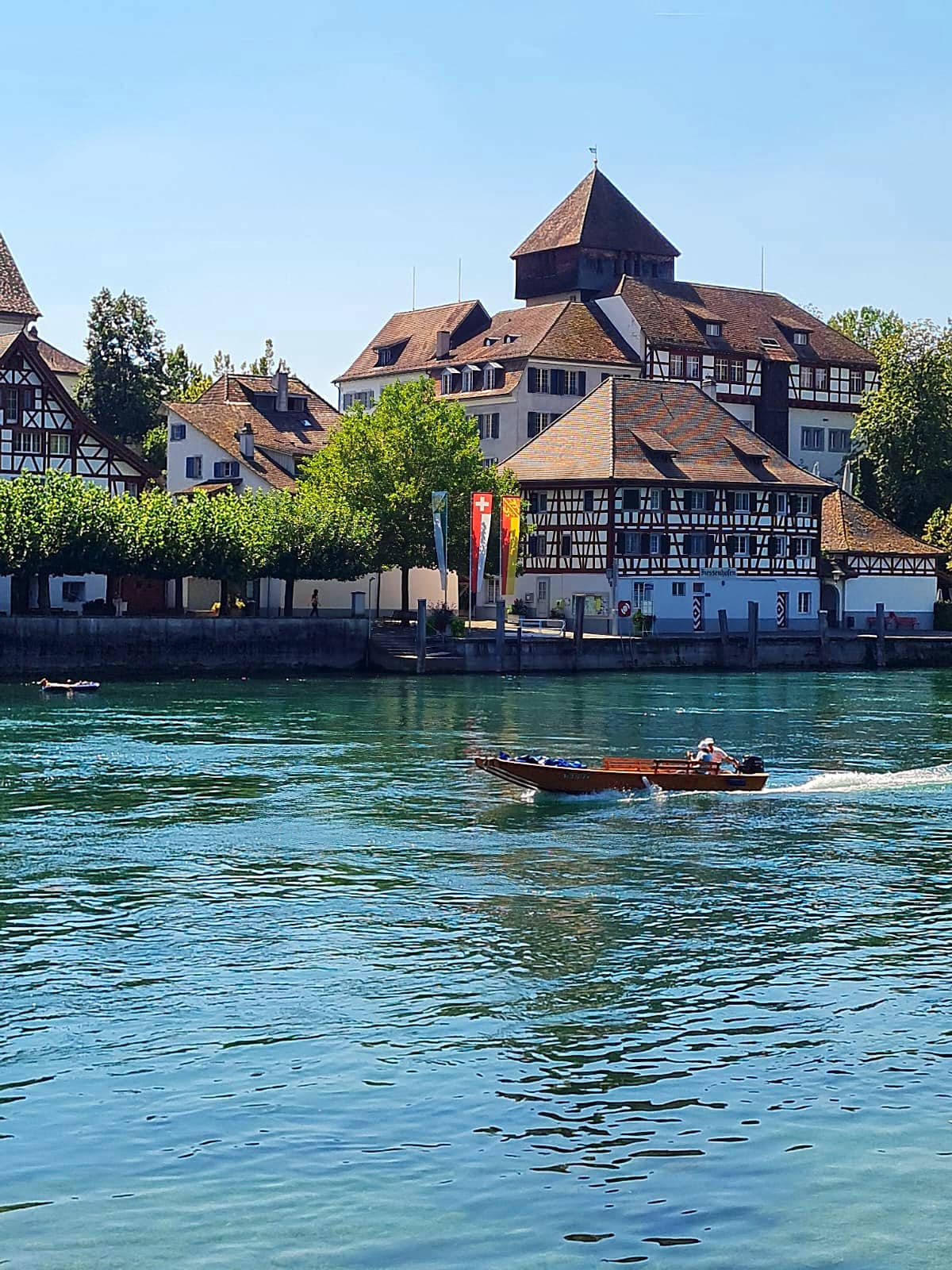
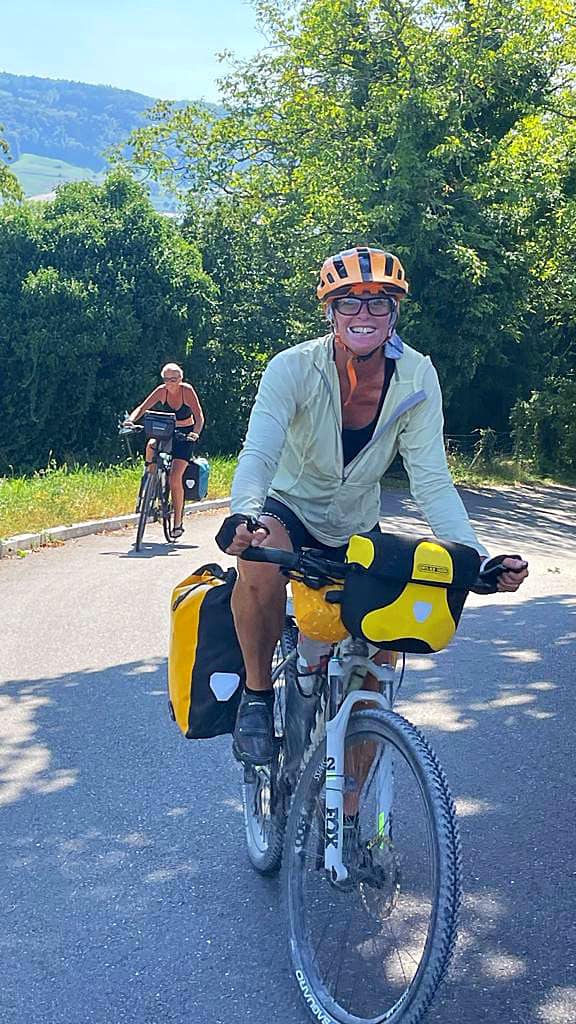
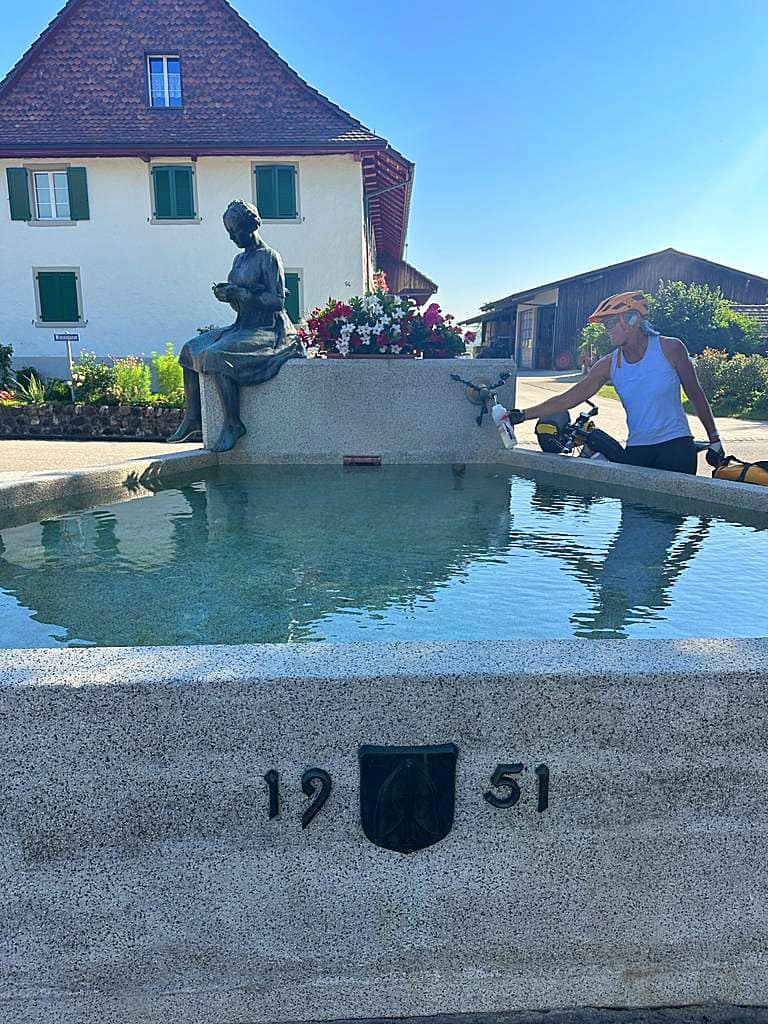

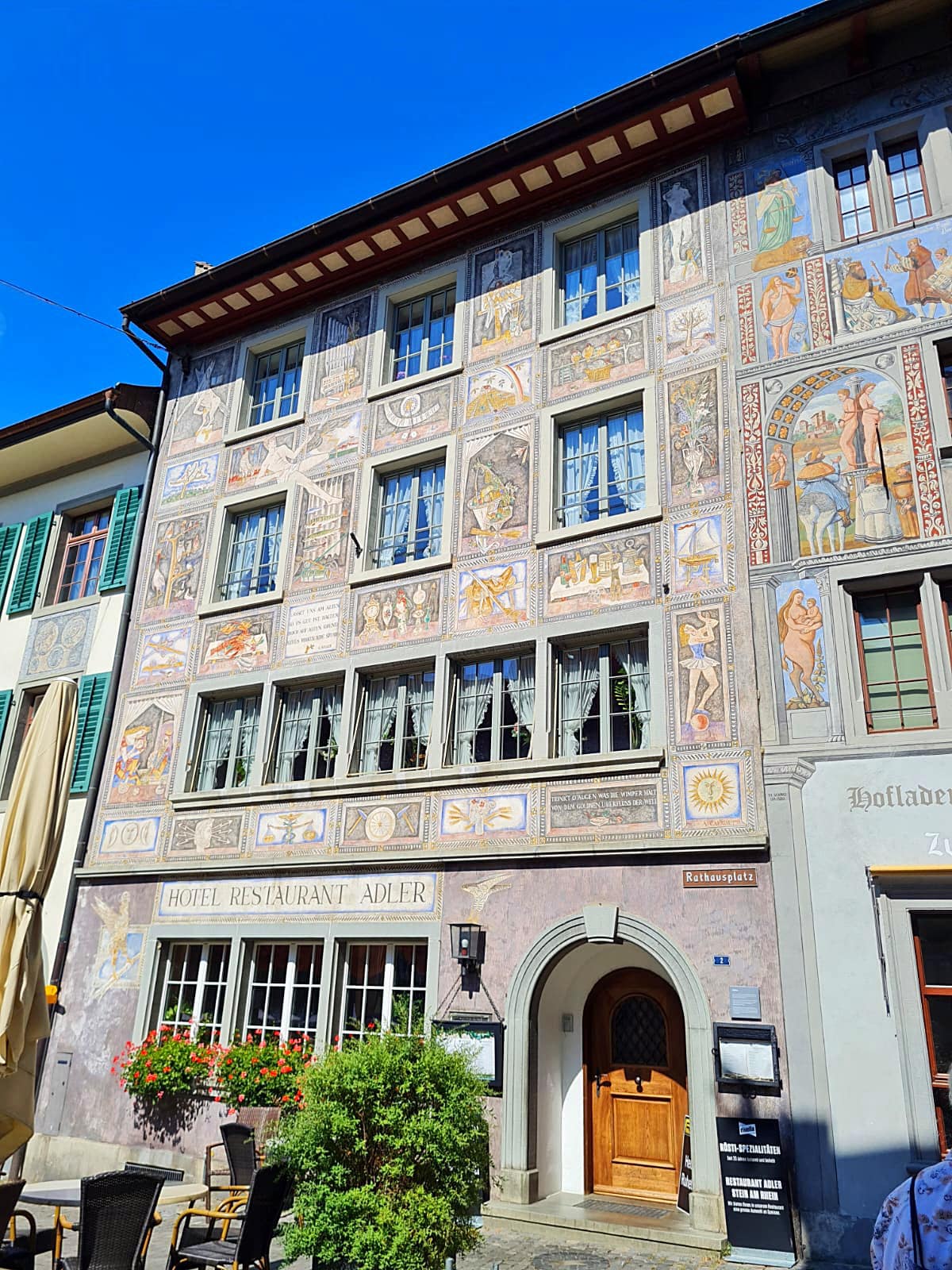


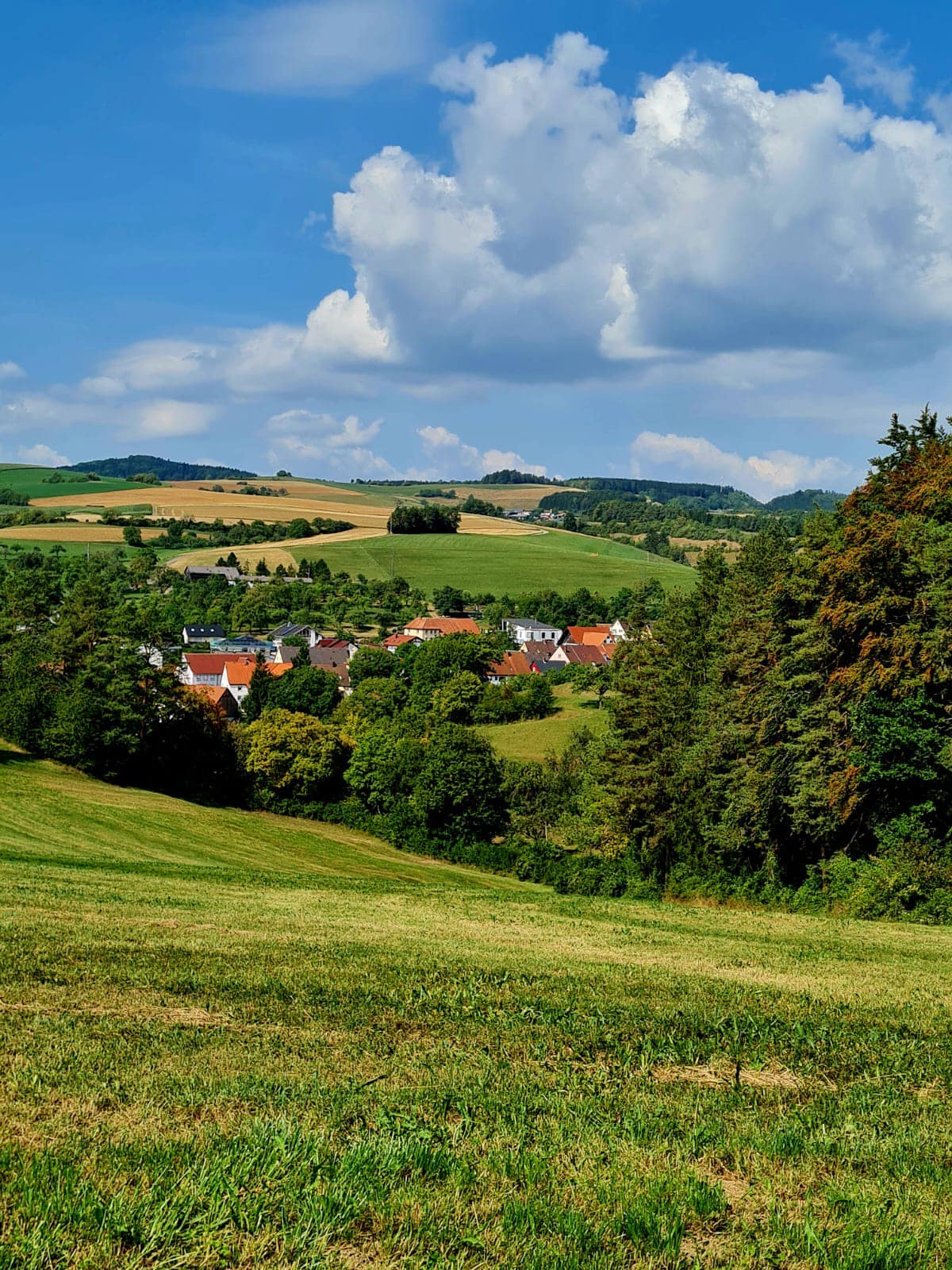



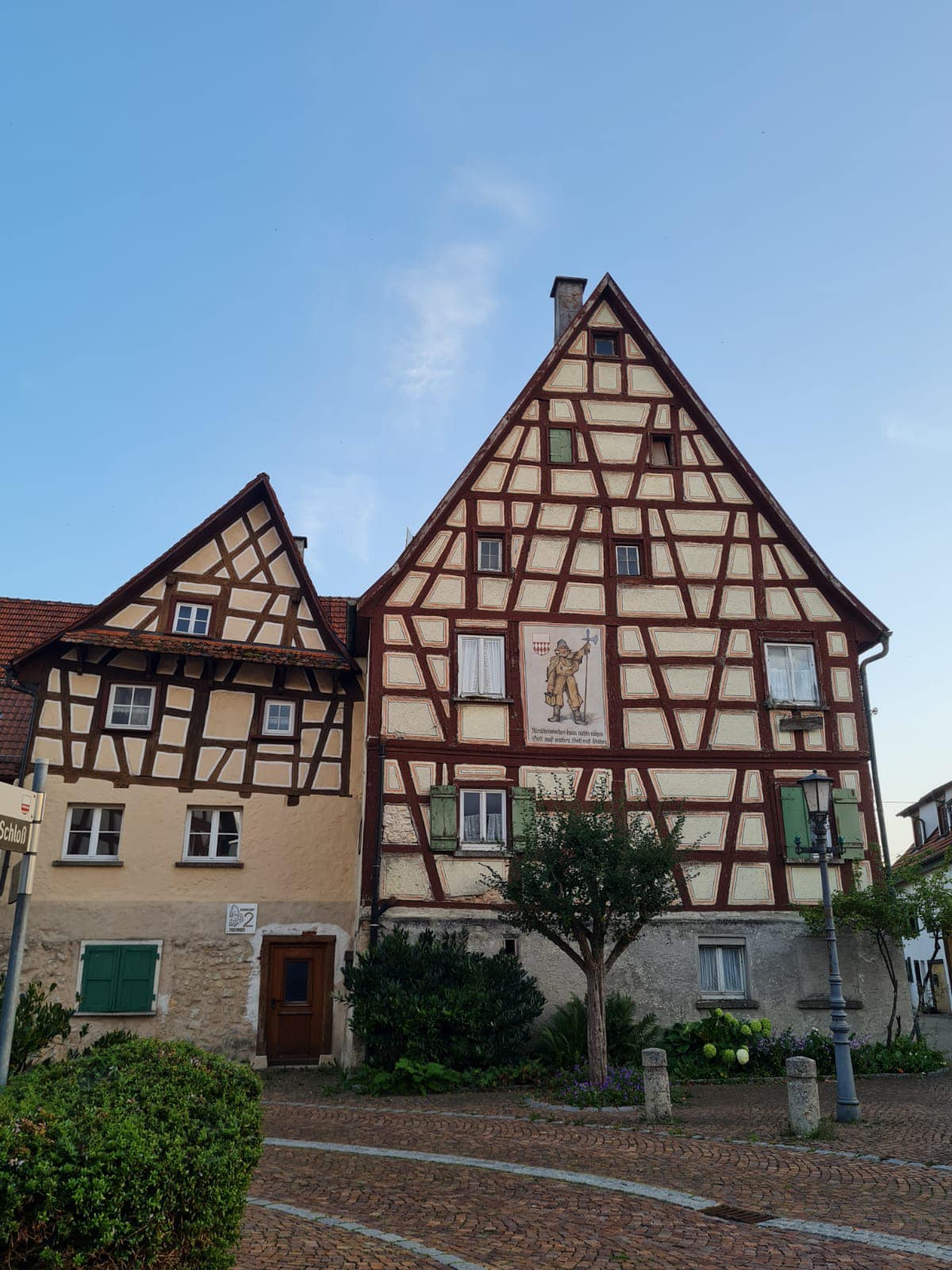


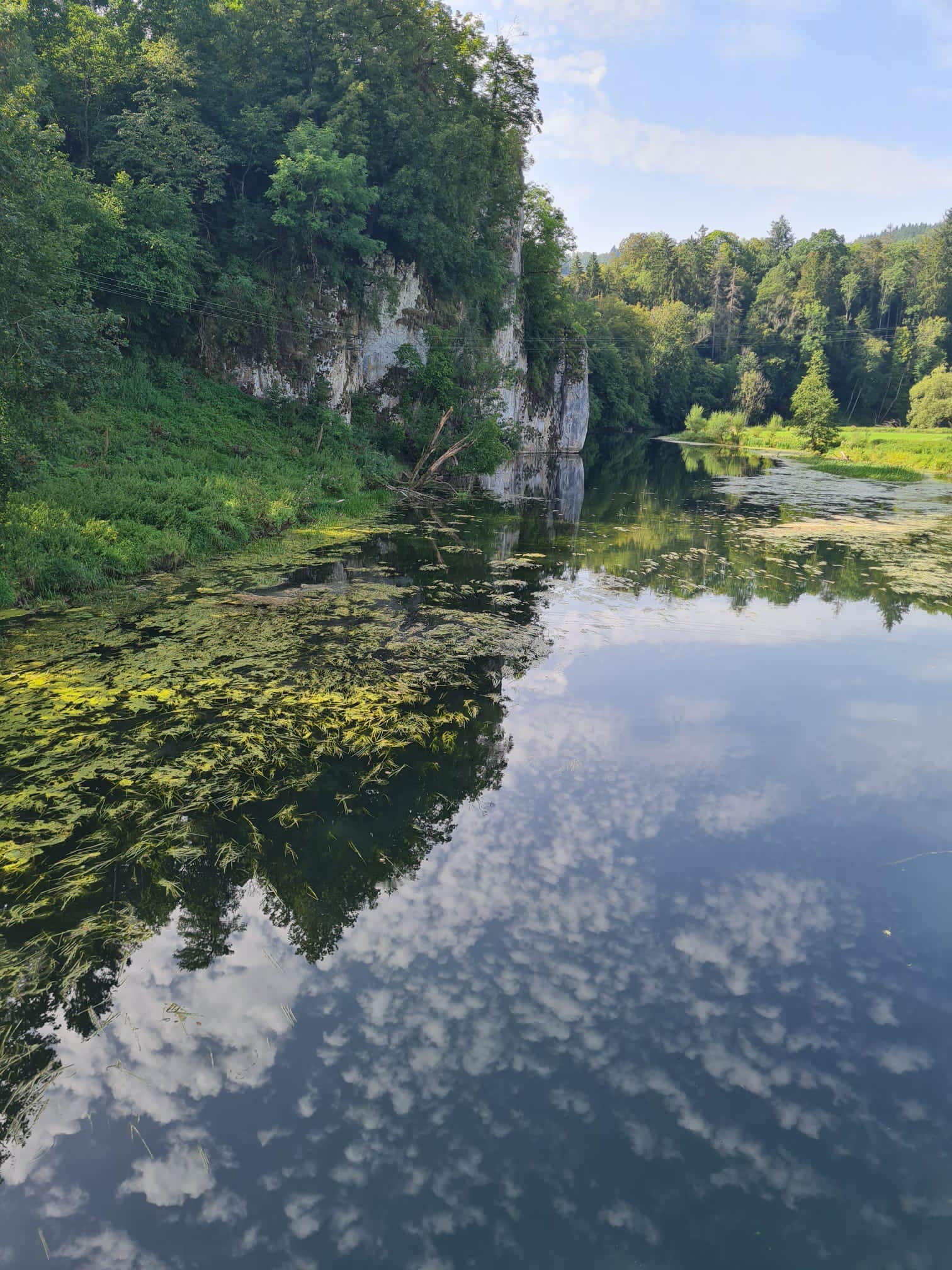
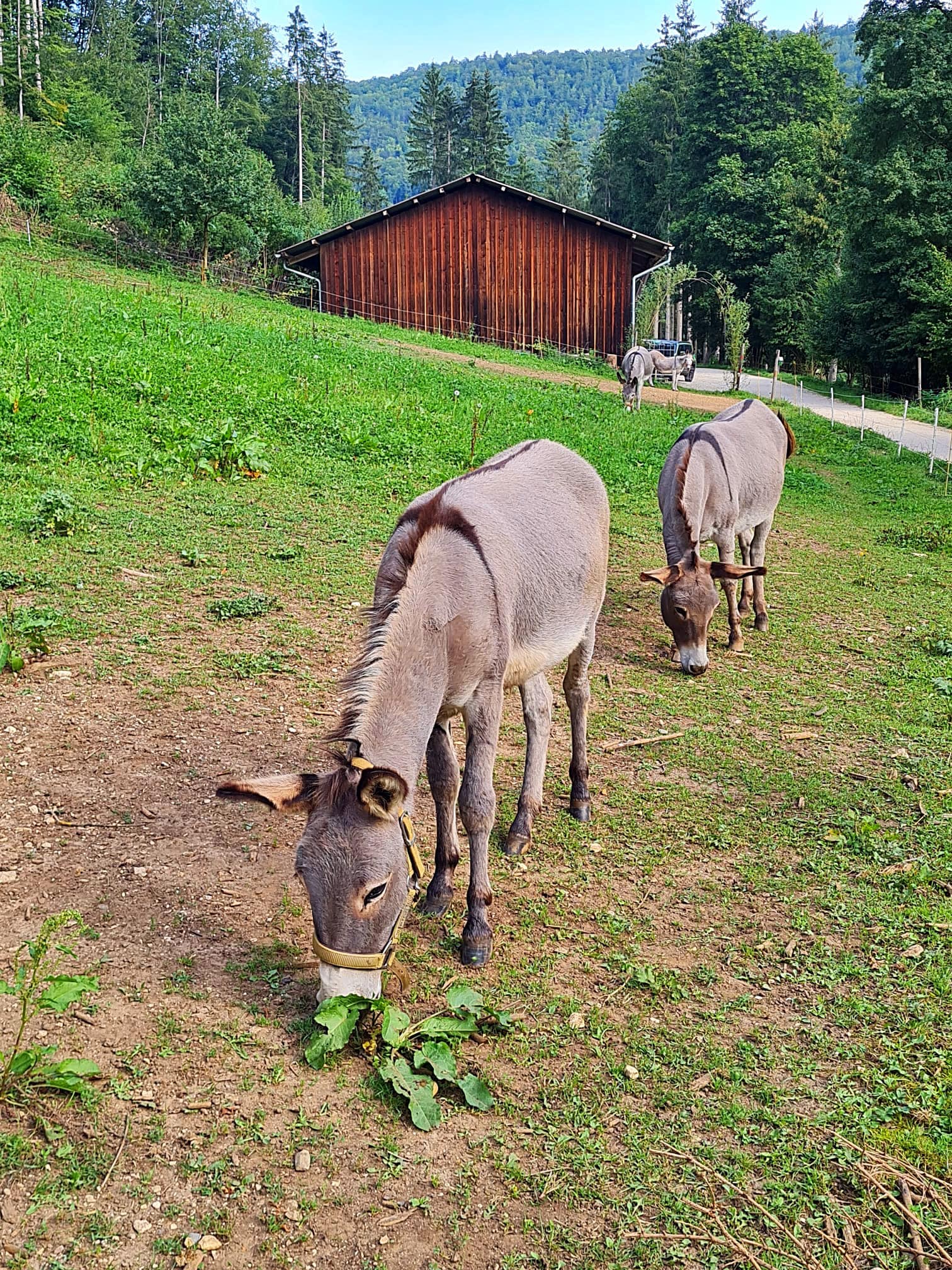


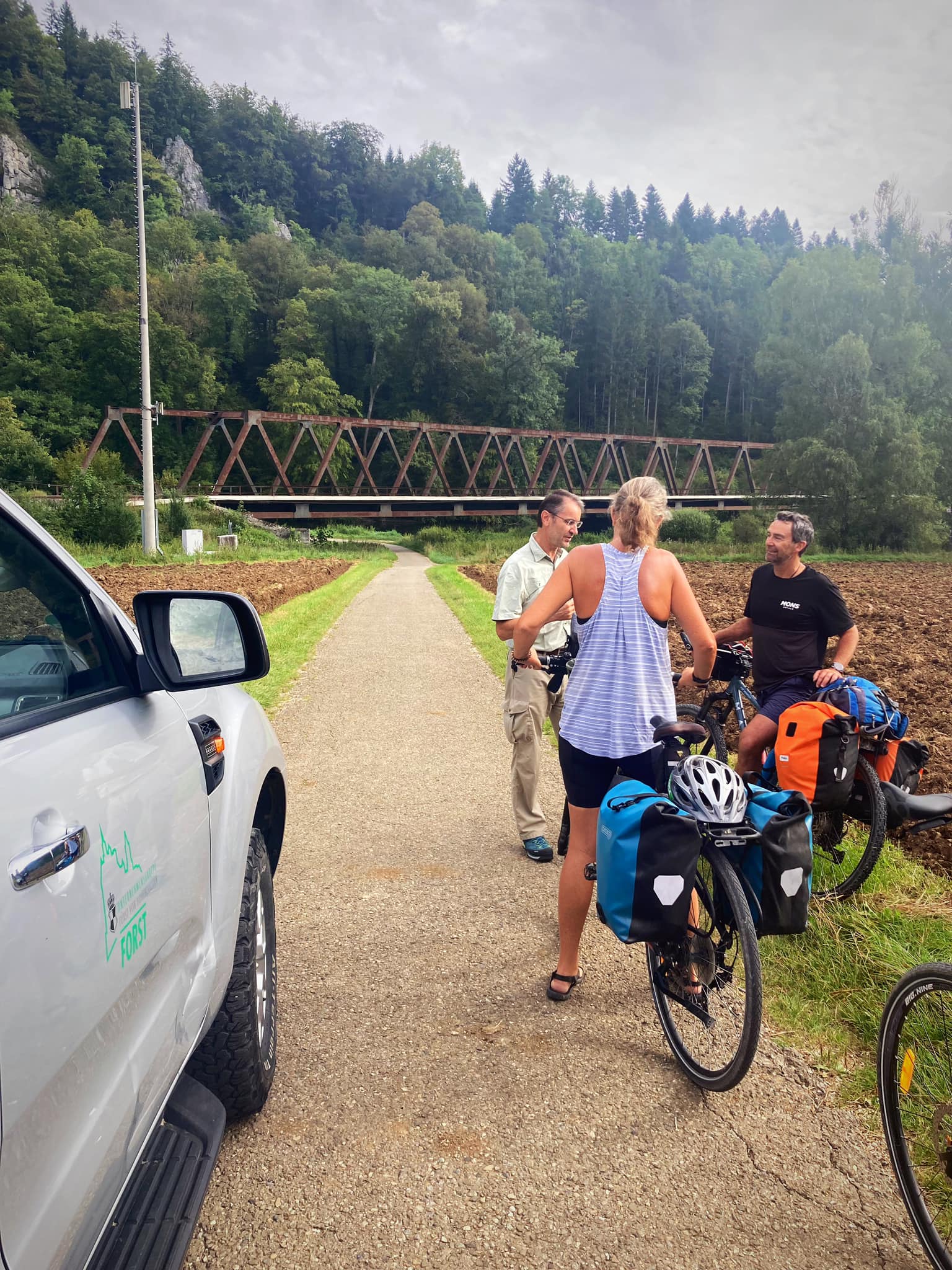


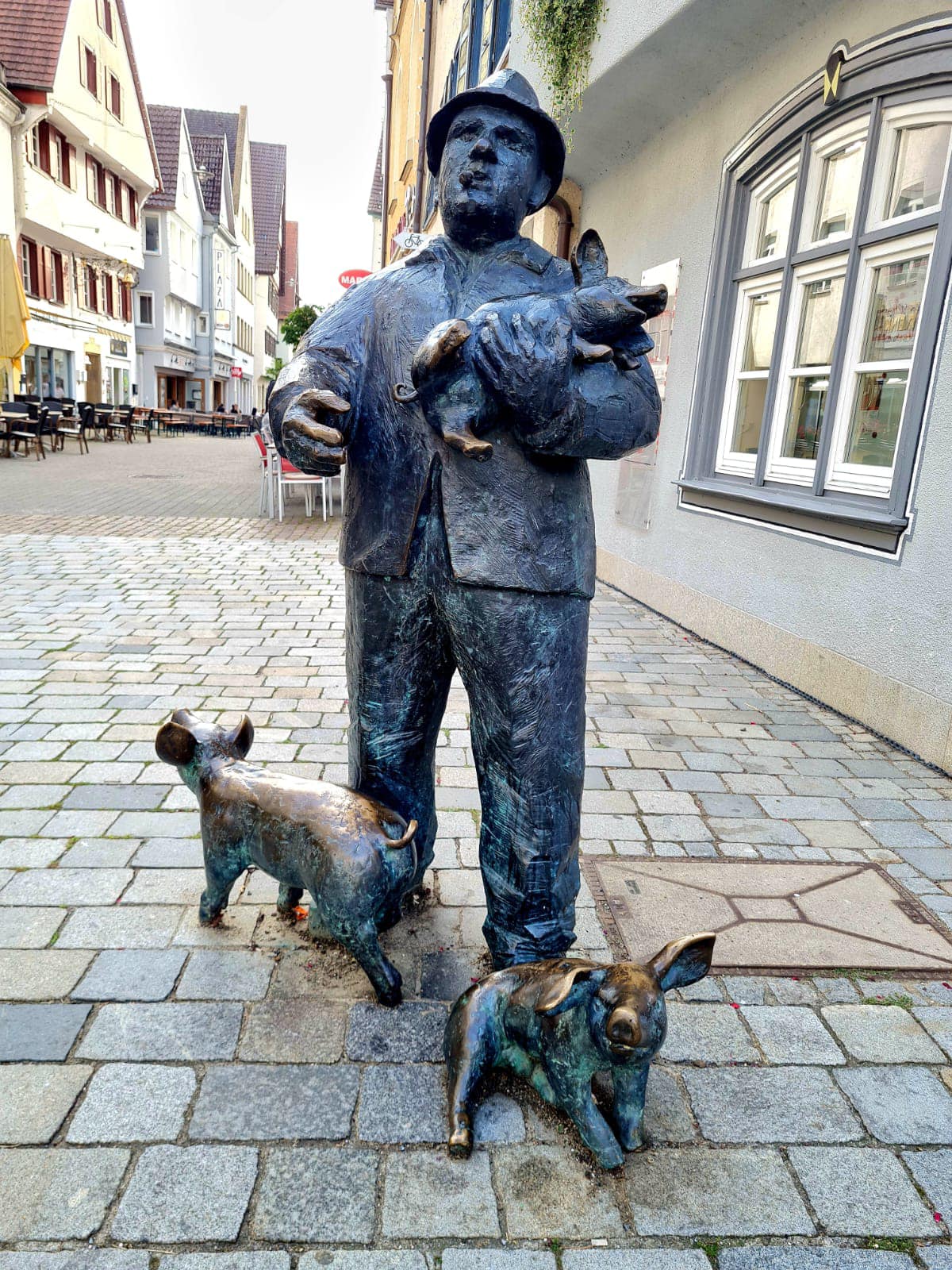




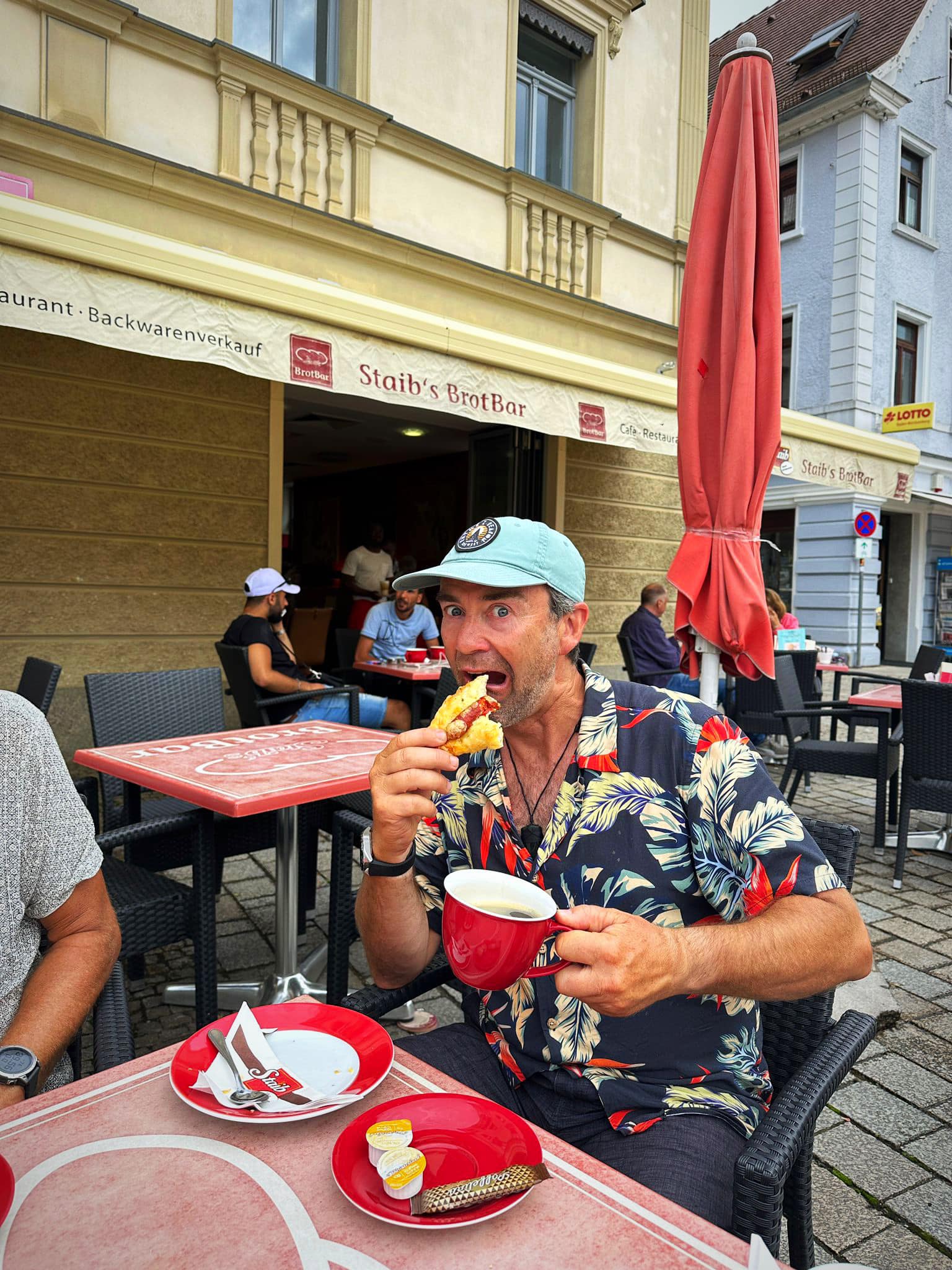


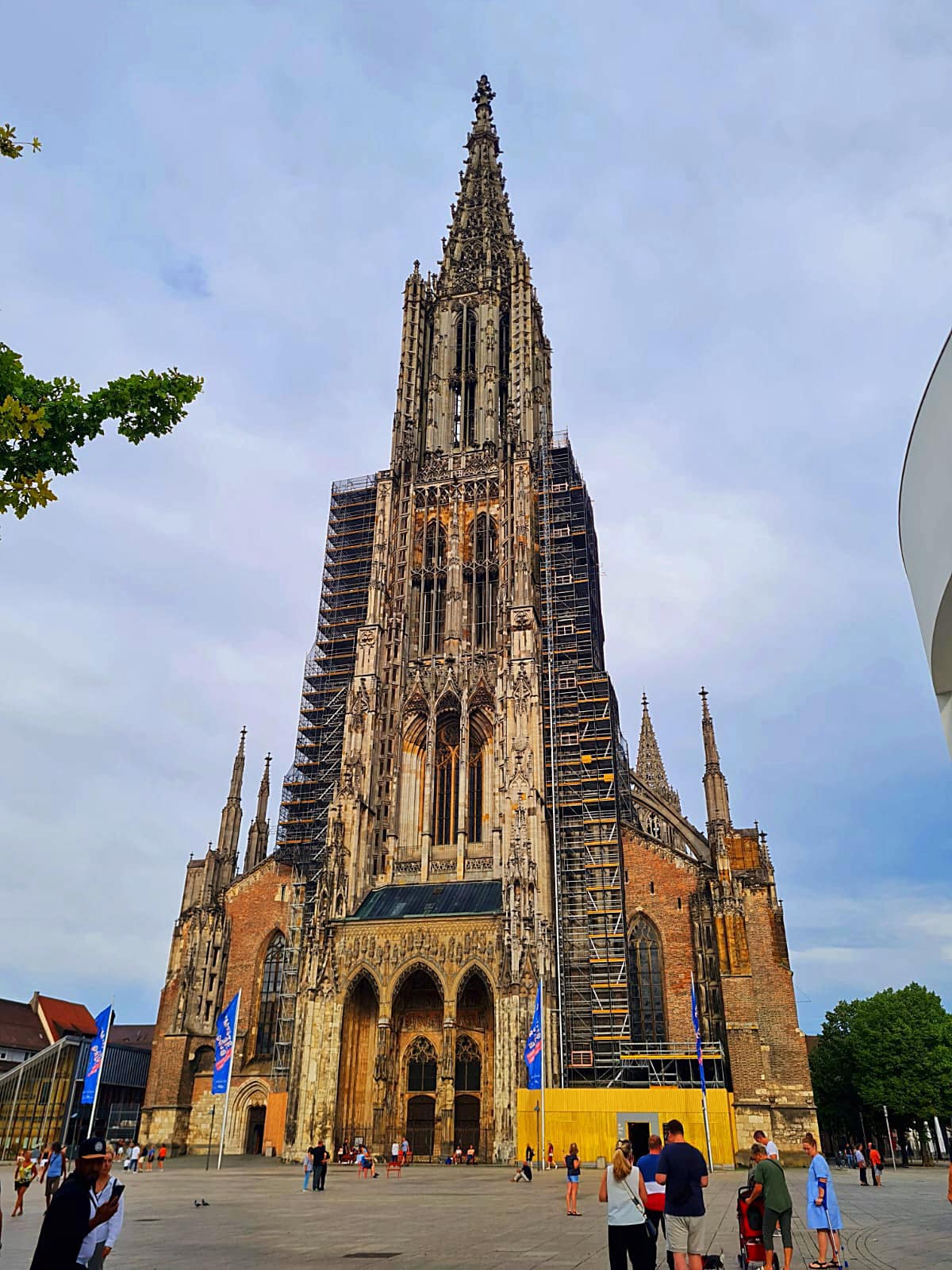


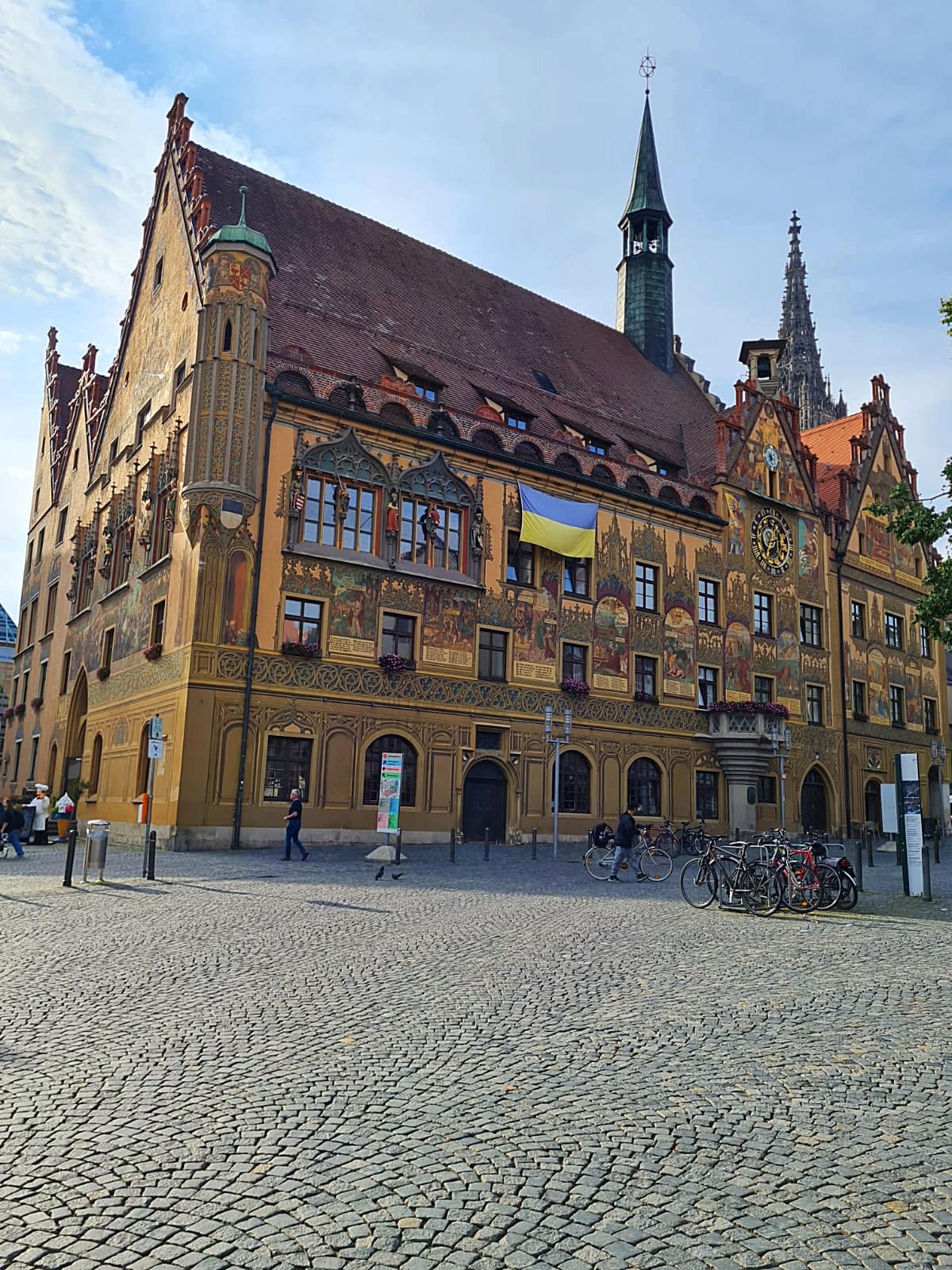


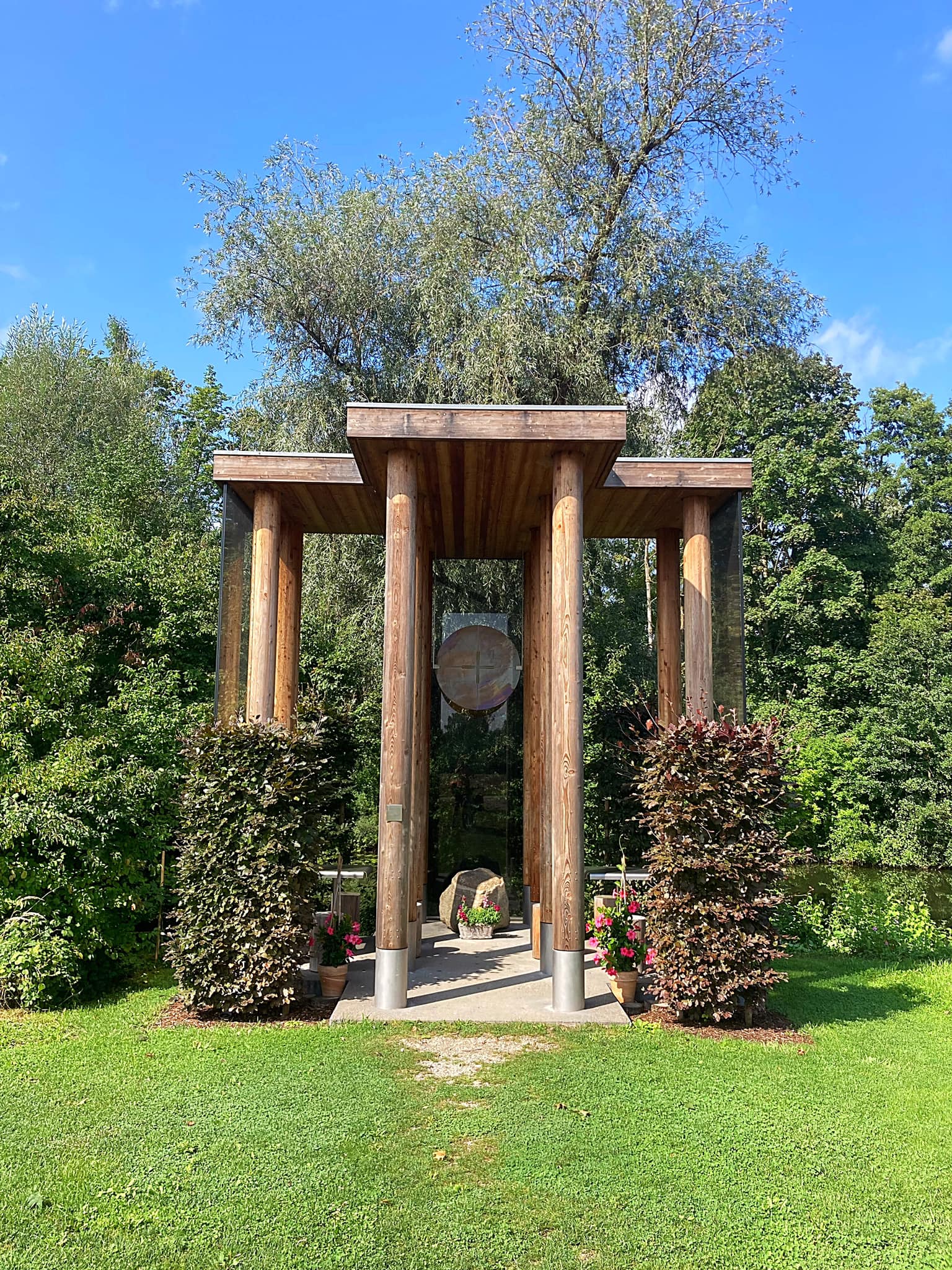

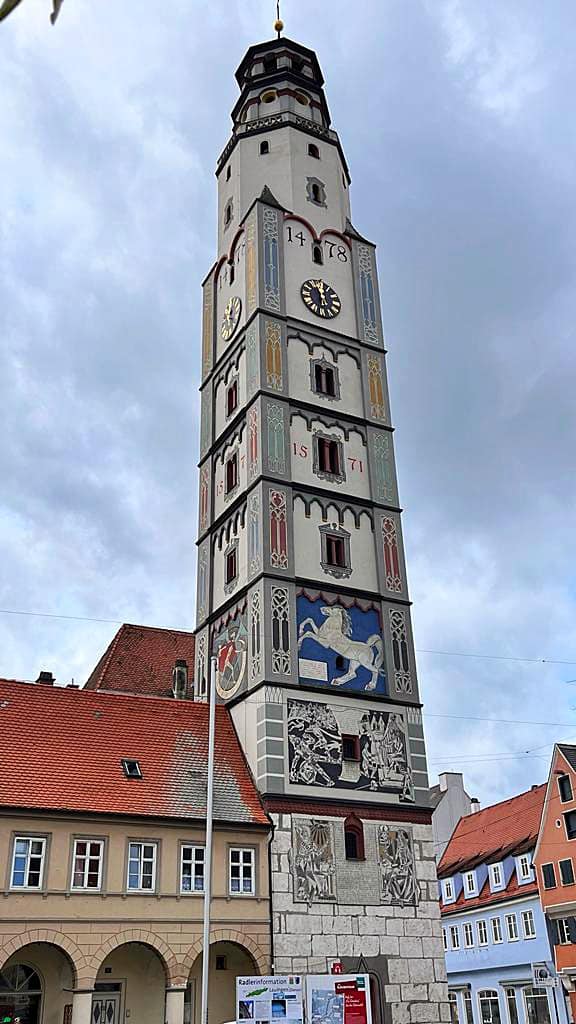

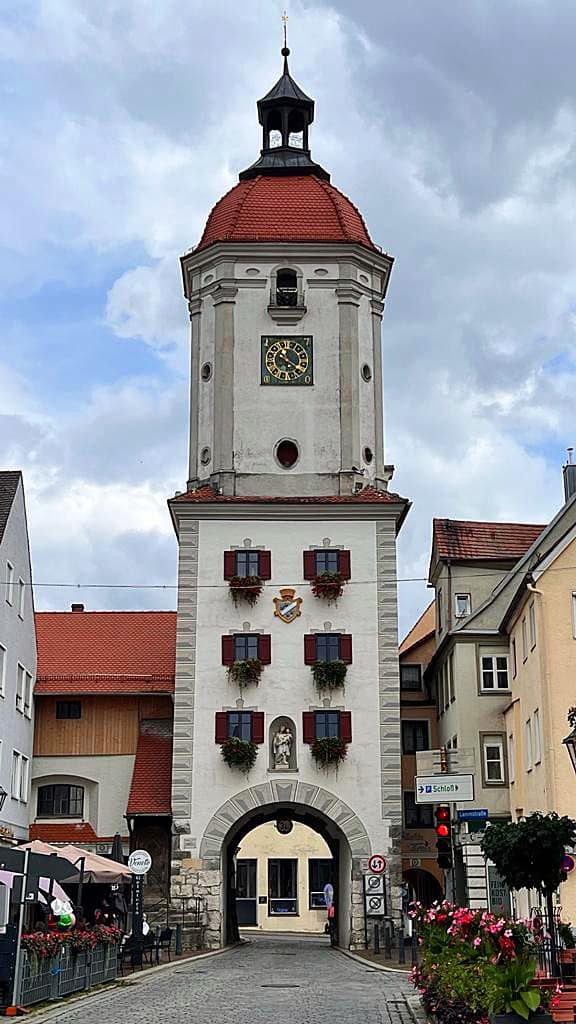
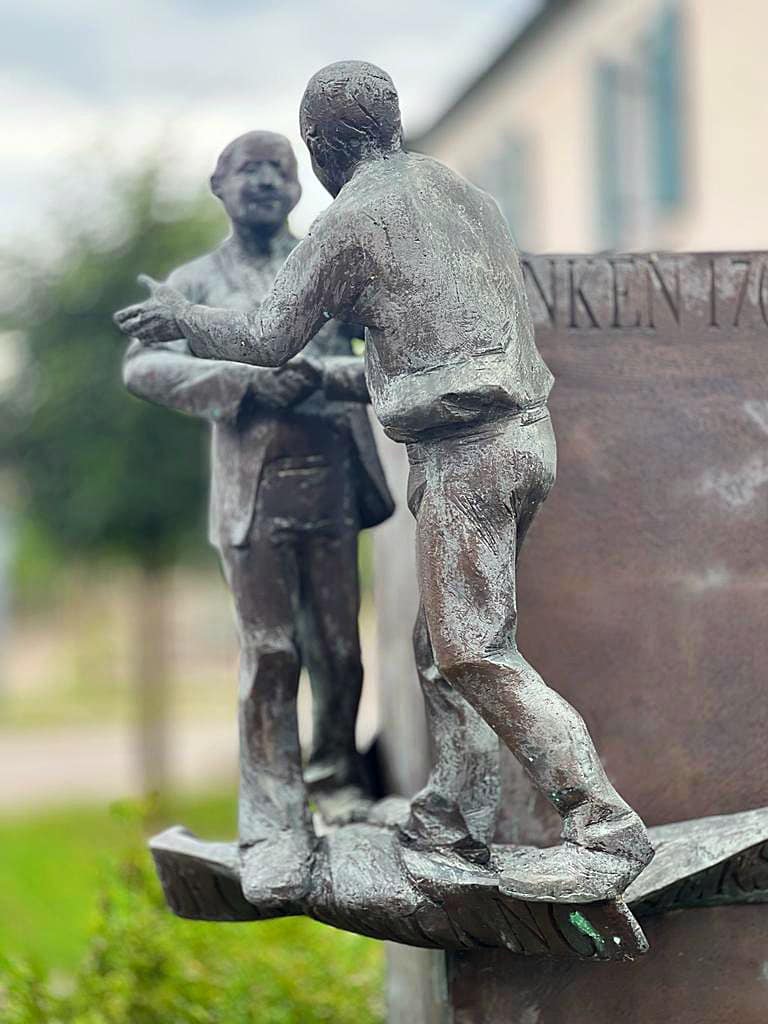
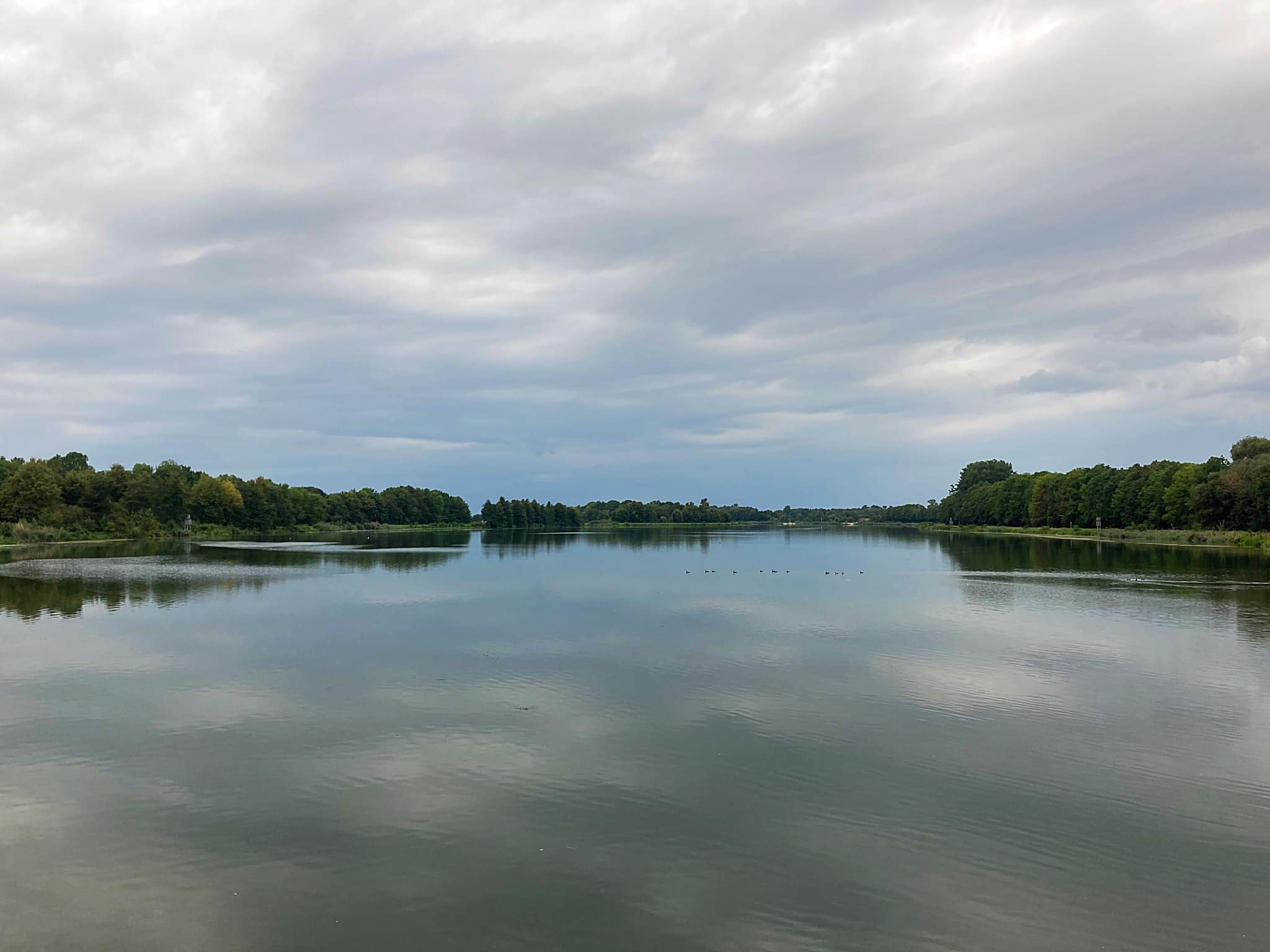
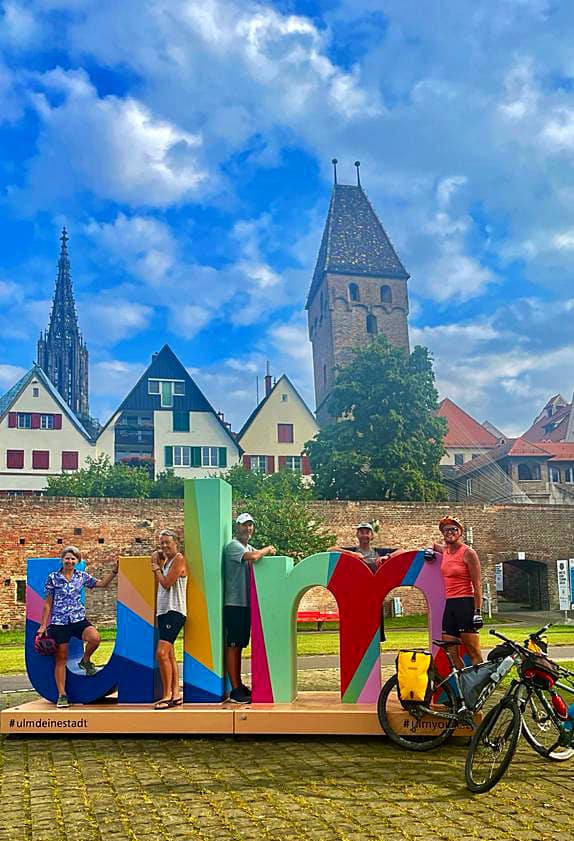
 We woke to light rain which was forecast to stick around all day. We had a shorter day today so decided to spend a bit of time enjoying a lovely leisurely breakfast (best one on tour so far) and looking around Donauworth before heading off about 10.45am.
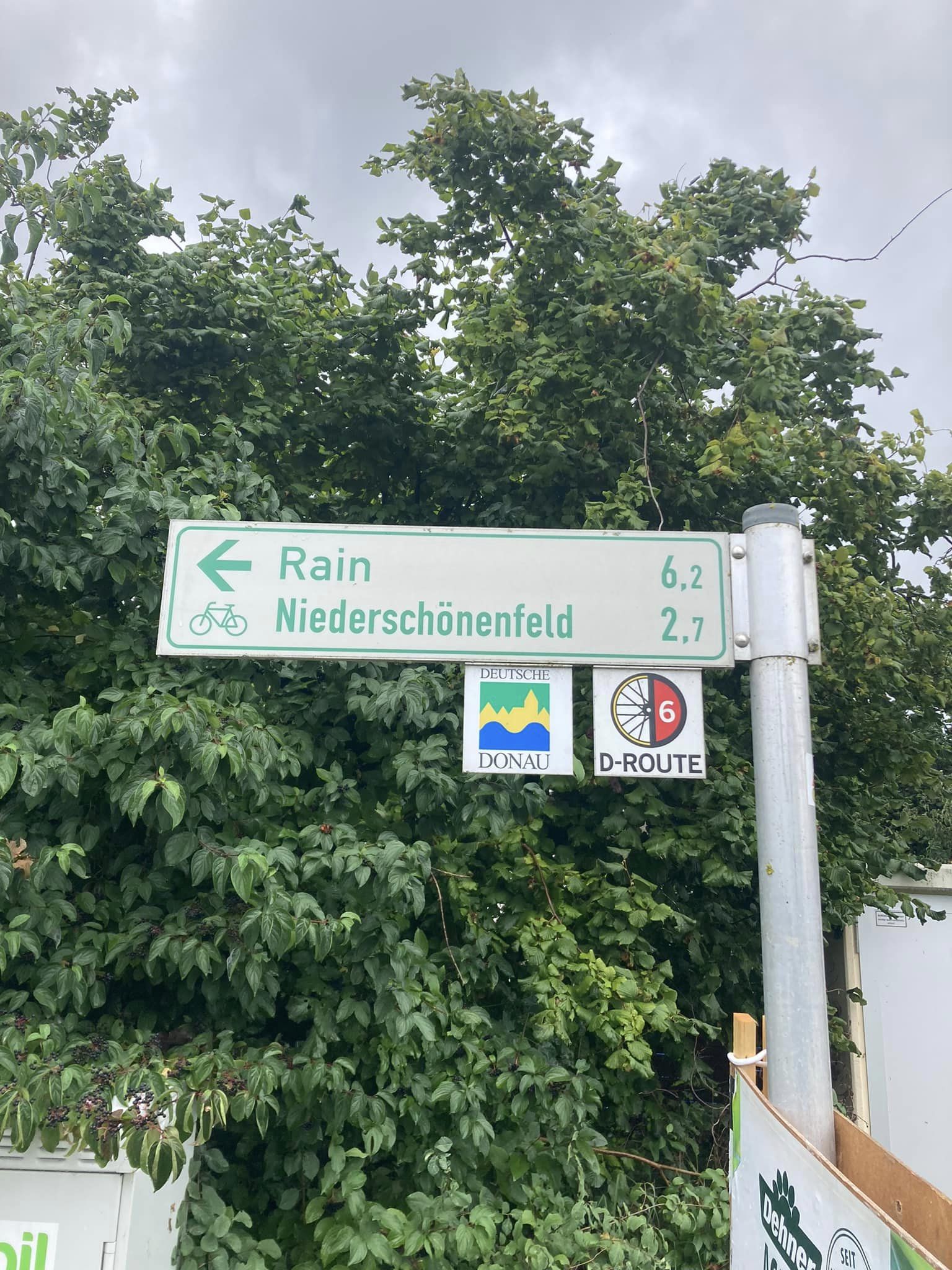

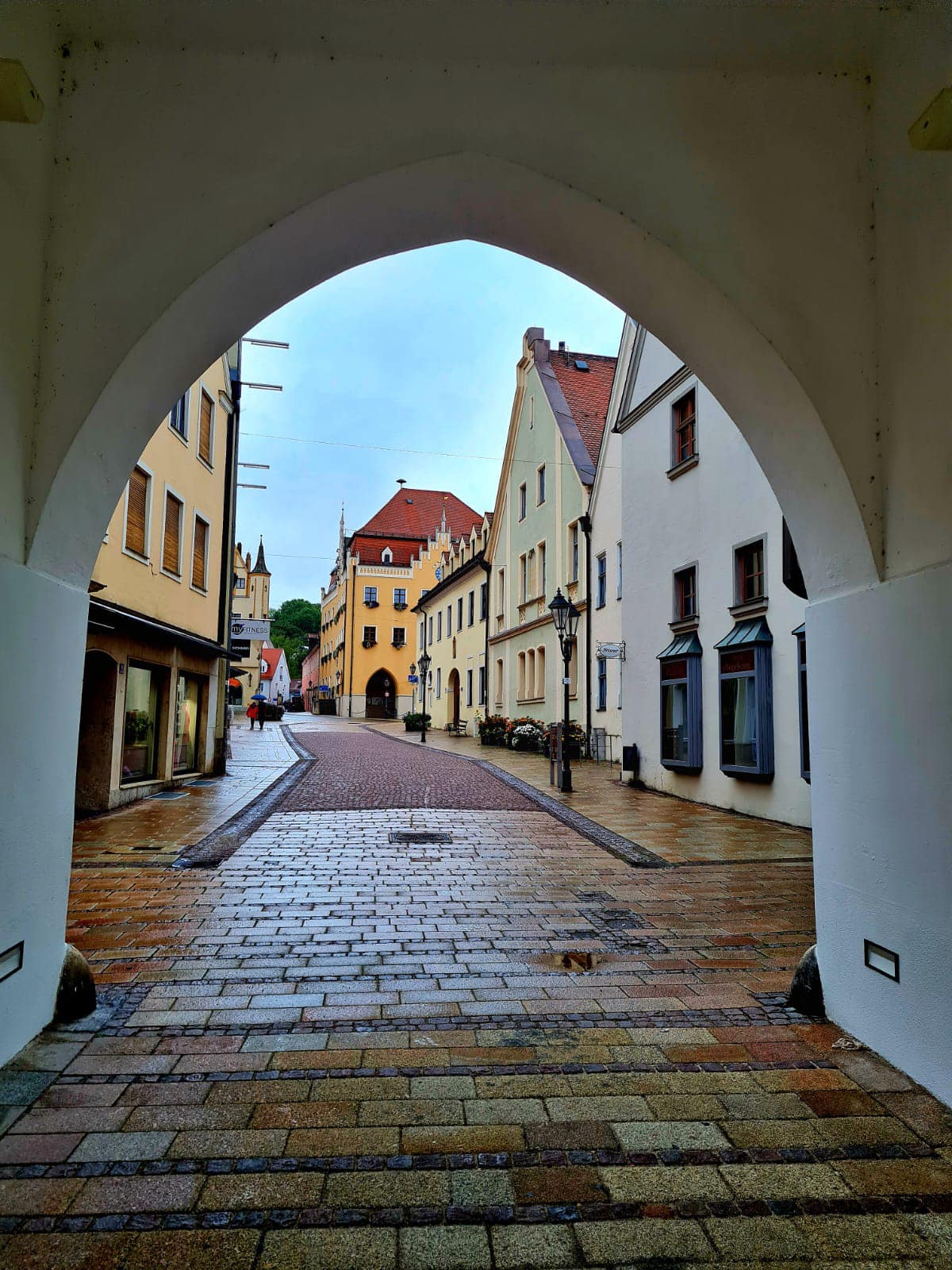
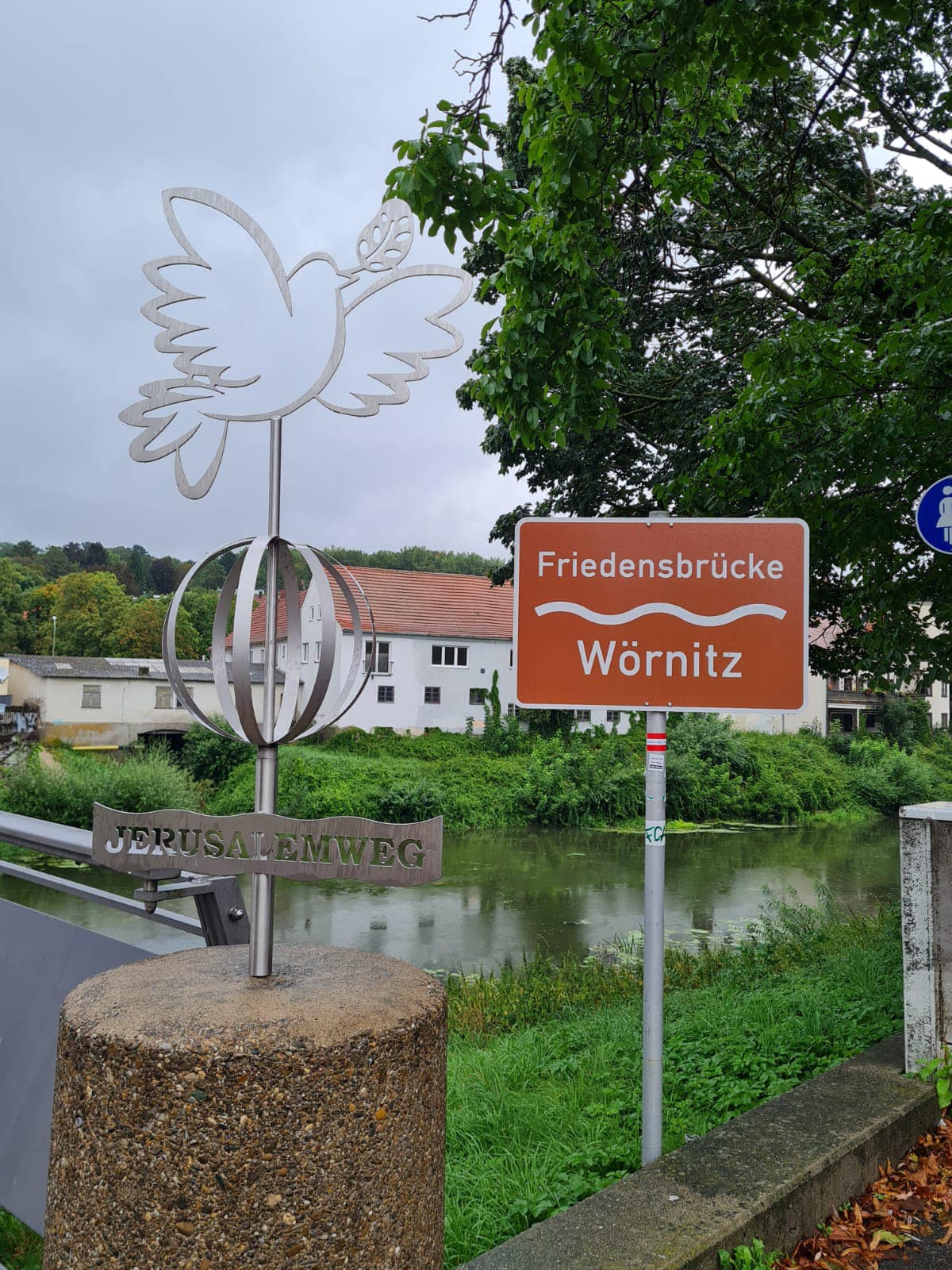

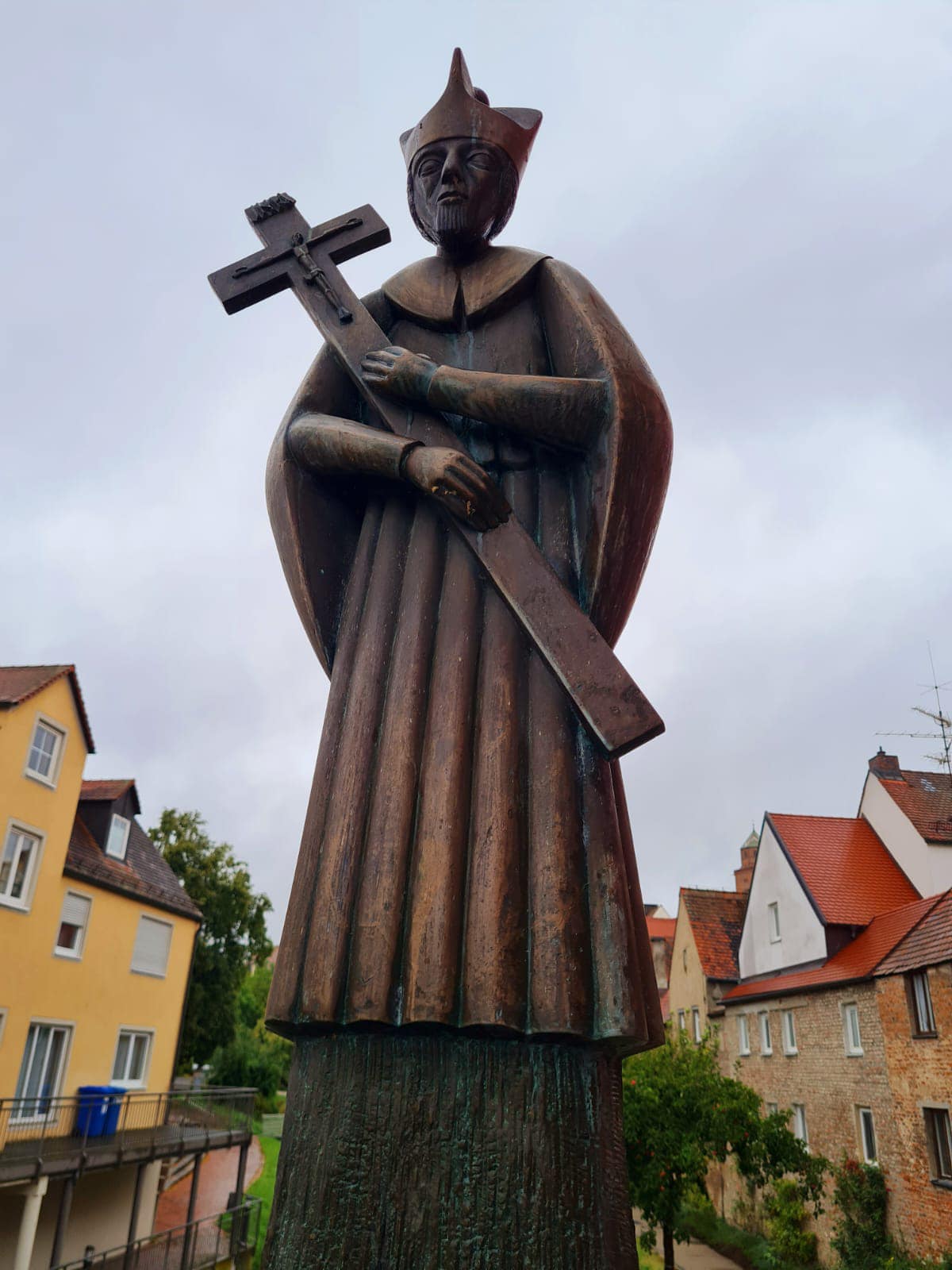


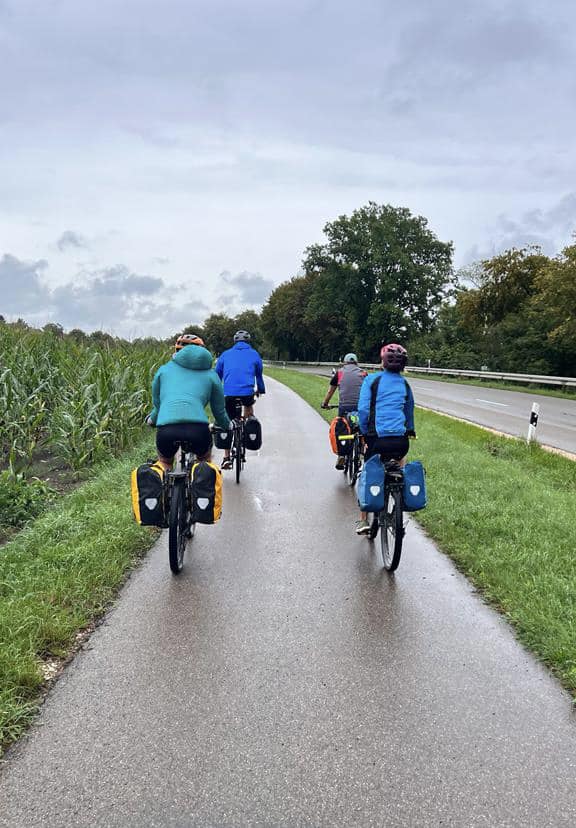

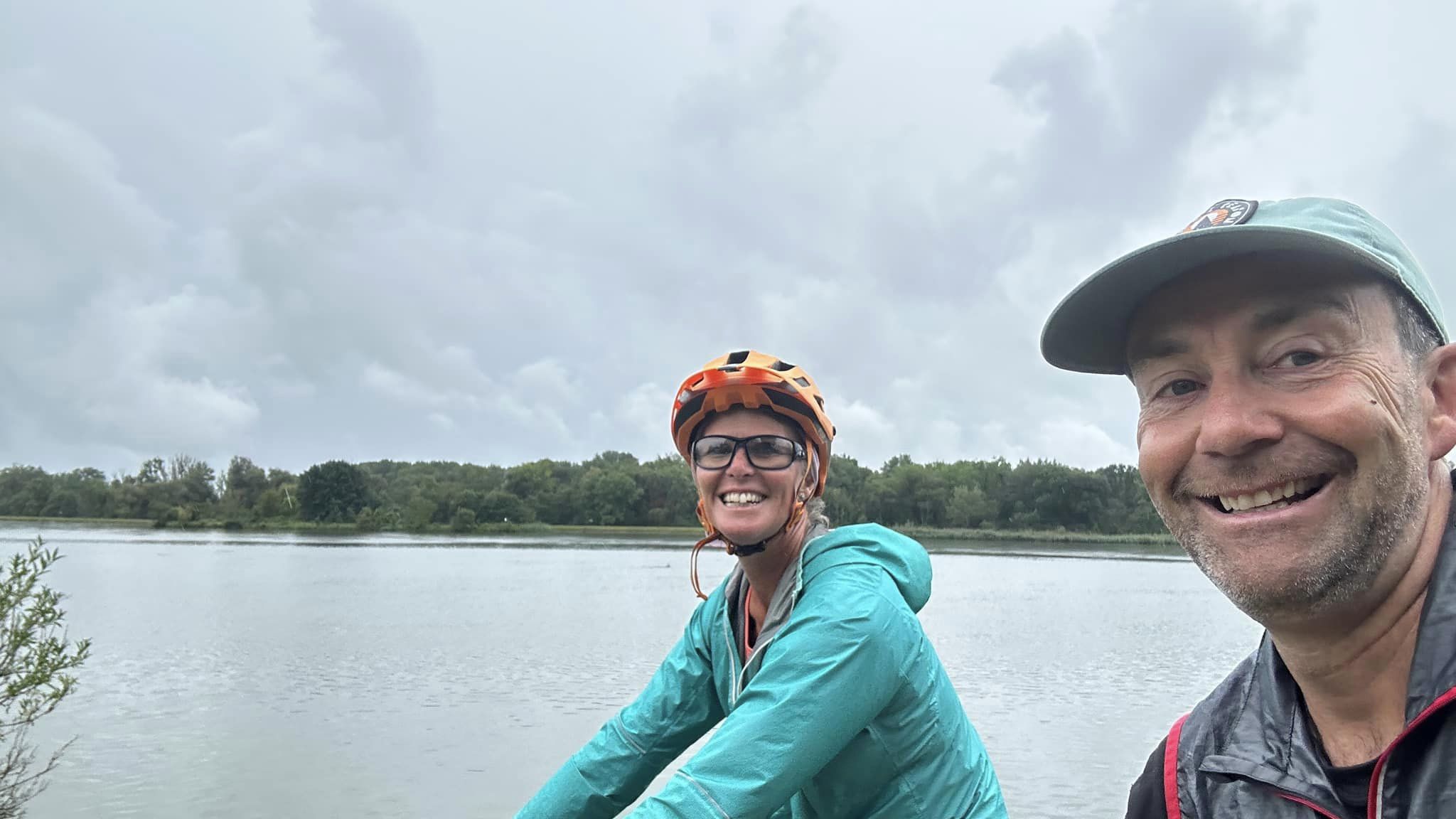


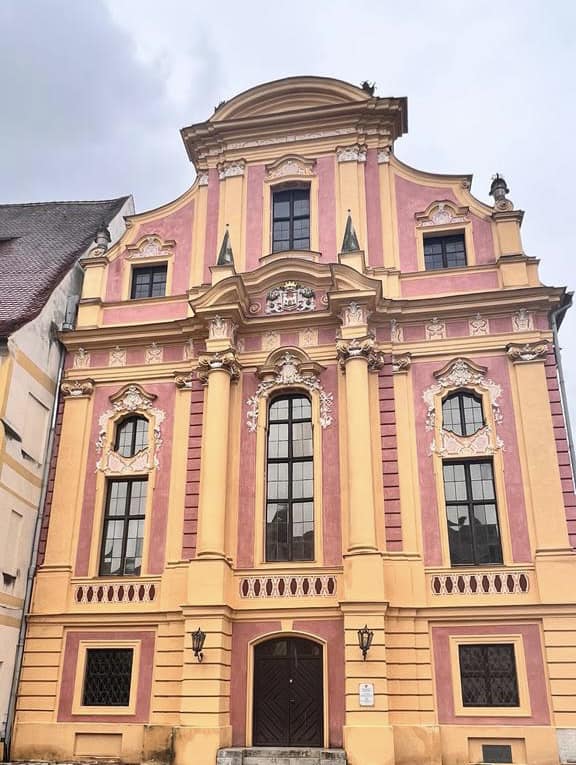

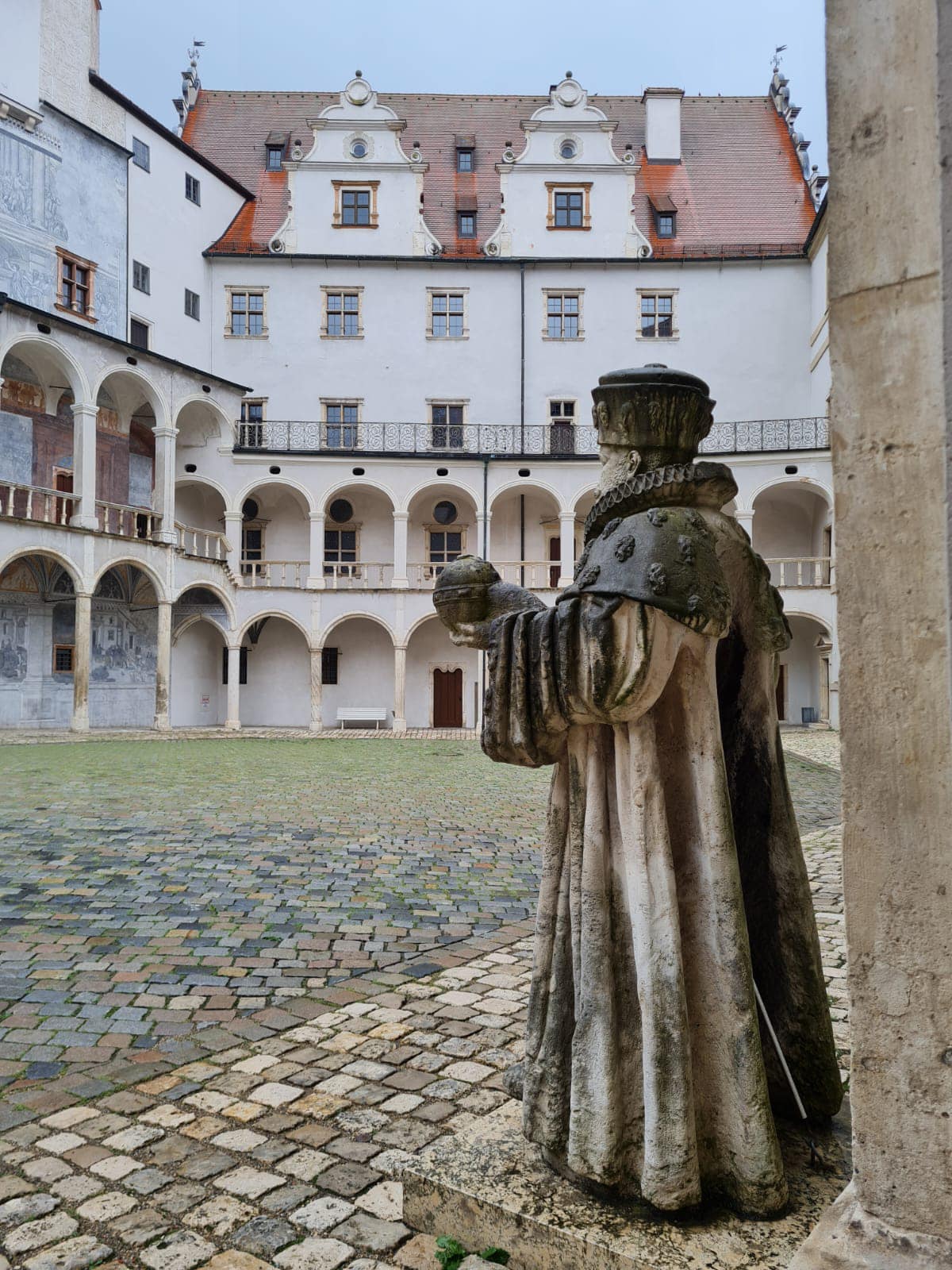
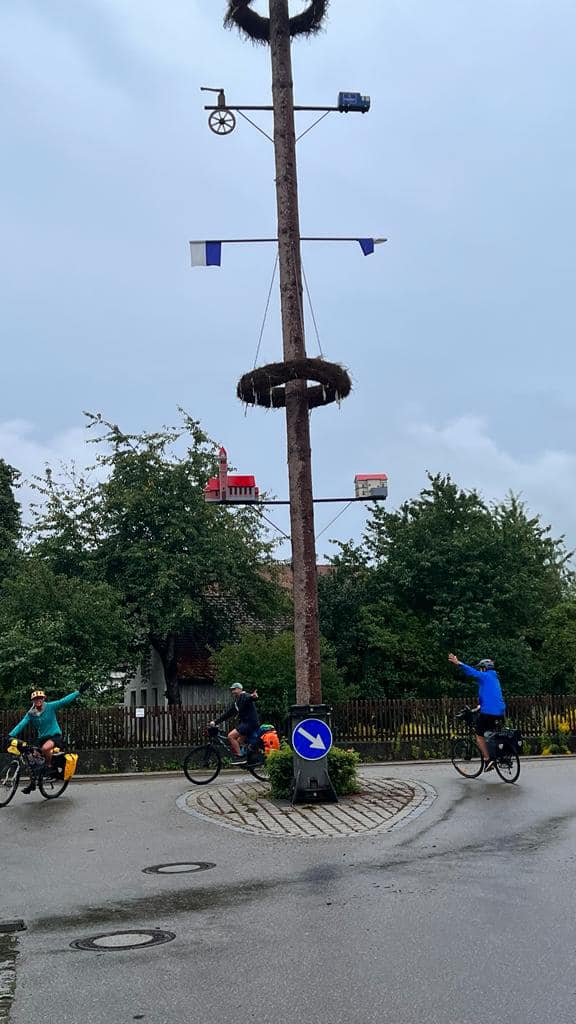
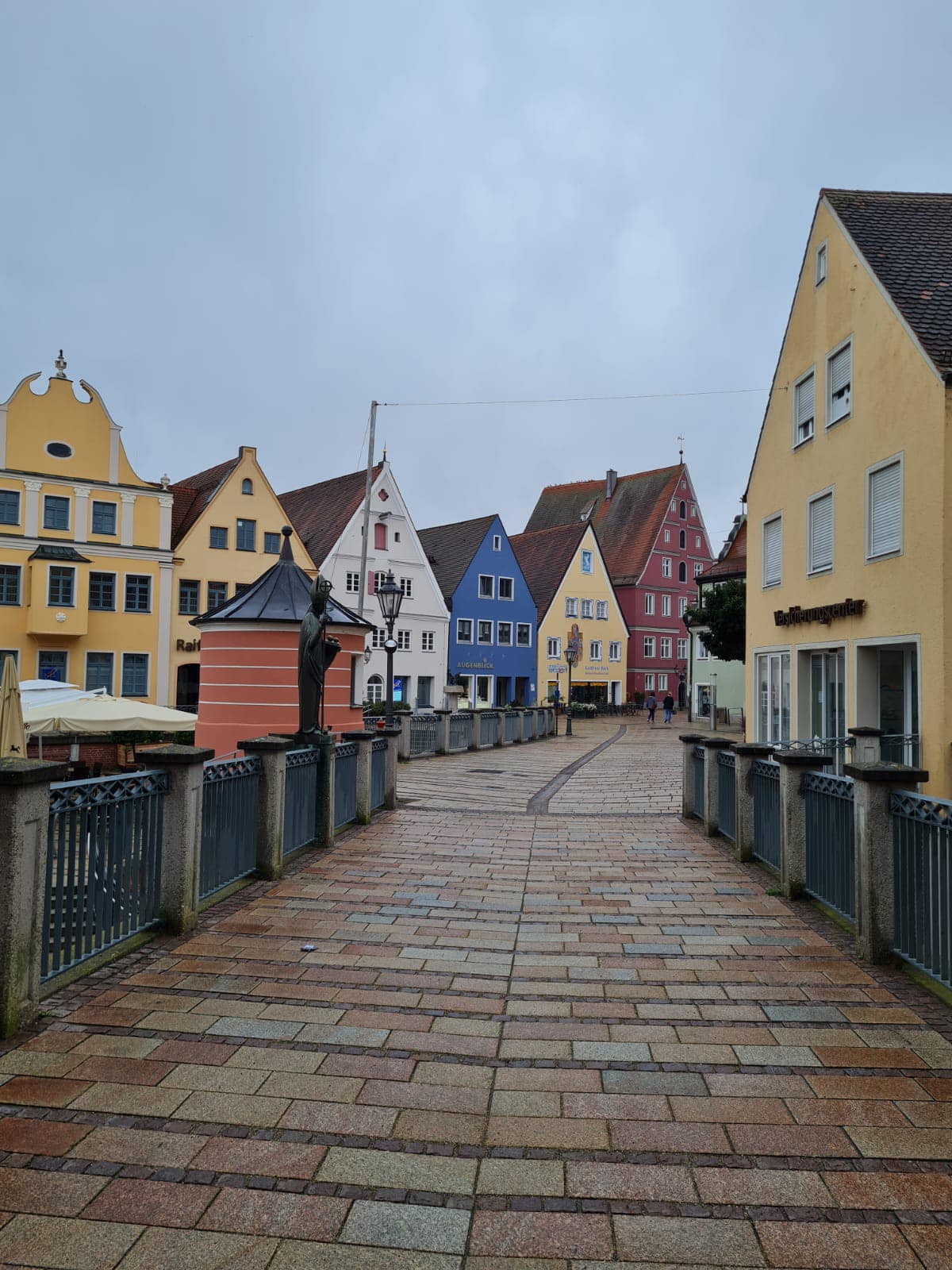
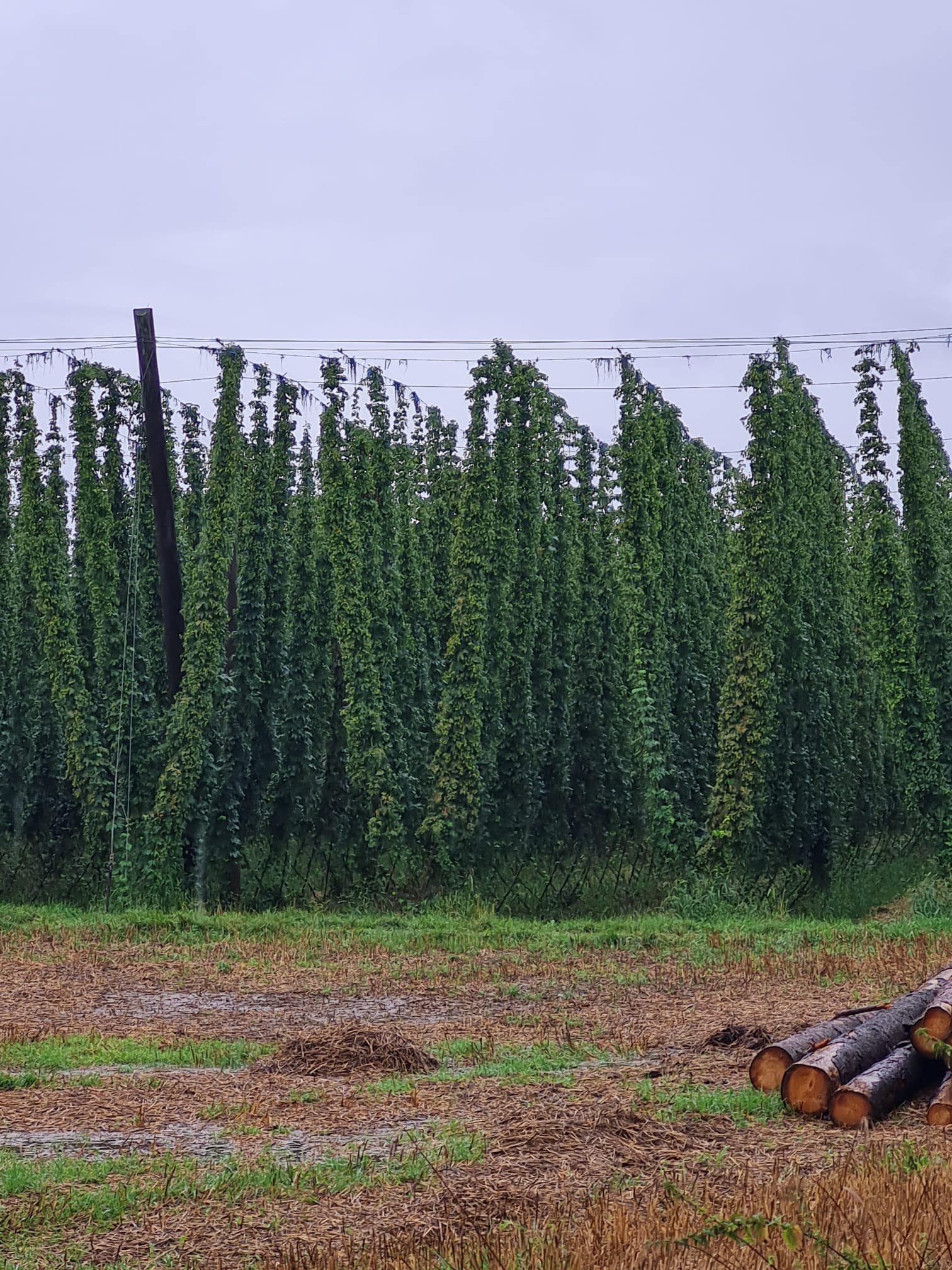
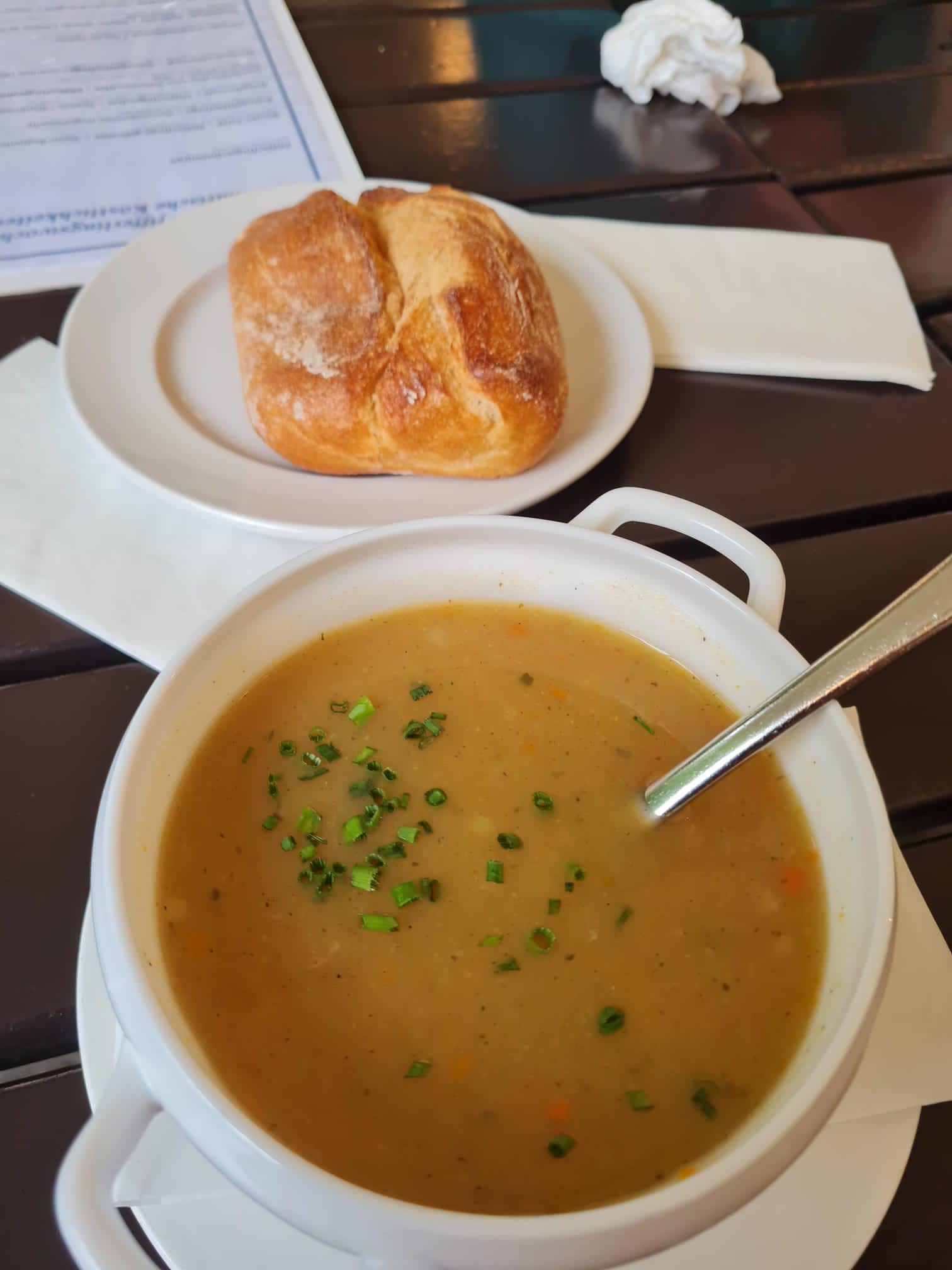


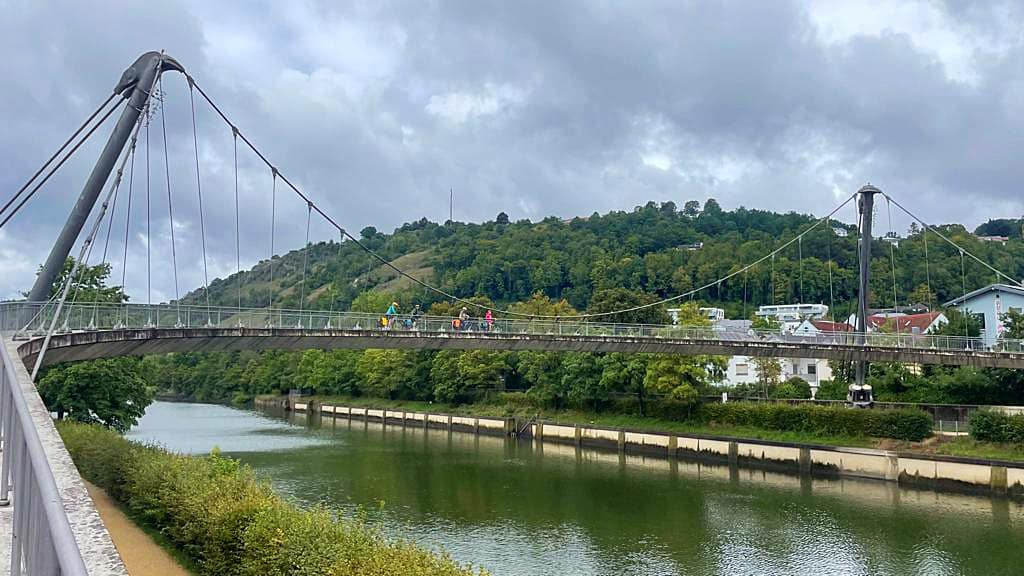


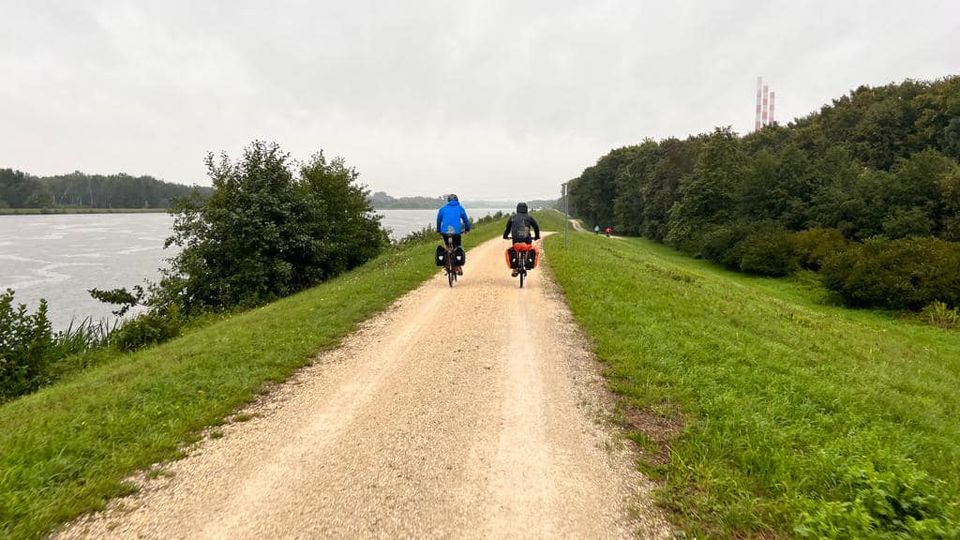
 . There was also some confusion as to how far we we had to go. Google maps by bike said 71km and Euro Velo 6 app said 95km – it was probably a no brainer that it was going to be 95km but we did a sweepstakes anyway and JP won.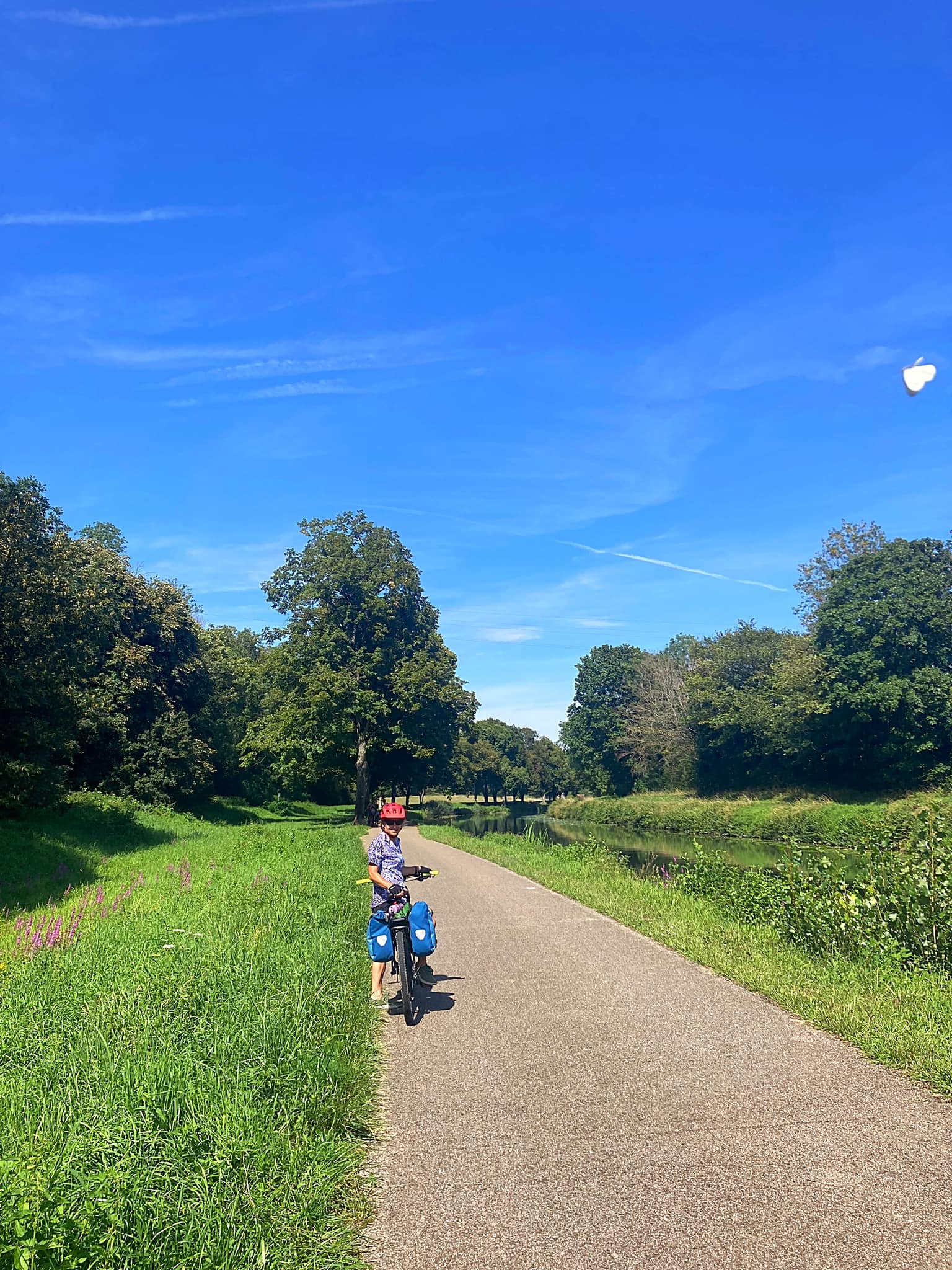






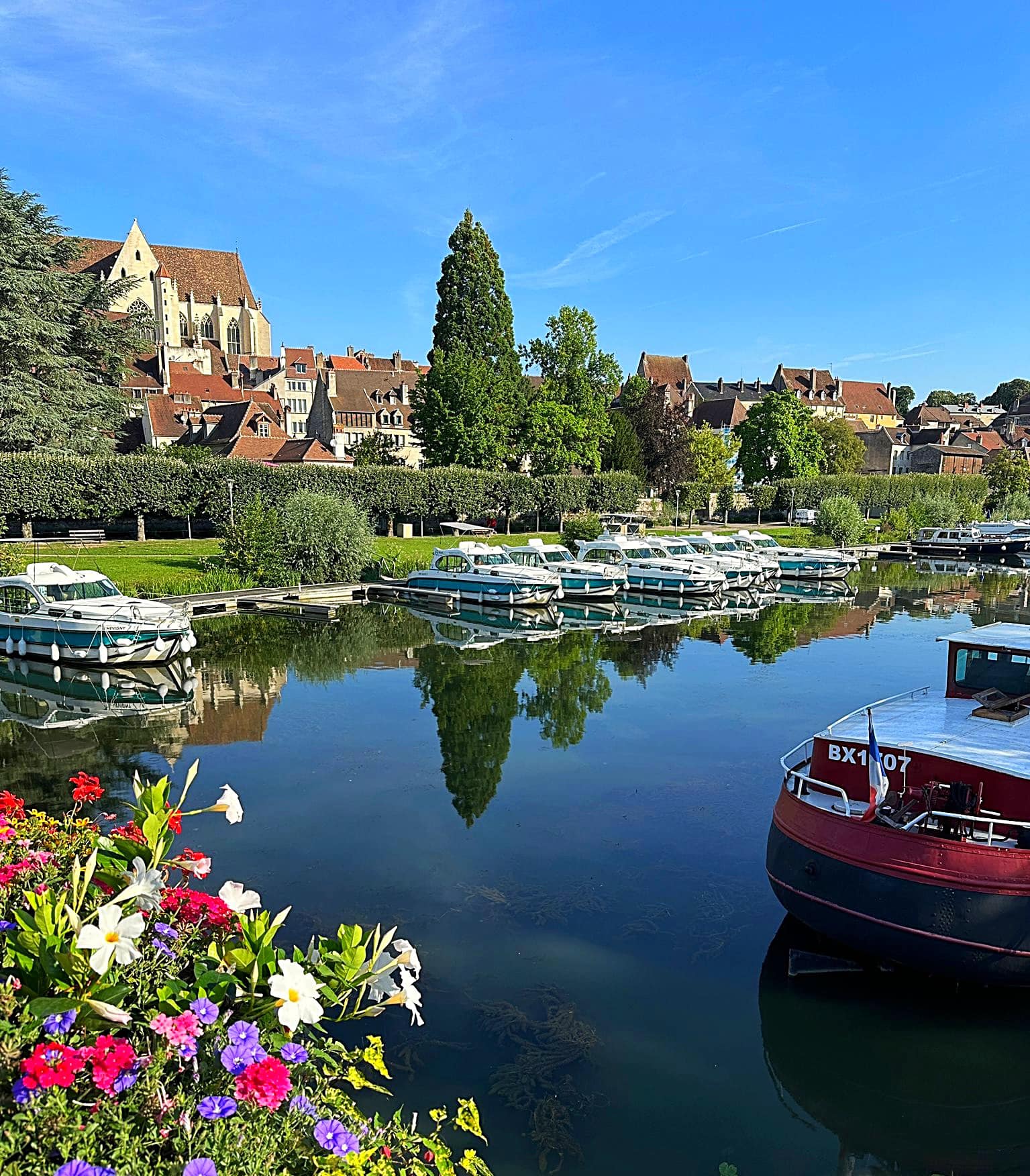


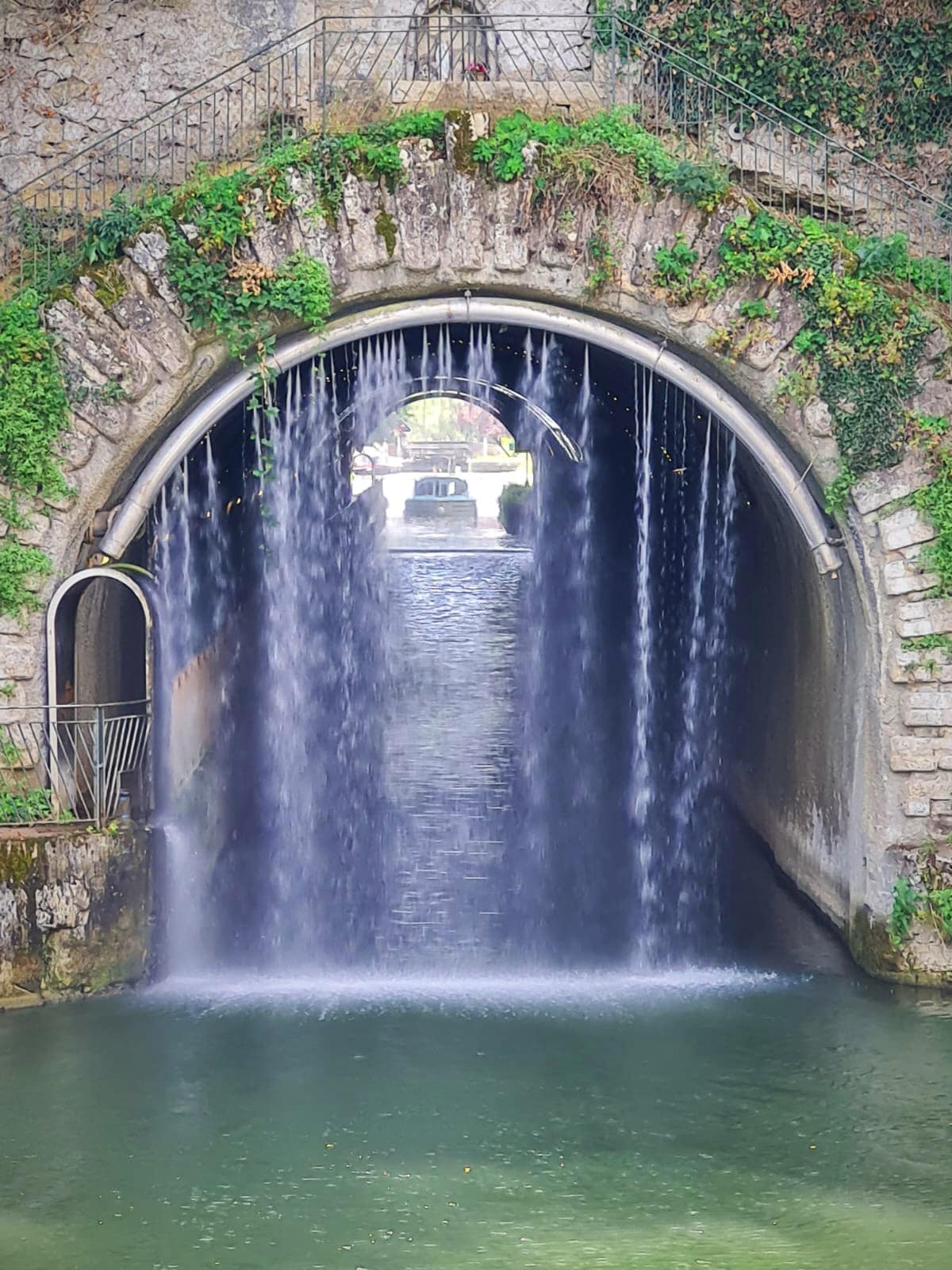
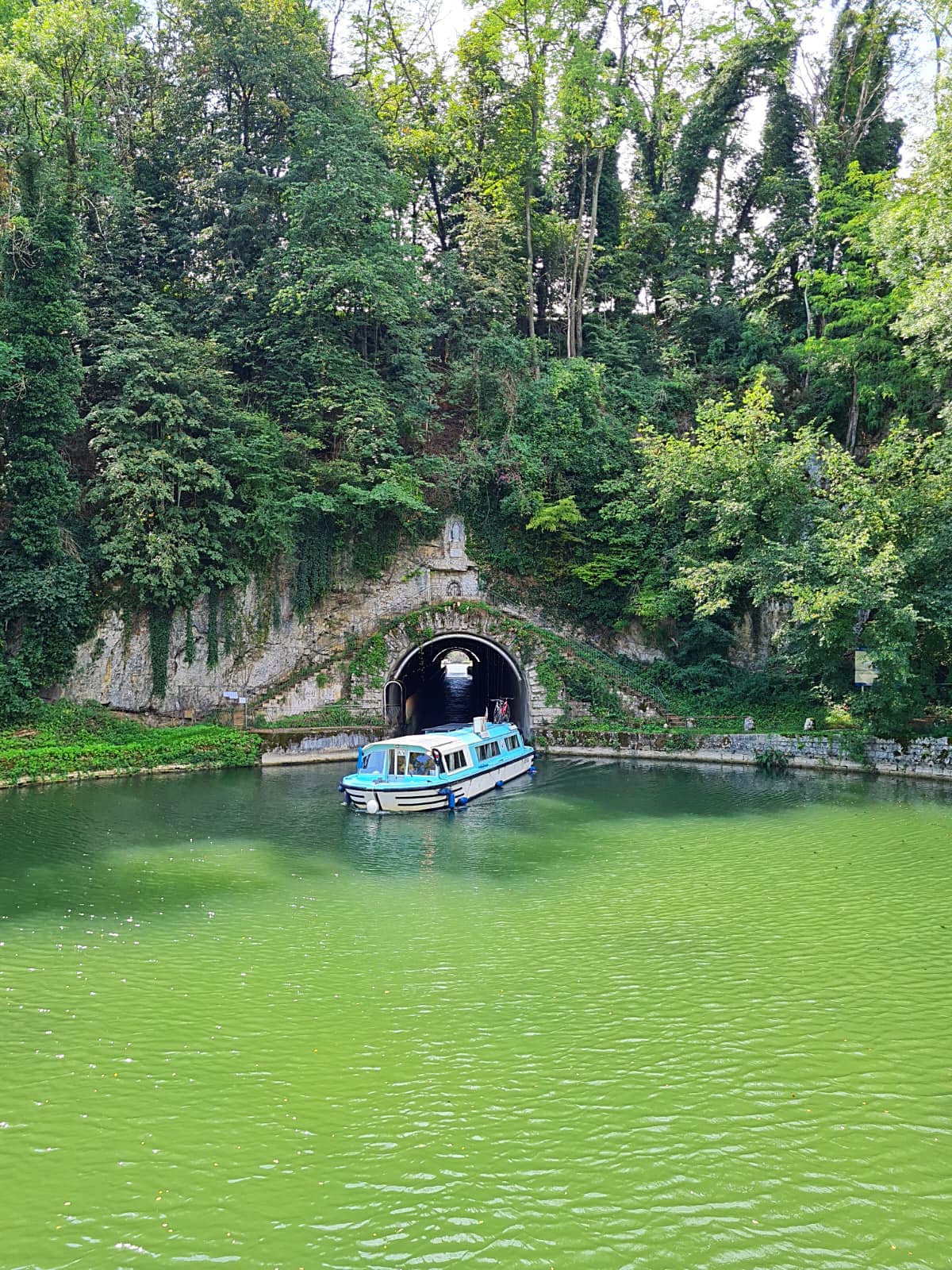
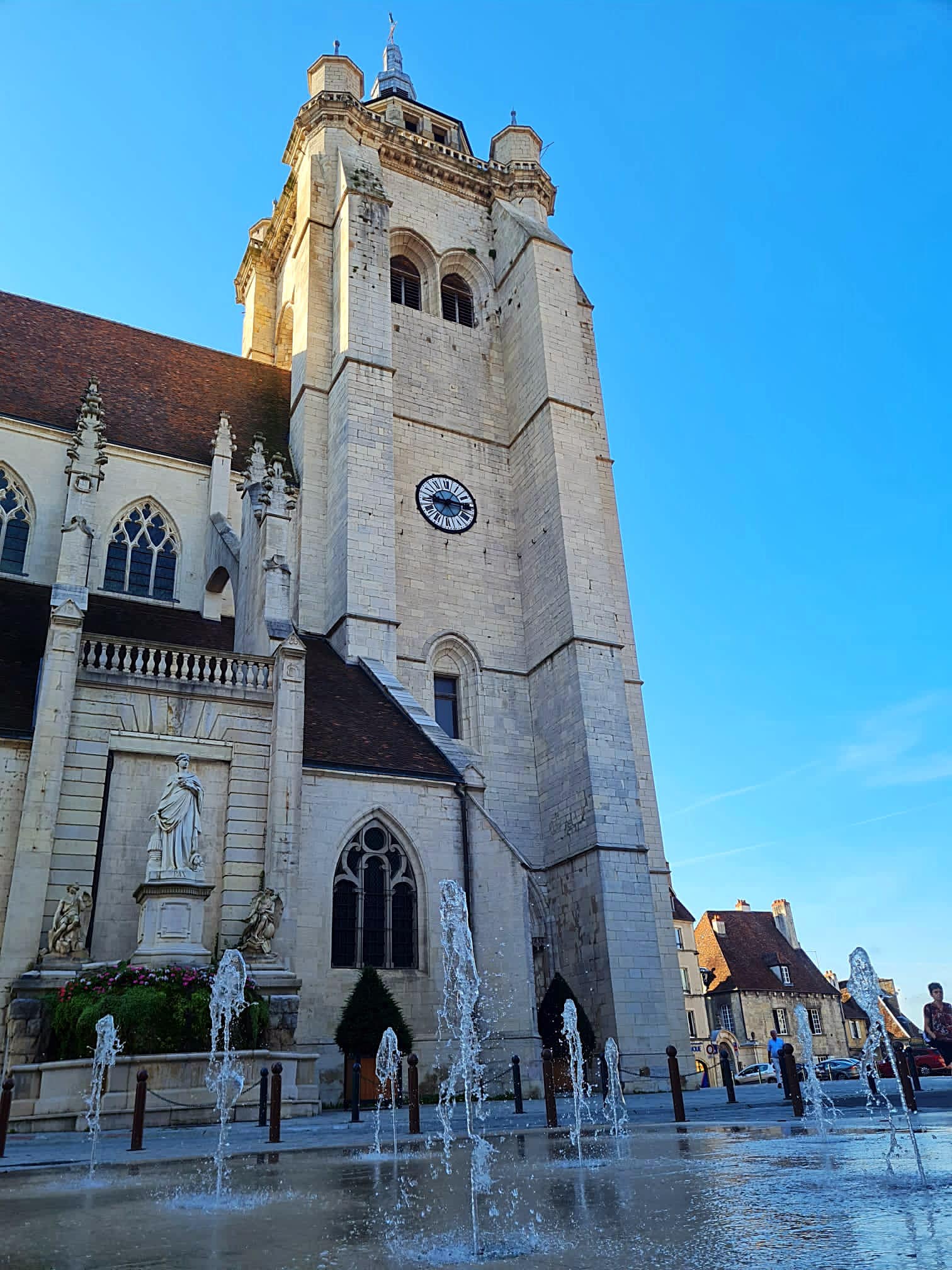


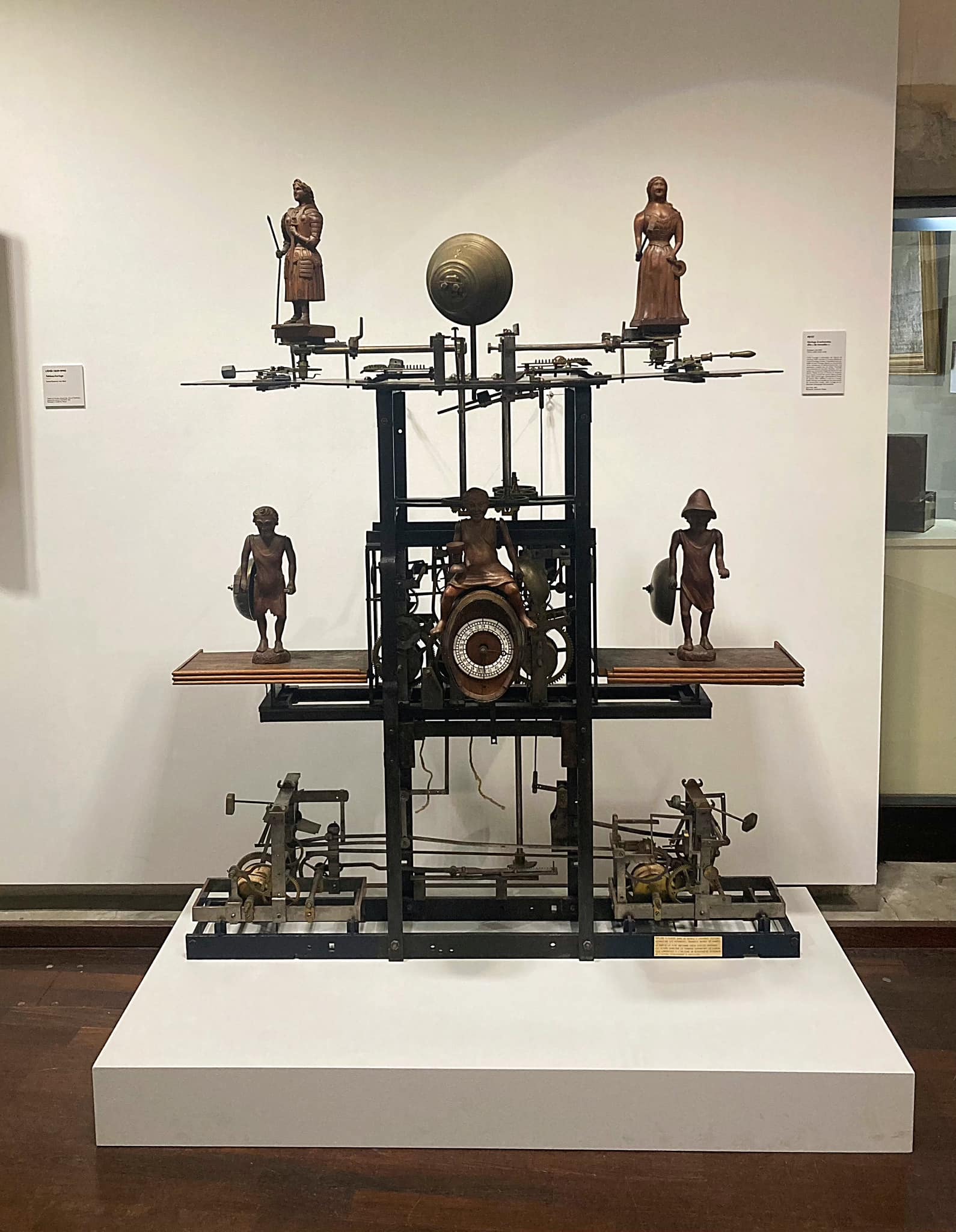

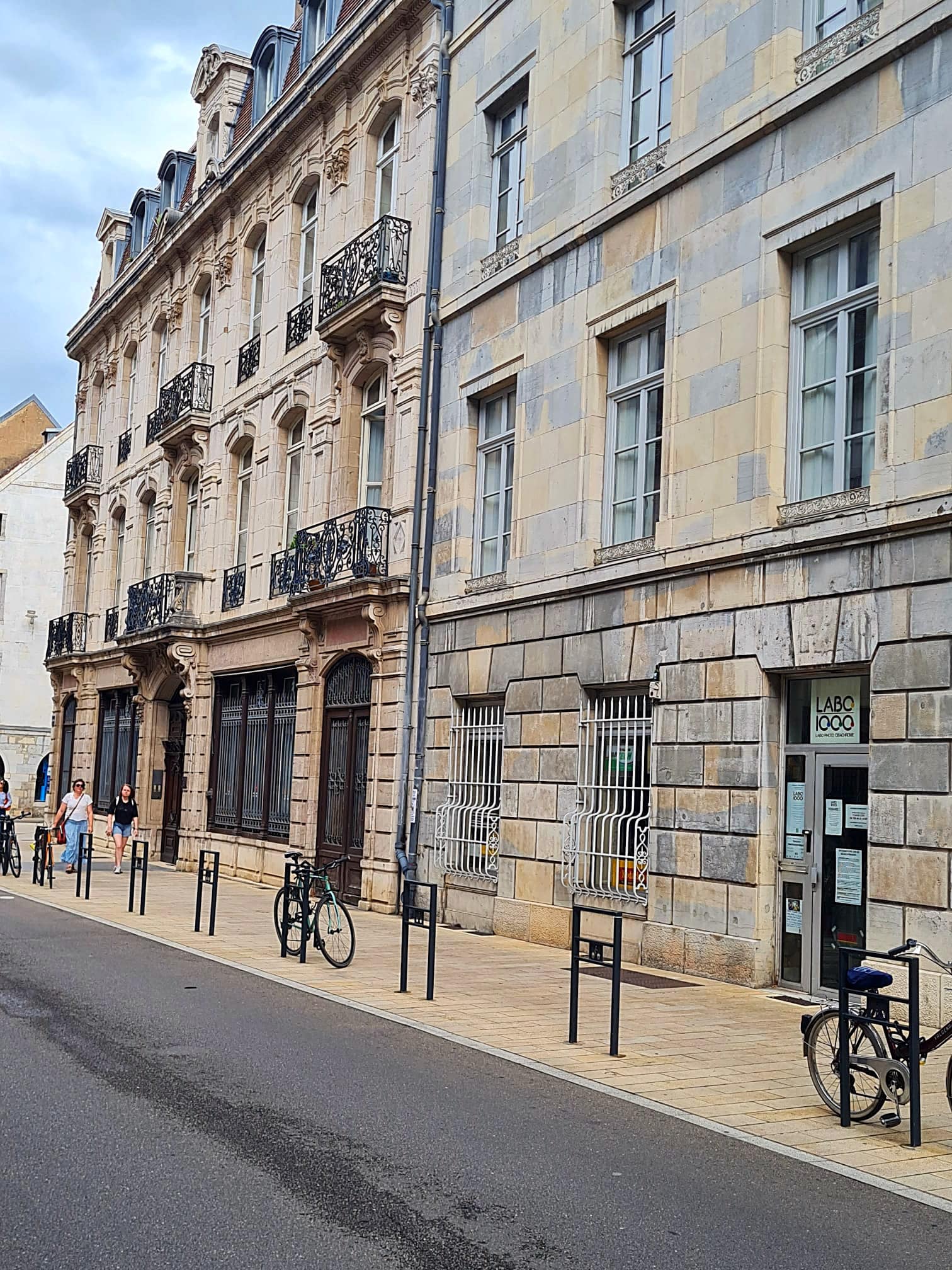


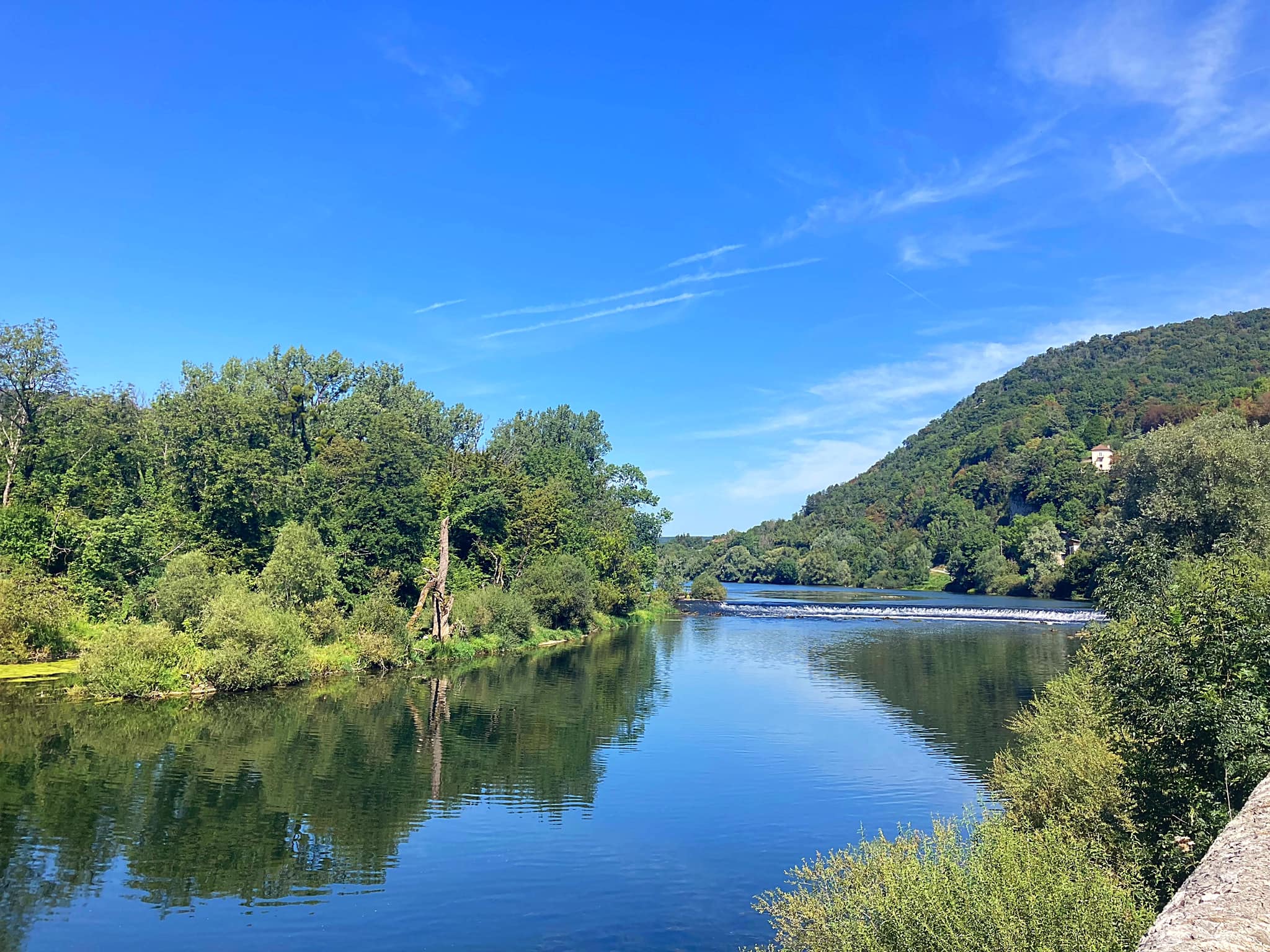


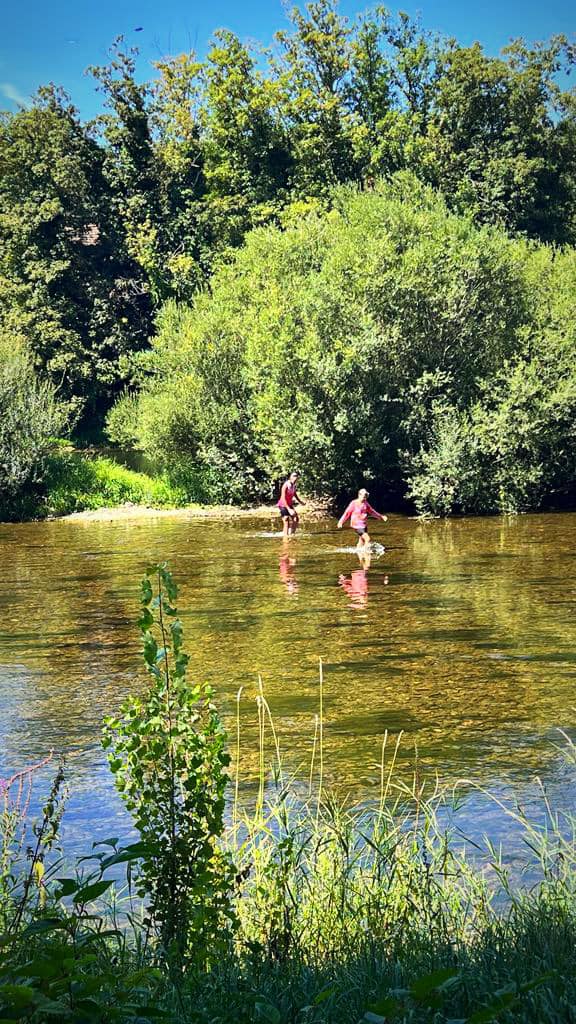
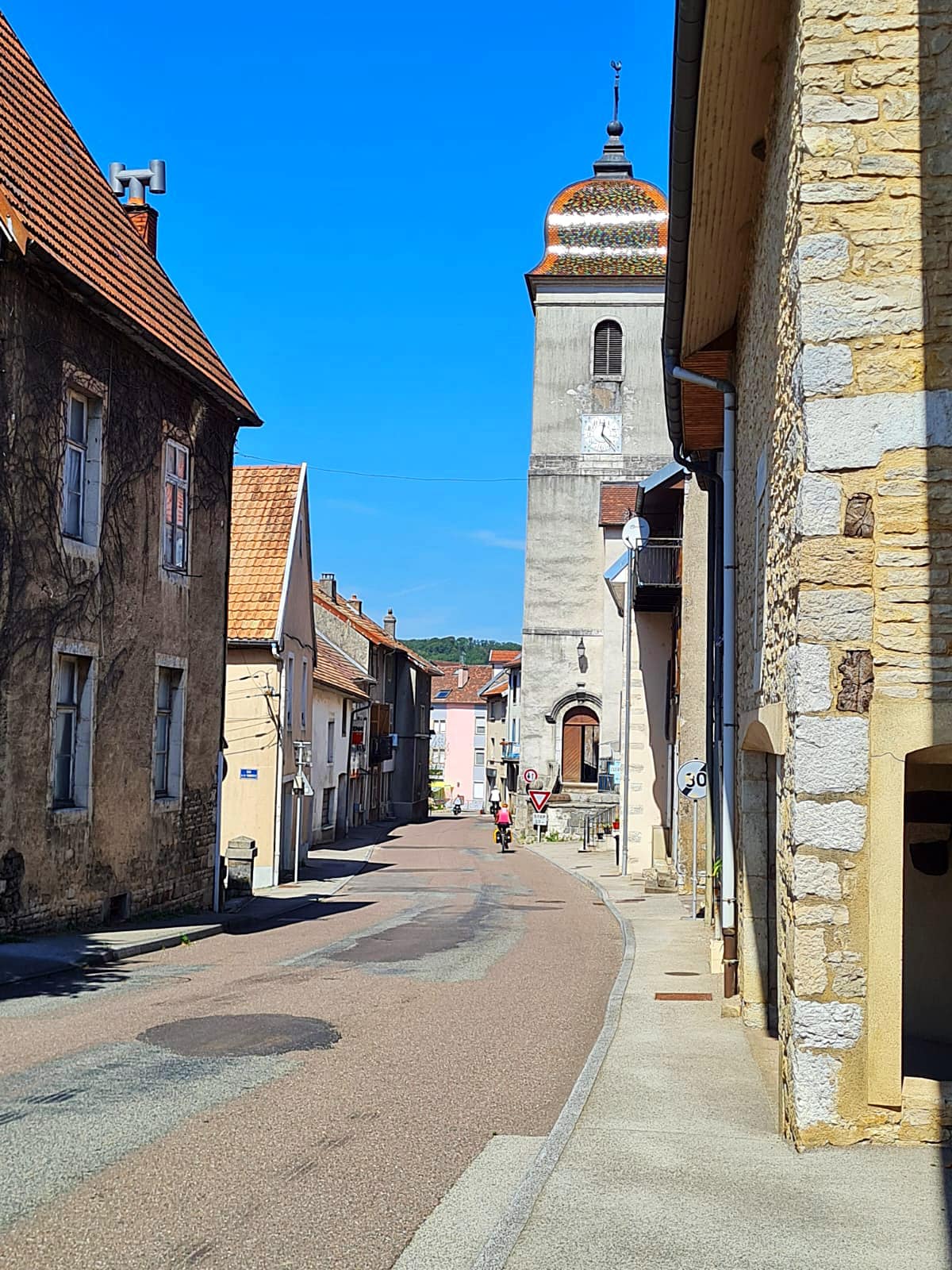


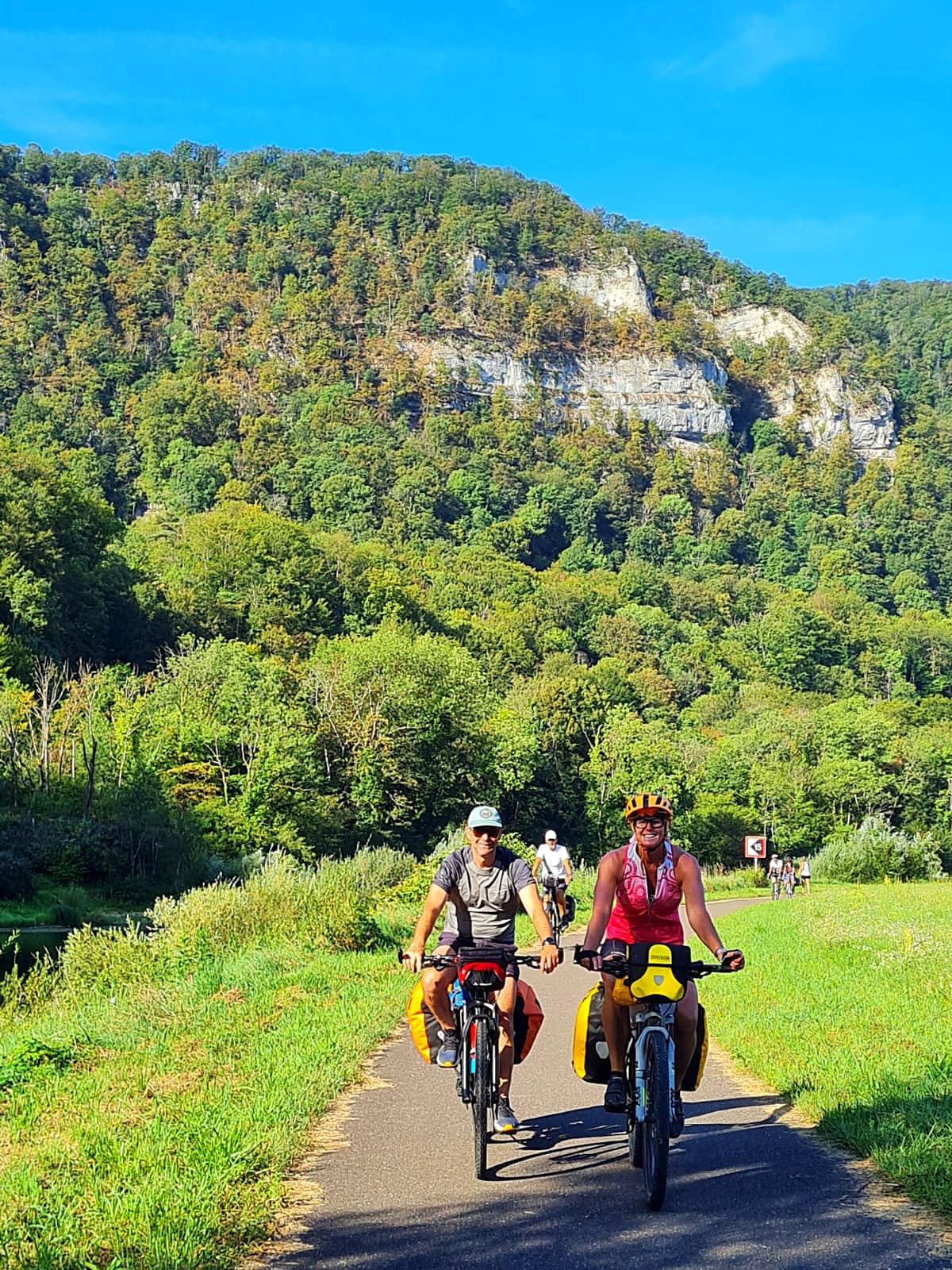
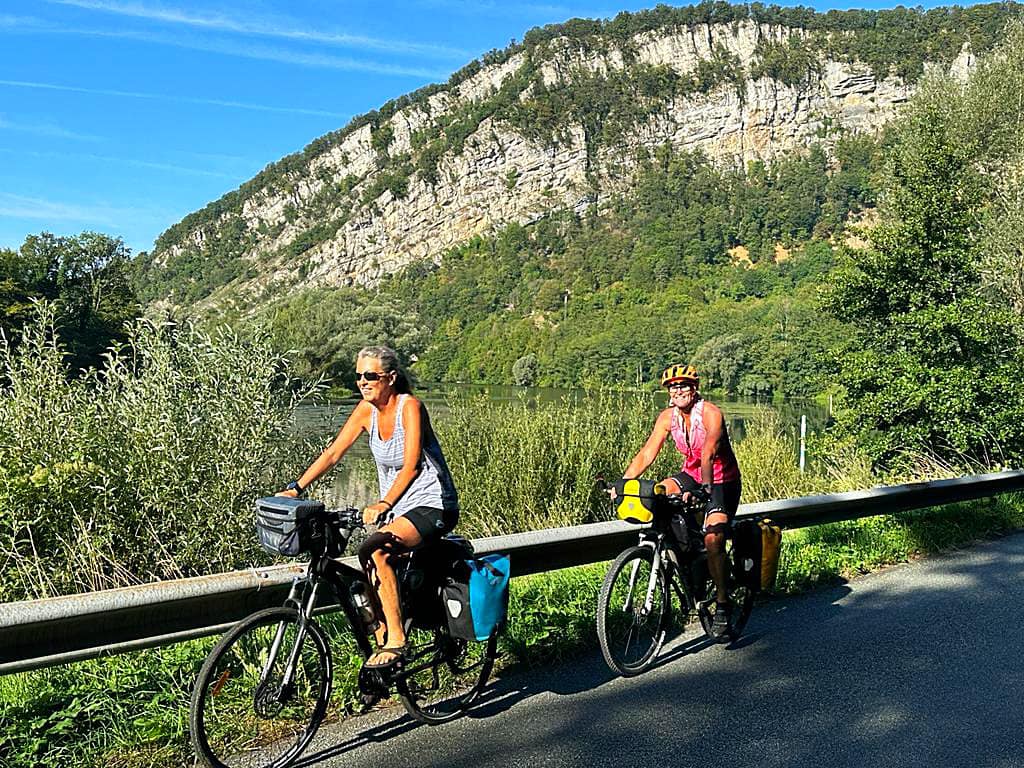


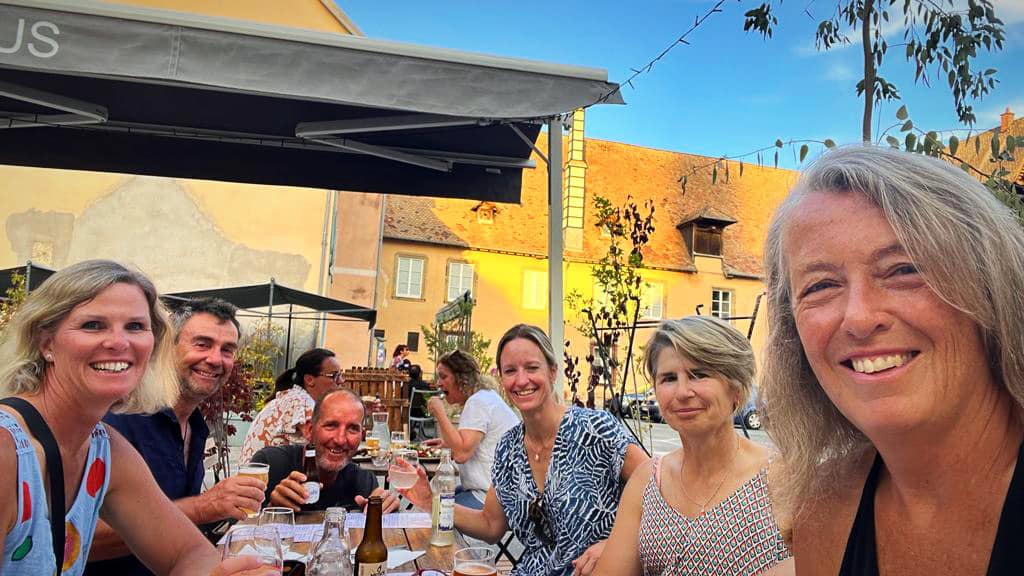
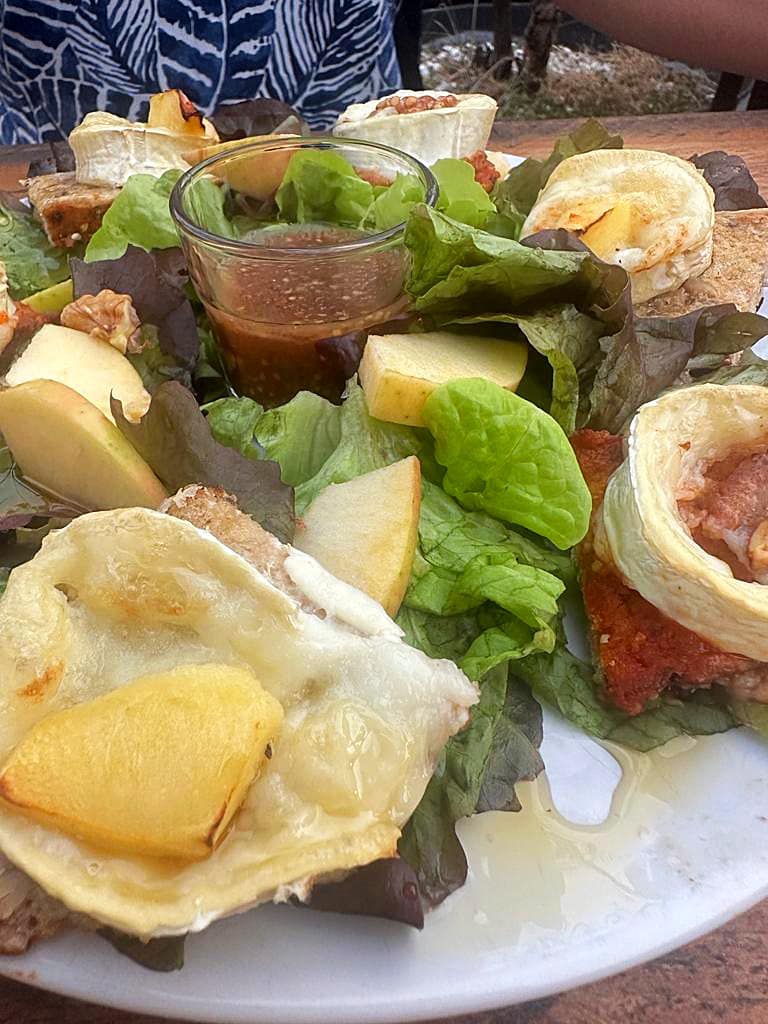
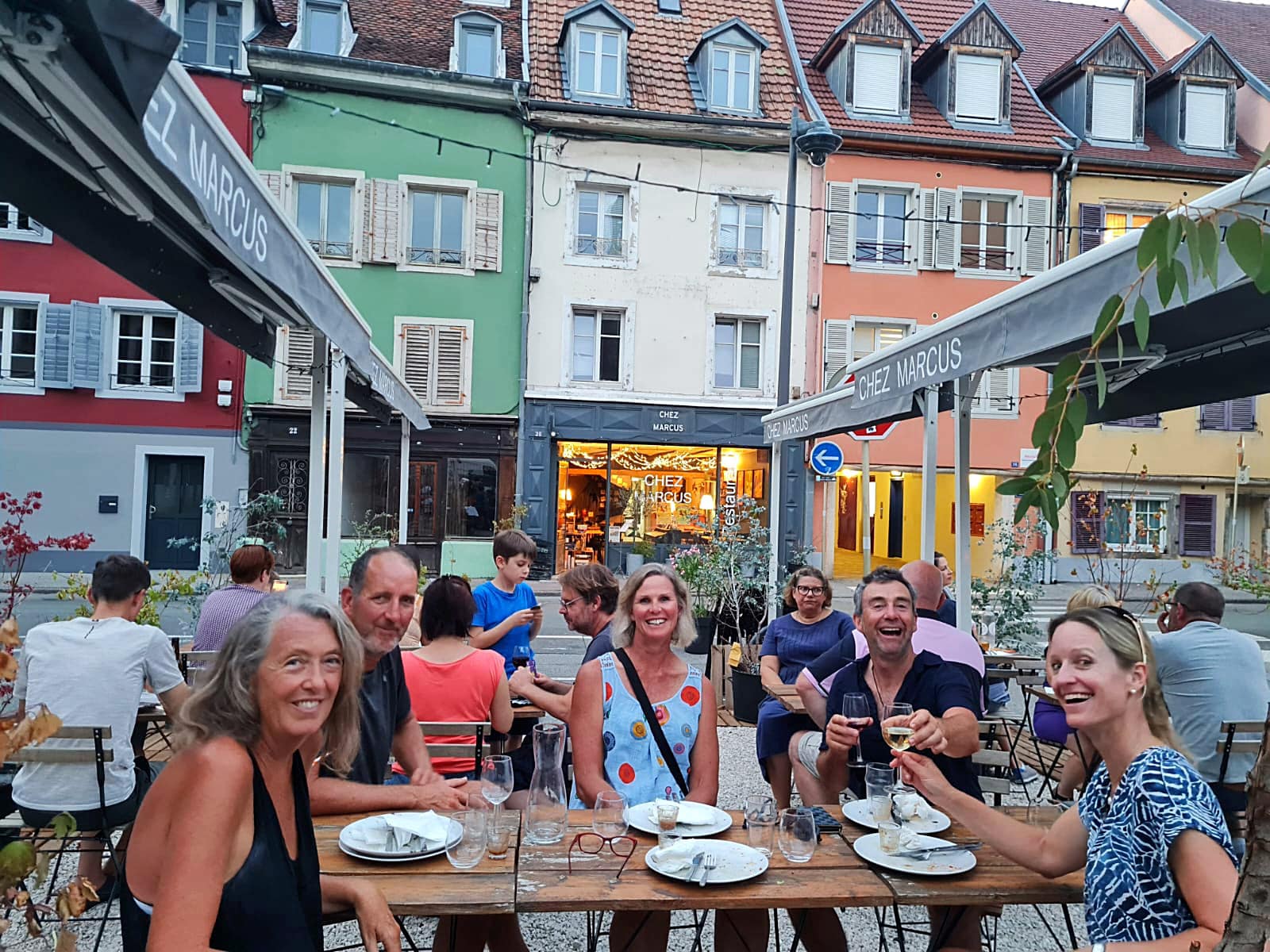

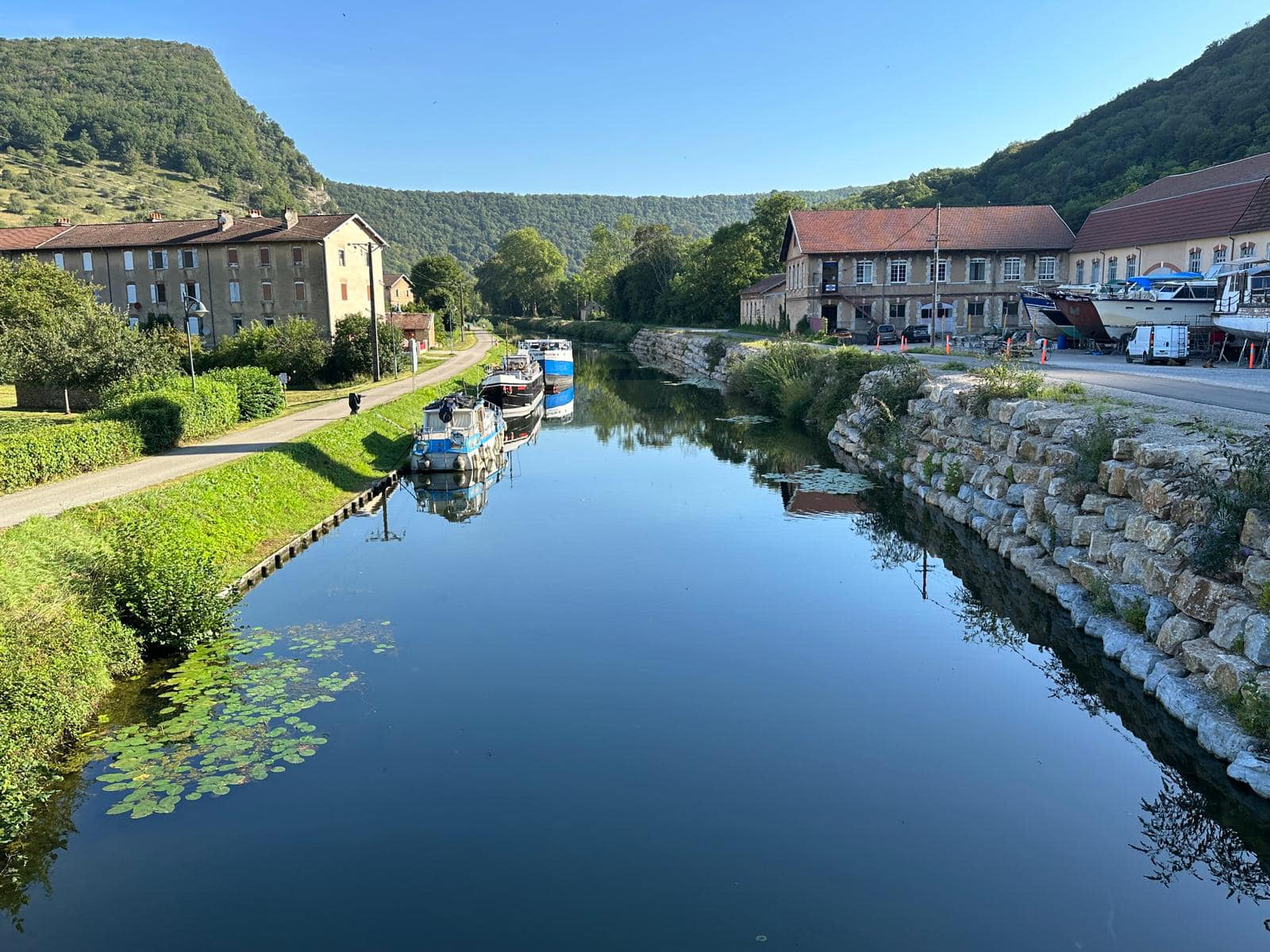
 . There was an interesting sign in the toilets at the cafe too – especially the last illustration


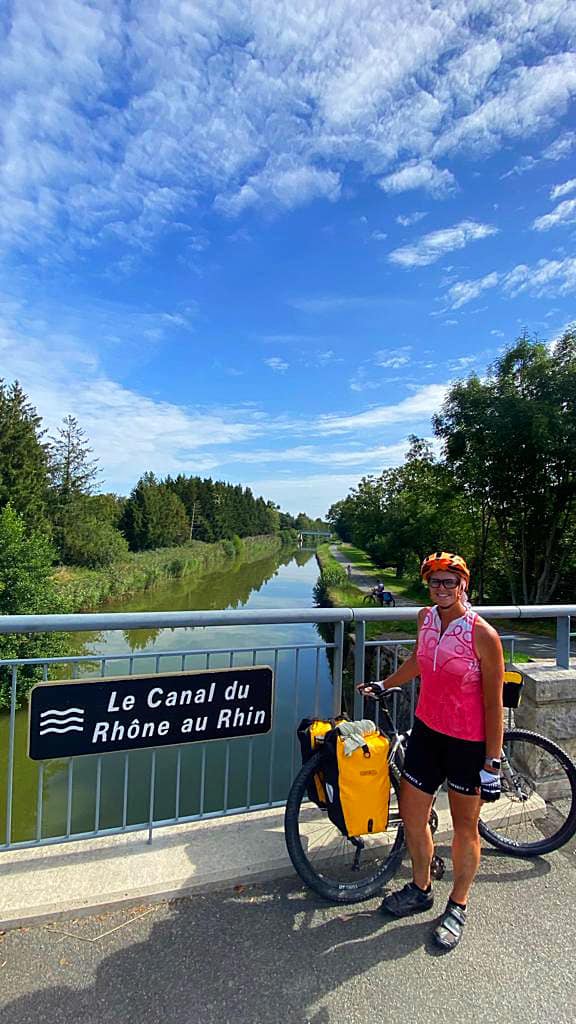


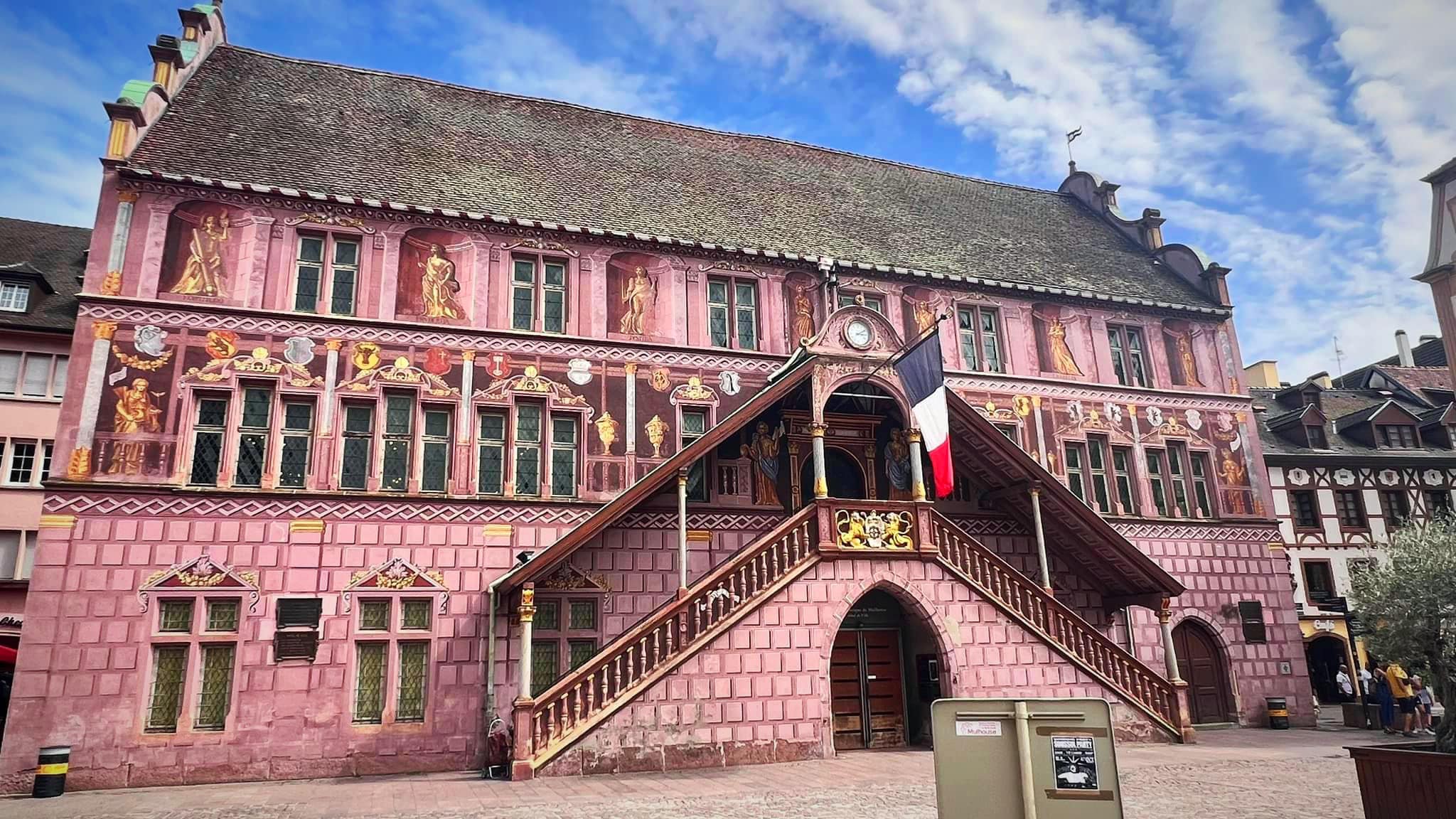


 . She was an excellent tour guide and linguist helping us with our French and German. JP also left us this morning on her own little adventure to visit some friends in Germany. She’ll be back with us tomorrow night for our first night in Germany.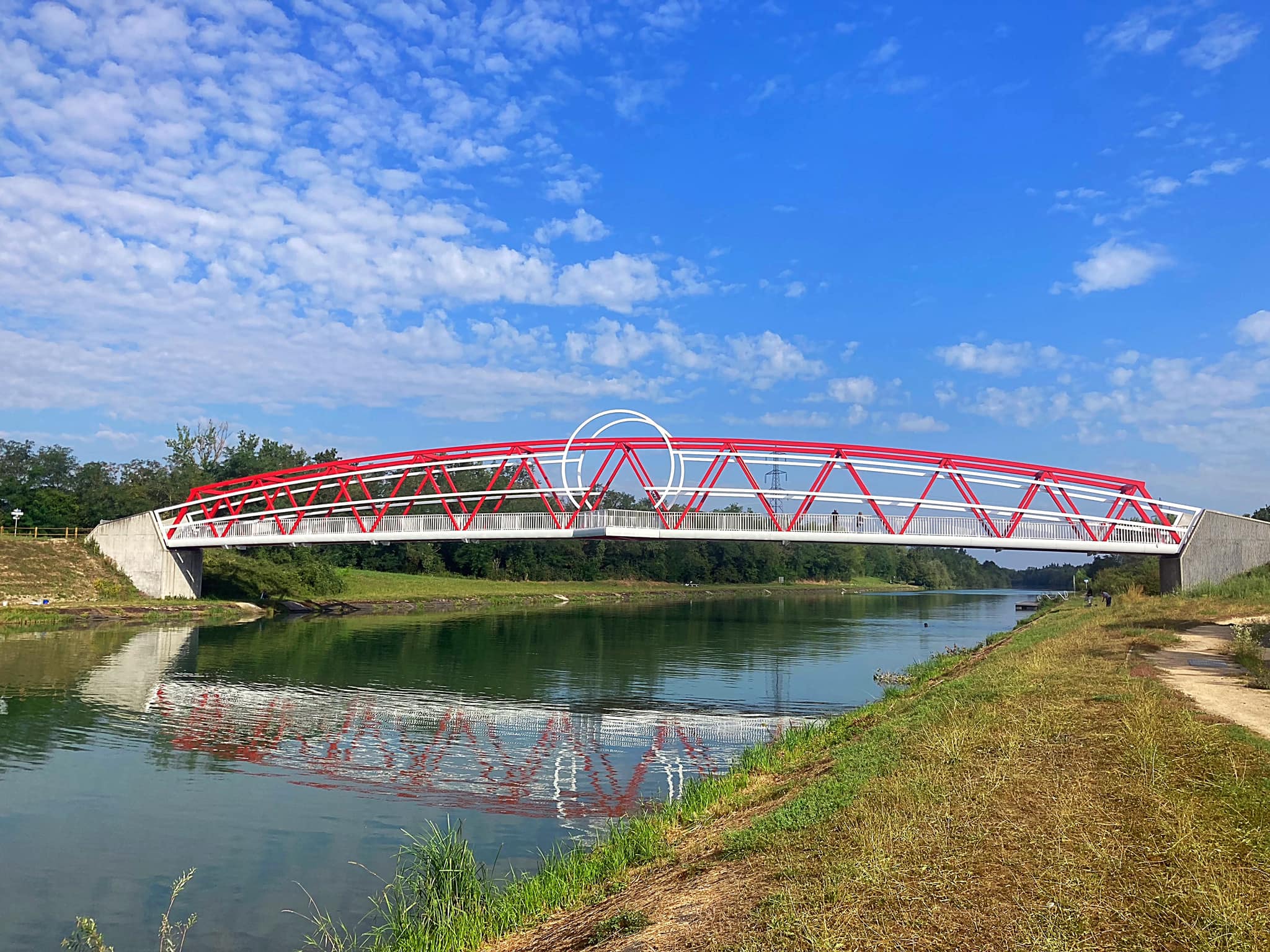
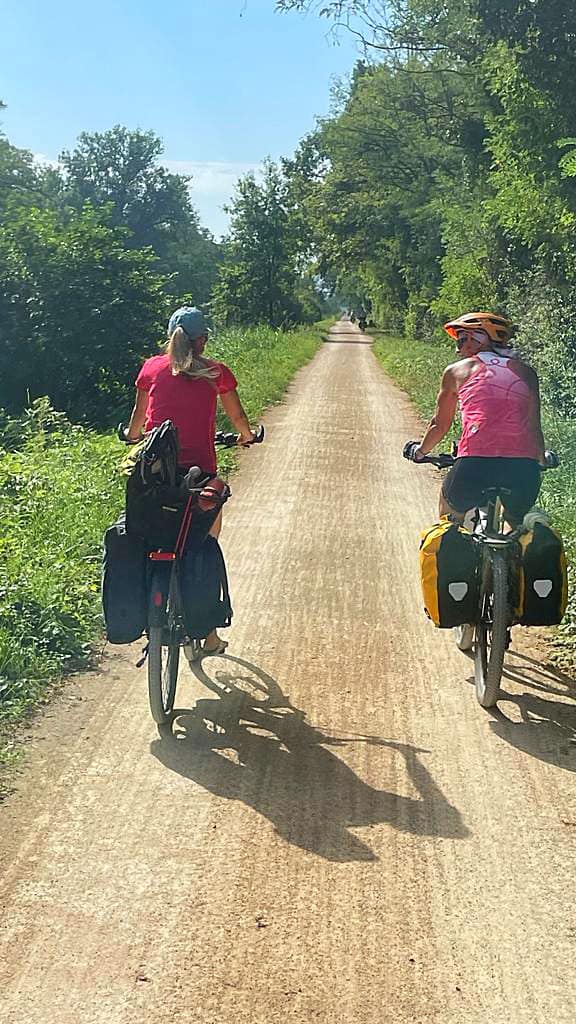


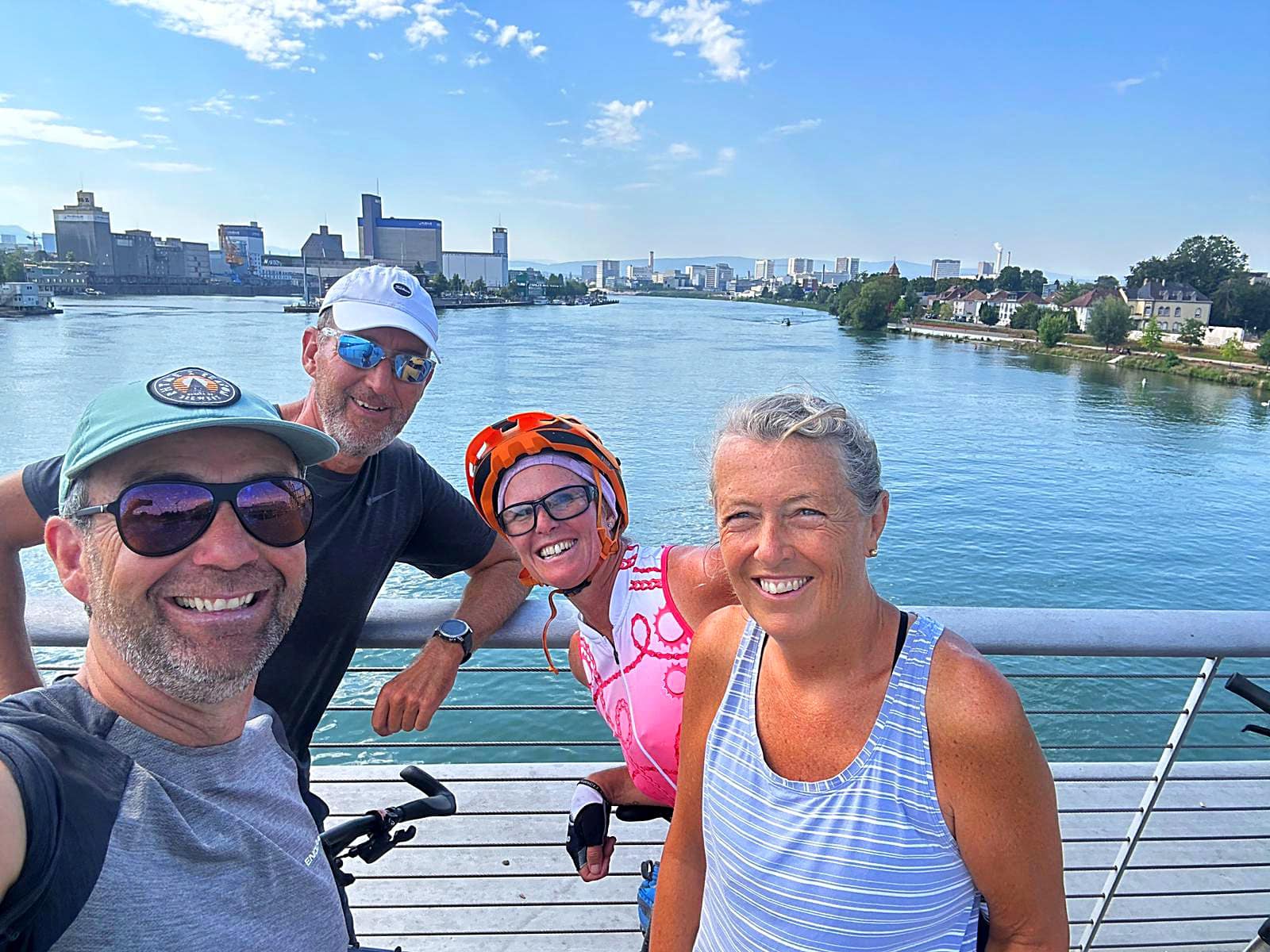

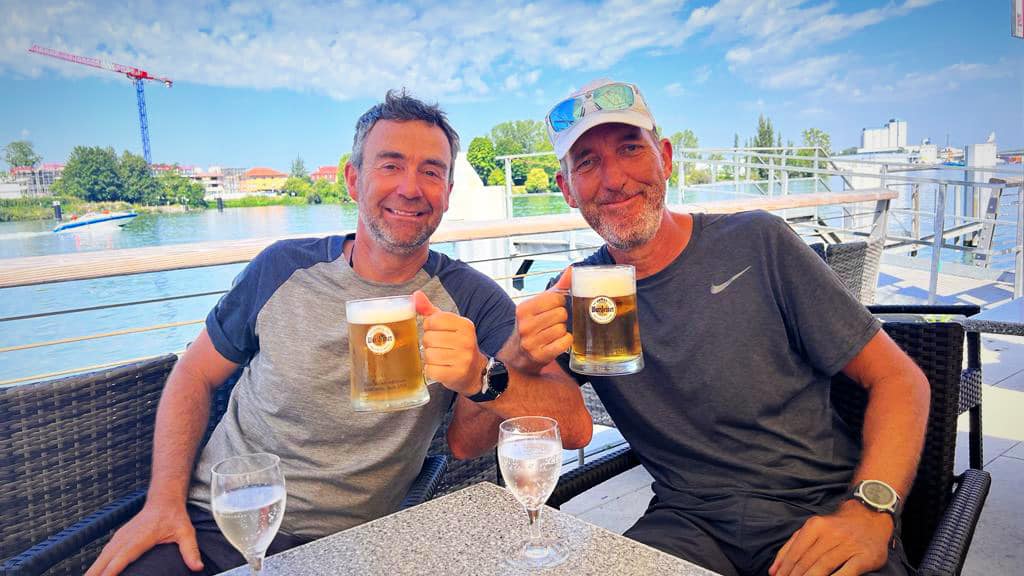
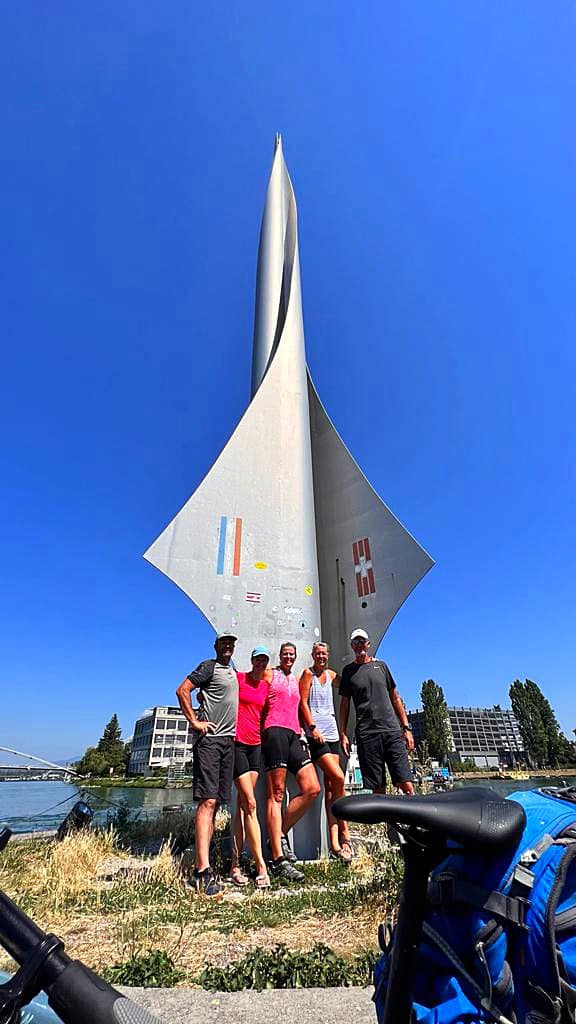
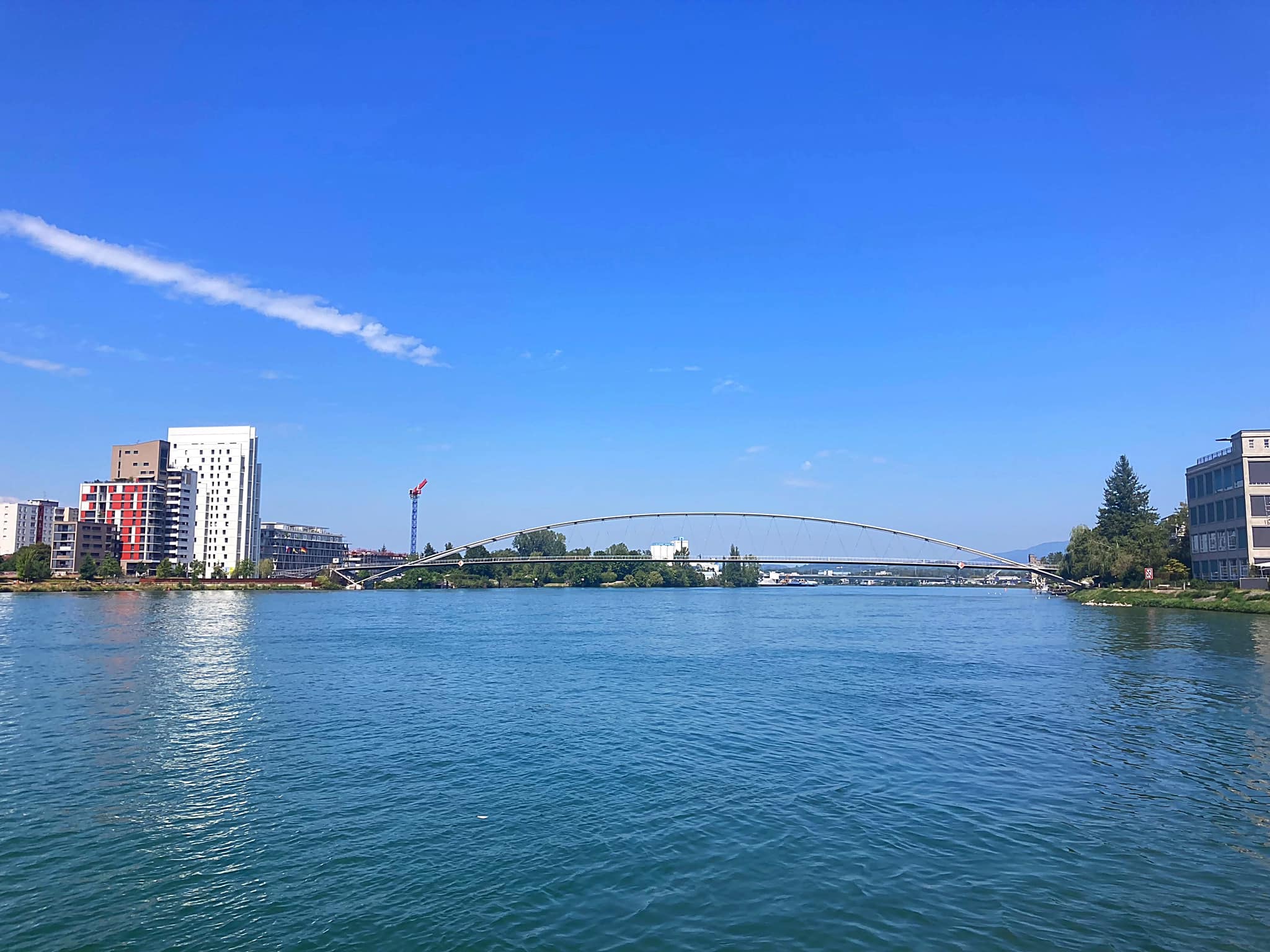
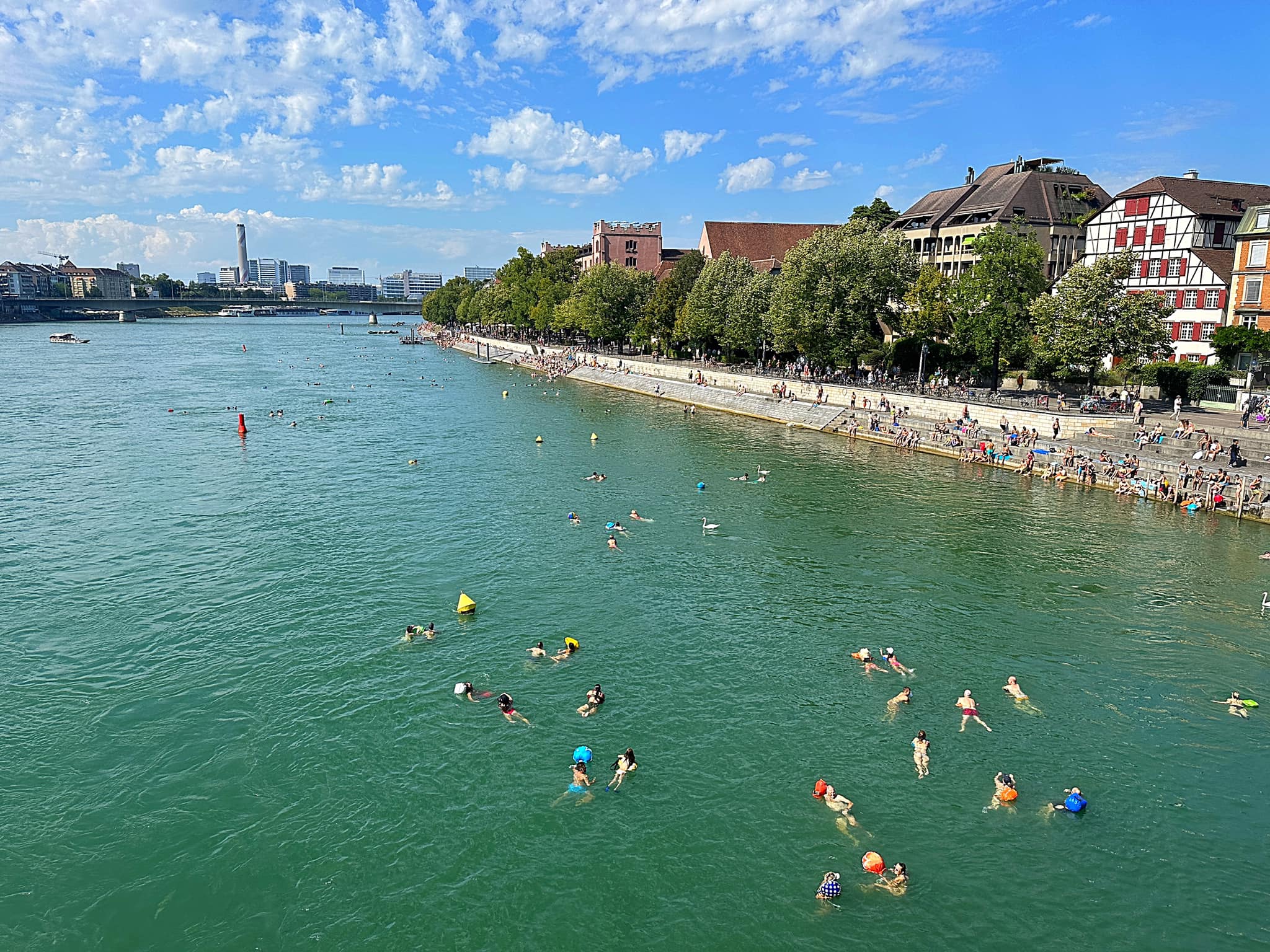

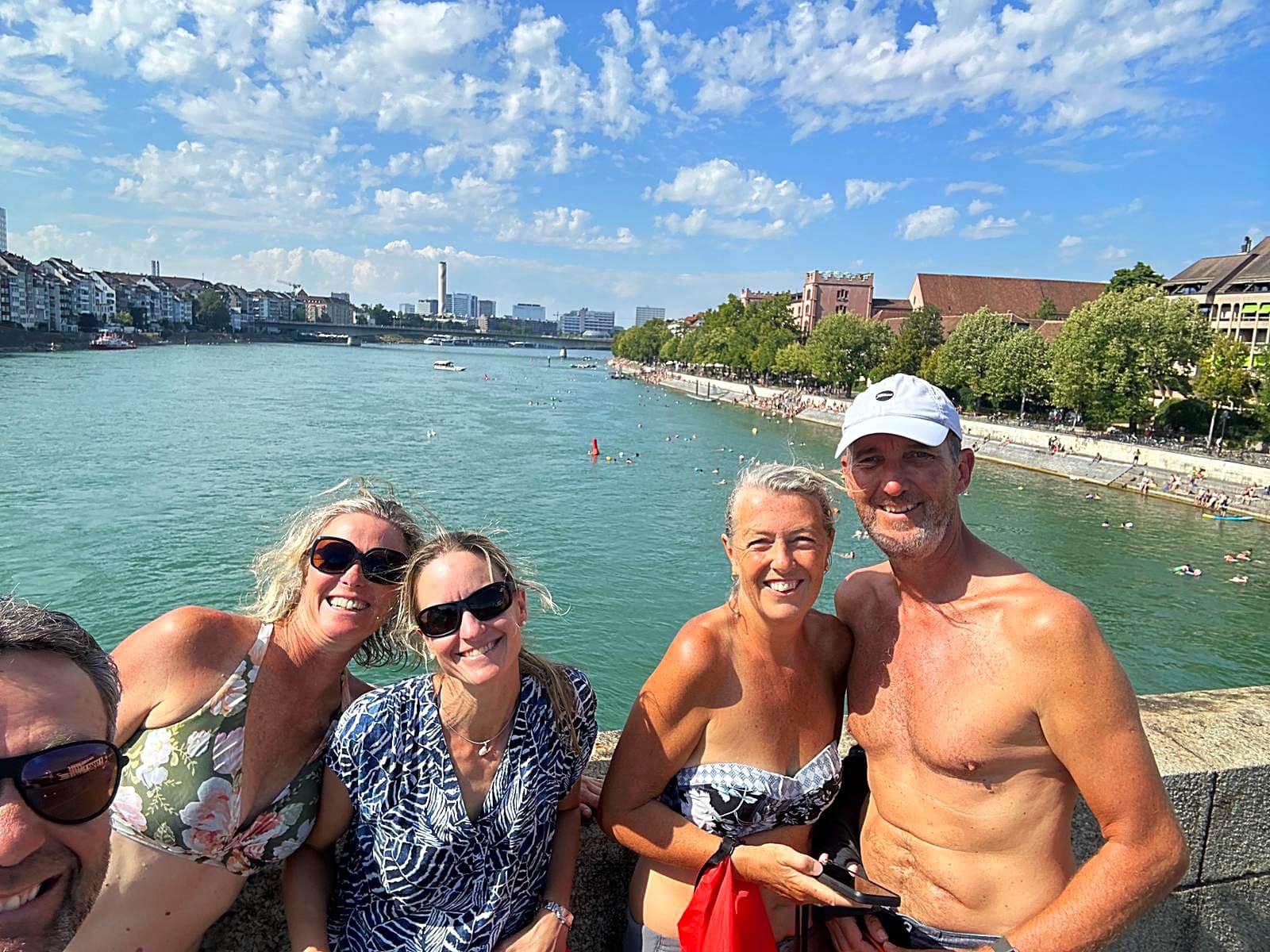

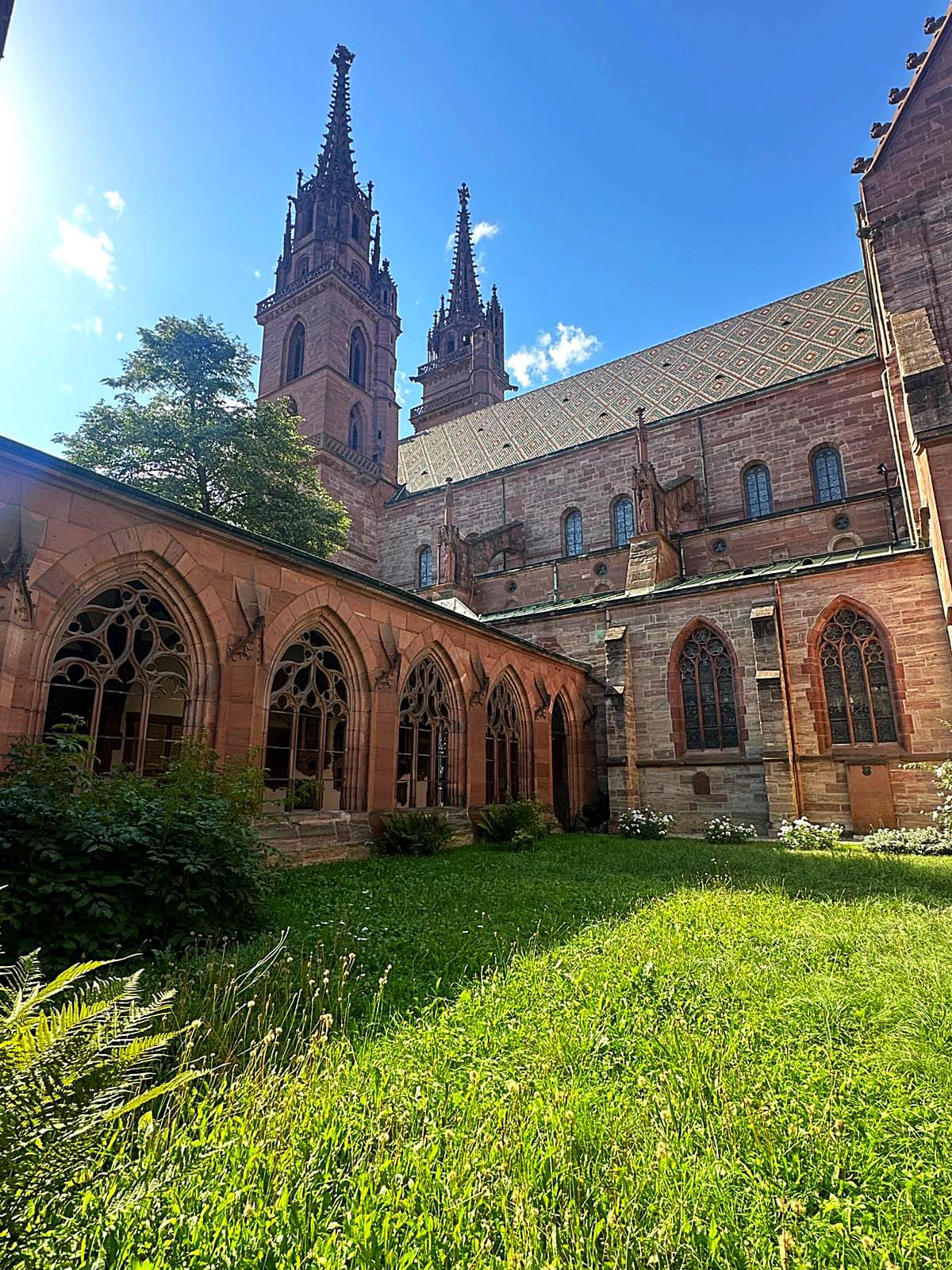

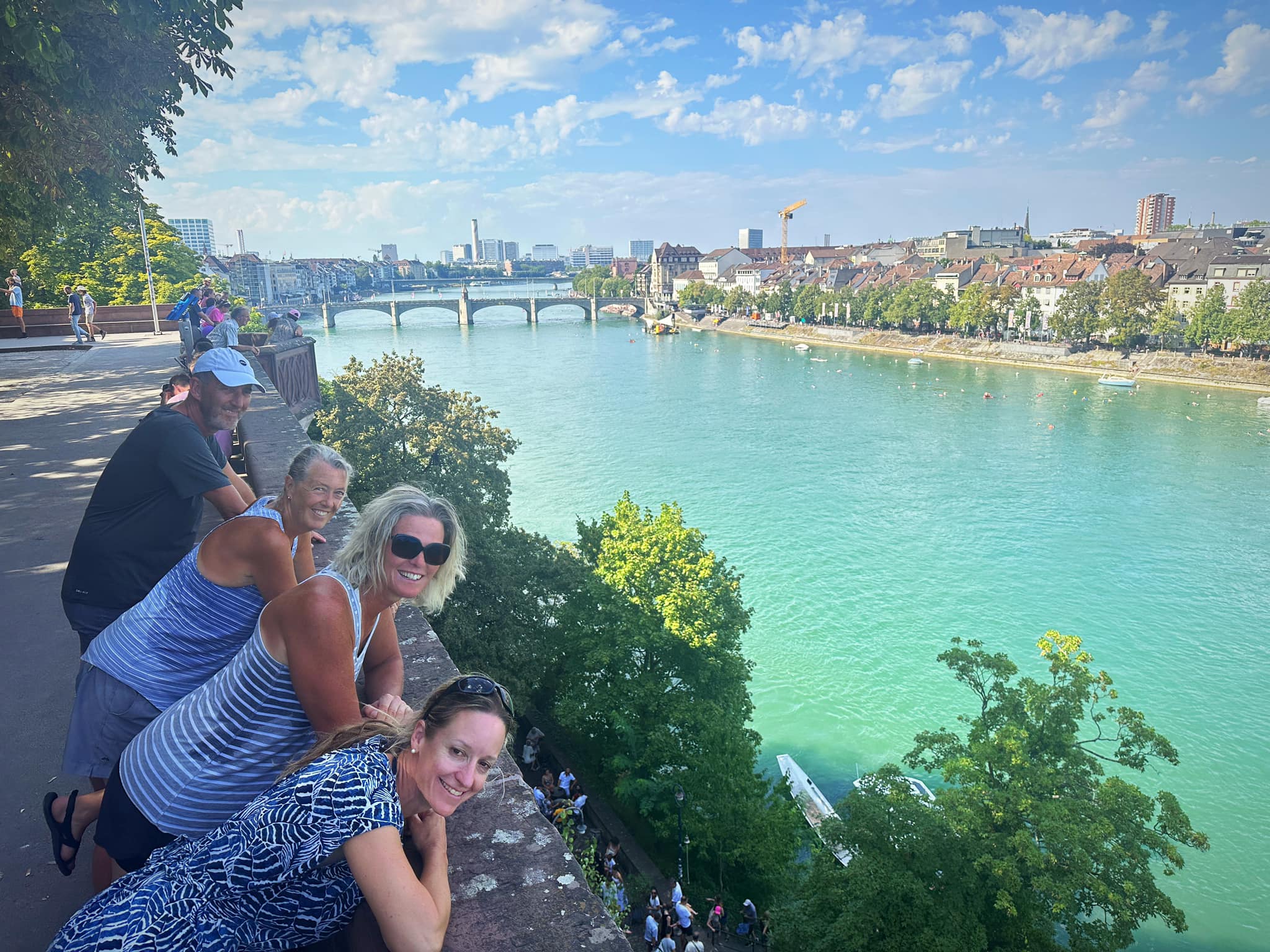
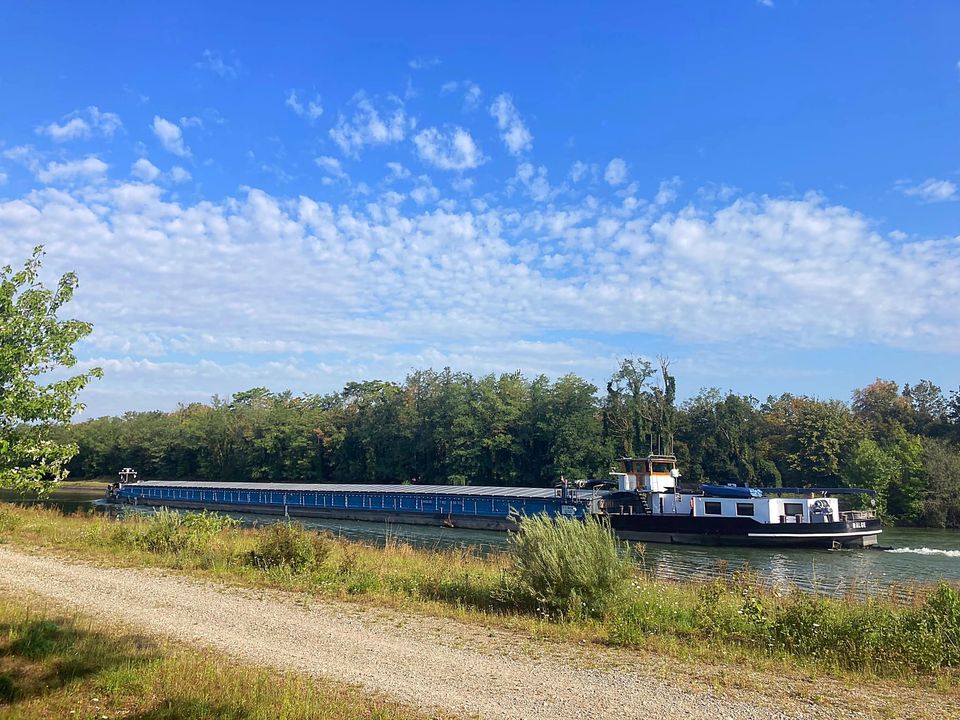


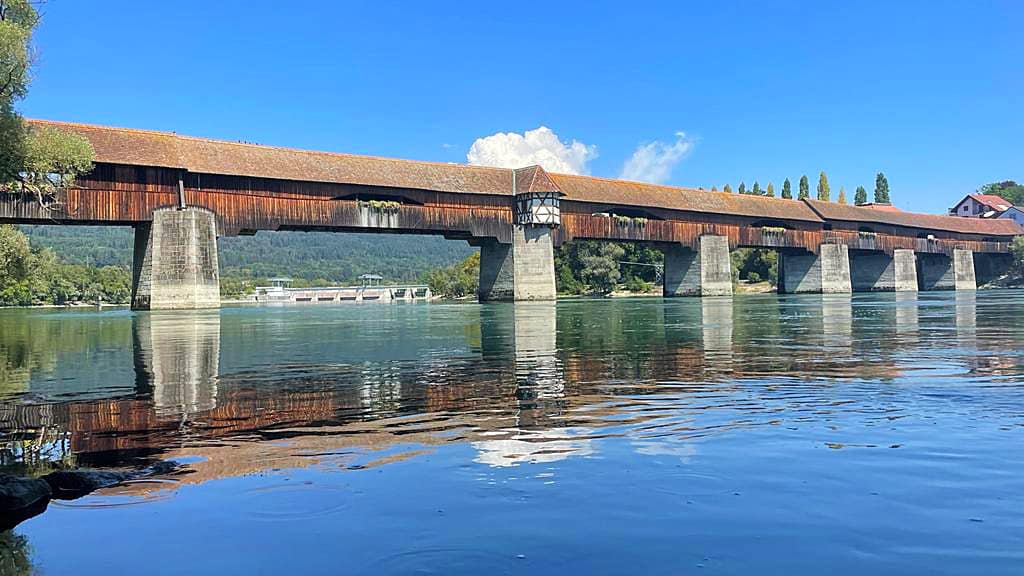
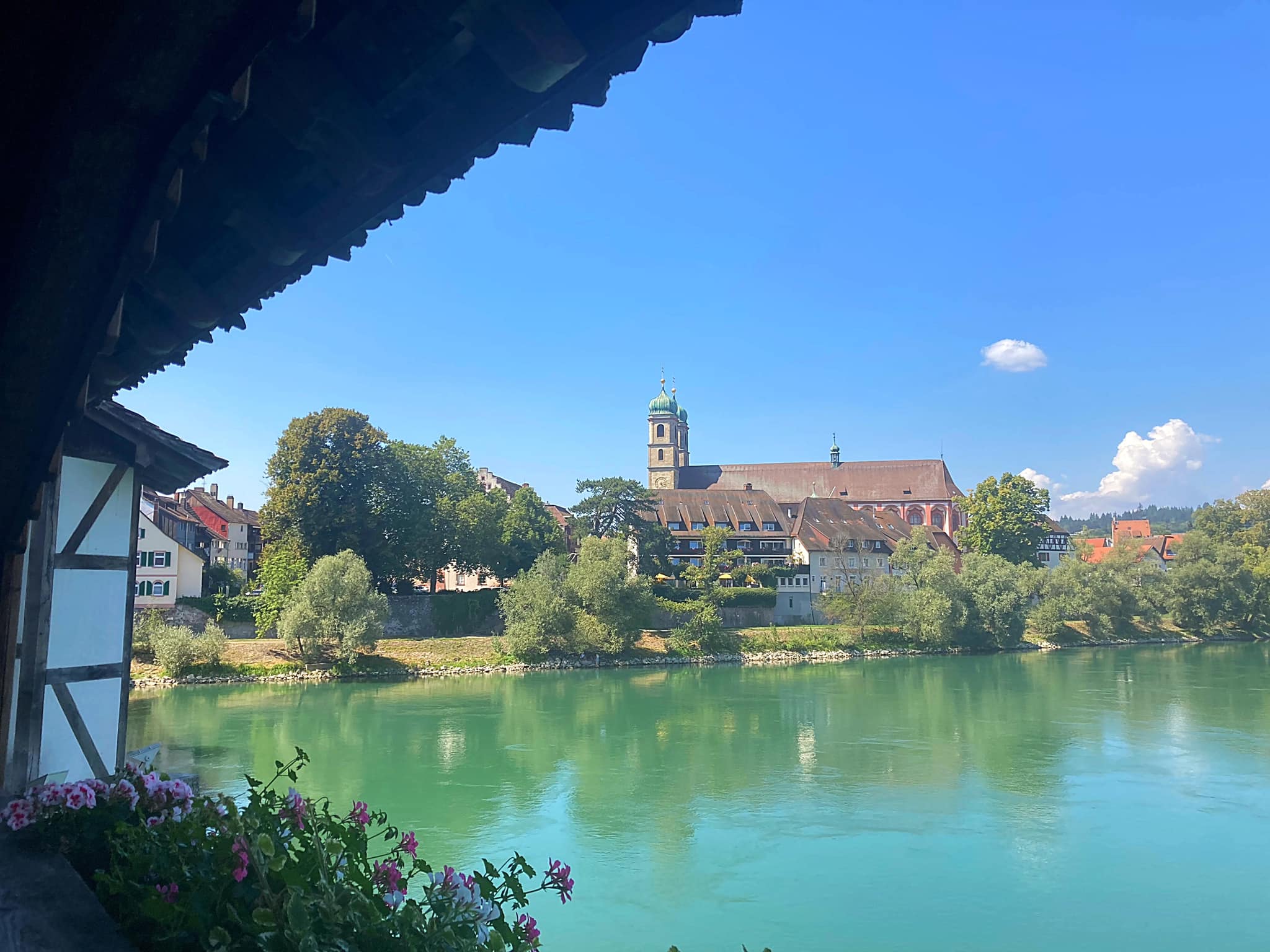

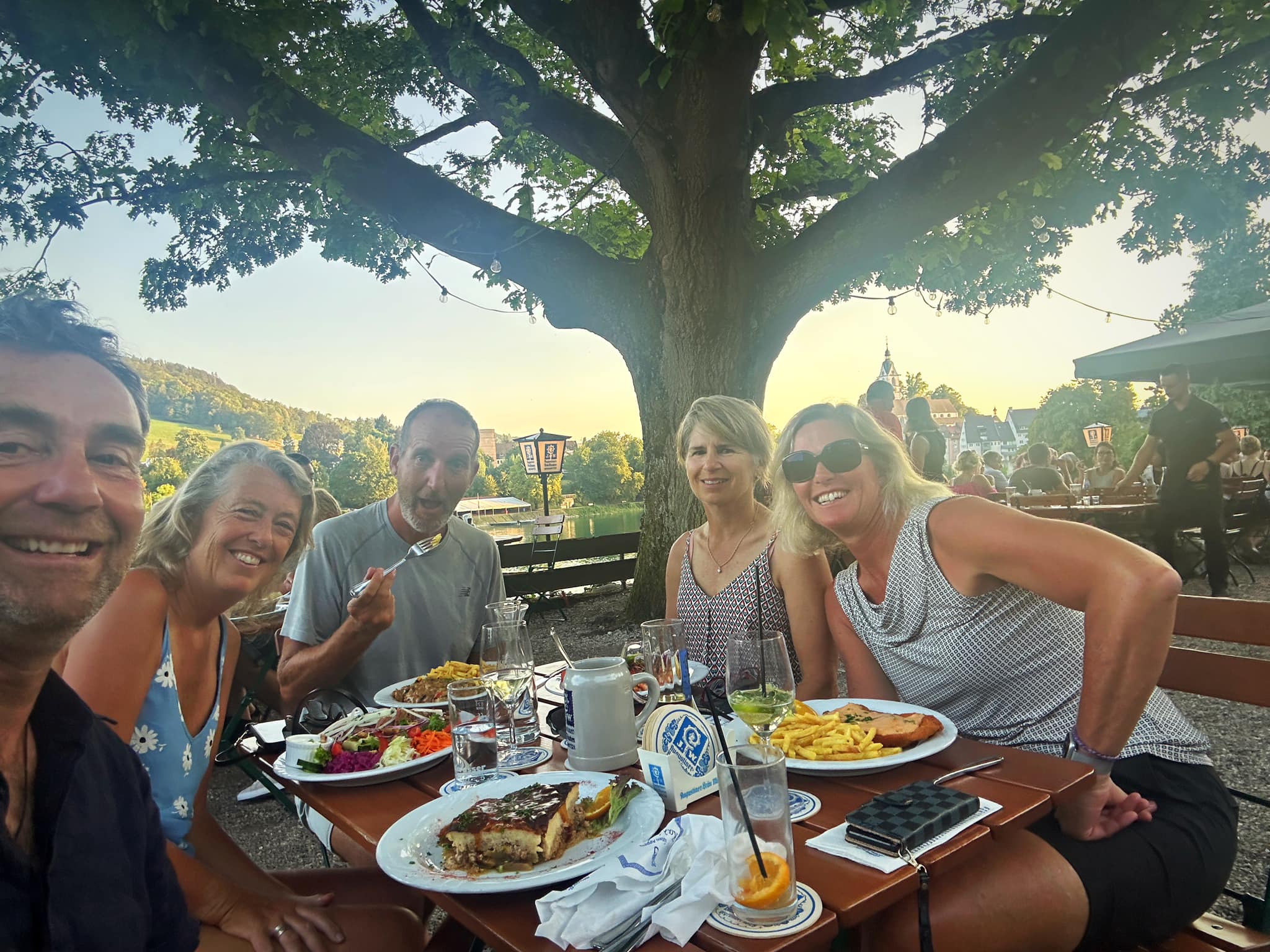

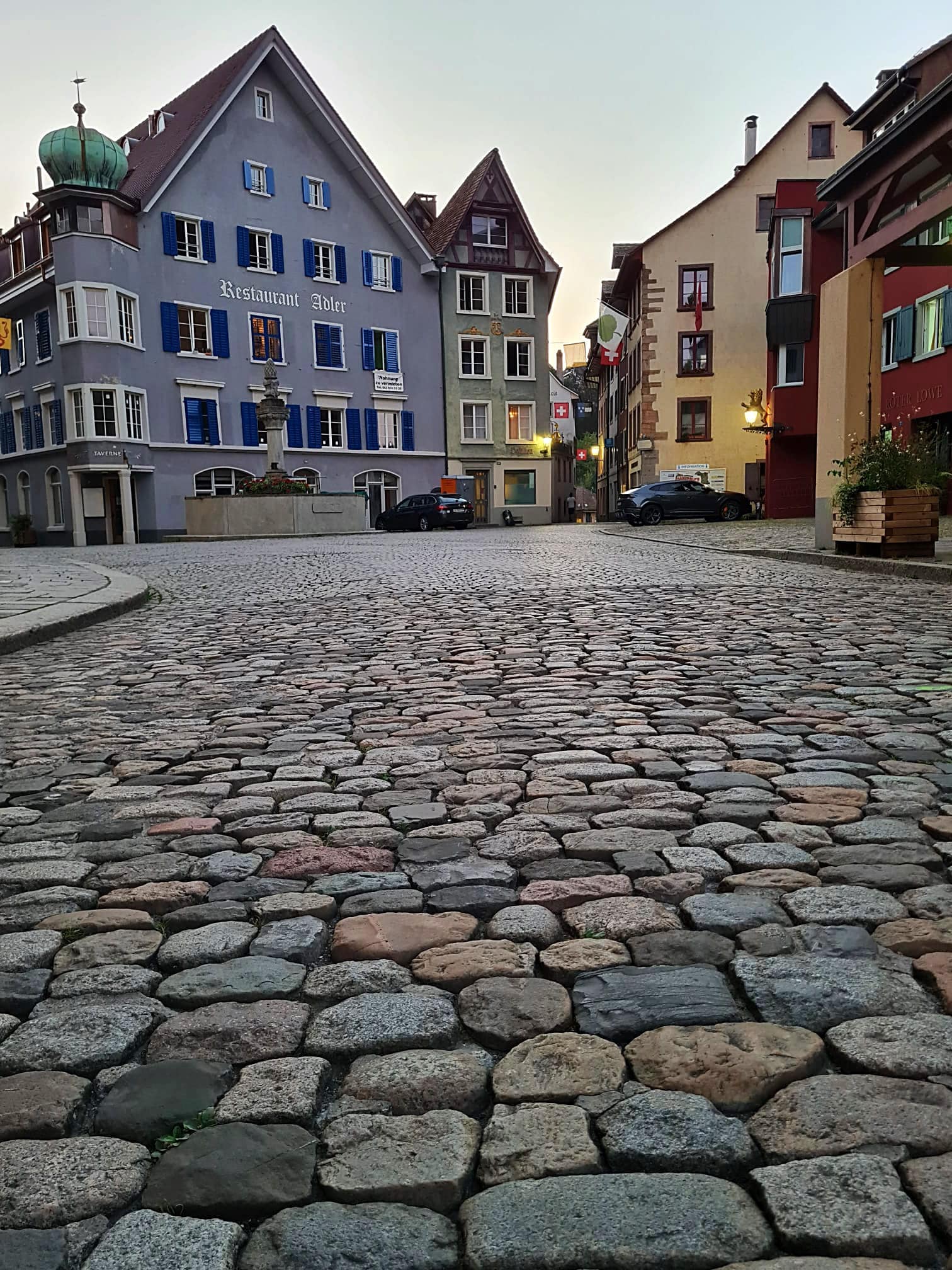

 we did find some equally delicious treats to satisfy ourselves – this is the land of treats after all.


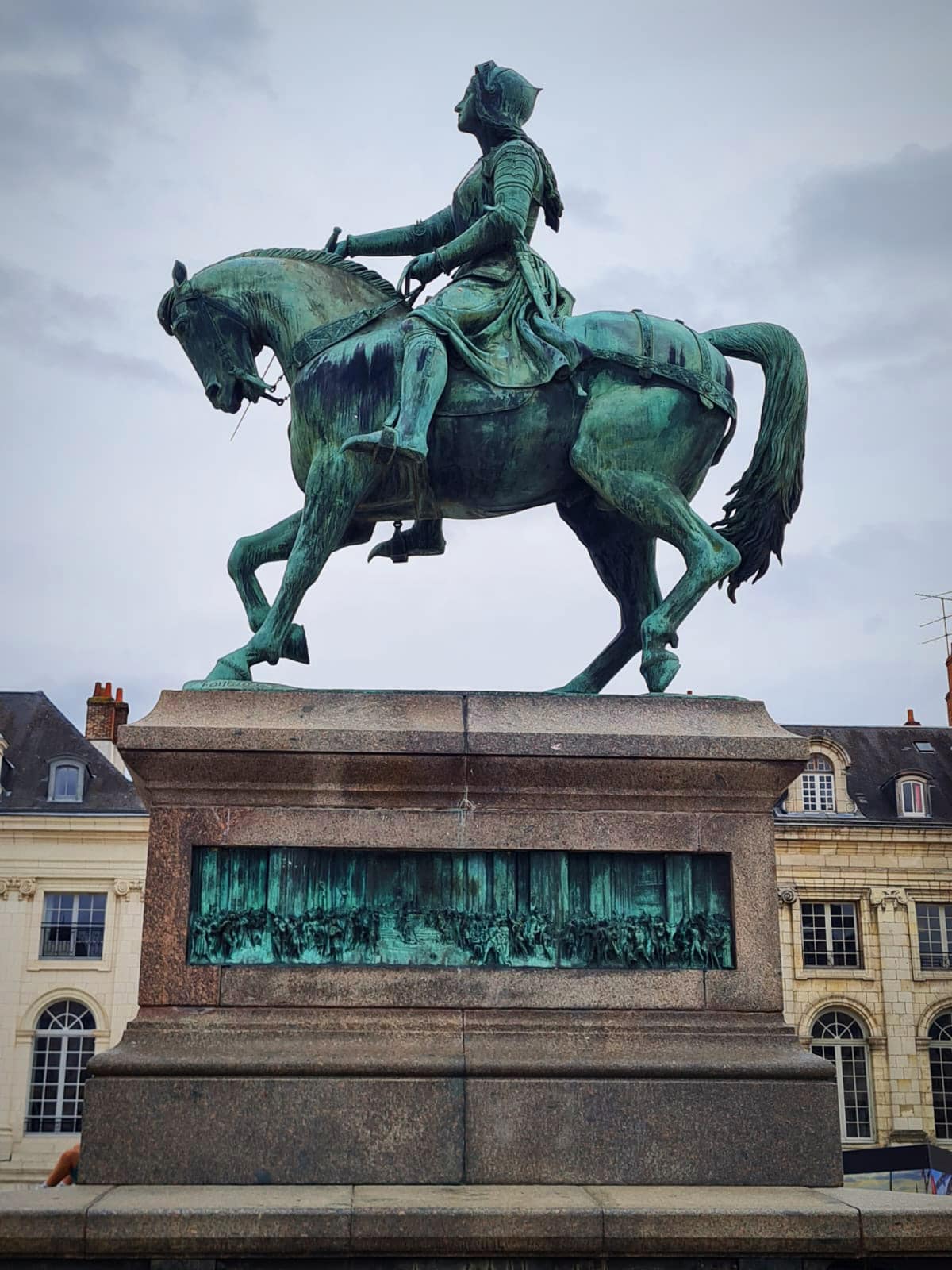

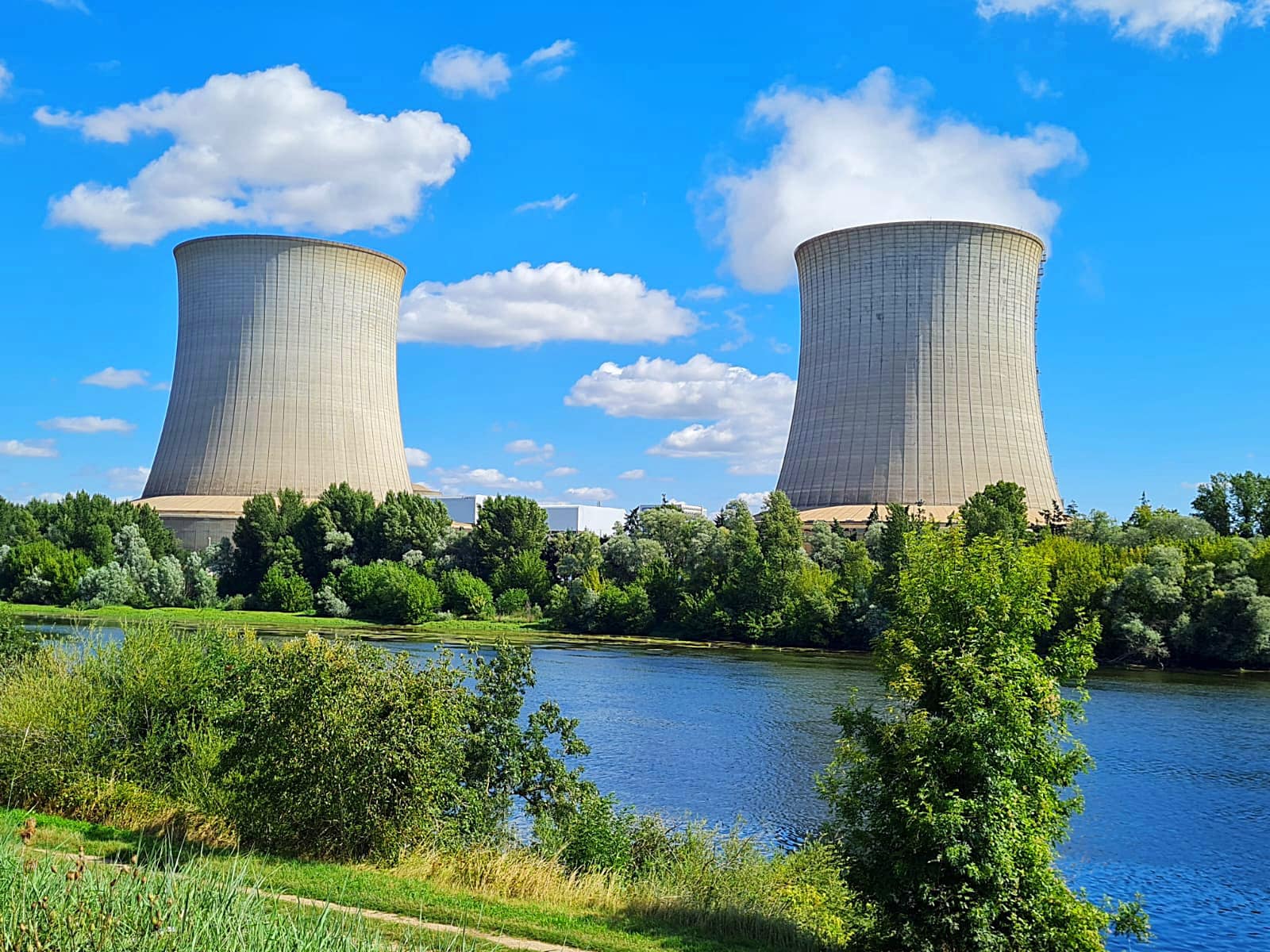


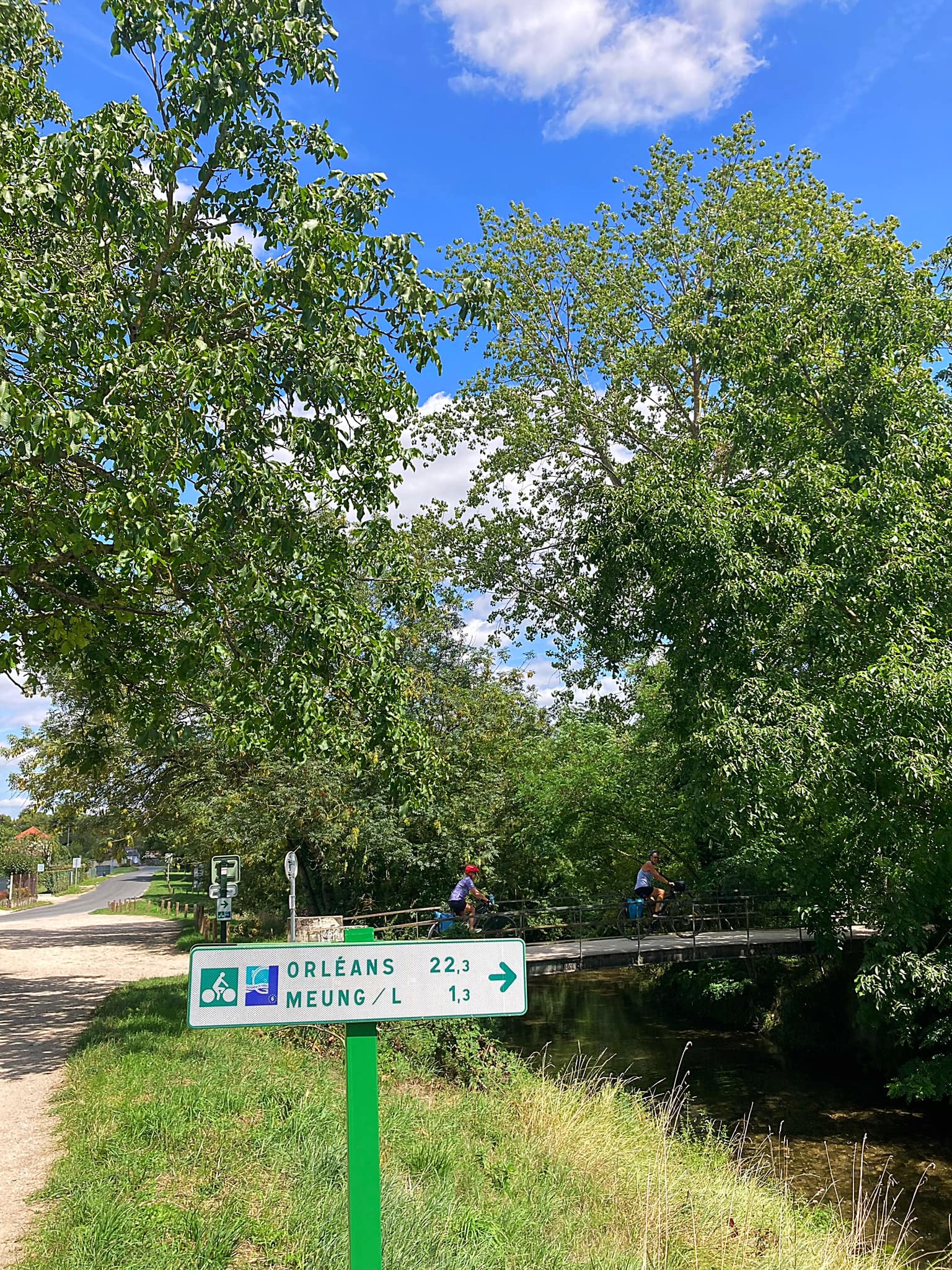
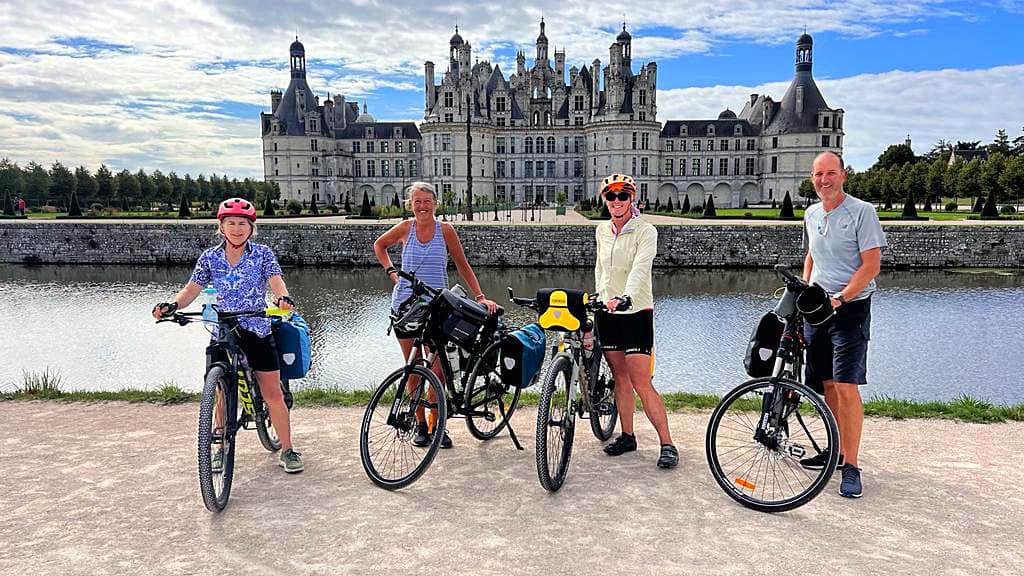


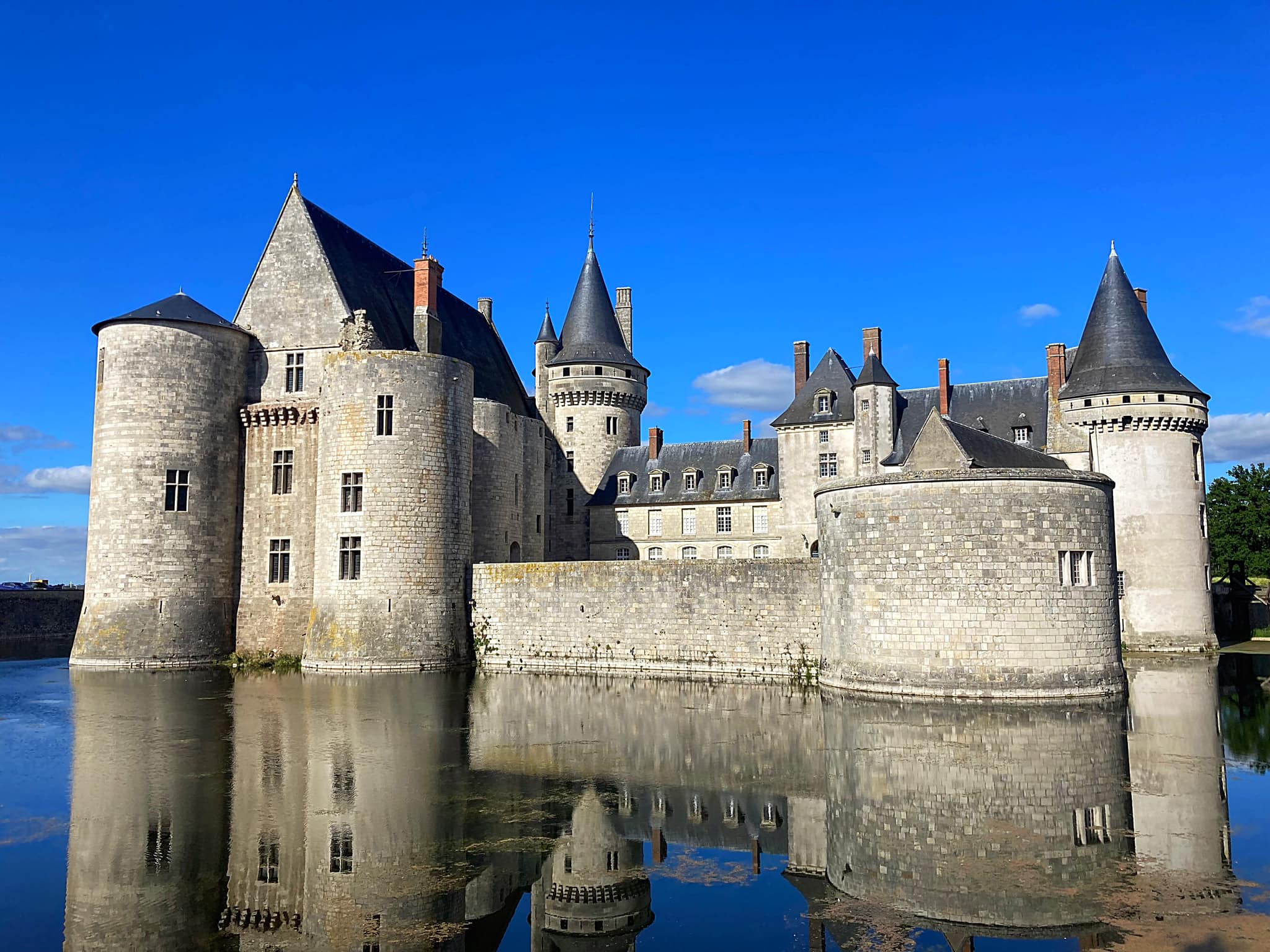
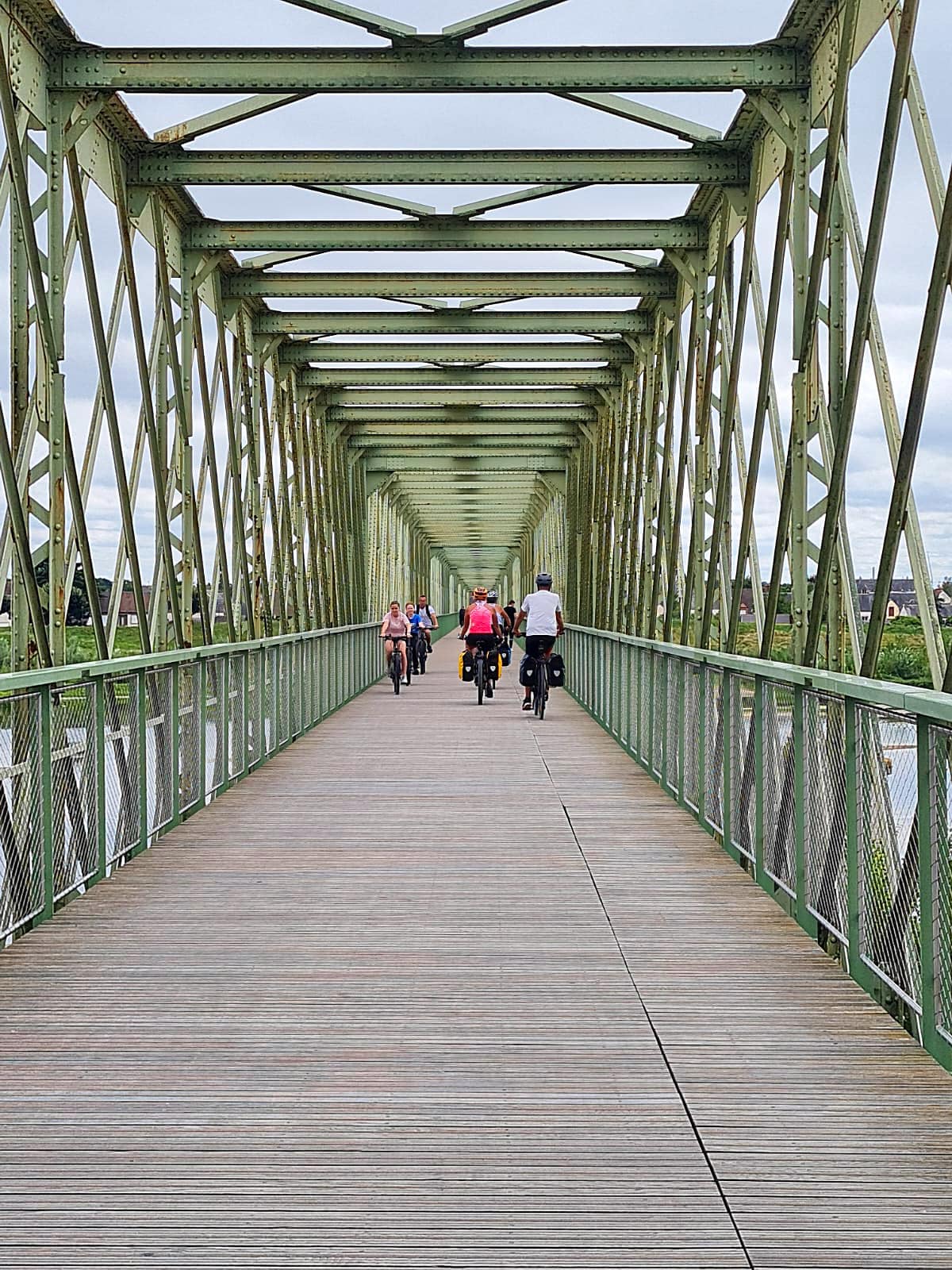
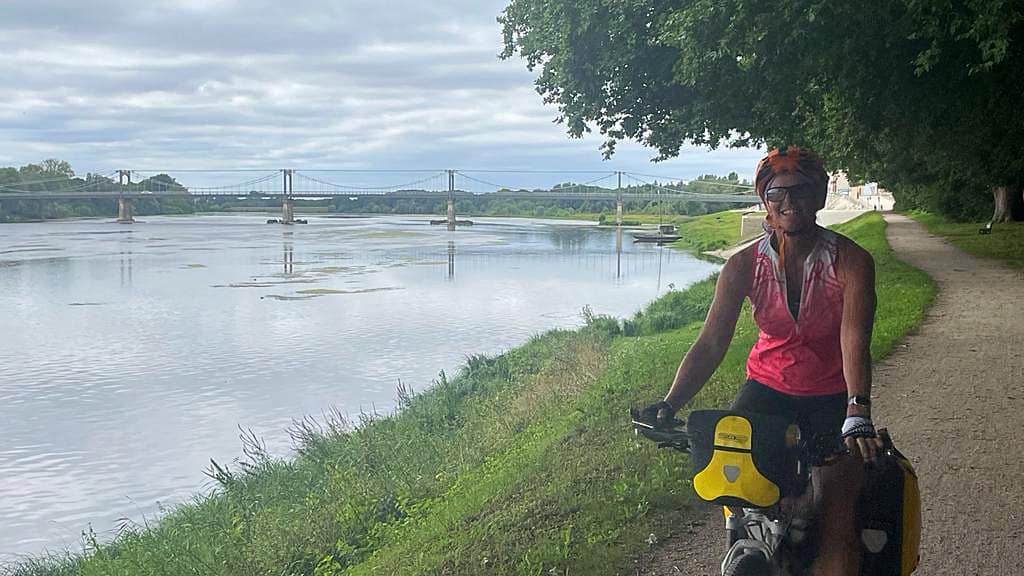

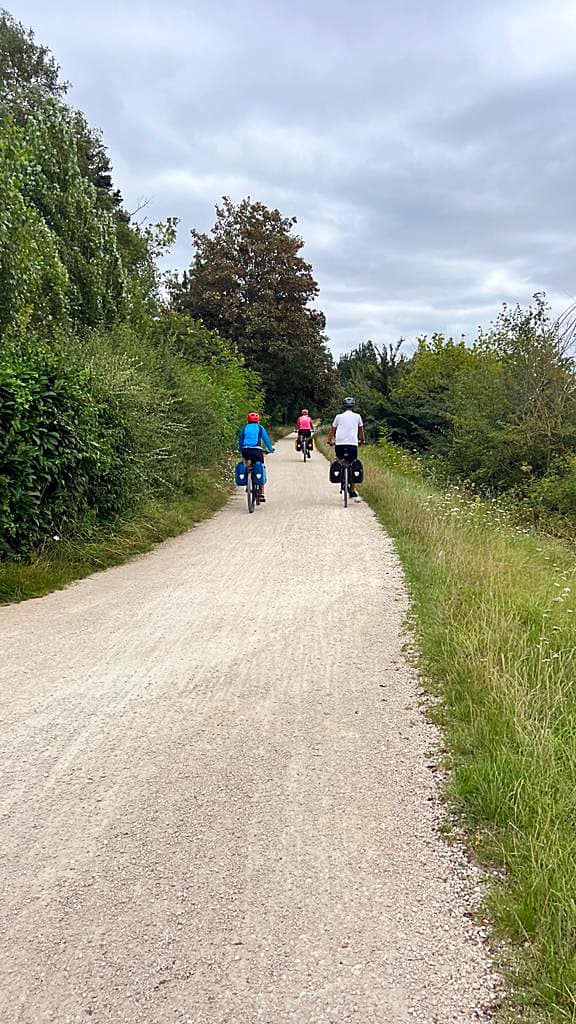


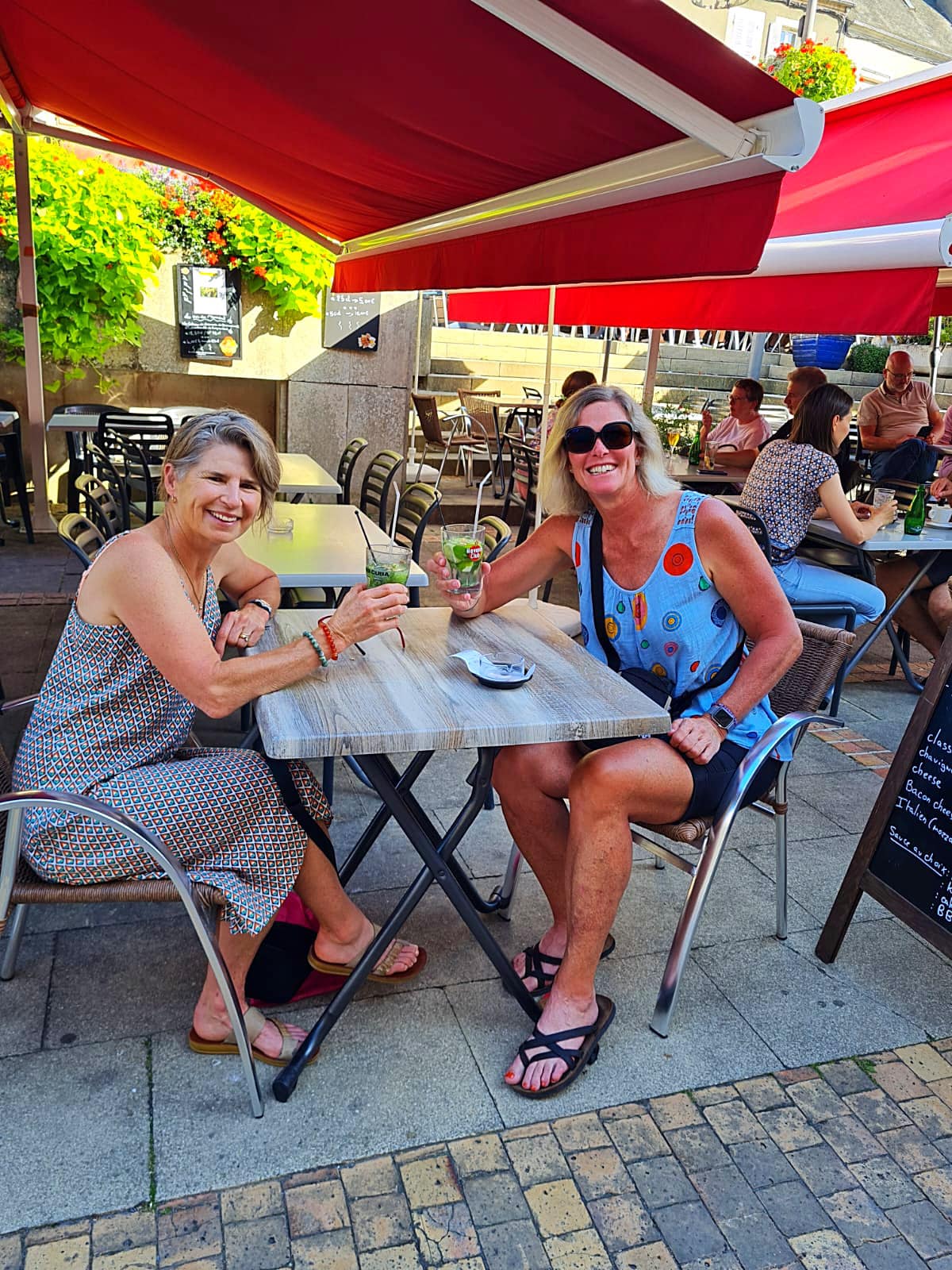
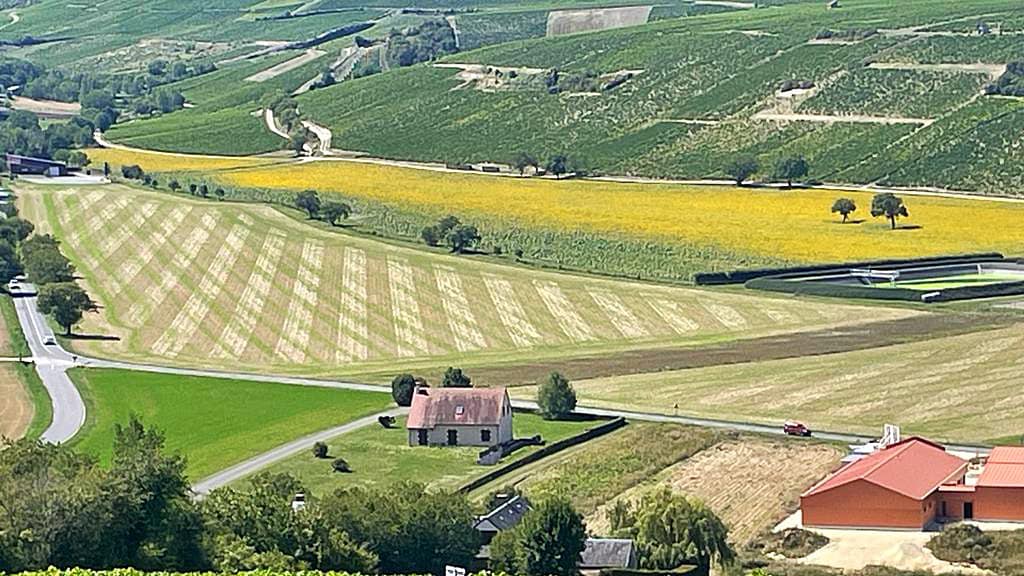


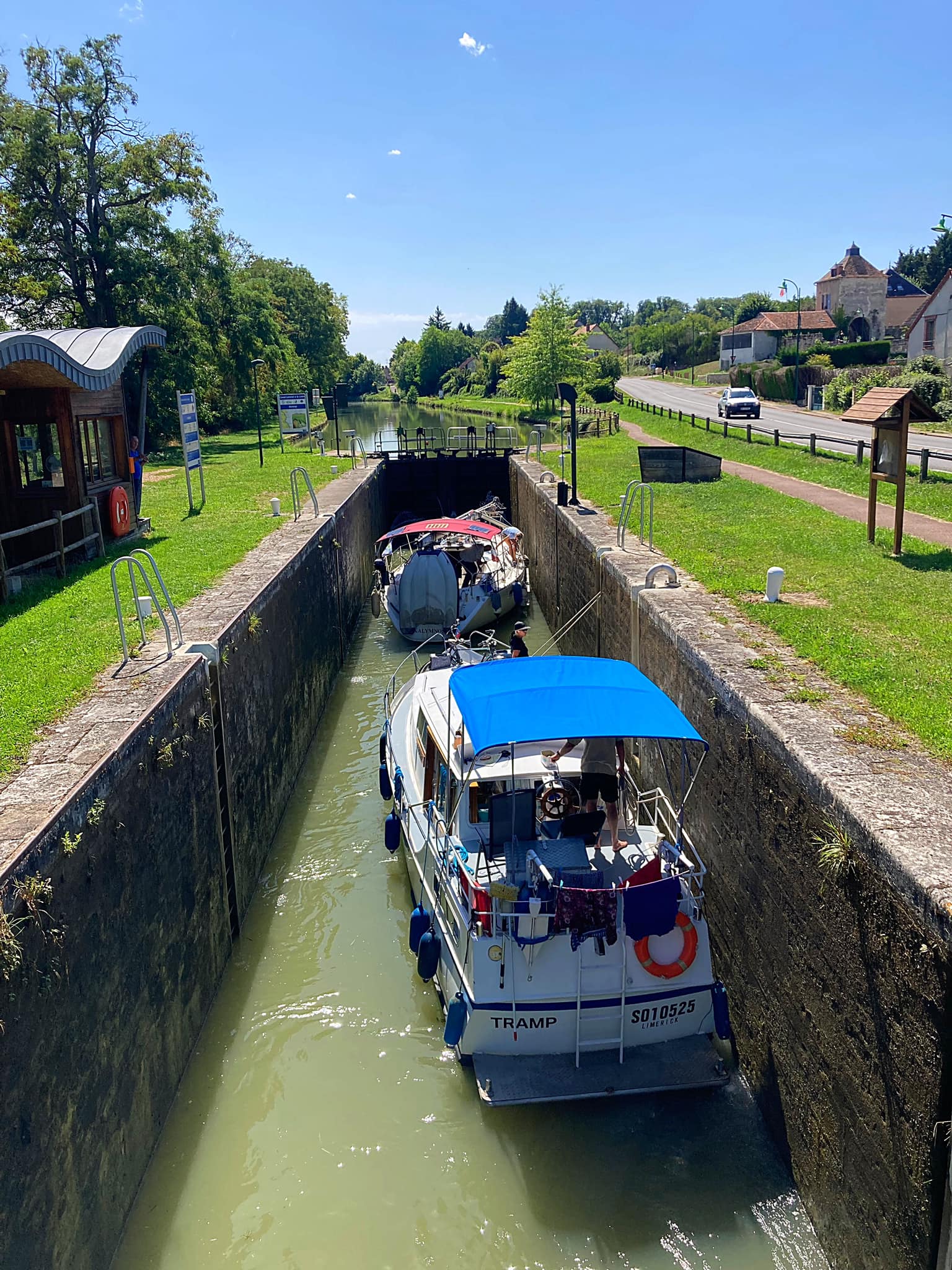
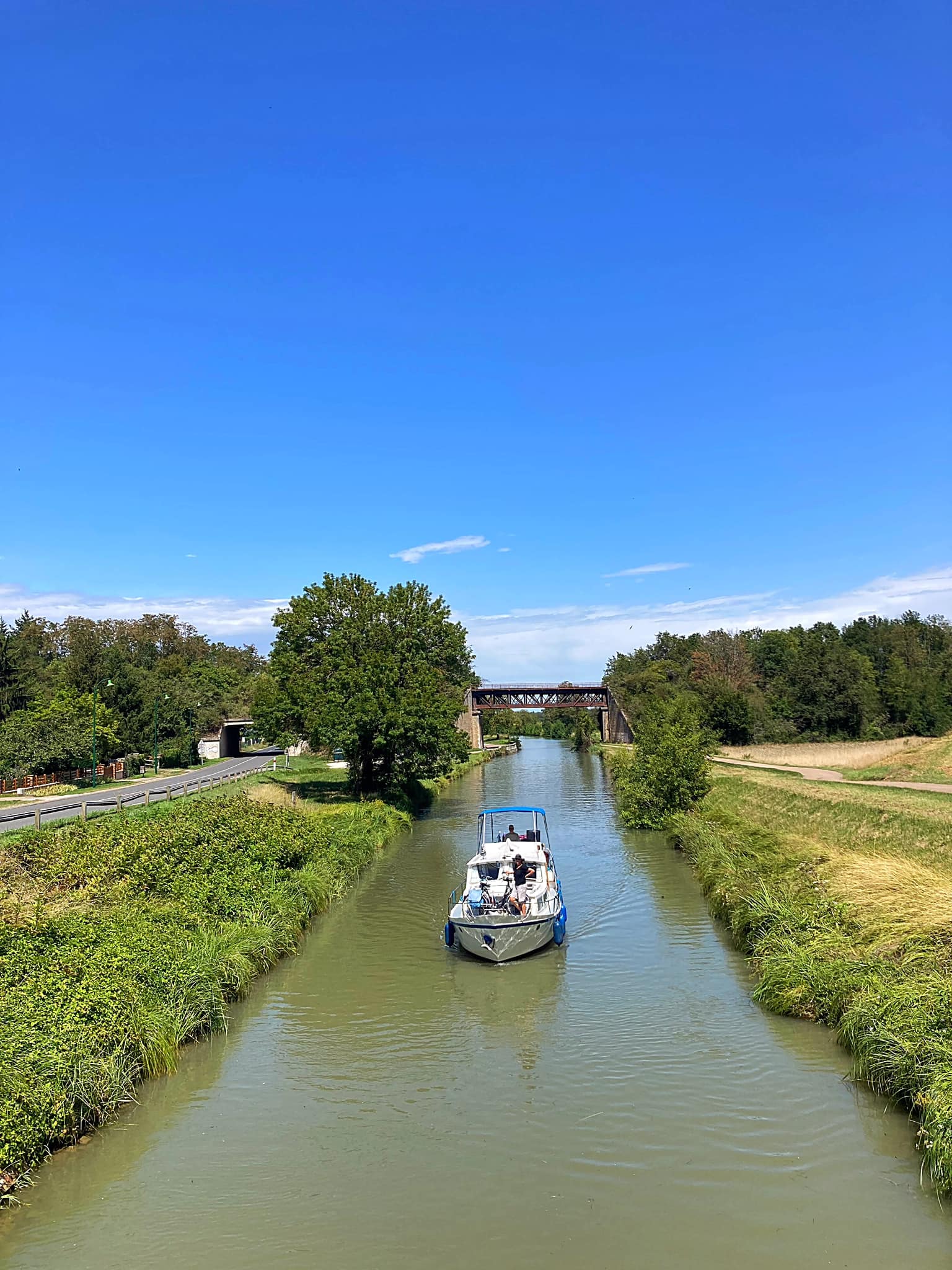
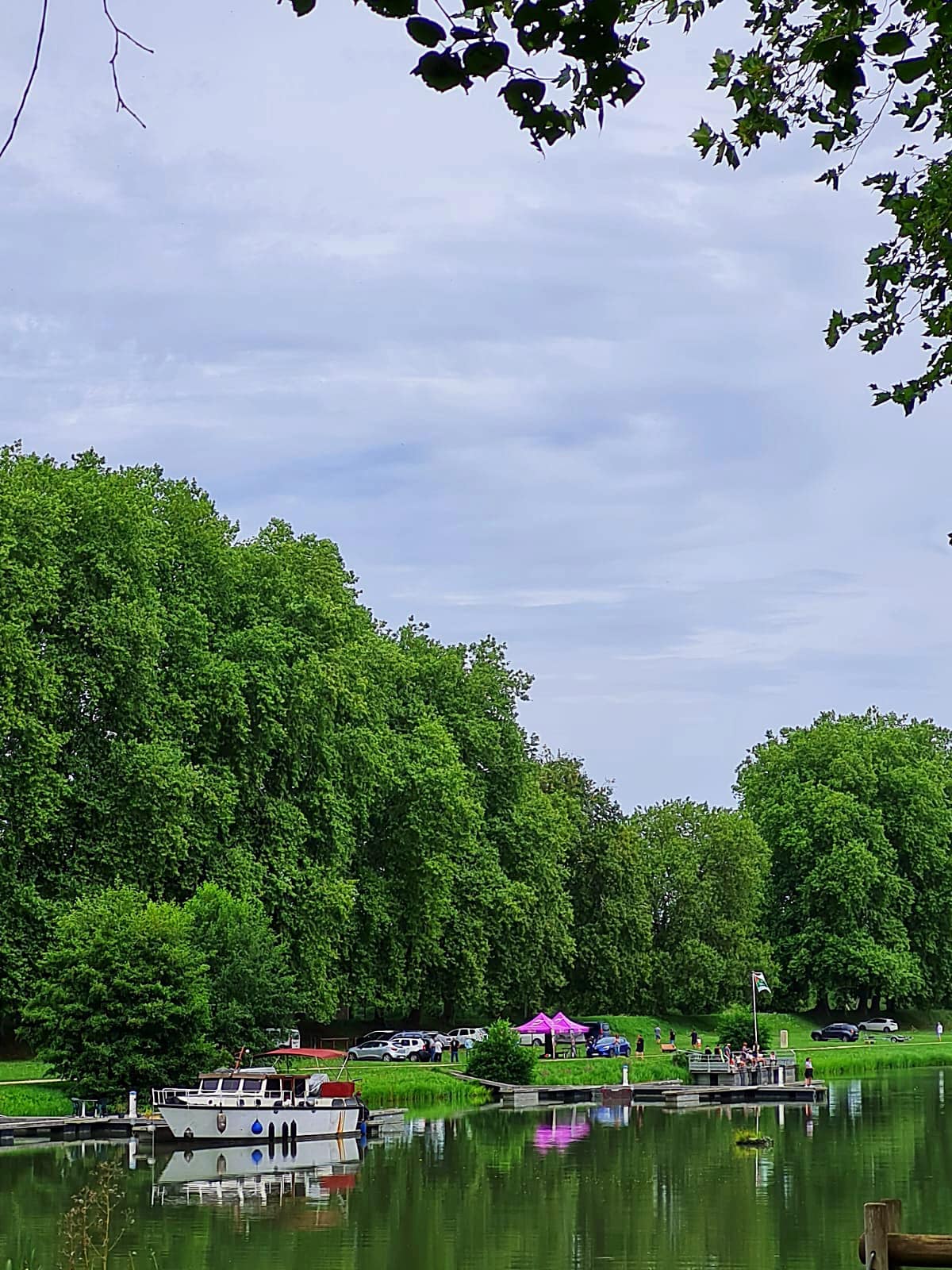

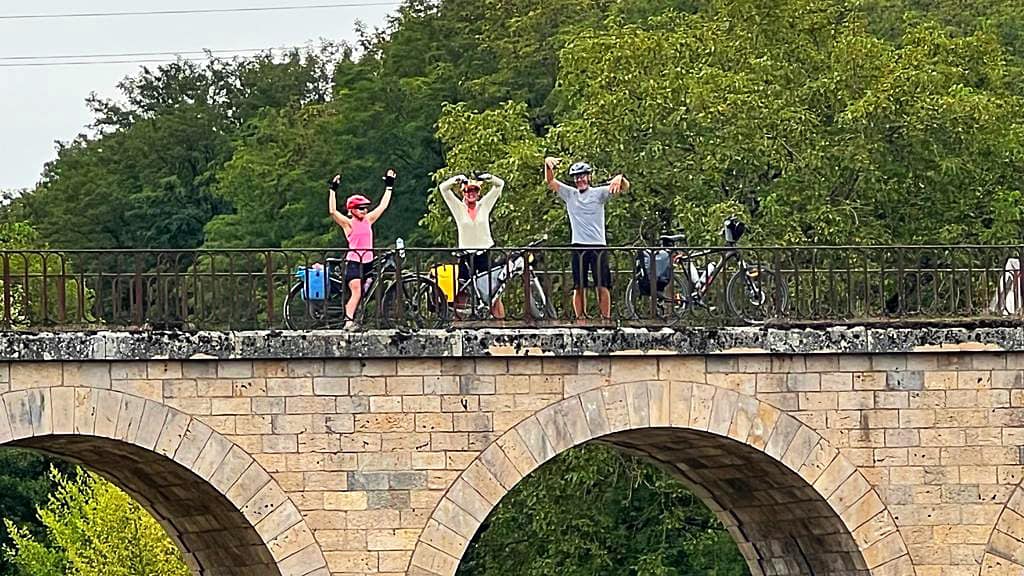
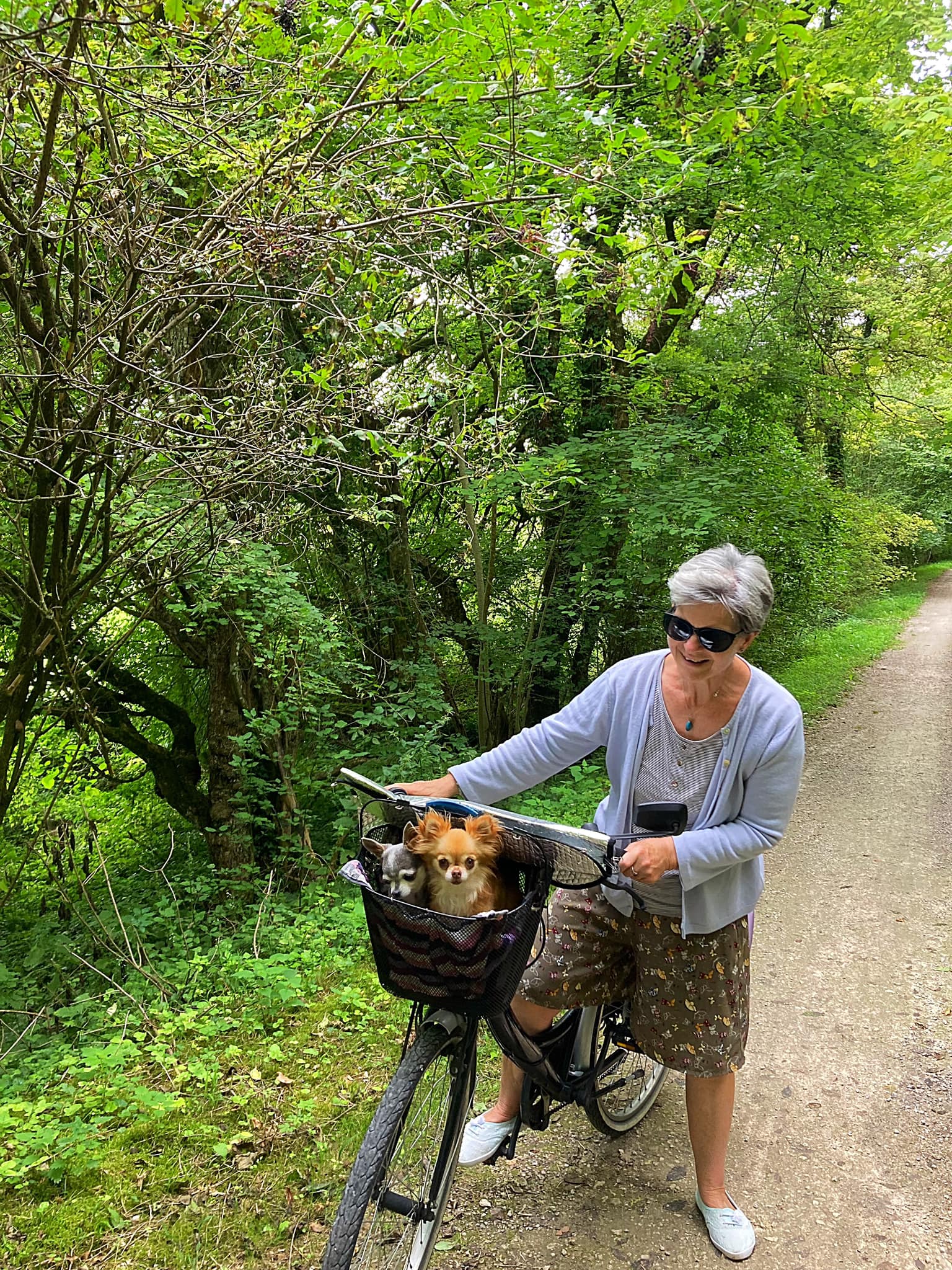

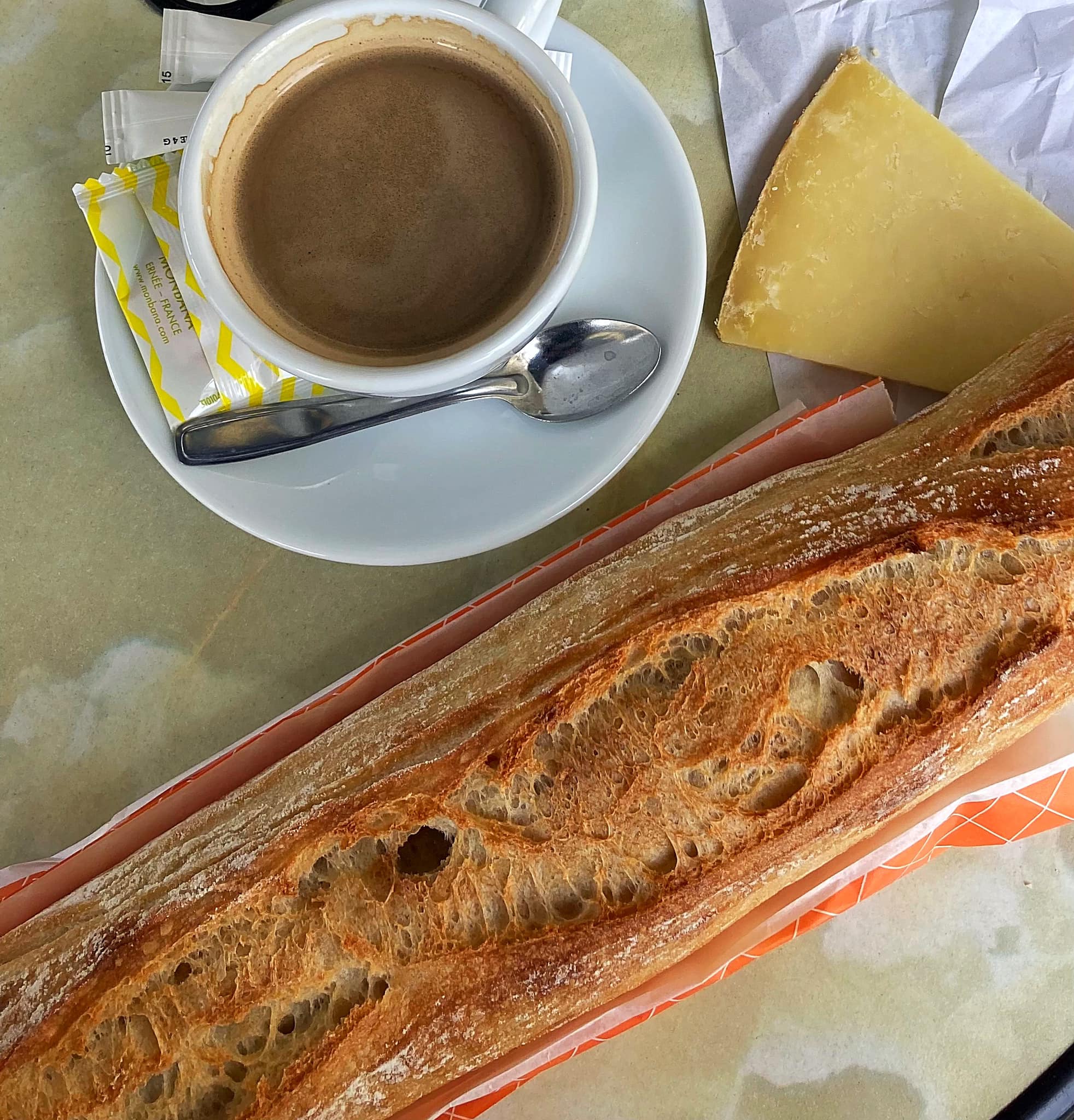
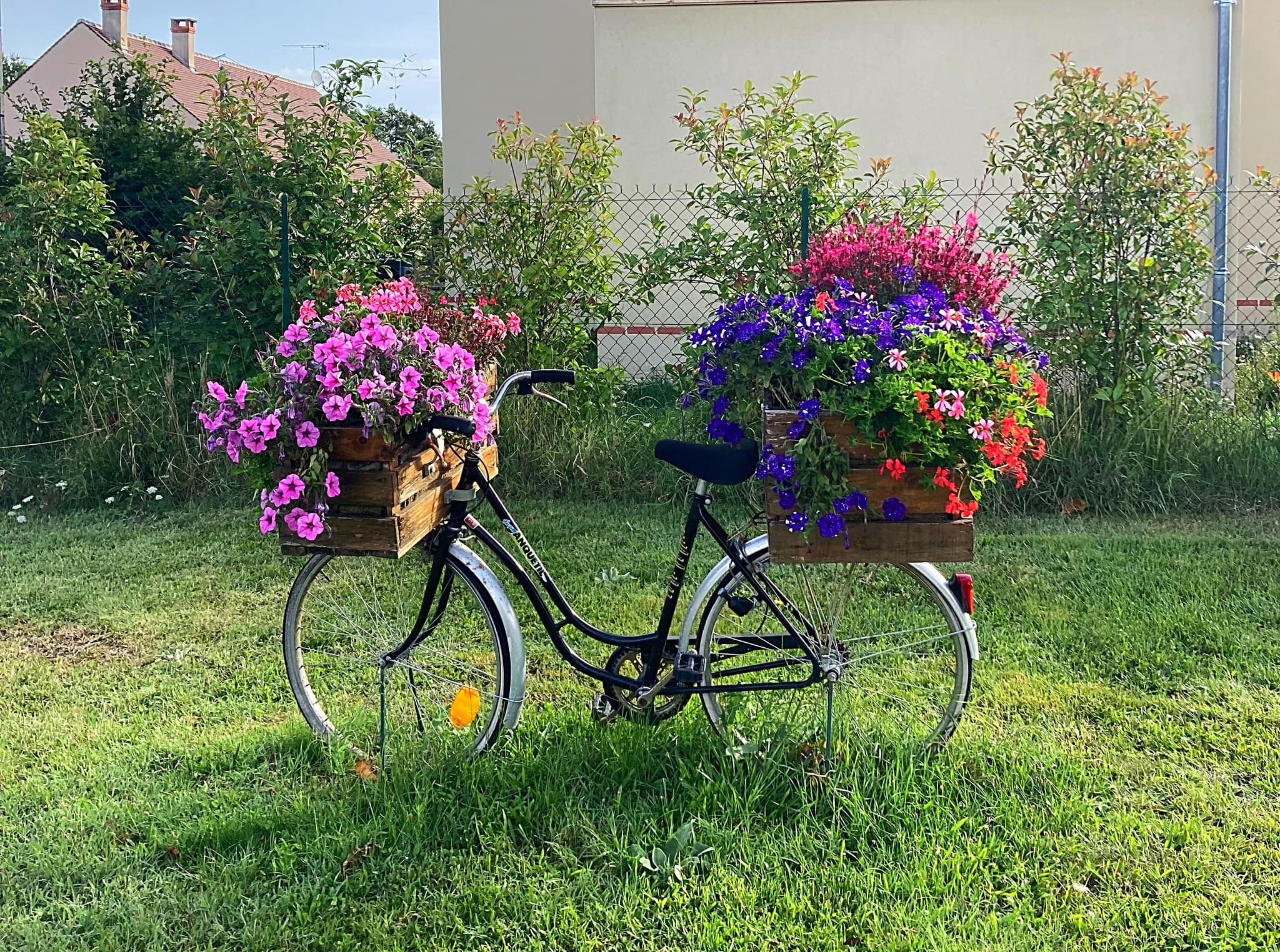

 farm.
farm.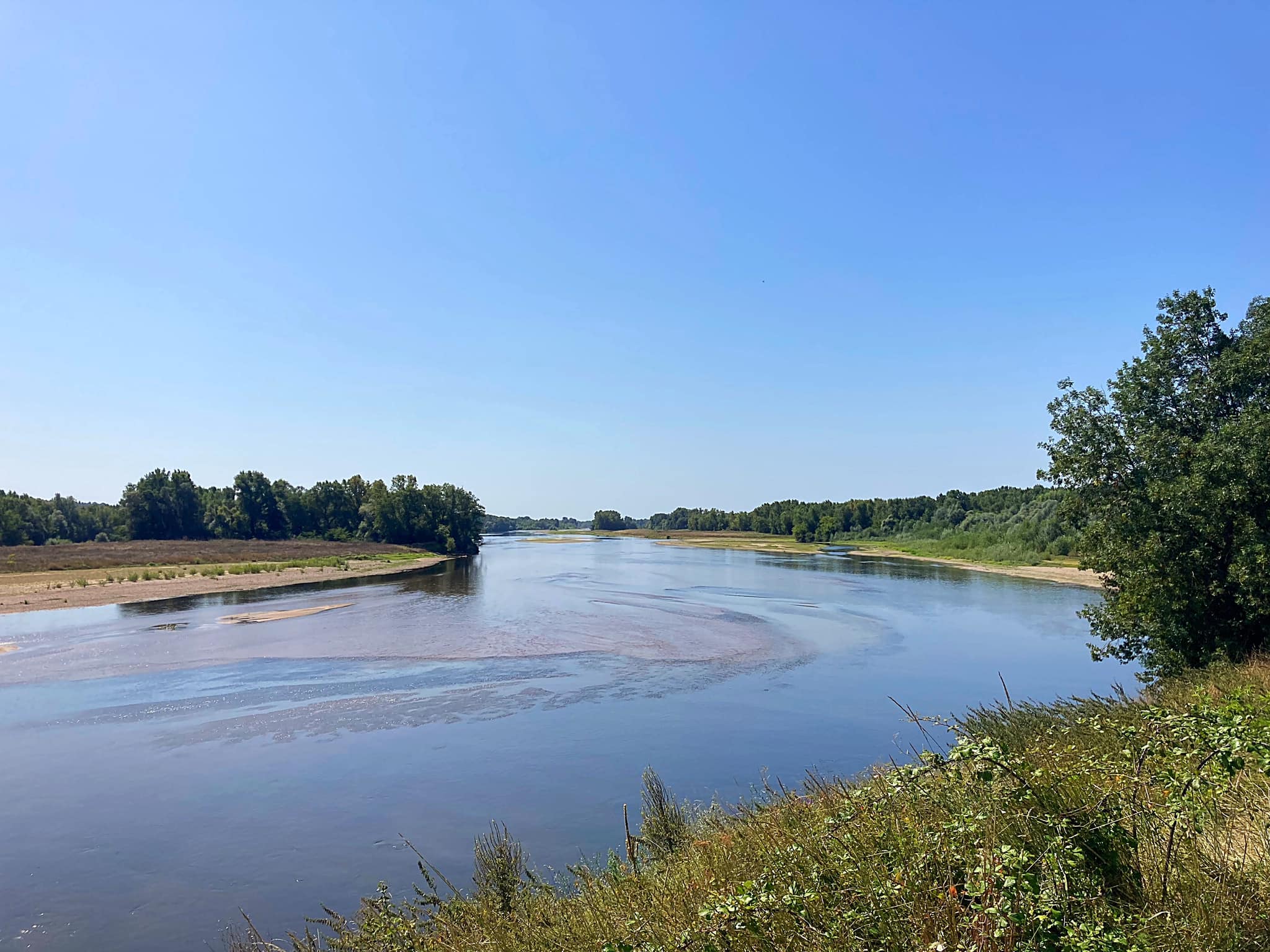
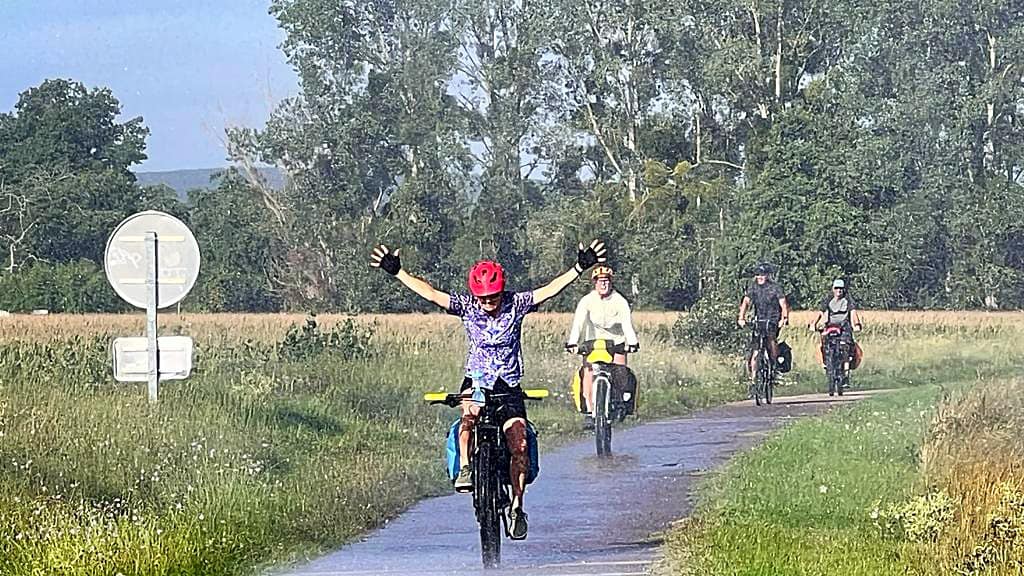

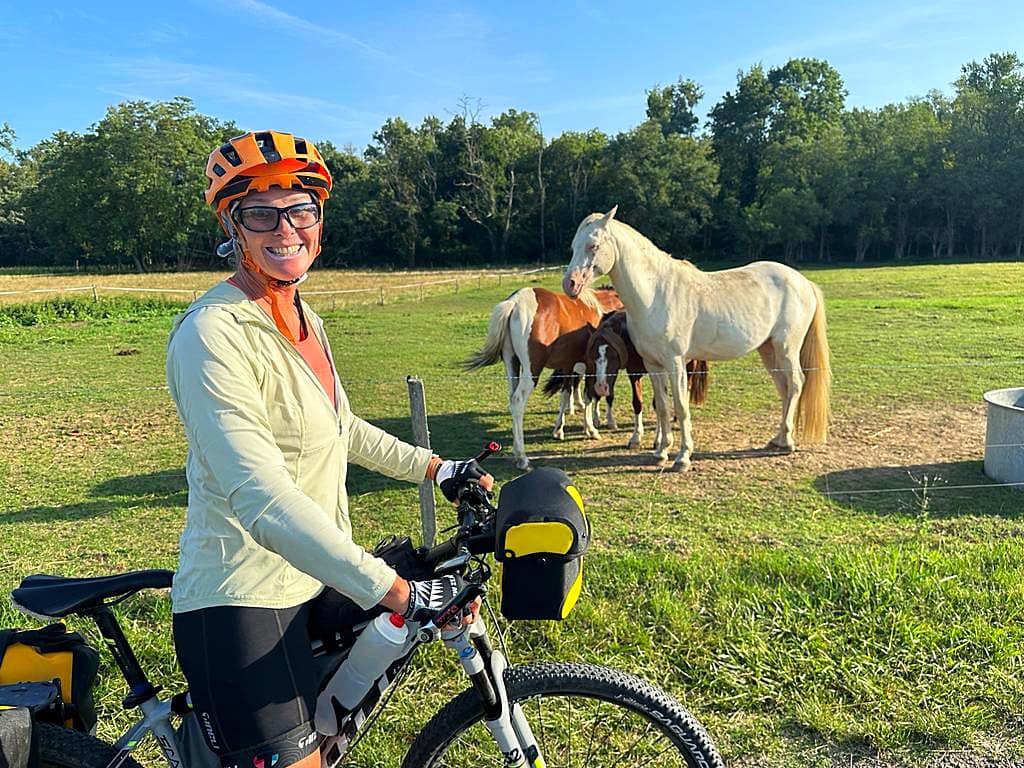

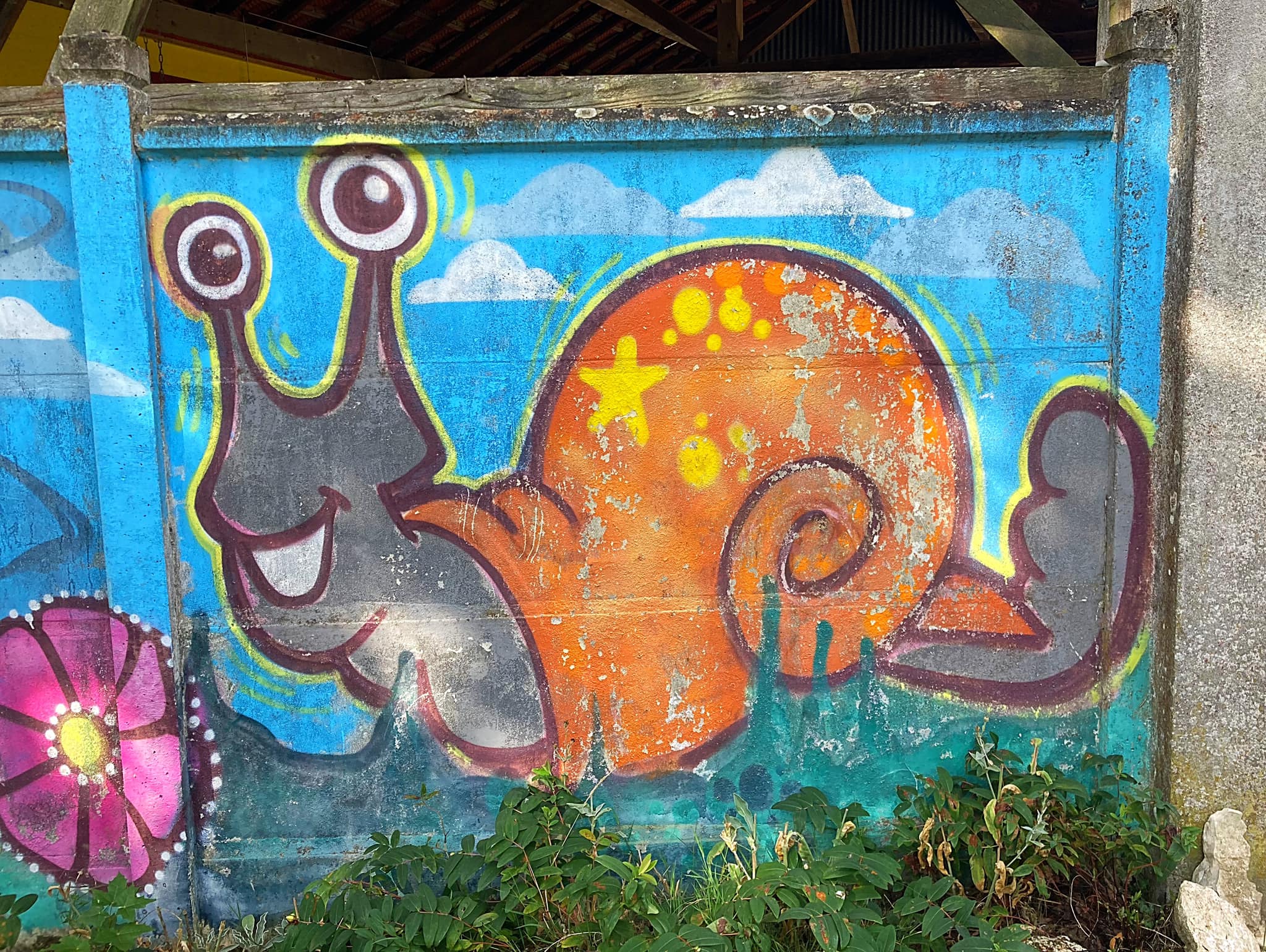
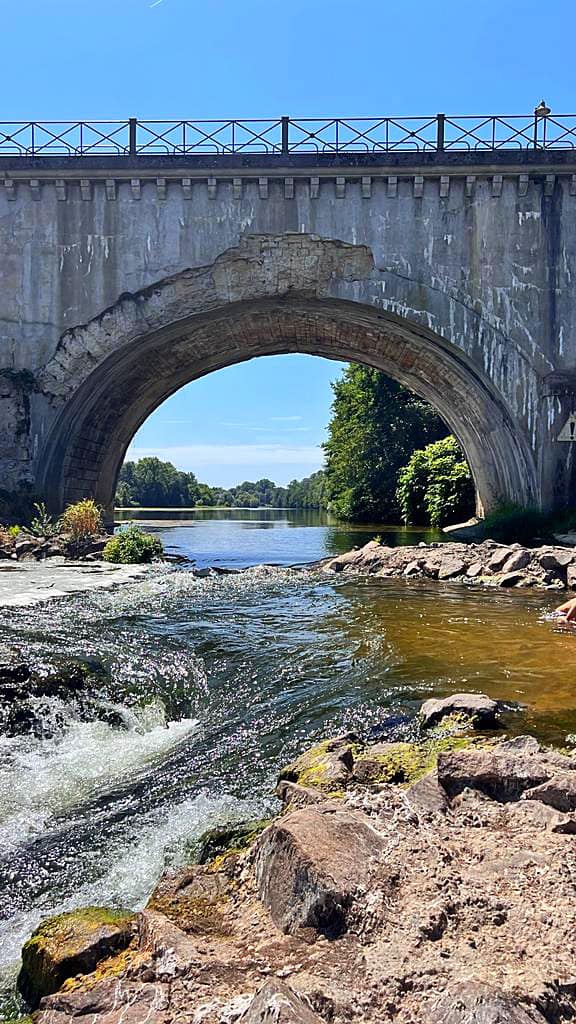
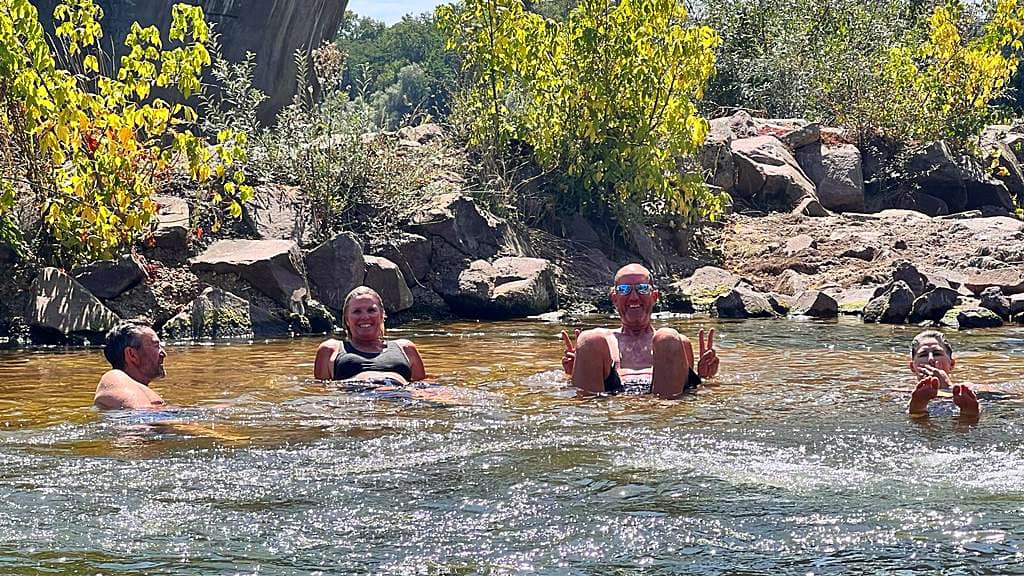
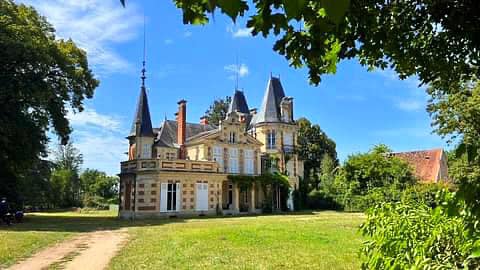


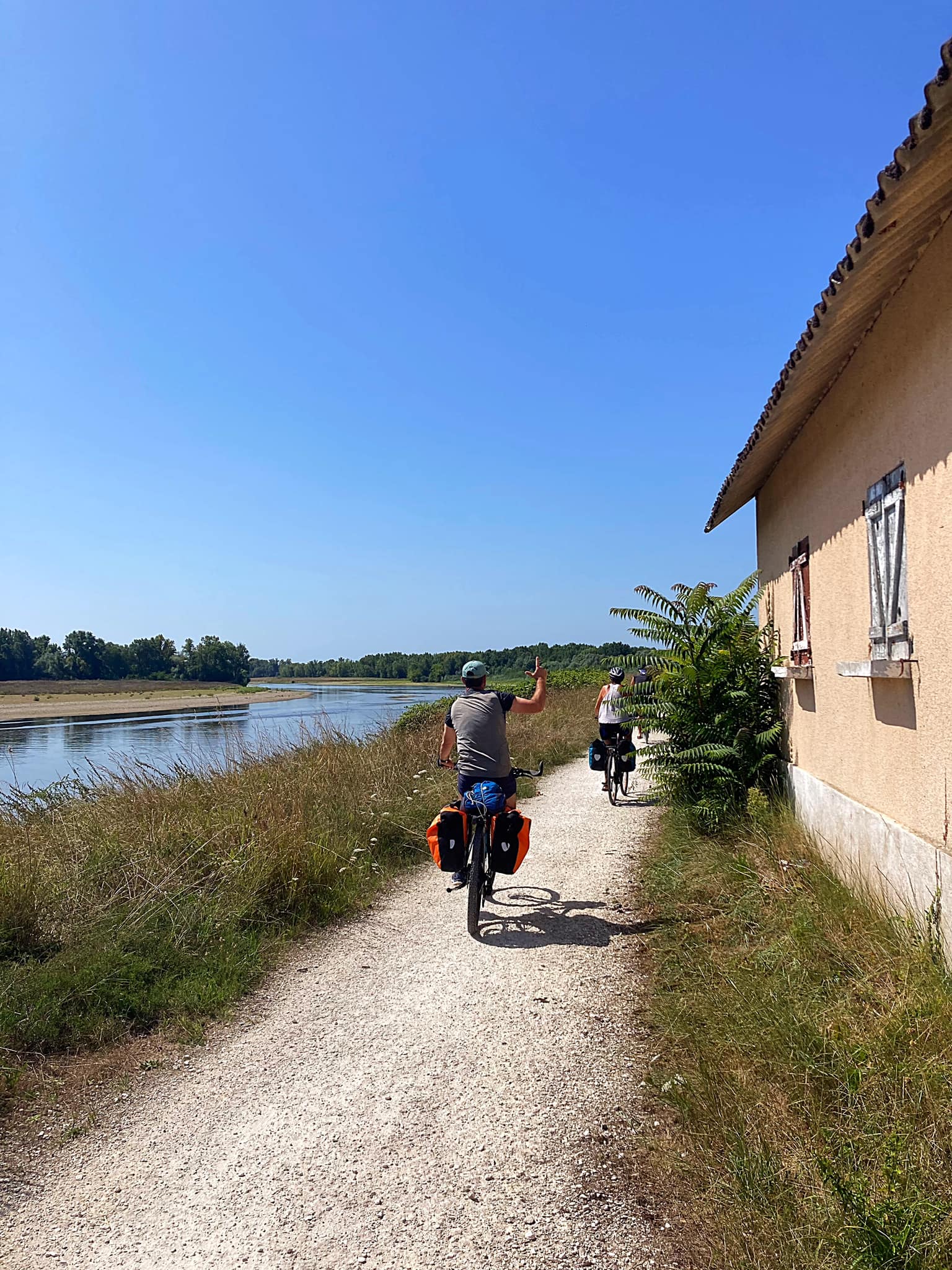

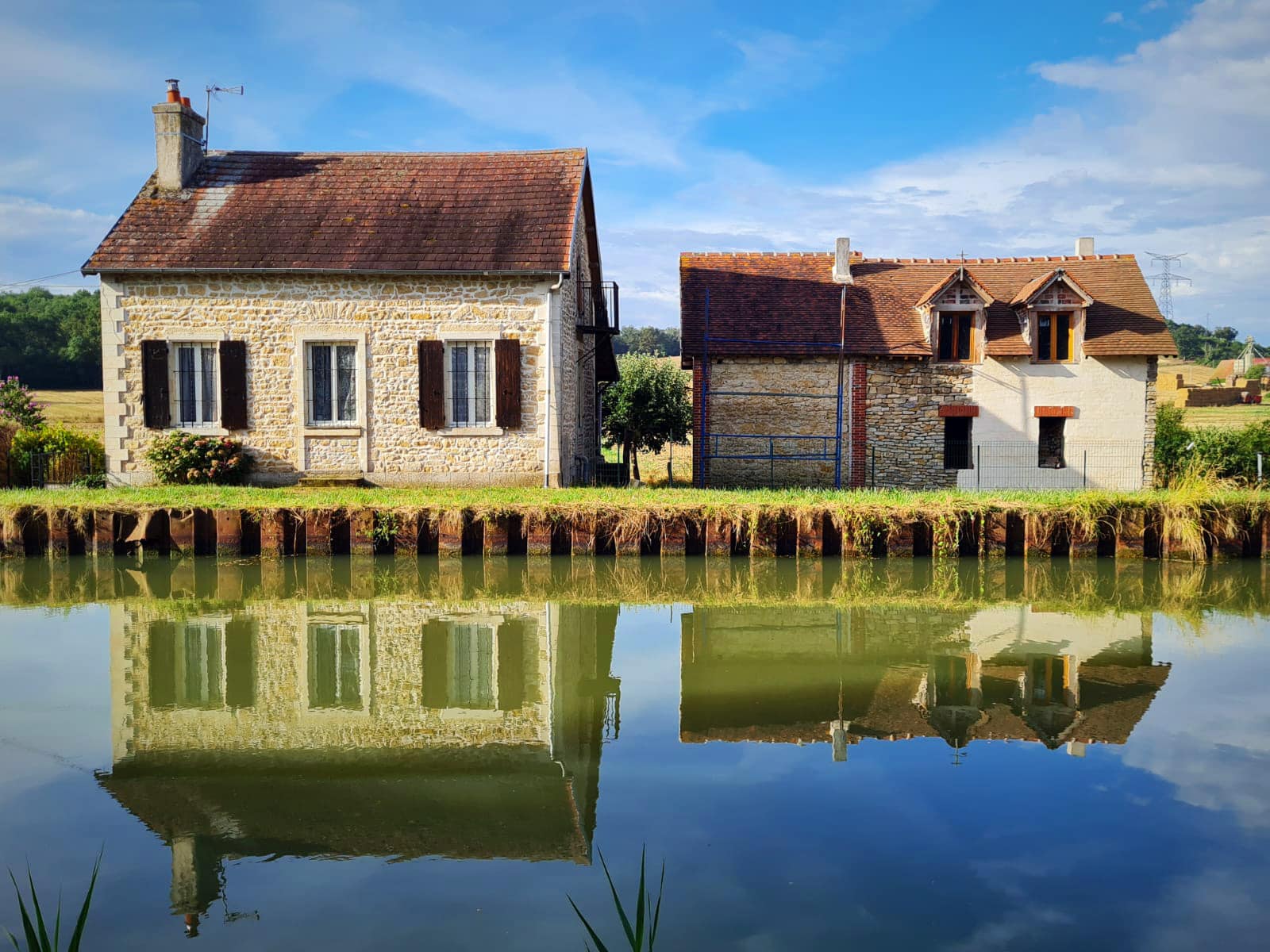
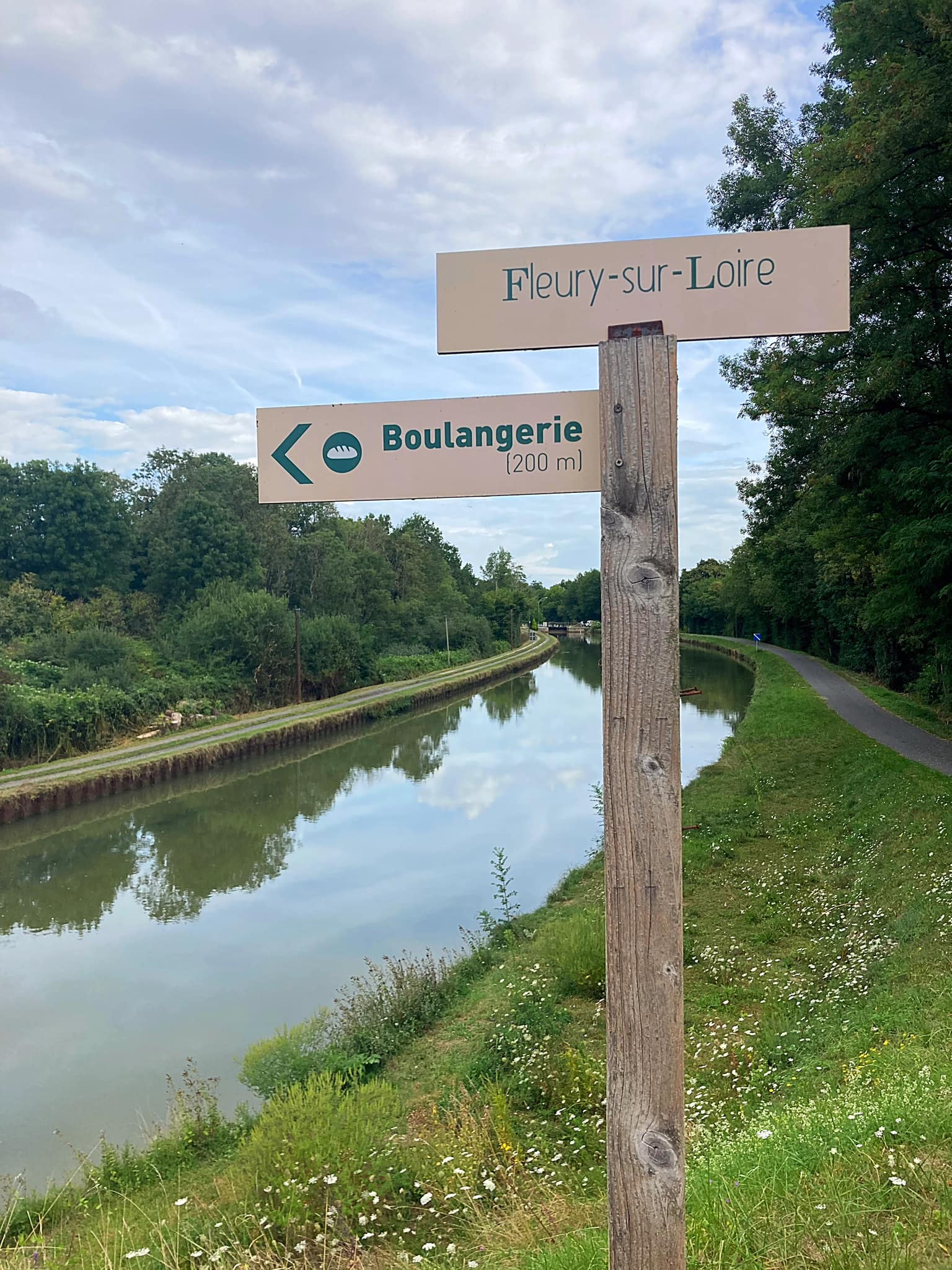



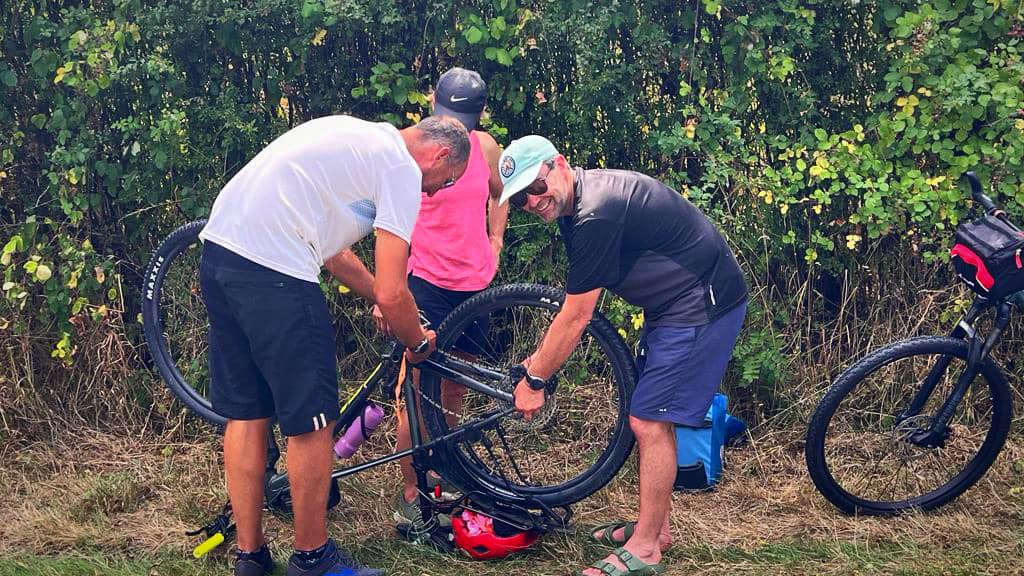
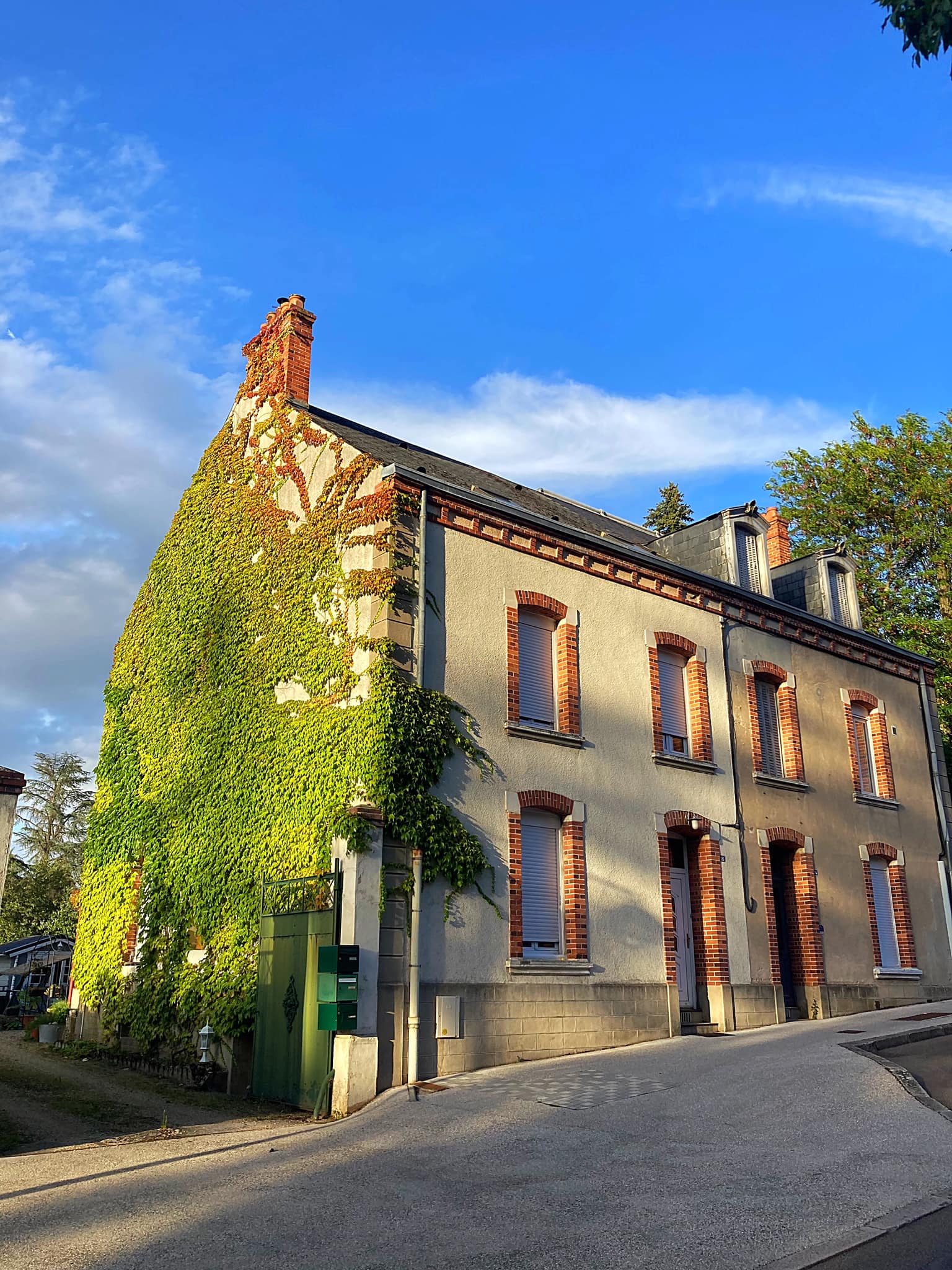
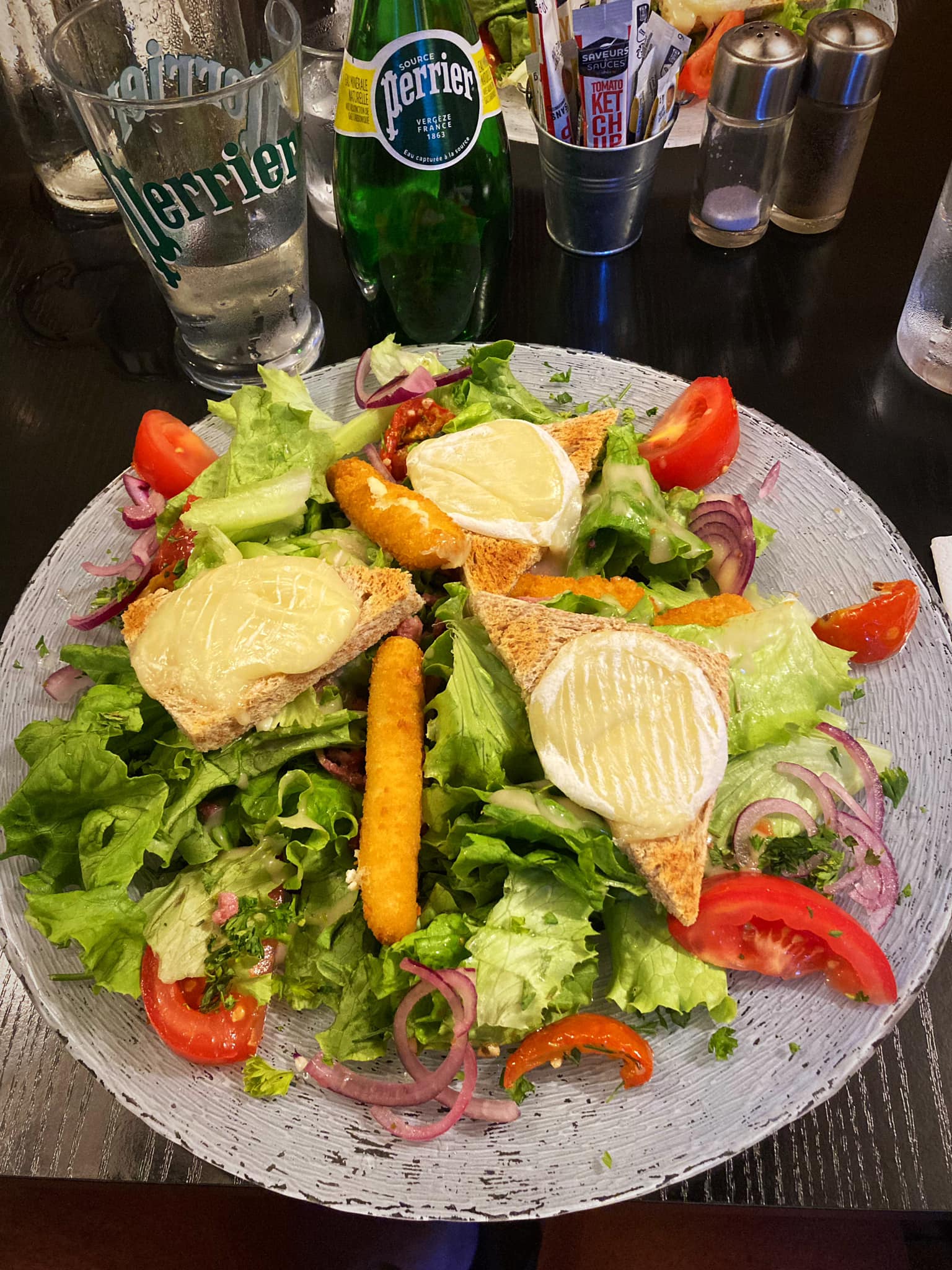

 . We can’t quite work out how that happened but decided an adventure on the road less travelled can’t be all bad.


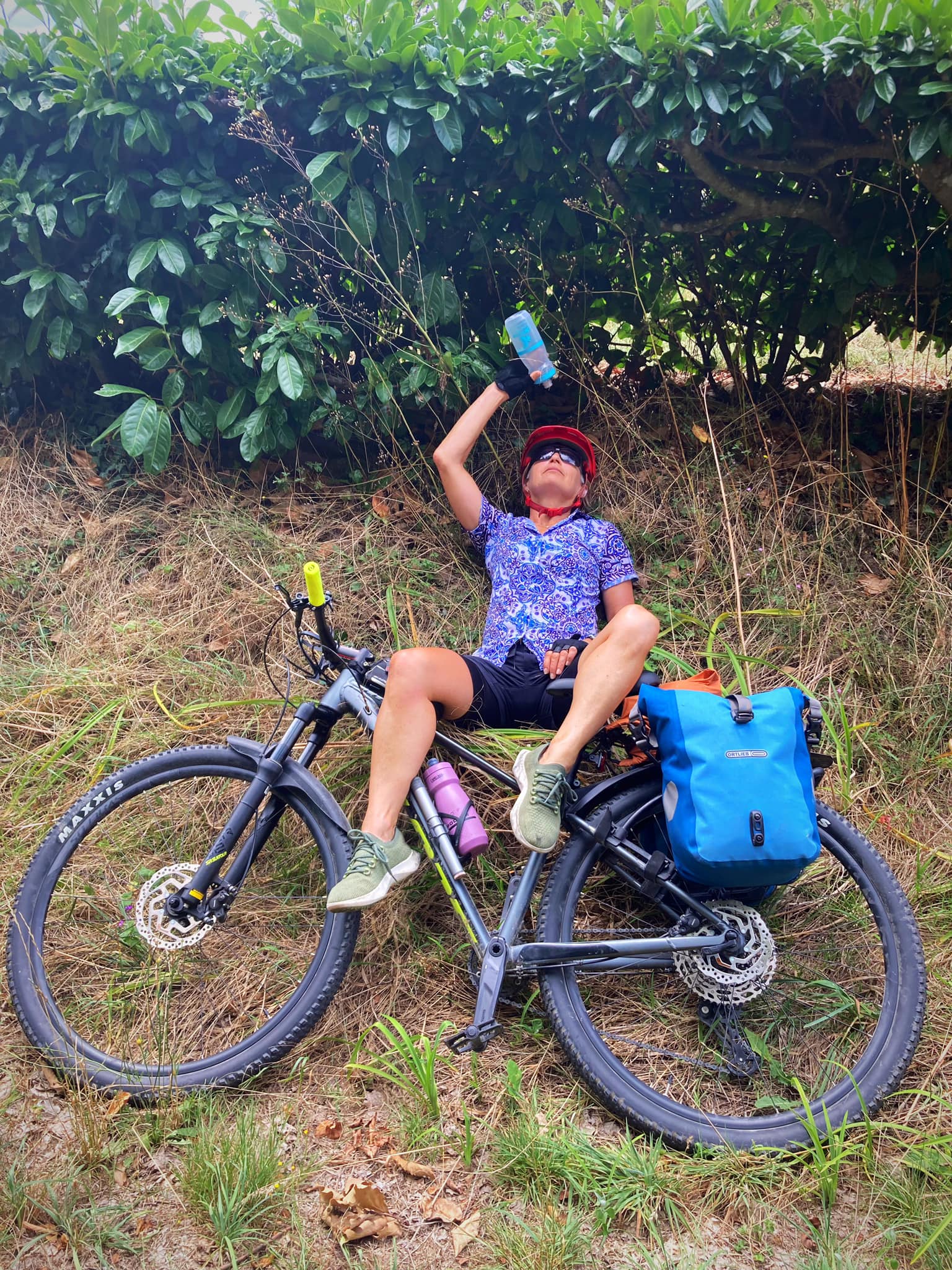
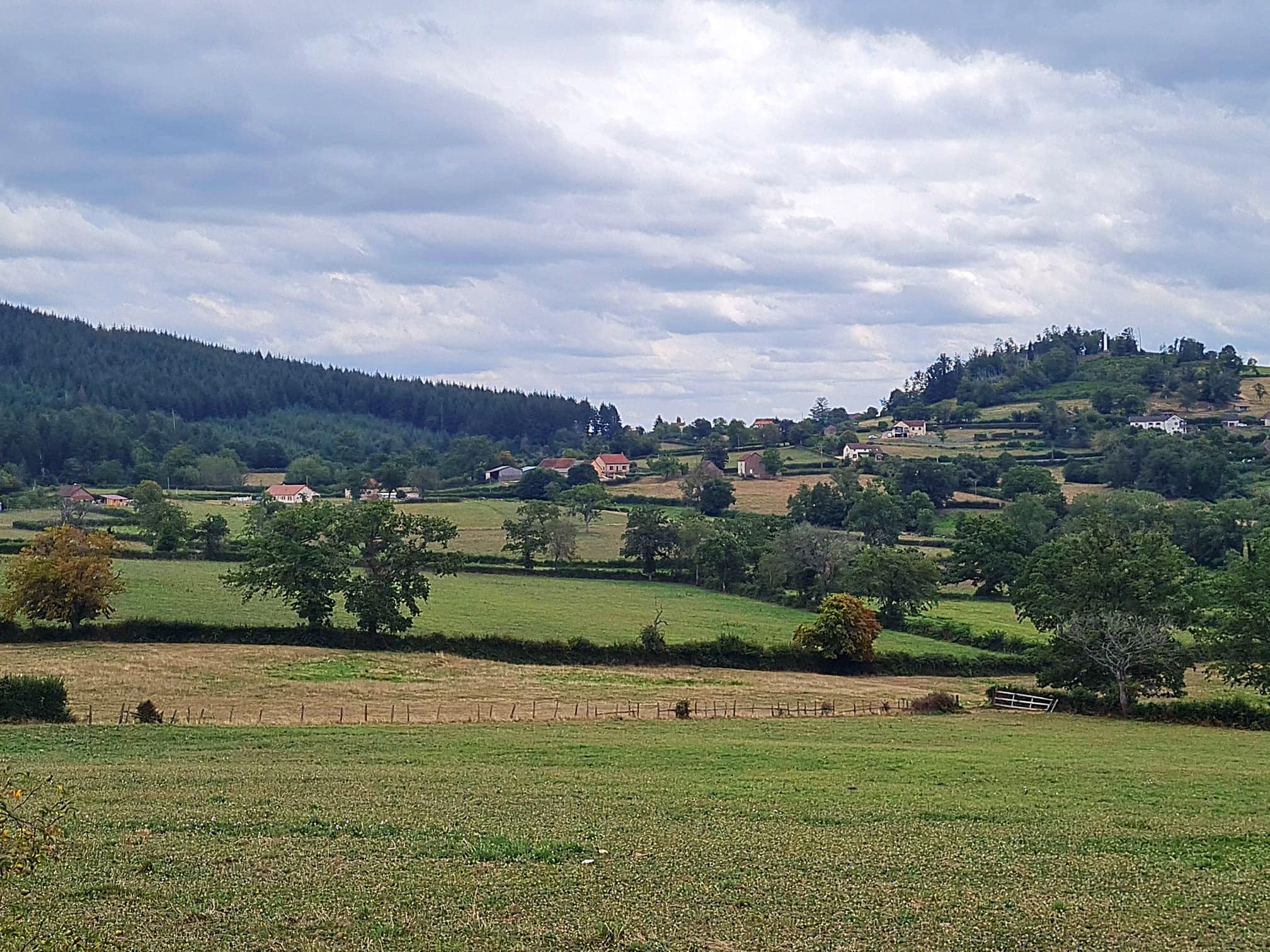
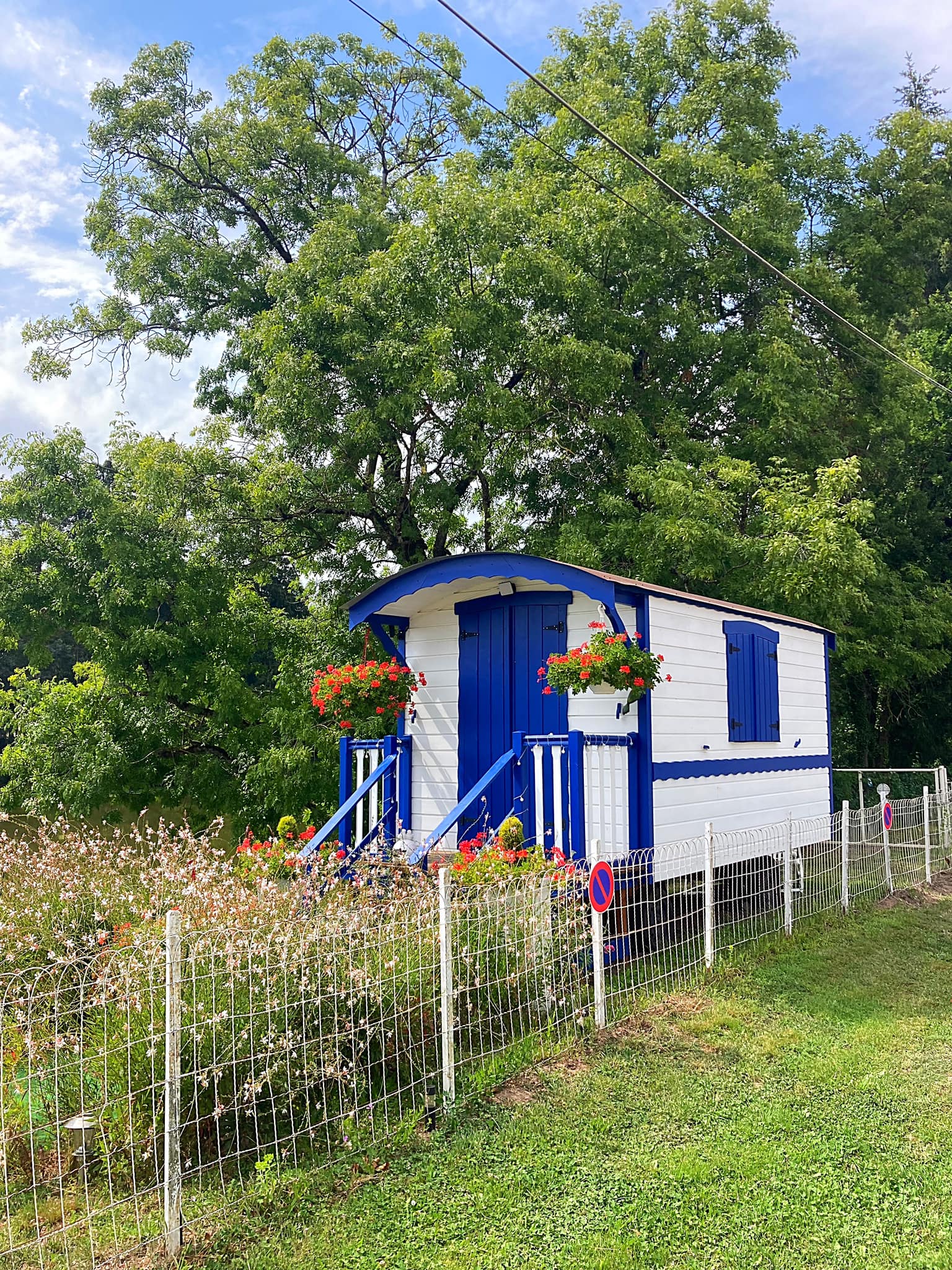

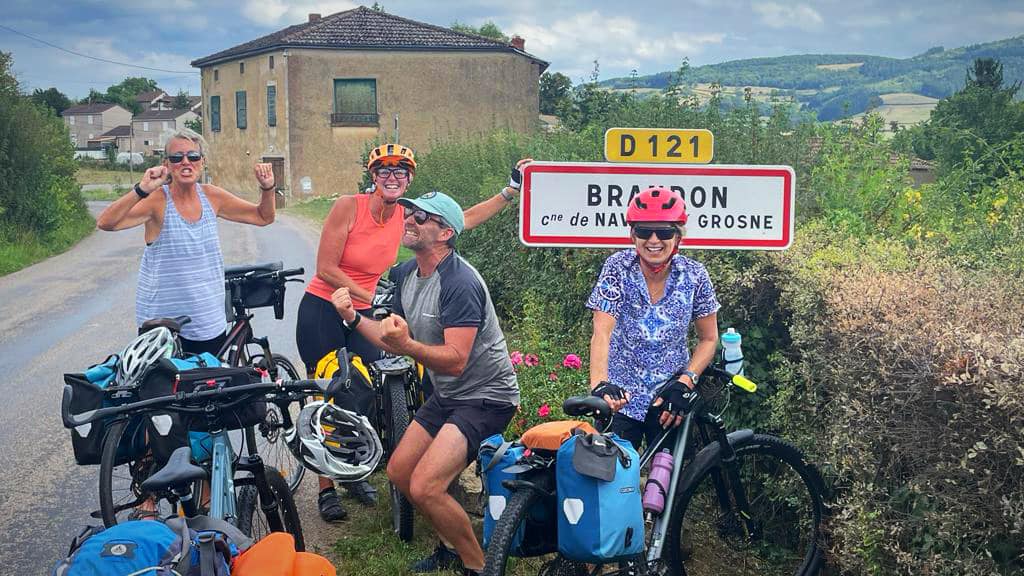
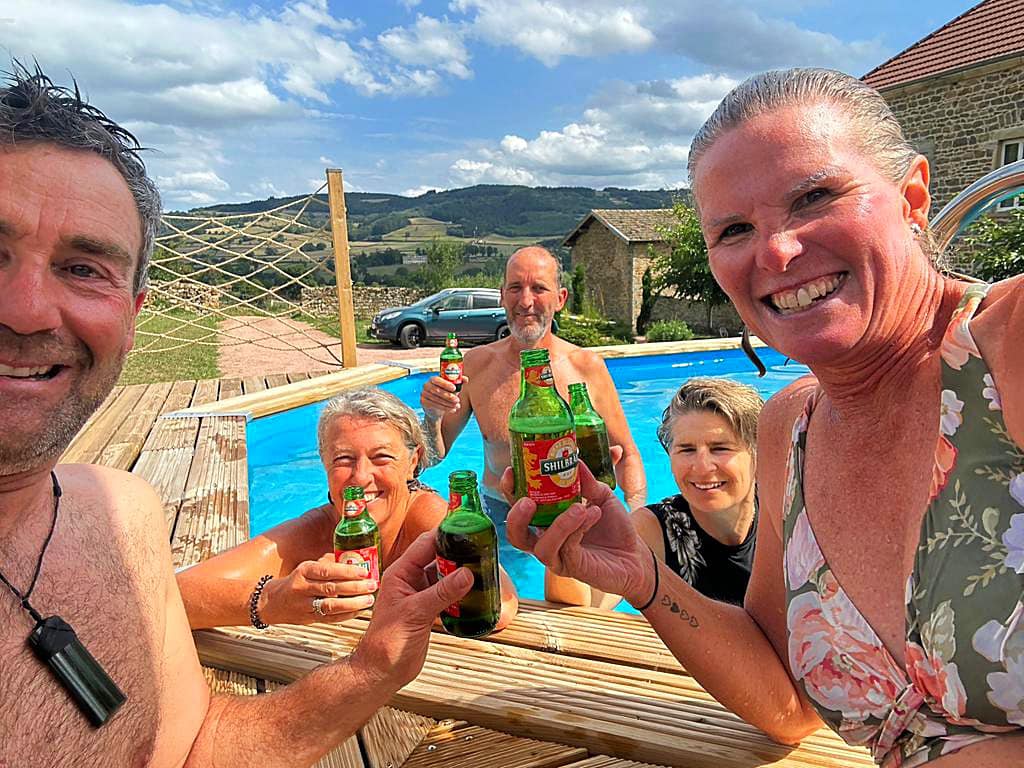


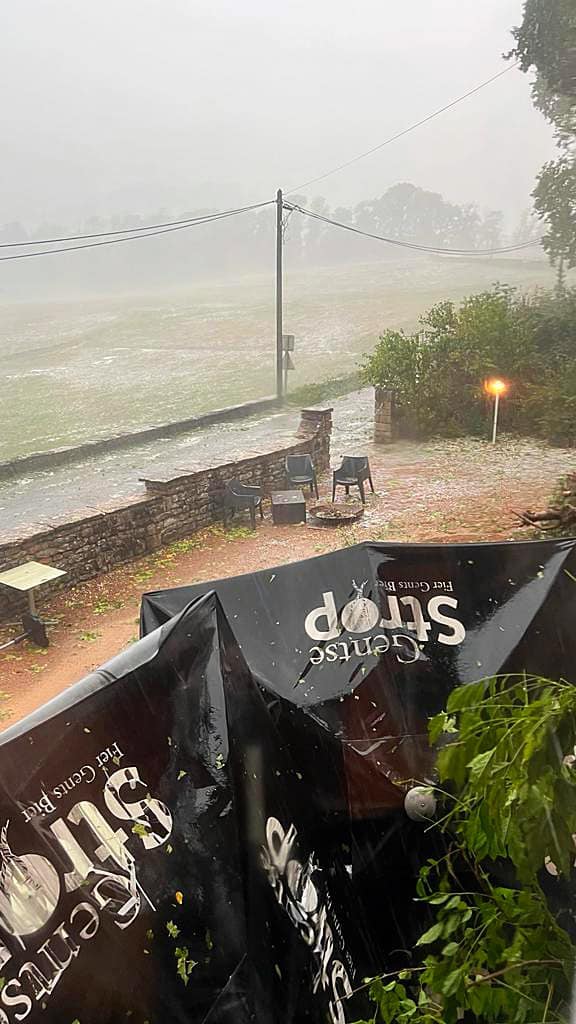


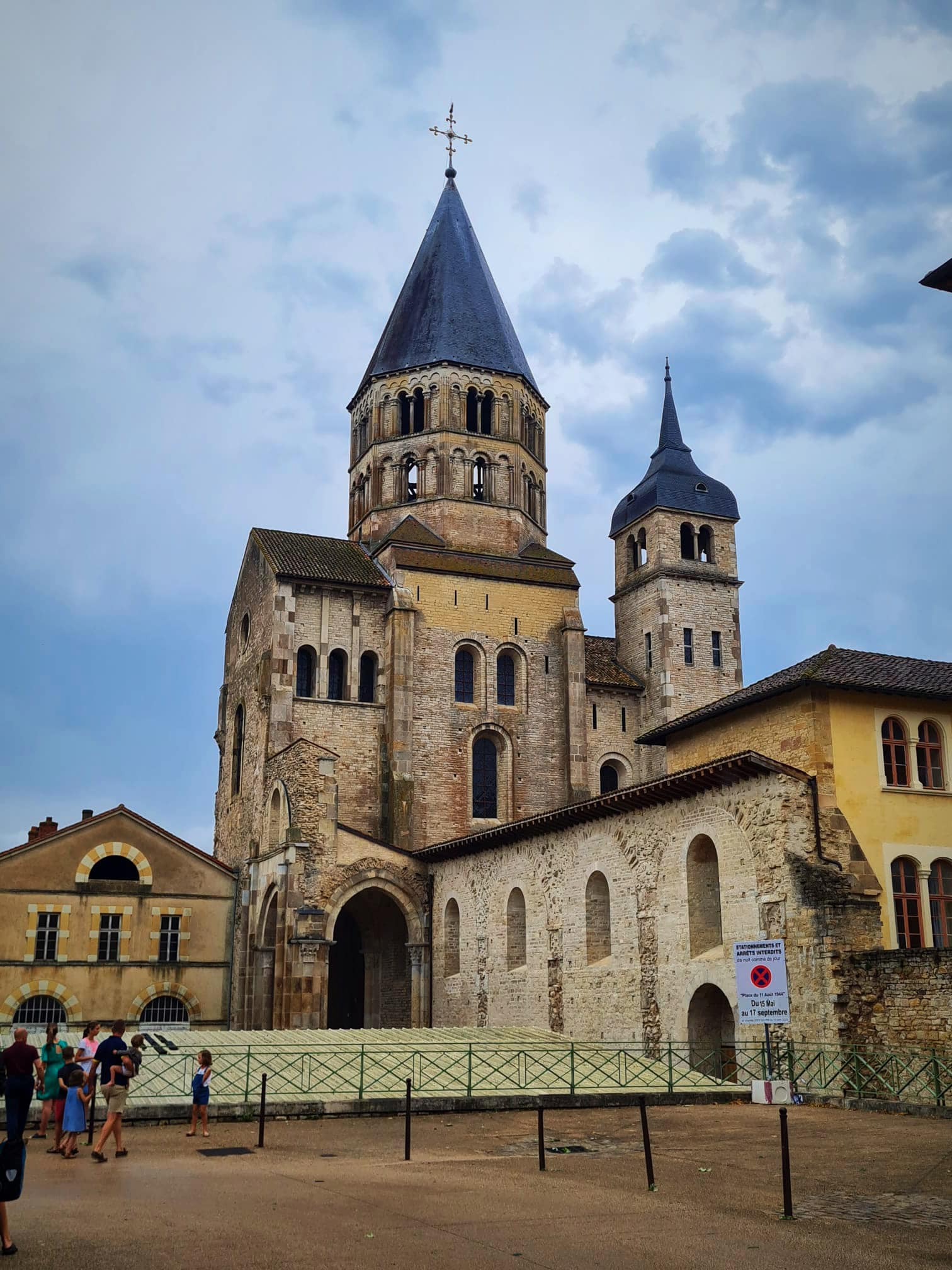


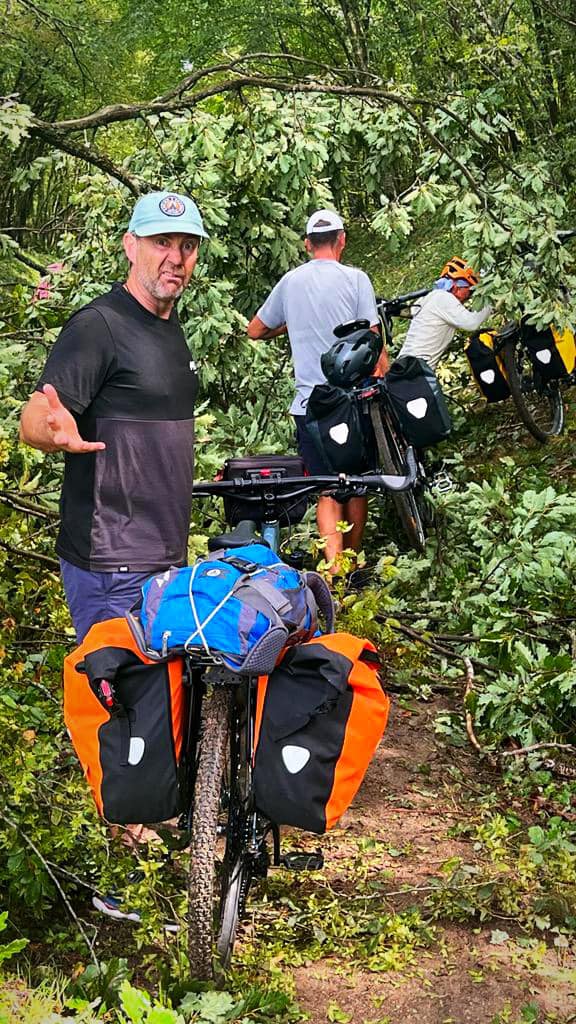




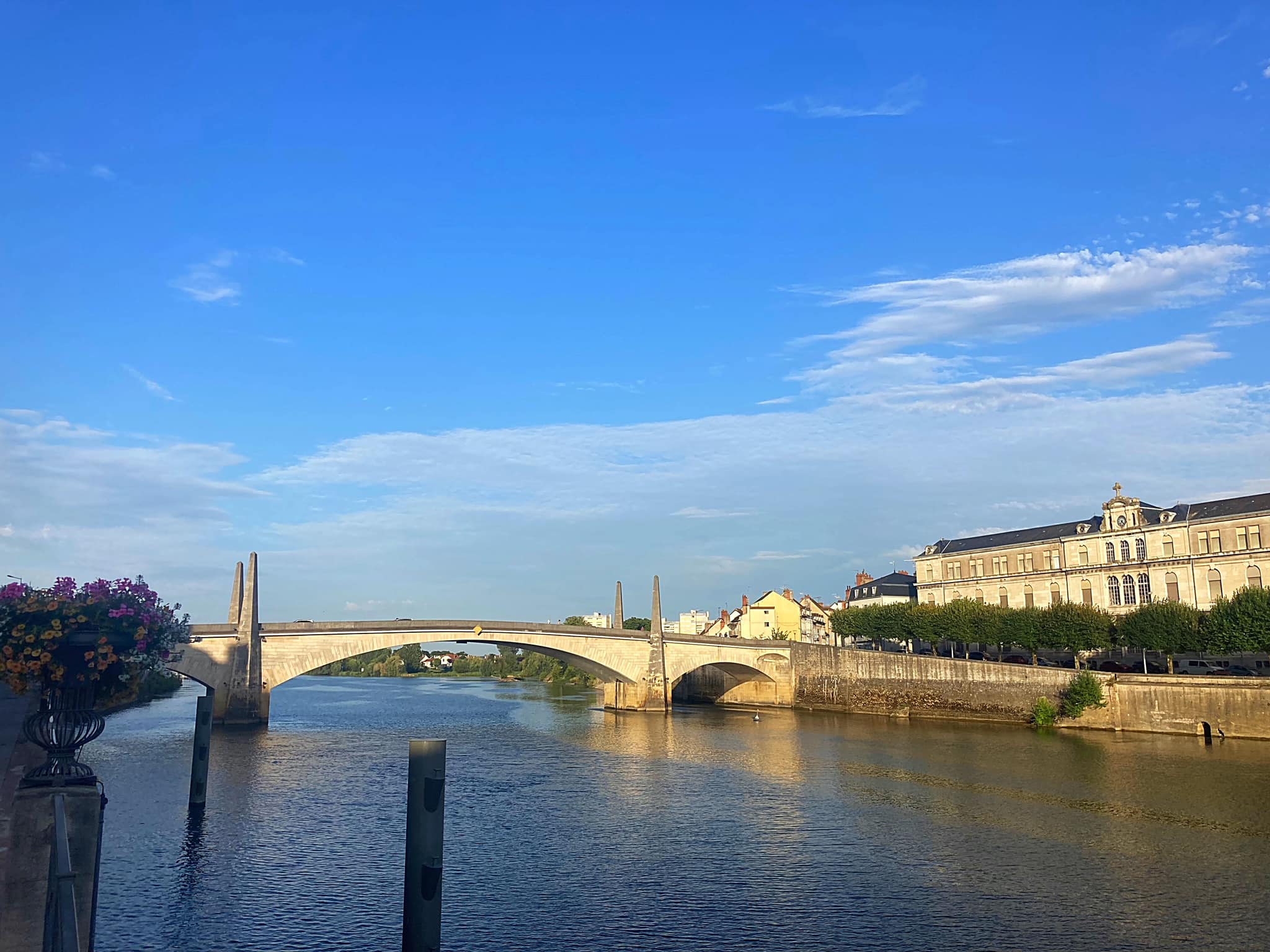



 SUNGRL