Gdansk is predominantly Roman Catholic today, but its religious landscape has deep historical roots tied to Brick Gothic architecture and a past shaped by Protestant influence and multi-ethnic communities.
St Mary’s Basilica
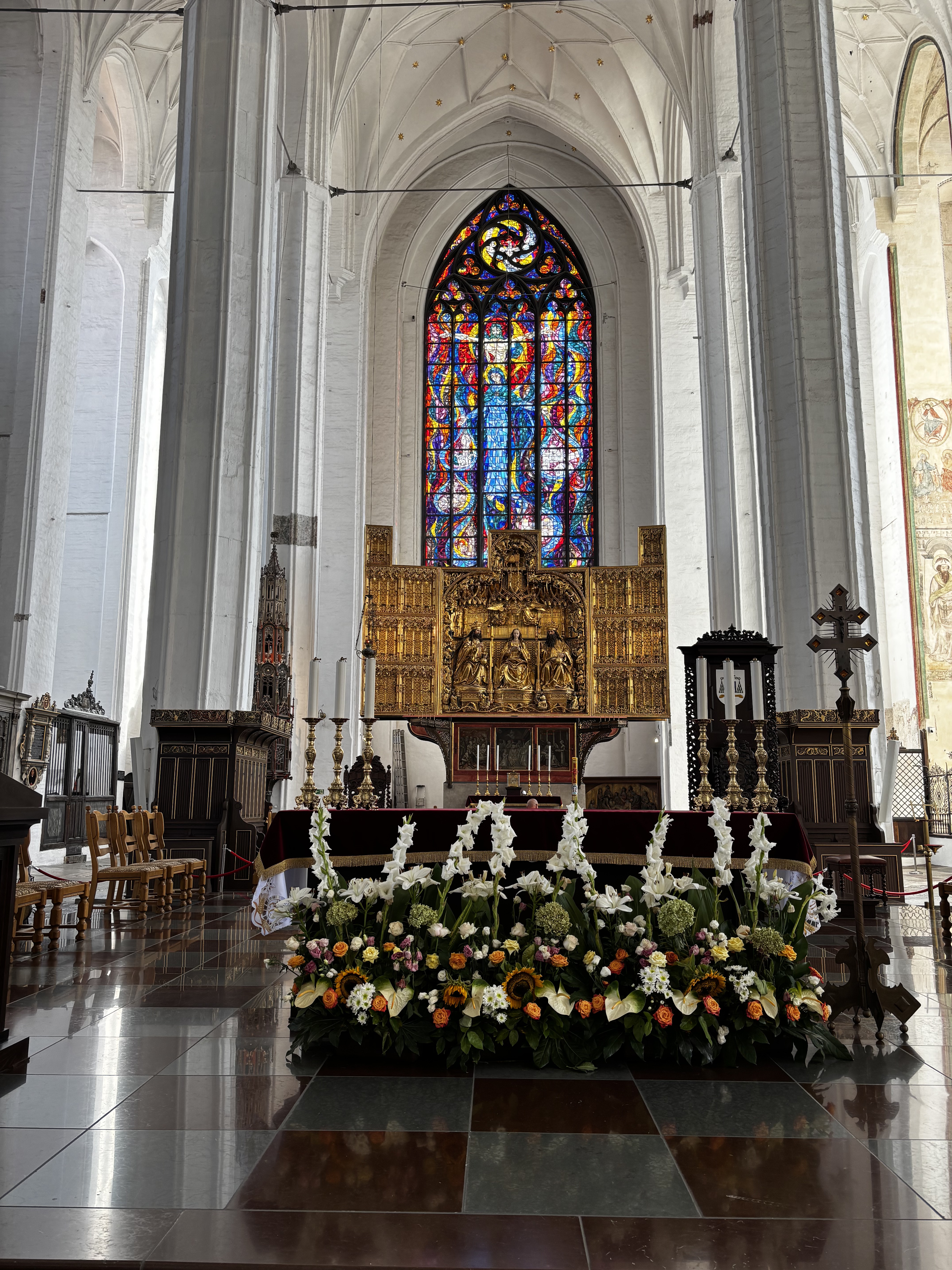
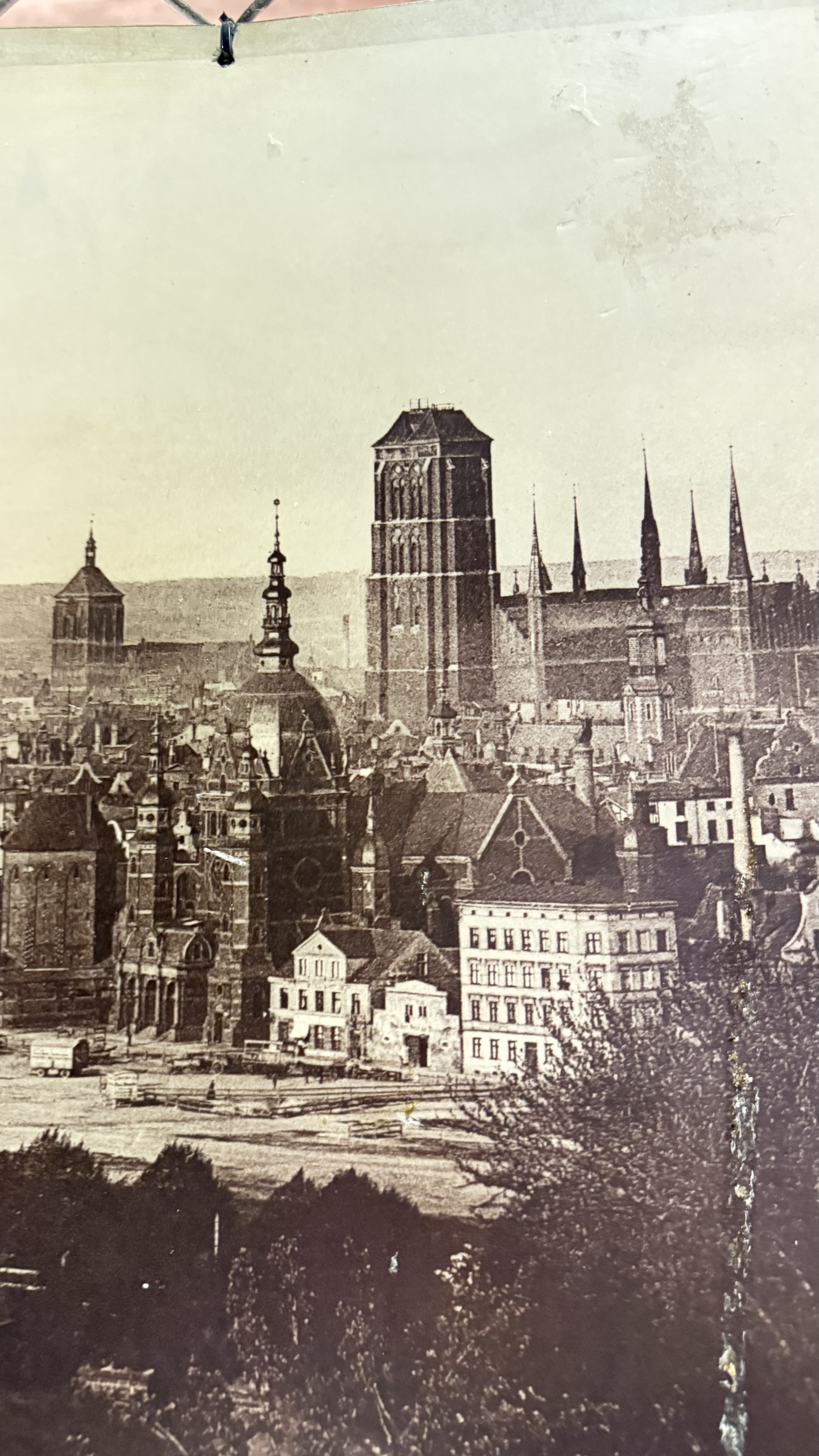
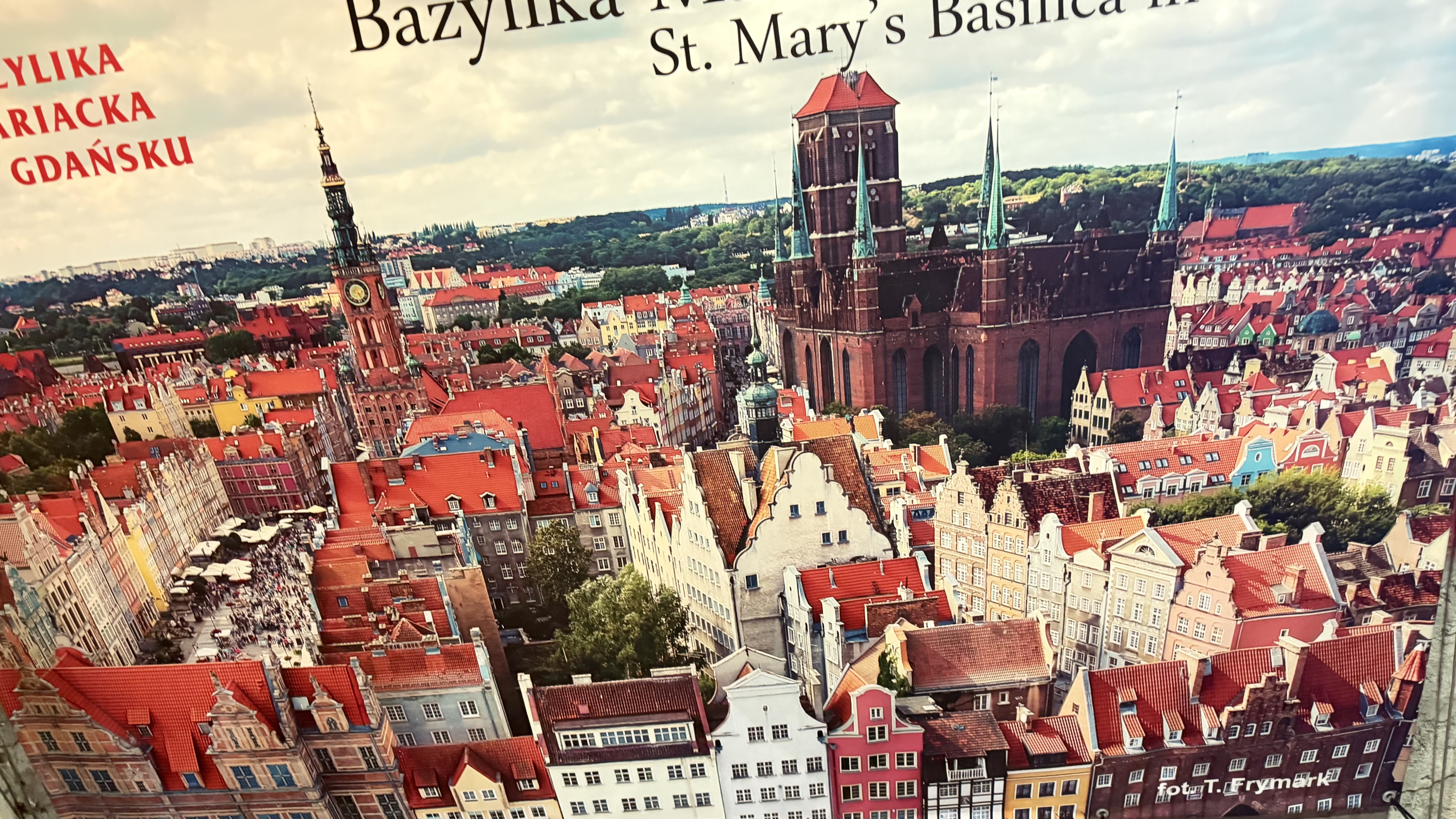
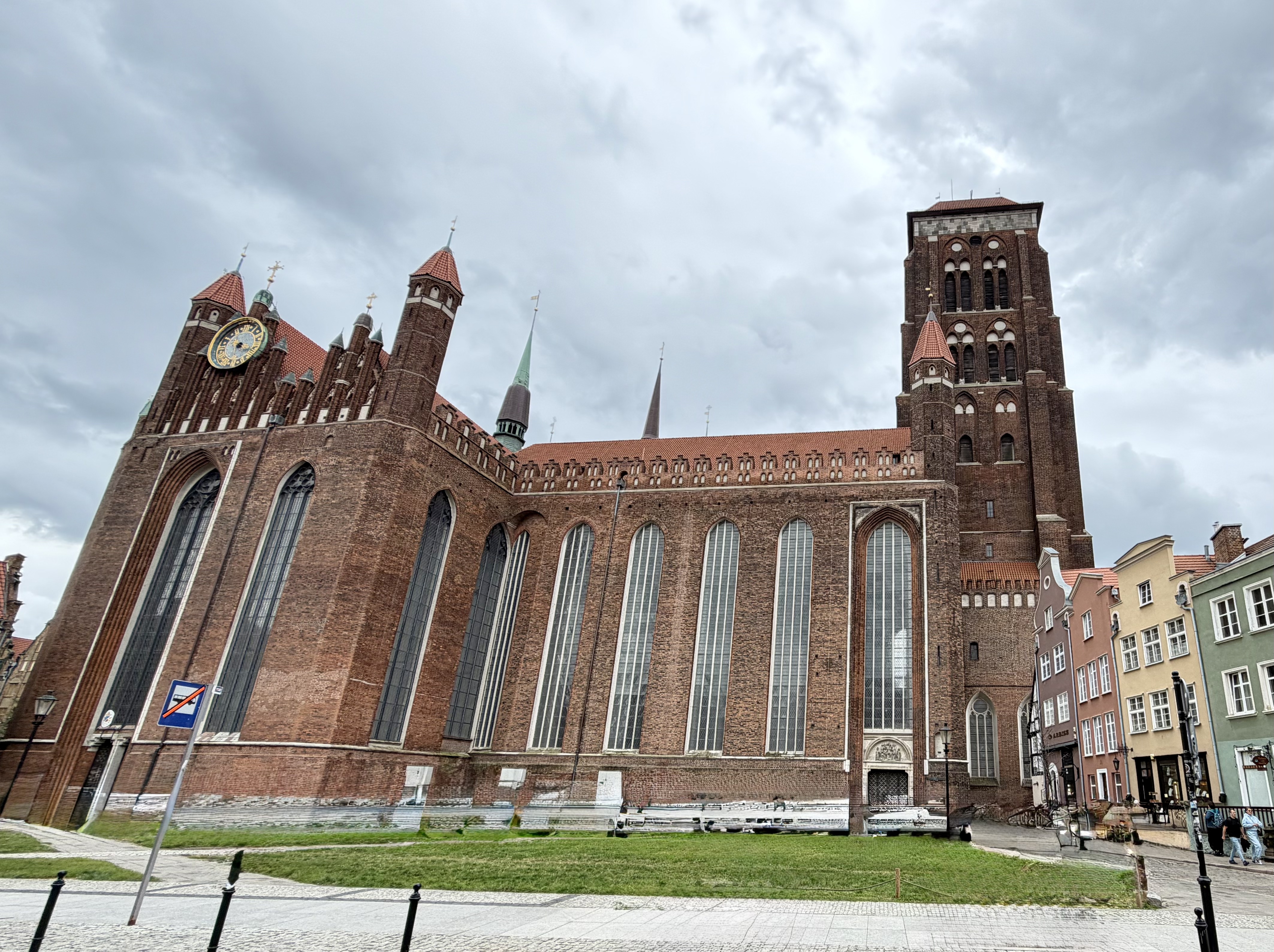
On our first day in Gdansk, we visited St Mary’s Basilica. It was completed in 1502 in the Brick Gothic architectural style, and it is one of the world’s largest brick churches and among the city’s most important landmarks, known to its inhabitants as the Crown of Gdańsk. With a seating capacity of over 25,000 and a volume of approximately 155,000 cubic metres (5,500,000 cu ft), it is one of the three largest brick churches ever constructed, along with San Petronio in Bologna and the Frauenkirche in Munich.
The church was severely damaged late in World War II, during the storming of Danzig city by the Red Army in March 1945. The wooden roof burned completely and most of the ceiling fell in. Fourteen of the large vaults collapsed. The windows were destroyed. In places the heat was so intense that some of the bricks melted, especially in the upper parts of the tower, which acted as a giant chimney
Post WWII Gdańsk was gradually repopulated by more Poles, and Polish authorities handed over St. Mary’s Church to the Catholic diocese. Most of the artworks from the interior survived, having been evacuated for safekeeping to villages near the city. Many of these have returned to the church, but some are displayed in various museums around Poland. The diocese has sought to secure their return.
The reconstruction started shortly after the war in 1946. The roof was rebuilt in August 1947, using reinforced concrete. After the basic reconstruction was finished, the church was reconsecrated on November 17, 1955. The reconstruction and renovation of the interior is an ongoing effort.
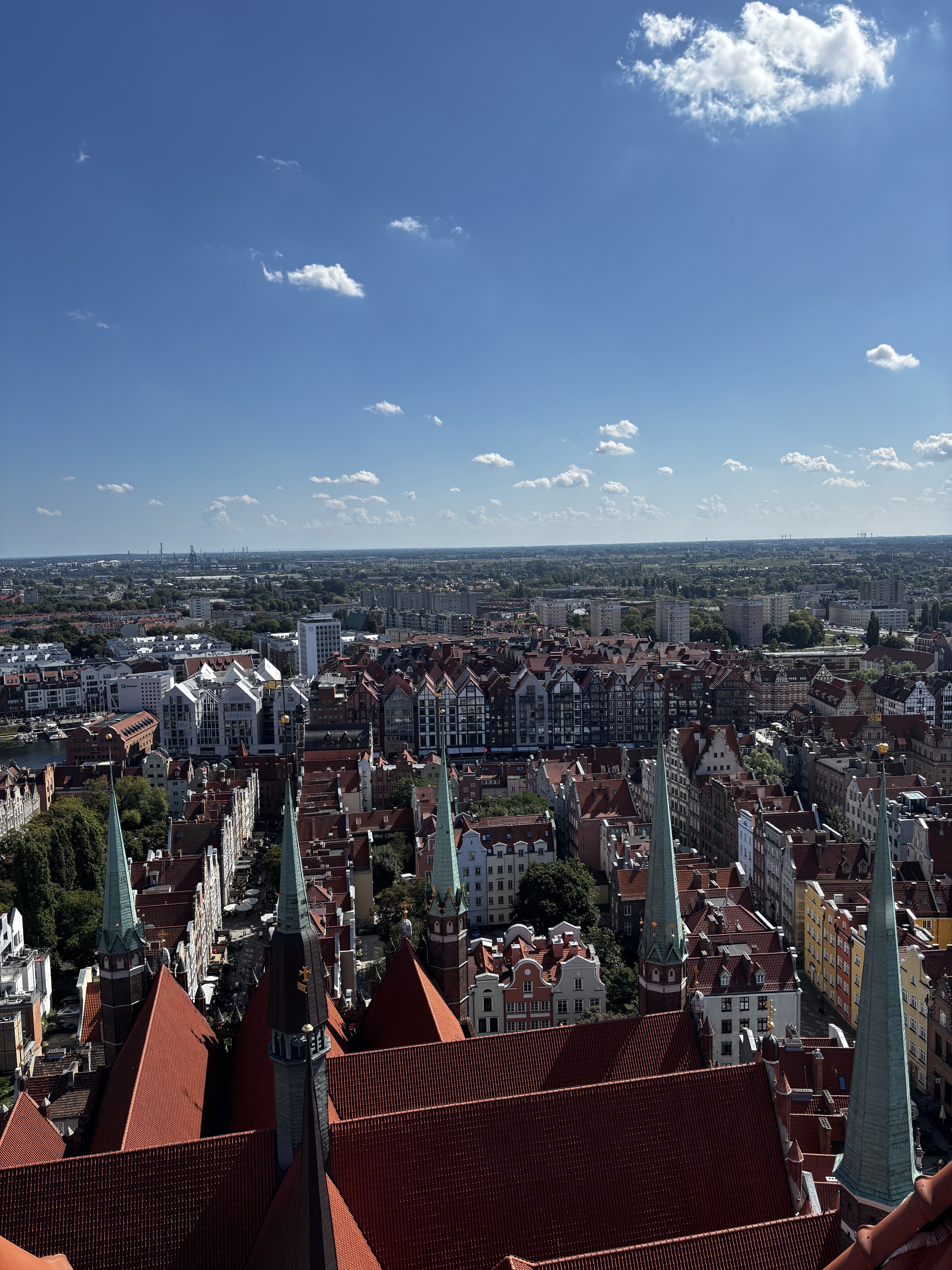
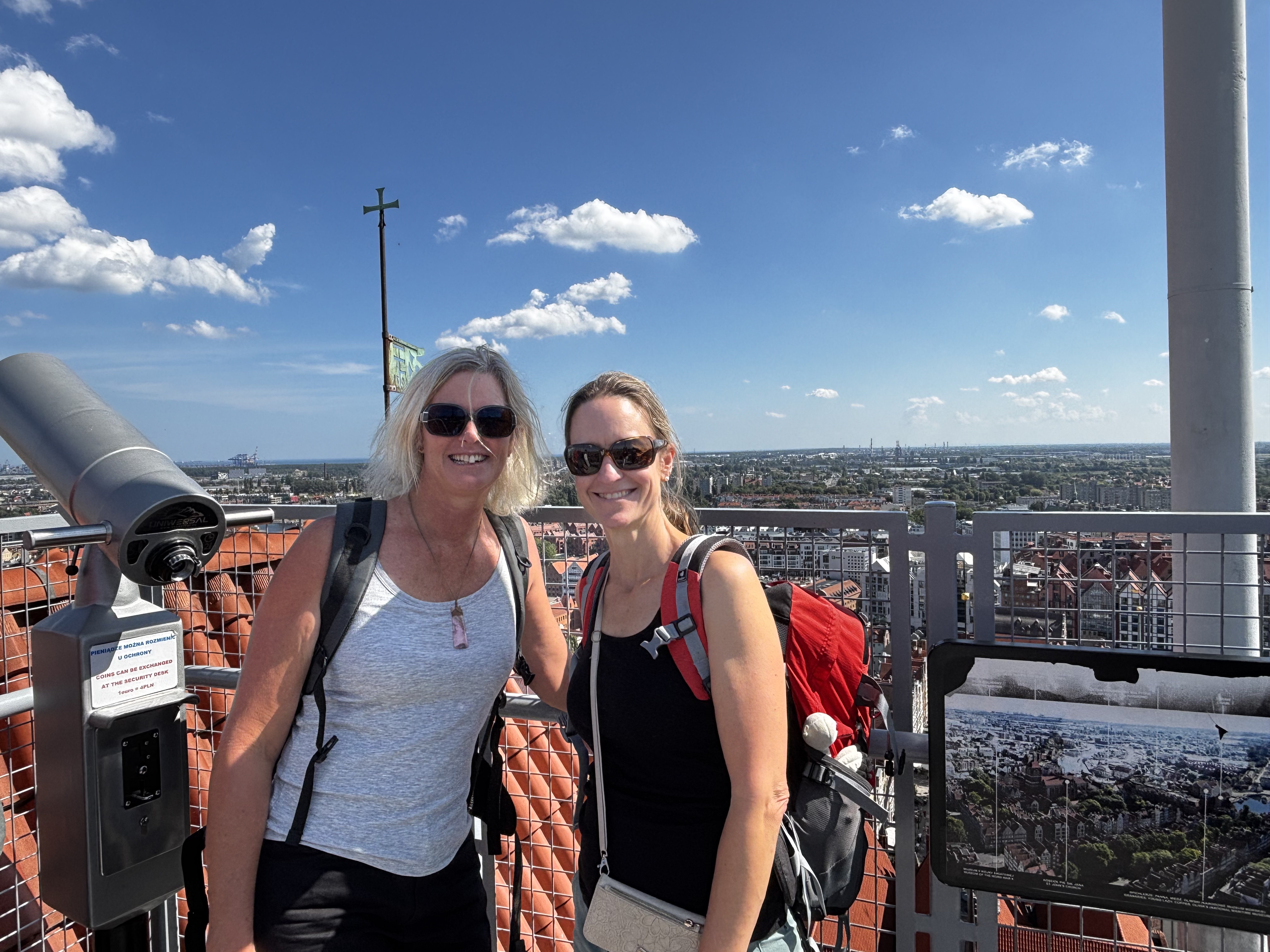
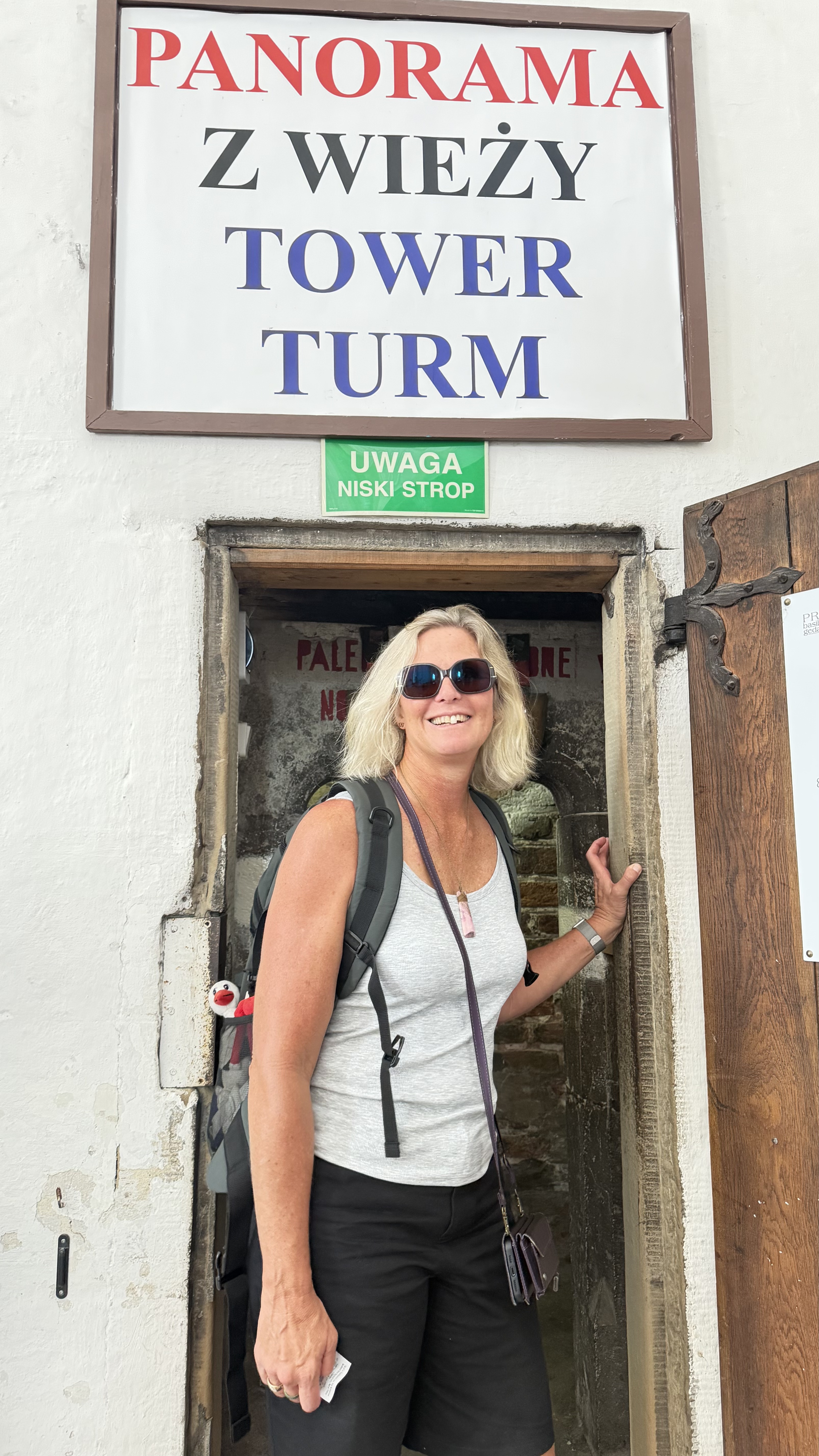
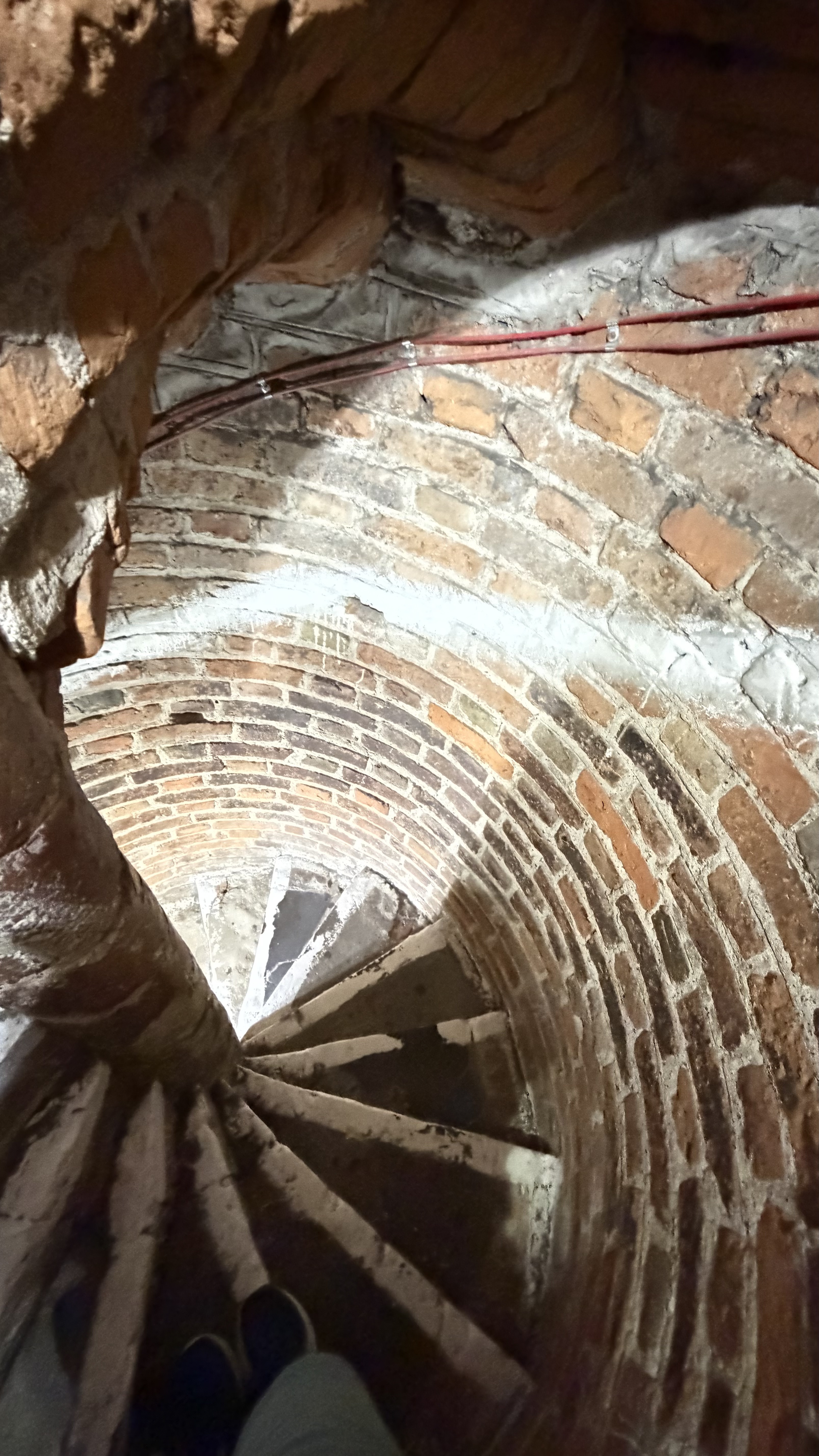
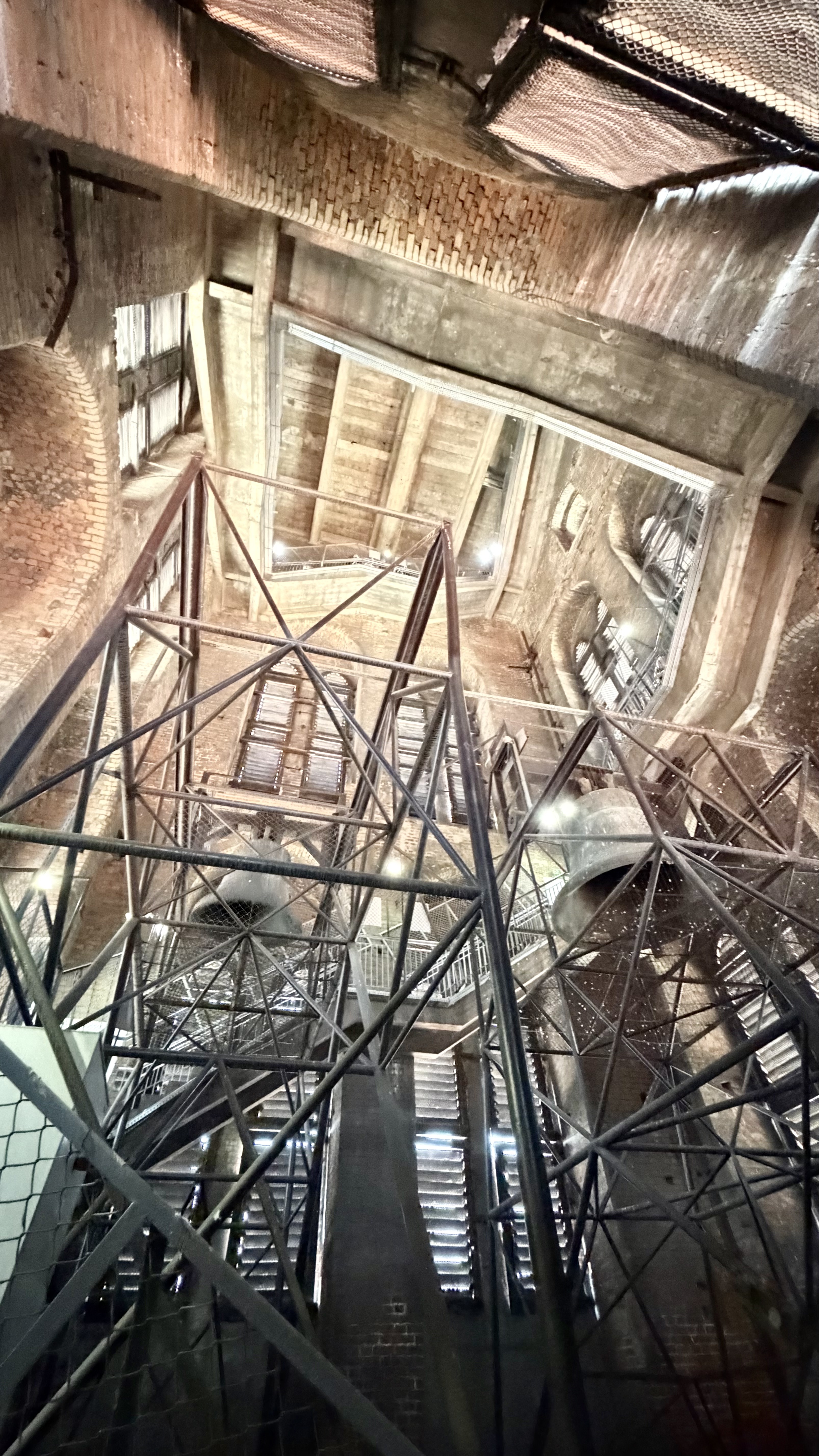
We decided to climb the tower up to the viewing platform on the roof – 405 steps on a narrow circular staircase was interesting – it was a little claustrophobic and I was happy to see the sky. There is a great view over the city from up there so it was well worth the climb.
St. Bridget’s Church
St. Bridget’s Church was built first in 1396 in a Gothic style. During the Second World War, the church was burned down, and reconstruction was not completed until 1973. After the communist regime, it became a sanctuary, having served as a refuge for the Solidarity Movement’s activists.
The origins of Saint Bridget Church trace back to around 1350 when a penitential chapel dedicated to St. Mary Magdalene was established. As time went on, this chapel was expanded and eventually became part of the larger structure of the convent church.
According to local folklore, the Virgin Mary appeared near the chapel, bestowing healing powers upon the waters of a nearby well, believed to date back to the 12th century.
In 1374, the funeral procession of St. Bridget of Sweden, the founder of the Order of the Most Holy Savior, passed through Gdańsk. Her relics were temporarily housed in the Church of St. Mary before being moved to the penitential chapel, sparking a widespread veneration of St. Bridget across Pomerania. This event laid the foundation for the establishment of the Bridgettine Convent in Gdańsk in 1396, which became a spiritual hub for the region.
Following the devastation of World War II, during which the church suffered significant damage, efforts to restore Saint Bridget Church began in earnest in 1970. Under the leadership of Father Henryk Jankowski, the church was meticulously rebuilt, regaining its historical grandeur. The reconstruction efforts were a testament to the determination and faith of the local community.
Today, Saint Bridget Church stands not only as a place of worship but also as a monument to the Solidarity movement in Poland. The church played a crucial role during the 1980s, providing a sanctuary for activists and serving as a symbol of resistance against oppression. Its connection to the Solidarity movement has cemented its place in the hearts of many Poles as a beacon of hope and change.
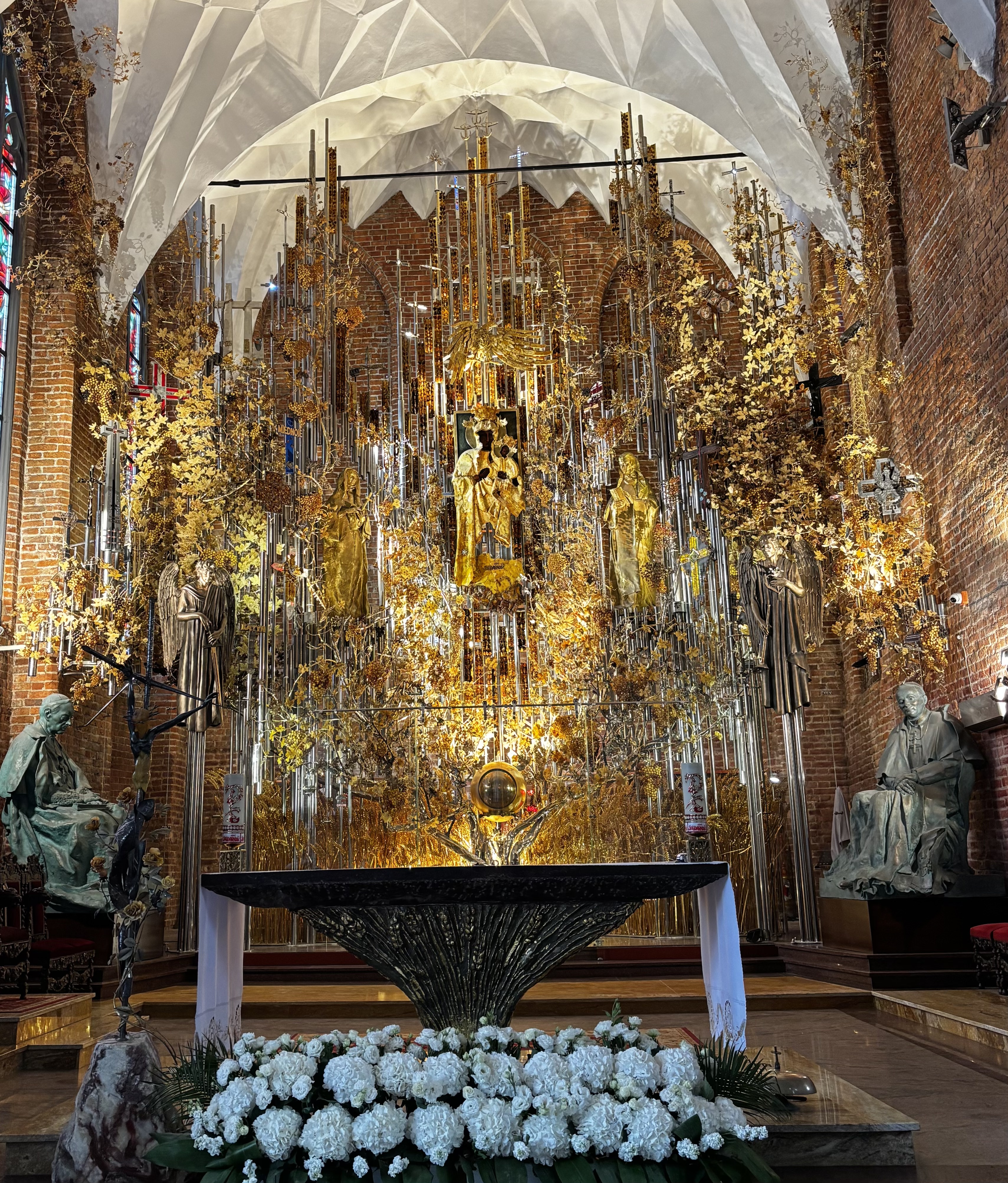
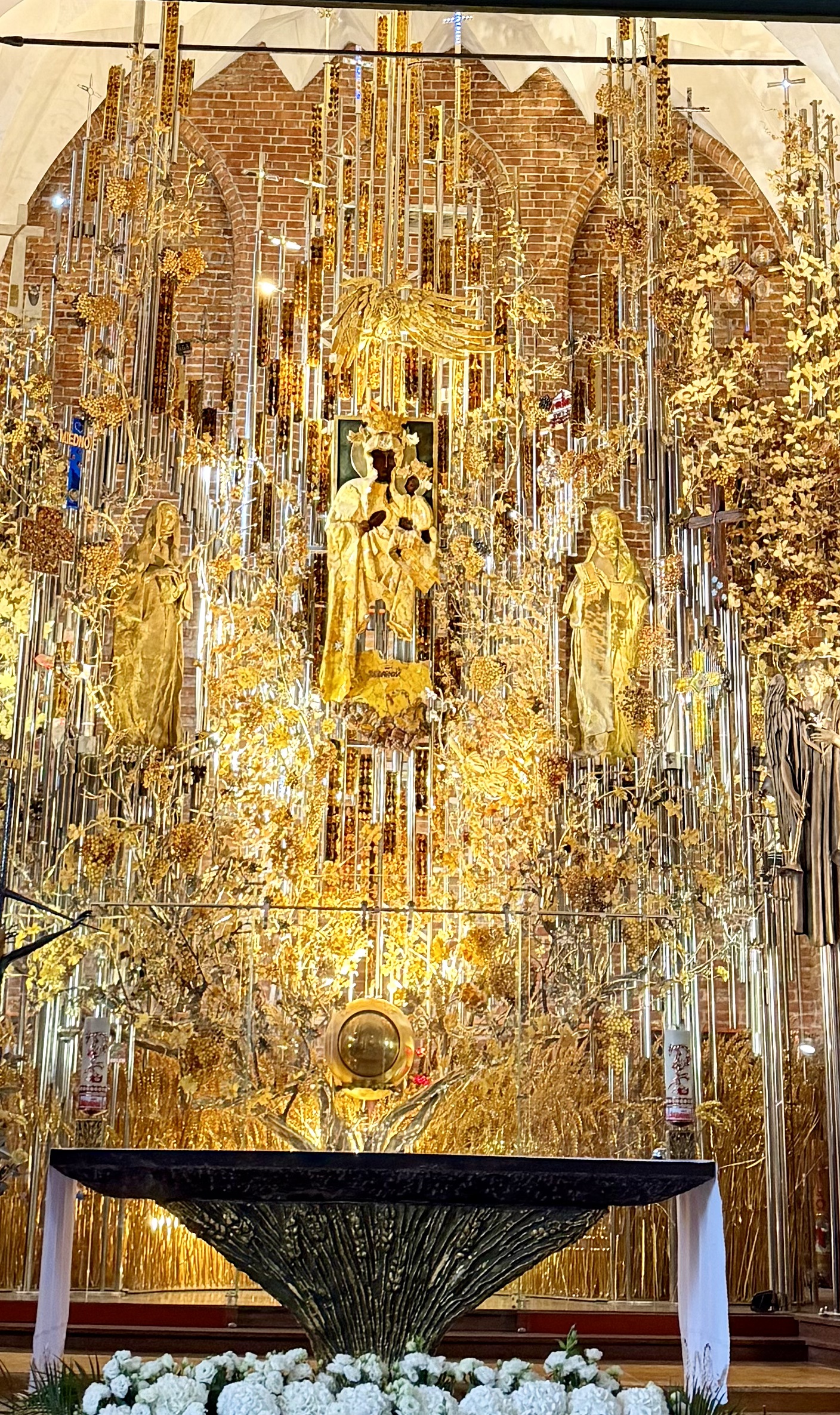
St. Bridget’s Church also has an Amber Altar which is the largest amber art piece in the worlld.. It stands about 11 metres tall and was created by some local artists. It was started in 2000 and serves as an offering from the local amber community to celebrate Poland’s freedom and honors the Solidarity movement. It features an image of Our Lady of Czestochowa, where a crown with 28 rubies honors the 28 shipyard workers who died during the December 1970 protests.
Neptune’s Fountain
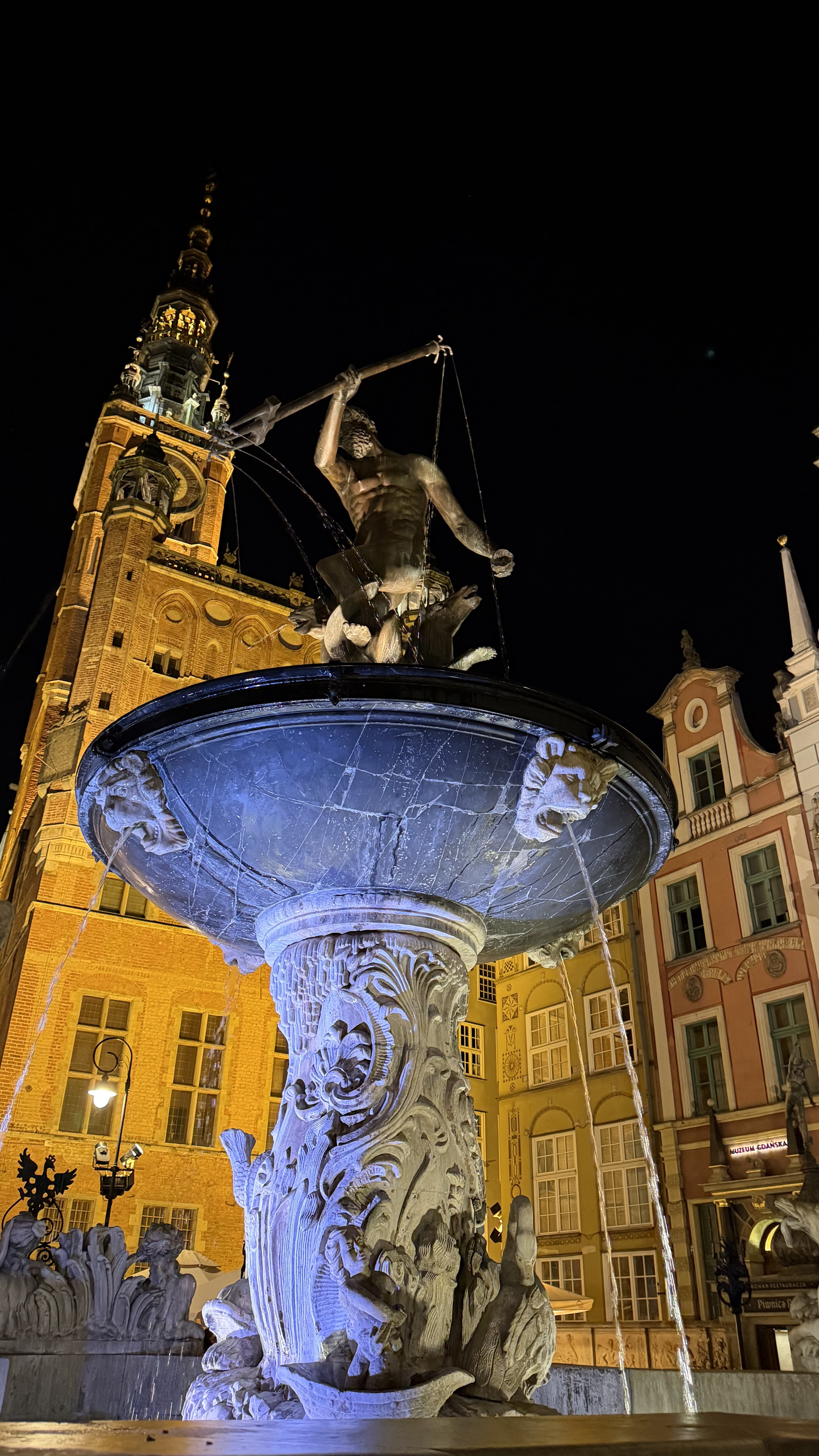
In the heart of Gdańsk, Poland, stands an emblematic symbol of the city’s rich maritime history and artistic heritage: Neptune’s Fountain (Fontanna Neptuna w Gdańsku). This magnificent fountain, dedicated to Neptune, the Roman god of the sea, is not only a stunning piece of art but also a testament to Gdańsk’s historical ties to the sea and its significance as a major port city.
Neptune’s Fountain was conceived in the early 17th century, during a period when Gdańsk was a thriving hub of trade and commerce, attracting merchants and mariners from all over Europe. The initiative for the fountain came from Mayor Bartłomiej Schachmann and the city council, who aimed to create a grand and representative landmark for the city. The fountain was strategically placed in the most prestigious part of Gdańsk, Długi Targ (Long Market), right in front of the Artus Court, a historic meeting place for merchants and dignitaries.
Gdansk Main Town Hall
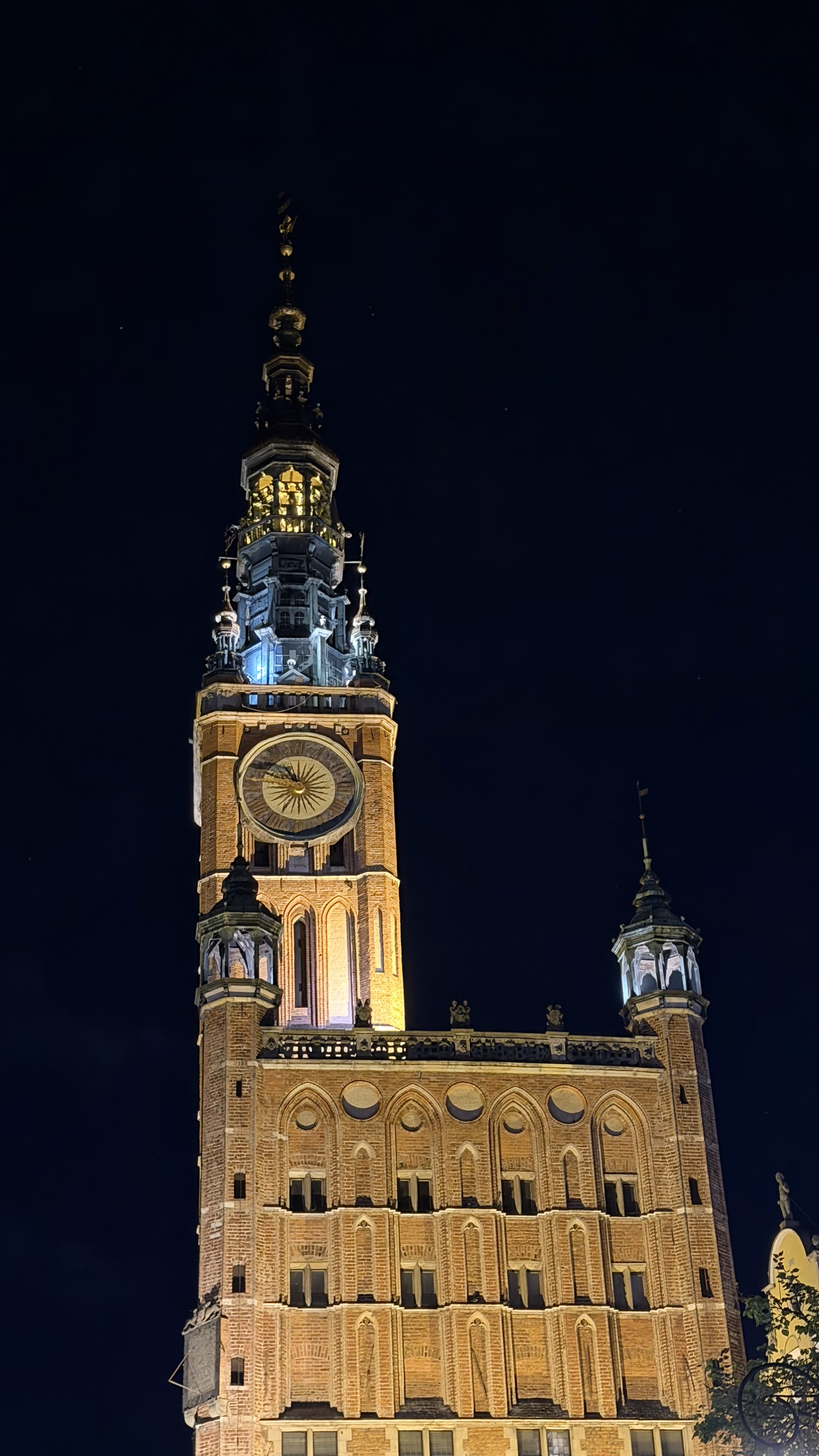
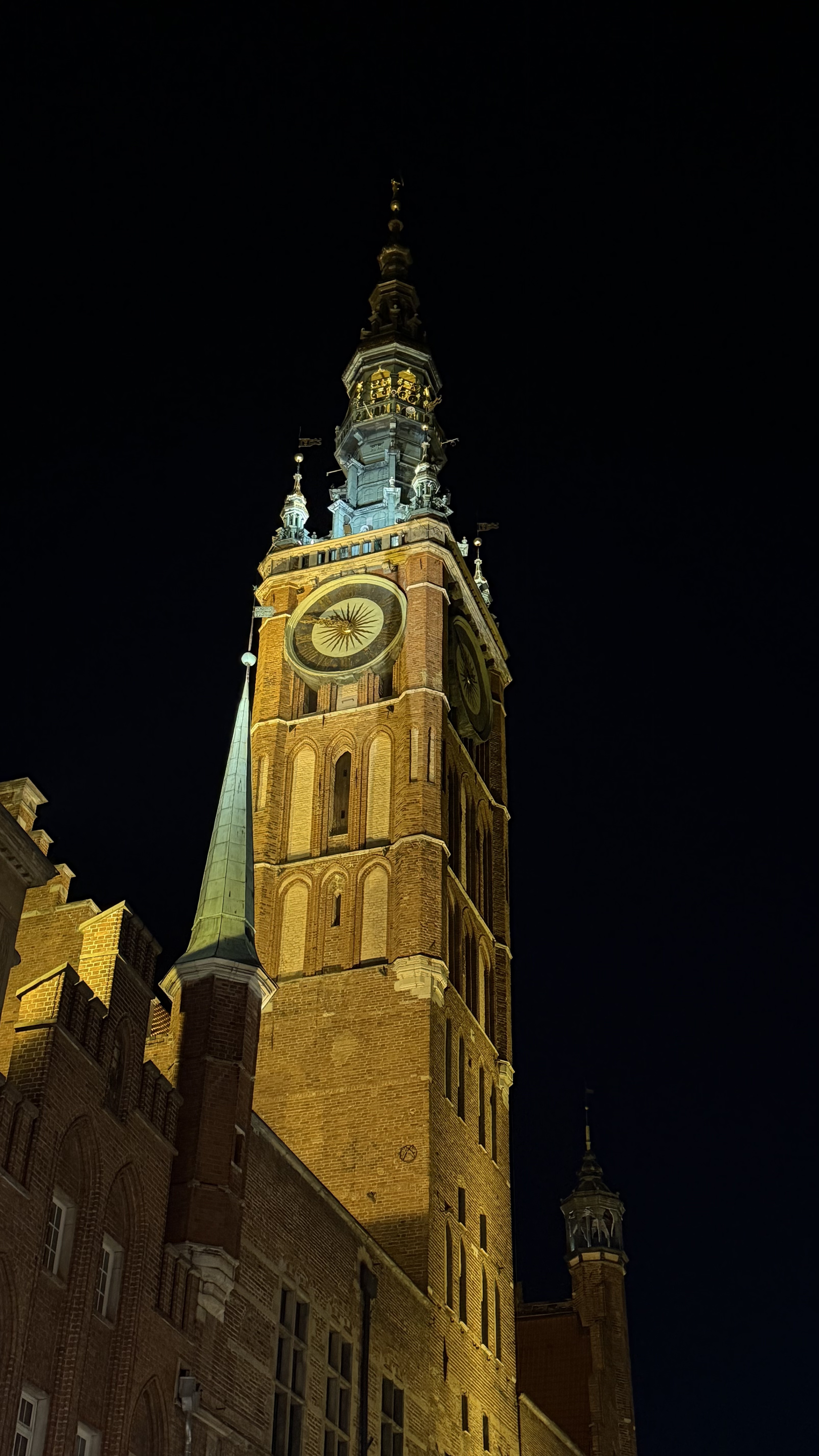
The origins of the Gdańsk Main Town Hall date back to the late 13th century when a converted merchant’s office served as the city’s first town hall. By 1336, a new, albeit smaller, building had been constructed to accommodate the city’s administrative needs. However, as Gdańsk grew, so did the need for a more substantial town hall, leading to several expansions and renovations over the centuries.
In 1970, the restored Gdańsk Main Town Hall was officially reopened as the Museum of Gdańsk, now known as the Museum of the History of the City of Gdańsk. The museum’s exhibits offer a window into the city’s rich past, showcasing artifacts, paintings, and furnishings that survived the war. The museum’s collection includes pieces from the town hall’s own history, providing visitors with a deeper understanding of Gdańsk’s cultural and historical heritage.
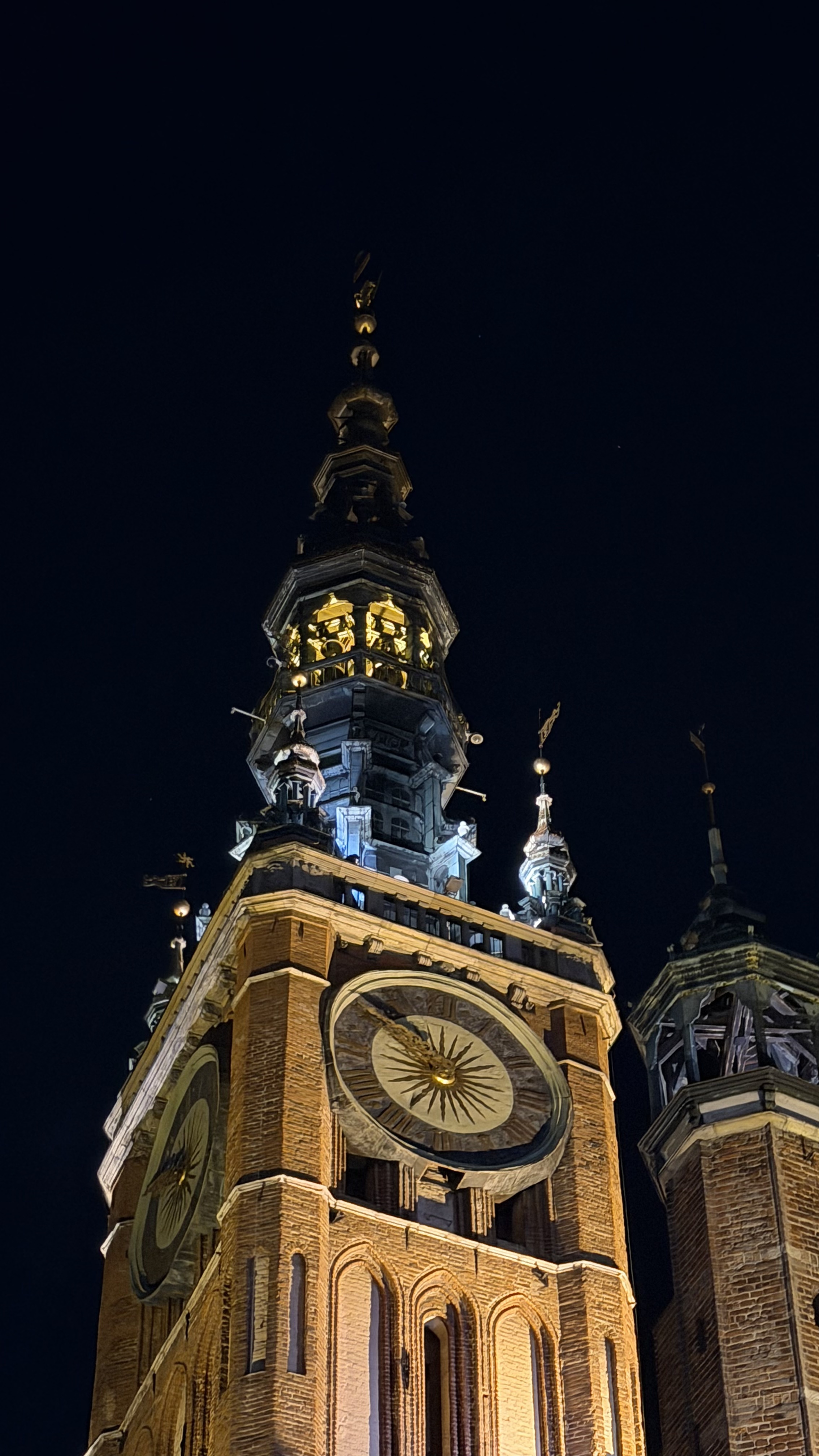
The Gdańsk Main Town Hall’s architecture is a blend of Gothic and Renaissance styles, reflecting its long history and the various periods of construction and reconstruction. The building’s most striking feature is its tower, topped with a gilded statue of King Sigismund II Augustus. The tower also houses a carillon, a set of bells that play melodies, adding a musical charm to the town hall’s presence.
Today, the Gdańsk Main Town Hall stands not only as a museum but also as a living symbol of the city’s resilience and cultural richness. Its walls tell the story of a city that has weathered wars, political changes, and economic shifts, always emerging with its spirit intact. Visitors to the town hall can immerse themselves in this history, exploring the building’s architectural beauty and the stories it holds within.
Unfortunately, we didn’t get to visit the inside of the museum, but it was always a highlight seeing it as we enjoyed Gdansk in the evenings.
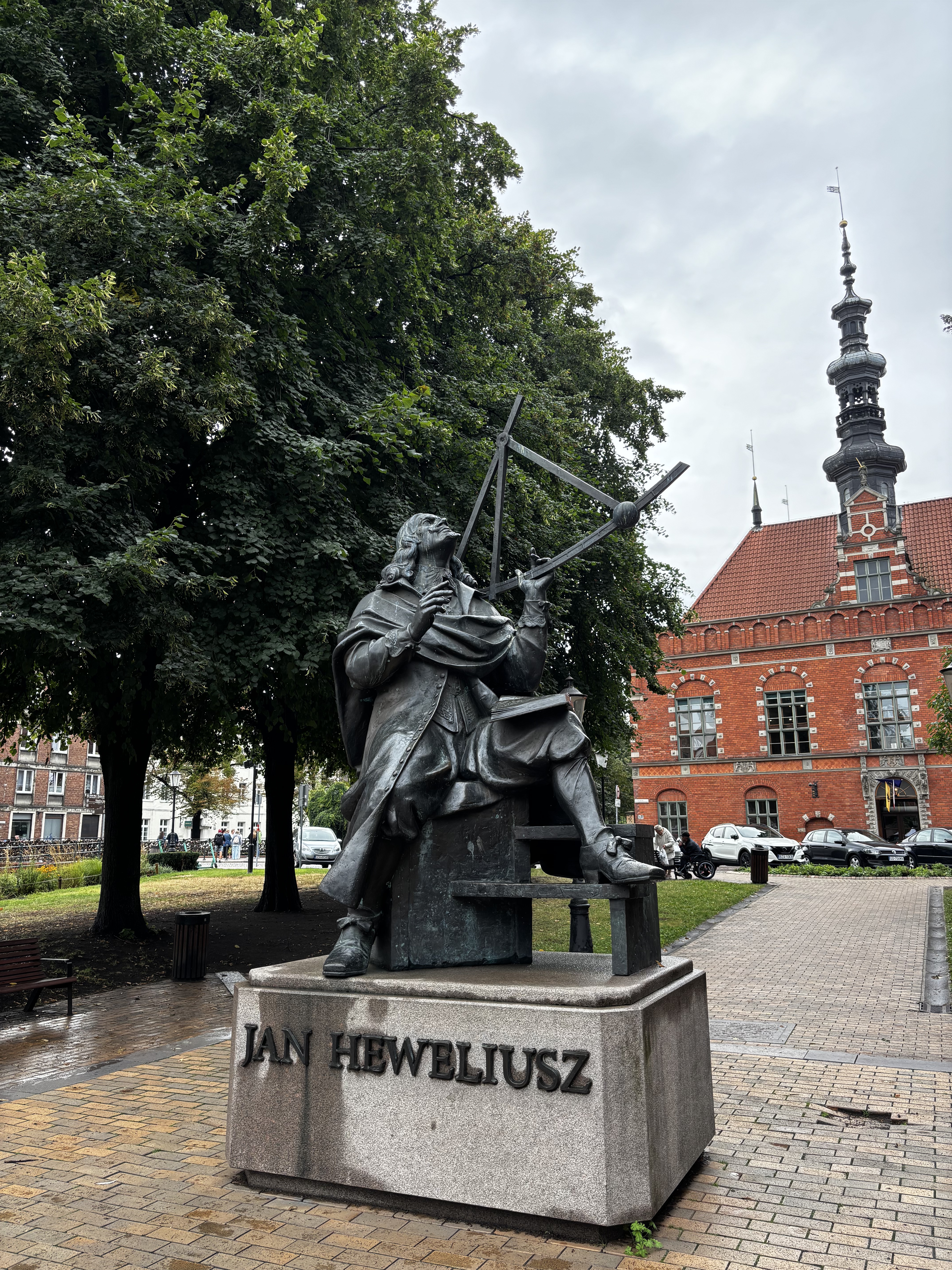
Johannes Hevelius
Johannes Hevelius (also known as Jan Heweliusz) was a 17th-century astronomer from Gdańsk who became famous as the founder of lunar topography.
Johannes was born in January 1611 and died in January 1687 in Gdansk. As well as being an astronomer he was also a wealthy brewer and a city councilor. He created the first detailed maps of the Moon and discovered its libration (the rocking motion of the Moon as seen from Earth). He described ten new constellations, seven of which are still used by astronomers today (such as Sextans and Lacerta).
Hevelius’s highly precise, naked-eye measurements caught the attention of the English Royal Society. In 1679, a young Edmond Halley traveled to Gdańsk and spent weeks at Hevelius’s observatory. Their intense discussions on comet paths heavily influenced Halley, who later used similar orbital mathematics to successfully predict the return of what we now call Halley’s Comet.