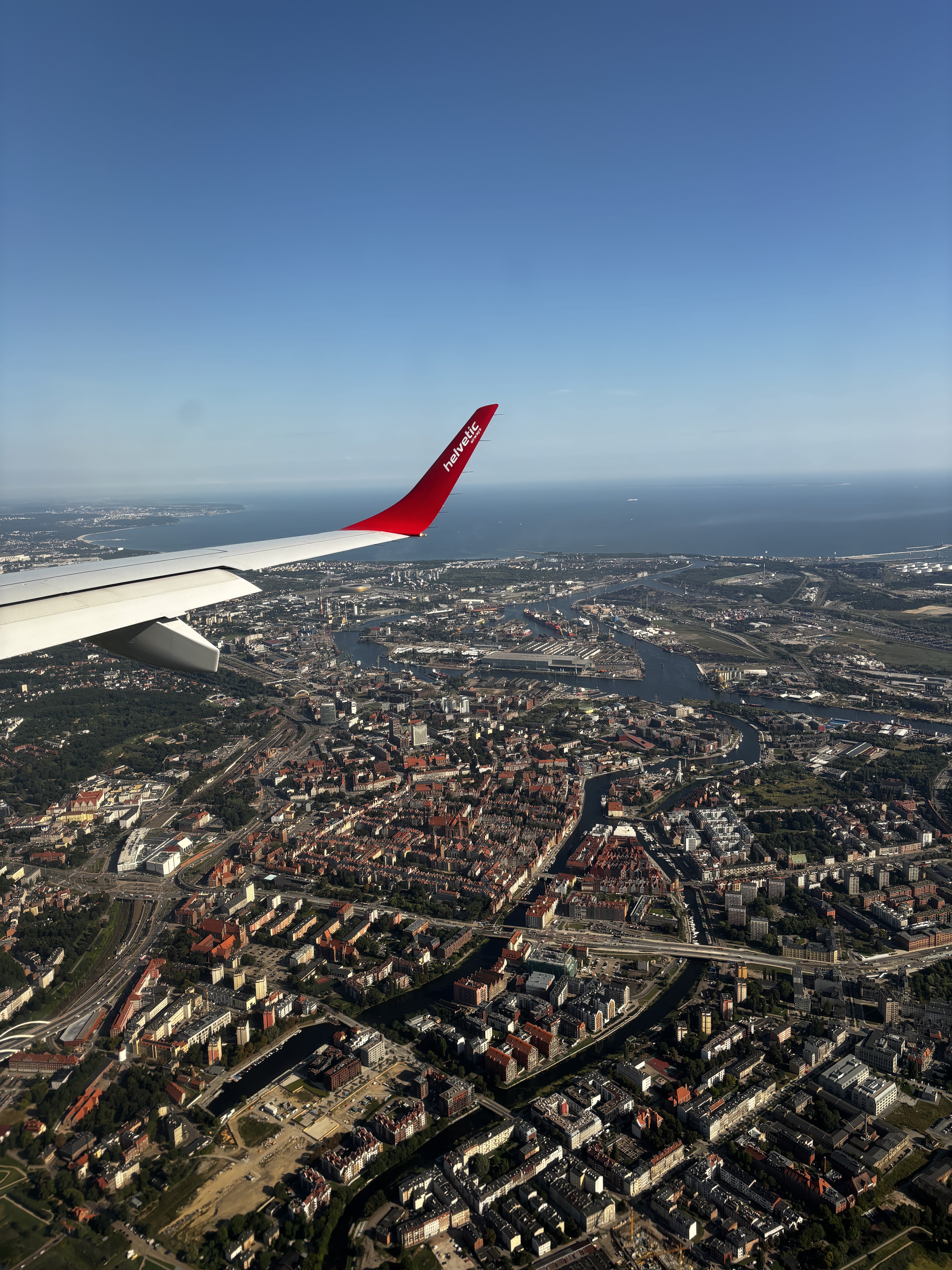
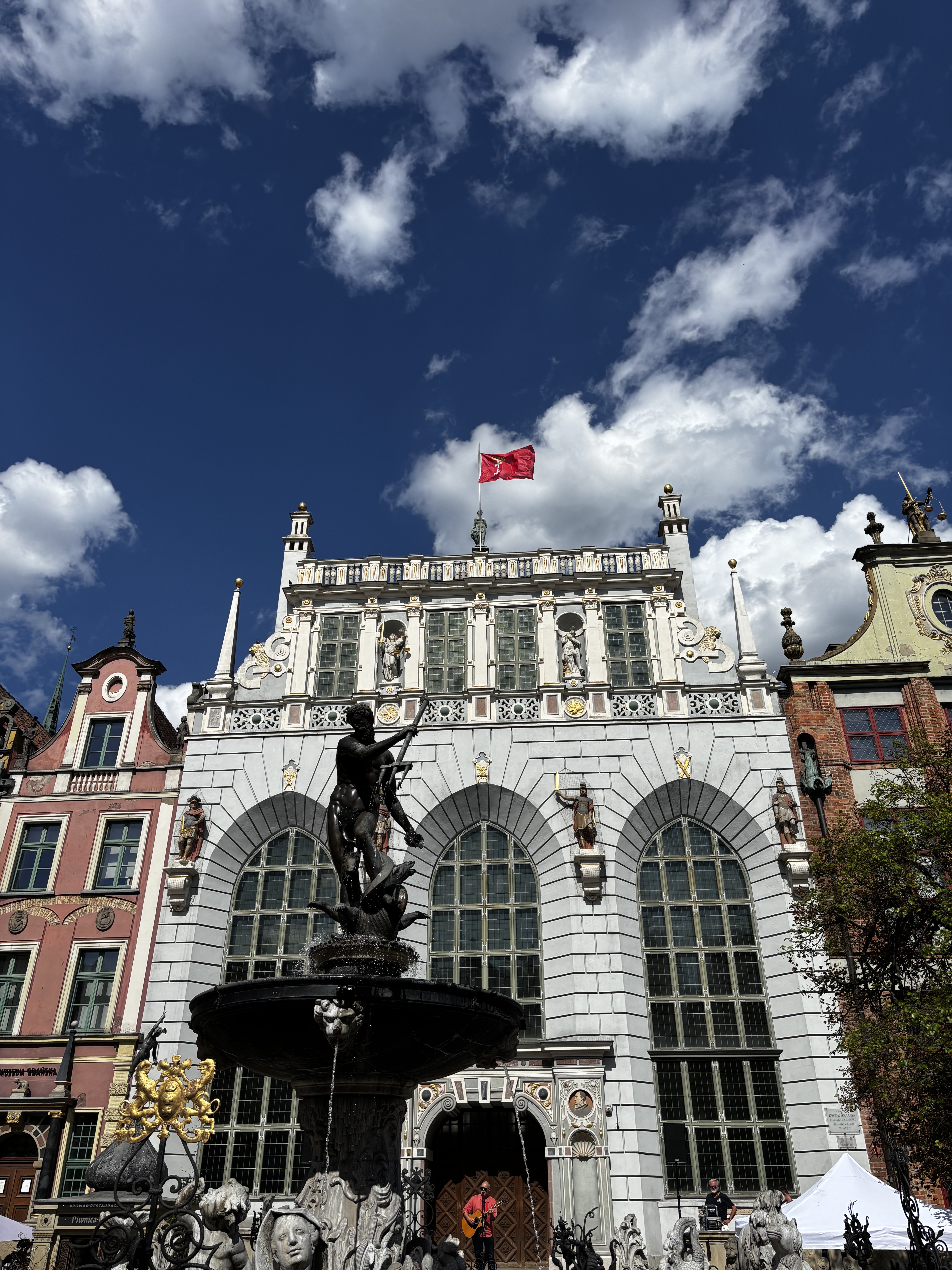
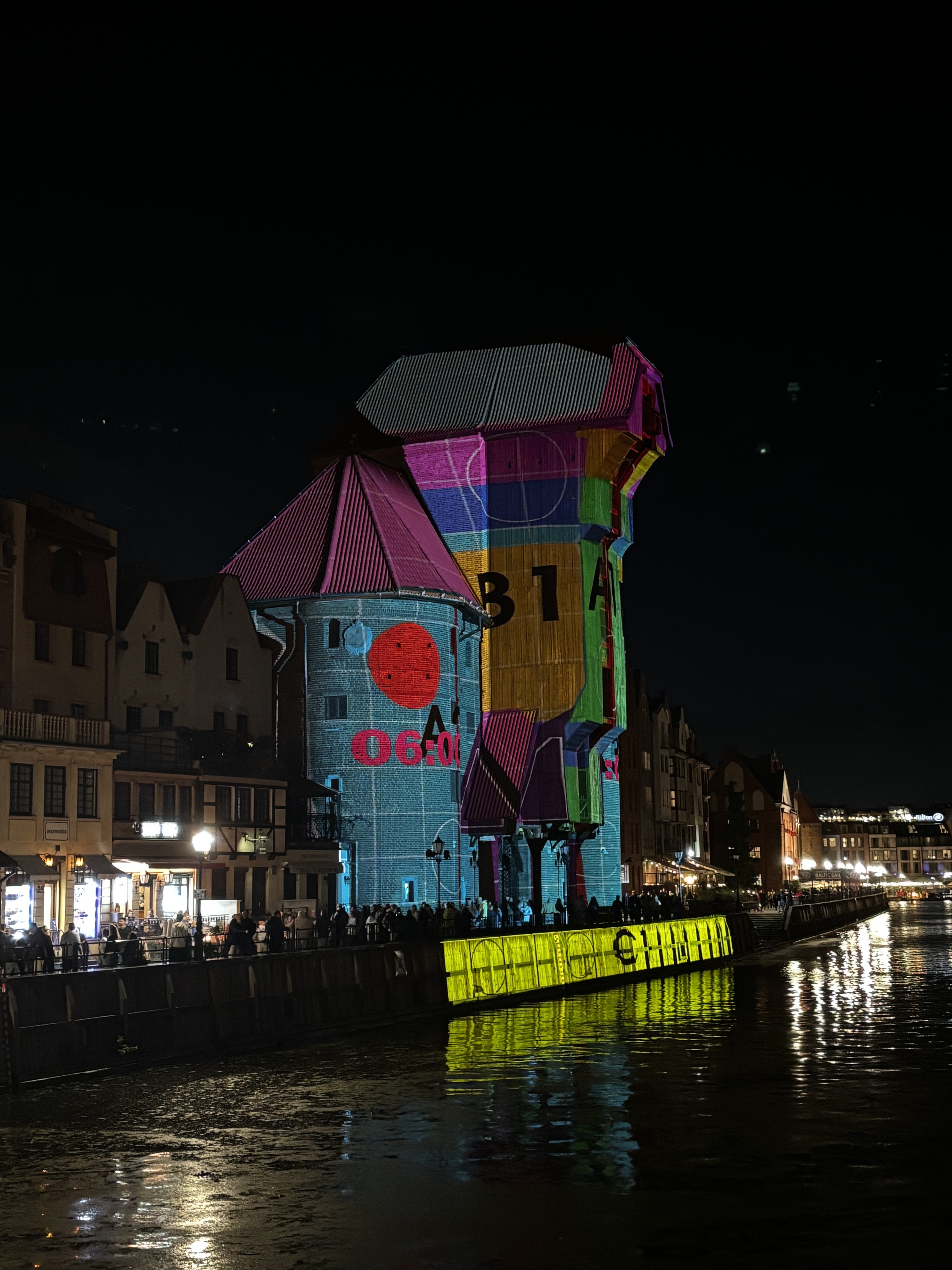
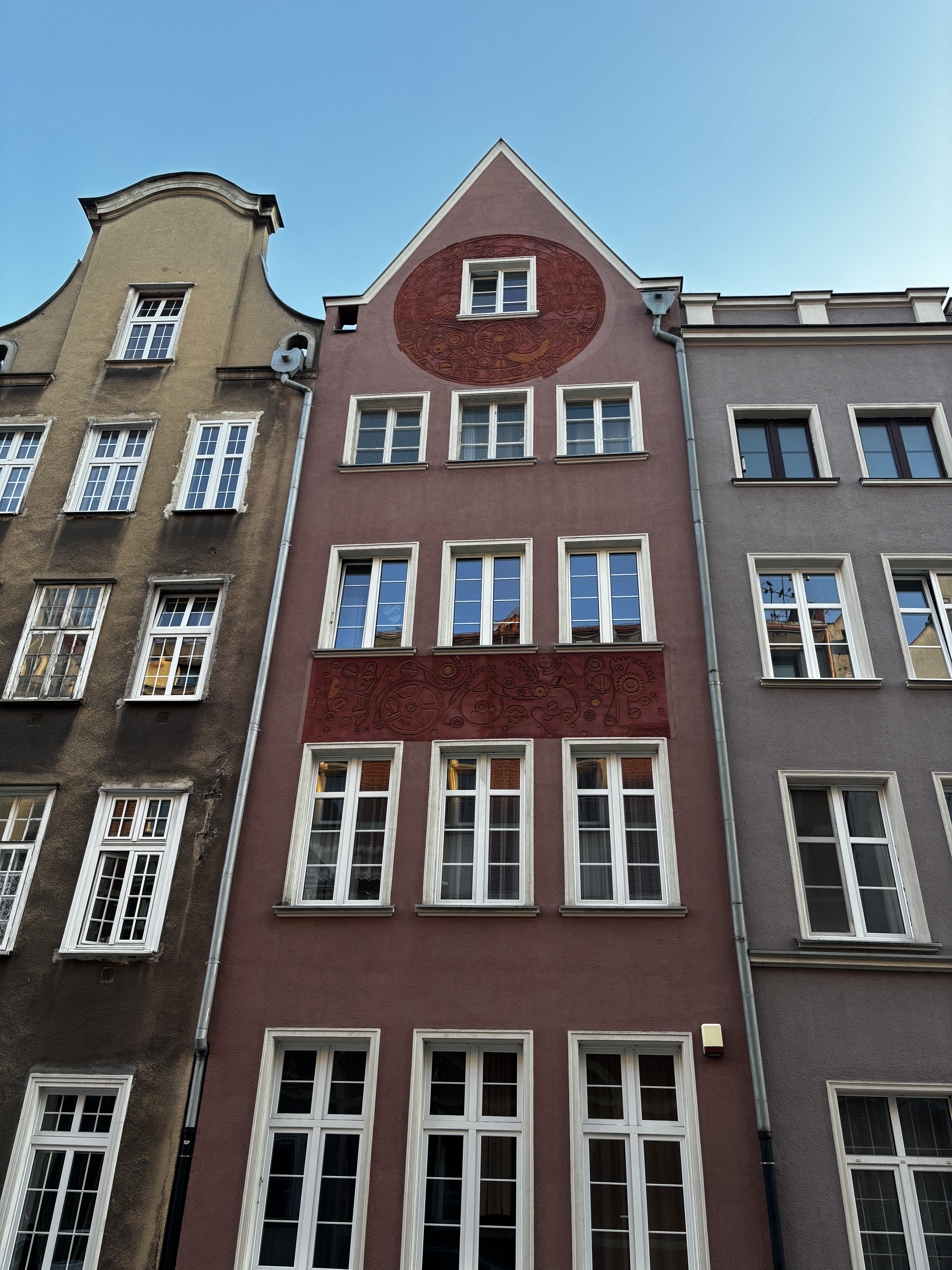
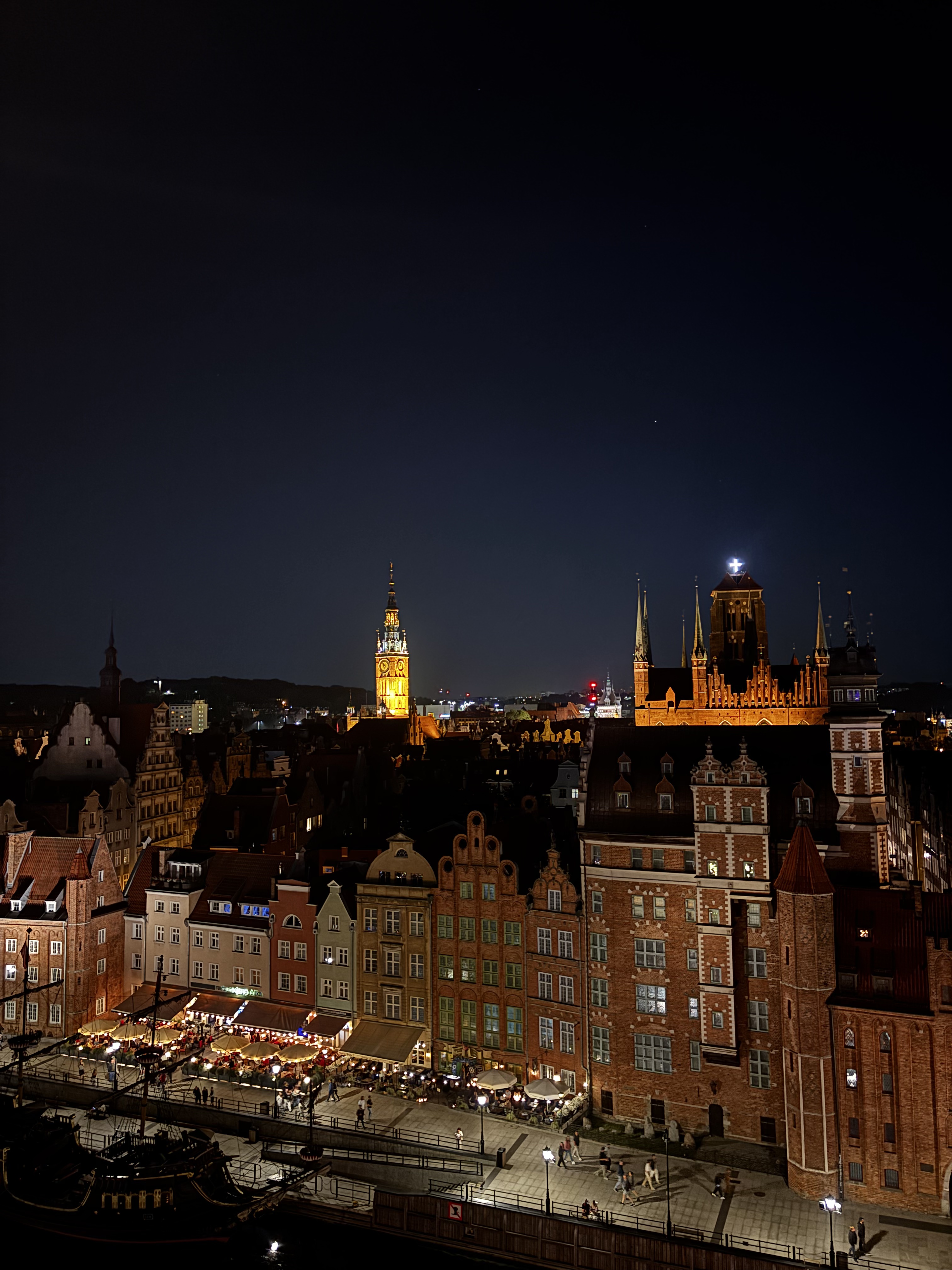
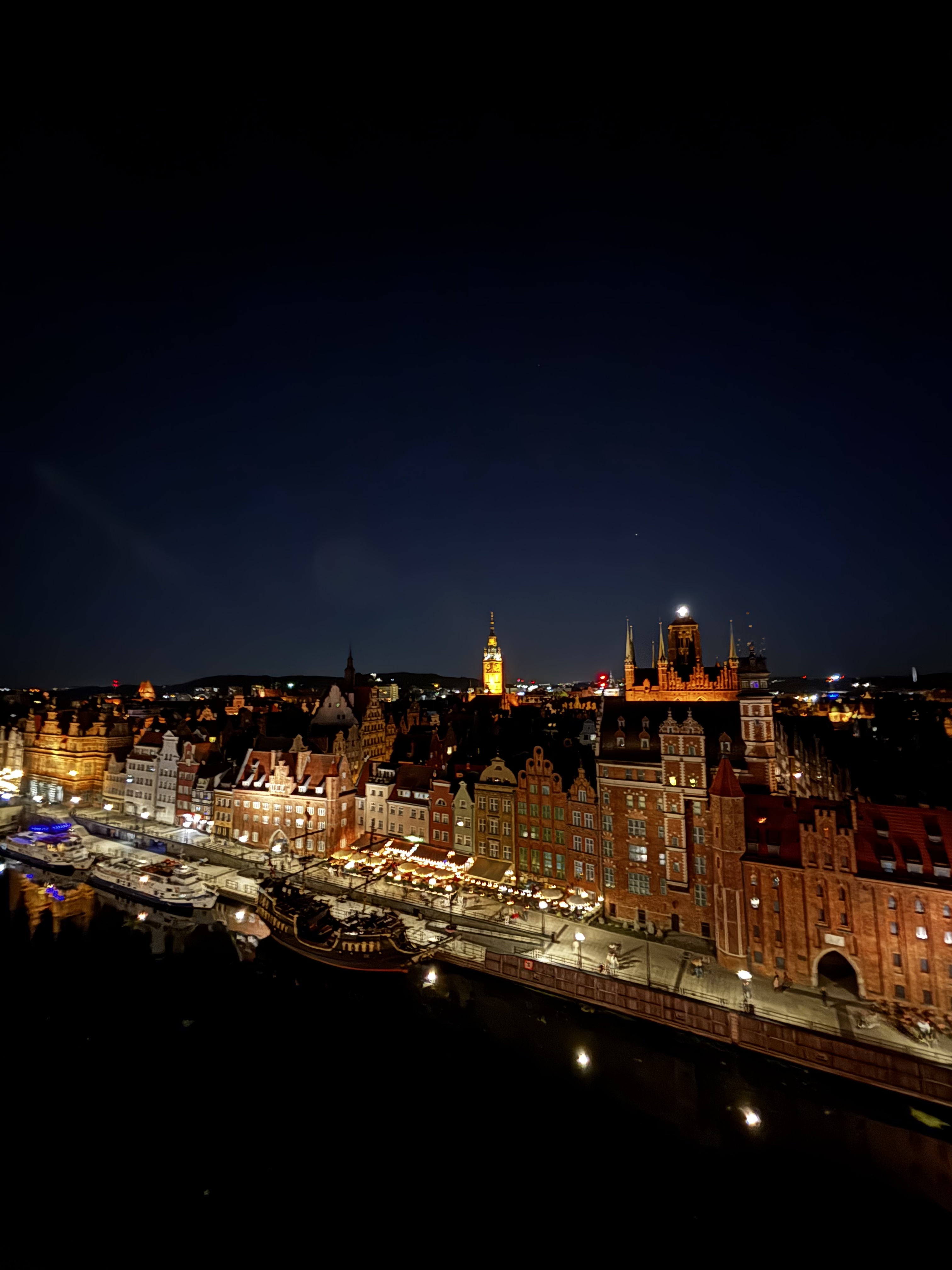
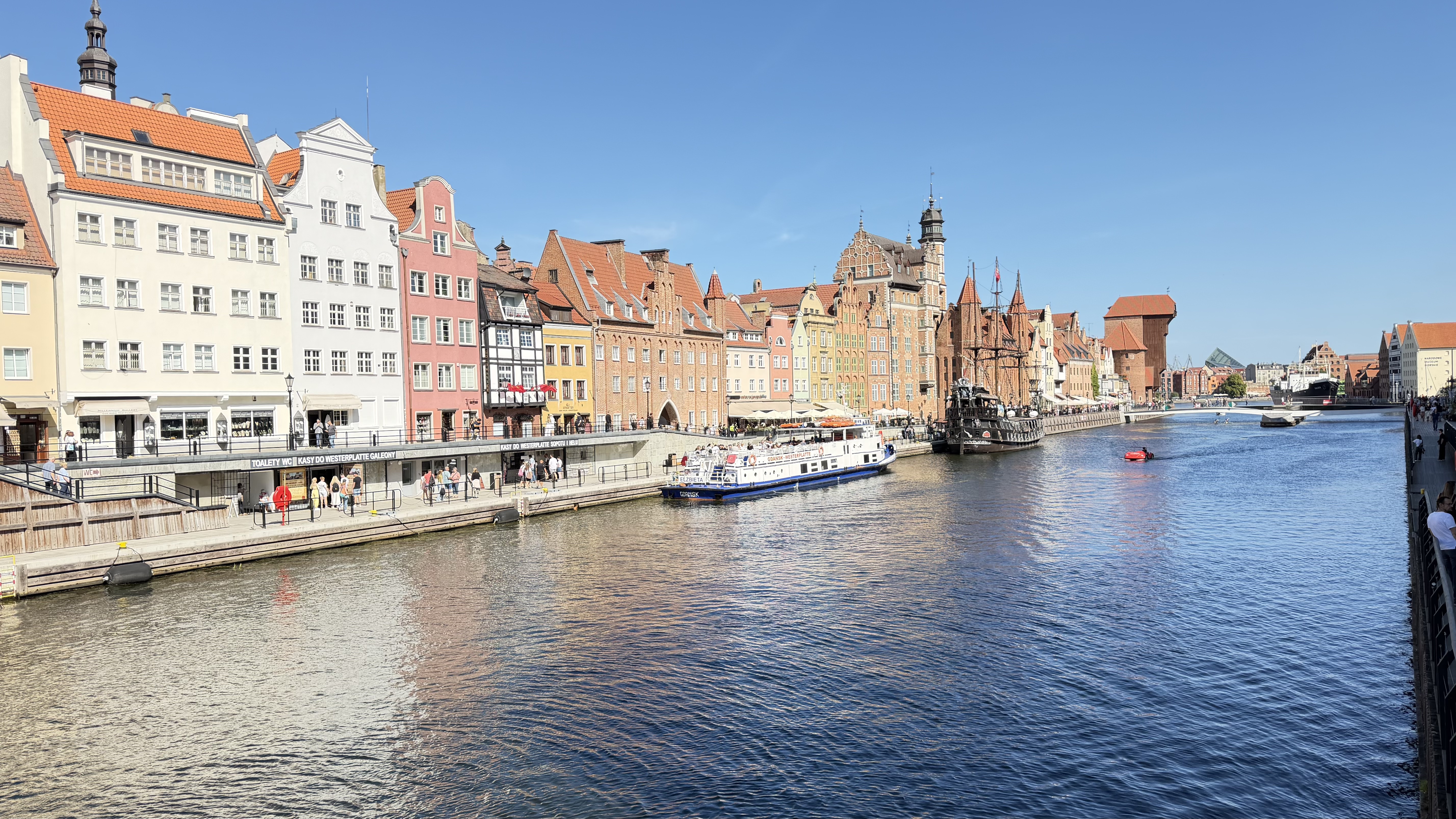
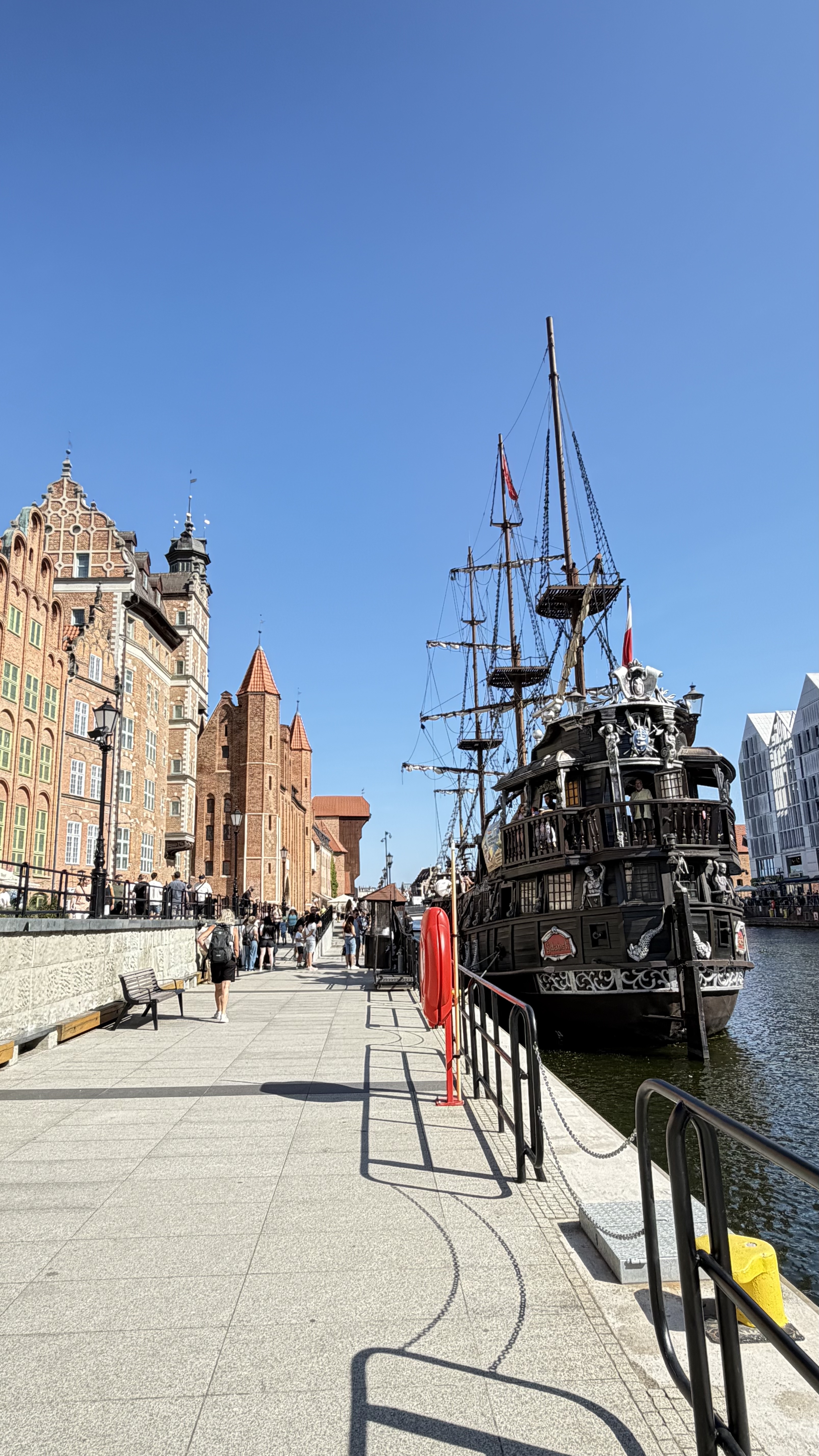
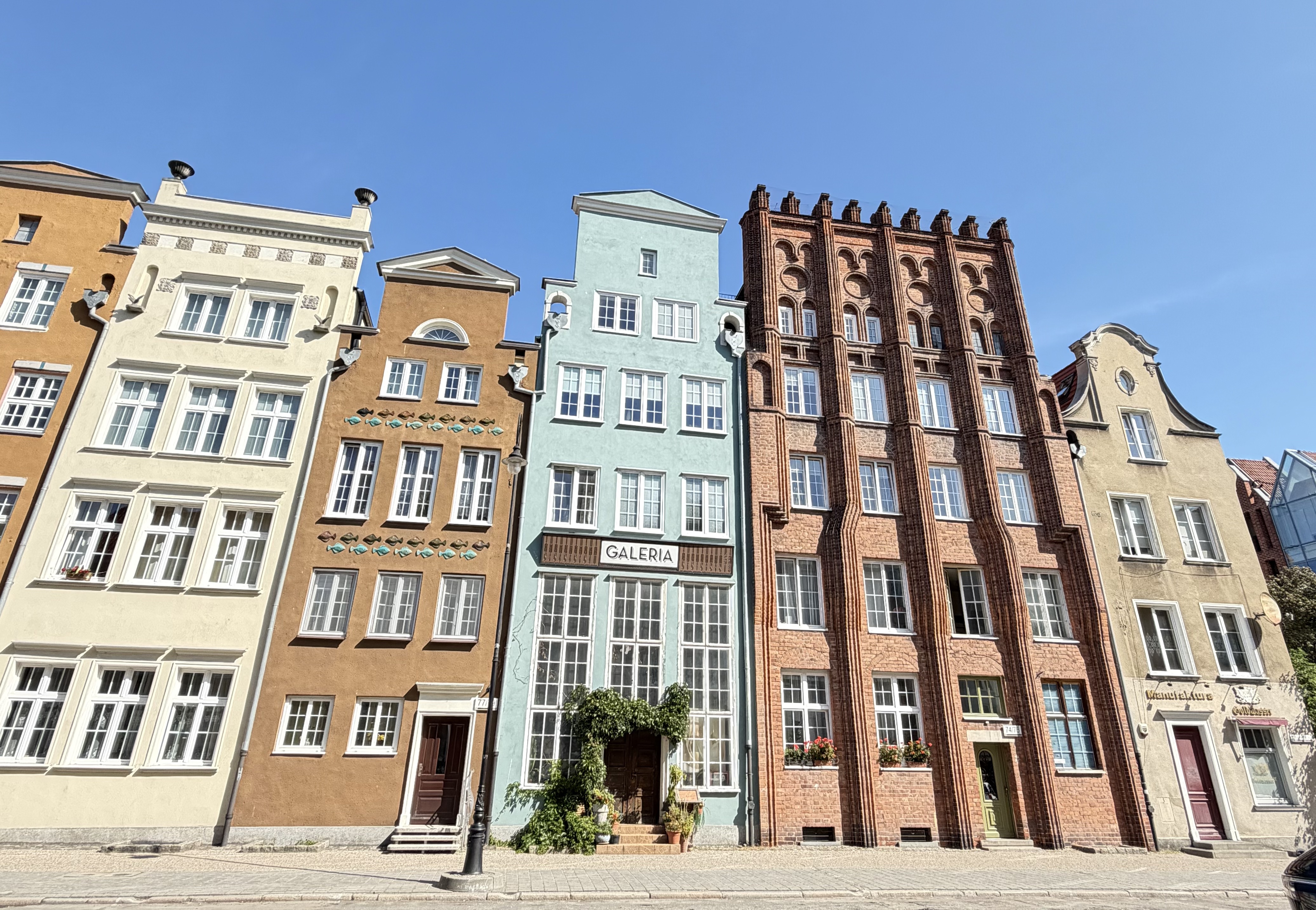
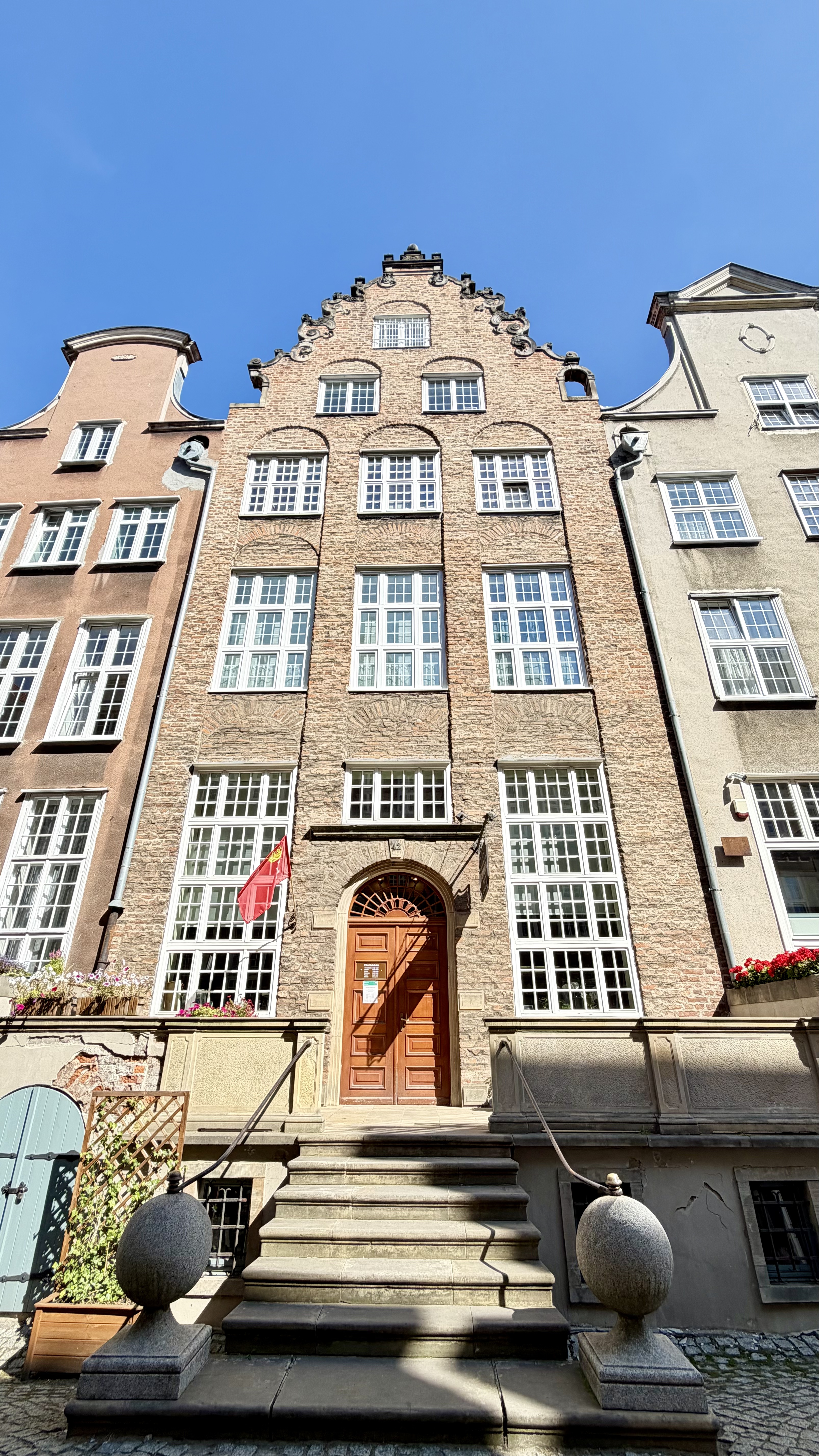
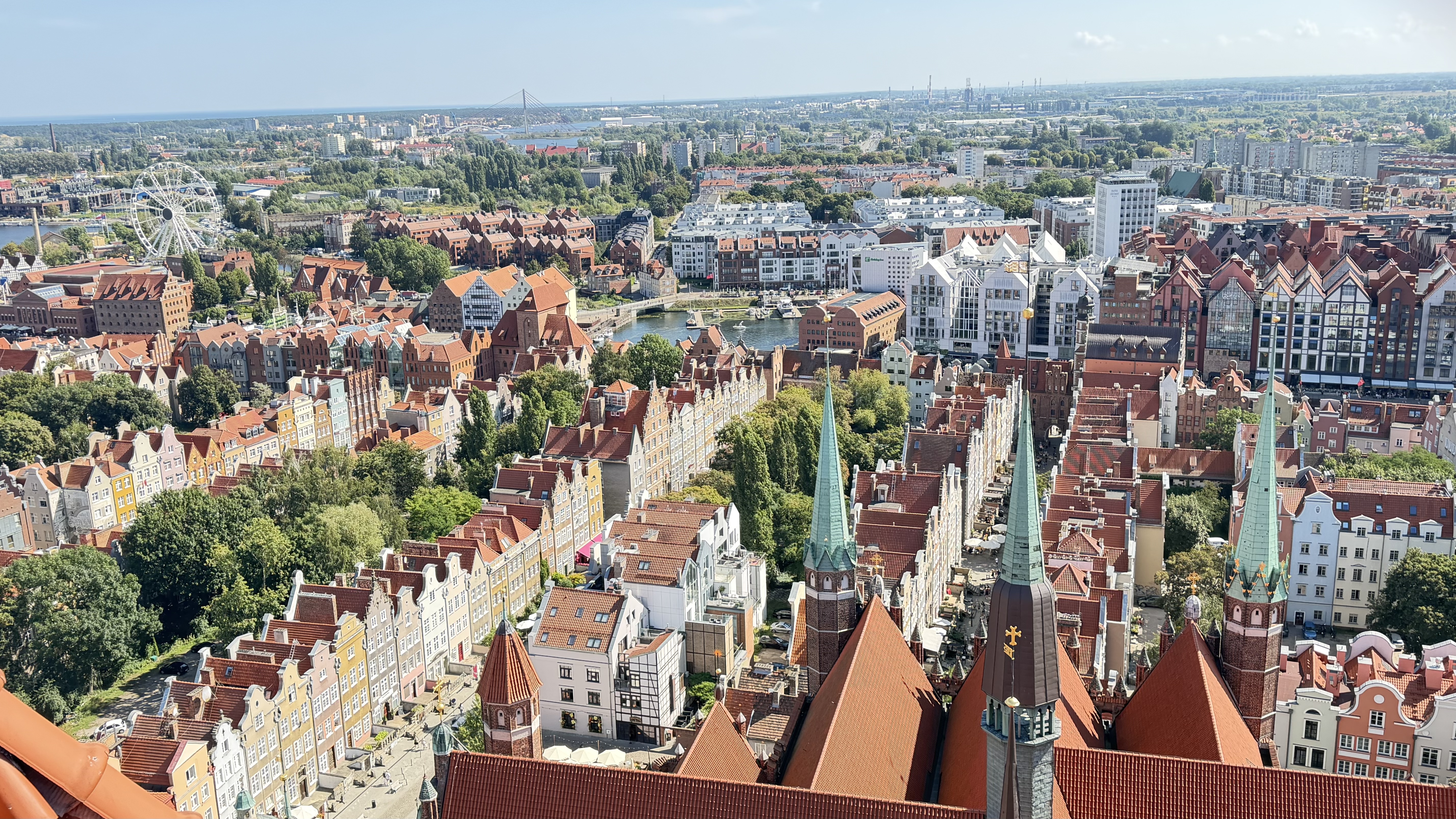
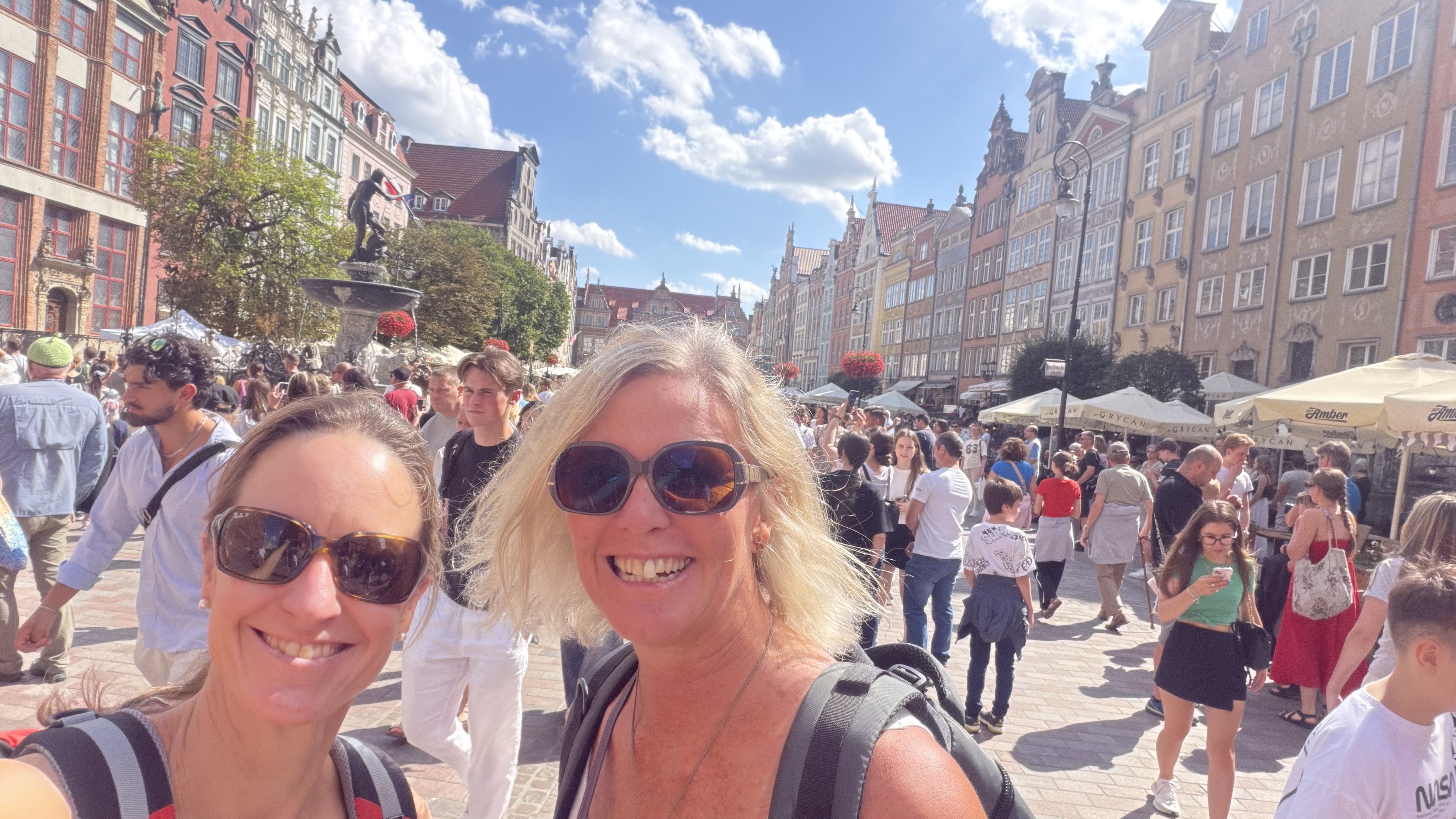
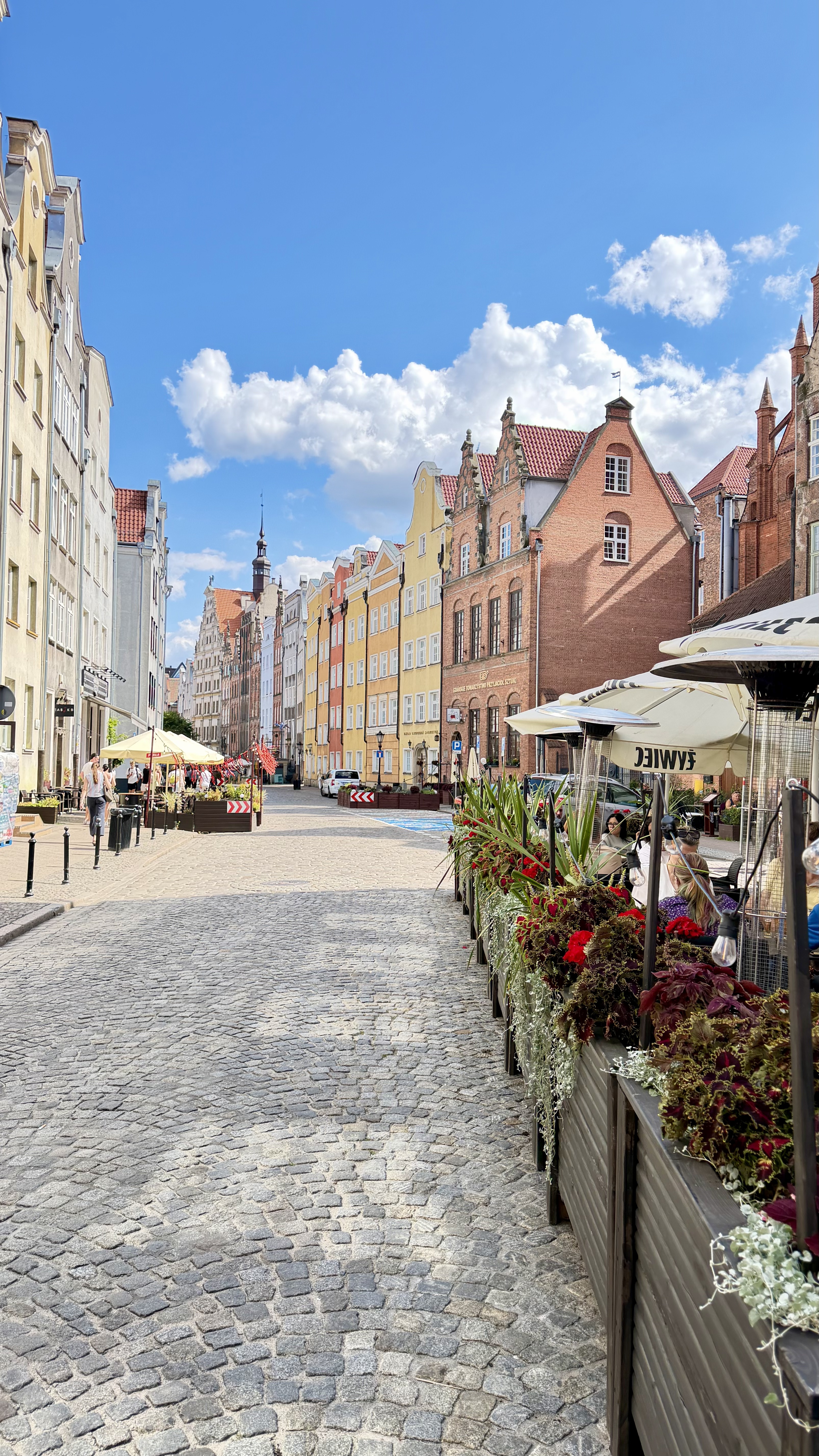
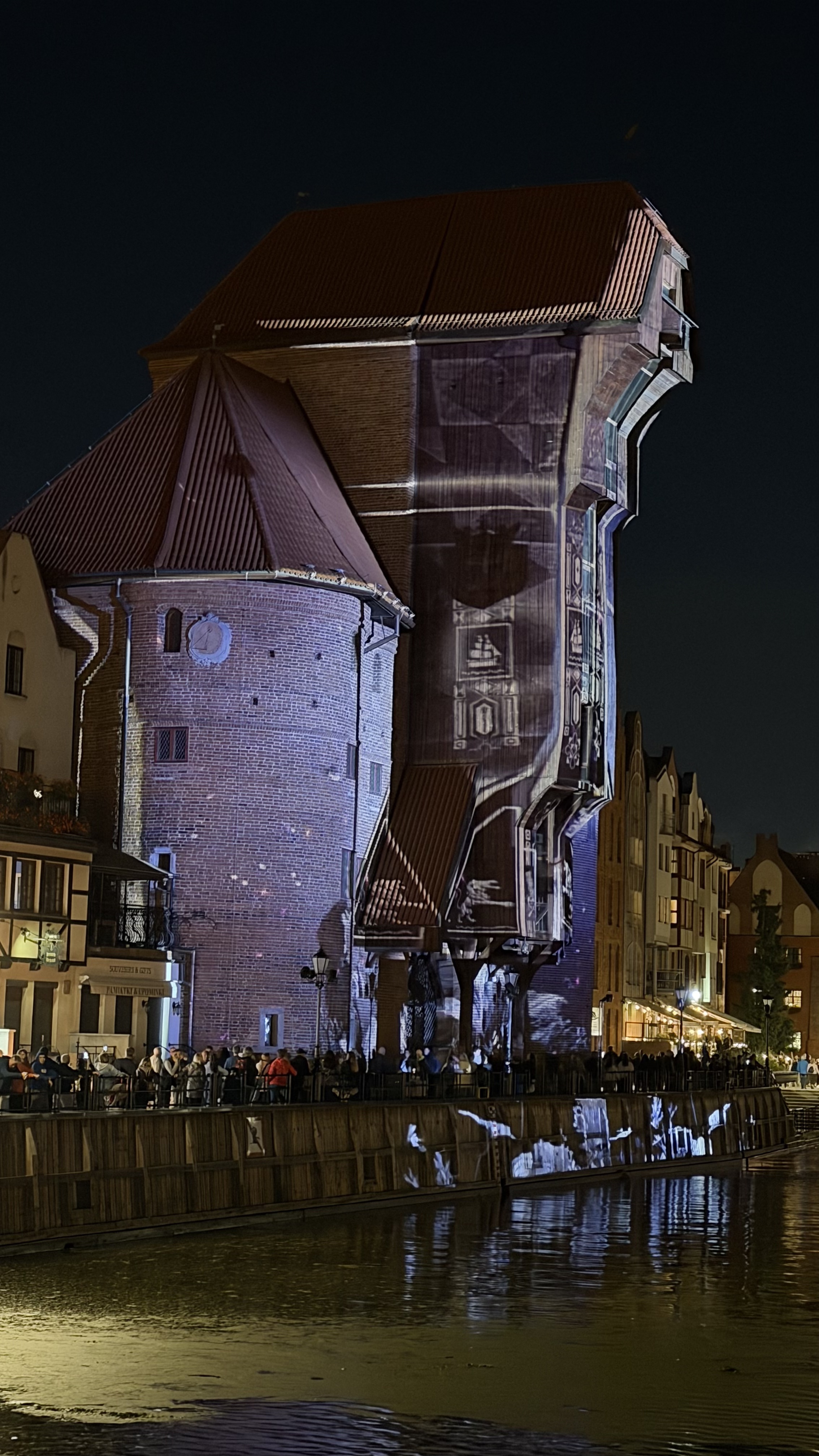
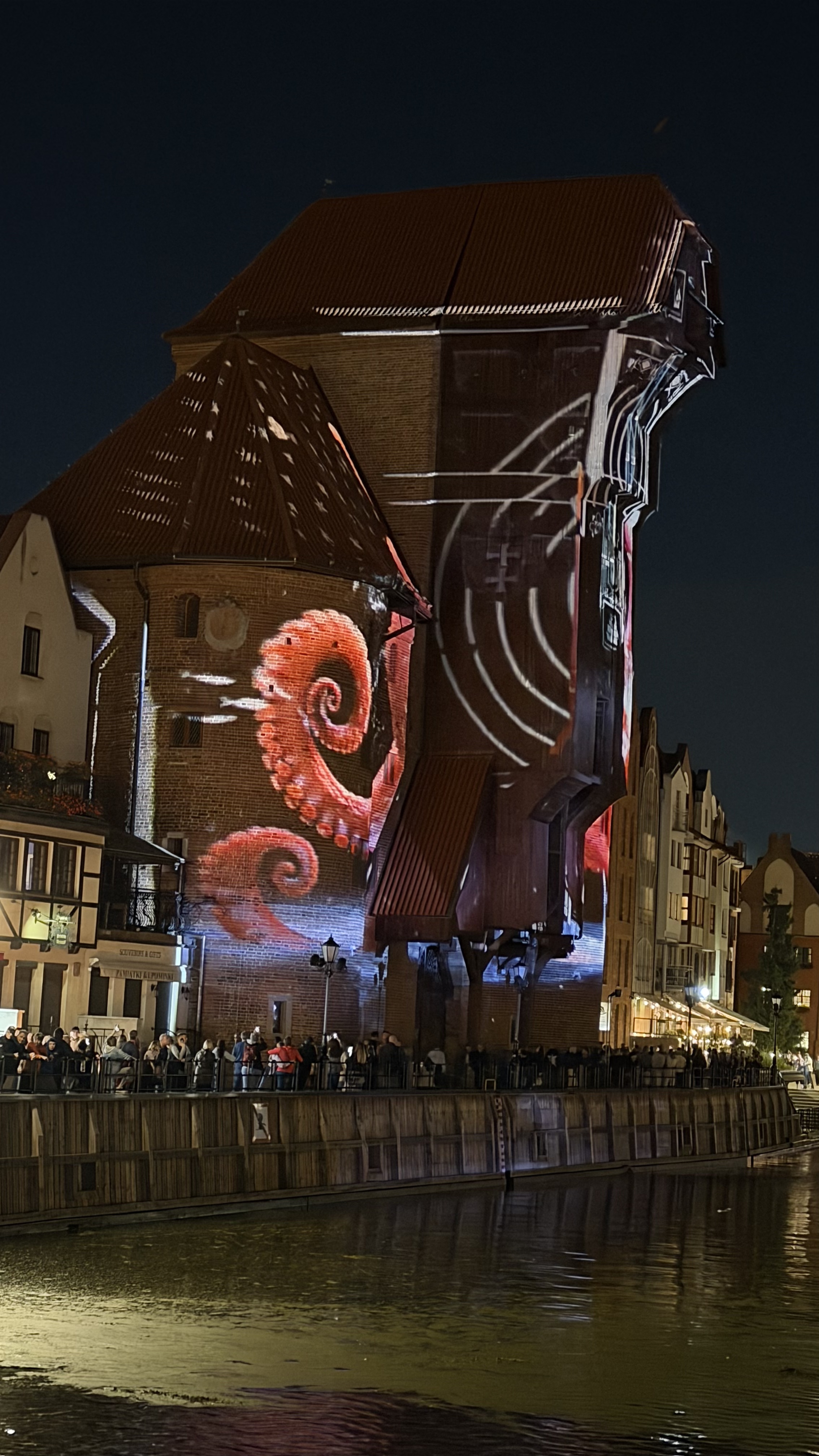
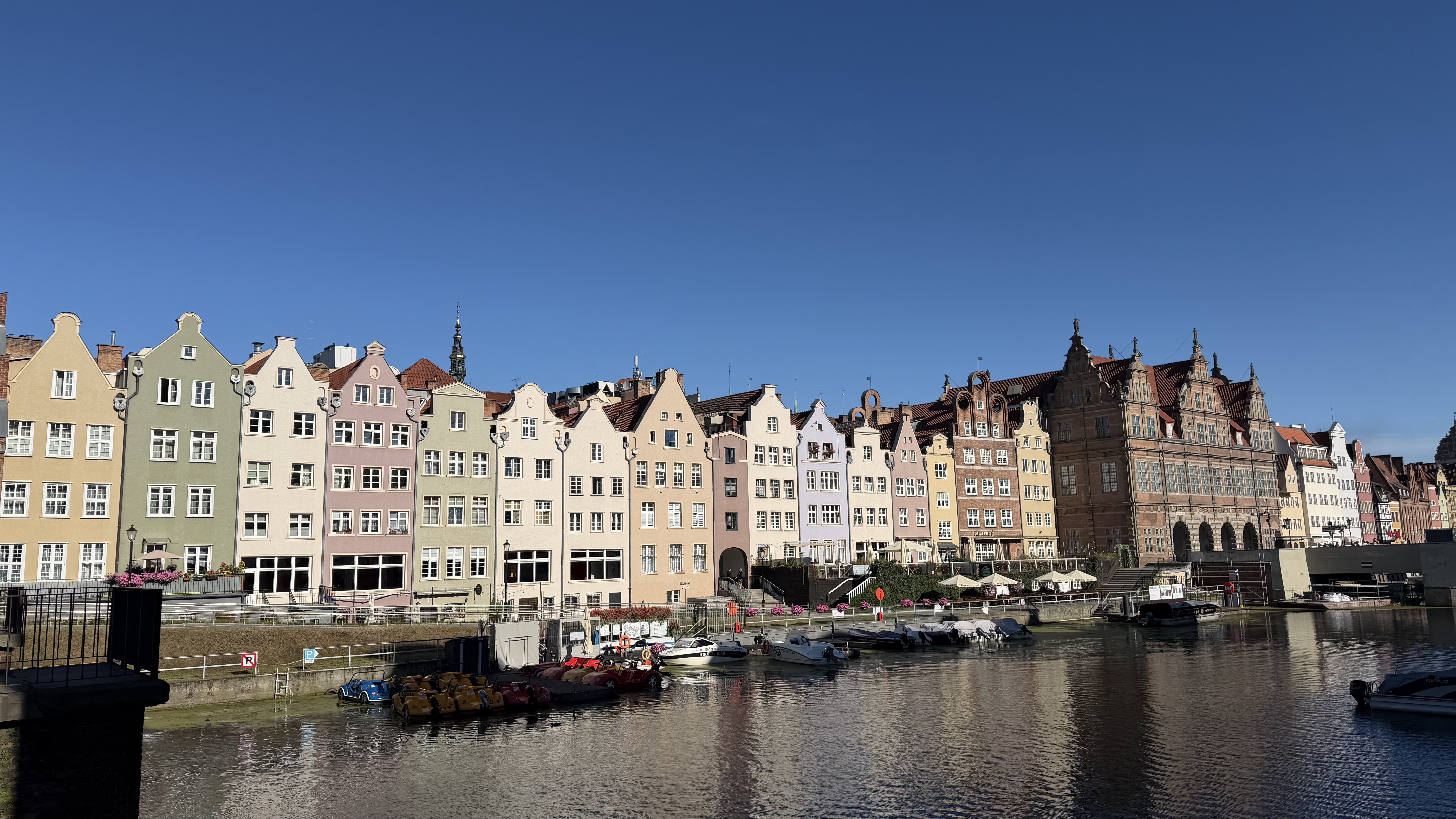
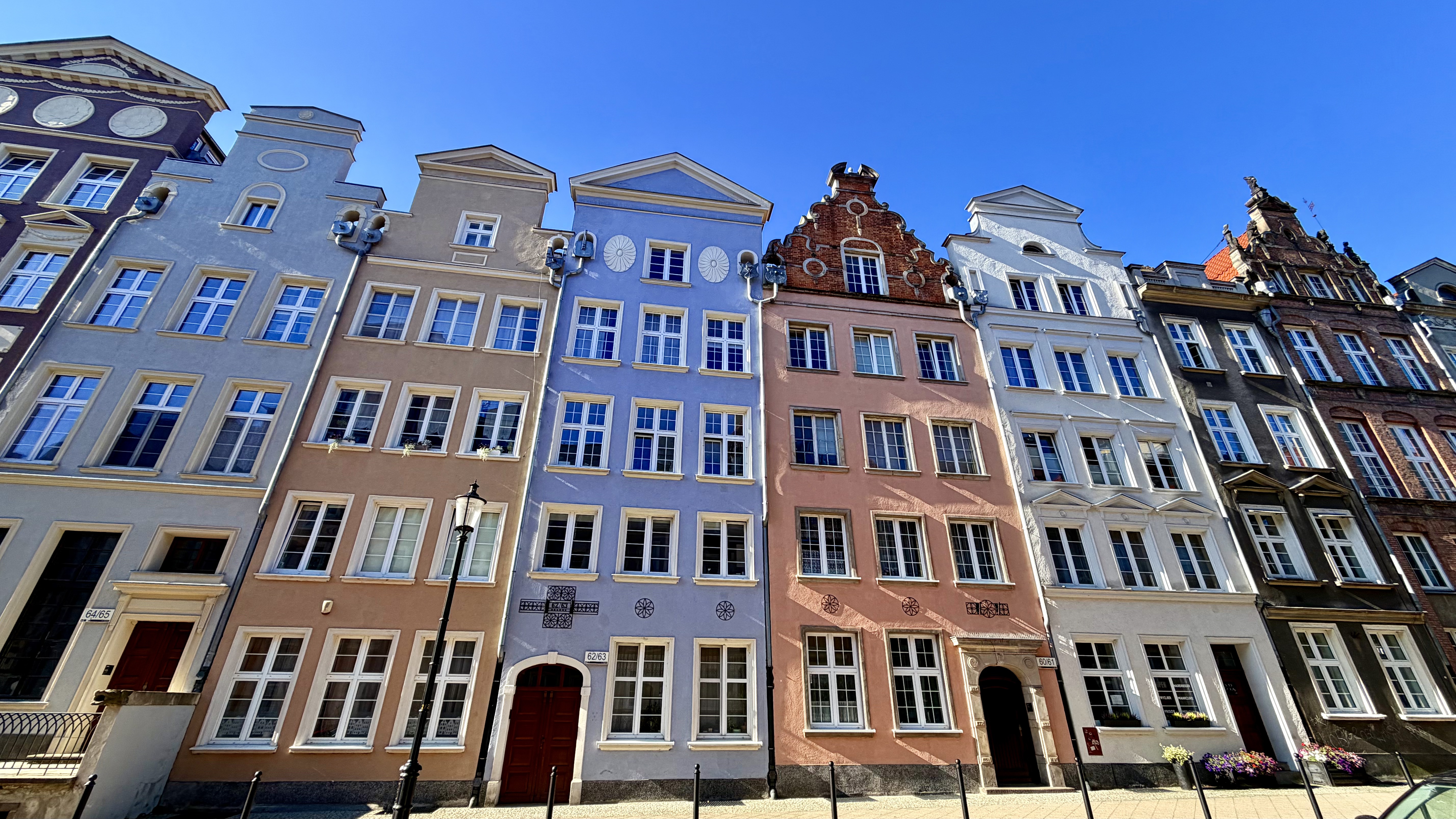
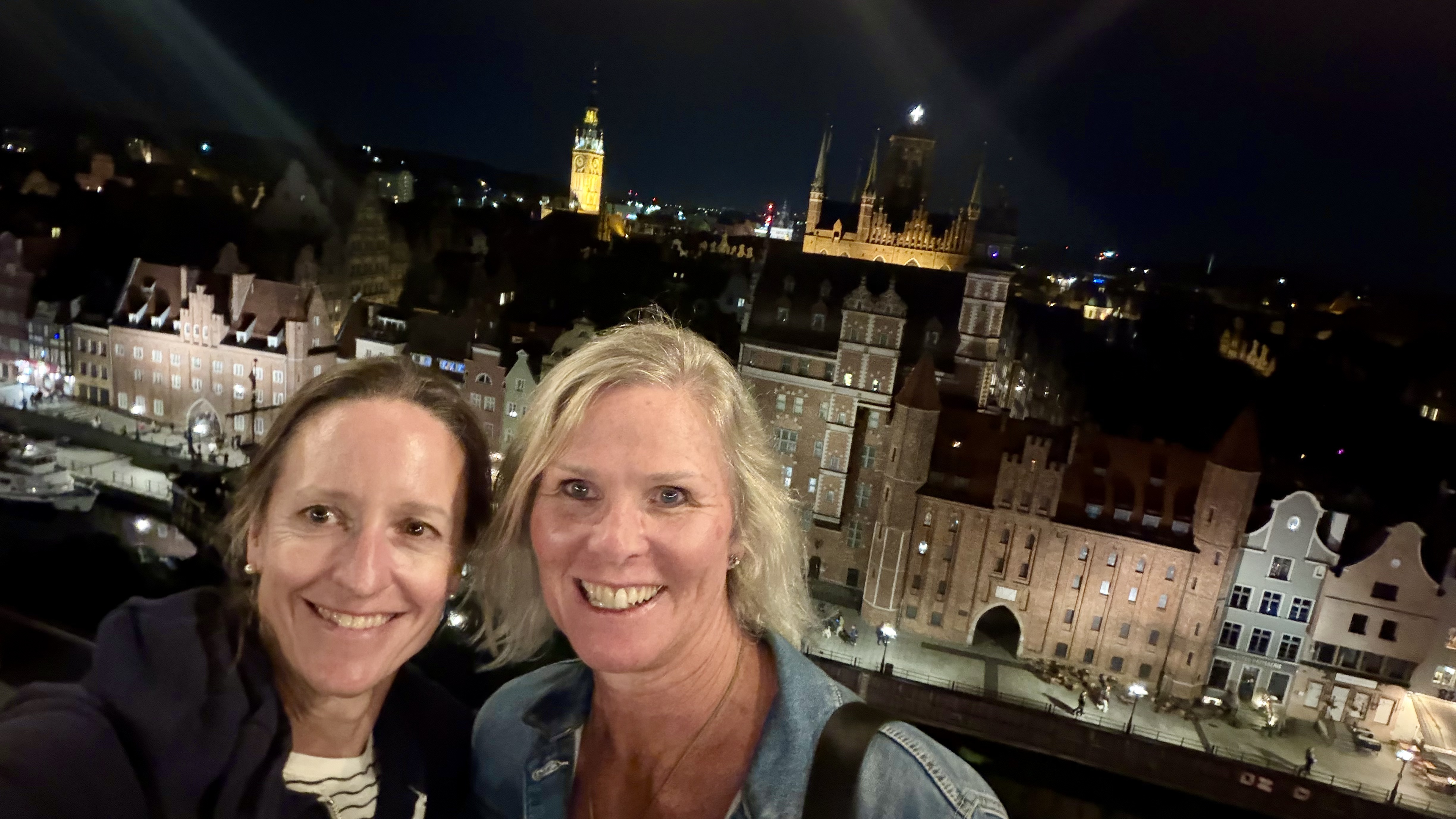
Gdansk in Poland was like being in a fairy tale city – everywhere you looked there were beautiful buildings and churches. We arrived mid-morning, deposited our luggage in the storage and went to explore. The town was busy as there was a Baltic Sail exhibition on. What stood out was the majority of tourists were Polish or Eastern European. We saw very few Asian tourists.
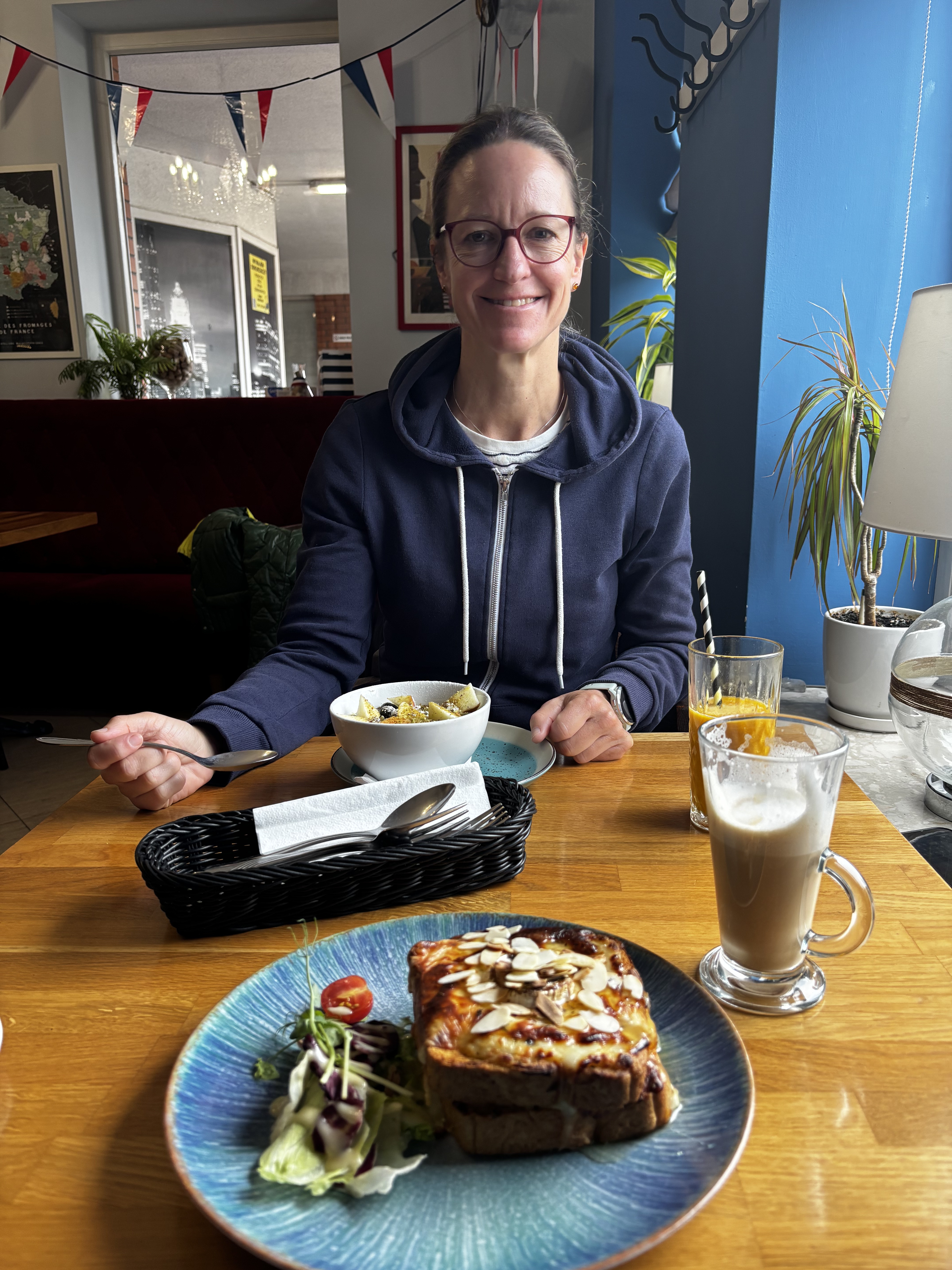
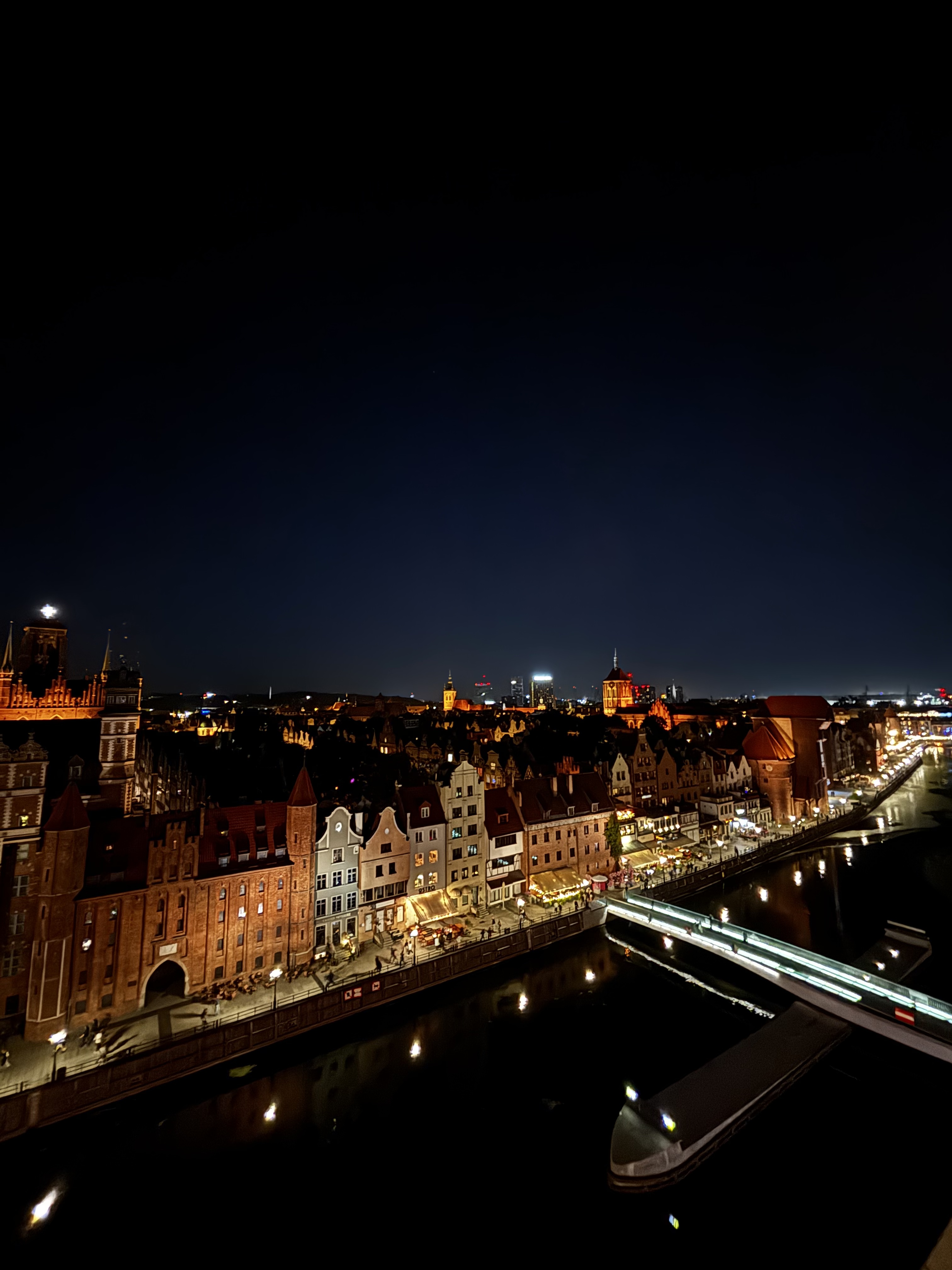
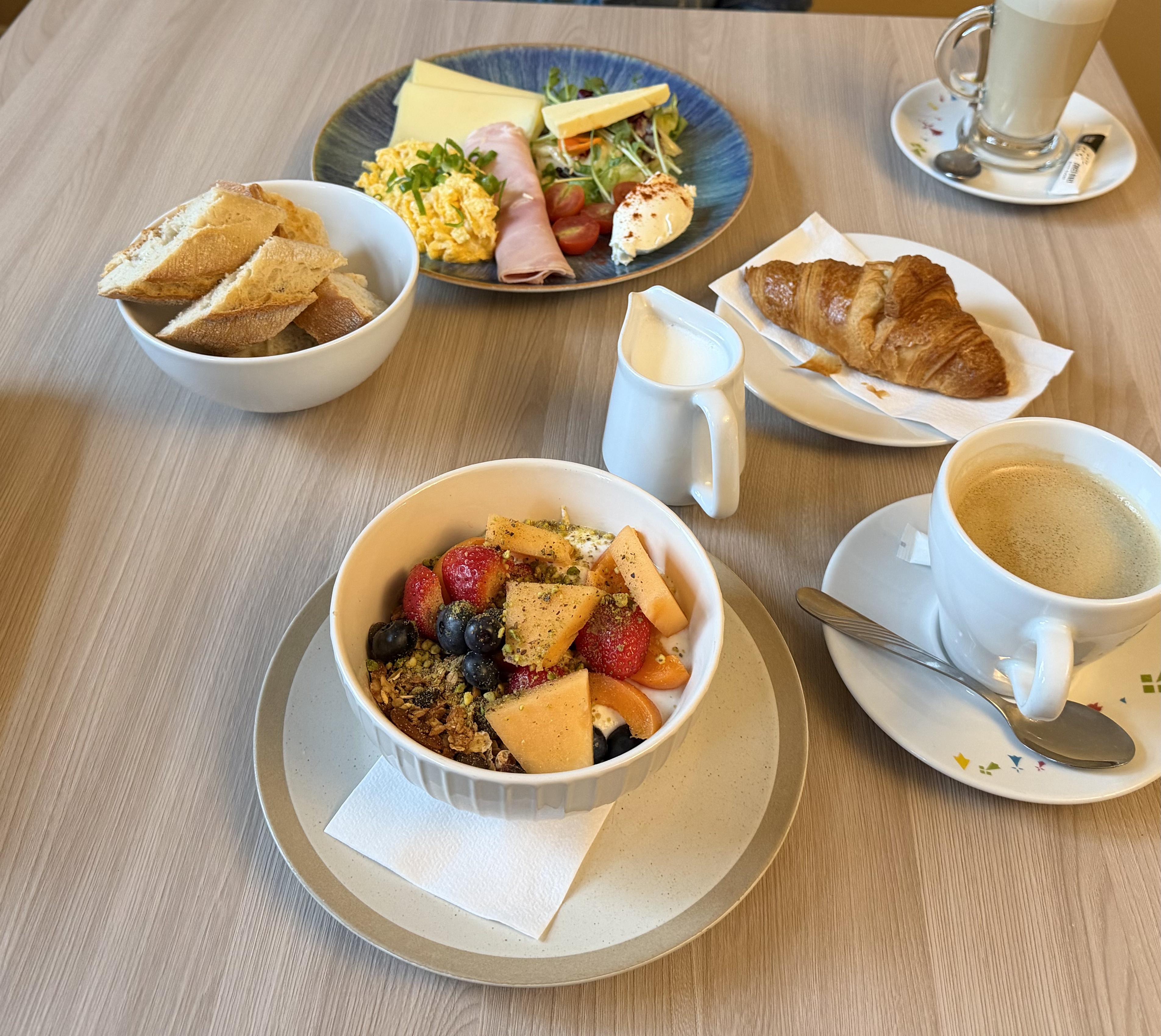
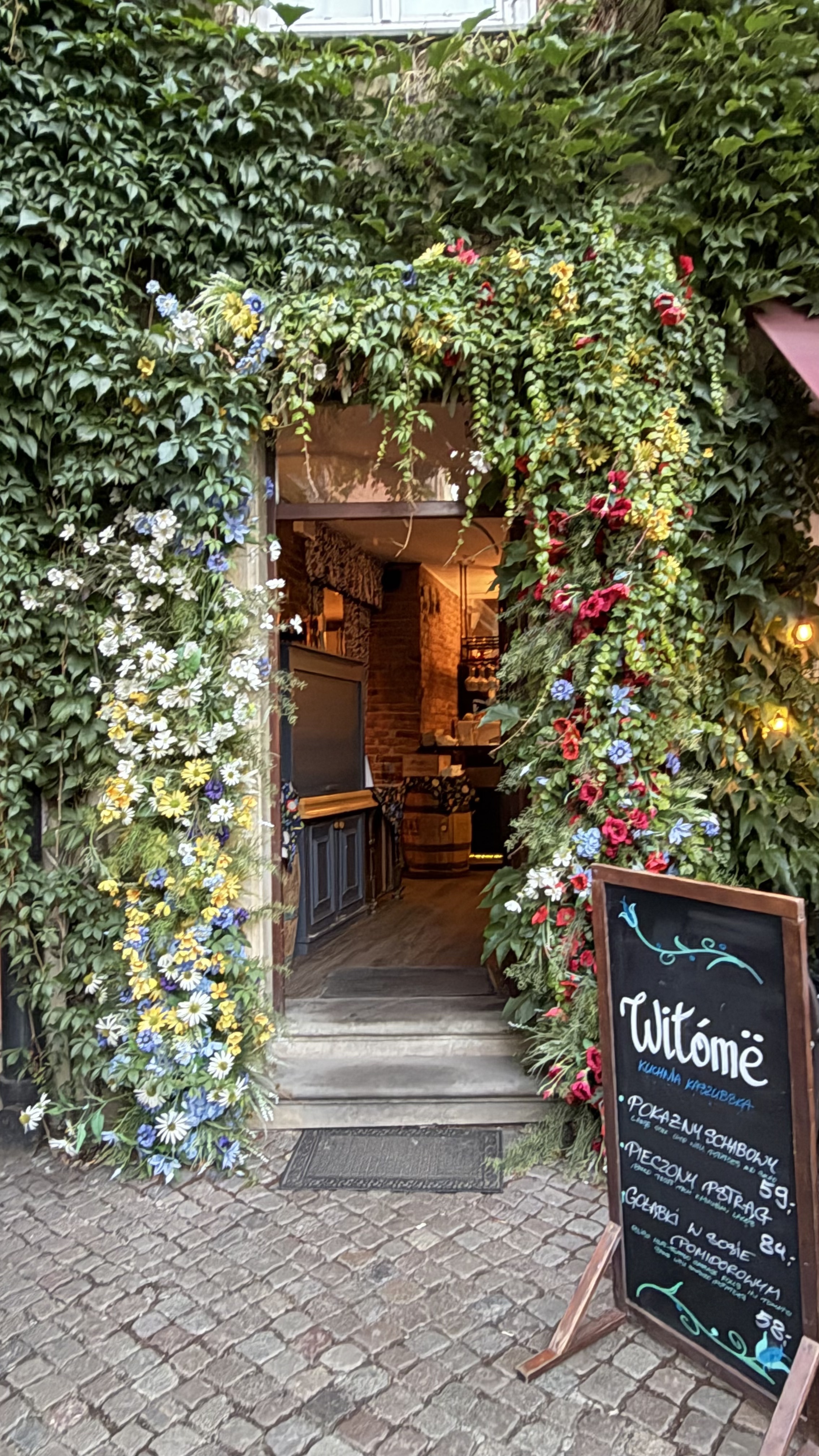
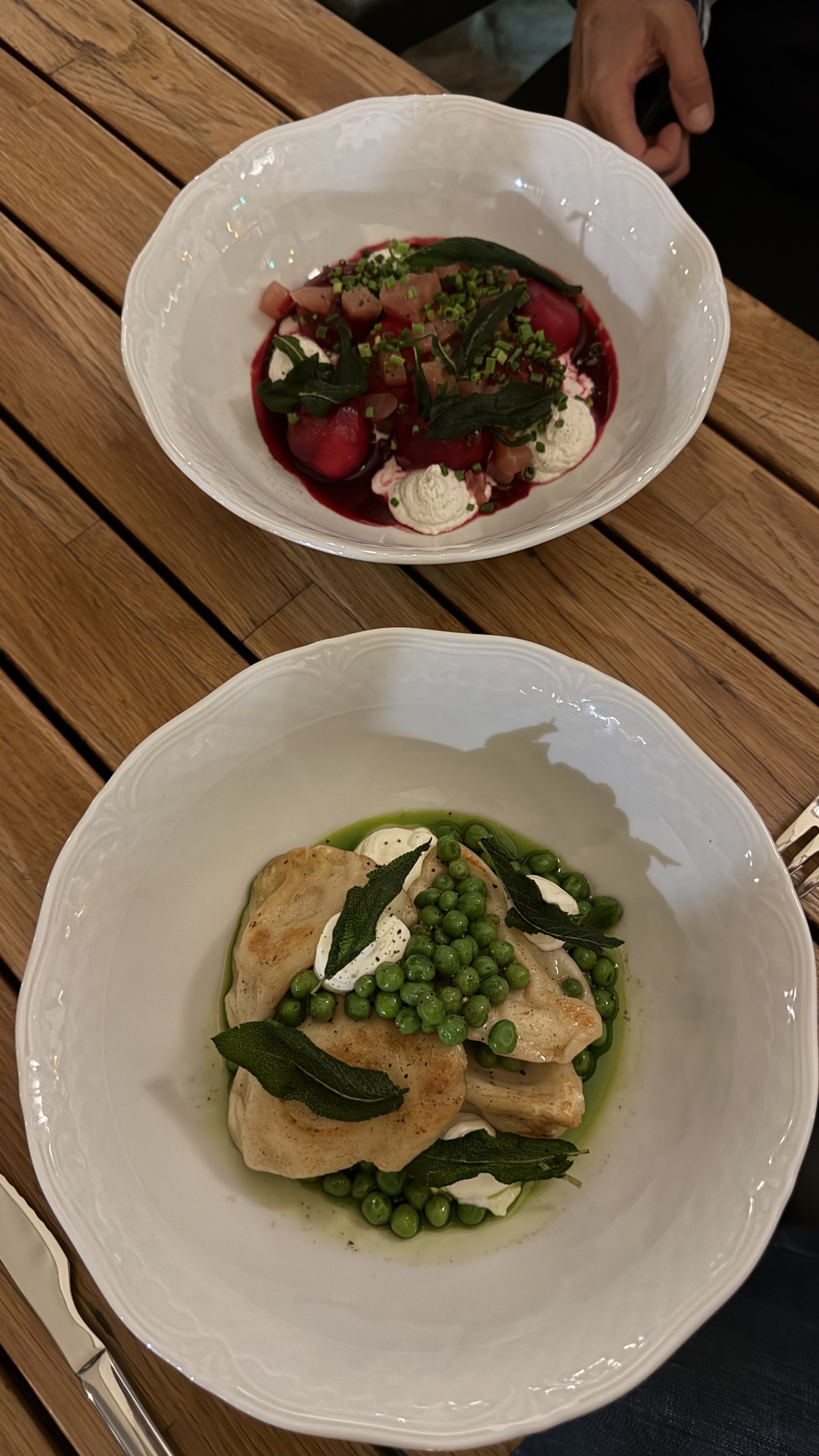
We really enjoyed exploring the city and had repeat visits to a couple of restaurants. Pikawa Bistro was one of them and one of the staff gave us some good tips for our upcoming road trip. We had breakfast every morning at A la Francaise owned and run by a French chef. We returned to Gdansk after our road trip and enjoyed a lovely meal at Pomelo and a drink at a rooftop bar called Sassy.
Gdansk is a super easy city to explore on foot. The public transport system is also great – we bought a three-day public transport pass for the equivalent of NZD30 and we could use the trains, buses and trams.
Gdansk has an interesting history and it was at Westerplatte, a historical peninsula in Gdansk where the first shots of World War II were fired on 1 September 1939. This spot is now marked by a 25-meter Monument to the Defenders of the Coast and several preserved military ruins. We didn’t make it out to this spot.
Gdansk has also been controlled by a number of powers through the centuries:
1800 – 1807 it was controlled by the Kingdom of Prussia.
1807 – 1814 after Prussia’s defeat by Napolean, the Treaties of Tilsit created the Free City of Danzig, a semi-independent state under French protection. The city became an important French military and supply base.
1814 – 1815 it was occupied by Coalition forces – Russian and allied forces besieged and captured the city as Napolean’s empire collapsed.
1815 – 1871 it was again controlled by the Kingdom of Prussia. The Congress of Vienna restore Gdansk to Prussia. The city underwent industrialization and closer integration into the Prussian State.
1871 – 1918 when Germany unified in 1871, Gdansk became part of the German Empire. The port expanded significantly during the imperial peiod.
1918 – 1920 following Germany’s defeat in World War I, the city remained temporarily within Germany while the post-war settlement was negotiated.
1920 – 1939 the Treaty of Versailles created a second Free City of Danzig. It was not part of either Germany or Poland. It operated under League of Nations protection, while Poland received rights over foreign affairs, customs, transport links, and port access.
1933 – 1939 the local Nazi party gained increasing control of the Free City’s government, intensifying demands for a reunion with Germany.
1 September 1939 German attacks on Westerplatte and the Polish Post Office in Danzig were among the opening acts of World War II. The Free City was abolished and incorporated into Nazi Germany.
1939 – 1945 the city served as a German administrative centre during the war. Large scale persecution, forced labour, and wartime destruction occurred.
March 1945 the Red Army seized the city after heavy fighting and extensive destruction. Apart from Allied air raids towards the end, the Second World War didn’t affect the infrastructure of the city of Gdansk much. By the end of 1944 though, more than a million refugees from east Prussia arrived in the city hoping to escape the Soviet Army. During the final battle, Gdansk was almost completely destroyed.
1945 – 1989 the Potsdam settlement placed Gdansk under Polish administration – People’s Republic of Poland. Before the war, Gdansk (Danzig) counted 250,000 inhabitants, a mixture of Germans, Polish, and Jewish. By June 1945, 124,000 Germans remained in the city. The majority of them were forced to leave and Polish nationals took their place. Throughout the settling down and rebuilding of the destroyed parts of the city, the multicultural and multilingual city of Gdansk changed into Polish Gdansk only. If the years of German domination erased many traces of Polish culture, the new Polish rulers developed an anti-German policy, destroying German heritage sites like cemeteries and obliterating other traces of German life before 1945. It also became a major ship building centre.
1970 there were violent protests against the communist government in Gdansk shipyards and across the Baltic Coast.
1980 was the Birthplace of Solidarity, full name Independent Self-Governing Trade Union “Solidarity”. It was the first trade union to be recognised by the state and its membership peaked at 10 million in September 1981. In 1983, Lech Walesa was awarded the Nobel Peace Prize, and the union is widely recognised as having played a central role in the end of the communist rule in Poland. This led to the appointment of the first noncommunist Prime Minister since the 1940’s.
Operating underground, with substantial financial support from the Vatican and the USA, the union survived and in the late 1980s had entered into negotiations with the government. The 1989 round table talks between the government and the Solidarity led opposition produced an agreement for the 1989 legislative elections, the country’s first pluralistic election since 1947. By the end of August, a Solidarity led government was formed, and in December 1990, Lech Walesa was elected President of Poland.
1989 – present day Gdansk is part of the Republic of Poland which has been a member of the European Union (EU) since 2004. They still use their own currency which is called the Polish zloty – symbol zl.
The rebuilding of the city began immediately after World War II. Planners choose not to rebuild the city to look like it did right before the war. Instead, they bypassed 19th and early 20th century German / Prussian styles. Architects reconstructed the historic centre to emphasise Flemish, Dutch, Italian, and French influences from the 16th and 17th centuries. The rebuilding was designed to present Gdansk as an ancient, restored Polish trading port tied to its Hanseatic League roots, removing the visual imprint of Prussian dominance. Alongside the historic centre, the massive Gdansk shipyards were constructed, defining the city’s economic and political future.
The Hanseatic League was an organisation founded by north German towns and German merchants’ communities abroad to protect their mutual trading interests. The league dominated commercial activity in northern Europe from the 13th to the 15th century. Hanse was a medieval word for ‘guild’ or ‘association’, derived from the Gothic word for ‘troop’ or ‘company’.
Gdansk has served as a major Baltic shipping and shipbuilding hub for over a thousand years, evolving from a medieval trading port into a modern logistics and industrial centre.
Both major shipyards built transport vessels and warships for the German Navy, leaving the facilities heavily damaged by the end of World War II. After the war, the damaged yards merged to form the state run Gdansk Shipyard, launching its first coal-ore carrier, the Soldek, in 1948. By the late 20th century, the massive shipyard (later named the Lenin Shipyard) employed nearly 18,000 workers. Historic labour strikes at Gate No. 2 led to the creation of the Solidarity Trade Union mentioned above, which helped trigger the fall of communism in Eastern Europe.
The Port of Gdansk expanded significantly with the opening of the Northern Port in 1974 and the launch of the Deepwater Container Terminal (now Baltic Hub) in 2007. Today, the modernised port handles tens of millions of tonnes of cargo annually, ranking among the fastest growing and largest ports in the Baltic region.