On our third day in Gdansk, we had decided to venture further afield to the suburb of Oliwa. There were a couple of reasons for this visit – to see the Oliwa Cathedral and listen to the one of the bigger organs in the world and to stroll through the park there.
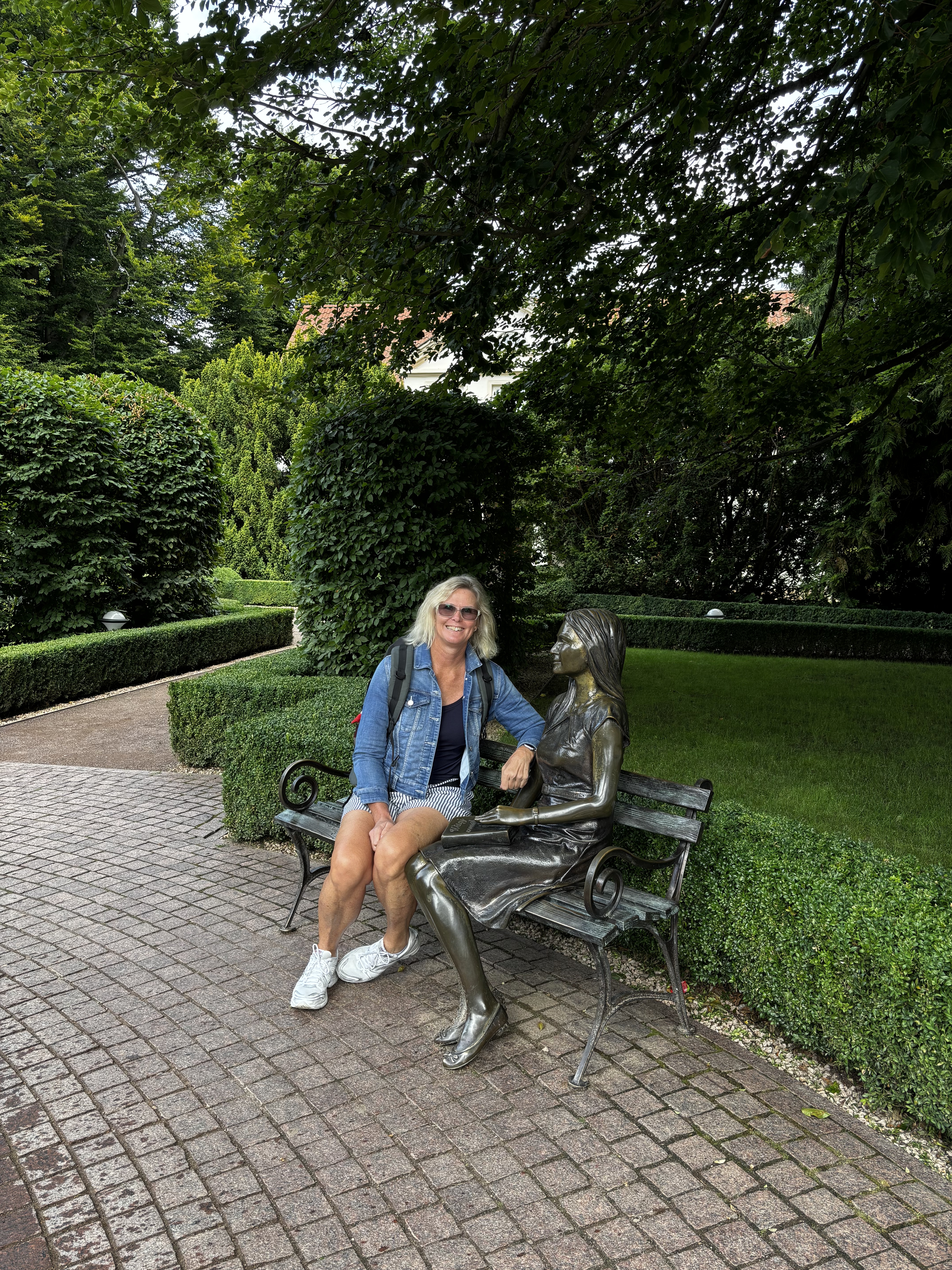
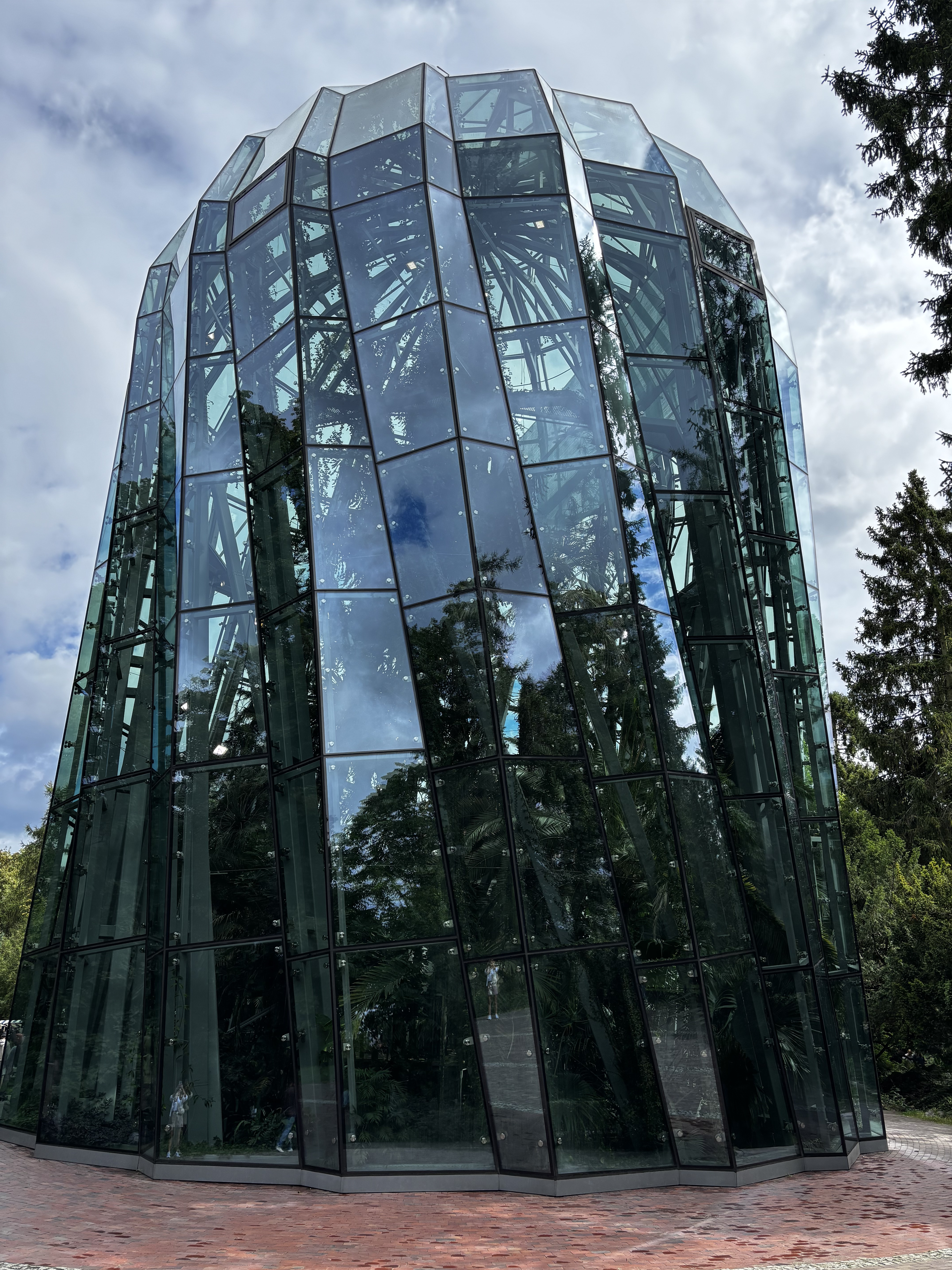
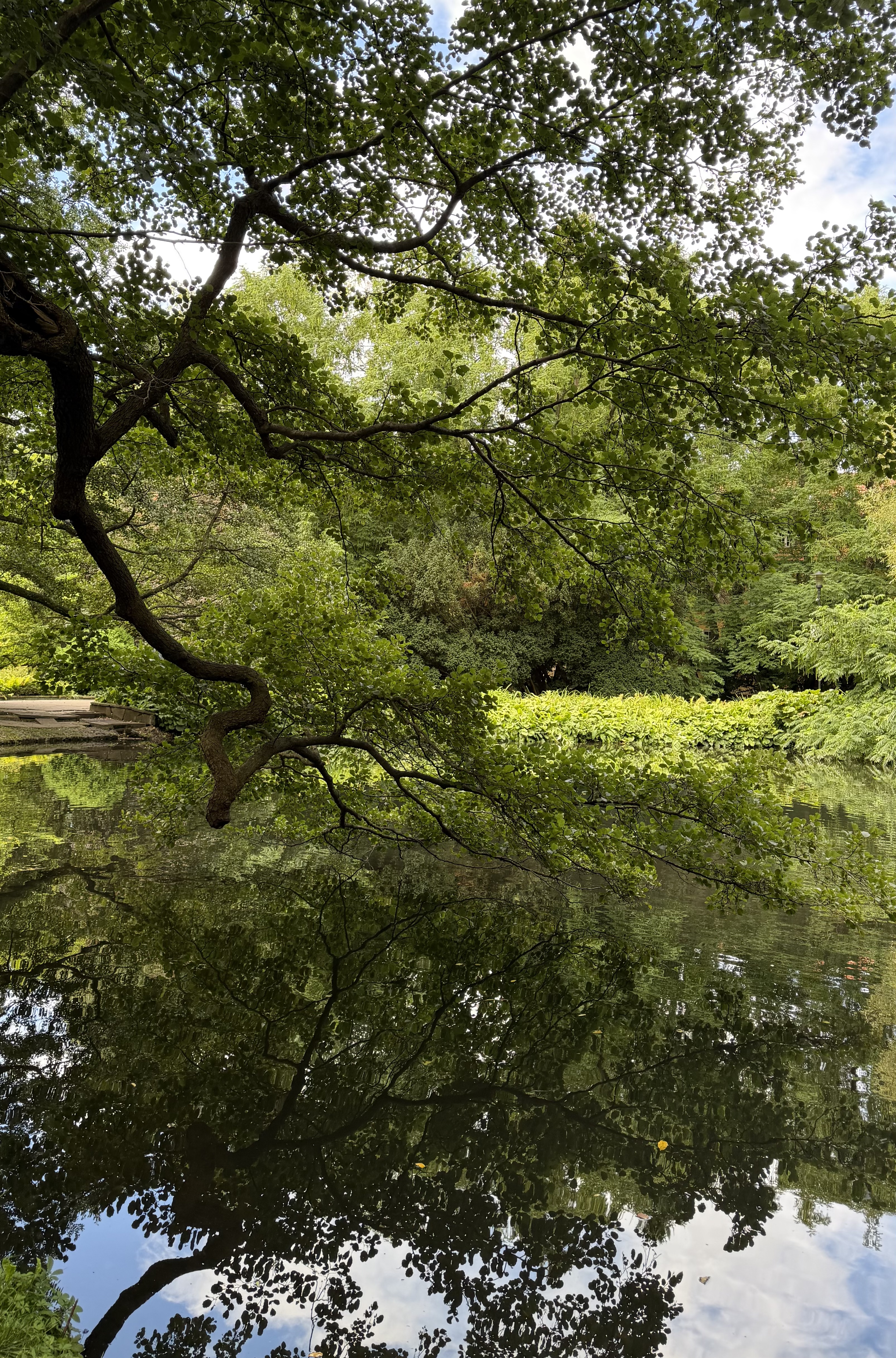
We started with Oliwa Park whose origins revolve around the monastery garden established by the Cistercians in the 12th century. The Cistercians are a Catholic religious order of monks and nuns. A fully decorative and recreational garden sprang up in connection with the construction of the Abbot’s Palace. This grand residence is mentioned in sources from the end of the 16th century.
In 1831, the Cistercian order was dissolved. Five years later, Hohenzollern-Hechingen died, meaning Oliwa Park was transferred into the hands of the Prussian state. Gustaw Schöndorf became the inspector of the park until 1881. Schöndorf transformed the park into a dendrological-landscape garden, importing many exotic varieties of trees and shrubs.
Erich Wocke, manager of the park between 1899 to 1929, made further changes to the park’s landscape. For instance, in around 1910, he established an alpine garden.
The popularity of Oliwa Park increased when, in 1925, Oliwa became the seat of the bishop of Gdańsk, and the post-Cistercian church was raised to the rank of a cathedral. In 1927, a museum was opened in the Abbot’s Palace.
Notable developments after the Second World War include the establishment of the botanical garden in the years 1952-1956. In 1955, on the centenary of his death, the park was named after Polish poet and political activist Adam Mickiewicz.
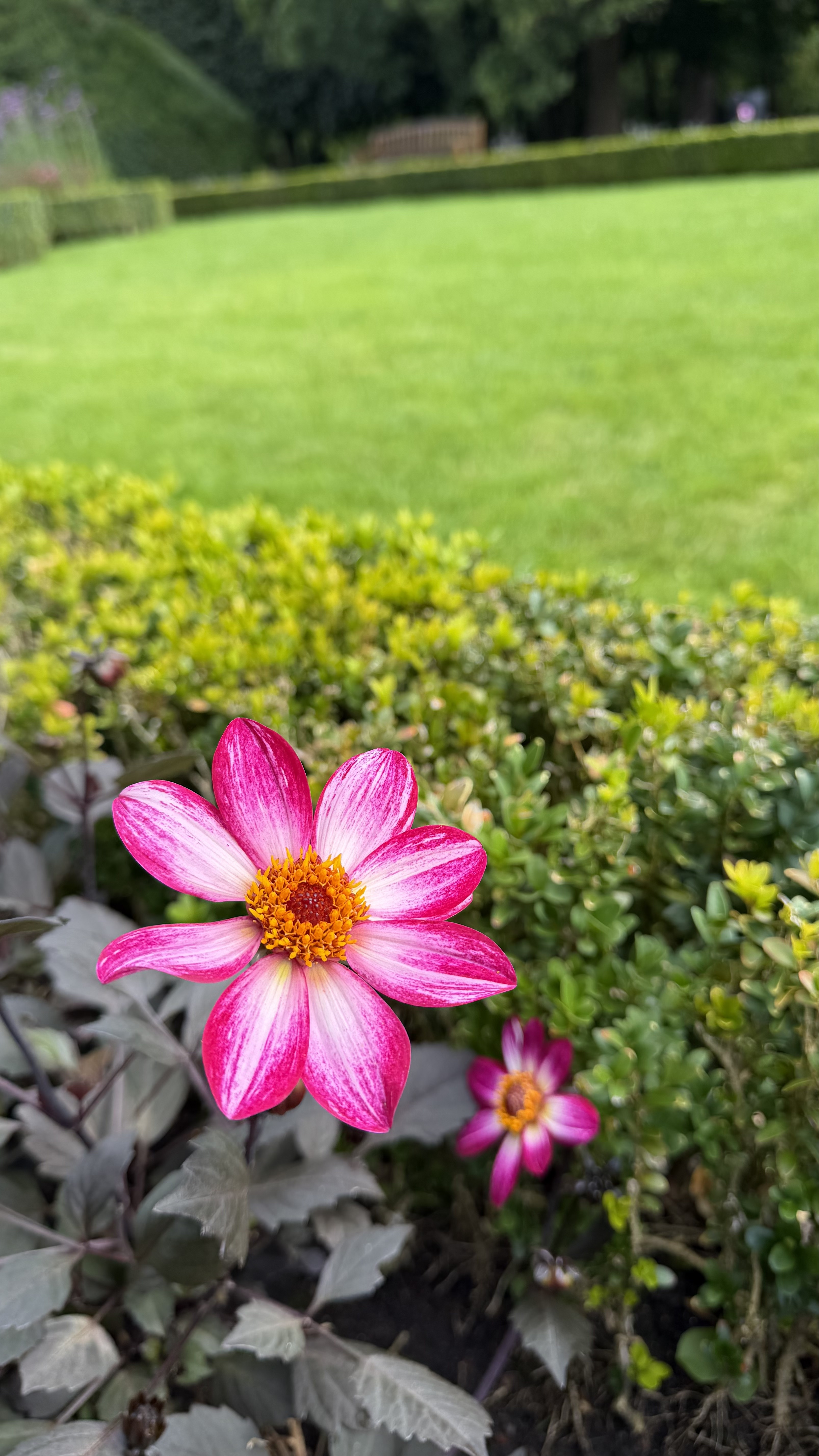
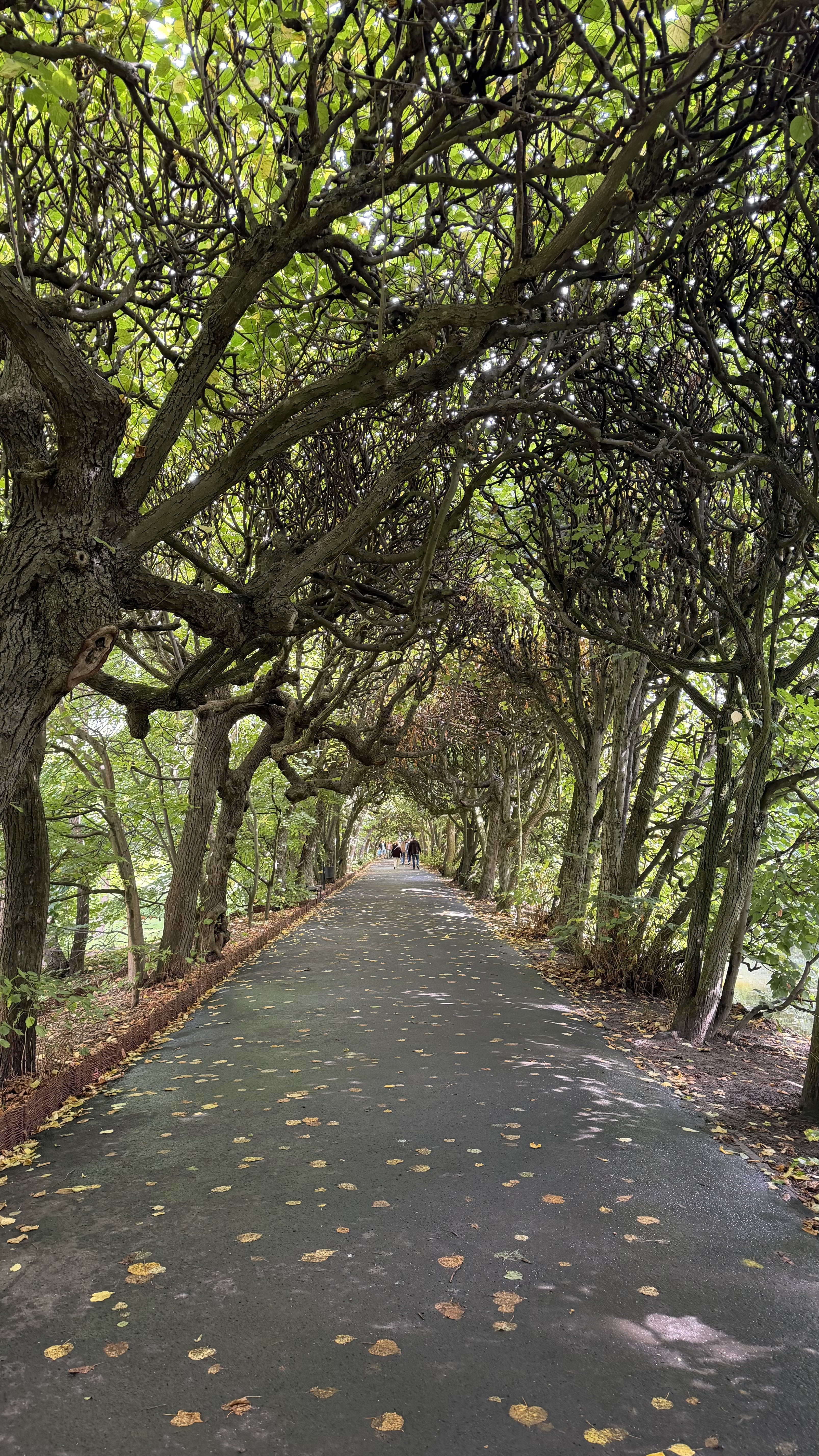
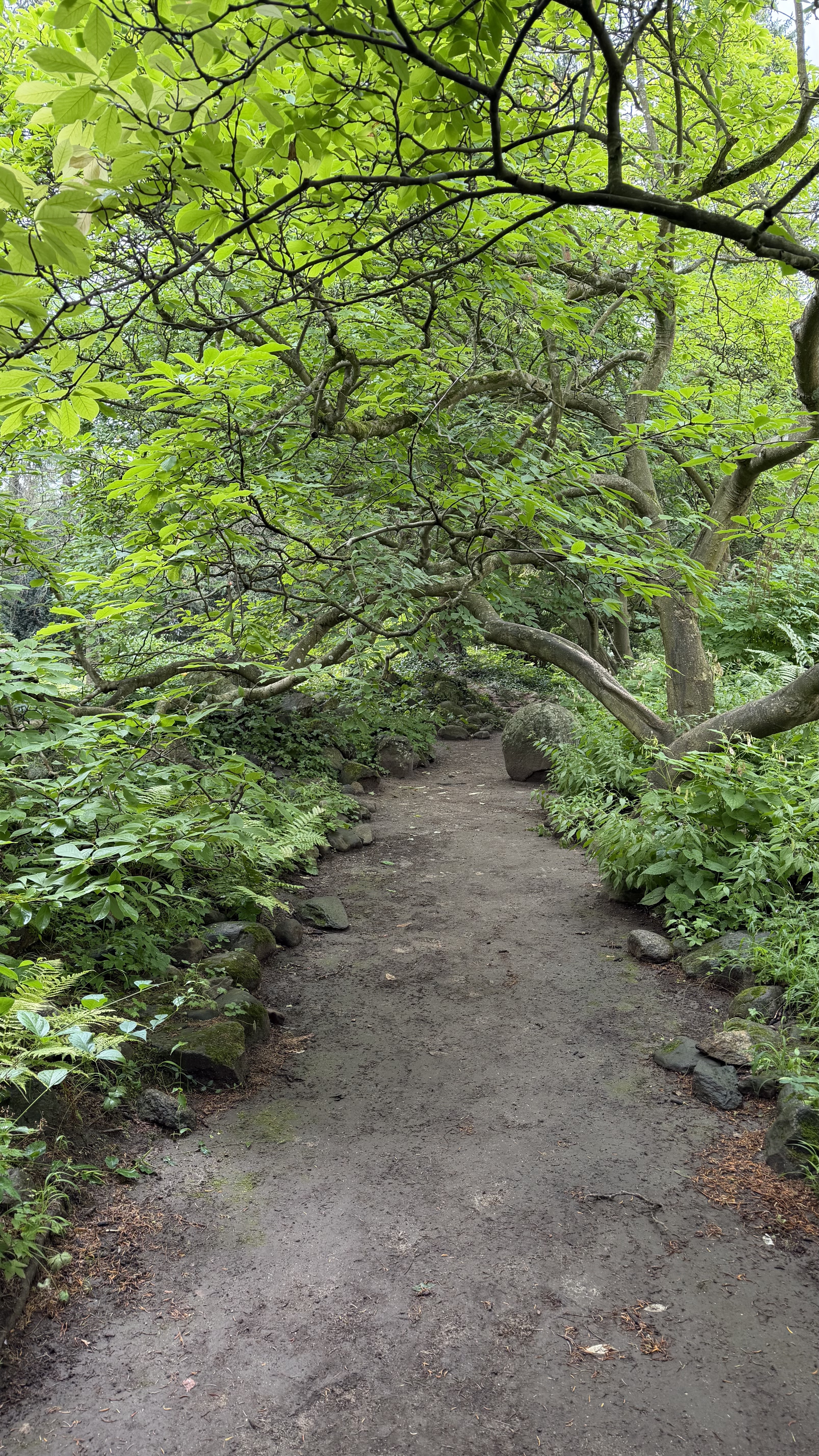
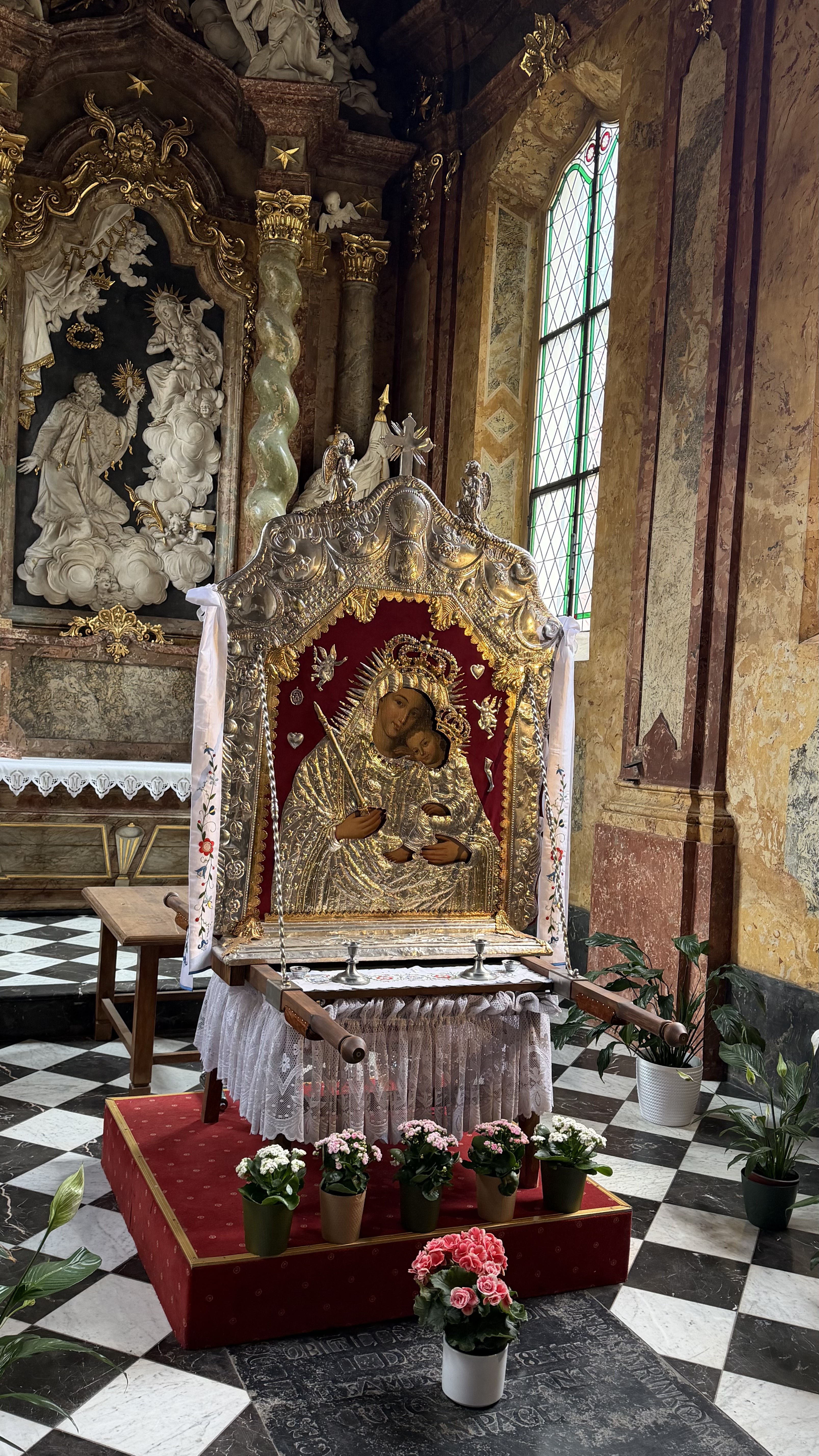
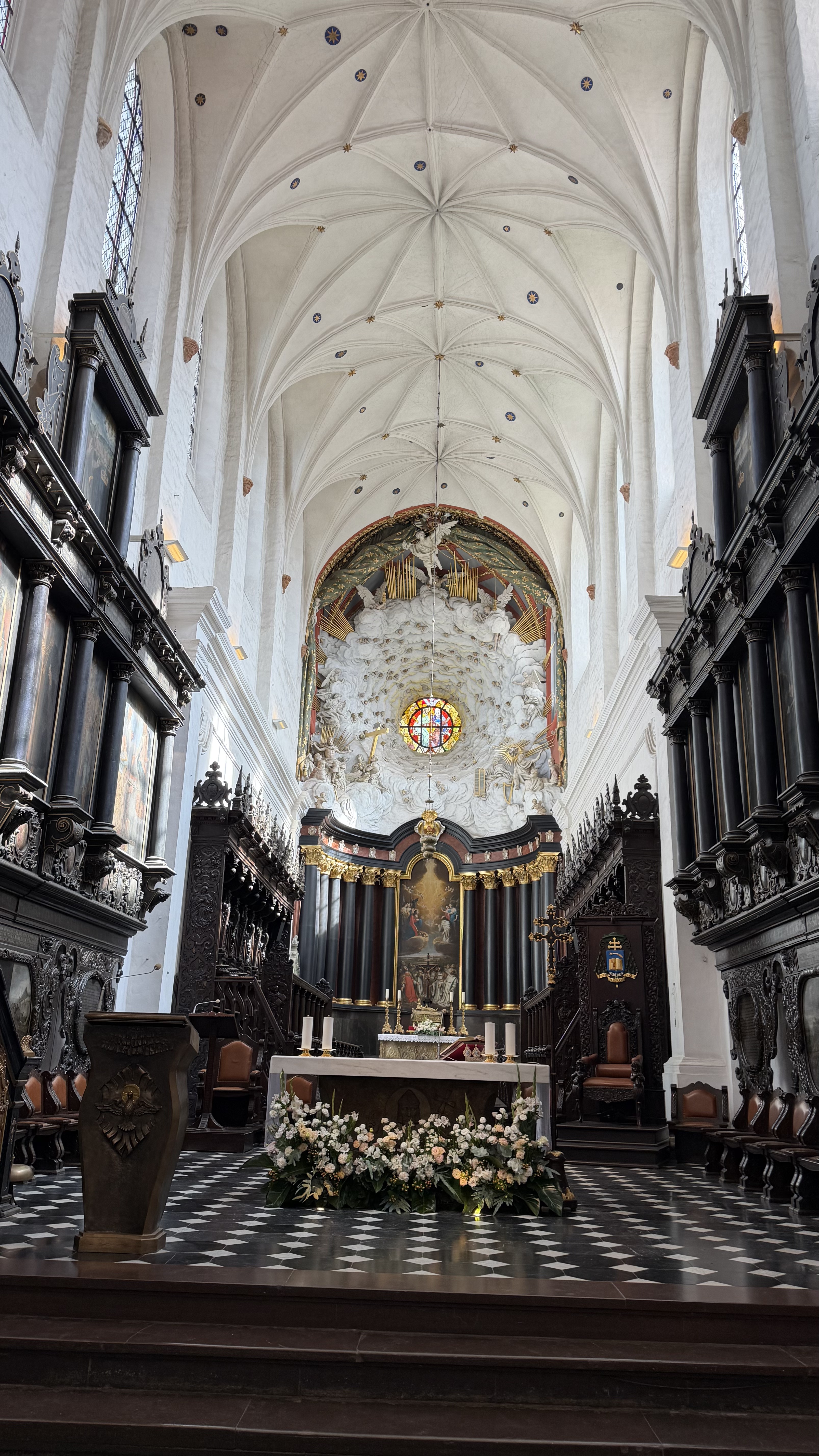
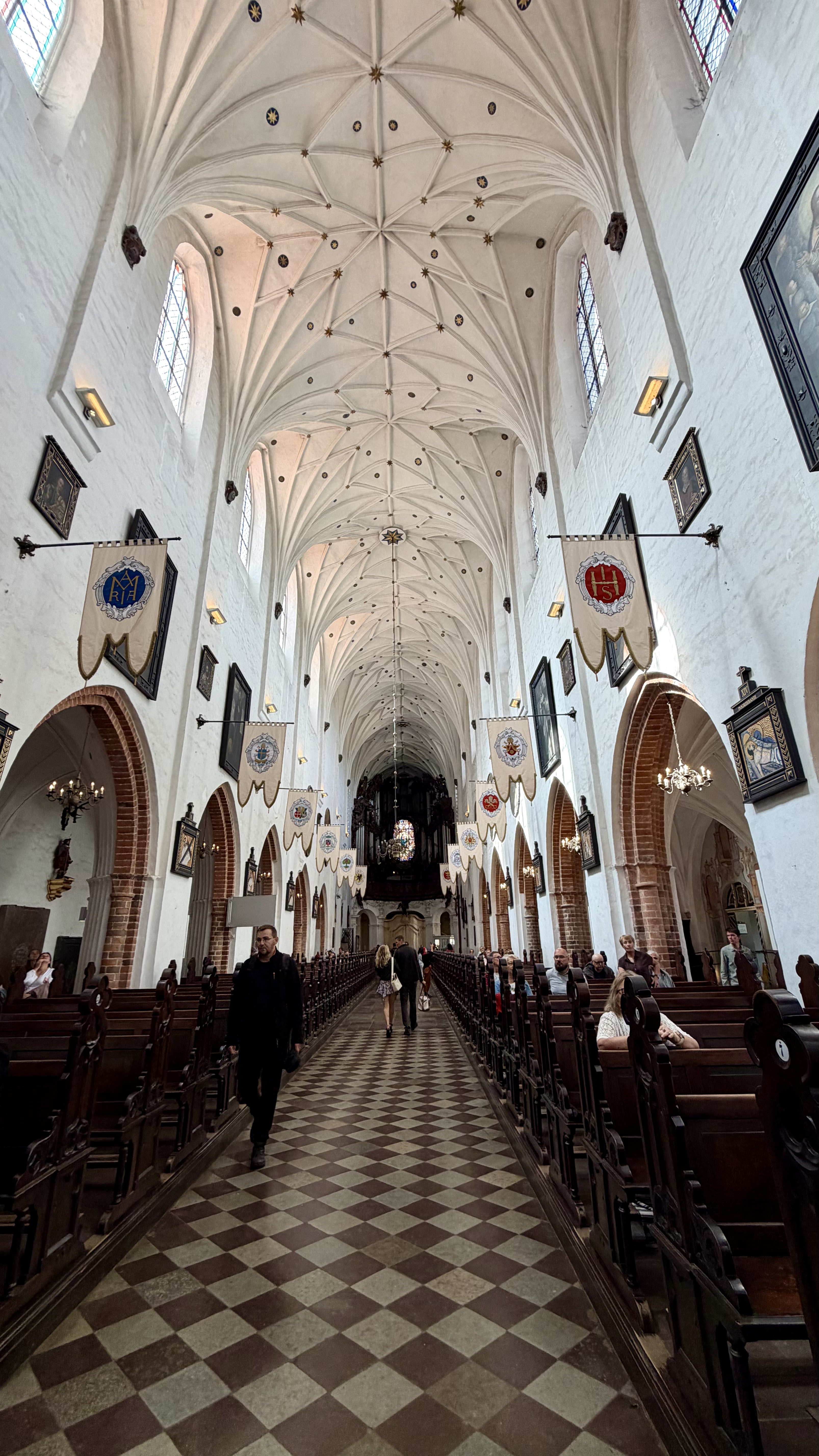
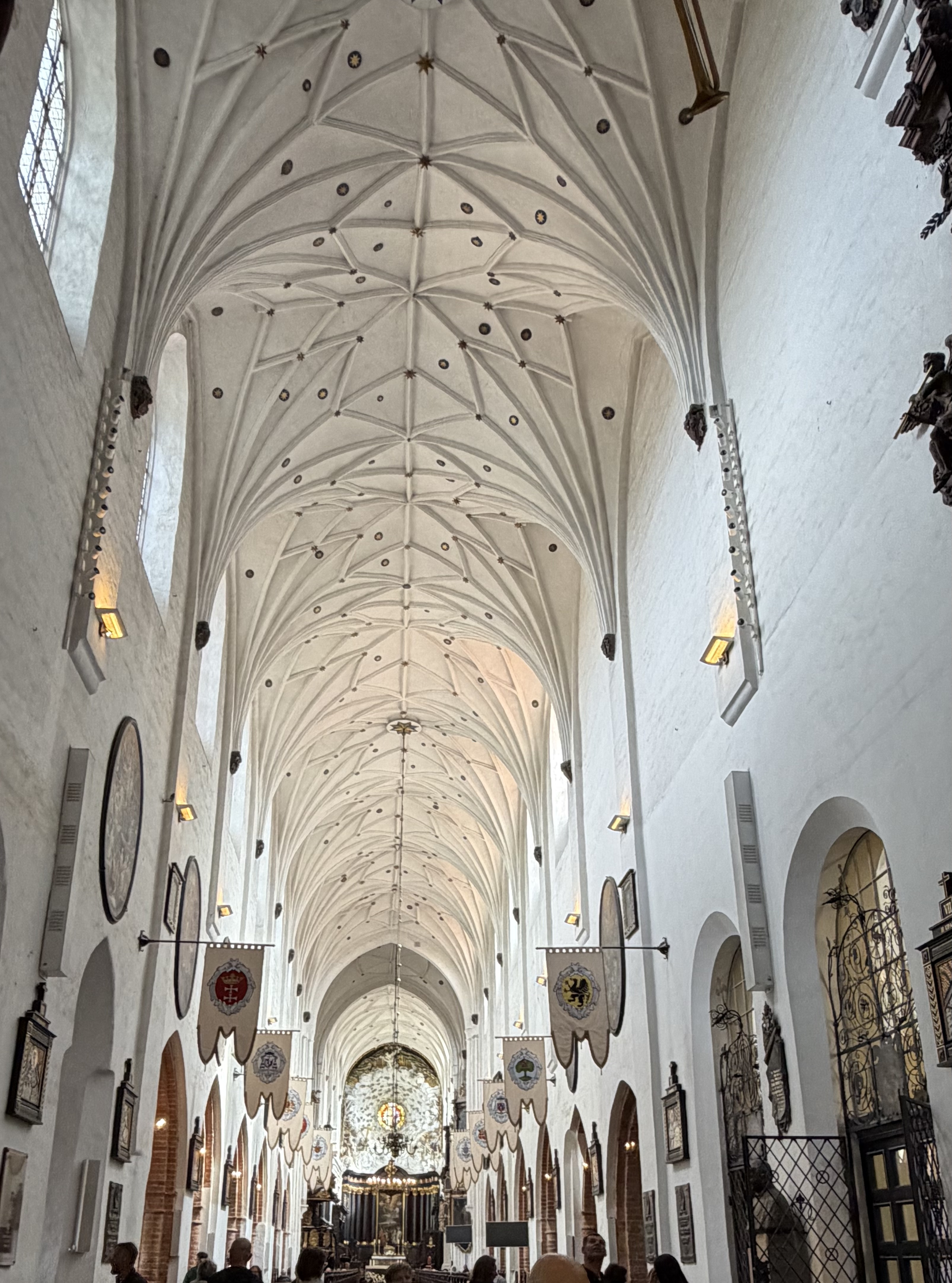
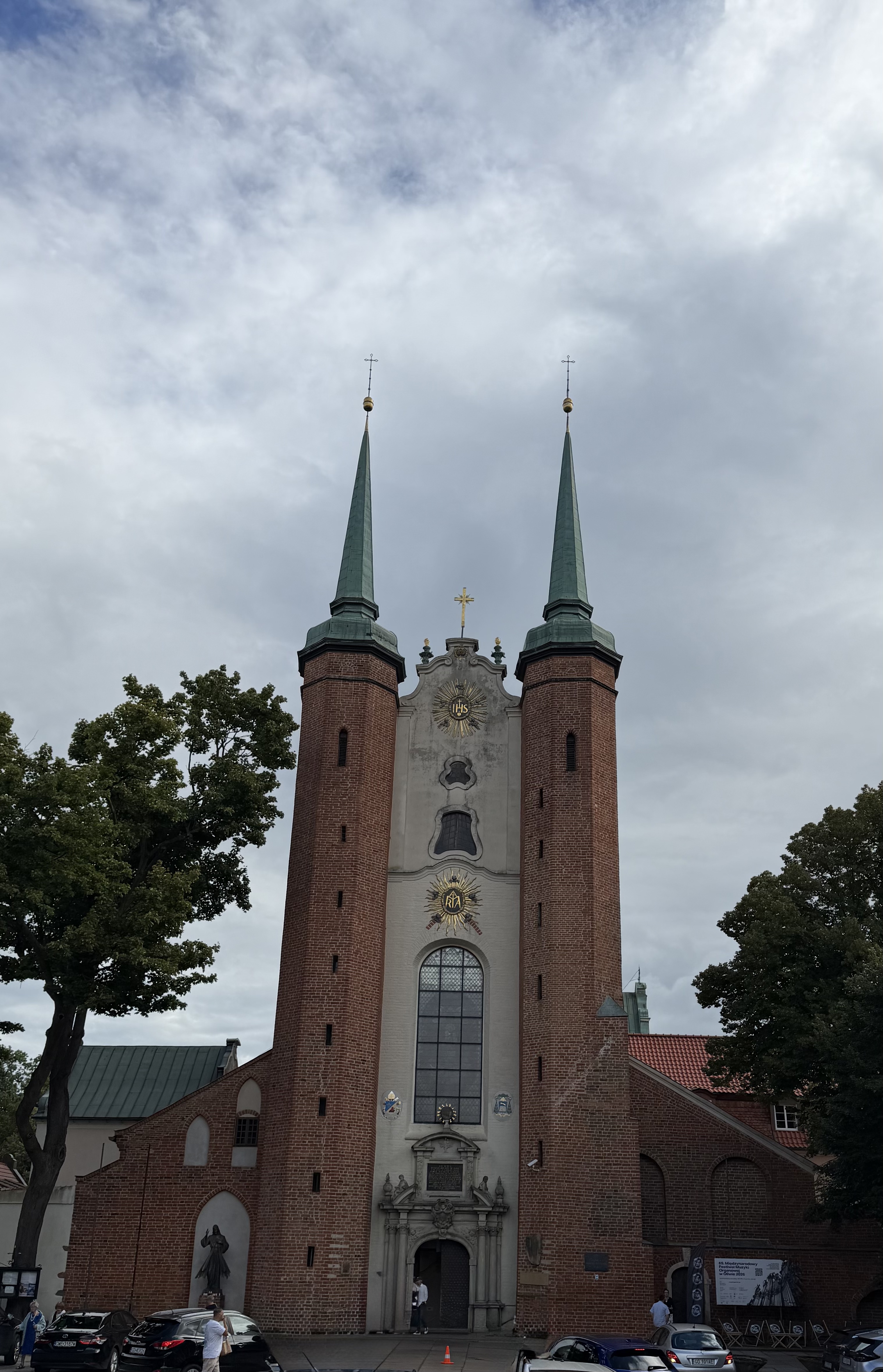
We then went to the cathedral where a mass was underway. There was supposed to be an organ concert at 12pm but given it was Sunday, the church had a few masses going on so we decided to join one at 11.30am. We couldn’t understand a word but the organ and singing by the congregation were worth it. The church was packed and given it is the longest Cistercian churches in the world, that was pretty impressive. Karin is catholic so she participated in the holy communion ceremony.
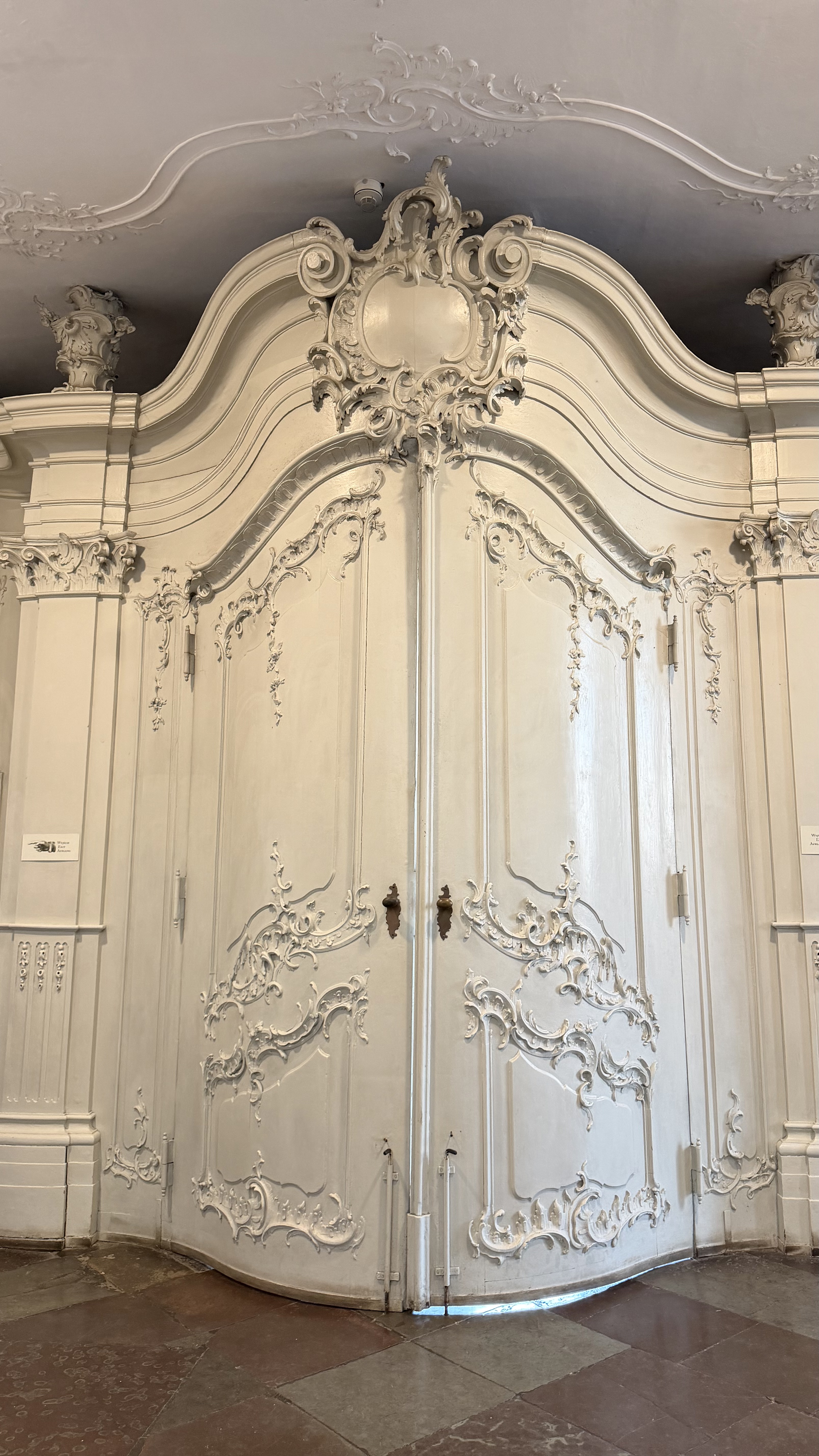
The Oliwa Cathedral has a rich and long history dating back to the 12th century. It was founded in 1186 by the Pomeranian prince Sambor I as part of the Cistercian abbey. Initially, it was a wooden building, which was replaced with a stone structure over time. In the 13th and 16th centuries, the cathedral was expanded several times, acquiring its current Gothic character. In 1350, part of the cathedral was destroyed by fire. The reconstruction took several decades, and during it several new architectural elements were added. In the 17th century, the cathedral was enriched with the famous baroque organ designed by Johann Wilhelm Wulf. After World War II, the Cathedral underwent a thorough renovation.
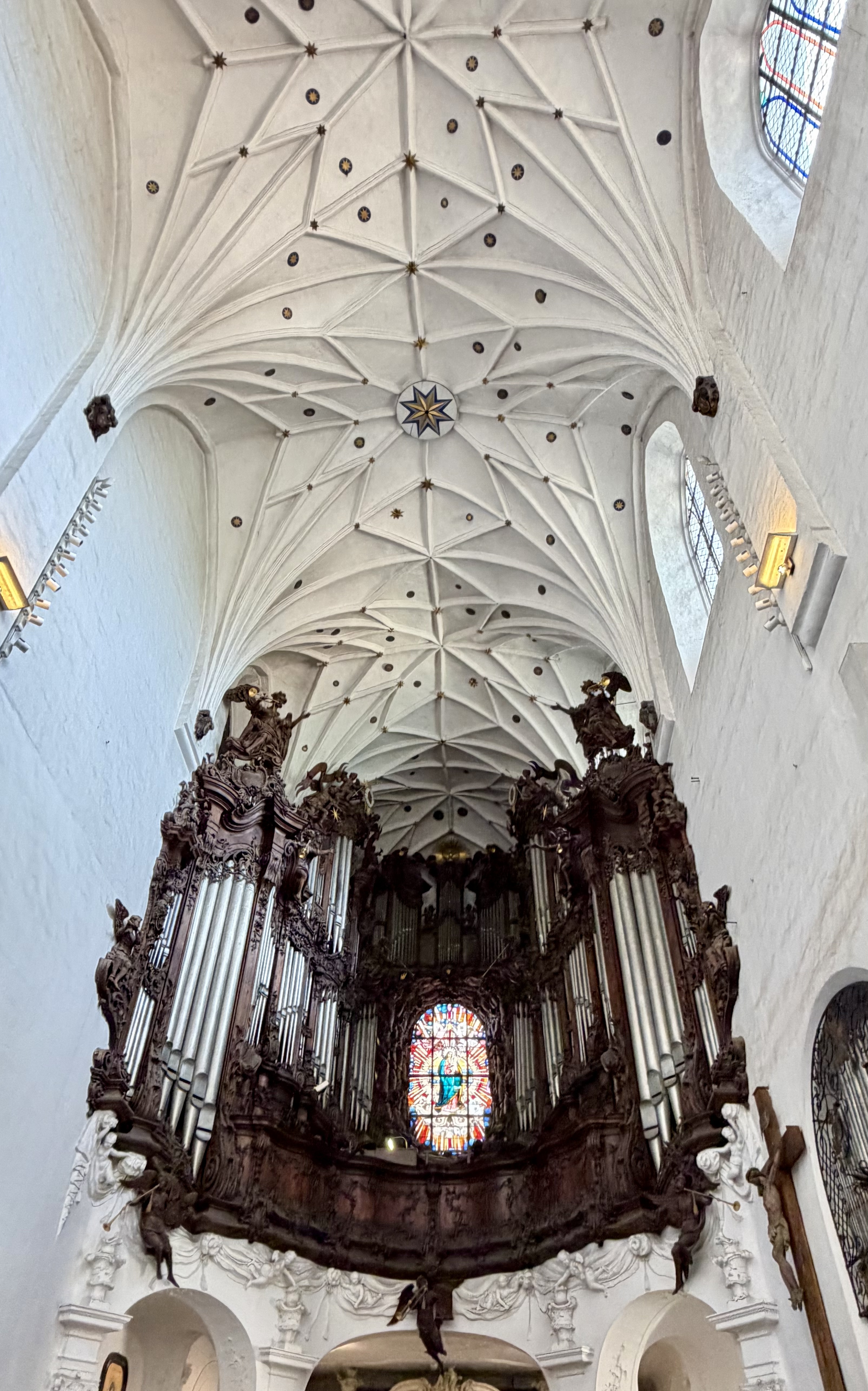
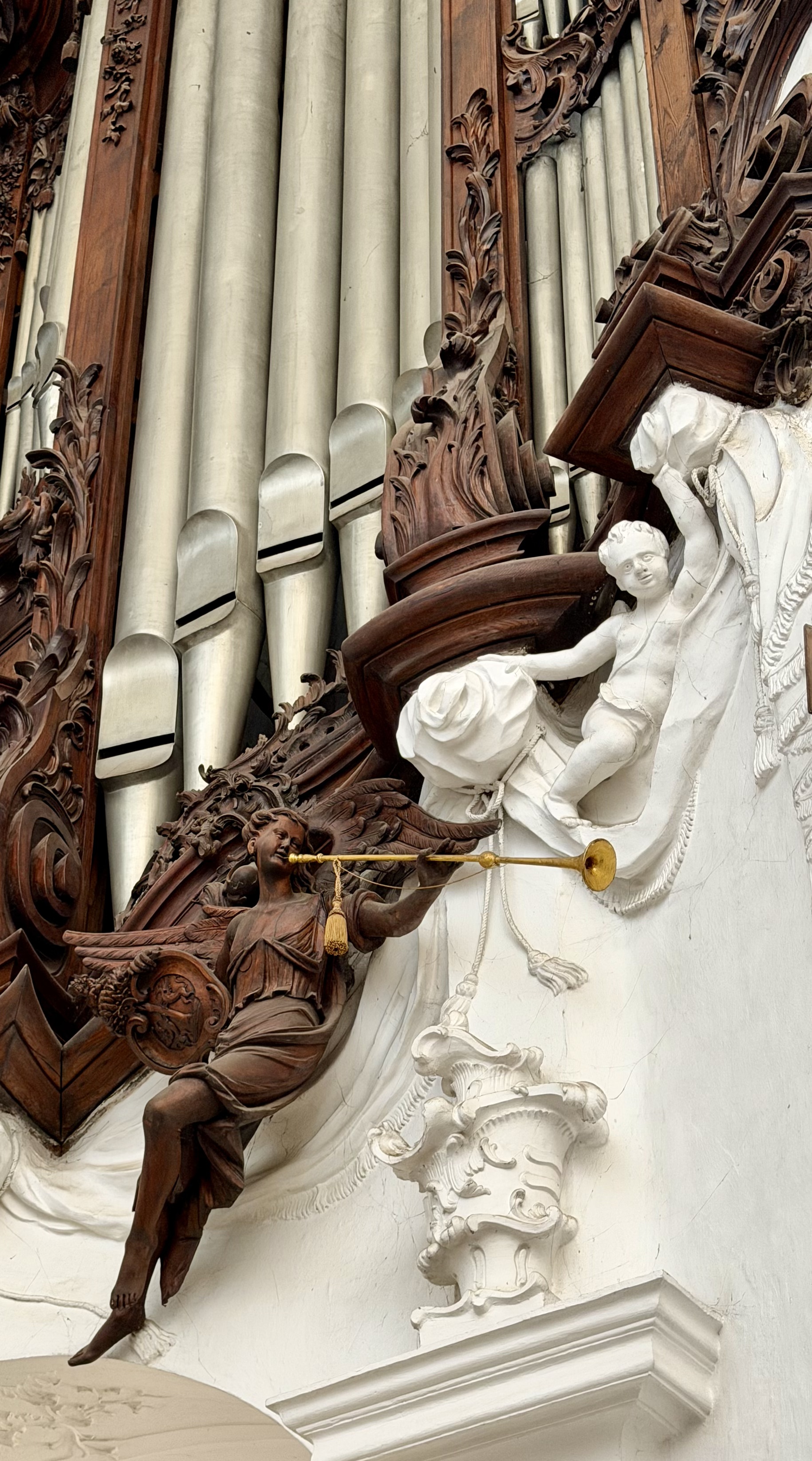
The grand pipe organ was built between 1763 and 1788 by the Cistercian monk Johann Wilhelm Wulff (known as Brother Michael).
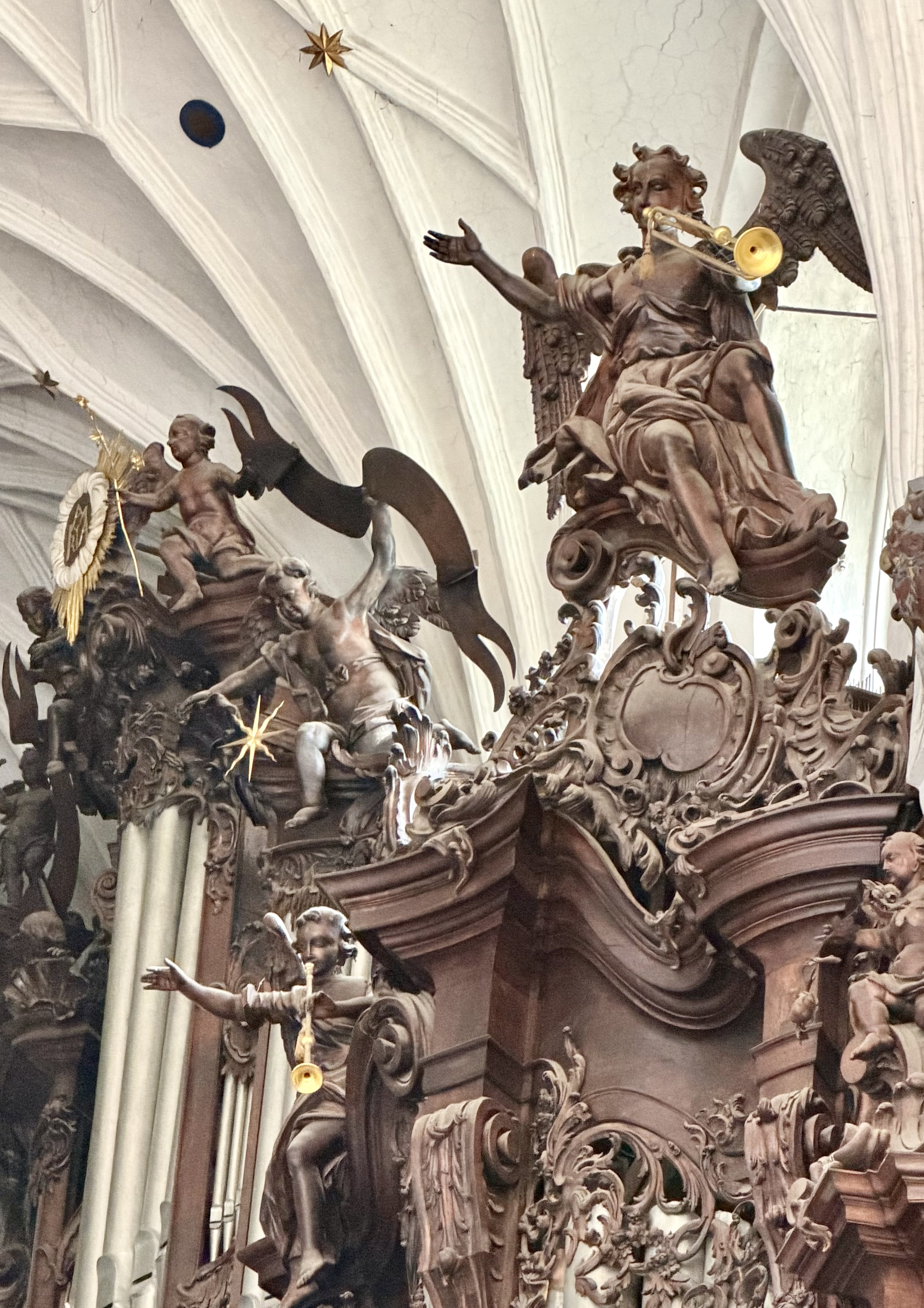
1763 – 1788 Brother Michael designed and constructed the initial masterpiece, featuring an elaborate Rococo facade with moving mechanical angels, spinning suns, and stars. At the time, it was celebrated as one of the largest organs in Europe.
1790 – 1793 Organ master Friedrich Rudolf Dalitz moved the console from its original central position in the matroneum (gallery) to the north wing.
19th and 20th centuries builders expanded and updated the instrument’s mechanical and pneumatic systems to enhance its capacity and sound.
Modern Era The organ now features roughly 7,800 to nearly 8,000 pipes, 5 manuals, and 96 to 110 stops.
After Mass, the organist continued playing so we could go and watch the gold angels play the intricate trumpets – they actually move as if they are playing them.
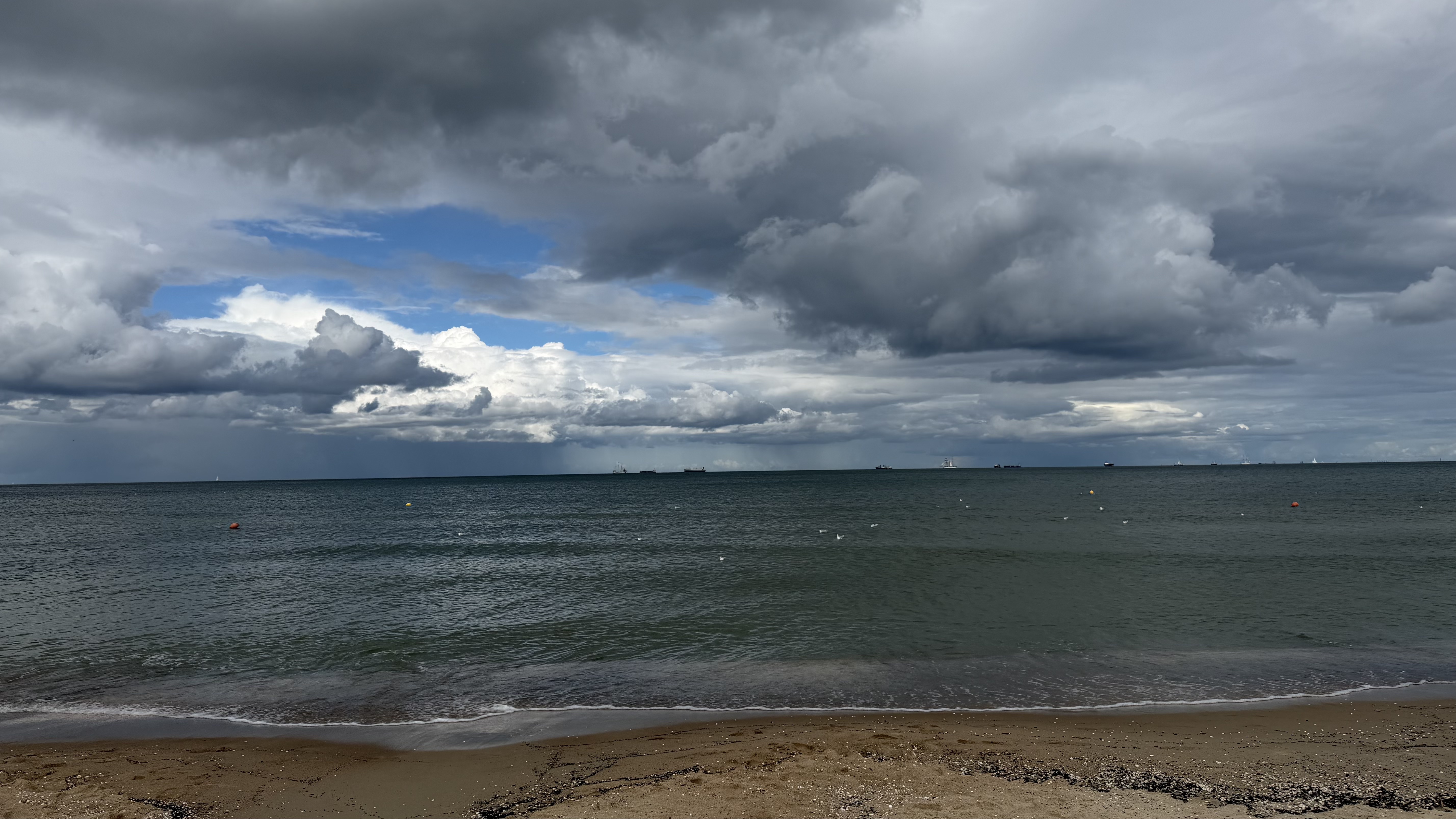
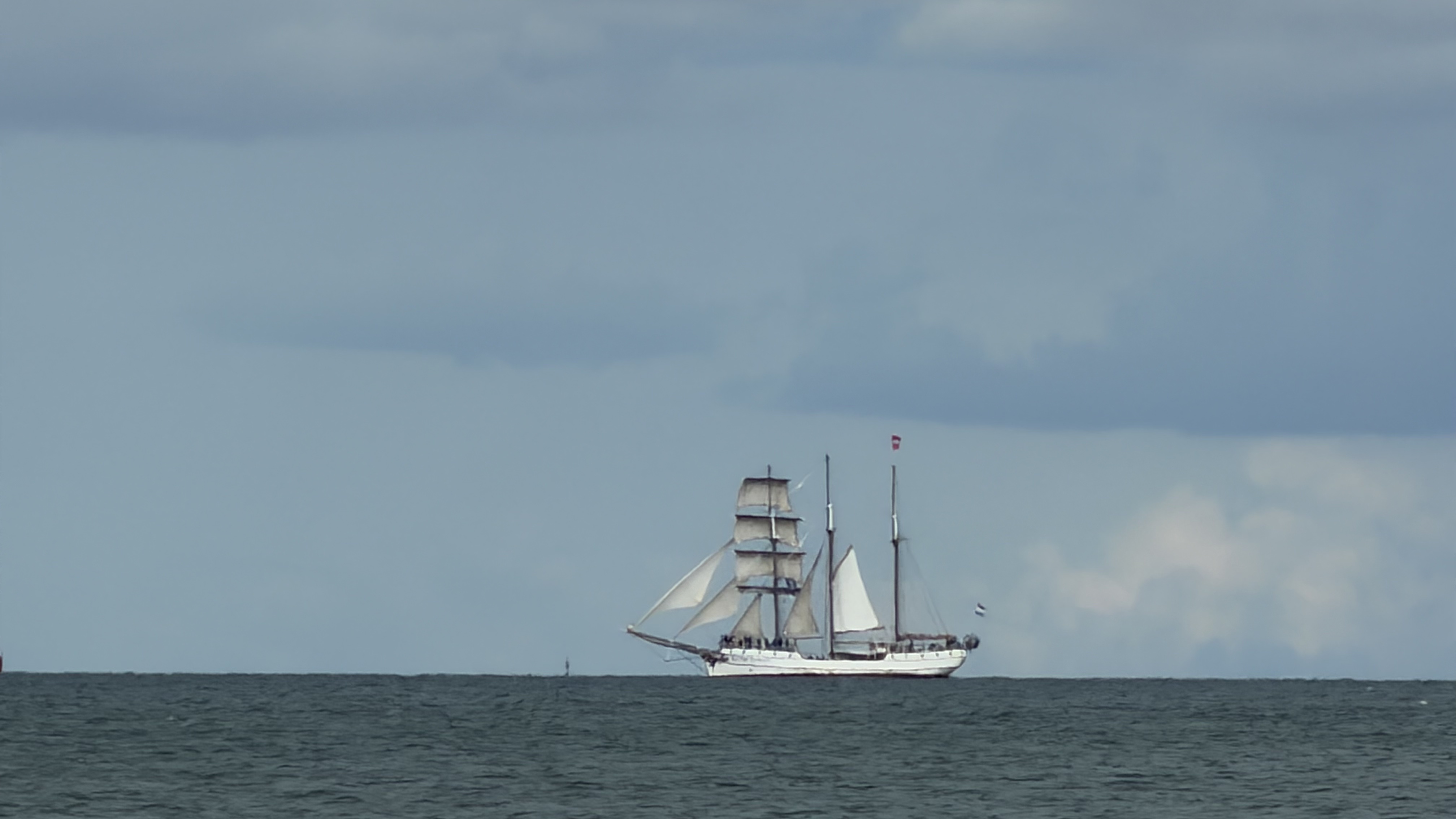
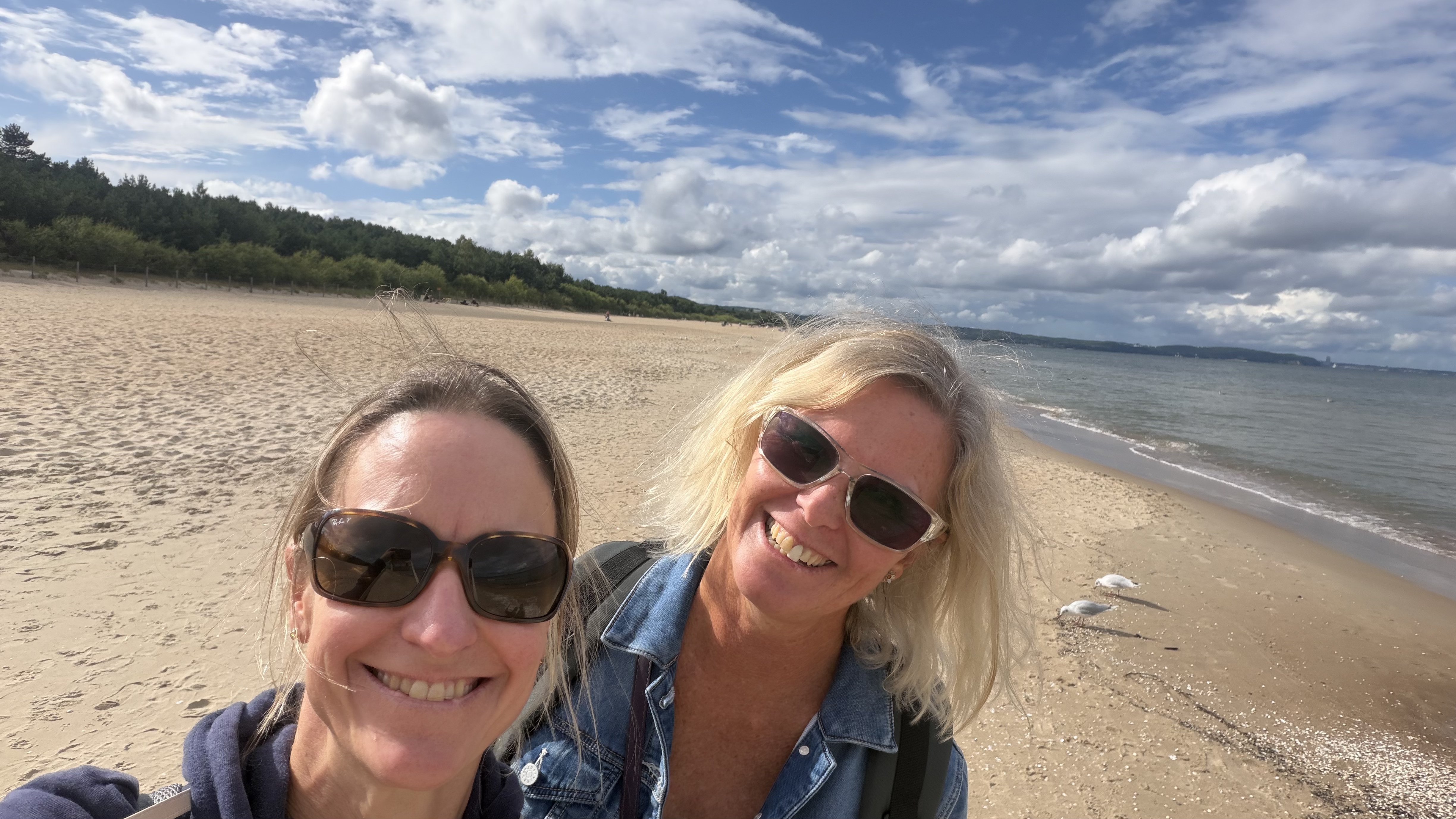
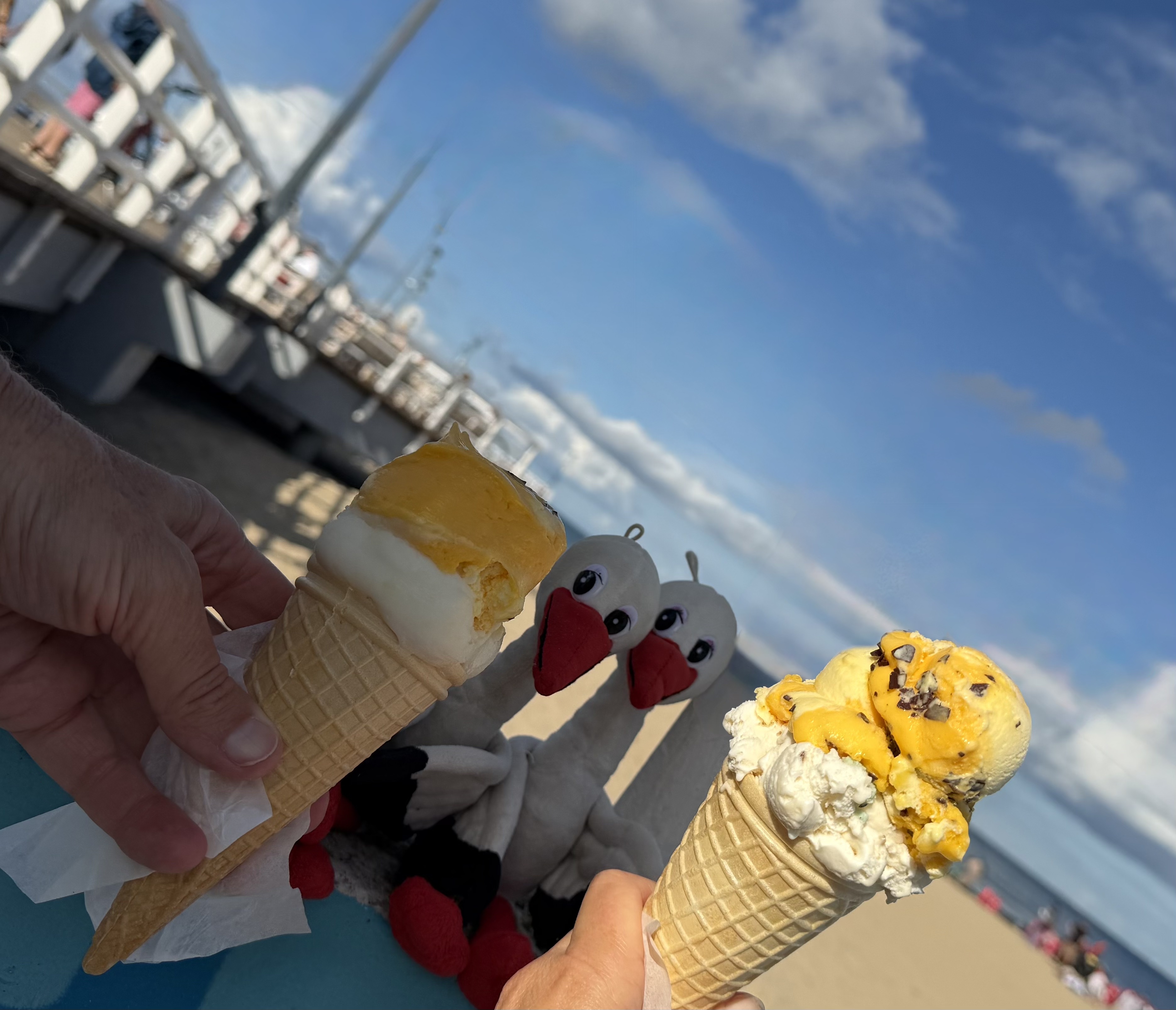
After confessing all our sins and having some lunch our next stop was to have our first experience of the Baltic Sea – the water temperature was not bad and warmer than our preconceived ideas had anticipated. We caught a tram from Oliwa which was fun. It was a Sunday, so the beach was very busy with families and friends enjoying the sunny conditions. We walked along the beach to a pier where we enjoyed an ice cream. The Polish people love ice cream – we discovered many ice cream or lody shops on our travels.



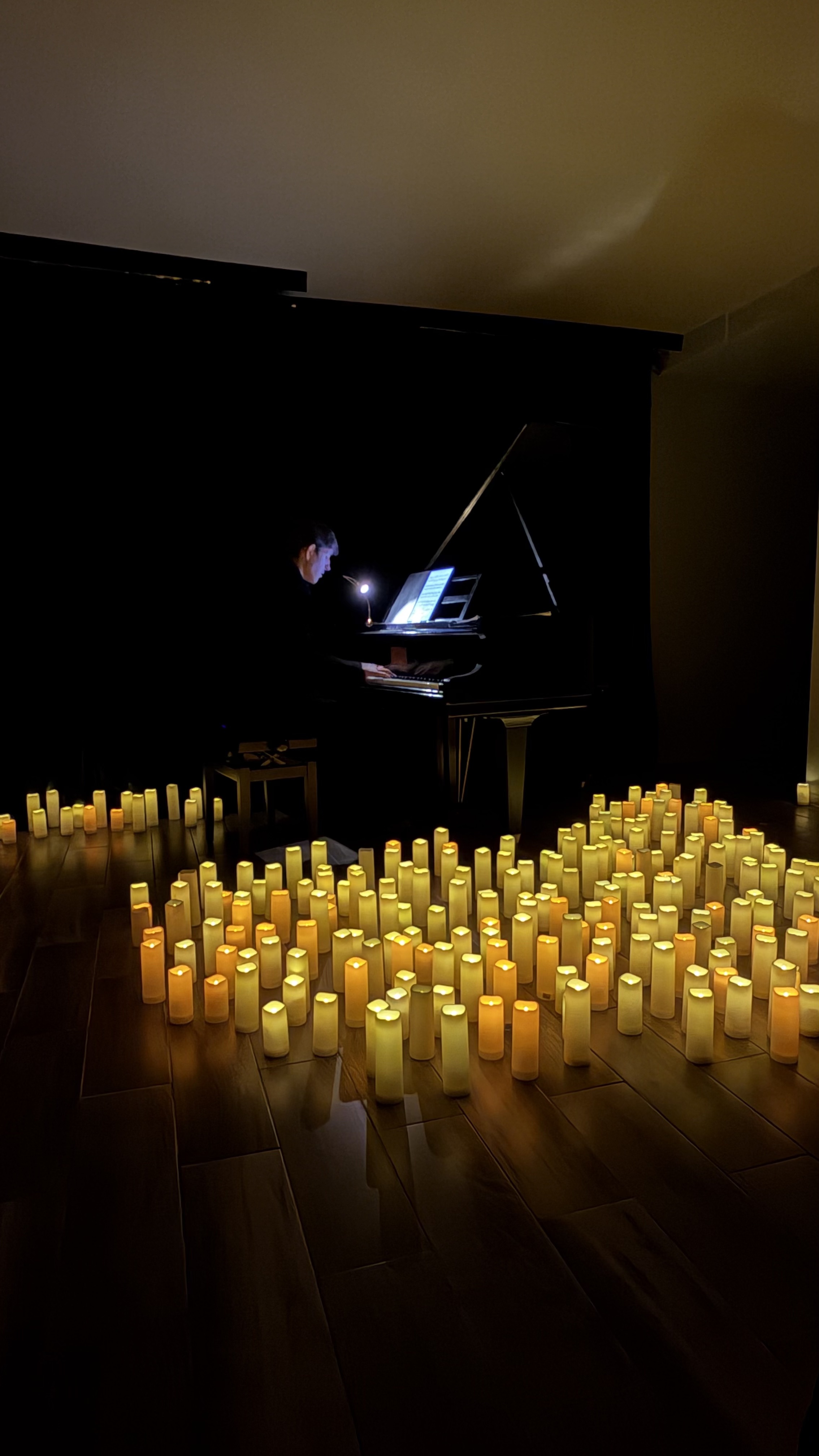
On Sunday night we went to a piano concert featuring Queen’s greatest hits.
The “I like Queen” project is far more than a traditional piano recital. It is an intimate, deeply moving journey through the life of one of the greatest artists of all time. The pianist, Maciej Łobos, is a graduate of the Academy of Music in Kraków. Maciej’s colleague introduced each song and gave some background information about the song’s history and why it was significant at that time in Freddy Mercury’s life.
All arrangements were masterfully crafted by the eminent arranger from the University of Southern California, Phillip Keveren.
Between the musical pieces, we discovered Freddie’s extraordinary personality and trace his path from a shy boy from Zanzibar, Farrokh Bulsara, to an absolute titan of the stage who could captivate hundreds of thousands of spectators at Wembley Stadium with a single gesture.
“I like Queen” is a profound fusion of a story about artistic exploration, the struggle with one’s own identity, and an incredible passion for creation, seamlessly intertwined with exceptional piano interpretations of Queen’s greatest hits.
It was a fantastic way to enjoy and appreciate the music.