Cycling in Bordeaux, Day 2 – France

We had a leisurely start to the day as it was raining when we woke up. By the time we had breakfast it had cleared so we went across to the garage where we had stored our bikes. It had these electronic doors so we put the code in and wallah it opened. Got our bikes sorted and went to get back out through the electronic doors and they wouldn’t open – great – trapped in a garage in Saint Emilion.

Luckily another couple were checking out and came to get there car out so they opened the doors from the other side. We escaped out the open doors quickly. Apparently the trick is that the doors need to open fully before you enter. When the couple opened the door they stepped in before the doors fully opened so when they went to get out they couldn’t get out either – we tried opening from the outside but it wouldn’t open so we told the hotel reception and got on our way. Hopefully the couple managed to get out!

I spoke too soon re getting lost – we had a small bit of trouble leaving Saint Emilion so had to retrace our steps back to the one way Main Street and go down it the wrong way! Stopped at the Boulangerie (bakery) and ordered two baguettes with jambon (ham), cheese and salad on them for lunch.

Today we were on country roads for 85% of the ride so we had to do quite a bit of navigating. It was a bit nerve wracking at times as the trip notes weren’t always super clear. We did go off route at some stage but managed to get back on track by finding a sign to the little hamlet we were supposed to get to. The ride was fairly challenging today with a lot of up dale and down dale and a 60km an hour wind to boot. We didn’t get wet though so that was a bonus.

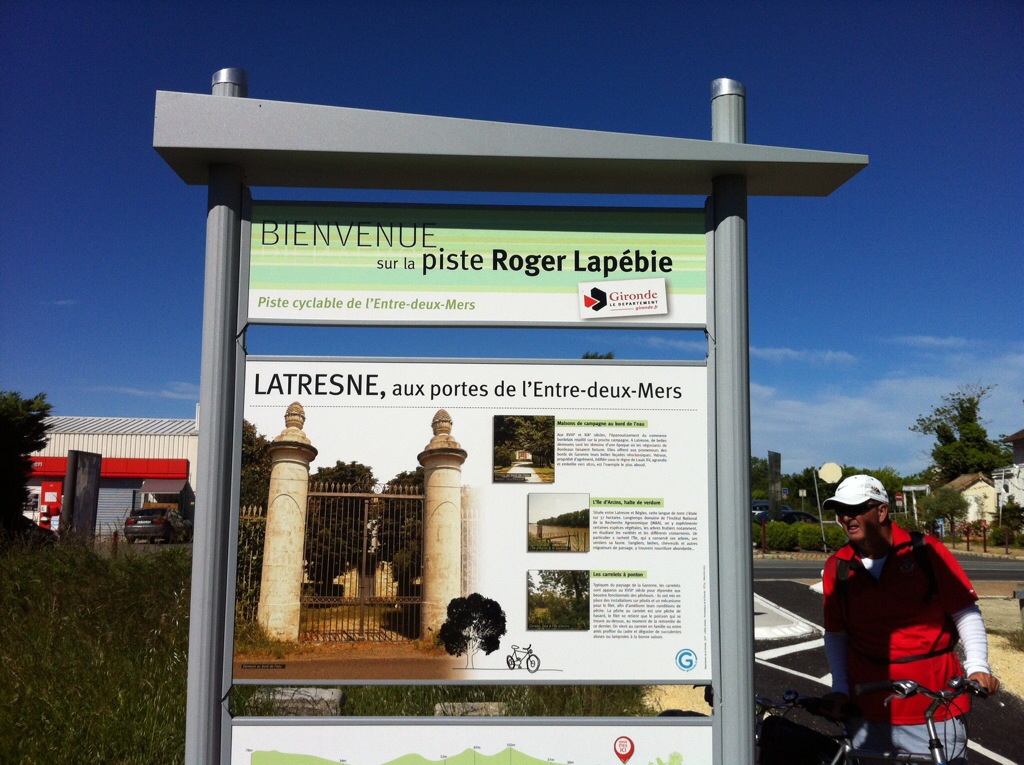
We re joined the Roger Lapebie cycle way for about 8km which was nice. We stopped for lunch to eat our baguettes – wow they were big and super delicious.

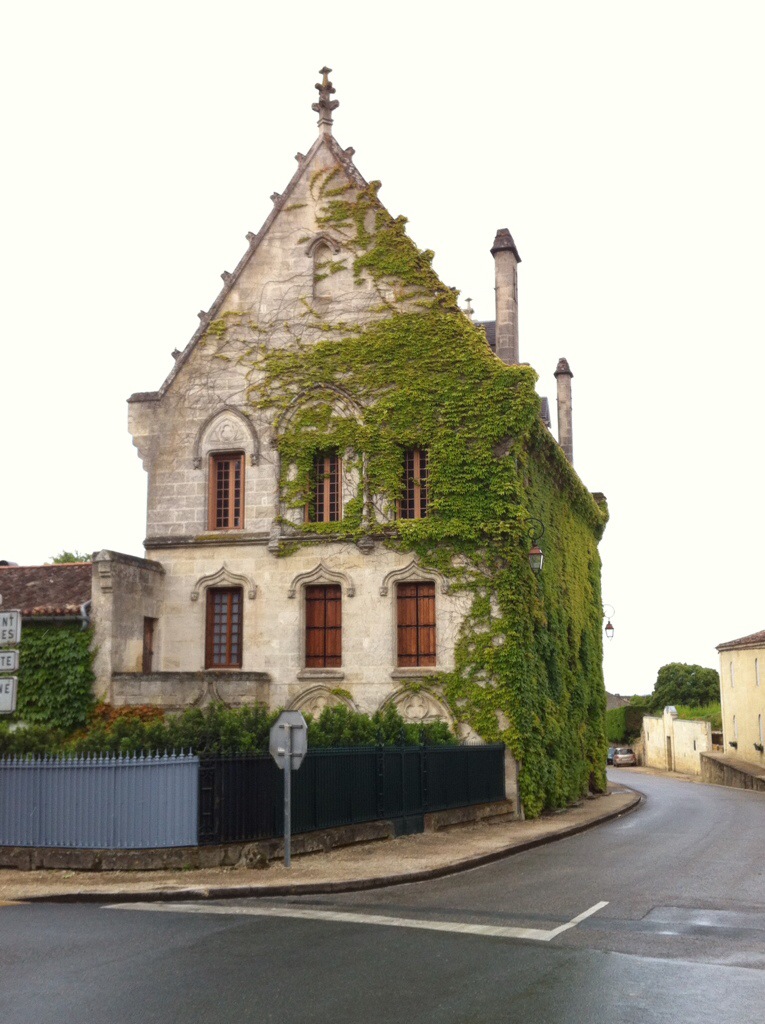
The countryside was vine after vine for as far as the eye could see. I still can’t get over the houses and other buildings – most of them look abandoned to me but the car parked outside is a give away that someone does live there. There is no sign of life although we did see a few workers pruning vines along the way. We also saw various size tractors with different contraptions on them which are used on the vines – spraying from above, trimming the bottom leaves off etc…

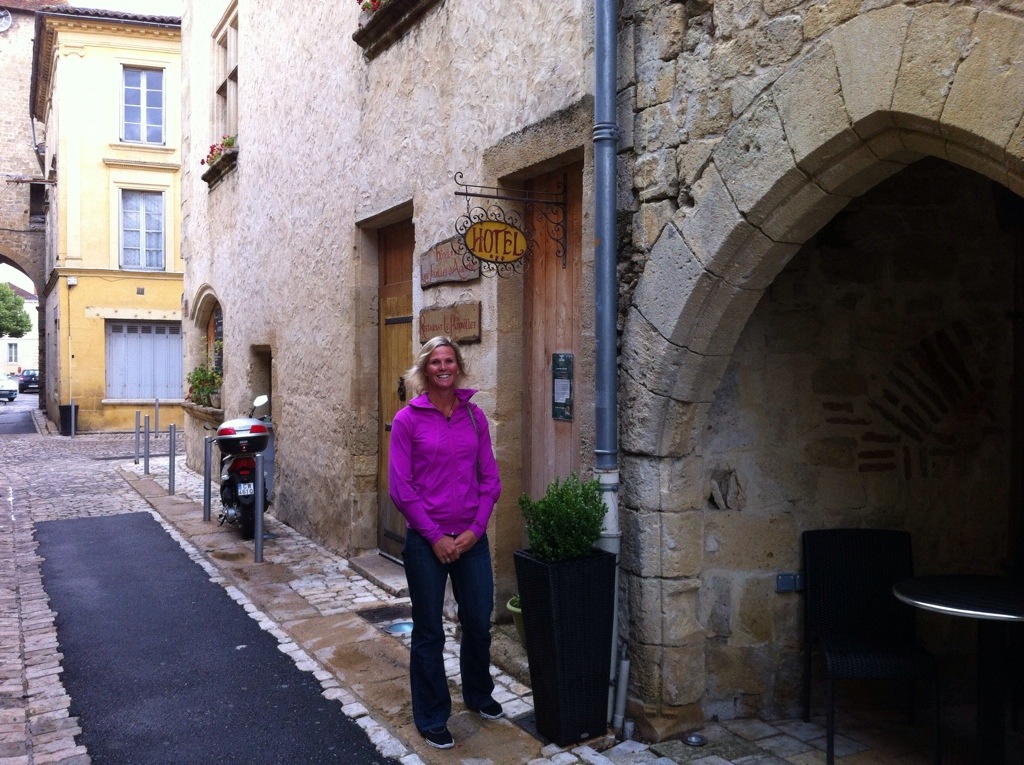
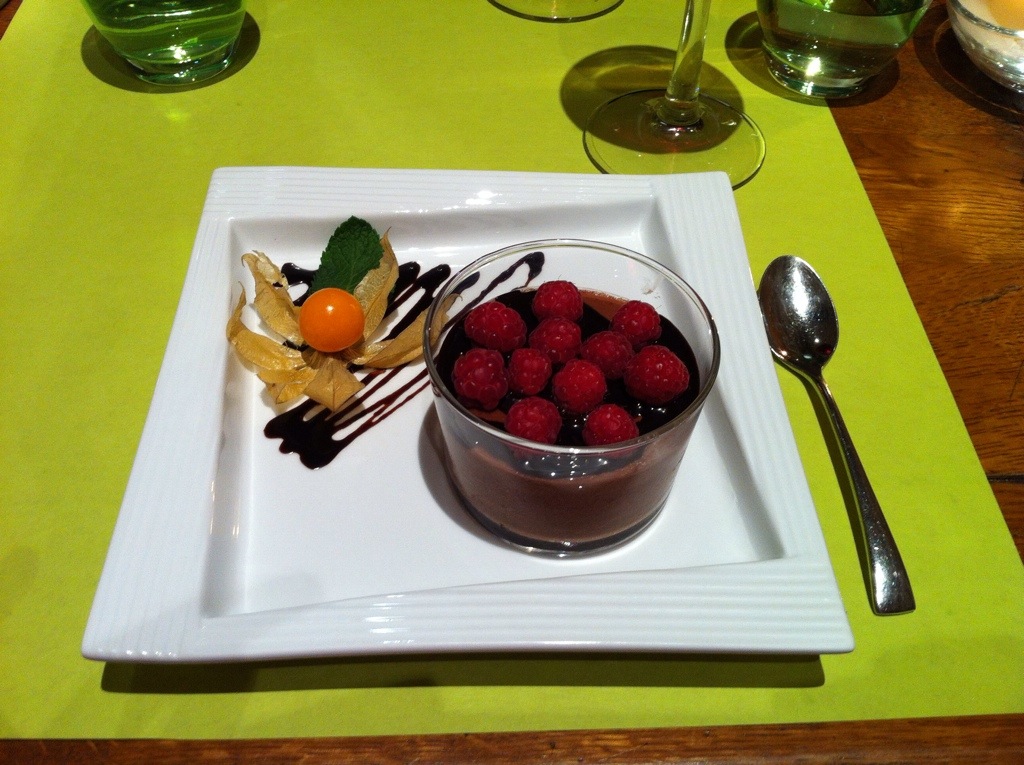
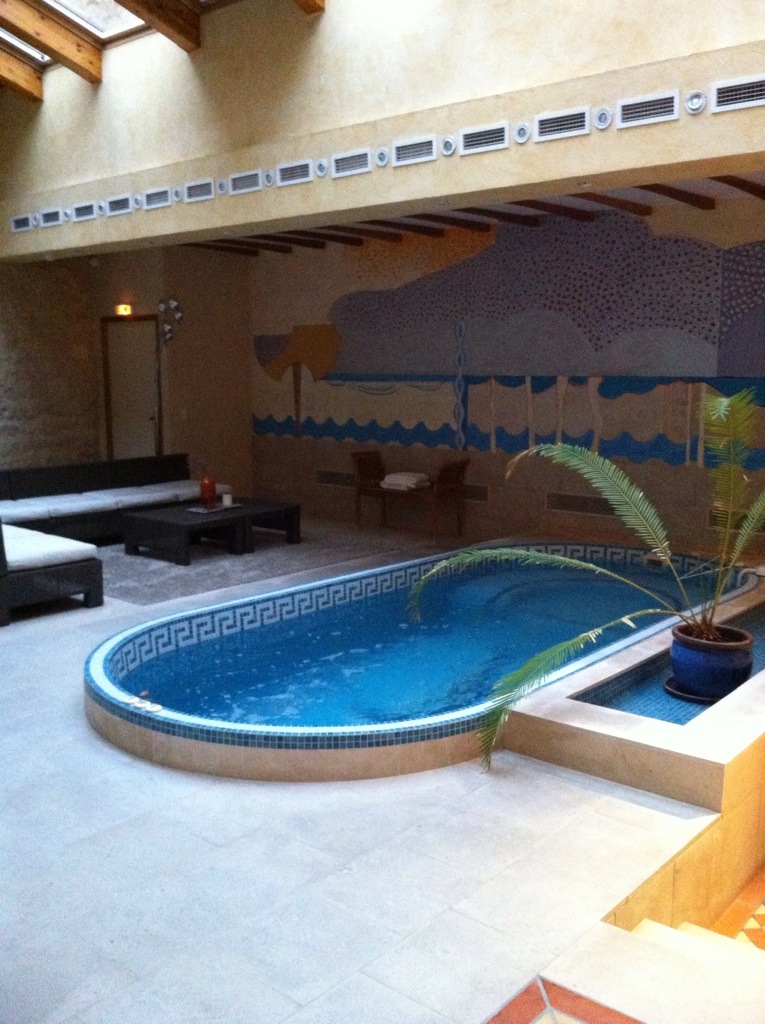
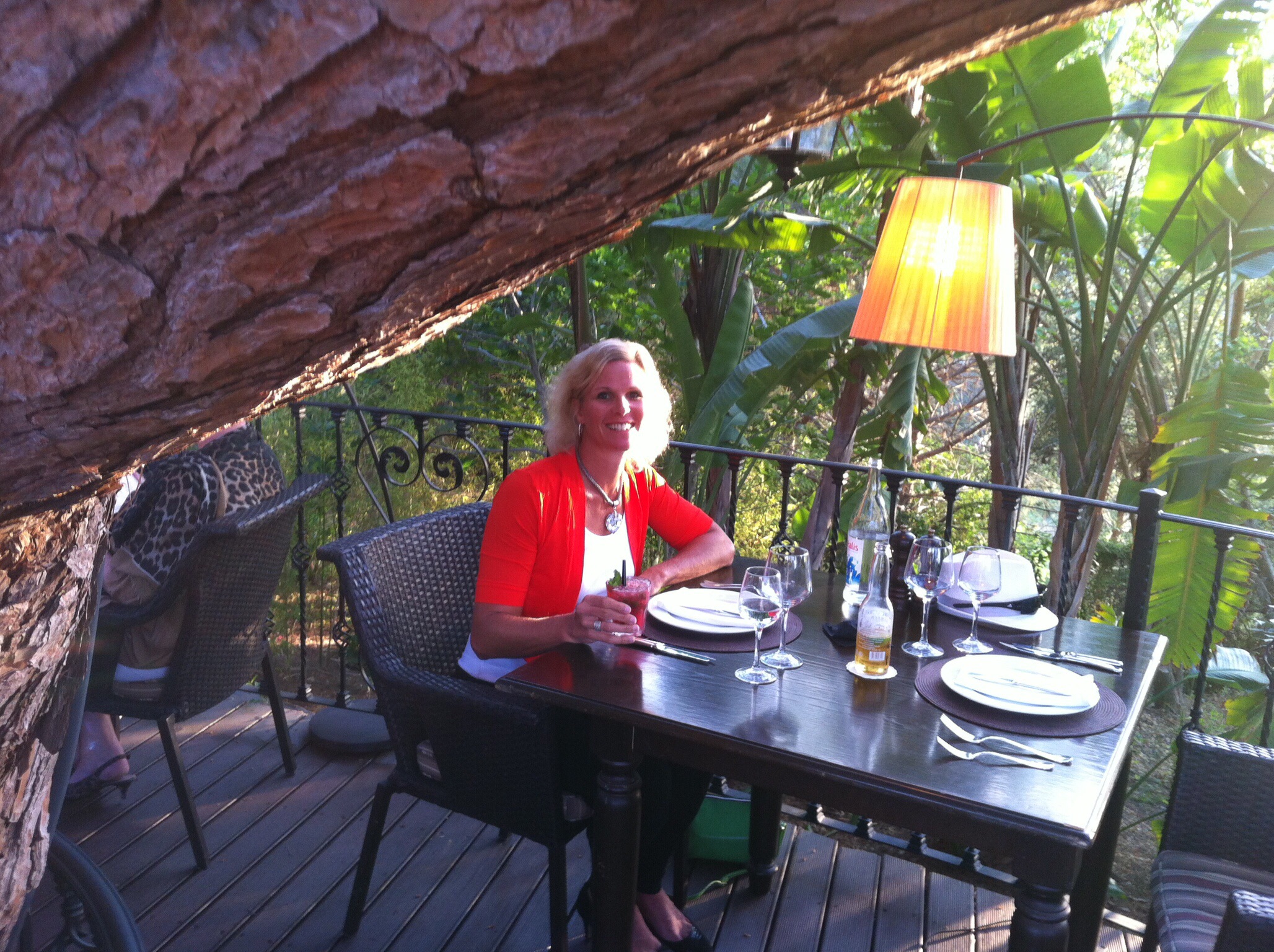
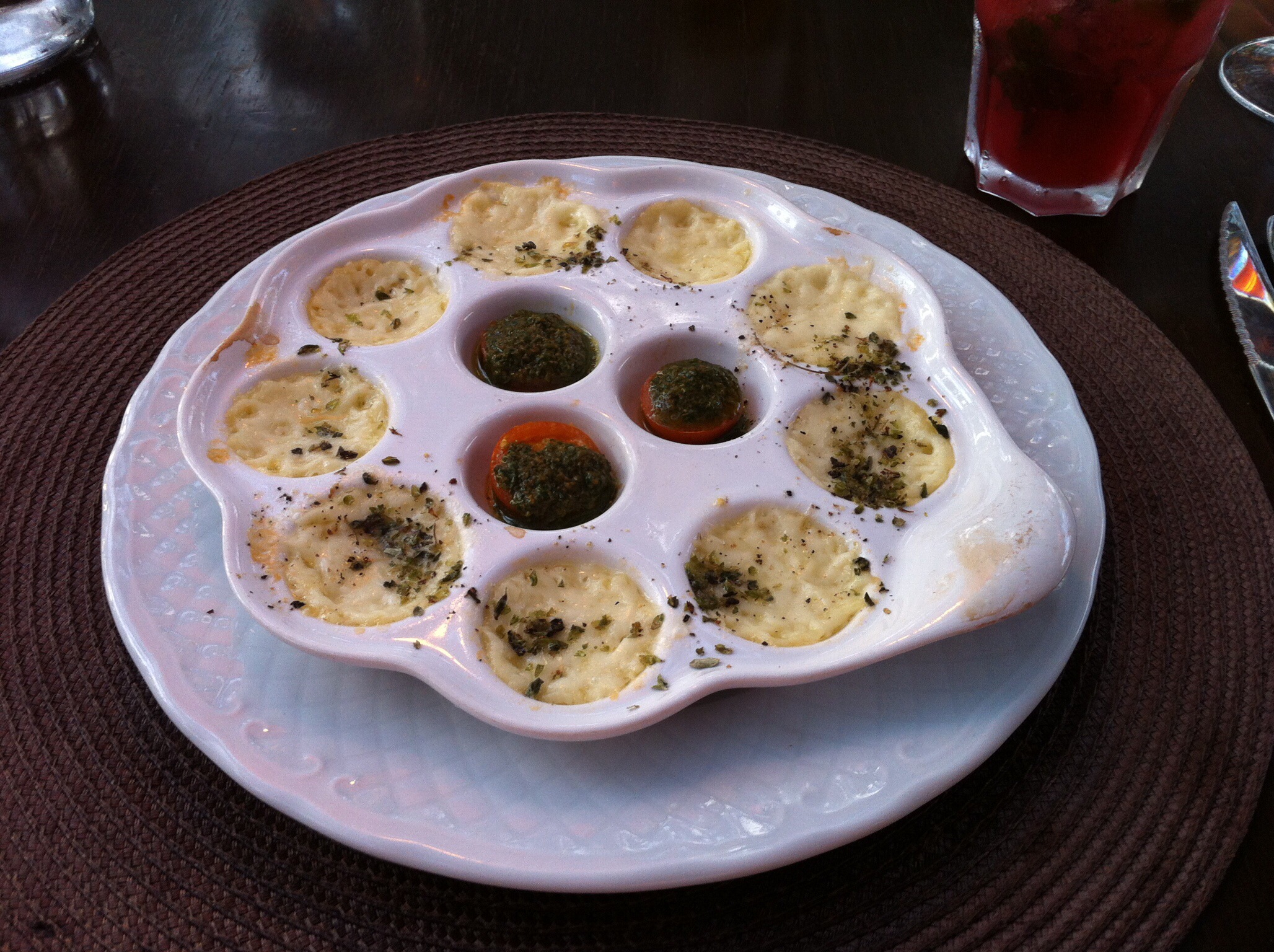
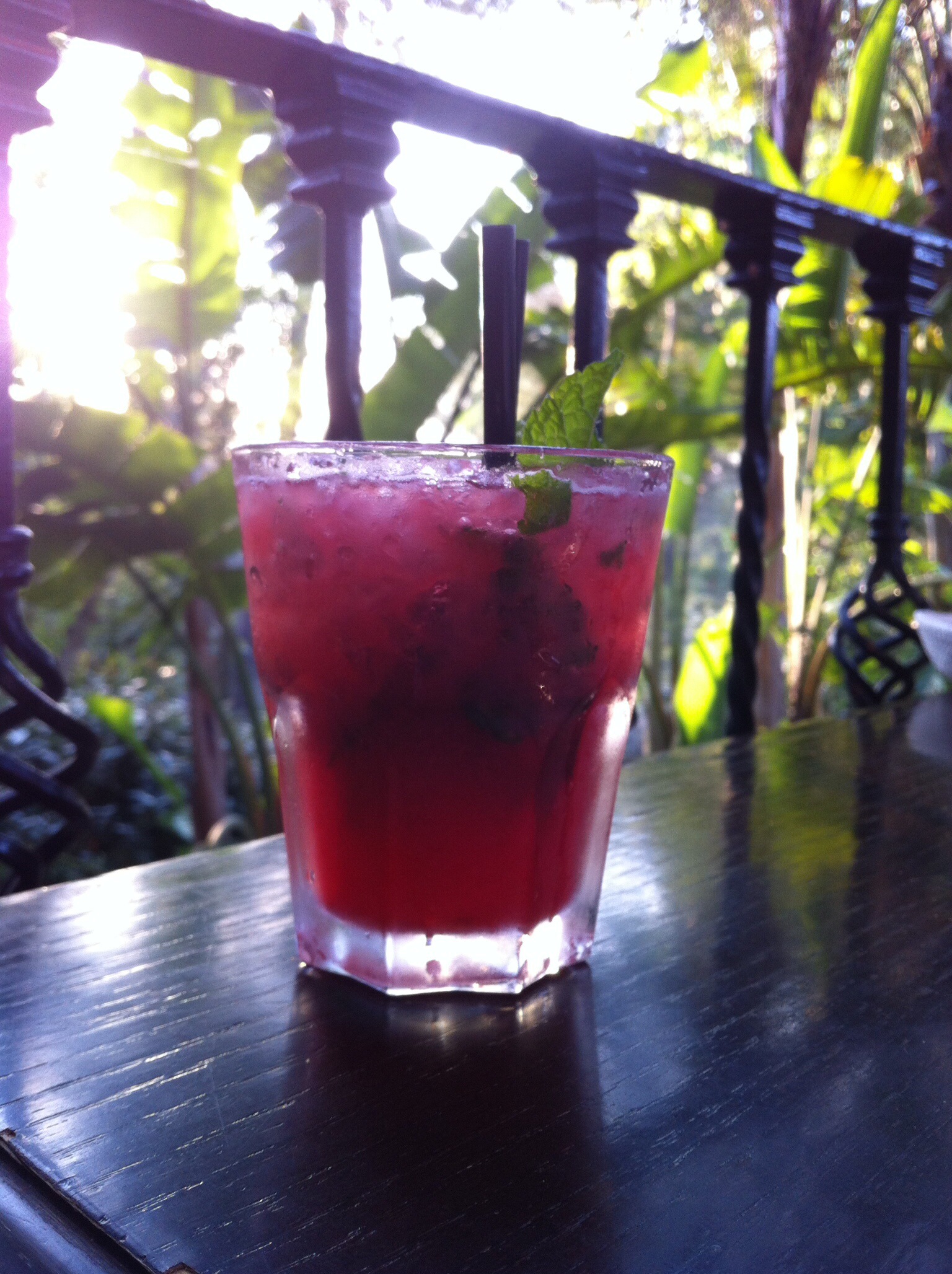
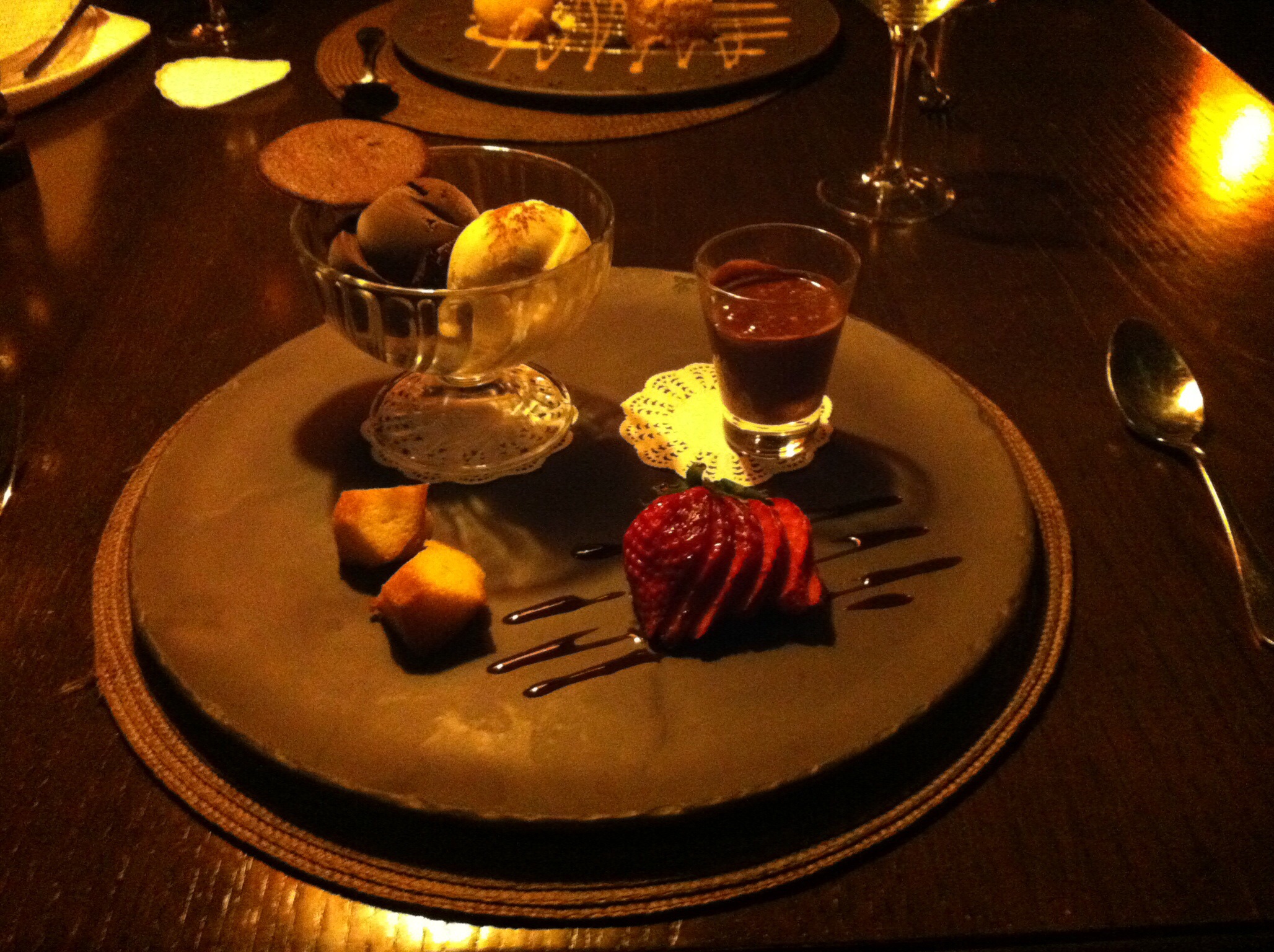
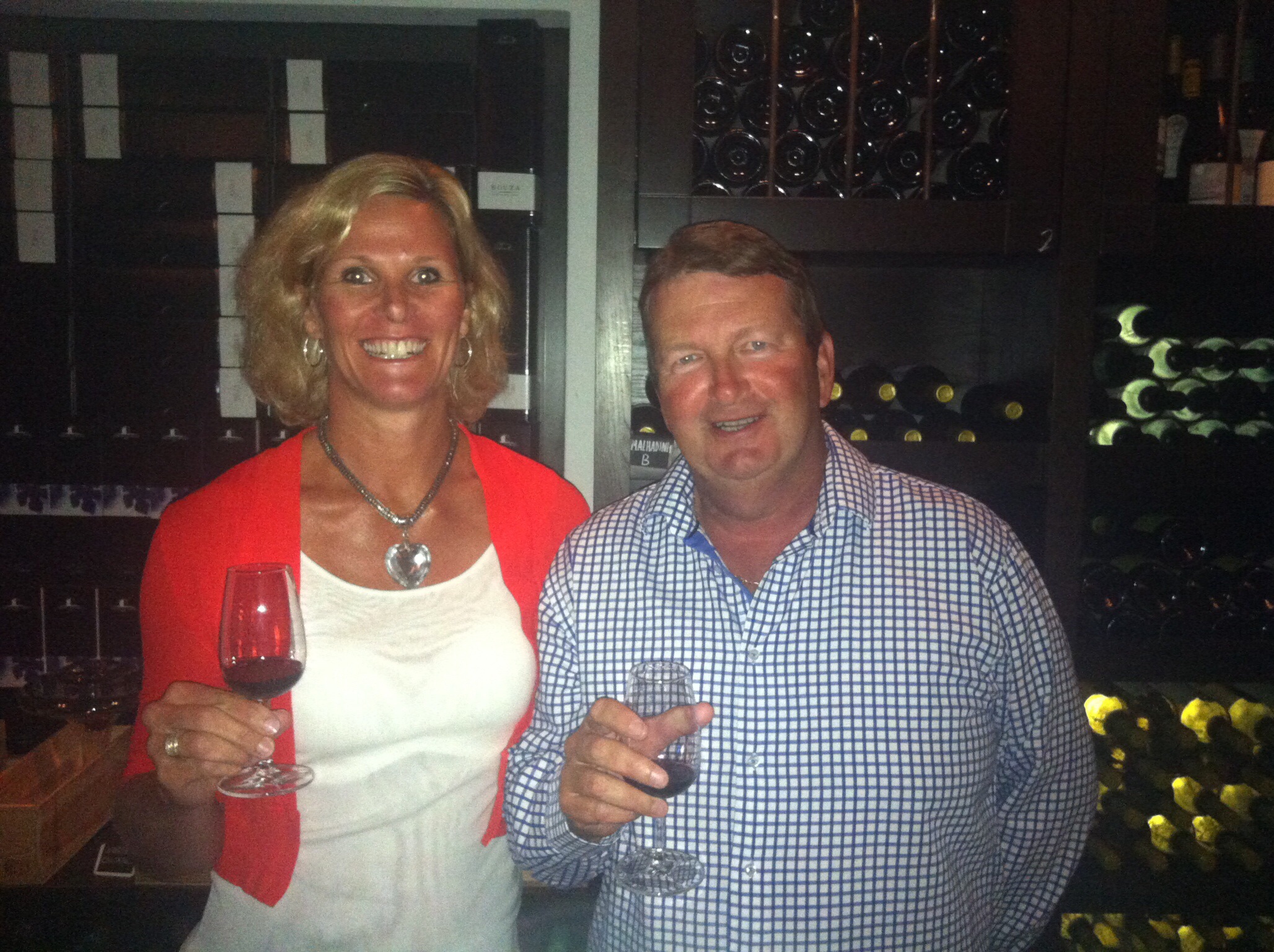
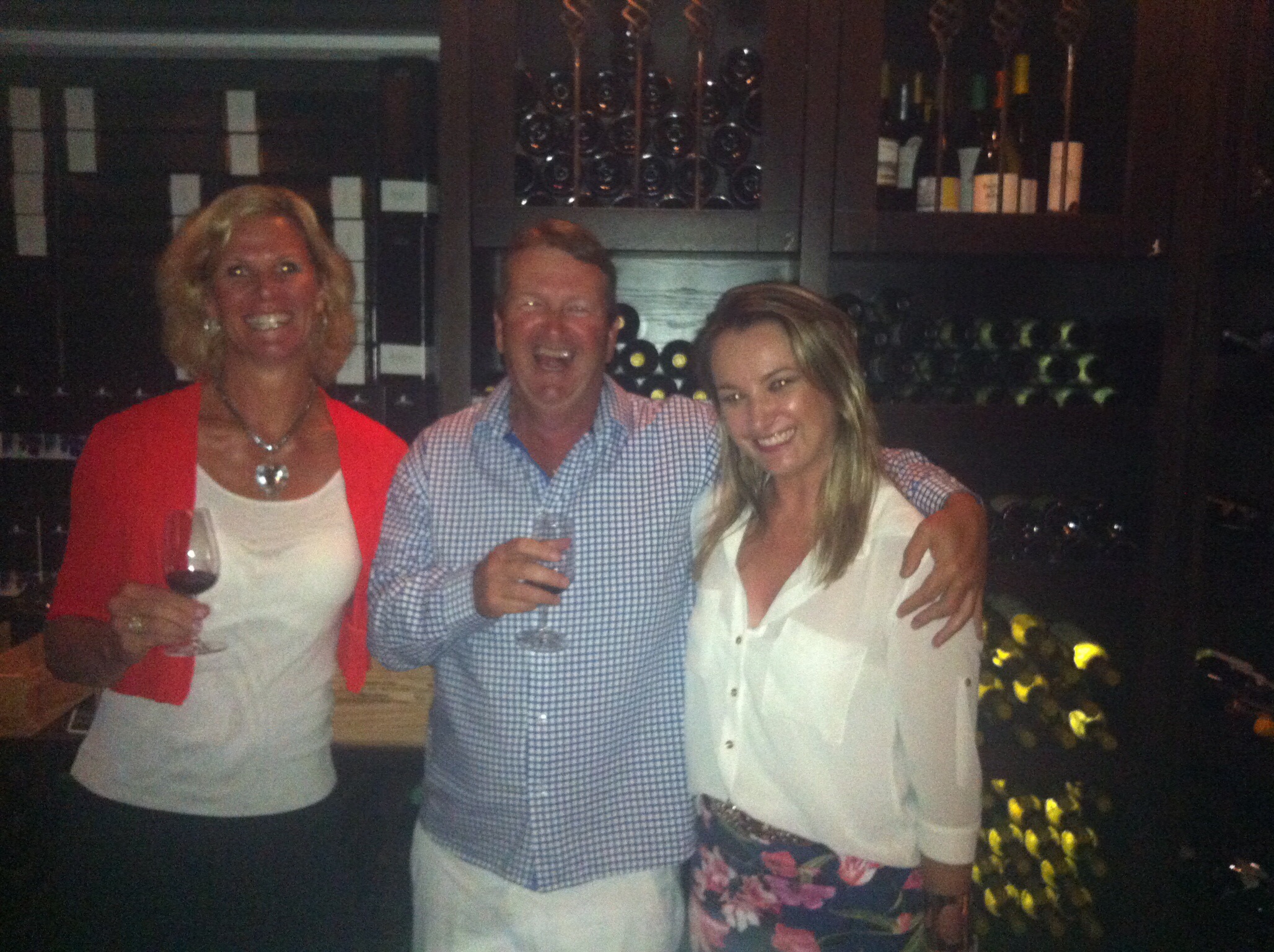
We reached our destination of Saint Macaire about 4pm. It is a lovely little village where all the old buildings do look like they are cared for. We are staying in a lovely hotel called Les Feuilles d’Acanthe – the lady here is awesome and has been helping us understand a bit of French. There are 6 restaurants in this village including the one at the hotel. It had great reviews on Trip Advisor so we decided to have dinner here. Again the lady helped us translate the menu and the food was great – typical french cuisine. We also had a bottle of Clairet which is a darker Rose – very nice. I’m really enjoying the red wines from this region.

Saint Macaire was reputedly founded by a wandering Greek monk who gave his name to the town and the gift shop. The town had a prosperous past when it was a major river port allowing country wine to be exported from Bordeaux and was a barrel making centre. It had the usual battles during the Hundred Years’ War and it’s Abbey was the scene of power struggles within the clergy, with the monks being evicted.

20140523-220032-79232350.jpg

20140523-220031-79231943.jpg

20140523-220032-79232557.jpg

20140523-220332-79412964.jpg

20140523-220335-79415697.jpg

20140523-220337-79417280.jpg

20140523-220334-79414392.jpg

Posted in France | 2 Comments

Cycling in Bordeaux, Day 1 – France

We woke to clear blue skies – perfect cycling weather!

Bordeaux is a lovely city. It has a population of about 240,000 in the city and about 1.2 million in the metropolitan area. Bordeaux is the world’s major wine industry capital. It is home to the world’s main wine fair, Vinexpo while the wine economy in the metro area takes in 14.5 billion euros each year. Bordeaux wine has been produced in the region since the 8th century. The historic part of the city is on the UNESCO World Heritage List as “an outstanding urban and architectural ensemble” of the 18th century.

The vine was introduced to the Bordeaux region by the Romans, probably in the mid-1st century, to provide wine for local consumption, and wine production has been continuous in the region since then.

Bordeaux now has about 116,160 hectares (287,000 acres) of vineyards, 57 appellations, 10,000 wine-producing châteaux and 13,000 grape growers. With an annual production of approximately 960 million bottles, Bordeaux produces large quantities of everyday wine as well as some of the most expensive wines in the world.

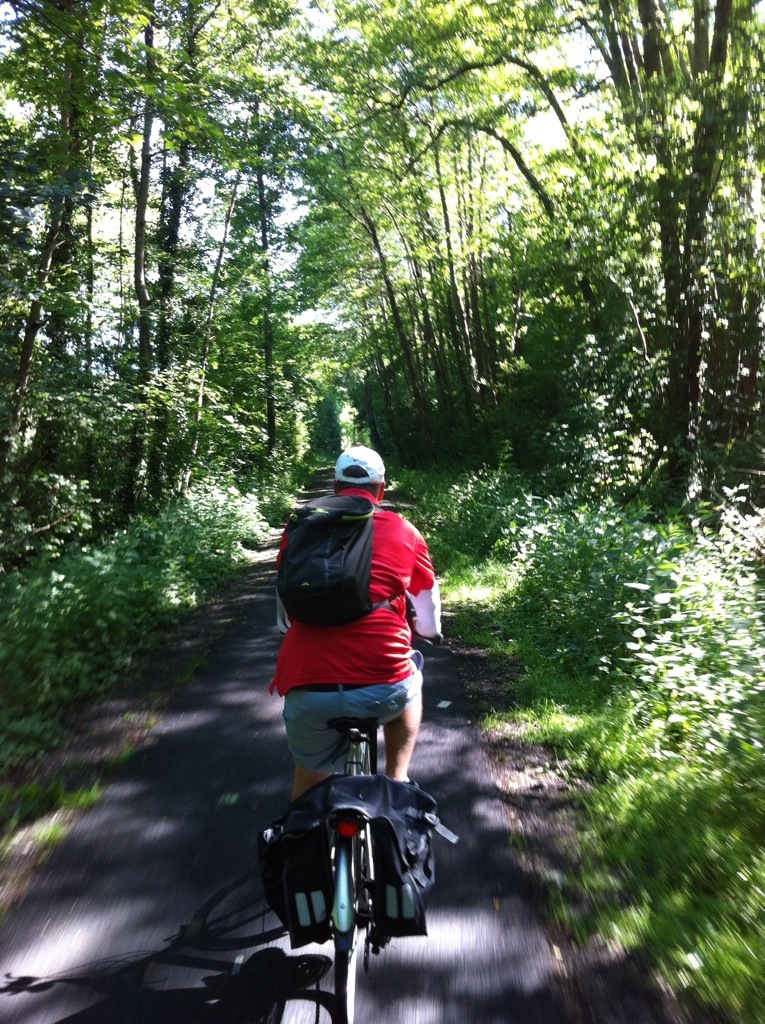
We headed out along the Garrone River and crossed over to the other side – the cycle path ran alongside the road so we felt very safe as we exited the city. After a few kilometres we were on the Roger Lapebie Cycle Way. Roger Lapebie was a French racing cyclists who won the Tour de France in 1937 – he was from the Aquitaine area of which Bordeaux is the capital. His victory was controversial as he was the first rider to complete the race using a modern derailleur. This gave him the advantage of shifting gears without having to stop, dismount and flip the wheel as was customary of racing bicycles used at the time. Following Lapébie’s victory derailleurs became standard racing equipment in the Tour peloton.

The track is amazing – it is fully asphalted and so smooth. The track even has it’s own traffic islands & traffic signs as it crosses the roads. The track is surrounded by trees and vegetation with a few properties nestled amongst them. The properties never seem occupied to me – they look like they have been left to rack & ruin but they are inhabited. The houses are built from neutral stone with shuttered windows and they never look like anyone is in them.

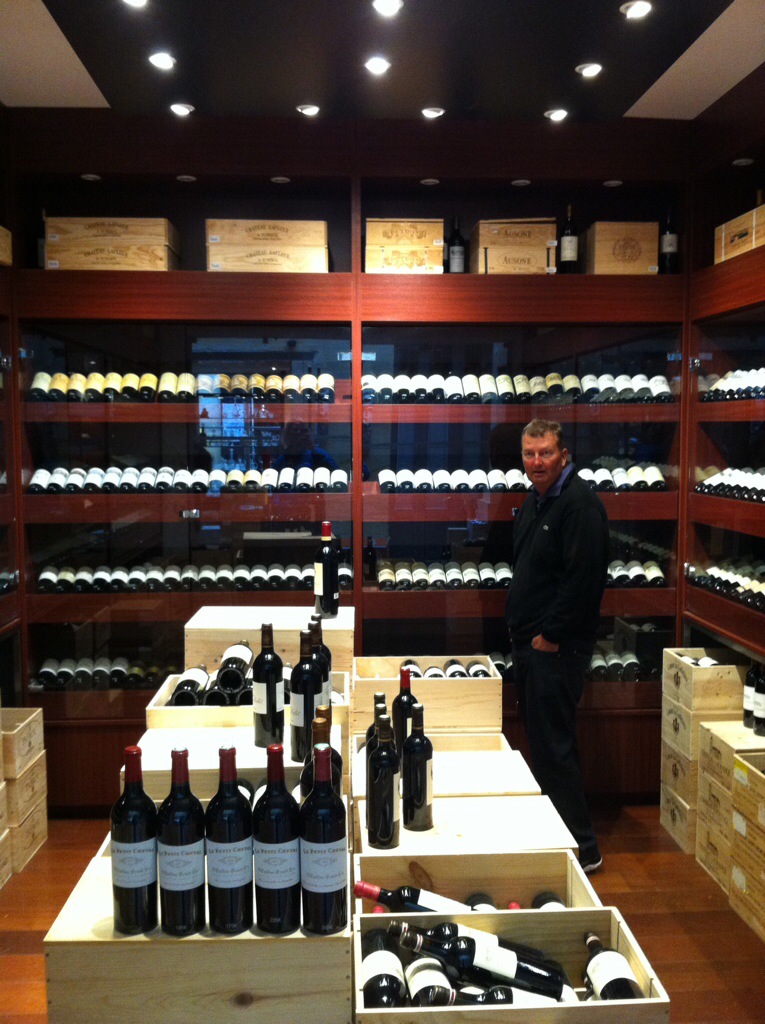
We took a recommended detour at La Sauve to see the 12th century Abbey. While riding up the small incline my chain jockey broke and was catching my spokes. I couldn’t ride the bike like that so had to text Graham from Bordeaux Cycle Tours to bring a replacement bike. By the time he got the message etc… we were stuck at the abbey for about 2 hours. Opposite the Abbey is the original Tithe Barn which houses a Maison de Vin or Wine Shop – given we had time on our hands we decided to check it out.

Two bottles purchased, bike swapped and we were on our way again. After getting back on the cycle way we went through a tunnel – it had sensor lights in it so as you rode through it a light would come on to guide you through. This is what they need in the tunnels on the Central Otago Rail Trail – might have saved a trip to A & E for Sharon Gardner : )

We had to leave the cycle way a bit further on and navigate our way along some country roads. Andy would have been so proud of us – after managing to get lost in Twizel we didn’t get lost once in this foreign country! I hope I am not speaking too soon – tomorrow is 85% on country roads.

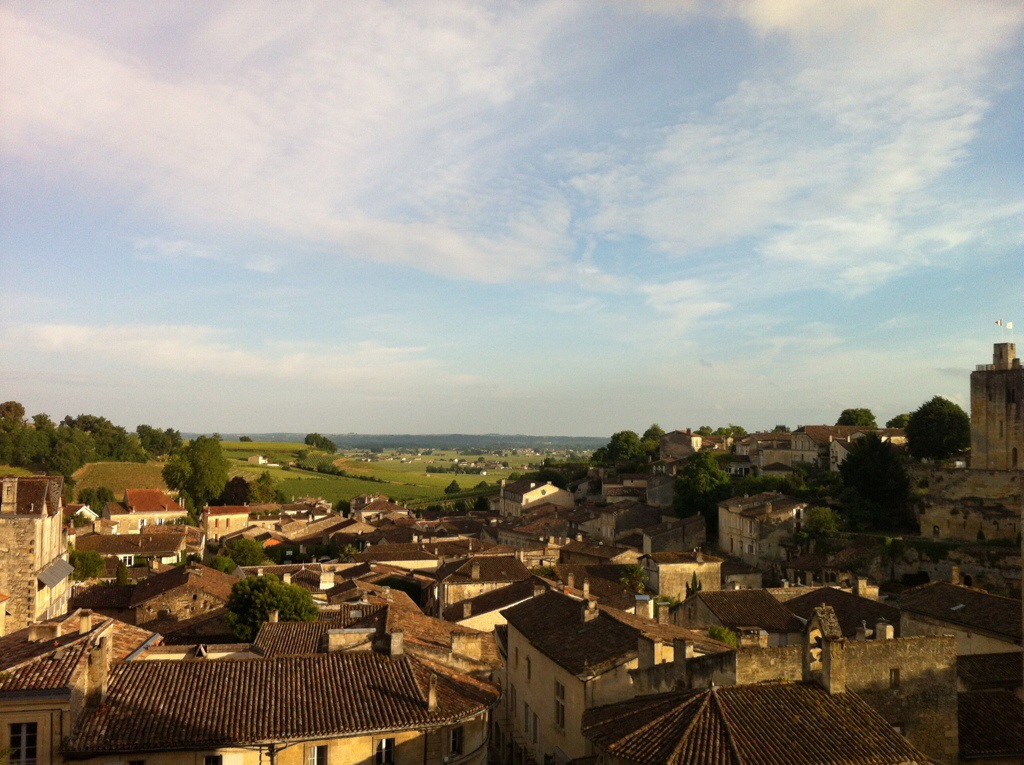
Once we got onto the country roads the landscape changed to how I imagined it would be – lots of vines surrounded by stone Chateaus. The closer we got to Saint Emilion the more Chateaus there were. The streets up to Saint Emilion got steeper and narrower so we had to dismount. We found our hotel – Hotel Palais Cardinal – and checked in. Saint Emilion is a mass of very old buildings and many wine shops!

Saint-Émilion’s history goes back to prehistoric times and is a World Heritage site, with fascinating Romanesque churches and ruins stretching all along steep and narrow streets.

The Romans planted vineyards in what was to become Saint-Émilion as early as the 2nd century. In the 4th century, the Latin poet Ausonius lauded the fruit of the bountiful vine.

The town was named after the monk Émilion, a travelling confessor, who settled in a hermitage carved into the rock there in the 8th century. It was the monks who followed him that started up the commercial wine production in the area.

20140522-220054-79254587.jpg

20140522-220055-79255032.jpg

20140522-220054-79254808.jpg

20140522-220225-79345798.jpg

20140522-220228-79348577.jpg

20140522-220232-79352002.jpg

20140522-220229-79349966.jpg

Posted in France | 4 Comments

Bonjour Bordeaux

We flew TAP Portugal’s code share partner airline Portugalia Air to Bordeaux. The plane was delayed about one and a half hours due to minor technical issues. We thought it was best they sorted those out while we were on the ground rather than in the air!

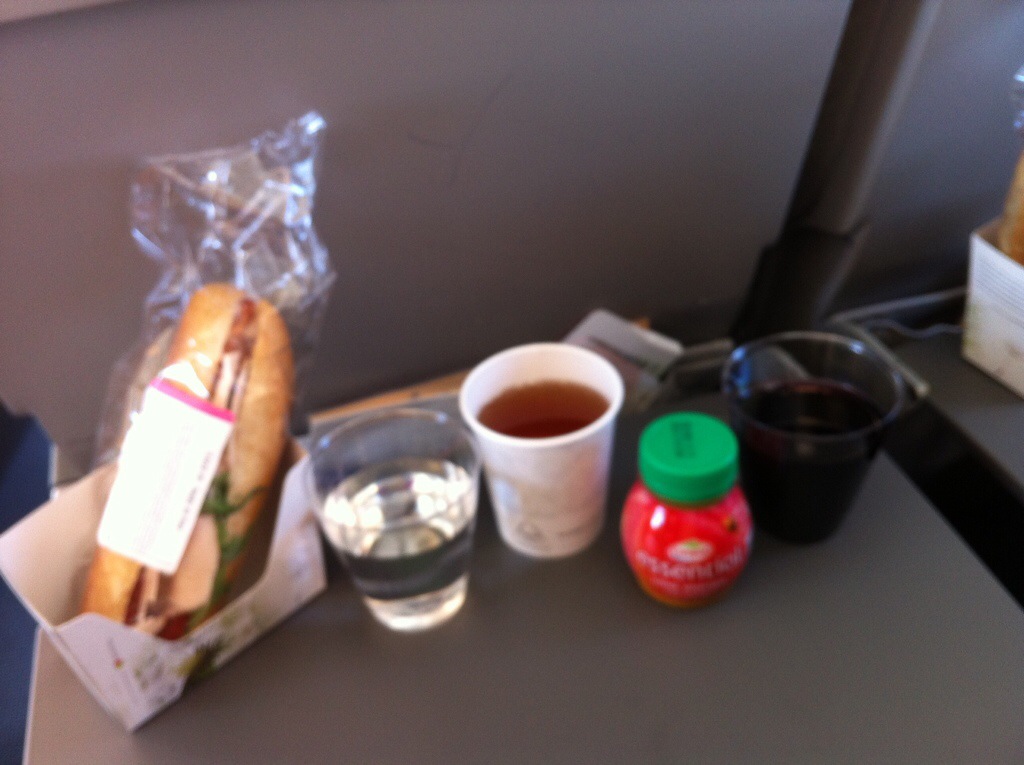
We had to get on one of those airport buses out to the tarmac and it seemed to go to the back blocks of the airport – the plane was reasonably old with a one seat / two seat configuration. There were probably about 50 passengers on board. Anyway the seats were quite comfortable. We paid about EU80 or NZD127 each for the two and a half hour flight so thought we might get a glass of water if we were lucky but no we were offered a nice filled roll, water, wine, orange juice and tea and coffee.

We arrived into a blue skied Bordeaux about 7.30pm – it was 19 degrees. We got our bags and caught the bus into the city – it took about 40 minutes and cost EU1.40 or NZD2.22 each. We were met at the bus by Graham from Bordeaux Cycle Tours. We walked to the hotel and dropped our bags off and then went for a test drive on the bikes around town.

Bordeaux is a beautiful city. Graham gave us a whirlwind tour and orientated us to the river, train station and restaurants. We had a nice meal at Cafe Manmar – the owner was a mad rugby supporter and was glad to chat about the All Blacks. He looked a little bit like that wild one in the French team – Chauvil?

Anyway we will be reunited with our bikes in the morning all set to discover what Bordeaux has to offer.

20140522-005327-3207757.jpg

20140522-005327-3207939.jpg

20140522-005327-3207506.jpg

20140522-005328-3208133.jpg

20140522-005328-3208331.jpg

Posted in France | 1 Comment

Sintra, Day 2 – Portugal

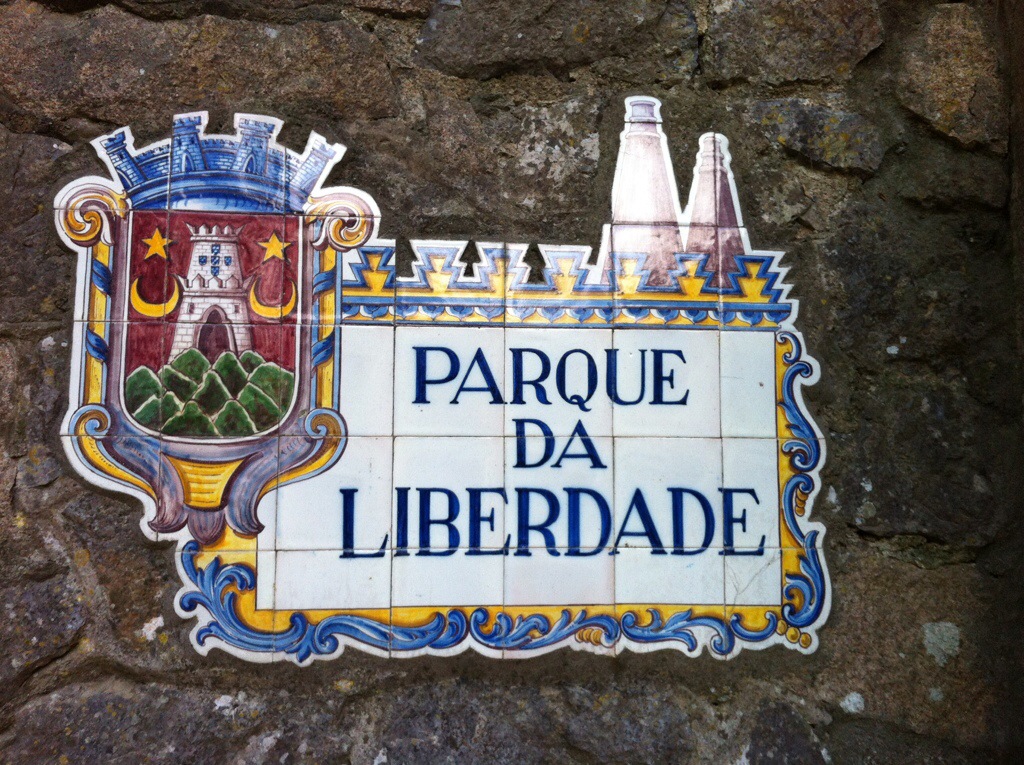
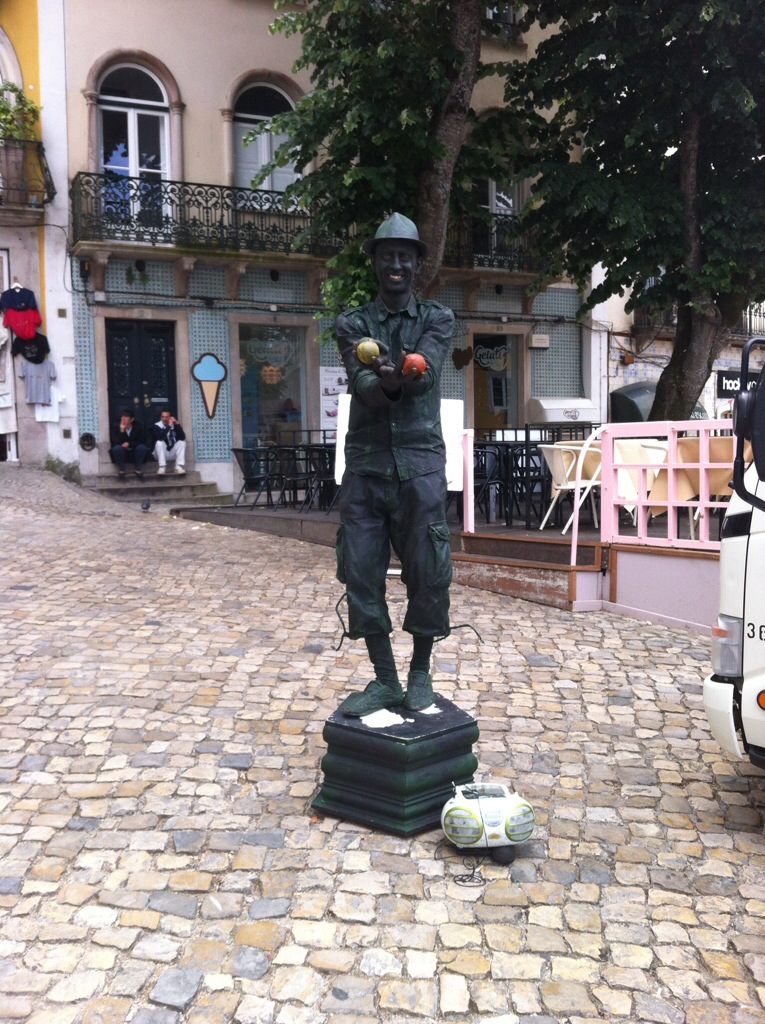
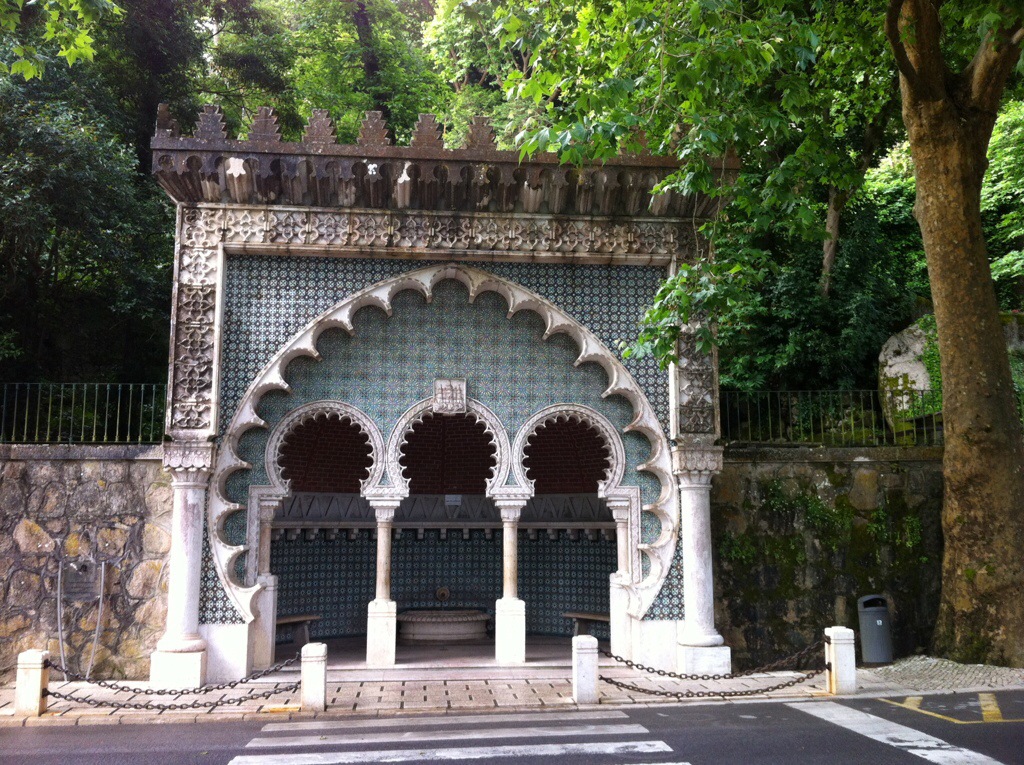
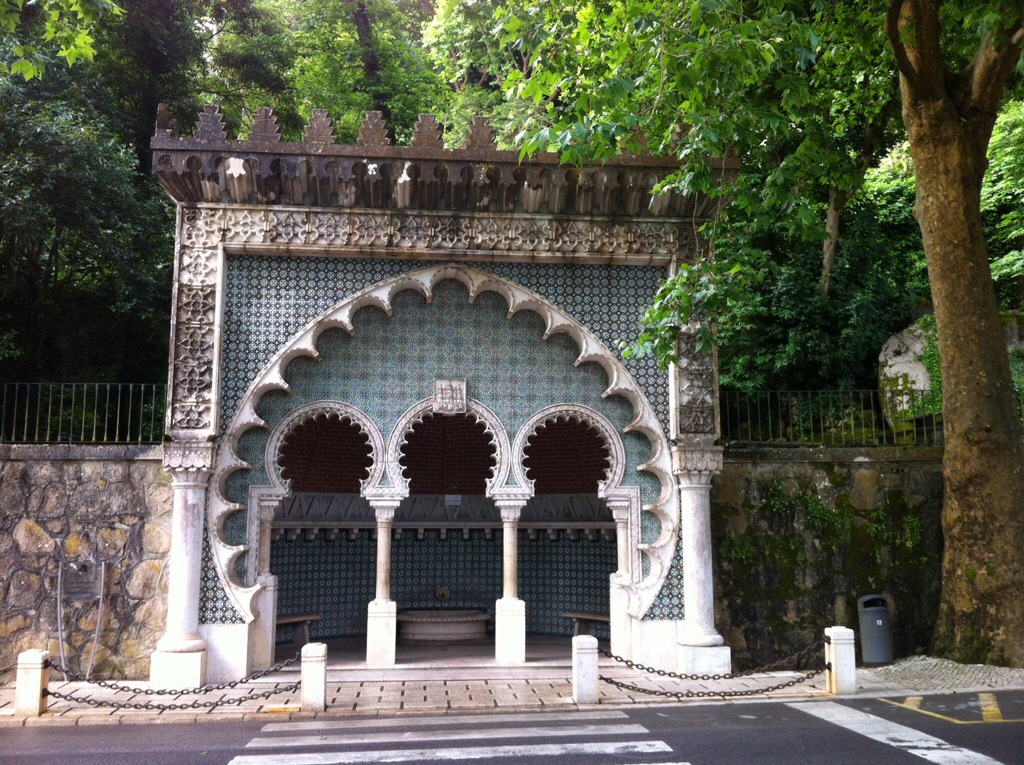
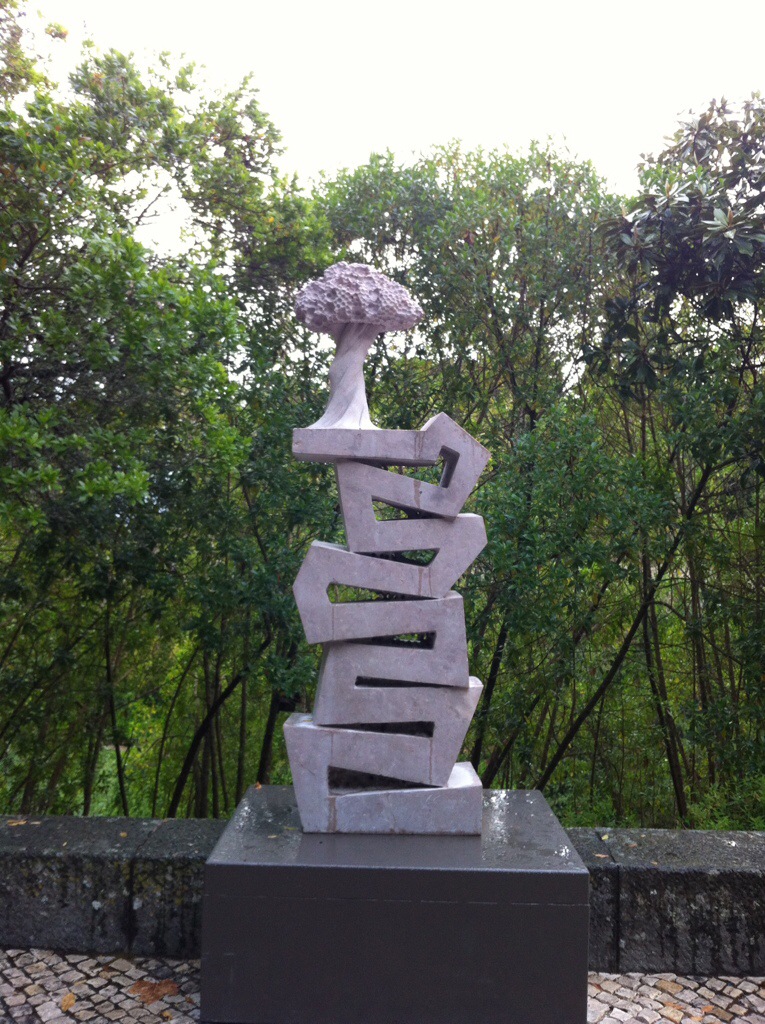
There was a bit of rain during the night and we woke to more rain this morning, however, by 7.30am it had cleared so I decided to go for a wander through the now deserted streets of Sintra.  There are little alleys and streets surrounding the historical centre.  There is an open air art museum which has a number of pieces of art dotted along the round that surrounds the park.

The hills behind Sintra contain all these underground water tributaries producing water from the springs.  There is a water fountain down in the historical centre built in the times of the Arabs where people queue to fill their water bottles.  I witnessed a lady filling about 20 two litre containers and loading them into her car.  Not long afterwards another lady pulled up and got out and filled her two litre container.

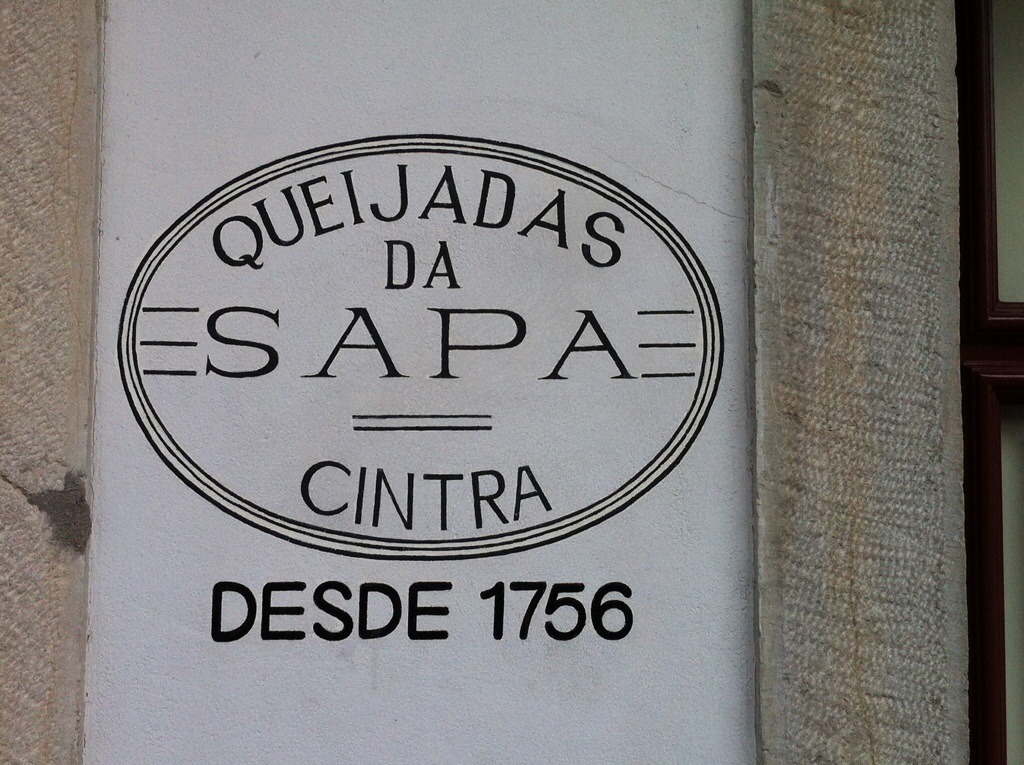
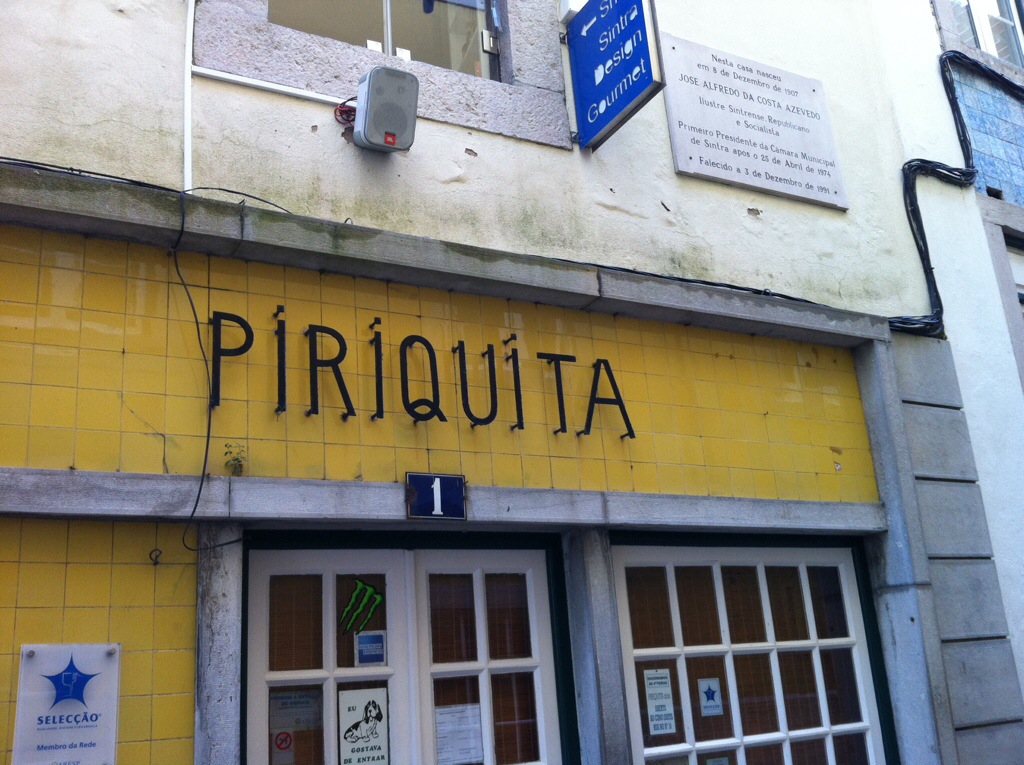
There is a cafe in Sintra that dates back to 1756 and a bakery called Piriquita which is known as the royal bakery as it used to serve the royal family.  They make and sell the famous Travesseiro – a delicately rollled pastry with a mixture of almonds and eggs.

There is a five star hotel called Lawrence’s that dates back to 1764 – the rooms are not numbered but named after famous people that have stayed there.  Lord Bryon was one of these along with a number of famous Portuguese writers and poets.  It is probably not a five star hotel by today’s standards but because of it’s history it is accorded such a status.

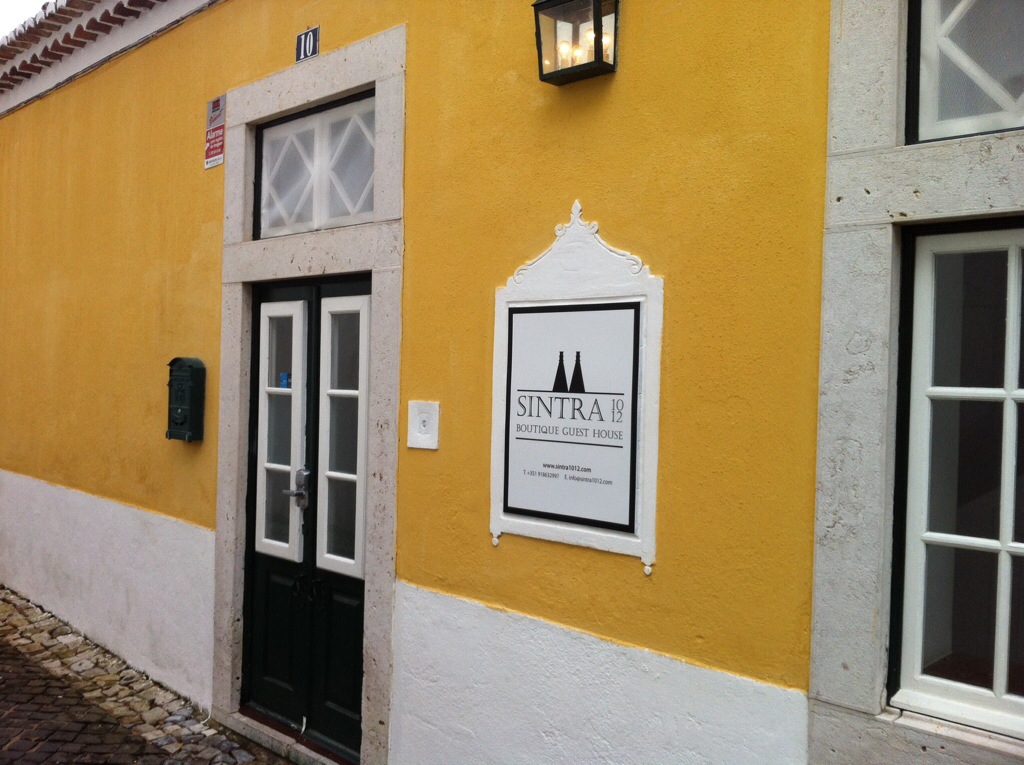
We stayed at the Sintra 1012 Boutique Guest House – it has 4 rooms and is lovely inside.  It is run by Karen who is originally from California and her Portuguese husband.  It was such a fun place to stay.  We had breakfast at the communal table this morning with a couple from Chile and Stefan (Germany) and Katerina who is from Sweden along with Katerina’s mother.  They were all very well travelled and had some great tips for us.

Stefan, Katerina and her mother had all traveled to NZ.  Stefan & Katerina had spent two months in NZ and for one of those months traveled around in a Jucy Campa.  Katerina’s mother is a teacher and looks after international exchange students – she bought 8 Swedish students down to NZ to settle them in for their year in NZ. She had been to Invercargill and even visited Stewart Island – not that many Kiwi’s can say they have been there!  To top it all off Katerina had been a golf professional on the LPGA in the USA for six years.  They were all in Portugal to watch the UEFA Woman’s Champions League final – Katerina’s brother is the coach of Tyreso FF, the Swedish team in the final.

The UEFA Men’s Champions League final is being held in Lisbon on Saturday between two Spanish teams from the same city of Madrid – Real Madrid CF and Club Atletico De Madrid.  They are expecting a lot of people from Madrid and given it is only 5 hours by car the streets of Lisbon will be bedlam.

After breakfast we drove back to Lisbon and dropped our trusty Fiat Punto off and got dropped at the airport to catch our flight to Bordeaux.

Adeus Portugal and Bonjour France.

20140522-002733-1653721.jpg

20140522-002734-1654028.jpg

20140522-002734-1654732.jpg

20140522-002734-1654241.jpg

20140522-002735-1655222.jpg

20140522-002734-1654988.jpg

20140522-002735-1655478.jpg

20140522-002734-1654446.jpg

20140522-002736-1656971.jpg


20140522-002736-1656776.jpg

20140522-002735-1655760.jpg

Posted in Portugal | Leave a comment

Sintra – Portugal

We left the Algarve this morning and headed for Sintra which is about 3.5 hours away – approximately half an hour north of Lisbon. The forecast in the Algarve and Sintra was for some rain – something we haven’t seen for a month. Anyway we got a bit of rain but it was just one of those days where we had to create our own sunshine : )

Sintra is located in the Grand Lisbon sub region of Portugal. In addition to the Sintra Mountains and Sintra-Cascais Nature Park, the parishes of the town of Sintra are dotted by royal retreats, estates, castles and buildings from the 8th and 9th century, in addition to many buildings completed between the 15th and 16th centuries. It was classified as a UNESCO World Heritage site in 1995.

I had read on Trip Advisor that the Tuk Tuk tour around Sintra was very good so we decided to check them out. We have less than a day here so wanted to learn and see as much as possible. Our guide and driver, Andre was excellent. He was born in the Algarve but moved to Sintra when he was about six. His knowledge of the area and the monuments was great. He also had a great sense of humour..

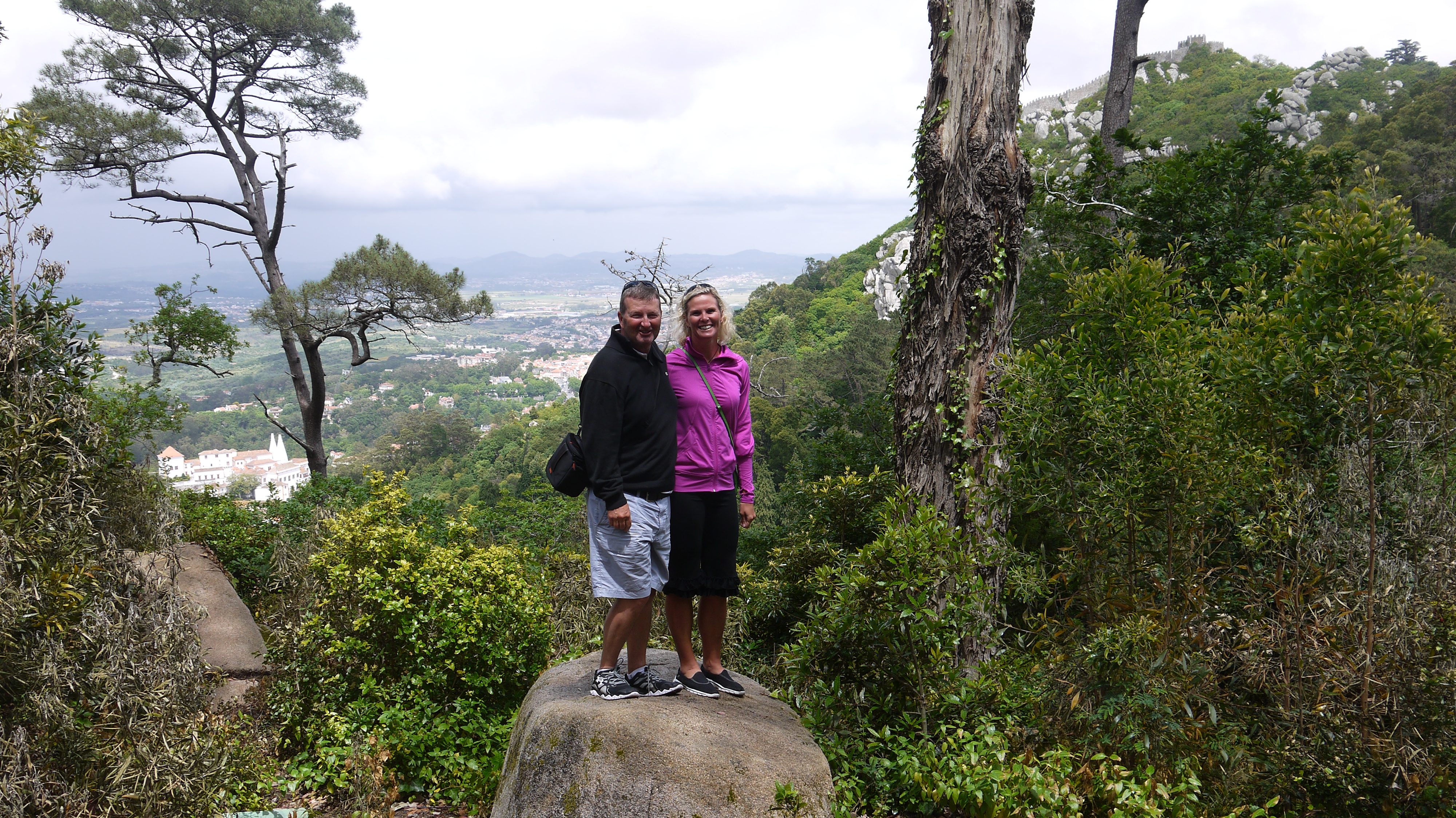
He took us through the historical centre where we saw the National Palace and various other famous landmarks. We then started our ascent of the hills behind Sintra to the Castle of the Moors and the Pena Palace. There are a lot of amazing properties in the hills behind Sintra and most of them have massive gardens which are referred to as farms. Our trip down the hill was quite exhilarating with all the windy one way streets. It was a great way to get our bearings and learn about Sintra.

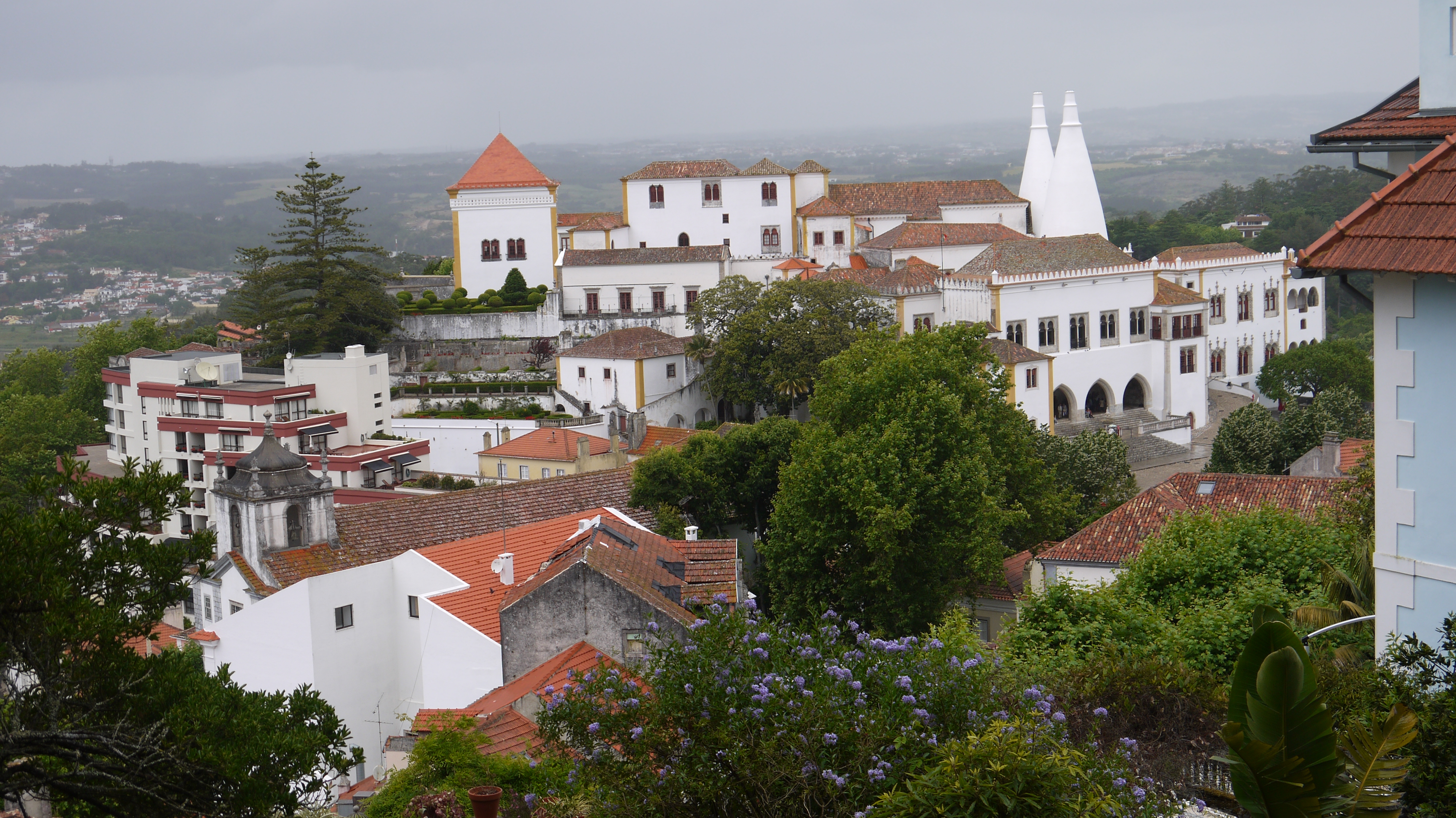
The National Palace located in the historic centre dates back to the 10th century to the times of Islamic rule. Nothing of this era forms part of the existing Palace – the mixture of Gothic, Manueline and Moorish styles in the present Palace are mainly as a result of building campaigns in the 15th and 16th centuries.

There are two conical chimneys that dominate the skyline – they were built to keep the kitchens smoke free. They are a symbol of wealth – the chimneys can be seen for kilometres around and one can only imagine the kind of banquets held at the courts that required such massive chimneys.

The Palace was used by the Portuguese Royal Family until 1880. In 1910, with the proclamation of the Republic, the Palace became a national monument.

The Castle of the Moors is a hilltop medieval castle built in the 8th and 9th centuries during the period of Muslim Iberia. It is strategically placed so it can protect the lands around it which were used for agriculture.

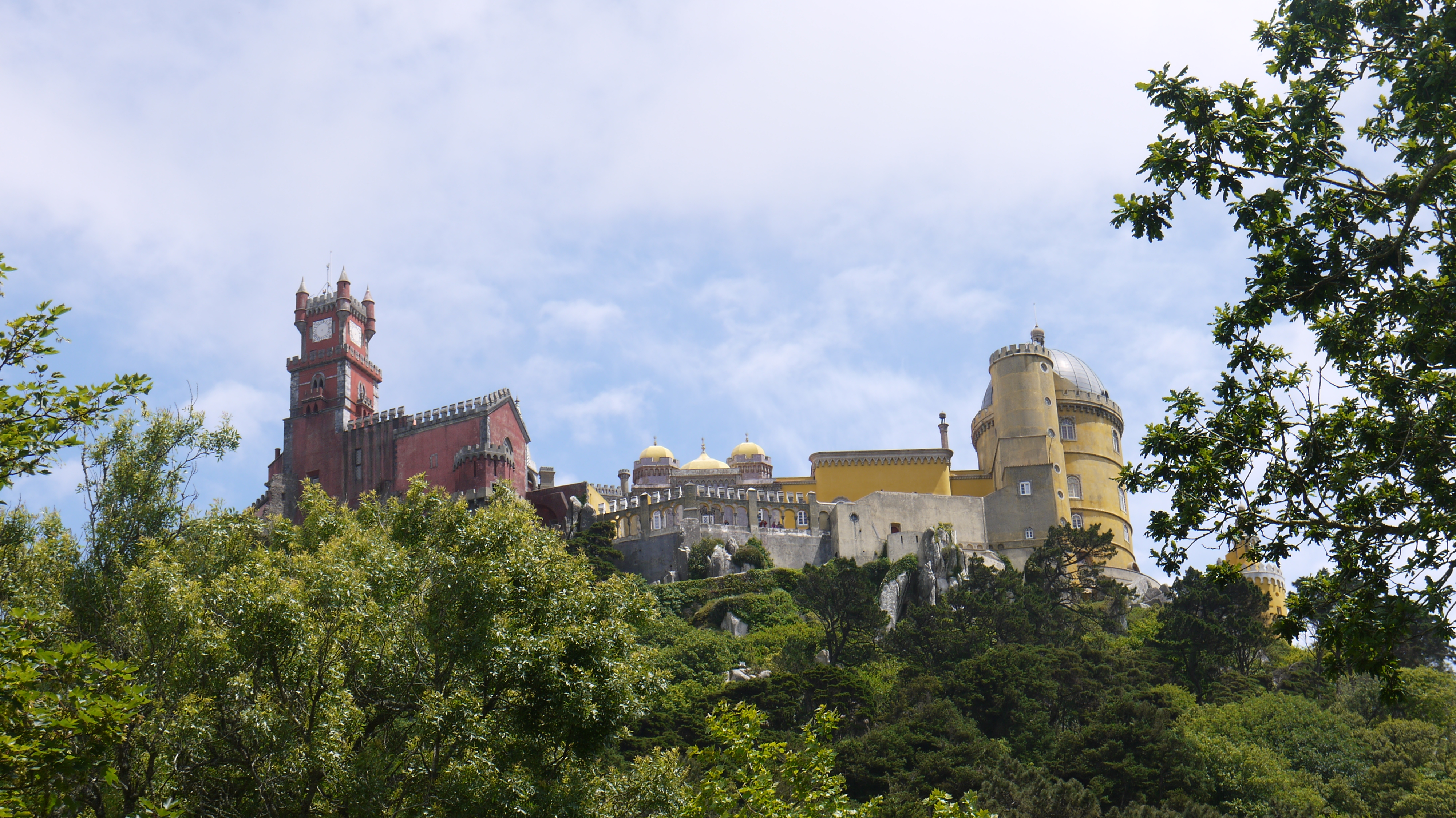
The Pena National Palace also sits on top of a hill above Sintra. It’s history dates back to the Middle Ages. The site was originally a monastery which suffered damage due to various natural disasters in the centuries that followed. For many centuries it remained untouched. In 1838 King Ferdinand II acquired it along with the surrounding land, the Castle of the Moors and a few other estates in the area. He then set out to transform the remains of the monastery into a Palace that would serve as a summer residence for the Portuguese Royal Family.

The surrounding grounds comprise 200 acres of uneven terrain. The exotic taste of the Romanticism was applied to the park as it was to the Palace. The king ordered trees from diverse, distant lands to be planted there. Those included North American Sequoia, Lawson’s Cypress, Magnolia and Western Redcedar, Chinese Ginkgo, Japanese Cryptomeria, and a wide variety of ferns and tree ferns from Australia and New Zealand. The micro climate in the hills of Sintra means that all sorts of plants grow well. The micro climate being quite diverse as we saw today – four seasons in one day although it didn’t snow and is not likely to.

P1020757 P1020774 P1020766 P1020769 P1020762 P1020755

20140520-232040-84040500.jpg

Posted in Portugal | Leave a comment

Quinta do Lago South Course, Quinta do Lago, Algarve – Portugal

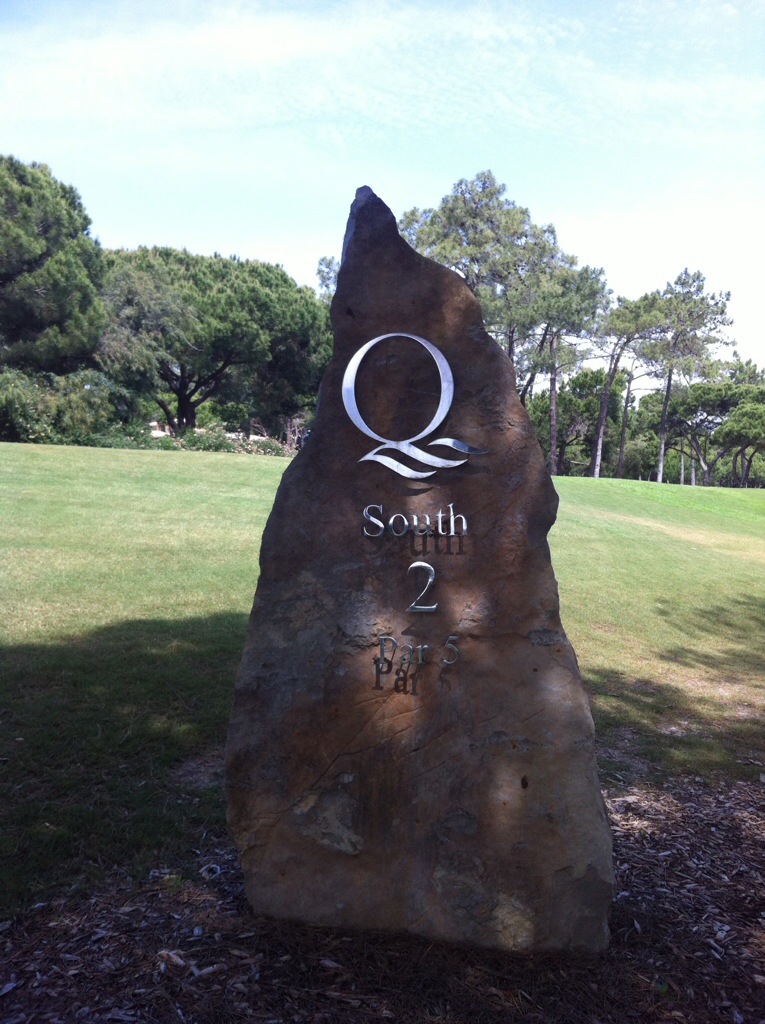
Today we played the Quinta do Lago South Course courtesy of our new Irish friend Alan. There are three courses that fall under the Quinta do Lago umbrella – the South course, the North course and Laranjal which is a new addition.

The North course is currently undergoing a major renovation – they are relaying all the grass on the fairways and greens as well as re doing all the bunkers. We have heard a few stories as to why they are doing this – some say it is because they couldn’t get the original grass to grow and some say it is to make way for more housing in and around the course. Apparently it is costing EU10 million to do.

The South Course was completed in November 1974 with the North Course being completed not long afterwards. The South Course has held the Portuguese Open 8 times as well as a large number of other big tournaments.

The Carnation Revolution took place in Portugal in 1974 which initiated a period of great social and political unrest. The future of the Portuguese Open was potentially in jeopardy during this period of intense financial and political turmoil. It’s future was only assured by the dedication of a few members of the Portuguese Golf Federation and the Quinta do Lago Board, who managed to organise the 1976 tournament with no facilities, clubhouse or prize money.

They used military tents for the players, media and guests. The Director General of Tourism managed to amass the prize money which had to be paid in foreign currency. The Golf must go on : )

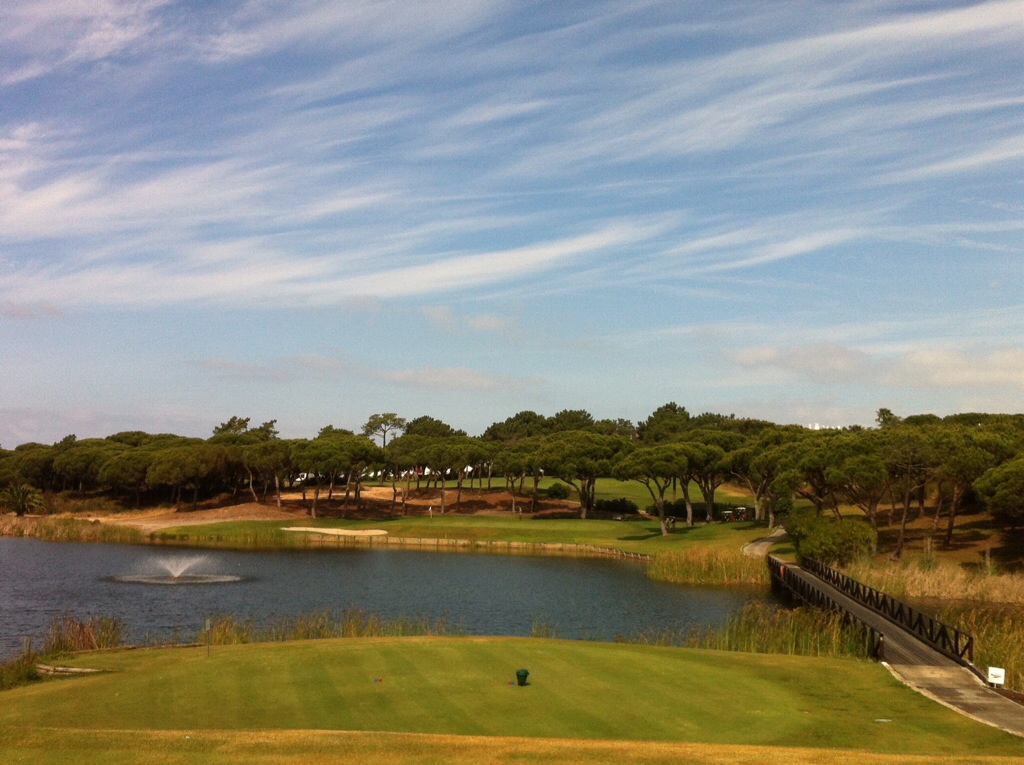
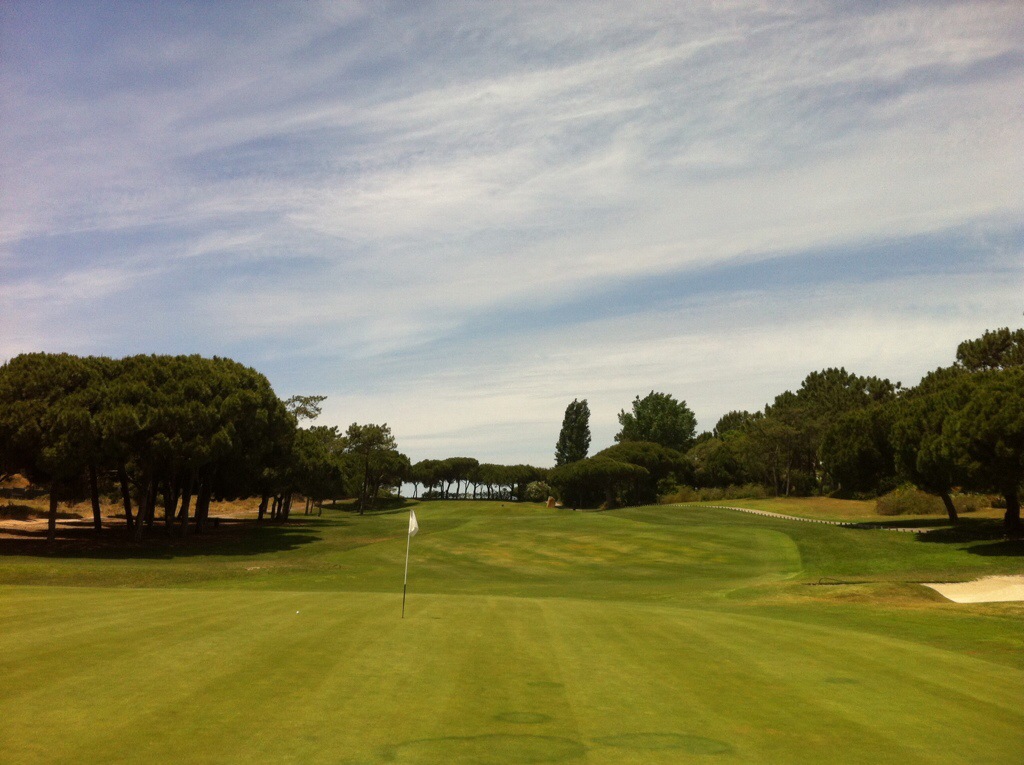
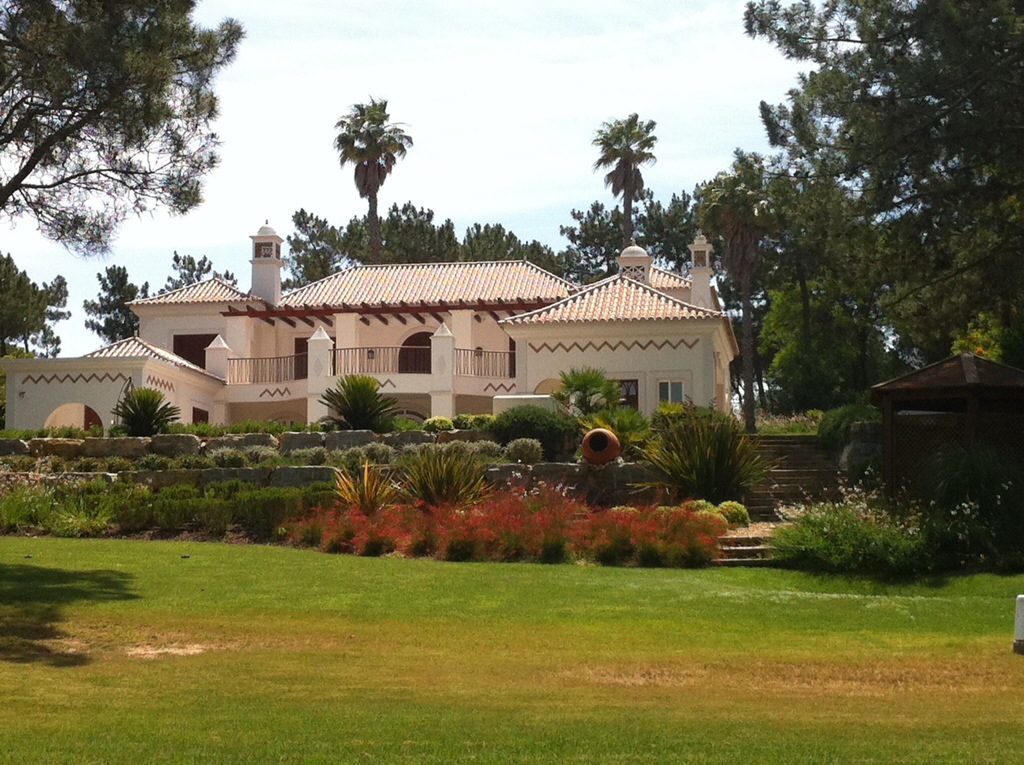
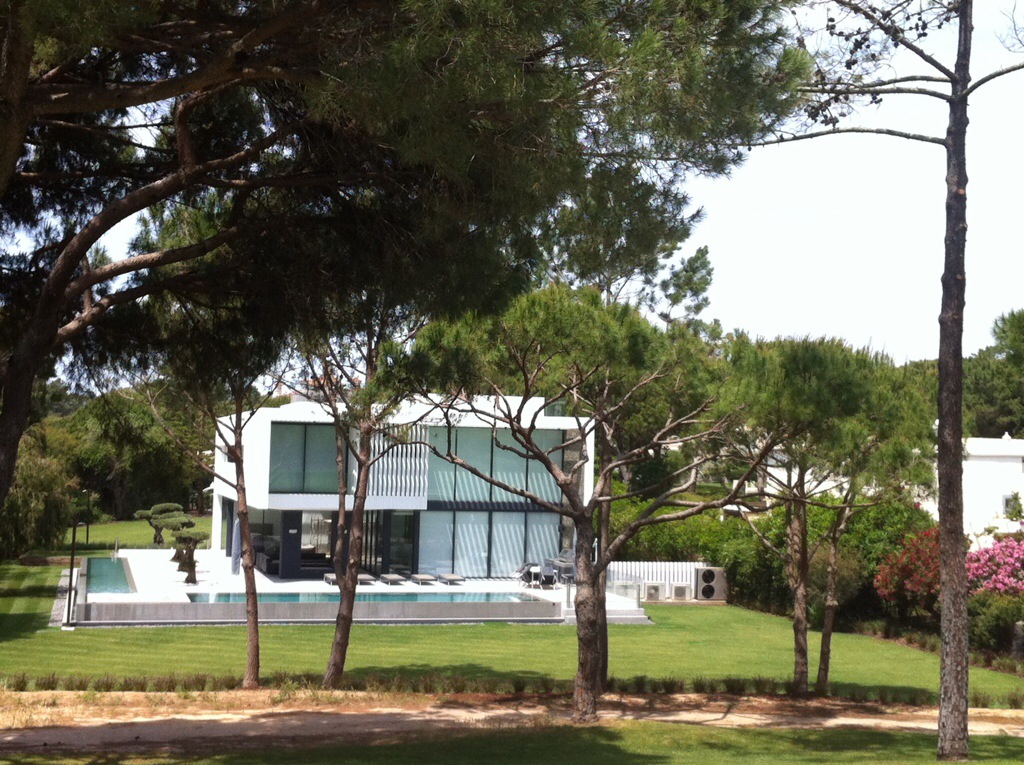
Some people ask me why I play golf – I tell them that apart from enjoying the game and being able to play it with people of all ages you get to see some of the best real estate in the world! There were some pretty fancy houses on the golf course today and as I have mentioned before a lot of the English footballers have houses here.

Speaking of football the English football team are staying in Vale do Lobo and doing a boot camp here before the World Cup. Wayne Rooney has been spotted around the traps already. Personally I wouldn’t know any of them if I fell over them so probably no point me going celebrity hunting.

Steve went for a haircut today and the gentleman cutting his hair was English. I came back to collect him and here he was having a golf lesson in the middle of the salon. There is no end to these mad keen golfers around here.

This is our last night in Vale do Lobo – tomorrow we head to Sintra which is near Lisbon for the night and then on to Bordeaux in France. We have really enjoyed our time in the Algarve and will definitely be returning one day.

20140519-181802-65882436.jpg

20140519-181828-65908062.jpg

20140519-181827-65907403.jpg

20140519-181827-65907598.jpg

20140519-181828-65908305.jpg

20140519-181827-65907816.jpg

20140519-181827-65907191.jpg

20140519-181826-65906886.jpg

20140519-181829-65909051.jpg

20140519-181828-65908550.jpg

20140519-181828-65908788.jpg

20140519-181845-65925834.jpg

Posted in Portugal | 2 Comments

Portugal the Country

Part of this journey for me is learning more about the places we visit. I like to know how these places tick and compare some of the day to day living details with what we know in NZ.

Wikipedia and the worldwide web is full of interesting information so I have just picked out the bits that I found interesting and can relate to.

Portugal is a unitary semi-presidential republic. It is located in South Western Europe on the Iberian Peninsular and it is the westernmost county of mainland Europe being bordered by the Atlantic Ocean to the West and South and by Spain to the North & East. Portugal holds sovereignty over 2 Atlantic archipelagos – Azores and Madeira.

As with the rest of Europe, Portugal has a history dating back to BC. What I found most interesting was the fact that Portugal was one of the world’s major economic, military and political powers from the 15th century to the late 16th century.

Portugal spear headed the European exploration of the world and undertook the Age of Discovery. Prince Henry the Navigator, son of King Joao I, became the main sponsor and patron of this endeavour. During this period Portugal explored the Atlantic Ocean, discovering several Atlantic archipelagos like the Azores, Madeira and Cape Verde, explored the African coast as well as colonising selected areas of Africa, discovering an eastern route to India that rounded the Cape of Good Hope, discovered Brazil, explored the Indian Ocean and established trading routes throughout Southern Asia and sent the first direct European maritime trade and diplomatic missions to China & Japan.

In the colonial restoration that took place in the 17th, 18th and 19th centuries Portugal lost control of most of the places that it had colonised. Brazil’s independence from Portugal was declared in 1822. The overseas territories in Asia and Africa became independent in 1975. They held onto Macau until 1999 when it was peacefully handed over to the Peoples Republic of China. In 2002 the independence of East Timor was formally recognised by Portugal, after an incomplete decolonisation process that was started in 1975.

Portugal is part of the EU and was one of the founding countries of the Euro and Eurozone.

Portugal has a high proficiency level in English that can’t be found in countries like Spain, Italy or France. Adult literacy is 99% and primary school enrolments are close to 100%.

The population in Portugal is 10.7 million with 2.8 million living in Lisbon which is the capital city. Portugal’s second largest city is Porto which the country is named after – Porto has a population of 1.7 million. There are 18 districts in mainland Portugal. The Algarve is one of these districts. Apparently the Algarve & Lisbon are the two wealthiest districts – the Algarve due to the large amount of foreigners that live or have property here. Algarvians, however, are not considered part of Portugal by other Portuguese – they are thought of as North Africans.

The Portuguese Government is heavily indebted and received a EU78 billion bailout from the EU & International Monetary Fund in May 2011. After the financial crisis in 2007 – 2008 it was known that the two main Portuguese banks had been accumulating losses for years due to bad investments, embezzlement and accounting fraud. The CEO of one of the banks was charged and arrested for fraud & other crimes. On the grounds of avoiding a potentially serious financial crisis in Portugal the Portuguese economy bailed them out.

Talking to one of the locals the underground economy is alive and well – there are a lot of brown envelope deals. Apparently there is a lot of red tape and bureaucratic processes in place – to the outsider some of these processes don’t make sense and when you ask the question ‘why’ the response is because that’s how it has always been done.

The currency is the Euro. Portugal has been focusing the economy on exports, private investment and the development of the high tech sector. Consequently business services have overtaken the more traditional industries such as textiles, clothing, footwear and cork (Portugal is the world’s leading Cork producer), wood products and beverages.

The primary sector comprises agriculture, forestry, fishing and minerals – copper, tin, tungsten and uranium. The secondary sector comprises automotive (Volkswagen, Peugeot & Citroen), electronics, textiles, food, chemicals, cement & wood.

Travel & tourism is also extremely important for Portugal. It is among the 20 most visited places in the world.

The average wage in Portugal is EU910 (NZD1,443) per month net and the minimum wage is EU485 (NZD769) per month net. Based on a 40 hour working week that equates to NZD4.43 per hour. In 2013 the unemployment rate in Portugal was 17.7%.

Other observations / interesting facts – the Portuguese are arrogant drivers – they drive fast and like to cross the centre line. You have to move over – they won’t. One of the foreign locals told me the crime rate is low due to the fact that the Portuguese are lazy. One of the first Portuguese words he learnt when he came here was amanha – this means tomorrow. Everything will be done tomorrow – well we all know that tomorrow never comes.

They don’t wear cycle helmets.

The price of a litre of 95 fuel is between EU1.50 and EU1.60 or NZD2.38 and NZD2.54.

They do have great sports programs and facilities for children as they believe this keeps them out of trouble. The foreign local we were talking to has two sons – one swims 5 times a week and does competitions in the weekend and the other plays rugby so practices three times a week with a game in the weekend. This is costing him EU22 per week or NZD35.

The Portuguese are very family orientated. It is common practice for the family to go down to the town after they have had dinner to meet up with friends and other families to have a drink – the kids all go along too and meet up with their friends also. They then wander home about 9pm.

20140518-194720-71240701.jpg

Posted in Portugal | 1 Comment

Parilla Natural, Alamancil, Algarve – Portugal

Last night we decided to try one of the highly recommended local restaurants – Parilla Natural. It is a South American grill restaurant where they specialise in steaks from Uruguay. It is owned by an English gentleman who also owns the farms in Uruguay where the meat comes from – apparently he exports it all over the world. He has a sister restaurant called Gourmet Natural which is also close by in Almancil as well as a natural beef shop where you can purchase the meat from.

The restaurant is in a renovated villa and they have built the outside dining area amongst the natural garden surrounds. In the middle of the outside dining area is an umbrella tree that is over 200 years old. It was such a fantastic setting. We had a drink in the outside lounge bar before dinner and could see the raised vegetable gardens full of goodies that are used by the chefs.

We had a lovely meal and I enjoyed a raspberry and coconut mojito. Steve sampled the local wine – a red from the Douro region in the north of Portugal.

We met a couple from London, Denise & Gary, who were dining with their son Nick who happened to be a golf pro. Gary is also golf mad so it was a match made in heaven. They are planning a trip to NZ in January so the Minister of Tourism stepped up to the mark and hopefully we will have some guests in the HB on our return. Meanwhile we have been extended an invitation to visit them in London when we are there in June.

The staff at Parilla Natural were amazing and because it was our first visit to the restaurant asked us if we would like a tour of the place. Nina who is in charge of PR showed us the gardens, the kitchen and the wine cellar. Nina is originally from Brazil.

They use this open fire where they cook the meat – they put the wood into this cage and it burns down and they then use a big metal hook to move the embers under the grill to sear the meat and then let it rest to cook through. The embers closest to the cage are hottest so they move the meat along the grill to achieve the different levels of cooking – well done, medium and rare.

The wine cellar was also very impressive and was full mainly of Portuguese and South American wine. The Portuguese are also renown for their port so we tried a vintage port while we were in the cellar. Our waiter was a bit of a wine buff so he came down and had a chat to us about the wine regions and how they make port.

Port wine is a Portuguese fortified wine produced exclusively in the Douro Valley in the northern provinces of Portugal. Fortified wines in the style of Port are also produced outside Portugal but under European Union Protected Designation of Origin guidelines, only the product from Portugal may be labelled as Port or Porto.

Port received it’s name in the later half of the 17th century from the seaport city of Porto at the mouth of the Douro River. The Douro Valley where port wine is produced was defined and established as a protected region, or appellation in 1756, making it the oldest defined and protected wine region in the world.

Another fantastic night eating good food in beautiful surroundings, making new friends and learning a thing or two along the way. Cheers!

20140518-103904.jpg

20140518-103911.jpg

20140518-103927.jpg

20140518-103935.jpg

20140518-103950.jpg

20140518-103959.jpg

20140518-104020.jpg

20140518-104005.jpg

20140518-104455.jpg

Posted in Portugal | 2 Comments

BBQing with the Foreign Locals, Algarve – Portugal

Last Sunday we met Bruce who is the father of our next door neighbour in Havelock North – see the It’s a Small World After All post. Anyway Bruce invited us to a BBQ at his place on Friday night. It was one of his friend’s birthdays.

We had a little bit of trouble finding the place but when we did we were given the same warm welcome we had received the Sunday before. There were a few people there that we had met at Lennon Bar the previous Sunday.

Most of the crew are either from the UK or Ireland. There was also a Dutch couple there. They have all been living in the Algarve for a number of years, hence the term foreign locals.

It was a great night and nice to have some BBQed meat and salads. Steve got a couple of bottles of Saint Clair Sauvignon Blanc from the local supermarket and announced to the crew that he had bought it all the way from NZ. I piped up and said yes, all the way from Apolonia, NZ – Apolonia is the local supermarket! That was the start of the grief that Steve preceded to get all night – I tell you he brings it all on himself!

Posted in Portugal | 1 Comment

Oceanico Faldo Course round 2, Amendoeira, Algarve – Portugal

On Friday we had another round of golf at the Oceanic Faldo Course – we were originally supposed to play the O’Connor Junior course but they had been doing some heavy duty maintenance so suggested we play the Faldo course again. We didn’t mind as it is always good to play a course for a second time. The wind had dropped which made play a bit easier.

20140517-152029.jpg

20140517-152037.jpg

20140517-152043.jpg

20140517-152107.jpg

20140517-152103.jpg

20140517-152113.jpg

20140517-152049.jpg

20140517-152054.jpg

Posted in Portugal | Leave a comment