The Queen & I – Paris

We are back in Paris again – really loving using this city as a central pass through point on our European travels. We are staying near the latin quarter this time so started the day with a run / walk up to and along the River Seine.

Steve, Carol & Mel from NZ have joined us in Paris. Mel has been over in Blackpool competing at the World Ballroom Dancing Championships. She has a few days in Paris with us before she heads home and we head to Barcelona to start our cruise.

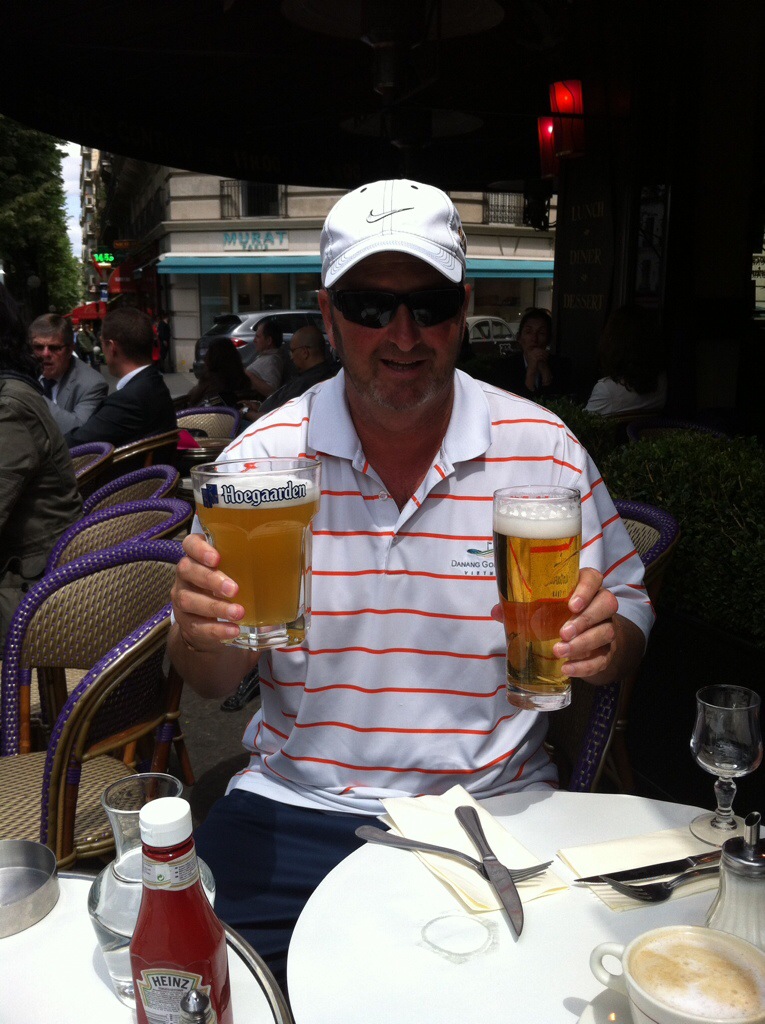
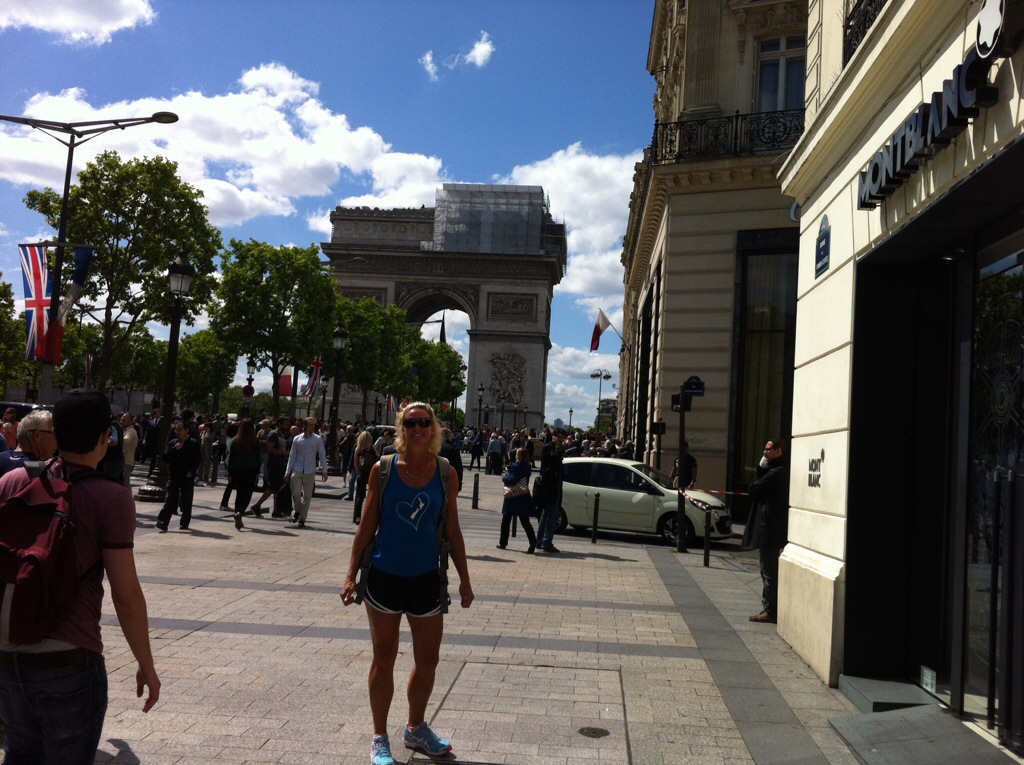
They have never been to Paris before so we were happy to play tour guides. We decided to get a two day pass on the Batobus which is a hop on hop off boat that goes along the Seine and stops at the main tourist spots. Our first stop was the Champs Élysées – we walked up one side then decided to detour to another Avenue where we had lunch.

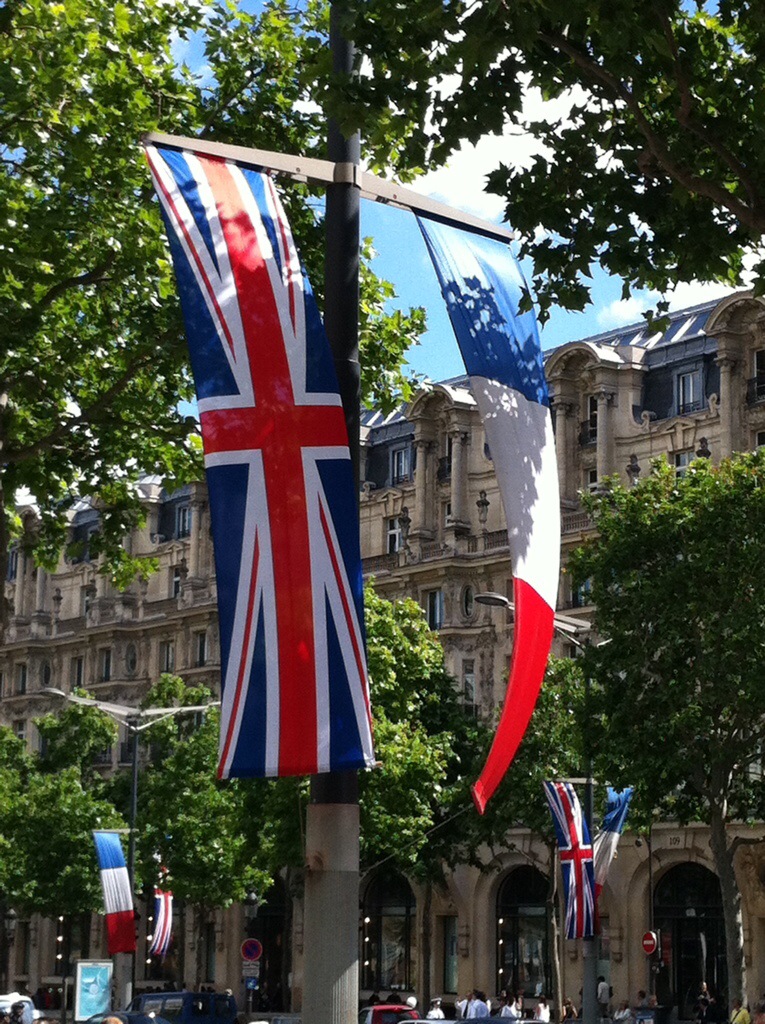
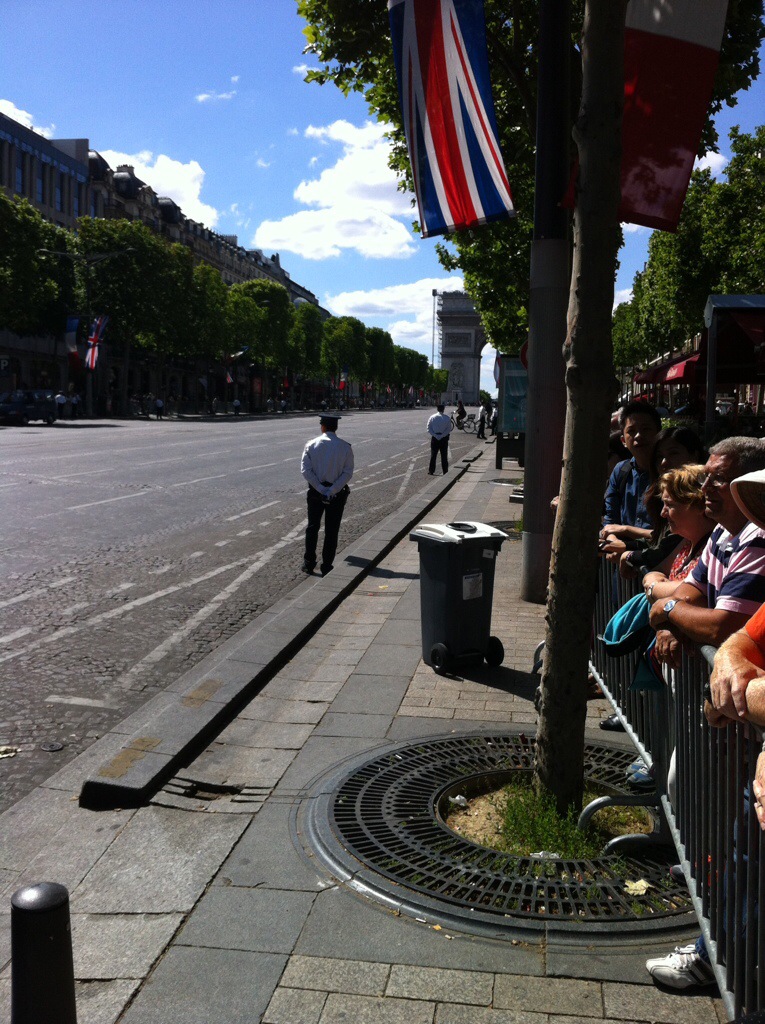
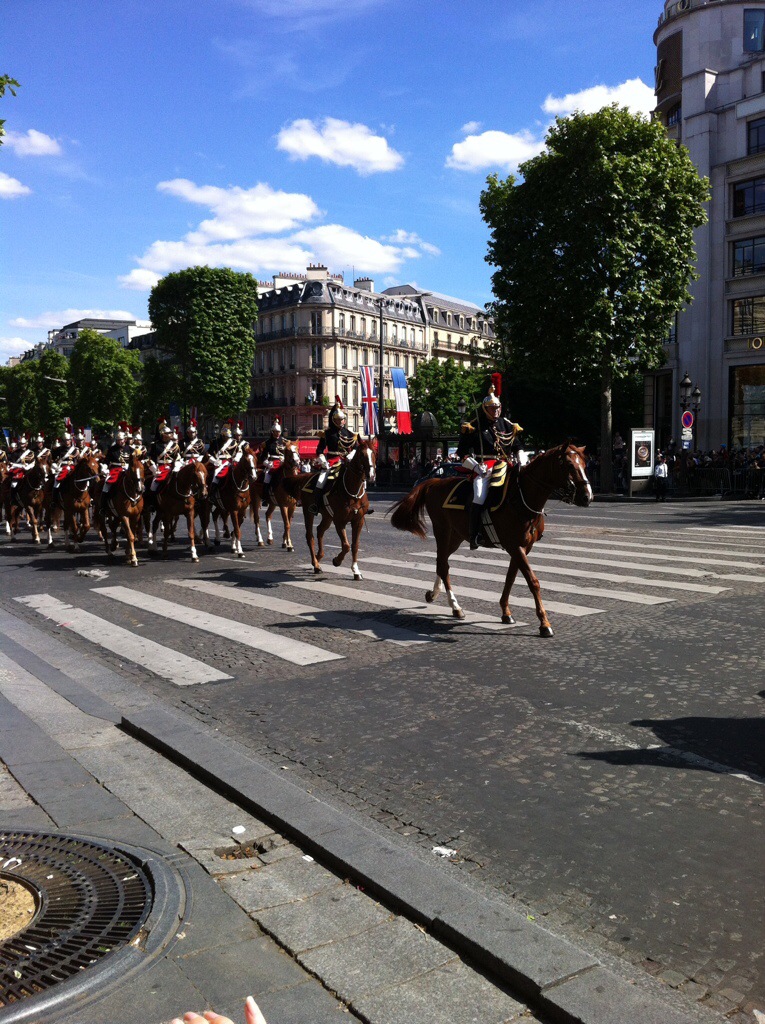
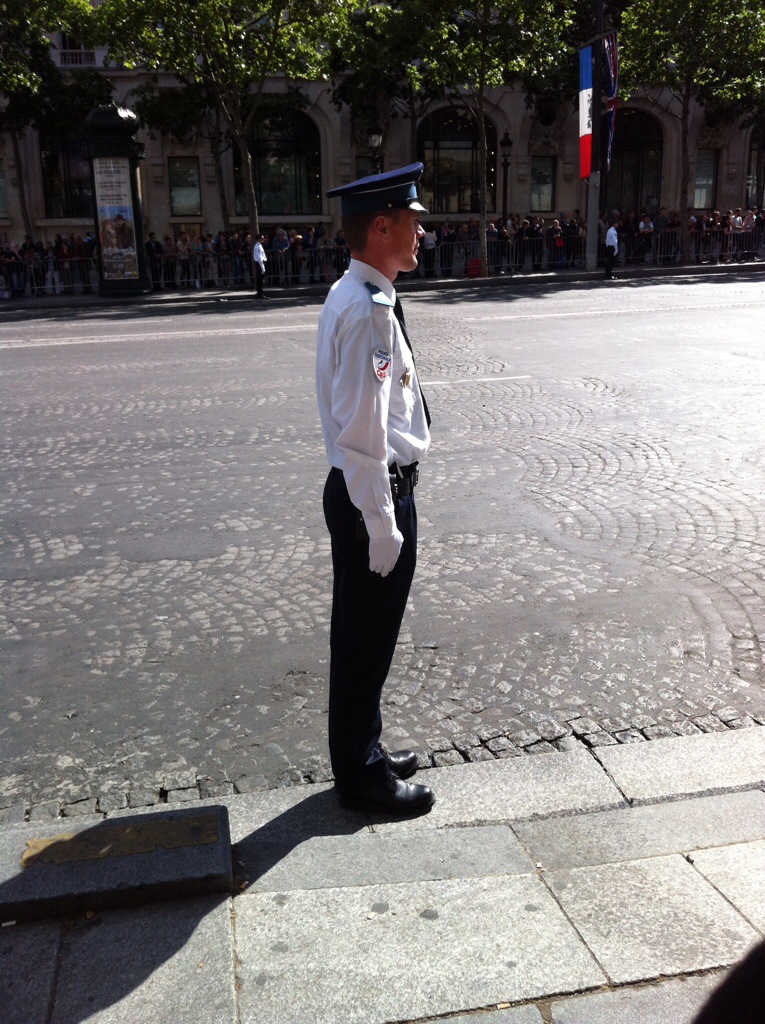
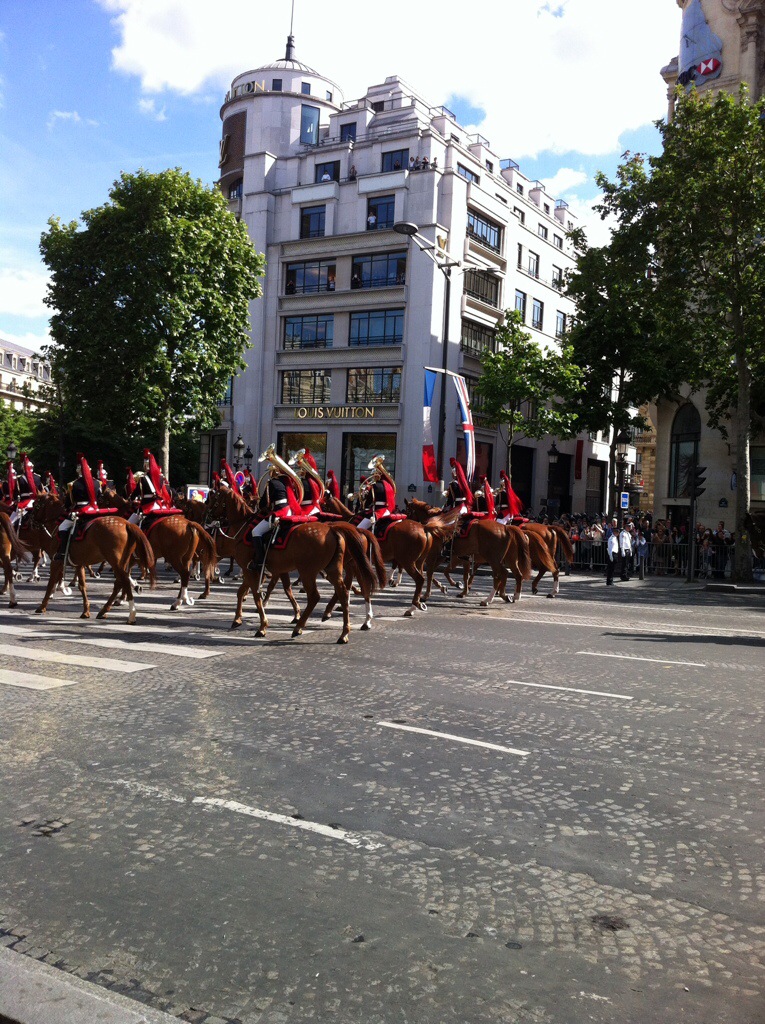
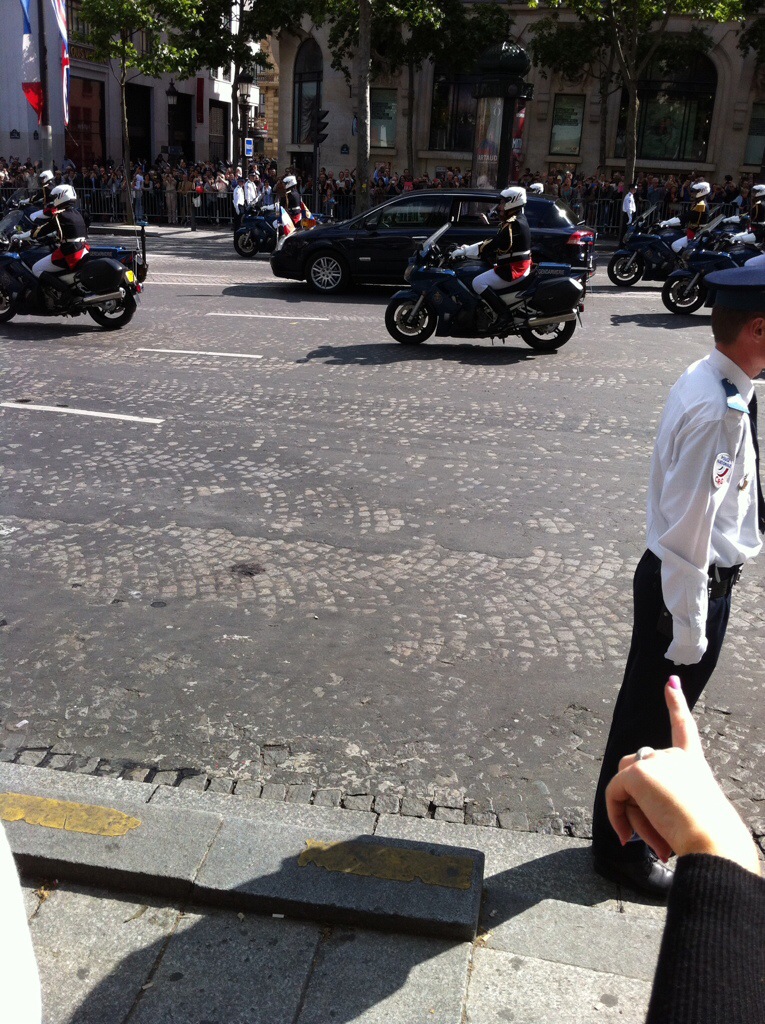
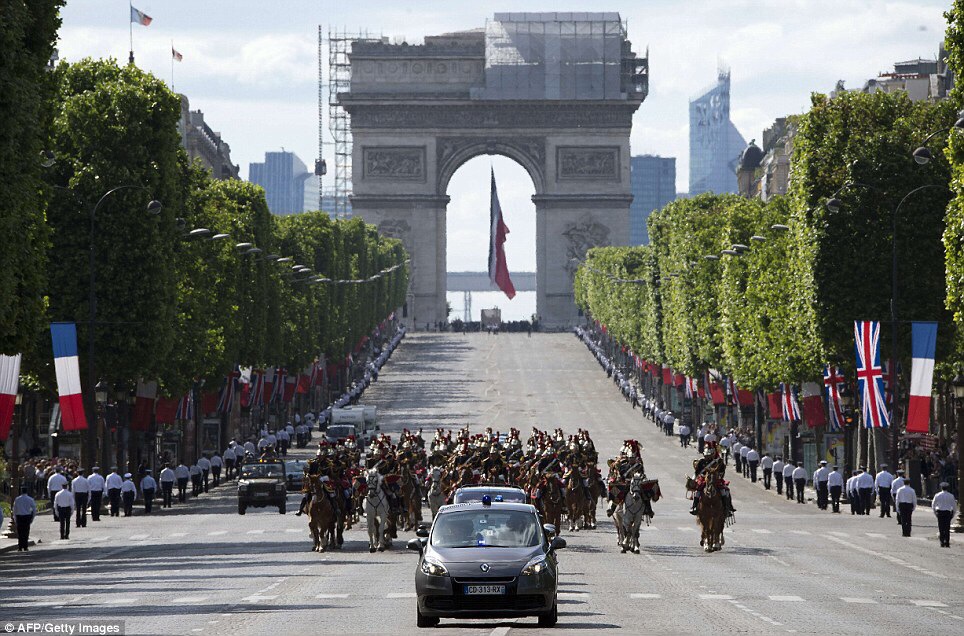
When we first arrived at the Champs Élysées we saw all these French flags and Union Jack flags and wondered what was happening. At lunch time we noticed all these police vans and the Arc de Triomphe was a hive of activity. Whilst checking out a wine shop Steve casually asked what was happening and was told that the Queen was in town for a three day state visit.

She had travelled on the Eurostar that morning after unveiling a plaque commemorating 20 years of the Channel Tunnel. She is here for the 70 year celebrations of D Day at Normandy tomorrow.

Normandy landings, codenamed Operation Neptune, were the landing operations on 6 June 1944 (termed D-Day) of the Allied invasion of Normandy in Operation Overlord during World War II. The largest seaborne invasion in history, the operation began the invasion of German-occupied western Europe, led to the restoration of the French Republic, and contributed to an Allied victory in the war.

Steve, Carol & Mel had come from spending a few days in London and never got to see the Queen so we thought we would hang around to watch her come down the Champs Élysées. It was a bit of a long wait but finally we saw the procession coming down. Some fairly non de script cars then came into view and at the last minute we noticed the Queen sitting in the back of one waving. Towards the end of the procession the maroon Rolls Royce that she had arrived in came past with only the driver in it – if she had been in there we would have seen her clearly. Damn French decided to put her in a French made car!

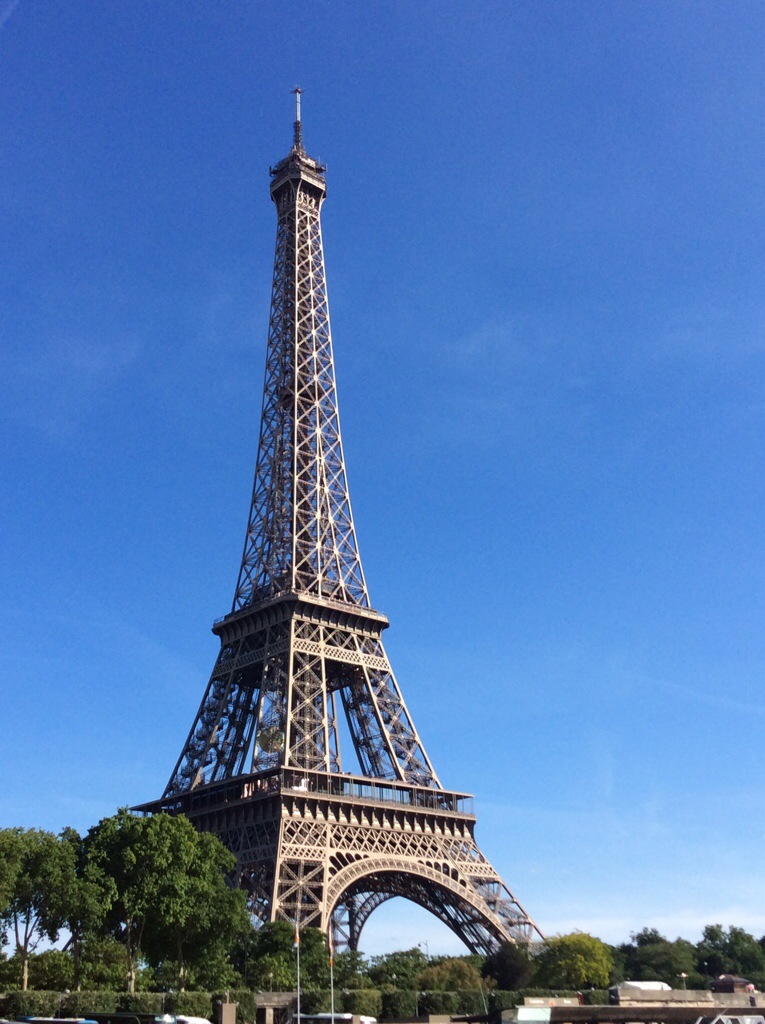
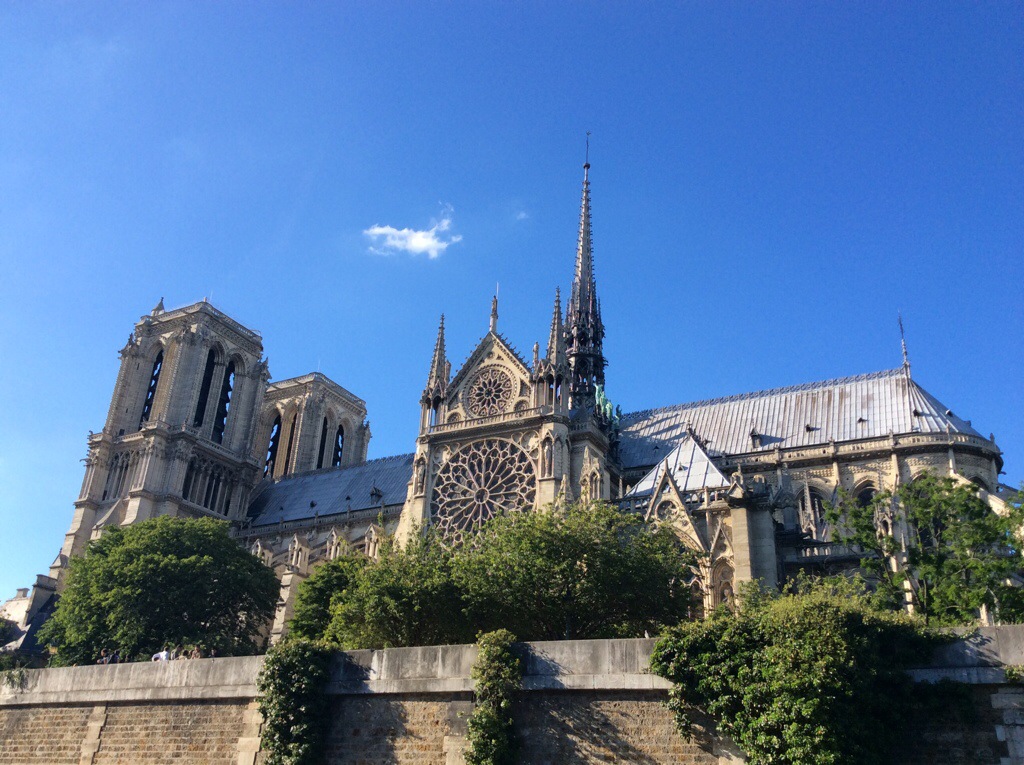
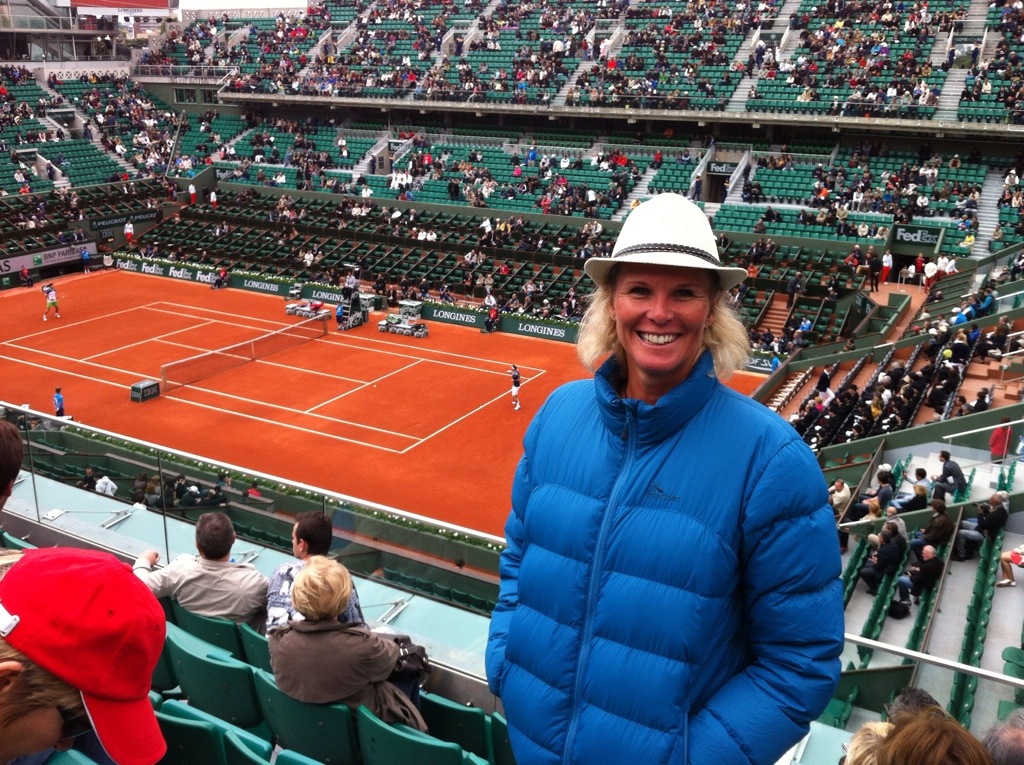
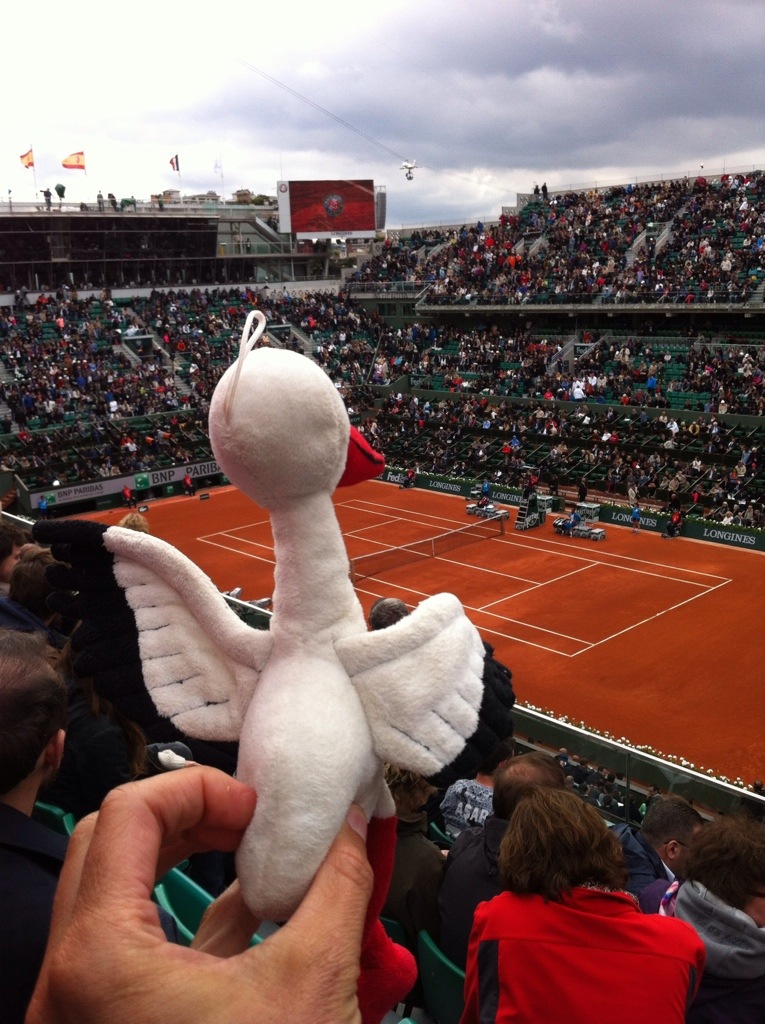
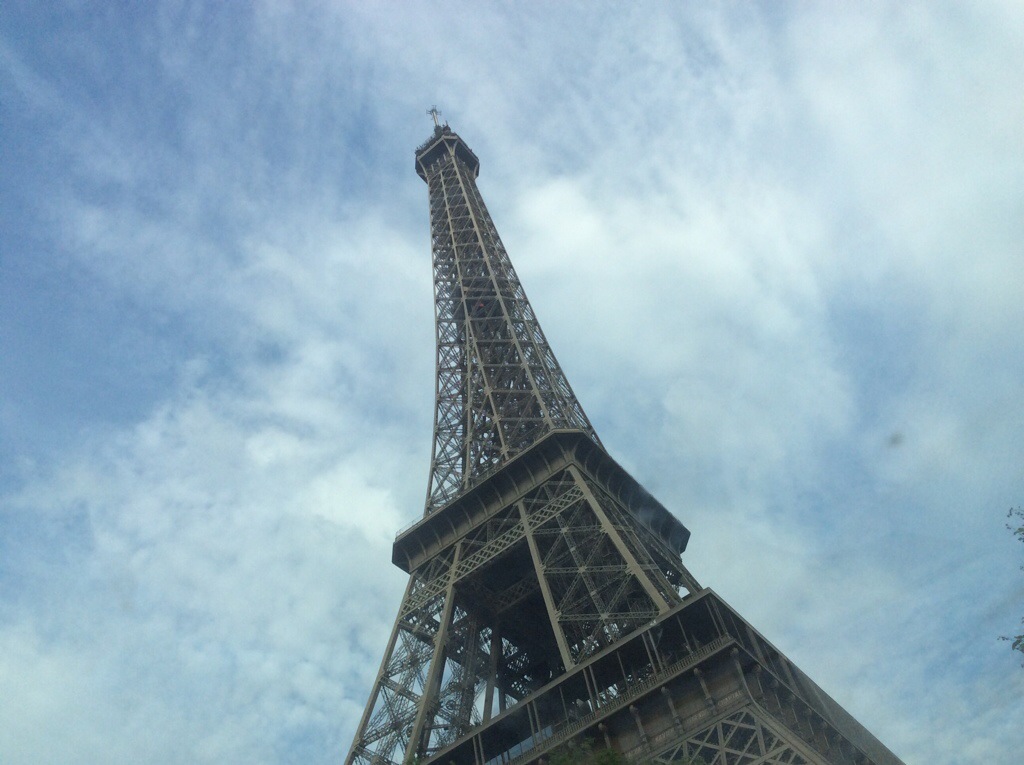
We then continued our tour down the Champs Élysées and waked back to the Batobus to come home. We passed the Eiffel Tower and Notre Dam which will be on tomorrows agenda. The Eiffel Tower has a big tennis ball hanging from it as the French Open is sill on here in Paris. It was another lovely day weather wise and as I sit here typing this at 10pm the sun is only just going down.

20140605-220806-79686174.jpg

20140605-220812-79692336.jpg

20140605-220819-79699458.jpg

20140605-220831-79711478.jpg

20140605-220838-79718246.jpg

20140605-220846-79726933.jpg

20140605-220855-79735386.jpg

20140605-220903-79743222.jpg

20140605-220910-79750668.jpg

20140605-220916-79756331.jpg

20140605-220924-79764596.jpg

20140605-220933-79773827.jpg

20140605-220941-79781151.jpg

20140605-220948-79788080.jpg

20140605-220953-79793854.jpg

20140605-220959-79799331.jpg

20140605-221004-79804591.jpg

20140605-221017-79817582.jpg

20140605-221026-79826499.jpg

20140605-221034-79834364.jpg

20140605-221043-79843107.jpg

Posted in Paris | 3 Comments

The Simple Things – Switzerland

We have been very privileged to be staying with our friends Karin & Elvis in their home in Switzerland. They have been tour guides extraordinaire, great cooks and great company. We have had a great time with a little mix of everything from going up mountains, walking around lakes, going to football matches and just chilling at home.

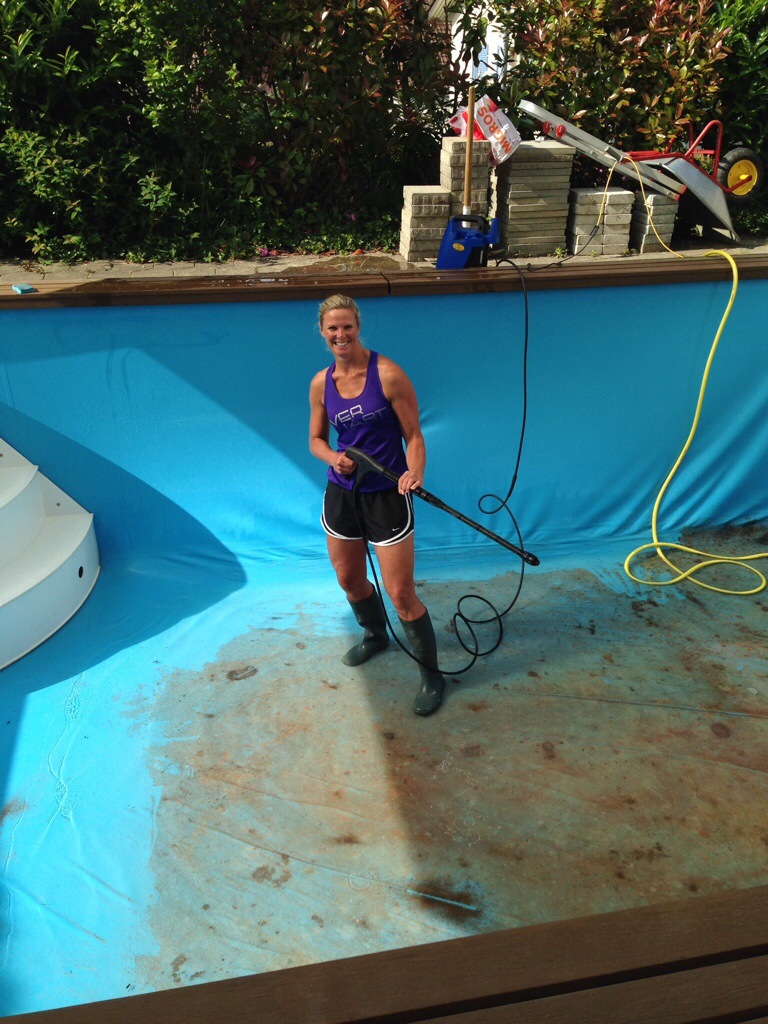
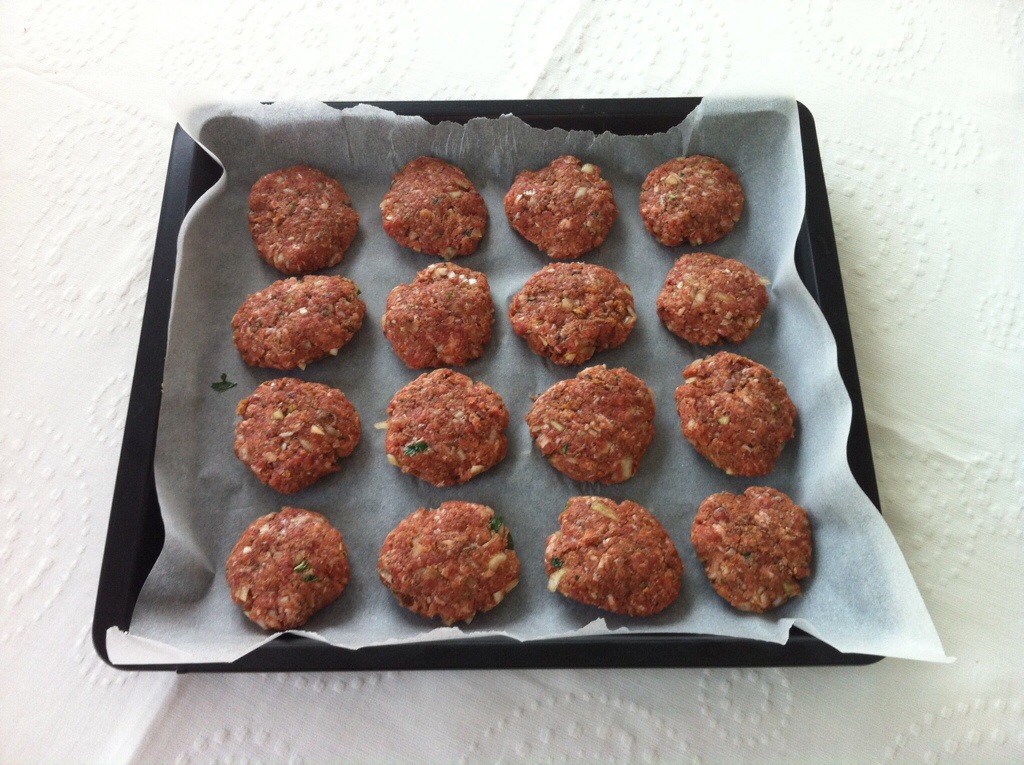
It has also been nice doing some domestic things – Karin & Elvis have built a house so there are always lots of bits and pieces to do so Saturday we helped water blast the pool and mow the lawns. Karin & I ventured to the river and collected river stones for the garden. They both work elsewhere during the week so they went back to work on Monday so we were left to our own devices – I felt like a right domestic goddess this morning making rissoles for our dinner, organising breakfast and then making a picnic lunch. The simple things in life. Also being able to watch the French Open live is a bonus – no middle of the night viewing. Loved our day that we had there last week – so cool!

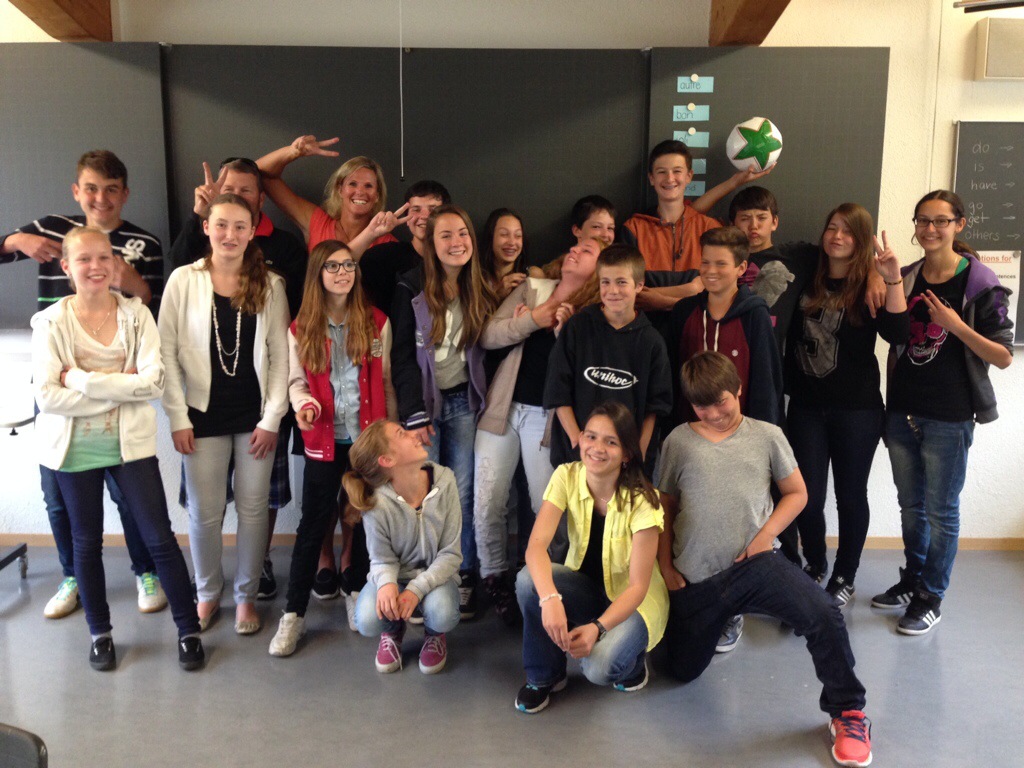
Yesterday we drove to Schwanden where Karin teaches at the high school – about 1.5 hours from here. She has invited us to attend her English class where the kids are studying NZ – how fortuitous! One of her students – Andre – had written us a letter last week to invite us. Anyway they are looking at the tourist spots in Rotorua so we have to join in the group work so they can practice their English. For those of you who have ever received a text or email from Steve you will know that English is not his strong point – who knows what they may learn!

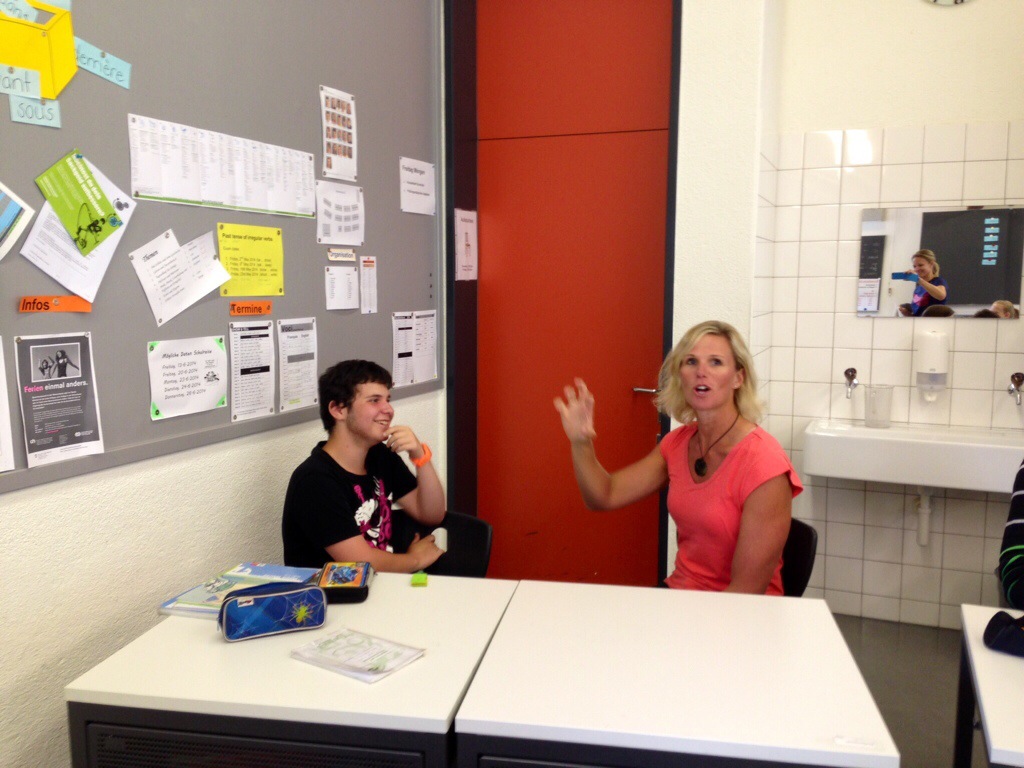
The kids in Karin’s class range from 13 to 15 – they were all very polite coming up, shaking our hands and introducing themselves. We had to introduce ourselves to the class and remember to speak slowly so they could understand us.

We then played a game where they have these words on a card and you have to say what the other tense is, eg took and taken. I got the first few wrong – how embarrassing! Once you had 5 right you moved onto someone else – the objective for them is to collect as many cards as possible. It’s back to the drawing board if you run out of cards.

They then had the exercise to do about Rotorua – they had to read a travel writers blog and then answer some questions about what they had read. They did this in groups so Steve & I joined different groups – I stuck with my group but Mr Social was flitting from group to group.

We then had question time – the kids had prepared some questions prior to class. The first question was – do we know any NZ tongue twisters? We couldn’t think of any on the spot so moved on to question two – do you have a relationship! She was meaning are we in a relationship – we had to smile.

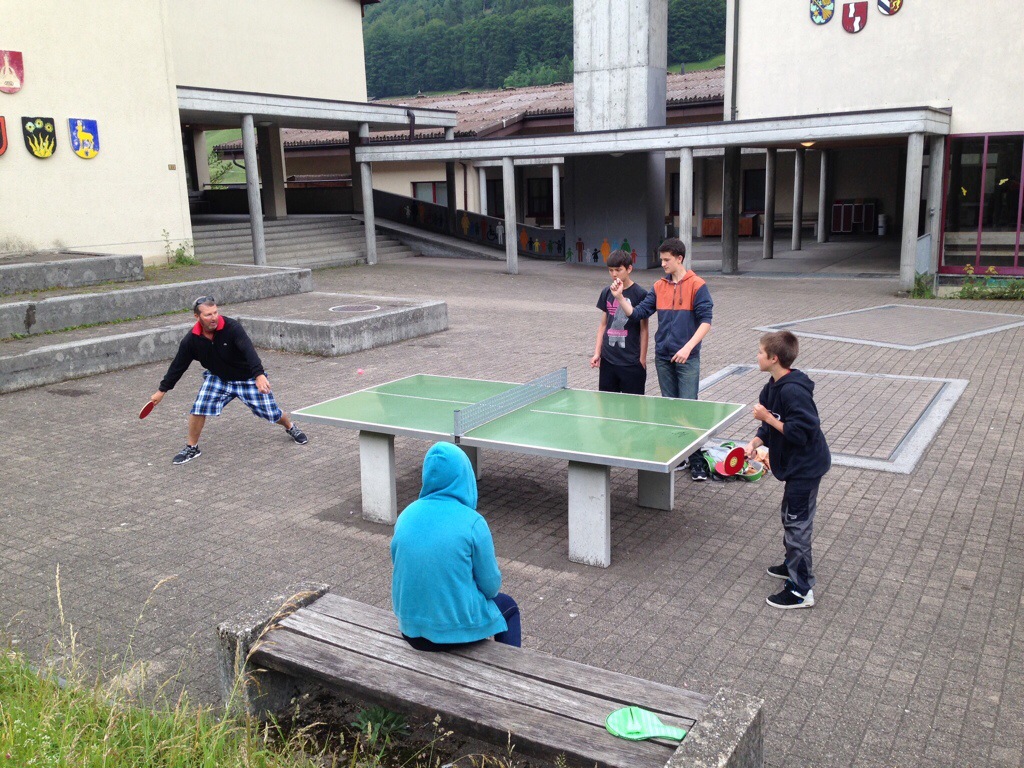
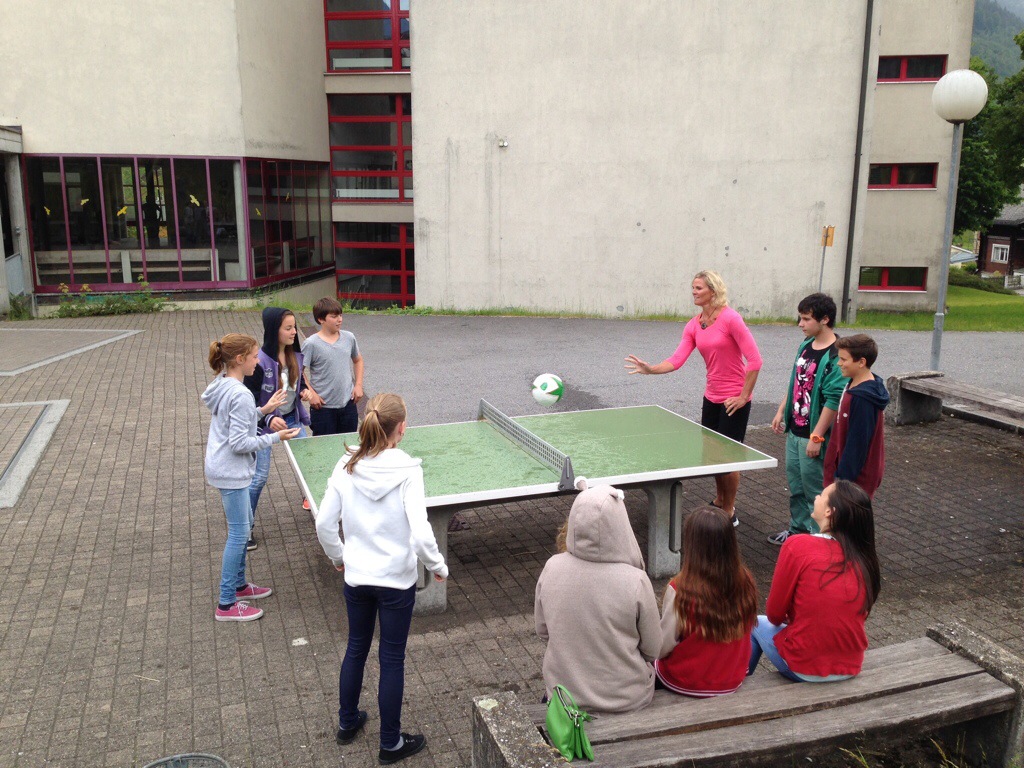
Steve had mentioned he played table tennis so the kids were all keen to take him on – some of them had their own bats because there are two tables at the school. Once the class had finished we went down to play – Steve had them all lining up to play while some of the others were playing a type of roulette handball which I joined in. It was great fun.

The kids then had another class as did Karin so we walked back to her parent’s place to catch up with them which was nice before Karin returned.

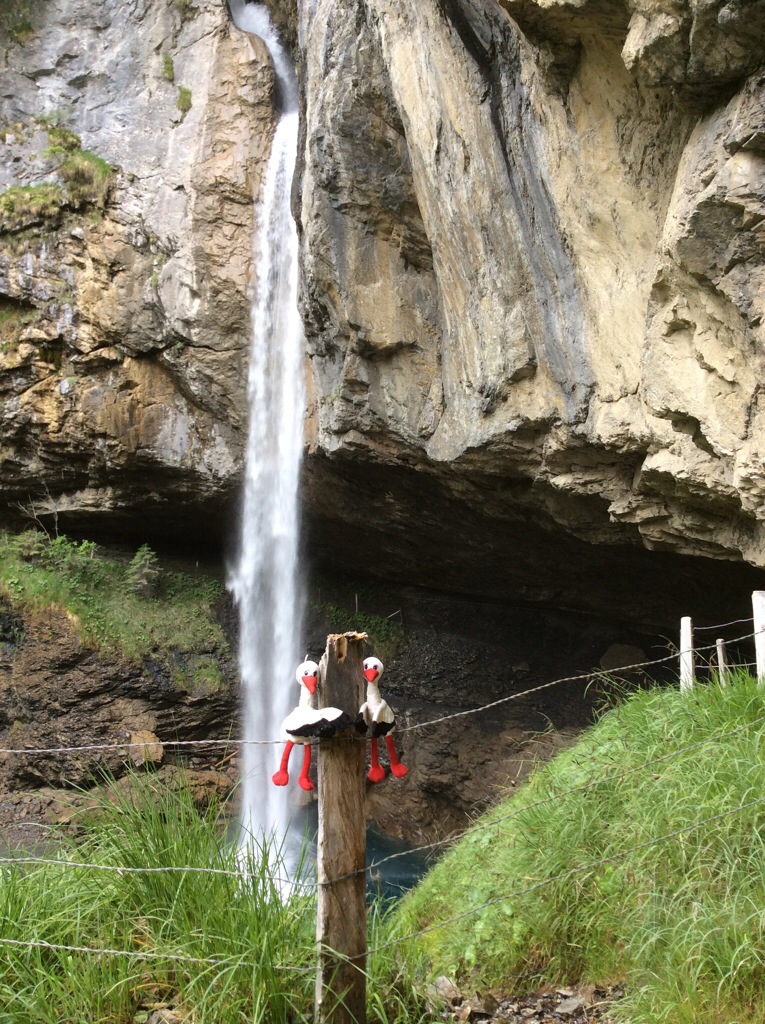
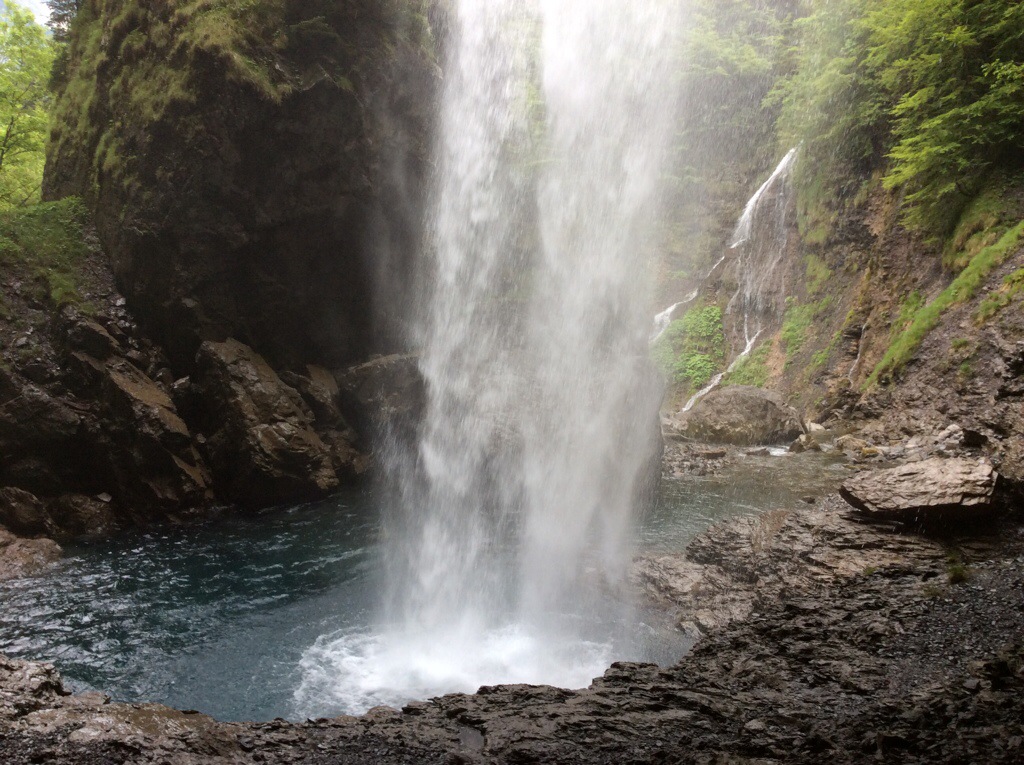
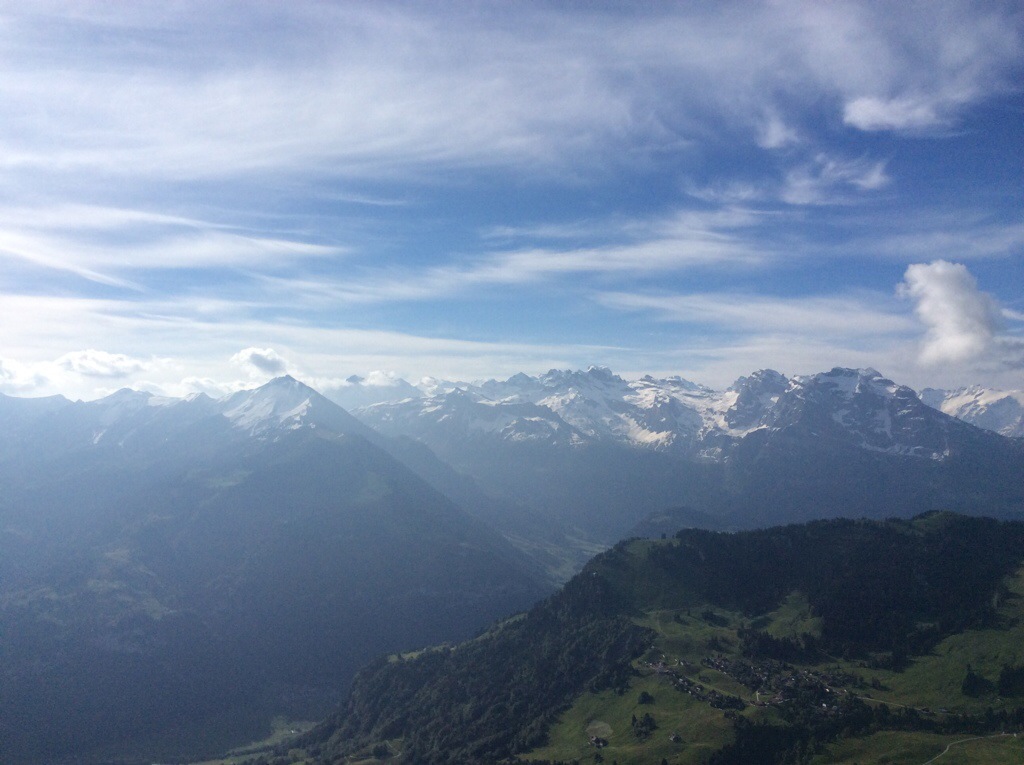
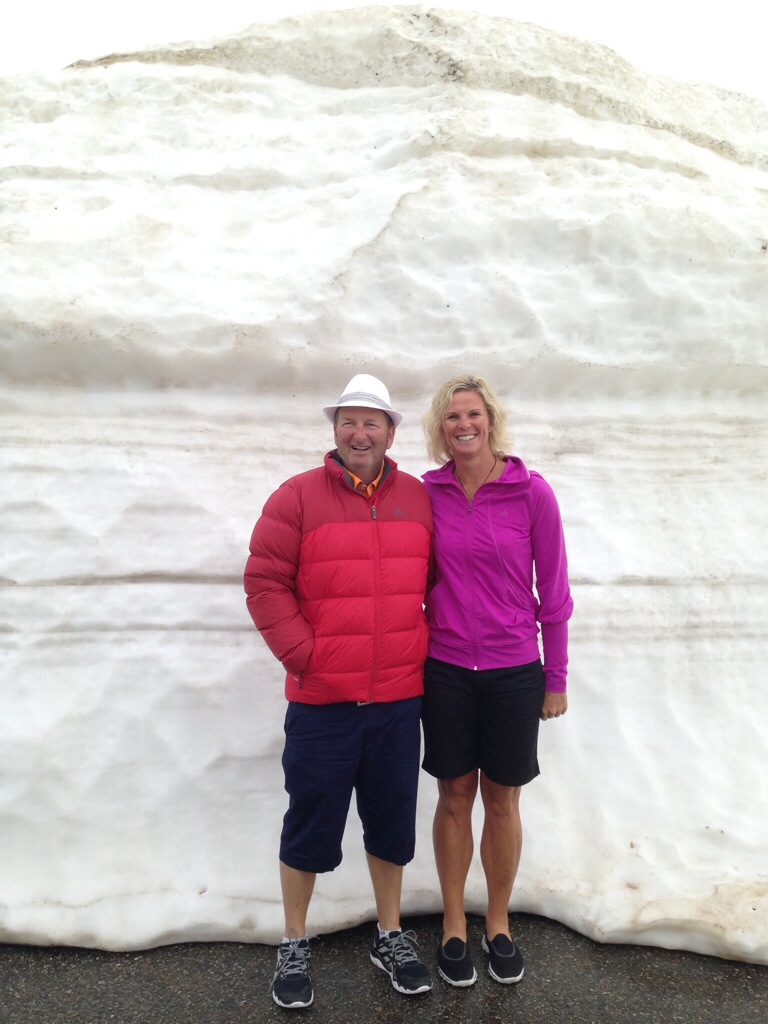
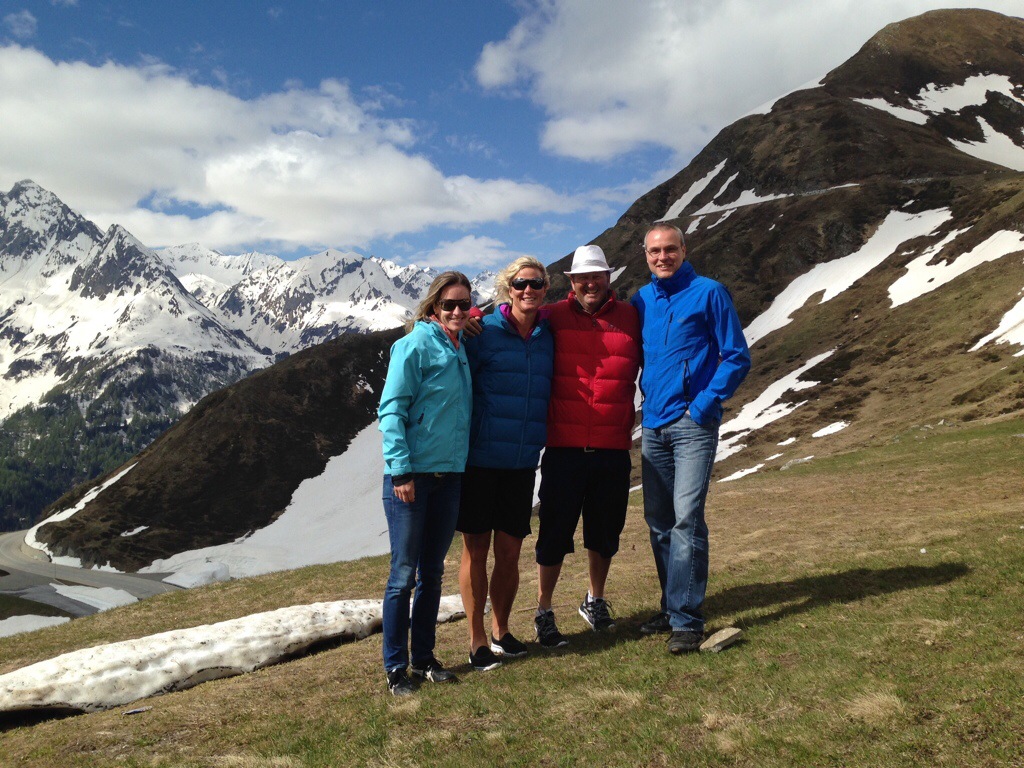
We drove back to Buochs over the Klausen Pass which gets up to 1,900 metres. There were some great views and still a bit of snow higher up. Some of the houses are built with a hill behind them so when an avalanche hits it just flows over them. We stopped off at this waterfall which was lovely. We then stopped in Altdorf which is in the canton of Uri (one of the first cantons in Switzerland and where Karin’s dad is from) to see the William Tell monument.

William Tell is known throughout the world. He’s the man who in Altdorf, under duress from the Habsburg Vogt Gessler, shot an apple from his son’s head with a crossbow and, with the second arrow, killed Gessler in the Hohle Gasse. But did WilliamTell really exist?

The answer is that there are no historically proven sources confirming his existence. Tell is a mythical figure, a freedom fighter and tyrant killer who is said to have lived in the 13th and 14th century. Tell-like figures also existed elsewhere. The legend of the apple-shot and tyrant murder first appeared in Denmark in the 13th century. Similar stories are well known in England too. The fearless, courageous man of the mountains achieved world wide fame as the eponymous figure in Friedrich Schiller’s 1804 drama “William Tell”. Since the end of the 19th century William Tell has been recognised as Switzerland’s national hero.

20140604-072611-26771538.jpg

20140604-072620-26780633.jpg

20140604-072630-26790207.jpg

20140604-072635-26795736.jpg

20140604-072643-26803902.jpg

20140604-072813-26893304.jpg

20140604-072845-26925321.jpg

20140604-072911-26951899.jpg

20140604-072905-26945545.jpg

20140604-072929-26969593.jpg

20140604-073007-27007075.jpg

20140604-073210-27130920.jpg

20140604-073243-27163632.jpg

20140604-073340-27220529.jpg

20140604-073347-27227636.jpg

20140604-073404-27244094.jpg

Posted in Switzerland | 1 Comment

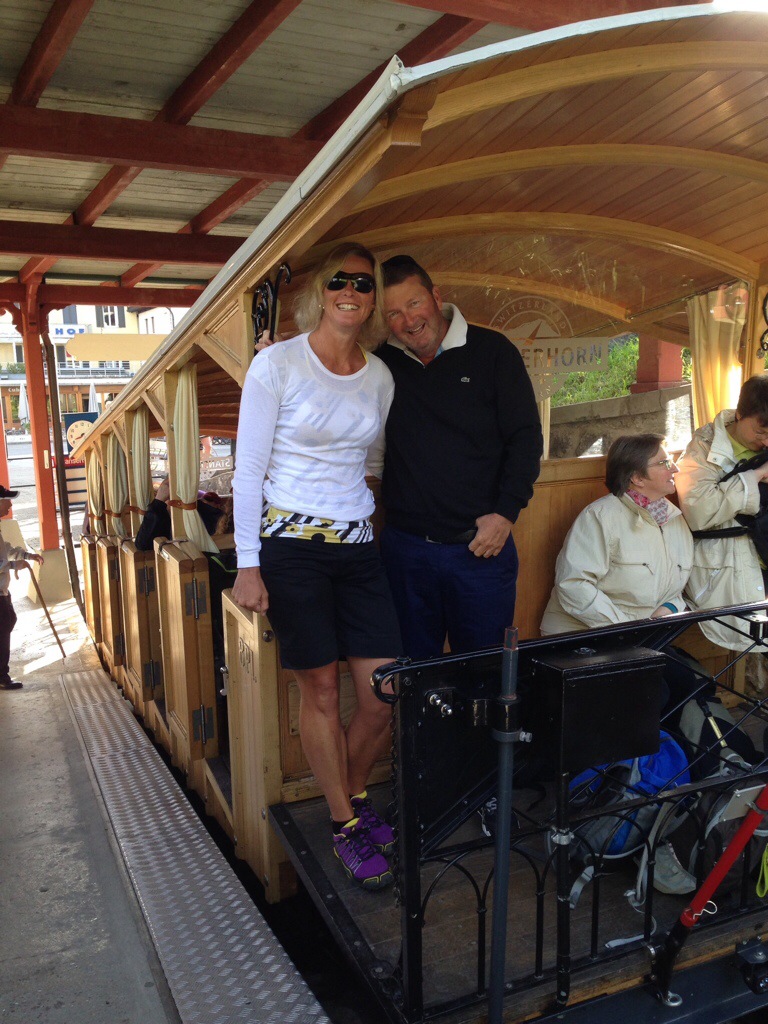
Stanserhorn – Switzerland

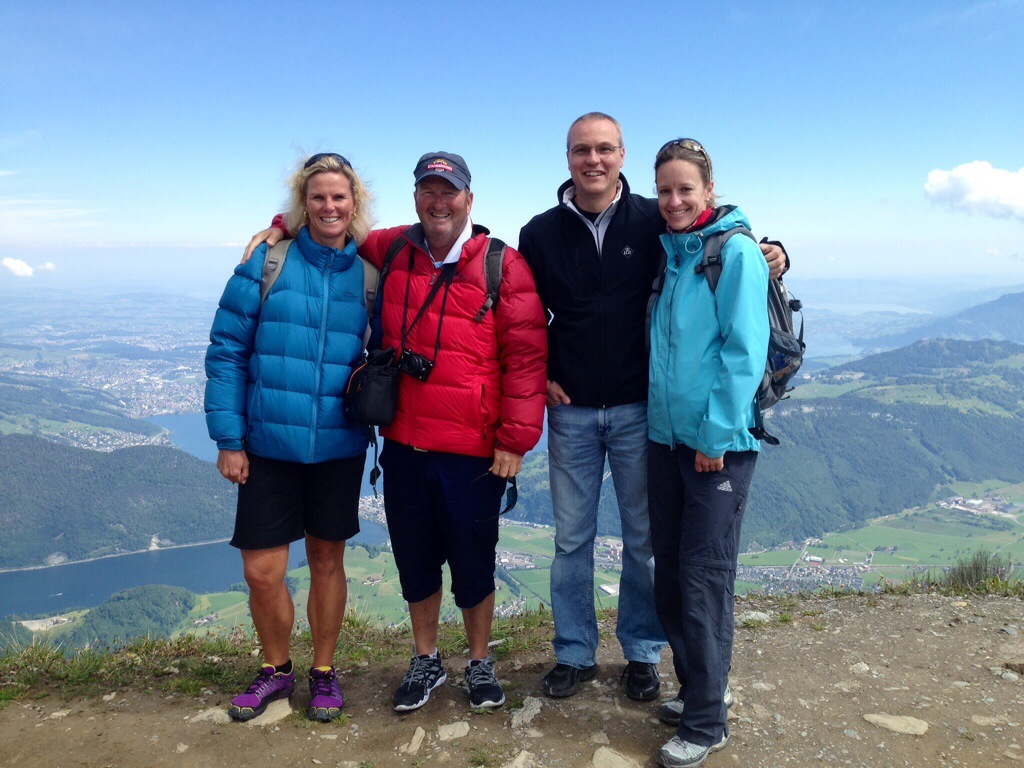
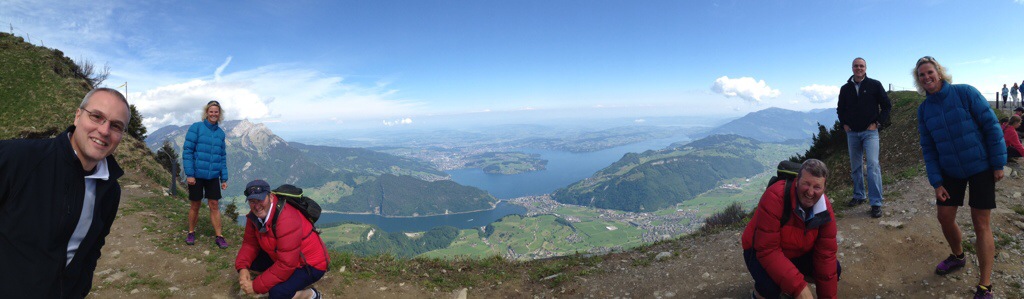
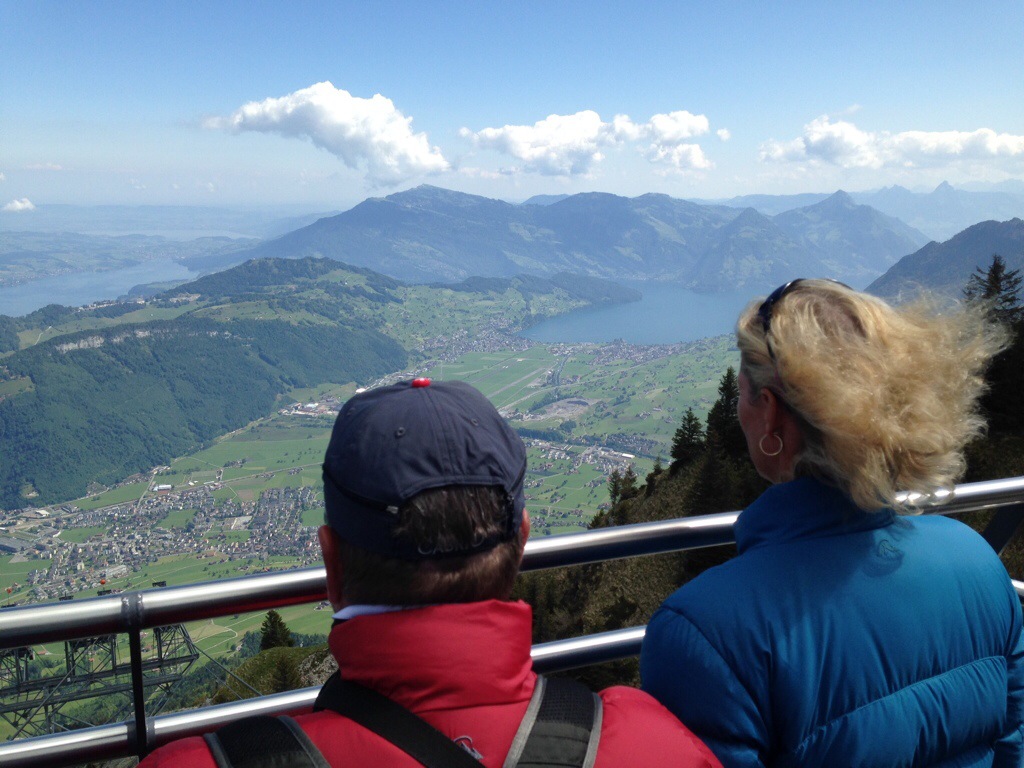
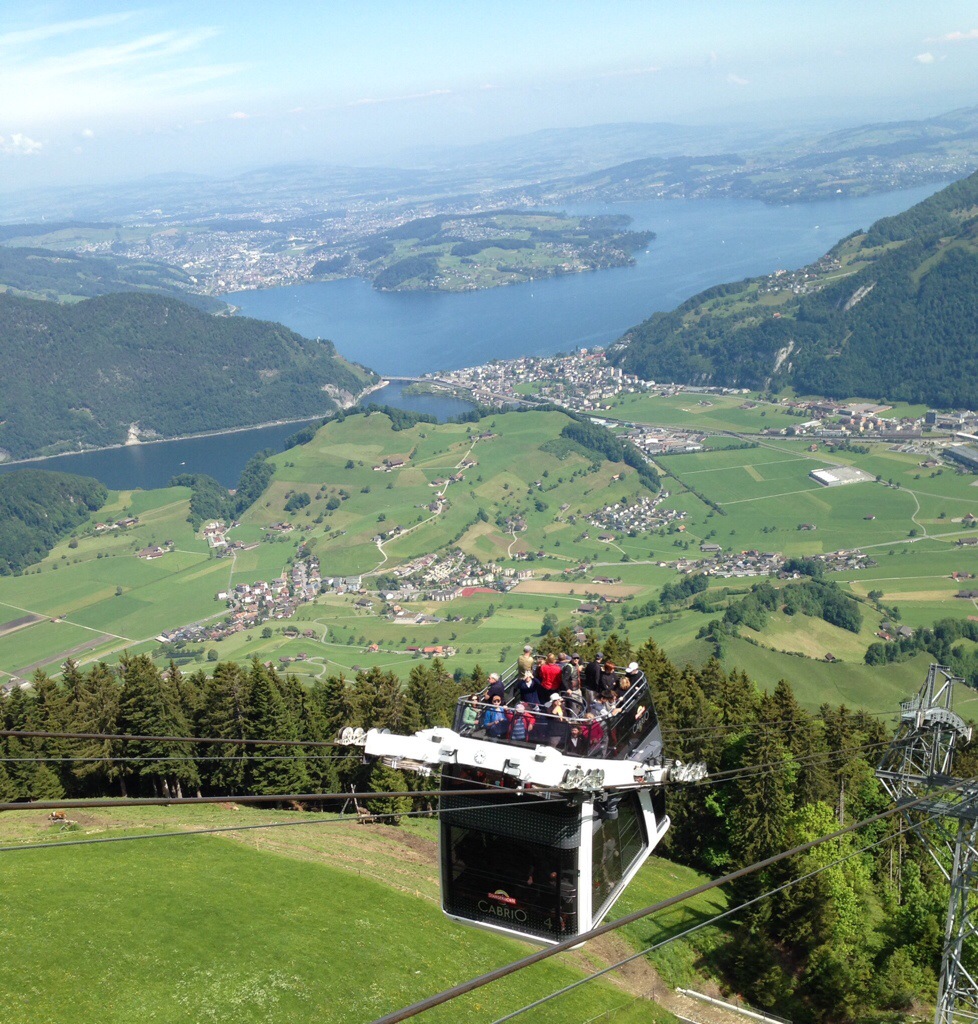
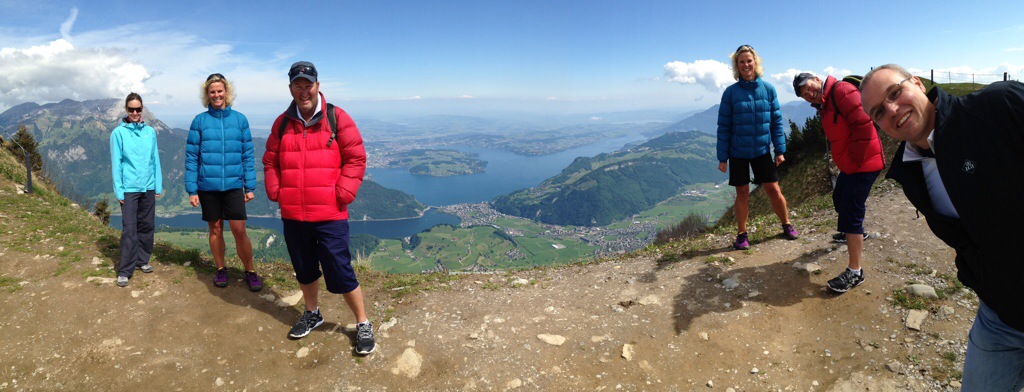
Today we went up the Stanserhorn Mountain – it is 1,898 metres high. Firstly we took a funicular and then an open top cable car. It was a fantastic morning and the views all around were great. We had breakfast up there at the revolving restaurant. The open top cable car or Cabrio was amazing and the ride was quite exhilarating especially when it went over the four pylons that house the structure that powers it up and down the mountain.

The Stanserhorn mountain is located in the canton of Nidwalden close to the border with Obwalden, at 1898 meters above sea level.

In 1893 a funicular railway was built to transport people from the base of the mountain to the summit, with the upper section being replaced in the 1970s by a cable car. From the top, one can view as far as Alsace, France and The Black Forest in Germany.

In 2001, a revolving restaurant was built on the top.

On 29 June 2012, a new cable car CabriO was opened to the public, with a capacity of 60 persons in each of the two cars. Unusually, it has a double decker arrangement, and is claimed to be the first in the world with an open-air upper deck, which has standing room for 30 persons.

We had a good walk around after breakfast and then did a walk around taking in all the views. During the ride up and while you are on the top you have a great view to Mt Pilatus. Mt Pilatus is well known with the tourists that visit Switzerland – it has great views over Lucerne.

We also visited the Marmots. Marmots are large squirrels who mostly live in mountainous areas. Marmots typically live in burrows and hibernate there through the winter. Most marmots are highly social and use loud whistles to communicate with one another, especially when alarmed. Marmots mainly eat greens and many types of grasses, berries, lichens, mosses, roots, and flowers.

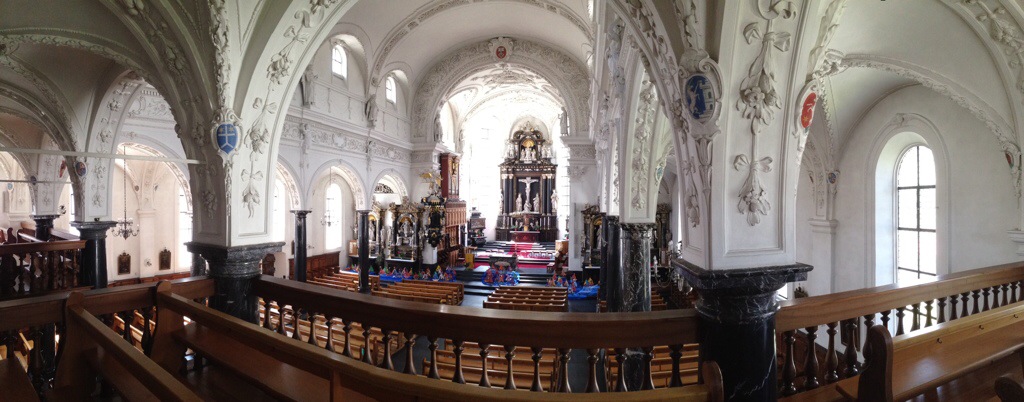
After visiting the Stanserhorn we went down to Stans which is the capital of Nidwalden and visited the Catholic Church. It was originally built between 1641 and 1647. Elvis is a fountain of knowledge in many areas so it is like having your own private tour guide. He pointed out the things that you will always find in a Catholic Church – statues of Peter, Paul, Joseph & Mary and pictures of the 12 steps from when Jesus was condemned until he was taken down off the cross.

They also had a statue of Saint Nicholas who is considered the Saint of Switzerland. He played an important role in bringing together the three original canton’s in Switzerland with four other cantons in 1481. The three original cantons were Uri, Suisse and Nidwalden – these were rural cantons and the cantons wanting to join were city cantons so there were a few differences of opinion.

Outside the church there was a statue of Arnold von Winkelried. Arnold von Winkelried or Arnold Winkelried is a legendary hero of Swiss history. According to 16th century Swiss historiography, Winkelried’s sacrifice brought about the victory of the Old Swiss Confederacy in the Battle of Sempach (1386) against the army of the Habsburg Duke Leopold III of Austria.

According to legend, the Swiss initially could not break the close ranks of the Habsburg pikemen. Winkelried cried: “I will open a passage into the line; protect, dear countrymen and confederates, my wife and children…” He then threw himself upon the Austrian pikes, taking some of them down with his body. This broke up the Austrian front, and made an opening through which the Swiss could attack.

We then walked up to the college that Elvis went to – this college was run by the Monks until 1987 when the canton took over it’s running and administration.

20140601-211941-76781560.jpg

20140601-211952-76792984.jpg

20140601-212008-76808068.jpg

20140601-212019-76819901.jpg

20140601-212031-76831197.jpg

20140601-212047-76847480.jpg

20140601-212103-76863757.jpg


20140601-212130-76890633.jpg

20140601-212140-76900776.jpg

20140601-212153-76913510.jpg

20140601-212201-76921128.jpg

20140601-212225-76945672.jpg

20140601-212238-76958853.jpg

20140601-212232-76952526.jpg

20140601-212244-76964632.jpg

20140601-212252-76972721.jpg

20140601-212535-77135470.jpg

20140601-212708-77228748.jpg

Posted in Switzerland | 2 Comments

Football – Switzerland v Jamaica, Swissporarena, Lucerne – Switzerland

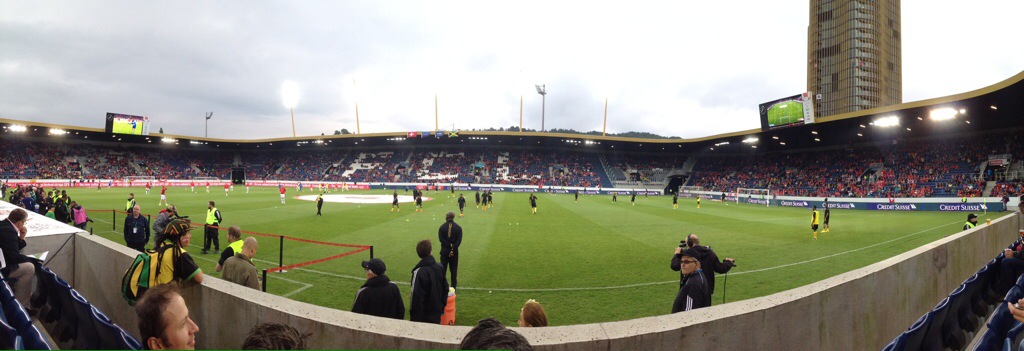
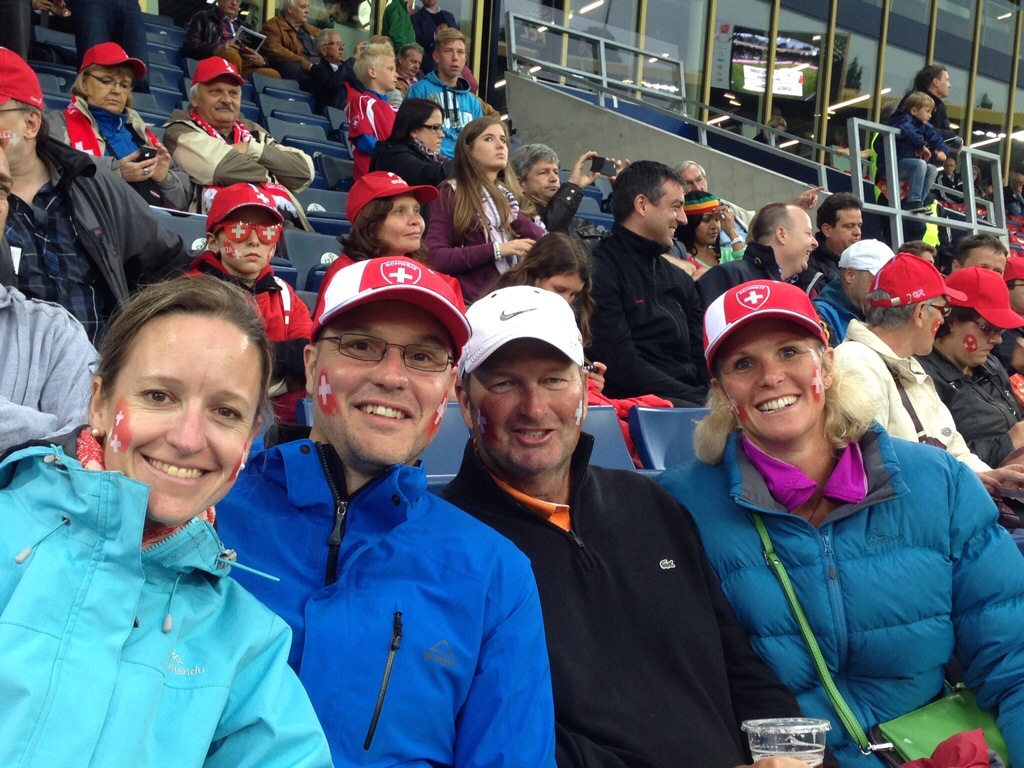
Karin & Elvis had planned a surprise for us on Friday night. We had an early dinner and had to leave for the train station by 6.45pm. We got off the train and saw all these people in Swiss hats, scarves etc… so thought we must be going to some sort of sport’s event. When we got closer to the stadium they told us we were going to see the Swiss Football team play Jamaica in a friendly match as part of the Swiss teams build up for the World Cup being held in South America from mid June.

The stadium holds 16,800 and there were 15,000 spectators for the game. We had these great seats 3 rows from the front and just along from the players and managers area. At half time we had to sample the Swiss sausages – I am not a sausage fan but I love Swiss sausages and mustard! I also had a Kaffe Fertig which is coffee with schnapps – another Swiss tradition when attending a football match.

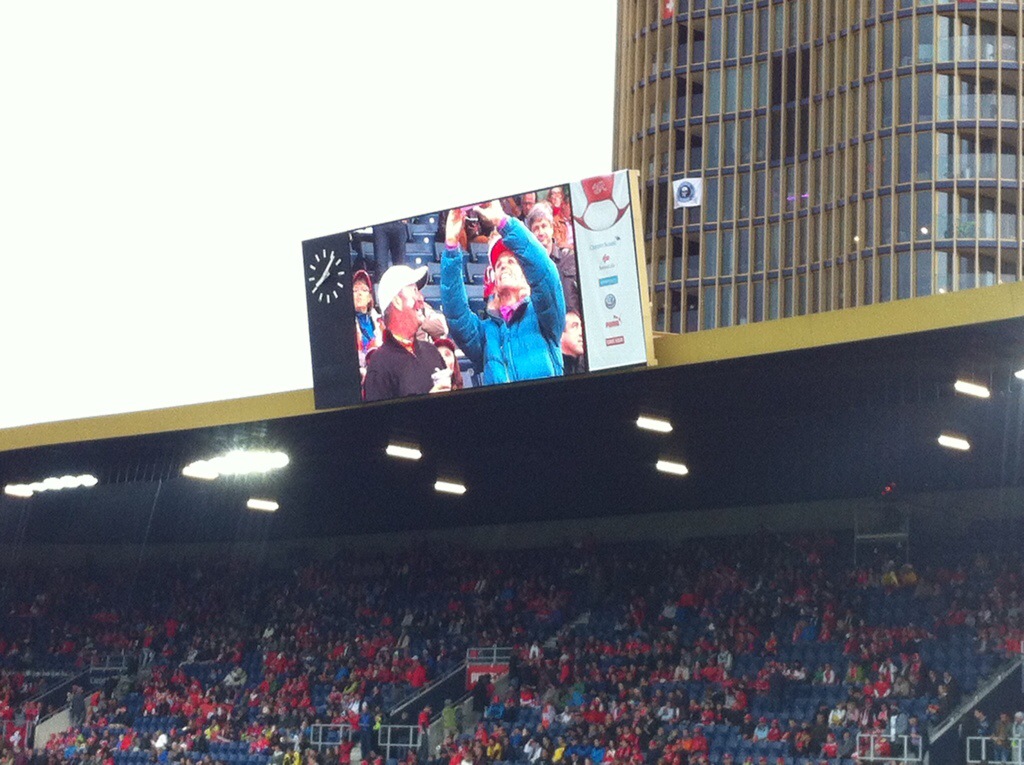
Switzerland won the game 1 nil so the crowd was happy. Switzerland is ranked number 8 in the world and Jamaica is ranked number 82 in the world. A fun night had by all and an unexpected bonus on our trip to Switzerland. We even managed to get on the big screen – I took a photo of us up on the big screen – a new form of selfie – taking a photo of yourself taking a photo while on the big screen!

20140531-142112-51672508.jpg

20140531-142117-51677802.jpg

20140531-142305-51785746.jpg

20140531-144414-53054594.jpg

Posted in Switzerland | Leave a comment

Ticino – Switzerland

The weather forecast for the Lucerne area wasn’t very good so we decided to head south to the canton of Ticino which is in the Italian speaking part of Switzerland. We went over the Gotthard Pass which was covered in snow and very low cloud. The Gotthard Pass connects the northern German speaking part of Switzerland with the southern Italian speaking part, along the route to Milan in Italy.

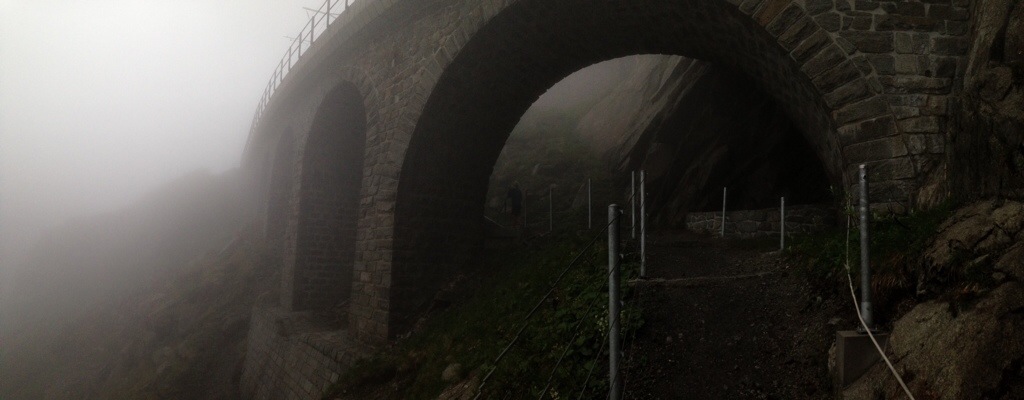
The pass played a significant part in Swiss history back in the 12th and 13th centuries when structures were being built to get across this pass and take control of the various areas surrounding the pass. There were various bridges built over the years but the terrain and conditions that these men were subject to made it quite difficult – one of the bridges crossing the River Reuss was named The Devil’s Bridge.

The legend of this particular bridge states that the Reuss was so difficult to ford that a Swiss herdsman wished the devil would make a bridge. The Devil appeared, but required that the soul of the first to cross would be given to him. The mountaineer agreed, but drove a goat across ahead of him, fooling his adversary. Angered by this sham, the devil fetched a rock with the intention of smashing the bridge, but an old woman drew a cross on the rock so the devil couldn’t lift it anymore. The rock is still there and, in 1977, 300,000 Swiss francs were spent to move the 220 ton rock by 127 m in order to make room for the new Gotthard road tunnel.

We stopped at the Devils’ Bridge to have a look – it was about 6 degrees with minimal visibility. As we came over the pass onto the other side blue sky and sunshine started appearing and the temperature rose markedly reaching 28 degrees after lunch.

We stopped at Bellinzona which is the capital of Ticino. We had a picnic lunch up on the castle.

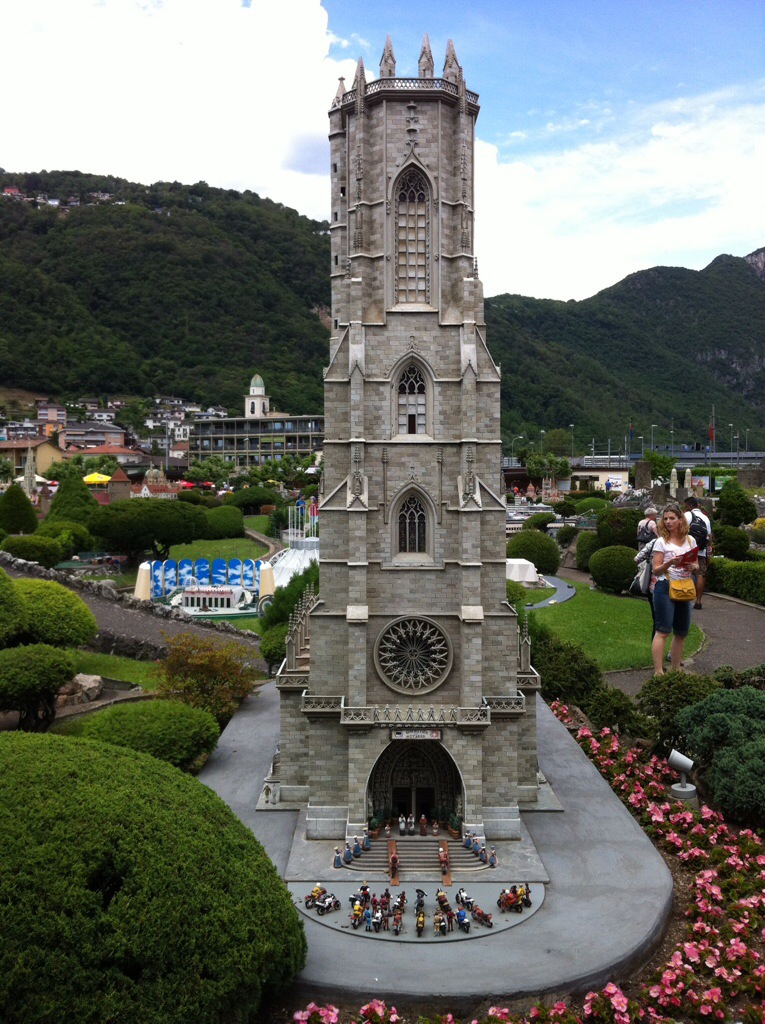
We then headed south to Melide in Lugano which is also in the canton of Ticino to visit the Swissminiatur. Swiss Miniature is Switzerland on a smaller scale. There are 130 models of houses, castles and monuments in the open air, distributed throughout the 14,000 square meter park. The models have been recreated authentically – with great attention to detail – and are surrounded by thousands of plants and flowers.

The Swiss Miniature in Melide, which was opened in 1959, is the only miniature park in Switzerland. The detailed and authentic models include well-known sites such as the Heidi Village in Maienfeld, the castles of Burgdorf and Chillon, the Federal Parliament in Bern, and the Cathedral of Milan, the only model that can also be viewed from inside. Eighteen model trains travel between the buildings on approximately 3.5 kilometers of tracks. There are also operating rack-railways, cable cars, suspension railways and ships. Swiss Miniature is also a visual delight, since its models are surrounded by 15,000 flower species and over 1,500 trees.

It was really enjoyable and good to see some of the places that we had visited previously. Of course Karin & I had to take a ride on the miniature train : )

We then headed north again but this time we took the St. Gotthard Tunnel. The St. Gotthard Tunnel runs from Göschenen in the Canton of Uri at its northern portal, to Airolo in Ticino to the south, and is 16.942 kilometres (10.527 mi) in length below the St. Gotthard Pass. It is the third-longest road tunnel in the world after Norway’s Lærdal Tunnel (24.5 km), and China’s Zhongnanshan Tunnel (18 km).

In response to the automobile boom in Switzerland and the popularity of Italy as a travel resort, the Swiss government gave approval in July 1969 for the construction of the 16-kilometre Gotthard Road tunnel. The tunnel would be longer than any existing road tunnel, and would provide year-round road link between central Switzerland and Milan to be used in place of the Gotthard Pass.

The now widely used motorway tunnel was opened on September 5, 1980. It remains a single bore tunnel with just one lane operating in each direction. It has four large ventilation shafts and an additional side gallery between 10 and 18 metres from the main tunnel, having its own independent ventilation system in order to facilitate the cutting of a second tunnel, should future traffic levels require it.

20140531-133819-49099081.jpg

20140531-133805-49085542.jpg

20140531-133828-49108282.jpg

20140531-133835-49115166.jpg

20140531-133844-49124244.jpg

20140531-133852-49132640.jpg

20140531-133903-49143572.jpg

20140531-133925-49165944.jpg

20140531-133933-49173183.jpg

20140531-133953-49193088.jpg

20140531-134013-49213591.jpg

20140531-134020-49220558.jpg

20140531-134027-49227610.jpg

20140531-134042-49242548.jpg

20140531-134036-49236392.jpg

Posted in Switzerland | 1 Comment

Adieu Paris – Gruezi Switzerland

Yesterday we caught the train from the Gare de Lyon station in Paris to Zurich in Switzerland. It was a two story train and we had very comfortable seats upstairs. It really is such a great way to travel. The train left Paris 20 minutes late and lost time on route due to track maintenance so we arrived into Zurich 40 minutes late.

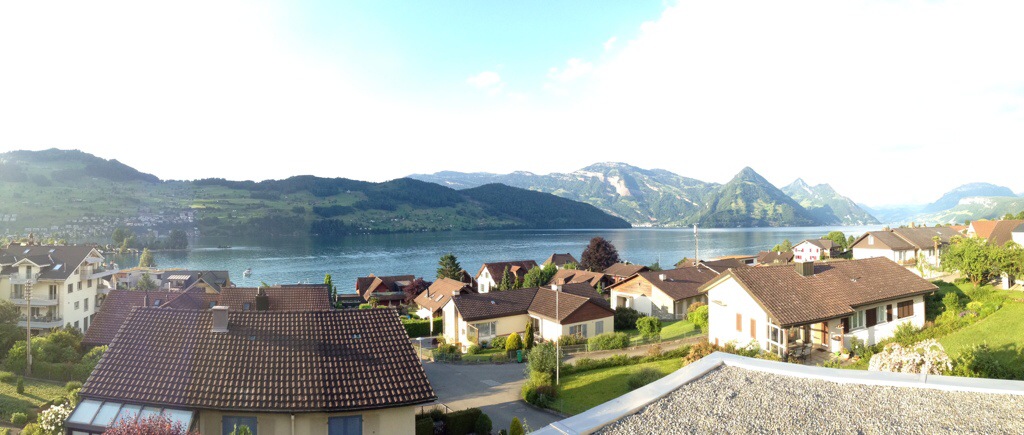
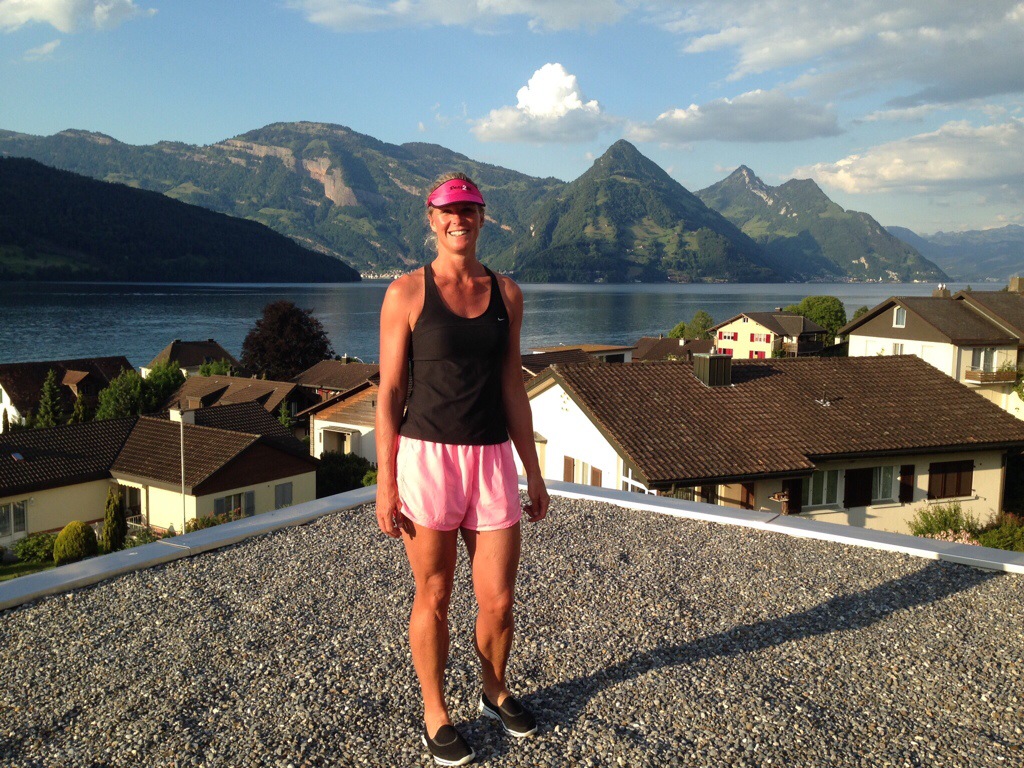
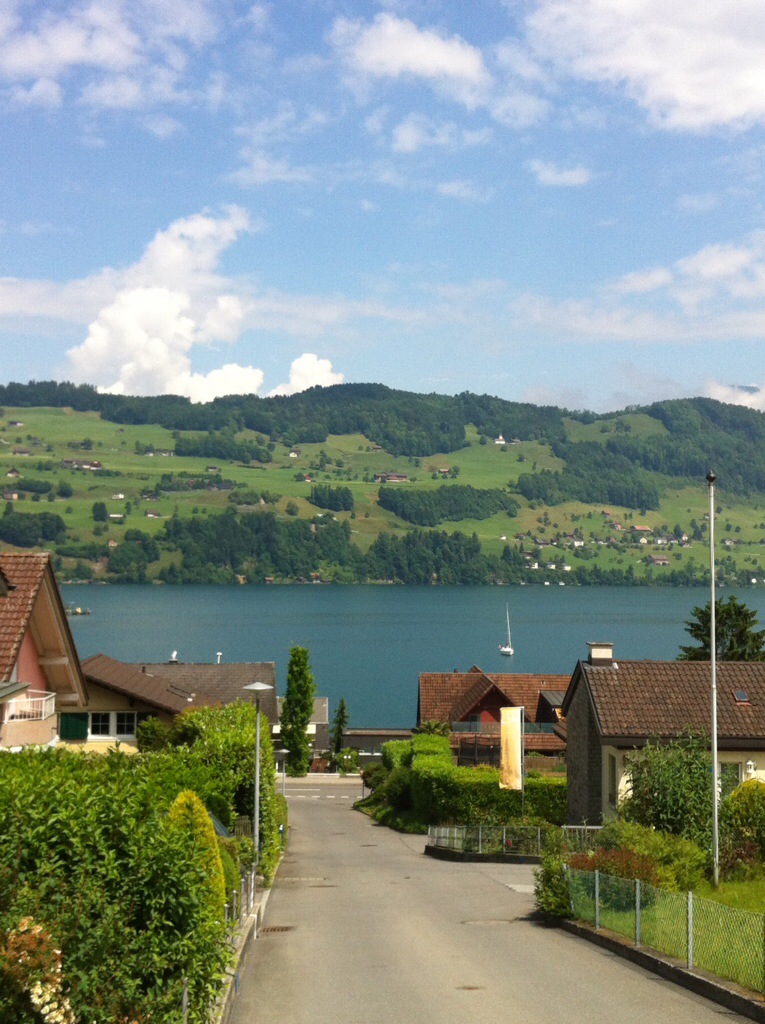
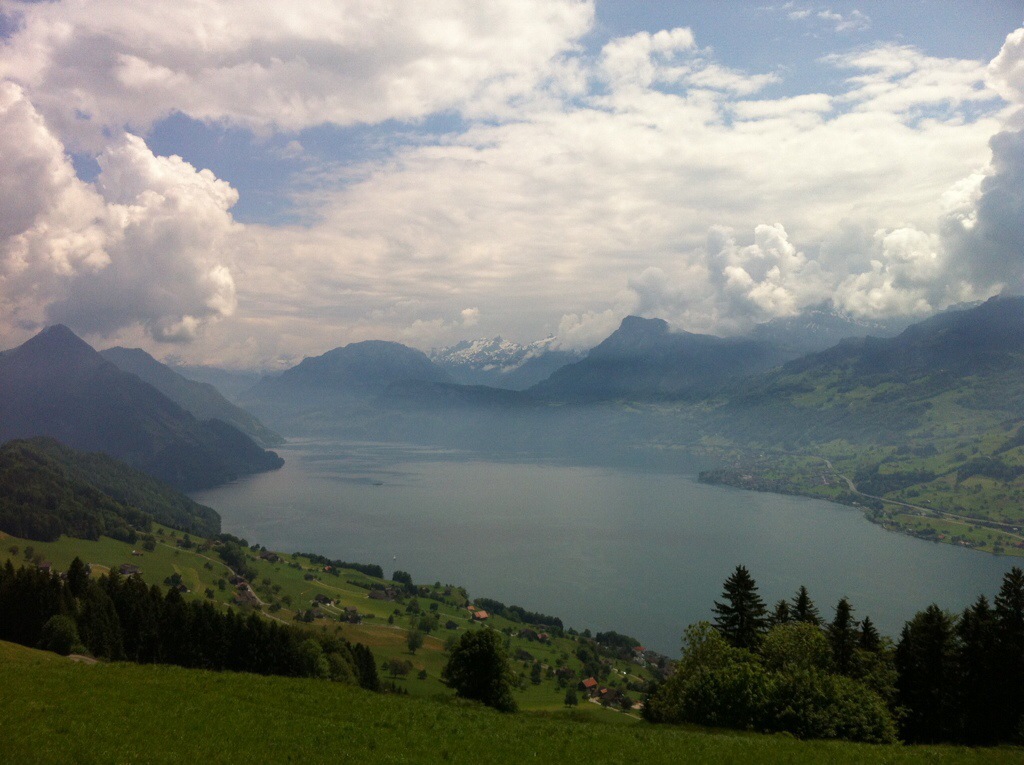
Karin was there to meet us – it was great to see her : ) Karin & Elvis have built a new house in Buochs which is in the canton of Nidwalden. Nidwalden is about 15 minutes from Lucerne and about 1 hour and 15 minutes from Zurich. The new house is really nice and has great views over Lake Lucerne.

There are 26 cantons in Switzerland – they are the member states of the federal state of Switzerland. Each canton was a fully sovereign state with its own border controls, army and currency from the Treaty of Westphalia (1648) until the establishment of the Swiss federal state in 1848. Each canton has its own constitution, legislature, government and courts.

Elvis comes from the canton of Nidwalden which has the flag with the white key on a red background. Karin comes from the canton of Glarus which has the flag with the man on it – the only canton to have a person on their flag. See the pictures below.

We had a leisurely start to the day and went for a walk down to the lake’s edge and around the village. This was followed by a yummy breakfast sitting in the sun overlooking the lake.

We then ventured up a small mountain across the lake called Burgenstock.
The Bürgenstock is a famous mountain in Switzerland (1,127.8 m above sea level) located on the eponymous peninsula Bürgenstock, in the middle of Lake Lucerne. The Bürgenstock is a mountain ridge that stretches over 10 km and is surrounded to the North, East and South-East by Lake Lucerne. The northern slope drops very steeply into the lake.

This area was very popular back in the 1950’s and 1960’s for famous people to take their summer holidays – these included Audrey Hepburn & Sophia Loren. It was then fairly inactive until recently when some middle eastern developers came and and have started to renovate some of the old hotels as well as building new resorts. The new resort includes a 9 hole alpine golf course.

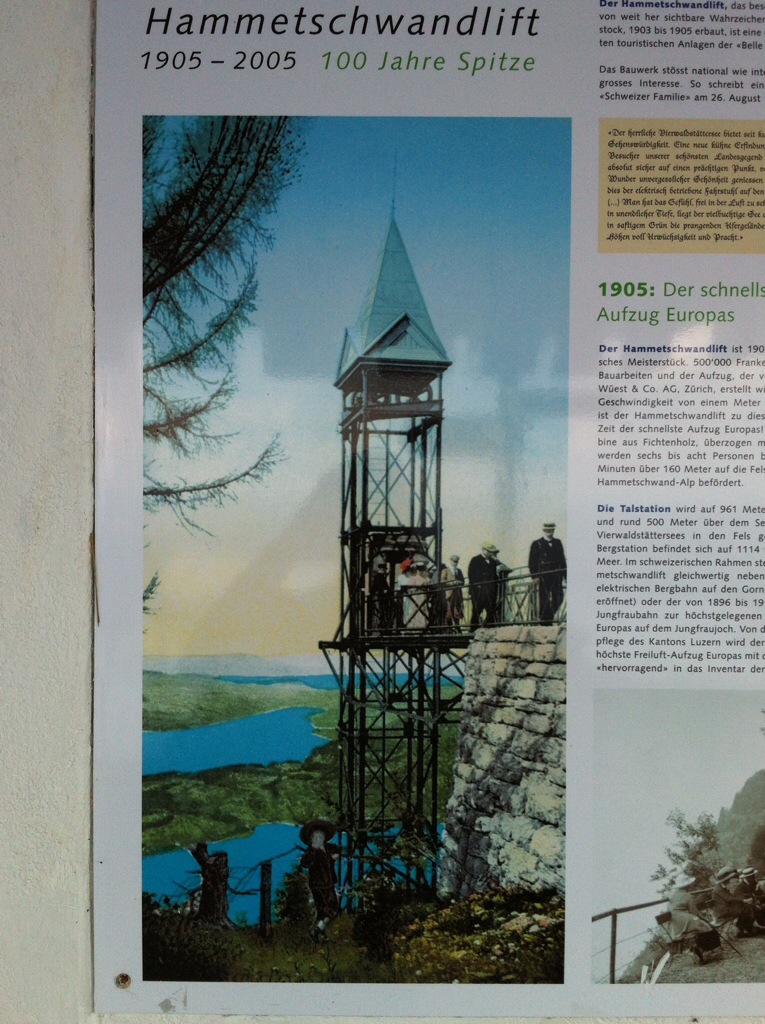
We walked for about 20 minutes and then caught the Hammetschwandlift to the top of the mountain – this is the highest outdoor lift in Europe with unique panoramic views.

20140529-225336-82416652.jpg

20140529-225345-82425320.jpg

20140529-225400-82440414.jpg

20140529-225352-82432840.jpg

20140529-225407-82447670.jpg

20140529-225414-82454013.jpg

20140529-225423-82463712.jpg

20140529-225429-82469504.jpg

20140529-225449-82489116.jpg

Posted in Paris, Switzerland | 1 Comment

Roland Garros, Paris – France

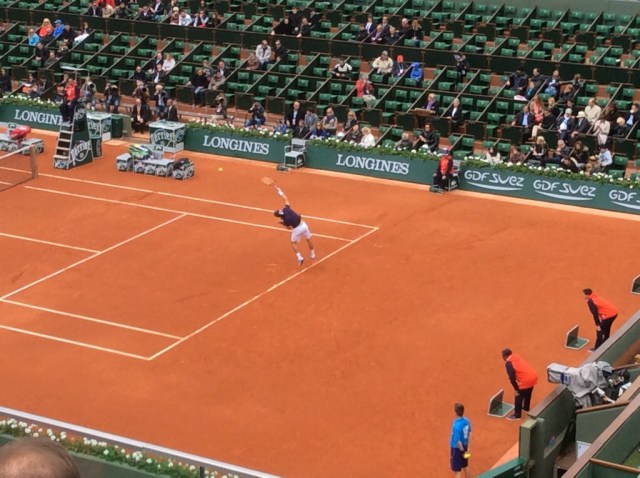
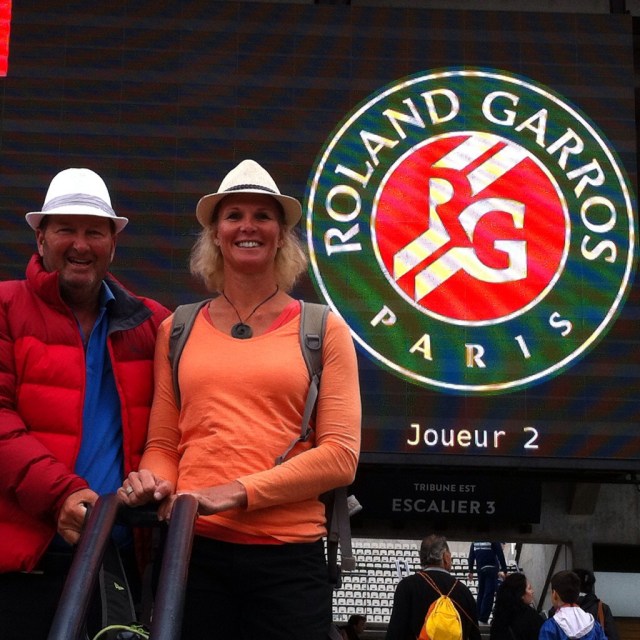
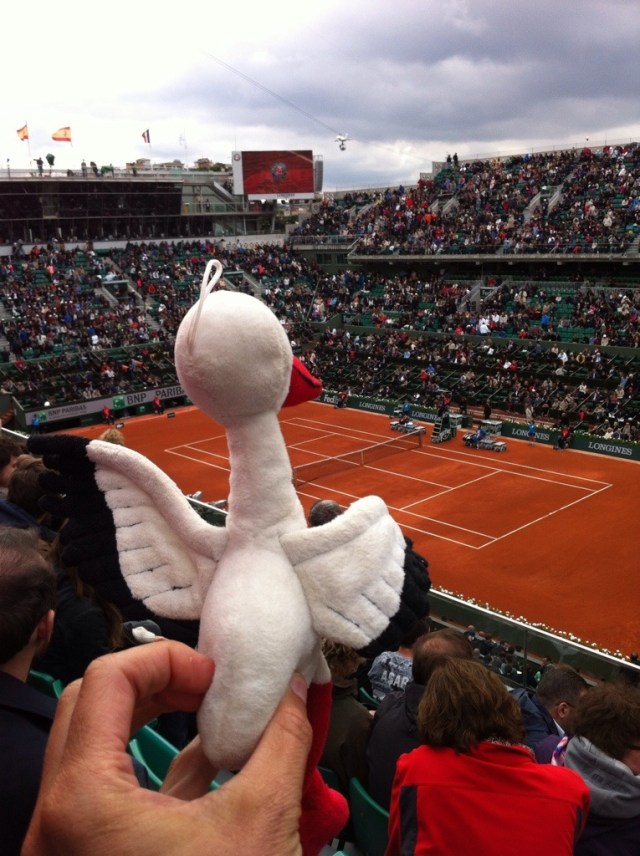
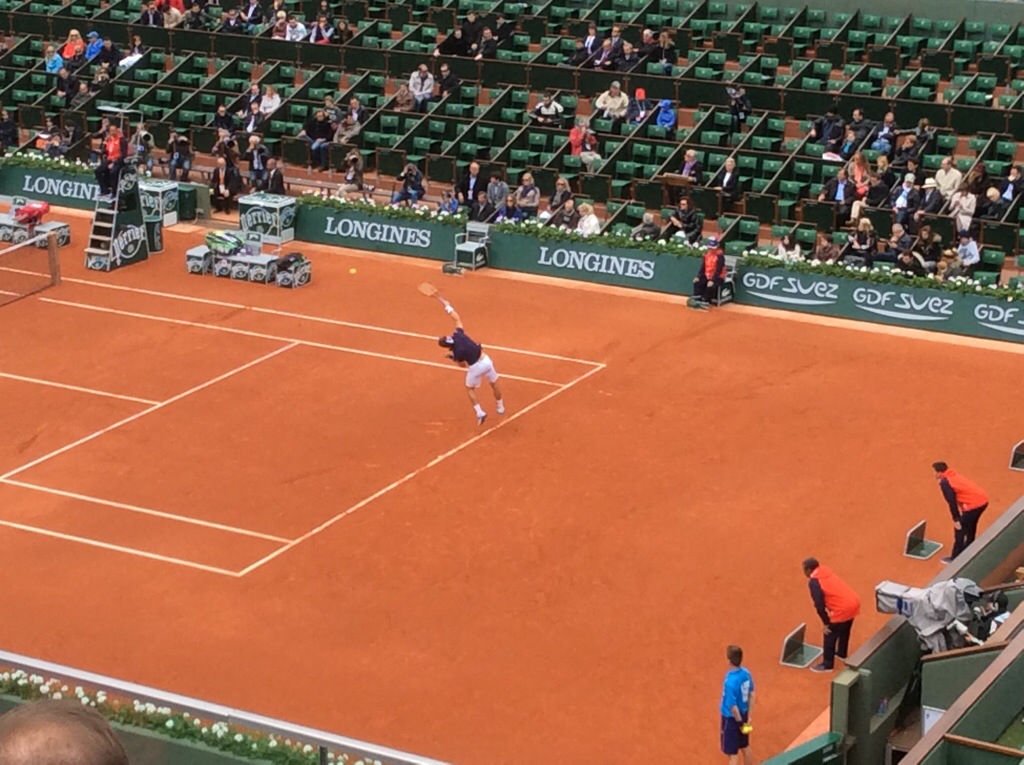
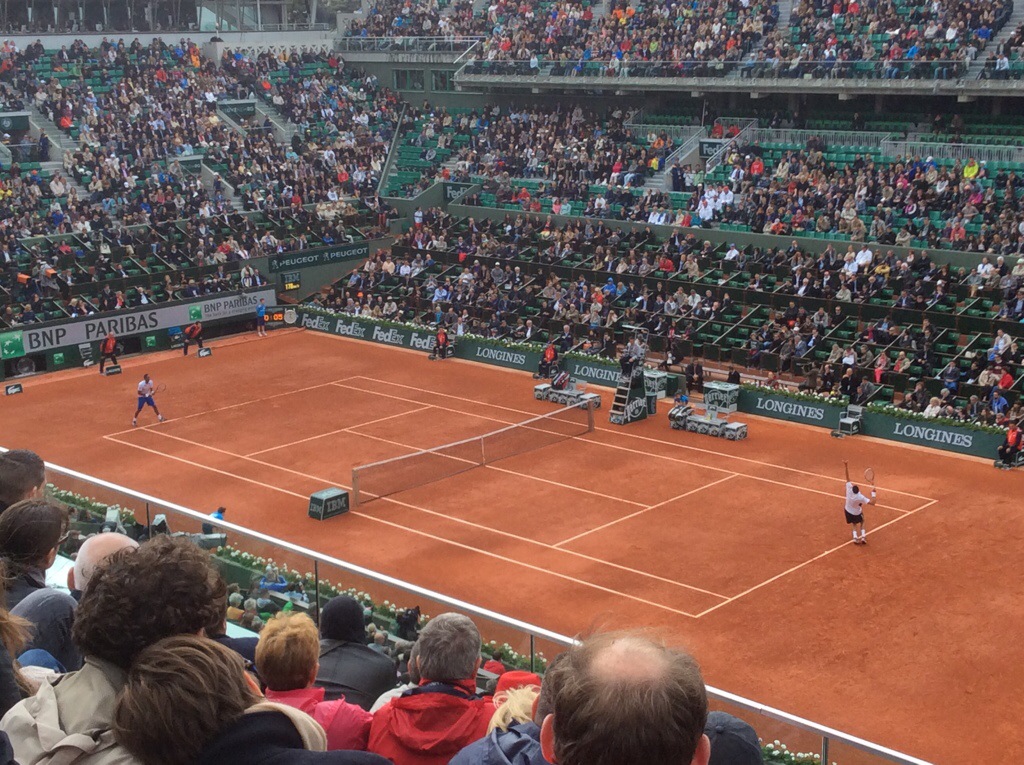
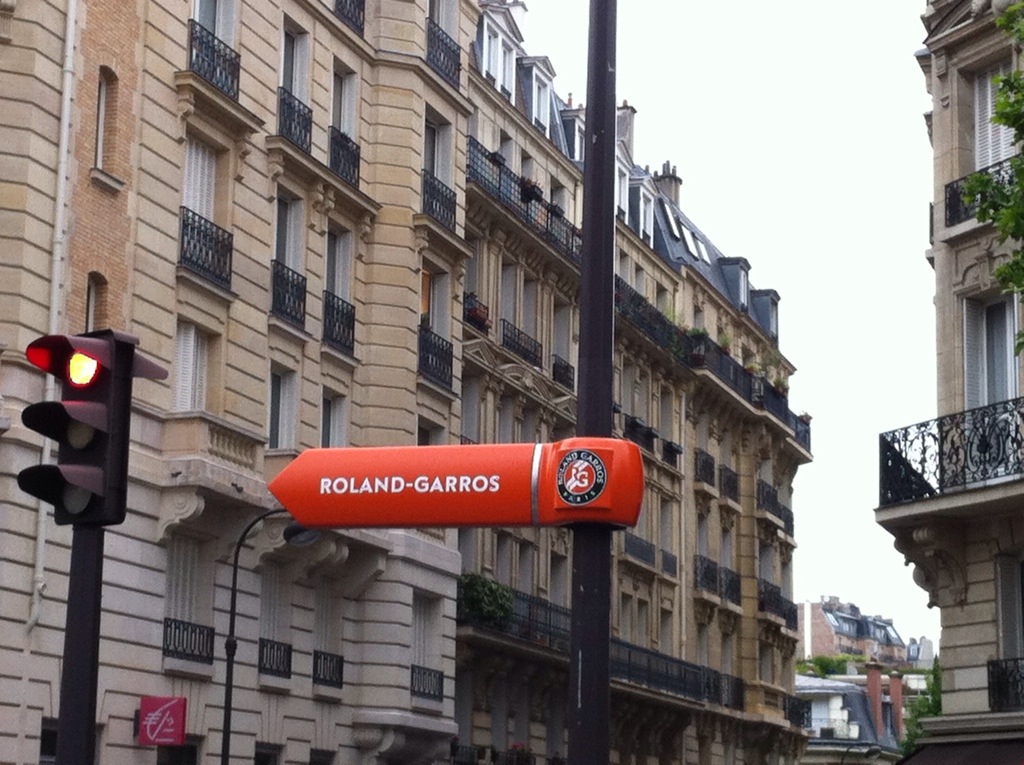
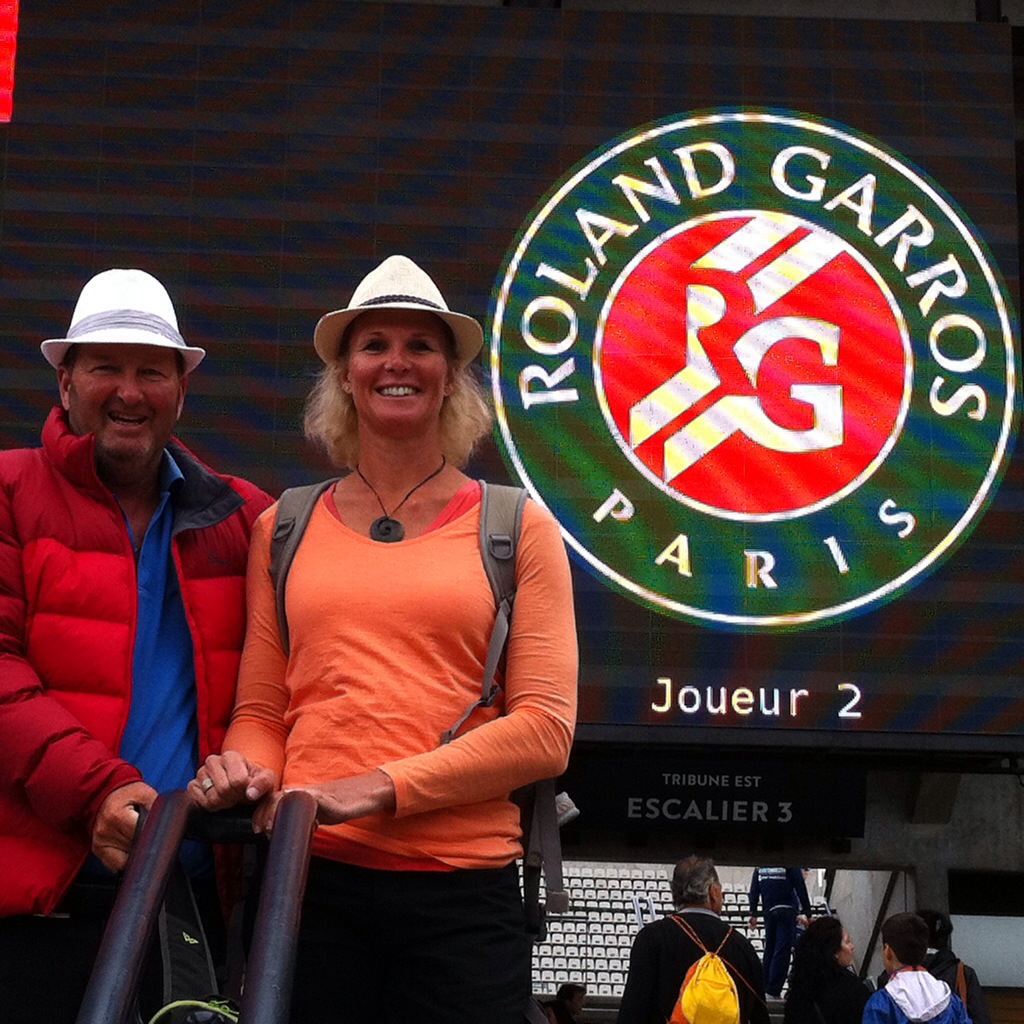
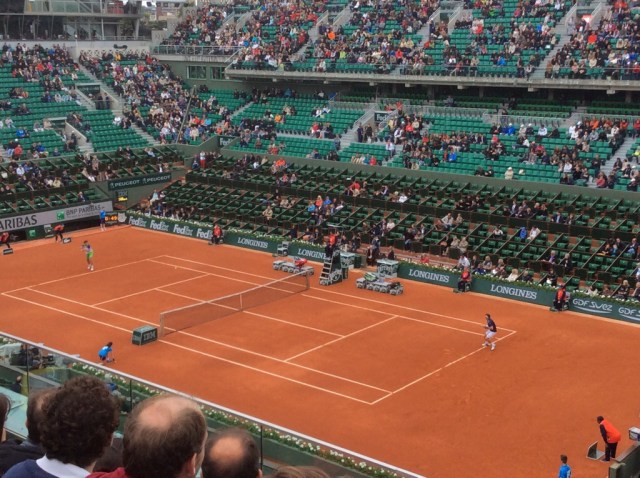
Today we went to Roland Garros to watch day three of the first round. I was so excited that I woke at 5.15am and couldn’t go back to sleep. We caught the RER and then the Metro to the stadium – was a bit nervous about getting on the wrong train but it was a piece of cake. You’ve just got to understand what the end destination point on the line is so you can make sure you get on the train that is going in the right direction.

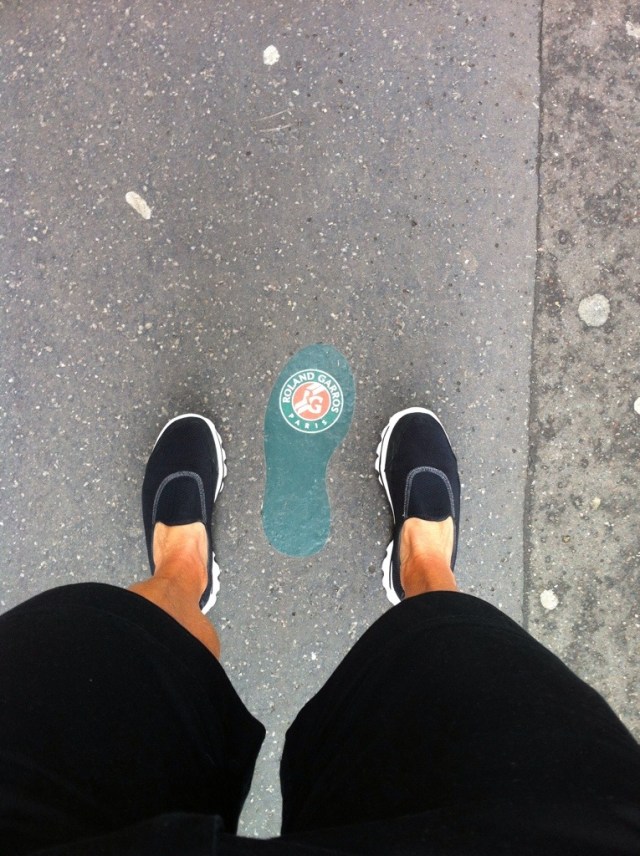
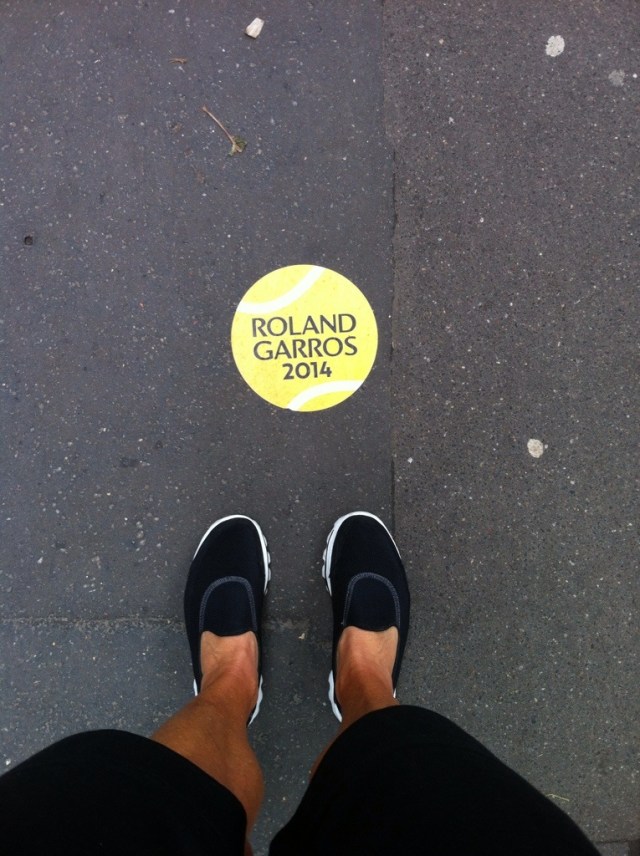
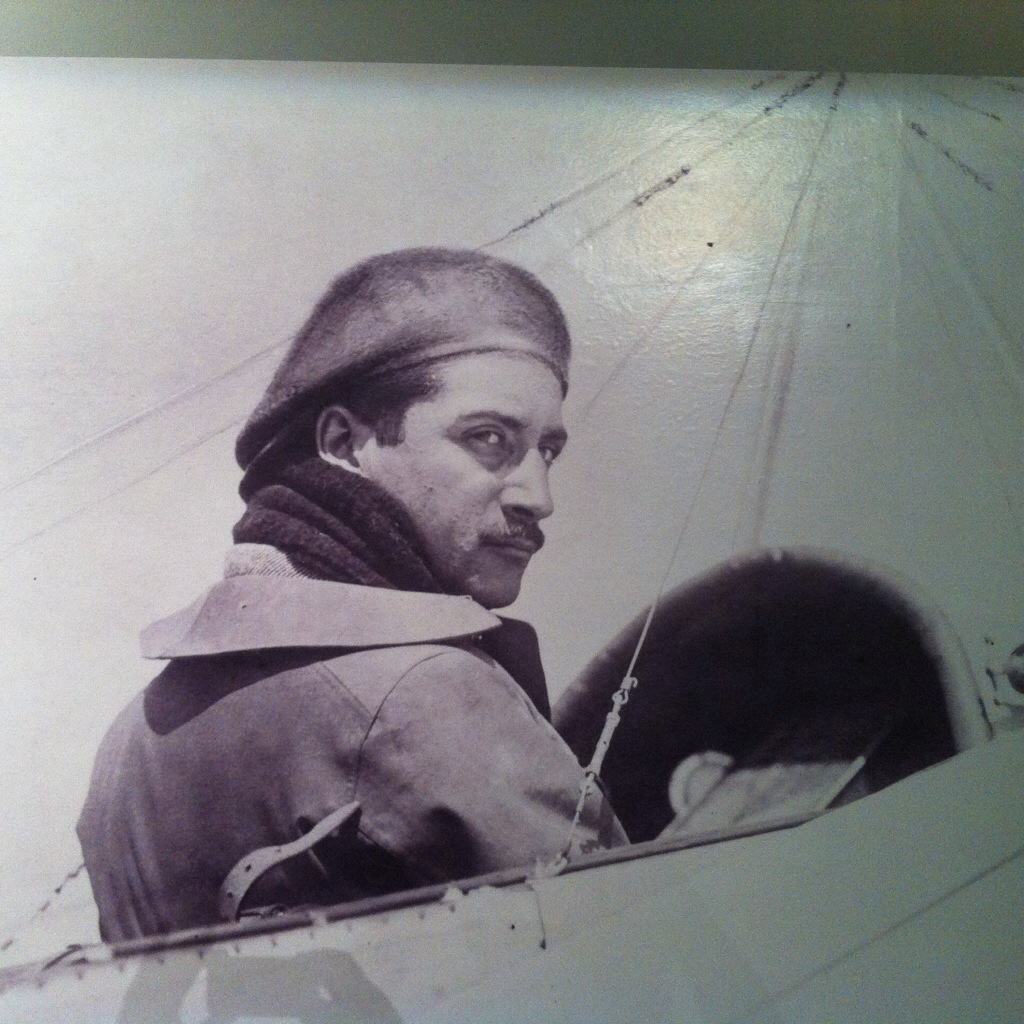
We got off the Metro at Michel-Angel Auteuil and went to navigate our way to the stadium and there were all these footsteps and tennis balls on the pavement showing us the way. Got to the stadium and lined up ready to go in. It is quite a large complex but very well laid out and organised. They have a tennis museum which also has a large part dedicated to Roland Garros – who is Roland Garros you ask? Well he is not a famous tennis player for starters.

Eugène Adrien Roland Georges Garros was born in Saint-Denis, Réunion, and studied at the Lycée Janson de Sailly and HEC Paris. He started his aviation career in 1909 flying Alberto Santos-Dumont’s Demoiselle (Dragonfly) monoplane, an aircraft that only flew well with a small lightweight pilot. He gained Ae.C.F. licence no. 147 in July 1910. In 1911 Garros graduated to flying Blériot monoplanes and entered a number of European air races with this type of machine, including the 1911 Paris to Madrid air race and the Circuit of Europe (Paris-London-Paris), in which he came second. In September he established a new world altitude record of 5,610 m (18,410 ft). By 1913 he had switched to flying the faster Morane-Saulnier monoplanes, and gained fame for making the first non-stop flight across the Mediterranean Sea from Fréjus in the south of France to Bizerte in Tunisia. The following year, Garros joined the French army at the outbreak of World War I.

After achieving a number of things in World War 1 in the aviation arena he was taken prisoner. He managed to escape the POW camp and went on to re join the French Army before his plane was gunned down on the 5th October 1918, one month before the war ended and one day before his 30th birthday.

In the 1920s, a tennis centre which he attended religiously when he was studying in Paris, was named after him, Stade de Roland Garros. The stadium accommodates the French Open, one of tennis’ Grand Slam tournaments. Consequently, the tournament is officially called Les internationaux de France de Roland-Garros (the “French Internationals of Roland Garros”).

The international airport of La Réunion, Roland Garros Airport, is also named after him.

The French car manufacturer Peugeot commissioned a ‘Roland Garros’ limited edition version of its 205 model in celebration of the tennis tournament that bears his name. The model included special paint and leather interior. Because of the success of this special edition, Peugeot later created Roland Garros editions of its 106, 206, 207, 306, 406, and 806 models.

From the first ball games in Ancient times to Rafael Nadal’s victories, tennis, in all it’s different forms, came slowly into being in Greek mythology, Nausicaa is the first to play with a ball, leading to pila played by the Romans, and then making way for jeu de paume (“game of the palm”), which was codified in 1555. Across the English Channel, the invention of lawn tennis by Major Wingfield, in 1874, marks the beginning of a new pastime for high society, played during garden parties and which rapidly turns into competitive events. Thus begins the tennis adventure.

From 1891 the first French championships, ancestors of the Roland Garros tournament, are held in front of a very small public. In the 21st century, the French Open welcomes nearly 450,000 spectators every year and attracts almost 3 billion television viewers.

In 1928, following the Musketeers triumph in Davis Cup, Roland Garros stadium is built and becomes home to the French Open. Like the three other Grand Slam events (the Australian Open, the US Open and Wimbledon), the historical stadium, where the legendary tournament filled with spirited emotion is held, writes the pages of tennis history.

Note that the French Open is played on a clay surface, the Australian and US Opens are played on a concrete surface and Wimbledon is played on a grass surface.

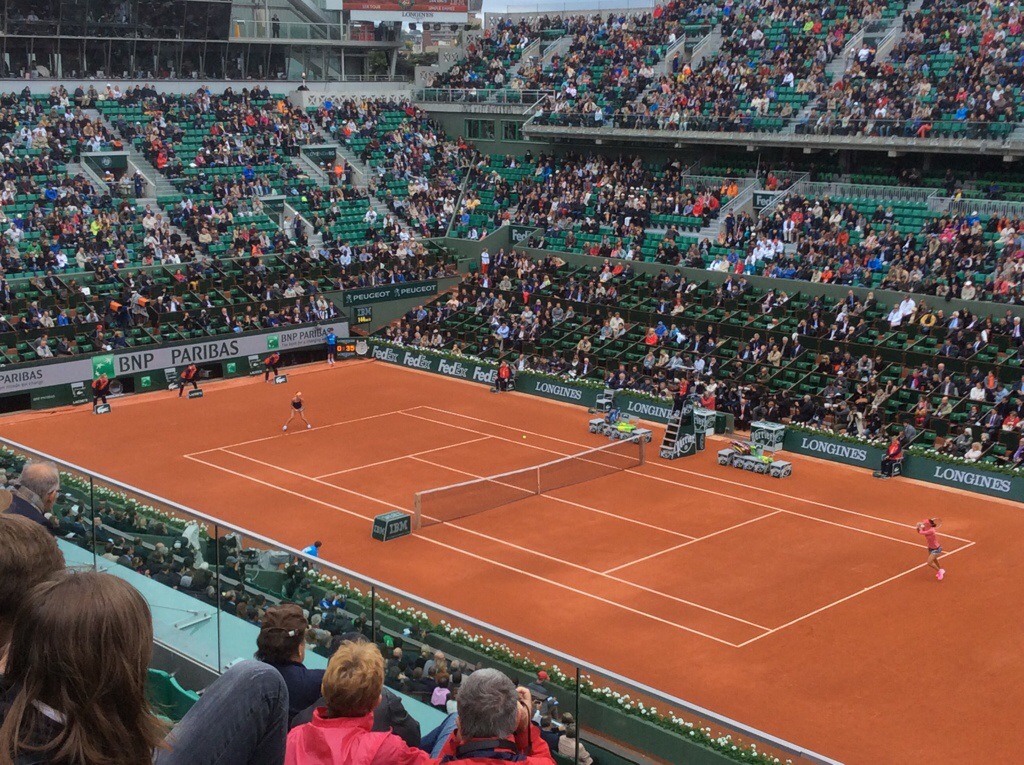
Despite the weather being very overcast and looking like at least spitting with rain we were fortunate enough to stay dry all day and watch four singles games – two men’s and two women’s. The sun actually came out about 5.30pm- we have noticed that this is quite common in Paris. The day starts off very glum and by early evening it is quite pleasant.

First up was:

Simona Halep from Romania – 22 years old and ranked number 4 in the world versus Alisa Kleybanova from Russia – 24 years old and ranked number 87 in the world. Simona won in two sets.

Next up was:

David Ferrer from Spain – 32 years old and ranked number 5 in the world versus Igor Sijsling from the Netherlands – 27 years old and ranked number 55 in the world. David won in three sets. David Ferrer is NZ’s favourite Spaniard – he has come to play in the Heineken Open in Auckland many times and has won it many times although he didn’t make the final in 2014.

Next up was:

Ana Ivanovic from Serbia – 27 years old and ranked number 12 in the world versus Caroline Garcia from France – 20 years old and ranked number 43 in the world. Ana won in two sets. Ana Ivanovic played in the ASB Classic in Auckland in January 2014 and won it.

Last but not least was:

Gael Monfils from France – 28 years old and ranked number 28 in the world versus Victor Hanescu from Romania – 33 years old and ranked number 85 in the world. Gael Monfils won in four sets. This was the best game of the day. Gael Monfils has been to Auckland to play in the Heineken Open before – he is a bit of a showman and quite fun to watch.

It was a great day and we managed to navigate our way back on to the Hotel on the RER and Metro.
20140528-000630-390691.jpg

20140528-000641-401303.jpg

20140528-000658-418458.jpg

20140528-000715-435402.jpg

20140528-000733-453929.jpg

20140528-001018-618912.jpg

20140528-001031-631138.jpg

20140528-001040-640724.jpg

20140528-001053-653022.jpg

20140528-001110-670373.jpg

20140528-001123-683247.jpg

20140528-001138-698204.jpg

Posted in Paris | 1 Comment

Paris – France

Paris is one of those cities where you can just walk and walk and not run out of things to see. We started the day with a run, walk up to the Arc de Triomphe and down the Champs Elysees and back to the hotel. After breakfast we continued with the walking theme and went back down the Champs Elysees to check out all the luxury goods on offer.

Paris is the capital and most populous city of France. It is situated on the Seine River, in the north of the country, at the heart of the Île-de-France region. Within its administrative limits (the 20 arrondissements), the city had 2,243,833 inhabitants in 2010 while its metropolitan area is one of the largest population centres in Europe with more than 12 million inhabitants.

The city has one of the largest GDPs in the world, €607 billion (NZD969 billion) as of 2011, and as a result of its high concentration of national and international political, cultural and scientific institutions is one of the world’s leading tourist destinations. The Paris Region hosts the world headquarters of 30 of the Fortune Global 500 companies in several business districts, notably La Défense, the largest dedicated business district in Europe.

Paris was at the centre of the French Revolution from 1789 to 1799.

Paris is home to the Paris Saint-Germaine Football Club and the Stade Francais Rugby Union Club. The 80,000 Stade de France was built for the 1998 FIFA World Cup.

Some of the well known icons in Paris are the Louvre, the Eiffel Tower and the Arc de Triomphe.

The Louvre is one of the world’s largest museums and a historic monument. A central landmark of Paris, France, it is located on the Right Bank of the Seine in the 1st arrondissement (district). Nearly 35,000 objects from prehistory to the 21st century are exhibited over an area of 60,600 square metres (652,300 square feet). With more than 9.7 million visitors each year, the Louvre is the world’s most visited museum.

The Eiffel Tower is an iron lattice tower located on the Champ de Mars in Paris. It was named after the engineer Gustave Eiffel, whose company designed and built the tower. Erected in 1889 as the entrance arch to the 1889 World’s Fair, it was initially criticised by some of France’s leading artists and intellectuals for its design, but has become both a global cultural icon of France and one of the most recognizable structures in the world. The tower is the tallest structure in Paris and the most-visited paid monument in the world; 6.98 million people ascended it in 2011. The tower received its 250 millionth visitor in 2010.

The tower is 324 metres (1,063 ft) tall, about the same height as an 81-storey building. During its construction, the Eiffel Tower surpassed the Washington Monument to assume the title of the tallest man-made structure in the world, a title it held for 41 years, until the Chrysler Building in New York City was built in 1930. Because of the addition of the antenna atop the Eiffel Tower in 1957, it is now taller than the Chrysler Building by 5.2 metres (17 ft). Not including broadcast antennae, it is the second-tallest structure in France, after the Millau Viaduct.

The Arc de Triomphe is one of the most famous monuments in Paris. It stands in the centre of the Place Charles de Gaulle, at the western end of the Champs-Élysées. The Arc de Triomphe (in English: “Triumphal Arch”) honours those who fought and died for France in the French Revolutionary and the Napoleonic Wars, with the names of all French victories and generals inscribed on its inner and outer surfaces. Beneath its vault lies the Tomb of the Unknown Soldier from World War I. The monument stands 50 metres (164 ft) in height, 45 m (148 ft) wide and 22 m (72 ft) deep.

20140526-223518-81318624.jpg

20140526-223540-81340584.jpg

20140526-223533-81333221.jpg

20140526-223609-81369008.jpg

20140526-223617-81377957.jpg

Posted in Paris | 1 Comment

Cycling in Bordeaux, Day 4 – France

Our bed was so luxurious last night we didn’t want to get out of it this morning. It rained quite a bit during the night but was starting to ease by the time we had breakfast.

I said we felt like royalty in our big bed last night, well this morning we were served a breakfast that was fit for a King & Queen. There was a fresh fruit salad, croissants, bread, fresh preserves, small crepes, cheese, ham, yoghurt, stewed apples, cake and freshly squeezed orange juice. The big table was beautifully laid with fresh flowers.

It was then time to hit the road – the rain had stopped and being a Sunday morning the country lanes were quiet. We managed to follow the trip notes for the first hour until disaster struck – we took a wrong turn and ended up going back to a village we had already been too. We worked out what we had done wrong due to unclear notes and decided to take a more direct route.
We got to the outskirts of Bordeaux but it wasn’t clear which way the centre was. We stopped and asked this father and son who told us to go back three lots of traffic lights and turn left. Once we saw some street signs with suburbs close to the centre we felt a bit better. We then found the Decathlon store mentioned in the notes and started following the instructions again – another go round in circles moment and some choice words! I must say I felt quite stressed knowing that we had a train to catch – we were so close but so far.
We were to follow the Garonne River into the centre and managed to find a trail but it was then barricaded up. We had just seen another cyclist go up a ramp onto the bridge so decided to back track and follow him. We were still not 100% convinced that we were right so stopped another cyclist to confirm. We were about 2km to the centre of Bordeaux and got back onto the cycling lane that we had left the city by three days earlier.

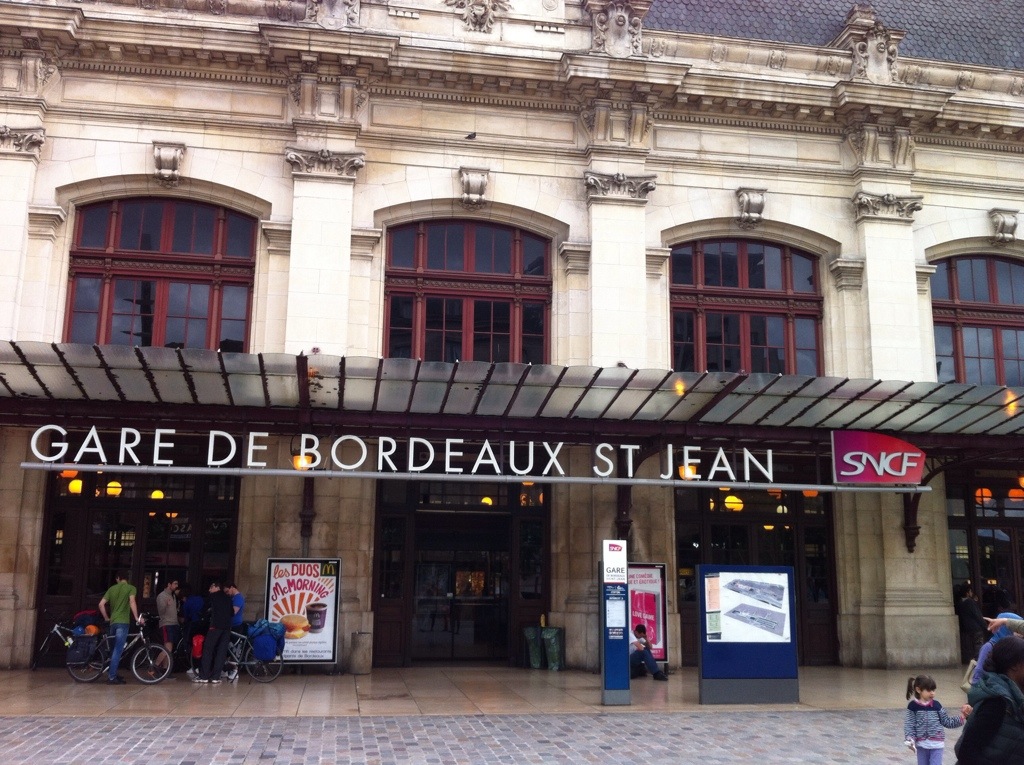
By this time it was 1.20pm – we were meeting Graham at the train station with our bags about 2.30pm in order to catch our 3.18pm train to Paris. We had some lunch, got our bags and headed across to the station. Found the platform, the train arrived at 3.13pm and once we located our carriage I’m telling Steve to get on the train with the two bags and a golf bag. There is not a lot of space for bag storage and Steve was sorting out the suitcases while I’m dragging the golf bag on – my theory is that once we’re on we can sort the bags – just get on the train. At 3.18pm the train pulled out of the station – they do not muck around – we hadn’t even found our seats.

Doing my own personal bike trip debrief I would have to say that it wasn’t all that I expected. The cycling was nice but having to navigate these country lanes and little villages without, in our opinion, really clear notes took the enjoyment out of it. You were constantly wondering if you were going in the right direction. However, the hotels, food and people we met along the way well and truly made up for that – we want to come back to this area to experience more of that.

The other thing I thought was that you would be able to pop into the Chateaus and do wine tastings like we can in NZ but it doesn’t work like that here – you have to make appointments at a lot of the Chateaus and because this is not peak season a lot of them aren’t operating. Next time we return we will do things differently – a bike tour guide with pre organised visits to the Chateaus. Who’s keen?

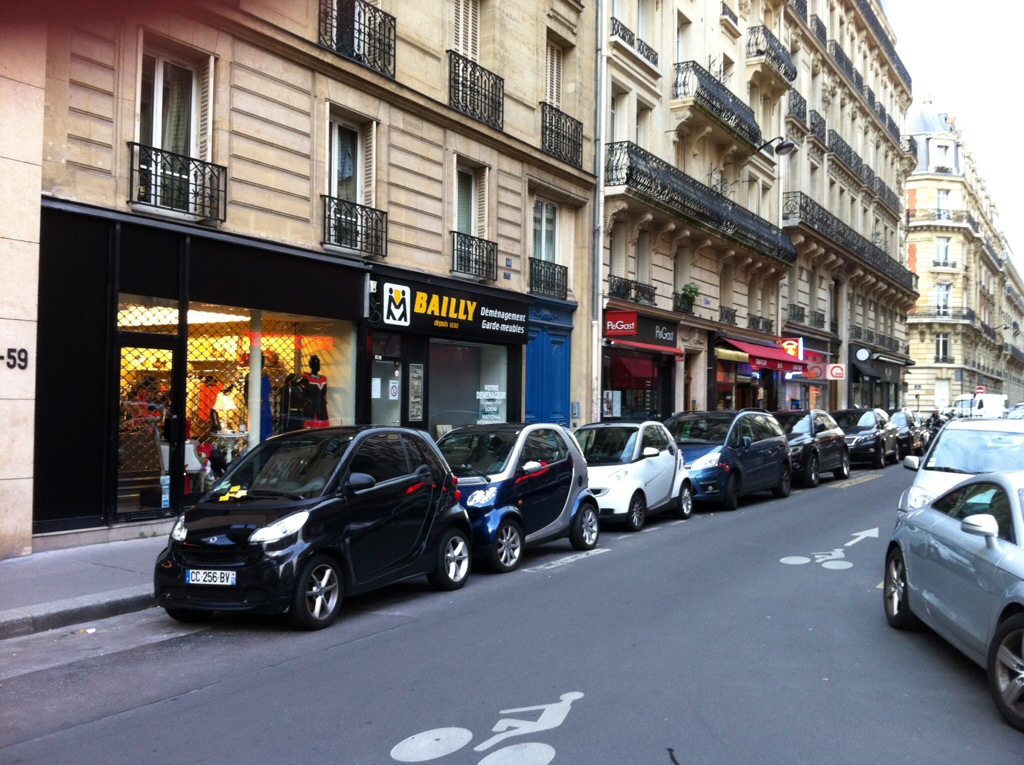
Our train trip to Paris was fast – 3 hours 15 minutes to cover 500km. We got a taxi to our hotel which is about a 1km from the Arc de Triomphe. We had a wander around the streets and had some dinner. There are so many smart cars here but when you see the streets and the parking spaces you can understand why!

20140525-223533-81333448.jpg

20140525-223549-81349165.jpg

20140525-223604-81364373.jpg

20140525-223614-81374440.jpg

20140525-223723-81443149.jpg

20140525-223731-81451195.jpg

20140525-223746-81466224.jpg

Posted in France | 2 Comments

Cycling in Bordeaux, Day 3 – France

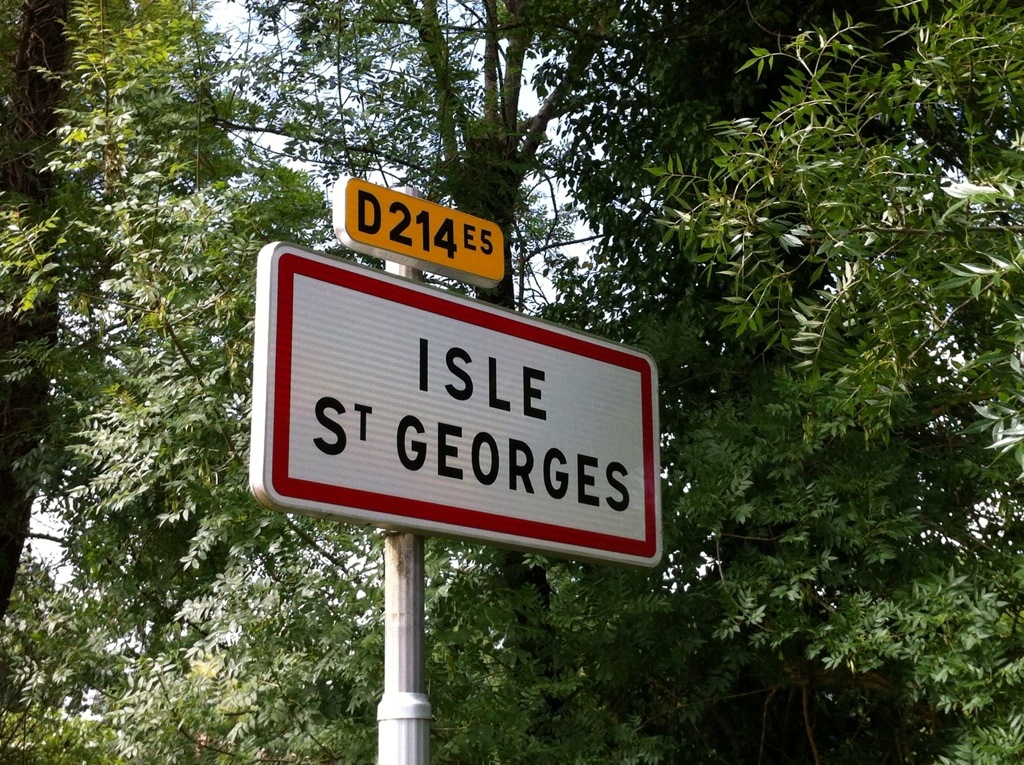
Today we were cycling from Saint Macaire to Isle St Georges. We didn’t have the trip notes for day 3 as Graham’s printer had been playing up so he was going to meet us at 9am to go over them before we set off. 9am came and went, 9.30am came and went, 9.45am came and went with no sight nor sound from Graham. We had the big picture map so decided to set off and stick to the main roads.

It was Saturday so they weren’t too busy and the French drivers are very considerate – they slow down and give you a wide berth. We made it to Cadillac and they had a Saturday market so that was a bonus. We stopped off and explored the produce on offer – lots of fresh fruit and veges, cheeses, breads, salami and even live chickens, ducks and rabbits. Couldn’t resist the strawberries of course.

Indirectly, Cadillac gave its name to the motor car of that name – a story of successful social climbing, adventures in North America and political intrigue.

Graham finally caught up with us and gave us the notes. We had a few hiccups along the way and I must say some major frustrations with the trip notes. I am directionally challenged but am good at following instructions – we had a few go round in circle moments that resulted in a few choice words.

We stopped off at Chateau Mongenan to do a tour – not the sort of tour we were expecting but interesting nevertheless. The lady that met with us was seventh generation on this property and her fore fathers were involved in the French Revolution in the 17th century. They were obviously very well to and do and very well connected moving in some very illustrious circles. She had these rooms filled with memorabilia dating back to the mid 17th century and they were all original.

She had old fashioned models adorned with original clothing and porcelain remnants some of which belonged to Marie Antoinette. The original house where she still lived was built in 1764 and she still had some original furnishings inside. We had a tour of the parlour, music room and lounge – she had a beautiful harp, violins and a piano dating back to the 18th century.

The lady was about 70 and she told us she hadn’t been married, had no children and no siblings. This collection and display of history was her passion and she didn’t know what would become of it when she was gone. I asked her if she had cousins but she said they were not interested.

We had a wine tasting at the end – a merlot, cab sauv blend. It was quite nice – the grapes were grown on her property but the wine is produced elsewhere. The property produces 25,000 bottles per annum.

We set off again – next stop Isle St Georges. No problem finding Isle St Georges but we did have a bit of trouble finding our lodgings for the night. A couple of local cyclists came along and the woman taught English – perfect! Her husband knew where the Chateau we were staying was so they decided to cycle with us to the property.

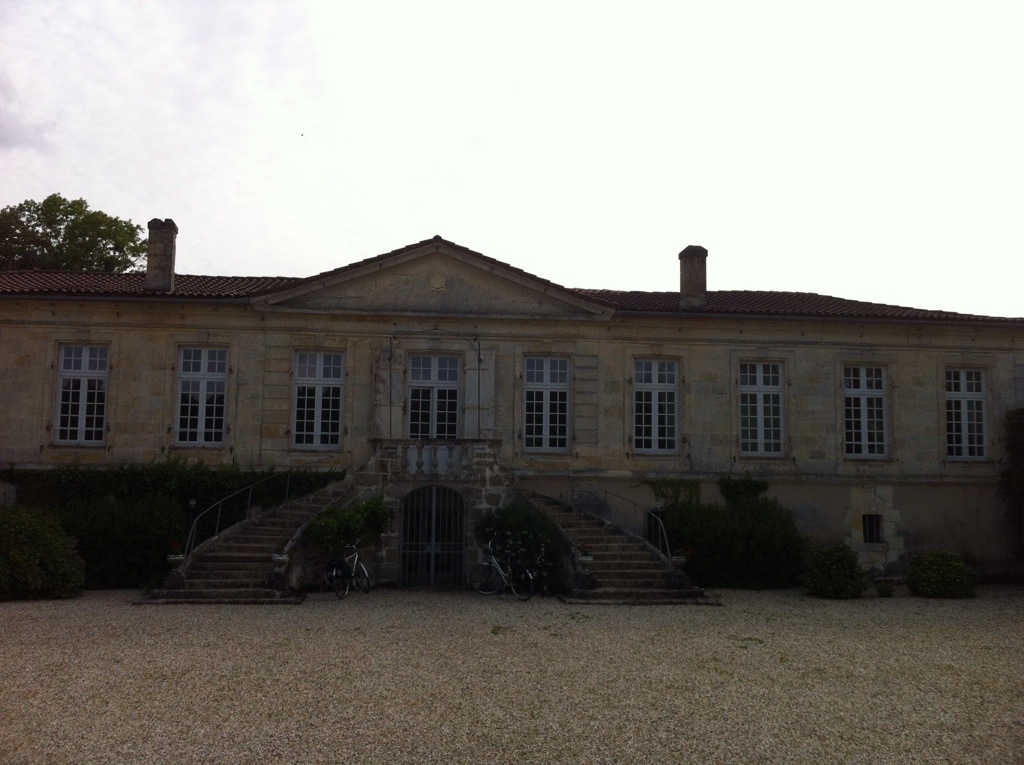
We are staying at Chateau de Montigney-Rabey – the couple that own it, Bridgette & Jean Claude, have fully restored it – it took them six years. The chateau was built in 1765. It is lovely and we have this very large room with beautiful amenities. Bridgette doesn’t speak a lot of english but we managed to have a very animated conversation until Jean Claude came home. The property overlooks the Garonne River and we saw a tourist boat go by. Bridgette was then trying to tell us about the Airbus going up the river – we thought she meant that the planes fly over but when Jean Claude came home we learnt that the use the river to ship the parts for the A380’s that are being assembled in Toulouse. They are too big to go by road so they use the river.

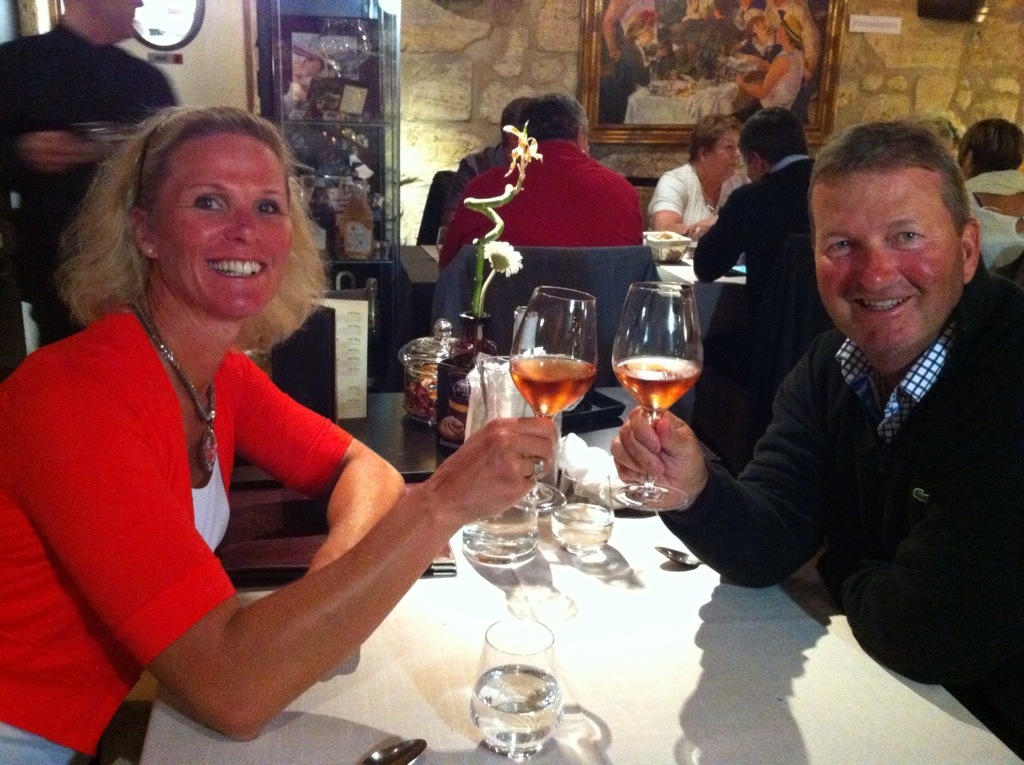
There is only one restaurant in Isle St Georges – Le Petit Caboulet which is 2km from the Chateau. We rode our bikes to dinner. Again the meal was delicious – so tasty and so well presented. Definitely loving the french food. We sampled another Bordeaux Rose with our meal and were not disappointed. It gets dark about 9.40pm so we thought we better set off on our bikes before it was pitch black. Steve’s bike has a light but mine doesn’t. Home safely tucked up in our very large bed feeling like royalty : )

20140525-200748-72468390.jpg

20140525-200804-72484524.jpg

20140525-200831-72511985.jpg

20140525-200842-72522188.jpg

20140525-200852-72532810.jpg

20140525-200902-72542813.jpg

20140525-200912-72552254.jpg

20140525-200926-72566238.jpg

20140525-200934-72574805.jpg

20140525-200947-72587801.jpg

20140525-200954-72594763.jpg

Posted in France | Leave a comment