Epcot – Disney World, Orlando – Florida, USA

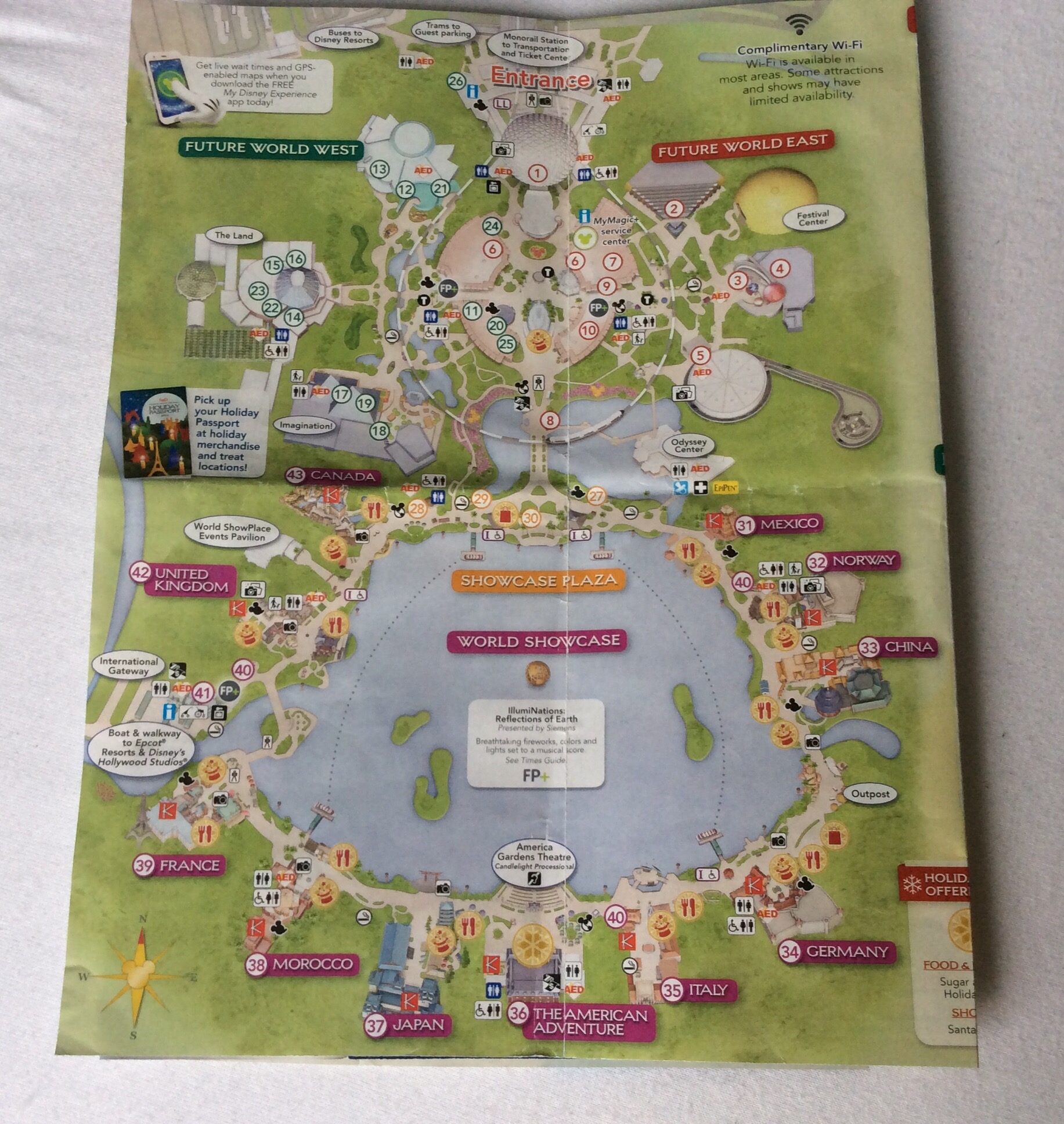
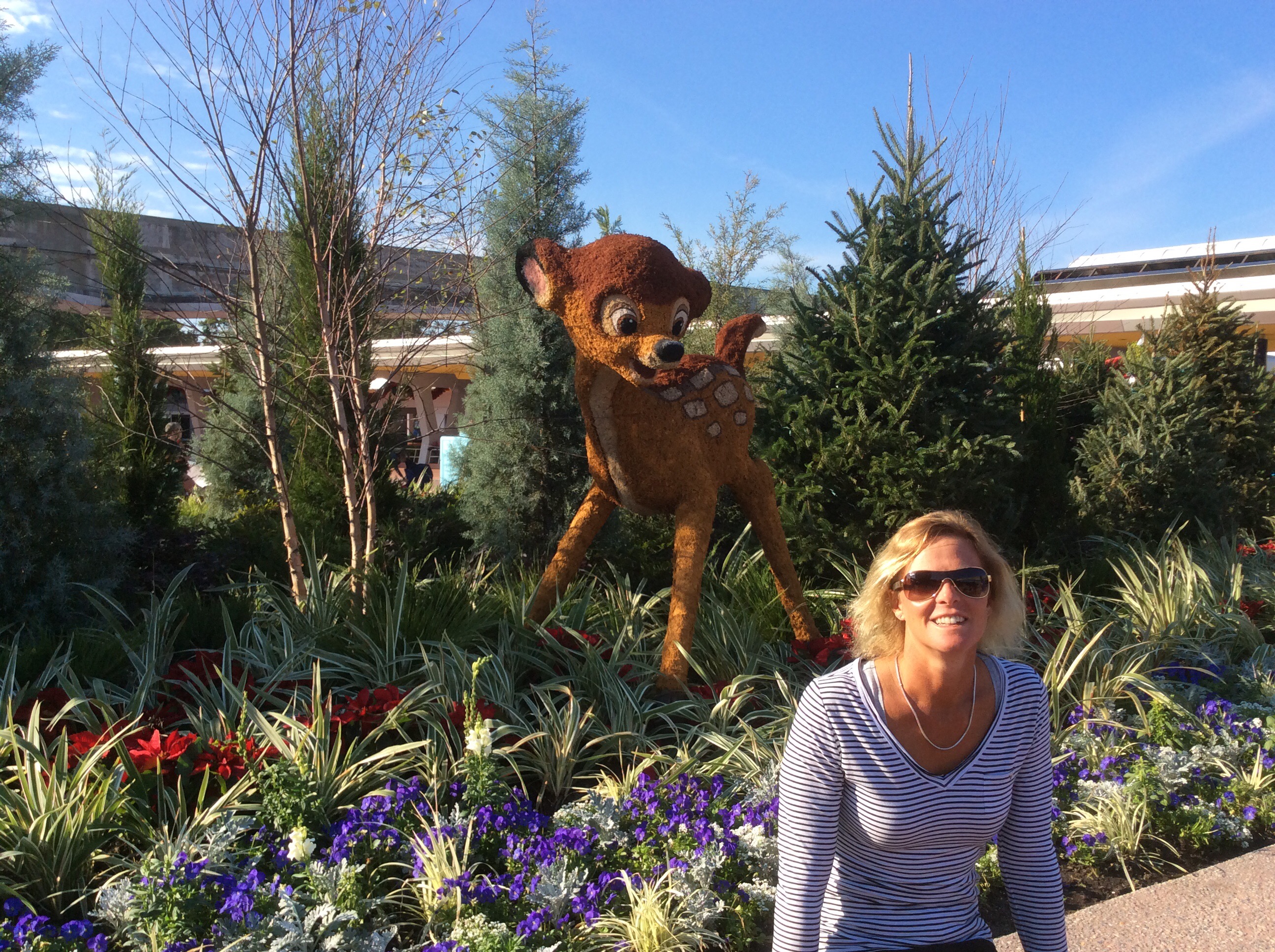
Epcot is the second of four theme parks built at Walt Disney World in Bay Lake, Florida, near Orlando, Florida. It opened as EPCOT Center on October 1, 1982, and spans 300 acres (120 ha), more than twice the size of the Magic Kingdom park. It is dedicated to the celebration of human achievement, namely technological innovation and international culture, and is often referred to as a “Permanent World’s Fair.” In 2013, the park hosted approximately 11.22 million guests, making it the fifth most visited theme park in the world. The park is represented by Spaceship Earth, a geodesic sphere that also serves as an attraction.

/home/wpcom/public_html/wp-content/blogs.dir/eb7/67251693/files/2014/12/img_2698.jpg

/home/wpcom/public_html/wp-content/blogs.dir/eb7/67251693/files/2014/12/img_2641.jpg

/home/wpcom/public_html/wp-content/blogs.dir/eb7/67251693/files/2014/12/img_2639.jpg

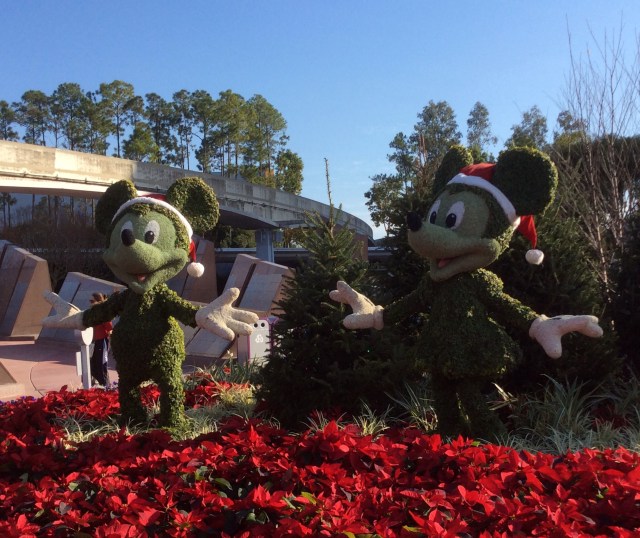
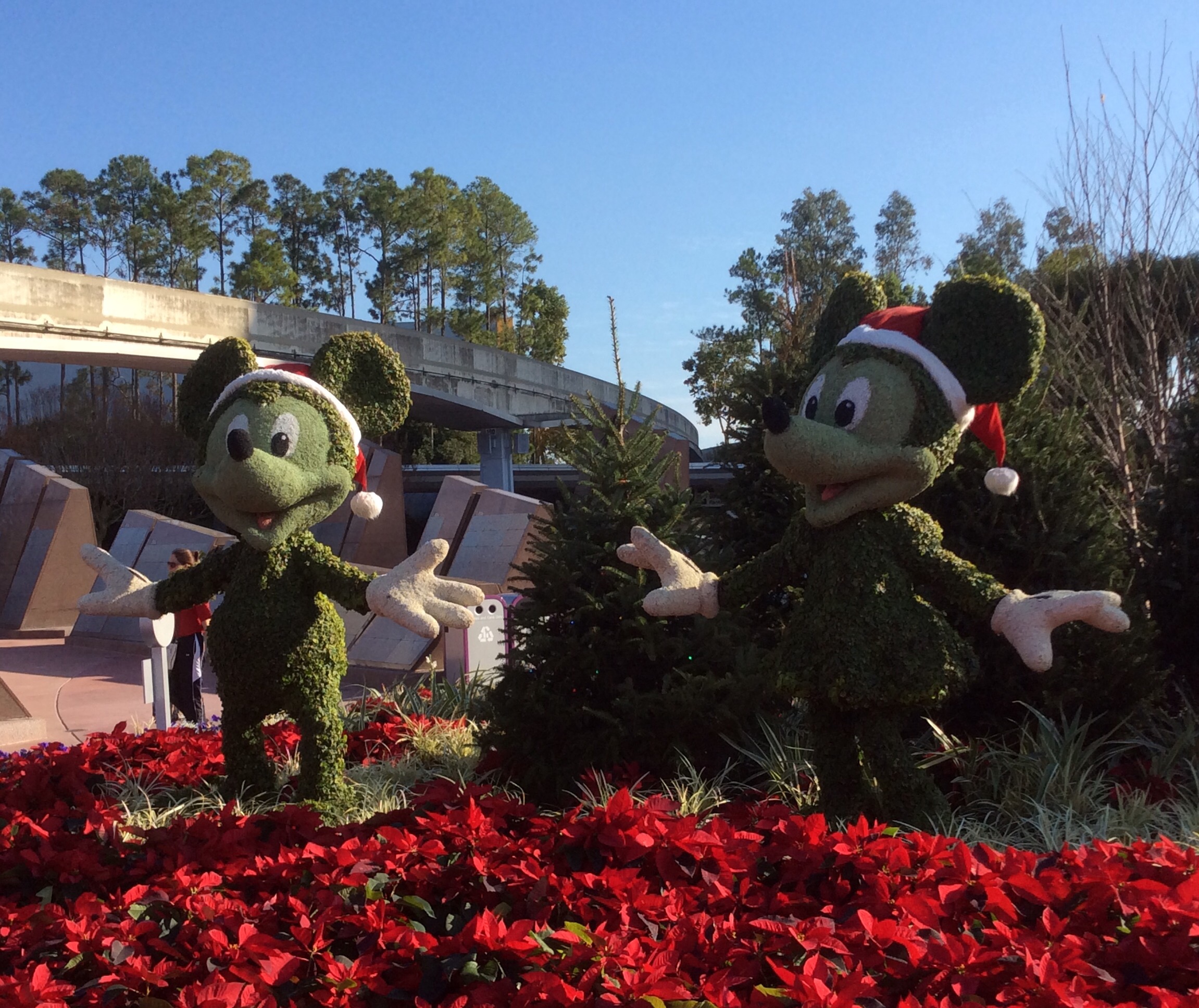
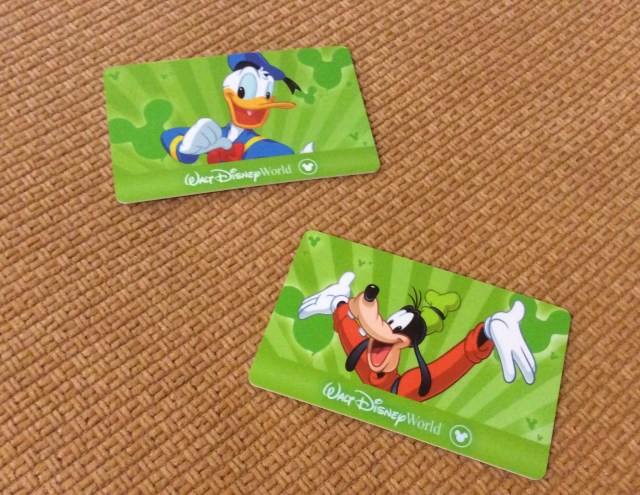
Although I would have loved to have met Mickey & Minnie we decided that theme parks and rides were not really our thing. Epcot came highly recommended by a few people that we had met so we decided that was the Disney park for us. We got there early but already people were streaming in. Cars were lining up in the carpark one after the other – the carpark has capacity for 11,000 cars.

First stop was The Perfect Storm where they replicate a storm and show you the effects on a standard house. You then do a quiz where you select the best construction methods etc… and they replicate the storm again to see how your newly constructed home stands up to the storm. It was really interesting and we are pleased that we generally don’t suffer such extreme conditions in NZ.

We then went on Ellen’s Energy Adventure. Ellen DeGeneres’ is a contestant in a game show about energy and she has no idea. She then has a dream which the audience get to be part of and you go on a journey through the ages learning about the early energy sources and then the more modern sources. You sit in blockades of seats that move so you go beyond the screen where they have moving dinosaurs etc… before returning to the 360 degree theatre where you think you are moving through the jungles etc… It is very well done.

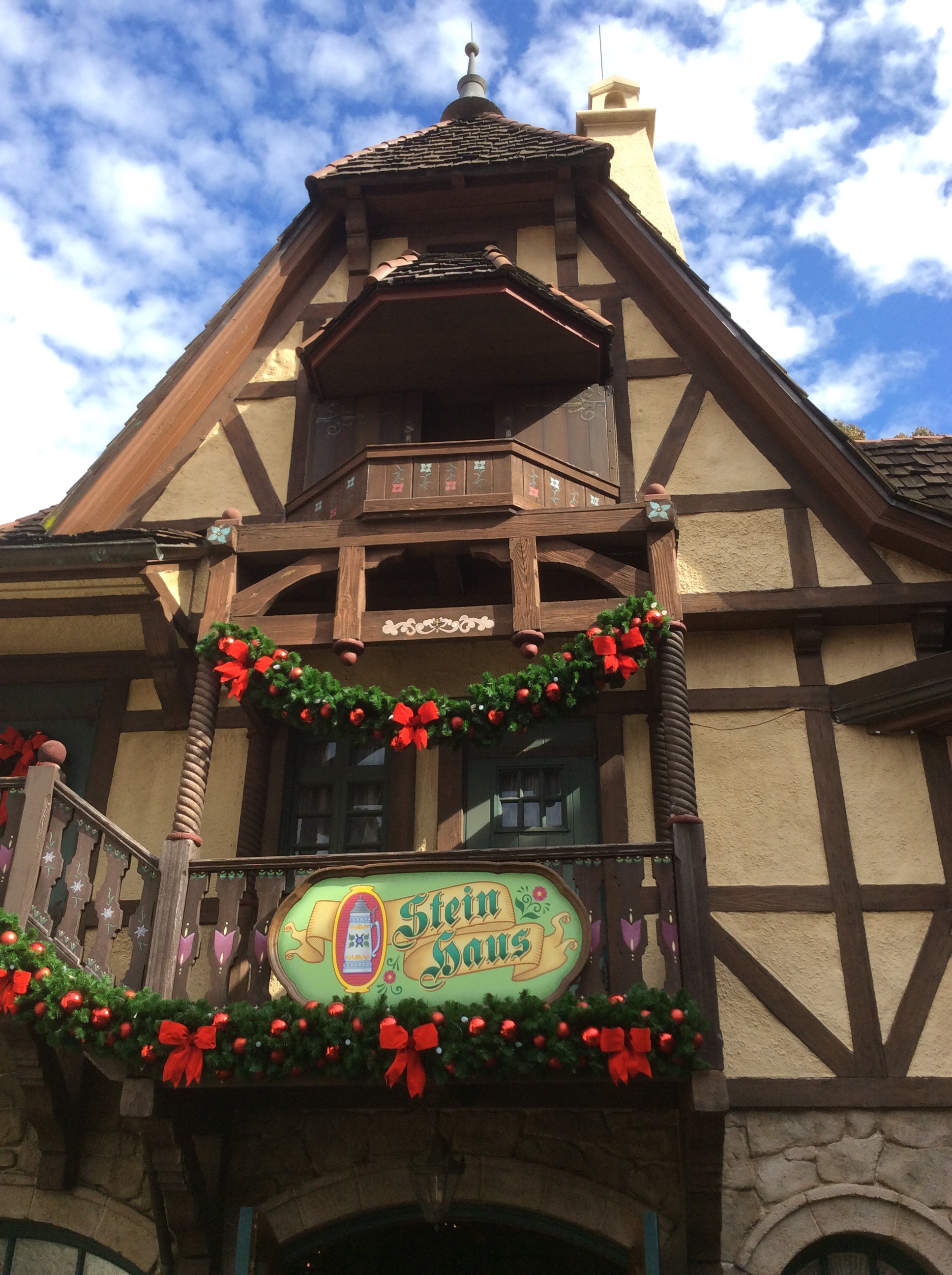
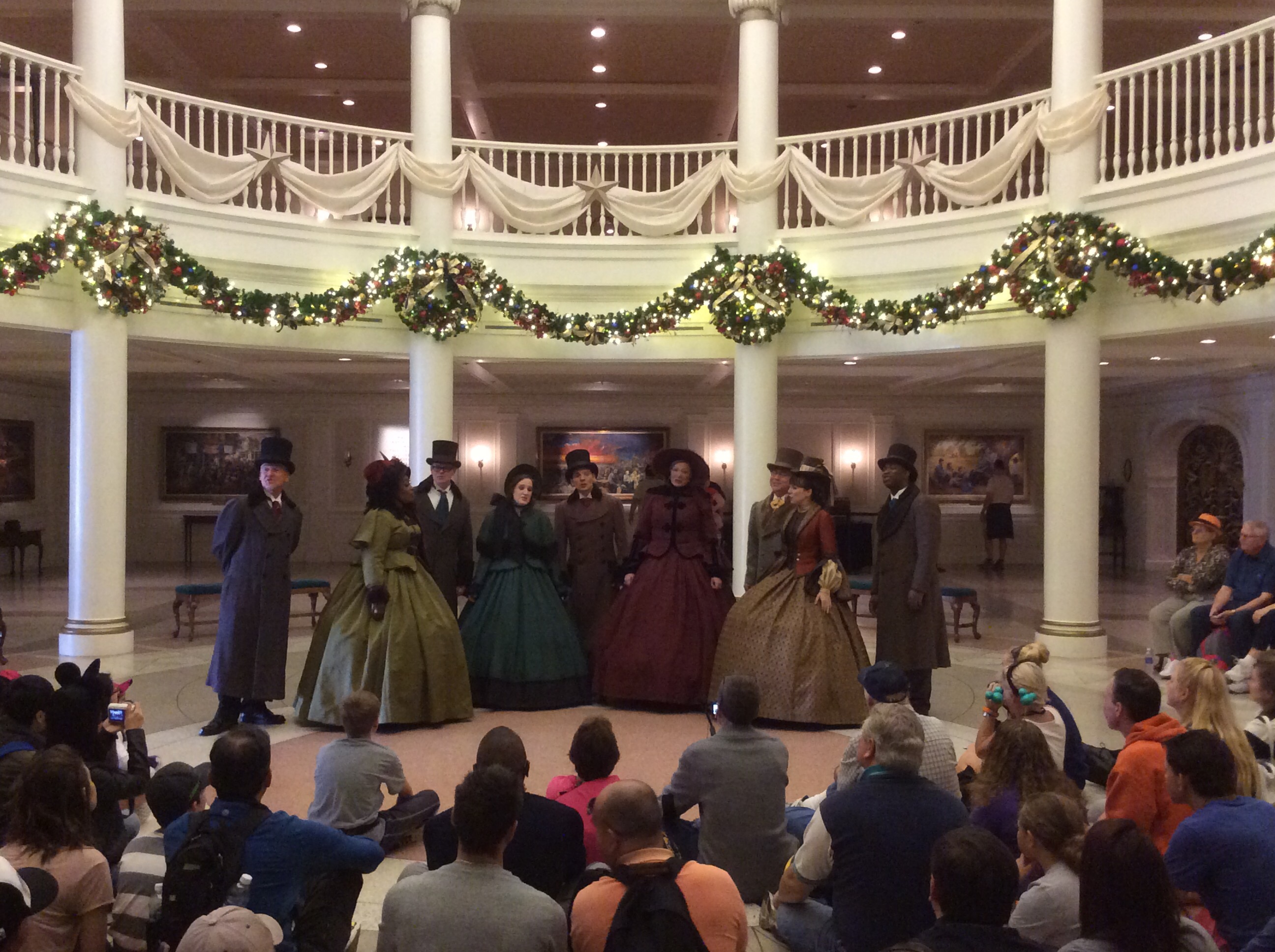
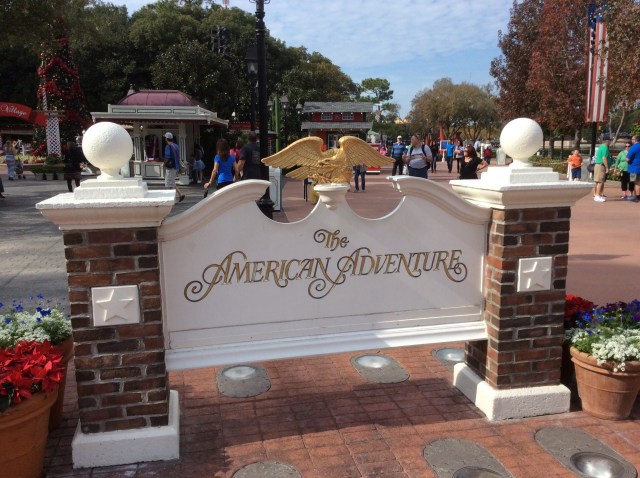
We then went to the World Showcase where they have various countries on display – they showcase some of the traditions of each country amongst a village replicating the type of buildings you would find in that country. Each village had a Christmas theme given the time of the year. Most of the country set ups had a 360 degree theatre where they showed a movie highlighting the country’s key features. We went to the Chinese and Canadian ones. We also went to The American Adventure where they explore the past and future through film, music and audio animatronics.

/home/wpcom/public_html/wp-content/blogs.dir/eb7/67251693/files/2014/12/img_2608.jpg

/home/wpcom/public_html/wp-content/blogs.dir/eb7/67251693/files/2014/12/img_2615.jpg

/home/wpcom/public_html/wp-content/blogs.dir/eb7/67251693/files/2014/12/img_2616.jpg

/home/wpcom/public_html/wp-content/blogs.dir/eb7/67251693/files/2014/12/img_2620.jpg

/home/wpcom/public_html/wp-content/blogs.dir/eb7/67251693/files/2014/12/img_2622.jpg
It was a very enjoyable day out where we also learnt a thing or two.
/home/wpcom/public_html/wp-content/blogs.dir/eb7/67251693/files/2014/12/img_2630.jpg

/home/wpcom/public_html/wp-content/blogs.dir/eb7/67251693/files/2014/12/img_2634.jpg

/home/wpcom/public_html/wp-content/blogs.dir/eb7/67251693/files/2014/12/img_2637.jpg

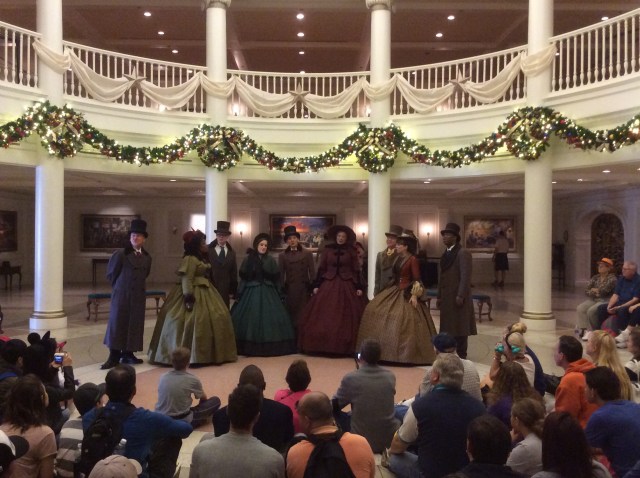
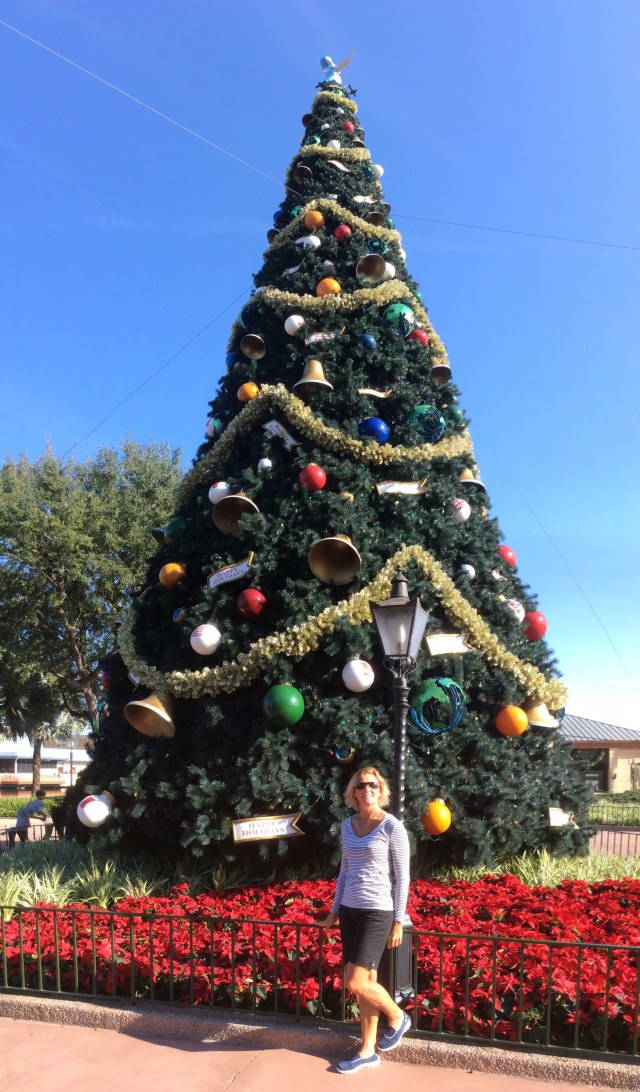
Because it was Christmas they were highlighting the Christmas traditions around the world:

Mexico
In Mexico, Christmas is celebrated from the December 12th to January 6th.

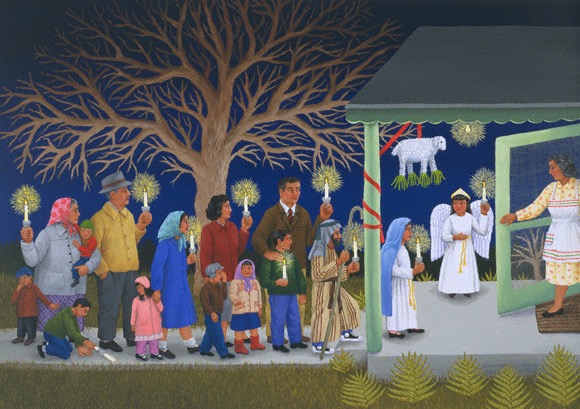
From December 16th to Christmas Eve, children often perform the ‘Posada’ processions or Posadas. Posada is Spanish for Inn or Lodging. There are nine Posadas. These celebrate the part of the Christmas story where Joseph and Mary looked for a room in an Inn. For the Posadas, the outside of houses are decorated with evergreens, moss and paper lanterns.

In each Posada, children are given candles and a board, with painted clay figures of Mary riding on a donkey and Joseph, to process round the streets with. They call at the houses of friends and neighbors and sing a song at each home. The song they sing is about Joseph and Mary asking for a room in the house. But the children are told that there is no room in the house and that they must go away. Eventually they are told there is room and are welcomed in! When the children go into the house they say prayers of thanks and then they have a party with food, games and fireworks.

Each night a different house hold the Posada party. At the final Posada on Christmas Eve, a manger and figures of shepherds are put on to the board. When the Posada house has been found, a baby Jesus is put into the manger and then families go to a midnight Church service. After the Church service there are more fireworks to celebrate the start of Christmas.

Christmas Eve is known as ‘Noche Buena’ and is a family day. People often take part in the final Posada and then in the evening have the main Christmas meal. At midnight, many people go to a Midnight Mass service, known as the ‘Misa de Gallo’ (Mass of the Rooster). There are lots of fireworks to celebrate Christmas Day.

In some states in Mexico children expect Santa Claus to come on December 24th. In the south of Mexico children expect presents on January 6th at Epiphany, which is known as ‘el Dia de los Reyes’.

On el Dia de los Reyes the presents are left by the Three Kings (or Magi). If you’ve had a visit from Santa on Christmas Eve, you might also get some candy on el Dia de los Reyes!

It’s traditional to eat a special cake called ‘Rosca de Reyes’ (Three Kings Cake) on Epiphany. A figure of Baby Jesus is hidden inside the cake. Whoever has the baby Jesus in their piece of cake is the ‘Godparent’ of Jesus for that year.
/home/wpcom/public_html/wp-content/blogs.dir/eb7/67251693/files/2014/12/img_2686.jpg

Norway
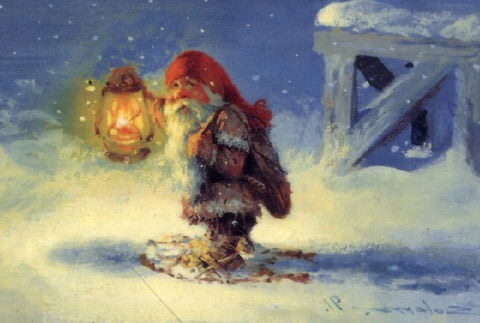
Christmas Eve is the time when presents are exchanged. The gifts are sometimes brought by Santa Claus (called ‘Julenissen’ in Norway). Presents are also brought by the small gnomes called ‘Nisse’. There are also hobgoblins (Nisse) decorations. Children pick up the presents from under the Christmas Tree and read the cards on the presents out loud.

As in Finland, a sheaf of wheat is often left out for the birds to eat over Christmas. Also a type of rice porridge is sometimes left for the ‘Nisse’ who is believed to guard the farm animals.

In some parts of Norway, children like to go carol singing and most children do! Often children will dress up as characters from the Christmas Story, such as the Shepherds and Wise Men, and go singing from house to house in their local neighbourhood. Sometimes they carry with paper stars on them.

Another tradition in parts of Norway is that families light a candle every night from Christmas Eve to New Year’s Day.

Maybe the most famous custom about Christmas in Norway is the big Christmas Tree that Norway gives to the UK every year. The tree is given as a present to say ‘thank you’ for the help that the people of the UK gave to Norway during World War II. The tree stands in Trafalgar Square in the middle of London and often hundreds of people come to watch when the lights are turned on.

Many different types of cakes and biscuits are eaten over the Christmas period in Norway. One of the most popular is a special bread called ‘Julekake’ that has raisins, candied peel and cardamom in it. Rice Porridge is eaten on Christmas Eve either as a meal at lunchtime (served with butter, sugar and cinnamon) or as a dessert to the main evening meal (with whipped cream mixed in!). If you find an almond in your portion you’re traditionally given a pink or white marzipan pig.

The main meal is normally pork or mutton ribs served with ‘surkal’ (white or red cabbage, finely chopped and cooked with caraway seeds and vinegar) and potatoes.
/home/wpcom/public_html/wp-content/blogs.dir/eb7/67251693/files/2014/12/img_2687.jpg

China
In China, only about one percent of people are Christians, so most people only know a few things about Christmas. Because of this, Christmas is only often celebrated in the major cities. In these big cities there are Christmas Trees, lights and other decorations on the streets and in department stores. Santa Claus is called ‘Shen Dan Lao Ren’ and has grottos in shops like in Europe and America.

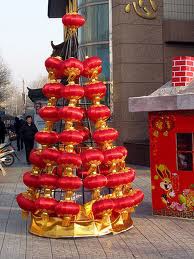
One a few people have a Christmas Tree (or celebrate Christmas at all!). If people do have a tree it is normally a plastic one and might be decorated with paper chains, paper flowers, and paper lanterns (they might also call it a tree of light). The Christmas Trees that most people would see would be in shopping malls!

Christmas isn’t that widely celebrated in the rural areas of China, but it’s becoming more well known.

The strange thing is that most of the world’s plastic Christmas Trees and Christmas decorations are made in China, but the people making them might not know what they are for!!!

A tradition that’s becoming popular, on Christmas Eve, is giving apples. Many stores have apples wrapped up in colored paper for sale. People give apples on Christmas Eve because in Chinese Christmas Eve is called ‘Ping An Ye’ (which means quiet or silent night) and the word for apple in Chinese is ‘Ping Guo’ which sounds similar.

Some people go Carol singing, although not many people understand them or know about the Christmas Story. Jingle Bells is a popular Carol in China!

People who are Christians in China go to special services. Going to Midnight Mass services has become very popular.
/home/wpcom/public_html/wp-content/blogs.dir/eb7/67251693/files/2014/12/img_2688.jpg

Germany
A big part of the Christmas celebrations in Germany is Advent. Several different types of Advent calendars are used in German homes. As well as the traditional one made of card that is used in many countries, there are ones made out of a wreath of Fir tree branches with 24 decorated boxes or bags hanging from it. Each box or bag has a little present in it. Another type is called a ‘Advent Kranz’ and is a ring of fir branches that has four candles on it. This is like the Advent candles that are sometimes used in Churches. One candle is lit at the beginning at each week of Advent.

Christmas Trees are very important in Germany. They were first used in Germany during the Middle Ages. If there are young children in the house, the trees are usually secretly decorated by the Mother of the family. The Christmas tree was traditionally brought into the house on Christmas eve.

Christmas Eve is the main day when Germans exchange presents with their families.

In some parts of Germany, mainly the south east of the country, children write to the ‘Christkind/Christkindl’ (‘The Christ Child’ in English) asking for presents. The letters to the Christkind are decorated with sugar glued to the envelope to make them sparkly and attractive to look at. Children leave the letters on the windowsill at the beginning of or during Advent.

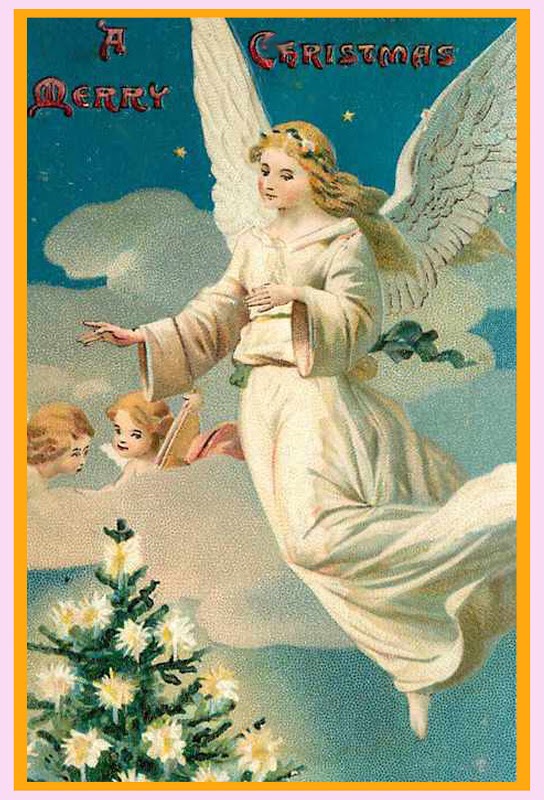
The Christkind is often described as a young girl with ‘Christ like’ qualities. In Nürnberg a young girl is chosen every year to participate in a parade as the Christkind. She wears a long white and gold dress, has long blond curly hair and wears a gold crown and sometimes wings like an angel. This is similar to St Lucia is Sweden. (And it can seem a bit confusing calling the ‘Christ Child’, Jesus, a girl!)

The Nürnberg Christkind officially opens the Christmas market on the Friday before Advent starts. And before Christmas she has over 150 ‘official duties’ including visiting hospitals, old people’s homes and children’s nurseries! She also has to give TV interviews and visit other cities.

Santa Claus or Father Christmas (der Weihnachtsmann) brings the presents on December 24th. You might also write a letter to Weihnachtsmann in other parts of Germany. December 6th is St. Nicholas’ Day and “der Nikolaus” brings some small gifts, such as sweets and chocolate, to the children. He comes in the night between the 5th and the 6th and puts the presents into the shoes of the children, who usually place them by their doors on the previous evening. In some regions of Germany, there is a character called “Knecht Ruprecht” or “Krampus” who accompanies Nikolaus (St. Nicholas) on the 6th of December. He is big horned monster clothed in rags and carries a birch. He will punish the children who were bad and will give them a birch as a present. He is usually the one who scares the little children. In other parts of Germany, St. Nicholas is followed by a small person called “Schwarzer Peter” (Black Peter) who carries a small whip. Black Peter also accompanies St. Nicholas or Sinterklaas in Holland. In north west Germany Santa is joined by Belsnickel a man dressed all in fur.

Some people say that Santa/Father Christmas (Weihnachtsmann) brings the presents and some say it is Christkind!

At small work places and school parties, secret presents are often exchanged. A door is opened just wide enough for small presents to be thrown into the room. The presents are then passed around among the people until each person has the correct present! It is thought to be bad luck to find out who sent each present.
/home/wpcom/public_html/wp-content/blogs.dir/eb7/67251693/files/2014/12/img_2689.jpg
Italy
“Natale con i tuoi, Pasqua con chi vuoi”

This old Italian verse truly expresses the strong feelings the Italian people have for the celebration of Christmas. It means:

“You celebrate Easter with whomever you please, but Christmas only with your own.”

Christmas is often described as the warmest, most intimate Italian holiday because it is a special time when family members get together to enjoy age old traditions.

On Christmas Eve, a ceremony takes place around the presepio, a nativity scene of Bethlehem. Then after Midnight Mass. there is a cenone, which is a delicious feast of Italian food.

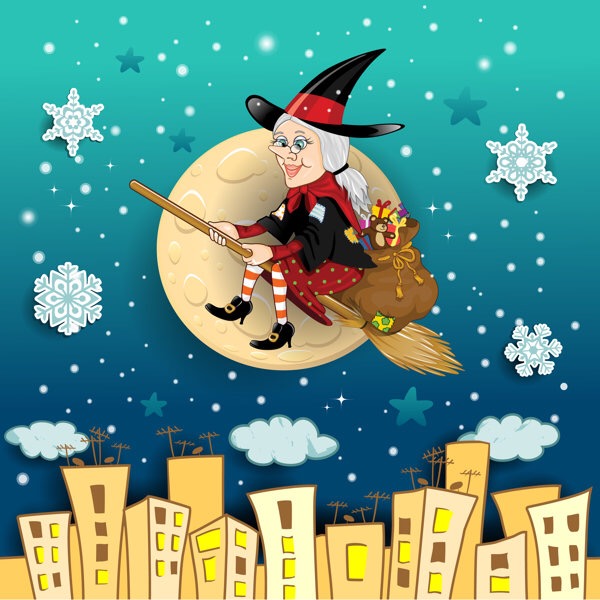
Children eagerly the presents brought to them by a good hearted witch called La Befana. She is the Christmas gift giver who climbs down chimneys to fill good children’s shoes with treats. Naughty children may find a lump of coal instead.

Unlike Santa Claus, who appears on Christmas Eve. La Befana arrives on the eve of Epiphany. Year after year, La Befana wanders the countryside looking for Gesu Bambino, the baby Jesus and leaves gifts incase she finds him.
/home/wpcom/public_html/wp-content/blogs.dir/eb7/67251693/files/2014/12/img_2690.jpg

America
The United States of America has many different traditions and ways that people in celebrate Christmas, because of its multi-cultural nature. Many customs are similar to ones in the UK, France, Italy, Holland, Poland and Mexico.

The traditional meal for Western European families is turkey or ham with cranberry sauce. Families from Eastern European origins favour turkey with trimmings, keilbasi (a Polish sausage), cabbage dishes, and soups; and some Italian families prefer lasagne!

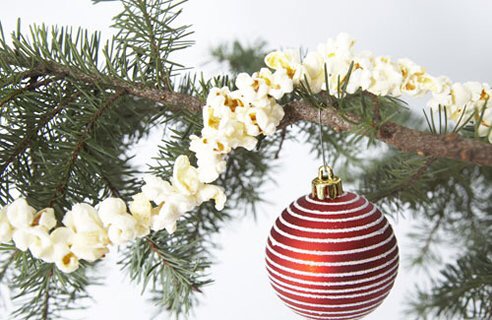
Some Americans use pop-corn threaded on string to help decorate their Christmas Tree!
/home/wpcom/public_html/wp-content/blogs.dir/eb7/67251693/files/2014/12/img_2691.jpg

Hanukkah
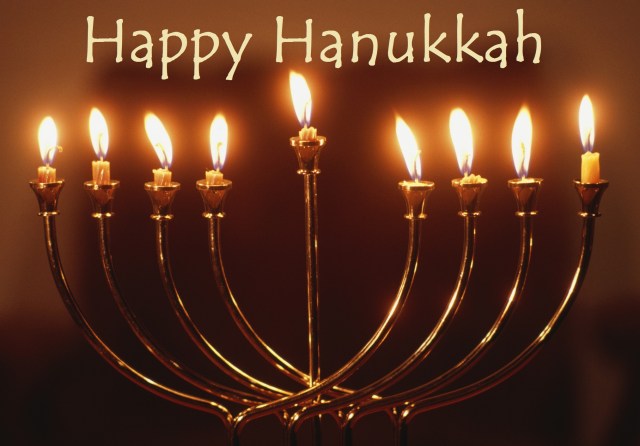
Hanukkah is the annual Jewish festival celebrated on eight successive days beginning on the 25th day of Kislev, the third month of the Jewish calendar, corresponding approximately to December in the Gregorian calendar. It is also known as the Festival of Lights, Feast of Dedication and Feast of Maccabees.

It commemorates the re dedication of the Temple of Jerusalem by Judah Maccabee in 165 B.C. after the Temple had been profaned by Antiochus IV Epiphanes, King of Syria and overlord of Palestine.

After having recovered Jerusalem and the Temple, Judah ordered the Temple to be cleansed, a new altar to be built in place of the polluted one and new holy vessels to be made. According to Talmud, oil was needed to keep the menorah in the Temple burning. There was only enough oil to burn for one day, yet miraculously it burned for eight days, the time needed to prepare a fresh supply of oil for the menorah.

The eight day festival of Hanukkah was declared to commemorate this miracle.
/home/wpcom/public_html/wp-content/blogs.dir/eb7/67251693/files/2014/12/img_2692.jpg

Japan
O-Shogatsu, which lasts January 1st through January 3rd, is the traditional Japanese New Year. It is a time of reflection, family, friends, delicious foods and of course fun!

An important New Year symbol and good luck charm for the Japanese is the Daruma doll, which has no pupils in it’s eyes. Tradition is to make a wish and paint the pupil of the left eye. If your wish comes true before the end of the year , you paint in the right pupil. The Daruma, which looks like a child’s punching doll, reinforces the concepts of patience and persistence. As the Japanese say, “Nana Korobi, ya oki” which means “Knocked down seven times, get up eight.”

Bell ringing is also a big part of the O-Shogatsu. The Japanese New Year is announced by bell ringing at the Buddhist temples throughout the country.

A special New Year’s decoration called the Kadomatsu appears at the front entrance to many homes. The Kadomatsu’s plum blossom, which grows even in cold weather symbolises hope for the New Year. It’s pine branch represents everlasting strength, and the straight bamboo represents rapid growth.

Everyone in Japan enjoys the spirit of O-Shogatsu and the symbolism and beautiful customs in the New Year.

/home/wpcom/public_html/wp-content/blogs.dir/eb7/67251693/files/2014/12/img_2693.jpg

Morocco
Christmas in Morocco is not widely celebrated as the majority of the people in Morocco are Muslim. They regard Jesus Christ as a prophet but do not celebrate his birthday in an immense way.

France
In France, a Nativity crib is often used to help decorate the house. French cribs have clay figures in them, not wooden ones. During December, some towns and cities such as Marseilles have fairs that sell Nativity figures. As well as having the normal Nativity figures in them, French scenes also have figures such as a Butcher, a Baker, a Policeman and a Priest.

In French Happy/Merry Christmas is ‘Joyeux Noël’. In Breton (spoken by some people in Brittany, Northern France) it’s ‘Nedeleg Laouen’ and in Corsican it’s ‘Bon Natale’. Happy/Merry Christmas in lots more languages.

Yule Logs made out of Cherry Wood are often burned is French homes. The log is carried into the home on Christmas Eve and is sprinkled with red wine to make the log smell nice when it is burning. There is a custom that the log and candles are left burning all night with some food and drinks left out in case Mary and the baby Jesus come past during the night.

In France, Father Christmas / Santa Claus / St. Nicholas is called Père Noël (Father Christmas). In eastern France he is accompanied by Le Pere Fouettard, a man dressed in black. He might be the same person as Zwarte Piet in Holland.

The main Christmas meal, called Réveillon, is eaten on Christmas Eve/early Christmas morning after people have returned from the midnight Church Service. Dishes might include roast turkey with chestnuts or roast goose, oysters, foie gras, lobster, venison and cheeses. For dessert, a chocolate sponge cake log called a bûche de Noël is normally eaten.

/home/wpcom/public_html/wp-content/blogs.dir/eb7/67251693/files/2014/12/img_2694.jpg

UK
Many wonderful Christmas traditions originated in the countries of the United Kingdom: England, Northern Ireland, Scotland and Wales. Each have unique holiday customs, and many of these have been shared around worldwide. Well known Christmas carol’s like “Deck the Halls” and “Here we come a Wassailing” were first sung in the United Kingdom.

The tradition of Christmas cards also began in the United Kingdom. In 1843, John Calcott Horsley sent a card depicting an English family brimming with cheer to his friend Sir Henry Cole. The original card caught the attention of a British gift book company, which published a thousand lithographed copies and sold them for a shilling each.

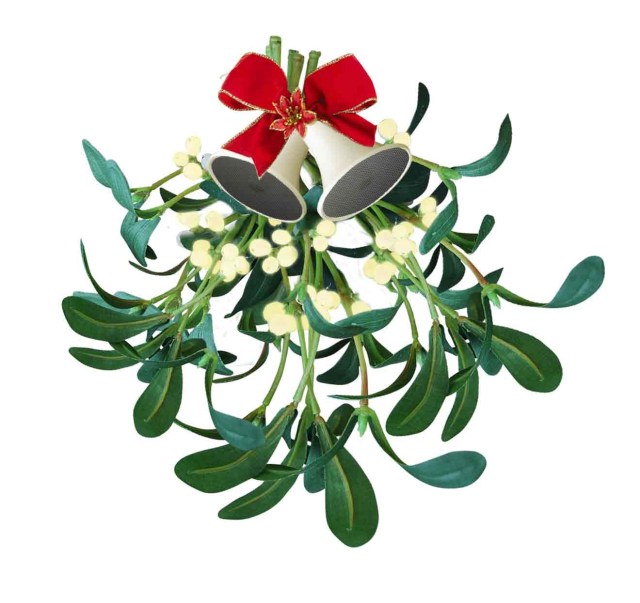
Not surprisingly, the hanging of Mistletoe is one of the United Kingdom’s oldest and most popular traditions dating back to Druidic ceremonies of the Winter Solstice. Each time a kiss was claimed under the mistletoe, the young man would pick off one berry. The kissing would end when all the berries were gone!

For children, Father Christmas with his long white beard, green robe and crown of holly is still treasured as the jolly gift bearer who brings holiday joy to the well behaved.
/home/wpcom/public_html/wp-content/blogs.dir/eb7/67251693/files/2014/12/img_2695.jpg

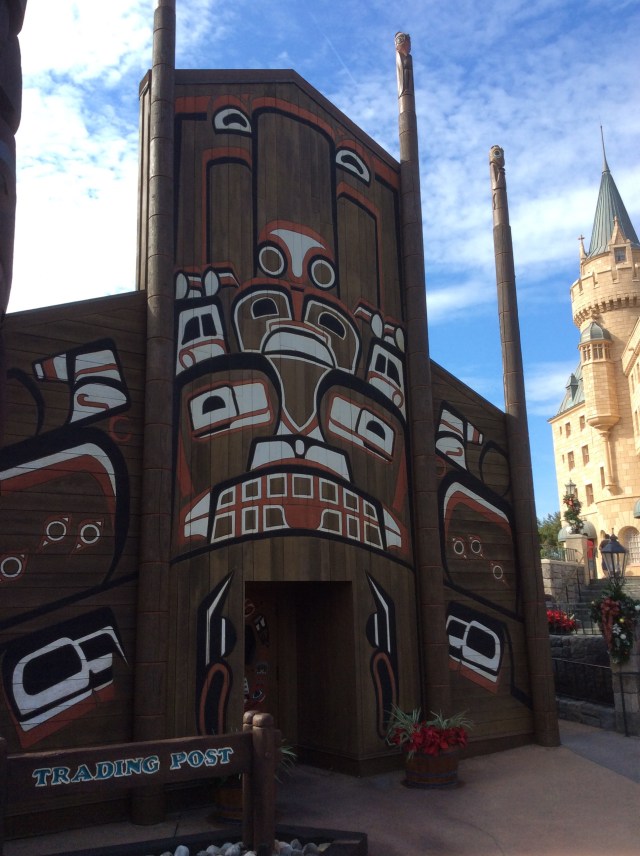
Canada
Canada is a very large country and people of many different cultural backgrounds live there. Because of this, there are lots of different Christmas traditions in Canada. Many of the traditions and celebrations come from French, English, Irish, Scottish, German and native/first nation influences.

The Eastern Canadian province of Nova Scotia is known all over the world for its fir and pine Christmas Trees, so most families in Canada have a fir or pine Christmas Tree. One Canadian tradition is to send the biggest, best fir tree (grown in Nova Scotia) to Boston, USA because of the assistance given during the disaster, known worldwide, as the Halifax Explosion. This tradition has carried on for many years. Bostonians always love and appreciate the Nova Scotian Christmas tree. They place this tree in the city and then light it during a ceremony to begin the Christmas season.

People in Canada send Christmas Cards to their friends and family.

In northern Canada, some people plan a Taffy Pull. This is held in honour of Saint Catherine, the patron saint of single women. This party provides an opportunity for single women to meet eligible single men!

Many Canadians open their gifts on Christmas Eve. Some only open their stocking on Christmas Eve. Others choose one gift to open, then save the rest until Christmas Day.

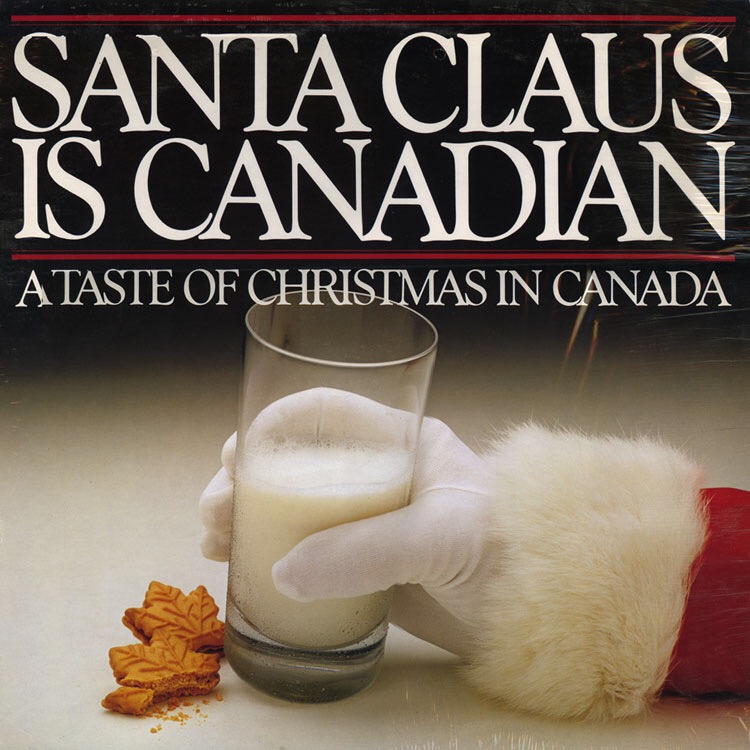
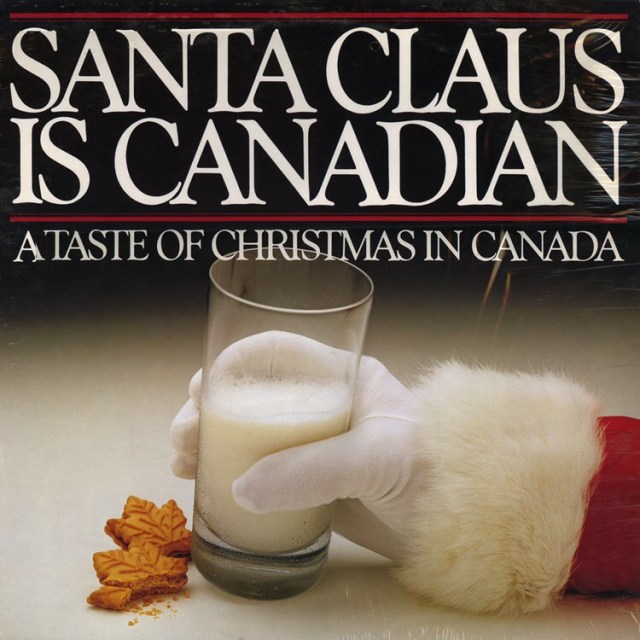
Canadian children also believe in Santa Claus. Canadians are especially proud to say that their country is the home of Santa Claus. (Although I’m sure the people in Finland would disagree!!)

The Santa Claus Parade in Toronto is one of the oldest and largest Santa parades in the world! It started in 1913 when Santa was pulled through the streets of Toronto. Children along the route followed Santa and marched along with him. It’s been taking place for over 100 years and now is a huge event with over 25 animated floats and 2000 people taking part! It’s broadcast on TV around the world.
/home/wpcom/public_html/wp-content/blogs.dir/eb7/67251693/files/2014/12/img_2696.jpg

Posted in Florida, USA | 2 Comments

Grand Cypress Golf Resort – The New Course, Orlando – Florida, USA

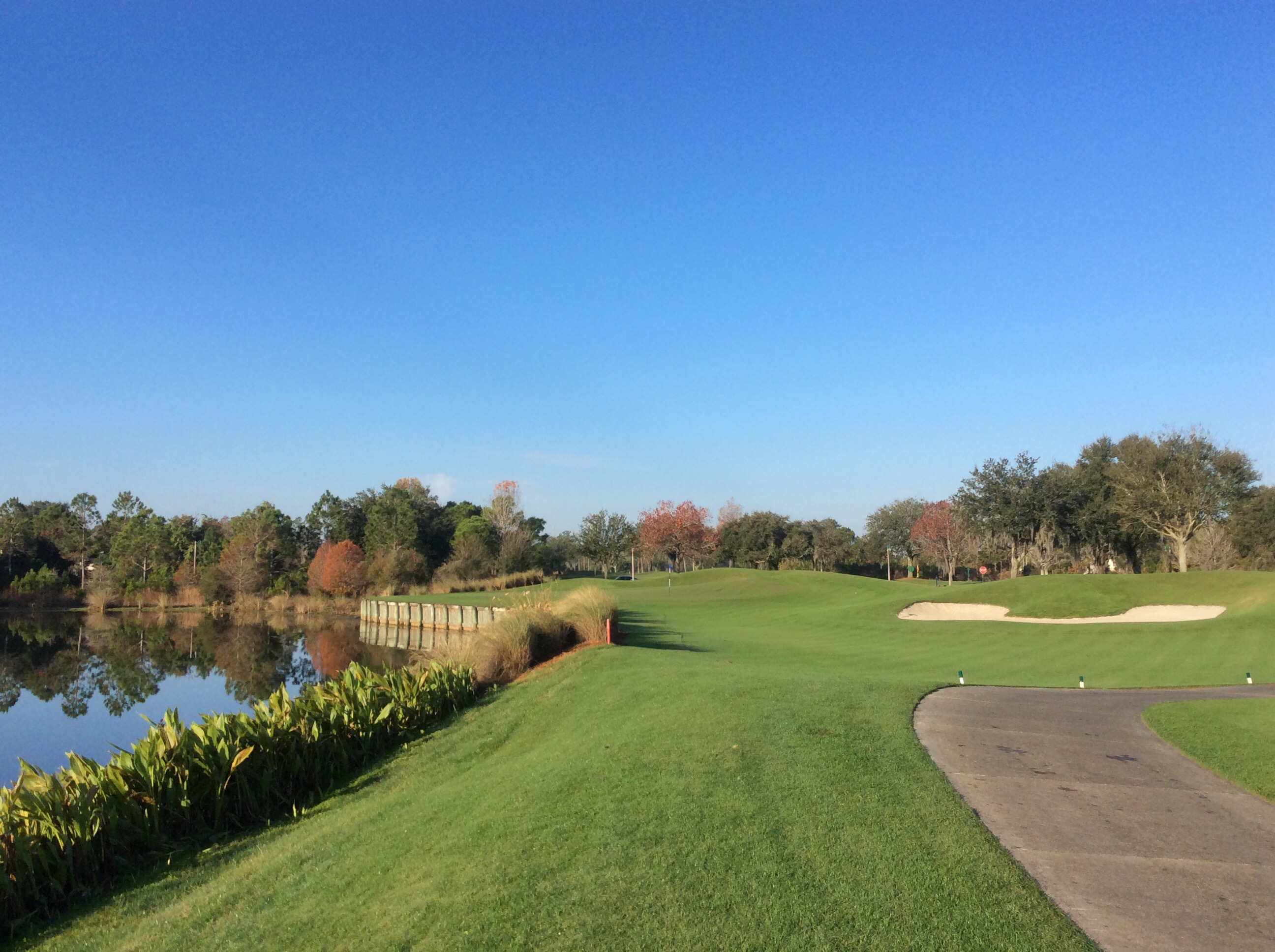
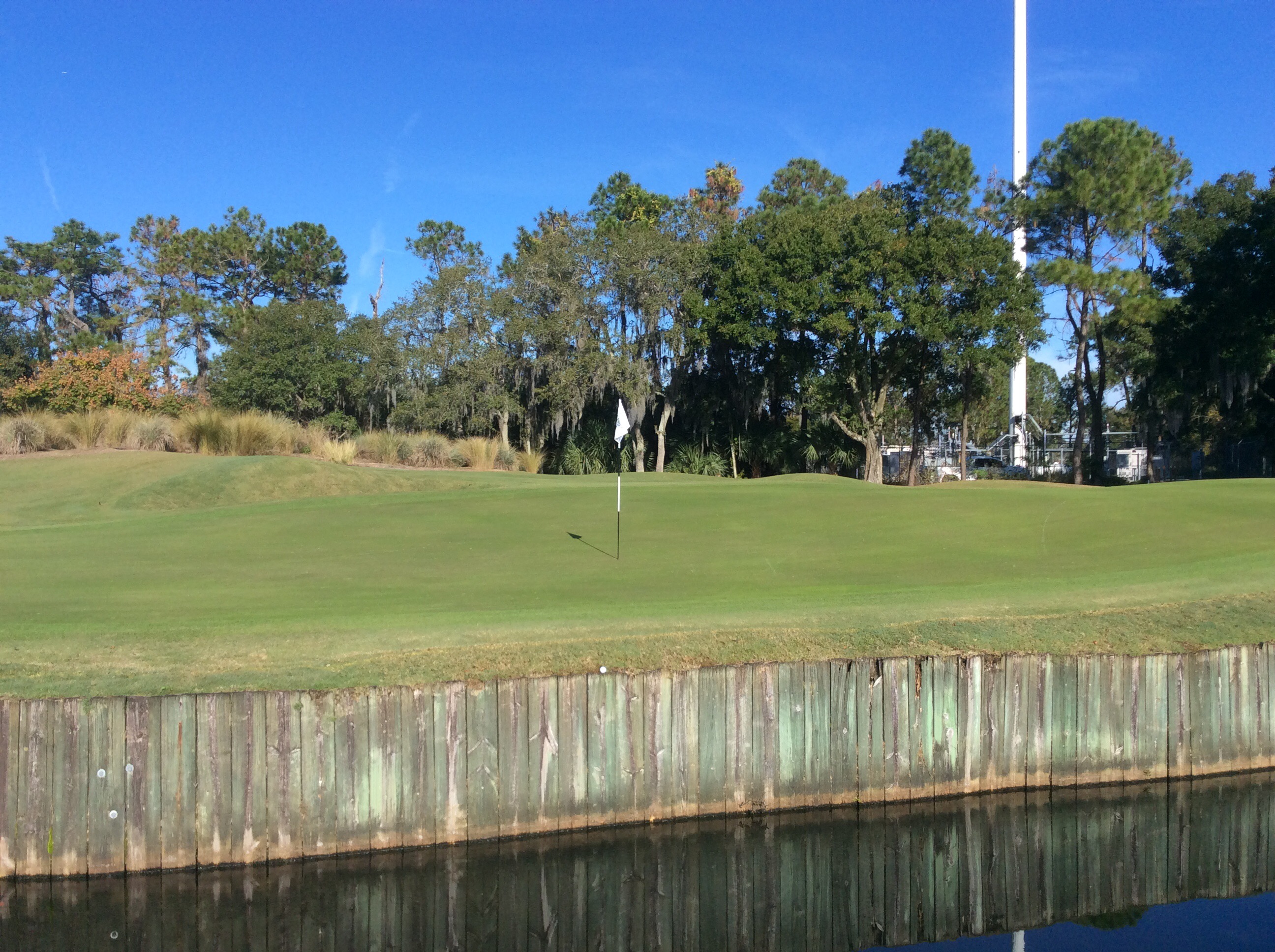
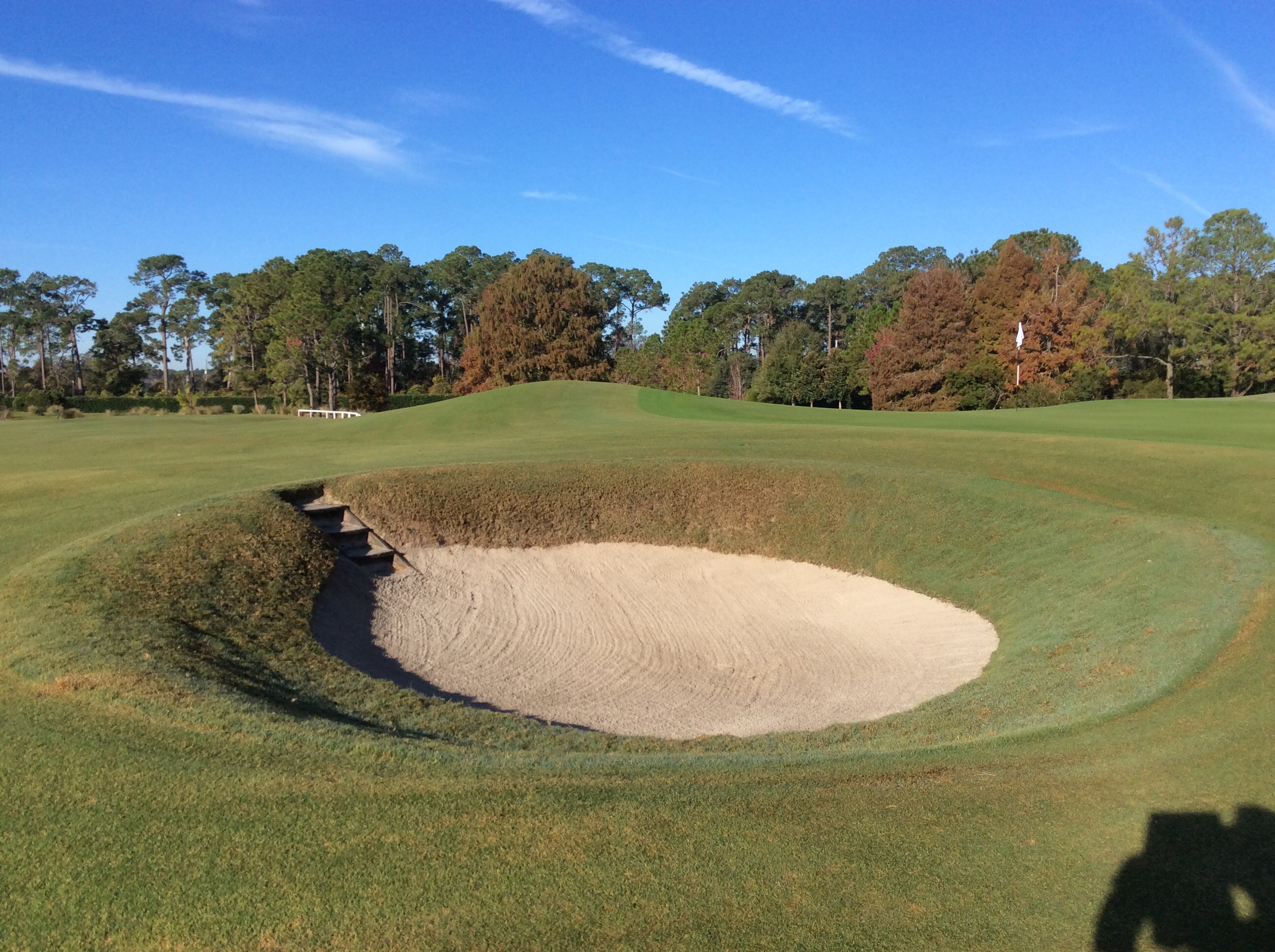
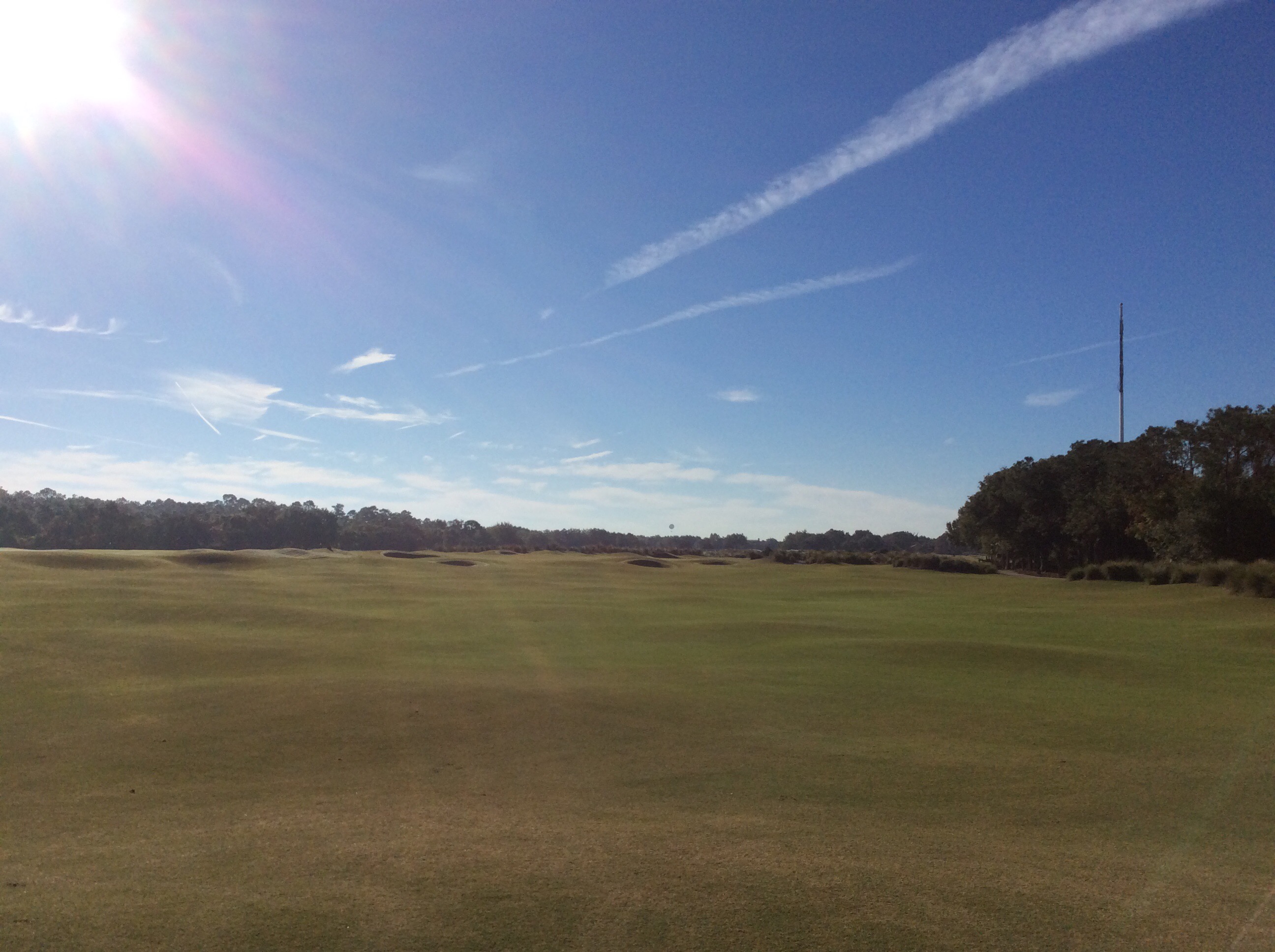
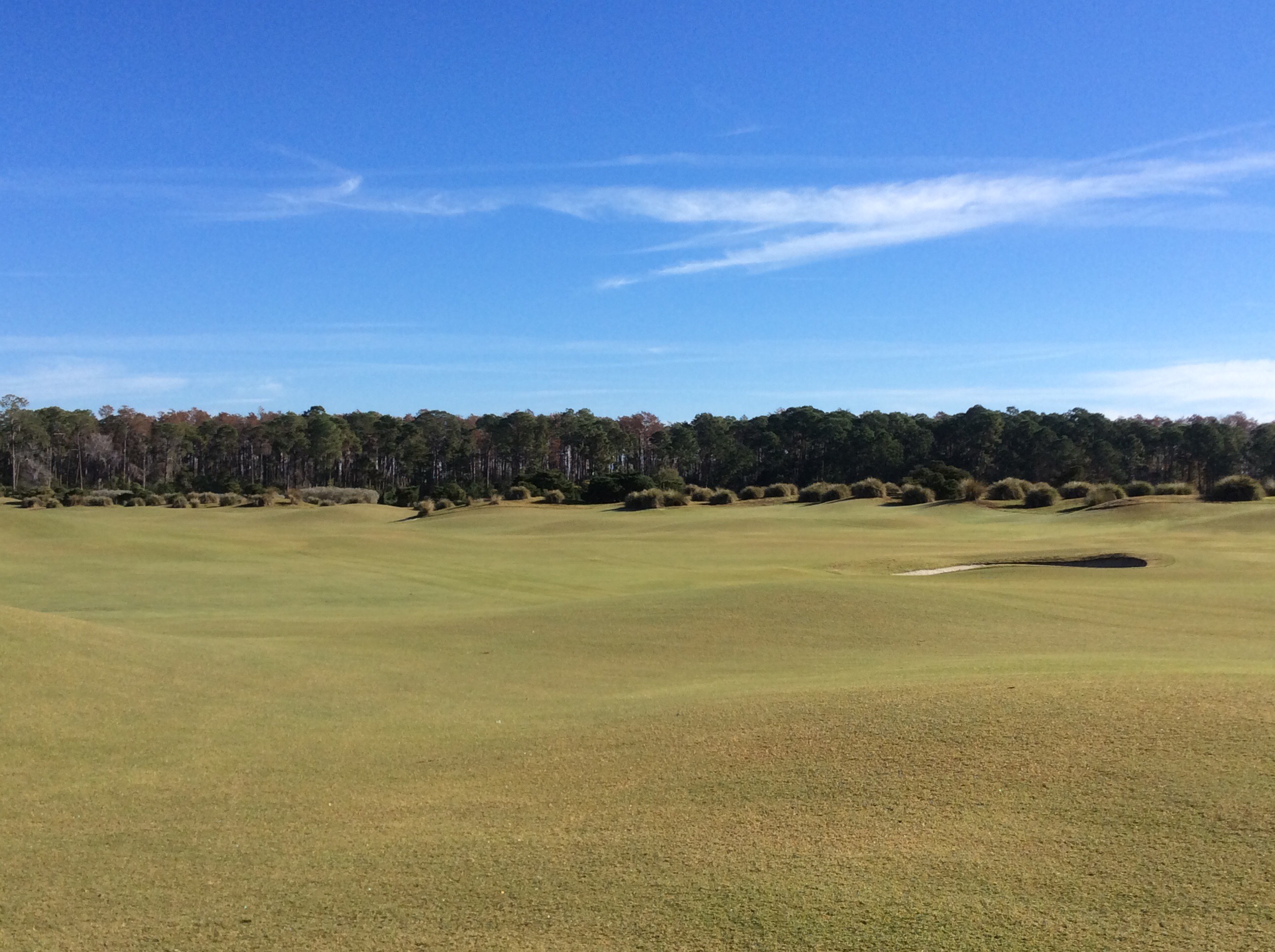
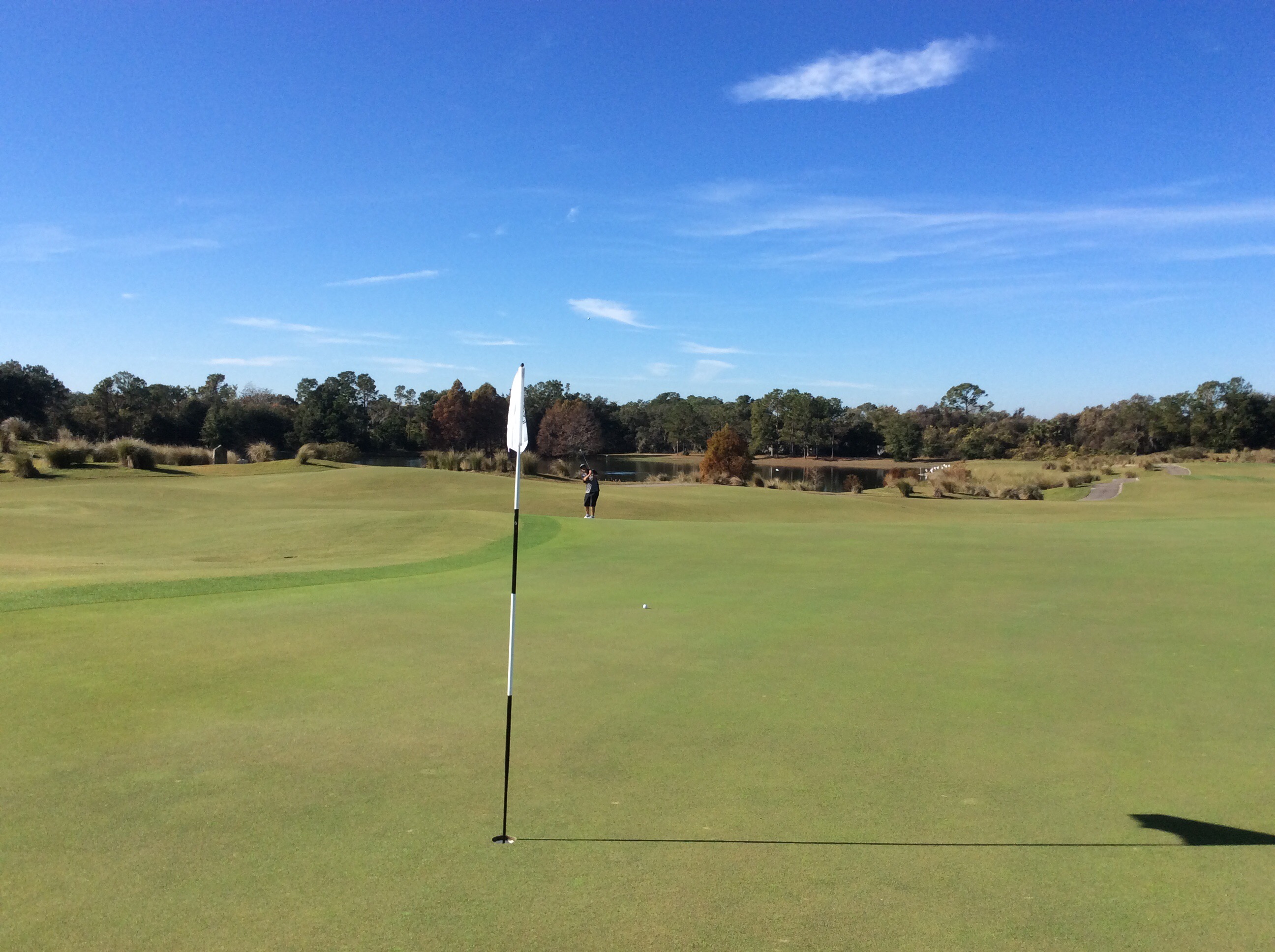
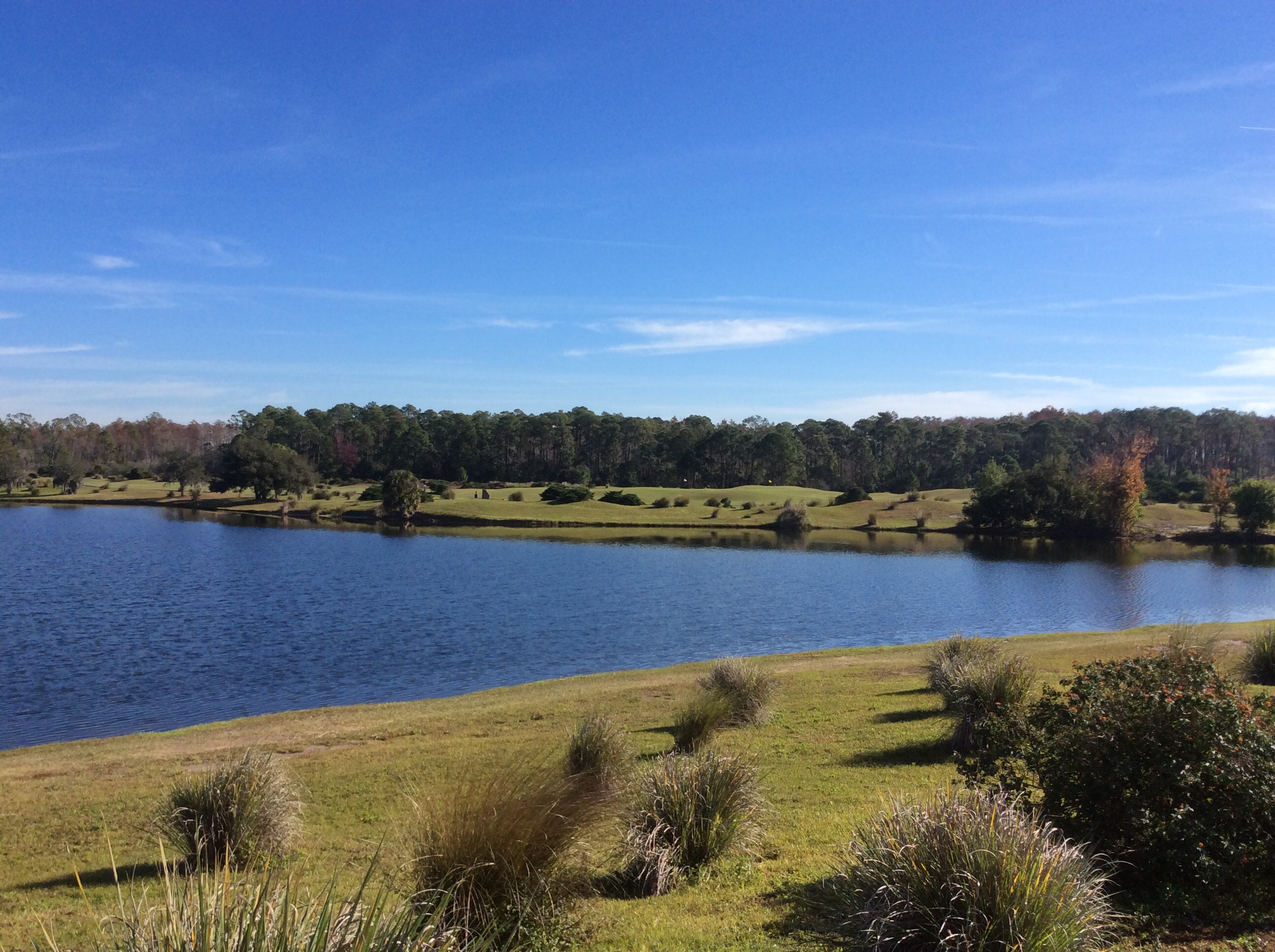
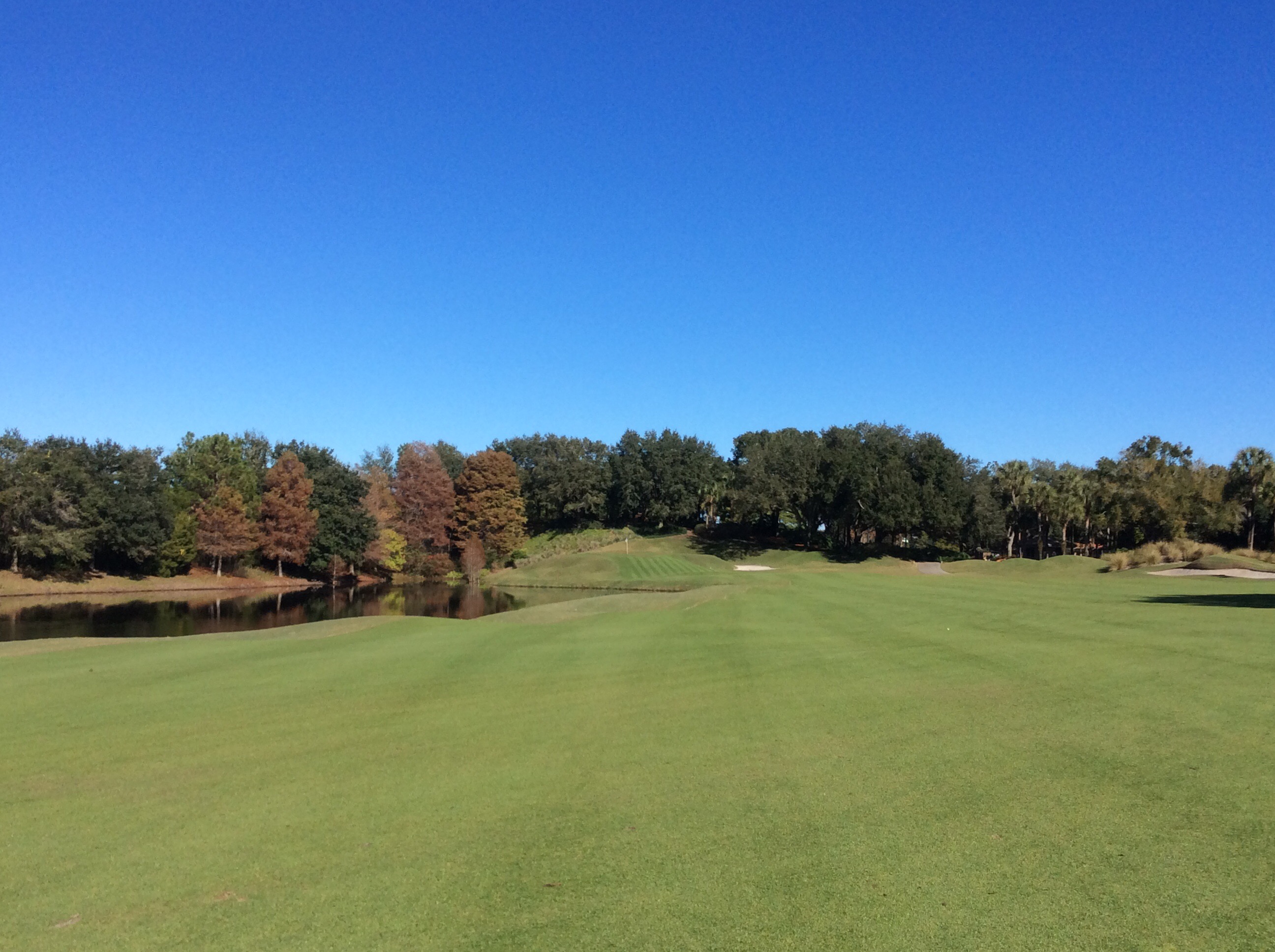
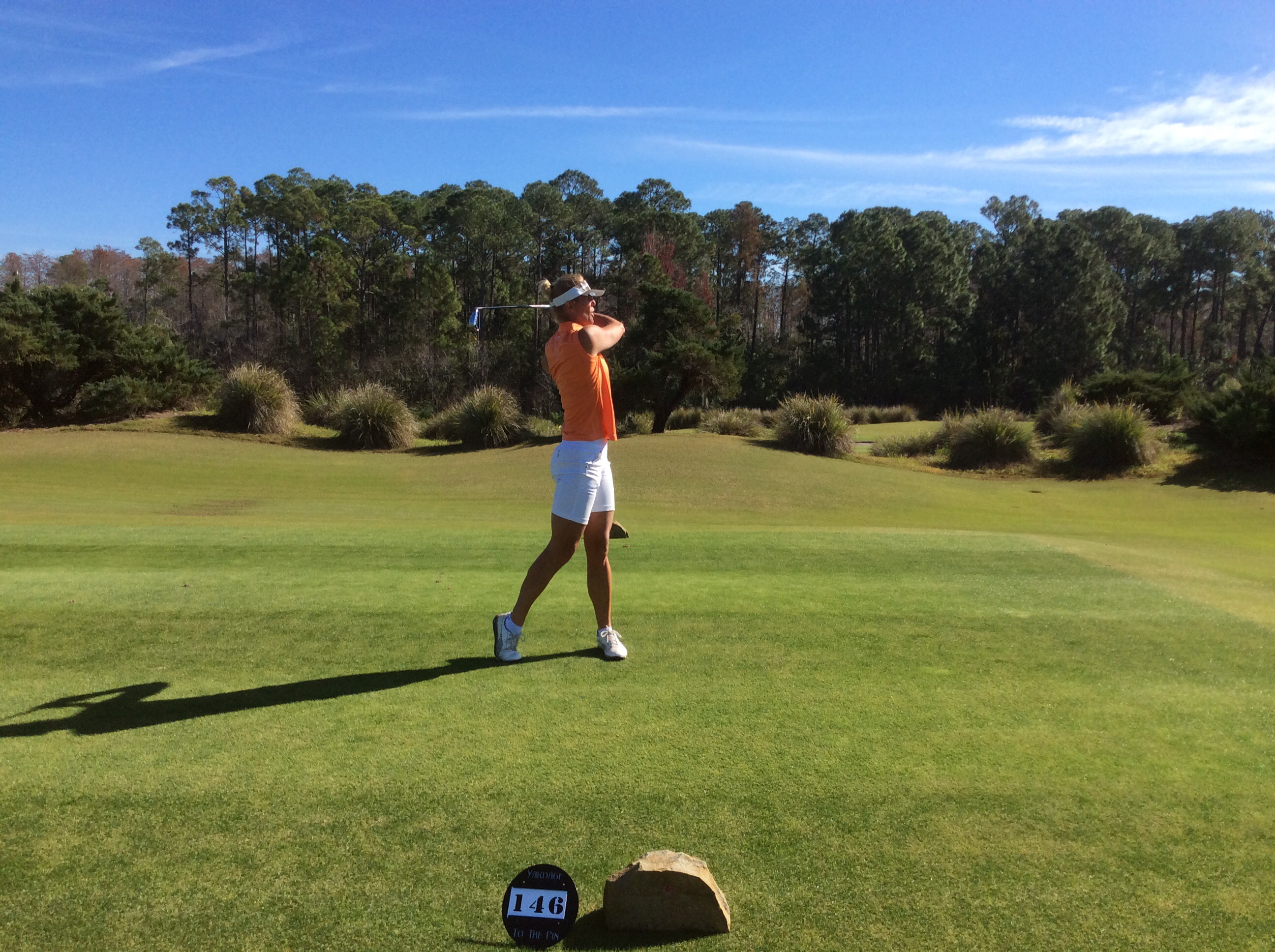
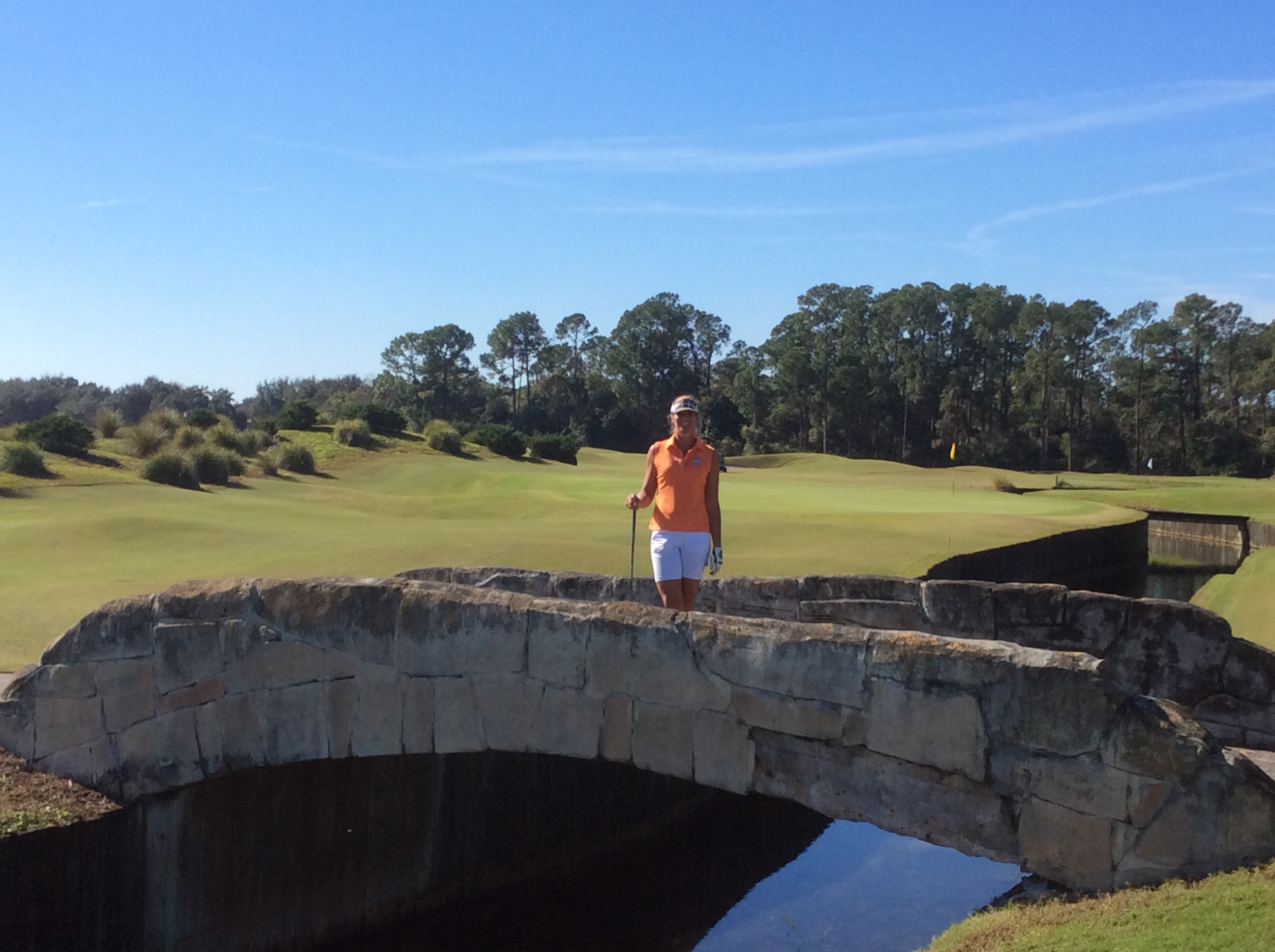
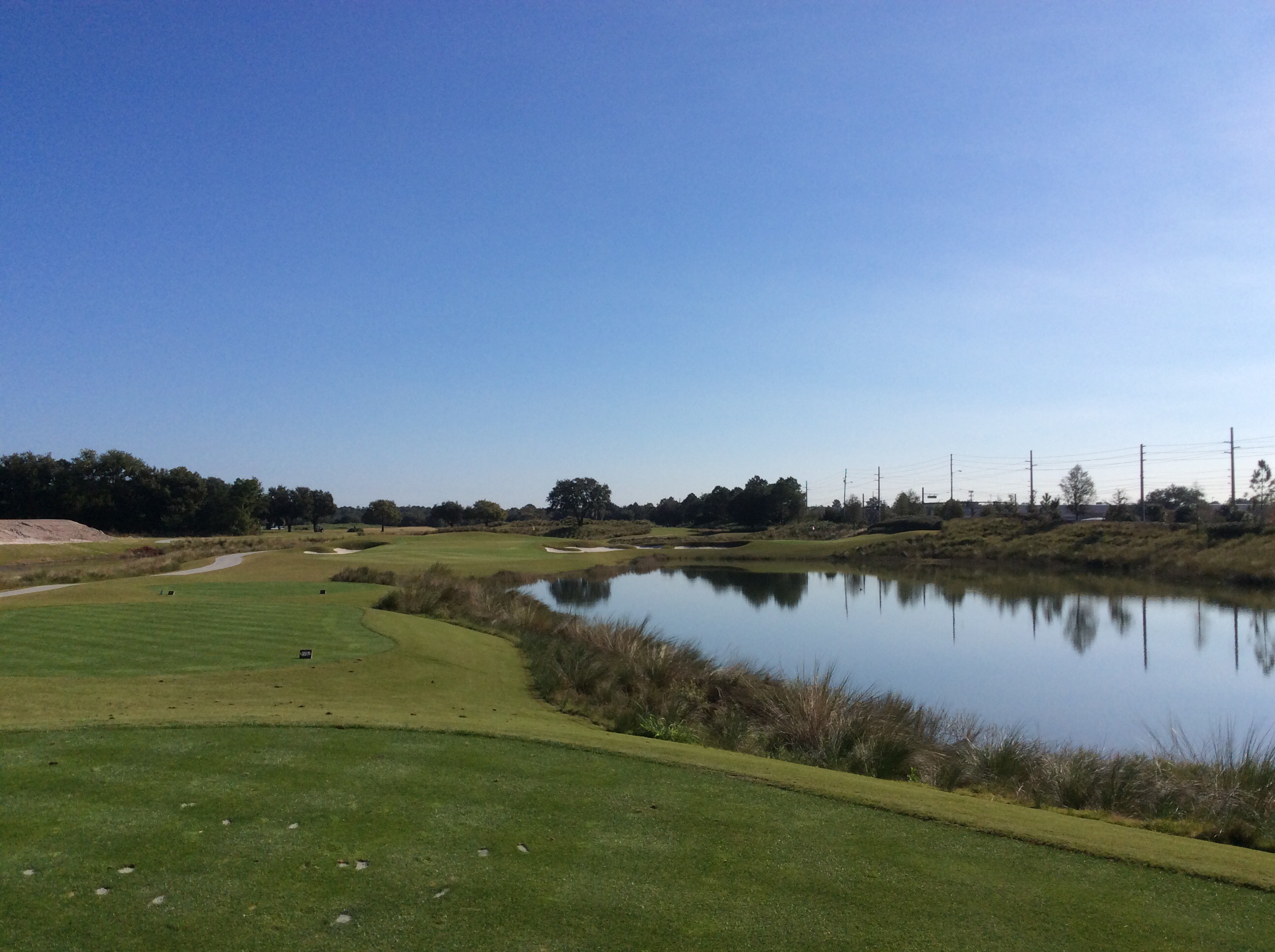
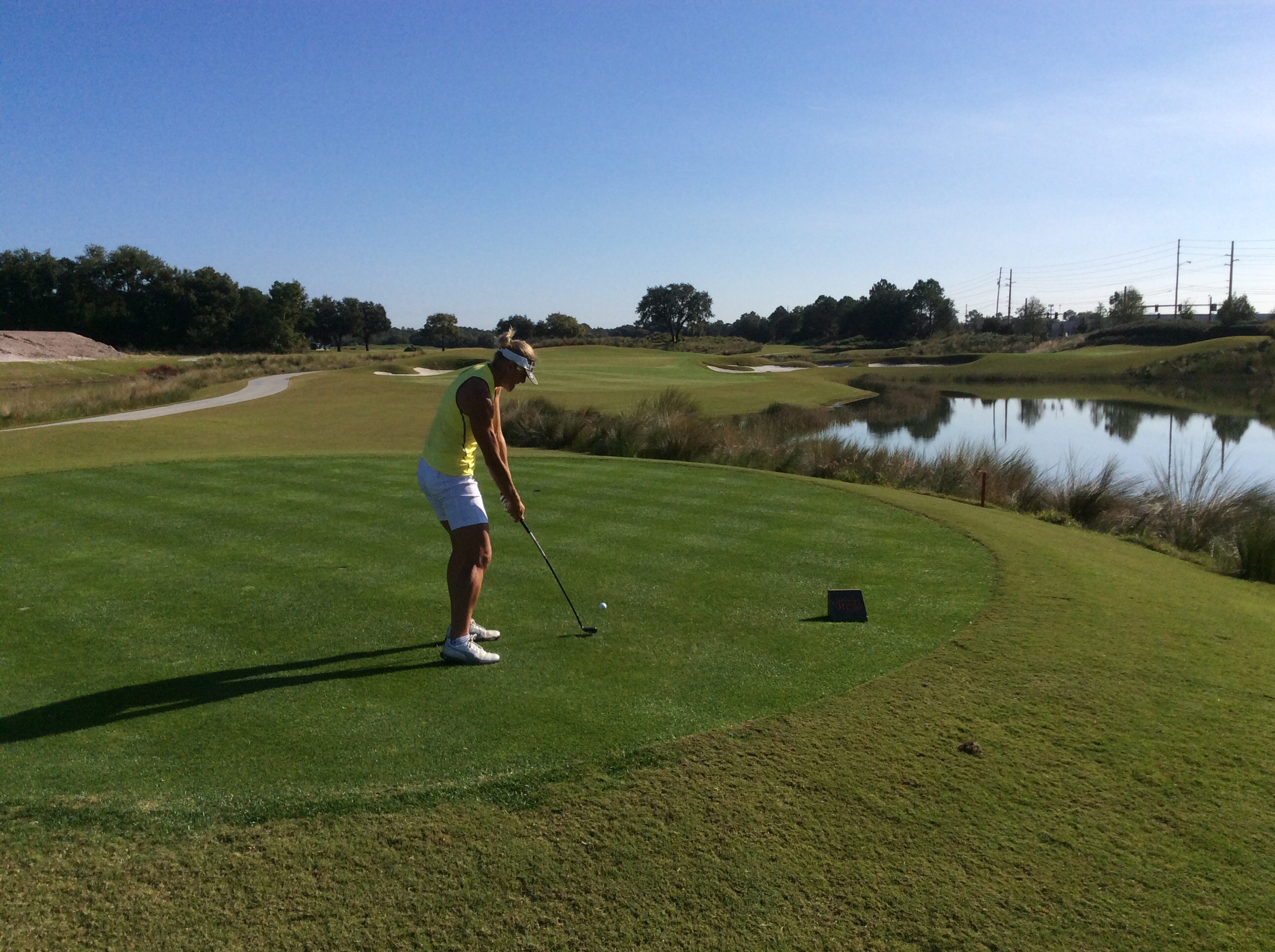
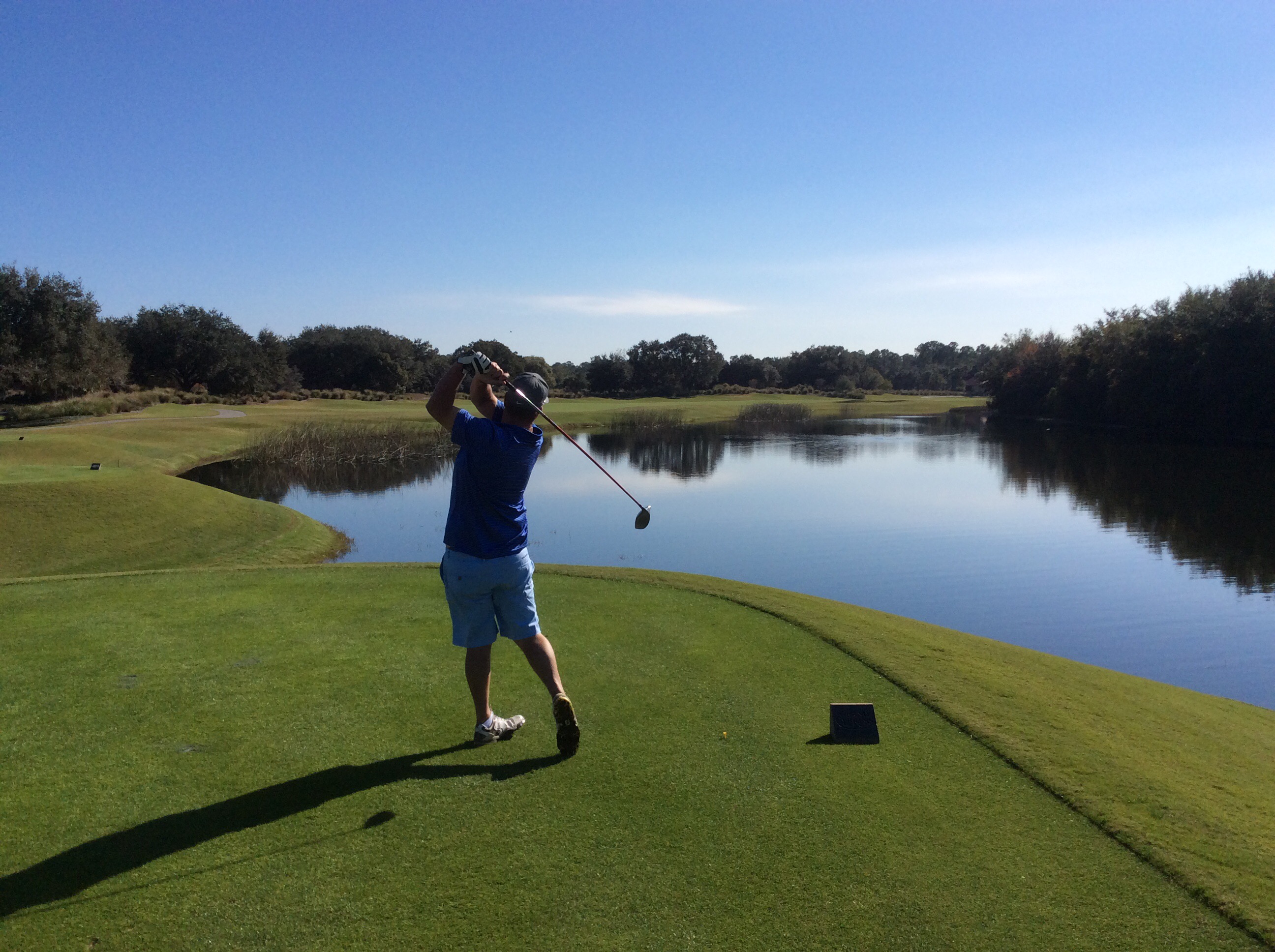
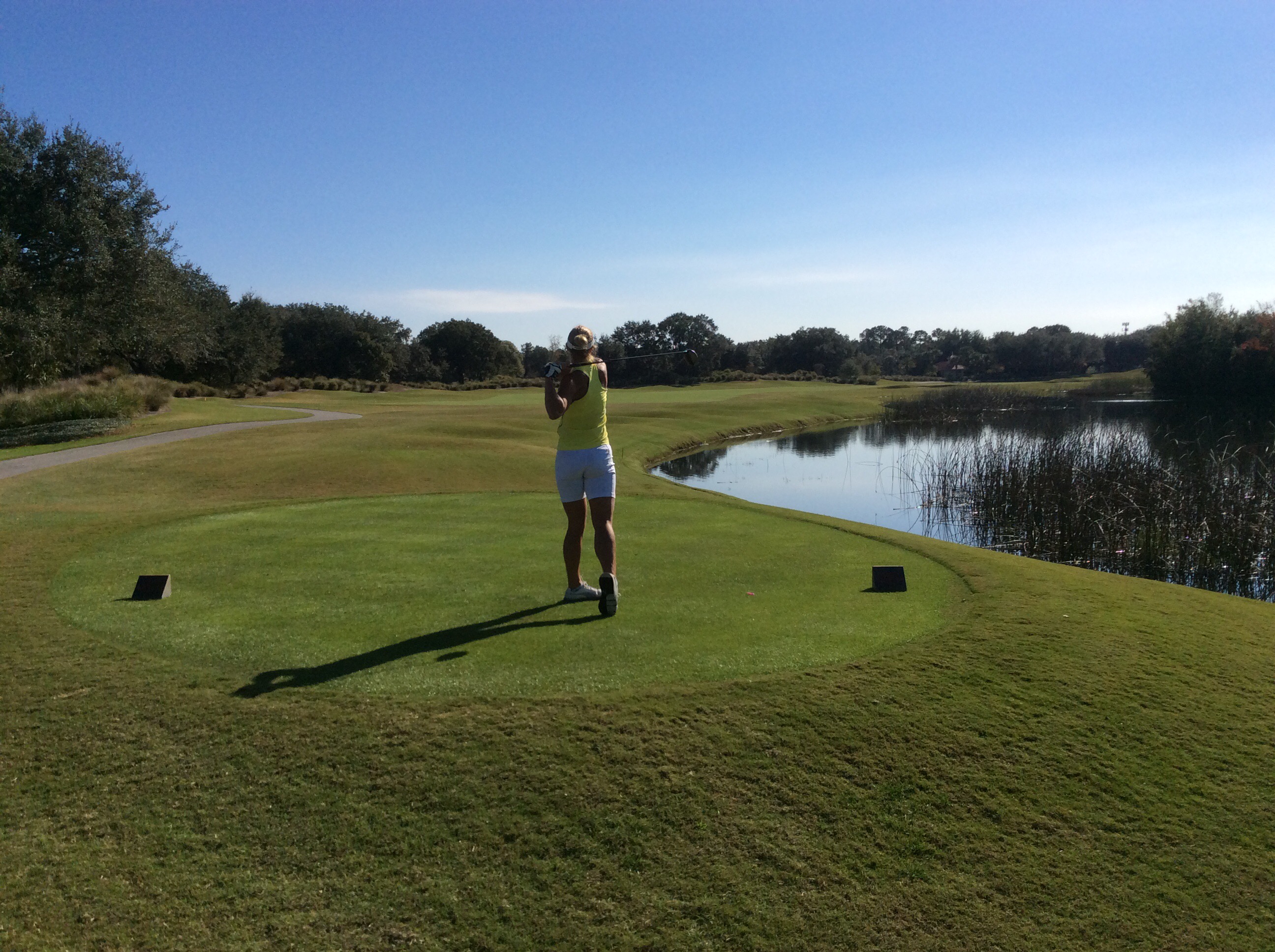
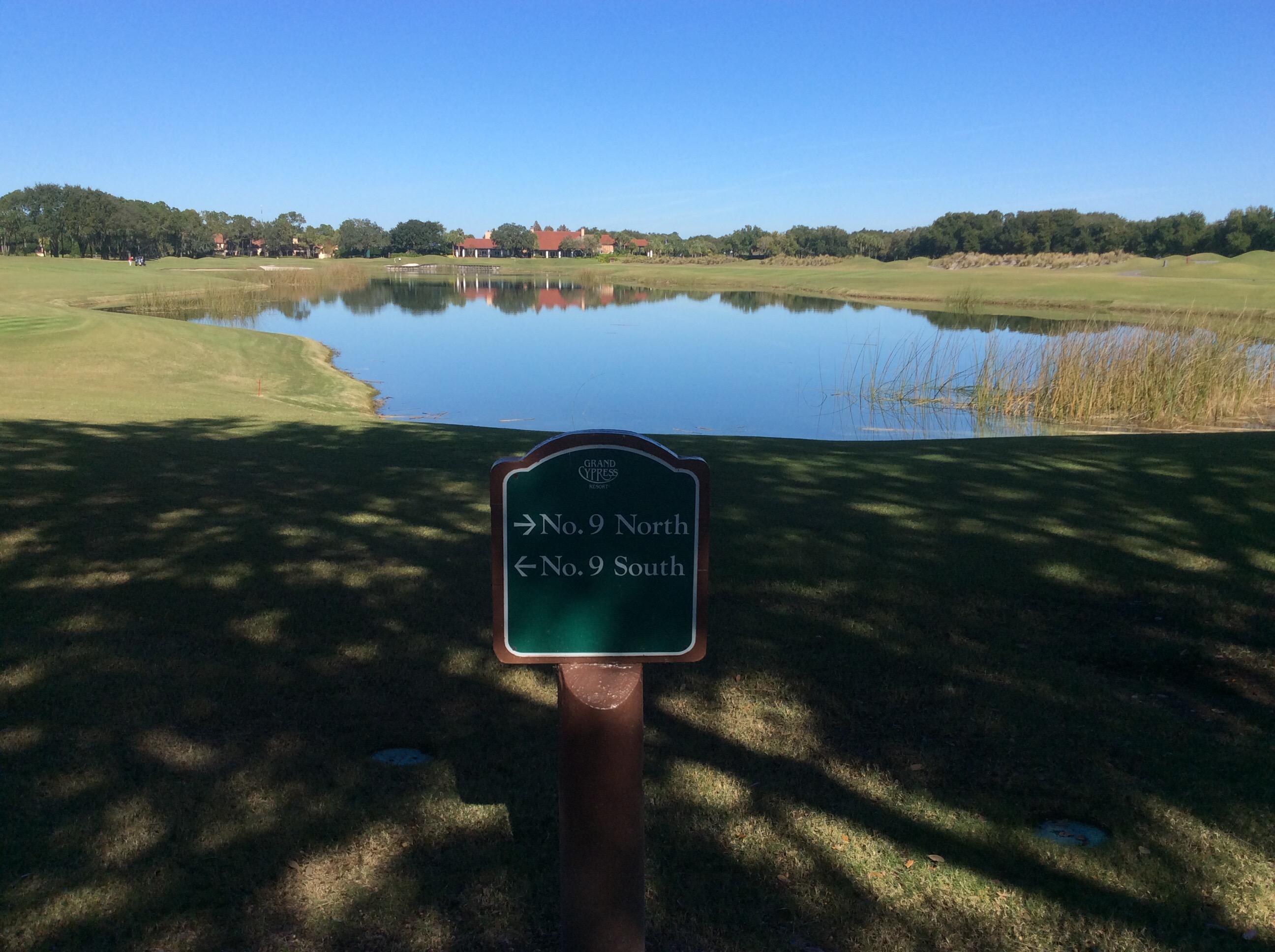
Today we played The New Course at the Grand Cypress Golf Resort. The New Course is Jack Nicklaus’ tribute and homage to the famed Old Course at St. Andrews, Scotland. This Scottish links masterpiece is complete with double greens, stone bridges and walls, gorse mounds, burns and pot bunkers as deep as 12 feet—all in the spirit of the true Scottish original. Very few trees are located within the interior of the course, creating generous landing areas. The course was completed in 1988.

We were the first off at 8am with no one following us until about 9am so we had the whole course to ourselves for an hour and it was heaven. It was a little chilly to start off with and I didn’t take my sweatshirt off until the 15th hole. I had a few brain explosions with my short game today and found the greens like glass tables!

Steve’s obsession with retrieving golf balls from the water has continued. There were a number of burns on the course and you could see quite a few golf balls in them. Steve was down there retrieving the ones he could with his club. When we arrived on Monday and saw that the courses had a bit of water we thought we better buy a dozen balls to see us through. After Steve’s little treasure hunt today we are well up on the ball front – just what we need for our finely balanced bag weight scenario. He says that he is going to purchase a scoop for his next golf trip!

/home/wpcom/public_html/wp-content/blogs.dir/eb7/67251693/files/2014/12/img_2576.jpg

His own ball had a lucky escape on this hole.

/home/wpcom/public_html/wp-content/blogs.dir/eb7/67251693/files/2014/12/img_2587.jpg

It was another stunning course and another good day in the office : )

/home/wpcom/public_html/wp-content/blogs.dir/eb7/67251693/files/2014/12/img_2574.jpg

/home/wpcom/public_html/wp-content/blogs.dir/eb7/67251693/files/2014/12/img_2580.jpg

/home/wpcom/public_html/wp-content/blogs.dir/eb7/67251693/files/2014/12/img_2582.jpg

/home/wpcom/public_html/wp-content/blogs.dir/eb7/67251693/files/2014/12/img_2584.jpg

/home/wpcom/public_html/wp-content/blogs.dir/eb7/67251693/files/2014/12/img_2586.jpg

/home/wpcom/public_html/wp-content/blogs.dir/eb7/67251693/files/2014/12/img_2588.jpg

/home/wpcom/public_html/wp-content/blogs.dir/eb7/67251693/files/2014/12/img_2589.jpg

/home/wpcom/public_html/wp-content/blogs.dir/eb7/67251693/files/2014/12/img_2591.jpg

/home/wpcom/public_html/wp-content/blogs.dir/eb7/67251693/files/2014/12/img_2507-0.jpg

/home/wpcom/public_html/wp-content/blogs.dir/eb7/67251693/files/2014/12/img_2593.jpg

/home/wpcom/public_html/wp-content/blogs.dir/eb7/67251693/files/2014/12/img_2596.jpg

/home/wpcom/public_html/wp-content/blogs.dir/eb7/67251693/files/2014/12/img_2601.jpg

/home/wpcom/public_html/wp-content/blogs.dir/eb7/67251693/files/2014/12/img_2602.jpg

/home/wpcom/public_html/wp-content/blogs.dir/eb7/67251693/files/2014/12/img_2604.jpg

Posted in Florida, USA | Leave a comment

Grand Cypress Golf Resort – North, South and East Courses, Orlando – Florida, USA

On Monday morning we picked up a rental car in Miami and headed north to Orlando. It was a beautiful day and the drive north was very pleasant. We thought we may stop off along the way and have a game of golf but there were so many courses to choose from we decided to get to our destination which were the Villas at Grand Cypress. Grand Cypress Resort has 45 Jack Nicklaus designed golf holes – Steve thought this sounded like heaven when he booked it : )

There are three nines – the North, South and East nines and an 18 hole course called The New Course which is a tribute to The Old Course at St Andrews. Our villa overlooked the North nine and the weather on the afternoon we arrived was picture perfect.

/home/wpcom/public_html/wp-content/blogs.dir/eb7/67251693/files/2014/12/img_2485.jpg

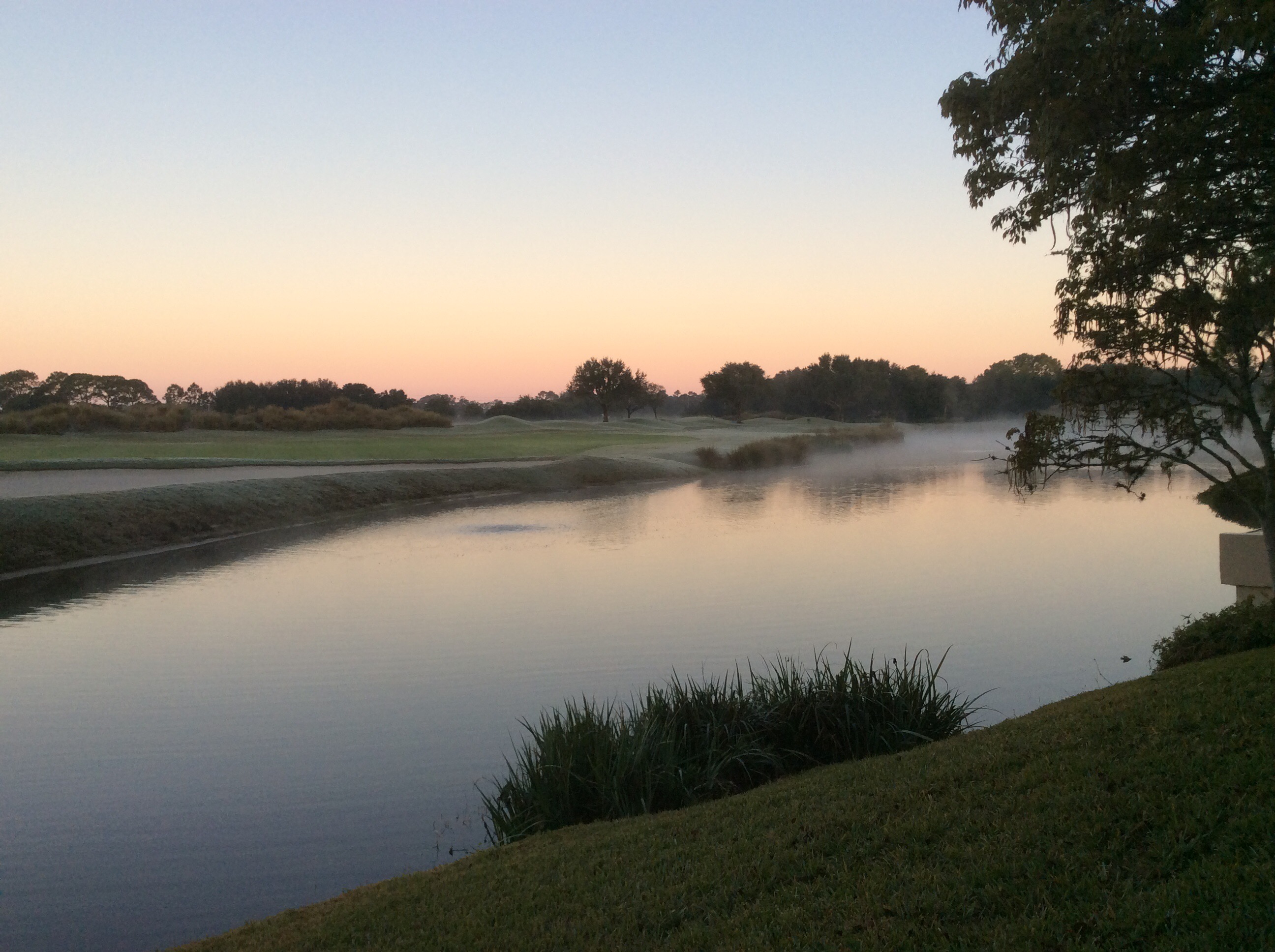
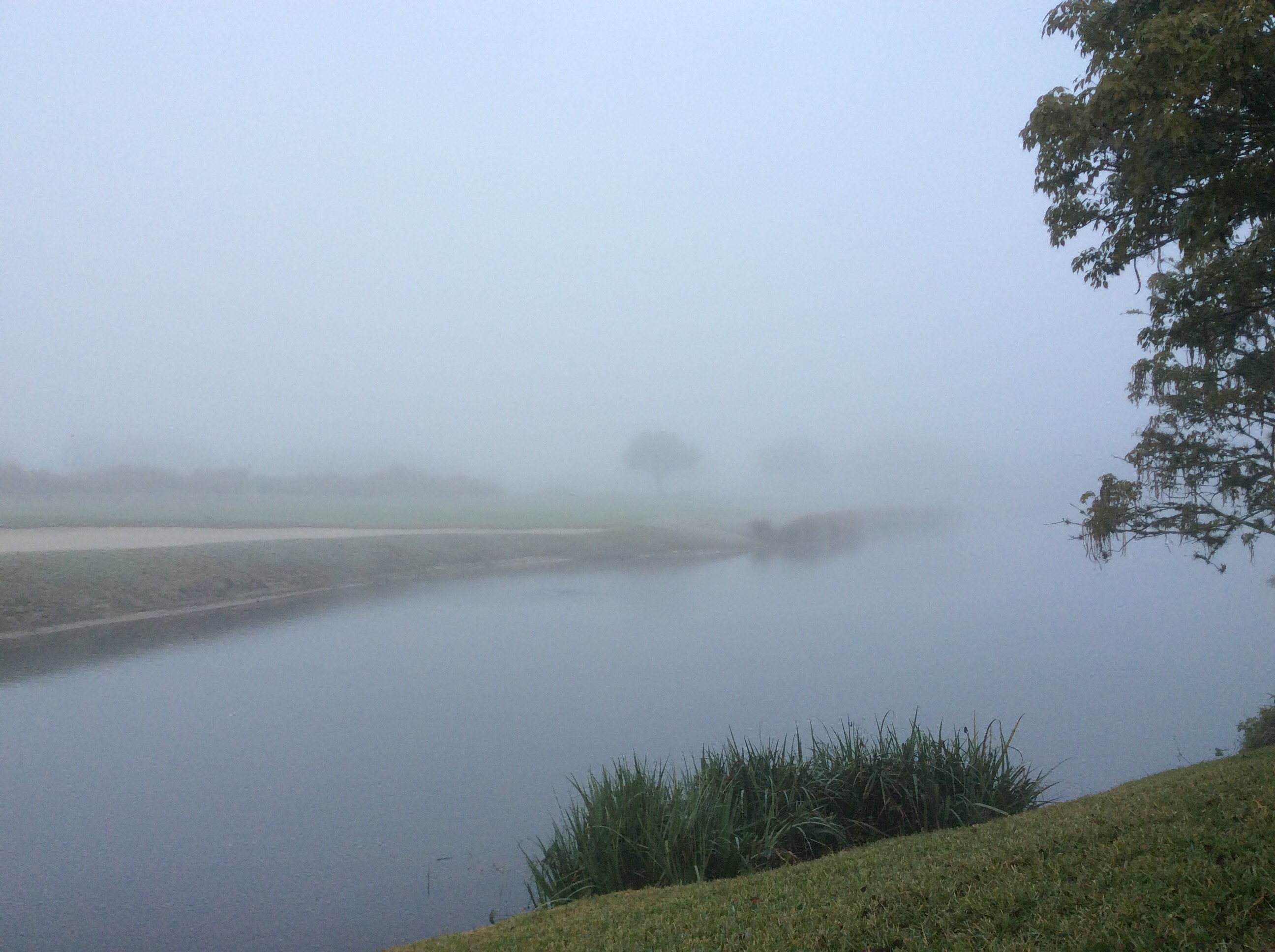
When we got up on Tuesday morning it looked a little misty outside and then the fog descended – a different picture to the previous afternoon.

/home/wpcom/public_html/wp-content/blogs.dir/eb7/67251693/files/2014/12/img_2486.jpg

/home/wpcom/public_html/wp-content/blogs.dir/eb7/67251693/files/2014/12/img_2487.jpg

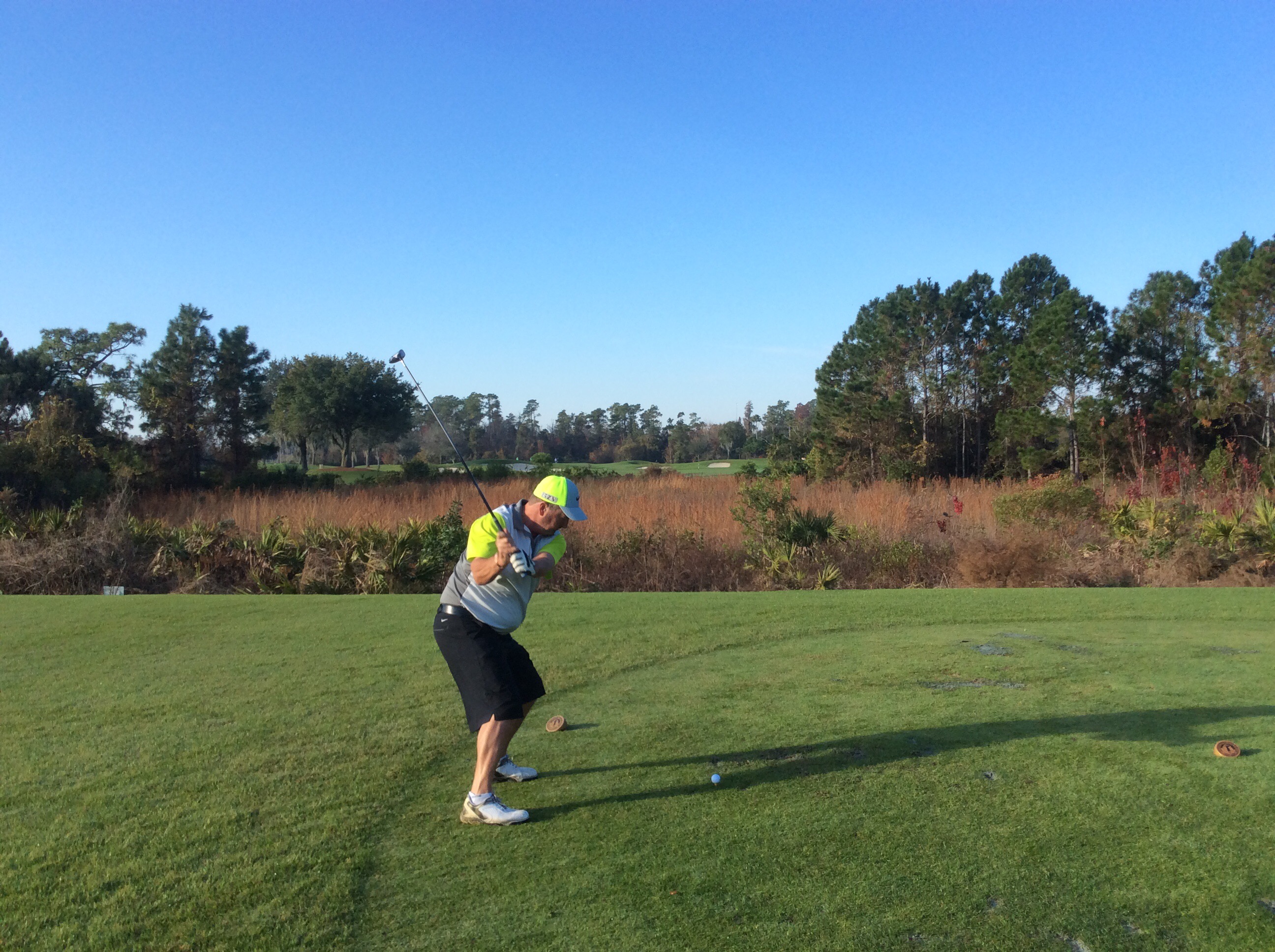
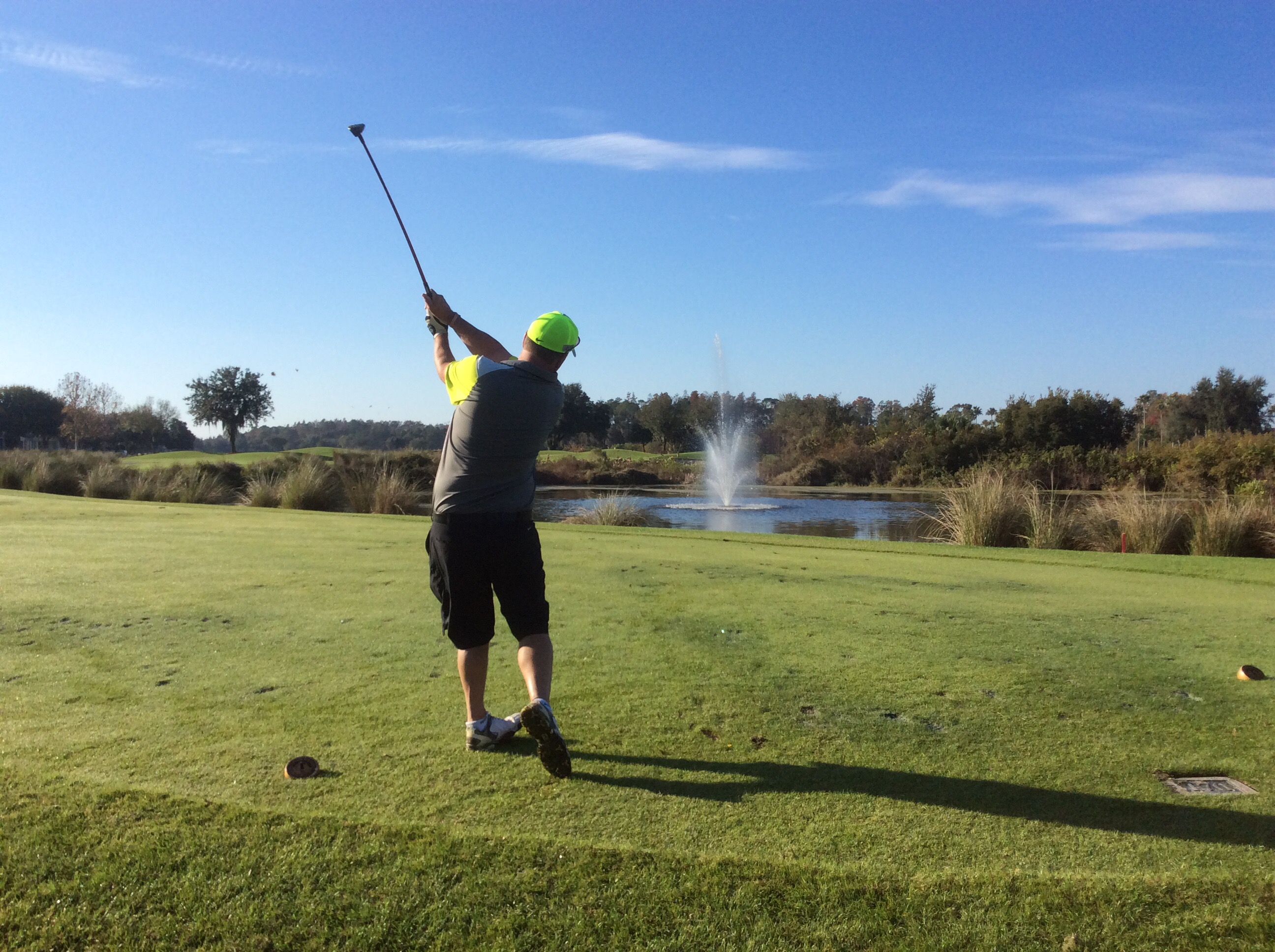
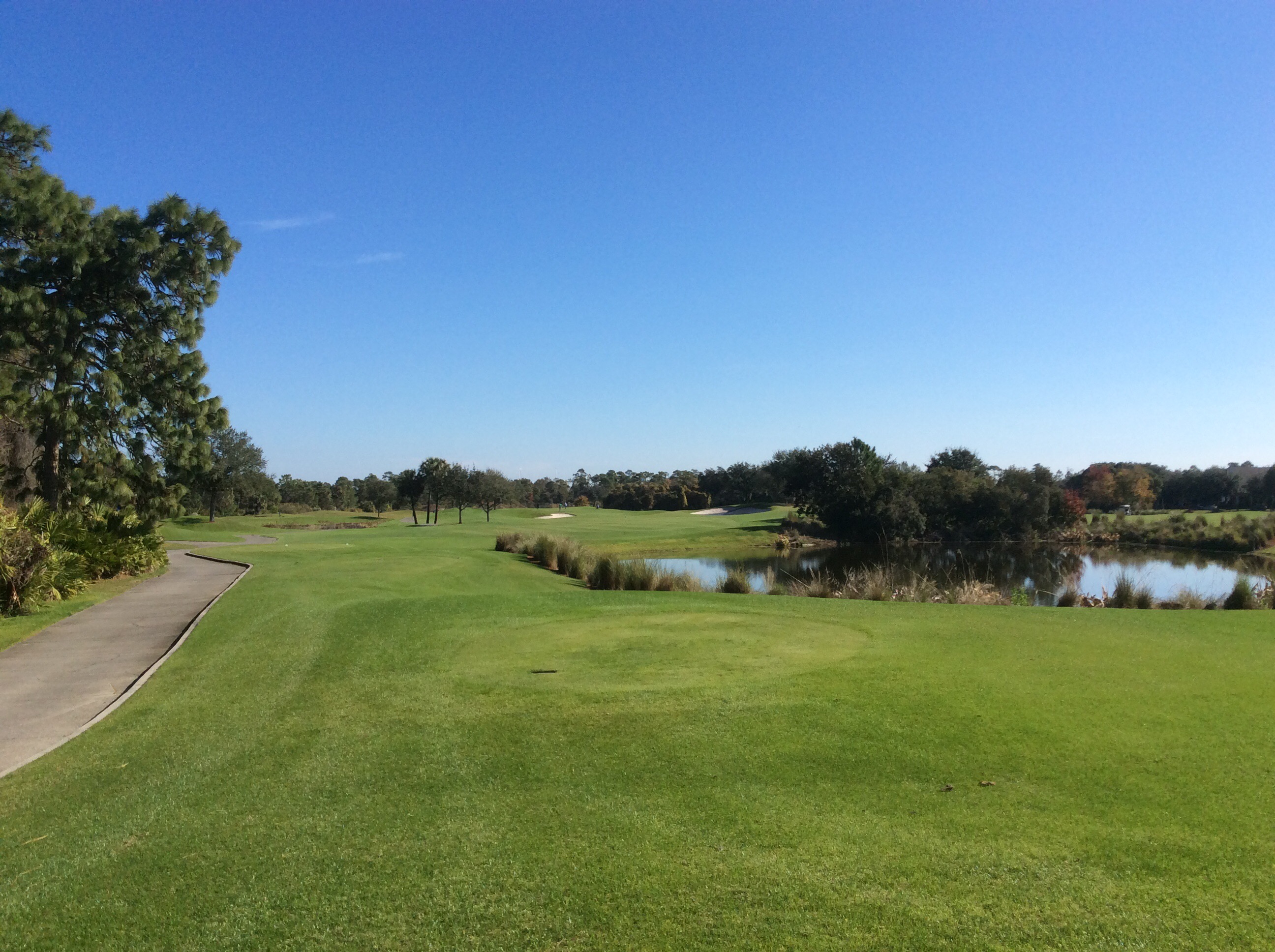
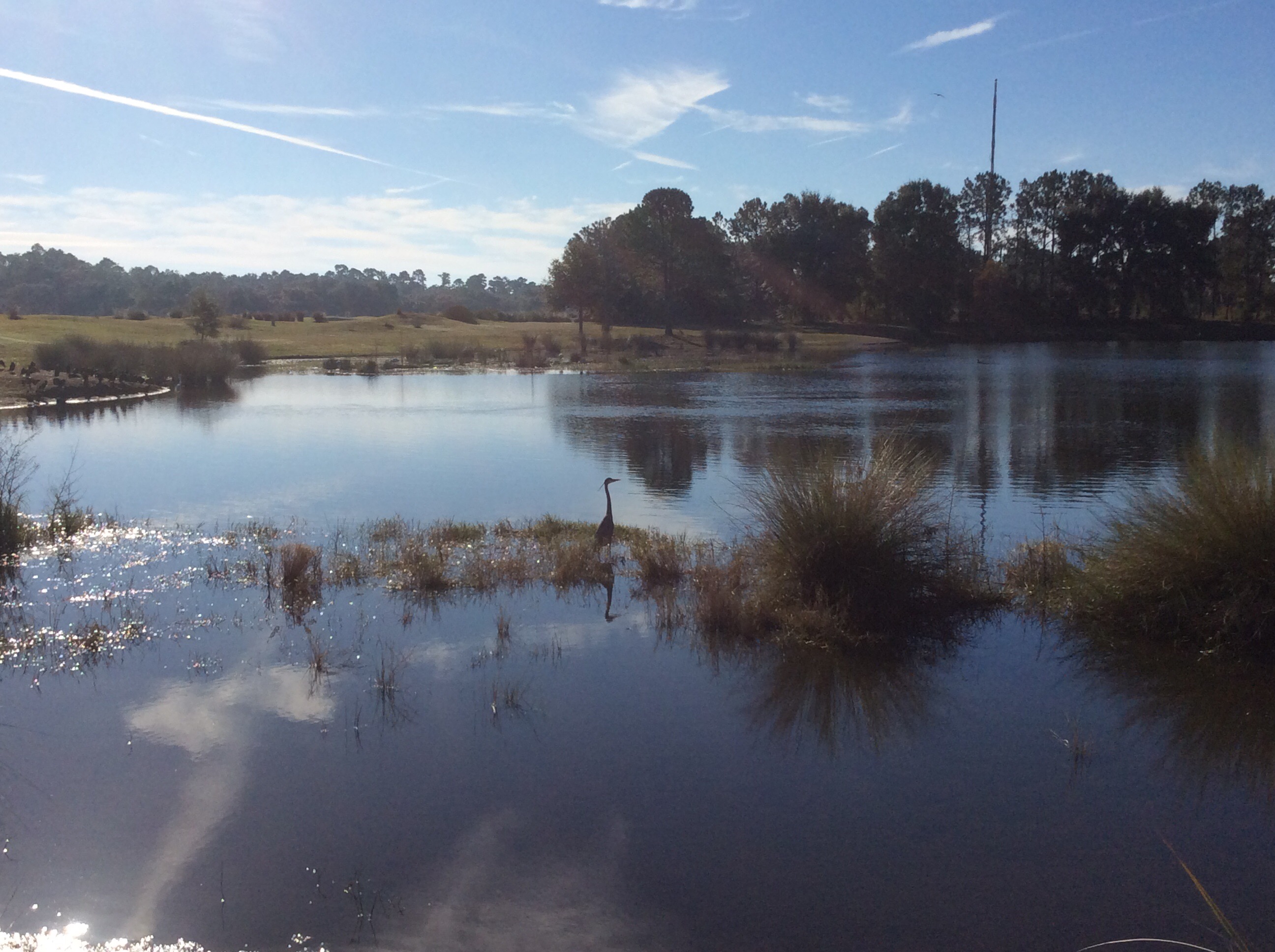
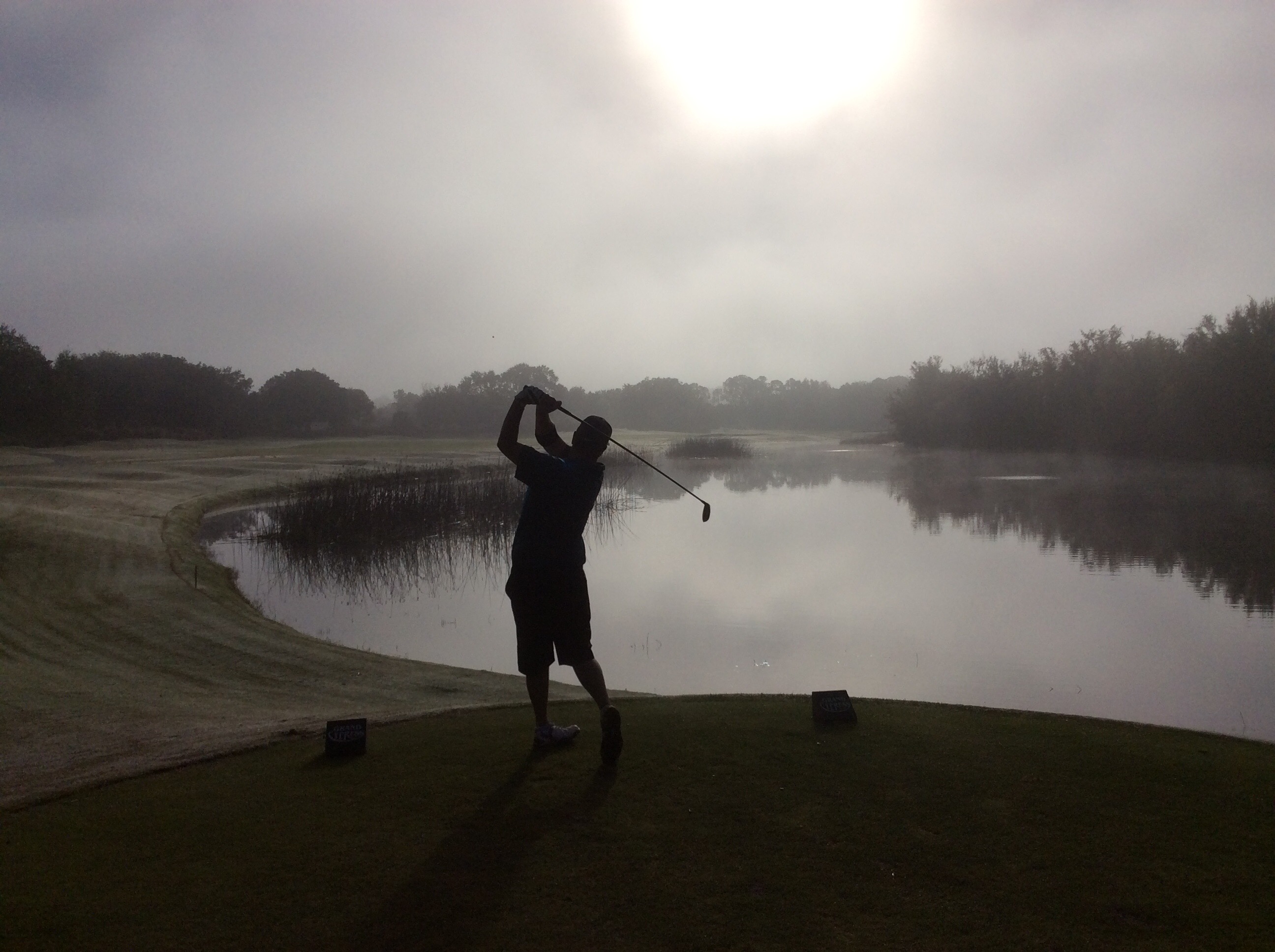
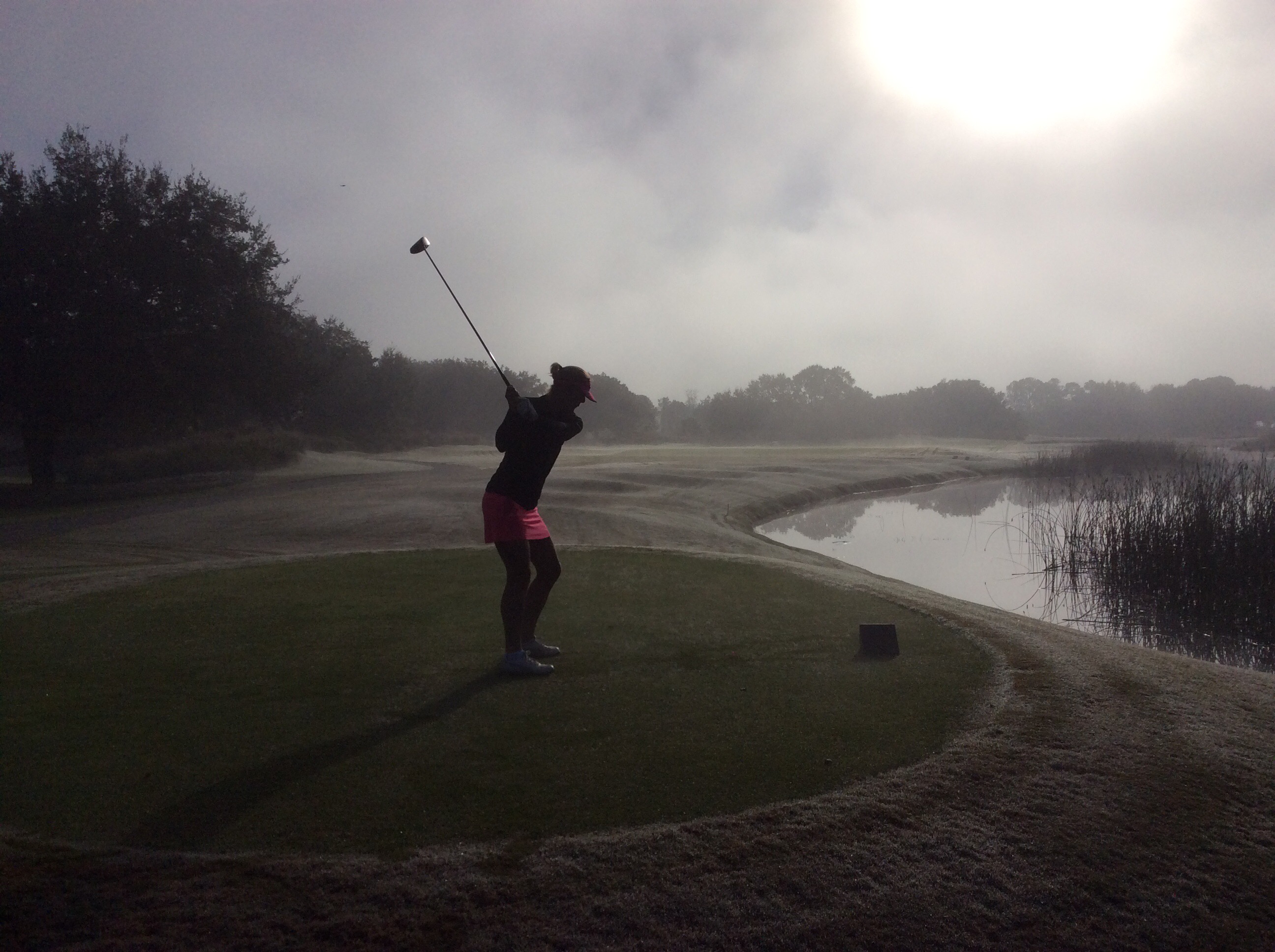
We headed over to the Clubhouse anyway and set off on the South nine – we were playing the South and the East nines today. It actually only took a couple of holes for the fog to clear and another stunning day greeted us. They say the South is the hardest nine and the East has a bit more water. I thought the courses were stunning with the trees and lakes. The colours of the trees were really pretty and because the day was so still the reflections on the lakes were fantastic.

The South nine was built in 1984 and the East nine was built in 1986.

/home/wpcom/public_html/wp-content/blogs.dir/eb7/67251693/files/2014/12/img_2489.jpg

/home/wpcom/public_html/wp-content/blogs.dir/eb7/67251693/files/2014/12/img_2490.jpg

/home/wpcom/public_html/wp-content/blogs.dir/eb7/67251693/files/2014/12/img_2496.jpg

/home/wpcom/public_html/wp-content/blogs.dir/eb7/67251693/files/2014/12/img_2497.jpg

/home/wpcom/public_html/wp-content/blogs.dir/eb7/67251693/files/2014/12/img_2506.jpg

/home/wpcom/public_html/wp-content/blogs.dir/eb7/67251693/files/2014/12/img_2507.jpg

/home/wpcom/public_html/wp-content/blogs.dir/eb7/67251693/files/2014/12/img_2508.jpg

/home/wpcom/public_html/wp-content/blogs.dir/eb7/67251693/files/2014/12/img_2509.jpg

/home/wpcom/public_html/wp-content/blogs.dir/eb7/67251693/files/2014/12/img_2512.jpg

/home/wpcom/public_html/wp-content/blogs.dir/eb7/67251693/files/2014/12/img_2514.jpg

/home/wpcom/public_html/wp-content/blogs.dir/eb7/67251693/files/2014/12/img_2517.jpg

/home/wpcom/public_html/wp-content/blogs.dir/eb7/67251693/files/2014/12/img_2524.jpg

/home/wpcom/public_html/wp-content/blogs.dir/eb7/67251693/files/2014/12/img_2530.jpg

On Wednesday we played the North and South nines. The North and South nines made the original championship course which has hosted 6 LPGA events since 2001.

/home/wpcom/public_html/wp-content/blogs.dir/eb7/67251693/files/2014/12/img_2536.jpg

/home/wpcom/public_html/wp-content/blogs.dir/eb7/67251693/files/2014/12/img_2537.jpg

/home/wpcom/public_html/wp-content/blogs.dir/eb7/67251693/files/2014/12/img_2542.jpg

/home/wpcom/public_html/wp-content/blogs.dir/eb7/67251693/files/2014/12/img_2546.jpg

/home/wpcom/public_html/wp-content/blogs.dir/eb7/67251693/files/2014/12/img_2558.jpg

/home/wpcom/public_html/wp-content/blogs.dir/eb7/67251693/files/2014/12/img_2565.jpg

/home/wpcom/public_html/wp-content/blogs.dir/eb7/67251693/files/2014/12/img_2571.jpg

Posted in Florida, USA | Leave a comment

Miami Heat v Chicago Bulls, Miami – Florida, USA

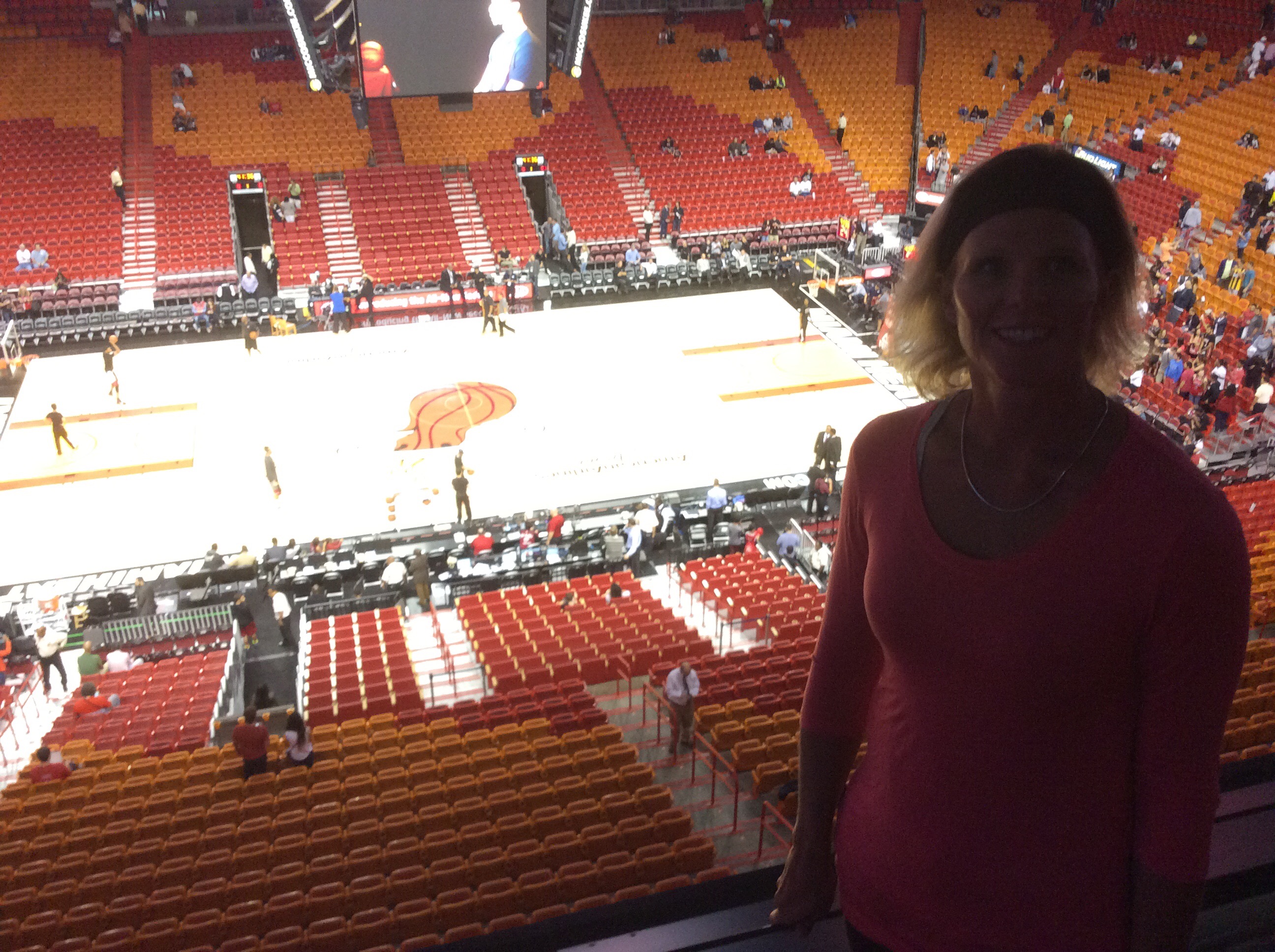
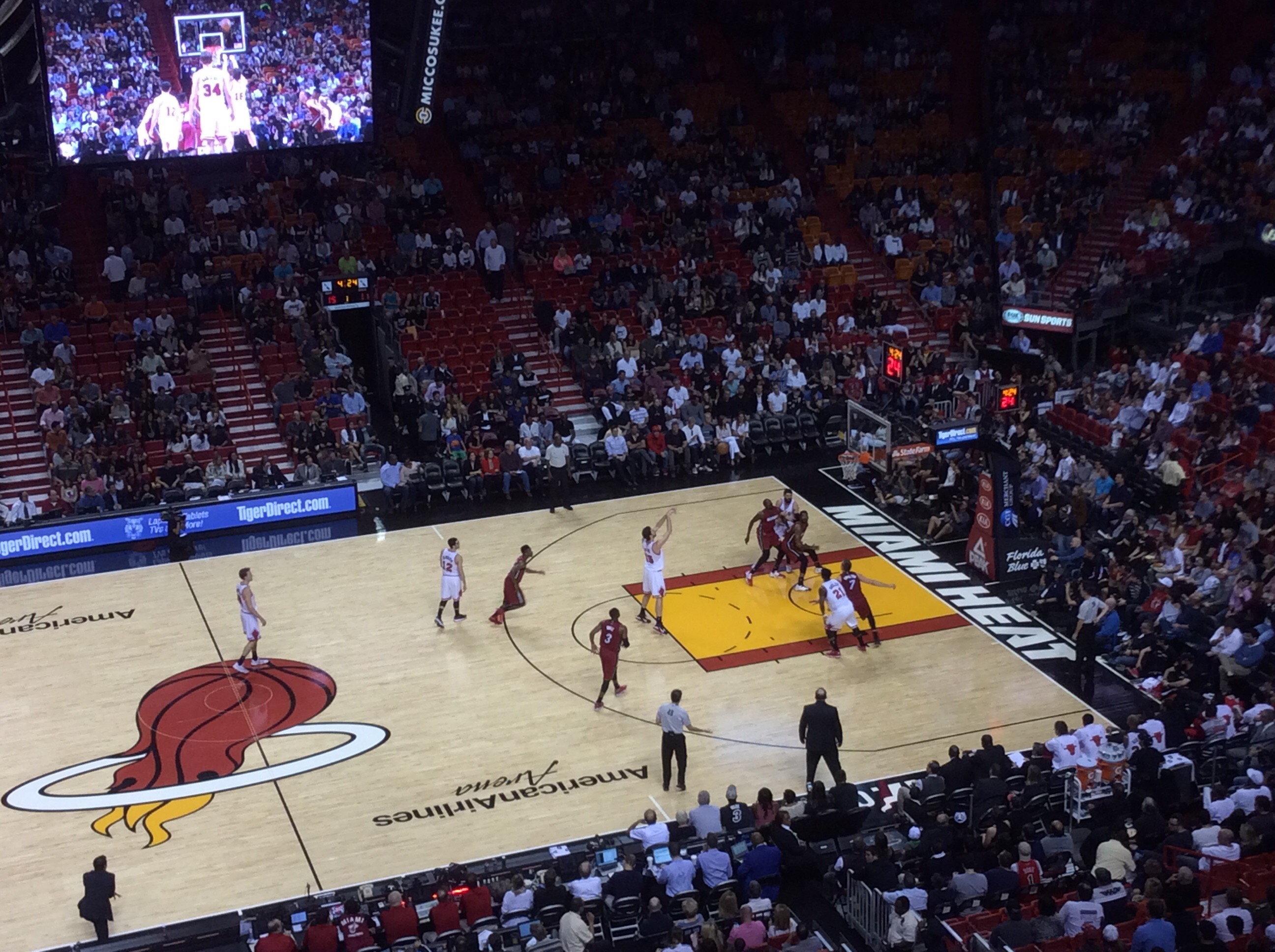
When we knew we were going to be spending some time in Miami Steve checked out if there were any basketball games on. Not only were the Miami Heat playing on the Sunday night but they were playing the Chicago Bulls – how cool would that be to see the legendary Chicago Bulls play? We went online and secured some tickets – we wanted to be mid court so we could see all the action.

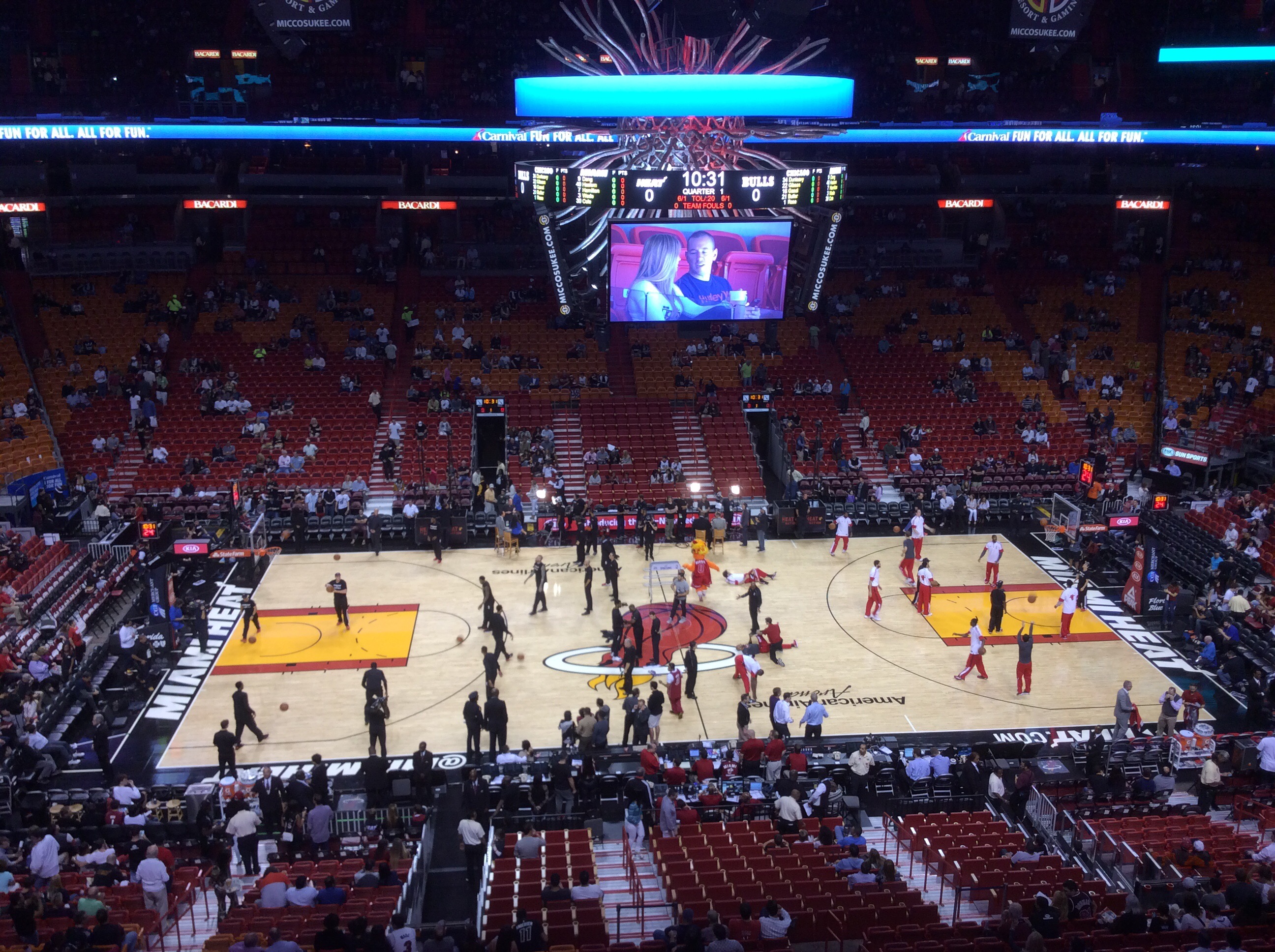
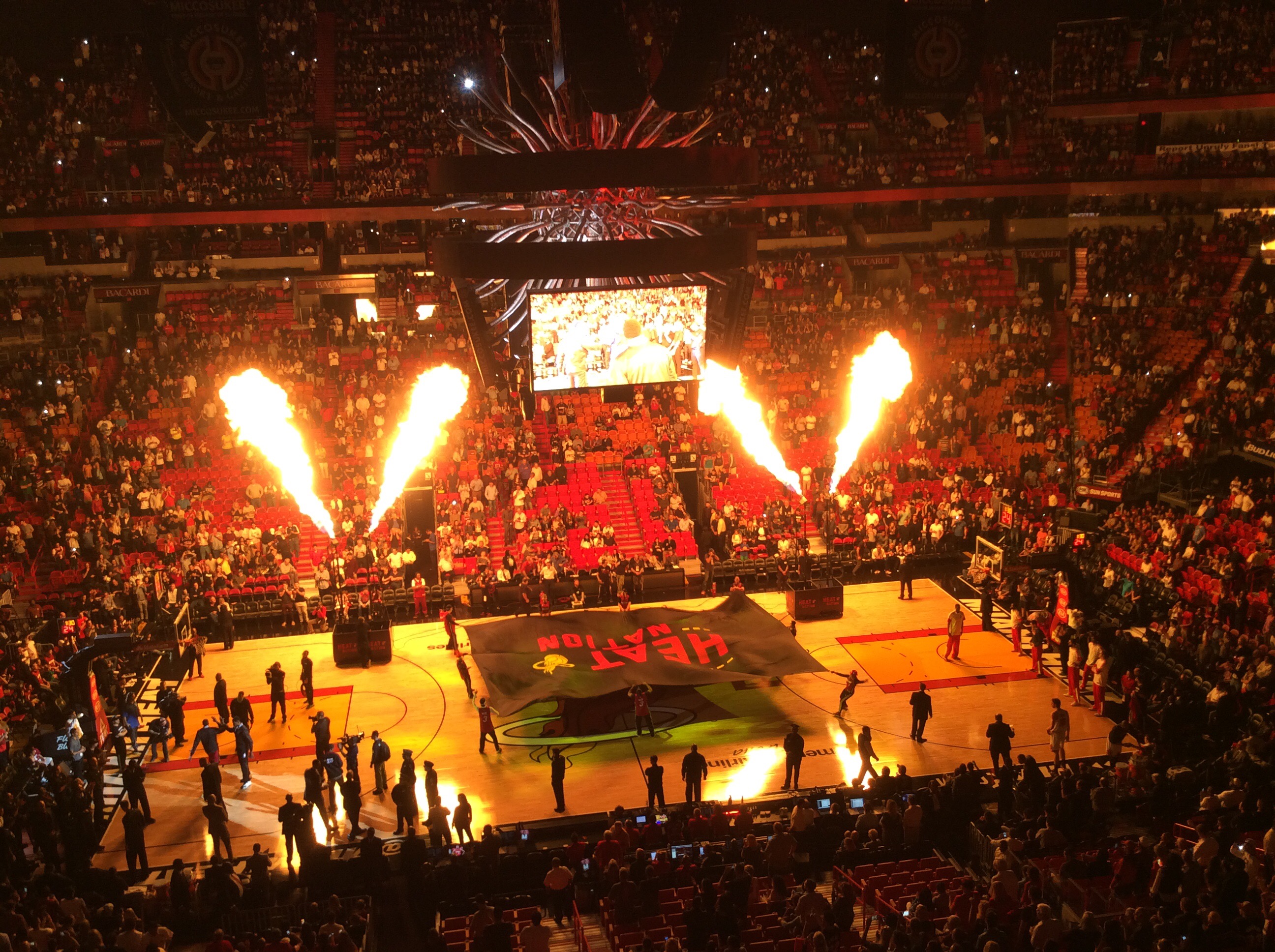
The game started at 6pm so we got there about 5.30pm – they have lots of pre game entertainment. They welcomed the Chicago Bulls players and then the lights went out. The music was turned up and they rolled out a large Miami Heat flag in the centre of the court – as each Miami Heat player was introduced flames shot out of the gas burners. It was very dramatic.

/home/wpcom/public_html/wp-content/blogs.dir/eb7/67251693/files/2014/12/img_2455.jpg

/home/wpcom/public_html/wp-content/blogs.dir/eb7/67251693/files/2014/12/img_2460.jpg

/home/wpcom/public_html/wp-content/blogs.dir/eb7/67251693/files/2014/12/img_2464.jpg

/home/wpcom/public_html/wp-content/blogs.dir/eb7/67251693/files/2014/12/img_2466.jpg
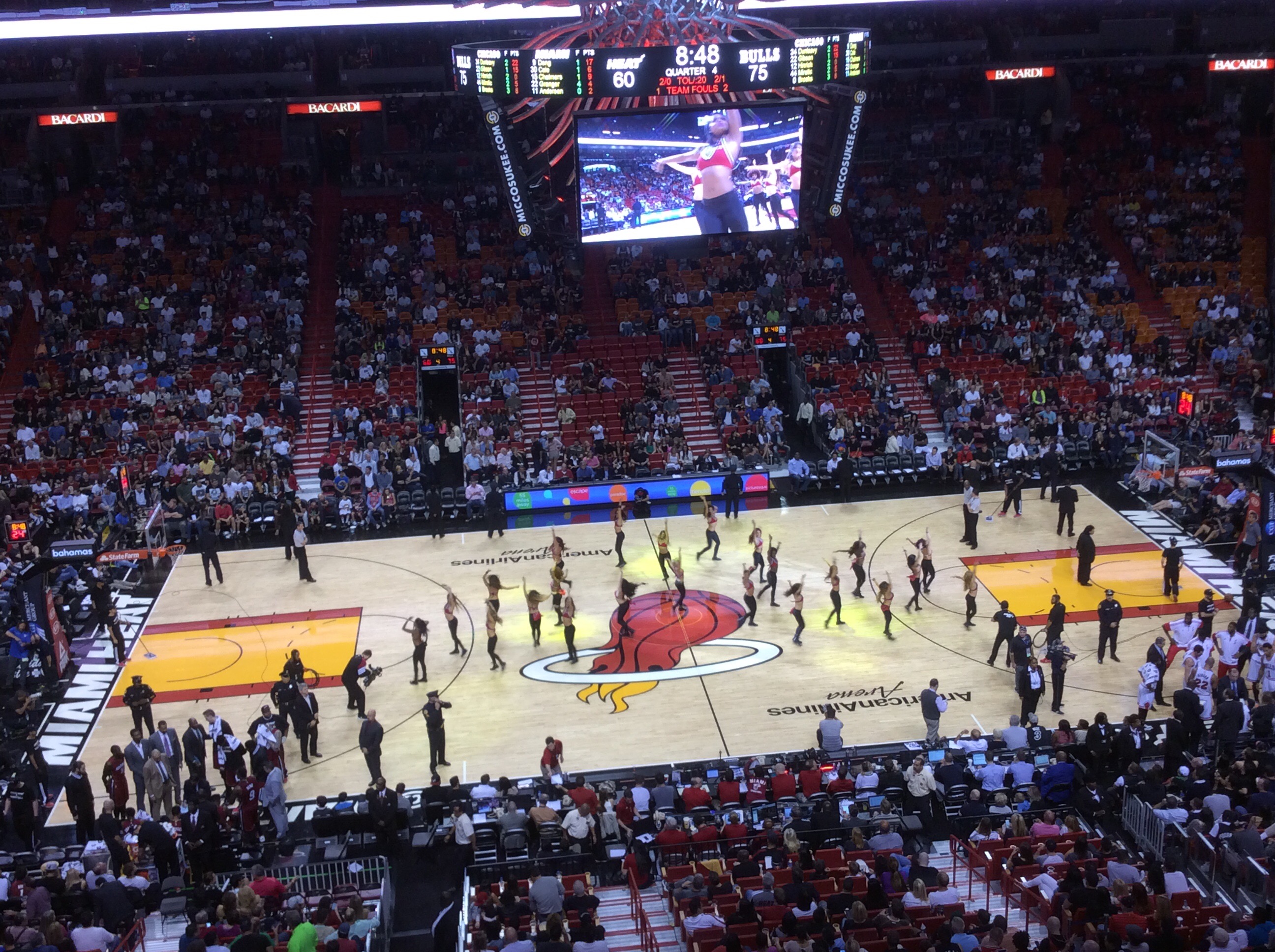
The game started and I was mesmerised – the one and only basketball game I went to was about 25 years ago between Waikato and North Harbour and I remember it took forever with all the time outs. Each quarter is 12 minutes and time ticked down fast. Each team had a time out per quarter and during this time they had competitions and entertainment going on. I also learnt that each team has 24 seconds to take a shot – I never knew that so that was also exciting watching the 24 seconds tick away and seeing what the teams did to take it to the wire. There were a few 24 second time violations.

The home crowd is pretty lethal with all the chanting and they make lots of noise and boo the opposition when they are taking their shots after a personal foul has happened.

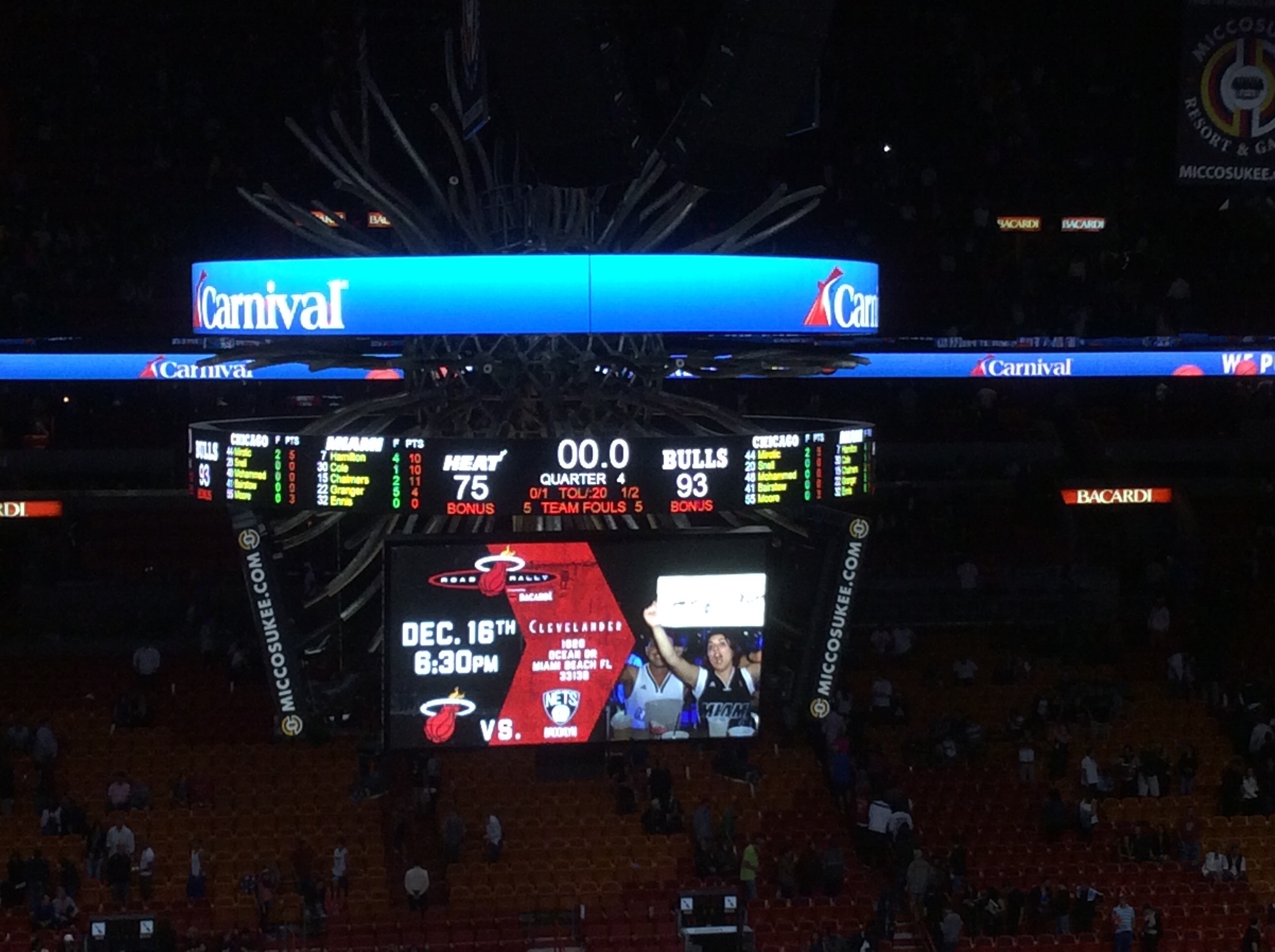
The Miami Heat started well but the Chicago Bulls showed their class and powered past the Heat on the scoreboard. Before we knew it 2 hours and 20 minutes had passed and the game was over. The Bulls won 95 to 73. We both really enjoyed our NBA experience and just cannot believe how many cool sporting events we have managed to attend this year – feeling very blessed : )

/home/wpcom/public_html/wp-content/blogs.dir/eb7/67251693/files/2014/12/img_2469.jpg

/home/wpcom/public_html/wp-content/blogs.dir/eb7/67251693/files/2014/12/img_2471.jpg

/home/wpcom/public_html/wp-content/blogs.dir/eb7/67251693/files/2014/12/img_2472.jpg

/home/wpcom/public_html/wp-content/blogs.dir/eb7/67251693/files/2014/12/img_2475.jpg

/home/wpcom/public_html/wp-content/blogs.dir/eb7/67251693/files/2014/12/img_2480.jpg

/home/wpcom/public_html/wp-content/blogs.dir/eb7/67251693/files/2014/12/img_2482.jpg

/home/wpcom/public_html/wp-content/blogs.dir/eb7/67251693/files/2014/12/img_2484.jpg

The National Basketball Association (NBA) is the pre-eminent men’s professional basketball league in North America, and is widely considered to be the premier men’s professional basketball league in the world. It has 30 franchised member clubs (29 in the United States and 1 in Canada). The NBA is one of the four major North American professional sports leagues – the others being American Football (Gridiron), Ice Hockey and Baseball. NBA players are the world’s best paid sportsmen, by average annual salary per player.
The league was founded in New York City on June 6, 1946, as the Basketball Association of America (BAA). The league adopted the name National Basketball Association on August 3, 1949, after merging with its rival National Basketball League (NBL).

The NBA is divided into two conferences – the Eastern Conference and the Western Conference. Each Conference has 15 teams who are split into three divisions of 5 teams each.

During the regular season, each team plays 82 games, 41 each home and away. A team faces opponents in its own division four times a year (16 games). Each team plays six of the teams from the other two divisions in its conference four times (24 games), and the remaining four teams three times (12 games). Finally, each team plays all the teams in the other conference twice apiece (30 games). The top eight from each Conference then have playoffs to determine who will go through to the NBA final. All playoff series are the best of seven games.

Miami Heat
The Miami Heat are an American professional basketball team based in Miami, Florida. The team is a member of the Southeast Division in the Eastern Conference of the National Basketball Association (NBA). They play their home games at the American Airlines Arena in Downtown Miami. The team owner is Micky Arison, who also owns cruise-ship giant Carnival Corporation. The team president and de facto general manager is Pat Riley, and the head coach is Erik Spoelstra. The mascot of the team is Burnie, an anthropomorphic fireball.

Formed in 1988 as one of the NBA’s four expansion franchises, the Heat have won three league championships (in 2006, 2012 and 2013), five conference titles and 11 division titles. From February 3 to March 27, 2013, the Heat won 27 games in a row, the second-longest streak in NBA history (after the Los Angeles Lakers’ 33 wins). In 2013, Forbes valued the Heat at $625 million, sixth-most-valuable among NBA franchises.

Chicago Bulls
The Chicago Bulls are an American professional basketball team. They are based in Chicago, Illinois, playing in the Central Division of the Eastern Conference in the National Basketball Association (NBA). The team was founded on January 26, 1966. The Bulls play their home games at the United Center, also known as the “Madhouse on Madison.” The Bulls saw their greatest success during the 1990s. They are known for having one of the NBA’s greatest dynasties, winning six NBA championships between 1991 and 1998 with two three-peats. All six championship teams were led by Hall of Famers Michael Jordan, Scottie Pippen and coach Phil Jackson. The Bulls are the only NBA franchise to win multiple championships and never lose an NBA Finals in their history.

The Bulls won an NBA record-72 games during the 1995–96 NBA season and are the only team in NBA history to win 70 games or more in a single season. Many experts and analysts consider the 1996 Bulls to be one of the greatest teams in NBA history. As of 2013, the Bulls were estimated to be the third most valuable NBA franchise according to Forbes, with an estimated value of $1 billion, earning an estimated $52.2 million in operating income in 2013. Michael Jordan and Derrick Rose have both won the NBA Most Valuable Player Award while playing for the Bulls, for a total of six MVP awards. Derrick Rose played on Sunday night in the game against the Miami Heat.

The Chicago Bulls are owned by Jerry M. Reinsdorf (born February 25, 1936) who is a CPA and lawyer – he also owns the MLB’s Chicago White Sox. He started his professional life as a tax attorney with the Internal Revenue Service. He has been the head of the White Sox and Bulls for over 25 years.

He made his initial fortune in real estate, taking advantage of the Frank Lyon Co. v. United States decision by the United States Supreme Court which allowed economic owners of realty to sell property and lease it back, while transferring the tax deduction for depreciation to the title owner.

Posted in Florida, USA | Leave a comment

Miami Sightseeing – Florida, USA

We spent a day in Miami after the first two weeks on our Oceania Cruise before heading to the Caribbean. We then came back to Miami after cruising the Caribbean. After watching C.S.I. Miami we were quite excited to check the place out.

The population of the Miami city area is about 420,000 with 5.5 million in the metro area. During the early 20th century, northerners were attracted to the city, and Miami prospered during the 1920s with an increase in population and infrastructure. The collapse of the Florida land boom of the 1920s, the 1926 Miami Hurricane, and the Great Depression in the 1930s slowed development. When World War II began, Miami, well-situated on the southern coast of Florida, became a base for US defense against German submarines. The war brought an increase in Miami’s population; by 1940, 172,172 people lived in the city.

After Fidel Castro rose to power in Cuba in 1959, many wealthy Cubans sought refuge in Miami, further increasing the population. The city developed businesses and cultural amenities as part of the New South. In the 1980s and 1990s, South Florida weathered social problems related to drug wars, immigration from Haiti and Latin America, and the widespread destruction of Hurricane Andrew. Racial and cultural tensions were sometimes sparked, but the city developed in the latter half of the 20th century as a major international, financial, and cultural center. It is the second-largest U.S. city (after El Paso, Texas) with a Spanish-speaking majority, and the largest city with a Cuban-American plurality.

Miami and its metropolitan area grew from just over one thousand residents to nearly five and a half million residents in just 110 years (1896–2006). The city’s nickname, The Magic City, comes from this rapid growth. Winter visitors remarked that the city grew so much from one year to the next that it was like magic.

/home/wpcom/public_html/wp-content/blogs.dir/eb7/67251693/files/2014/12/img_2374.jpg

We spent a bit of time exploring the Bayside area which is quite close to the Port of Miami which is the busiest cruise port in the world. There were at least 6 cruise ships in port on every day we spent in Miami. The Bayside Marketplace was a hive of activity with lots of little shops, bars and restaurants. We also went downtown but to be honest there wasn’t a lot there.
/home/wpcom/public_html/wp-content/blogs.dir/eb7/67251693/files/2014/12/img_2383.jpg

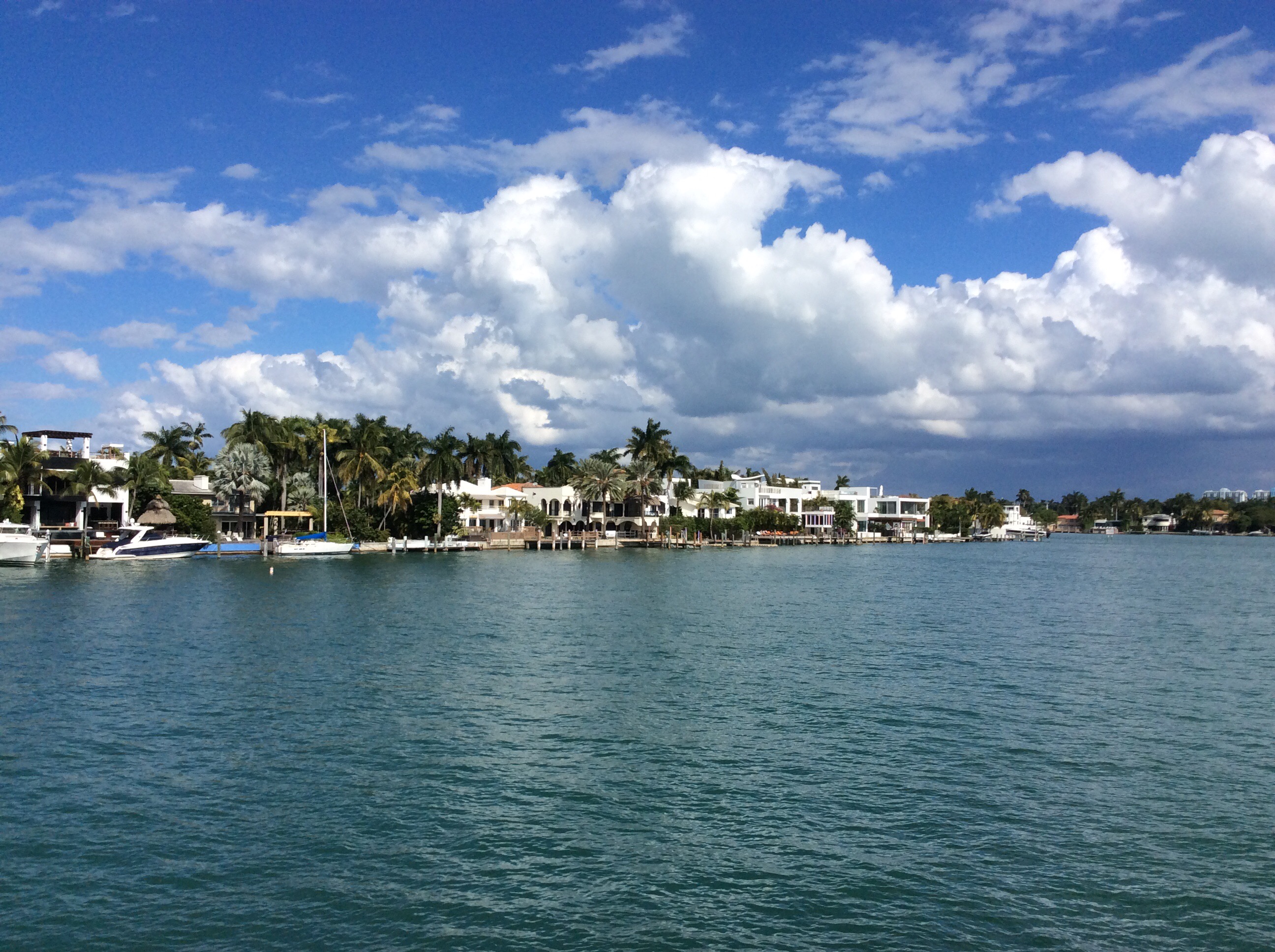
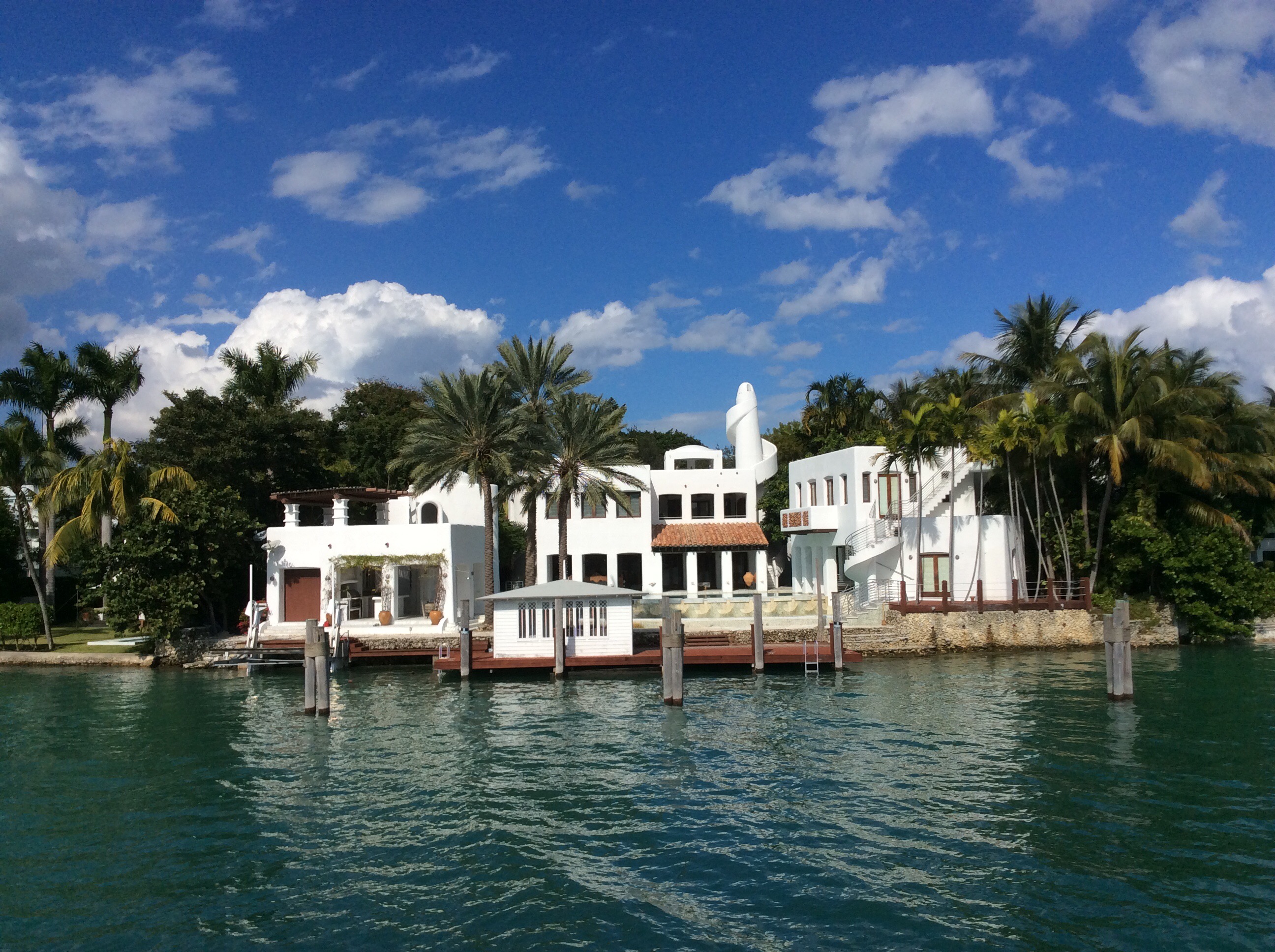
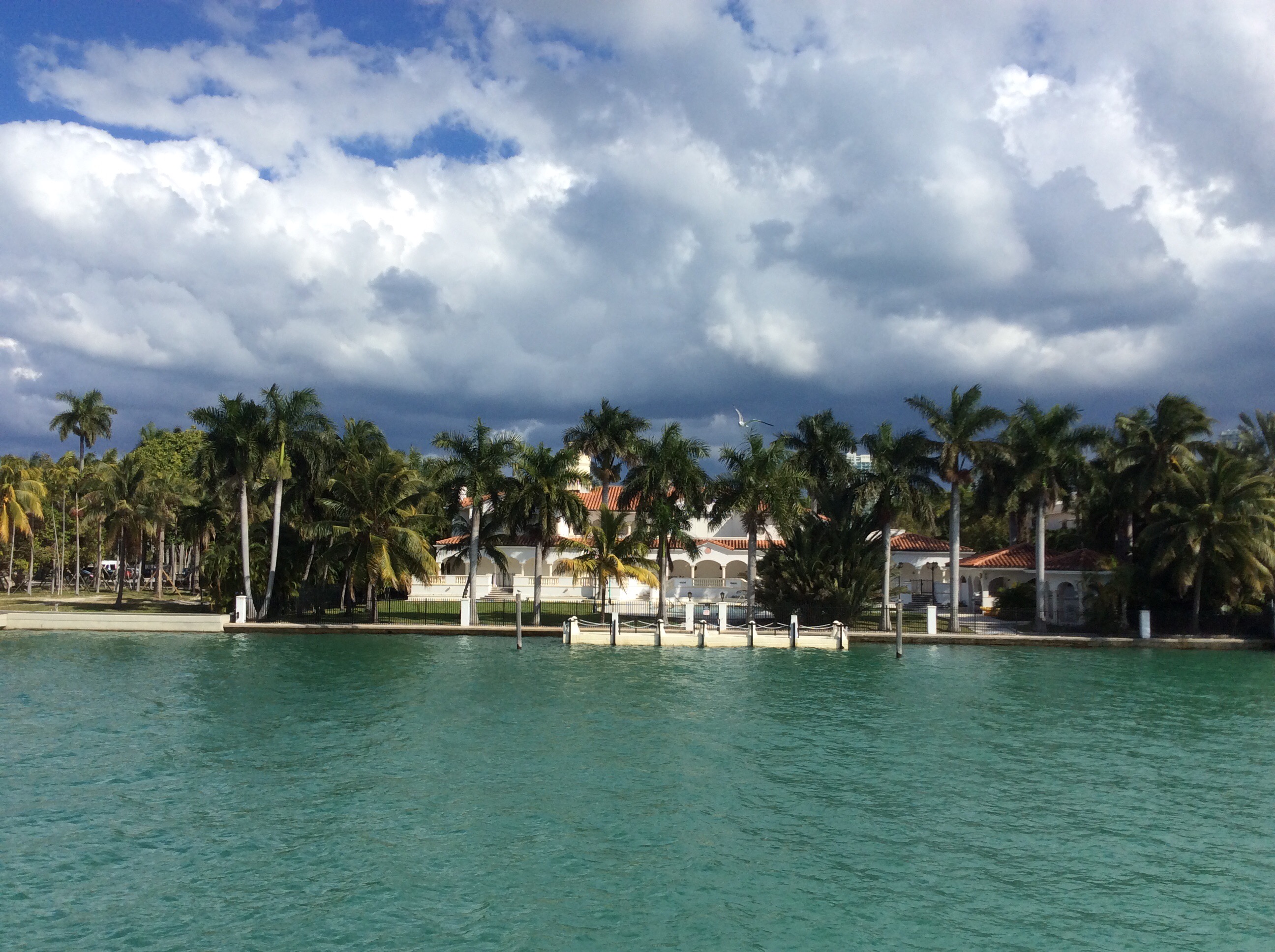
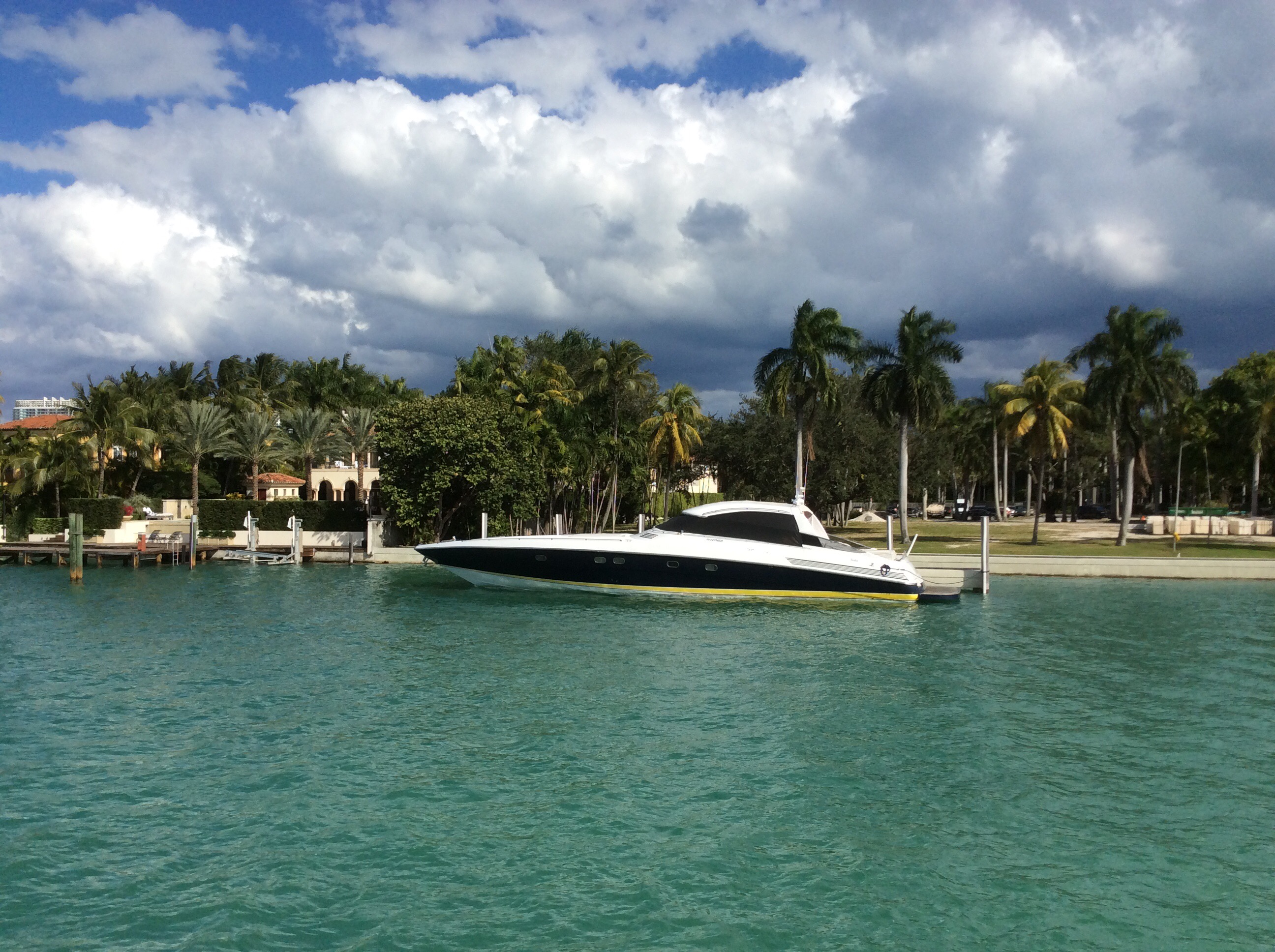
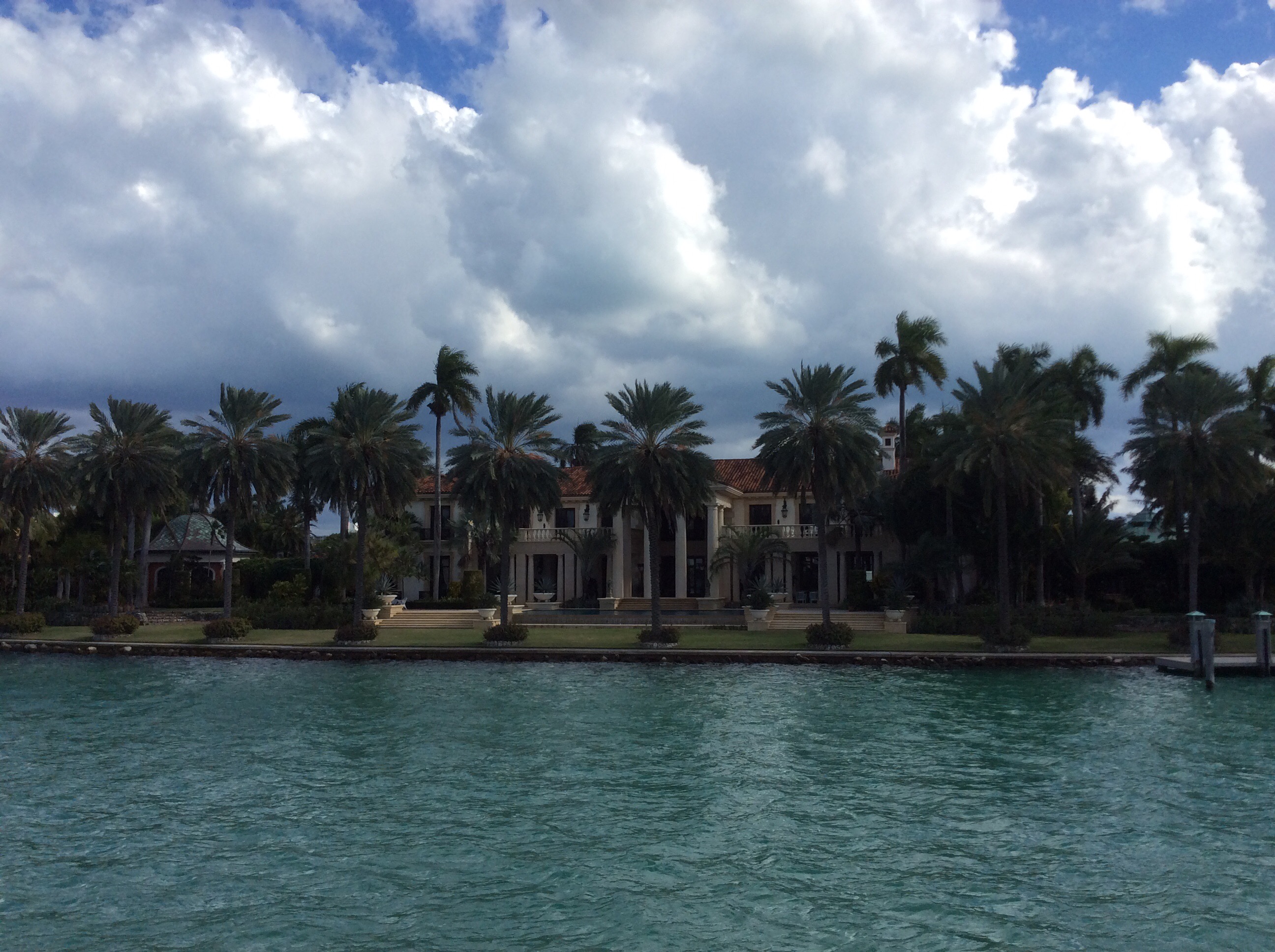
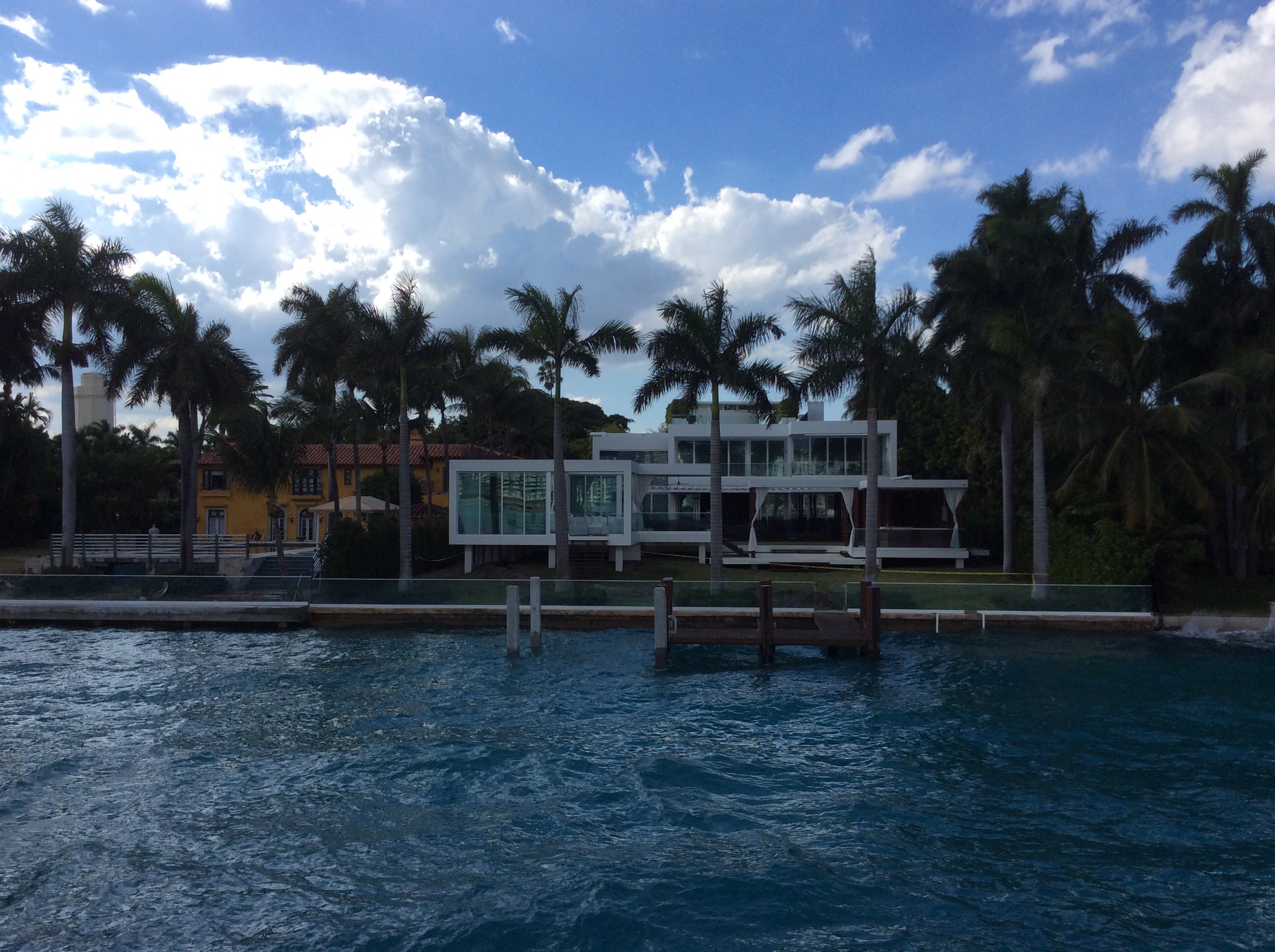
After all the cruising we had done you would have thought we would have been sick of the water but we decided to take a boat ride around all the little islands that surround Miami. They call it the Millionaires Row trip as the boat goes past all these flash houses, some of which belong to or have belonged to celebrities.

We first went past the Venetian Islands which are a chain of artificial islands in Biscayne Bay in the cities of Miami and Miami Beach. There are seven islands in total and they are all connected by bridge from the Miami mainland to Miami Beach. Flagler Monument Island remains an uninhabited picnic island, originally built in 1920 as a memorial to railroad pioneer Henry Flagler.

/home/wpcom/public_html/wp-content/blogs.dir/eb7/67251693/files/2014/12/img_2386.jpg

/home/wpcom/public_html/wp-content/blogs.dir/eb7/67251693/files/2014/12/img_2387.jpg

There are other islands beyond the Venetian Islands. One of these islands is Star Island which is a highly exclusive island just south of the Venetian Islands. It is connected to the mainland by the MacArthur Causeway.

Celebrities who own or have owned homes on the island include Sean Combs, Gloria Estefan, Don Johnson, Rosie O’Donnell, and Shaquille O’Neal. The largest house on Star Island is owned by Dr Phillip Frost, the founder of the major pharmaceutical company producing generic drugs for the ever so drug thirsty America. The house is approximately 28,000 square foot and has eight bedrooms and ten bathrooms and is worth approximately USD50 million. Dr Frost lives there with his wife who is a school principal and they have no children.

/home/wpcom/public_html/wp-content/blogs.dir/eb7/67251693/files/2014/12/img_2391.jpg

/home/wpcom/public_html/wp-content/blogs.dir/eb7/67251693/files/2014/12/img_2398.jpg

/home/wpcom/public_html/wp-content/blogs.dir/eb7/67251693/files/2014/12/img_2399.jpg

/home/wpcom/public_html/wp-content/blogs.dir/eb7/67251693/files/2014/12/img_2401.jpg

/home/wpcom/public_html/wp-content/blogs.dir/eb7/67251693/files/2014/12/img_2406.jpg

/home/wpcom/public_html/wp-content/blogs.dir/eb7/67251693/files/2014/12/img_2409.jpg

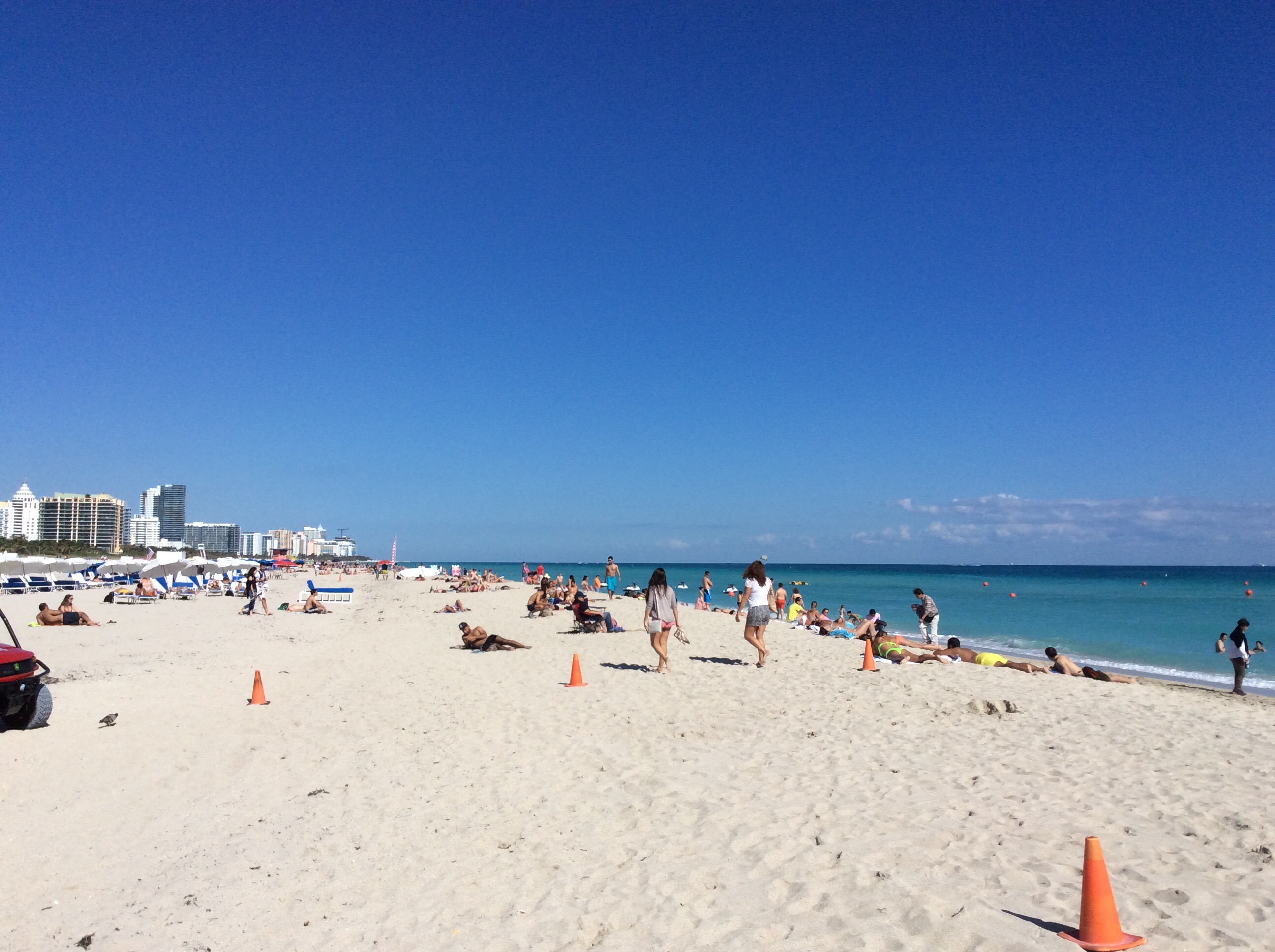
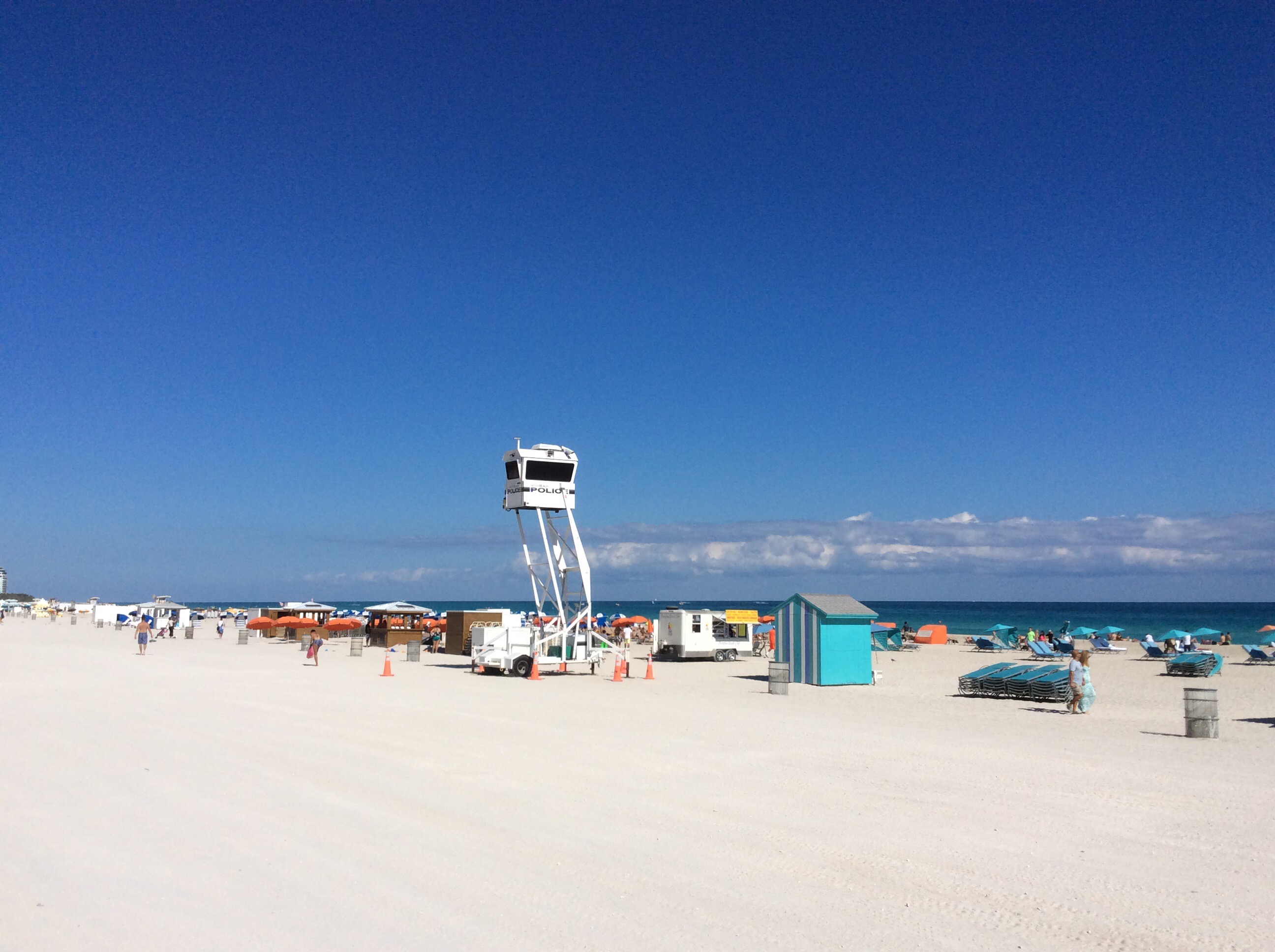
On the Sunday we decided to check out South Beach which is a very happening place in Miami. Restaurants lined Ocean Drive which is just across from the beach although you can’t see the beach from the road. We saw all these buff guys working out in the park – shirts off, muscles glistening in the morning sun…. We also saw lots of high end cars cruising up and down – it seemed every second car was a Ferrari or a Porsche. We went across to the beach which was well groomed and set up. There weren’t too many people swimming though. South Beach reminded us of Surfers Paradise on steroids.

/home/wpcom/public_html/wp-content/blogs.dir/eb7/67251693/files/2014/12/img_2448.jpg

/home/wpcom/public_html/wp-content/blogs.dir/eb7/67251693/files/2014/12/img_2450.jpg

/home/wpcom/public_html/wp-content/blogs.dir/eb7/67251693/files/2014/12/img_2452.jpg

/home/wpcom/public_html/wp-content/blogs.dir/eb7/67251693/files/2014/12/img_2453.jpg

/home/wpcom/public_html/wp-content/blogs.dir/eb7/67251693/files/2014/12/img_2454.jpg

South Beach, also nicknamed SoBe, is a neighborhood in the city of Miami Beach, located due east of Miami city proper between Biscayne Bay and the Atlantic Ocean. This area was the first section of Miami Beach to be developed, starting in the 1910s, thanks to the development efforts of Carl G. Fisher, the Lummus Brothers, and John S. Collins, the latter whose construction of the Collins Bridge provided the first vital land link between mainland Miami and the beaches.

The area has gone through numerous artificial and natural changes over the years, including a booming regional economy, increased tourism, and the 1926 hurricane, which destroyed much of the area. SoBe has a population of approximately 40,000.

In the 1930s, an architectural revolution came to South Beach, bringing Art Deco, Streamline Moderne, and Nautical Moderne architecture to the Beach. South Beach claims to be the world’s largest collection of Streamline Moderne Art Deco architecture. Napier, New Zealand, another notable Art Deco city, makes an interesting comparison with Miami Beach as it was rebuilt in the Ziggurat Art Deco style after being destroyed by an earthquake in 1931.

By 1940, the beach had a population of 28,000. After the December 7, 1941 attack on Pearl Harbor, the Army Air Corps took command over Miami Beach. That year, tourism brought almost two million people to South Beach.

Beginning in the mid 1960s and continuing through the 1980s, South Beach was used as a retirement community with most of its ocean-front hotels and apartment buildings filled with elderly people living on small, fixed incomes. This period also saw the introduction of the “cocaine cowboys,” drug dealers who used the area as a base for their illicit drug activities. Scarface, released in 1983, typifies this activity. In addition, television show Miami Vice used South Beach as a backdrop for much of its filming because of the area’s raw and unique visual beauty. A somewhat recurring theme of early Miami Vice episodes was thugs and drug addicts barricading themselves in utterly run-down, almost ruin-like empty buildings. Only minor alterations had to be made for these scenes because many buildings in South Beach really were in such poor condition at the time.

While many of the unique Art Deco buildings, such as the New Yorker Hotel, were lost to developers in the years before 1980, the area was saved as a cohesive unit by Barbara Capitman and a group of activists who spearheaded the movement to place almost one square mile of South Beach on the National Register of Historic Places. The Miami Beach Architectural District was designated in 1979.

Before the days of Miami Vice, South Beach was considered a very poor area with a very high rate of crime. Today, it is considered one of the wealthiest and most prosperous commercial areas on the beach. Despite this, poverty and crime still exist in some isolated places surrounding the area.

Another unique aesthetic attribute of South Beach is the presence of several colorful and unique stands used by Miami Beach’s lifeguards on South Beach. After Hurricane Andrew, Architect William Lane donated his design services to the city and added new stops on design tours in the form of lifeguard towers. His towers instantly became symbols of the revived City of Miami Beach.

/home/wpcom/public_html/wp-content/blogs.dir/eb7/67251693/files/2014/12/img_2449.jpg

/home/wpcom/public_html/wp-content/blogs.dir/eb7/67251693/files/2014/12/img_2451.jpg

Ricky Martin used to own this house….

/home/wpcom/public_html/wp-content/blogs.dir/eb7/67251693/files/2014/12/img_2390.jpg

This boat is owned by the Dallas Mavericks basketball team’s owner Mark Cuban and cost USD120 million.

/home/wpcom/public_html/wp-content/blogs.dir/eb7/67251693/files/2014/12/img_2418.jpg

SeaFair is the world’s first mobile megayacht venue and one of the ten largest privately owned yacht in the United States. Groundbreaking in scale, ingenuity and style, the yacht – which remains dockside during each event – pairs international fine art, jewelry and collectables with harbor view dining and special events in cities along the eastern seaboard.

The $40M purpose built yacht was designed by internationally acclaimed yacht designer Luiz De Basto. At 228 feet and 2800 international tons, it is the largest ship built for commercial operation in the Intracoastal Waterway and requires a draft of only 6.5 feet allowing it to dock at small yacht facilities in central city locations rather than use commercial ports.
Deck One features a formal entry, ten individual exhibit spaces and a coffee bar. Deck Two features twelve exhibit spaces and the Luxe Lounge, an open-air champagne and caviar lounge on the aft deck. Deck Three features six exhibit spaces and Sapore’, the formal glass-walled restaurant. The Sky Deck (Deck Four) contains Bistro360, an informal open-air restaurant and Bar360, a cocktail reception area.

/home/wpcom/public_html/wp-content/blogs.dir/eb7/67251693/files/2014/12/img_2423.jpg

Hard Rock Miami is the only Hard Rock cafe that doesn’t have a giant guitar on the roof – it was taken out by Hurricane Wilma.

/home/wpcom/public_html/wp-content/blogs.dir/eb7/67251693/files/2014/12/img_2428.jpg

Posted in Florida, USA | Leave a comment

Food Glorious Food – Oceania Cruises

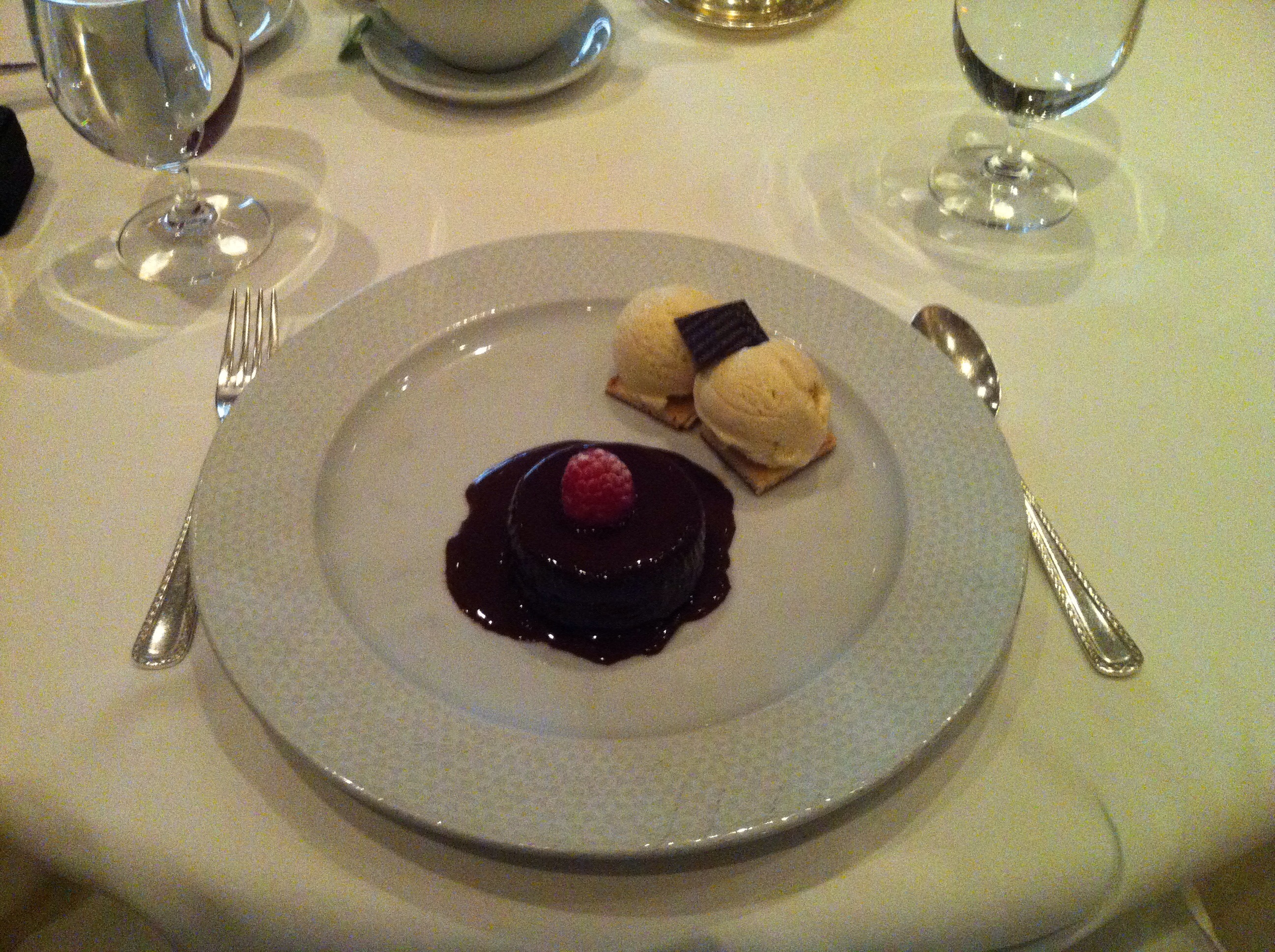
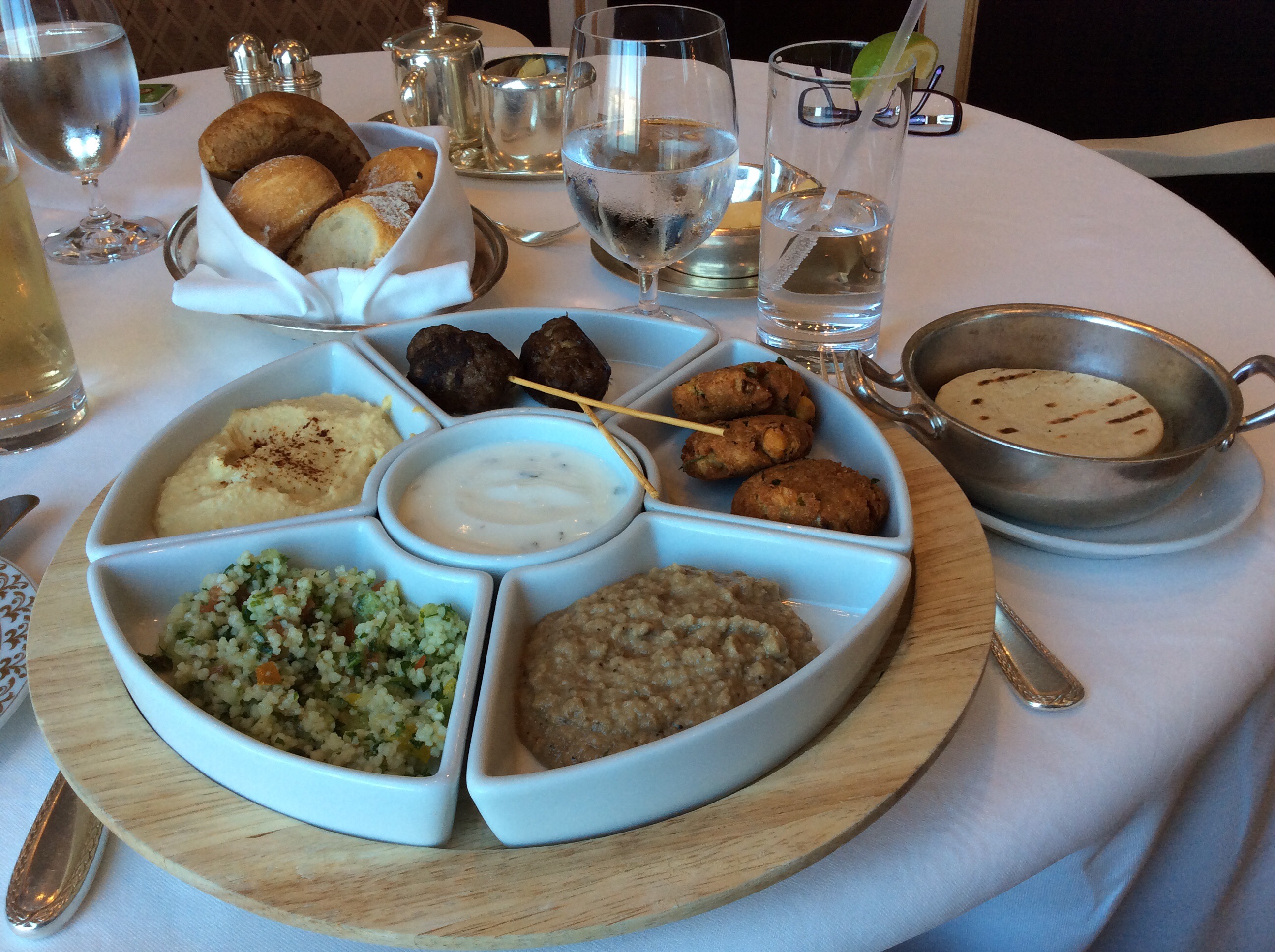
Oceania Cruises is renowned for it’s great food and it certainly lived up to expectation. There were four specialty restaurants on board and we were lucky enough to go to each one a few times over the month.

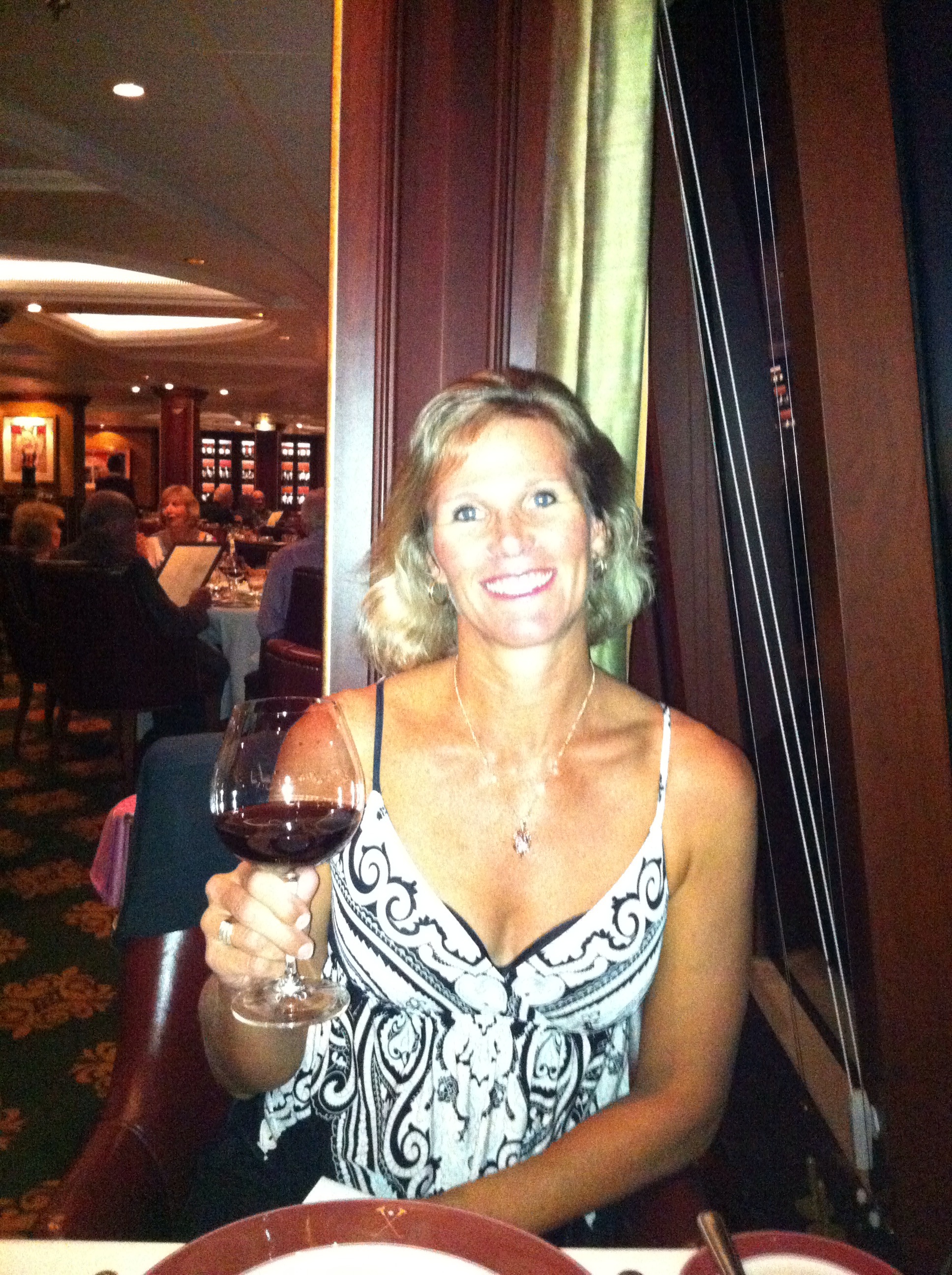
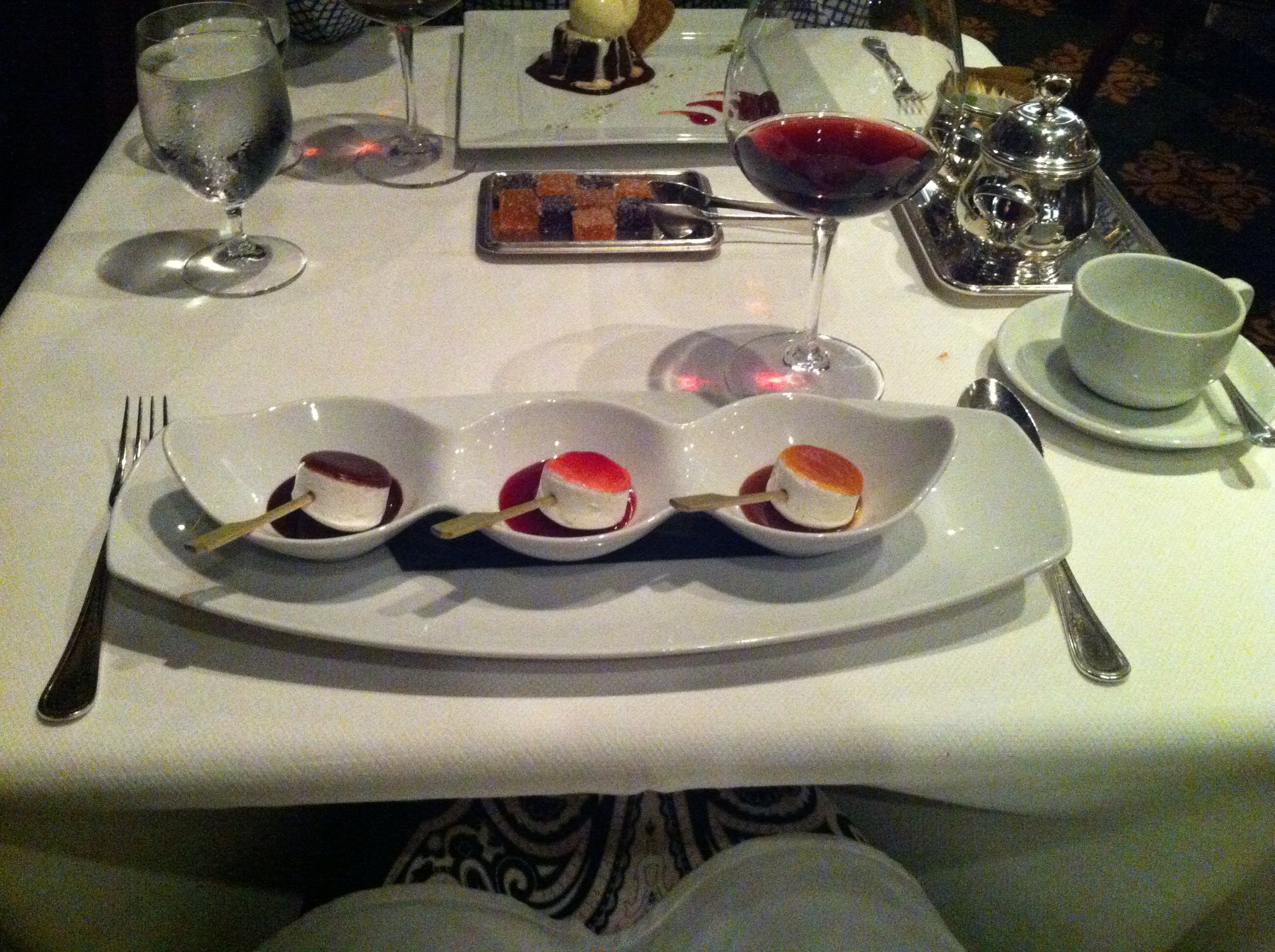
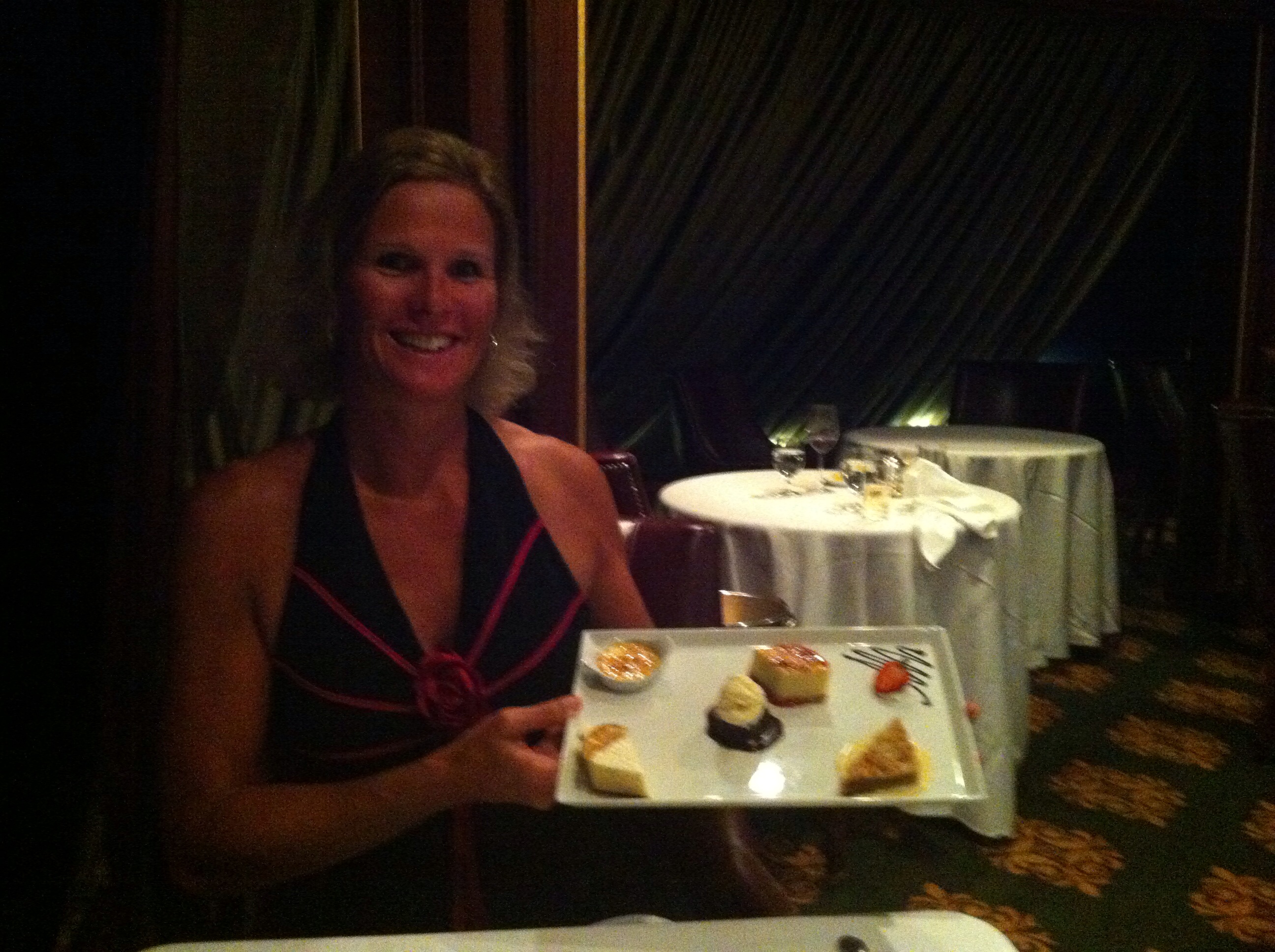
Polo Grill specialised in steak and seafood which they cooked to perfection.

/home/wpcom/public_html/wp-content/blogs.dir/eb7/67251693/files/2014/12/img_5011-0.jpg

/home/wpcom/public_html/wp-content/blogs.dir/eb7/67251693/files/2014/12/img_4925.jpg

/home/wpcom/public_html/wp-content/blogs.dir/eb7/67251693/files/2014/12/img_4924.jpg

/home/wpcom/public_html/wp-content/blogs.dir/eb7/67251693/files/2014/12/img_4926.jpg

/home/wpcom/public_html/wp-content/blogs.dir/eb7/67251693/files/2014/12/img_5014.jpg

/home/wpcom/public_html/wp-content/blogs.dir/eb7/67251693/files/2014/12/img_5015.jpg

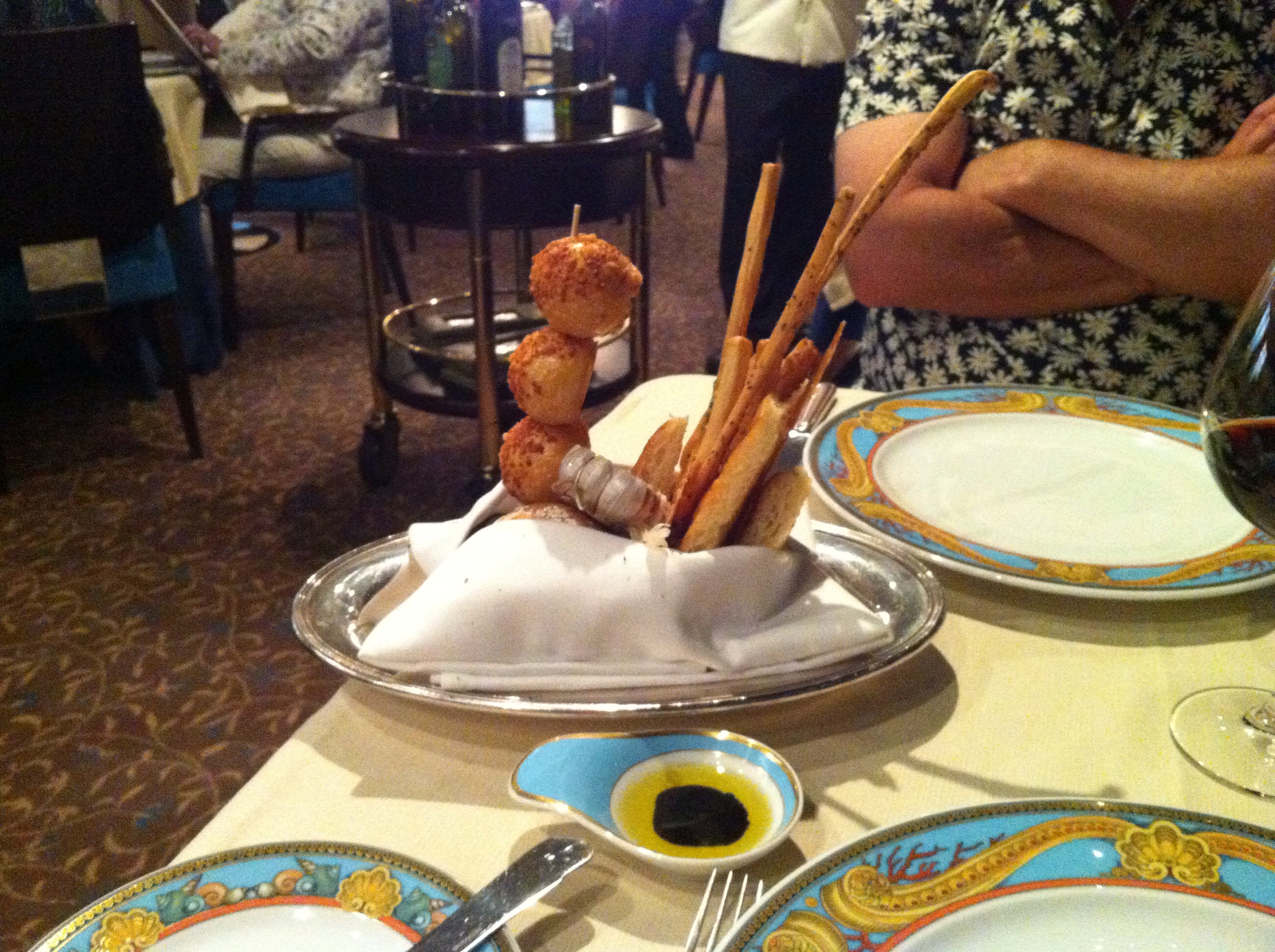
Toscana was an Italian restaurant which had the best bread selection & display. They also had an olive oil and balsamic vinegar menu so you could get just the right combination to go with the bread selection.

/home/wpcom/public_html/wp-content/blogs.dir/eb7/67251693/files/2014/12/img_5017.jpg

/home/wpcom/public_html/wp-content/blogs.dir/eb7/67251693/files/2014/12/img_4946.jpg

/home/wpcom/public_html/wp-content/blogs.dir/eb7/67251693/files/2014/12/img_4949.jpg

/home/wpcom/public_html/wp-content/blogs.dir/eb7/67251693/files/2014/12/img_4950.jpg

/home/wpcom/public_html/wp-content/blogs.dir/eb7/67251693/files/2014/12/img_5020.jpg

/home/wpcom/public_html/wp-content/blogs.dir/eb7/67251693/files/2014/12/img_5021.jpg

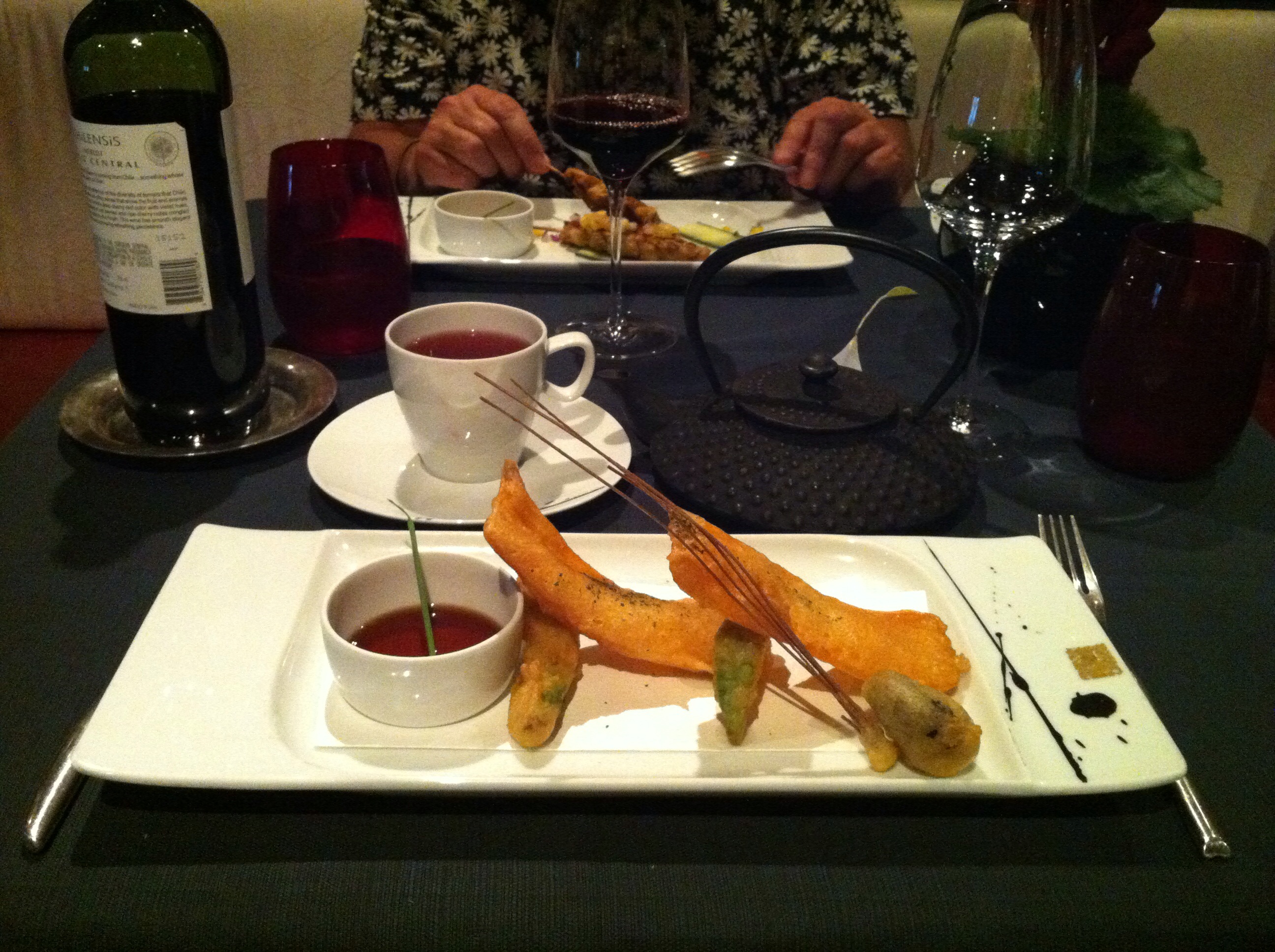
Red Ginger was the Asian speciality restaurant which had some great dishes on the menu. Steve took a liking to the garlic chilli prawns having a double serving one night we went there. The tempura vegetables were also delicious. They served all these delicious teas with your dinner – I particularly liked the pear and white ginger tea. They also served our favourite desert – coconut sorbet – to die for )

/home/wpcom/public_html/wp-content/blogs.dir/eb7/67251693/files/2014/12/img_4933.jpg

/home/wpcom/public_html/wp-content/blogs.dir/eb7/67251693/files/2014/12/img_4934.jpg

/home/wpcom/public_html/wp-content/blogs.dir/eb7/67251693/files/2014/12/img_4935.jpg

/home/wpcom/public_html/wp-content/blogs.dir/eb7/67251693/files/2014/12/img_4936.jpg

/home/wpcom/public_html/wp-content/blogs.dir/eb7/67251693/files/2014/12/img_4938.jpg

/home/wpcom/public_html/wp-content/blogs.dir/eb7/67251693/files/2014/12/img_4961.jpg

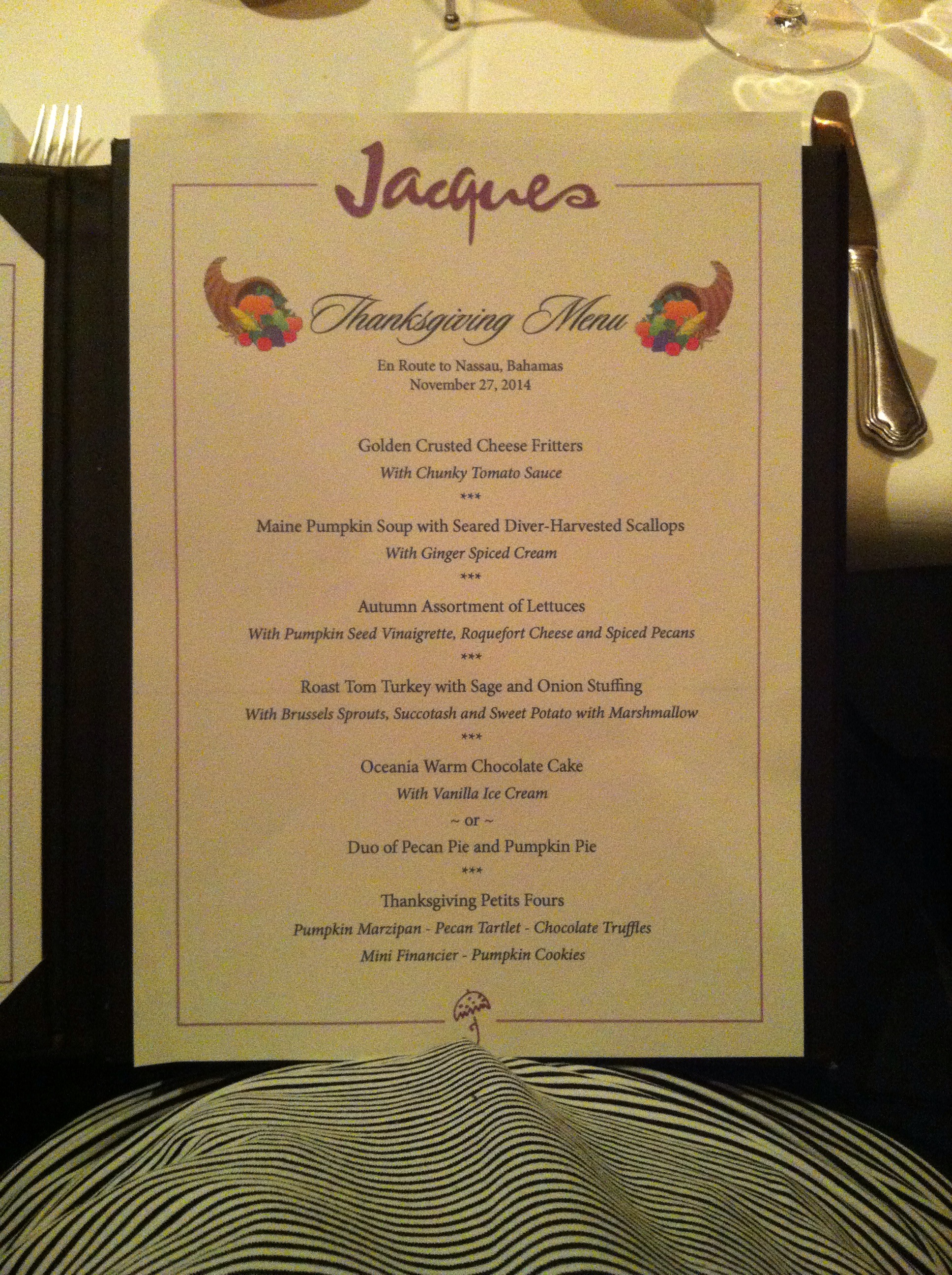
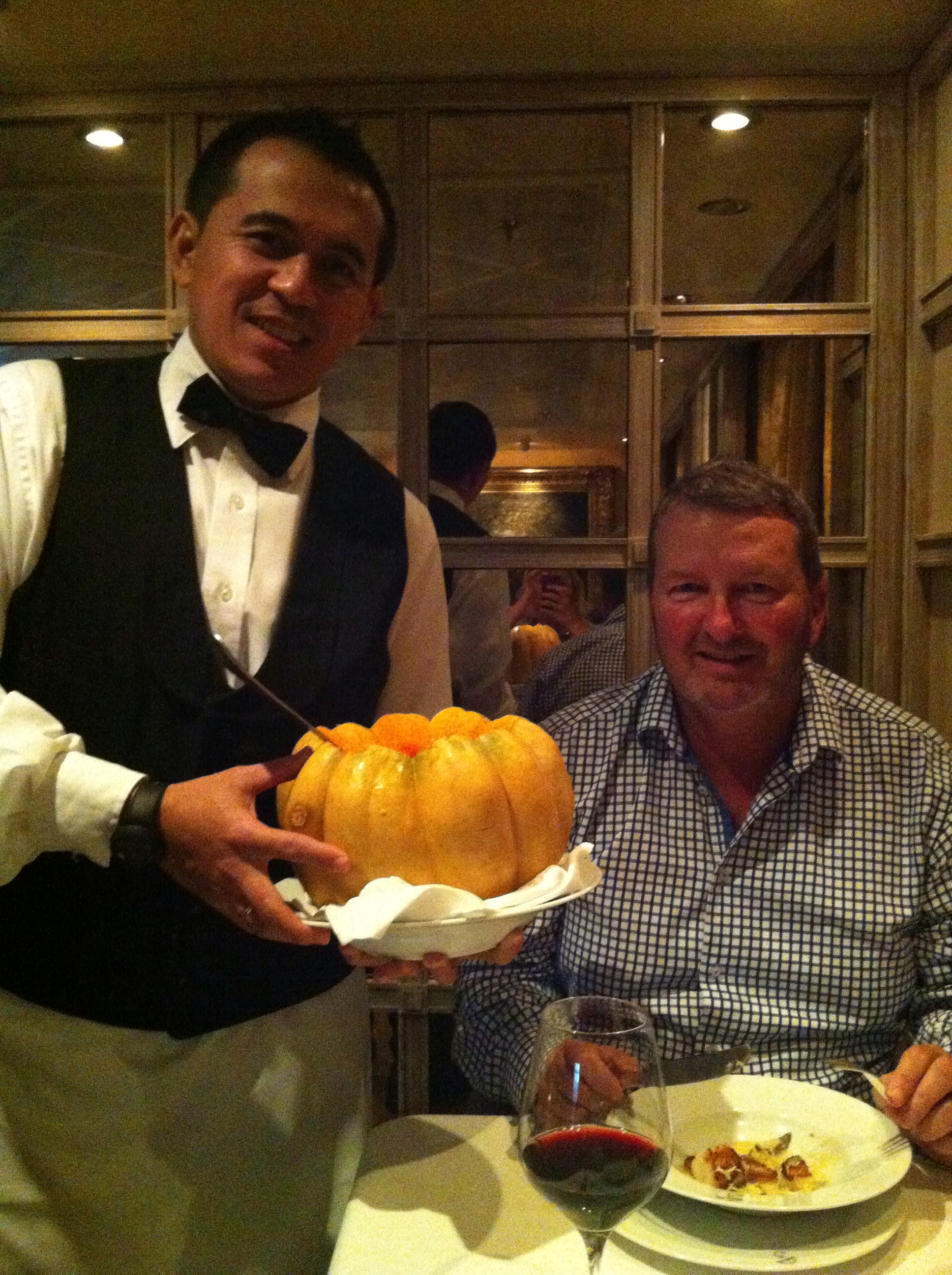
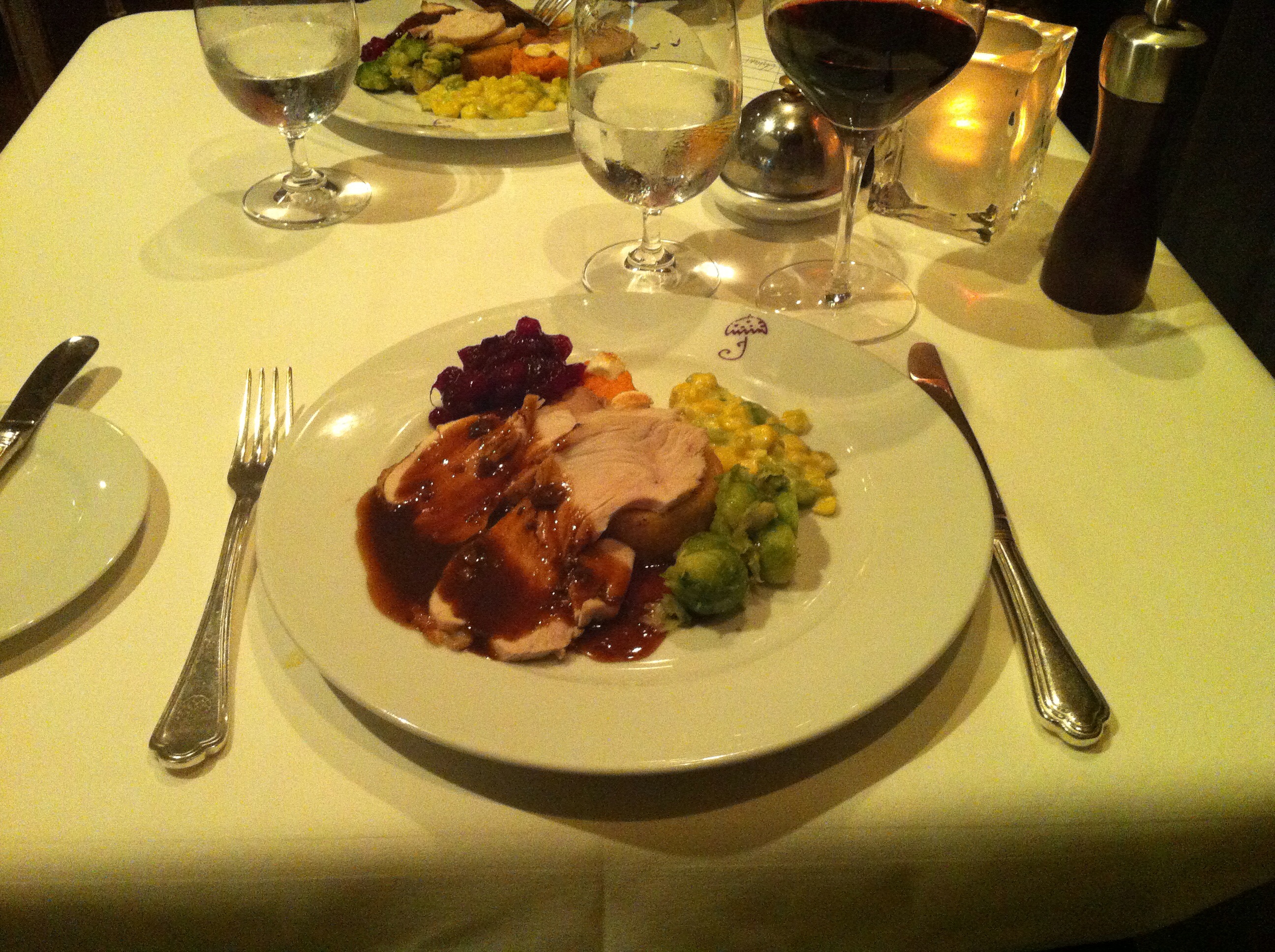
Jacques was the French speciality restaurant which is named after Oceania’s Executive Chef. They did this fabulous pumpkin soup which they served out of the pumpkin. We had Thanksgiving Turkey at Jacques which was accompanied by all the tasty trimmings.

/home/wpcom/public_html/wp-content/blogs.dir/eb7/67251693/files/2014/12/img_4956.jpg

/home/wpcom/public_html/wp-content/blogs.dir/eb7/67251693/files/2014/12/img_4953.jpg

/home/wpcom/public_html/wp-content/blogs.dir/eb7/67251693/files/2014/12/img_49541.jpg

/home/wpcom/public_html/wp-content/blogs.dir/eb7/67251693/files/2014/12/img_4955.jpg

/home/wpcom/public_html/wp-content/blogs.dir/eb7/67251693/files/2014/12/img_5010.jpg

The Grand Dining Room changed its menu every night and we also had some lovely meals there too.

/home/wpcom/public_html/wp-content/blogs.dir/eb7/67251693/files/2014/12/img_4957.jpg

/home/wpcom/public_html/wp-content/blogs.dir/eb7/67251693/files/2014/12/img_4960.jpg

/home/wpcom/public_html/wp-content/blogs.dir/eb7/67251693/files/2014/12/img_4990.jpg

/home/wpcom/public_html/wp-content/blogs.dir/eb7/67251693/files/2014/12/img_4991.jpg

/home/wpcom/public_html/wp-content/blogs.dir/eb7/67251693/files/2014/12/img_1928.jpg

/home/wpcom/public_html/wp-content/blogs.dir/eb7/67251693/files/2014/12/img_2224.jpg

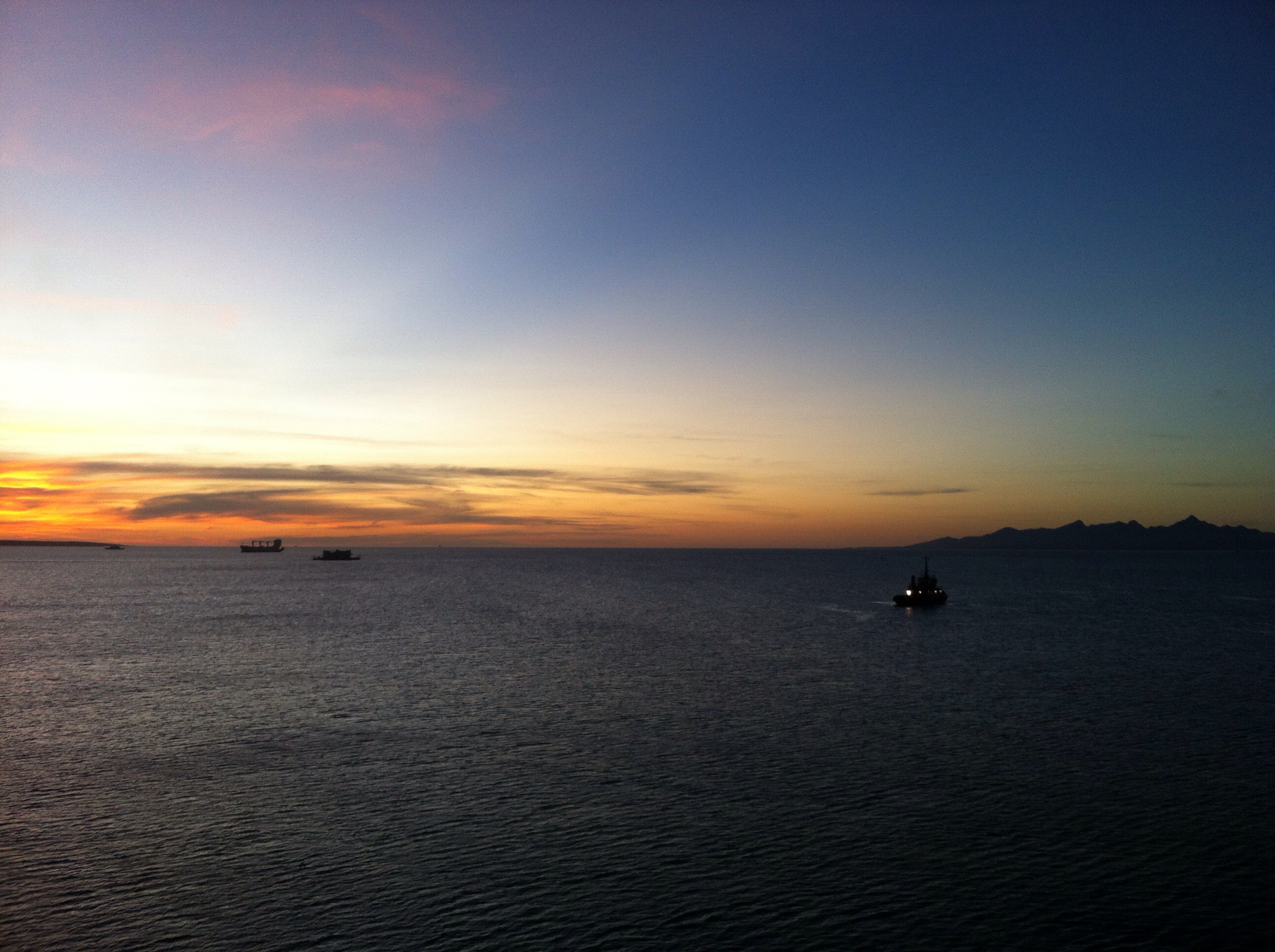
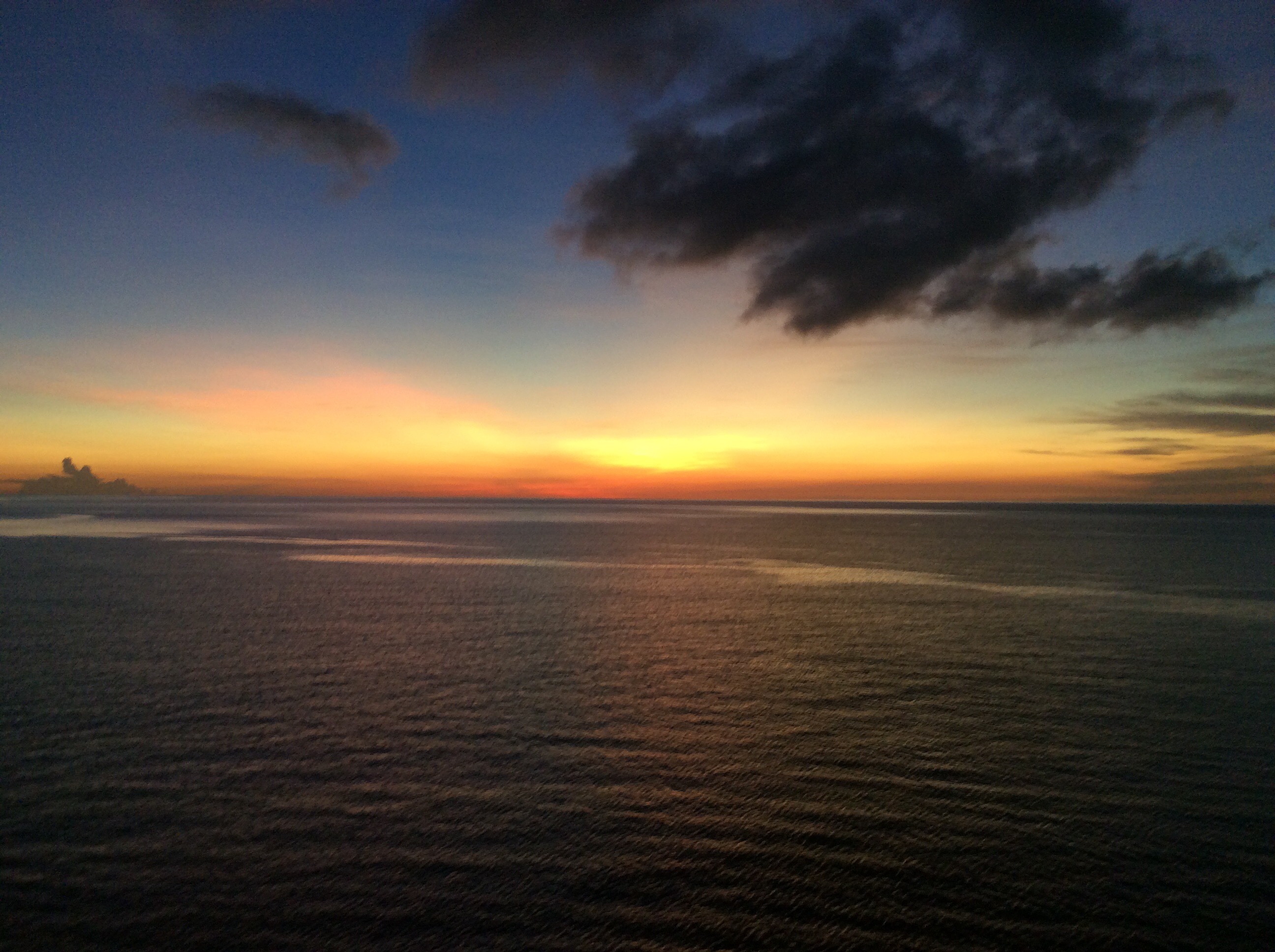
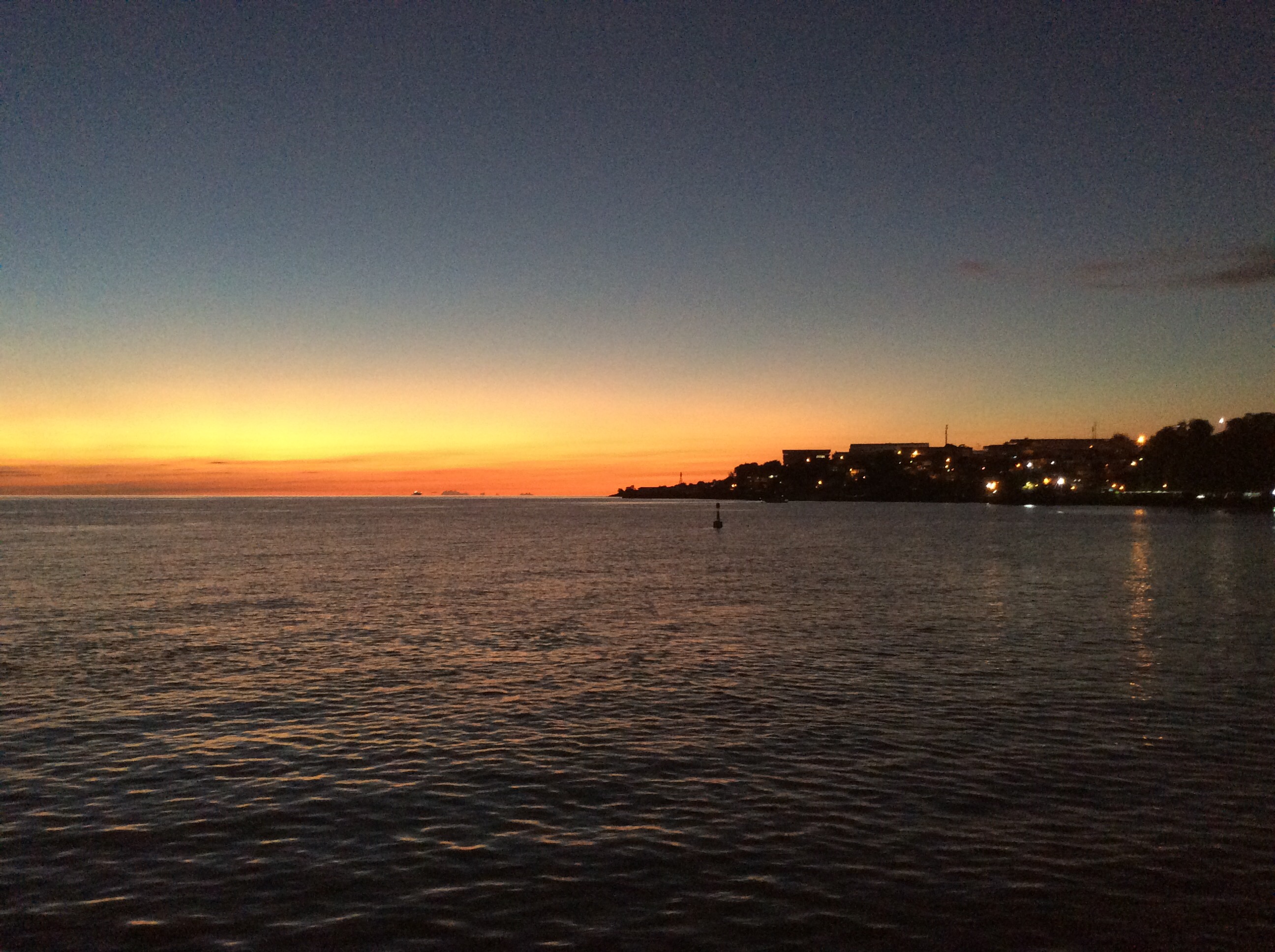
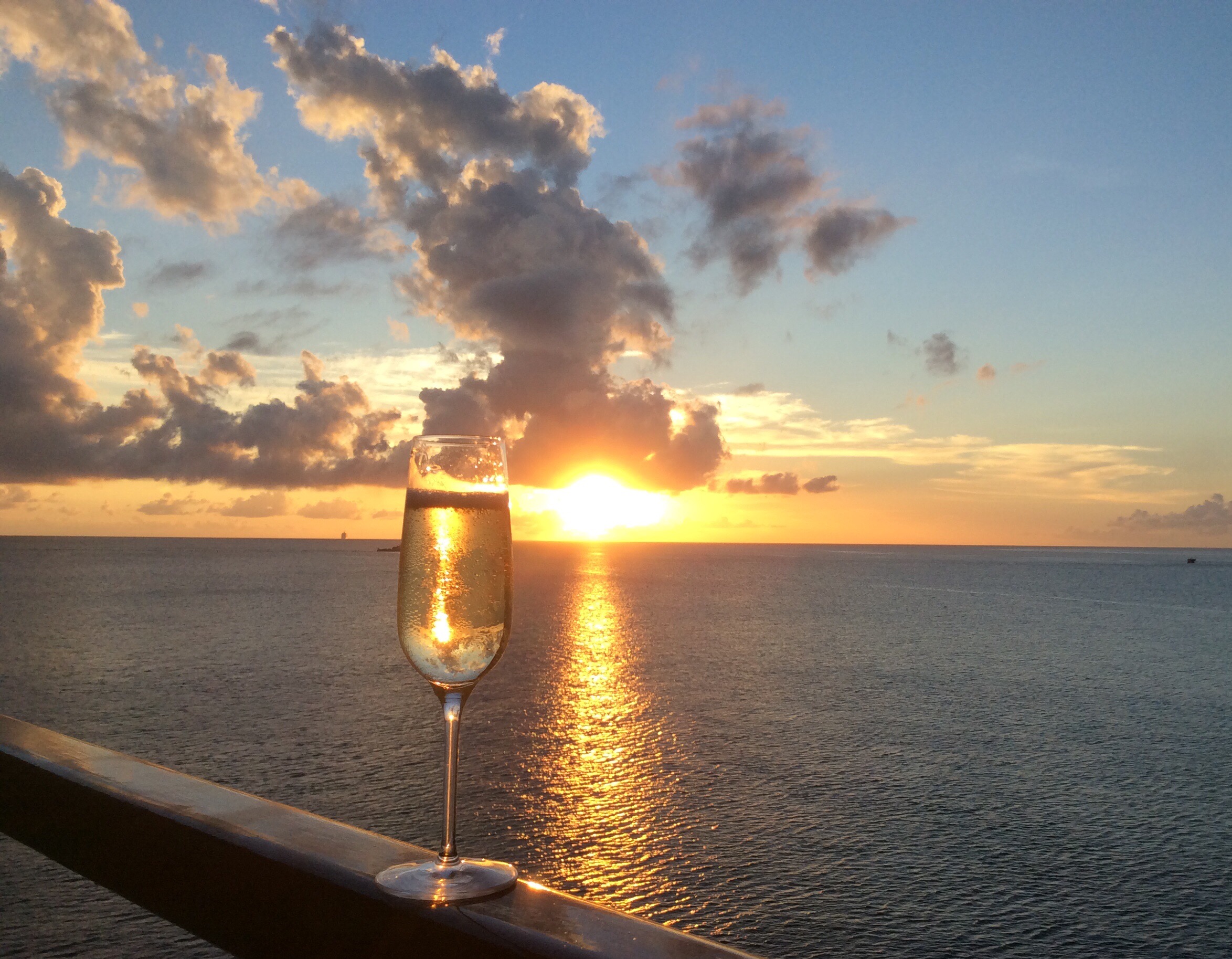
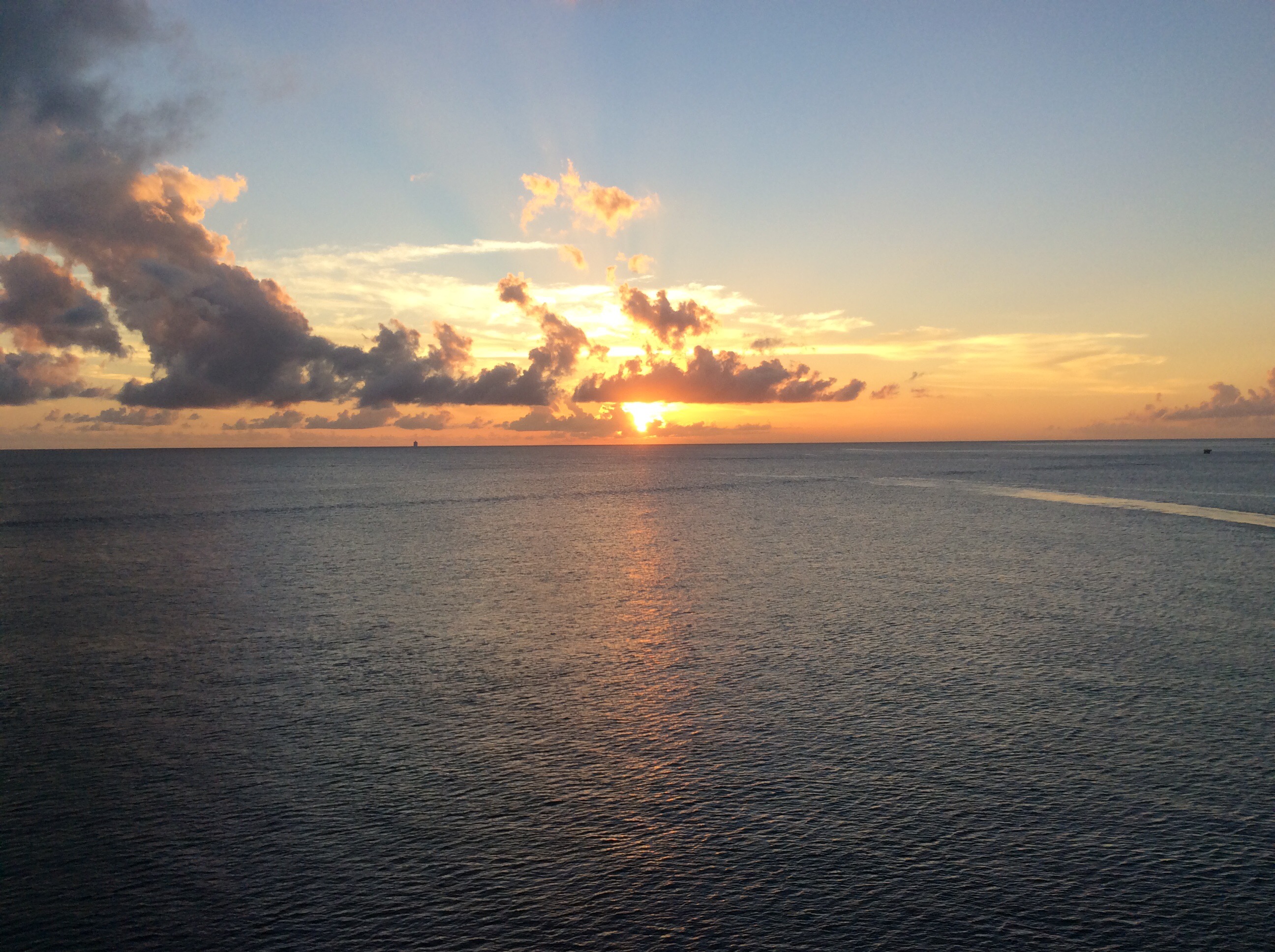
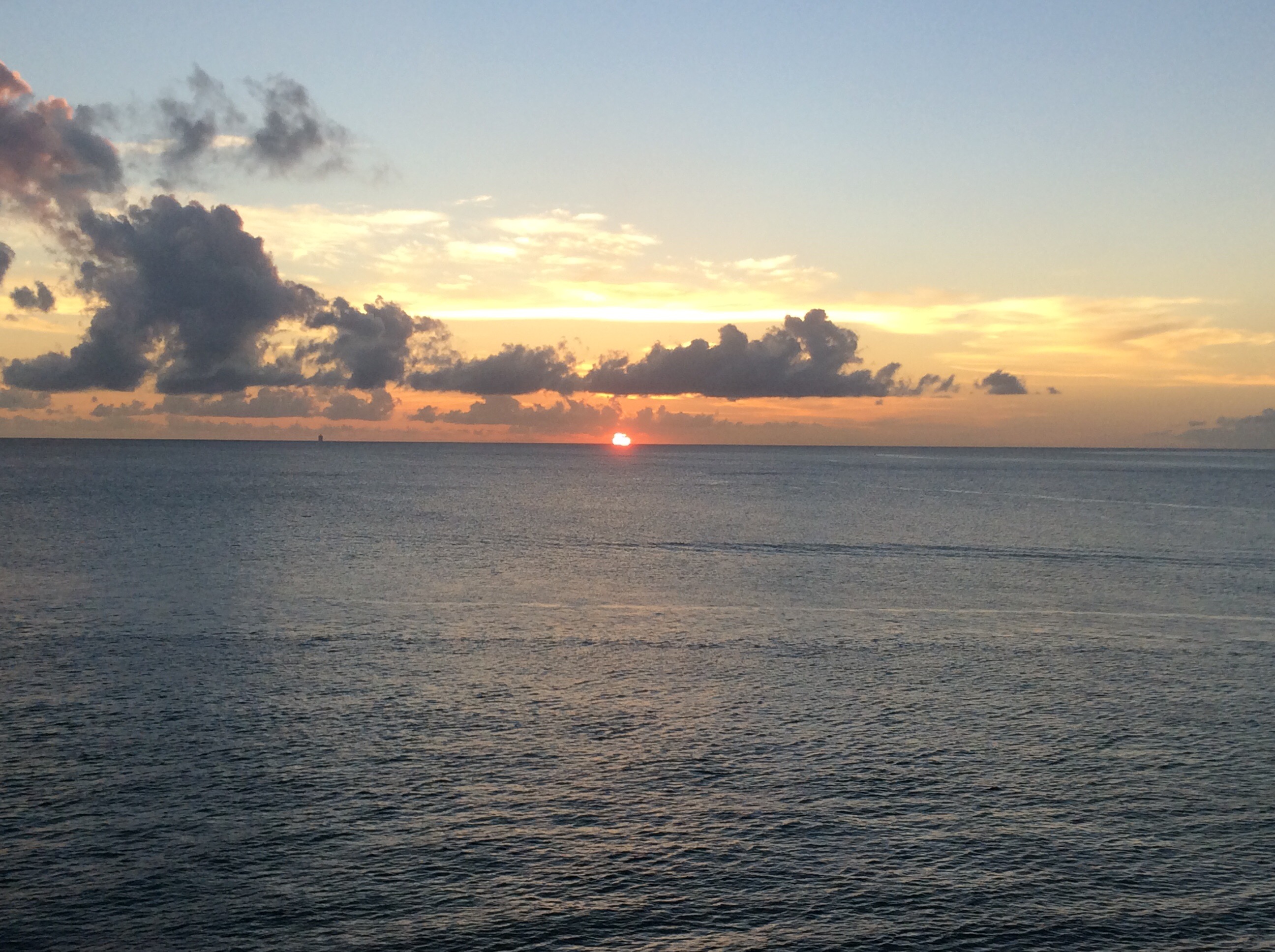
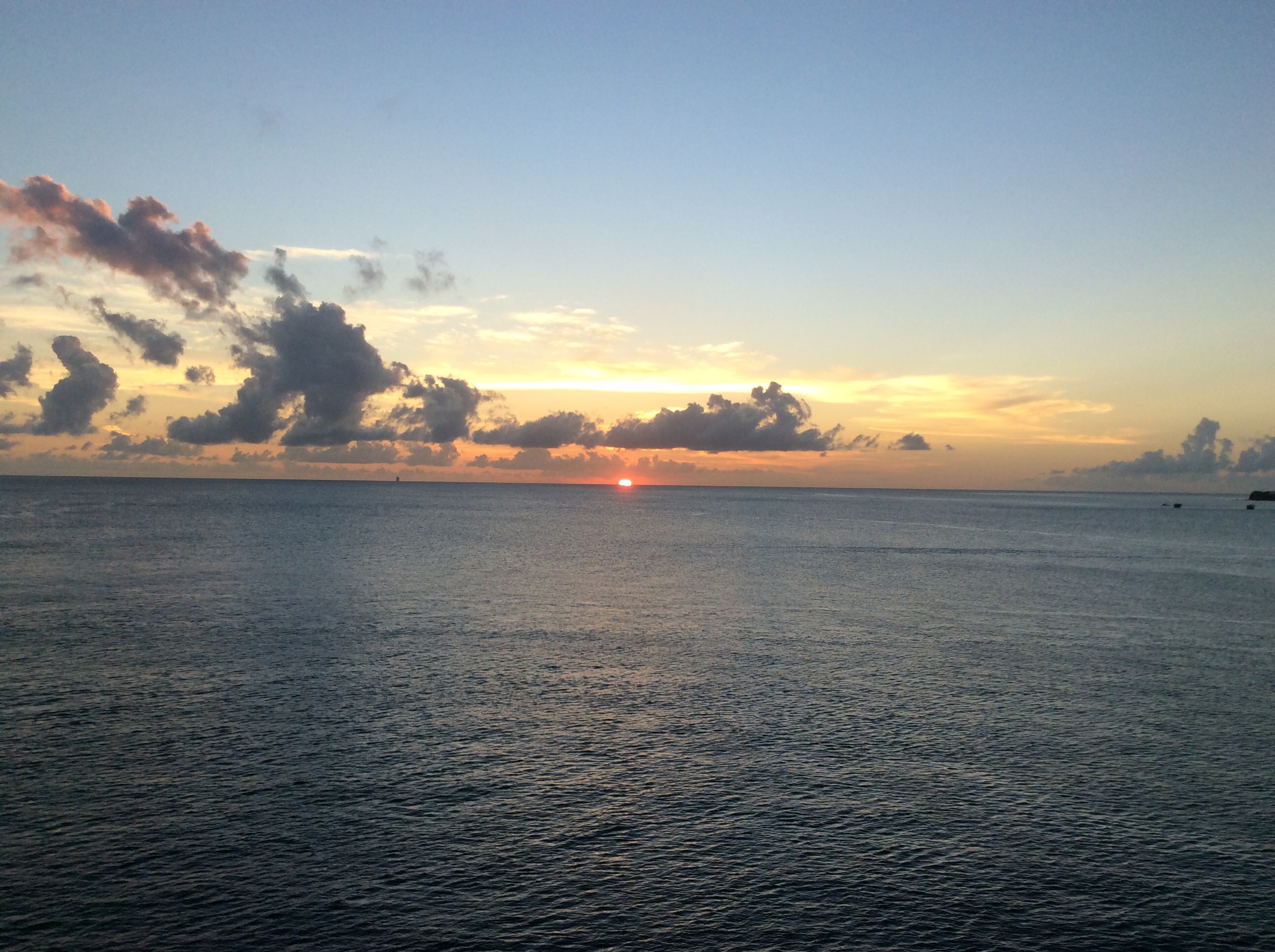
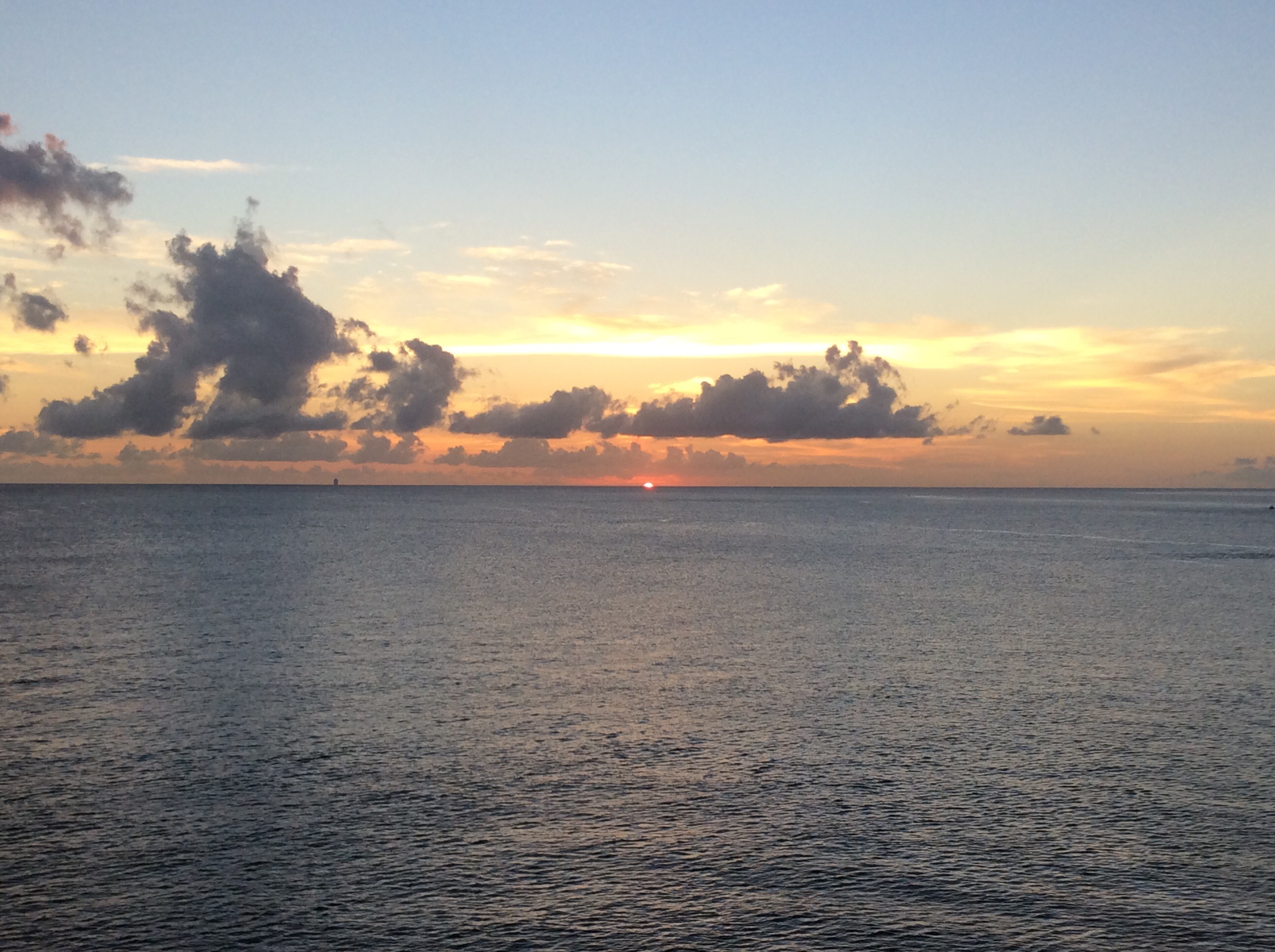
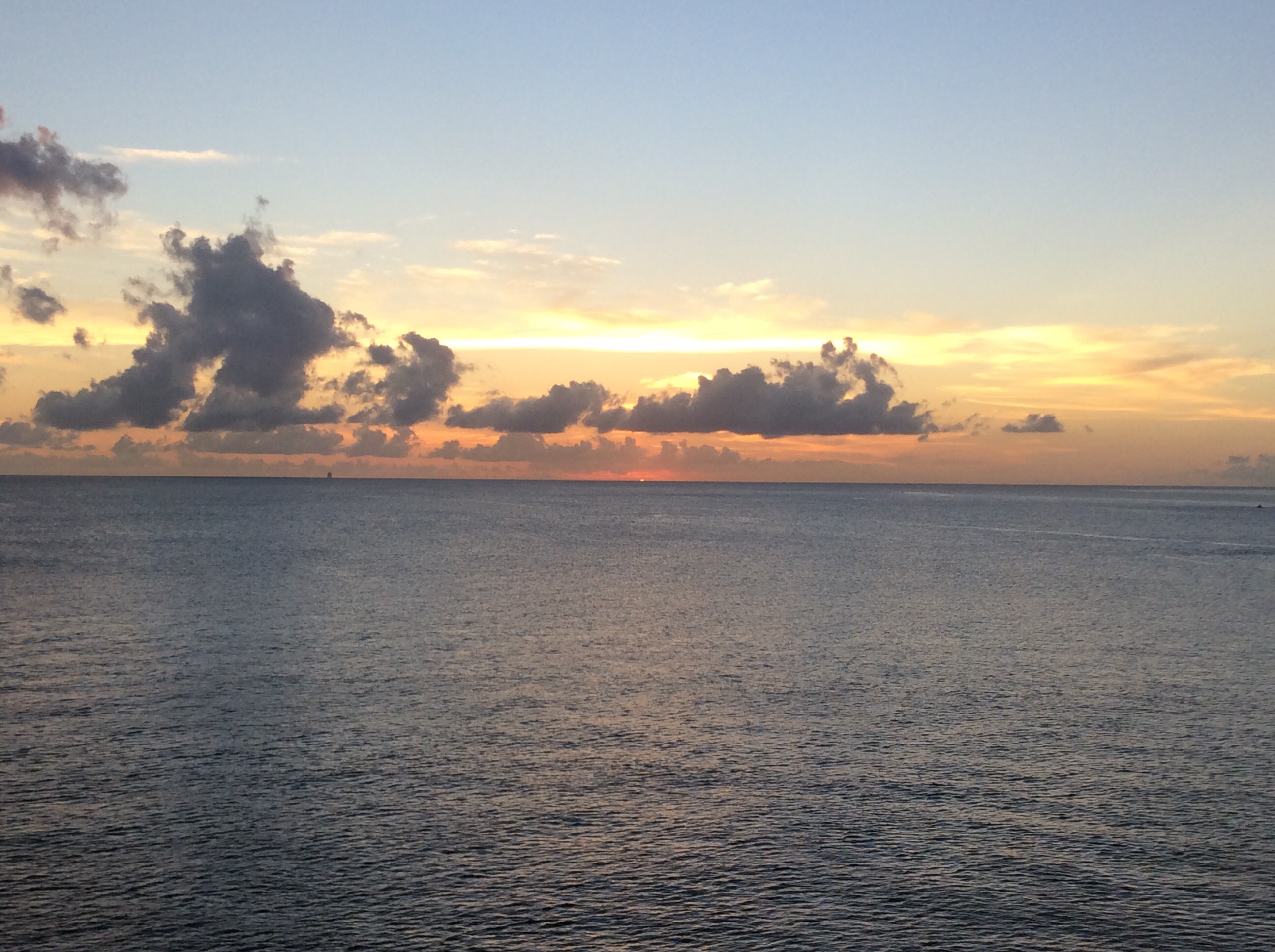
In between all that eating & drinking we also enjoyed some great sunsets.

Isla de Margarita, Venezuela

/home/wpcom/public_html/wp-content/blogs.dir/eb7/67251693/files/2014/12/img_5006.jpg

/home/wpcom/public_html/wp-content/blogs.dir/eb7/67251693/files/2014/12/img_5007.jpg

/home/wpcom/public_html/wp-content/blogs.dir/eb7/67251693/files/2014/12/img_5008.jpg

Grenada

/home/wpcom/public_html/wp-content/blogs.dir/eb7/67251693/files/2014/12/img_2213.jpg

/home/wpcom/public_html/wp-content/blogs.dir/eb7/67251693/files/2014/12/img_2214.jpg

Martinique

/home/wpcom/public_html/wp-content/blogs.dir/eb7/67251693/files/2014/12/img_2244.jpg

Saint Kitts & Nevis

/home/wpcom/public_html/wp-content/blogs.dir/eb7/67251693/files/2014/12/img_2340.jpg

/home/wpcom/public_html/wp-content/blogs.dir/eb7/67251693/files/2014/12/img_2341.jpg

/home/wpcom/public_html/wp-content/blogs.dir/eb7/67251693/files/2014/12/img_2342.jpg

/home/wpcom/public_html/wp-content/blogs.dir/eb7/67251693/files/2014/12/img_2345.jpg

/home/wpcom/public_html/wp-content/blogs.dir/eb7/67251693/files/2014/12/img_2347.jpg

/home/wpcom/public_html/wp-content/blogs.dir/eb7/67251693/files/2014/12/img_2349.jpg

/home/wpcom/public_html/wp-content/blogs.dir/eb7/67251693/files/2014/12/img_2350.jpg

Posted in Oceania Cruises | Leave a comment

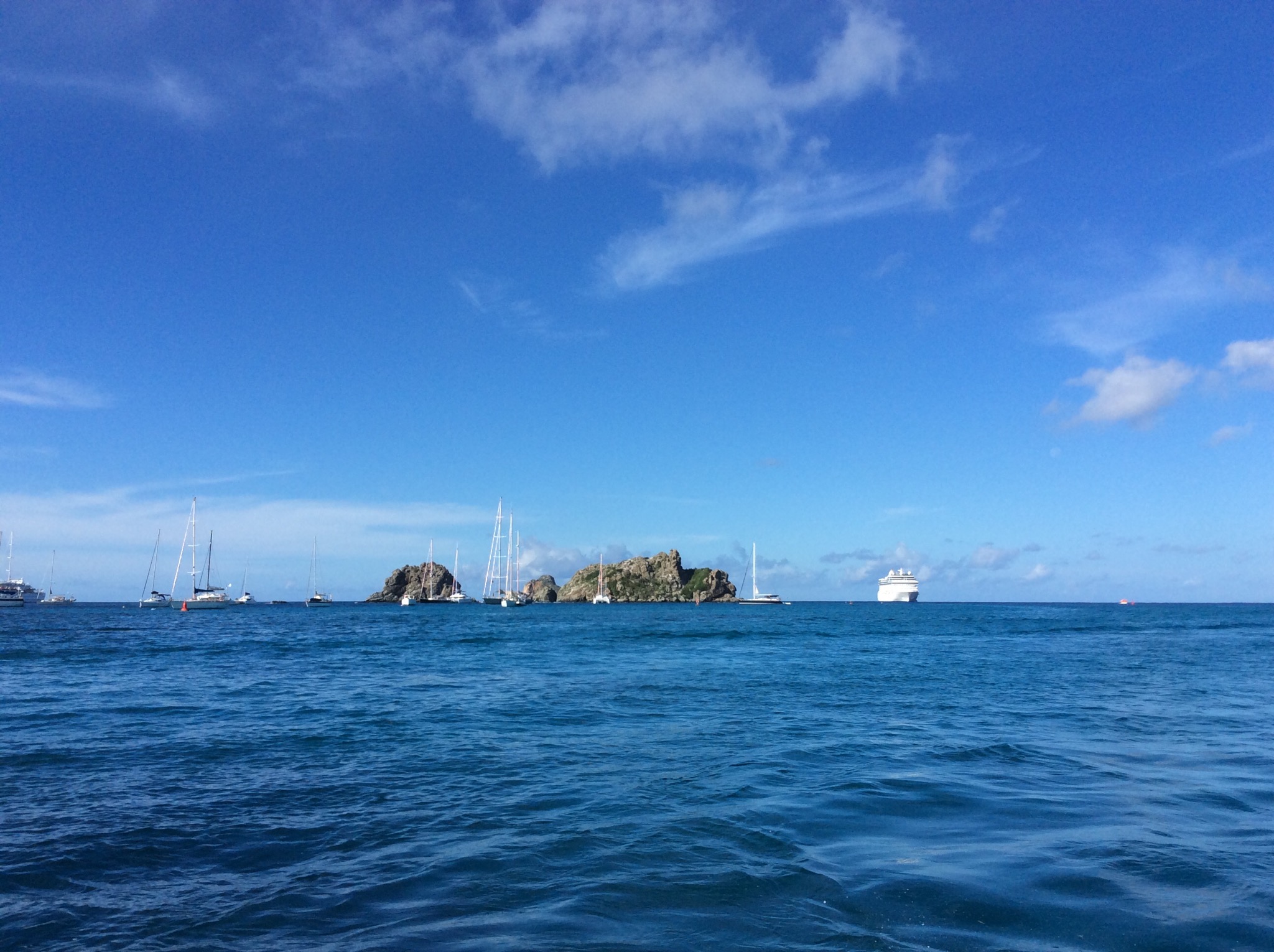
St. Barts – Oceania Cruises

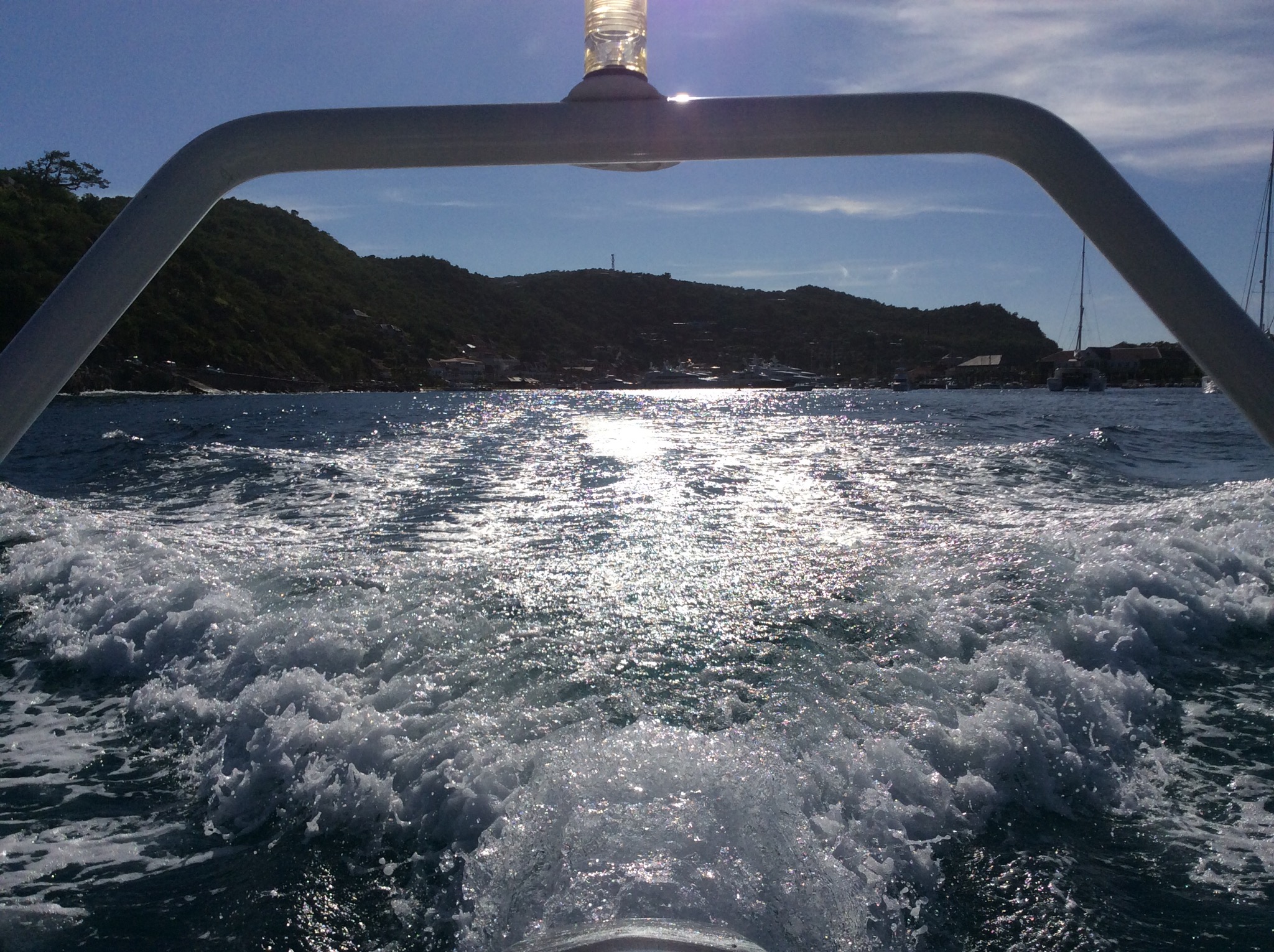
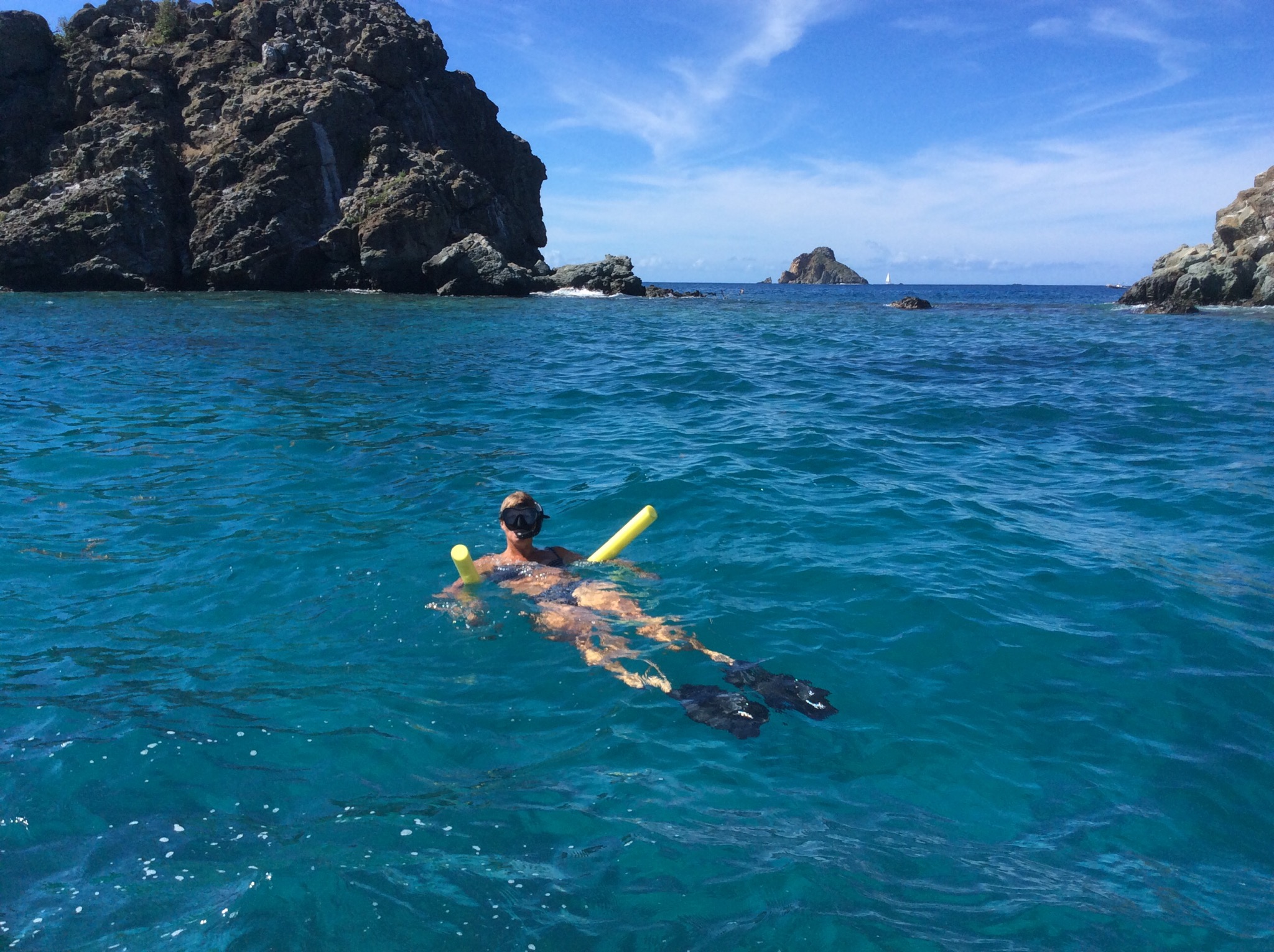
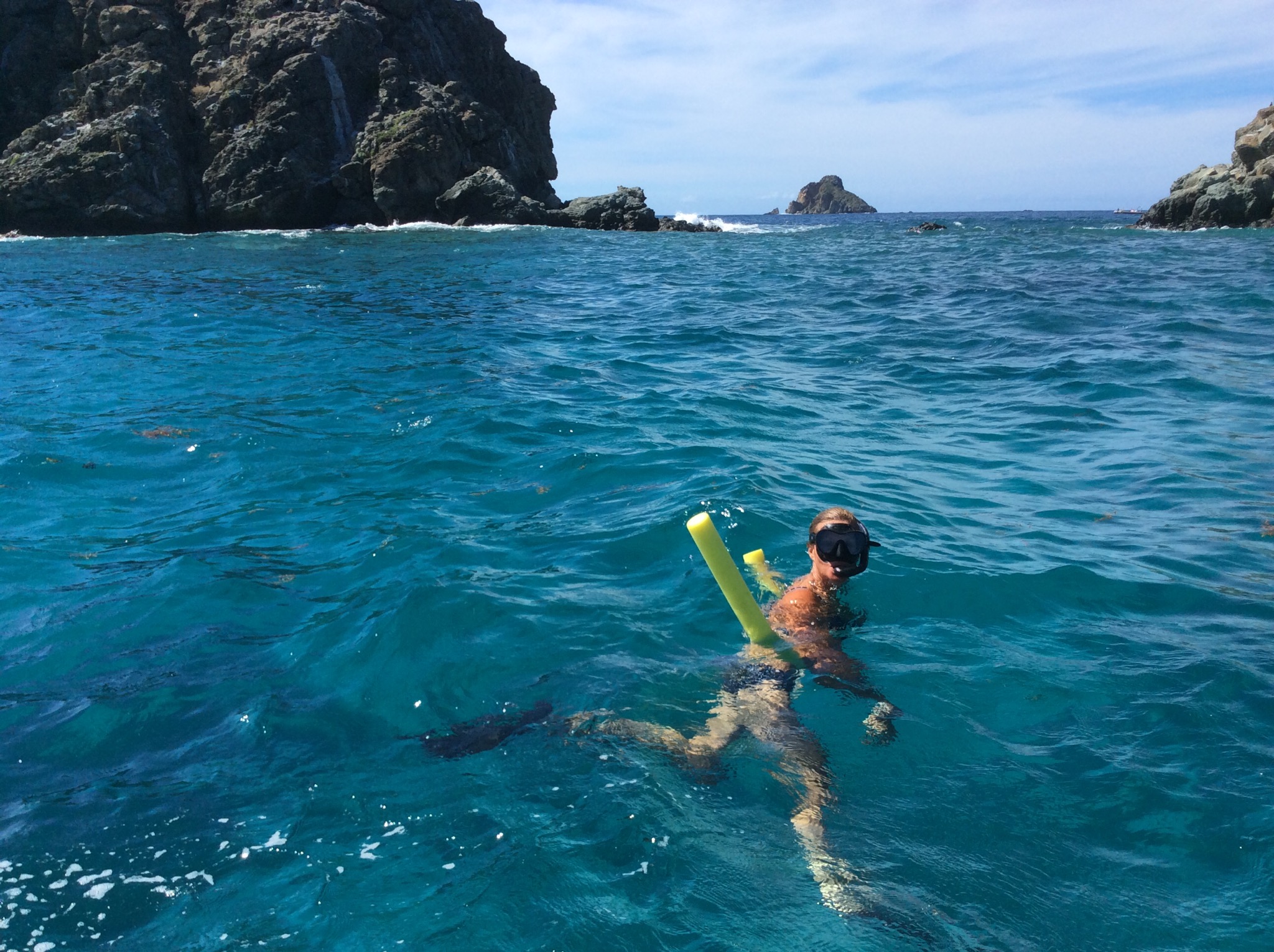
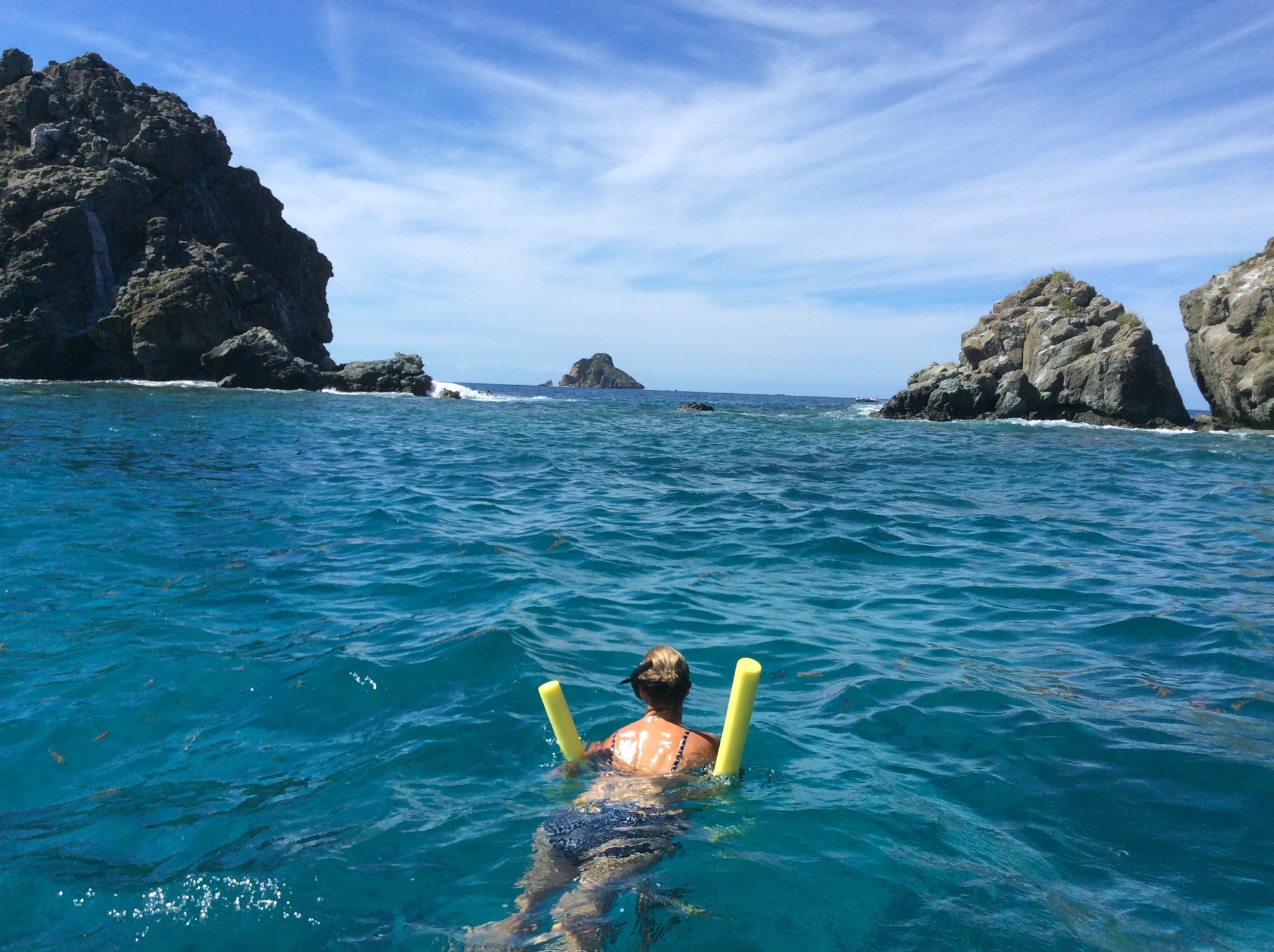
Today I had organised a snorkelling trip for us – I was really looking forward to getting out into the warm Caribbean waters and seeing what was below the surface. Our ship docked in the middle of the harbour so we were tendered ashore where we met our snorkelling guide Ludo. There were just the two of us going snorkelling and another Steve from the USA who was going diving with Ludo.

Ludo told us that the winds were coming from the south which was quite unusual for the island and they were making the waters very choppy. Great! We went to the first spot and Ludo decided it was too choppy and actually dangerous for snorkelling so we went to find another spot. This spot looked a bit better but was not the dead calm waters that I was anticipating. We both kitted up and jumped in. The water was warm and there were lots of colourful fish just below the surface so that was cool. Unfortunately Steve drank a bit too much sea water and ended up feeling rather ill. He hopped back into the boat and ended up feeding the fish!

Ludo and the other Steve came back from there dive. It had got quite choppy so we up anchored and went to find a more sheltered spot closer to the harbour. Steve was still not feeling too flash so he stayed in the boat while I went exploring. There were a lot more bigger fish in this spot with all sorts of colour – it was very cool. Ludo and the other Steve went off to dive around a wreck that wasn’t too far away.

We watched a few small planes come in to land. Apparently the airport on the island is one of the more dangerous airports in the world. The planes have to come in over this mountain and then suddenly drop down to the runway. We could see them clearing the mountain and then dropping suddenly. Ludo told us that they just clear the road near the top of the mountain and a couple of years ago this guy was standing on the top of his roof taking photos of the plane coming in when he was hit by the wheel of the plane and killed.
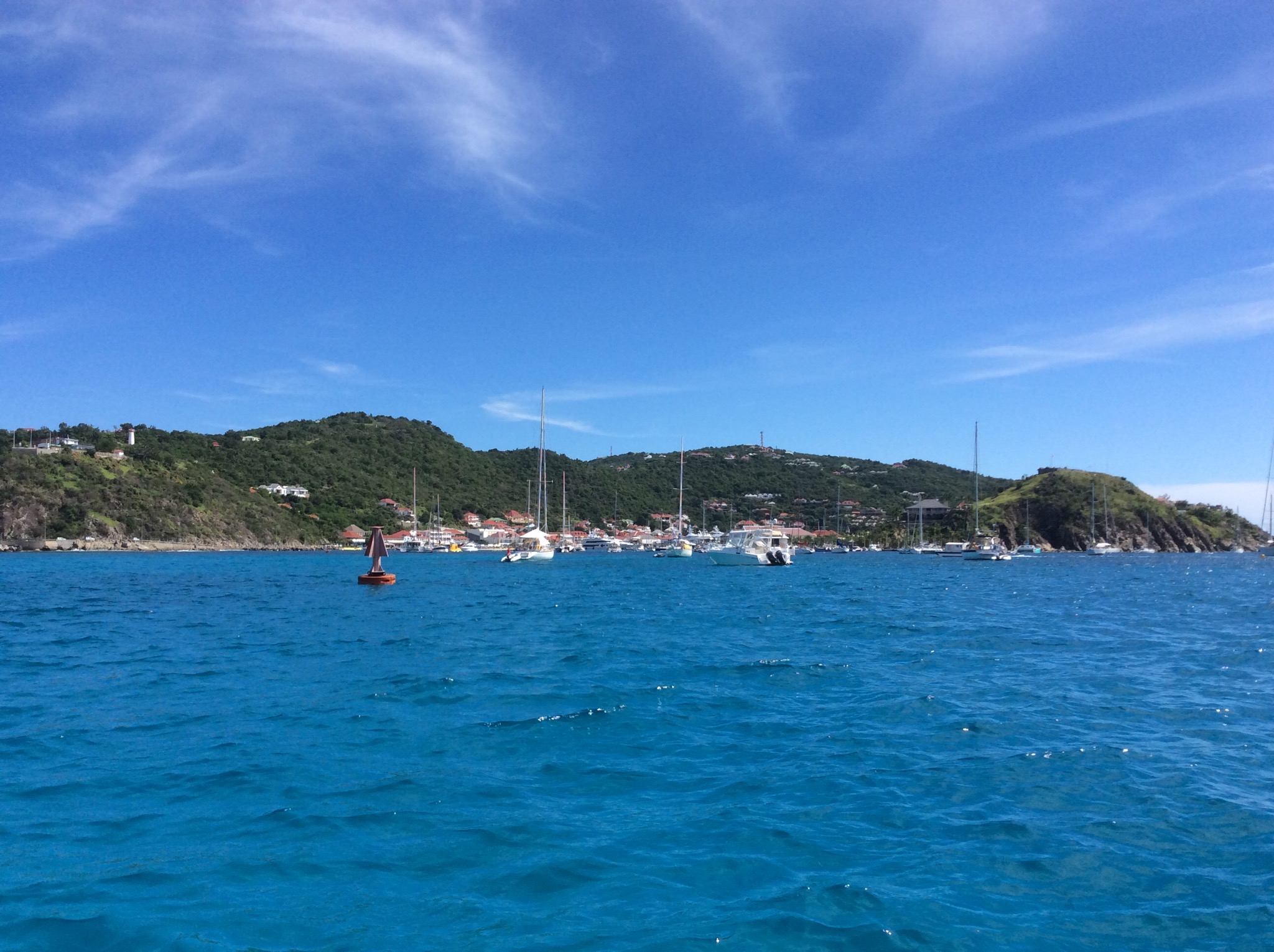
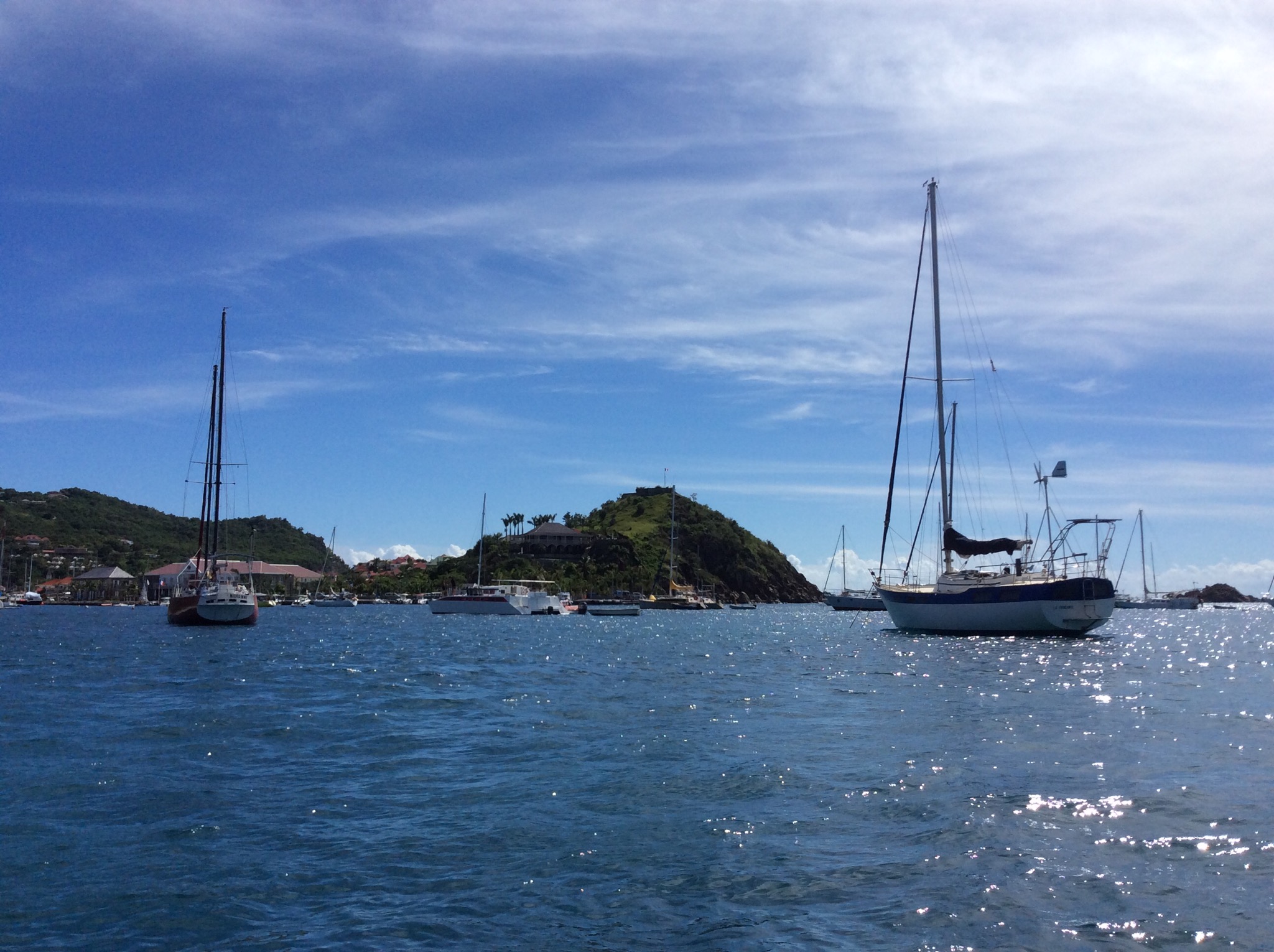
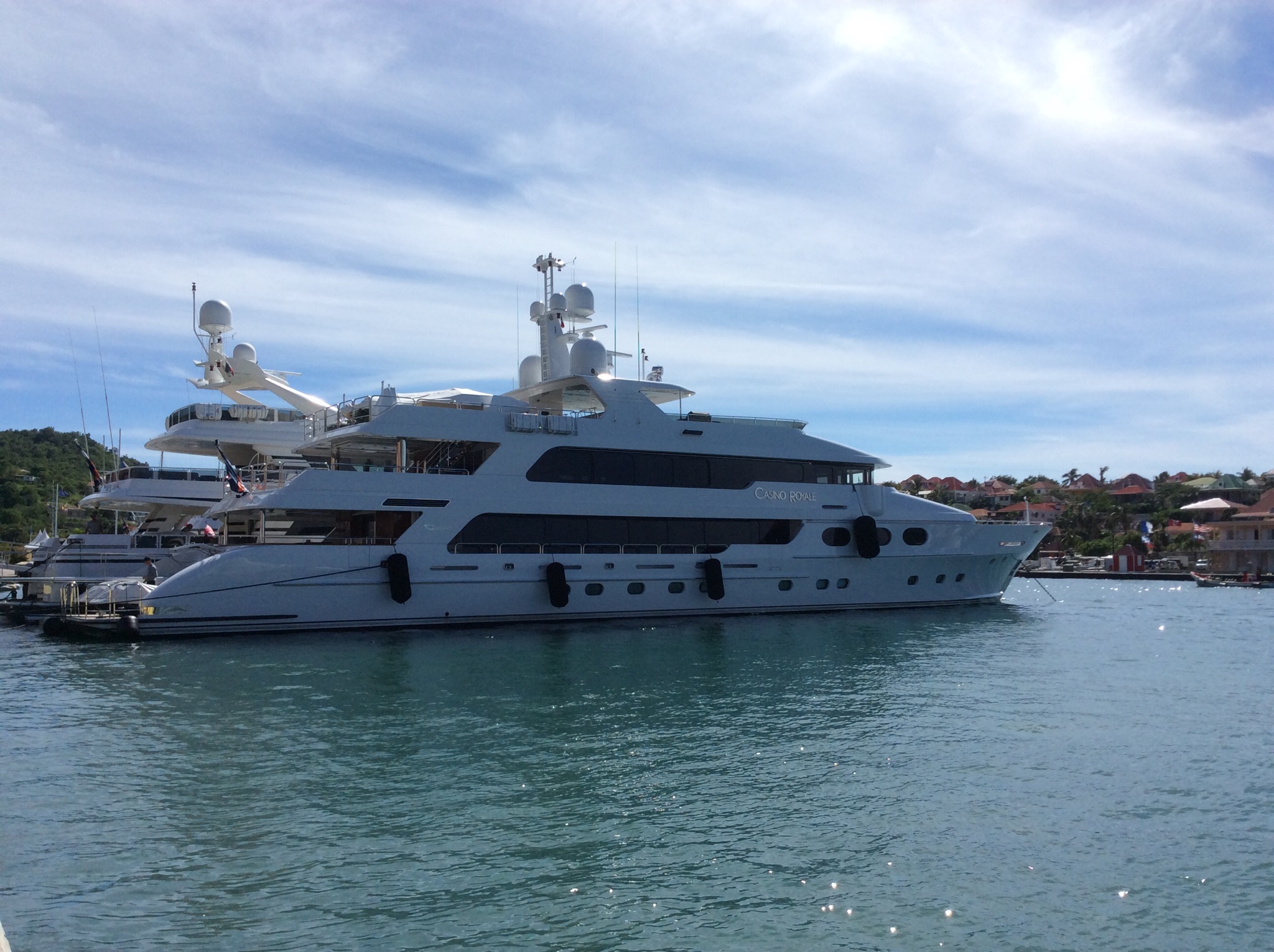
We got back to the ferry dock and Ludo dropped us off – not the most successful snorkelling venture we have ever had but at least I got to swim in the Caribbean and see some tropical fish. We had a wander around the town which is full of high end designer boutiques and restaurants – it is very expensive. There were also a few super yachts docked in the marina which were very nice. One of the boats was called Casino Royale and Steve spoke to the crew who told him the inside of the boat is all James Bond themed – how cool. Unfortunately Steve didn’t manage to wangle us an invite on board. The crew also told us that there is another boat out there called Sky Fall.

After having a look around we decided to go back to the ship via the tender boat. The tender boat pulled up alongside the ship and it was bouncing all over the place. The crew had to work pretty hard to keep it steady.

The island of St. Barts, known for its chic French ambience and cuisine and white-sand beaches, long has reigned as a favorite getaway spot among celebrity jetsetters.

That’s quite a lofty status for a stony, volcanic, eight-square-mile island that claims no fresh water and little workable land. Named for Christopher Columbus’ brother, Bartolomeo, St. Barthelemy is located near the northern end of the Lesser Antilles group in the West Indies, 15 miles east of St. Martin.

Many St. Bartians are descendants of 17th-century settlers from Brittany and Normandy. In the 18th century, France leased the island to Sweden in exchange for trading rights to the Baltic. It is the only Caribbean island which was a Swedish colony for any significant length of time; Guadeloupe was under Swedish rule only briefly at the end of the Napoleonic Wars. Symbolism from the Swedish national arms, the Three Crowns, still appears in the island’s coat of arms. Almost a century later, locals voted to restore rule to the French. Today, St. Barts, with its population of about 9,000, is a dependency of the French overseas department of Guadeloupe.

The island’s beautiful beaches lend themselves to water sports, from windsurfing, scuba-diving and snorkeling to jet-skiing, sailing and deep-sea fishing. Whales pass by during migration periods, and dolphins are frequently spotted.

The island also claims fame as a place where conspicuous consumption is on display in the form of mega-yachts, elegant designer boutiques, fancy resorts and fine dining. Considered among the best places to nosh in the Caribbean, lunch or dinner at one of the island’s top restaurants can be a major splurge.

International investment and the wealth generated by wealthy tourists explain the high standard of living on the island. St. Barts is considered a playground of the rich and famous, especially as a winter haven, and is known for its beaches, gourmet dining and high-end designers. Most of the food is imported by airplane or boat from the US or France. Tourism attracts about 200,000 visitors every year. As a result, there is a boom in house building activity catering to the tourists and also to the permanent residents of the island, with prices as high as €61,200,000 for a beachfront villa.

St. Barts has about 25 hotels, most of them with 15 rooms or fewer. The largest has 58 rooms. Hotels are classified in the traditional French manner; 3 Star, 4 Star and 4 Star Luxe. Most places of accommodation are in the form of private villas, of which there are some 400 available to rent on the island. The island’s tourism industry, though expensive, attracts 70,000 visitors every year to its luxury hotels and villas and another 130,000 people arrive by luxury boats. It also attracts a labour force from Brazil and Portugal to meet the industry needs.

The height of tourism is New Year’s Eve, with celebrities and the wealthy converging on the island in yachts up to 550 ft in length for the occasion.

IMG_2351.JPG

IMG_2352.JPG

IMG_2353.JPG

IMG_2354.JPG

IMG_2359.JPG

IMG_2362.JPG

IMG_2363.JPG

IMG_2364.JPG

IMG_2365.JPG

IMG_2367.JPG

Posted in Oceania Cruises | Leave a comment

Royal St. Kitts Golf Course, St Kitts – Oceania Cruises

We docked in the commercial port on St. Kitts as two other cruise ships had taken the spots on the pier closest to town. We were shuttled down to the centre of town which is a hive of activity aimed mainly at the tourists. We did a spot of shopping and had a look around – the locals were very friendly.

We had booked a round of golf at Royal St. Kitts for 1pm so headed back to the ship to get ready. Again we shared a taxi to the golf club with Bill & Chris from Vancouver. Our taxi driver was Gloria and she was so lovely. Some of the crew were walking to town so she picked them up along the way and dropped them by the main road so they wouldn’t get lost. She chatted away and pointed out the sights. She told us about her 5 kids and how they eat her out of house and home every day. She arranged to pick us up again at 4.45pm to ensure we didn’t miss our embarkation deadline of 5.30pm.

The course is located in Frigate Bay, an affluent resort area which is sprinkled with estate homes and high end hotels all facing gorgeous stretches of sand. The course is owned and operated by the Marriott so is a typical resort course – quite pretty with wide open fairways so not super challenging. The first 11 holes are closest to the Caribbean side of the island and are surrounded by homes and hotels. The back nine go out towards and along the Atlantic Ocean so are a lot more picturesque. The course has recently been redesigned and renovated by renowned Canadian golf course architect Thomas McBroom.

I had a great round and shot 85. We really enjoyed the course and the staff were super friendly. After racing around in 3 hours 15 minutes we had some time to spare at the end so enjoyed a snack and drink in the bar. Steve also shopped up a storm in the pro shop which was one of the best stocked pro shops we have come across.

As promised Gloria was back to pick us up at 4.45pm and we were back in plenty of time.

In 1493, Christopher Columbus was so smitten with this volcanic island that he named it after himself. Since its discovery, St. Christopher — later shortened by British sailors to St. Kitts — has been fought over by the Spanish, British and French who, tragically, made it a center of the West Indian slave trade. Pirates, including the notorious William Kidd, enjoyed lucrative careers in Basseterre Harbor. The west side of the island borders the Caribbean Sea, and the eastern coast faces the Atlantic Ocean. Saint Kitts and the neighbouring island of Nevis constitute one country: the Federation of Saint Kitts and Nevis.

Saint Kitts has a population of around 35,000, the majority of whom are mainly of African descent. The primary language is English, with a literacy rate of approximately 98%. Residents call themselves Kittitians.

St. Kitts and sister isle Nevis were part of the British Empire until 1967, earning semi-independent status when they were named associated states of Great Britain. In 1983, the 65-square-mile St. Kitts and Nevis became an independent, two-island nation with a parliamentary government headed by a Prime Minister. While British holdovers such as cricket and driving on the left side of the road remain, the Kittitians are extremely proud of their history and how far they’ve come on their own.

Brimstone Hill Fortress National Park, a UNESCO World Heritage Site, is the largest fortress ever built in the Eastern Caribbean. The island of Saint Kitts is home to the Warner Park Cricket Stadium, which was used to host 2007 Cricket World Cup matches. This made St. Kitts and Nevis the smallest nation to ever host a World Cup event. Saint Kitts is also home to several institutions of higher education, including Ross University School of Veterinary Medicine, Windsor University School of Medicine, and the University of Medicine and Health Sciences.

The island’s lush geography lends itself to eco-tourism, starting with the dense tropical rainforests that surround dormant volcano, Mount Liamuiga (known locally as Mt. Misery). Colorful birds and butterflies, as well as the green Vervet monkey, reside here.

For hundreds of years, St. Kitts operated as a sugar monoculture, but due to decreasing profitability, the government closed the industry in 2005. Tourism is a major and growing source of income to the island, although the number and density of resorts is less than on many other Caribbean islands. Transportation, non-sugar agriculture, manufacturing and construction are the other growing sectors of the economy.

St. Kitts is dependent on tourism to drive its economy. St. Kitts & Nevis also acquires foreign direct investment from their unique citizenship by investment program, outlined in their Citizenship Act of 1984. Interested parties can acquire citizenship if they pass the government’s strict background checks and make an investment into an approved real estate development. Purchasers who pass government due diligence and make a minimum investment of US$400,000, into qualifying government approved real estate, are entitled to apply for citizenship of the Federation of St. Kitts and Nevis.

St. Kitts & Nevis uses the Eastern Caribbean dollar, which maintains a fixed exchange rate of 2.7-to-one with the United States dollar. The US dollar is almost as widely accepted as the Eastern Caribbean dollar.

Slavery
The island originally produced tobacco, but changed to sugar cane in 1640 due to stiff competition from the colony of Virginia. The labour-intensive farming of sugar cane was the reason for the large-scale importation of African slaves. The importation began almost immediately upon the arrival of Europeans to the region.

The purchasing of enslaved Africans was outlawed in the British Empire by an Act of Parliament in 1807. Slavery was abolished by an Act of Parliament that became law on 1 August 1834. This emancipation was followed by four years of apprenticeship, put in place to protect the plantation owners from losing their labour force. August the 1st is now celebrated as a public holiday and is called Emancipation Day. In 1883 St. Kitts, Nevis and Anguilla were all linked under one presidency, located on St. Kitts, to the dismay of the Nevisians and Anguillans. Anguilla eventually separated out of this arrangement in 1971, after an armed raid on St. Kitts.

Sugar production continued to dominate the local economy until 2005, when, after 365 years as a monoculture, the government closed the sugar industry. This was due to the industry’s huge losses and European Union plans to cut sugar prices by large amounts in the near future.

IMG_2296.JPG

IMG_2297.JPG

IMG_2298.JPG

IMG_2300.JPG

IMG_2309.JPG

IMG_2310.JPG

IMG_2311.JPG

IMG_2314.JPG

IMG_2322.JPG

IMG_2323.JPG

IMG_2327.JPG

IMG_2328.JPG

IMG_2338.JPG

Posted in Oceania Cruises | Leave a comment

Guadeloupe – Oceania Cruises

On Monday we arrived on the butterfly shaped island of Guadeloupe. Guadeloupe is another island in the French West Indies which comprises Martinique, Saint Marten’s and Saint Bart’s. Guadeloupe’s two main islands are Basse-Terre to the west and Grande-Terre to the east, which are separated by a narrow strait that is crossed with bridges, hence forming the butterfly shape. Guadeloupe is an integral part of France, as are the other overseas departments. Guadeloupe also includes the smaller islands of Marie-Galante and La Désirade, and the Îles des Saintes.

IMG_2370.JPG

As part of France, Guadeloupe is part of the European Union and the Eurozone; hence, as for all Eurozone countries, its currency is the euro. However, as an overseas department, Guadeloupe is not part of the Schengen Area. The prefecture (i.e. French regional capital) of Guadeloupe is Basse-Terre. Its official language is French, although many of its inhabitants also speak Antillean Creole (Créole Guadeloupéen).

We took a half day trip to discover some of the island. Our first stop was in the Parc National de la Guadeloupe where we walked to the Crayfish falls which are named after the crayfish that inhabit the pond at the base of the waters of the Corossol River. Again we were greeted with very lush vegetation. It rains in the mountains most days so water is not a problem on the island.

IMG_2246.JPG

IMG_2247.JPG

IMG_2251.JPG

We then went to Les Jardins de Valombruese some botanical gardens with many local plants and flowers. We also saw some hummingbirds playing in the trees and extracting the nectar from the flowers. Our guide, Romeo was very knowledgable on the flora and fauna so we really enjoyed exploring the gardens. We also went into a little room where they had a display of dolls dressed in traditional clothing. The different outfits represented the area and class from which you came. 71% of the island’s population are of Creole descent which means they are descendants of the various ethnic groups that have come to the Caribbean islands over the years. In a way it is a cover all term which allows these people to have an identity. 80% of the population are Roman Catholics.

IMG_2253.JPG

IMG_2254.JPG

IMG_2255.JPG

IMG_2259.JPG

IMG_2260.JPG

IMG_2261.JPG

IMG_2262.JPG

IMG_2266.JPG

IMG_2273.JPG

We then went to Distillerie Longueteau which is a family owned rum distillery. Here they use modern equipment to harvest the sugar cane and produce the rum which was in stark contrast to the distillery we had been to on Grenada. This distillery had been in operation since 1895. The sugar cane harvest season is from February to May. I tried some coconut rum punch which I enjoyed so purchased a little bottle along with some locally produced chocolate. There were so many other goodies that I would have liked to purchase but again would have trouble bringing back to NZ like vanilla pods, vanilla sugar and honey.

IMG_2278.JPG

IMG_2280.JPG

IMG_2282.JPG

IMG_2284.JPG

IMG_2286.JPG

IMG_2291.JPG

IMG_2292.JPG

IMG_2290.JPG

IMG_2293.JPG

Sugar
Introduced to the West Indies in the middle of the 17th century, sugar cane growing is inextricably linked to the islands’ history and has profoundly shaped its landscape. After a peak in the middle of the 20th century, the sugar industry went into a long period of decline. Save for one, all the factories on the main island of Guadeloupe closed one after the other.

Despite its decline, sugar cane remains the island’s main agricultural crop both in terms of value and farmed area, providing a living for almost 30,000 people, including 4,000 growers. Today, the sugar cane plot is stable at around 12,000 hectares, with the 700,000 tonnes of cane cut producing some 70,000 tonnes of sugar. Another 60,000 tonnes are delivered to the eleven distilleries on the island producing industrial rum and rhum agricole.

More than 90% of the sugar produced is marked for export. Most of it is sent by bulk cargo ship to refineries in Europe. The remainder, special sugars, is packed in big bags and shipped to the EU in 20’ containers. Sugar cane processing is an almost virtuous activity that produces much more than just sugar and rum. Bagasse and molasses, by-products from the sugar refining process, are used in power production and as animal feed respectively.

Sugarcane belongs to the grass family (Poaceae), an economically important seed plant family that includes maize, wheat, rice, and sorghum and many forage crops. Sugarcane is the world’s largest crop by production quantity.

Over the last 30 years bananas have reached 50% of the island’s exports with over 80% of all bananas being exported to Europe.

IMG_2287.JPG

IMG_2288.JPG

History of Guadeloupe
The island was called “Karukera” (or “The Island of Beautiful Waters”) by the Arawak people, who settled on there in 300 AD/CE. During the 8th century, the Caribs came and killed the existing population of Amerindians on the island.

During his second trip to America, in November 1493, Christopher Columbus became the first European to land on Guadeloupe, while seeking fresh water. He called it Santa María de Guadalupe de Extremadura, after the image of the Virgin Mary venerated at the Spanish monastery of Villuercas, in Guadalupe, Extremadura. The expedition set ashore just south of Capesterre, but left no settlers behind.

Columbus is credited with discovering the pineapple on the island of Guadeloupe in 1493, although the fruit had long been grown in South America. He called it piña de Indias, meaning “pine of the Indies.”

During the 17th century, the Caribs fought against the Spanish settlers and repelled them.

After successful settlement on the island of St. Christophe (St. Kitts), the French Company of the American Islands delegated Charles Lienard (Liénard de L’Olive) and Jean Duplessis Ossonville, Lord of Ossonville to colonize one or any of the region’s islands, Guadeloupe, Martinique, or Dominica.

Due to Martinique’s inhospitable nature, the duo resolved to settle in Guadeloupe in 1635, took possession of the island, and wiped out many of the Carib Amerindians. It was annexed to the kingdom of France in 1674.

Over the next century, the British seized the island several times. The economy benefited from the lucrative sugar trade, which commenced during the closing decades of the 17th century. Guadeloupe produced more sugar than all the British islands combined, worth about £6 million a year. The British captured the island in 1759. The British government decided that Canada was strategically more important and kept Canada while returning Guadeloupe to France in the Treaty of Paris (1763) that ended the Seven Years War.

In 1790, following the outbreak of the French Revolution, the monarchists of Guadeloupe refused to obey the new laws of equal rights for the free people of color and attempted to declare independence. The ensuing conflict with the republicans, who were faithful to revolutionary France, caused a fire to break out in Pointe-à-Pitre that devastated a third of the town. The monarchists ultimately overcame the republicans and declared independence in 1791. The monarchists then refused to receive the new governor that Paris had appointed in 1792. In 1793, a slave rebellion broke out, which made the upper classes turn to the British and ask them to occupy the island.

In an effort to take advantage of the chaos ensuing from the French Revolution, Britain seized Guadeloupe in 1794, holding control from 21 April until December 1794, when Victor Hugues obliged the British general to surrender. Hugues succeeded in freeing the slaves, who then turned on the slave owners who controlled the sugar plantations.

In 1802, Napoleon Bonaparte issued the Law of 20 May 1802. It restored slavery to all of the colonies captured by the British during the French Revolutionary Wars, but did not apply to certain French overseas possessions such as Guadeloupe, Guyane, and Saint-Domingue. Napoleon sent an expeditionary force to recapture the island from the rebellious slaves. Louis Delgrès and a group of revolutionary soldiers killed themselves on the slopes of the Matouba volcano when it became obvious that the invading troops would take control of the island. The occupation force killed approximately 10,000 Guadeloupeans.

On 4 February 1810 the British once again seized the island and continued to occupy it until 1816. By the Anglo-Swedish alliance of 3 March 1813, it was ceded to Sweden for a brief period of 15 months. However, the British administration continued in place and British governors continued to govern the island.

In the Treaty of Paris of 1814, Sweden ceded Guadeloupe once more to France. An ensuing settlement between Sweden and the British gave rise to the Guadeloupe Fund. The Treaty of Vienna in 1815 definitively acknowledged French control of Guadeloupe.

Slavery was abolished on the island on 28 May 1848 at the initiative of Victor Schoelcher.

Guadeloupe lost 12,000 of its 150,000 residents in the cholera epidemic of 1865–66.

In 1925, after the trial of Henry Sidambarom (Justice of the Peace and defender of the cause of Indian workers), Raymond Poincaré decided to grant French nationality and the right to vote to Indian citizens.

In 1946, the colony of Guadeloupe became an overseas department of France. Then in 1974, it became an administrative center. Its deputies sit in the French National Assembly in Paris.

Today, the population of Guadeloupe is mainly of African or mixed descent and largely Roman Catholic, speaking French and a Creole patois (Antillean Creole). There are also Europeans, Indians, Lebanese, Syrians, Chinese, and Carib Amerindians(remnants of the original pre-European population). The archipelago of Îles des Saintes is mostly populated by the descendants of colonists from Brittany and Normandy.

On 15 July 2007, the island communes of Saint-Martin and Saint-Barthélemy were officially detached from Guadeloupe and became two separate French overseas collectivities with their own local administration.

On 20 January 2009, an umbrella group of approximately fifty labour union and other associations (known in the local Antillean Creole as the Liyannaj Kont Pwofitasyon (LKP), led by Élie Domota) called for a €200 ($260 USD) monthly pay increase for the island’s low income workers. The protesters have proposed that authorities “lower business taxes as a top up to company finances” to pay for the €200 pay raises. Employers and business leaders in Guadeloupe have said that they cannot afford the salary increase. The strike lasted 44 days, ending with an accord reached on 5 March 2009. Tourism suffered greatly during this time and affected the 2010 tourist season as well.

The French Caribbean general strikes exposed deep ethnic, racial, and class tensions and disparities within Guadeloupe. Guadeloupe has an unemployment rate of approximately 30%. The urban and industrial areas resemble that of any French city with car and machinery dealerships, supermarkets and chain stores. It appeared a more sophisticated island than some of the other islands that we had visited.

Posted in Oceania Cruises | Leave a comment

Martinique – Oceania Cruises

We docked in Martinique on Sunday the 7th December so most things are closed. We decided to have a chill day wandering along the waterfront and listening to the local musicians who were playing at a nearby park. It was a stunning day and the waterfront is very picturesque. We went back to the boat for lunch and watched a jet ski race in the harbour. I went ashore again late afternoon to use the free wifi and ambled back to the ship about 6.10pm. The ship was leaving at 7pm so we all had to be back on board at 6.30pm. When I got to the gangway there were about 8 crew members milling about and smiling at me – I asked them if I was late and they said no, no. I came back to to our room and Steve said somebody had called to see where I was. I was obviously the last one back on the ship and they wanted to bring the gangway in early.

We were docked overlooking Fort de France which has been back in operation as a naval base since 2001.

Martinique is the definition of a refined French-Caribbean island – fashionable and elegant, with an abundance of flora. Filled with ruins and monuments, Martinique has been French, with few interruptions, since 1635, and offers gorgeous beaches, great food and a live volcano. Banana farming, sugar cane raising, the rum business and tourism are all important to the island.

Napoleon’s Empress Josephine, born on the island in 1763, is Martinique’s most famous native. She is both revered for her fame and reviled for her part in propagating the slave trade.

Martinique is one of four islands in the Caribbean that’s part of France (also known as the French West Indies). Others include St. Martin, Guadeloupe and St. Barts. Few speak English there, and you’ll find that signs and menus generally aren’t meant to accommodate anyone who isn’t French.

Martinique’s New World history began in 1502, when Christopher Columbus landed on the island. The French claimed the island in 1635; for 180 years, ownership bounced between France and Britain, before the former took hold for good in 1815. Martinique became a region of France in 1974.

IMG_2215.JPG

IMG_2216.JPG

IMG_2222.JPG

IMG_2230.JPG

IMG_2239.JPG

IMG_2240.JPG

IMG_2241.JPG

Posted in Oceania Cruises | Leave a comment