Stockholm, Sweden – Celebrity Cruises

On Thursday we spent the day in Stockholm which is the capital of Sweden. It is made up of about 24,000 archipelagos or islands so the sail into Stockholm was quite a sight. It took us over two hours to sail through all the islands before we docked at Stadsgarden. Stockholm, the city, is spread across 14 distinct islands on the coast in the south-east of Sweden at the mouth of Lake Mälaren. Stockholm is the most populous city in Scandinavia, with 905,184 people living in the city with about 2.2 million living in the metropolitan area.

The region has been inhabited for many centuries, but it was not until the middle of the 13th century that Stockholm was officially established. It developed as a commercial centre under the rule of Denmark. In the 16th century Danish rule was overthrown and Gustav I Vasa became king of Sweden with Stockholm at the centre.

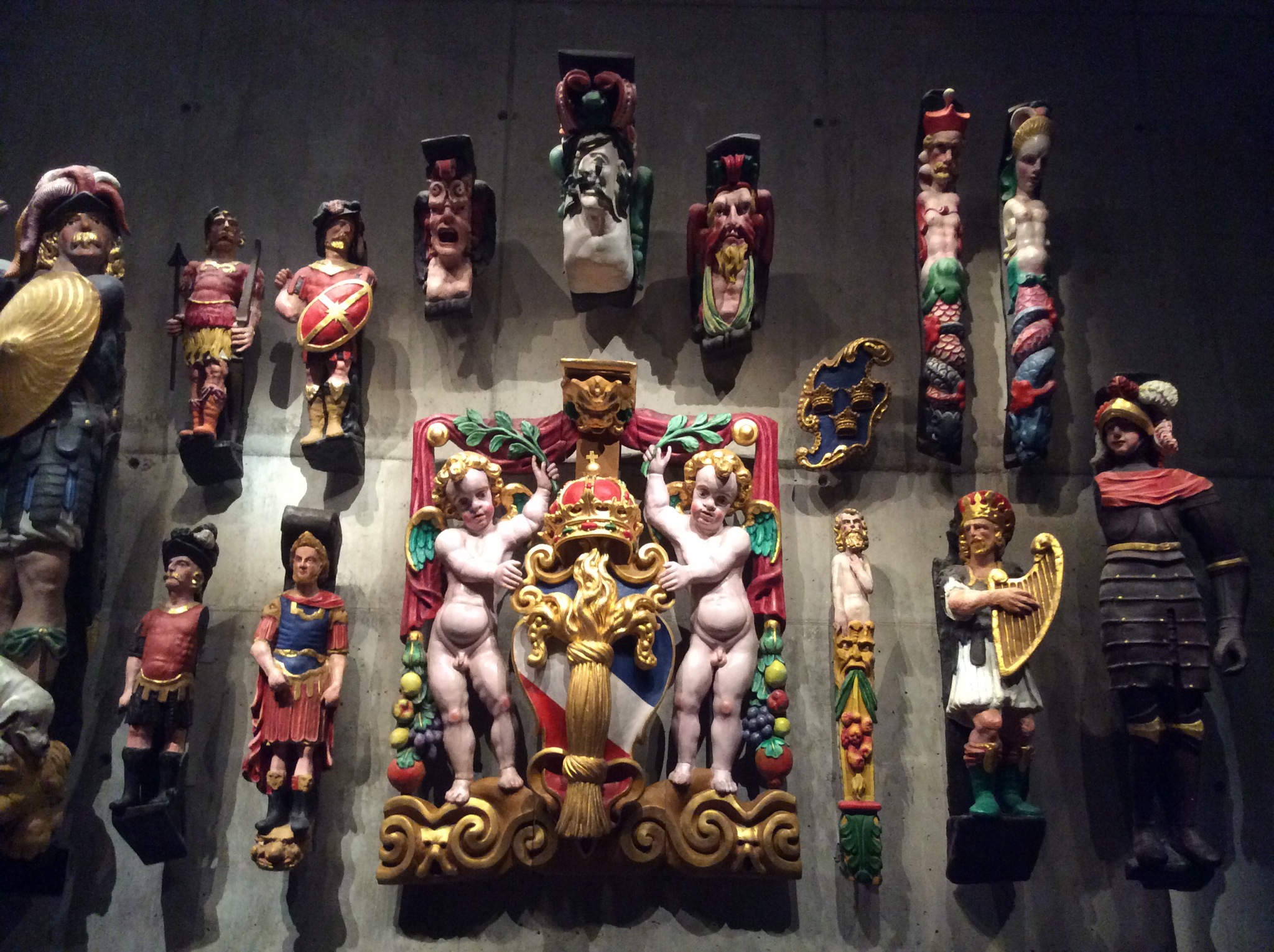
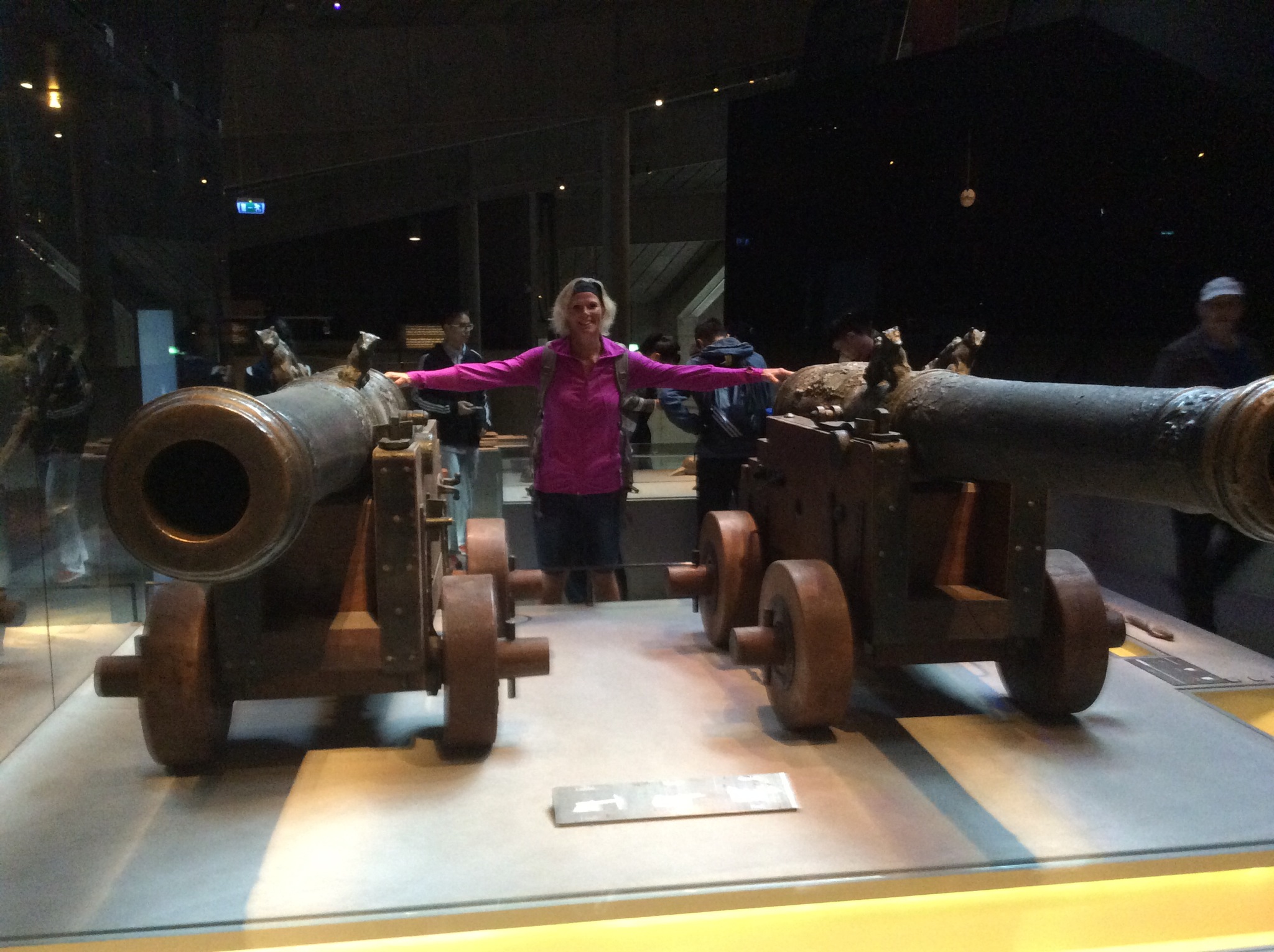
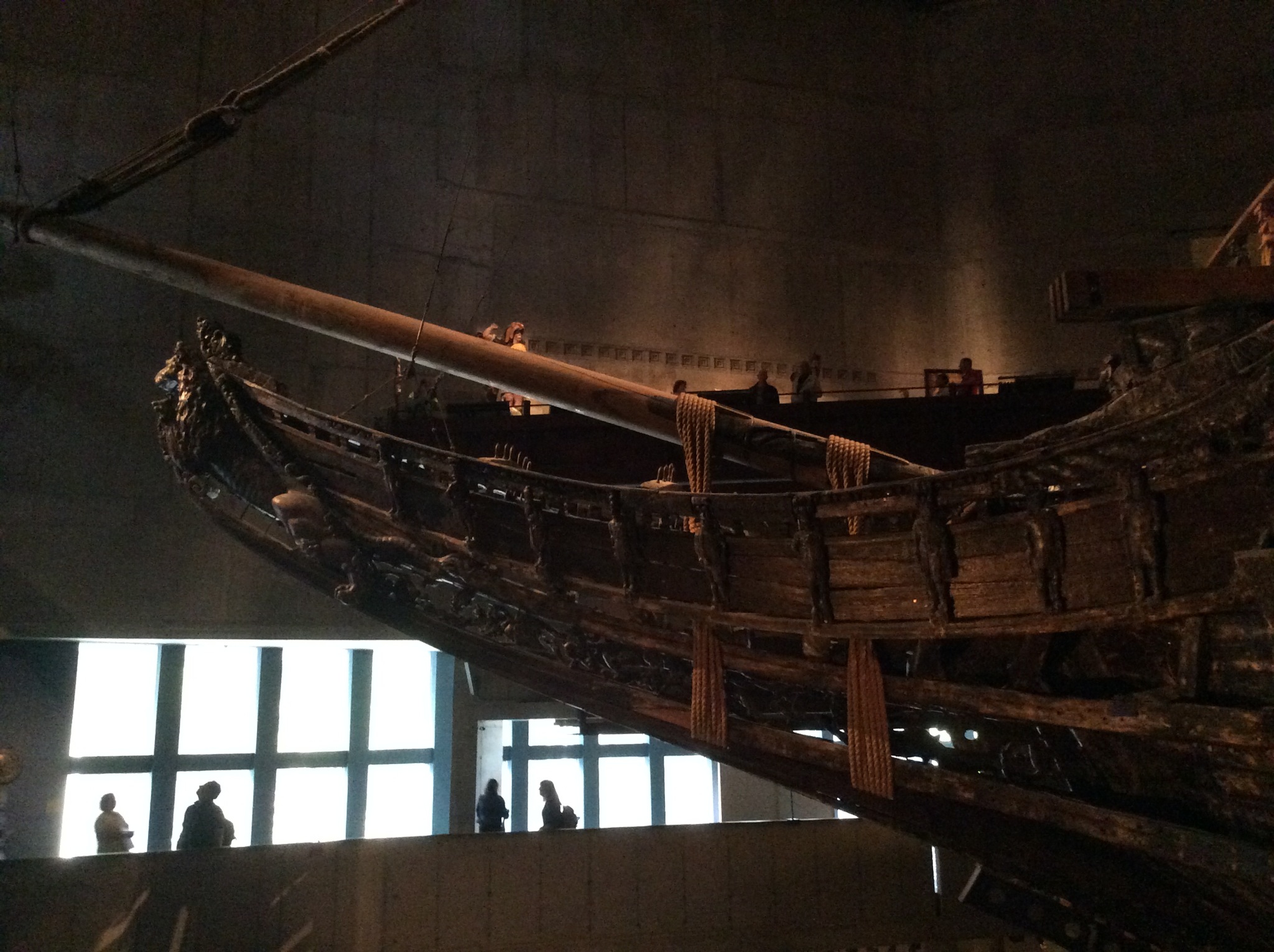
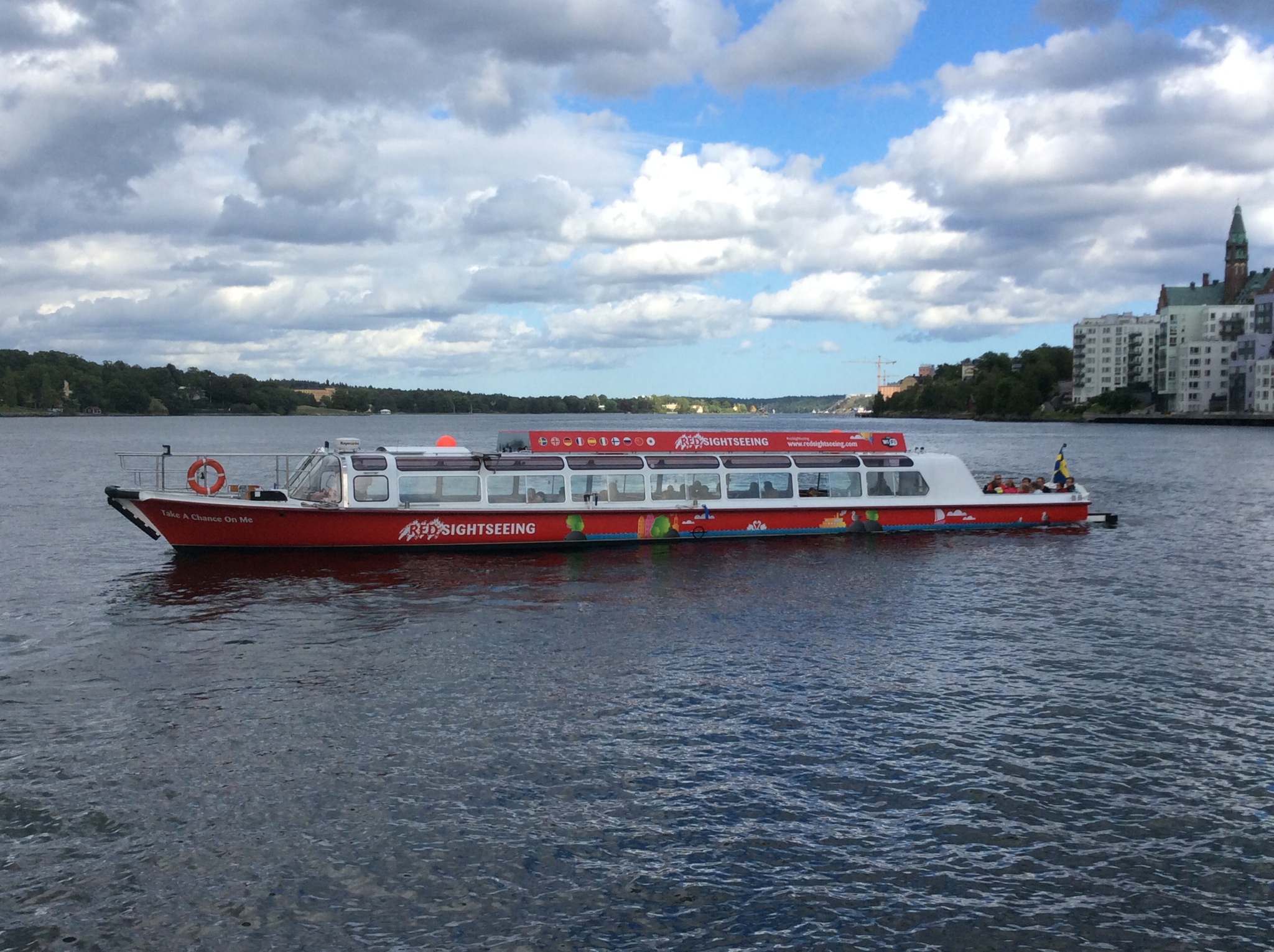
We decided to do a hop on hop off boat tour of Stockholm. First stop was the Vasa Museum. The Vasa Museum is a maritime museum which is located on the island of Djurgården. The museum displays the only almost fully intact 17th century ship that has ever been salvaged, the 64-gun warship Vasa that sank on her maiden voyage in 1628. The Vasa Museum opened in 1990 and, according to the official web site, is the most visited museum in Scandinavia. Together with other museums such as Stockholm Maritime Museum, the museum belongs to the Swedish National Maritime Museums.

Vasa is a Swedish warship built 1626–1628. The ship foundered and sank after sailing about 1,300m into her maiden voyage on 10 August 1628. She fell into obscurity after most of her valuable bronze cannons were salvaged in the 17th century until she was located again in the late 1950s in a busy shipping lane just outside the Stockholm harbor. Salvaged with a largely intact hull in 1961, she was housed in a temporary museum called Wasavarvet (“The Wasa Shipyard”) until 1988 and then moved to the Vasa Museum. The ship is one of Sweden’s most popular tourist attractions and has been seen by over 29 million visitors since 1961. Vasa has, since her recovery become a widely recognized symbol of the Swedish “great power period”.

The ship was built at the order of the King of Sweden, Gustavus Adolphus as part of the military expansion he initiated in a war with Poland-Lithuania (1621–1629). It was constructed in Stockholm at the navy yard under a contract with private entrepreneurs in 1626–1627 and armed primarily with bronze cannons cast in Stockholm specifically for the ship. It was richly decorated as a symbol of the king’s ambitions for Sweden and himself, and upon completion was one of the most powerfully armed vessels in the world. Vasa was dangerously unstable however, due to too much weight in the upper structure of the hull. Despite this lack of stability she was ordered to sea and foundered only a few minutes after encountering a first wind stronger than a breeze. The order to sail was the result of a combination of factors. The king, who was leading the army in Poland at the time of her maiden voyage, was impatient to see her take up her station as flagship of the reserve squadron at Älvsnabben in the Stockholm Archipelago. At the same time the king’s subordinates lacked the political courage to discuss the ship’s structural problems frankly or to have the maiden voyage postponed. An inquiry was organized by the Swedish Privy Council to find personal responsibility for the disaster, but in the end no one was punished for the fiasco.

During the 1961 recovery, thousands of artifacts and the remains of at least 15 people were found in and around the Vasa’s hull by marine archaeologists. Among the many items found were clothing, weapons, cannons, tools, coins, cutlery, food, drink and six of the ten sails. The artifacts and the ship herself have provided scholars with invaluable insight into details of naval warfare, shipbuilding techniques and everyday life in early 17th century Sweden.

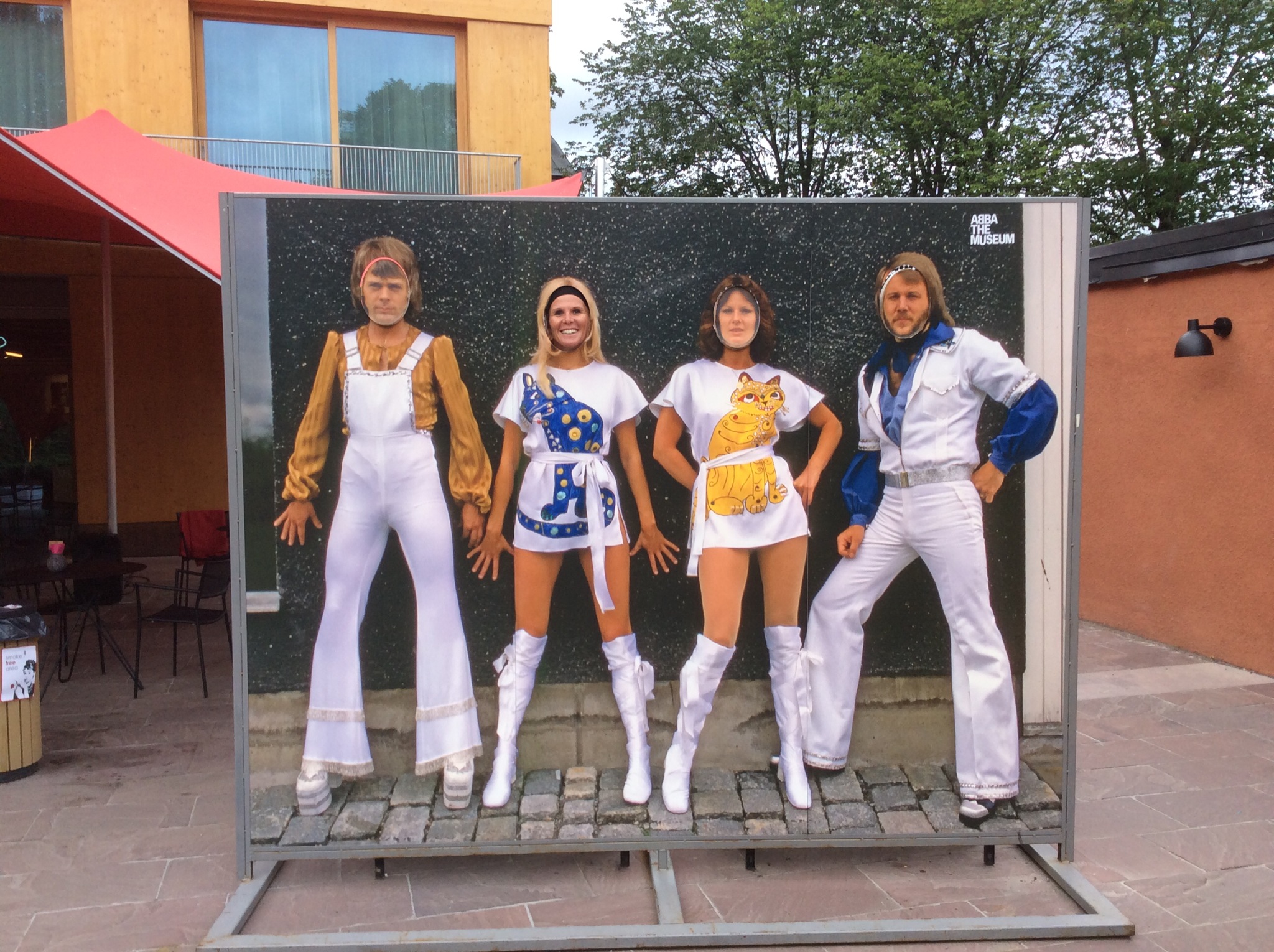
After the Vasa Museum we walked to see the ABBA Museum, ABBA having originated in Sweden. We didn’t go into the museum but had fun taking pictures outside with the life size photos of

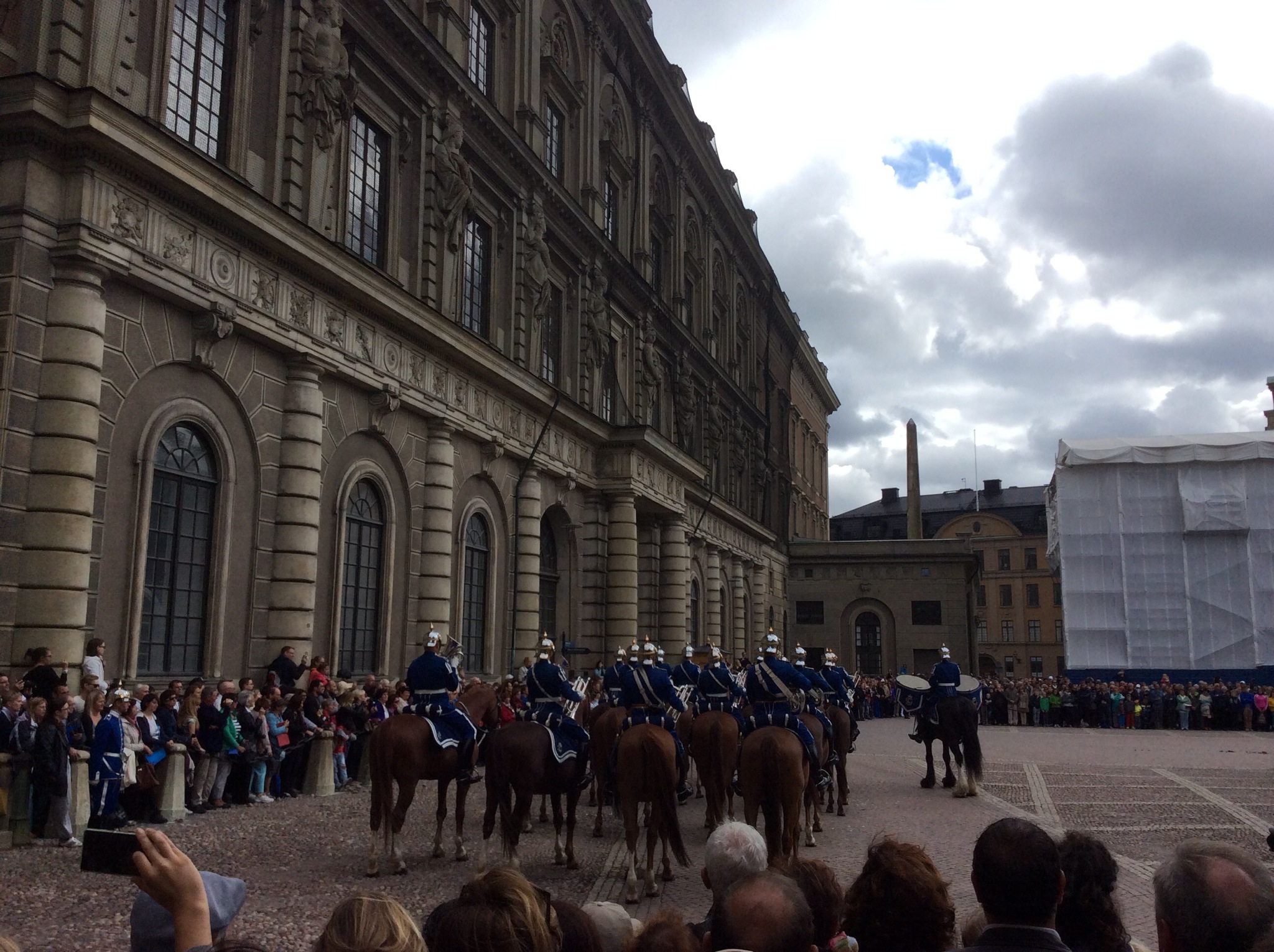
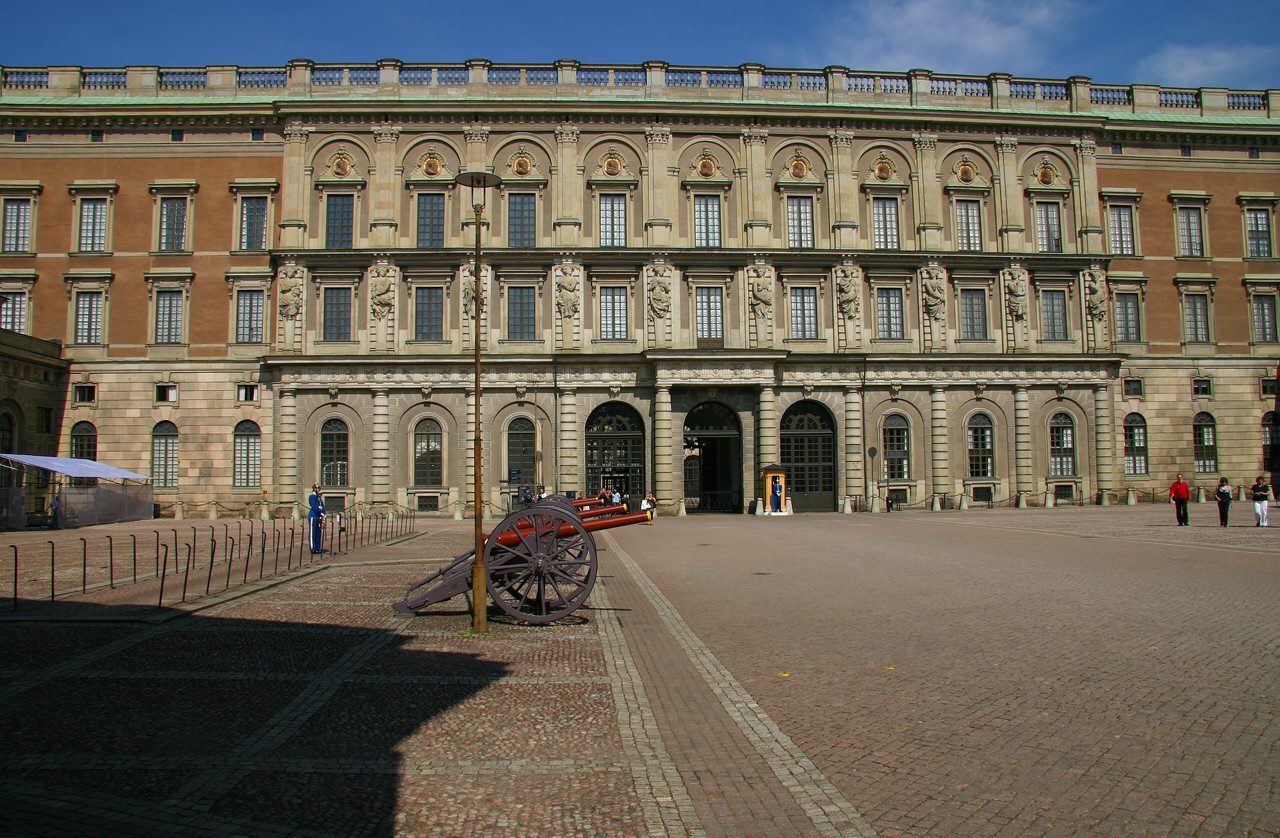
It was back on the boat to visit the Queen at the Royal Palace. The Stockholm Palace is the official residence and principal workplace of the Swedish monarch, while the Drottningholm Palace, a World Heritage Site on the outskirts of Stockholm, serves as the Royal Family’s private residence. The Stockholm Palace is the largest palace in the world with 680 rooms.

The Swedish monarchy is one of the oldest in the world and is firmly rooted in a parliamentary democracy. Swedish monarchs date back a thousand years and have belonged to eleven dynasties, with the current one, the House of Bernadotte, ruling the longest. Jean Baptiste Bernadotte was the first Bernadotte on the Swedish throne. He was born in France in 1763 and was named heir to the throne in 1810. His name as king was Karl XIV Johan. The Swedish royal family is related to all the reigning royal courts of Europe.
The House of Bernadotte, the current royal house of Sweden, has reigned since 1818. Between 1818 and 1905, it was also the royal house of Norway. Its founder, Charles XIV John of Sweden, was adopted by Charles XIII of Sweden, who belonged to the House of Holstein-Gottorp which was becoming extinct.

The current Swedish Royal Family consists of King Carl XVI Gustaf and Queen Silvia. The king and queen have three children: Crown Princess Victoria Ingrid Alice Désirée, Duchess of Västergötland, born on 14 July 1977; Prince Carl Philip Edmund, Duke of Värmland, born on 13 May 1979; and Princess Madeleine Thérèse Amelie Josephine, Duchess of Hälsingland and Gästrikland, born on June 10, 1982. They are regarded as a very modern monarchy and are popular with the people.

They have a changing of the guard at 12pm each day so we were just in time to see that. The horse mounted brass band leads the procession through the streets around the Palace into the courtyard where they then go through the ceremonial changing of the guard. By the time we got up to the courtyard the crowd was about 8 deep so it was quite hard to see but we got the gist. I liked the colour of the guards uniforms – a dark royal blue.

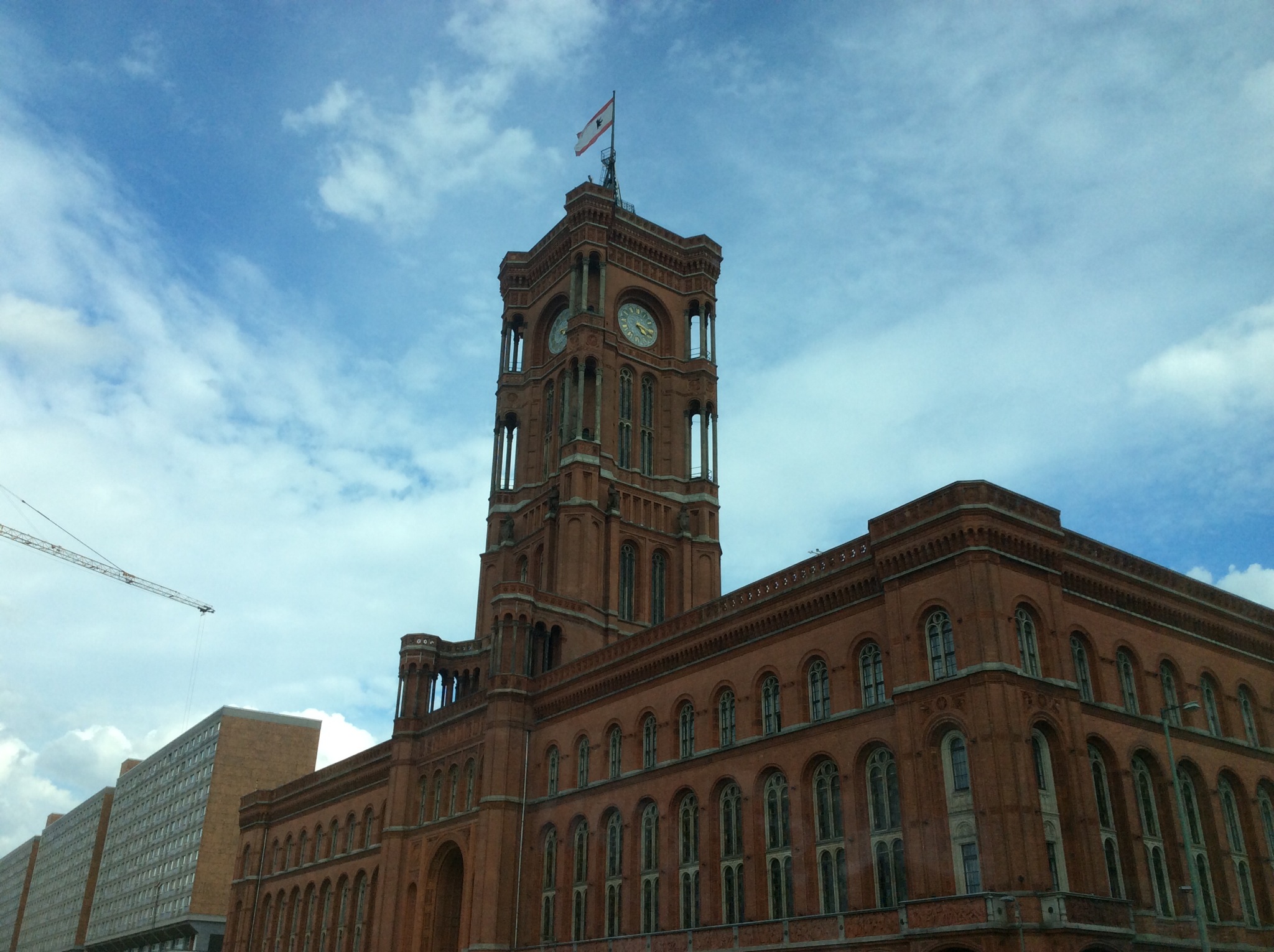
We then had a wander through the old town, Gamla Stan. They are really into icecream – I would have thought it was too cold but it was very popular with all the tourists. We then went to see the City Hall where the annual Nobel Prize ceremony takes place. Sweden is also the home of Pippi Longstocking so there were all these dolls in the shops – very cute.

Pippi Longstocking is the protagonist in the Pippi Longstocking series of children’s books by Swedish author Astrid Lindgren. Pippi was named by Lindgren’s then nine-year-old daughter, Karin, who requested a get-well story from her mother one day when she was home sick from school.

Nine-year-old Pippi is unconventional, assertive, and has superhuman strength, being able to lift her horse one-handed. She is playful and unpredictable. She frequently makes fun of unreasonable adult attitudes, especially when displayed by pompous and condescending adults. Pippi’s anger is reserved for the most extreme cases, such as when a man ill-treats her horse. Like Peter Pan, Pippi does not want to grow up. She is the daughter of a buccaneer captain and as such has adventurous stories to tell.

The first three Pippi chapter books were published in 1945–1948, with an additional series of six books published in 1969–1975. Two final stories were printed in 1979 and 2000. The books have been translated into 64 languages and adapted into multiple films and television series.

IMG_0601.JPG

IMG_0603.JPG

IMG_0608.JPG

IMG_0609.JPG

IMG_0611.JPG

IMG_0614.JPG

IMG_0617.JPG

IMG_0619.JPG

IMG_0620.JPG

IMG_0621.JPG

IMG_0629.JPG

IMG_0633.JPG

IMG_0671.JPG

IMG_4339.JPG

Posted in Celebrity Cruises | Leave a comment

Drama on the high seas – Celebrity Cruises

Today we had a day at sea – we are currently cruising between Sweden and Denmark heading for Germany. It was pretty rocky after we left Belgium and remained fairly rocky until mid morning today. It certainly makes for an interesting workout in the gym.

On sea days they always have plenty to do so I went to a presentation on Berlin (our next destination), Stockholm and St Petersburg. The presentation certainly got me very excited about the next few days.

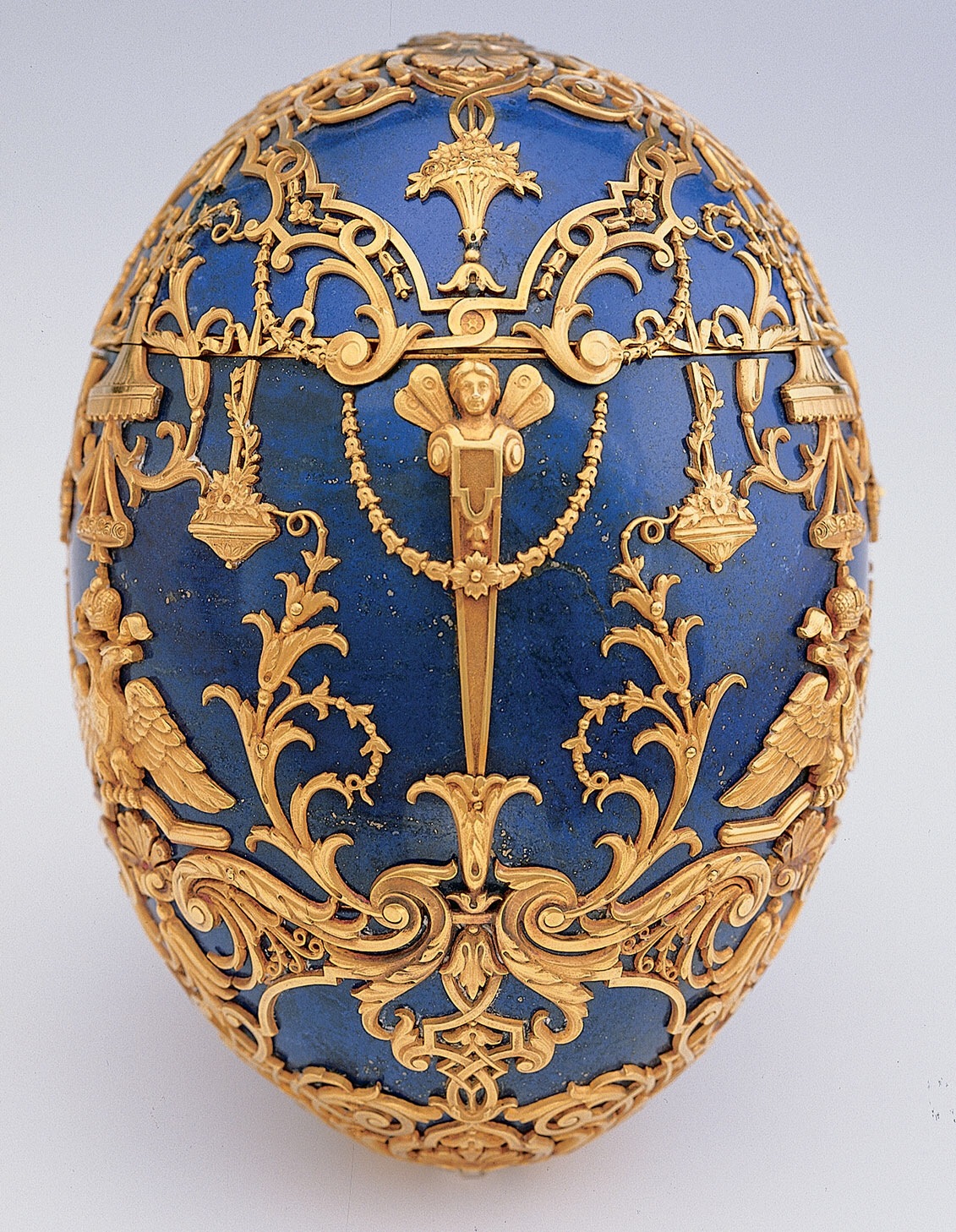
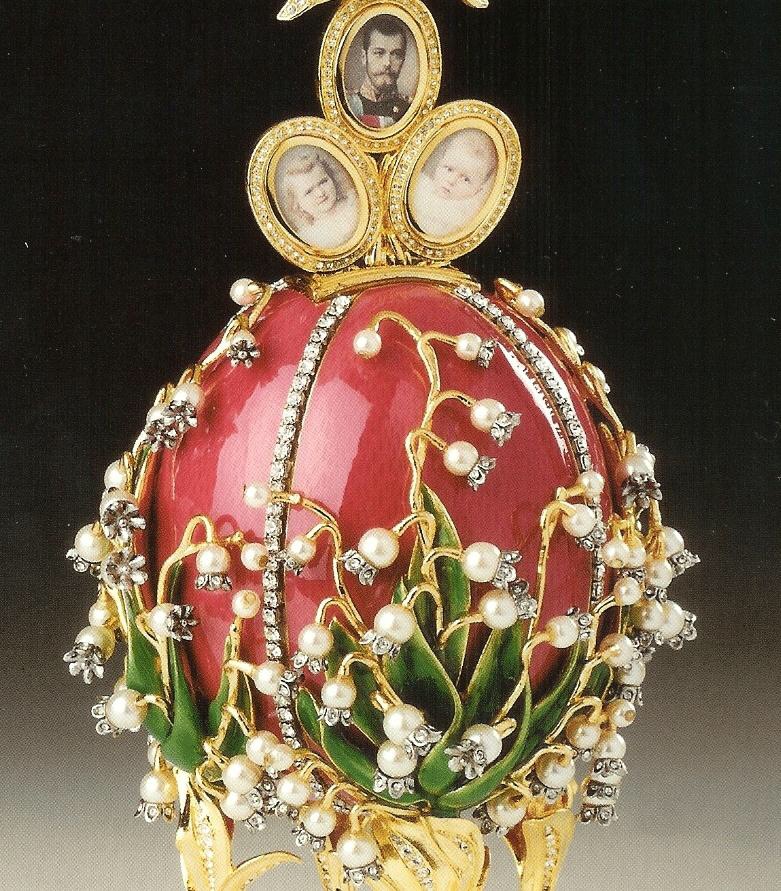
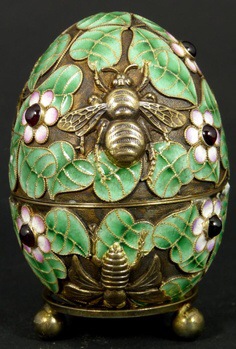
I then went to the History of Fabergé presentation. Fabergé is one of the most famous jewellery companies in the world with their imperial easter eggs being world renowned. The President of the Company, Phillip Bernstein was on board and they had some items on display and for sale in one of the boutiques. They were also doing their world launch on board of two new egg creations. They were quite stunning and apparently one sold on board later today for USD30,000. I had heard of Fabergé but didn’t really know anything about it so the presentation was fascinating. The significance of Fabergé in respect of this Baltic cruise is that the brand has it’s roots in Russia. See below for more information in respect of the history of Fabergé and the Imperial Eggs.

After lunch I went to a seminar in the gym on exercises to lose weight – Igor the Brazilian trainer was quite entertaining. His accent was very thick so he was a bit hard to understand and if you had no idea about fitness or exercise you would have been completely confused.

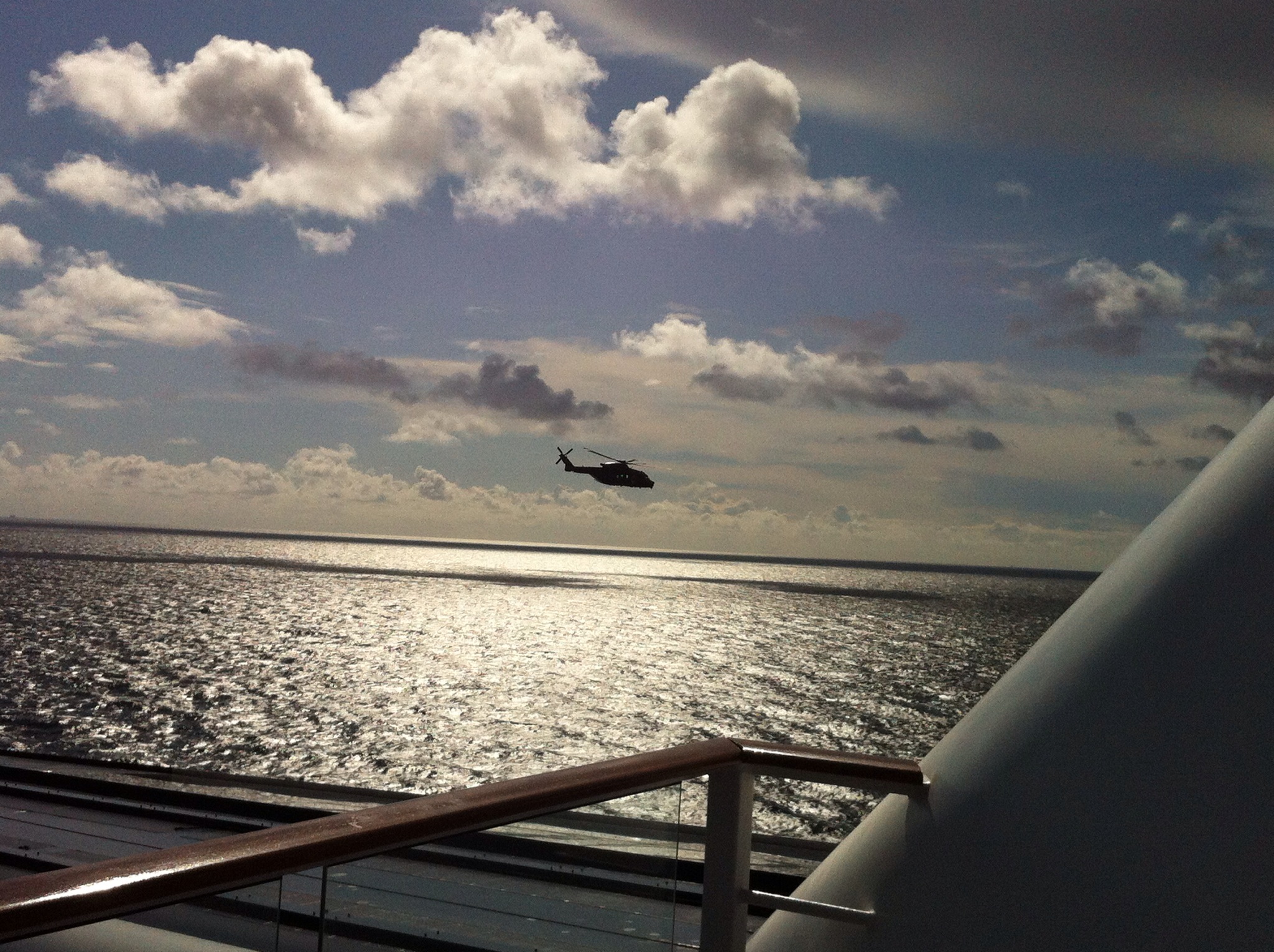
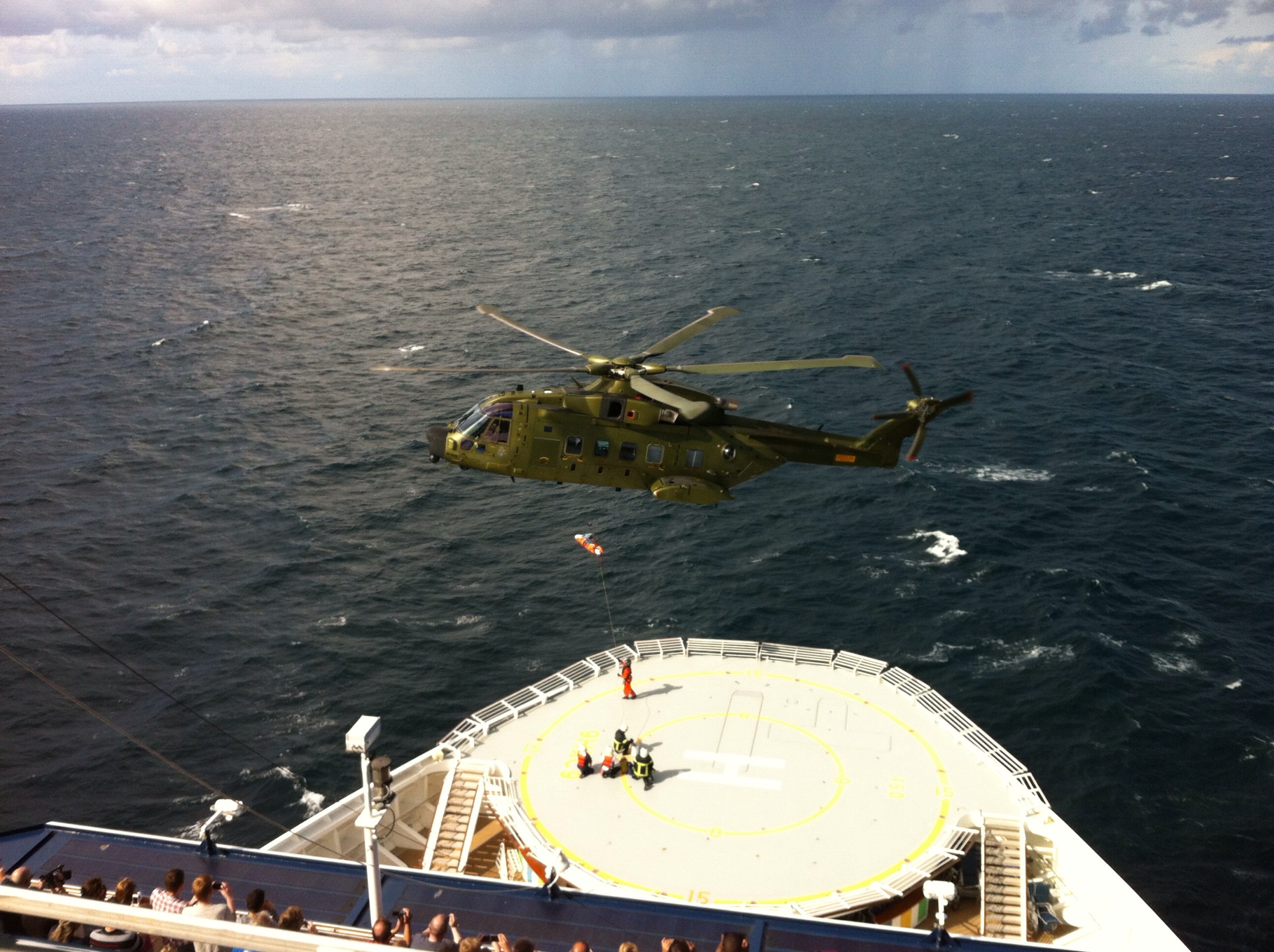
Learning over for the day I settled into my sun lounger and covered myself with the blanket provided – this is the Baltic’s after all. Next minute we heard a helicopter and given we were nowhere near land and the boat has a helicopter pad we thought it must be coming to visit us. Mrs Nosy had to check it out so I went up to the front of the boat. It was a really big helicopter and it was hovering just off the boat while the crew frantically put down all the railing around the helicopter landing pad.

As you can imagine a big crowd had gathered to see what was going on. It took a little while but they worked out that the helicopter was actually too big to land on the heli pad so they lowered a guy down dressed in an orange jumpsuit. A few minutes later a second guy was lowered down – he had a big medical back pack with him and was rushed down the stairs into the boat.

The helicopter remained hovering but after a while decided to do a fly round the boat. The pilots were waving out to everyone. I went back down to get my camera and heard some people say it was just an exercise but I still wanted to see what happened next. By this time the helicopter was hovering at the back of the boat so a big crowd had gathered there to see what was happening. It eventually returned to the front where I had a front row pew.

The two orange jumpsuits reappeared along with some crew members carrying a stretcher with a person on it. This person was waving to the crowd but I couldn’t make out whether it was a young or an old person. A couple also appeared with some suitcases – they were obviously connected to the person in the stretcher. The man said good bye to the person in the stretcher and went back into the boat. The stretcher was hoisted up into the helicopter. The woman was then hoisted up with one of the orange jumpsuits – she looked petrified and I must say I felt really sorry for her as she looked as though she was hanging on for dear life. She had these black pump type shoes on and I thought they looked like they could fall off at any minute – probably the least of her worries. They hoisted the suitcases up and then they were away. The pilots waved once again and the crowd waved back. I still haven’t found out what happened to this person but I am sure I will by the end of the cruise.

Drama on the high seas over I returned to my lounger to finish my book. The boat had actually stopped while all this was going on but the Captain assured us there would be no delay in relation to us reaching Germany the next day – not sure how that works given they have such precise schedules they stick to – we had probably been stopped out in the middle of the ocean for an hour and a half.

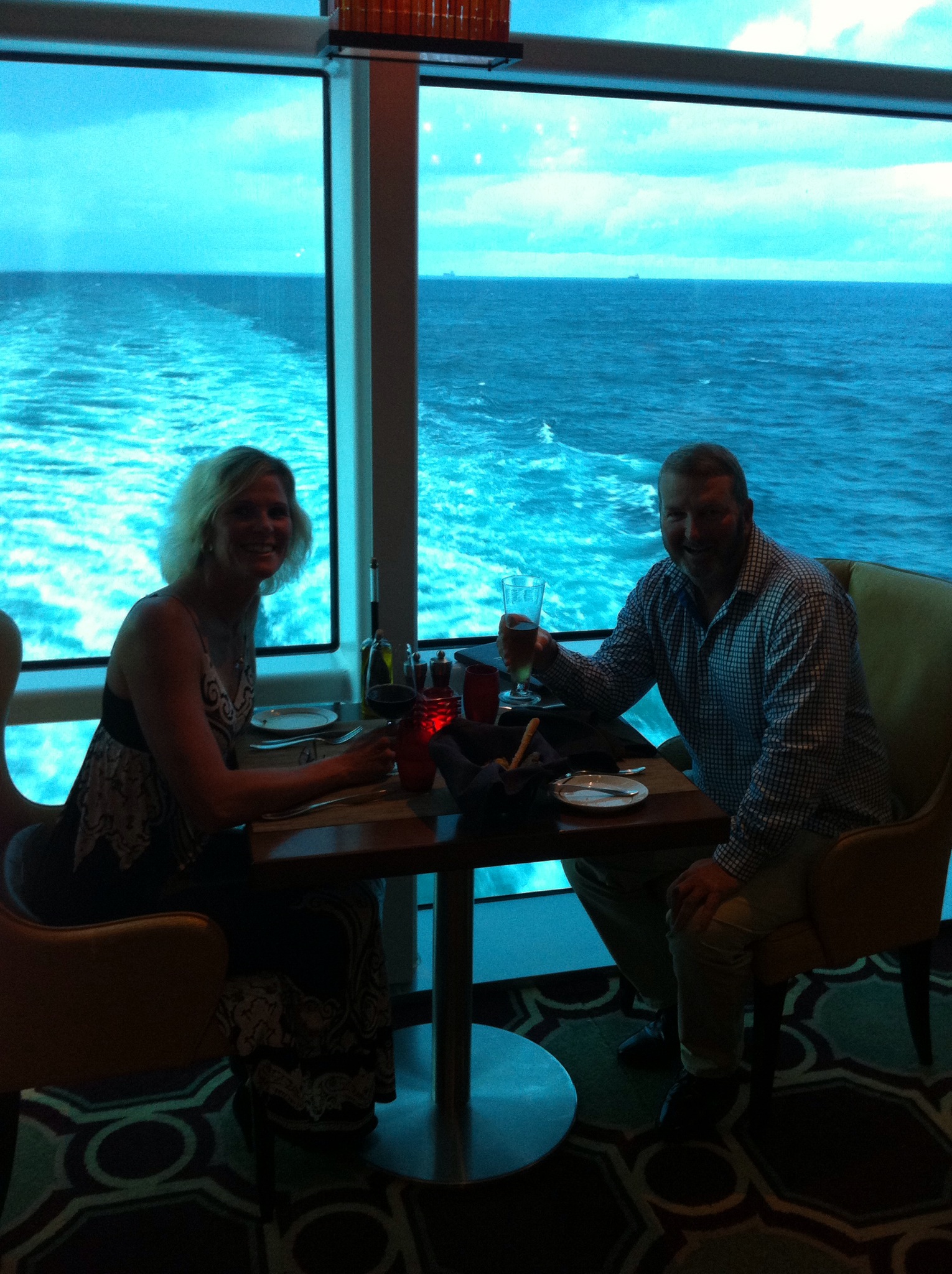
We dined in the Tuscan Grille tonight and it was divine. We had a table right at the back of the boat overlooking the wake left behind by the boat.

The Story of Fabergé (Wikipedia)
The story of Fabergé is inextricably linked to the lives, loves and tragedy of the last Romanov Tsar Nicholas II and his Empress Alexandra, and to the Russian Revolution that changed the course of world history. Of Huguenot origin, with a febrile imagination, protean talent and entrepreneurial instincts, Peter Carl Fabergé became jeweller and goldsmith to the great Russian Imperial Court, creating exquisite jewels and objects, including the legendary series of lavish and ingenious Imperial Easter Eggs.

His worldwide reputation attracted royalty, nobility, tycoons, industrialists and the artistic intelligentsia of Paris, Moscow, St Petersburg and London. In 1917, the Russian Revolution brought a violent end not only to the Romanov dynasty but also to the House of Fabergé. The Bolsheviks seized the Fabergé workshops and their treasures, all production was closed down and Peter Carl Fabergé and his family fled from Russia.

In a legal settlement in 1951, the Fabergé family lost the right to produce and market designs under the Fabergé name. Yet, through decades of the 20th century, the noble Fabergé name, separated from the family despite their attempts to honour and perpetuate their legacy, showed an extraordinary resilience. Throughout, the legend has retained its mystique, charisma and awe-inspiring romance, along with a certain enigma tied to the mystery of the whereabouts of many iconic Fabergé works of art.

History came full circle in October 2007 when Fabergé, under new ownership and direction, announced the reunification of the Fabergé name with the Fabergé family. This opened a new chapter in the intriguing story of Fabergé, and set the stage for a total revitalisation of the Fabergé name and philosophy, in tune with its original values, aesthetics and spirit. Fabergé was re-launched on the 9th September, 2009, with three Les Fabuleuses de Fabergé High Jewellery Collections – Les Fleurs, Les Fables and Les Fauves de Fabergé.

Today, with Katharina Flohr as Creative and Managing Director, and her in-house creative team, Fabergé is forging a fresh yet strong identity. Paying homage to Peter Carl Fabergé’s genius as a visionary artist-jeweller, and benefiting from the expertise and guidance of Tatiana and Sarah Fabergé, his great-grand-daughters, contemporary Fabergé collections are imbued with poetry, artistry and refined ideals of beauty made possible by unrivalled craftsmanship, innovation and ingenuity, all underlined with a strong emotional engagement. Distinguished by Fabergé’s dedication to excellence and pursuit of perfection, the jewels are both linked to Fabergé’s world, yet of the moment and relevant today, demonstrating the modernity that Peter Carl Fabergé was always able to bring to his own eclectic cultural and stylistic references.

Peter Carl Fabergé, legendary artist-jeweller, goldsmith to the Russian Imperial Court, was the creative and entrepreneurial genius behind the world-renowned company that bore his name. He captured his extraordinary moment in time through exquisite jewels and precious objects that still resonate today with the passions and poignancy of a lost world. Deeply imbued with the spirit of their age, these masterpieces remain timeless in their recherché beauty, breathtaking craftsmanship and absolute dedication to perfection. Like the swan song of a dying civilisation, Fabergé’s jewels, personal accessories and objects of fantasy, richly layered with cultural references, conjure up a vision of Belle Époque, its leisured luxury and ravishing refinement, the fabulous new wealth of tycoons and industrialists. They trace the captivating story of the tragic end of the Romanov dynasty, of the lives and loves of the ill-fated Nicholas II and Alexandra, cocooned in the lavish opulence of their court, cut off from the harsh realities of a fast-changing world and rocked by encroaching forces of darkness. French in their artistic sensibilities but with a profound and poetic Russian soul, Fabergé’s works of art, like the stories they tell, continue to exert a powerful fascination as hypnotic today as it ever was.

Born in 1846, and apprenticed as a boy to his goldsmith father, Peter Carl Fabergé was educated in St Petersburg and Dresden where he fell under the mesmerizing influence of the Renaissance and Baroque treasures in the famous Green Vaults. As a young man he travelled extensively, immersing himself in the cultural delights of the Grand Tour, including the Medici Renaissance treasures in Florence. He studied in Paris and received expert tuition from goldsmiths in France, Germany and England.

The Imperial Easter Eggs
The series of lavish Easter eggs created by Fabergé for the Russian Imperial family, between 1885 and 1916, against an extraordinary historical backdrop, is regarded as the artist-goldsmith’s greatest and most enduring achievement. The Imperial Easter eggs are certainly the most celebrated and awe-inspiring of all Fabergé works of art, inextricably bound to the Fabergé name and legend. They are also considered as some of the last great commissions of objets d’art.

The story began when Tsar Alexander III decided to give a jewelled Easter egg to his wife the Empress Marie Fedorovna, in 1885, possibly to celebrate the 20th anniversary of their betrothal. It is believed that the Tsar, who had first become acquainted with Fabergé’s virtuoso work at the Moscow Pan-Russian Exhibition in 1882, was inspired by an 18th century egg owned by the Empress’s aunt, Princess Wilhelmine Marie of Denmark. The object was said to have captivated the imagination of the young Maria during her childhood in Denmark. Tsar Alexander was apparently involved in the design and execution of the egg, making suggestions to Fabergé as the project went along. Easter was the most important occasion of the year in the Russian Orthodox Church, equivalent to Christmas in the West. A centuries-old tradition of bringing hand-coloured eggs to Church to be blessed and then presented to friends and family, had evolved through the years and, amongst the highest echelons of St Petersburg society, the custom developed of presenting valuably bejewelled Easter gifts. So it was that Tsar Alexander III had the idea of commissioning Fabergé to create a precious Easter egg as a surprise for the Empress, and thus the first Imperial Easter egg was born.

Known as the Hen Egg, it is crafted from gold, its opaque white enamelled ‘shell’ opening to reveal its first surprise, a matt yellow gold yolk. This in turn opens to reveal a multi-coloured, superbly chased gold hen that also opens. Originally, this contained a minute diamond replica of the Imperial Crown from which a small ruby pendant egg was suspended. Unfortunately these last two surprises have been lost.

The Empress’s delight at this intriguing gift with its hidden jewelled surprises was the starting point for the yearly Imperial tradition that continued for 32 years until 1917 and produced the most opulent and captivating Easter gifts the world has ever seen. The eggs were private and personal gifts, and the whole spectacular series charted the romantic and tragic story leading up to the end of the mighty Romanovs.

Each egg, an artistic tour de force, took a year or more to make, involving a team of highly skilled craftsmen, who worked in the greatest secrecy. Fabergé was given complete freedom in the design and execution, with the only prerequisite being that there had to be surprise within each creation. Dreaming up each complex concept, Fabergé often drew on family ties, events in Imperial Court life, or the milestones and achievements of the Romanov dynasty, as in the Fifteenth Anniversary Egg of 1911, commemorating the fifteenth anniversary of Nicholas II’s accession to the throne, or the Romanov Tercentenary Egg of 1913 that celebrated 300 years of the House of Romanov, showing portrait miniatures of the Russian dynastic rulers. Although the theme of the Easter eggs changed annually, the element of surprise remained a constant link between them. The surprises ranged from a perfect miniature replica of the Coronation carriage – that took 15 months to make working 16-hour days – through a mechanical swan and an ivory elephant, to a heart-shaped frame on an easel with 11 miniature portraits of members of the Imperial family.

Alexander III presented an egg each year to his wife the Empress Marie Fedorovna and the tradition was continued, from 1895, by his son Nicholas II who presented an egg annually to both his wife the Empress Alexandra Fedorovna and to his mother the Dowager Empress Marie Fedorovna. However, there were no presentations during 1904 and 1905 because of political unrest and the Russo-Japanese War.

The most expensive was the 1913 Winter Egg, which was invoiced at 24,600 roubles (then £2,460). Prior to the Great War, a room at Claridges was 10 shillings (50 pence) a night compared to approximately £380 today. Using this yardstick, the egg would have cost £1.87 million in today’s money.

The Winter Egg, designed by Alma Pihl, famed for her series of diamond snowflakes, is made of carved rock crystal as thin as glass. This is embellished with engraving, and ornamented with platinum and diamonds, to resemble frost. The egg rests on a rock-crystal base designed as a block of melting ice. Its surprise is a magnificent and platinum basket of exuberant wood anemones. The flowers are made from white quartz, nephrite, gold and demantoid garnets and they emerge from moss made of green gold. Its overall height is 14.2cm. It is set with 3,246 diamonds. The egg sold at Christie’s in New York in 2002 for US$9.6 million.

Of the 50 eggs Fabergé made for the Imperial family from 1885 through to 1916, 42 have survived.

IMG_4299.JPG

IMG_4302.JPG

IMG_4303.JPG

IMG_4304.JPG

IMG_4309.JPG

IMG_0664.JPG

IMG_2691.JPG

IMG_0666.JPG

Posted in Celebrity Cruises | Leave a comment

Berlin, Germany – Celebrity Cruises

On Tuesday we docked at the port of Warnemunde in Germany. Warnemunde is a sea resort in Germany’s Rostock district. The city is situated on the Baltic Sea, in the northern most part of Germany on the estuary of the Warnow River. Together with Rostock, it is considered as one of the country’s major shipping centres. Warnemunde’s broad, sandy beaches are the largest on the German Baltic Sea coast and stretch out over a length of two miles. Because of the low current and good sailing conditions, Warnemunde is one of the best sailing grounds in Germany. The beach is especially good for kite surfing, windsurfing, underwater diving and swimming making it one of the most popular seaside resorts on the Baltic Sea.

Berlin is approximately 200km from Warnemunde. We had signed up to do a Berlin discovery trip. We were met at the Port by Felix, our escort for the day. He was in charge of getting our bus from the Port to Berlin and back in time for the ship’s sailing at midnight.

Felix was excellent – he was about 25 and is about to finish his medical degree – once he passes his final exams in October he will be a Radiography Oncologist. He does the tour guiding over the summer months during the university break. He was born in 1988 in the East – his father was a policeman guarding the wall. They did not have televisions in the East so many people were unaware that the wall had come down on the 9th November 1989. Felix’s mother went to work as usual the next day and couldn’t work out why half her colleagues were not there. She thought they were joking when they said the wall had come down.

The GDR or German Democratic Republic were very good at recording everything and you can go to the State Security Services and request documents that related to you. Felix’s parents did this and discovered their best friends were spying on them and feeding information to the GDR about them. Not all the documents from former GDR have been recovered. We will never comprehend how it was to live in these times.

The wall was built in 1961 and was constructed overnight. If people from the East were on the West that night and vice versa they were trapped. Felix’s Grandfather had a sister who happened to be visiting the West the night the wall went up. They were not reunited until 1994. There are many stories like this. The wall was built for the protection from capitalism, to protect those in the east from the bad influences of those in the west. The older generation still refer to the East and the West. The younger generation refer to the North and South.

The wall came down on the 9th November 1989 and the reunification started on the 3rd October 1990. The people in the West earn more than the people in the East but they pay a reunification tax. The cost of living in the East is lower. The reunification ends in 2019 and the wages in both the East and West will then be equalised.

Berlin is the largest city in Germany with a population of 3.5 million. It is also the poorest part of the country – unemployment is at 7.3% whereas the country average is 5.4%. It used to be at 10% in Berlin but Angela Merkle’s party has worked hard on reducing that. We asked Felix why Angela Merkle is so popular with the people. In the last election she got 63% of the vote – this is the highest recorded by any Chancellor since World War II.

She is very popular with woman and has put a policy in place that requires all businesses to employ at least 25% woman in their workforce. She is also very popular with the students – university education is free. They have to pay an enrolment fee which equates to about EU130 per semester. They will also pay your rent if you or your parents can’t afford it. However, you have to pay 50% of the rent back unless you achieve A grades. A pretty good incentive to work hard at university. Germany, as with NZ also has a brain drain issue with the highly qualified going offshore once they have qualified.

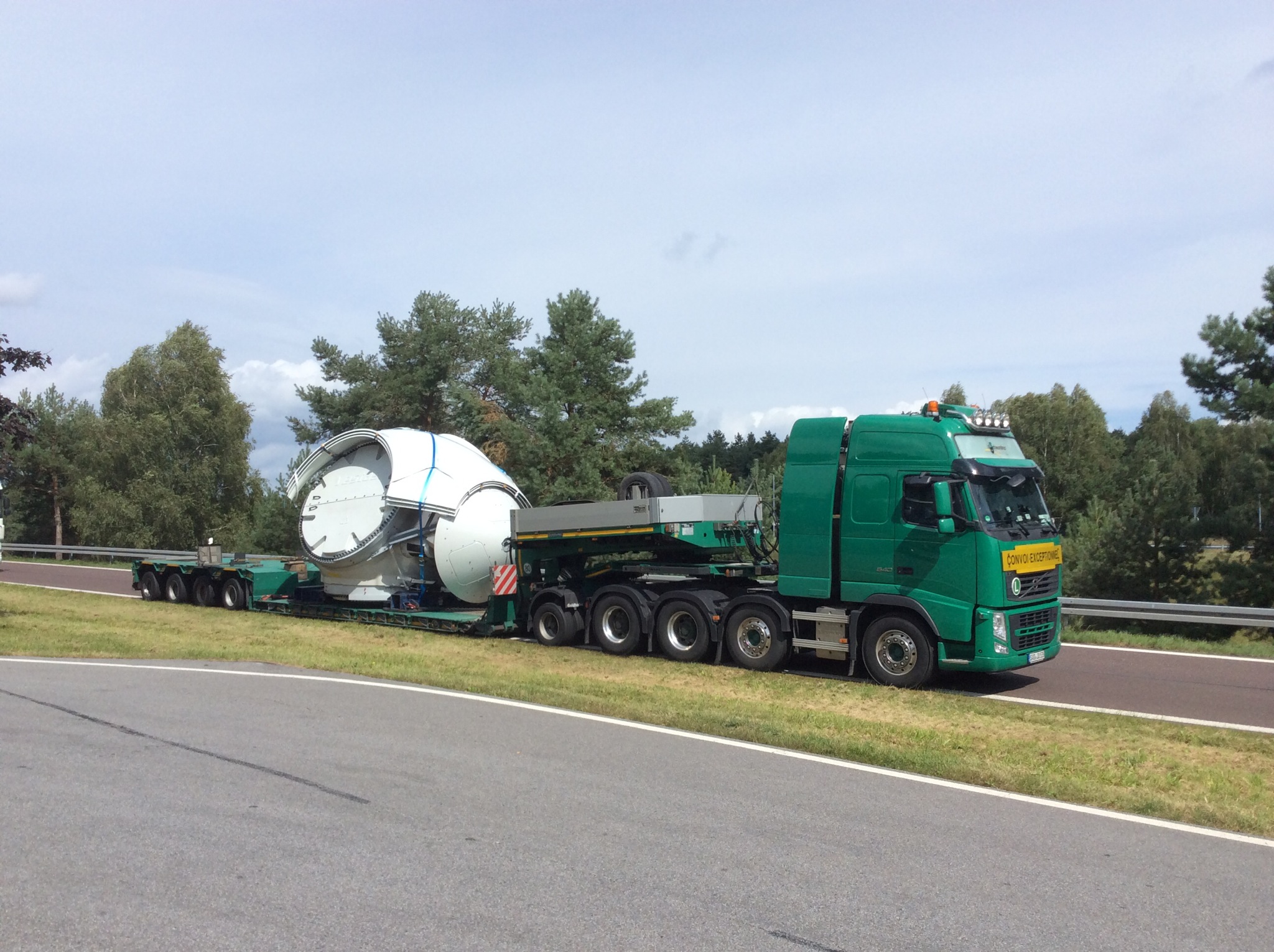
Angela Merkle is in favour of nuclear power but you won’t hear her say that. In order to get re elected she shut all the nuclear power plants down. 60% of their electricity comes from wind and solar, however, when they don’t have any wind and sun they have to buy power from Poland which is generated by nuclear power plants – a bit ironic really! We saw a number of wind turbines along the way as well as trucks transporting the parts. Apparently it is more profitable to have a wind turbine in your paddock than crops.

Angela Merkle lives on Museum Island (there are over 170 museums in Berlin) in an apartment block with ordinary citizens and has BBQ’s on a Sunday afternoon with them. She likes to go to the cinema and the shops and be amongst the people. She always has her bodyguards in tow but asks them to stay back. You could approach her if you wanted and you wouldn’t be stopped but the people have a high regard for her and generally leave her in peace.

Germany has a total population of about 82 million and has the largest population of the member states in the EU. It is the world’s third largest economy by GDP and the largest exporter of goods according to 2007 statistics. It has a federal parliamentary republic of 16 states and is home to the third highest number of international immigrants.

Germans like order so in the state that we were in they had counted every tree and given each one a number plate. Felix was at a bit of a loss to explain this but said that every tree is watered and checked twice a year. We saw these number plates for ourselves. Another irony really given the state is the poorest state and there are many incomplete construction projects all over the place. The efficient reputation of the Germans has been tarnished.

There is also no major airport in Berlin, instead it is serviced by three smaller ones. They started building a large airport in 1999 that was going to be completed in June 2014 – it is still not finished much to the embarrassment of the German Government. The first things they built were the runways and because so much time has elapsed and planes have evolved (A380’s for instance) the runways do not meet international standards – another dent in the German reputation.

There are two main airlines in Germany – Lufthansa and Air Berlin. Lufthansa has lost a lot of credibility with the people due to poor service and unfriendly staff so Air Berlin is the favoured airline.

We got into Berlin after about 3.5 hours on the bus. First stop was lunch – the food was good and Steve enjoyed a German beer. We then met up with our tour guide Thomas who was going to show us the sights of the city from the bus. There was so much to see and take in.

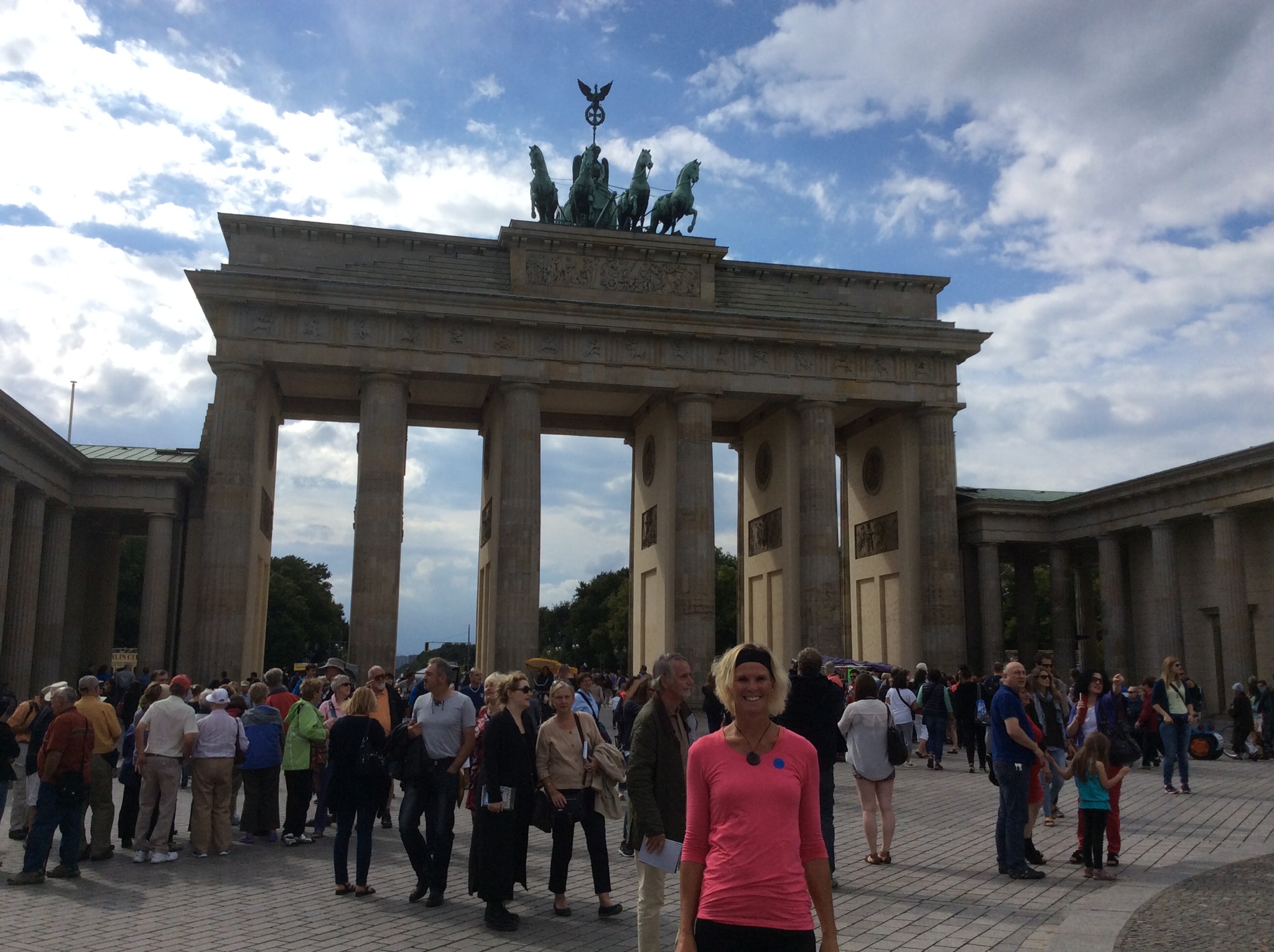
We stopped at the Brandenburg Gate which was originally intended to be a symbol of peace, but eventually the winged victory goddess, Nike, and four horse chariot were added to the top of the gate symbolising the strength of the Prussians.

We drove past the Reichstag Building which is where the German Parliament sits. It has a glass cupola and you can walk along and look into it while parliament is in session – the theory on this is that the parliament have nothing to hide. It is the most visited government building in the world with over 3 million visitors annually. It has been re built three times.

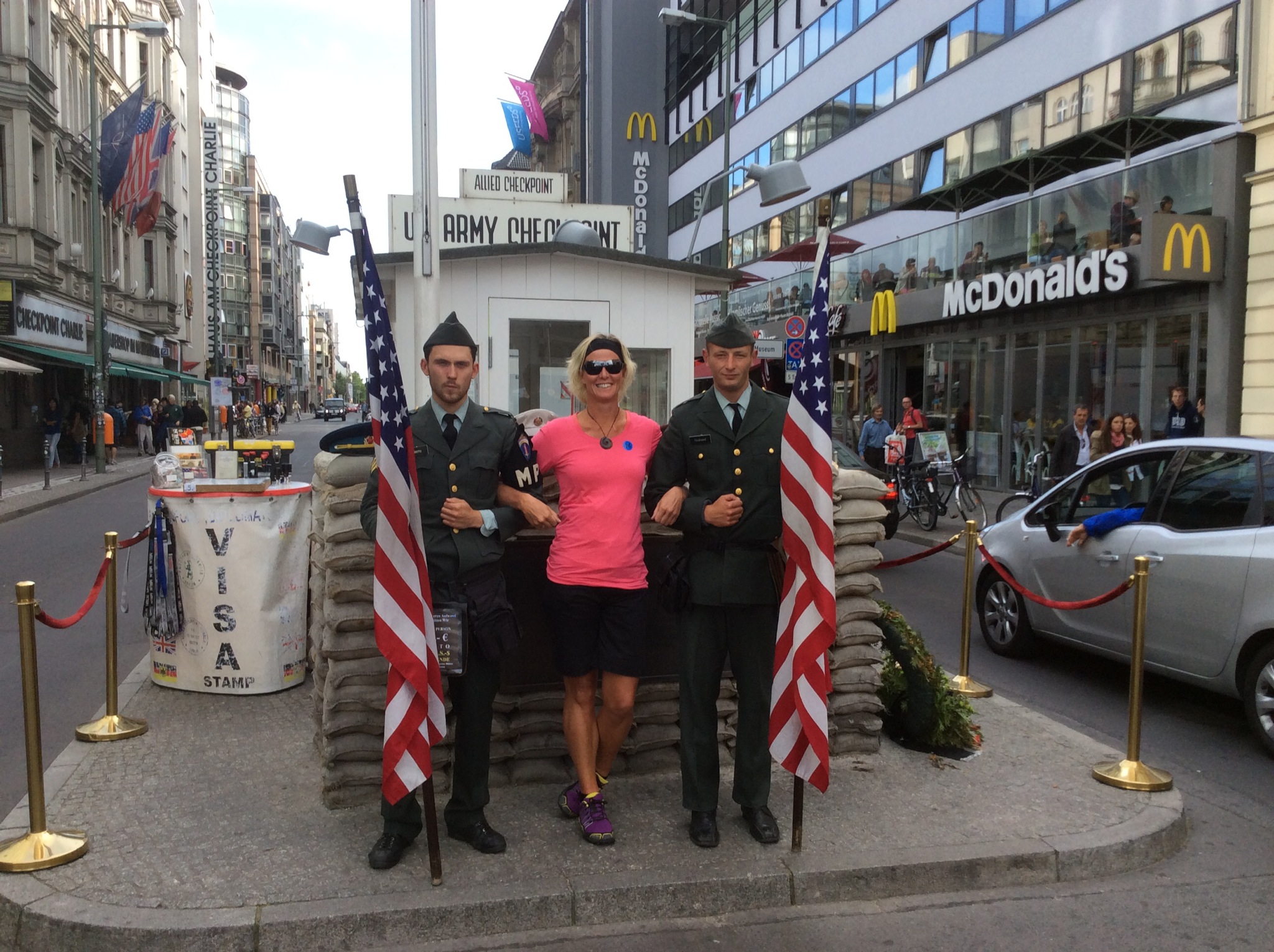
We stopped at Checkpoint Charlie which sat in the middle of the Russian, French, American and British quarters. It was the checkpoint you went through from East to West. The Russian and American tanks sat facing each other about 50 metres apart. It is quite a tourist attraction now and they have these “soldiers” standing there with American flags – you can have your photo taken with them for EU2 per person. It was a bit tacky really but it had to be done.

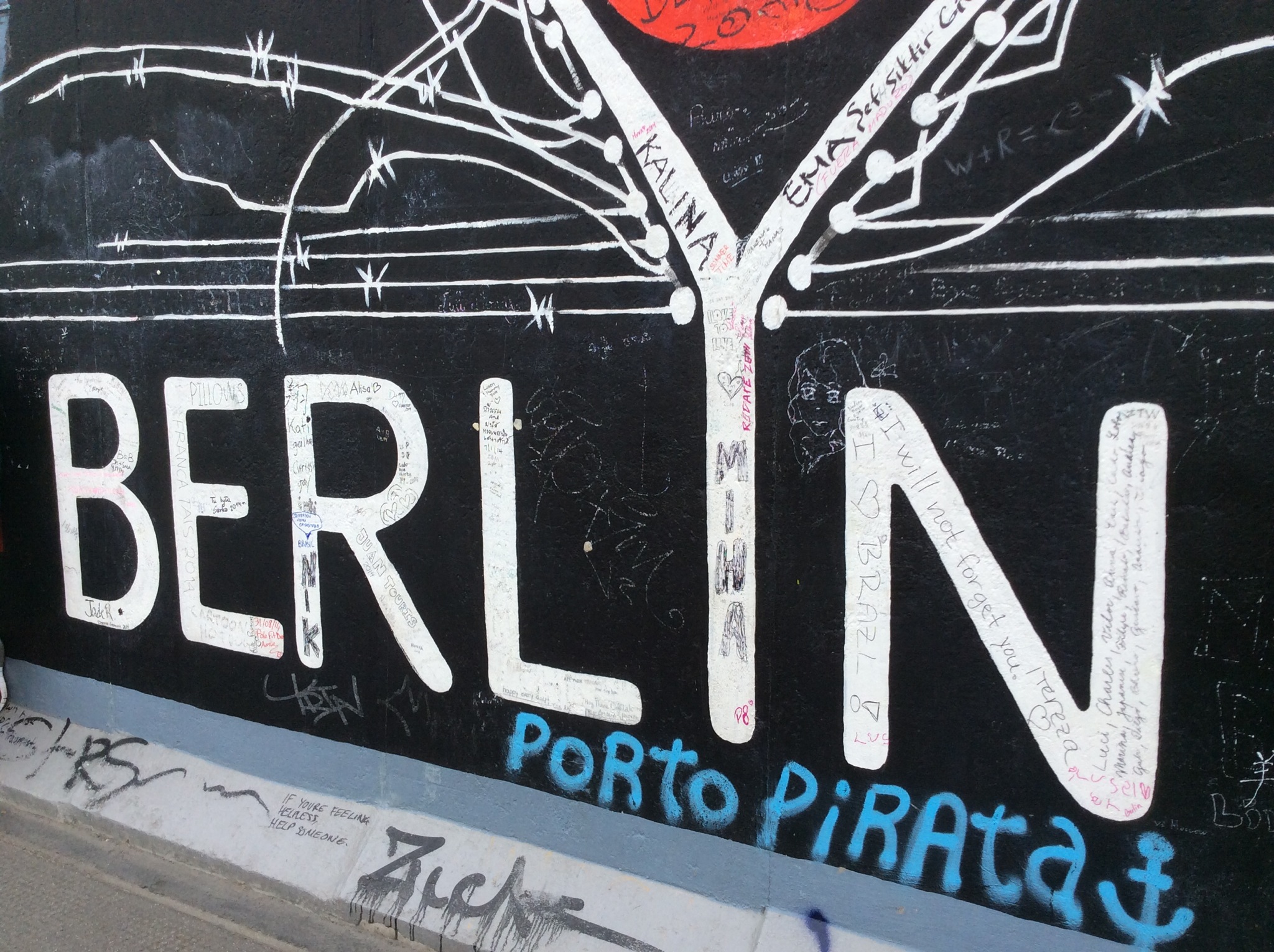
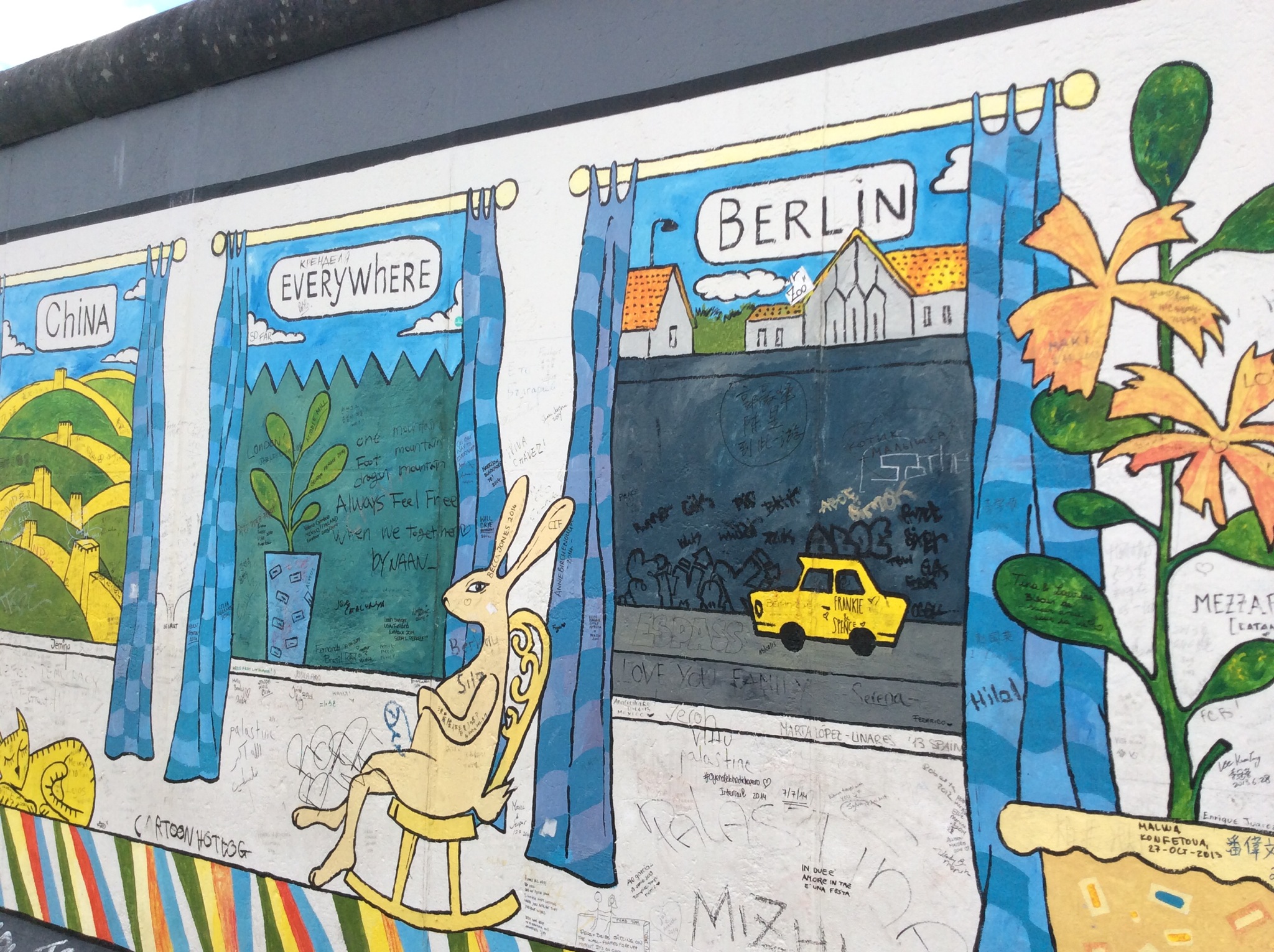
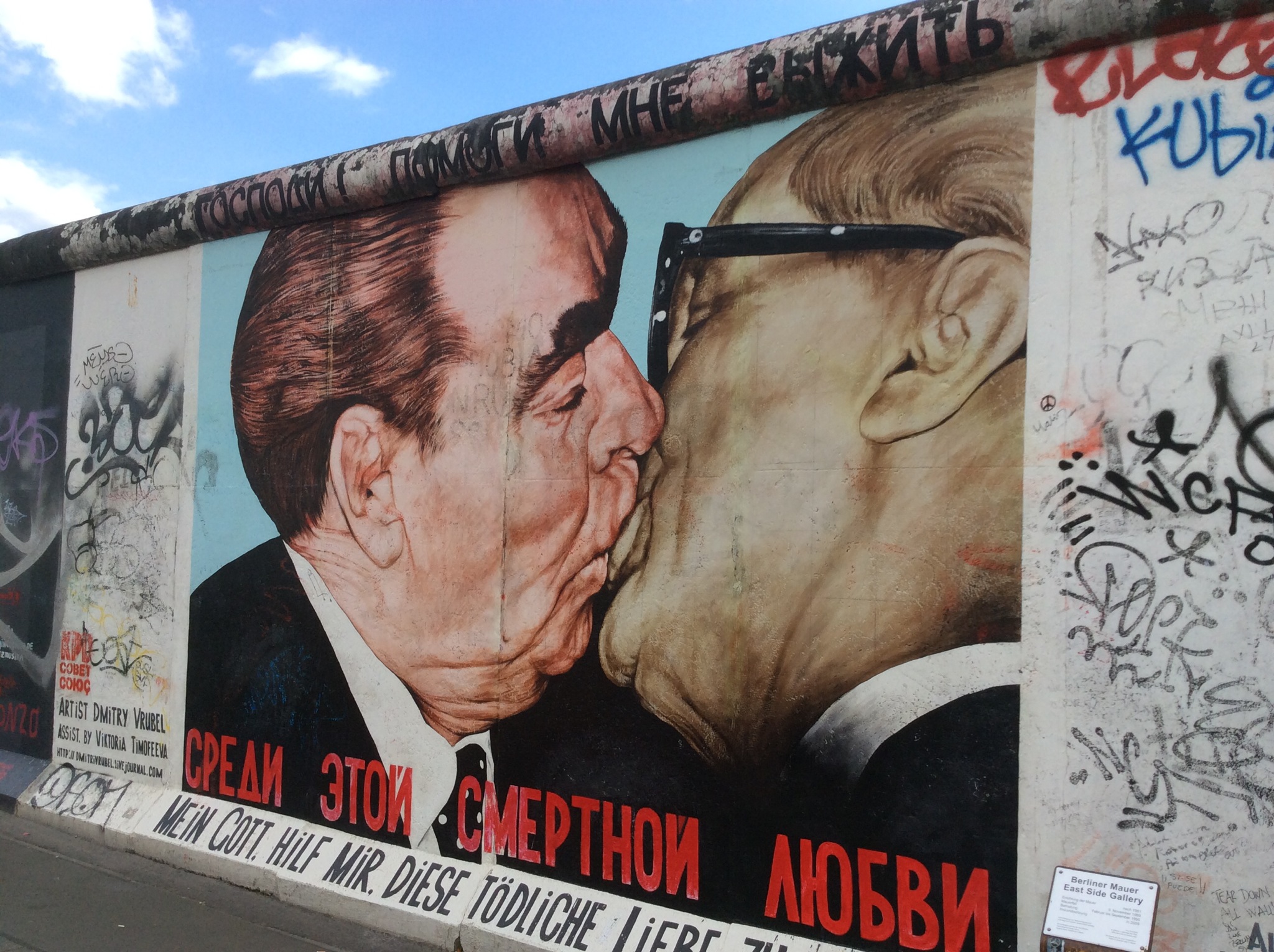
We also stopped at the Eastside Gallery which is the remaining part of the wall in the city. It has been painted with all these murals. One of the murals is of the Brotherhood Kiss. The socialist fraternal kiss or Brotherhood Kiss was a special form of greeting between the statesmen of the so-called Eastern Bloc. It consists of an embrace and a mutual kiss (or kisses) to cheeks or in rarer cases to the mouth.

With this act, a special connection between Socialist states was intended to be demonstrated. Both the embrace and the kiss were supposed to be the expression of happiness, fraternity and equality, and were otherwise a transformation of a known ritual and symbol of the Russian Orthodox Church.

The fraternal kiss became famous via Erich Honecker and Leonid Brezhnev, who were photographed exercising the ritual. The photograph became widespread and it was subsequently transformed into a graffiti painting on the Berlin Wall named My God, Help Me to Survive This Deadly Love.

Built in 1961, the Berlin Wall became known as a symbol of communist oppression. In the 1963 “Ich bin ein Berliner” speech, U.S. President John F. Kennedy stated the support of the United States for democratic West Germany shortly after the Soviet-supported Communist state of East Germany erected the Berlin Wall as a barrier to prevent movement from East to West.

There was a misconception that “Ich bin ein Berliner” translated to “I am a jelly doughnut” but apparently in the context it was correct. He was declaring his solidarity with it’s citizens when he said “I am a Berliner”. The Germans still laugh about this today.

However, in 1987 it was a different story. “Tear down this wall!” was the challenge issued by United States President Ronald Reagan to Soviet Union leader Mikhail Gorbachev to destroy the Berlin Wall, in a speech at the Brandenburg Gate near the Berlin Wall on June 12, 1987, commemorating the 750th anniversary of Berlin. Reagan challenged Gorbachev, who was then the General Secretary of the Communist Party of the Soviet Union, to tear it down as an emblem of Gorbachev’s desire to increase freedom in the Eastern Bloc through glasnost (“transparency”) and perestroika (“restructuring”).

Arriving in Berlin on June 12, 1987, President and Mrs. Reagan were taken to the Reichstag, where they viewed the wall from a balcony. Reagan then made his speech at the Brandenburg Gate at 2:00 pm, in front of two panes of bulletproof glass protecting him from potential snipers in East Berlin. About 45,000 people were in attendance; among the spectators were West German president Richard von Weizsäcker, Chancellor Helmut Kohl, and West Berlin mayor Eberhard Diepgen. That afternoon, Reagan said:

We welcome change and openness; for we believe that freedom and security go together, that the advance of human liberty can only strengthen the cause of world peace. There is one sign the Soviets can make that would be unmistakable, that would advance dramatically the cause of freedom and peace. General Secretary Gorbachev, if you seek peace, if you seek prosperity for the Soviet Union and eastern Europe, if you seek liberalization, come here to this gate. Mr. Gorbachev, open this gate. Mr. Gorbachev, tear down this wall!

The River Spree runs through the city and is 300 miles in length and has the most boat traffic in Europe.

There are two city centres effectively because after the wall went up the West Germans needed to build a city centre. After our bus tour we had some free time to look around the east part of the city. It is a really nice city and one I would like to return to and spend more time exploring – there is so much to see.

One memorial we didn’t get to see was the Holocaust Monument – it is like a maze made up of these squares which get bigger the further in you go. It is to show how the Jews felt in the sense that the infiltration started off small and gradually got bigger to the point it was a full blown occupation with no way out.

We got back to the boat about 10.15pm – a big day but a good day.

IMG_0559.JPG

IMG_0565.JPG

IMG_0571.JPG

IMG_0576.JPG

IMG_0577.JPG

IMG_0579.JPG

IMG_0580.JPG

IMG_0582.JPG

IMG_0583.JPG

IMG_0584.JPG

IMG_0585.JPG

IMG_0586.JPG

IMG_0595.JPG

IMG_0597.JPG

IMG_0598.JPG

Posted in Celebrity Cruises | Leave a comment

Bruges, Belgium – Celebrity Cruises

Our cruise ship docked in Zeebrugge in Belgium at about 7am this morning. Zeebrugge is a container and industrial port about 26km from Bruges. We caught a shuttle bus to Blankenberge and then caught the train to Bruges.

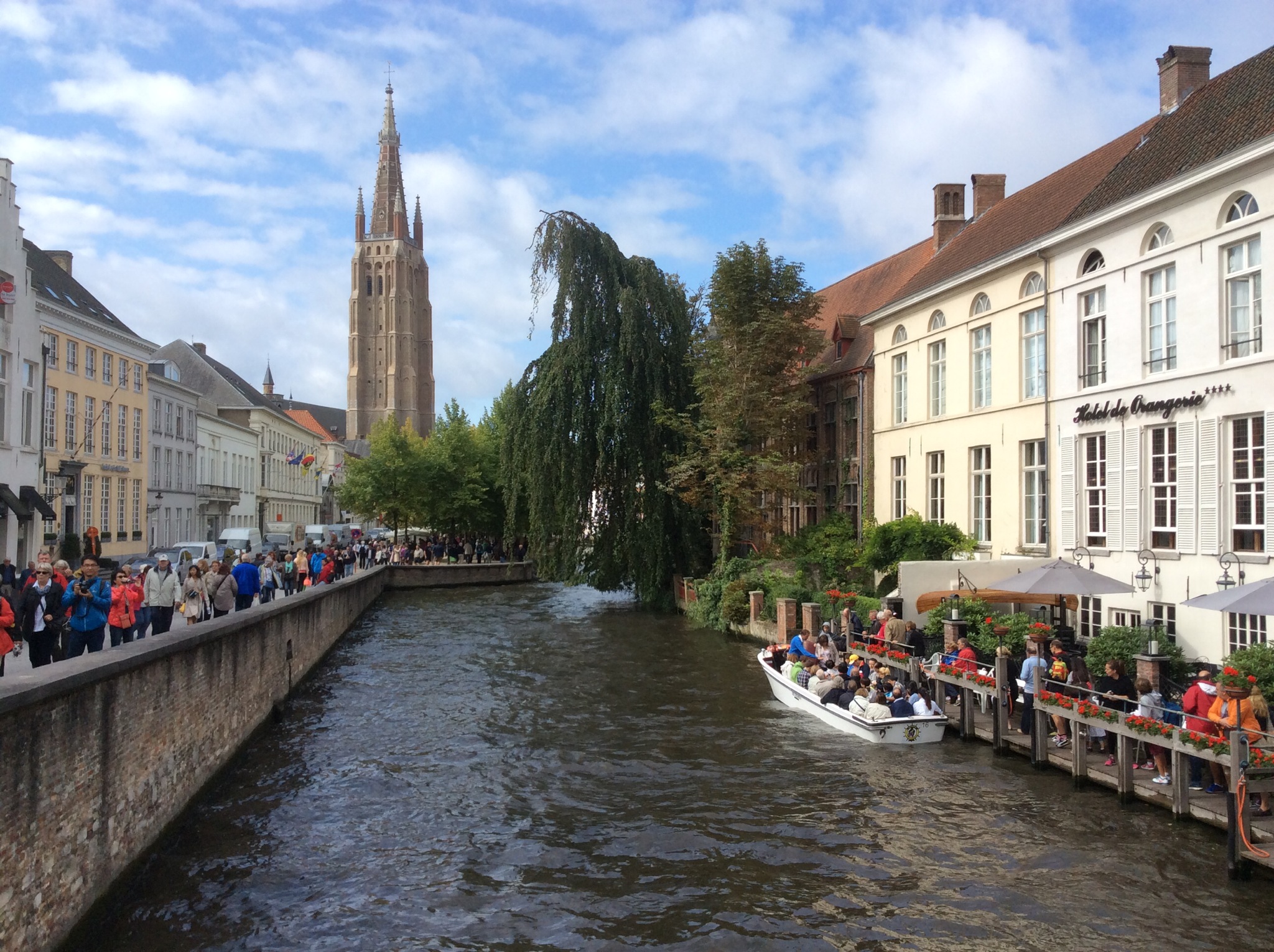
Bruges is the capital of West Flanders in the flemish region of Belgium. Bruges gives new meaning to Old World beauty, a “Venice of the North” known for it’s palette of colourful homes and shops framed by cobblestone streets, tiled roofs and those lovely storybook canals.

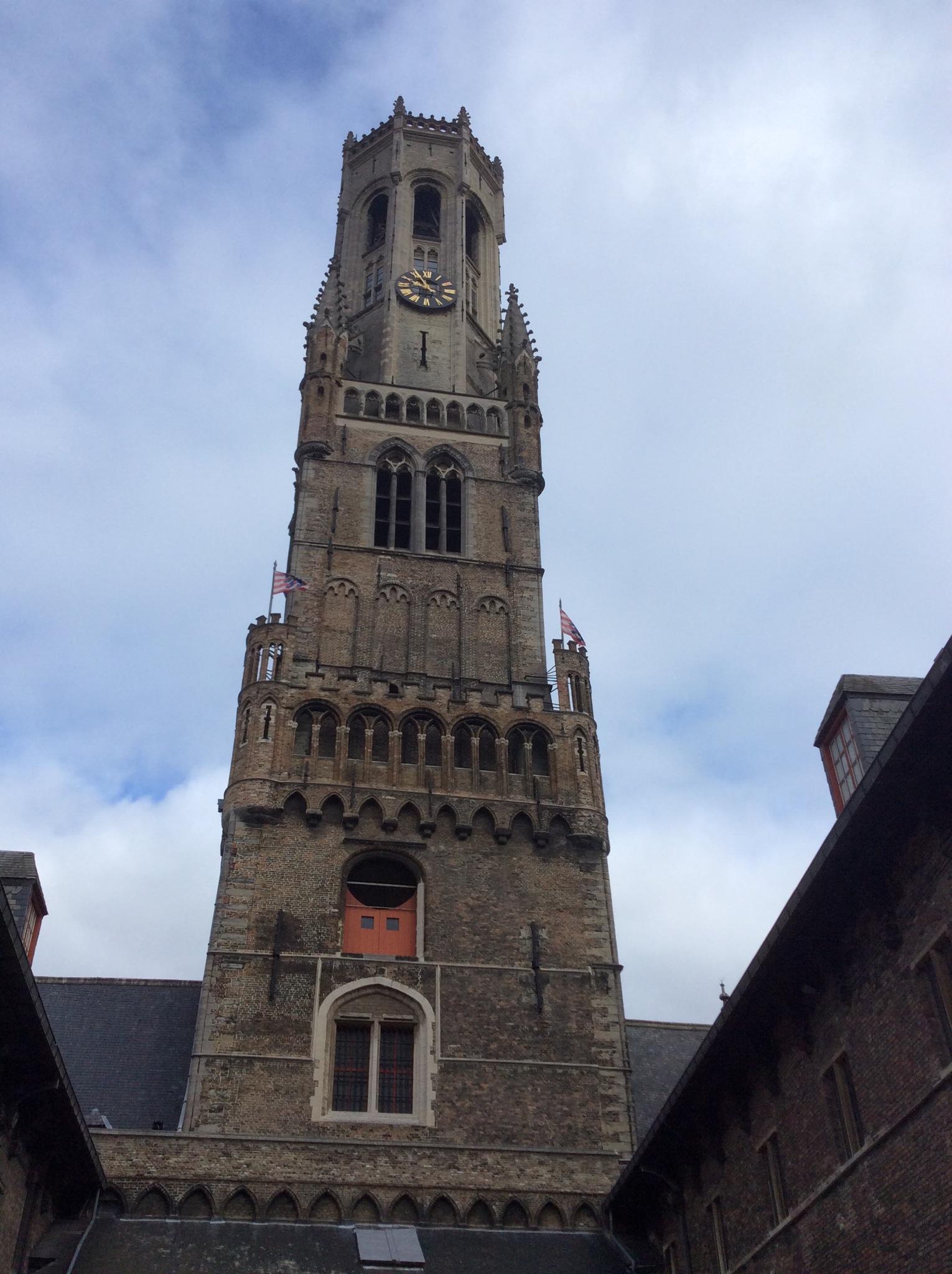
Being a Sunday the town seemed deserted when we got in there about 9.30am. I decided I wanted to climb the 360 stairs to the top of the Belfry as did quite a few others so I queued for about half an hour. Due to the narrow stairwell the tower’s capacity is 70 people so once capacity is reached they let you in as another person comes out. You get to see the mechanics of the chimes and bells as you climb up. You then get a 360 degree view over Bruges.

The Belfry has graced the horizon of Bruges for over seven centuries. In it’s present form, the 83 metre high Belfry is made up of three building layers. The bottom two square sections in brick were built during the thirteenth century. The top, octagonal lantern tower in Brabant limestone was built between 1482 and 1486. Until 1741 the tower had a graceful 19 metre wooden spire.

Belfries are typically found in Flanders, Northern France and in parts of Wallonia, in the south of Belgium. In 1999 UNESCO included these city towers on its world heritage list, as stone witnesses of the prosperous and autonomous late medieval cities in this region. The general definition of a Belfry is a structure enclosing bells.

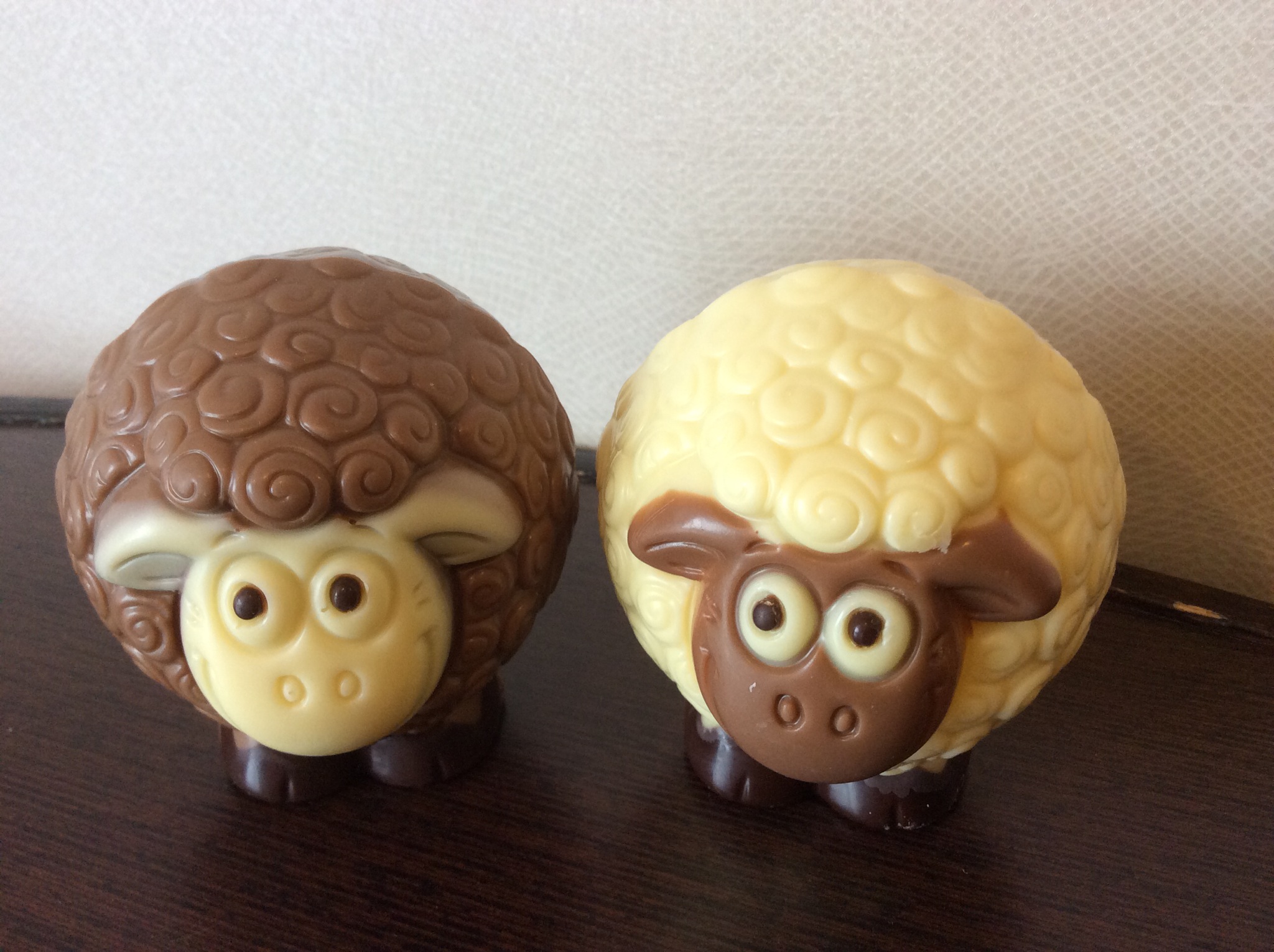
Meanwhile, Steve had been exploring the town down below so when I met up with him he had checked out all the chocolate shops for me. The town had come to life – there were people everywhere. The shops that open on a Sunday do so at 10am. Every second shop was a chocolate shop : ) I couldn’t resist buying these chocolate sheep – so cute.

We then checked out the canals where you can explore the city by boat. There are also many high end designer stores of which most were closed. We only had half a day here so we headed back to the train station about 12pm – Steve was in charge of the map and after finding the street we had been told to turn right into he decided to wing it. We ended up heading in the opposite direction to the train station until we stopped a friendly local who pointed us in the right direction.

Safely back on board now and heading to Germany. The sea is a rocking and a rolling out there. I went to the gym this afternoon and ran on the treadmill as we were pulling out of port. I had a natural incline and decline as the boat rolled gently from side to side.

IMG_0531.JPG

IMG_0533.JPG

IMG_0534.JPG

IMG_0542.JPG

IMG_0551.JPG

IMG_0543.JPG

IMG_4295.JPG

Posted in Celebrity Cruises | Leave a comment

Edinburgh Military Tattoo – Scotland

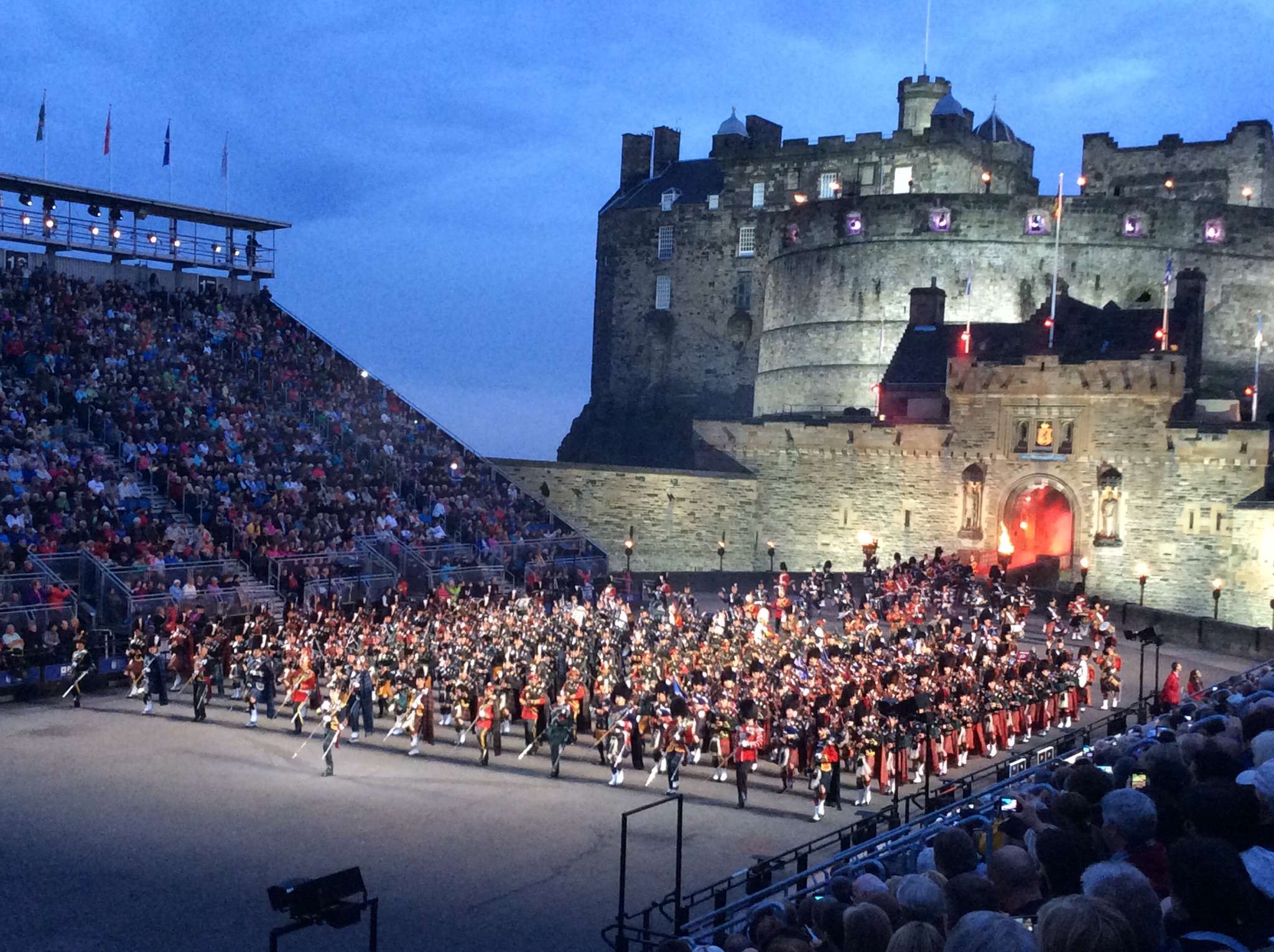
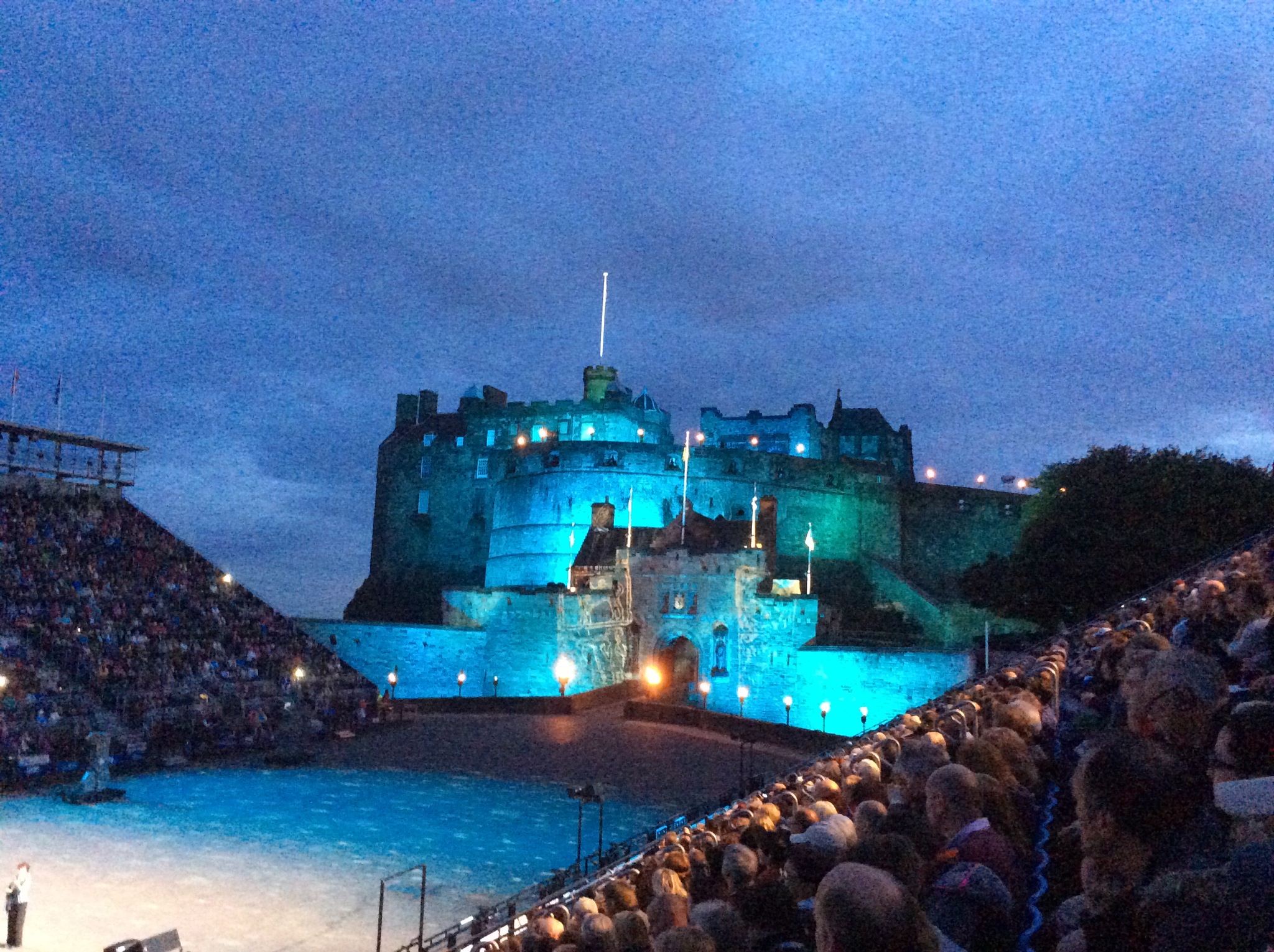
After playing at Carnoustie we drove back to Edinburgh Airport and dropped our rental car back. We then took the tram into Edinburgh City. We are staying in more student accommodation not far from the city centre. We had tickets for the Tattoo which I had ordered online. I went up to the tattoo offices to pick them up and had a quick look around on the Royal Mile that leads up to the Castle. It was full of street performers and people – August is the Fringe Festival month in Edinburgh of which the Military Tattoo forms part of.

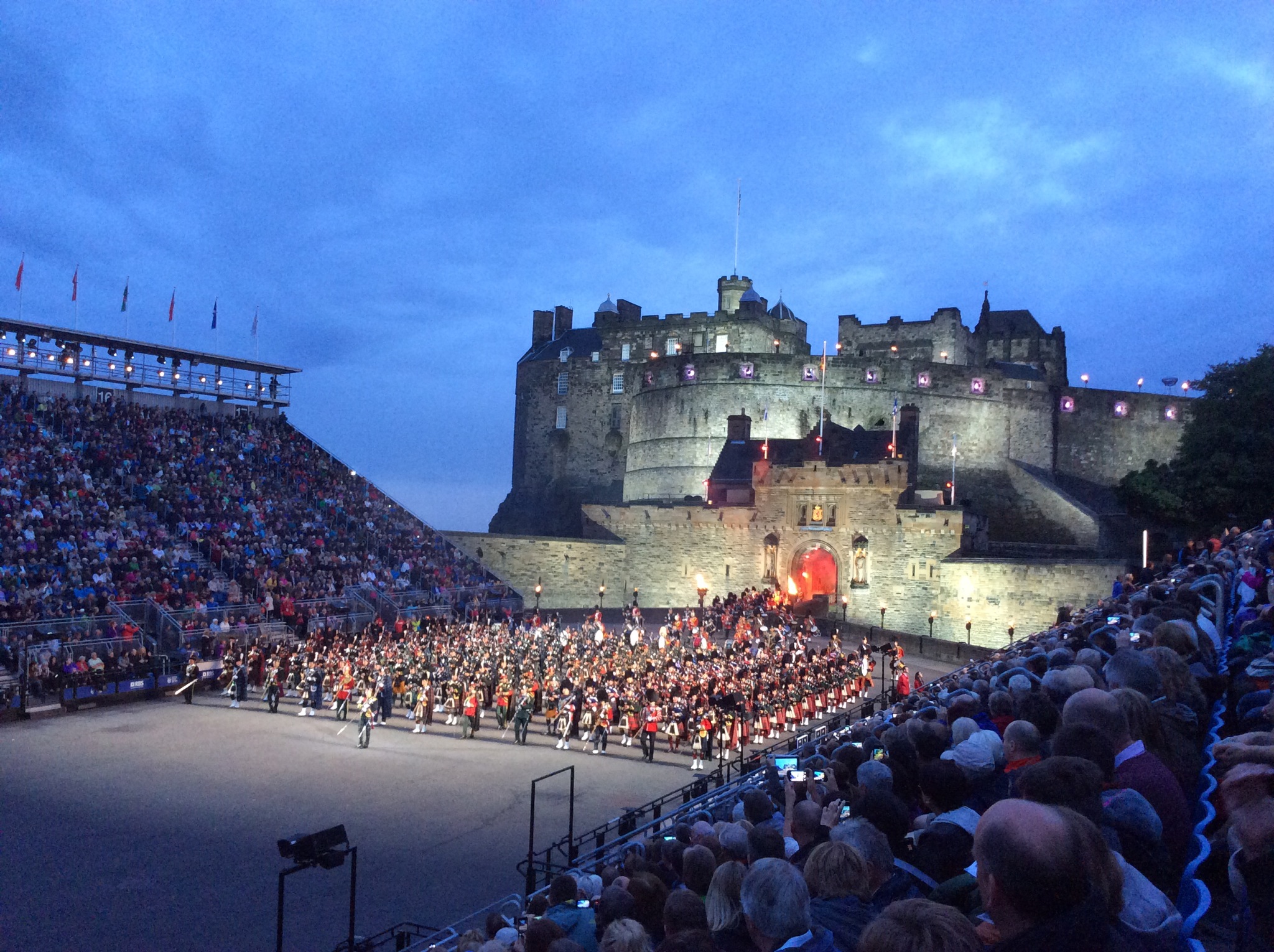
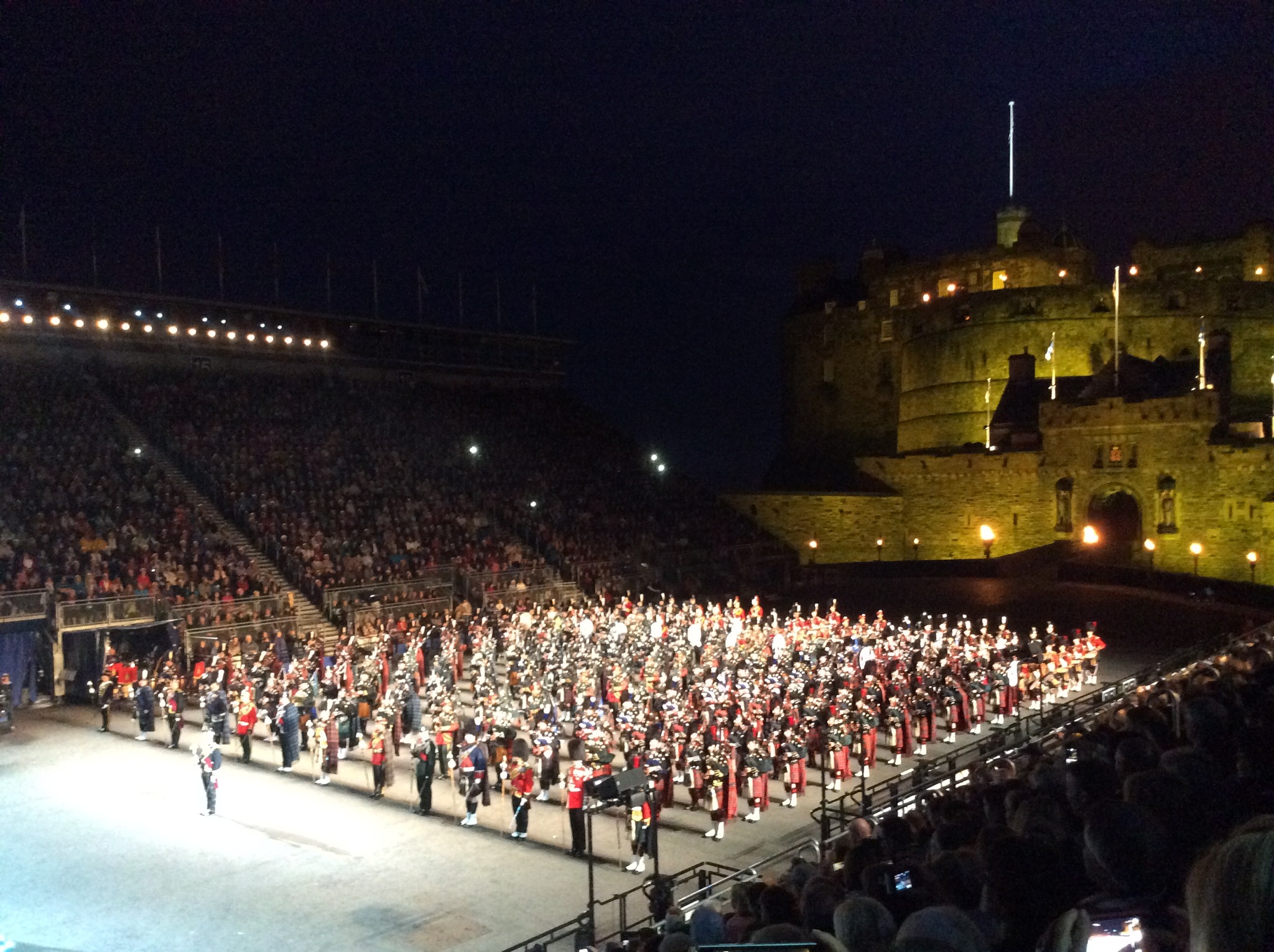
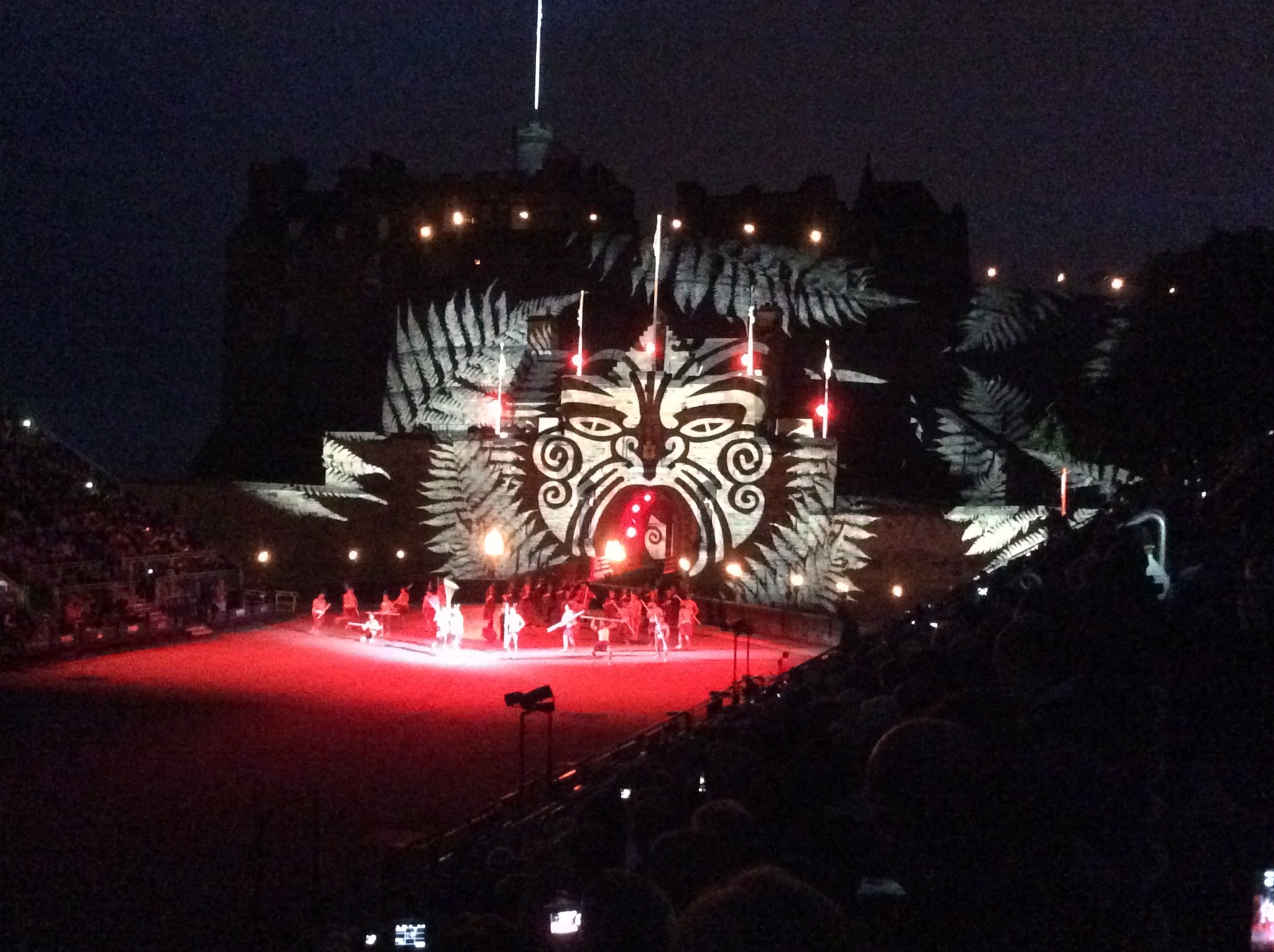
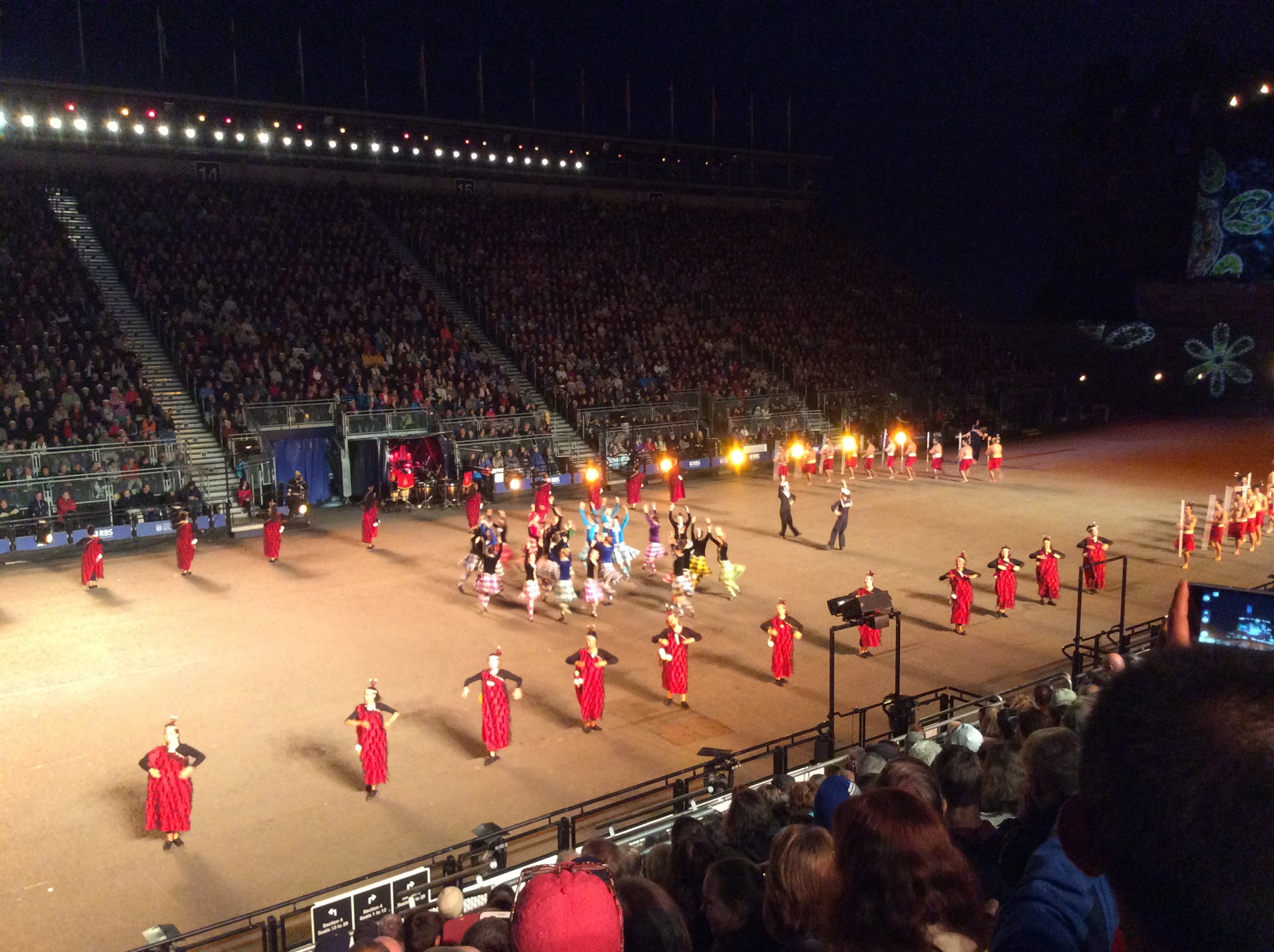
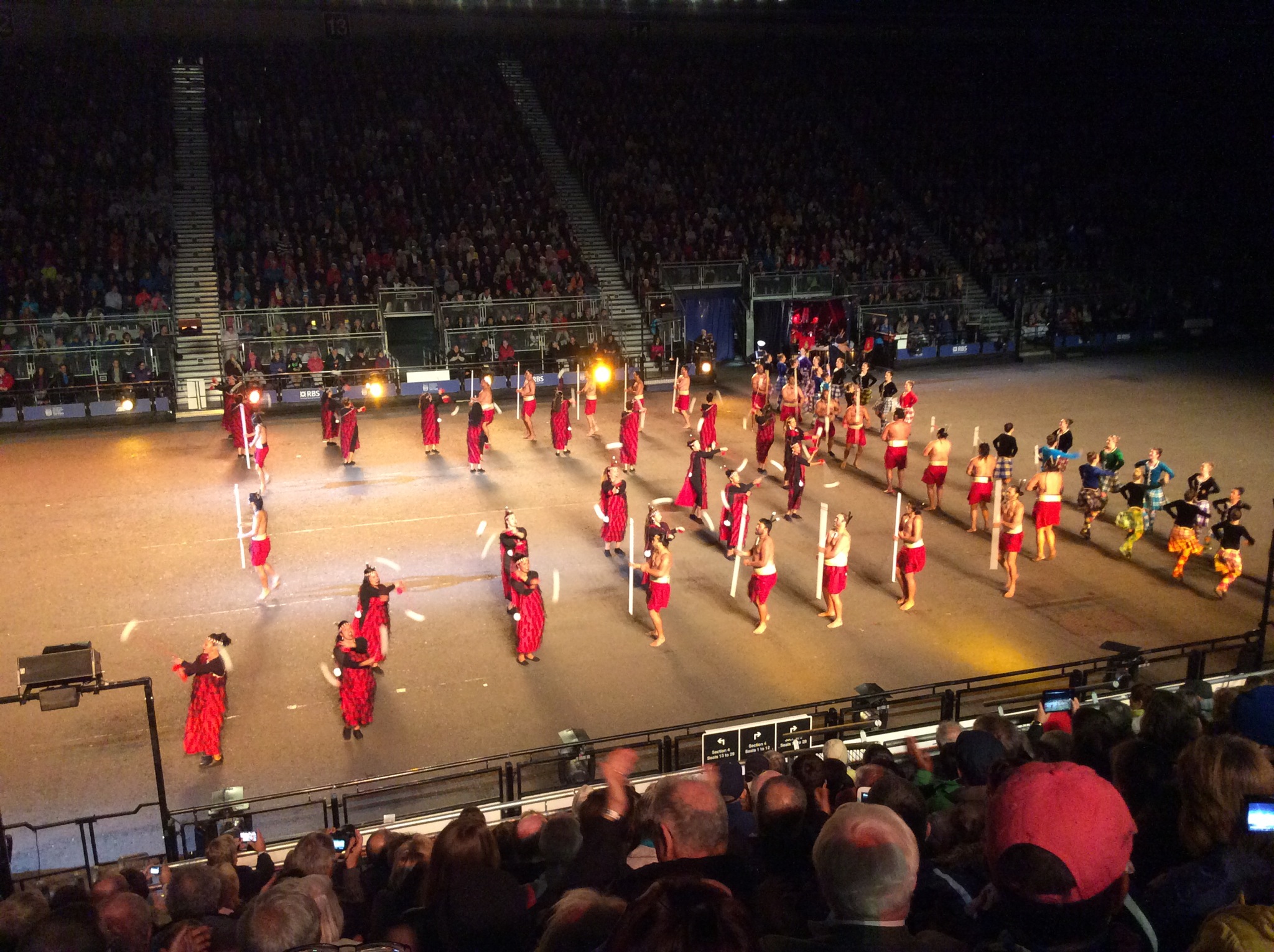
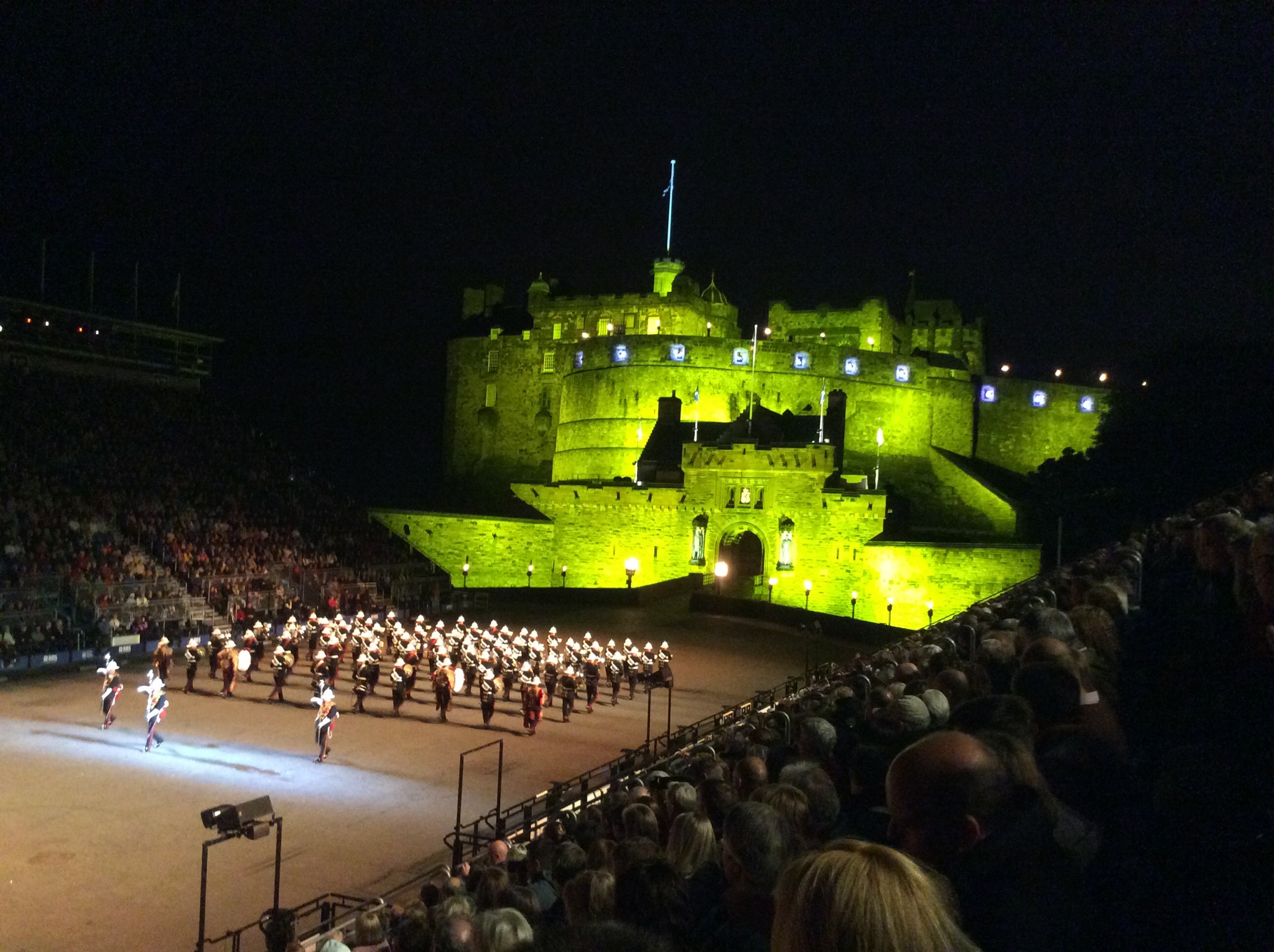
The show started at 9pm so after a quick bite we joined the queue to get into the castle. We had great seats. The performance started with the massed bands which are amazing. The theme of the 2014 Tattoo was all about celebrating Our Home, Friends and Family and it had a real global feel as the bands and performers are from all over the world. We had performances from Zulu dancers, a steel band from Trinidad and Tobago, a brass band from Singapore, a military band from Malta and our very own Kapa Haka group from NZ.

Our Kapa Haka group were joined by some Scottish dancers from NZ and the theme of their performance was the integration of the two cultures as many Scots have immigrated to NZ over the years. It started with a traditional Maori theme but morphed into modern day with both the Kapa Haka Group and Scottish dancers performing to the same music. The Kapa Haka group finished off with the traditional haka which was fantastic.

The beginning of the end of the show was started with a lone electric guitarist playing what we thought was a Mark Knopfler song. The bagpipes and then the rest of the band then joined in – it was truly WOW! After they finished a lone piper stood on top of the Castle and played a tune in remembrance of all those people who have lost their lives in battle. Another spine tingling experience.

All the performers then came onto the esplanade as the massed bands played various modern songs that all the performers danced to – it was announced as the greatest party on earth and the mixing of all the cultures in one spot was fabulous.

To finish off we all crossed arms and held our neighbours hands to sing Auld Lang Syne. It truly was a great spectacle and I loved every minute of it.

The Royal Edinburgh Military Tattoo is an annual series of Military tattoos performed by British Armed Forces, Commonwealth and International military bands and display teams on the esplanade of Edinburgh Castle in the Scottish capital, Edinburgh. The event takes place annually throughout August, as part of the wider Edinburgh Festival.

The word “Tattoo,” is derived from “Doe den tap toe”, or just “tap toe” (“toe” is pronounced “too”), the Dutch for “Last orders”. Translated literally, it means: “close the (beer) tap”. The term “Tap-toe” was first encountered by the British Army when stationed in Flanders during the War of the Austrian Succession.

The British adopted the practice and it became a signal, played by a regiment’s Corps of Drums or Pipes and Drums each night to tavern owners to turn off the taps of their ale kegs so that the soldiers would retire to their billeted lodgings at a reasonable hour. With the establishment of modern barracks and full Military bands later in the 18th century, the term Tattoo was used to describe not only the last duty call of the day, but also a ceremonial form of evening entertainment performed by Military musicians.

Now, on average, just over 217,000 people see the Tattoo live on the esplanade of Edinburgh Castle each year, and it has sold out in advance for the last decade. 30% of the audience are from Scotland and 35% from the rest of the United Kingdom. The remaining 35% of the audience consists of 70,000 visitors from overseas.

The Tattoo performance takes place every weekday evening and twice on Saturdays throughout August and has never been cancelled due to inclement weather. The Tattoo is televised in 30 countries and a further 100 million people see the event on television worldwide. The Tattoo is run for charitable causes and over the years has given over £5 million to military and civilian charities and organisations, such as the Army Benevolent Fund. However, the greater benefit has been that, by independent count, it generates £88 million in revenue for Edinburgh’s economy annually.

IMG_0504.JPG

IMG_0508.JPG

IMG_0509.JPG

IMG_0510.JPG

IMG_0512.JPG

IMG_0513.JPG

IMG_0514.JPG

IMG_0515.JPG

IMG_0517.JPG

IMG_0519.JPG

IMG_0520.JPG

IMG_0521.JPG

IMG_0523.JPG

IMG_0525.JPG

IMG_0526.JPG

Posted in Scotland | Leave a comment

Carnoustie Golf Links – Scotland

On Sunday night we went to a pot luck dinner at David & Audrey’s place. We met their daughter Alison and her boyfriend Mark as well as a few of their friends. It was a great night with lots of chatter, laughs and red wine! Two of their friend’s, Mary & Graham are members at Carnoustie and invited us to play there with them if it worked out with tee times etc… Their daughter, Elsa was also at the get together – she plays off plus 2 and is off to play in the British Amateur Stroke play next week in Wales.

We worked out that Thursday would be the ideal day – unfortunately Mary was working but Graham was free. Steve was trying to convince David to make up the four but David didn’t think he could have two four day weeks – he had taken the prior Thursday off to play golf with us at Panmure. Anyway arrangements were made during the week and Thursday it was. David had also been convinced to join us – I told him that he better watch out – nine month holidays start with four day weeks!

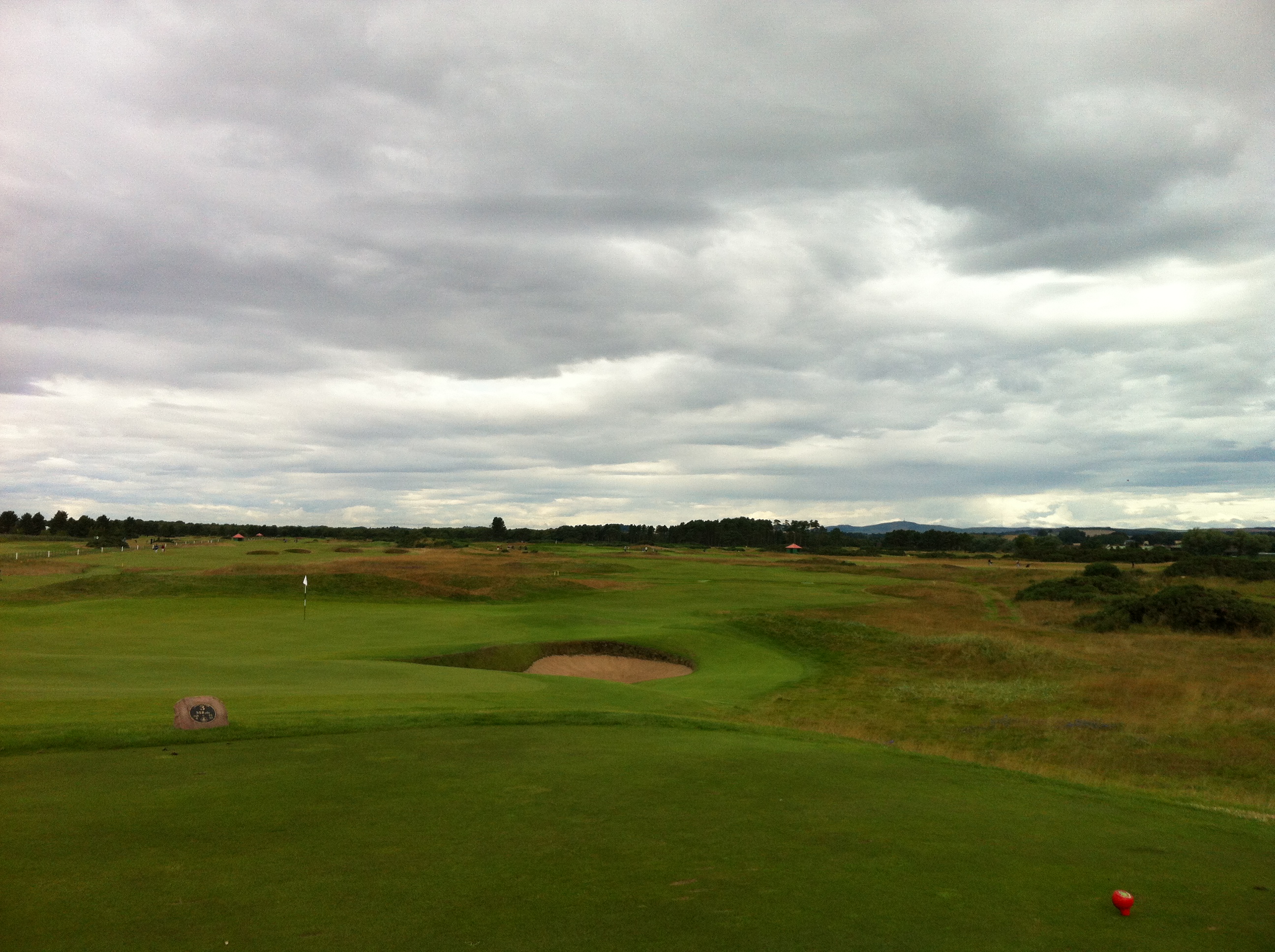
We felt very lucky to be playing at Carnoustie which is another Open Championship Course having held it last in 2007. It is scheduled to hold it again in 2018.

Steve being Mr Competitive decided that it would be NZ versus Scotland. The Scots started well – both Graham and David hit the ball so well. Stevie wasn’t on his A game and I was a bit erratic off the tee although I did manage to redeem myself down the fairway.

We had lots of laughs and Graham was happy to impart his local knowledge with us on where best to hit the ball – just like at St Andrews this was in vain generally as my ball still had a mind of it’s own. Graham told us that the golf course had been owned by the Council and poorly managed and maintained until the mid 1980’s when they employed John Philp as Course Superintendent. He turned the course around and got it back on the Open Championship rota. We also learnt a new saying from Graham – he hit a great drive down fourteen and said “that was a peachy, peachy drive”

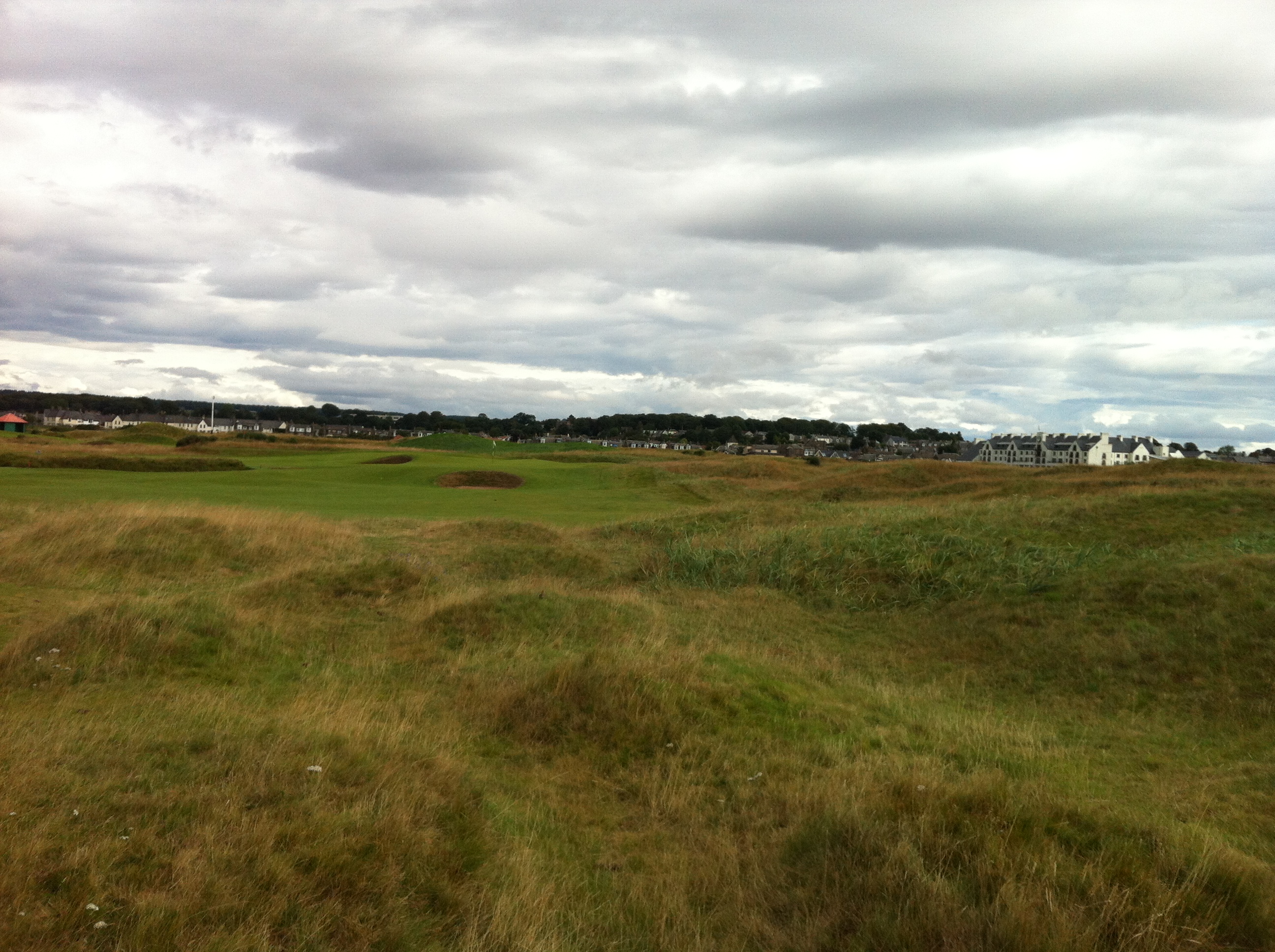
Fourteen was my favourite hole – it is called Spectacles because of the two large bunkers that sit about 100 metres from the front of the green. As you are approaching the green they look at you like spectacles. As you look down the fairway from the ladies tee, the left side is lined with these large bunkers and the right with a hill. It is quite picturesque.

We were three down at the fourteenth but with my shot a hole that they were giving me I managed to win the fourteenth, fifteenth and sixteenth hole. Yes people you are reading that right – I won the holes – Stevie was nowhere to be seen! I am probably being a bit unfair and normally it is Steve that is carrying me!

Anyway we were all square going into the seventeenth and I needed the putt to take us into the lead but it wasn’t to be and we halved. All square still going into the eighteenth.

The eighteenth hole at Carnoustie was made famous by John Van de Velde – see below.

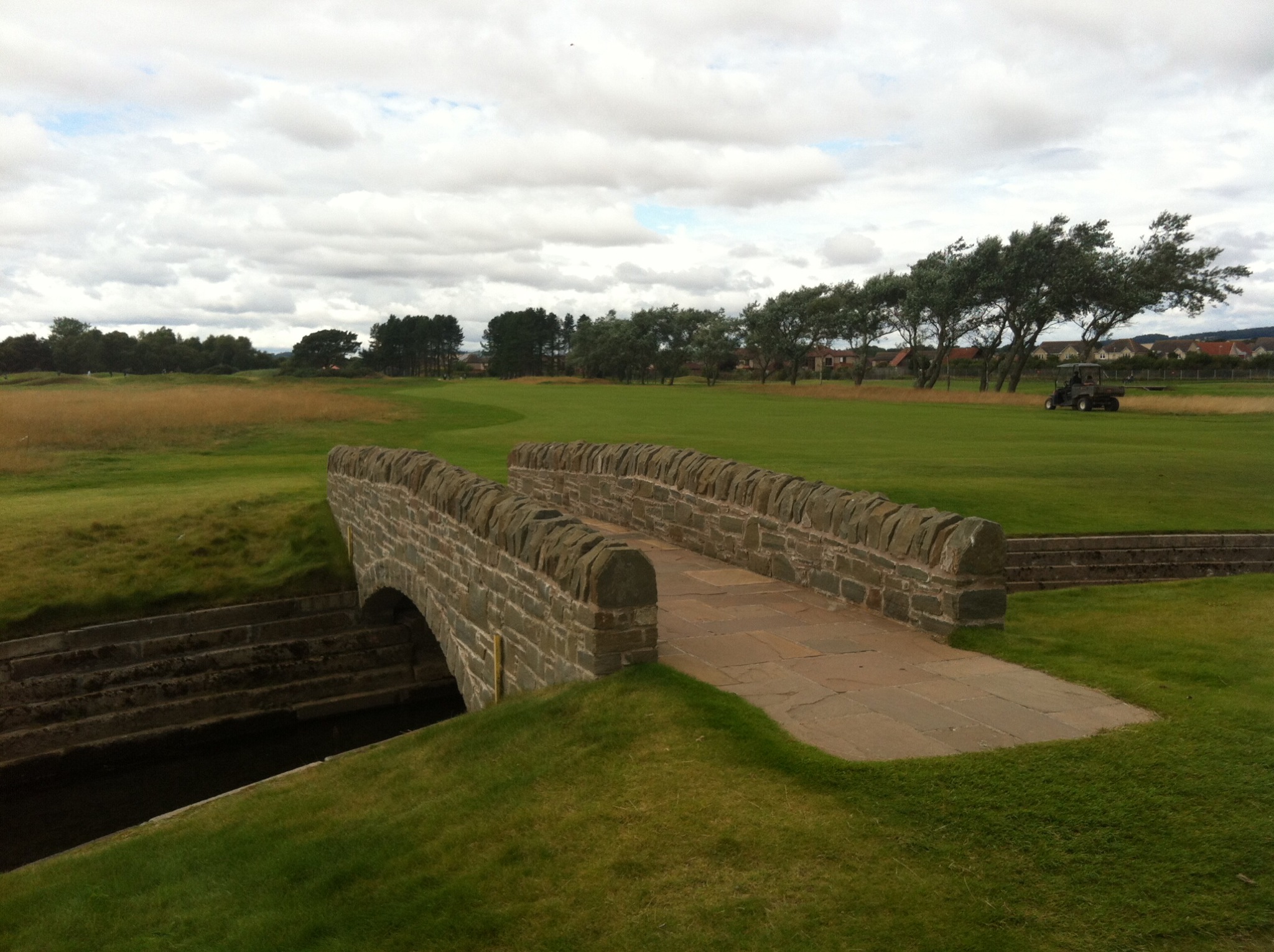
Again Graham hit a peachy, peachy drive. David went well right as did Steve – David found his ball but Steve did not. He did manage to find the ball he had lost on the sixteenth though – it was sitting nicely in the Barry Burn! I also went right but took a nice ricochet off the wall of the burn to be back on the fairway. I laid up nicely but then pulled my approach shot left – again a lucky break – the ball stayed in bounds by about two feet. I chipped on and two putted for a six. Meanwhile Graham’s second shot found the bunker – he got up and down for a four and a victory to the Scots! To be fair it was a deserved victory given that both Graham and David played great golf for most of the round while Steve & I had had better days : )

We had a great day and were very privileged to play this iconic golf course in great company. How very lucky are we : )

Golf is recorded as having been played at Carnoustie in the early 16th century. In 1890, the 14th Earl of Dalhousie, who owned the land, sold the links to the local authority. It had no funds to acquire the property, and public fundraising was undertaken and donated to the council. The original course was of ten holes, crossing and recrossing the Barry Burn; it was designed by Allan Robertson, assisted by Old Tom Morris, and opened in 1842. The opening of the coastal railway from Dundee to Arbroath in 1838 brought an influx of golfers from as far afield as Edinburgh, anxious to tackle the ancient links. This led to a complete restructuring of the course, extended in 1867 by Old Tom Morris to the 18 holes which had meanwhile become standardized. Two additional courses have since been added: the Burnside Course and the shorter though equally testing Buddon Links.

In North America, the course is infamously nicknamed “Car-nasty,” due to its famous difficulty, especially under adverse weather conditions. Carnoustie is considered by many to be the most difficult course in the Open rota, and one of the toughest courses in the world.

The term Carnoustie effect dates from the 1999 Open, when the world’s best players, many of whom were reared on manicured and relatively windless courses, were frustrated by the unexpected difficulties of the Carnoustie links, which was compounded by the weather. One much-fancied young favourite, a 19-year-old Sergio García of Spain, went straight from the course to his mother’s arms crying after shooting 89 and 83 in the first two rounds. The Carnoustie effect is defined as “that degree of mental and psychic shock experienced on collision with reality by those whose expectations are founded on false assumptions.” This being a psychological term, it can of course apply to disillusionment in any area of activity, not just in golf.

We were lucky enough to experience the course off forward tees and with very little wind but after our experience on the Old Course can only imagine what it must be like wen the wind does blow.

1999 Open Championship – Carnoustie
Paul Lawrie won his only major championship in a playoff over Jean van de Velde and Justin Leonard. Lawrie, down by ten strokes at the start of the fourth round,completed the biggest comeback in major championship history, headlined by van de Velde’s triple-bogey at the last hole.

Van de Velde, who was in control through the latter half of the championship, held a seemingly insurmountable three-stroke lead going into the 72nd hole. He teed off with a driver, which was heavily criticized by the ABC broadcast team, and pushed his shot into the right rough of the 17th hole. He later claimed that he thought the lead was only two strokes, which is why he chose not to go with a safe club, such as an iron. His second shot landed in an area of knee-deep rough after his ball bounced backward 50 yards off the grandstand and off of a rock in the Barry Burn. Had the ball stayed in the grandstand he would have been able to drop without penalty. Then the thick Carnoustie grass stifled him again, as his third shot went into the burn in front of the green. Van de Velde took his shoes and socks off and entered the burn, considering an attempt to play the ball from the water. He decided against it and instead took a drop (fourth stroke), at which point he hit his fifth shot into one of the deep greenside bunkers. He pitched out safely and buried an eight footer on his seventh shot for a triple-bogey. This forced the three-man playoff, which he eventually lost.

Due to the three-stroke lead van de Velde had going into the final hole, his name had already been engraved into the Claret Jug. Following his collapse, the engraver had to scratch through van de Velde’s name and then engrave Paul Lawrie’s name into it. Beginning with the 2000 Open, the winning golfer’s name is no longer engraved into the Claret Jug until after his scorecard is verified by tournament officials and signed by said winning golfer. Van de Velde’s play on this hole is still widely considered to be the worst “choke” in golfing history, and some have even used the term “pulling a van de Velde” to describe similar events.

Neither van de Velde nor Lawrie has been in contention during the final round of a major since.

IMG_4267 IMG_4269 IMG_4273 IMG_4276 IMG_4277 IMG_4278 IMG_4279 IMG_4280

IMG_0168.JPG

IMG_0166.JPG

IMG_0170.JPG

IMG_0172.JPG

IMG_0169.JPG

IMG_0171.JPG

IMG_0176.JPG

IMG_0177.JPG

IMG_0173.JPG

IMG_0174.JPG

IMG_0180.JPG

IMG_0175.JPG

IMG_0179.JPG

Posted in Scotland | Leave a comment

St Andrews – Scotland

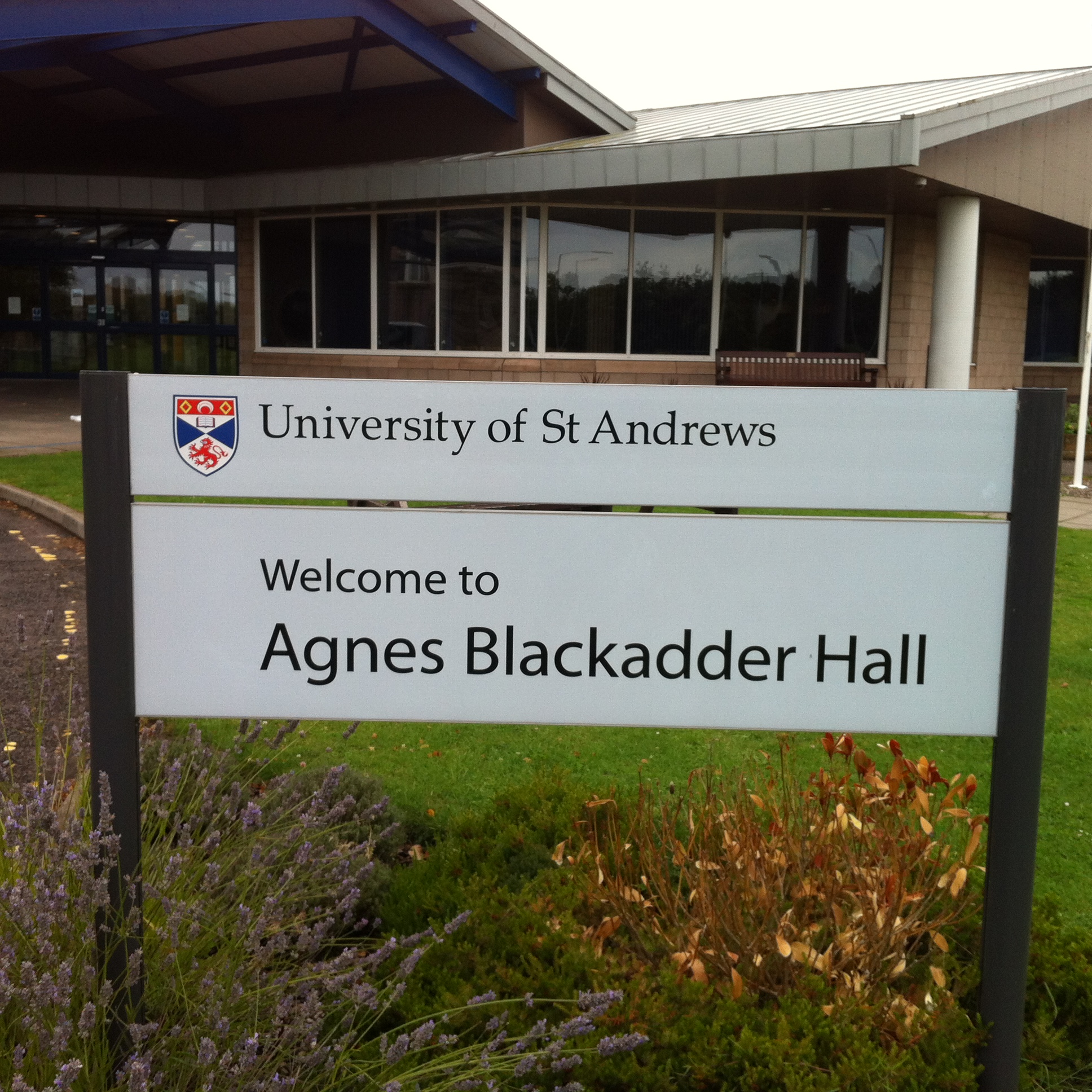
We arrived in St Andrews on Saturday night after our time in Edzell. We were staying at Agnes Blackadder Hall which is campus accommodation for the students during the university term. Over the summer months is it used like hotel accommodation. It was only a 15 minute walk into the centre of St Andrews. Saturday night was a lovely night with blue sky and the sun shining so we took a drive into the town and then out onto the coast to check out the many golf courses. There are three golf courses right in town – the Old Course, the Jubilee Course and the New Course but there are many more in the surrounding area and along the rest of the coast beyond the town.

St Andrews is a former royal burgh on the east coast of Fife in Scotland, named after Saint Andrew the Apostle. The town is home to the University of St Andrews, the third oldest university in the English-speaking world and the oldest in Scotland. The University is an integral part of the burgh, and during term time students make up approximately one third of the town’s population.

St Andrews is also known worldwide as the “home of golf”. This is in part because the Royal and Ancient Golf Club, founded in 1754, exercises legislative authority over the game worldwide (except in the United States and Mexico), and also because the famous links (acquired by the town in 1894) is the most frequent venue for The Open Championship, the oldest of golf’s four major championships. Visitors travel to St Andrews in great numbers for several courses ranked among the finest in the world, as well as for the sandy beaches.

The town is very quaint and the buildings were lovely. There was a fair in town which was taking up the main street – it was really busy and all these noisy rides etc… detracted from my first impressions. There are many golf shops which kept us busy during the time we were there. We also discovered The Vic – a pub that had a very groovy atmosphere and great food.

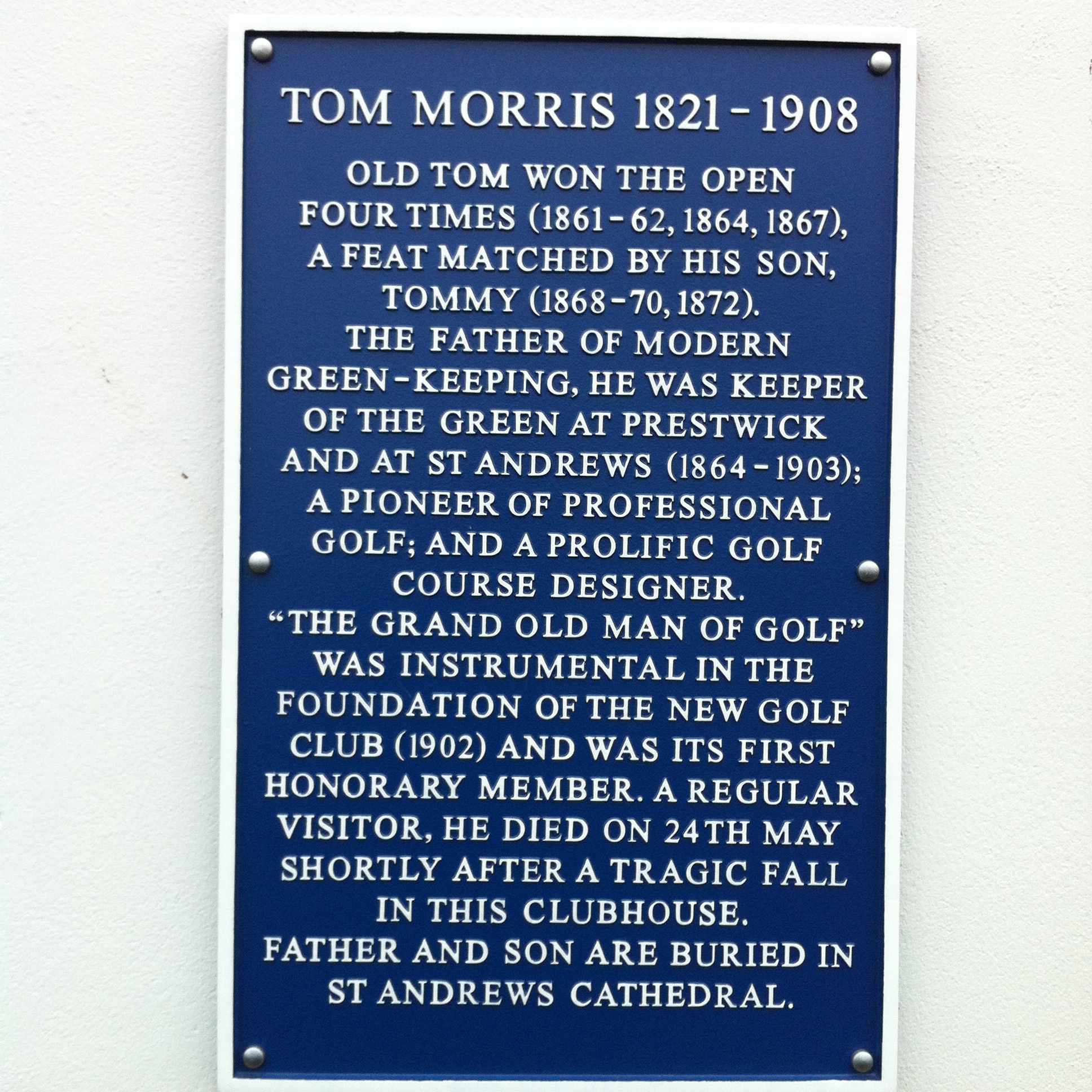
I was also taken with the Tom Morris golf shop which sits alongside the 18th green. We went in to have a look and the girl in their was so friendly sharing the story of Tom Morris with us. See below for more details on Tom Morris. Where the shop stands today was his original shop and the building is still owned by his great, great, great granddaughter who lives above the shop. The corner where the shop sits along with the Old Course shop and a hotel would be the most expensive real estate in St Andrews.

Thomas Mitchell Morris, Sr. (16 June 1821 – 24 May 1908), otherwise known as Old Tom Morris, was a pioneer of professional golf. He was born in St Andrews, Fife, Scotland, the “home of golf” and location of the St Andrews Links, and died there as well. His son was Tom Morris, Jr. (died 1875), best known as “Young Tom Morris.”

Morris was the son of a weaver, and began golf by age ten, by knocking wine-bottle corks pierced with nails (to serve as balls) around the streets of the town using a homemade club, in informal matches against other youths; this was known as ‘sillybodkins’. He started caddying and playing golf from a young age, and formally was hired as an apprentice at age 14 to Allan Robertson, generally regarded as the world’s first professional golfer; Robertson ran the St Andrews Links and an equipment-making business. Morris served four years as apprentice and a further five years as journeyman under Robertson, by most accounts the world’s top player from about 1843 until his death in 1859. From the early 1840s, Robertson often chose Morris as his partner in challenge matches, played by alternate shot format, which were the principal form of competition at that time. It was said the two never lost a team match played on even terms. The team became known as “The Invincibles”. Morris by his early 20s was the second-best player in St. Andrews, close to Robertson in golf skill, and won an informal match from him over the Old Course in 1843, but the two players rarely played seriously head-to-head. As Robertson’s employee, Morris was in somewhat of an awkward position.

Morris worked under Robertson at St Andrews until 1851, when he was fired on the spot after being caught by Robertson playing the new guttie golf ball; Robertson had a profitable business making the featherie ball, which was threatened by the emergence of the guttie. Morris was then hired by Prestwick Golf Club, which was just starting up. At Prestwick, he designed, laid out, and maintained the course, ran his own golf equipment business selling gutties and clubs, gave instruction to players, and ran events. He was influential in beginning The Open Championship in 1860, and struck the very first shot in that event.

Morris returned to St Andrews as greenkeeper and professional in 1865, at a then-generous salary of 50 pounds per year. He was sought out by the Royal and Ancient, which formally passed a motion in 1864 calling for his rehiring. St Andrews was then in very poor condition, and his first task was to correct this. He did so by widening the fairways, enlarging the greens, applying greenkeeping techniques he had developed at Prestwick, building two new greens (on holes 1 and 18), and “managing” the hazards. He stayed in the post until 1903, a total of 39 years, and was kept on after this by the R & A at full salary.

Morris worked as a greenkeeper, clubmaker, ballmaker, golf instructor, and course designer, as well as playing match and tournament golf. He came second in the first Open Championship in 1860, and won the following year. He followed this up with further victories in 1862, 1864 and 1867. He still holds the record as the oldest winner of The Open Championship at 46. Also, he was part of the only father/son couple being winner and runner-up.

Morris held the record for the largest margin of victory in a major championship (14 strokes in the 1862 Open Championship), which stood until Tiger Woods won the 2000 U.S. Open by 15 strokes. He became the second player to break 80 over the Old Course, scoring 79; Robertson had been the first to do it. Once his son Young Tom Morris became an accomplished player in his own right by his mid-teens, in the mid-1860s, father and son formed a team for challenge matches, usually played by alternate shot (foursomes play), where they proved very successful. Their partnership, although not exclusive, would continue until the death of Young Tom in 1875.

Morris played a role in designing courses across the British Isles. He began by assisting Robertson lay out ten holes at Carnoustie in 1842. His subsequent work included Kinghorn Golf Club in 1887, Prestwick, Muirfield, Machrihanish, the Jubilee Course at St Andrews, Balcomie at Crail, Moray, Askernish in South Uist, Lahinch and Rosapenna in Ireland, Warkworth and Royal North Devon Golf Club (Westward Ho!) in England, King Edward Bay Golf Club in the Isle of Man and the Castletown Golf Club in the Isle of Man.

Morris was also the father of modern greenkeeping. He introduced the concept of top-dressing greens with sand, which significantly helped turf growth. He introduced many novel ideas on turf and course management, including actively managing hazards (in the past, bunkers and the like were largely left to their own devices, becoming truly “hazardous”) and yardage markers. He was the first to use a push mower to cut greens. He improved St Andrews by widening fairways to handle increased play, enlarging greens, and establishing separate tee boxes on each hole; all of these measures spread out play over larger areas, and led to better turf conditions. In course design, he standardized the golf course length at 18 holes (St Andrews had at one time been 22 holes), and introduced the concept of each nine holes returning to the club house. He also introduced the modern idea of placing hazards so that the golf ball could be routed around them; this was the beginning of strategic design, which has dominated golf course design ever since. Before his times hazards were thought of as obstacles that either had to be carried or were there to punish a wayward ball.

Morris kept working right up until his death, just before his 87th birthday which was no mean feat back in those days. He had outlived all his children. He died after falling down a flight of stairs in the clubhouse of the New Golf Club in St Andrews. He is buried in the grounds of the St Andrews Cathedral, and his grave attracts thousands of golfers who wish to pay homage.

IMG_4134 IMG_4135 IMG_4141 IMG_4142 IMG_4144 IMG_4145 IMG_4146 IMG_4147 IMG_4152 IMG_4153 IMG_4155 IMG_4158 IMG_4159 IMG_4160 IMG_4162 IMG_4166 IMG_4169

IMG_0487.JPG

IMG_0492.JPG

IMG_0493.JPG

IMG_0495.JPG

IMG_0497.JPG

Posted in Scotland | Leave a comment

The Jubilee Course, St Andrews – Scotland

We booked into play the Jubilee Course on Wednesday morning before we knew we had got a place on the Old Course in the ballot. We wanted to make sure we experienced at least one of the courses in the heart of St Andrews.

After finishing playing on the Old Course at 8.20pm on the Tuesday night we were teeing off on the Jubilee Course at 7.20am on the Wednesday morning. The sun had come out but the wind was still blowing. The Jubilee proved just as challenging as the Old Course but again it was thoroughly enjoyable.

The Jubilee Course is the third championship course at the Home of Golf. Built in 1897, it was originally intended for use by ladies and beginners however after seeing its prime golfing location between the New Course and the sea, the Jubilee was converted to a championship layout in 1988.

How lucky are we to have played these two fantastic and famous courses.

IMG_4246IMG_4247IMG_4251IMG_4252IMG_4256IMG_4258IMG_4264IMG_4265

Posted in Scotland | Leave a comment

The Old Course, St Andrews – Scotland

We put our name in the ballot on Saturday for Monday and missed out so tried again on Sunday for Tuesday’s ballot. We checked the ballot online on Monday morning and wahoo we had been drawn out for Tuesday at 3.40pm. Luckily it stays light over here until 9.30pm so plenty of time to finish our 18 holes.

Monday had been a pretty wet day so we were hoping for good things on Tuesday. It was slightly better in that the rain wasn’t quite as persistent but the wind was still there. We went for a drive down to Crail in the morning and hit balls at a range. It was blowing like crazy so that was interesting – I couldn’t keep my hat on and the golf balls were being carried quite a way with the wind.

We had some lunch in town and then headed to the course – the anticipation levels were high. We usually play golf in the mornings so teeing off at 3.40pm was a bit strange for us. We were paired with a couple from Zurich in Switzerland – Martin & Jacquelyn. They were really nice and Martin was a bit of a character. Jacquelyn didn’t speak a lot of english and couldn’t understand a word the Scottish starters and marshals said – mind you we had to listen carefully too!

The rain decided to grace us with it’s presence. Scotland the Brave was taking on the SUNGRL and winning again!! I had trousers on – this is nearly unheard of – along with a thermal and my puffer jacket. After a few holes you got used to the rain and wind – it made for interesting golf. It was quite exhilarating out there. The course marshals were really helpful and friendly giving us tips on where to and where not to hit the ball. This was quite often in vain as I am sure my ball had a mind of it’s own. In saying that I had four pars and actually played quite well.

Stevie was playing nice golf but the tricky greens and holes were making pars prove elusive. He finally got a par on the 11th and the flood gates opened – he parred the 12th, 13th, 17th and 18th. The highlight was his par on the infamous road hole. He had an audience – they told him to take on the corner which he did and it landed nicely on the fairway. He then hit his driver off the deck to get it within 6 feet of the hole. This impressed his new friends that he had made on the hole – a couple of teenage lads that played off 3 and 4. They were like “wow, did you just hit your driver off the fairway?”, “are you here warming up for the open next year?” They walked up to the green with us to see if he could make a birdie but no he had to settle with a par.

Meanwhile back on planet Earth I had also taken on the corner but unfortunately my ball was nowhere to be seen – I did have a look in the hotel garden and pond but couldn’t see it. I hadn’t heard any glass breaking so figured it was just hiding in the shrubbery! I dropped another ball on the fairway and proceeded to go in the infamous road hole bunker. I got out in one which also impressed Steve’s new friends.

Steve, Jacquelyn and I all had great drives on the 18th – I am unsure what happened to Martin’s as he hit a provisional. Steve’s new friends were still with us and proved useful as photographers on the Swilcan Bridge. They were nice lads and were in town playing in a tournament – they wished us well and went on their way.

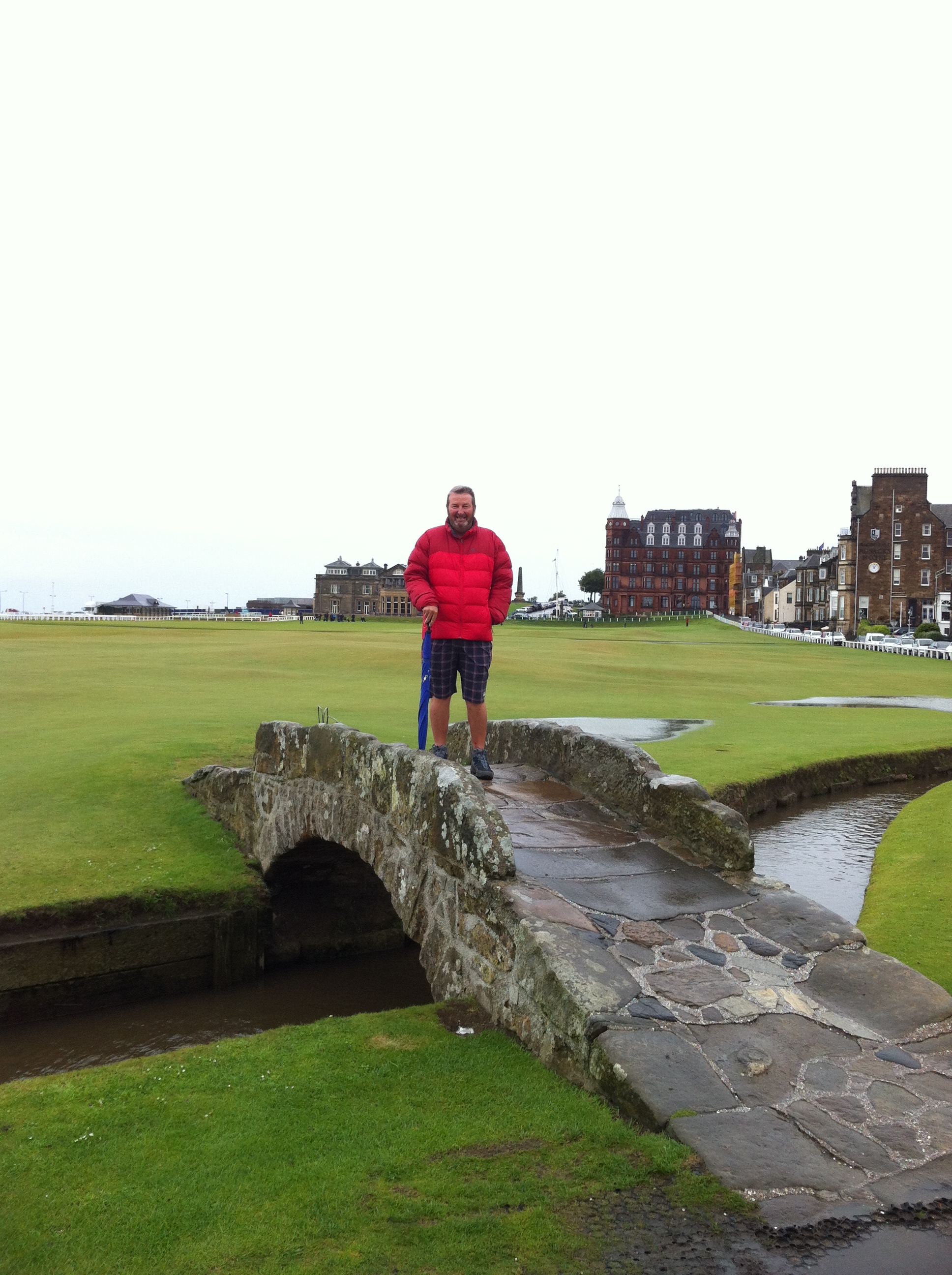
We finished our round at 8.20pm so it had been a bit slow but we had thoroughly enjoyed it. The rain had finally gone away about the 12th and we even had glimpses of blue sky and sunshine by the time we finished. We had walked over from our digs at the university so had to walk back which was a bit of a struggle – we were stuffed – that wind had taken it out of us but we wouldn’t change the experience for anything : )

The oldest and most iconic golf course in the world. The Swilcan Bridge and Hell Bunker are recognised across the globe, yet the greatest feature of the Old Course is that despite its grand status it remains a public golf course, open to all.

The Old Course at St Andrews is one of the oldest golf courses in the world a public course over common land in St Andrews, Fife, Scotland. It is held in trust by The St Andrews Links Trust under an act of Parliament. The Royal and Ancient Golf Club of St Andrews club house sits adjacent to the first tee, although it is but one of many clubs that have playing privileges on the course, along with the general public.

The Old Course at St Andrews is considered by many to be the “home of golf” because the sport was first played on the Links at St Andrews in the early 1400s. Golf was becoming increasingly popular in Scotland until in 1457, when James II of Scotland banned golf because he felt that young men were playing too much golf instead of practicing their archery. The ban was upheld by the following kings of Scotland until 1502, when King James IV became a golfer himself and removed the ban.

The Old Course was pivotal to the development of how the game is played today. For instance, in 1764, the course had 22 holes. The members would play the same hole going out and in with the exception of the 11th and 22nd holes. The members decided that the first four and last four holes on the course were too short and should be combined into four total holes (two in and two out). St Andrews then had 18 holes and that was how the standard of 18 holes was created. Around 1863, Old Tom Morris had the 1st green separated from the 17th green, producing the current 18-hole layout with seven double greens. The Old Course is home of The Open Championship, the oldest of golf’s major championships. The Old Course has hosted this major 28 times since 1873, most recently in 2010. The 28 Open Championships that the Old Course has hosted is more than any other course, and The Open is currently played there every five years. The Open will be held on the Old Course again in 2015.

Old Course and Bobby Jones
There’s an interesting relationship between St Andrews and one of the most famous golfers of all time, founder of Augusta National Bobby Jones. The first time Jones played St Andrews, in the 1921 Open Championship, he infamously hit his ball into a bunker on the 11th hole during the third round. After he took four swings at the ball and still could not get out, he walked off the course. Six years later when the Open Championship returned to St Andrews, Jones also returned. Not only did he win, but he also became the first amateur to win back-to-back Open Championships. He won wire-to-wire, shooting a 285, which was the lowest score at either a U.S. Open or Open Championship at the time. He ended up winning the tournament by a decisive six strokes.

In 1930, Jones returned to St Andrews seeking to win the British Amateur. He did win by a score of 7 and 6 over Roger Wethered, and proceeded to win all other three majors, making him the only man in the history of the sport to win the Grand Slam. For the rest of his life, Jones would go on to fall in love with the Old Course. Later in his life, he was quoted saying “If I had to select one course upon which to play the match of my life, I should have selected the Old Course.” In 1958 the town of St Andrews gave Jones the key to the city, becoming only the second American to receive the honor after Benjamin Franklin in 1759. After he received the key, he was quoted saying “I could take out of my life everything but my experiences here in St Andrews and I would still have had a rich and full life,” which is a testament to the pedigree of the Old Course.

One of the unique features of the Old Course are the large double greens. Seven greens are shared by two holes each, with hole numbers adding up to 18 (2nd paired with 16th, 3rd with 15th, all the way up to 8th and 10th). The Swilcan Bridge, spanning the first and 18th holes, has become a famous icon for golf in the world. Everyone who plays the 18th hole walks over this 700 year old bridge, and many iconic pictures of the farewells of the most iconic golfers in history have been taken on this bridge. A life-size stone replica of the Bridge is situated at the World Golf Hall of Fame museum in St. Augustine, Florida. Only the 1st, 9th, 17th and 18th holes have their own greens. Another unique feature is that the course can be played in either direction, clockwise or anti-clockwise. Along with that, the Old Course has 112 bunkers which are all individually named and have their own unique story and history behind them. The two most famous are the 10 ft deep “Hell Bunker” on the 14th hole, and the “Road Hole Bunker” on the 17th hole. Countless professional golfers have seen their dreams of winning the Open Championship squandered by hitting their balls in those bunkers.

The general method of play today is anti-clockwise, although clockwise play has been permitted on one day each year in recent years, and since 2008 has been allowed on the Friday, Saturday and Monday of the first weekend in April. Originally, the course was reversed every week in order to let the grass recover better. One other unusual thing about the Old Course is that it is closed on Sundays to let the course rest. On some Sundays, the course turns into a park for all the townspeople who come out to stroll, picnic and otherwise enjoy the grounds. As a general rule, Sunday play is allowed on the course on only four occasions:

The final day of the Dunhill Links Championship, an annual event on the European Tour.
The final day of The Open Championship and Women’s British Open when it is held at the Old Course; this happens roughly once every five years for the men; the women’s championship began its turn on the rotation in 2007.
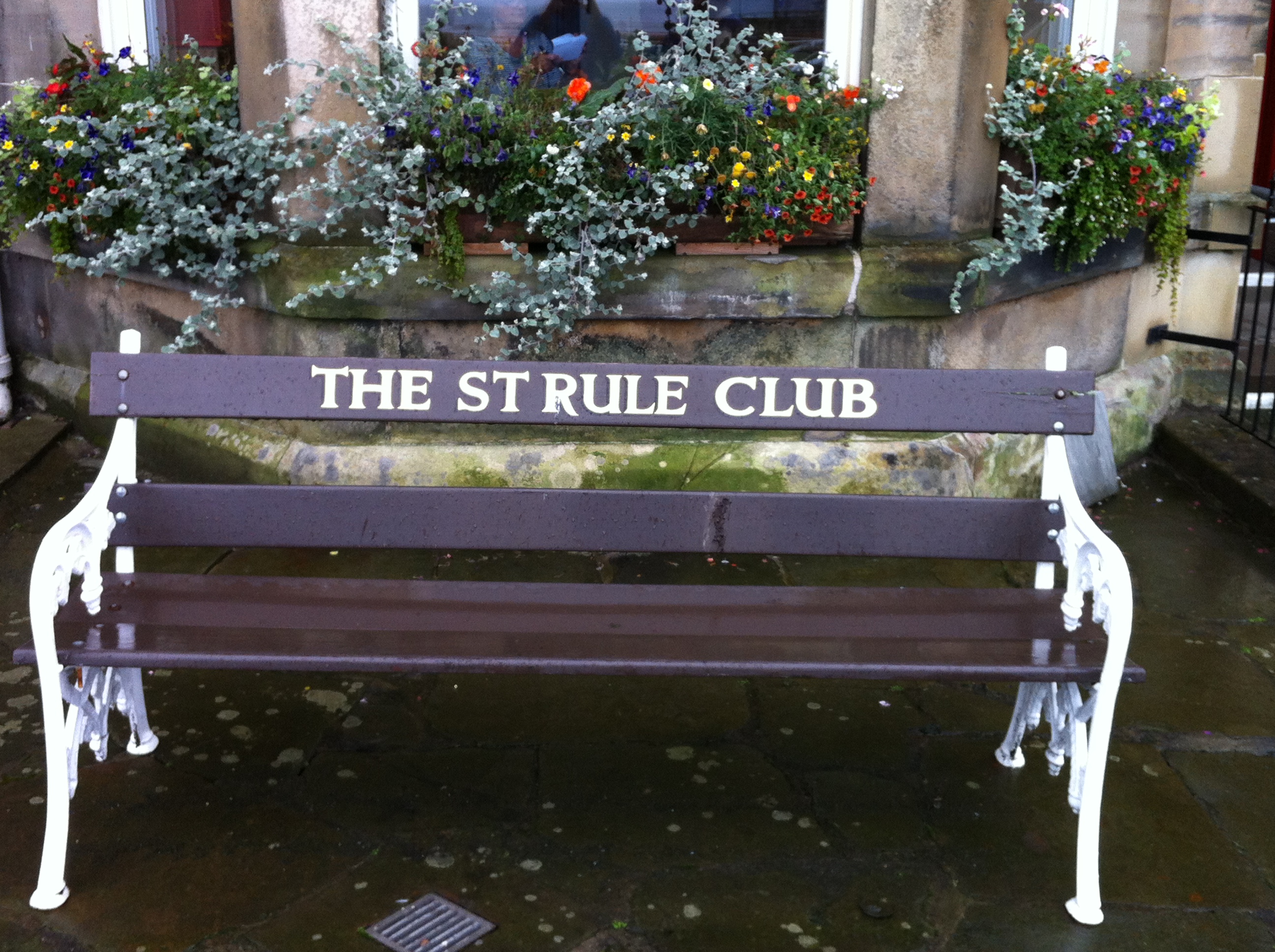
The final day of two top amateur events, the St Andrews Links Trophy and the St Rule Trophy.
Sunday play may also occur when the Old Course hosts other major events; for example, when it hosted the Curtis Cup in 2008.

IMG_4170IMG_4171IMG_4174IMG_4177IMG_4178IMG_4182IMG_4202IMG_4221IMG_4226IMG_4229IMG_4230IMG_4234IMG_4243IMG_4245IMG_4244

IMG_0163.JPG

IMG_0167.JPG

IMG_0165.JPG

IMG_0164.JPG

IMG_0485.PNG

IMG_0484.PNG

Posted in Scotland | Leave a comment

Fairmont St Andrews, The Torrance Course – Scotland

On Sunday we went out to St Andrews Bay to play the Torrance Course – we thought it would be a good warm up for the real mccoy if we were lucky enough to get on later in the week. Actually warm up is probably not the right choice of words as it was rather chilly and wet – Scotland the Brave was challenging the SUNGRL and winning.

The course was originally flat farmland. It was originally designed by Sam Torrance who is a Scottish professional golfer and sports commentator. He was one of the leading players on the European Tour from the mid-1970s to the late 1990s, with 21 Tour wins. Torrance was a member of European Ryder Cup teams on eight occasions.

They were preparing the course for the Scottish Senior Open which starts this Friday the 15th August. They play the course in a slightly different order so had these big signs up with the tee numbers. They told us to ignore them and just follow the normal numbering. We did this but still managed to play the 18th of the Kittocks Course which is in the same vicinity.

It was a good introduction to the Scottish links courses.

IMG_2464.JPG

IMG_2462.JPG

IMG_2418.JPG

IMG_2417.JPG

IMG_0498.JPG

IMG_2418-0.JPG

IMG_2426.JPG

IMG_2422.JPG

Posted in Scotland | Leave a comment