Kearney Hill Golf Links – Kentucky, USA

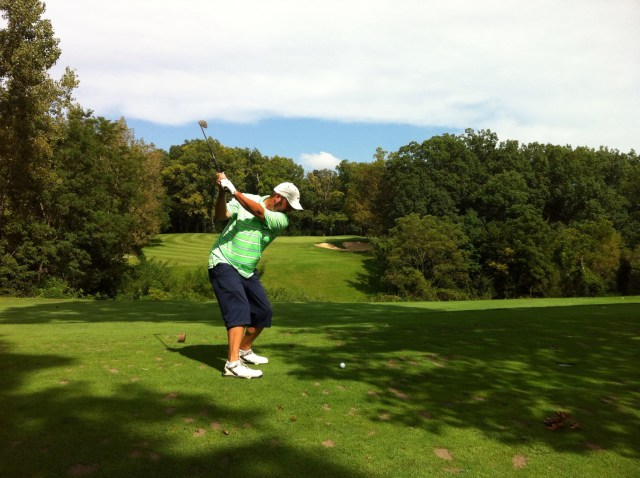
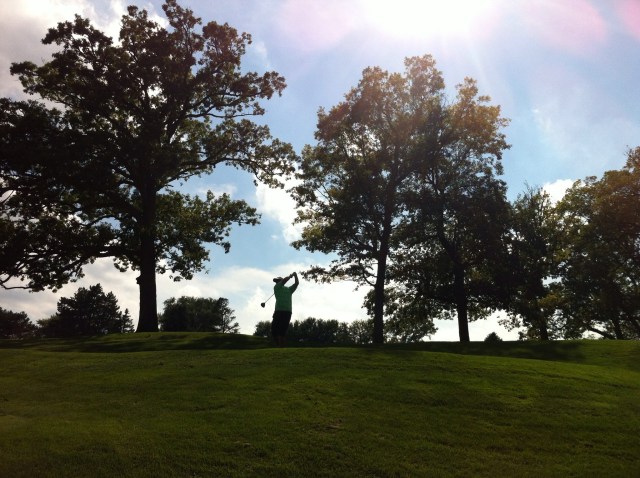
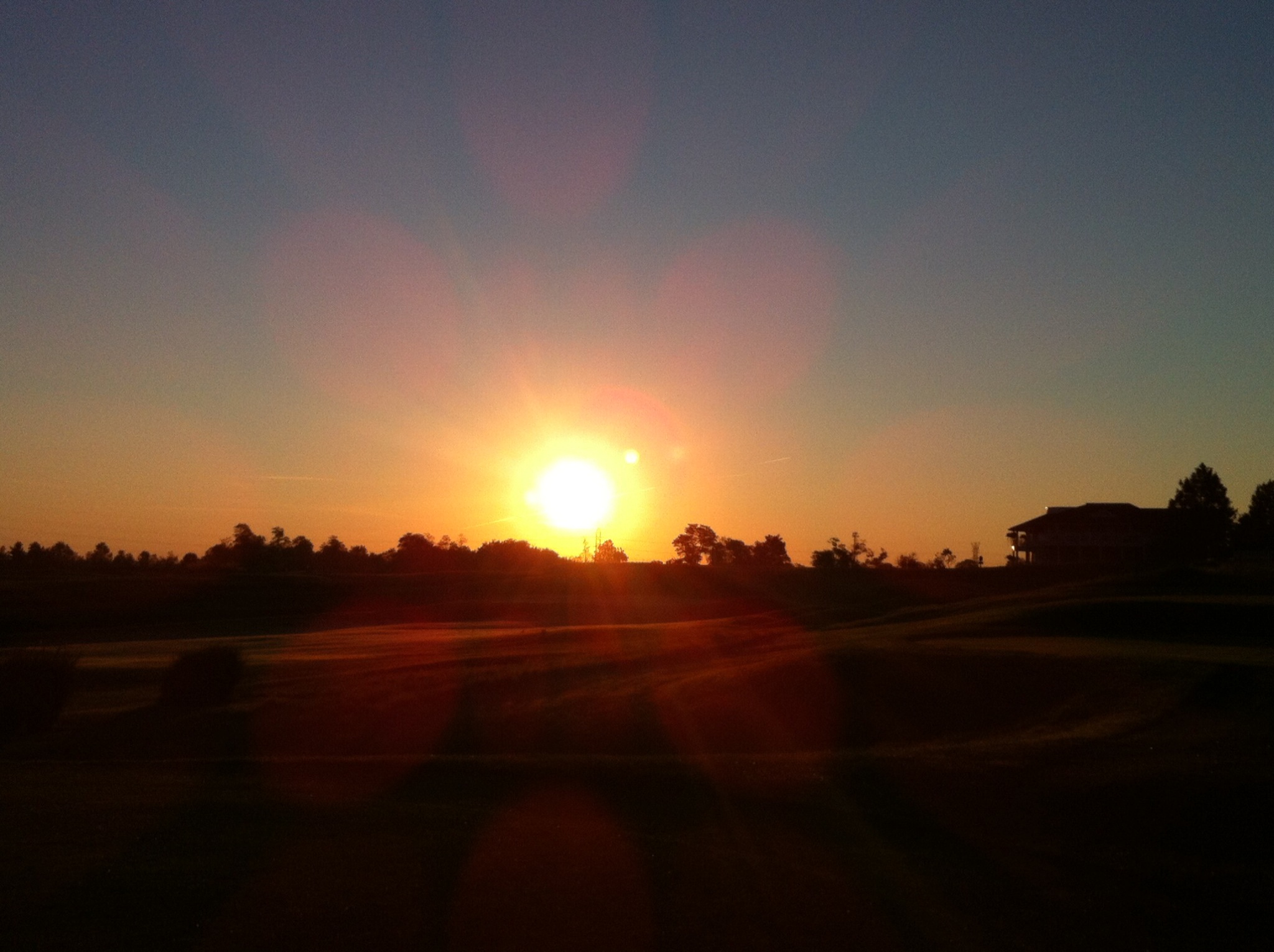
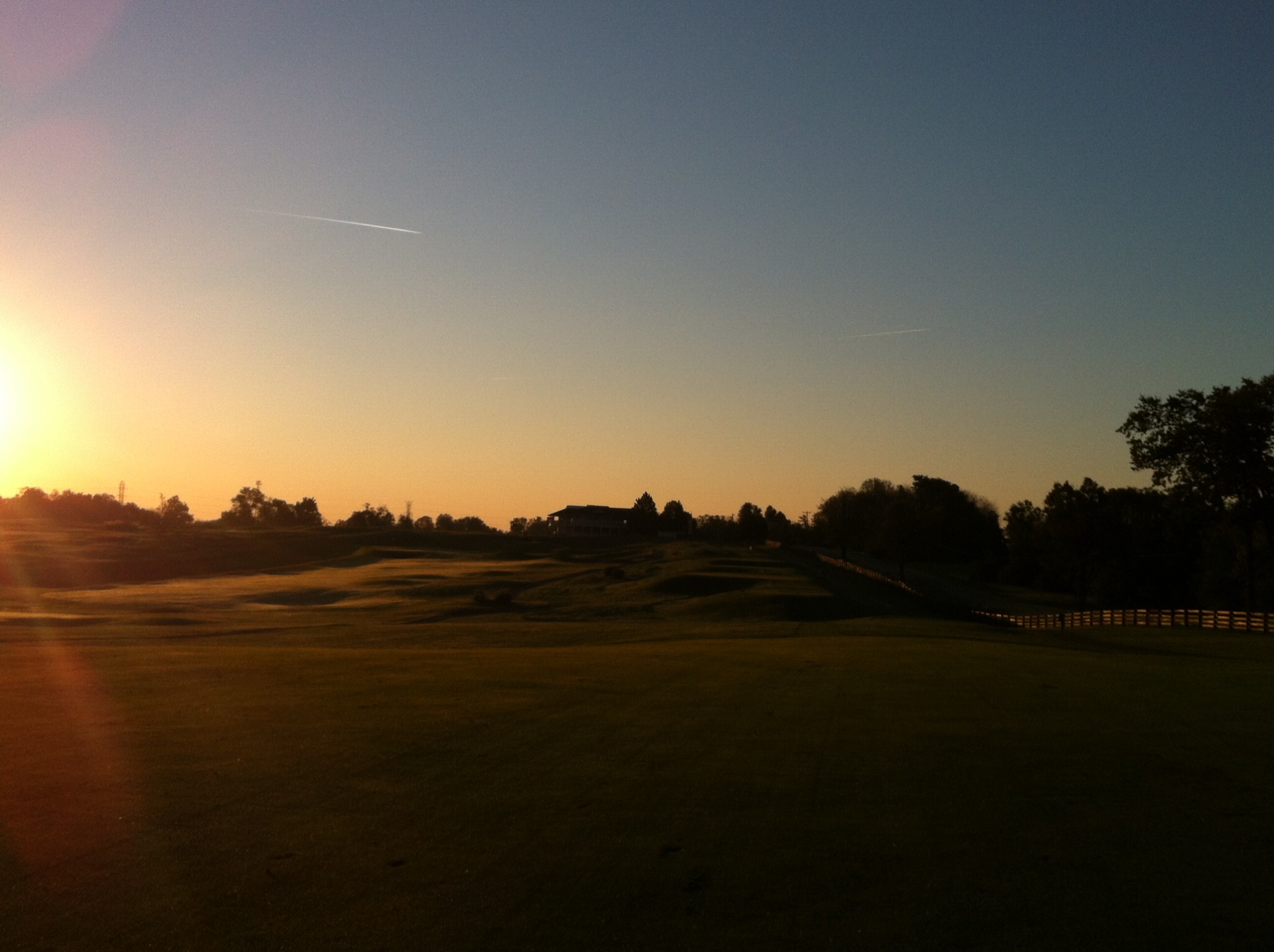
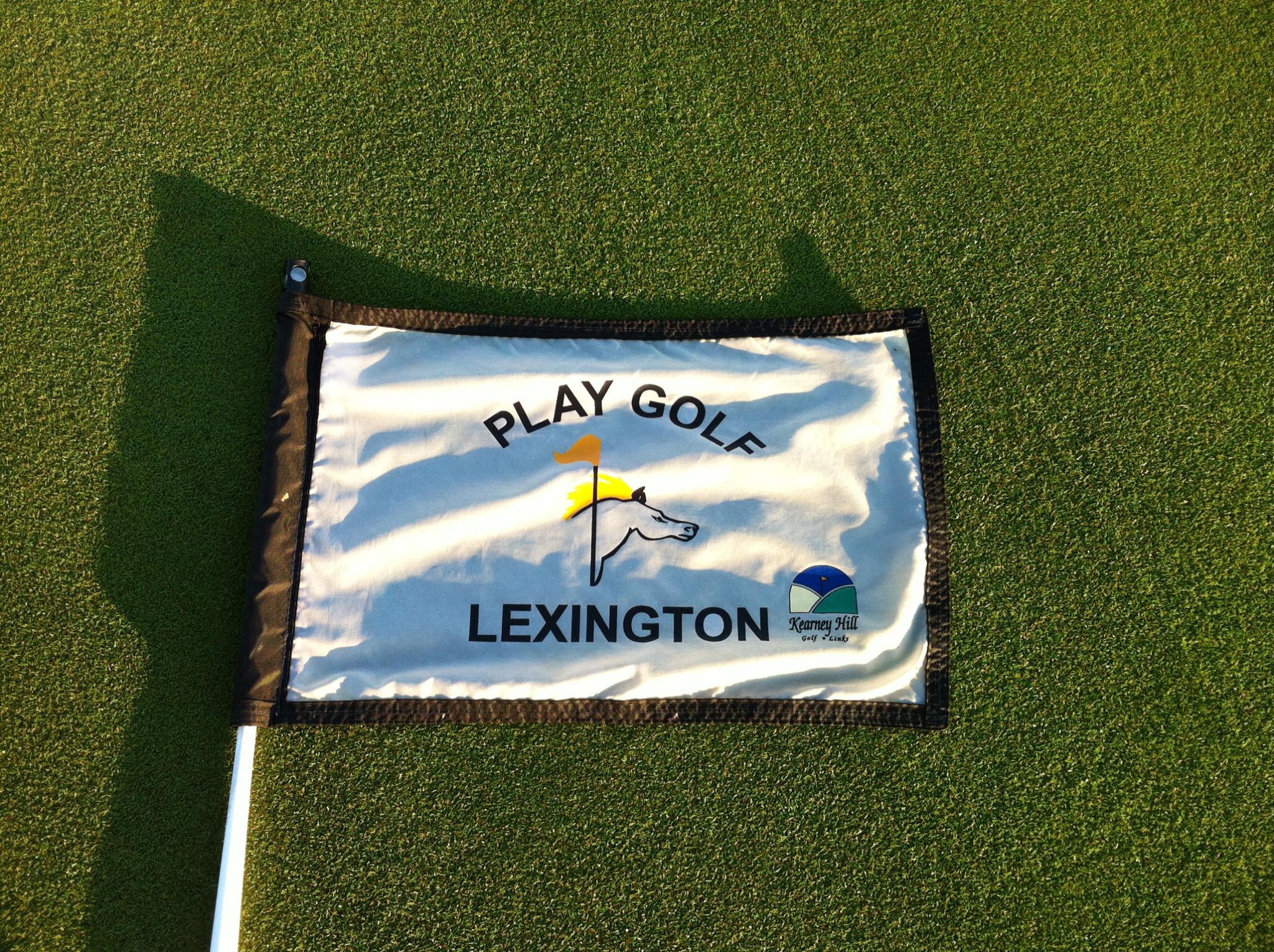
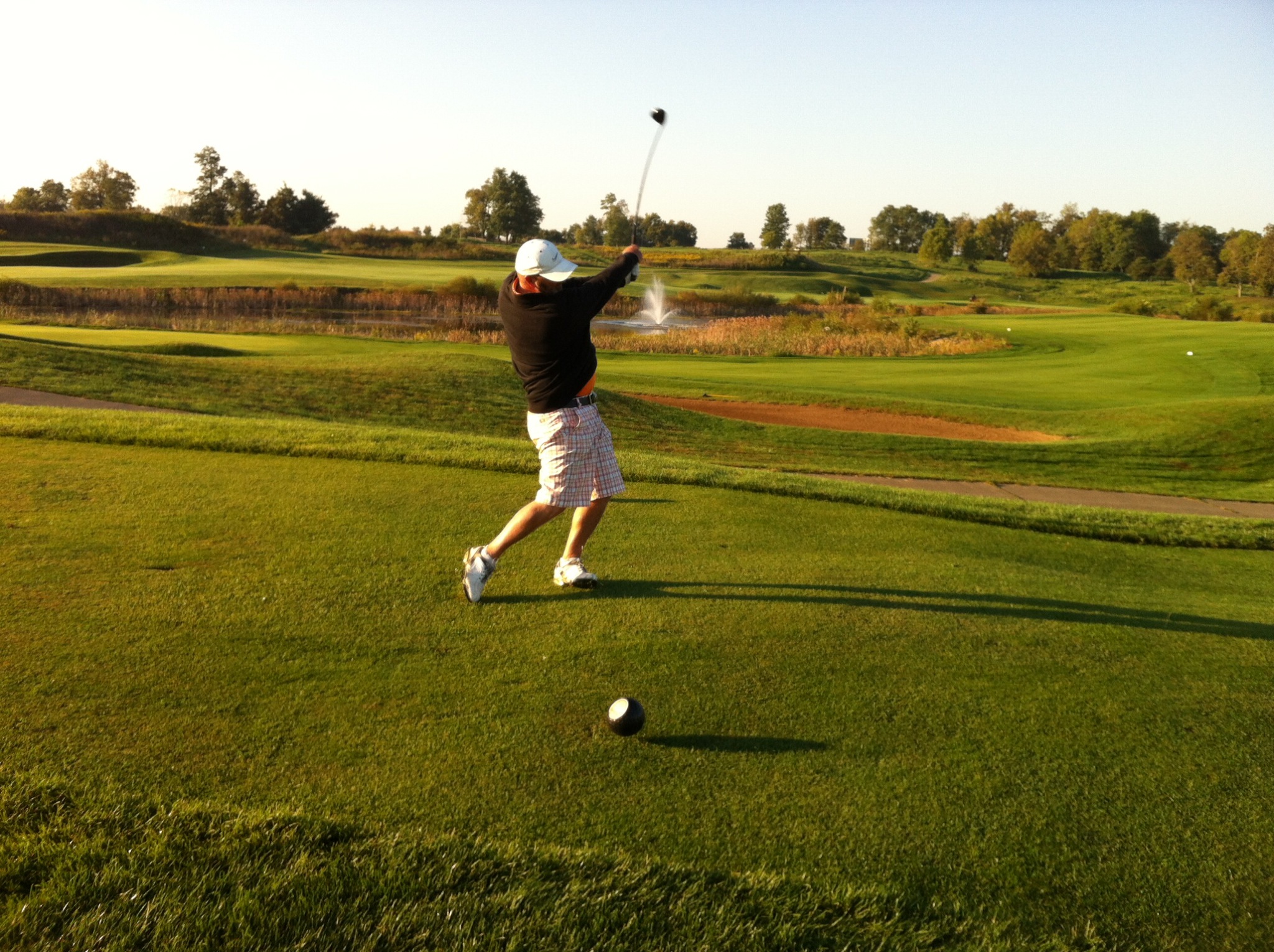
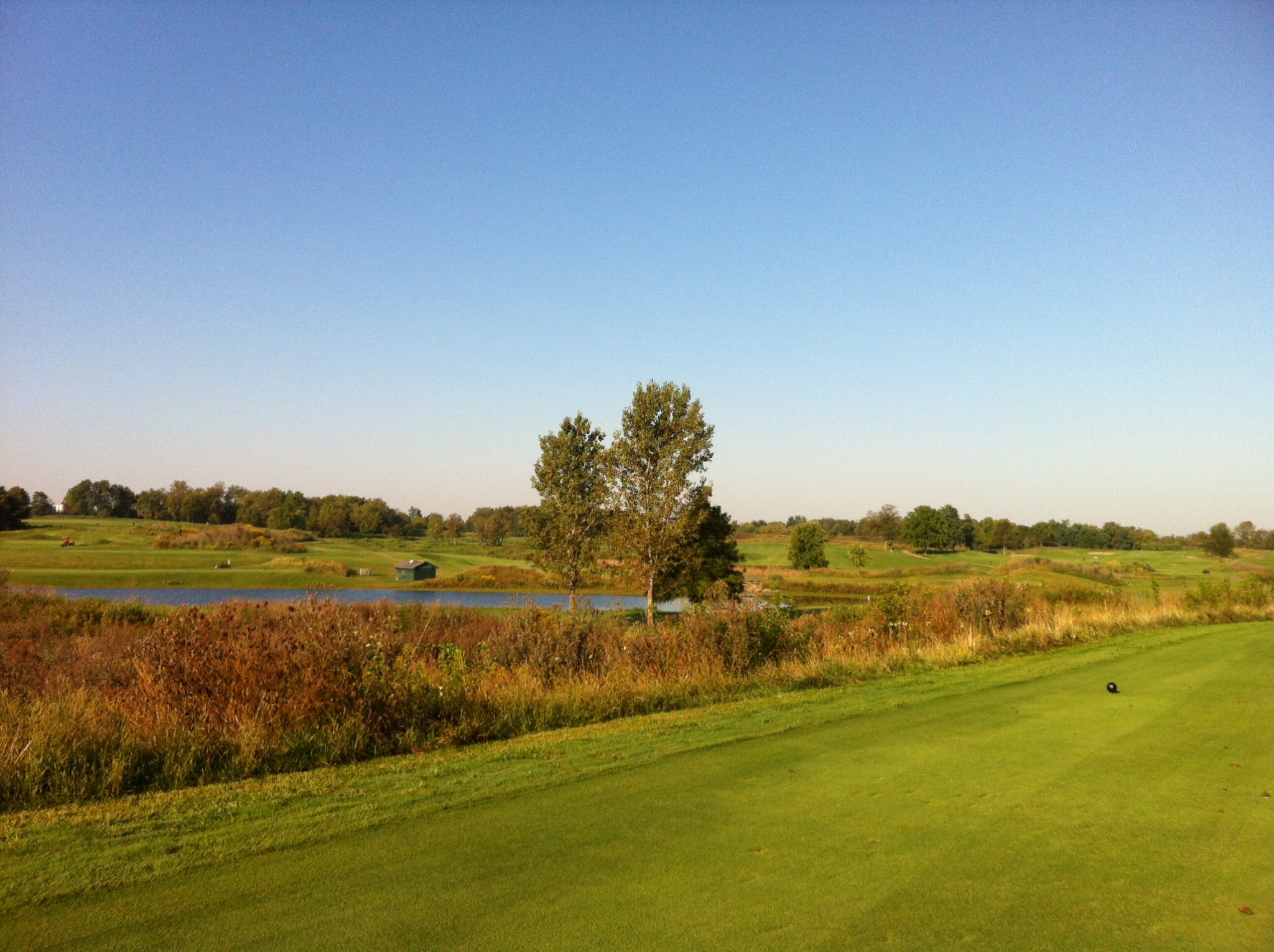
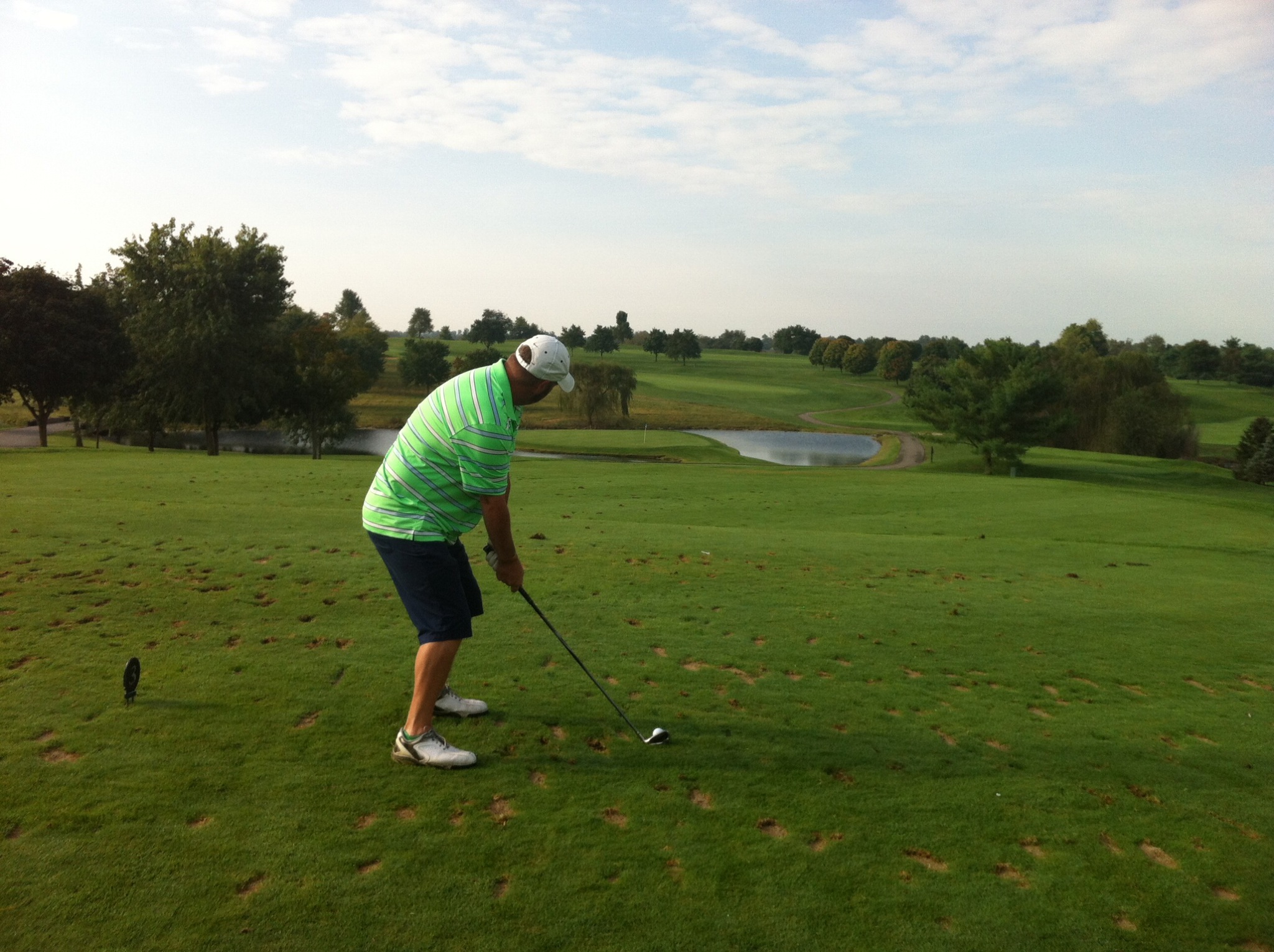
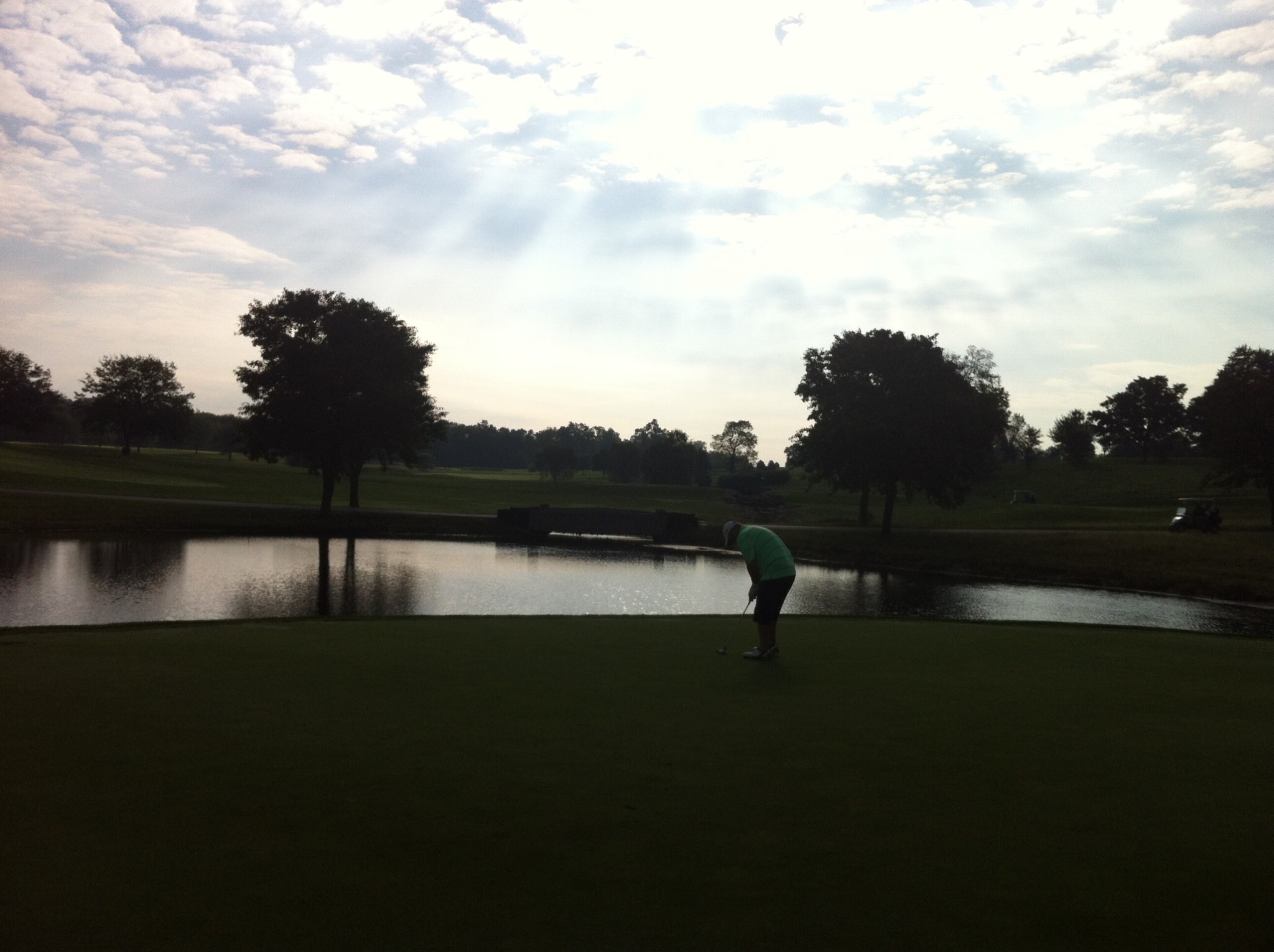
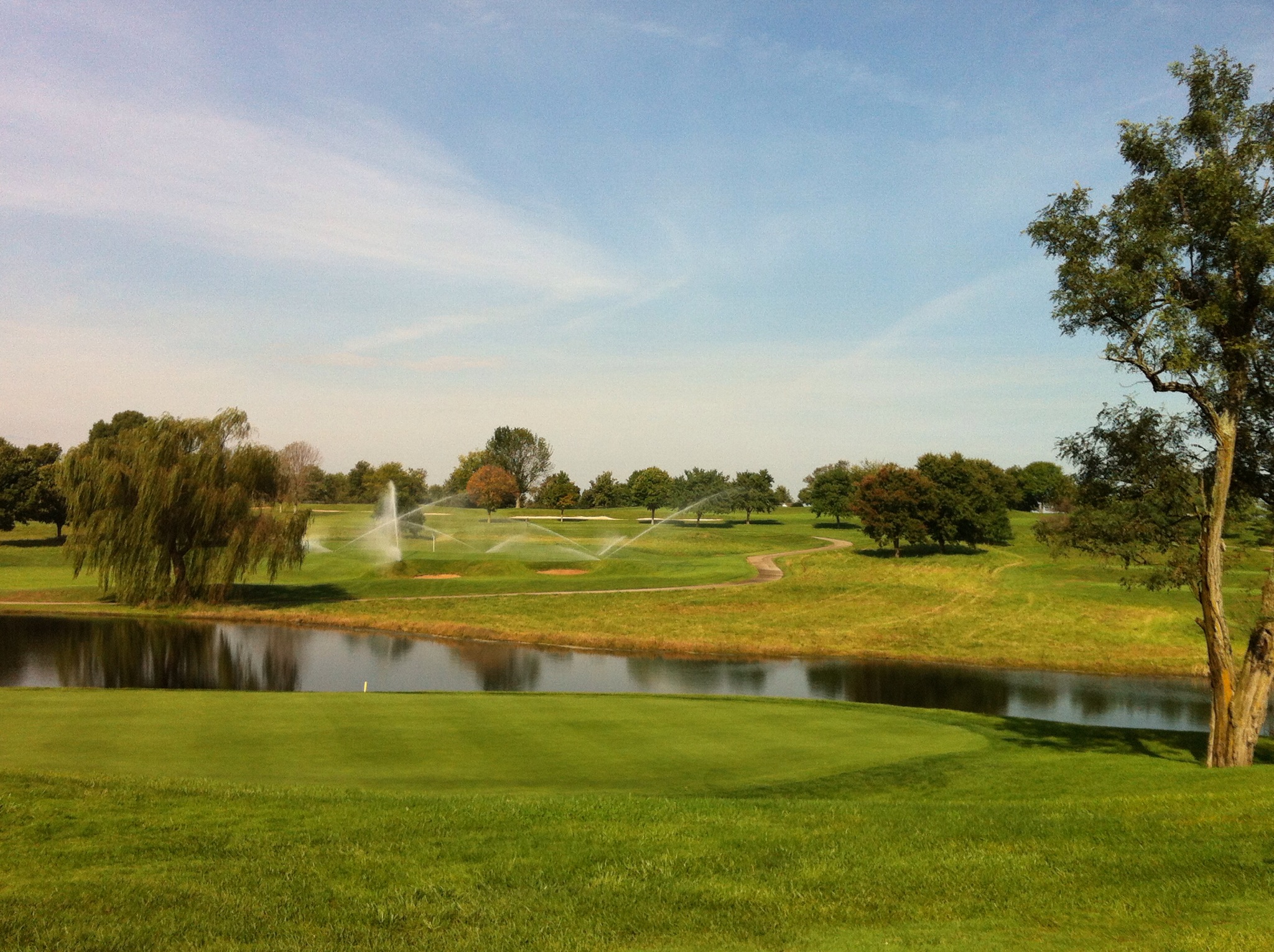
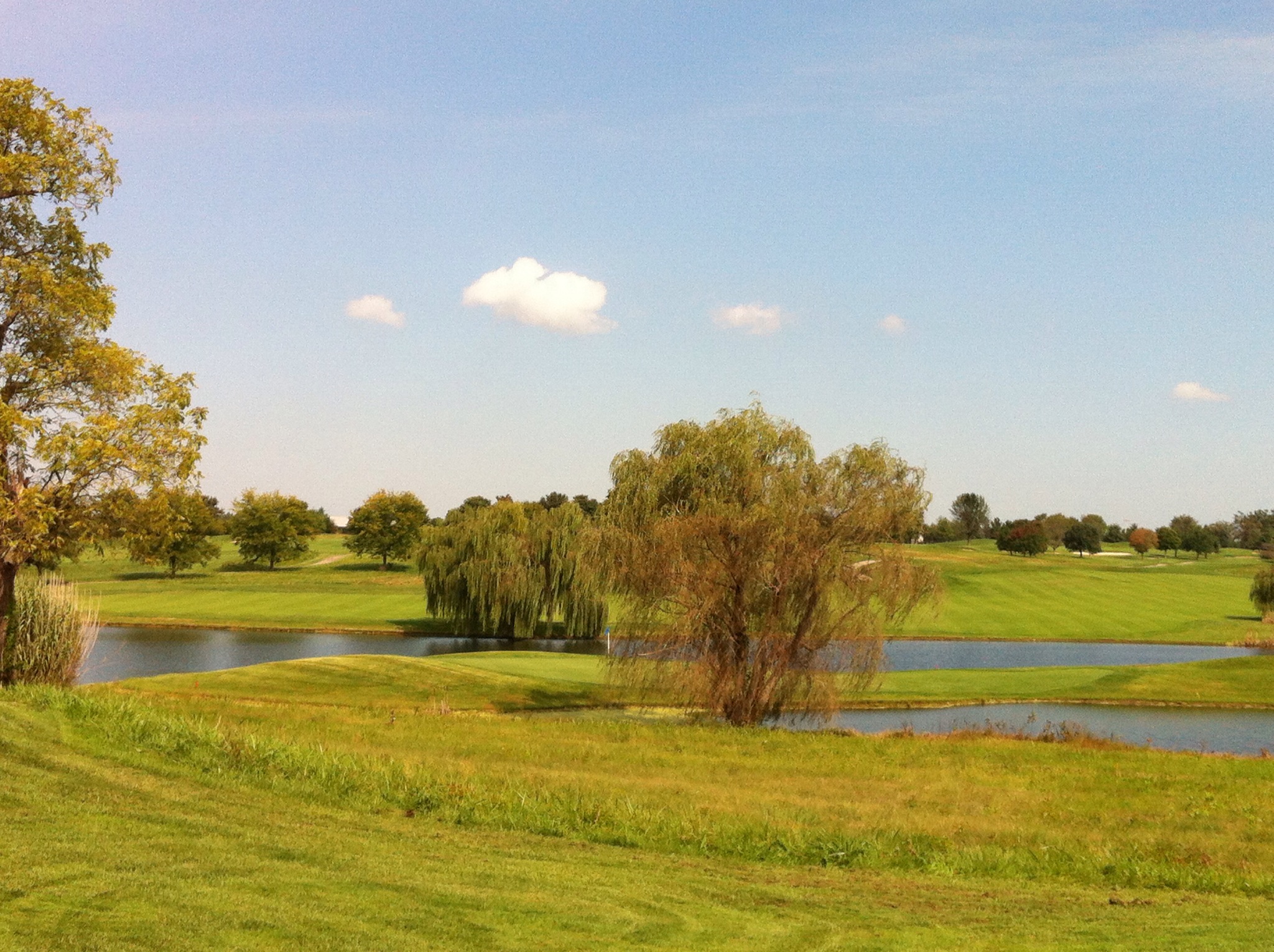
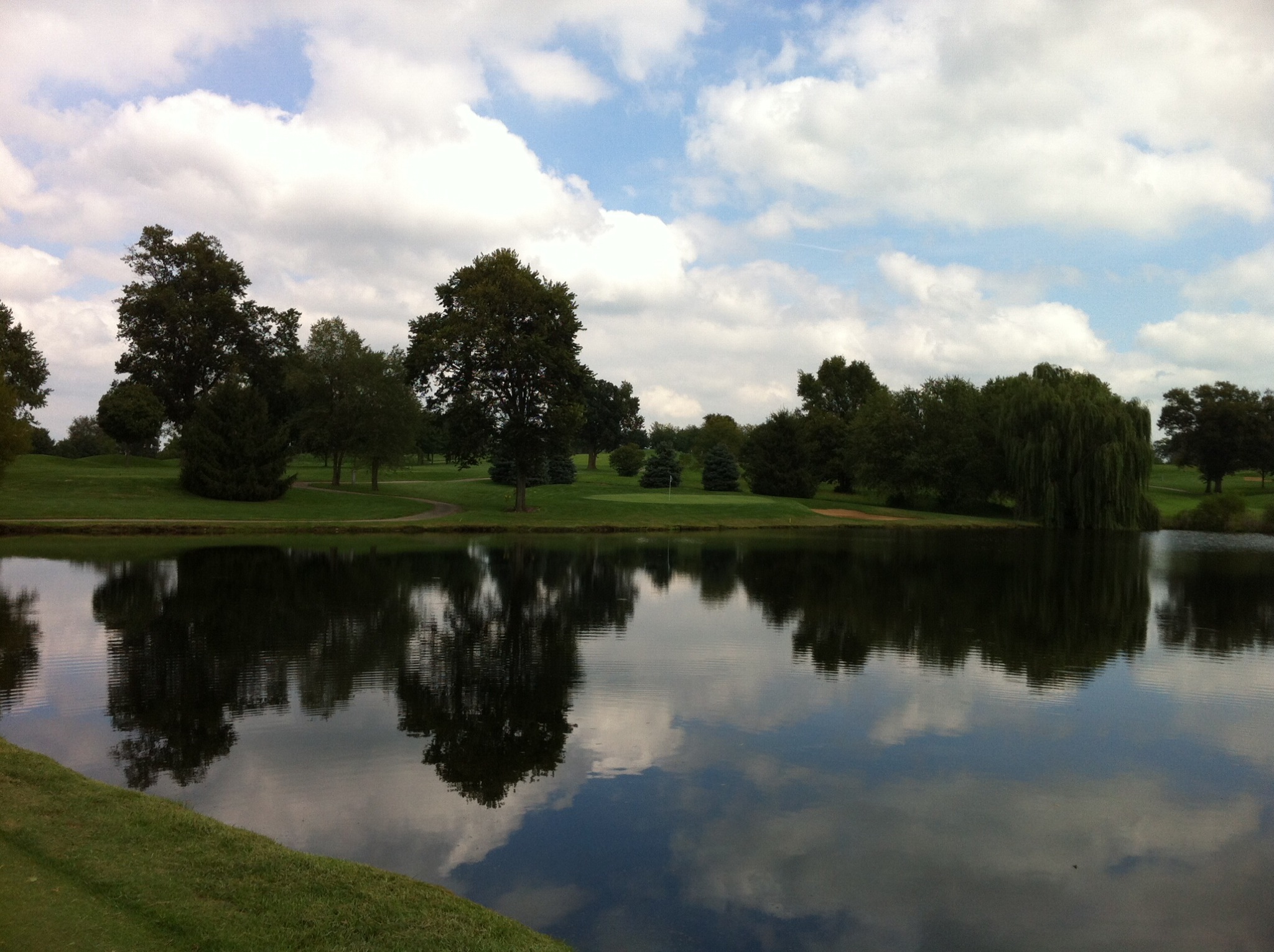
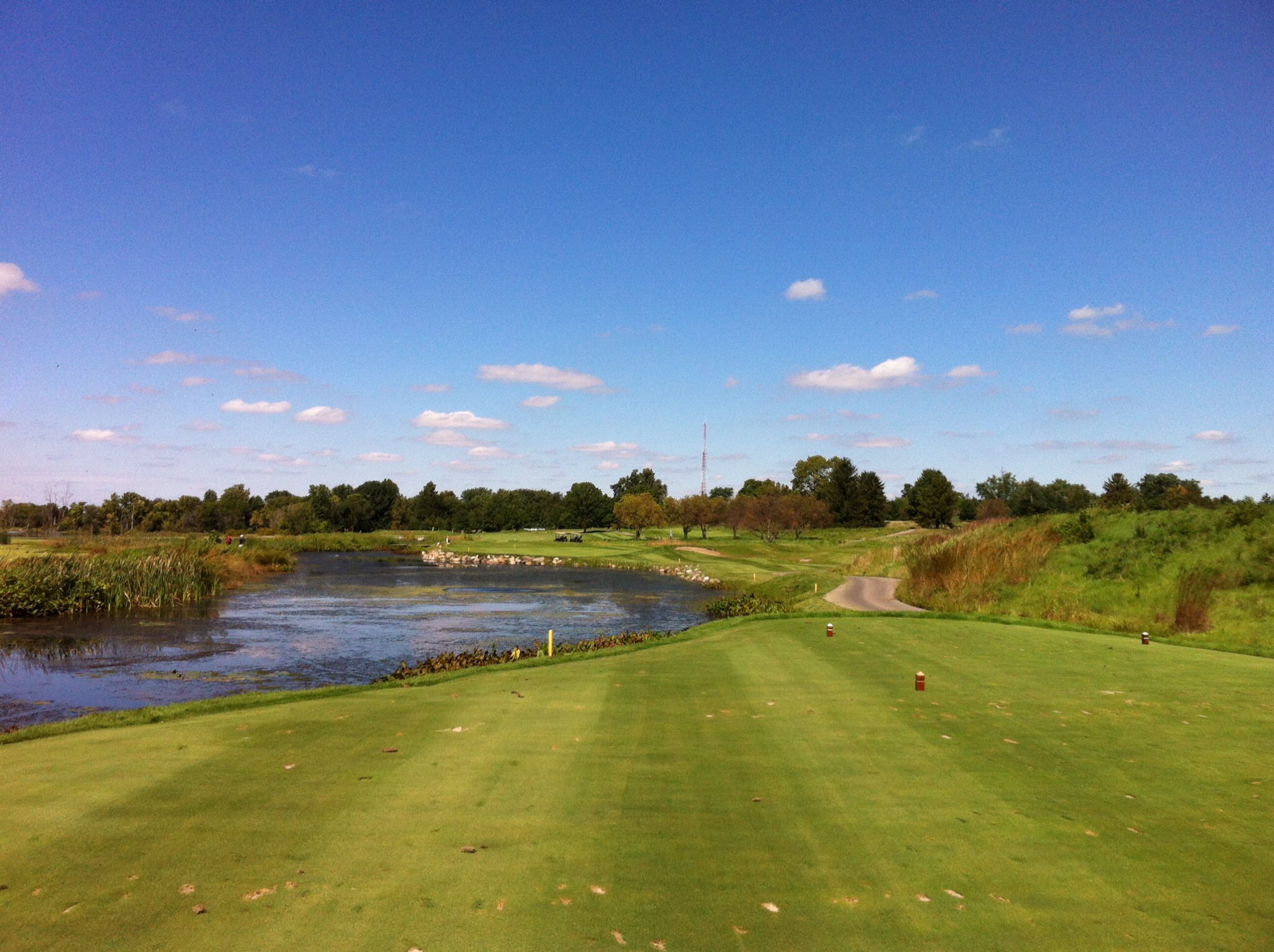
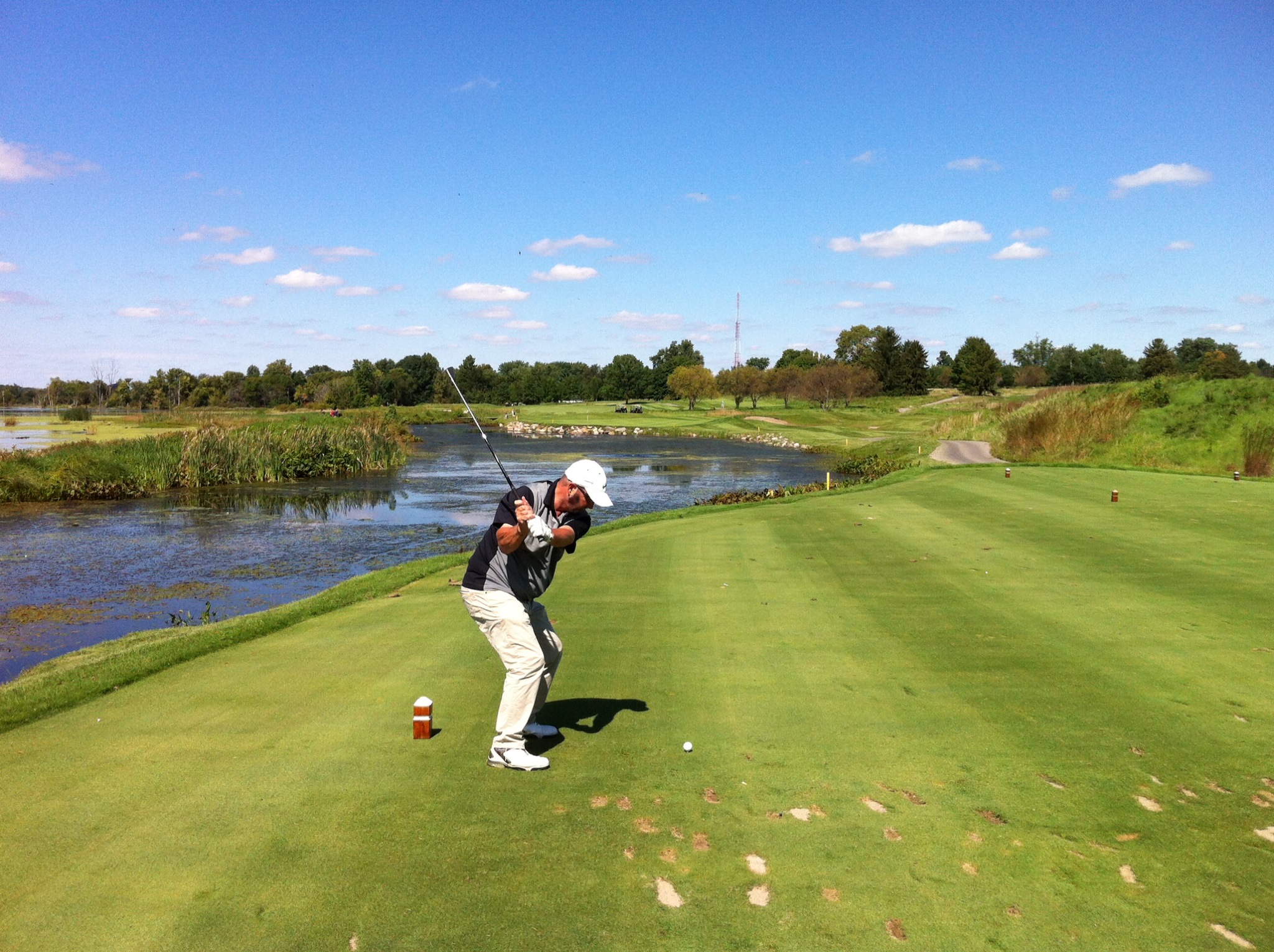
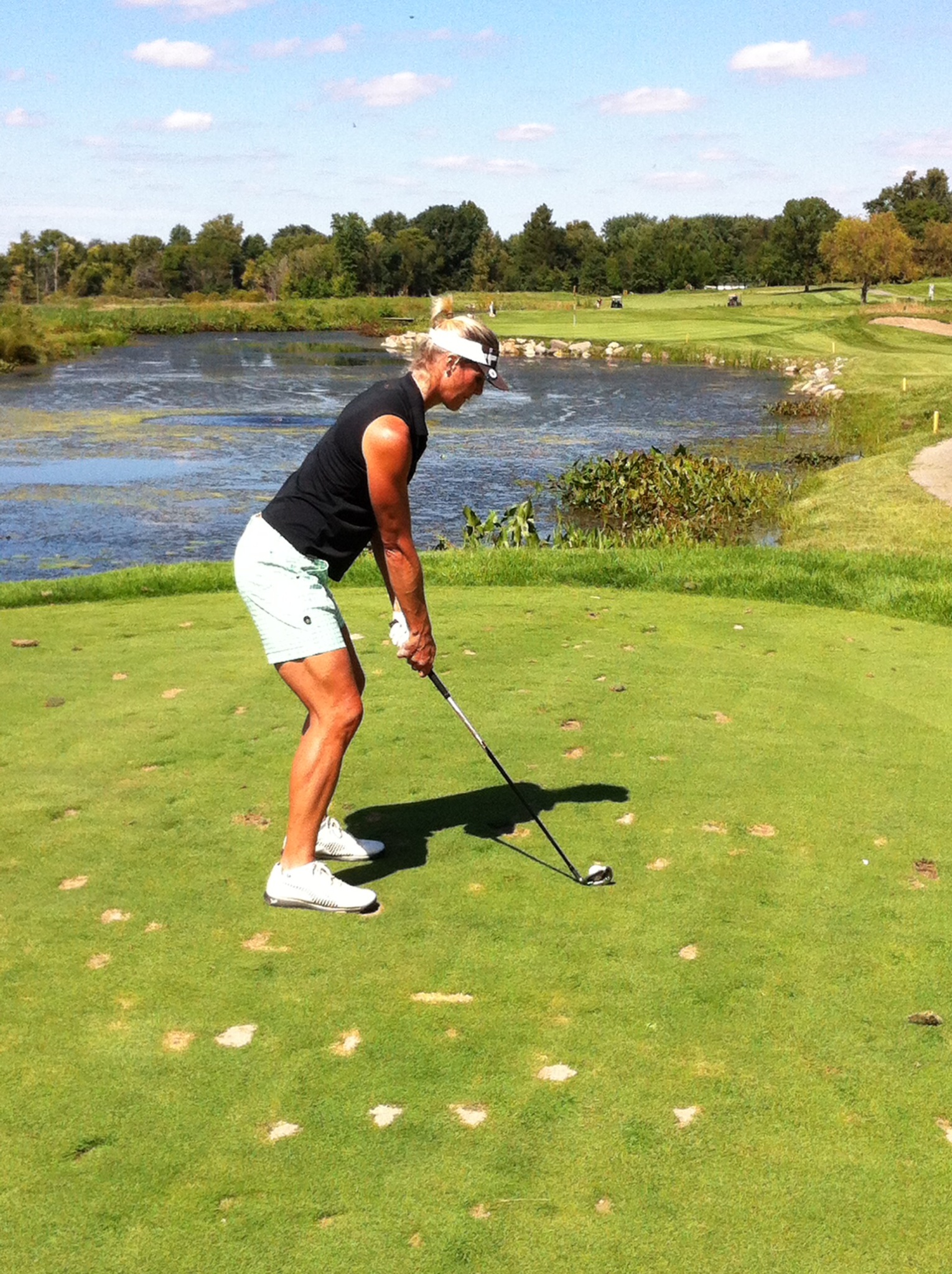
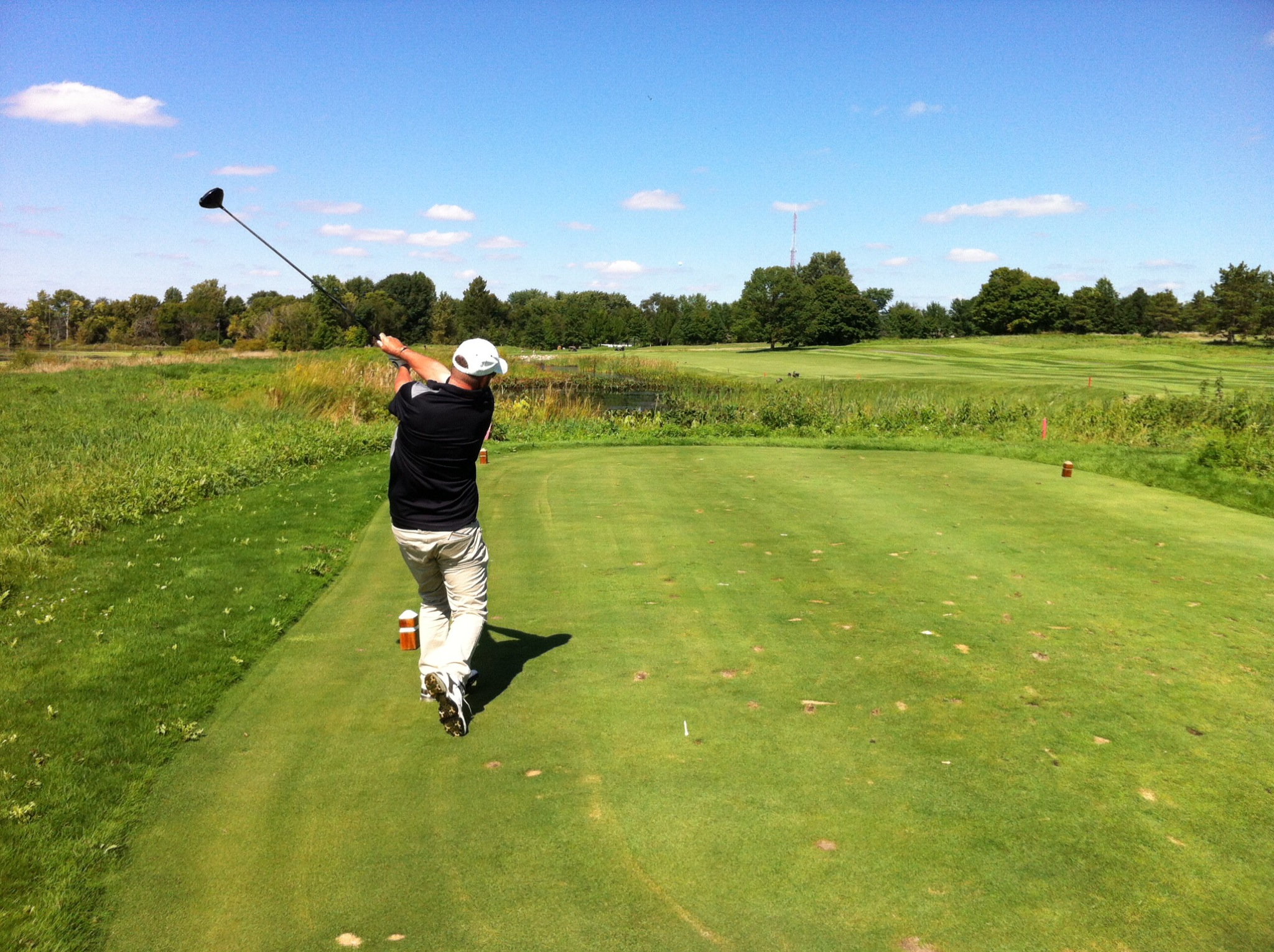
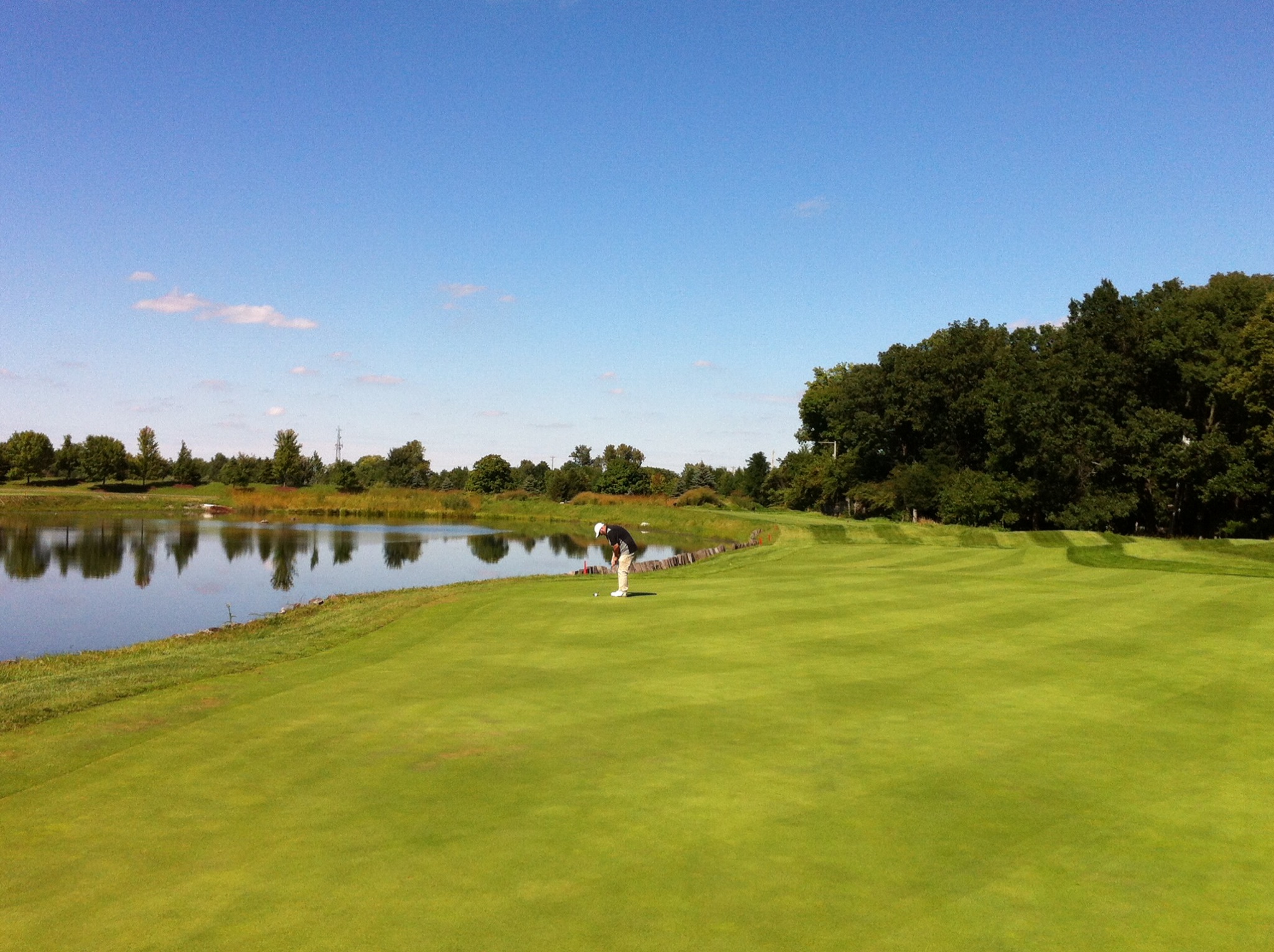
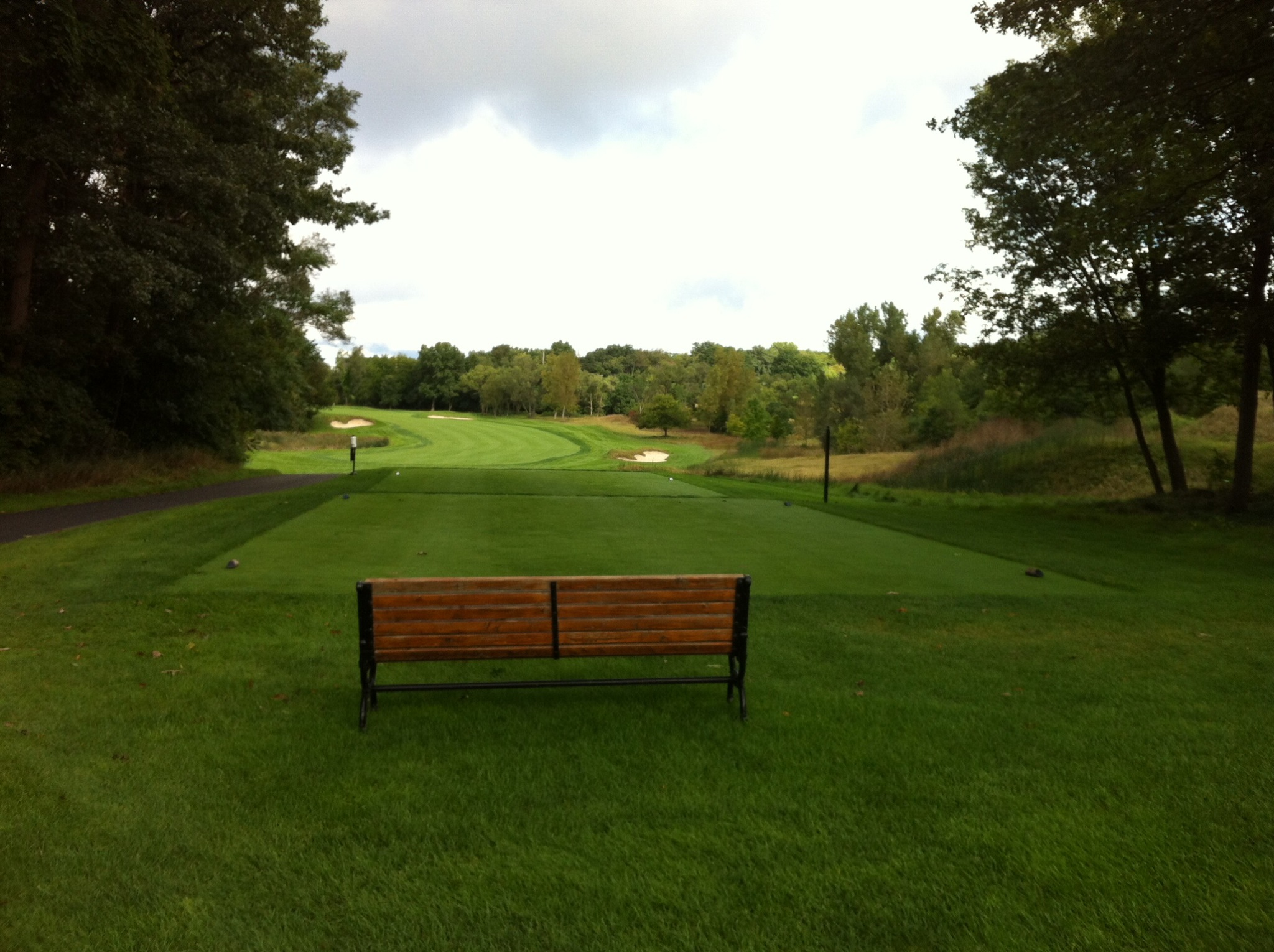
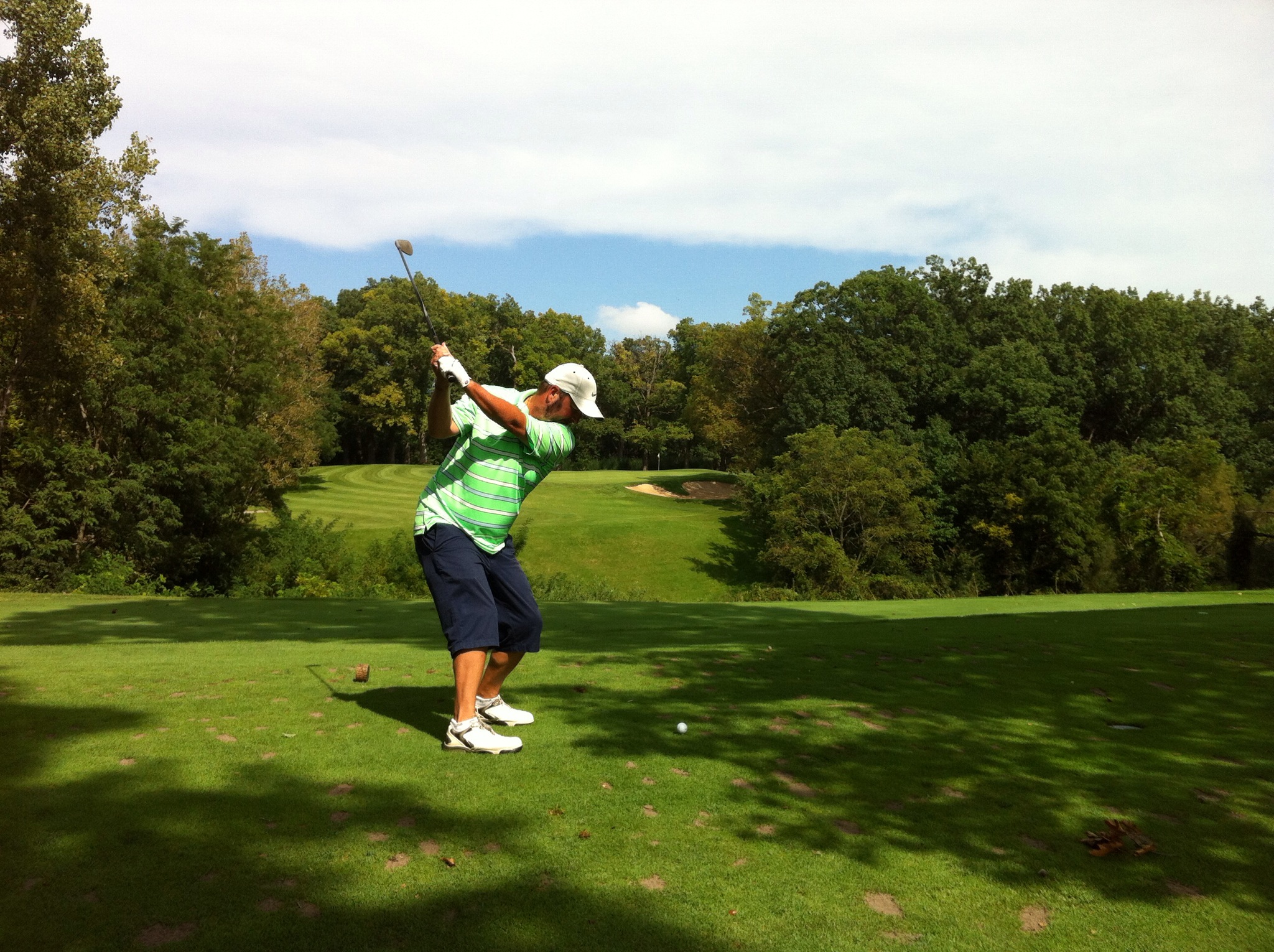
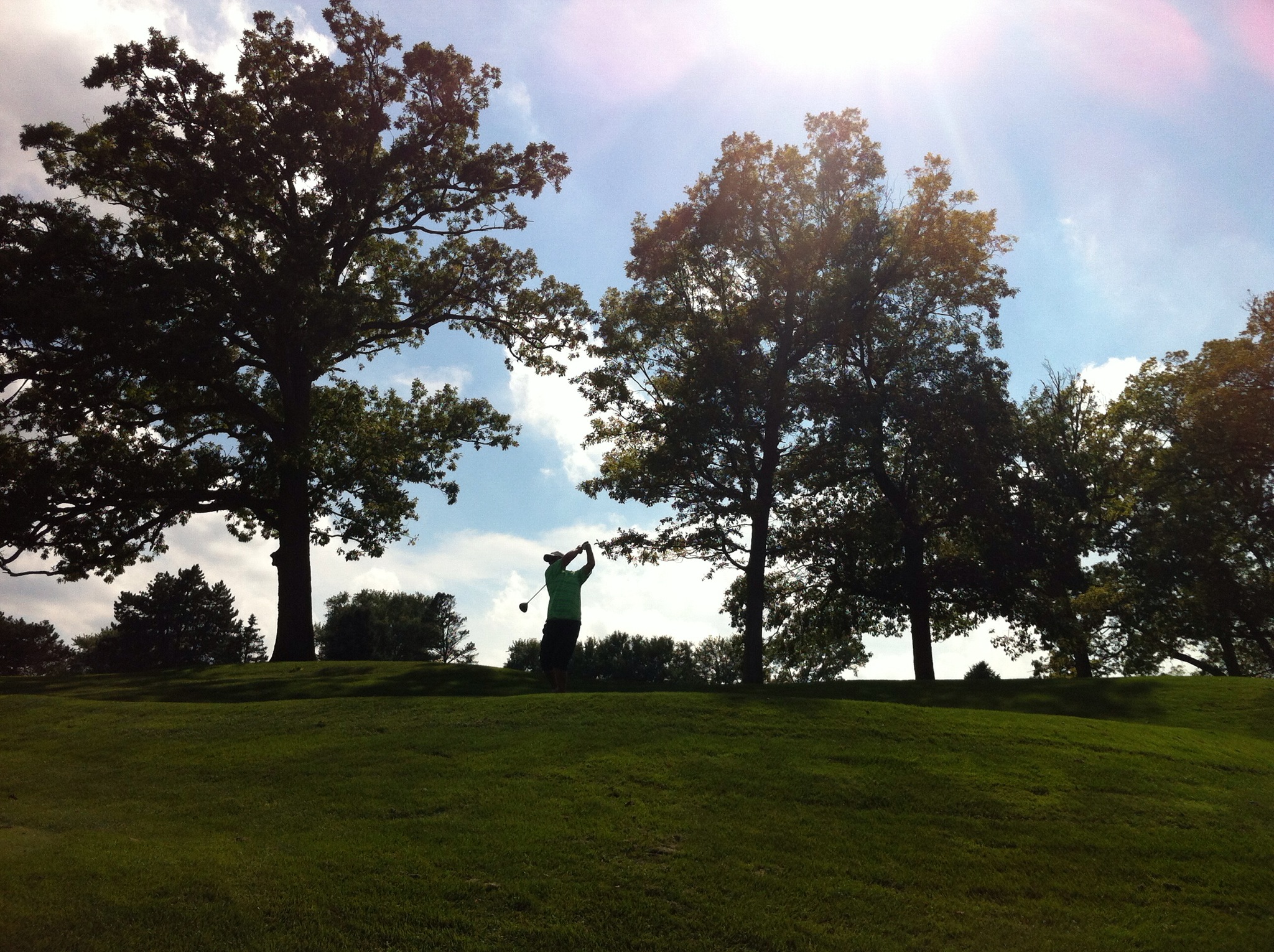
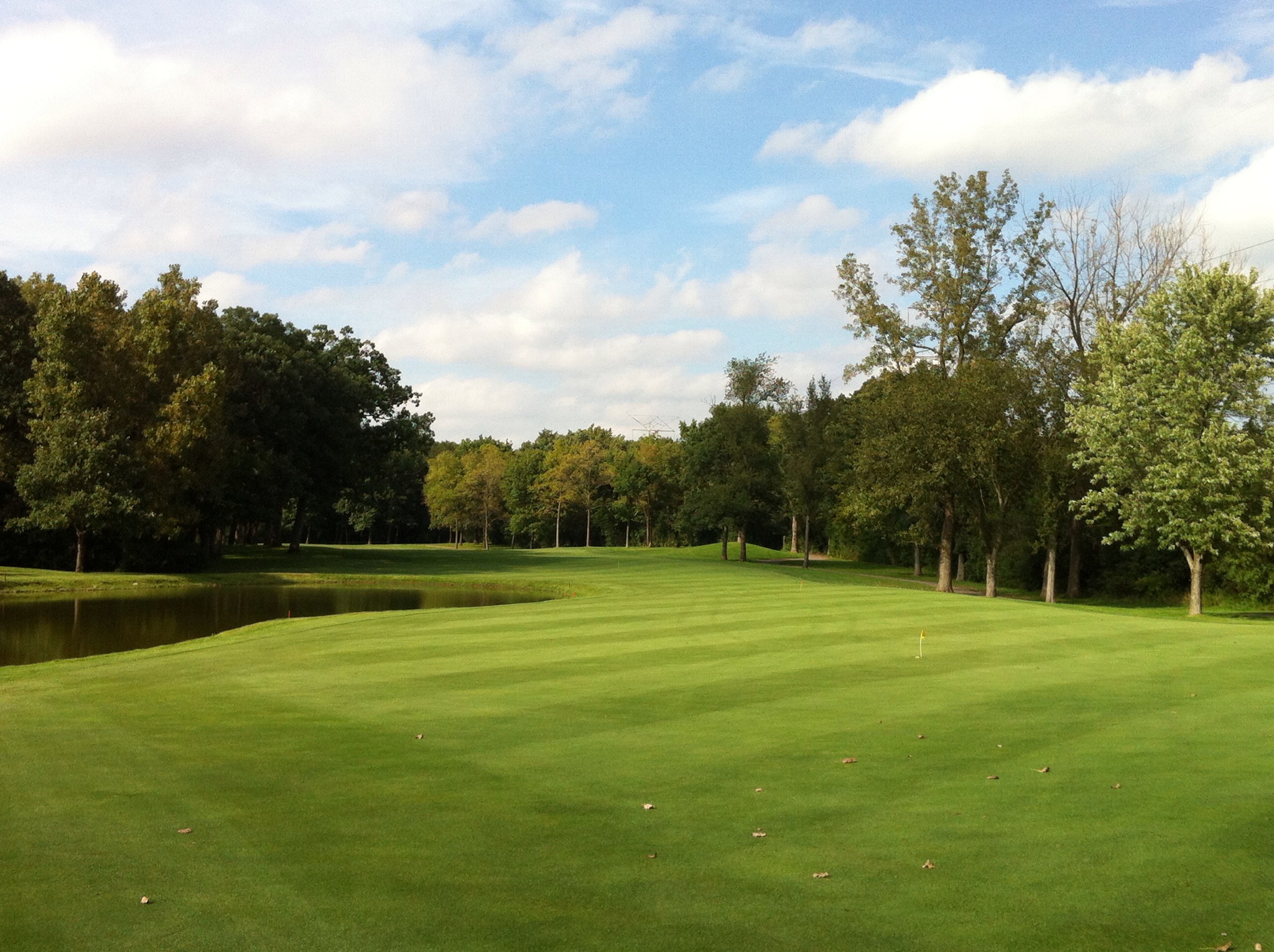
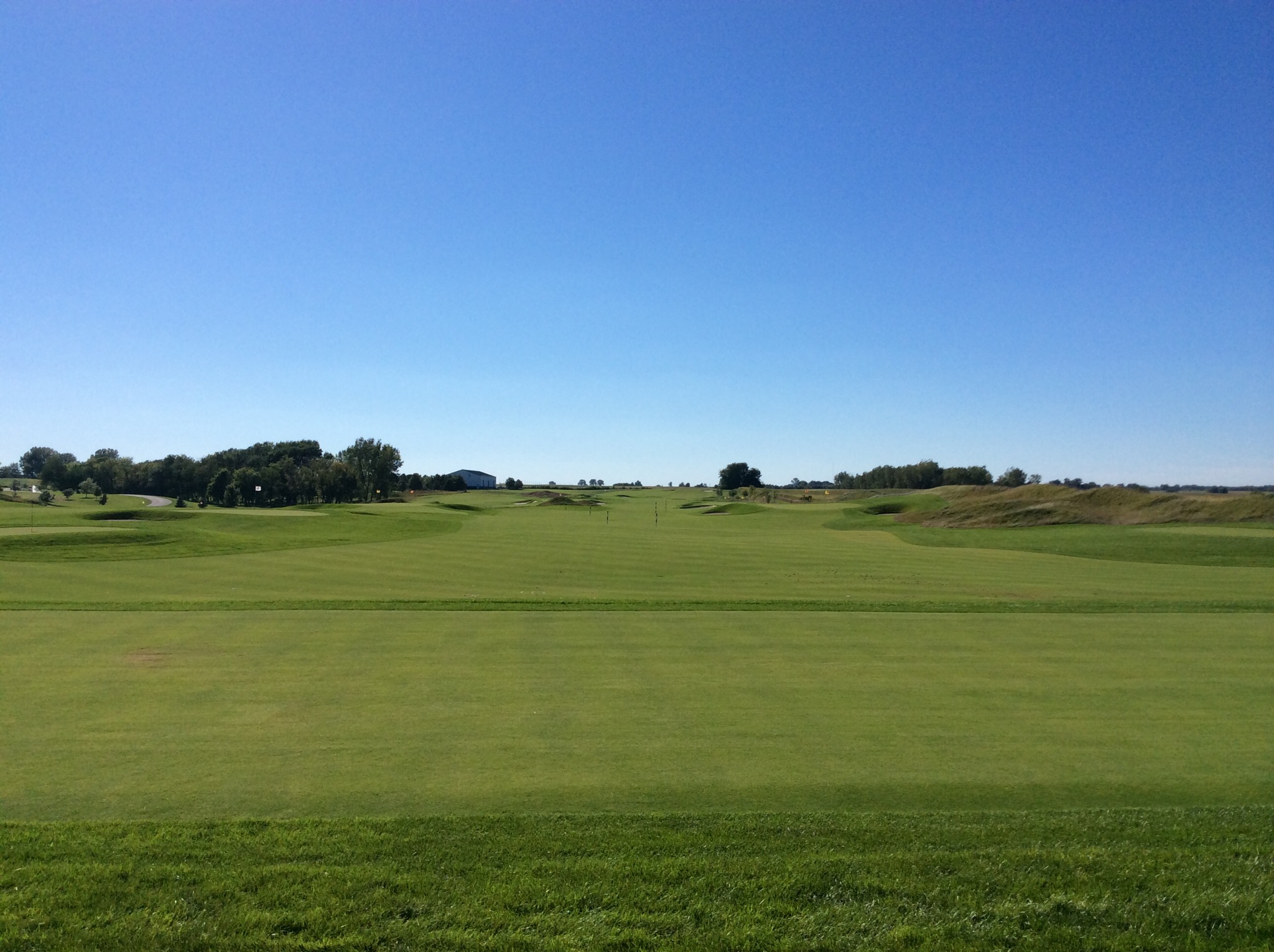
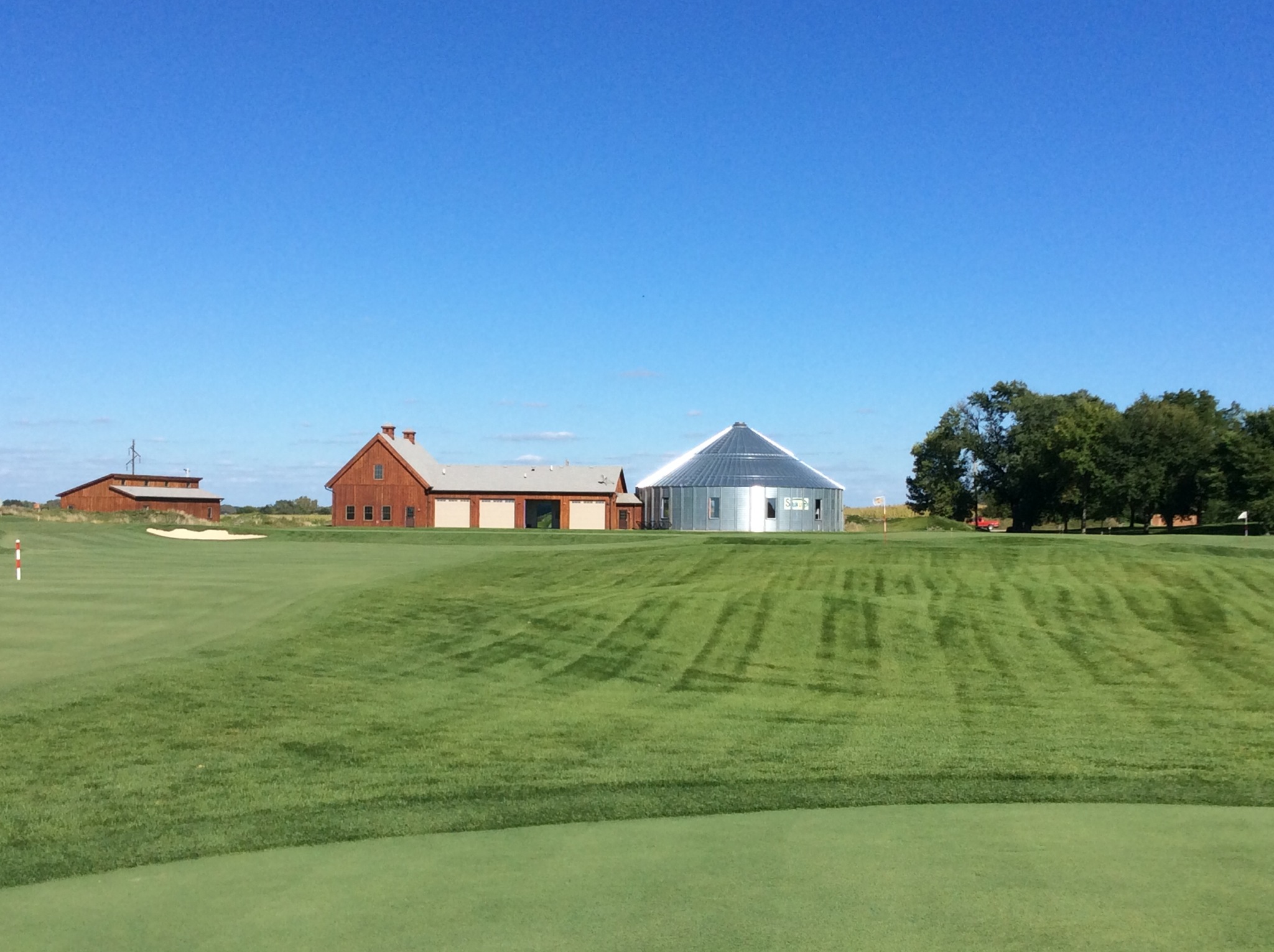
The Kearney Hill Golf Links were recommended to us by a number of people so we went and played it this morning. It is another Pete Dye designed course and is owned by the State of Kentucky. We got out there in time to see the sun rise over the course – it was a lovely morning. Again the Starter was so friendly and made us feel very welcome. Bud, the guy in the Pro Shop was also super friendly and gave us a book on Pete Dye designed golf courses. He said “you came all the way from NZ to play our course so we want to give you something – thanks so much for coming on out”

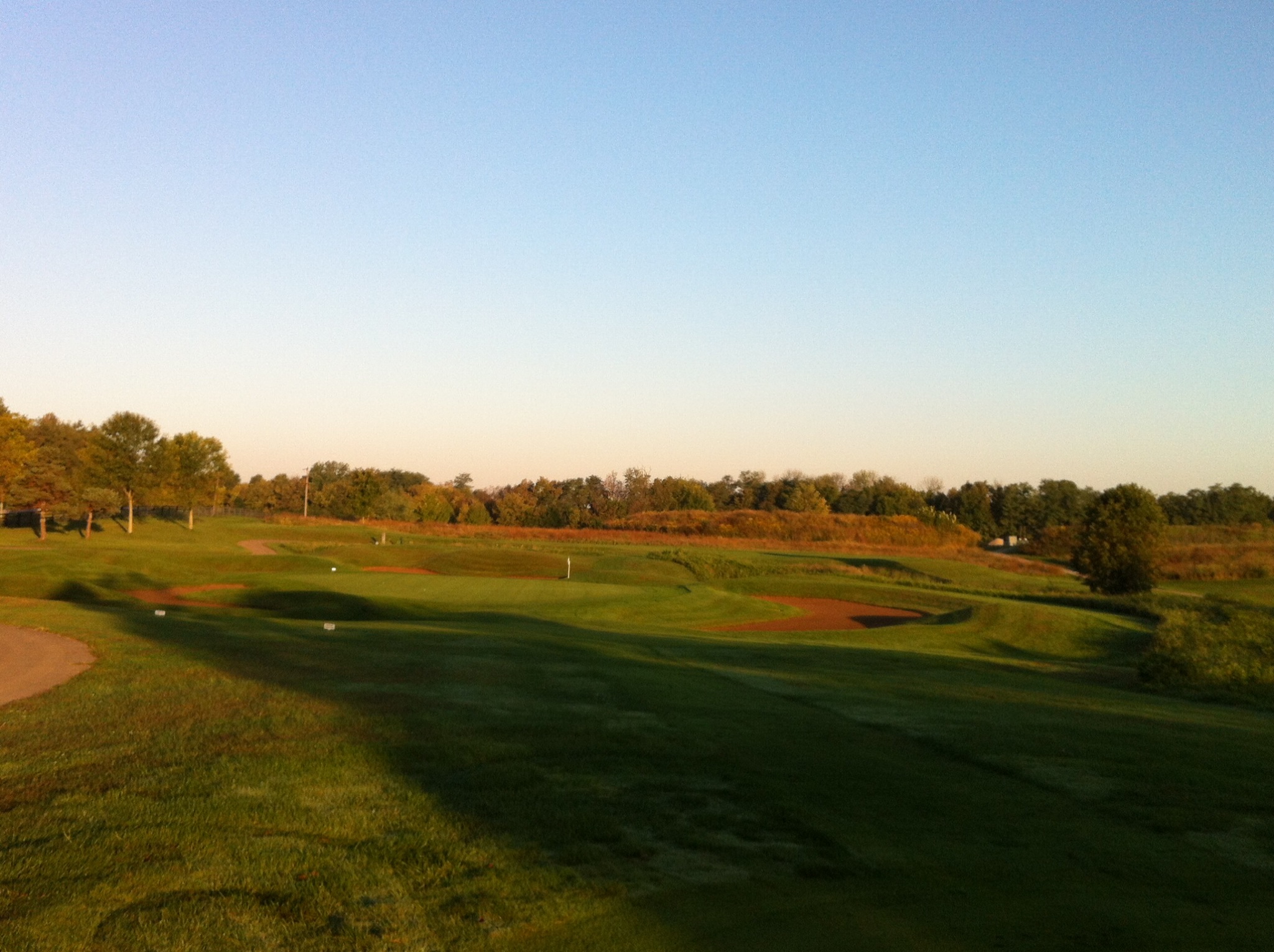
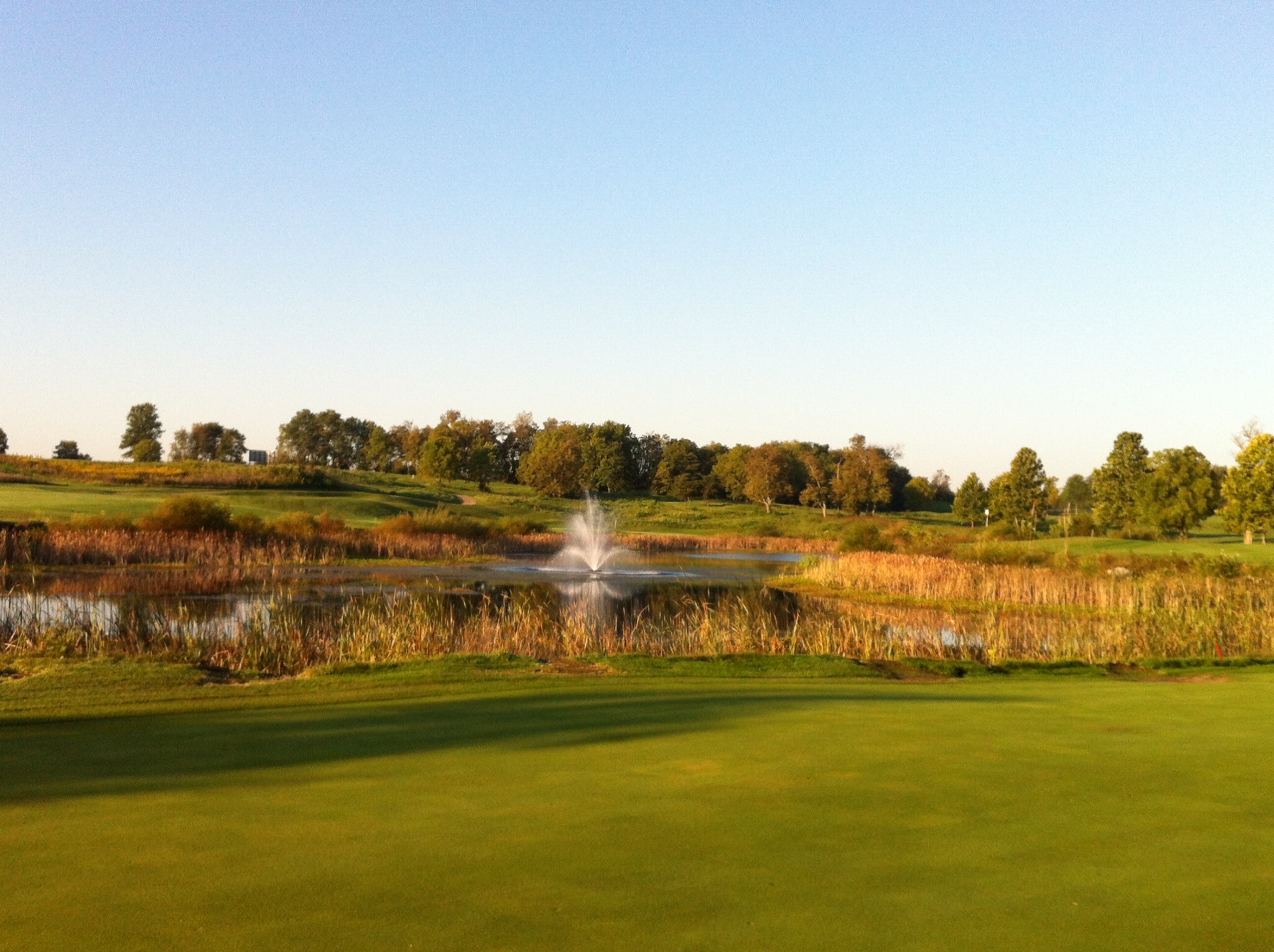
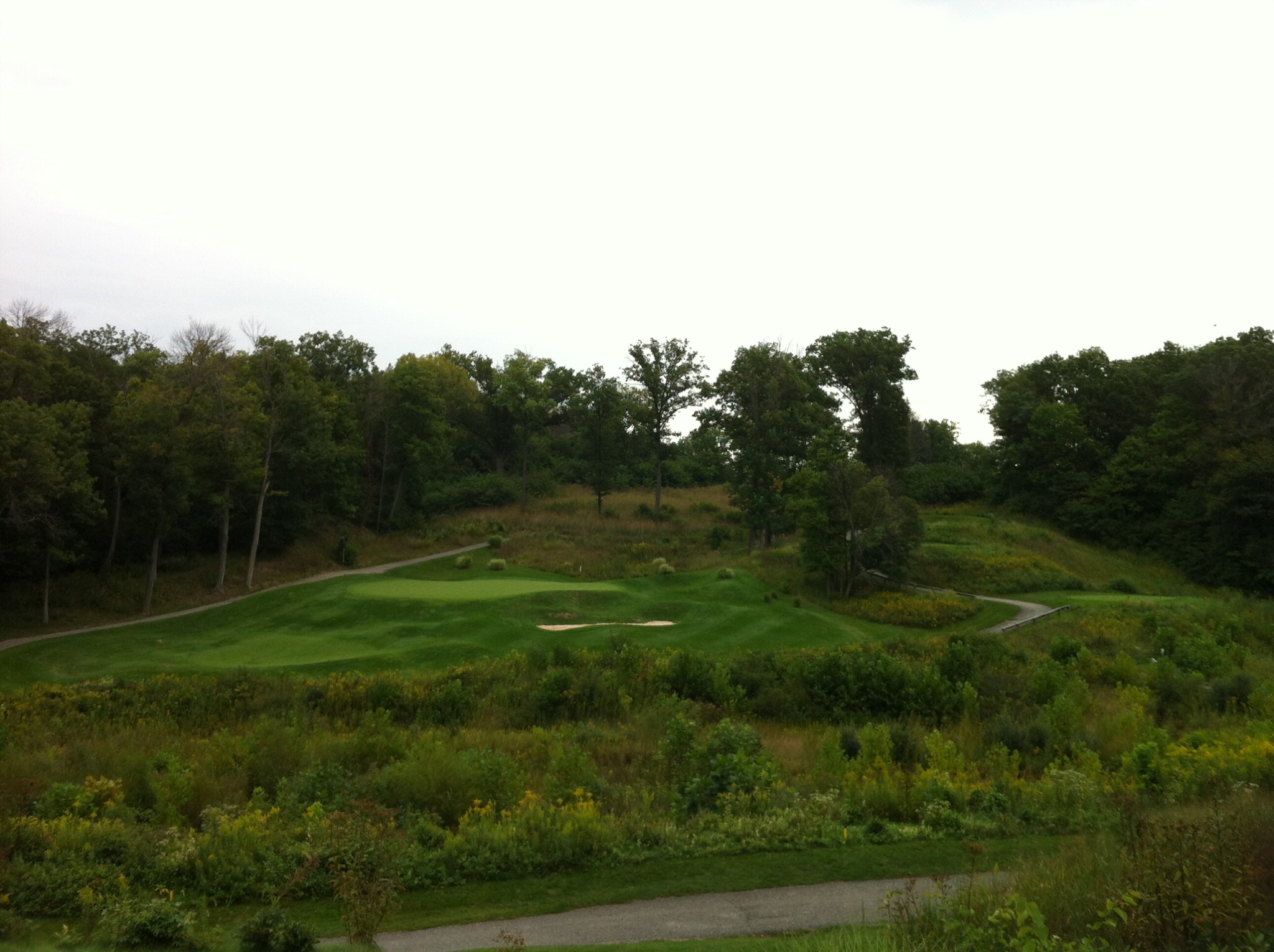
The course was great and featured lots of natural bush and water hazards. We had an encounter with one of the green keeping staff after my drive went straight where I aimed it instead of the little fade that I have become used to. The ball bounced not far from where he was working so when I got up there he told me it had gone into the rough and I probably wouldn’t find it. He then recognised that we weren’t from around these parts and when we told him we were from NZ he said “I ain’t met nobody from NZ before. I went to Washington in the winter and I met someone from England, that’s the furtherest away person I’ve ever met”. It really was his lucky day : )

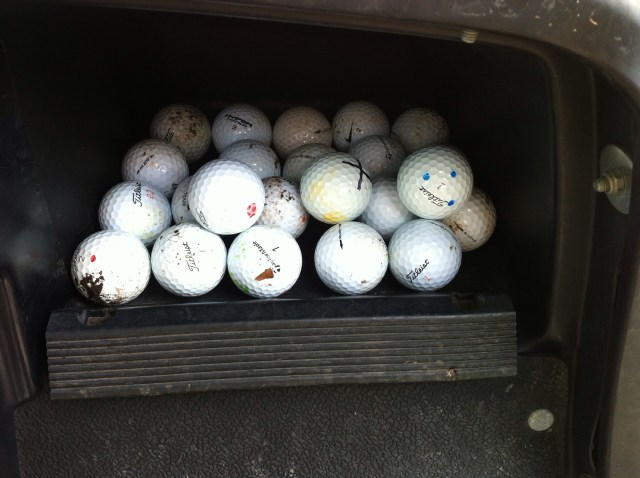
After failing to find my ball in the rough I emerged with all these biddy bids on my skirt – I didn’t realise until I sat in the cart – my poor white tuss (as Sonya from the hotel called it). It took a few holes to get rid of those them there biddy bids.

Speaking of Sonya, Steve bought her a bottle of NZ wine the other night. She was serving someone else when he went down and she tells them, ignore him, he’s trouble. Didn’t take her long to work him out did it! Anyway she was so happy with the bottle of wine, he got a big hug – she’s saving it to drink on her 40th birthday and 8th wedding anniversary which happens to be this coming Tuesday. Apparently she is going to email Steve on Tuesday to let him know how she enjoyed the wine.

I had an exceptional front nine and was only three over. Just quietly I had also beaten Steve off the stick by one shot. Unfortunately the back nine was a different story and although I hit it well a few silly mistakes ensured I did not score well. Steve meanwhile came into his own and turned the tables on me : (

IMG_0916.JPG

IMG_3166.JPG

IMG_3168.JPG

IMG_0917-0.JPG

IMG_3165.JPG

IMG_3163.JPG

IMG_3175.JPG

IMG_3170.JPG

IMG_3174.JPG

IMG_3173.JPG

IMG_3171.JPG

IMG_3169.JPG

IMG_4637.JPG

History of Kearney Hill Golf Links…
The Lexington Division of Parks & Recreation, which already operated three municipal courses and was heavily involved with the administration of the up-and-coming Senior PGA Tour event being held at the Marriott Griffin Gate Resort, proposed an idea to construct an upscale, municipal facility to meet the needs of both the community and the region. This facility would be designed to attract players from all over the region and to attract future championships to the Lexington area as well.

Local officials retained the help of a well-known amateur player with national recognition who had lived in Lexington for many years, Johnny Owens. Owens, who played at the University of Kentucky and had competed in every major national amateur championship both in the U.S. and Europe, agreed to come on board to help make this facility a reality. Owens first developed a feasibility study and then contacted Pete Dye. Dye, along with his son P.B., accepted the challenge of designing a municipal course that would be playable by the local golfer and at the same time capable of hosting national championships.

Construction began in 1987 and the course opened on Oct. 13, 1989. The design was unique in many ways. First, Pete Dye had not done many municipal courses and his son was just beginning his design career. A rolling piece of 200 acres of land was found in northern Fayette County. The land was wide open, contained only a handful of trees, an old cemetery and no water. The design would feature very large greens, wide fairways and a lack of trees which would make the course friendlier for the average municipal golfers yet challenge the best players. These characteristics defined the classic links-style course.

Since it opened, Kearney Hill Golf Links has gone beyond fulfilling the expectations of everyone involved. It has hosted many national and local championships, has been enjoyed by golfers of all skill levels and has been recognized as one of the best by publications such as Golf Digest, Golf World, Links Magazine and the Wall Street Journal.

Posted in Kentucky, USA | Leave a comment

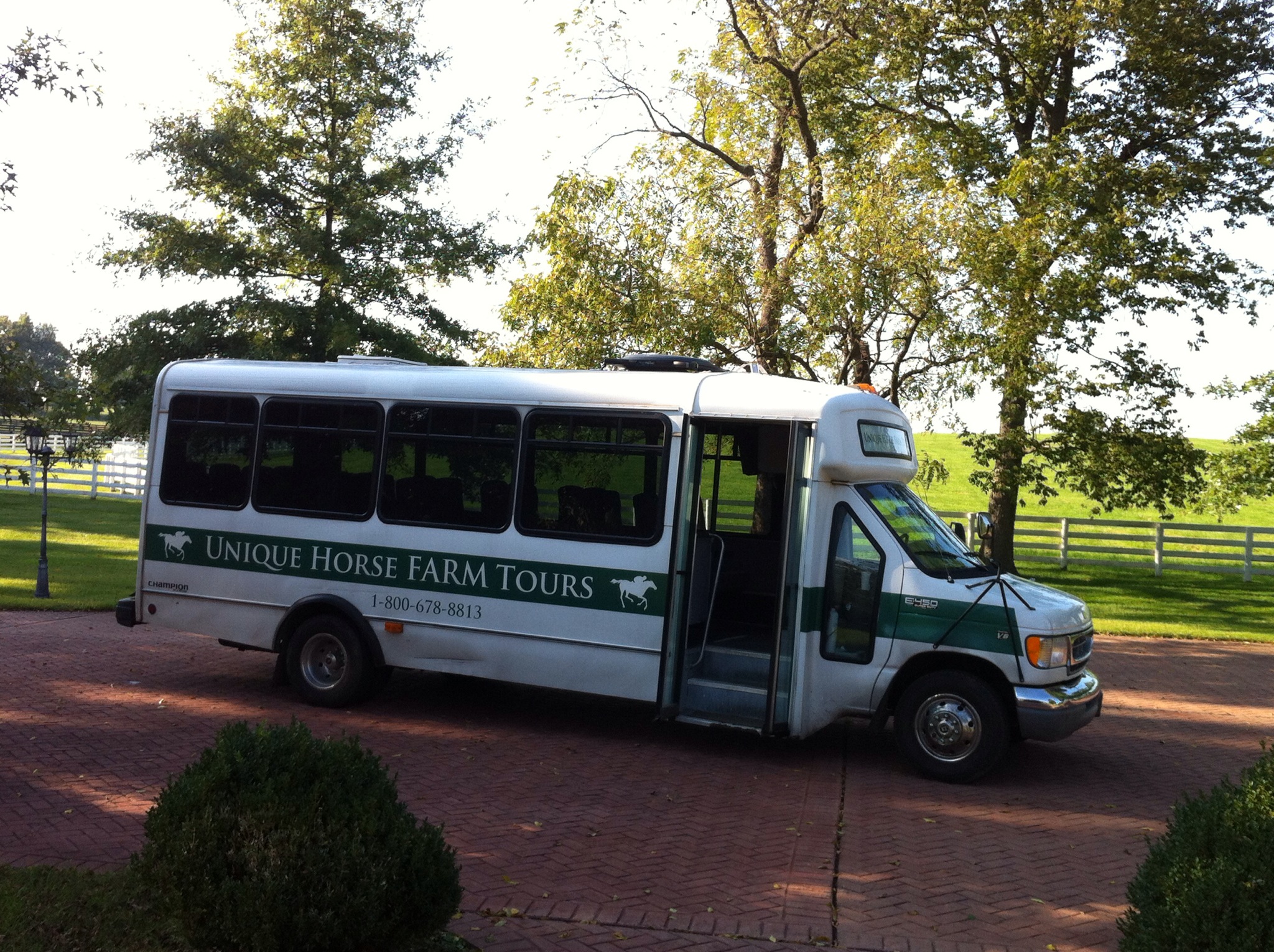
Unique Horse Farm Tours – Kentucky, USA

We are in Kentucky, the horse capital of the world and I thought we can’t come all this way and not check out a horse farm tour. As we’ve been driving to the golf courses we have noticed the beautiful rural properties with the horses frolicking beyond the typical horse fencing.

I booked a tour via the Kentucky Horse Park on the Unique Horse Farm Tours and unique it was. Our guide Shaun Washington picked us up from the Visitor Centre at the Kentucky Horse Park. He was a born and bred Kentuckian and a very jovial character. What he didn’t know about the horses, trainers and farm owners wasn’t worth knowing. Being non horse people it was all a bit foreign to us but extremely interesting.

One of the first things Shaun pointed out was the black and white railing fences. Apparently the white paint is nearly six times as expensive as the black paint and the black paint lasts about three times longer. Being accountants we knew which one we would be going with. Steve asked the question – why have any white fences at all then? Apparently it is just a bit of a prestige thing and Shaun pointed out that most of the wealthiest horse farm owners have black railing fences – that’s why they’re wealthy!

Shaun explained to us that central Kentucky where we were is referred to as the Bluegrass State due to the colour of the pastures. He was chuckling away saying that in his 50 years in Kentucky he has never seen blue grass but apparently that is one of the reasons it is such good horse breeding country – the quality of the land and pastures. We were talking about NZ and he said that it is on his bucket list – we warned him though that our grass was green : )

Shaun talked about some of the horse farm owners in the area – there are some wealthy people that own property and horses in this State although there really isn’t any money in horses. Most of the horse farm owners have made money elsewhere and due to a passion for horses they have invested in the industry. The first farm we stopped at was called Katierich farm and is effectively a hobby farm although it cost it’s owner about USD15 million. It’s owner made his money as a hedge fund manager in New York and named the place after his daughter (Katie) and his son (Richard). The farm employs about 30 people and has about 70 breeding horses and foals. These horses have better accommodation than some people.

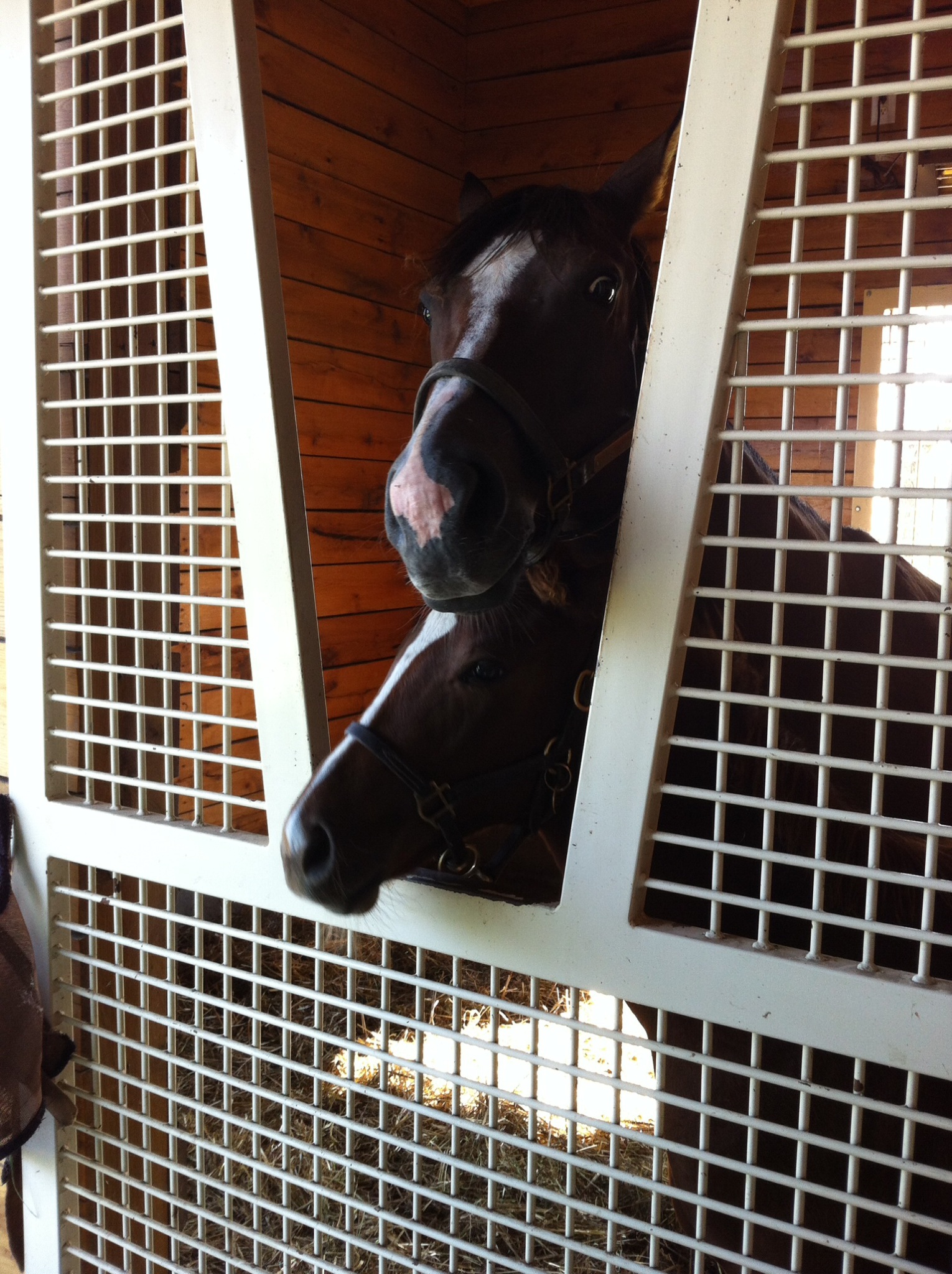
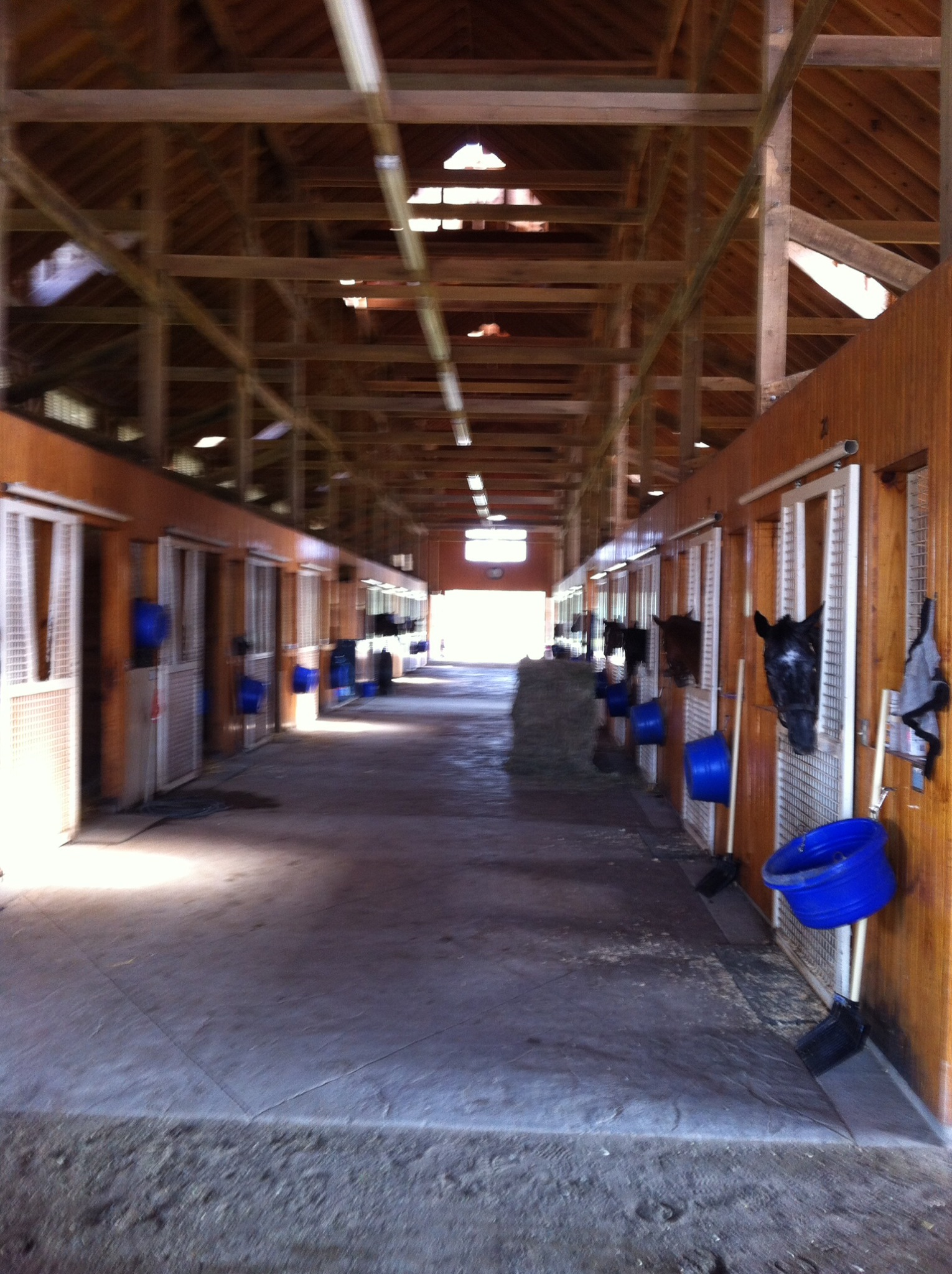
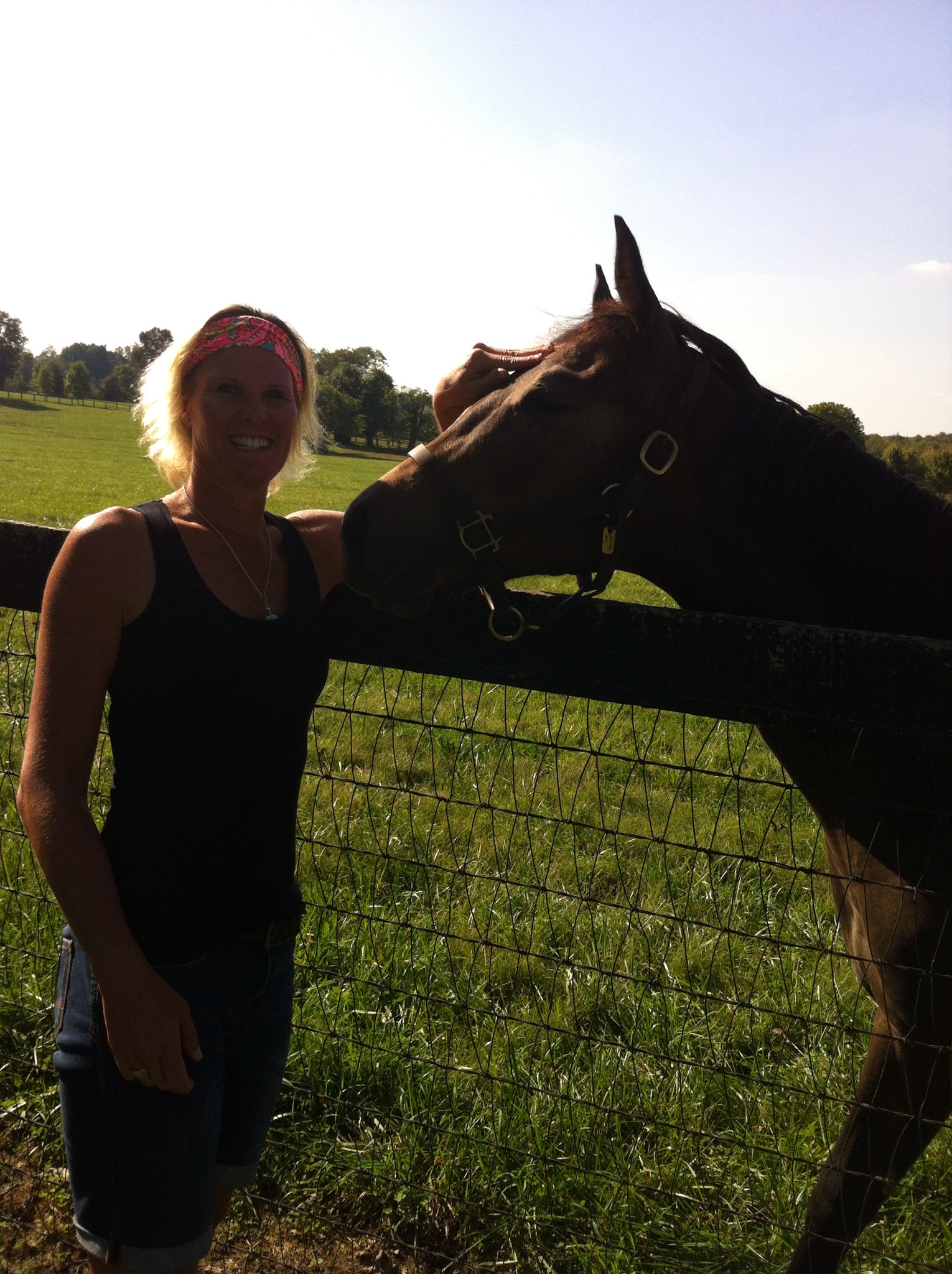
We went into the stables and were able to pat all the horses and foals. Steve had a lot of fun getting up close and personal with these beautiful creatures. There were some very expensive breeding mares in these stables.

IMG_3133.JPG

IMG_3134.JPG

IMG_3135.JPG

IMG_3138.JPG

IMG_3144.JPG

The Kentucky Derby is a horse race held annually in Louisville, Kentucky, United States, on the first Saturday in May, capping the two-week-long Kentucky Derby Festival. The race is a Grade I stakes race for three-year-old Thoroughbreds with a length of one and a quarter miles (2 km) at Churchill Downs. Colts and geldings carry 126 pounds (57 kilograms) and fillies 121 pounds (55 kilograms). The race is known in the United States as “The Most Exciting Two Minutes In Sports” or “The Fastest Two Minutes in Sports” for its approximate duration, and is also called “The Run for the Roses” for the blanket of roses draped over the winner. It is the first leg of the American Triple Crown and is followed by the Preakness Stakes, then the Belmont Stakes. The Kentucky Derby has been run every consecutive year since 1875. A horse must win all three races to win the Triple Crown.

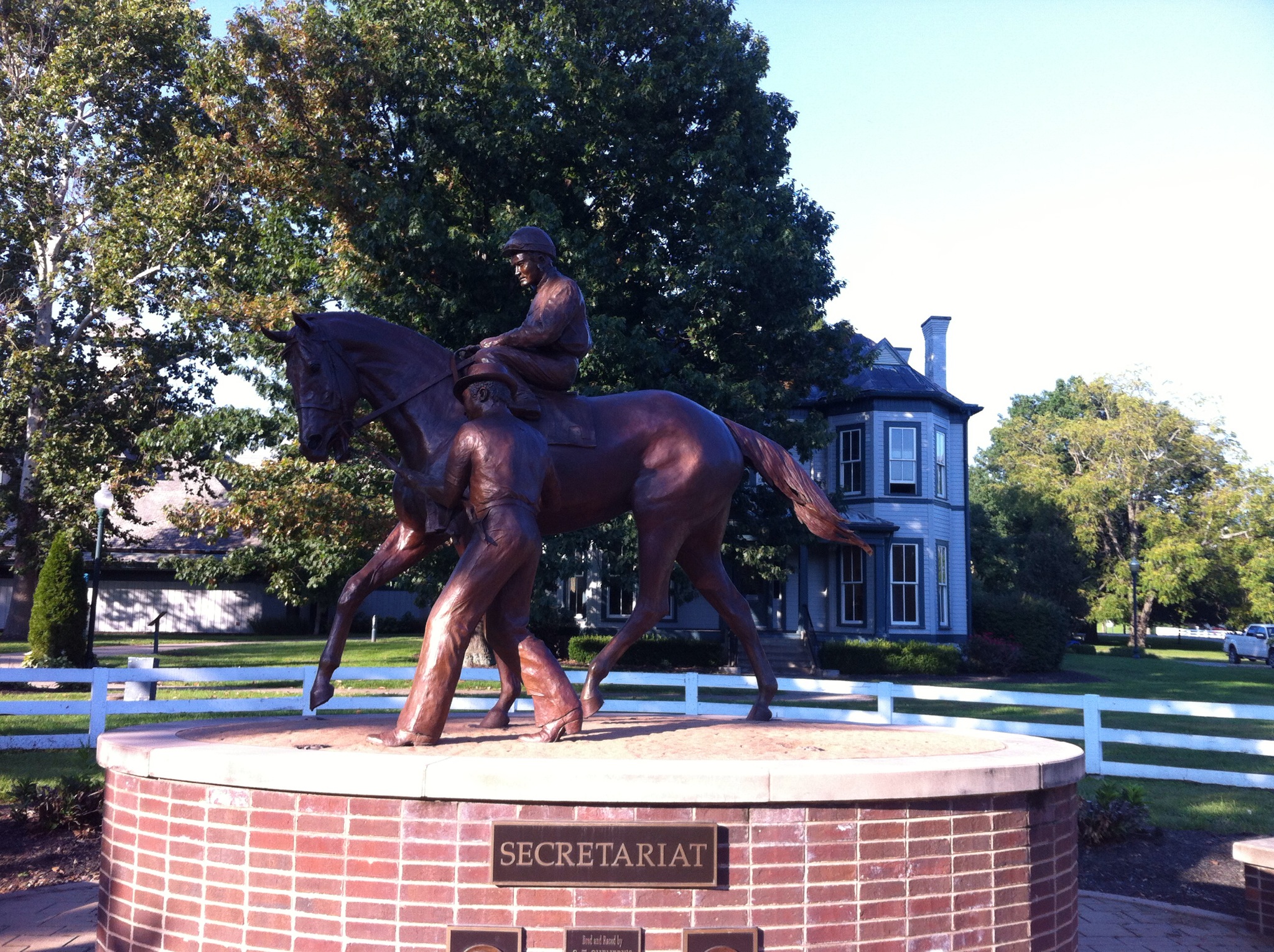
In Shaun’s opinion Secretariat will be the best horse that he will see in his lifetime despite being ranked second behind Man o’ War in The Blood Horse’s List of the Top 100 U.S. Racehorses of the 20th Century. Secretariat (March 30, 1970 – October 4, 1989) was an American Thoroughbred racehorse that in 1973 became the first U.S. Triple Crown winner in 25 years. He set race records in all three events in the series – the Kentucky Derby (1:59 2/5), the Preakness Stakes (1:53), and the Belmont Stakes (2:24) – records that still stand today.

IMG_4613.JPG

IMG_4614.JPG

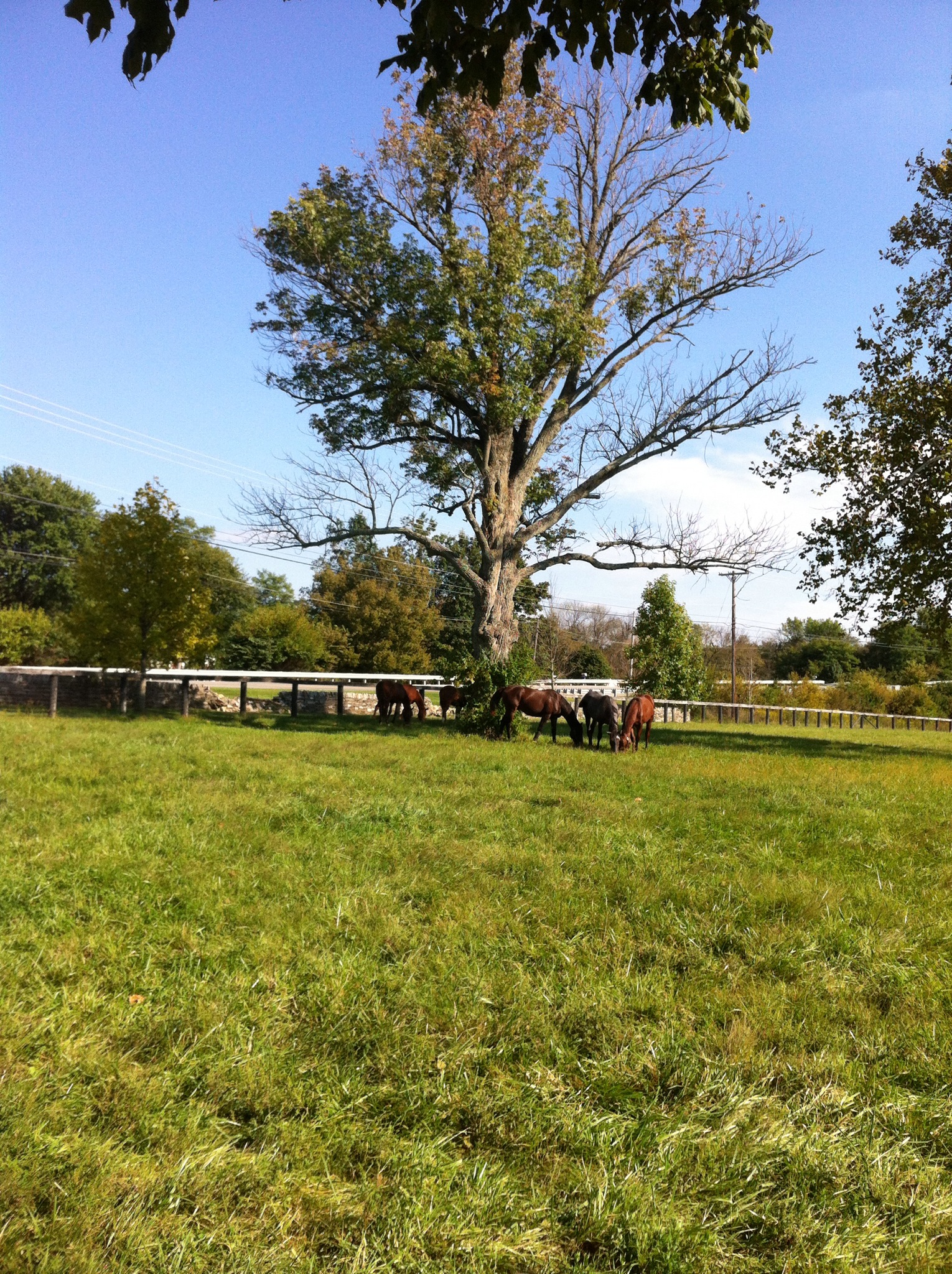
We then went to another horse farm called Hurricane Hall owned by Brad Kelley a billionaire businessman who made his money in tobacco. He is the fourth largest land owner in the USA. Here we got acquainted with some stallions and mares that were grazing in the paddocks.

IMG_4596.JPG

IMG_4601.JPG

IMG_4606.JPG

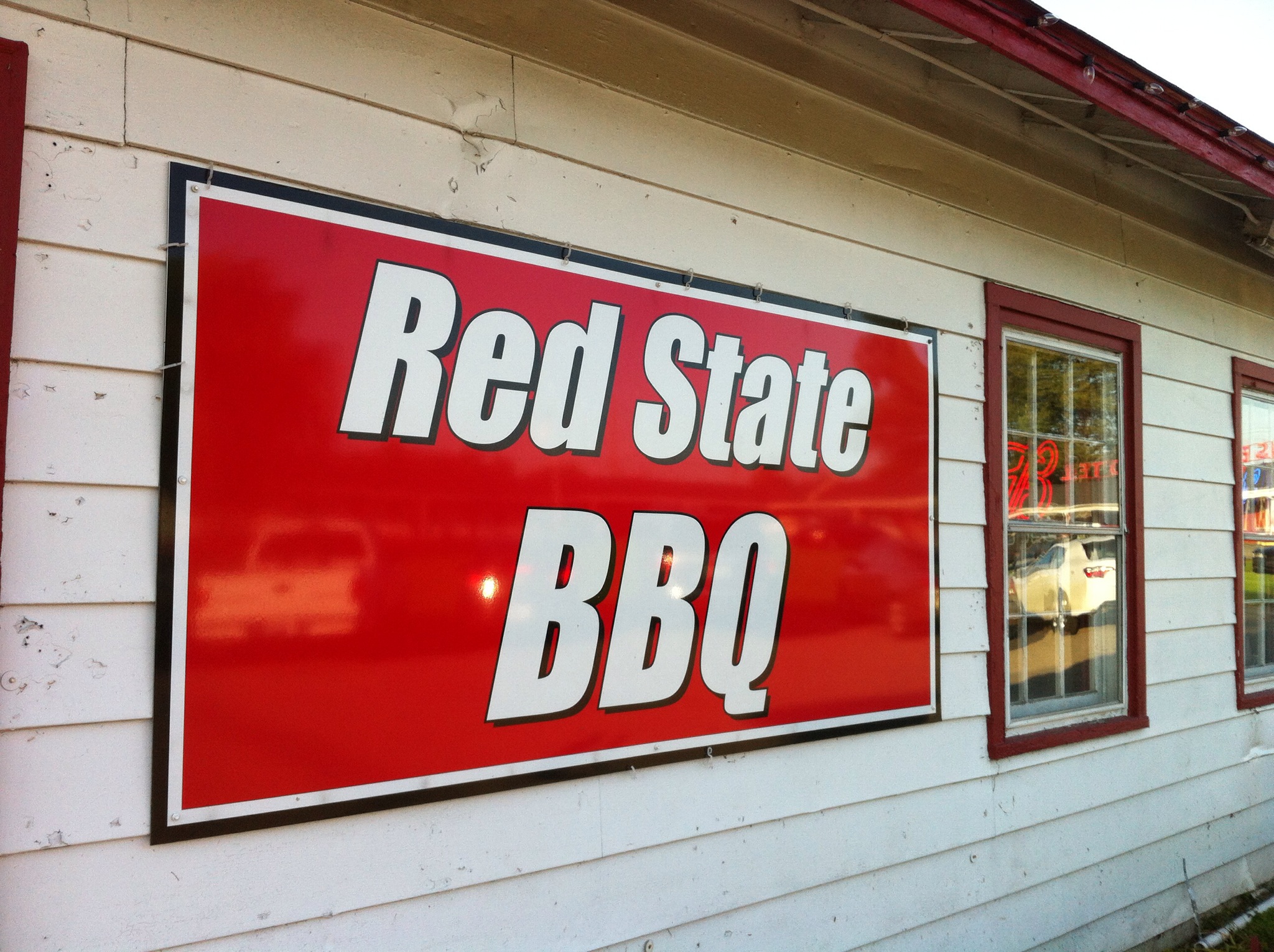
We then popped across the road to the Red State BBQ. Shaun wanted to shout the ladies on the tour a chocolate bourbon ice cream – it was pretty good : ) This place didn’t look much but Shaun couldn’t speak highly enough of the food they served – brisket, corn pudding, ribs. The staff were so friendly and even bought out a plate of brisket for the guys to try. I didn’t have any but Steve said it was delicious, so much so he wanted to come back for dinner. They cook it slowly for 14 hours and bourbon plays a role.

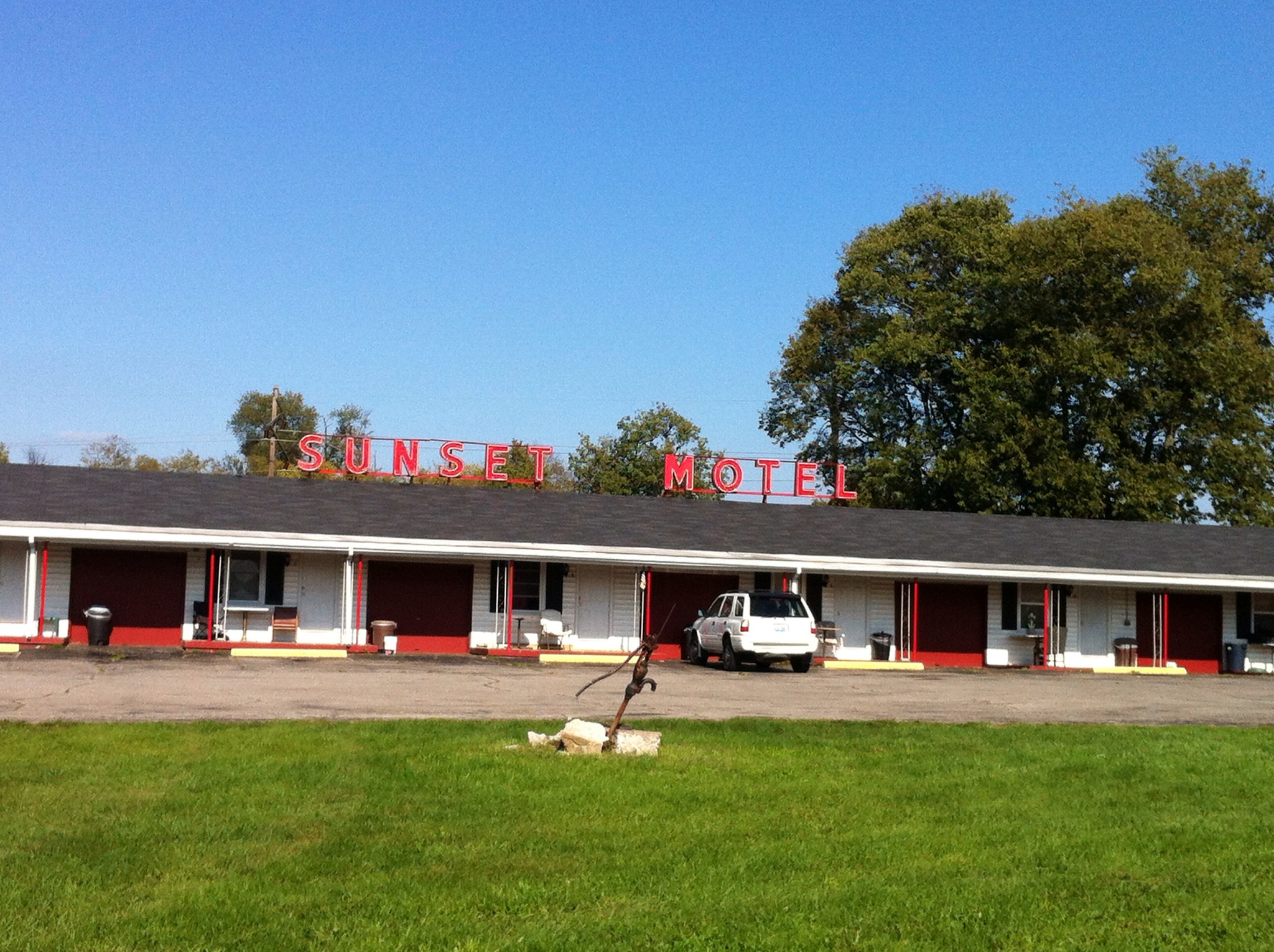
Next door to the Red State BBQ was the Sunset Motel. Shaun told us you didn’t want to be anywhere near that place after sunset! It so reminded me of the places where Jack Reacher stays in the Lee Childs novels.

IMG_4607-0.JPG

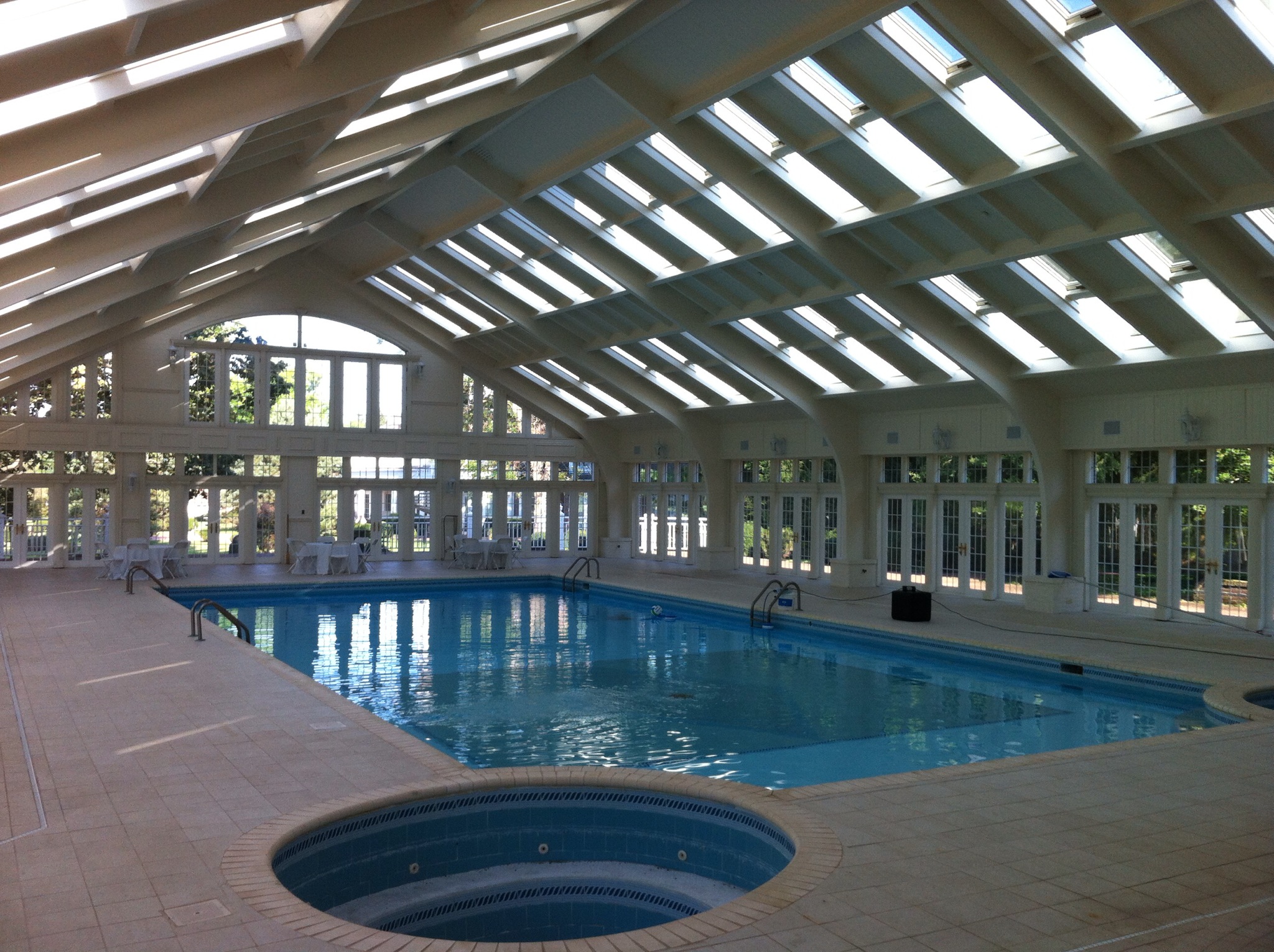
Next stop on the tour was not listed in the brochure. Shaun’s mate is currently looking after this huge house with a fancy pool house for a guy in New York. Apparently the guy in New York bought the place in the recession for USD3.2 million, spent about USD500,000 on it and put it back on the market for USD5 million. No takers so he lowered the price to USD4 million, still no takers so it is now on for USD3.8 million. Shaun’s mate is staying there rent free while it is on the market just keeping an eye on the place. Shaun wanted to show us the pool house – it is huge. Shaun is apparently going to have his son’s 6th birthday party there. I’m not sure if the owner knows that his pool house is featuring on the Unique Horse Farm Tours or if it will soon be hosting a 6 year old’s birthday party! We didn’t go into the house (that would probably be pushing the boundaries) but it has 6 bedrooms and 11 toilets. You could actually live in the pool house – it had a kitchen, bathroom, mezzanine floor and bedroom.

IMG_4610.JPG

IMG_4612.JPG

IMG_4608.JPG

IMG_4609.JPG

Shaun sure was a character. He told us that he organises the monthly farm owners poker game where some serious money is played for. He does all the catering and tends the bar. He said depending on who wins he can take a tip of USD3,000 home at the end of the night. Given the winner is taking home about USD180,000 he thought the USD3,000 was a bit stingy : ) Buy in for the monthly poker game is USD50,000. Fact or fiction it is always good to listen to the locals spin a yarn.

After bidding farewell to Shaun we decided to go back to the Red State BBQ for dinner. They had sold out of the brisket though so Steve settled on the ribs and I had the chicken plate with corn pudding and coleslaw. The corn pudding reminded me of Watties Creamed Sweetcorn – it was quite nostalgic. We also got some peach bread pudding which was like the old bread and butter pudding we ate as kids – it was a bit sweet for my liking but I’m pleased I took another trip down memory lane. Steve declared the ribs as the best he has ever had and trust me he has had a few.

IMG_4618.JPG

IMG_4620.JPG

IMG_4619.JPG

Kentucky, officially the Commonwealth of Kentucky, is a state located in the east south-central region of the United States. Kentucky is one of four U.S. states constituted as a commonwealth (the others being Virginia, Pennsylvania, and Massachusetts). Originally a part of Virginia, in 1792 Kentucky became the 15th state to join the Union.

Kentucky is known as the “Bluegrass State”, a nickname based on the bluegrass found in many of its pastures because of the fertile soil. One of the major regions in Kentucky is the Bluegrass Region in central Kentucky which houses two of its major cities, Louisville and Lexington. It is a land with diverse environments and abundant resources, including the world’s longest cave system, Mammoth Cave National Park, the greatest length of navigable waterways and streams in the contiguous United States, and the two largest man-made lakes east of the Mississippi River.

Kentucky is also home to the highest per capita number of deer and turkey in the United States, the largest free-ranging elk herd east of the Mississippi River, and the nation’s most productive coalfield. Kentucky is also known for horse racing, bourbon distilleries, automobile manufacturing, tobacco, bluegrass music, college basketball, and Kentucky Fried Chicken.

Posted in Kentucky, USA | 1 Comment

University Club of Kentucky, Big Blue Course – Kentucky, USA

Today we played the Big Blue Course at the University Club of Kentucky. It is another picturesque course but more open than the Wildcat course. It also had a bit more water on it, hence the name Big Blue.

I didn’t score as well as I did yesterday but was pleased with my 92. I had a few too many three putts : )

IMG_3117.JPG

IMG_3123.JPG

IMG_3125.JPG

IMG_3122.JPG

IMG_3128.JPG

IMG_3120.JPG

IMG_3129.JPG

IMG_4575.JPG

IMG_4576.JPG

IMG_4577.JPG

Posted in Kentucky, USA | Leave a comment

University of Kentucky, Wildcat Course – Kentucky, USA

After golf on Tuesday we drove to Lexington in Kentucky. We stopped along the way for some lunch and were warmly welcomed by the guy behind the counter – he was customer service personified. He was quite perplexed as to why we would come to Kentucky when NZ is such a beautiful place according to the pictures he has seen. He said “you call each other mate in NZ don’t you?” I said that was a fairly common greeting so he took great pride in calling us mate.

We then arrived at our hotel and Steve checked us in while I waited in the car. He came out and said that the girl behind the desk was so cool. She loved his Kiwi accent – she probably had no idea what he was saying, quite a common problem especially after a few coronas! I met Sonya later that evening and she is a laugh a minute. Her and Steve enjoyed taking off each other’s accents.

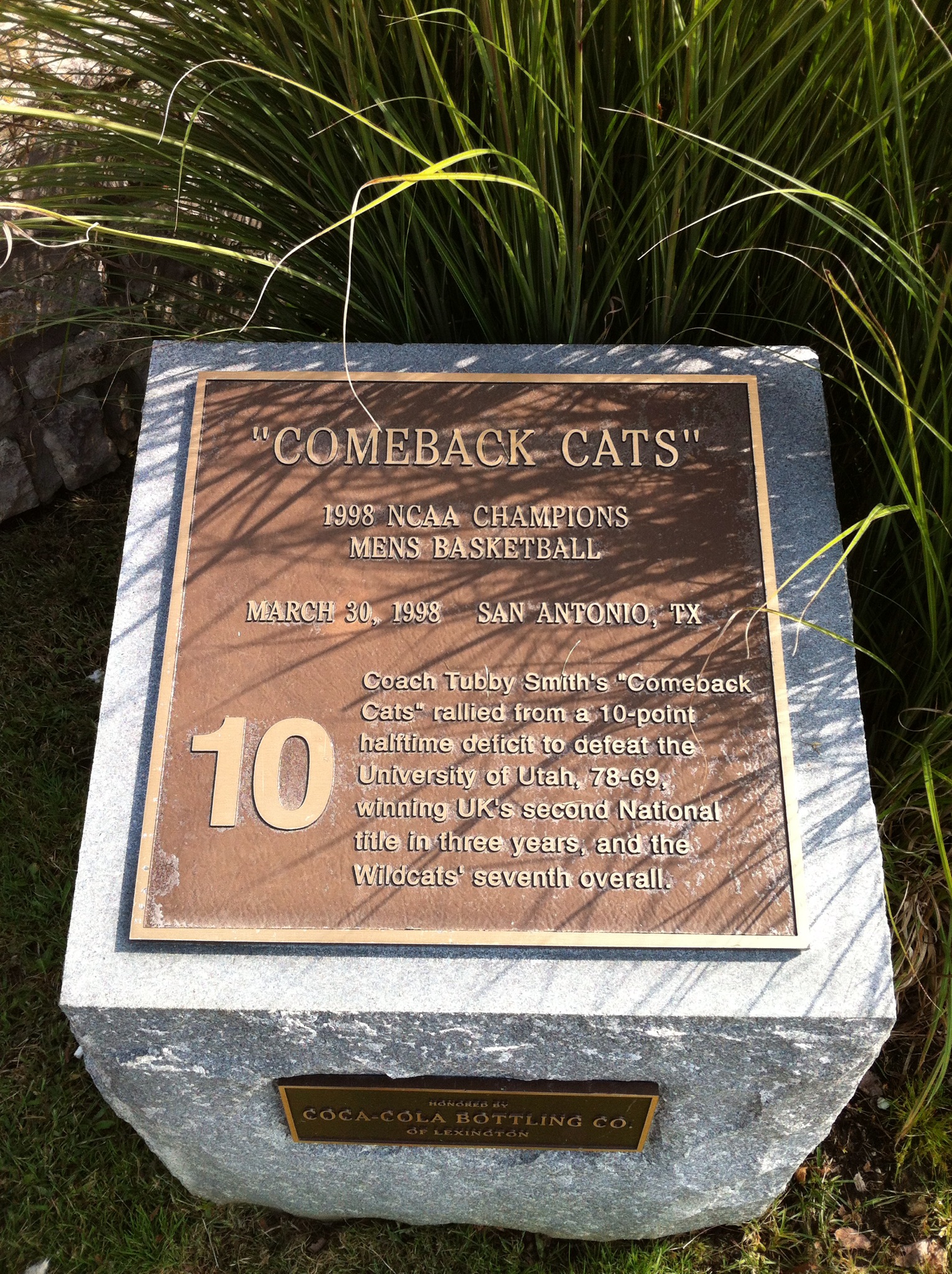
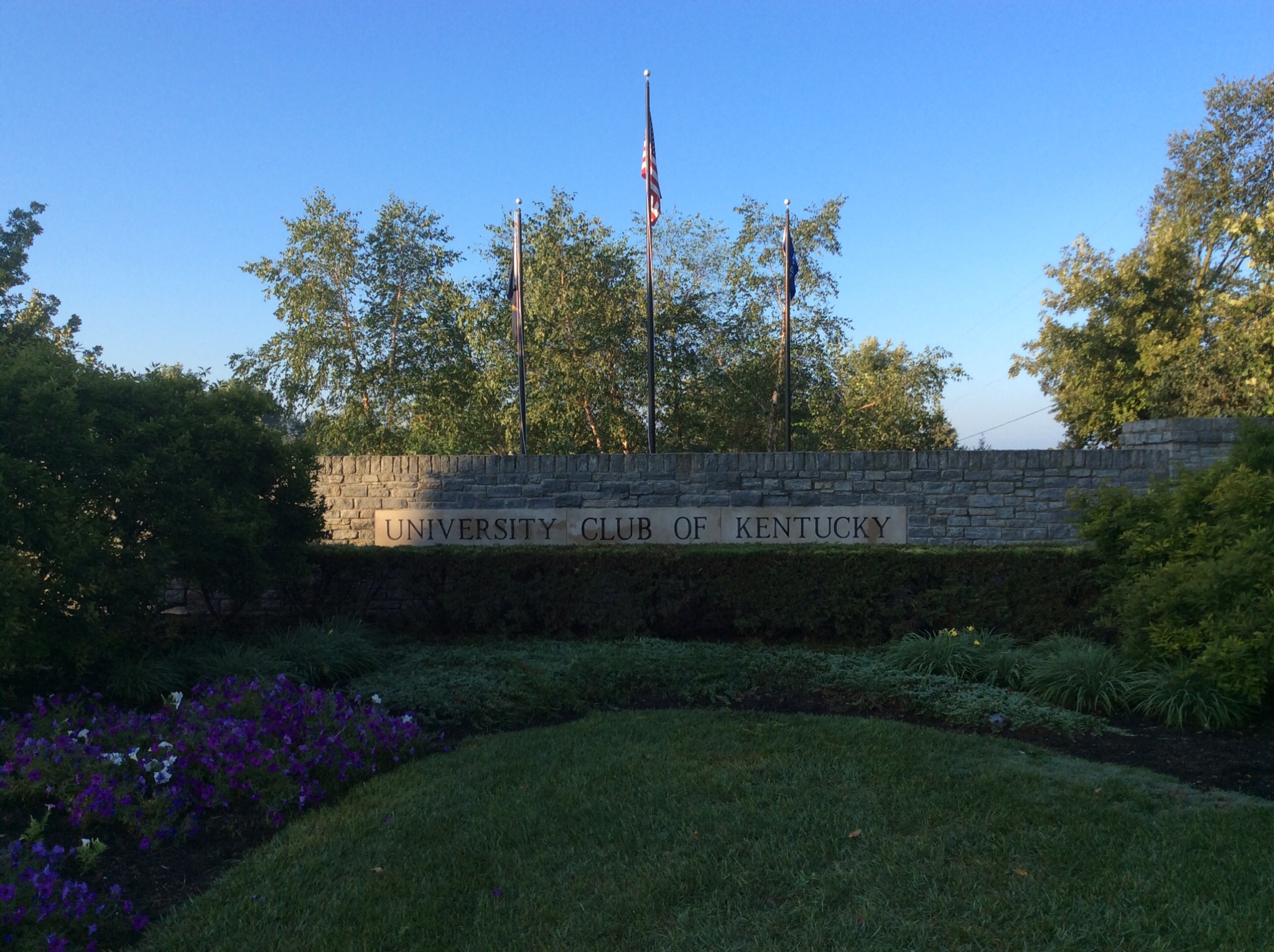
Today we went out to the University Club of Kentucky where there are two golf courses – the Big Blue and the Wildcat. The current course set ups were designed by Arthur Hills. The course is the official home of the university’s men’s and women’s golf teams and serves as the host site for all of the University of Kentucky tournaments. In the car park they have a dedicated spot for JB Holmes who is a professional on the PGA. He is from Kentucky and went to the University of Kentucky. The University of Kentucky men’s basketball team are called the Wildcats.

Steve had called to book us in yesterday and no one answered the phone, he then emailed them and the email bounced. We managed to book online after that. When we turned up at the Club this morning the young guy in the Pro Shop was sitting with his feet up on the counter, very casual. Steve told him about the phone and email issues – his response “oh yeah, that’s been a problem for like the last ten years”. Those customer service standards in Kentucky just got a small blot on them.

We played the Wildcat today which was a very picturesque course. I finally had a great round – you might have noticed that there has been very little reference to my scores in previous blogs. This has been for good reason – the scores haven’t been flash. Today I shot 83 and that included an 8 on a par 4 due to going in the water! The sun was shining, my timing was on, all was well with the world.

IMG_3116.JPG

IMG_3114.JPG

IMG_3101.JPG

IMG_3115.JPG

IMG_3113.JPG

IMG_3103.JPG

IMG_3106.JPG

IMG_3107.JPG

IMG_3110.JPG

Posted in Kentucky, USA | 1 Comment

The Fort Golf Resort, Indianapolis – Indiana, USA

We arrived into Indianapolis from South Bend on Sunday afternoon. We were staying at the Fort Harrison State Park Inn which overlooks The Fort Golf Resort. As a historic landmark, The Fort Golf Resort & Conference Center has a rich and colorful heritage. It once served as the Officer’s Club of Fort Benjamin Harrison. In 1995, due to base realignment and closure processes, 1,700 acres of the 2,500 acre military post were acquired by the State of Indiana. They became Fort Harrison State Park, The Fort Golf Course and The Garrison Restaurant and Conference Center.

Today, Fort Harrison State Park continues to preserve the green space that the Army kept out of development from 1903 to 1996. Today, you can experience forests and meadows, wildlife, and revealing glimpses of the past. The park features walking and jogging trails, a sledding hill, an interpretive center, guided horse trail rides, hayrides, picnic sites, fishing access to Fall Creek, two national historic districts, as well as the golf course.

Monday started off nice and sunny – we had a 12.20pm tee time so we had a late breakfast and headed to the driving range to warm up before our tee time. We got to the tee on time and the starter said there were two others joining us. 12.20pm came and went so the Starter radioed up to the Pro Shop looking for our playing buddies for the day. Apparently they had checked in so someone was sent to the range to find them. A few minutes later these two lads rolled up in their cart apologising in their twang for being late. These boys were from Louisville in Kentucky – they had driven two hours to have a game of golf before taking in the football game that night in Indianapolis.

Shawn and Leigh were friendly characters and we soon learnt that Shawn was a pretty handy golfer nearly driving a lot of the par fours. Steve was ecstatic to have some male company on the golf course. Unfortunately the clouds started rolling in and we could hear thunder in the distance and saw the odd flash of lightening. We had a couple of spits of rain but they didn’t come to anything. We were just about to putt on the 9th and the rain came down with a vengeance. We decided to go back to the Pro Shop and wait it out but when we checked the rain radar we decided to pack up for the day – it was not going to let up anytime soon.

We went down to the local pub with Shawn and Leigh for lunch. They spent a bit of time teaching us about American football which seems to be on about 10 sports channels from Friday through to Sunday. They were off to see the Indiana Colts play the Philadelphia Eagles – it was one of the few Monday night football games going on. They were Colts supporters having grown up in Indiana. Steve and Shawn then took to the pool table and US reigned supreme over NZ with Shawn winning 3 games to 2. We bid the lads farewell and wished the Colts well – I checked the score late that night and unfortunately the Colts lost by points – 30 to 27.

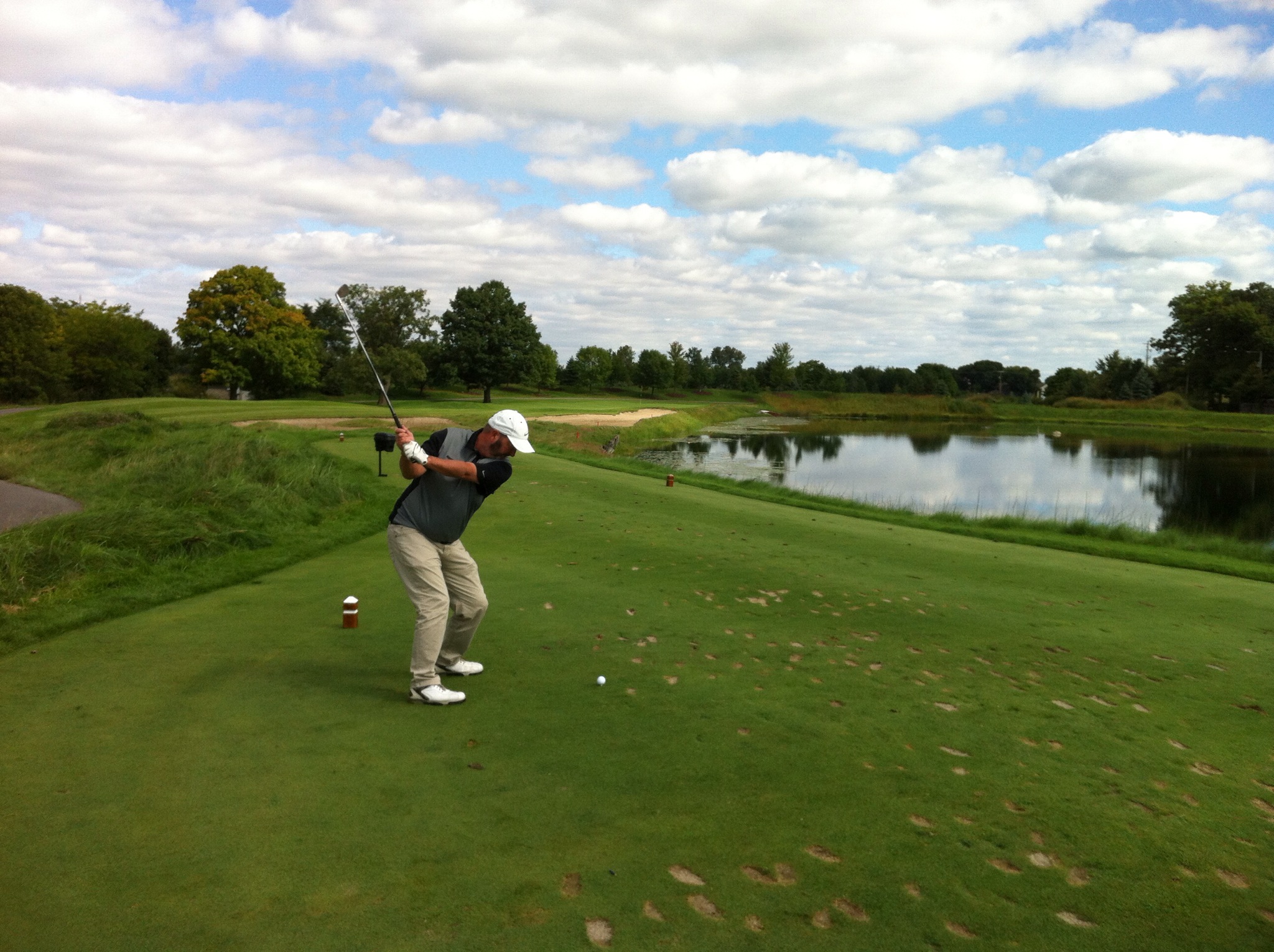
We went back to the Fort Golf Club and played another nine holes this morning before heading to Lexington in Kentucky. It is a really lovely course with lost of natural bush.

History of the land that is now the Fort Golf Resort….
During the Civil War, the Indianapolis Arsenal supplied munitions to federal troops. Located near the State House from 1861 to 1865, the War Department later moved the arsenal east of downtown to Woodruff Place. By 1901, the War Department planned to close the arsenal.

In March of 1901, Lieutenant Colonel Russell B. Harrison came back to Indianapolis to bury his father, President Benjamin Harrison. Russell felt strongly that some military presence should remain in the city to honor the tradition the arsenal played in fighting slavery and maintaining the Union.

On June 28, 1904 the War Department issued General Order No. 117 officially announcing the purchase of land for “military purposes…about nine miles north-easterly from Indianapolis.” In 1906, President Theodore Roosevelt dedicated Fort Benjamin Harrison, in honor of our 23rd President and city resident.

The post represents the first effort to create a “national” army out of a collection of state militias. The post served multiple roles as troop reception center, classroom, and soldier support facility during all major military conflicts from WWI to Desert Storm. The park includes the Camp Glenn Historic District which housed the Citizens Military Training Camps from 1935 to 1940, and hundreds of prisoners of war in 1944-1945.

Rumored shutdown of Fort Benjamin Harrison Military Reservation became reality in 1991 through the Base Realignment and Closure process. In 1995 the U.S. Department of the Interior approved the State of Indiana’s request to convert 1700 of the 2500-acre post into a state park and nature preserve.

This decision led to The Fort Golf Course. The course was redesigned by Pete Dye and Tim Liddy. In 1998, The Fort Golf Course was third under “Best Affordable New Public Courses” in Golf Digest. Today The Fort is considered one of Indiana’s best public golf courses.

IMG_3089-0.JPG

IMG_3084-0.JPG

IMG_3090-0.JPG

IMG_3085-0.JPG

IMG_0911-2.JPG

IMG_3093-1.JPG

IMG_3095-1.JPG

Posted in Indiana, USA | Leave a comment

Kampen Course, Birck Boilermaker Golf Complex, Purdue – Indiana, USA

We departed the Morris Inn at Notre Dame this morning and headed south to a golf course just outside Lafayette in Indiana. Again we thought we had left plenty of time to get there but discovered that the main highway our GPS, Doris was taking us on was actually closed in a couple of places. We ended up having to take these massive detours so arrived at the golf course five minutes before our tee time – we are making a bad habit of this.

The warm weather has returned so it was a gorgeous Sunday afternoon – perfect for a game of golf on yet another picturesque course.

The Kampen Course is a Pete Dye design. Kampen is rated one of the top collegiate courses in the nation and has been awarded 4.5 stars on Golf Digest’s “Places to Play.” Kampen receives high marks as it is ranked as one of the most difficult golf courses in Indiana. The course is named in honor of Emerson Kampen and his support of Purdue Athletics.

In 1994, famed golf course architect Pete Dye walked what was the North Course of the Purdue University Golf Courses. His goal was to come up with possible changes that could be made due to an upcoming road construction project. Pete’s plan became much more than a simple renovation. His personal goal was to produce a golf course that would be both a challenge to the collegiate golfer and act as a classroom for the students of Purdue.

With Pete on board, fundraising began and in the fall of 1996 Pete, Superintendent Jim Scott and 32 Purdue students began the construction. The departments of Forestry, Entomology, Water Quality Testing, Agronomy and other schools at Purdue all became involved. The result is the Kampen Course, a unique links-style layout with strategically placed waste bunkers, native grasslands, man-made wetlands and large greens.

There is also another course in this complex which was known as the South Course. It has been renamed Ackerman Hills and is currently being renovated after being redesigned by Pete Dye.

IMG_4509.JPG

IMG_3063.JPG

IMG_3065.JPG

IMG_3067.JPG

IMG_3068.JPG

IMG_3070.JPG

IMG_3073.JPG

IMG_3076.JPG

IMG_3077.JPG

Posted in Indiana, USA | Leave a comment

Warren Golf Club & Morris Inn, Notre Dame – Indiana, USA

We arrived into Indiana on Friday from Illinois and went straight to the Warren Golf Club near the Notre Dame Campus. We had a 1pm tee time so arriving at what we thought was 12.15pm we thought we had plenty of time to warm up and grab a bite to eat. As we walked towards the starters hut I noticed the clock said 1.15pm and I said to Steve that clock is wrong. It then dawned on me that perhaps we had changed time zones.

The starter confirmed we had indeed changed from the Central time zone to the Eastern time zone so we had lost an hour. The starter was so friendly and he told us not to worry as it happens all the time. We got our skates on and teed off fairly promptly. The cold snap that hit Chicago had followed us to Indiana so it was a bit chilly out there.

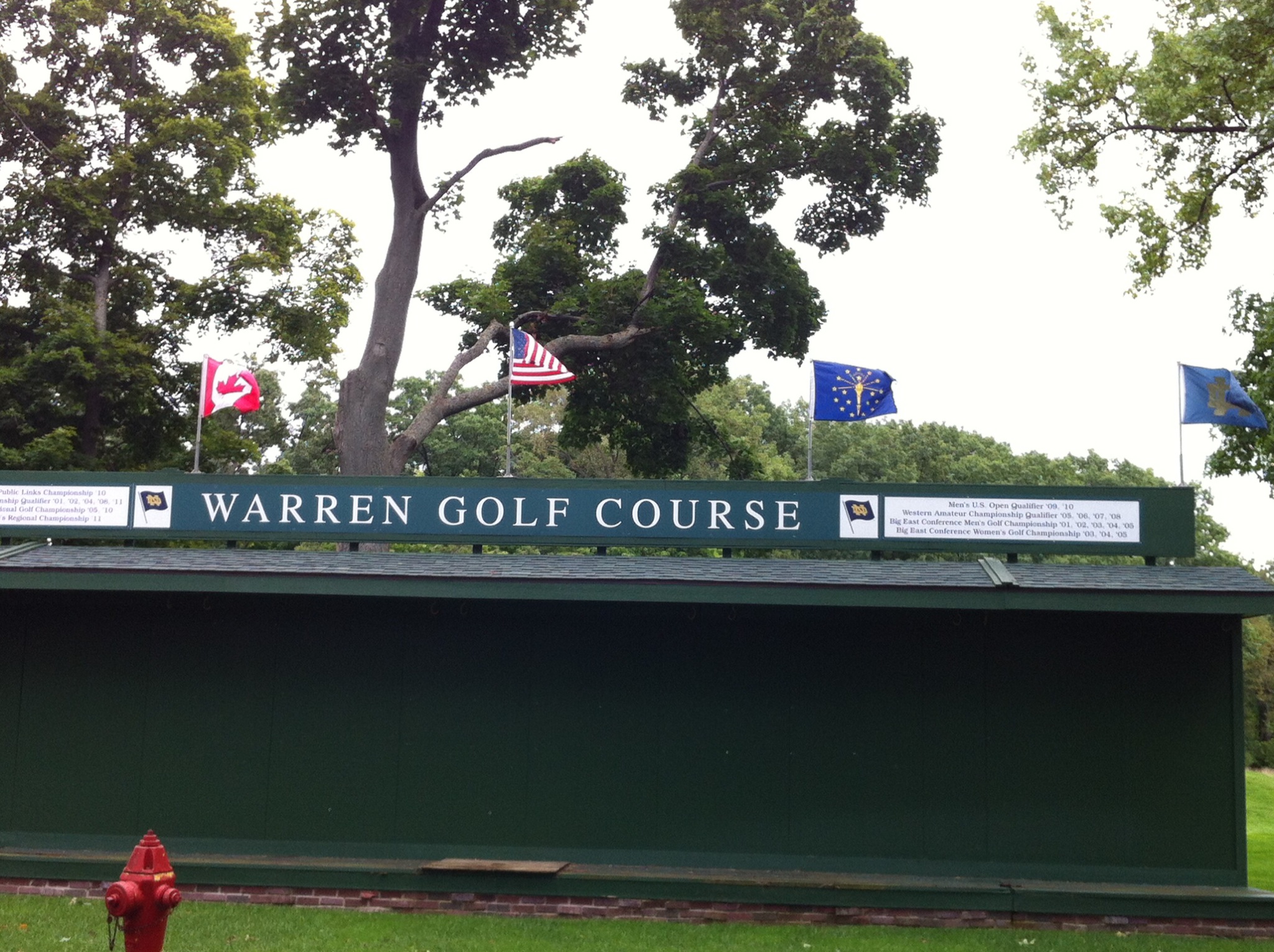
The William K. and Natalie O. Warren Golf Course at Notre Dame opened in the fall of 1999 thanks to the generous benefaction of William K. Warren, Jr., Notre Dame class of 1956. Named in honor of his parents, the golf course perfectly links three of Bill Warren’s abiding passions – his family, golf and Notre Dame. Mr. Warren’s generosity has continued throughout the years since the course opened. He has funded a number of improvements that have helped the golf course garner recognition as one of the top collegiate courses in the country.

The course was designed by Ben Crenshaw and Bill Coore, arguably the greatest golf architects of the day. Since its opening in 1999, the Warren Golf Course has hosted dozens of high profile USGA, NCAA and Western Golf Association tournaments, including the 2010 Women’s Amateur Public Links Championship. The Notre Dame University’s men’s and women’s golf teams use the course as their home course where they also have their indoor and outdoor practice facilities.

The course was very picturesque with the greens being framed nicely by lots of trees. We played another round on Saturday morning and apart from two others we were the only ones out there until about 9.30am – it was so peaceful. We asked the starter where everyone was – he said they don’t come out if the temperature is in the 50’s – between 10 and 15 degrees celsius. Manukau Golf Club on a Saturday morning is very busy regardless of the weather.

IMG_3031.JPG

IMG_3033.JPG

IMG_3034.JPG

IMG_3039.JPG

IMG_3047.JPG

IMG_3049.JPG

IMG_3050.JPG

Morris Inn
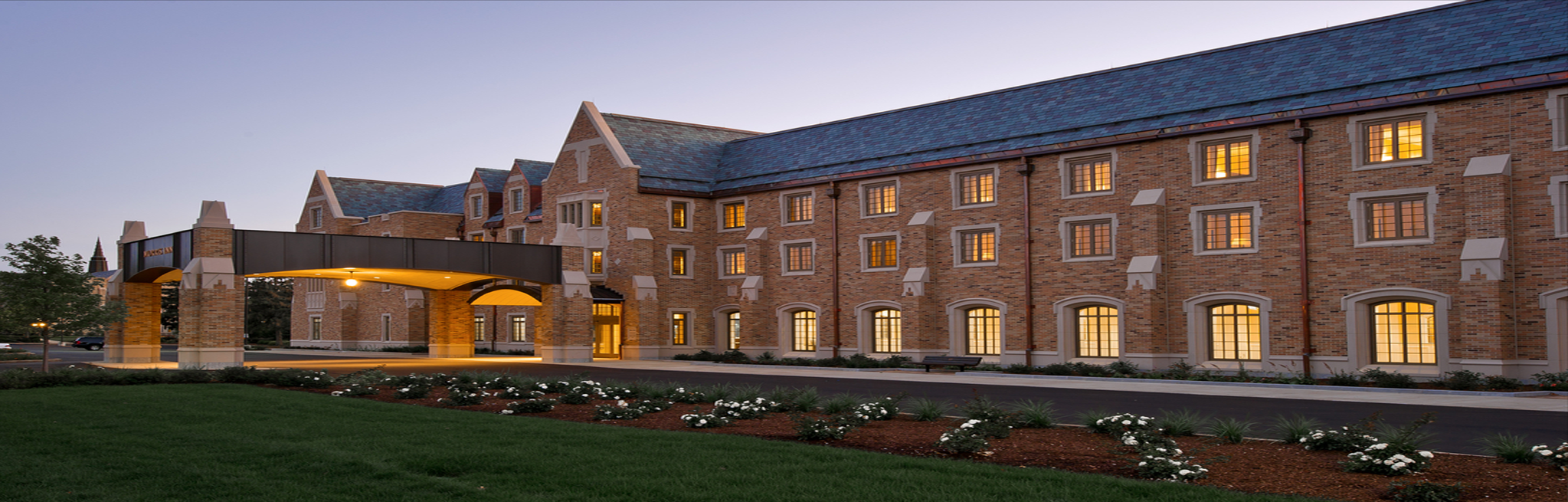
We stayed at the Morris Inn on Friday and Saturday nights. The Morris Inn was built on the campus of the University of Notre Dame in 1950 as the first structure of the Notre Dame post-war building program. It was made possible through a generous donation from 1906 Notre Dame alumnus, Ernest M. Morris and his wife, Ella L. Morris.

In 2012, Ernestine Raclin, daughter of the original hotel benefactors, along with her family and the Carmichael Foundation provided a gift to the University for the purpose of funding a major renovation and expansion of the Morris Inn. On October 21, 2012, the Inn was closed for the first time in 60 years and the project began.

IMG_0899.PNG

The University of Notre Dame
The University of Notre Dame began late on the bitterly cold afternoon of November 26, 1842, when a 28-year-old French priest, Rev. Edward Sorin, C.S.C., and seven companions, all of them members of the recently established Congregation of Holy Cross, took possession of 524 snow-covered acres that the Bishop of Vincennes had given them in the Indiana mission fields.

A man of lively imagination, Father Sorin named his fledgling school in honor of Our Lady, in his native tongue, “L’Université de Notre Dame du Lac” (The University of Our Lady of the Lake). On January 15, 1844, the University was thus officially chartered by the Indiana legislature.

The university was established as an all-male institution and it wasn’t until 1972 that the university first enrolled women undergraduates.

The Notre Dame Fighting Irish are the varsity sports teams of the University of Notre Dame. The Fighting Irish participate in 23 NCAA Division I intercollegiate sports. The Fighting Irish participate in the NCAA’s Division I in all sports, with many teams competing in the ACC.[1] Notre Dame is one of only 15 universities in the nation that plays Division I FBS football and Division I men’s ice hockey. The school colors are blue and gold and the mascot is the Leprechaun.

IMG_0905.JPG

IMG_0902.JPG

IMG_0903.GIF

Posted in Indiana, USA | Leave a comment

Chicago City – Illinois, USA

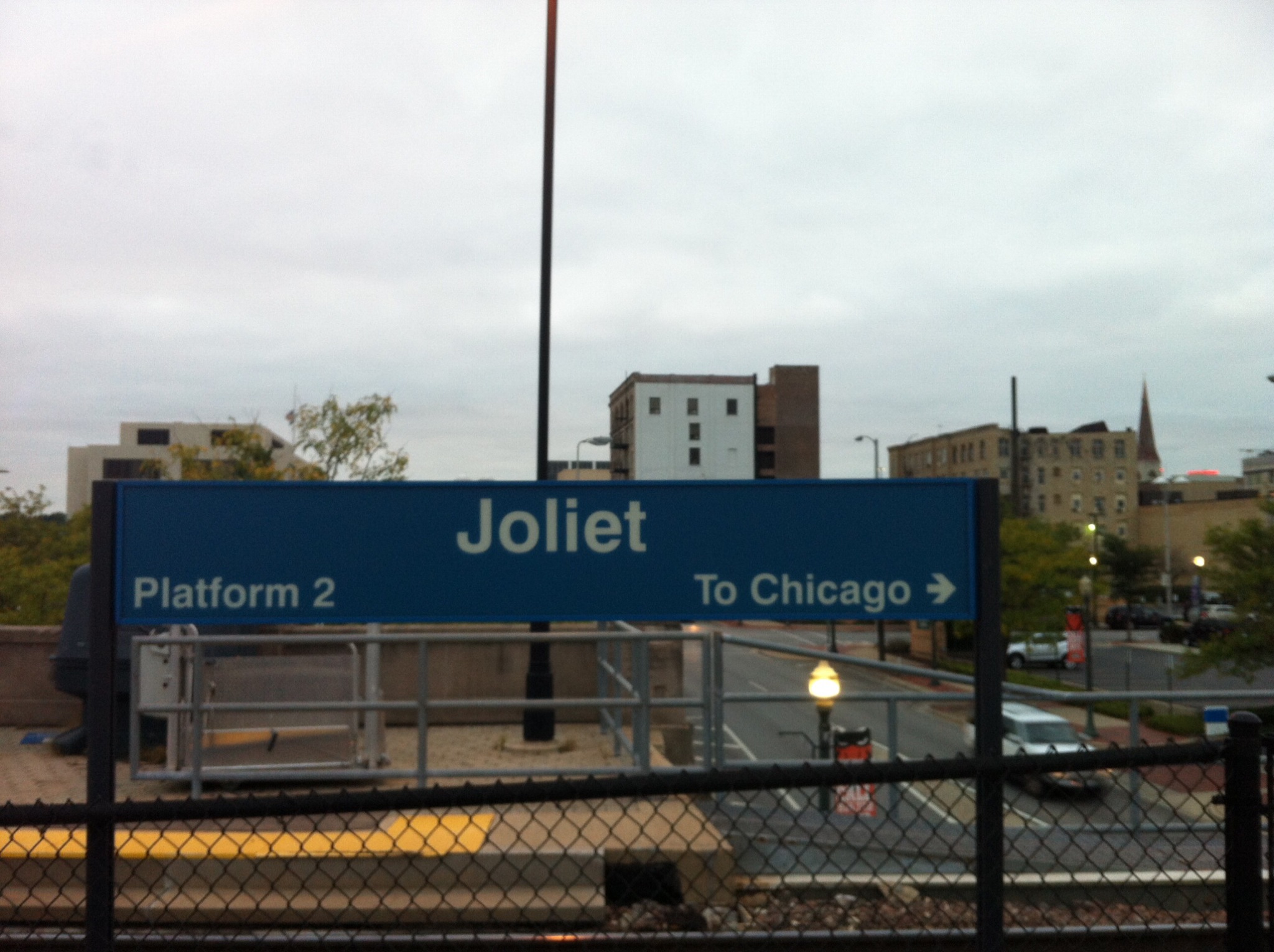
Today we caught the Amtrak into Chicago city for the day. Just between you and me, Amtrak will never win the Swiss award for locomotive efficiency that is for sure. The trip into the city ran 15 minutes late to start with and then had to stop along the way for a freight train. The trip home started on time which was a promising start but at the first stop they encountered engine troubles so we waited and we waited. On the tracks again and just before our stop at Joliet we had to wait for another freight train – we finally pulled into Joliet at 7.15pm, our ETA was to have been 6.05pm! Luckily for them the trains are very comfortable and the staff friendly, weird but friendly : )

IMG_3028.JPG

IMG_3029.JPG

We took a taxi from Union Station to Lake Point Tower where Chicago Segway are based. We had to be there just after 11am for training. The taxi driver was an interesting character and pointed out some sights along the way. He was also clearly very anti government as he pointed out where all the taxpayers money had been wasted throughout the city. He pointed out The Loop which is the central business district of Chicago. It is one of the city’s 77 officially designated community areas. The Loop is home to Chicago’s commercial core, City Hall, and the seat of Cook County. The community area is bounded on the west and north by the Chicago River, on the east by Lake Michigan, and on the south by Roosevelt Road, although the commercial core has expanded into adjacent community areas.

Chicago is the third most populous city in the United States, after New York City and Los Angeles. With 2.7 million residents, it is the most populous city in both the State of Illinois and the American Midwest. Its metropolitan area, sometimes called Chicagoland, is home to 9.5 million people and is the third-largest in the United States. It felt like a huge city as we drove between all the sky scrapers. It seemed a very orderly city and afterwards when we walked back to the train we commented that is was also a very clean city – you didn’t see a lot of rubbish lying around, unlike New York.

Just as an aside, Chicago’s O’Hare International Airport is the second busiest airport in the world followed by Hartsfield-Jackson Atlanta International airport with about 900,000 passenger movements annually.

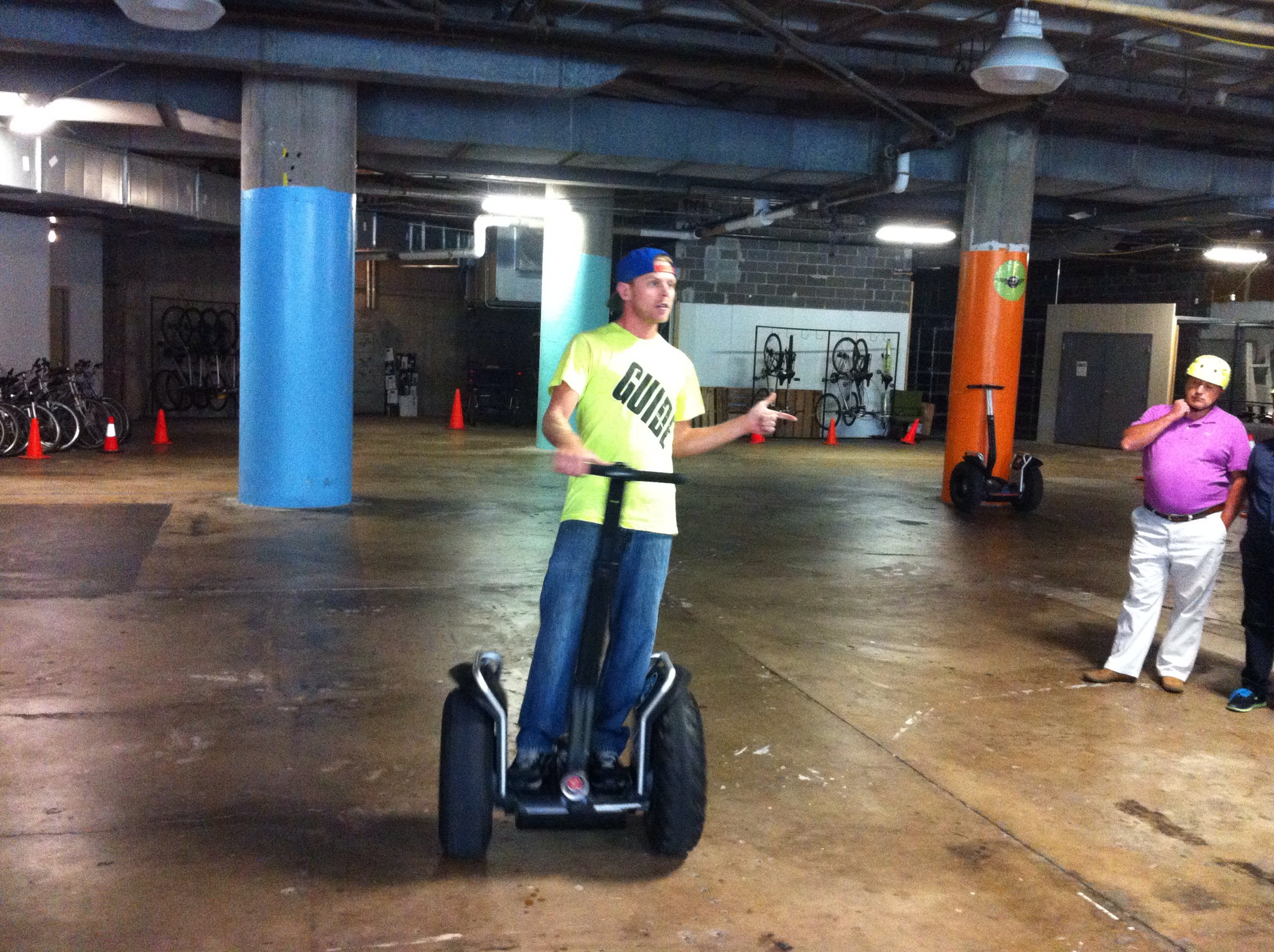
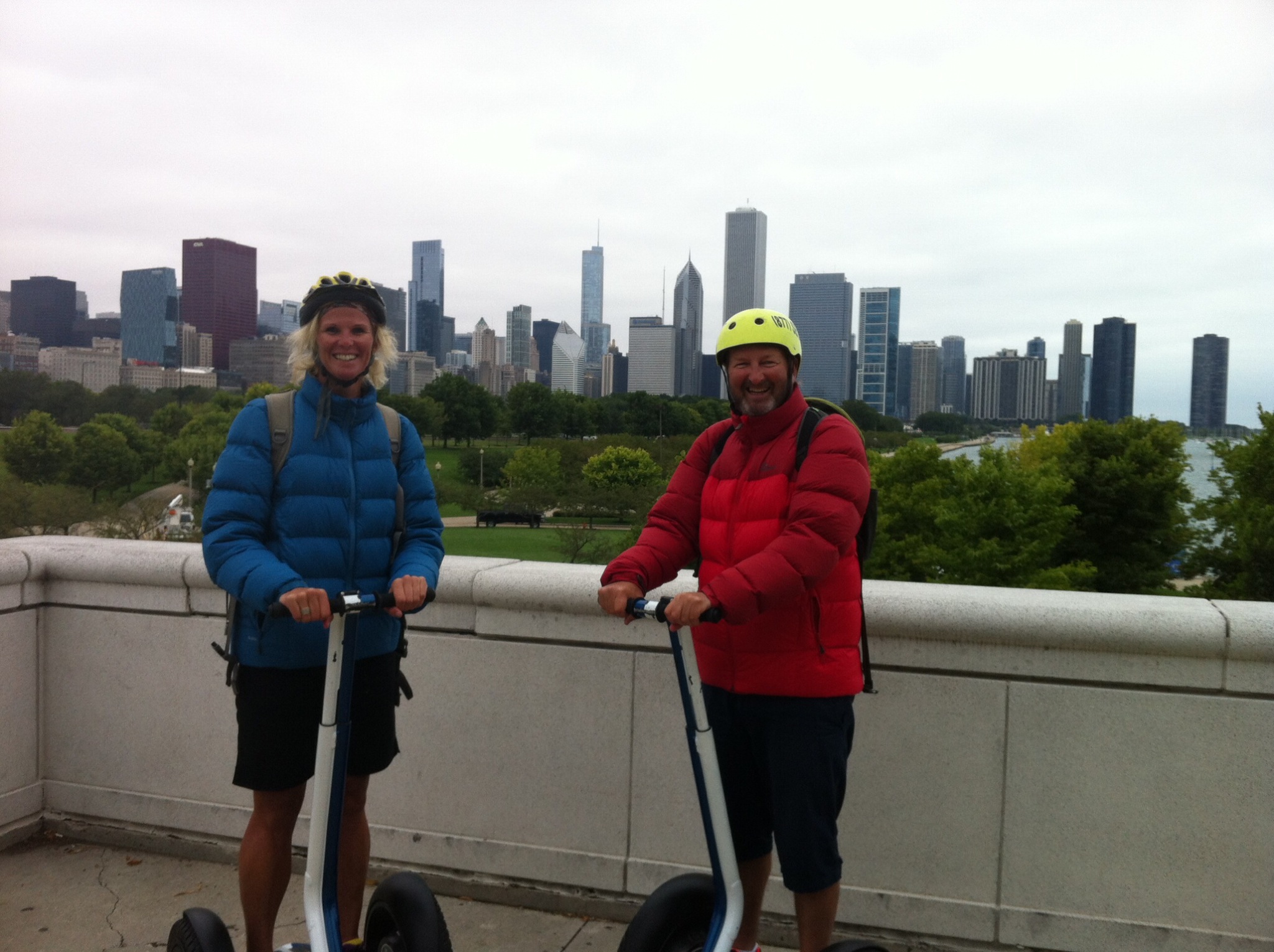
We were greeted at Chicago Segway Tours by a guy asking us if we were here for a bike or camel tour – I couldn’t quite understand him and then he told me that the Segway company had moved. I was just about to ask for directions to the new location when Brian appeared telling us not to listen to his colleague – he was just having us on. We were in the right place. The rest of the tour goers turned up in dribs and drabs and Brian got us sorted. He then gave us a demo and explained all the rules for our own safety etc… Then it was time to take to the Segway – they are actually relatively easy to operate and once you get comfortable they are so much fun. We whizzed around the warehouse practising our turns and going around obstacles.

IMG_4440.JPG

IMG_4437.JPG

Training over we hit the road in single file. We went along the Lake Michigan lakefront. First stop was Queen’s Landing – the name reminded me of King’s Landing in Game of Thrones. It was on July 6, 1959, that Queen Elizabeth II and Prince Philip came to Chicago, becoming the first reigning British monarch ever to visit the city. They were here to celebrate the opening of the St. Lawrence Seaway, which made the city a world seaport. The royal couple sailed in aboard the blue-hulled royal yacht Britannia, before transferring to a royal barge in Monroe Street Harbor.

IMG_0185.JPG

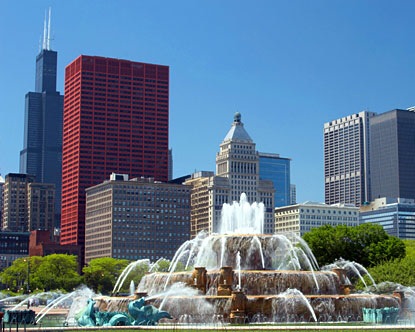
The red carpet was rolled out for her as she came ashore in front of the aptly named Buckingham fountain. Our tour guide told us some gibberish about the Queen being late and the fountain being empty but I think he was spinning us a yarn as I can’t find anything to verify this on the internet. The Buckingham Fountain is one of the world’s largest fountains – it was dedicated in 1927 as a gift to the city from Kate Sturges Buckingham in memory of her brother Clarence. Clarence had been a successful businessman in the late 19th and early 20th centuries who had a strong appreciation for art. After his death his collection was eventually gifted to the city’s Art Institute along with an endowment fund to maintain and expand it – it now comprises some 16,000 pieces.

IMG_0896.JPG

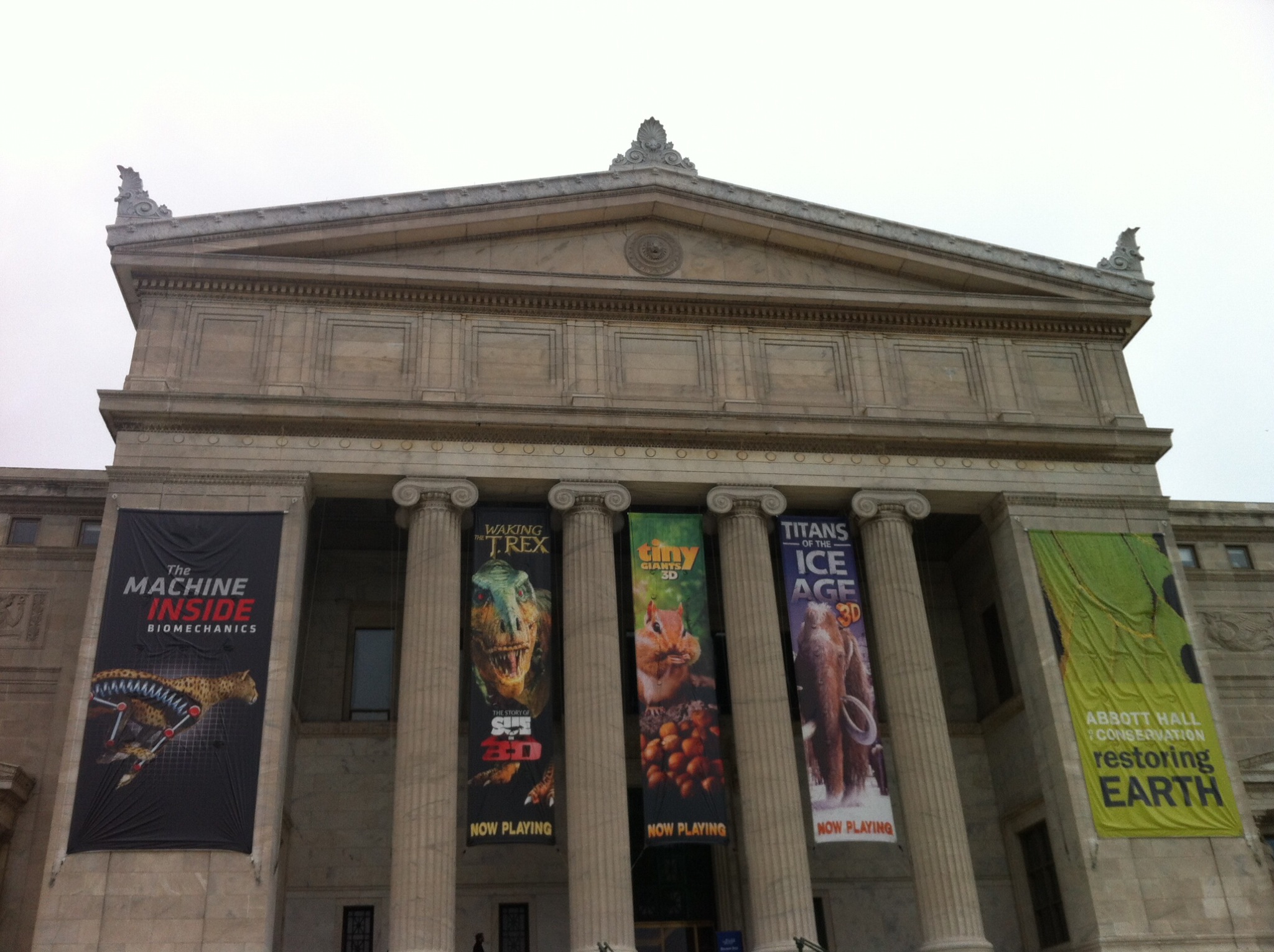
We then headed towards the Museum Campus which is a 57 acre addition to Grant Park’s southeastern end. The Museum Campus is the site of three of the city’s most notable museums, all dedicated to the natural sciences: Adler Planetarium, Field Museum of Natural History, and Shedd Aquarium.

IMG_3019.JPG

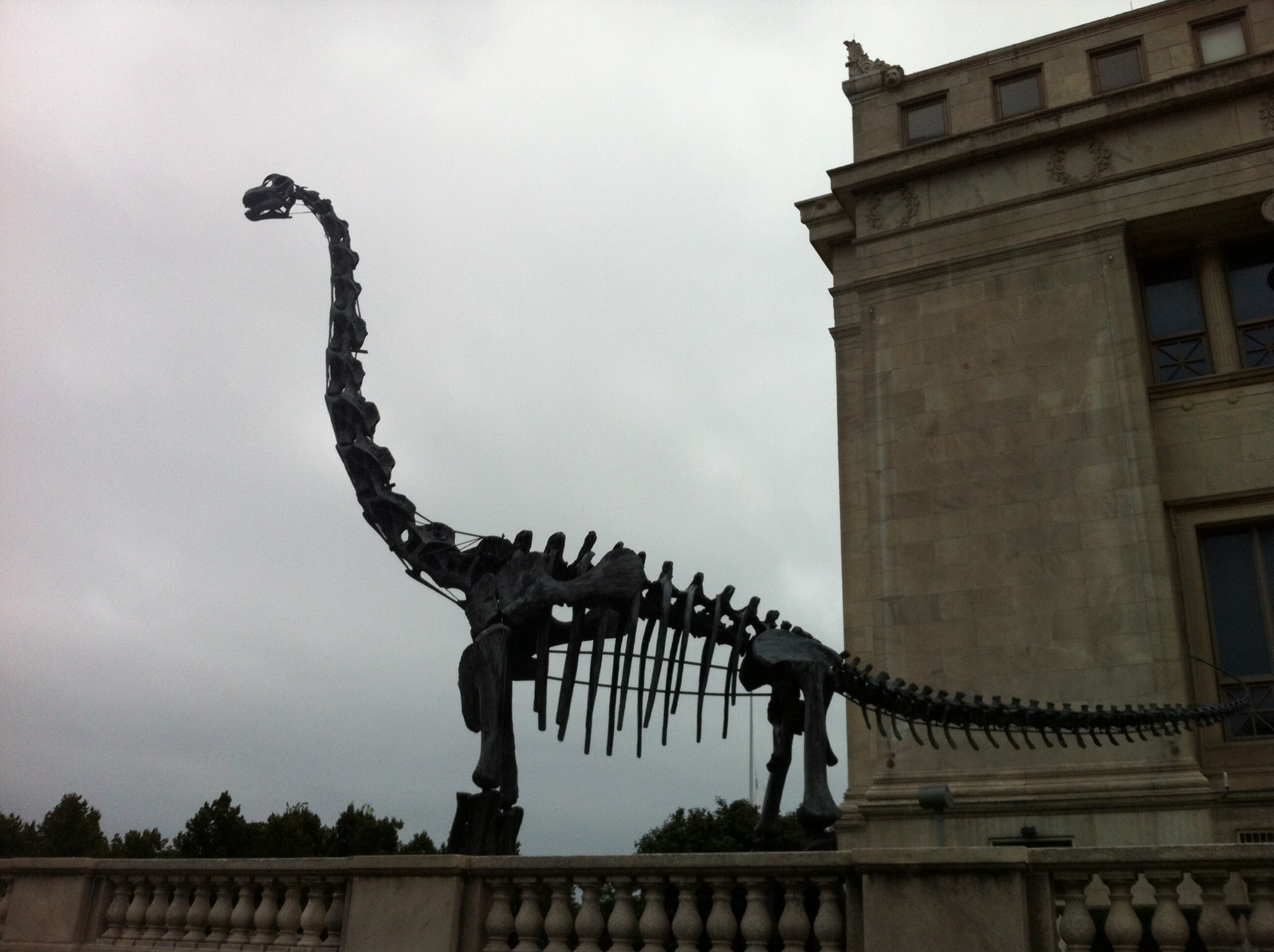
On May 17, 2000, the Field Museum unveiled Sue, the most complete and best-preserved Tyrannosaurus rex fossil yet discovered. Sue is 42 feet (13 m) long, stands 13 feet (4 m) high at the hips and is 67 million years old. The fossil was named after the person who discovered it, Sue Hendrickson, and is commonly referred to as female, though the fossil’s actual sex is unknown. An examination of the bones revealed that Sue died at age 28, a record for the fossilized remains of a T. rex. Brian told us that Sue Hendrickson with a little help from her dog found the remains and was paid about USD8 million for them – fact or fiction?

IMG_3023.JPG

The museum also houses an authentic 19th century Māori Meeting House, Ruatepupuke II, from Tokomaru Bay, New Zealand.

Opposite the Field Museum is Soldier Field the oldest National Football League (NFL) stadium in the US. It opened in 1924 and was named after “The men and women of the armed forces”. Since 1971 it has been the home of the NFL’s Chicago Bears. With a capacity of 61,500, it is the third smallest stadium in the NFL. Given that 90% of the population of Chicago are Bears supporters there are not many that manage to secure themselves a seat for a home game. They are one of the last two remaining charter members of the NFL and have won nine NFL Championships, including Super Bowl XX. The other remaining charter franchise, the Chicago Cardinals, also started out in the city, but they are now known as the Arizona Cardinals.

IMG_0897.JPG

Chicago is also home to two Major League Baseball teams – the Chicago Cubs who play in the National League and the Chicago White Sox who play in the American League.

The Chicago Bulls of the National Basketball Association (NBA) is one of the most recognized basketball teams in the world. During the 1990s with Michael Jordan leading them, the Bulls took six NBA championships in eight seasons.

IMG_0898.JPG

The Chicago Blackhawks of the National Hockey League (NHL) began play in 1926, and are one of the “Original Six” teams of the National Hockey League (NHL). The team has won five Stanley Cups, including in 2013.

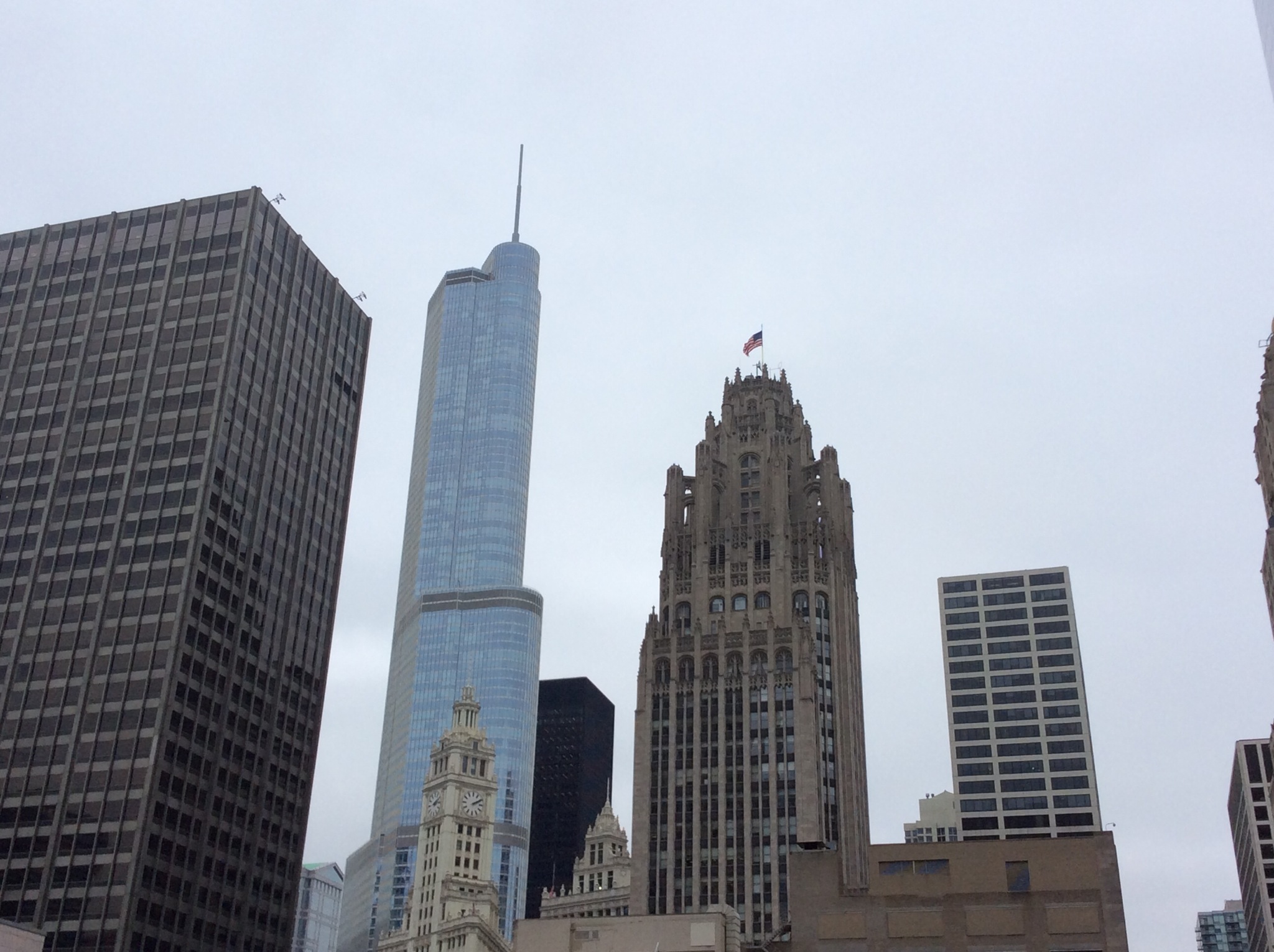
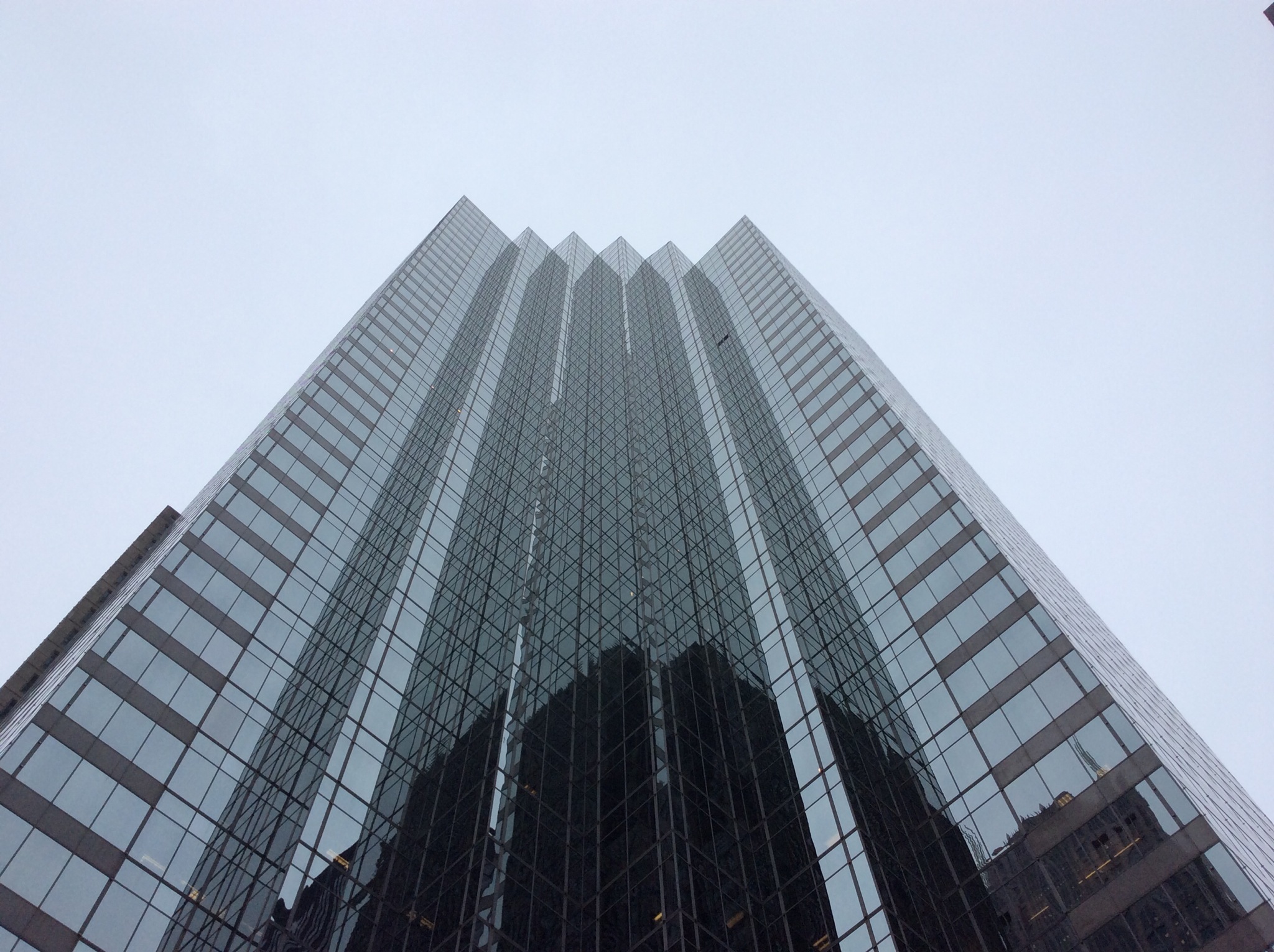
The view of the Chicago skyline from Museum Field is pretty impressive. The destruction caused by the Great Chicago Fire in 1871 led to the largest building boom in the history of the nation. In 1885, the first steel-framed high-rise building, the Home Insurance Building, rose in the city as Chicago ushered in the skyscraper era, which would then be followed by many other cities around the world. Today, Chicago’s skyline is among the world’s tallest and most dense.

Some of the United States’ tallest towers are located in Chicago; Willis Tower (formerly Sears Tower) is the second tallest building in the Western Hemisphere after One World Trade Center, and Trump International Hotel and Tower is the third tallest in the country.

IMG_3012.JPG

IMG_3040.JPG

IMG_0888.JPG

IMG_0891.JPG

IMG_3015.JPG

IMG_3017.JPG

After our lakefront tour we headed back to Chicago Segway headquarters – we had got quite proficient on our Segway’s by this stage so it was sad to have to give them back. Steve is now thinking – Hawkes Bay winery tours by Segway. After hopping off our legs felt like lead – we are not sure if it was because they were frozen or it was the movement required to operate the Segway that had caused this.

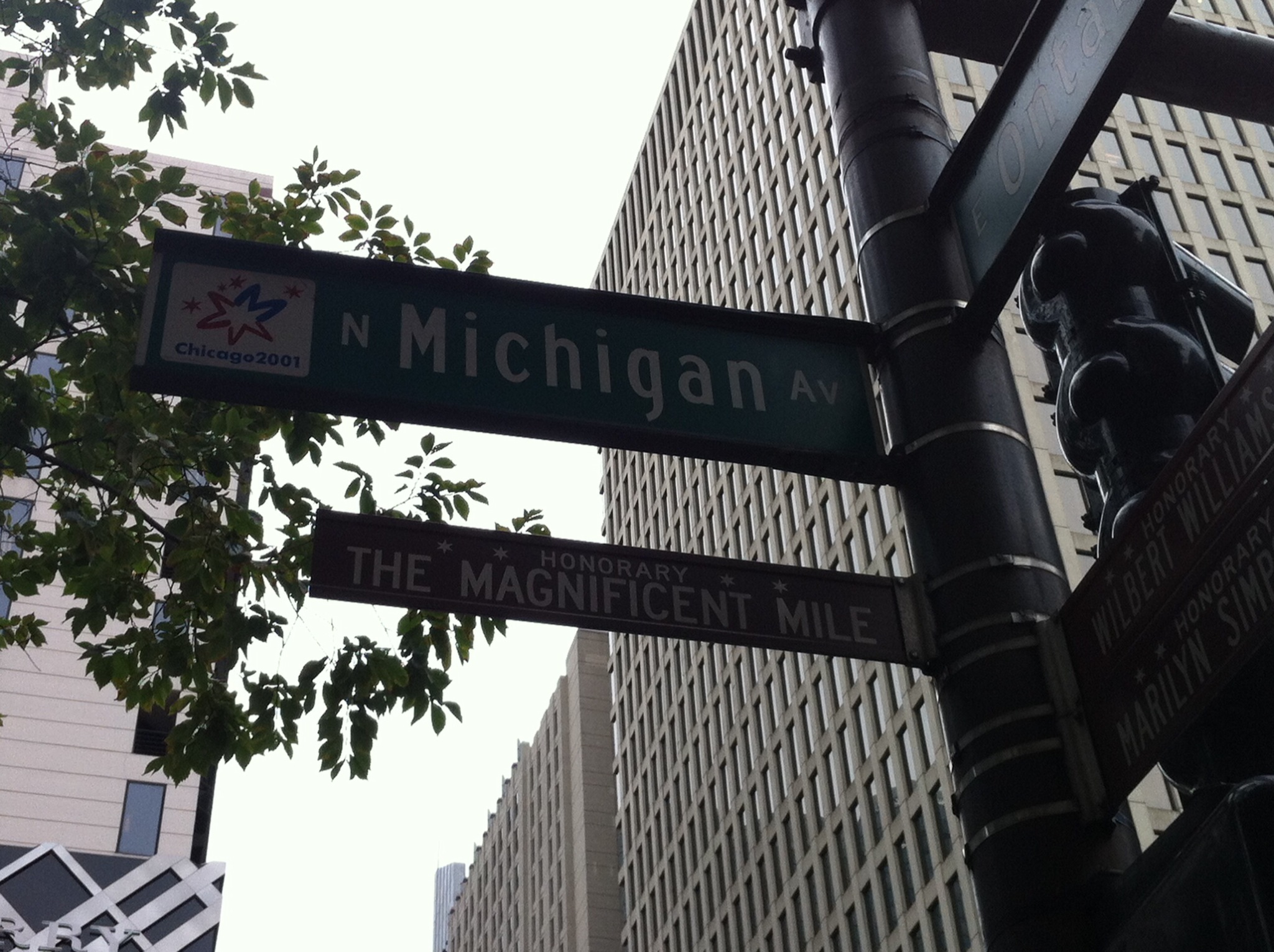
We then took to the streets by foot, direction Magnificent Mile. The Magnificent Mile contains a mixture of upscale department stores, restaurants, luxury retailers, residential and commercial buildings, financial services companies, and hotels, catering primarily to tourists and the affluent. The area also has a high concentration of the city’s major media firms, such as the Chicago Tribune newspaper, and advertising agencies. The Magnificent Mile includes 3,100,000 sq ft (290,000 m2) of retail space, 460 stores, 275 restaurants, 51 hotels, and a host of sightseeing and entertainment attractions to more than 22 million visitors annually.

IMG_3026.JPG

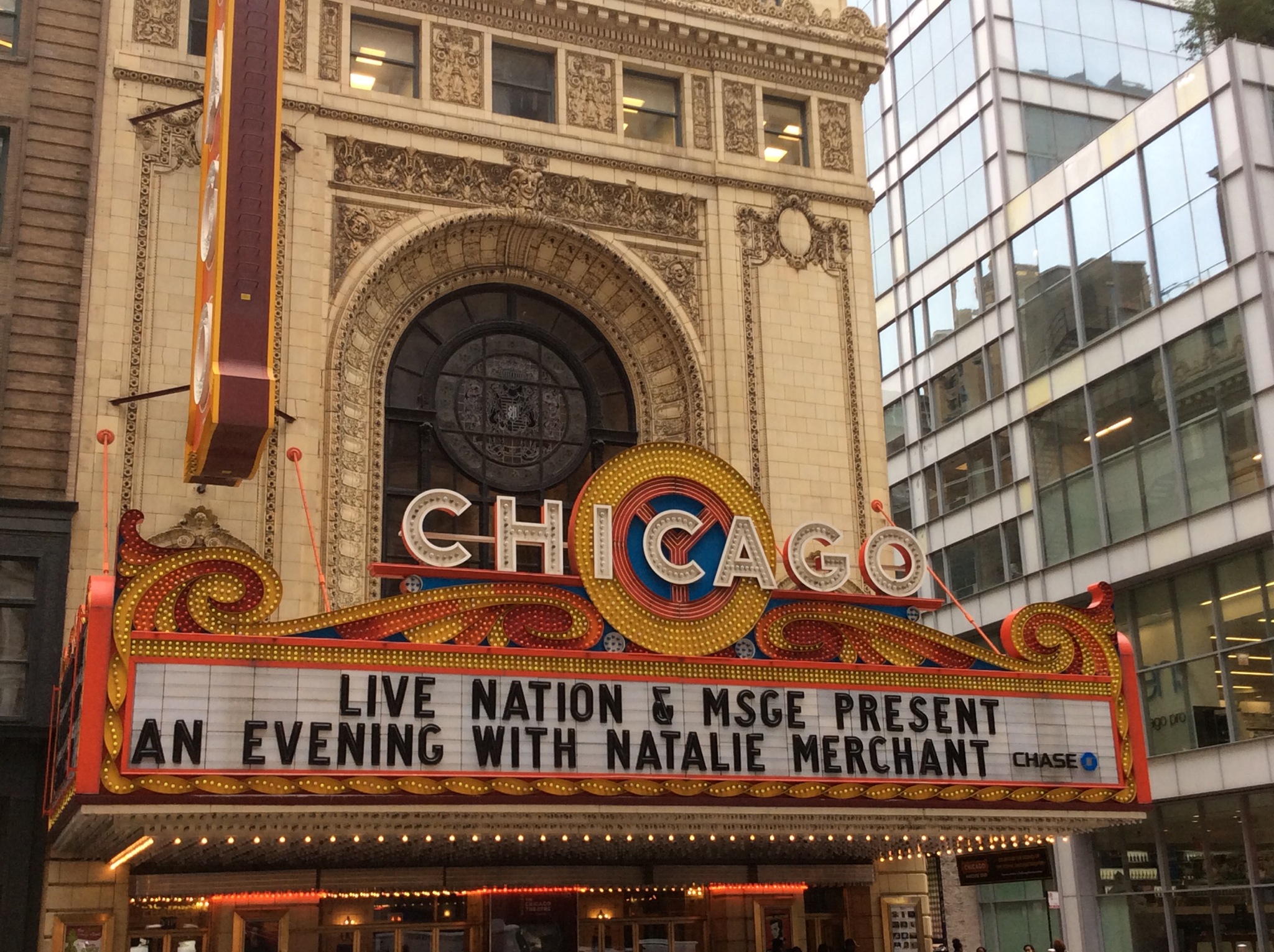
We then walked through the theatre district and saw the Chicago Theatre which was built in 1921. The distinctive Chicago Theatre marquee, “an unofficial emblem of the city”, appears frequently in film, television, artwork, and photography.

IMG_0890.JPG

IMG_0889.JPG

It was then back to Union Station for our prolonged trip back to Joliet on the train.

IMG_0894.JPG

Posted in Illinois, USA | 2 Comments

Christmas comes early at Cog Hill Golf & Country Club – Illinois, USA

We left Iowa on Monday morning and headed for Illinois. It took us about 5 hours – the driving is so easy over here due to the large straight roads. We are staying about 50km south of Chicago in Joliet. We choose this location as it is reasonably close to Cog Hill Golf & Country Club which has four golf courses.

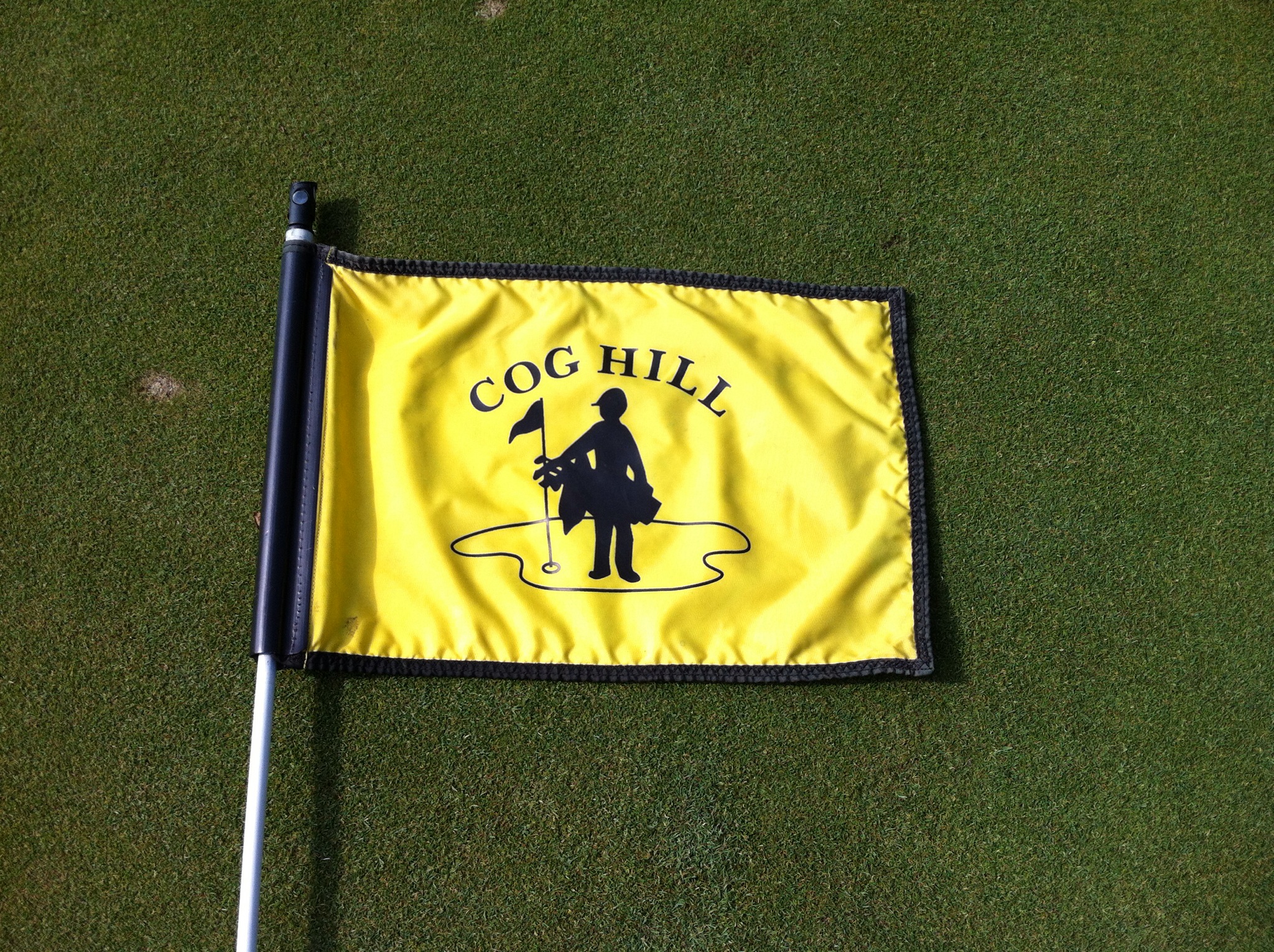
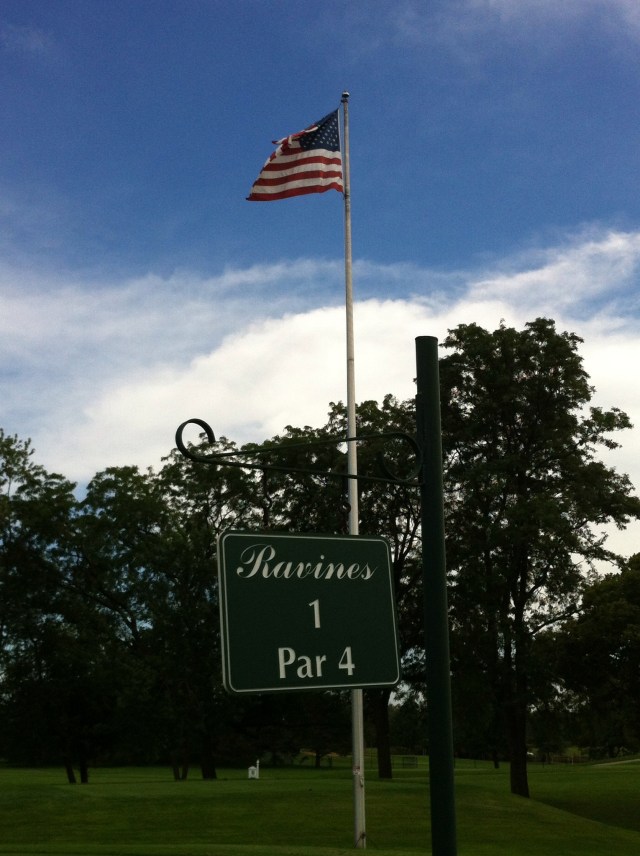
Today we played Course No. 2 at Cog Hill. Since its opening in 1929, Course No. 2 was given the nickname “RAVINES.” The sporty, championship layout is routed through wooded, rolling terrain and challenges golfers with ravines on nearly half of the holes. Unique to the RAVINES course is the closing “19th hole.” The challenging par-3 offers a testy putting surface and a memorable end the day’s golf match. Unfortunately the 19th hole was closed today.

We actually had a dry run out to the course at 6am – there was a 6.30am tee time available so we decided to get up early and get out there. When we left the hotel is was raining and looking at the rain radar it was set to pour down mid morning so we decided to take a rain check and book a tee time in the afternoon which was looking much brighter. It was a lovely afternoon with the temperature sitting at 28 degrees.

The starter welcomed us and told us that the first two holes were pretty easy – they lull you into a false sense of security and then be prepared to work hard or the course will eat you up. We both lost a ball on the first hole – this was not boding well! The course was very picturesque with well established trees and of course all those ravines!

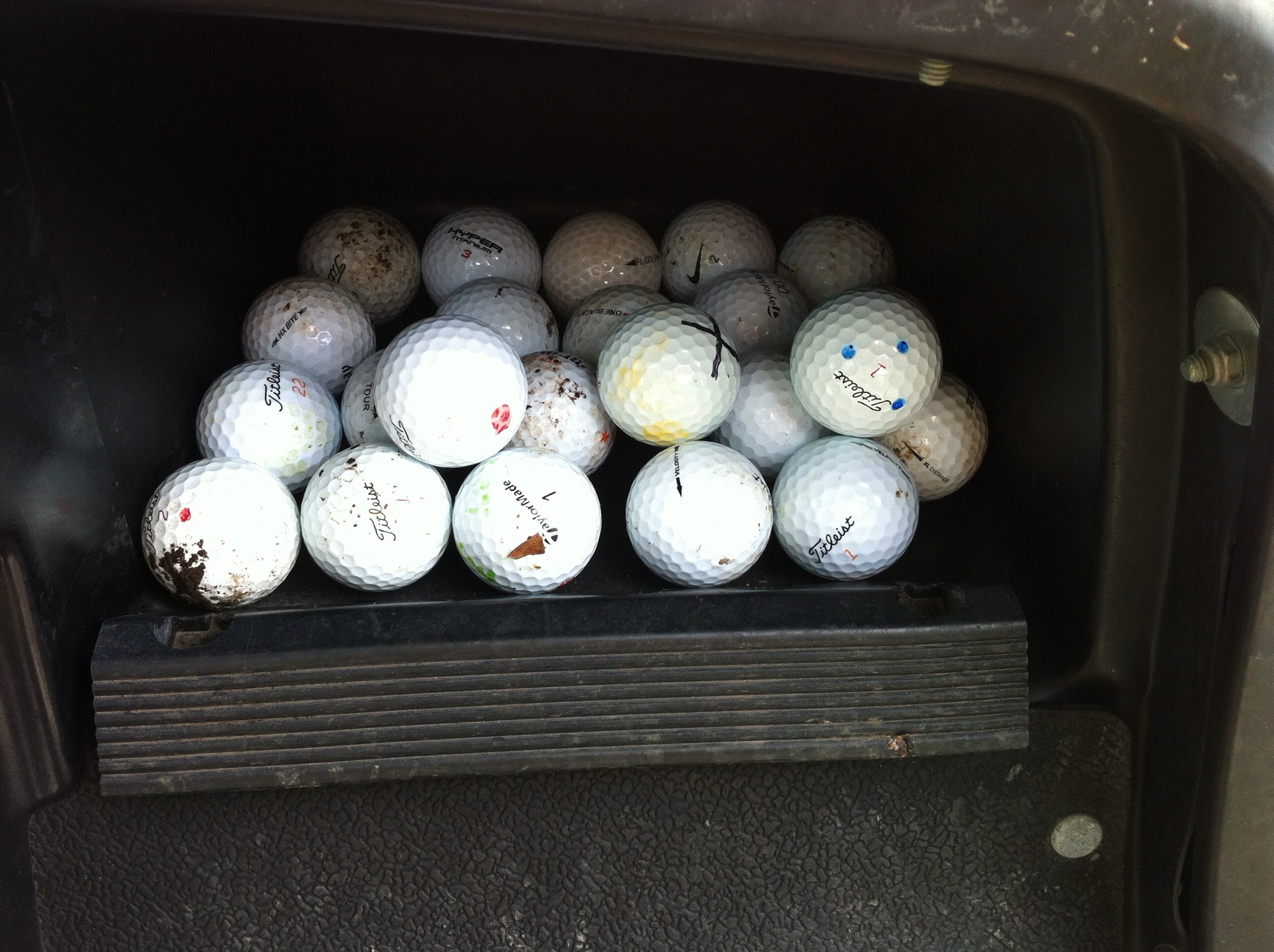
We got to the 7th hole and Steve’s approach shot hit the top left of the green and bounced towards the scrub. He had a good look for his ball but it didn’t want to be found – he found another ball instead. As we drove to the next tee we looked in the scrub from a different angle which was much more accessible. Out we hop and into the scrub we go – between us we found 9 balls, 3 of them were Nike Pro-V’s (for you non golfers – they are good golf balls). Steve was still distressed that he couldn’t find his original ball even though we had scored 9 other balls. We were just about to get out of the scrub and wallah he found his ball.

This probably sounds quite sad to you non golfers but it is quite exciting to find a golf ball. In saying that we were struggling to find our own golf balls in the rough – it wasn’t links type rough it was just long enough green grass to camouflage your ball. We saw a lot of squirrels and sometimes I wondered whether they had stolen our balls!

We both hit good drives on the 10th but when we got up to where we thought they were we realised they had both been a bit too right and had gone into the scrub. Yes you guessed it – into the scrub we went. There were golf balls everywhere in there. Steve was so excited – it was like christmas. As most of you know his nickname is Precious and that is due mainly to him not putting his personage in any sort of danger but when it comes to getting free golf balls it is a whole different story. Here he is scrambling down the bank to retrieve golf balls. We came out of that scrub with 25 balls! Clearly these Illinoisan’s are too lazy to move a bit of scrub to find their balls – some of them were only just in there. There were a few bugs in there and mosquito’s buzzing around so maybe that is also a reason.

On every whole after that Steve would clean a different ball and use that – he was like a kid in a candy store. We had a great afternoon – the golf was fun but I think the highlight was finding 34 golf balls : )

I thought the history of how the four golf courses at Cog Hill came to be was interesting and a bit of a feel good story – read on after the photos if you’re interested……
IMG_4420-1.JPG

IMG_4422-1.JPG

IMG_4423-1.JPG

IMG_4428-1.JPG

IMG_4429-1.JPG

IMG_4431-1.JPG

IMG_4432-0.JPG

IMG_4433-0.JPG

The History of Cog Hill Golf & Country Club

The Village of Lemont was settled in 1836, and about 90 years later three brothers by the name of Coghill bought a farm from John McLaughlin on the west side of Parker Road. Like a snowball rolling downhill, this farm began the complex that today is Cog Hill Golf & Country Club.

THREE ELECTRICIANS BUILD A GOLF COURSE…

The story begins with three brothers, John W., Martin J., and Bert Coghill who lived on a farm in Monticello, Indiana, and were hired by Western Union to string wire from their hometown to Chicago in the early part of this century. By the time they got to Chicago, they considered themselves electricians, joined the International Brotherhood of Electrical Workers (Local 134) and began the Coliseum Electrical Company at 5422 South Halsted Street, in 1920. They expanded and moved across the street to 5441. Most of their work was residential, rewiring homes that formerly were only gas.

In the early twenties, they went to a golf outing sponsored by the electrical union at Oak Hills Country Club in Palos Heights. None of them had played golf, but they thought the game looked like fun, was easy, and they had a good time. They decided “we’re plungers” and began looking for a site to build a golf course. Their search brought them 28 miles Southwest of Chicago to Lemont.

The Village of Lemont is located on a bluff that overlooks the Des Plaines River Valley. The hills and valleys of Lemont were carved out by the Wisconsin glacier during the last ice age. The change in elevation between the floor of the valley and the hills of Cog Hill are a striking contrast to the plains of Illinois. This land reminded the Coghills of land around their birthplace. They found the McLaughlin farm East of town and bought it with money they borrowed from Orland State Bank. Next, they hired David McIntosh, who owned Oak Hills, to build them a golf course.

Building and maintaining a golf course today is a scientific operation. In 1926-27, a golf course was built by manual labor and horse-drawn equipment. Men filled a scoop with two handles to move dirt and the horse would pull the scoop to an elevation they created and the men then molded and sculpted the dirt into a green. Mowers were pulled by horses. The back-breaking work produced the original Cog Hill No. 1. It opened on the 4th of July weekend in 1927.

To complement the course, the Coghills constructed a large, beautiful clubhouse. The building housed a great dining room with a 24-foot ceiling, massive wood beams, and an impressive stone fireplace.

Outside the clubhouse, the owners touted another unique feature – the children’s playground. It was billed as having the “last word in juvenile amusement devices.” A maid was in attendance to insure the care and comfort of the children while their parents enjoyed a game of golf – child care 1930’s style.

Cog Hill also had a Chicago link in those days. Reservations for golf were taken at the Boston Store, which, at that time, was one of the city’s leading department stores. Another key to their success was the Chicago & Joliet Electric streetcar system that ran between Argo and Joliet, giving their customers easy access to the course. In those days a round trip ticket between Lemont and Joliet cost only 25 cents.

The course was busy from the very beginning, and soon they bought 160 acres on the east side of Parker Road from the Reed Family. David McIntosh and Bert Coghill worked together to design and build the original Course No. 2, which opened in the fall of 1929 – just in time for the Black Thursday (October 24, 1929) crash of the stock market and the Great Depression. Despite the twelve years the depression persisted, the golf course prospered and the people who had money continued to make their way to Cog Hill.

JOE JEMSEK – A CADDIE BECOMES AN OWNER……

About that time, along came Joe Jemsek, a young man from Argo who began caddying at the age of 6. He had caddied at Laramie, Acacia, and Palos Hills before coming to Cog Hill when he was 15. He became a golf professional at 17 and joined the tour. Despite scores that kept him near or under par, he didn’t want to be a tour player. He wanted to be a golf course owner. One day while caddying for Marty Coghill, Marty asked him what he thought of the place. Joe told Marty, “It’s the most beautiful place I’ve ever seen; some day I’m going to going to own it.” Marty related the story to his playing partners, who just happened to be his brothers. They all had a good laugh, but Joe kept his word. He left the tour and came back to Cog Hill where he parked cars, caddied, worked behind the desk, on the golf course, and in the kitchen, all while giving lessons and working as caddie master. When he was denied a raise, Joe moved to St. Andrews G&CC (West Chicago, IL) where he taught and ultimately purchased in 1939 for $40,000. Joe had $25,000 in the bank from money he had saved and was able to get a loan for 4%.

During his years at St. Andrews, he remained friendly with the Coghill brothers, visited them frequently and often played cards with them. In 1951, after John and Bert passed away, Marty Coghill asked Joe to buy the two courses. He did so for $400,000 even though Marty was offered $500,000 by another outfit. Joe said Marty chose him because he knew he would get paid. They had an agreement that the course would continue to be called Cog Hill. Not willing to break up a winning team, Joe also kept the golf professional, Heinie Sick and the groundskeeper George Dahlman. George Dahlman remained the greenskeeper until his death in 1973. Heinie Sick continued to be the head professional for another 42 years. Poor health forced him to retire in 1993, two years before his death.

In 1963, Joe hired Dick Wilson to build a third course. The original layout of Course No. 1 had the front nine finishing at the clubhouse. This created both a problem and a solution for the new course. The problem was that there was not enough room to have the new course start and finish near the existing clubhouse. The solution was to “break-up” the original Course No. 1 layout. It was accomplished as follows: No. 1 would be composed of the first four holes of the front nine, plus nine new holes, and then return to the clubhouse on the last five holes of the original front nine. The new course, No. 3, would start out with the first four holes of the original No. 1 back nine, plus nine new holes, and then return to the clubhouse on the last five holes of the original No. 1 back nine. The two new layouts turned out to be of similar length and difficulty. Over the years, the new parts of the courses matured and blended into the old, and now most of the remodeled feeling has gone away.

Still concerned that he didn’t have a course to equal Medinah No. 3, Joe asked Dick Wilson to build a fourth course, good enough to hold a national Open or PGA Championship. Wilson complied, but unfortunately died before finishing, and the course was completed by Joe Lee. The collaboration was so successful that No. 4 is ranked among the top courses in the United States by Golf Digest, Golfweek, and Golf Magazine. Joe nicknamed the course “Dubsdread” after a course in Orlando, Florida where he spent his winters as a young pro. Dubsdread translates to “dubbers beware” and give players a warning of the test of golf that awaits them.

Over the years, many National Championships have been contested at Cog Hill. They include the 1970 and 1989 USGA Men’s Public Links Championship, the 1987 United States Women’s Public Links Championship, and the 1988 Western Junior. In 1991, the Western Golf Association brought the Western Open to Dubsdread, bringing the top PGA Tour stars, such as Tiger Woods, a five-time winner. The name of the tournament has changed over the years, but the cause has remained the same- providing college scholarships to deserving caddies. Recongnized as one of the premiere events on the PGA Tour, Cog Hill has grown to be a favorite of many of the touring professionals. The list of National Championships also contains the 1997 United States Amateur Championship which was contested over Course No. 2 and Course No. 4 in August of that year. In addition, Cog Hill has hosted many qualifiers for both U.S. Opens and Men’s Public Links Championships.

Cog Hill is one of the economic engines that drives Lemont. At peak season, over 400 people are employed on the golf courses and in the clubhouse to assure a great time to as many as 1,200 golfers per day and the myriad of receptions, weddings, banquets, and business meetings regularly accommodated. Much of that payroll is spent in and around the Lemont area.

Joe Jemsek has received many honors. Almost single-handedly, he brought golf for the public player up to the standard of the provate club and he proved that he could be successful doing it. Today, there are public courses across the country that never would have been built had not Joe Jemsek shown the way. With all this in his life, Joe Jemsek was most proud of being a Class A member of the PGA since the early forties, of receiving the PGA Professional Golfer of the Year award in 1991, and being the first to represent public golf on the Executive Committee of the United States Golf Association (1988-1989).

Cog Hill has received many coveted honors throughout its years. Dubsdread has also received many industry accolades annually, among them are being name No. 1 on the list of Best Courses You Can Play in Illinois by Golfweek, Top 100 in the U.S. by Golf Magazine, and America’s 100 Greatest Public Courses by Golf Digest. When speaking of Dubsdread, Joe said, “We built this course in 1964 to be the best course in the United States. We’ve had many USGA qualifying rounds, as well as state and district events, and now the Western Open and the U.S. Amateur and it has always stood up, right through 1996. Our courses have received many honors, but what is most important to my son and I is when our customer comes to play, we provide a quality round of golf on all four courses. We continue to try and make everything better at Cog Hill, every year.” Jemsek Courses have the service of 22 PGA and LPGA teachers and six high schools call Jemsek courses home.

Joe Jemsek died April 2, 2002. He was a widower and left two children, Frank and Marianne (Mrs. Gerard Hinckley), seven grandchildren, and ten great grandchildren. Joe’s legacy for public golf continues today with Frank and his daughter Katherine operating Cog Hill and Pine Meadow Golf Club (Mundelein, IL) and Joe’s daughter Marianne operating St. Andrews Golf and Country Club (West Chicago, IL).

Dubsdread has been the site of the PGA Tour’s Western Open (1991-2006) and the BMW Championship (2007, 2009-2011).

Posted in Illinois, USA | Leave a comment

Iowa State University Golf Team – Iowa, USA

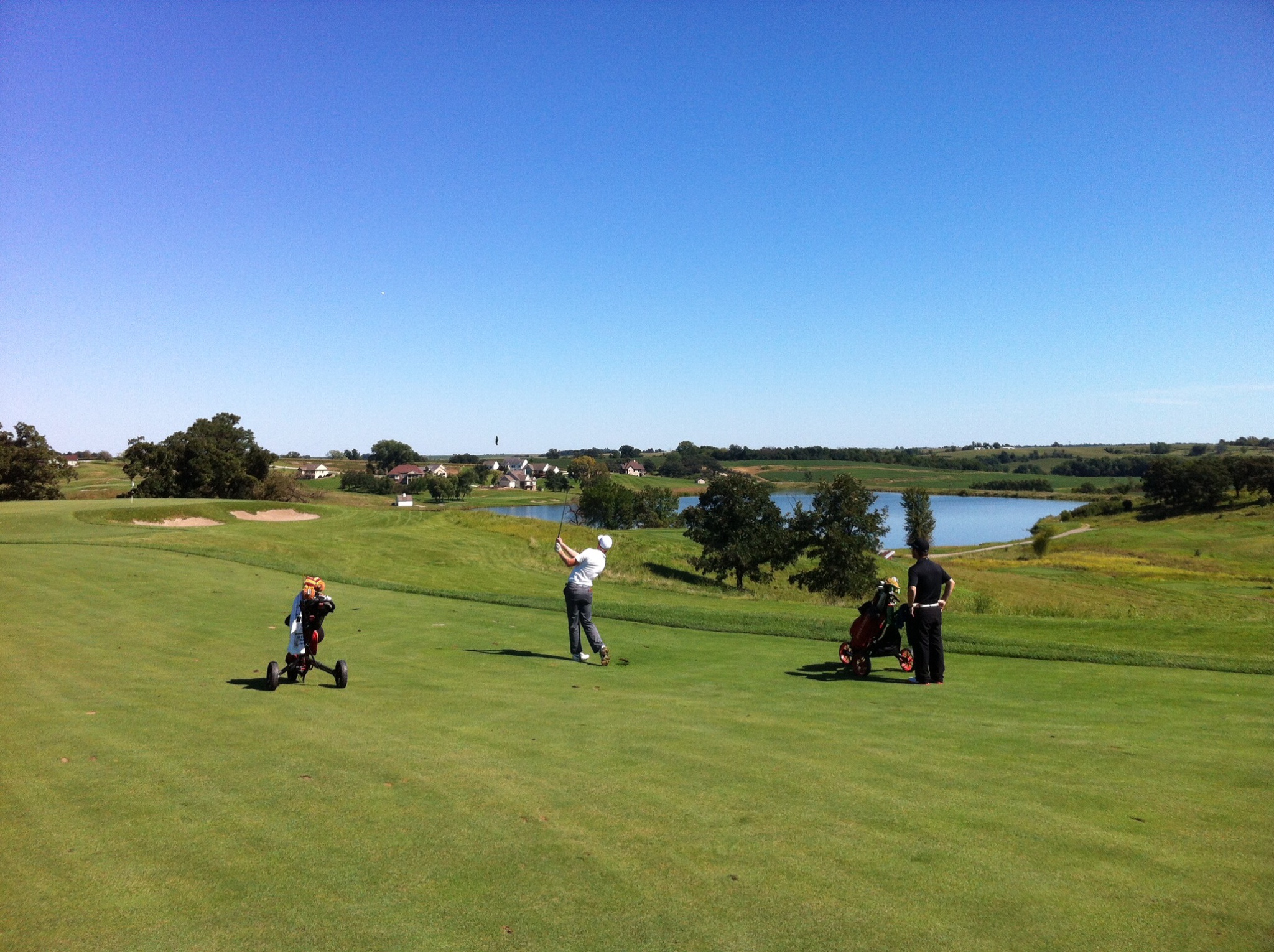
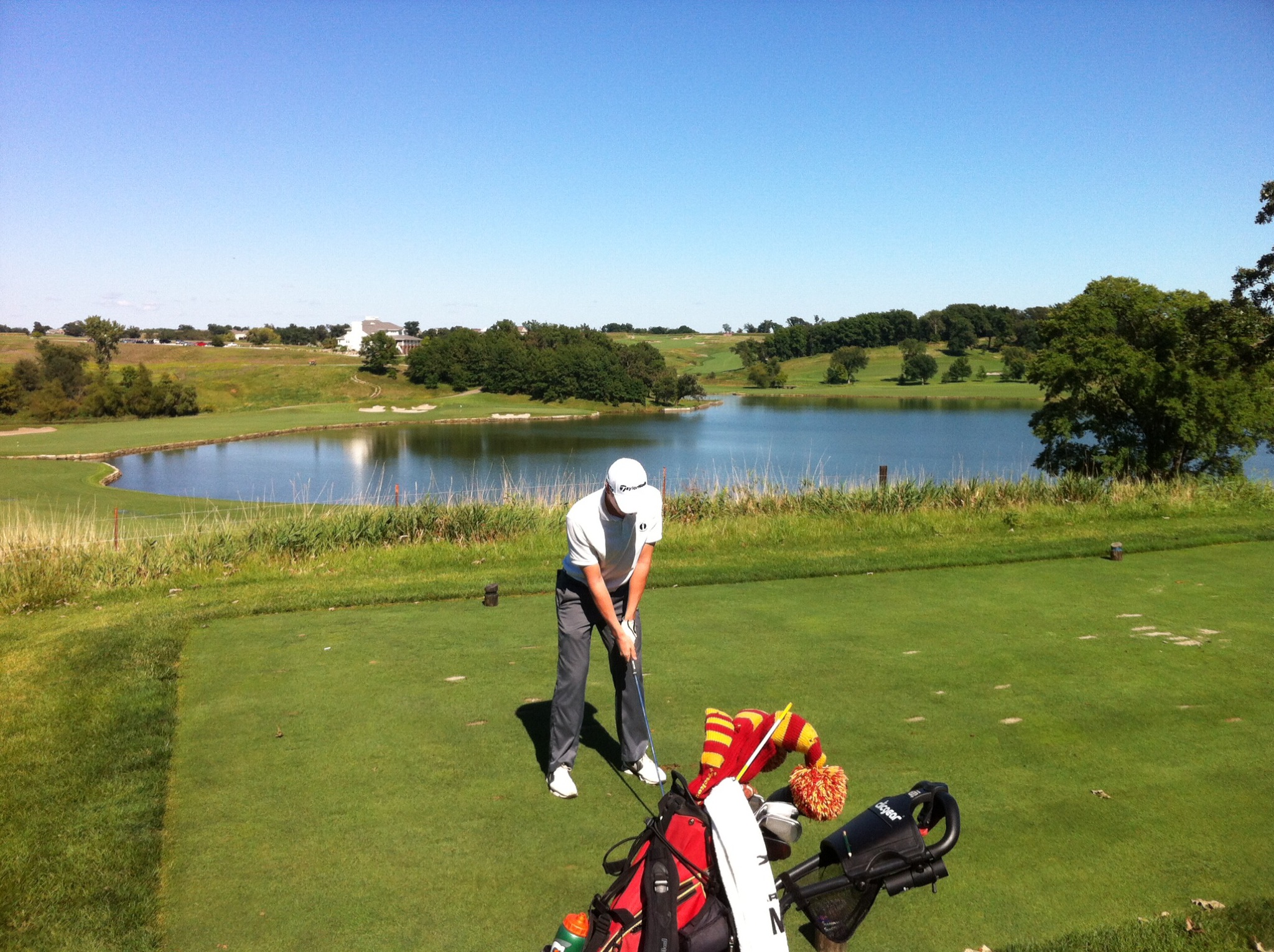
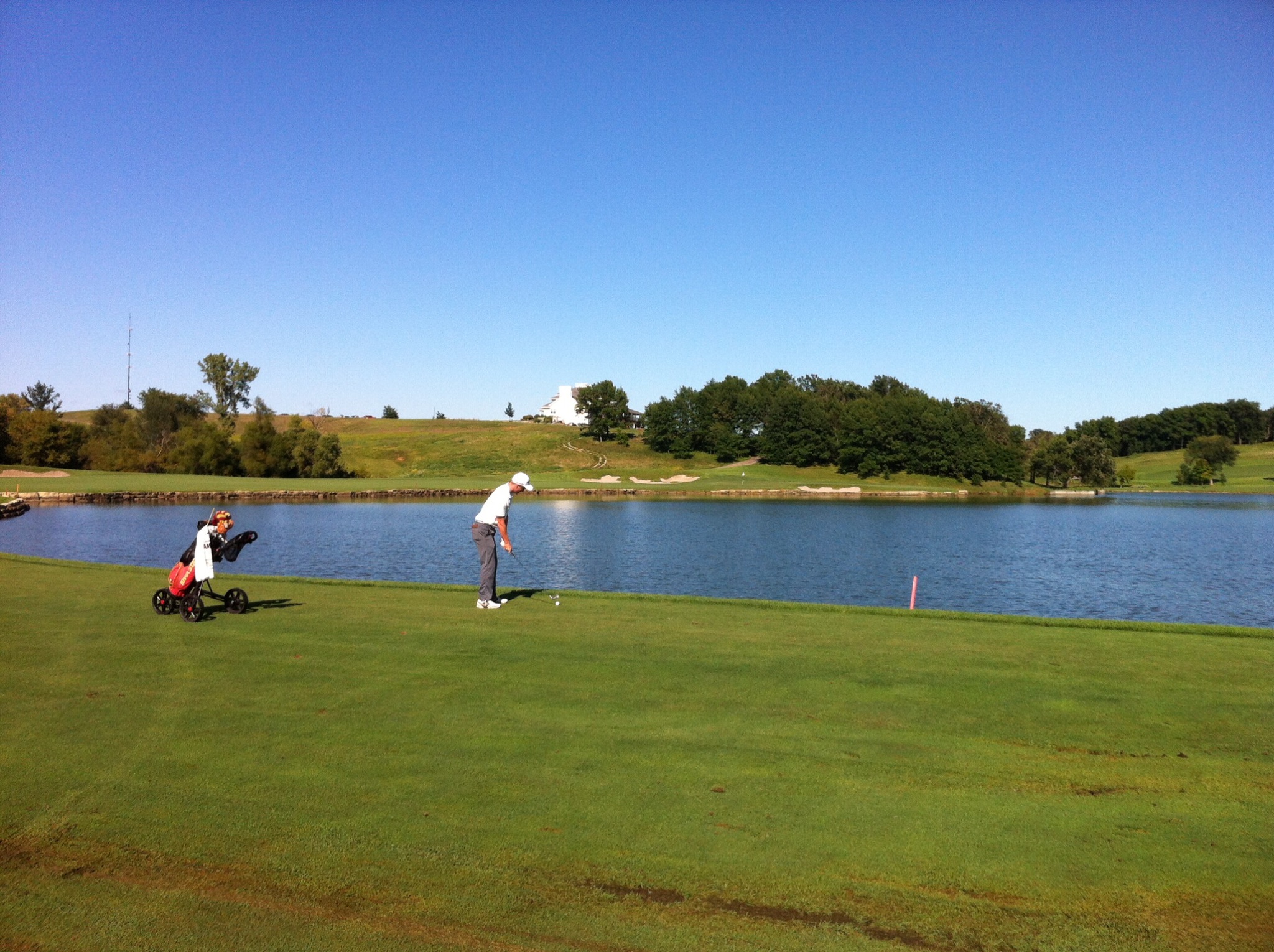
We had the pleasure of watching the ISU men’s golf team play a qualifying round at The Harvester on Saturday afternoon. They are a great bunch of young guys and their golf swings are amazing. It was magical to watch. The conditions were perfect – blue skies and no wind.

There are eight guys in the team – 2 from Spain, 2 from Australia, 3 Americans and our very own Kiwi. They are a mix of sophomores (second years), juniors (third years) and a couple of seniors (last year). They are coached by Andrew Tank (referred to as Coach Tank) who is from Minnesota. He has been the head coach since 2010. They also have an assistant coach – Chad Keohane (referred to as Coach Chad). We walked a few holes with Coach Chad – he had just joined the team in August and was enjoying being in Iowa with the guys. He had tried his hand on the tour but it was tough going.
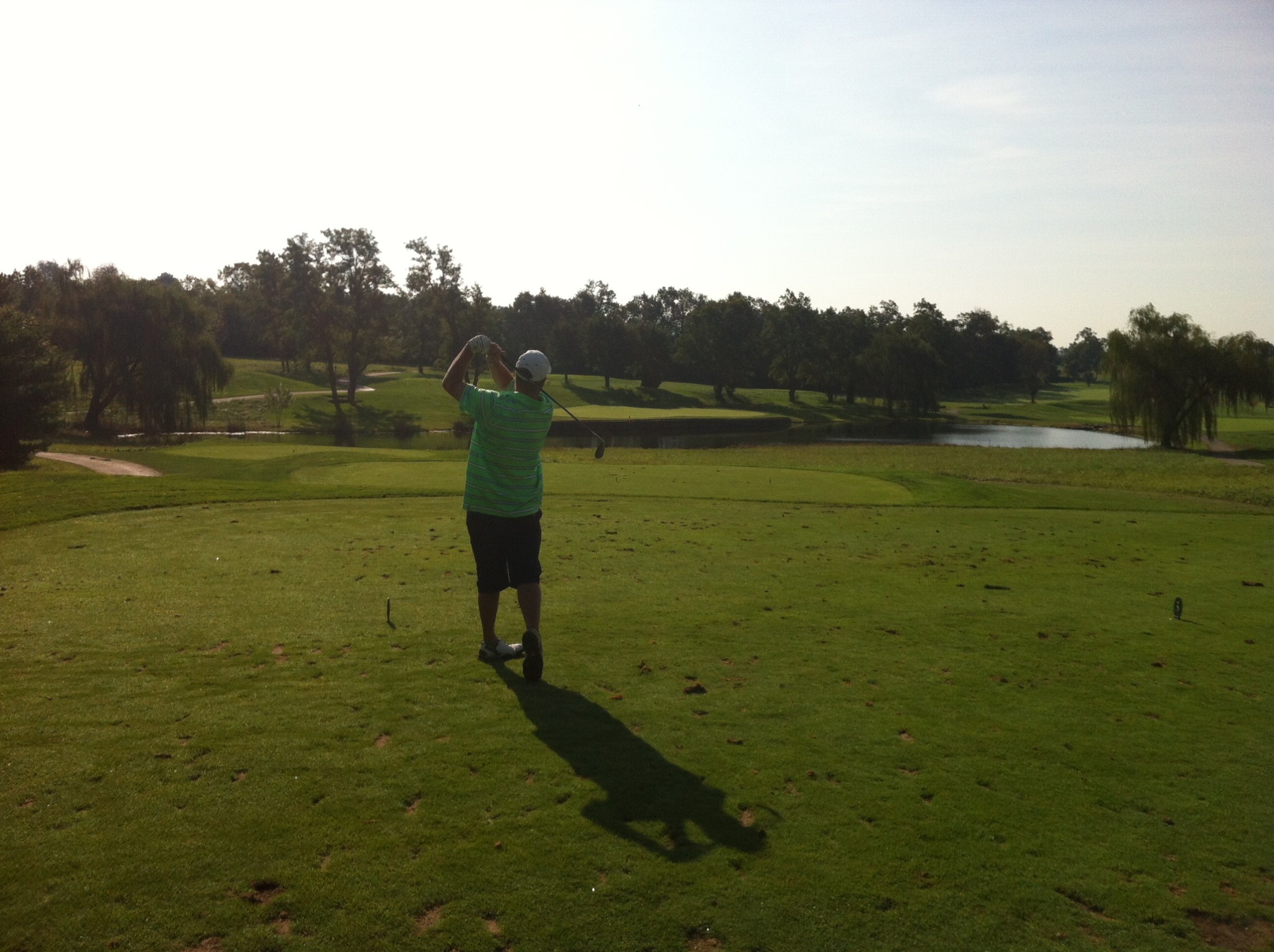
After golf on Saturday Nick and his two Australian teammates Reuben and Sam came for a BBQ. They are great guys and we had a great night. Nick stayed the night with us as they had another qualifying round on Sunday morning at The Harvester. They also played on Friday and will have another 54 holes the next weekend – this is to determine the top 5 who will travel to the first tournament in West Virginia in a couple of weeks. After this weekend’s 54 holes Nick is in 4th position – not bad given he is making a comeback after breaking his collar bone skateboarding – say no more! He is now banned from skateboarding!

IMG_2934.JPG

IMG_2937.JPG

IMG_2939.JPG

IMG_2940.JPG

IMG_2945.JPG

IMG_2947.JPG

After golf on Sunday we went into Ames and had lunch with most of the team at Hickory Park Restaurant. This place is a large diner and a bit of a tradition for the boys after playing The Harvester. I think they all got the Hickory Special – chicken, ribs, mashed potatoes and fries – great carbo loading for USD9.95!

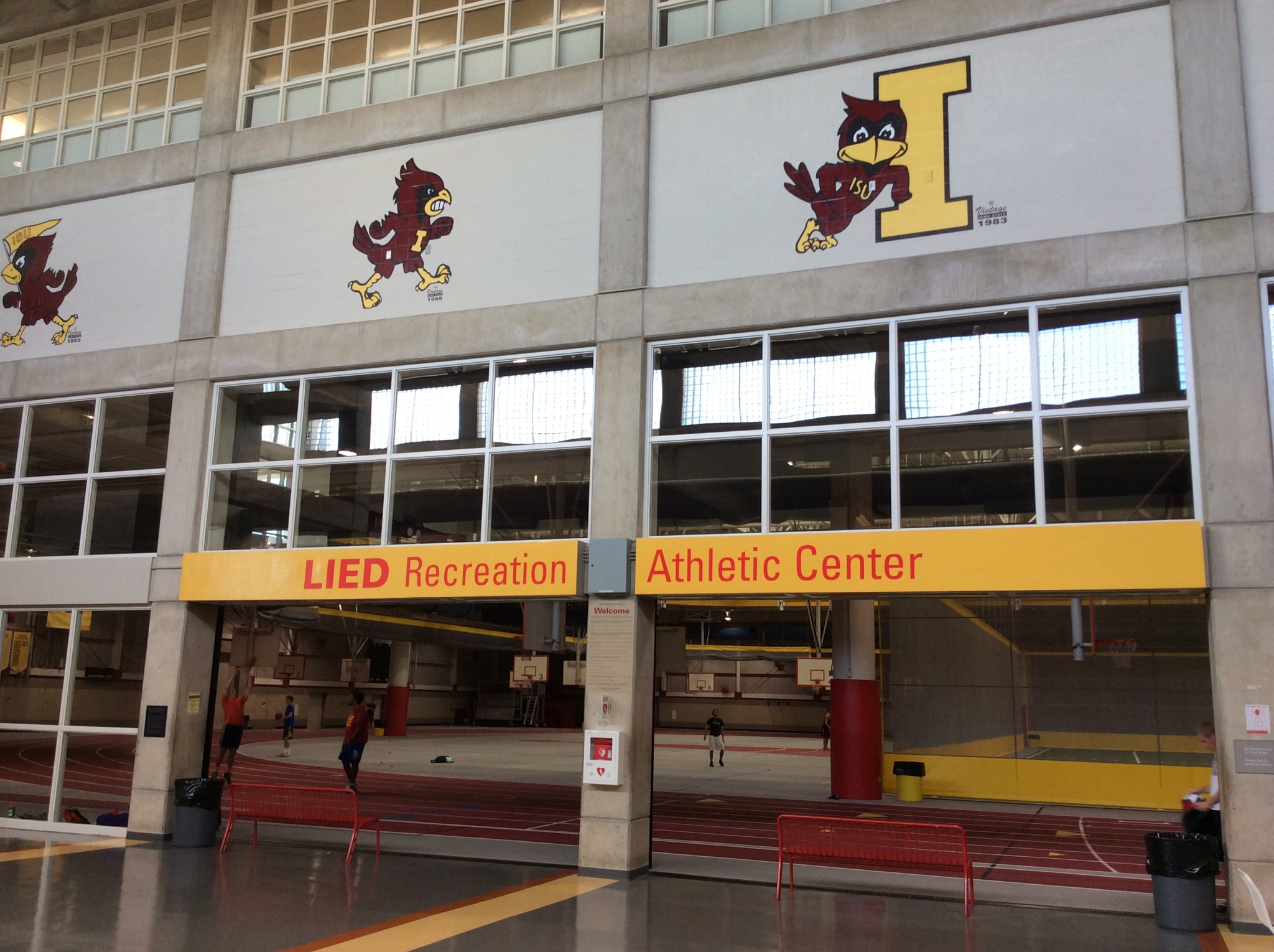
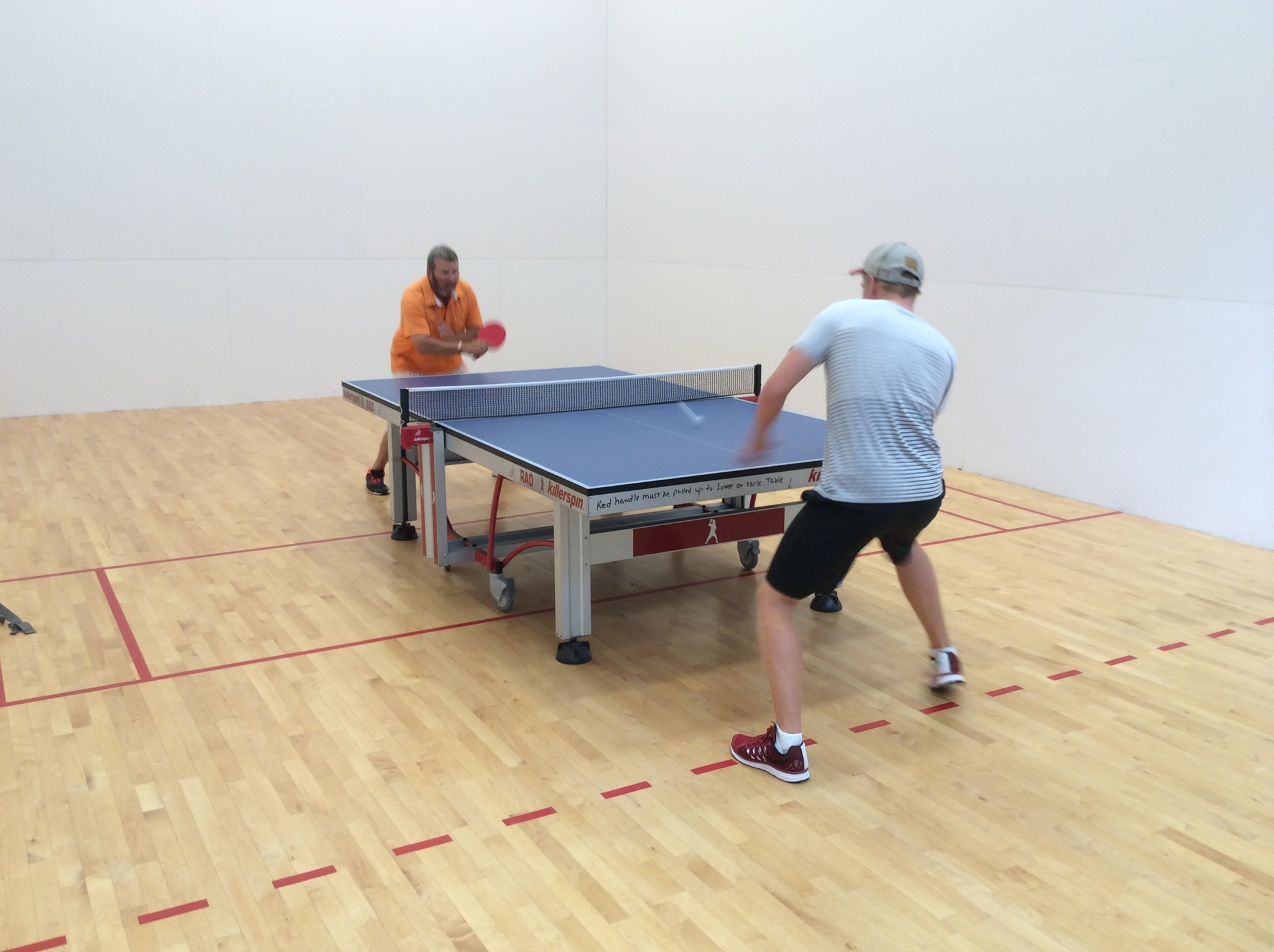
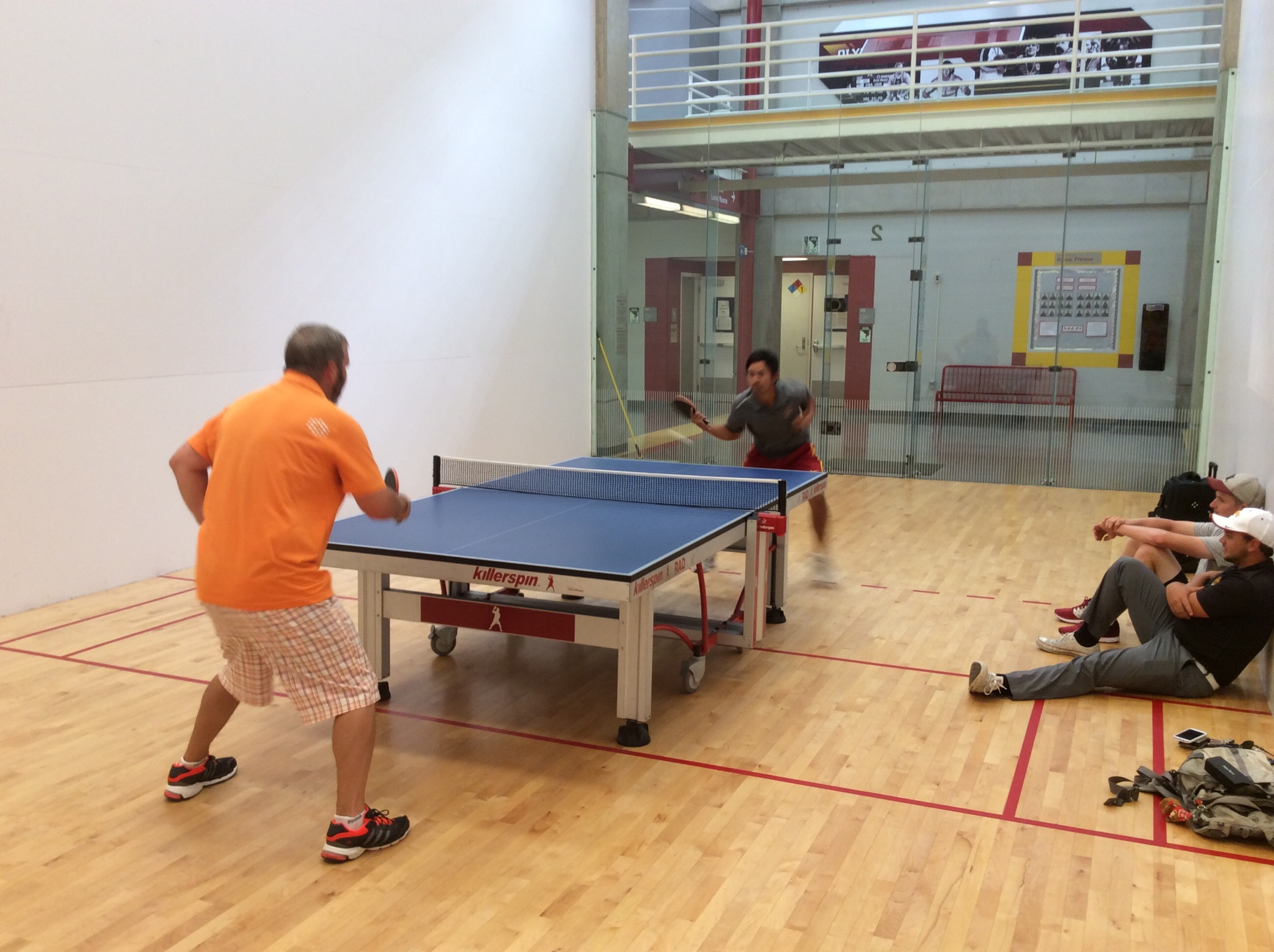
Next stop was the ping pong table at the Lied – Steve needed to redeem himself after the tennis. Again Nick has improved and managed to take one game off Steve but Steve won all the other games. Reuben and Sam also came to have a game – Reuben was pretty good too. Steve certainly got a good workout.

IMG_0863.JPG

IMG_0852.JPG

IMG_0854.JPG

IMG_0858.JPG

IMG_0861.JPG

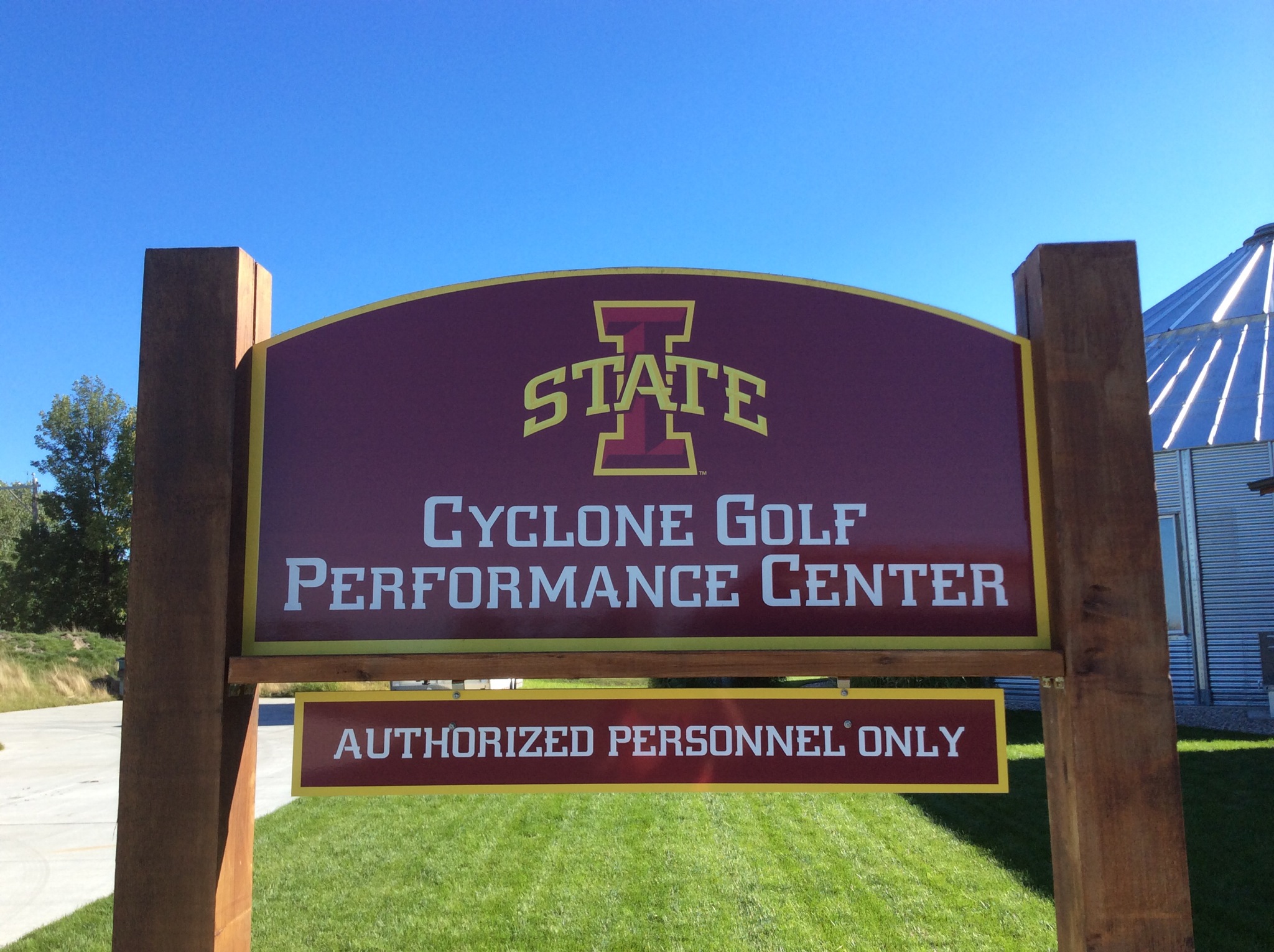
We then went to check out The Golf Performance Center, home for the Iowa State men’s and women’s golf programs, which debuted in the fall of 2013.

Located just 3 miles from campus, the facility ranks as one of the finest of its kind nationally. The 16-acre home for Cyclone golf was built at a cost of $2 million and is used solely by the Iowa State golf teams, providing ISU student-athletes with all the amenities they need for individual development.

World-renowned architect Keith Foster designed the complex. Foster and his team have provided renovations to Augusta National, Southern Hills Country Club and Colonial Country Club. Some of Foster’s original designs include: The Quarry (San Antonio, Texas), ranked as the top public golf course in Texas by Golf Digest in 1996 and The Harvester (Rhodes, Iowa), ranked as the best golf course in Iowa multiple times.

It is WOW!

They have four covered bays that open out onto this amazing looking driving range. In the winter it snows for about three months but they can still use the driving range as the bays are heated! They also have nine holes around the range where they can practice all manner of shots – five of the nine greens have been inspired by a different architect. They also have bunkers and water hazards. They have a computer room set up with trackman so they can hit balls and analyse their swings. To top it off they have an indoor putting green that is also heated so they can use it in the winter. They also have this large common area with a kitchen, lounge, ping pong table and dining room. Apparently the Golf Channel is constantly on the TV in the lounge area.

These practice facilities are very impressive and one of the best in the country. I think Nick is still pinching himself. To get a great education and to train in these facilities on a daily basis is amazing. It is all laid on for them – they even had the Taylor Made club fitting trailer and rep visit them on Saturday and a lot of them got brand new clubs fitted just for them at no cost.

They work hard with gym workout sessions three mornings a week at 6am. They then practice every afternoon from 2pm to 6pm and travel to tournaments in the weekends. In between the golf commitments they have to do their studies and maintain good grades. In saying that they really are living the dream – good on them! Steve wants to go back to school : )

IMG_0877.JPG

IMG_0876.JPG

IMG_0865.JPG

IMG_0864.JPG

IMG_0866.JPG

IMG_0867.JPG

IMG_0868.JPG

IMG_0872.JPG

IMG_0874.JPG

IMG_0831.JPG

Posted in Iowa, USA | Leave a comment