As part of my “let’s explore at least one new place a year” and on a good recommendation, we came to Luang Prabang (LP) in Laos.
We arrived on an ATR-72 which is a twin-engine turbo prop plane that we are very familiar with in NZ.

Unfortunately, Typhoon Yagi decided to turn up to the party in China and northern Vietnam the day before we arrived which had a spin off for northern Asia. The first three days we were here it rained a lot of the time but we still managed to explore the town and eat a lot of yummy food and drink a lot of yummy cocktails.
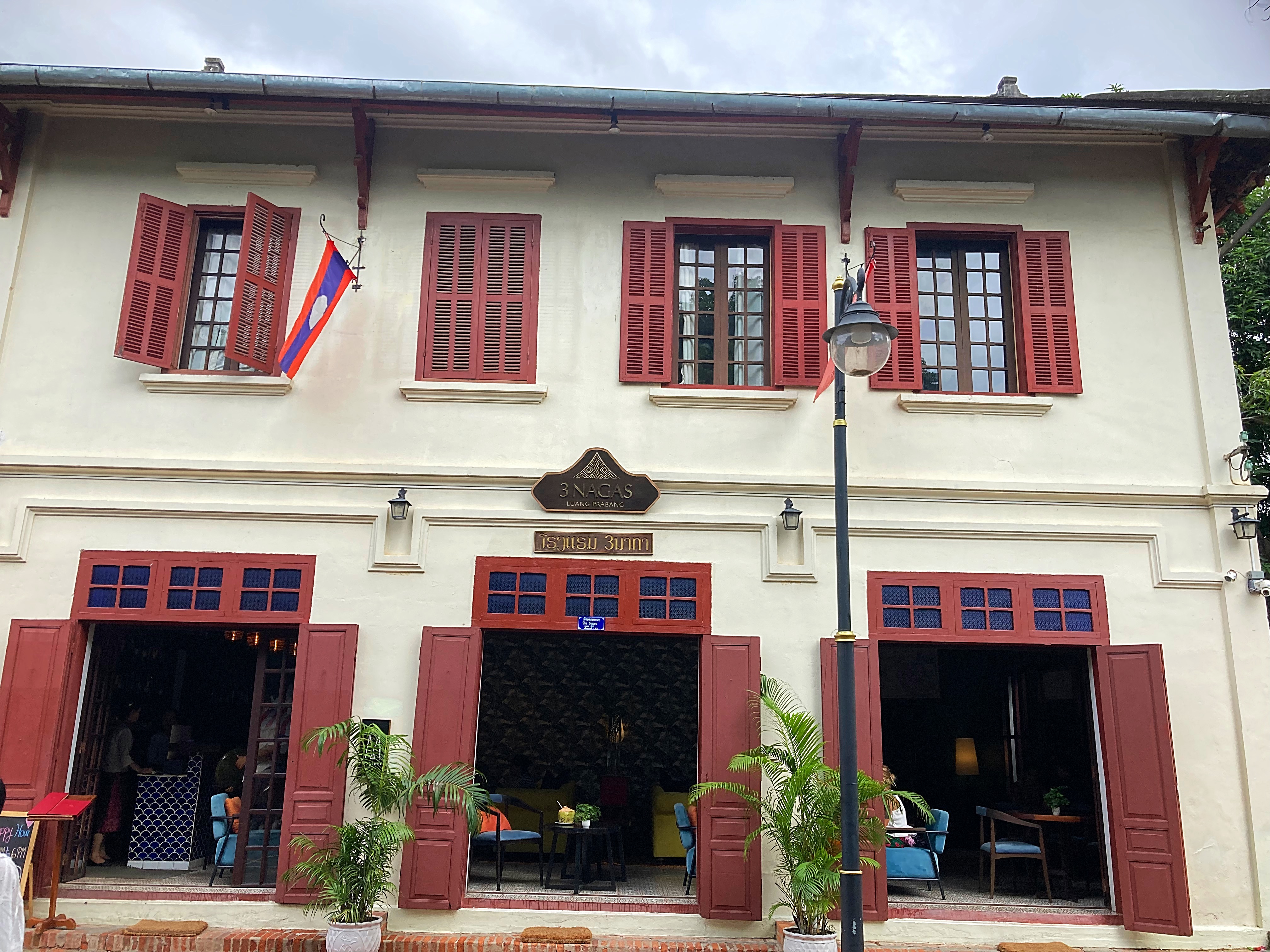
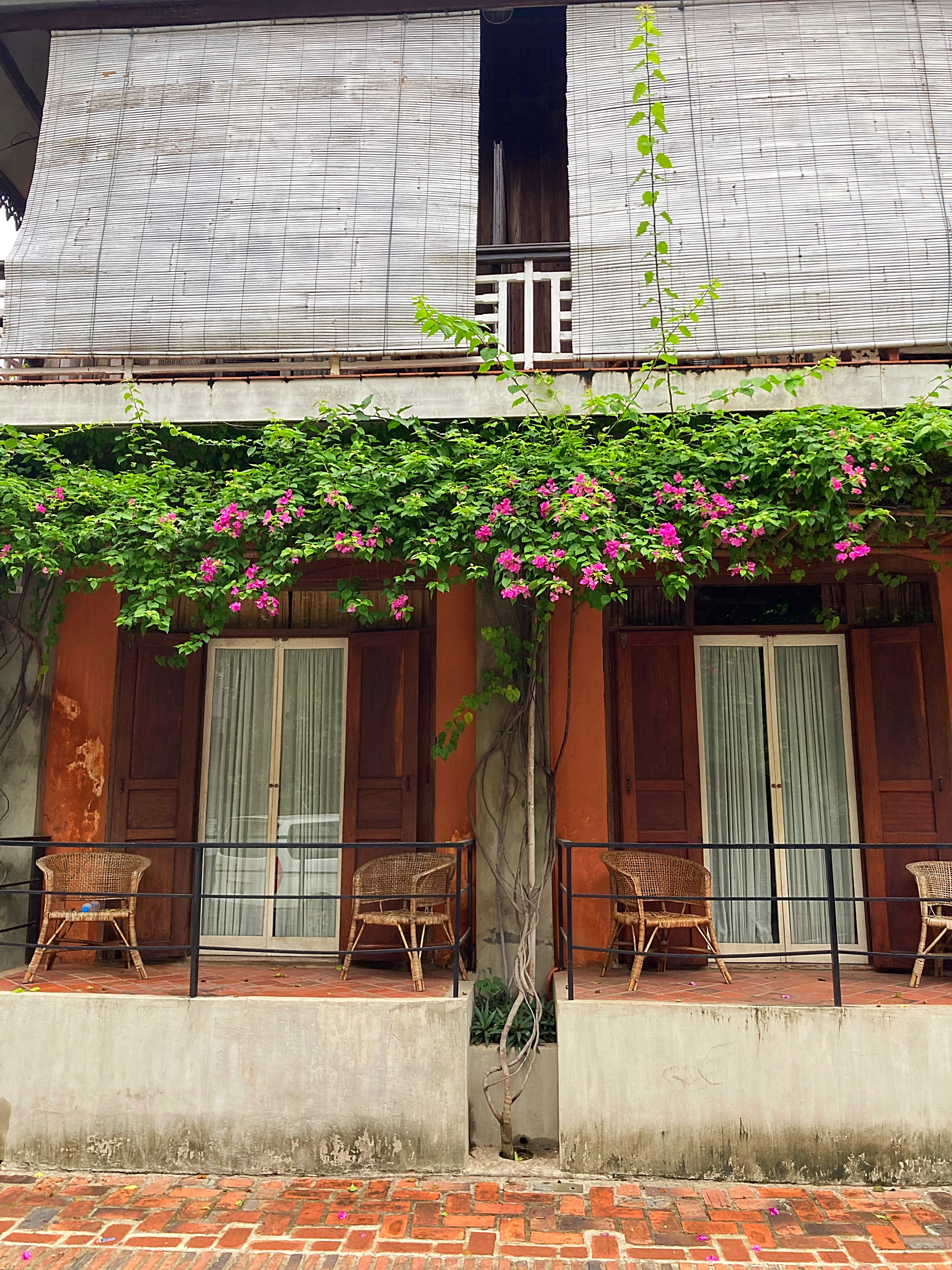
LP reminded me a lot of Hoi An in Vietnam and has a strong French influence. The food has a strong Vietnamese influence which is my favourite Asian cuisine so there was really nothing to complain about. The people are really friendly and speak good English generally.
LP means “Royal Buddha Image” and the town is a UNESCO World Heritage Site. It was listed in 1995 for unique and “remarkably” well preserved architectural, religious and cultural heritage, a blend of the rural and urban developments over several centuries, including the French colonial influences during the 19th and 20th centuries.
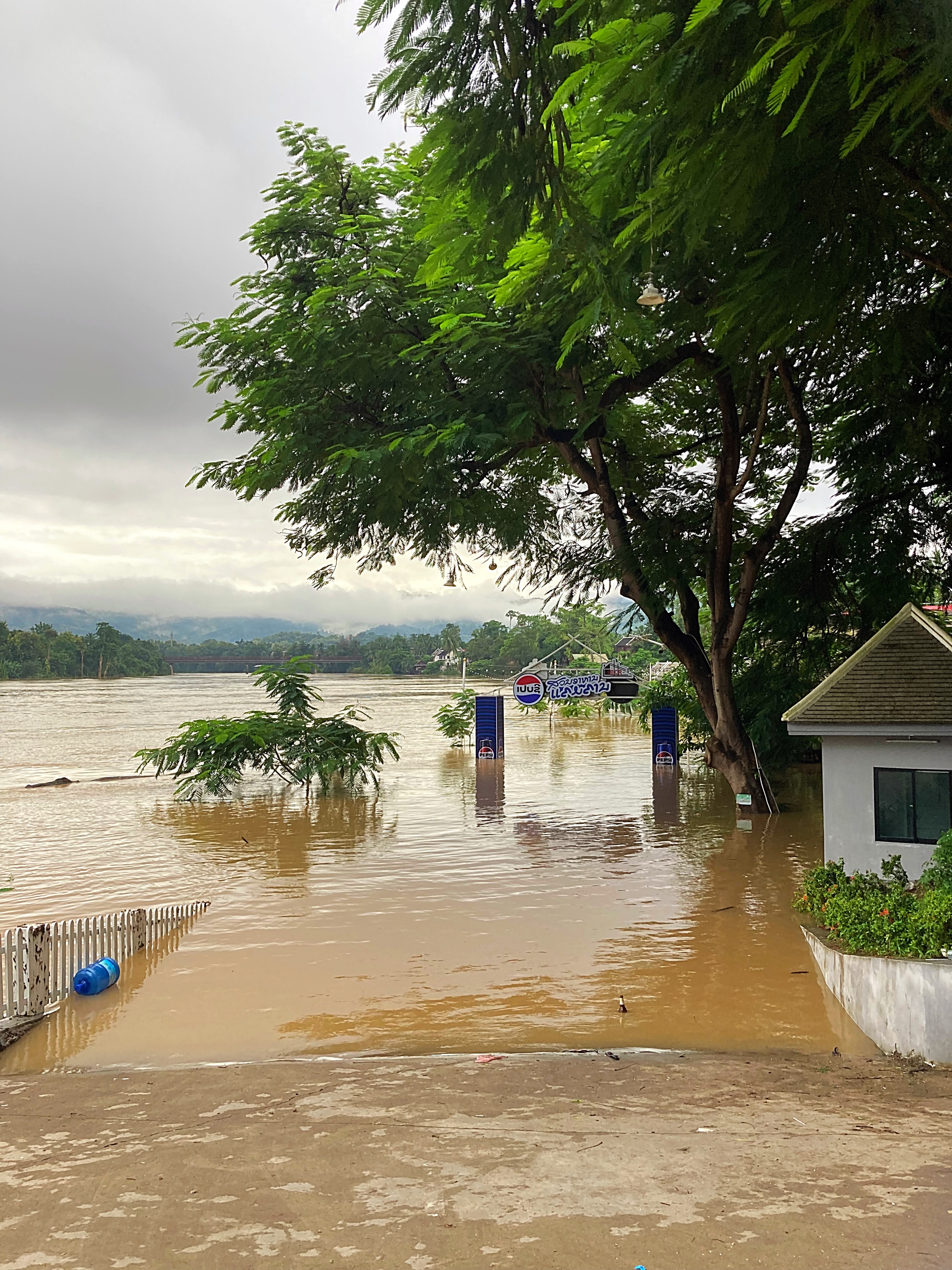
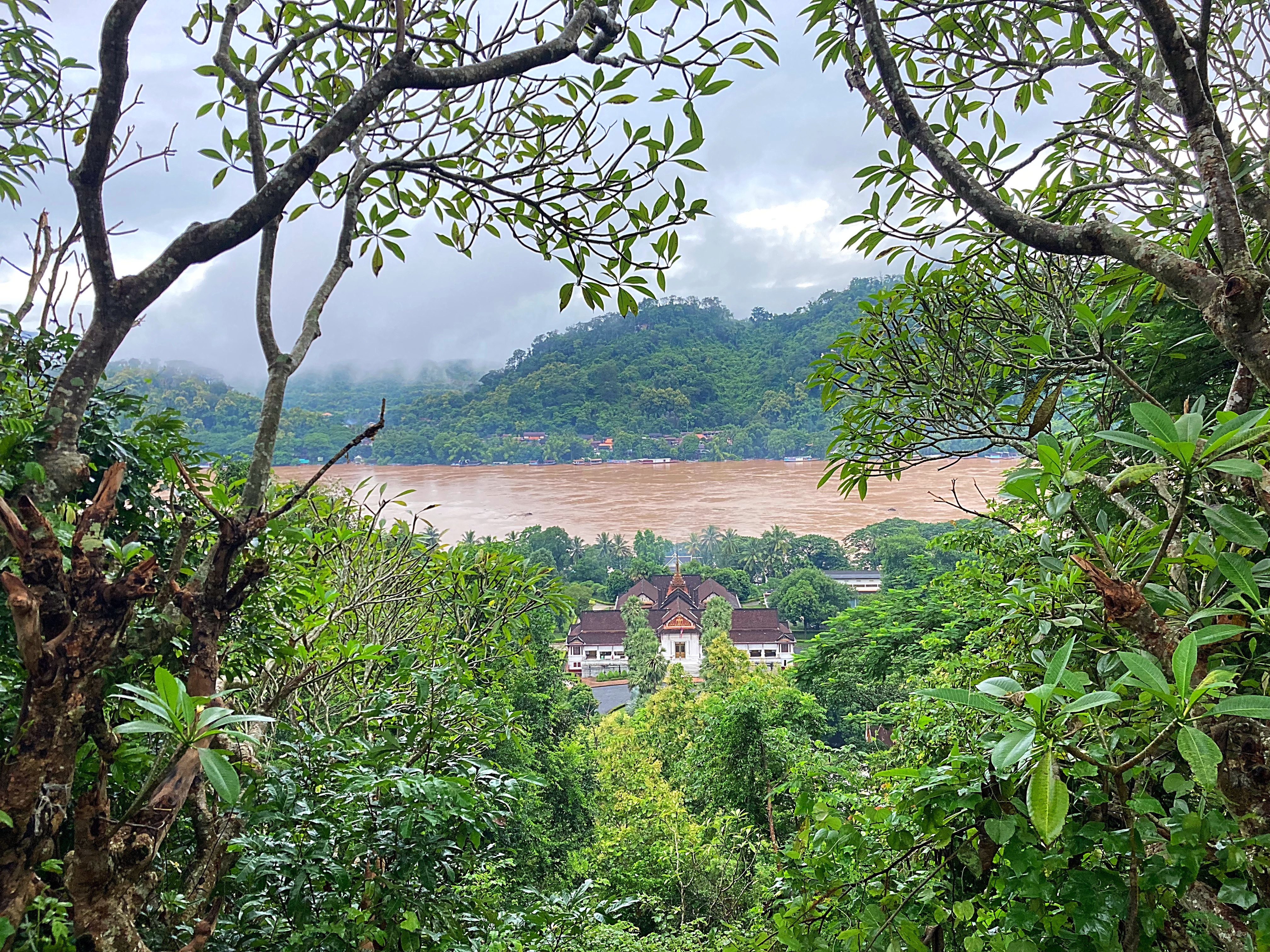
The town has many beautiful buildings, but the streets are a little unkempt. We stayed at a hotel on what they call the ‘island” or ‘tongue’. It is surrounded on one side by the Nam Khan River which flows into the Mekong which is on the other side. Due to all the rain the rivers were flowing high and fast. There is actually a flood warning in place here due to all the rain that has fallen further north causing flooding upriver.








Typhoon Yagi is the strongest typhoon to make landfall in 10 years in the Chinese holiday island of Hainan and has claimed some lives and caused over a million people to be evacuated. We got off lightly and will be back in Hua Hin before any flooding issues hit LP.
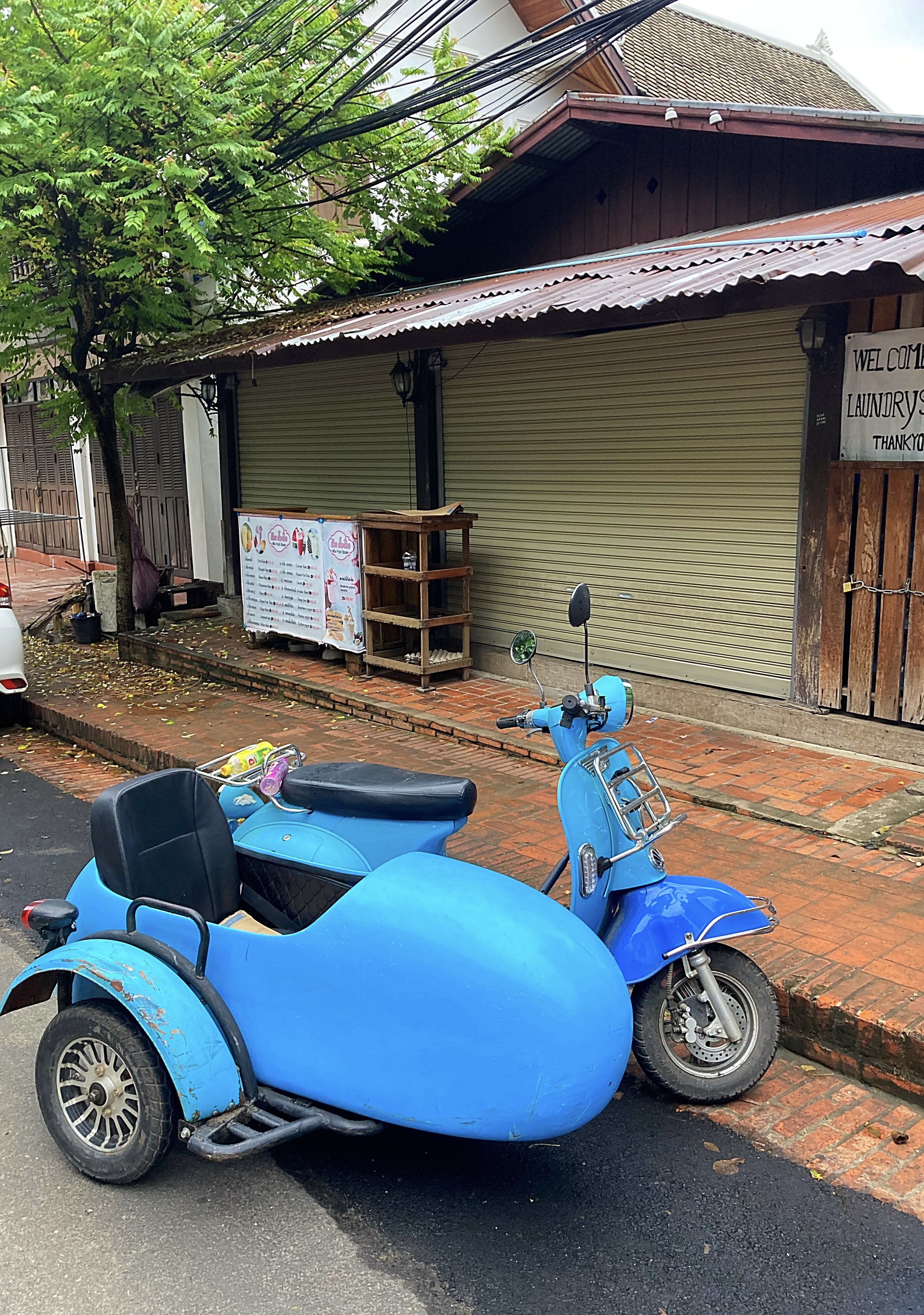
We enjoyed watching the people go about their daily business and came across a number of schools. The kids were noisy, happy and very engaged in their learning. We were especially intrigued by them all turning up on motorbikes, both petrol and electric. They look way too young to be in control but can often be seen with two or more onboard. With the rain, the pillion passenger was usually holding the umbrella.
There were a number of zebra crossings in place around town, but I am unsure why – the locals certainly have no idea what they mean as they drive through them as you wait patiently on the side of them or sometimes in the middle of them. It is also left-hand drive here which also took a bit to get used to again.
Facts (thanks Wikipedia)
Laos is officially known as the Lao People’s Democratic Republic (LPDR).
It is the only landlocked country in Southeast Asia – it is surrounded by China, Vietnam, Thailand, Cambodia and Myanmar.
The capital city is Vientiane.
The population is approximately 7.8 million.
The country was under a French protectorate from 1893, occupied by the Japanese in World War II, recolonised by France until it won autonomy in 1949. It gained independence in 1953 as the Kingdom of Laos.
Laos’s strategies for development are based on generating electricity from rivers and selling it to its neighbours, namely Thailand, China and Vietnam. It has been referred to as one of South East Asia’s fastest growing economies despite being classified as one of the least developed.
As part of the Vietnam war between 1964 and 1973, the US dropped two million tonnes of bombs on Laos, nearly equal to the 2.1 million tonnes the US dropped on Europe and Asia during World War II, making Laos the most heavily bombed country in history relative to the size of it’s population.
Some 80 million bombs failed to explode and remain scattered throughout the country, rendering vast swathes of land impossible to cultivate.
The Lao PDR is one of the world’s few socialist states openly endorsing communism.
Human rights violations remain a significant concern in Laos.
China is the biggest foreign investor in Laos.
Subsistence agriculture still accounts for half of the GDP and provides 80% of employment. Rice dominates agriculture, with about 80% of arable land area used for growing rice.
The country’s most widely recognised product may be Beerlao, which in 2017 was exported to more than 20 countries worldwide. The Lao Brewing Company was originally state owned, but Carlsberg Group acquired 70% of the shares with the remaining 30% owned by the government.


As I mentioned earlier, there are lots of yummy food and drink options. The restaurants and cafes we went to had put a lot of thought into their menu’s, the quality and the presentation of the food. I would liken it to Bali but with a much more authentic vibe and real pride in what they were offering. Here are some of the places we ate at and highly recommend:
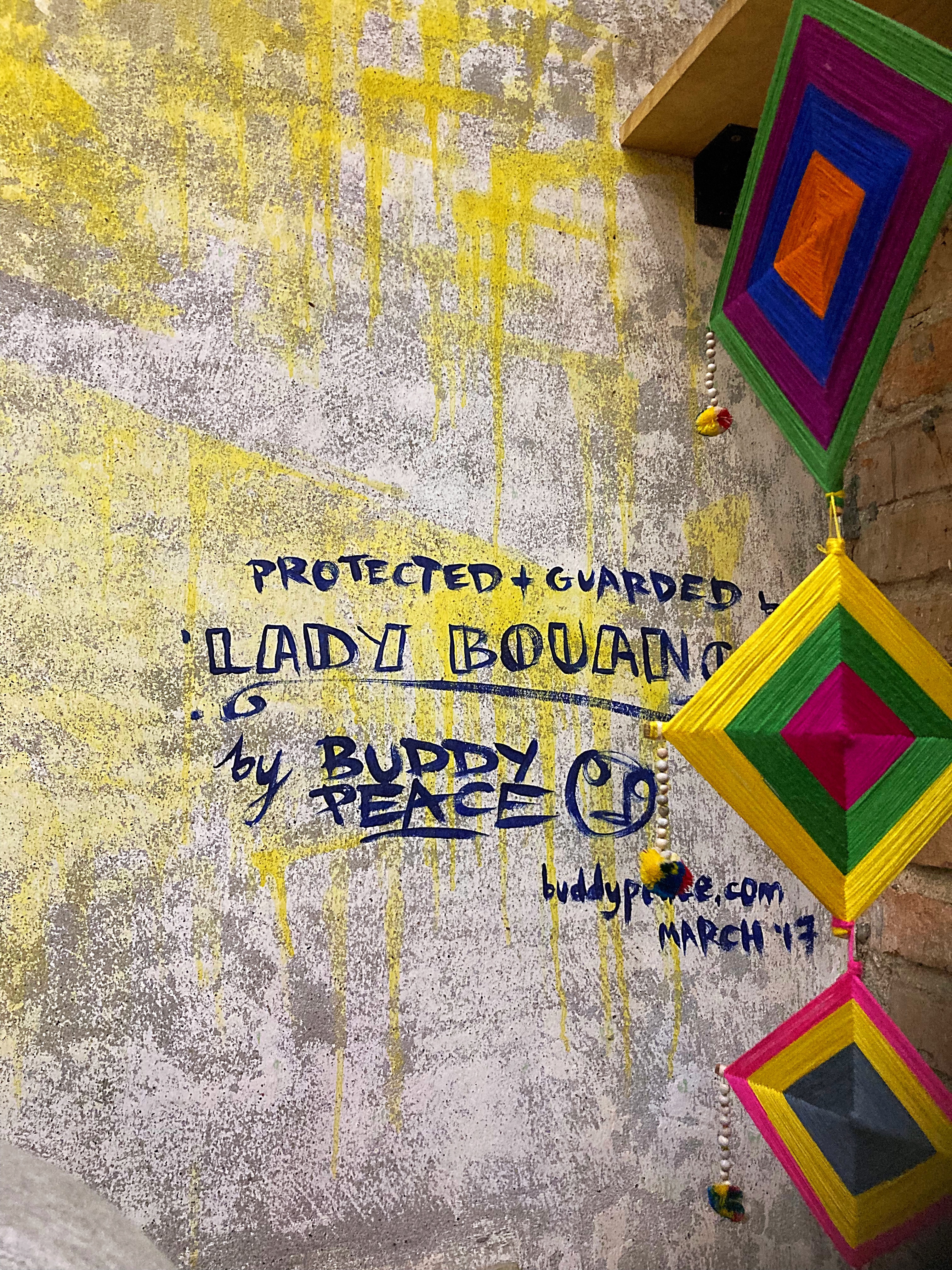
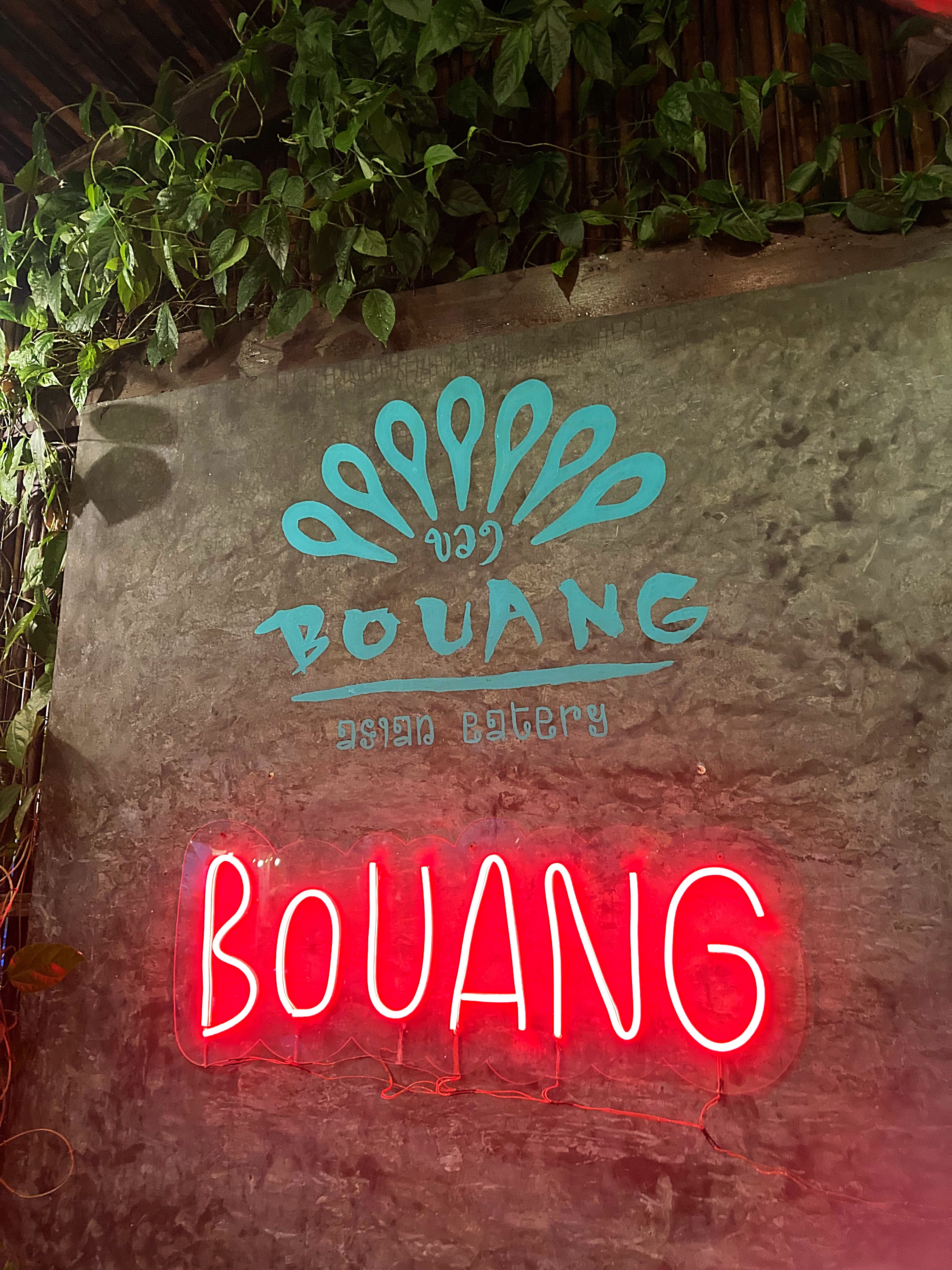
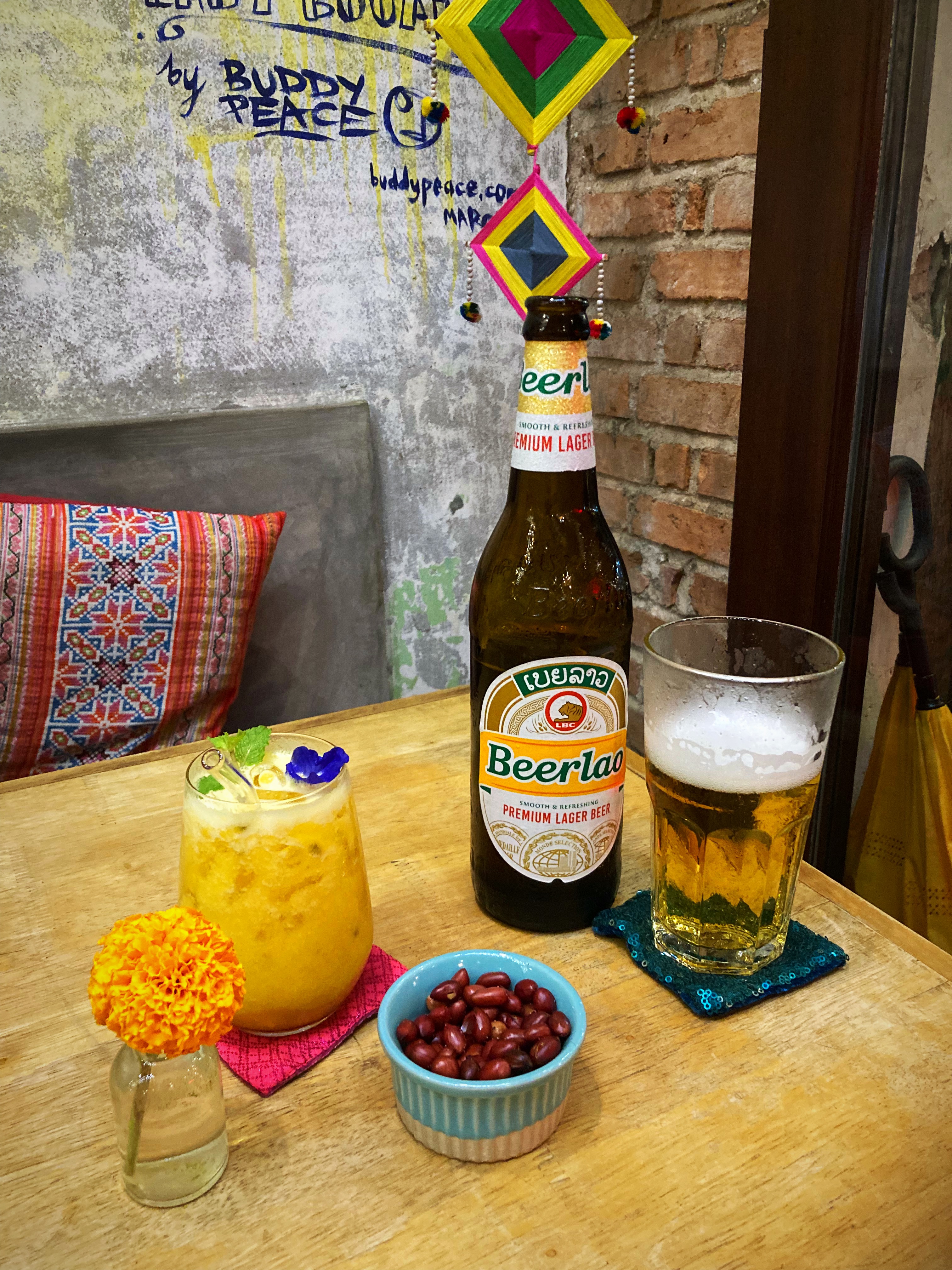
Bouang
A colourful, family run restaurant with yummy local dishes.


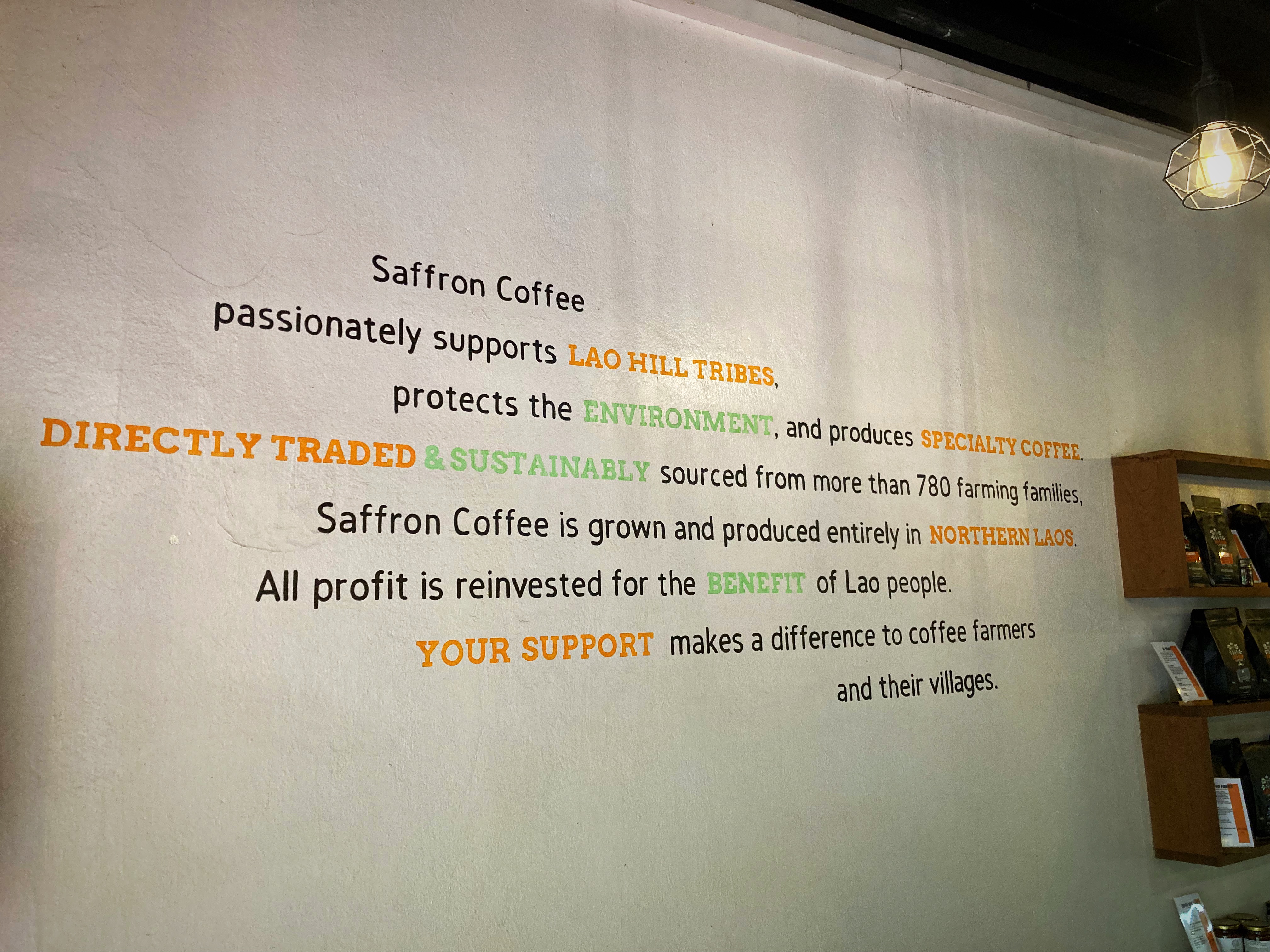
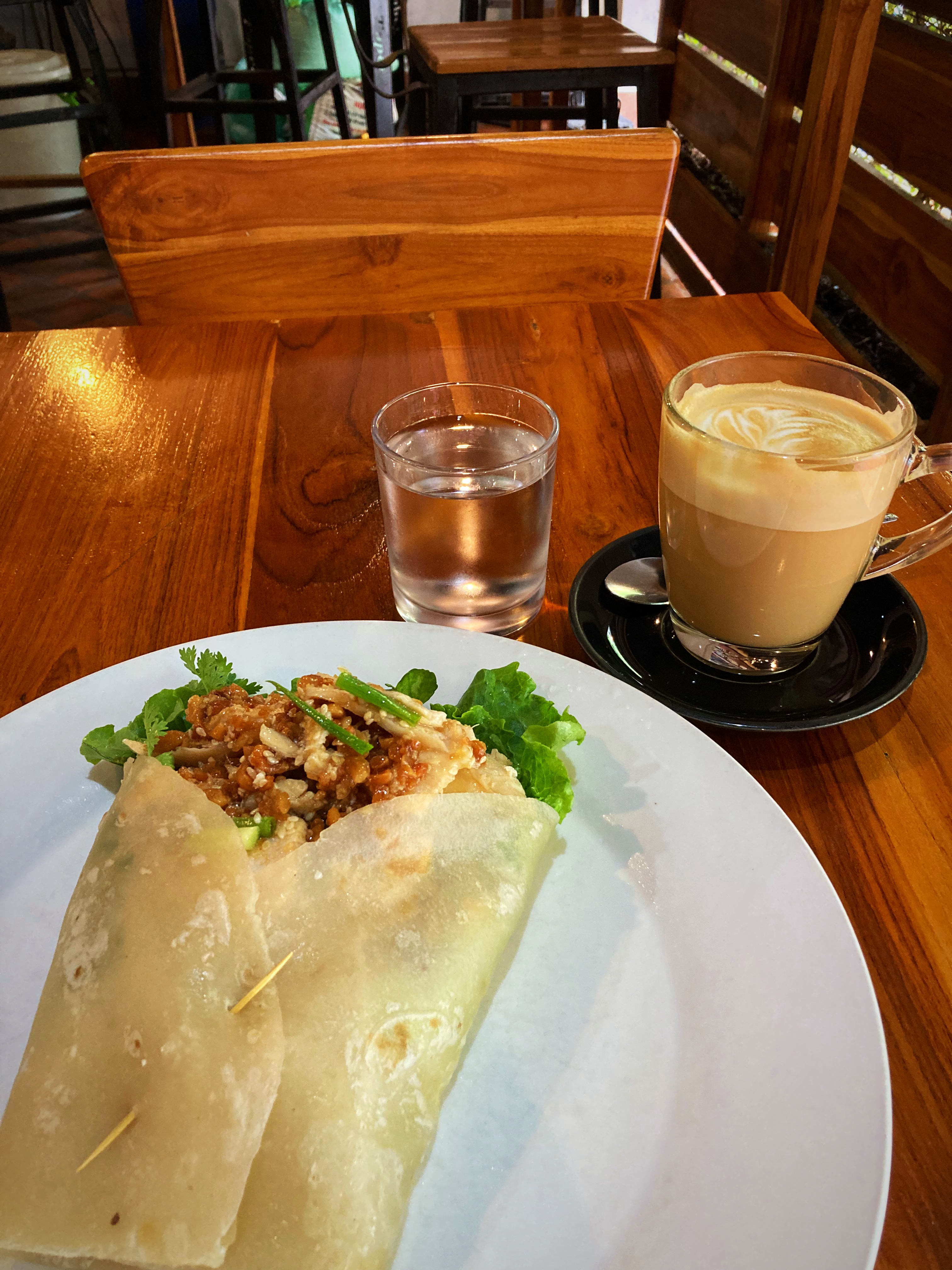
Saffron Coffee
I visited Saffron Coffee every day and enjoyed some great lunches there. I met one of the owners called Todd who was really interesting to talk to. They run as a social enterprise ensuring the people that they work with are equipped with the things they need to prosper.
Check out their website www.saffroncoffee.com for more information on their operation and methods.

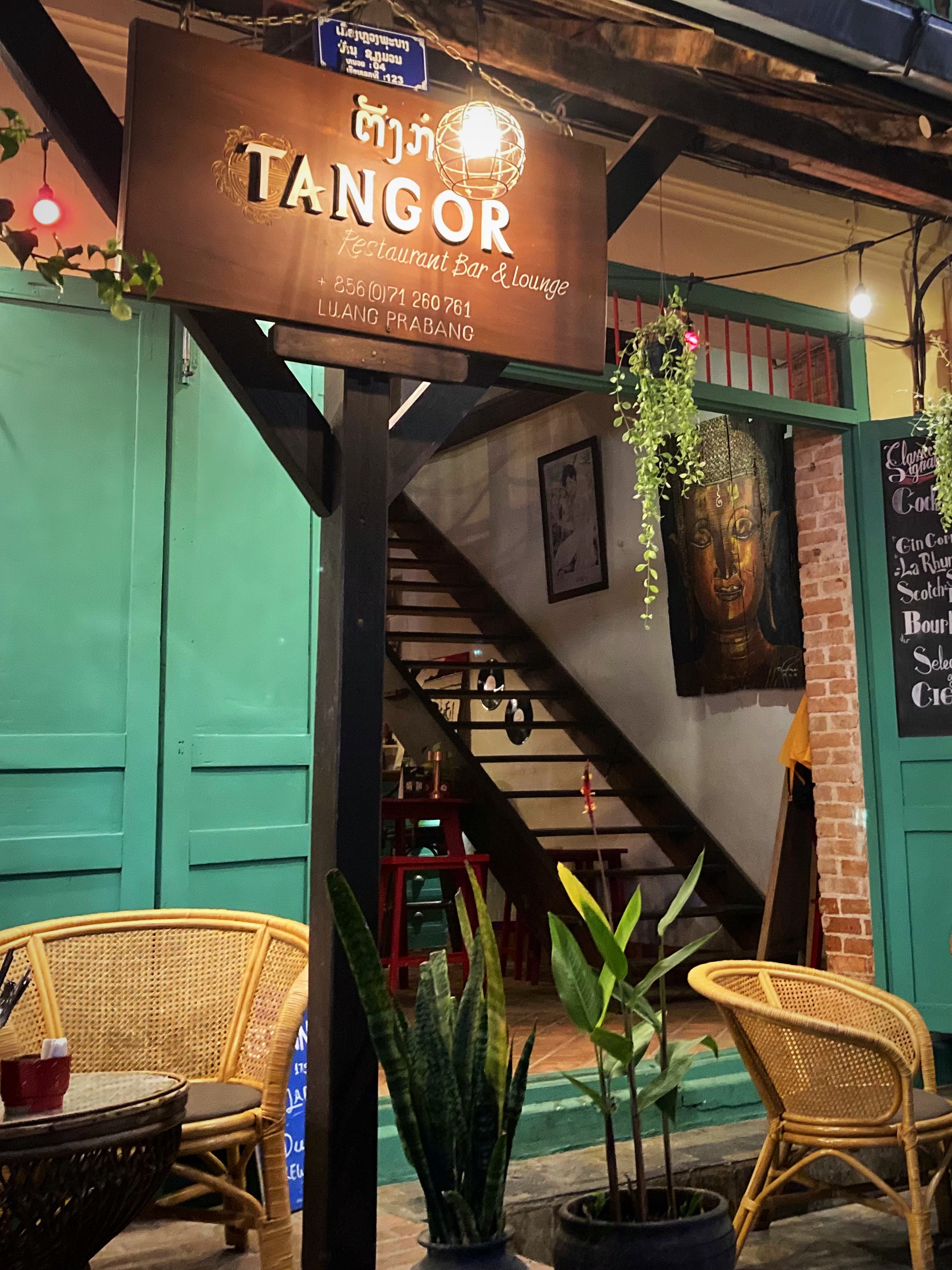
Tangor
Tangor has been open since 2012 serving Asian fusion food with a French twist. Located on the main road it is a great spot to sit on the terrace and people watch.



Two Little Birds Cafe
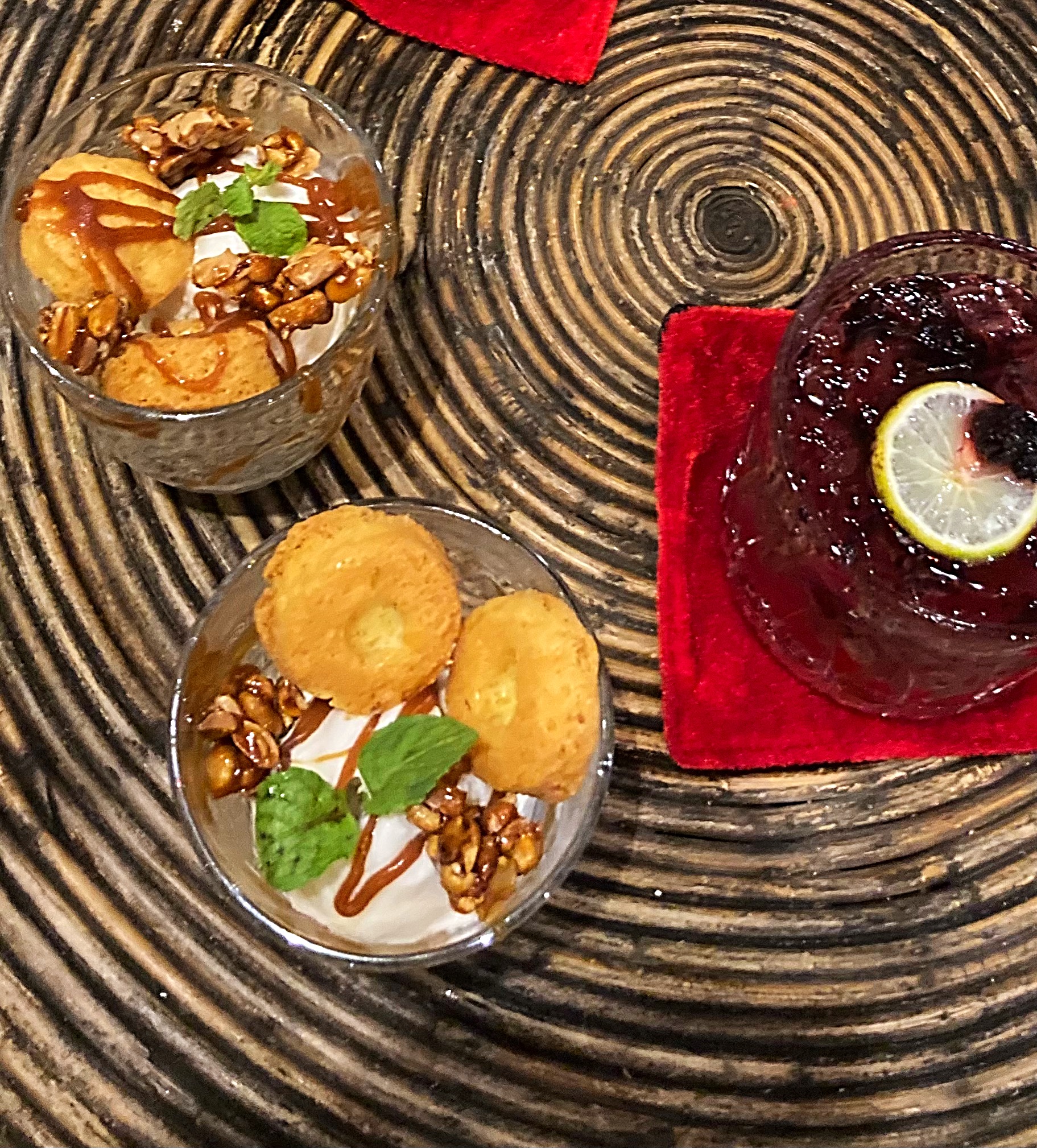
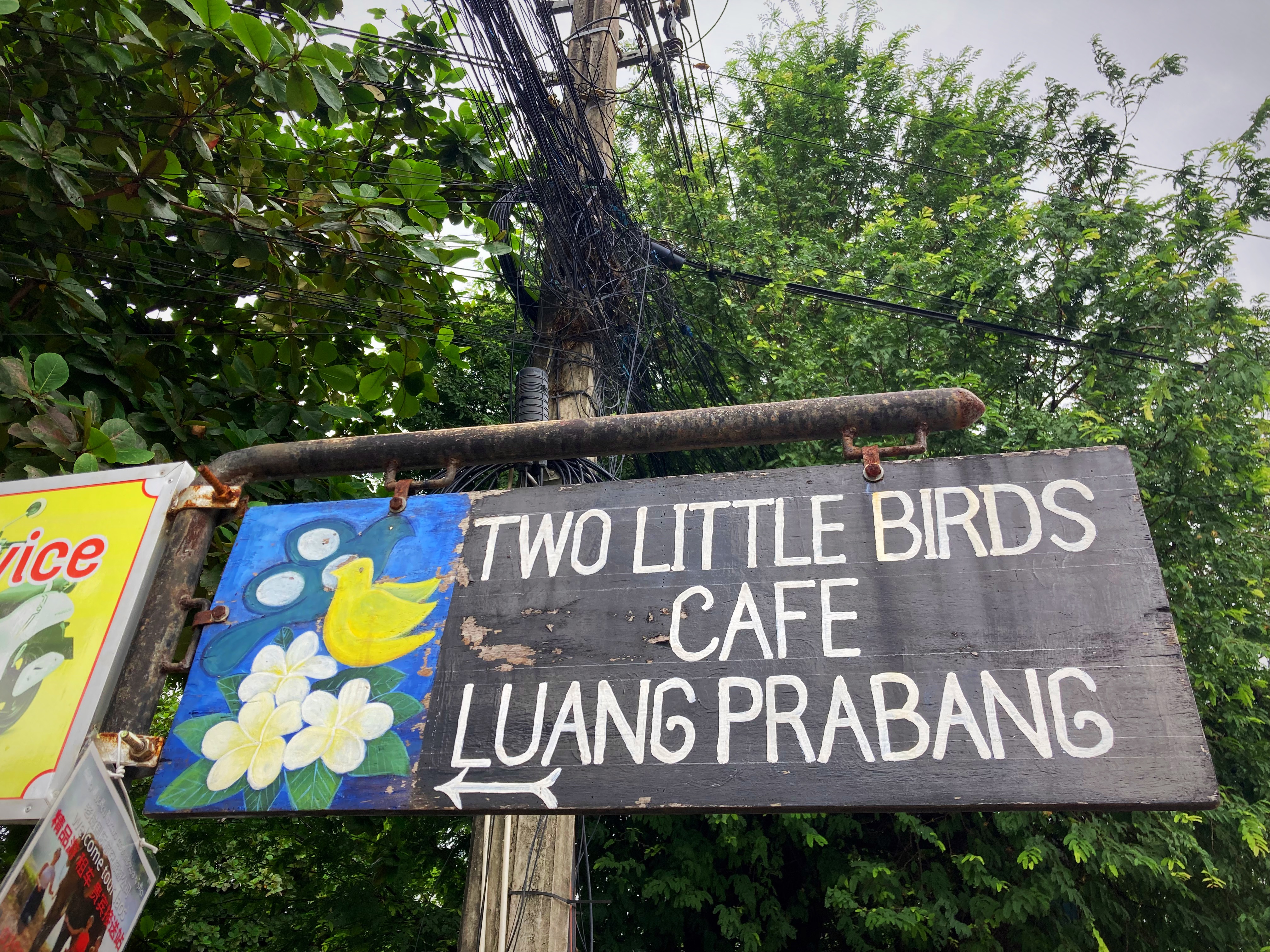
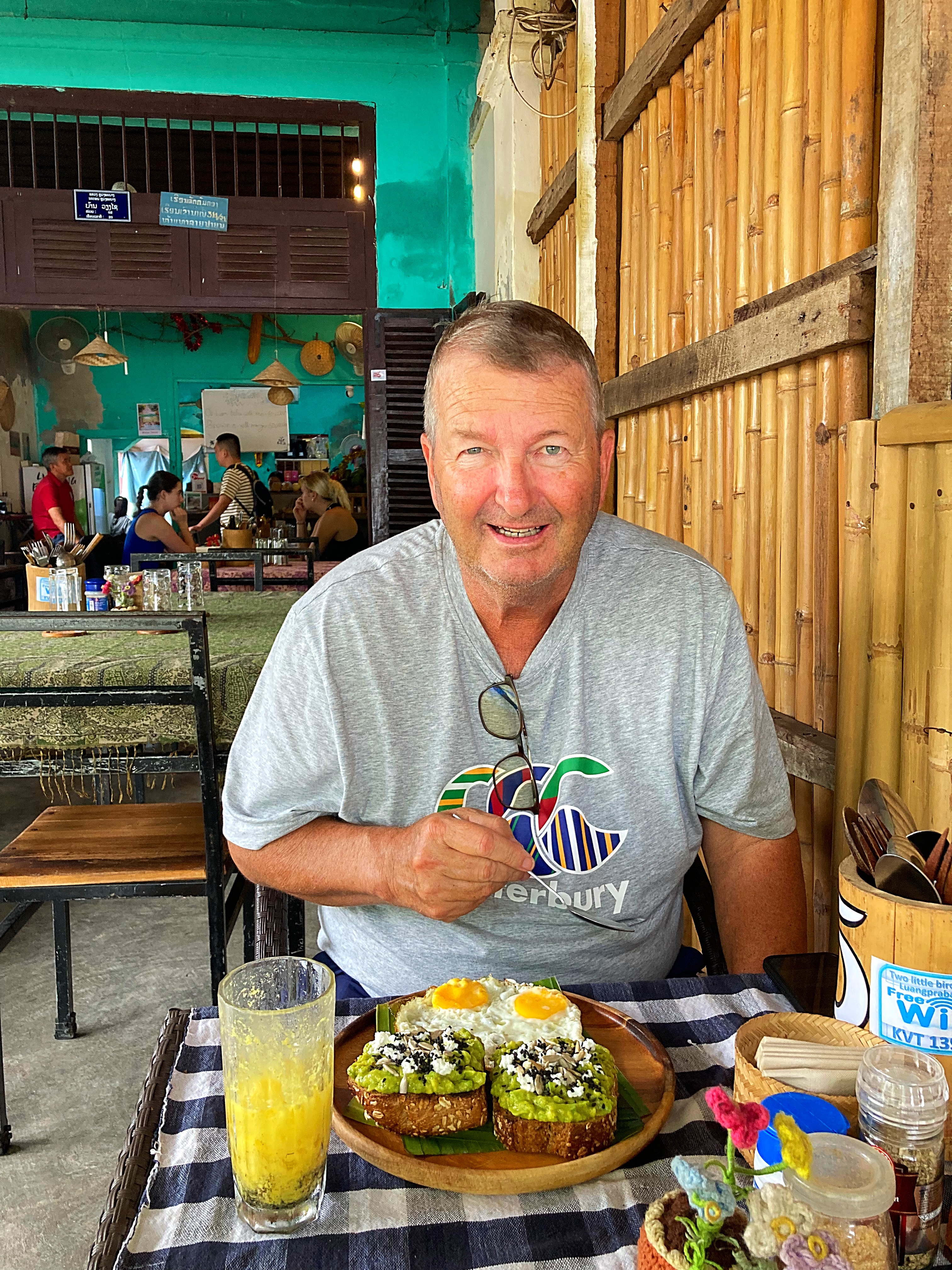
This place was about one kilometer from town with a vegan focus. A little family-owned cafe that makes the most delicious smoothie bowls as well as traditional Laos dishes with a vegan or vegetarian twist. We went there for breakfast most days and enjoyed chatting with the owner. He is a tour guide for Contiki but when he is not guiding, he helps out in the cafe.



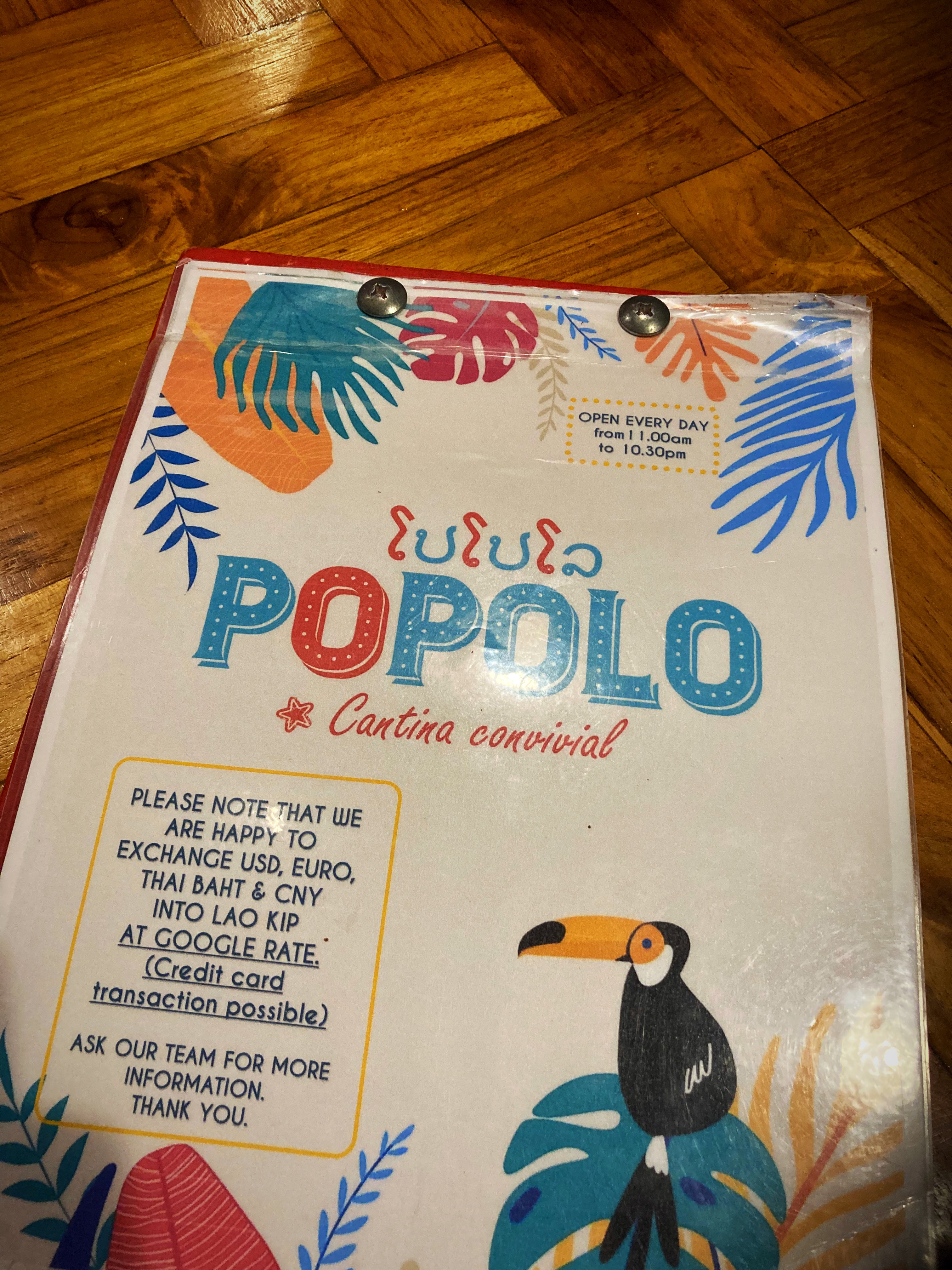
Popolo
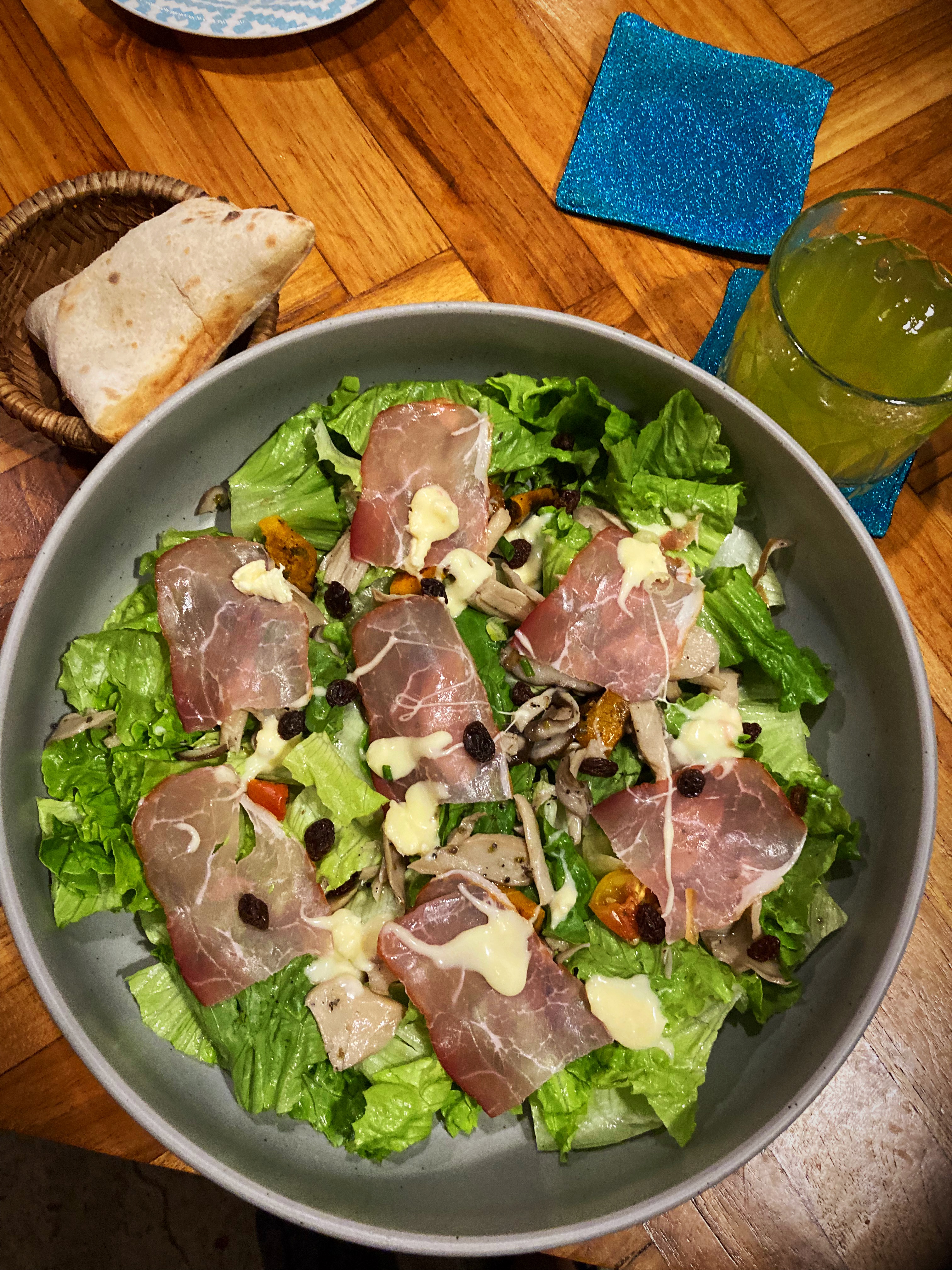
Fantastic pizzas and salads. The pizza bases are made from sourdough that has been proving for 72 hours.
The Belle Rive
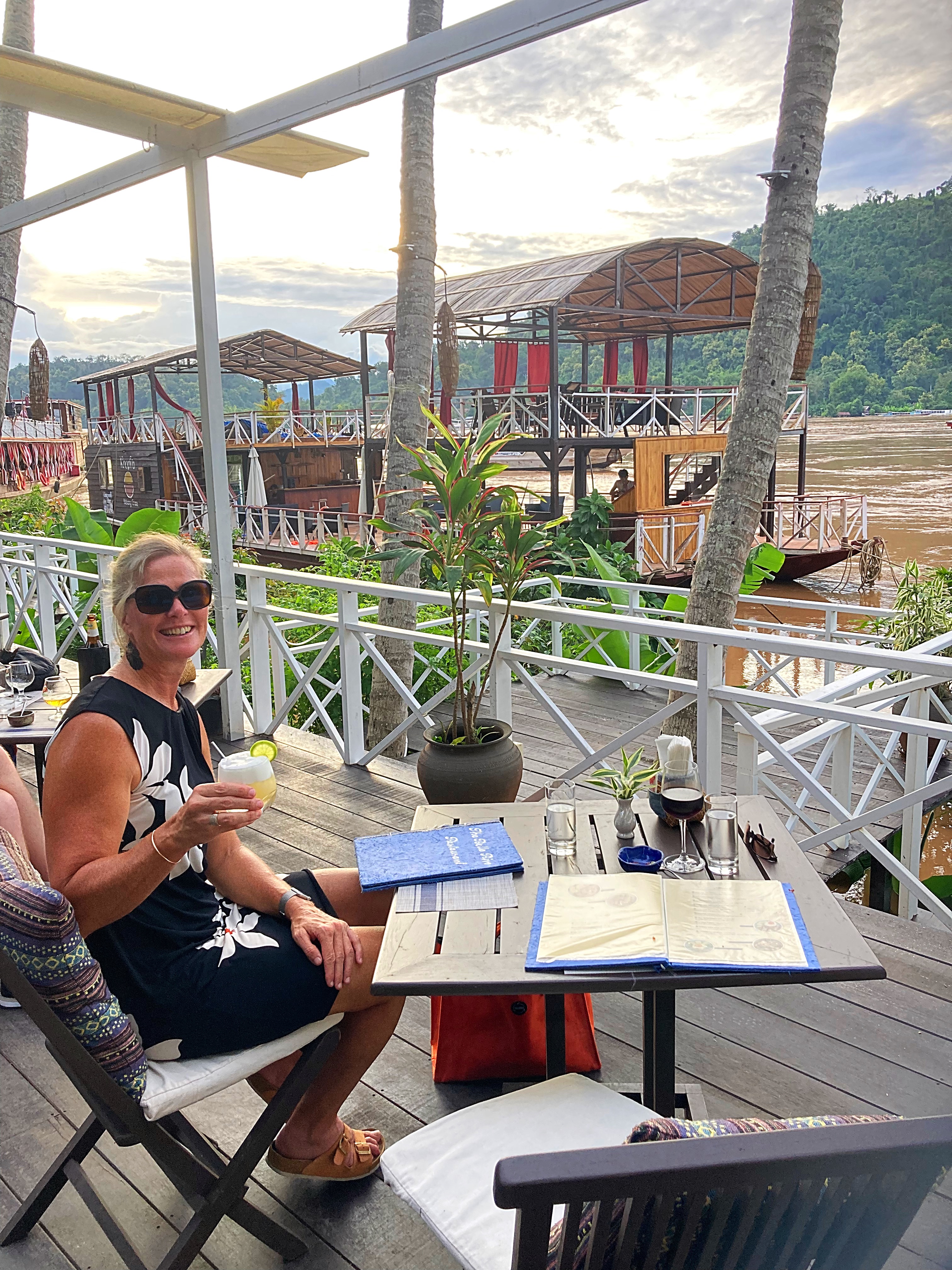
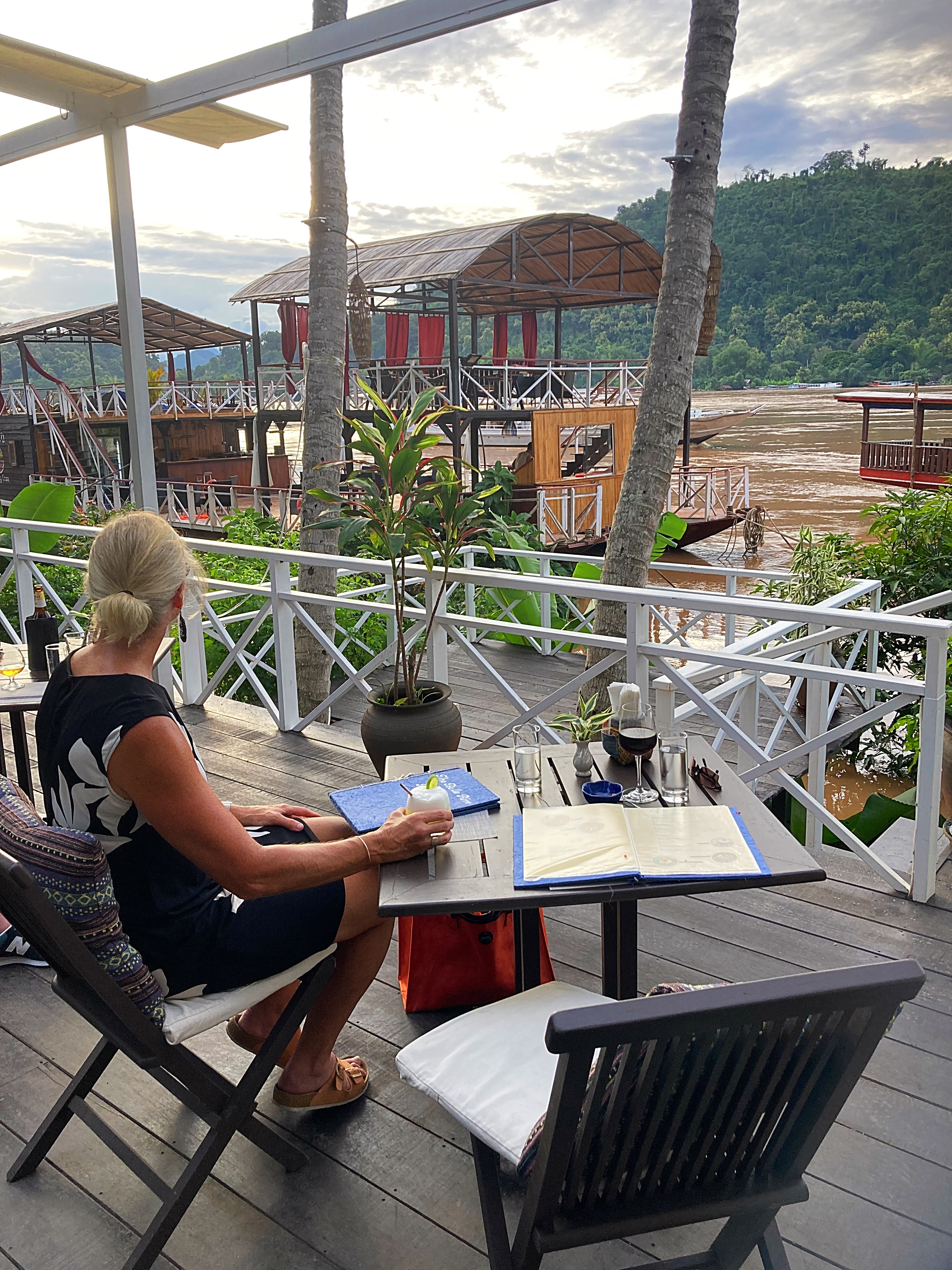
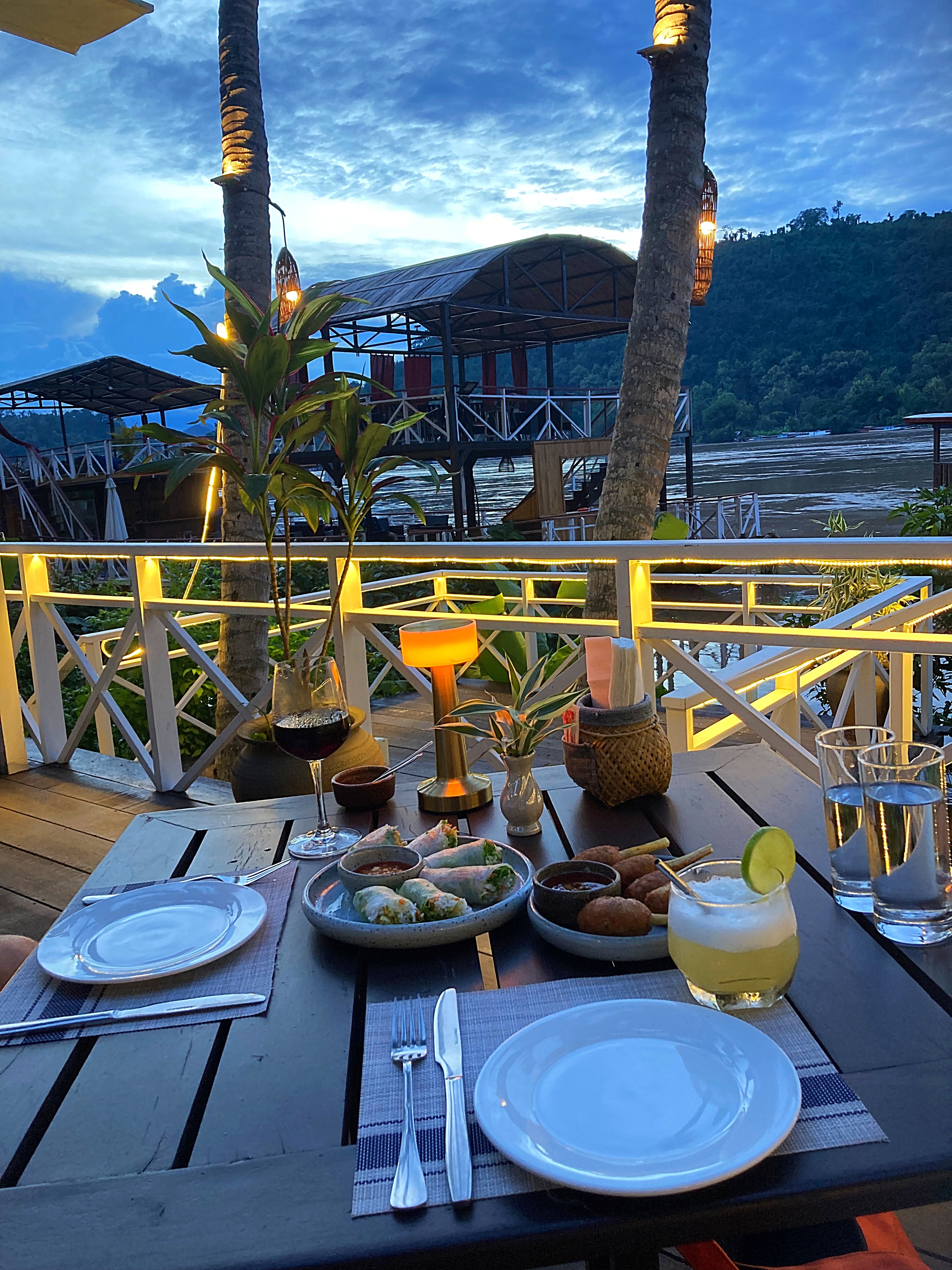
This restaurant is associated with the four-star Belle Rive Hotel down on the banks of the Mekong. A little more expensive but well worth it to enjoy the sunset over the Mekong. Unfortunately, the risk of flooding mentioned earlier, meant that the staff were busy shifting everything up to higher ground in case of flooding. Absolutely delicious food, drinks and service.




Sena
We didn’t eat here but enjoyed an after-dinner drink. Their cocktail named “Honeymoon” is an absolute must. It is lucky I only discovered it on our last night!

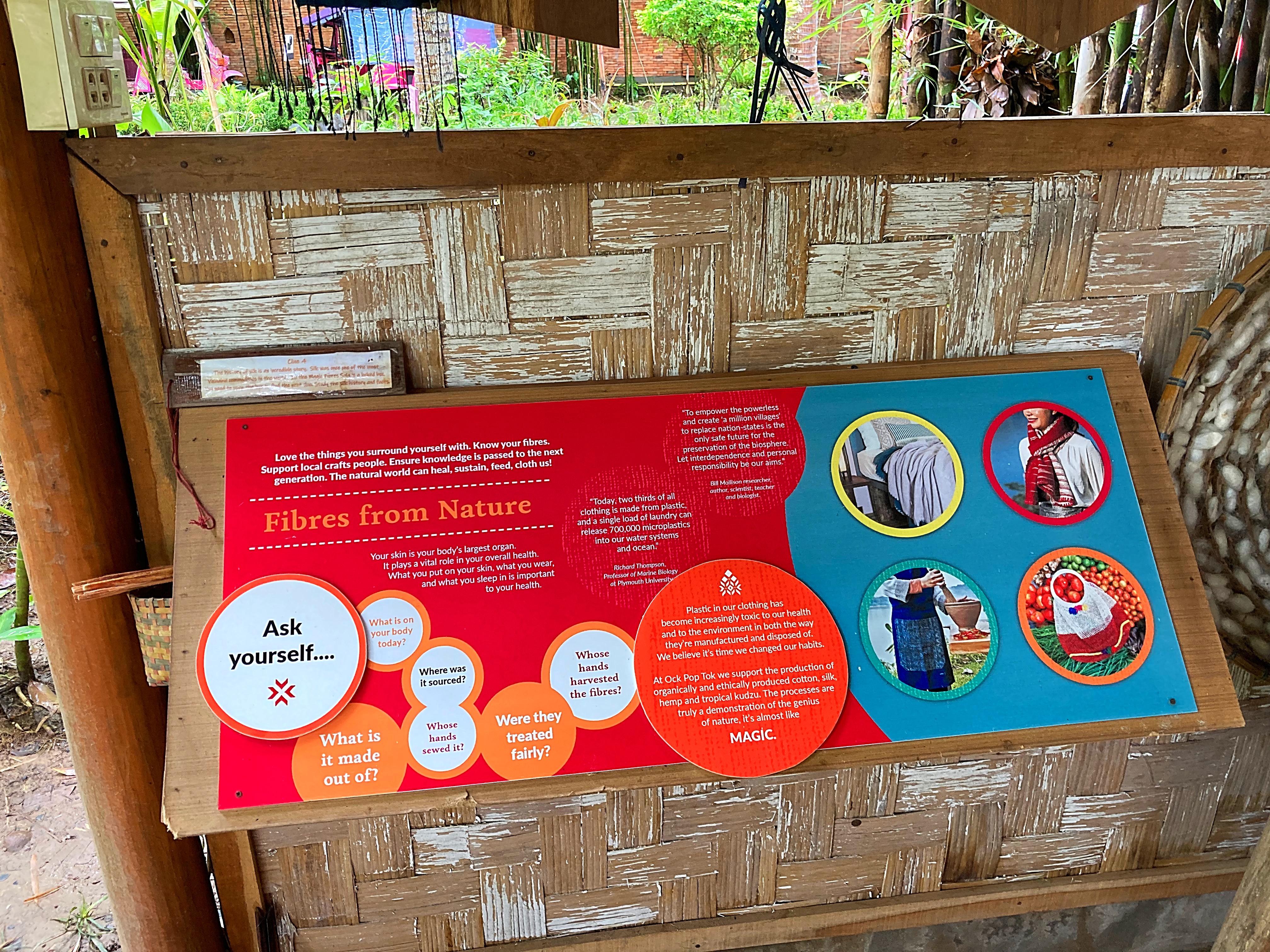
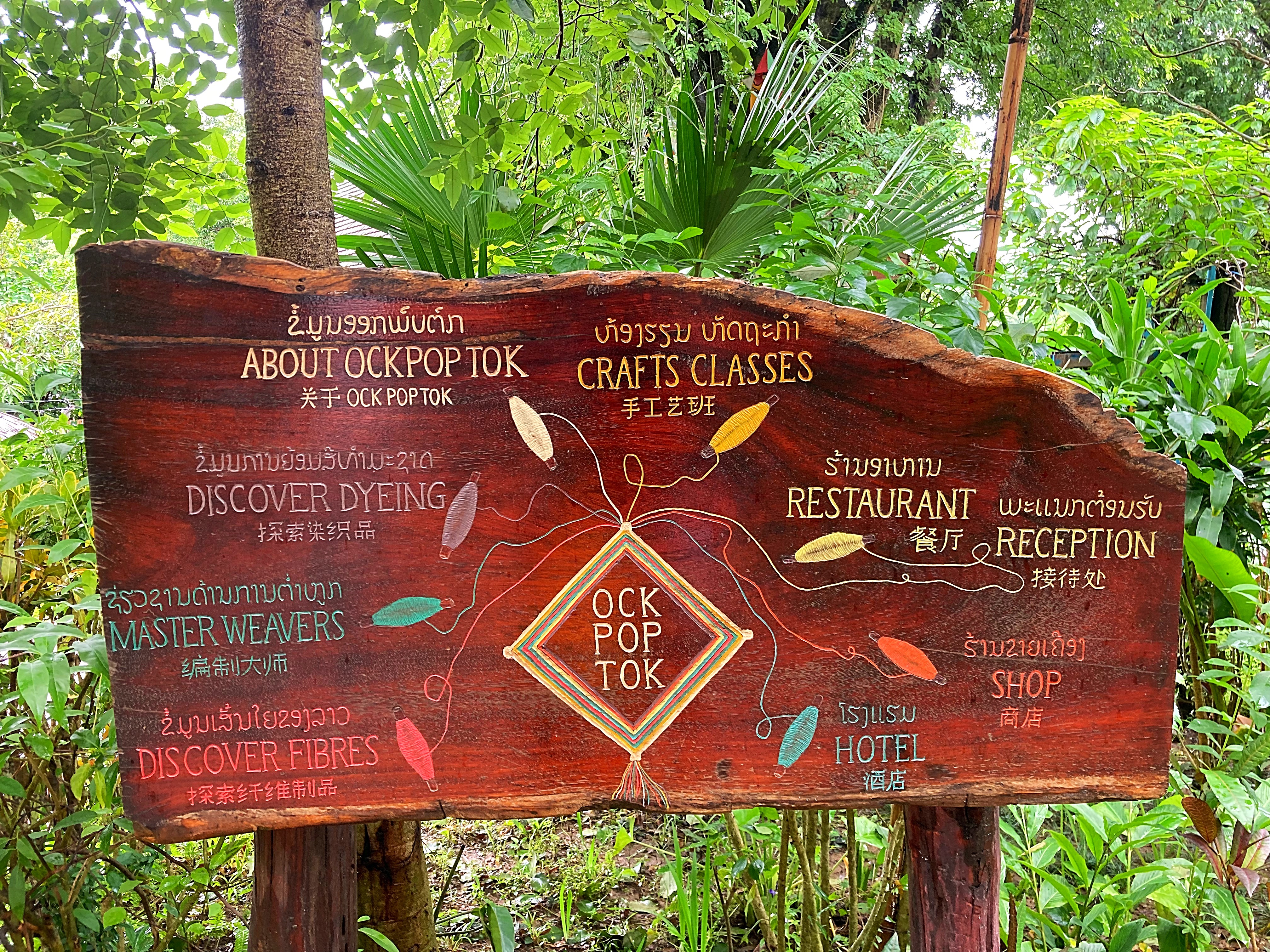
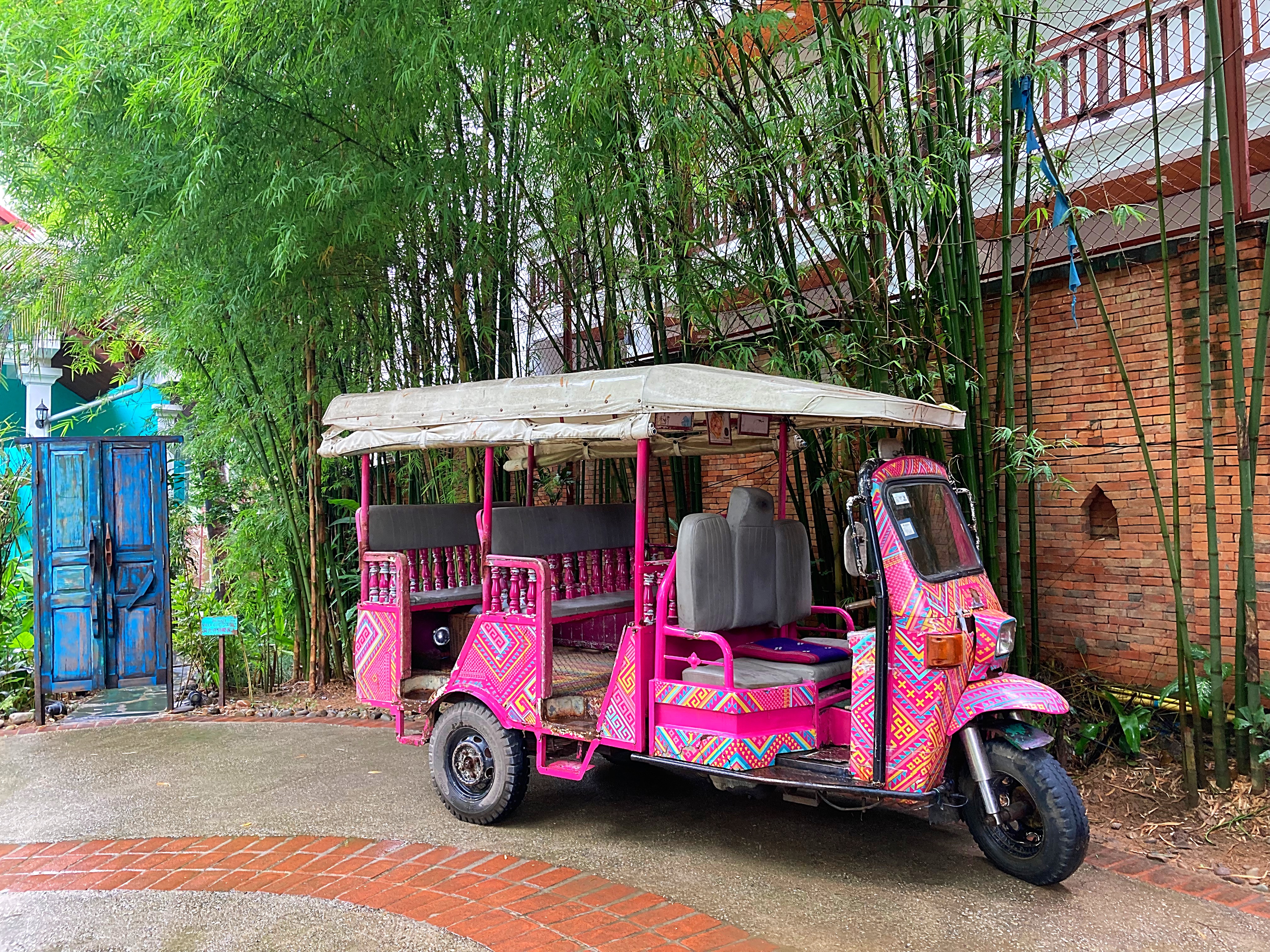
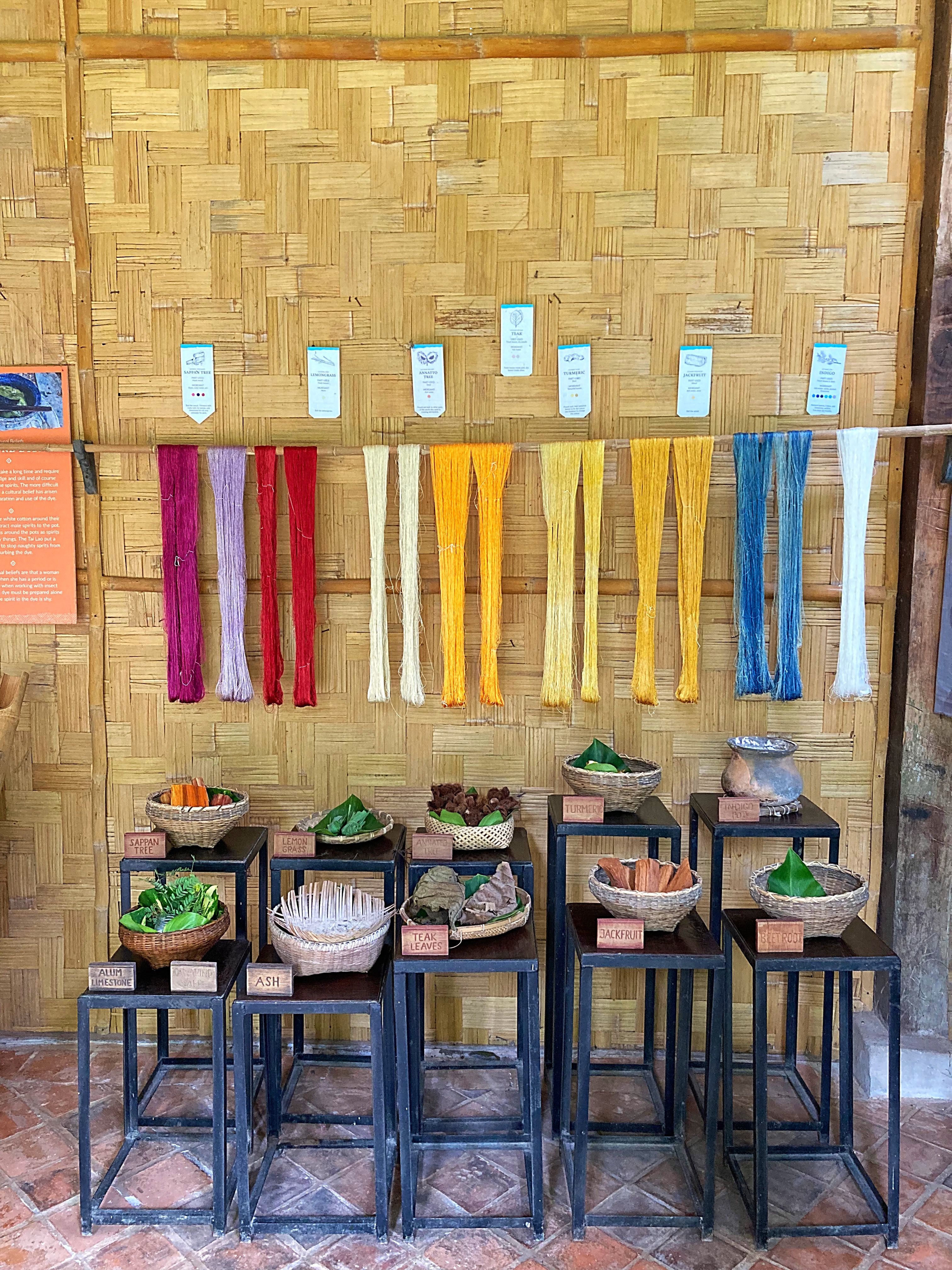
Laos has a number of social enterprises where the focus on the business is to educate, employ and empower the people involved. I walked out to Ock Pop Tok’s living craft centre, meaning “East Meets West” which is the perfect analogy for the meeting of British Jo and Laotian Veo, the two co-founders. Since the beginning, the artisan social enterprise, has been trying to bring two worlds together. Merging traditions from the east with innovation from the west has allowed them, since 2000, to elevate the profile of Lao textiles and contribute to its preservation. Check out their website for more info https://www.ockpoptok.com it is absolutely inspirational and so interesting.
Unfortunately, I arrived at lunchtime so there were no demonstrations or tours happening. You can do a self-guided audio tour or just walk around and read all the information boards. There was one woman working on her loom – wow is all I can say. Such intricacy using the traditional equipment and methods.



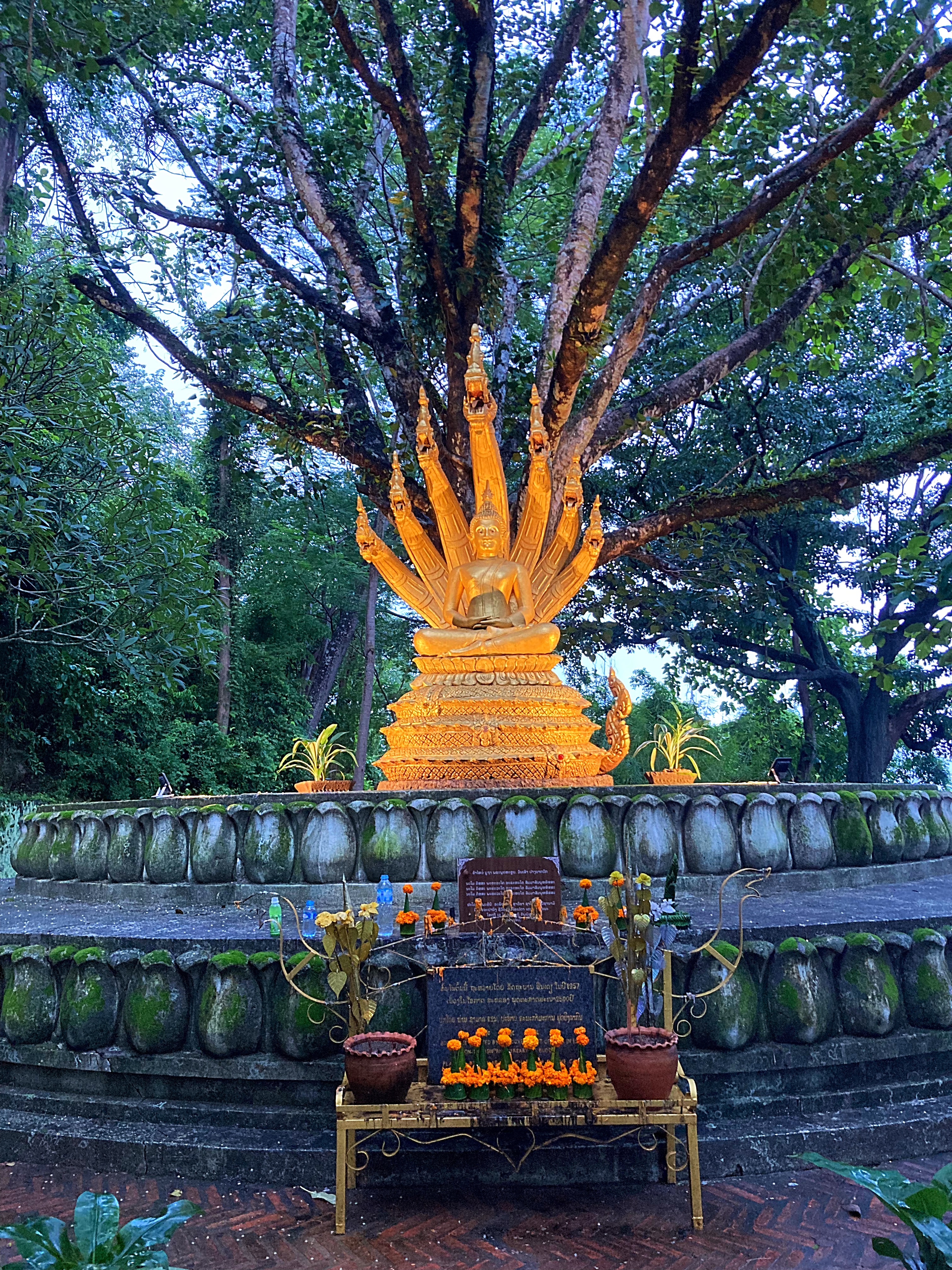
On the last morning I decided to walk up Phousi Hill – it was still a little cloudy after some more overnight rain but that just added to the mystical nature of it, with some clouds still lingering in the mountains.
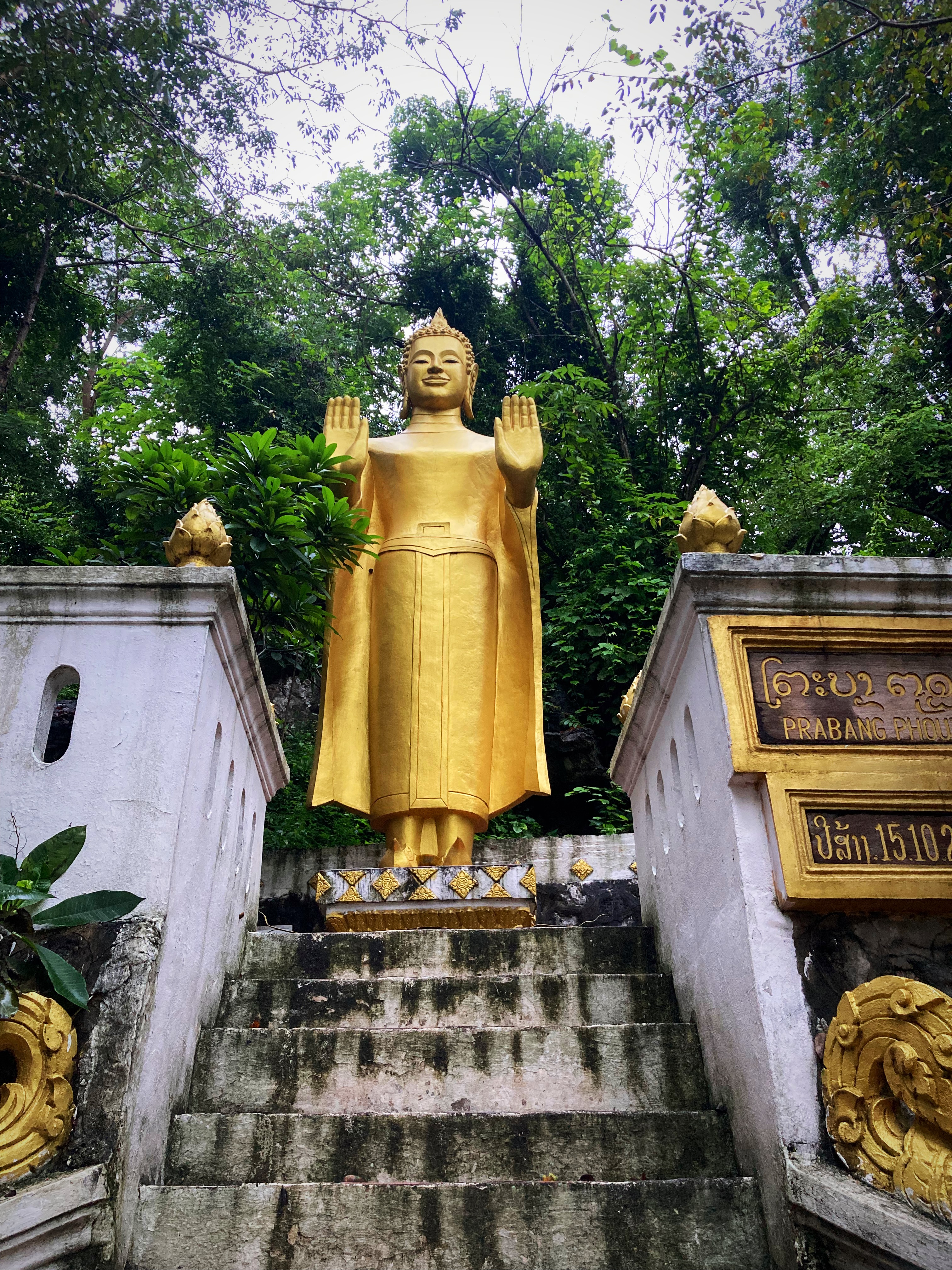
Phou Si, which means “sacred hill” is about 100 meters high. There are about 300 steps to the top but it is worth the effort. From the top you will have great 360 degree views of Luang Prabang, the Mekong and Nam Khan rivers and the forested mountains.
Ancient legend tells of a powerful Naga (part human, part serpent deity in Buddhist and Hindu belief) who used to call the mountain home, and there are beautiful little temples and shrines dotted throughout the hill, their gilded rooftops just visible above the trees.




As my good friend Debs says, you must leave a little salt on the bread. Due to the rainy weather, we didn’t get to explore the Kuang Si waterfall or visit the Buffalo dairy farm. They are on the list for next time as we will definitely be back.


 SUNGRL