
Day 29 – Regensburg to Deggendorf – 89km
2,000 kilometres take two – due to an unexplained app malfunction we mistakenly thought we hit 2,000 kilometres yesterday. After whipping up a quick spreadsheet last night (3 out of 5 of us are accountants after all) we discovered we were 66 kilometres short.
It was another rainy day and not a lot to take note of along the route, so we put our pedals to the metal and whipped out 50km by 11.15am.
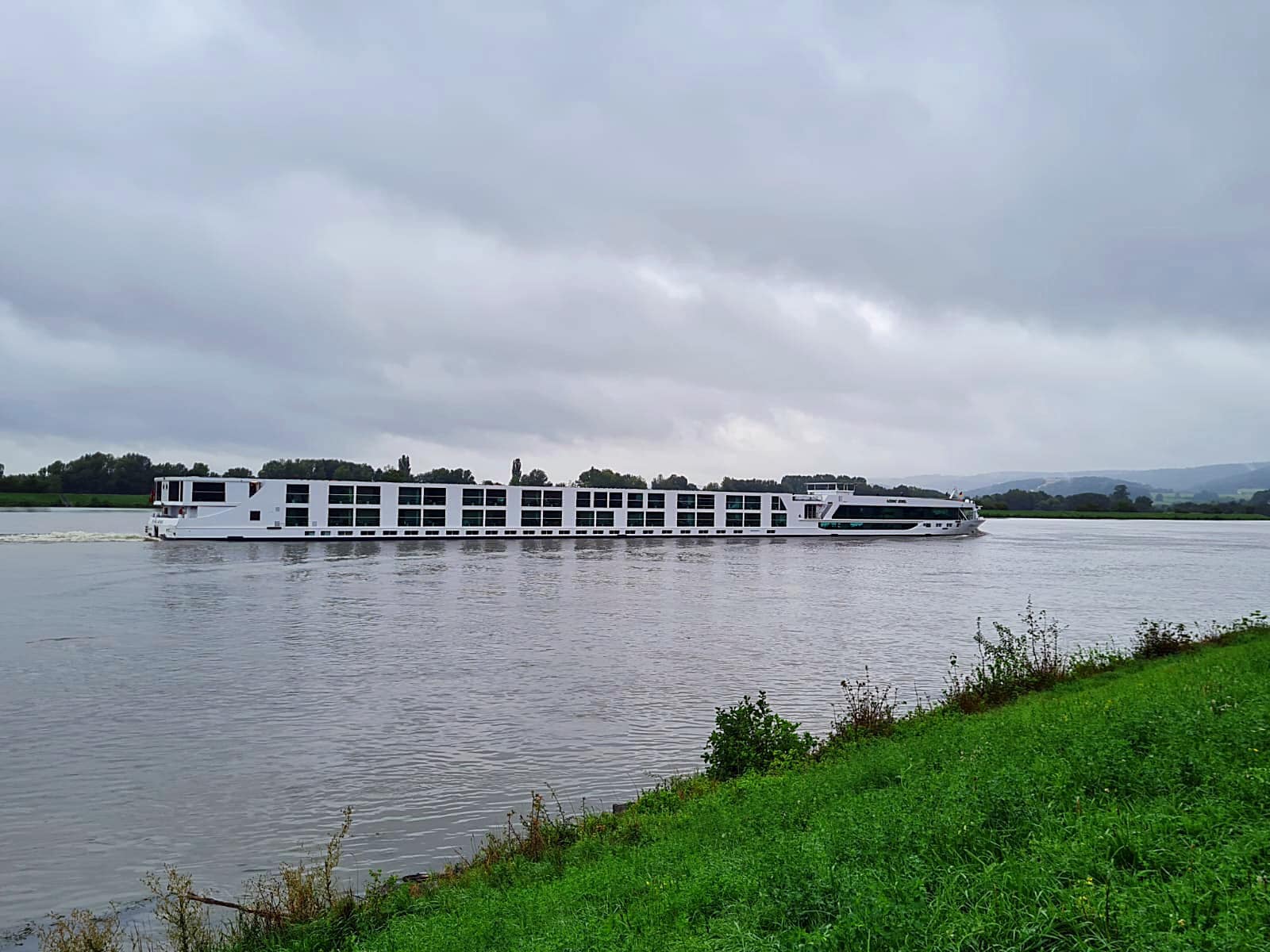
We are now heading southeast along the Gauboden plain with the foothills of the Bayrischer Wald forest rising to the north. The Danube is really wide now and there is a lot more boat traffic.
Not far out of Regensburg we saw King Ludwig’s Walhalla which is a pantheon commemorating 195 ‘Germanic’ heroes.
It is a reproduction of the Athenian Parthenon and was commissioned by King Ludwig I as a pantheon for Germanic heroes. Leo von Klenze designed it, and it opened in 1842. Made of marble with 348 marble steps leading to the entrance, it contains 130 marble busts and 65 plaques commentating the great and good of Germanic speaking peoples – Beethoven, Bismarck, Goethe etc
The name Wahalla originated from the place where Wotan, leader of the gods in Nordic legend, welcomed new entrants into heaven.
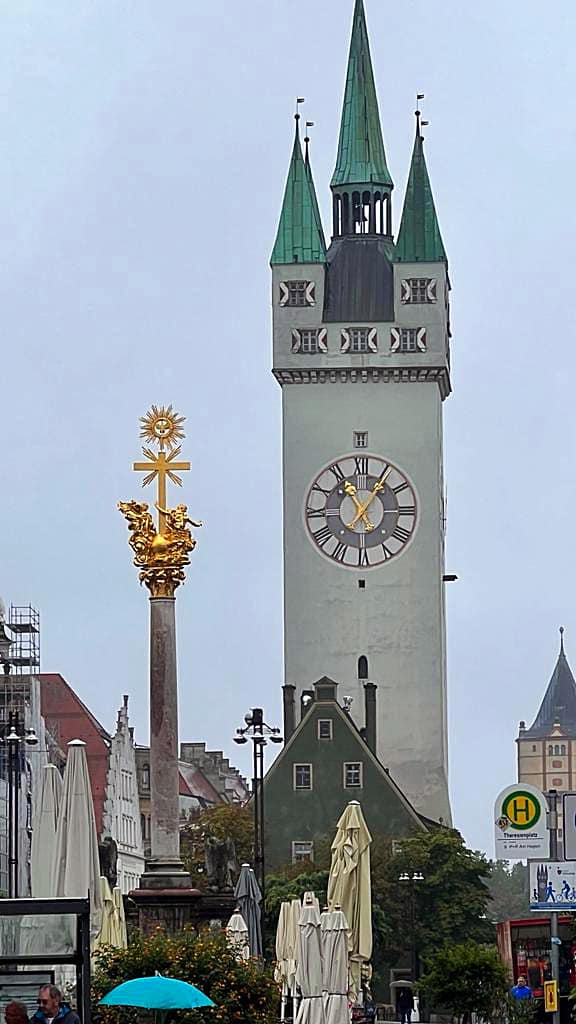
We had an early lunch in Straubing in a lovely warm bakery / cafe. We lingered for quite a while before heading back out into the rain.
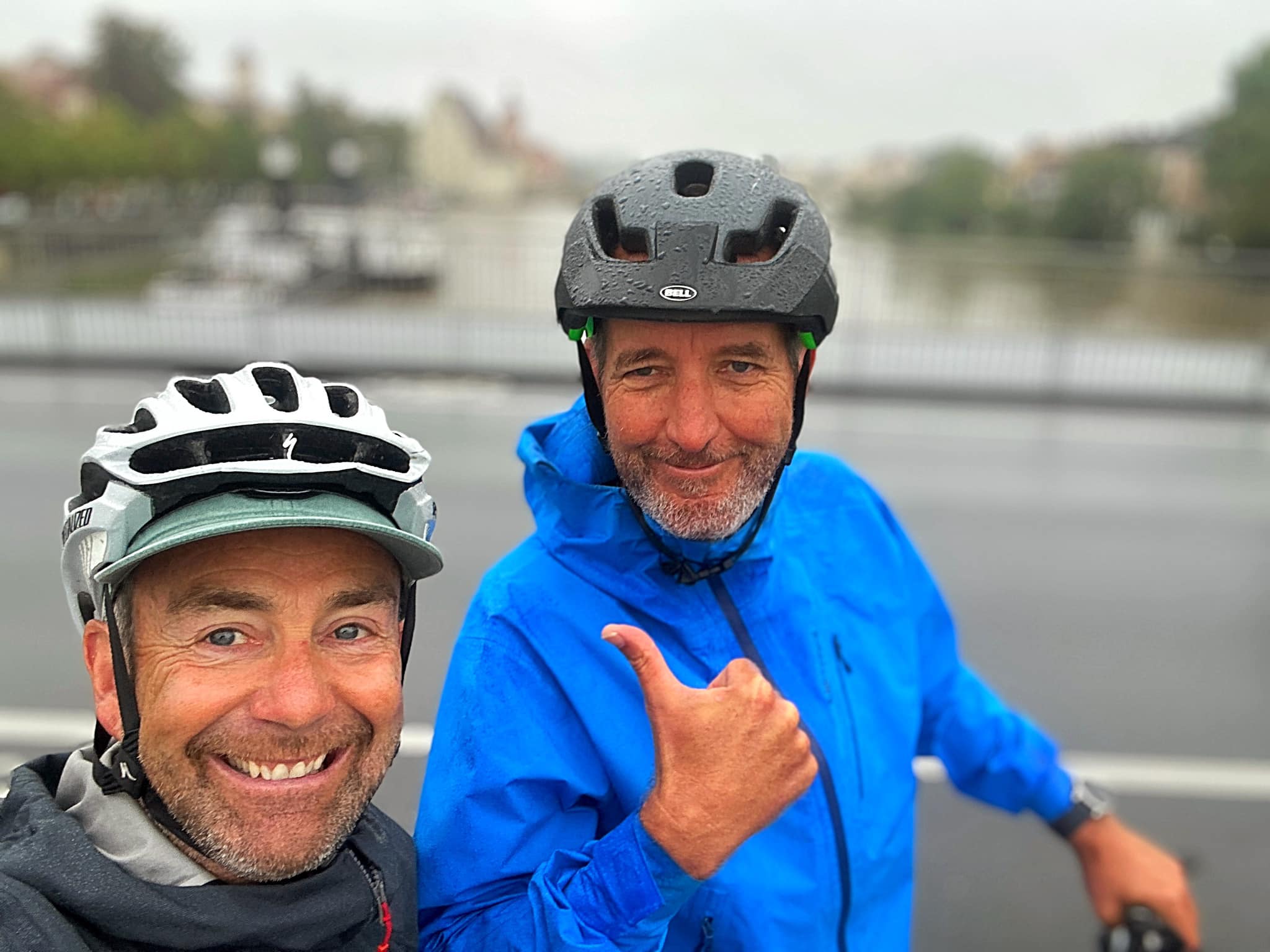
Sixteen kilometres after lunch we hit the 2,000 kilometre mark for real and marked it in our unique way.
We arrived into Deggendorf about 2.45pm where we are staying in a lovely hotel. It has a ‘spa’ which includes a sauna and roof top pool. The pool is supposedly 34 degrees but didn’t really feel it so I didn’t last long in there.
We had a wander around Deggendorf before dinner – it is quite a busy place with a population of 32,000. The town gained a place in infamy due to an anti -semitic program in 1337, when the entire Jewish community was destroyed by fire.
We are now two days out from Austria, so I warmed up with a Wiener schnitzel for dinner tonight 


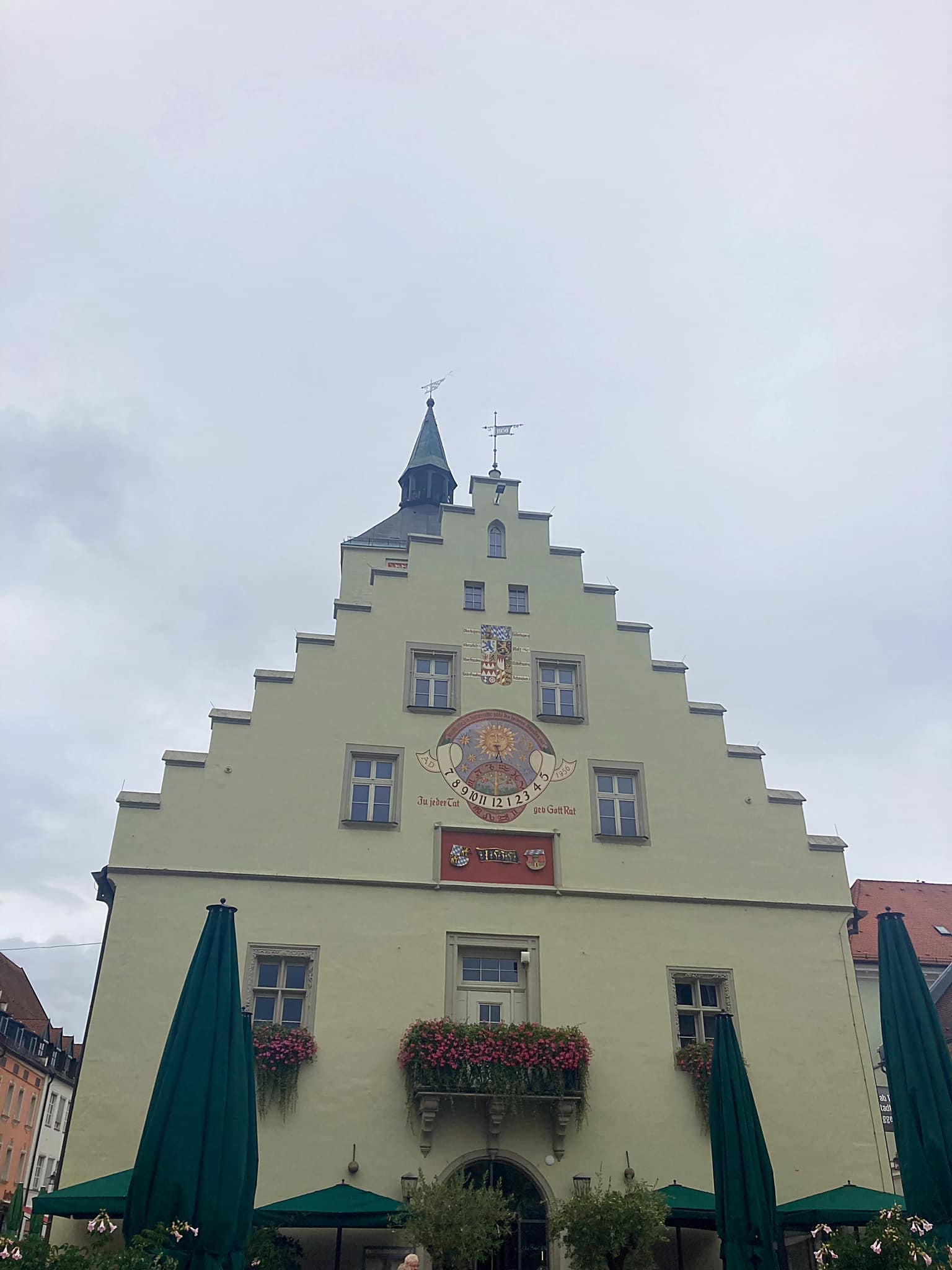


Day 30 – Deggendorf to Passau – 59km
The best breakfast on tour mantle previously awarded to Hotel Im Reid in Donauworth, has been passed to Gasthof Hotel Hoettl in Deggendorf. Meats, cheeses,make your own muesli, sausages, bacon, slice your own prosciutto, juice your own fruit & veges, alternative milks, vegan deserts, cakes, fruit, a huge selection of teas…..
We had a more leisurely start to the day and the rain had stopped with a shimmer of blue skies above. It still wasn’t particularly warm but no complaints after the last three days. We were dry!
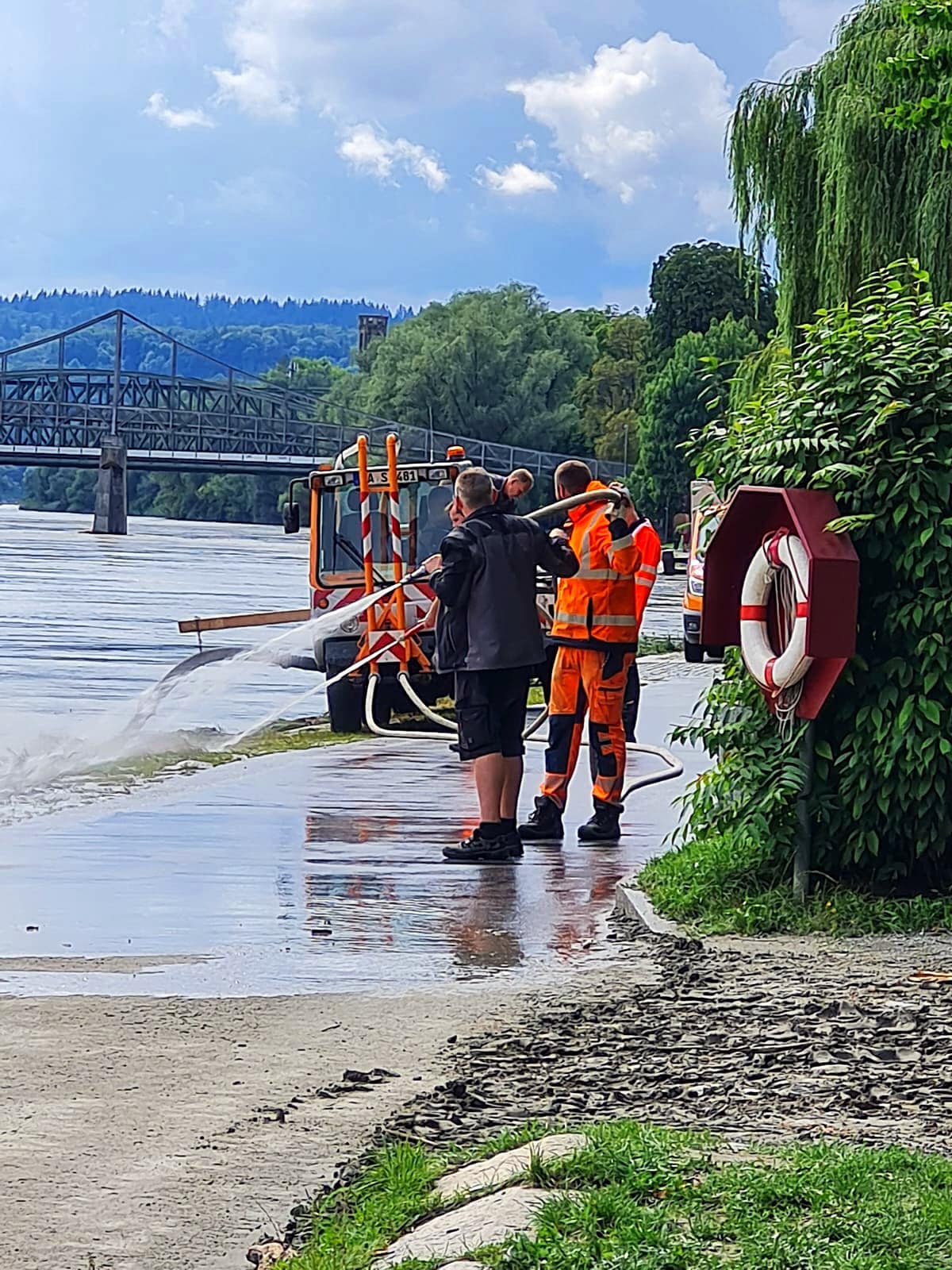
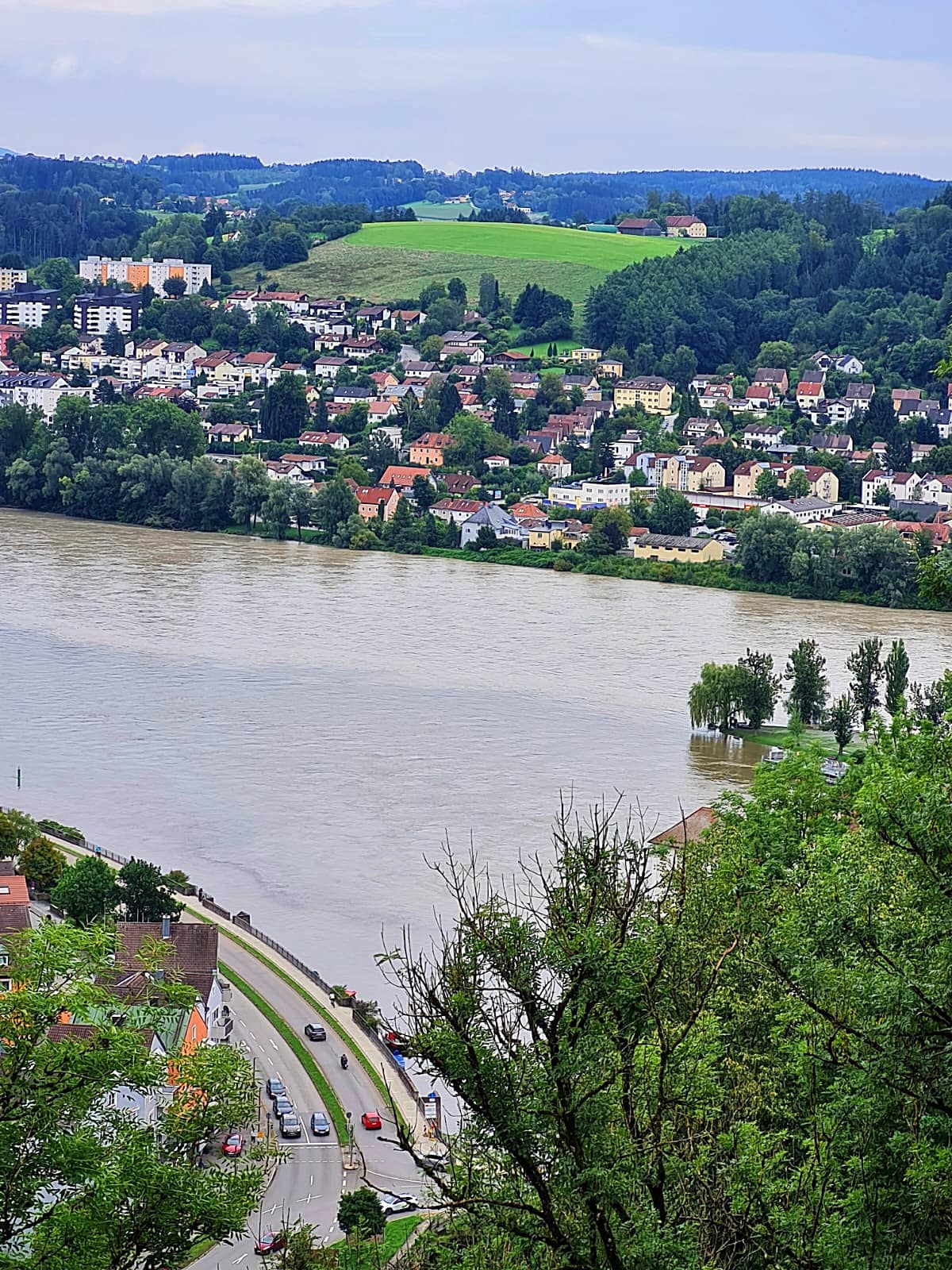
The Danube was certainly showing the effects of the last two days of heavier rain as it was running very high. In some places you could see where it had come up and over the path. We had met a Dutch guy called Christian, along the route yesterday, who caught us up again this morning. Some parts of the track were flooded so he navigated us around them. He then proceeded to get a flat tyre which we helped him fix. It went flat again just as we reached Vilshofen for our coffee stop so he went in search of a bike shop. He was a lovely guy and very interesting to talk to.
We got to Passau at 2.30pm, couldn’t check in until 4pm so we went exploring.
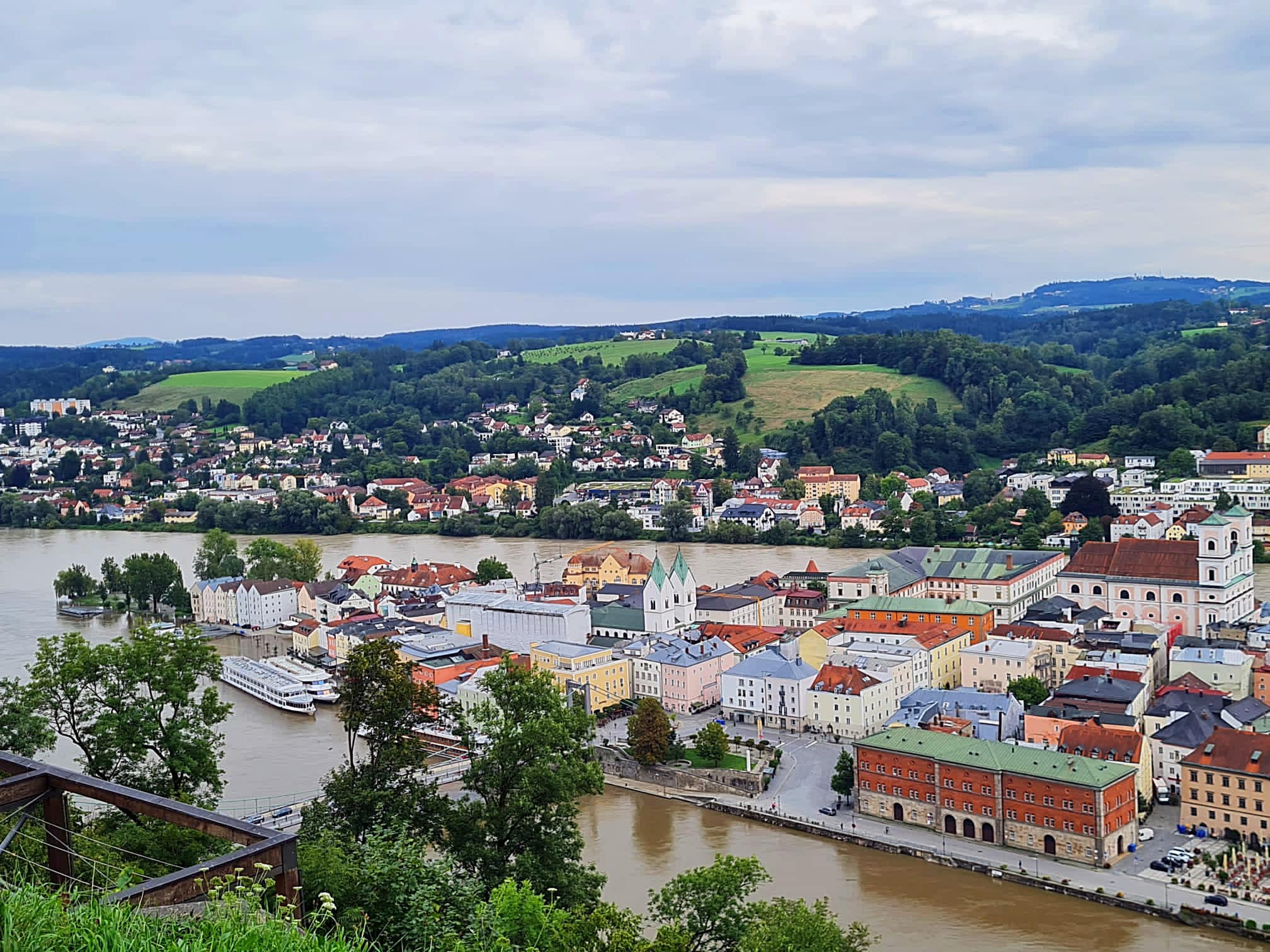
Passau is dramatically positioned on a peninsula between the Danube and Inn rivers. As the river Ilz joins from the north at the same point, Passau is known as Dreiflussstadt (three river city) and the point at the tip of the peninsula where the rivers join as Dreiflusseeck (three river corner).
We went down to the peninsula to see this convergence but it was flooded. We came across sandbags and people cleaning up. Christian mentioned that it had been raining heavily for a few days in the Alps and that we would see the effects of that in Passau.
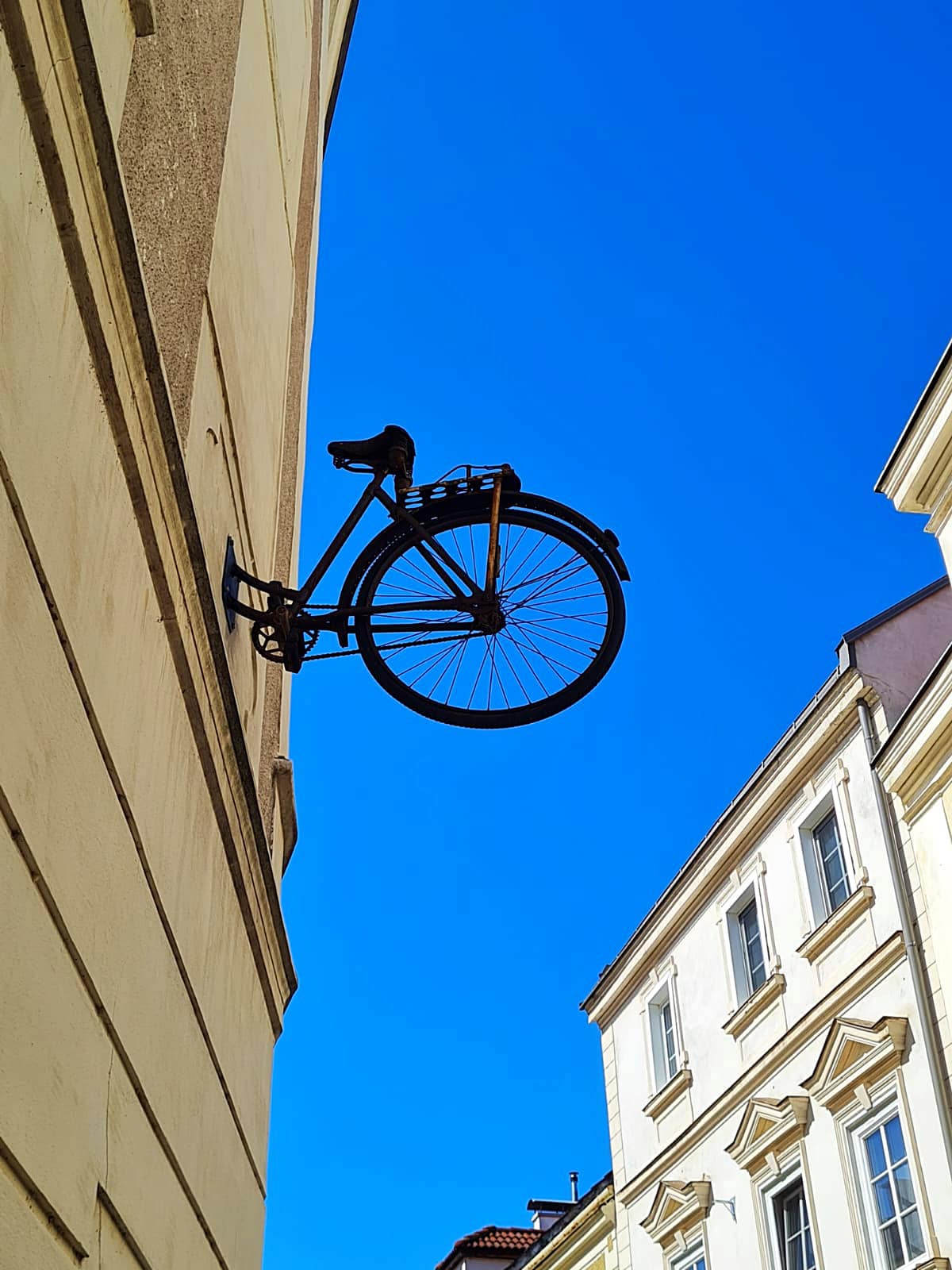
During our exploration we also came across a lone front bike wheel padlocked to a post. The lesson we took from this was, never just lock your front wheel to something as they can take the rest of your bike. JP and I have a system which has worked well so far but a good lesson all the same.
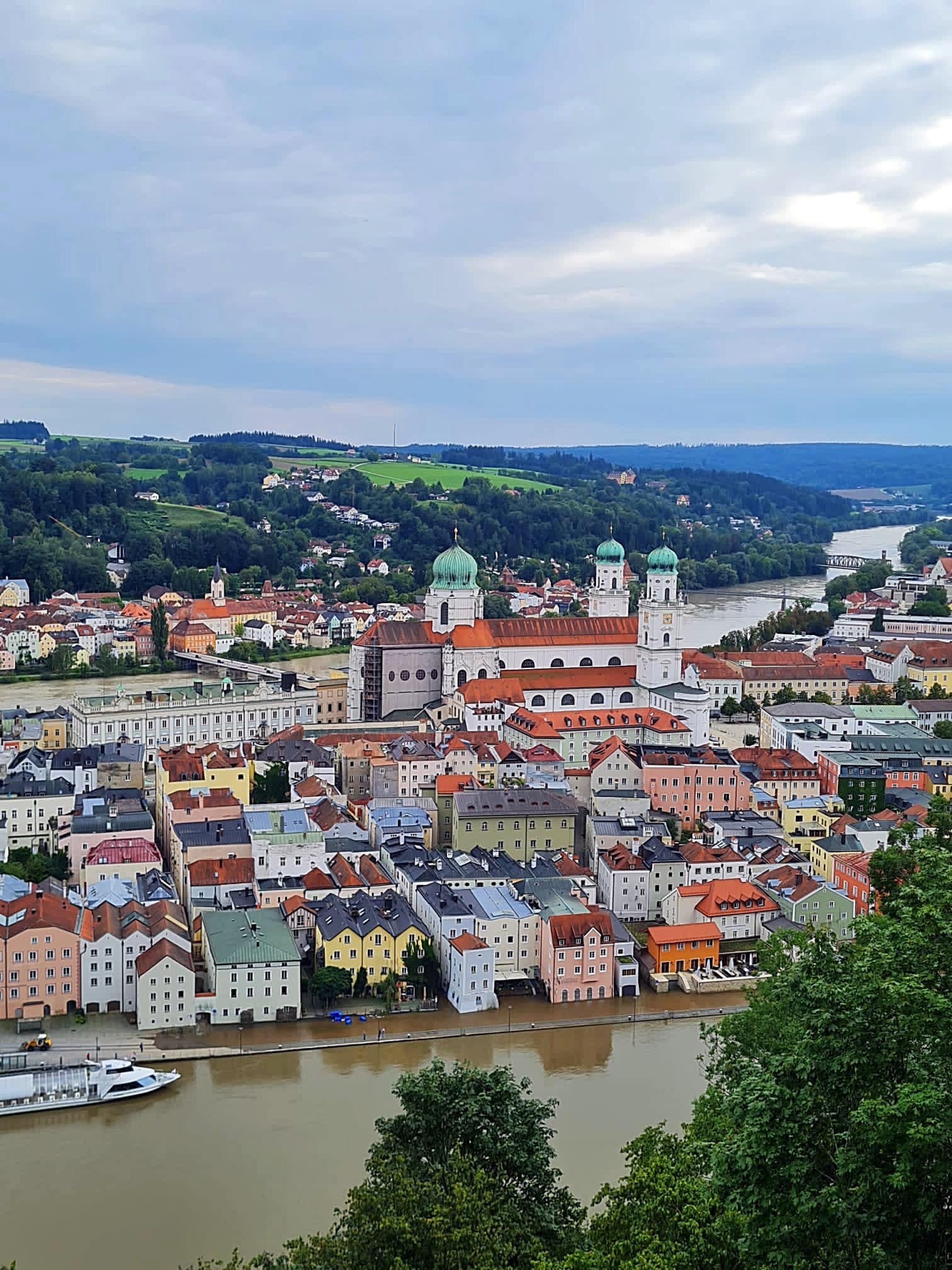
Most of the city’s architecture is in baroque style – the result of rebuilding following a devastating fire in 1662 that destroyed most of the old town.
The organ in the cathedral has five different manuals and nearly 18,000 pipes all played from one console, is the biggest in Europe.
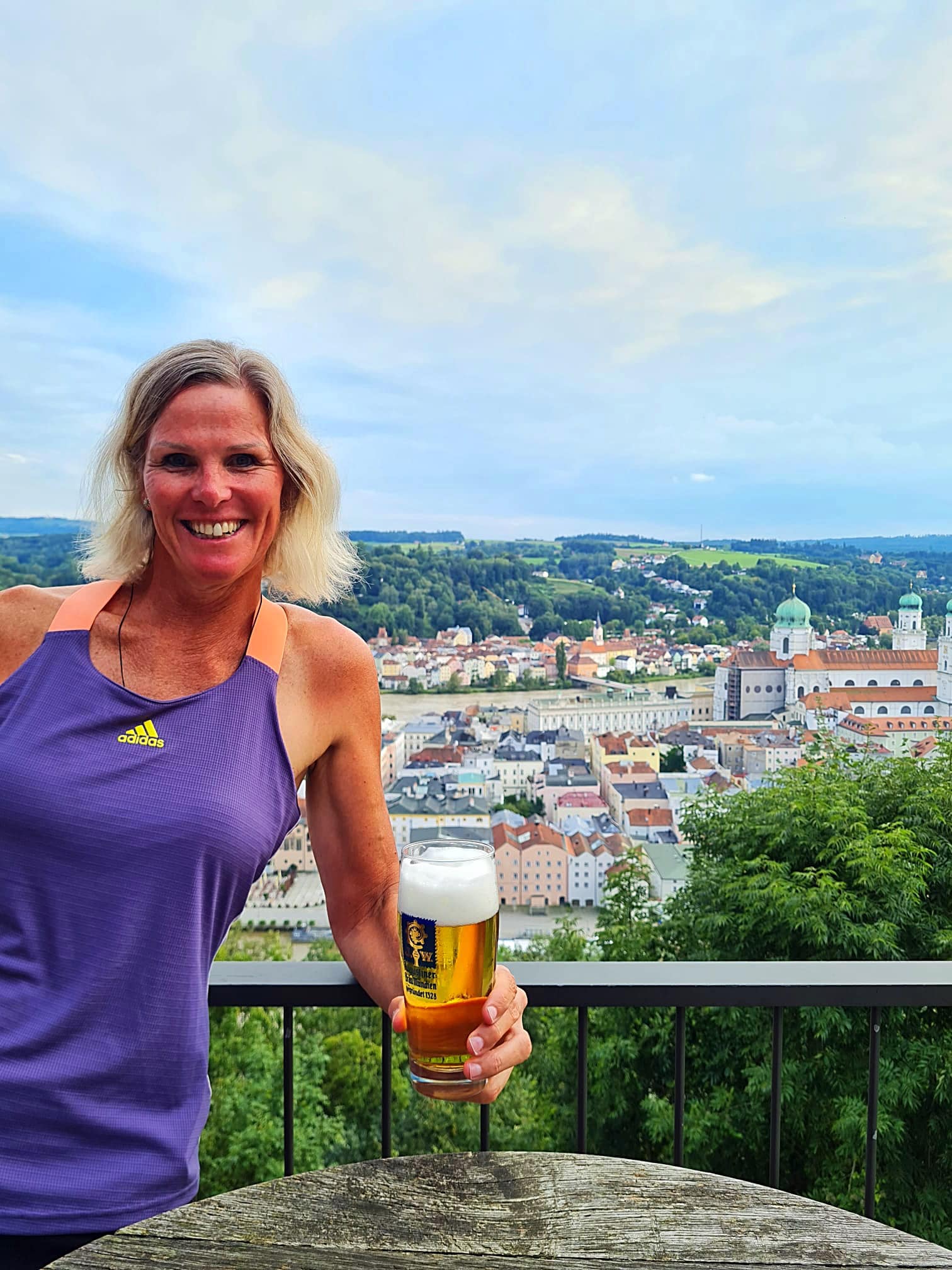
We are staying north of the Danube at the Veste Oberhaus, formerly the bishops’ fortress and nowadays a youth hostel. It stands on a bluff overlooking the mouth of the Ilz. It was a bit of a climb up here I must say, but so worth it for the view.
The river Inn, at 517km long, is the greatest upper Danube tributary both in length and volume of water. Rising in the High Swiss Alps southwest of St. Moritz, it flows down through the Engadine valley into Austria. Turning north and away from the mountains into Germany, it reaches the Danube at Passau – where its contribution of water doubles the Danube’s flow. As much of this water originates in the High Alps, some from glacial meltwaters, it has a characteristic milky colour caused by dissolved limestone. We could see this from our vantage point at the youth hostel.
We had a lovely dinner overlooking the convergence of the rivers and even enjoyed a couple of beers – who even am I 


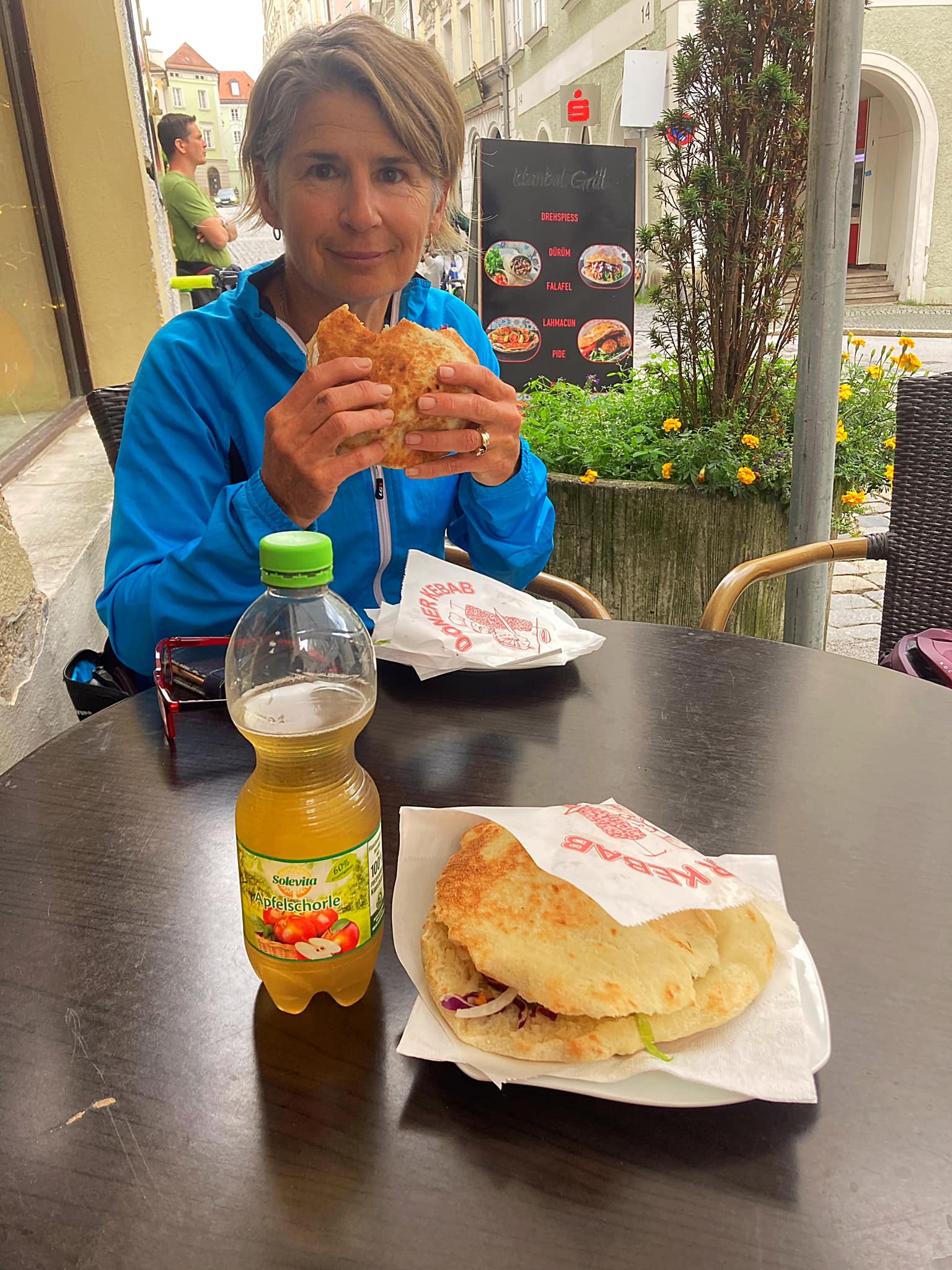
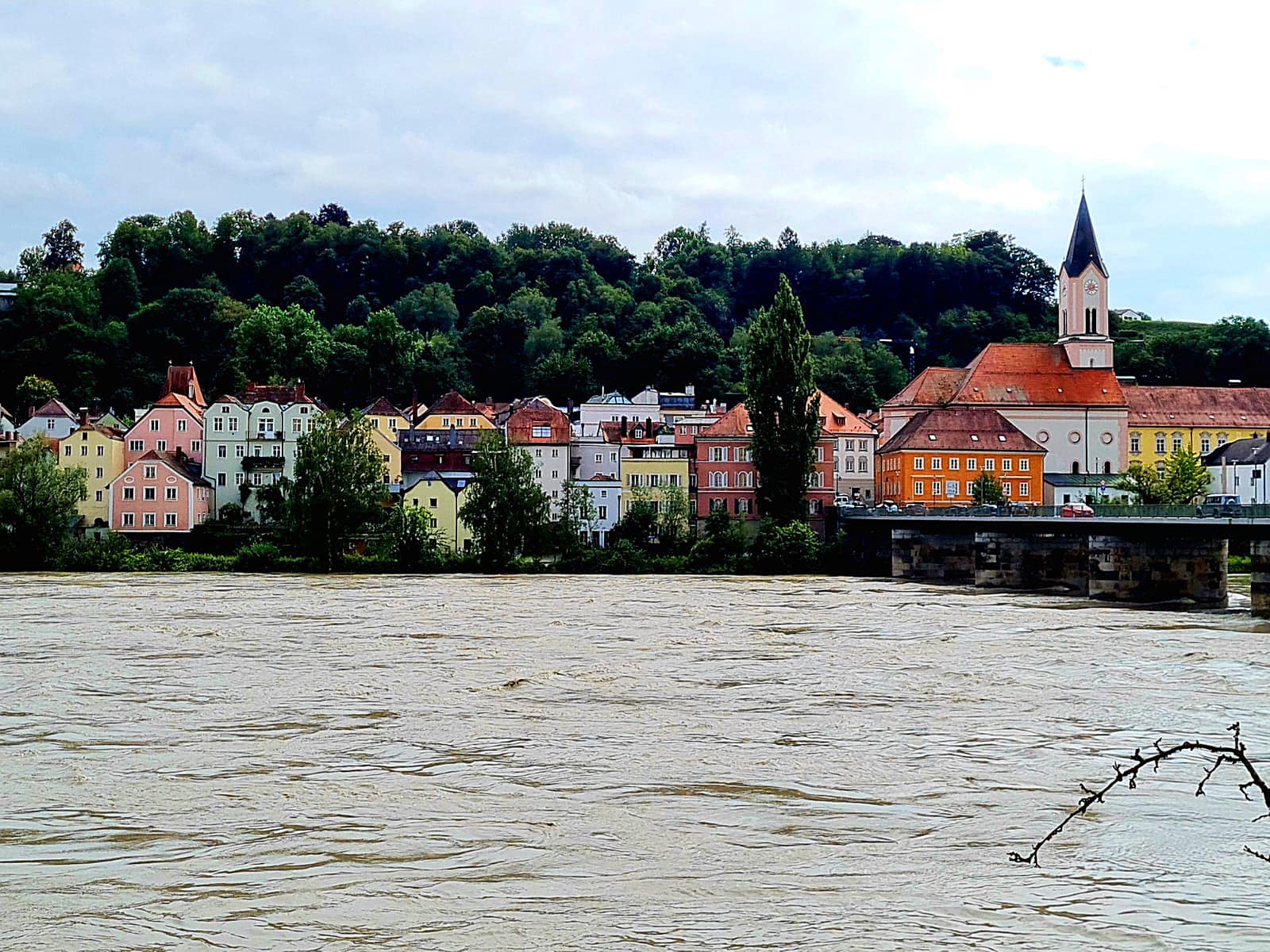
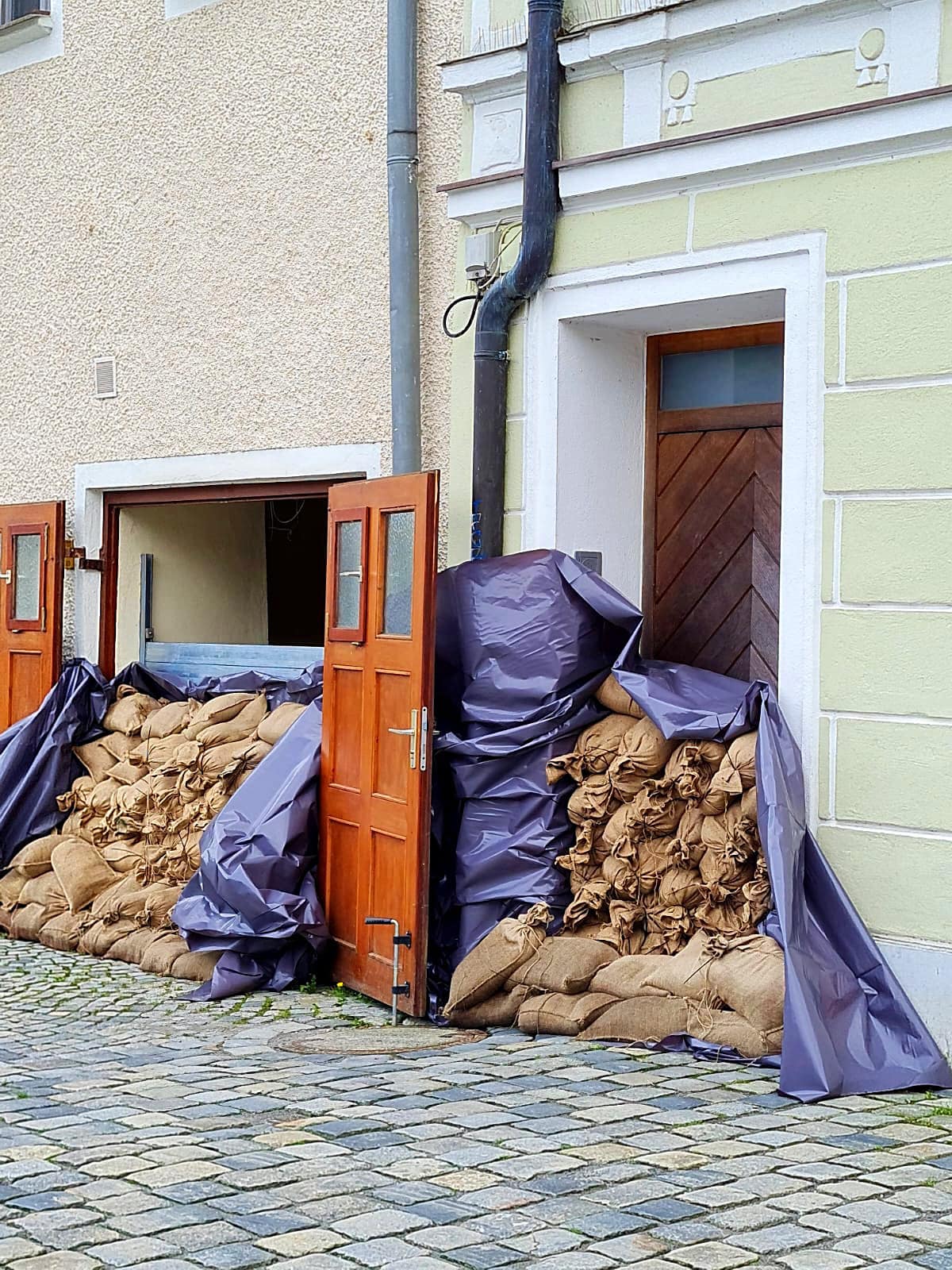




Day 31 – Passau to Linz – 100km
We woke to a foggy morning from our accommodation on high, but it soon cleared to an overcast but dry day.
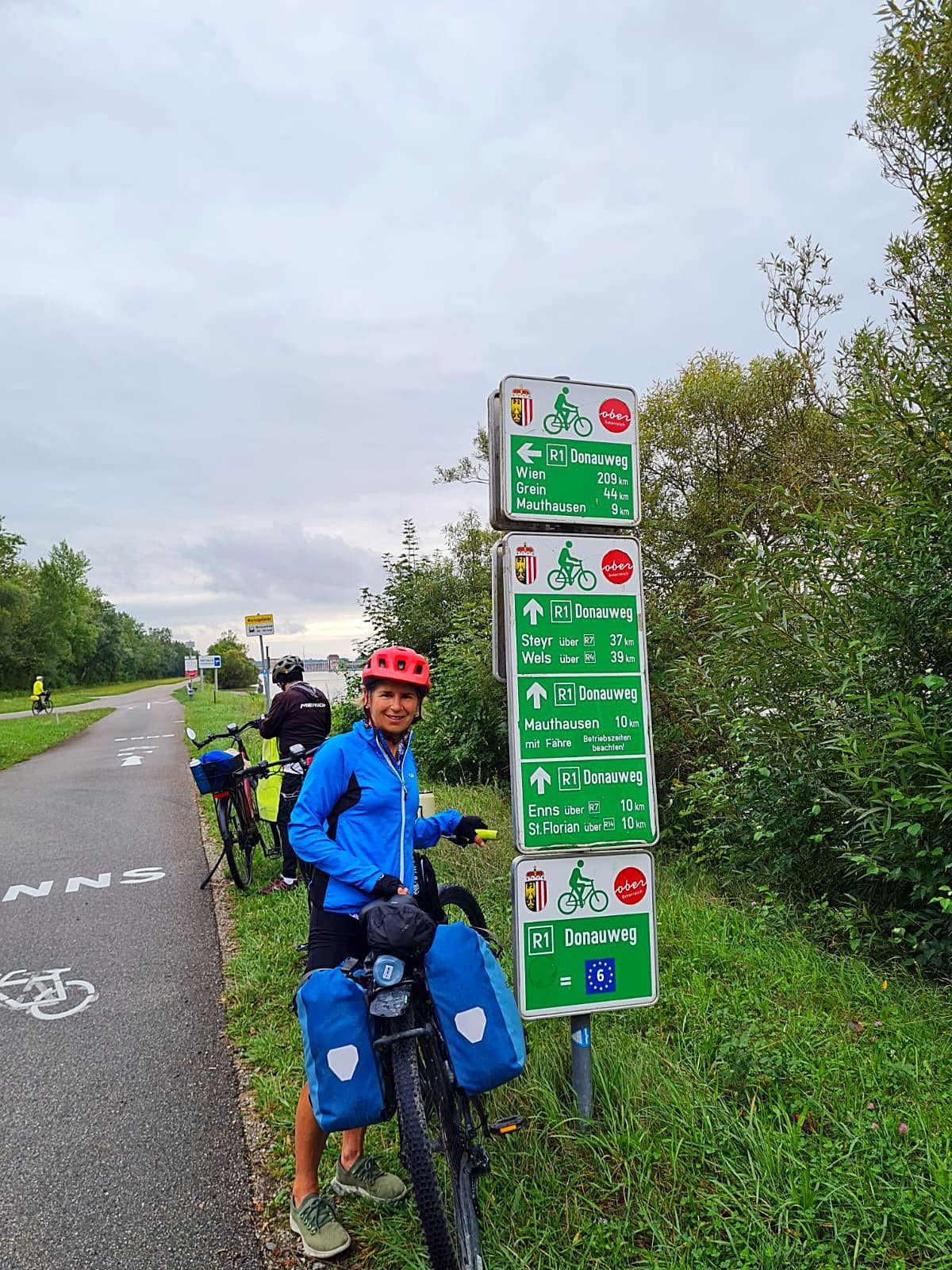
Four kilometres into our ride we crossed into Austria – our fourth country on the Euro Velo 6. The scenery seemed to change immediately as we crossed the border – we left what felt like an industrial landscape in Germany and crossed into a very green, rural and forested Austria.
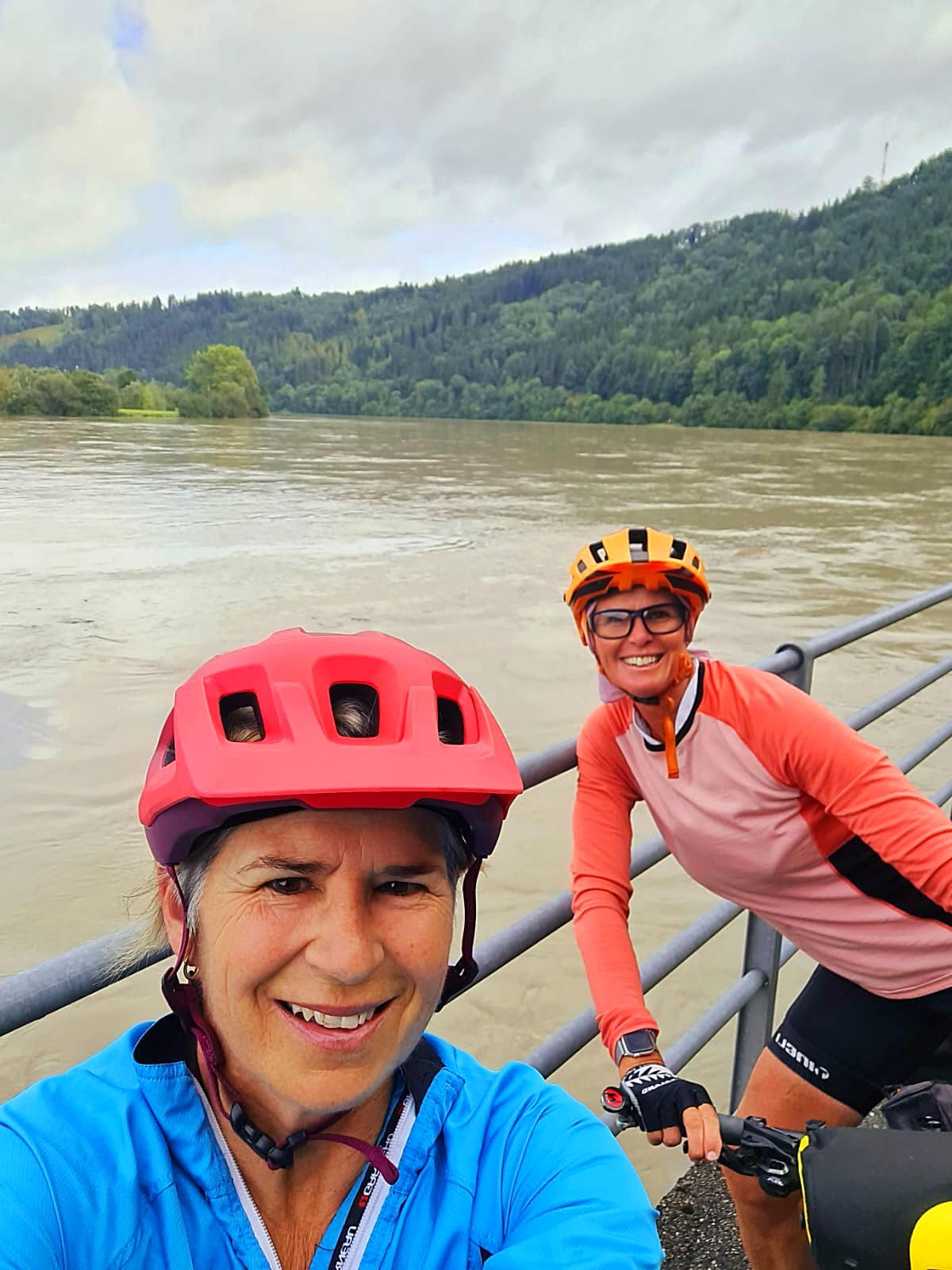
We followed the very swollen and very brown Danube through a wooded gorge. At the twenty five kilometre mark in Engelhartszell, we were supposed to catch a ferry to the north side of the river but the ferry was not running due to the state of the river. The trail continues on the south side anyway so it wasn’t a major.
There was a very modern looking art gallery that JP was keen on visiting. We left her there and went in search of coffee. It was all looking a bit grim until we came across the cafe at the Trappist abbey.
Meanwhile JP was being shunned at the fancy art gallery for parking her bike out front. The chain grease on her fingers probably didn’t help either.
The abbey, founded in 1293 as a Cistercian abbey by the bishop of Passau, served as a summer residence for the Prince Bishop rulers of the city and as a refuge for travellers on this thinly populated part of the Danube, until its closure in 1786.
It reopened in 1925 as a monastic house for Trappist monks who had left German Alsace following its return to French control in 1919, becoming the only Trappist abbey in Austria.
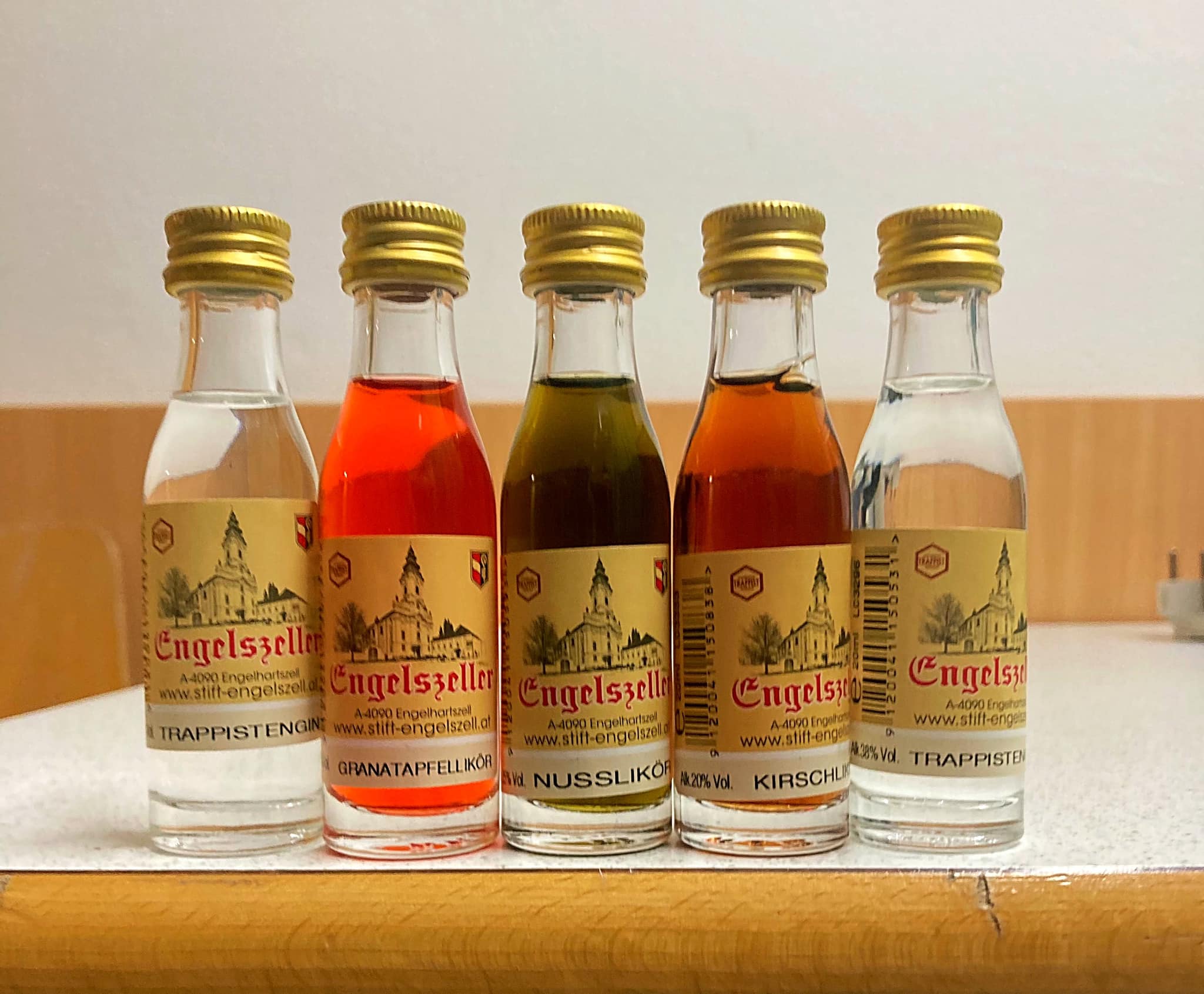
Despite strict vows of silence and prayer and an ageing and declining brotherhood the monks found time to operate a small distillery and brewery, producing herbal liqueurs and strong beers. There were 73 Trappist monks there in 1939, 9 in 2009 and none now – the religious side of things was ordered to close in May 2023. The brewery and distillery continue to operate in modern facilities.
Not being able to catch the ferry meant we were able to check out the beers and spirits on offer. Andy, being the good bugger he is, took one for the team and had a beer at 11am (before having to ride another 60 odd kilometres). I purchased some little bottles which may come in handy when the going gets tough on the bike  .
.
The riding after our coffee stop was fantastic – concrete paths with a slight downhill gradient right alongside the Danube with a forest backdrop on our right. Gorgeous.
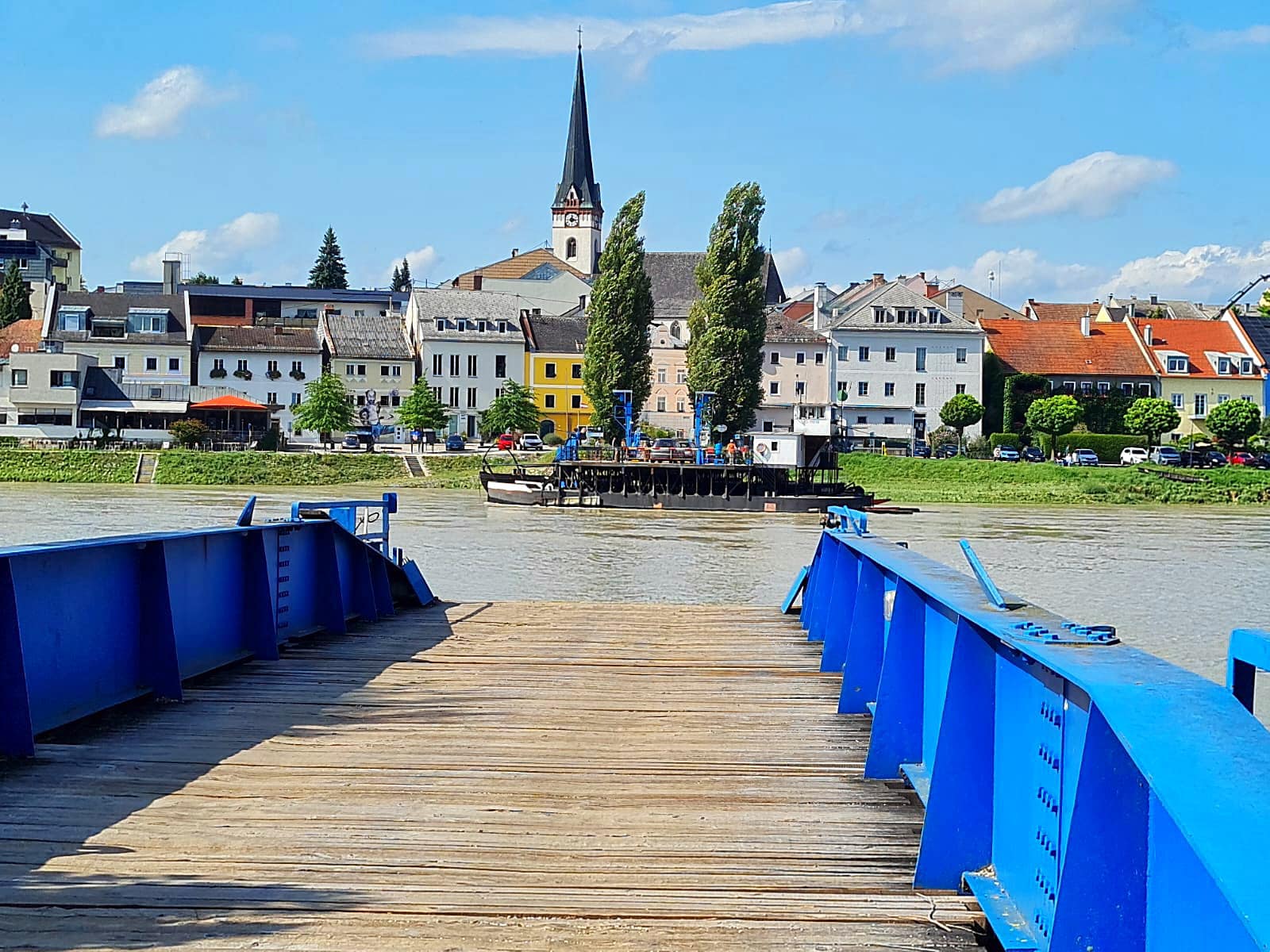
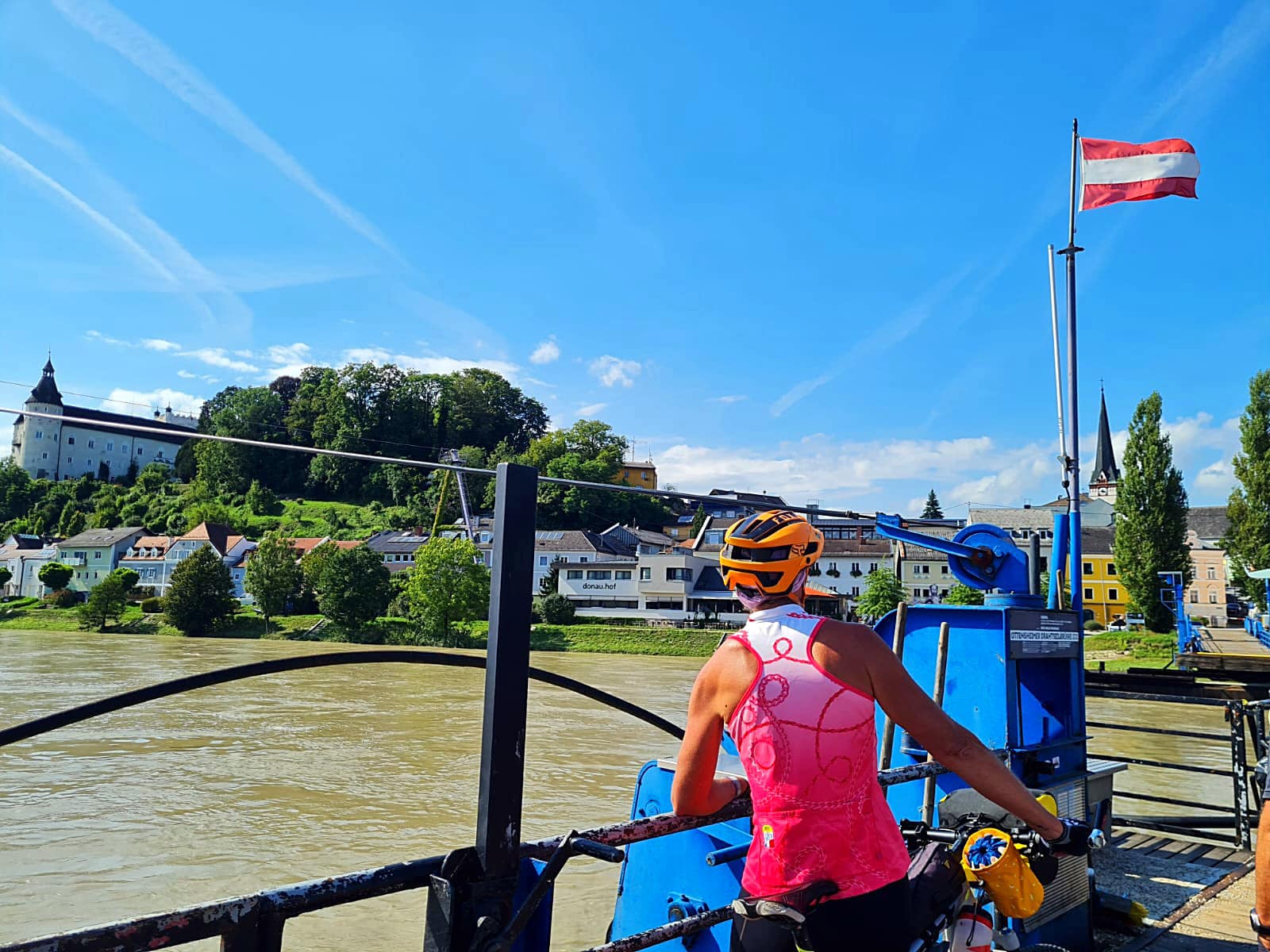
We stopped just out of Aschach at a little Thai eatery for fried rice and chicken before heading to Ufer to catch a cable ferry across to Ottensheim on the north side of the river. The chain ferry is driven across the river by the strength of the current.
When the Ottensheim hydro-electric dam was built in the 1970’s, an old arm of the river became a backwater. This has been converted into an international standard 2km rowing lake, which held the World Rowing Championships in 2008.
We arrived into Linz about 4pm. Linz has a population of 191,000 and is Austria’s third largest city. It is a busy city with a mix of modern and old buildings, lots of tourists and some nice parks in the centre. We are going to explore the city a little more in the morning.
We are staying in our last youth hostel of the trip tonight. Unfortunately, they have not lived up to our expectations in terms of meeting and mingling with other cyclists. We thought they would be more like the backpacker hostels in NZ where it is a lot more communal with shared cooking facilities and spaces to hang out. You live and learn.





Day 32 – Linz to Grein – 73km
A little unexpected precipitation greeted us as we saddled up this morning to do a ride around Linz.
First stop was the Mariendom (new cathedral). Franz-Josef Rudigier was an ardent “brick and mortar” priest of the 19th century. He would proselytize by building. He laid plans for the largest church in Austria, then and now. Largest, but not the highest. By law it was not allowed to be taller then Saint Stephen’s Church in Vienna. The New Cathedral is a mere two meters shorter.
The cornerstone was laid in May, 1862 but was not officially finished and consecrated until 1904. The full name of the church was “Cathedral of the Immaculate Conception.”
The plans were drawn by Master Builder Vincenz Statz of Cologne in the French High Gothic style. The Cathedral can seat up to 20,000 souls. It is 130 meters in length and it covers 5,170 square meters of area. The stained glass windows were impressive.
We got side tracked by a market selling local produce. We came across a Mohnkuchen or poppy seed cake which is a local specialty – a perfect accompaniment with our coffee. We also acquired some bread and goats cheese.
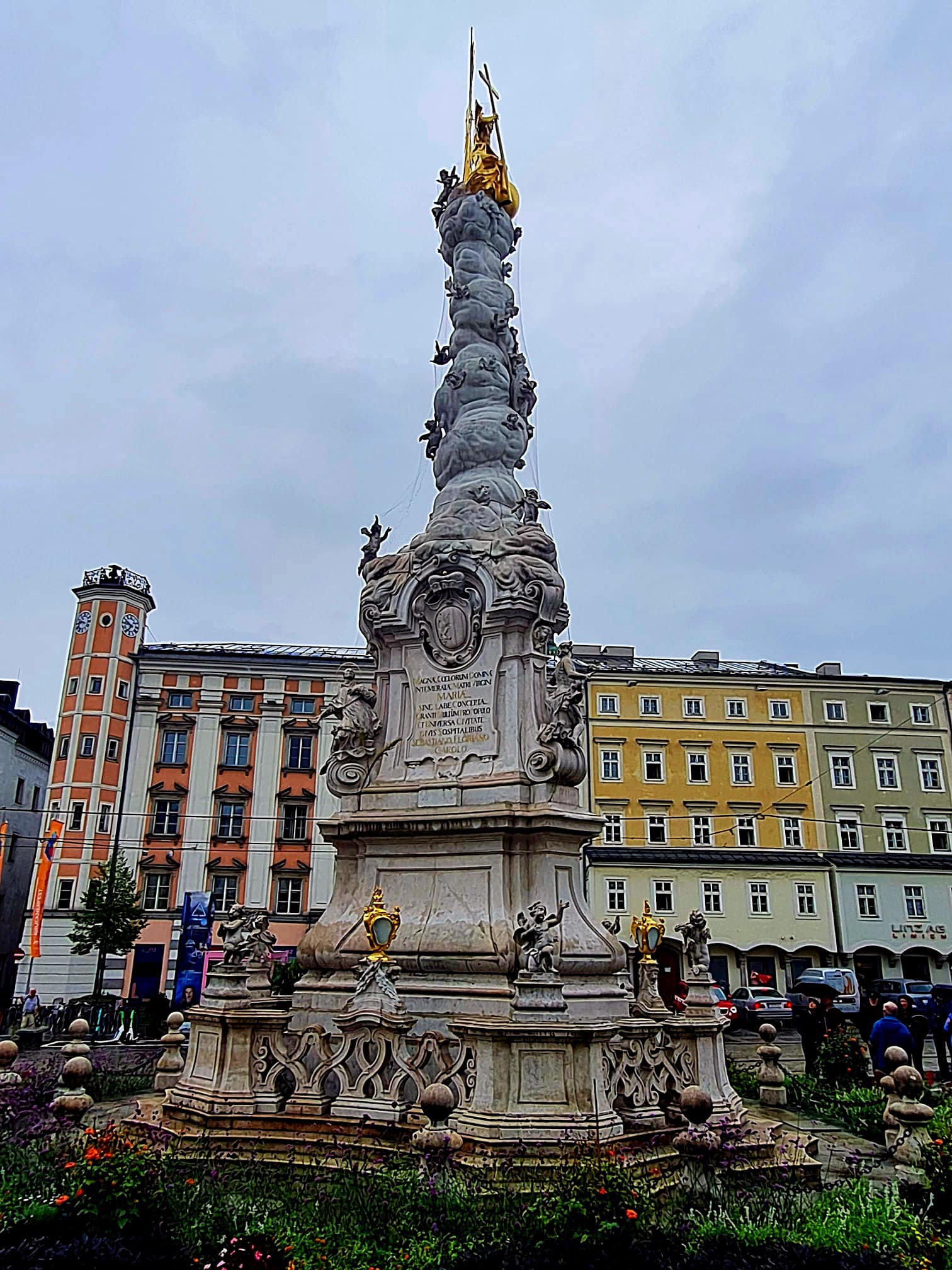
We then visited the Holy Trinity Column. The city of Linz had been lucky in dealing with the fates. It had neatly dodged the last great plague, the Turkish Wars of 1683 and the War of the Spanish Succession of 1704. Foreign invasions had fizzled out and in 1712, a major fire had done the same. The Emperor, the estates and the people were grateful.
The Holy Trinity Column was created by Salzburg stonemason Sebastian Stumpfegger as designed by Antonio Beduzzi. It is almost 66 feet (20 meters) high. It is in the Baroque style, made of white Untersberg marble.
Adolf Hitler regarded Linz as his home and had plans to make it both cultural capital of the Third Reich and an industrial powerhouse. Industrial development was encouraged along the Danube, dominated by Austria’s largest steelworks and chemical works. This was evident as we left Linz.
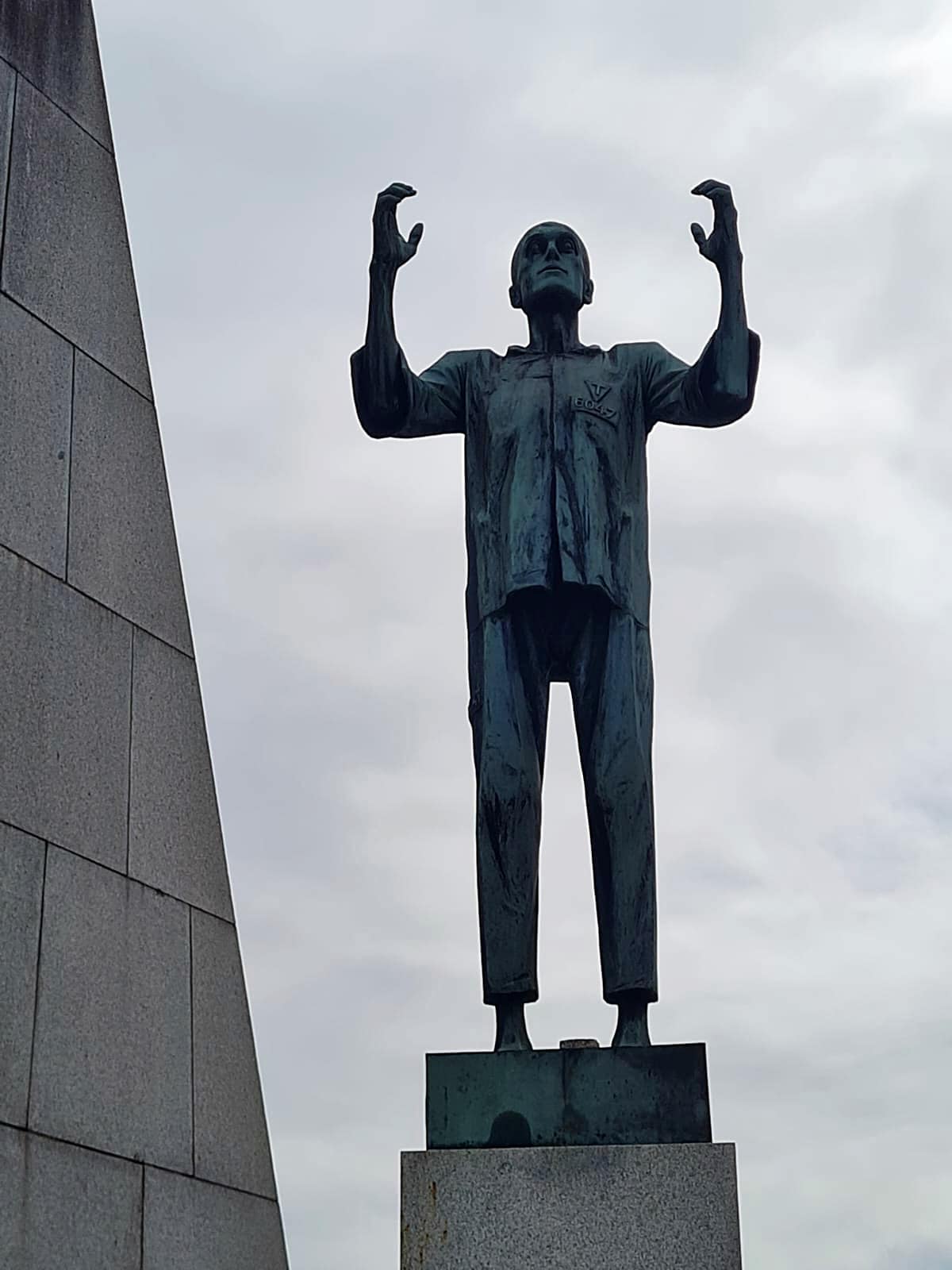
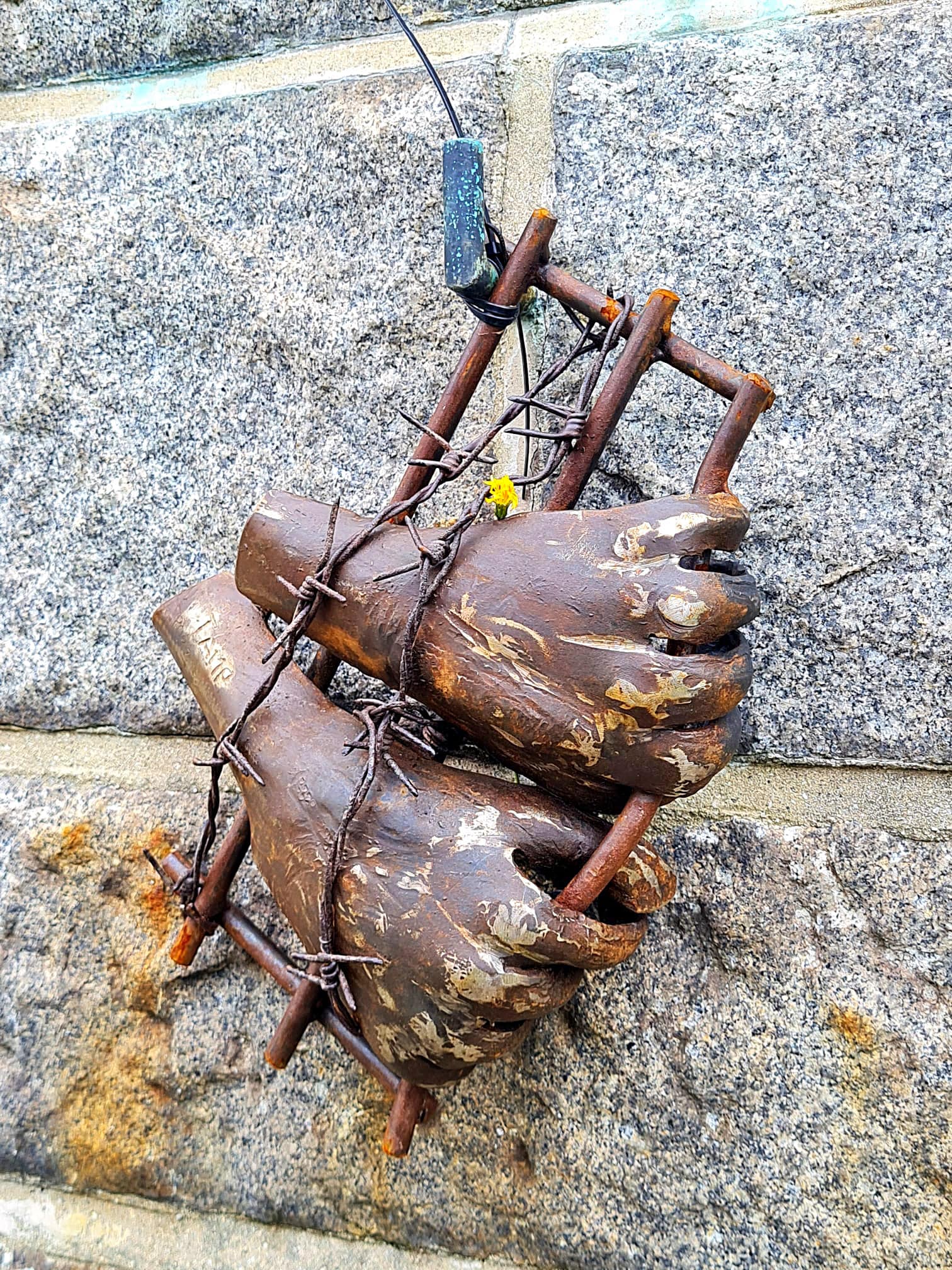
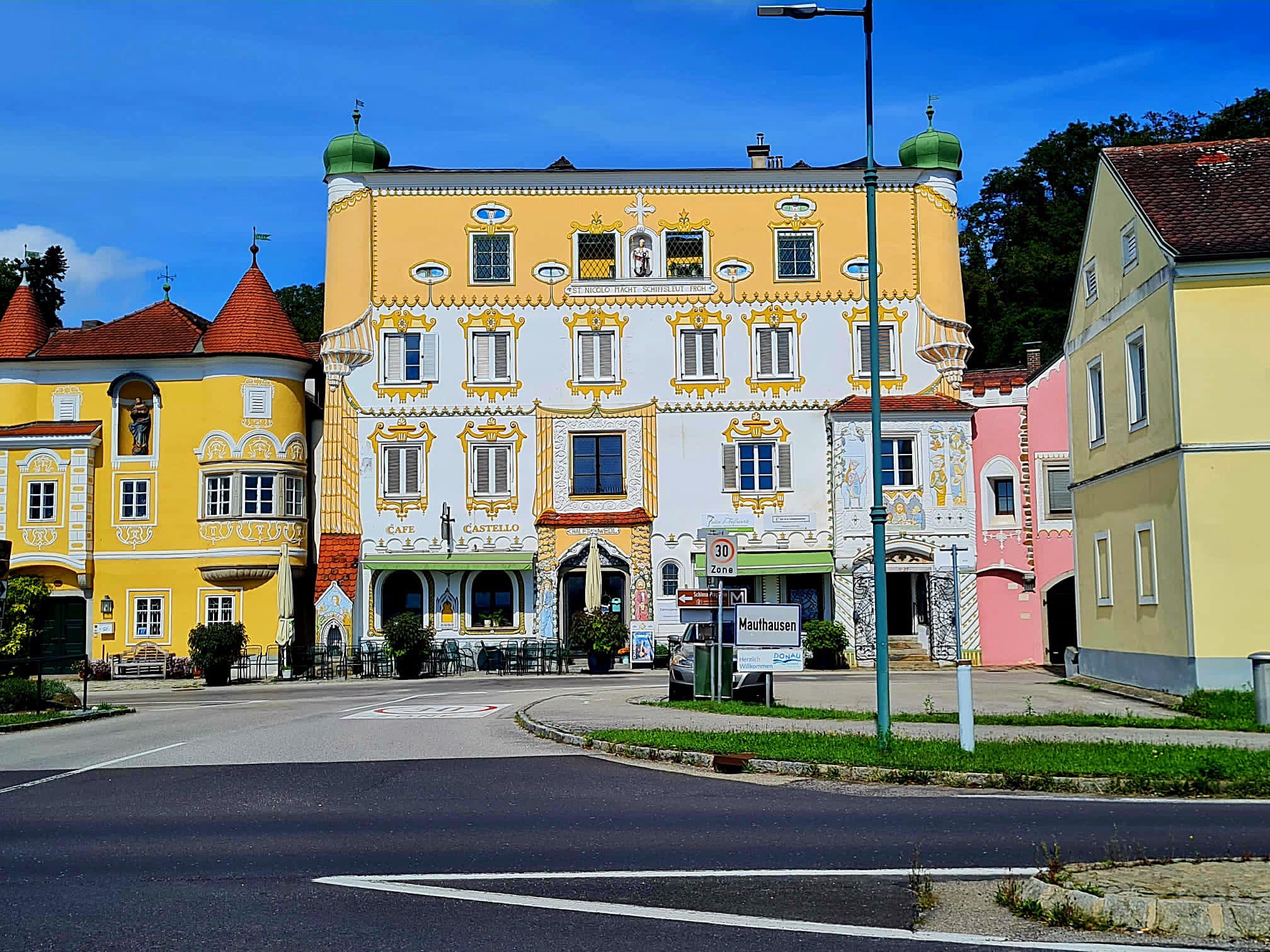
We visited the Mauthausen concentration camp, where many original buildings remain as a gruesome but sobering memorial to victims of Nazi atrocities. This camp operated from 1938 to 1945. Initially most of the inmates were political prisoners from Austria and Germany who were used as slave labour in granite quarries producing building materials for use in Linz and Numberg. Later, large numbers of prisoners arrived from other countries invaded by Nazis. Approximately 100,000 prisoners died here.
It was a very sobering experience, and we didn’t feel good about photographing the camp itself. We visited the many memorials from the countries affected like Hungary, Poland, Slovenia, Italy, the US, the UK of which some were quite confronting. We did take photos of these. Despite the gruesome history, they have done a good job of preserving what must never ever be repeated again.
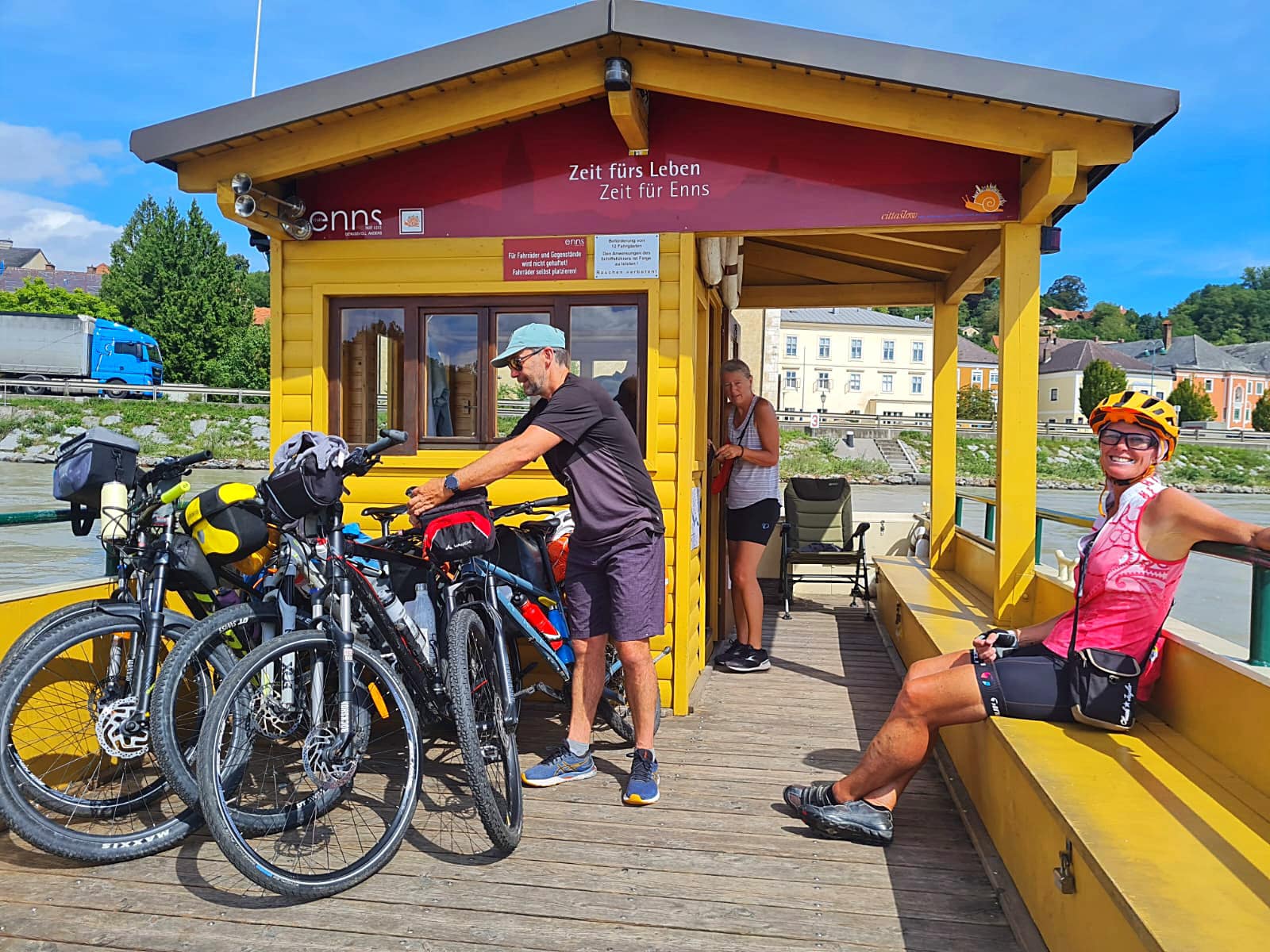
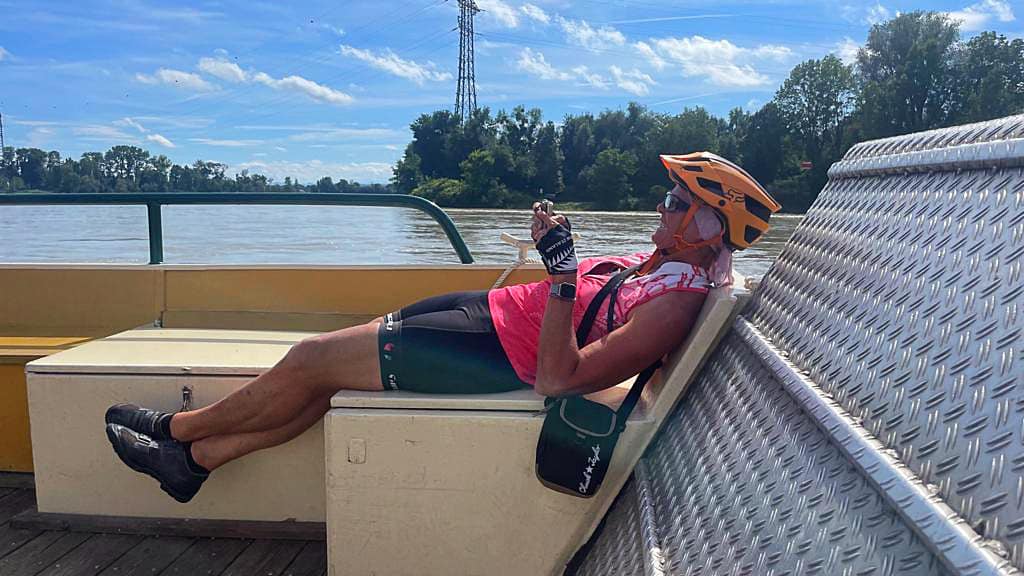
The sun came out again to lift our spirits. The guide book said we should take a ferry to the south side of the river which we duly did. We got talking to the ferry captain enroute and once he realised where we were headed, told us the guide book was wrong and that the best route was to stay on the north side for another 15km and then cross to the south. We had a lovely little jaunt across and back again chatting to the captain and another Austrian couple we picked up across the river.
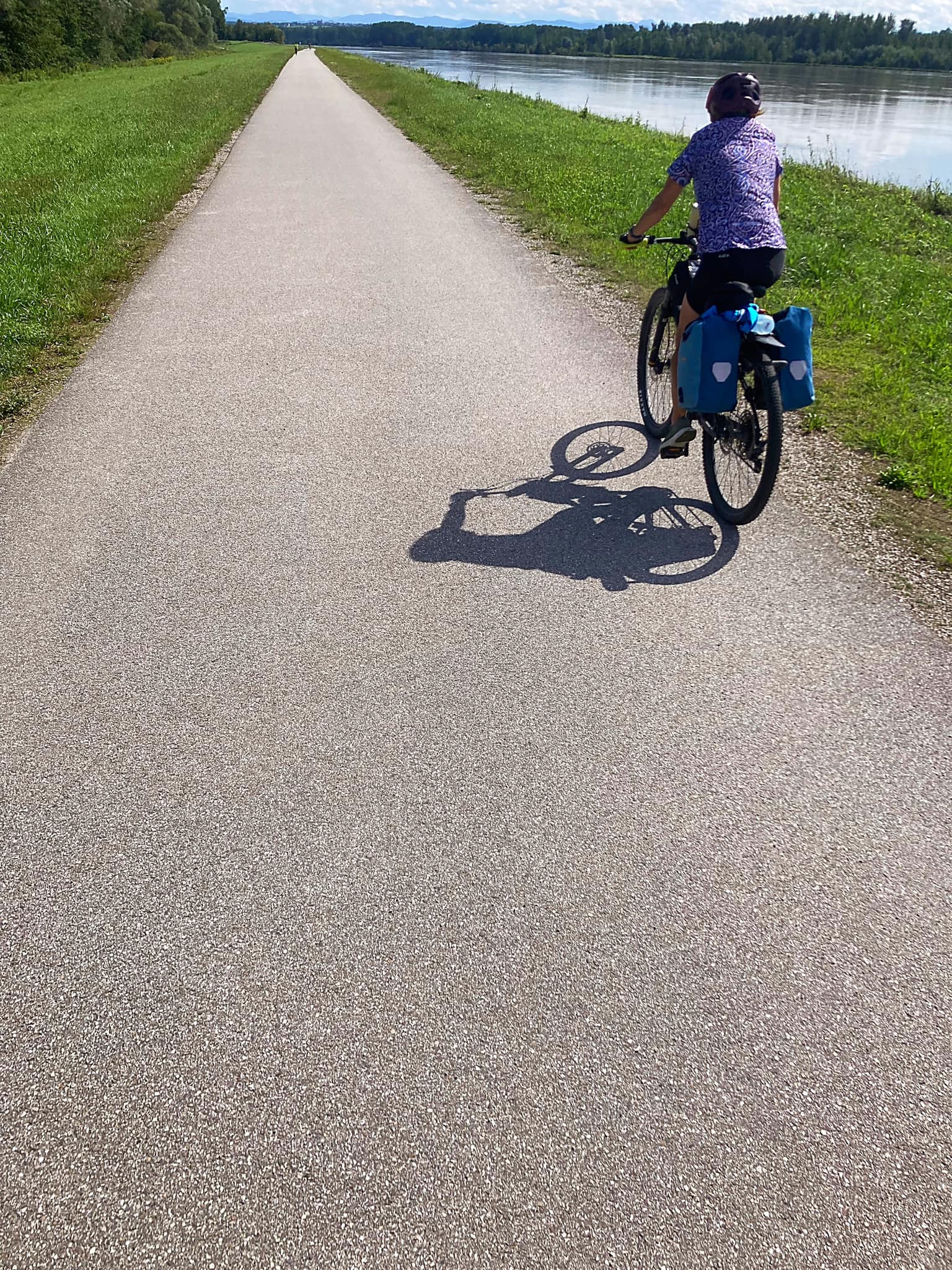
Again I was in biking heaven as we whipped along right next to the Danube. We crossed over where the captain had recommended and enjoyed the final 20 odd kilometres between gentle rolling hills and the fertile agricultural land of the Mostviertel (cider quarter) before coming alongside the Danube again. We knew what we would be sampling tonight.
Tonight we are staying in Grein which has a population of 3,100. It developed during medieval times, its importance coming from being positioned at the entrance to the Strudengau gorge. Here barges were unloaded to transport cargoes past the rapids and this attracted merchants, traders and river pilots.
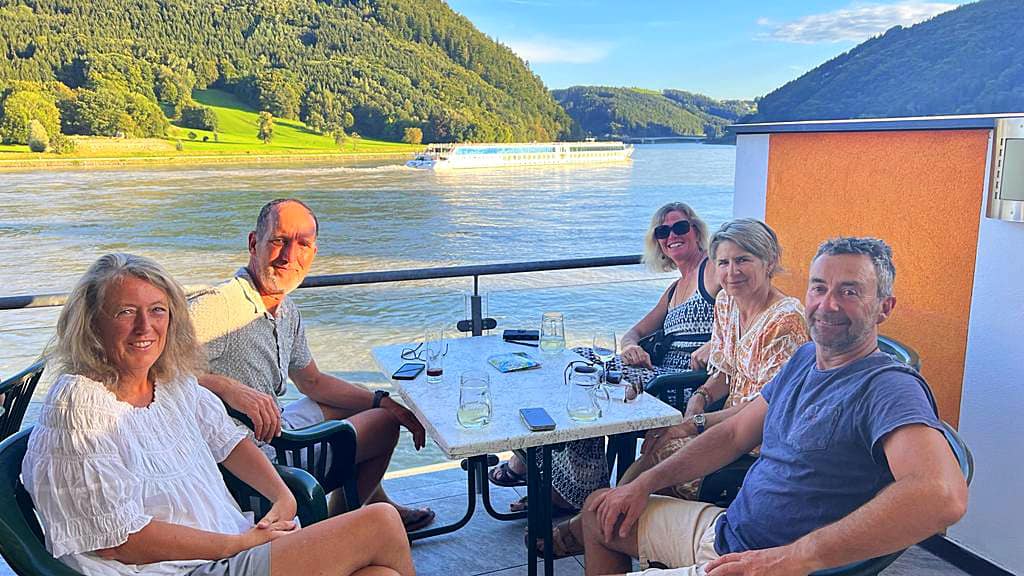
We saw lots of river boat cruises today and enjoyed having a drink down by the river as they enjoyed their sunset journey upriver.










Day 33 – Grein to Rossatz – 83km
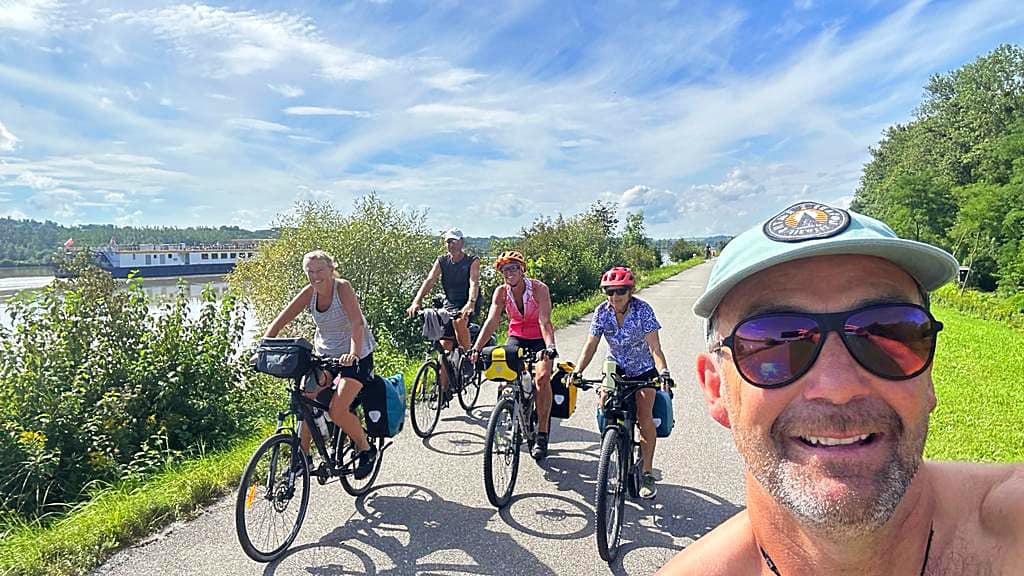
A beautiful bluebird day greeted us as we went down to the river to catch the ferry to Wiesen on the south side of the Danube. Again the paths alongside the river through the Strudengau gorge were amazing with a slight downhill gradient.
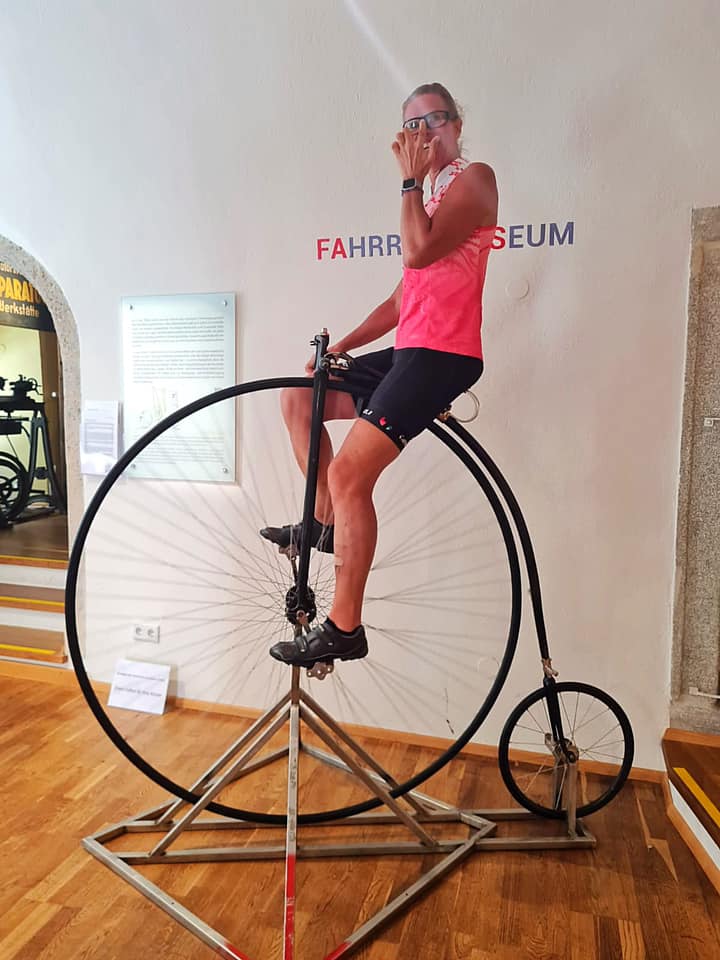
Our first stop of the day was in Ybbs where we visited the Fahrradmuseum or cycle museum. It had a large collection of bikes from the original dandy horse through to the racing bikes of today. It was interesting to see how the bike revolutionised people’s freedom.
In June 1894 Anna Kopchovsky aka Annie Londonderry decided to leave Boston behind and bicycle around the world with just one change of clothes and a pearl-handled pistol. Thanks to the newly invented and easily accessible “safety bikes” women began to literally elevate to higher gears. From 1880 onwards women started to celebrate their freedom cycling around dismissing etiquette and strict clothing rules.
To conclude, bikes were not just responsible for jolly weekends, firm legs and a well-balanced digestion – they also rolled around equality of the sexes and first steps of women’s emancipation. On a revolutionary note: women started to wear pants!
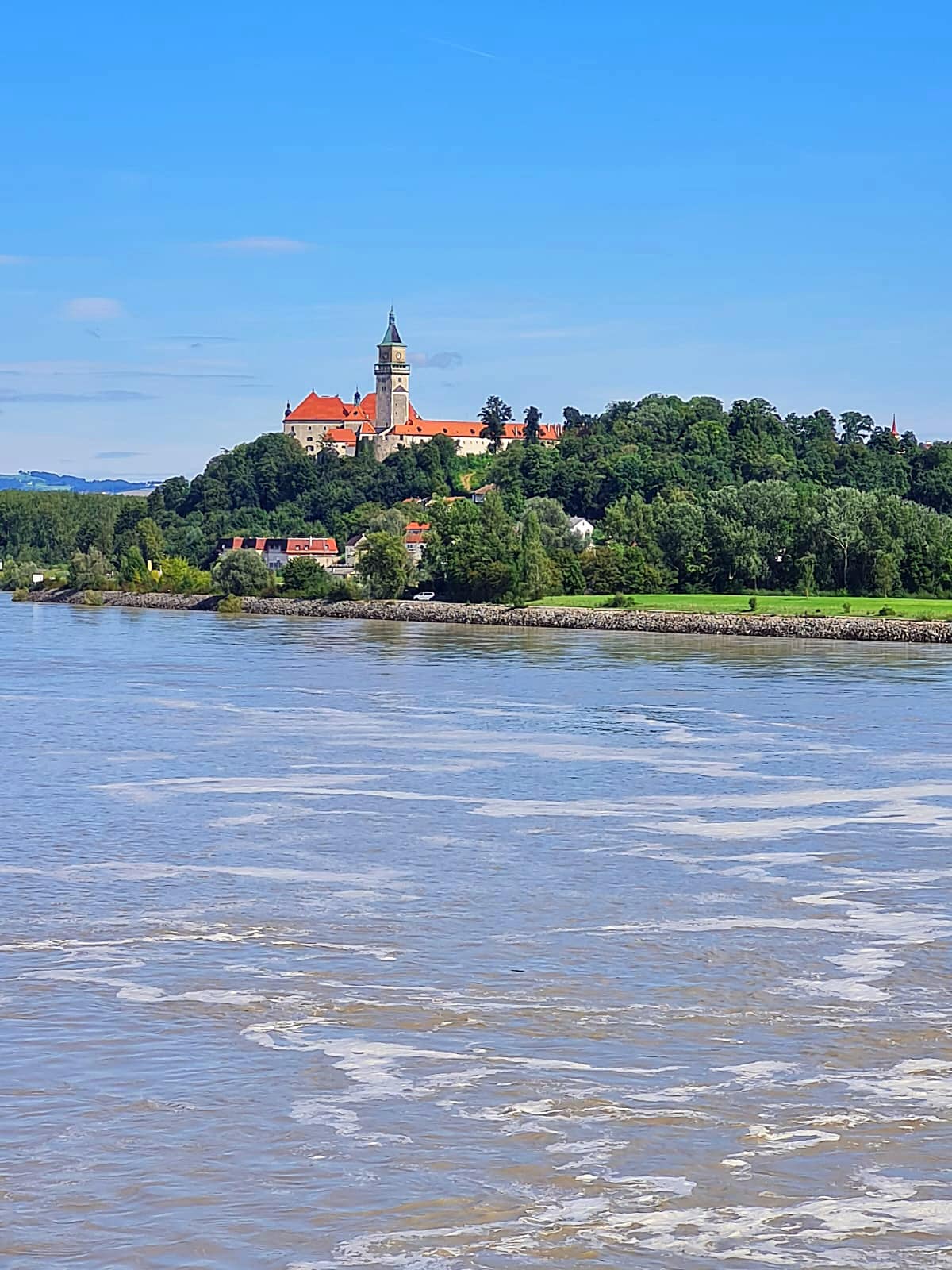
Next stop was Melk which is a very popular spot with the river boat tourists. There is a very large Benedictine abbey that sits on a rocky bluff 50m above the town – you can see this a few kilometres out as you bike down the Danube.
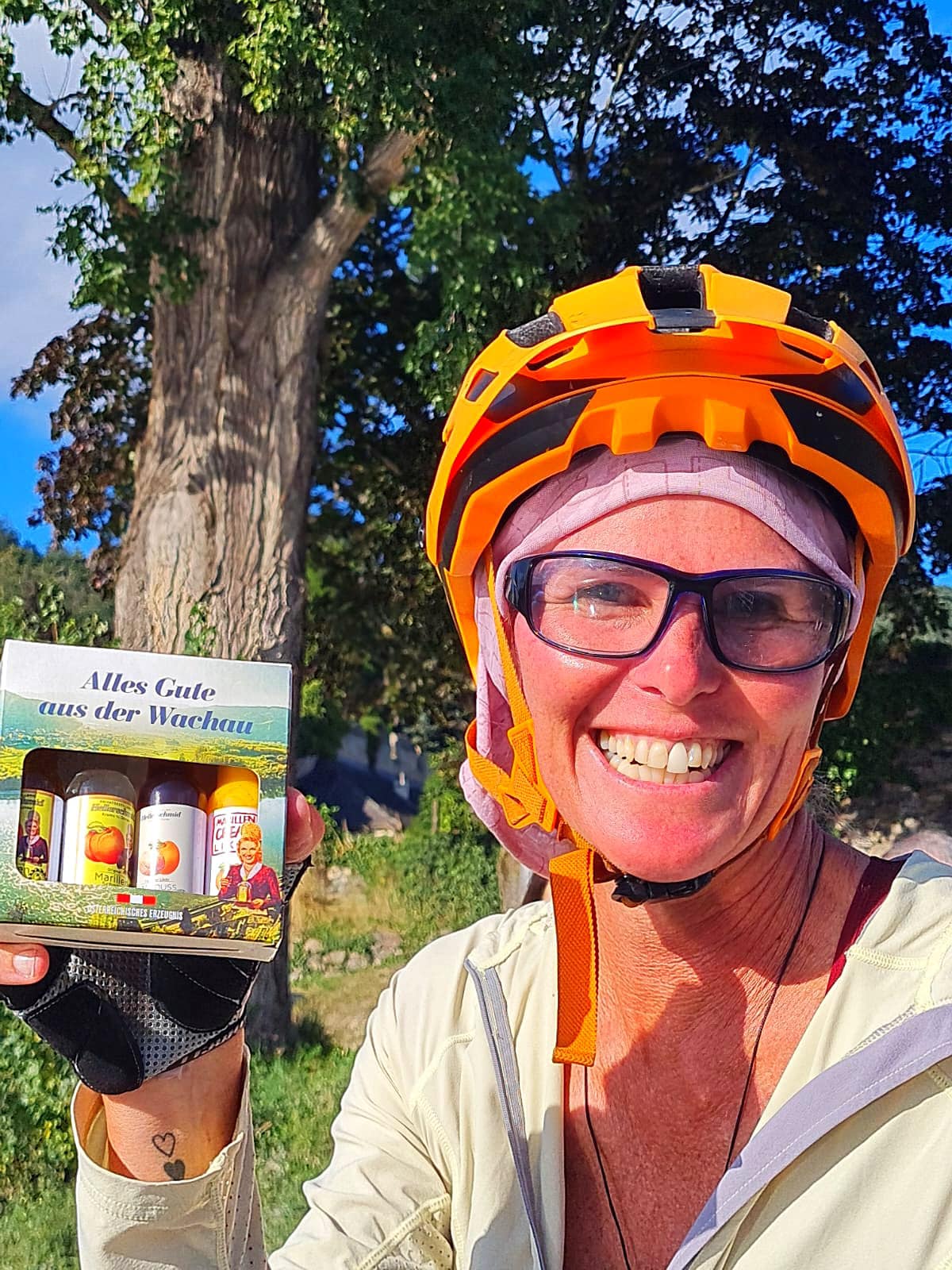
We stopped in Melk for lunch. While JP ordered I said I would try and find an ATM. I got as far as the apricot liqueur tasting shop next door – oops  . We were about to enter the Wachau, which is extensively planted with orchards (predominantly apricot) and vineyards. The apricot baileys was devine but transportation by bike is getting tricky given I already have a good mini bar on board. I settled for a little sampler pack to add to said mini bar
The ride from Melk to Durnstein was amazing – orchard and vineyard after vineyard – a visual sensory overload.
We stopped in Willendorf to see a replica of the Willendorf Venus, an 11cm limestone effigy of a plump female figure, which was discovered in 1908 during excavations for a new railway line. It is believed to be a Palaeolithic (Stone Age) female fertility symbol, the most realistic object from this period discovered in Europe. The original is in a museum in Vienna but an oversized version stands on the site where it was discovered.
Next stop was to admire the Tausendeimerberg vineyard in Spitz which is said to produce 1000 buckets of wine in a good year – 50,000 bottles. The positioning of the vines on the hill means they are all picked by hand.
Weissenkirchen is the principal wine village of the Wachau. It is said to be the original home of the Riesling grape.
We came across a little cave filled with all sorts of wine and spirits which again were so tempting. You had to ring the bell for service but we resisted knowing that we would be easy targets for a good salesperson.
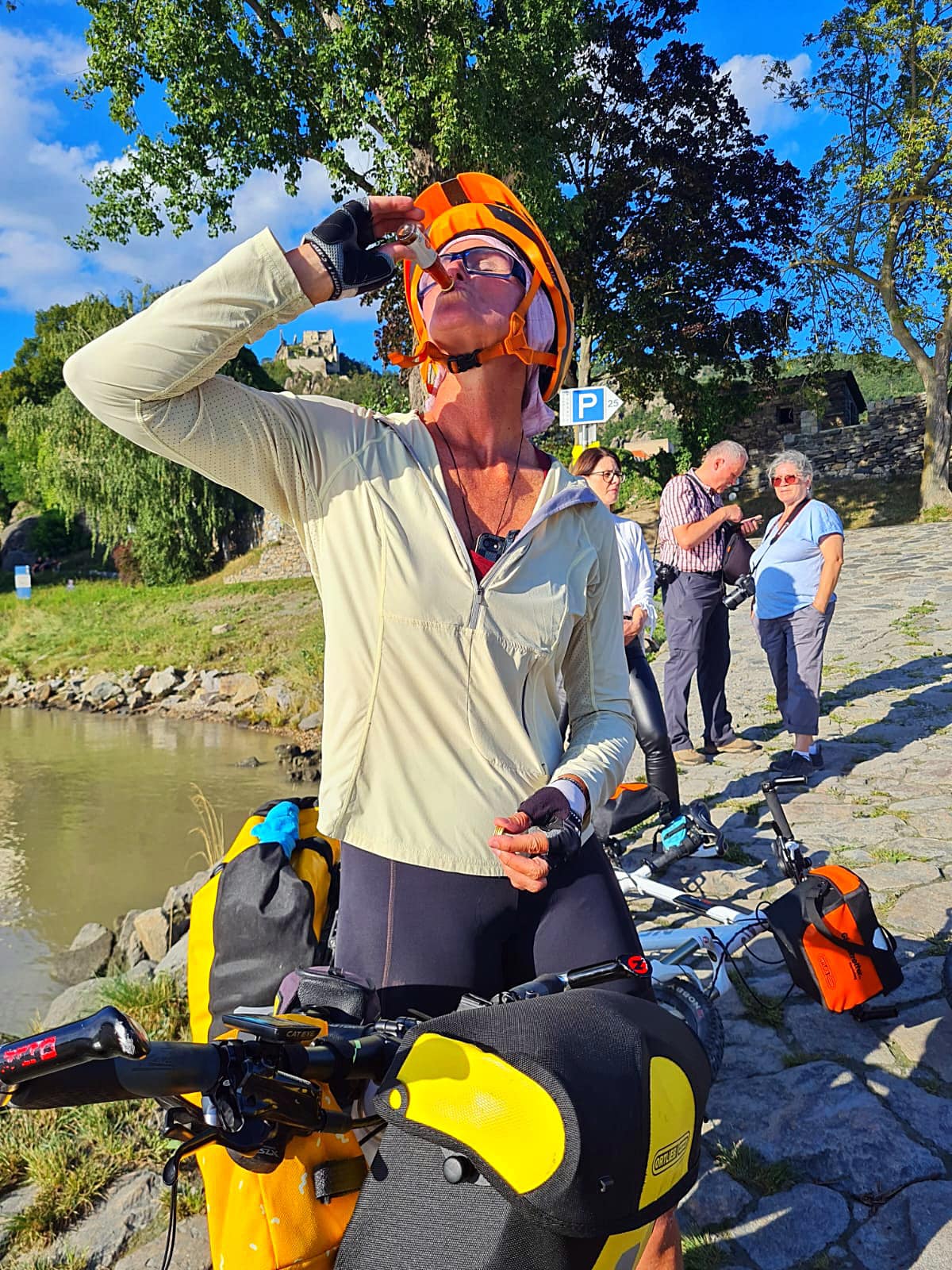
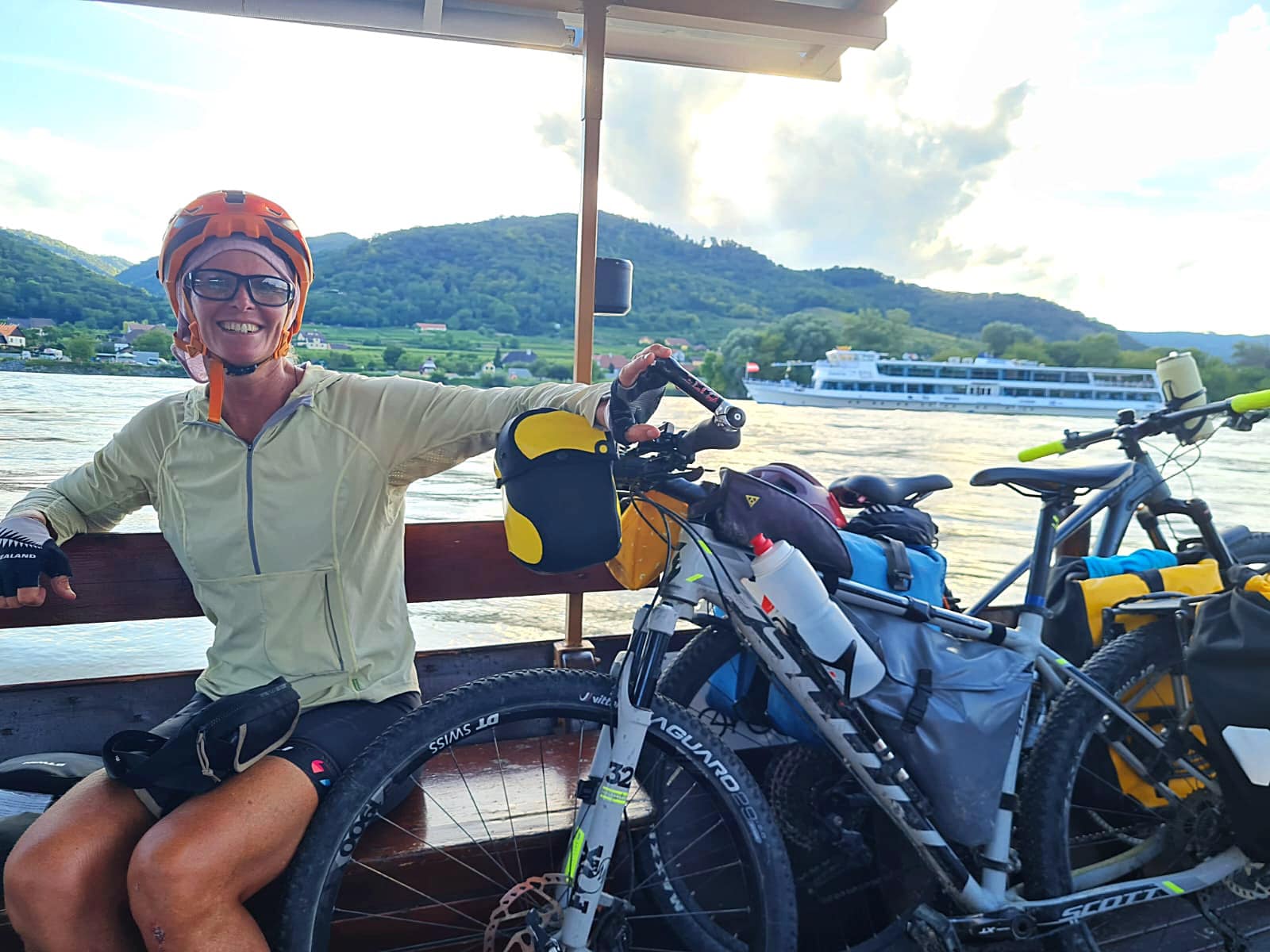
At Durnstein we had to cross the river by ferry to our home for the night in Rossatz – due to the levels of the Danube the ferry was restricted on how many bikes and people it could take. Hilary and Graham went on one, Andy on another and then JP and I on a separate trip. I decided to sample some of my purchases while waiting – Saturday night, a beautiful evening on the Danube, why not 
We finally got to our accommodation about 6pm – a long, busy, beautiful day.
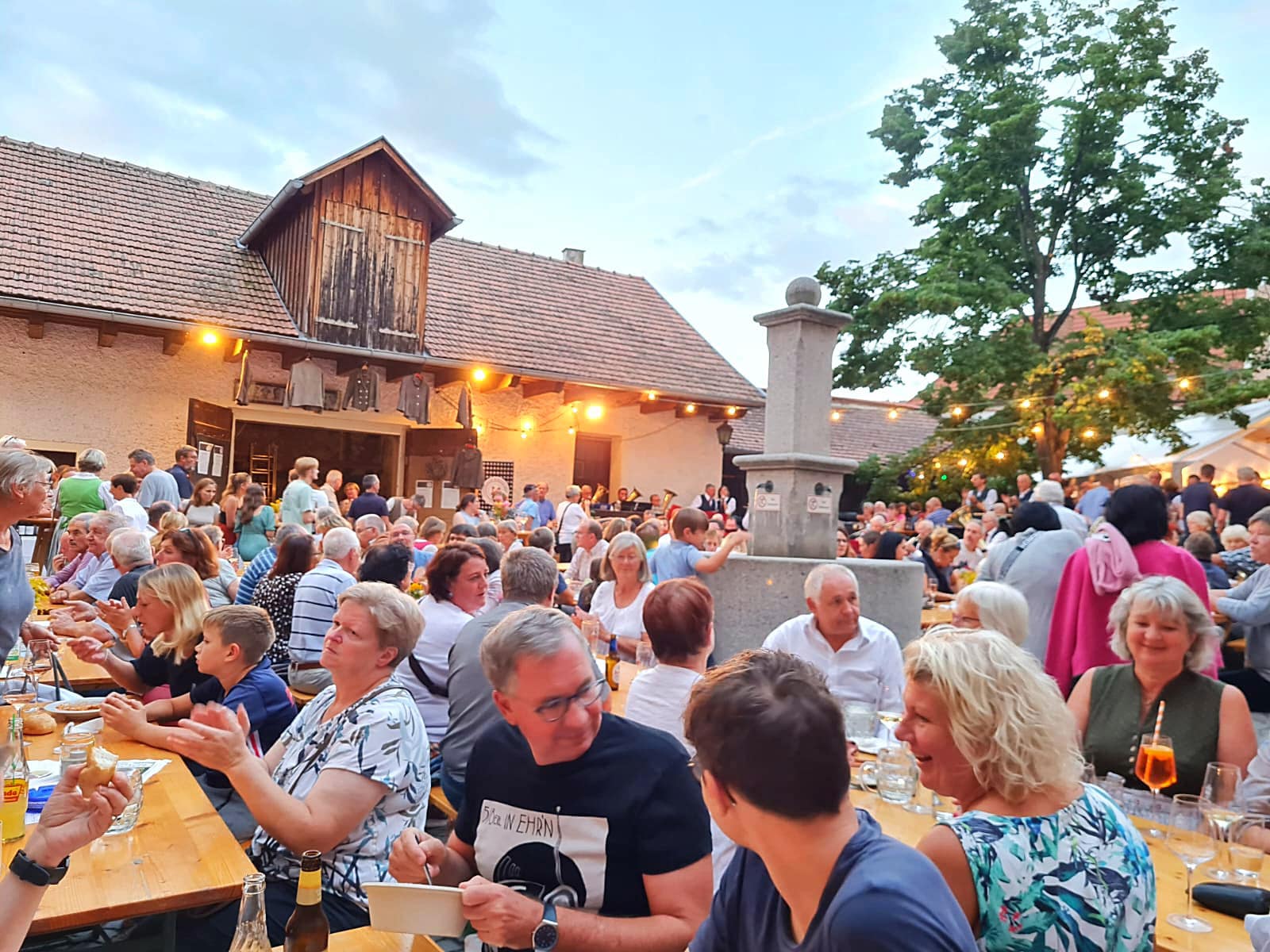
Next problem was dinner – Hilary and Andy went on a scoping mission and discovered a festival in the town square. A number of food and drink options – the drink options being the wine from the famous Wachau. It was a fundraising event for a number of community organisations. They had an Austrian brass band playing too. We couldn’t have picked it better. The locals welcomed us with open arms and were very friendly.
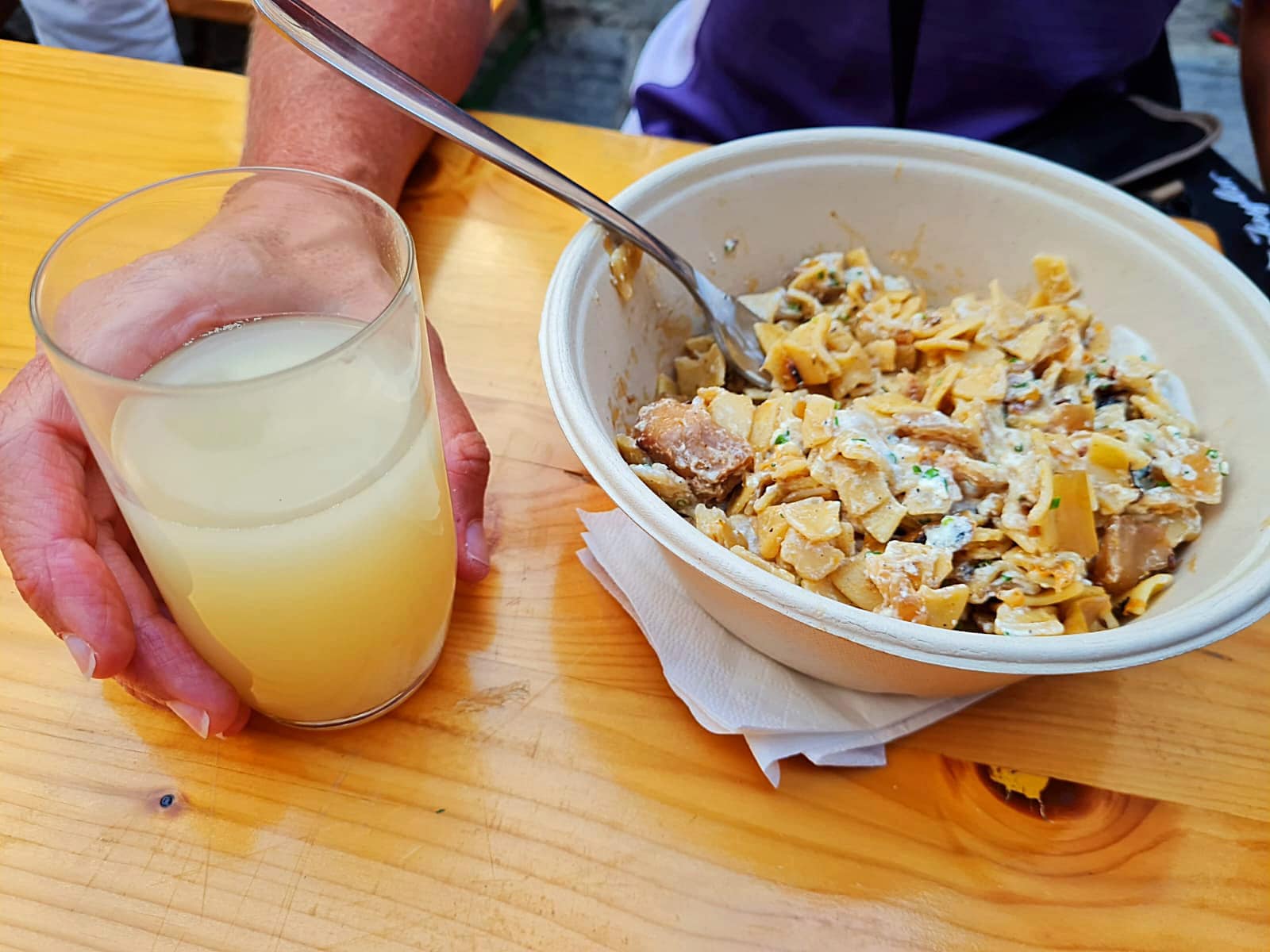
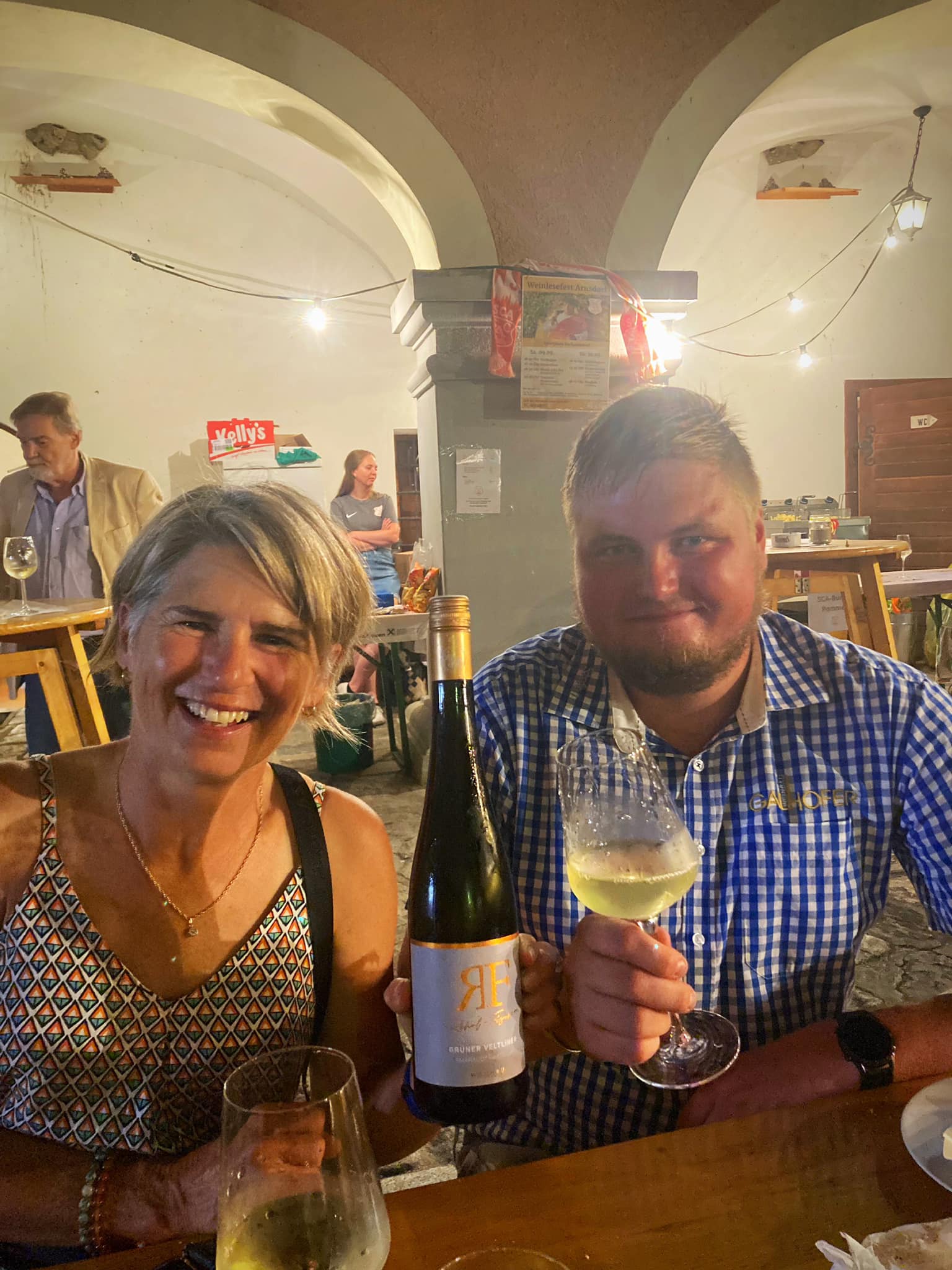
We ate a variety of local dishes which were all delicious. We also tried some Sturm which is a young wine that is basically fermented freshly pressed grape juice. And that’s exactly what it tastes and feels like you’re drinking – carbonated grape juice. So even though the alcohol content tends to be rather low, (beginning at 1%), you tend to drink more than you would a wine. It was delicious and I could easily have kept drinking it. Instead I moved onto the sparkling wine made with the Grüner Veltliner grape which accounts for 32% of Austria’s wine production. Along the Danube to the west of Vienna, in Wachau, Kremstal and Kamptal, it grows with Riesling in terraces on slopes so steep they can barely retain any soil. The result is a very pure, mineral wine capable of long aging.
We were then joined by three brothers from the neighboring village – 2 were winemakers on a 9-hectare family vineyard and one was a chef. They spoke great English and were so interesting to talk to. They all played an instrument in a brass band too so were singing along to the traditional songs. An excellent night and the reason this post is a day late 









Day 34 – Rossatz to Vienna – 90km
We decided to get away early today so we could get to Vienna at a reasonable hour – I was a little slow after such a big day yesterday and the festivities last night.
We planned to have breakfast enroute which proved a little tricky with very few villages to start with and it being a Sunday. We finally found a very welcome sight at the 36km mark near Zwentendorf – needless to say we were all pretty hungry.
The trail ran alongside the river and across the very flat Tullnerfeld plain. This area is the energy powerhouse of Austria, with hydroelectric, nuclear and thermal power stations along the route.
Zwentendorf, where we had breakfast, was planned to be Austria’s first nuclear power station. Work ceased in 1979 after a referendum voted against nuclear power so it remains abandoned.
Refuelled, we passed by the village of Tulln which was the site of a Roman cavalry camp.
We had a lunch stop in Klosterneuburg which was also once a Roman settlement.
We arrived into Vienna at 2.15pm – we had blitzed the 90km – it was an overcast day with only a few things to see.
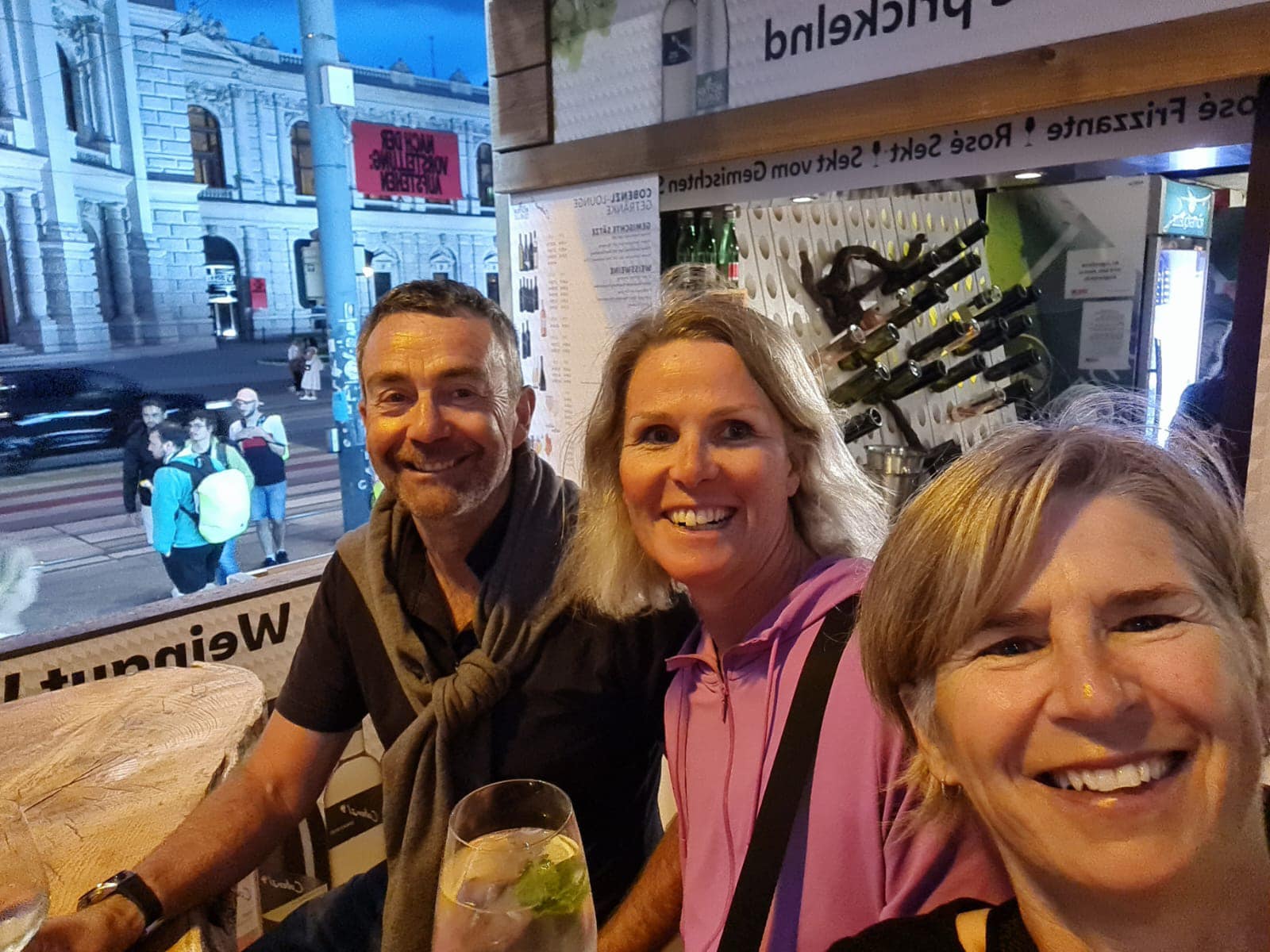
We had a lovely salad for dinner prepared by JP before JP, Andy and I worked out the underground train system to go into town to the film festival. It was the last night of the festival. It wasn’t quite what we expected but we listened to some good live music beforehand.
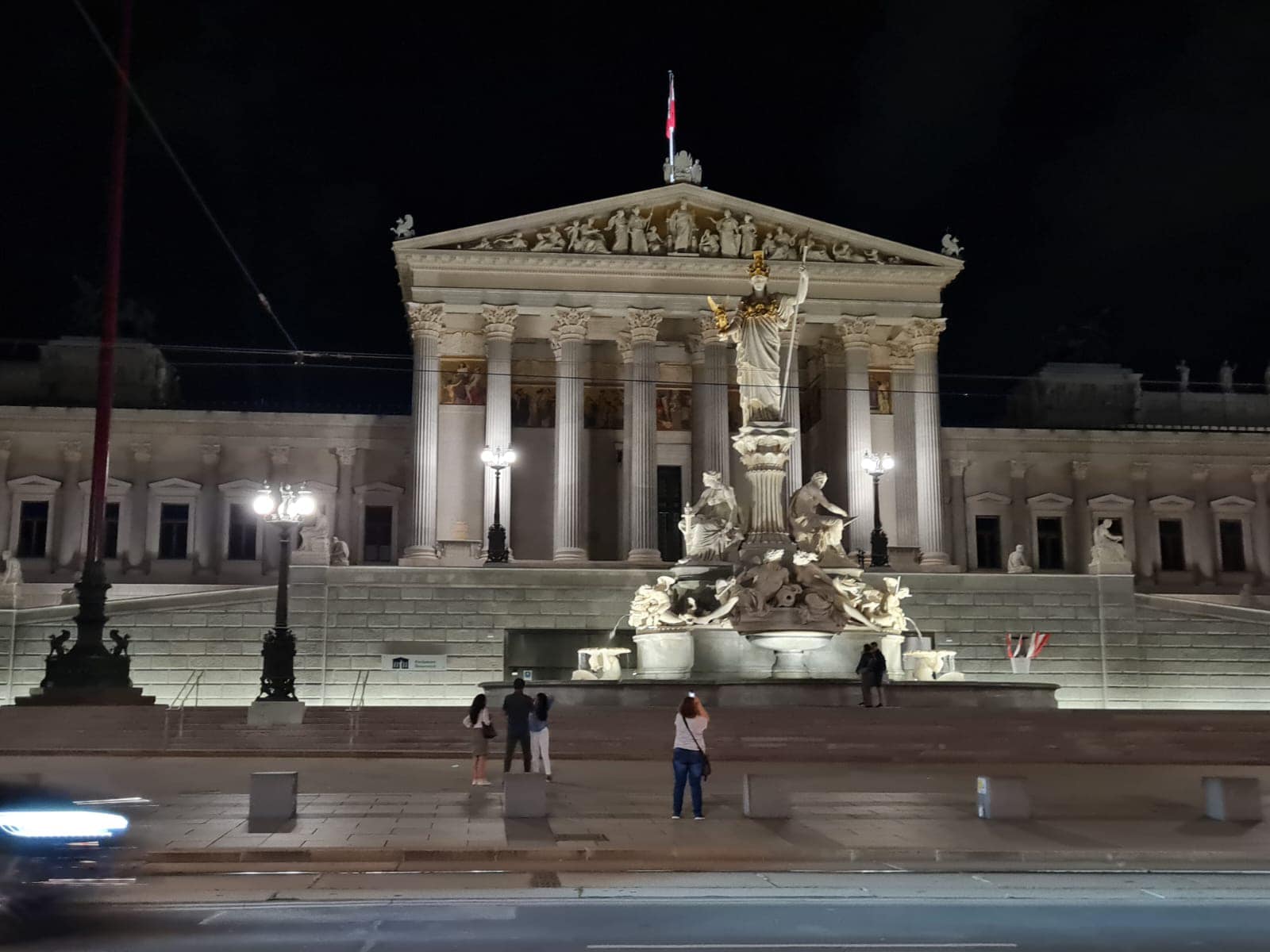
Vienna is a visual feast with so many amazing buildings. We look forward to exploring on our day off the bikes





Day 35 – Vienna – 0km
Today was a rest day – our second in 35 days. I’m lucky enough to have been to Vienna a couple of times so I took the opportunity to do a bit of life admin (IYKYK).
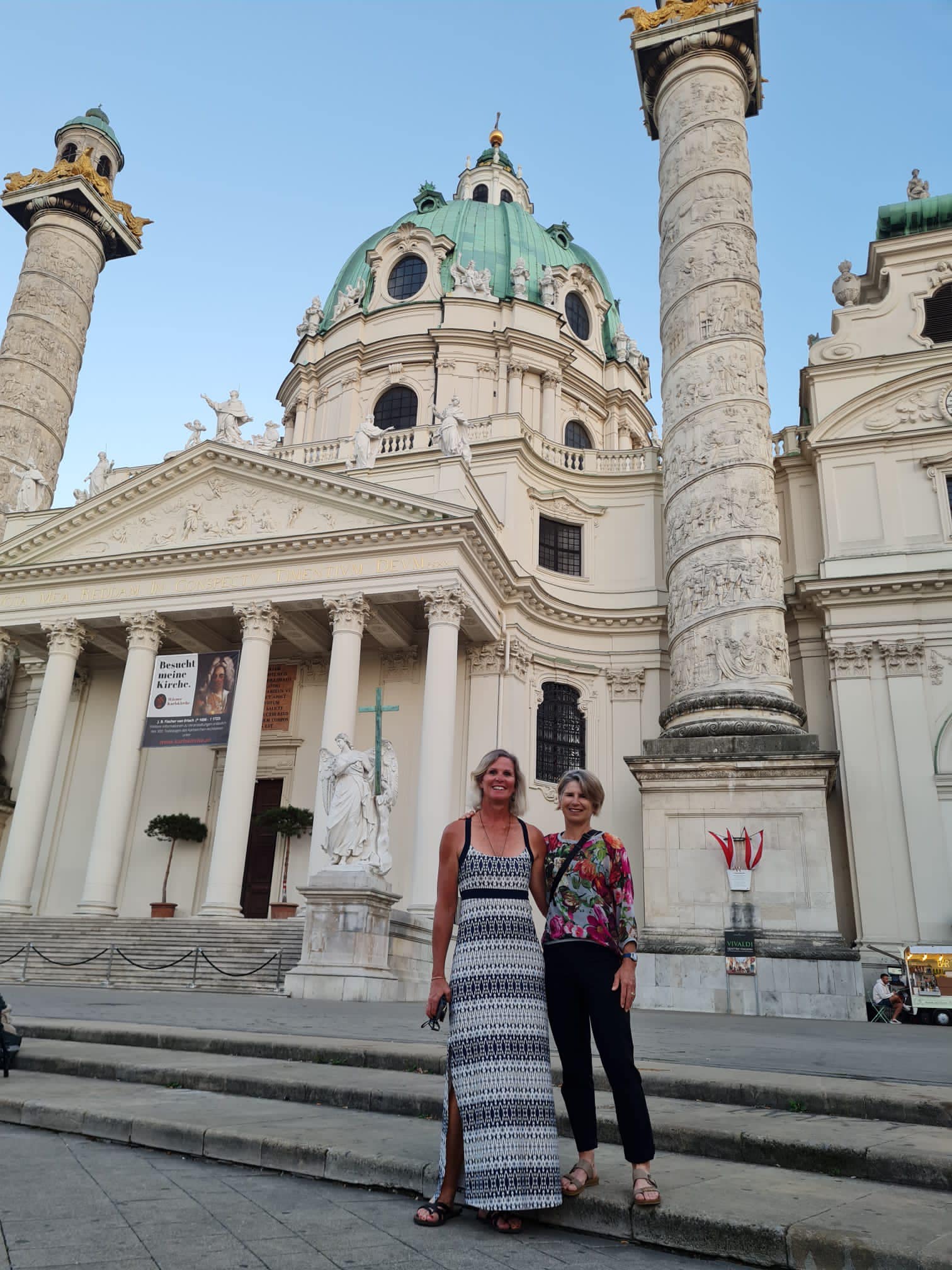
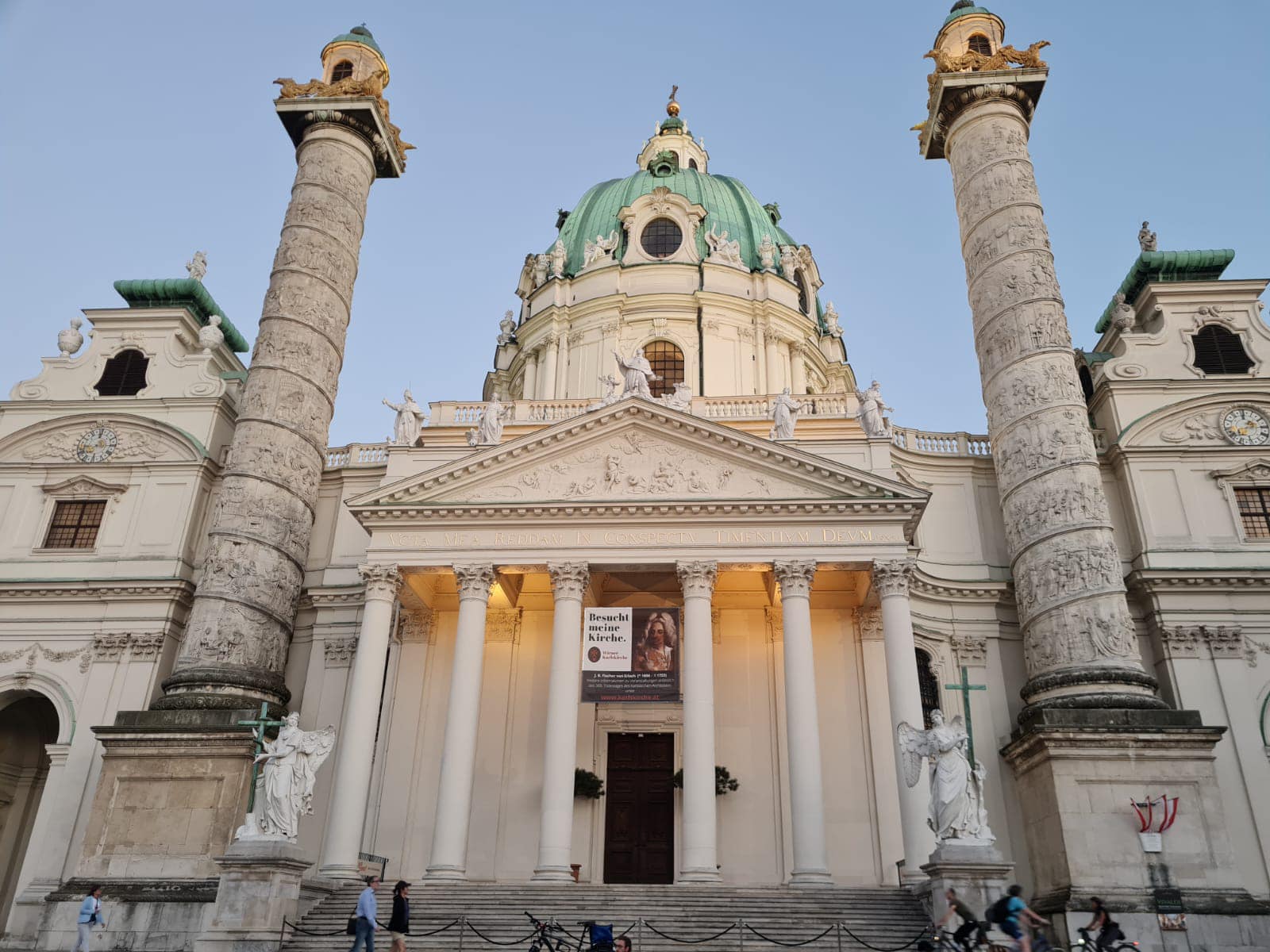
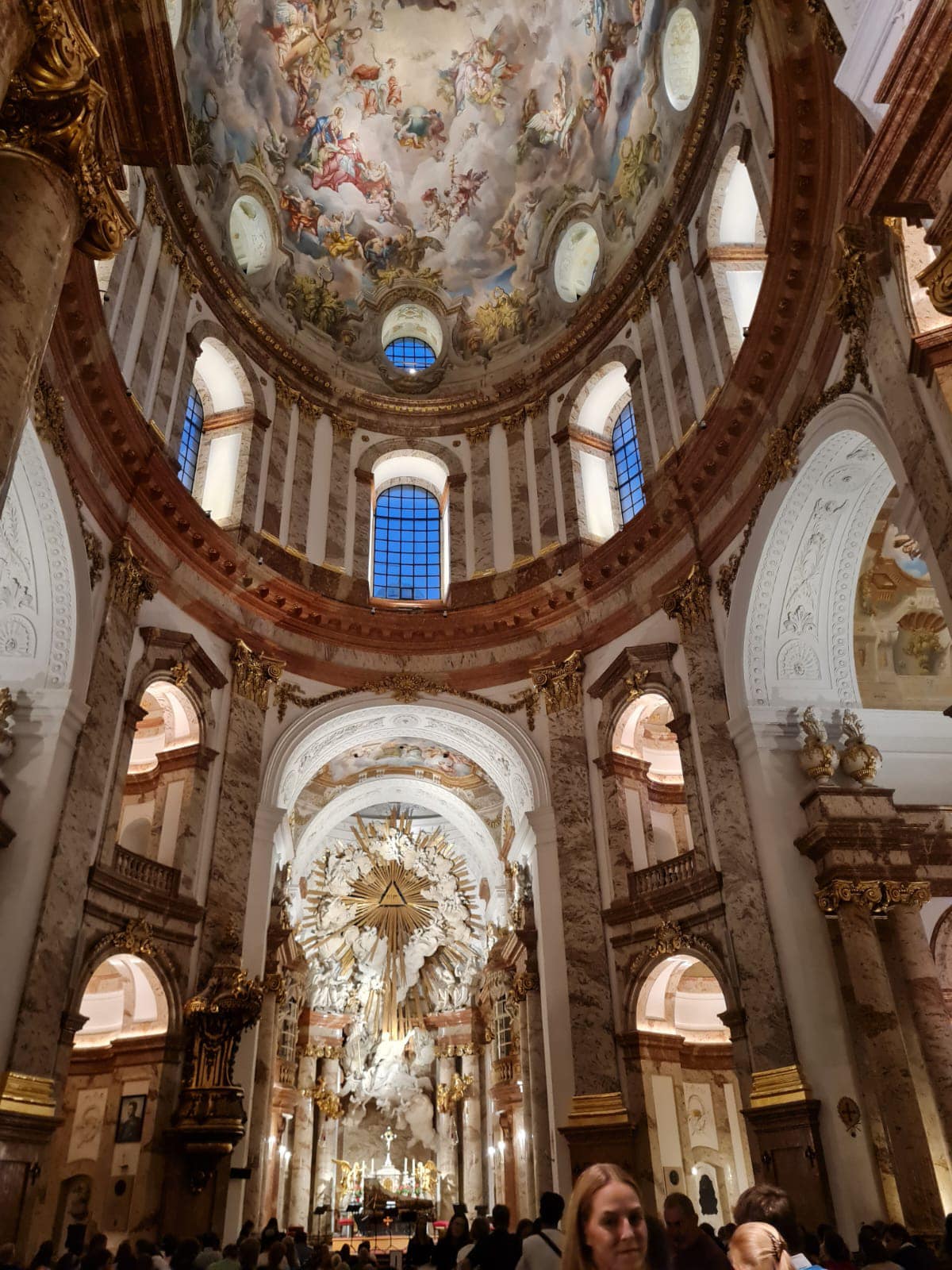
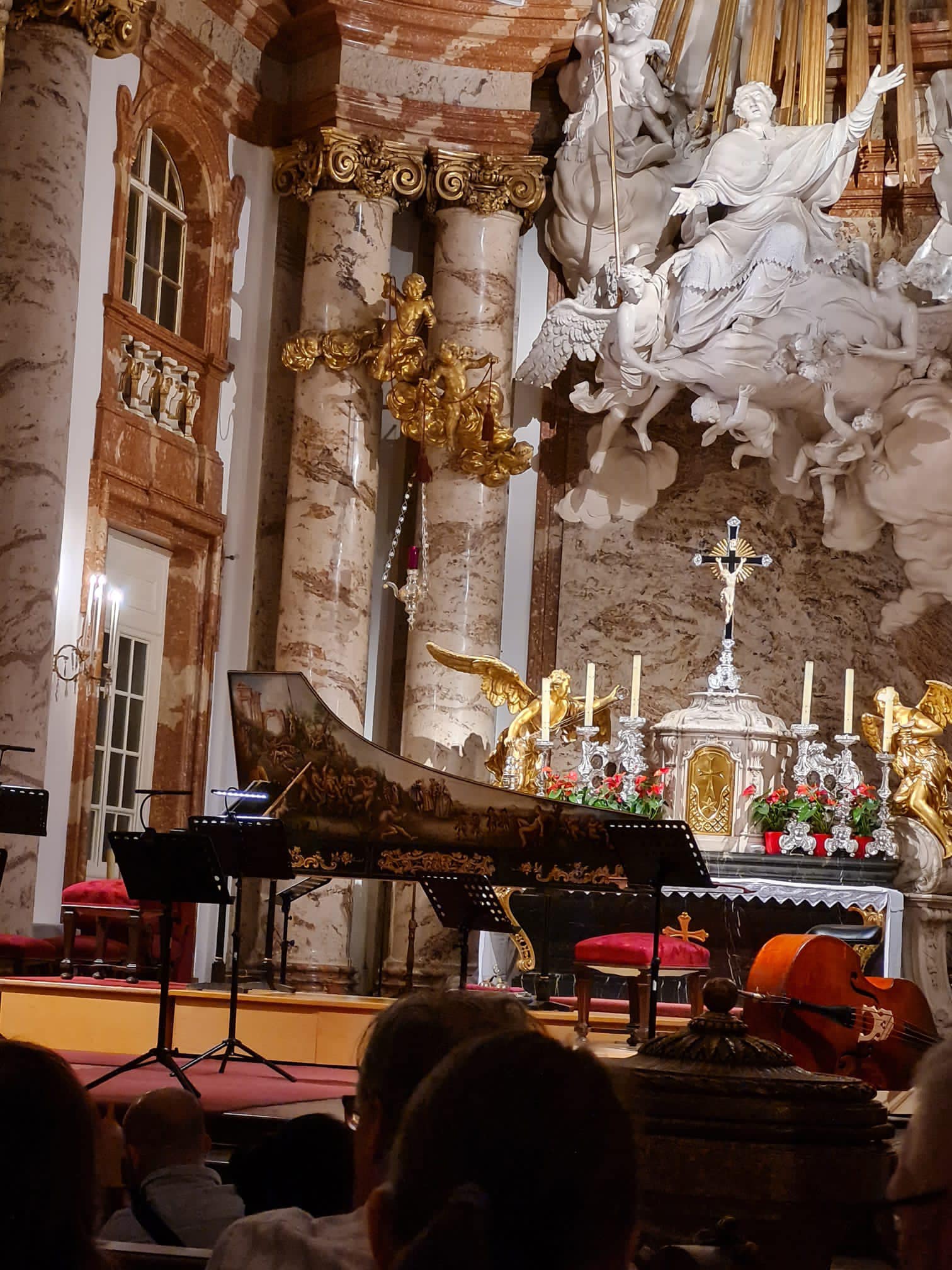
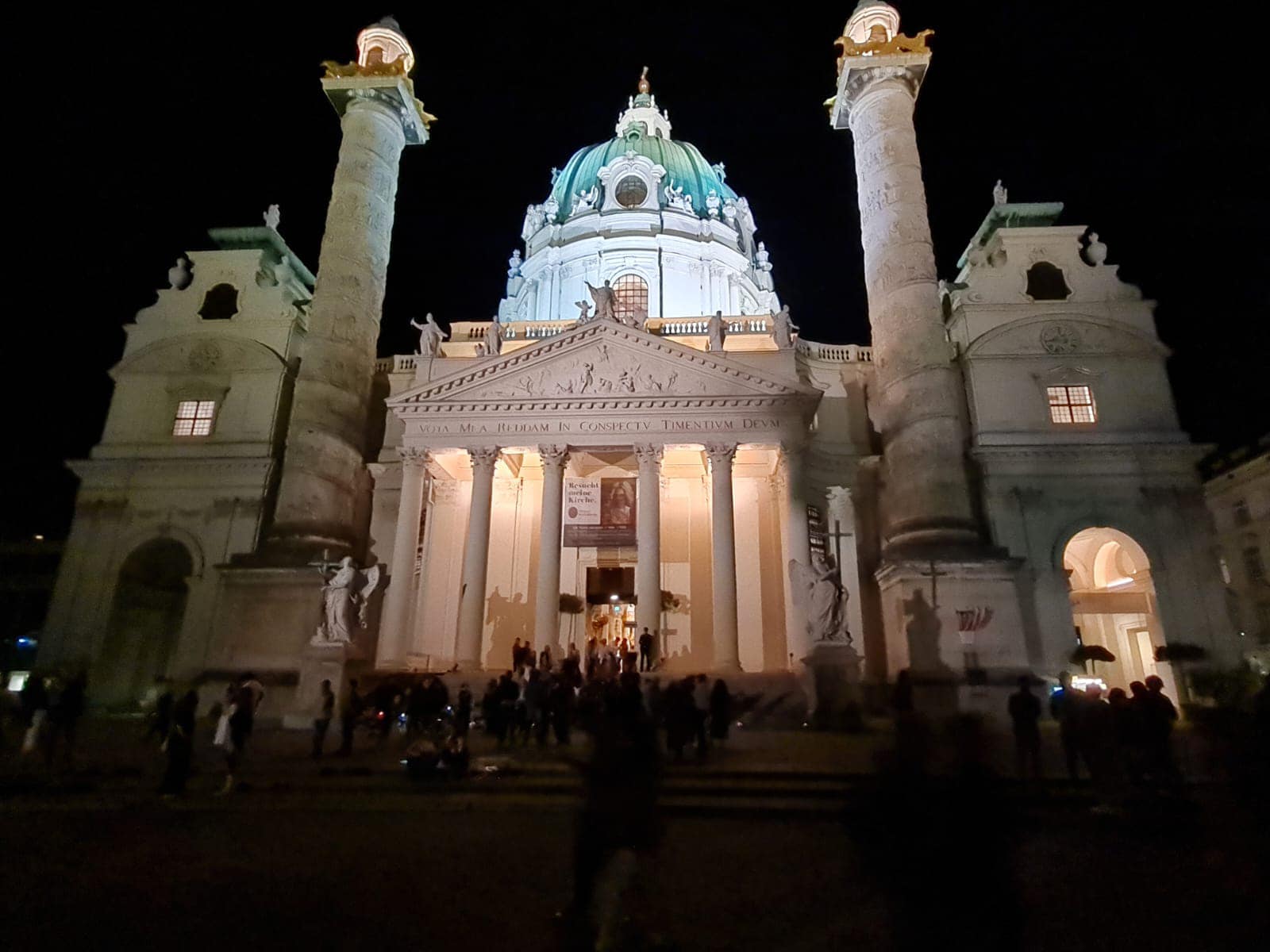
Tonight, JP and I went to St Charles Church (Karlskirche) to listen to Vivaldi’s Four Seasons concert. It was absolutely mesmerizing and I never appreciated how physical it is for the musicians. I was also surprised how young they were – so very talented. The Harmonia Ensemble Vienna performs Vivaldi’s Four Seasons with 5 Musicians, a solo Violinist and a String Quartet.
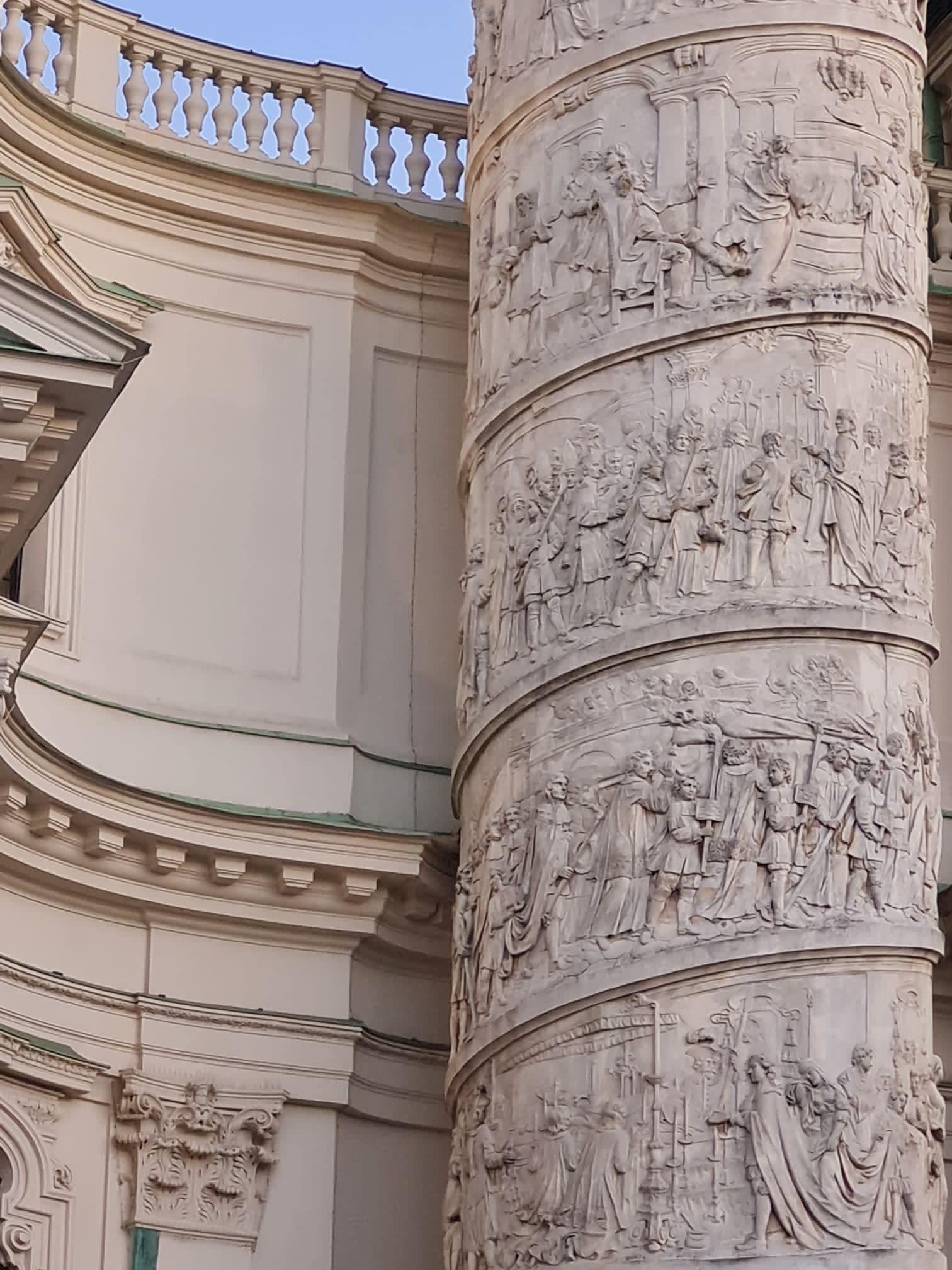
Karlskirche is one of the most important sacred buildings in Central Europe and a symbol of Vienna. It is the last great work of the eminent Baroque architect Johann Bernhard Fischer von Erlach. Completed in 1739, it was built by virtue of a vow made by Emperor Charles VI during a plague. The church is dedicated to the Habsburg emperor’s namesake, St. Karl Borromäus. His life and works are depicted on the two giant columns (47 meters tall) next to the entrance portal. The lavish dome frescoes by Johannes Michael Rottmayr cover 1,250 m² of magnificent color.
The Four Seasons (Italian: Le quattro stagioni) is a group of four violin concertos by Italian composer Antonio Vivaldi, each of which gives musical expression to a season of the year. These were composed around 1718−1720, when Vivaldi was the court chapel master in Mantua.
The Four Seasons is the best known of Vivaldi’s works.
They were a revolution in musical conception: in them Vivaldi represented flowing creeks, singing birds (of different species, each specifically characterized), a shepherd and his barking dog, buzzing flies, storms, drunken dancers, hunting parties from both the hunters’ and the prey’s point of view, frozen landscapes, and warm winter fires.
Antonio Lucio Vivaldi (4 March 1678 – 28 July 1741) was an Italian composer, virtuoso violinist and impresario of Baroque music. Along with Johann Sebastian Bach and George Frideric Handel, Vivaldi ranks amongst the greatest Baroque composers and his influence during his lifetime was widespread across Europe, giving origin to many imitators and admirers. He pioneered many developments in orchestration, violin technique and programmatic music.
After meeting the Emperor Charles VI, Vivaldi moved to Vienna, hoping for royal support. However, the Emperor died soon after Vivaldi’s arrival, and Vivaldi himself died in poverty less than a year later.
A fitting end to our visit to the city of music and culture.



 SUNGRL