
Day 22 – Laufenburg to Radolfzell – 108km
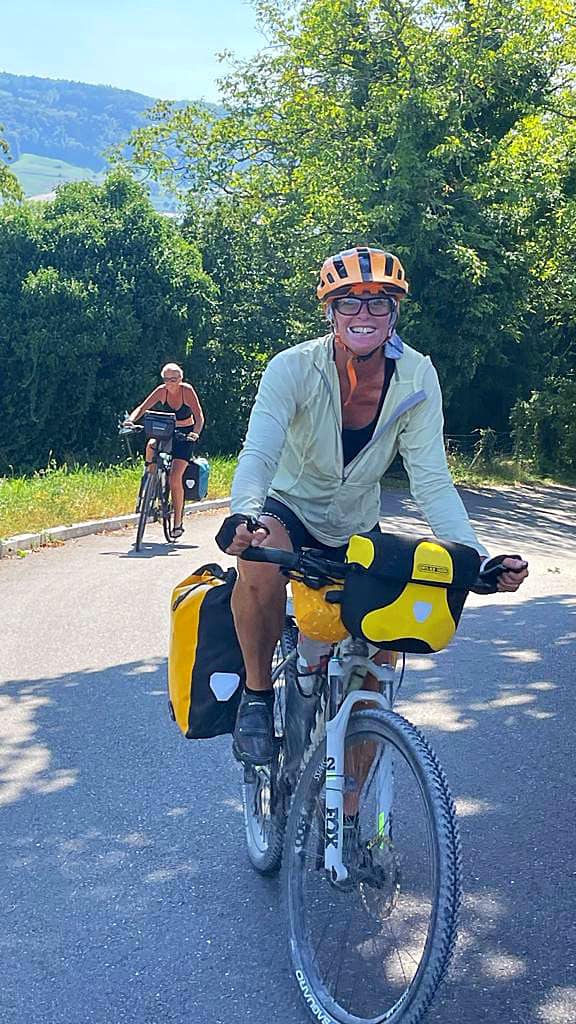
We are currently experiencing a heatwave where we are so we were on our bikes at 7am to get some kilometres under our belts before it got too hot.
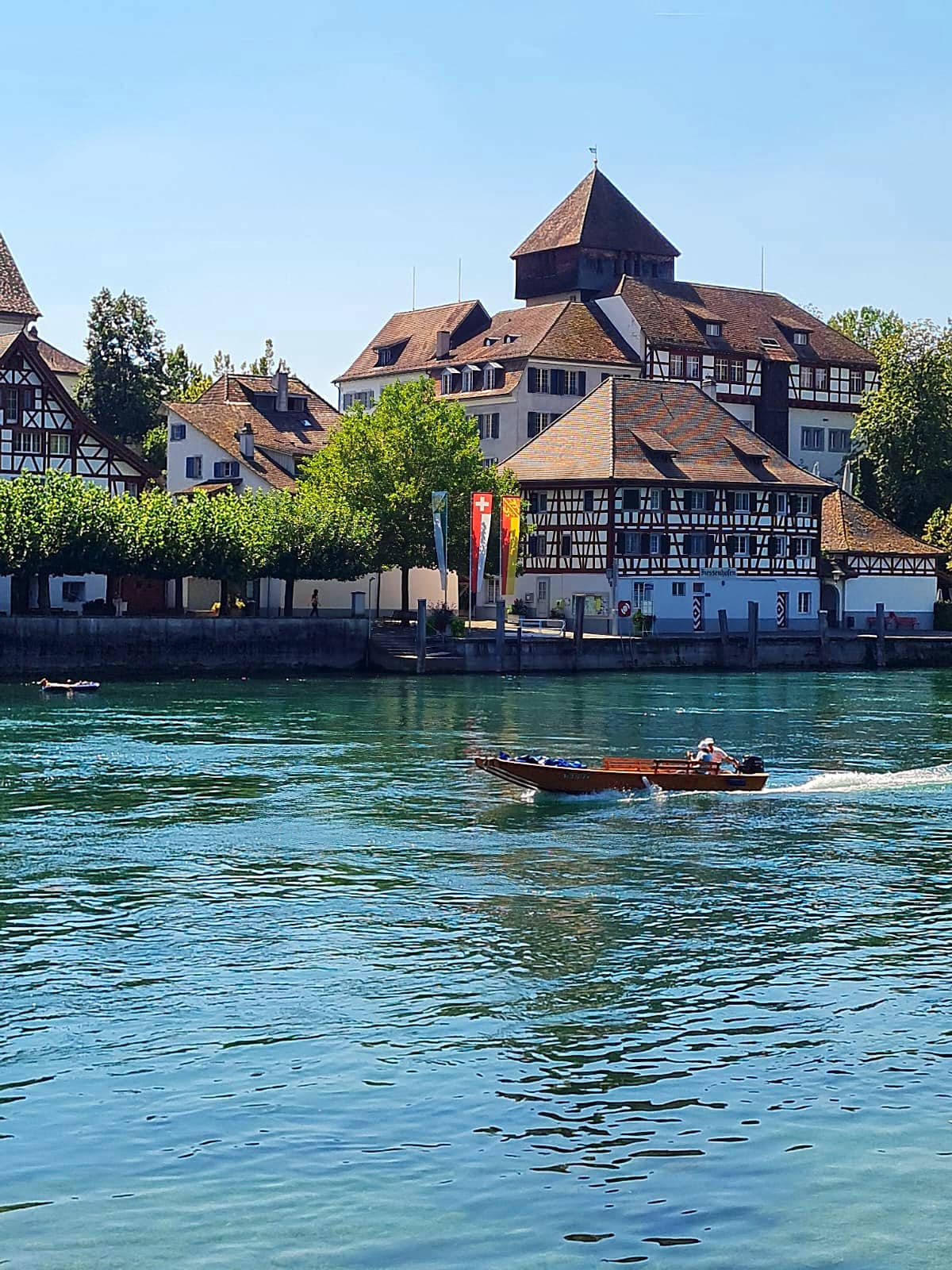
After a few kilometres along the still and misty Rhine we headed through an industrial landscape of factories separated by various crops. It all looked very tidy and orderly.
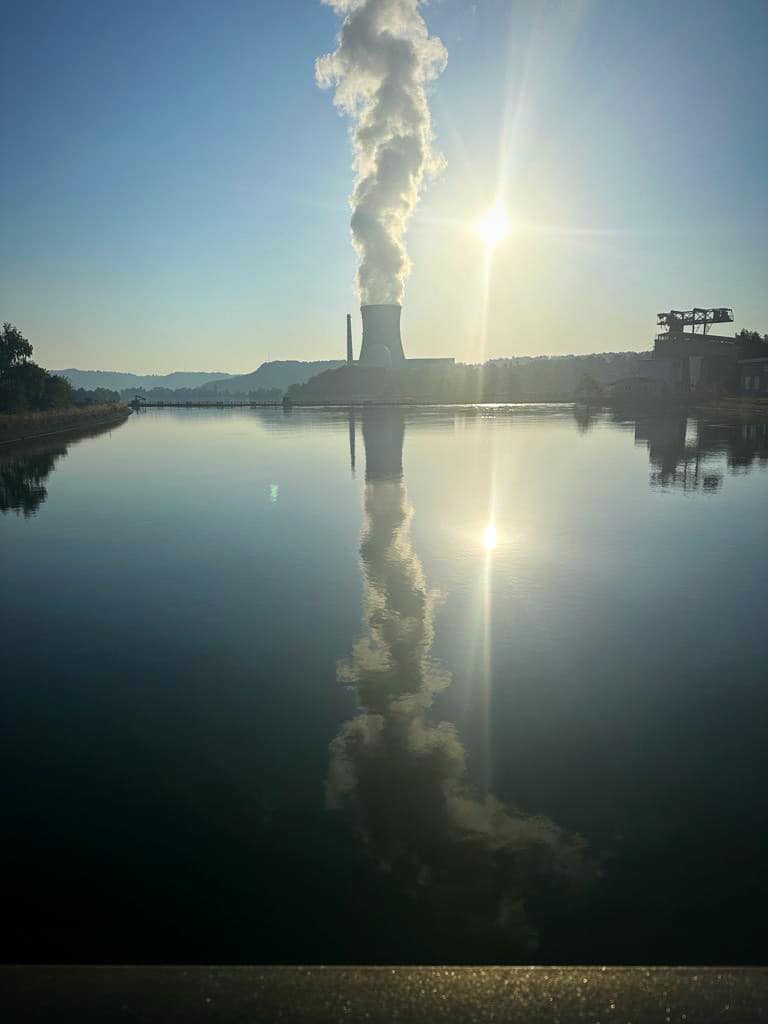
We also passed the Leibstadt Nuclear Power Plant which is located near Leibstadt, canton of Aargau, Switzerland, on the Rhine River and close to the border to Germany. Commissioned in 1984, it is the youngest and most powerful of the country’s four operating reactors.
We then found ourselves back in Switzerland cycling through farms and villages. Again we criss crossed the German / Swiss border a number of times that we lost count and quite often didn’t know what country we were in.
Our first real stop of the day was at the Rhine Falls which are in Switzerland. The Rhine Falls is the most powerful waterfall in Europe. The falls are located on the High Rhine on the border between the cantons of Schaffhausen (SH) and Zürich (ZH). It was pretty busy with tourists but made a nice lunch spot.
We then spent most of the afternoon along the Rhine. It was so hot that we couldn’t wait to find a good swimming spot. In fact we had two swims before getting to Radolfzell where we are staying tonight.
Radolfzell am Bodensee is a town in Germany at the western end of Lake Constance.
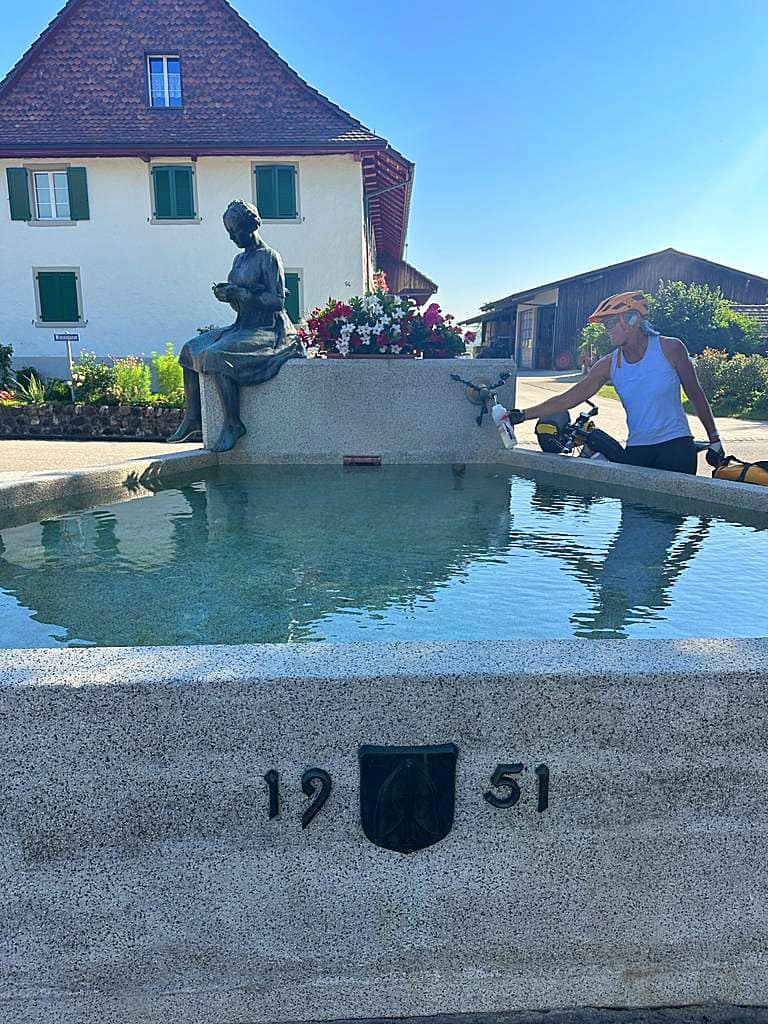
It was a big day on the pedals, but the many drinking fountains and two swims kept us going. I drank about 5 litres of water / electrolytes today and still felt dehydrated.



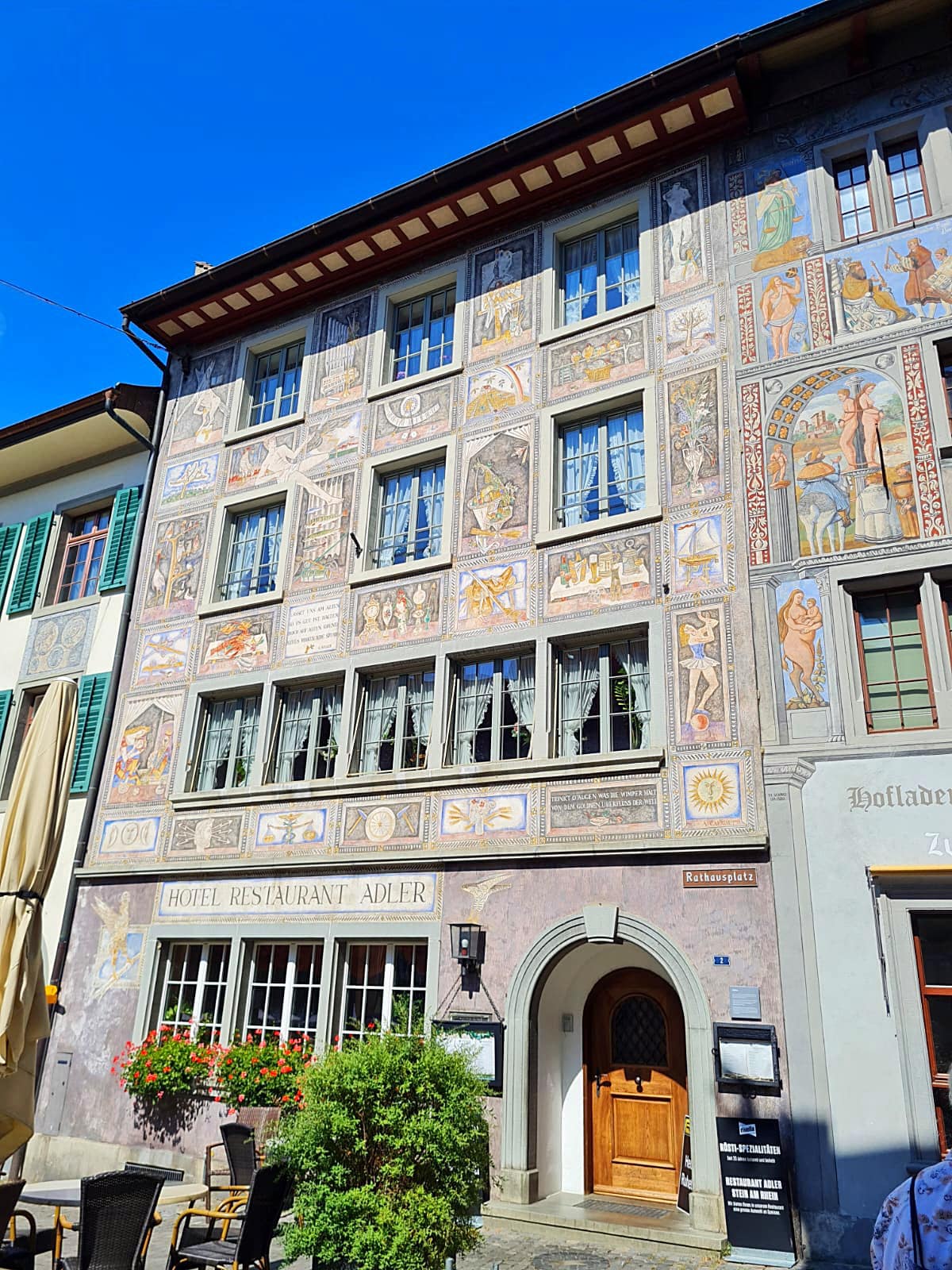

Day 23 – Radolfzell to Fridingen – 68km
Today we were exclusively in Germany although the confusion levels are still high when it comes to greetings, thank you and coffee orders – bonjour, guten tag, Grüezi, merci, danke, cafe-o-lait and milchkaffee are all still coming out randomly in the wrong places  .
.
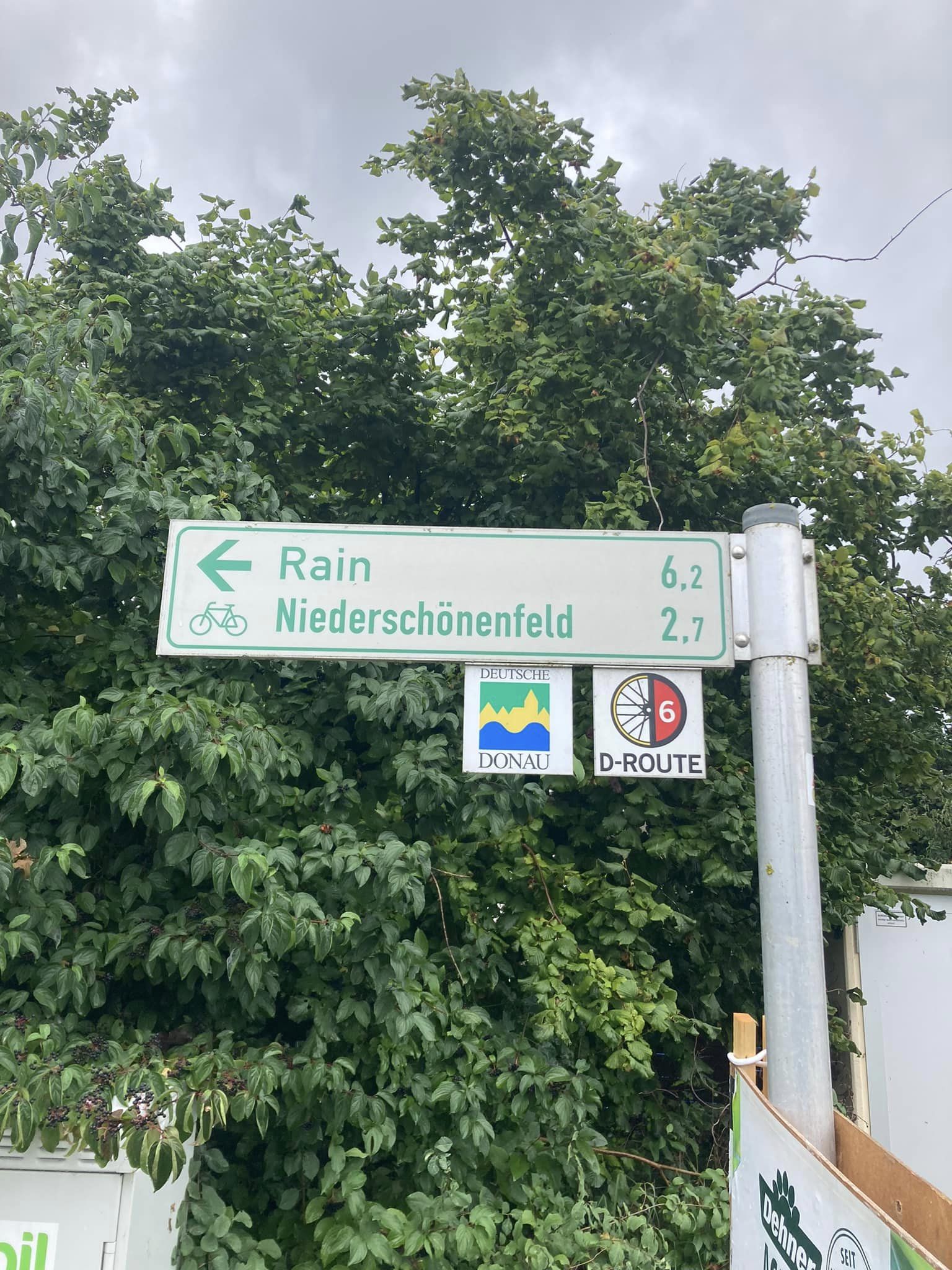
Although we were still on the Euro Velo 6 route today, we have now connected into the Danube Cycleway. We said goodbye to the Rhine yesterday, went north today and connected with the Danube or Donau in Tuttlingen where we stopped for lunch.
The Danube is the second-longest river in Europe, after the Volga in Russia. It flows through much of Central and Southeastern Europe, from the Black Forest into the Black Sea. A large and historically important river, it was once a frontier of the Roman Empire and today connects ten European countries, running through their territories or being a border. Originating in Germany, the Danube flows southeast for 2,850 km (1,770 mi), passing through or bordering Austria, Slovakia, Hungary, Croatia, Serbia, Romania, Bulgaria, Moldova, and Ukraine. Among the many cities on the river are four national capitals: Vienna, Bratislava, Budapest, and Belgrade. We will visit all of these capitals on our journey.
Our first sighting of the Danube in Tuttlingen was very underwhelming but we are hoping for bigger and better the further down river we get.
Today was our biggest climbing day on the trip – 850m over 68km. It was also one of our hottest days – not a good combination with no river in sight for a cooling dip.
I actually enjoyed the change of scenery and the different forest areas we went through – the smell of pine trees reminded me of NZ.
We are staying in Fridingen tonight which is a very quaint little place with a population of 3.100.


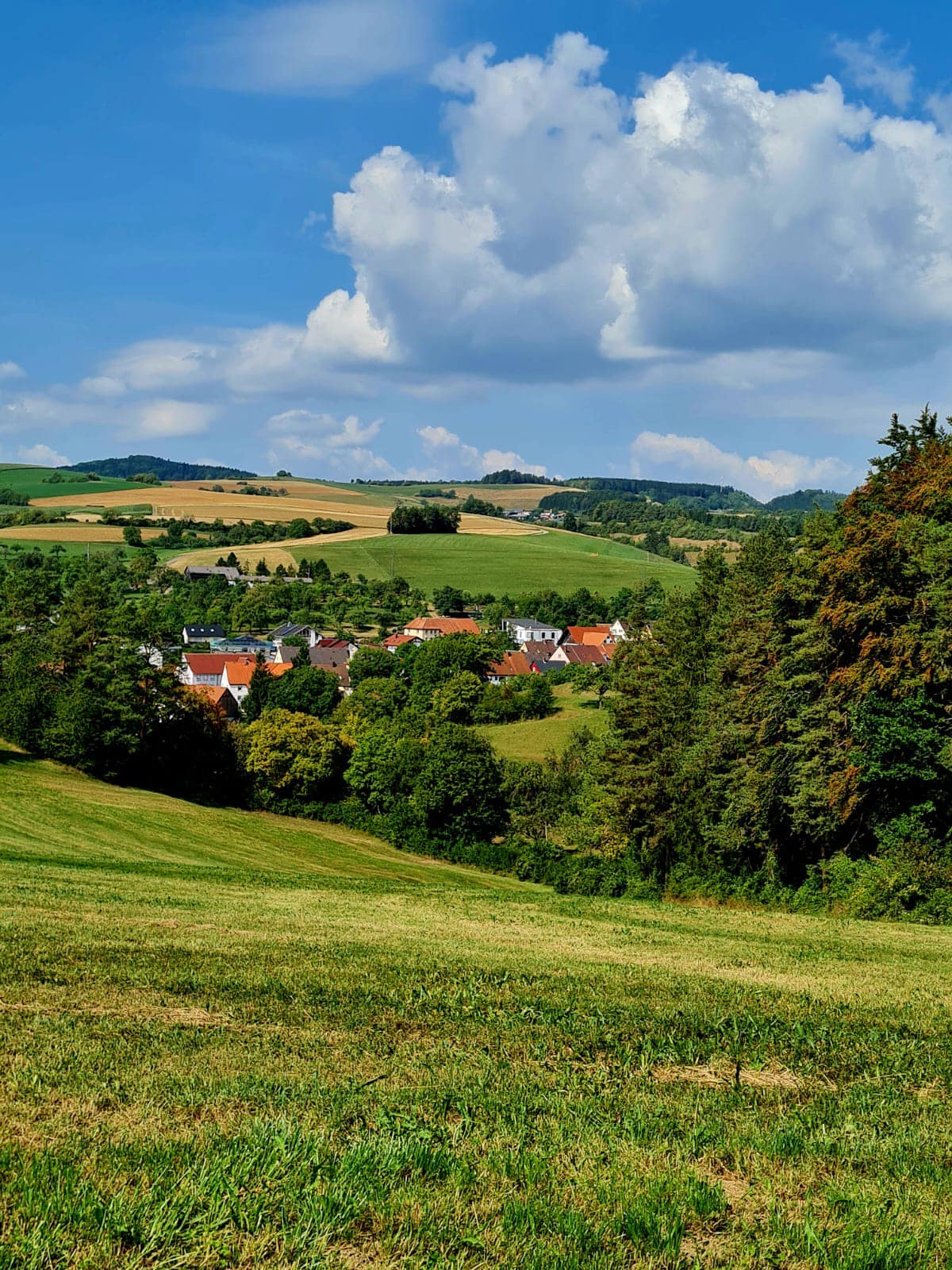



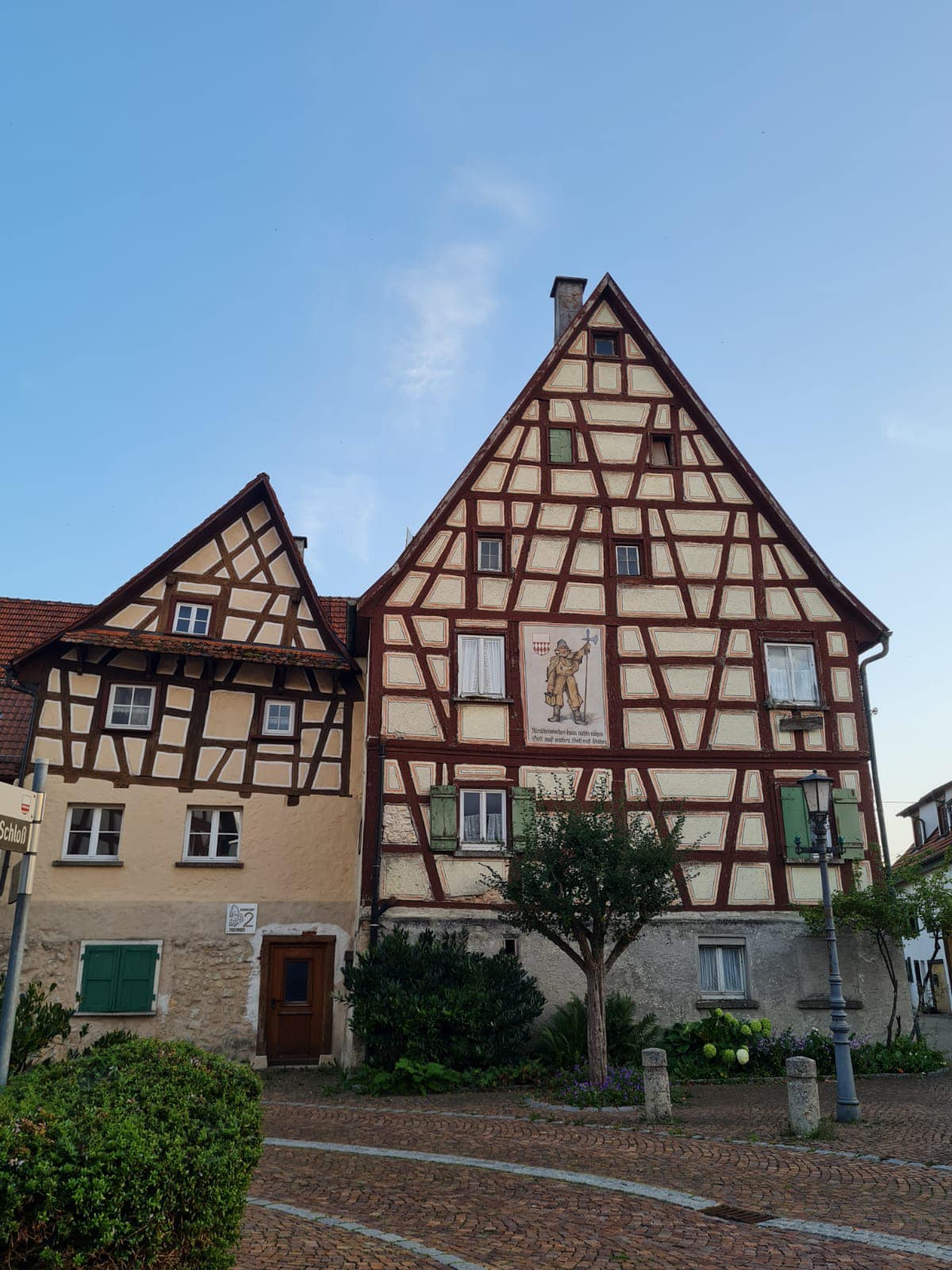


Day 24 – Fridingen to Riedlingen – 75km
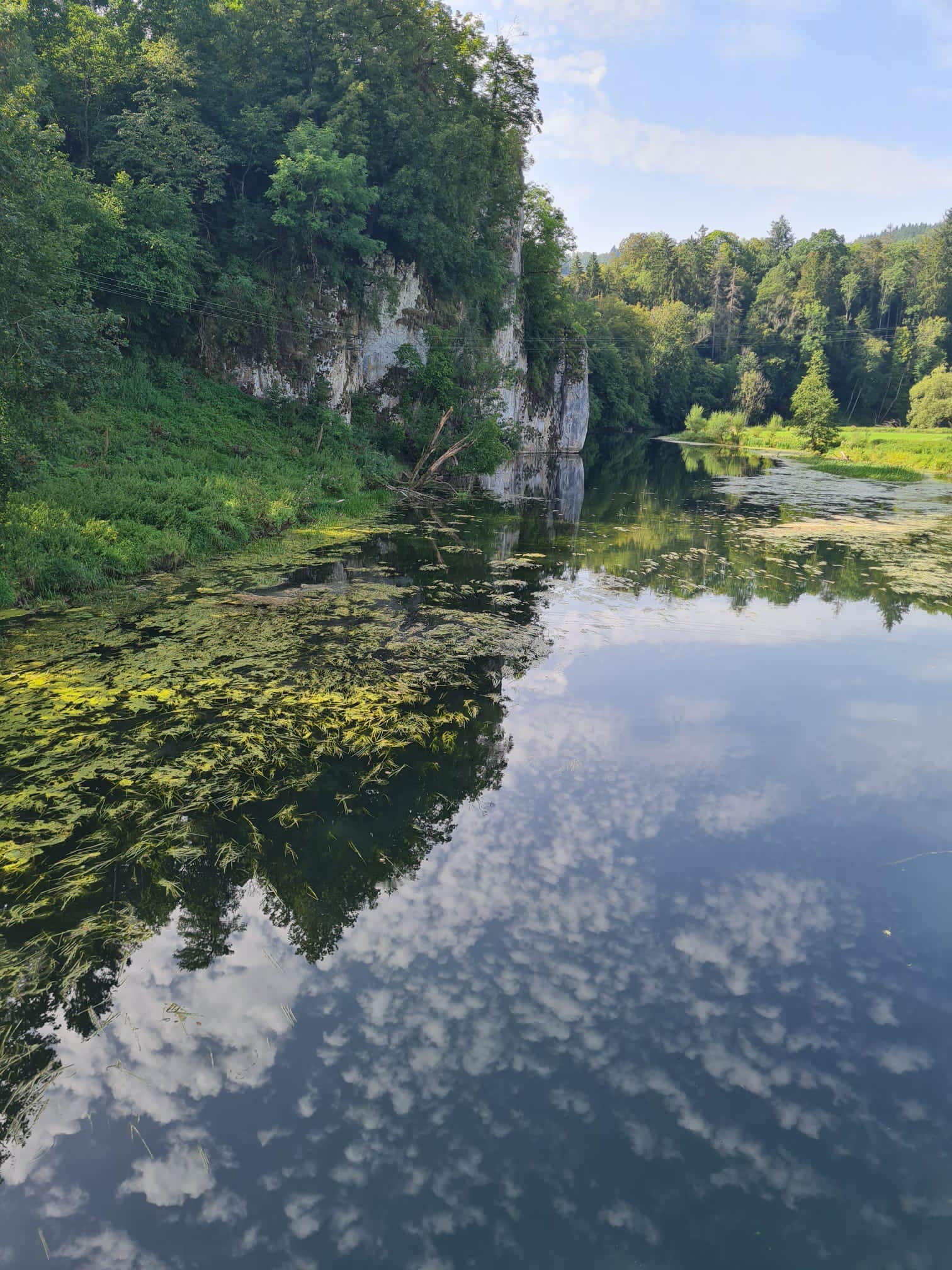
For me, this morning was heaven on earth bike riding . The backdrop is one of stunning karst scenery, following the Danube as it cuts the narrow Donautal gorge through the forested limestone hills of the Swabische Alp
There were a number of small villages along the floor of the gorge and castles perched on the cliffs above. The whole area is part of the Obere Donau Nature Park, which is home to a number of rare mammals including lynx and chamois inhabiting the hills and beaver in the river.
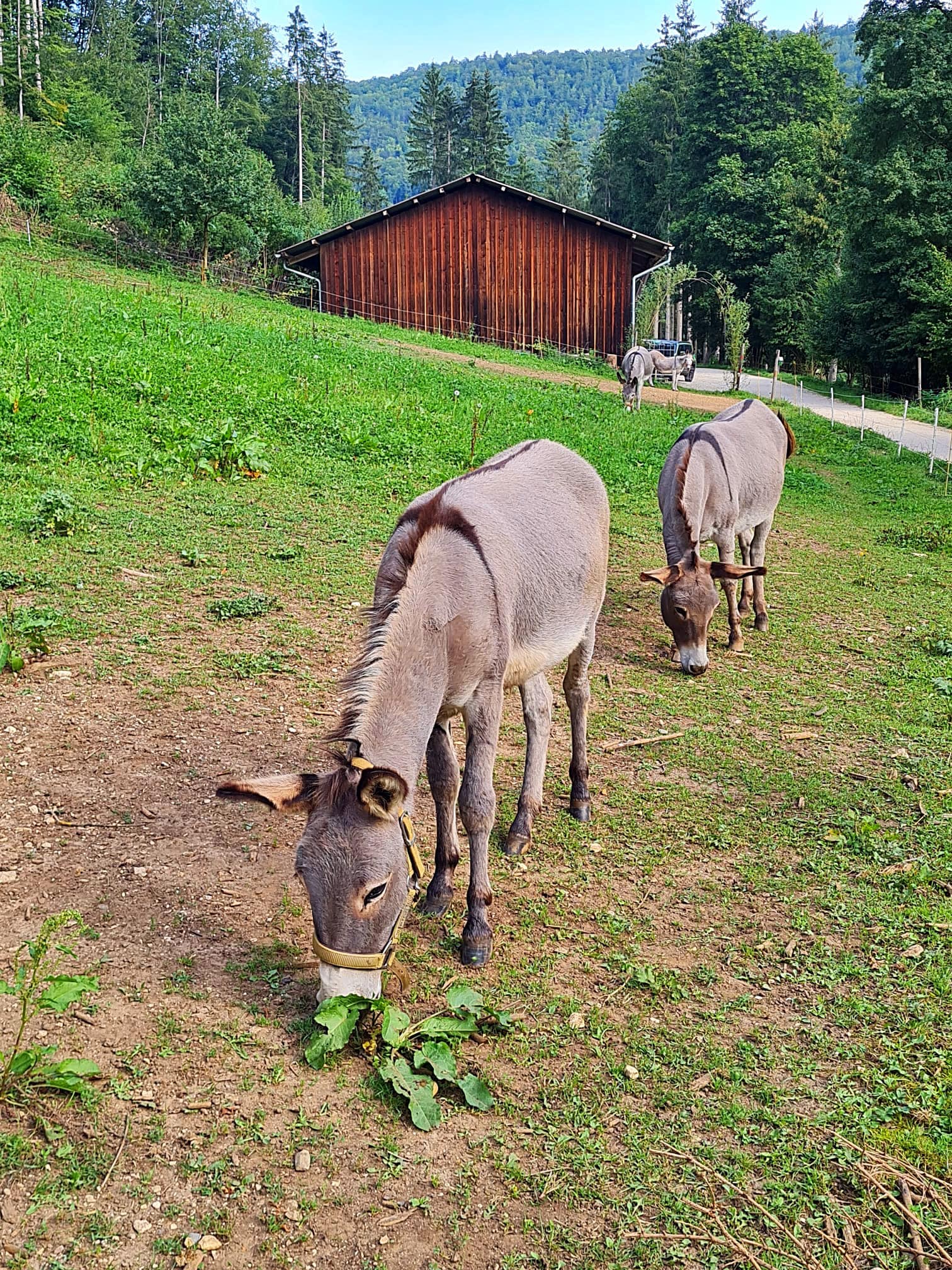
We did not see any of these rare mammals but we did see a squirrel, deer, horses and Jerusalem donkeys.
The bible says that Mary rode a donkey into Bethlehem before giving birth to the baby Jesus. Then, on Palm Sunday Jesus rode into Jerusalem for the last time on a donkey. The religious significance of the donkey is expressed in Christianity, Judaism and Islam. The King, riding the lowly donkey, is seen as a symbol of peace and salvation.
The legend of the Jerusalem donkey goes something like this – after he brought Jesus into Jerusalem the donkey was troubled because he knew what Jesus was about to go through with his trial, suffering and death on the cross. The donkey seeing the sad treatment of Jesus wished he had been able to carry the cross; after all, it was his job to carry man’s burdens. The donkey could not bear to watch and turned away but in his concern stayed nearby as Jesus endured his torture. God saw this and caused the shadow of the cross to fall across the little donkey’s back and he has carried the sign of the cross ever since as a symbol of God’s love.
Speaking of Jerusalem, my learned friend JP explained that the fields of small yellow daisy like flowers are Jerusalem artichokes.
Such a contrast in scenery from where we had come from and we were all loving it.
We stopped in Beuron which is the site of a major Benedictine abbey. Originally founded as an Augustinian abbey in 1077, it was destroyed during the Thirty Years’ War, then rebuilt, before being suppressed in 1802 during the Napoleonic Wars. The Benedictines took over in 1863 and today 60 monks live and work here. With over 400,000 books, the abbey holds the largest monastic library in Germany.
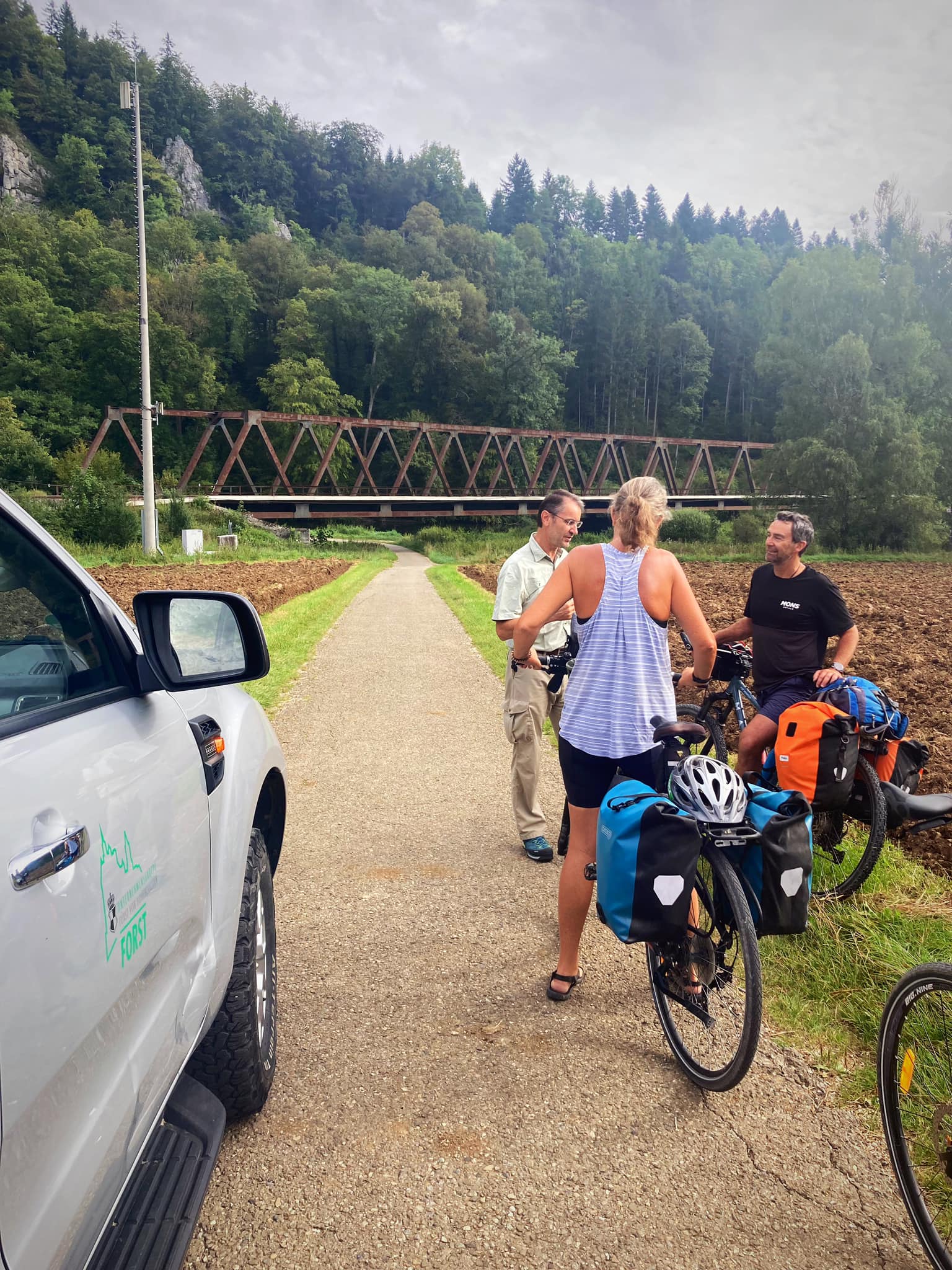
Andy stopped to talk to a guy from a forestry company who explained that they were there planning for future felling and planting. He said they are encouraging the building of more wooden houses and that they count their carbon credits by the number of wooden houses rather than the number of trees.
Our lunch stop was in Sigmaringen which is dominated by the huge Schloss Sigmaringen, the ancestral home (since 1535) to the Hohenzollern-Sigmaringen – the junior branch of a family whose senior branch provided the kings of Prussia and the kaisers of Imperial Germany.
Our afternoon riding was not a patch on the mornings and the sun had come out with a vengeance. The trails were still fantastic and we made it to Riedlingen, our home for the night, just before 3pm.
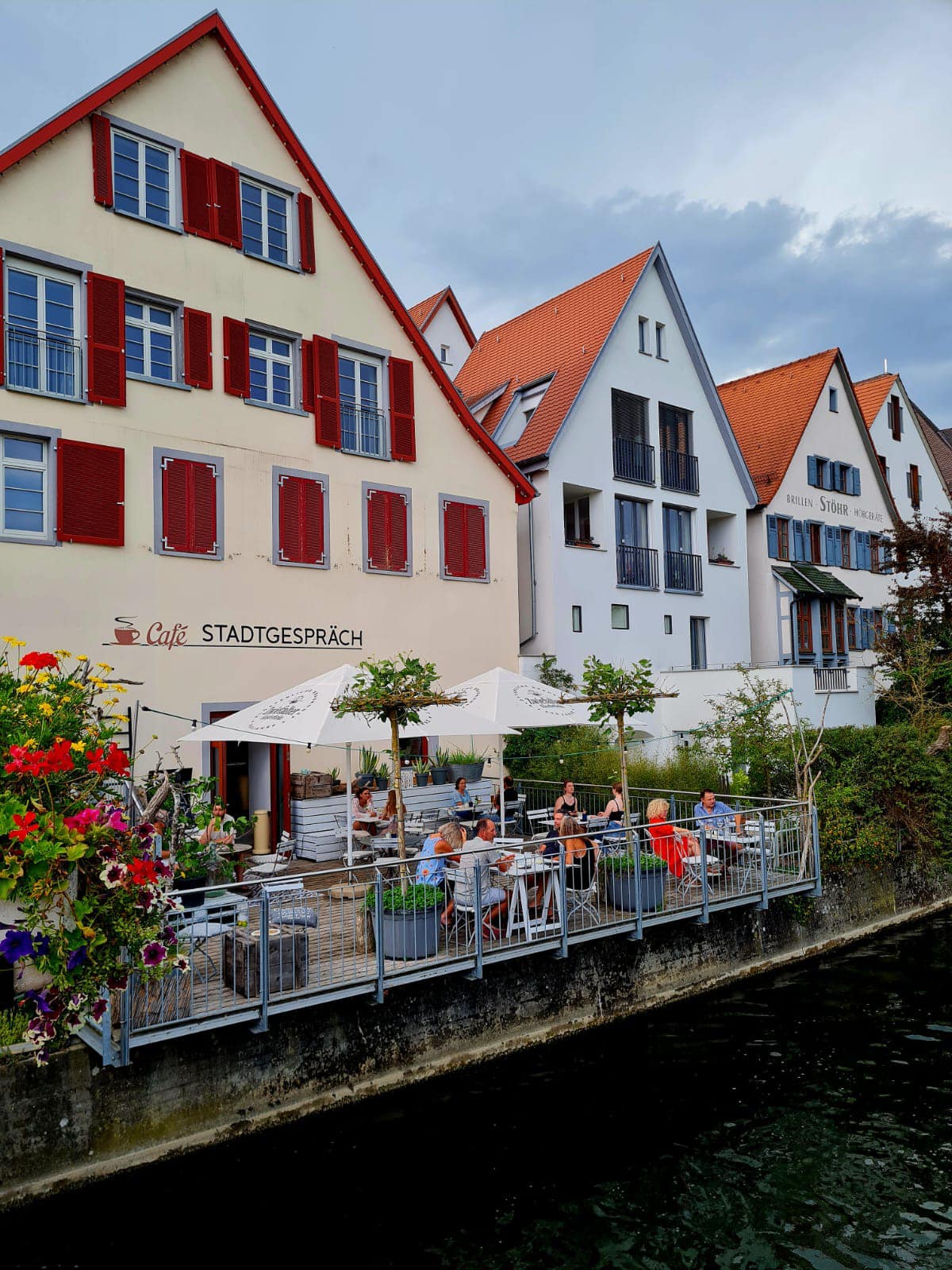
Riedlingen has a population of 10,000 and is a medieval town dating back to 1247. It has many buildings from the 16th to 18th centuries. The most notable is Schone Steiger (1556) which now houses the town museum.
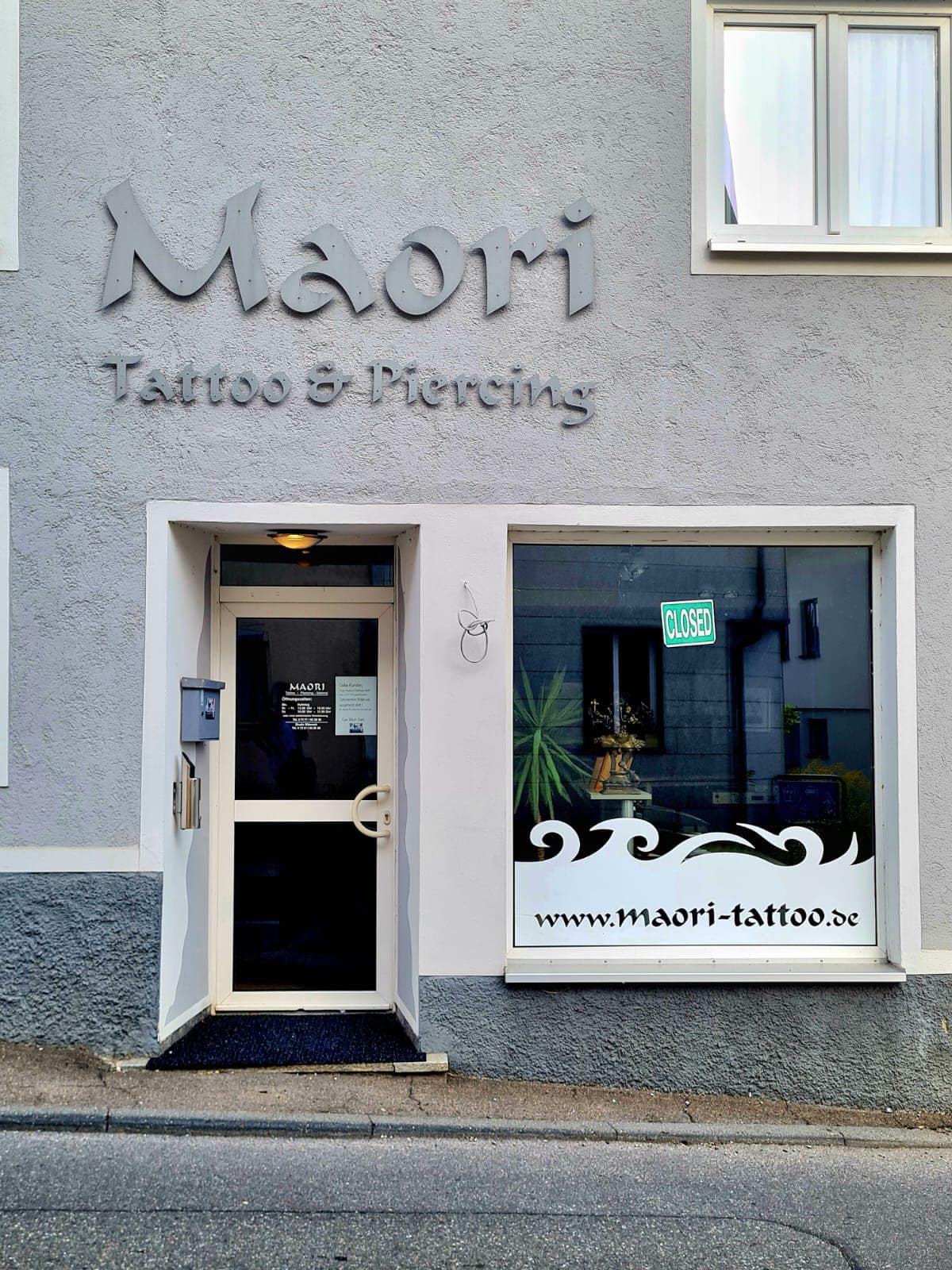
Interestingly we also came across a Maori tattoo and piercing studio – I couldn’t find any information about it on the internet so I was left wondering about the connection to NZ.
We enjoyed a nice dinner down on the Danube where we watched these young boys jumping off the bridge. This has given us hope for future swim spots which unfortunately didn’t make an appearance on our ride today – the river was pretty shallow along the trail.
Janine and I went to listen to a local band – the female vocalist was awesome. A thunderstorm had threatened while we were having dinner and made itself known while we walked home. Fortunately it didn’t unleash fully until we got back. It has stopped raining now but there is still lightening in the sky.
We have now done just over 1,600km’s so we are halfway to Belgrade, which is our finish point.








Day 25 – Riedlingen to Ulm – 82km
After last nights thunder and lightning we woke to a warm but overcast day – perfect cycling conditions. We did have a little bit of rain too but it didn’t amount to much.
The boys were very excited as our first planned stop of the day was in Ehingen which is known as the Bierkulturstadt or beer culture city. This is due to the existence of four independent breweries that produce 43 different beers. They even had their drinking shirts on but alas when we got there they were closed. Boys day has been postponed 
Andy had clocked up his 1,000 kilometres this morning and was keen to celebrate with a beer. He settled for a sausage instead. We did toast him at dinner tonight though.
We left Ehingen and went up the Schmiech Valley to Blaubueren to visit the Blautopf blue water lagoon, source of the Blau River. The lagoon is 21 metres deep and is fed by water from a karst spring that runs blue due to natural chemical impurities in the water. It is one of Germany’s largest springs.
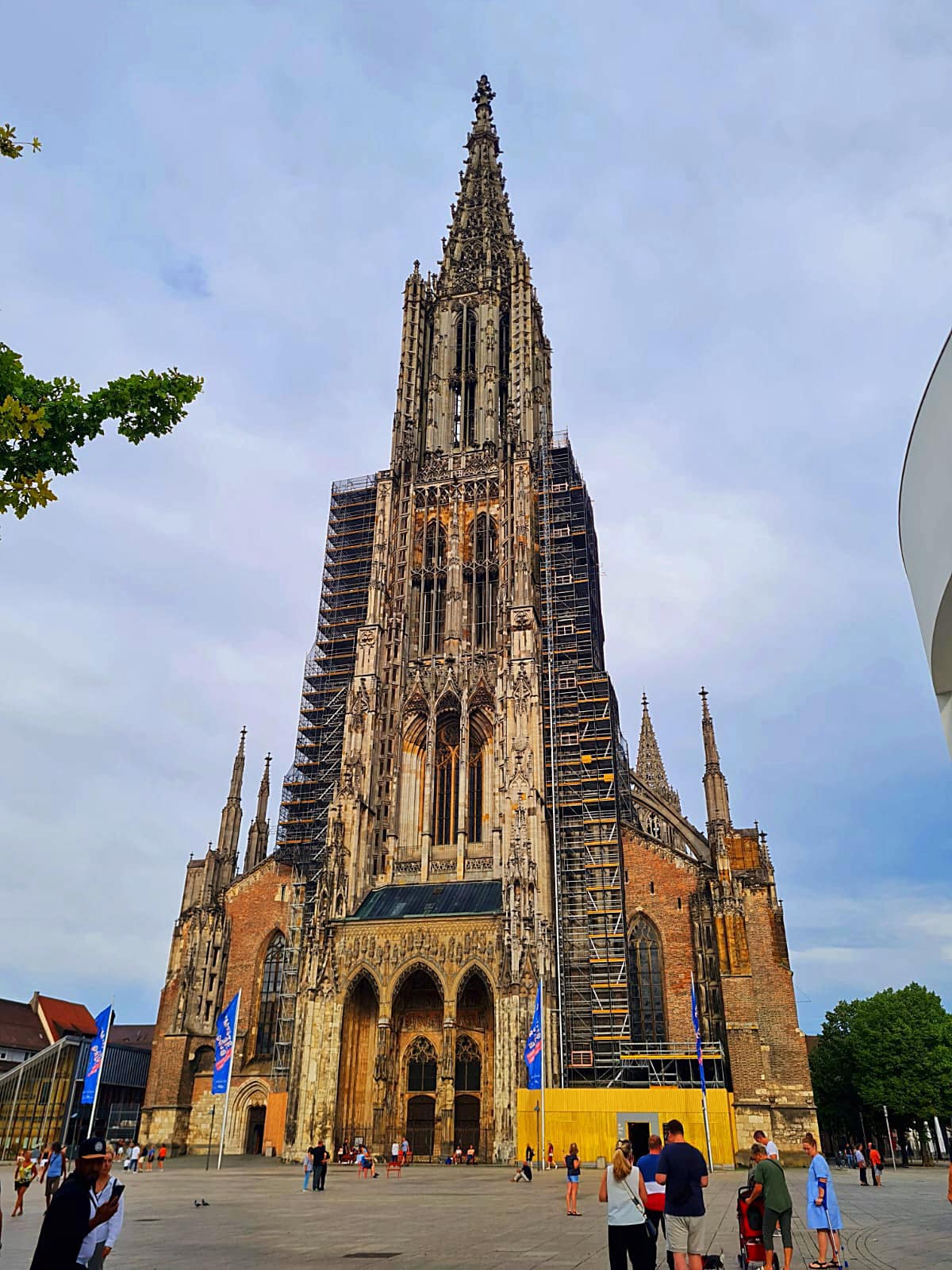
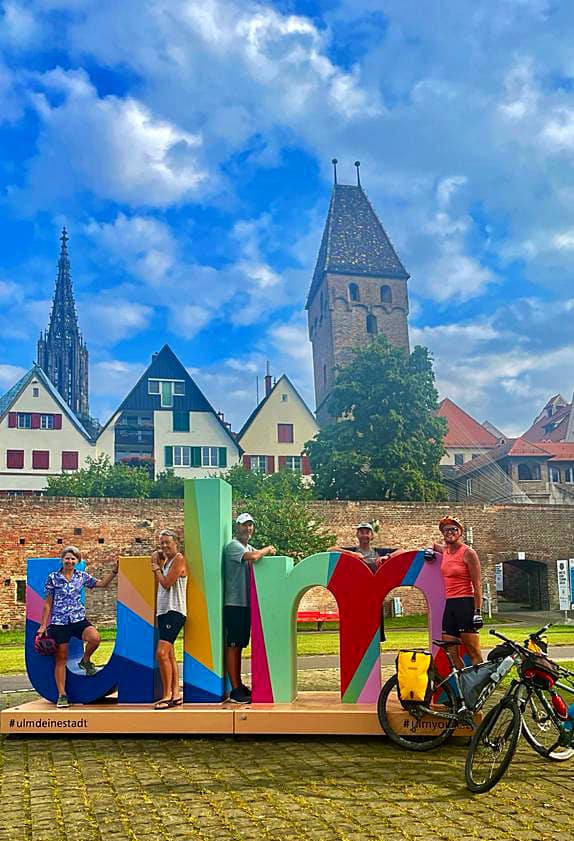
Tonight we are staying in Ulm – population 170,000. In 1377, construction of a huge cathedral began, financed by local traders and guilds rather than Catholic authorities. Due to economic conditions and wars, construction ceased from the 16th to the 18th century with the cathedral being completed in 1890.
The spire was originally planned to be shorter but it was later increased to 161.5 metres so as to be 4 metres taller than the Koln cathedral and become the tallest spire in the world.
Eighty percent of the medieval buildings in Ulm were destroyed by bombings in December 1944.
Albert Einstein was born in Ulm in 1879.
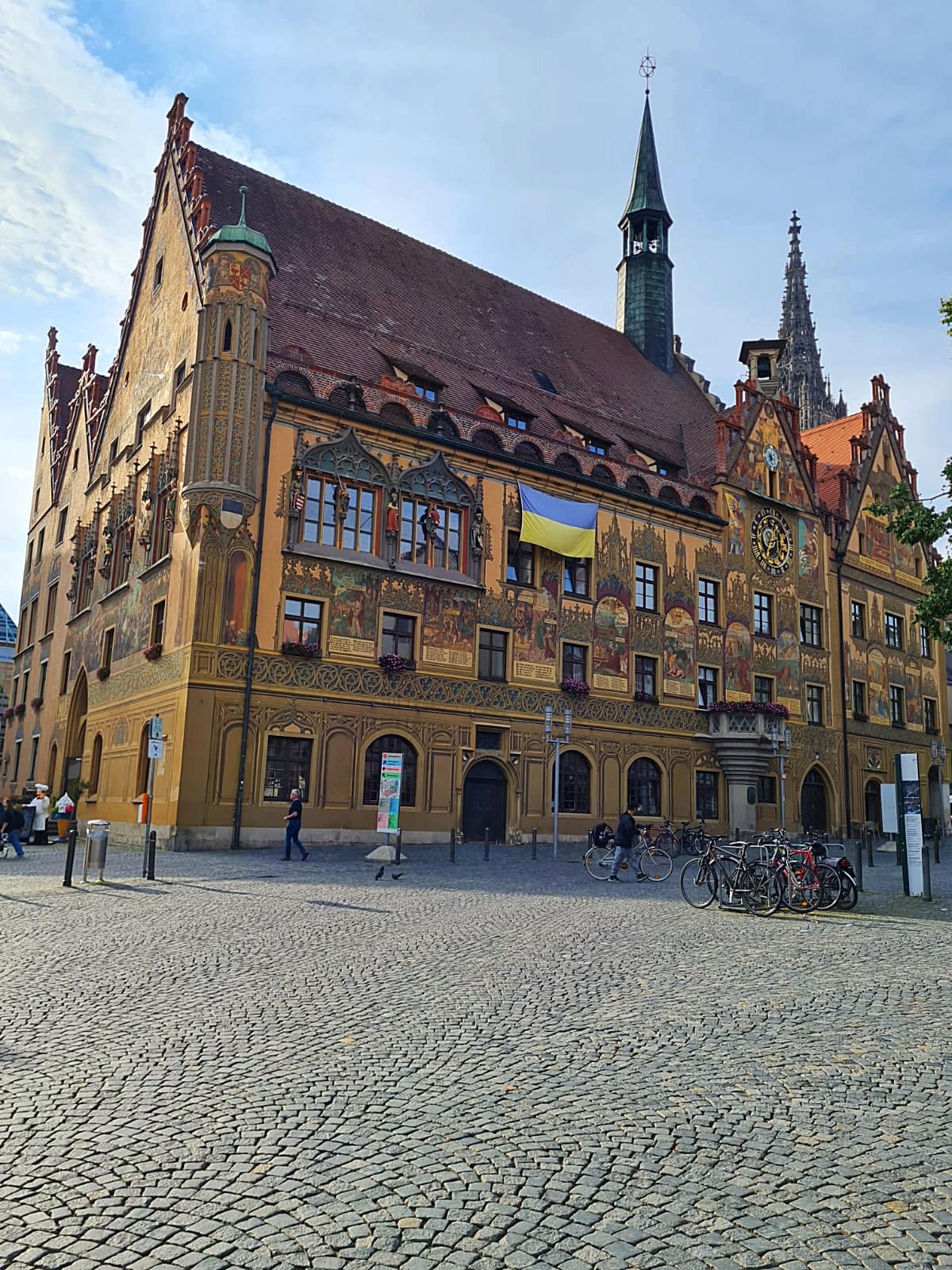
We explored the city centre where the cathedral is, as well as the fisherman’s quarter which is a maze of cobbled streets and half wooden houses.
We also visited the “Schiefes Haus“, or crooked house, which is the most frequently photographed former town house in Ulm and dates all the way back to the year 1406. It has had some renovations over the years and is now a hotel.
We had a lovely dinner at Gaststätte Wilder Mann where they served some Bavarian dishes which were delicious. Ulm is made up of twin settlements, Ulm in Baden- Württemberg and Neu Elm across the Danube in Bavaria.
We are staying in our first youth hostel tonight – the idea was to connect with some fellow cyclists of which we have seen none!









Day 26 – Ulm to Donauworth – 94km
This morning we crossed from Baden-Württemberg into Barvaria. The morning’s cycling was nice and flat through long stretches of riparian forests. The weather has also cooled so we seem to be whizzing along.
Just prior to lunch we stopped to look at the restored remains of Apollo Grannus (god of healing), the largest Roman temple discovered north of the Alps.
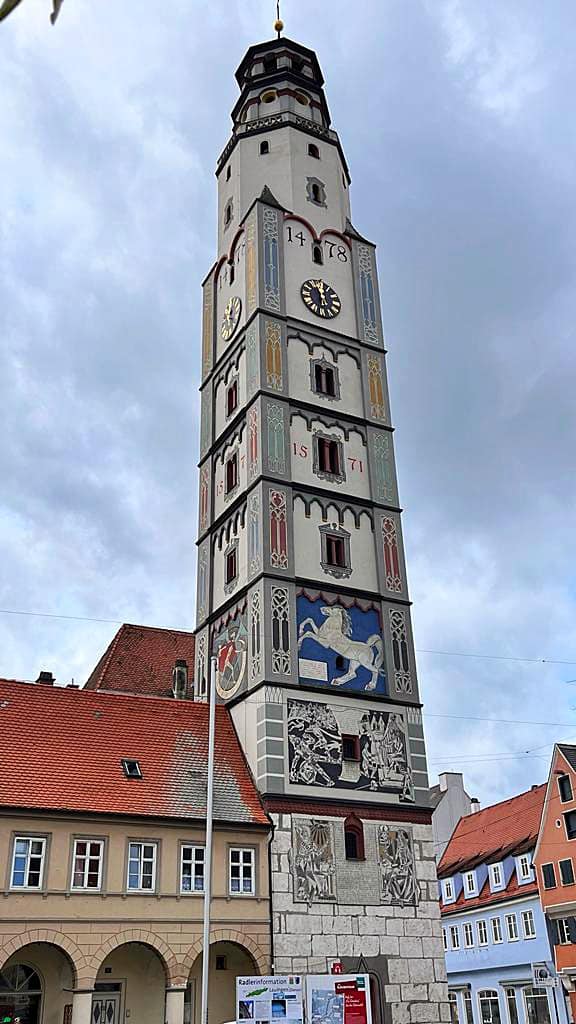
We had a lunch stop in Lauingen on the Marktplatz which is overlooked by a 54m high Schimmelturm tower which was built in 1478.
The cycling after lunch was through a wide agricultural valley. We passed through Blindheim (Blenheim in English) where the nearby battle of Blindheim took place on the 13th August 1704.
This was a decisive battle during the war of the Spanish Succession (1701 to 1714). It was between 48,000 French and Bavarian troops commanded by the Duke of Tallard, who were marching east to attack Vienna, and 51,000 allied troops (English, Dutch, Prussian and Savoyard) commanded by the Duke of Marlborough and Prince Eugene of Savoy. The two armies met on the open plain north-west of Blindheim. The result was a conclusive victory for the Alliance and a rout for France, who lost 30,000 troops (killed, wounded, missing) as well as all their artillery and stores. 6,000 were killed and 6,500 wounded on the Alliance side.
At the end of the fighting there were over 20,000 bodies on the battlefield and, 300 years later, farmers still unearth remains. In England, a grateful Queen Anne rewarded Marlborough with a stately home, Blenheim palace, named after the battle.
We arrived into Donauworth at 3pm just before the heavens opened up. We were greeted by the most delightful receptionist. The hotel is in the centre of town. After getting sorted we had a drink at an Asian fusion restaurant and bar, before moving to the Indian restaurant for dinner.
The hotel we are staying in is owned by an Italian family and there is an Italian restaurant attached. We went and had a post dinner drink there and met a couple of locals who were up for a chat. It was really busy so it was fun watching the passionate Italian owner and staff dealing with each other and the customers.
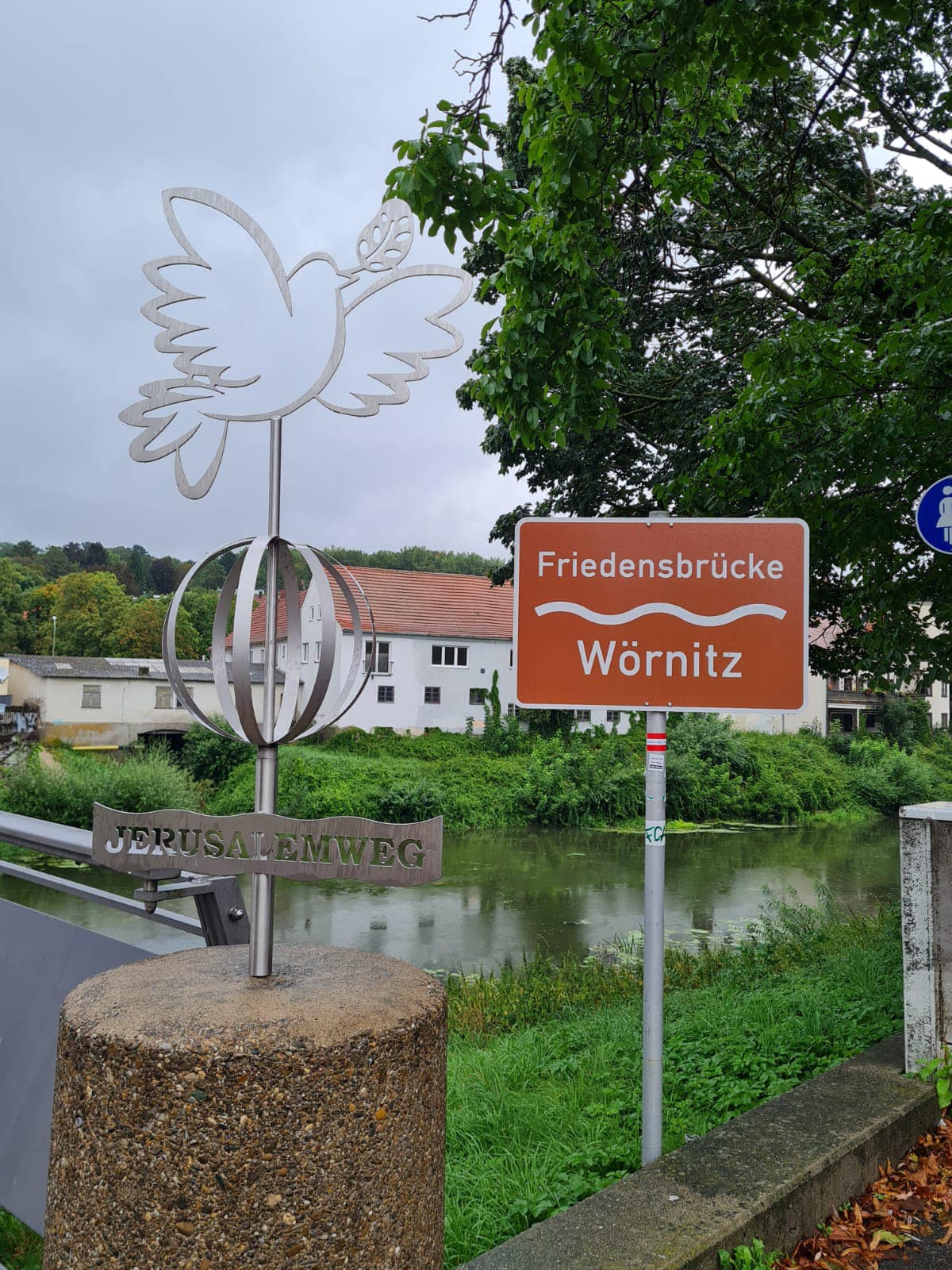
Donauworth has a population of 18,250 and is situated at the confluence of the Danube and Wornitz rivers and was the point where the imperial road from Nuremberg to Augsburg crossed the Danube.
We are staying in the oldest part on Ried Island. Due to the rain we haven’t had a chance to explore yet.




Day 27 – Donauworth to Ingolstadt – 62km
The drought has been broken  We woke to light rain which was forecast to stick around all day. We had a shorter day today so decided to spend a bit of time enjoying a lovely leisurely breakfast (best one on tour so far) and looking around Donauworth before heading off about 10.45am.
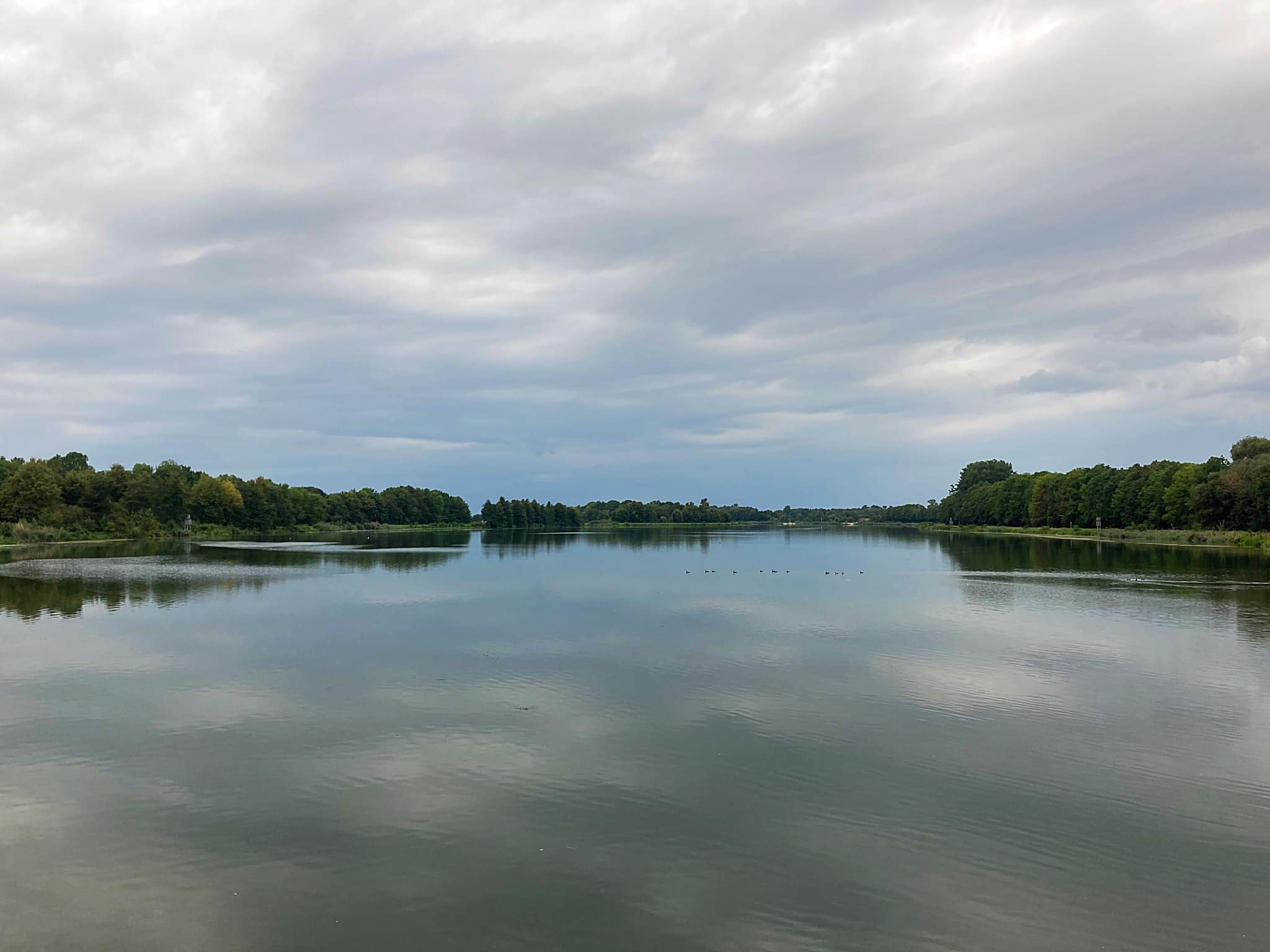
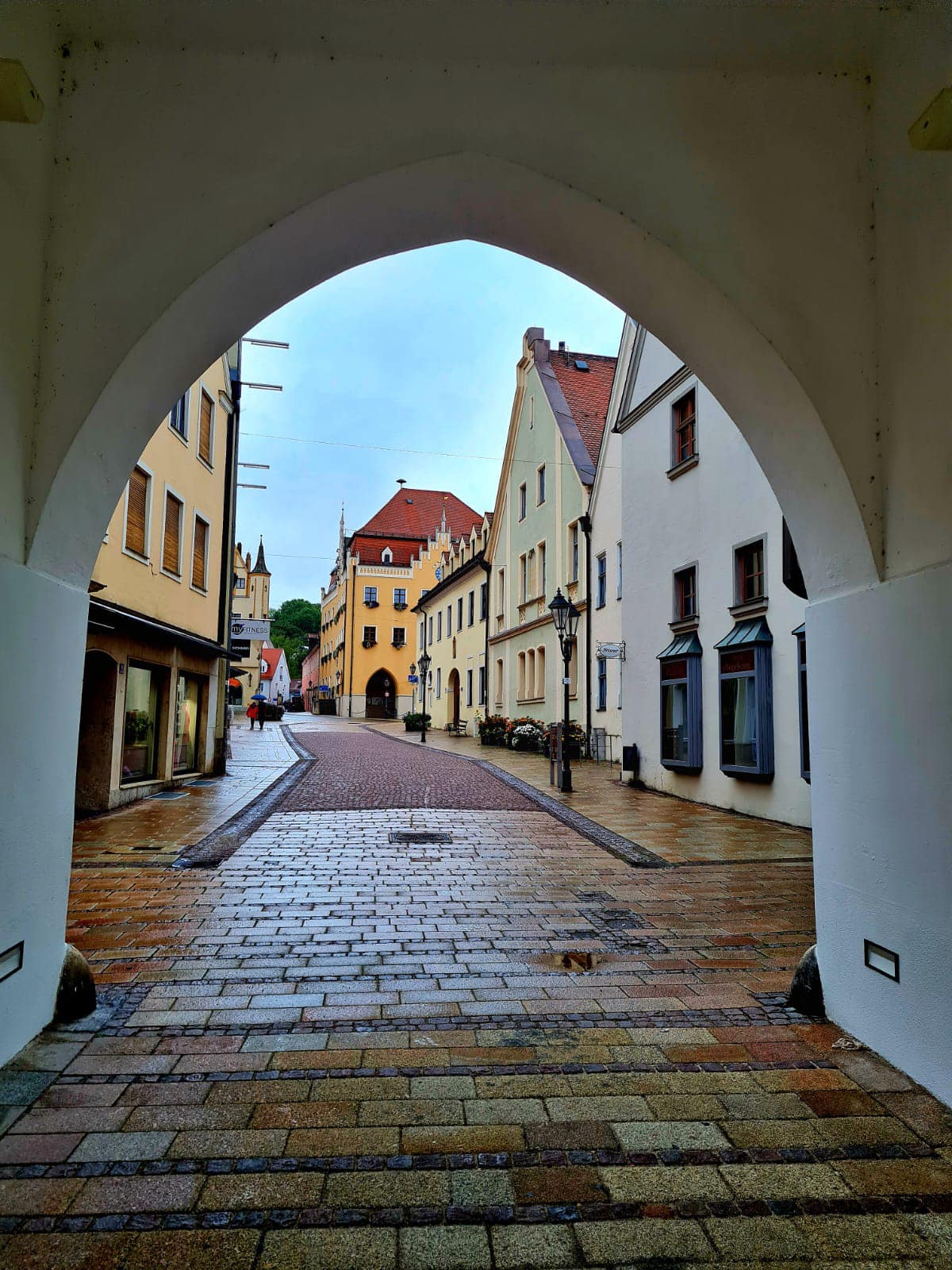
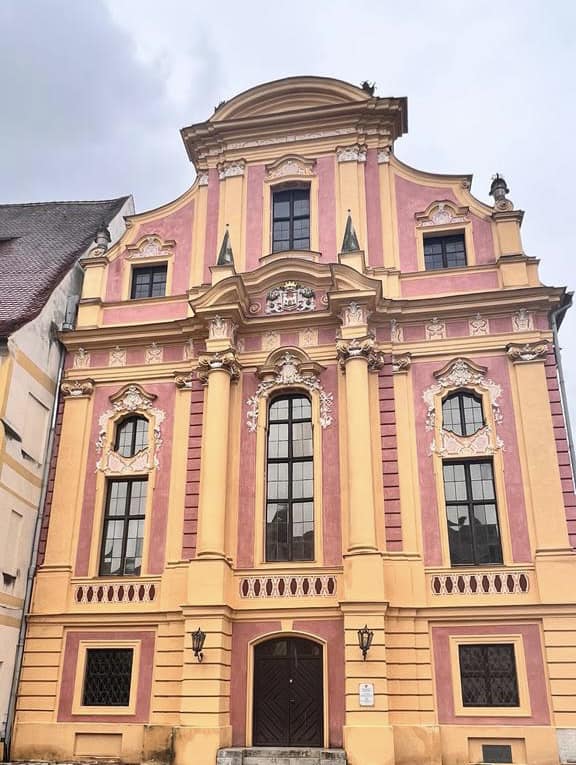
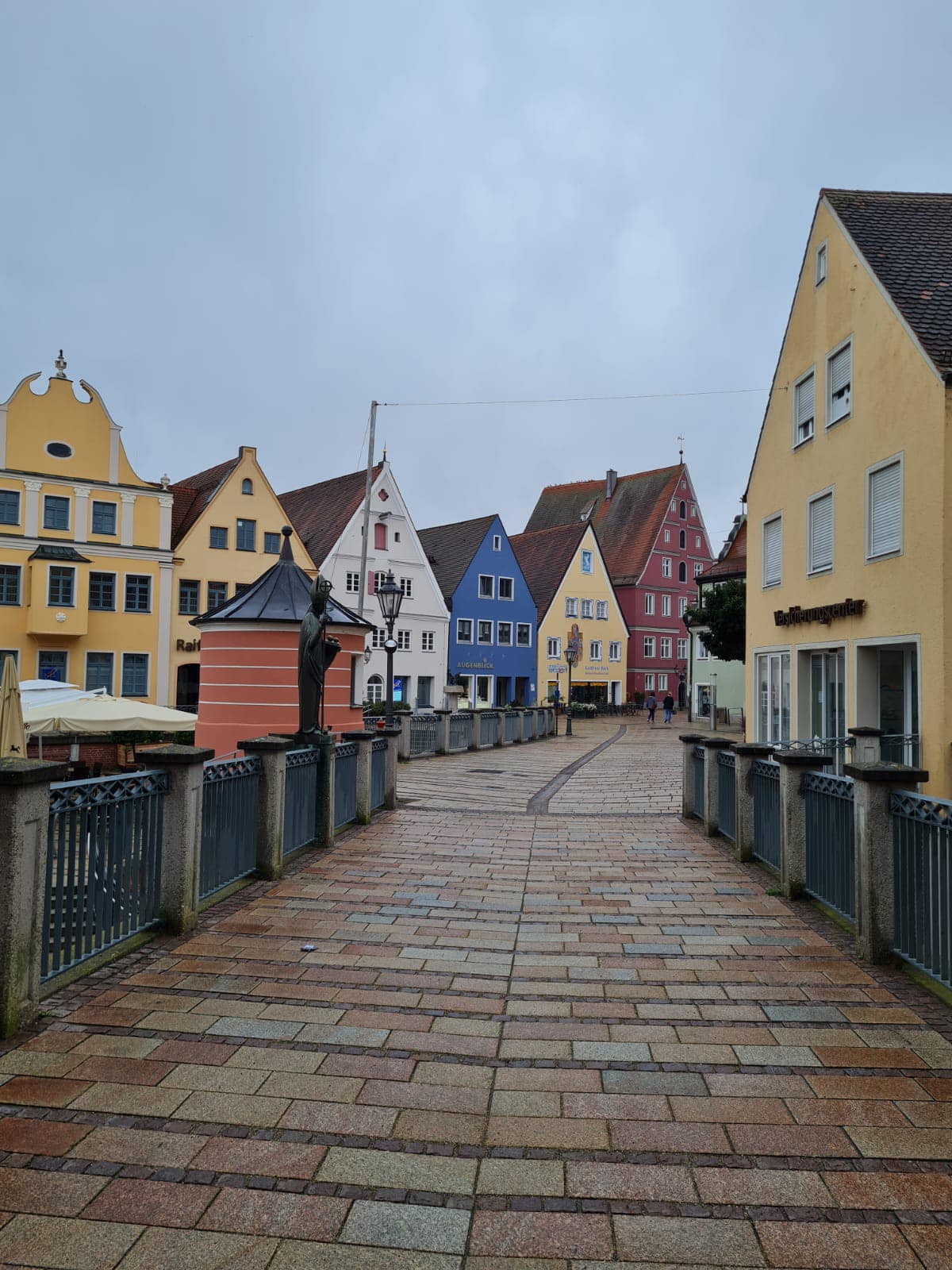
Donauwörth is a cool spot with lots of colourful buildings. We walked down to see the convergence of the Wornitz and Danube rivers. The Danube has got quite wide now and was flowing really fast.
Rain jackets on, and off we went. We started off by the main roads before undulating through the foothills of the Frankische Alb. Again the riding through the forests and along the river was great despite the rain.
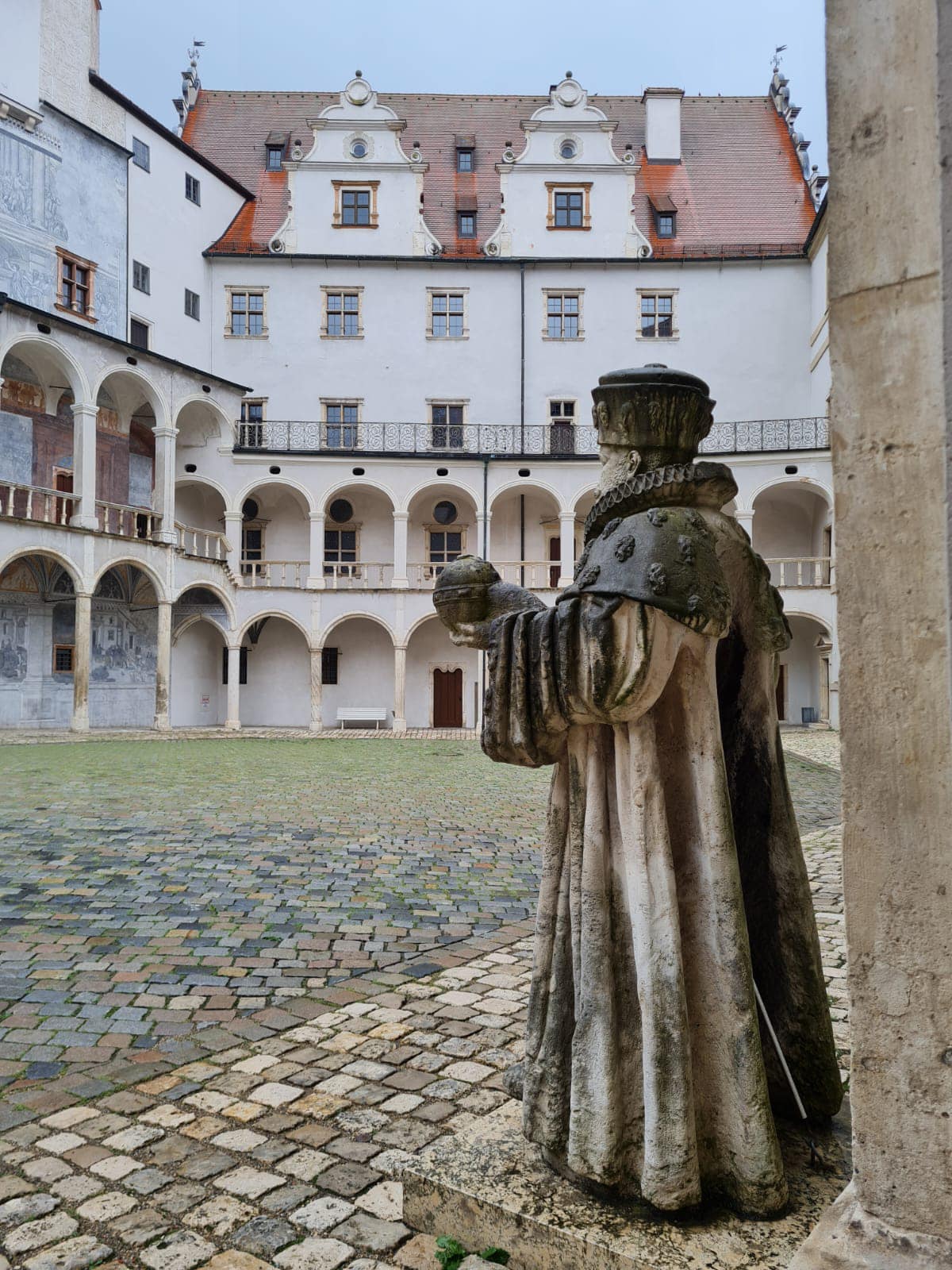
Our first stop was in the renaissance town of Neuburg. Neuburg is dominated by the Italianite-style Residenzschloss palace. There is also the oldest Protestant church in Bavaria, Schlosskapelle (1543) which is nicknamed ‘the Bavarian Sistine’ – an illusion to its highly decorated ceiling frescoes, which are said to rival those in Rime’s Sistine chapel. Unfortunately we didn’t get to see inside the church.
After lunch it was head down, bum up for the last 20km as it was still raining.
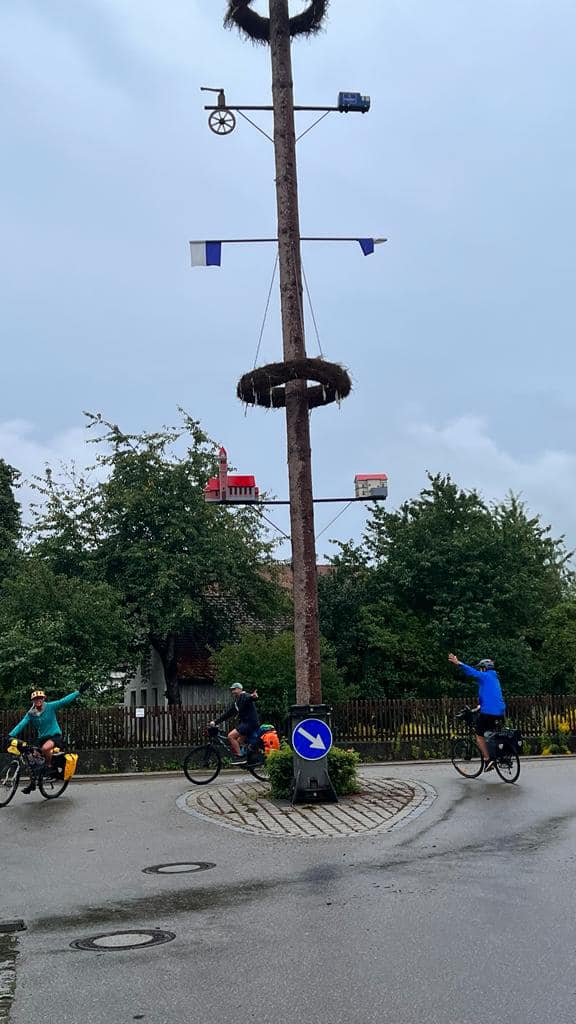
We saw a number of maypoles in the villages we passed through today. On 1 May, a beautifully decorated tree trunk is raised in a prominent place in the community. The raising of the maypole is held in high esteem, especially in Bavaria, Baden-Württemberg and Austria. The maypole itself is a proud, delimbed and debarked tree trunk, usually decorated with a top left green and a wreath, and especially in Bavaria it is often painted in the national colours of blue and white. This magnificent piece is often handcrafted and decorated with all kinds of symbols and signs that are typical of the respective region or municipality.
The tradition of raising the maypole dates back to pagan times, when the tree symbolized the power of spring and the return of life.
We are in another Youth Hostel tonight which has again failed to meet expectations – it is deathly quiet with no other cyclists in sight. The youth hostel itself is an old medieval fortress and very close to the historic centre of town.
JP had an incident in the shower tonight – the lock broke on the inside of her cubicle so she couldn’t get out the door. We got the manager who couldn’t sort it so JP had to do some climbing up the wall and over the top. We sent the manager away to get a ladder, which he did, but she still needed to hop onto Andy’s shoulders before being able to reach the ladder. She was fully clothed during these antics and there is no photographic evidence of her gymnastic abilities.
One of the locals last night told us of a beer festival going on in Ingolstadt this weekend so once again the boys got excited. We were all going to go and check it out but couldn’t get an Uber or taxi – so two boys wait….
Ingolstadt has a population of 127,000 and is one of Germany’s most dynamic and prosperous modern cities. It is a University city and the old school of anatomy within the university was chosen by Mary Shelley as the setting for her best selling novel Frankenstein.
The city’s modern prosperity arises from its two oil refineries as well as it being the headquarters of the car manufacturer Audi.
There are also four breweries, and local beer connoisseurs take pride in the fact that in 1516 a decree was issued in Ingolstadt that governed the purity of beer in Bavaria. This was eventually adopted by the whole of Germany and us still in force today.









Day 28 – Ingolstadt to Regensburg – 90km
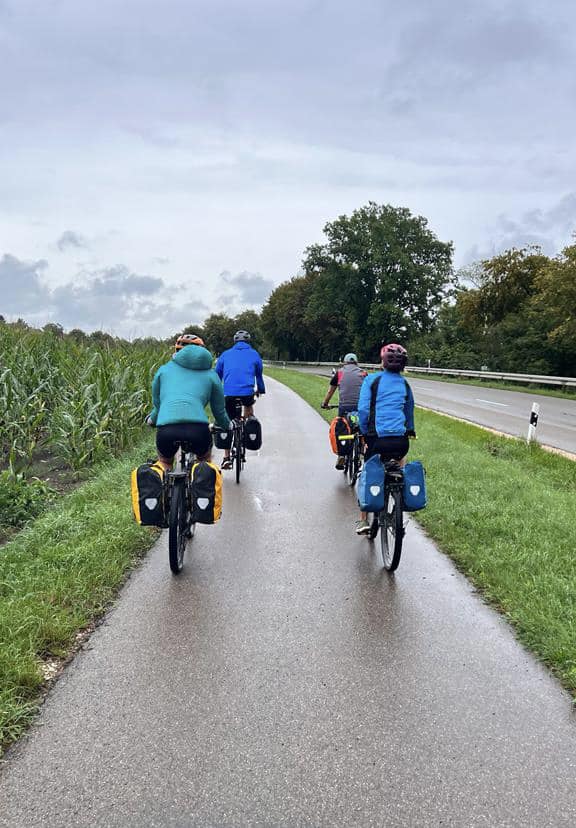
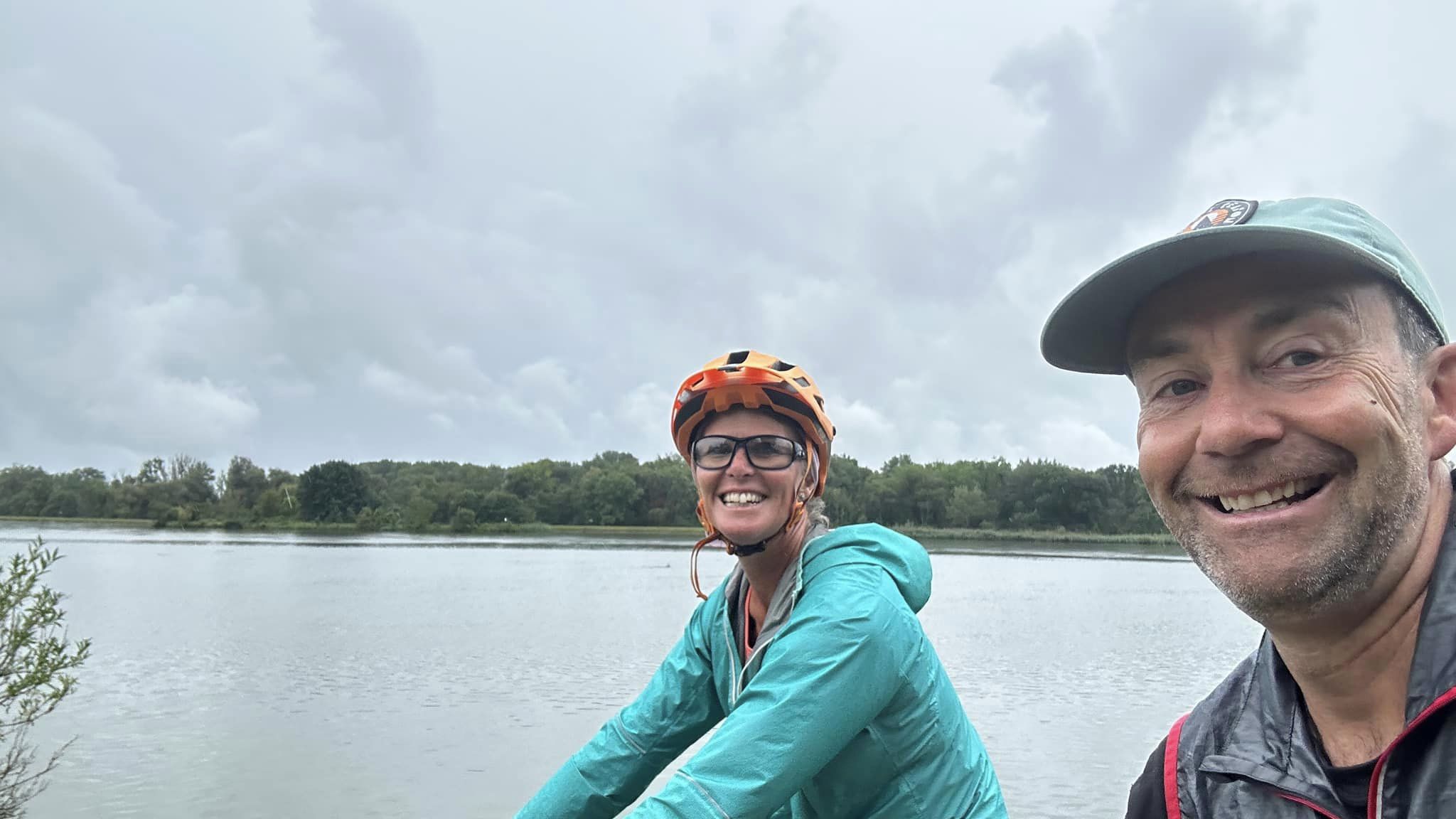
Life is not all beer and skittles and our first 50km today was in the rain. It was also along a lot of limestone paths which had become a bit slushy with the rain, making it even harder work. Everyone went into head down, bum up mode and we got it done.
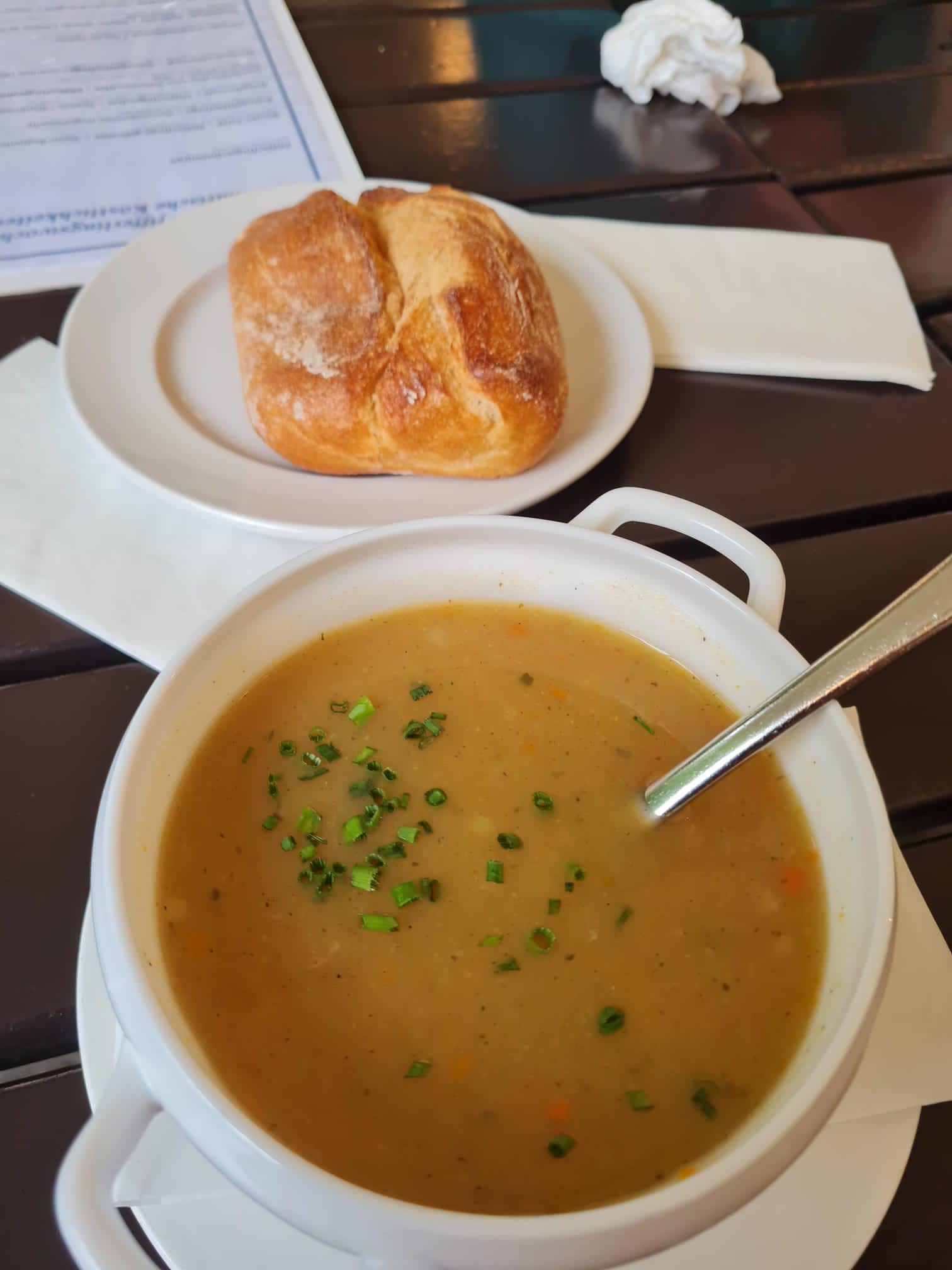
Our first stop was in Weltenburg where we had to catch a ferry 4.5km up the river. While was waited for the ferry we had a traditional Bavarian potato soup (vegan) and it was just perfect – we were cold and hungry. The much anticipated (by Graham in particular) Apfelstrudel was also on offer so some of the team also indulged in this – apparently it did not disappoint 
In Weltenburg you will find a Kloster which was founded in AD 620 and is considered the oldest abbey in Bavaria. Its baroque cloisters surround St Georgenkirche church, a masterpiece built by the Assam brothers from 1716 to 1739. The abbeys first foundation was dissolved in 1803 during the Napoleonic War. It became a fully independent Benedictine abbey in 1913.
Within the abbey is a brewery that has operated since 1050, making it the oldest monastic brewery in the world. A range of beers is still produced, the best known being a dark beer called Kloster Barock dunkel.
Between Weltenburg and Kelheim the Danube flows through the Donaudurchbruch, a rugged gorge with neither roads nor tracks following the river. This is why we had to catch the ferry.
In the gorge the river is only 80 metres wide and depending on the water level up to 20 metres deep. This is the narrowest and deepest part of the Bavarian Danube. The flow velocity is at about 25 metres per second. The rocks are limestone going back to the Jurassic period. The course of the Danube was further north but over millions of years has worked its way through this limestone and the gorge came into being without human intervention or blasting – just through the forces of nature.
The ferry ride took about 25 minutes and when we disembarked the rain had cleared and we even had a glimmer of sunshine. This made the remaining 40km into Regensburg much nicer.
Six kilometres after leaving the ferry we hit the 2,000km mark on our journey and marked it in our own style.
Tonight we are in Regensburg which has a population of 127,000. We were pretty worn out after todays efforts. We cleaned the bikes (they were filthy), ourselves (equally filthy) and then did our washing. It was then an easy dinner before roaming around the supermarket – one of my favourite things in a foreign country – the simple things.
After posting the above I have discovered we have not reached our 2,000 kilometre mark – we are 68.2 kilometres short! We will sort that tomorrow.






 SUNGRL